Preserving fraternity and sorority history represents one of the most important responsibilities Greek organizations face as stewards of decades—often more than a century—of rich traditions, member achievements, and institutional legacy. From composite photographs documenting each pledge class to charter documents establishing chapter founding, from trophies commemorating championship victories to scrapbooks preserving social memories, these artifacts connect current members to generations of brothers and sisters who came before them.
Yet many chapters struggle with preservation challenges that threaten irreplaceable historical materials. Physical composites deteriorate in storage, fading from sunlight exposure or suffering water damage in basement archives. Wall space limitations force difficult decisions about which years to display and which to relegate to forgotten storage rooms. Valuable documents crumble with age while no one recognizes their historical significance. Alumni memories fade as artifacts that could trigger recollections remain inaccessible in closed storage.
The consequences extend beyond simple nostalgia. Chapters without accessible history lose connection to founding values and traditions that shaped their identity. Recruitment suffers when potential new members cannot see the legacy they would join. Alumni engagement weakens when returning graduates cannot find themselves reflected in chapter house displays. Fundraising campaigns struggle without compelling stories demonstrating organizational impact across generations.
This comprehensive guide provides fraternity and sorority chapters with systematic approaches to preserving Greek life history through modern digital solutions, professional archival practices, and engaging recognition displays that honor the past while inspiring future generations of members.
Effective historical preservation combines respect for tradition with strategic innovation. Chapters that thoughtfully implement digital archives, restore deteriorating composites, and create accessible recognition systems strengthen member connections while safeguarding irreplaceable heritage for the future.

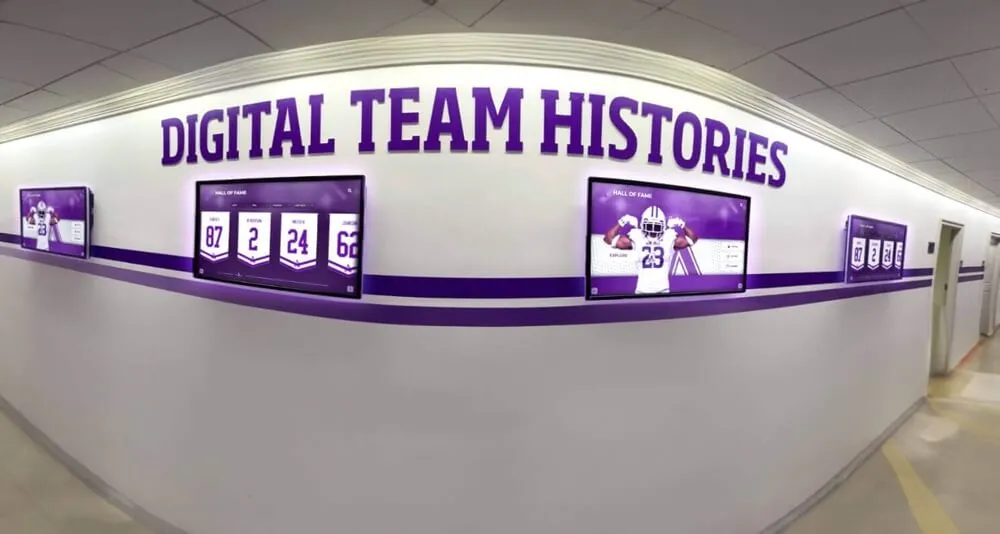
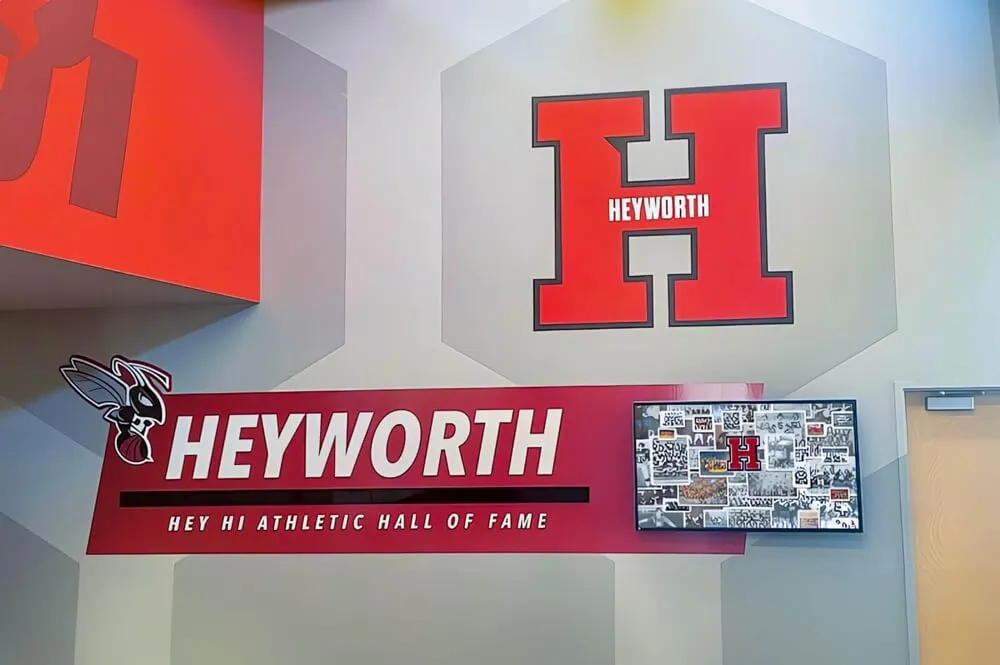
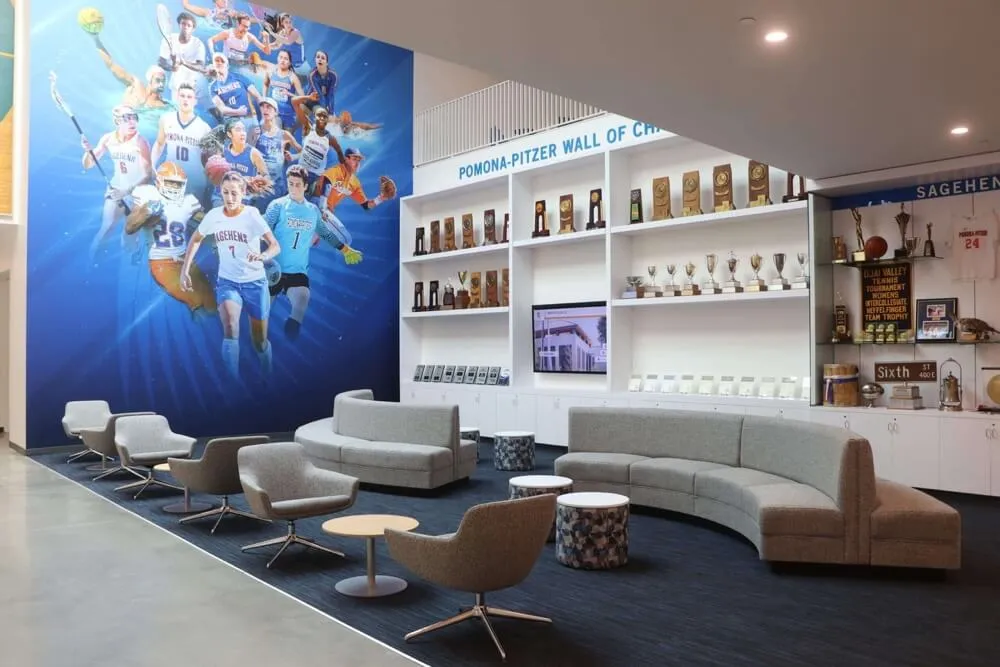
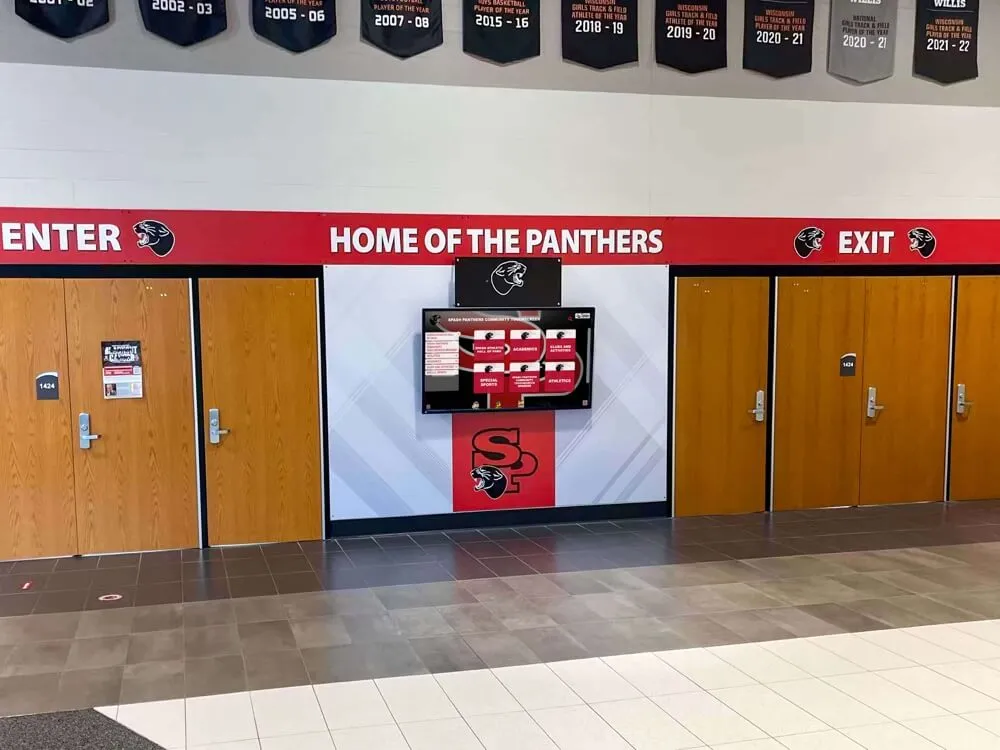
Preserving member composites and historical photographs ensures fraternity and sorority heritage remains accessible for future generations
Understanding Fraternity and Sorority Historical Assets
Before implementing preservation strategies, chapters must identify what historical materials exist and understand their significance to organizational heritage.
Types of Historical Materials in Greek Organizations
Fraternity and sorority chapters typically accumulate diverse historical materials over decades of operation, each category serving distinct preservation needs.
Composite Photographs and Member Records
Annual composites represent the most visible and culturally significant Greek life artifacts. These formal photographic arrangements document every active member from specific terms or academic years, typically featuring individual portraits arranged in grid layouts with fraternity or sorority crests, chapter designations, officer positions, and year information prominently displayed. Composites create visual timelines of chapter membership spanning decades, providing tangible records of who belonged when and serving ceremonial functions during alumni visits and chapter celebrations.
Beyond formal composites, chapters often maintain supplemental member records including pledge class photographs, big/little family documentation, officer transition portraits, and informal social event photography that provides context for chapter life beyond formal presentations.
Founding and Charter Documents
Original charter documents, constitutions, bylaws, and correspondence from national headquarters or founding members represent irreplaceable primary sources documenting chapter establishment and early development. These materials often include signatures of founding members, official seals, and historical context about campus conditions when chapters formed.
Many chapters also preserve historical correspondence with national organizations, expansion documents when establishing new chapters, and official recognition documents from universities acknowledging chapter status on campus.
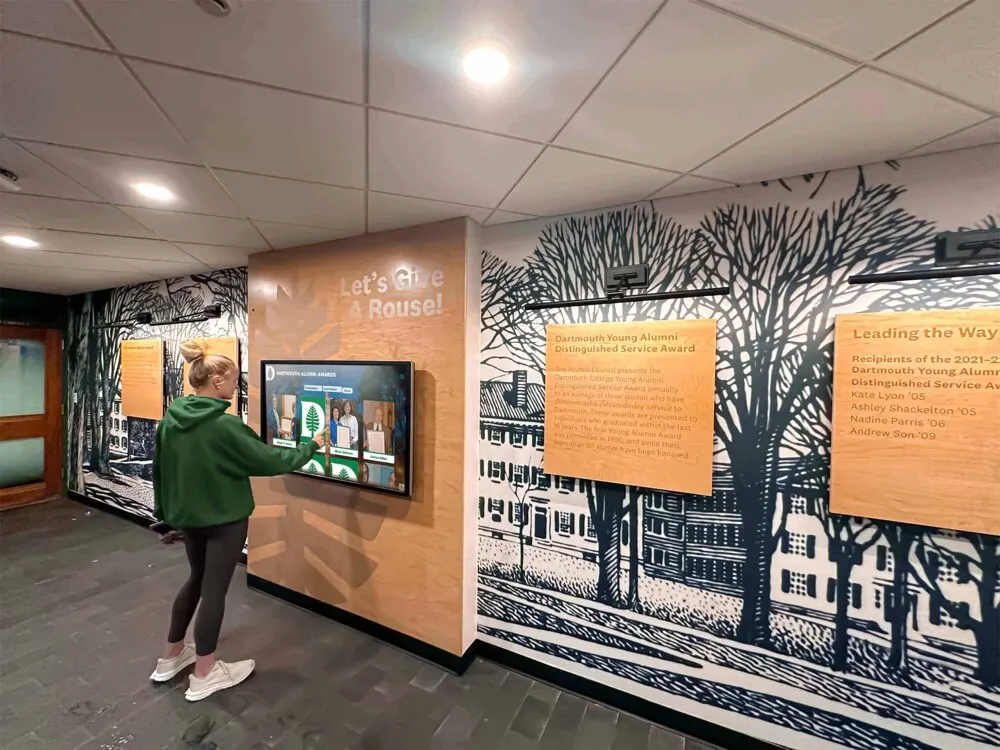
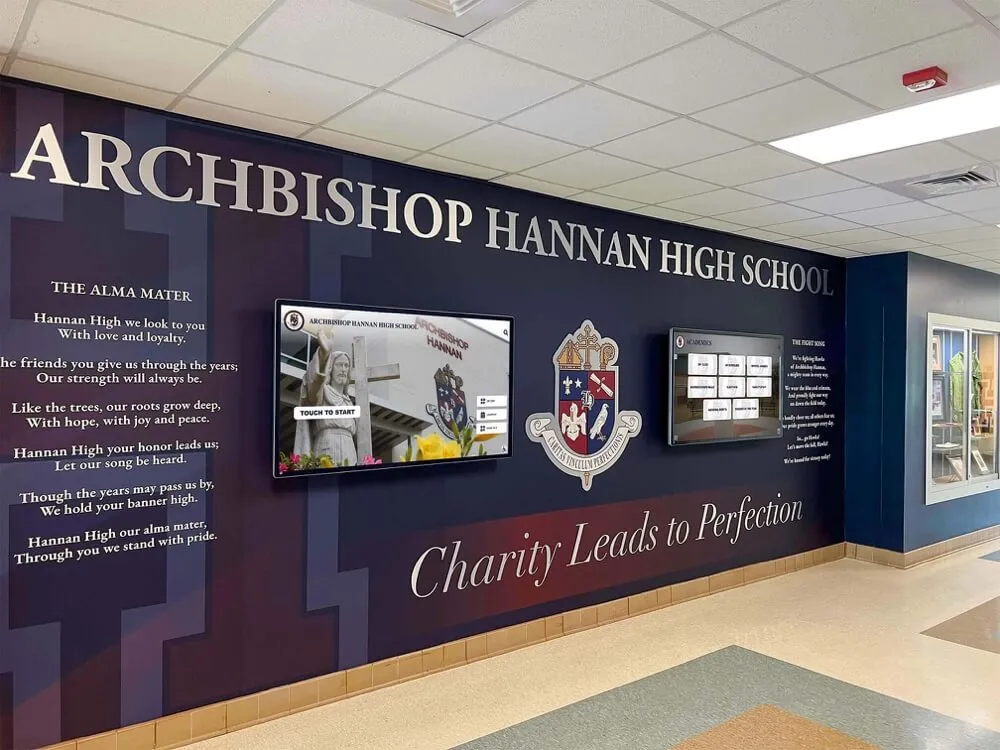
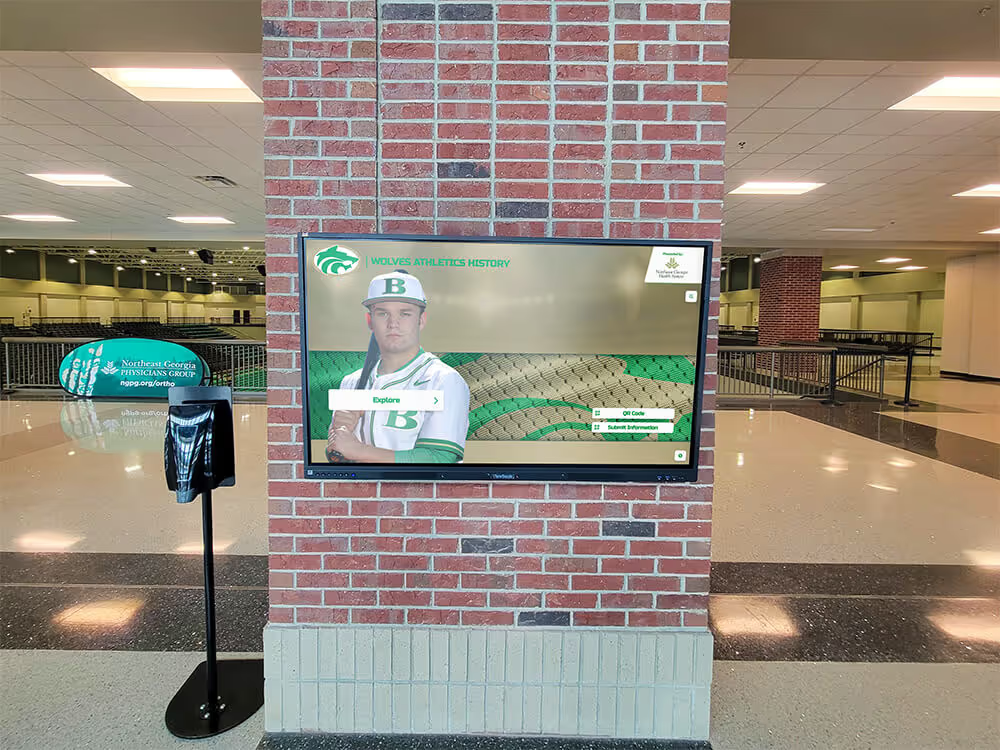
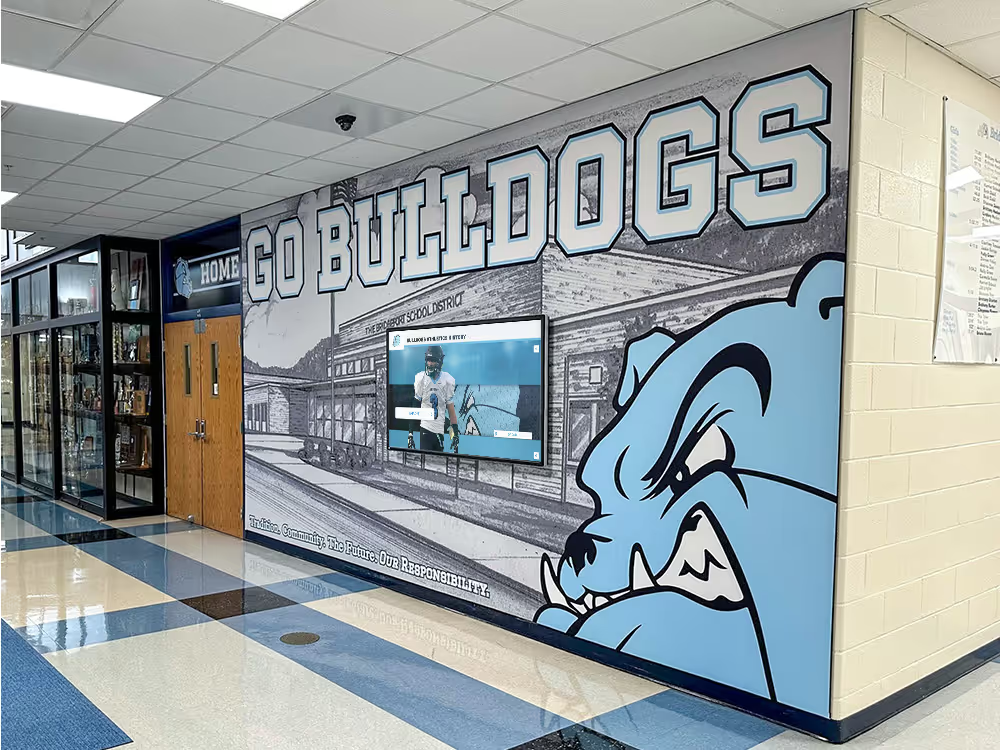
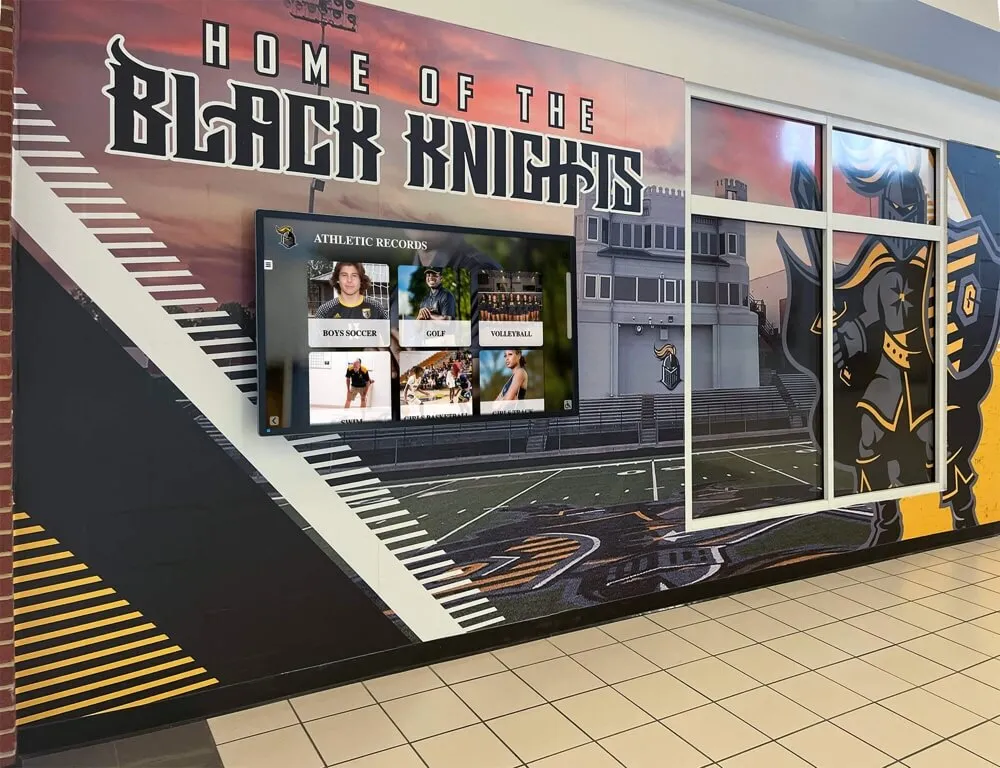
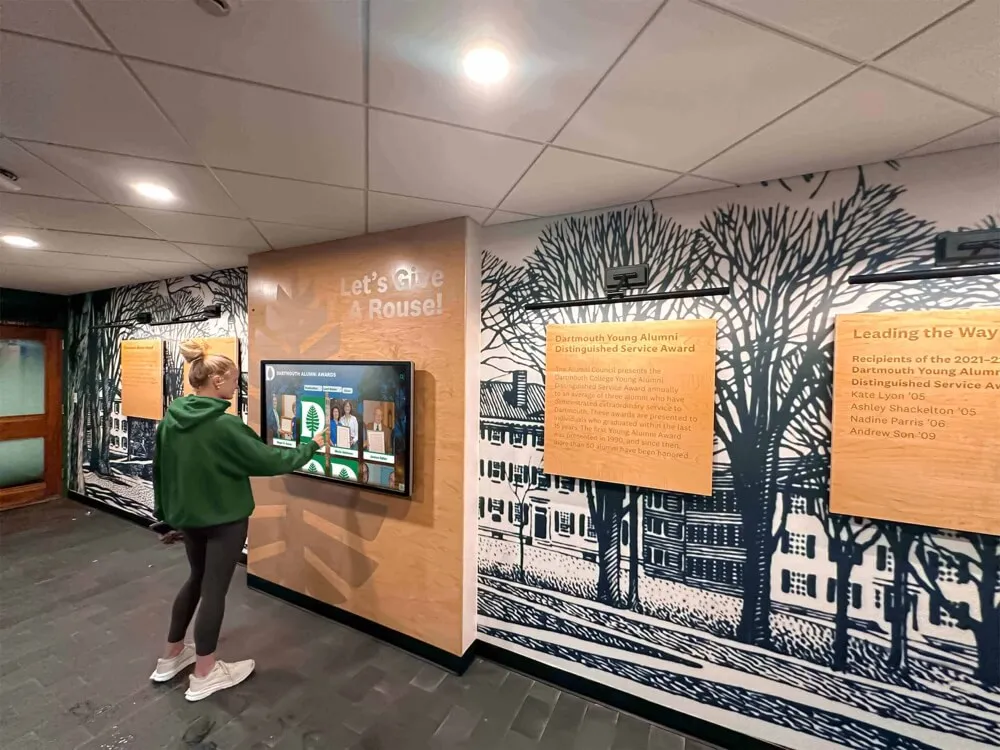
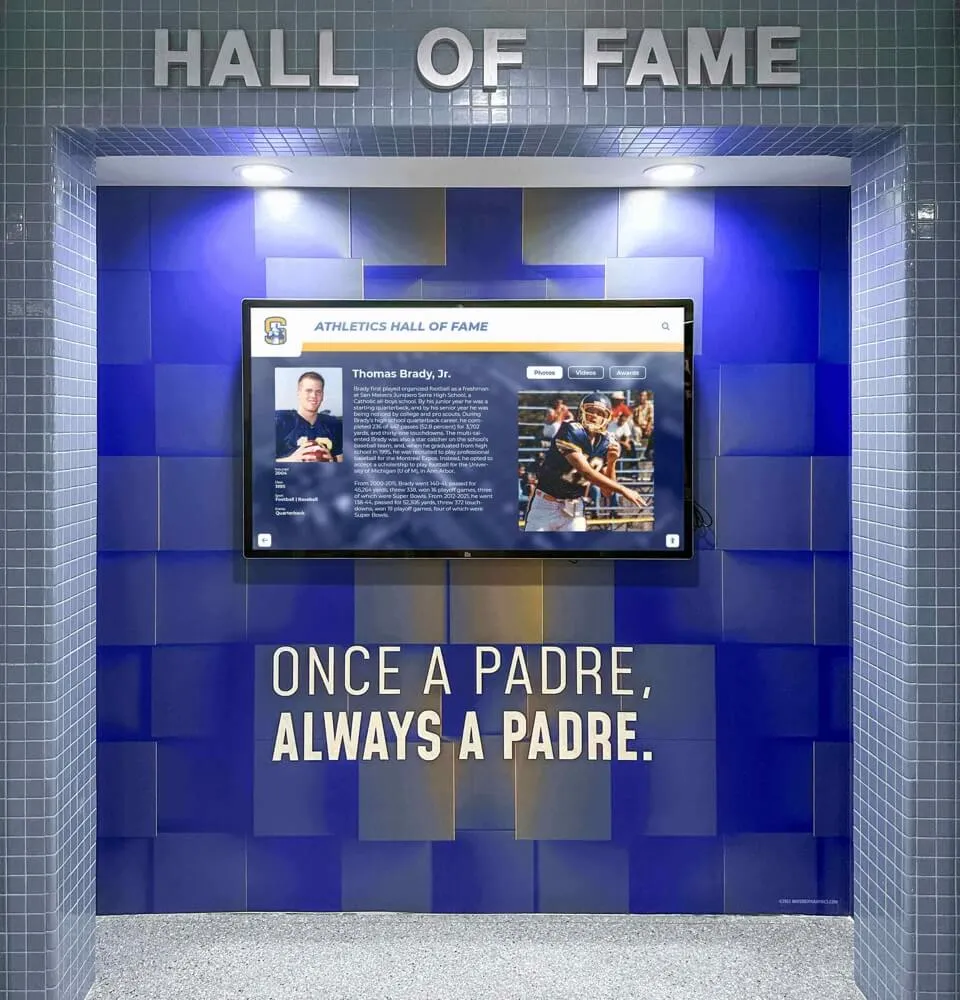
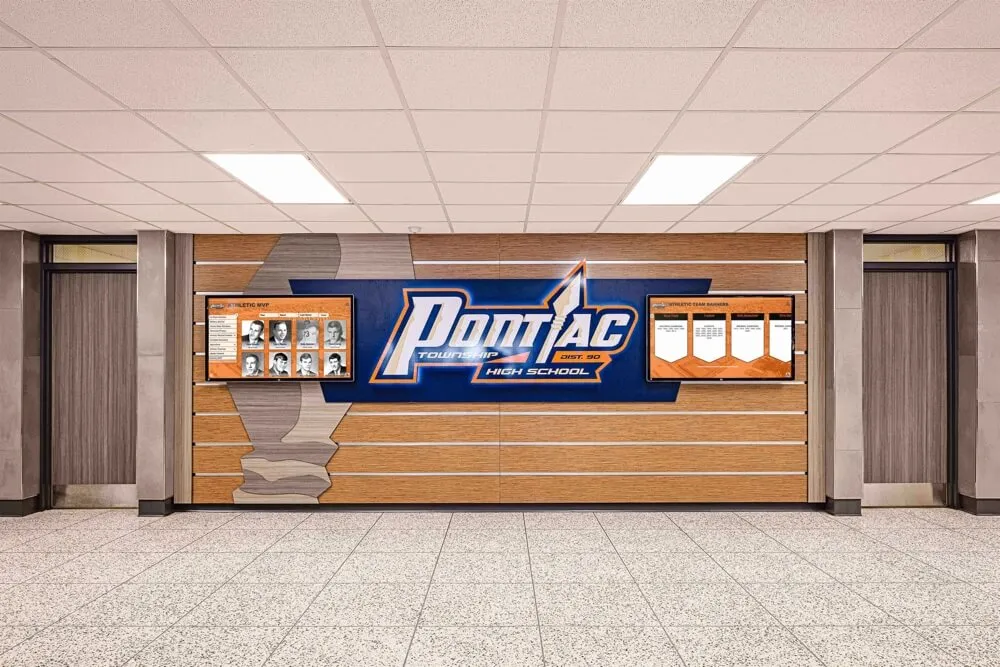
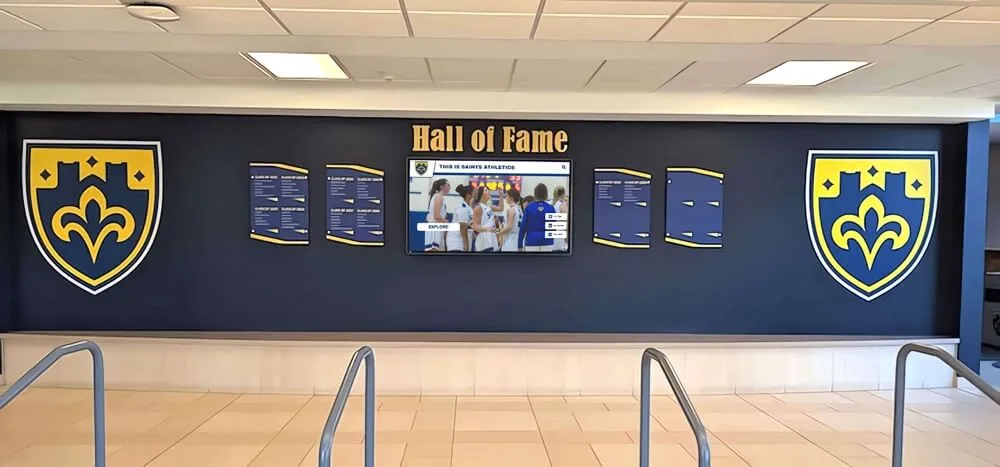
Modern digital displays make chapter history accessible and engaging for current members and visitors
Trophies, Awards, and Recognition Items
Physical trophies documenting athletic championships, academic excellence awards, philanthropy recognition, Greek Week victories, and national organization honors accumulate in chapter houses over time. These tangible achievements demonstrate chapter accomplishments while creating pride among current members and alumni.
Many chapters also preserve gavels used by past presidents, ceremonial items from special events, and donated artifacts from distinguished alumni that carry symbolic importance beyond their material value.
Scrapbooks and Event Documentation
Historical scrapbooks compiled by chapter archivists or social chairs preserve photographs, newspaper clippings, event programs, ticket stubs, and ephemera documenting chapter life across eras. These materials provide rich context about social culture, campus activities, and member experiences that formal records rarely capture.
More recent chapters may have digital photo collections from social media or chapter websites, though these materials face different preservation challenges than physical artifacts.
Publications and Communications
Chapter newsletters, national magazine issues featuring the chapter, university yearbook pages, newspaper articles about chapter activities, and printed programs from signature events preserve documentation of how chapters communicated internally and represented themselves publicly across different eras.
Common Threats to Fraternity and Sorority Historical Materials
Understanding deterioration causes enables chapters to implement appropriate protective measures before damage becomes irreversible.
Environmental Damage
Physical materials face constant environmental threats including sunlight exposure that fades photographs and documents over years, humidity promoting mold growth and paper deterioration, temperature fluctuations causing material expansion and contraction, and dust accumulation degrading surfaces. Many chapter houses store historical materials in basements, attics, or storage closets where environmental conditions remain uncontrolled, accelerating deterioration of irreplaceable artifacts.
Physical Deterioration
Beyond environmental factors, materials simply degrade with age. Photographs develop yellowing or silvering. Newspapers become brittle and fragment when handled. Adhesives in scrapbooks fail, releasing mounted materials. Frames warped by moisture allow glass to crack, damaging composites. Trophies tarnish or corrode without proper care.
Space Constraints and Displacement
Limited chapter house wall space creates ongoing pressure to remove older composites and displays to accommodate recent years. Historical materials moved to storage often become effectively lost—out of sight in basement closets or off-site storage facilities where they’re rarely accessed and gradually forgotten by successive member generations who never saw them displayed.
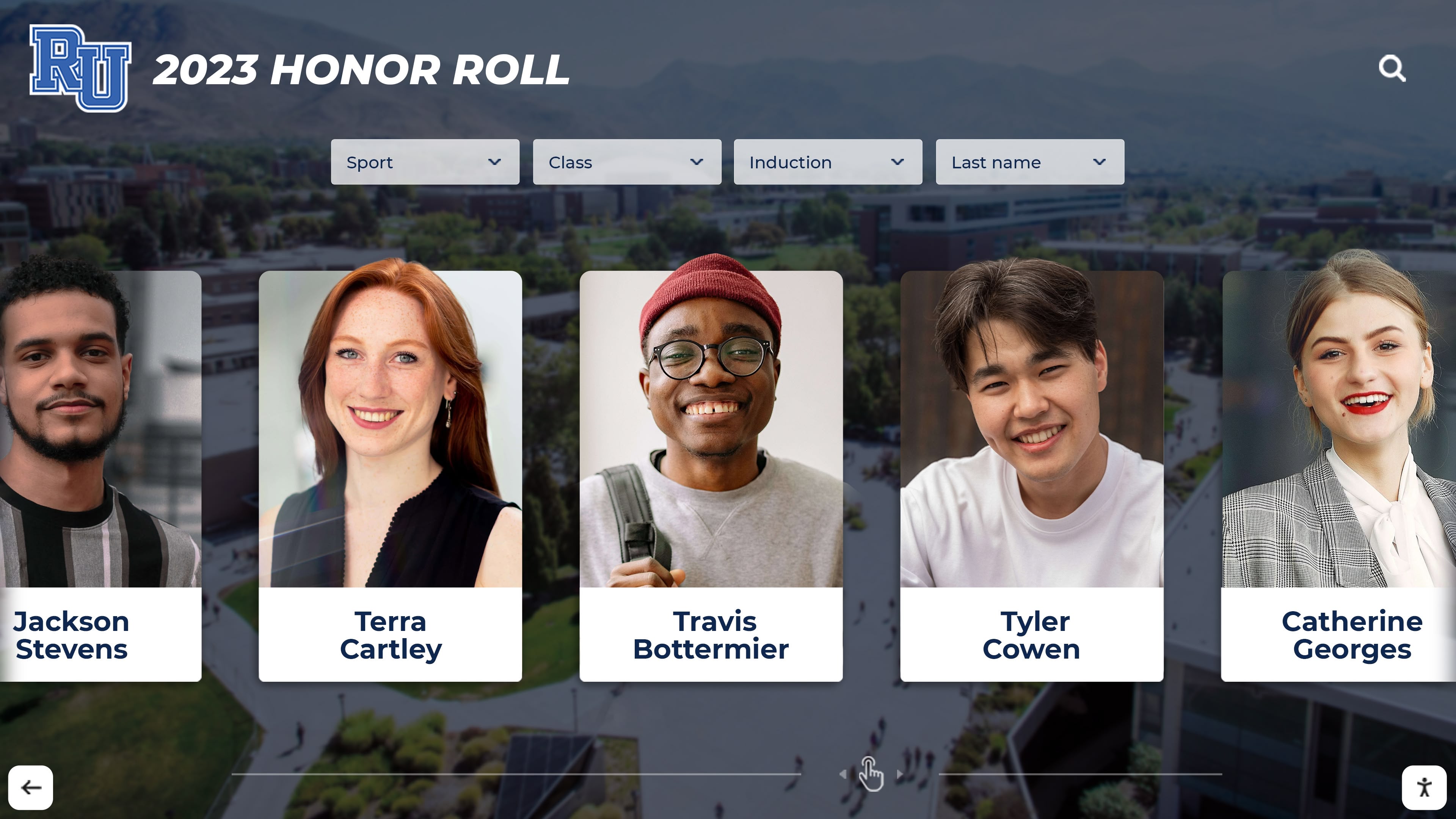
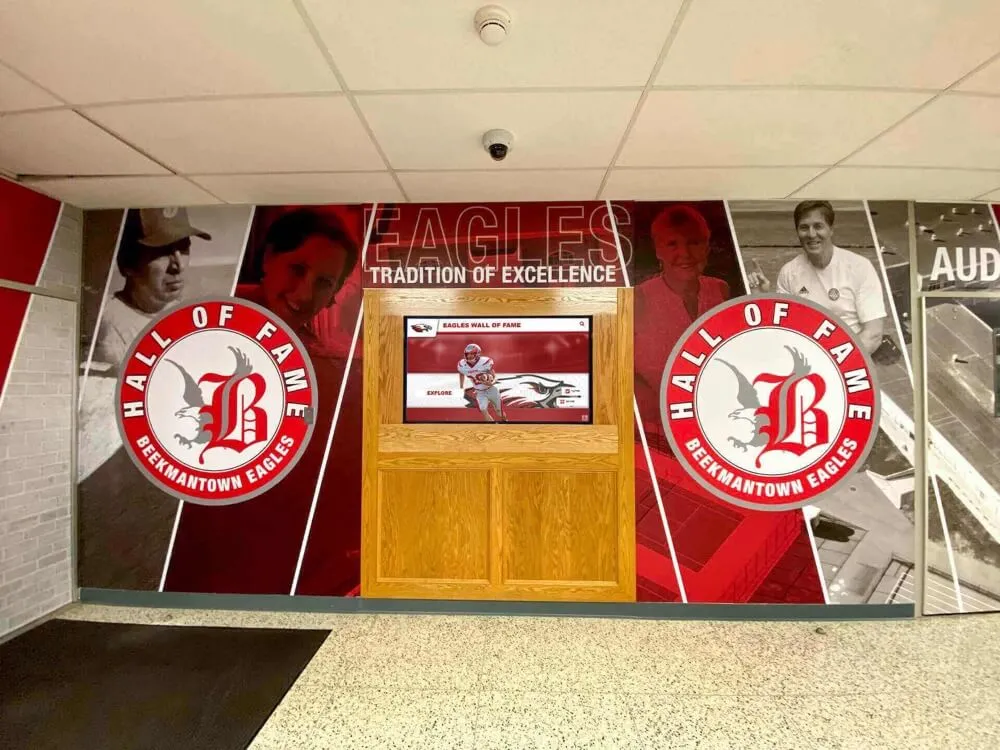
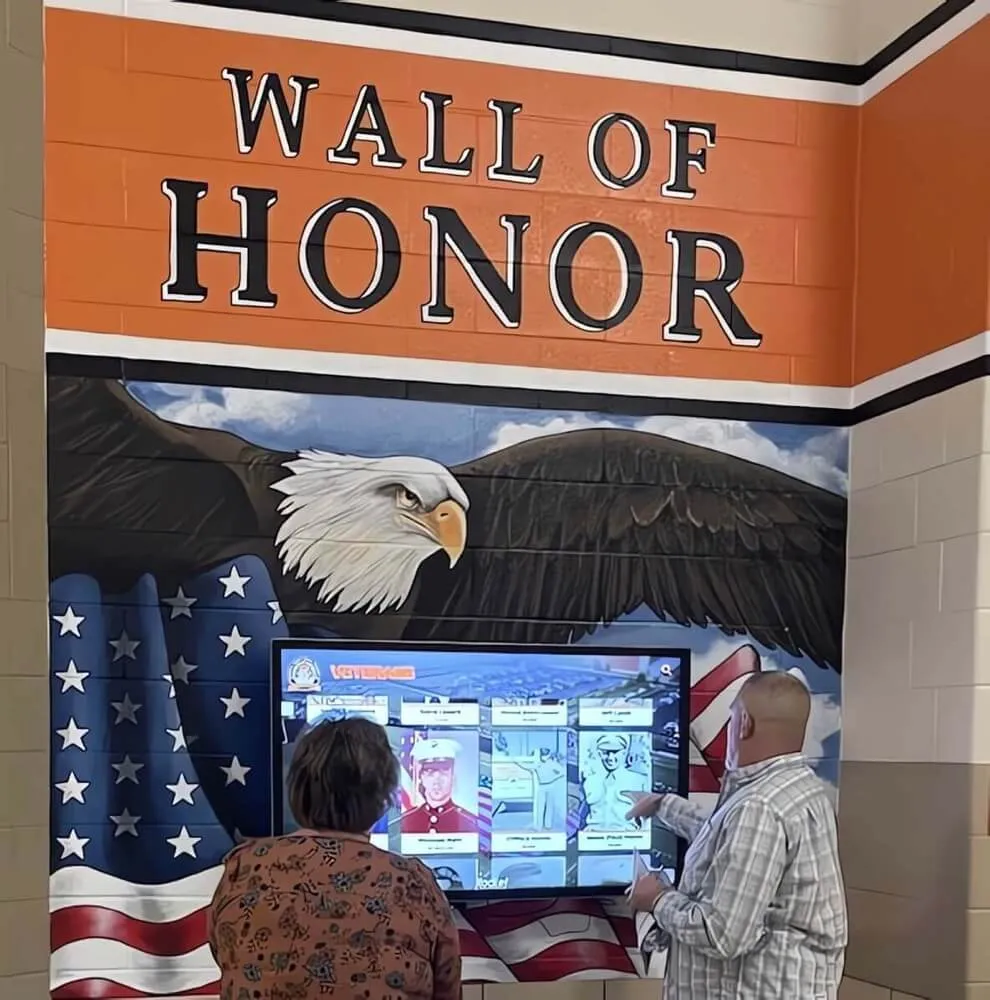
Systematic organization and digital preservation ensure historical materials remain accessible rather than forgotten in storage
Institutional Knowledge Loss
Graduating seniors who understand historical artifact significance take knowledge with them when they leave. New members often don’t realize what materials exist in storage or why certain items matter to chapter heritage. Without deliberate knowledge transfer systems, chapters lose understanding of their own history, making informed preservation decisions impossible.
Theft, Damage, and Loss
Chapter houses face security challenges including theft of valuable or symbolic items, accidental damage during parties or events, loss during house renovations or relocations, and disposal when members don’t recognize historical value. Once lost, irreplaceable artifacts cannot be recovered, creating permanent gaps in organizational memory.
Why Digital Preservation Transforms Fraternity and Sorority History Management
Modern digital technologies address nearly every limitation of traditional physical preservation while introducing capabilities impossible with physical artifacts alone.
Unlimited Capacity Without Physical Space Constraints
The most immediate advantage digital preservation provides involves freedom from physical space limitations that force chapters to choose which history deserves display prominence.
A single digital recognition system can showcase unlimited composites, photographs, documents, and achievement records spanning every year from chapter founding through the present. Chapters implementing comprehensive digital archives report making 5-10 times more historical content accessible compared to what limited wall space previously allowed. Every pledge class receives equal accessibility regardless of age. Historical members become discoverable through search features rather than remaining forgotten in basement storage.
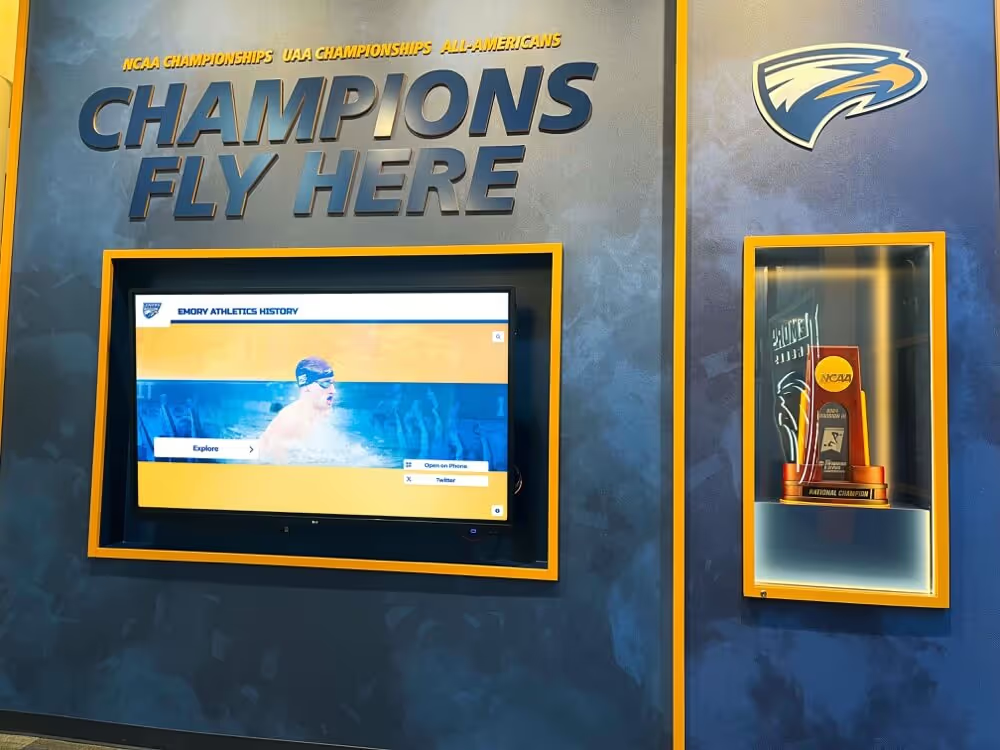
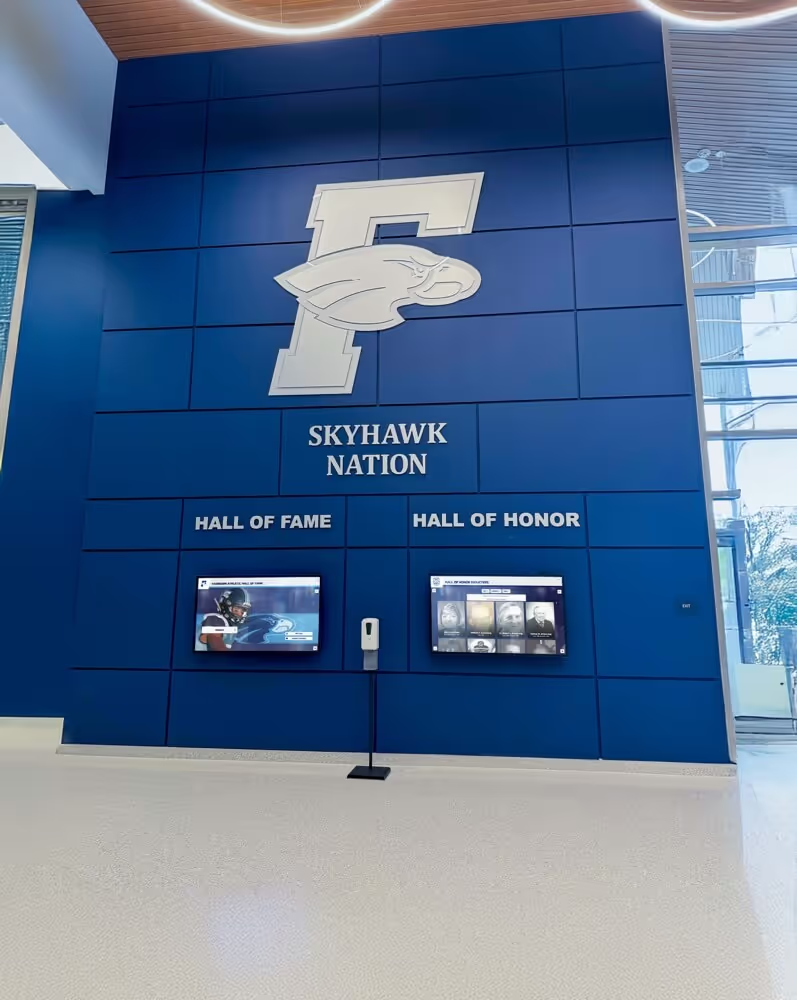
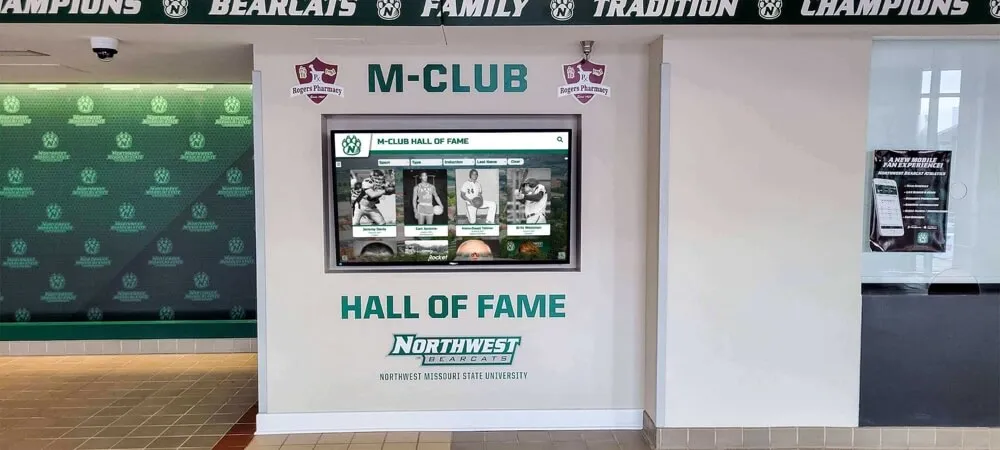
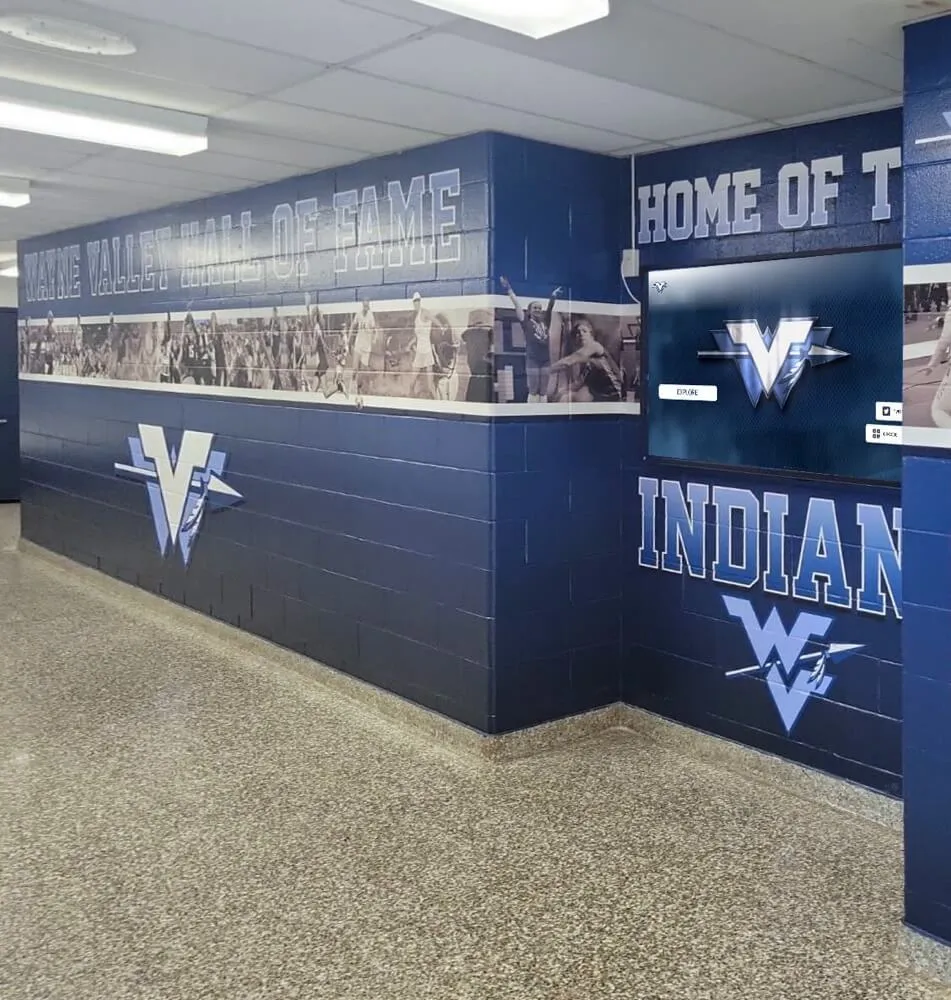
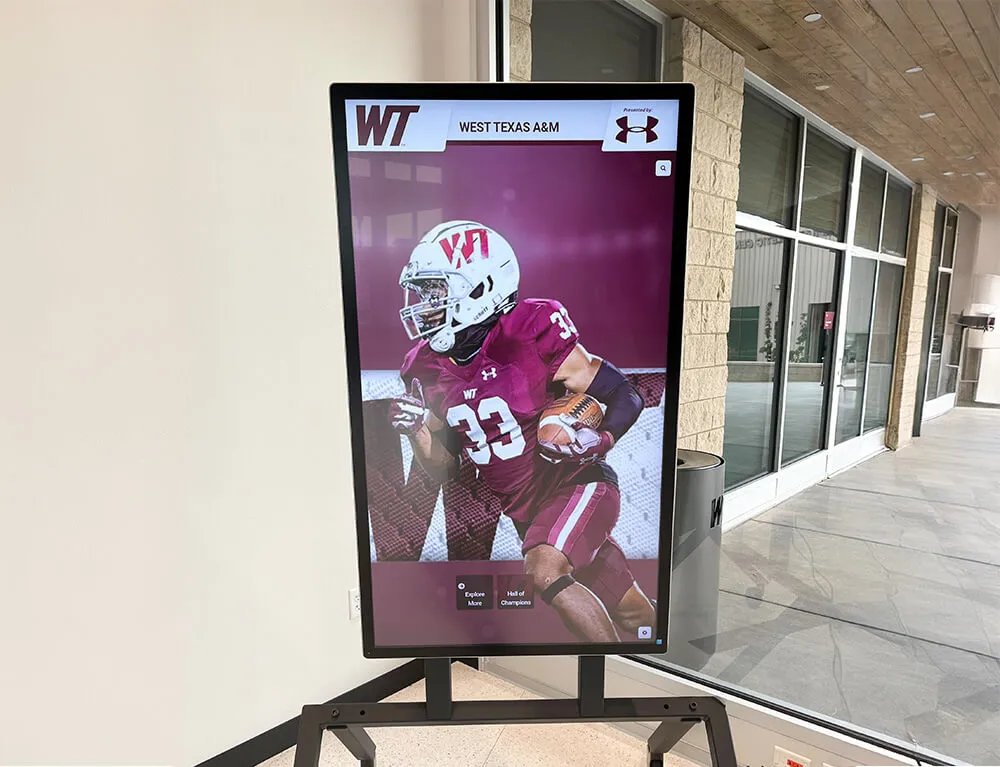
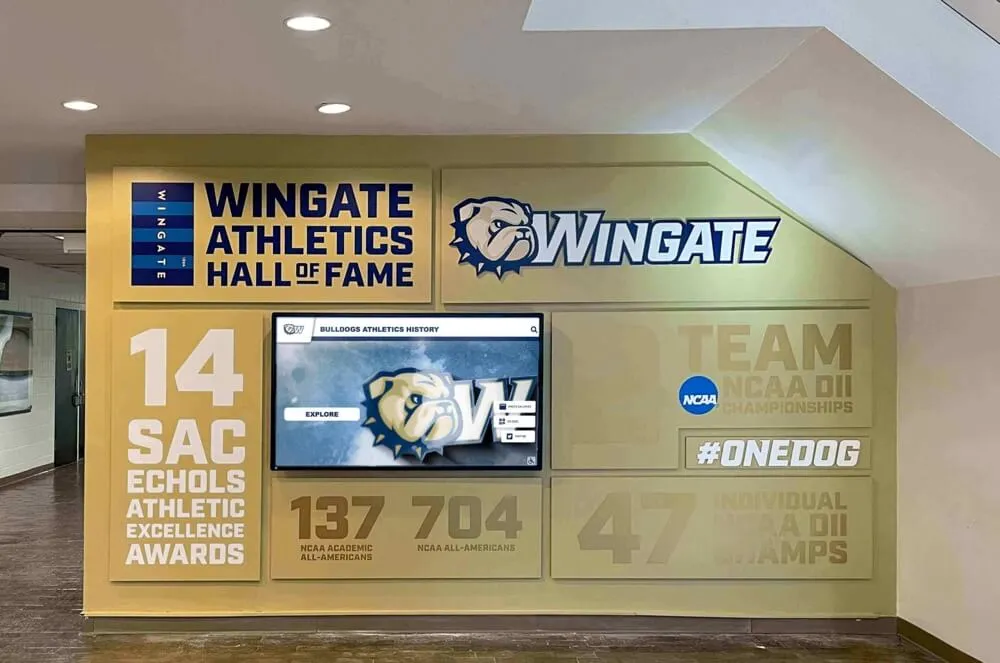
Solutions like interactive sorority history walls demonstrate how single touchscreen installations replace entire walls of traditional composites while providing enhanced engagement through multimedia storytelling and intuitive navigation.
This expanded capacity fundamentally changes what preservation means—from selective curation limited by physical constraints to comprehensive documentation where every member and achievement can be honored and accessed.
Protection Through Digital Redundancy
Digital preservation protects original artifacts by reducing handling while ensuring content survives even if physical materials deteriorate or are lost.
Multiple Backup Strategies
Once historical materials are digitized, content exists in multiple locations including primary files stored in the digital recognition system, cloud backups maintained by service providers, local archive copies on chapter computers or storage drives, and potentially distributed copies with alumni or national headquarters.
This redundancy means that fire, flood, theft, or other catastrophic events affecting the physical chapter house cannot destroy the historical record. Digital files remain intact and can be restored even if every physical artifact is lost.
Preservation of Deteriorating Originals
For artifacts already showing age-related deterioration, digitization captures their current state before further damage occurs. High-resolution scanning or photography creates permanent records of composite photographs before fading becomes worse, documents before paper becomes too brittle to handle safely, newspaper clippings before they crumble, and artifacts before environmental conditions cause irreparable harm.
Professional digitization services following standards from organizations like the Federal Agencies Digital Guidelines Initiative ensure archival-quality digital captures that preserve maximum information about original materials for future research and reproduction.
Enhanced Accessibility for Members and Alumni
Digital archives fundamentally change who can access chapter history and how they interact with heritage materials.
Remote Access for Distributed Alumni
Cloud-based digital archives enable alumni living anywhere in the world to explore chapter history without needing to physically visit the chapter house. Graduates can search for their own composites and pledge class brothers or sisters, share historical materials with family members explaining their college experience, discover what happened in the chapter during different eras, and maintain emotional connections to organizations they belonged to decades ago.
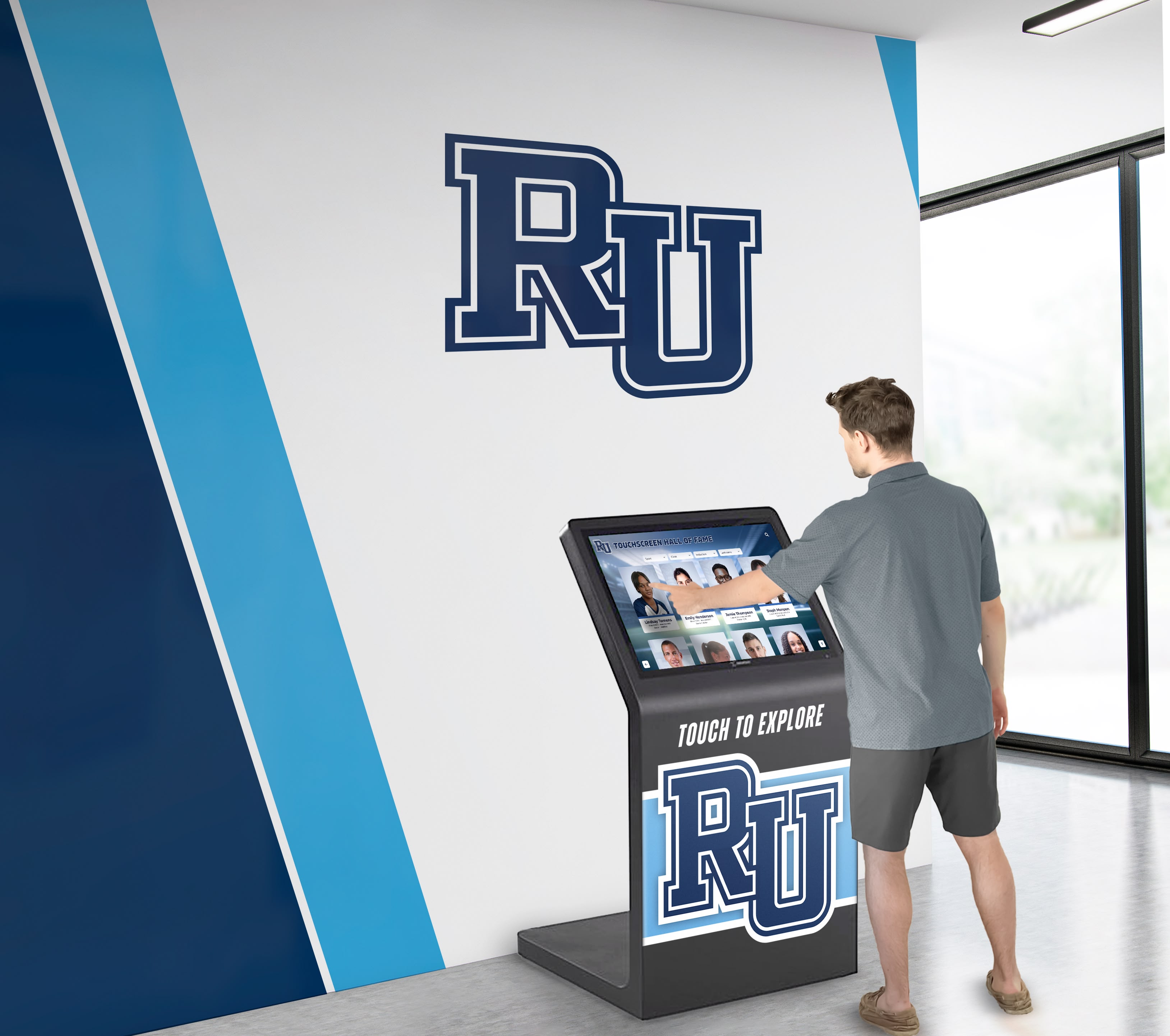
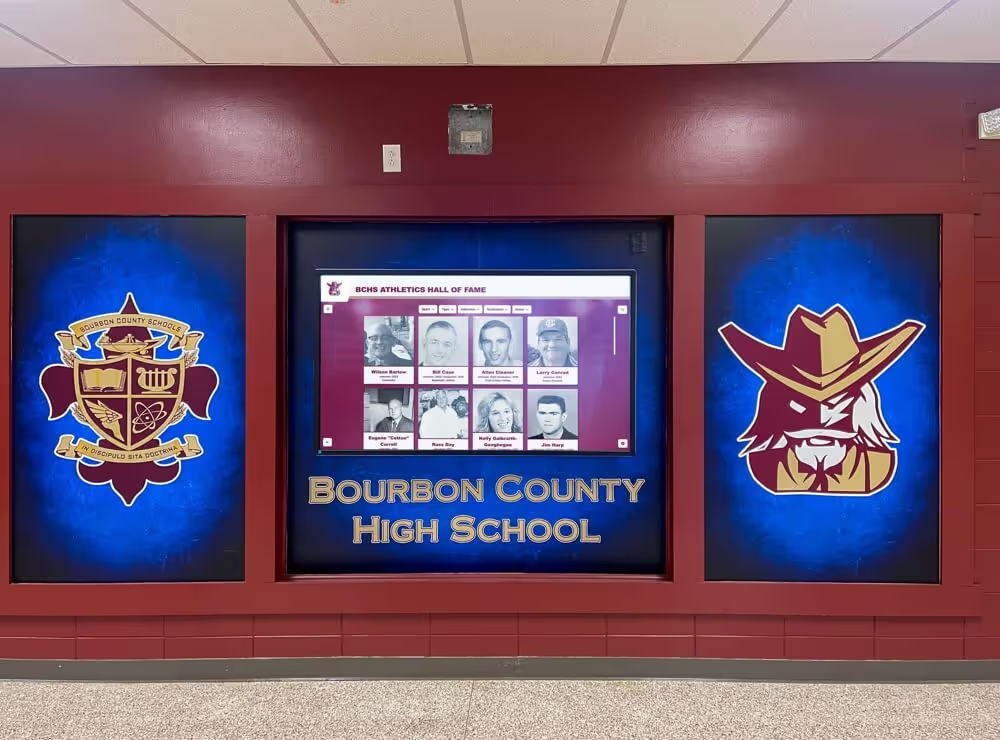
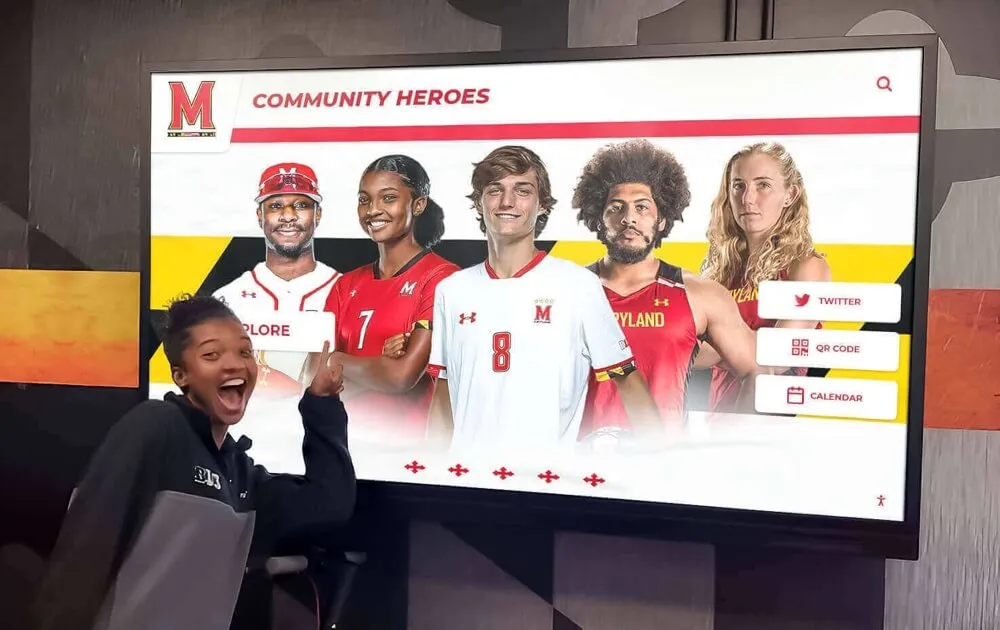
Digital archives make chapter history accessible to members, alumni, and visitors without requiring physical access to stored materials
This accessibility strengthens alumni engagement—a critical factor in fundraising, mentorship programs, and organizational support. Alumni who can easily access and share their Greek life history maintain stronger emotional connections to chapters and demonstrate greater willingness to give back financially and through volunteer involvement.
Interactive Exploration and Discovery
Unlike static physical displays, digital systems enable active exploration through searchable databases by name, year, position, or achievement, filtering and browsing capabilities across decades of content, random discovery features introducing unexpected historical connections, multimedia integration including video interviews and audio recordings, and linked information connecting related members, events, and achievements.
These interactive capabilities extend average engagement time dramatically. Research on digital recognition systems shows visitors spend 5-8 minutes actively exploring digital archives compared to seconds spent glancing at static physical displays—creating deeper engagement with organizational heritage.
Inclusive Recognition and Representation
Digital systems enable chapters to recognize diverse contributions beyond what limited physical space allowed. Advisors and house corporation members who guided chapters across decades, staff members who supported chapter operations, national organization leaders with chapter connections, and distinguished alumni whose post-graduation achievements reflect positively on their Greek life foundation all receive appropriate recognition without competing for limited wall space.
This inclusive approach strengthens organizational culture by demonstrating that the chapter values all forms of contribution and maintains long-term relationships extending beyond undergraduate years.
Cost-Effectiveness Over Time
While digital preservation requires initial investment, total cost of ownership strongly favors digital approaches compared to ongoing traditional preservation expenses.
Traditional Preservation Costs (10-Year Analysis)
Chapters maintaining physical-only archives face recurring expenses including climate-controlled storage space rental, archival-quality storage materials and containers, conservation and restoration for deteriorating items, insurance coverage for valuable historical materials, display case maintenance and updates, and composite printing and framing expenses for new annual additions.
These costs compound over decades, consuming chapter budgets without expanding capacity or accessibility. Many chapters cannot afford proper archival preservation and resort to inadequate basement storage that virtually guarantees long-term deterioration.
Digital Preservation Investment (10-Year Analysis)
Digital approaches involve higher initial investment but dramatically lower ongoing costs. One-time digitization expenses include professional scanning or photography services, metadata creation and organization, initial system setup and training, and content upload and organization.
Ongoing operational costs remain modest including annual software licensing and support, cloud storage and backup services, periodic content additions for new member classes, and occasional system updates or enhancements.
Most chapters find that digital preservation costs less over 5-7 year periods compared to traditional approaches while delivering dramatically superior accessibility, protection, and engagement capabilities. The value proposition improves significantly beyond the initial decade as digital systems continue accommodating growth without linear cost increases that physical materials require.
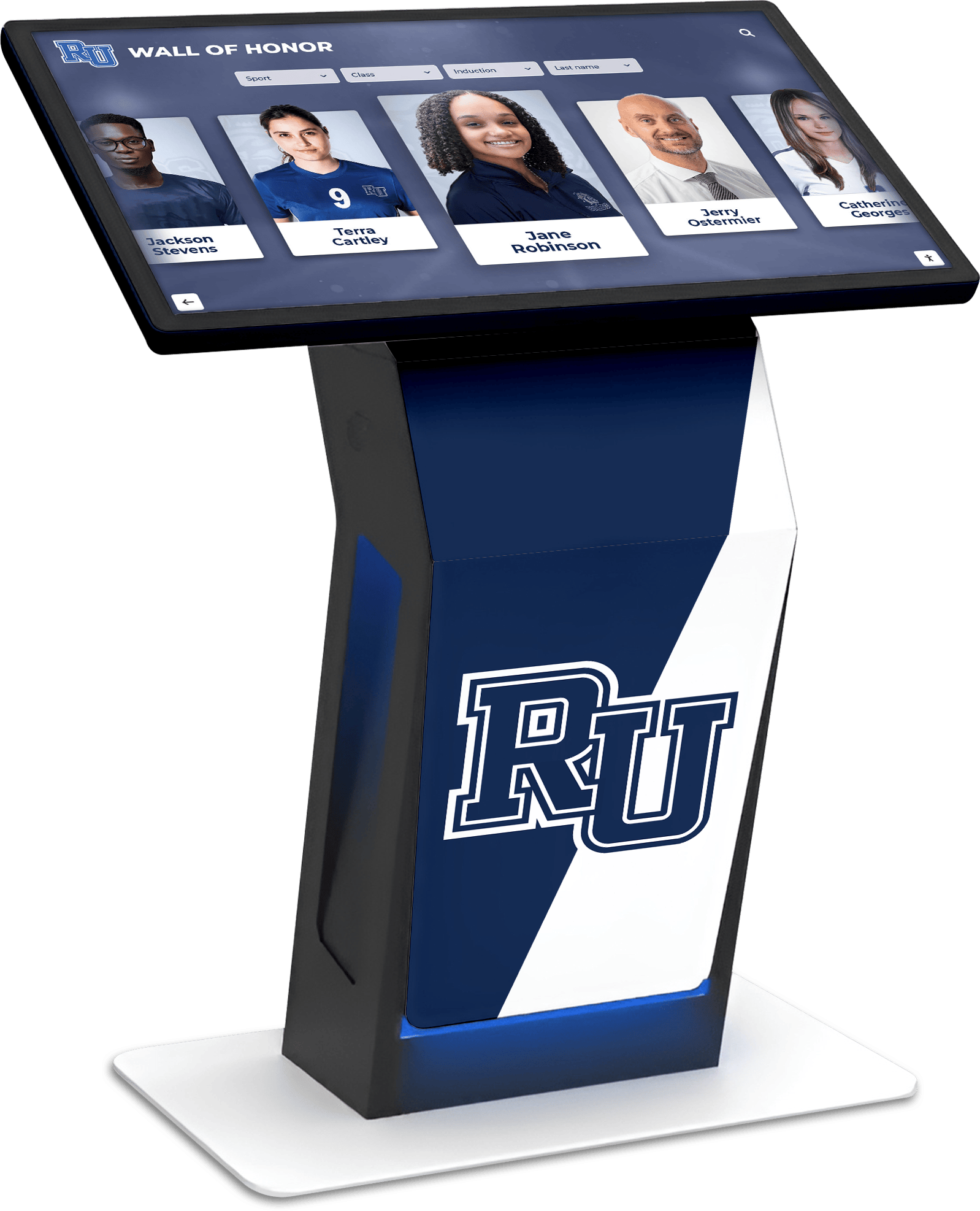
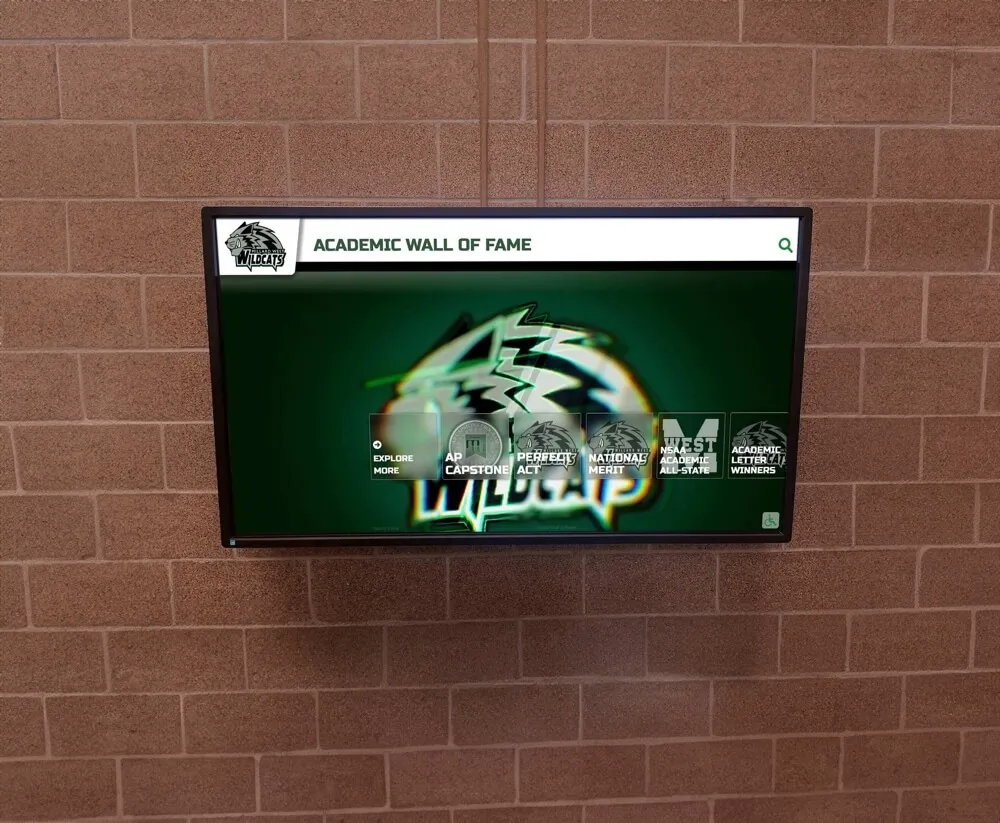
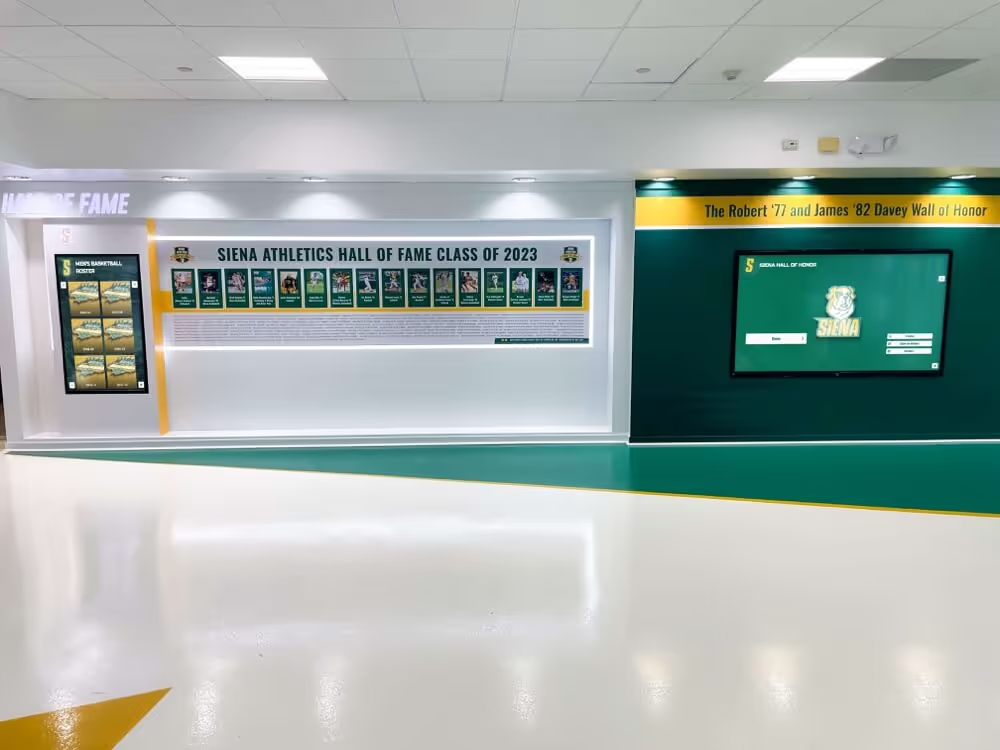
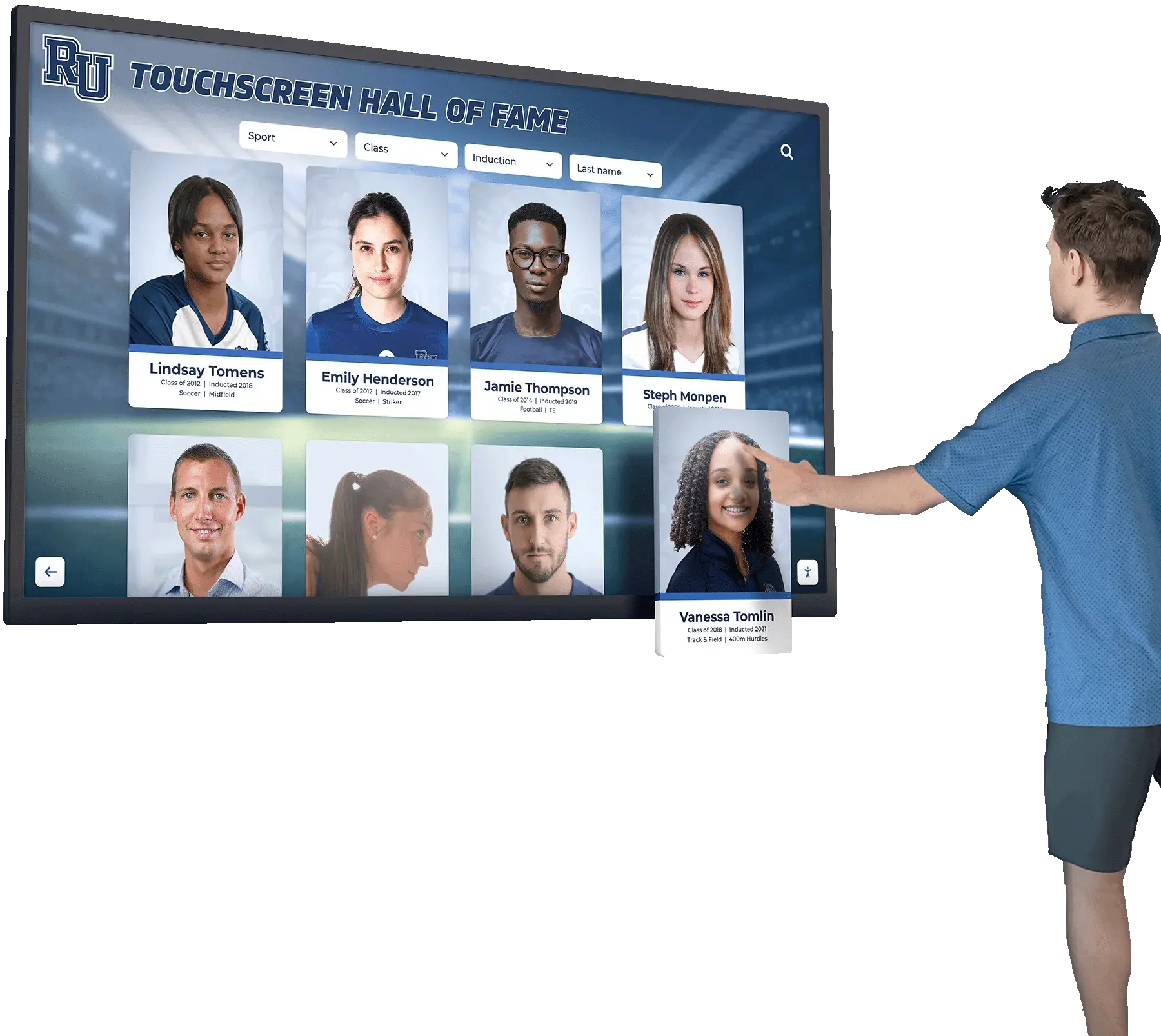
Purpose-built recognition systems provide intuitive access to comprehensive chapter archives
Comprehensive Strategies for Fraternity and Sorority History Preservation
Successful preservation programs combine digital innovation with respect for traditional artifacts and systematic organizational approaches.
Assessment: Inventorying Historical Materials
Effective preservation begins with understanding what materials exist, their current condition, and their relative historical significance.
Conducting Historical Material Audits
Assign a preservation committee including current members interested in chapter heritage, alumni with institutional knowledge about historical materials, advisors or house corporation members with long-term chapter connections, and potentially professional archivists if available through university special collections.
Systematically survey all chapter spaces including displayed materials in common areas, storage closets and rooms, basement and attic spaces, off-site storage facilities, and materials held by individual alumni or national headquarters. Document each item category, approximate age or date range, current condition and preservation needs, current location and accessibility, and historical significance to the chapter.
Prioritization and Planning
Not all historical materials require immediate attention or identical preservation approaches. Develop priorities based on significance to chapter identity and heritage, immediate deterioration risks or threats, member and alumni interest and demand, practical preservation feasibility, and available budget and resources.
Most chapters find success by identifying 3-5 highest-priority categories for initial preservation efforts, creating achievable goals within available resources, then systematically expanding to additional materials as systems and budgets allow.
Institutions can learn from approaches to preserving athletic history that apply equally well to Greek life heritage documentation.
Professional Digitization of Composites and Photographs
High-quality digitization forms the foundation of effective preservation programs.
Selecting Digitization Approaches
Chapters have several options for creating digital archives including professional preservation services that travel to chapter houses, local commercial scanning services with archival capabilities, in-house scanning using consumer or prosumer equipment, or hybrid approaches combining professional services for priority materials with internal digitization for lower-priority content.
Professional Preservation Service Advantages
Specialized services designed for organizational history preservation provide distinct benefits. Experienced technicians understand how to handle fragile historical materials safely. Professional equipment captures archival-quality images meeting preservation standards. Proper lighting, color correction, and technical specifications ensure faithful reproduction. Metadata specialists tag individuals, positions, years, and relevant details making content searchable. Raw file formats future-proof archives against technological change.
Companies with expertise in Greek life preservation understand composite conventions, recognize the cultural importance of these materials, and design systems optimizing fraternity and sorority applications specifically.
In-House Digitization Best Practices
Chapters choosing to digitize materials internally should follow preservation principles including using highest resolution settings available on scanning or camera equipment, capturing images in RAW or uncompressed formats when possible, ensuring proper lighting without glare or shadows, photographing flat materials on clean, neutral backgrounds, creating systematic file naming conventions indicating content and dates, and backing up all digital files immediately in multiple locations.
Even smartphone cameras can create useful digitization if proper techniques are followed, though quality will not match professional archival standards. Pragmatic chapters often digitize with available resources rather than waiting indefinitely for ideal professional services they cannot afford.
Restoration of Deteriorating Composites and Documents
Many valuable historical materials show significant age-related damage requiring restoration before or during digitization.
Professional Restoration Services
Specialized companies maintain archives of Greek life composites dating back decades and possess digital restoration capabilities for damaged, aged, or partially destroyed materials. Professional restoration can repair water damage and staining, reconstruct missing portions of photographs or documents, correct color fading and deterioration, remove scratches, tears, and physical damage, and enhance legibility of faded text or images.
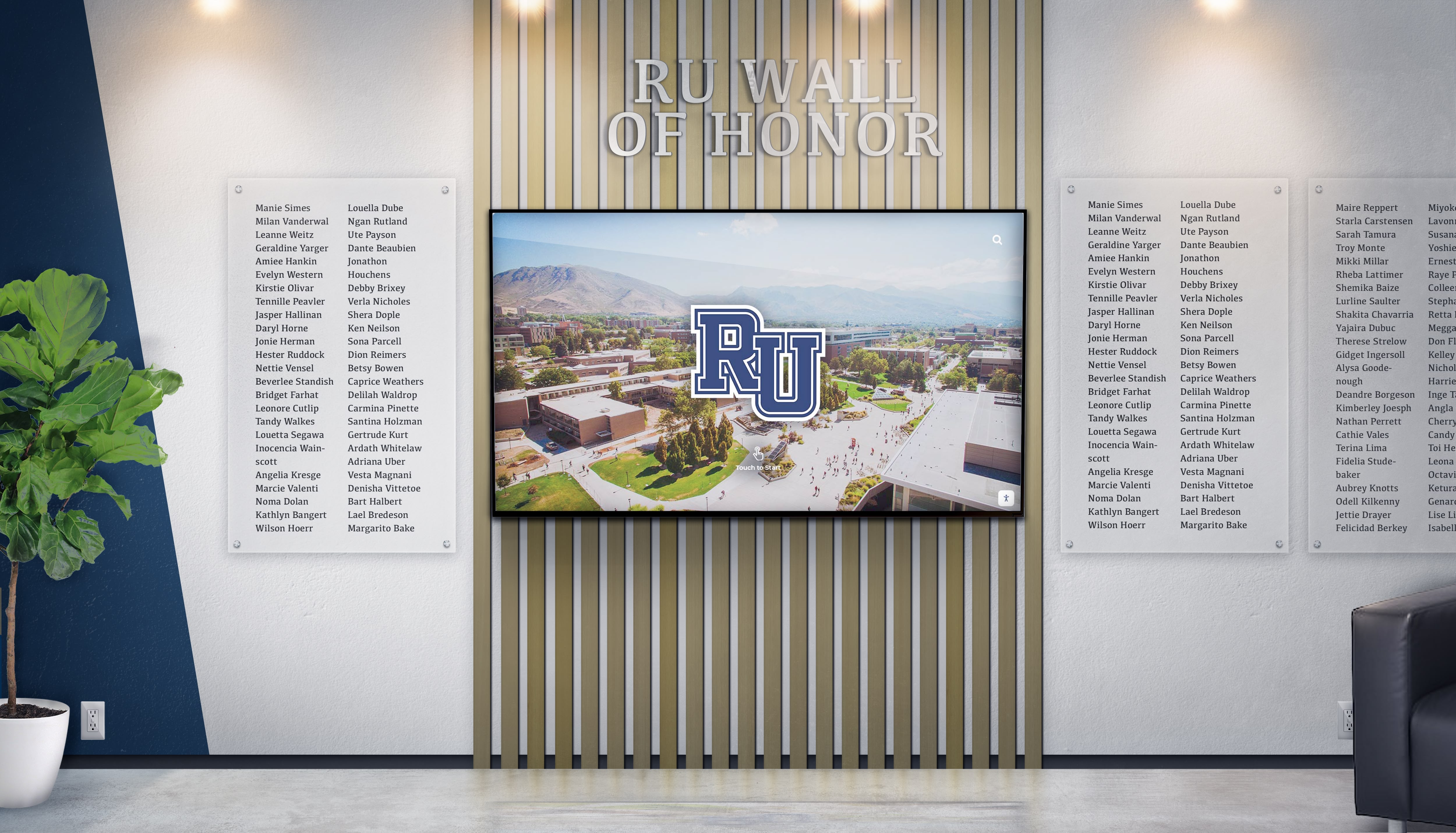
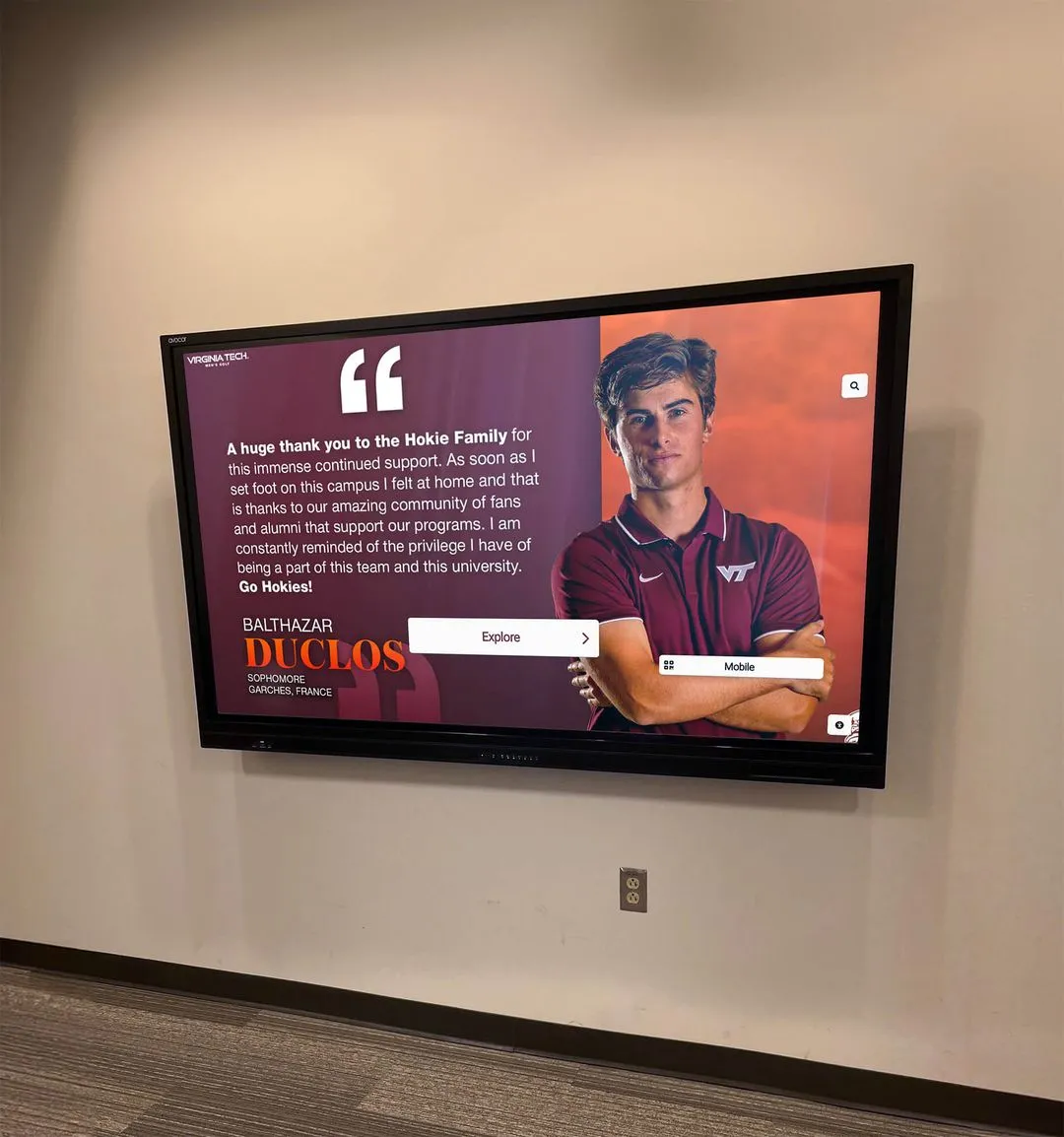
Modern systems preserve historical imagery while presenting it through contemporary technology
For composites that have been lost entirely but existed in the past, some restoration services maintain historical records and may be able to reconstruct lost materials from their archives if the chapter previously worked with that provider.
Conservation of Physical Originals
Even when creating digital archives, properly preserving physical original materials remains important. Best practices include storing items in archival-quality acid-free containers and folders, maintaining climate-controlled environments with stable temperature and humidity, protecting materials from direct sunlight and fluorescent lighting, using appropriate mounting and framing techniques for displayed items, and handling historical materials with clean hands or cotton gloves.
University special collections departments or local historical societies can often provide guidance on appropriate conservation practices and may offer storage solutions for particularly valuable materials that exceed chapter house capabilities.
Implementing Digital Recognition Displays
Making preserved history accessible and engaging requires thoughtful display implementation.
Strategic Placement in Chapter Houses
Digital recognition systems deliver maximum impact when installed in high-visibility, high-traffic locations including main entrance lobbies where all members and visitors pass, social gathering spaces used for chapter meetings and events, alumni visiting areas where graduates naturally congregate, and recruitment spaces where potential new members experience chapter culture.
Professional installations create focal points that communicate the chapter’s pride in heritage while demonstrating commitment to honoring all members across generations. Purpose-built systems designed specifically for recognition applications provide superior user experiences compared to generic digital signage adapted for historical display purposes.
Content Organization and User Experience
Effective digital archives balance comprehensive content with intuitive navigation. Organizational approaches include chronological browsing by year or decade, alphabetical member directories across all years, position-based navigation finding past officers or holders of specific roles, achievement categories highlighting awards and recognition, and event timelines documenting significant chapter moments.
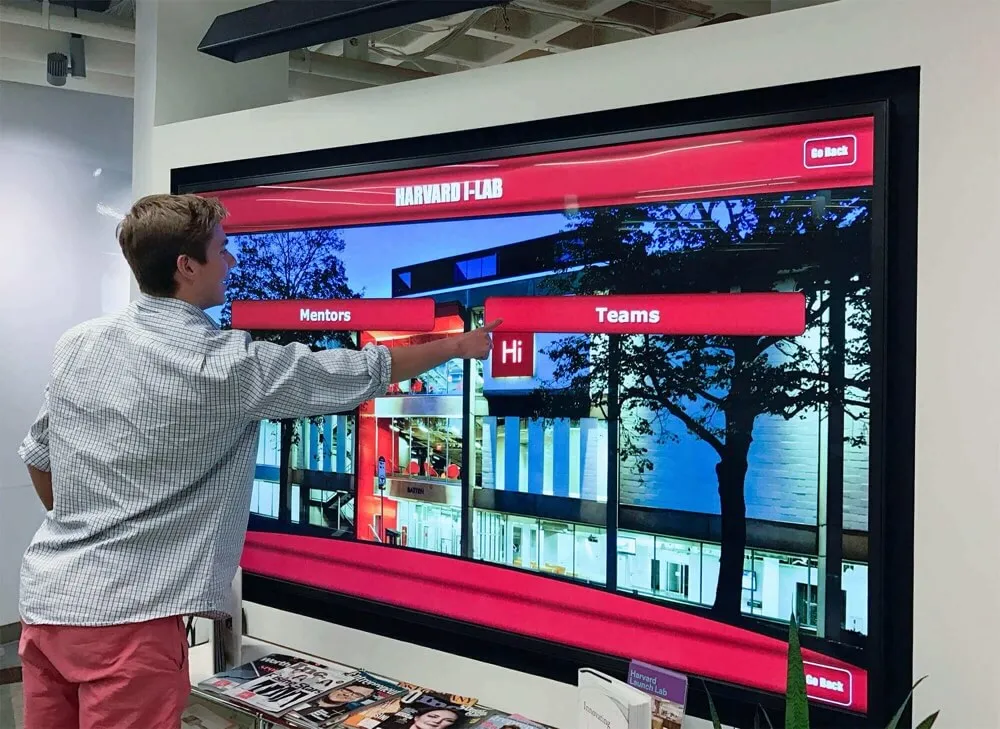
The best systems require no training or instructions—visitors intuitively understand how to search, browse, and discover content through natural interactions similar to smartphones or tablets they use daily. Solutions like those provided by Rocket Alumni Solutions deliver purpose-built interfaces optimized specifically for organizational recognition rather than generic platforms requiring extensive customization.
Integration with Physical Heritage Elements
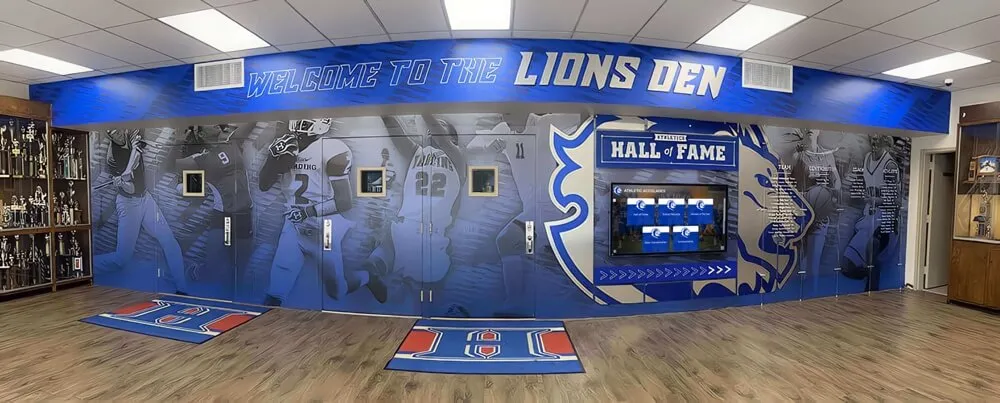
Digital recognition complements rather than replaces all physical displays. Many successful installations combine touchscreen archives with physical trophy displays, framed founding documents or charter materials, showcase items from significant chapter events, and traditional aesthetic elements reflecting chapter identity and culture.
This blended approach honors tradition while embracing innovation, demonstrating that preservation technology serves heritage rather than replacing it.
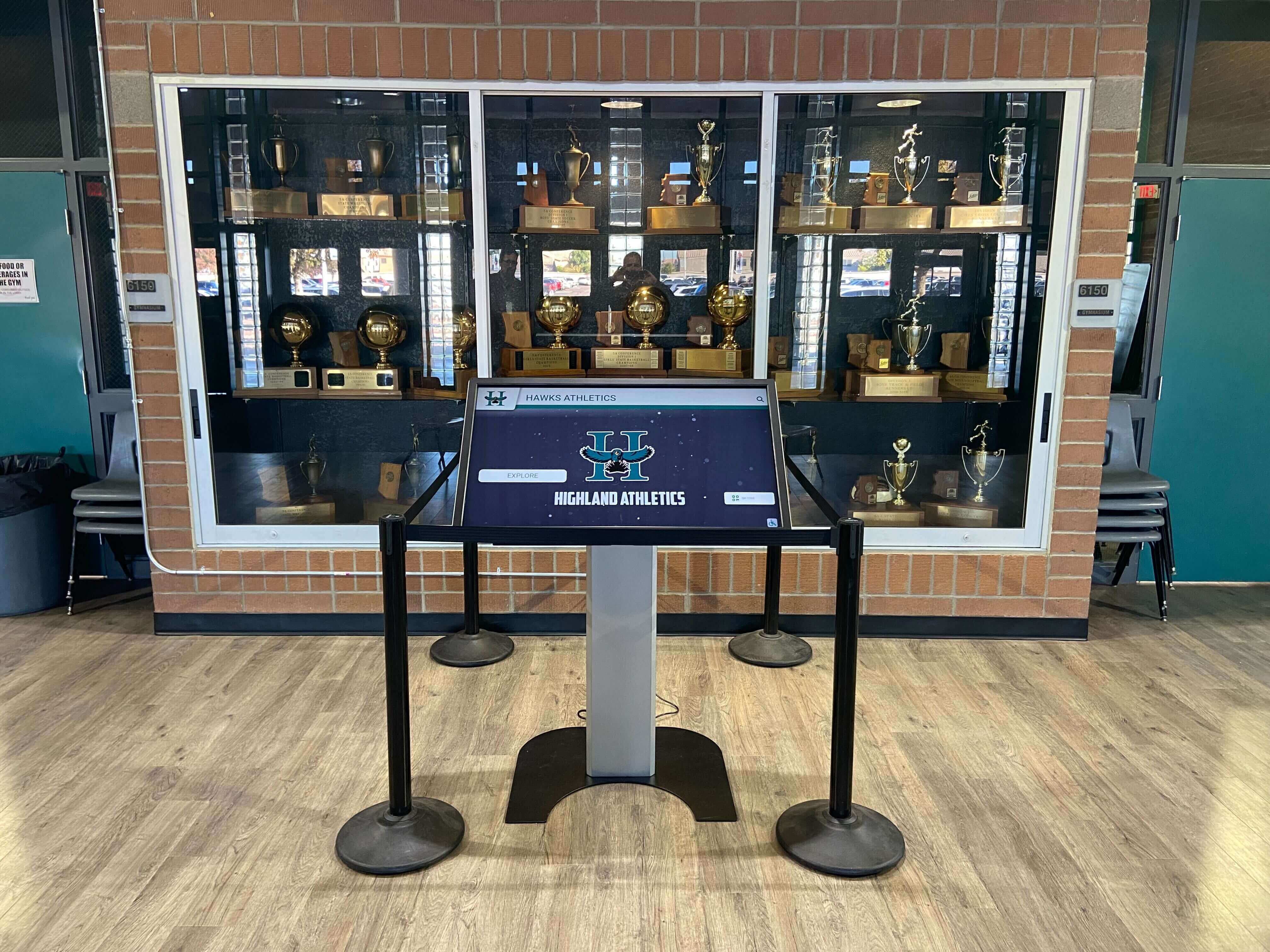
Effective preservation strategies integrate digital archives with traditional physical displays
Creating Searchable Metadata and Organization Systems
Digital content becomes valuable only when users can find what they seek.
Comprehensive Tagging Strategies
Effective metadata enables discovery through multiple pathways. Essential information includes full names of all individuals appearing in content, years or date ranges when materials were created, officer positions and roles held by members, specific events or occasions documented, and achievement categories and awards represented.
Enhanced metadata might include academic majors and graduation years, post-graduation career fields and accomplishments, big/little family relationships, committee assignments and special roles, and geographical information about member hometowns or current locations.
The more comprehensive the tagging, the more ways users can discover relevant content—but metadata creation requires significant time investment. Phased approaches that establish essential tags initially, then systematically enhance detail over time, prove more sustainable than attempting perfect metadata comprehensiveness before launch.
Crowdsourcing Alumni Contributions
Alumni possess invaluable knowledge for enriching historical archives including identification of individuals in unlabeled photographs, stories and context about historical events, career updates and life accomplishments, and personal reflections about Greek life experiences and impact.
Creating systems enabling alumni to contribute information, suggest corrections, and share stories transforms passive archives into living, growing resources that become richer over time. This participatory approach strengthens alumni engagement while improving content quality through distributed knowledge.
Learn more about effective alumni recognition and engagement strategies that encourage ongoing participation in heritage preservation.
Special Considerations for Different Types of Historical Materials
While general preservation principles apply broadly, specific artifact types benefit from specialized approaches.
Composite Photographs: The Heart of Greek Life Heritage
Annual composites represent the most culturally significant and visible historical materials for most chapters.
Composite Preservation Priorities
Focus initial efforts on at-risk composites showing significant deterioration, historically significant years like founding decades or milestone anniversaries, gaps in currently displayed years, and composites with particular alumni interest or demand. Most chapters cannot digitize all composites simultaneously and benefit from strategic prioritization based on these factors.
Enhanced Composite Presentations
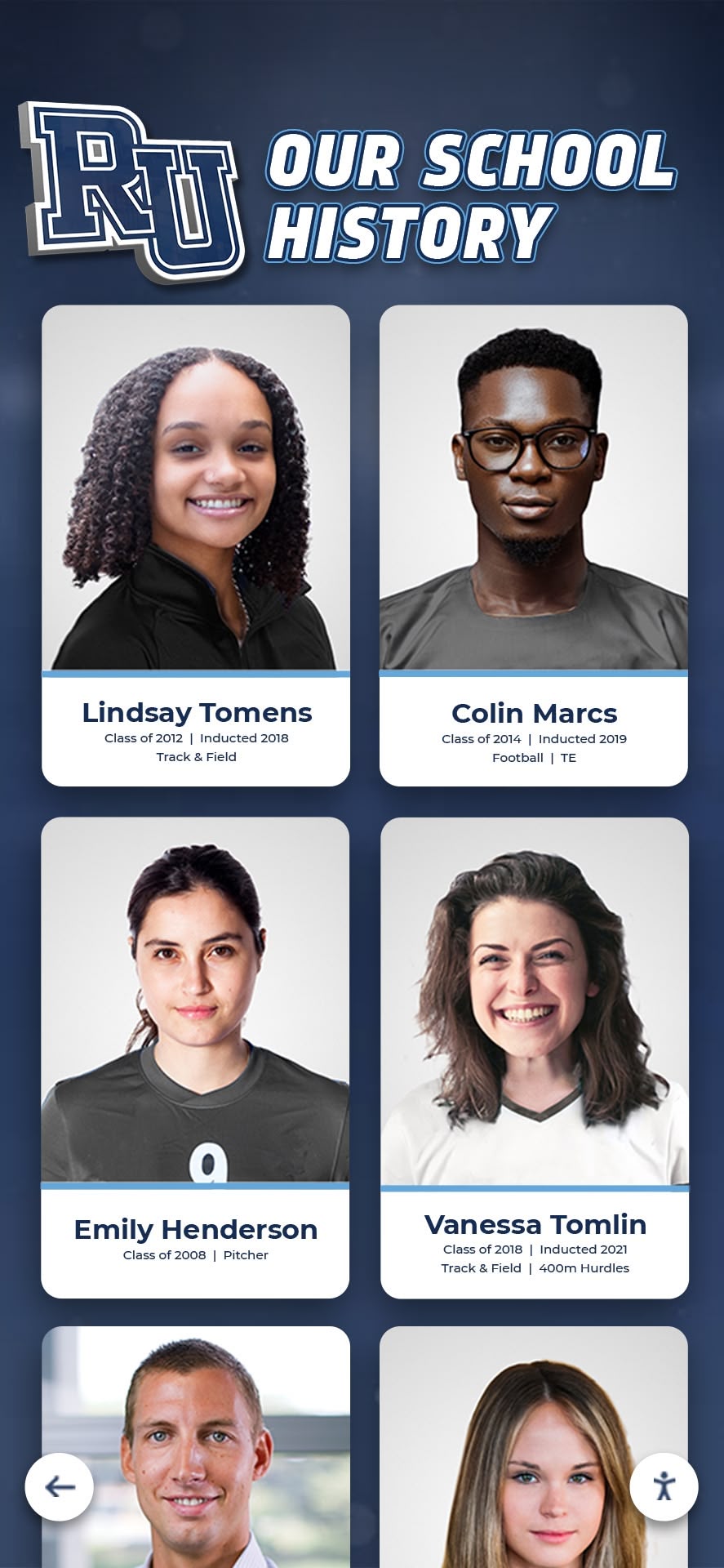
Digital platforms enable composite presentations impossible with physical frames. Interactive formats allow users to select individual members for detailed biographical information, search by name to instantly locate any member across decades, filter by graduation year, major, hometown, or other criteria, view related members in big/little families or friend groups, and access multimedia content including video messages or career accomplishments.
These enhanced presentations transform simple photo grids into rich storytelling platforms that honor every member while revealing connections across generations. Explore more about digital composite displays for Greek life that demonstrate these capabilities.
Ongoing Composite Programs
Digital systems simplify annual composite workflows. Rather than coordinating physical printing, framing, and installation competing for limited wall space, chapters simply upload new digital content into existing systems. Cloud-based management platforms enable remote updates without technical expertise, reducing administrative burden by 70-80% compared to traditional processes while ensuring current members receive identical recognition to historical classes.
Founding Documents and Charter Materials
Original founding documents require specialized preservation approaches.
Document Digitization Best Practices
Historical documents often pose unique challenges including fragile paper that tears easily when handled, faded or damaged text requiring careful scanning, oversized materials exceeding standard scanner beds, and bound volumes that cannot lay flat.
Professional archival scanning services possess equipment and expertise handling these materials safely. High-resolution scans capture fine detail enabling text transcription and preservation even if originals deteriorate further.
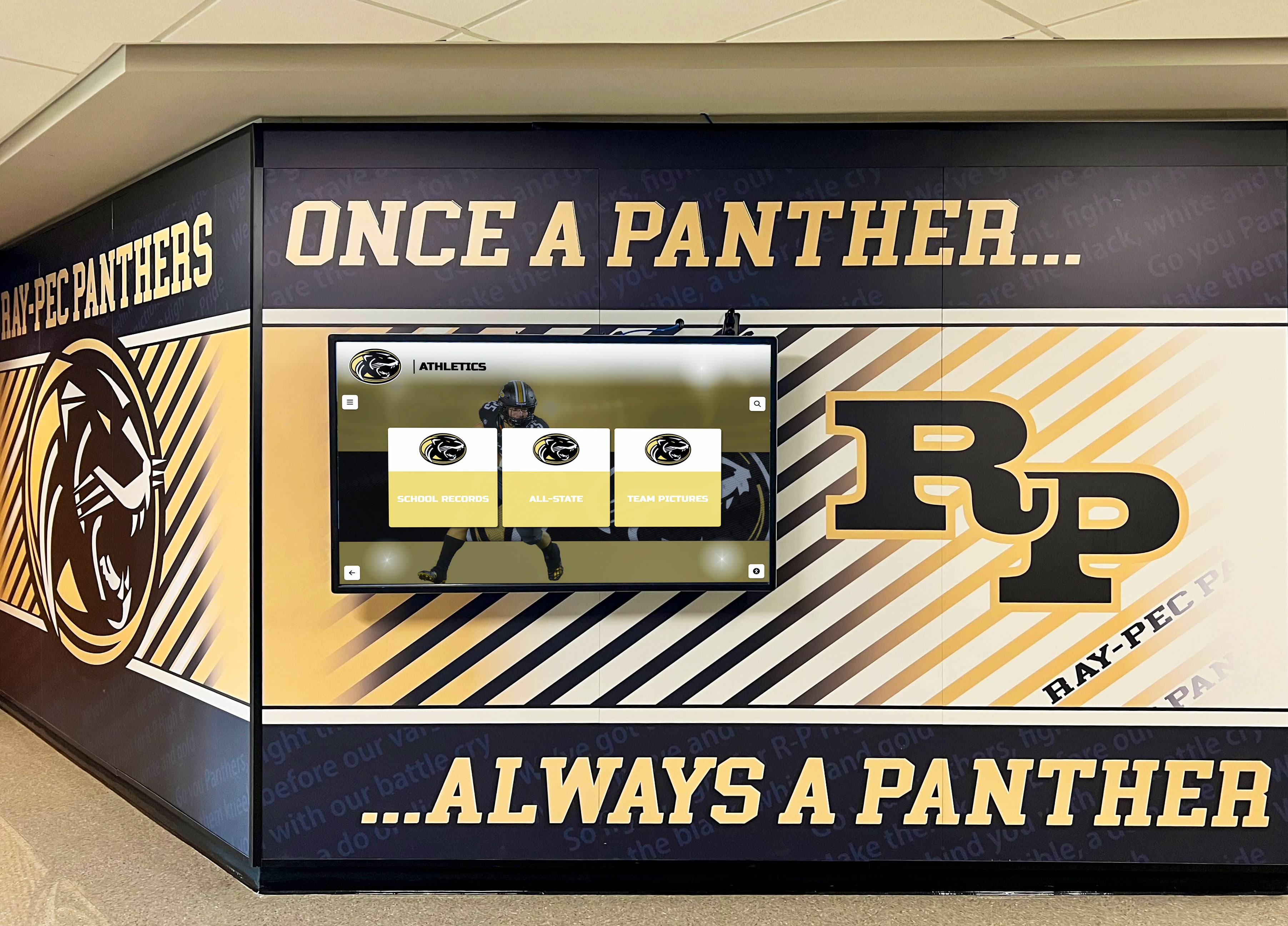
Modern chapter houses integrate traditional aesthetic elements with contemporary digital heritage displays
Interpretive Context for Historical Documents
Original charter documents and founding correspondence carry significance that may not be immediately apparent to current members unfamiliar with organizational history. Digital presentations should include explanatory context about historical significance and circumstances surrounding creation, biographical information about founding members and signatories, connections to national organization history or campus context, and transcriptions making historical handwriting or language accessible.
This interpretive approach transforms archival materials into educational resources that help current members understand their chapter’s place in broader Greek life history.
Trophies, Awards, and Three-Dimensional Artifacts
Physical recognition items require different preservation approaches than documents or photographs.
Photographic Documentation of Physical Items
Three-dimensional objects can be preserved digitally through high-quality photography from multiple angles, detailed images showing inscriptions and significant features, measurements and physical descriptions, and contextual information about what the item commemorates and when it was received.
This documentation ensures that if physical items are lost, damaged, or stolen, visual and contextual records survive. It also enables items stored for protection to remain accessible through digital displays without exposure to handling or environmental risks.
Trophy and Award Displays
Rather than choosing between displaying physical trophies or creating digital archives, chapters can integrate both approaches. Physical displays in secure cases showcase selected significant awards, while comprehensive digital catalogues document all recognition items including those in storage. Digital systems can even reference physical locations, directing interested viewers to display cases where they can see actual trophies.
This integrated approach maximizes accessibility while protecting valuable physical items from damage or theft.
Event Documentation and Social Memory
Photographs and materials documenting chapter social life require distinct curation approaches.
Organizing Event Archives
Social photographs often accumulate haphazardly without systematic organization. Effective archival approaches group materials by event type including formals and semiformal events, philanthropic activities and fundraisers, intramural and recreational athletics, Greek Week and campus competitions, initiation and ritual ceremonies, and alumni reunions and milestone celebrations.
Within categories, chronological organization by year or semester enables users to explore how traditions evolved over time and compare similar events across different eras.
Balancing Historical Preservation with Privacy and Sensitivity
Not all historical photographs merit permanent archival preservation. Chapters should thoughtfully consider what materials serve genuine historical purposes versus what images might prove embarrassing, violate privacy, or reflect poorly on organizational values.
Preservation programs should establish clear policies about appropriate historical content, obtain consent when possible from identifiable individuals, respect privacy of members who may not wish images shared, and periodically review archived content ensuring it aligns with current organizational values and standards.
Thoughtful curation demonstrates that preservation serves chapter heritage and member dignity rather than simply accumulating all available materials without judgment.
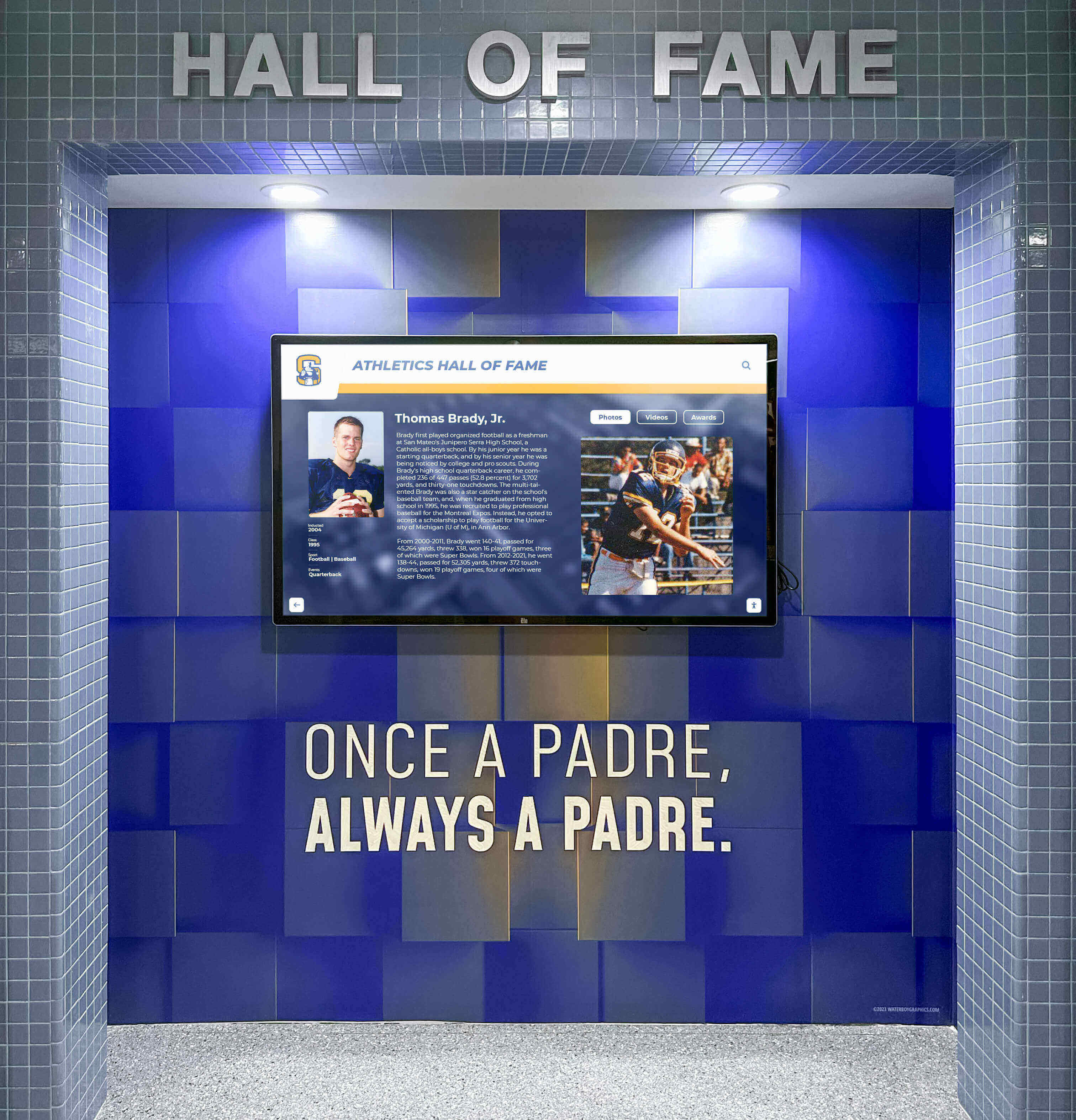
Purpose-built systems create impressive presentations worthy of Greek life heritage
Organizational Structures for Sustainable Preservation Programs
Successful preservation requires ongoing commitment rather than one-time projects.
Establishing Chapter Historian or Archivist Positions
Formal positions with preservation responsibilities ensure continuity across member turnover.
Historian Role Responsibilities
Chapter historians typically manage collecting and organizing current materials for future archiving, maintaining digital archive systems and updating content, coordinating with alumni to gather historical information and materials, overseeing physical artifact preservation and storage, educating members about chapter history and heritage significance, and representing historical preservation in chapter planning and budgeting.
Making historian a formal officer position with defined responsibilities signals organizational commitment to preservation and creates accountability for systematic heritage stewardship.
Training and Knowledge Transfer
Each historian should document preservation systems, procedures, and institutional knowledge ensuring successors can continue the work. Written guidelines about how to access and update digital systems, where physical materials are stored and how they’re organized, contacts for professional services or university archives, scheduled preservation activities throughout the year, and budget processes for preservation initiatives create continuity despite constant member turnover.
Regular training sessions for incoming historians, preferably with overlap periods allowing outgoing officers to directly mentor successors, prevent knowledge loss that commonly undermines long-term preservation efforts.
Alumni Involvement in Historical Preservation
Graduates possess irreplaceable knowledge and often strong motivation to support heritage preservation.
Historical Knowledge and Artifact Contributions
Alumni can contribute to preservation through identifying individuals in unlabeled historical photographs, providing context and stories about historical events, donating personal photographs and memorabilia from their era, funding professional digitization or restoration services, and volunteering time for archival projects and metadata creation.
Active outreach to alumni, particularly during reunion events or milestone anniversary celebrations, generates engagement and valuable contributions that current members cannot provide alone.
Alumni Advisory Committees for Heritage
Some chapters establish formal alumni committees focused specifically on historical preservation. These groups might fundraise specifically for preservation initiatives, coordinate major digitization or restoration projects, maintain relationships with professional preservation services, advise on prioritization and preservation strategy, and ensure institutional knowledge transfers between member generations.
Alumni committees work particularly well for chapters with active alumni associations and strong graduate engagement cultures.
Explore effective alumni engagement strategies that incorporate heritage preservation as a central component.
Partnerships with University Archives and Special Collections
Many universities maintain special collections departments that preserve institutional history including Greek life materials.
University Archive Partnerships
Campus special collections may offer professional archival expertise and consultation, climate-controlled storage for particularly valuable materials, digitization services or equipment access, preservation training for chapter members, and long-term institutional commitment ensuring materials survive beyond individual chapter continuity.
Depositing copies of particularly significant historical materials with university archives creates additional preservation redundancy while connecting chapter history to broader institutional narratives. Universities increasingly recognize Greek life as significant to campus culture and welcome opportunities to preserve these materials professionally.
Historical Research Collaboration
University historians, student researchers, or campus history enthusiasts may welcome opportunities to research chapter history, creating interpretive content that enriches archives. Undergraduate or graduate students in history, archives, or museum studies programs sometimes seek practical experience with organizational archives as part of academic coursework.
These partnerships provide chapters with professional expertise they could not afford commercially while giving students valuable learning experiences and universities richer documentation of campus life across eras.
Funding Strategies for Preservation Initiatives
Comprehensive preservation requires financial investment that many chapters struggle to afford through regular budgets.
Budget Planning and Cost Management
Realistic financial planning ensures preservation initiatives remain sustainable.
Preservation Cost Categories
Comprehensive budgets should account for one-time digitization expenses including professional scanning or photography services, restoration for deteriorating materials, metadata creation and organization, and initial digital system setup. Ongoing operational costs include annual licensing for digital recognition systems, cloud storage and backup services, new member additions to existing archives, and physical artifact conservation supplies.
Most chapters find that preservation costs spread over 3-5 year timelines remain manageable within regular budgets, particularly when compared to recurring costs of traditional composite printing and framing that digital systems eliminate.
Phased Implementation Strategies
Rather than attempting comprehensive preservation simultaneously, phased approaches match projects to available resources. Typical phases might include year one focusing on highest-priority composites and severely deteriorating materials, year two expanding to additional historical composites and photographs, year three incorporating founding documents and archival records, and year four adding trophy documentation and comprehensive event archives.
This gradual approach demonstrates value early, builds momentum and support, and allows chapters to refine processes before expanding scope.
Alumni and Donor Fundraising
Graduates often enthusiastically support preservation of their Greek life heritage.
Preservation-Specific Fundraising Campaigns
Heritage preservation creates compelling fundraising narratives. Alumni understand the emotional and cultural value of composites and historical materials. Campaigns specifically requesting preservation support, particularly when launched during reunion events or milestone anniversaries, generate significant interest and giving.
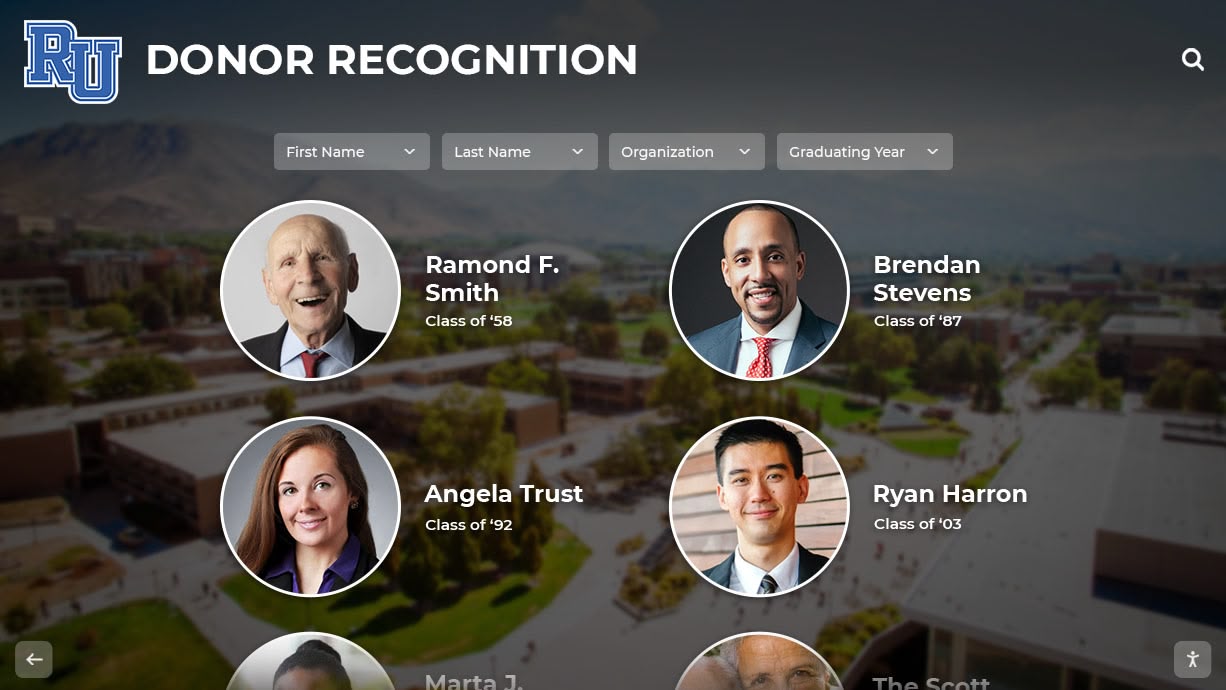
Recognition displays can acknowledge alumni who support preservation initiatives while showcasing the heritage they help preserve
Effective appeals include specific project descriptions and cost breakdowns, tangible goals like “digitize all composites from 1950-2000”, donor recognition for preservation supporters, and opportunities to sponsor specific years or decades of composites.
Learn more about effective donor recognition strategies that acknowledge preservation supporters appropriately.
Named Gift Opportunities
Major preservation initiatives can be structured as named giving opportunities. Alumni or families might sponsor comprehensive digital archive systems named in honor of distinguished graduates, fund restoration of composites from specific eras they belonged to, endow ongoing preservation programs ensuring long-term sustainability, or support physical displays or systems memorializing particular individuals or classes.
These higher-level gifts require personalized cultivation but can fund substantial preservation infrastructure while honoring significant alumni relationships.
House Corporation and National Organization Support
Beyond individual alumni, organizational entities often provide preservation resources.
House Corporation Investment
House corporations responsible for chapter house facilities increasingly recognize preservation as legitimate facility improvement investment. Digital recognition systems that enhance physical spaces, protect valuable artifacts, and engage alumni support house corporation missions.
Positioning preservation initiatives as facility improvements or capital projects rather than operational expenses often opens access to house corporation funding mechanisms unavailable through chapter operating budgets.
National Organization Grants and Resources
Some national fraternities and sororities offer innovation grants, heritage preservation programs, or technical resources supporting chapter historical preservation. National headquarters may maintain centralized historical resources, provide vendor relationships with preferential pricing, or offer expertise in preservation best practices based on experiences across multiple chapters.
Chapters should investigate what national resources exist and proactively request support for preservation initiatives that align with organizational priorities around heritage and alumni engagement.
Technology Selection for Digital Preservation Systems
Choosing appropriate platforms and providers determines long-term preservation success and sustainability.
Evaluating Digital Recognition and Archive Platforms
Not all technologies serve preservation needs equally well.
Purpose-Built Recognition Systems vs. Generic Solutions
Platforms designed specifically for organizational recognition and historical display provide distinct advantages over generic digital signage or media players adapted for heritage applications. Purpose-built systems include intuitive interfaces requiring no training, organizational features designed for member directories and archives, search and filtering capabilities optimized for historical content, content management platforms designed for non-technical users, and ongoing feature development focused on recognition applications.
Generic alternatives often require extensive customization, lack recognition-specific features, and demand technical expertise for operation—creating sustainability challenges when technically skilled members graduate.
Essential Platform Capabilities
Effective preservation platforms should provide unlimited content capacity accommodating comprehensive archives, high-resolution image display preserving archival detail, multimedia support including video, audio, and documents, advanced search and filtering by multiple criteria, mobile and web accessibility for remote alumni access, cloud-based management enabling remote updates, robust backup and data protection, and responsive technical support and training.
Solutions like Rocket Alumni Solutions provide purpose-built platforms designed specifically for educational and organizational recognition, ensuring features align naturally with Greek life preservation needs rather than requiring adaptation of systems designed for other purposes.
Hardware Considerations for Physical Installations
Appropriate display hardware ensures reliable operation and professional presentation.
Display Specifications
Chapter house installations require commercial-grade touchscreen displays rated for extended operation in public spaces, screen sizes of 43-65 inches appropriate for viewing distances in common areas, 4K resolution minimum ensuring sharp text and image quality, responsive capacitive or infrared touch technology, and professional mounting solutions creating secure, polished installations.
Consumer-grade equipment rarely withstands constant use in chapter house environments and typically fails within 1-2 years, making commercial specifications essential for long-term reliability despite higher initial costs.
Installation and Support Requirements
Professional installation ensures proper mounting, cable management, network configuration, and initial training. Ongoing technical support becomes critical when issues arise—chapters need responsive service from providers who understand their systems rather than generic IT support attempting to troubleshoot unfamiliar specialized platforms.
Comprehensive service agreements that include technical support, software updates, content assistance, and occasional onsite service create sustainability essential for long-term success with members who have limited technical expertise and high turnover.
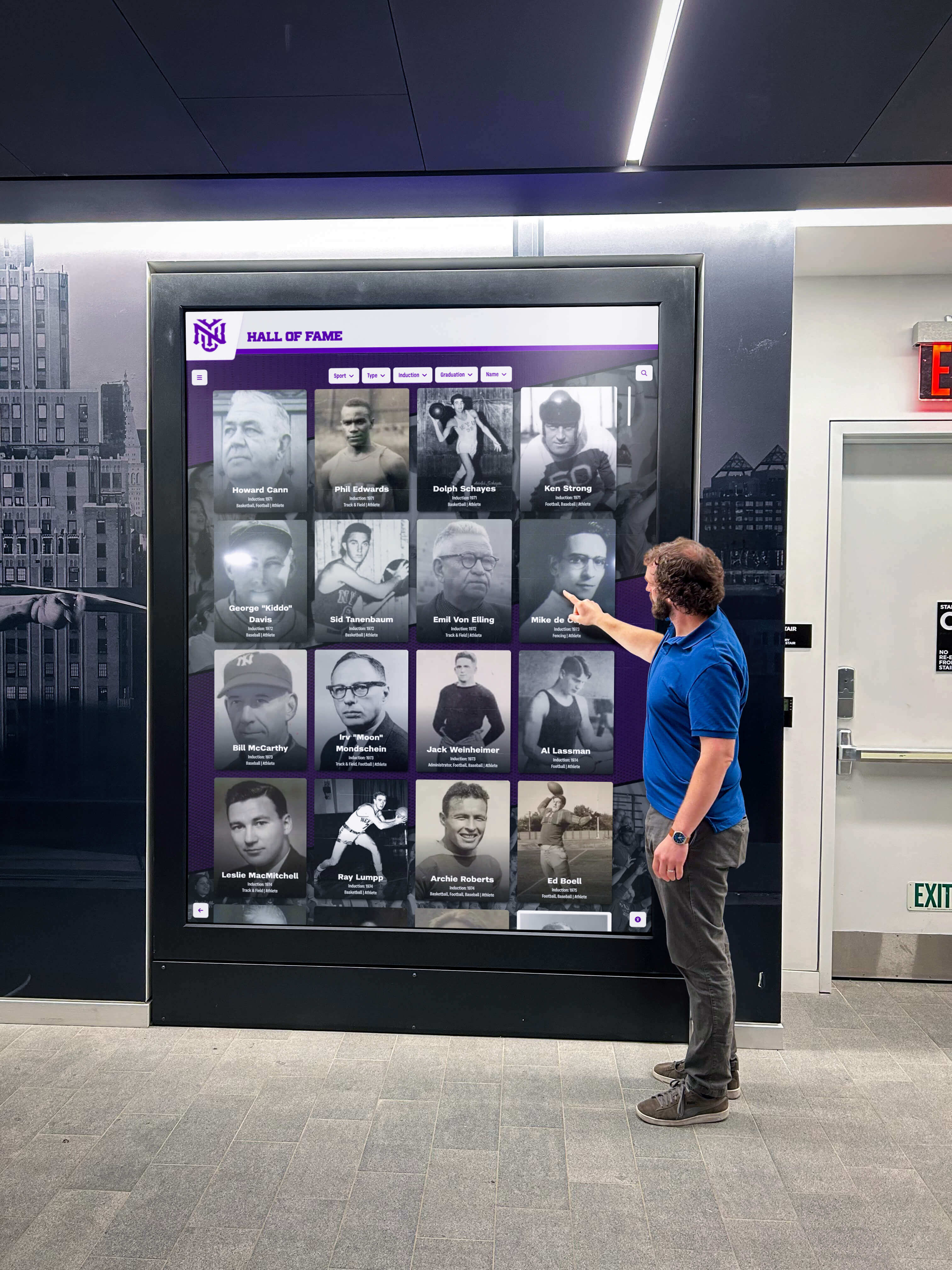
Professional installations create focal points that honor heritage while engaging current members and visitors
Best Practices for Long-Term Preservation Success
Strategic approaches ensure preservation initiatives deliver sustained value across member generations.
Continuous Content Enhancement and Updates
Archives remain relevant through ongoing additions and improvements.
Annual Update Cycles
Establish predictable rhythms for preservation activities including adding new member composites annually, documenting significant chapter events and achievements, incorporating alumni updates and accomplishments, digitizing additional historical materials systematically, and enhancing existing content with improved metadata or multimedia.
Regular schedules prevent overwhelming accumulation while ensuring archives remain current and comprehensive.
Quality Control and Accuracy Verification
Implement review processes ensuring archived information remains accurate including periodic validation of member names and information, alumni verification of historical materials and identifications, correction processes for reported errors, and regular audits of system organization and functionality.
Accuracy matters greatly for historical materials—incorrect information undermines credibility and potentially causes offense to misidentified or misrepresented members.
Promotion and Member Education
Archives deliver value only when members know they exist and understand how to access them.
New Member Orientation Integration
Incorporate historical preservation into new member education including tours of digital archive systems during orientation, assignments requiring historical research using archives, explanations of why heritage preservation matters to chapter culture, and expectations that all members will contribute to ongoing preservation.
Establishing preservation as central to chapter culture rather than an optional side project ensures sustained engagement across member generations.
Alumni Engagement and Outreach
Proactively notify alumni about preserved materials including announcements when significant digitization projects complete, personal notifications when individuals’ composites or photographs are added, featured historical content in alumni communications, and opportunities to contribute information or materials.
Active promotion transforms archives from passive repositories into living resources that strengthen ongoing alumni engagement and support. Explore comprehensive alumni engagement strategies that incorporate heritage preservation.
Measuring Preservation Program Success
Analytics and assessment demonstrate value and guide continuous improvement.
Engagement Metrics
Track digital archive usage including number of unique users and sessions, average session duration and pages viewed, most frequently searched members and years, peak usage times and patterns, and geographic distribution of users accessing remotely.
These metrics demonstrate that preservation investment generates tangible engagement value rather than simply creating unused digital repositories.
Alumni Relations Outcomes
Monitor broader impacts on alumni engagement including participation in feedback and contribution processes, giving and fundraising among engaged alumni, event attendance correlations, and qualitative feedback about heritage appreciation.
Preservation that strengthens alumni relationships delivers value far exceeding direct archival benefits by supporting broader organizational goals around financial support, mentorship, and volunteer leadership.
Long-Term Preservation Indicators
Assess fundamental preservation success through comprehensive coverage of chapter history across all years, physical artifact condition improvements, redundant backup and protection systems, sustainable ongoing update processes, and knowledge transfer across member generations.
These indicators reveal whether preservation creates truly sustainable systems or merely temporary projects that decay when initial champions graduate.
Conclusion: Honoring the Past While Inspiring the Future
Preserving fraternity and sorority history represents far more than nostalgia or sentimentality—it creates tangible connections between generations of members, strengthens organizational identity, supports alumni engagement, and ensures that current and future members understand the rich heritage they inherit. Chapters that thoughtfully implement modern preservation strategies honor brothers and sisters who came before while creating engaging resources that inspire members to contribute their own chapters to continuing legacies.
Digital technology fundamentally transforms what preservation means for Greek organizations. Rather than choosing which limited materials can be displayed within constrained physical space, chapters can now create comprehensive digital archives accessible to anyone, anywhere, at any time. Modern recognition systems protect irreplaceable artifacts through redundant backups while making content discoverable through intuitive search and engaging multimedia presentations. Cost-effective solutions provide long-term sustainability that traditional approaches rarely achieved.
Preserve Your Chapter's Heritage with Modern Digital Solutions
Discover how comprehensive digital recognition systems can help your fraternity or sorority preserve composites, honor member achievements, and create engaging experiences that strengthen chapter culture and alumni connections.
Explore Greek Life Preservation SolutionsSuccessful preservation combines respect for tradition with strategic innovation. Begin by assessing what historical materials exist and their current condition. Prioritize at-risk or highly significant items for initial preservation efforts. Investigate professional digitization services that understand Greek life contexts and follow archival standards. Implement purpose-built digital recognition systems designed specifically for organizational heritage rather than adapting generic technologies. Create formal positions and processes ensuring preservation continues across member turnover. Engage alumni as partners who possess invaluable knowledge and strong motivation to support heritage stewardship.
Whether your chapter implements comprehensive digital archives documenting every year since founding or begins with focused projects preserving the most significant or at-risk materials, every step toward better preservation delivers value. Historical materials deteriorate constantly—preservation delayed is preservation denied as artifacts become increasingly damaged and institutional knowledge fades with each graduating class.
Your chapter’s history deserves preservation approaches matching the significance of the traditions, achievements, and member contributions that materials document. Modern digital solutions provide the comprehensive, accessible, and sustainable preservation that honors Greek life heritage while creating engaging experiences for current members, alumni, and future generations who will add their own chapters to continuing legacies.
Ready to begin preserving your fraternity or sorority heritage? Connect with specialized providers like Rocket Alumni Solutions who understand Greek life contexts and deliver purpose-built platforms designed specifically for organizational recognition and historical preservation. Transform at-risk historical materials into protected, accessible digital archives that strengthen your chapter culture and honor every member who contributed to the rich heritage you now steward for the future.