



Intent: Define the comprehensive framework public libraries need to establish, manage, and promote digital archive collections that preserve community heritage, increase access to historical materials, and engage diverse audiences through modern technology platforms.
Public libraries increasingly serve as custodians of community memory, transforming fragile historical materials—photographs, documents, newspapers, maps, oral histories—into accessible digital collections that preserve local heritage while reaching global audiences. When libraries successfully implement digital archive programs, they extend preservation beyond climate-controlled storage rooms, democratize access to materials once available only through in-person visits, and create discovery experiences that connect contemporary communities with their collective past in ways physical collections alone cannot achieve.
Yet many libraries struggle to translate archival ambitions into sustainable digital programs. Projects stall amid overwhelming digitization decisions, metadata becomes bottleneck preventing timely publication, preservation concerns create paralysis around format choices and storage solutions, limited technology budgets constrain platform options, and insufficient promotion leaves carefully created collections largely undiscovered by the communities they serve.
This comprehensive guide provides practical frameworks for building public library digital archive collections—from initial project planning and digitization workflows through metadata implementation, preservation strategies, platform selection, and community engagement approaches that transform archival materials into active community resources rather than digital filing cabinets.
Effective digital archive programs balance preservation with access, technical sustainability with user experience, comprehensive metadata with practical workflows, and institutional capacity with community needs. Libraries that excel at digital archives create systems that grow incrementally rather than requiring complete collections before launch, prioritize high-impact materials serving immediate community interests, implement metadata approaches sufficient for discovery without demanding perfection, and leverage appropriate technology platforms matching technical expertise and budget realities while supporting long-term preservation goals.

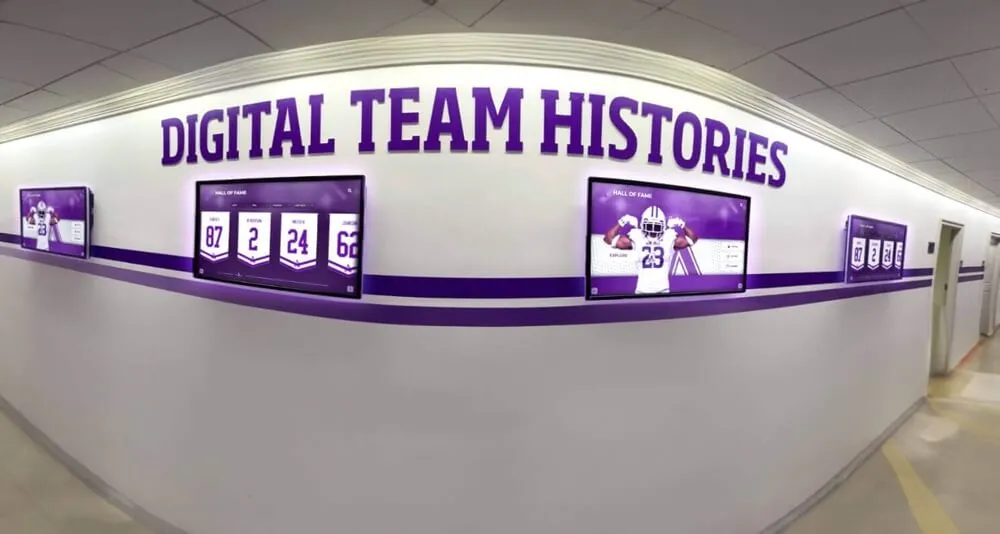
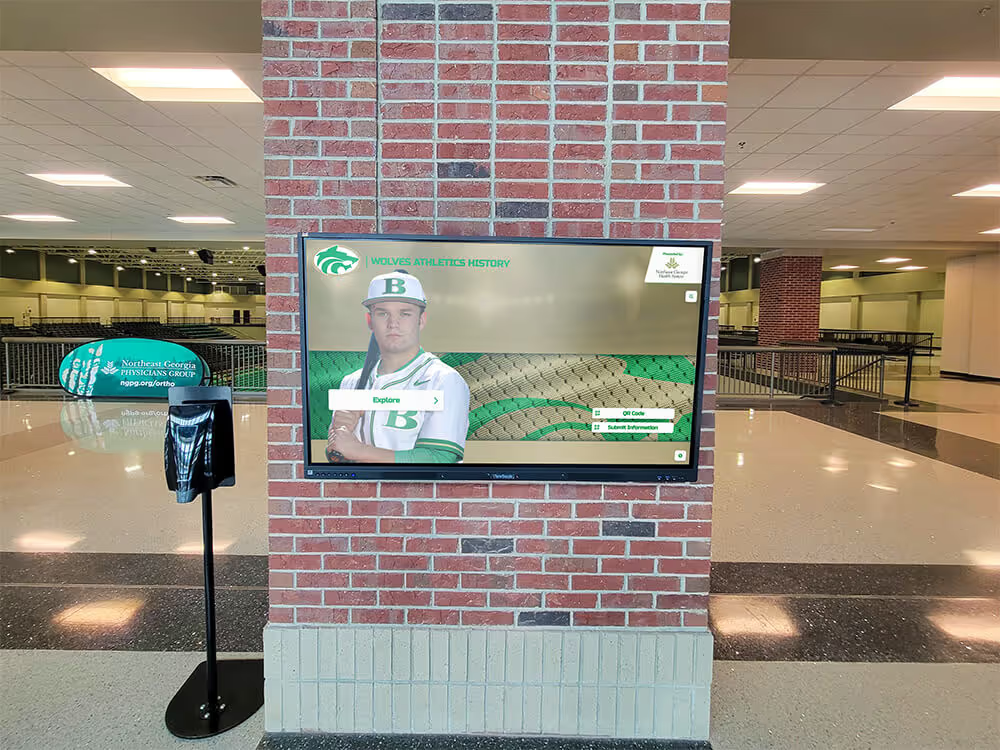
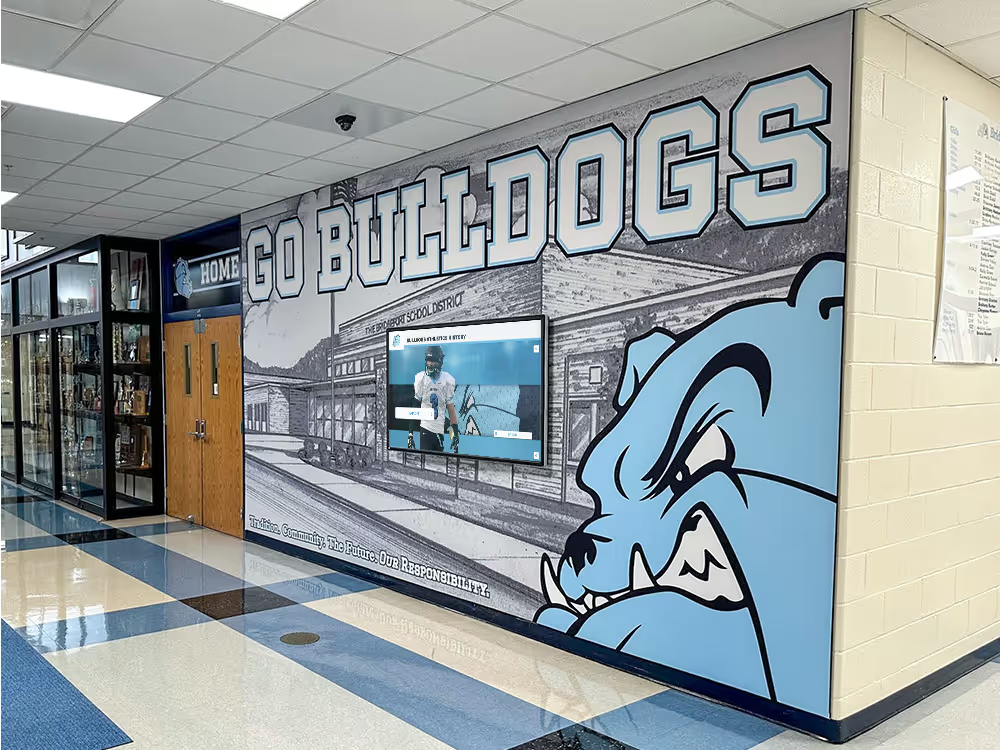
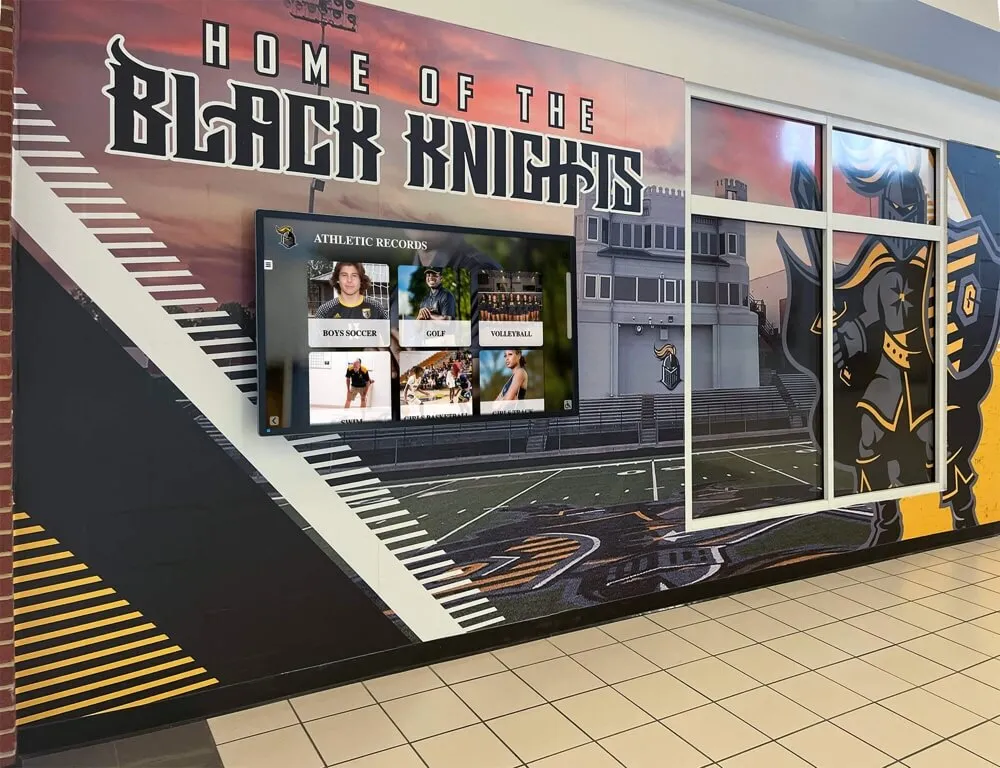
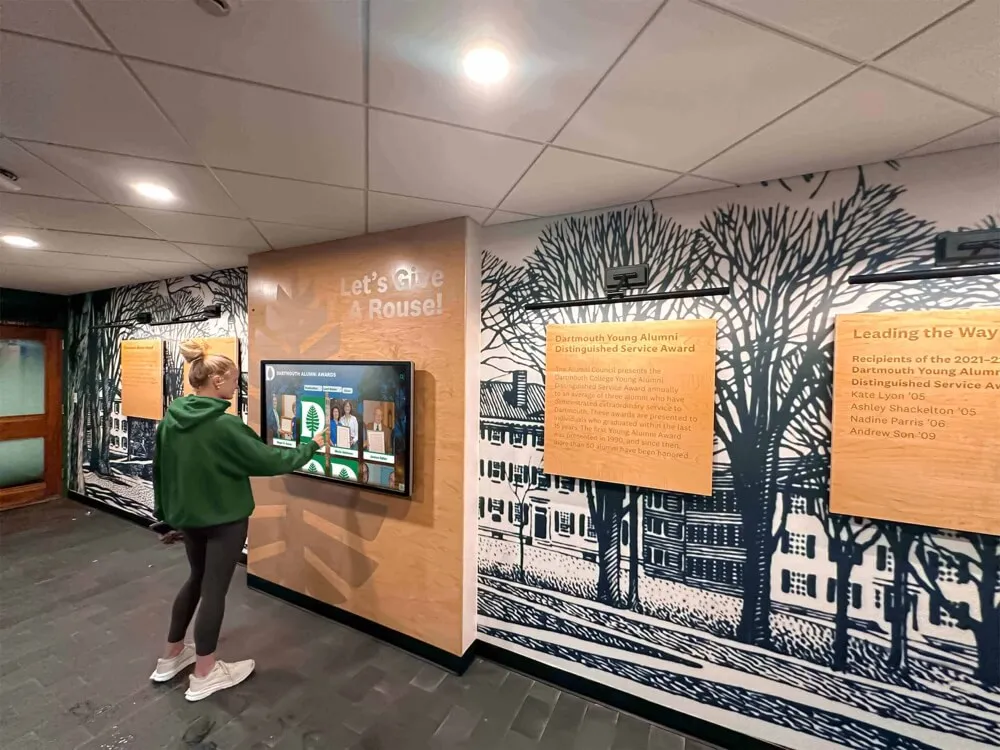
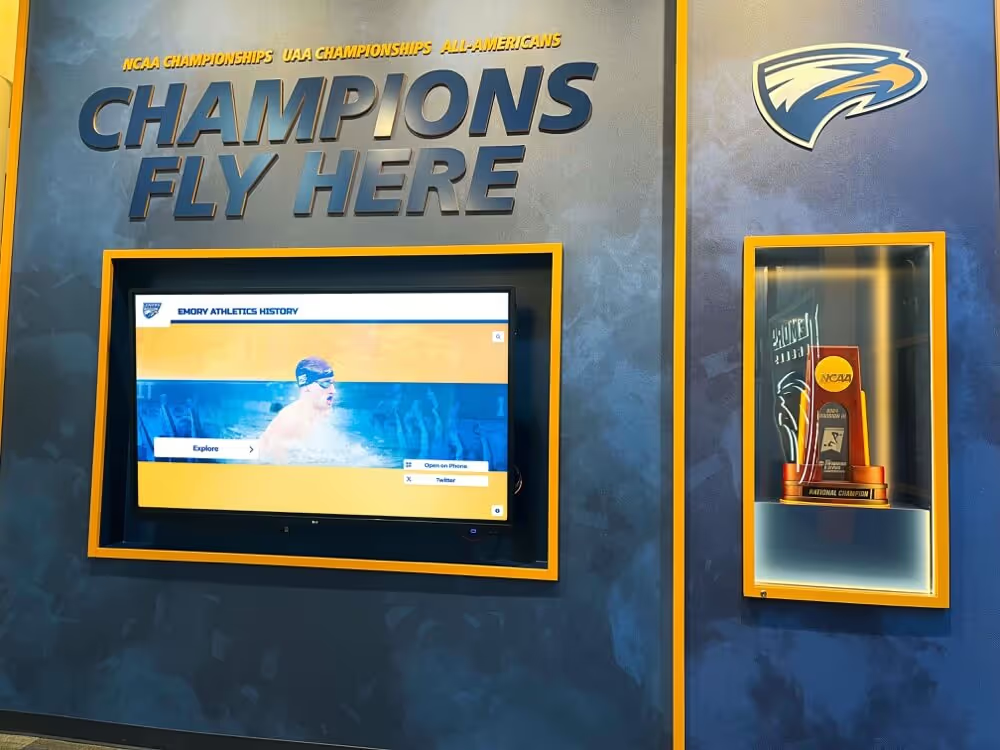
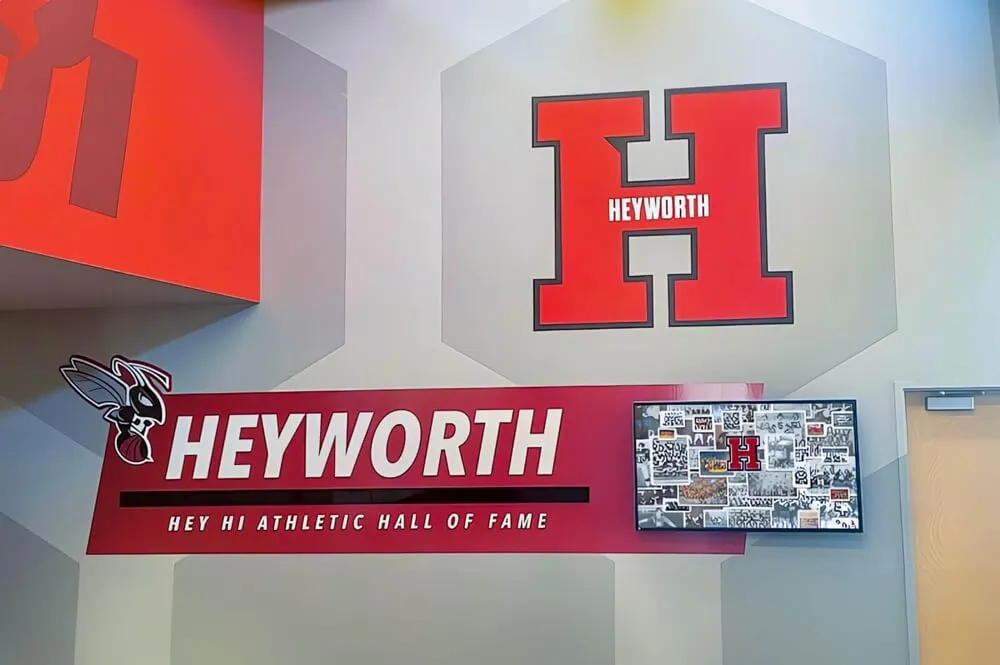
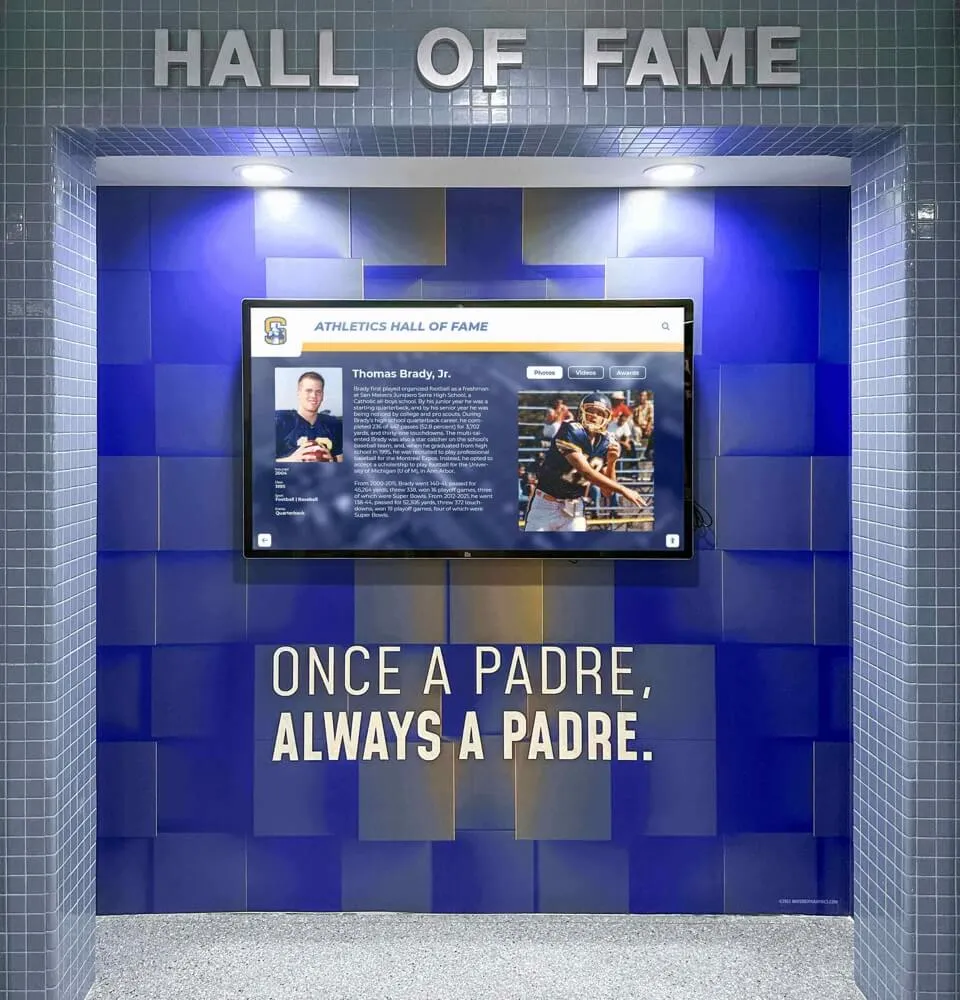
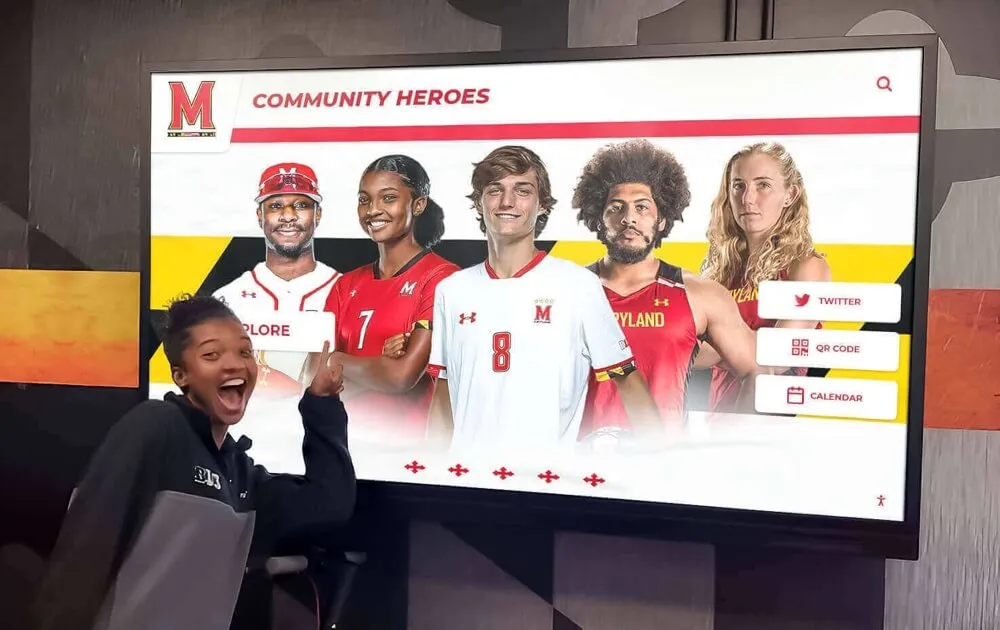
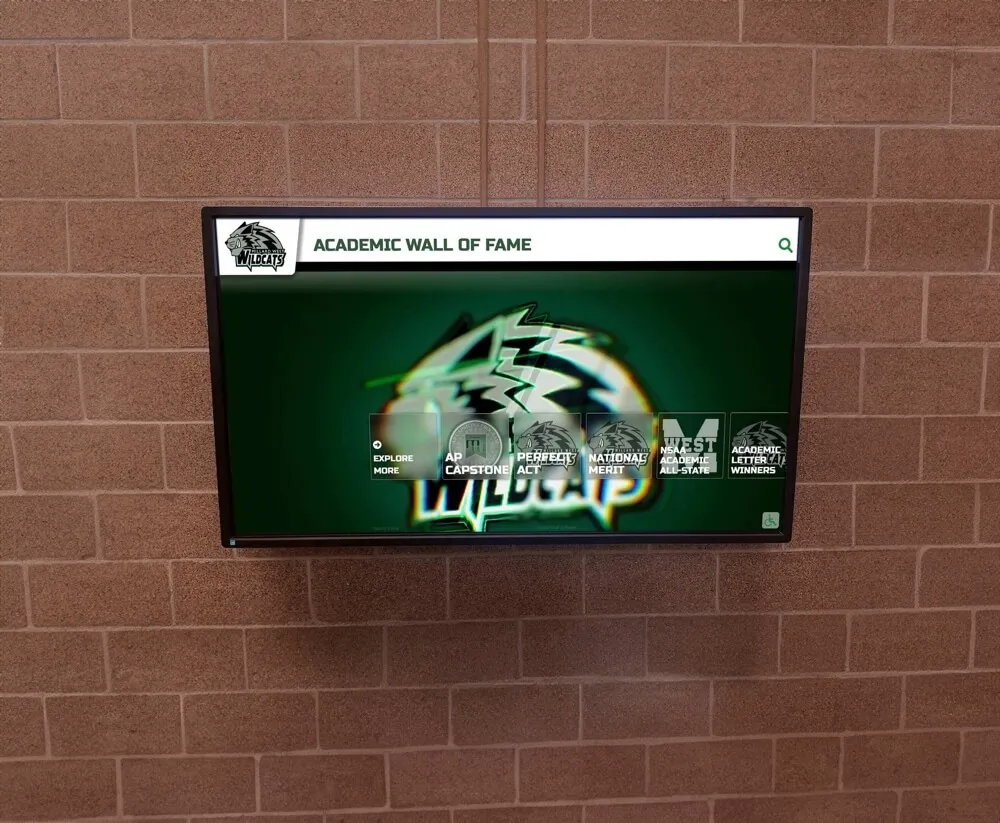
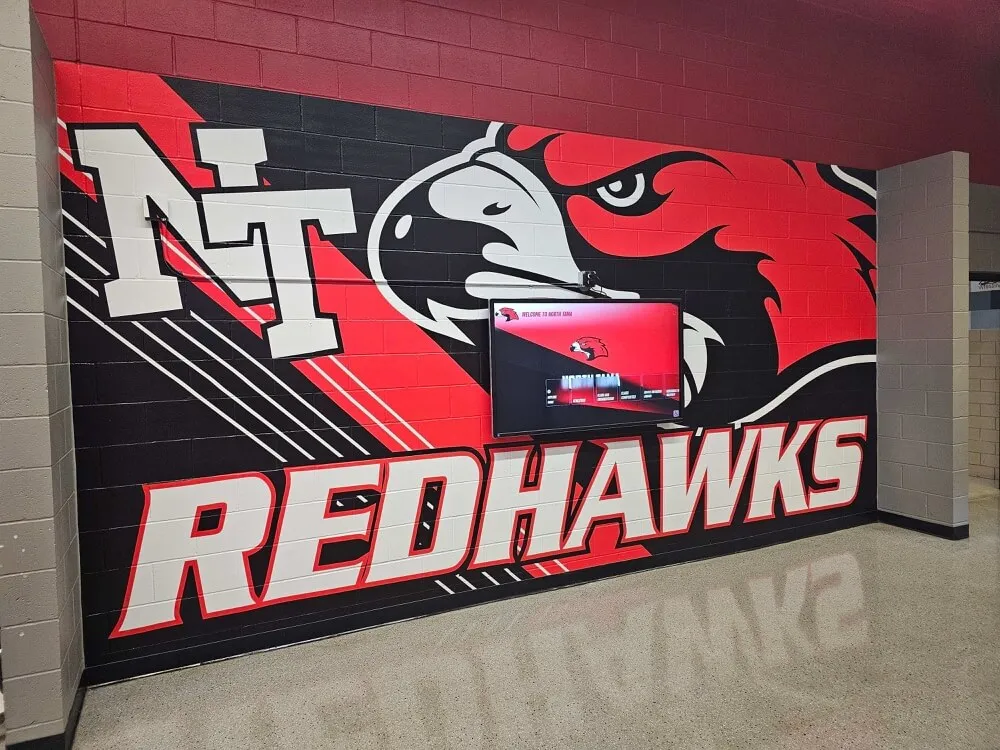
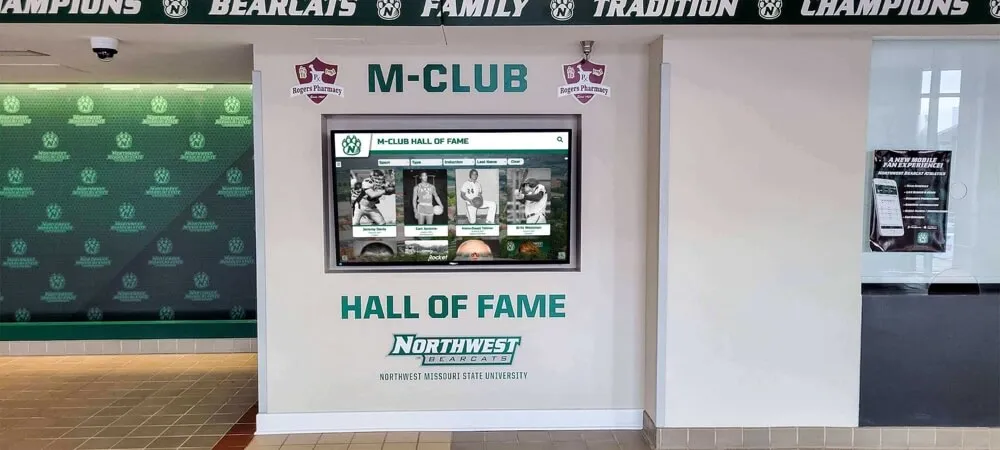
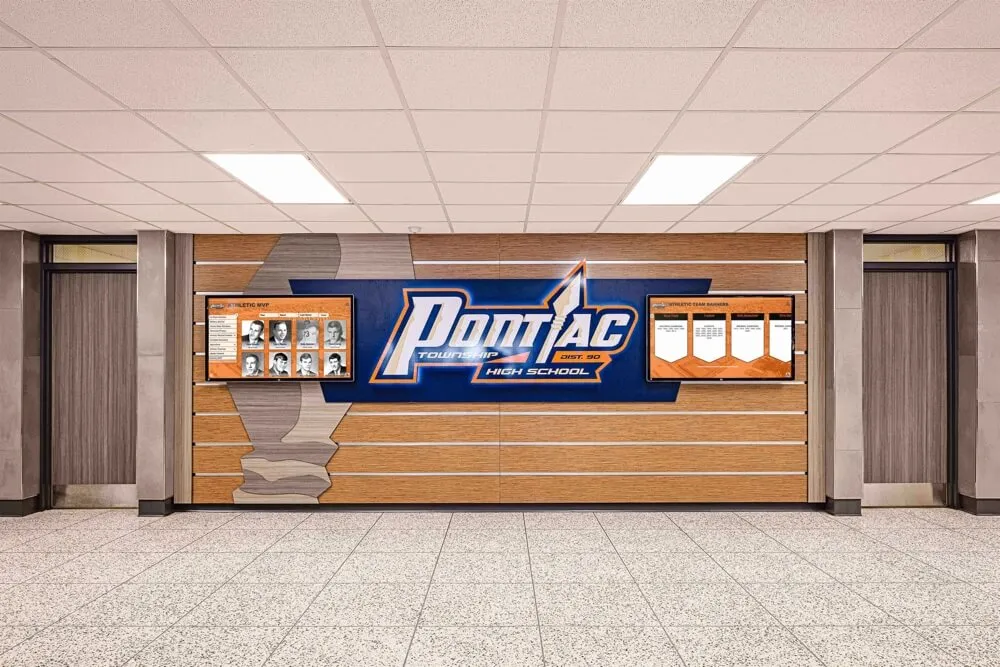
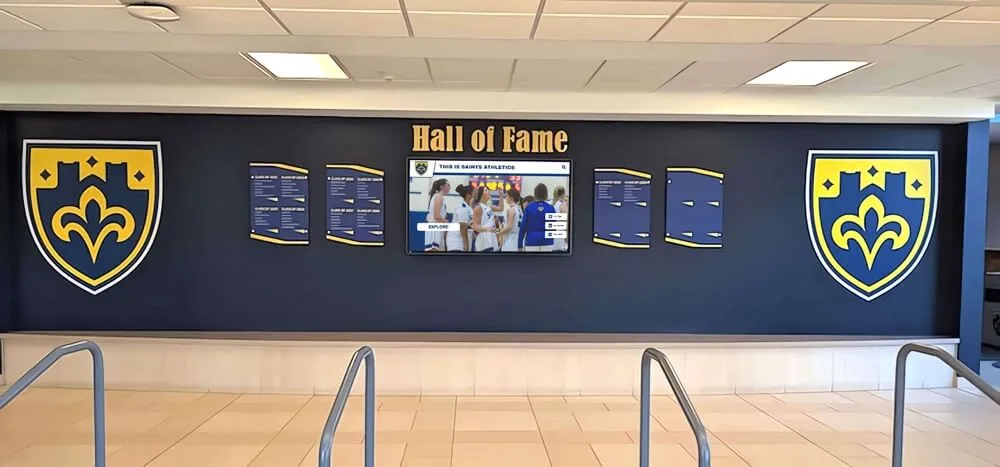
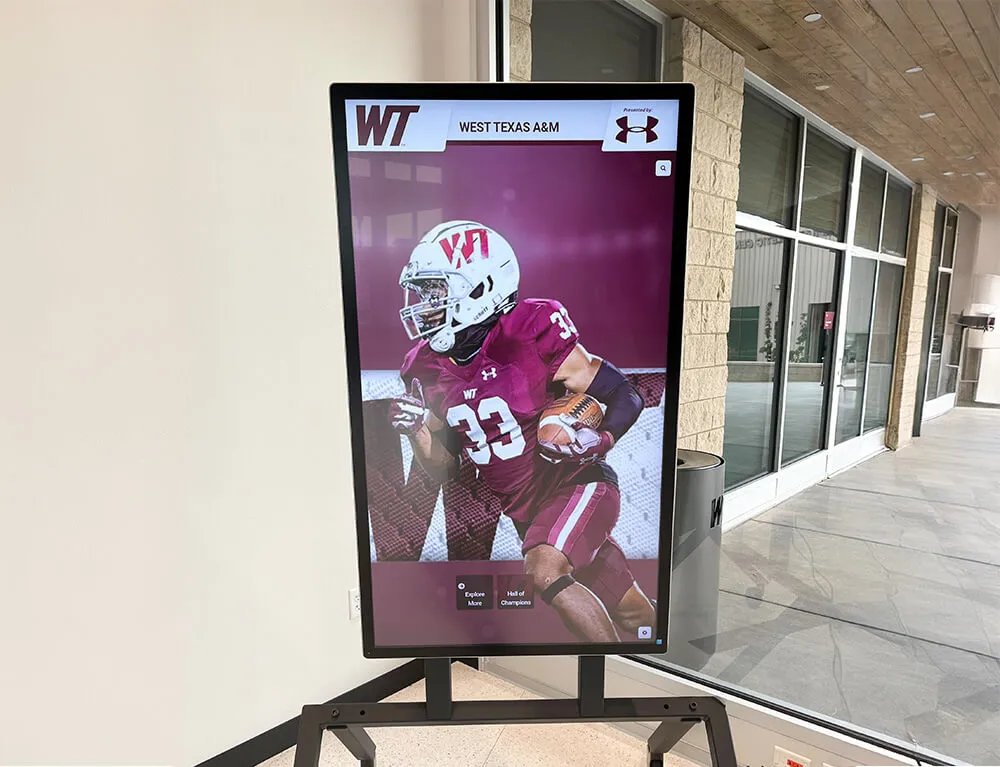
Interactive digital displays transform archival materials into engaging discovery experiences accessible throughout library facilities
Understanding Digital Archive Collections in Public Library Contexts
Before launching digitization programs, libraries must understand what distinguishes digital archives from other digital library initiatives and how public library contexts shape appropriate approaches.
Defining Digital Archives vs. Digital Collections
Digital Archives: Primary Source Materials
Digital archives typically focus on unique, primary source materials—original documents, photographs, oral histories, manuscripts, and other materials with research value specifically because they represent original historical evidence rather than published works. Archives preserve materials documenting community history, organizational records, personal collections, and local publications that might not exist elsewhere.
Public library digital archives commonly include local history photograph collections, historic newspaper digitization, community organization records, oral history projects, maps and city planning documents, school yearbooks and directories, local government documents, business and industry records, genealogical resources, and personal papers donated by community members.
These materials distinguish themselves through uniqueness and historical significance to specific geographic communities or special populations libraries serve.
Digital Library Collections: Published Materials
By contrast, general digital library collections often provide access to published books, magazines, journals, and other materials that exist in multiple copies across many libraries. Projects like HathiTrust, Internet Archive, and Digital Public Library of America primarily digitize published works with preservation and access goals extending beyond single communities.
Public libraries may participate in both types of digitization—contributing to large-scale published material projects while maintaining unique digital archives serving local communities.
The Public Library Digital Archive Mission
Community Heritage Preservation
Public libraries serve unique roles as community memory institutions trusted by residents to preserve materials documenting local history. Unlike academic archives serving research scholars or organizational archives preserving institutional records, public library archives focus specifically on making community heritage accessible to general audiences including students, genealogists, local historians, educators, lifelong learners, and residents simply curious about their community’s past.
This public-facing mission shapes every aspect of digital archive programs—from materials selected for digitization through metadata approaches, platform features, and promotion strategies emphasizing community engagement over specialized research support.

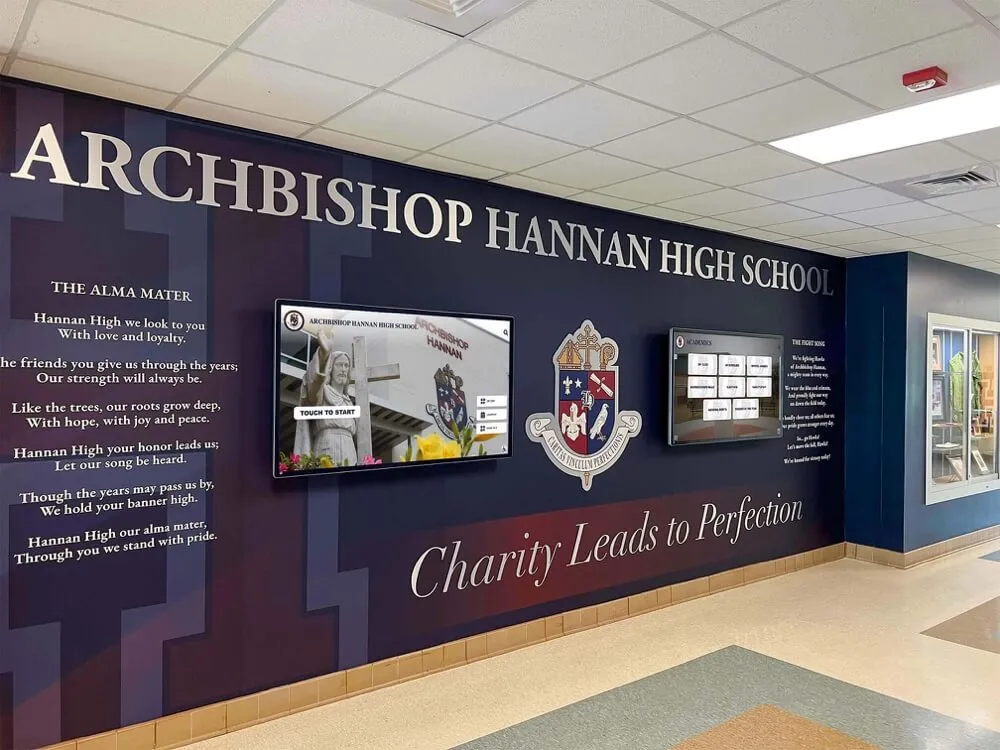
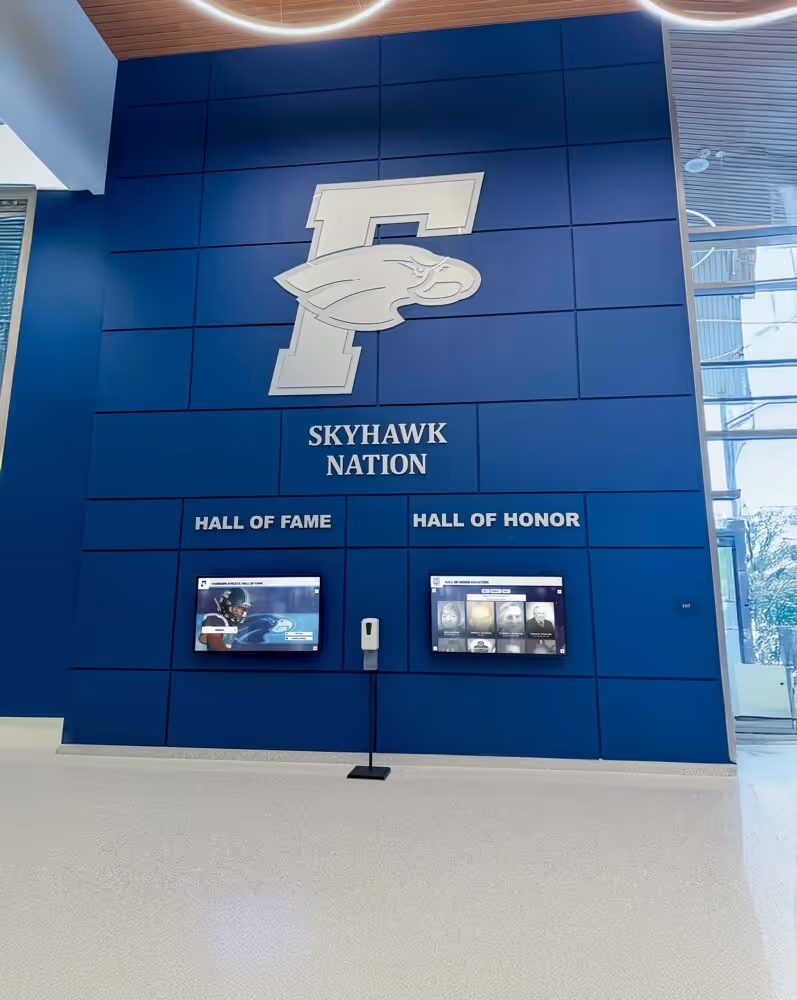
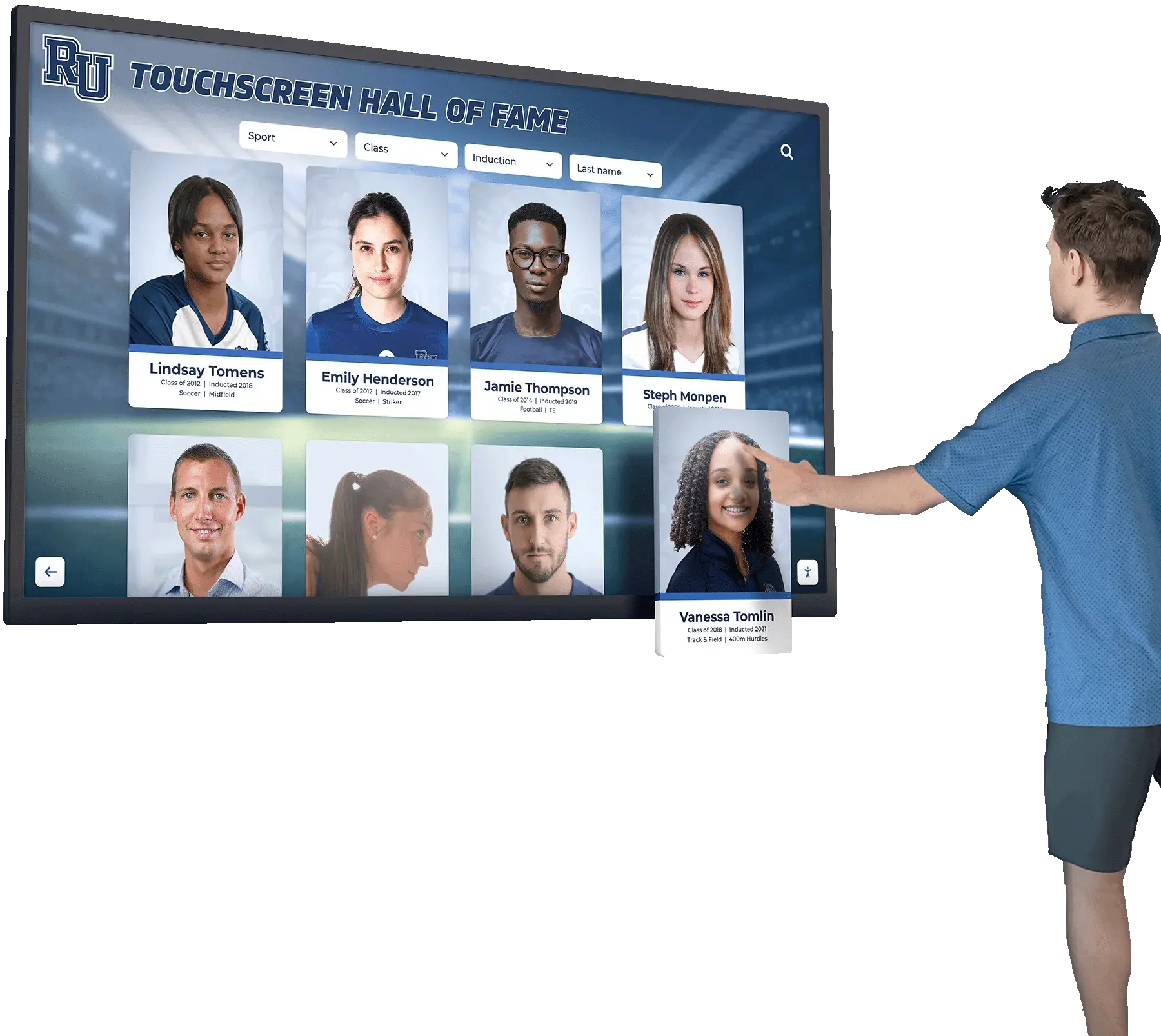
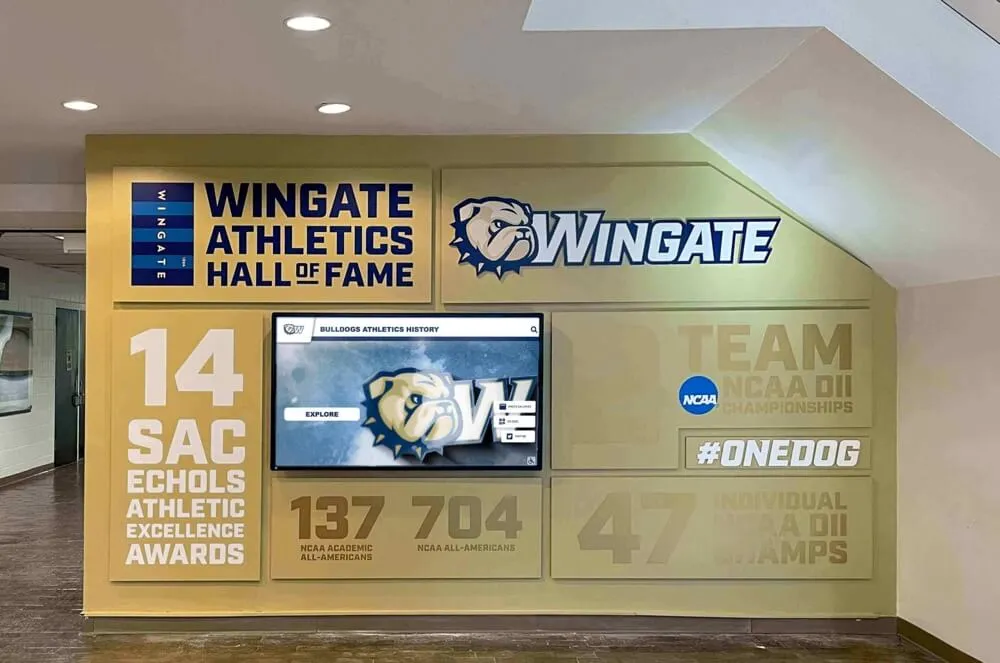
Digital platforms preserve and showcase historical materials including photographs, documents, and personal records
Democratizing Historical Access
Physical archives necessarily limit access—materials deteriorate with handling, vulnerable items require supervised viewing, research visits demand travel to specific locations during open hours, and finding aids may remain opaque to non-specialist users. Digital archives remove these barriers, enabling simultaneous worldwide access, keyword searching across full text, zooming capabilities revealing details invisible in physical viewing, downloading for educational use, and exploration without specialized archival research skills.
According to the Rapid City Public Library, demand for digital resources increased by 54% with over 348,000 digital checkouts in 2024, demonstrating strong community appetite for digital access to library materials.
Building Community Identity and Connection
Beyond preservation and access, digital archives strengthen community identity by making visible the diverse stories, experiences, and contributions forming community history. When residents discover photographs of their neighborhoods, read about local organizations they participated in, or encounter family members in digitized records, they develop deeper connection to place and community while seeing themselves reflected in institutional memory.
This identity-building function positions public library digital archives as community engagement tools rather than simply passive storage repositories.
Learn about comprehensive approaches to preserving organizational history that parallel public library archival missions.
Planning Your Digital Archive Program
Successful digital archive initiatives begin with strategic planning establishing clear goals, realistic scopes, and sustainable approaches before digitization commences.
Assessing Community Needs and Interests
Community History Topics With Strong Interest
Rather than attempting comprehensive digitization of all archival holdings, successful programs prioritize materials addressing demonstrated community interests:
Genealogy and Family History: Materials supporting family research—vital records, cemetery records, city directories, church records, ethnic community records—consistently generate high usage as genealogy remains top public library research activity in many communities.
Neighborhood and Built Environment History: Photographs and records documenting how communities physically developed—historic buildings, street scenes, demolished structures, urban development—appeal to residents curious about neighborhood evolution while supporting historic preservation efforts.
School History and Yearbooks: School photographs, yearbooks, class records, and educational institution history interest alumni seeking nostalgia and connection alongside researchers studying educational history and social patterns.
Business and Industry Heritage: Records documenting local businesses, industries, and economic development attract researchers, families with business connections, and communities interested in understanding economic evolution.
Cultural Community Documentation: Materials documenting specific cultural, ethnic, or social communities—immigrant histories, African American community records, labor union archives, religious congregation histories—serve populations often underrepresented in mainstream historical narratives while providing essential genealogical resources.
Understanding which historical topics generate strongest community interest helps libraries prioritize limited digitization resources toward materials maximizing impact and usage.
Soliciting Community Input
Effective planning includes systematic community input:
- Surveys asking which historical topics most interest residents
- Focus groups with active library users and history enthusiasts
- Advisory committees representing diverse community populations
- Analysis of reference questions revealing recurring research interests
- Partnerships with local history organizations identifying priority materials
- Social media polls testing interest in potential digital archive subjects
This input prevents libraries from digitizing materials staff consider important but communities never discover or use, while building stakeholder investment supporting ongoing programs.
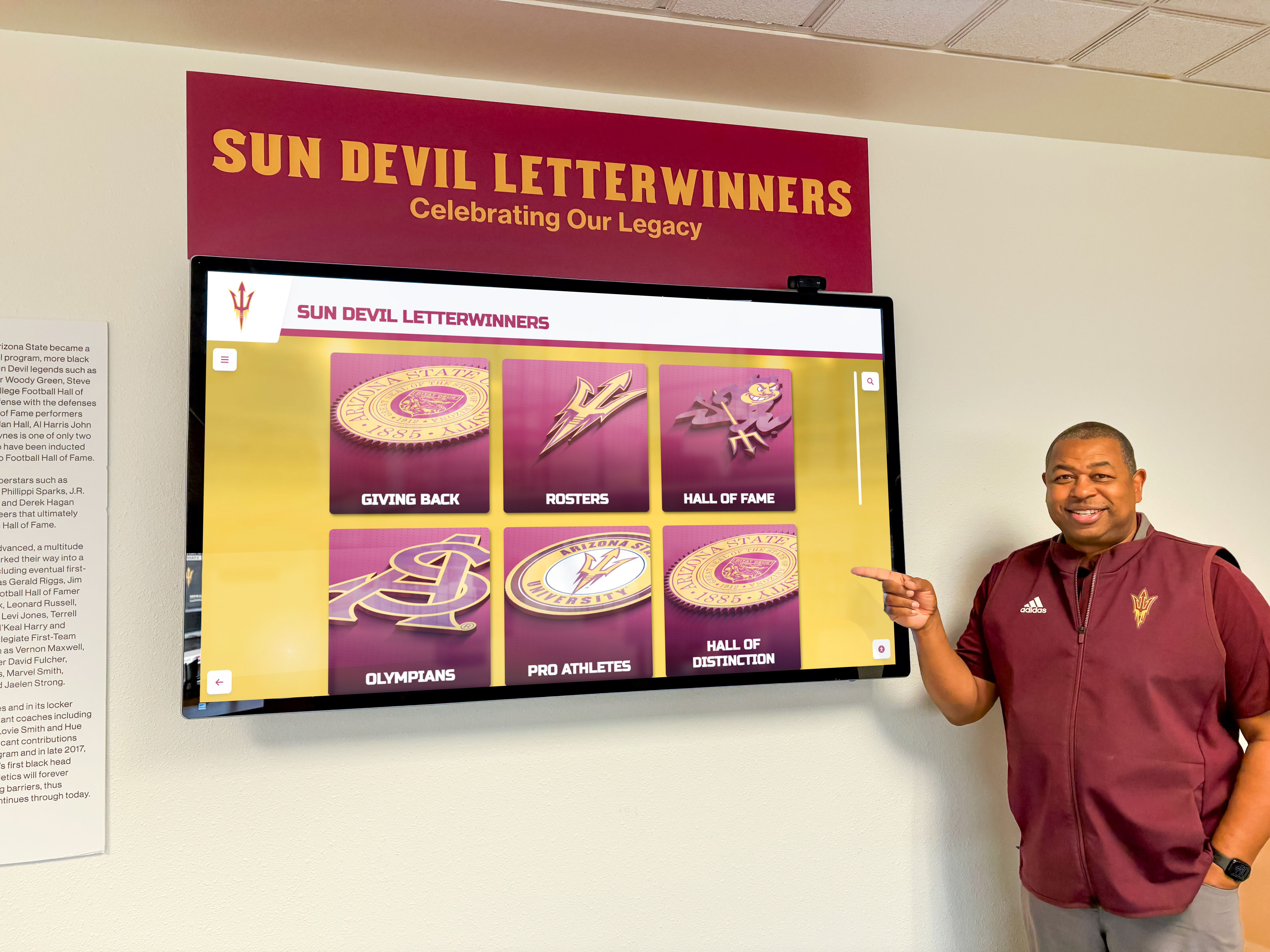
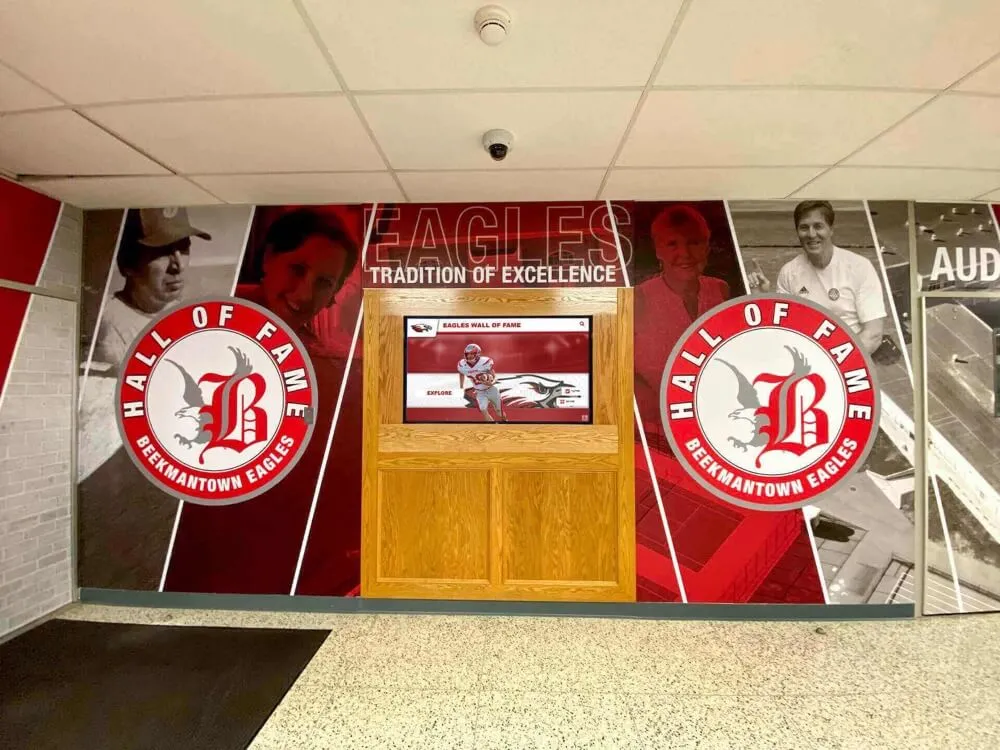
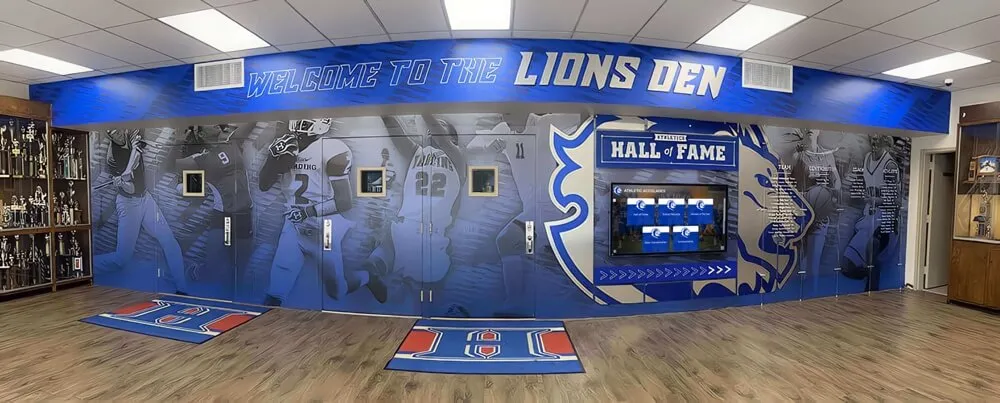
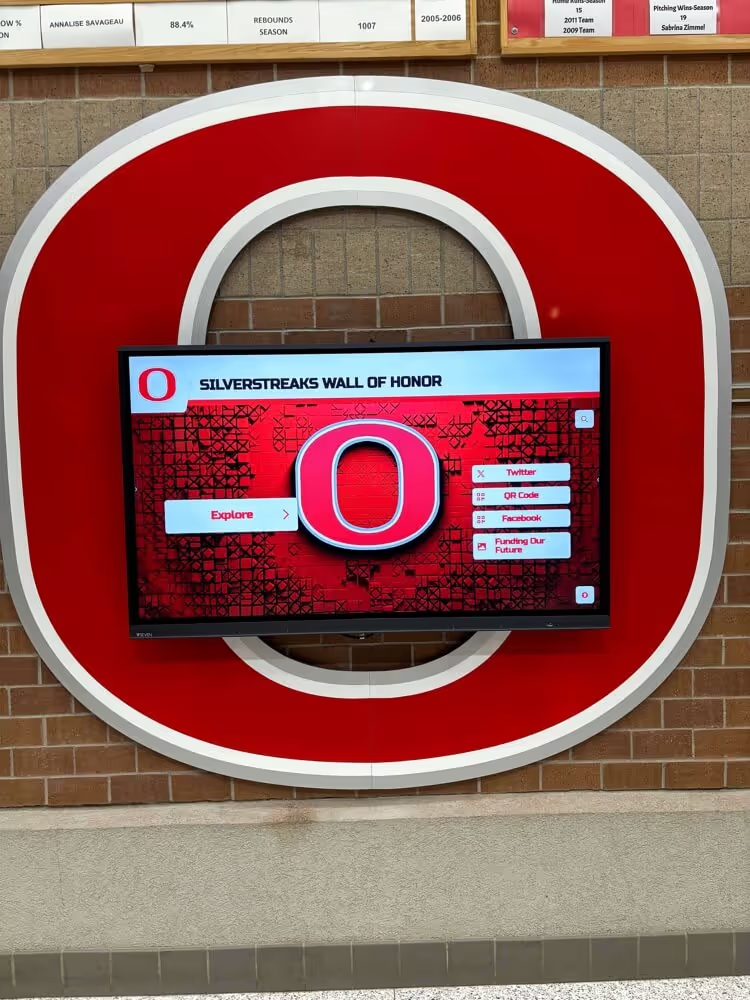
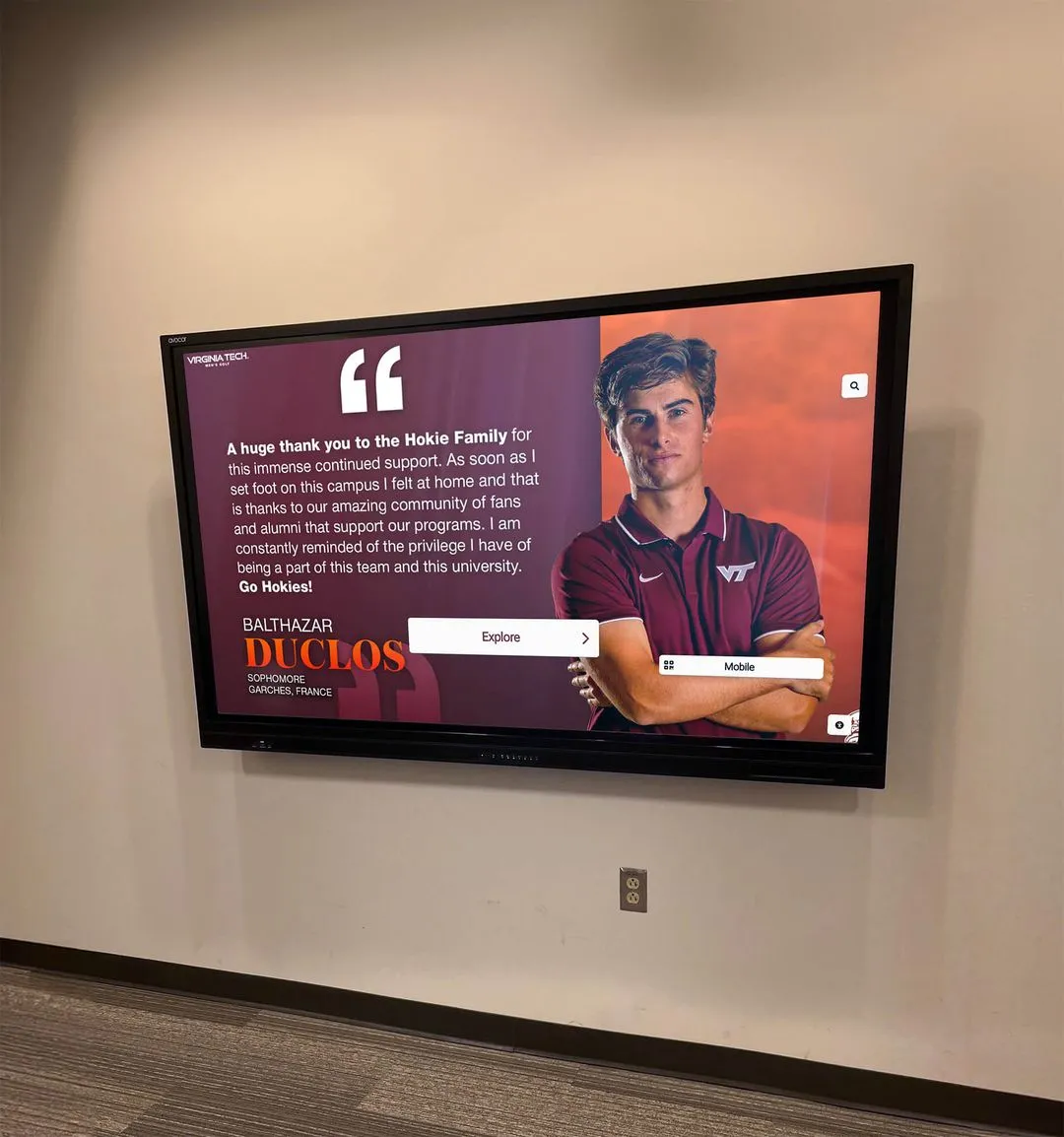
Engaging display interfaces encourage community members to explore and discover local historical materials
Establishing Realistic Project Scope
Starting With Manageable Collections
Digital archive programs succeed by starting small with defined, completable projects rather than attempting immediate comprehensive digitization:
Pilot Project Criteria: Select initial collections that are limited in size (hundreds rather than thousands of items), high community interest based on needs assessment, relatively straightforward to digitize (single format, good physical condition), minimal complex copyright concerns, and can be completed with available staff time and budget.
Common successful pilot projects include high school yearbook collections spanning specific decades, historic Main Street photograph collections, oral history projects with living community members, local newspaper special issues or event coverage, and cemetery or genealogical record sets.
Completing visible pilot projects builds staff expertise, demonstrates value to stakeholders, identifies workflow improvements, and creates momentum supporting expanded programs.
Phased Implementation Plans
Rather than viewing digital archives as single projects, successful libraries establish phased roadmaps:
Phase 1 (Year 1): Pilot project establishing workflows, metadata schemas, and platform; staff training; community promotion strategies; assessment metrics.
Phase 2 (Years 2-3): Expanded digitization of 2-3 priority collections based on pilot learnings; enhanced metadata; platform feature development; partnership cultivation.
Phase 3 (Years 3-5): Mature program with ongoing digitization workflows; comprehensive collections in priority areas; established partnerships; sustainable funding; regular promotion and community engagement.
This incremental approach matches limited library resources while building sustainable programs rather than unsustainable sprints followed by stagnation.
Explore approaches for preserving institutional memory relevant to library archival programs.
Copyright and Rights Considerations
Understanding Copyright Basics for Archives
Copyright significantly impacts which materials libraries can digitize and make publicly accessible online. Most published materials from 1928 forward remain under copyright in the United States, while unpublished materials follow complex rules often depending on author death dates rather than creation dates.
Public Domain Materials: Materials published before 1928, U.S. government documents, materials with expired copyrights, and items explicitly donated to public domain can be digitized and shared freely.
Orphan Works: Materials where copyright holders cannot be identified or located after reasonable search efforts exist in legal gray areas. Some libraries digitize orphan works with takedown policies should copyright holders emerge.
Fair Use Considerations: Digitization for preservation, limited access for scholarship, or transformative purposes may qualify as fair use, though fair use provides no absolute protections and requires case-by-case analysis.
Donor Agreements and Deed of Gift
When libraries receive archival donations from community members, comprehensive deed of gift agreements should explicitly address digitization rights:
- Copyright ownership transfer or licensing granting library digitization rights
- Permission for online public access vs. preservation-only digitization
- Privacy considerations for materials containing personal information
- Any restrictions on access, duration, or use
Clear agreements established at donation prevent later rights barriers blocking digitization of valuable collections.
Risk-Benefit Assessment
Many libraries adopt risk-managed approaches evaluating potential copyright concerns against public benefits:
- Prioritizing older materials more likely in public domain or with untraceable rights holders
- Implementing takedown policies for rights holder complaints
- Balancing preservation urgency for deteriorating materials against rights uncertainties
- Considering local history materials unlikely to trigger commercial rights enforcement
This pragmatic approach enables reasonable progress while respecting intellectual property rights and managing institutional risk.
Digitization Workflows and Technical Standards
Converting physical materials to digital formats requires systematic workflows balancing quality, efficiency, and sustainability.
Selecting Appropriate Digitization Equipment
Flatbed Scanners for Bound Materials and Documents
Standard flatbed scanners work well for many archival documents, newspapers, and bound materials:
Document Scanners: Consumer or professional flatbed scanners handle letter-size documents, small photographs, and similar materials. Quality models include Epson Perfection or Expression series, Canon CanoScan series, and Fujitsu ScanSnap for documents.
Large Format Scanners: Oversized materials like maps, architectural drawings, and newspaper pages require wide-format scanners accommodating 11x17 inches or larger. Contex, Colortrac, and large-format Epson scanners serve these needs.
Most libraries begin with standard flatbed scanners handling majority materials before investing in specialized equipment for unique format needs.
Digital Cameras and Copy Stands for Photographs and Fragile Materials
High-resolution digital cameras on copy stands provide efficient, safe alternatives for some materials:
Advantages: Faster throughput than scanning, reduced physical stress on fragile materials, accommodation of irregular sizes, and suitability for bound volumes that cannot be flattened on scanners.
Requirements: Quality DSLR or mirrorless cameras with high megapixel counts (24MP minimum, 36-50MP ideal), professional copy stands ensuring perpendicular alignment and consistent distance, proper lighting systems providing even illumination without glare or hot spots, color calibration tools maintaining accurate color reproduction, and remote shutter releases preventing camera movement.
This approach requires more initial technical setup but enables efficient high-quality capture once established.
Technical Quality Standards
Resolution Guidelines by Material Type
Digitization resolution should match material characteristics and intended uses:
Text Documents: 300-400 DPI for standard printed text enables clear reading and OCR processing; 600 DPI for poor quality originals with small fonts or deterioration.
Photographs: 600 DPI minimum for standard photographic prints captures fine detail; 1200+ DPI for very small photographs (wallet-size or smaller); 3000+ DPI for 35mm slides and film negatives.
Oversized Materials: Maps, architectural drawings, and similar materials require resolution providing meaningful detail—often 300-400 DPI even for large originals.
Color and Bit Depth: 24-bit color (RGB) for color photographs and materials; 8-bit grayscale for black-and-white photographs; 1-bit (bitonal) acceptable only for very high-quality text documents with no images.
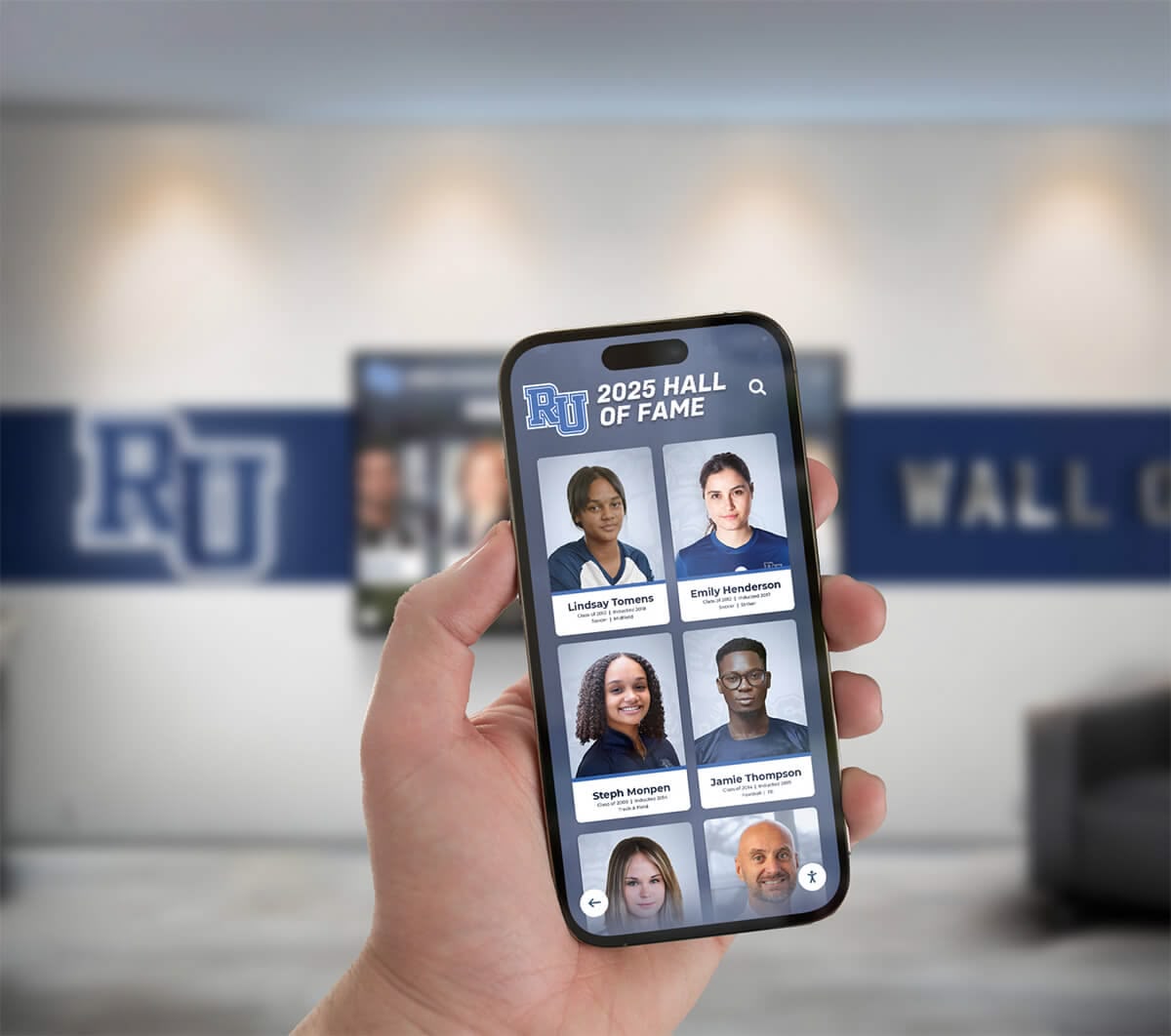
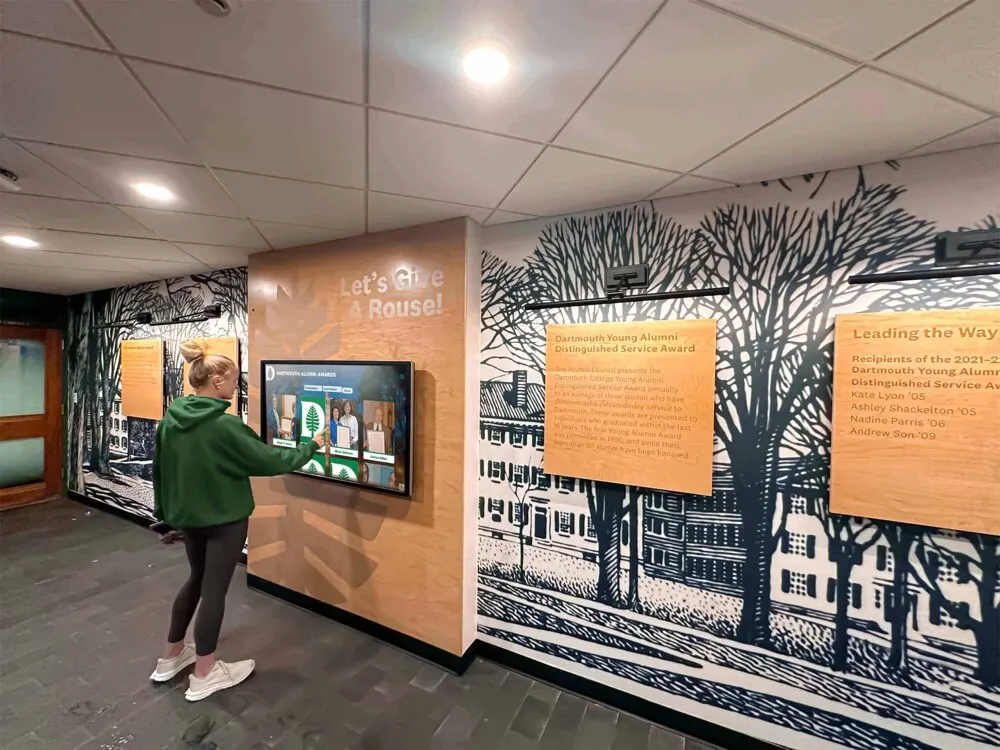
Mobile-responsive platforms enable community members to access archival materials anywhere, anytime
File Formats for Preservation and Access
Modern digital preservation practice recommends creating two versions:
Master/Preservation Files: Uncompressed or losslessly compressed formats retaining maximum quality—TIFF uncompressed or LZW compressed for images, JPEG2000 lossless for photographs where TIFF files become unwieldy, and PDF/A for multi-page text documents with embedded metadata.
Access/Derivative Files: Compressed formats optimizing delivery speed—JPEG at 85-90% quality for photographs, compressed PDF for multi-page documents, and potentially WebP or AVIF formats for modern web delivery.
This two-file approach balances preservation goals with practical online access, storing high-quality preservation masters while serving compressed versions appropriate for web viewing.
Developing Efficient Digitization Workflows
Batch Processing and Quality Control
Systematic workflows maximize throughput while maintaining quality:
Pre-Scanning Preparation: Materials organized in digitization order, physical condition assessed with fragile items flagged for special handling, duplicate images identified and decisions made about retention, and metadata gathered from folders, labels, and any existing documentation.
Scanning Sessions: Batch similar materials together (all 4x6 photographs, all 8.5x11 documents) to minimize equipment adjustments, establish scanning settings once per batch rather than per item, and maintain consistent workflows reducing error risk.
Quality Control Checks: Review representative images from each batch checking focus and sharpness, appropriate exposure and color, complete capture without cropping important content, proper orientation, and correct file naming following established conventions.
Post-Processing: Batch processing enables efficient application of rotation corrections, cropping to content with standard margins, color balance adjustments if needed, and conversion to access formats from preservation masters.
This systematic approach enables volunteers or paraprofessionals to perform digitization with professional oversight focused on quality control rather than item-by-item supervision.
File Naming and Organization Conventions
Consistent conventions prevent chaos across thousands of digital files:
Meaningful Identifiers: File names should reference collection abbreviation or code, item numbers or dates providing uniqueness and sorting logic, and potentially brief content descriptions (though metadata provides comprehensive descriptions).
Example convention: HSYB_1965_Page045.tif (High School Yearbook collection, 1965 yearbook, page 45).
Hierarchical Folder Organization: Digital files organized in folder structures mirroring physical collection organization or logical groupings—by collection, series, dates, or material types—with documentation explaining organizational logic.
This structure supports long-term file management as collections grow across years and staff transitions.
Learn about comprehensive digital archiving approaches applicable across educational and community institutions.
Metadata Implementation for Discovery and Context
Metadata transforms digital files into discoverable, understandable archival resources by providing descriptive information enabling search, browse, and contextual understanding.
Understanding Metadata Levels and Priorities
Minimal Viable Metadata vs. Comprehensive Description
Perfect metadata shouldn’t prevent timely publication. Successful programs implement tiered metadata approaches:
Minimal Publication Metadata: Sufficient for initial public access—collection title and description, item-level title or description (even brief), date (approximate if exact unknown), format/medium, and unique identifier.
Enhanced Metadata: Added when resources permit—subject headings providing topical access, names of people, organizations, places, detailed physical descriptions, creation context and provenance information, and related materials cross-references.
Gold-Standard Metadata: Comprehensive description following professional standards—formal controlled vocabularies, authority files for names and subjects, detailed technical metadata, preservation metadata documenting digitization, and extensive contextual notes.
Libraries should publish collections with minimal metadata rather than delaying access while pursuing perfection, then systematically enhance description as resources allow.
According to metadata experts, creating and maintaining metadata represents one of the significant costs of digitization, as providing sufficient metadata promptly for abundant digital resources can create workflow bottlenecks since metadata creation is time-consuming and costly.
Intuitive search and browse interfaces help community members discover relevant historical materials
Selecting Appropriate Metadata Standards
Dublin Core for Basic Interoperability
Dublin Core provides widely adopted, simple metadata standard suitable for many public library digital archives:
Core Elements: Title, Creator, Subject, Description, Publisher, Contributor, Date, Type, Format, Identifier, Source, Language, Relation, Coverage, Rights.
This 15-element schema provides sufficient description for discovery while remaining manageable for small libraries without professional catalogers, supporting interoperability with aggregation platforms like Digital Public Library of America, and using intuitive terms non-specialists can apply consistently.
Many digital collection platforms implement Dublin Core as default metadata schema.
Specialized Standards for Specific Materials
Certain archival materials benefit from specialized metadata schemas:
VRA Core: Visual Resources Association Core designed for art and architectural materials including photographs, providing detailed elements for art-specific description.
PBCore: Public Broadcasting Metadata Dictionary for audiovisual materials including oral histories, video, and audio recordings.
EAD: Encoded Archival Description for formal archival finding aids describing entire collections with hierarchical structures.
Libraries can implement specialized standards when collections warrant detailed treatment and staff possess expertise, while using Dublin Core for general collections requiring more basic description.
Implementing Controlled Vocabularies
Subject Headings and Topical Access
Controlled subject vocabularies improve search effectiveness by standardizing terminology:
Library of Congress Subject Headings (LCSH): Professional cataloging standard used by most libraries, providing comprehensive vocabulary but requiring significant expertise to apply correctly.
Homegrown Local Vocabularies: Libraries may develop simplified subject lists relevant to local collections—neighborhood names, prominent local families, specific industries, recurring topics—enabling consistent tagging without LCSH complexity.
Tag-Based Approaches: Simple keyword tagging using natural language provides basic subject access without controlled vocabulary constraints, particularly suitable for volunteer-driven projects.
The appropriate approach depends on staff expertise, collection size, and interoperability needs—professional standards for large programs sharing metadata widely, simplified local vocabularies for community-focused projects.
Geographic and Temporal Coverage
Location and time information supports crucial discovery paths:
Geographic Coverage: Standardized place names from authorities like Library of Congress Name Authority File or local gazeteers ensure users searching “Main Street” find all relevant items regardless of whether catalogers wrote “Main St.,” “Main Street,” or full addresses.
Temporal Coverage: Date ranges or specific dates enable chronological browsing and filtering—crucial for historical materials where “when” often drives research questions.
Many platforms provide map-based browsing when items include geographic coordinates, adding engaging discovery mechanisms beyond text search.
Balancing Metadata Quality With Workflow Efficiency
Batch Metadata Approaches
Not every item requires individual detailed description. Efficient programs use:
Collection-Level Description: Single comprehensive description of entire collections with item-level records containing only unique information (item numbers, specific dates, individual titles) while inheriting collection description, subject headings, and contextual information.
Representative Metadata: Detailed description of representative items within large uniform collections (individual yearbook pages might share single yearbook description rather than per-page records).
Automated Metadata Enhancement: OCR text indexed for full-text search supplements brief descriptive metadata, automated subject extraction from OCR text suggests relevant topics, and image analysis tools identify content types and potential subjects.
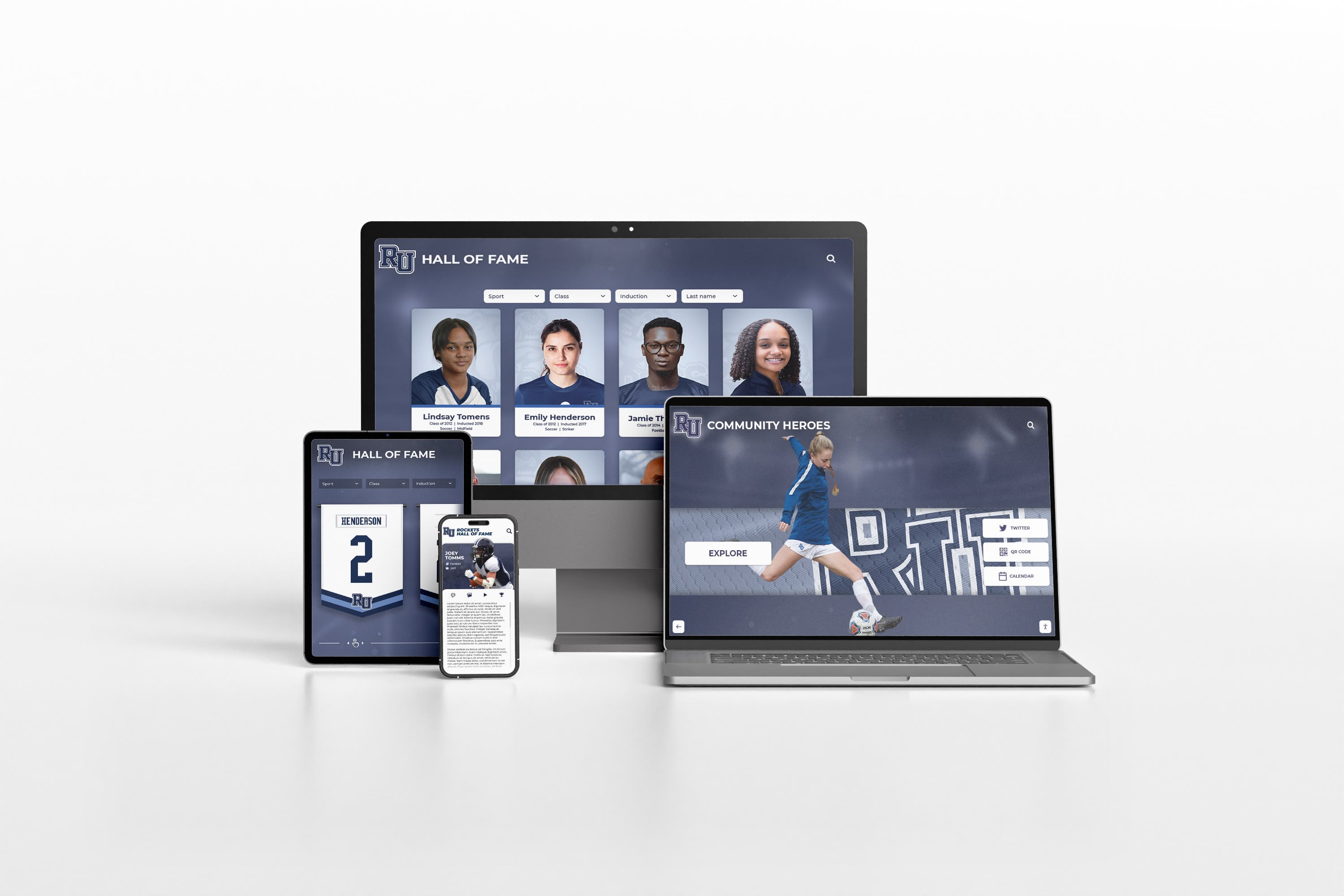
Responsive digital platforms deliver archival content seamlessly across desktop, tablet, and mobile devices
Volunteer and Crowdsourced Metadata
Community members can contribute significantly to metadata creation:
Photograph Identification Projects: Displaying unidentified photographs online enables community members who recognize people, places, or dates to contribute identifications—particularly valuable for local history images.
Transcription Crowdsourcing: Handwritten documents, historic newspaper articles, and similar text materials benefit from volunteer transcription creating searchable text while building community engagement.
Tagging Campaigns: Inviting users to add descriptive tags provides supplementary subject access reflecting community perspectives alongside formal metadata.
This participatory approach distributes metadata workload while creating authentic community engagement with collections.
Explore digital history preservation approaches that engage communities in historical documentation.
Digital Preservation Strategies and Sustainability
Creating digital files represents only the first step; long-term preservation requires systematic strategies ensuring accessibility across technological change.
Understanding Digital Preservation Challenges
Technological Obsolescence
Digital preservation faces challenges physical archives don’t encounter. File formats become obsolete as software evolves—documents created in WordPerfect, databases stored in outdated systems, multimedia requiring discontinued plugins. Storage media degrades—CDs deteriorate, hard drives fail, cloud services discontinue. Rendering software disappears—images requiring specific viewers, documents dependent on particular applications.
According to Library of Congress digital preservation specialists, “the greatest danger to digital materials is that we forget the meaning of them,” as preservation depends on knowledge and the ability to interpret digital content over time.
Metadata Separation Risk
One of major challenges for long-term access involves ensuring descriptive information and digitized content remain connected. Files separated from metadata lose context and become undiscoverable, while metadata without files references phantom materials.
Resource Requirements
Digital preservation demands ongoing resources—regular file format migration, storage system maintenance and migration, backup systems and redundancy, ongoing metadata curation, and technology platform updates—creating perpetual costs libraries must plan for sustainably.
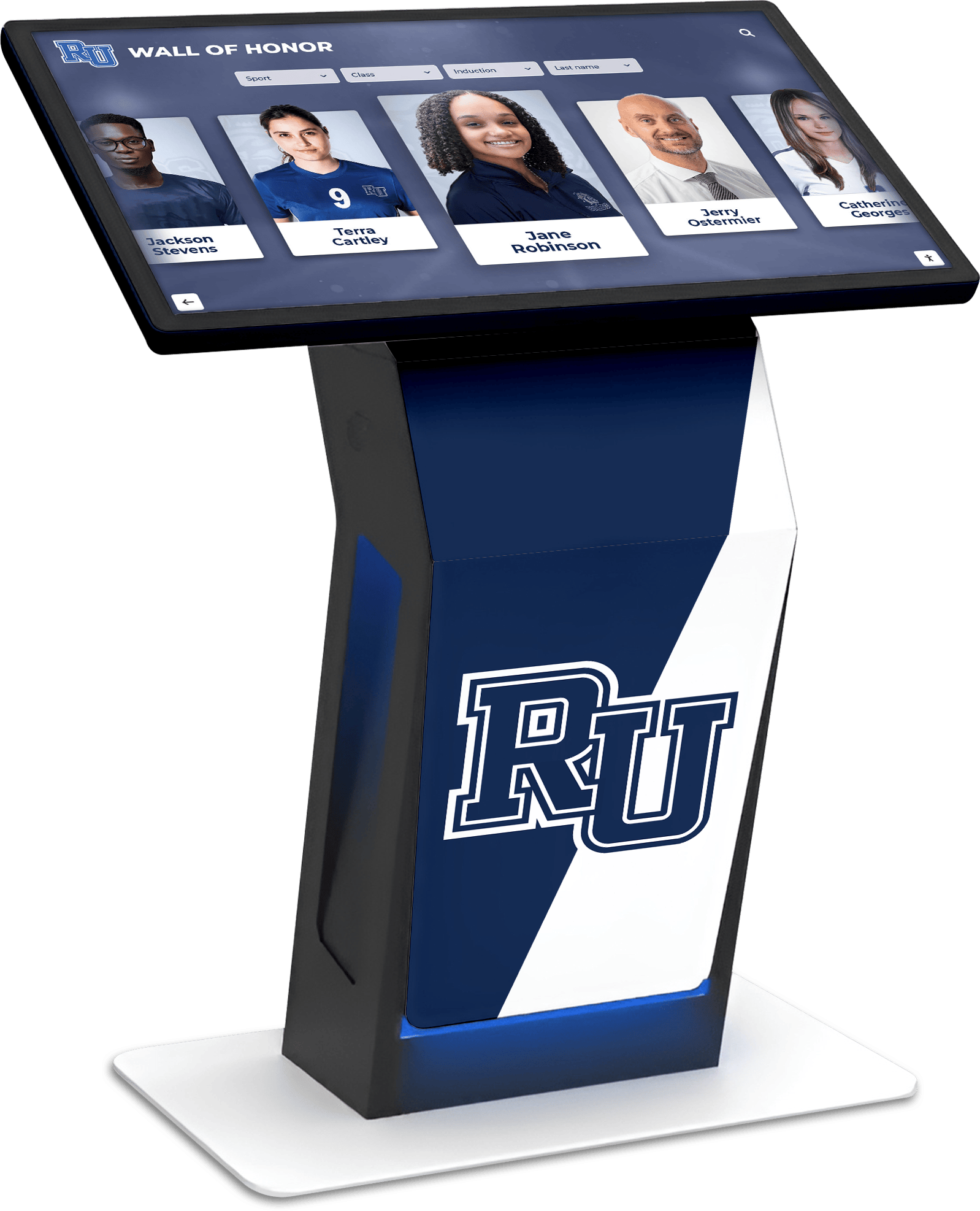
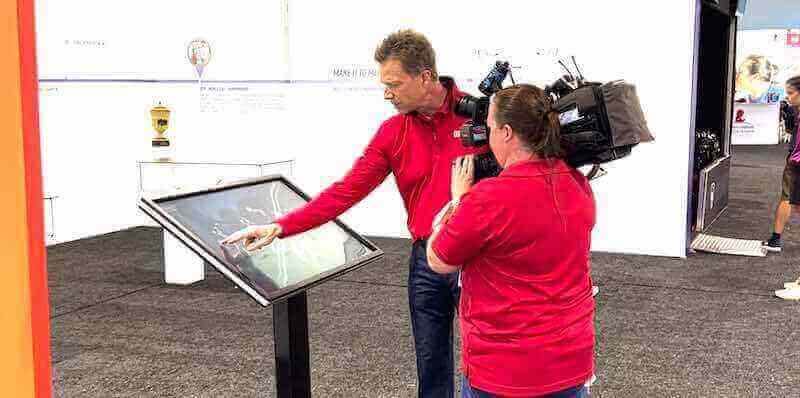
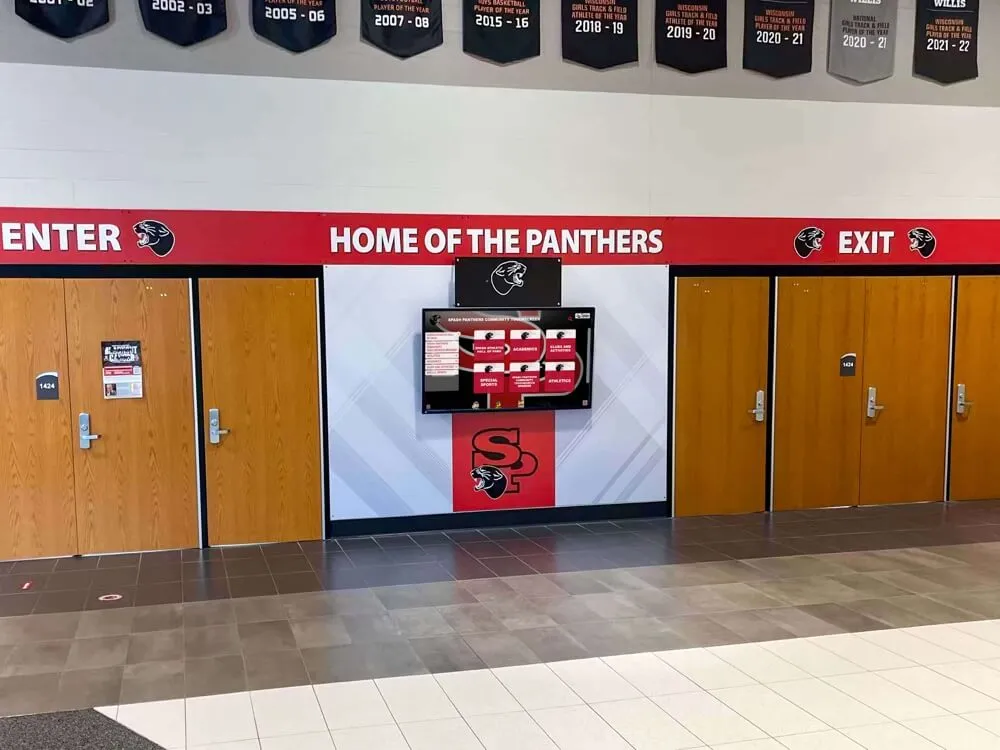
Purpose-built kiosks provide dedicated access points for exploring community digital archives
Implementing Preservation Metadata Standards
PREMIS for Preservation Information
PREMIS (PREservation Metadata: Implementation Strategies) provides internationally recognized standards for preservation-specific metadata documenting information necessary for long-term digital object management.
PREMIS metadata includes object characteristics—file format, size, checksums for integrity verification; creation and modification history; preservation actions taken—migrations, format conversions; rights and permissions affecting preservation actions; and technical dependencies—software, hardware requirements.
While comprehensive PREMIS implementation requires significant technical infrastructure, libraries can adopt core concepts even in simpler systems by documenting file format details, maintaining creation and migration histories, calculating and storing checksums for corruption detection, and recording preservation decisions and actions.
Learn more about PREMIS implementation from the Library of Congress Digital Preservation program.
Storage and Backup Strategies
The 3-2-1 Backup Rule
Digital preservation best practice follows the 3-2-1 rule: maintain at least 3 copies of digital materials, store copies on 2 different media types, keep 1 copy offsite protecting against local disasters.
Implementation Examples:
- Master files on library server with regular backups
- Copy on external hard drives stored onsite in different location
- Cloud backup service providing offsite redundancy
Even small libraries can implement basic 3-2-1 strategies using affordable cloud services, external drives, and systematic backup procedures.
Cloud Storage Considerations
Cloud services from vendors like Amazon S3, Microsoft Azure, Google Cloud, or specialized preservation services offer attractive benefits—no local hardware maintenance, automatic redundancy, scalable capacity, and potentially lower costs than local storage infrastructure.
However, cloud dependency requires:
- Evaluating vendor stability and preservation commitment
- Understanding data retrieval costs and procedures
- Maintaining ability to migrate if vendors change
- Ensuring data remains accessible if budgets prevent continued subscription
Cloud storage works well as one component of multi-layer strategies rather than sole preservation approach.
Regular Integrity Checking
Digital files can corrupt silently through storage media degradation, transmission errors, or software glitches. Systematic integrity monitoring detects problems before they compromise entire collections:
Checksum Verification: Calculate checksums (MD5, SHA-256) when files are created, store checksums with preservation metadata, and periodically recalculate to verify files haven’t changed.
Automated Monitoring: Preservation systems should automatically check file integrity on regular schedules—monthly or quarterly—alerting staff to discrepancies requiring investigation and restoration from backup copies.
This proactive monitoring prevents gradual data loss that might otherwise go undetected until materials are requested.
Platform Selection and Implementation
Digital collections require technical platforms enabling discovery, access, presentation, and management—from simple solutions suitable for small libraries to comprehensive enterprise systems.
Hosted Digital Collection Platforms
Subscription-Based Turnkey Solutions
Commercial platforms provide complete hosted solutions managing technical infrastructure:
CONTENTdm (OCLC): Widely adopted platform in libraries providing comprehensive features, established preservation practices, integration with library systems, and technical support. Suited for libraries wanting enterprise-grade capabilities with vendor management of technical infrastructure.
Preservica: Focused specifically on digital preservation with robust preservation metadata, automated format migration, comprehensive audit trails, and archival standards compliance. Suited for libraries prioritizing preservation functionality.
Mukurtu CMS: Specifically designed for indigenous digital heritage with cultural protocols support, community-defined access, and appropriate for libraries working with tribal communities or indigenous materials.
These services charge recurring fees based on storage volume and features but include hosting, technical maintenance, preservation infrastructure, and support.
Open-Source Platforms With Hosting Options
Open-source systems offer flexibility with varying technical requirements:
Omeka: User-friendly platform designed for cultural heritage collections with intuitive interfaces suitable for non-technical staff, extensive plugin ecosystem, and manageable learning curve. Many vendors offer affordable Omeka hosting removing technical barriers.
DSpace: Comprehensive repository platform with robust preservation features, institutional repository functionality, and active development community. Requires more technical expertise than Omeka but provides extensive capabilities.
Islandora: Sophisticated platform combining Drupal CMS with Fedora repository backend, providing maximum flexibility and scalability. Requires significant technical expertise or hosted service providers.
Open-source platforms eliminate license fees but require technical hosting either through institutional IT staff or third-party providers.
Simple Solutions for Small Libraries
Starting With Existing Website Integration
Small libraries with limited resources can implement basic digital collections using:
Simple CMS Integration: Existing website content management systems can present digital collections through photo galleries, PDF documents, and basic search if digital collection scope remains modest.
Google Sites and Drive: Free Google tools enable basic collection presentation—materials uploaded to Drive, embedded in Sites pages, organized with folders and descriptions. While lacking sophisticated features, this approach provides public access with zero budget.
Internet Archive Hosting: Libraries can create free Internet Archive accounts, upload digital materials, and leverage Archive infrastructure for preservation, delivery, and presentation without any hosting costs.
These approaches work well for pilot projects, very small collections, or libraries testing community interest before committing resources to sophisticated platforms.
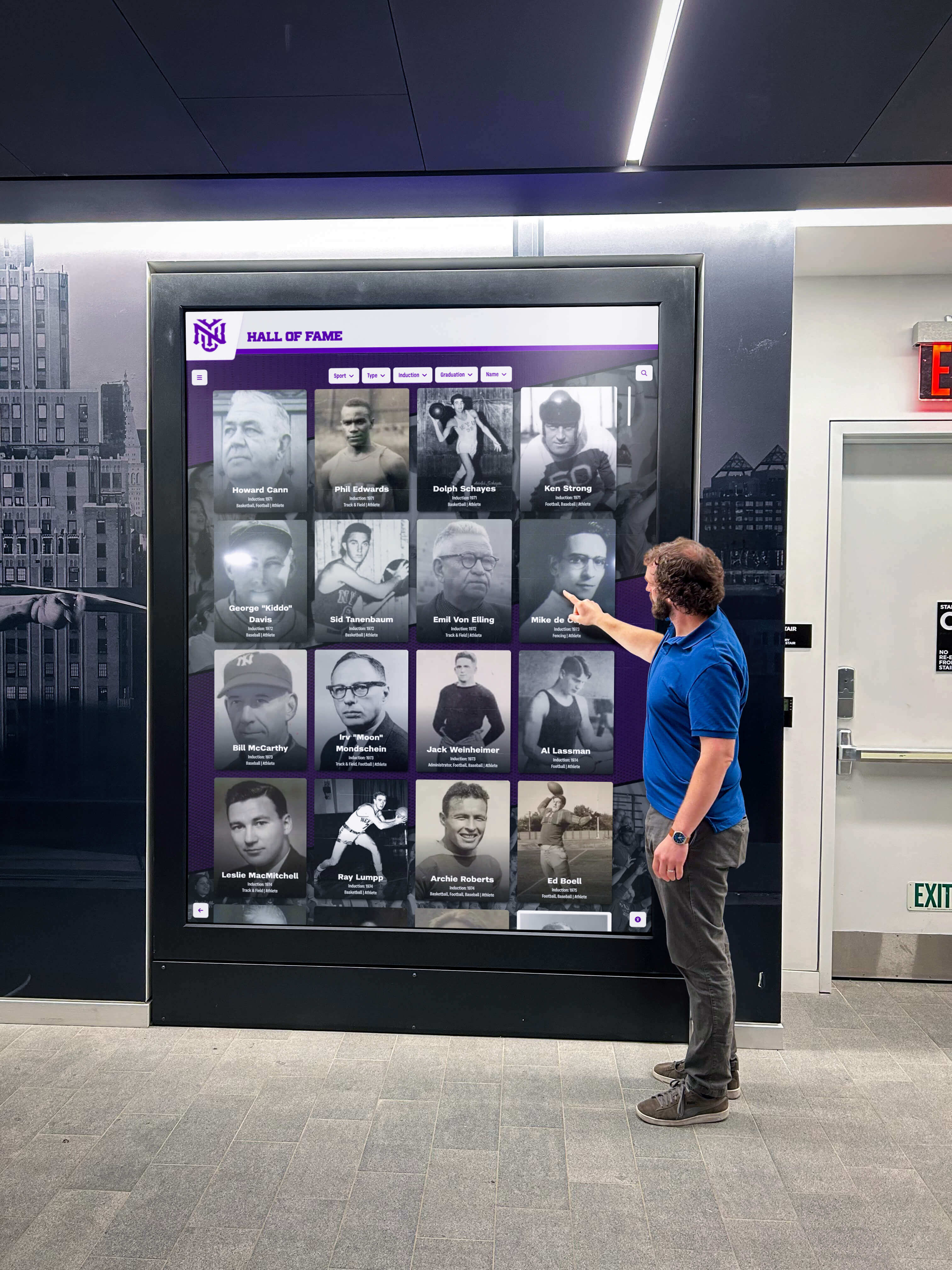
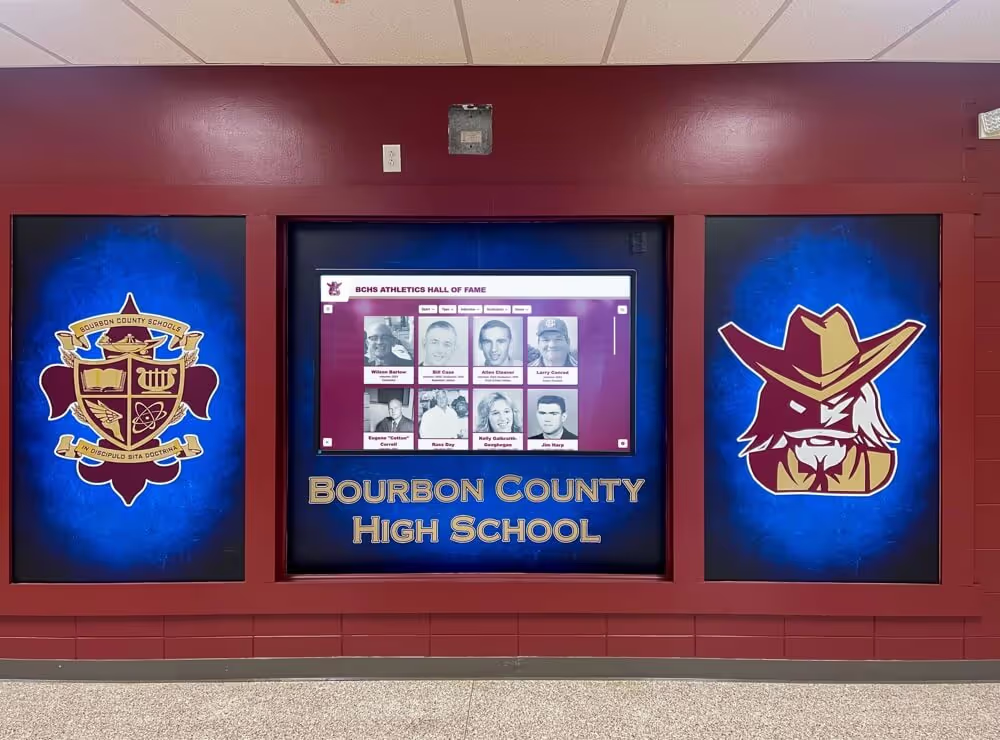
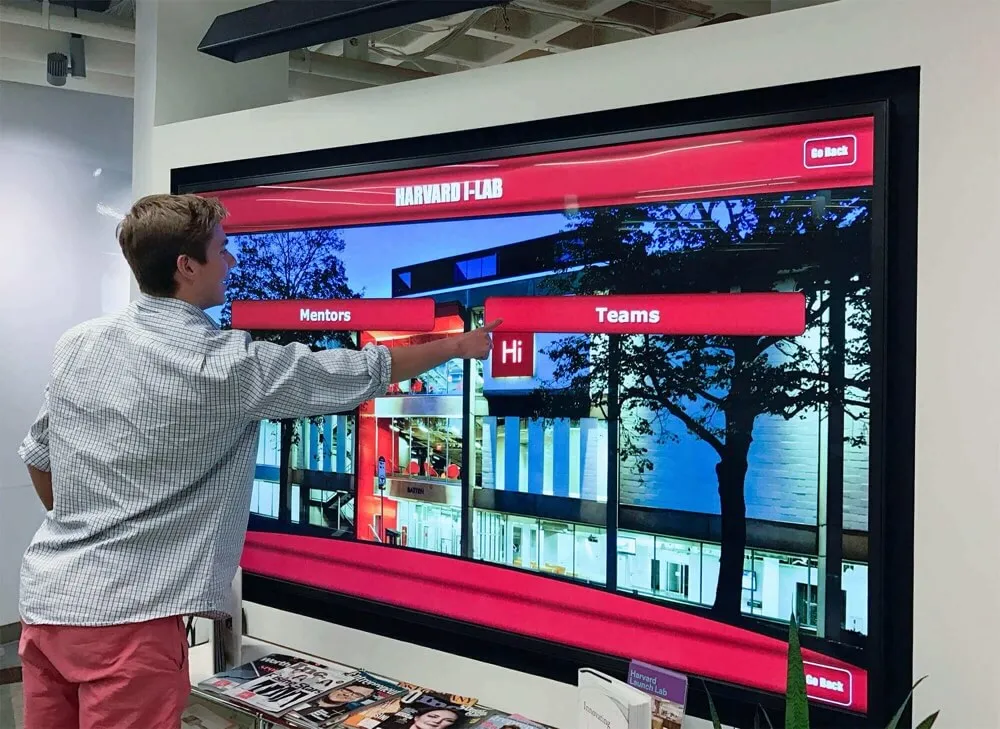
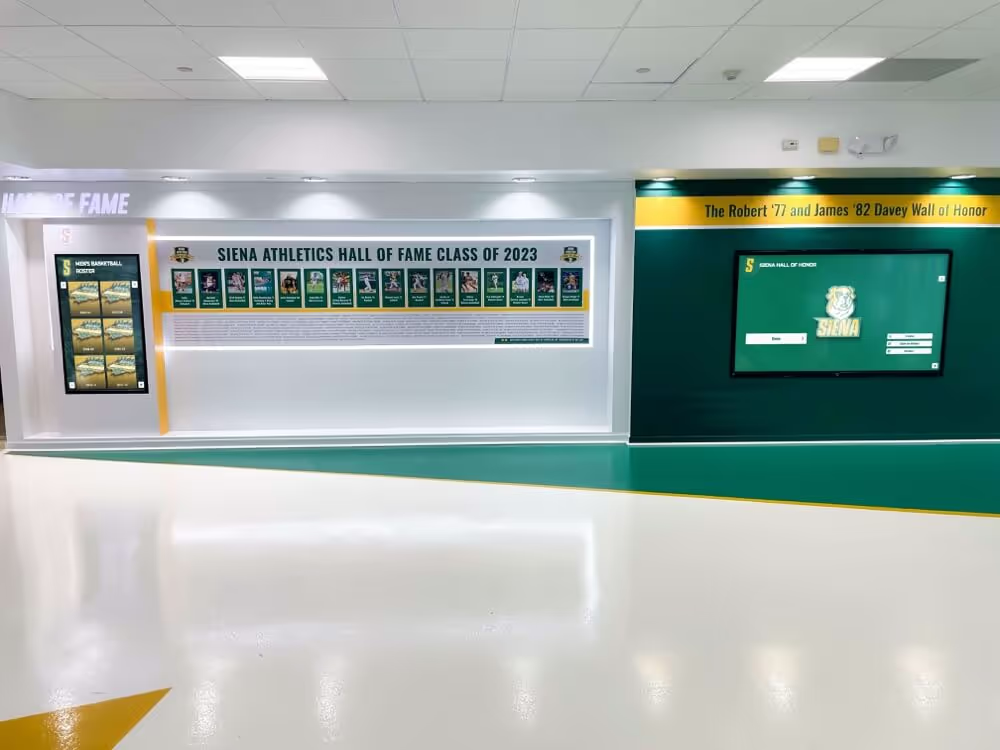
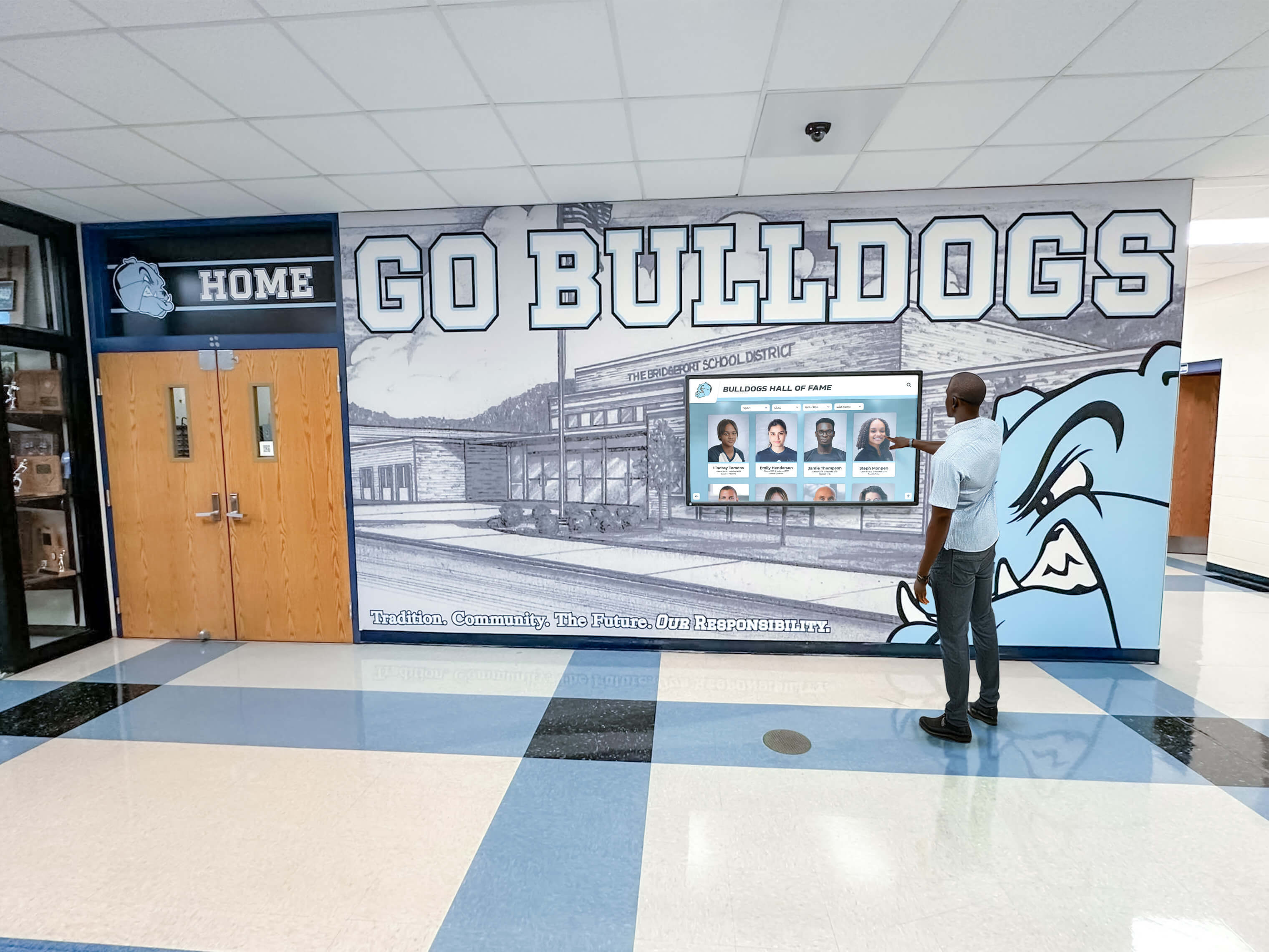
In-library touchscreen displays create engaging physical access points complementing online digital archives
Enhancing Access With Interactive Digital Displays
In-Library Touchscreen Kiosks for Archive Exploration
While online access extends reach, physical library displays provide valuable complementary access:
High-Visibility Placement: Touchscreen kiosks in library lobbies, local history rooms, or high-traffic areas invite casual discovery by patrons who might never specifically seek archives online.
Intuitive Browsing: Well-designed touchscreen interfaces enable browsing historical photograph collections, exploring yearbooks and directories, discovering oral histories, viewing historical maps and documents, and searching collections by topic, date, or keyword.
Community Gathering Points: Interactive displays become conversation starters and community gathering points where patrons share memories, identify photographs, and engage with local history together.
Solutions like Rocket Alumni Solutions provide purpose-built platforms specifically designed for intuitive community engagement with historical collections, offering interfaces requiring no training for public use, remote content management enabling staff to update displays from any device, capacity to accommodate unlimited archival materials without space constraints, integration of photographs, documents, video, and audio, and professional presentation elevating archive visibility and perceived value.
Learn about comprehensive digital display approaches for bringing historical materials to life through interactive technology.
Complementing Traditional Archives Display Spaces
Digital displays don’t replace physical archives but enhance them:
- Rotating digital exhibits showcasing archival treasures alongside physical displays
- Thematic digital presentations connecting to current library programming
- Deep access to materials too fragile or voluminous for physical exhibit
- Search capabilities enabling targeted discovery impossible with physical exhibits
This blended approach maximizes both traditional and digital archive values.
Community Engagement and Promotion Strategies
Creating digital archives represents wasted effort if communities never discover and use them. Systematic promotion and engagement transform digital archives into active community resources.
Launching Digital Collection Initiatives
Soft Launches vs. Grand Openings
Digital archives benefit from phased launch approaches:
Soft Launch Phase: Publish initial collections quietly enabling staff to identify issues, test functionality, gather initial user feedback, refine workflows, and build content volume before major promotion.
Community Preview Events: Invite stakeholders, donors, and history enthusiasts to preview collections providing valuable feedback while building champion advocates who will promote collections through their networks.
Grand Opening Campaigns: Once collections reach critical mass and functionality is proven, launch major promotion campaigns including press releases to local media, social media campaigns, presentations to community organizations, library programming featuring collections, and promotional materials throughout library facilities.
This staged approach prevents premature promotion of limited collections while building toward impactful public launches.

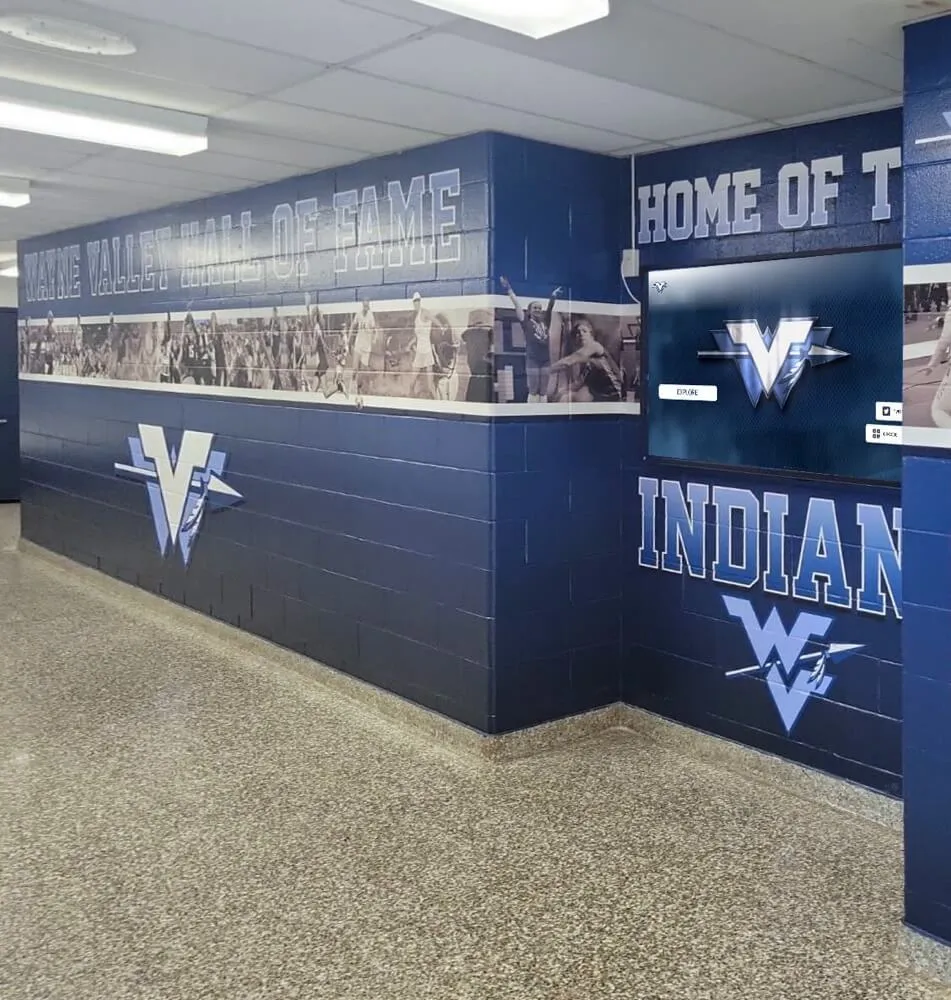
Educational institutions use interactive displays to provide students engaging access to historical materials and archives
Ongoing Promotion Channels
Integrated Library Communication
Digital archives should appear consistently across library communication channels:
Website Prominence: Featured placement on library homepage, dedicated archive section with clear navigation, integration into research guides and pathfinders, and links from relevant program pages.
Social Media Campaigns: Regular features highlighting interesting archive items—“Throwback Thursday” historical photos, “This Week in History” posts connecting archives to current dates, “Mystery Monday” unidentified photos inviting community input, and thematic series during heritage months or community events.
According to 2024 community engagement data, libraries leveraging social media platforms experienced more than 7 million interactions across various platforms, demonstrating significant reach potential.
Newsletter Features: Regular digital archive highlights in library newsletters reaching subscribers, spotlights on new collections as they launch, calls for community contributions, and usage statistics demonstrating community value.
In-Library Signage: Posters, table tents, and digital signage throughout facilities promoting archives, QR codes linking to featured collections, and physical displays showcasing archive materials with references to complete digital collections.
Partnership Outreach
Collaborating with community organizations extends archive awareness:
Historical Societies and Museums: Partner with local history organizations cross-promoting collections, coordinating complementary physical and digital exhibits, and sharing research and digitization expertise.
Genealogy Groups: Genealogical societies represent prime archive users. Present at society meetings, contribute to genealogy newsletters, and collaborate on targeted digitization of high-value genealogical materials.
Schools and Universities: Partner with educators integrating archives into curricula, host student research sessions, and support student history projects using archival materials.
Civic Organizations: Present digital archives to Rotary, Lions, historical commissions, neighborhood associations, and similar groups reaching diverse community segments.
These partnerships build archive awareness among highly engaged community members who become ongoing advocates and contributors.
Participatory Archive Projects
Community Contribution Campaigns
Engaging community members as active participants rather than passive consumers builds investment:
Donation Drives: Systematic campaigns soliciting community members to share family photographs, documents, and memorabilia for digitization and inclusion in public archives, often with events where staff provide scanning services preserving originals.
Identification Projects: Publish unidentified historical photographs inviting community members to identify people, places, dates, and contexts, capturing knowledge before it disappears with older generations.
Oral History Programs: Systematically document community members’ experiences, memories, and knowledge through recorded interviews contributing valuable primary sources to archives.
Transcription Events: Host in-person or virtual events where volunteers transcribe handwritten documents, historic newspapers, and similar materials requiring human interpretation while building community engagement.
These participatory programs distribute archival work while creating authentic engagement and building community ownership of collective heritage preservation.
According to the Public Library Association, approximately 80% of US public libraries have implemented community engagement programs, with literacy and educational achievement (84.7%), digital equity (66.6%), and civic engagement (62.4%) representing top service areas—all areas digital archives can support.
Learn about community recognition and engagement strategies applicable to library archive programs.
Educational Programming Around Archives
School Partnerships and Student Projects
Digital archives provide rich resources for educational integration:
Curriculum Integration: Work with teachers to develop lessons using archival primary sources, support student research projects with archive materials, and provide digital literacy instruction using local materials with inherent student interest.
Student Digitization Projects: Engage classes in scanning school archives like yearbooks or newspapers, teaching digitization skills while building collections.
History Day Partnerships: Support National History Day projects with archive resources while promoting archive value to students and families.
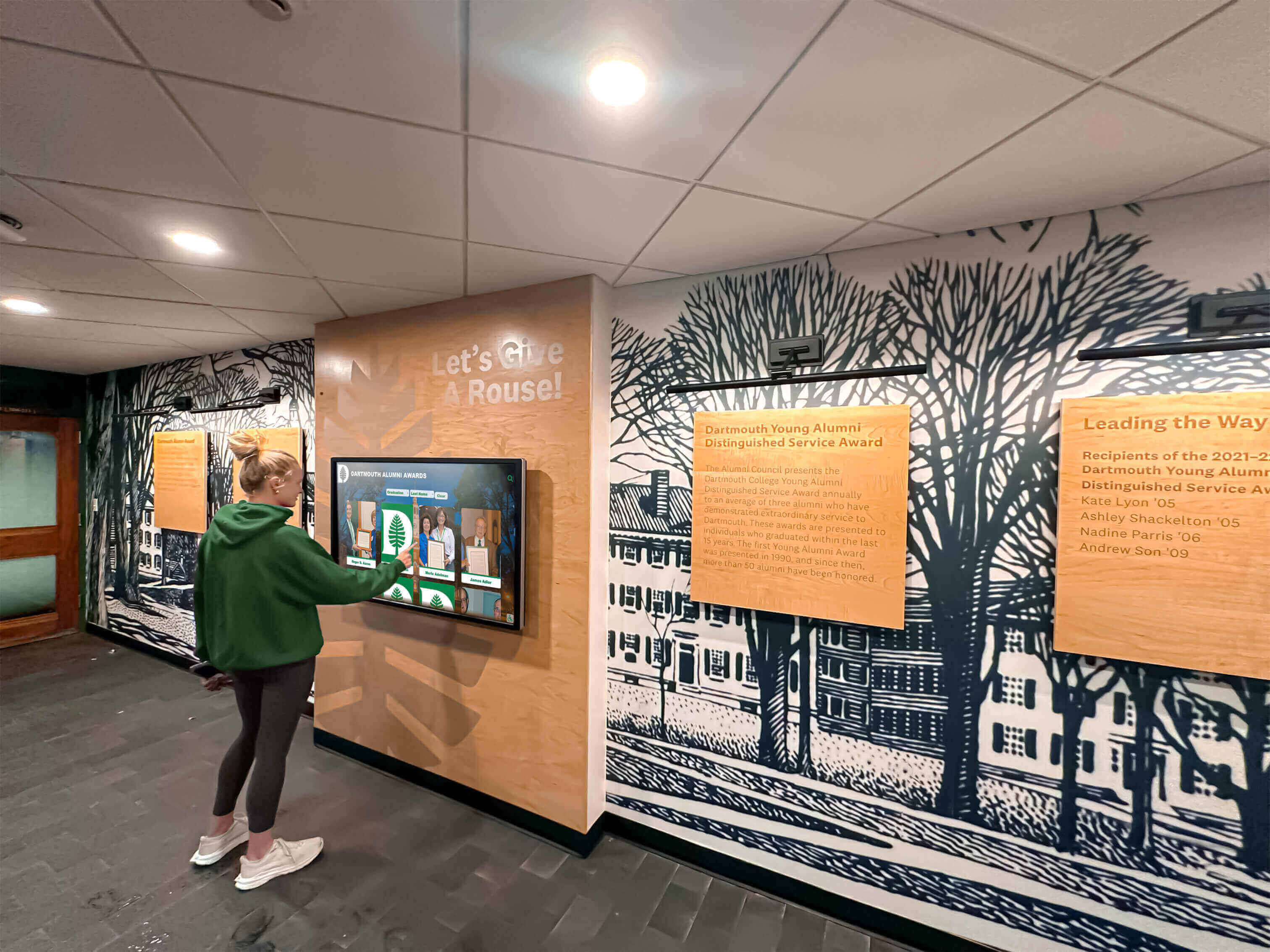
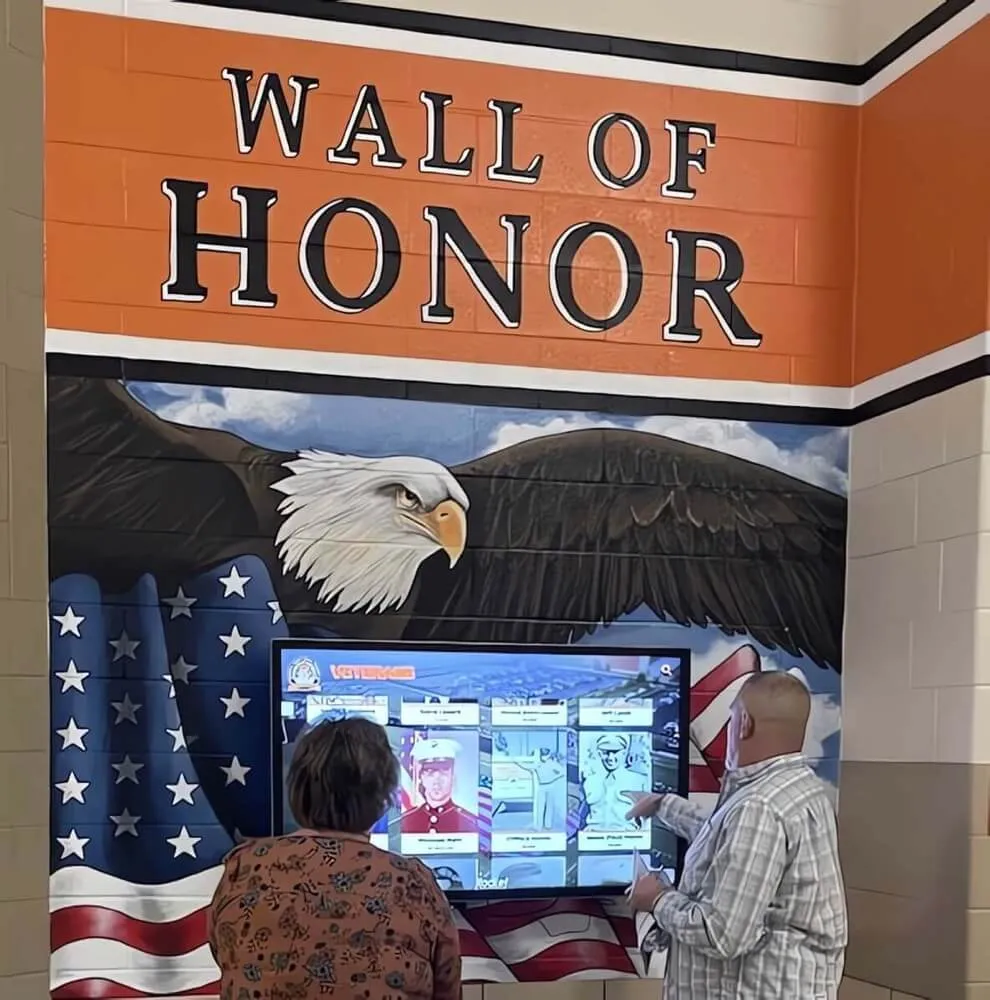
Interactive archive displays engage students in hands-on exploration of historical materials
Adult Programming and Workshops
Archives support diverse adult programming:
Research Skills Workshops: Teach genealogy research, historical research methods, digital archive navigation, and critical primary source analysis.
Author Talks and Book Discussions: Invite local history authors, facilitate discussions of history books, and feature archive materials relevant to reading programs.
Nostalgia Programs: “Remember When” events sharing historical materials spark community conversation and memory sharing while demonstrating archive value.
Heritage Month Celebrations: Feature relevant archive materials during Black History Month, Women’s History Month, Hispanic Heritage Month, and similar observances connecting archives to contemporary conversations.
Educational programming positions archives as active community resources rather than static historical storage.
Measuring Impact and Demonstrating Value
Systematic assessment helps libraries understand digital archive impact, identify improvement opportunities, and demonstrate value to funders and stakeholders.
Quantitative Metrics and Analytics
Usage Statistics
Modern platforms provide detailed analytics revealing how communities engage with digital archives:
Overall Access Metrics: Page views and unique visitors, session duration and bounce rates, search queries revealing research interests, most viewed collections and items, and download statistics for materials offered for download.
Geographic Distribution: Where users access archives geographically—local community vs. regional vs. national vs. international—demonstrating reach extension beyond physical library visits.
Referral Sources: How users discover archives—direct URL entry, search engines, social media links, or library website navigation—indicating effective promotion channels.
Device Types: Desktop vs. mobile vs. tablet usage patterns informing responsive design priorities and access strategies.
Regular analytics review identifies popular materials deserving expanded digitization, underutilized collections needing promotion, and technical issues preventing effective access.
Collection Growth Metrics
Track digital archive expansion demonstrating ongoing program development:
- Items digitized annually by collection or format
- Metadata records created or enhanced
- Collections launched or significantly expanded
- Community contributions received and incorporated
Growth metrics demonstrate active programs and justify continued resource allocation.
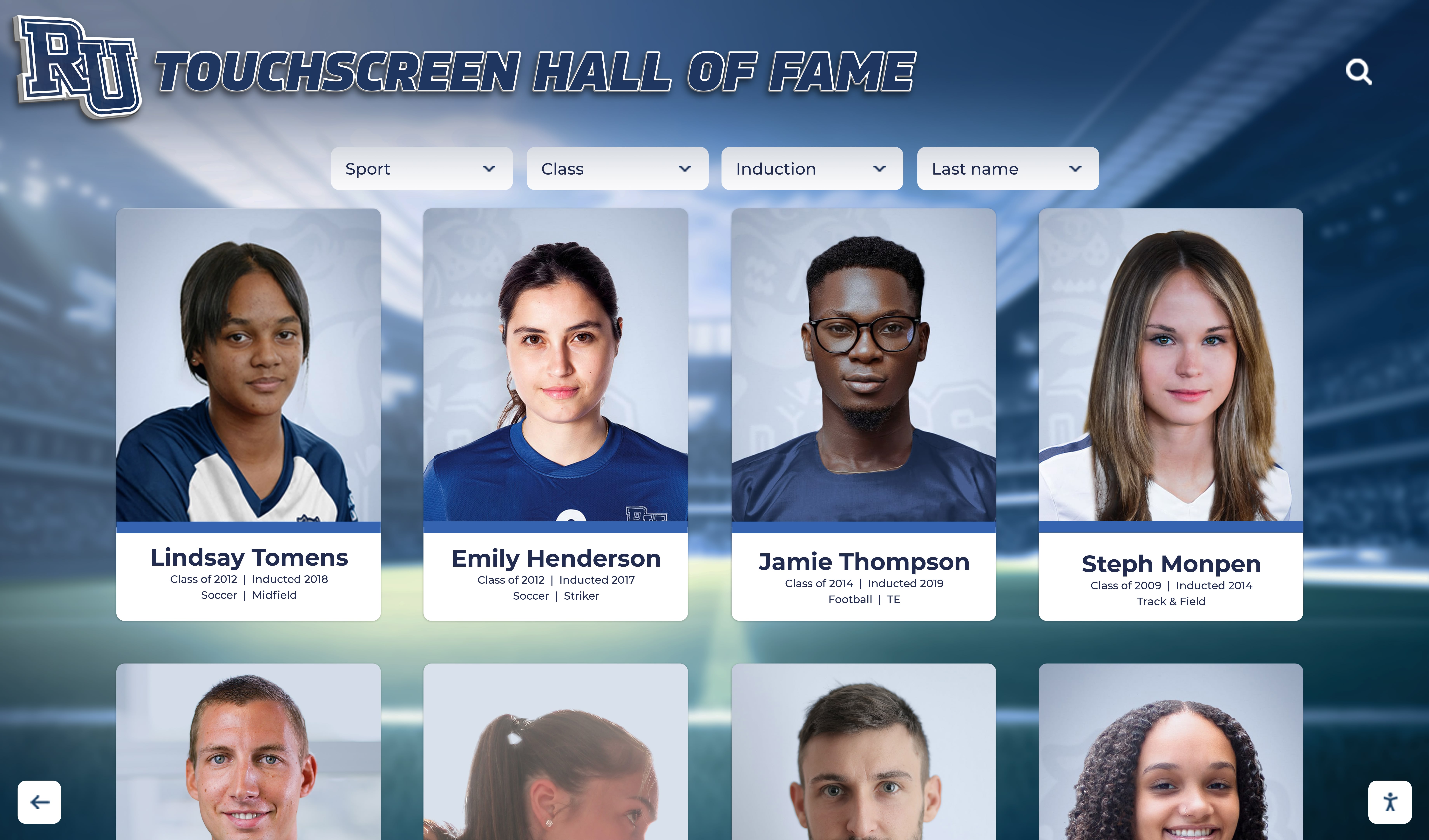
Comprehensive digital collections provide extensive materials for community research and exploration
Qualitative Impact Assessment
User Feedback and Success Stories
Quantitative metrics miss meaningful impact revealed through qualitative assessment:
User Surveys: Periodic surveys asking how users discovered archives, what research they conducted, how archives served their needs, and suggestions for improvement.
Success Stories: Document specific instances where archives made meaningful impact—genealogical breakthroughs, student research projects, author research, community rediscoveries, and property history research.
Media Coverage: Track newspaper articles, blog posts, radio mentions, and other media attention demonstrating community awareness and perceived value.
Testimonials: Collect user testimonials describing archive value in their own words for promotional materials and funding requests.
These qualitative measures demonstrate human impact statistics alone cannot capture.
Community Engagement Indicators
Monitor indicators suggesting community connection with archives:
- Community contributions of materials or information
- Social media engagement with archive posts
- Reference questions about archives and collection materials
- Program attendance for archive-related events
- Partnership development with community organizations
Strong community engagement signals archives successfully serving community needs rather than existing as unused technical infrastructure.
Demonstrating Value to Stakeholders
Reporting to Library Administration and Funders
Regular reporting maintains stakeholder support:
Annual Reports: Comprehensive yearly summaries including usage statistics demonstrating reach, collection growth showing ongoing development, highlights of major accomplishments, user testimonials and success stories, and program plans for coming years.
Grant Reports: Detailed documentation for funded projects showing deliverables met, objectives achieved, impact demonstrated, and sustainability plans beyond grant periods.
Budget Justifications: Clear articulation of program costs and value when requesting ongoing funding or resources for expansion.
Benchmark Comparisons: Context from peer institutions—comparing collection sizes, usage rates, costs per item—demonstrating reasonable performance and identifying improvement opportunities.
Systematic documentation supports continued investment in digital archive programs.
Discover how Rocket Alumni Solutions enables libraries to create engaging digital archive experiences that demonstrate clear community value while simplifying technical management.
Sustainability and Long-Term Program Management
Digital archives require ongoing commitments extending far beyond initial digitization projects. Successful programs build sustainability into every aspect.
Developing Sustainable Funding Models
Diversified Funding Sources
Relying on single funding sources creates vulnerability when budgets shift:
Operating Budget Integration: Establish digital archives as core library services warranting regular operating budget allocation rather than special project funding requiring annual justification.
Grant Funding for Expansion: Pursue grants funding specific collection digitization, equipment purchases, or platform enhancements while maintaining core programs through operating budgets.
Partnership Cost-Sharing: Collaborate with historical societies, museums, academic institutions, or civic organizations sharing archive interests, potentially sharing costs, equipment, or expertise.
Donor Support: Cultivate individual donors, family foundations, or community foundations supporting digital archive programs through one-time gifts or ongoing support.
Fee-Based Services: Some libraries offer commercial research services, reproduction fees for high-resolution images, or subscription access to specialized collections generating modest revenue supporting programs.
Multiple funding streams provide stability as individual sources fluctuate.
Staffing and Expertise Development
Building Internal Capacity
Sustainable programs develop internal expertise rather than depending entirely on external consultants:
Staff Training: Systematic professional development in digitization techniques, metadata standards, digital preservation practices, and platform management builds staff confidence and capability.
Cross-Training: Multiple staff members trained in core functions prevents single points of failure when individuals leave or move to different positions.
Volunteer Programs: Trained volunteer corps extends capacity for scanning, metadata creation, and community engagement while building program advocates.
Student Workers and Interns: Library school students, history majors, or others gain practical experience while providing valuable project assistance.
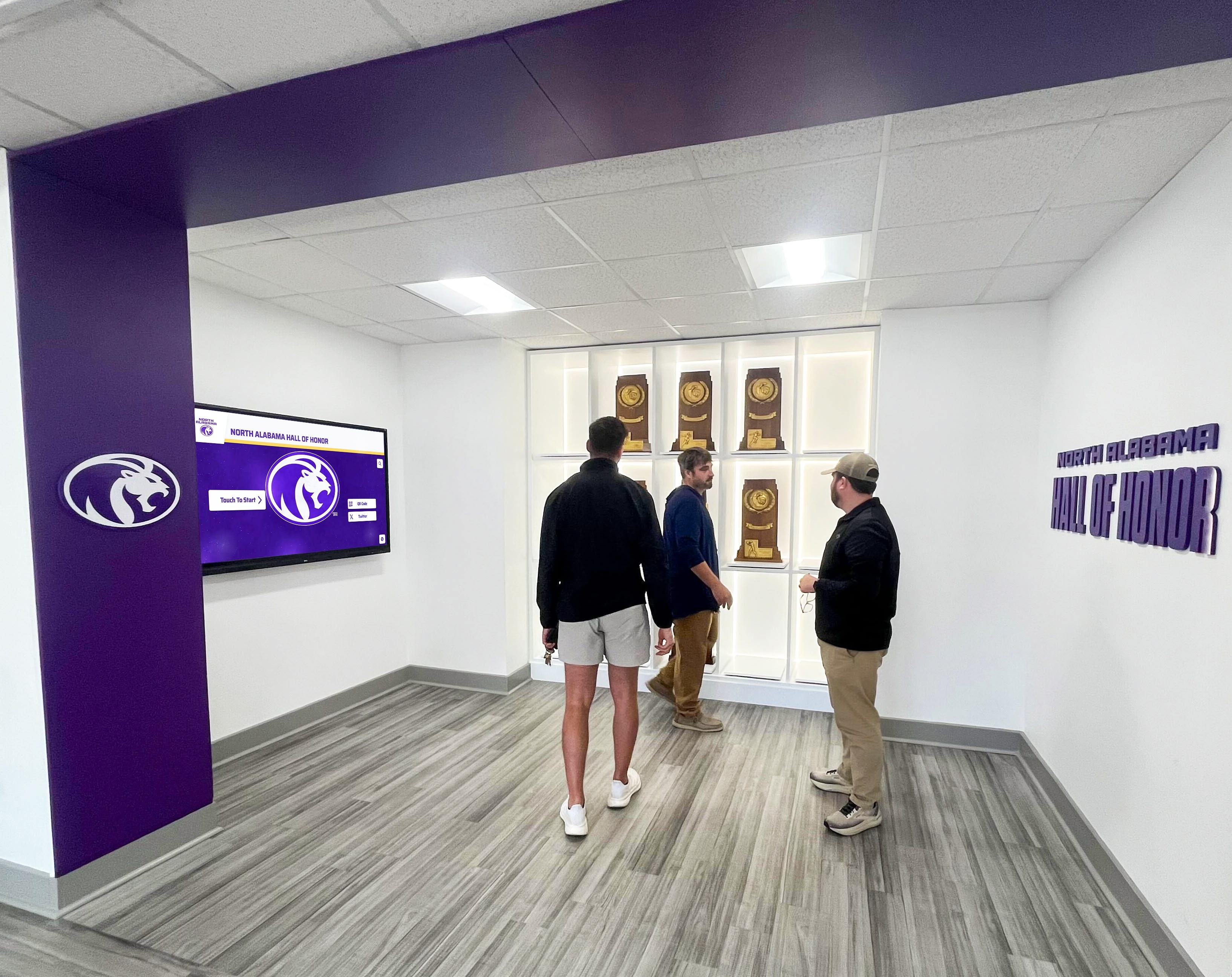
Collaborative planning and shared expertise support sustainable digital archive programs
Professional Networks and Continuing Education
Connection to broader digital library communities provides ongoing learning and support:
- Professional associations (Society of American Archivists, regional library consortia)
- Online communities and discussion lists for digital librarians
- Conferences and workshops providing training and networking
- Webinars offering accessible professional development
- Peer institution relationships enabling informal consultation
This professional engagement keeps programs current with evolving best practices and emerging technologies.
Planning for Technology Evolution
Platform Migration and Format Obsolescence
Technology changes demand proactive planning:
Open Standards: Prioritize platforms and formats using open standards rather than proprietary systems, facilitating future migration and reducing vendor lock-in risks.
Data Export Capabilities: Ensure platforms provide complete data export—files and metadata—enabling migration to different systems if needed.
Format Migration Plans: Schedule periodic review of file formats, monitoring obsolescence risks, and migrating to current formats before old formats become unsupported.
Regular Platform Assessment: Evaluate whether current platforms continue meeting needs, serving users effectively, and remaining technically supportable, with willingness to migrate when necessary rather than clinging to outdated systems.
This adaptive approach treats technology as evolving infrastructure requiring periodic replacement rather than permanent installations.
Balancing Innovation With Stability
While adopting new technologies offers opportunities, sustainable programs balance innovation with stability:
- Implement proven technologies rather than bleeding-edge experiments
- Evaluate new features against actual user needs not just technical possibilities
- Maintain legacy access during transitions to new systems
- Document decisions and transitions supporting institutional memory
This measured approach prevents disruptive technology churn while enabling thoughtful evolution.
Conclusion: Transforming Community Heritage Into Digital Treasures
Public library digital archive collections represent powerful intersections of preservation, access, community engagement, and institutional service. When libraries successfully translate archival holdings into accessible digital formats supported by discoverable metadata, stable preservation infrastructure, intuitive platforms, and systematic community engagement, they transform fragile materials accessible to few into treasured community resources reaching global audiences while strengthening local identity and connection.
The frameworks explored in this guide provide comprehensive roadmaps for building sustainable digital archive programs—from initial planning prioritizing community-valued materials through systematic digitization workflows, practical metadata approaches, preservation strategies, platform selection, and engagement techniques that activate collections as living community resources rather than static storage.
Bring Your Library's Archives to Life
Discover how modern digital recognition and archive display solutions can help your library create engaging, accessible digital collections that preserve community heritage while building meaningful connections between residents and their shared history.
Request a DonorsWall Planning CallDigital archives succeed not through technical sophistication alone but through thoughtful alignment of technology with community needs, institutional capacity, and preservation responsibilities. Purpose-built solutions designed specifically for community heritage engagement—like those provided by Rocket Alumni Solutions—eliminate technical barriers preventing many libraries from realizing digital archive potential while providing intuitive interfaces encouraging community exploration and discovery.
Start where you are—whether launching first pilot projects or enhancing established programs—then systematically expand following sustainable approaches your institution can maintain long-term. Every collection digitized preserves vulnerable materials while extending access beyond physical limitations. Every metadata record created makes materials discoverable to researchers who would never know they existed. Every promotional campaign introduces new community members to treasures documenting their collective heritage. Every participatory project builds community ownership of shared memory preservation.
Your community’s heritage deserves preservation and accessibility extending beyond storage rooms and limited open hours. With strategic planning, appropriate technology, systematic workflows, and sustained commitment, your library can create digital archive programs that serve current communities while preserving irreplaceable materials for generations who will thank you for foresight in digitally safeguarding community memory before physical originals deteriorated beyond recovery.
Ready to explore digital archive possibilities? Learn about comprehensive digital archiving approaches for specific materials, discover historical timeline visualization strategies for presenting chronological materials, or investigate interactive display solutions that bring archival collections into high-traffic library spaces where discovery happens naturally.
Sources:
- Digital Public Library of America
- Boston Public Library Statewide Digital Services
- Library of Congress Digital Collections
- Rapid City Public Library Community Engagement Statistics
- Library Usage Trends 2024
- PLA Public Library Services Survey
- Library of Congress PREMIS Digital Preservation
- Digital Preservation Handbook - Metadata and Documentation
- Lucidea - Metadata for Archival Collections
- Digital Preservation Standards and Best Practice