Retail environments face intense competition for customer attention. Shoppers enter stores bombarded by product choices, competing messages, and distractions from mobile devices. Traditional static signage—printed posters, shelf tags, basic promotional materials—struggles to capture attention in this overstimulated landscape. Meanwhile, customer expectations for engaging, personalized, and informative retail experiences continue to rise, driven by digital interactions in other aspects of their lives.
Forward-thinking retailers recognize that retail digital signage offers powerful solutions for cutting through noise, delivering dynamic content that adapts to context, creating memorable brand experiences, and providing information customers actually seek. When implemented strategically, digital displays transform passive store visits into interactive journeys that educate, entertain, and inspire purchasing decisions.
This comprehensive guide explores innovative retail digital signage ideas across diverse store environments—from interactive product discovery stations and real-time inventory displays to social media walls and personalized recommendation systems. Whether you’re managing a small boutique or a multi-location retail chain, these strategies demonstrate how digital displays create engaging customer experiences that drive sales while building lasting brand connections.

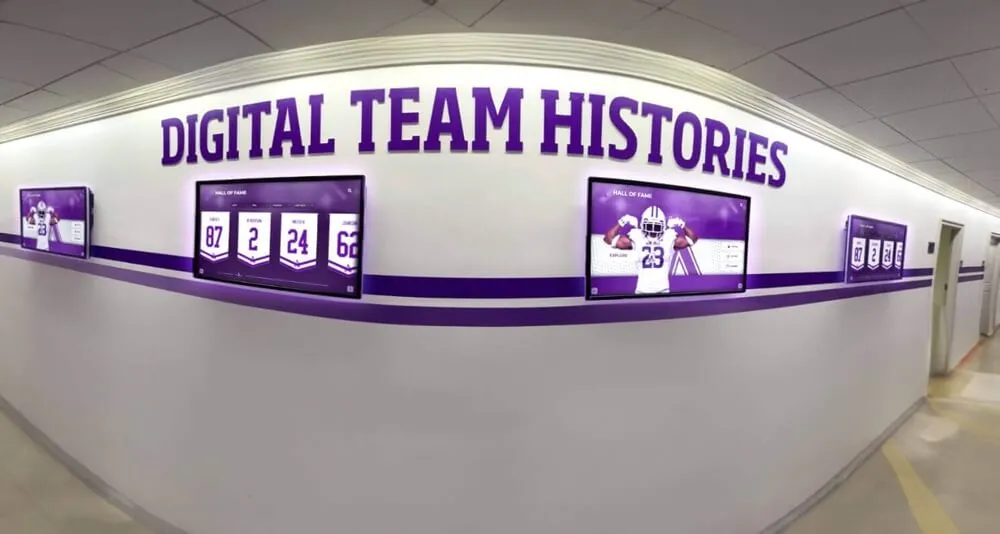
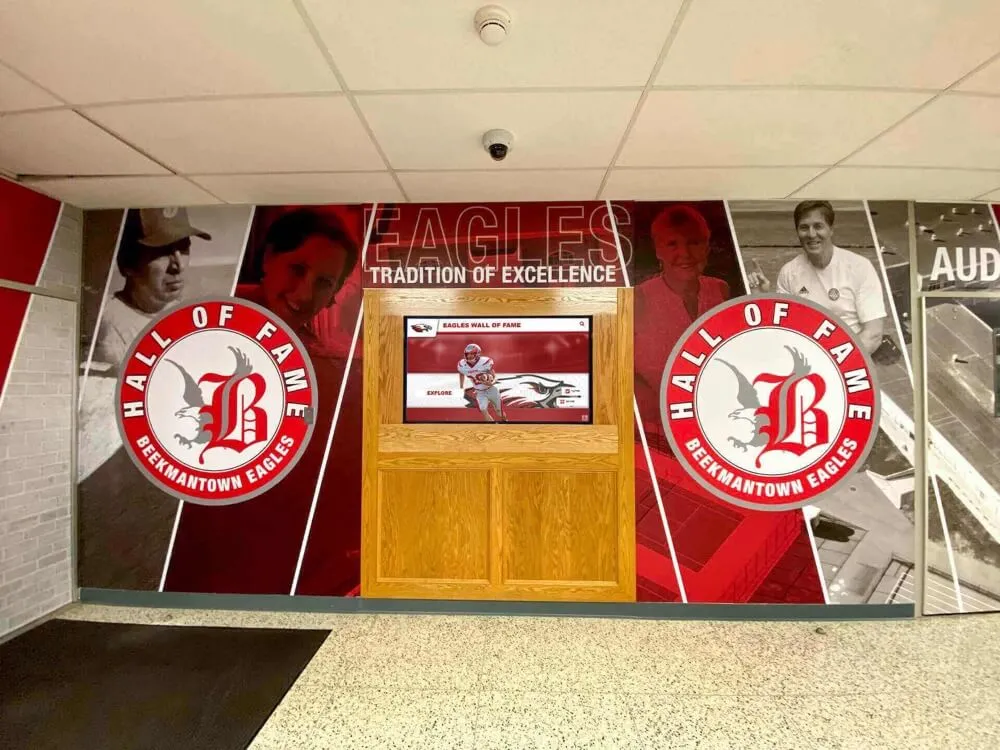
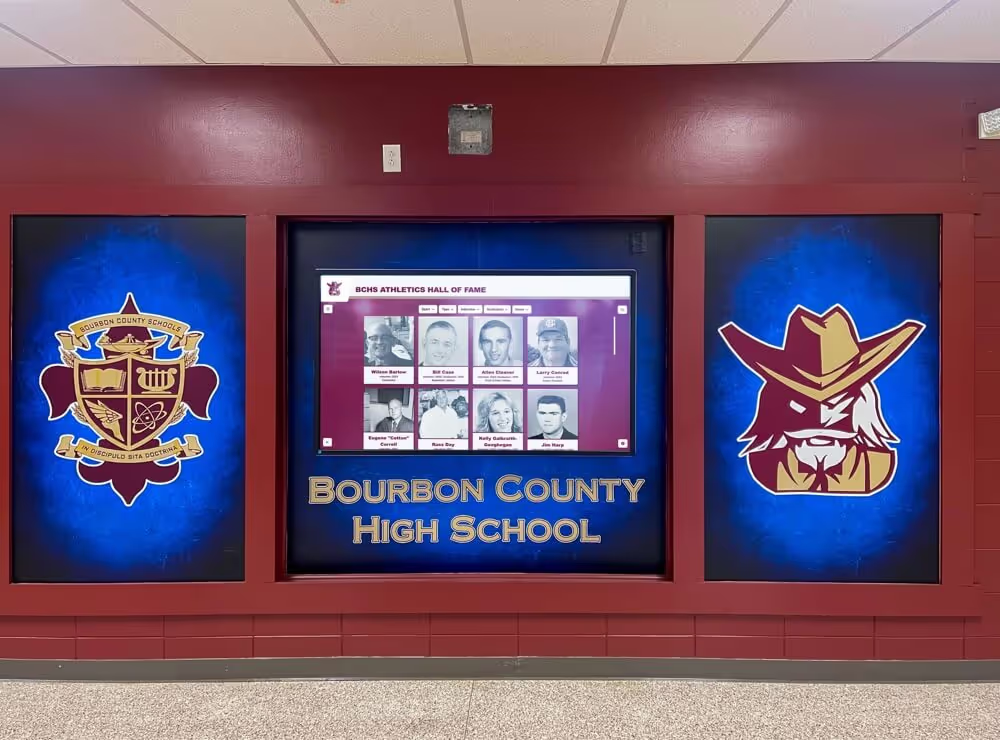
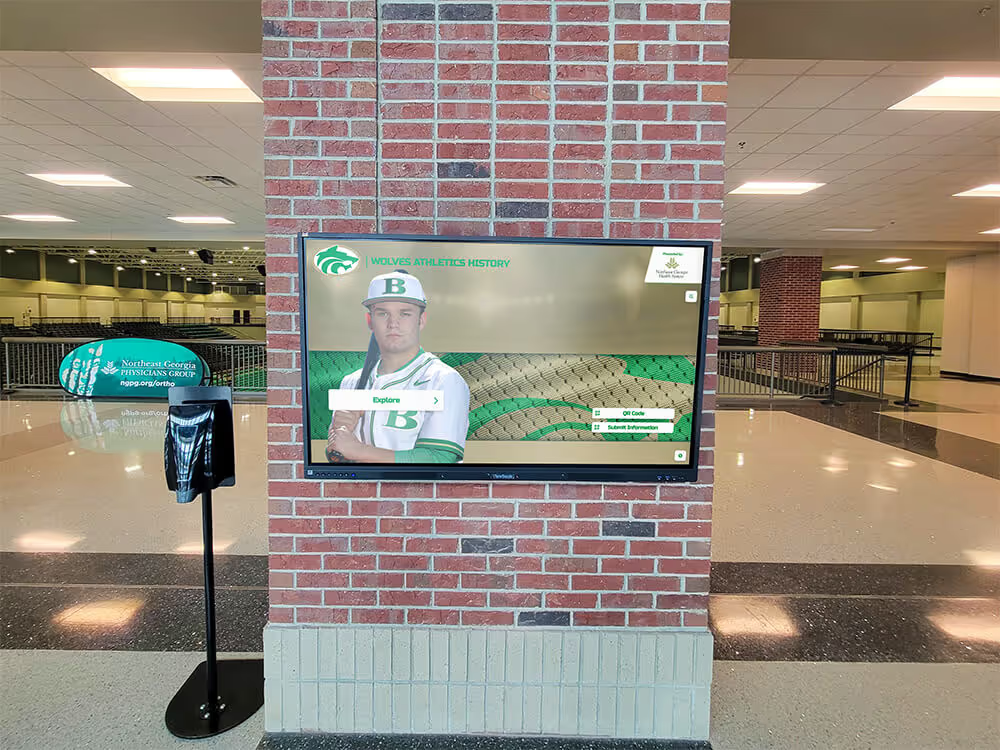
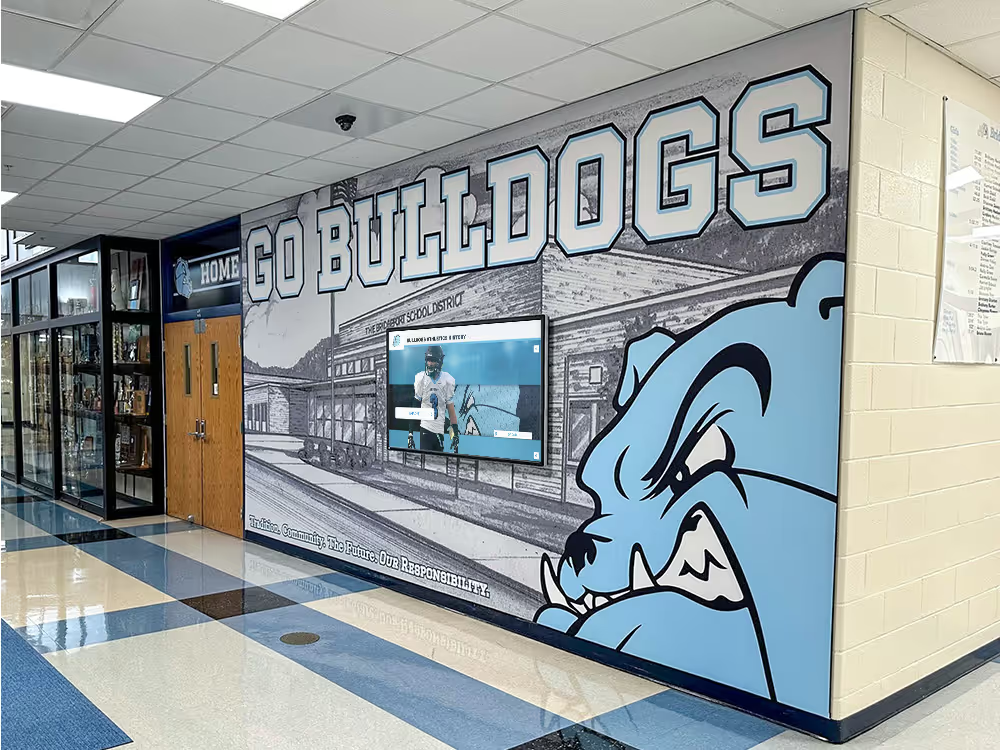
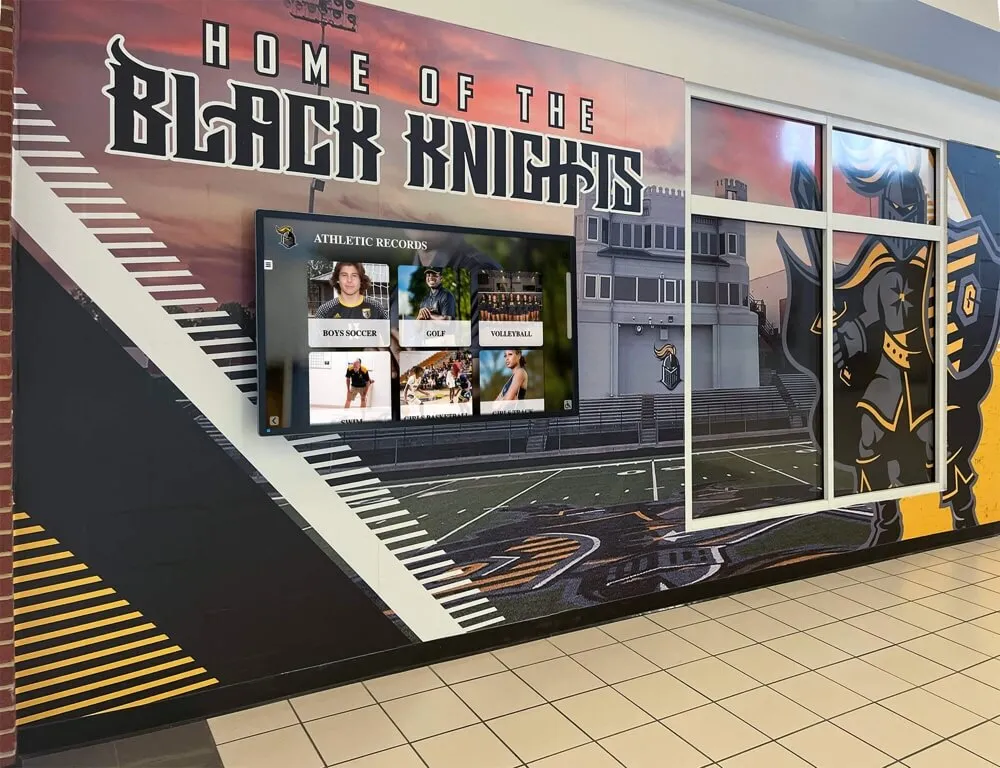
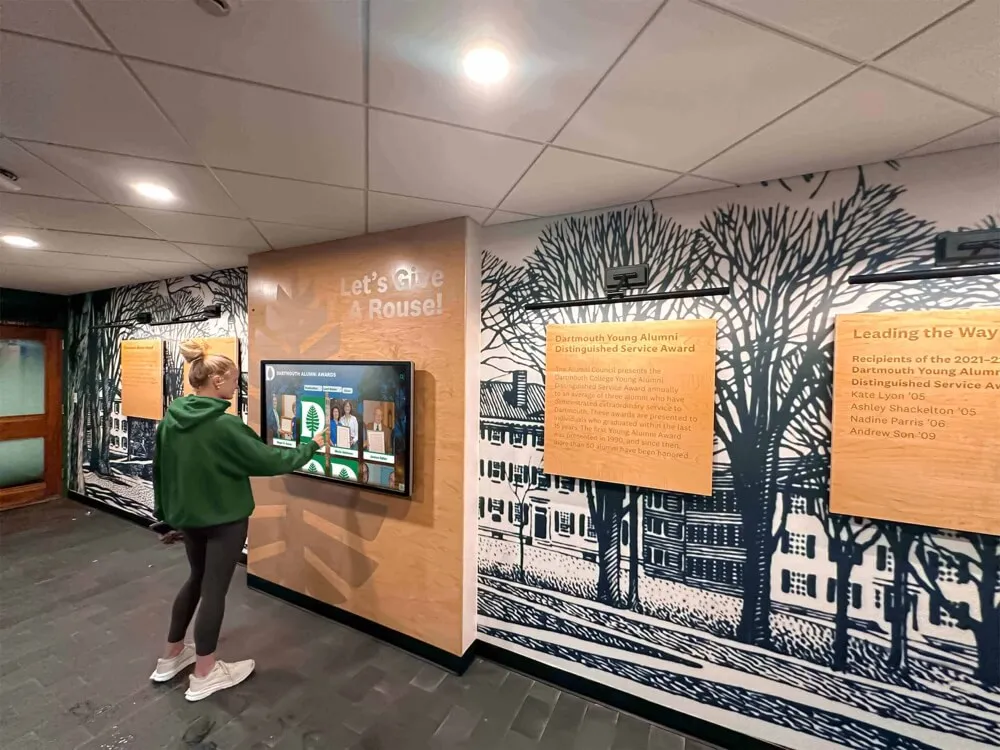
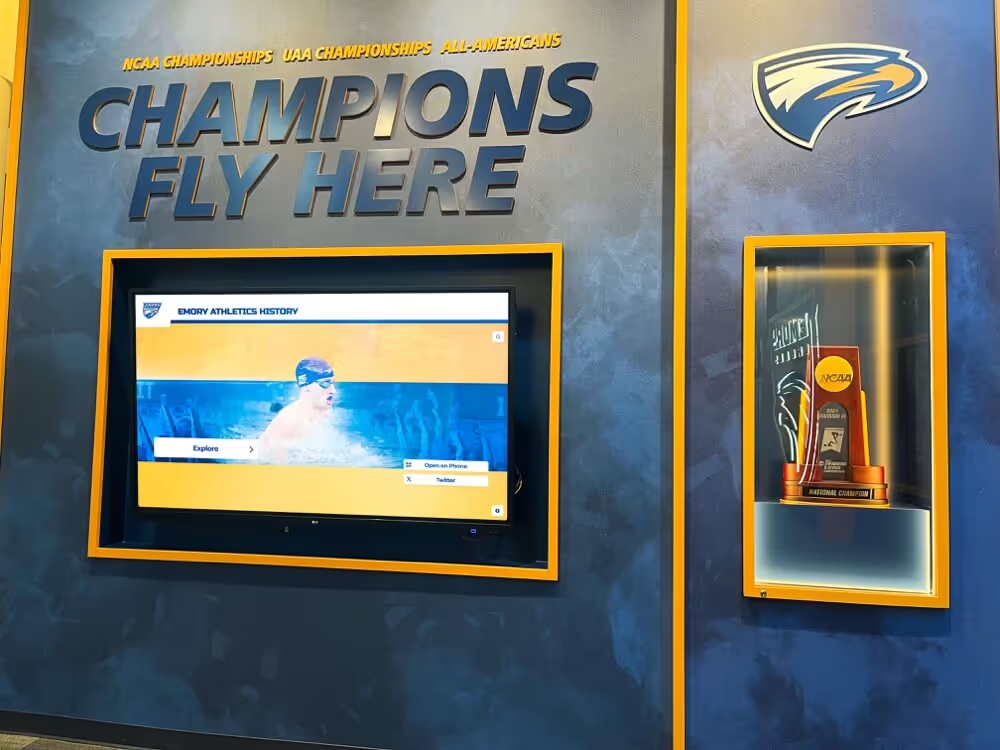
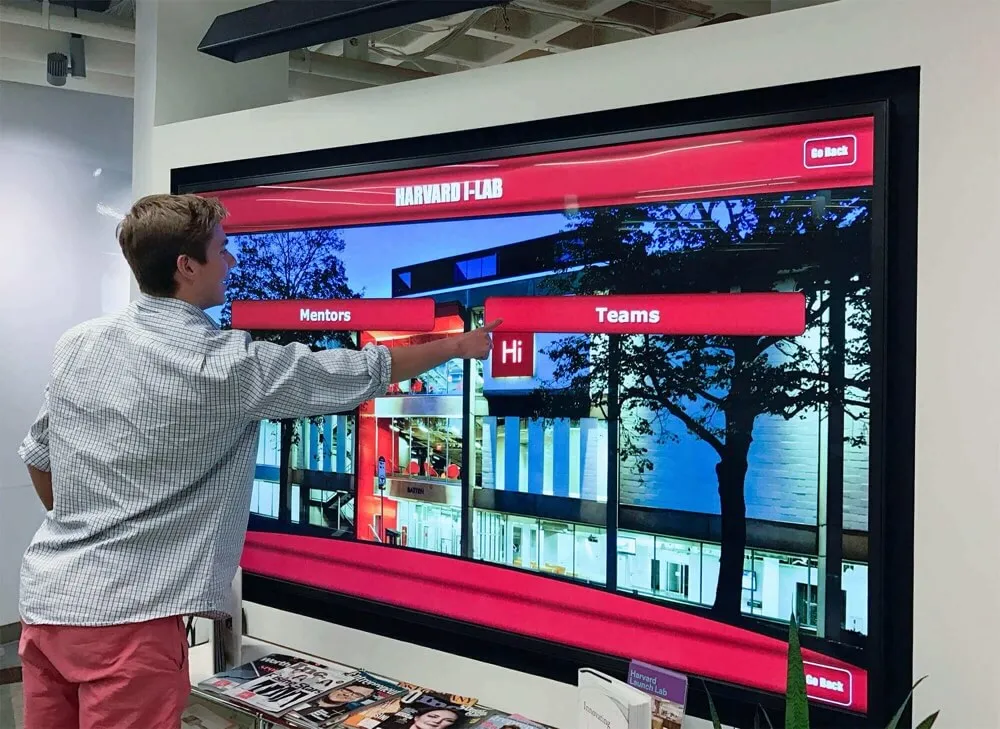
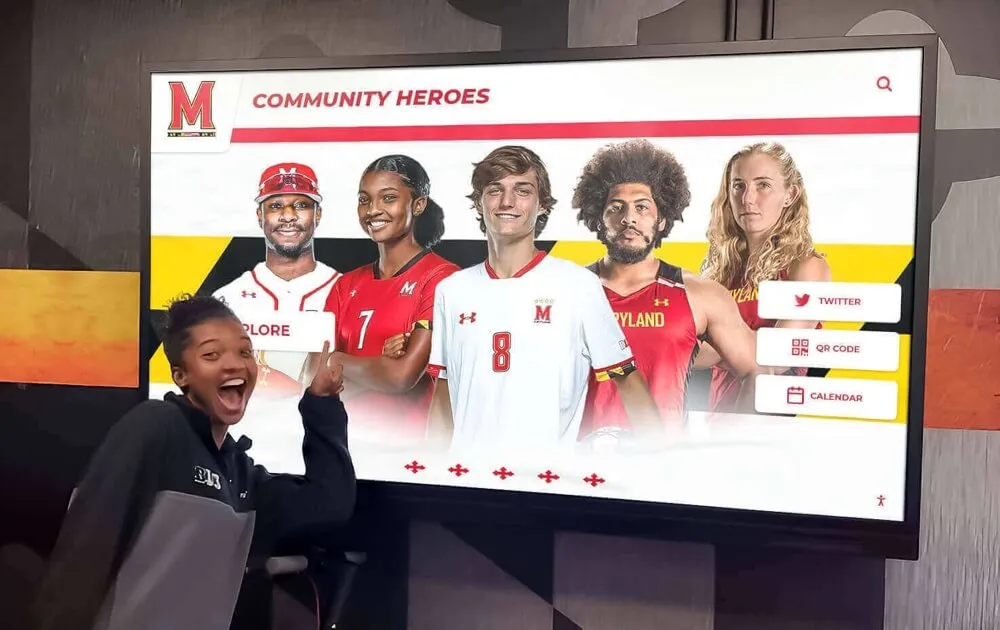
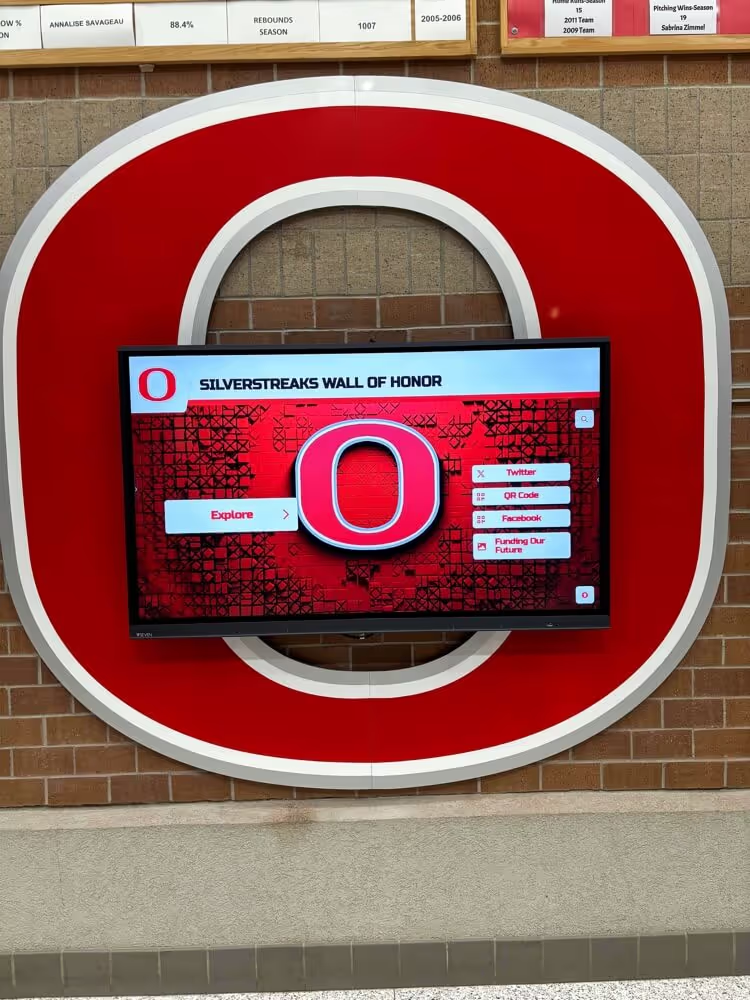
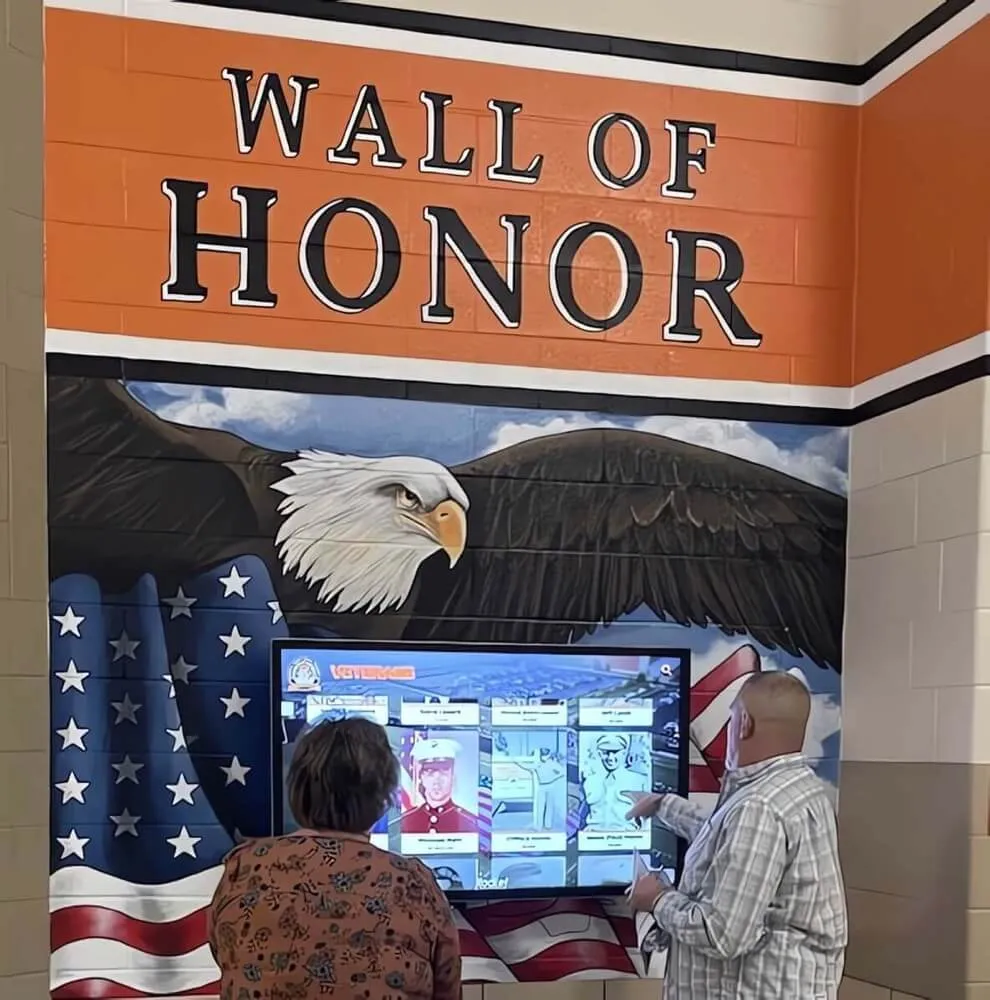
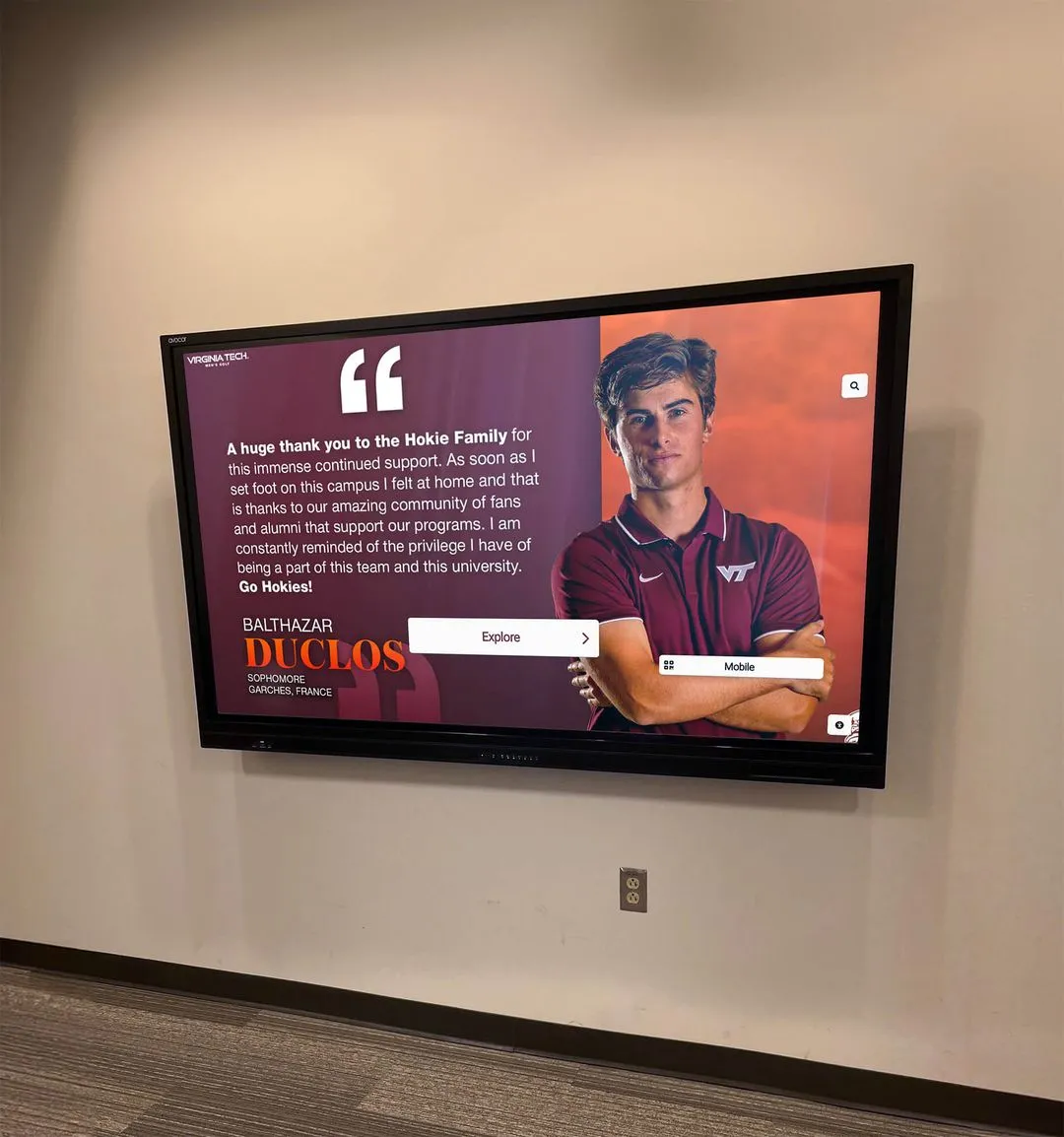
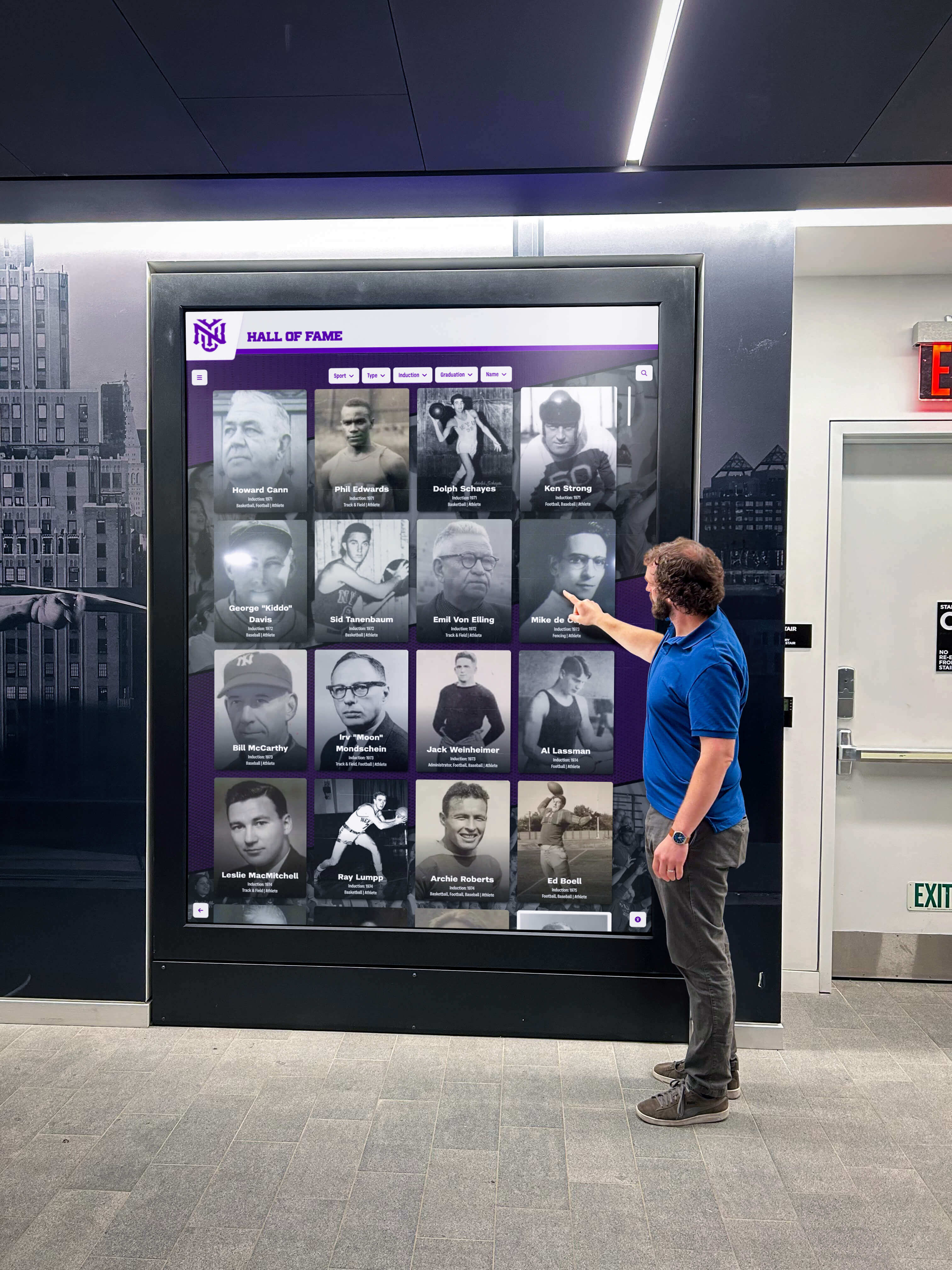
Interactive digital displays invite customer participation, transforming passive browsing into engaging exploration
Understanding Retail Digital Signage’s Customer Engagement Advantage
Before diving into specific implementation ideas, understanding why digital signage outperforms traditional retail communication helps retailers justify investment while guiding strategic deployment.
The Limitations of Static Retail Signage
Traditional printed signage presents significant constraints limiting retail effectiveness:
Production and Update Complexity
Static materials create operational burden:
- Design and printing lead times delay campaign launches
- Physical installation requires staff time and effort
- Content changes demand complete replacement of materials
- Seasonal updates generate waste and recurring costs
- Multi-location consistency requires complex distribution logistics
- Error correction necessitates reprinting and reinstallation
- Limited space constrains message quantity and depth
Single-Message Restriction
Print signage displays one message indefinitely:
- No time-of-day variation adapting to traffic patterns
- Inability to rotate multiple promotions in single locations
- No personalization based on customer demographics or behavior
- Content becomes invisible through familiarity after extended display
- Missed opportunities to cross-promote complementary products
- No urgency creation through countdown or limited-time messaging
Lack of Engagement and Measurement
Static displays offer minimal interaction and no data:
- Customers passively view without deeper engagement
- No measurement of attention, interest, or effectiveness
- Unable to provide detailed product information beyond space constraints
- No integration with inventory, pricing, or customer data systems
- Missing opportunities for entertainment or educational content
- Inability to capture customer preferences or behavior insights
Organizations exploring comprehensive approaches to interactive display technology for public spaces discover that digital solutions address traditional signage limitations while enabling customer experiences impossible through static materials.
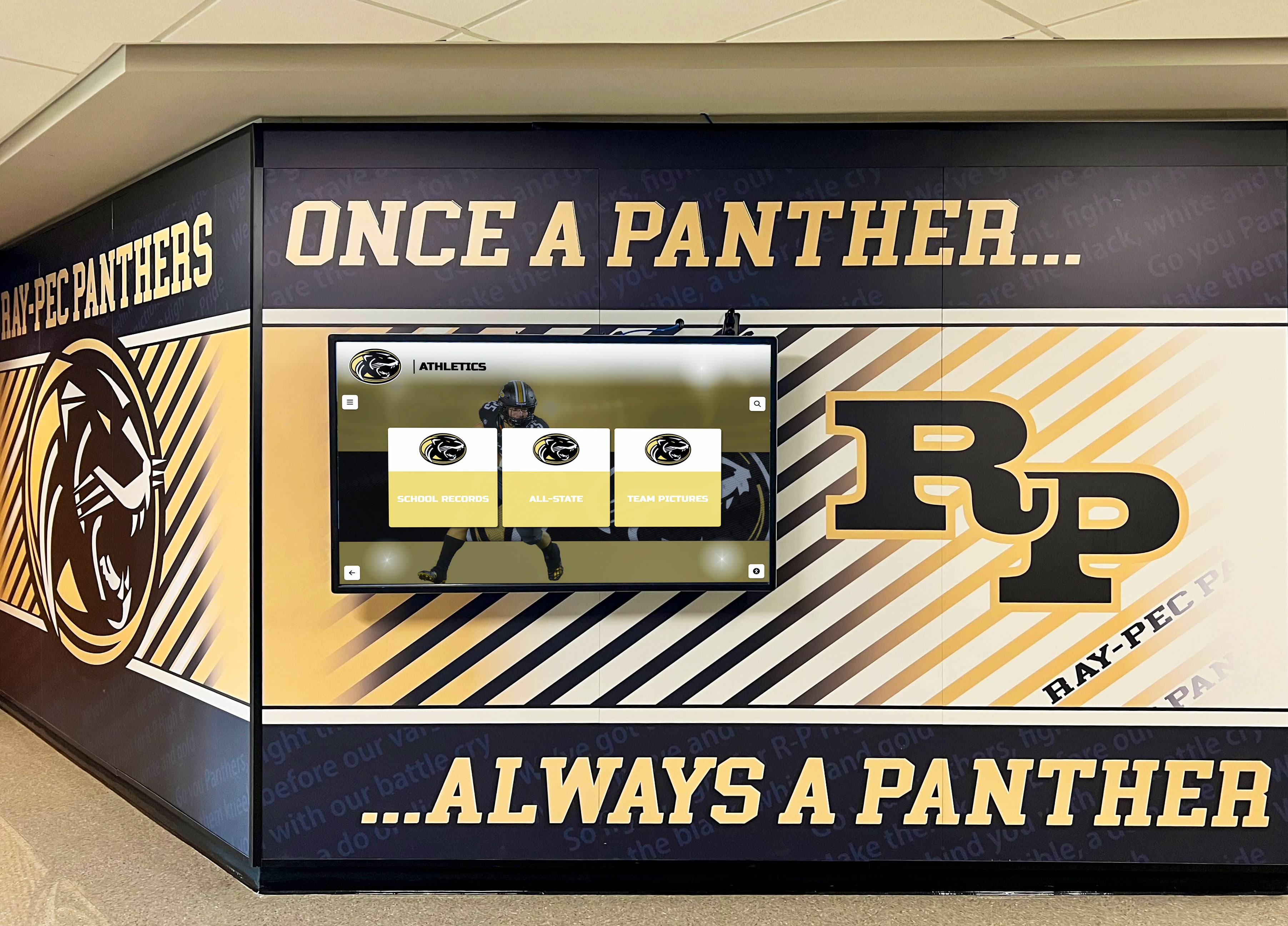
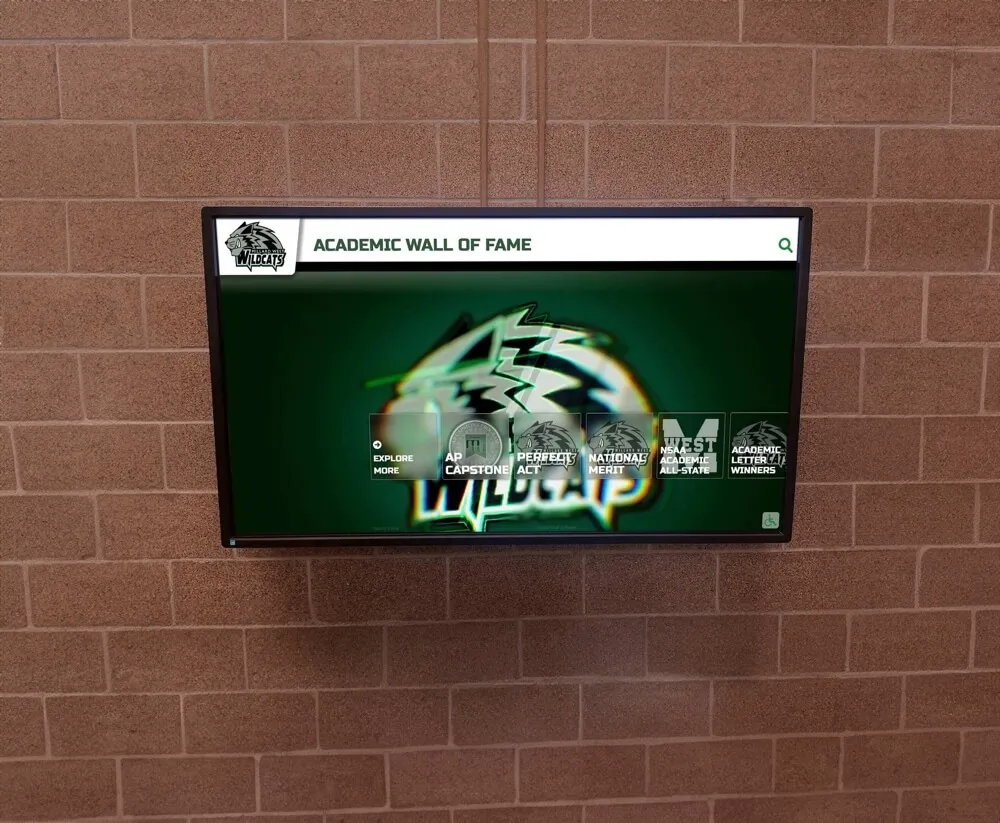
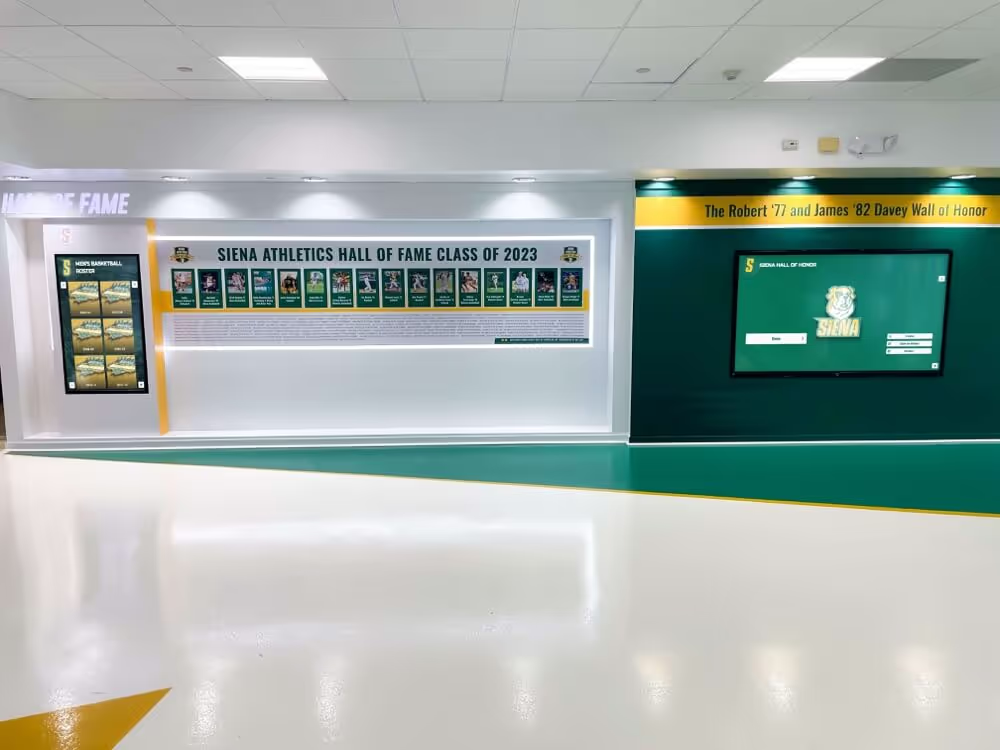
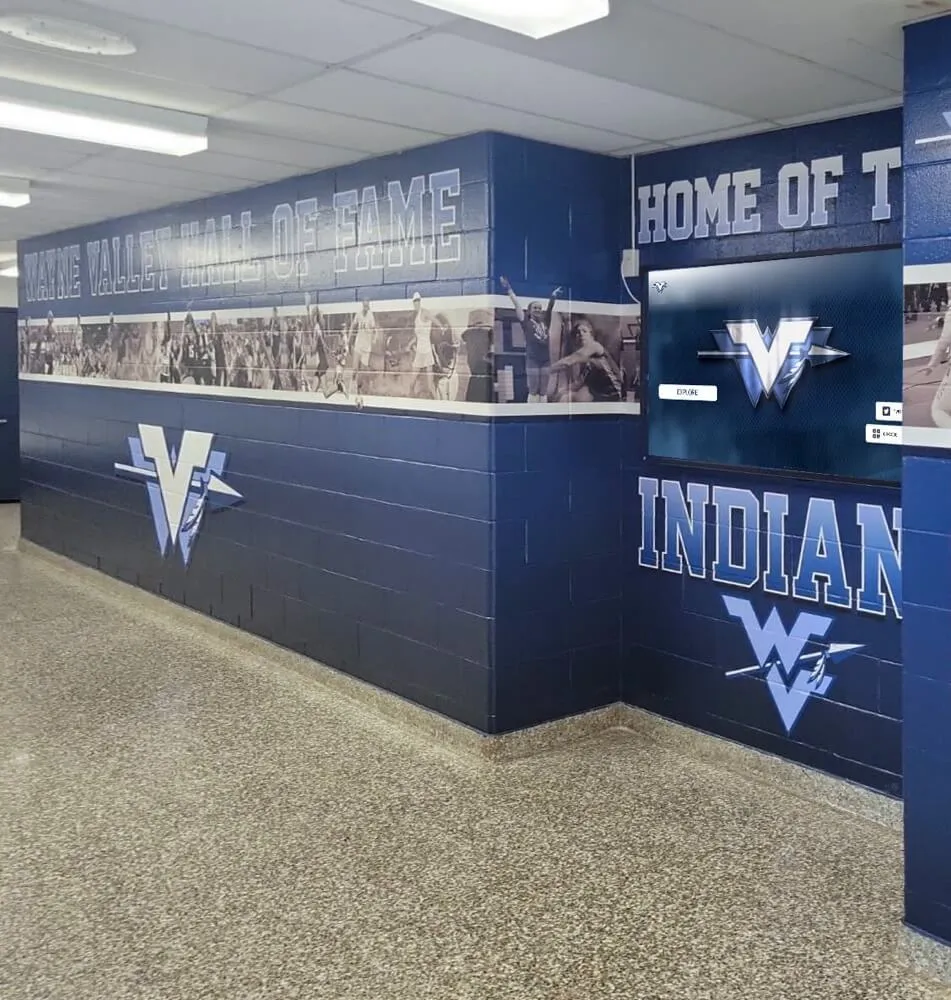
Digital displays provide flexibility for rotating content, testing messages, and adapting to real-time conditions
How Digital Signage Transforms Retail Customer Engagement
Modern retail digital signage delivers measurable advantages reshaping how stores communicate with customers:
Dynamic, Contextual Content Delivery
Digital displays adapt messaging to circumstances:
- Time-based content showing breakfast items in morning, dinner options in evening
- Weather-triggered promotions featuring umbrellas during rain, sunglasses in sunshine
- Inventory-connected displays highlighting in-stock products, removing unavailable items
- Traffic-adaptive messaging adjusting based on queue length or store occupancy
- Event-synchronized content coordinating with local happenings or shopping seasons
- Real-time updates reflecting flash sales, price changes, or new arrivals
- Location-specific messaging tailored to individual store demographics
Enhanced Visual Appeal and Attention Capture
Motion and brightness command customer focus:
- Video content creates movement drawing peripheral attention
- High-brightness displays remain visible in well-lit retail environments
- Color and contrast capabilities exceeding print material possibilities
- Animation highlighting key information or calls-to-action
- Professional production quality matching customer digital expectations
- Brand consistency through standardized templates across locations
- Memorable experiences differentiating stores from competitors
Interactivity Enabling Customer-Driven Exploration
Touchscreen capabilities transform passive viewing into active participation:
- Product catalogs enabling browsing beyond physical shelf space
- Configuration tools helping customers visualize options and customization
- Store directories and wayfinding reducing staff burden while improving navigation
- Educational content building product knowledge and purchase confidence
- Entertainment features creating shareable moments encouraging social promotion
- Feedback collection gathering customer opinions and preferences
- Loyalty program integration facilitating enrollment and rewards redemption
Measurable Performance and Continuous Optimization
Digital systems provide data informing strategic improvement:
- View duration and interaction metrics revealing content effectiveness
- Touch analytics showing which features customers engage with most
- Conversion tracking connecting display exposure to purchase behavior
- A/B testing comparing message variations and design approaches
- Time-pattern analysis identifying peak engagement periods
- Heat mapping showing attention distribution across screen layouts
- ROI measurement justifying investment and guiding expansion
Retailers implementing touchscreen kiosk solutions for customer engagement report significant improvements in customer satisfaction, time spent in stores, average transaction values, and operational efficiency through reduced staff time answering routine questions.
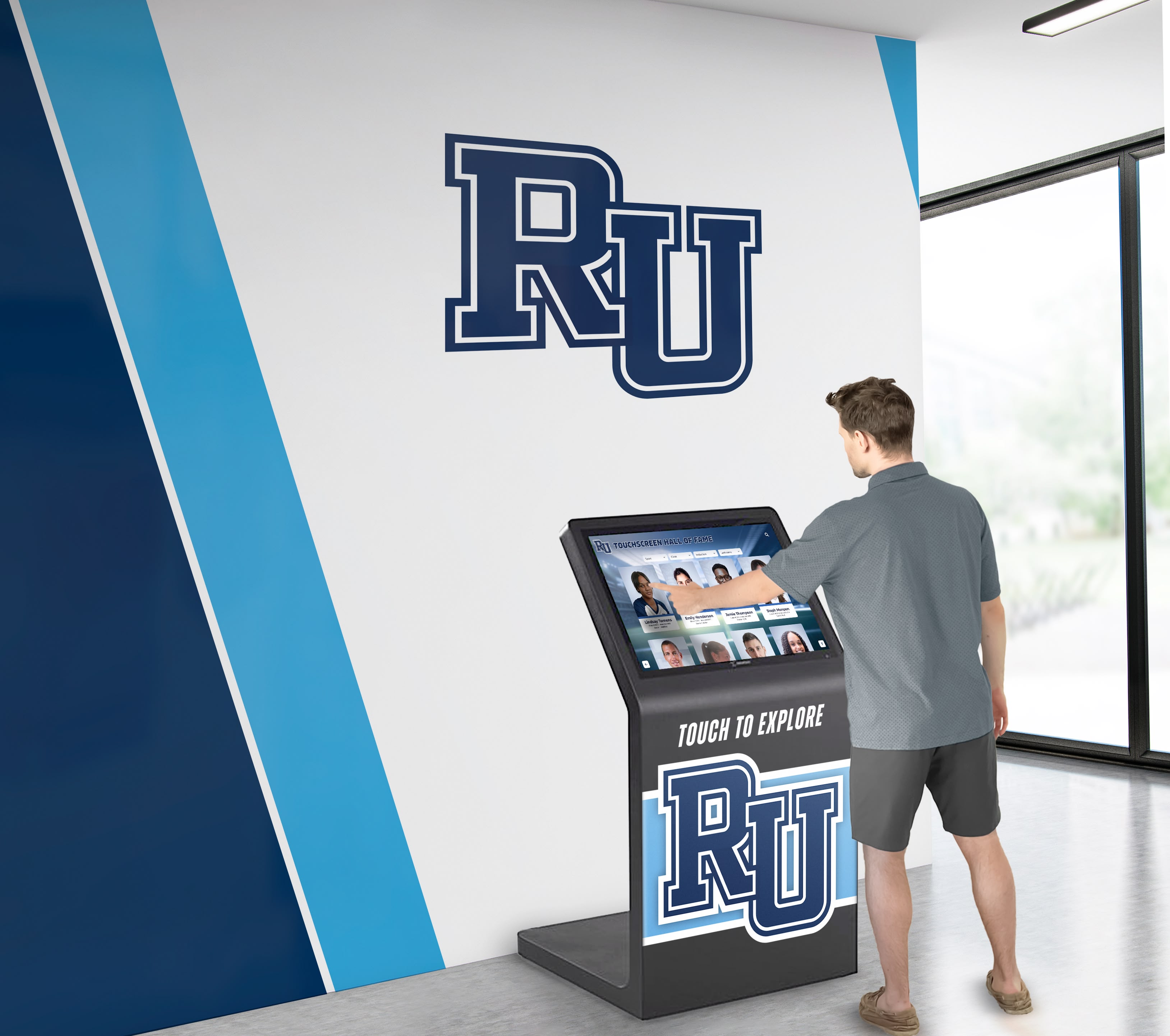
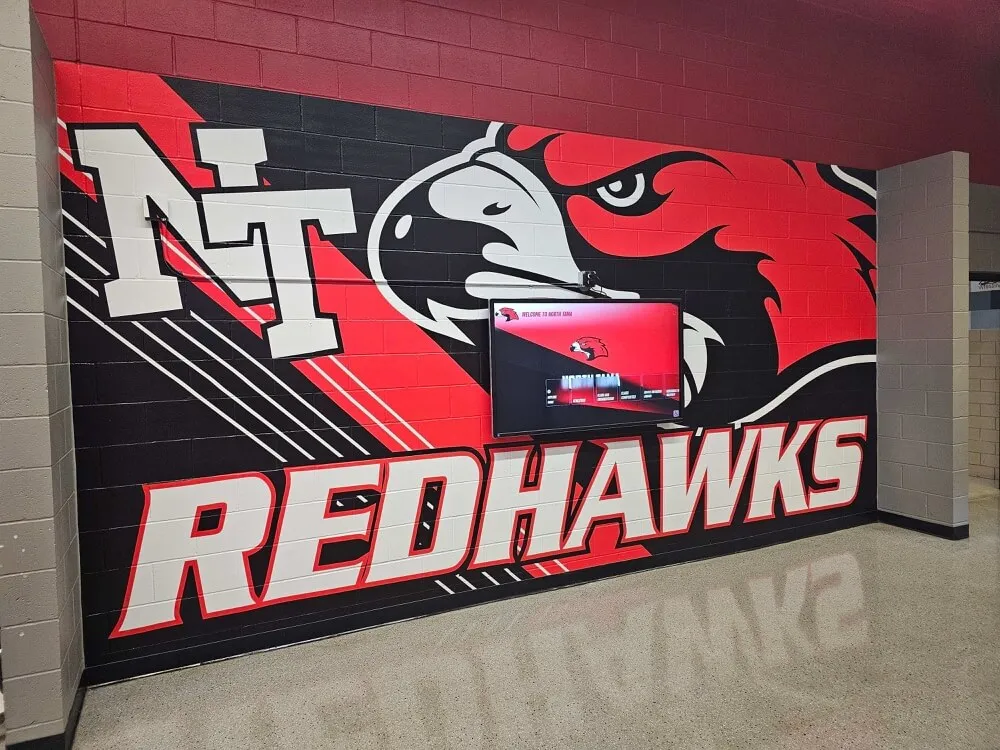
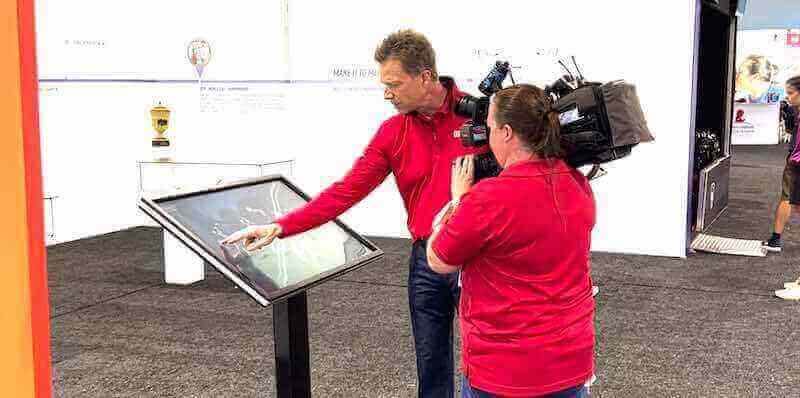
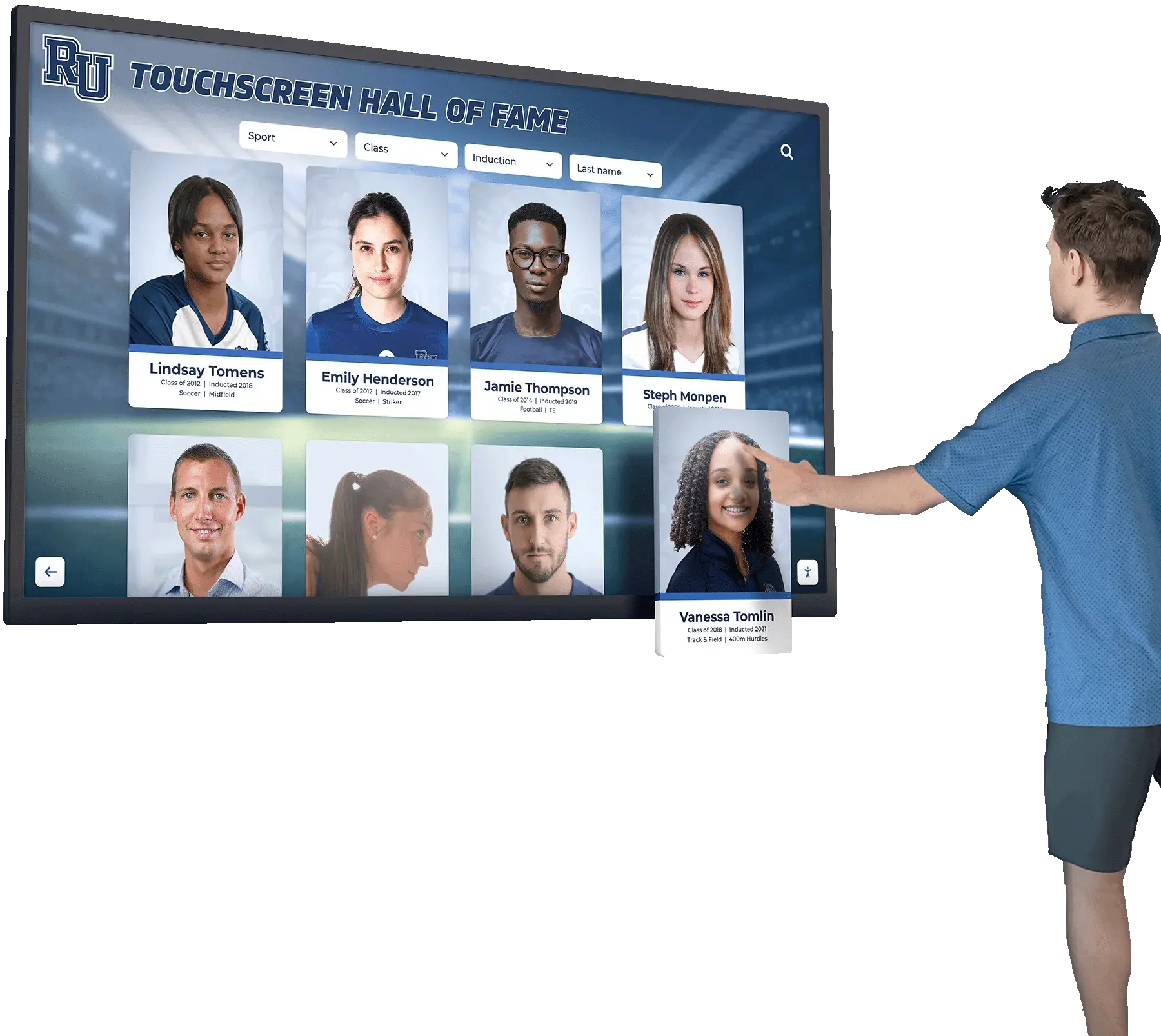
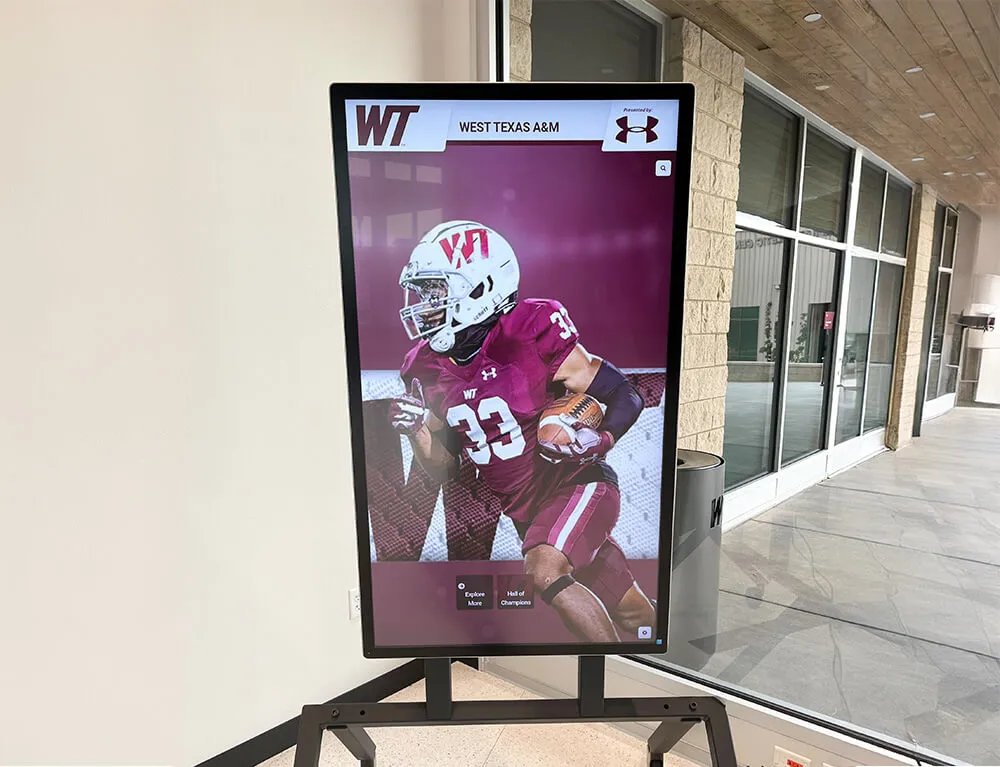
Touchscreen technology enables self-service product discovery and information access reducing staff burden while empowering customers
Strategic Digital Signage Ideas for Retail Environments
Effective retail digital signage aligns with specific business objectives and customer needs. These implementation ideas span diverse retail contexts and purposes.
Product Discovery and Information Stations
Interactive displays help customers explore inventory, compare options, and make informed purchase decisions:
Extended Product Catalog Displays
Physical stores face space constraints limiting merchandise on display. Digital catalogs overcome this limitation:
- Comprehensive inventory browsing including online-only items or special orders
- Detailed product specifications, dimensions, materials, and care instructions
- High-resolution imagery showing products from multiple angles
- Video demonstrations illustrating use cases and benefits
- Customer reviews and ratings building purchase confidence
- Related product suggestions encouraging basket expansion
- QR codes enabling mobile device transfer for continued shopping
Furniture stores, appliance retailers, and specialty boutiques particularly benefit from digital catalogs showcasing extensive selections impossible to floor-display comprehensively.
Interactive Product Configurators
Help customers visualize customization options before purchasing:
- Paint and color selectors for home improvement materials
- Fabric and finish choosers for furniture and interior products
- Accessory combinations for fashion and personal items
- Specification builders for technology and equipment
- Design visualizers for custom or made-to-order products
- Size and dimension calculators ensuring proper fit
- Price calculators showing how options affect total investment
These configurators reduce returns, increase customer satisfaction, and justify premium pricing through enhanced perceived value.
Product Comparison Tools
Side-by-side analysis helps customers choose from similar options:
- Feature matrix tables highlighting differences between models
- Price comparison showing value propositions clearly
- Performance specifications for technical products
- Pros and cons summaries for decision support
- Expert recommendation guidance based on customer needs
- Sustainability and sourcing information for conscious consumers
- Availability status indicating in-stock versus order items
Organizations developing digital signage content strategies for public displays recognize that product information content must balance comprehensive detail with scannable formatting and intuitive navigation enabling quick decision-making in busy retail environments.
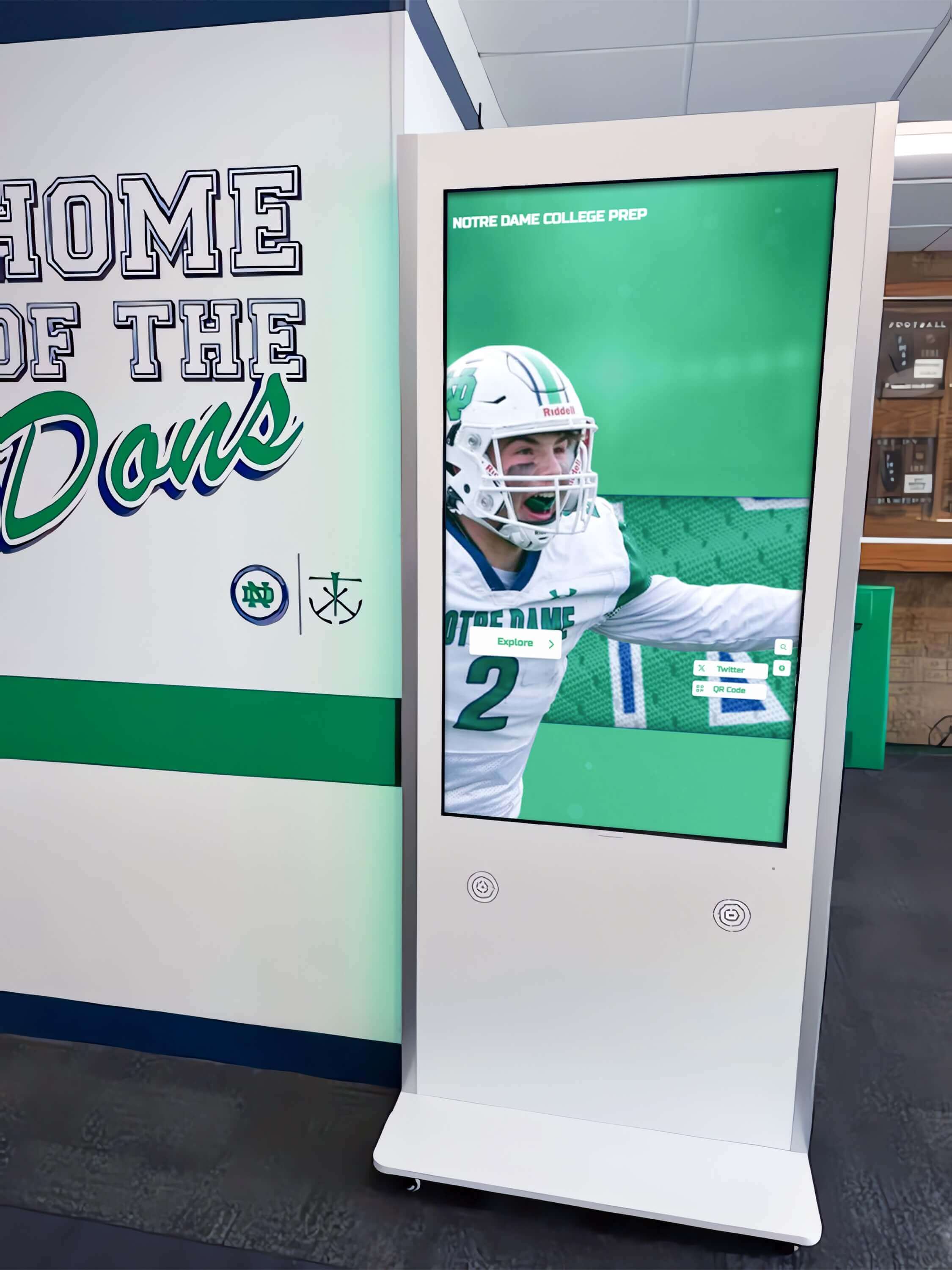
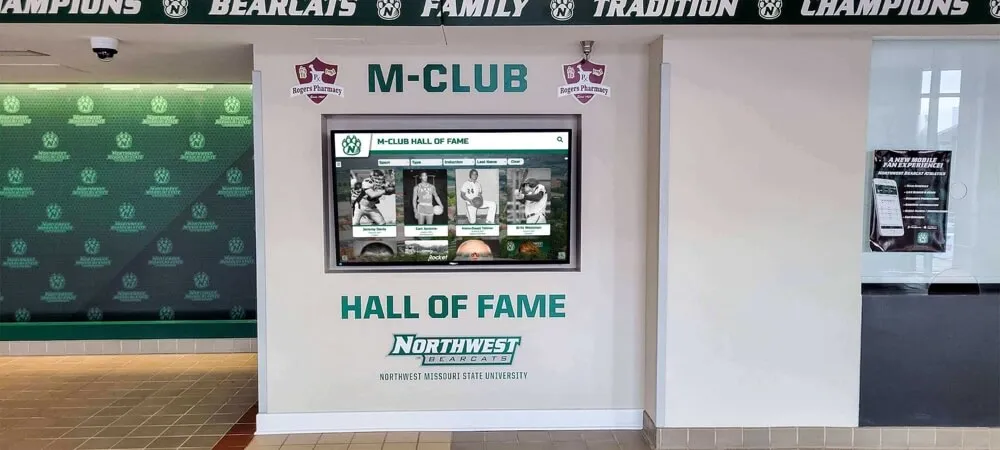
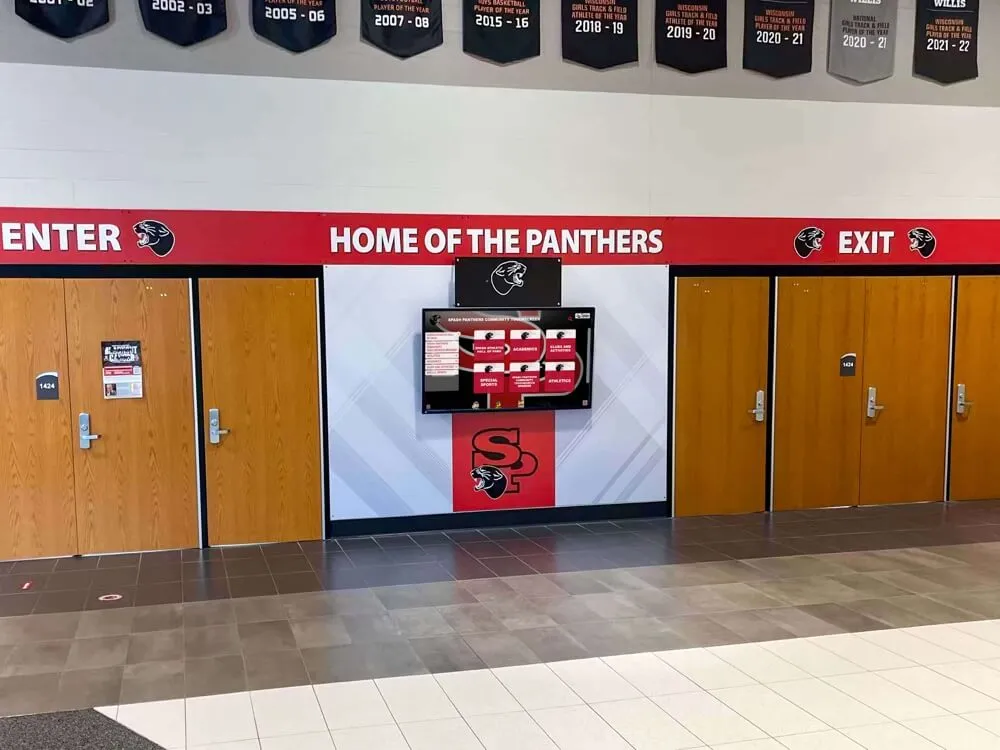
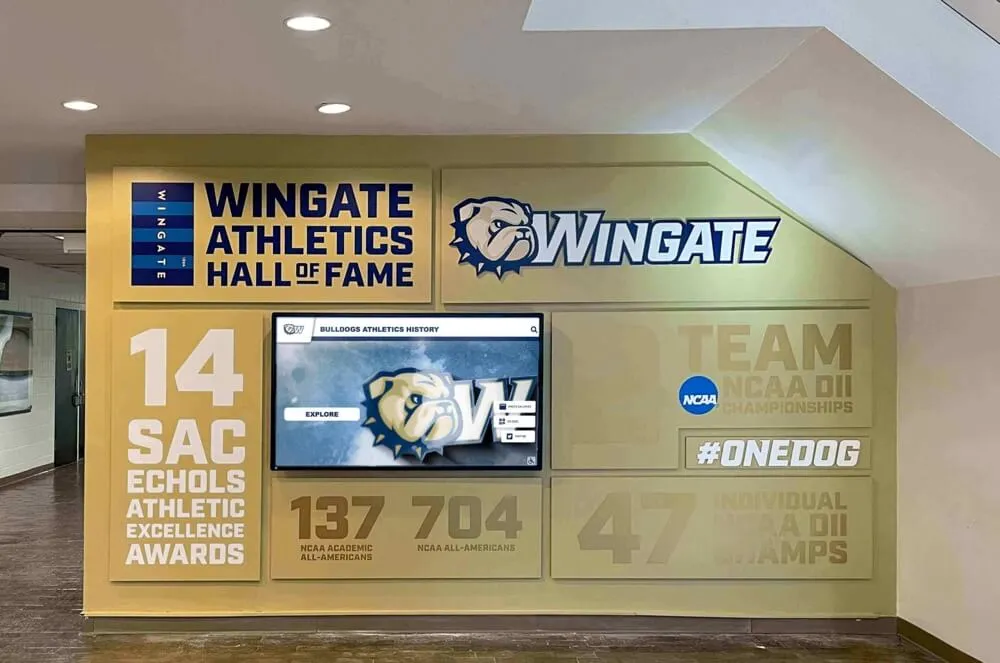
Strategic placement of information stations near decision points empowers customers with knowledge exactly when needed
Dynamic Promotional and Marketing Displays
Digital signage excels at showcasing sales, promotions, and brand messaging with impact and flexibility:
Time-Sensitive Promotional Messaging
Create urgency through dynamic content:
- Flash sale countdowns building immediate purchase pressure
- Daily deal rotations encouraging repeat visits
- Happy hour or special event promotions timed precisely
- Limited inventory alerts highlighting scarcity
- Seasonal campaign messaging updated automatically
- Buy-one-get-one or bundle offers with expiration dates
- Loyalty member exclusive previews creating VIP experiences
Social Proof and User-Generated Content
Leverage customer experiences building trust and community:
- Instagram feeds showing customers using products with branded hashtags
- Review highlights featuring five-star testimonials
- Customer photo galleries celebrating real users
- Social media contests encouraging participation
- Influencer content partnerships extending reach
- Before-and-after transformations demonstrating impact
- Community involvement showcasing brand values and local connections
Storytelling and Brand Experience Content
Connect emotionally beyond transactional messaging:
- Brand history and values communication
- Artisan and maker profiles for handcrafted products
- Sourcing and sustainability transparency
- Behind-the-scenes manufacturing or process videos
- Mission-driven impact stories
- Designer or creator interviews
- Product journey from concept to shelf narratives
These content approaches differentiate brands competing on more than price while building emotional connections driving loyalty beyond single transactions.
Event and Experience Promotion
Drive traffic through in-store activations and special events:
- Workshop and class schedules with registration information
- Celebrity appearances or meet-and-greet announcements
- Seasonal events like trunk shows or collection launches
- Community gathering promotions building local relationships
- Exclusive shopping events for loyalty members
- Children’s activities attracting families
- Expert consultation availability schedules
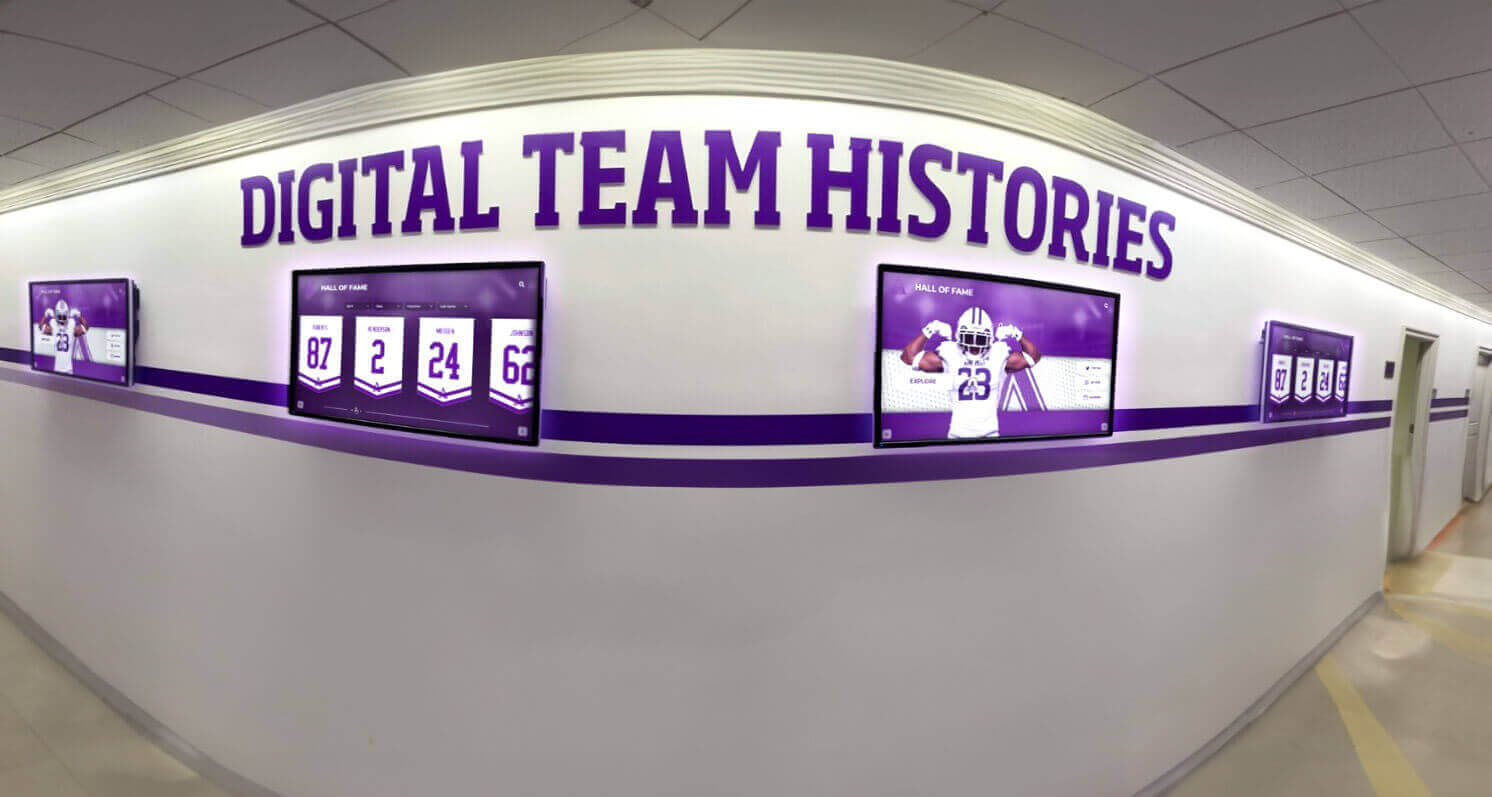
Coordinated displays throughout stores reinforce promotional messages while maintaining visual brand consistency
Wayfinding and Store Navigation Solutions
Large retail spaces benefit enormously from digital wayfinding reducing customer frustration while improving discoverability:
Interactive Store Directories
Help customers locate products and departments efficiently:
- Department and category maps showing store layouts
- Product location search finding specific items
- Aisle and section navigation with turn-by-turn directions
- Service desk and amenity locations (restrooms, exits, customer service)
- Promotional area highlights directing traffic to featured displays
- Accessibility route planning for customers with mobility needs
- Multi-language support for diverse customer bases
Dynamic Queue Management
Improve checkout experiences reducing perceived wait times:
- Real-time queue length displays helping customers choose optimal lines
- Estimated wait time indicators managing expectations
- Department-specific queue information for specialized services
- Mobile notification integration alerting customers when ready
- Entertainment content making waits feel shorter
- Queue-specific promotions encouraging impulse purchases
- Staff alert systems calling assistance when thresholds exceeded
Department-Specific Content at Transition Points
Guide customers entering new store areas:
- Department welcome messages setting context
- Featured product highlights from current sections
- Expert staff introductions building personal connections
- Service explanations for specialized departments
- Safety or handling instructions for specific areas
- Seasonal merchandise calls-out within departments
- Cross-department suggestions encouraging exploration
Retailers implementing comprehensive digital signage systems for large facilities report significant reductions in customer service inquiries related to navigation while seeing improved sales in previously under-trafficked departments now easier to discover.
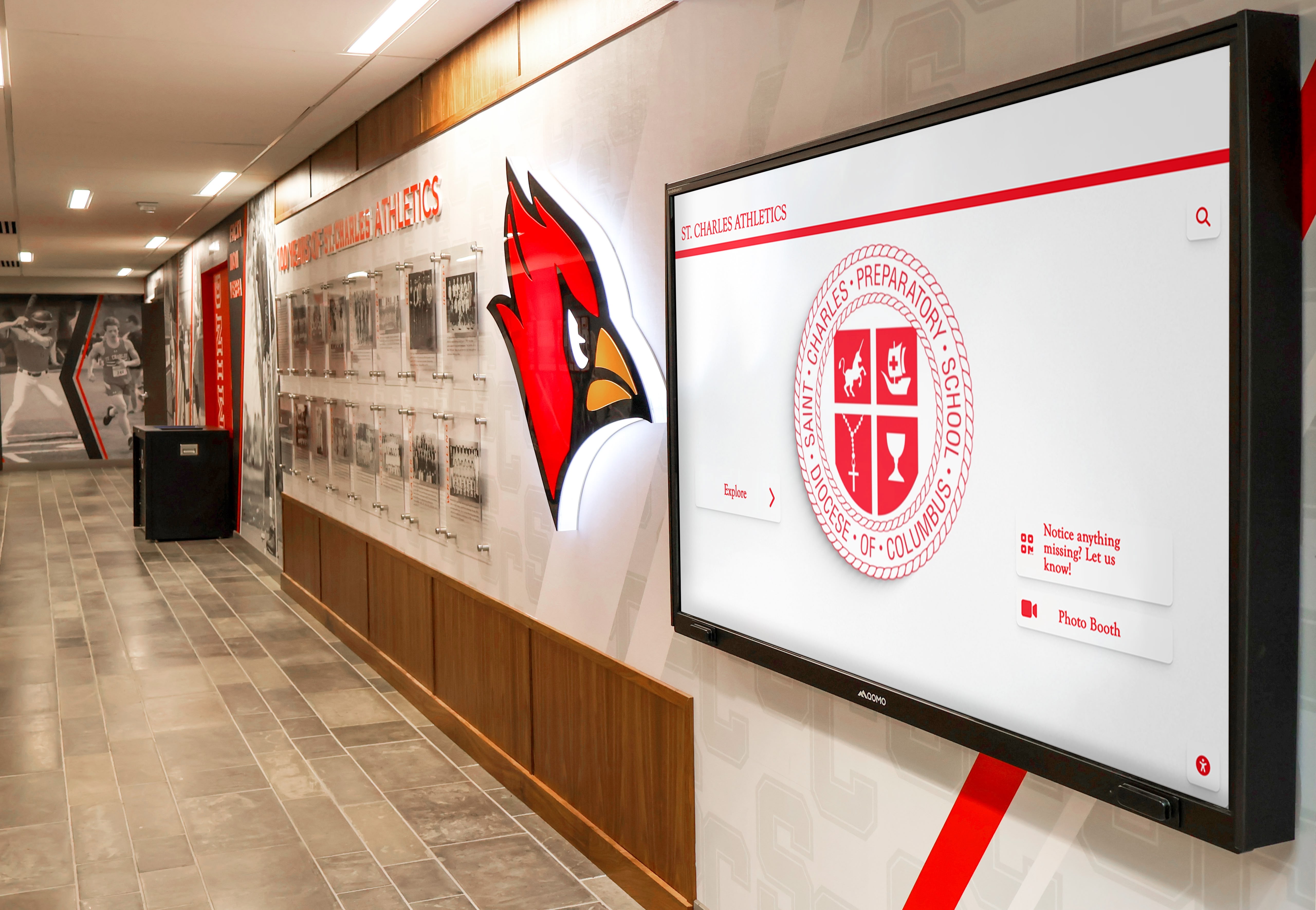
Clear directional signage and department information help customers navigate complex retail spaces independently
Queue Entertainment and Point-of-Sale Displays
Checkout areas represent captive audiences with final purchase opportunities—ideal locations for strategic content:
Entertainment Content Reducing Perceived Wait Times
Make queues feel shorter through engaging content:
- News and entertainment headlines keeping customers informed
- Social media feeds providing scrolling variety
- Trivia and quizzes offering light mental engagement
- Weather forecasts helping customers plan after shopping
- Local event information building community connections
- Video content related to store products or brand values
- Inspirational or humorous content creating positive associations
Last-Minute Promotional Opportunities
Encourage impulse additions before checkout completion:
- Complementary product suggestions based on typical baskets
- Small add-on items with immediate gratification appeal
- Loyalty program enrollment calls-to-action
- Gift card promotions for future visits
- Return visit incentives encouraging repeat traffic
- Survey participation requests with prize incentives
- Mobile app download promotions with exclusive benefits
Brand Reinforcement and Values Communication
Use checkout time for deeper brand messaging:
- Sustainability initiatives and environmental commitments
- Community involvement and charitable partnerships
- Employee spotlight stories humanizing brand
- Quality and safety assurances building trust
- Company milestone celebrations
- Customer appreciation messages
- Return and exchange policy reminders reducing friction
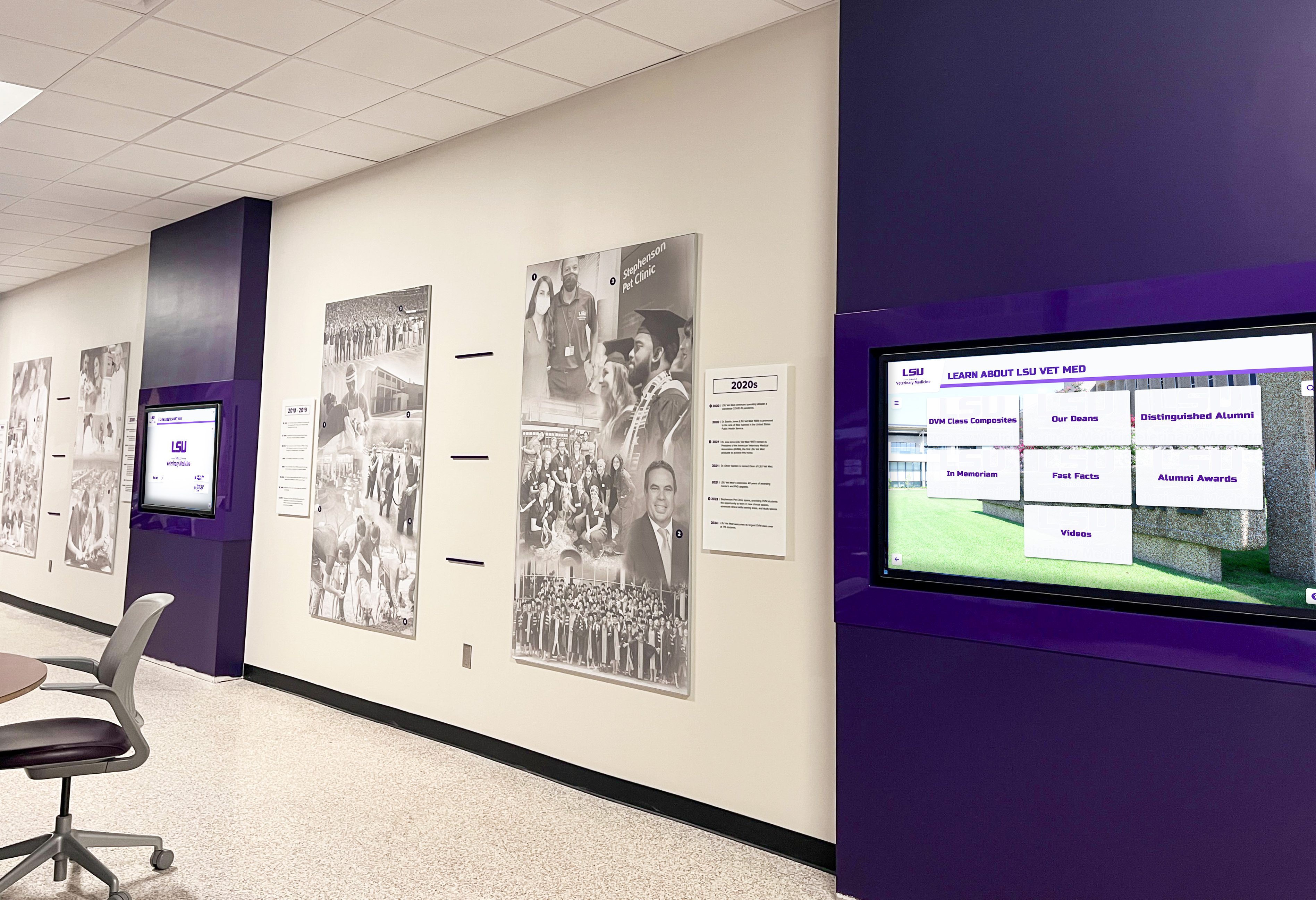
Synchronized displays throughout customer journeys create cohesive brand experiences while serving functional purposes
Window Displays and Exterior Attraction
Street-facing digital signage serves both as advertising to passing traffic and as invitation for entry:
Attention-Grabbing Motion Content
Capture attention from pedestrians and vehicles:
- Bold graphics and animation visible from distance
- Video content showing products in use
- Lifestyle imagery aspirational customers connect with
- Seasonal visuals signaling current merchandise
- Sale and promotion announcements drawing deal-seekers
- New arrival highlights creating urgency to explore
- Brand statements differentiating from competitors
After-Hours Engagement
Extend marketing reach beyond operating hours:
- Store hours and contact information for planning visits
- Featured products creating awareness even when closed
- Brand storytelling building recognition over time
- QR codes enabling immediate mobile engagement
- Event announcements for upcoming in-store experiences
- Social media handles encouraging online connection
- Directional information to other locations if multi-store
Weather-Responsive Adaptive Content
Demonstrate relevance through contextual awareness:
- Rain-triggered umbrella and rainwear promotions
- Heat-activated beverage or cooling product features
- Cold-weather appropriate apparel highlights
- Seasonal adjustment ahead of customer awareness
- Storm-related service information and safety messages
- Weather-specific product use case suggestions
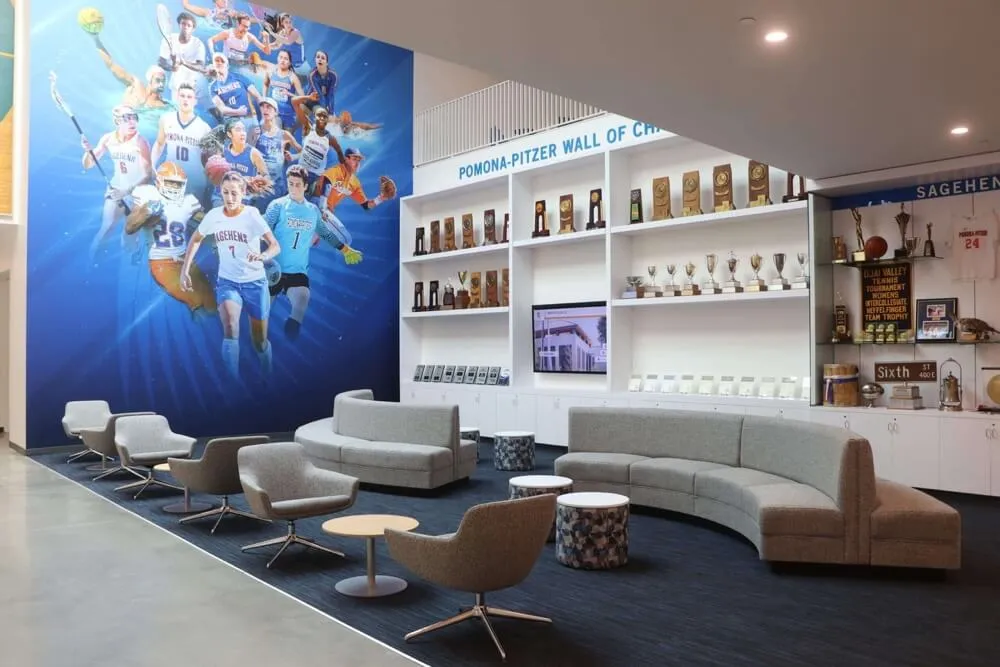
Understanding approaches to digital recognition and engagement displays provides insights into creating compelling visual experiences that tell stories and create emotional connections—applicable across retail, institutional, and community contexts.
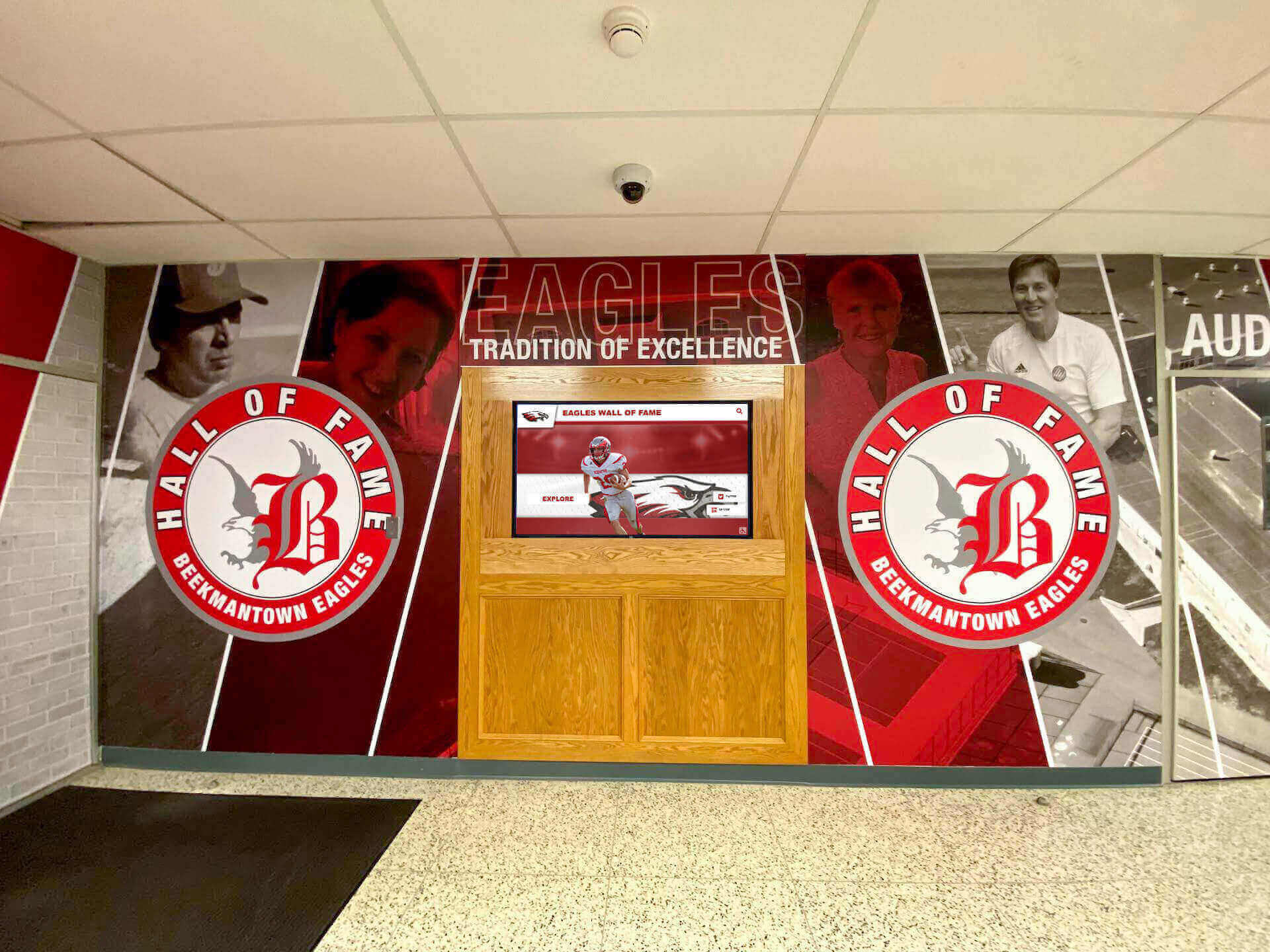
Entrance area displays set tone for customer experiences while communicating key messages at high-attention moments
Technology Considerations for Retail Digital Signage
Successful implementation requires understanding hardware, software, and infrastructure elements supporting effective retail displays.
Display Hardware Selection
Different retail contexts require appropriate display technology:
Screen Size and Placement Strategy
Match displays to viewing distances and contexts:
- Small screens (10-32") for point-of-sale and close interaction
- Medium screens (32-55") for department signage and product information
- Large screens (55-85"+) for feature walls and distant viewing
- Portrait orientation for wayfinding and vertical menu boards
- Landscape orientation for cinematic brand content
- Ultra-wide formats for immersive experiences
- Video walls creating dramatic focal points
Brightness and Environmental Considerations
Ensure visibility in varied lighting conditions:
- High-brightness displays (1,000-2,500 nits) for window-facing or daylit locations
- Standard-brightness displays (300-500 nits) for interior controlled lighting
- Anti-glare treatments reducing reflection in bright environments
- Automatic brightness adjustment adapting to changing conditions
- Viewing angle optimization for displays approached from multiple directions
- Sunlight readability for outdoor or heavily windowed spaces
Interactive Touchscreen Capabilities
Enable customer engagement through touch:
- Capacitive touch technology for responsive multi-touch gestures
- Projected capacitive for large-format touch applications
- Durable glass surfaces surviving heavy public use
- Antimicrobial coatings for hygiene-conscious environments
- Height positioning accommodating diverse customer needs
- Tilt adjustment for optimal viewing and interaction angles
- Accessibility features supporting customers with various abilities
Durability and Commercial-Grade Construction
Retail environments demand reliable equipment:
- Commercial displays rated for continuous operation
- Thermal management for enclosed installation spaces
- Vandal-resistant enclosures in high-risk locations
- Sealed components protecting against dust and spills
- Robust mounting systems ensuring security
- Warranty and support appropriate for business-critical applications
Organizations exploring touchscreen technology for public engagement should prioritize responsive, intuitive interfaces that work reliably under heavy use—critical for retail applications where customer frustration translates directly to lost sales.

Responsive touch technology creates seamless interactive experiences that feel natural and rewarding to customers
Content Management Software Requirements
Backend systems determine how easily retailers manage and update display content:
Multi-Location Management Capabilities
Retailers with multiple stores require centralized control:
- Single dashboard managing all locations from anywhere
- Location-specific content customization within brand guidelines
- Bulk content distribution to multiple stores simultaneously
- Individual store overrides for local promotions or conditions
- Role-based access allowing store managers limited control
- Scheduling systems coordinating campaigns across markets
- Performance analytics comparing location effectiveness
Flexible Content Scheduling
Automate content timing eliminating manual management:
- Day-part scheduling for time-appropriate messaging
- Day-of-week variation adapting to shopping patterns
- Seasonal campaign automation with advance planning
- Event-triggered content responding to external conditions
- Priority override for urgent or breaking information
- Expiration dates automatically removing outdated content
- Playlist rotation preventing repetitive exposure
Template and Design Systems
Maintain brand consistency while enabling efficient creation:
- Pre-designed templates for common content types
- Brand asset libraries centralizing logos and imagery
- Style guides embedded in design tools
- Drag-and-drop content creation requiring no technical skills
- Preview functionality before publishing to displays
- Version control tracking content changes
- Approval workflows for sensitive or regulated content
Integration Capabilities
Connect digital signage with broader retail systems:
- Point-of-sale system integration for inventory-aware content
- CRM connections enabling personalized messaging
- E-commerce platform integration showcasing online inventory
- Social media feeds pulling real-time content
- Weather service APIs triggering contextual promotions
- Event management system synchronization
- Analytics platforms aggregating customer behavior data
Retailers implementing digital signage services with no-code management empower non-technical staff to maintain current, relevant content without IT dependency—critical for retailers where merchandising teams must respond quickly to market conditions and competitive pressures.
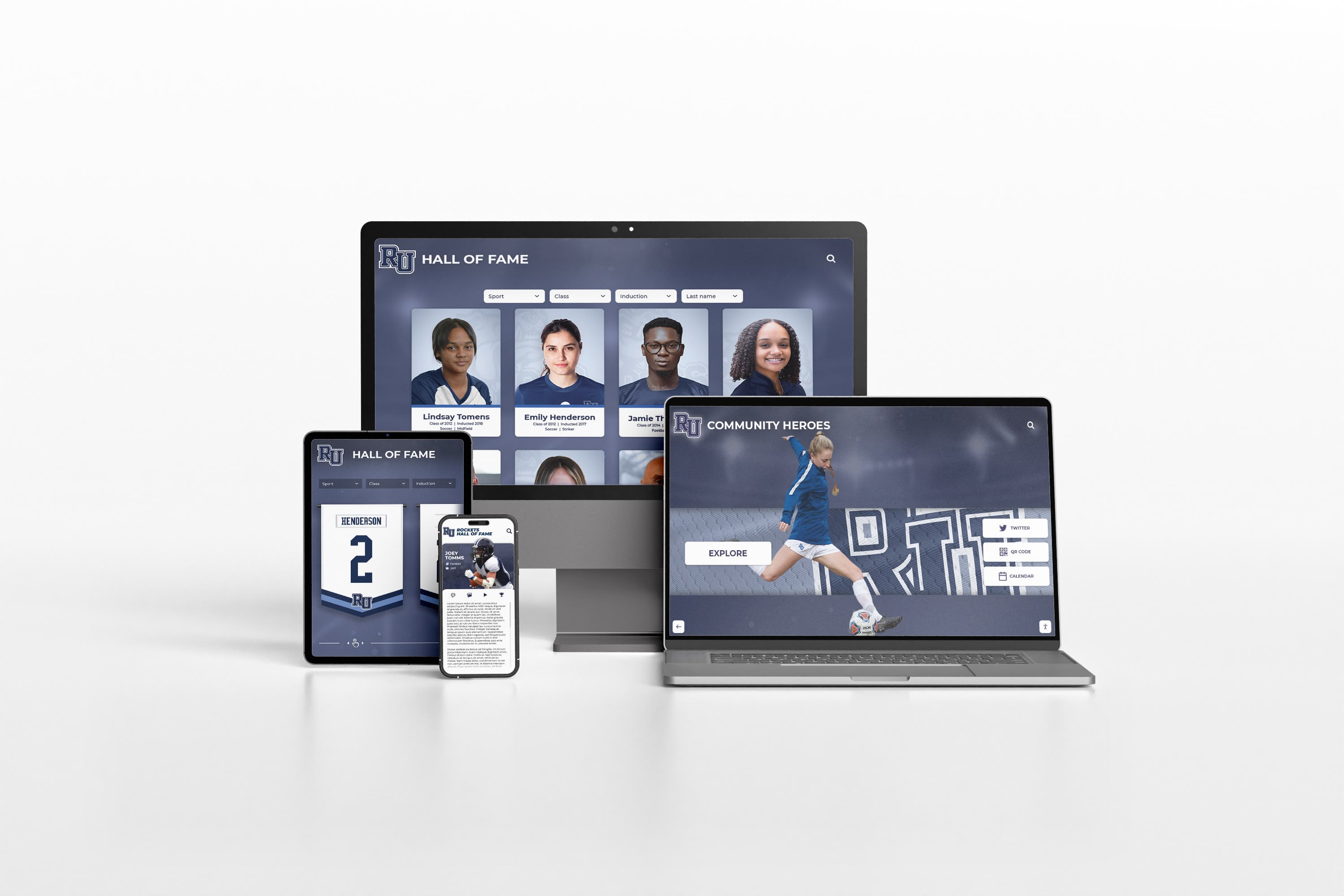
Cloud-based management systems enable content control from any device ensuring displays remain current regardless of location
Network Infrastructure and Connectivity
Reliable display operation depends on robust connectivity:
Bandwidth Requirements
Assess network capacity needs:
- Standard-definition video streaming requires 3-5 Mbps per display
- High-definition content needs 5-10 Mbps per display
- 4K content demands 15-25 Mbps per display
- Multiple displays aggregate bandwidth requirements
- Peak usage periods may require additional capacity
- Content caching reduces ongoing bandwidth needs
- Local storage provides offline functionality during outages
Network Security Considerations
Protect systems while enabling functionality:
- Separate VLAN isolation from customer Wi-Fi and POS systems
- Firewall rules controlling allowed connections
- Encrypted communications protecting content and data
- Regular security updates and patch management
- Access control limiting configuration changes
- Monitoring systems detecting anomalies or breaches
- Incident response procedures for security events
Content Delivery Strategies
Optimize performance and reliability:
- Cloud-based content management for anywhere access
- Edge caching reducing latency and bandwidth
- Peer-to-peer distribution in multi-display environments
- Local content storage ensuring offline operation
- Automatic retry and recovery from interruptions
- Content optimization reducing file sizes without quality loss
- Prioritization ensuring critical content delivers first
Retail Digital Signage Content Best Practices
Technology enables effective retail signage, but content quality determines actual customer engagement and business impact.
Visual Design Principles for Retail Environments
Create displays customers notice, understand, and remember:
Attention Capture Without Overwhelm
Balance visual interest with information clarity:
- High contrast between key information and backgrounds
- Motion used purposefully not gratuitously
- White space preventing cluttered overwhelming layouts
- Focal points guiding viewer attention to primary messages
- Color psychology supporting emotional tone and brand identity
- Typography hierarchy making headings and details scannable
- Consistent design language across different content types
Readability Across Viewing Distances
Ensure messages communicate effectively based on placement:
- Large text for distant viewing (typically 100+ points for headlines)
- High-contrast color combinations ensuring legibility
- Sans-serif fonts generally performing better for on-screen reading
- Limited word count matching attention span at viewing distance
- Information hierarchy showing most important content prominently
- Icon and image usage supplementing text communication
- Testing from actual customer viewing positions before finalizing
Brand Consistency and Professional Quality
Maintain standards matching broader marketing:
- Color palettes aligned with established brand guidelines
- Logo usage following brand standards
- Photography style consistent with other marketing channels
- Voice and messaging tone matching brand personality
- Quality production values signaling professionalism
- Template adherence ensuring cohesive multi-display experiences
- Regular audits identifying inconsistencies requiring correction
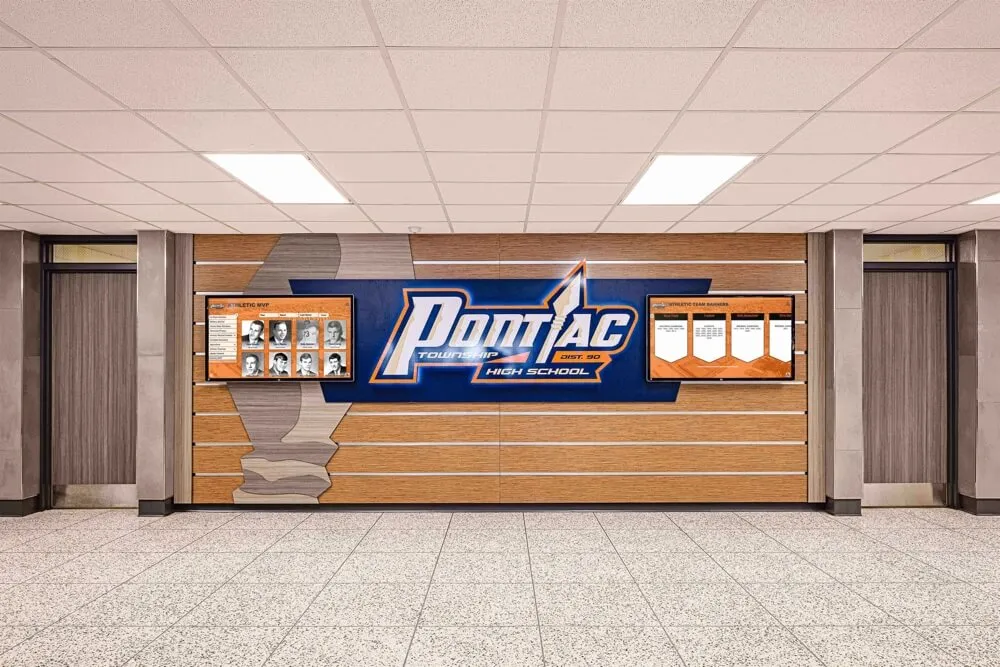
Organizations developing content strategies for digital recognition displays understand that visual design must balance information density with clarity—principles equally applicable to retail contexts where customers make quick judgments about whether content deserves sustained attention.

High-quality visual design creates professional impressions reinforcing brand positioning and customer trust
Content Testing and Optimization Strategies
Continuous improvement based on performance data maximizes signage ROI:
A/B Testing Approaches
Compare variations to identify effective approaches:
- Headline alternatives testing different value propositions
- Call-to-action variations comparing urgency versus benefit framing
- Visual style comparisons assessing image versus video effectiveness
- Color scheme testing evaluating attention and brand perception
- Layout alternatives examining information organization impact
- Offer presentation comparing discount percentage versus dollar savings
- Rotation frequency testing attention versus message absorption
Performance Metrics to Track
Measure what matters for retail objectives:
- Dwell time indicating content engagement level
- Touch interaction rates for interactive displays
- Conversion rates connecting exposure to purchases
- Traffic pattern changes showing wayfinding effectiveness
- Queue satisfaction scores assessing entertainment content impact
- Staff inquiry reduction measuring self-service information success
- Social media engagement for user-generated content campaigns
Iterative Improvement Process
Establish systematic refinement approach:
- Baseline measurement before optimization attempts
- Single-variable testing isolating individual changes
- Adequate sample sizes ensuring statistical significance
- Documentation of what works and what doesn’t
- Best practice identification sharing across locations
- Regular review cycles preventing stagnation
- Staff feedback incorporation from customer-facing observations
Compliance and Accessibility Considerations
Ensure displays serve all customers while meeting regulatory requirements:
Accessibility Standards
Design inclusive experiences:
- Text sizing and contrast meeting WCAG guidelines
- Audio descriptions for video content when appropriate
- Touchscreen height and reach accommodating wheelchair users
- Voice control options for customers with limited mobility
- Simple navigation interfaces supporting cognitive accessibility
- Alternative text for screen reader compatibility
- Captioning for any audio content
Privacy and Data Protection
Handle customer information responsibly:
- Transparent data collection disclosure
- Opt-in approaches for personalization requiring identification
- Secure storage and transmission of any customer data
- Retention policies limiting data storage duration
- Compliance with regional privacy regulations (GDPR, CCPA, etc.)
- Camera-based analytics using anonymization techniques
- Clear policies addressing customer concerns
Content Appropriateness
Maintain suitable messaging for diverse audiences:
- Age-appropriate content in family shopping environments
- Cultural sensitivity avoiding offensive imagery or language
- Accuracy in claims and product information
- Disclosure of sponsored or paid placements
- Time restrictions for mature content if applicable
- Community standards alignment
- Review processes preventing inappropriate material display
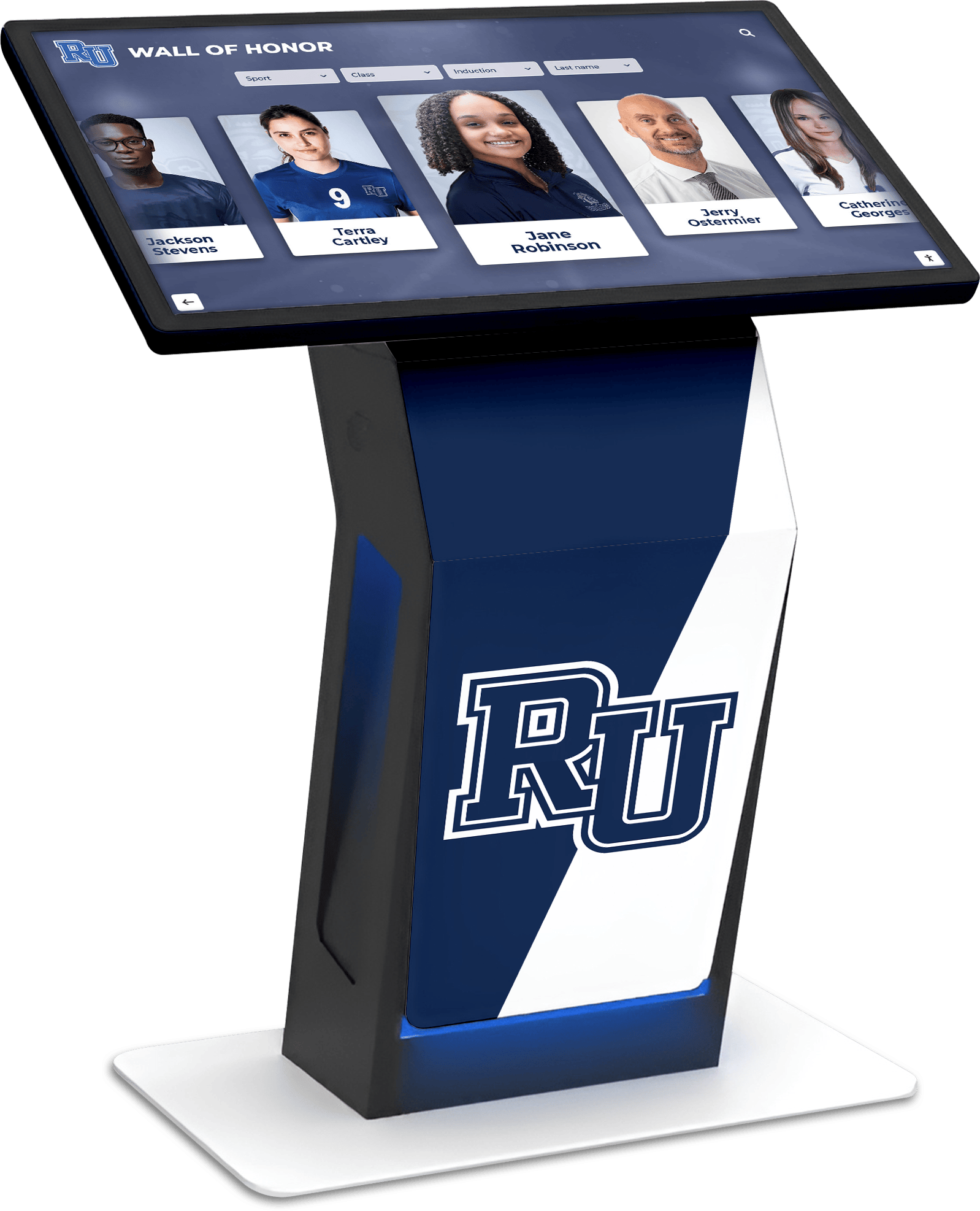
Thoughtful placement and interface design ensure digital signage serves customers with diverse needs and abilities
Measuring Retail Digital Signage ROI and Impact
Justify investment and guide optimization through systematic performance assessment:
Quantitative Metrics and KPIs
Track numerical indicators revealing business impact:
Sales Impact Measurement
Connect signage to revenue outcomes:
- Product sales lift for promoted items versus control periods
- Average transaction value changes in areas with digital signage
- Attachment rate improvements for complementary products
- Conversion rate increases from store visits to purchases
- Promotion redemption rates for advertised offers
- Category sales growth in departments with informational displays
- Basket size expansion in stores with versus without digital signage
Operational Efficiency Indicators
Assess cost reduction and resource optimization:
- Customer service inquiry volume changes after information kiosks
- Staff time savings from self-service capabilities
- Queue length and wait time reductions through management displays
- Return rate decreases from improved product information
- Pricing error elimination through digital updates
- Marketing material production cost savings versus print
- Campaign launch speed improvements enabling market responsiveness
Customer Engagement Metrics
Measure attention and interaction:
- Average viewing duration per display
- Touch interaction rates for interactive content
- User journey depth in multi-level information structures
- Return visitor rates at specific displays
- Peak engagement times informing content scheduling
- Geographic engagement patterns across store locations
- Content completion rates for longer-form messaging
Organizations implementing digital display solutions across multiple locations should establish consistent measurement frameworks enabling performance comparison across sites while identifying best practices worth replicating more broadly.
Qualitative Assessment Approaches
Numbers tell part of the story—complement with customer perspective:
Customer Feedback Collection
Gather direct customer opinions:
- Brief surveys at interactive kiosks after use
- Receipt-linked feedback requests about store experience
- Focus groups discussing specific signage implementations
- Mystery shopping evaluations assessing customer journey
- Social media monitoring for unsolicited commentary
- Customer service inquiry patterns revealing pain points
- Net Promoter Score correlation with signage rollout
Staff Observations and Input
Leverage frontline team insights:
- Regular debriefs collecting customer reaction observations
- Suggestion programs encouraging improvement ideas
- Ease-of-use feedback on content management systems
- Technical issue reporting establishing reliability baselines
- Customer question pattern tracking showing information gaps
- Comparison of staffed versus self-service effectiveness
- Implementation challenge documentation informing future projects
Competitive Positioning Assessment
Understand relative market position:
- Competitor signage technology and content benchmarking
- Customer comparison when shopping similar stores
- Industry best practice research and trend awareness
- Innovation leadership evaluation in local market
- Brand differentiation analysis through customer perception
- Investment parity assessment versus market position
- Technology adoption pace comparison with sector leaders
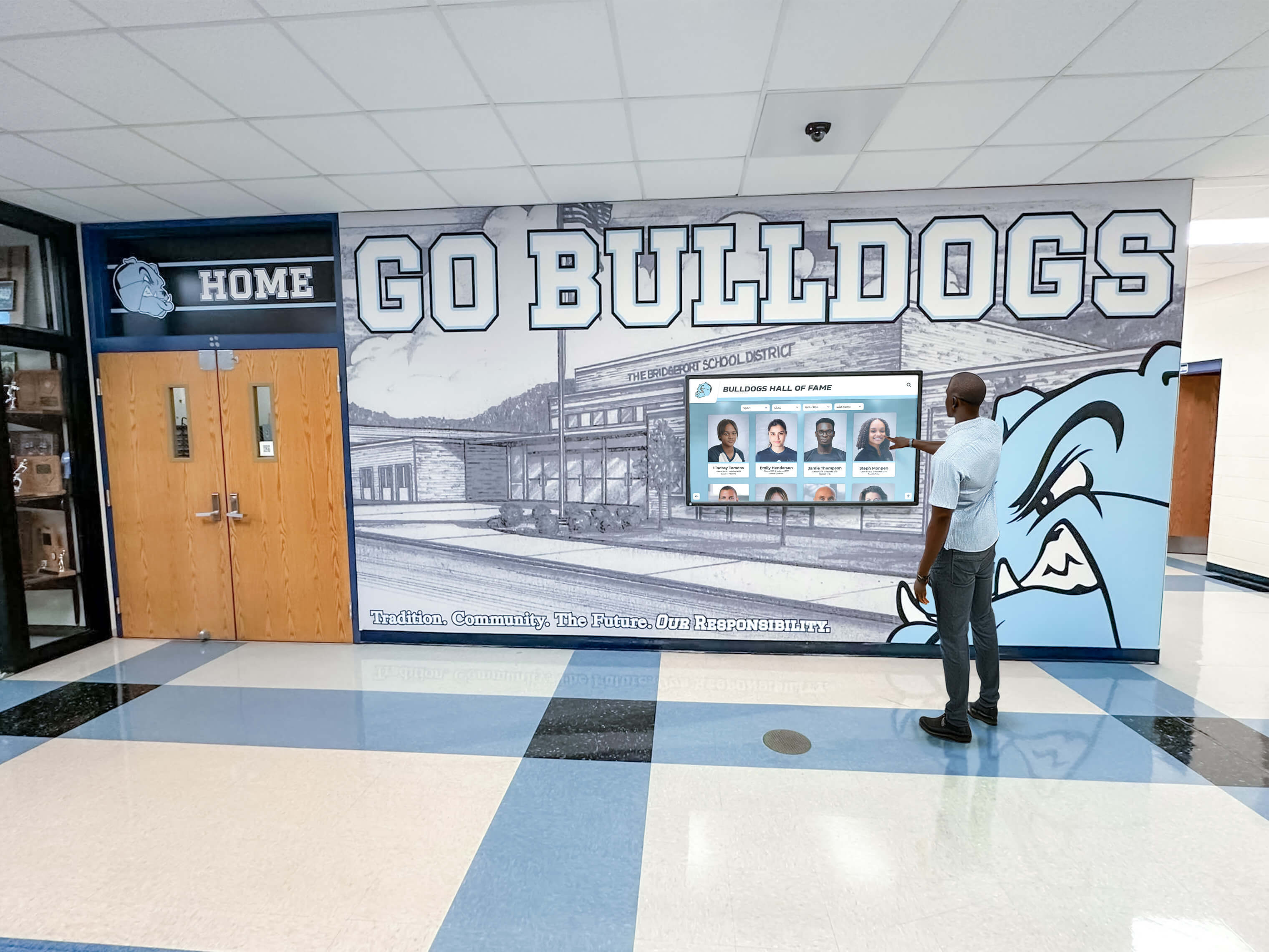
User interaction data provides valuable insights into customer interests, behavior patterns, and content effectiveness
Expanding Digital Signage from Traditional Applications to Retail
While digital signage technology initially gained traction in certain sectors, its versatility makes it valuable across diverse contexts including retail environments.
Cross-Industry Technology Adaptation
Recognition and engagement technologies originally developed for institutional contexts offer surprising retail relevance:
Database-Driven Content Management
Systems designed for managing thousands of honoree profiles translate effectively to product catalogs:
- Searchable databases enabling customers to find specific items quickly
- Filtering capabilities narrowing large inventories to relevant subsets
- Detailed profile pages providing comprehensive product information
- Multimedia support showcasing products through images and video
- Update workflows keeping information current as inventory changes
- Categorization systems organizing products logically
- Analytics showing which products customers research most frequently
Interactive Exploration Interfaces
Touch interfaces encouraging exploration in recognition contexts work equally well for retail:
- Intuitive navigation requiring no instruction
- Visual appeal drawing customers to displays
- Depth enabling detailed information without overwhelming main screens
- Engagement creating memorable brand experiences
- Self-service reducing staff burden while empowering customers
- Accessibility features serving diverse customer populations
- Professional polish reflecting brand quality standards
Multi-Location Management Capabilities
Platforms designed for organizations with multiple chapters or locations address multi-store retail challenges:
- Centralized content management reducing administrative burden
- Brand consistency enforcement across all locations
- Location-specific customization accommodating market differences
- Bulk update capabilities rolling out campaigns efficiently
- Performance comparison identifying successful approaches worth replicating
- Scalable architecture growing with business expansion
- Cloud-based access enabling management from anywhere
Solutions like Rocket Alumni Solutions, originally developed for educational institutions, nonprofits, and community organizations, demonstrate how sophisticated digital engagement platforms serve diverse contexts. Their interactive touchscreen technology, database-driven content management, and intuitive administrative interfaces solve challenges common across sectors—from donor recognition walls to retail product discovery stations.
The principles underlying effective digital recognition displays—compelling visual design, intuitive navigation, comprehensive information architecture, and accessible administration—transfer directly to retail environments seeking to create engaging customer experiences through technology.
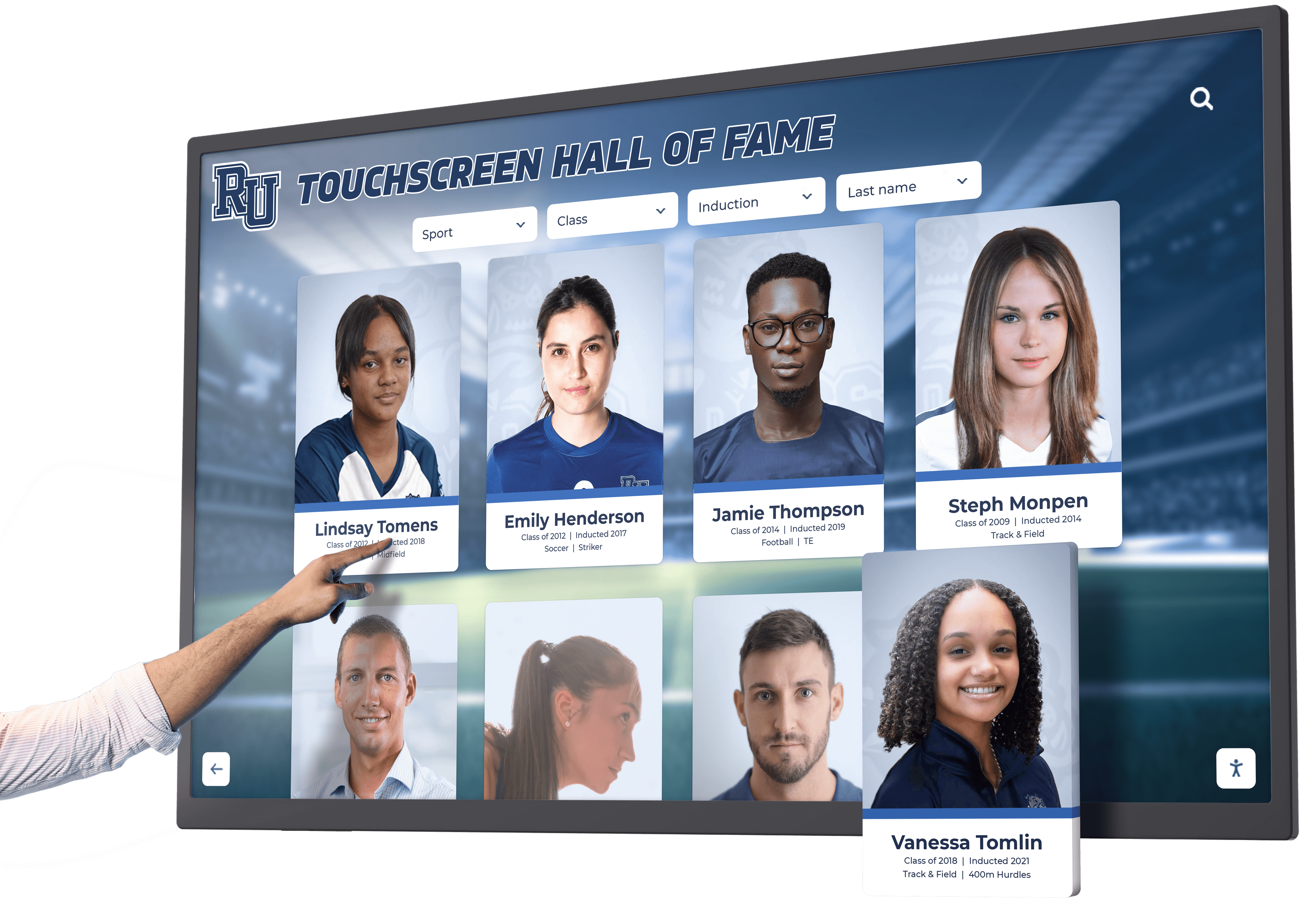
Platform versatility enables adaptation across contexts while maintaining core capabilities for engaging interactive experiences
Implementation Roadmap for Retail Digital Signage
Transform strategy into reality through systematic planning and phased deployment:
Phase 1: Assessment and Planning (4-6 Weeks)
Establish foundation for successful implementation:
Business Objective Definition
Clarify what success looks like:
- Specific goals (increase sales, reduce inquiries, improve satisfaction, differentiate brand)
- Target metrics and expected improvement levels
- Priority use cases delivering highest value
- Budget parameters and investment approval requirements
- Timeline constraints and launch deadline considerations
- Stakeholder identification and involvement approach
- Success criteria for pilot before broader rollout
Current State Assessment
Understand starting conditions:
- Existing signage audit documenting current approaches
- Customer journey mapping identifying key touchpoints
- Pain point identification revealing improvement opportunities
- Infrastructure evaluation assessing network and power availability
- Staff capability assessment determining training needs
- Competitive landscape review showing market context
- Technology readiness evaluation
Technology Selection Process
Choose appropriate platforms and vendors:
- Requirements documentation specifying must-have capabilities
- Vendor research identifying candidate solutions
- Demonstration requests experiencing platforms firsthand
- Reference checking with similar retailers
- Proposal evaluation comparing capabilities and costs
- Pilot scope definition for proof-of-concept
- Contract negotiation and vendor selection
Phase 2: Pilot Implementation (6-8 Weeks)
Test approach before full commitment:
Pilot Location and Use Case Selection
Choose representative test environment:
- High-traffic location providing robust data quickly
- Use cases representing priority business objectives
- Manageable scope enabling thorough evaluation
- Staff receptivity supporting successful testing
- Infrastructure readiness minimizing implementation barriers
- Typical customer demographics representing broader base
- Visibility ensuring stakeholder awareness and engagement
Content Development and Design
Create compelling pilot materials:
- Template development establishing visual standards
- Initial content creation for pilot use cases
- Staff photography and asset collection
- Video production if appropriate for approach
- Interactive feature development for touchscreen applications
- Testing and refinement based on preview feedback
- Staff training on content management systems
Installation and Launch
Deploy pilot professionally:
- Hardware installation and network configuration
- Content loading and display programming
- Thorough functionality testing before customer exposure
- Staff training on troubleshooting and basic management
- Soft launch enabling refinement before announcement
- Customer feedback collection mechanism establishment
- Performance monitoring system activation
Organizations exploring digital display implementation strategies benefit from starting with limited pilots that prove value and identify challenges before full-scale rollout—applicable across contexts from retail stores to institutional facilities.
Phase 3: Evaluation and Optimization (4-6 Weeks)
Learn from pilot before scaling:
Performance Analysis
Assess pilot results rigorously:
- Quantitative metrics comparing against baseline and goals
- Customer feedback compilation revealing satisfaction and suggestions
- Staff input gathering operational insights
- Technical reliability assessment documenting issues
- Content performance analysis identifying effective approaches
- Cost tracking establishing actual versus projected expenses
- ROI calculation determining business justification
Refinement Based on Findings
Improve approach before broader deployment:
- Content adjustments addressing performance gaps
- Technical fixes resolving identified issues
- Process improvements streamlining operations
- Training enhancements addressing knowledge gaps
- Vendor engagement resolving platform limitations
- Scope modifications based on pilot learnings
- Stakeholder communication sharing results and plans
Phase 4: Full Rollout (Timeline Varies by Scope)
Scale successful approach systematically:
Rollout Planning and Sequencing
Coordinate expansion thoughtfully:
- Location prioritization based on readiness and impact
- Phased timeline preventing overwhelming resources
- Resource allocation ensuring adequate support
- Communication plan engaging stakeholders
- Training schedule preparing staff across locations
- Content production pipeline feeding growing needs
- Quality assurance maintaining standards during scaling
Ongoing Management and Evolution
Sustain effectiveness long-term:
- Regular content refresh schedules preventing stagnation
- Performance monitoring maintaining visibility
- Continuous optimization improving results over time
- Technology updates keeping platforms current
- Staff development building organizational capability
- Stakeholder engagement maintaining support and investment
- Innovation exploration identifying new opportunities
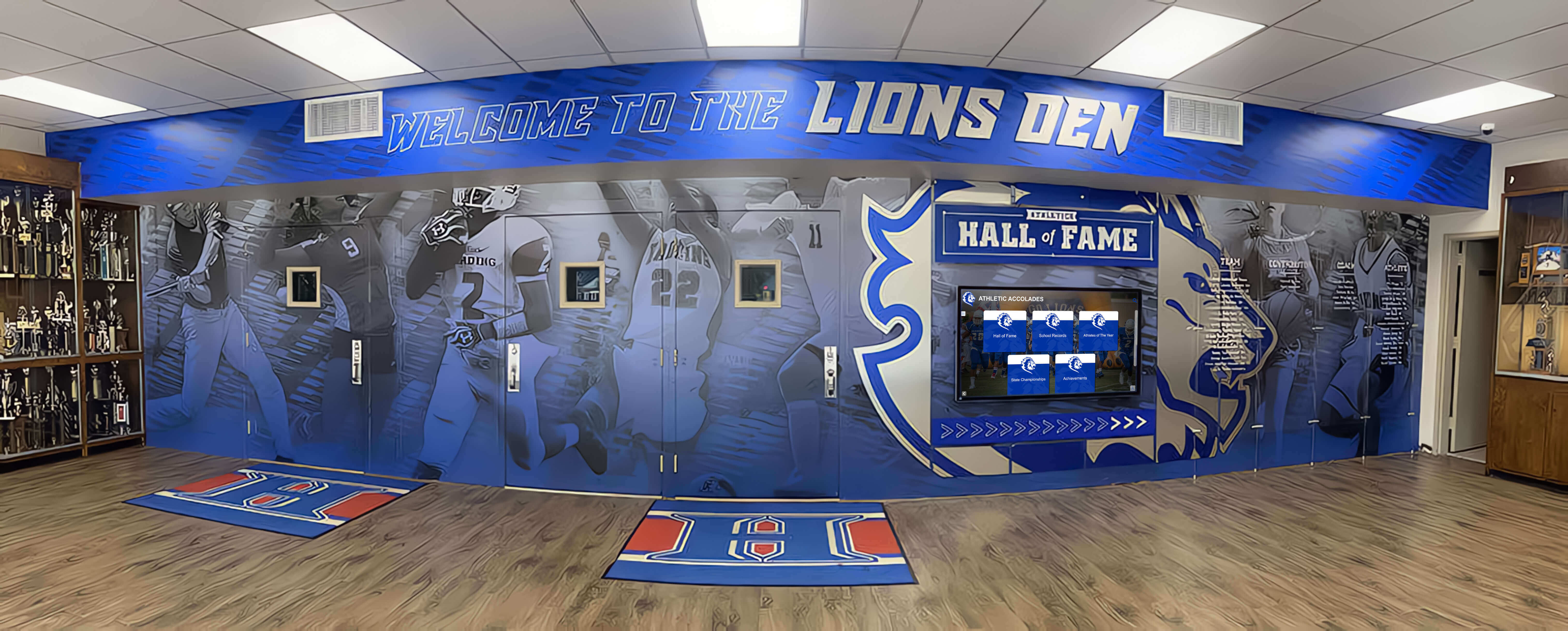
Systematic implementation combining thoughtful planning, quality execution, and continuous optimization delivers lasting value
Conclusion: Transforming Retail Experiences Through Digital Engagement
Retail digital signage represents far more than electronic replacements for printed posters. When implemented strategically with compelling content and intuitive interactivity, digital displays transform passive store environments into engaging customer experiences that inform, entertain, inspire, and drive purchasing decisions.
The ideas explored in this guide—from interactive product discovery stations and dynamic promotional displays to wayfinding solutions and queue entertainment—demonstrate digital signage’s versatility addressing diverse retail objectives. Whether your priority involves increasing sales, reducing operational costs, differentiating brand positioning, or improving customer satisfaction, digital signage offers powerful capabilities impossible through traditional static approaches.
Success requires moving beyond technology selection to embrace strategic thinking about customer needs, content quality, visual design excellence, and continuous optimization. The most effective retail digital signage implementations share common characteristics: clear business objectives guiding deployment priorities, customer-centric content providing genuine value, professional production quality matching brand standards, accessible administration enabling non-technical management, and systematic measurement driving improvement over time.
As retail competition intensifies and customer expectations continue rising, digital signage will increasingly separate leaders from followers. Stores that implement compelling digital experiences will attract more customers, increase average transactions, build stronger brand loyalty, and operate more efficiently than competitors relying on outdated static signage approaches.
Create Engaging Customer Experiences with Interactive Digital Displays
Discover how interactive touchscreen technology and intuitive content management can transform your retail environment. Whether you're showcasing products, guiding customers, or building brand experiences, professional digital signage solutions help you engage customers meaningfully while operating efficiently.
Explore Digital Display SolutionsKey Takeaways for Retail Digital Signage Success
- Start with clear business objectives guiding where and how to deploy digital displays for maximum impact
- Prioritize customer-centric content providing genuine value beyond promotional messaging
- Balance visual appeal with information clarity ensuring messages communicate effectively
- Leverage interactivity inviting customer participation and deeper product exploration
- Implement robust content management systems enabling non-technical staff to maintain current displays
- Measure performance systematically connecting signage investments to business outcomes
- Optimize continuously based on data and feedback rather than assuming initial approaches are final
- Consider platforms designed for interactive engagement offering sophisticated capabilities beyond basic digital signage
Technology that creates engaging customer experiences while remaining accessible for everyday management by merchandising and marketing teams delivers the best long-term value. Whether implementing sophisticated product configurators, simple promotional displays, or comprehensive multi-location networks, focus on solving real customer needs and business challenges rather than deploying technology for its own sake.
Your retail environment represents valuable real estate for customer communication. Digital signage ensures you maximize this opportunity with dynamic, relevant, measurable content that adapts to changing conditions while creating memorable brand experiences. Start planning your digital signage journey today, and transform how your stores engage customers while achieving your business objectives.