Organizations evaluating digital recognition solutions often worry about being stuck managing hardware issues through multiple vendors. Traditional approaches separate software providers from hardware suppliers, forcing customers to coordinate between OEM warranties, hardware manufacturers, display vendors, and software companies when problems arise. This fragmented responsibility creates frustration when touchscreen kiosks malfunction, displays fail, or installation issues emerge—leaving customers asking, “Who actually fixes this?”
Rocket Alumni Solutions takes a fundamentally different approach: comprehensive ownership of the complete kiosk stack. Rather than offloading hardware responsibility to third parties, Rocket provides the hardware, manages expert installation and setup, maintains deep kiosk expertise across all components, and serves as the single point of contact for any issue through dedicated Customer Success teams. Whether the problem involves hardware failures, software glitches, network connectivity, or user experience concerns, Rocket triages, coordinates, and owns the outcome—ensuring uptime and reliability.
This comprehensive review explores how Rocket’s full-stack approach transforms the customer experience through integrated hardware and software expertise, proactive Customer Success management, streamlined support that eliminates vendor finger-pointing, and accountability for complete system performance rather than isolated components.
For schools, nonprofits, and organizations requiring reliable digital recognition displays, the difference between software-only providers and full-stack partners becomes evident when issues arise. Solutions like Rocket Alumni Solutions demonstrate how integrated hardware provisioning, expert installation management, and unified Customer Success support create sustainable recognition technology that organizations can depend on for years.

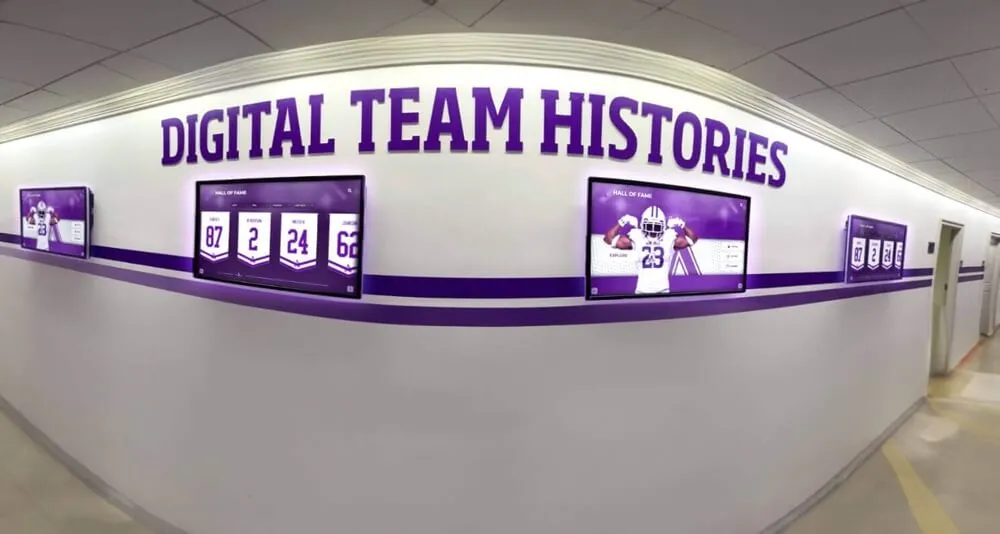
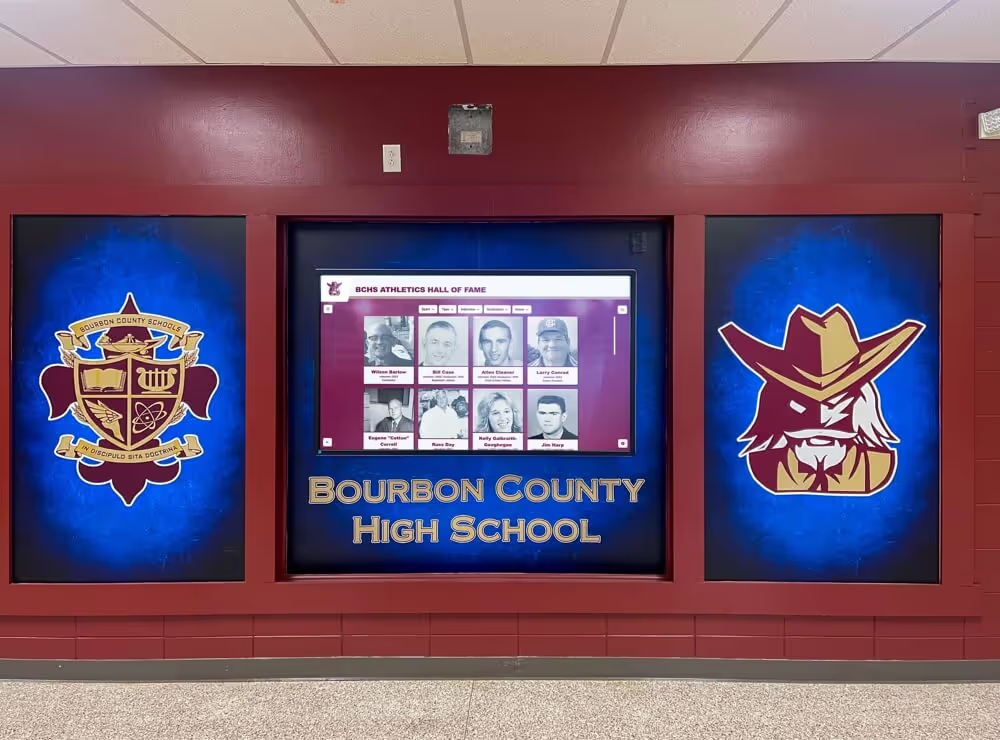
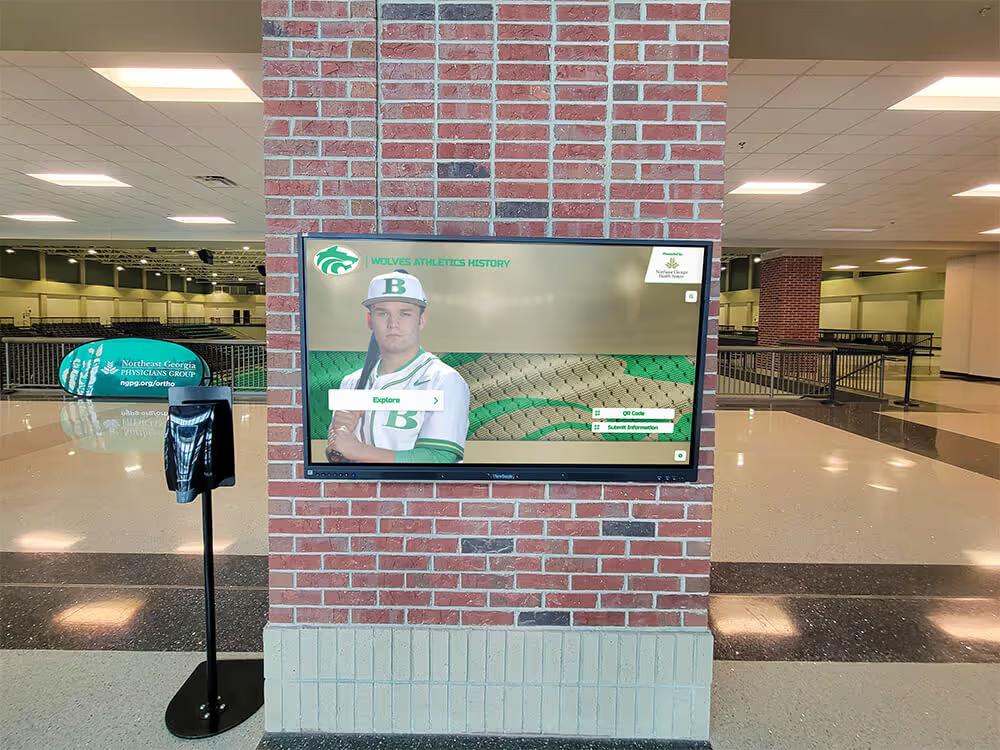
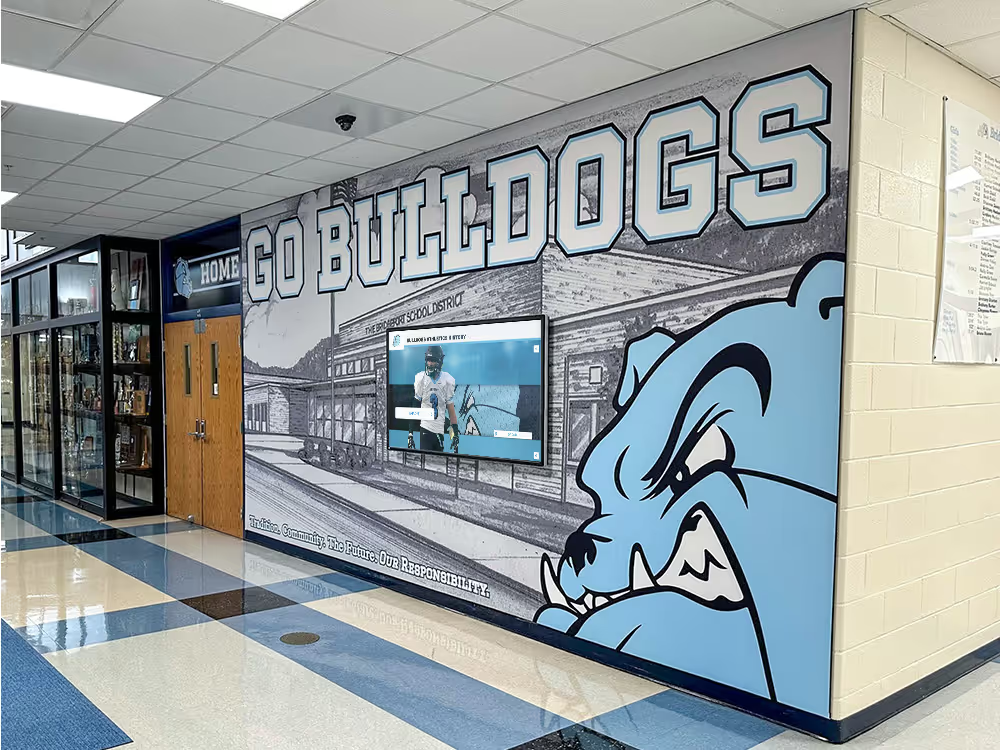
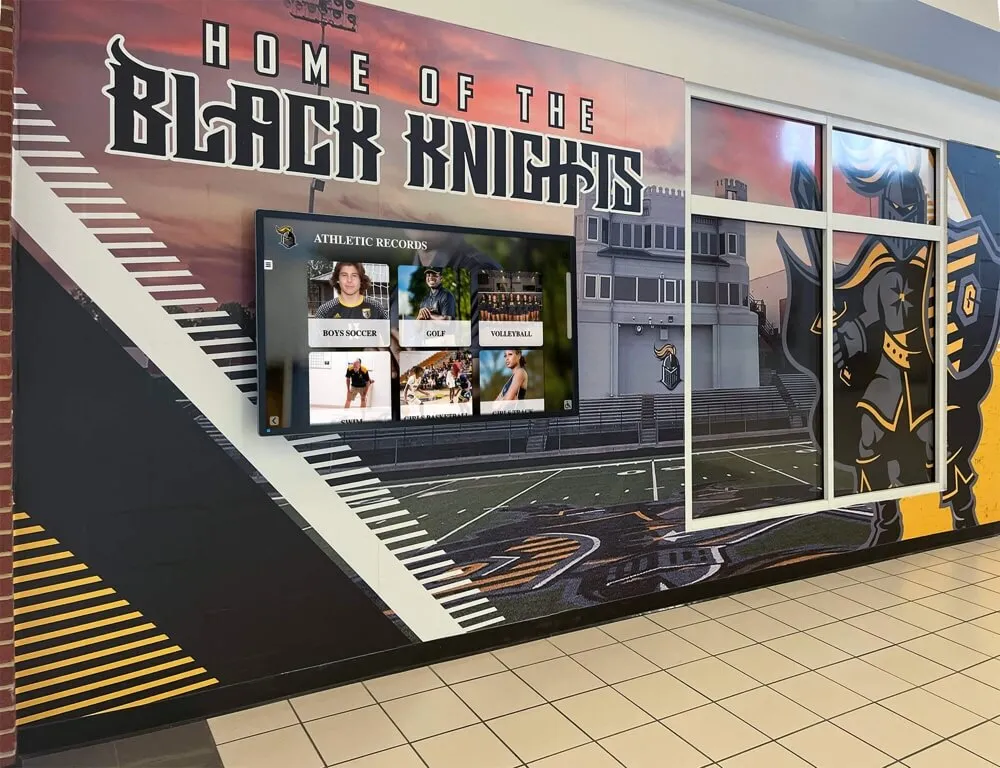
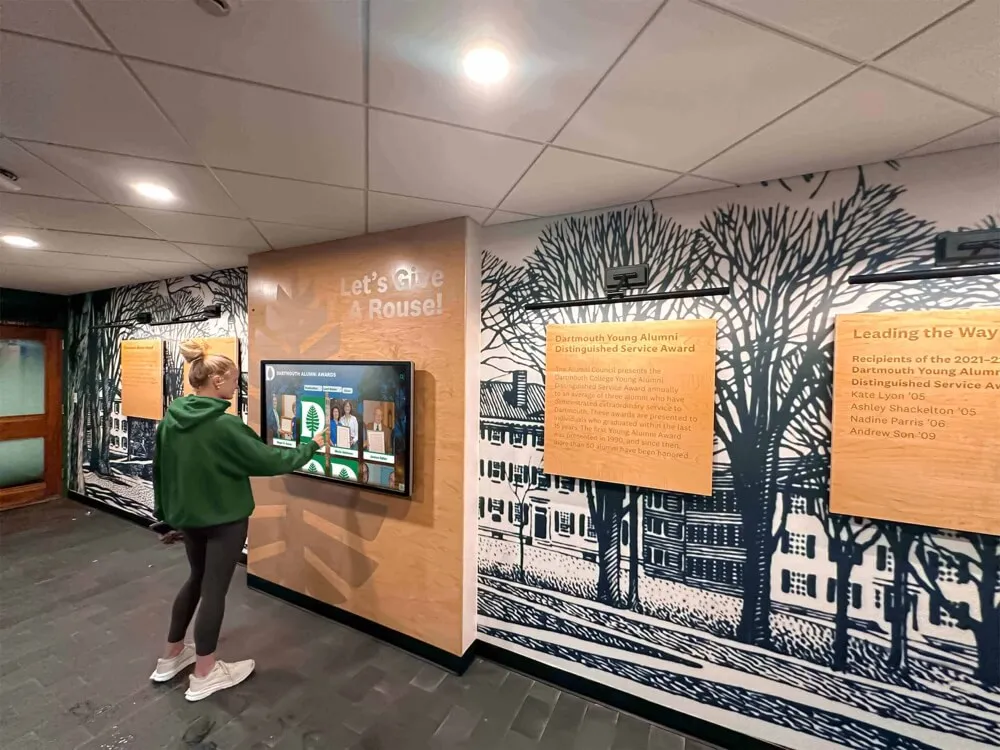
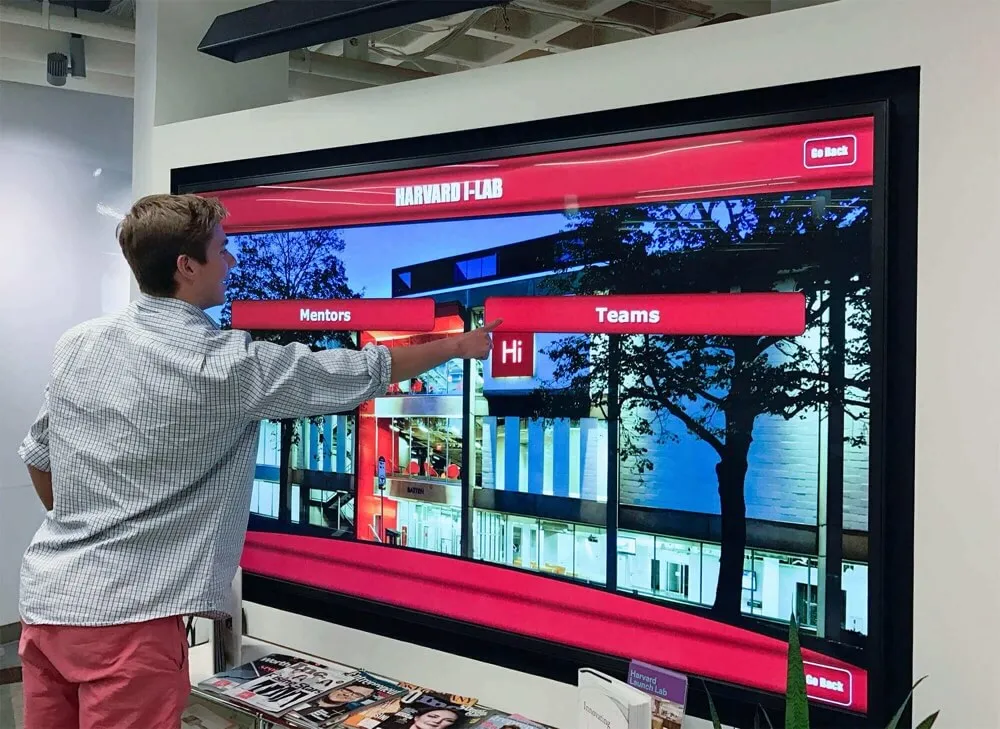
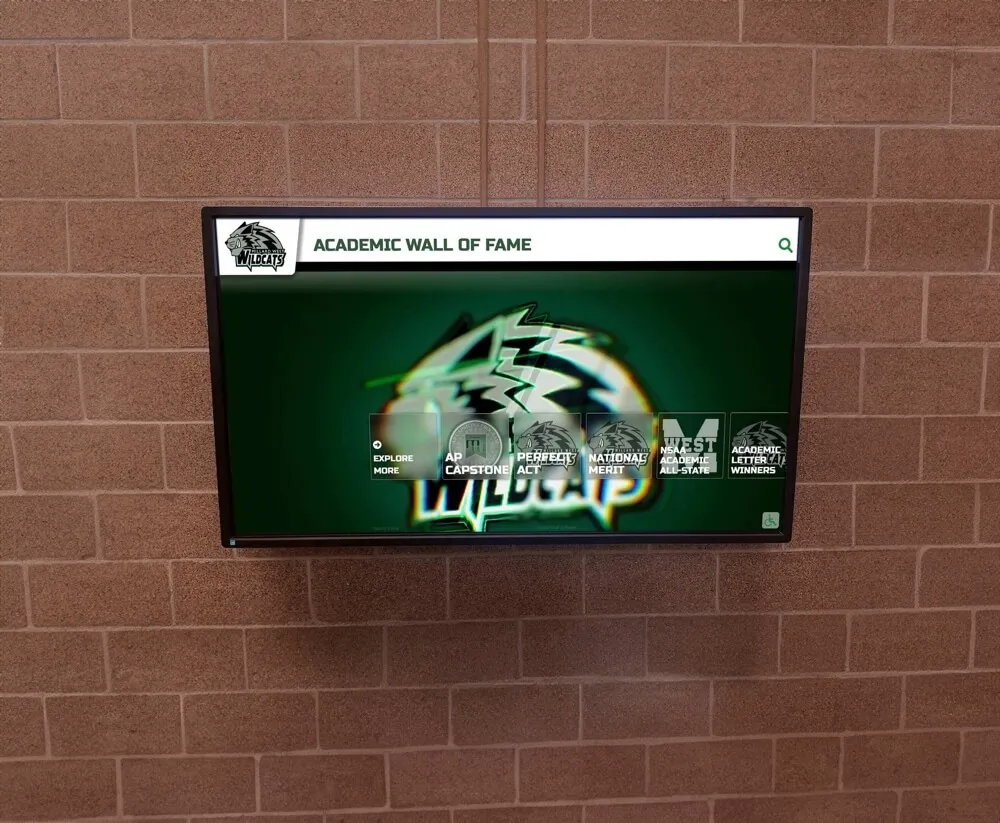
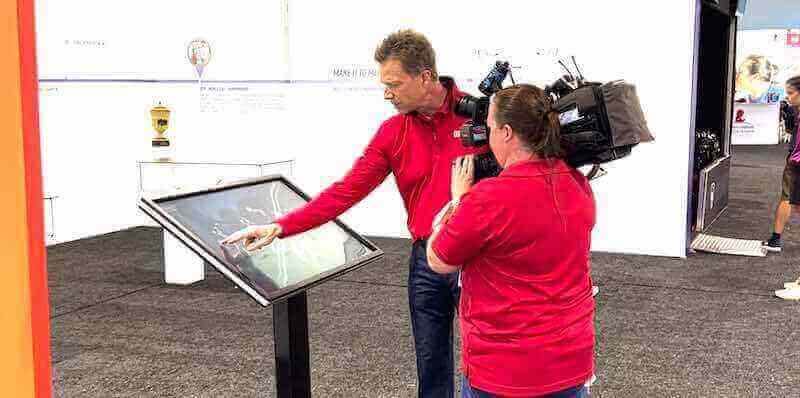
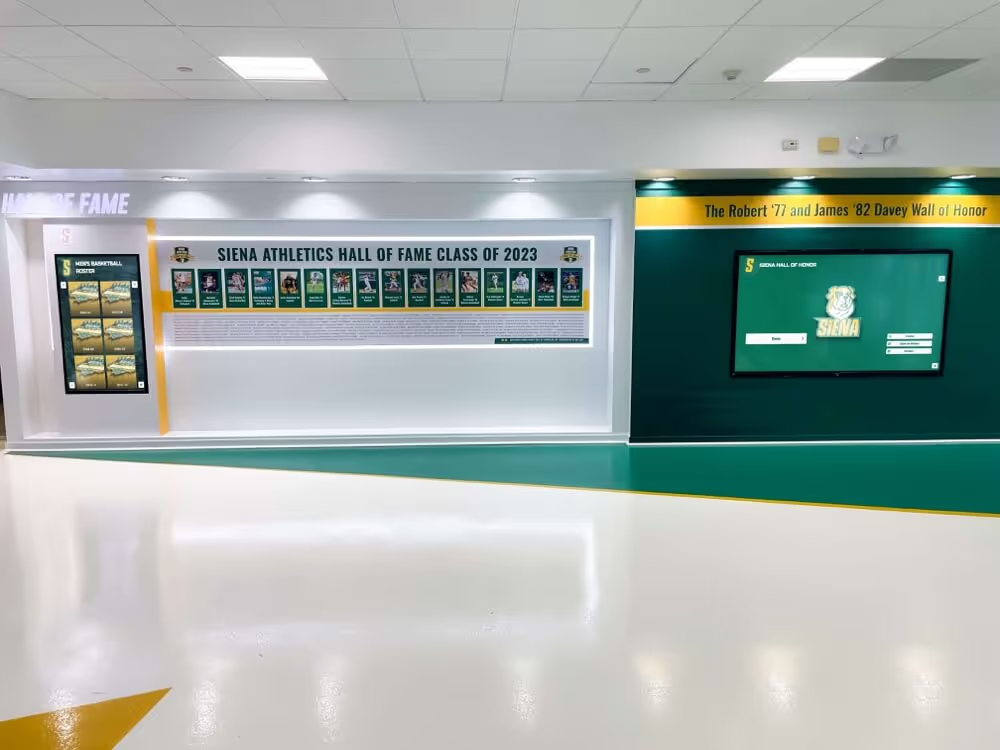
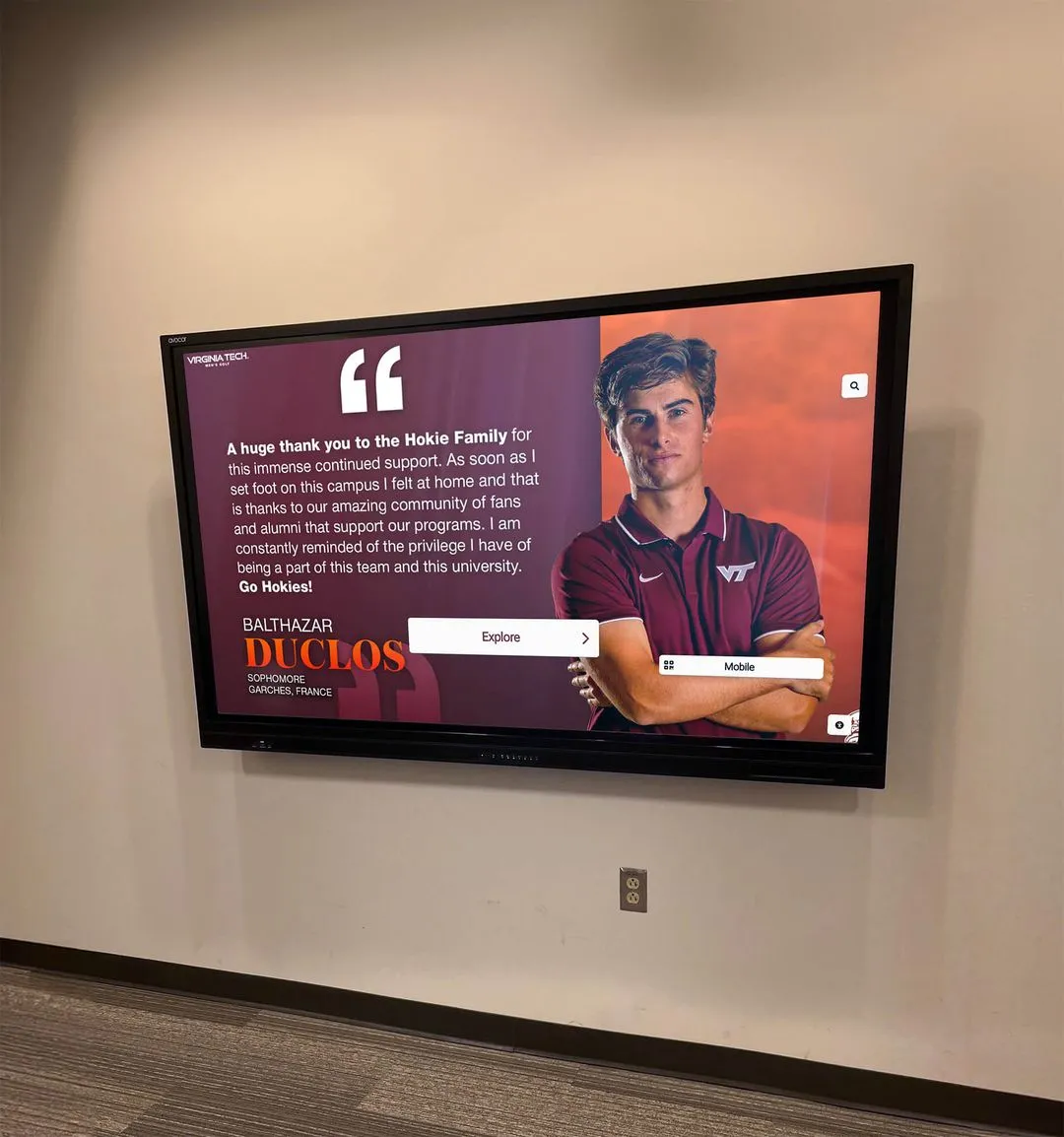
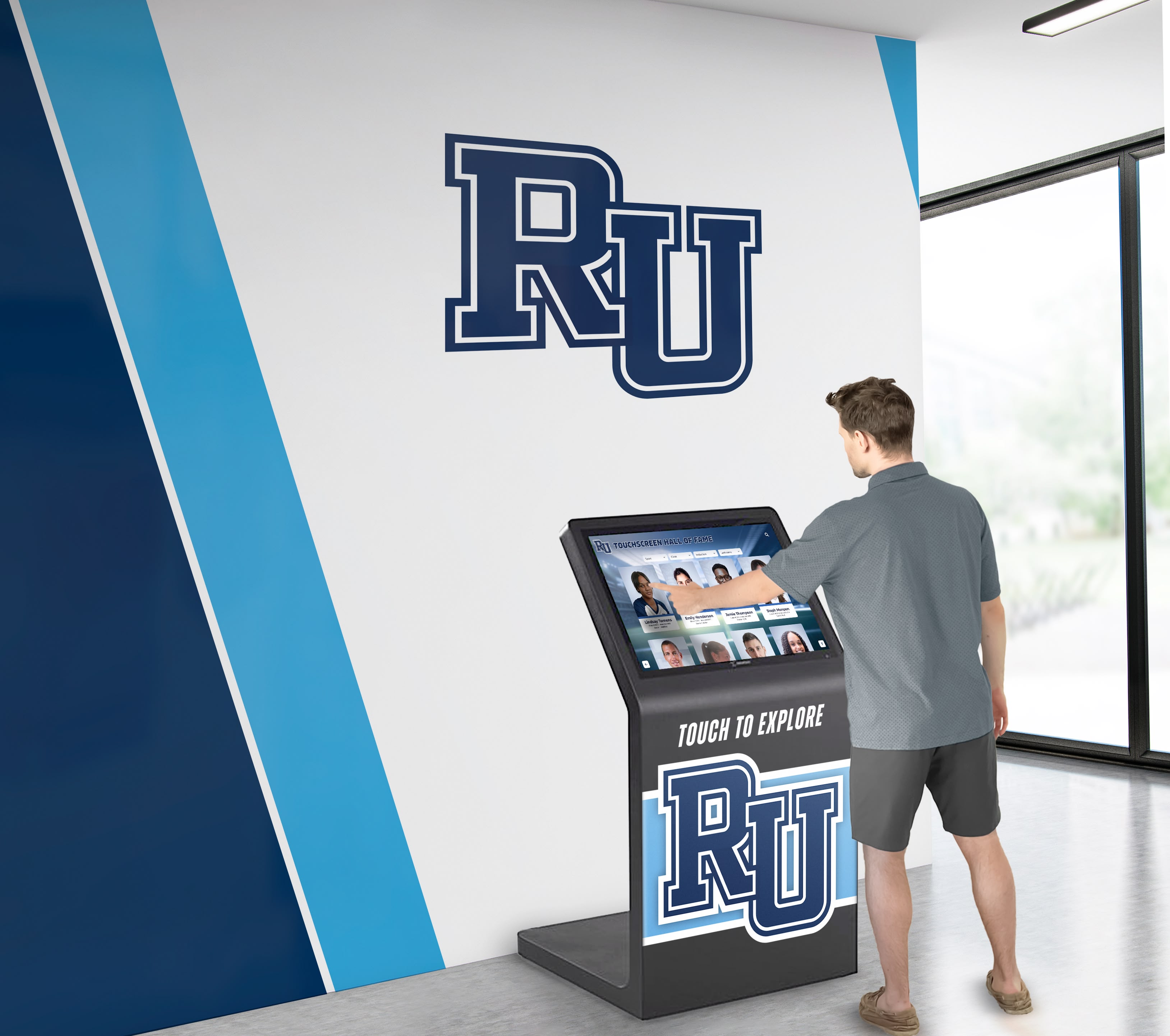
Rocket Alumni Solutions provides comprehensive hardware and support ensuring reliable touchscreen kiosk operation
Understanding the Full-Stack Recognition Technology Challenge
Digital recognition displays combine hardware, software, networking, content management, and ongoing support into complex systems requiring coordinated expertise across multiple technical domains. Organizations implementing touchscreen kiosks for donor walls, halls of fame, or recognition programs quickly discover that software excellence alone doesn’t guarantee successful deployments.
The Traditional Fragmented Approach
Most digital signage and recognition software providers follow a common model that creates organizational challenges:
Software-Only Business Models
Traditional providers focus exclusively on software development and content management platforms while recommending or requiring customers to source hardware independently. This separation creates predictable problems including hardware compatibility uncertainties and configuration challenges, warranty management across multiple vendors, installation coordination without integrated oversight, troubleshooting complexity determining whether issues originate in hardware or software, and support fragmentation requiring customers to navigate multiple technical teams.
According to technology implementation research, fragmented vendor relationships create substantial hidden costs through extended problem resolution timeframes, administrative overhead managing multiple support relationships, finger-pointing between vendors when diagnosing complex issues, incomplete solutions when vendors lack visibility into full system architecture, and customer frustration reducing confidence in technology investments.
The “You’re On Your Own” Hardware Experience
Organizations purchasing software-only solutions typically face hardware procurement responsibilities including researching compatible touchscreen displays and computers, evaluating mounting hardware and installation requirements, coordinating electrical and network infrastructure, managing warranty registrations across components, and troubleshooting hardware problems without software vendor assistance.
When problems arise—displays failing, touchscreens becoming unresponsive, computers malfunctioning, or installation issues emerging—customers must determine which vendor to contact, navigate potentially conflicting support processes, wait while vendors investigate whether problems originate in their components, and accept partial solutions that may not address root causes in integrated systems.
This fragmented experience creates operational risk for organizations lacking dedicated IT departments with expertise in commercial-grade touchscreen kiosk deployment and maintenance.
Organizations implementing digital recognition displays for educational institutions discover that hardware quality, installation expertise, and integrated support significantly impact long-term satisfaction beyond software capabilities alone.
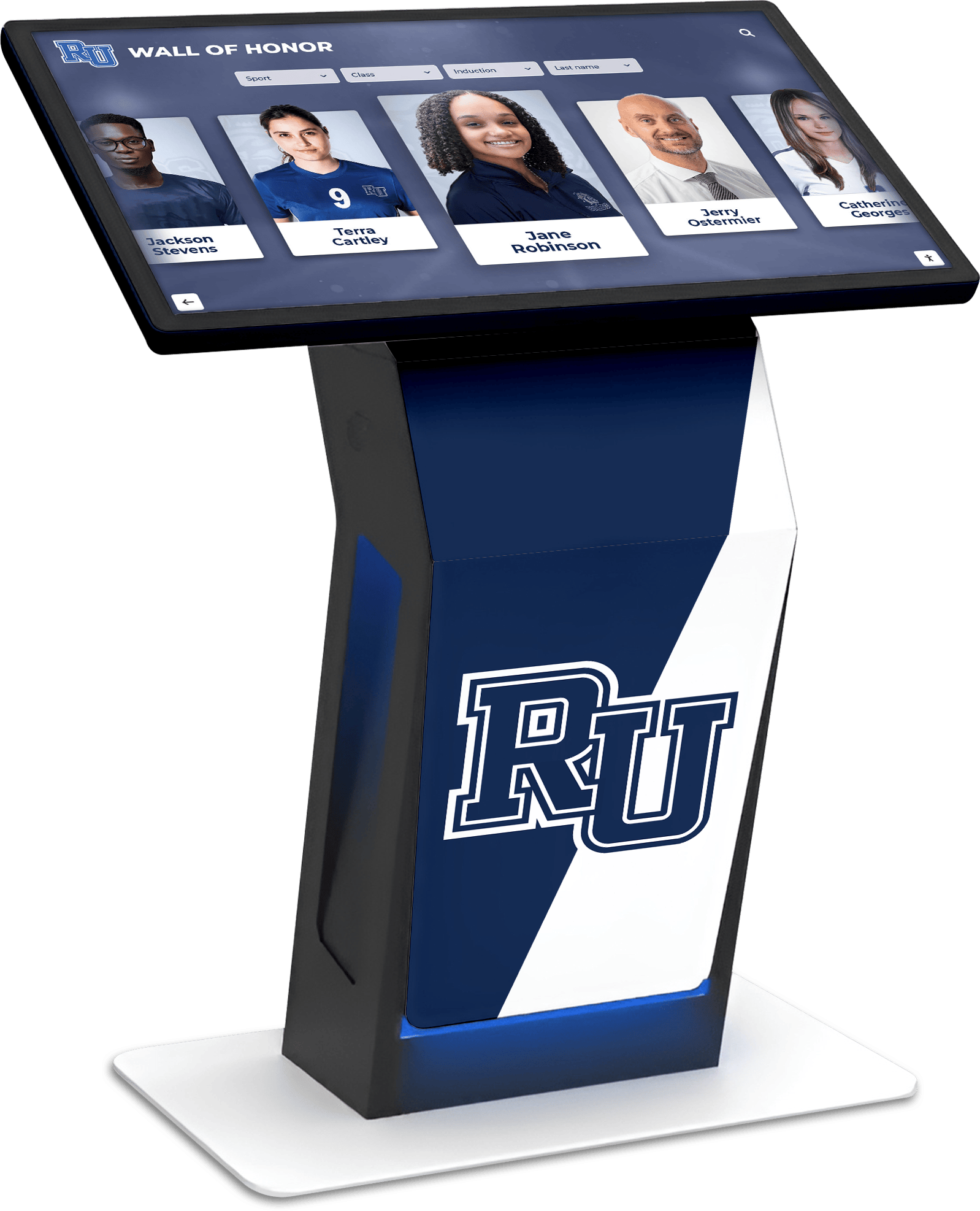
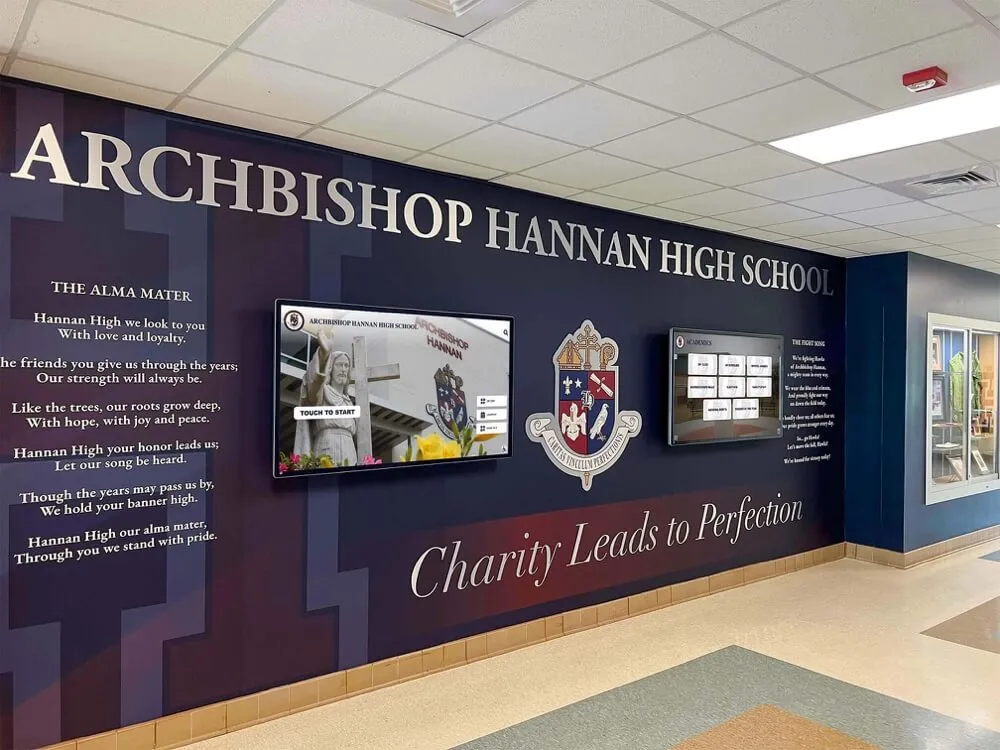
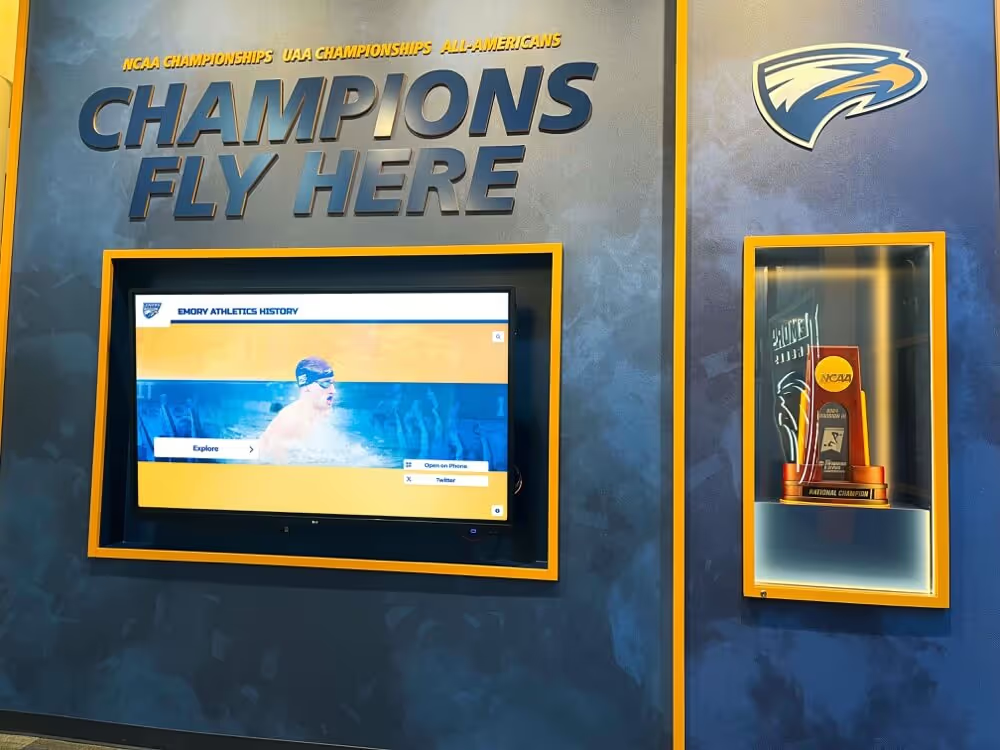
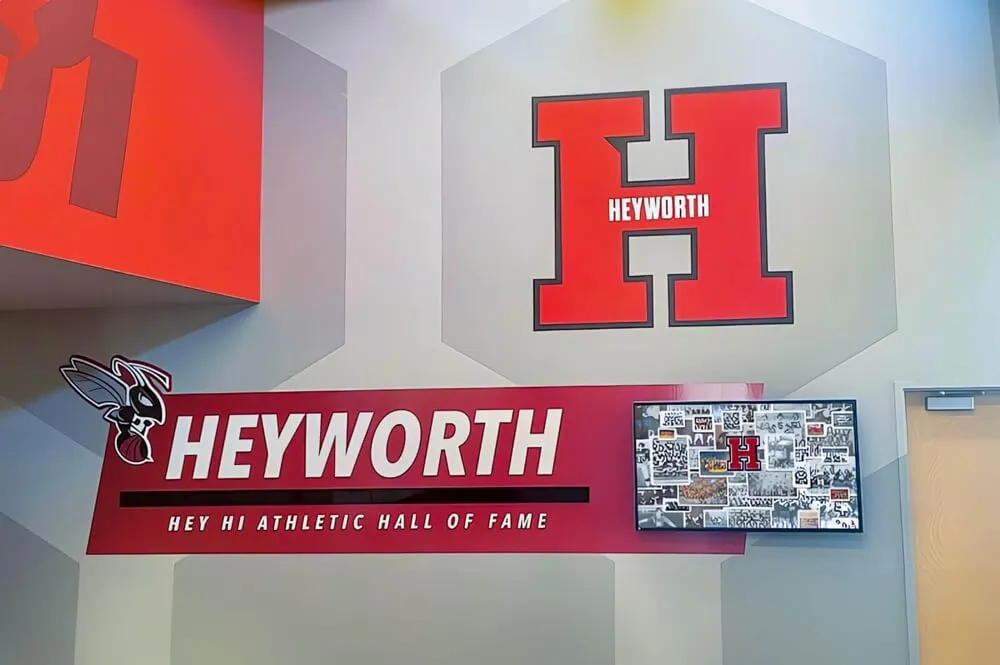
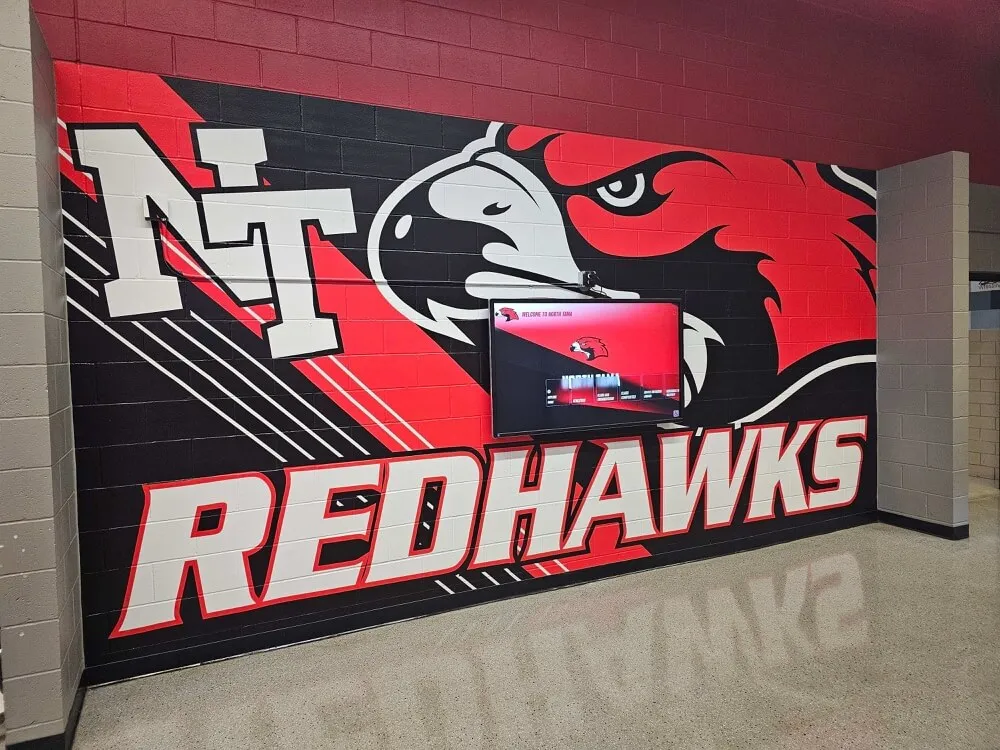
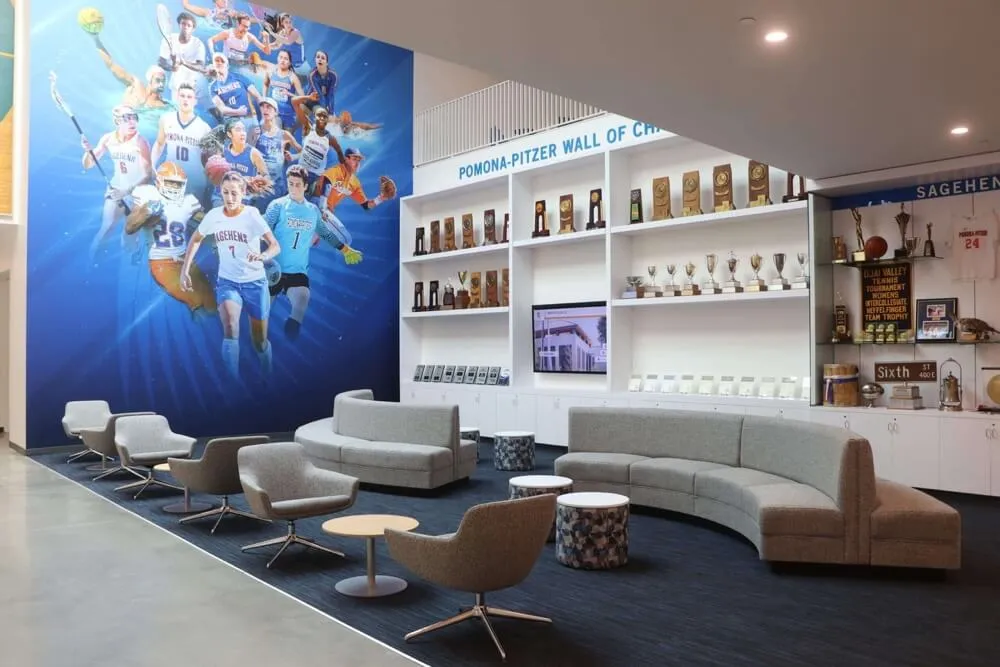
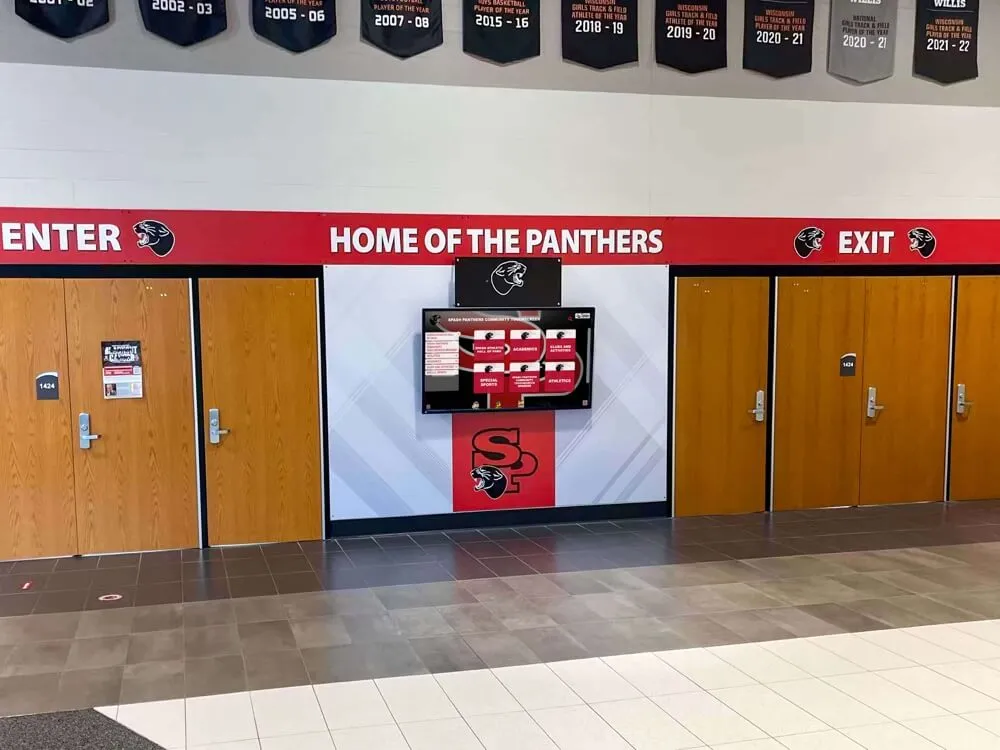
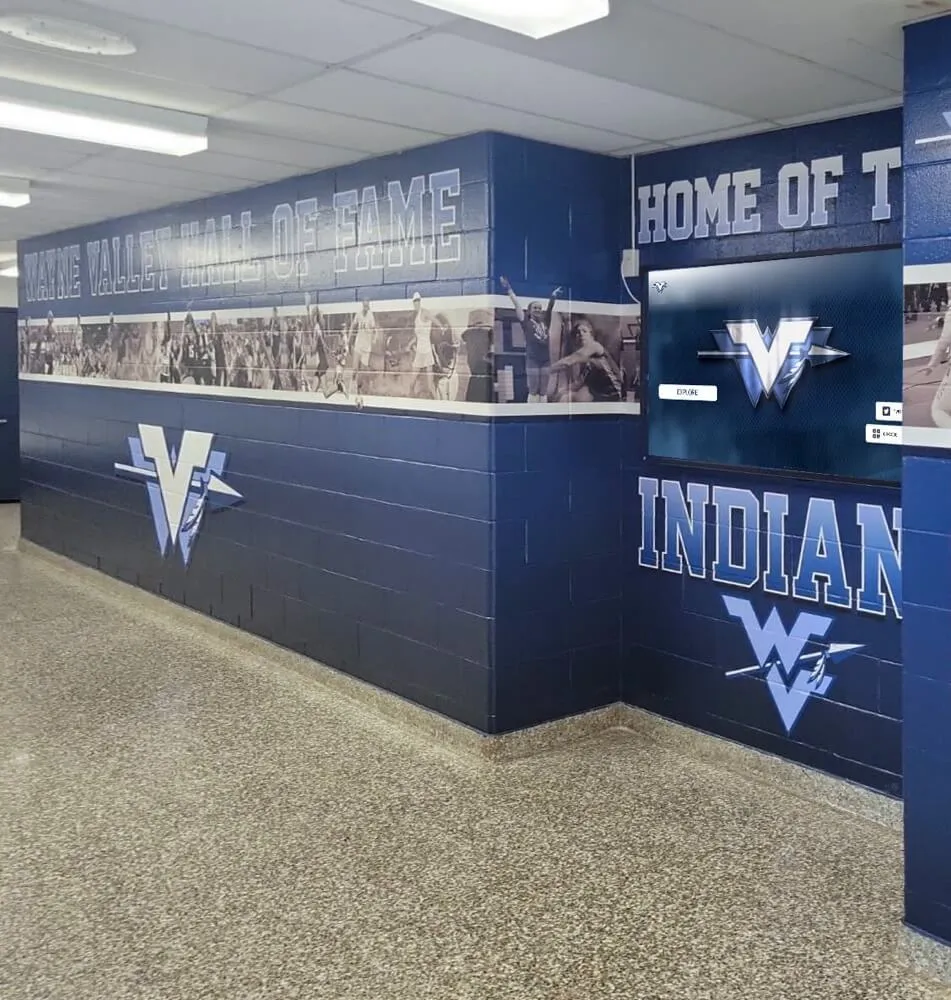
Complete kiosk solutions integrate hardware and software eliminating fragmented vendor management
Why Hardware Matters as Much as Software
Recognition technology success depends on harmonious interaction between physical and digital components:
Display Quality and Reliability
Commercial-grade touchscreen displays differ substantially from consumer televisions in brightness specifications for ambient lighting environments, panel durability for continuous operation, touch responsiveness and accuracy across screen size, temperature tolerance in varied installation locations, and warranty terms reflecting commercial use patterns.
Software providers lacking hardware expertise may recommend displays inadequate for specific installation environments, creating poor user experiences regardless of software quality.
Installation Expertise and Site Integration
Professional kiosk installation requires specialized knowledge including mounting considerations for wall structure and weight distribution, cable management maintaining clean professional aesthetics, electrical infrastructure ensuring adequate power and safety compliance, network connectivity optimization for content delivery, touchscreen calibration and quality assurance, and ADA compliance ensuring accessibility.
Organizations coordinating installation without integrated hardware-software vendor oversight frequently encounter problems discovered after installation completion, requiring expensive remediation and creating delayed deployments.
System Integration and Performance Optimization
Complete kiosk systems perform optimally when hardware components are specified for software requirements including processing power adequate for content complexity, graphics capabilities supporting smooth animations and video, storage capacity for content libraries and caching, network interfaces optimized for bandwidth and reliability, and thermal management preventing overheating in enclosed installations.
Software-only vendors rarely provide detailed hardware specifications accounting for these integration considerations, leaving customers to make technical decisions without adequate expertise.
Rocket Alumni Solutions’ Full-Stack Approach: Hardware, Software, and Support
Rocket Alumni Solutions operates differently from traditional software-only providers by maintaining comprehensive responsibility for complete kiosk systems from initial consultation through ongoing operation.
Comprehensive Hardware Provisioning
Rocket provides complete touchscreen kiosk hardware rather than requiring customers to source components independently:
Integrated Hardware Solutions
Rocket offers coordinated systems including commercial-grade touchscreen displays in multiple sizes, high-performance media computers optimized for recognition software, professional mounting hardware for wall-mounted and freestanding installations, custom enclosures and kiosk cabinets when architectural integration requires specialized solutions, and all necessary cables, power supplies, and connectivity equipment.
This integrated provisioning ensures component compatibility, eliminates procurement complexity for customers, and establishes clear accountability for complete system performance.
Hardware Selection Expertise
Rather than offering generic recommendations, Rocket’s team analyzes specific installation contexts including viewing distance and screen size optimization, ambient lighting conditions affecting display brightness requirements, traffic patterns informing placement and orientation, existing infrastructure capabilities and limitations, budget considerations balancing capability and investment, and long-term expansion plans ensuring scalable foundations.
This consultative approach results in hardware specifications matched to organizational needs rather than one-size-fits-all solutions that may underperform or exceed requirements unnecessarily.
Quality Assurance and Testing
Before shipping to installation sites, Rocket performs comprehensive testing including hardware functionality verification, software installation and configuration, touchscreen calibration and responsiveness testing, content loading and performance validation, and quality inspection ensuring cosmetic and functional standards.
Organizations implementing touchscreen kiosk solutions for recognition programs benefit from integrated hardware-software testing that identifies and resolves issues before deployment rather than during customer installation.
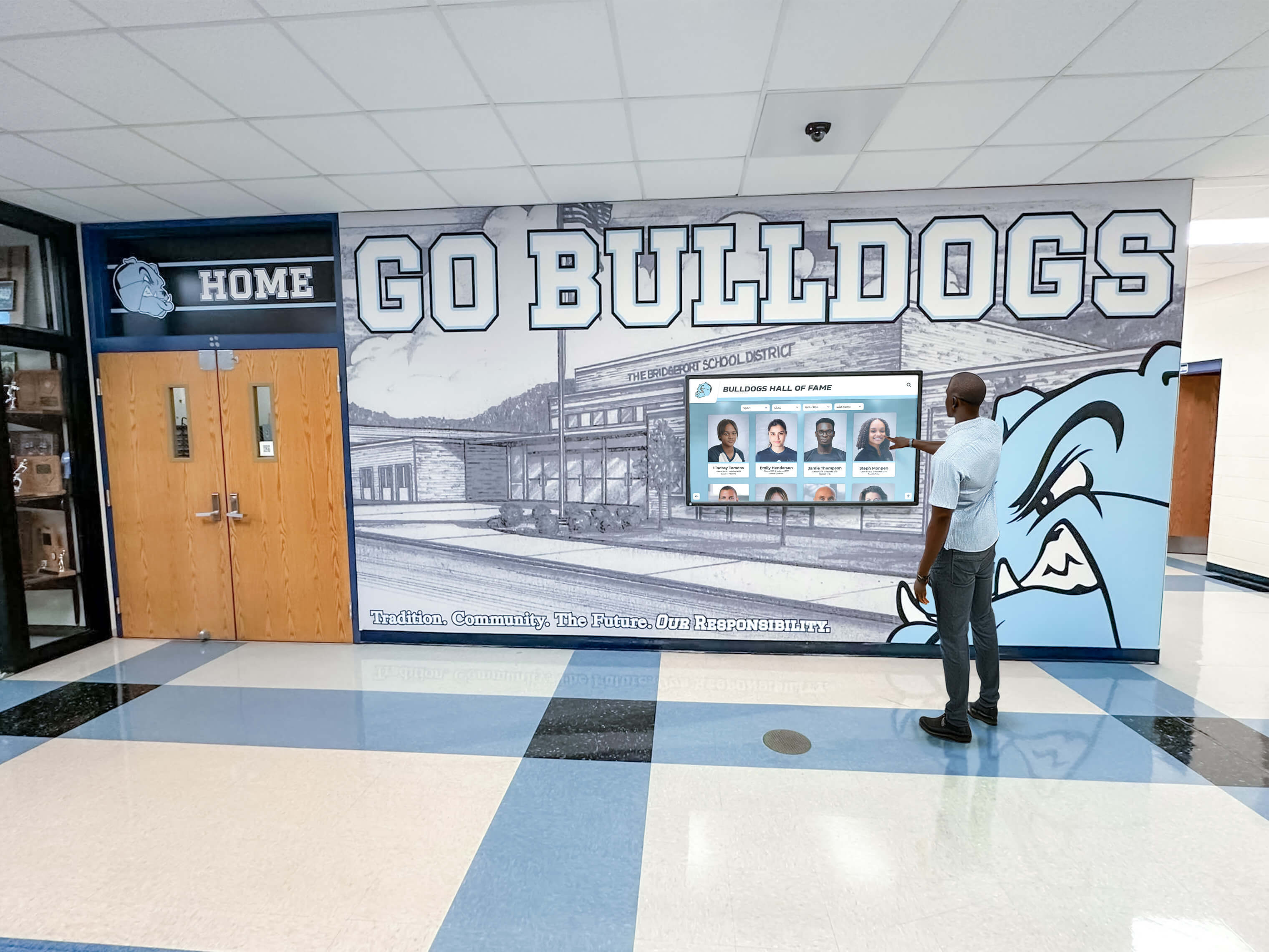
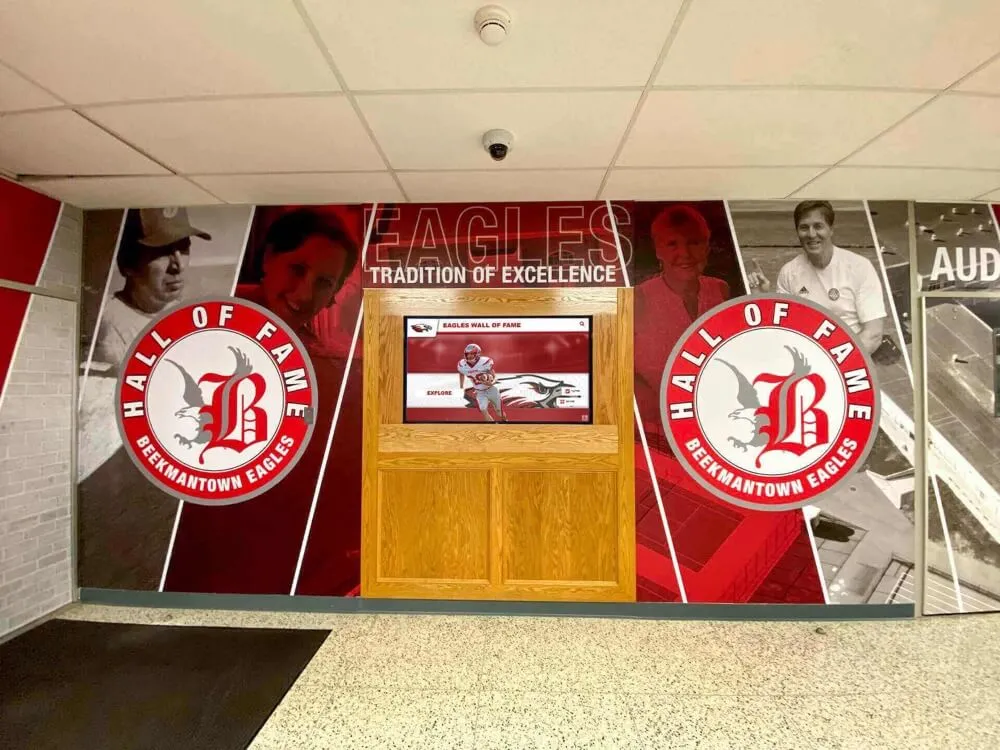
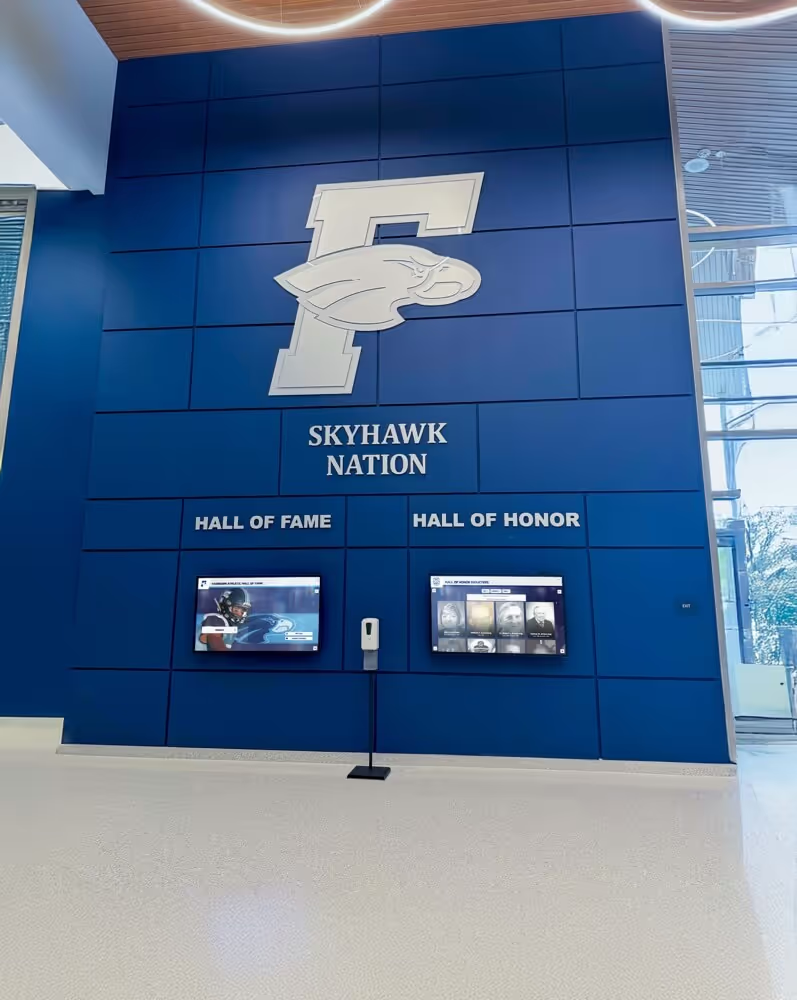
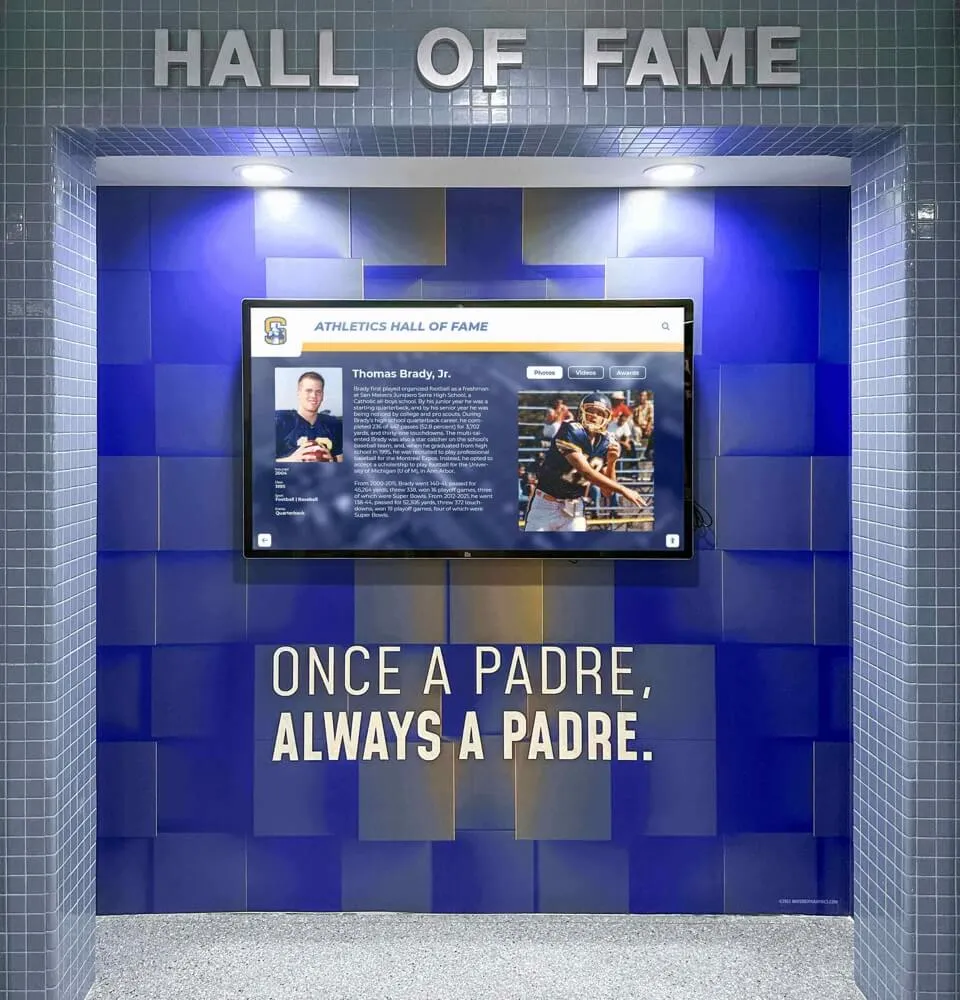
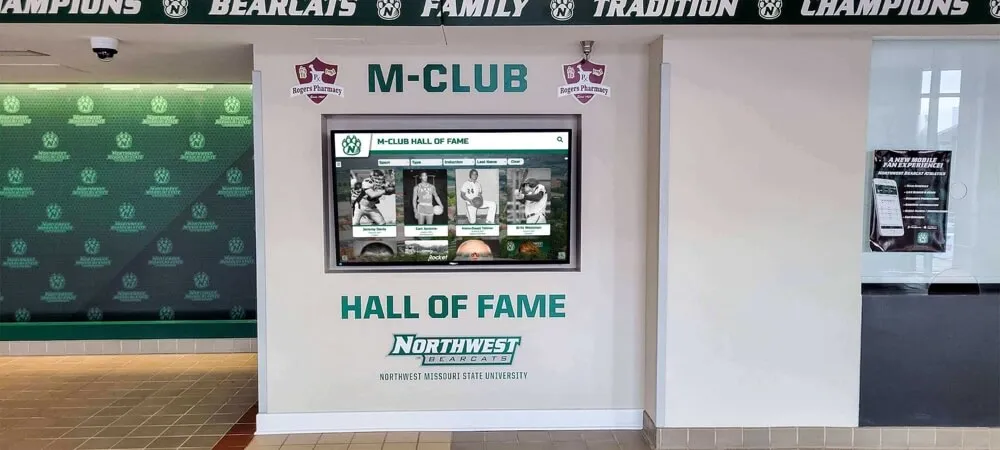
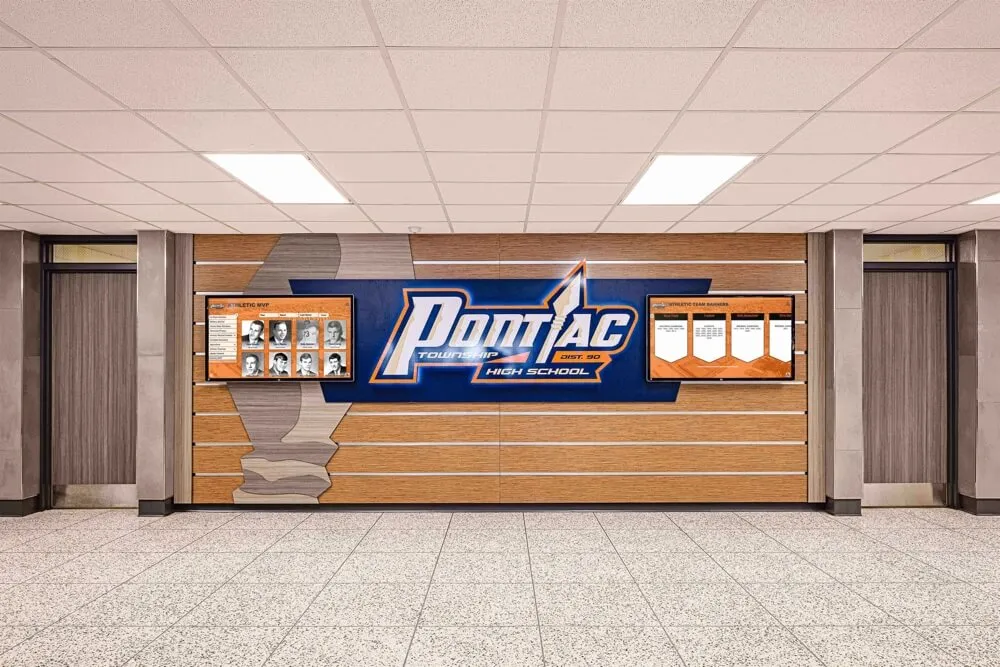
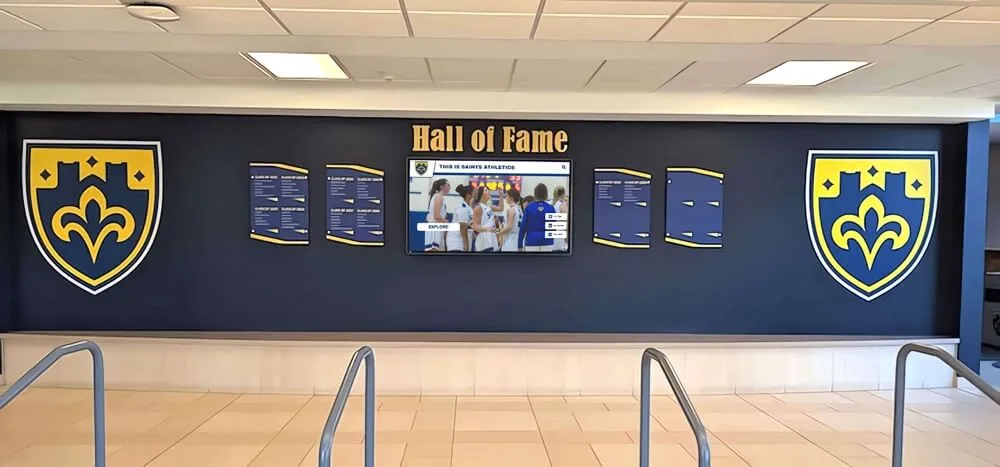
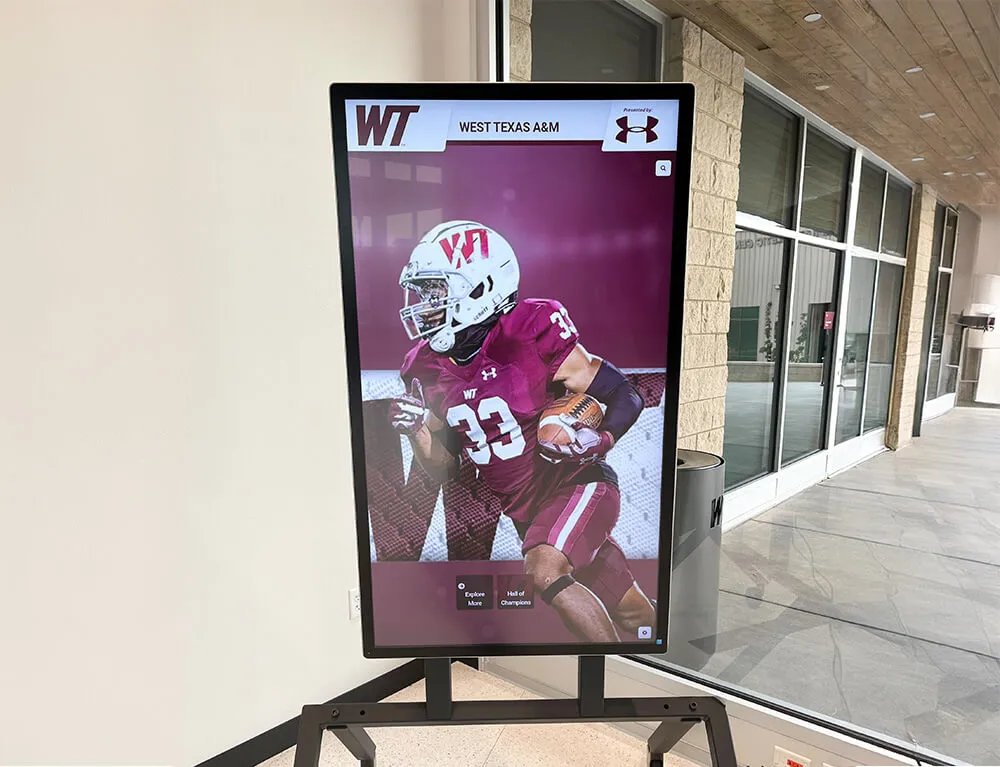
Pre-tested integrated systems ensure reliable operation from initial deployment
Expert Installation Management and Setup
Rocket maintains responsibility for successful installation coordinating professional mounting, configuration, and launch:
Professional Installation Coordination
Rocket manages complete installation processes including site assessment and preparation guidance, professional installer coordination in customer regions, mounting and electrical work oversight, network connectivity setup and testing, hardware-software integration and final configuration, and quality assurance before customer handoff.
This managed approach ensures installations meet professional standards regardless of customer facility management capabilities or technical expertise.
Installation Quality Standards
All Rocket installations adhere to specifications including secure mounting meeting weight and safety requirements, clean cable management concealing connections professionally, proper ventilation preventing overheating in enclosures, ADA compliance for accessibility, touchscreen calibration ensuring accuracy across screen area, and network optimization for content delivery performance.
Customers receive installations meeting commercial standards without requiring internal expertise to specify or verify quality parameters.
Configuration and Content Setup
Beyond physical installation, Rocket completes system configuration including software installation and licensing, content management platform setup, initial content loading and organization, user account creation and permissions, training on administrative functions, and documentation for ongoing operation.
This comprehensive setup ensures customers receive fully operational systems rather than hardware requiring technical configuration before use.
Single Point of Contact: Customer Success Team
Rocket’s defining differentiator is the Customer Success model providing unified support for all system aspects:
Integrated Support Philosophy
Rather than directing customers to different support channels depending on whether issues appear to involve hardware or software, Rocket Customer Success serves as the single point of contact for any concern including display malfunctions and hardware failures, software bugs and feature questions, content management and administrative support, network connectivity and performance issues, and user experience or training needs.
This unified support eliminates the frustrating customer experience of being bounced between vendors while each investigates whether problems originate in their components.
Triage, Coordination, and Resolution
When customers report issues, Customer Success teams perform comprehensive triage including problem assessment and initial diagnosis, remote troubleshooting when possible, coordination with internal hardware specialists when physical issues are suspected, coordination with software engineering when bugs are identified, and communication with customers throughout resolution.
Customers experience streamlined support regardless of underlying cause—Customer Success owns the outcome and coordinates necessary expertise internally.
Proactive Monitoring and Maintenance
Beyond reactive support, Rocket implements proactive practices including system health monitoring detecting potential issues, preventive maintenance protocols, software updates and security patches, performance optimization recommendations, and periodic check-ins ensuring satisfaction.
This proactive approach catches problems before they impact organizational operations, maintaining uptime and reliability.
Organizations implementing digital recognition systems requiring reliable technical support discover that Customer Success accountability for complete system performance creates fundamentally different experiences from software-only vendors offering limited hardware support.
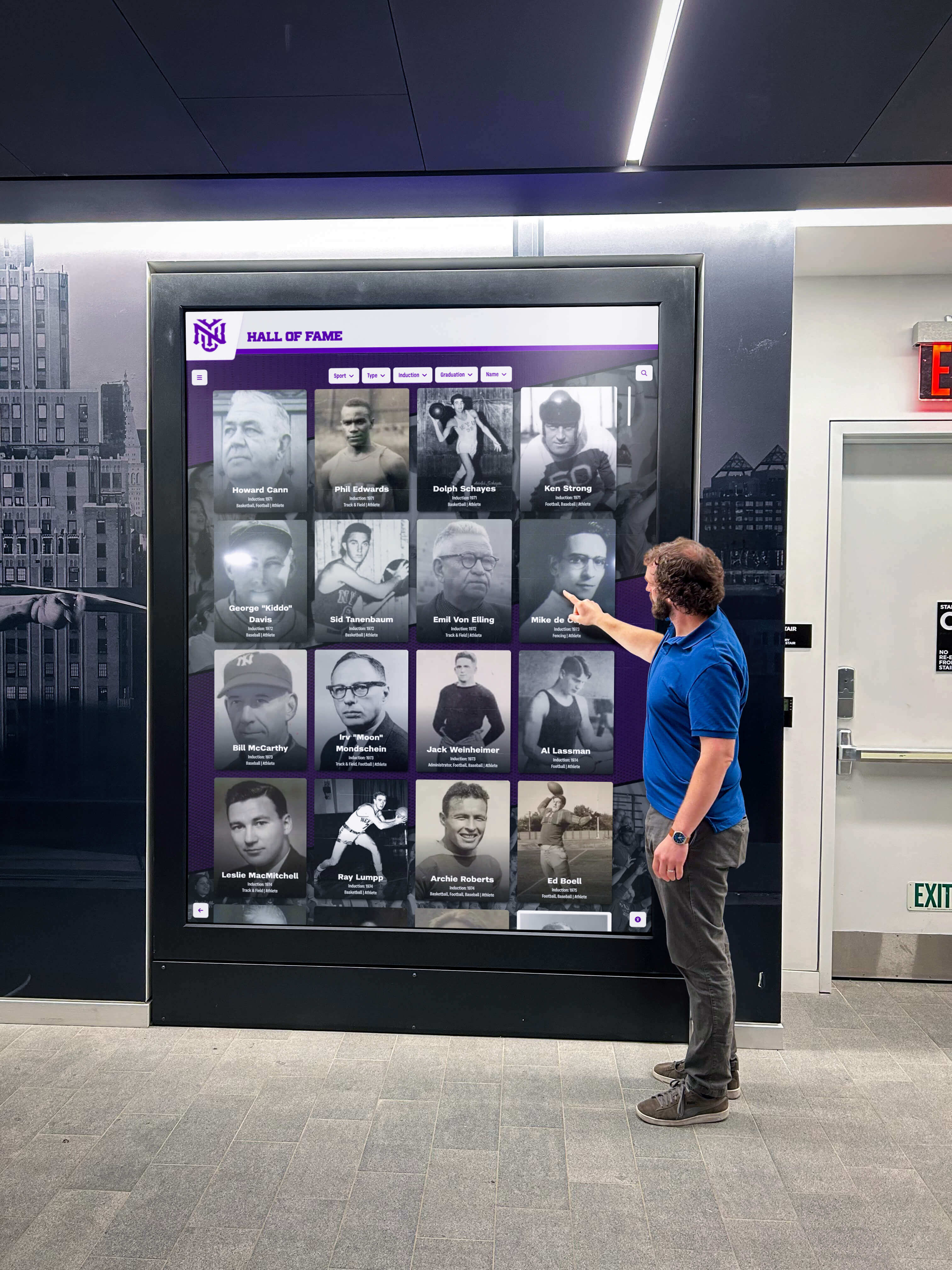
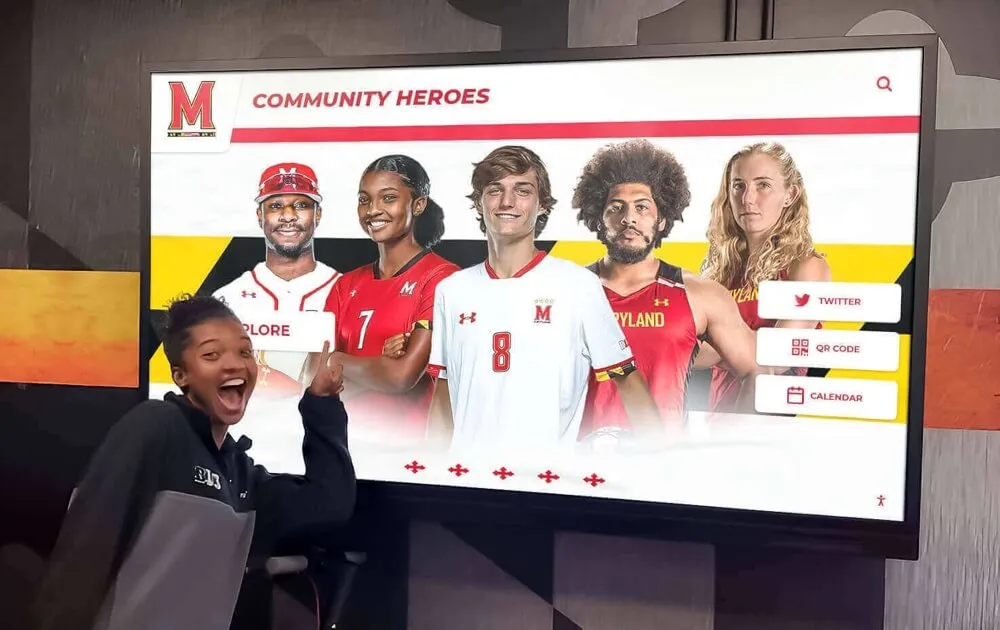
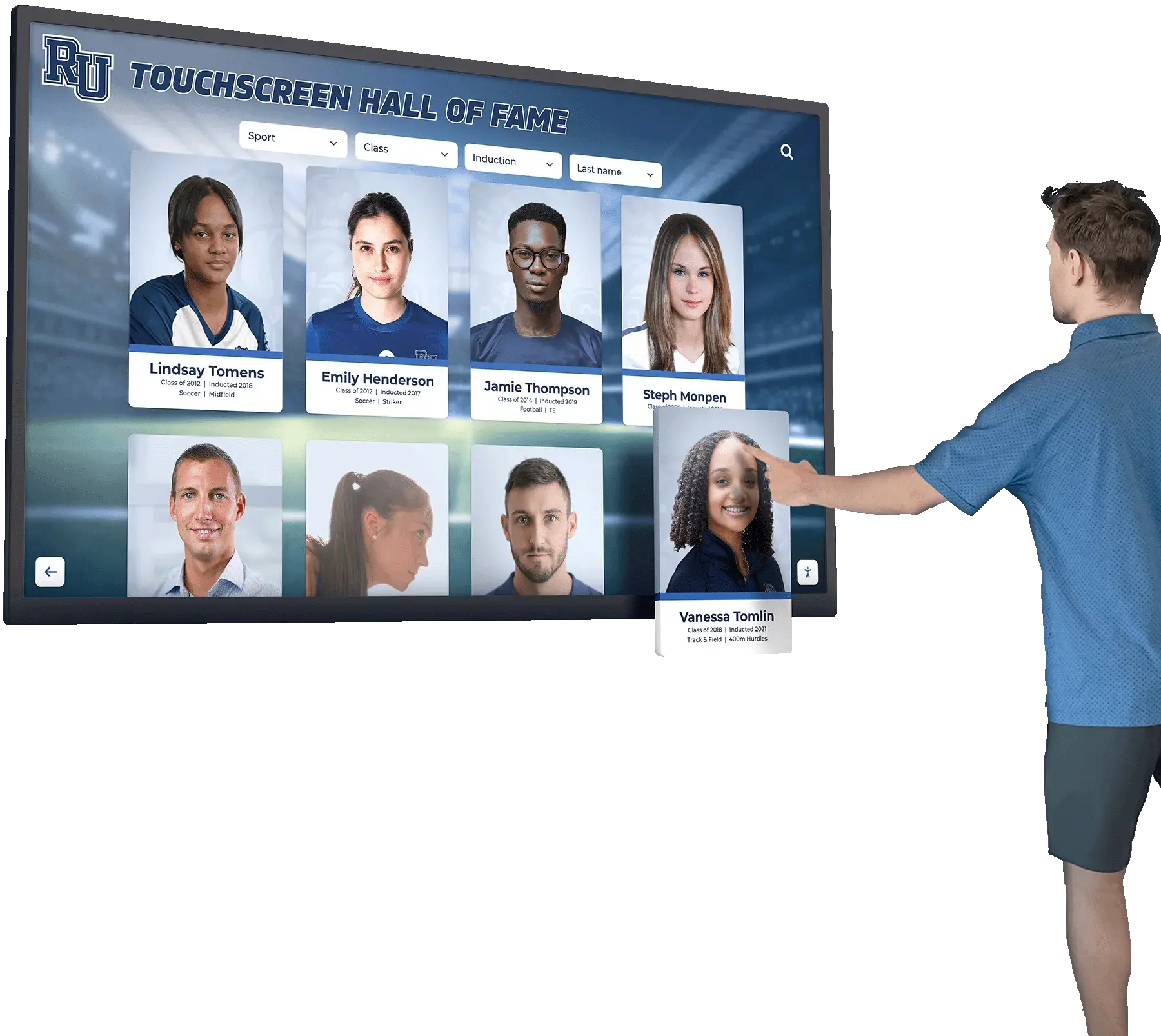
Single-point-of-contact Customer Success eliminates vendor coordination complexity for customers
Ownership of Outcomes: Uptime and Reliability
Rocket’s full-stack approach centers on accountability for system uptime rather than isolated component performance:
Comprehensive System Responsibility
Rocket maintains responsibility for complete kiosk operation including hardware functionality and replacement when needed, software performance and bug resolution, integration between components, network connectivity optimization, and user experience quality.
This comprehensive ownership means customers don’t navigate warranty claims, vendor disputes, or technical finger-pointing when problems occur—Rocket resolves issues regardless of underlying cause.
Hardware Replacement and Service
When hardware failures occur, Rocket manages remediation including failure diagnosis and root cause analysis, replacement hardware provisioning and shipping, coordination with installation technicians when physical service is required, warranty claim management with OEM manufacturers when applicable but invisible to customers, and verification of restored functionality.
While OEM warranties may exist in the background between Rocket and hardware manufacturers, customers never interact with these processes—Customer Success handles all coordination and ensures rapid resolution.
Performance Guarantee and Service Level Commitments
Rocket maintains service level expectations including response time commitments for support inquiries, resolution timeframes for critical issues affecting system availability, uptime targets reflecting commercial-grade reliability, and escalation protocols ensuring serious problems receive appropriate priority.
These commitments extend across all system components, hardware and software, establishing clear customer expectations and vendor accountability.
Real Customer Experiences: Testimonials on Hardware and Support
Organizations using Rocket Alumni Solutions consistently highlight hardware quality, installation expertise, and Customer Success responsiveness in reviews:
Installation and Setup Excellence
Customers report positive installation experiences reflecting Rocket’s integrated approach:
Professional Installation Quality
Schools and organizations note that Rocket-coordinated installations meet high standards with clean, professional mounting and cable management, proper attention to architectural integration and aesthetics, minimal disruption to facility operations during installation, and thorough testing ensuring functionality before customer handoff.
This installation quality creates immediate positive impressions contrasting with problematic experiences when organizations coordinate installation independently with limited technical expertise.
Configuration and Training Support
Beyond physical installation, customers appreciate comprehensive setup including pre-configured systems requiring minimal customer technical work, thorough administrator training ensuring comfortable system management, clear documentation supporting ongoing operation, and responsive assistance during initial content development.
Organizations implementing digital displays for institutional recognition value turnkey setup that enables productive use immediately rather than extended configuration and learning periods.
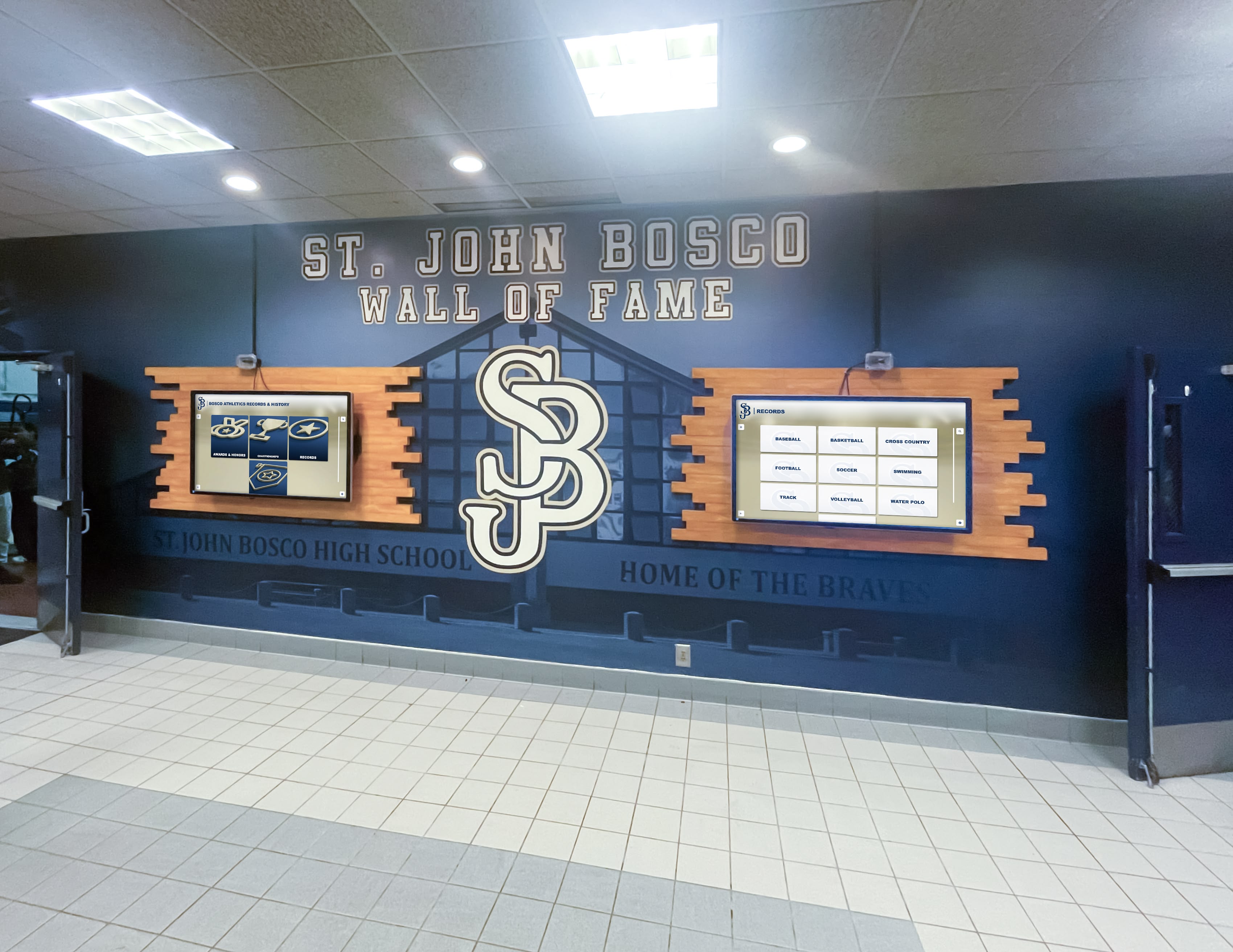
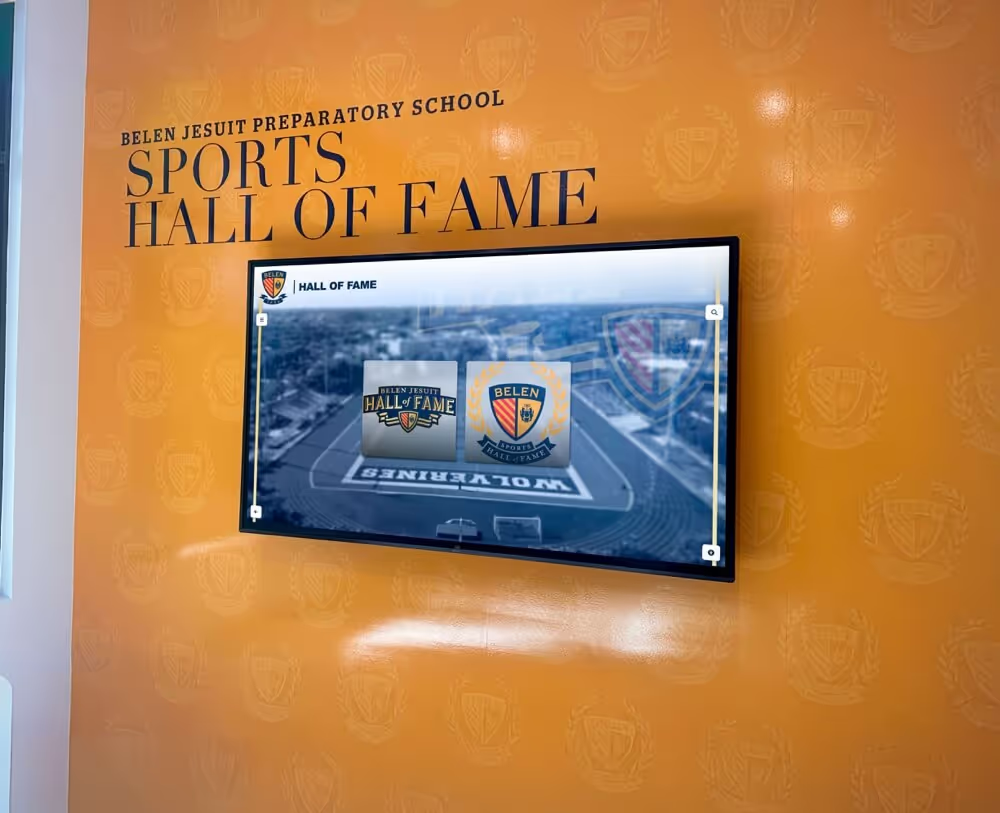
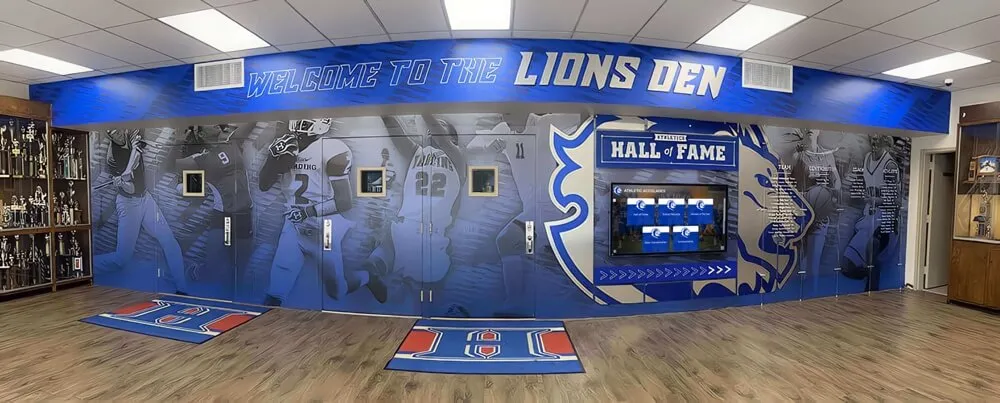
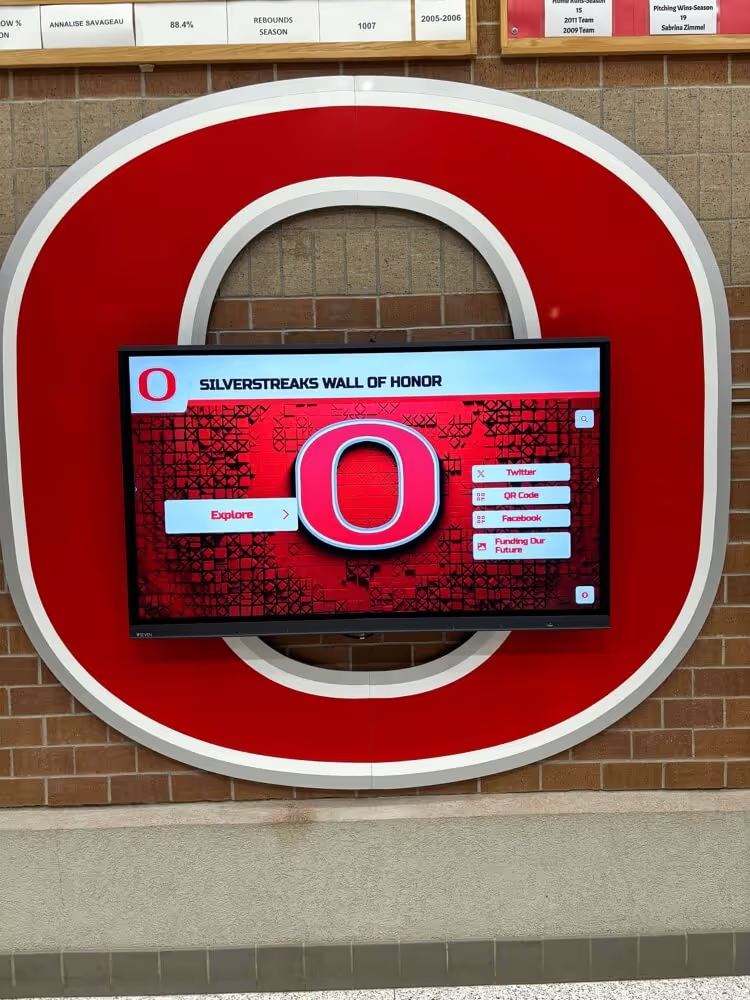
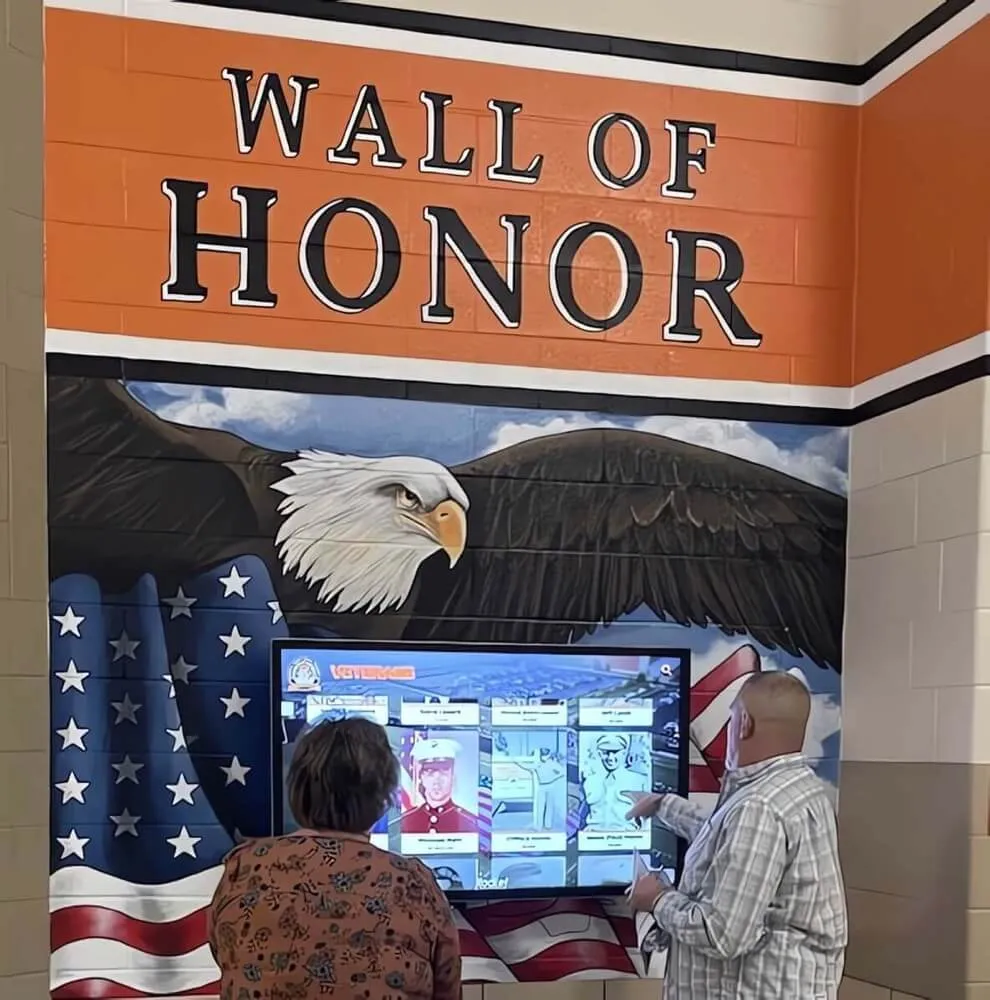
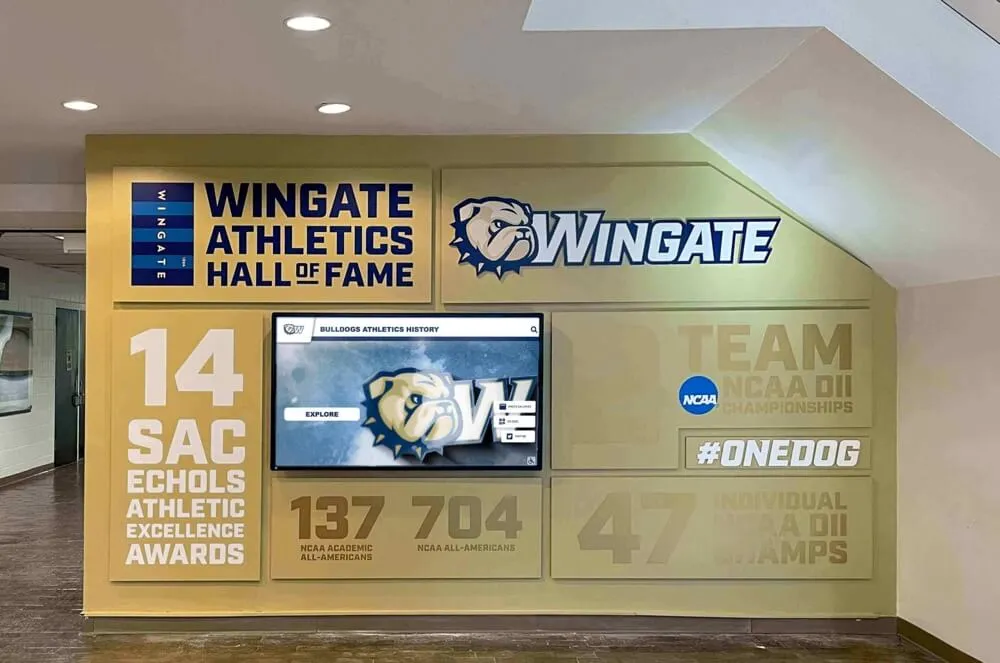
Professional installations integrate seamlessly with institutional environments
Hardware Reliability and Performance
Customer testimonials consistently mention hardware quality and reliability:
Display Quality and Performance
Organizations report satisfaction with touchscreen display quality including bright, clear screens visible in various lighting conditions, responsive touch interaction across screen areas, reliable continuous operation without failures, and attractive aesthetics enhancing institutional spaces.
This hardware quality stems from Rocket’s expertise specifying commercial-grade components appropriate for continuous public use rather than consumer electronics inadequate for institutional deployment.
System Longevity and Durability
Schools and nonprofits note that Rocket-provided hardware maintains performance over years including reliable operation in high-traffic public areas, minimal maintenance requirements beyond routine cleaning, and durability withstanding student interaction and heavy public use.
This longevity justifies technology investments by delivering sustained value rather than requiring frequent replacement due to premature hardware failures.
Customer Success Responsiveness
The most frequent testimonial theme involves Customer Success team effectiveness:
Rapid Problem Resolution
Customers consistently report quick response and resolution when issues arise including prompt acknowledgment of support requests, rapid diagnosis and troubleshooting, quick replacement of failed hardware when needed, and thorough follow-up ensuring complete resolution.
This responsiveness contrasts sharply with frustrating experiences when fragmented vendor relationships create slow, incomplete problem resolution as organizations navigate multiple support channels.
Knowledgeable Technical Support
Organizations appreciate Customer Success expertise including comprehensive knowledge across hardware and software, ability to diagnose complex issues involving multiple components, clear communication explaining problems and solutions, and practical recommendations optimizing system performance.
This expertise reflects Rocket’s full-stack approach ensuring Customer Success teams understand complete system architecture rather than isolated software functions.
Proactive Relationship Management
Beyond reactive support, customers note proactive Customer Success engagement including periodic check-ins ensuring satisfaction, suggestions for content and feature optimization, advance notification of updates or maintenance, and genuine partnership approach to customer success.
This relationship focus creates customer confidence that Rocket remains invested in long-term system effectiveness beyond initial sale completion.
Organizations implementing interactive recognition technology requiring reliable support consistently identify vendor responsiveness and expertise as critical factors distinguishing successful deployments from frustrating experiences.
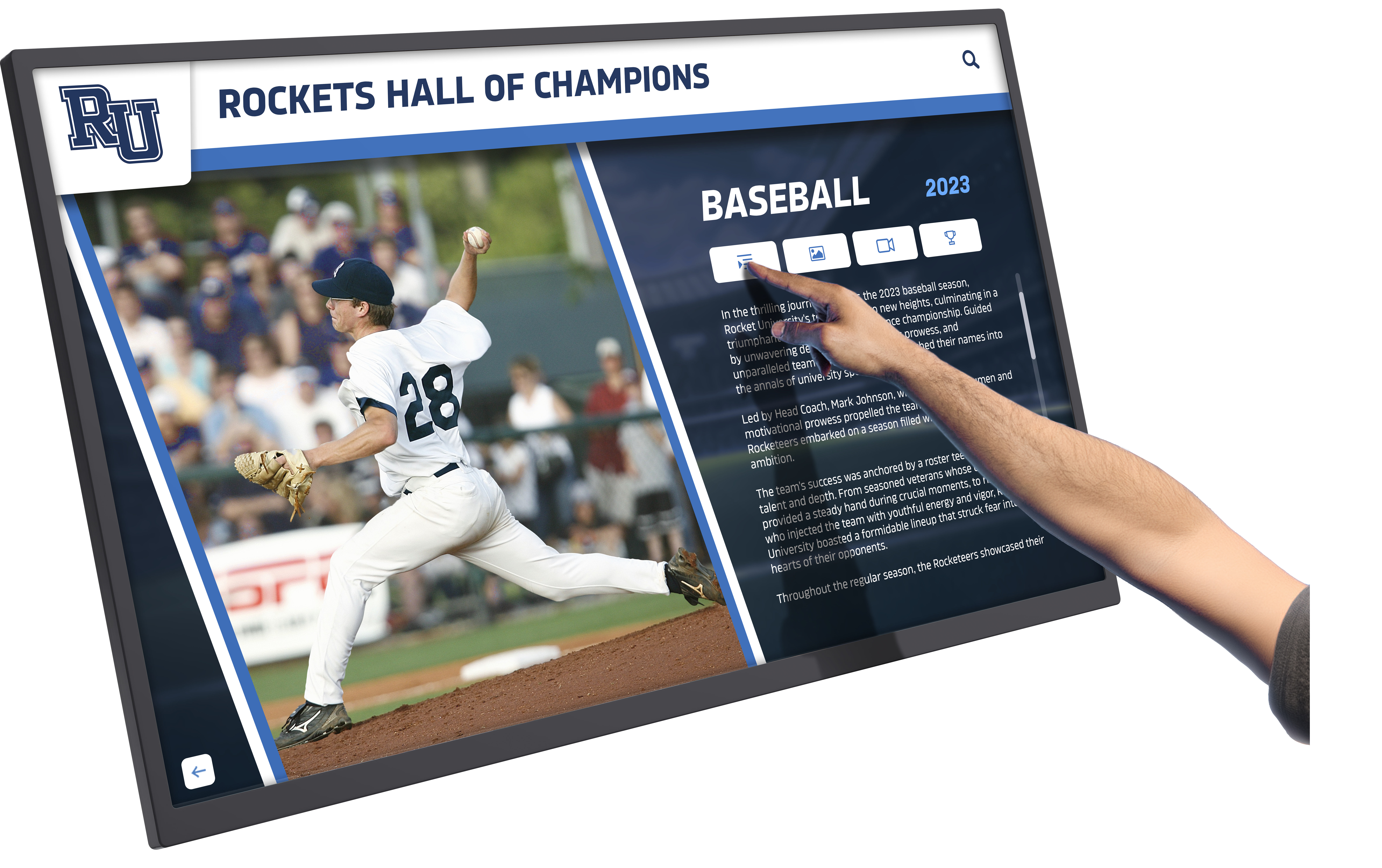
Responsive Customer Success support ensures organizations receive help when needed
Comparing Full-Stack vs. Software-Only Vendor Approaches
Understanding differences between integrated and fragmented vendor models helps organizations make informed technology decisions:
Procurement and Implementation Comparison
Software-Only Vendor Experience
Organizations purchasing from software-only providers typically face separate hardware procurement requiring independent research and sourcing, compatibility verification ensuring hardware meets software requirements, coordination of multiple shipments and installation schedules, and assembly of complete system from disparate components.
This approach demands organizational technical expertise and project management capability that small schools, nonprofits, and organizations with limited IT resources may lack.
Rocket Full-Stack Experience
Rocket customers receive single-source procurement including complete system specification based on needs assessment, coordinated hardware and software delivery, professional installation management, and turnkey operational system at handoff.
This streamlined approach minimizes organizational burden while ensuring professional implementation standards.
Support and Maintenance Comparison
Software-Only Vendor Support Limitations
Traditional vendors typically provide software support only including help with content management and administrative functions, bug fixes and feature enhancement, and training on software use.
When hardware problems occur—displays failing, touchscreens malfunctioning, computers crashing—customers must contact hardware vendors directly, navigate warranty processes independently, and determine whether problems originate in hardware or software without vendor coordination.
Rocket Comprehensive Support
Customer Success provides unified support for all issues including hardware troubleshooting and replacement, software bug resolution and feature assistance, integration issues spanning components, and user experience optimization.
This comprehensive support eliminates customer burden determining which vendor to contact and coordinating between multiple support organizations.
Long-Term Relationship Comparison
Software-Only Ongoing Relationship
Organizations with fragmented vendor relationships maintain separate connections including software vendor for platform support and updates, hardware manufacturers for warranty and repair, installation contractors for physical service needs, and network providers for connectivity issues.
This complexity creates organizational overhead managing multiple relationships and contracts while increasing risk of gaps in support coverage.
Rocket Integrated Partnership
Customer Success serves as single ongoing relationship for all technology aspects including proactive system monitoring and optimization, coordinated updates and maintenance, comprehensive problem resolution, and strategic consultation on recognition program evolution.
This unified partnership simplifies organizational management while ensuring consistent support quality across all system aspects.
Organizations evaluating digital recognition technology options should carefully consider whether vendor approaches provide integrated hardware-software expertise and unified support versus software-only models requiring customers to coordinate multiple technical relationships.
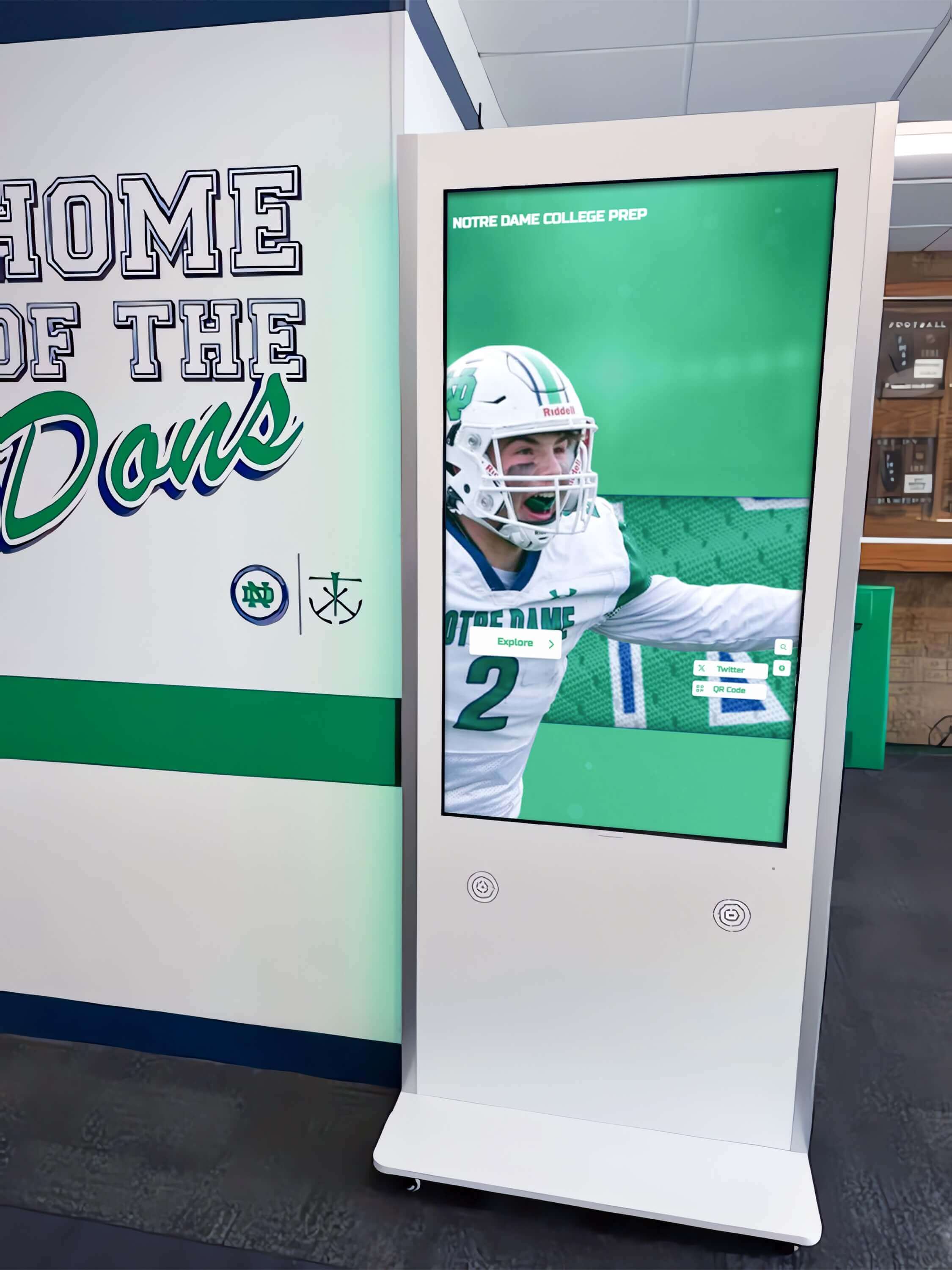
Integrated solutions eliminate complexity of coordinating separate hardware and software vendors
Common Concerns Addressed: Rocket’s Hardware Responsibility Model
Organizations considering Rocket Alumni Solutions frequently ask questions about the integrated hardware approach:
“Don’t Software Companies Usually Avoid Hardware?”
Many technology companies focus exclusively on software to avoid hardware complexity, inventory, logistics, and support burden. Rocket’s decision to provide hardware reflects strategic commitment to customer success:
Customer-Centric Philosophy
Rocket recognizes that software excellence alone doesn’t guarantee successful recognition technology implementation. By providing complete systems, Rocket ensures compatibility, quality, and reliability while dramatically simplifying customer experience.
Competitive Differentiation
Full-stack capability differentiates Rocket from software-only competitors unable to provide integrated hardware-software solutions and comprehensive support. Organizations value working with single vendors accountable for complete system performance.
Technical Excellence
Maintaining hardware expertise alongside software development creates organizational knowledge enabling better software optimization for hardware capabilities, comprehensive troubleshooting across system boundaries, and innovation integrating hardware and software capabilities.
“What Happens When Hardware Fails?”
Hardware failures occur eventually across all electronic systems. Rocket’s approach ensures rapid resolution:
Failure Response Protocol
When customers report hardware problems, Customer Success immediately diagnoses issues remotely when possible, ships replacement hardware quickly when failures are confirmed, coordinates installation service when required, and verifies restored functionality.
This rapid response minimizes downtime and organizational disruption compared to customers navigating independent warranty claims with hardware manufacturers.
Warranty Management
While OEM manufacturer warranties may cover hardware components, Rocket manages all warranty interactions internally. Customers never contact manufacturers directly, submit warranty claims, or wait for manufacturer response—Customer Success handles all coordination and provides customers with replacement hardware immediately rather than after warranty claim approval.
This approach prioritizes customer uptime over warranty reimbursement processes, demonstrating Rocket’s accountability for system reliability.
“Is Integrated Hardware More Expensive?”
Organizations sometimes assume full-stack providers charge premiums compared to sourcing components independently:
Cost Comparison Reality
When accounting for all costs, Rocket’s integrated approach frequently proves more cost-effective including pre-tested systems avoiding compatibility problems, professional installation preventing costly remediation of poor self-installation, consolidated support reducing troubleshooting time and organizational overhead, and lower long-term maintenance costs through quality hardware and proactive monitoring.
Organizations lacking technical expertise to specify and coordinate quality hardware often encounter hidden costs through poor component selection, problematic installation, and fragmented support consuming staff time and creating operational disruption.
Value Beyond Cost
Even when initial costs equal or slightly exceed self-sourced options, integrated value includes reduced organizational risk through vendor accountability, simplified procurement and project management, professional quality standards, and responsive comprehensive support.
For schools, nonprofits, and organizations valuing reliable technology over lowest initial cost, integrated approaches deliver superior long-term value.
Organizations implementing institutional recognition displays should evaluate total cost of ownership including procurement complexity, installation quality, support effectiveness, and operational risk rather than comparing initial purchase prices alone.
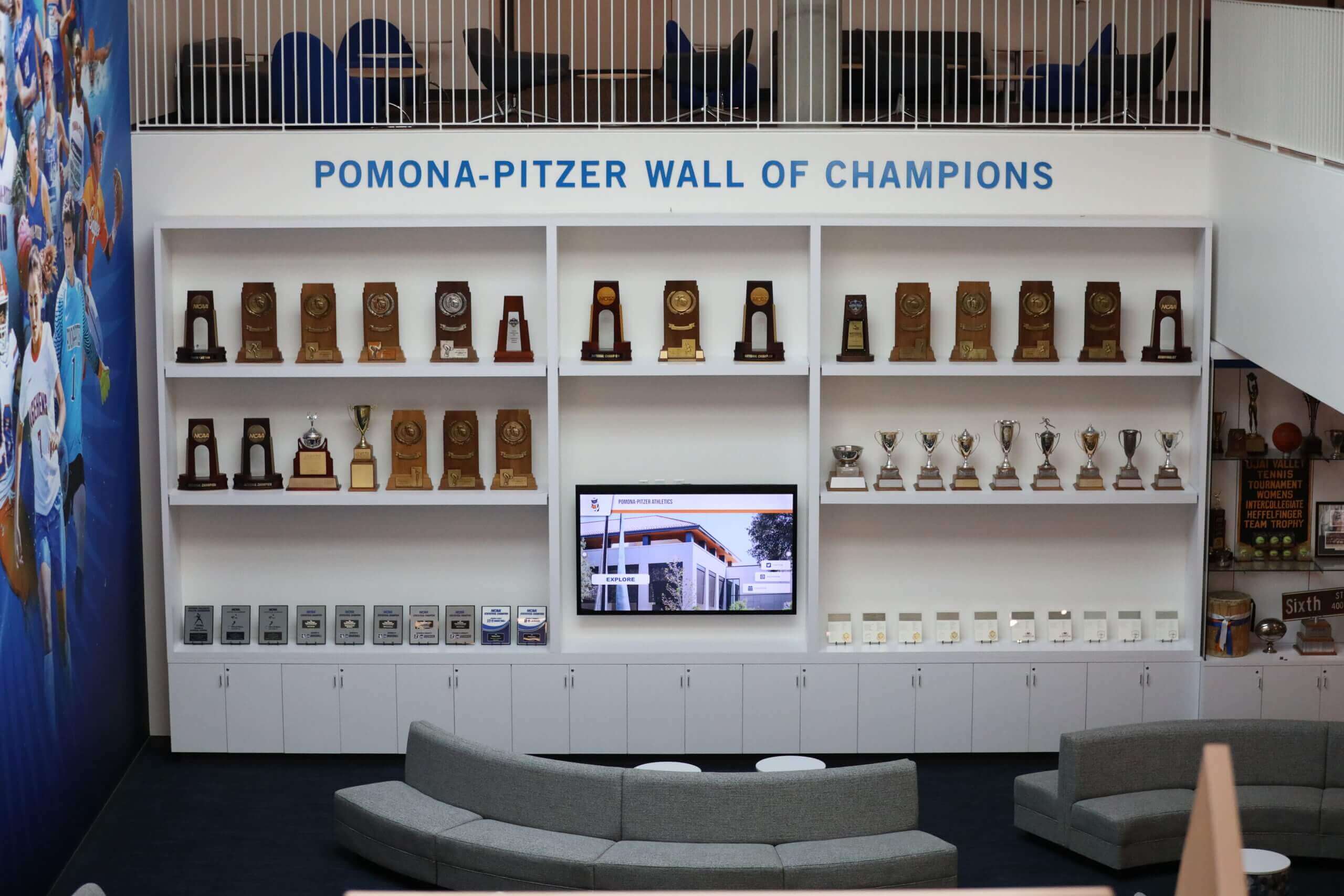
Quality hardware and comprehensive support deliver long-term value beyond initial cost considerations
Key Advantages of Rocket’s Hardware-Software Integration
Organizations choosing Rocket Alumni Solutions gain specific benefits from integrated approach:
Simplified Vendor Management
Single Point of Contact
Customer Success handles all technology aspects eliminating need to coordinate multiple vendors, maintain separate support relationships, or determine which organization to contact for different issue types.
This simplification particularly benefits schools and nonprofits with limited administrative capacity for technology vendor management.
Accountability and Ownership
Clear Responsibility
Rocket maintains responsibility for complete system performance including hardware functionality, software capabilities, integration between components, and overall user experience.
This accountability eliminates finger-pointing between vendors when problems span hardware-software boundaries, ensuring customers receive resolution rather than excuses.
Optimized Performance
Integrated System Design
Hardware specified for software requirements and software optimized for hardware capabilities creates system performance exceeding what customers achieve assembling separate components independently.
This optimization delivers better user experiences with smooth touch interaction, fast content loading, and reliable operation.
Reduced Organizational Risk
Professional Standards
Rocket’s expertise ensures installations meet commercial quality standards, hardware selection appropriate for use contexts, configuration optimized for reliability, and support responsive to organizational needs.
Organizations lacking internal technical expertise gain confidence that technology investments will deliver intended value rather than creating ongoing problems consuming staff time and budget.
Long-Term Partnership
Sustained Support
Customer Success relationship extends throughout technology lifecycle including proactive monitoring preventing problems, rapid response when issues arise, optimization recommendations improving effectiveness, and strategic consultation on recognition program evolution.
This partnership approach contrasts with transactional vendor relationships ending after initial sale, creating sustainable technology investments serving organizations for many years.
Implementation Best Practices: Maximizing Rocket’s Full-Stack Support
Organizations can optimize experiences working with Rocket Alumni Solutions through systematic implementation approaches:
Pre-Implementation Planning
Thorough Needs Assessment
Work with Rocket to evaluate organizational requirements including recognition program goals and content plans, physical installation locations and environmental conditions, expected user interaction patterns and traffic, existing infrastructure and technical capabilities, and budget parameters and timeline expectations.
Comprehensive planning enables Rocket to specify optimal hardware solutions and coordinate successful implementation.
Stakeholder Engagement
Involve key constituencies in planning including development or advancement staff managing recognition content, facilities management coordinating installation and infrastructure, IT staff ensuring network integration when appropriate, and executive leadership establishing strategic priorities.
Broad engagement ensures implementation meets diverse organizational needs while building internal support for technology investment.
Installation Coordination
Site Preparation
Complete recommended preparation before installation including electrical infrastructure for power requirements, network connectivity for content delivery, mounting surface evaluation and reinforcement if needed, and access coordination for installation contractors.
Proper preparation enables smooth installation execution without unexpected complications or delays.
Quality Verification
Participate in installation review with Rocket team confirming mounting security and aesthetics, touchscreen responsiveness and calibration, content loading and display quality, administrative access and functionality, and user experience meeting expectations.
Thorough verification ensures any issues are addressed before installation completion rather than discovered later requiring service visits.
Ongoing Relationship Management
Regular Administrative Review
Schedule periodic check-ins with Customer Success discussing system performance and satisfaction, content strategy and optimization opportunities, user feedback and experience observations, and future plans or expansion considerations.
Proactive communication maintains effective partnership and enables Rocket to provide maximum value through relationship duration.
Prompt Issue Reporting
Contact Customer Success immediately when problems arise rather than attempting prolonged internal troubleshooting, clearly describe observed symptoms and circumstances, and follow recommended diagnostic steps when requested.
Early reporting enables faster resolution while detailed information helps Customer Success diagnose problems efficiently.
Relationship Investment
Treat Rocket as strategic partner rather than transactional vendor through transparent communication about organizational needs and changes, feedback on support quality and service improvement opportunities, and recognition of excellent service when received.
Strong vendor relationships create mutual commitment to success, often resulting in enhanced support and service.
Organizations implementing touchscreen recognition displays with comprehensive vendor support maximize technology value through effective vendor relationships built on clear communication and shared commitment to success.
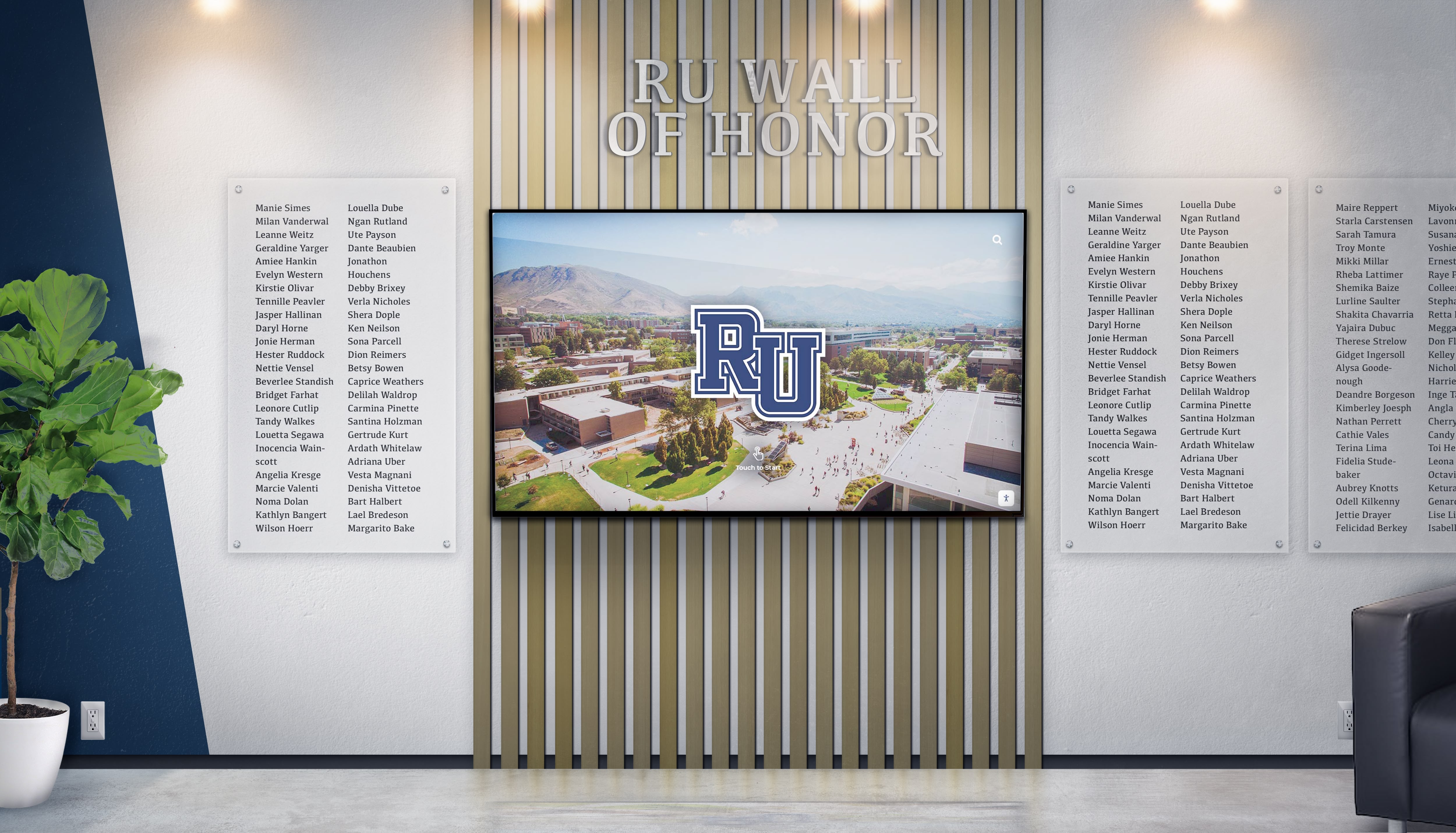
Effective implementation and vendor relationships ensure recognition technology delivers sustained value
Conclusion: Full-Stack Excellence Creates Customer Success
Rocket Alumni Solutions’ comprehensive approach to hardware provisioning, expert installation, and unified Customer Success support fundamentally differentiates the organization from software-only recognition technology providers. By maintaining responsibility for complete kiosk stacks rather than offloading hardware complexity to customers, Rocket eliminates the fragmented vendor relationships that create frustration when problems arise requiring coordination between multiple support organizations.
The consistent customer testimonials highlighting Rocket’s hardware quality, installation expertise, and Customer Success responsiveness demonstrate that integrated approaches create superior experiences compared to software-only models requiring organizations to coordinate separate hardware procurement, manage independent installation contractors, and navigate multiple support relationships. When issues occur—and they eventually occur with all technology—single-point-of-contact support through Customer Success teams that triage, coordinate, and own outcomes ensures rapid resolution maintaining system uptime and organizational confidence.
Experience Full-Stack Recognition Technology Support
Discover how Rocket Alumni Solutions' integrated hardware provisioning, expert installation, and comprehensive Customer Success creates reliable touchscreen kiosk systems backed by single-vendor accountability for complete performance—not just software.
Book a demoKey Differentiators of Rocket’s Full-Stack Approach
Organizations evaluating recognition technology providers should prioritize vendors offering comprehensive hardware provisioning eliminating procurement complexity, expert installation management ensuring professional quality, unified Customer Success providing single-point support, accountability for complete system performance across components, responsive problem resolution maintaining uptime and reliability, and sustained partnership throughout technology lifecycle.
Strategic Technology Investment Considerations
Recognition displays represent significant organizational investments justifying careful vendor selection. Prioritize providers demonstrating integrated hardware-software expertise, proven installation quality and project management, responsive support maintaining system reliability, customer testimonials confirming service excellence, and long-term commitment to customer success beyond initial sales.
The Value of Vendor Accountability
Technology vendors truly committed to customer success maintain responsibility for outcomes rather than isolated components. Rocket Alumni Solutions demonstrates this accountability through comprehensive hardware provisioning, professional installation coordination, and Customer Success teams owning complete system performance—creating customer experiences fundamentally different from software-only providers directing customers to third parties when hardware problems arise.
Your recognition technology should honor community contributions, celebrate achievements, and strengthen organizational culture through reliable systems supported by vendors invested in your success. With Rocket’s full-stack approach combining quality hardware, expert implementation, and responsive Customer Success, organizations gain recognition displays that deliver sustained value through years of reliable operation backed by comprehensive vendor support.
Ready to explore recognition technology backed by integrated hardware expertise and unified support? Talk to our team about implementing touchscreen kiosk systems supported by Rocket’s full-stack approach ensuring reliable performance and comprehensive Customer Success accountability.