



SAP Arena—known affectionately as “The Shark Tank”—has served as the home of the San Jose Sharks since 1993, establishing itself as one of the NHL’s most iconic and intimidating venues. Over three decades, this arena has witnessed legendary moments, celebrated championship runs, and honored exceptional athletes who’ve worn the teal and black. As professional sports venues increasingly embrace modern technology to enhance fan experiences and celebrate franchise heritage, interactive touchscreen displays from solutions like Rocket Alumni Solutions offer revolutionary opportunities to preserve history, engage visitors, and create immersive recognition experiences that traditional static plaques and trophy cases simply cannot match.
The evolution of sports recognition technology reflects broader cultural shifts in how we consume information, interact with history, and connect emotionally with athletic achievement. Modern fans expect digital experiences throughout their daily lives—from smartphones to interactive workplace displays. Professional arenas that implement sophisticated recognition technology meet these expectations while honoring the past through cutting-edge methods that enhance rather than replace traditional appreciation. When properly implemented, digital recognition systems transform from simple information delivery mechanisms into powerful storytelling platforms that celebrate unlimited achievements, enable personalized exploration, and create lasting connections between venues, teams, and the communities they serve.
Whether documenting franchise legends like Patrick Marleau and Joe Thornton, celebrating playoff victories that defined eras, preserving milestone moments that became hockey history, or recognizing the passionate fans who’ve made SAP Arena legendary across more than 30 years, interactive recognition displays create experiences worthy of the excellence they celebrate. Solutions like Rocket Alumni Solutions provide the technology, content management capabilities, and professional implementation expertise that enable venues to create world-class recognition programs honoring heritage while inspiring future generations.
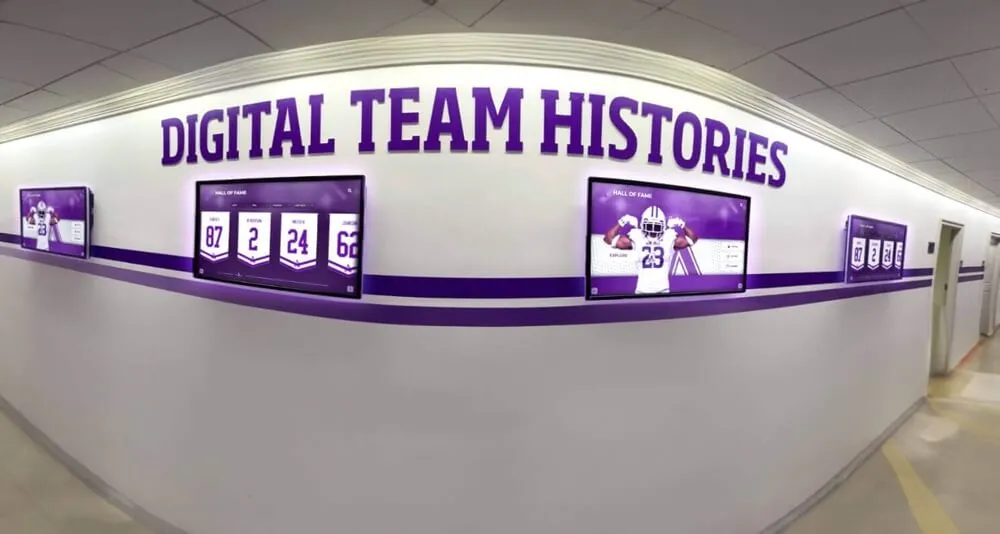
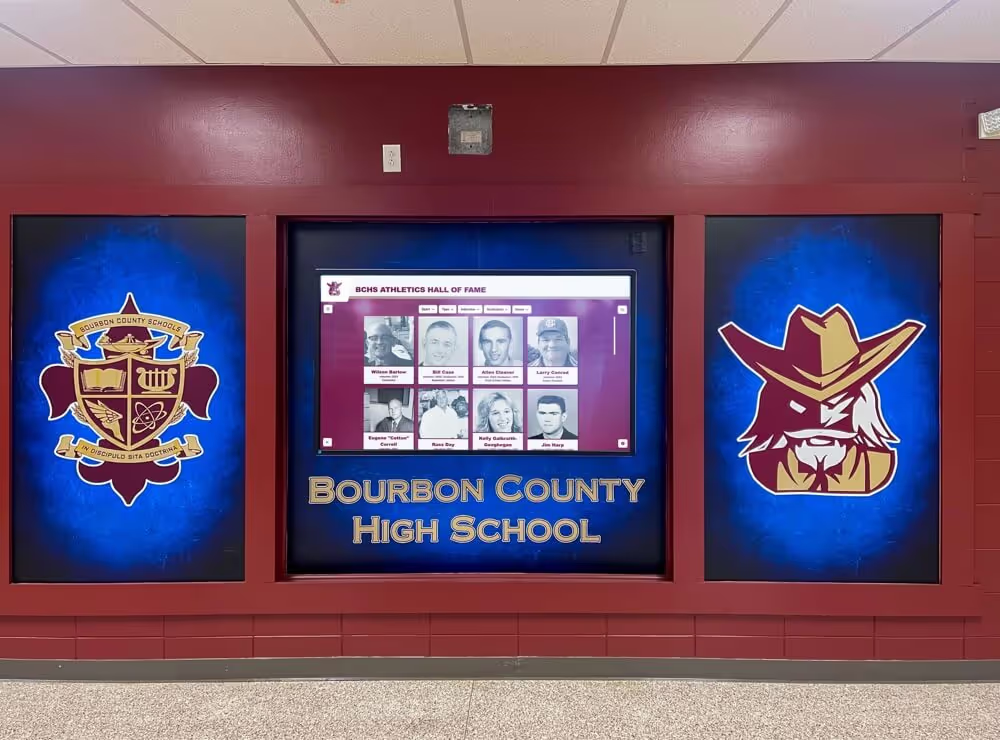
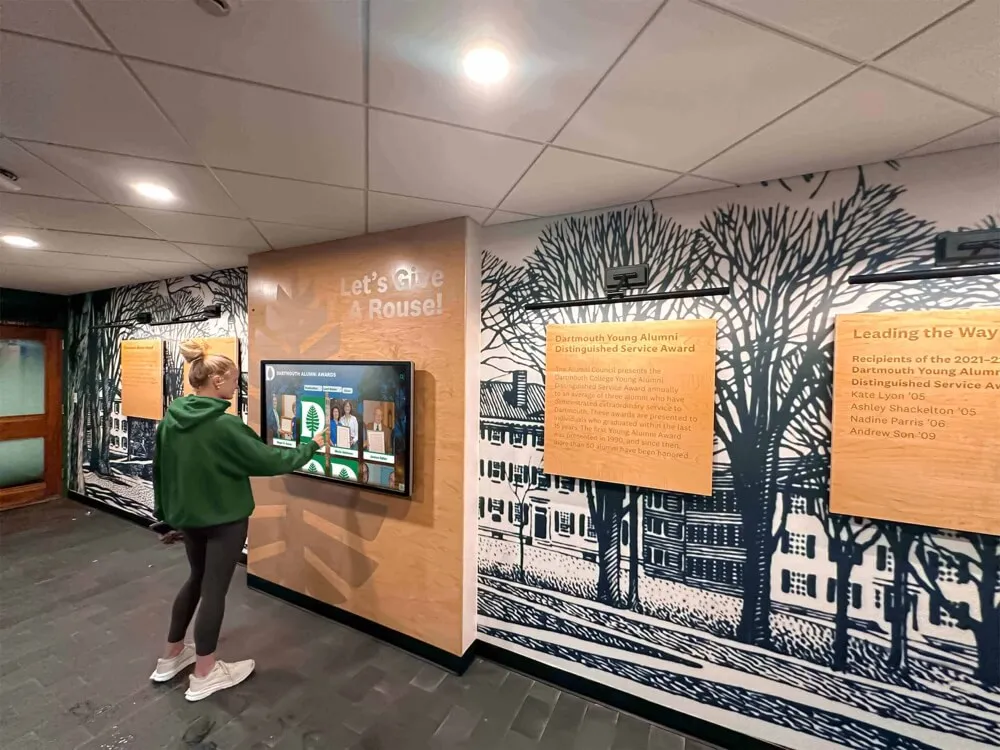
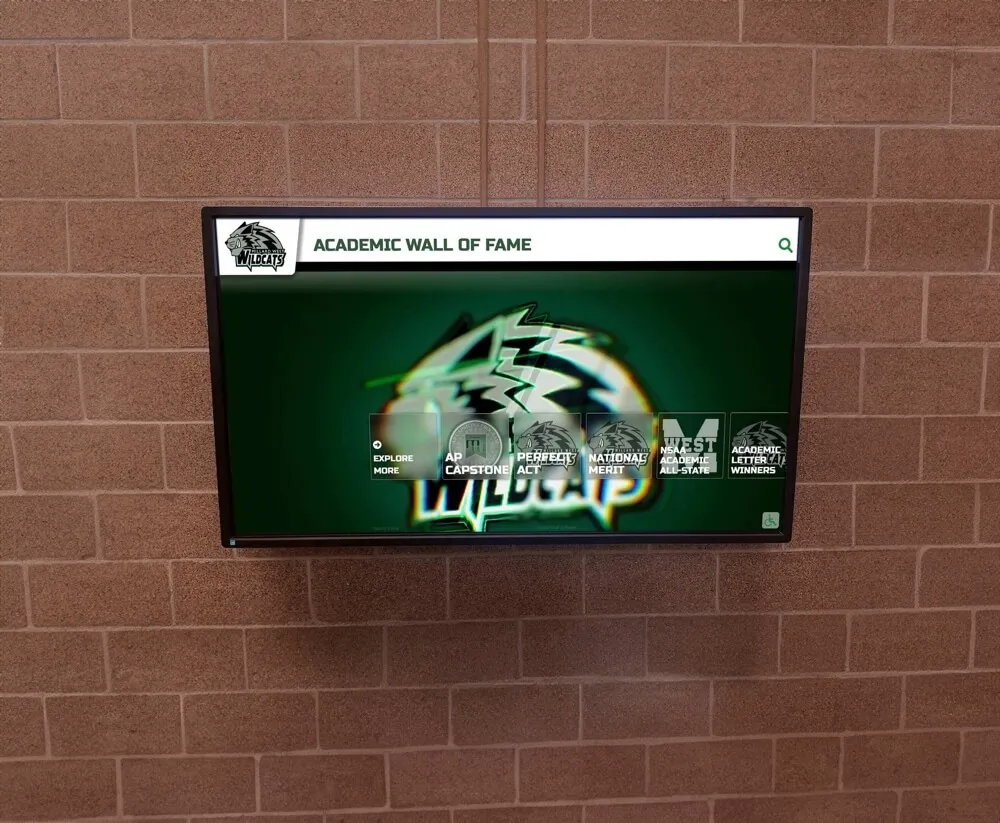
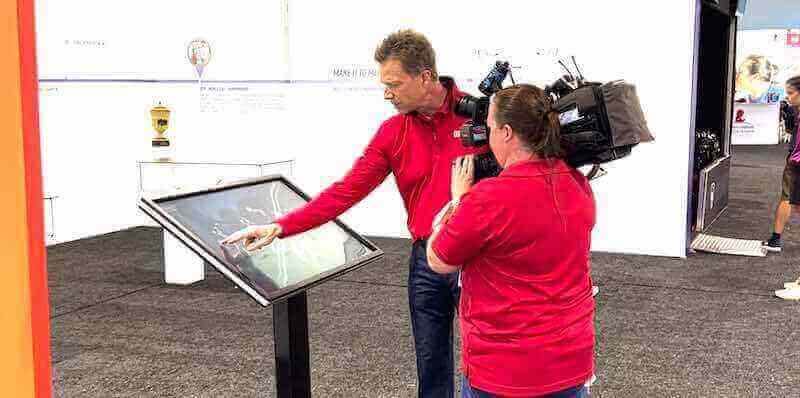
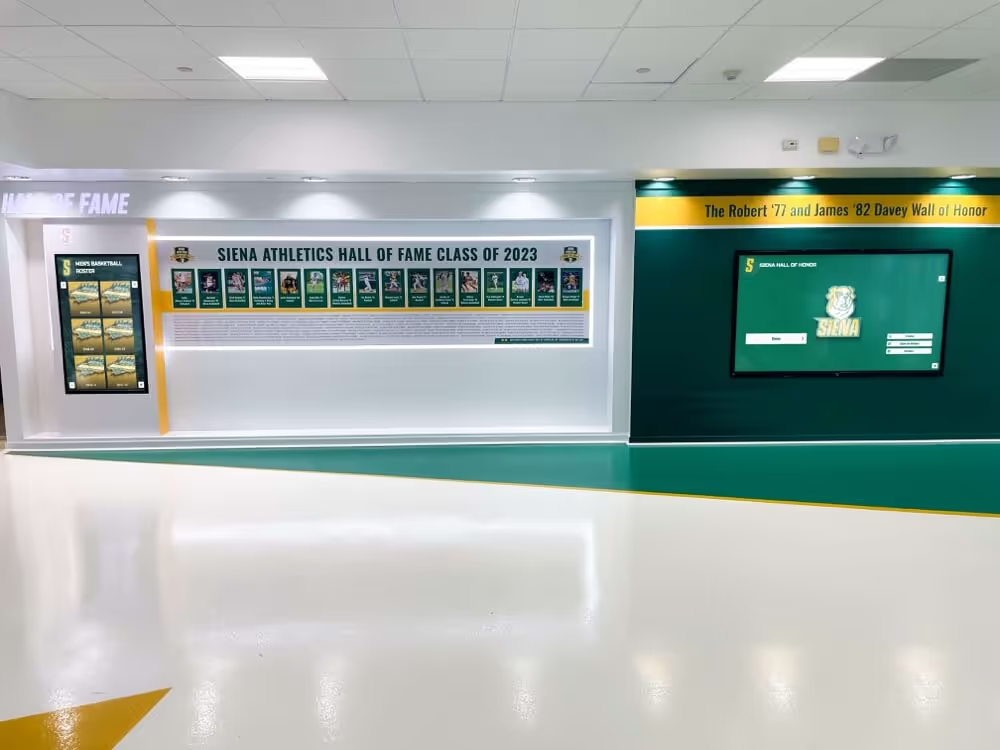
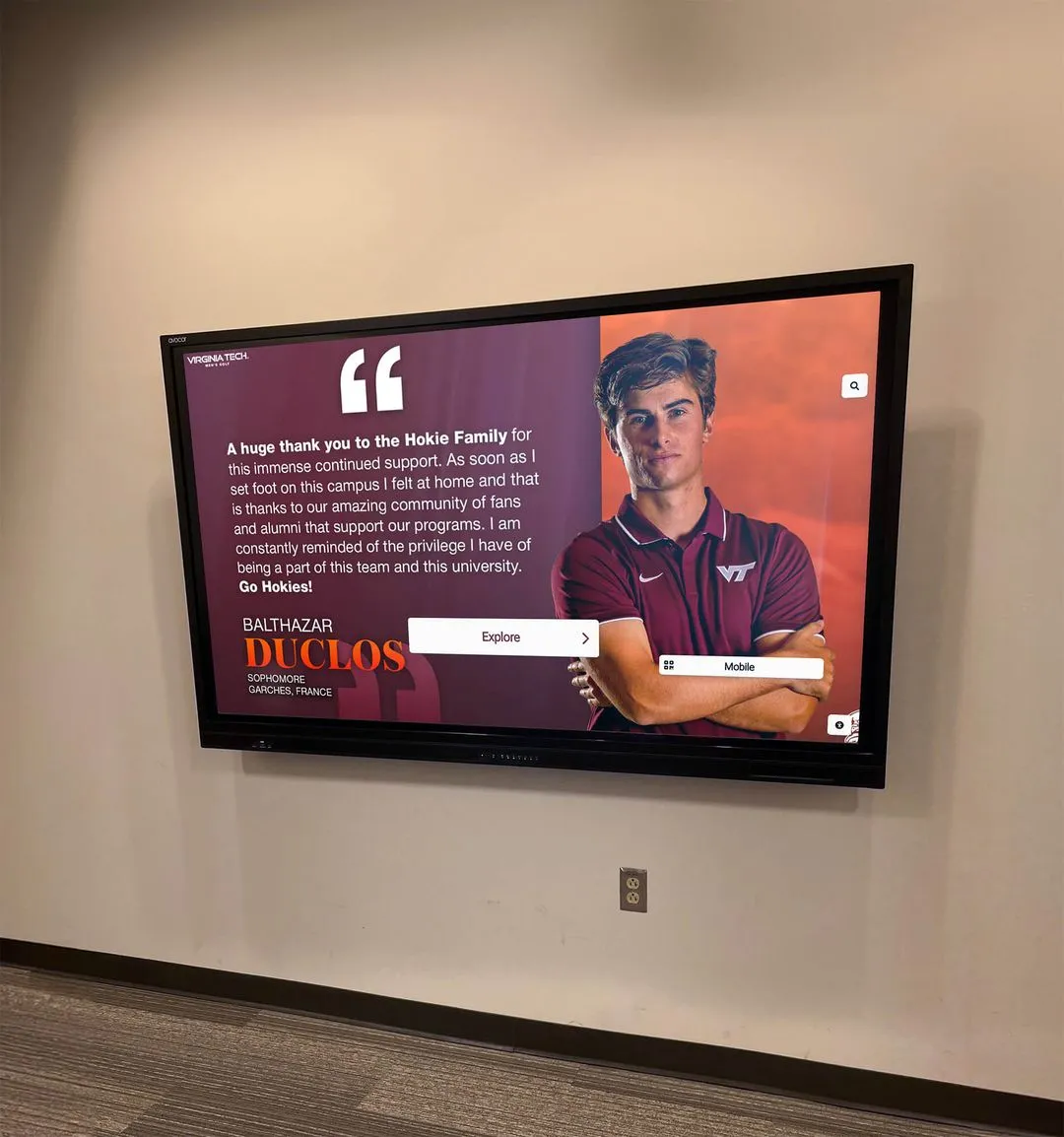
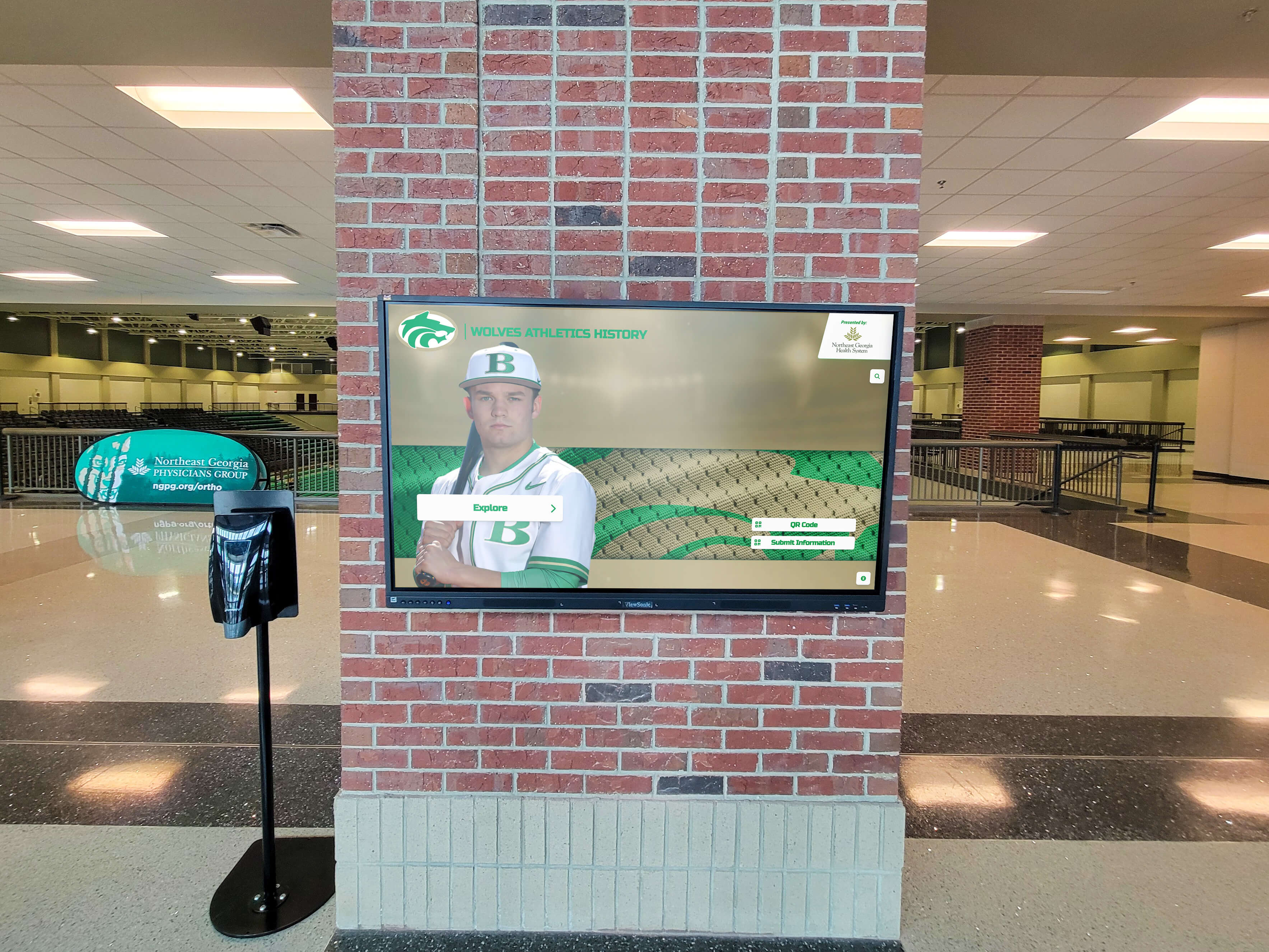
Modern digital displays transform how professional sports venues celebrate athletic achievement and franchise history
SAP Arena: The Shark Tank’s Legacy of Excellence
Understanding SAP Arena’s unique significance within professional hockey and the San Jose community helps frame why innovative recognition technology serves this venue so effectively.
From Opening Night to Hockey Landmark
SAP Arena opened its doors in September 1993, becoming home to the expansion San Jose Sharks in just their second NHL season. According to the San Jose Arena Authority, since opening, SAP Arena has proudly welcomed more than 50 million guests through its doors, the most of any South Bay facility, serving as a gathering place providing more than thirty years of entertainment for the city and its residents.
Architectural Evolution: The arena has undergone continuous improvements while maintaining its distinctive character. In September 2022, according to multiple venue reports, a new center-hung system from Daktronics that doubled the surface of the old video display system was debuted ahead of the 2022-23 NHL season, with four main LED displays measuring approximately 23 feet high by 41 feet wide. The 14 newly installed displays total more than 9,300 square feet of surface area, demonstrating organizational commitment to cutting-edge fan experience technology.
Long-Term Commitment: In August 2025, the Sharks signed an extension keeping them at the arena until 2051, with several upgrades planned totaling $425 million. This long-term commitment creates perfect opportunities for comprehensive heritage recognition systems that will serve generations of fans across decades of continued excellence.
Community Centerpiece: Beyond hockey, SAP Arena functions as a regional entertainment hub hosting concerts, family shows, and sporting events. This diverse programming expands recognition opportunities beyond Sharks history alone, enabling celebration of the venue’s broader cultural impact on Silicon Valley and the greater San Jose community.
The Sharks Franchise: Building Hockey Tradition
The San Jose Sharks have authored a compelling franchise story across more than three decades of NHL competition, creating rich content for comprehensive recognition programming.
Franchise Development: As an expansion team beginning play in 1991, the Sharks quickly exceeded expectations. Their rapid development from expansion franchise to playoff contender created memorable moments and established passionate fan connections. The team’s sustained competitive excellence—including numerous playoff appearances and a Stanley Cup Final appearance—provides decades of achievement deserving proper documentation and celebration.
Legendary Players: The Sharks have produced and attracted exceptional talent across their history. Patrick Marleau holds franchise records in games played, goals, and points accumulated during his remarkable tenure (1997-2017, 2019-2020). Joe Thornton transformed the franchise upon his 2005 arrival, bringing Hart Trophy-winning excellence and establishing San Jose as an elite offensive force. Other franchise icons including Owen Nolan, Evgeni Nabokov, Brent Burns, Logan Couture, and Joe Pavelski each contributed significantly to Sharks excellence across different eras, with each deserving recognition celebrating their specific achievements and memorable contributions.
Historic Moments: From Owen Nolan’s legendary called shot during the 1997 All-Star Game held at SAP Arena, to dramatic playoff series victories, to individual milestone achievements, the Sharks have authored countless moments deserving preservation through engaging multimedia presentation impossible with traditional recognition methods.
Learn more about comprehensive sports recognition through digital hall of fame touchscreen technology designed specifically for professional athletic venues.
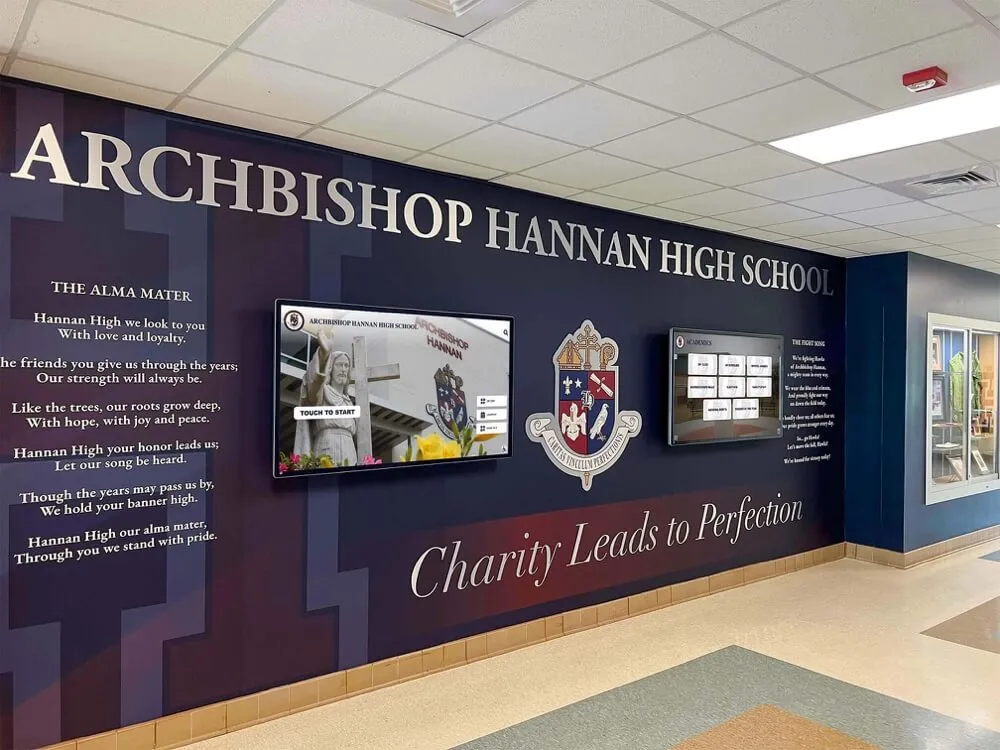
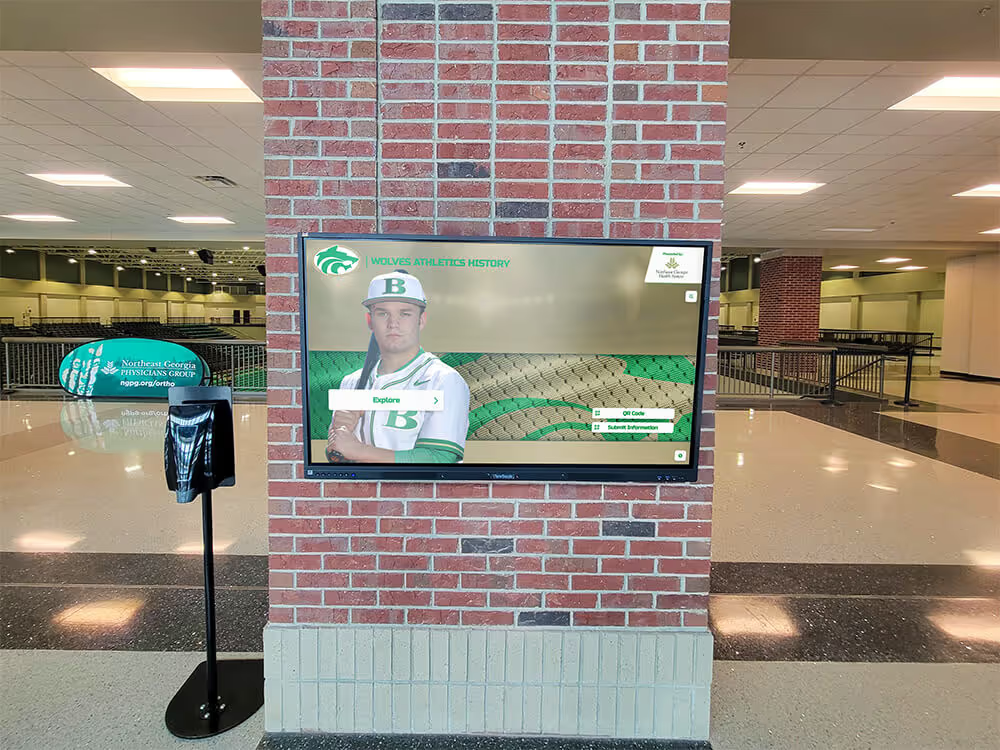
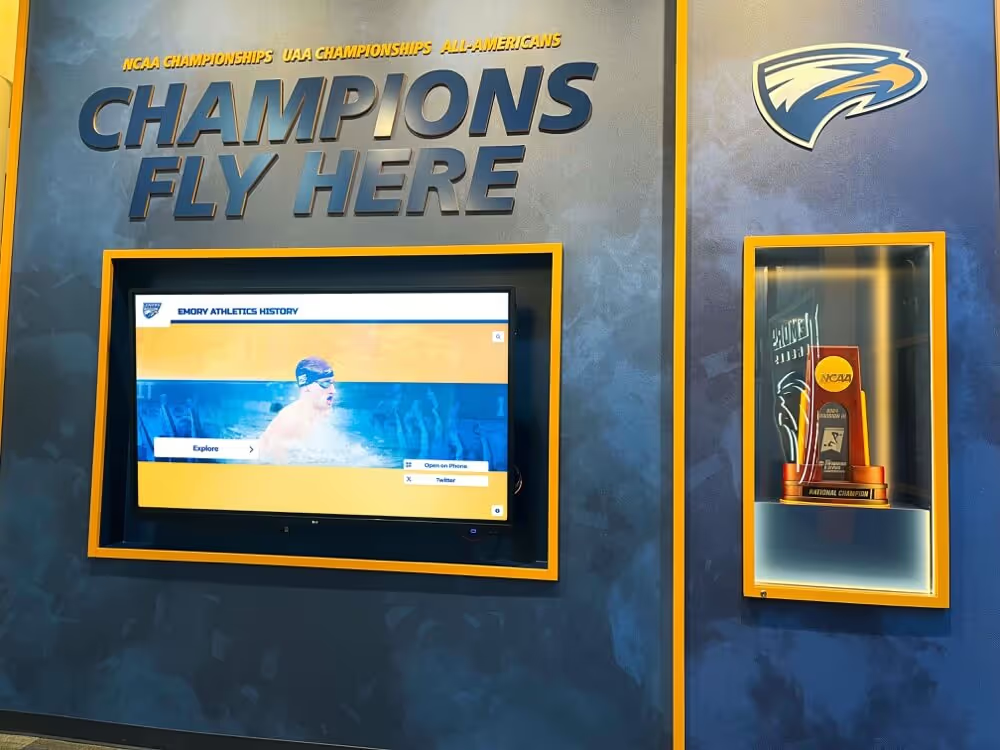
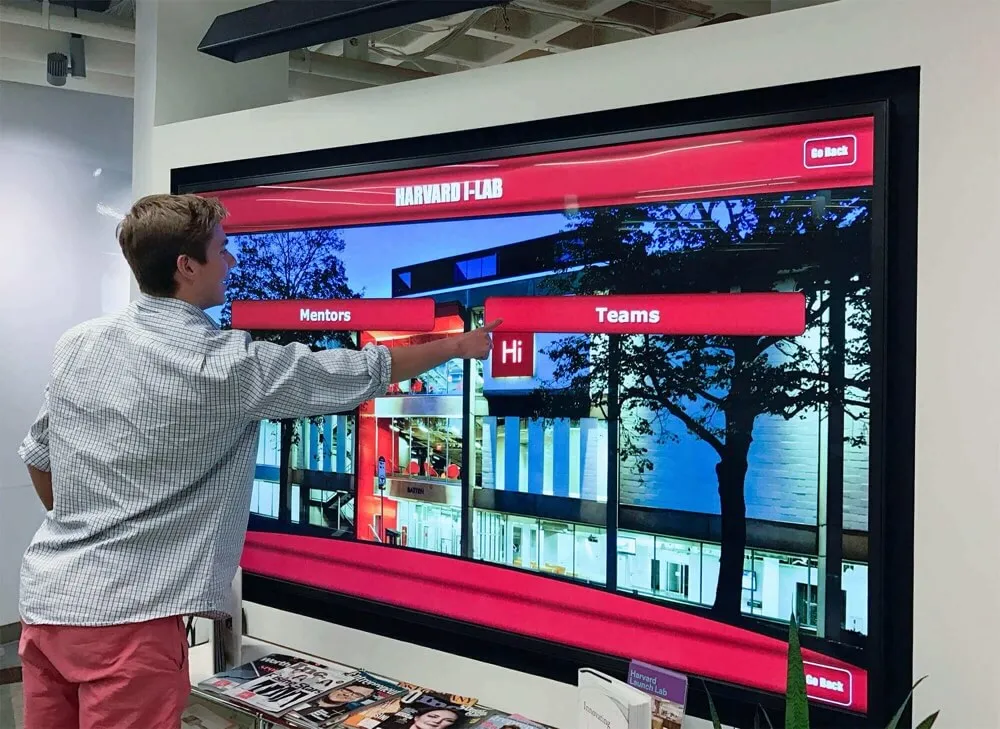
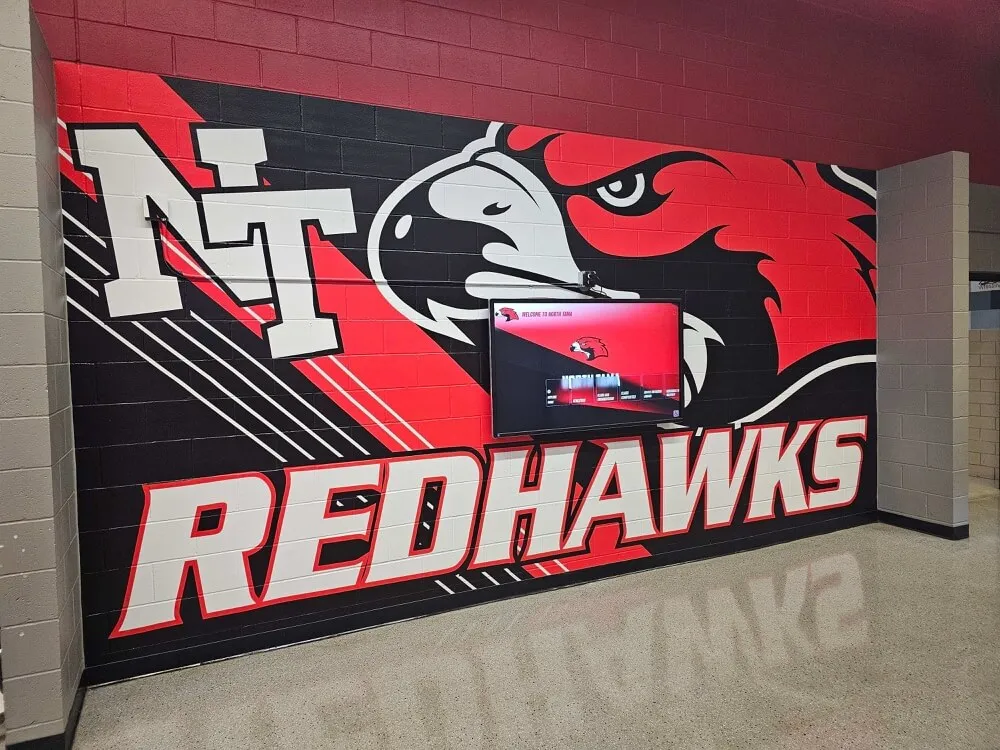
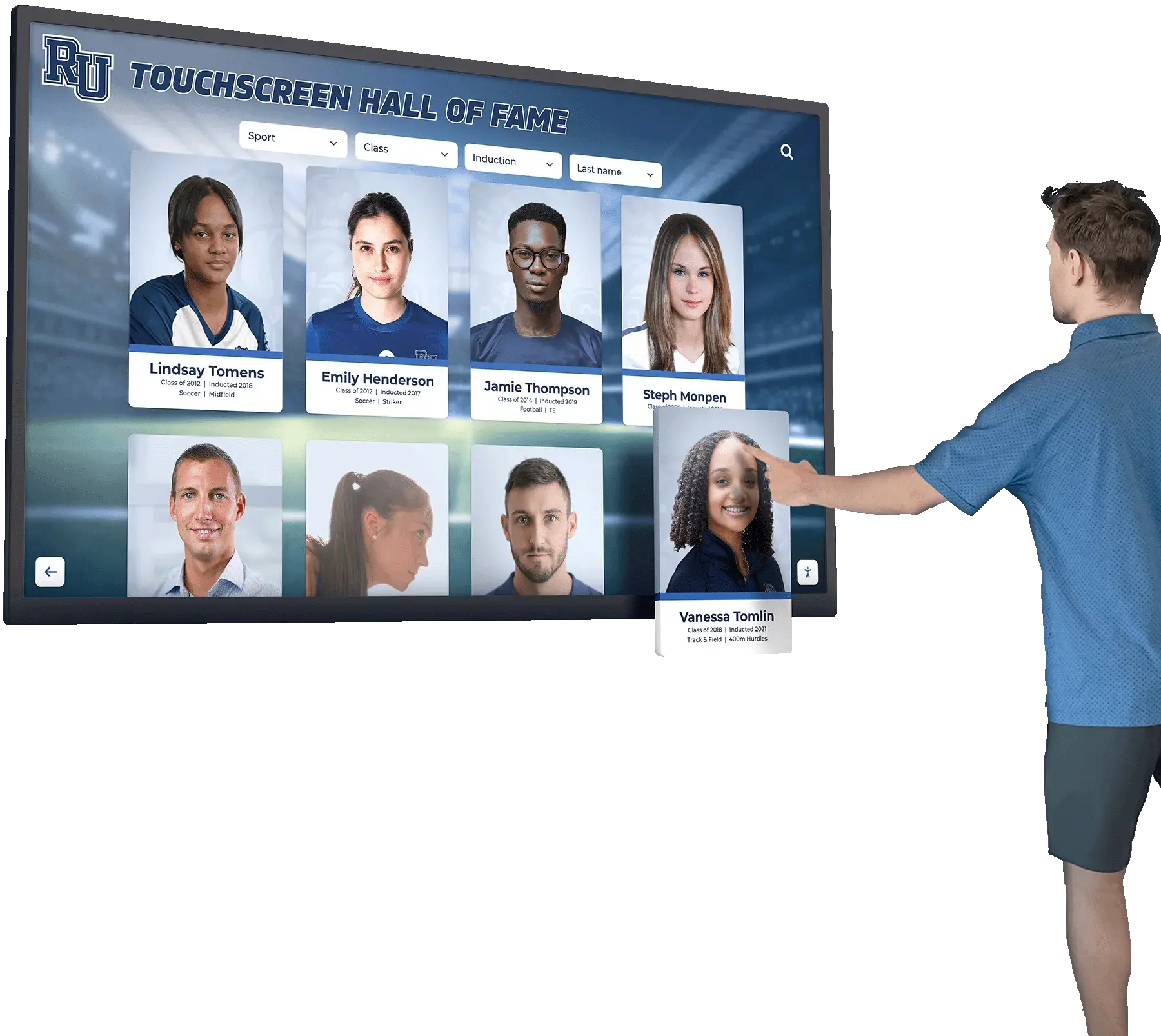
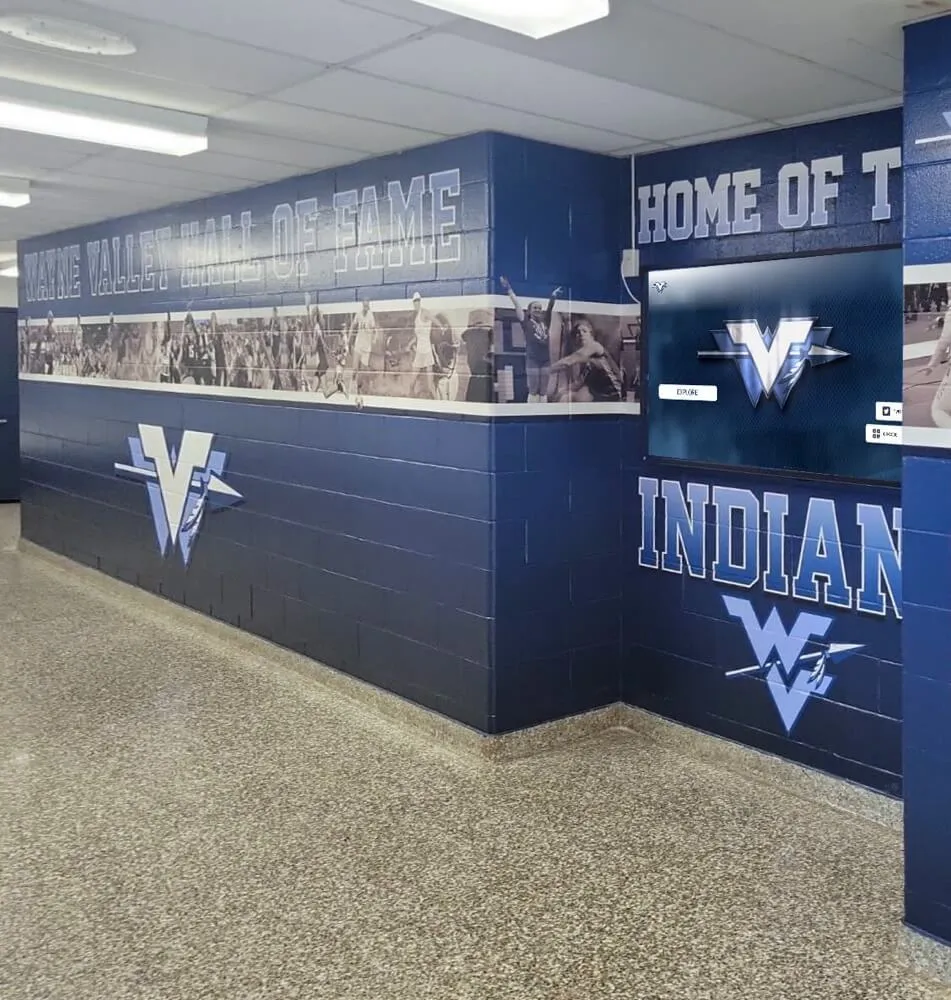
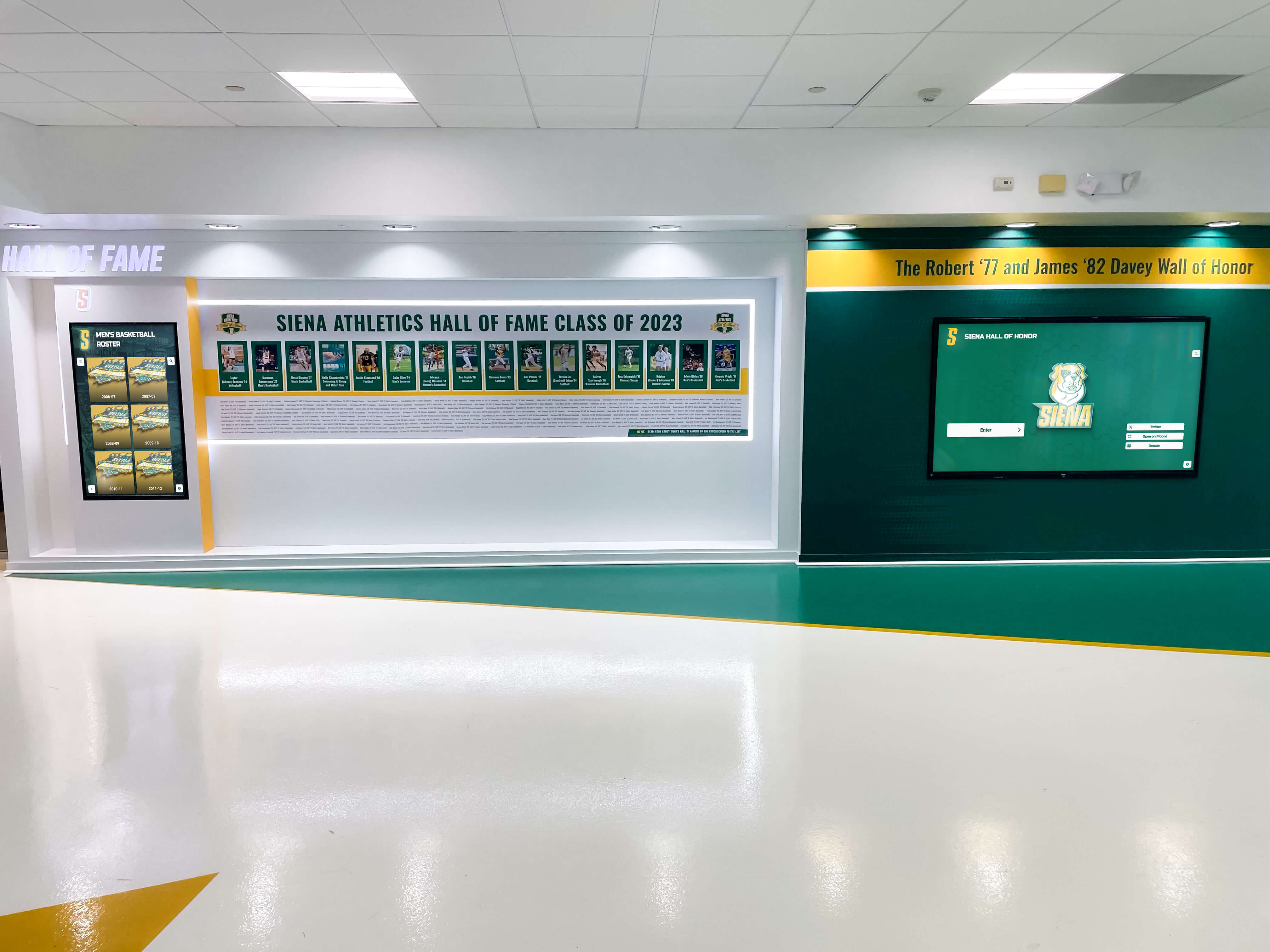
Interactive kiosks enable fans to explore comprehensive player profiles, career statistics, and franchise achievements
Why Professional Arenas Need Digital Recognition Technology
Modern recognition requirements and fan expectations make interactive touchscreen displays increasingly essential for professional sports venues creating meaningful heritage celebration.
Traditional Recognition Limitations
Physical trophy cases, retired jersey displays, and static plaques face inherent constraints that limit their effectiveness for comprehensive franchise celebration:
Physical Space Constraints: Traditional displays accommodate finite items before filling completely. Even in large arenas, wall space and trophy case capacity eventually limit what can be recognized prominently. A franchise with 30+ years of history like the Sharks generates far more achievement-worthy content than physical displays can accommodate, forcing difficult decisions about which accomplishments merit permanent visibility while equally impressive achievements remain hidden in storage.
Static Information Without Storytelling Depth: Engraved plaques provide basic information—names, dates, statistics—but cannot convey compelling narratives behind achievements. The story of how Patrick Marleau developed from young prospect into franchise legend, the defining moments that shaped Joe Thornton’s career, or the emotional context of playoff victories remains untold through static text alone. Modern fans seek deeper connections through multimedia storytelling that brings history to life.
Update Challenges and Obsolescence: When current players achieve new milestones or franchise records fall, updating physical displays requires expensive fabrication, professional installation, and often complete redesign. This labor-intensive process means many displays become outdated, showing only initial information while subsequent achievements go unrecognized. Living franchises continuously create new history deserving timely recognition.
Limited Engagement Opportunities: Static displays offer passive viewing experiences only. Visitors read available information and move on. There’s no opportunity for personalized exploration, searching for favorite players, discovering connections between athletes and eras, or engaging interactively with content matching individual interests.
Interactive Display Advantages for Arena Contexts
Digital touchscreen technology enables recognition experiences appropriate for professional venues while addressing traditional limitations:
Unlimited Recognition Capacity: Interactive systems accommodate unlimited content—every significant player, all memorable moments, complete statistical records, comprehensive championship documentation—without consuming additional physical space beyond the display itself. A single touchscreen provides access to recognition that would require hundreds of square feet through conventional approaches. For venues like SAP Arena planning decades of future use, this unlimited capacity ensures recognition systems never become obsolete or require space-consuming expansion.
Rich Multimedia Storytelling: Digital platforms enable recognition depth impossible through static displays. High-resolution photography shows players in action and captures memorable moments. Video highlights bring legendary performances to life, preserving calls from iconic broadcasters. Statistical visualization creates understanding through graphics rather than overwhelming number tables. Biographical narratives document complete career arcs. This multimedia richness transforms simple acknowledgment into comprehensive storytelling that engages fans emotionally while informing them factually.
Instant Content Updates: Adding recognition for current player milestones requires simple web interface updates rather than physical fabrication and installation. Changes appear immediately without any physical modification to the venue. During active seasons, franchise milestones occur regularly—game-winning goals, point milestones, franchise records. Digital systems enable real-time recognition celebrating achievements as they occur, maintaining content currency that keeps recognition programs relevant.
Enhanced Fan Engagement: Interactive displays create active exploration rather than passive viewing. Visitors can search for favorite players, filter by position or era, compare statistical achievements, discover video highlights, and explore content matching personal interests. This personalized engagement creates deeper connections than static information presentation while increasing time spent exploring recognition content.
Explore comprehensive approaches to NHL digital recognition that demonstrate interactive technology applications in professional hockey contexts.
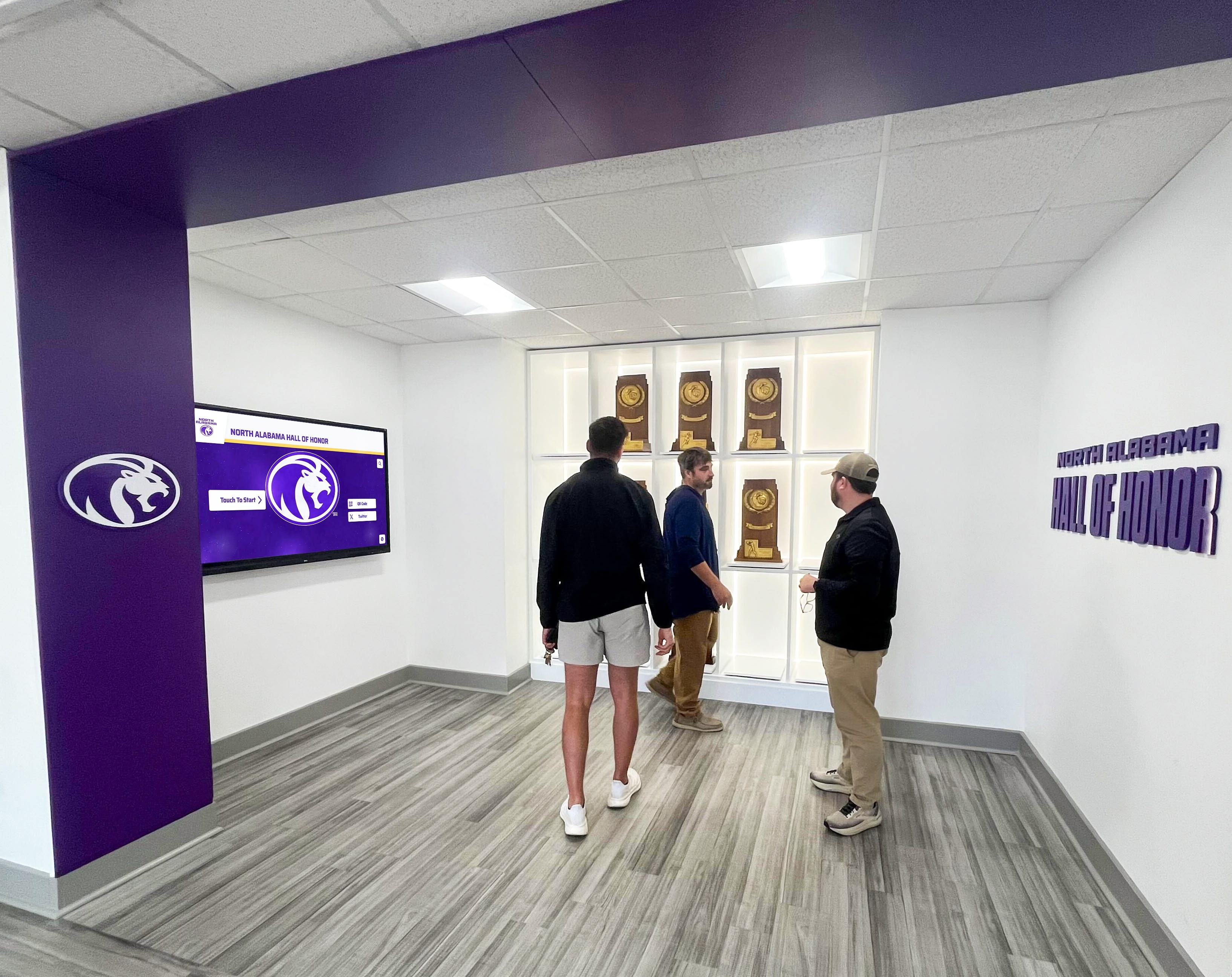
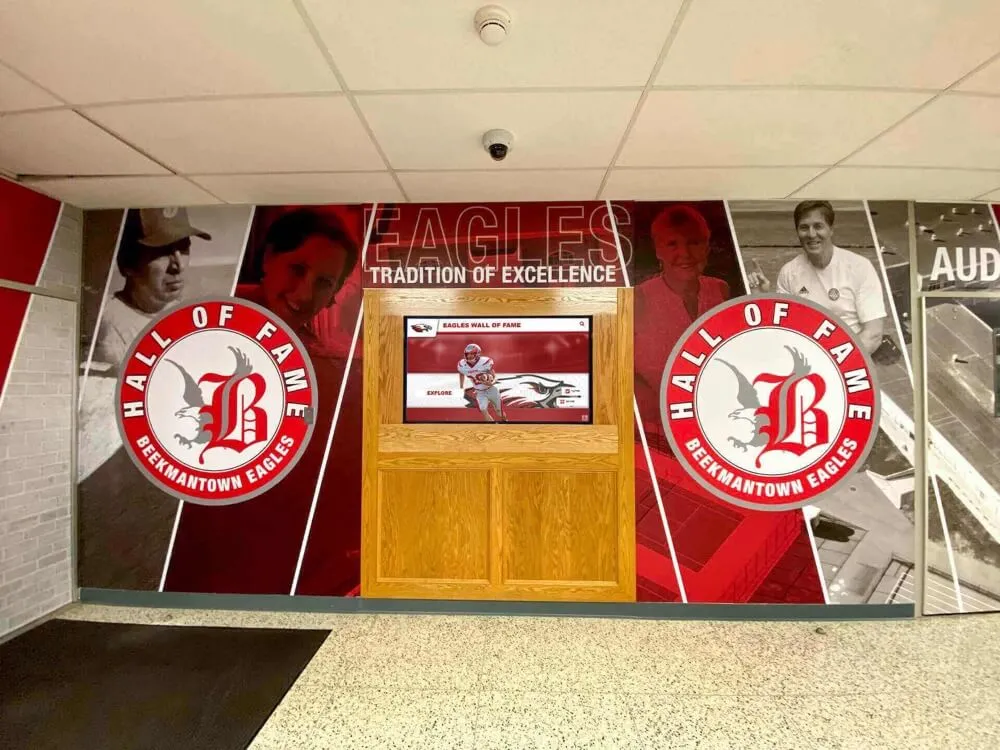
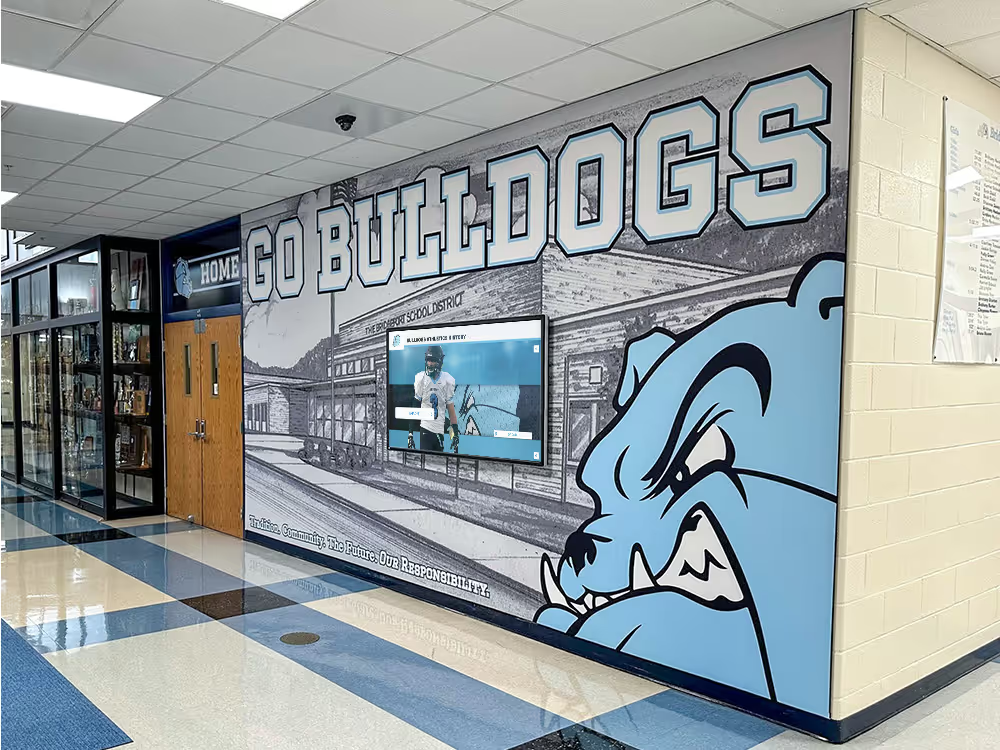
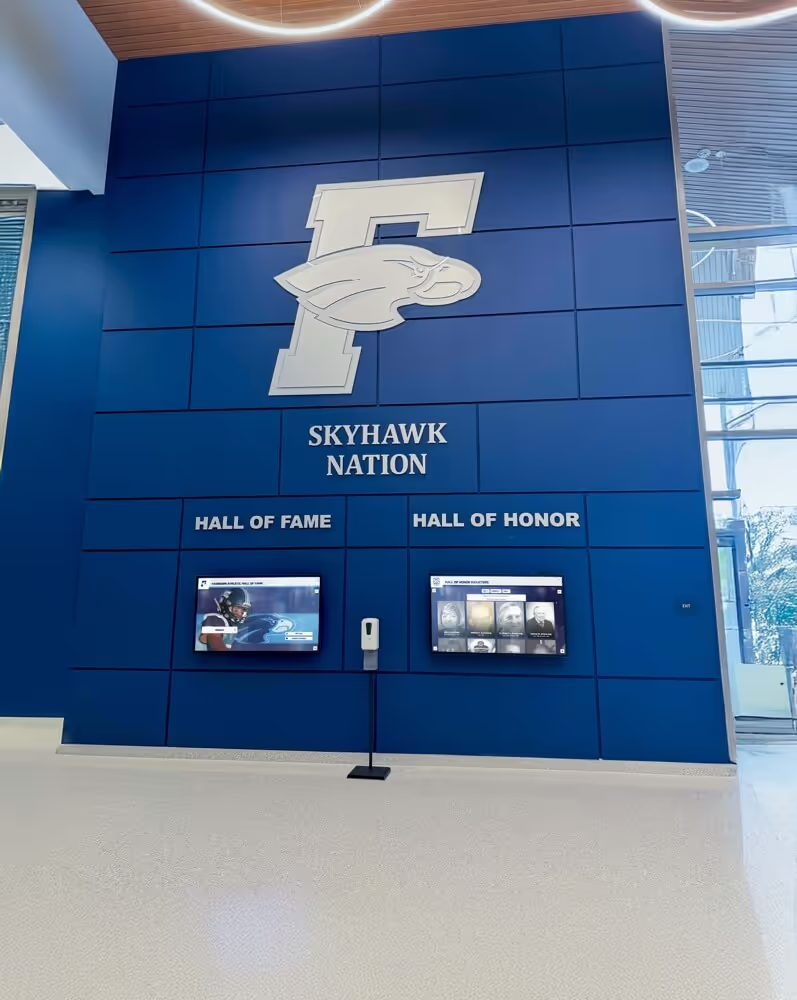
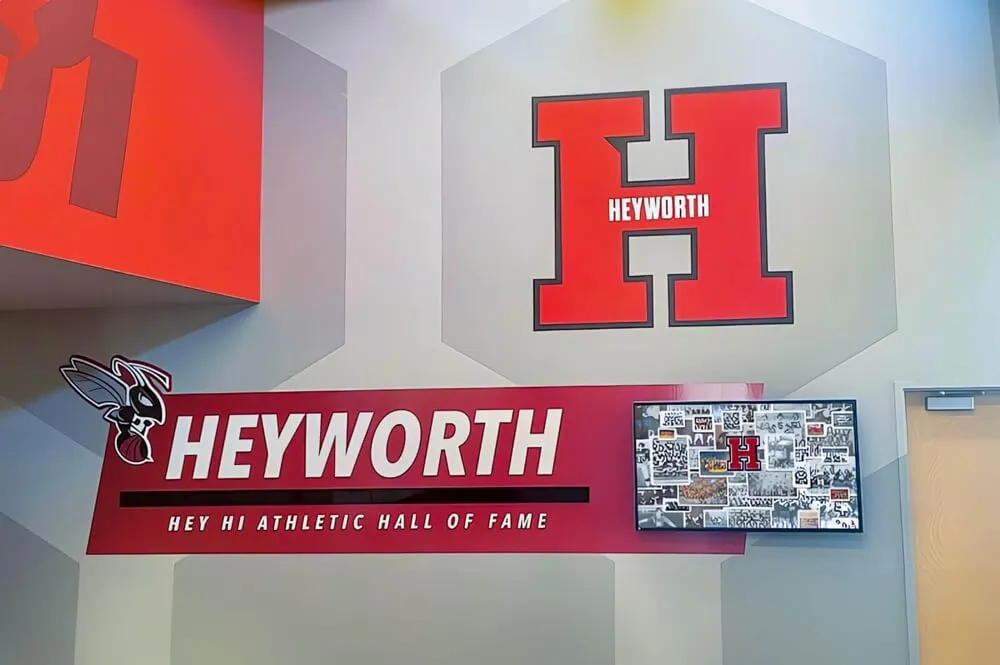
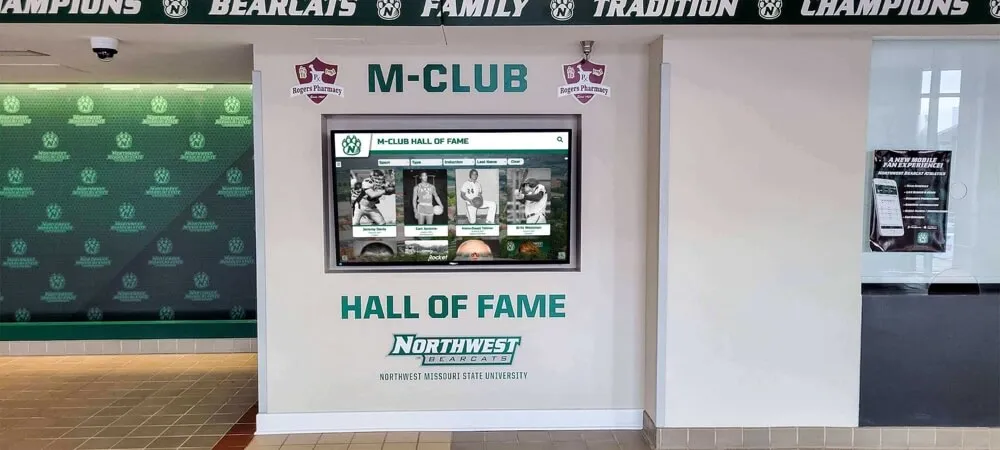
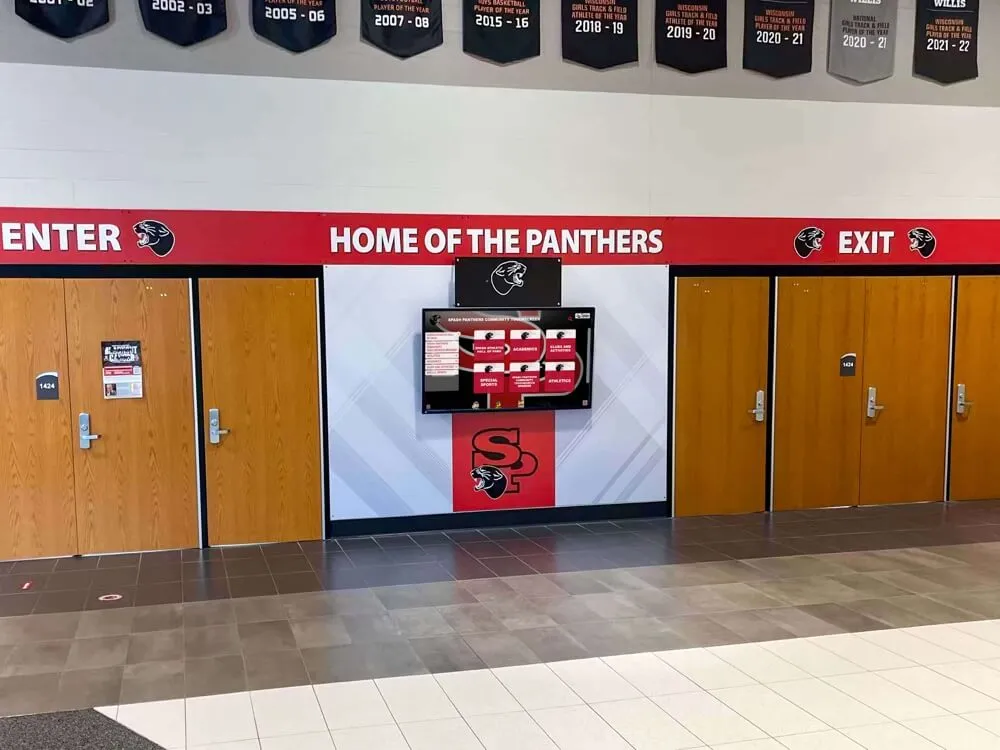
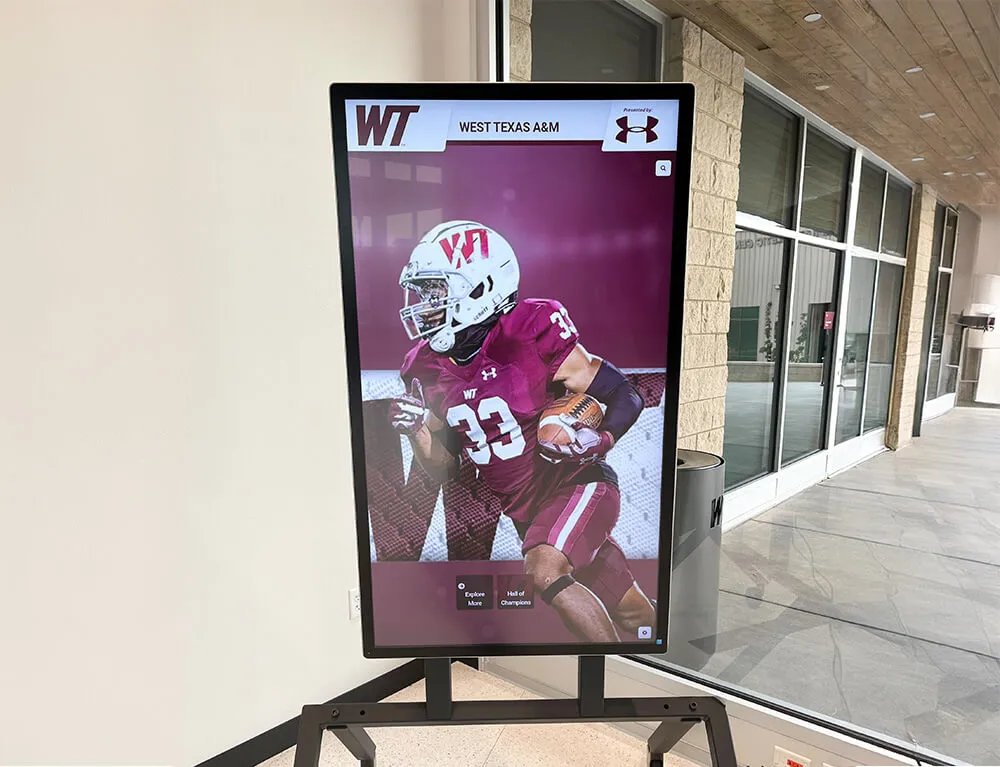
Strategic placement of digital recognition creates destinations that encourage exploration while celebrating franchise excellence
Content Opportunities for Sharks Recognition at SAP Arena
Comprehensive digital recognition systems enable celebrating diverse aspects of franchise history that traditional displays struggle to accommodate fully.
Player Profile Excellence
Interactive platforms transform basic player recognition into engaging comprehensive profiles that honor careers appropriately:
Complete Statistical Documentation: Beyond simple career totals, digital systems present season-by-season statistics showing performance evolution, milestone game documentation with game details and context, franchise record progression tracking how players climbed all-time lists, award recognition history celebrating achievements beyond statistics, and comparative analysis showing how players rank in franchise history. This depth provides context making achievements more meaningful to fans who may not have witnessed careers in real-time.
Multimedia Career Narratives: Player profiles benefit tremendously from video content including career highlight reels edited chronologically, memorable goal celebrations that defined personalities, playoff performance footage showing clutch moments, interview clips providing personal perspectives, and behind-the-scenes content revealing player character. Combined with high-quality photography from different career stages and professional biographical writing, these elements create rich recognition experiences honoring complete individuals rather than statistics alone.
Legacy and Impact Documentation: Effective recognition extends beyond playing career statistics. Profile content might include community involvement and charitable work, leadership contributions to team culture, mentorship of younger players documented through testimonials, fan favorite moments and personality traits, and post-playing career activities when appropriate. This comprehensive approach creates emotional connections celebrating players as community members beyond athletic performance alone.
Systems like Rocket Alumni Solutions provide platforms specifically designed for comprehensive athletic recognition, combining intuitive content management with professional display quality appropriate for venues serving millions of visitors.
Championship and Achievement Documentation
Team accomplishments, playoff runs, and season excellence deserve thorough documentation celebrating complete stories:
Season Journey Narratives: Rather than simply listing final records, comprehensive recognition documents complete season stories including regular season highlights showing how teams developed, key series and turning points that defined seasons, playoff documentation with game-by-game coverage, statistical leaders and milestone performances, and championship context within franchise history showing how each season built upon previous achievements.
Historic Moment Preservation: Every franchise has defining moments deserving preservation through engaging multimedia presentation. For the Sharks, comprehensive recognition might include Owen Nolan’s 1997 All-Star Game performance at the arena, franchise record-breaking performances documented with original broadcasts, memorable comebacks and dramatic finishes with video highlights, rival victories and signature wins in franchise-defining series, and individual achievement milestones reached in Sharks uniforms with proper historical context.
Record Books and Statistical Excellence: Interactive systems enable fascinating historical analysis impossible with static displays. Fans can explore franchise record holders across all categories, compare different era teams and playing styles, analyze statistical leaders showing achievement evolution, and understand how current players rank against franchise legends. This data-driven exploration appeals to analytically-minded fans while providing objective achievement documentation.
Discover strategies for athletic digital storytelling that bring sports recognition to life through comprehensive narrative approaches applicable to professional venues.

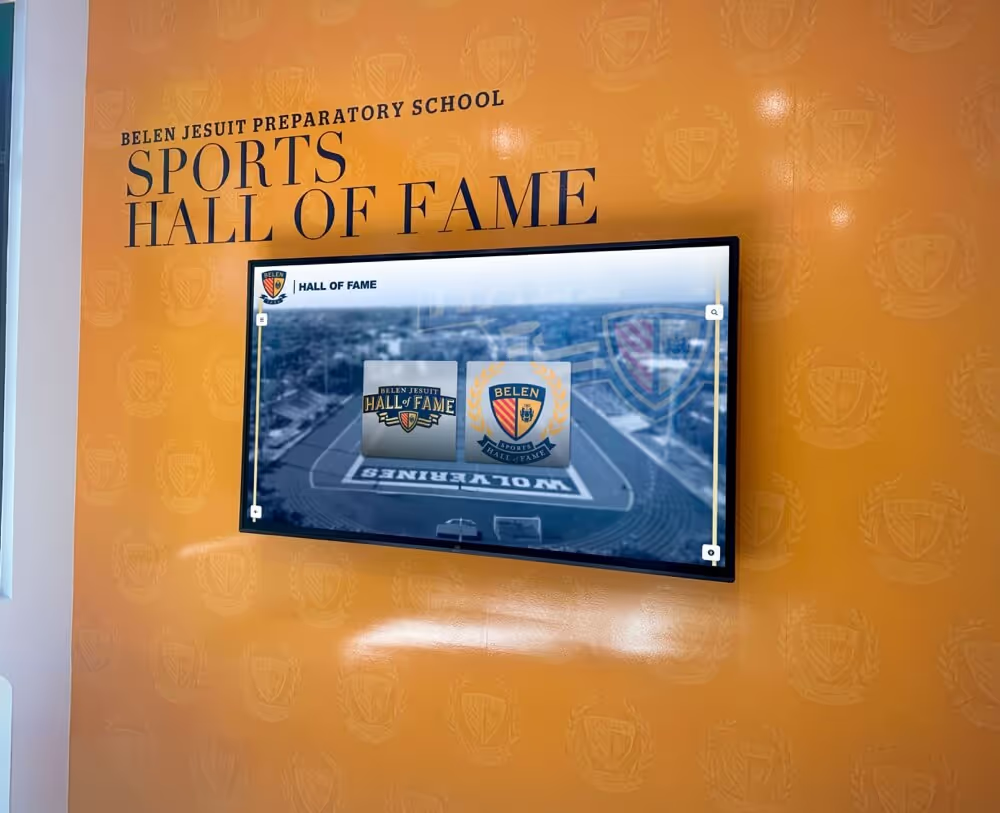
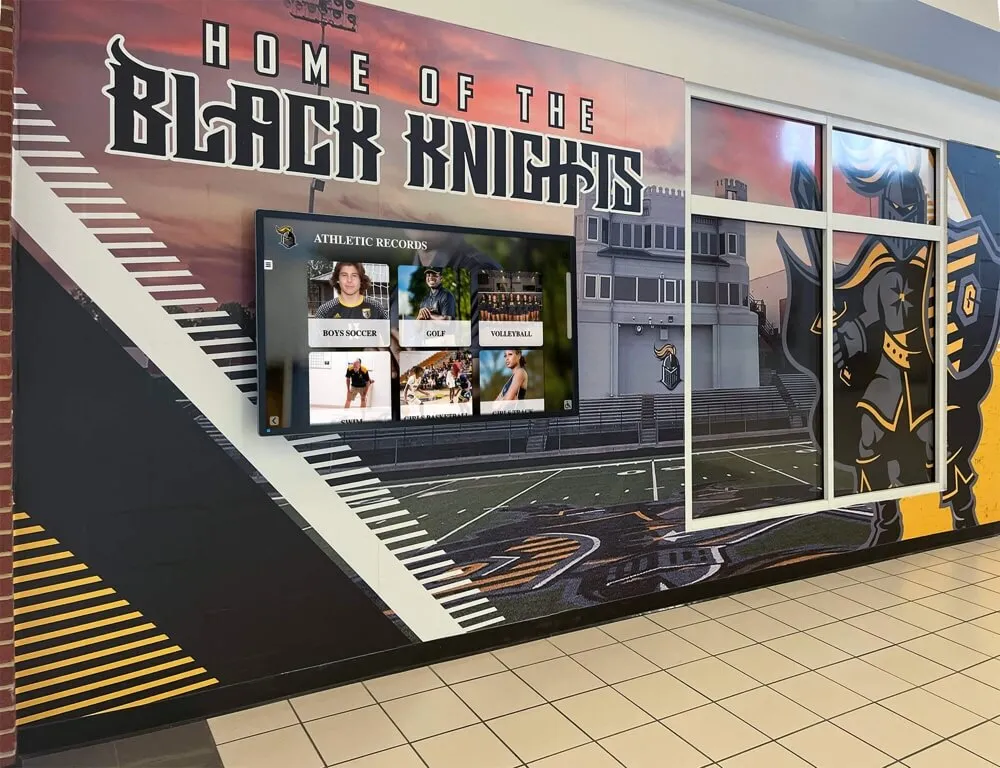
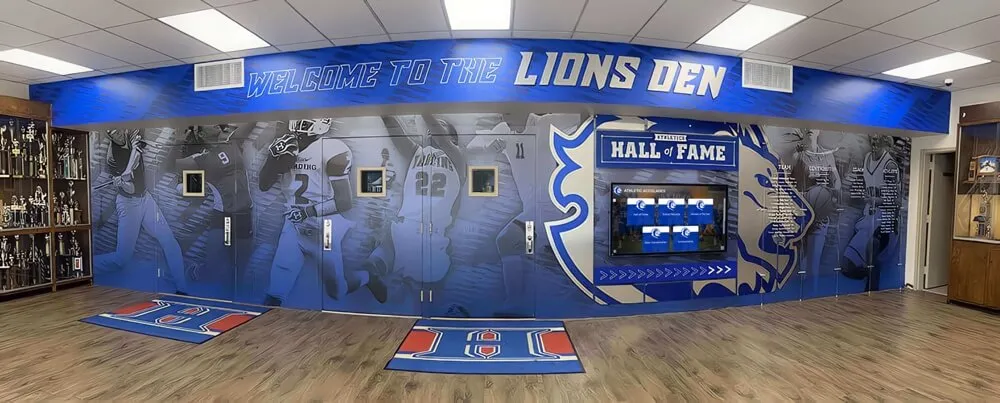
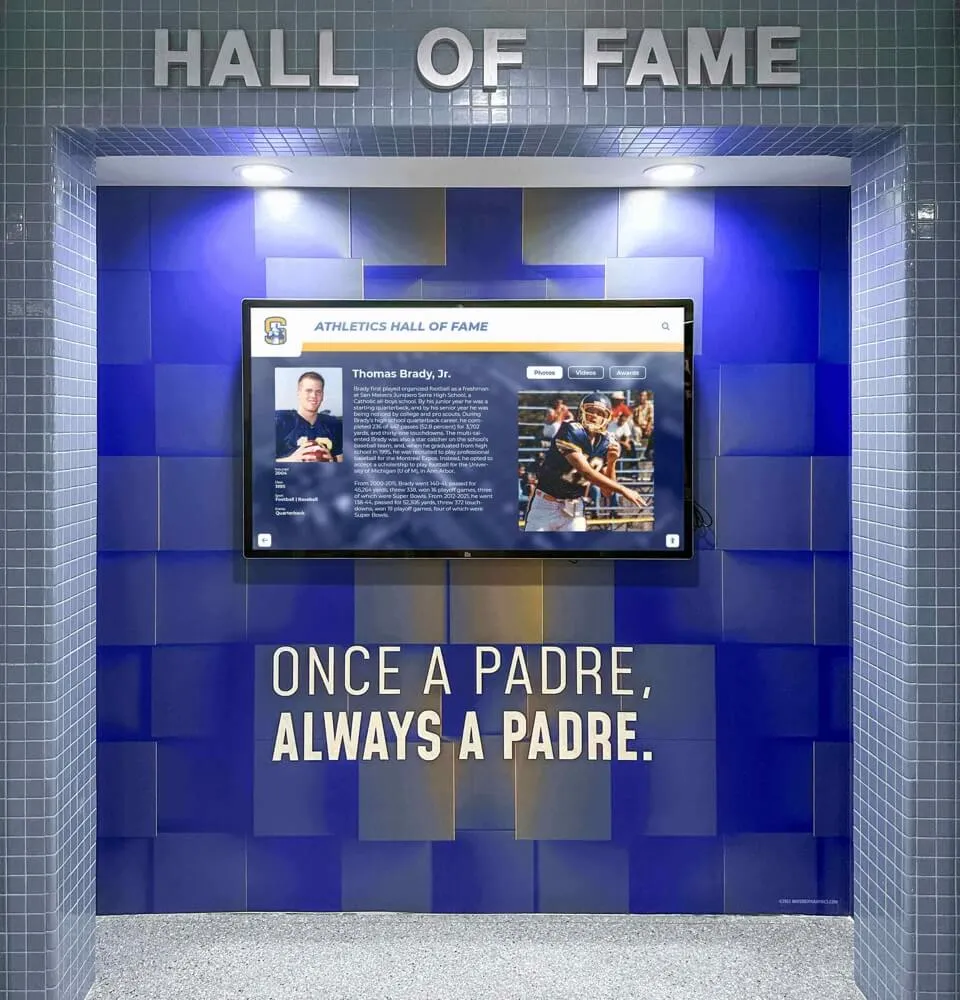
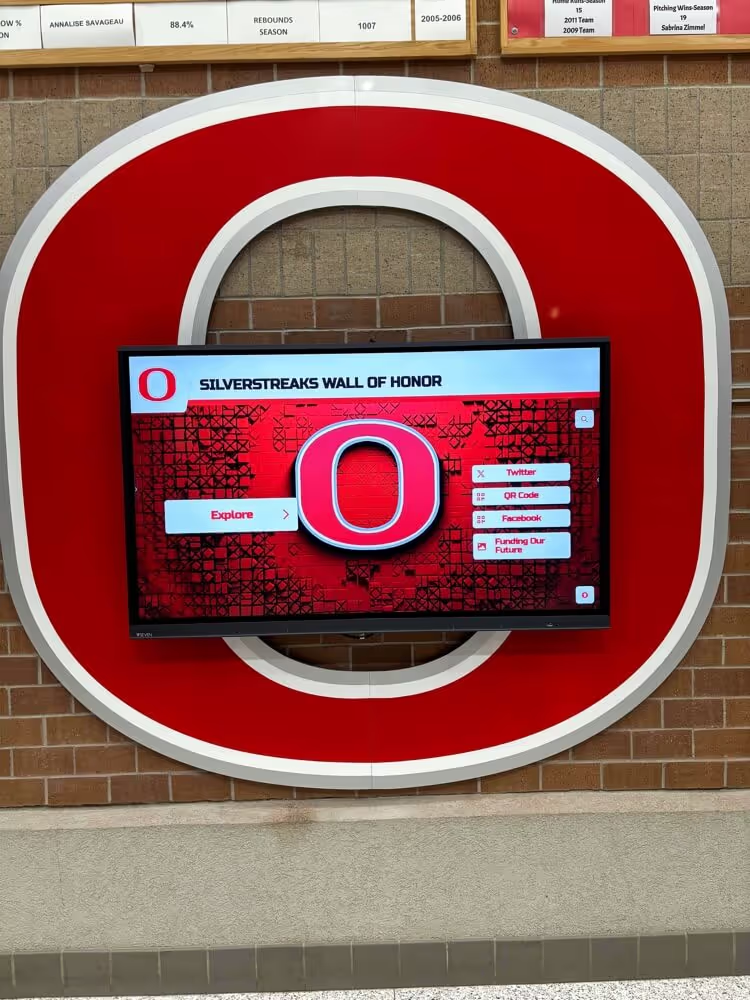
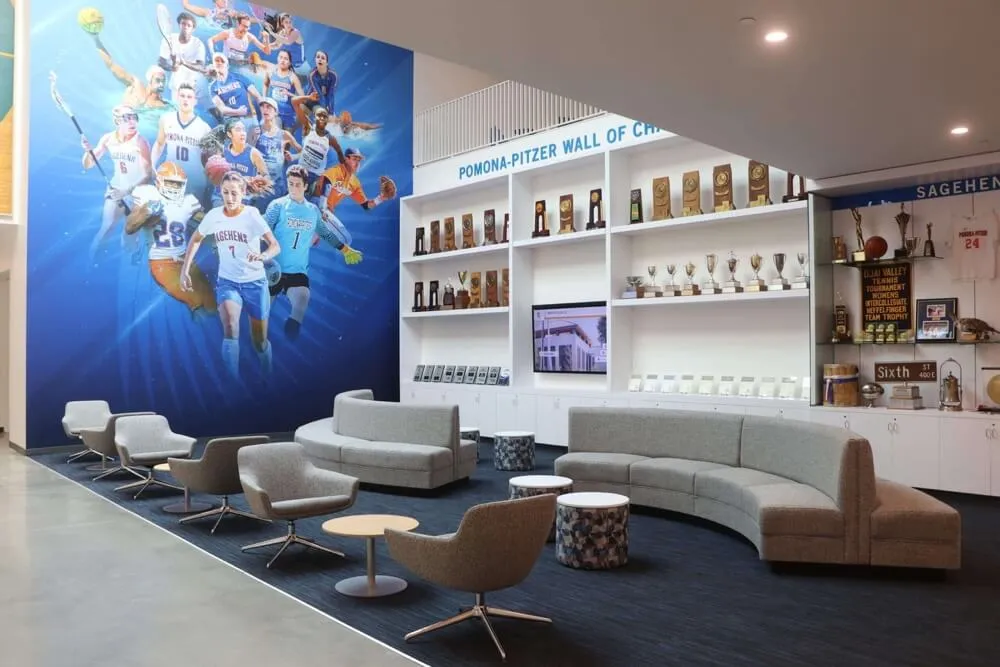
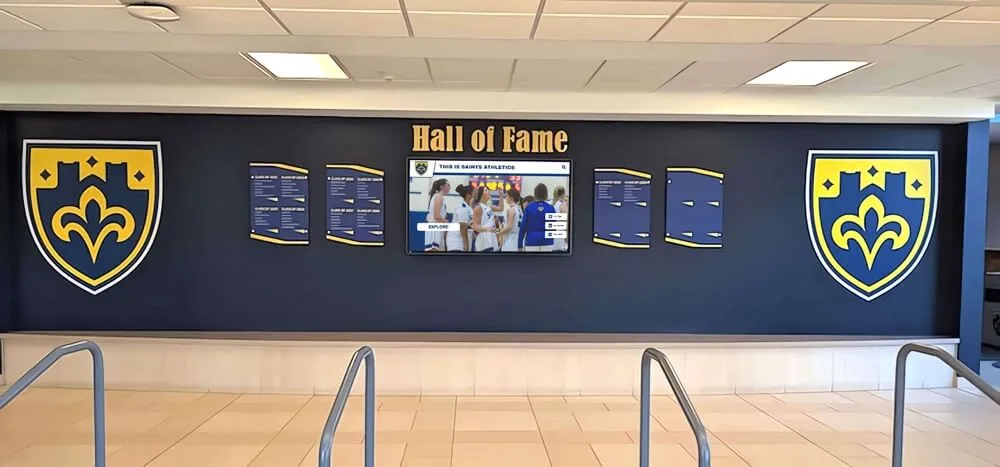
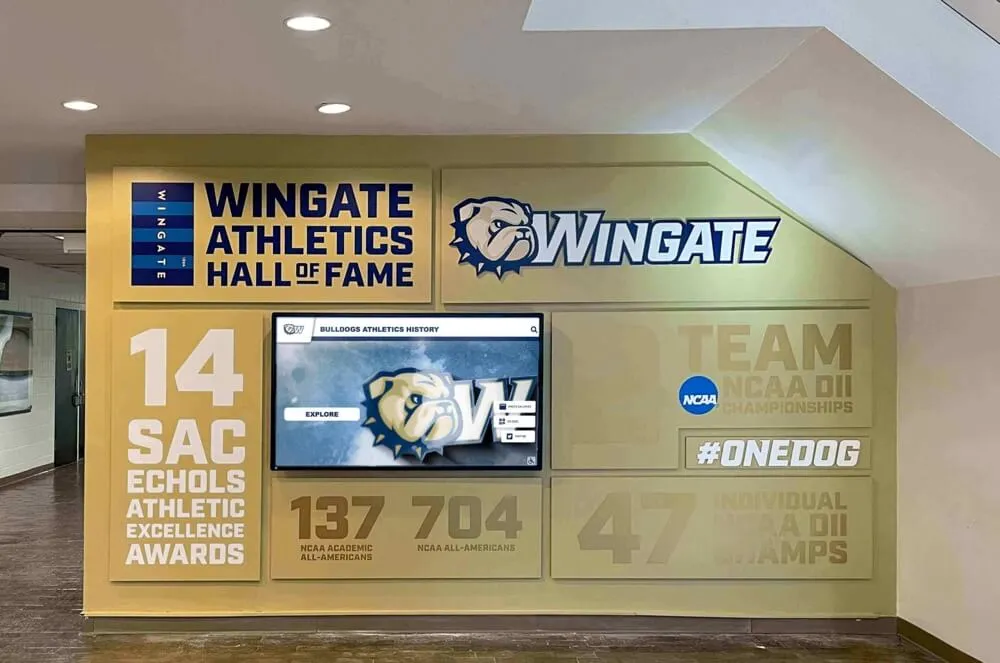
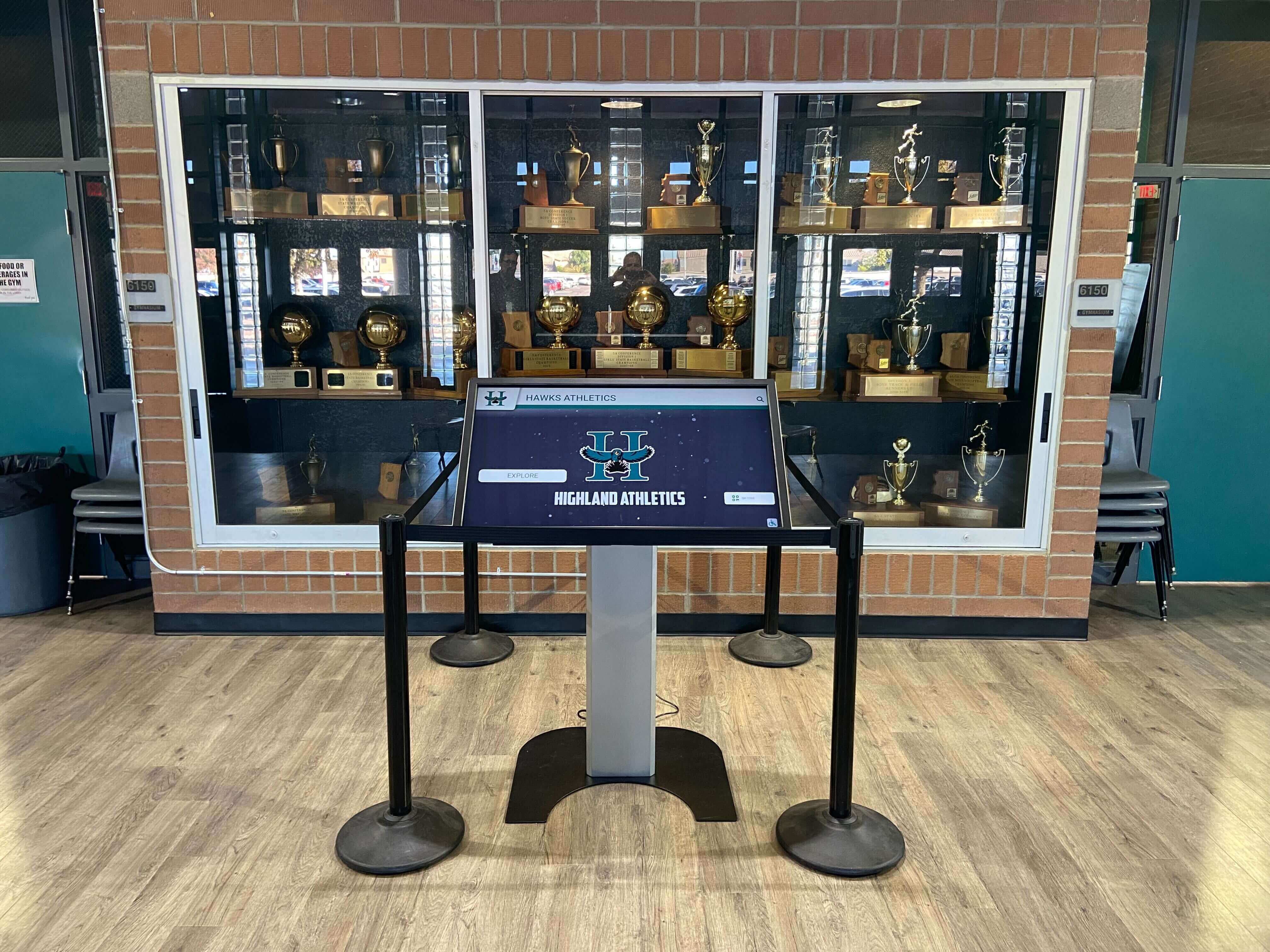
Digital recognition systems complement traditional trophy displays, combining physical artifacts with comprehensive documentation
Implementation Considerations for Arena Recognition Systems
Successful recognition technology deployment in professional sports venues requires addressing specific factors unique to arena contexts and operational realities.
Strategic Placement Throughout SAP Arena
Recognition displays deliver maximum value when positioned where diverse fan segments naturally gather and linger:
Main Concourse Installations: Primary concourses connecting seating sections receive constant traffic before games, during intermissions, and after games conclude. Interactive displays positioned strategically in these high-traffic areas capture audiences when fans are receptive to content exploration. Multiple installations throughout the concourse ensure convenient access regardless of seating location while distributing visitor load across several touchpoints.
Premium Club and Suite Environments: Suite levels and club areas host fans with particular appreciation for franchise history and deeper connections to organizational success. Interactive recognition in these premium environments demonstrates organizational commitment to excellence while providing compelling content that enhances hospitality experience value. These installations serve more limited but highly engaged audiences ideal for comprehensive content exploration.
Main Entry Plaza and Lobby Areas: The arena’s primary entrance creates first impression opportunities. Weather-protected displays near main entrances welcome fans before entering the seating bowl, building anticipation while celebrating franchise legacy. These prominent installations make immediate statements about organizational values while creating distinctive visual identity visitors associate with The Shark Tank experience.
San Jose Sports Hall of Fame Integration: According to venue information, SAP Arena features the San Jose Sports Hall of Fame along the public concourse with 120 bronze plaques honoring inductees. Interactive displays positioned near or integrated with this existing recognition create natural connections between traditional and modern celebration methods, enabling visitors to explore honorees comprehensively through digital content while maintaining physical plaque presence.
Hardware Specifications for Arena Environments
Professional sports venues demand robust equipment specifications addressing operational realities including heavy foot traffic, continuous operation requirements, and diverse environmental conditions:
Commercial-Grade Display Technology: Arena environments require displays specifically engineered for demanding applications including touchscreens rated for continuous 16-18 hour daily operation throughout hockey seasons, high-brightness panels (1000+ nits minimum) remaining clearly visible despite arena lighting conditions, industrial tempered glass protection withstanding contact in crowded environments, secure mounting systems preventing theft or tampering while ensuring visitor safety, and enterprise-grade media players providing reliable performance across years of operation.
Network Infrastructure and Connectivity: Cloud-based content management requires reliable connectivity infrastructure including dedicated network connections with adequate bandwidth for video content, redundant connectivity preventing downtime during events when maximum visibility occurs, secure network protocols protecting visitor data and organizational systems, and remote management capabilities enabling content updates and troubleshooting without physical display access.
Environmental Considerations: Semi-outdoor or high-traffic locations may require additional considerations including temperature-rated components functioning reliably despite climate variation, humidity-resistant enclosures for installations near entry areas, anti-glare treatments for displays facing windows or bright lighting, and audio capabilities with volume appropriate for noisy arena environments without disturbing surrounding areas.
Learn about touchscreen digital signage software designed specifically for recognition applications rather than generic commercial signage adapted for heritage celebration.
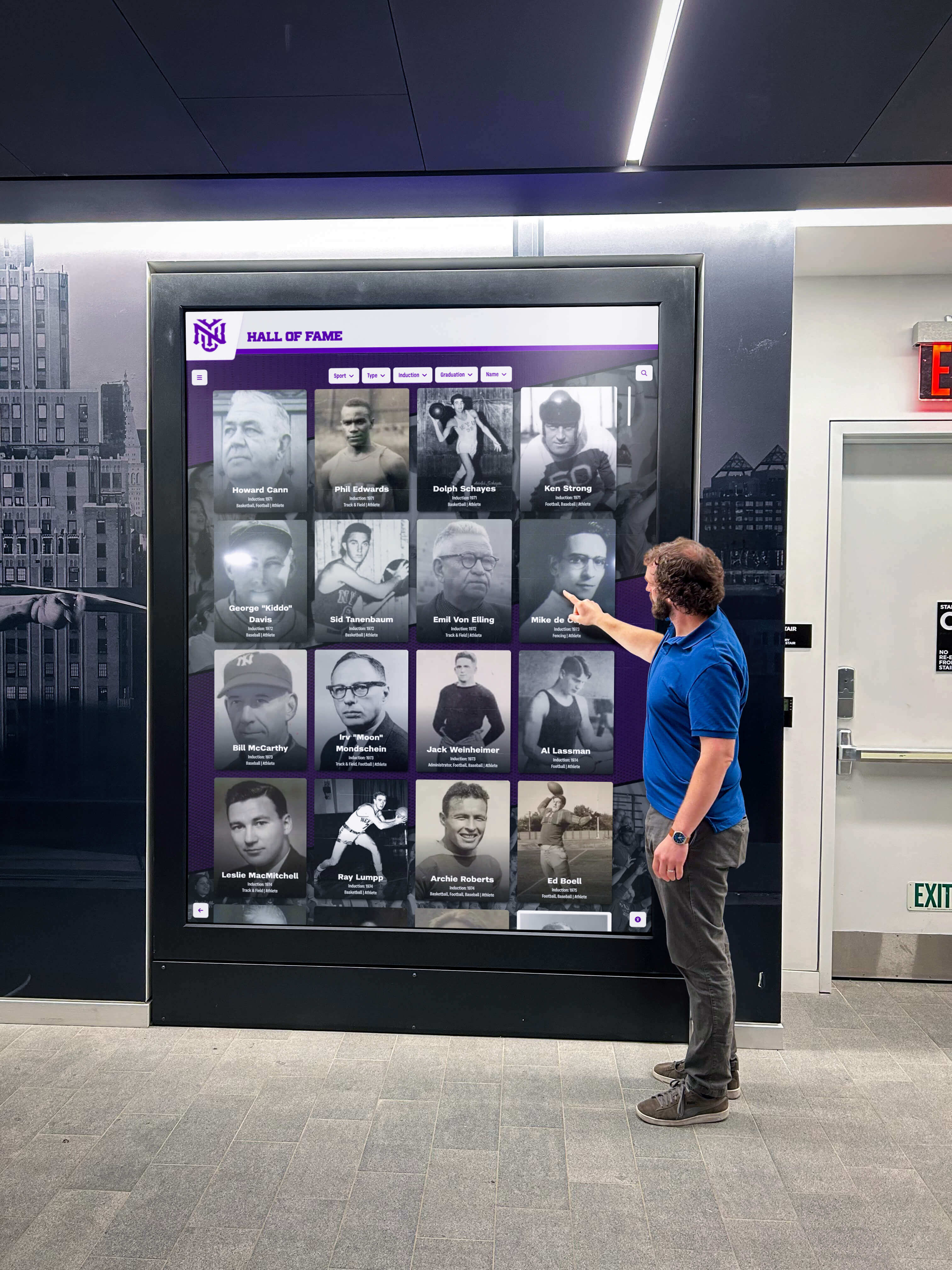
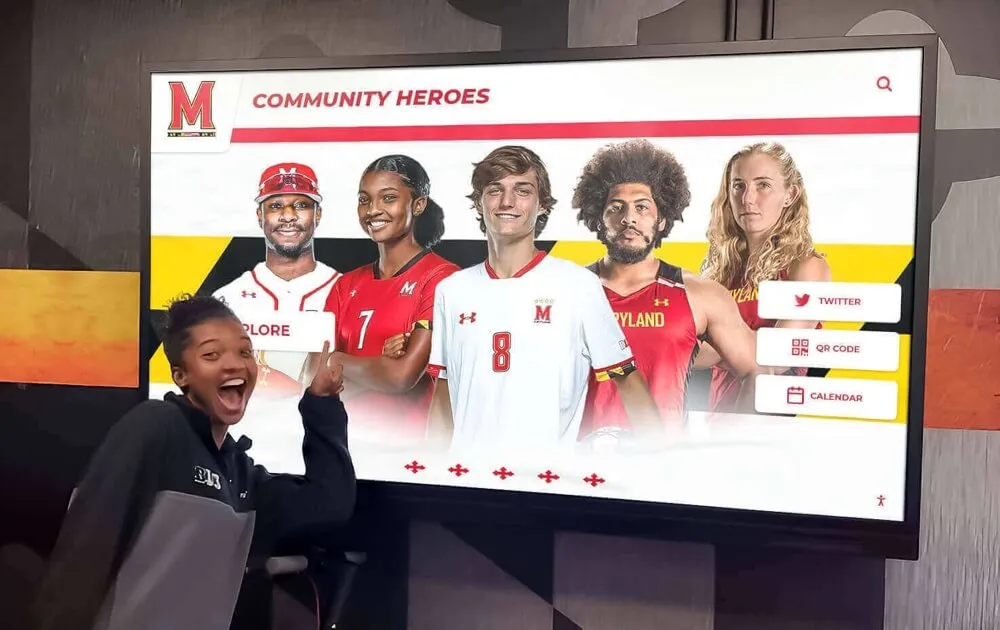
Intuitive touchscreen interfaces enable fans of all ages to explore franchise history through personalized navigation
Content Management and Operational Sustainability
Creating recognition displays represents only the initial implementation phase. Long-term success requires sustainable operational models enabling content currency and program evolution.
Cloud-Based Management Platforms
Modern recognition systems employ cloud architecture providing significant operational advantages:
Remote Content Administration: Cloud platforms enable authorized administrators to update recognition content from any internet-connected device without requiring physical display access or specialized technical expertise. Marketing staff can add new player milestones during road trips. Historical content specialists can enhance existing profiles from office locations. Technical support teams can troubleshoot issues remotely without venue visits. This accessibility proves essential for professional organizations where content updates occur frequently and multiple departments contribute recognition content.
Collaborative Content Development: Cloud systems support multiple user roles with appropriate permissions enabling collaborative workflows. Content creators draft new profiles. Managers review and approve before publication. Archivists contribute historical photographs and documentation. Legal teams ensure proper rights clearances. This structured collaboration ensures quality control while distributing workload across organizational expertise areas.
Version Control and Content Archives: Professional platforms maintain complete content history enabling rollback to previous versions if needed, audit trails documenting who changed what and when, draft and published states supporting preparation without immediate visibility, and scheduled publishing enabling content preparation in advance with automatic publication at specified times.
Seasonal Content Strategies
Recognition programs remain engaging through strategic content rotation aligned with franchise calendars and relevant themes:
Regular Season Programming: During active hockey seasons, recognition focuses on current season context including highlighting milestone anniversaries of historic moments, featuring players whose franchise records current athletes are approaching, showcasing relevant rivalry history before key matchups, and celebrating similar achievement types as current milestones occur (when a player reaches 500 points, feature other 500-point scorers).
Playoff and Championship Focus: During postseason play, content emphasizes relevant championship history including previous playoff runs and memorable series, championship team documentation, clutch performance history, and comparison between current playoff teams and historic squads. This contextual programming creates connections between past success and current championship pursuits.
Offseason Historical Deep Dives: During summer months when hockey news slows, recognition programming can feature comprehensive historical content including decade retrospectives examining different eras, position-specific recognition celebrating goaltending, defense, forward excellence separately, draft history showing how franchise was built, and fan engagement features like voting on greatest moments or all-time teams.
Explore Division I athletics digital recognition systems that demonstrate content management approaches applicable to professional sports contexts.
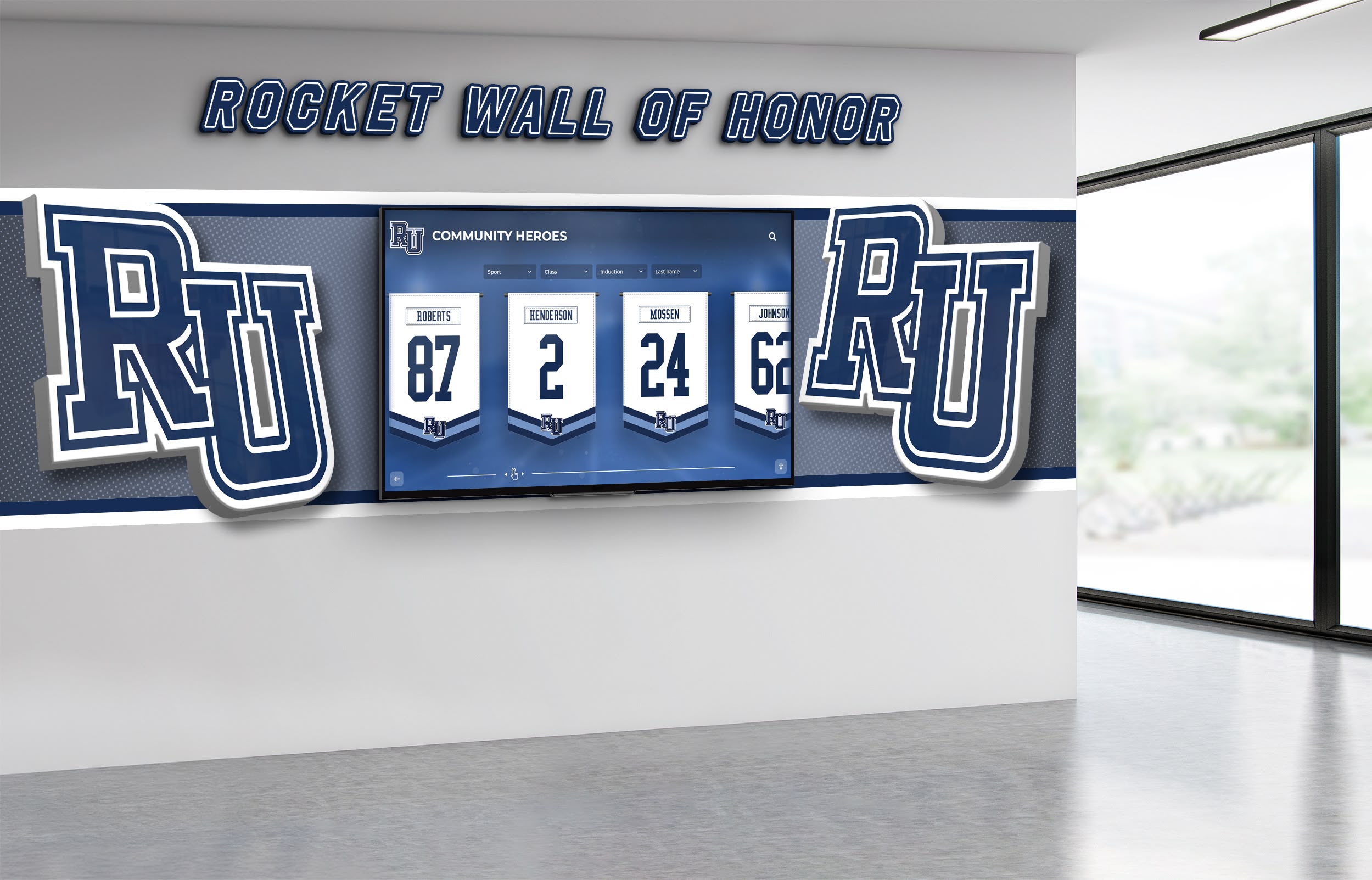
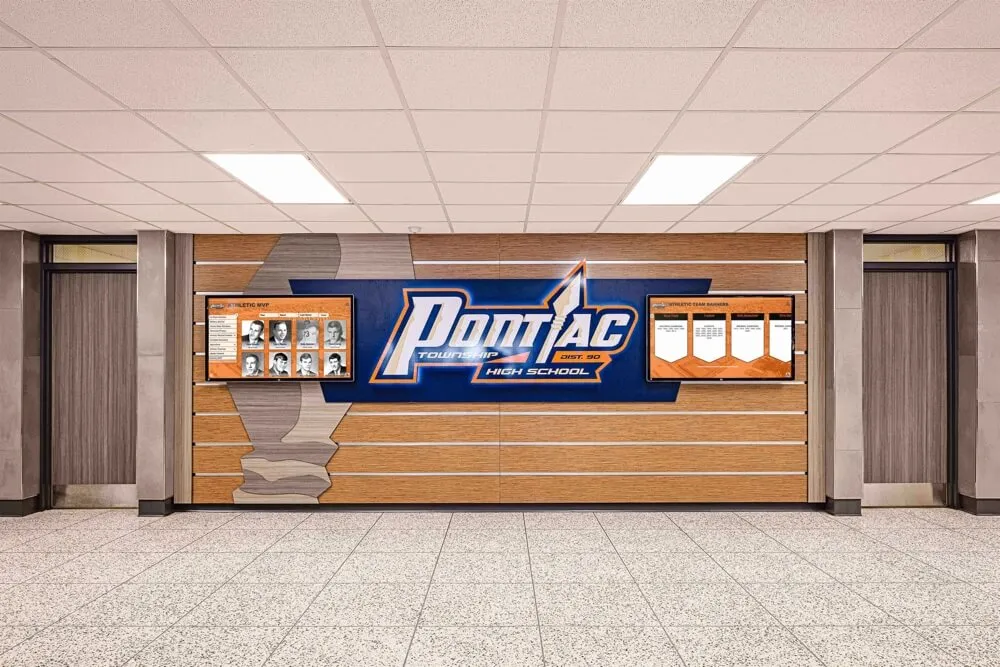
Sophisticated recognition installations become signature features celebrating organizational excellence and community pride
Fan Engagement Through Interactive Recognition
Effective recognition technology creates engaging experiences rather than simply presenting information, encouraging exploration while building emotional connections between visitors and franchise heritage.
Search and Discovery Features
Well-designed interactive displays enable both targeted searching for specific information and exploratory browsing encouraging discovery:
Powerful Search Capabilities: Visitors should be able to search by player name accessing all related content instantly, filter by position (forwards, defensemen, goaltenders) or jersey number, search by specific seasons or date ranges, discover content through keywords like “overtime,” “playoffs,” or “rookie,” and access statistical categories and franchise records directly. These precise search tools serve fans seeking specific information efficiently.
Intuitive Category Navigation: Beyond search, visual browsing enables discovery through logical organization including player galleries showing all recognized athletes organized by era, championship team documentation accessible chronologically, statistical record books organized by category, historic moment collections organized thematically, and featured content highlighting seasonally relevant recognition or recent additions.
Related Content Connections: Smart linking creates discovery pathways where viewing Patrick Marleau’s profile suggests exploring Joe Thornton (longtime teammate) and other franchise scoring leaders, championship team pages link to individual player profiles from those rosters, historic moments connect to participants and related games, and franchise records reference who held them previously and when they were broken. These connections encourage extended exploration rather than single-topic viewing.
Personalization and Social Sharing
Creating personal connections between visitors and recognition content significantly enhances engagement while extending recognition reach beyond physical displays:
Save and Share Functionality: Enable visitors to favorite profiles creating personalized collections accessible later, share content directly to social media platforms with proper attribution, email specific profiles or content to themselves for future reference, and generate printed summaries or QR codes linking to content for physical takeaway.
Photo Integration Opportunities: Physical displays should incorporate selfie-friendly design elements encouraging social sharing including photo opportunity zones with Sharks branding and recognition displays visible, augmented reality features overlaying historic images on current arena spaces, social media hashtag promotion encouraging fan content creation, and contest mechanisms rewarding fan engagement and content sharing.
Interactive Comparison Tools: Engage analytically-minded fans through features enabling statistical comparison between players or teams, timeline builders letting visitors create custom historical narratives, trivia and quiz features testing franchise knowledge with leaderboards, and prediction features collecting fan opinions on current players’ franchise record potential.
Discover interactive touchscreen displays for athletic recognition that showcase engagement features applicable across venue types and organizational scales.
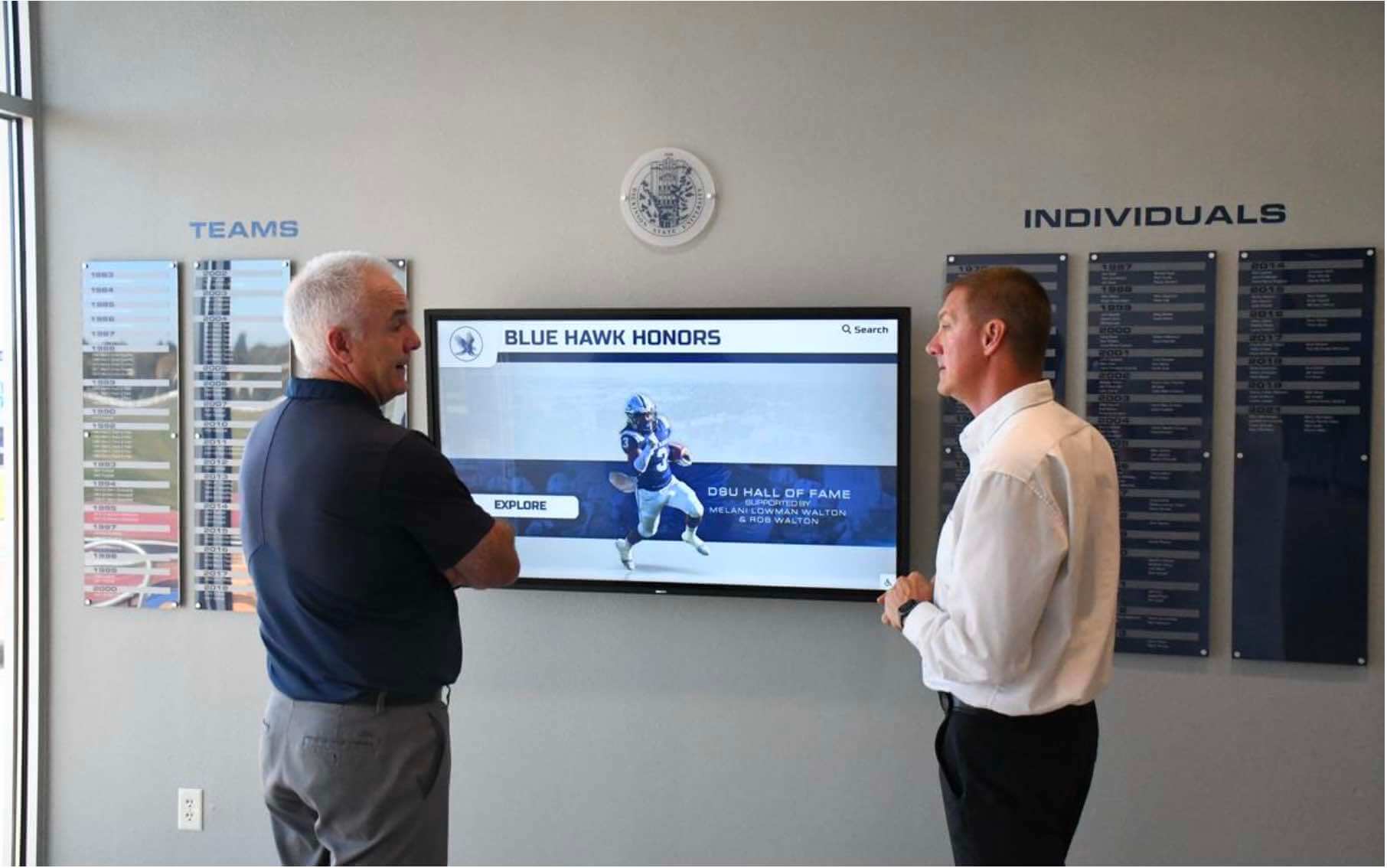
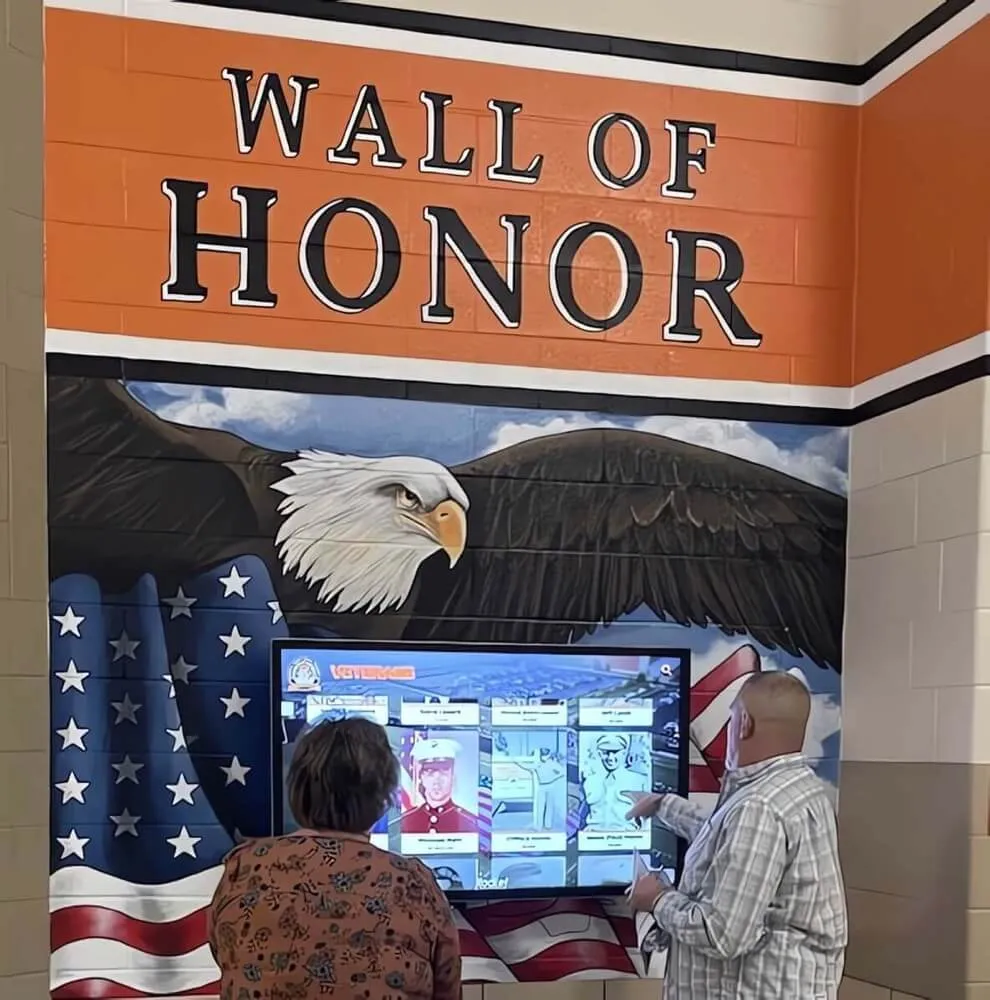
Recognition displays create social experiences where fans explore franchise history together and share discoveries
Beyond SAP Arena: Recognition Technology Across Venues
While this guide focuses on SAP Arena as an exemplary professional venue, interactive recognition technology serves diverse organizations honoring athletic achievement and institutional heritage.
Professional Sports Venues
Recognition technology applications extend across professional sports regardless of league or sport:
Other NHL Arenas: Hockey venues across North America benefit from similar recognition systems celebrating franchise legends, championship achievements, and arena-specific historic moments. Each arena possesses unique stories deserving preservation through comprehensive interactive platforms serving diverse fan demographics from season ticket holders to visiting tourists.
Multi-Sport Professional Venues: Arenas hosting multiple teams (NBA and NHL teams sharing facilities, for example) benefit from unified recognition platforms celebrating diverse athletic excellence through organized categorical navigation enabling sport-specific exploration while sharing infrastructure costs across multiple franchises.
Baseball, Football, Basketball Facilities: Sport-specific differences create unique recognition opportunities, but fundamental benefits remain consistent—unlimited capacity, multimedia storytelling, easy updates, and interactive engagement serve all professional sports equally well when platforms are properly configured for specific sport statistics, achievements, and traditions.
Educational Athletic Recognition
Schools, colleges, and universities implementing recognition displays for athletic programs face unique considerations while benefiting from similar technology:
High School Athletic Programs: Secondary schools benefit from recognition systems celebrating student-athlete achievement, championship teams, coaching legacies, and program traditions. These implementations typically operate with smaller budgets requiring cost-effective solutions while serving highly engaged local communities with personal connections to recognized athletes.
College and University Athletics: Collegiate programs across Division I, II, III, and junior college levels benefit from recognition honoring student-athletes who balance academic and athletic excellence. Educational contexts introduce unique requirements including student privacy considerations, eligibility compliance, and integration with existing facilities and traditions.
Learn about high school touchscreen recognition demonstrating scaled recognition approaches applicable to educational contexts with limited budgets.
Community and Recreational Recognition
Recognition technology isn’t limited to elite professional and educational athletics:
Community Sports Facilities: Recreation centers, youth sports complexes, and community athletic facilities benefit from honoring participant achievement, celebrating volunteer contributors, documenting facility history, and building pride within communities. These implementations often rely on volunteer management requiring particularly user-friendly platforms with minimal technical demands.
Club and Association Recognition: Private clubs, amateur athletic associations, and recreational leagues benefit from recognition systems celebrating membership achievement, tournament victories, individual milestones, and organizational heritage. These contexts often combine athletic recognition with social and community content reflecting broader organizational missions.
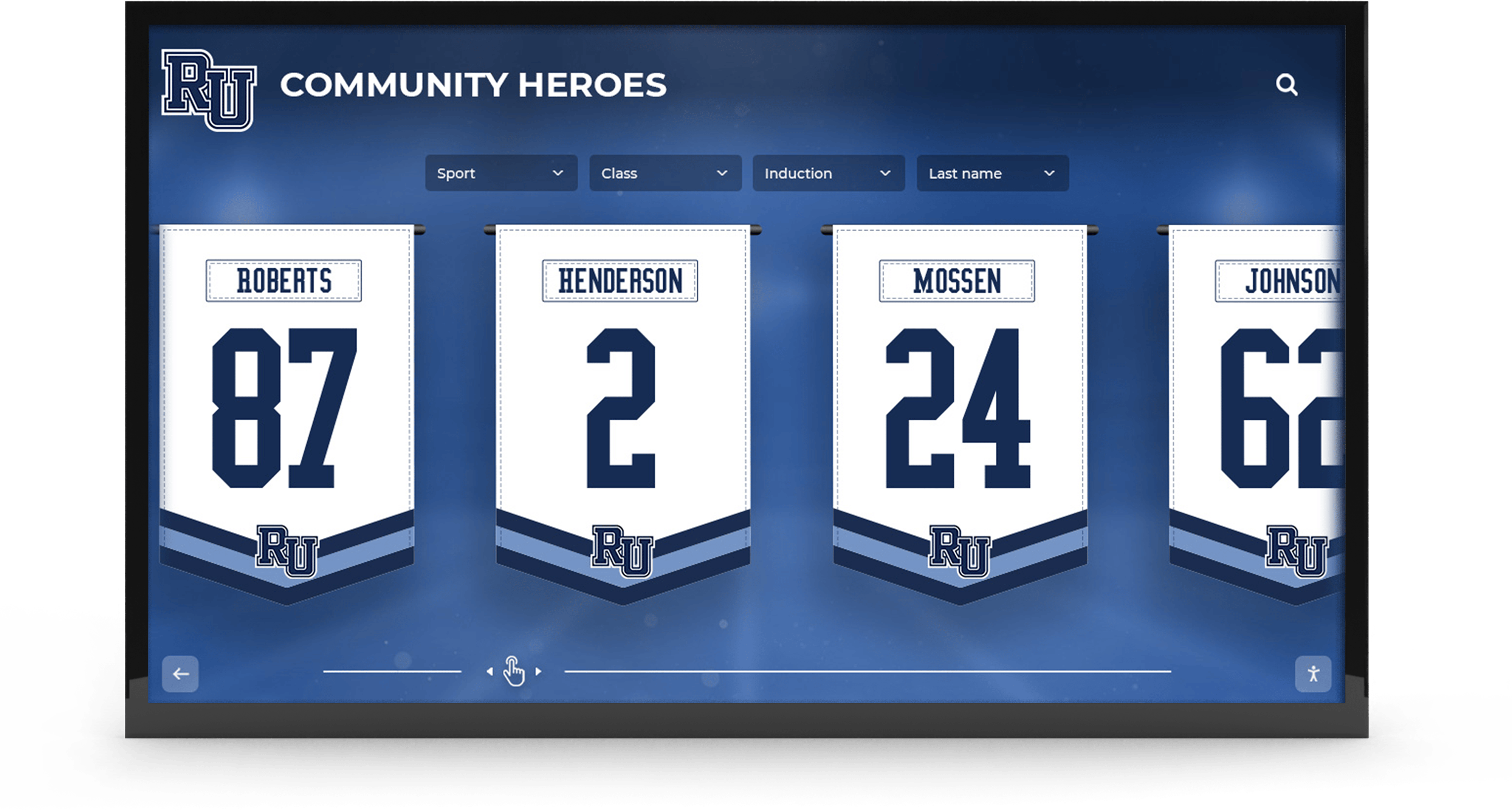
Recognition technology serves diverse venues celebrating achievement across competitive levels and organizational contexts
Measuring Recognition Program Success
Comprehensive evaluation demonstrates recognition value while identifying improvement opportunities that enhance visitor experiences and organizational benefits.
Engagement Analytics
Digital recognition platforms provide detailed analytics revealing how visitors interact with content:
Quantitative Performance Indicators: Track unique visitor counts establishing total reach, average session duration indicating engagement depth (benchmark: 6-10 minutes suggests meaningful exploration), content views per session showing exploration breadth, most-accessed profiles revealing fan interest patterns, search query analysis showing what information visitors seek, and peak usage times informing optimal content update scheduling.
Behavioral Pattern Analysis: Examine user navigation pathways revealing how audiences explore content, filter and search pattern analysis showing discovery methods, return visitor rates demonstrating sustained interest beyond initial curiosity, and content sharing frequency indicating social media amplification potential and actual reach extension beyond physical display visitors.
Comparative Performance Assessment: Analyze engagement differences between display locations revealing optimal placement, content type performance comparing player profiles versus team documentation versus statistical records, seasonal variation showing how interest fluctuates with hockey calendar, and demographic patterns when display technology enables visitor categorization.
Qualitative Feedback Collection
Beyond quantitative analytics, visitor perspectives provide essential improvement insights:
Direct Feedback Mechanisms: Implement digital surveys integrated into displays collecting satisfaction ratings, comment collection through digital feedback forms, staff observations documenting visitor behaviors and comments, social media monitoring tracking recognition mentions and sentiment, and formal focus groups discussing recognition experiences with representative fan samples.
Continuous Improvement Processes: Use combined quantitative and qualitative insights to identify popular content deserving expansion or enhanced treatment, underperforming features requiring redesign or promotion, navigation issues affecting usability based on user behavior patterns, content gaps where additional recognition would add value, and technical performance issues requiring hardware or software attention.
Organizational Impact Assessment
Recognition ultimately serves organizational objectives beyond immediate visitor engagement:
Brand and Heritage Enhancement: Recognition systems demonstrate organizational commitment to history and tradition, strengthen emotional connections between franchise and community, differentiate venues through distinctive recognition programming, and create content assets extending beyond physical displays through digital sharing and media coverage.
Commercial and Business Objectives: Professional venues benefit from recognition supporting sponsorship opportunities through naming rights and content integration, premium hospitality enhancement increasing suite and club membership value, merchandise connections featuring recognized players and moments, and content creation supporting marketing campaigns and social media programming.
Explore donor recognition measurement strategies demonstrating evaluation approaches applicable across recognition contexts beyond donor-specific applications.
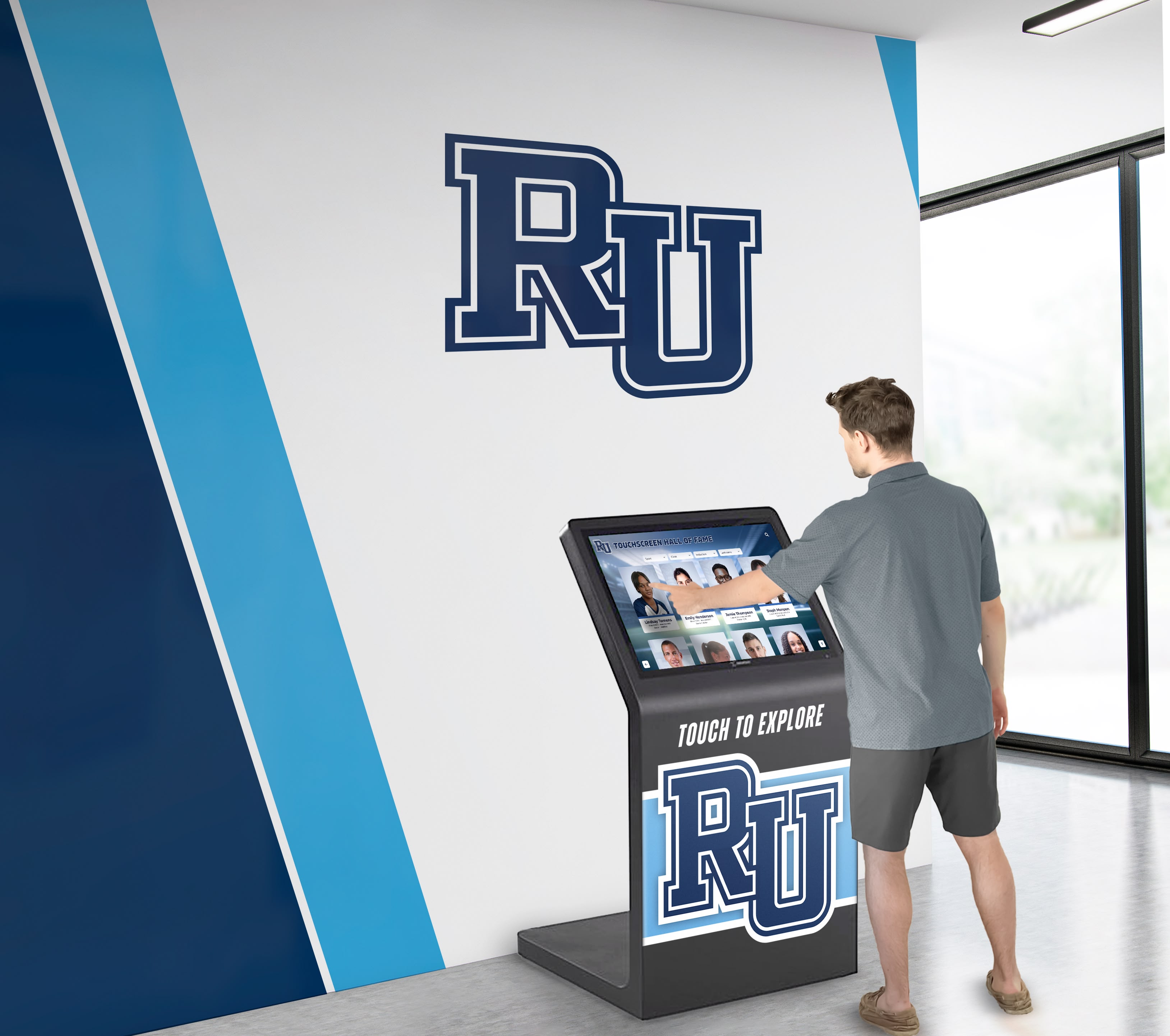
Regular analytics review and visitor feedback collection enable continuous recognition program improvement and optimization
Implementation Roadmap: From Planning to Launch
Organizations ready to implement interactive recognition benefit from systematic approaches ensuring successful outcomes that honor achievement appropriately while creating sustainable operations.
Phase 1: Planning and Requirements Definition (Weeks 1-6)
Stakeholder Identification and Engagement: Determine who should be involved including executive leadership providing strategic direction and approval authority, marketing and communications teams ensuring brand alignment and content strategy, facilities management addressing installation logistics and infrastructure, content specialists and archivists understanding historical resources and access, and technology staff assessing network capabilities and support requirements.
Scope Definition and Objective Clarification: Establish recognition program boundaries including who will be recognized and what criteria define inclusion, what time periods will receive coverage (franchise history versus recent eras only), what content depth is desired (basic profiles versus comprehensive multimedia documentation), what physical locations will feature displays and how many installations, what budget constraints exist for hardware, software, implementation, and ongoing operations, and what timeline is realistic for content development and technology deployment.
Vendor Evaluation and Selection: Research recognition platform providers evaluating purpose-built athletic recognition solutions versus generic digital signage adapted for heritage celebration, cloud versus local hosting architecture and associated implications, content management interface capabilities and ease of use for non-technical staff, hardware options, specifications, and vendor relationships or requirements, implementation support services including content development assistance, and ongoing maintenance, support, and software update models.
Phase 2: Content Development and Creation (Weeks 4-16)
Historical Research and Content Gathering: Systematically collect recognition content through franchise archives accessing official records, statistics, and documentation, media asset digitization converting historical photographs and video to digital formats, player and staff interviews when appropriate gathering biographical information and personal perspectives, third-party historical research filling information gaps from external sources, and rights clearance verification ensuring legal authority to use all content.
Structured Content Creation: Develop comprehensive profiles following template standards ensuring consistency including biographical writing based on research following style guidelines, statistical compilation and verification ensuring accuracy, high-resolution photo editing and optimization preparing images for display quality presentation, video editing and production creating highlight reels and multimedia elements, and metadata application enabling effective search, filtering, and organization.
Quality Assurance and Review Processes: Implement systematic review ensuring content quality through factual accuracy verification against multiple sources, completeness assessment confirming all template requirements are met, consistency review ensuring uniform tone and presentation quality across all content, appropriateness evaluation for intended audiences including families and children, and comprehensive rights clearance documentation protecting against legal issues.
Phase 3: Technology Implementation and Installation (Weeks 12-20)
Hardware Procurement and Preparation: Order equipment based on specifications developed during planning including commercial-grade touchscreen displays of appropriate sizes for locations, mounting solutions appropriate for installation types (wall-mounted, freestanding kiosks, custom enclosures), enterprise media player computers if required by software architecture, network equipment ensuring reliable connectivity and adequate bandwidth, and protective enclosures or specialty mounting hardware for challenging environments.
Professional Installation and Configuration: Deploy recognition technology infrastructure through processes including physical mounting with appropriate structural anchoring meeting code requirements, electrical connection providing reliable power with proper circuit protection, network configuration establishing secure internet connectivity with appropriate protocols, hardware and software installation following vendor specifications and best practices, and comprehensive system testing ensuring all functionality operates correctly before content loading.
Content Upload and Organization: Populate recognition platform with developed content through systematic processes including bulk content upload using standardized formats and templates, categorical organization ensuring logical navigation structure, relationship mapping creating connections between related content items, featured content configuration establishing home screen and highlighted elements, and final comprehensive quality review examining all content as visitors will experience it.
Phase 4: Launch, Training, and Ongoing Operations (Week 20+)
Soft Launch and Limited Testing: Before full public unveiling, conduct controlled testing including internal stakeholder preview and feedback collection, representative user focus groups providing usability and content feedback, technical troubleshooting addressing any identified issues before public launch, content refinement based on testing feedback and observations, and staff training completion ensuring support personnel understand system operation and can assist visitors.
Public Launch Strategy and Promotion: Introduce recognition broadly through coordinated efforts including ceremonial unveiling at high-profile games or events creating visibility, media coverage through press releases and journalist briefings generating awareness, promotional campaigns across organizational digital and physical channels, guided demonstrations during initial weeks helping visitors discover features, and feedback collection mechanisms enabling continuous improvement from public input.
Sustainable Operations and Maintenance: Maintain recognition quality through ongoing processes including regular content updates adding current season achievements and milestones, seasonal content rotation featuring themes relevant to hockey calendar and franchise anniversaries, technical maintenance addressing hardware cleaning, software updates, and troubleshooting, analytics review revealing usage patterns informing content strategy, and continuous improvement implementing enhancements based on operational experience and visitor feedback.
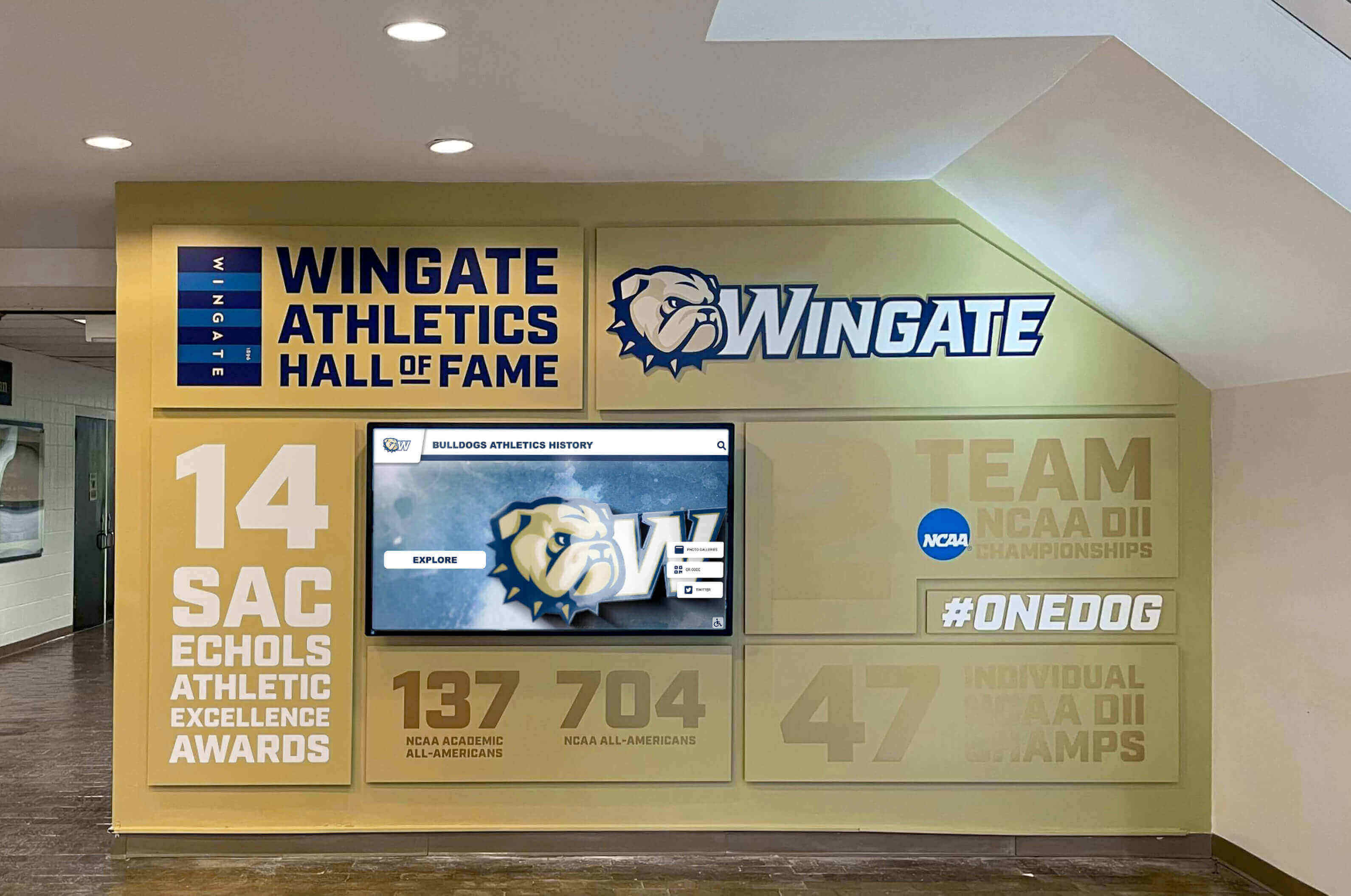
Successful recognition installations result from systematic planning, quality content development, and professional implementation
Conclusion: Honoring Hockey Excellence Through Modern Recognition
SAP Arena in San Jose stands as one of the NHL’s iconic venues, hosting more than 30 years of memorable hockey moments, legendary players, and passionate fan experiences. The San Jose Sharks franchise has built remarkable heritage deserving recognition that matches the significance of their achievements—from Patrick Marleau’s record-breaking consistency to Joe Thornton’s transformative excellence, from dramatic playoff victories to individual milestones that became franchise history.
Interactive touchscreen displays from solutions like Rocket Alumni Solutions represent the evolution of professional sports recognition from static plaques and limited trophy cases to dynamic experiences that celebrate unlimited achievements, enable personalized exploration, and connect fans emotionally with franchise heritage in ways traditional displays never could. When professional venues thoughtfully implement digital recognition technology—selecting appropriate commercial-grade hardware, developing comprehensive multimedia content, creating sustainable operational processes, and measuring engagement systematically—these systems transform from theoretical possibilities into practical realities delivering lasting value to organizations, honored individuals, and millions of fans experiencing venues across decades.
The technology enabling sophisticated recognition has become increasingly accessible and reliable. Purpose-built platforms specifically designed for athletic contexts combine intuitive content management enabling non-technical staff to maintain recognition currency, professional hardware specifications appropriate for demanding arena environments, implementation support ensuring successful deployment, and ongoing operational assistance maintaining system performance across years of continuous use.
Transform Your Venue's Recognition Program
Discover how Rocket Alumni Solutions can help your professional sports venue, arena, college program, or athletic organization celebrate achievement through comprehensive interactive recognition displays that honor history while inspiring continued excellence.
Explore Recognition SolutionsWhether implementing recognition at professional venues like SAP Arena, educational athletic facilities honoring student-athlete achievement, community spaces celebrating local accomplishment, or any context where excellence deserves appropriate acknowledgment, interactive touchscreen displays provide flexible, scalable solutions serving diverse needs while maintaining consistent quality and engagement that honors those being celebrated.
Every legendary player deserves recognition matching their contributions. Every championship team merits comprehensive documentation. Every memorable moment should be preserved for future generations. Every fan visiting professional venues should experience personal connection with franchise heritage. Interactive recognition displays from providers like Rocket Alumni Solutions make comprehensive celebration achievable, creating lasting tributes that inspire continued excellence while appropriately honoring those who made achievement possible.
Ready to explore how modern recognition technology can transform how your venue celebrates athletic achievement? Whether honoring professional hockey excellence at NHL arenas, celebrating college athletic tradition, recognizing high school sports accomplishment, or documenting community athletic heritage, digital recognition platforms provide powerful tools creating experiences worthy of the excellence they celebrate.
Explore additional recognition strategies and best practices through resources about state championship display approaches applicable to competitive achievement recognition, digital recognition for tight budgets addressing cost-effective implementation, and athletic facility enhancement strategies demonstrating how recognition technology creates signature venue features celebrating organizational excellence and community pride.