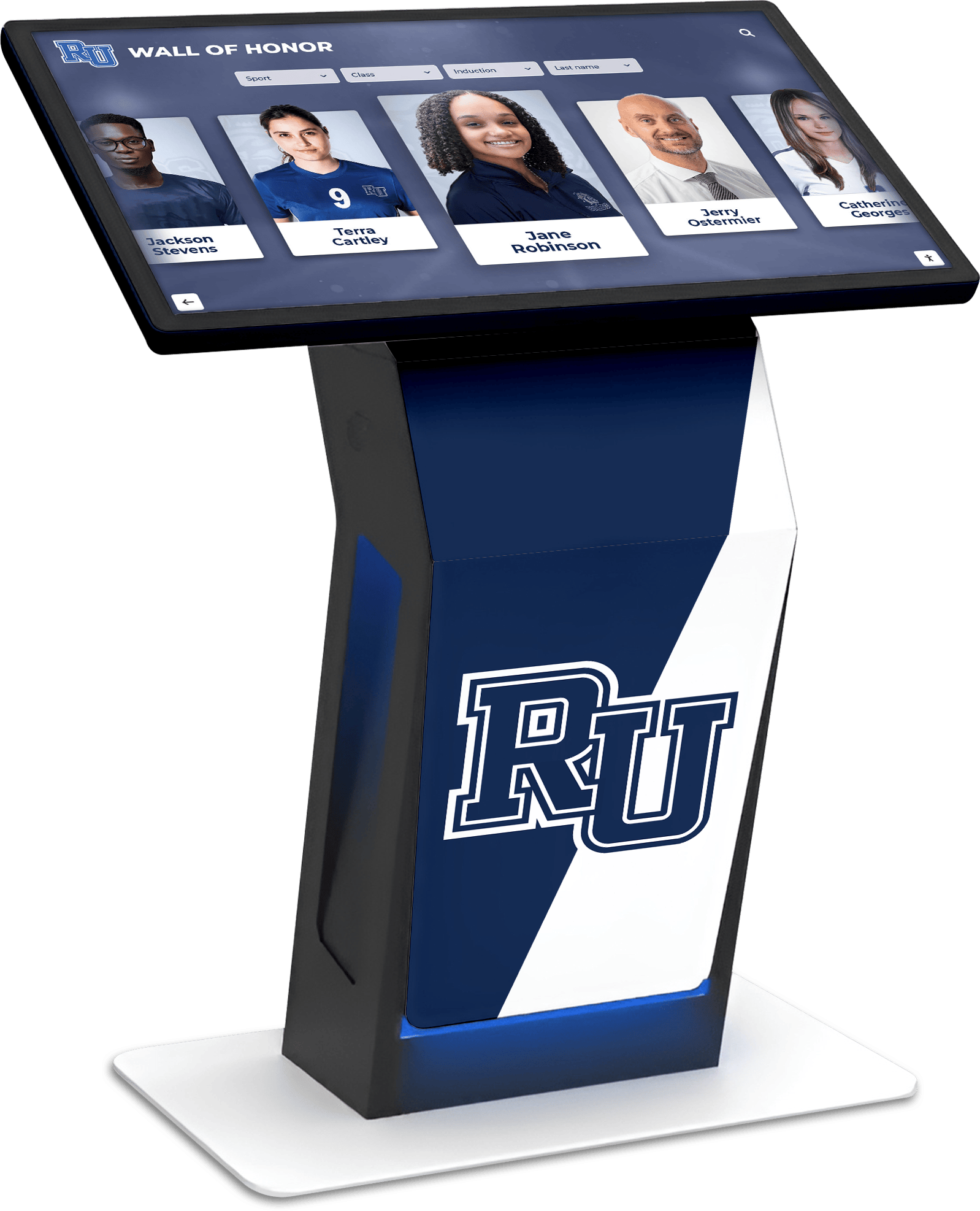
Schools, universities, and nonprofit organizations face constant pressure to maximize limited budgets while implementing technology that serves their communities for years to come. When evaluating digital recognition systems like touchscreen walls of fame and donor displays, budget directors and procurement teams often encounter misconceptions about available payment structures—particularly the false assumption that subscription-based platforms lock organizations into inflexible annual billing with no alternatives.
The reality is far more nuanced. Modern digital recognition providers offer diverse pricing structures specifically designed to accommodate different funding scenarios including multi-year prepaid agreements with substantial discounts, one-time payment options for bond-funded or RFP-driven procurements, and traditional subscription models that fund continuous platform improvements benefiting all users.
Understanding these pricing options empowers procurement teams to select payment structures aligned with their specific funding sources, financial constraints, and long-term operational planning. Whether your institution is working with capital campaign funds, securing bond financing, responding to RFP requirements, or managing annual operating budgets, flexible pricing models exist to meet your needs.
Digital recognition solutions like Rocket Alumni Solutions provide comprehensive pricing flexibility precisely because institutional procurement requirements vary dramatically. A high school renovating facilities with bond funding operates under entirely different constraints than a university advancement office managing annual donor stewardship budgets. Effective technology partners understand these realities and structure agreements accordingly.

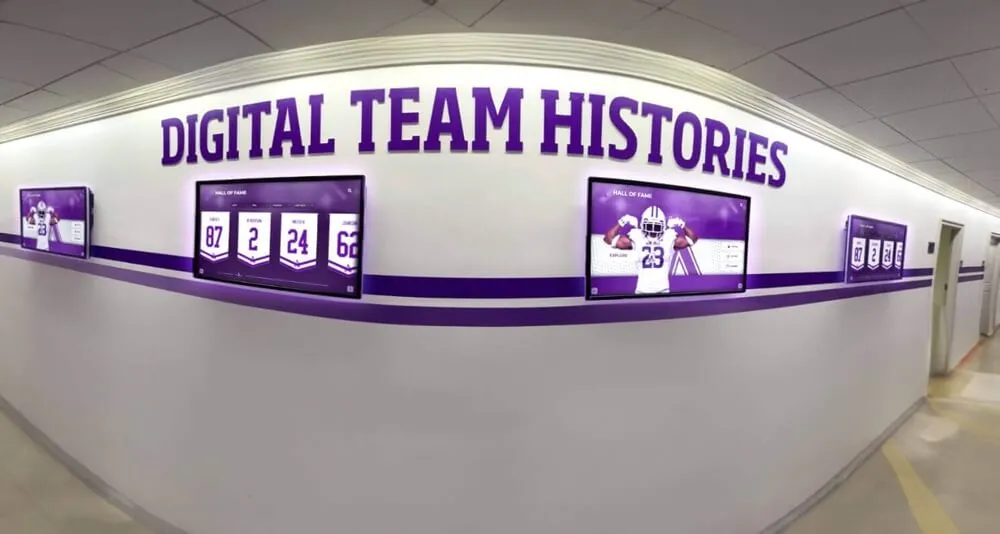
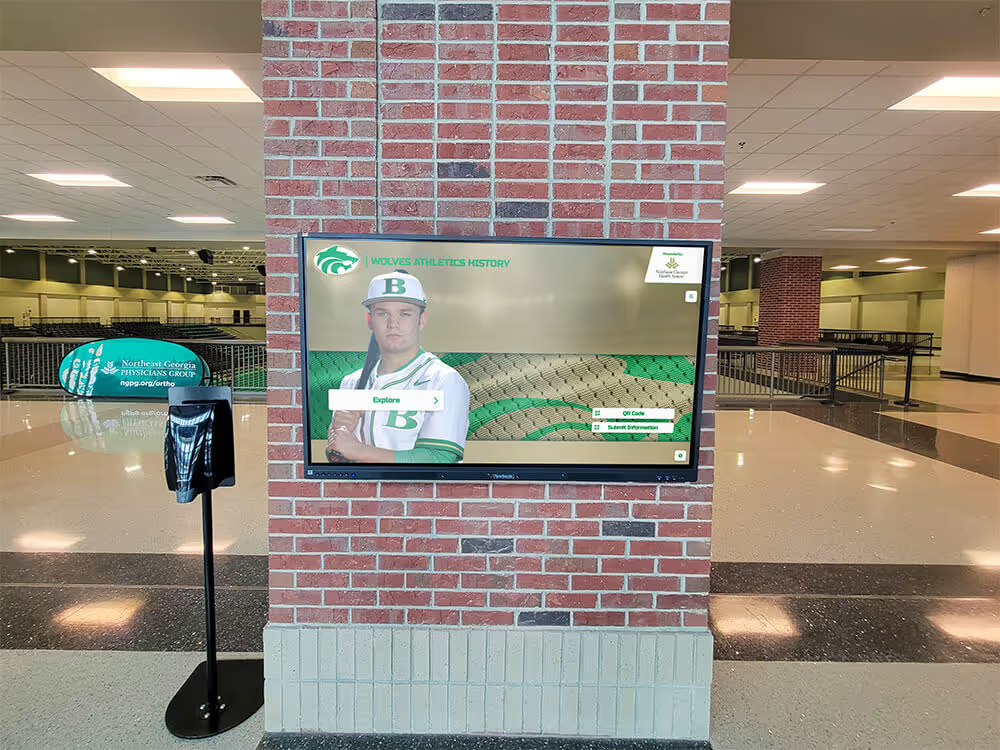
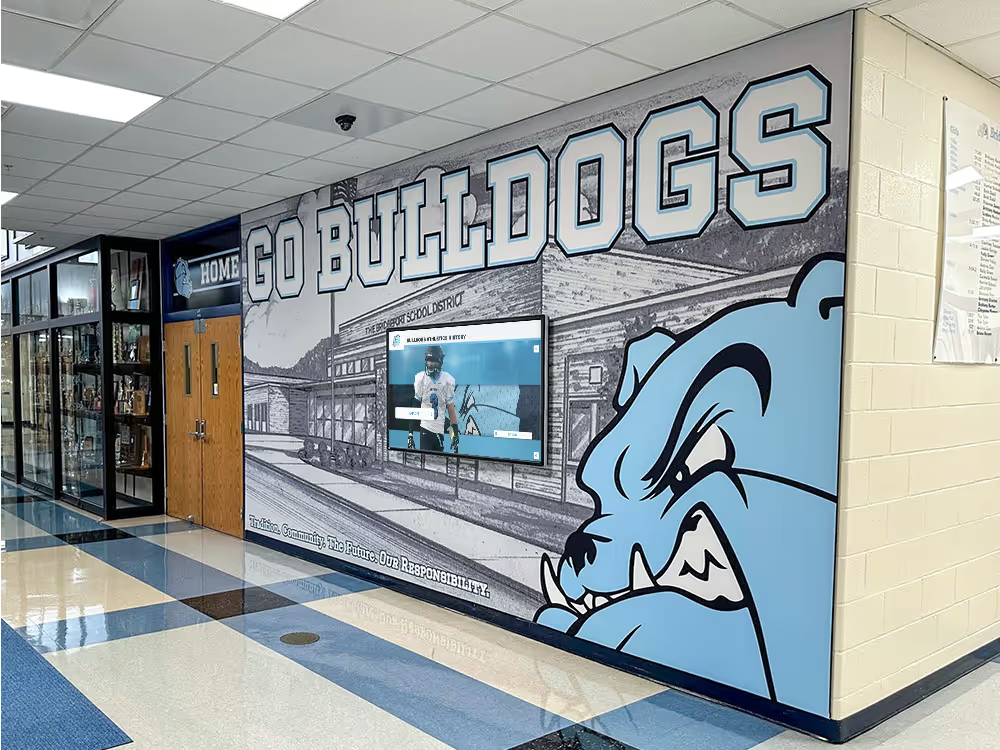
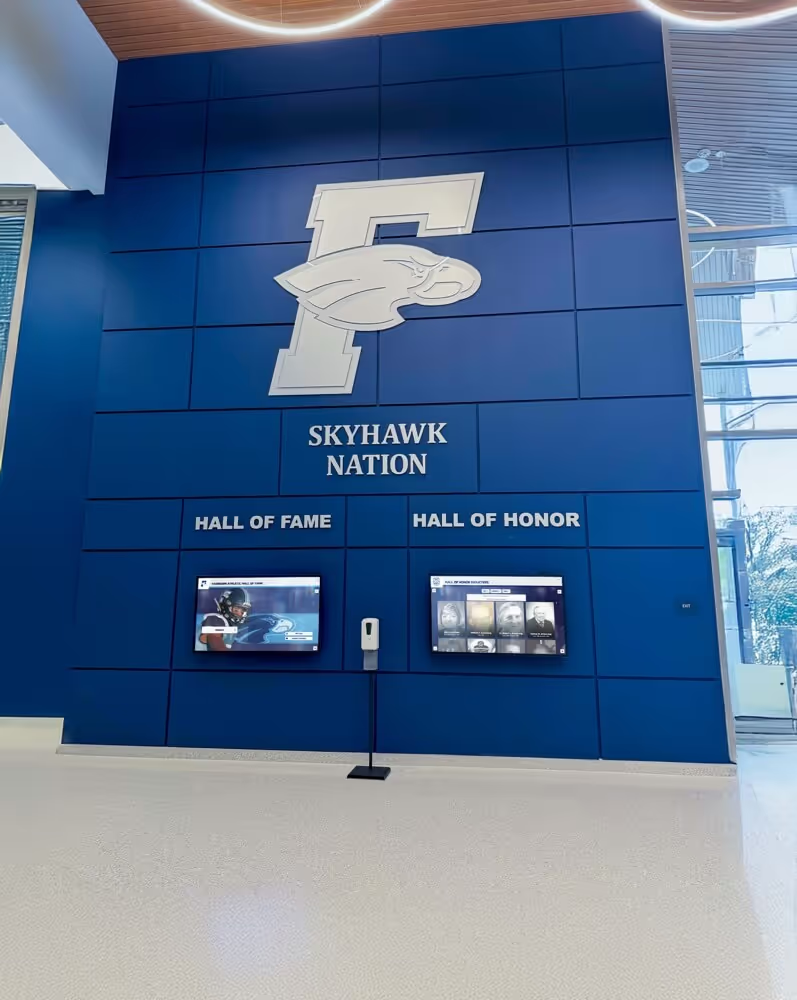
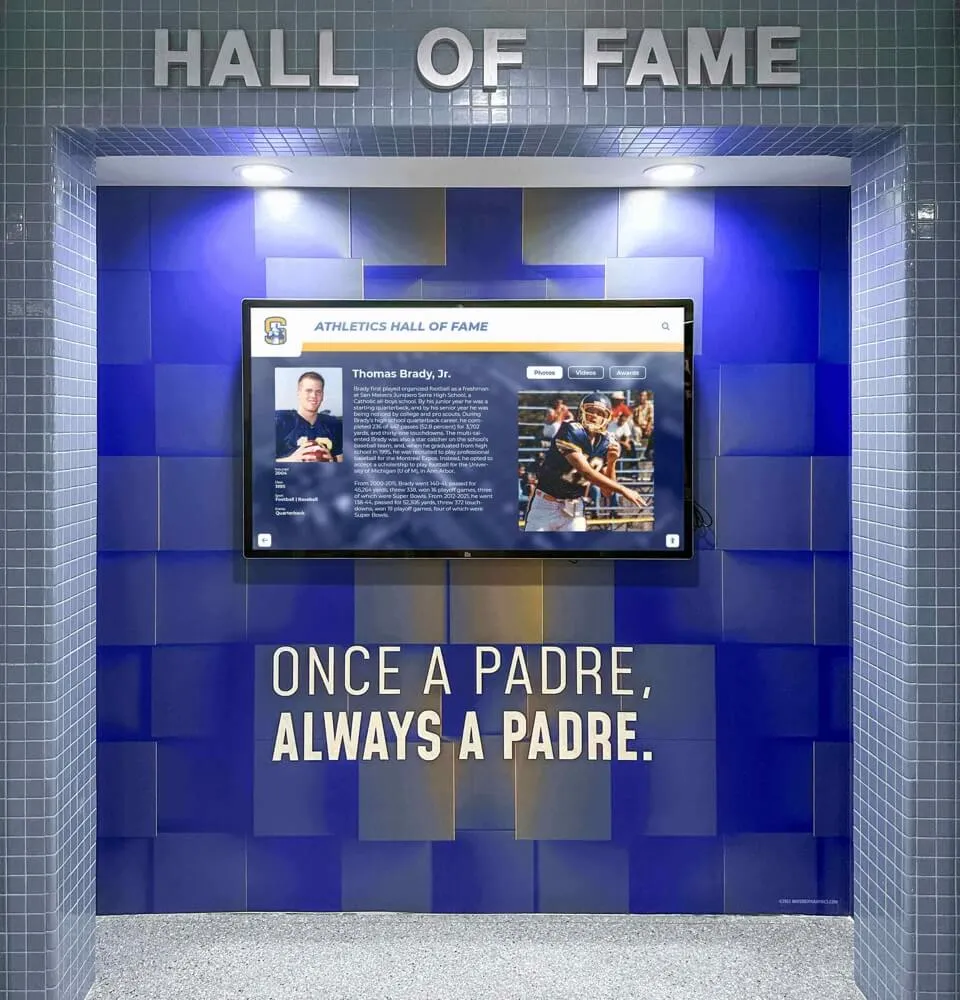
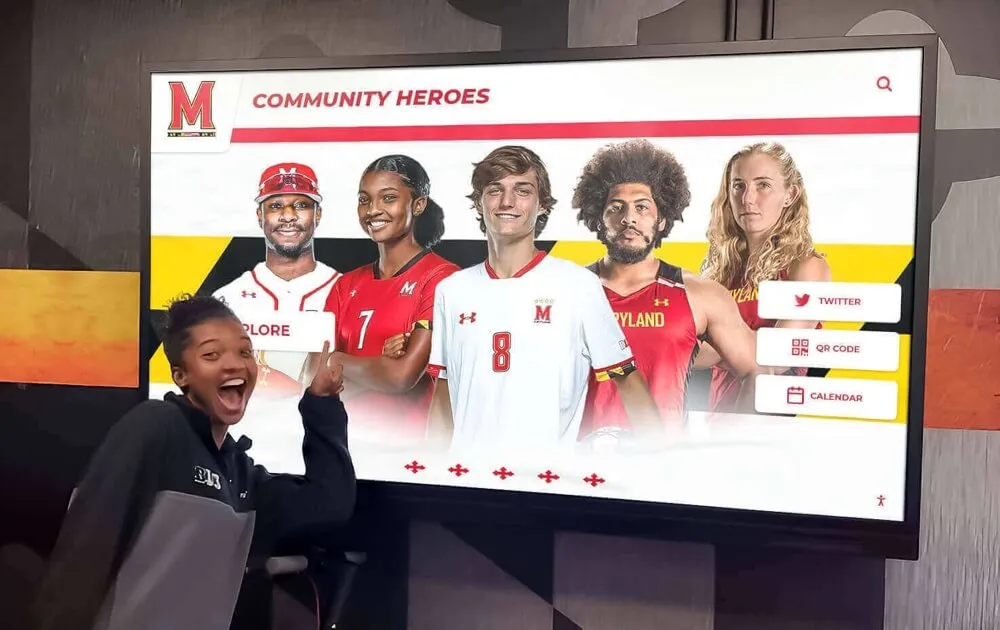
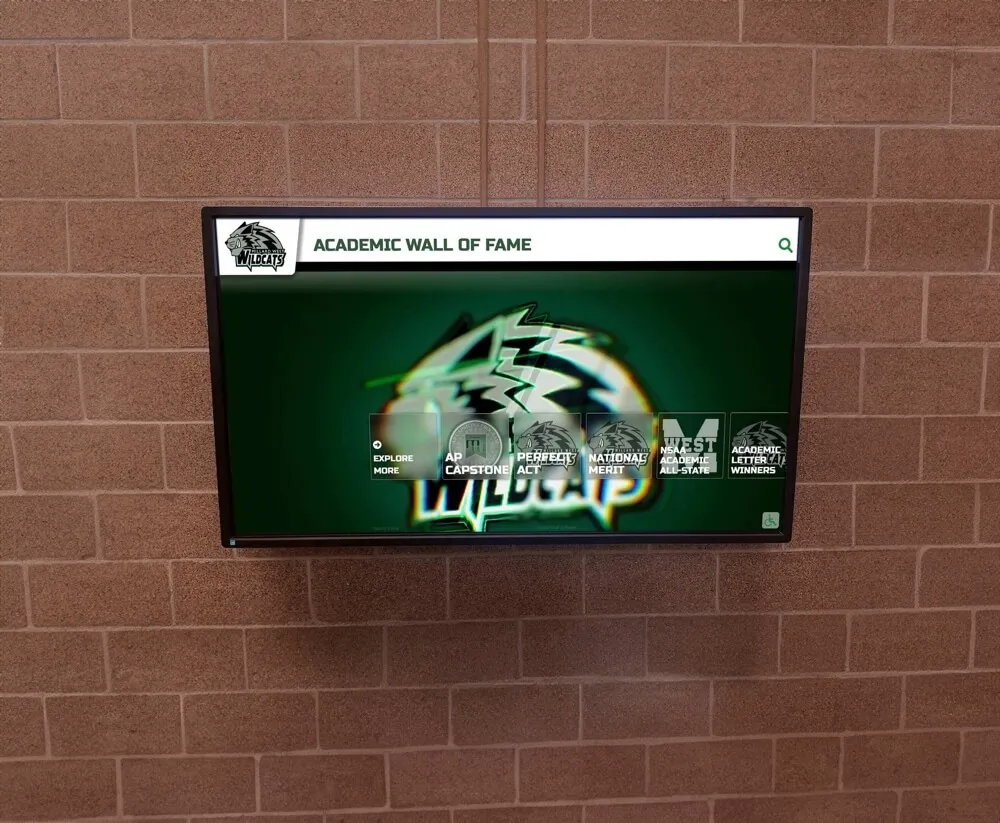
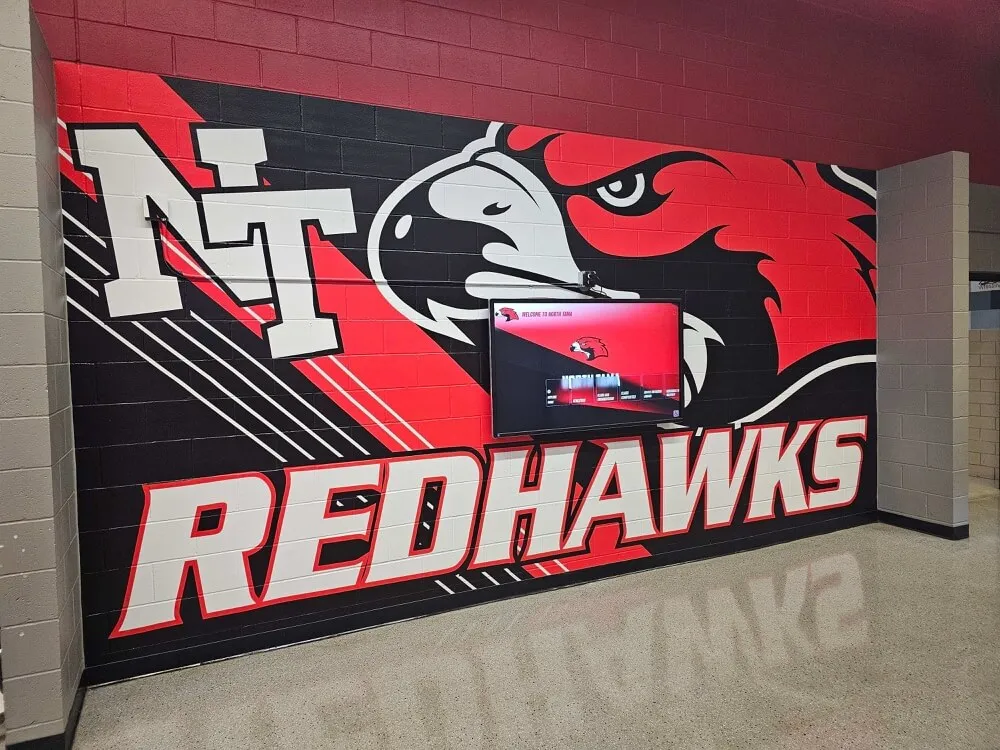
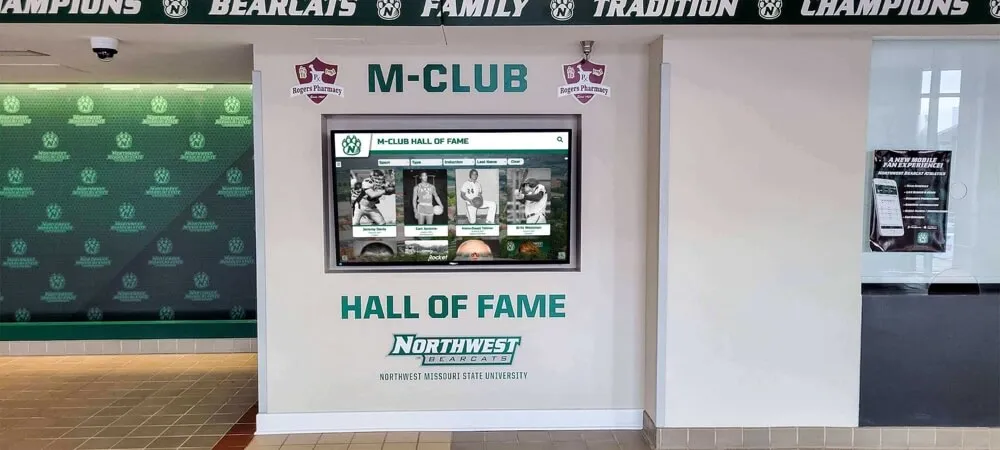
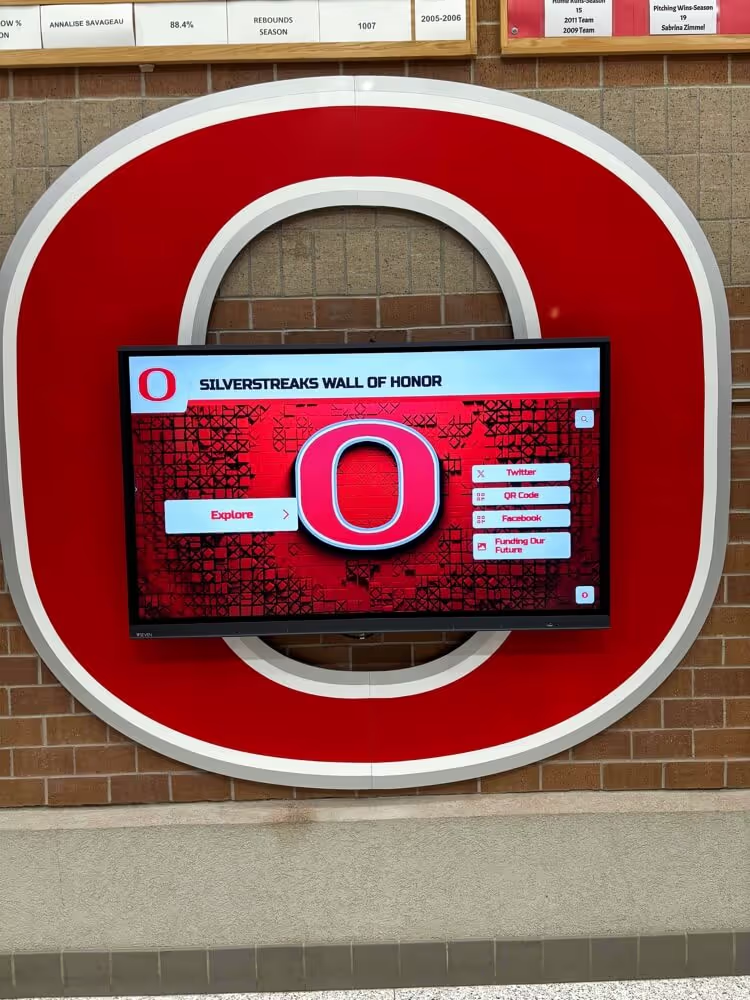
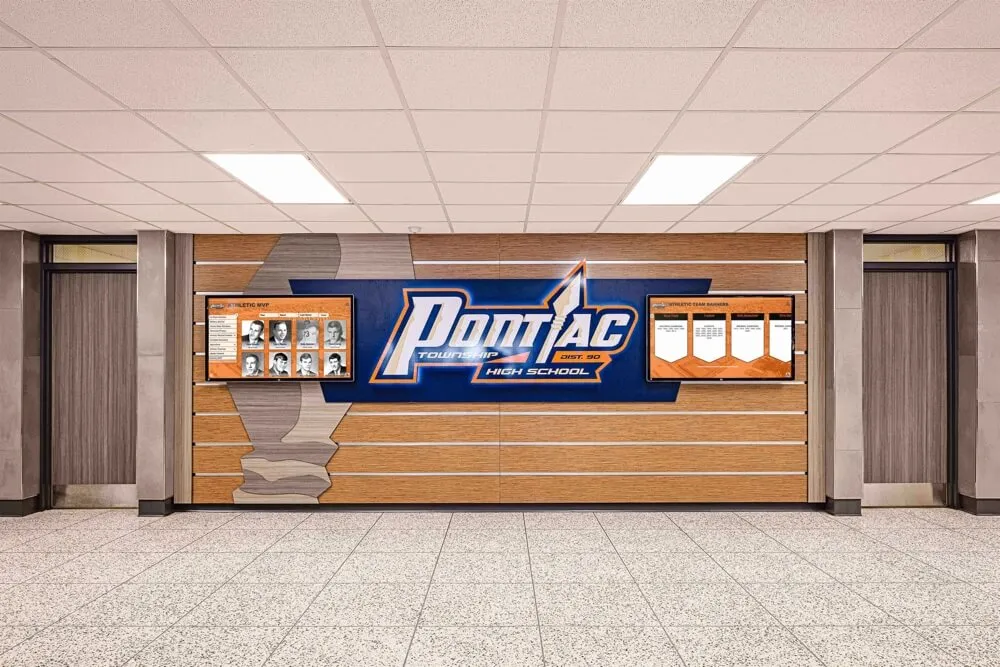
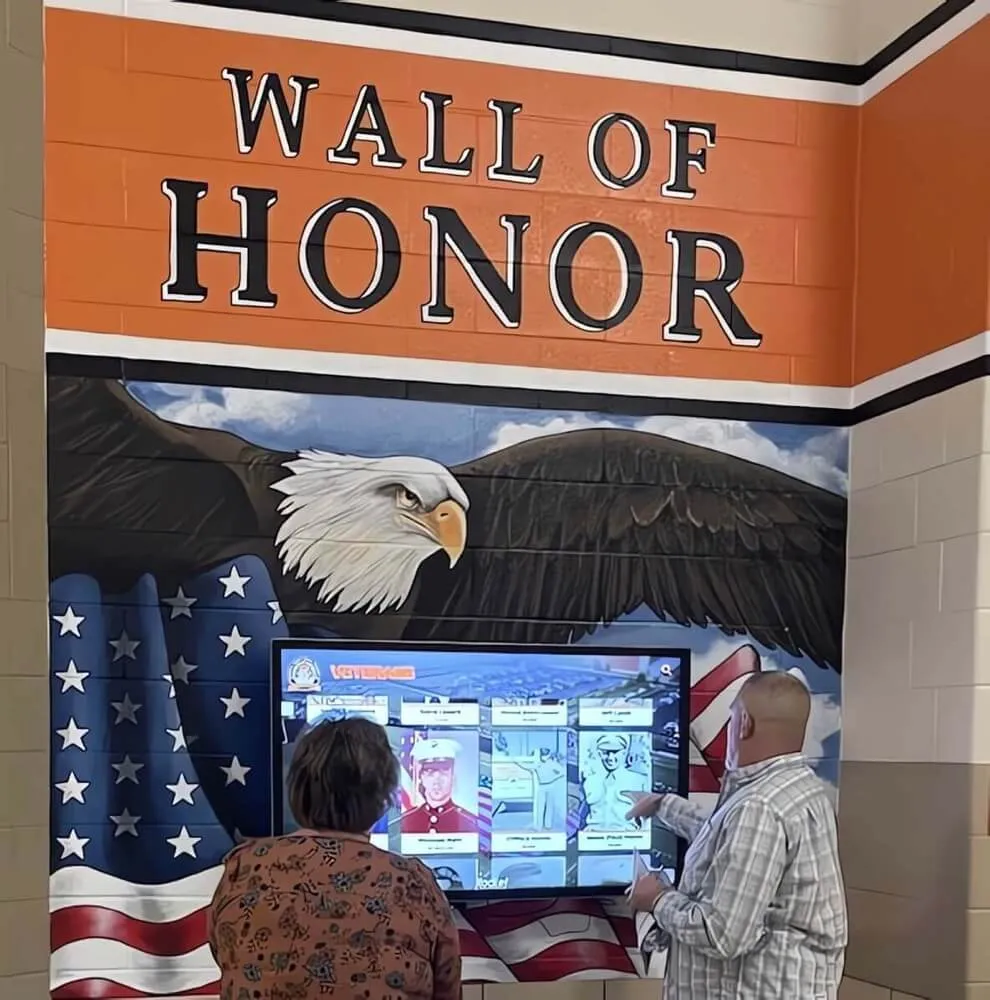
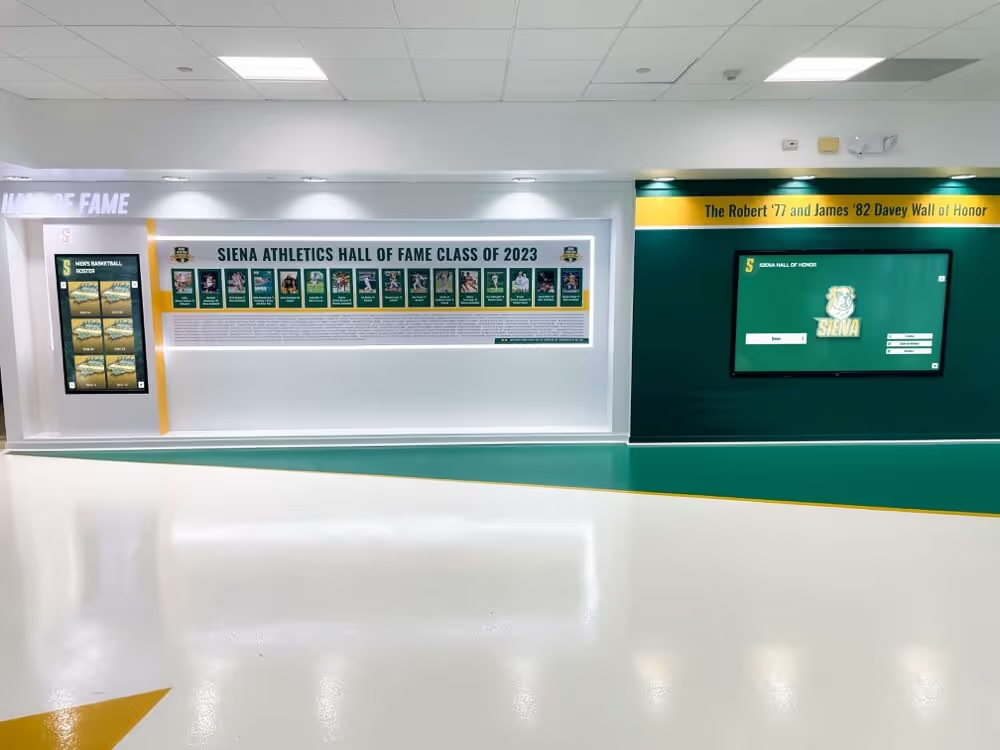
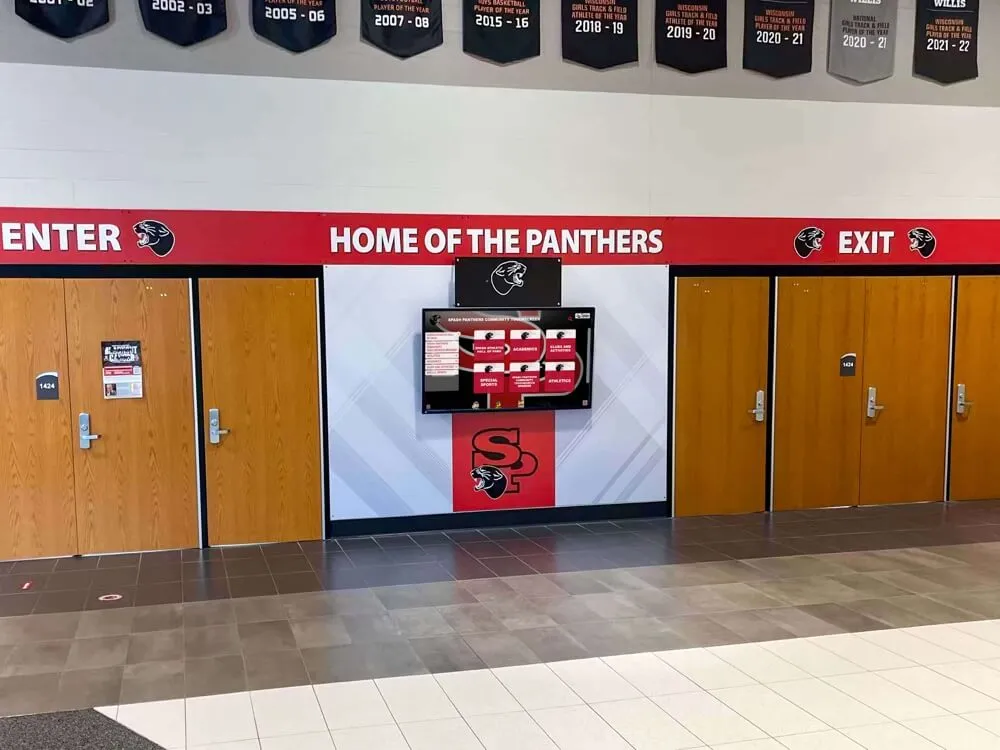
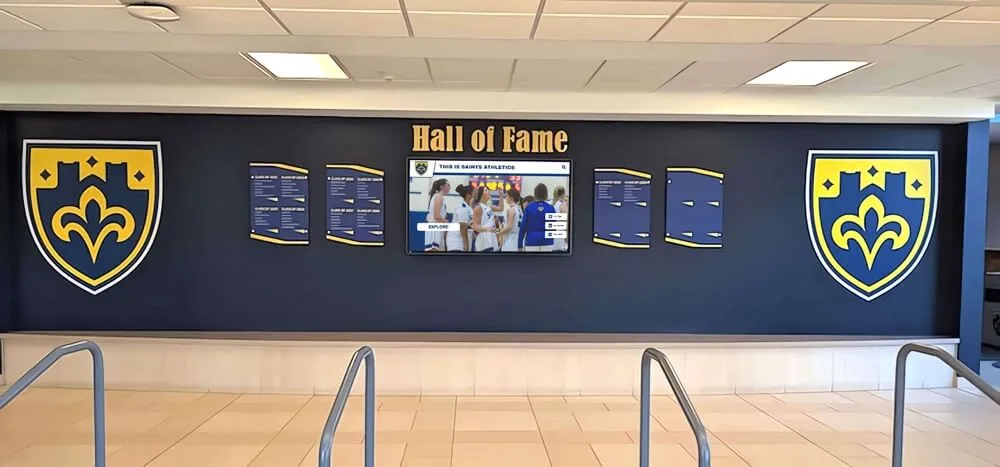
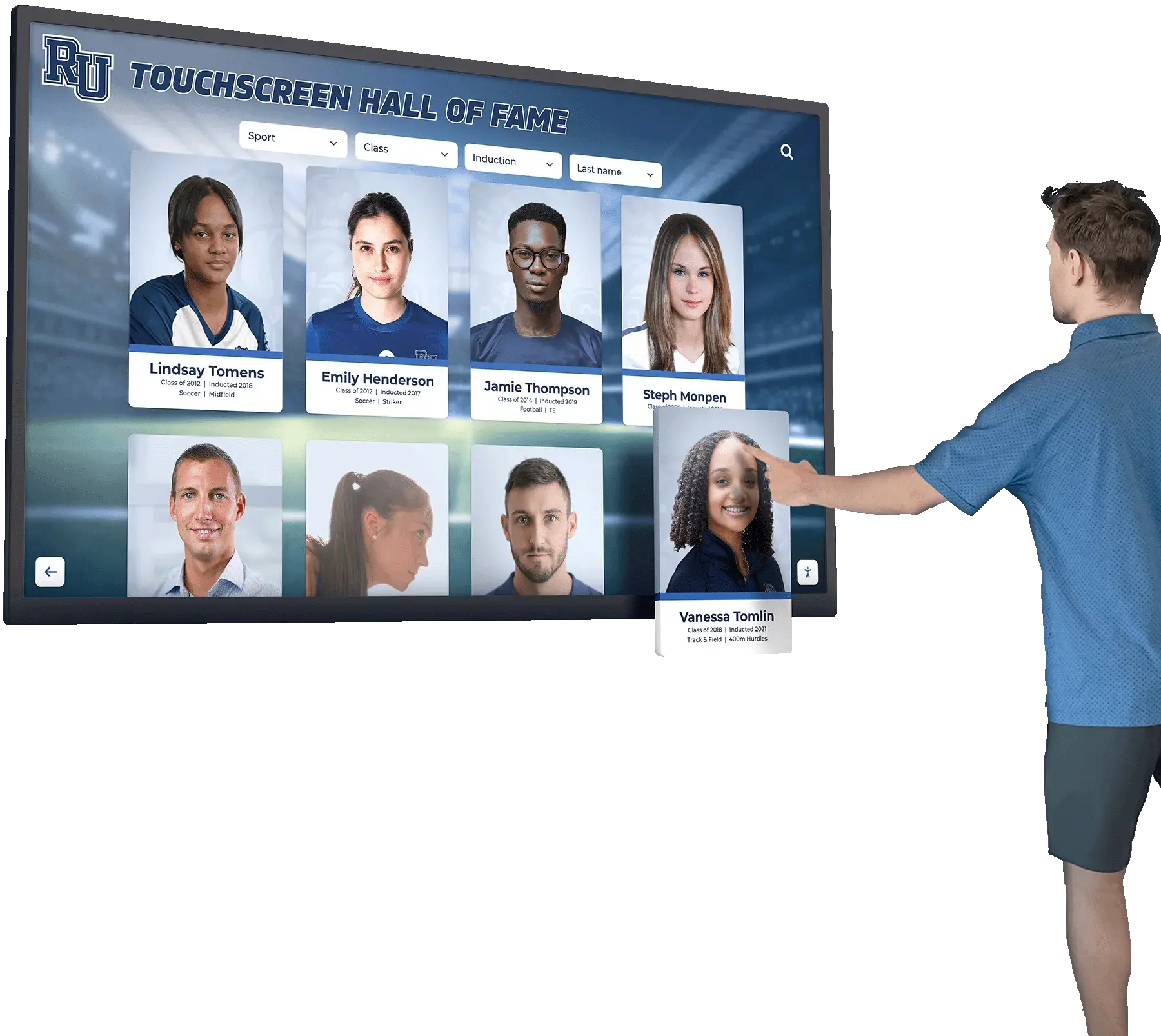
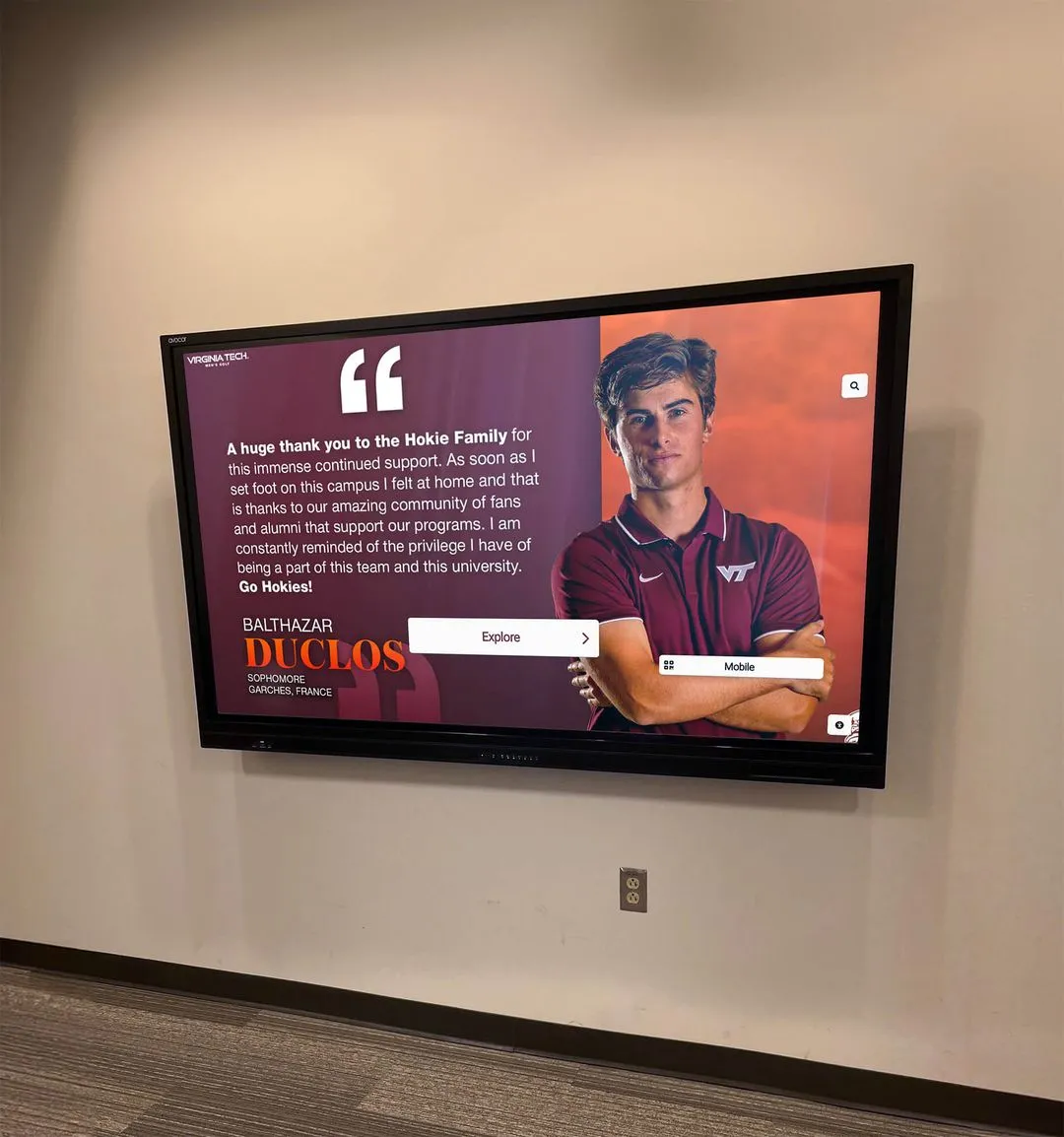
Digital recognition systems require flexible pricing models accommodating diverse institutional funding scenarios
Understanding Rocket Alumni Solutions’ Pricing Philosophy
Before examining specific payment structures, understanding the philosophy behind Rocket’s pricing approach clarifies why multiple options exist and how they serve different organizational needs.
Not Strictly Annual: Multi-Year Flexibility from the Start
The characterization of subscription-based digital recognition as “strictly annual” fundamentally misrepresents how platforms like Rocket Alumni Solutions actually operate. Organizations have always had access to multi-year agreement structures, including extremely long-term arrangements that provide the price certainty and procurement simplicity many institutions require.
Multi-Year Agreement Options
Rocket supports agreements ranging from standard 3-5 year terms up to 10-year prepaid contracts with substantial discount structures. These long-horizon agreements directly address common institutional needs including:
- Capital project alignment where digital recognition systems are integrated into facility construction or renovation projects with multi-decade lifespans
- Grant-funded implementations requiring price certainty and eliminating annual renewal complications that don’t align with grant accounting
- Bond-financed purchases where procurement must occur within specific capital project parameters
- RFP-driven acquisitions mandating fixed-price commitments over defined contract periods
- Budget planning requirements where finance teams need multi-year cost certainty for strategic planning
Organizations pursuing multi-year agreements typically receive 15-40% total cost reductions compared to year-by-year renewals, creating immediate financial advantages while simplifying procurement and eliminating annual renewal friction.
Price Certainty Benefits
Multi-year prepaid structures lock in current pricing, protecting organizations from future rate increases while providing the budgetary predictability financial planning requires. For institutions working with restricted funding sources—capital campaigns, bond proceeds, dedicated endowments—this price certainty proves essential for proper fund utilization and compliance with funding restrictions.
One-Time Payment Structures: Meeting Procurement Requirements
Beyond multi-year subscriptions, Rocket Alumni Solutions can structure true one-time payment agreements when organizational procurement specifically requires this approach.
Bond-Funded and Capital Project Scenarios
Schools and institutions renovating or constructing facilities frequently fund digital recognition systems through bond proceeds or capital campaign contributions that cannot be used for annual operational expenses. These funding mechanisms require capital asset purchases rather than ongoing service subscriptions.
In these scenarios, Rocket works with procurement teams to structure one-time payment agreements where the organization purchases the recognition system outright, including:
- Hardware acquisition and installation
- Software licensing for extended periods
- Initial content development and setup
- Training and implementation support
- Defined warranty and support periods
This structure aligns with capital asset accounting requirements while ensuring institutions can properly utilize restricted funding sources for digital recognition implementations.
RFP and Competitive Bidding Requirements
Government institutions and many private organizations must issue formal Requests for Proposal (RFPs) for technology acquisitions above certain dollar thresholds. RFP processes often specify fixed-price contracts over defined periods rather than ongoing subscription relationships.
Rocket’s flexibility enables responses to diverse RFP structures including fixed-price contracts for 3-10 year terms, one-time payments with optional annual maintenance, hybrid structures combining initial purchase with defined support periods, and lease-to-own arrangements meeting specific procurement guidelines.
The claim that schools “can’t buy once” when procurement genuinely requires this structure is demonstrably inaccurate for organizations working with technology partners offering true procurement flexibility.
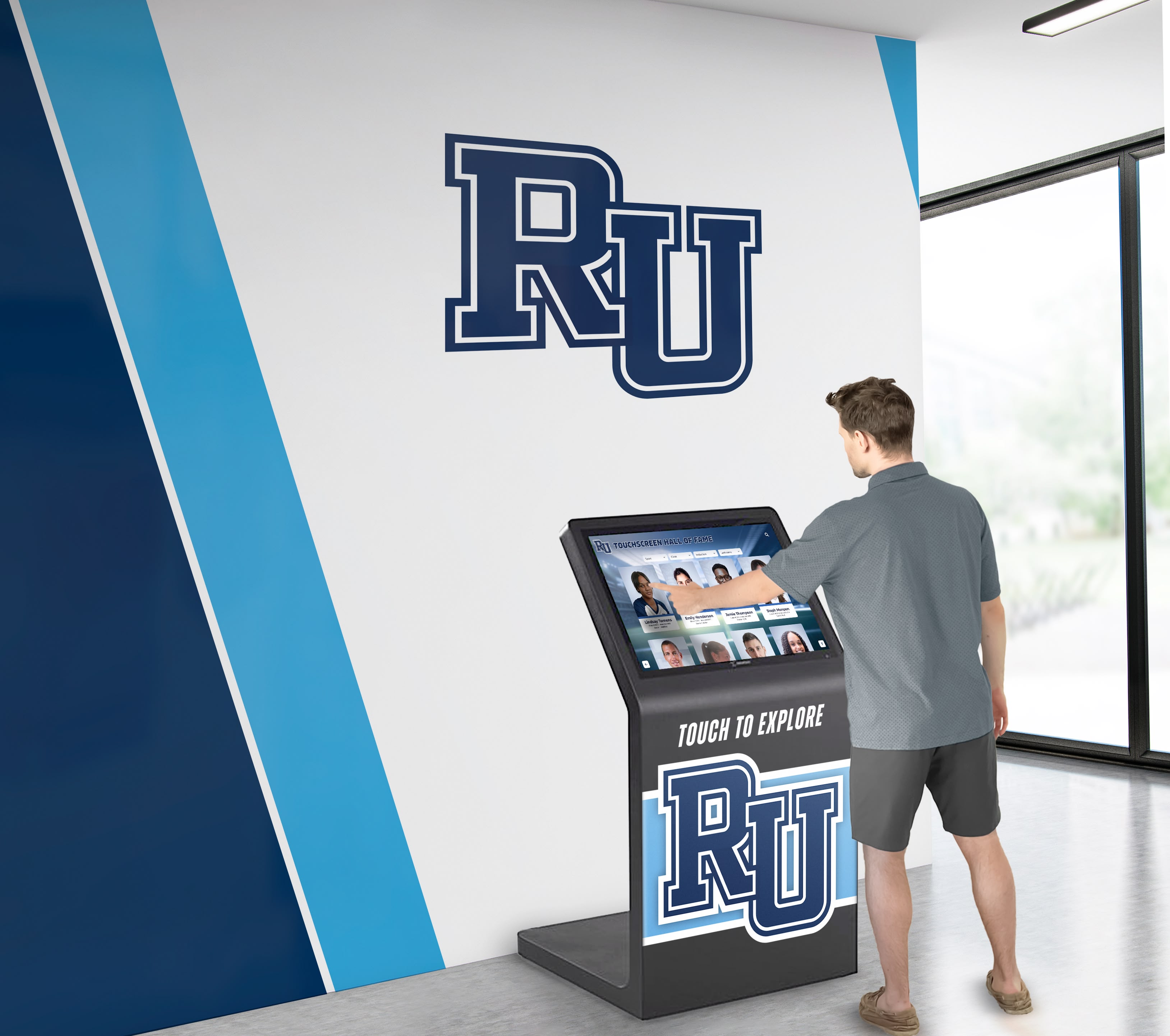
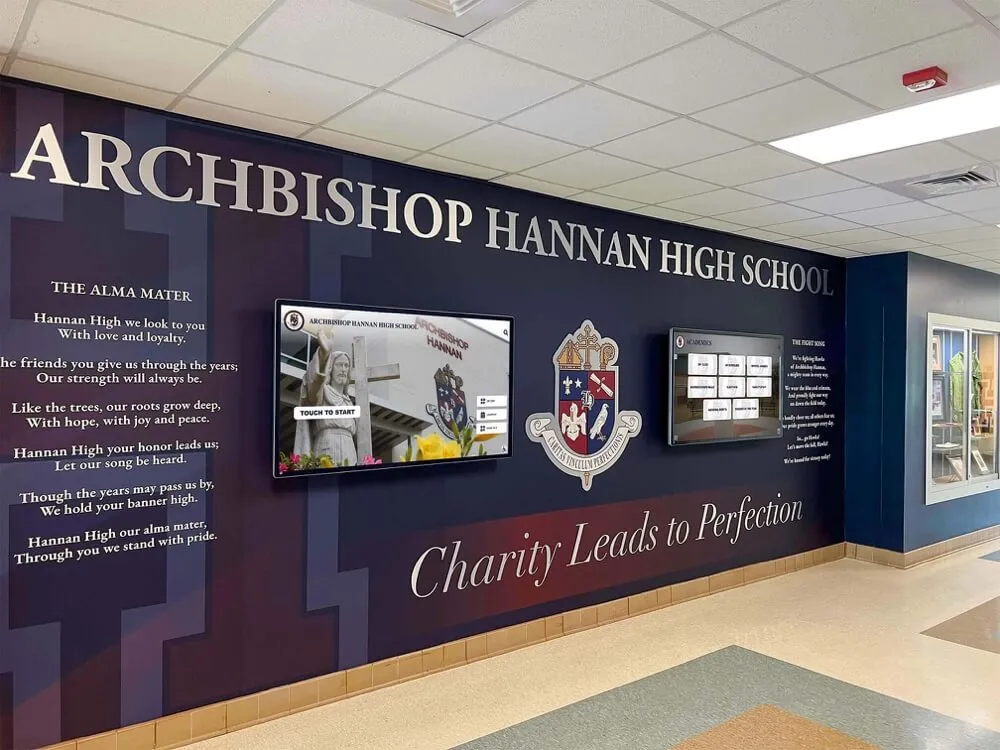
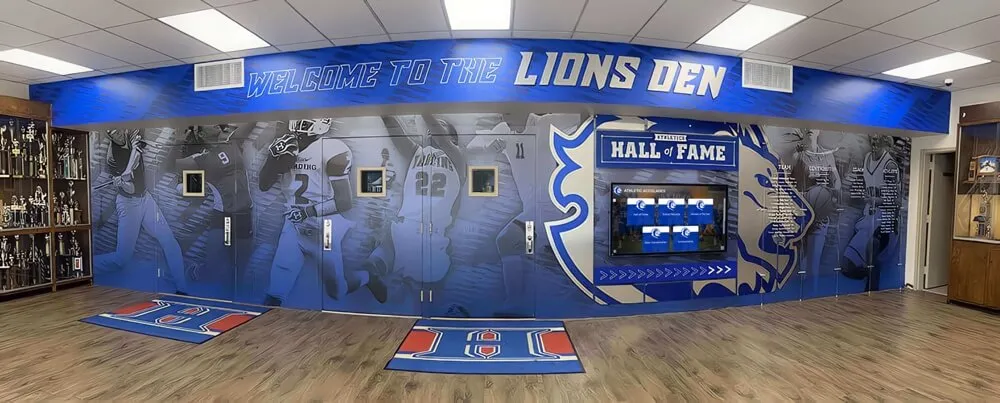
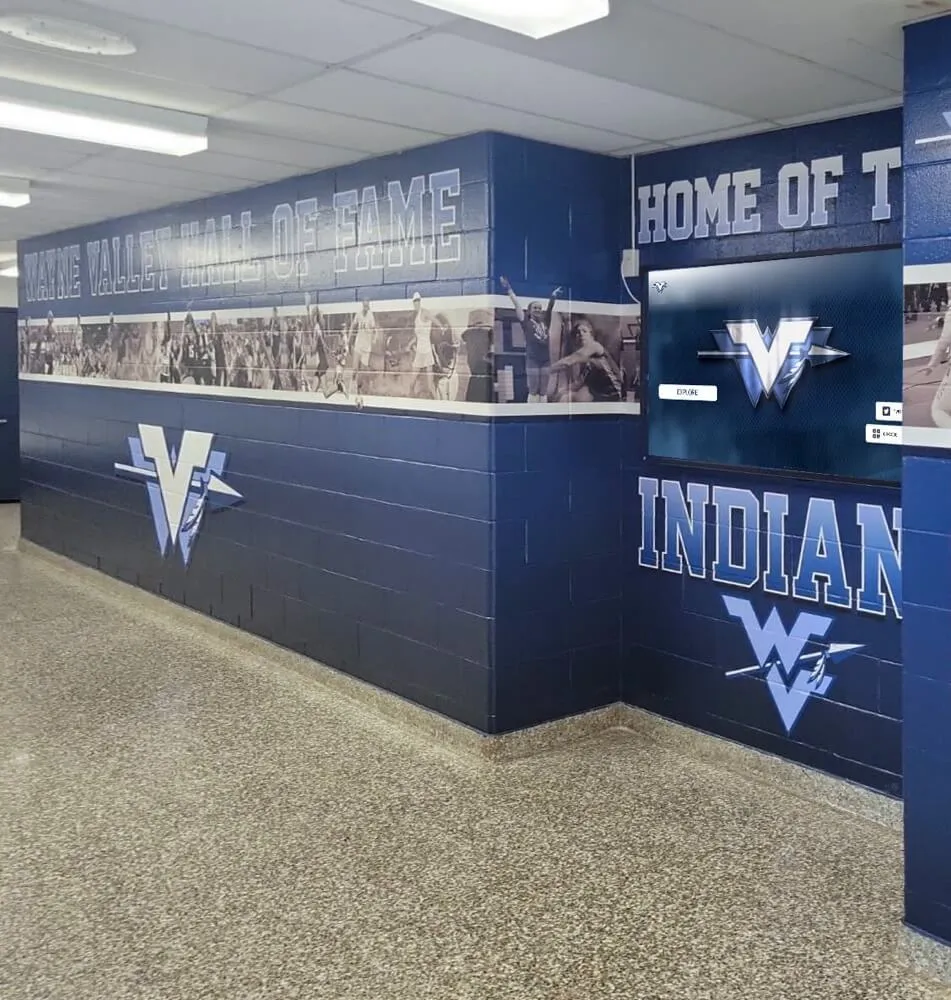
Flexible payment structures accommodate diverse institutional procurement requirements and funding sources
Why Subscription Models Exist: The Living Platform Reality
Understanding why subscription pricing exists at all clarifies what organizations actually receive for ongoing payments—and why “buy once” models often create hidden risks and costs.
Continuous Improvement Investment
Annual subscription revenue funds ongoing engineering and support that keeps digital recognition platforms current, secure, and compatible with constantly evolving technology environments. This continuous development includes:
- Security patches and vulnerability remediation as new threats emerge
- Compatibility updates as browsers, operating systems, and networking standards change
- Accessibility improvements keeping pace with evolving WCAG/ADA interpretation and requirements
- Feature enhancements based on user feedback and emerging needs
- Performance optimization as technology capabilities advance
- Database and infrastructure maintenance ensuring reliability and uptime
Organizations using subscription-based platforms benefit immediately from these improvements without additional procurement, installation, or professional services expenses. The shared codebase model means enhancements developed for one client automatically become available to all users—no one gets “left behind” on deprecated software versions requiring expensive upgrades.
No Tiered Feature Restrictions
Unlike many software platforms offering “basic” and “premium” subscription tiers with feature limitations, Rocket’s model provides all users access to the full platform regardless of organization size or subscription level. A small rural school receives the same features, security updates, and improvements as a major university, ensuring equitable access to platform capabilities.
This universal access model prevents scenarios where organizations discover critical features require subscription upgrades or add-on purchases years into implementation.
The Hidden Costs and Risks of “Buy Once” Models
Organizations attracted to perpetual license or “buy it once” technology models should carefully evaluate what those structures actually deliver long-term—and what ongoing costs remain hidden in initial pricing.
Technology Evolution Doesn’t Stop
The fundamental challenge with perpetual license models for web-based technology is that the environment digital recognition systems operate within changes constantly, regardless of payment structure. Software purchased once doesn’t exempt organizations from these realities.
Continuous Environmental Changes
- Browser evolution: Chrome, Edge, Safari, and Firefox release major updates every 6-8 weeks, changing rendering engines, security requirements, and functionality that web applications depend on
- Accessibility standards: WCAG guidelines and ADA interpretation continue evolving, requiring ongoing compliance updates as legal precedent and regulatory guidance changes
- Security vulnerabilities: New attack vectors and exploits emerge continuously, demanding prompt patches even in “finished” software
- Networking standards: Protocol changes, certificate requirements, and infrastructure updates affect connectivity and operation
- Operating system changes: Both server-side and client-side OS updates alter software dependencies and compatibility requirements
- Database dependencies: Backend database platforms require security updates and version migrations maintaining performance and reliability
Organizations buying “once” don’t escape these realities—they simply assume responsibility for addressing them through other mechanisms that often prove more expensive and disruptive than subscription-based continuous maintenance.
The Paid Upgrade Cycle
Perpetual license models typically generate ongoing revenue through paid major version upgrades, with vendors releasing new versions every 2-4 years that require:
- Purchase fees often approaching 50-80% of original license costs
- Professional services for migration and implementation
- Downtime and disruption during upgrade processes
- Retraining as interfaces and workflows change
- Data migration and testing ensuring information integrity
Organizations believing they’ve “bought once” discover they’re actually caught in expensive, disruptive upgrade cycles that often exceed total subscription costs while providing poorer experiences than platforms with continuous incremental improvements.
Security and Compliance Risks
Outdated software creates serious institutional risks extending far beyond inconvenience:
Vulnerability Exposure
Digital systems connected to networks face constant security threats. Software that isn’t actively maintained accumulates known vulnerabilities that attackers specifically target. Organizations running outdated platforms experience:
- Increased breach risk compromising sensitive donor, alumni, or student information
- Potential compliance violations under data protection regulations (FERPA, CCPA, GDPR for international users)
- Reputation damage if security incidents occur
- Legal liability for failing to maintain reasonable security practices
Accessibility Compliance Requirements
Educational institutions and nonprofit organizations receiving federal funding face ongoing ADA/Section 504 compliance obligations for digital content. As interpretation of these requirements evolves through OCR guidance and court precedent, platforms must adapt to maintain compliance.
“Buy once” software rapidly falls behind evolving accessibility standards, creating compliance gaps that expose organizations to:
- OCR complaints and investigation
- Private lawsuits under ADA Title III
- Mandatory remediation expenses
- Potential loss of federal funding
The Professional Services Alternative
Organizations attempting to maintain perpetual license software through internal IT resources or contracted professional services typically discover this approach is expensive, reactive, and inefficient compared to subscription-based continuous maintenance:
- Hourly consulting fees for security patches, compatibility fixes, and feature updates
- Emergency support premiums when critical issues arise requiring immediate attention
- Inconsistent quality depending on consultant availability and expertise
- Documentation gaps as institutional knowledge fragments across multiple service providers
- Reactive posture where issues get addressed after problems occur rather than proactively
Many organizations that initially selected “buy once” models specifically to avoid ongoing costs discover their total cost of ownership actually exceeds subscription alternatives while providing inferior experiences and higher risk.
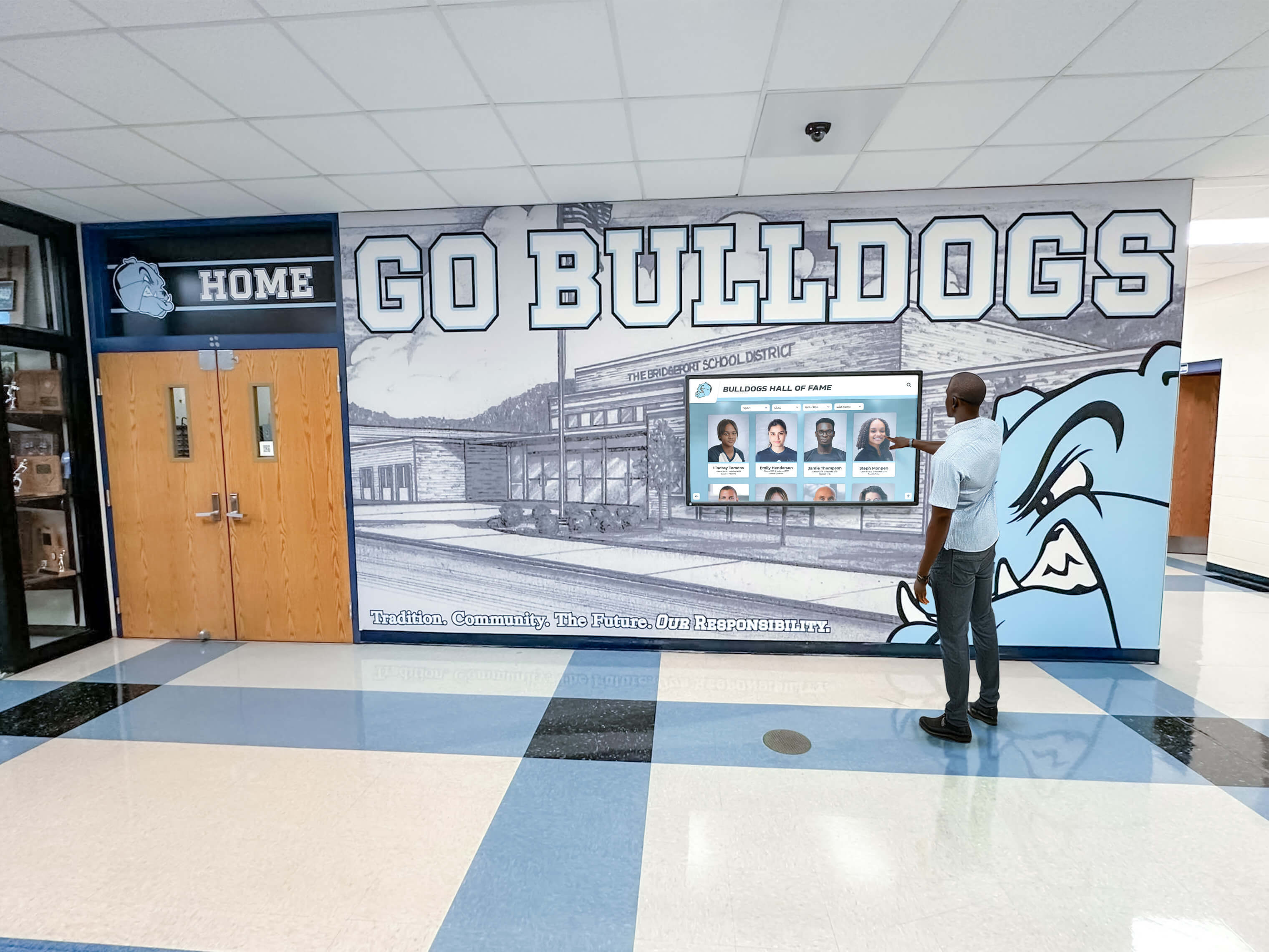
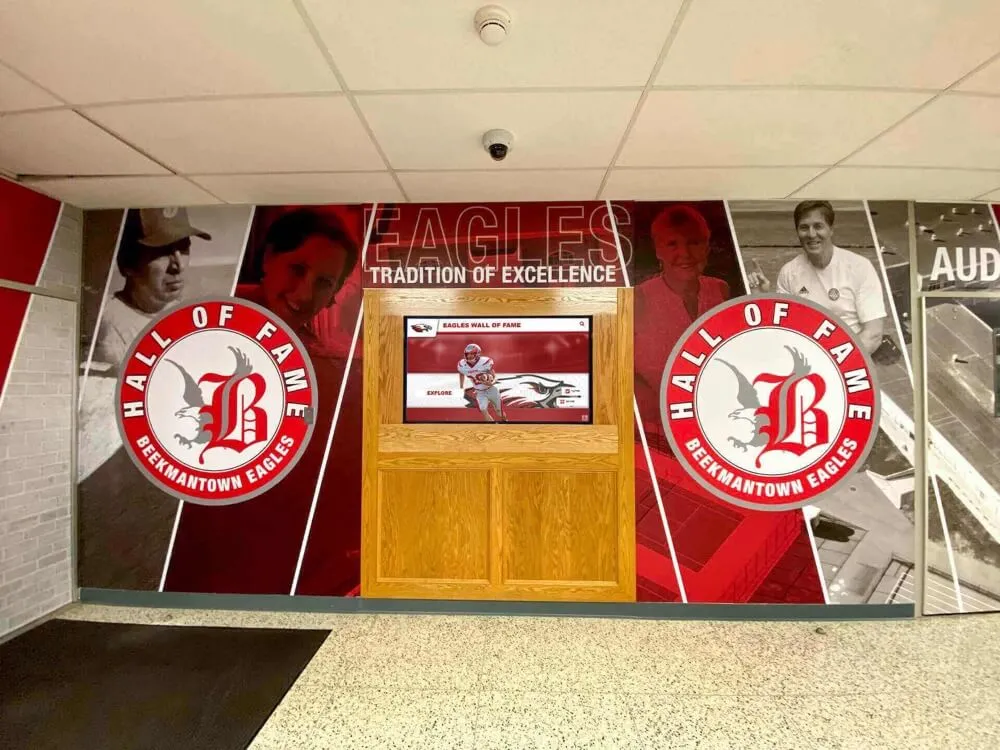
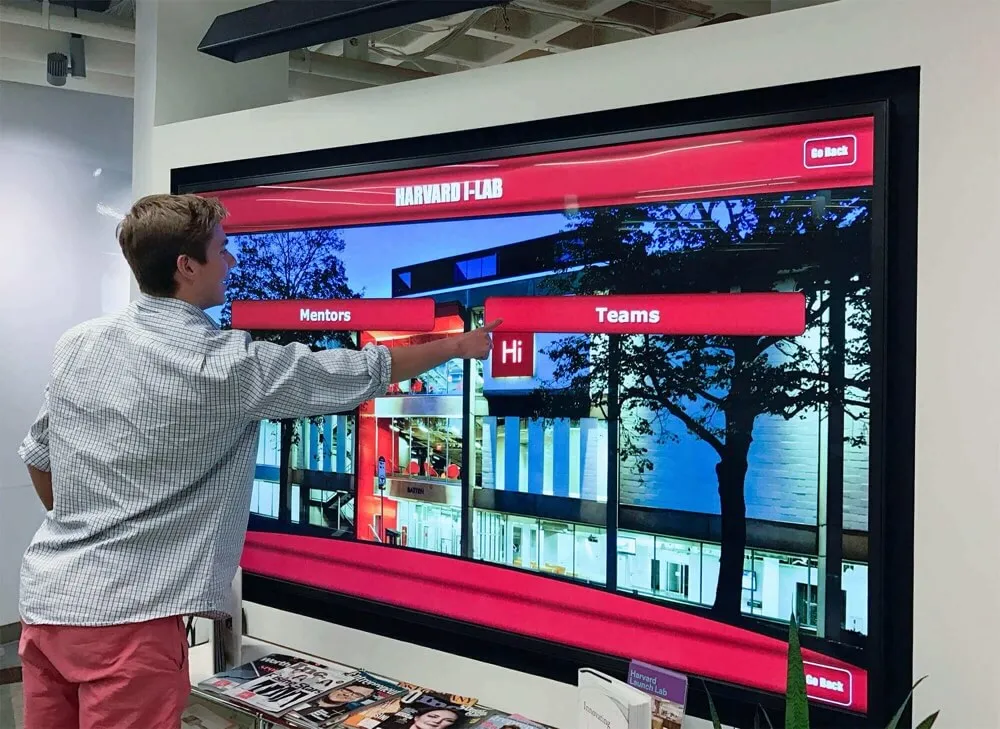
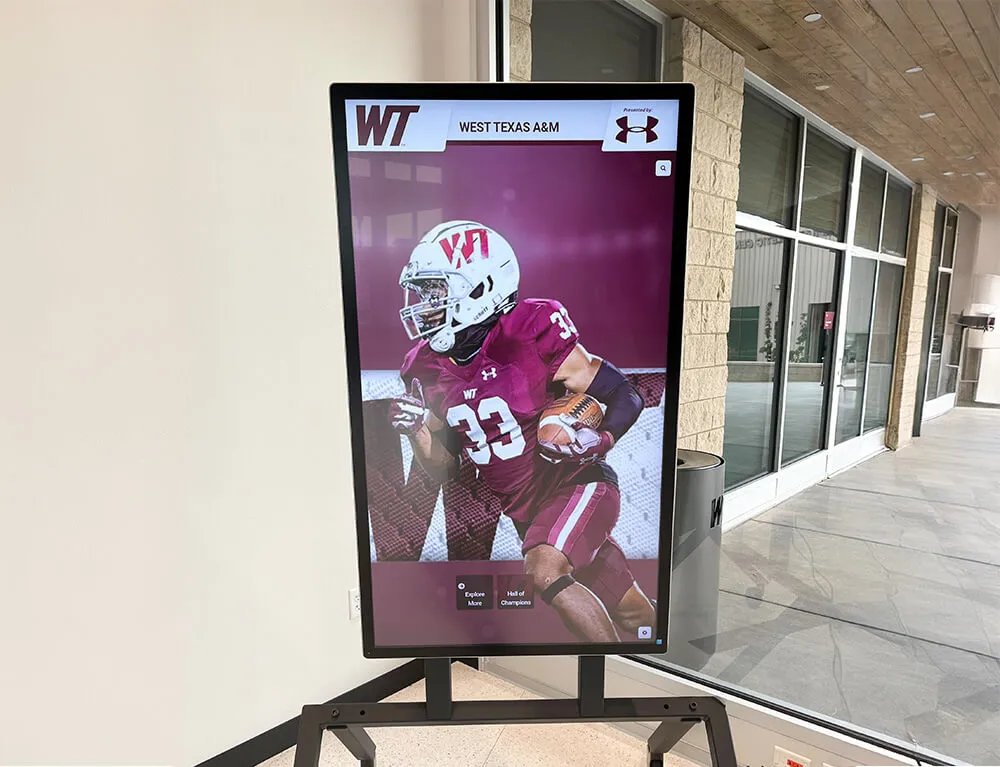
Continuous platform maintenance ensures digital recognition systems remain secure, compatible, and accessible
What Subscription Models Actually Fund
Understanding where subscription revenue goes clarifies the value organizations receive for ongoing payments versus one-time purchases.
Centralized Maintenance and Automatic Updates
Subscription-based platforms like Rocket Alumni Solutions provide database-driven, centrally maintained systems where improvements deploy automatically to all installations without local IT intervention.
Automatic Update Delivery
- Updates appear overnight on displays without requiring manual installation
- Security patches deploy within hours of vulnerability discovery
- Feature enhancements become immediately available across all installations
- Compatibility fixes roll out proactively before users encounter issues
- Content updates happen seamlessly through cloud-based management
This automatic maintenance contrasts sharply with traditional software requiring:
- Manual update downloads and installation by local IT staff
- Scheduled maintenance windows with system downtime
- Testing and validation before deploying updates
- Rollback procedures when updates cause problems
- Coordination across multiple installations when organizations operate several displays
Reduced IT Burden
Organizations using subscription-based recognition systems report dramatic reductions in IT resource requirements compared to self-hosted or perpetual license alternatives. After initial installation, ongoing technical support needs typically involve:
- Content management by communications or advancement staff
- Occasional hardware troubleshooting (power, network connectivity)
- Rare technical support contacts for unusual circumstances
The platform provider handles everything else—security, compatibility, performance optimization, database maintenance—without consuming local IT resources that most schools and nonprofits can’t spare.
Shared Development Investment
The subscription model enables development investment that individual organizations couldn’t justify independently but collectively benefits all users.
Features Developed for One, Deployed to All
When Rocket develops new capabilities or improvements in response to one client’s needs or emerging requirements, those enhancements become available across the entire platform. This shared development model means:
- Small organizations access enterprise-grade features without enterprise budgets
- Emerging best practices propagate rapidly across all installations
- Accessibility improvements benefit everyone immediately
- Security enhancements protect all users simultaneously
- Interface refinements create better experiences universally
This dynamic contrasts with custom development or self-hosted solutions where improvements remain organization-specific and don’t benefit broader user communities.
Investment in Emerging Technologies
Subscription revenue enables ongoing research and development in emerging technologies that individual institutions couldn’t afford to pursue independently:
- Mobile integration and responsive design
- Advanced accessibility features
- Analytics and engagement tracking
- API integrations with other platforms
- Enhanced multimedia capabilities
- Artificial intelligence applications for content management and personalization
Organizations benefit from these investments without additional procurement or implementation costs as new capabilities roll out to the platform.
“Sleep at Night” Operational Reliability
Perhaps the most valuable aspect of subscription-based digital recognition platforms is the peace of mind they provide to already-stretched institutional teams.
24/7 Monitoring and Support
Platform providers continuously monitor system health, performance, and security across all installations, identifying and resolving issues proactively before users encounter problems. This oversight includes:
- Server and infrastructure monitoring
- Uptime and performance tracking
- Security scanning and threat detection
- Automated backup and disaster recovery
- Traffic and load management
Organizations operating self-hosted systems must provide this monitoring internally or accept increased downtime risk—often discovering at the worst possible times that critical systems aren’t properly maintained.
Professional Technical Support
When issues do arise, subscription-based platforms provide professional technical support from specialists intimately familiar with the platform. This support contrasts with:
- Generic help desk support from IT staff unfamiliar with specialized recognition software
- Hourly consulting fees for external technical support
- Delayed response while tracking down vendor contacts for perpetual license software
- Limited support hours for older software versions vendors no longer actively maintain
Organizations report that knowing someone will answer when technical help is needed provides significant value, particularly for smaller institutions without extensive technical resources.
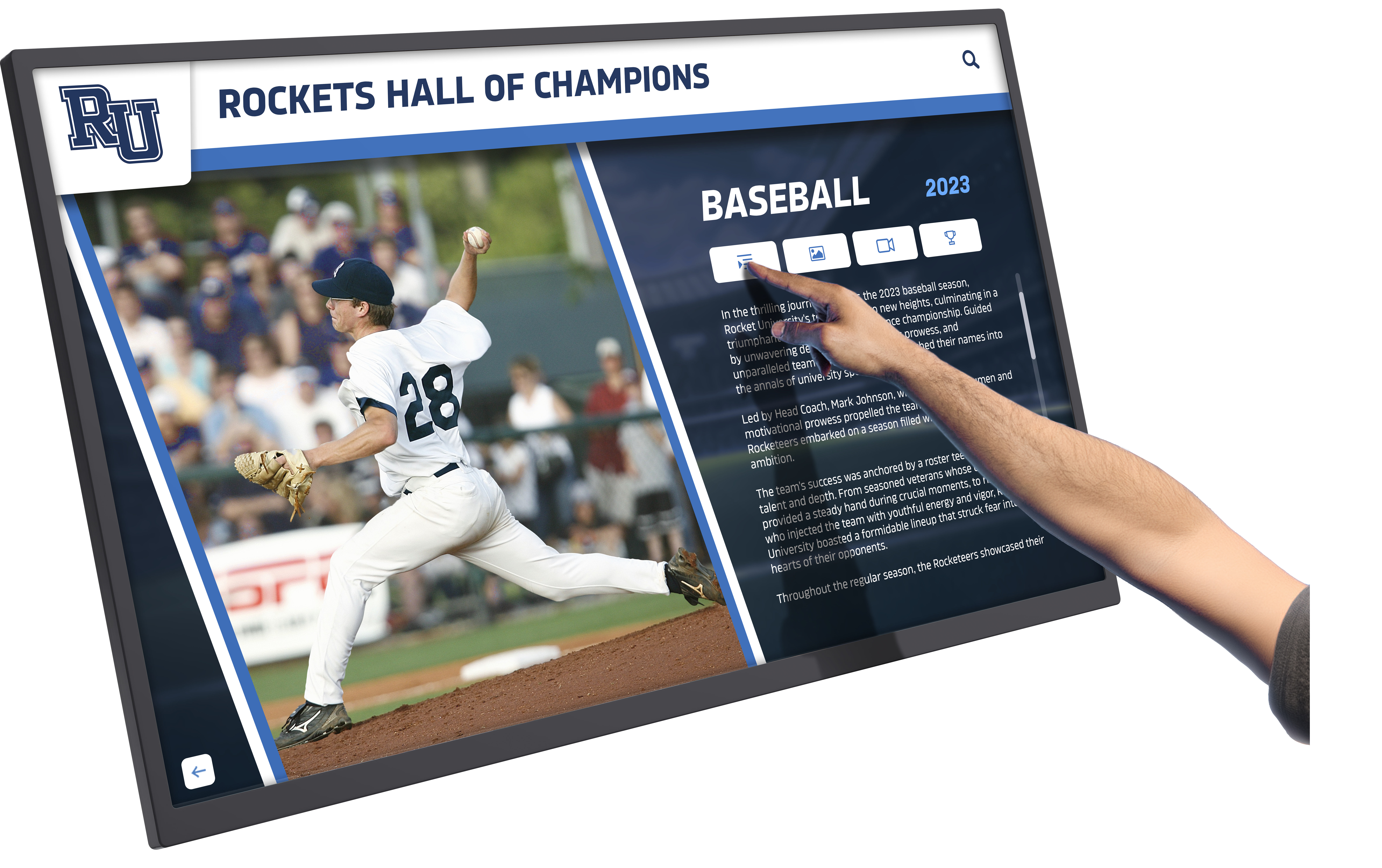
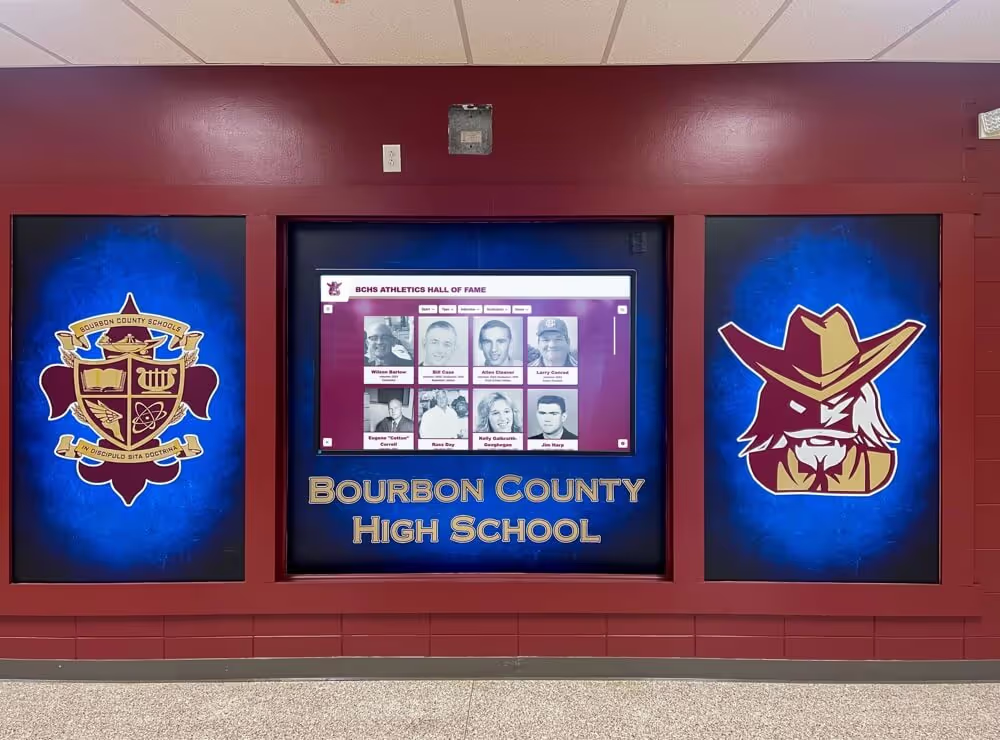
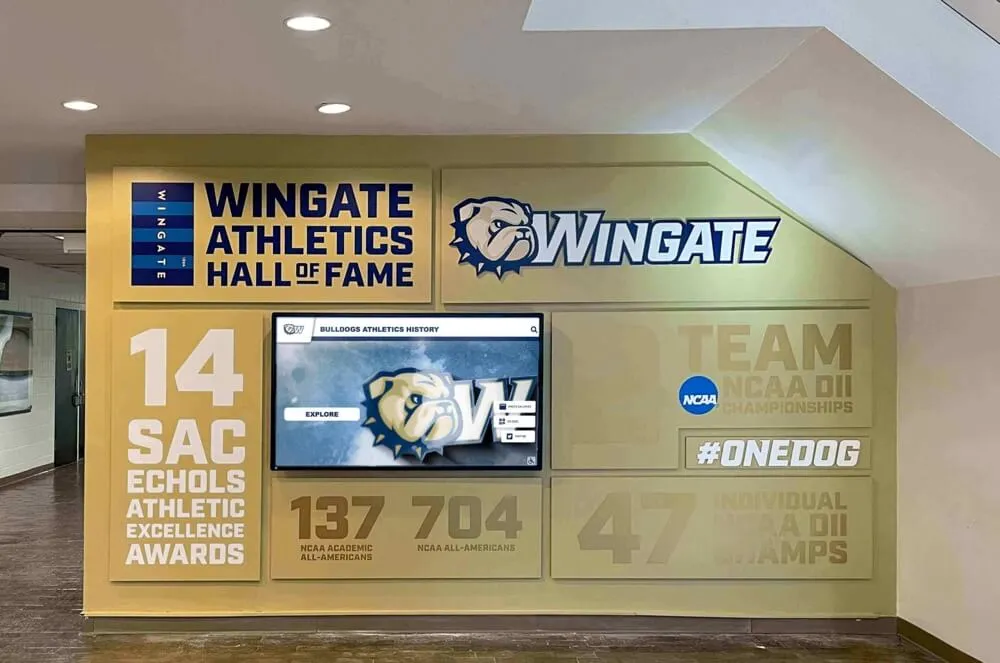
Database-driven platforms enable automatic updates appearing on displays without manual IT intervention
Evaluating True Total Cost of Ownership
Organizations should evaluate digital recognition pricing through comprehensive total cost of ownership (TCO) analysis rather than focusing exclusively on initial acquisition costs.
Comparing Subscription vs. Perpetual License Models
Subscription Model TCO (10 Years)
- Annual subscription: $3,000-$8,000 depending on feature set and display count
- Professional support: Included in subscription
- Security updates: Included in subscription
- Feature enhancements: Included in subscription
- Major version upgrades: Included in subscription
- Training and documentation: Included in subscription
- 10-Year Total: $30,000-$80,000
Perpetual License TCO (10 Years)
- Initial license: $8,000-$20,000
- First-year support: $1,500-$4,000
- Annual support renewals: $1,500-$4,000 × 9 years = $13,500-$36,000
- Major version upgrades (3 @ 60% of license): $14,400-$36,000
- Professional services for upgrades: $4,500-$12,000
- Emergency support incidents: $2,000-$8,000
- 10-Year Total: $43,900-$116,000
This analysis demonstrates that subscription models often provide lower total cost of ownership while delivering superior experiences, reduced risk, and less administrative burden.
Additional Hidden Costs
Beyond direct software expenses, perpetual license models typically require:
- Internal IT labor for updates, troubleshooting, and maintenance
- Infrastructure costs (servers, hosting, networking)
- Backup and disaster recovery systems
- Security tools and monitoring
- Testing environments for validating updates
Organizations should include these costs when comparing alternatives rather than focusing exclusively on software acquisition pricing.
Multi-Year Subscription Discounts
Organizations concerned about total subscription costs should evaluate multi-year prepaid agreements offering substantial savings:
Typical Discount Structures
- 3-year prepaid: 15-20% discount vs. annual billing
- 5-year prepaid: 25-30% discount vs. annual billing
- 7-year prepaid: 30-35% discount vs. annual billing
- 10-year prepaid: 35-40% discount vs. annual billing
These discounts create immediate cost reductions while providing the price certainty budget planning requires. A $5,000 annual subscription becomes $33,750 for seven years prepaid (versus $35,000 billed annually)—savings of $11,250 while eliminating renewal friction for seven years.
Funding Source Alignment
Multi-year prepaid subscriptions align particularly well with:
- Capital project budgets where digital recognition is part of facility construction or renovation
- Capital campaign proceeds funding permanent recognition installations
- Endowment spending from dedicated funds supporting specific purposes
- Grant funding with defined periods and price certainty requirements
- Bond proceeds requiring capital asset purchases
These funding sources often can’t support ongoing operational subscriptions but work perfectly for multi-year prepaid agreements structured as capital investments.
Explore how organizations have implemented digital recognition systems with flexible pricing accommodating diverse budget structures.
Addressing Common Pricing Misconceptions
Several persistent myths about digital recognition pricing deserve explicit correction.
“Subscription Trap” Mischaracterization
Misconception: Subscription-based recognition systems create unavoidable ongoing expenses that drain budgets indefinitely compared to “buy once” alternatives.
Reality: This characterization fundamentally misunderstands what subscription models provide and the hidden costs perpetual licenses create. Organizations aren’t paying repeatedly for the same static product—they’re funding continuous maintenance, improvement, and support that keeps platforms secure, compatible, and valuable across years or decades of use.
The “subscription trap” framing also ignores that:
- Multi-year prepaid options exist for organizations preferring long-term commitments
- One-time payment structures accommodate specific procurement requirements
- Total cost of ownership often favors subscription models over perpetual licenses
- Operational simplicity and reduced risk provide tangible value beyond cost considerations
“All Revenue Tiers Get the Same” Advantage
Misconception: Lower-paying organizations receive inferior service or features compared to enterprise clients.
Reality: Rocket’s shared codebase model means every organization operates the same platform with identical features, security, and capabilities regardless of subscription level. A small charter school receives the same updates, support, and functionality as a major university.
Pricing variations typically reflect:
- Number of displays or installations
- User account quantity
- Storage capacity for multimedia content
- Implementation support and training intensity
- Optional professional services (design, content creation)
Core platform capabilities remain universal, preventing scenarios where organizations discover critical features require premium upgrades years after implementation.
“Annual Renewals Are Mandatory”
Misconception: Organizations must navigate annual renewal negotiations and potential price increases every year.
Reality: Multi-year agreements eliminate annual renewal friction entirely for 3-10 year periods. Organizations pursuing long-term commitments lock in current pricing, avoiding potential future increases while simplifying procurement and budget planning.
Even organizations choosing annual billing typically experience minimal renewal complexity—subscriptions auto-renew unless organizations proactively cancel, and rate increases, when they occur, typically track inflation and occur infrequently.
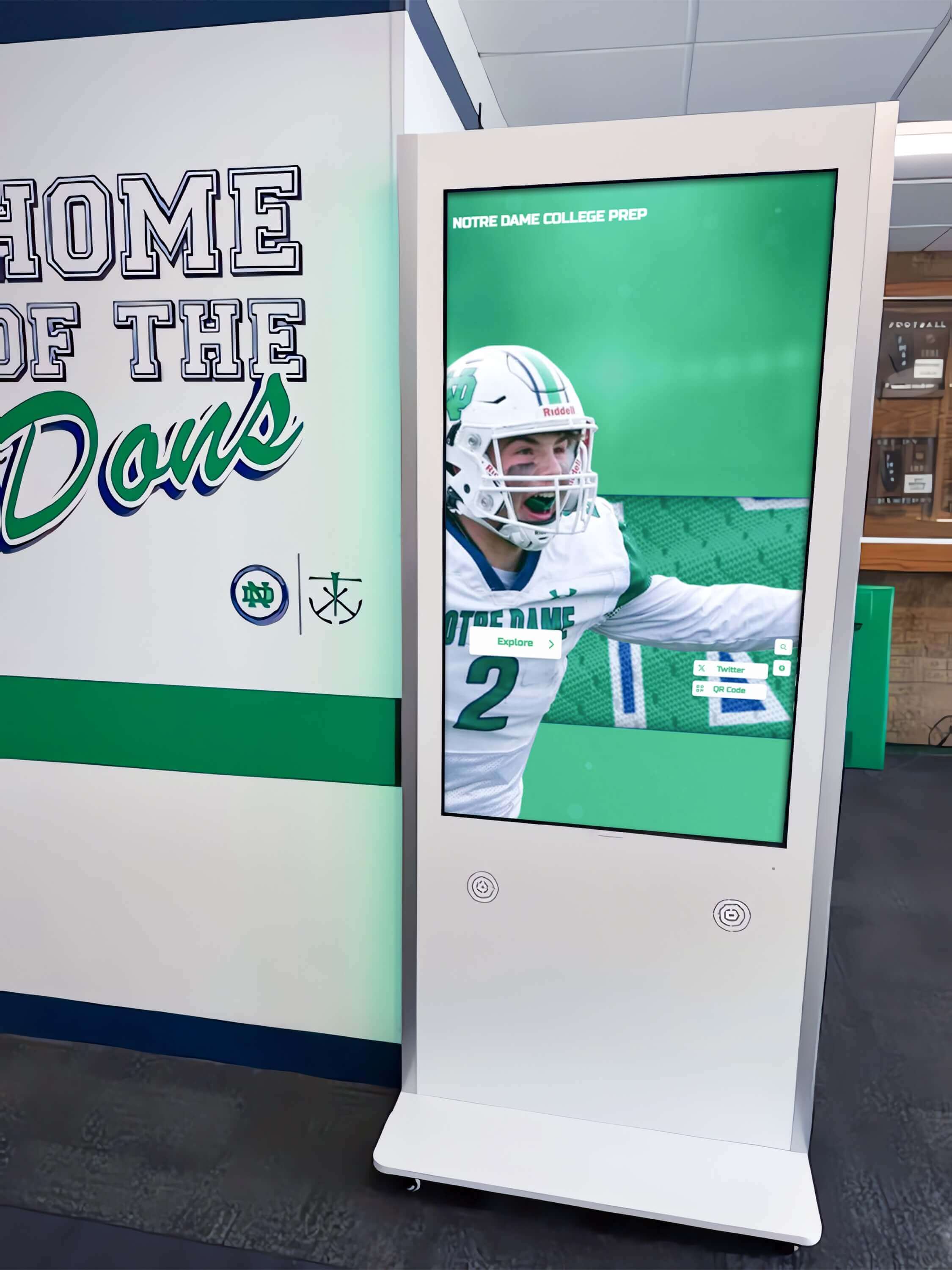
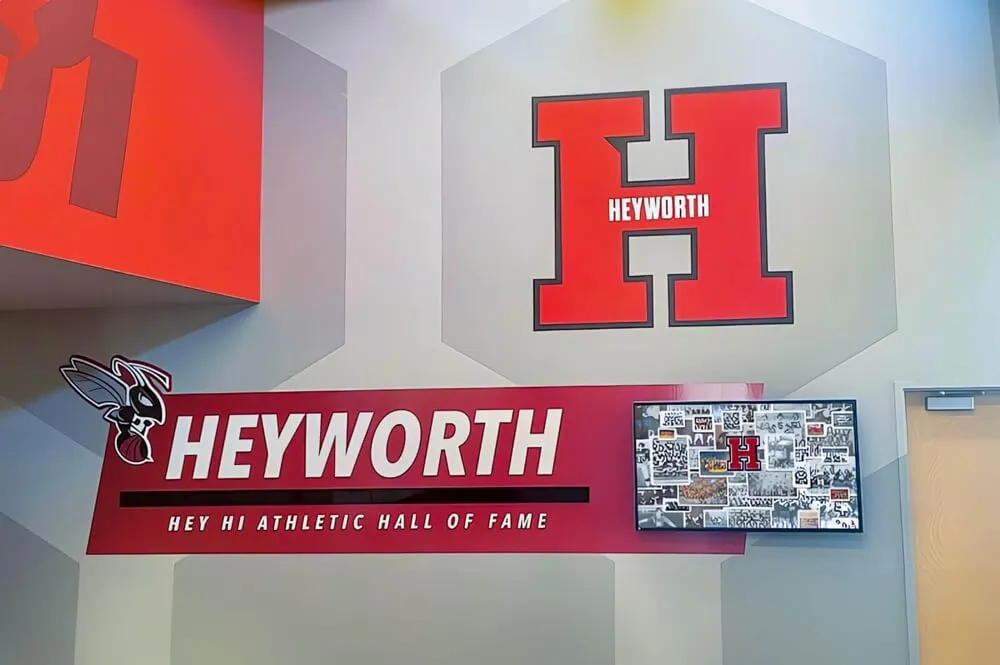
Flexible pricing structures enable schools to implement recognition systems aligned with their specific budget and procurement constraints
Selecting the Right Pricing Structure for Your Institution
Different organizational circumstances call for different pricing approaches. Understanding which structure aligns with your situation helps optimize both cost and operational fit.
When Multi-Year Prepaid Makes Sense
Ideal Scenarios for Long-Term Commitments
Organizations should strongly consider multi-year prepaid agreements when:
- Capital funding is available: Bond proceeds, capital campaign contributions, or dedicated capital accounts can fund multi-year subscriptions as asset investments
- Price certainty is essential: Finance teams require fixed costs for long-term planning and budget allocation
- Annual renewal friction is problematic: Procurement processes make annual renewals administratively burdensome
- Maximum discounts are desired: Organizations want to minimize total cost through volume discounts
- Long-term institutional commitment exists: Leadership is confident the platform will serve needs for extended periods
Funding Source Considerations
Multi-year prepaid structures work particularly well with:
- Construction or renovation budgets integrating digital recognition into facility projects
- Comprehensive capital campaigns including recognition system acquisition
- Dedicated endowment funds supporting specific institutional priorities
- Grant funding with multi-year periods and fiscal compliance requirements
- Donor-designated gifts specifically for recognition system implementation
These funding sources often cannot support annual operational subscriptions but align perfectly with multi-year prepaid agreements accounted as capital investments.
When One-Time Payment Structures Are Necessary
Procurement-Driven Requirements
Organizations should pursue one-time payment structures when:
- Bond funding restrictions apply: Municipal or institutional bonds require capital asset purchases rather than service contracts
- RFP specifications mandate fixed pricing: Competitive procurement requires defined price over specific contract periods
- Grant terms prohibit subscriptions: Funding restrictions prevent ongoing contractual obligations beyond grant periods
- Accounting treatment requires asset classification: Financial policy demands capital asset accounting rather than operating expense treatment
- Procurement authority limits exist: Organizational rules restrict multi-year contractual commitments but allow capital purchases
Hybrid Considerations
Even organizations purchasing recognition systems outright typically benefit from optional ongoing support agreements providing:
- Technical support and troubleshooting assistance
- Software updates and security patches
- Content management platform access
- Training and documentation resources
These support agreements, typically 15-20% of initial purchase cost annually, provide value without the full subscription commitment while ensuring platforms remain maintained and supported.
When Annual Subscriptions Work Best
Operational Budget Alignment
Traditional annual subscriptions serve organizations best when:
- Operating budgets provide funding: Annual expenditure authority exists without capital funding complications
- Flexibility is valued: Organizations prefer ability to reassess commitments annually
- Implementation is exploratory: Initial deployments are pilot projects that may expand based on success
- Budget cycles are predictable: Annual planning processes easily accommodate subscription renewals
- Cash flow distribution is preferred: Organizations prefer spreading costs across years rather than large upfront investments
Lower Initial Investment
Annual subscriptions minimize upfront financial commitment, making them attractive for organizations with:
- Limited capital budgets or reserves
- Uncertainty about long-term needs or platform fit
- Multiple competing priorities requiring capital allocation
- Cash flow constraints limiting large single expenditures
- Board or committee approval processes more easily navigated with smaller annual commitments
Examine how different institutions have structured their digital recognition implementations to accommodate diverse budget and procurement scenarios.
Questions to Ask Your Recognition Platform Provider
Organizations evaluating digital recognition systems should ask vendors detailed questions about pricing flexibility and long-term costs:
Payment Structure Questions
- What multi-year agreement options exist, and what discounts apply?
- Can you structure one-time payment agreements when procurement requires this approach?
- How do you handle bond-funded or capital project implementations requiring specific payment structures?
- What flexibility exists if our funding source changes or additional budget becomes available?
- Are there penalties or restrictions for early contract termination if circumstances change?
Total Cost of Ownership Questions
- What does annual subscription pricing include, and what costs extra?
- How frequently do rate increases occur, and how much have they historically been?
- What professional services might we need beyond base subscription costs?
- Are there hidden fees for updates, support, additional users, or feature access?
- What’s the true 10-year total cost of ownership under different payment structures?
Long-Term Support Questions
- How do you handle security vulnerabilities and compatibility issues as technology evolves?
- What happens if we purchase software outright—how do updates and support work?
- Do all organizations get the same platform features regardless of payment level?
- What’s included in technical support, and what response times can we expect?
- How do you prevent platform obsolescence over 10-20 year facility lifespans?
Migration and Transition Questions
- What happens to our content and data if we eventually change providers?
- Do you offer data export tools and migration support?
- Are there early termination fees or contractual lock-in provisions?
- Can we upgrade or modify our agreement as needs change?
- What happens if our organization merges, restructures, or changes mission?
Vendors offering truly flexible pricing should welcome these questions and provide clear, specific answers rather than vague assurances or deflection.
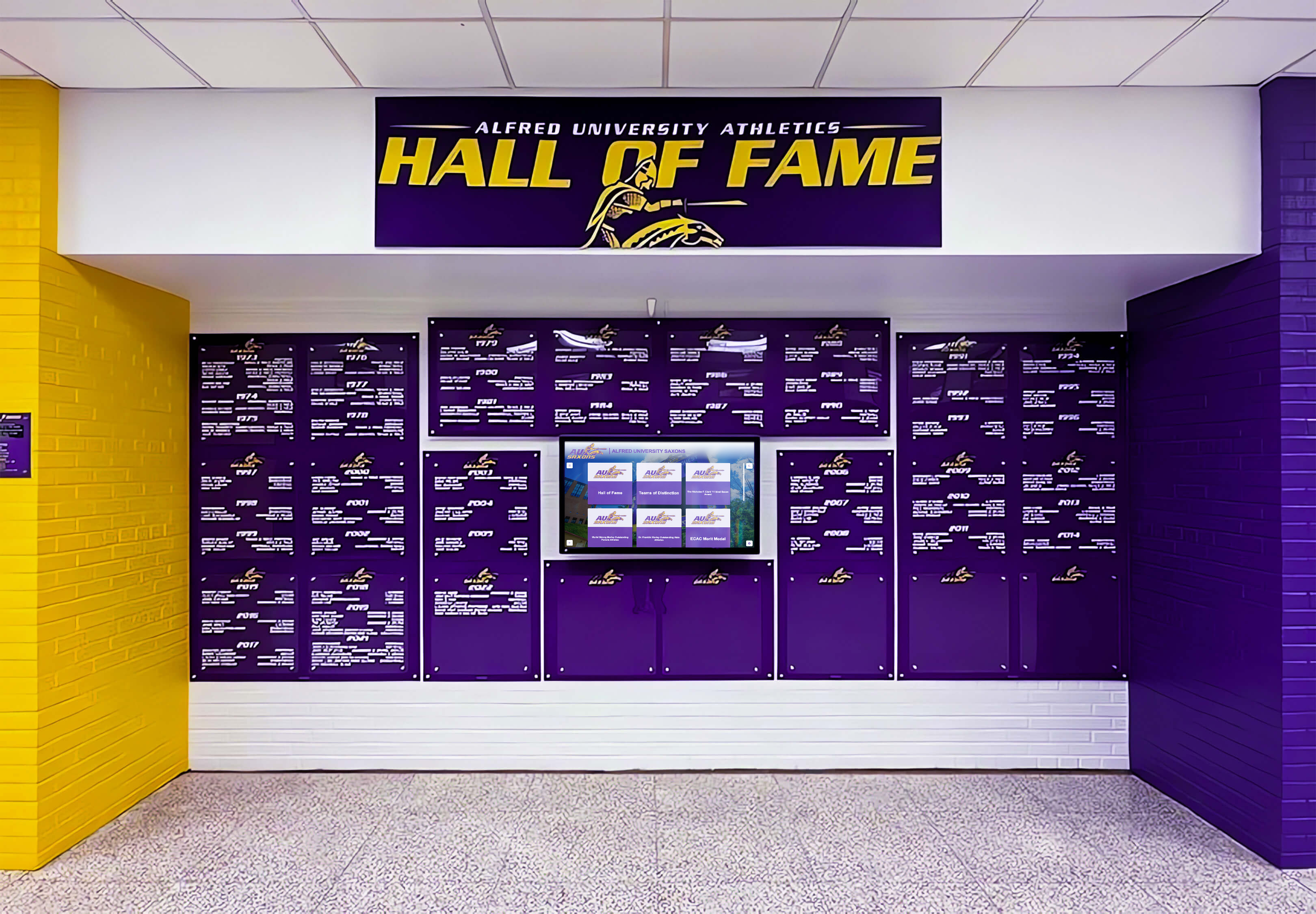
Organizations should thoroughly evaluate pricing structures and long-term costs before implementing digital recognition systems
Making the Business Case: Justifying Recognition System Investment
Budget directors and procurement teams need clear rationales for digital recognition system investments regardless of payment structure chosen.
Return on Investment Considerations
Quantifiable Benefits
Digital recognition systems provide measurable returns through:
- Reduced maintenance labor: Elimination of manual plaque updates and physical wall maintenance saves staff time
- Lower long-term costs: Multi-year analysis shows subscription models often cost less than perpetual license alternatives
- Avoided replacement expenses: Flexible digital systems don’t require physical reconstruction when recognition needs change
- Reduced IT burden: Centralized maintenance eliminates local technical resource requirements
- Scalability without infrastructure: Unlimited digital recognition capacity avoids expensive physical wall expansion
Qualitative Value Factors
Beyond measurable cost savings, recognition systems provide institutional benefits including:
- Enhanced donor relationships: Comprehensive recognition strengthens connections supporting future giving
- Improved alumni engagement: Interactive exploration creates memorable experiences building institutional loyalty
- Elevated institutional reputation: Professional recognition systems communicate organizational quality and values
- Increased recruitment appeal: Prospective students, faculty, and donors notice institutional commitment to celebrating community
- Preserved institutional history: Digital archival prevents loss of historical information and photographs
Budget Presentation Strategies
Aligning with Institutional Priorities
Position recognition system investment within existing strategic priorities:
- Capital campaign support: Recognition systems directly support fundraising success by honoring donors appropriately
- Facilities master planning: Digital recognition integrates seamlessly into building renovation and construction projects
- Technology modernization: Recognition systems demonstrate institutional commitment to contemporary technology
- Accessibility compliance: Digital platforms exceed ADA requirements while physical plaques create potential violations
- Community engagement: Interactive recognition creates gathering spaces strengthening institutional culture
Funding Source Diversification
Organizations successfully implementing recognition systems often combine multiple funding sources:
- Capital project budgets for hardware and installation
- Development office budgets for donor-facing recognition components
- Alumni engagement budgets for content creation and ongoing management
- IT budgets for network infrastructure and technical support
- Donor contributions or sponsorships specifically for recognition system acquisition
This diversified approach spreads costs across multiple budget lines, making individual allocations more manageable while reflecting that recognition systems serve multiple institutional purposes.
Phased Implementation Approaches
Organizations with constrained budgets can implement recognition systems incrementally:
- Phase 1: Single pilot display in high-traffic location demonstrating value and generating support
- Phase 2: Expansion to additional locations as budget allows and success is demonstrated
- Phase 3: Integration with website and mobile applications extending recognition reach
- Phase 4: Enhanced content development leveraging established infrastructure
Phased approaches reduce initial investment while building institutional confidence and stakeholder support for broader implementation.
Learn about comprehensive budget planning strategies for digital recognition systems across diverse institutional settings.
Real-World Pricing Scenarios and Solutions
Understanding how different institutions have structured recognition system funding helps clarify how flexible pricing accommodates diverse situations.
Scenario 1: Bond-Funded High School Construction
Situation: A public high school is constructing a new athletics wing funded by voter-approved bonds. The project includes a hall of fame display but bond counsel requires capital asset purchases rather than service subscriptions.
Solution: Rocket structured a one-time purchase agreement including:
- Complete hardware acquisition (three 75" touchscreen displays with mounting)
- Perpetual software license with 10-year hosting
- Initial content development and data migration
- Staff training and implementation support
- Optional annual support agreement (15% of purchase price) for updates and technical support
Result: School satisfied bond requirements while implementing comprehensive digital recognition. The optional support agreement, funded through athletic booster contributions, ensures ongoing maintenance without requiring bond proceeds for subscriptions.
Scenario 2: University Capital Campaign Recognition
Situation: A private university completing a $50 million capital campaign requires comprehensive donor recognition but faces annual operating budget constraints limiting recurring subscription commitments.
Solution: The university negotiated a 10-year prepaid subscription funded through capital campaign proceeds, structured as:
- 40% discount compared to annual billing (total savings of $48,000)
- Installation of five touchscreen kiosks across campus
- Unlimited content updates and donor additions
- Full technical support and maintenance
- Web-integrated recognition platform extending reach
Result: University honored capital campaign donors comprehensively while securing 10 years of maintenance and support. The prepaid structure satisfied advancement office requirements for capital campaign fund utilization while eliminating procurement complexity for a decade.
Scenario 3: Small Nonprofit with Limited Budget
Situation: A community foundation with limited operating budget wants to implement digital donor recognition but can’t justify large upfront investment or multi-year commitments.
Solution: The organization started with an annual subscription structured for gradual expansion:
- Year 1: Single display in main lobby (monthly subscription of $250)
- Year 2: Web integration added as donor engagement increased ($100/month additional)
- Year 3: Second display in meeting room after demonstrating value ($200/month additional)
- Year 4: Converted to 5-year prepaid agreement receiving 25% discount
Result: Phased approach enabled small organization to implement recognition system within tight budget constraints. Success demonstration led to budget expansion and eventual multi-year commitment with substantial savings.
Scenario 4: RFP-Driven Municipal Library
Situation: A public library system must issue formal RFP for technology acquisitions above $10,000, requiring fixed-price 5-year contract proposals.
Solution: Rocket responded to the RFP with a fixed-price 5-year agreement including:
- Complete system implementation (hardware, software, installation)
- Comprehensive support and maintenance
- Quarterly content updates and training
- Fixed total price meeting RFP requirements
- Optional 5-year extension with pricing defined in original contract
Result: Library satisfied competitive procurement requirements while implementing flexible recognition system. Fixed pricing provided budget certainty and simplified RFP evaluation and approval.
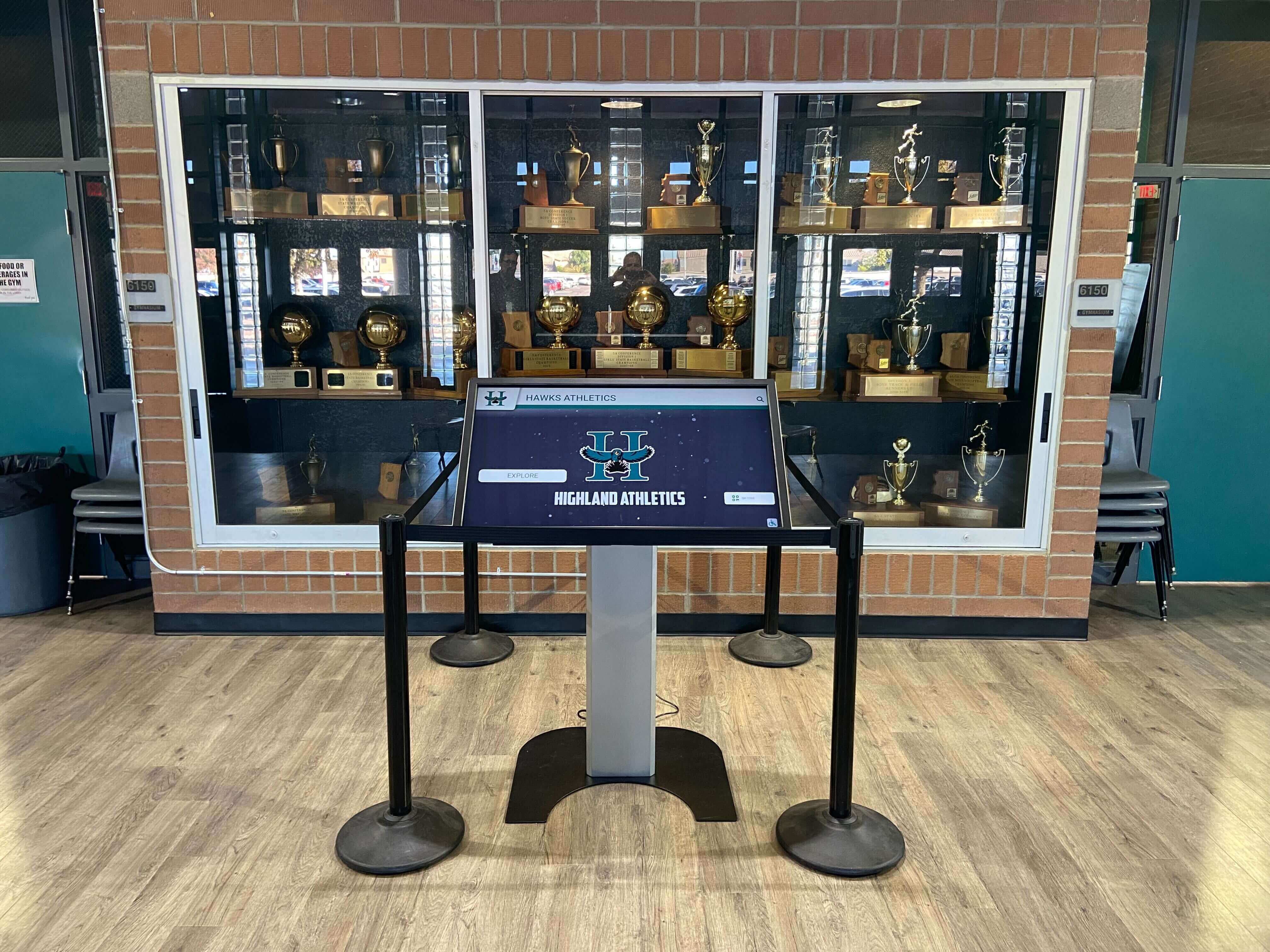
Flexible pricing structures enable diverse organizations to implement digital recognition systems regardless of budget constraints
Conclusion: Matching Pricing Structure to Your Institutional Reality
The “subscription trap” characterization fundamentally misstates how modern digital recognition platforms actually operate and what pricing flexibility exists for organizations with diverse funding sources and procurement requirements. Rocket Alumni Solutions offers:
- Multi-year prepaid agreements (up to 10 years) providing price certainty, substantial discounts, and elimination of annual renewal friction
- One-time payment structures accommodating bond-funded projects, capital campaigns, and RFP-driven procurement with specific requirements
- Traditional annual subscriptions funding continuous platform improvement, security, and support that keeps systems current without local IT burden
Understanding True Value
Organizations should evaluate pricing structures through comprehensive total cost of ownership analysis rather than initial acquisition costs alone. “Buy once” perpetual license models often create:
- Higher long-term costs through paid upgrades, professional services, and emergency support
- Increased security and compliance risks as software ages without active maintenance
- Greater IT burden requiring internal resources most schools and nonprofits lack
- Eventual obsolescence forcing complete system replacement
Subscription-based platforms provide continuous maintenance addressing browser changes, security vulnerabilities, accessibility requirements, and infrastructure evolution—realities that affect all web-based systems regardless of payment structure. The question isn’t whether ongoing maintenance is necessary but whether organizations want to manage it internally through fragmented professional services or leverage centralized provider expertise through subscription models.
Shared Investment Benefits
Rocket’s unified codebase means improvements developed for any client immediately benefit all users. Small organizations access enterprise capabilities, security enhancements, and feature development they couldn’t independently afford. This shared investment model creates value that individual perpetual licenses can’t match.
Practical Outcomes for Schools
The promise isn’t payment structure flexibility alone—it’s operational simplicity. Organizations implement recognition systems and “sleep at night” knowing:
- Displays automatically update with current content without manual IT intervention
- Security vulnerabilities are addressed promptly without local action
- Accessibility compliance evolves as standards change
- Compatibility remains current as browsers and infrastructure change
- Support is available when needed from specialists who know the platform intimately
These practical benefits reduce organizational burden while ensuring recognition systems serve institutions effectively across decades of facility life.
Making Your Decision
Organizations should select pricing structures aligned with their specific circumstances:
- Capital funding available? Multi-year prepaid agreements maximize discounts while utilizing appropriate funding sources
- Bond or RFP requirements? One-time payment structures satisfy procurement constraints
- Operating budget preference? Annual subscriptions minimize upfront commitment while maintaining flexibility
- Phased implementation desired? Start small with annual subscriptions and expand as value is demonstrated
No single approach serves all institutions—flexibility matching payment structures to organizational reality makes technology accessible regardless of budget or procurement constraints.
Explore Flexible Pricing Options for Your Institution
Discover how Rocket Alumni Solutions can structure pricing aligned with your specific funding sources, procurement requirements, and budget constraints—whether you need multi-year agreements, one-time payments, or traditional subscriptions.
Talk to Our TeamYour institution deserves recognition systems that honor your community appropriately while fitting your budget and procurement reality. Whether you’re working with bond proceeds, capital campaign funds, grant restrictions, or annual operating budgets, flexible pricing structures exist to make comprehensive digital recognition achievable.
Organizations that succeed implement recognition as strategic investment in relationships, culture, and institutional mission—not afterthought accommodated with whatever budget remains. With clear understanding of pricing options, total cost considerations, and long-term value, you can make informed decisions serving your institution effectively for decades.
Ready to discuss pricing structures specifically tailored to your situation? Explore how institutions have implemented digital recognition systems with flexible payment options, or learn about comprehensive budget planning approaches for recognition implementations across diverse organizational settings.