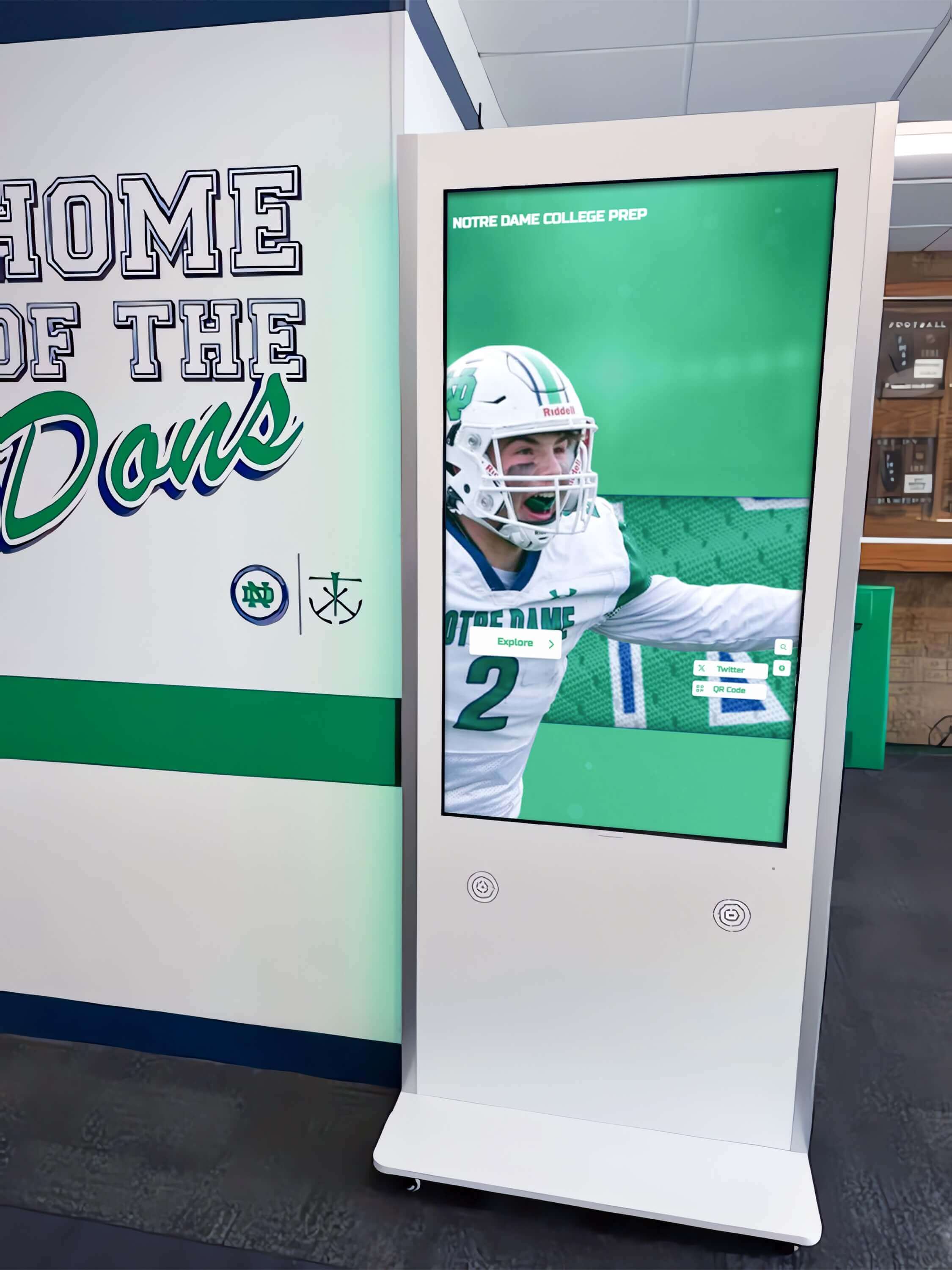




TD Garden stands as New England’s premier sports and entertainment venue—home to two of professional sports’ most storied franchises, the Boston Bruins and Boston Celtics. Since opening in 1995, this iconic arena has witnessed championship glory, legendary performances, and unforgettable moments that have defined Boston sports culture. From the Celtics’ 18 NBA championships to the Bruins’ 6 Stanley Cup victories, TD Garden’s history deserves recognition technology that matches the significance of these achievements, creating immersive experiences where fans can explore the arena’s extraordinary heritage while connecting personally with the stories that make Boston sports truly legendary.
Modern recognition technology transforms how iconic sports venues celebrate their heritage. While traditional trophy cases and championship banners have served Boston sports history well for generations, interactive touchscreen systems create comprehensive experiences that bring legendary moments to life, showcase athlete achievements in unprecedented detail, and enable personalized exploration impossible through conventional recognition methods. These digital platforms honor the past while creating engaging present-day experiences that inspire future generations to appreciate sports’ enduring cultural impact.
Whether celebrating championship teams, documenting iconic individual performances, preserving historic moments, or engaging the millions of fans who visit TD Garden annually, interactive recognition displays create powerful connections between visitors and sports excellence. Solutions like Rocket Alumni Solutions provide the technology, content management capabilities, and expertise that enable world-class venues to create recognition experiences worthy of Boston’s greatest sports stories.
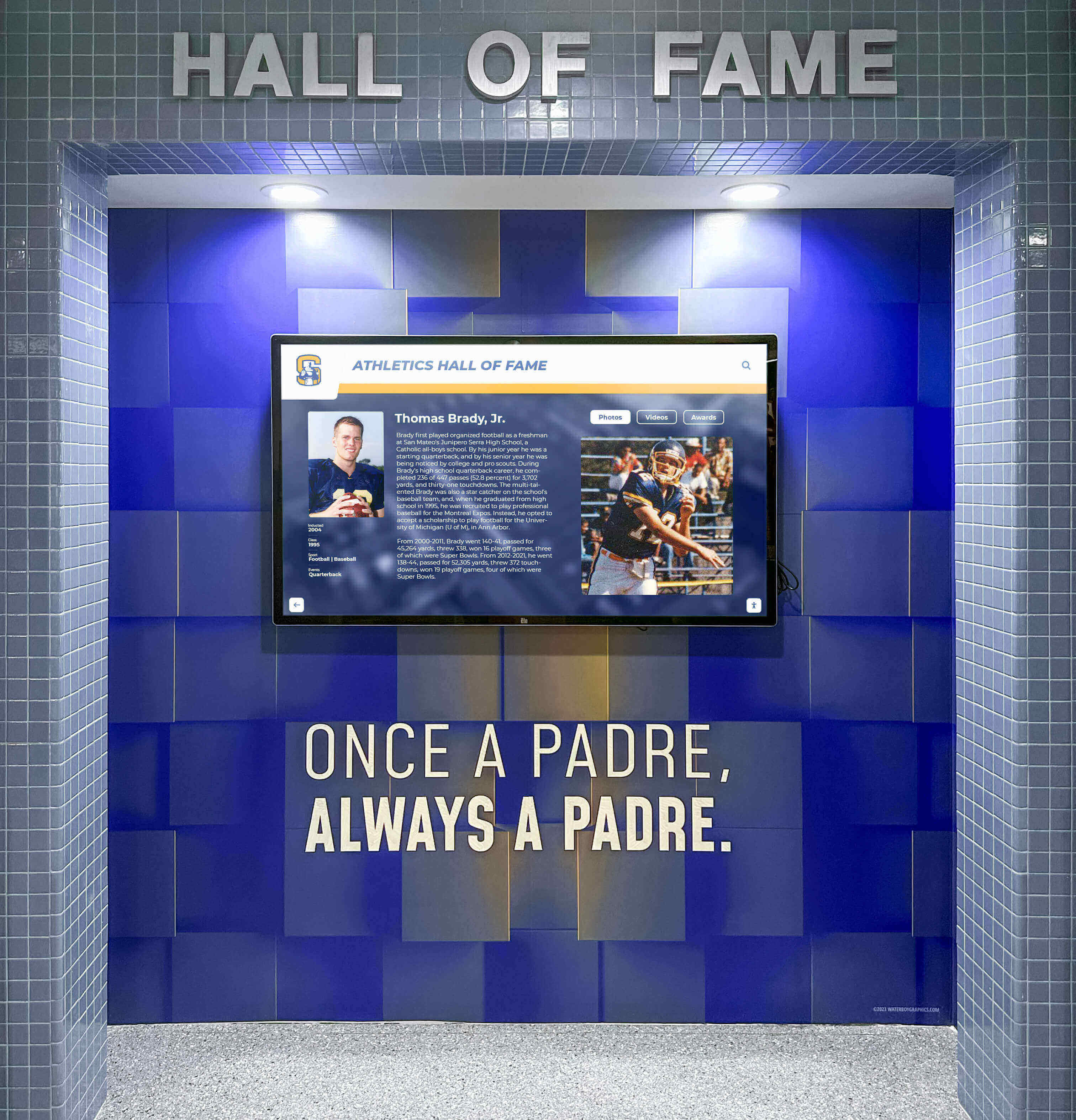
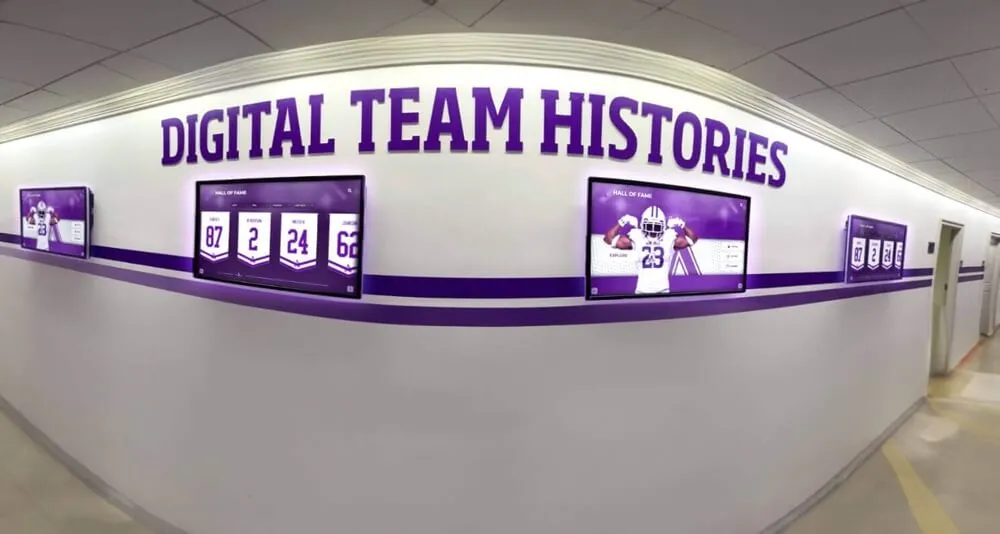
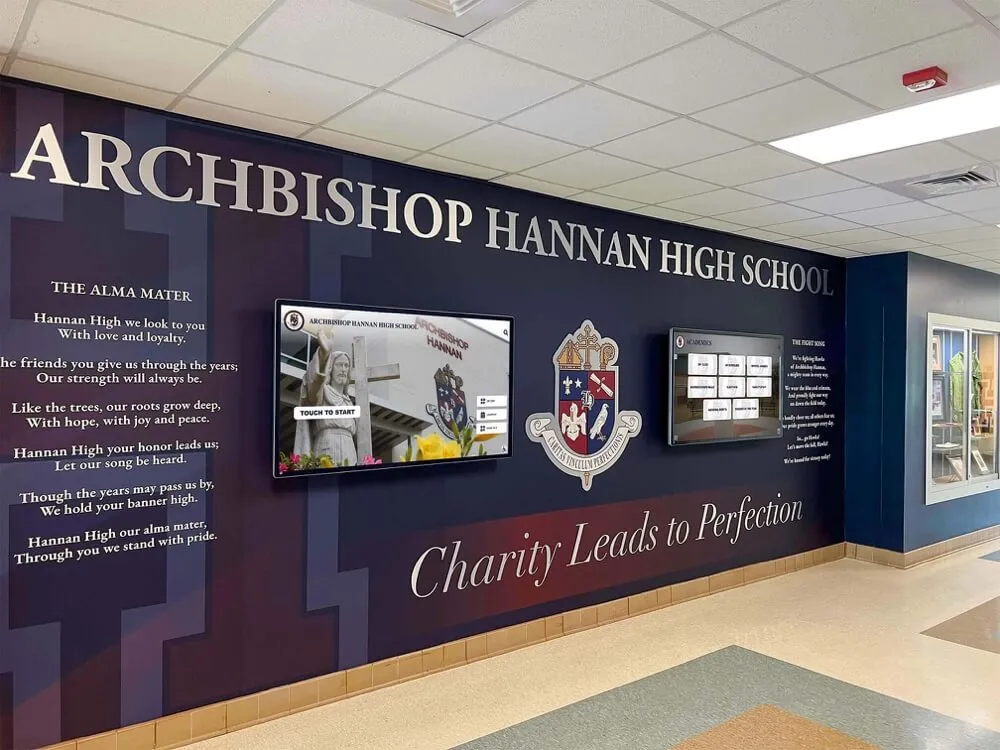
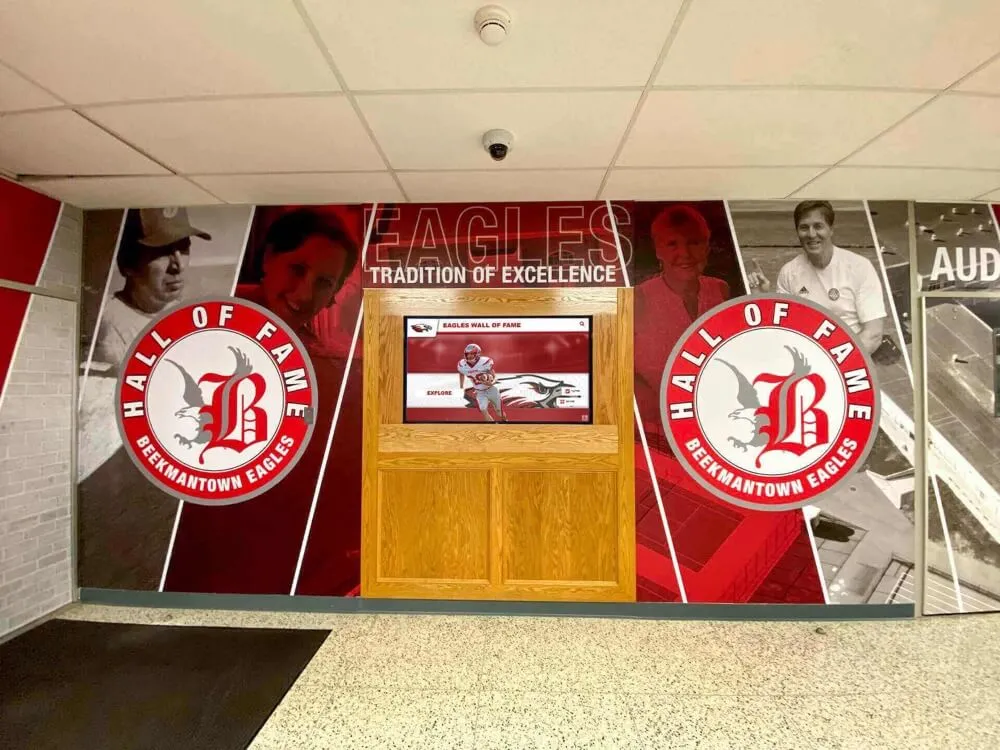
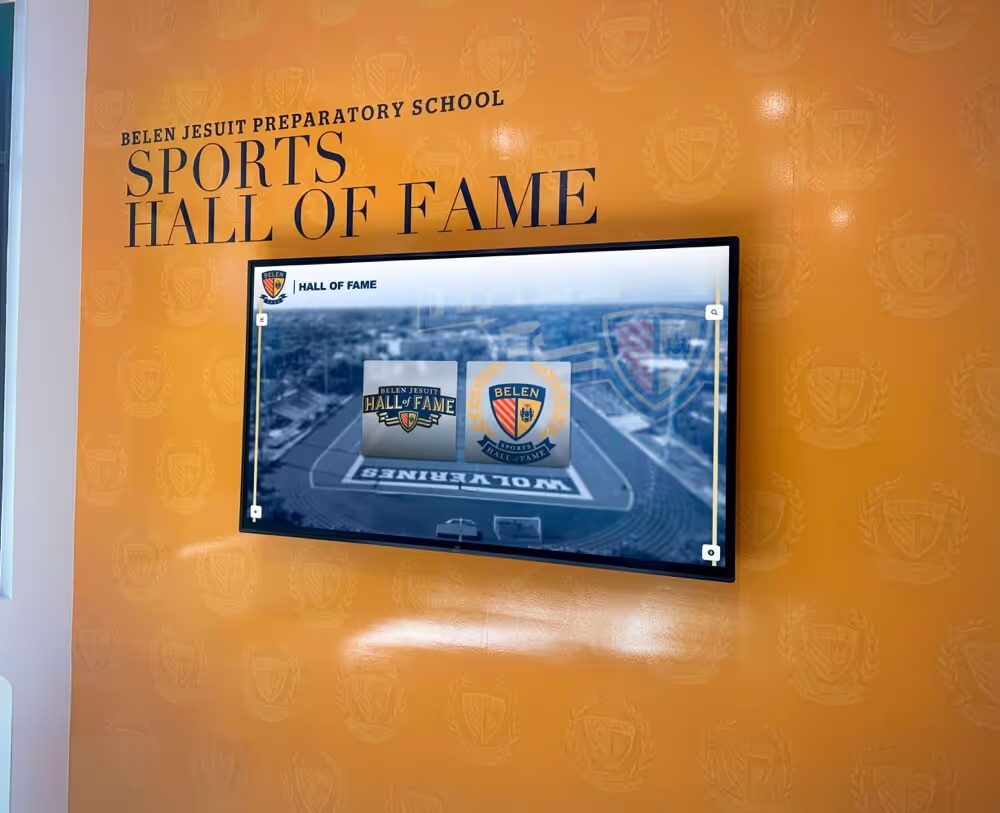
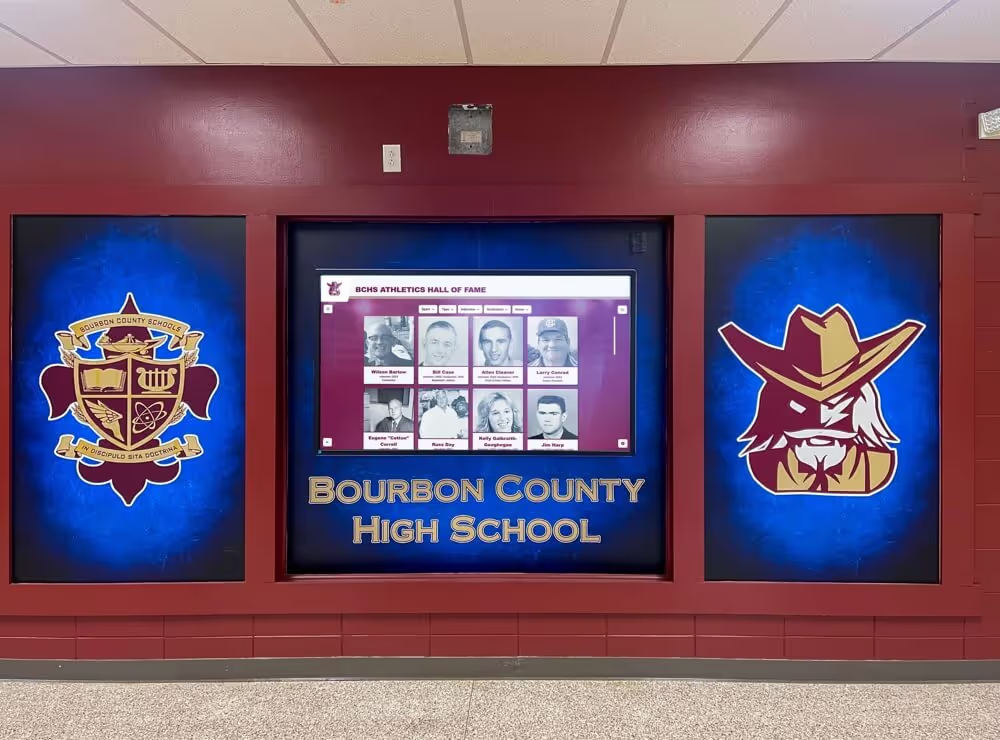
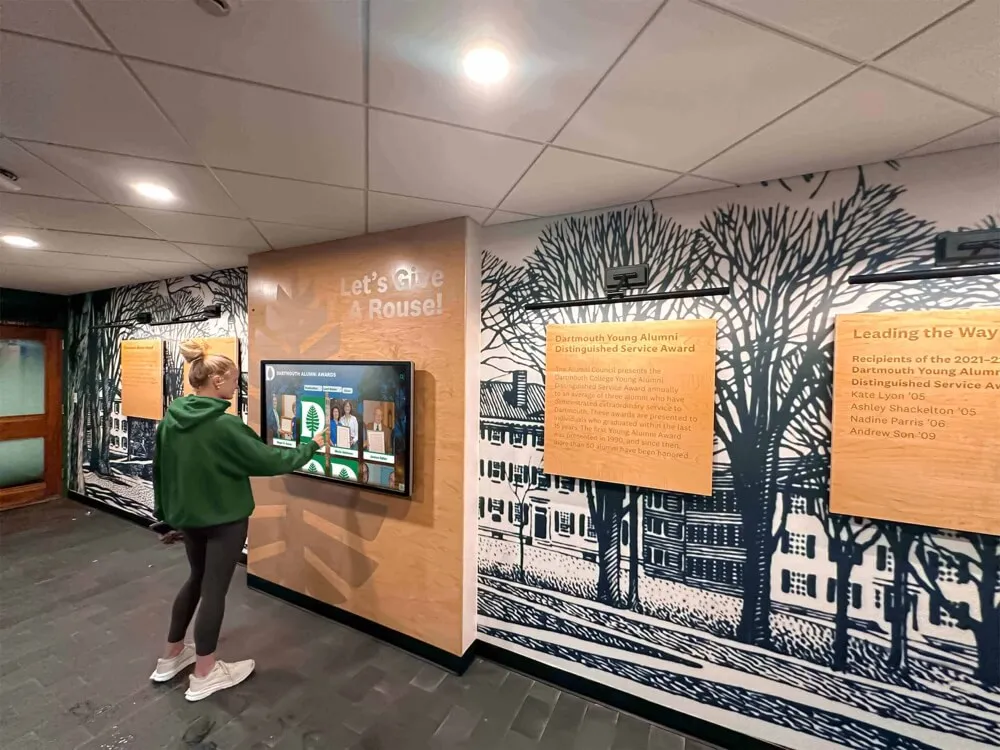
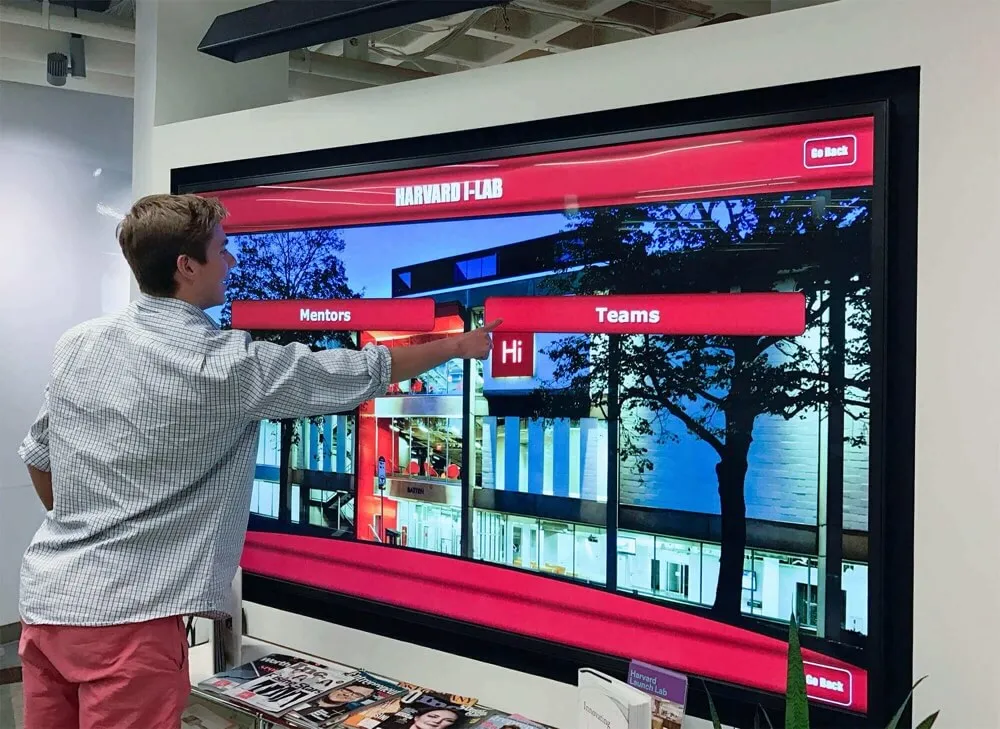
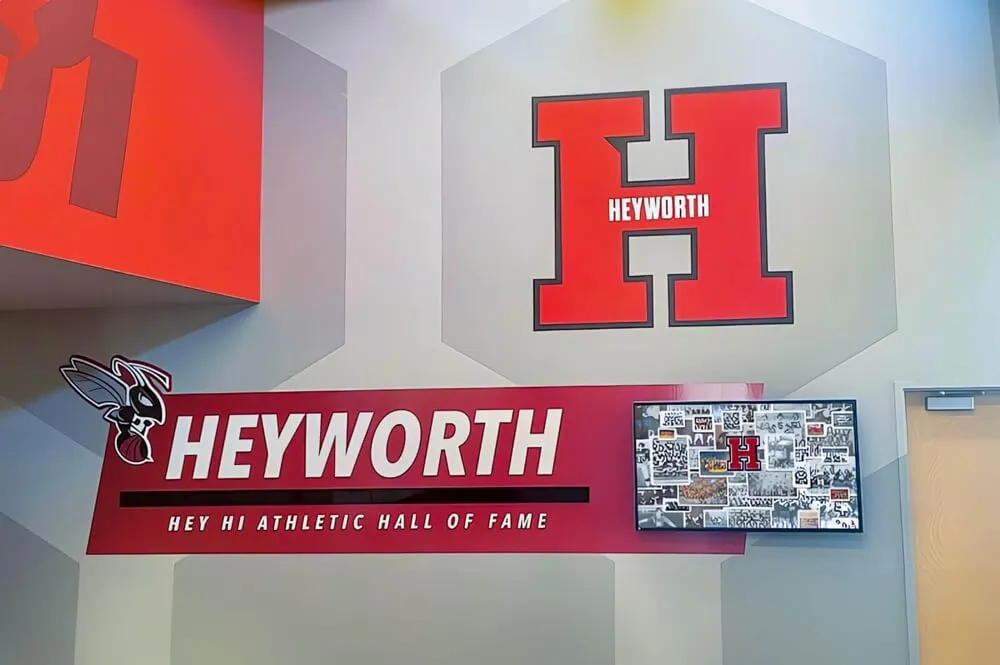
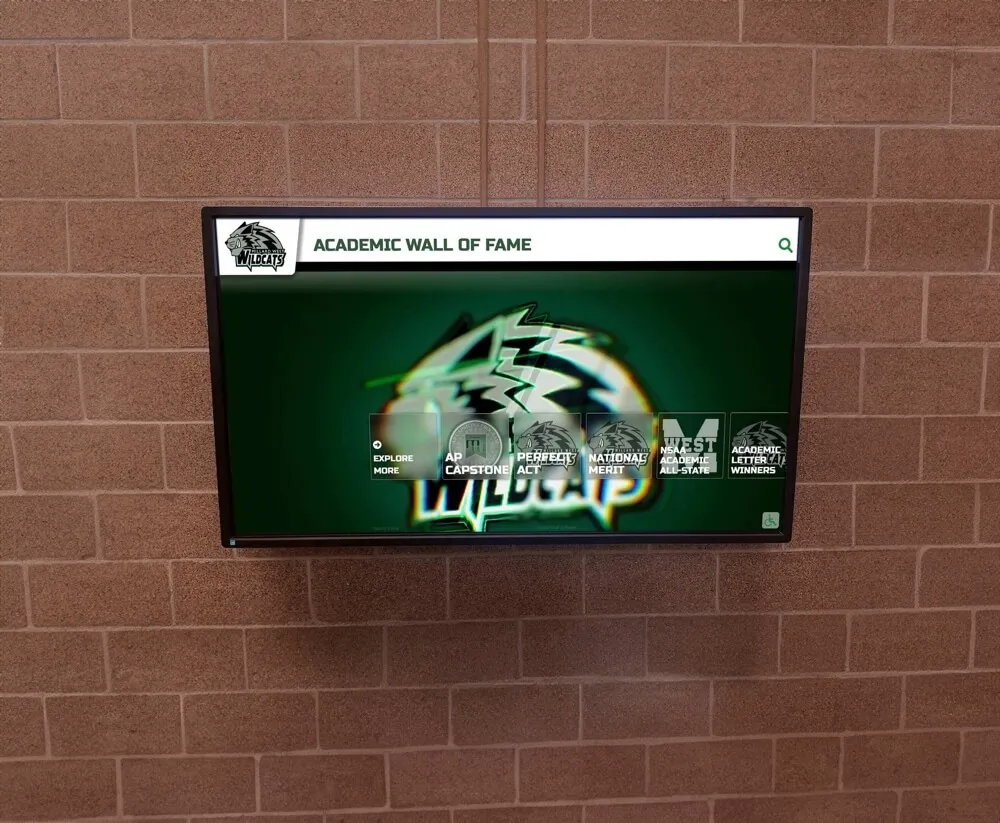
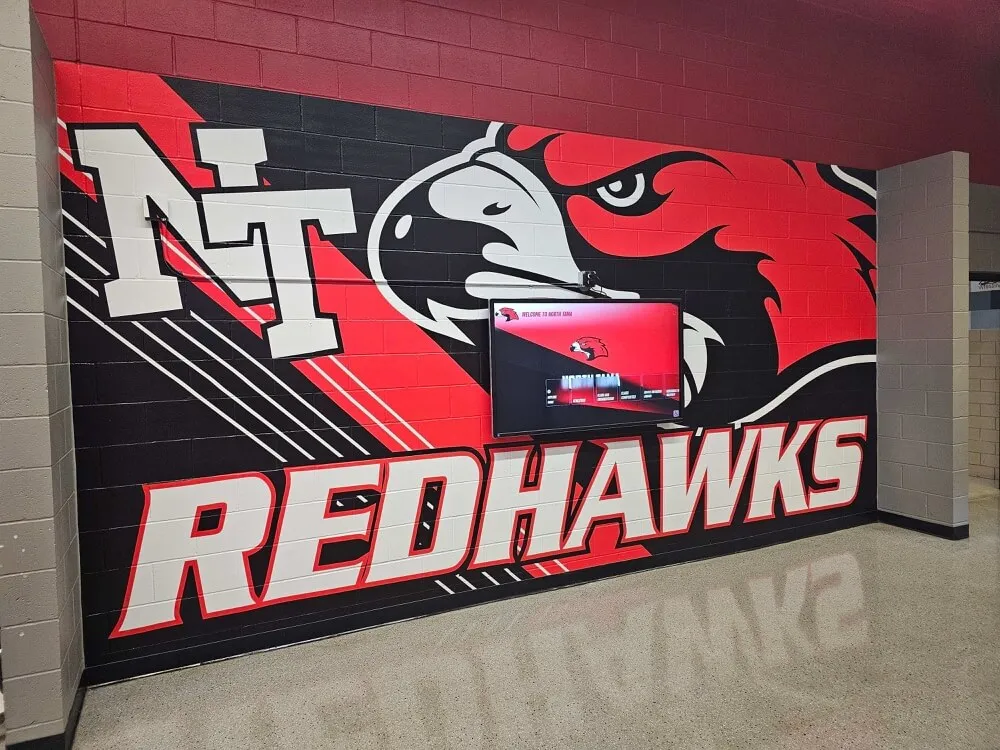
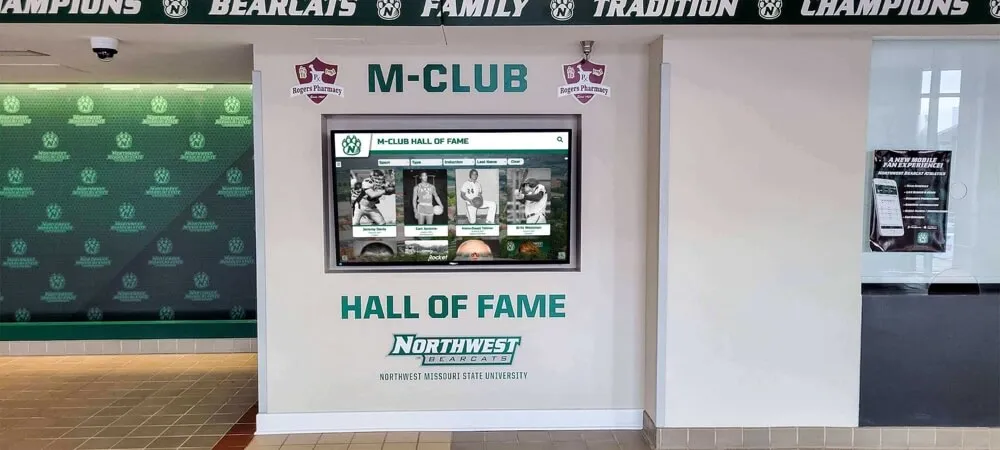
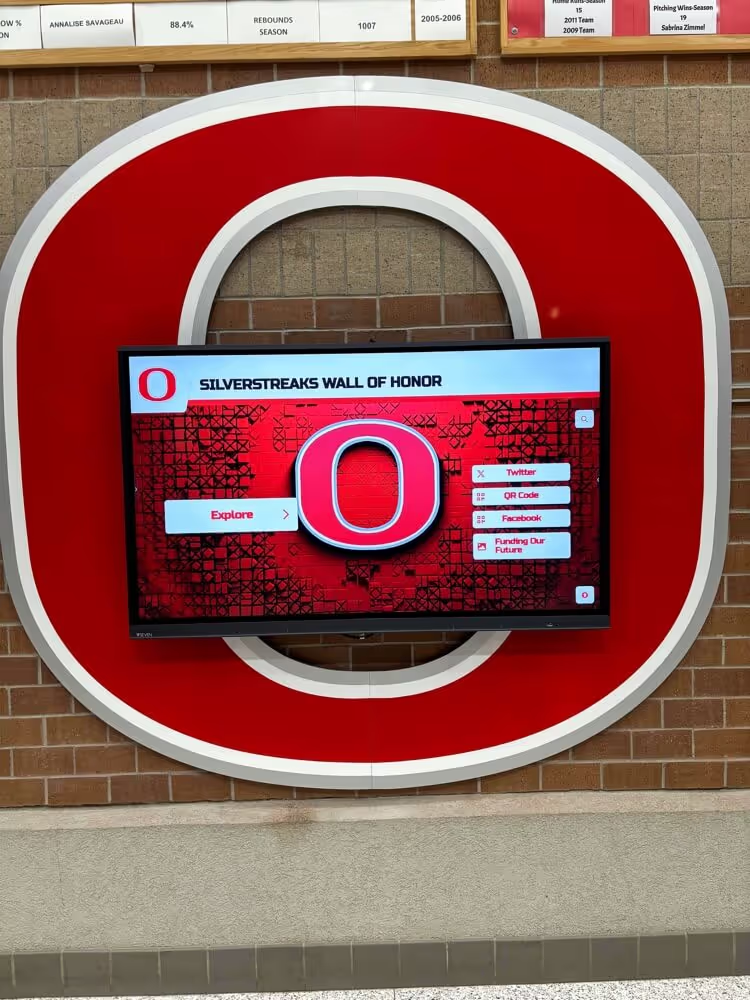
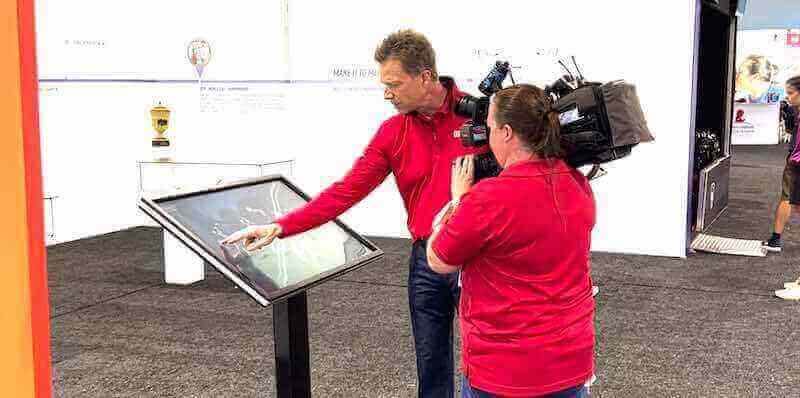
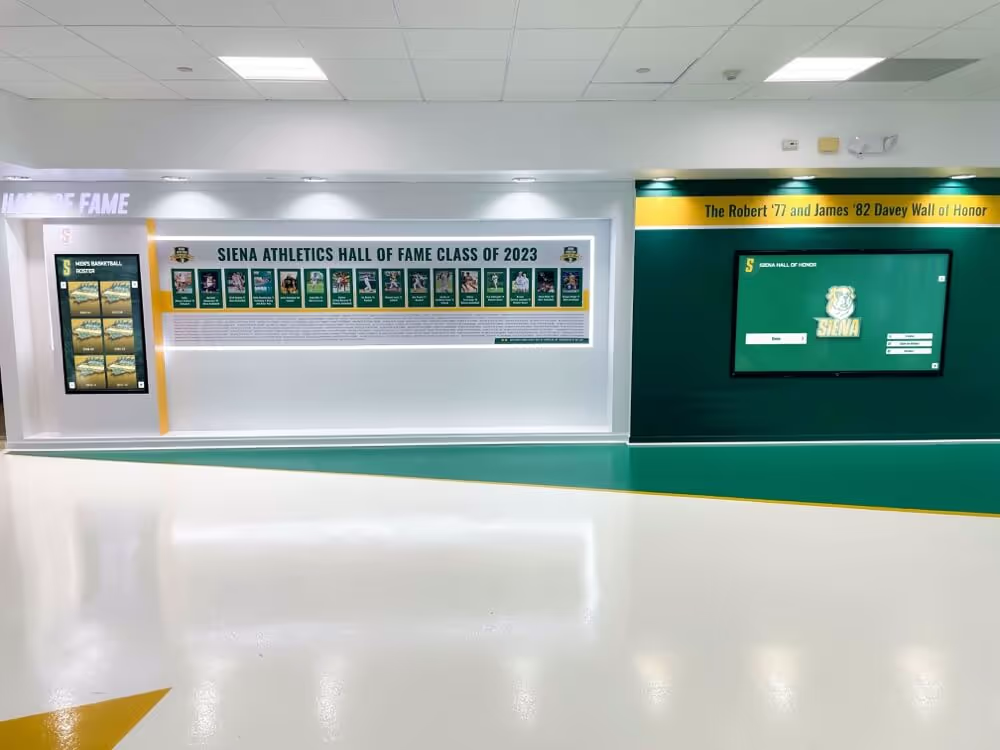
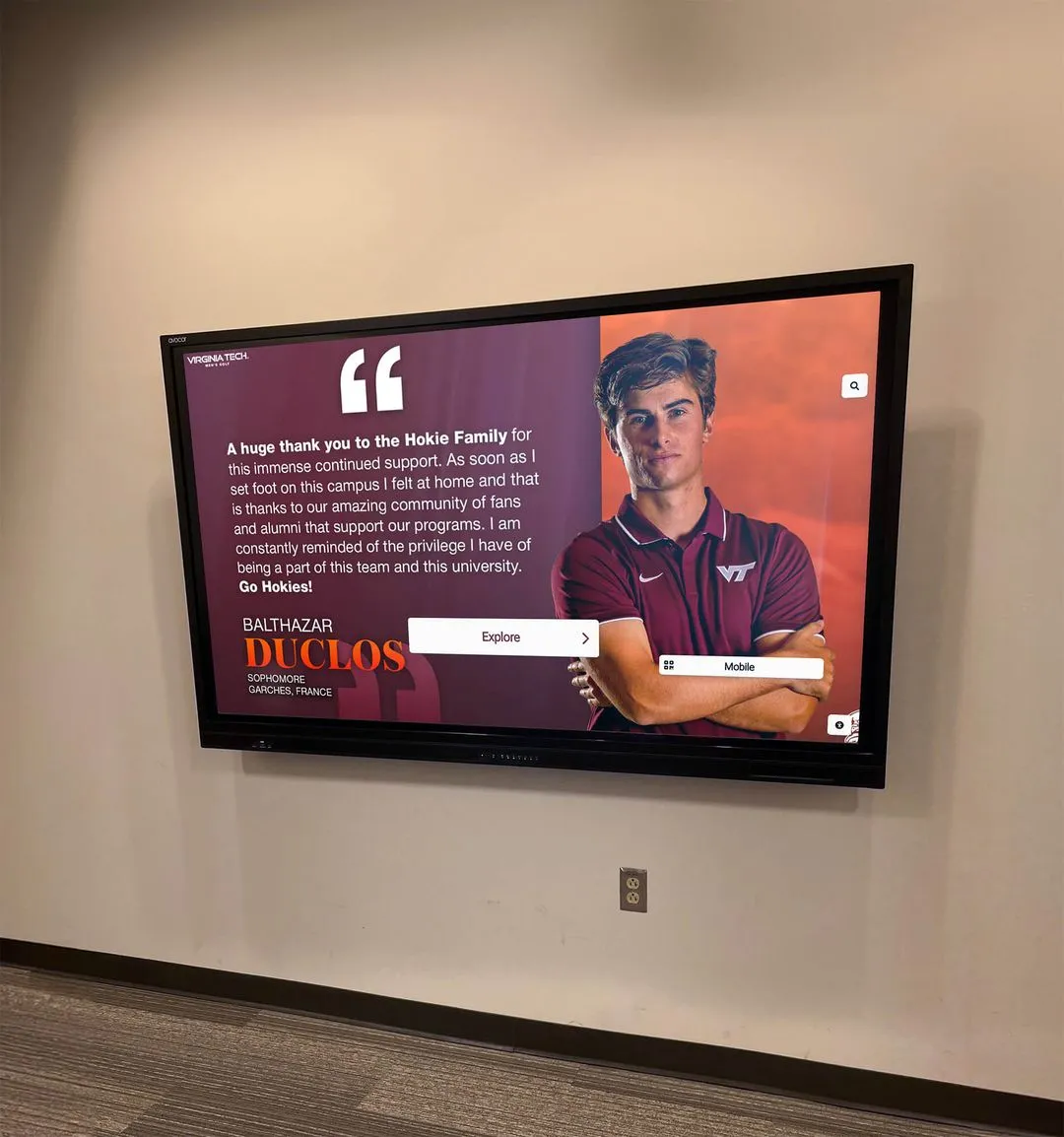
Interactive touchscreen displays create engaging experiences that honor athletic achievement and sports history in iconic venues
TD Garden: Boston’s Premier Sports and Entertainment Destination
Understanding TD Garden’s unique significance helps frame why innovative recognition technology serves this historic venue so effectively.
A Legacy Built on Championship Tradition
TD Garden opened in 1995, replacing the legendary Boston Garden that had served as home to the Bruins and Celtics since 1928. The new arena was christened with a concert by the rock band Boston on October 3, 1995, followed by the Bruins’ inaugural game on October 7, which ended in a thrilling 4-4 draw against the New York Islanders.
Architectural Excellence: TD Garden represents a significant upgrade from the old Boston Garden, featuring modern amenities, improved sightlines, and state-of-the-art technology while maintaining the intimate atmosphere that made the original Garden famous. The arena seats approximately 19,600 for hockey and 19,156 for basketball, creating an environment where fans feel remarkably close to the action regardless of seating location.
Multi-Sport Heritage: Unlike venues hosting single franchises, TD Garden serves as home to both the NHL’s Boston Bruins and NBA’s Boston Celtics. This dual identity creates extraordinary recognition opportunities spanning two major professional sports, each with distinct histories, legendary players, and championship traditions that collectively represent some of the most successful franchises in North American sports history.
The Sports Museum Integration: TD Garden houses The Sports Museum, which features a half-mile of exhibits celebrating New England sports heritage. The museum includes interactive zones where visitors can test their sports knowledge and skills, demonstrating the venue’s commitment to engaging fan experiences that go beyond simply watching games.
Boston Bruins Heritage Hall: Modern Recognition Excellence
The Boston Bruins Heritage Hall represents TD Garden’s most recent addition to recognition programming, showcasing how modern technology can celebrate franchise history effectively.
Commemorating 100 Years: Opening to celebrate the Bruins’ centennial, Heritage Hall allows fans of all ages to immerse themselves in the team’s remarkable century-long history. The exhibit includes the latest technologies, displays, and artifacts that bring to life the memorable moments of the Boston Bruins franchise.
Interactive Technology Integration: According to TD Garden’s official information, Heritage Hall incorporates advanced interactive elements enabling visitors to explore team history through engaging digital experiences. This demonstrates the venue’s understanding that modern fans expect technology-enhanced recognition rather than static displays alone.
Comprehensive Historical Documentation: Heritage Hall celebrates the complete Bruins story, from early championships through the Bobby Orr era to the 2011 Stanley Cup victory and beyond. This comprehensive approach ensures all eras receive appropriate recognition rather than focusing exclusively on recent achievements.
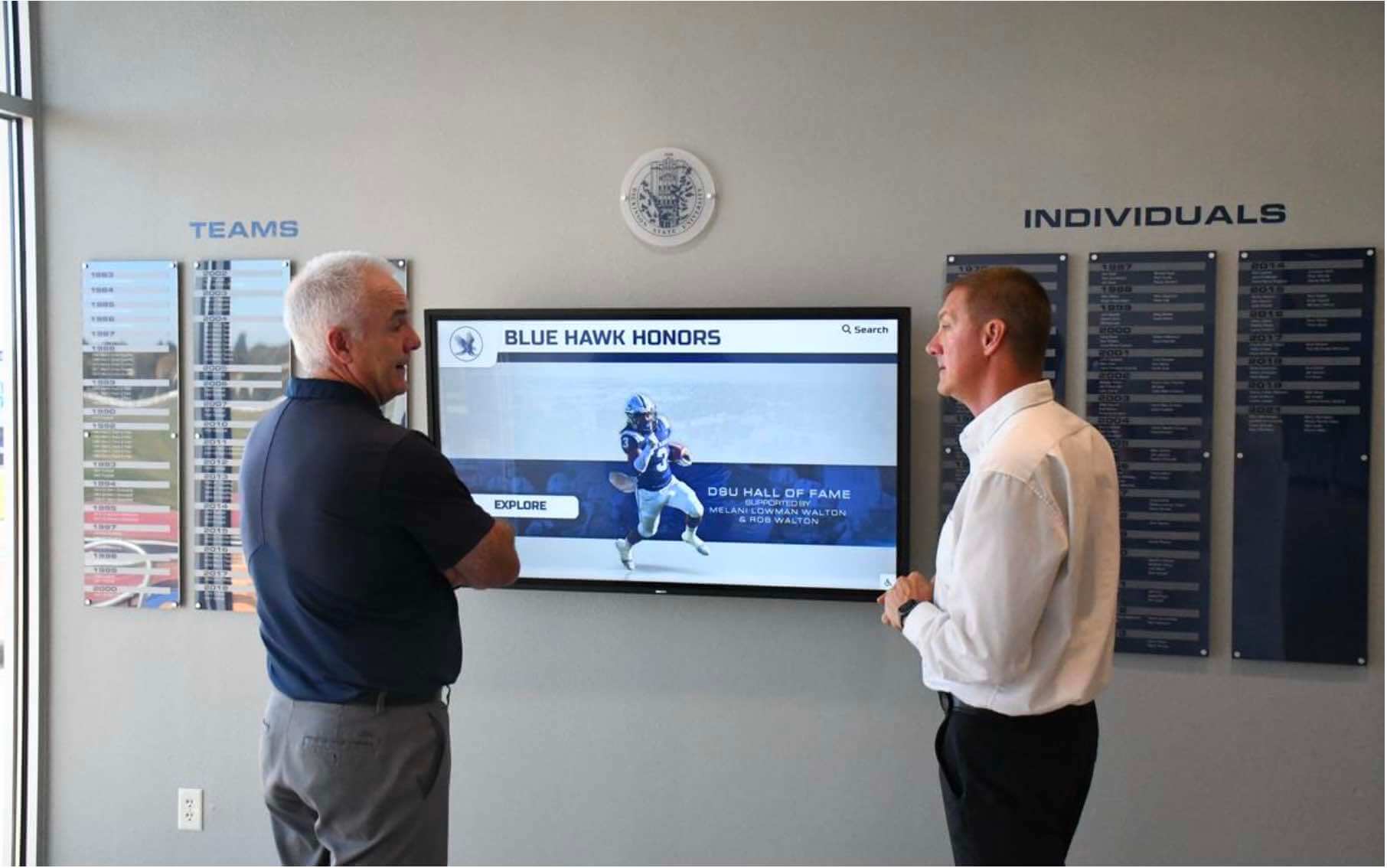
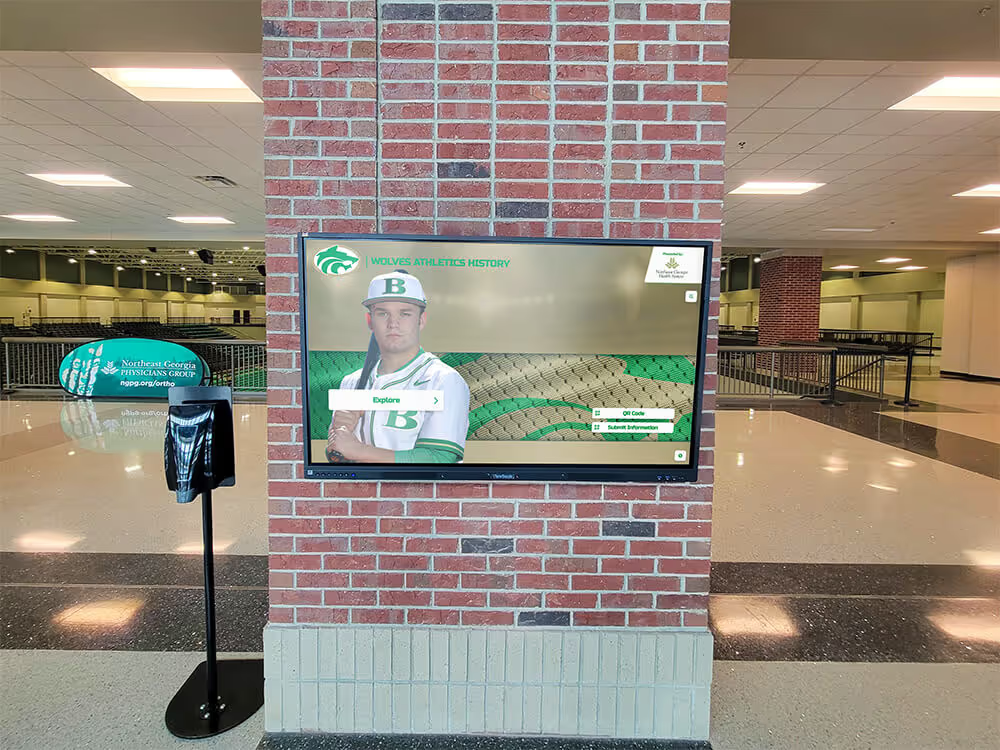
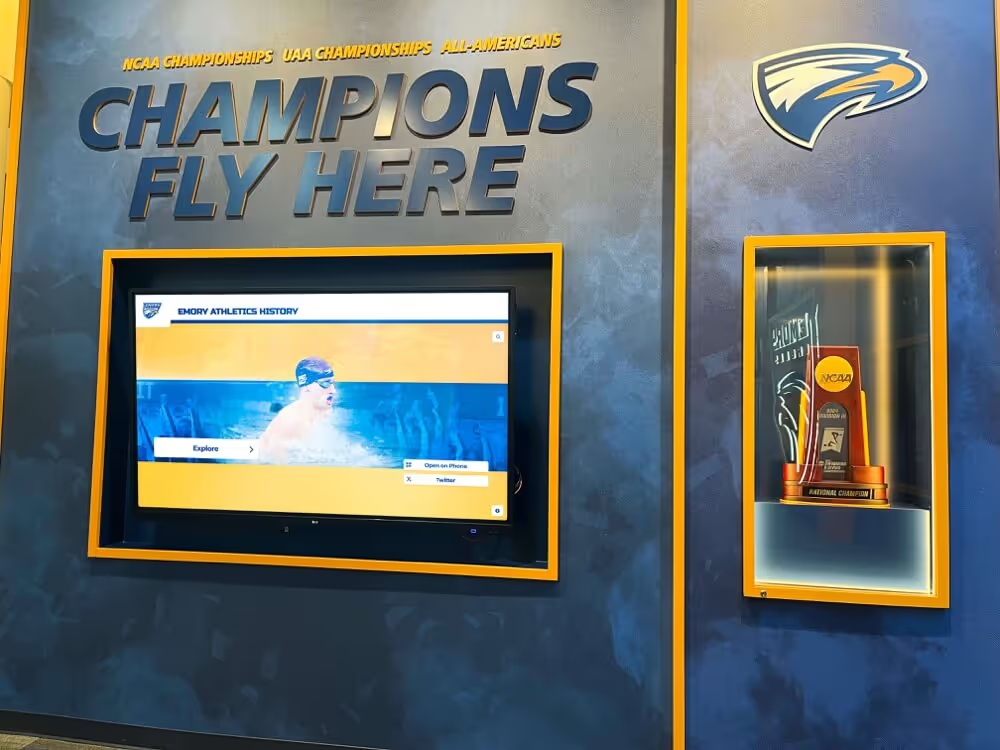
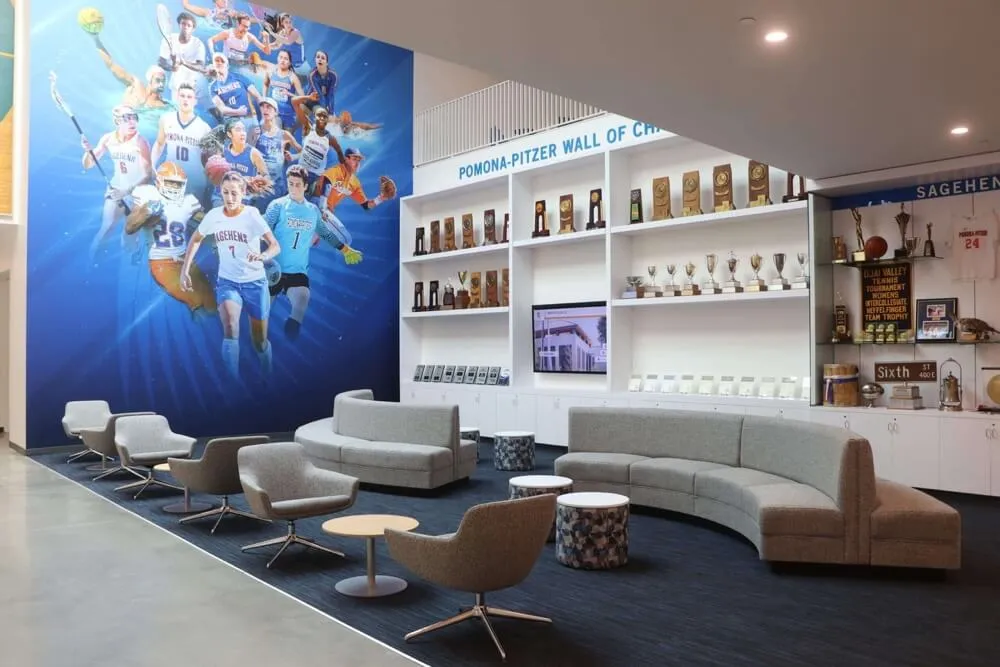
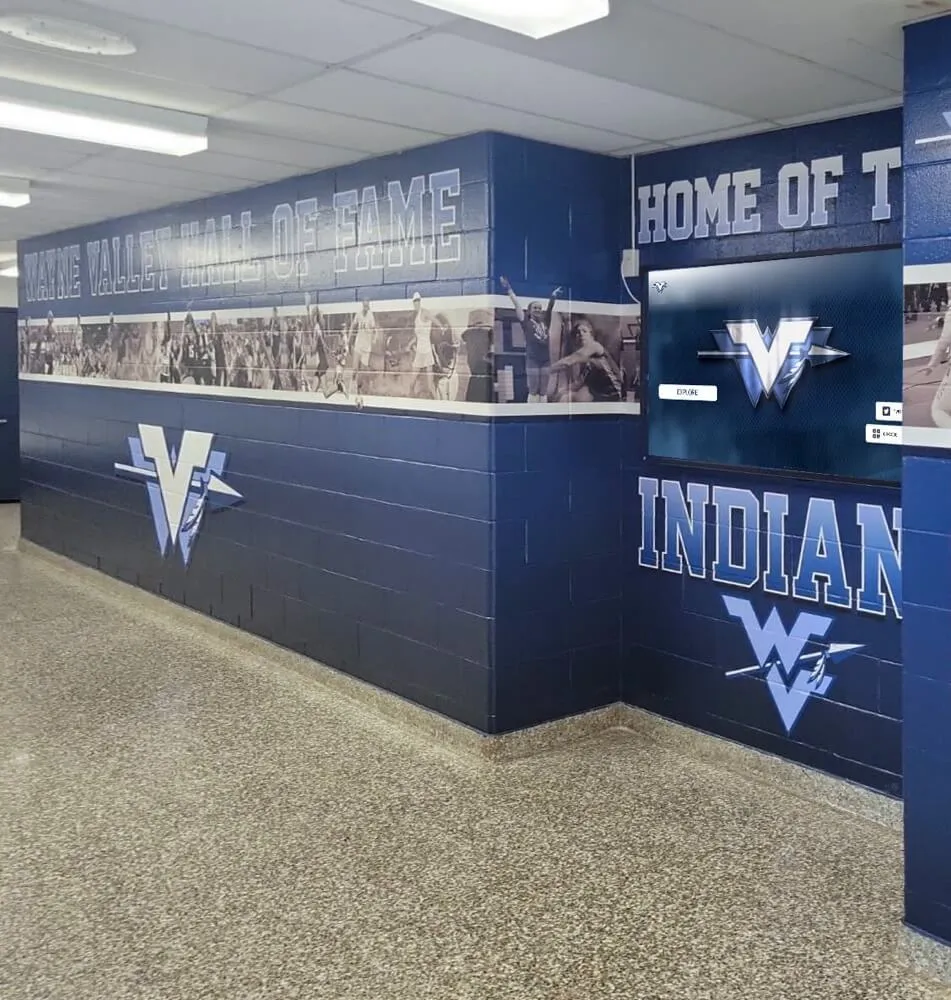
Fans engage with interactive displays exploring franchise history and legendary player achievements
The Boston Celtics Legacy: Basketball Excellence Unmatched
The Boston Celtics have established themselves as one of professional sports’ most successful franchises, creating recognition opportunities spanning seven decades of basketball excellence.
Championship Dynasty: 18 NBA Titles
The Celtics’ 18 NBA championships represent the most in league history, establishing Boston as basketball’s most successful franchise. These championships span distinct eras, each deserving comprehensive recognition celebrating the unique circumstances and personalities that defined championship teams.
The Russell Era (1957-1969): Bill Russell led the Celtics to an unprecedented 11 championships in 13 seasons, establishing a dynasty unmatched in professional sports. Russell’s defensive dominance, leadership, and championship mentality revolutionized basketball while creating the foundation of Celtics excellence. Recognition displays could showcase Russell’s individual achievements, document each championship season, and explore the cultural significance of Russell’s success during the civil rights era.
The Bird Era (1980s): Larry Bird revitalized the Celtics and the entire NBA during the 1980s, winning three championships while establishing one of sports’ greatest rivalries with Magic Johnson’s Lakers. The 1981, 1984, and 1986 championship teams featured distinctive personalities including Robert Parish, Kevin McHale, Dennis Johnson, and Danny Ainge. This era combined individual excellence with team chemistry that created some of basketball’s most memorable moments worthy of multimedia recognition.
The Big Three Era (2008): After a 22-year championship drought, the Celtics assembled Kevin Garnett, Ray Allen, and Paul Pierce to win the franchise’s 17th championship in 2008. The team defeated the Lakers 131-92 in Game 6 at TD Garden on June 17, 2008, creating one of the most dominant championship clinching performances in NBA history. This championship represented triumph over adversity and patient roster building deserving recognition celebrating both the victory itself and the journey to achieve it.
Championship Number 18 (2024): The Celtics captured their 18th championship on June 17, 2024, defeating the Dallas Mavericks 106-88 in Game 5 at TD Garden. This recent championship featured stars like Jayson Tatum and Jaylen Brown, demonstrating that Celtics excellence continues into the modern era. Current recognition systems must accommodate ongoing achievement additions as the franchise continues building its legendary story.
Celtics Legends Deserving Comprehensive Recognition
Beyond team championships, individual Celtics legends deserve recognition celebrating their specific contributions to franchise excellence and basketball history.
Bill Russell: Russell’s 11 championships as a player and two as player-coach established standards for winning that remain unmatched. His defensive innovation, shot-blocking prowess, and leadership transformed basketball strategy. Recognition should extend beyond statistics to celebrate Russell’s cultural impact as one of sports’ most important figures during the civil rights movement.
Larry Bird: A three-time NBA MVP and three-time champion, Bird’s competitive fire, all-around excellence, and clutch performances defined 1980s basketball. His rivalry with Magic Johnson helped save the NBA and create modern basketball’s popularity. Comprehensive recognition could include career highlights, statistical achievements, memorable quotes, and his impact on basketball culture.
John Havlicek: “Hondo” won eight championships and played 16 seasons of excellence, becoming one of basketball’s greatest sixth men before transitioning to starring roles. His famous steal in the 1965 Eastern Conference Finals remains one of sports’ most iconic moments, deserving multimedia presentation that captures the drama and significance.
Paul Pierce: “The Truth” spent 15 seasons with the Celtics, winning Finals MVP in 2008 while establishing himself as one of the franchise’s greatest scorers. His clutch performances, competitive spirit, and ultimate championship triumph after years of playoff disappointments create compelling narrative recognition opportunities.
Organizations can explore comprehensive approaches to digital hall of fame displays that showcase frameworks for celebrating multi-sport venue histories like TD Garden’s dual basketball and hockey legacy.
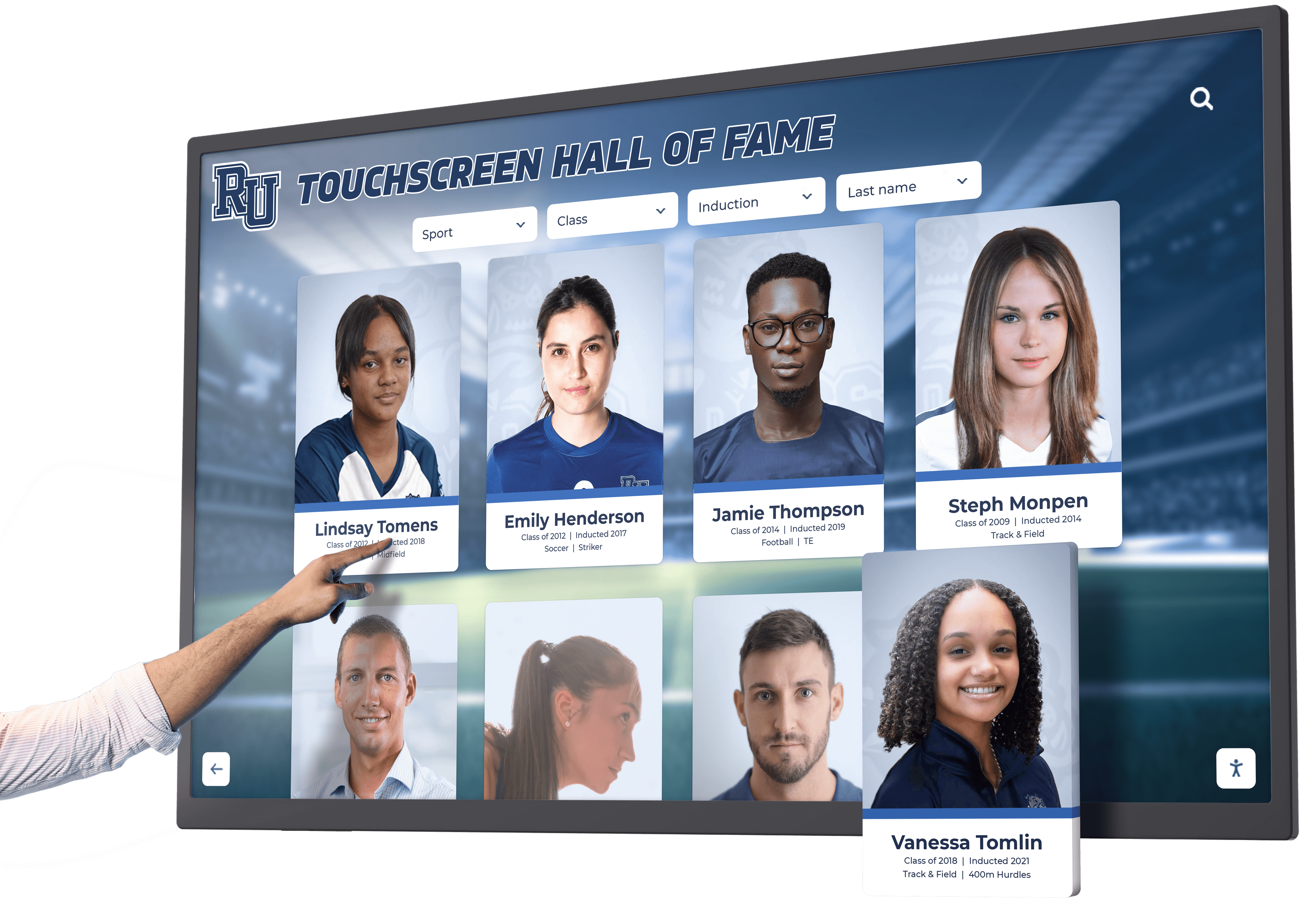
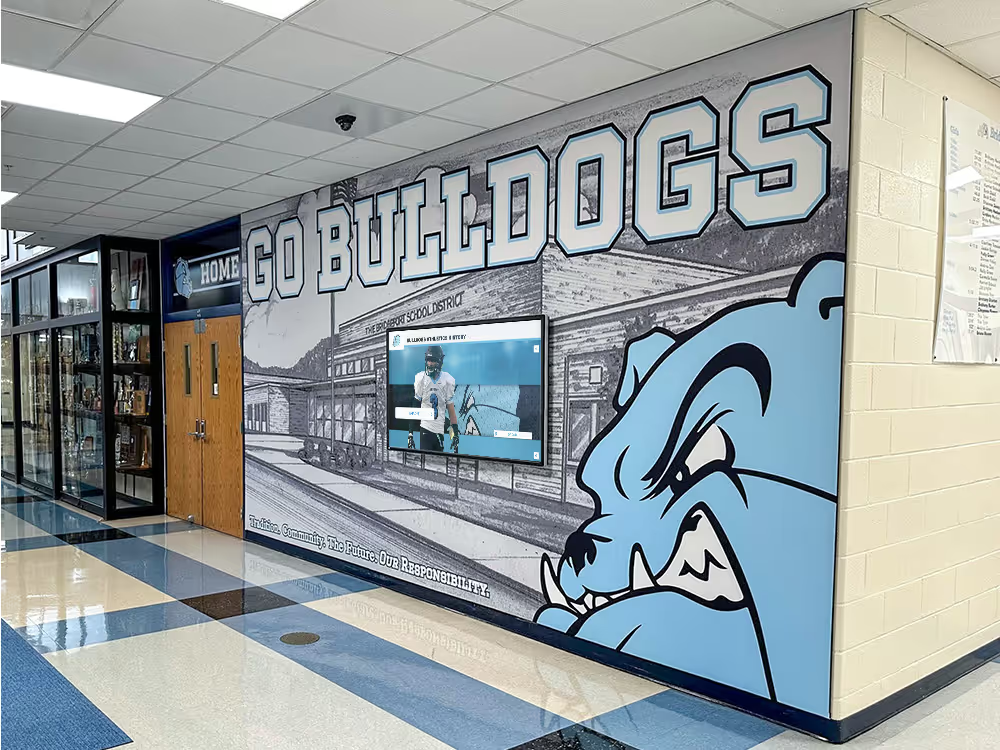
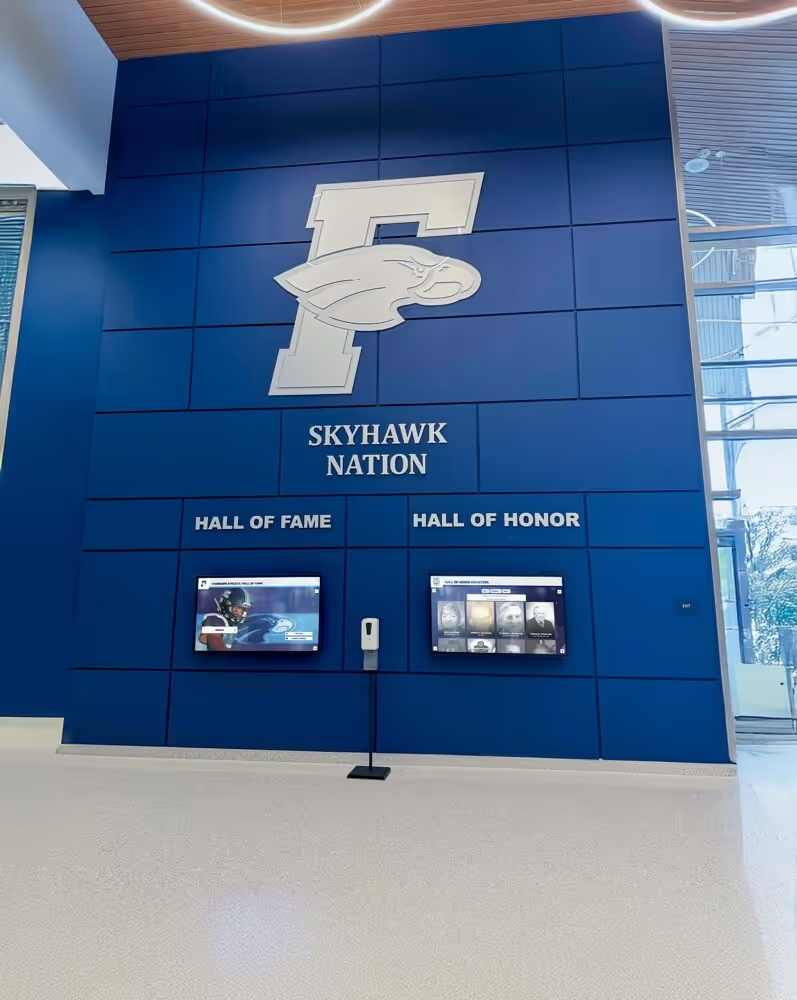
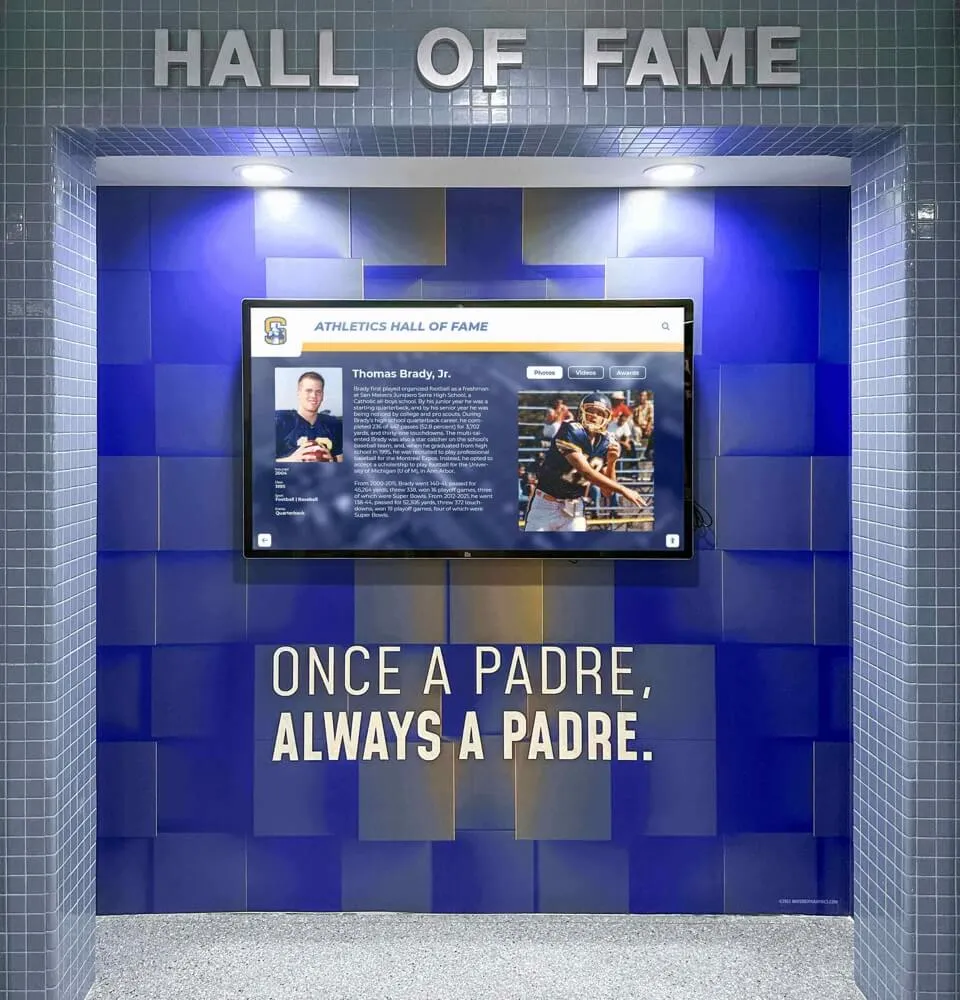
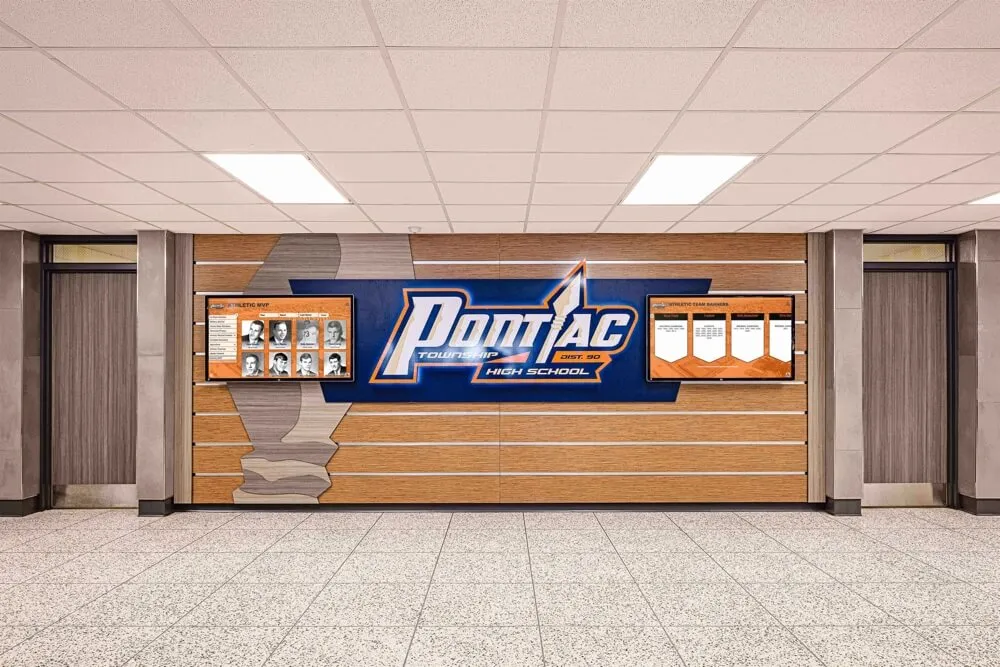
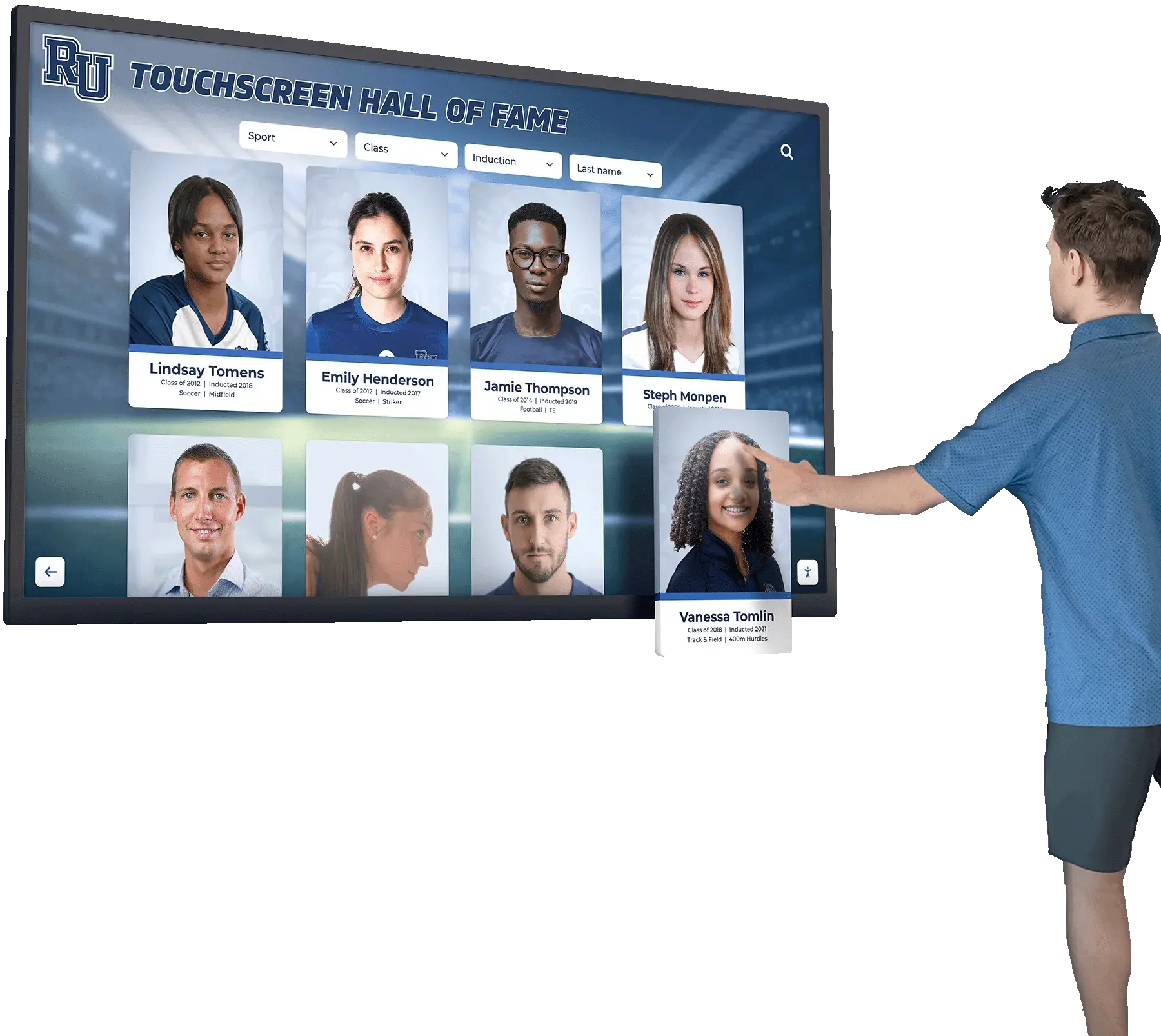
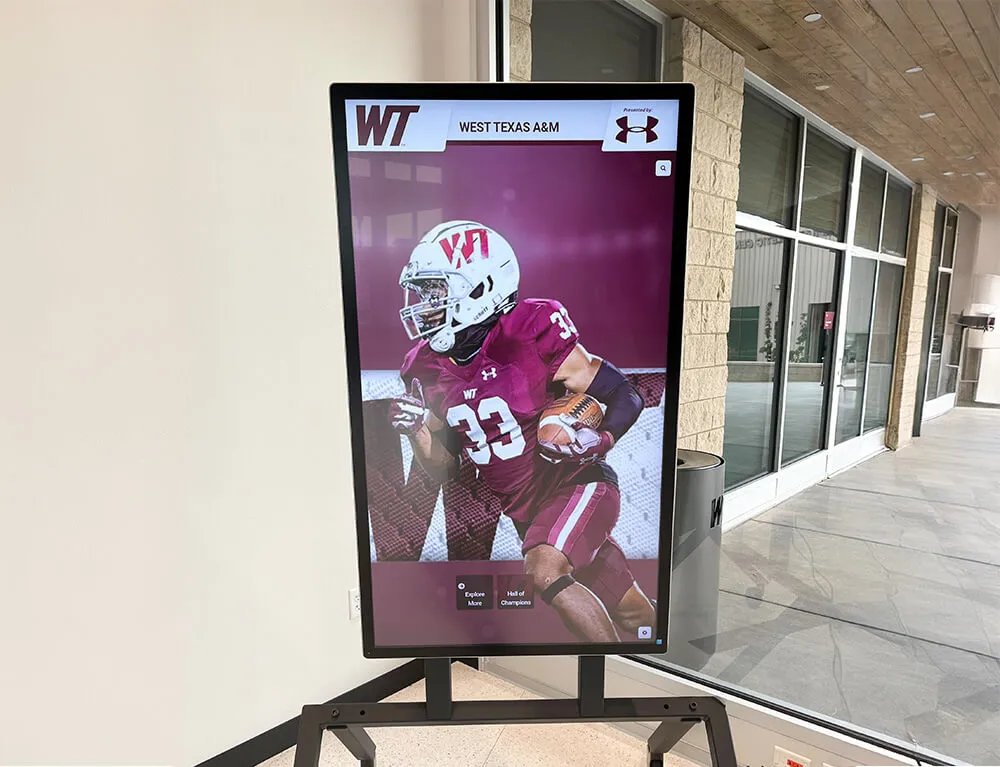
Touchscreen interfaces enable fans to explore detailed athlete profiles through intuitive navigation
The Boston Bruins Tradition: Hockey Excellence Since 1924
The Boston Bruins represent one of the NHL’s “Original Six” franchises, creating a century-long hockey tradition that deserves recognition matching its historical significance.
Six Stanley Cup Championships
The Bruins have won six Stanley Cup championships (1929, 1939, 1941, 1970, 1972, 2011), with each title representing distinct eras of hockey excellence worthy of comprehensive celebration.
Early Championships (1929, 1939, 1941): The Bruins’ early success established them as one of hockey’s premier franchises during the sport’s formative professional years. These championships occurred before television brought hockey into American homes, making comprehensive recognition particularly valuable for preserving history that many fans never witnessed directly.
The Orr Era (1970, 1972): Bobby Orr revolutionized hockey as a defenseman who played with offensive creativity and skating brilliance never seen before. The 1970 championship featured Orr’s iconic overtime goal where he was photographed flying through the air after scoring—one of sports’ most famous images. The 1972 championship demonstrated sustained excellence rather than singular breakthrough. Recognition celebrating this era must capture Orr’s transformative impact on hockey strategy and his status as one of the sport’s greatest players.
Ending the Drought (2011): The Bruins won their first championship in 39 years by defeating the Vancouver Canucks in a hard-fought seven-game series. The championship ended decades of frustration including heartbreaking playoff losses and near-misses. The 2011 team featured Zdeno Chara’s leadership, Tim Thomas’s Conn Smythe-winning goaltending, and contributions from throughout the roster. This championship created particularly emotional connections for fans who waited generations to celebrate, making multimedia recognition capturing the journey and ultimate triumph especially meaningful.
Bruins Legends and Retired Numbers
The Bruins have retired numerous numbers honoring franchise legends, each deserving recognition celebrating their specific contributions to hockey excellence:
Bobby Orr (Number 4): Widely considered hockey’s greatest defenseman and one of the sport’s most revolutionary players, Orr won two Stanley Cups, three Hart Trophies as NHL MVP, and eight consecutive Norris Trophies as the league’s best defenseman. His career was tragically shortened by knee injuries, but his impact on hockey strategy and his legendary status remain undiminished decades after retirement.
Ray Bourque (Number 77): Bourque played 21 seasons with the Bruins, establishing himself as one of hockey’s most consistent and excellent performers. Though he ultimately won his only Stanley Cup after leaving Boston, his decades of excellence deserve comprehensive Bruins recognition. His eventual championship with Colorado created bittersweet emotions for Boston fans who celebrated his success while wishing it had come in a Bruins uniform.
Cam Neely (Number 8): Neely combined power forward physicality with elite scoring ability, creating a playing style that influenced generations of hockey players. Injuries shortened his career, but his intensity, toughness, and skill made him one of the most feared and respected players of his era.
Phil Esposito, Johnny Bucyk, and Other Legends: The Bruins’ retired numbers honor numerous other franchise icons whose careers deserve recognition celebrating specific achievements, playing styles, and contributions to championship success. Each retirement represents recognition opportunities for comprehensive career documentation through multimedia platforms.
Learn more about interactive sports recognition approaches that demonstrate how digital displays transform traditional recognition into engaging modern experiences celebrating hockey and basketball excellence.

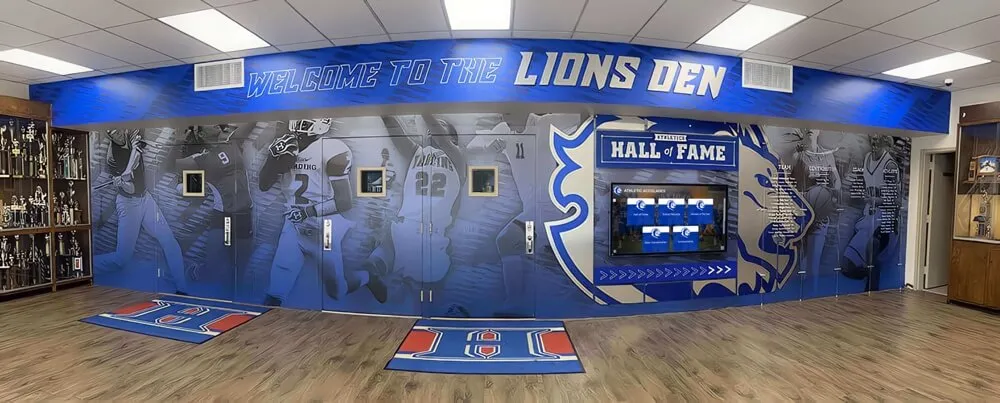
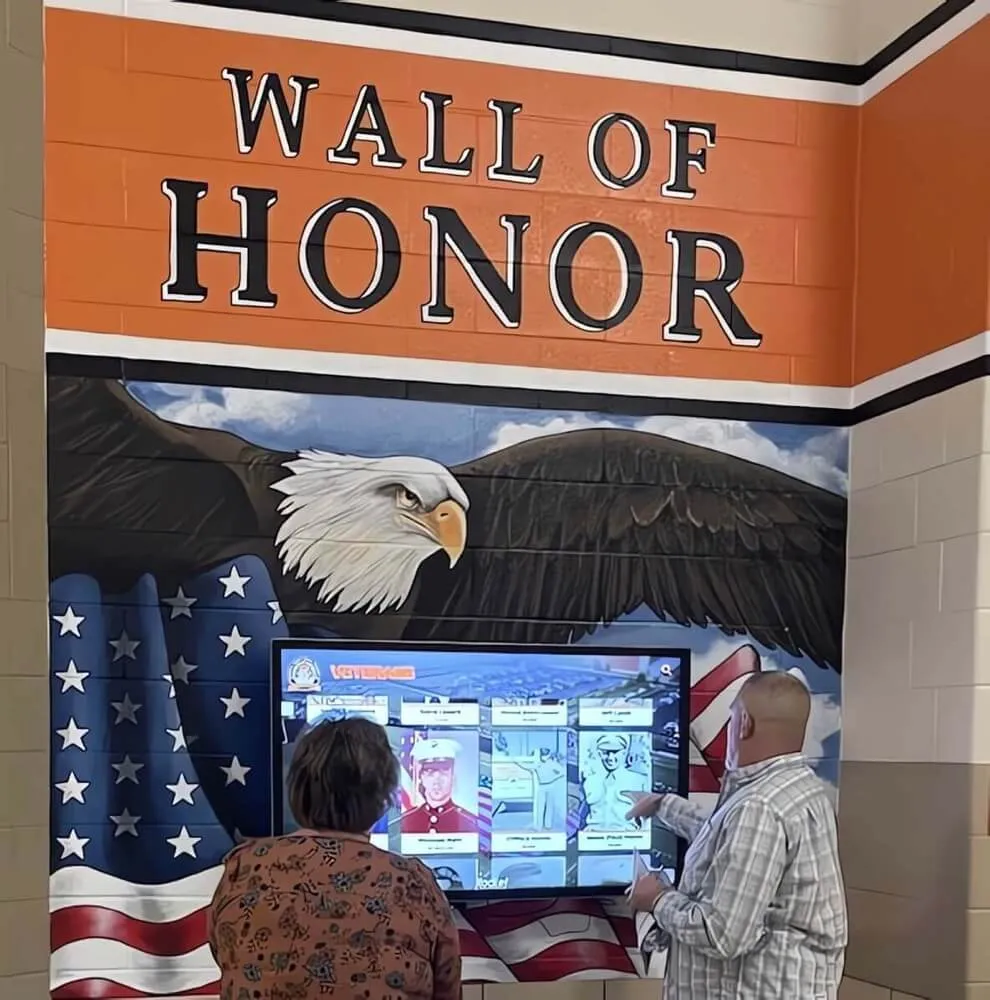
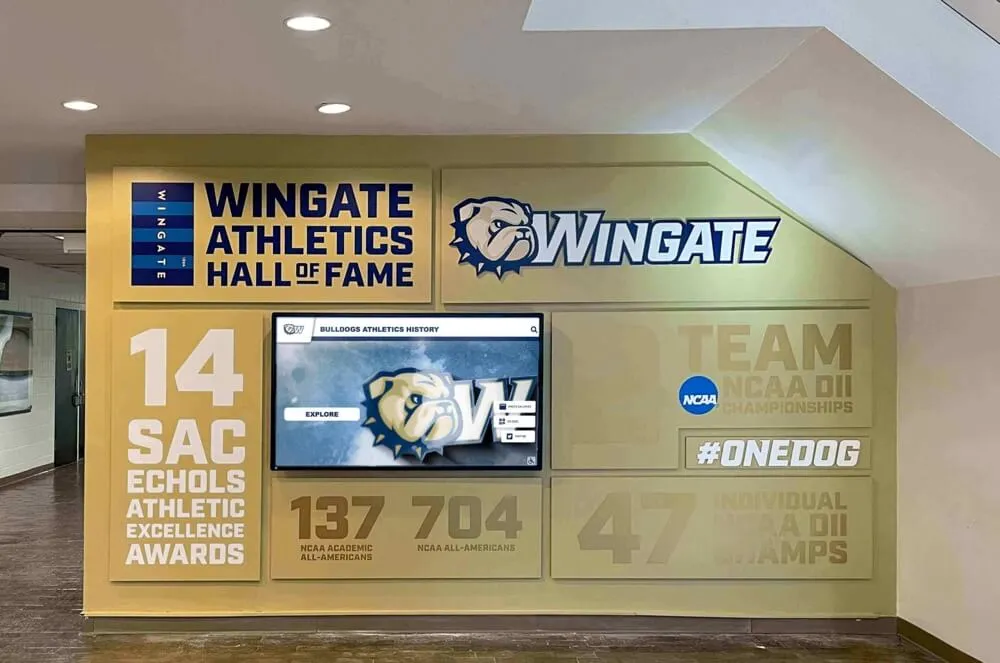
Championship recognition combines physical trophies with comprehensive digital documentation of achievement
Interactive Recognition Technology for Multi-Sport Venues
Modern touchscreen technology enables recognition experiences appropriate for venues hosting multiple franchises while preserving each team’s distinct identity and respecting arena aesthetics.
Digital Display Advantages for Historic Sports Venues
Interactive recognition systems provide specific benefits for venues like TD Garden where physical space constraints, diverse franchise histories, and multiple sports create unique recognition challenges.
Unlimited Capacity Without Physical Expansion: Traditional trophy cases and championship banners eventually fill available space, forcing difficult decisions about which achievements merit permanent visibility. TD Garden hosts two franchises with combined histories spanning nearly 150 years—far more recognition-worthy content than physical displays alone can accommodate. Digital systems provide unlimited content capacity, enabling every significant player from both franchises, all championship teams, and complete historical records without consuming additional physical space. A single touchscreen display can provide access to comprehensive recognition that would require thousands of square feet of wall space through conventional approaches.
Easy Content Updates Preserving Arena Fabric: When current players achieve new milestones or franchises reach new heights, updating physical displays requires expensive fabrication, professional installation, and often structural modifications. Digital platforms accept content updates through simple web interfaces, with changes appearing immediately without any physical modification to the venue. This capability proves particularly valuable for actively operating arenas where current players continuously achieve recognition-worthy milestones throughout seasons.
Accessible Recognition for Diverse Global Audiences: TD Garden welcomes millions of visitors annually from around the world, speaking diverse languages and possessing varying levels of familiarity with Boston sports history. Interactive displays incorporate accessibility features including adjustable text sizing for vision-impaired visitors, screen reader compatibility for blind users, multiple language options for international tourists, and intuitive interfaces requiring no technical expertise. These inclusive design principles ensure recognition serves diverse audiences rather than only dedicated fans comfortable with traditional presentation formats.
Enhanced Storytelling Beyond Static Banners: Digital platforms enable recognition depth impossible through championship banners and engraved plaques. High-resolution photography shows athletes in action and memorable moments. Video highlights bring legendary performances to life. Audio recordings preserve contemporary broadcast calls and player interviews. Statistical visualization creates understanding through graphics rather than overwhelming number tables. This multimedia richness transforms simple acknowledgment into comprehensive storytelling that engages visitors more deeply than text-only recognition.
Multi-Sport Organization Without Confusion: Managing recognition for two distinct franchises creates organizational challenges. Digital systems enable clear categorization allowing visitors to explore Celtics history separately from Bruins content, or discover connections between the franchises and shared arena history. This organizational capability prevents the confusion that might occur if Bruins and Celtics recognition competed for attention on shared physical displays.
Implementation Considerations for Arena Settings
Installing interactive recognition at actively operating major venues requires addressing operational realities including massive foot traffic, diverse lighting conditions, and integration with existing fan experience programming.
Commercial-Grade Hardware Requirements: Arena environments demand robust equipment specifications including displays rated for continuous 16-18 hour daily operation throughout basketball and hockey seasons, high-brightness screens (1000+ nits) remaining visible despite arena lighting conditions, tempered glass protection withstanding contact in crowded spaces, secure mounting preventing theft or vandalism, and all-weather capability for installations near arena entrances or semi-outdoor locations.
Network Infrastructure: Cloud-based content management requires reliable connectivity enabling remote updates from anywhere, redundant connections preventing downtime during events, adequate bandwidth supporting video content streaming, and secure networks protecting visitor data if interactive features include personalization or data collection capabilities.
Content Management Systems: Effective recognition platforms provide intuitive interfaces enabling non-technical arena staff to add new content as current players achieve milestones, update existing profiles with recent achievements, schedule seasonal or promotional content rotations, and generate usage analytics revealing engagement patterns that inform content strategy. Purpose-built recognition platforms like Rocket Alumni Solutions offer systems specifically designed for sports venues, combining appropriate hardware recommendations with software created for honoring athletic achievement rather than generic digital signage adapted for recognition purposes.
Integration with Existing Programming: Recognition displays should complement rather than compete with other venue technology including The Sports Museum exhibits and Heritage Hall displays, game-day video board content and entertainment, wayfinding and directional signage systems, promotional displays and sponsorship integration, and mobile app experiences that extend recognition beyond physical displays into digital engagement fans can access from anywhere.
Discover comprehensive approaches to fan experience centers that demonstrate how professional venues integrate recognition technology with broader engagement strategies.

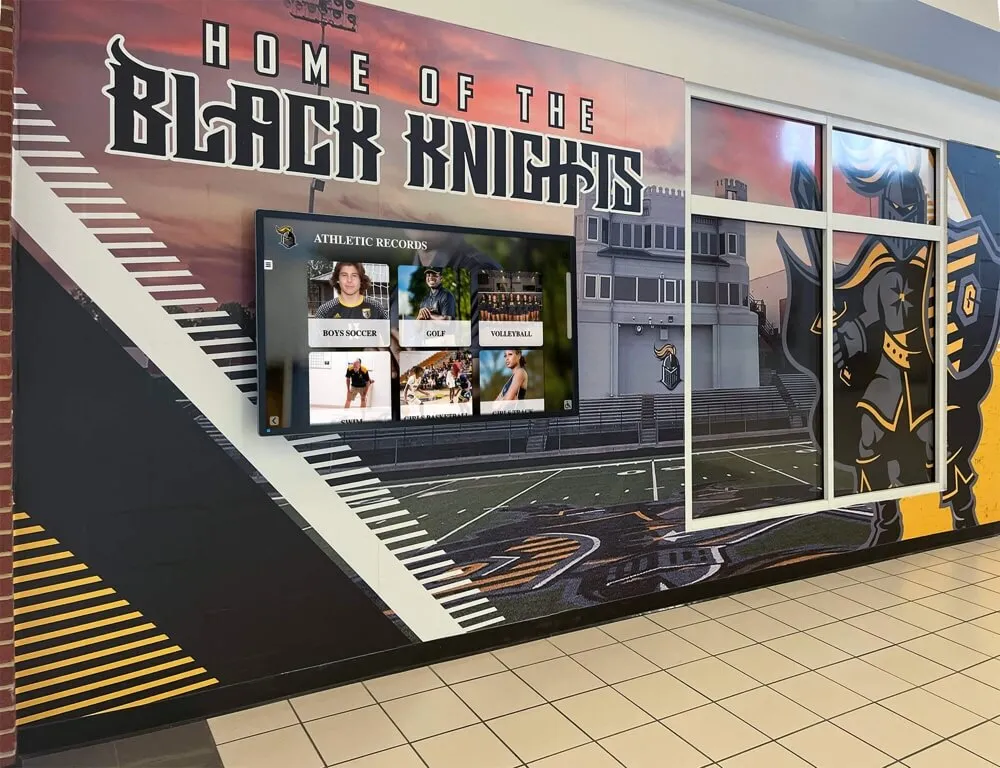
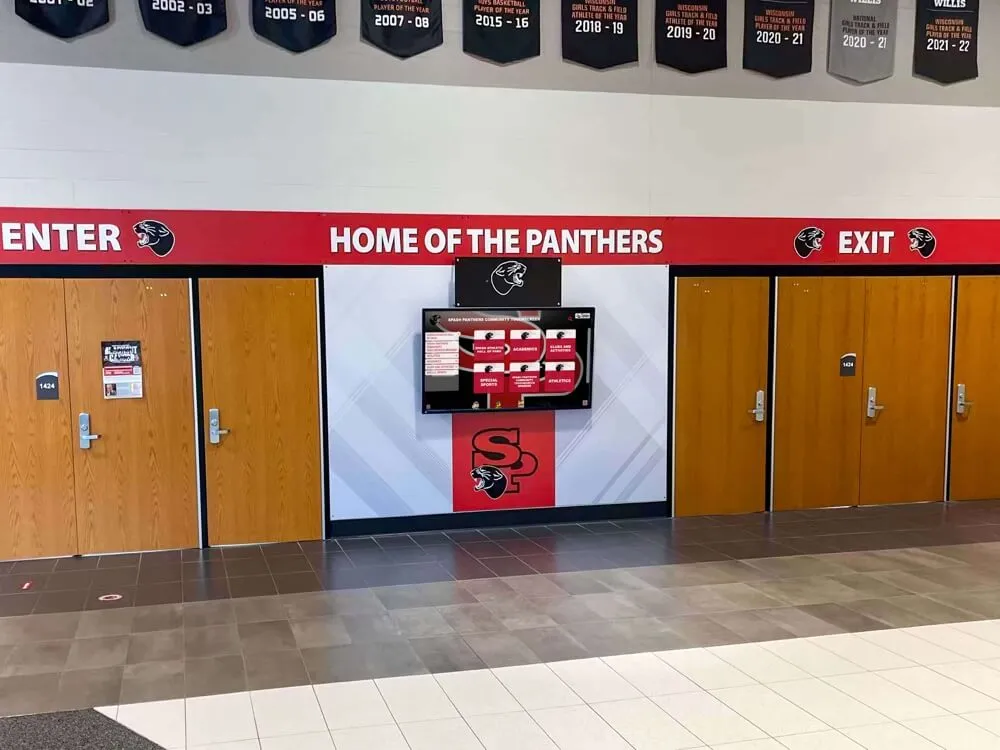
Interactive kiosks integrate seamlessly with venue architecture creating engaging recognition experiences
Content Development for Comprehensive Sports Recognition
Creating engaging recognition experiences requires systematic content development that honors achievement while telling compelling stories connecting visitors emotionally to sports history.
Player Profile Development
Comprehensive athlete recognition extends beyond statistics to document complete careers, personal backgrounds, and lasting impact on sports and community.
Essential Information Components: Effective player profiles include biographical basics (birth date/place, education, career path to professional sports), complete career statistics (sport-specific numbers, awards, achievements), career highlights and memorable moments documented with context, post-playing career activities when available including broadcasting, coaching, or business pursuits, and quotes or testimonials providing personal perspectives on careers and experiences.
Visual Content Excellence: High-quality images significantly enhance recognition presentation. Profiles should include action photography showing athletes performing at peak moments, portrait photos for identification and personal connection, championship celebration images capturing emotional moments, historical photos documenting career evolution across different eras, and current photos for living athletes showing where they are today.
Contextual Storytelling: Placing individual achievement within broader sports history creates deeper understanding and appreciation. Context might include era-appropriate comparisons showing how statistics compared to contemporaries, franchise record context showing where performances rank in team history, game situation details providing stakes and circumstances of notable moments, and cultural impact beyond statistics documenting influence on fans, communities, and sports overall.
Organizations can explore strategies for digital storytelling for athletic programs that bring recognition to life through comprehensive narrative approaches applicable to professional sports contexts.
Championship Team Documentation
Team achievement recognition requires different approaches than individual player profiles, documenting collective success while celebrating individual contributions within team contexts.
Complete Roster Documentation: Championship recognition should include every player who contributed to title runs, not just stars, with playing time and statistical contributions, role documentation (starter, reserve, specialist), biographical information for each team member, and career trajectories showing what players did before and after championship seasons.
Season Narrative Development: Comprehensive championship documentation tells complete season stories including regular season performance, key challenges, and momentum building, playoff path with series-by-series results and turning points, championship series documentation with detailed game coverage, and aftermath including celebrations, parades, and immediate cultural impact on the city and franchises.
Multimedia Integration: Championship recognition benefits particularly from video content including game highlights showing crucial plays and defining moments, championship-clinching moments and immediate celebrations, player and coach interviews providing insider perspectives, celebration footage showing fan reactions and city-wide impact, and contemporary news coverage providing historical perspective and context.
Historic Moment Preservation
Beyond individual and team achievement, recognizing specific moments that defined venue and franchise history creates powerful connection points between visitors and sports heritage.
Identifying Significant Moments: Historic moment recognition at TD Garden might include Bobby Orr’s flying goal in 1970, the Celtics’ dominant Game 6 victory in 2008, the Bruins’ 2011 Game 7 Stanley Cup clinching, record-breaking performances by individual athletes, dramatic comeback victories and overtime thrillers, and cultural touchstones where sports moments transcended games themselves to become broader cultural events.
Location-Specific Recognition: Interactive displays positioned throughout TD Garden can reference specific locations where historic moments occurred, creating connections between physical spaces and history. Visitors standing near where Ray Allen hit crucial three-pointers or Bobby Orr patrolled the blue line could access content about those moments, creating experiential connections between current location and past events that centralized displays elsewhere cannot achieve.
Learn about state championship displays that showcase recognition approaches applicable to professional championship celebration.
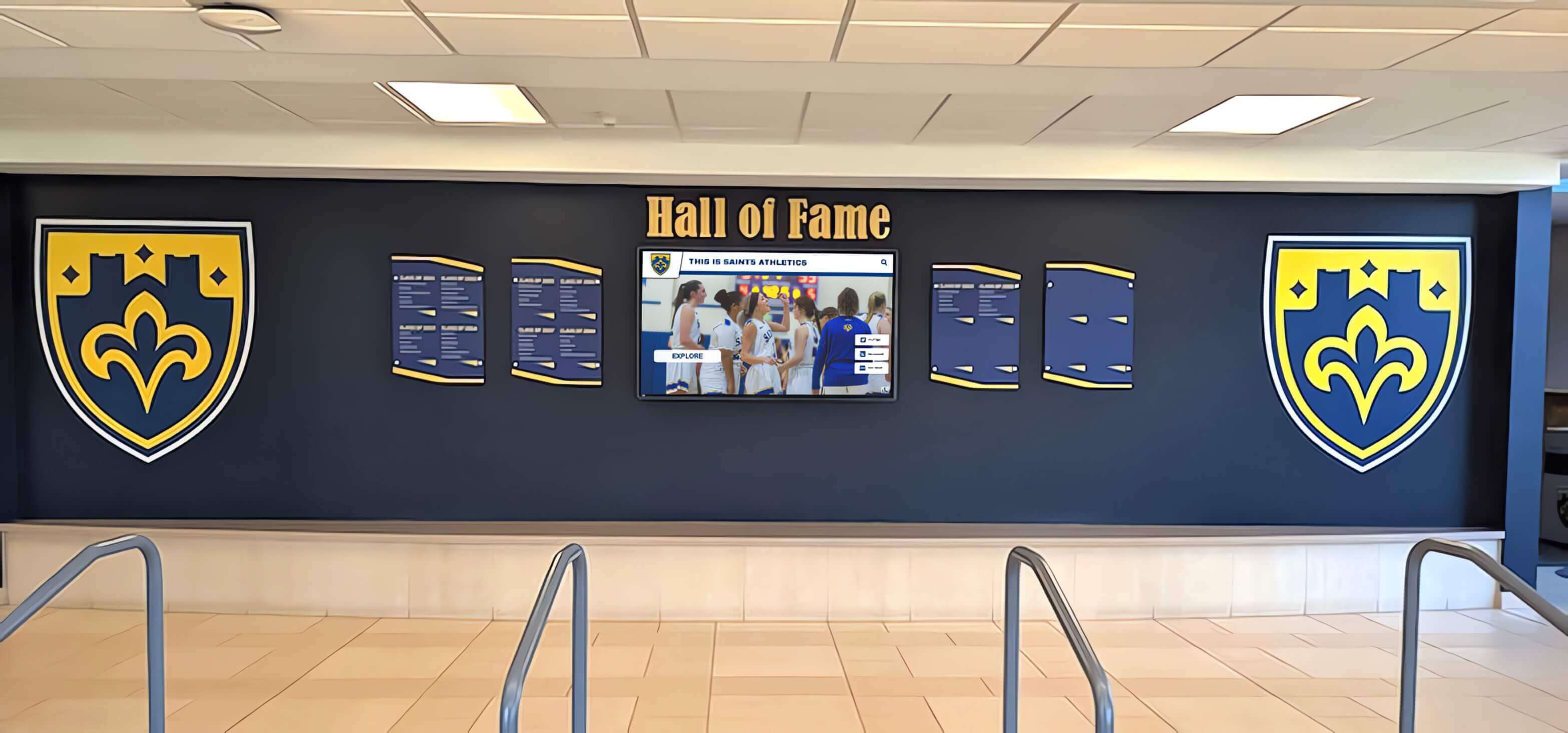
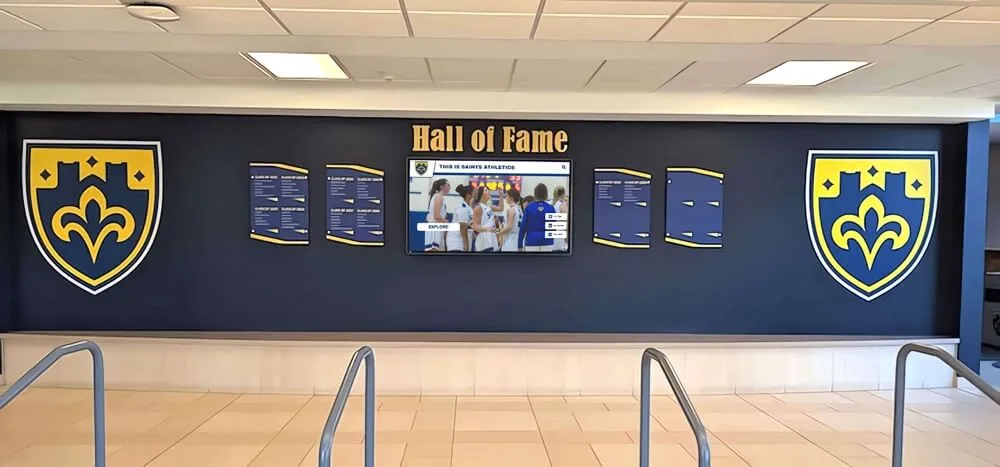
Comprehensive recognition systems combine traditional elements with modern technology for immersive sports excellence celebration
Fan Engagement Through Interactive Recognition
Effective recognition technology doesn’t simply present information—it creates engaging experiences that keep visitors exploring, learning, and connecting personally with Boston sports history.
Search and Discovery Features
Interactive displays should enable both targeted searching for specific information and exploratory browsing for casual discovery across decades of sports history.
Powerful Search Functionality: Visitors should be able to search by player name finding all related content instantly, filter by sport, franchise, era, or achievement type, search by specific years or date ranges, discover content through keywords related to memorable moments, and access records and statistical categories instantly without navigating complex menus.
Intuitive Navigation: Well-designed interfaces feature clear categorization by logical groupings (players, teams, moments, records organized by franchise and sport), visual browsing through photo galleries and video libraries, timeline presentations showing chronological progressions across decades, and featured content highlighting notable items, current anniversaries, or seasonal relevance.
Related Content Connections: Smart linking creates discovery pathways where viewing a player profile suggests related content including teammates from championship seasons, opponents from memorable matchups, contemporary players from similar eras, and championship teams connecting to individual player profiles showing roster compositions and individual contributions.
Personalization Opportunities
Creating personal connections between visitors and recognition content significantly enhances engagement and long-term satisfaction.
Share and Save Features: Enable visitors to save favorite profiles creating personalized collections they can access later, share content to social media extending recognition reach beyond physical venue, email content to themselves for later exploration and sharing with family, and generate printed summaries of content they’ve explored as take-home keepsakes.
Interactive Elements: Engage visitors through polls and voting on topics like greatest players, most memorable moments, or predicted outcomes, quizzes testing sports knowledge and venue history, comparison tools enabling statistical analysis across eras and sports, and timeline builders letting visitors create custom historical narratives exploring specific themes.
Photo Opportunities: Physical displays should incorporate selfie-friendly design encouraging social sharing, augmented reality features overlaying historical images on current arena spaces, and social media integration making sharing seamless and encouraging visitor-generated content promoting the venue.
Educational Programming
Recognition technology serves educational purposes beyond entertainment, particularly for younger visitors learning sports history and general cultural significance.
Youth Engagement: Create age-appropriate content interfaces with simplified language for younger readers, interactive games and challenges making learning fun, educational modules teaching sport rules, history, and cultural context, and achievement tracking gamifying exploration to encourage comprehensive viewing across multiple visits.
School Group Programming: Develop specific features supporting educational visits including curriculum-aligned content connecting sports to mathematics, history, and social studies, guided exploration paths designed for specific grade levels, group activity suggestions for teachers leading tours, and teacher resources supporting classroom follow-up lessons after field trips.
Explore digital recognition approaches that showcase interactive features applicable to professional sports recognition while maintaining educational value.
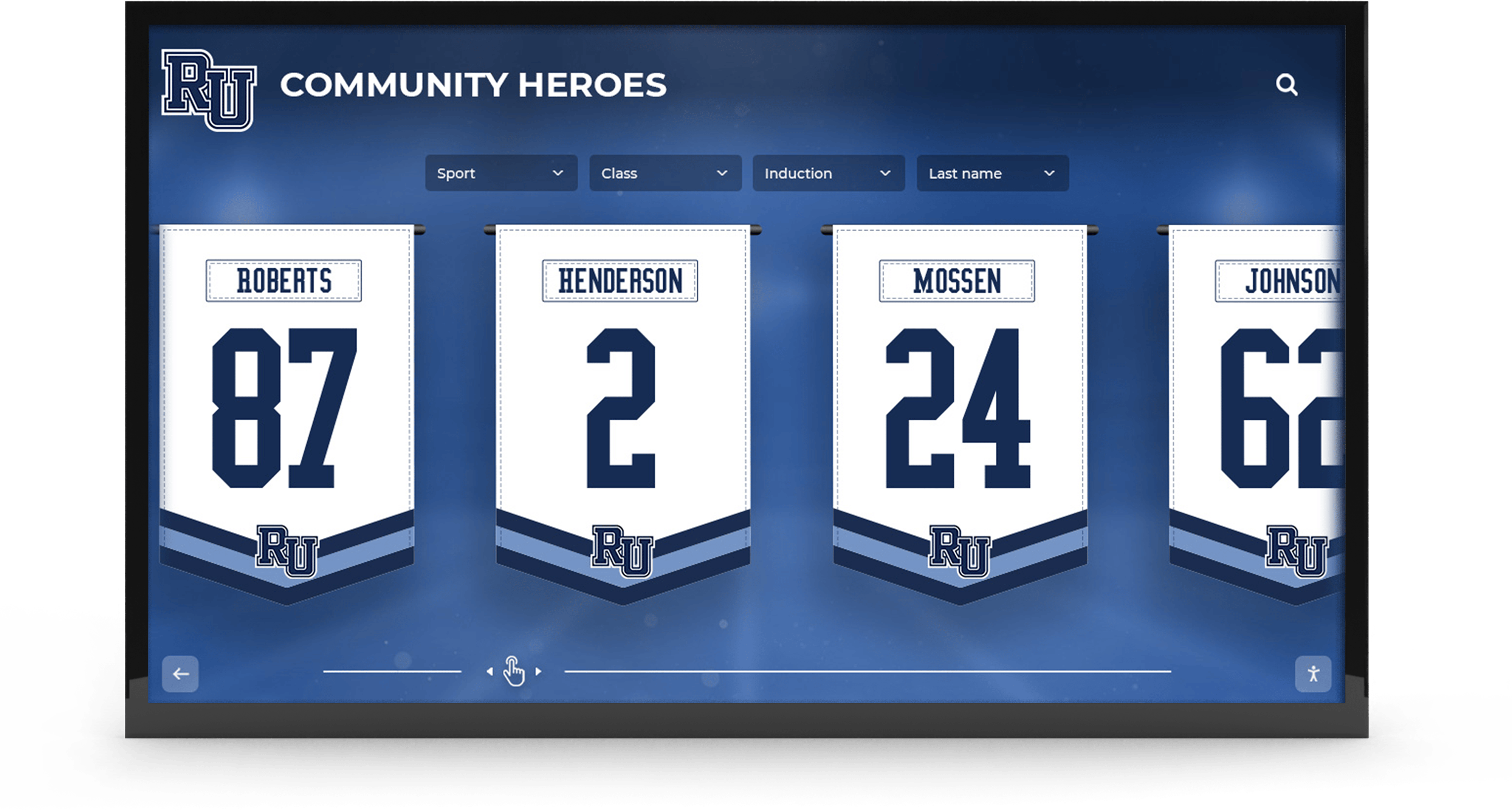
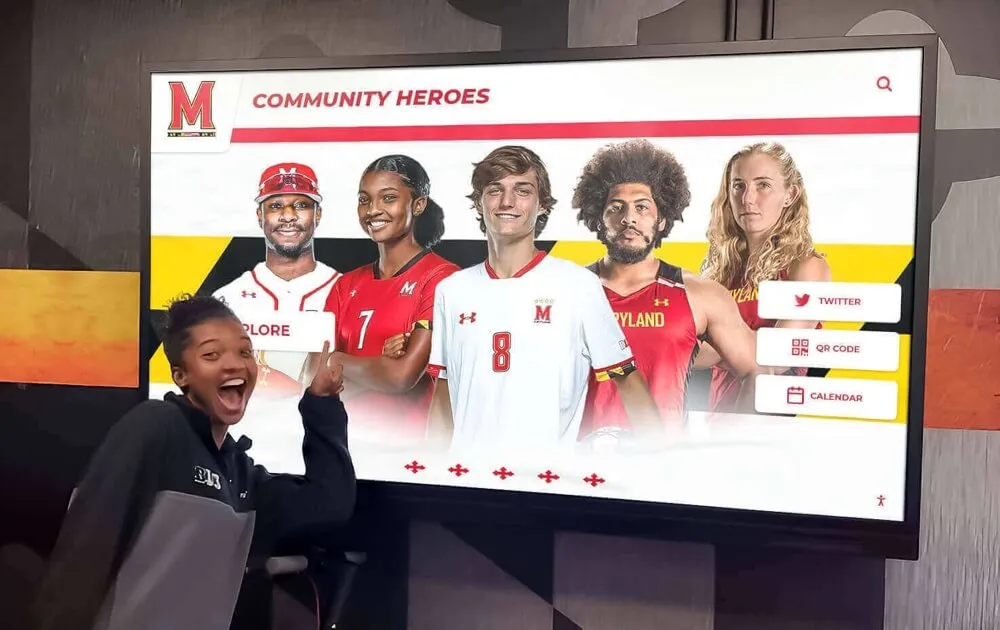
Digital recognition creates engaging displays celebrating athletic achievement and creating community connections through sports excellence
Beyond TD Garden: Recognition Technology for All Venues
While this exploration focuses on TD Garden as an iconic example, interactive recognition technology serves diverse venues honoring athletic achievement, institutional history, and community accomplishment across all levels.
Professional Sports Venues
Recognition technology serves all professional sports venues including basketball arenas beyond TD Garden, hockey facilities across the NHL, football stadiums hosting NFL teams, baseball parks celebrating America’s pastime, and soccer stadiums serving MLS and international competitions. Each sport presents unique recognition opportunities celebrating sport-specific achievements while sharing common needs for comprehensive documentation, multimedia storytelling, and engaging visitor experiences that build fan connections.
Professional venues often possess extensive archives of historical content spanning decades, complex stakeholder groups including current and former players, media companies, sponsors, and diverse fan communities, significant traffic volumes requiring robust technology capable of serving thousands daily, and commercial objectives where recognition supports broader brand building and business goals.
Explore how NBA venues implement digital recognition celebrating basketball’s rich history through modern interactive technology.
Educational Athletic Recognition
Colleges, universities, and high schools implementing recognition displays for athletic programs benefit from similar technology honoring student-athlete achievement, celebrating championship teams across multiple sports, preserving coaching legacies and program histories, and building championship cultures that inspire current athletes through visible traditions showing the excellence that came before them.
Educational recognition faces unique considerations including student privacy requirements protecting minor athletes, athlete eligibility concerns requiring careful timing of recognition, integration with existing halls of fame and physical displays, and budget constraints requiring cost-effective solutions delivering maximum value. Solutions designed specifically for educational athletics address these unique requirements better than generic platforms adapted from commercial applications.
Discover educational athletics recognition approaches that translate professional sports recognition principles to academic athletic contexts.
Community and Recreational Facilities
Recognition technology isn’t limited to elite professional and collegiate athletics. Community centers, recreational facilities, youth sports organizations, and amateur athletic associations all benefit from honoring participant achievement at all skill levels, celebrating volunteer contributors who make programs possible, documenting facility history and community connections, and building pride within the communities they serve through visible celebration of local excellence.
These implementations often operate with limited budgets requiring cost-effective solutions, rely on volunteer management demanding user-friendly platforms requiring minimal technical expertise, serve highly local audiences with deep personal connections to content, and fulfill social missions beyond athletic achievement alone including youth development, community building, and health promotion.
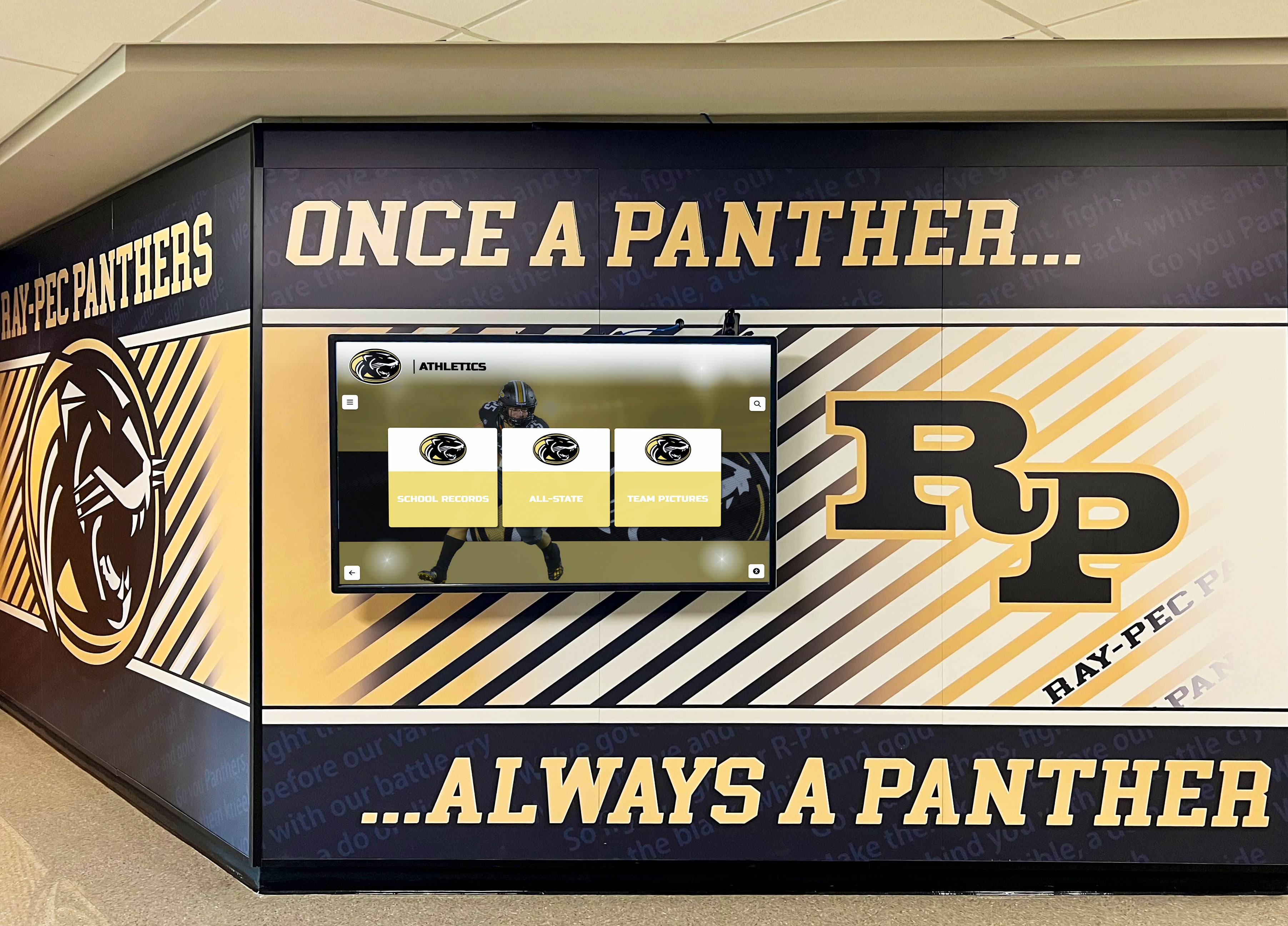
Educational institutions implement professional-grade recognition technology celebrating athletic excellence and inspiring current student-athletes
Implementation Roadmap: Creating Recognition Experiences
Organizations ready to implement interactive recognition should follow systematic approaches ensuring successful outcomes that honor achievement appropriately while creating sustainable operations supporting long-term excellence.
Phase 1: Planning and Requirements (Weeks 1-4)
Stakeholder Identification: Determine who should be involved including organizational leadership providing strategic direction and approval, marketing and communications teams ensuring brand alignment, facilities management addressing installation logistics and technical requirements, content specialists understanding historical resources and archives, and technology staff assessing infrastructure requirements and support capabilities.
Scope Definition: Clarify recognition objectives including which franchises, eras, and players will receive coverage, what content depth is desired (basic profiles versus comprehensive multimedia documentation), what locations will feature displays throughout facilities, what budget constraints exist for initial implementation and ongoing operations, and what timeline is realistic for content development and technology deployment.
Vendor Selection: Research recognition platform providers evaluating purpose-built solutions designed specifically for athletic recognition versus generic digital signage adapted for recognition, cloud-based versus local hosting requirements and trade-offs, content management capabilities and ease of use for non-technical staff, hardware options and specifications matching environmental needs, implementation support services assisting with launch, and ongoing maintenance and support models ensuring long-term success.
Phase 2: Content Development (Weeks 4-12)
Historical Research: Gather recognition content systematically through franchise archives and official record books, historical media coverage and photography collections, player interviews and biographical research when possible, video footage from memorable moments and championship seasons, and statistical compilation and verification ensuring accuracy across multiple sources.
Content Creation: Develop comprehensive profiles following template standards establishing consistent quality including biographical writing based on research synthesizing multiple sources, statistical compilation and verification ensuring accuracy, photo editing and optimization for digital display formats, video editing and production creating engaging highlights and storytelling segments, and metadata application enabling search, filtering, and intuitive content organization.
Quality Assurance: Review all content systematically ensuring factual accuracy through verification against multiple authoritative sources, completeness meeting established standards and template requirements, consistency in tone, style, and presentation quality across profiles, appropriateness for intended audiences including families and young visitors, and rights clearance for photos and video ensuring legal usage permissions.
Phase 3: Technology Implementation (Weeks 10-16)
Hardware Procurement: Order displays and related equipment based on specifications developed during planning including touchscreen displays of appropriate sizes for viewing distances and audience sizes, mounting solutions including wall-mounted, freestanding kiosks, or custom enclosures matching venue aesthetics, media player computers if needed for local content delivery, network equipment ensuring reliable connectivity, and accessories like protective enclosures or specialty mounting for unique environments.
Installation and Setup: Deploy technology through professional services including physical mounting with appropriate structural anchoring meeting building codes, electrical connection providing reliable power with surge protection, network configuration enabling secure internet access, software installation and initial configuration, and comprehensive integration testing ensuring all systems work properly together.
Content Loading: Populate recognition platform with developed content through systematic upload processes, logical organization and categorization for intuitive navigation, relationship mapping between related content items creating discovery pathways, featured content configuration highlighting priority items and seasonal relevance, and final quality review before public launch ensuring everything functions correctly.
Phase 4: Launch and Sustainment (Week 16+)
Soft Launch: Test with limited audiences before full public opening including internal stakeholder review gathering feedback from staff and leadership, focus group feedback from representative users across demographics, technical troubleshooting addressing any issues discovered during testing, content refinement based on feedback received, and training completion for staff who will support displays and answer visitor questions.
Public Launch: Introduce recognition broadly through ceremonial unveiling at high-profile games or events, media coverage generating awareness through press releases and media interviews, promotional campaigns across organizational channels including social media and email newsletters, guided demonstrations showing features to early visitors, and feedback collection mechanisms enabling continuous improvement.
Ongoing Operations: Sustain recognition quality through regular content updates adding new honorees and current player achievements, seasonal content rotation featuring relevant themes and anniversary celebrations, technical maintenance addressing hardware and software issues proactively, analytics review revealing usage patterns and popular content guiding strategy, and continuous improvement implementing enhancements based on operational experience and user feedback.
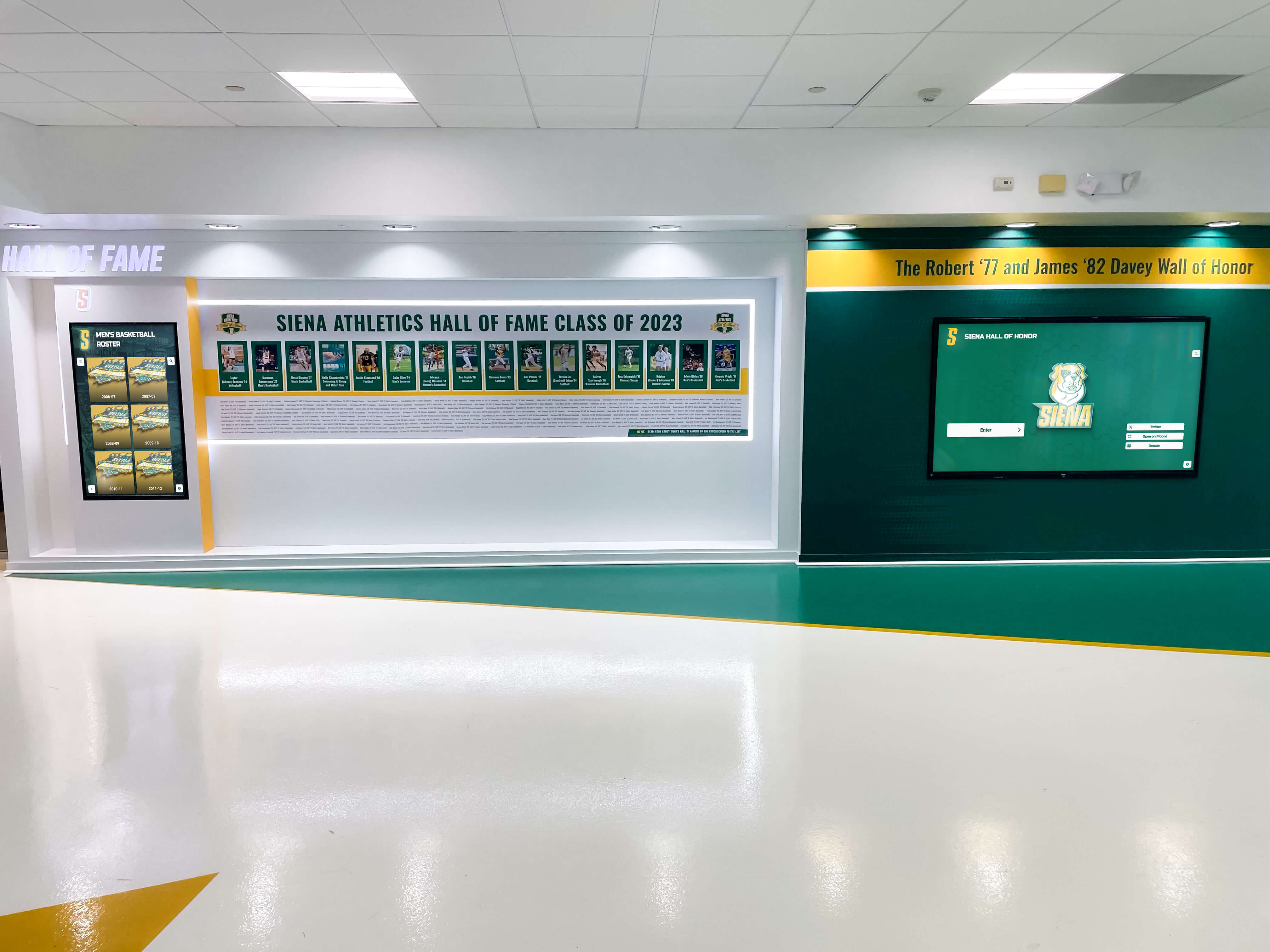
Well-designed recognition installations become signature features celebrating institutional excellence and creating memorable visitor experiences
Measuring Recognition Success
Comprehensive evaluation demonstrates recognition value while identifying improvement opportunities that enhance visitor experiences and organizational benefits over time.
Engagement Metrics
Digital recognition platforms provide detailed analytics revealing how visitors interact with content including unique visitor counts establishing overall reach, average session duration indicating engagement depth (benchmark: 6-10 minutes suggests meaningful exploration rather than casual glances), content views per session showing exploration breadth across different content types, return visitor rates demonstrating sustained interest and repeat engagement, popular content analysis revealing what resonates most with audiences, and search pattern examination showing what visitors actively seek when given search capabilities.
These quantitative metrics inform content strategy by identifying popular athletes or teams deserving enhanced coverage through expanded profiles or additional multimedia, underutilized content requiring promotion, repositioning, or improvement, optimal session lengths guiding appropriate content volume preventing overwhelming visitors, peak usage times informing when to schedule content updates and system maintenance, and features generating engagement versus those being ignored requiring redesign or removal.
Qualitative Feedback
Beyond analytics, visitor perspectives provide essential improvement insights including comment collection through integrated digital feedback forms, survey administration to representative visitor samples across demographics and fan segments, staff observation of visitor behaviors and overheard conversations revealing authentic reactions, social media monitoring tracking mentions, shares, and sentiment about recognition displays, and stakeholder input from honored athletes, organizational leadership, and community members.
Qualitative assessment reveals whether recognition appropriately honors achievement through tone and presentation quality, content accuracy and completeness meeting visitor expectations, interface intuitiveness and accessibility for diverse users including those unfamiliar with technology, technical performance and reliability during operation, and overall satisfaction with recognition experiences compared to expectations and competing venues.
Organizational Impact
Recognition ultimately serves organizational objectives beyond immediate visitor engagement including brand enhancement through association with history, tradition, and sustained excellence, donor and sponsor cultivation demonstrating appreciation and creating partnership opportunities, fan engagement strengthening emotional connections and loyalty across generations, recruitment support attracting talent by showcasing organizational excellence and championship culture, and cultural strengthening through shared heritage and values communication building community identity.
Organizations should track relevant metrics aligned with recognition objectives demonstrating value beyond immediate visitor experience, justifying continued investment in recognition programs and technology updates, and identifying opportunities to enhance organizational impact through strategic recognition decisions and content development priorities.
Conclusion: Honoring Boston Sports History While Inspiring Future Excellence
TD Garden represents more than a sports arena—it embodies connections between past and present, where the legendary achievements of Bruins and Celtics icons continue inspiring current and future generations of athletes, fans, and visitors. Appropriately celebrating this extraordinary dual-franchise heritage requires recognition approaches that honor tradition while leveraging modern capabilities creating engaging experiences impossible through conventional methods alone.
Interactive recognition technology like Rocket Alumni Solutions provides powerful platforms enabling venues to showcase complete histories spanning multiple sports and eras, celebrate diverse achievements comprehensively across team and individual excellence, create personalized exploration experiences matching individual interests and knowledge levels, maintain evergreen content currency through easy updates as current players add to franchise legacies, and inspire continued excellence through visible traditions showing what came before.
Whether implementing recognition at historic professional venues like TD Garden, educational athletic facilities honoring student-athletes, community spaces celebrating local accomplishment, or any context where achievement deserves appropriate acknowledgment, interactive touchscreen displays provide flexible, scalable solutions that serve diverse needs while maintaining consistent quality and engagement excellence.
The athletes, teams, and moments that made TD Garden legendary deserve recognition matching their significance. Modern technology finally enables comprehensive celebration doing justice to decades of sports excellence while creating experiences that connect current visitors emotionally with heritage they might otherwise simply observe from a distance.
Create World-Class Recognition Experiences
Discover how Rocket Alumni Solutions can help your venue celebrate achievement through comprehensive interactive recognition displays that honor history while inspiring continued excellence.
Explore Recognition SolutionsReady to transform how your venue honors achievement? Whether celebrating sports history at iconic professional facilities, honoring student-athletes at educational institutions, or recognizing accomplishment in community organizations, interactive recognition technology provides powerful platforms creating experiences worthy of the excellence they celebrate.
Every legendary moment deserves preservation. Every achievement merits appropriate acknowledgment. Every visitor should experience personal connection with sports history. Interactive recognition displays from providers like Rocket Alumni Solutions make comprehensive celebration achievable, creating lasting tributes that inspire generations while honoring those who made excellence possible.
Explore additional recognition strategies through resources about NHL recognition displays, basketball hall of fame approaches, and comprehensive sports venue recognition that demonstrate best practices applicable across diverse sports contexts and organizational scales.