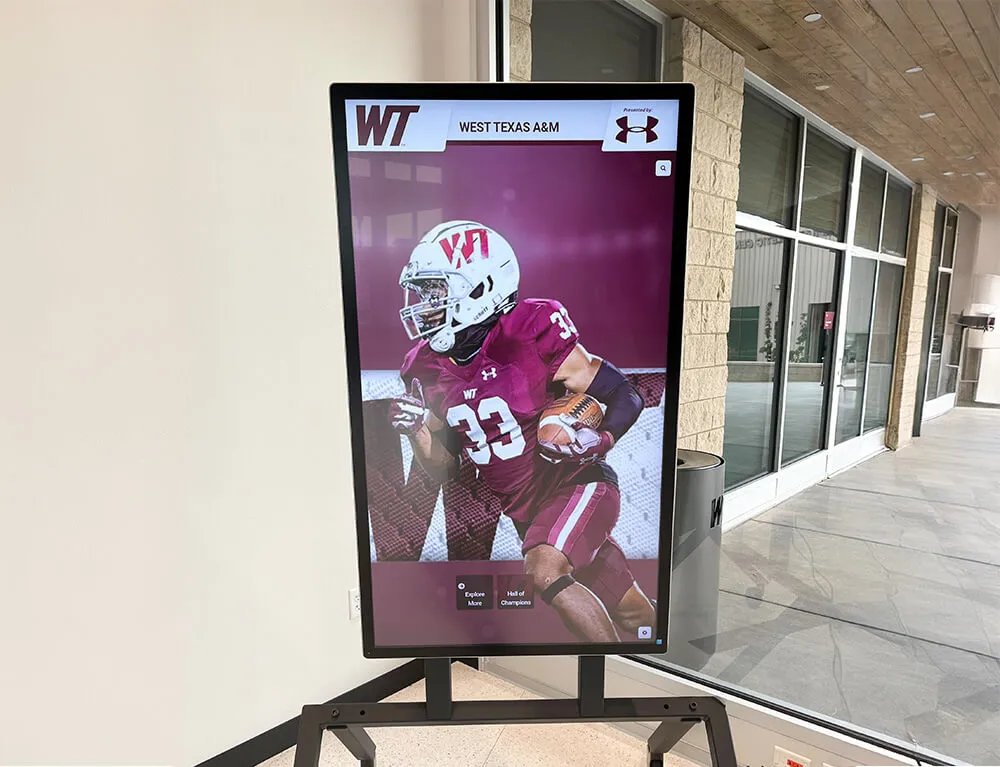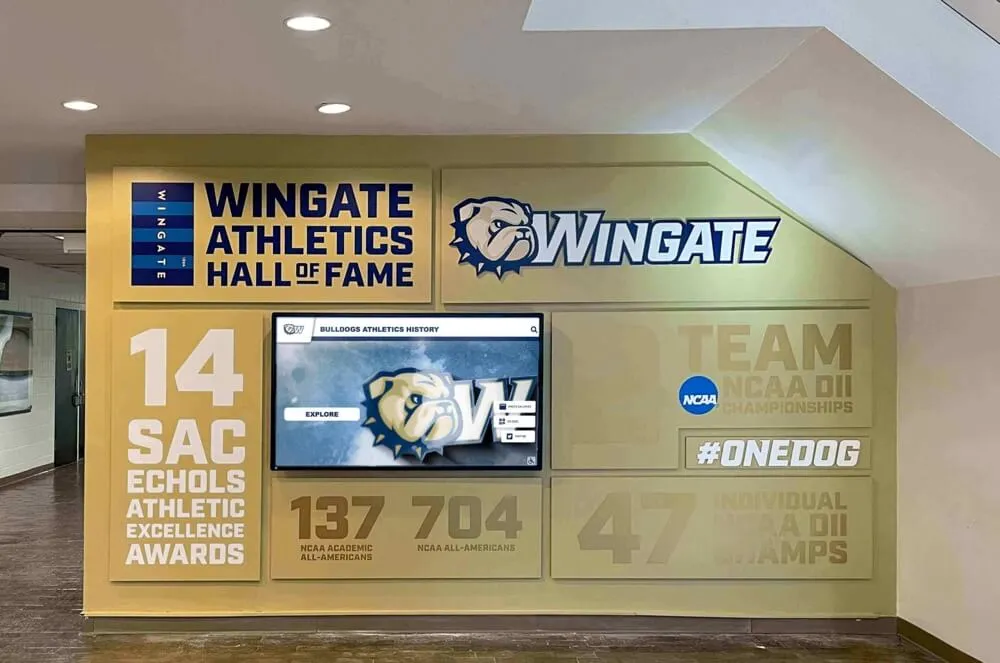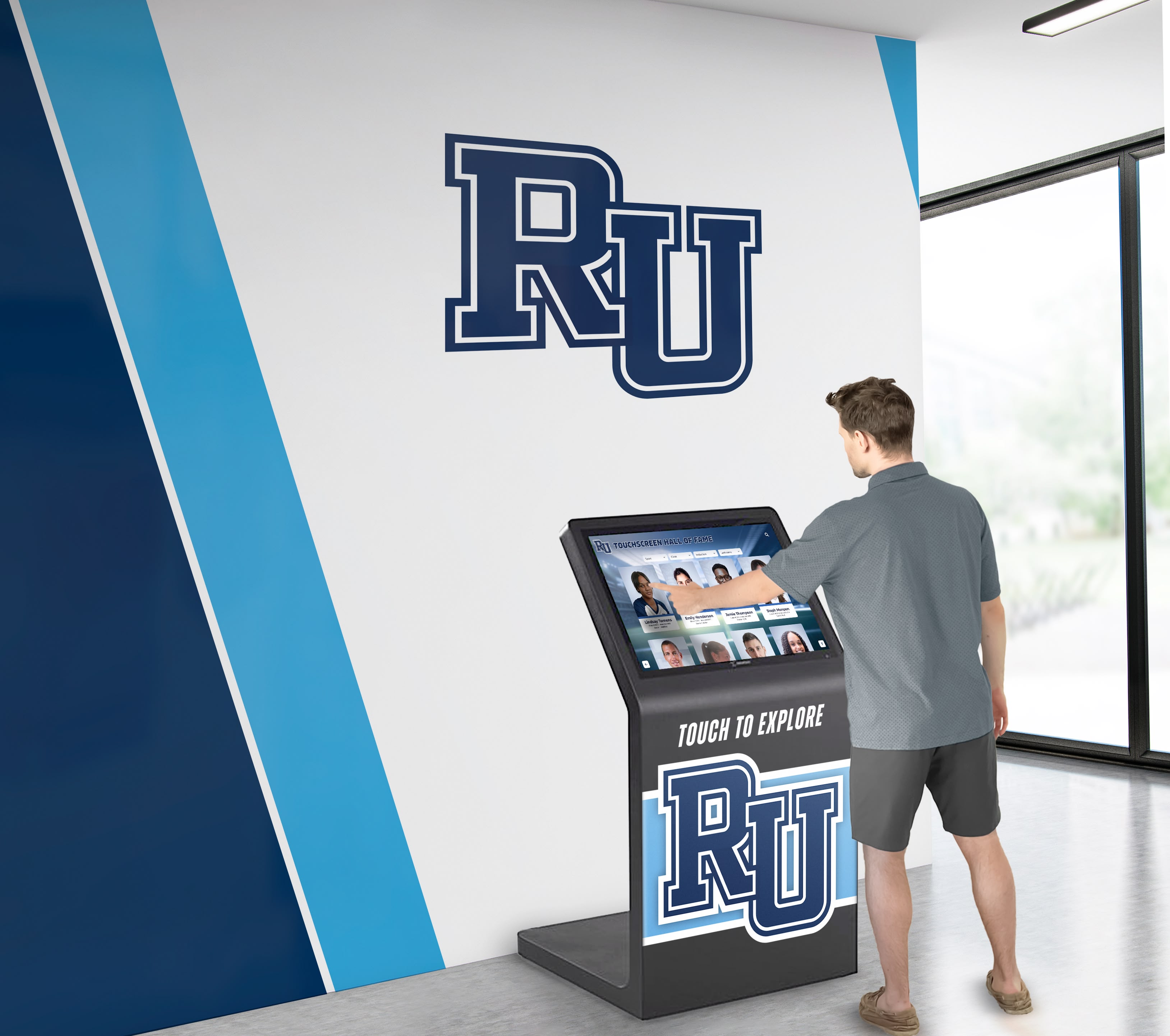




Universities across the country are transforming how they celebrate alumni achievements, recognize donors, and engage campus communities through interactive touchscreen displays. The University of Rhode Island represents one of many institutions discovering that modern digital recognition systems offer capabilities far exceeding traditional plaques and static displays—capabilities that strengthen alumni connections, inspire current students, and create dynamic recognition experiences worthy of distinguished achievements.
Traditional recognition methods face inherent limitations that increasingly constrain universities: physical wall space fills up quickly, forcing difficult decisions about which achievements receive visible acknowledgment; static plaques communicate minimal information beyond names and dates; updating recognition for new achievements requires expensive fabrication and installation; and graduates living far from campus cannot easily access or share their institutional recognition. These constraints mean most distinguished alumni never receive the comprehensive celebration their achievements deserve.
This guide explores how universities implement interactive touchscreen recognition systems like those from Rocket Alumni Solutions, examining practical considerations from planning through ongoing operation. Whether honoring distinguished alumni, celebrating athletic achievements, recognizing donors, or documenting institutional history, digital recognition displays create engaging experiences that traditional approaches simply cannot match.
Modern university recognition requires more than converting physical plaques to digital formats—it demands comprehensive systems that tell stories, enable discovery, accommodate unlimited achievements, and remain flexible as institutional needs evolve. Solutions like Rocket Alumni Solutions provide the technology, content management capabilities, and institutional expertise that enable universities to create recognition programs worthy of their distinguished communities.

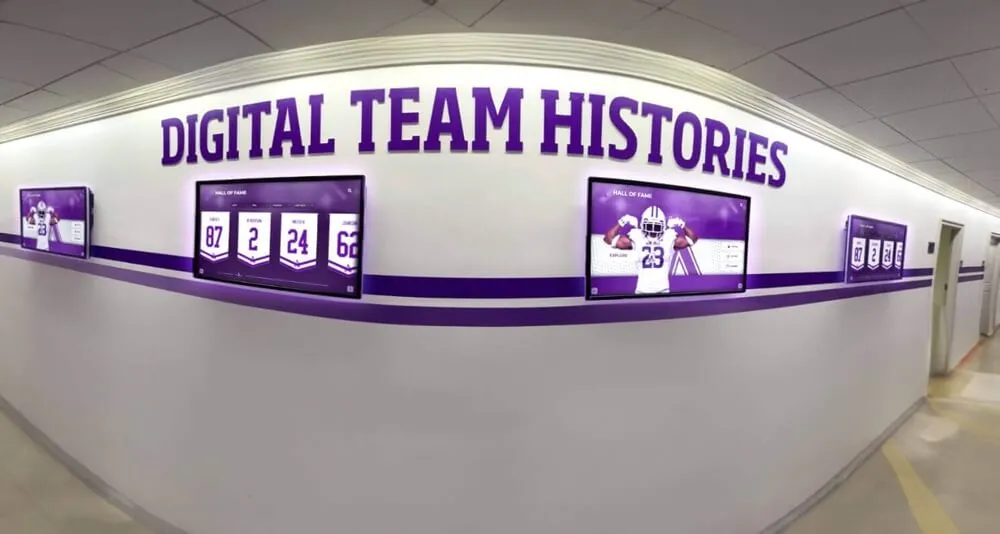
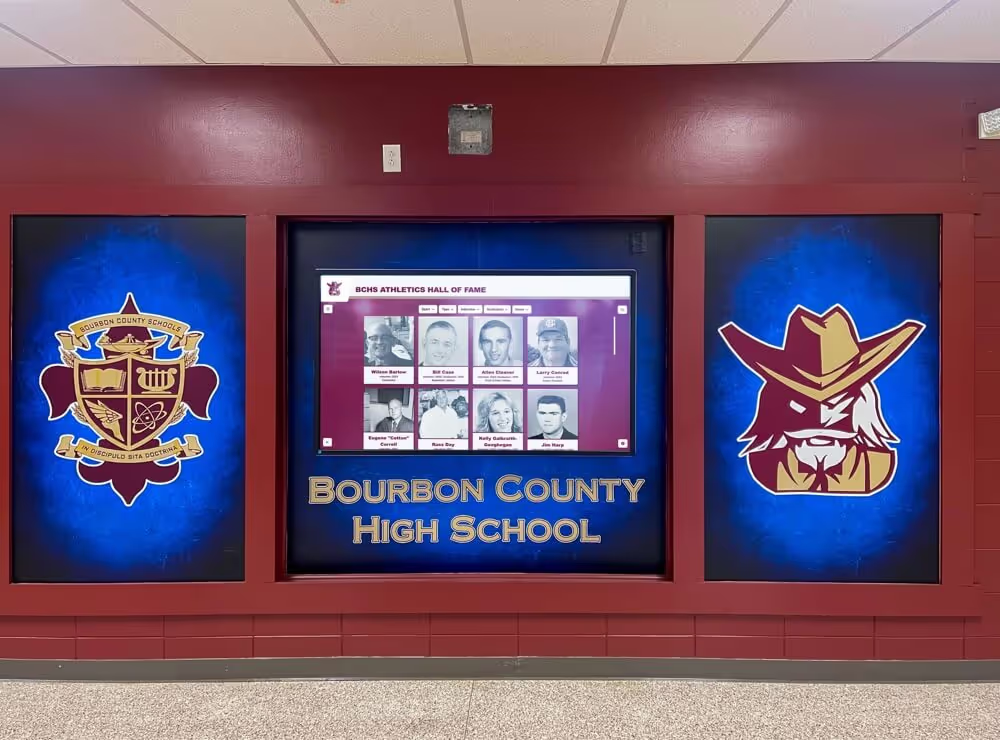
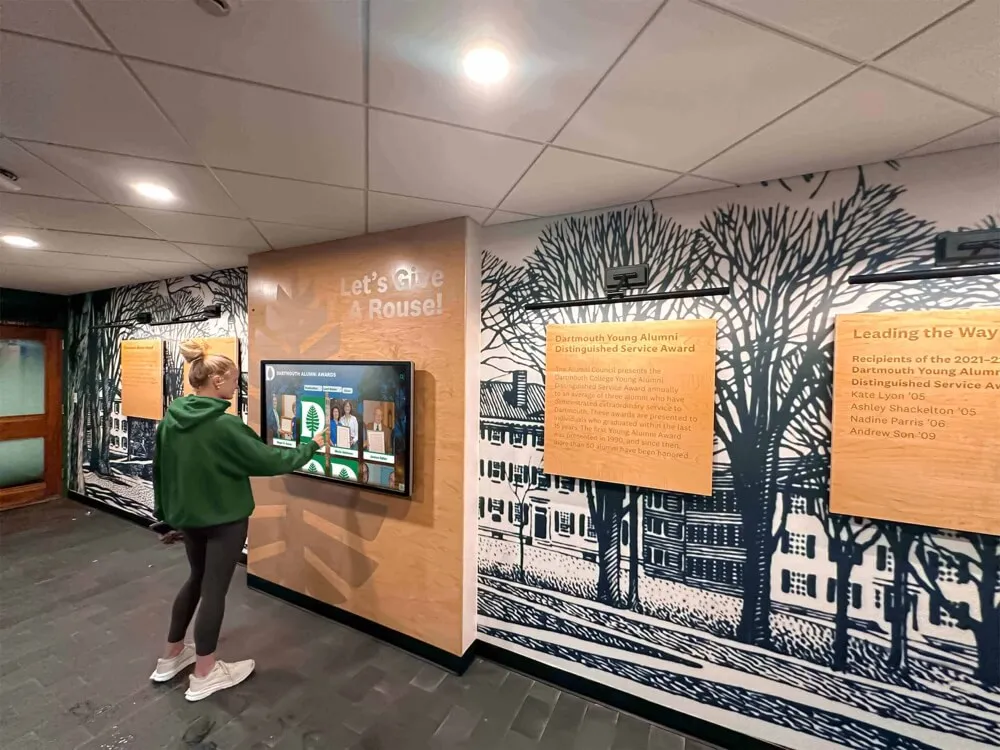
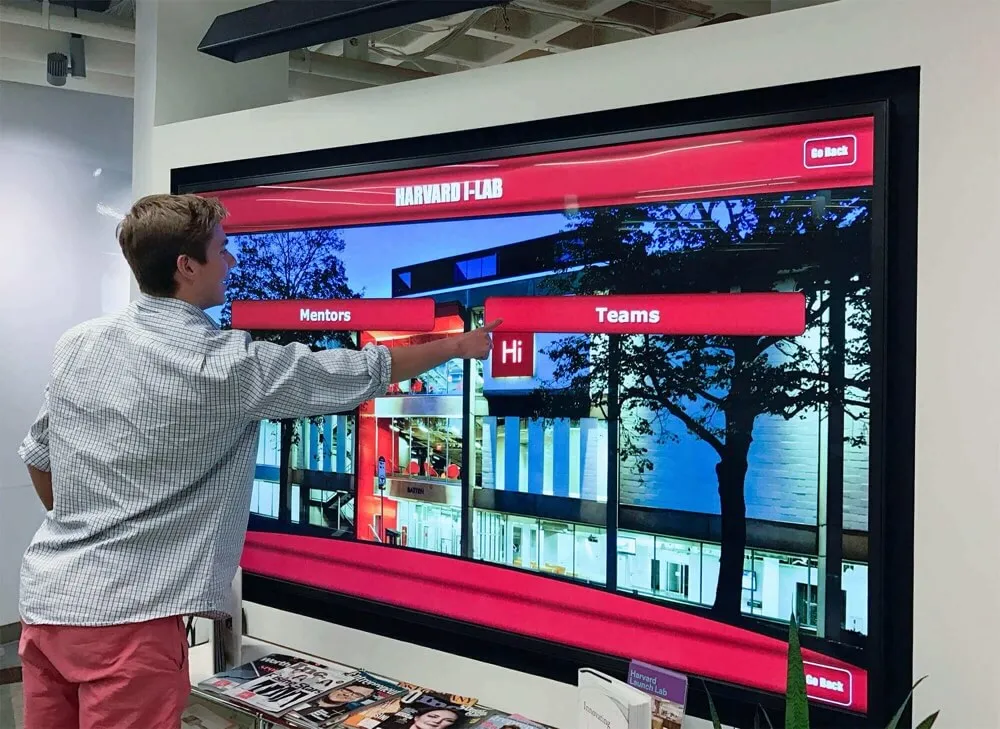
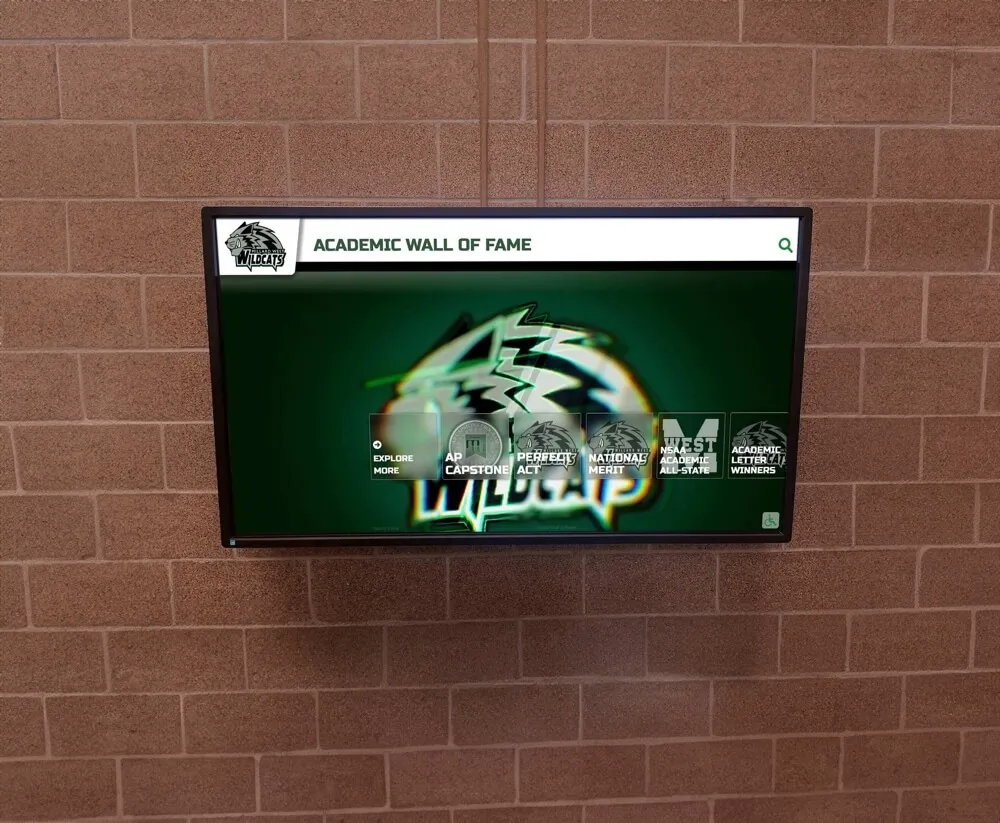
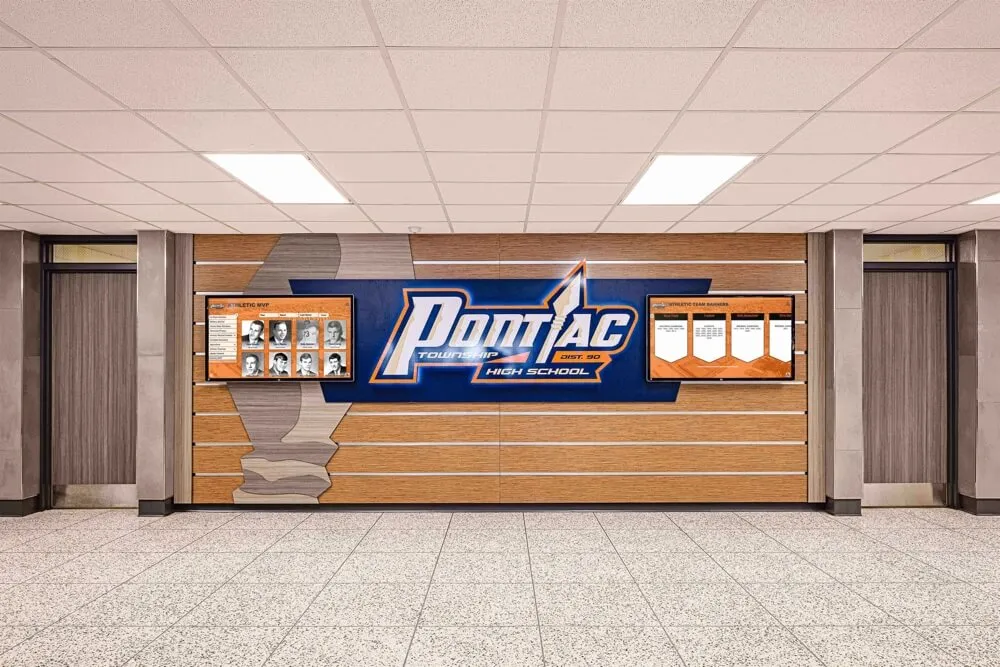
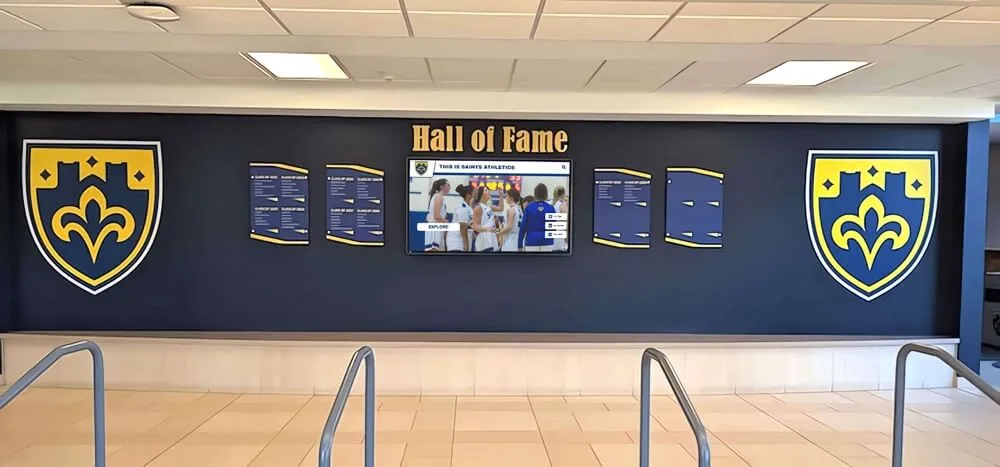
Universities implement interactive touchscreen systems that enable comprehensive recognition beyond the constraints of traditional physical displays
Understanding University Recognition Challenges
Before exploring digital solutions, understanding specific challenges facing university recognition programs provides context for why interactive displays deliver significant value for institutions of all sizes.
The Physical Space Constraint Problem
Universities have operated for decades or centuries, producing tens of thousands of alumni deserving recognition. Even limiting acknowledgment to truly distinguished achievers creates populations far exceeding what traditional displays can accommodate within available space.
Consider the mathematics: a recognition wall displaying 200 plaques requires approximately 140 square feet of prime hallway or lobby space while honoring just a fraction of deserving alumni. Universities face impossible choices between recognizing only the most exceptional graduates while excluding many worthy individuals, removing historical recognition to accommodate recent achievers, or continuously expanding physical displays at unsustainable costs.
Physical displays cannot scale indefinitely, yet universities producing graduates annually create continuously expanding recognition needs. This fundamental mismatch means most distinguished alumni throughout institutional history never receive permanent recognition matching their achievements.
Limited Storytelling Capability
Traditional plaques communicate surface-level information—typically names, graduation years, and abbreviated achievement descriptions. This minimal acknowledgment fails to capture the inspiring narratives behind accomplishments that would motivate current students and preserve institutional heritage.
When prospective students tour campus and see basic plaques noting achievements, they receive factual confirmation but no narrative context about career journeys, how education contributed to success, or what made accomplishments significant beyond simple statements. This informational void limits recognition’s inspirational potential while missing opportunities to document alumni stories comprehensively.
For living alumni who continue achieving throughout careers, traditional plaques become immediately outdated. Recognition installed after initial achievements cannot reflect subsequent accomplishments absent expensive replacement—meaning official acknowledgment remains frozen rather than documenting complete careers.
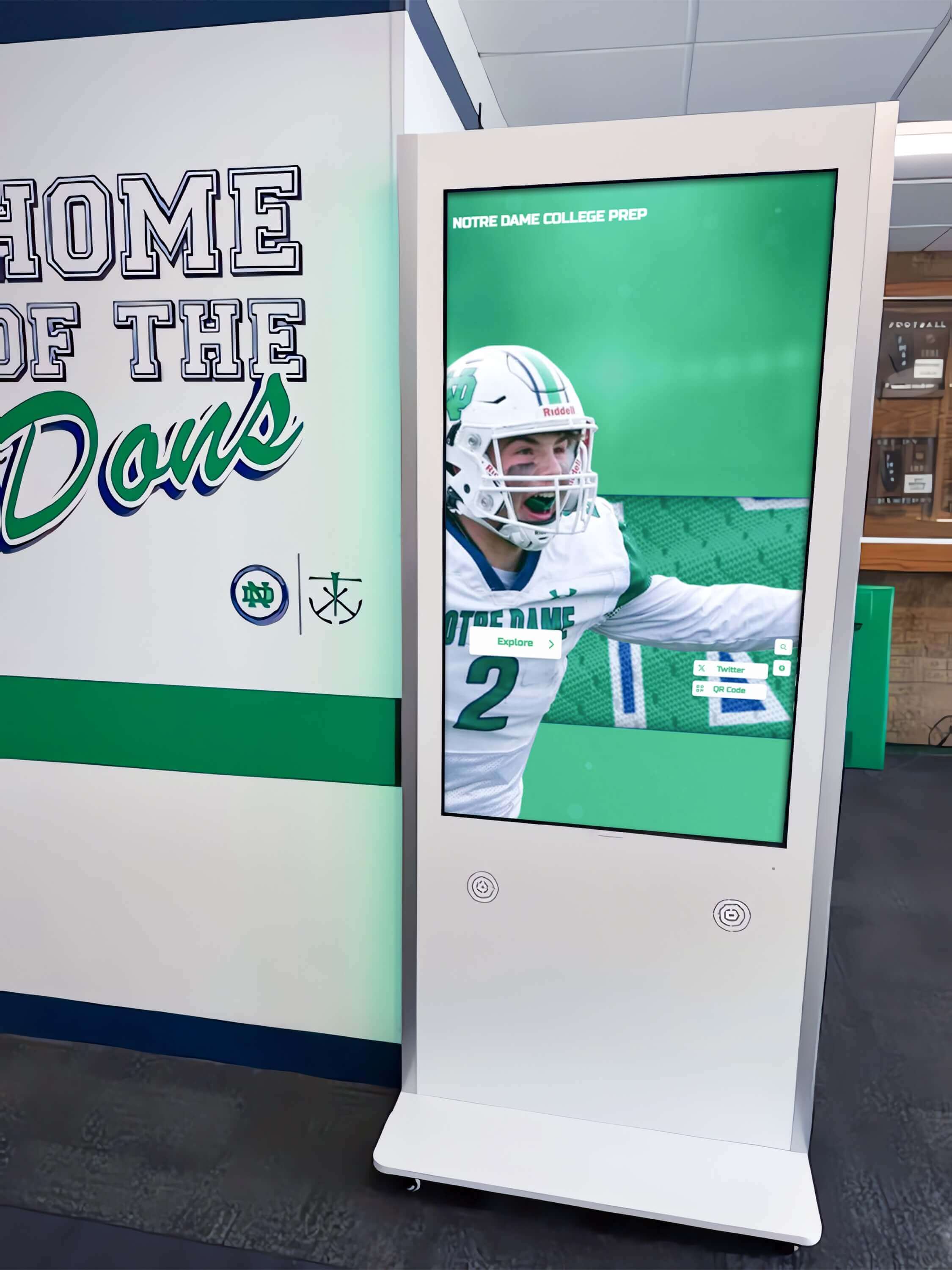
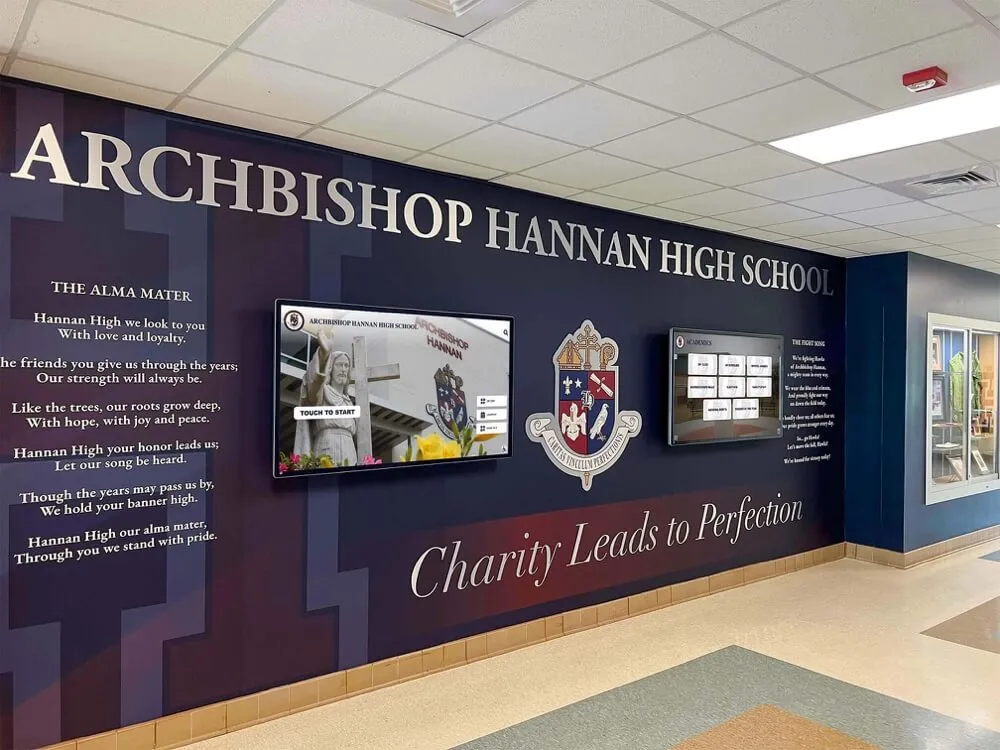
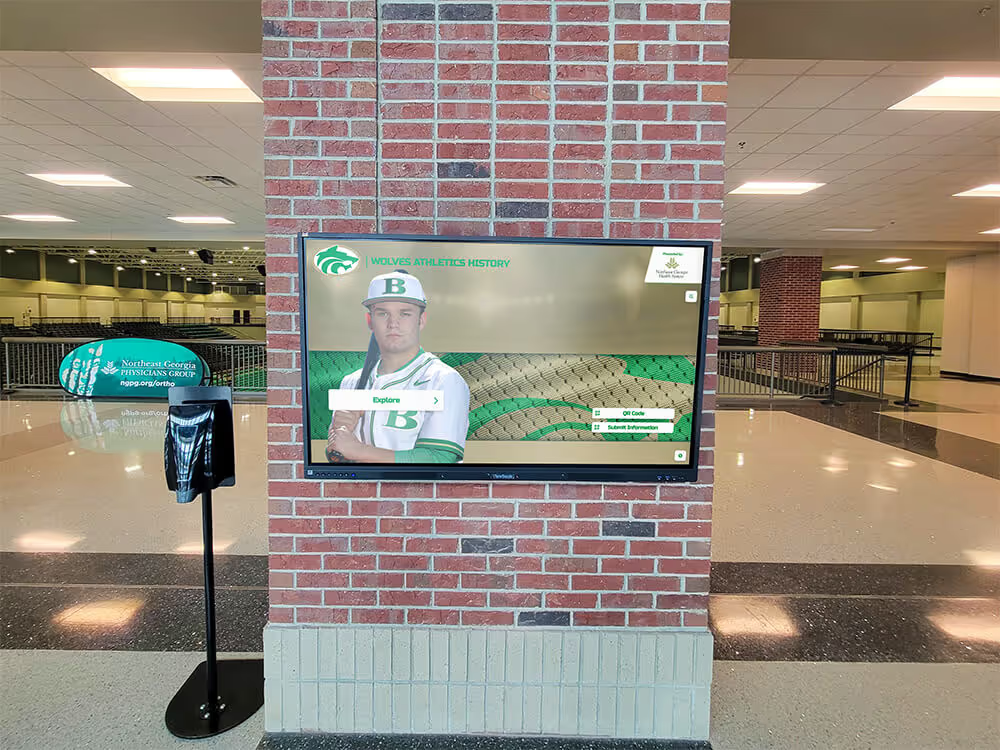
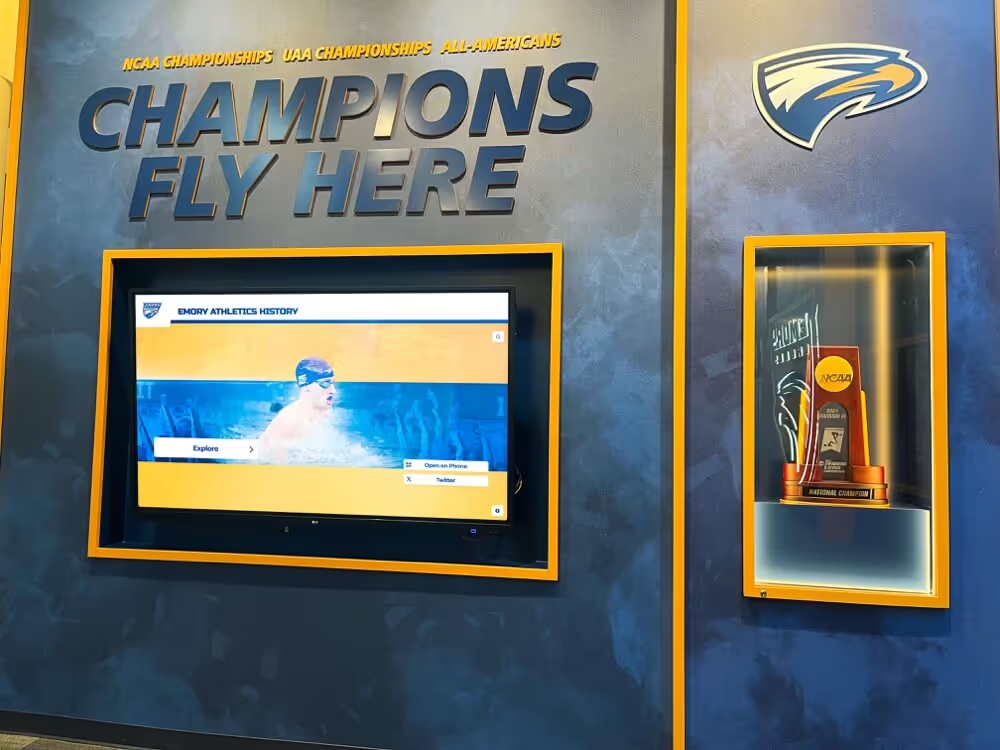
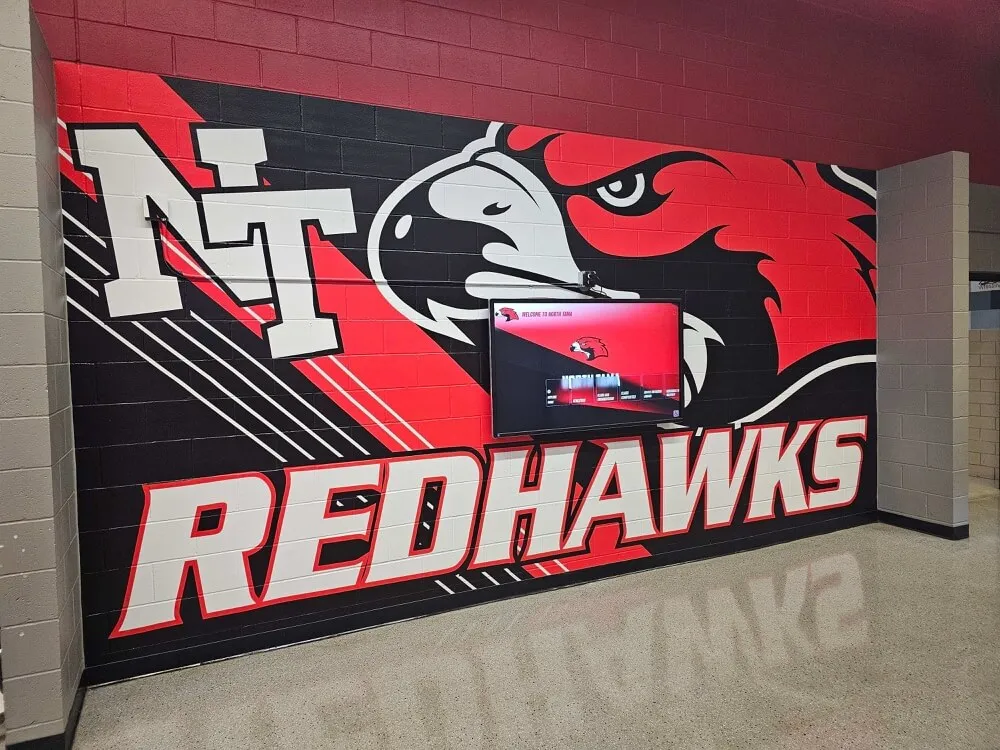
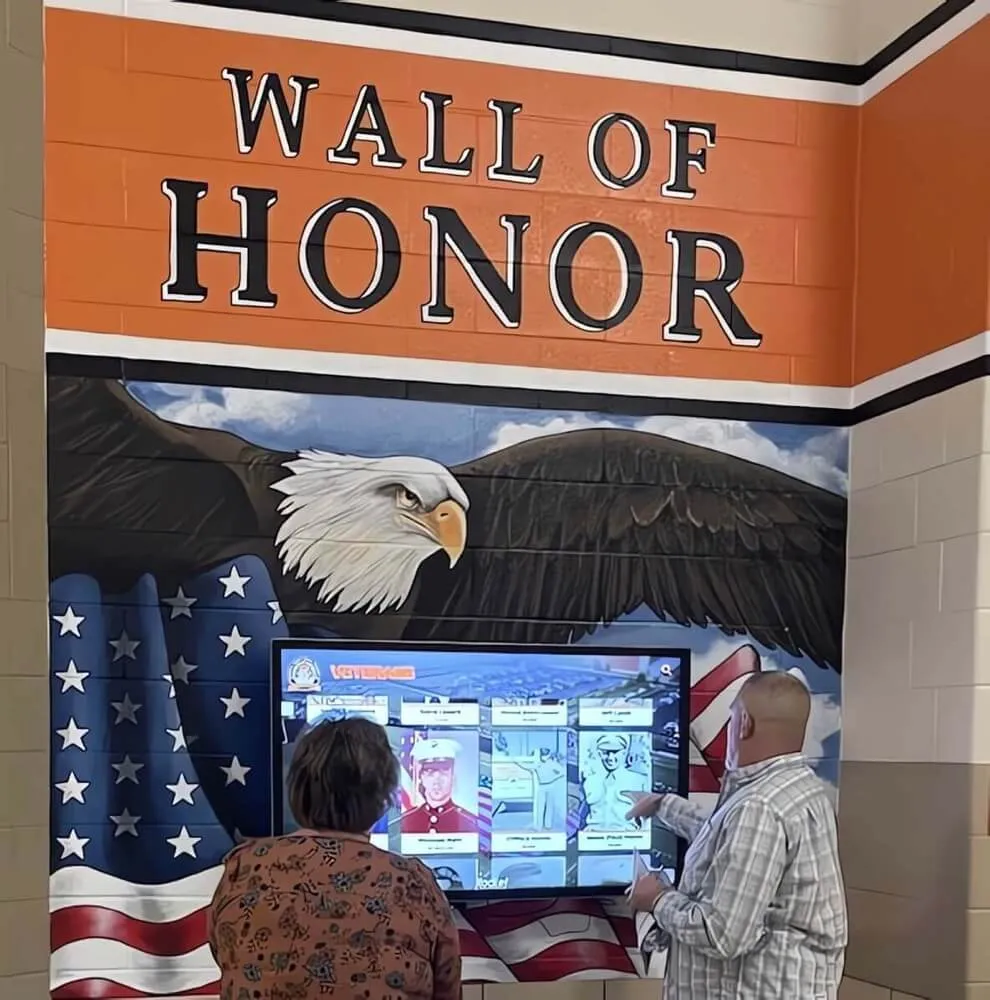
Strategic placement of recognition displays throughout campus ensures visibility among diverse stakeholder groups from students to visitors
Accessibility and Discovery Limitations
Physical displays serve only those visiting campus in person. Alumni living across states or internationally cannot access their recognition remotely. Family members unable to attend events miss opportunities to see graduates honored. Prospective students researching institutions remotely cannot explore distinguished alumni communities before campus visits.
Traditional displays also provide no search capabilities. Finding specific alumni among hundreds of plaques requires carefully scanning entire installations—time-consuming processes that discourage casual exploration. Visitors cannot filter by achievement category, graduation era, or professional field to discover relevant information efficiently.
Limited accessibility means recognition serves primarily current students and campus visitors rather than creating lasting connections with broader alumni communities, prospective students conducting remote research, or public audiences interested in institutional impact.
Maintenance Complexity and Sustainability
Physical recognition requires continuous maintenance as universities add new honorees annually or update information for living alumni achieving new milestones. This creates multiple challenges affecting long-term sustainability.
Logistically, adding plaques or updating recognition requires coordinating with vendors, scheduling installation, managing budget cycles, and handling physical mounting—processes creating delays between when alumni earn recognition and when acknowledgment appears publicly.
Financially, per-inductee costs for quality plaques ($150-400 each including installation) create ongoing commitments that compound as programs grow. Universities adding 10-20 distinguished alumni annually face $1,500-8,000 in recurring costs just for new inductees, before maintenance or updates to existing recognition.
Organizations must continuously budget for recognition while competing with countless institutional priorities—sustainability challenges that often result in programs launched enthusiastically but languishing as maintenance becomes burdensome.
Interactive Touchscreen Recognition: Transformative Advantages
Digital recognition systems address every limitation of traditional approaches while introducing enhanced capabilities impossible through physical displays alone—particularly valuable for comprehensive university programs celebrating diverse achievements across generations.
Unlimited Recognition Capacity
Perhaps the most transformative advantage involves eliminating physical capacity limits entirely. Digital platforms accommodate unlimited alumni profiles across unlimited achievement categories and unlimited time periods without ever requiring difficult decisions about whose recognition must be removed for new inductees.
A single touchscreen display can showcase complete alumni achievement history spanning institutional existence. The 500th distinguished alumnus receives equal display capacity as the first. Alumni from every field—from high-profile achievements to essential but less visible accomplishments in education, healthcare, and community service—gain equivalent recognition rather than competing for limited space.
This unlimited capacity enables truly comprehensive recognition honoring every alumnus who achieved significant distinction regardless of graduation year, professional field, or how much physical space traditional displays could accommodate. For universities with rich histories, digital recognition finally makes possible honest claims of honoring all distinguished graduates.
Interactive displays like those from Rocket Alumni Solutions provide this unlimited capacity through cloud-based platforms that scale effortlessly from hundreds to thousands of profiles without performance degradation or proportional cost increases.

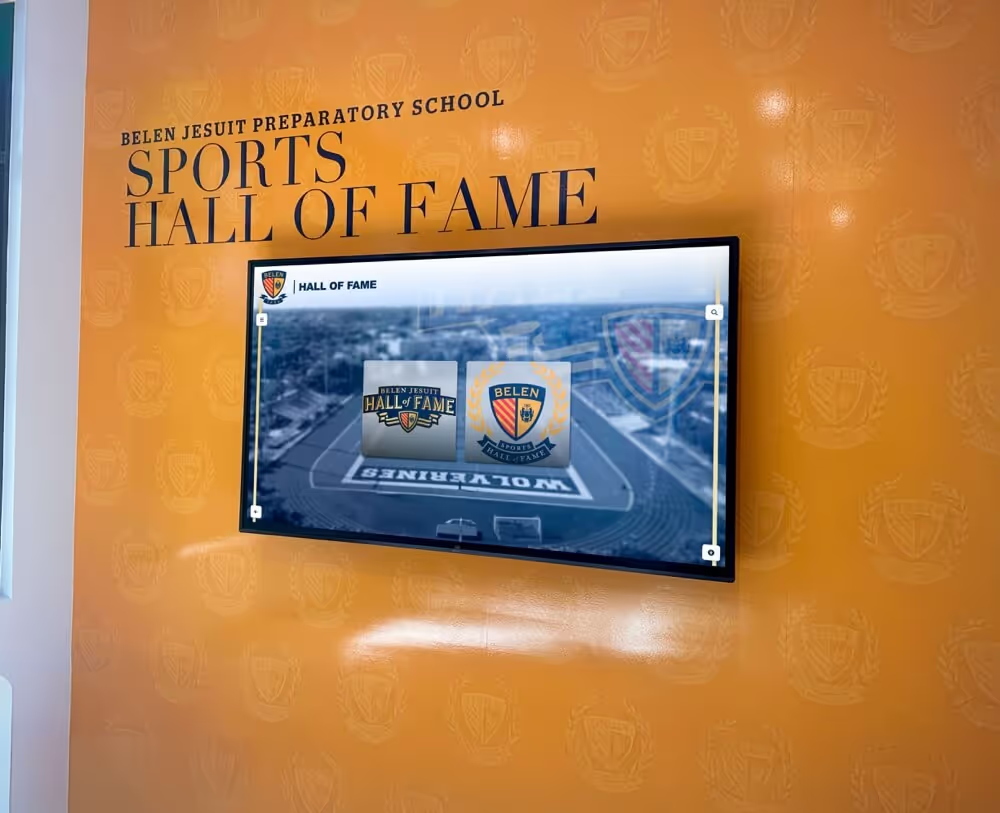
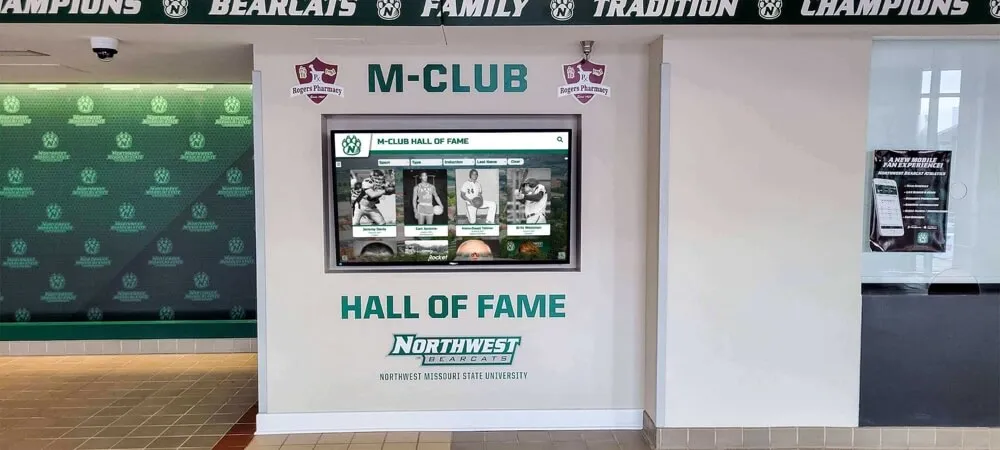
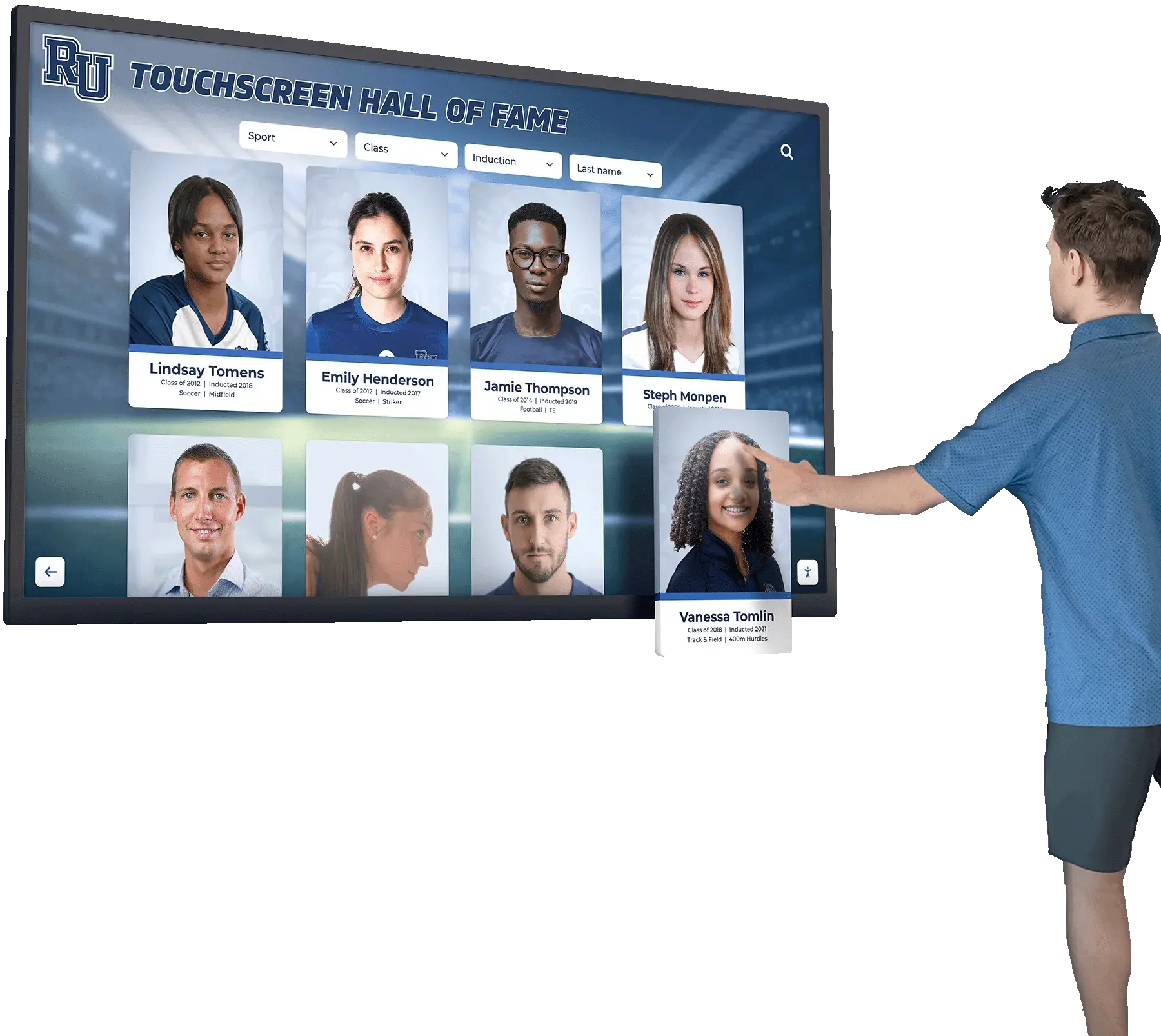
Touchscreen interfaces enable intuitive exploration of comprehensive alumni databases through simple tap navigation
Rich Multimedia Profiles and Documentation
Digital recognition supports far richer documentation than traditional plaques through comprehensive profiles including high-resolution photographs showing alumni in professional contexts, detailed career narratives explaining achievement journeys, complete statistical documentation for athletes’ performance, video interviews with alumni discussing experiences, audio clips from speeches or media appearances, digitized historical documents and news articles, links to published work or coverage, and personal reflections about educational influence on careers.
This multimedia richness transforms simple acknowledgment into compelling storytelling that honors alumni more comprehensively than traditional displays could. Rather than confirming basic facts, digital recognition showcases compelling narratives with supporting visuals, video content, and detailed achievement context.
Such comprehensive documentation creates emotional connections inspiring current students while preserving institutional heritage through detailed narratives rather than bare factual listings. When alumni revisit recognition years later, they encounter rich documentation validating achievements and rekindling positive memories rather than simply seeing names among many others.
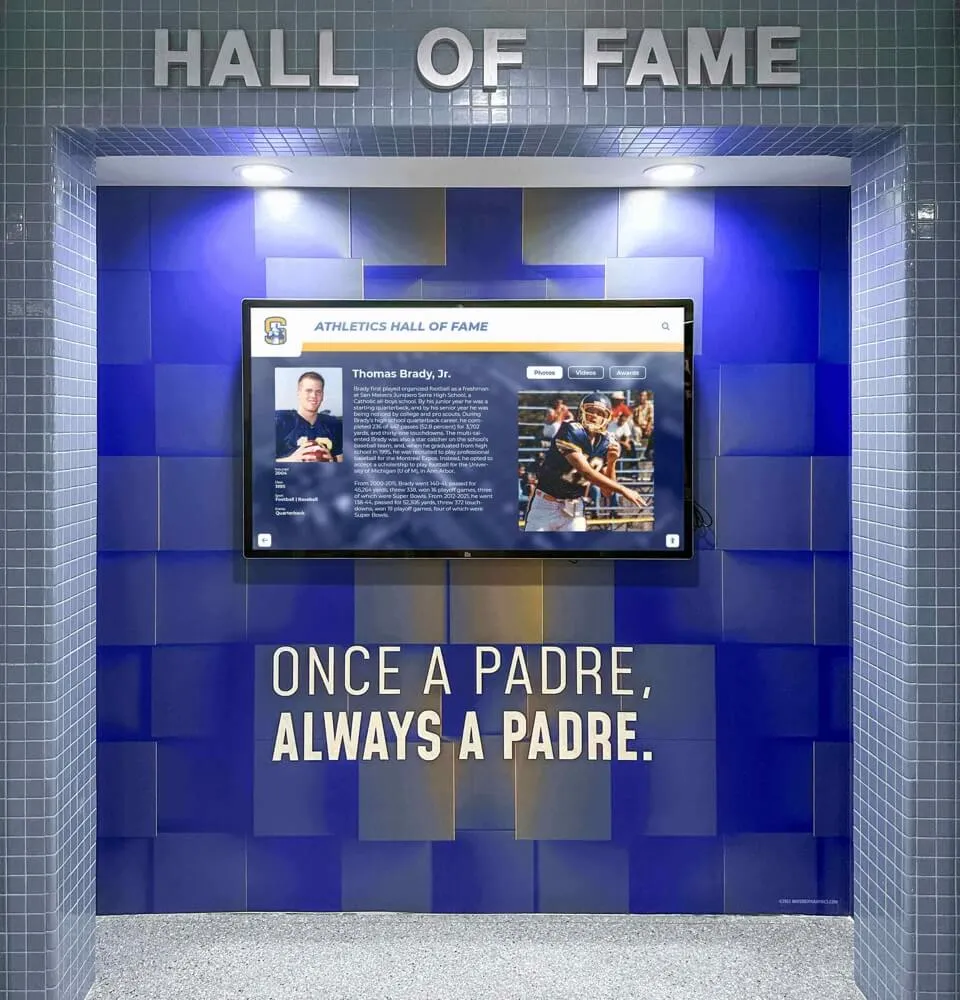
Universities can leverage interactive touchscreen displays that enable exploration of individual profiles with photos, videos, statistics, and narratives through intuitive interfaces making discovery engaging rather than tedious.
Interactive Search and Discovery Features
Digital platforms provide powerful search and filtering capabilities making large alumni databases easily navigable regardless of population size. Users can search by name to locate specific alumni instantly, filter by achievement category (athletics, science, business, military), sort by graduation decade to explore specific eras, browse by professional field to find alumni in careers of interest, and discover connections between related alumni and achievements.
These interactive features transform recognition from static displays visitors passively view into engaging databases users actively explore based on specific interests. Current students interested in particular fields can easily find and learn about relevant alumni, discovering inspirational role models. Athletes can explore professional athletes who competed for their institutions, understanding pathways from college to professional sports.
Searchability makes comprehensive alumni databases practical rather than overwhelming. While physical displays listing 2,000 names create visual chaos where individual recognition gets lost, digital systems present relevant subsets based on search criteria, ensuring manageable focused exploration rather than information overload.
Alumni themselves benefit from discovery features—using touchscreens or web access to find classmates, teammates, or fellow graduates from their eras, reconnecting with people they knew or discovering others from their cohorts who achieved remarkable things. This exploration capability strengthens alumni communities by facilitating connections traditional static displays cannot enable.
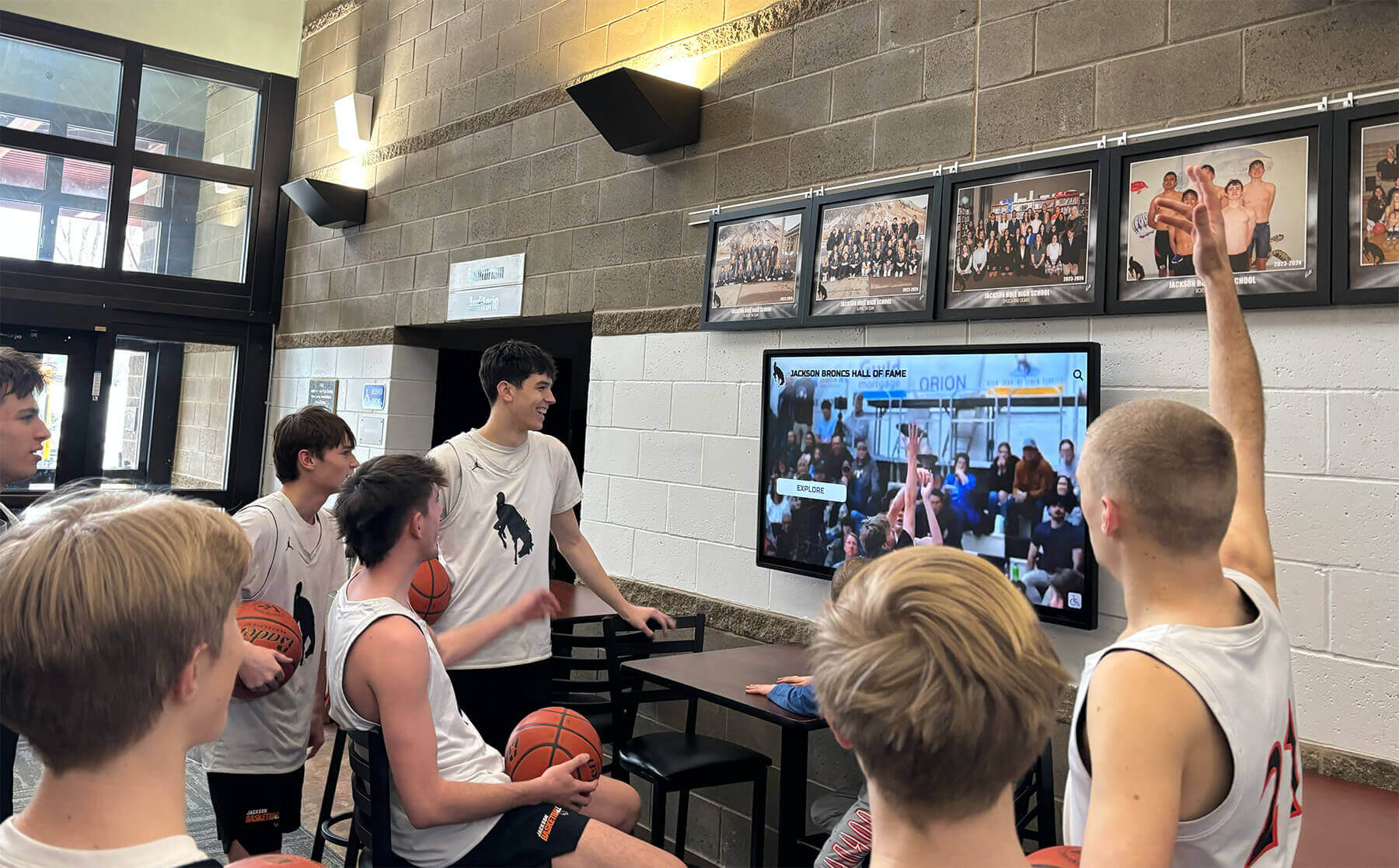
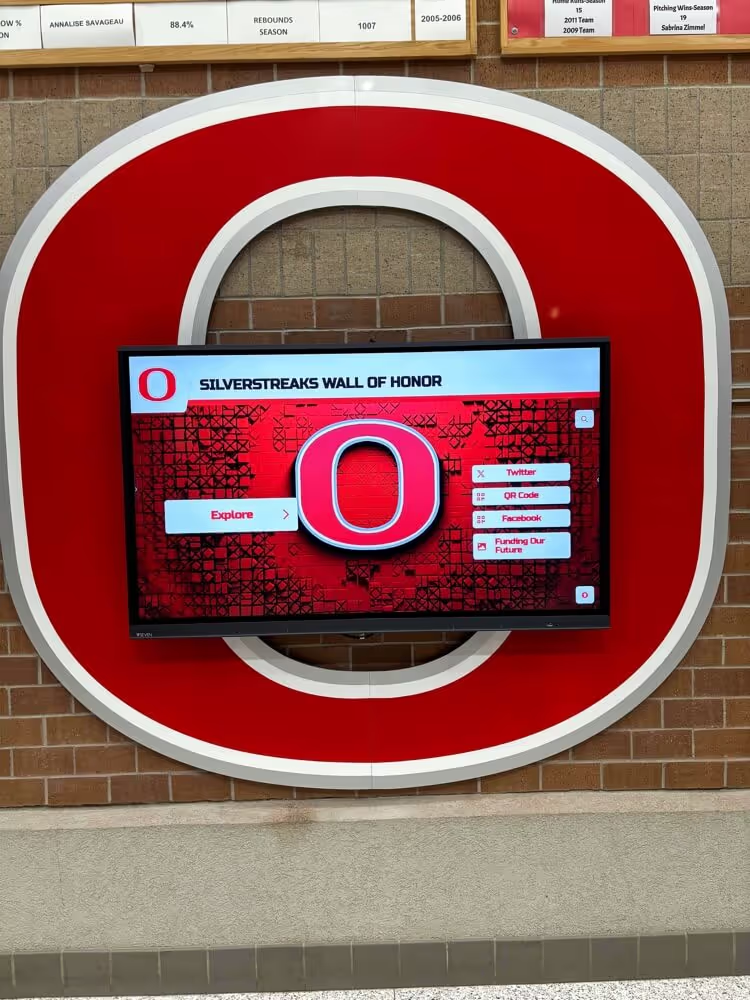
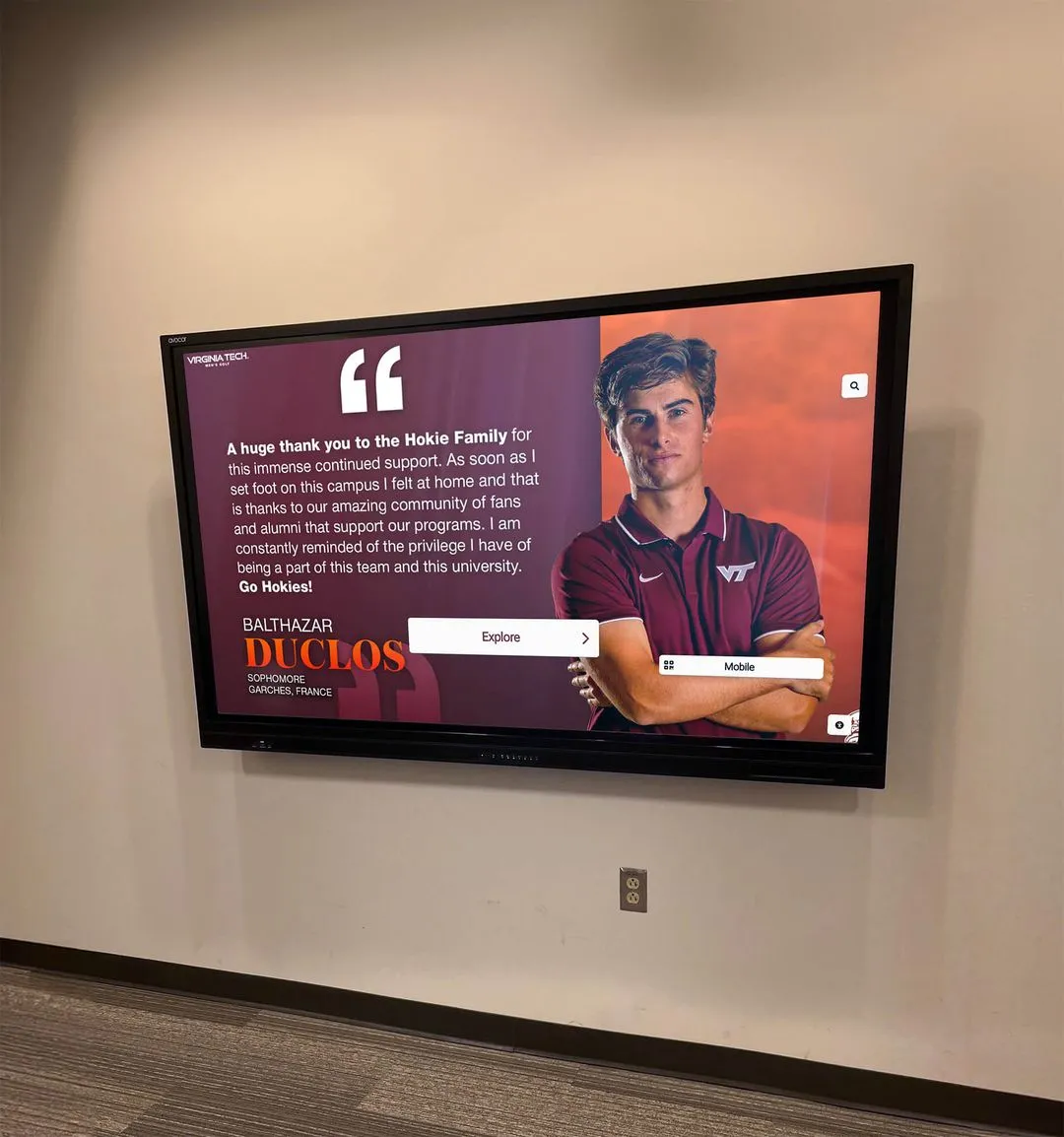
Interactive recognition creates engaging experiences that inspire current students through powerful examples of what graduates achieve
Permanent Preservation and Continuous Updates
Digital recognition creates permanent archives remaining accessible indefinitely while supporting easy updates as living alumni continue achieving throughout careers—addressing both historical preservation and contemporary relevance.
Historical Preservation
Cloud-based platforms ensure alumni information persists regardless of local hardware changes, facility renovations, or institutional transitions. Even if specific display devices eventually require replacement after 7-10 year hardware lifecycles, underlying recognition content remains secure in cloud infrastructure, ready for presentation through updated hardware without recreating documentation.
This permanence proves particularly valuable for maintaining institutional memory across generational timescales. Universities implementing digital recognition in 2025 create archives remaining accessible in 2045, 2065, and beyond—preserving institutional heritage across timeframes exceeding individual careers, administrative tenures, or facility lifecycles.
For historical alumni and those who have passed away, digital recognition ensures achievements remain documented and accessible to future generations rather than being lost as physical displays deteriorate or get removed during renovations. Complete alumni heritage can be preserved comprehensively once digitized, safeguarding institutional memory permanently.
Living Alumni Updates
For living distinguished alumni continuing professional careers, digital profiles can be updated instantly to reflect new achievements, career transitions, awards received, or milestone accomplishments—keeping recognition current rather than frozen at initial installation.
When recognized alumni earn new honors after initial induction, digital systems can immediately update profiles to reflect career pinnacles. Traditional plaques would require complete replacement at substantial cost—expense that often results in recognition remaining perpetually outdated rather than reflecting complete achievement.
Regular updating demonstrates ongoing institutional pride in alumni success rather than acknowledgment ending at initial recognition, strengthening emotional bonds between alumni and alma maters.
Institutions can explore strategies for digital storytelling for athletic programs that keep recognition fresh through regular content updates and multimedia enhancements.
Implementation Planning: Strategic Considerations for Universities
Universities ready to implement comprehensive digital recognition benefit from systematic approaches addressing specific institutional contexts, stakeholder needs, and long-term sustainability requirements.
Assessment Phase: Understanding Current Recognition
Begin by comprehensively understanding existing recognition practices, historical documentation, and stakeholder priorities through key activities informing strategic planning.
Inventory Existing Recognition
Compile complete information about current alumni recognition approaches including physical plaques and displays showing locations and honored alumni, athletic hall of fame programs documenting selection criteria and inductees, published alumni directories or honor rolls, website recognition providing online acknowledgment, and historical records documenting past recognition that may no longer be visible.
This inventory reveals recognition program scope—how many distinguished alumni have received acknowledgment across institutional history, which achievement categories have formal recognition versus informal documentation, what timeframes have comprehensive records versus gaps requiring research, and whether current systems accommodate continued growth or approach capacity limits.
Document Recognition Criteria
Assess how institutions currently determine which alumni merit recognition including formal selection processes with defined criteria, informal designation through administrative or faculty recommendation, achievement thresholds qualifying alumni for consideration, category definitions distinguishing types of recognition, and nomination procedures enabling community participation.
Understanding current criteria helps identify what works well and should be preserved versus what creates challenges requiring digital solutions to address more effectively. Clear consistent criteria ensure recognition maintains credibility while honoring achievements fairly across diverse alumni populations.
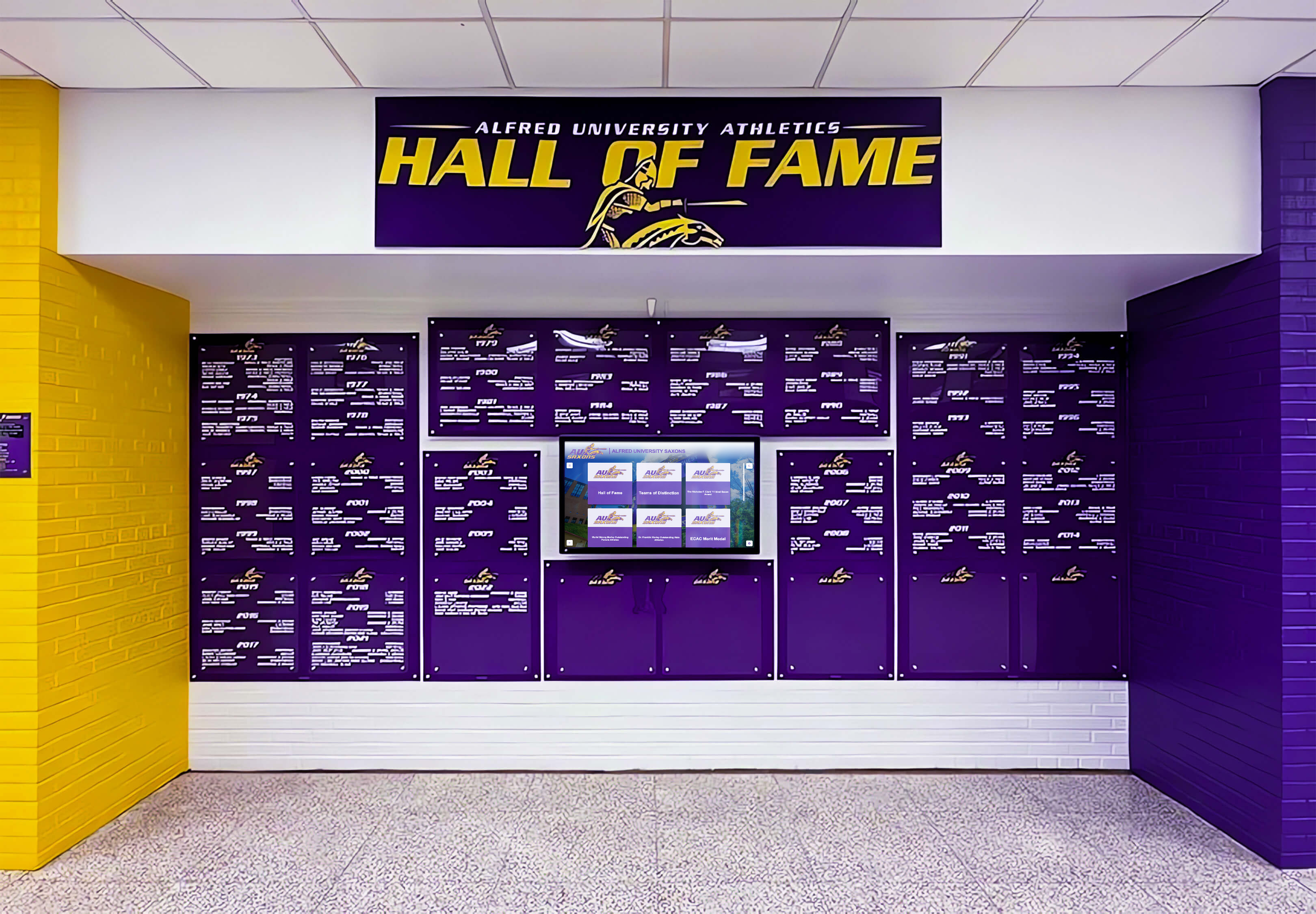
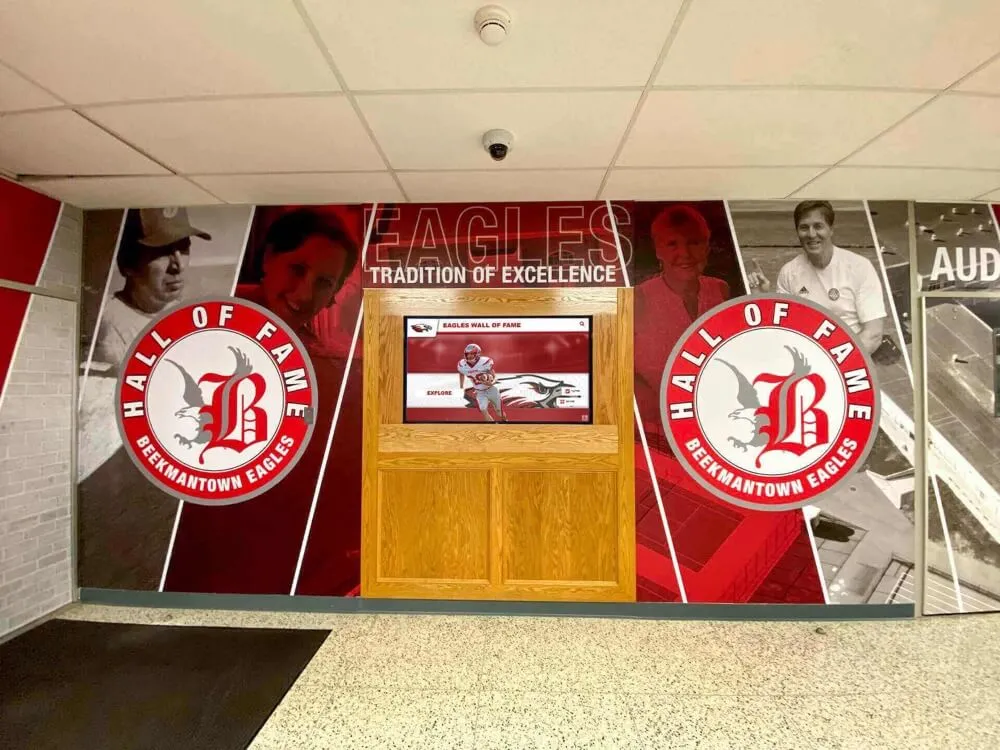
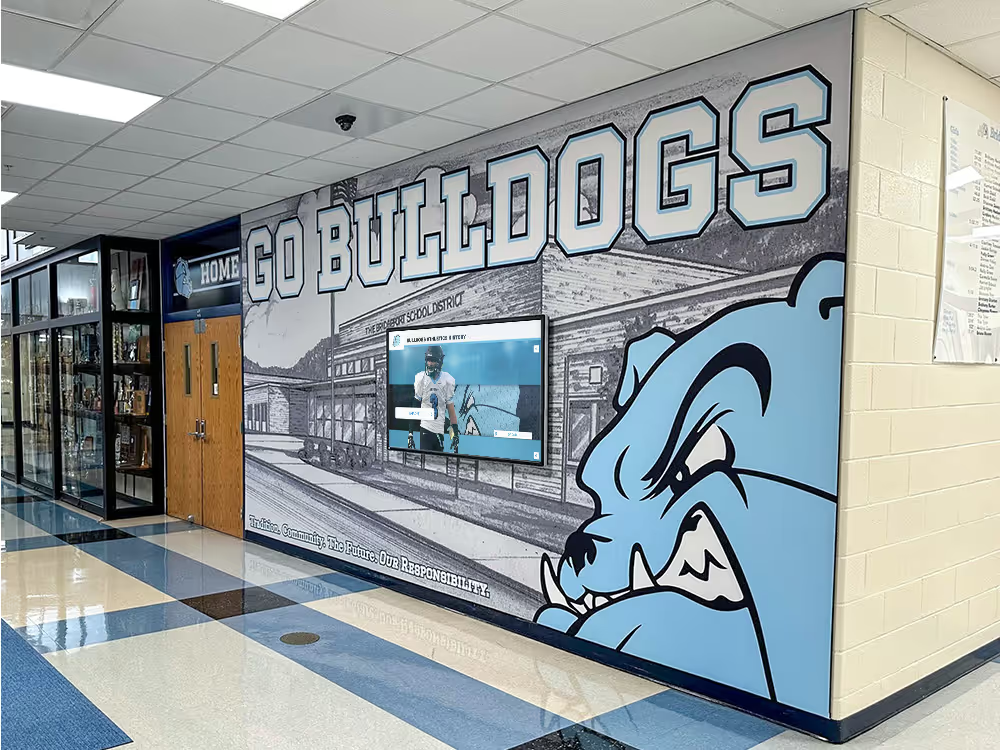
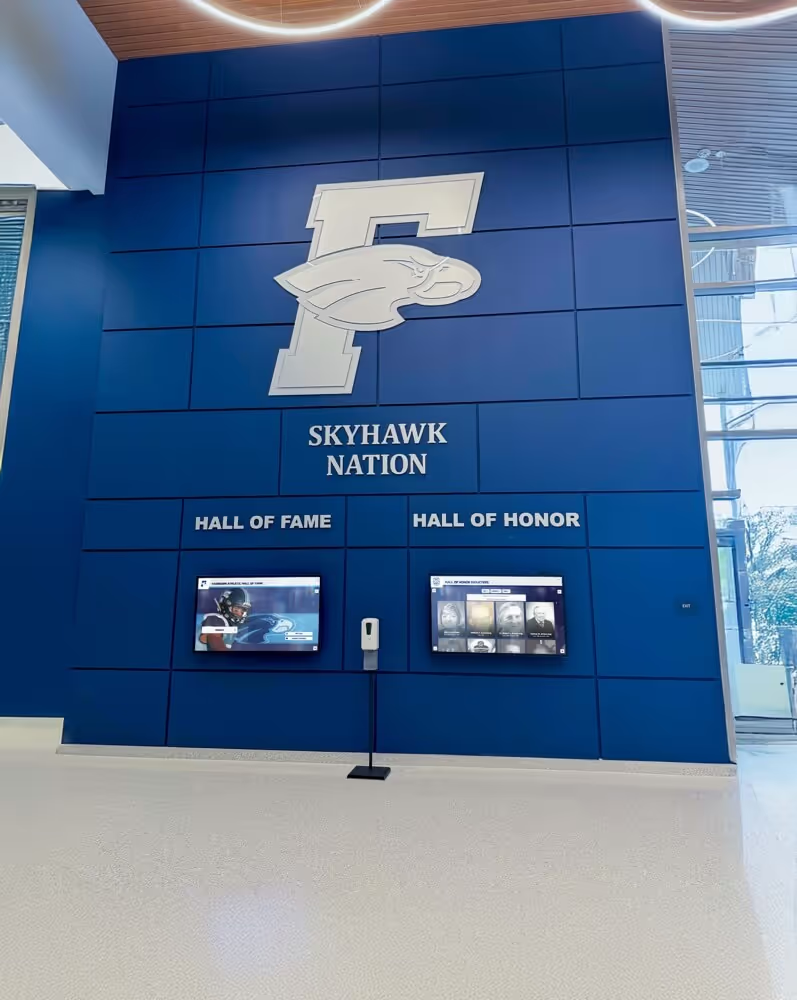
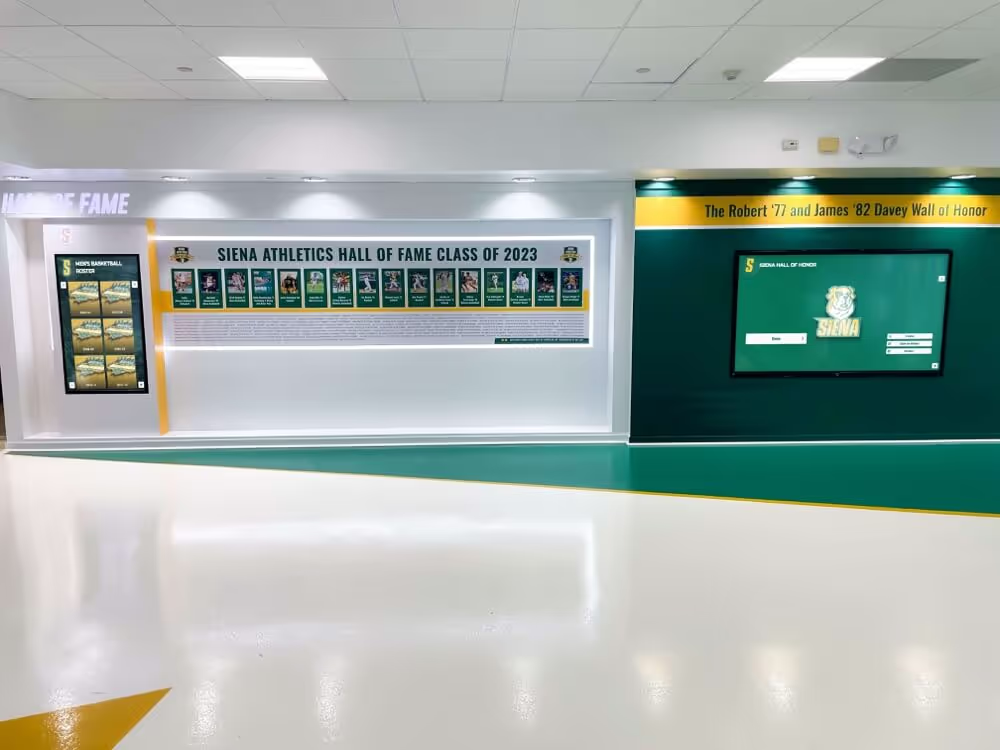
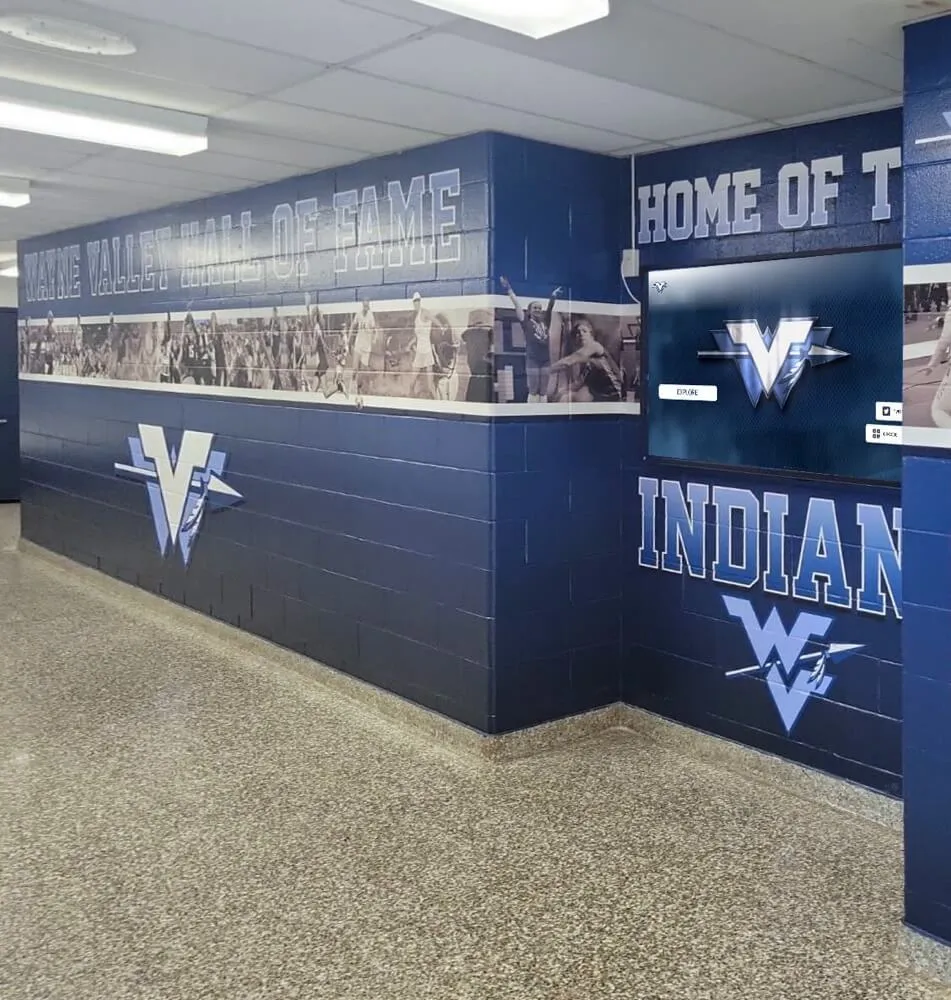
Successful recognition implementations integrate digital displays with institutional branding and architectural aesthetics
Gather Stakeholder Input
Survey or interview key stakeholders about recognition priorities and preferences. University administration can share strategic objectives and resource parameters. Alumni association leadership provides perspectives about community engagement and advancement priorities. Current students offer viewpoints about what recognition inspires and informs career exploration. Faculty members understand academic program quality and alumni preparation. Development officers know how recognition supports fundraising and donor cultivation.
This stakeholder engagement ensures digital recognition implementations serve genuine institutional needs rather than reflecting assumptions about what various groups might want without verification through actual input.
Planning Phase: Designing University Recognition Systems
Based on assessment findings, design comprehensive digital alumni recognition addressing specific institutional needs, budget parameters, and strategic objectives.
Define Recognition Scope and Categories
Establish clear scope for digital recognition systems including which achievement types warrant recognition (professional leadership, athletic excellence, scientific contributions, public service, creative achievement, humanitarian work), whether recognition includes only exceptional alumni or broader accomplished graduate populations, what time periods will be covered (complete history versus recent decades initially), whether living and deceased alumni receive different treatment, and how frequently new inductees will be added (annual ceremonies, rolling additions).
Consider whether recognition will include only distinguished achievement or also honor significant institutional service, major donors, faculty members, and other stakeholder groups—comprehensive approaches create unified recognition ecosystems celebrating multiple forms of excellence and contribution.
Many universities implement tiered recognition systems with multiple levels: Hall of Fame for most exceptional lifetime achievement, Distinguished Alumni for significant accomplishment, and general Notable Alumni databases for broader recognition—approaches that honor inclusively while maintaining distinction for truly extraordinary achievement.
Select Technology Platform and Hardware
Evaluate digital recognition platforms based on specific needs, technical capacity, and long-term objectives. Purpose-built alumni recognition solutions like Rocket Alumni Solutions offer specialized features designed specifically for educational institutions including intuitive content management requiring no technical expertise, unlimited capacity for alumni documentation without per-profile costs, template systems ensuring consistent professional presentation, multimedia support for photos and videos enhancing storytelling, cloud-based architecture enabling updates from any device, web accessibility extending recognition globally beyond campus, and analytics providing engagement measurement for continuous improvement.
For physical touchscreen installations in campus facilities, select appropriate hardware including commercial-grade touchscreen displays (typically 55-75 inches for lobby installations), professional mounting solutions (wall-mounted or freestanding kiosks), media player computers or embedded controllers, and reliable network connectivity ensuring responsive performance.
Many universities implement hybrid strategies combining physical campus touchscreen installations in high-traffic locations like student centers, athletic facilities, and alumni centers with comprehensive web-based platforms accessible globally, enabling both on-campus engagement and remote access for geographically dispersed alumni communities.
Universities can reference comprehensive approaches to touchscreen kiosk software selection when evaluating recognition platform options.
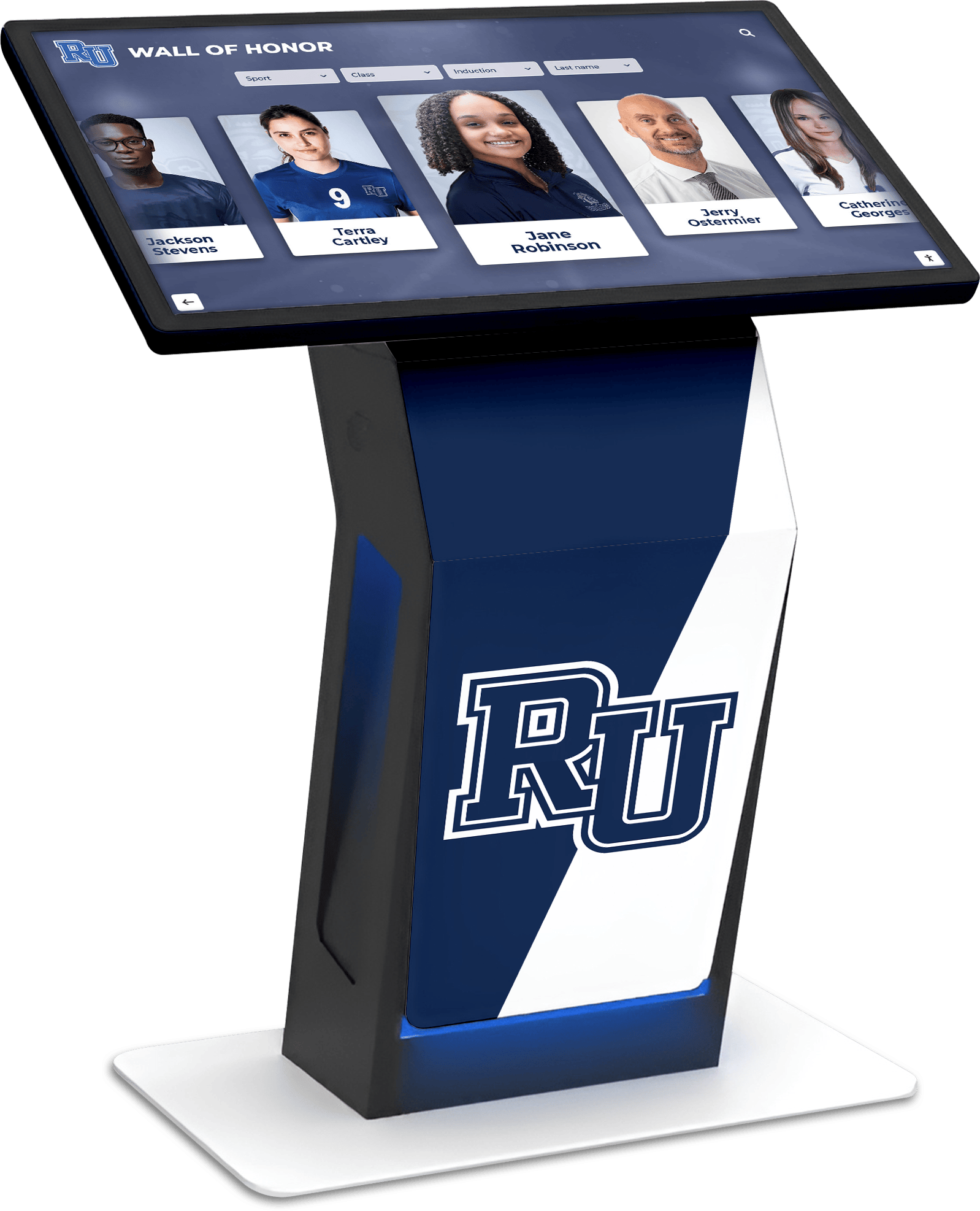
Freestanding kiosks provide flexible installation options while creating prominent recognition presence in campus facilities
Plan Content Development Approach
Determine systematic approaches for creating comprehensive alumni profiles including photography acquisition for current and historical alumni, biographical information collection through research and direct alumni outreach, achievement documentation and verification, career narrative development telling compelling stories, multimedia production for video interviews and audio content, and historical research mining archives and records.
Consider phased implementation where initial launch might include basic profiles for highest-priority alumni while richer multimedia content gets added systematically over subsequent months. This approach enables earlier launches demonstrating value while spreading content development effort across manageable timeframes without requiring complete comprehensive profiles before any recognition launches publicly.
Universities can leverage student workers, communications interns, or volunteer alumni in content development—providing valuable experience while accelerating profile creation. Faculty advisors in journalism, communications, or related programs often welcome real-world projects for student learning that simultaneously serve institutional needs.
Content Development Phase: Creating Alumni Profiles
Systematic content development transforms alumni lists into rich recognition profiles that honor achievements comprehensively while inspiring current students through powerful examples.
Research and Information Gathering
For distinguished alumni, systematic research fills information gaps that simple name lists don’t provide. University archives offer yearbooks with team photos and student activity documentation, commencement programs listing graduates and honors, historical photographs showing campus life across decades, student newspaper articles covering achievements and events, and academic records documenting student honors and distinctions.
External sources provide additional context including professional databases documenting careers and achievements, news media coverage of alumni accomplishments, social media profiles with current information and photos, published biographies or autobiographies for prominent alumni, and interviews with alumni themselves when possible.
This historical documentation proves time-intensive but creates permanent value—once alumni information gets researched and documented digitally, it remains accessible indefinitely rather than risking permanent loss as institutional memory fades with retirements and personnel changes.
Photography and Visual Content
High-quality imagery dramatically enhances alumni recognition effectiveness. For prominent alumni, professional photographs from career contexts provide immediate visual recognition. Historical photos from university years create then-and-now comparisons demonstrating progression from student to accomplished professional.
Action photographs, professional headshots, historical campus images, and event photography create compelling visual narratives impossible through text alone. Ensure consistent photo quality through basic standards for resolution (minimum 1920x1080 pixels for primary photos), proper lighting and professional quality, appropriate cropping optimized for digital display, and permissions from alumni or their families for public presentation.
Universities can explore best practices for digital art gallery implementation that translate effectively to alumni recognition visual presentation.
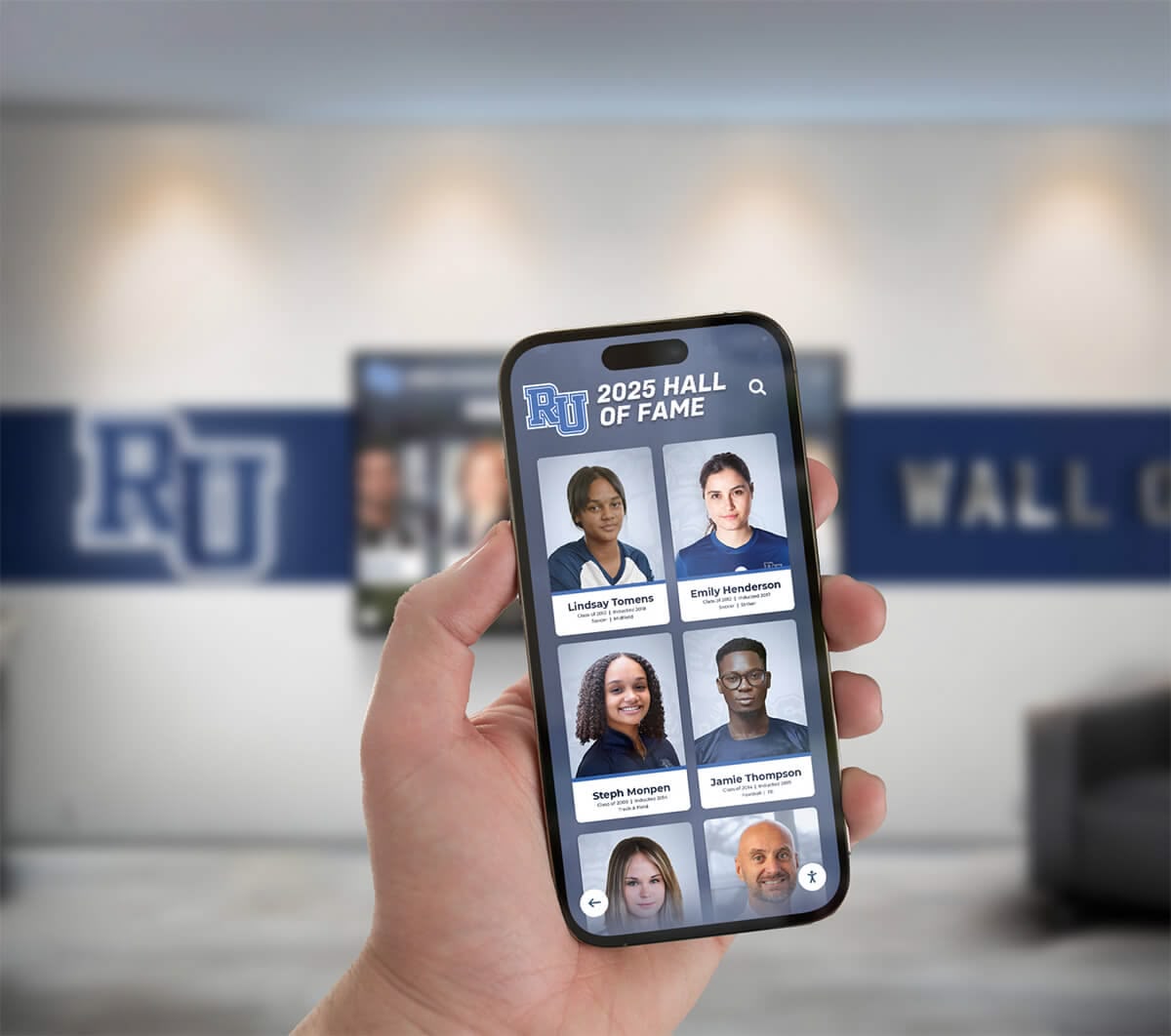
Web and mobile accessibility extend recognition reach beyond campus boundaries to global alumni communities
Achievement Narrative Development
Beyond basic facts, compelling narratives bring alumni recognition to life. Document what made achievements significant—championships won with specific statistics and memorable performances, discoveries made with context about scientific importance, records broken with comparison to previous standards, obstacles overcome showing resilience and determination, or leadership demonstrated through specific examples and outcomes.
Explain achievement context—how accomplishments compared to contemporaries’ performance, what challenges existed in specific fields or eras, what preparation and development occurred at university, and how achievements influenced subsequent generations or changed professions.
Include career highlights spanning multiple achievements showing progression and sustained excellence. Feature personal reflections from alumni about what recognition means to them, what university experiences influenced trajectories, and what advice they would offer current students pursuing similar paths.
These narratives transform recognition from simple factual acknowledgment into meaningful storytelling that inspires current students while preserving institutional heritage through detailed documentation rather than bare statistics or name listings alone.
Technology Implementation: Installing Recognition Systems
Successful technology deployment requires attention to hardware selection, installation quality, network infrastructure, and content management accessibility ensuring systems function reliably while remaining easy to operate long-term.
Physical Display Installation at Campus Locations
Strategic placement of touchscreen displays throughout campus maximizes recognition visibility while serving diverse audiences from current students to visiting alumni to prospective families.
Optimal Display Locations
Position recognition displays in high-traffic areas where natural viewing opportunities exist including student union main entrances welcoming students and visitors, libraries and study spaces where students naturally pause, alumni center reception areas greeting returning graduates, athletic training facilities inspiring student-athletes, and academic buildings showcasing distinguished graduates from related programs.
Multiple distributed installations serve more stakeholders than single centralized displays while creating presence throughout campus demonstrating institutional commitment to alumni celebration. Each location can feature relevant content—athletic facilities highlighting sports alumni, academic buildings showcasing distinguished graduates from related programs, and general campus spaces presenting comprehensive recognition across all categories.
Hardware Specifications
Commercial-grade touchscreen displays designed for institutional continuous operation provide reliability that consumer products cannot match. Specifications for university installations should include 4K resolution (3840x2160) ensuring crisp text readability, 55-75 inch display sizes appropriate for lobby viewing distances, capacitive touch technology providing smartphone-like responsiveness, anti-glare coating maintaining visibility in varied lighting, commercial duty cycle ratings supporting 16+ hour daily operation, and tempered glass protection preventing damage from heavy use.
Media player requirements include sufficient processing power for smooth video playback, adequate storage for multimedia content libraries, reliable connectivity supporting both wired Ethernet and WiFi options, and fanless operation avoiding distracting noise in quiet spaces.
Institutions can reference comprehensive guidance on hardware selection for digital recognition when planning touchscreen installations.
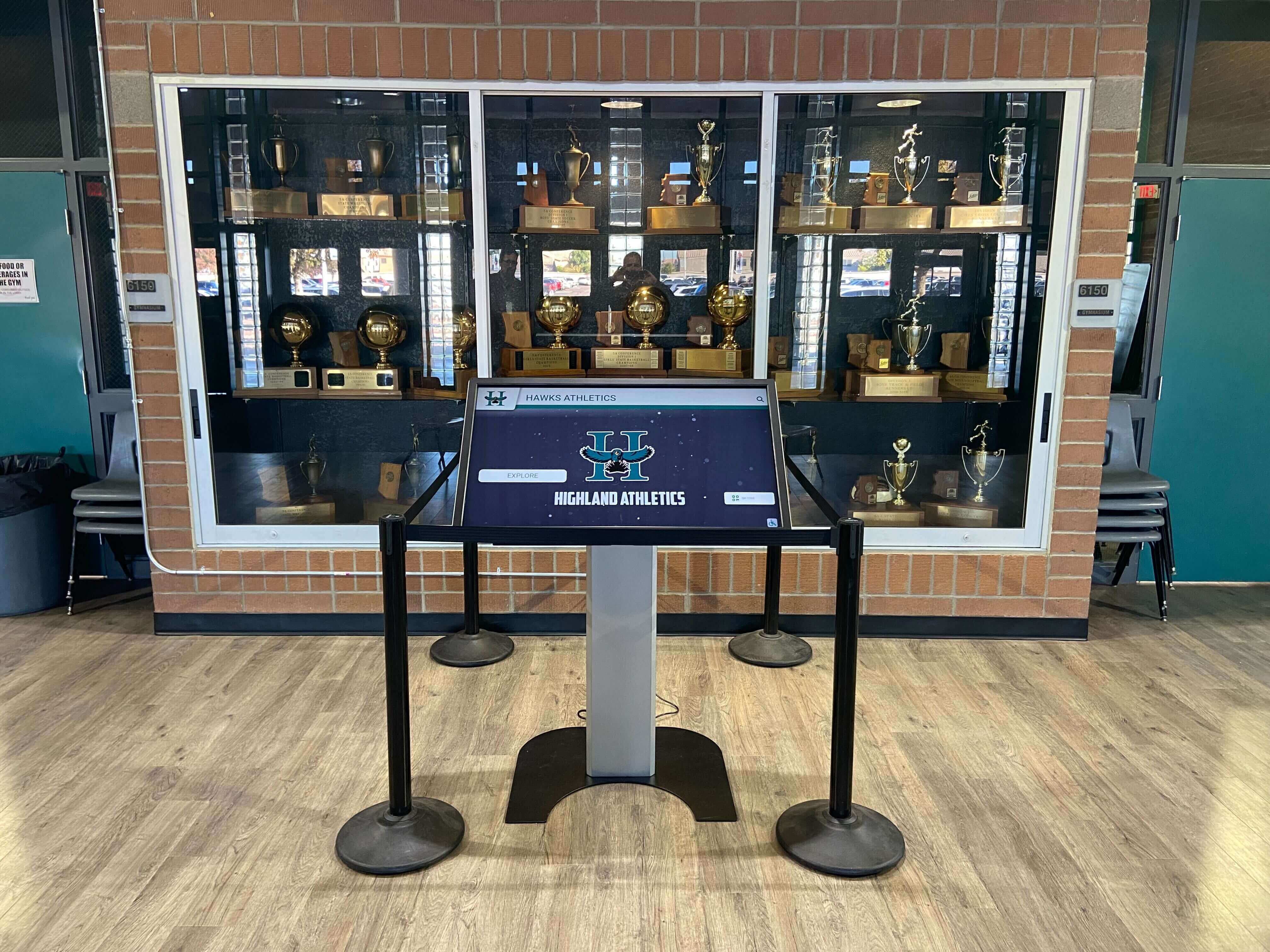
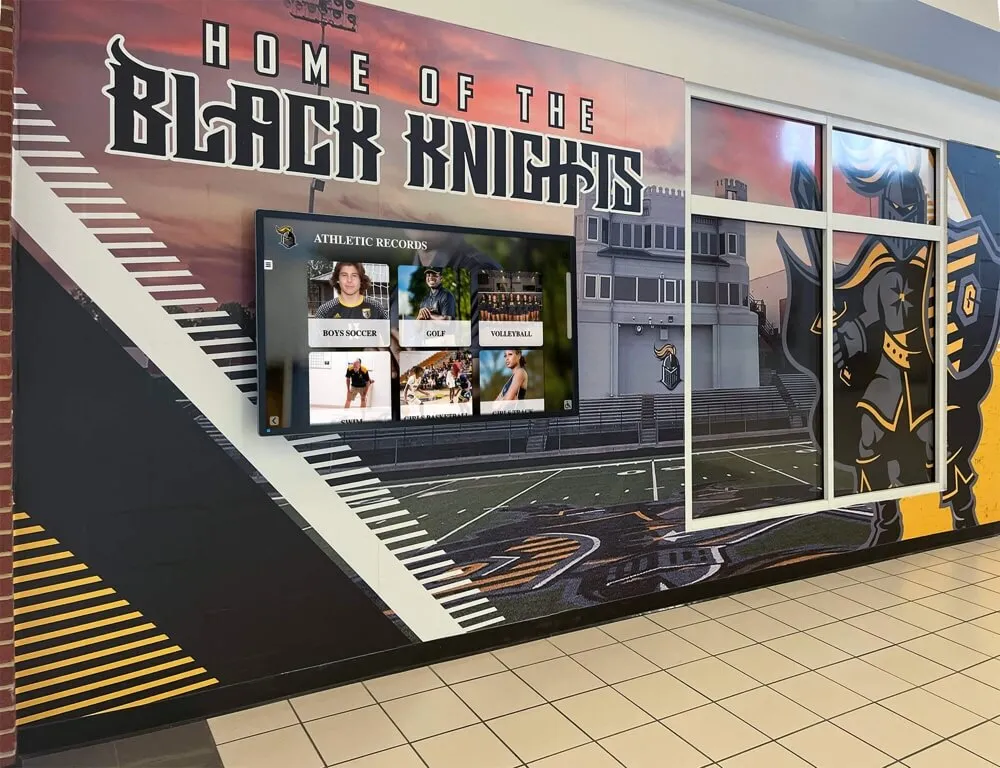
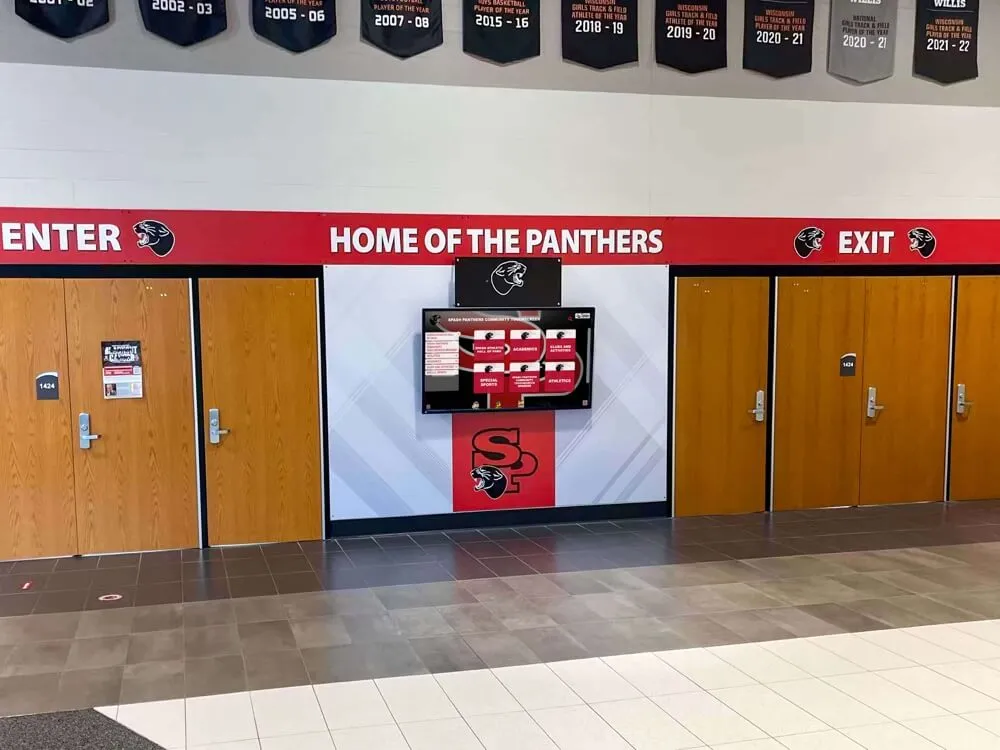
Professional installation ensures displays integrate seamlessly with existing campus facilities and architectural design
Professional Installation
Quality installation ensures displays function reliably while looking professionally integrated rather than obviously added afterthoughts. Professional installation includes secure mounting withstanding user interaction forces, concealed cable management for clean aesthetics, proper ventilation preventing overheating, appropriate viewing height and angle optimization, and network connection verification ensuring reliable performance.
Many universities partner with installation specialists who understand educational facility requirements and can coordinate work schedules around academic calendars, minimizing disruption to campus operations while ensuring quality results.
Web Platform Implementation
Complementary web platforms extend recognition globally beyond campus boundaries, enabling alumni living anywhere to explore institutional acknowledgment while providing prospective students worldwide with access to distinguished graduate communities.
Platform Features and Capabilities
Comprehensive web platforms mirror physical display functionality while leveraging additional online capabilities including advanced search with multiple filter combinations, social sharing directly to Facebook, LinkedIn, and Twitter, mobile-responsive design working across all devices, submission forms enabling alumni to provide updated information, integration with existing university websites and alumni portals, and analytics tracking engagement patterns and popular content.
Cloud hosting eliminates institutional IT infrastructure requirements while ensuring reliable availability without institutional server maintenance. Automatic security updates and platform improvements occur remotely without requiring technical staff time or expertise.
User Experience Optimization
Web platforms should deliver intuitive navigation requiring no instructions or technical knowledge. Clear category organization, prominent search functionality, visual browsing through thumbnail galleries, related content suggestions keeping visitors engaged, and fast loading times respecting user patience all contribute to positive experiences that encourage exploration and repeated visits.
Mobile optimization proves particularly important as many alumni primarily access institutional content through smartphones. Touch-friendly interfaces, appropriately sized navigation elements, efficient data usage, and simplified layouts for small screens ensure excellent experiences regardless of device.
Universities can explore comprehensive approaches to alumni recognition walls that integrate physical and digital presence effectively.
Measuring Success: Demonstrating Recognition Program Value
Comprehensive evaluation demonstrates recognition system value to institutional stakeholders while identifying opportunities for continuous improvement and optimization.
Engagement Metrics and Analytics
Digital recognition platforms provide detailed usage data revealing how communities interact with content and which elements drive greatest engagement.
Quantitative Measurements
Track metrics including unique visitors exploring recognition content over time periods, session duration indicating depth of engagement (benchmark: 5-8 minutes for meaningful exploration), profiles viewed per session showing breadth of discovery, search terms revealing what visitors seek, filter selections indicating preferred browsing approaches, return visitor rates demonstrating sustained interest, and social shares extending recognition reach beyond direct visitors.
For universities, analytics might reveal that prospective students particularly explore alumni profiles during recruitment season, current students frequently research alumni in their majors when considering career paths, and alumni engagement spikes during reunion weekends and major events—insights informing content priorities and promotional timing.

Professional demonstration and documentation of recognition systems helps communicate value to institutional stakeholders
Platform Performance Analysis
Compare engagement across physical touchscreens versus web platforms understanding which channels serve which audiences most effectively. If campus displays receive heavy use during athletic events but minimal traffic otherwise, consider content rotation emphasizing sports alumni during game days while featuring other categories during academic terms.
Analyze which alumni profiles generate greatest interest—often revealing patterns like compelling video content, detailed career narratives, or recognition of alumni in particularly inspirational fields driving disproportionate engagement. Apply insights to enhance underperforming content bringing all profiles to similar quality standards.
Advancement and Alumni Relations Impact
Beyond usage statistics, assess recognition program correlation with institutional advancement priorities including alumni engagement, philanthropic support, and community building.
Alumni Engagement Indicators
Track changes in reunion attendance rates comparing pre- and post-implementation periods, alumni event participation levels, volunteer involvement in institutional programs, alumni career mentorship program enrollment, and overall alumni association membership and activity. Digital recognition that makes graduates feel valued and connected typically drives increased engagement across multiple dimensions.
Measure whether featured alumni become more active institutional supporters—attending events, volunteering time, serving on committees, or participating in student mentorship programs. Recognition often rekindles emotional connections leading to renewed involvement.
Philanthropic Correlation
Monitor giving participation rates among recognized alumni versus non-recognized populations, average gift sizes from honored graduates, major gift pipeline development with distinguished alumni, planned giving inquiries from recognition program participants, and campaign success rates targeting featured alumni.
While recognition should never feel transactional, appropriate acknowledgment often correlates with increased philanthropic support. Alumni who feel genuinely appreciated for achievements tend to respond generously when institutional needs align with capacity and interest in giving back.
Universities can reference strategies for alumni engagement through interactive recognition displays that drive measurable advancement outcomes.
Student Inspiration and Recruitment Benefits
Perhaps the most valuable yet difficult-to-quantify impact involves how alumni recognition inspires current students and attracts prospective students.
Current Student Effects
Survey students about whether they explore alumni recognition systems, which alumni they find most inspiring, whether recognition influences career aspirations or major selections, and if they feel increased pride in institutional affiliation. Anecdotal feedback often reveals powerful personal stories—students who discovered institutional connections to fields they’re passionate about and felt motivated by seeing alumni reach exceptional levels.
Track utilization in career counseling and academic advising contexts—do counselors reference alumni profiles when discussing career possibilities? Do students use recognition systems as research tools when exploring professional paths?
Prospective Student Impact
Measure tour guide references to alumni recognition during campus visits, prospective student feedback mentioning distinguished graduates as admission decision factors, yield rates among students who engaged with recognition systems during visits, and application essay references to specific alumni as inspiration for choosing institutions.
Train admissions tour guides to effectively showcase recognition displays, enabling them to discuss specific alumni relevant to prospective students’ stated interests—highlighting relevant alumni for prospective students in various fields of study.
Best Practices for Sustained Recognition Excellence
Long-term recognition program success requires ongoing commitment to content quality, promotional visibility, stakeholder engagement, and continuous improvement rather than treating systems as one-time implementation projects.
Regular Content Updates and Enhancements
Recognition systems require regular attention to maintain relevance and engagement over time.
New Inductee Additions
Establish predictable induction cycles—many universities add distinguished alumni annually through formal ceremonies generating communications opportunities, media coverage, and event programming. Consistent timing creates anticipation and regular content freshness keeping communities engaged.
Annual induction classes might feature balanced representation across achievement categories, graduation eras, and demographic diversity. Each class of 5-10 new inductees provides recurring recognition program visibility while accumulating comprehensive coverage over time.
Living Alumni Updates
Monitor news sources, professional announcements, and alumni self-submissions to identify when recognized alumni achieve new milestones warranting profile updates. When distinguished alumni publish books, receive awards, accept new positions, or contribute to fields in newsworthy ways, enhance recognition documenting ongoing achievement.
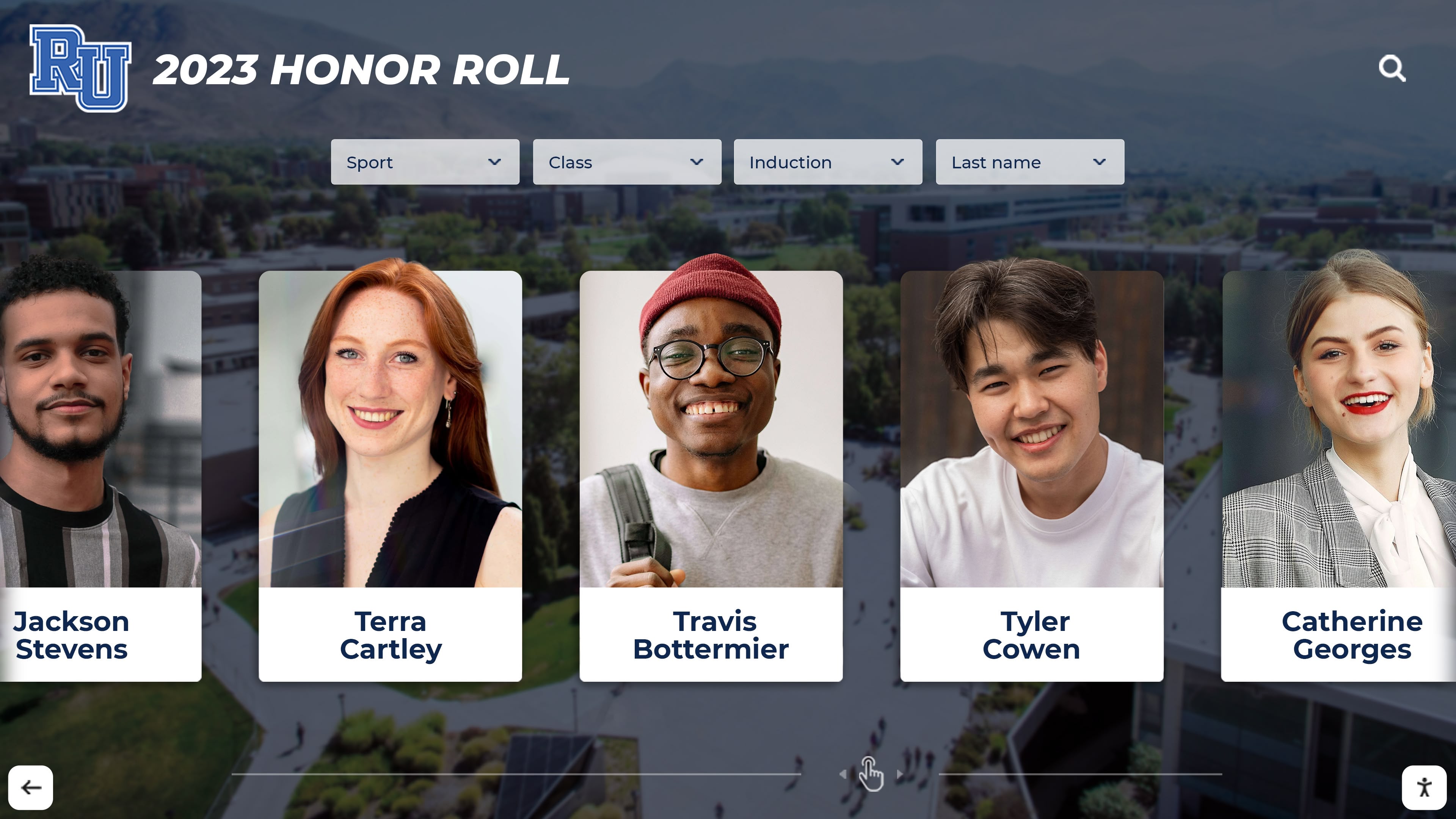
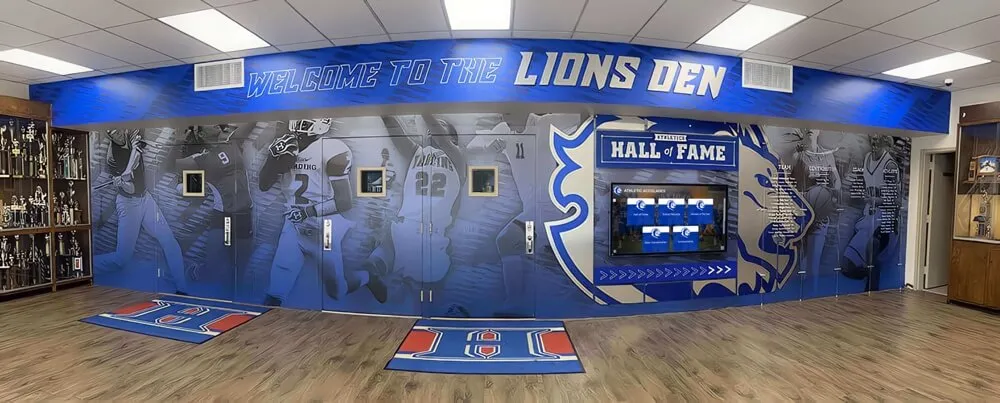
Modern recognition installations become signature features demonstrating institutional commitment to celebrating excellence
Multimedia Enrichment
Continuously improve profile quality by adding video interviews with alumni who visit campus, producing documentary-style mini-profiles for most distinguished graduates, enhancing photo collections with historical and contemporary images, and digitizing archived materials like news clippings, programs, or correspondence adding depth to historical profiles.
Universities can explore approaches for developing college history timelines that provide context for alumni achievement within institutional evolution.
Promotional Integration and Visibility
Recognition programs deliver maximum value when actively promoted and integrated into broader institutional communications rather than existing as standalone systems.
Social Media Promotion
Feature different alumni monthly through “Throwback Thursday” posts highlighting historical graduates, “Meet a [Mascot]” profiles introducing contemporary alumni, milestone anniversary recognition celebrating achievement anniversaries, and user-generated content encouraging alumni to share their own stories using institutional hashtags.
Create shareable graphics and video clips optimized for each platform’s requirements—Instagram stories, Facebook posts, LinkedIn professional content, and Twitter threads reaching different audience segments through platform-appropriate content.
Event Integration
Position touchscreen displays prominently at alumni events ensuring visibility and encouraging exploration. During reunions, feature content specifically relevant to attending classes. At athletic events, highlight sports alumni creating natural engagement opportunities for fans.
Incorporate recognition into event programming through brief video presentations from featured alumni, live unveilings of new inductees’ profiles, scavenger hunt activities encouraging attendees to explore recognition systems, and photo opportunities with displays that attendees share socially.
Website and Email Integration
Feature recognition prominently on institutional homepages through rotating spotlights, embed recognition content within relevant website sections (athletics, academics, alumni), include recognition links in email signatures from advancement staff, and feature alumni profiles in institutional newsletters and communications.
Create dedicated landing pages for specific alumni that can be shared directly—enabling easy distribution of individual recognition to personal networks when honored alumni want to share institutional acknowledgment.
Conclusion: Transforming University Recognition Through Interactive Technology
Universities implementing interactive touchscreen recognition systems like those from Rocket Alumni Solutions create transformative experiences that honor distinguished alumni comprehensively while inspiring current students, strengthening institutional pride, and preserving heritage for future generations. The University of Rhode Island and other institutions discovering that digital recognition eliminates traditional limitations—physical capacity constraints, minimal storytelling capability, accessibility restrictions, and maintenance complexity—while introducing enhanced capabilities impossible through conventional approaches.
Modern digital recognition platforms provide unlimited capacity honoring every distinguished alumnus without space constraints, rich multimedia storytelling through photos, videos, and comprehensive narratives, continuous updates reflecting ongoing alumni achievement throughout careers, interactive exploration enabling search, filtering, and discovery, global accessibility extending recognition beyond campus boundaries, and measurable engagement providing data-driven improvement insights.
Transform Your University Recognition Program
Discover how Rocket Alumni Solutions can help your institution create comprehensive recognition systems that honor distinguished graduates while inspiring current students and strengthening institutional pride.
Explore Recognition SolutionsFor universities specifically, comprehensive digital recognition finally provides appropriate acknowledgment for the full breadth of distinguished graduates across athletics, sciences, business, public service, creative fields, and countless other areas—celebrating complete legacy of how graduates influence professions, serve communities, and achieve excellence in chosen endeavors.
The students walking campus today represent tomorrow’s distinguished alumni. They deserve inspiration from powerful examples of what graduates achieve in the world. They deserve comprehensive career exploration resources showing diverse pathways to success. They deserve connection to proud institutional heritage spanning generations of achievement. Digital alumni recognition delivers these benefits while honoring the past, celebrating the present, and inspiring the future.
Whether institutions implement recognition systems like those described here or pursue similar approaches celebrating distinguished graduates, the principle remains constant: alumni who achieved remarkable things deserve recognition matching accomplishments’ significance. Modern technology finally makes comprehensive, accessible, engaging alumni celebration achievable for universities of all sizes, creating lasting tributes that inspire generations while honoring those who made excellence possible.
Explore additional recognition strategies through best practices for school touchscreens that ensure reliable operation, discover approaches for Division I athletics digital recognition serving comprehensive athletic programs, and learn about academic recognition programs celebrating scholarly achievement alongside athletic excellence.