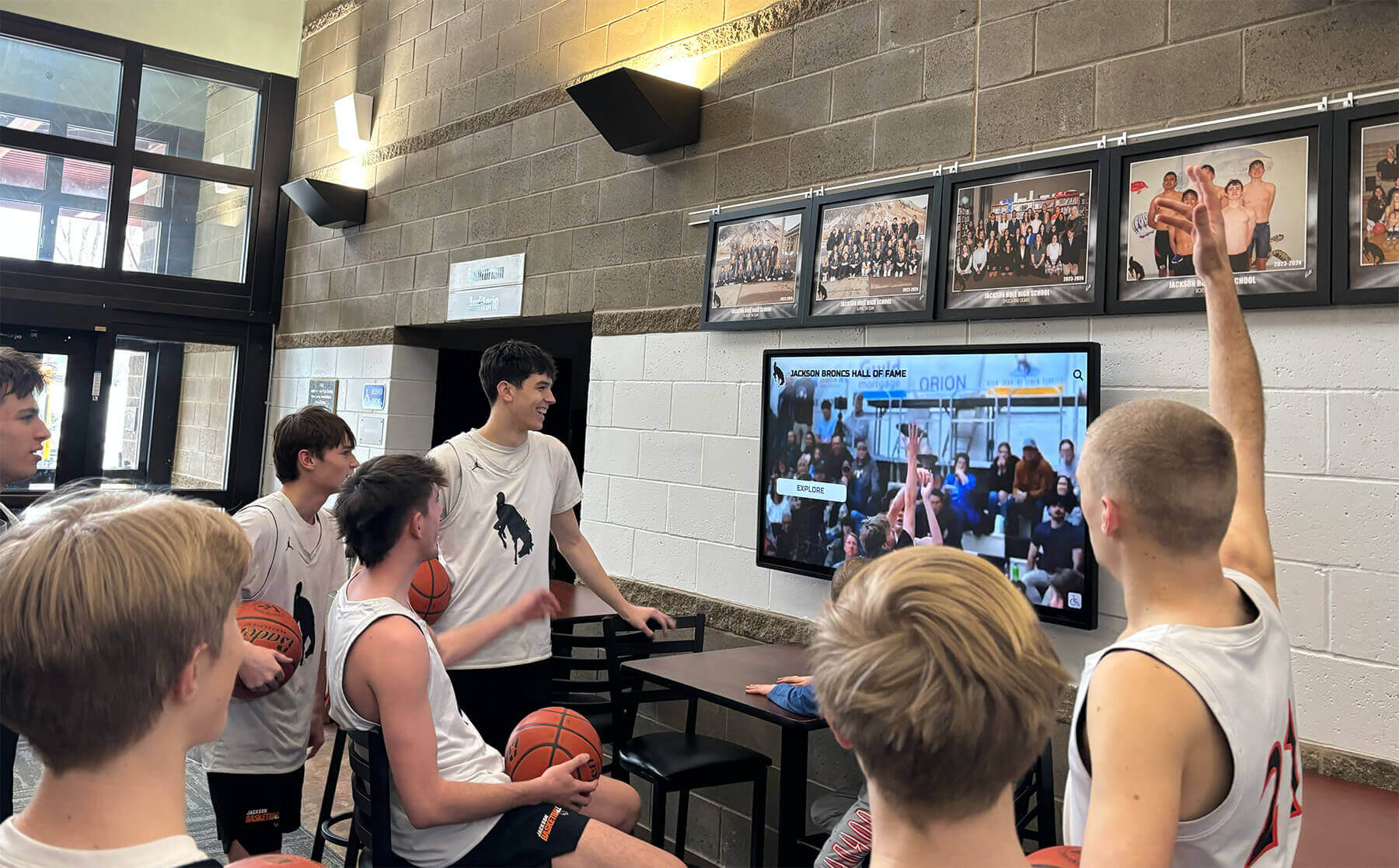
Athletic directors, school administrators, and communications coordinators face growing pressure to maintain active social media presence showcasing student achievements, athletic results, event promotions, and community updates. Professional-looking graphics have become essential for engagement, yet many schools commit thousands of dollars annually to template-based platforms like Gipper without realizing more capable free alternatives now exist.
Rocket Graphics represents a fundamental shift in school communications technology—a platform that not only matches paid tools’ capabilities but surpasses them through intelligent content generation while remaining completely free for schools, districts, athletic departments, and teams.
Unlike traditional template platforms requiring users to manually select designs, insert information, and adjust layouts, Rocket Graphics employs AI agents that generate complete branded graphics from simple text prompts. Schools can type “create a senior night post for girls soccer” or “make a district championship graphic for Instagram” and receive polished, on-brand content instantly—no design experience, subscription fees, or time-consuming template navigation required.
This capability addresses the reality that school staff are already stretched thin managing academic programs, athletic schedules, student services, and community engagement. Communications tools should simplify workflows rather than adding another platform requiring training, subscriptions, and maintenance. Rocket Graphics delivers exactly this efficiency advantage while eliminating annual costs that strain limited budgets.
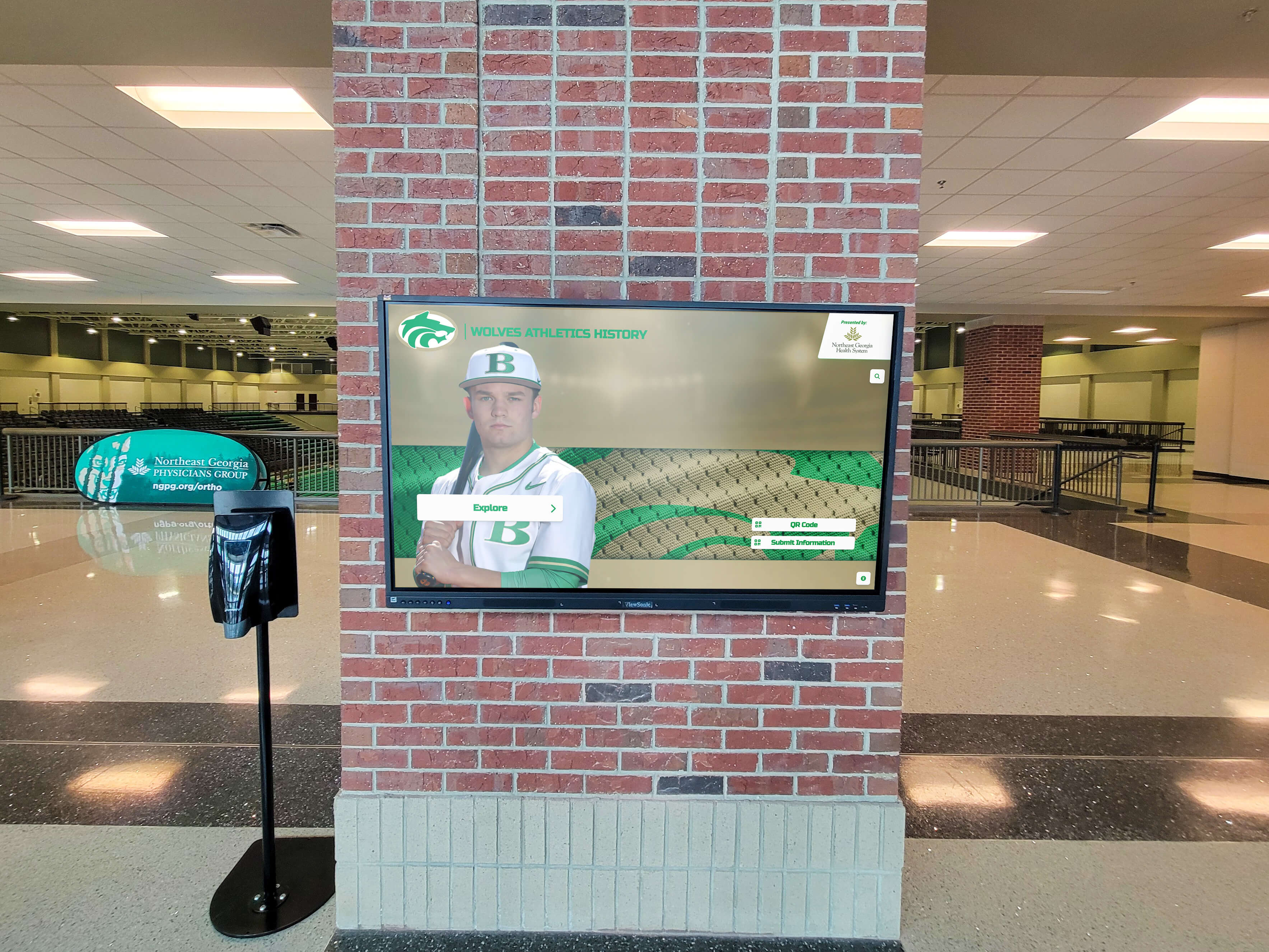
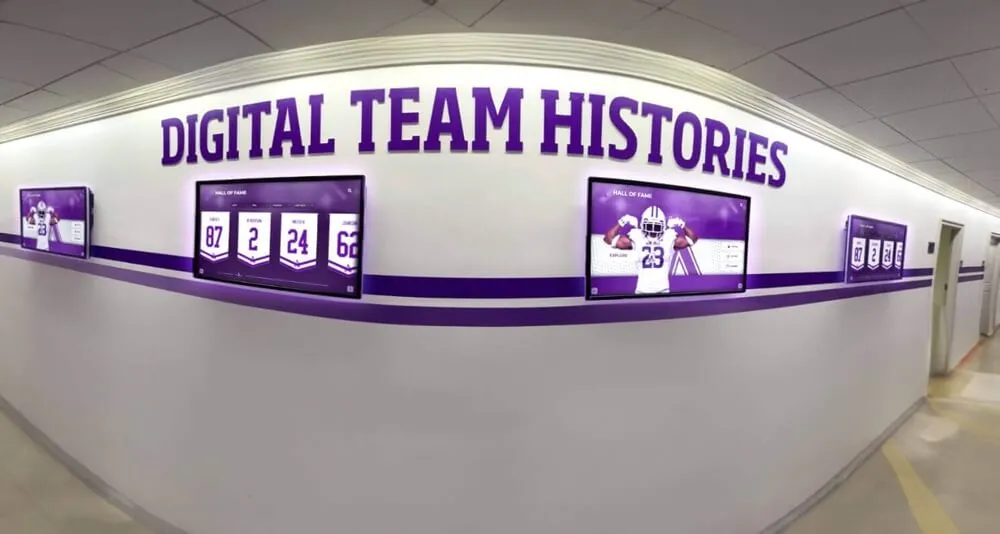
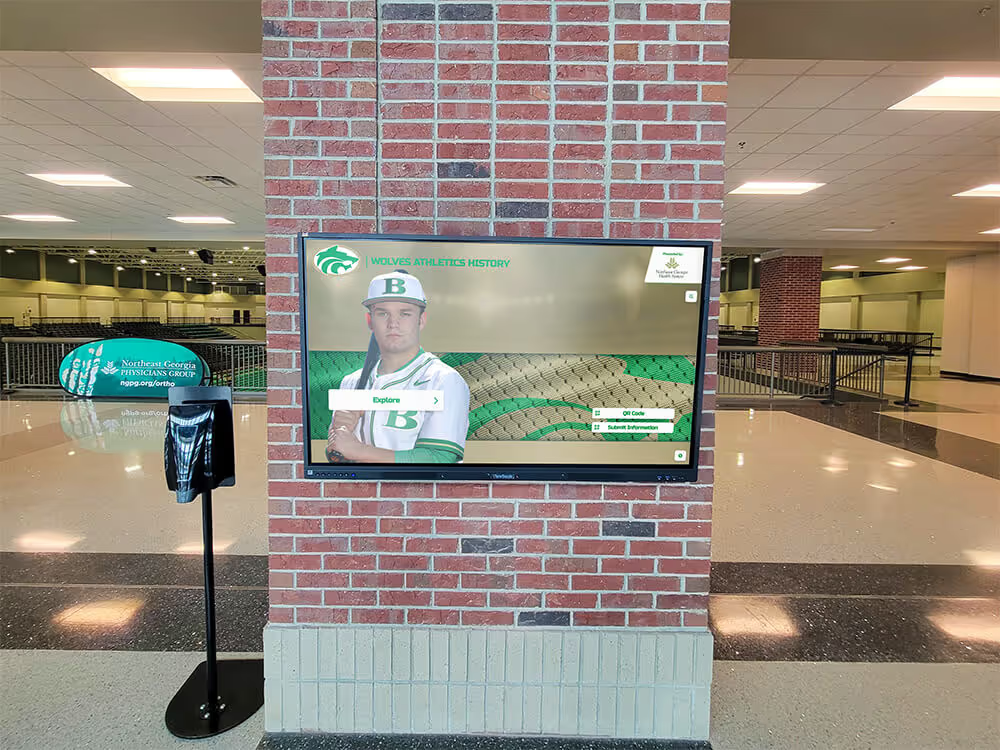
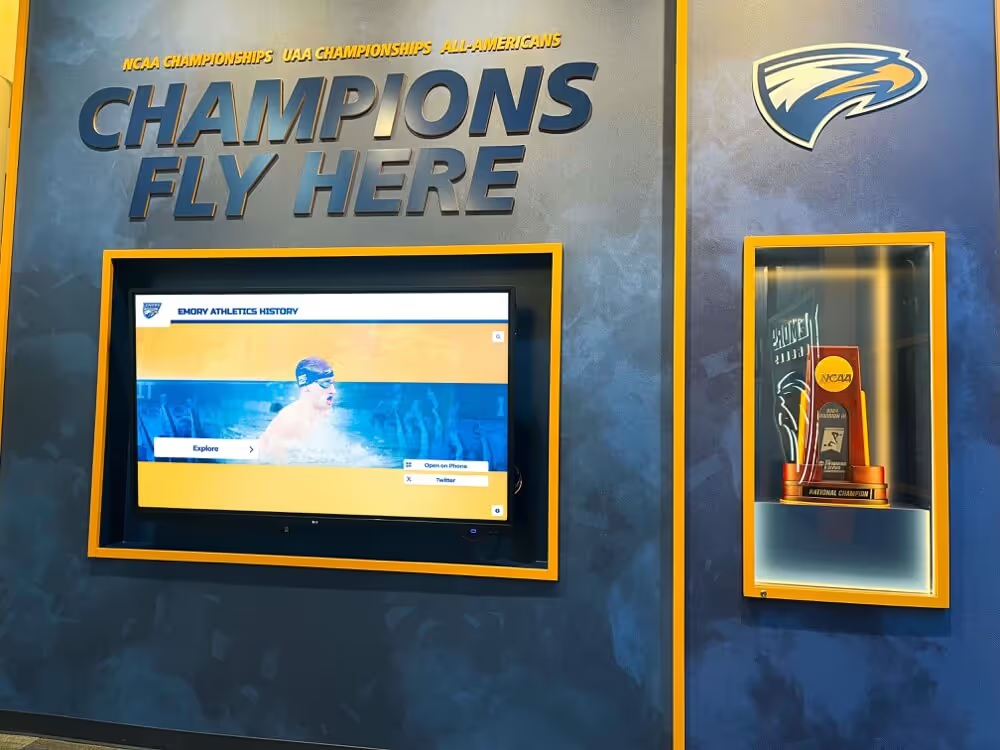
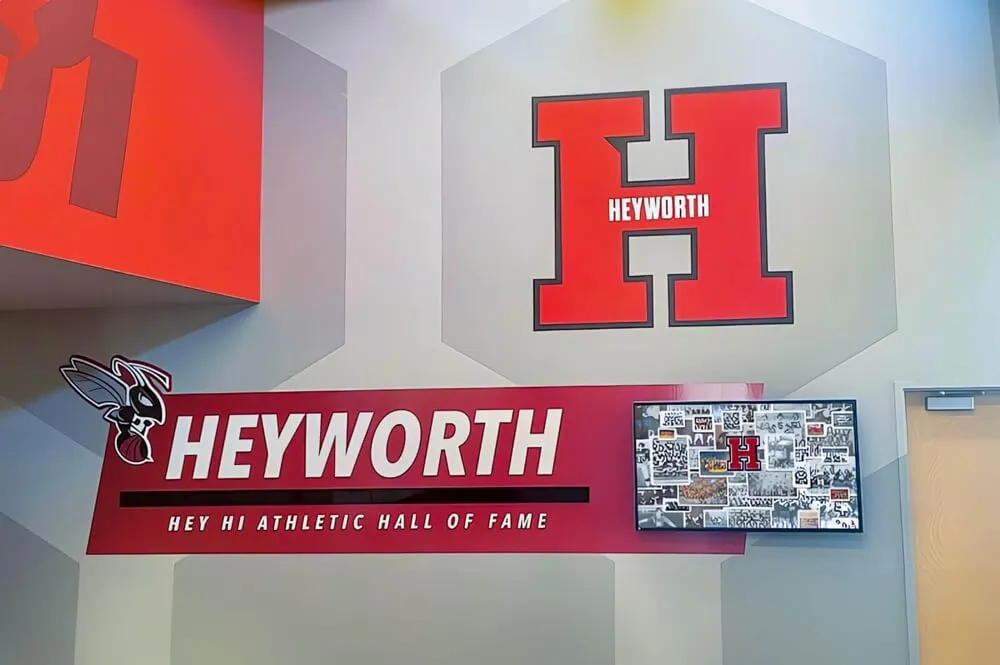
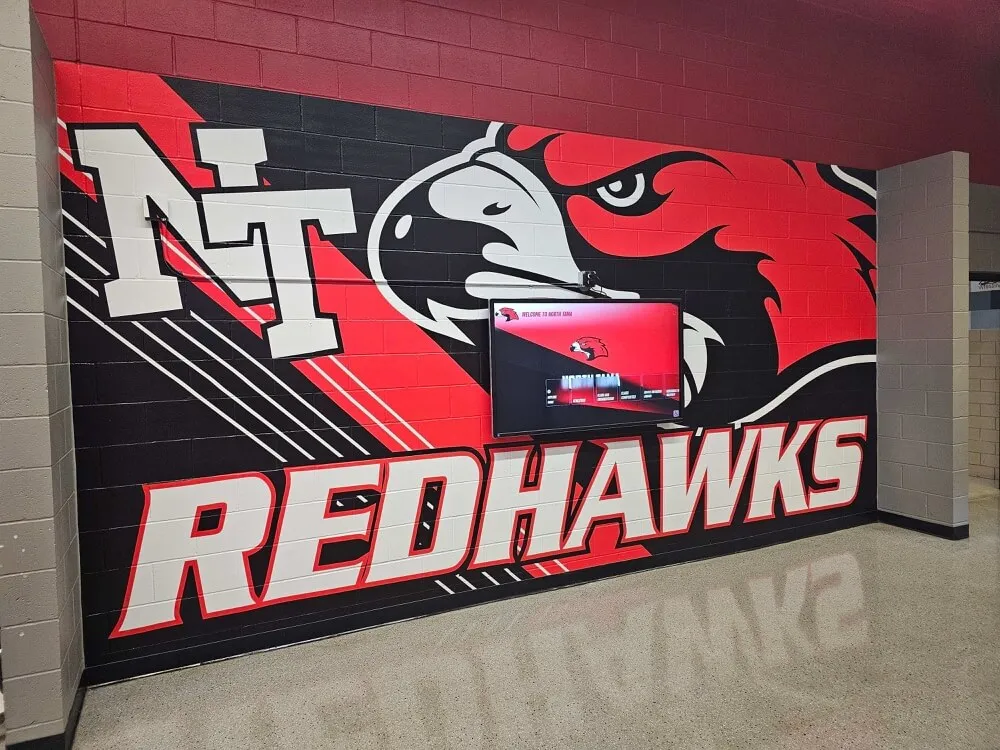
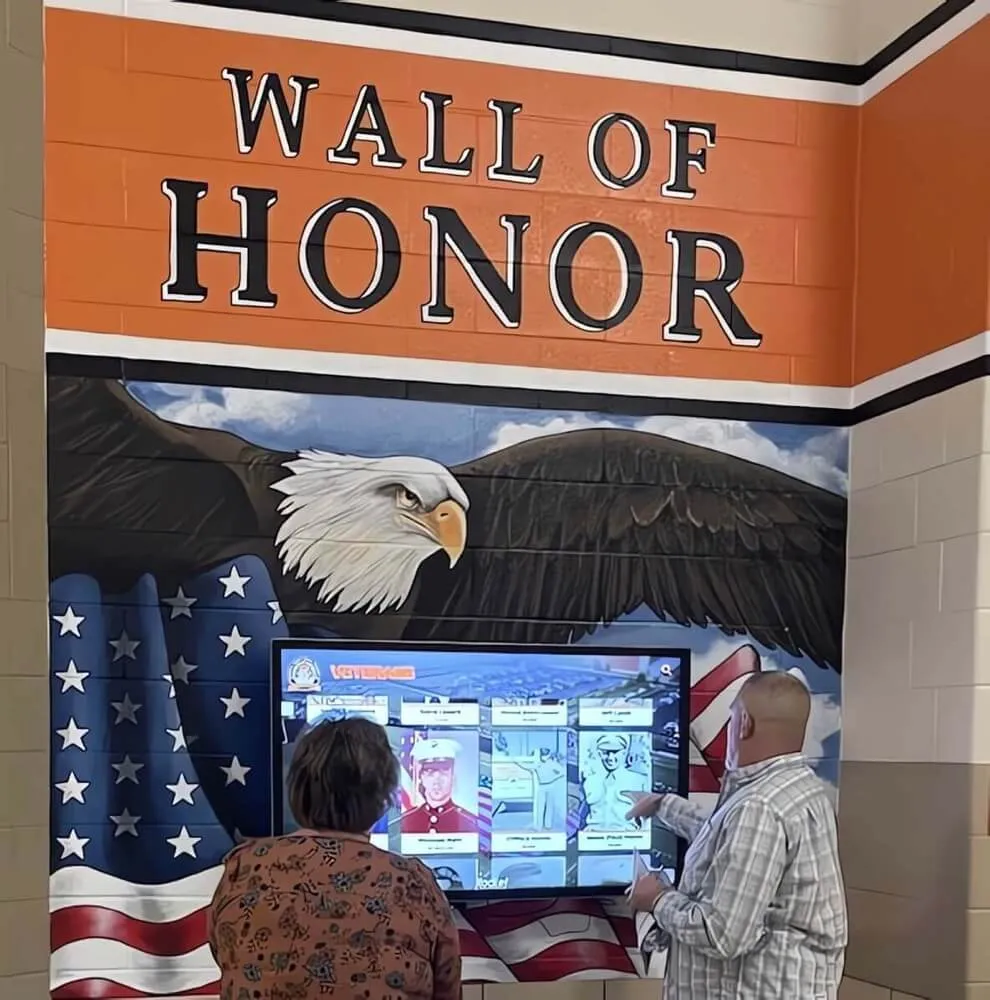
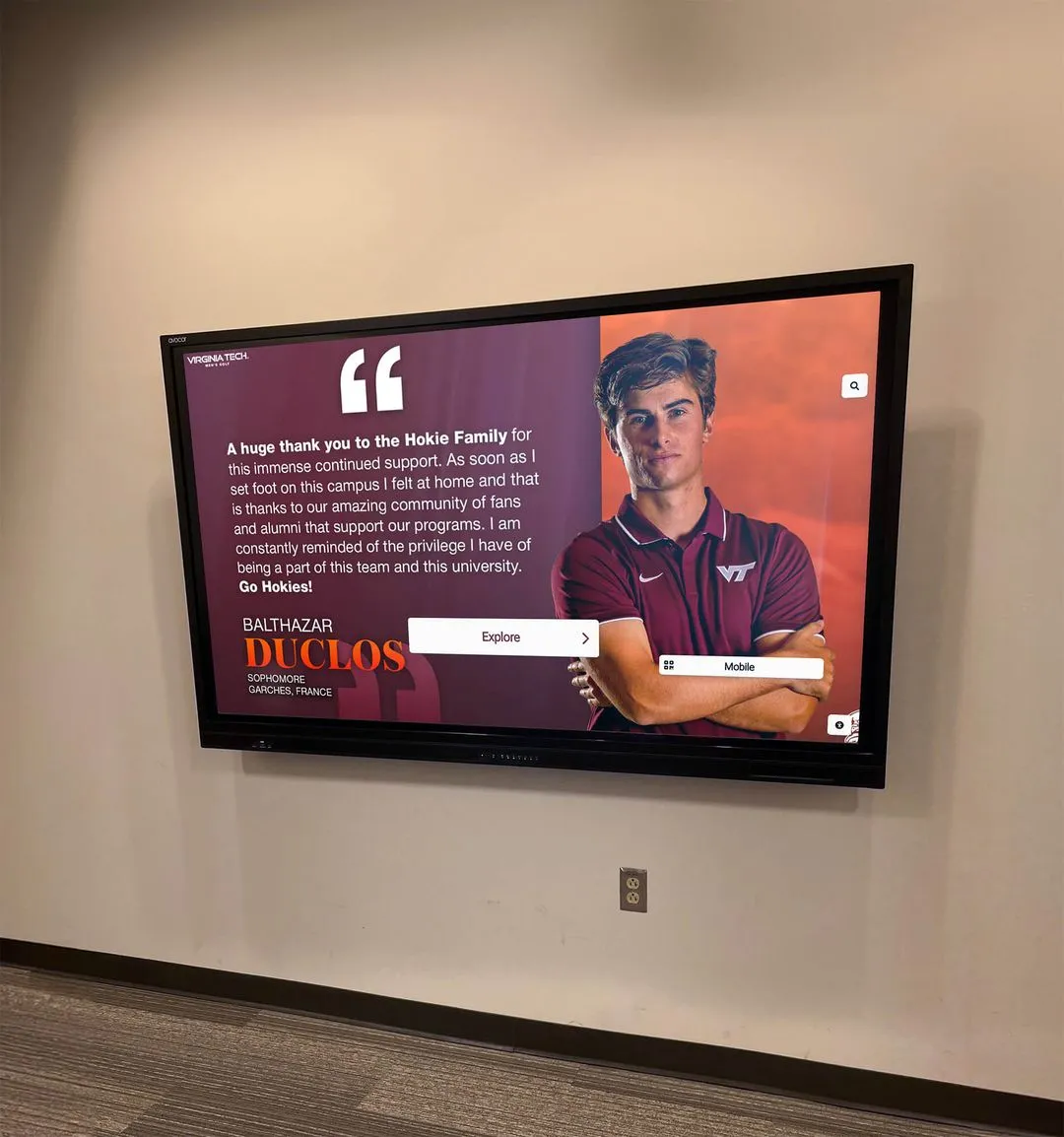
Modern school communications require professional graphics celebrating student achievements across athletics and academics
Understanding the School Graphics Challenge: Why Districts Sought Paid Solutions
Before examining how Rocket Graphics solves these challenges without cost, understanding what drove schools toward subscription platforms clarifies the problem scope.
The Social Media Imperative for Schools
Educational institutions face expectations fundamentally different from those of previous decades regarding public communication and community engagement.
Community Expectations for Digital Presence: Parents, students, alumni, and community members expect schools to maintain active social media channels showcasing achievements, sharing important information, promoting events, and celebrating students. Districts without consistent digital presence appear disconnected from stakeholders while missing opportunities to build school pride and community support.
Athletic Recognition Demands: Student-athletes, their families, and sports communities specifically expect regular recognition through social media. Game results, athlete spotlights, senior night celebrations, signing day announcements, and championship achievements all require visual content that honors participants appropriately while engaging broader audiences.
Limited Staff Capacity: Most schools lack dedicated communications departments with graphic designers. Athletic directors already manage scheduling, facilities, coaching staff, eligibility, and countless other responsibilities. Teachers, counselors, and administrators similarly face full workloads before considering social media responsibilities. Adding graphic design work to existing roles creates unsustainable burdens.
Design Skill Barriers: Creating professional graphics requires design expertise most school staff simply don’t possess. Understanding composition, typography, color theory, and platform-specific sizing creates barriers preventing well-intentioned staff from producing content matching community expectations. Learn more about school communications strategies that address these challenges effectively.
Why Schools Initially Chose Subscription Platforms
Template-based graphics platforms emerged specifically addressing school design challenges, offering seemingly attractive solutions:
Pre-Designed Templates: Ready-made layouts organized by use case (game results, athlete spotlights, schedules) provided starting points requiring minimal design knowledge. Users selected appropriate templates, inserted their specific information, and downloaded finished graphics.
School Branding Integration: Platforms allowed uploading logos, colors, and fonts creating brand consistency across all generated graphics without requiring staff to manually ensure design standards.
Sport and Event Categories: Organized template libraries specific to different sports, academic programs, and school events helped users quickly locate relevant designs without searching through unrelated options.
Multi-Platform Sizing: Automated resizing for Instagram, Facebook, Twitter, and other platforms eliminated the technical challenge of creating properly sized graphics for each social network.
Apparent Time Savings: For schools without design expertise, templates appeared to offer significant time savings compared to attempting graphics from scratch using general tools like Canva or Adobe products.
These benefits explained widespread adoption across thousands of schools despite annual subscription costs ranging from hundreds to thousands of dollars depending on district size and feature tiers. Schools viewed costs as necessary investments in maintaining expected communications standards.

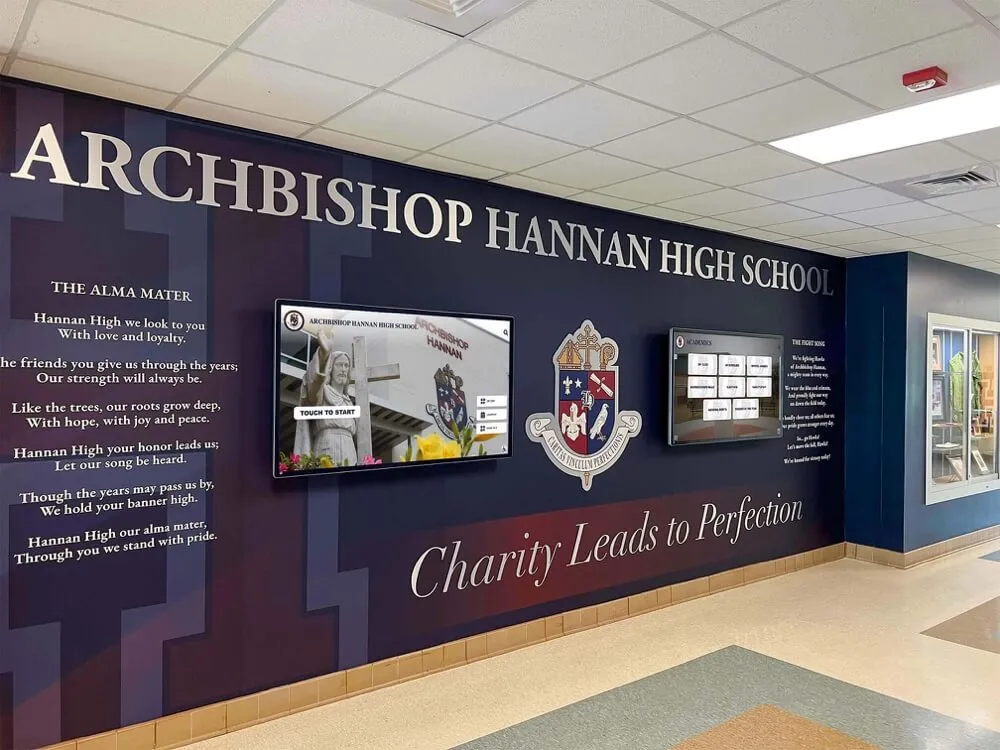
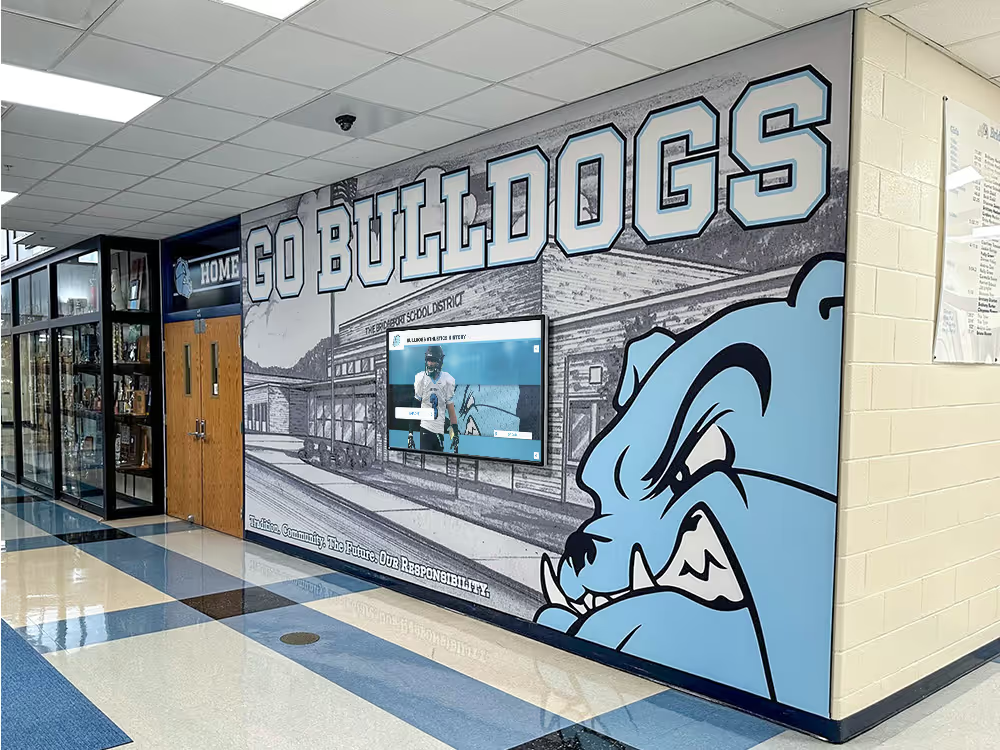
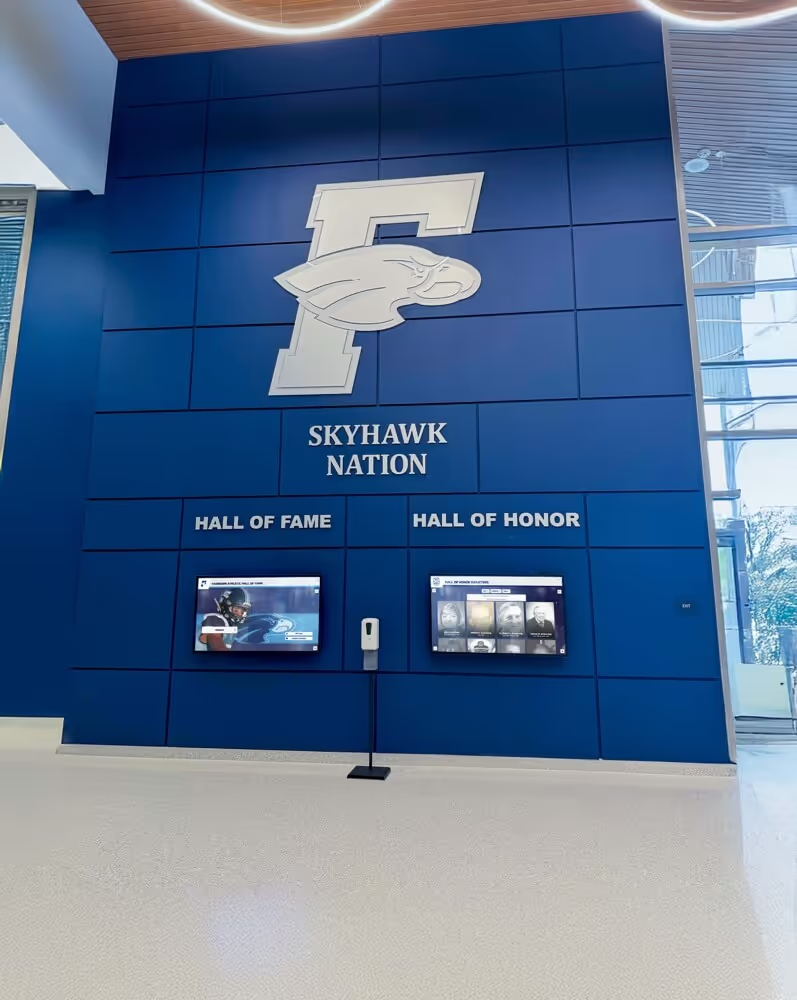
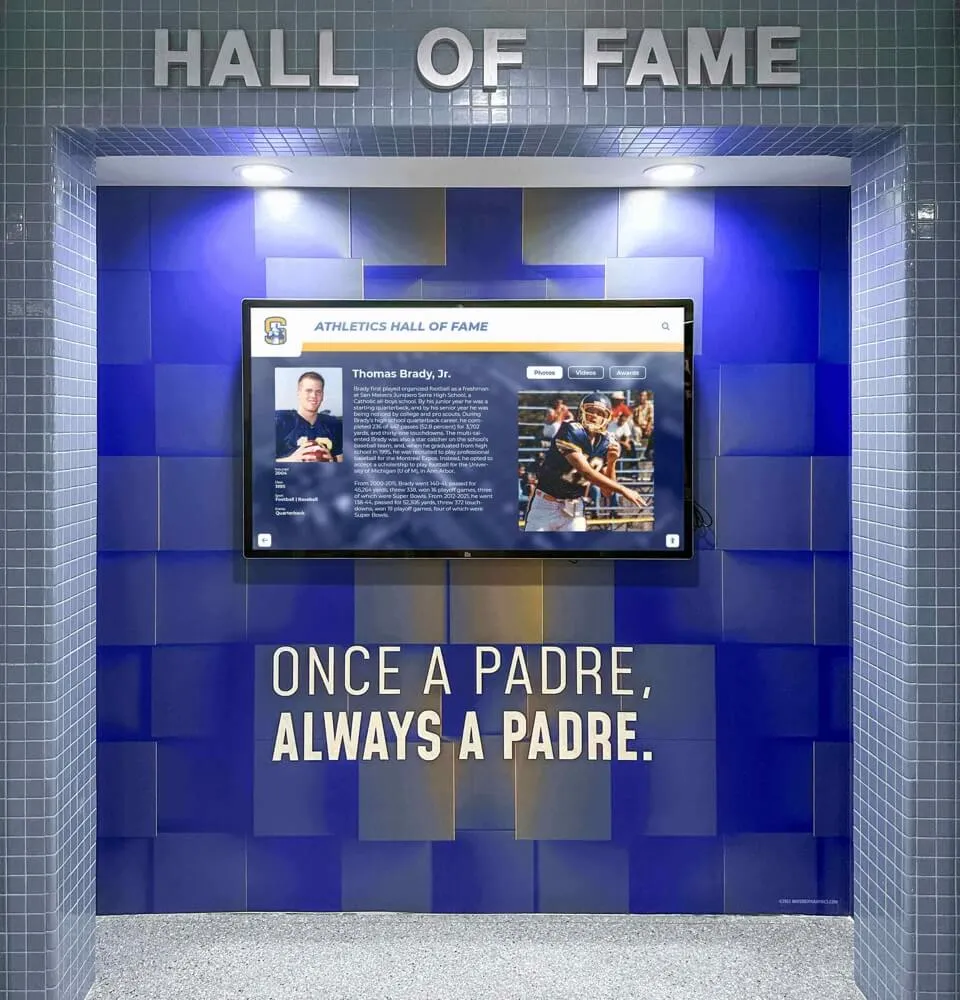
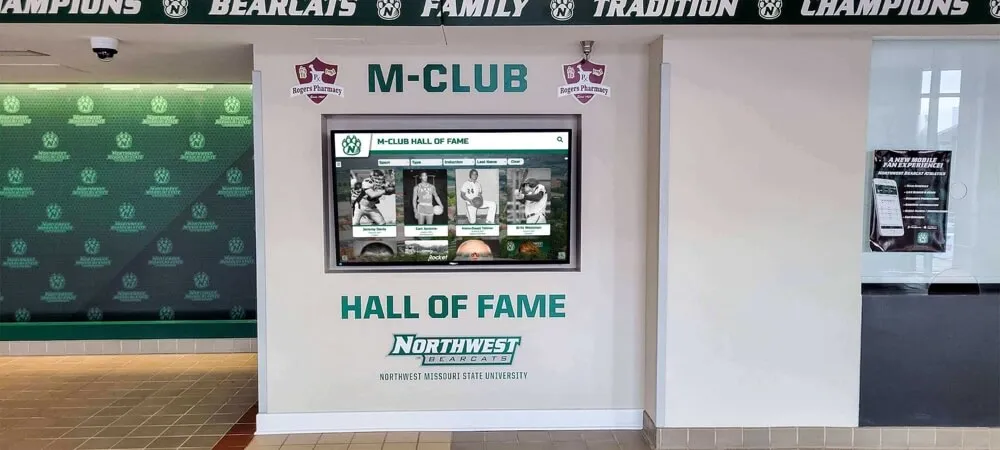
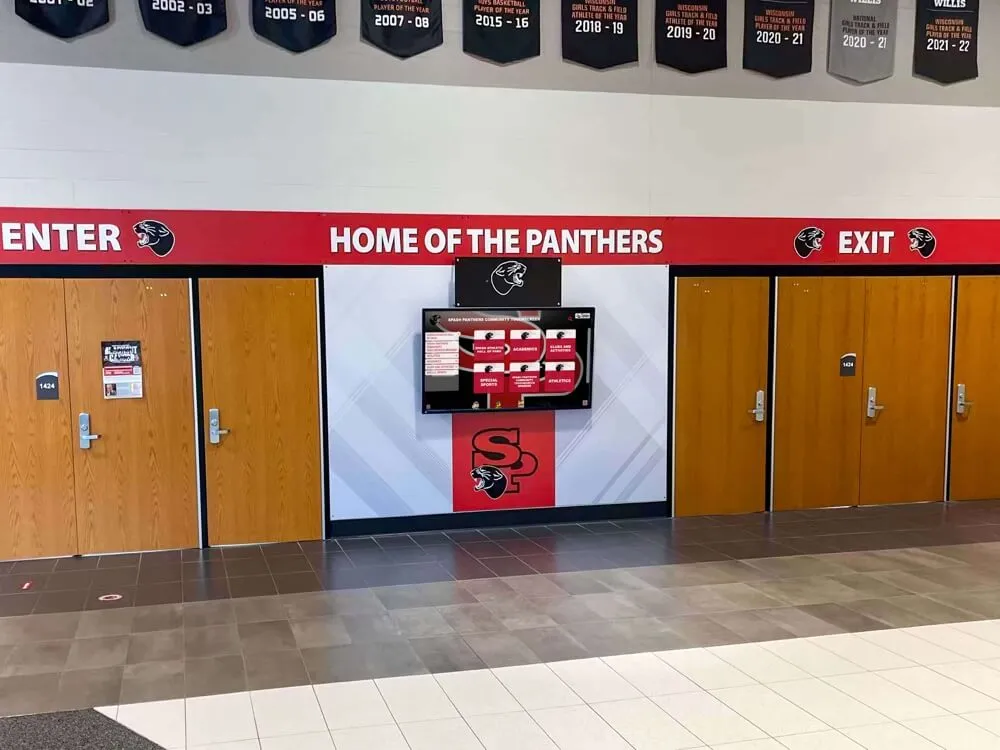
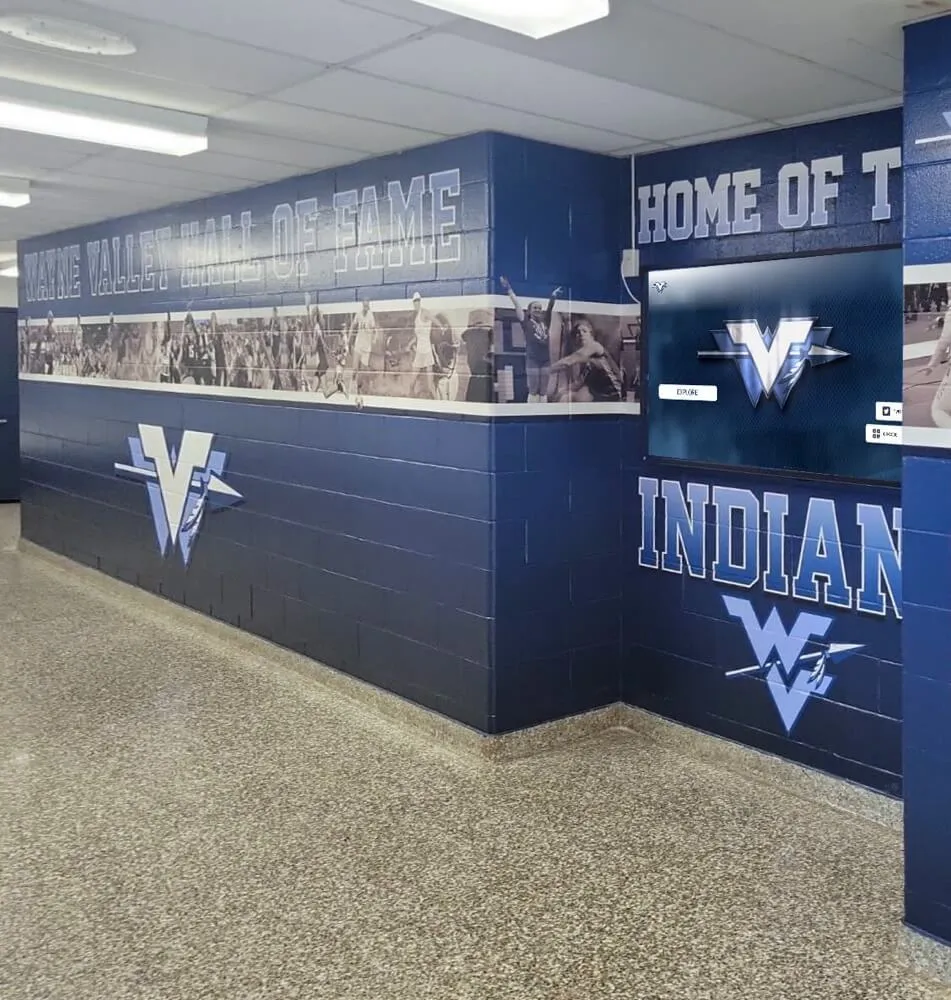
Schools need efficient systems for creating consistent recognition content across athletic programs and academic achievements
The Hidden Costs of Subscription-Based School Graphics Platforms
While template platforms provided solutions to immediate design challenges, closer examination reveals significant costs beyond obvious subscription fees.
Direct Financial Impact
Annual subscription expenses create budget pressure across different institutional contexts:
Per-School and District-Wide Costs: Individual school subscriptions typically range from $200-500 annually for basic access. Districts managing multiple schools face multiplied costs or premium district-wide licensing costing thousands annually. Over five-year periods typical of technology planning cycles, these expenses total $1,000-2,500 per school or $5,000-15,000+ for districts—significant sums from budgets already stretched across competing priorities.
Feature Tier Limitations: Basic subscription tiers often restrict advanced features, template libraries, or usage volumes. Schools requiring comprehensive capabilities frequently upgrade to premium tiers with higher annual costs. These tiered models mean initial budget estimates often understate actual expenses once schools discover base tiers insufficient for their needs.
Budget Competition: Dollars spent on graphics subscriptions compete directly with instructional materials, athletic equipment, facility improvements, professional development, and countless other needs. In budget discussions, recurring software subscriptions face scrutiny as potentially unnecessary expenses when alternatives might exist. Explore effective budget planning for recognition programs that balance costs with impact.
Workflow and Efficiency Limitations
Beyond financial costs, subscription template platforms create operational inefficiencies often underappreciated until organizations experience superior alternatives:
Template Navigation Overhead: Despite categorical organization, locating appropriate templates for specific needs requires browsing libraries, previewing options, and selecting from multiple similar designs. This discovery process consumes time before actual content creation even begins.
Manual Information Entry: Users must manually type all specific details—player names, statistics, game information, event details—into template fields. This data entry work represents mechanical tasks offering no creative value while creating opportunities for errors requiring correction.
Iterative Editing and Revision: Templates provide starting points but rarely perfectly match specific needs without adjustments. Users modify colors, reposition elements, adjust text sizing, and make other tweaks bringing designs closer to desired outcomes. This iterative editing extends creation time substantially beyond initial template selection.
Limited Customization Within Templates: Template-based approaches constrain creativity to predetermined layouts. Users wanting designs that don’t fit existing templates face either settling for imperfect matches or abandoning the platform entirely for more flexible but time-intensive design tools.
Platform Lock-In Effects: After investing time learning specific platform interfaces, organizations face switching costs deterring moves to potentially better alternatives. This inertia benefits vendors but may not serve schools’ best interests as superior options emerge.
The Fundamental Template Limitation
Most significantly, template-based platforms represent fundamentally outdated approaches to content creation now that AI-powered generation has become viable:
Pre-AI Design Assumptions: Template platforms emerged before generative AI made custom content creation from natural language prompts possible. Their entire architecture assumes humans must manually construct graphics by selecting layouts and filling information—an assumption AI technology has rendered obsolete.
Reactive Rather Than Proactive: Templates provide what designers previously created, not necessarily what users actually need. Schools adapt needs to available templates rather than receiving exactly what situations require.
No Intelligence or Learning: Traditional platforms lack awareness of your specific context, previous content, or communication patterns. They provide the same generic experience regardless of whether you’re announcing a championship victory or a regular season result, celebrating a senior or freshman, or addressing your specific school community’s preferences.
Modern AI alternatives transcend these limitations entirely by generating custom content matching specific needs rather than forcing users into predetermined templates. This represents a category difference, not incremental improvement.
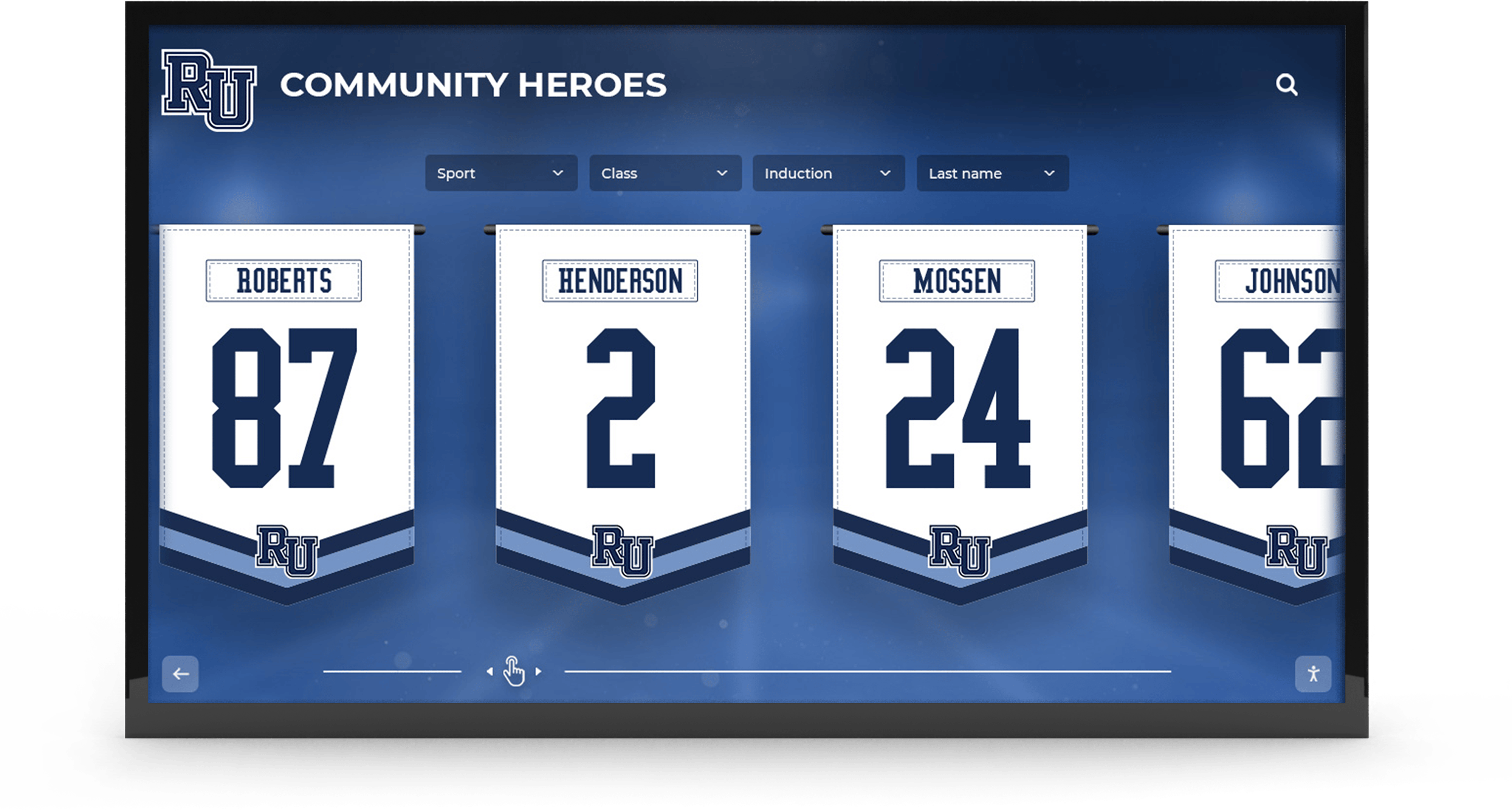
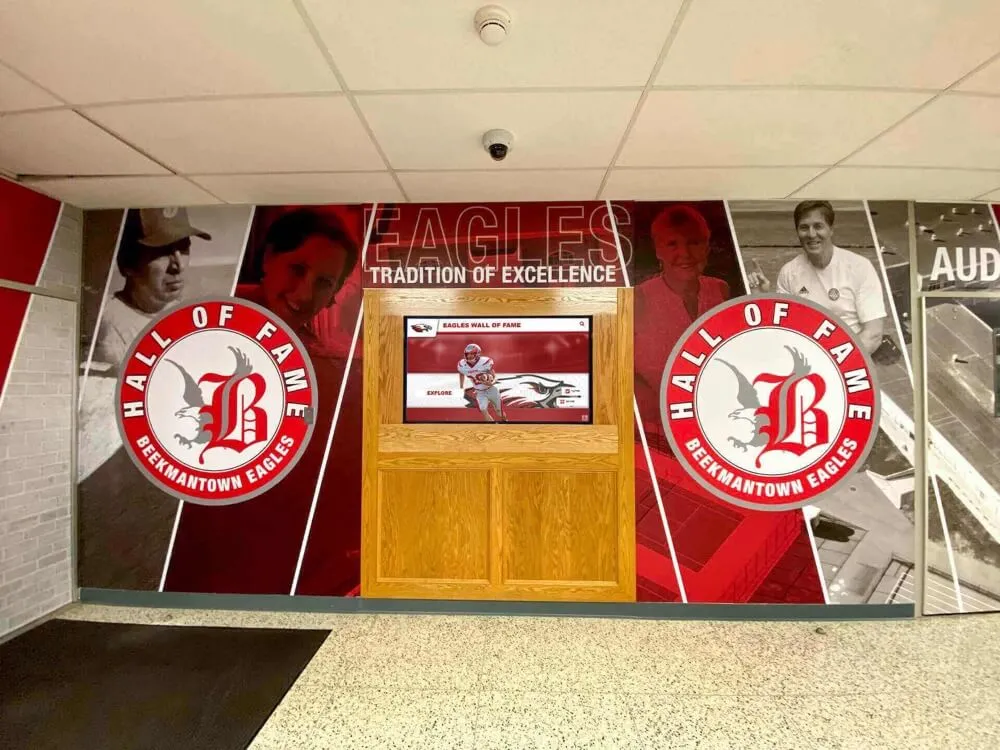
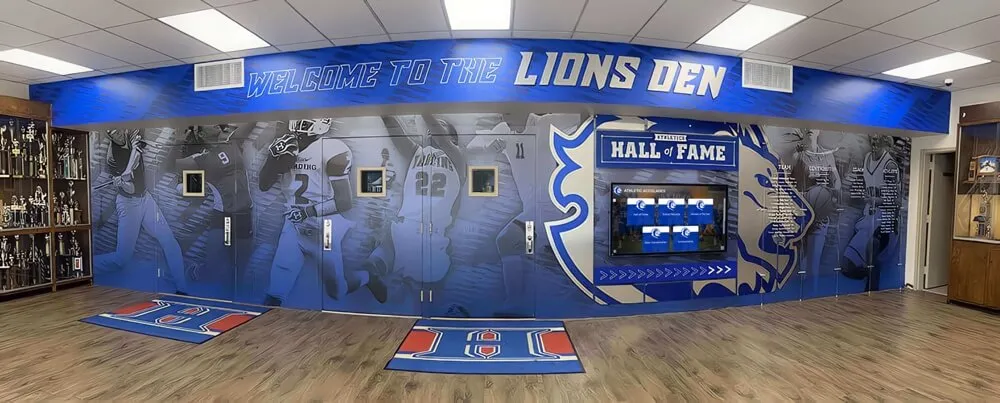
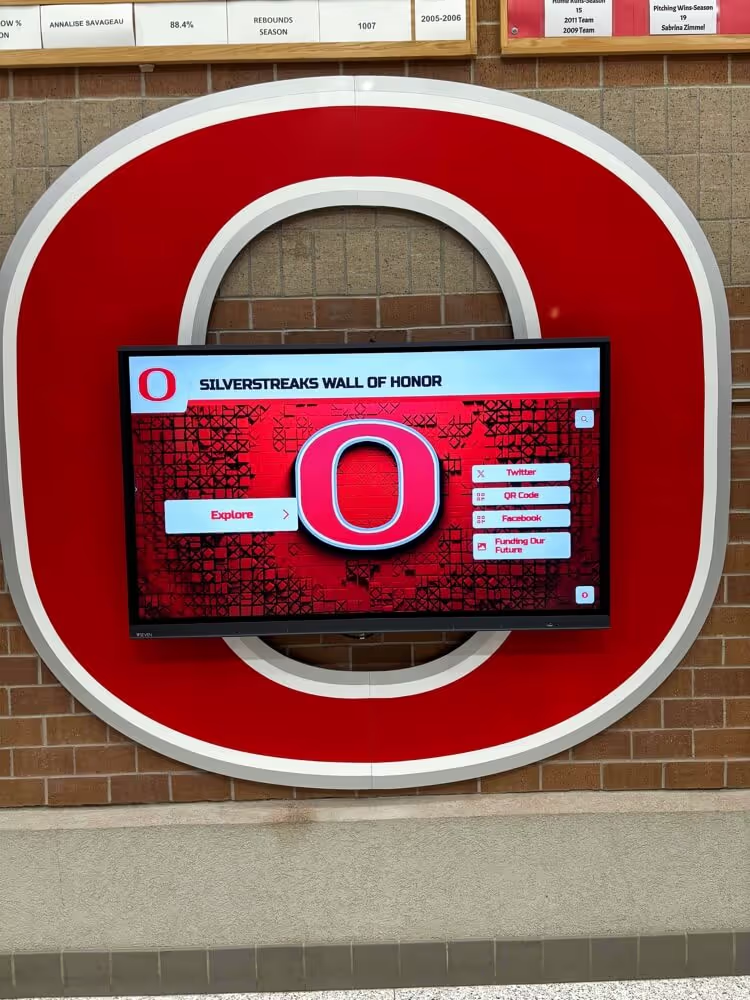
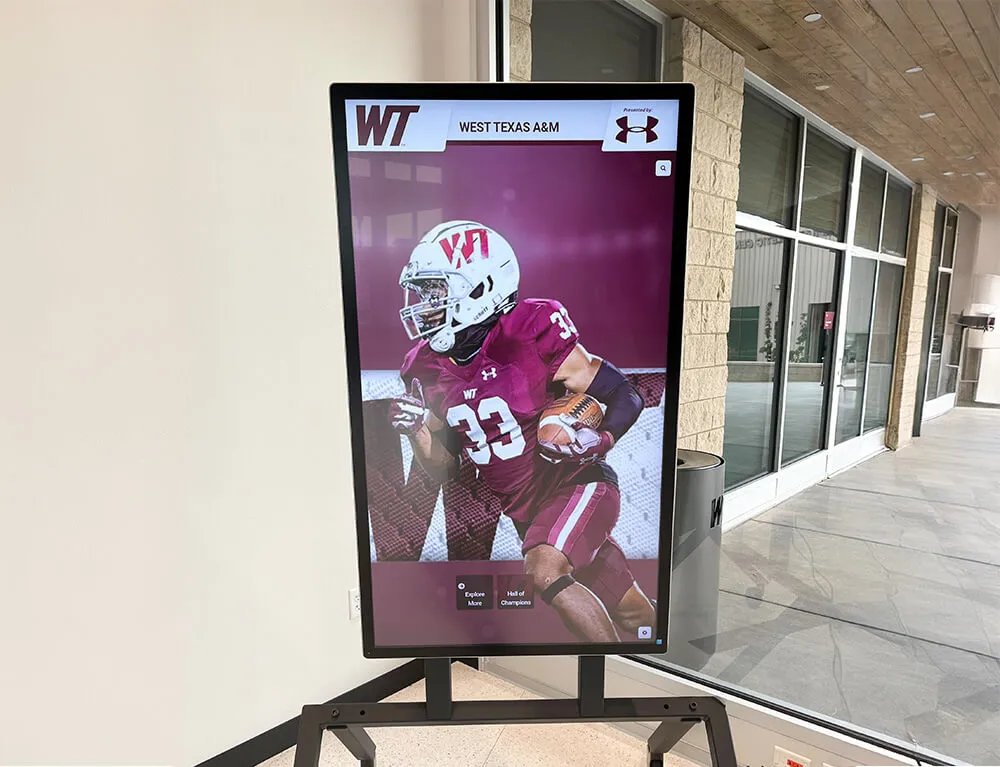
AI platforms generate custom content matching specific needs rather than constraining users to predetermined templates
Rocket Graphics: How AI-Native Design Changes Everything
Rocket Graphics represents fundamentally different architecture for school graphics creation, built specifically for the AI era rather than adapted from pre-AI template approaches.
Text-to-Post AI: Natural Language Content Generation
The platform’s core capability transforms how school staff create communications content:
Simple Text Prompts Replace Manual Design: Rather than navigating template libraries and filling data fields, users simply type what they need in natural language: “Create an athlete spotlight for Sarah Johnson, volleyball senior, 1,200 career kills, committed to Penn State” or “Make an Instagram post announcing Friday’s homecoming game against Central, 7pm kickoff, wear blue.” The system generates complete graphics including appropriate layouts, visual elements, and formatted text based on these descriptions.
Contextual Intelligence: AI agents understand school communications context, recognizing that “senior night” requires specific design elements celebrating graduating athletes, that championship announcements merit more prominent treatment than regular season results, and that different sports have distinct visual conventions. This contextual awareness produces appropriate content without users explicitly specifying every detail.
Brand Consistency Without Manual Enforcement: After initially providing school logos, colors, and fonts, the system automatically applies these elements to all generated content maintaining brand consistency that traditionally required careful manual verification with every piece.
Multi-Platform Optimization: Describing content once generates properly formatted versions for Instagram, Facebook, Twitter, and other platforms automatically. Users receive complete sets of platform-specific graphics from single prompts rather than manually resizing or recreating content for each network.
Iterative Refinement Through Conversation: If initial generated content doesn’t perfectly match needs, users can refine through natural conversation: “make the headline larger” or “use our alternate logo” or “adjust for Twitter aspect ratio.” This conversational editing proves faster and more intuitive than navigating traditional design interfaces.
The text-to-post capability represents the primary differentiator making Rocket Graphics faster, easier, and more accessible than any template-based alternative regardless of price. Schools report creating content in 60-90% less time compared to previous workflows while producing higher quality results requiring less expertise.
Built-In AI Agents: Beyond Simple Generation
Rocket Graphics includes specialized AI agents addressing specific school communications needs:
Creation Agents: Generate complete posts from minimal information, automatically selecting appropriate visual styles, layouts, and formatting based on content type and purpose.
Editing Agents: Refine existing content through natural language instructions, adjusting colors, layouts, text, and images based on conversational feedback without requiring users to manually operate design tools.
Resizing Agents: Instantly adapt content across different platform requirements and aspect ratios, ensuring optimal presentation whether sharing on Instagram stories, Facebook feeds, Twitter posts, or other formats.
Rewriting Agents: Adjust messaging tone, length, and style for different audiences or purposes, transforming formal announcements into casual social media captions or expanding brief notes into comprehensive descriptions.
Scheduling Agents: Help plan content calendars and publication timing, suggesting optimal posting schedules based on platform algorithms and audience engagement patterns.
Performance Agents: Analyze content performance and suggest improvements, learning which styles, messaging approaches, and posting patterns generate strongest engagement for your specific audiences. Discover how athletic recognition programs use similar technology for honoring achievements.
These specialized agents work together as a complete content team available instantly through simple text interaction, eliminating workflows that previously required coordinating multiple staff members with different expertise.
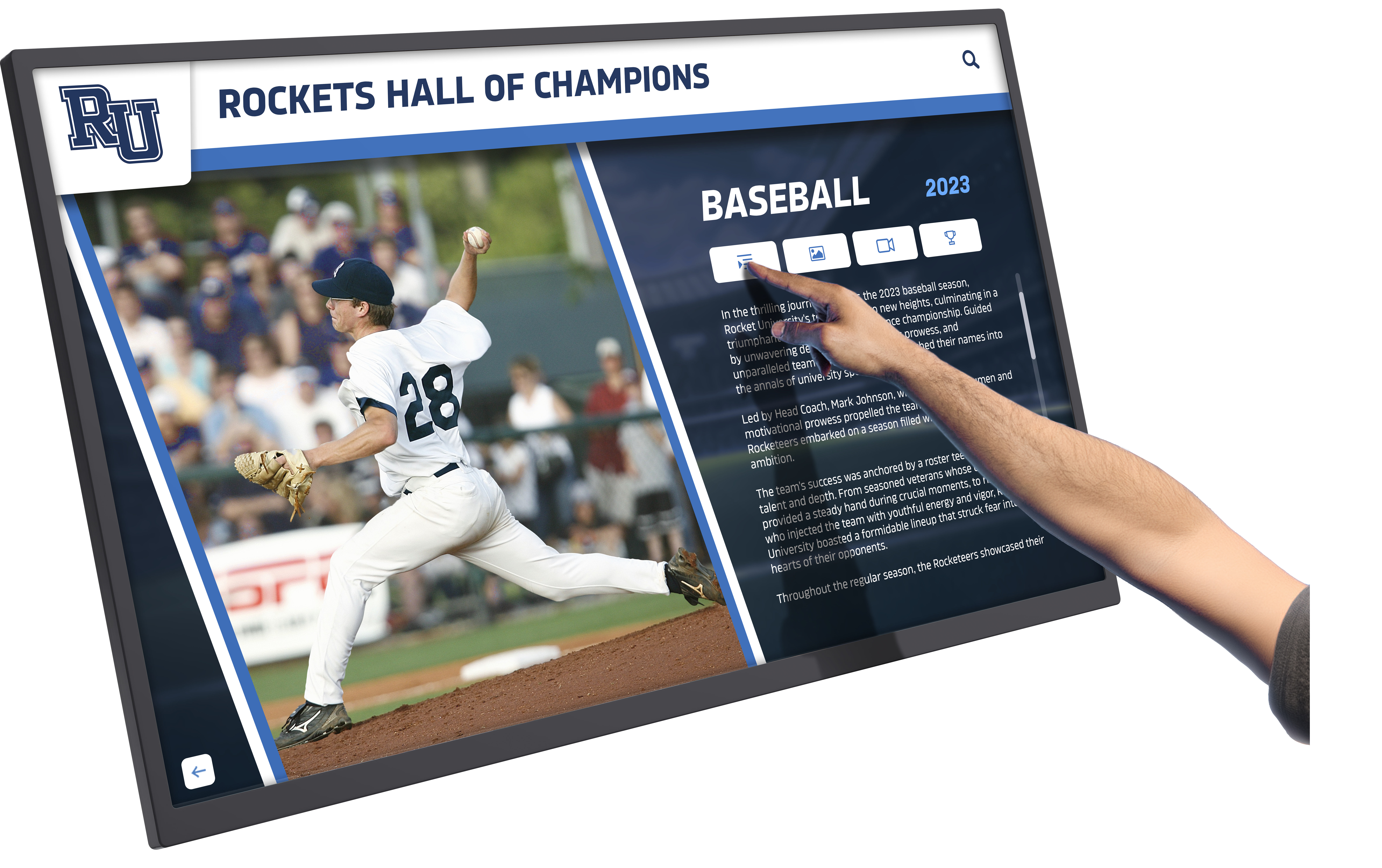
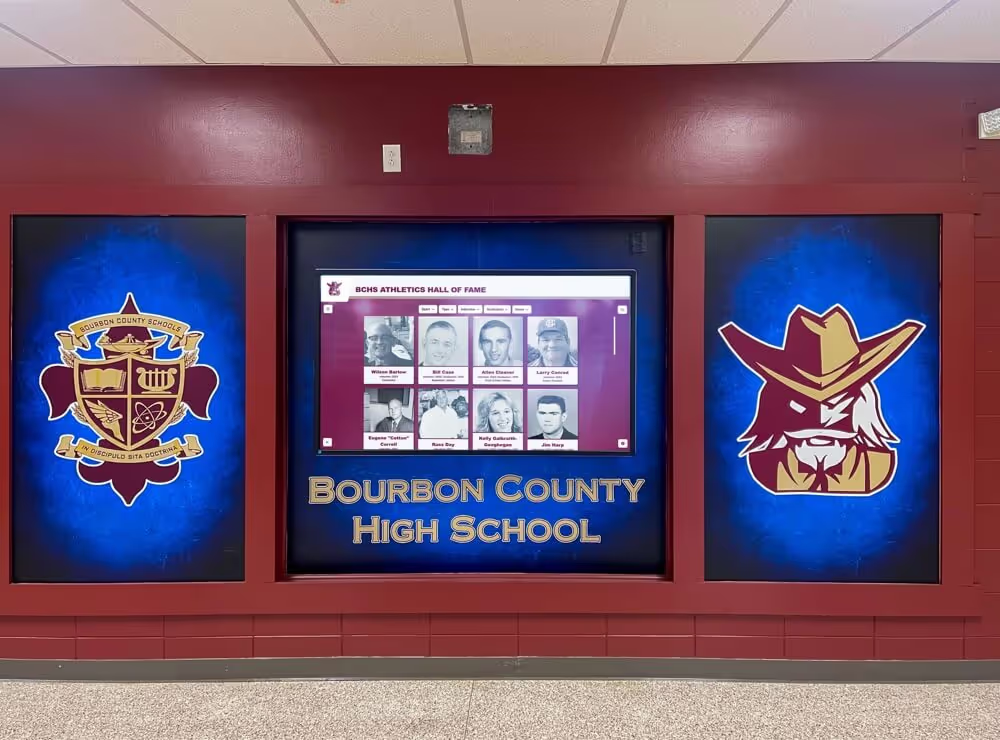
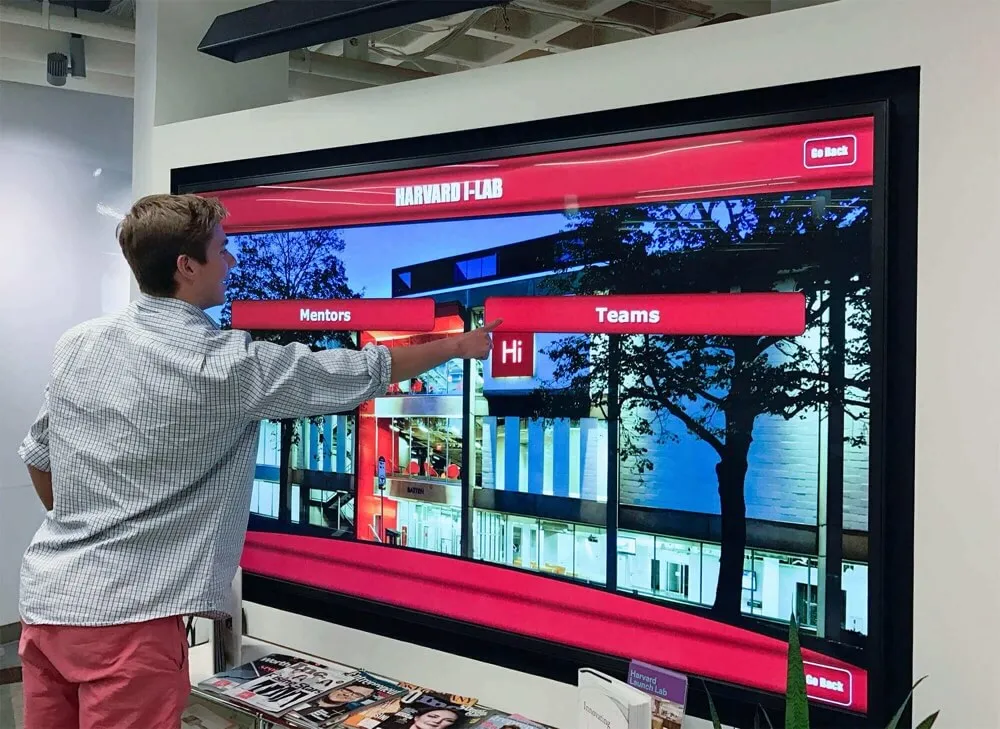
AI agents handle creation, editing, resizing, scheduling, and optimization through simple natural language interaction
What Rocket Graphics Includes: Complete Feature Comparison
Understanding comprehensive capability differences between Rocket Graphics and traditional subscription platforms demonstrates why the free option often surpasses paid alternatives.
Core Content Creation
| Feature | Rocket Graphics | Traditional Template Platforms |
|---|---|---|
| Content Generation Method | AI text-to-post from natural language prompts | Manual template selection and data entry |
| Design Expertise Required | None—AI handles all design decisions | Basic design knowledge helpful for template customization |
| Typical Creation Time | 30-90 seconds per post | 5-15 minutes per post |
| Customization Flexibility | Unlimited—AI generates exactly what you describe | Limited to template structure with minor adjustments |
| Brand Consistency | Automatic across all content | Requires manual verification each time |
| Learning Curve | Minimal—natural language interaction | Moderate—platform-specific interface training |
| Multi-Platform Formatting | Automatic from single prompt | Manual resizing or separate creation for each platform |
Content Types and Use Cases
Both platforms address similar school communications needs, but approaches differ substantially:
Athletic Content: Score updates and game results, athlete spotlights and senior recognitions, schedule announcements, recruiting and signing day celebrations, championship and tournament achievements, team photos and roster introductions, coach recognitions and program milestones.
Academic Recognition: Honor roll and academic achievement, National Honor Society inductions, scholarship recipients and college commitments, student of the month features, academic competition results, graduation announcements, teacher appreciation posts.
Event Promotion: Homecoming, prom, and school dances, parent nights and community events, fundraiser and booster club initiatives, open house and school tours, arts performances and concerts, club activities and meetings, school board recognitions.
General Communications: Daily announcements and reminders, policy updates and important information, facility updates and construction progress, alumni engagement and reunion invitations, donor recognition and campaign updates, emergency notifications and school closures.
While traditional platforms require finding appropriate templates for each use case, Rocket Graphics simply generates appropriate content based on described needs regardless of category.
Advanced Capabilities
Beyond basic graphics creation, comprehensive features distinguish platforms:
Rocket Graphics Advantages:
- Natural language editing and refinement through conversation
- Context-aware content suggestions based on school calendar and previous posts
- Automatic content variation testing for engagement optimization
- Integration with recognition displays and digital signage systems
- Multi-user collaboration with role-based permissions
- Analytics showing content performance and engagement trends
- Unlimited content generation with no usage caps or throttling
- Export to all standard formats for various publishing destinations
- Complete ownership of all created content with no platform lock-in
Template Platform Limitations:
- Manual editing through traditional design interfaces
- No intelligence about your school context or communication patterns
- Typically no built-in A/B testing or optimization features
- Generally siloed from other school technology systems
- Often limits on user accounts or charges per additional user
- Basic analytics or requires paid upgrades for insights
- May include usage limits or additional fees for high-volume schools
- Platform-dependent formats that may not work everywhere
- Potential licensing restrictions on commercial use of templates
The capability differences prove substantial enough that many schools find Rocket Graphics more powerful than paid alternatives they previously used—before even considering the cost advantage.
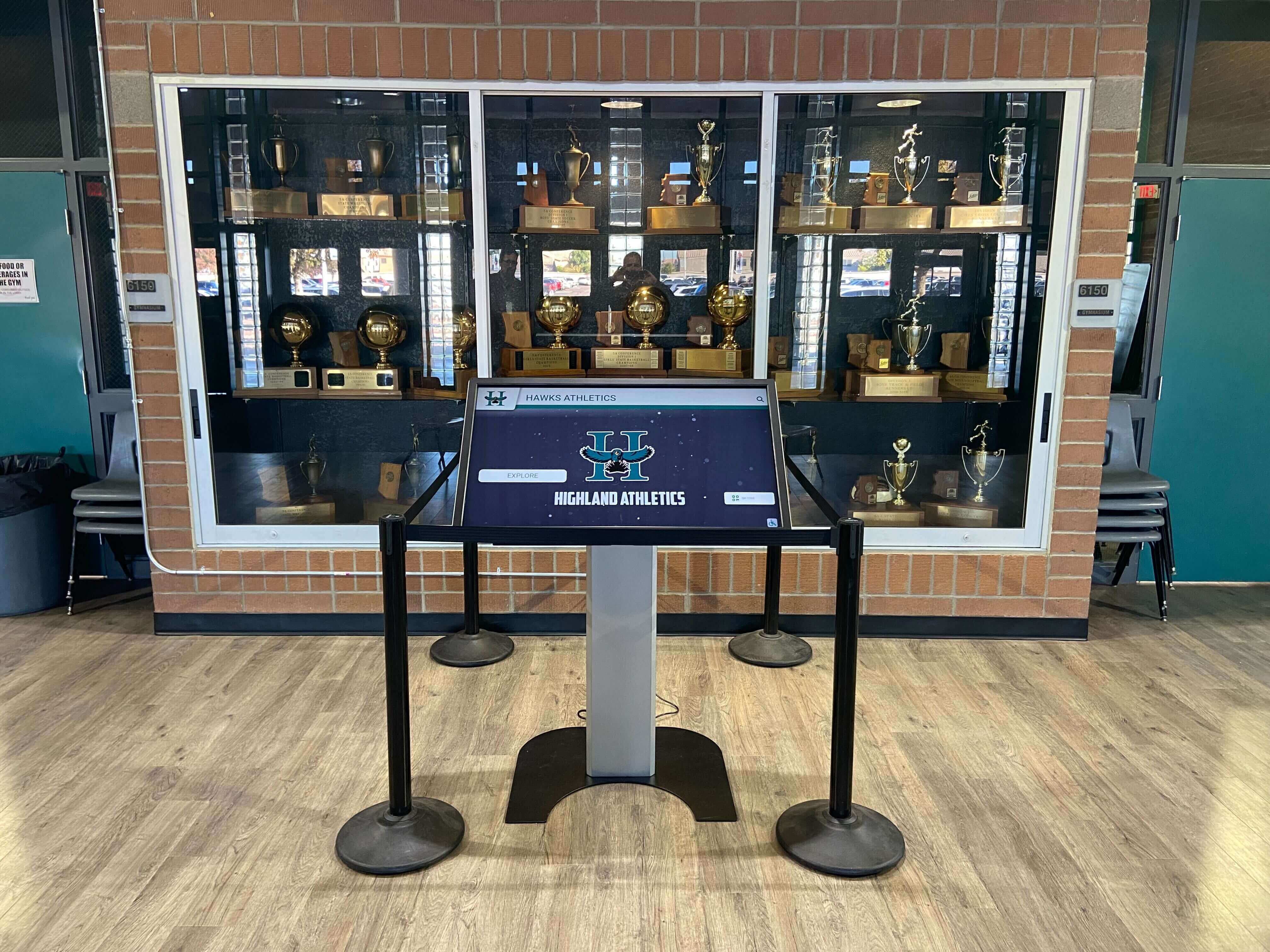
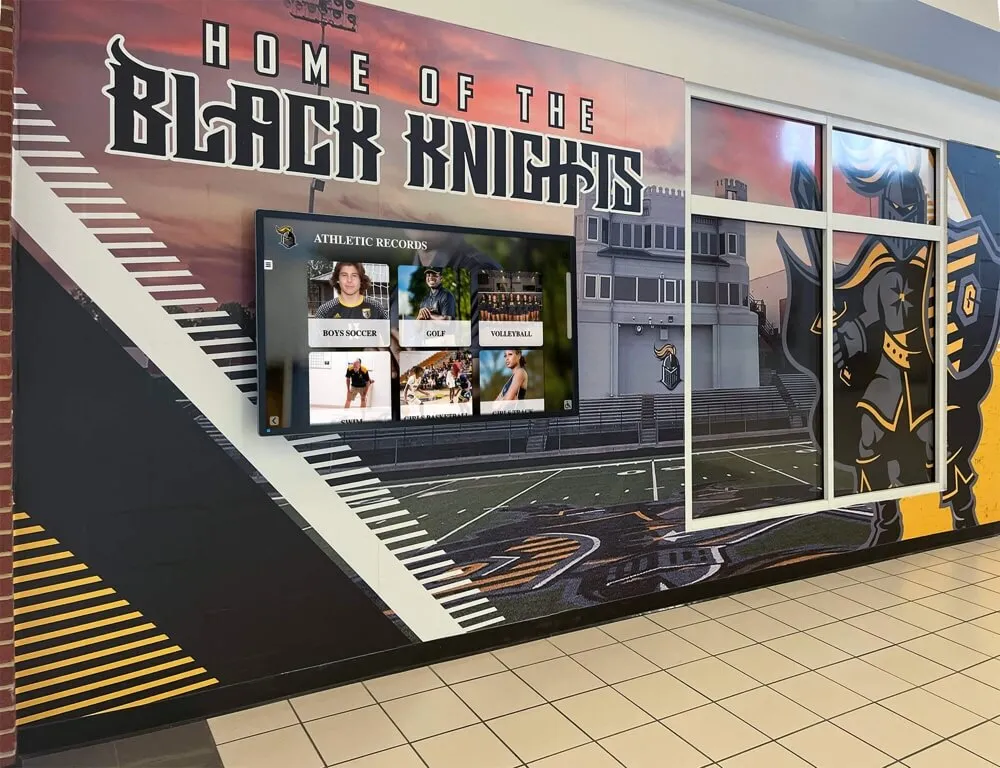
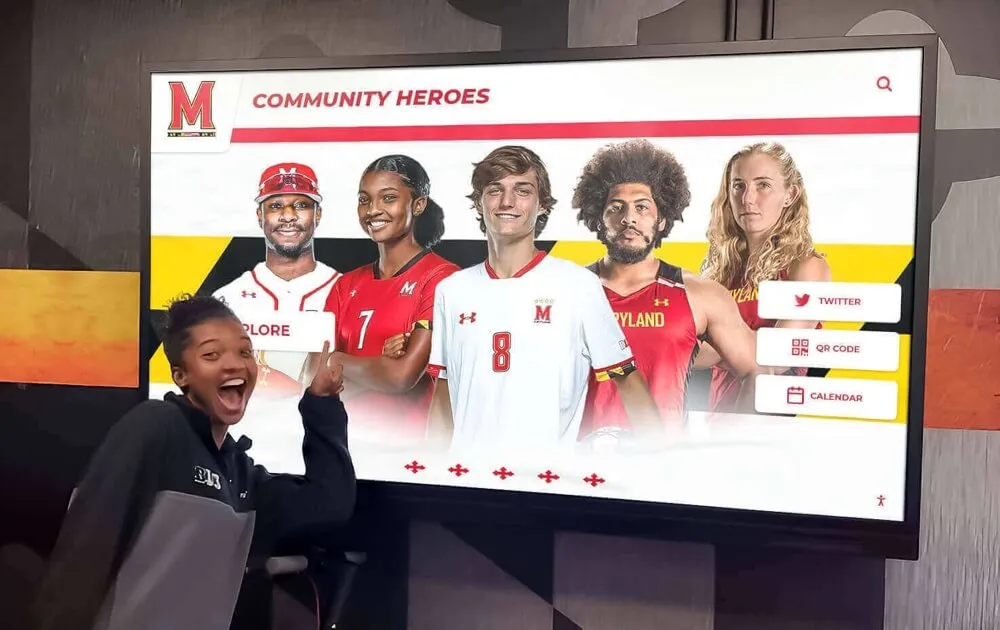
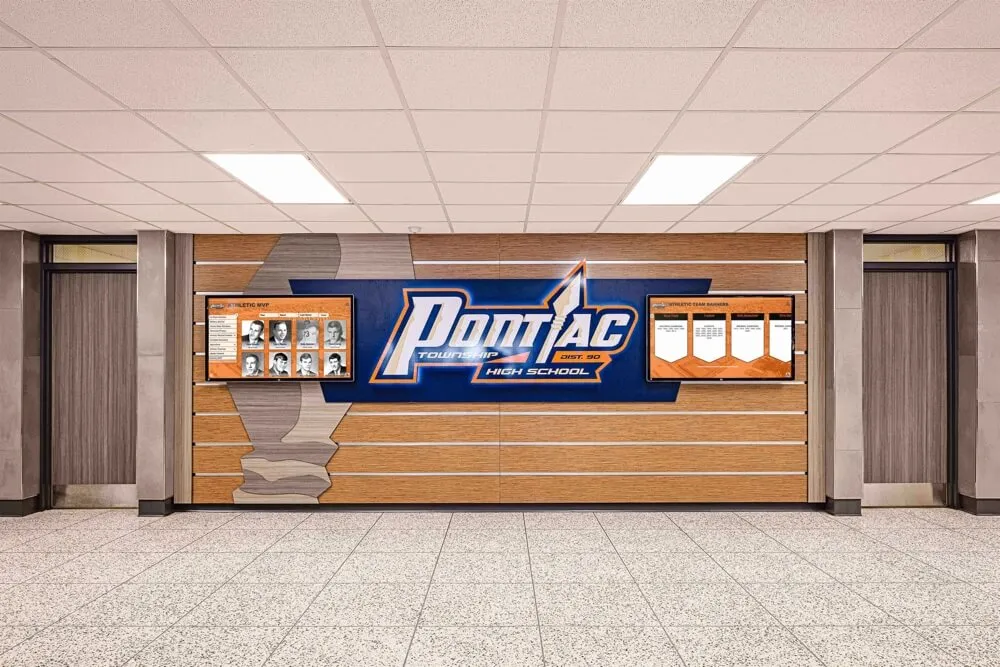
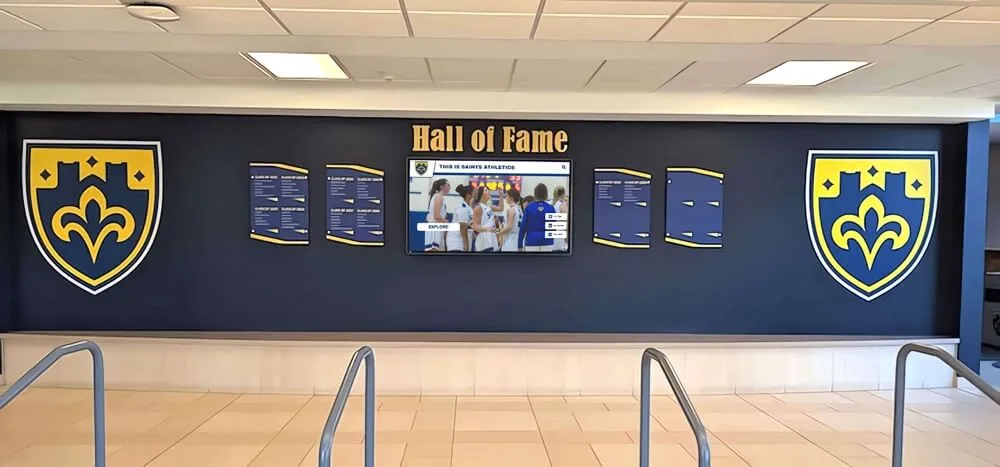
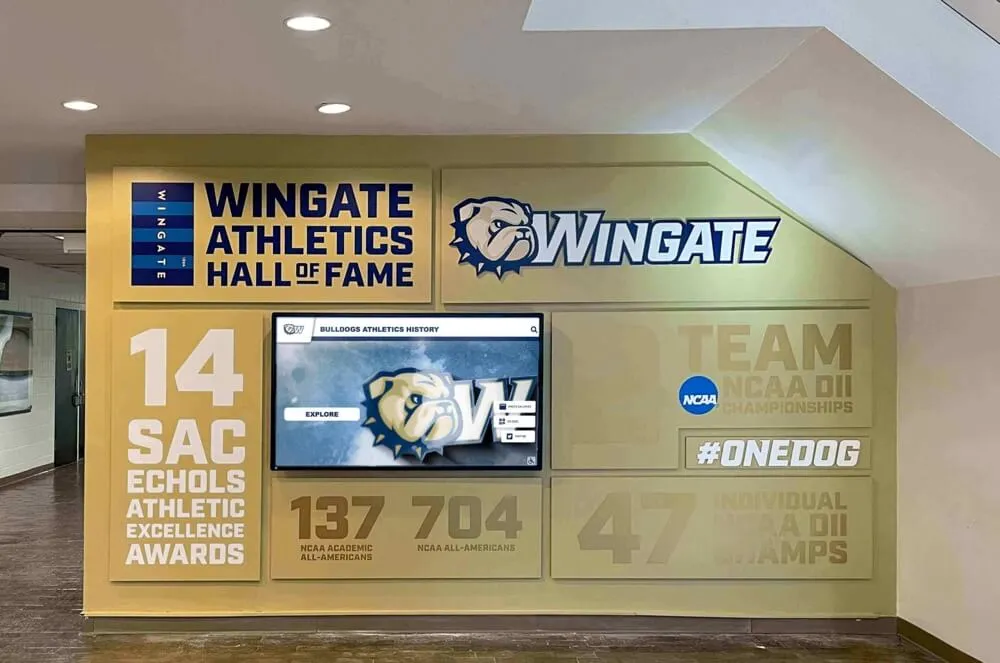
Comprehensive communications platforms serve athletic departments, academic programs, and district-wide initiatives through unified systems
Real Budget Impact: How Schools Save by Switching to Rocket Graphics
Translating feature comparisons into concrete financial analysis reveals why districts increasingly prioritize free alternatives over subscription platforms.
Direct Subscription Cost Savings
The most obvious savings come from eliminated subscription fees:
Single School Impact: A high school paying $400 annually for graphics subscriptions saves this amount completely by switching to Rocket Graphics. Over typical five-year planning horizons, this represents $2,000 in direct savings—enough to purchase significant athletic equipment, instructional technology, or facility improvements that directly benefit students.
District-Wide Multiplication: Districts with 5-10 schools multiply these savings proportionally. A district previously spending $2,500 annually for district-wide access saves $12,500 over five years—substantial budget relief enabling investments in priority areas rather than recurring software costs.
Opportunity Cost Recovery: Beyond nominal subscription prices, schools often pay for premium tiers, additional users, expanded templates, or other upgrades incrementally increasing annual expenses. Eliminating these costs entirely through free alternatives provides meaningful budget flexibility.
Staff Time Savings Translated to Cost
Labor efficiency gains produce value sometimes exceeding direct subscription savings:
Athletic Director Time Recovery: Athletic directors creating 3-5 social media graphics weekly spend approximately 30-60 minutes on this work using template platforms. Rocket Graphics reduces this to 10-15 minutes through AI generation. This 20-45 minute weekly savings equals 17-39 hours annually—nearly a full work week returned for more important responsibilities like coach development, program planning, or student athlete support.
Communications Coordinator Efficiency: Staff managing comprehensive school communications may create 10-20 graphics weekly. Time savings scale proportionally, potentially recovering 60-150+ hours annually—several weeks of productive time redirected from mechanical graphics work toward strategic communications planning, community engagement, or other high-value activities. Read about effective team recognition practices that benefit from efficient communications.
Eliminating Learning Curve Costs: New staff members or those assuming communications responsibilities face significant learning curves with platform-specific template interfaces. Natural language AI systems require minimal training, reducing onboarding time while enabling confident content creation from first use.
Risk Reduction and Flexibility Value
Less quantifiable but equally important, free platforms eliminate risks associated with paid subscriptions:
No Vendor Lock-In: Schools using free platforms can experiment with alternatives or adopt new technologies as they emerge without losing sunk-cost investments in platforms no longer serving needs optimally.
Budget Certainty: Eliminating recurring subscriptions removes uncertainty about future price increases, unexpected additional charges, or platform changes requiring premium tier upgrades for continued access to necessary features.
Procurement Simplification: Free platforms require no RFP processes, competitive bidding, contract negotiations, or annual renewal procedures—administrative overhead with real time costs for busy district staff.
Implementation: How Schools Start Using Rocket Graphics
Practical adoption considerations determine whether theoretical advantages translate into actual improved outcomes for specific schools.
Getting Started Process
Beginning with Rocket Graphics requires minimal setup compared to traditional platforms:
Initial Registration (5-10 minutes): School staff create free accounts using work email addresses, providing basic school information including name, location, and communication preferences. No credit cards, payment methods, or institutional verification required—the platform is completely free for all schools and districts.
Brand Asset Upload (10-15 minutes): Upload school logos, colors (specific hex codes or RGB values), preferred fonts, and any visual style guidelines. The system learns these brand elements and automatically applies them to all generated content maintaining consistency across all communications.
First Content Creation (5 minutes): Generate first posts using simple text prompts to experience the AI workflow and see how natural language descriptions translate into polished graphics. This hands-on introduction proves more effective than tutorials for understanding capabilities.
Workflow Integration (ongoing): Determine how Rocket Graphics fits into existing communications processes—whether replacing previous tools entirely, supplementing existing capabilities, or serving specific use cases where AI generation proves most valuable.
Team Coordination and Access Management
Schools with multiple staff creating content need coordination approaches:
Multi-User Access: Rocket Graphics supports multiple accounts from the same school enabling athletic directors, communications coordinators, principals, activities directors, and other staff to create content independently while maintaining brand consistency through shared brand assets.
Role-Based Permissions: Administrators can define different permission levels controlling who can publish directly versus requiring review, who can modify brand assets, and who can access analytics—flexibility matching different schools’ approval processes and communication policies.
Content Review Workflows: Optional approval workflows enable communications directors or principals to review content before publication ensuring messaging aligns with school policies and values while not creating bottlenecks delaying time-sensitive posts.
Collaboration Features: Staff can share draft content, provide feedback on proposed posts, and collaborate on larger campaigns through shared workspaces and commenting capabilities.
Integration With Existing Systems
Rocket Graphics works alongside schools’ existing technology environments:
Social Media Platform Connections: Direct publishing to Instagram, Facebook, Twitter, and other networks from within the platform eliminates downloading and manually uploading graphics to each destination. Content flows directly from creation to publication streamlining workflows.
Digital Signage Integration: Graphics created for social media can automatically appear on school digital displays, hallway screens, and other digital signage systems through compatible platforms, ensuring consistent messaging across all communications channels.
School Website Coordination: Generated graphics easily export for use in website news articles, event announcements, and other web content maintaining visual consistency between social media and official school sites.
Communications Calendar Alignment: Rocket Graphics integrates with planning calendars and content schedules helping communications teams maintain organized workflows and ensure consistent publication cadence. Explore how digital recognition displays extend communications strategies beyond social media.
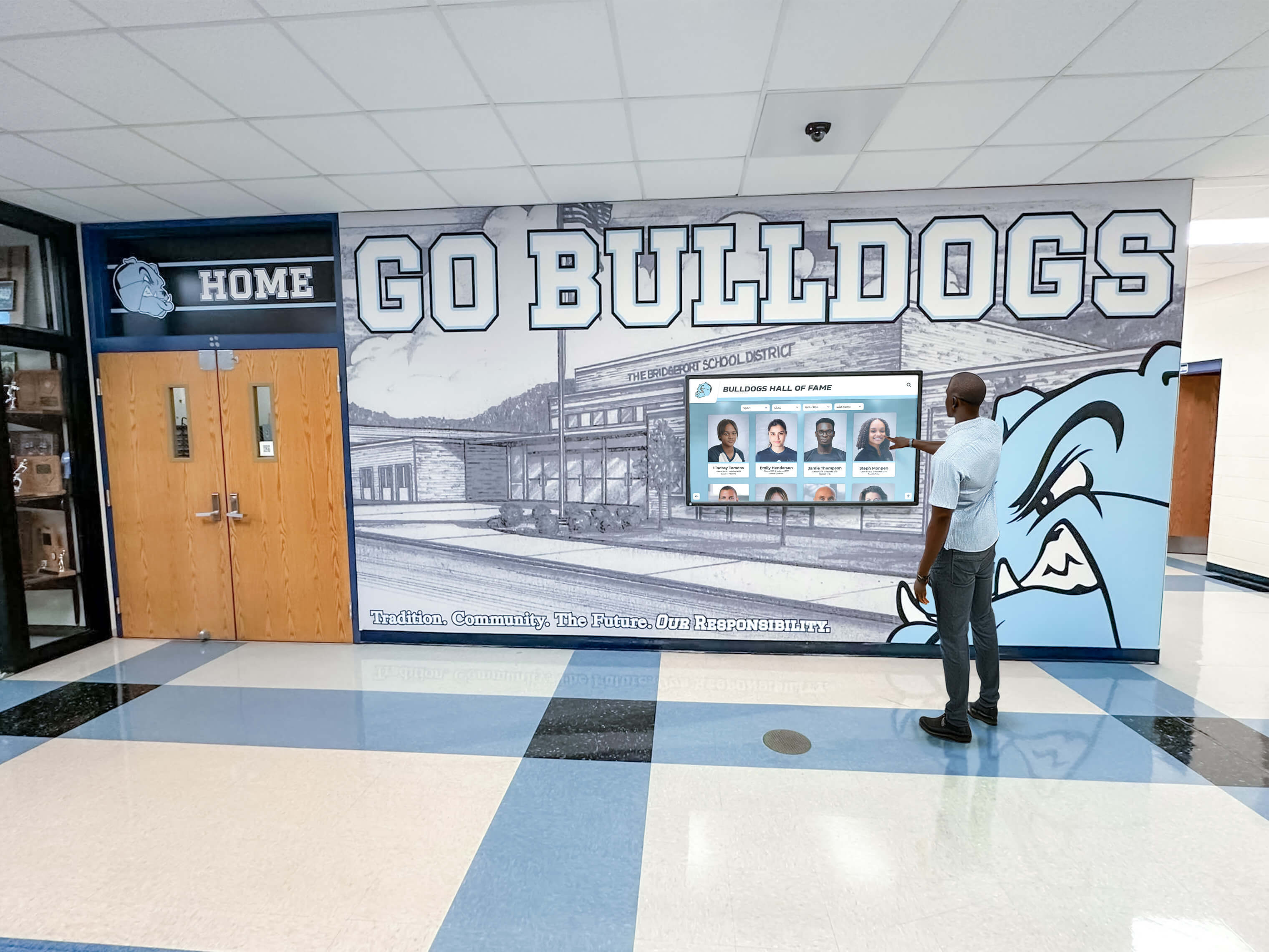
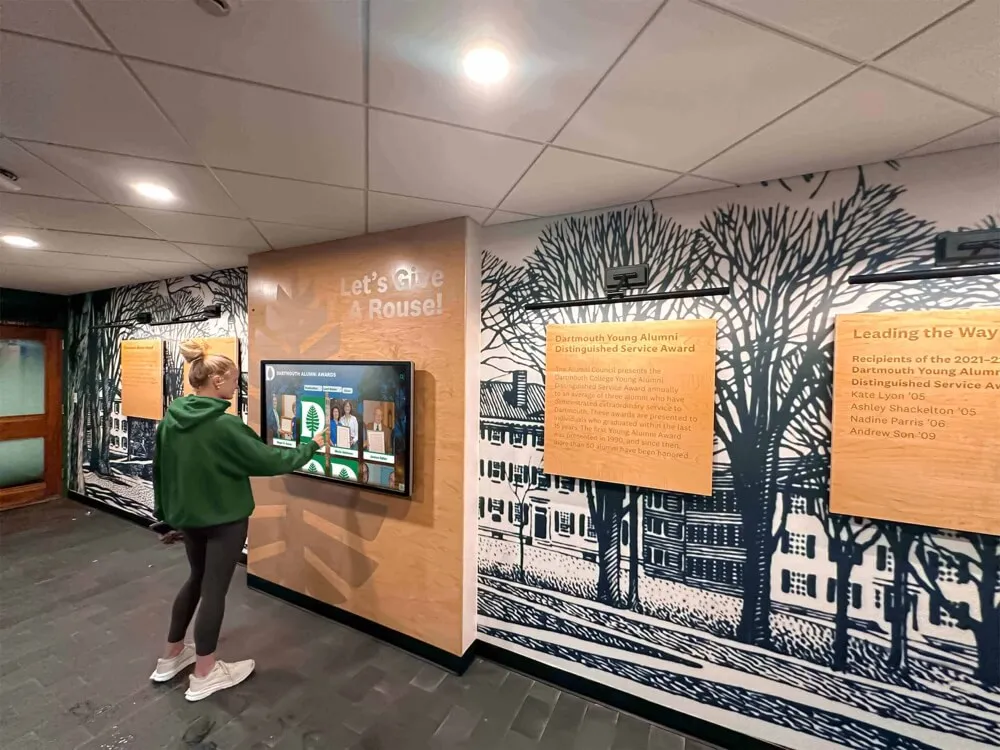
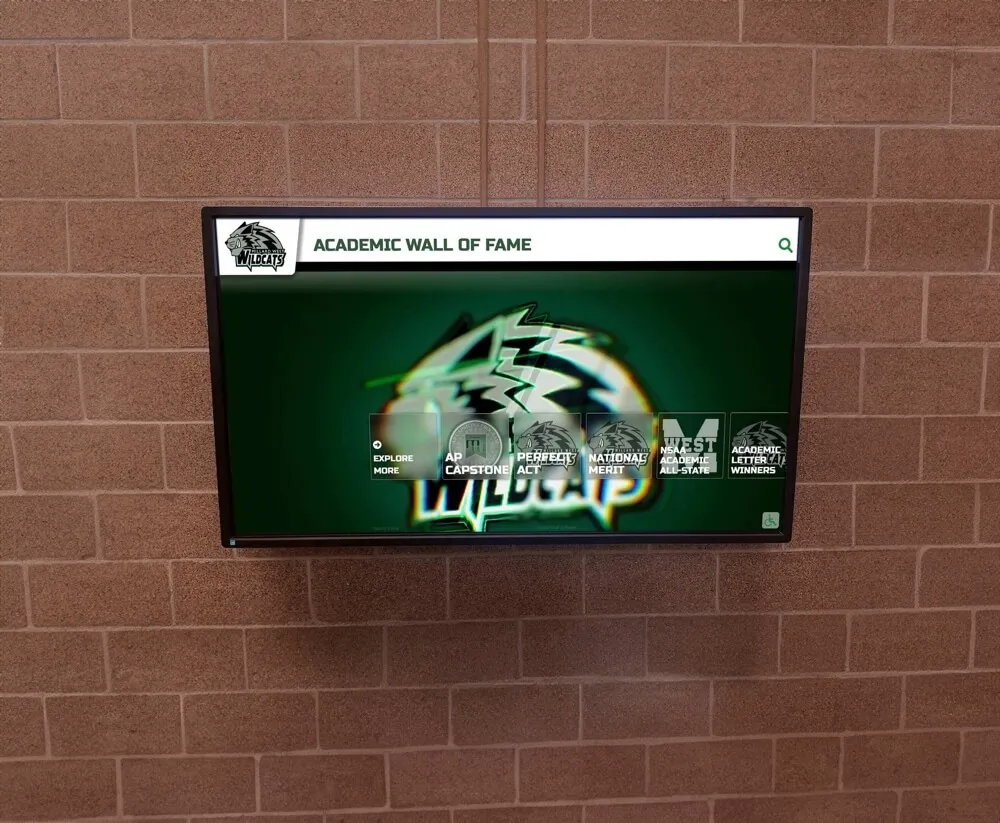
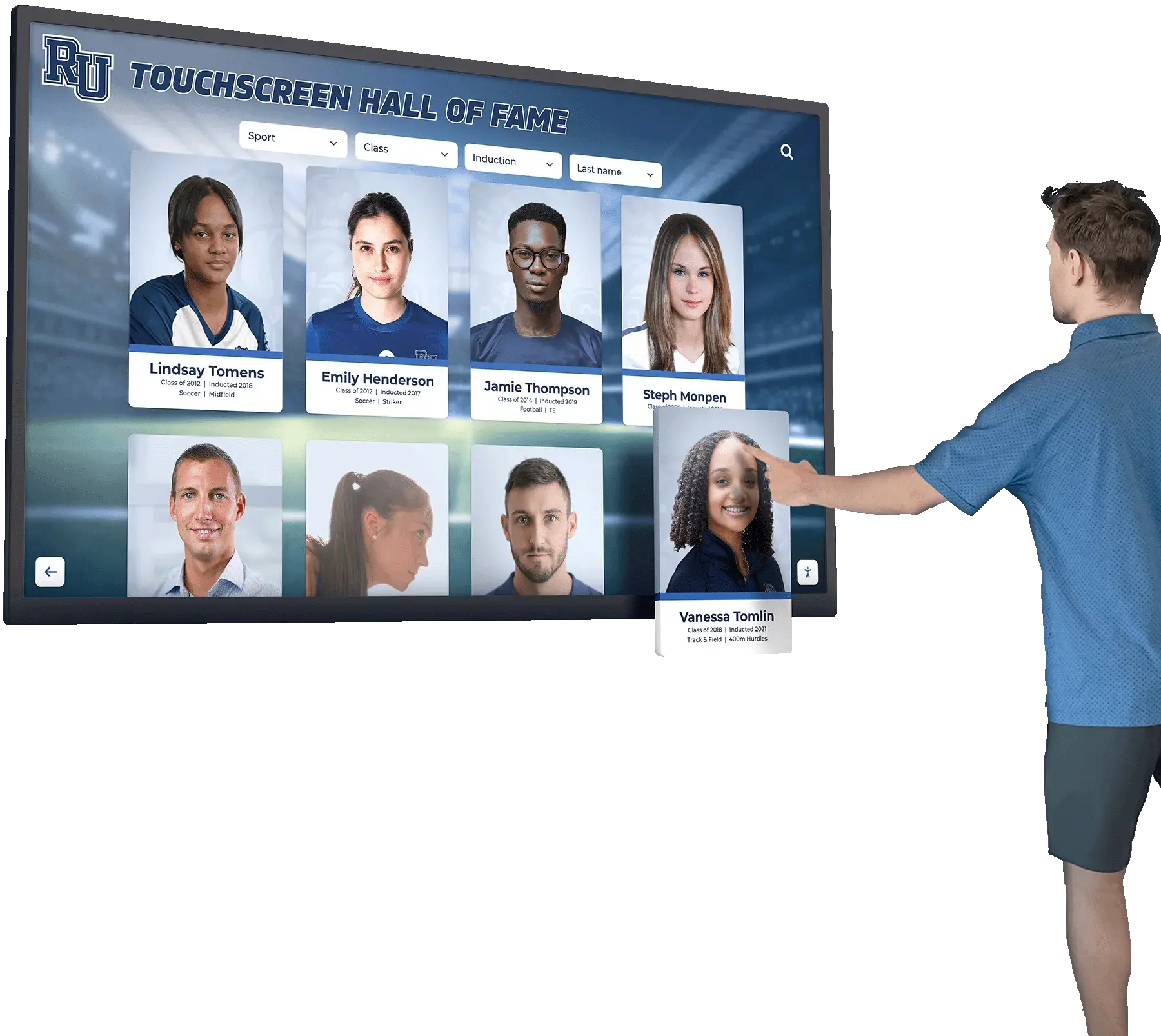
Modern school communications platforms integrate with social media, digital displays, and website systems for consistent messaging
Best Practices: Maximizing Rocket Graphics Value for Your School
Understanding how schools use Rocket Graphics most effectively accelerates results and prevents common adoption challenges.
Content Strategy Foundations
Successful school communications require strategy beyond simply having good tools:
Establish Posting Cadence: Determine realistic, sustainable posting frequencies for different content types—perhaps daily athletic updates during seasons, weekly academic recognitions, and event-specific promotions. Consistent schedules build audience expectations and engagement habits.
Define Voice and Tone: Clarify how your school communicates across channels. Should athletics posts celebrate achievements enthusiastically? Should academic content maintain formal professionalism? Consistent tone strengthens brand identity while guides AI content generation toward appropriate styles.
Balance Content Categories: Avoid overwhelming followers with single content types. Mix athletic updates with academic achievements, student spotlights with event promotions, and serious information with lighter community-building posts. Diverse content maintains broader audience interest.
Prioritize Visual Quality: Even with AI generation, review content before publishing ensuring graphics meet your quality standards. AI produces professional results consistently, but human oversight catches occasional refinements improving specific posts.
Leveraging AI Capabilities Fully
Schools sometimes underutilize Rocket Graphics by treating it like traditional template platforms:
Describe What You Actually Need: Rather than thinking “which template matches this,” describe exactly what you want: “Create an Instagram post celebrating our girls basketball team winning the district championship, emphasize this is the first title in 15 years, use our school colors prominently, include space for team photo.” Specific prompts produce better results than generic requests.
Use Conversational Editing: If generated content needs adjustments, refine conversationally: “make the headline bigger,” “use our alternate logo,” “adjust colors for better contrast.” This interactive refinement proves faster than attempting perfect descriptions initially.
Experiment With Variations: Generate multiple options for important content by slightly varying prompts, then select strongest versions. AI generation speed makes creating options practical where template platforms made variation time-prohibitive.
Let AI Handle Details: Don’t manually worry about platform-specific sizing, appropriate fonts, color combinations, or layout decisions—describe what you need and let intelligence handle technical execution. Trust the system to apply expertise most school staff don’t possess.
Measuring Results and Improving
Data-informed improvement maximizes communications program effectiveness:
Track Engagement Metrics: Monitor likes, comments, shares, and follows across your social channels identifying which content types generate strongest audience response. These insights guide future content priorities and approach refinements.
Analyze Timing Patterns: Observe when posts receive most engagement revealing optimal publication times for your specific community. Schedule important content during these high-engagement windows maximizing visibility.
Review Content Performance: Rocket Graphics analytics show which posts perform strongest enabling you to identify successful patterns and replicate approaches working well for your audiences.
Gather Stakeholder Feedback: Ask parents, students, staff, and community members about your communications through surveys or informal conversations. Direct feedback often reveals perspectives metrics alone miss.
Beyond Social Media: The Complete Rocket Graphics Ecosystem
While this examination focuses primarily on social media graphics creation, understanding broader platform capabilities reveals additional value many schools haven’t yet discovered.
Newsletter and Email Content
Rocket Graphics generates professional email newsletters and digital communications:
Automated Newsletter Creation: Describe newsletter content needs and AI generates complete formatted newsletters with appropriate layouts, images, sections, and visual hierarchy—no template navigation or manual formatting required.
Email Signature Graphics: Create professional branded signatures for staff email including school logos, contact information, and visual elements maintaining brand consistency across all digital communications.
Parent Communication Templates: Generate visually appealing parent letters, event invitations, and informational communications that stand out from plain text emails while maintaining appropriate professionalism.
Digital Signage Content
Graphics created for social media adapt seamlessly for hallway displays and school signage:
Rotating Display Content: Create content specifically sized for school digital displays showing daily announcements, upcoming events, student achievements, and community information throughout buildings.
Event-Specific Displays: Generate temporary signage for homecoming week, spirit days, championship celebrations, and special events providing visual excitement throughout school spaces.
Recognition Displays: Produce content celebrating students, staff, donors, and volunteers that appears on recognition displays and digital donor walls honoring contributions to school communities. Learn how digital recognition displays transform school environments through coordinated visual communications.
Print Materials and Physical Communications
AI-generated content serves physical communications needs alongside digital channels:
Program Covers: Create professional designs for athletic programs, event brochures, and informational materials distributed at games and school functions.
Poster and Banner Designs: Generate content for physical posters promoting events, recognizing achievements, or decorating school spaces during special occasions.
Award Certificates: Design professional certificates recognizing student achievements, volunteer service, donor contributions, and staff excellence for physical presentation at ceremonies and events.
The multi-channel capability means schools create content once through AI generation then deploy across social media, digital displays, email communications, websites, and physical materials—workflow efficiency multiplying value beyond social media alone.
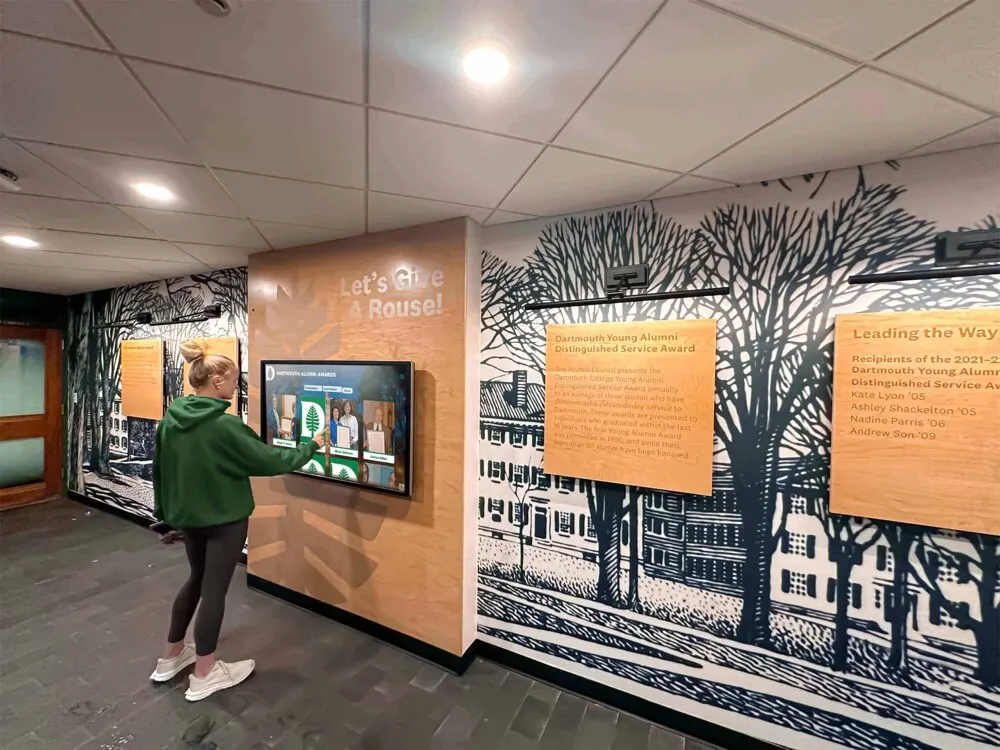
Comprehensive platforms serve diverse school communications needs across digital and physical channels from unified content creation
Addressing Common Questions About Free School Communications Platforms
Schools considering switching from paid subscriptions to free alternatives naturally have questions about sustainability, capabilities, and long-term viability.
Why Is Rocket Graphics Free for Schools?
The business model behind free school access often confuses organizations accustomed to traditional software licensing:
Strategic Investment in Education: Rocket Alumni Solutions provides Rocket Graphics free for schools as part of broader commitment to supporting educational institutions. This strategic investment builds relationships with schools potentially interested in complementary products like digital recognition displays while providing immediate value regardless of additional purchases.
Ecosystem Approach: Rather than monetizing graphics software directly, Rocket derives revenue from recognition display hardware and enterprise features for larger organizations. Graphics platform availability strengthens the complete ecosystem while serving schools whether or not they purchase additional products.
Data and Improvement: Usage patterns (never individual content) inform platform improvements benefiting all users. Aggregate insights about feature usage, common workflows, and content types help guide development priorities ensuring the platform evolves to serve schools’ actual needs effectively.
Community Building: Free school access builds a community of engaged users who provide feedback, share best practices, and create network effects making the platform more valuable for everyone. This community approach produces better products than isolated commercial development.
Schools should view free access as genuine rather than limited-time promotions or “freemium” models that eventually require payment for useful features. Rocket Graphics is comprehensively free for all schools permanently.
How Does Free Compare to Paid Quality?
Skepticism that free options match paid alternatives is understandable but misplaced with AI-native platforms:
Superior Core Technology: Rocket Graphics uses more advanced AI generation technology than template platforms regardless of price. The fundamental architecture—custom content generation versus template selection—represents category advantages rather than feature parity.
No Feature Limitations: Unlike “freemium” models offering limited free tiers and paid upgrades, Rocket Graphics provides all capabilities to all schools. There are no premium tiers, restricted templates, usage limits, or paid-only features. Schools receive complete platform access identical to what any organization receives.
Continuous Improvement: Because Rocket maintains the platform strategically rather than monetizing subscriptions, development priorities focus on quality and capability rather than creating paid-upgrade reasons. All users benefit from improvements immediately without version tiers or subscription levels.
Professional Output Quality: Generated graphics match or exceed what schools created previously using paid platforms. AI applies design principles, brand standards, and compositional expertise producing professional results consistently regardless of user skill levels.
What About Long-Term Sustainability?
Schools rightfully consider whether free platforms remain viable long-term or risk leaving them without solutions if discontinued:
Company Backing: Rocket Graphics is maintained by Rocket Alumni Solutions, an established company with revenue-generating products ensuring ongoing operations. The graphics platform serves strategic purposes beyond immediate monetization providing sustainability independent of platform-specific revenue.
Active Development: Regular updates, new features, and continuous improvements demonstrate ongoing investment rather than maintenance-only mode suggesting eventual deprecation. The platform is actively developed with long-term roadmaps guiding evolution.
Growing User Base: Increasing school adoption creates network effects and strategic value making continued investment more compelling rather than less. As more schools use Rocket Graphics, incentives to maintain and improve the platform strengthen.
Easy Data Portability: Should circumstances change, schools maintain complete ownership of all created content exportable in standard formats working anywhere. There is no platform lock-in preventing migration if needs change.
Compare these sustainability factors to subscription platforms that may raise prices, discontinue products, or be acquired by companies with different priorities—scenarios that have disrupted schools using commercial platforms historically. Learn about effective school communication strategies that adapt to evolving technology environments.
Making the Switch: Transition Planning from Subscription Platforms
Schools currently using paid platforms can transition to Rocket Graphics smoothly with appropriate planning.
Timing Your Transition
Strategic timing minimizes disruption while maximizing benefit:
End of Current Subscription Period: Switching at subscription renewal dates prevents wasting remaining prepaid access while avoiding early termination complications or non-refunded fees.
Off-Season or Summer Transition: Schools with heavy athletic communications might prefer transitioning during off-seasons when posting volume is lower, allowing staff to learn new workflows without time pressure from daily game coverage needs.
Staff Training Windows: Coordinate switches with periods when staff have time for brief orientation and experimentation before high-stakes content creation becomes necessary.
Immediate Switch for Budget Relief: Schools facing urgent budget constraints might switch immediately despite timing convenience, particularly given minimal learning curves with natural language AI systems.
Preserving Brand Consistency
Maintaining visual consistency during platform transitions prevents audience confusion:
Export Brand Assets: Ensure you have high-resolution versions of all logos, specific color values, font files, and visual guidelines used in previous platform. These assets migrate to Rocket Graphics ensuring consistent brand application.
Document Style Preferences: If previous templates established specific visual approaches your audience expects, document these preferences guiding initial Rocket Graphics prompts toward similar aesthetics during transition periods.
Gradual Visual Evolution: Consider whether maintaining exact previous aesthetics is necessary or if platform transitions provide opportunities to refresh visual identity with improved designs AI generation enables.
Staff Communication and Training
Successful adoption requires appropriate staff preparation:
Explain Rationale: Share why the switch is happening—budget relief, better technology, improved efficiency—so staff understand benefits rather than viewing changes as arbitrary disruption.
Provide Hands-On Orientation: Brief demonstration sessions where staff generate actual content prove more effective than documentation or video tutorials. Experiencing AI workflows directly communicates capabilities better than descriptions.
Encourage Experimentation: Early exploration without pressure for perfect results helps staff gain confidence and discover capabilities before relying on the platform for time-sensitive communications.
Share Best Practices: As staff develop expertise, document approaches working well and share across teams accelerating collective learning.
Evaluating Results
Measure transition success confirming the switch delivers expected benefits:
Compare Time Investments: Track hours spent creating graphics before and after switching, documenting time savings that often exceed initial expectations.
Monitor Content Quality: Compare engagement metrics (likes, shares, comments) between content created with previous platform versus Rocket Graphics, often revealing improved performance alongside time savings.
Assess Budget Impact: Confirm expected subscription cost savings materialized and quantify opportunity investments those savings enabled in other priority areas.
Gather Staff Feedback: Survey staff regularly using the platform about experience, challenges, and whether the switch improved their workflows as expected.
Conclusion: Free Tools That Save Schools Money While Improving Results
School communications have become essential for community engagement, student recognition, event promotion, and institutional identity. Professional graphics creation that once required expensive subscriptions or graphic design expertise now becomes accessible to any school staff member through AI generation requiring only natural language descriptions of desired content.
Rocket Graphics represents more than simply a free alternative to paid subscription platforms—it provides genuinely superior technology through AI-native architecture that generates custom content rather than constraining users to predetermined templates. This fundamental capability difference means schools often find the free option more powerful, faster, and easier than paid tools they previously used, before even considering eliminated subscription costs.
Budget directors and administrators face constant pressure to maximize limited resources while maintaining programs students deserve. Communications technology represents exactly the type of recurring expense where superior free alternatives create meaningful budget relief without compromising quality or capabilities. Thousands of dollars saved annually compound to substantial sums over multi-year planning horizons—funds redirected toward instructional materials, athletic equipment, facility improvements, or countless other student-serving priorities.
Athletic directors, communications coordinators, and other staff already stretched across multiple responsibilities gain back hours weekly previously consumed by manual graphics work. Time recovered from mechanical template navigation and data entry redirects toward strategic communications planning, personal student engagement, program development, and other high-value activities impossible to outsource to software regardless of capabilities.
Start Using Rocket Graphics Free Today
Discover how AI content creation transforms school communications while eliminating annual subscription costs. Create professional social media graphics, athlete spotlights, event promotions, and recognition content in seconds through simple text prompts—no design experience or payments required.
Try Rocket Graphics FreeSchools deserve access to excellent communications tools without budget barriers preventing adoption. The democratization of professional content creation through AI technology means even the smallest rural district can produce graphics matching what major schools with dedicated communications departments create—equity in capability that strengthens educational communities everywhere.
Whether you’re currently using subscription platforms and seeking budget relief, attempting graphics with general design tools requiring excessive time and skill, or simply not maintaining social media presence at all due to resource constraints, Rocket Graphics provides practical, immediate solutions requiring minutes rather than days to begin producing professional results.
Technology should simplify workflows rather than adding complexity to already demanding jobs. Natural language AI generation delivers exactly this simplification—describing what you need rather than manually constructing it through unfamiliar interfaces, waiting seconds for polished results rather than investing hours in iterative editing, and trusting intelligent systems to apply expertise most school staff don’t possess.
The opportunity is straightforward: maintain or improve communications quality while eliminating annual subscription costs and reducing staff time investments. This combination rarely exists in school technology decisions. When superior tools cost nothing, adoption decisions become simple.
Ready to experience how AI graphics creation transforms school communications while saving budget for student-serving priorities? Create your free account and generate your first content in minutes—no credit cards, payment information, or institutional verification required. Thousands of schools have already discovered that the best graphics platform for their needs costs nothing while delivering results that exceed paid alternatives they left behind.
Comparison Disclosure: This comparison is based on publicly available information as of May 2026. All product names and trademarks belong to their respective owners. Comparative statements reflect Rocket Alumni Solutions’ interpretation of available data and may change over time. Rocket Alumni Solutions is not affiliated with or endorsed by any competitor mentioned.
Legal Notice: This content was produced by Rocket Alumni Solutions. All trademarks are property of their respective owners. Rocket Alumni Solutions is not affiliated with or endorsed by Gipper or any other organization mentioned in this article.