How do you celebrate donors, alumni, athletes, and achievers when traditional plaques run out of space and become outdated the moment they’re installed? Many schools, nonprofits, and organizations face this challenge—spending thousands on engraving only to discover they need costly updates within months, forcing difficult decisions about whose contributions deserve visible recognition.
Rocket Recognition, developed by Rocket Alumni Solutions, solves these recognition challenges through interactive touchscreen displays that honor unlimited individuals, update instantly through cloud-based management, engage visitors with multimedia storytelling, and create permanent digital archives accessible anywhere. This purpose-built platform transforms how institutions celebrate achievement while providing donor stewardship teams with messaging frameworks and content structures that strengthen relationships and inspire continued support.
This comprehensive guide explores Rocket Recognition’s capabilities, implementation process, pricing considerations, and how organizations across education and nonprofit sectors use this platform to create compelling recognition experiences that honor supporters while advancing their missions.
Traditional recognition approaches create persistent challenges for advancement teams. Physical donor walls fill up within years, requiring expensive expansions. Static plaques provide no storytelling capability to communicate impact. Manual update processes delay acknowledgment and create administrative burden. Space constraints force impossible choices about whose generosity receives visibility.

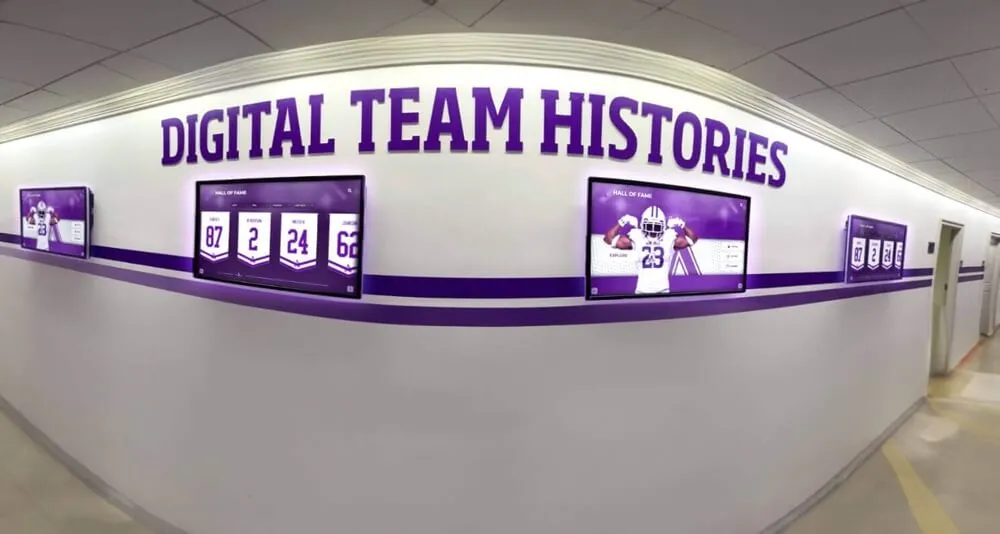
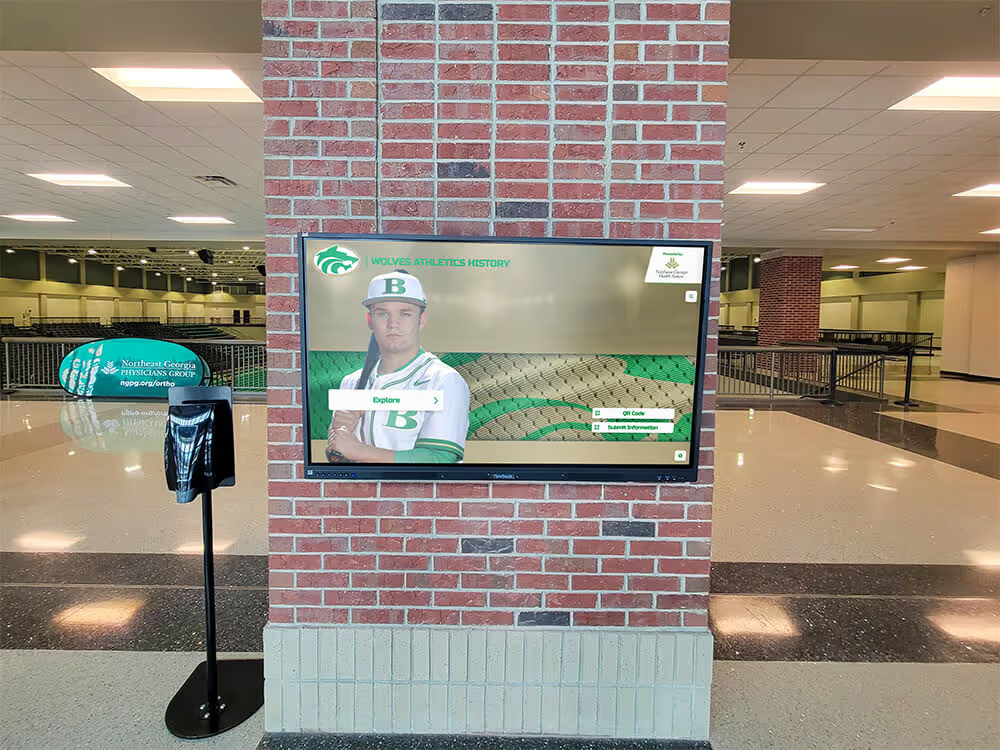
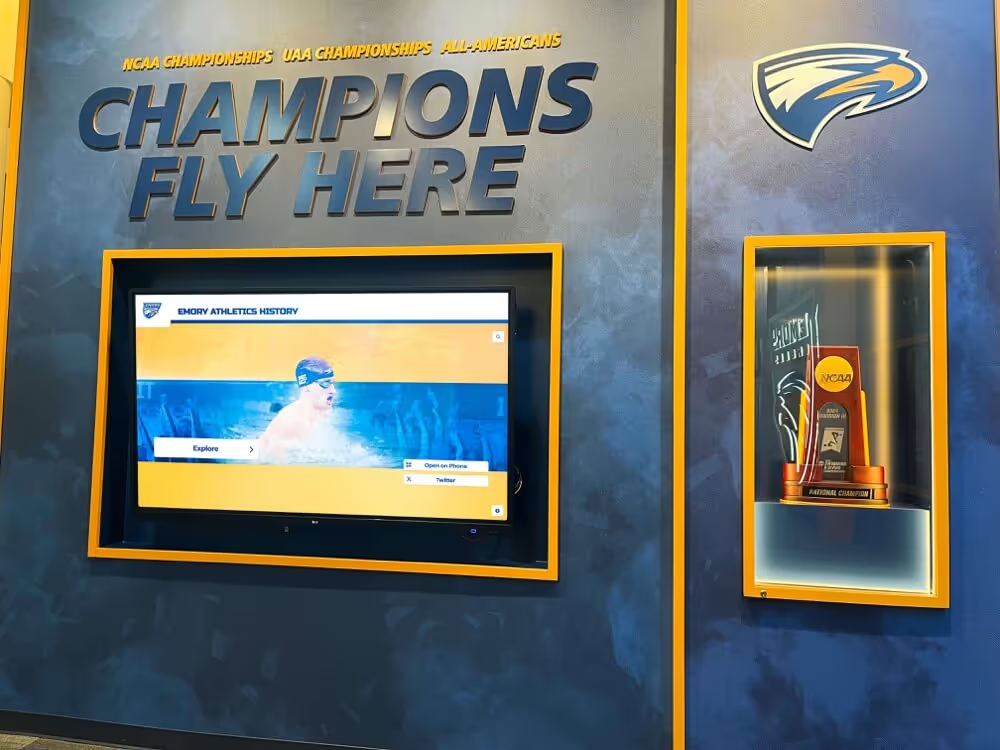
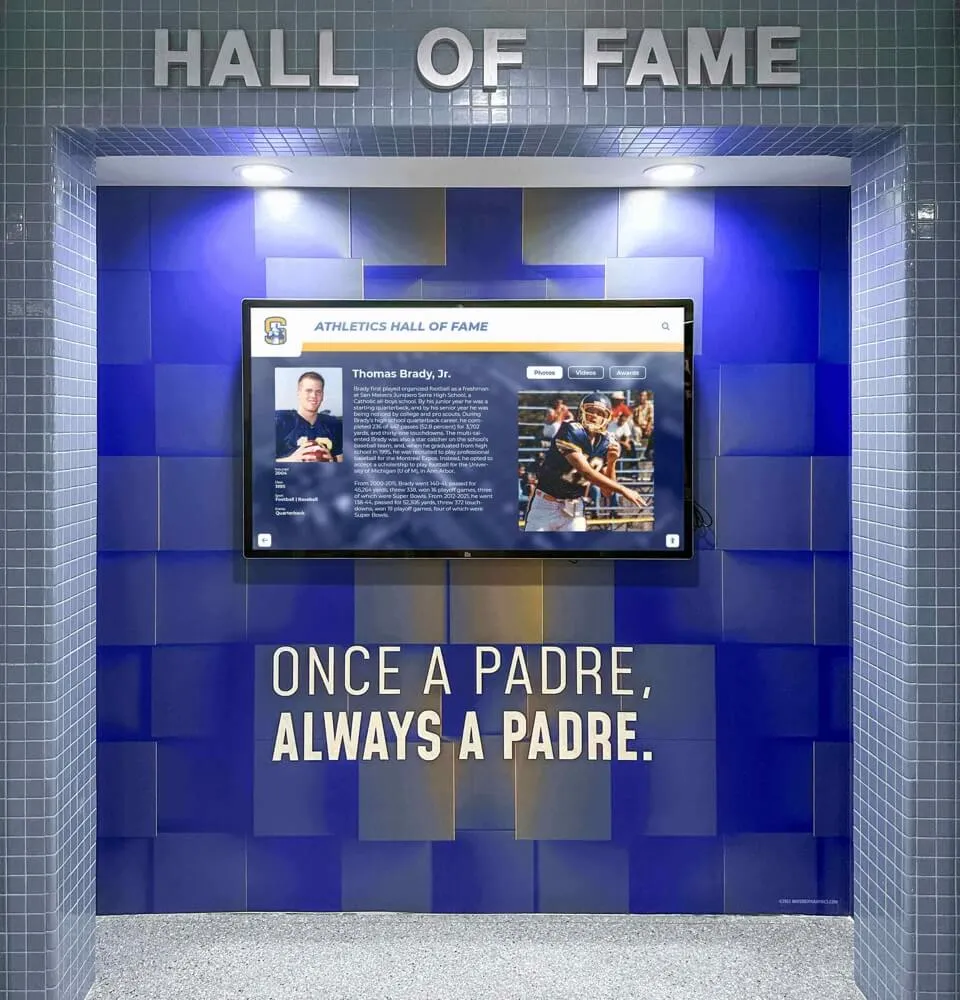
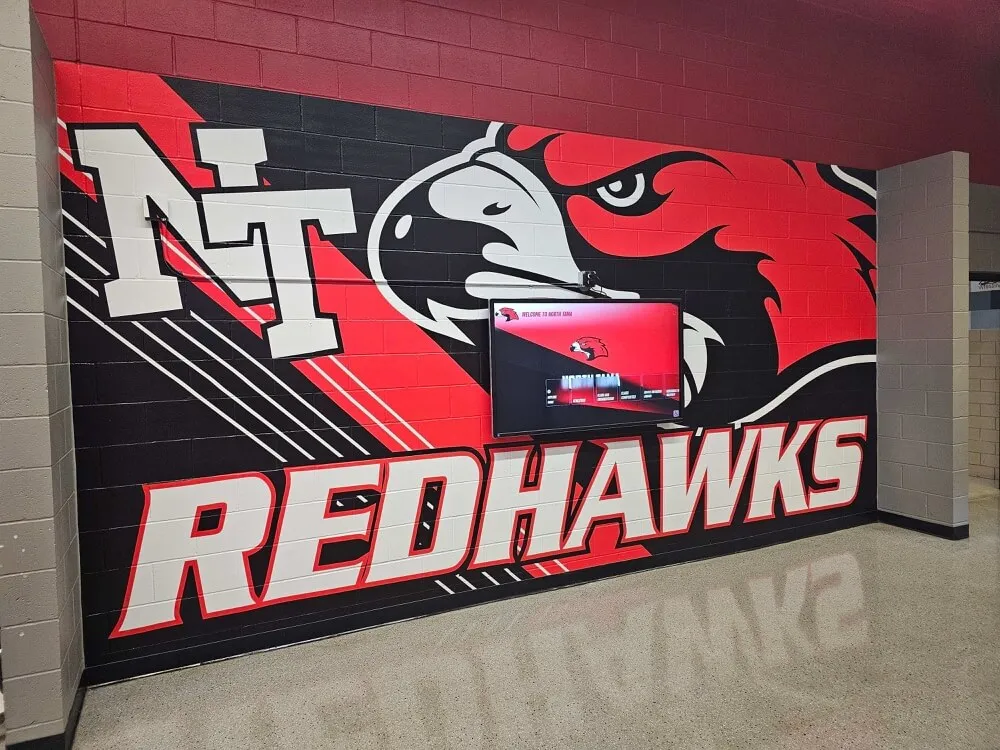
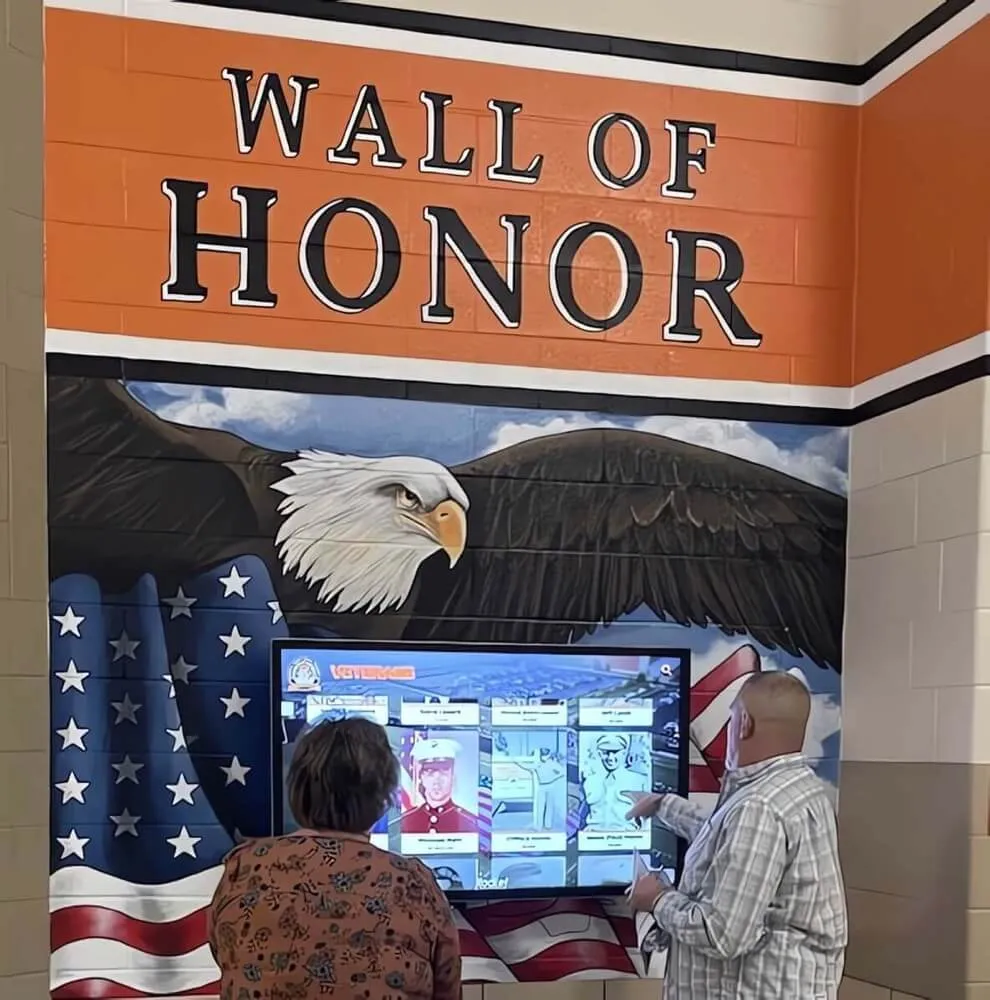
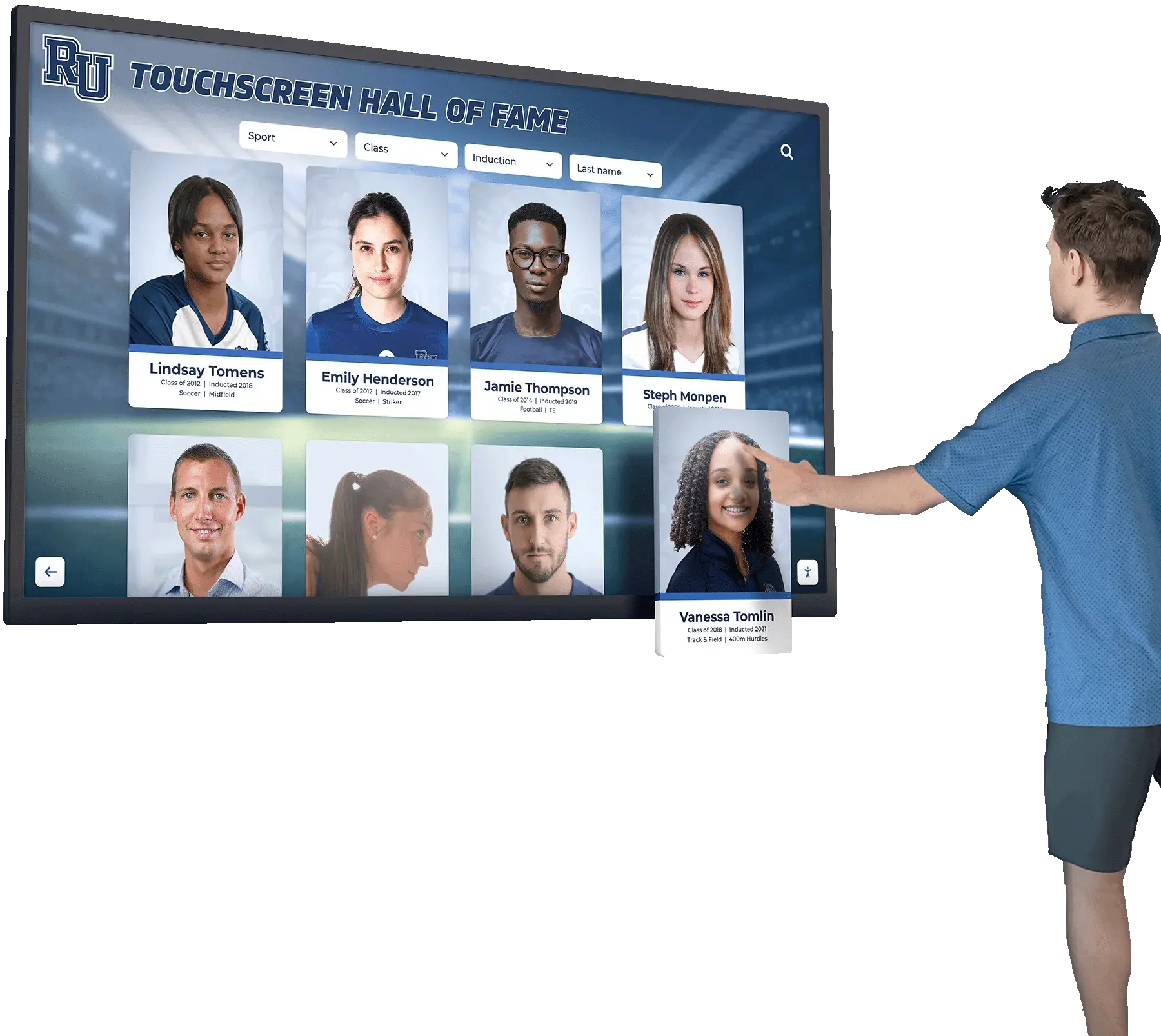
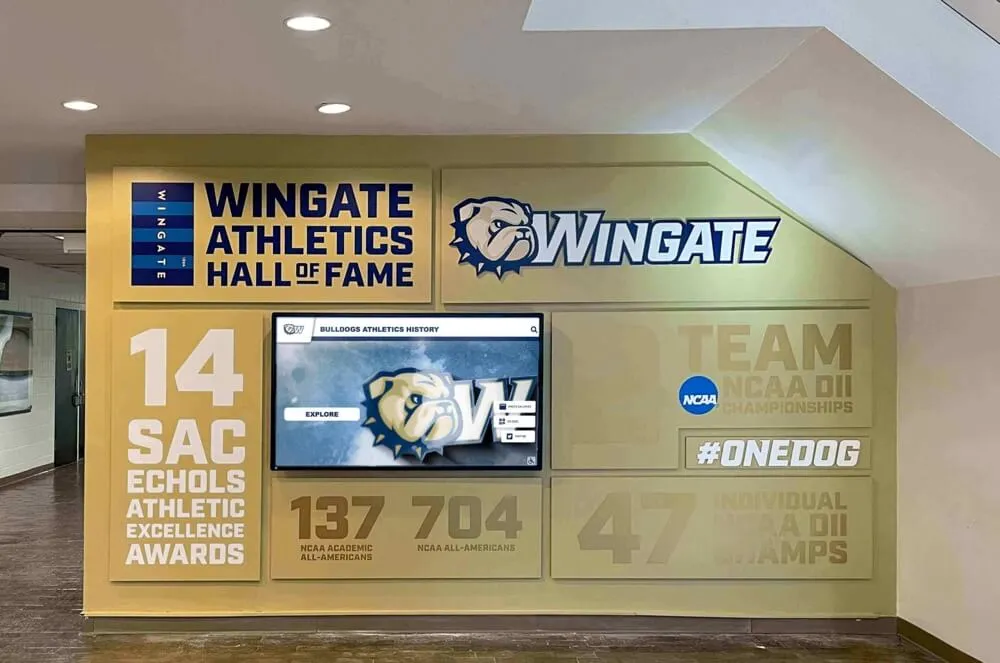
Rocket Recognition provides interactive touchscreen displays that celebrate unlimited supporters without physical space constraints
What Is Rocket Recognition?
Understanding Rocket Recognition’s purpose and capabilities helps organizations evaluate whether this platform addresses their specific recognition needs.
Purpose-Built Recognition Platform
Rocket Recognition represents specialized software specifically designed for celebrating achievements and honoring supporters rather than adapted from generic digital signage systems. The platform combines interactive touchscreen displays, cloud-based content management, web-accessible recognition pages, and intuitive administrative interfaces to create comprehensive recognition solutions.
Unlike general-purpose display software requiring technical expertise, Rocket Recognition provides structured frameworks for donor profiles, athletic achievements, academic honors, historical timelines, and alumni celebrations. Development teams access pre-built templates, organizational structures, and content workflows designed specifically for recognition applications rather than building systems from scratch.
This specialization enables faster implementation, simpler administration, and more effective recognition compared to custom development or repurposed marketing software.
Core Recognition Applications
Rocket Recognition serves diverse institutional needs through flexible, database-driven approaches:
Donor Recognition and Stewardship
Development offices use Rocket Recognition to honor supporters across all giving levels, organize recognition by campaign and fund designation, share impact stories connecting gifts to outcomes, celebrate sustained giving and donor milestones, acknowledge memorial and tribute gifts appropriately, and maintain permanent recognition archives accessible to distant alumni and supporters.
The platform provides advancement teams with structured content frameworks ensuring consistent donor communication while enabling personalization that strengthens individual relationships.
Athletic Halls of Fame
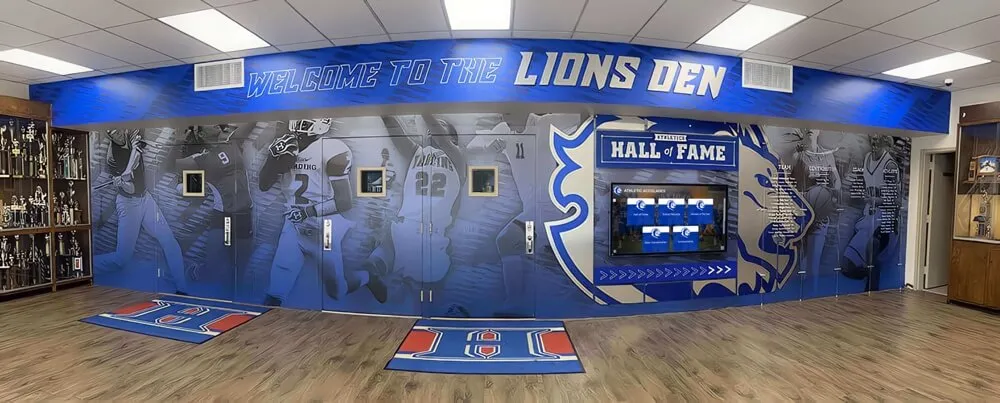
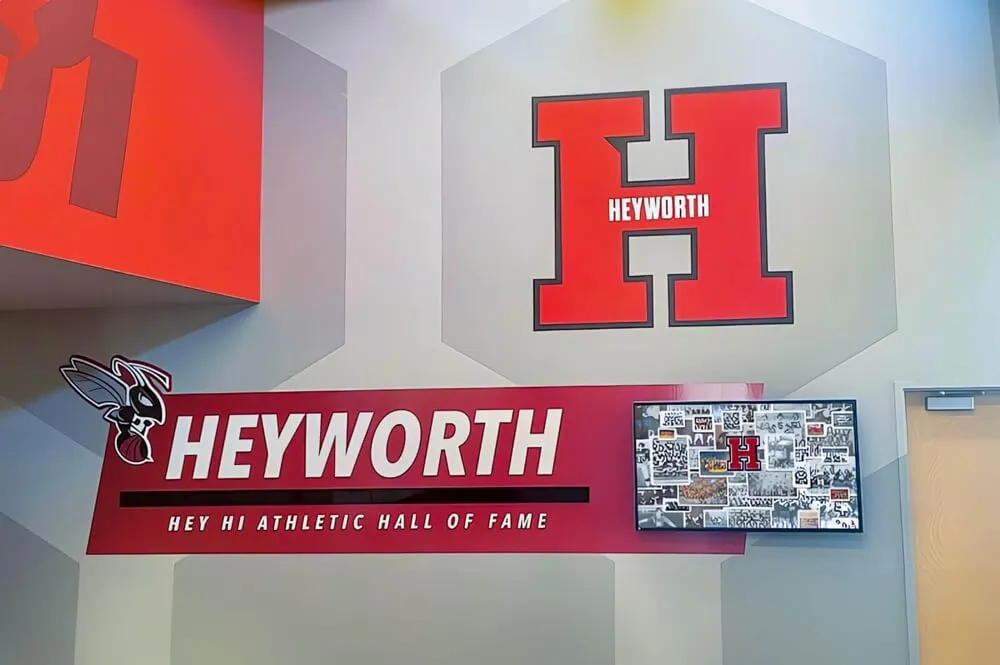
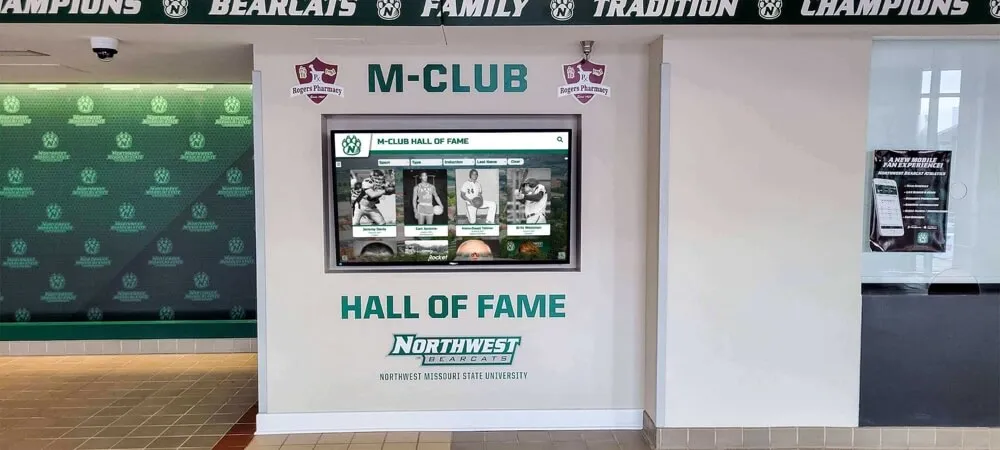
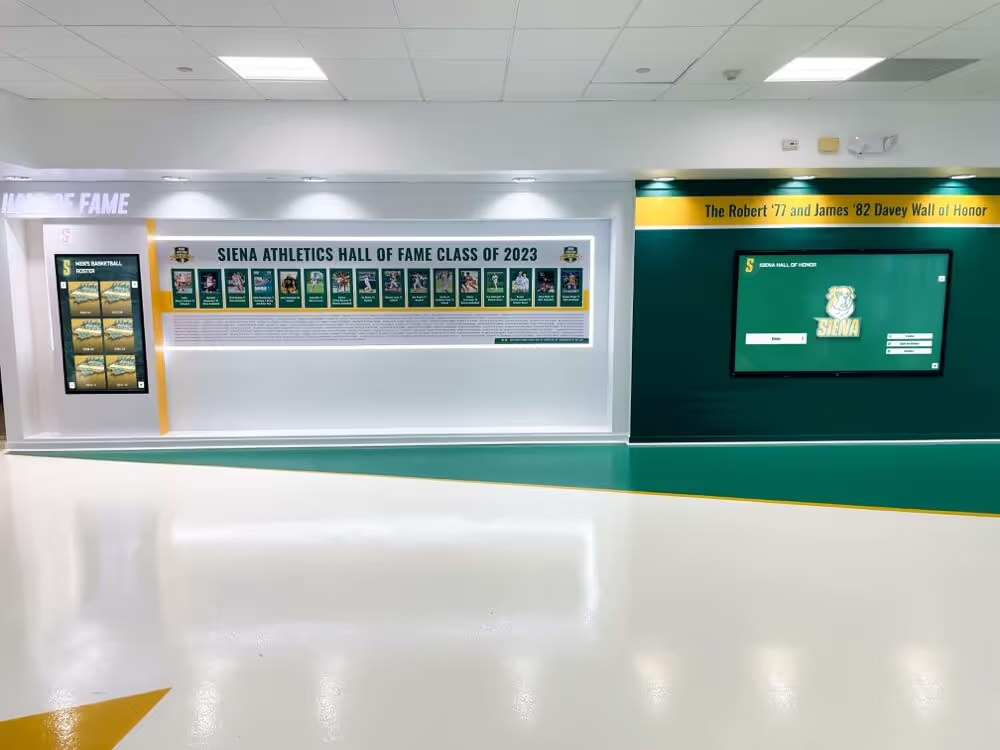
Athletic departments celebrate championship teams across all eras, honor individual athlete achievements and records, feature coaching legends and program history, recognize all-conference and all-state selections, document season highlights and memorable moments, and create searchable databases enabling fans to explore decades of athletic tradition.
Schools implementing athletic recognition systems report that digital approaches enable honoring every significant achievement rather than only the most prominent due to space limitations.
Academic Achievement Recognition
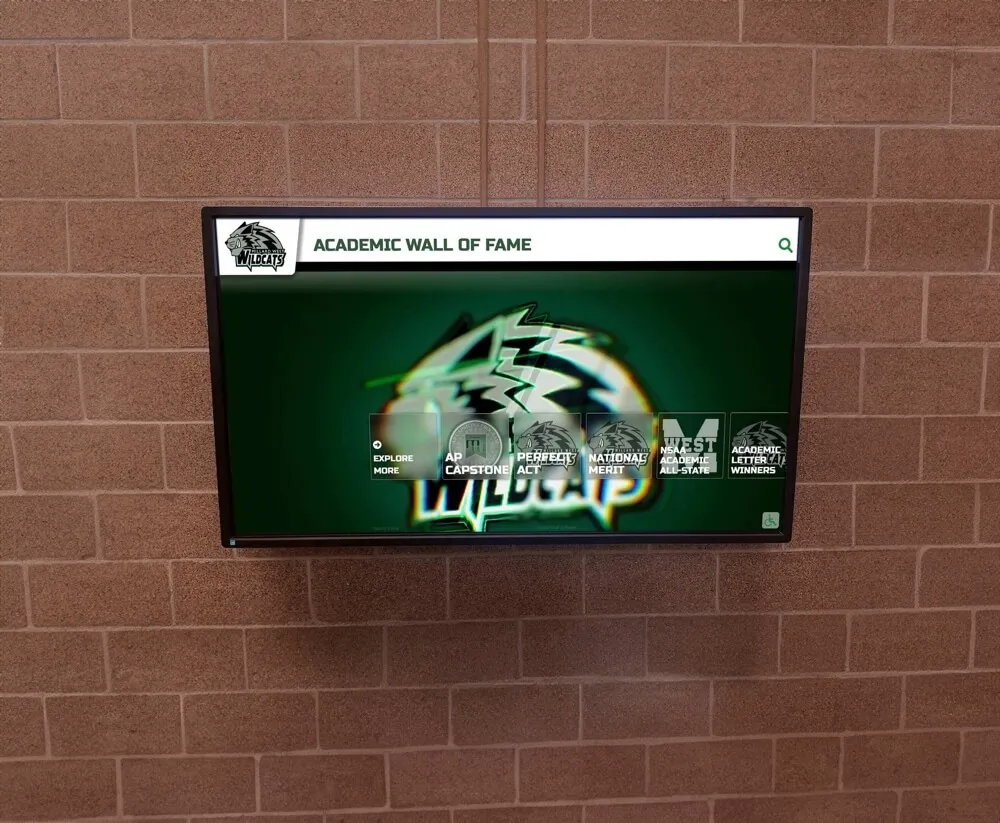
Schools recognize honor roll students across all grade levels, celebrate National Merit Scholars and AP Scholar awards, highlight valedictorians and academic competition winners, honor perfect attendance and citizenship awards, document scholarship recipients and their post-graduation success, and create academic traditions visible to entire school communities.
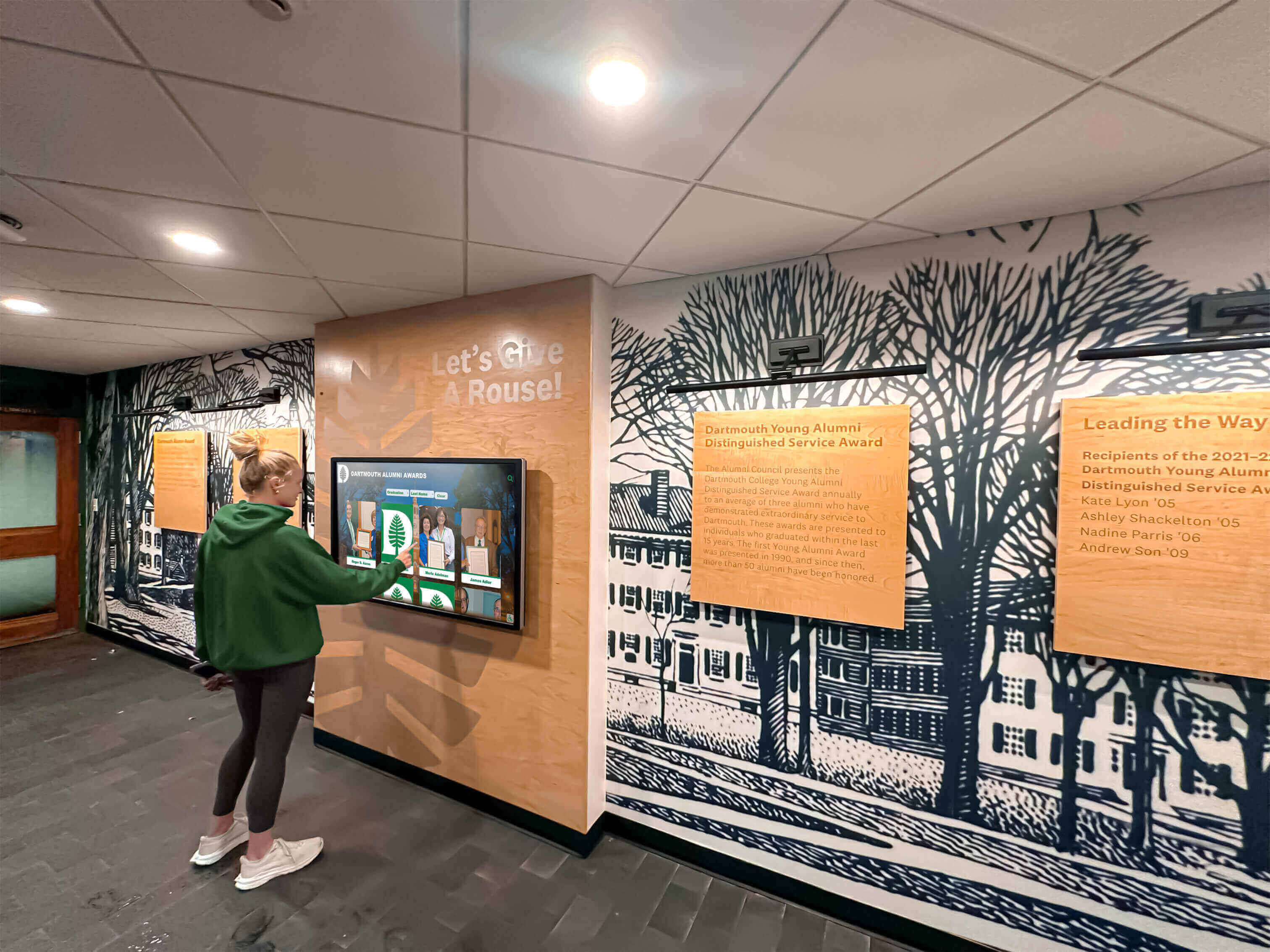
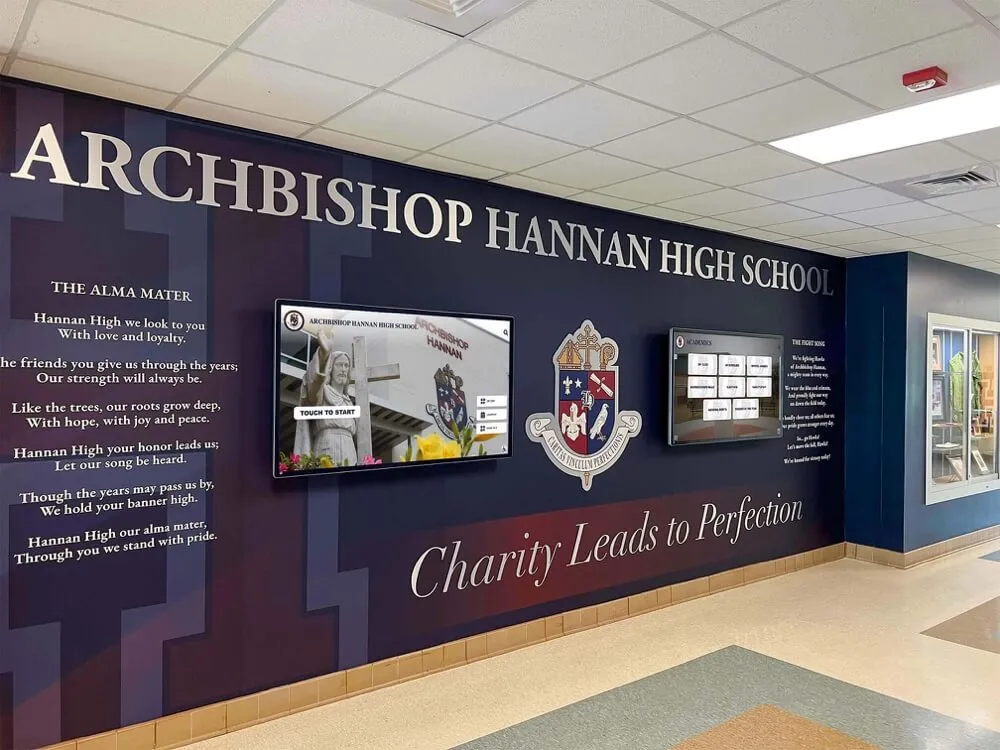
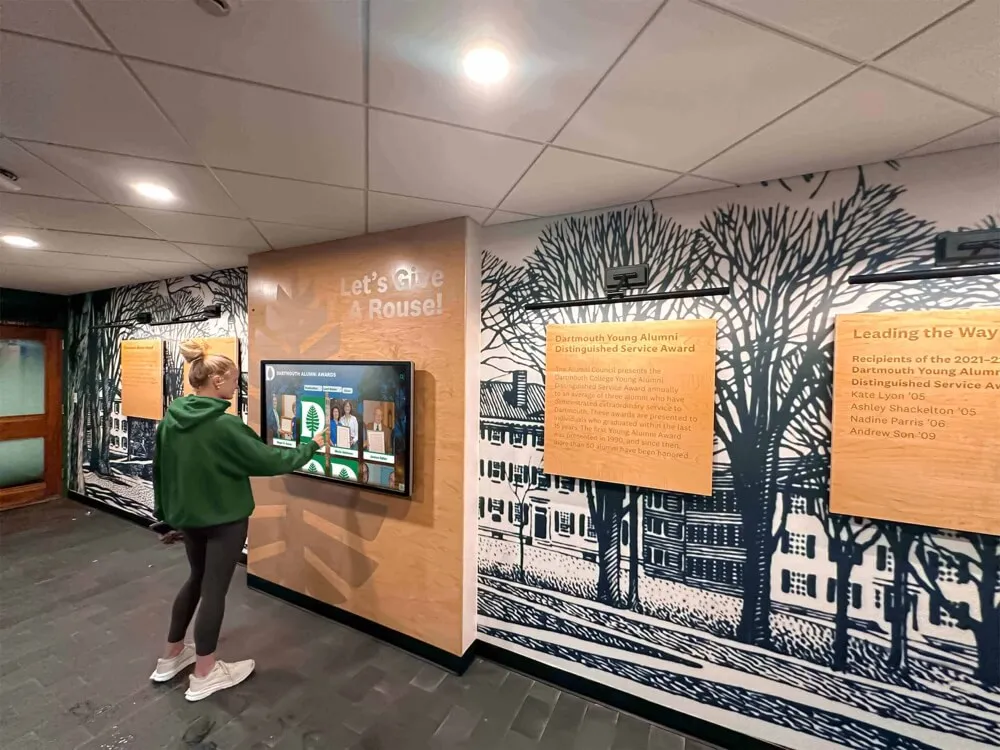
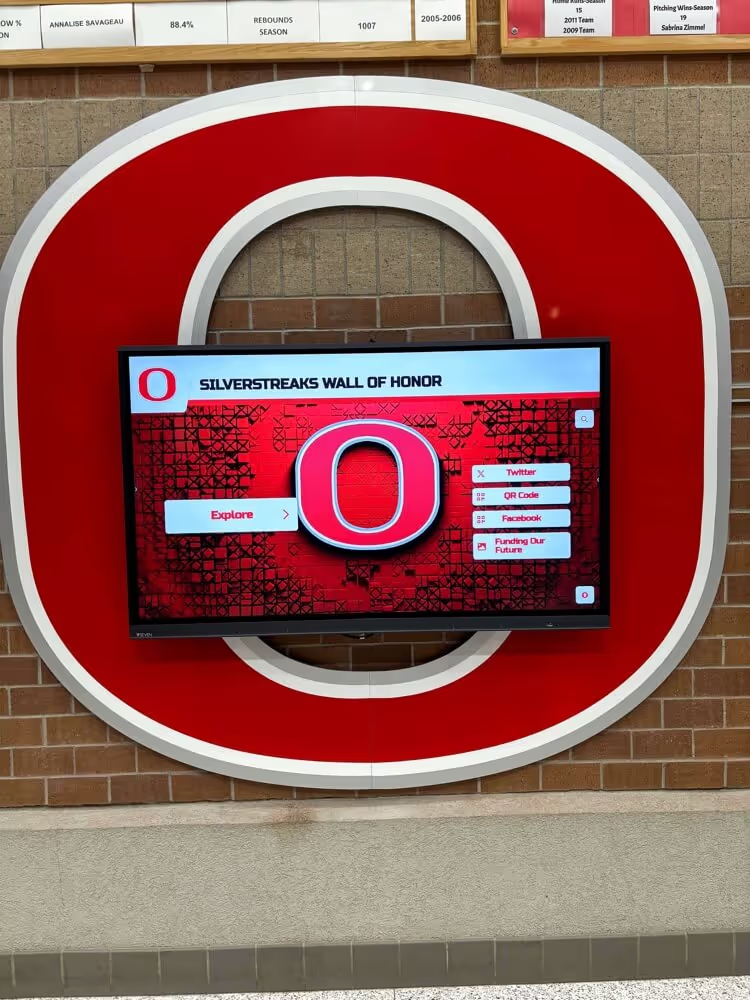
Interactive displays create engaging exploration of academic achievements that inspire student excellence
Alumni and Heritage Celebration
Institutions preserve institutional history through photo galleries, honor distinguished alumni and their accomplishments, document facility evolution and campus transformation, celebrate milestone anniversaries and historical events, and create digital yearbook archives accessible to graduates worldwide.
Comprehensive alumni recognition programs strengthen institutional connection and support fundraising by maintaining visible relationships with graduates long after they leave campus.
Key Platform Differentiators
Rocket Recognition distinguishes itself through specific capabilities addressing institutional recognition needs:
Unlimited Capacity and Scalability
Traditional plaques accommodate 50-200 names before requiring expensive expansions. Rocket Recognition honors thousands of individuals within single installations through database-driven displays and intuitive search functionality. Organizations add new honorees instantly without physical modifications or additional display purchases.
Cloud-Based Content Management
Administrators update recognition content from any internet-connected device without technical expertise. The intuitive dashboard enables adding profiles, uploading media, organizing content hierarchies, scheduling publication timing, and managing user permissions through simple web interfaces requiring no specialized training.
Interactive Visitor Experience
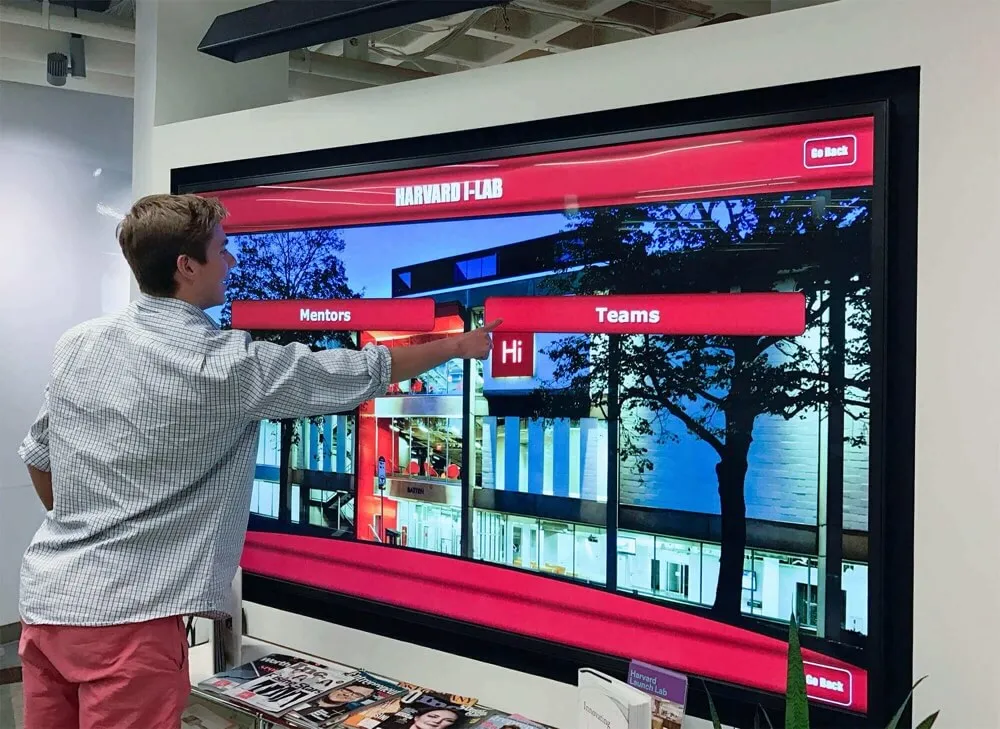
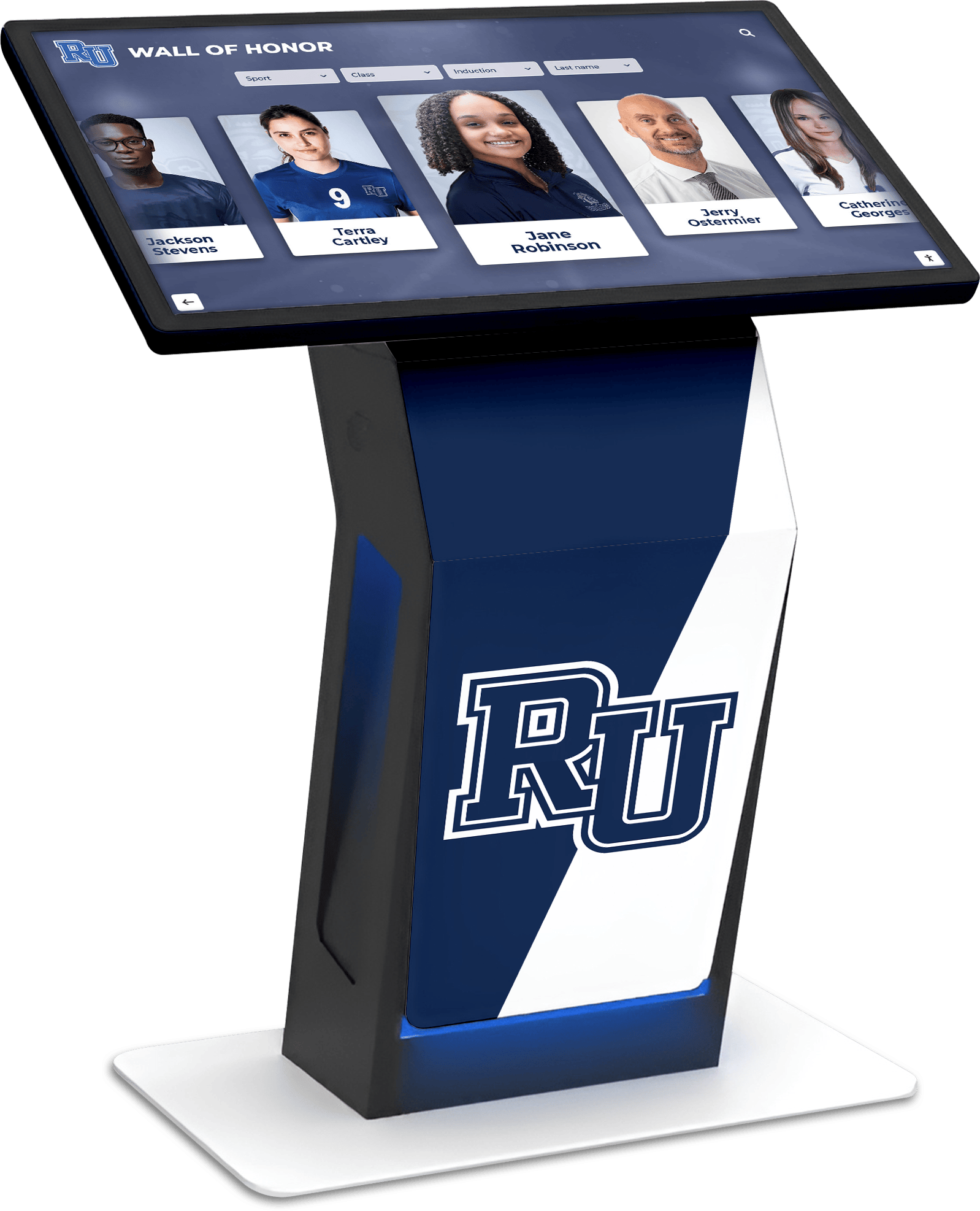
Touchscreen displays enable visitors to search for specific individuals, filter by category or achievement type, explore detailed profiles with photos and accomplishments, view related content and connections, and discover recognition through intuitive browsing rather than passive viewing.
This interactivity transforms recognition from static acknowledgment to engaging exploration that increases visitor awareness and connection.
Web Integration and Remote Access
Rocket Recognition extends beyond physical displays through mobile-responsive web pages enabling donors and alumni worldwide to access recognition from anywhere, shareable profile links individuals can distribute digitally, integration with organizational websites and directories, and 24/7 accessibility versus limited facility hours.
Remote access particularly benefits organizations serving geographically dispersed constituencies unable to visit physical locations regularly.
Comprehensive Support and Training
Rocket Alumni Solutions provides implementation assistance including initial setup and configuration, content migration from existing systems, staff training ensuring confident operation, ongoing technical support responding to questions, and regular platform enhancements adding new capabilities.
This comprehensive support enables successful adoption by non-technical staff rather than requiring dedicated IT resources.
Rocket Recognition Features and Capabilities
Understanding specific platform features helps organizations assess functional fit for their recognition requirements.
Content Management System
The administrative interface provides tools specifically designed for recognition program management:
Intuitive Profile Creation
Administrators create individual recognition profiles through structured forms collecting essential information including name and biographical details, achievement categories and honors, dates and affiliations, photos and multimedia content, and custom fields for program-specific information.
Templates ensure consistent formatting while allowing appropriate customization for different recognition types.
Bulk Data Import
Organizations with extensive historical recognition data import information through spreadsheet uploads rather than manual entry. The system processes CSV files containing hundreds or thousands of profiles, maps columns to appropriate fields, validates data during import, and flags issues requiring attention before publication.
This capability dramatically reduces implementation time for institutions with decades of supporters, athletes, or alumni requiring recognition.
Media Library Management
Centralized media storage organizes photos, videos, documents, and other files used across recognition displays. Administrators upload assets once and reuse across multiple profiles, search library content when building displays, organize media with tagging and categories, and track which profiles reference specific files.
Efficient media management prevents duplication while ensuring consistent, professional presentation.
Content Organization and Hierarchies
Flexible organizational structures accommodate diverse recognition needs through giving level categories for donor recognition, sport and season organization for athletic halls of fame, department or program grouping for academic recognition, class year or era categorization for alumni celebration, and custom taxonomies matching institutional frameworks.
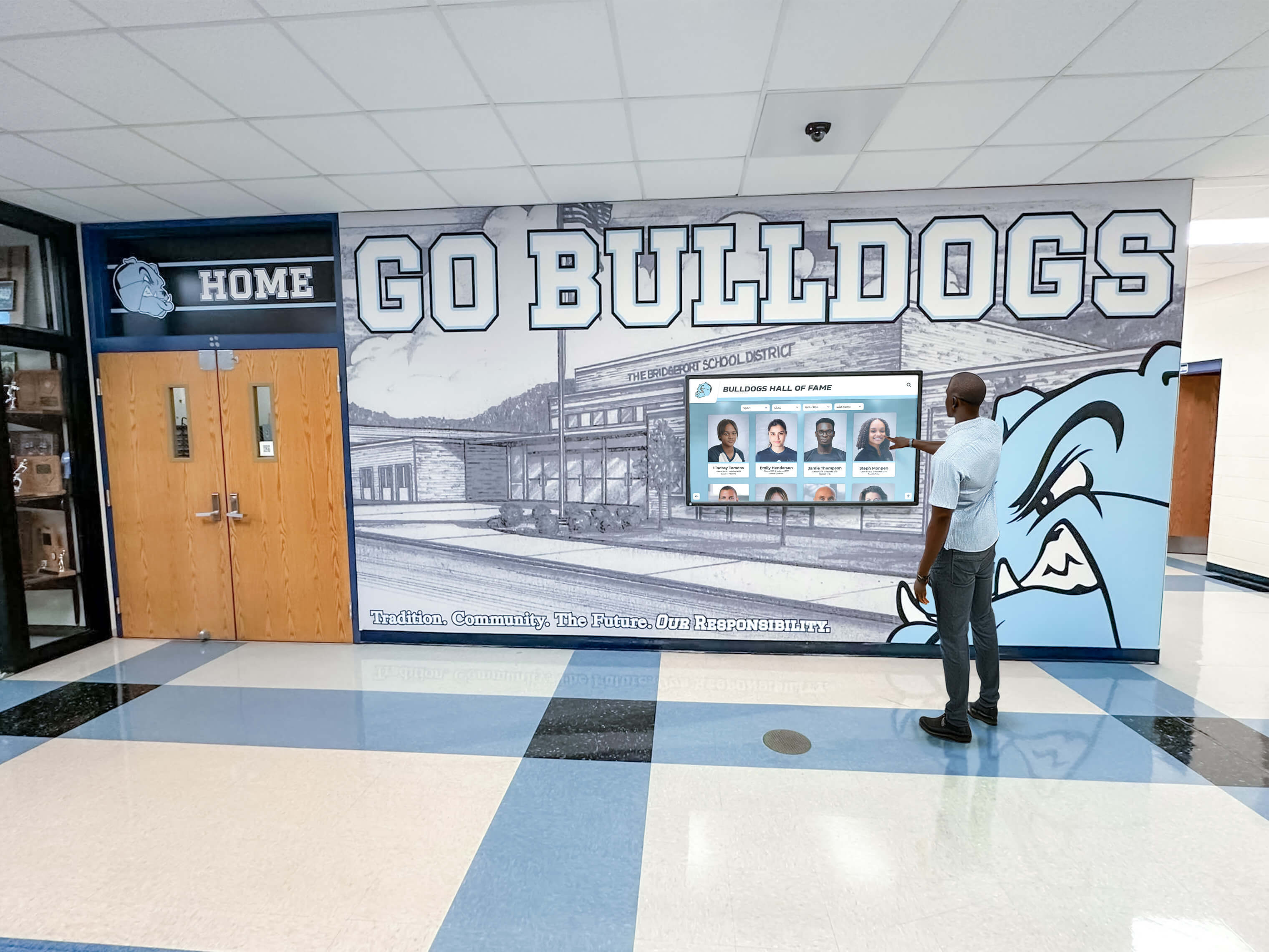
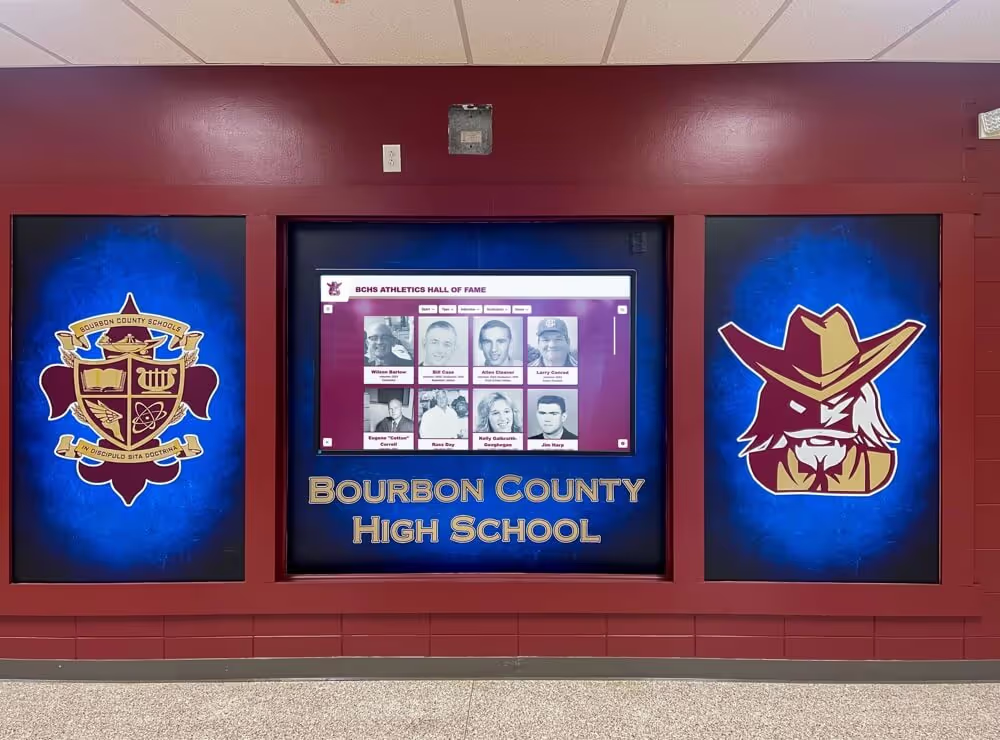
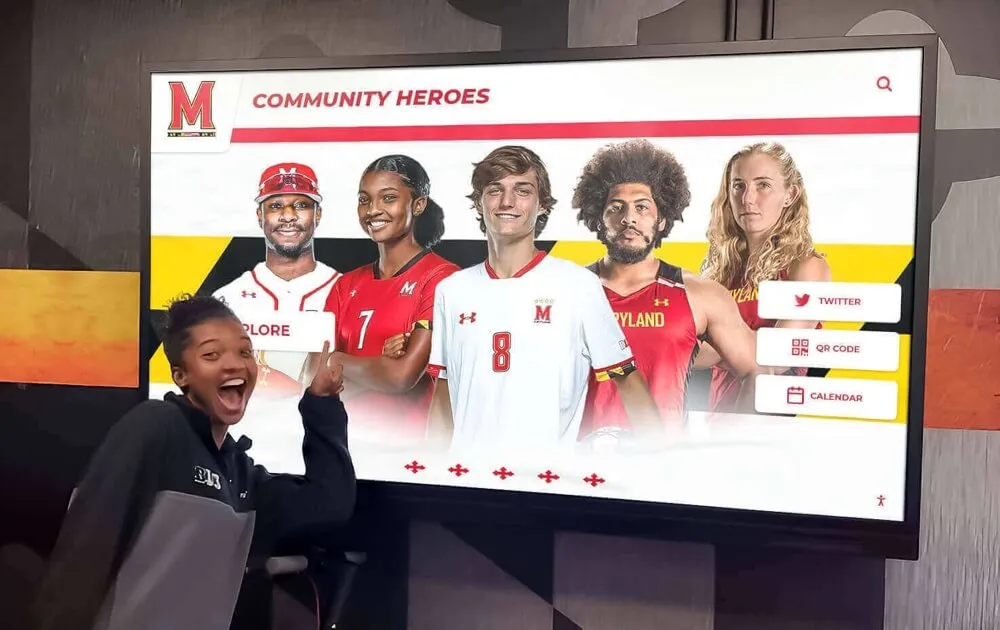
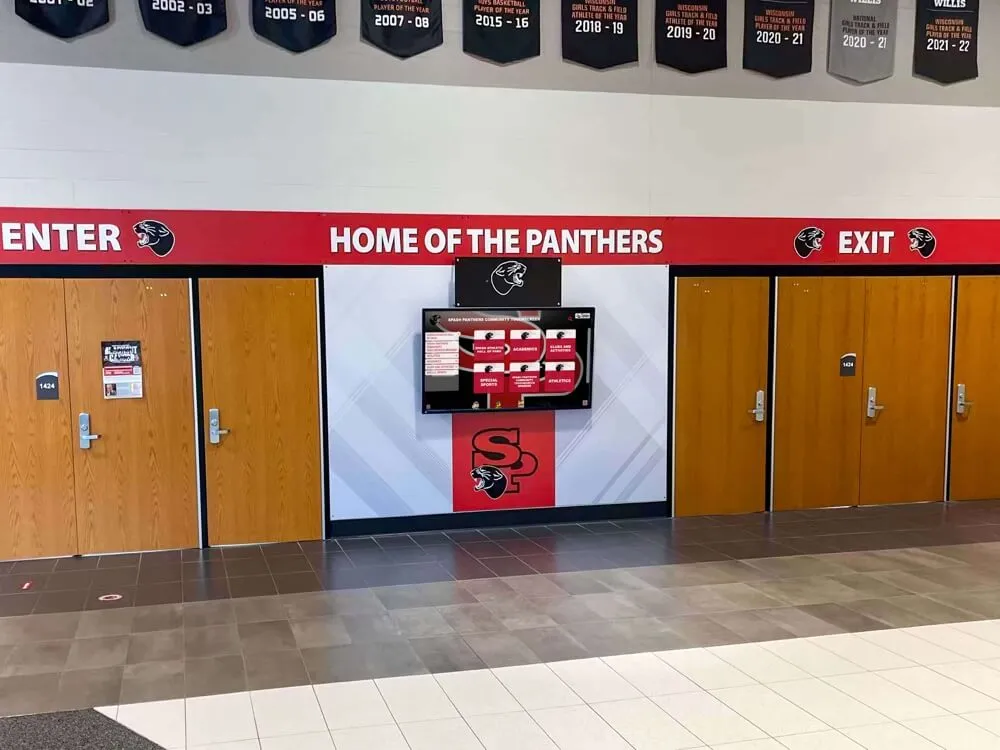
Intuitive navigation enables visitors to explore recognition by sport, year, achievement type, or individual search
Role-Based Permissions
Administrative access controls ensure appropriate content management responsibilities through administrator roles with full system access, editor roles able to create and modify content, reviewer roles approving content before publication, and viewer roles accessing analytics without editing capability.
Multi-user access enables collaborative recognition management while protecting content integrity.
Display and Presentation Features
Visitor-facing interfaces create engaging recognition experiences:
Search and Discovery Tools
Comprehensive search enables visitors to find individuals by name using predictive text, filter by recognition category or achievement type, browse by time period or class year, and discover related individuals and connections.
Effective search proves particularly important for institutions with hundreds or thousands of honored individuals where browsing alone becomes impractical.
Rich Multimedia Profiles
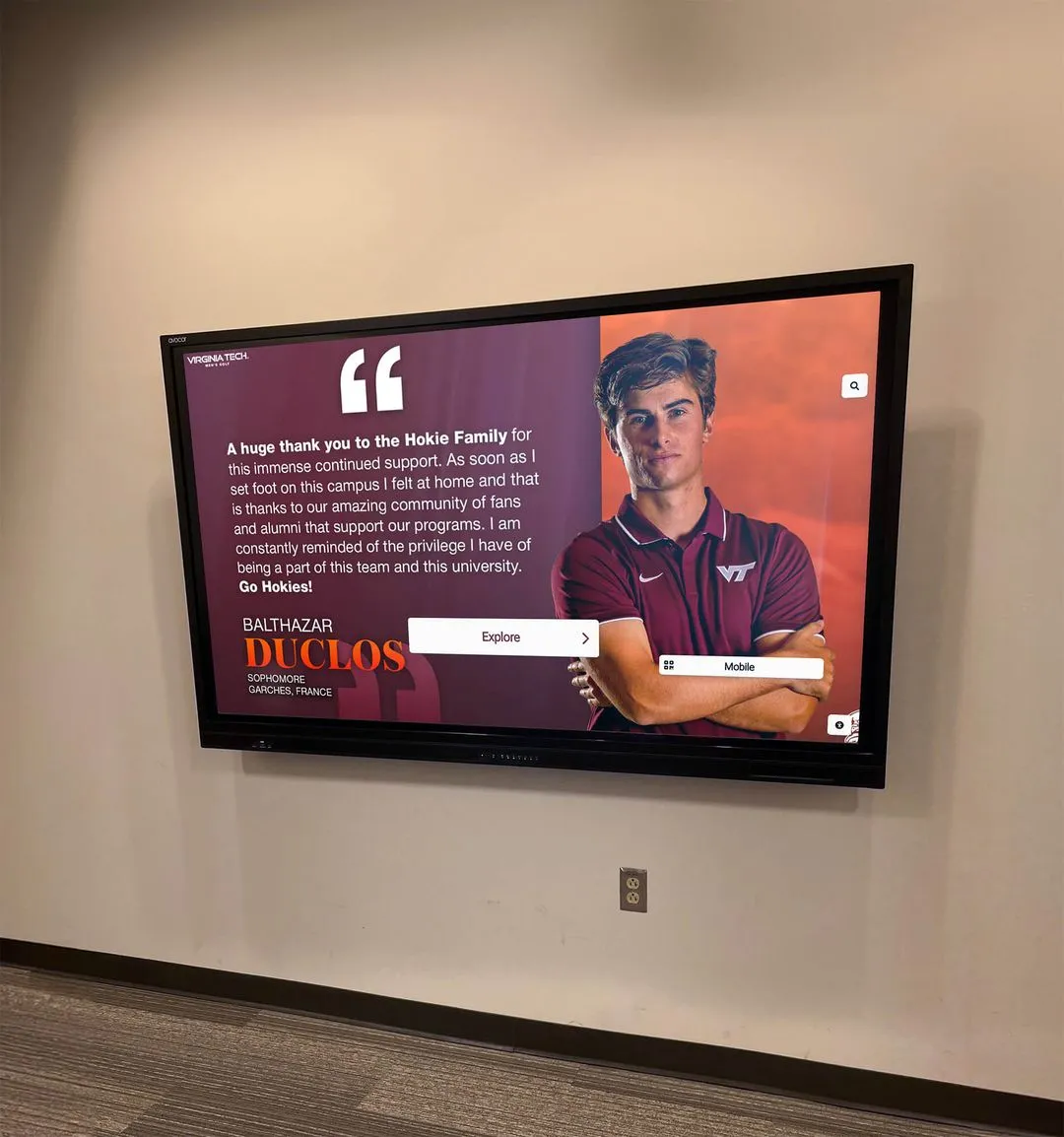
Individual recognition pages incorporate biographical text and achievement descriptions, photo galleries showing multiple images, video content including testimonials and event footage, document embedding for certificates and awards, statistics and quantitative achievements, and social links connecting to external profiles.
Comprehensive profiles transform recognition from simple name listings into meaningful celebration of individual contributions and stories.
Customizable Design Templates
Organizations maintain brand consistency through customized color schemes matching institutional identity, logo integration and branded elements, typography selections reflecting organizational style, layout options for different content types, and responsive design ensuring display quality across screen sizes.
Professional, on-brand presentation reinforces organizational quality standards while creating polished recognition experiences.
Featured Content and Rotation
Dynamic displays maintain engagement through rotating featured profiles highlighting different individuals, seasonal content timed to relevant events, milestone celebrations for anniversaries and achievements, campaign-specific recognition during active fundraising, and randomized selection ensuring all honorees receive visibility.
Content rotation prevents displays from appearing static while encouraging repeat visits.
Analytics and Engagement Tracking
Built-in analytics reveal how visitors interact with recognition including most-viewed profiles and popular searches, engagement duration and exploration patterns, peak usage times and seasonal variations, and content performance across different categories.
Data-driven insights inform content strategy and recognition program improvements.
Technical Infrastructure
Reliable technology ensures consistent recognition accessibility:
Hardware Compatibility and Flexibility
Rocket Recognition operates on commercial touchscreen displays without proprietary hardware requirements. Organizations select appropriate screen sizes, resolutions, and mounting approaches based on specific installation contexts while the software provides consistent functionality across diverse hardware configurations.
This flexibility enables cost-effective solutions tailored to available budgets and physical spaces.
Cloud Architecture and Reliability
Cloud-based infrastructure delivers content reliably through redundant data storage preventing information loss, automatic backups protecting against accidents, distributed content delivery ensuring fast loading, secure hosting protecting sensitive information, and minimal local hardware requirements simplifying maintenance.
Mobile and Cross-Device Access
Recognition content displays properly across desktop computers, smartphones, tablets, and kiosks through responsive design adapting to screen dimensions, touch-optimized interfaces for direct manipulation, fast loading optimized for mobile networks, and consistent functionality regardless of device type.
Integration Capabilities
Rocket Recognition connects with institutional systems through donor management database integration, website embedding and iframe support, single sign-on authentication options, social media sharing capabilities, and API access for custom integrations.
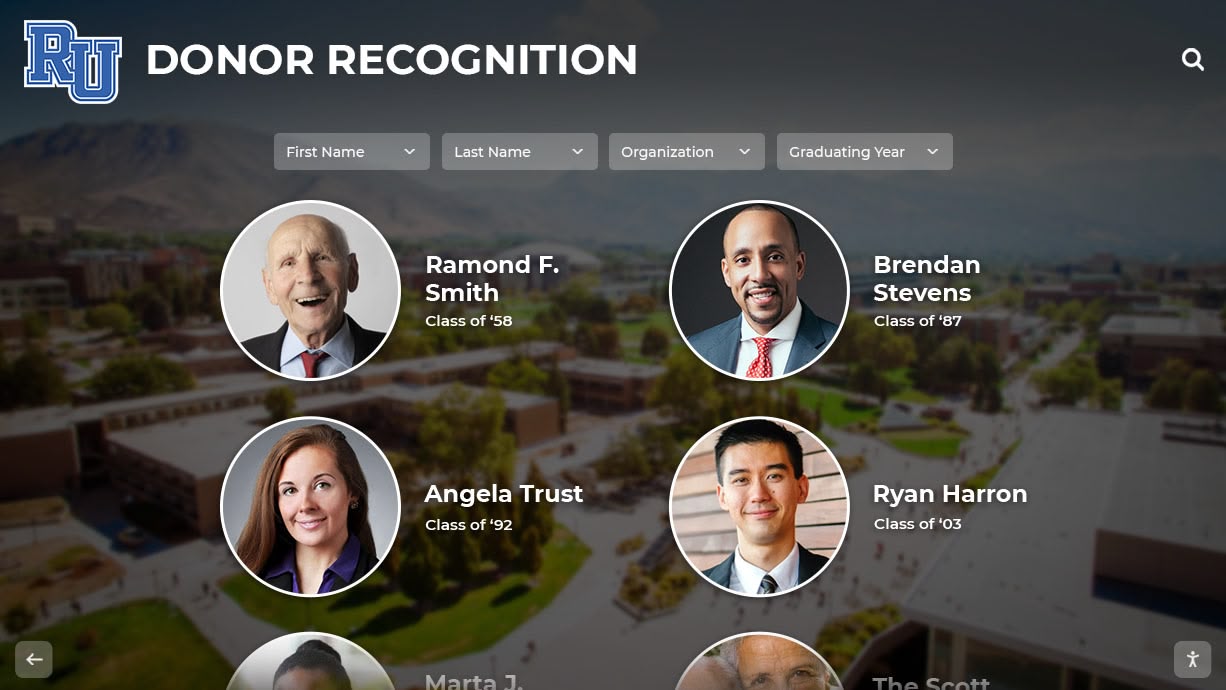
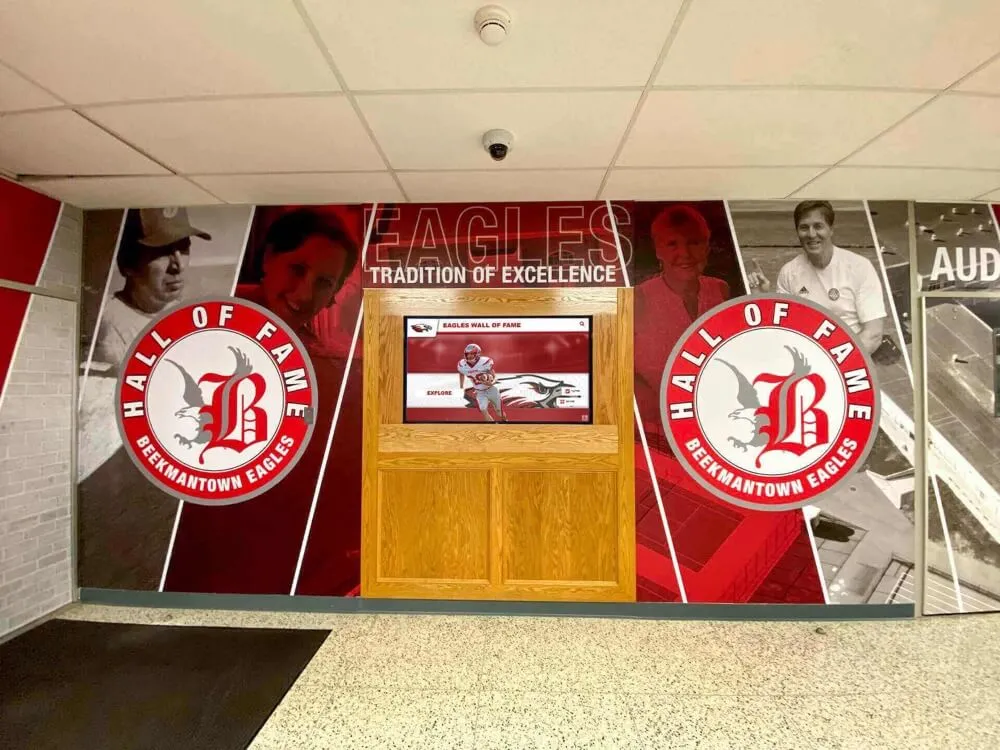
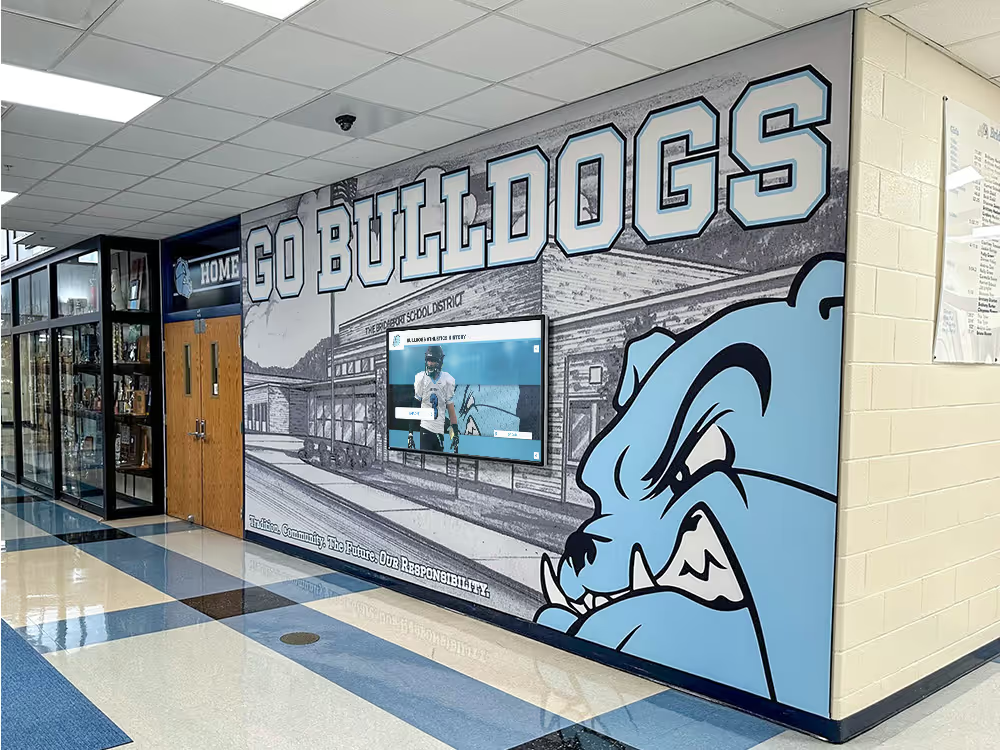
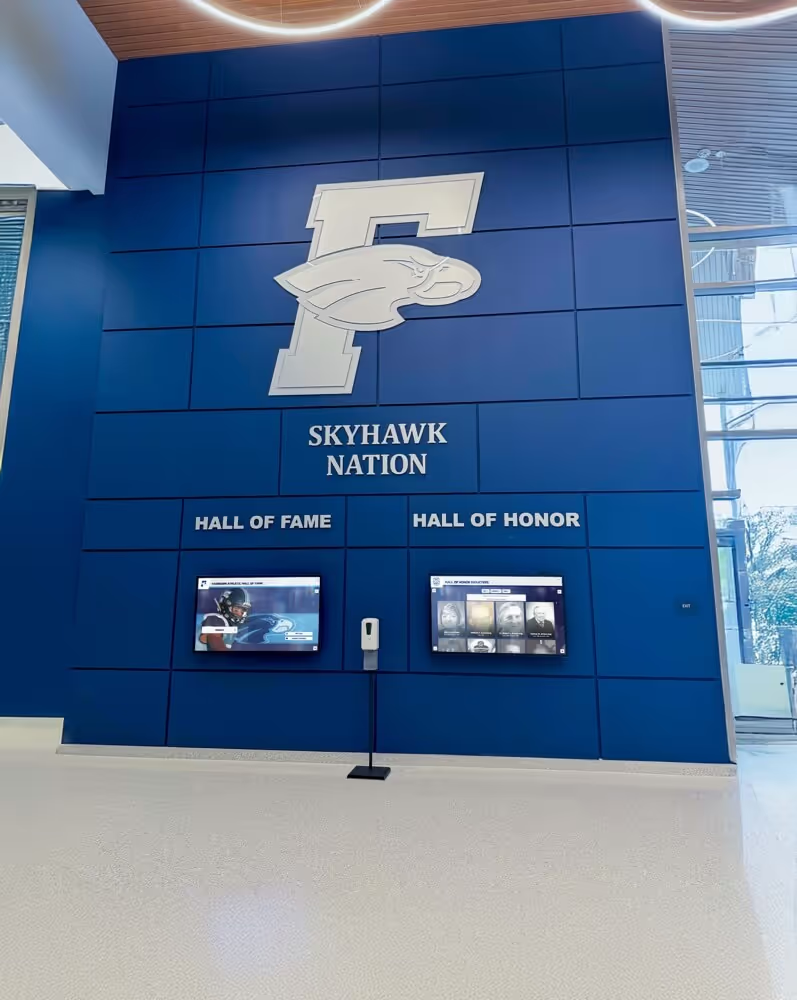
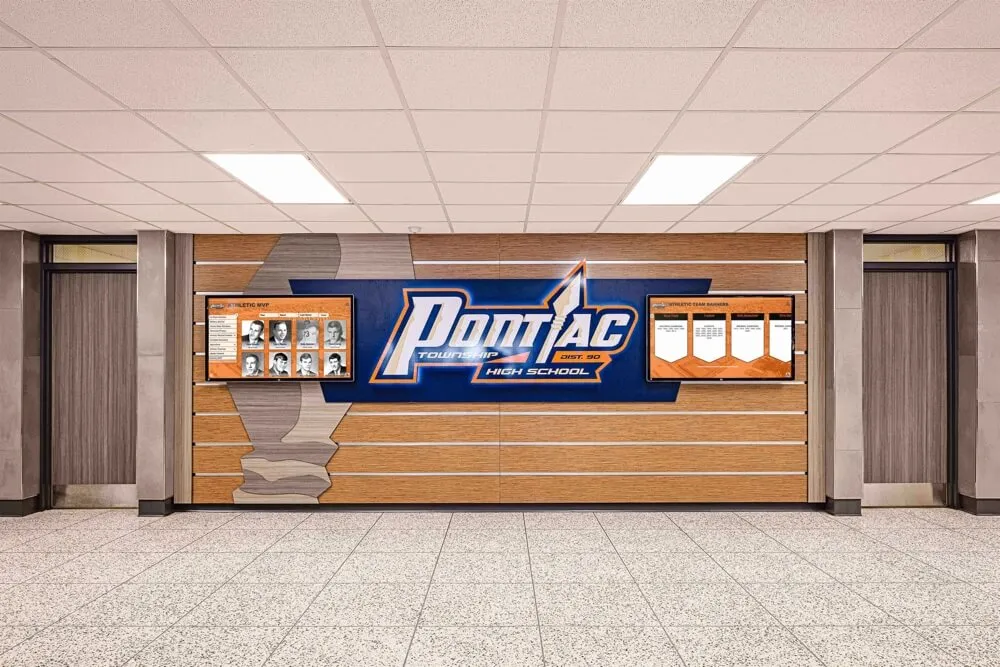
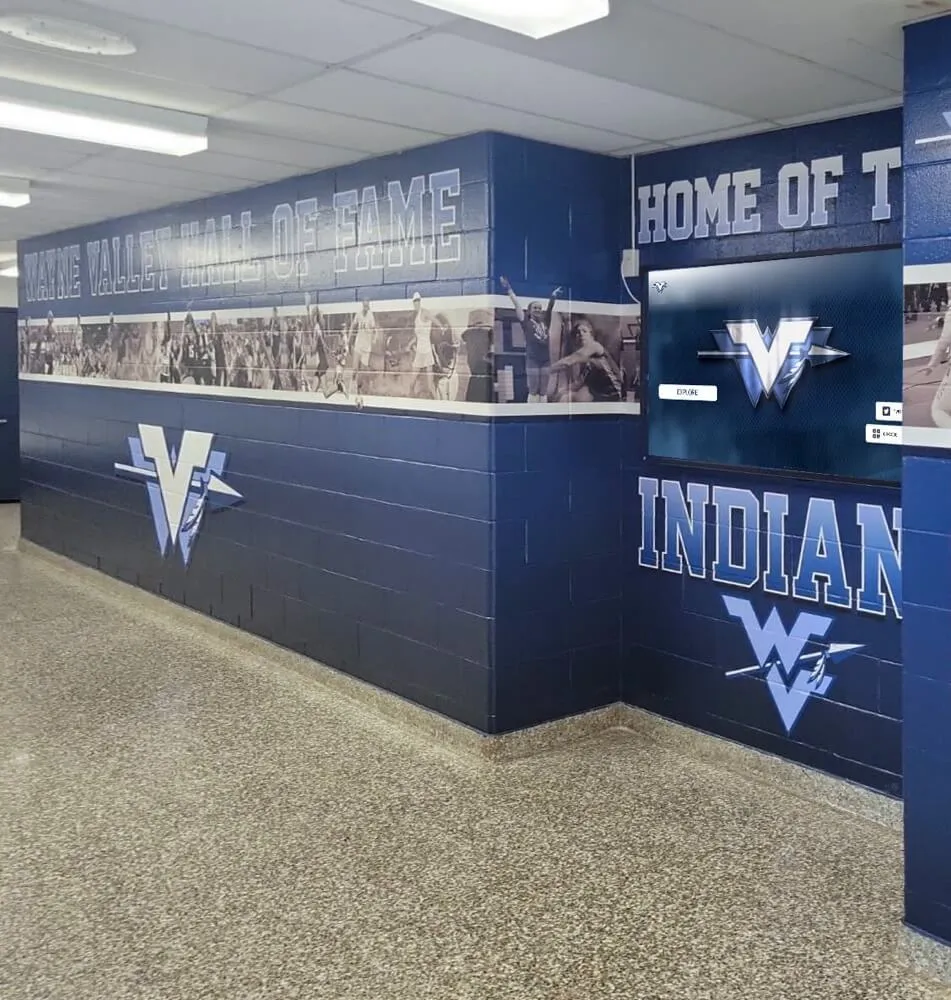
Rocket Recognition integrates with campus aesthetics while providing unlimited donor recognition capacity
Implementation Process and Timeline
Successful Rocket Recognition deployment follows structured processes ensuring effective recognition launches.
Planning and Assessment Phase
Implementation begins with comprehensive needs evaluation:
Recognition Program Audit
Organizations inventory existing recognition approaches and limitations, identify gaps in current acknowledgment, assess stakeholder satisfaction with recognition, evaluate physical spaces available for displays, and review budget parameters and constraints.
Thorough assessment ensures recognition solutions address actual needs rather than replicating existing problems.
Content Inventory and Preparation
Development teams compile existing recognition data including donor databases and giving histories, athletic achievement records and statistics, academic honor roll and award records, alumni information and biographical content, and historical photos and multimedia assets.
Early content preparation accelerates implementation while revealing data quality issues requiring attention.
Stakeholder Engagement
Successful implementations involve key constituencies including development staff managing donor relationships, athletic department administrators, academic affairs leadership, facilities and IT departments, and advancement marketing teams.
Broad engagement ensures technical, operational, and mission alignment while building support essential for sustained success.
System Configuration and Customization
Technical setup creates recognition foundations:
Platform Setup and Branding
Rocket Alumni Solutions configures administrative accounts and permissions, applies organizational branding and design preferences, establishes content structures and taxonomies, configures search and navigation options, and integrates with existing institutional systems when required.
Template Development
Recognition display templates are customized for donor profile layouts emphasizing impact and gratitude, athletic achievement pages highlighting statistics and accomplishments, academic recognition formats celebrating student excellence, historical content presentation connecting past and present, and mobile-responsive designs ensuring cross-device functionality.
Content Migration and Population
Historical recognition data migrates to new systems through automated import of structured databases, manual entry of unstructured historical records, media scanning and digitization, quality assurance and error correction, and phased rollout starting with priority content.
Organizations typically prioritize recent and major recognition first, adding historical content progressively as resources permit.
Display Installation and Training
Physical implementation brings recognition systems online:
Hardware Installation
Professional mounting of touchscreen displays, network connectivity configuration, power infrastructure setup, cable management and concealment, accessibility compliance verification, and quality assurance testing ensure reliable operation.
Organizations can self-install when internal expertise exists or contract installation through Rocket Alumni Solutions or local vendors.
Staff Training and Onboarding
Comprehensive training ensures confident operation through administrative interface walkthroughs, content creation practice and guidance, workflow establishment for ongoing management, troubleshooting common issues, and documentation for future reference.
Effective training prevents administrative bottlenecks and ensures recognition remains current.
Launch and Promotion
Formal recognition system launches generate awareness through dedication events celebrating honorees, facility tours highlighting new installations, communications announcing access and features, social media promotion amplifying reach, and integration into organizational messaging.
Celebratory launches demonstrate institutional commitment while maximizing recognition visibility.
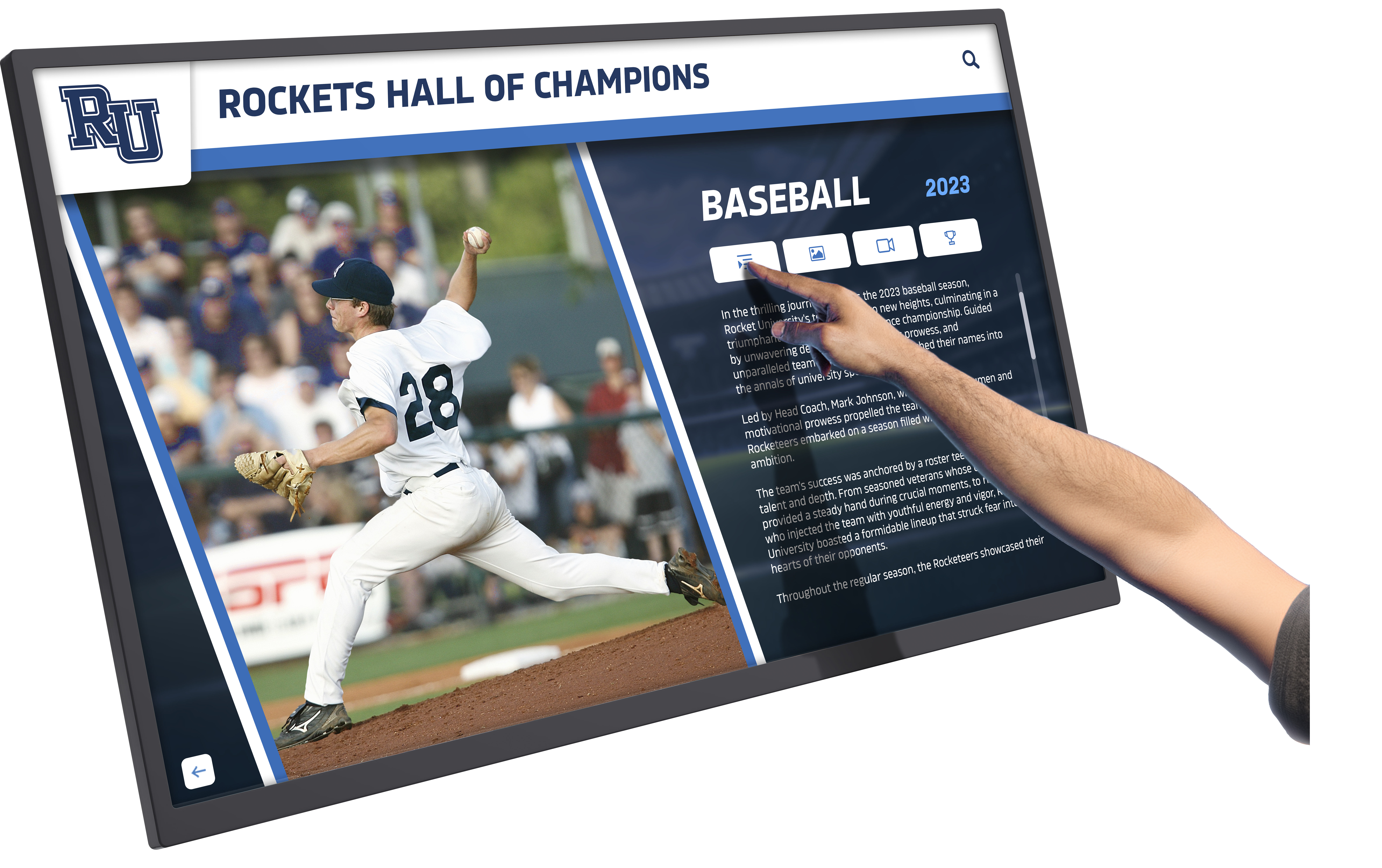
Professional installation and training ensure recognition systems deliver maximum impact from launch
Ongoing Management and Optimization
Sustained success requires systematic administration:
Content Update Workflows
Establish processes for regular recognition additions, quality review before publication, media asset preparation and optimization, seasonal content refreshes, and analytics review informing improvements.
Systematic workflows prevent recognition from becoming outdated while distributing workload manageable rather than overwhelming.
Technical Maintenance
Routine system care includes display cleaning and physical inspection, software updates and security patches, network connectivity verification, backup confirmation and disaster recovery testing, and performance monitoring ensuring reliability.
Program Evaluation and Enhancement
Assess recognition effectiveness through stakeholder feedback collection, usage analytics review, achievement of recognition objectives, return on investment analysis, and identification of expansion opportunities.
Continuous improvement ensures recognition programs evolve meeting changing institutional needs.
Cost Considerations and Pricing Models
Understanding investment requirements enables appropriate budget planning and decision-making.
Initial Implementation Costs
Rocket Recognition implementation encompasses several expense categories:
Hardware Investment
Commercial touchscreen displays range from $2,000 to $8,000 depending on size, resolution, and capabilities. Mounting hardware, media players, and installation labor add $1,000 to $4,000 per display. Organizations implementing multiple displays or large-format installations should budget accordingly.
Freestanding kiosk enclosures providing integrated mounting, security, and professional appearance cost $3,000 to $8,000 additional per unit when preferred over wall-mounted installations.
Software Platform Fees
Rocket Recognition typically follows subscription-based pricing models. Initial setup, customization, and training fees range from $2,000 to $8,000 depending on complexity and content volume. Some implementations include one-time platform configuration costs while others incorporate setup within subscription pricing.
Professional Services
Content migration assistance, custom design development, photography and media production, and project management services add $2,000 to $10,000 based on organizational needs and internal capabilities.
Organizations with strong internal resources minimize professional service requirements while those needing comprehensive assistance should budget appropriately.
Total Initial Investment Range
Most institutions invest $8,000 to $30,000 for complete Rocket Recognition implementation including hardware, software setup, and professional services. Single-display installations at smaller institutions fall toward the lower range while multiple displays at larger organizations with extensive historical content approach higher figures.
Ongoing Operational Expenses
Annual costs ensure continued functionality and support:
Software Subscription
Rocket Recognition subscriptions typically cost $1,200 to $4,000 annually depending on display quantities, user counts, and feature levels. Subscriptions generally include cloud hosting and data storage, software updates and enhancements, basic technical support, and security maintenance.
Site license models providing unlimited displays prove particularly cost-effective for institutions planning multi-location installations or future expansion.
Maintenance and Support
Extended hardware warranties, advanced technical support beyond basic subscription, and periodic professional services for major content refreshes add $500 to $2,000 annually.
Content Development
Internal staff time for routine updates and ongoing professional services for significant content projects constitute operational expenses. Most organizations report 3-8 hours monthly for routine recognition maintenance with additional time during major content initiatives.
Return on Investment Analysis
Recognition investments provide measurable value justifying costs:
Cost Comparison to Traditional Approaches
Traditional donor walls require $500 to $2,000 per update for engraving new names. Organizations with active fundraising programs need 5-10 updates annually, creating recurring expenses of $2,500 to $20,000 yearly. Rocket Recognition eliminates these costs while providing unlimited capacity and enhanced functionality.
Digital recognition achieves cost parity with traditional approaches within 3-5 years, after which savings compound significantly.
Fundraising Impact Value
Visible, engaging donor recognition increases giving through social proof effects, improved retention rates, larger gifts from recognized supporters, enhanced capital campaign success, and increased planned giving inquiries.
Research from nonprofit platforms indicates that effective recognition can lift giving by 10-25%. When recognition contributes even 5% giving increases for organizations raising $500,000 annually, the additional $25,000 exceeds typical system costs within the first year.
Administrative Efficiency Gains
Streamlined content management reduces staff time maintaining recognition by 80-90% compared to coordinating physical plaque updates. Freed capacity enables advancement teams to focus on donor relationship building and fundraising rather than administrative coordination.
Organizations implementing digital solutions like Rocket Recognition for donor stewardship consistently report that administrative efficiencies justify investments independent of fundraising impact.
Best Practices for Rocket Recognition Success
Organizations achieving maximum recognition impact follow established success patterns.
Content Strategy and Quality
Thoughtful content creates meaningful recognition:
Comprehensive Profile Development
Effective recognition profiles include essential biographical information and affiliations, specific achievements with dates and context, impact stories connecting contributions to outcomes, appropriate media enhancing understanding, and accurate, respectful presentation honoring individuals appropriately.
Profiles should celebrate individuals while maintaining appropriate focus on institutional mission and values.
Consistent Standards and Templates
Establish recognition guidelines ensuring uniform profile structures within categories, consistent writing style and tone, similar media quality and presentation, appropriate detail level, and equitable treatment across individuals.
Consistency creates professional presentation and prevents perceptions of favoritism or inequity.
Regular Content Refreshment
Maintain engagement through timely addition of new honorees, seasonal highlighting of relevant recognition, milestone celebrations at anniversaries, updated accomplishments for living honorees, and historical content additions expanding archives.
Fresh content encourages repeat visits and demonstrates ongoing institutional commitment to recognition.
User Experience Optimization
Visitor-focused design maximizes engagement:
Intuitive Navigation and Search
Organize content logically through clear category structures, predictable navigation patterns, effective search functionality, appropriate filtering options, and visual hierarchy guiding attention.
Test navigation with diverse users ensuring functionality for those less familiar with technology.
Compelling Visual Design
Professional presentation includes high-quality photos and media, appropriate color and typography, balanced layouts avoiding clutter, brand consistency reinforcing identity, and accessibility considerations for diverse visitors.
Organizations lacking internal design expertise should engage professionals ensuring polished presentation worthy of honored individuals.
Physical Display Placement
Strategic installation locations maximize visibility through high-traffic areas with natural stopping points, appropriate lighting without glare, comfortable interaction heights and spaces, ADA accessibility compliance, and protection from environmental factors affecting displays.
Recognition hidden in remote locations receives minimal engagement regardless of content quality.
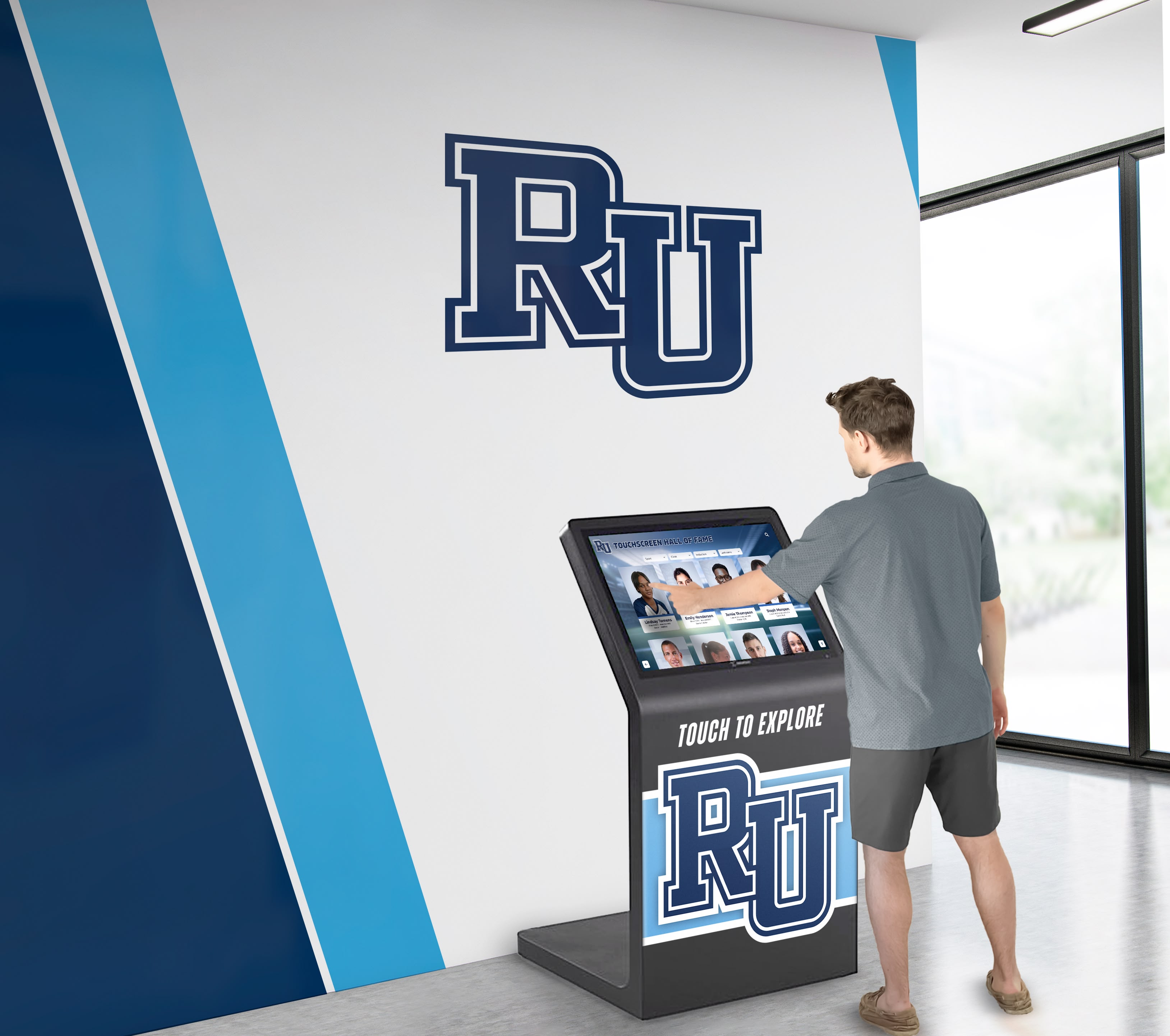
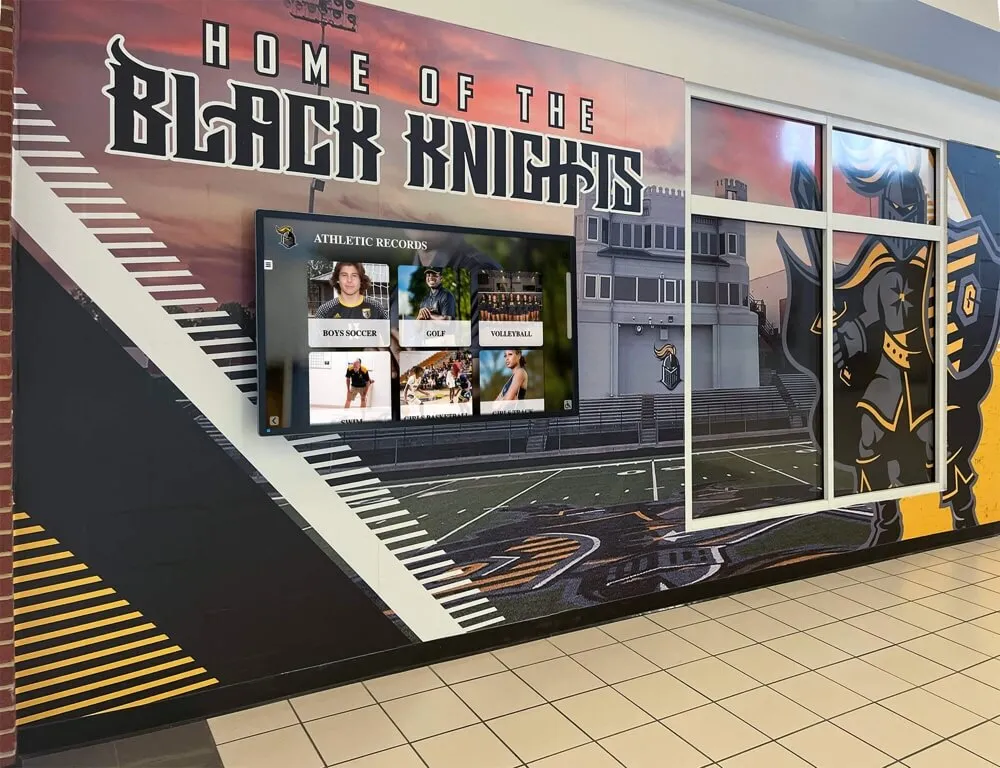
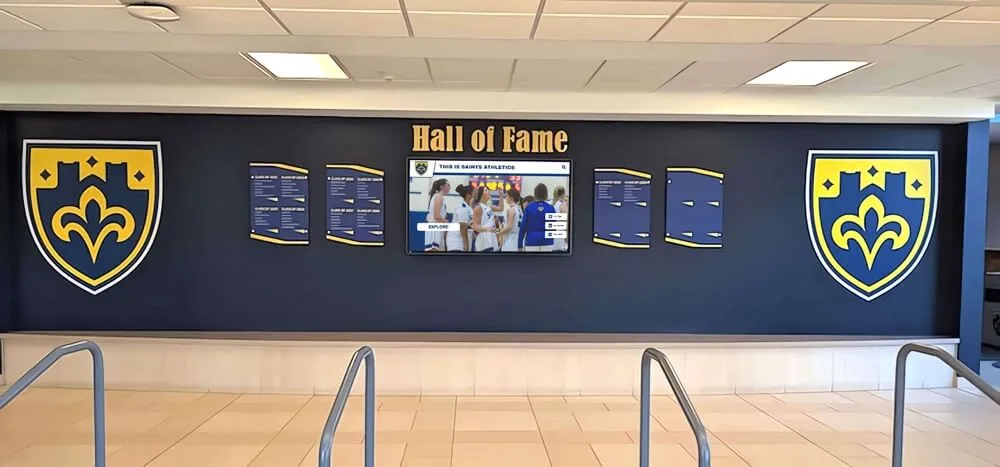
Strategic placement in high-traffic areas ensures recognition receives the visibility honored individuals deserve
Organizational Processes and Governance
Systematic management ensures sustained success:
Clear Roles and Responsibilities
Assign specific duties including administrative access and content creation, quality review and approval, media preparation and optimization, routine maintenance schedules, and technical support coordination.
Ambiguous responsibilities lead to outdated content and system neglect.
Recognition Criteria and Policies
Establish guidelines determining eligibility for recognition, required achievement levels, approval processes, privacy and consent requirements, and corrections or removal procedures.
Clear policies prevent inconsistent decisions creating controversy or legal issues.
Stakeholder Communication
Keep constituencies informed through regular updates about recognition programs, clear timelines for adding new honorees, accessible processes for nominations, transparent criteria and decisions, and celebration of recognition milestones.
Transparent communication builds trust and engagement with recognition programs.
Specialized Applications Across Sectors
Different organizational types leverage Rocket Recognition for specific purposes.
Higher Education Donor Recognition
Universities and colleges use Rocket Recognition for comprehensive supporter acknowledgment:
Multi-Campaign Recognition
Higher education advancement typically manages simultaneous recognition for annual giving at all levels, major gifts for facilities and endowments, planned giving and legacy societies, scholarship donors connected to recipients, athletic giving and booster clubs, and departmental or program-specific support.
Rocket Recognition’s flexible organizational structures accommodate complex institutional giving without creating confusing or inconsistent recognition experiences.
Alumni Engagement Integration
Universities connect donor recognition to broader alumni relations through class reunion celebration content, alumni achievement recognition inspiring giving, career networking and mentorship programs, event promotion and registration, and nostalgia-driven connection to institutional history.
Comprehensive platforms supporting both recognition and engagement prove more effective than isolated systems.
Explore higher education approaches in collegiate donor recognition systems designed for campus environments.
K-12 Schools and Educational Foundations
Primary and secondary schools celebrate community support and student achievement:
Comprehensive School Recognition
Schools implement Rocket Recognition for donor and sponsor acknowledgment, athletic hall of fame and championship celebration, academic honor rolls and awards, faculty and staff recognition programs, volunteer and community supporter appreciation, and alumni achievement celebration.
Unified platforms serving multiple recognition purposes prove more cost-effective and create cohesive school pride experiences.
Student and Parent Engagement
Digital recognition particularly resonates with students and families through interactive exploration of athletic statistics, searchable academic achievement databases, social sharing of recognition, mobile access for distant family, and multimedia storytelling bringing recognition alive.
Schools implementing comprehensive recognition programs report increased community pride and support.
Healthcare and Hospital Foundations
Medical institutions require sensitive, mission-focused recognition:
Patient-Centered Recognition Environments
Healthcare facilities balance donor celebration with patient care priorities through calming visual designs appropriate for medical settings, positive, uplifting content supporting healing environments, appropriate sound levels in sensitive areas, privacy-compliant patient testimonials, and recognition emphasizing care outcomes and community impact.
Medical Philanthropy Communication
Hospital donor recognition effectively connects giving to tangible health outcomes through medical equipment and technology acquisition, facility improvement and expansion projects, research funding and innovation advancement, program expansion increasing access, and staff recruitment and retention support.
Impact storytelling demonstrates how donor generosity directly improves patient care and community health.
Nonprofit Organizations and Foundations
Mission-driven organizations celebrate diverse support:
Beyond Financial Contributions
Nonprofit recognition acknowledges multiple contribution types including financial donations at all levels, volunteer time and service, in-kind gifts and donated services, corporate sponsorship and partnerships, board and committee leadership, and advocacy and awareness building.
Comprehensive recognition strengthens organizational cultures where diverse contributions receive appropriate celebration.
Mission-Connected Storytelling
Effective nonprofit recognition maintains focus on mission impact through beneficiary stories demonstrating outcomes, community transformation documentation, program milestone celebrations, volunteer impact quantification, and outcome metrics proving effectiveness.
Recognition should inspire continued support by demonstrating how contributions advance missions rather than simply celebrating donors.
Discover nonprofit recognition approaches in donor wall best practices applicable across organizations.
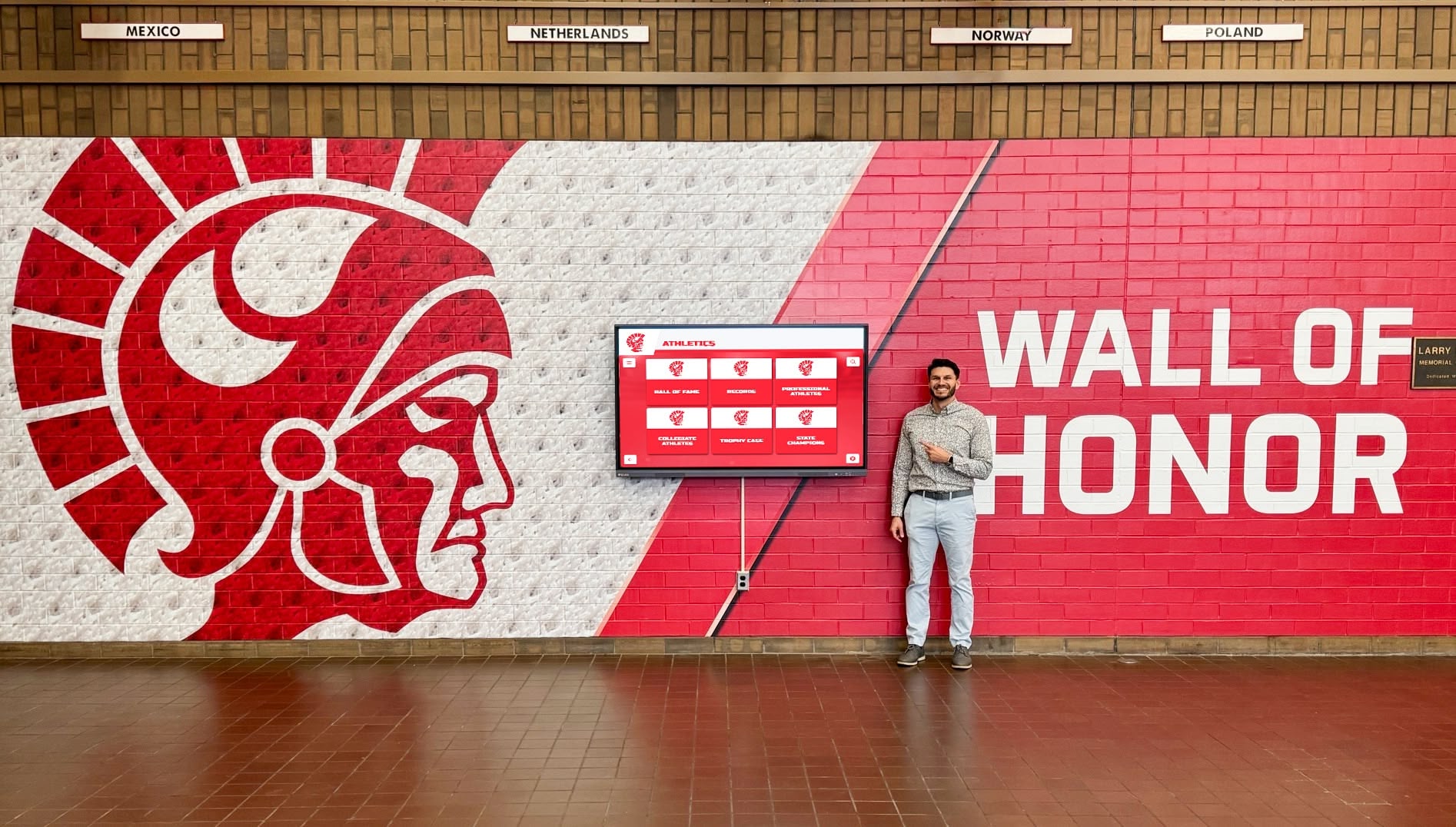
Rocket Recognition adapts to diverse organizational needs from schools to nonprofits to healthcare institutions
Common Challenges and Solutions
Understanding typical implementation difficulties helps organizations avoid problems.
Data Quality and Migration Issues
Challenge: Inconsistent Historical Recognition Data
Organizations often struggle with incomplete donor records, inconsistent naming conventions, missing dates or affiliations, scattered information across multiple systems, and uncertainty about data accuracy.
Solution: Phased Migration with Progressive Enhancement
Prioritize recent recognition with complete information, establish data standards for new entries, progressively research and enhance historical records, engage volunteers assisting with research, and accept that some historical gaps may never fully resolve.
Perfect historical data isn’t required for valuable recognition. Starting with quality recent content while gradually improving historical archives proves more effective than delaying implementation pursuing completeness.
Technical Adoption and Training
Challenge: Staff Unfamiliarity with Digital Platforms
Non-technical advancement staff sometimes feel overwhelmed by new systems, worry about making mistakes, resist change from familiar processes, and lack confidence managing technology independently.
Solution: Gradual Introduction with Comprehensive Support
Begin with basic functionality before advanced features, provide hands-on practice during training, create simple reference documentation, establish responsive technical support channels, celebrate early successes building confidence, and cross-train multiple staff ensuring continuity.
User-friendly platforms like Rocket Recognition designed specifically for non-technical users dramatically reduce adoption challenges compared to complex general-purpose software.
Organizational Change Management
Challenge: Resistance to Digital Recognition Approaches
Stakeholders sometimes prefer traditional brass plaques, question technology reliability and longevity, worry about excluding less tech-savvy visitors, and resist budget allocation for recognition investments.
Solution: Education and Stakeholder Engagement
Demonstrate digital recognition through examples and data, implement hybrid approaches combining traditional and digital elements, involve skeptical stakeholders in planning, pilot limited implementations building confidence, and communicate long-term value proposition clearly.
Change resistance decreases when stakeholders understand benefits and see successful implementations firsthand.
Content Maintenance and Sustainability
Challenge: Recognition Becoming Outdated
Organizations sometimes struggle to maintain momentum after launch, lack clear responsibility for updates, face competing priorities limiting attention, and allow recognition to become stale reducing effectiveness.
Solution: Systematic Workflows and Integration
Establish routine update schedules with clear ownership, integrate recognition into existing advancement processes, allocate dedicated staff time for maintenance, leverage automation reducing manual effort, and regularly review analytics informing improvements.
Recognition programs succeeding long-term treat content maintenance as ongoing operational responsibility rather than one-time project.
Conclusion: Transforming Recognition Through Rocket Recognition
Rocket Recognition enables schools, nonprofits, and organizations to create comprehensive, engaging recognition programs that honor all supporters and achievers without physical space constraints, update instantly as recognition needs evolve, demonstrate impact through compelling storytelling, strengthen relationships inspiring continued support, and build cultures where contributions receive celebration they deserve.
Organizations implementing Rocket Recognition report transformative improvements in recognition capacity and effectiveness. Advancement teams eliminate administrative burden coordinating physical plaque updates. Institutions honor every contributor appropriately rather than only those fitting on limited walls. Donors and alumni worldwide access recognition celebrating their support. Students discover inspiring achievement models through interactive exploration.
Transform Your Recognition Program with Rocket Recognition
Discover how Rocket Recognition can help you celebrate every supporter, achiever, and contributor through interactive displays that honor unlimited individuals, engage your community, and strengthen the relationships essential for mission success.
Explore Rocket RecognitionThe strategies explored in this guide provide frameworks for Rocket Recognition implementation that balance multiple objectives including comprehensive inclusion of all recognition-worthy contributions, professional presentation reflecting organizational quality standards, engaging visitor experiences encouraging exploration and discovery, efficient administration requiring minimal technical expertise, and sustainable management ensuring long-term effectiveness.
Strategic Implementation Pathway
Organizations considering Rocket Recognition should begin with clear needs assessment establishing recognition priorities, stakeholder engagement building broad support, realistic budget development accounting for all costs, phased implementation starting with priority content, comprehensive training ensuring confident operation, systematic maintenance workflows sustaining currency, and continuous improvement based on usage data and feedback.
This methodical approach prevents common pitfalls while ensuring recognition systems achieve intended goals of enhanced stewardship, community building, and mission advancement.
Recognition as Strategic Investment
Donor retention challenges persist across nonprofit sectors. Organizations losing supporters faster than acquiring new ones face sustainability crises. Recognition programs improving retention even modestly create substantial fundraising advantages. When combined with administrative efficiencies, enhanced donor satisfaction, and inspiring social proof effects, comprehensive recognition platforms represent strategic investments rather than discretionary expenses.
Rocket Recognition provides capabilities previously requiring custom development or complex technical integration. Purpose-built recognition tools enable schools and nonprofits of all sizes to implement professional, engaging systems celebrating their communities effectively.
Your supporters, achievers, and contributors deserve recognition that honors their contributions appropriately, demonstrates the impact they create, strengthens their connection to your mission, and inspires their continued engagement. With thoughtful planning, appropriate technology, and sustained commitment, you can create recognition experiences that transform appreciation from obligatory acknowledgment into relationship-building essential for organizational success.
Ready to explore Rocket Recognition for your institution? Learn more about interactive donor recognition solutions or discover how digital recognition systems celebrate achievements across diverse organizational settings.