



Digital touchscreen recognition at high school JV hockey games represents a transformative approach to celebrating junior varsity athletes who form the foundation of successful hockey programs. Interactive displays positioned rinkside or in arena lobbies showcase JV player achievements, career statistics, development pathways, and team accomplishments—creating visibility and engagement that traditional recognition methods fail to deliver for athletes competing outside the varsity spotlight.
Junior varsity hockey players face unique recognition challenges compared to their varsity counterparts. While varsity games draw larger crowds, receive more media coverage, and generate greater community attention, JV athletes demonstrate equal dedication through daily practice, skill development, competitive games, and team contribution—yet often receive minimal lasting recognition for their commitment and achievement. Traditional recognition approaches like brief announcements, limited program mentions, or occasional newsletter features fail to honor JV players proportionally to their contributions toward program success.
This comprehensive guide explores how schools implement interactive touchscreen displays at JV hockey games to transform recognition for junior varsity athletes, the specific features that make rinkside digital displays effective for hockey programs, strategies for showcasing JV player development and statistics, approaches for building comprehensive program culture celebrating athletes at all competitive levels, and how modern digital recognition technology creates engagement opportunities that inspire current JV players while demonstrating program depth to prospective players, families, and communities.
Effective JV hockey recognition extends beyond simple game-day acknowledgment—it creates systematic celebration frameworks that document player development, showcase team achievements, connect JV and varsity programs, and demonstrate that all contributing athletes receive appropriate visibility regardless of competitive level. Schools implementing interactive touchscreen displays at JV hockey games report increased player engagement, enhanced family satisfaction, stronger program culture, improved player development tracking, and recruiting advantages as prospective families recognize comprehensive recognition approaches valuing all athletes.

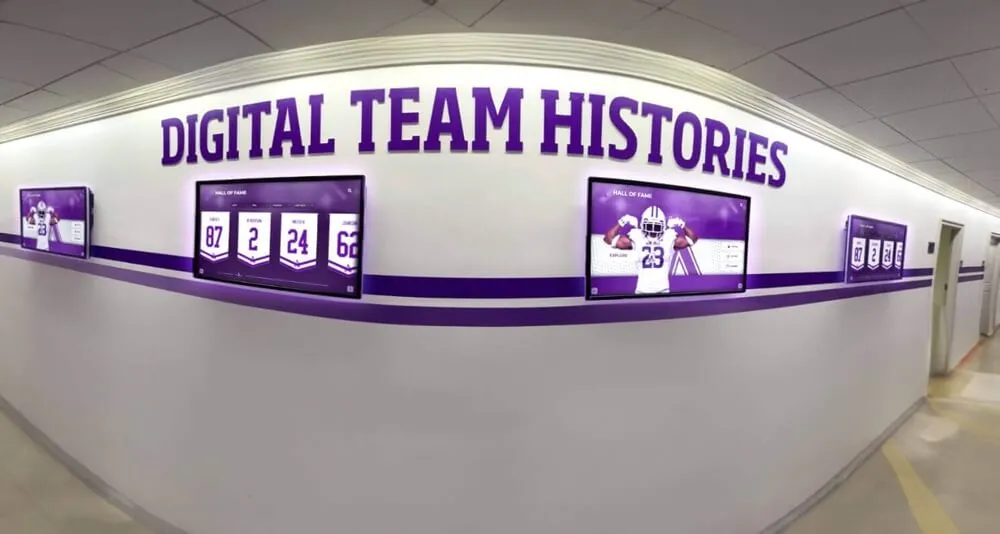
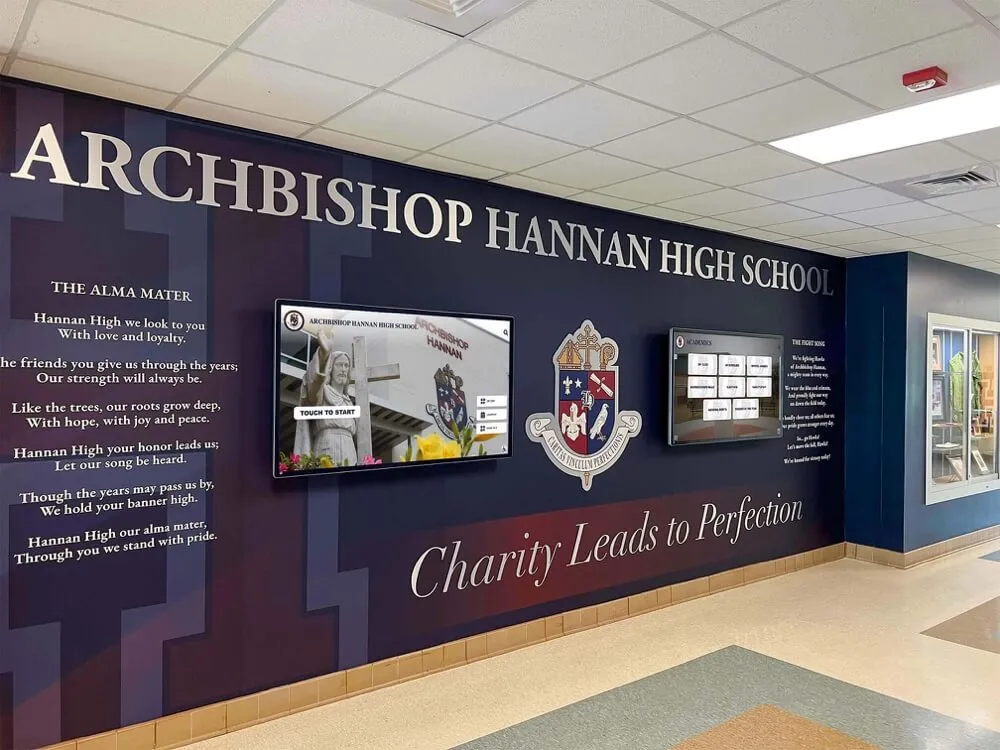
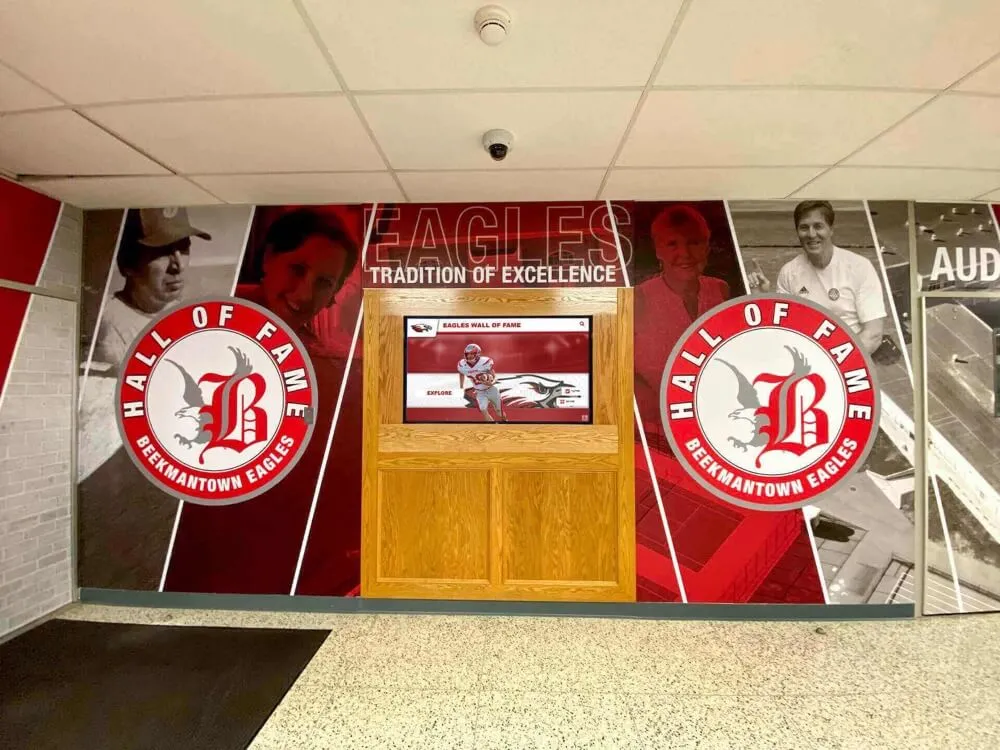
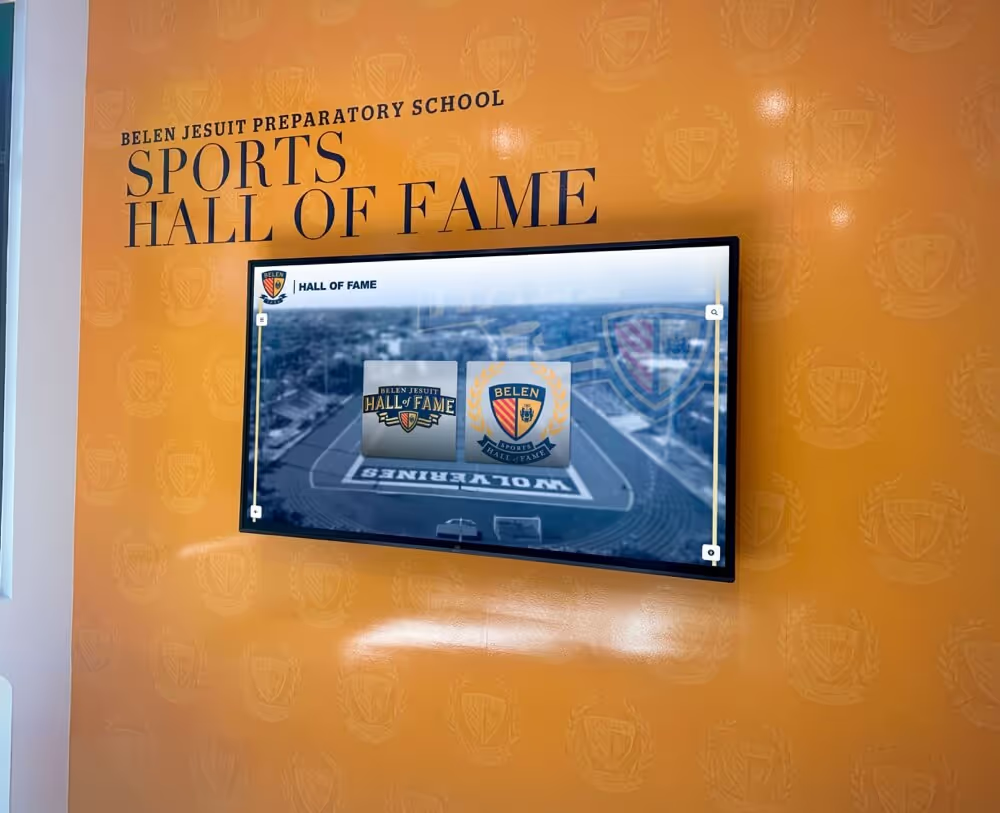
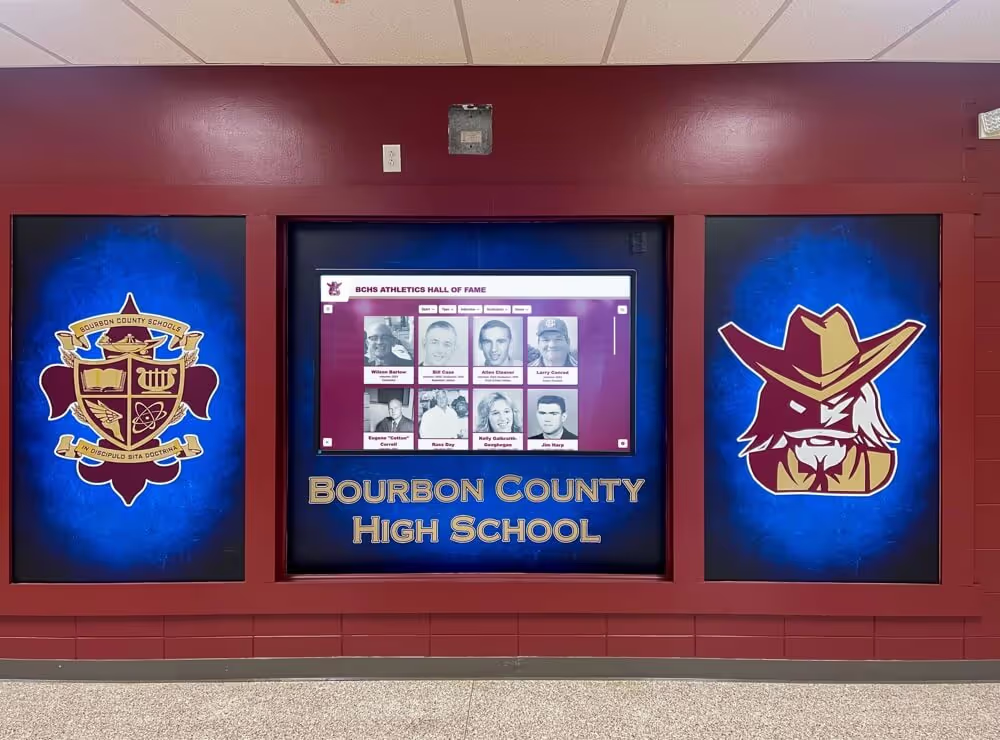
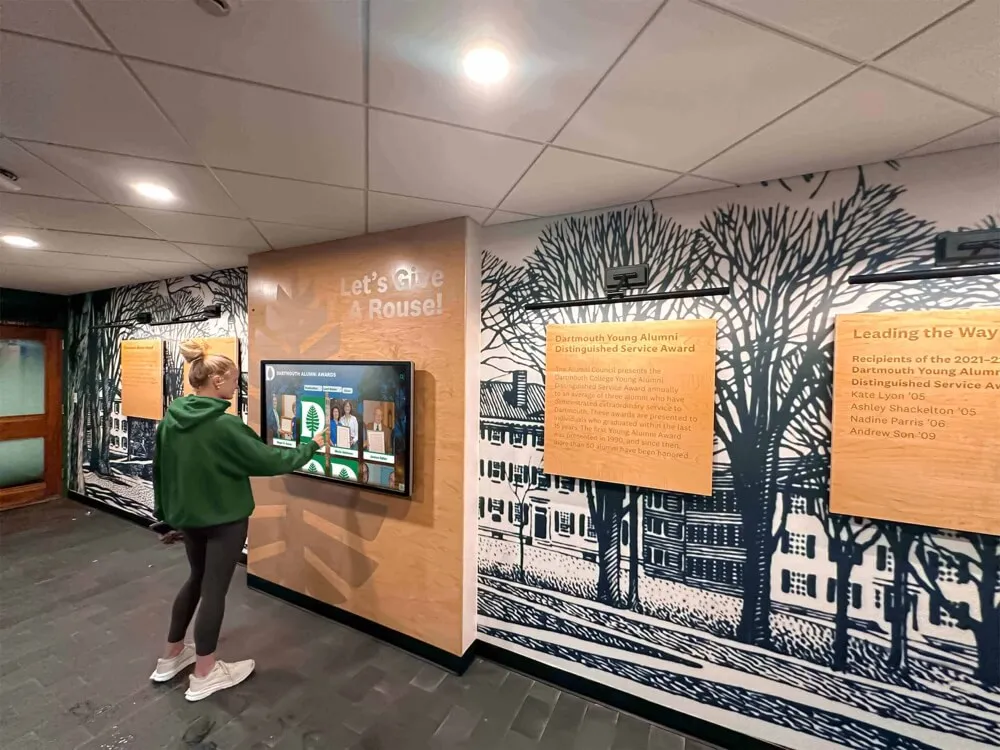
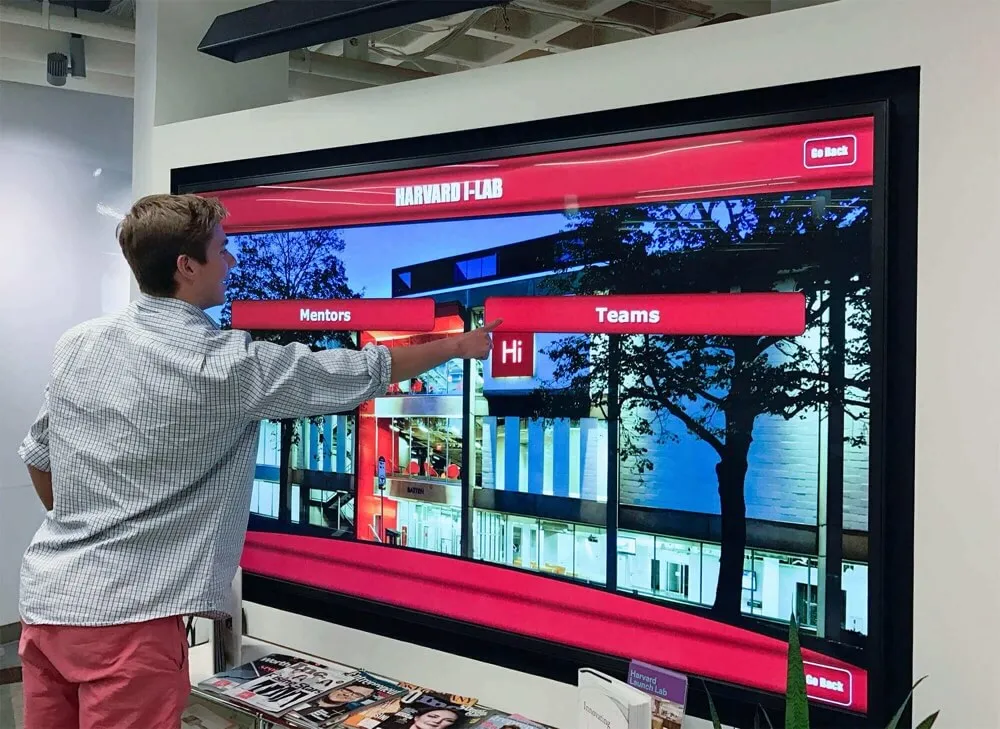
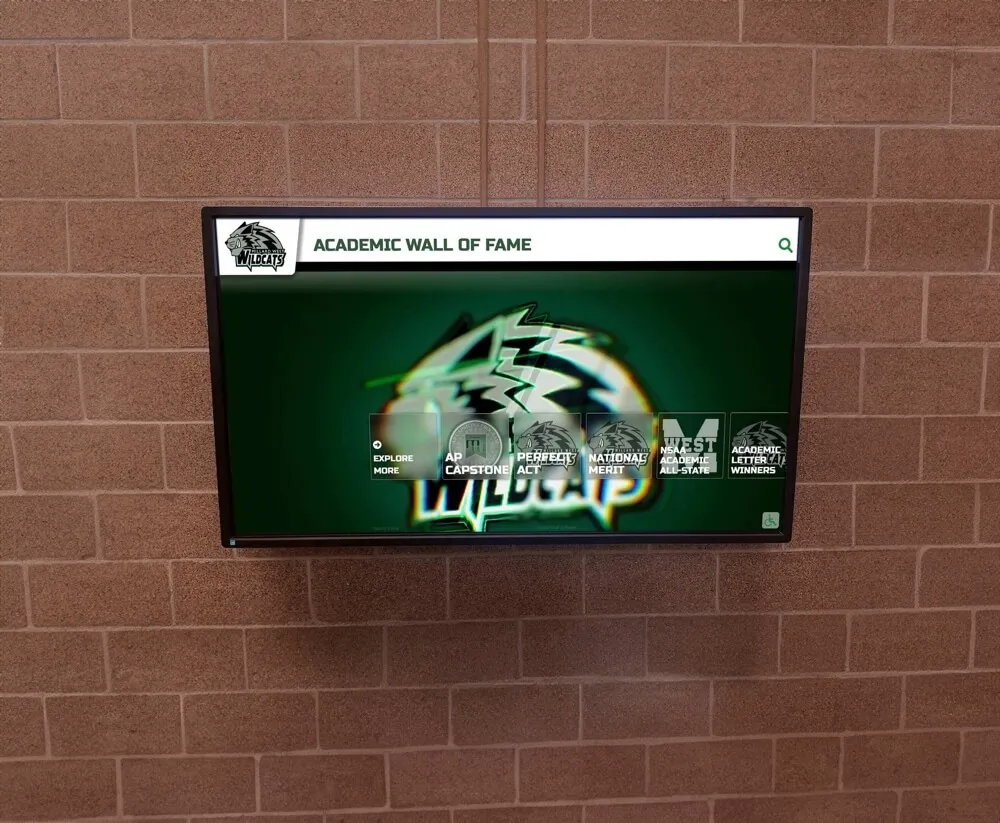
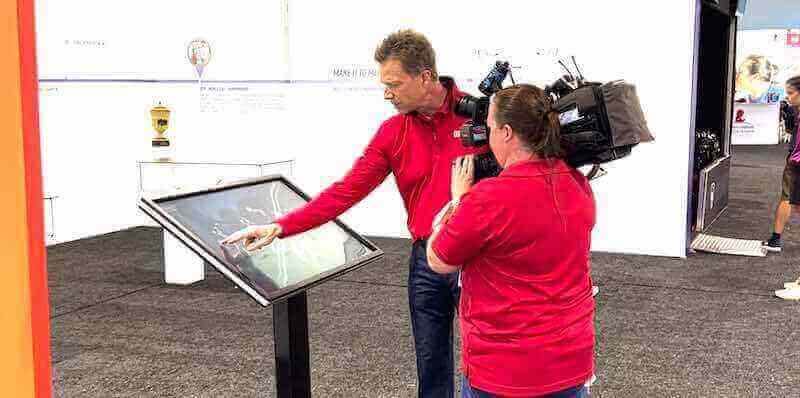
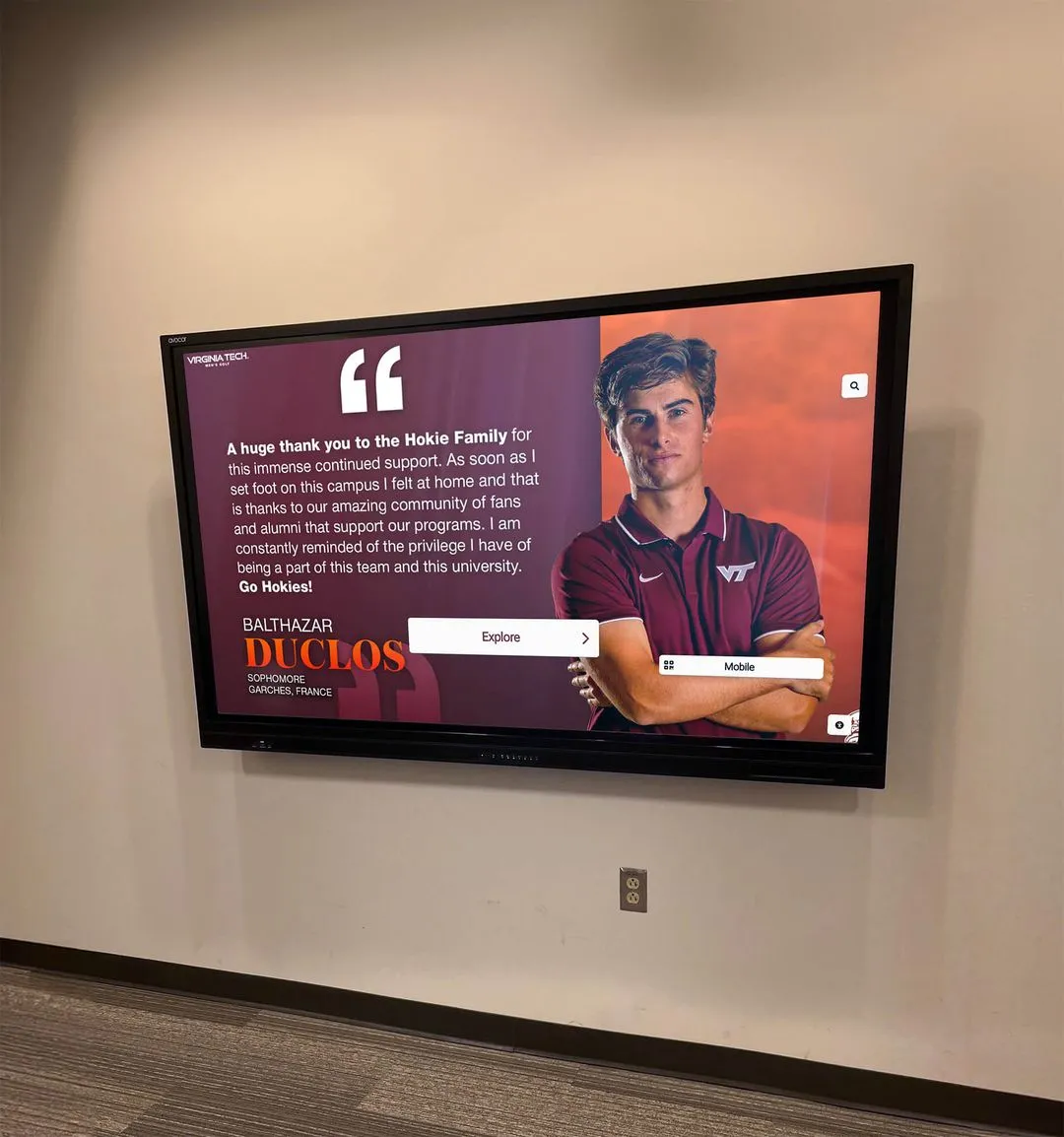
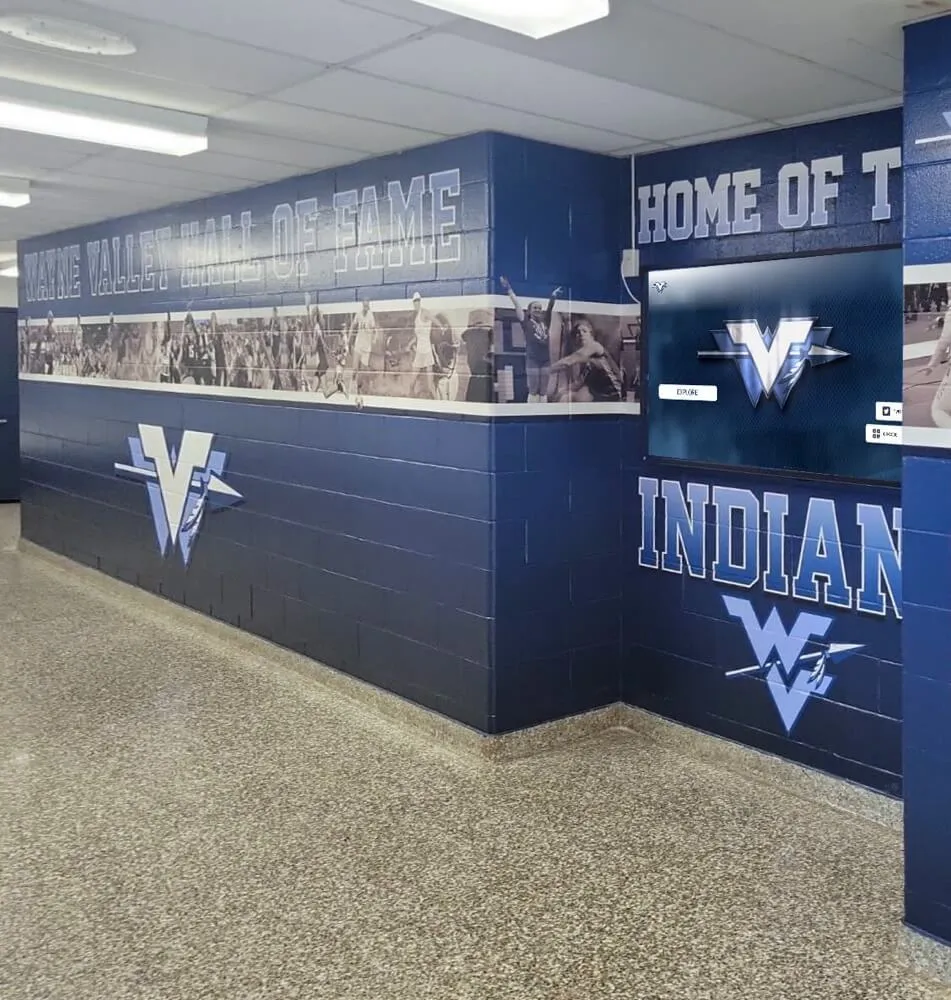
Modern touchscreen displays integrate seamlessly into hockey rinks and school facilities, providing interactive JV player recognition
Understanding JV Hockey Recognition Challenges
Before exploring digital solutions, understanding the specific recognition challenges facing junior varsity hockey programs helps schools appreciate why traditional approaches prove inadequate and why interactive touchscreen displays offer compelling alternatives.
The JV Recognition Gap in High School Hockey
Junior varsity hockey teams face systematic recognition disparities compared to varsity programs despite similar commitment levels and developmental importance.
Attention and Visibility Differences
JV hockey games typically occur during less convenient times like weekday afternoons or early weekend mornings when student attendance remains minimal. Parent attendance represents the primary audience, with limited broader community presence compared to prime-time varsity games drawing students, alumni, and community supporters. Media coverage focuses almost exclusively on varsity results, with local newspapers and school communications rarely featuring JV game highlights or player accomplishments beyond occasional season summaries.
Traditional Recognition Limitations
When JV hockey recognition exists, it typically includes brief public address announcements during varsity games mentioning JV results, yearbook team photos without individual player profiles or statistics, end-of-season award ceremonies combining multiple sports with limited individual attention, and occasional newsletter mentions acknowledging exceptional performances or season milestones. These limited approaches fail to provide sustained, comprehensive recognition proportional to JV athletes’ commitment and contribution.
Impact on Player Experience
The recognition gap affects JV hockey players significantly through diminished sense of achievement value when accomplishments receive minimal acknowledgment, reduced family pride opportunities as parents attend games without broader community awareness, limited program connection when JV feels separate from rather than integrated with varsity culture, and decreased motivation when pathway from JV to varsity recognition remains invisible or undervalued.
Learn about comprehensive athletic recognition approaches that celebrate athletes across all competitive levels including junior varsity programs.
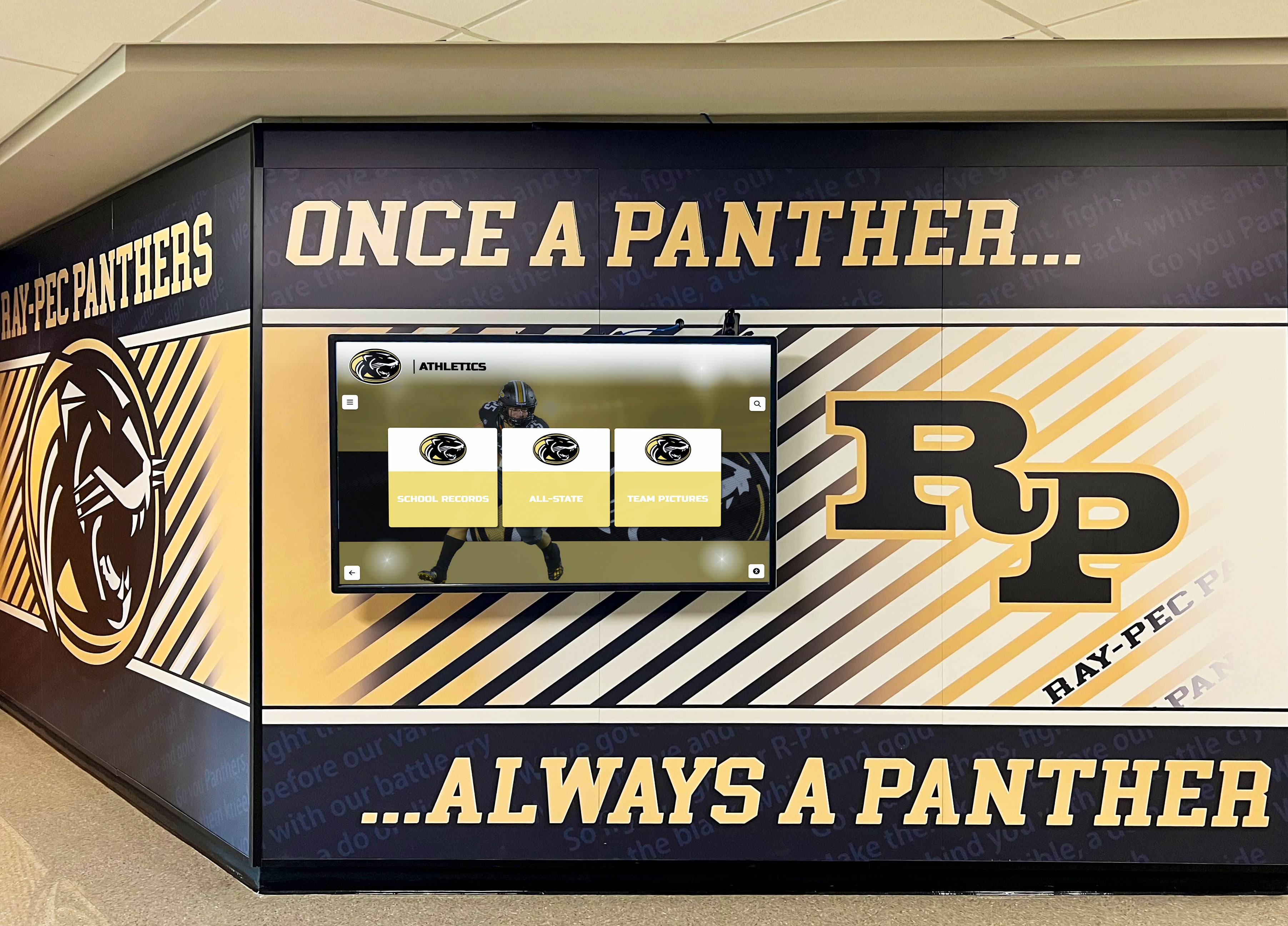
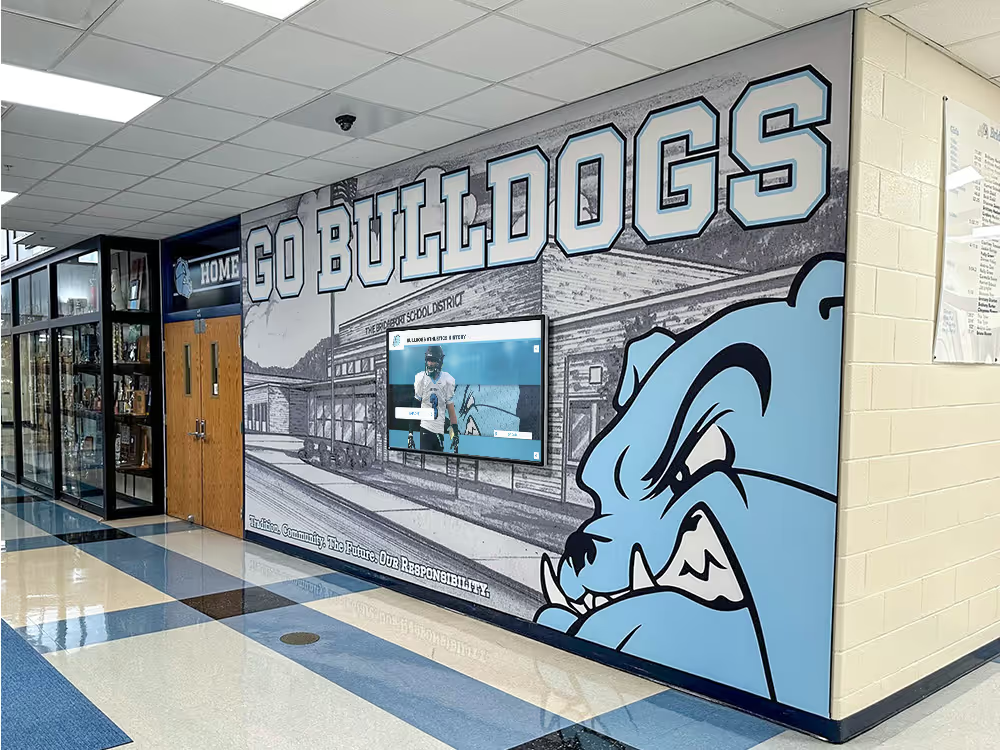
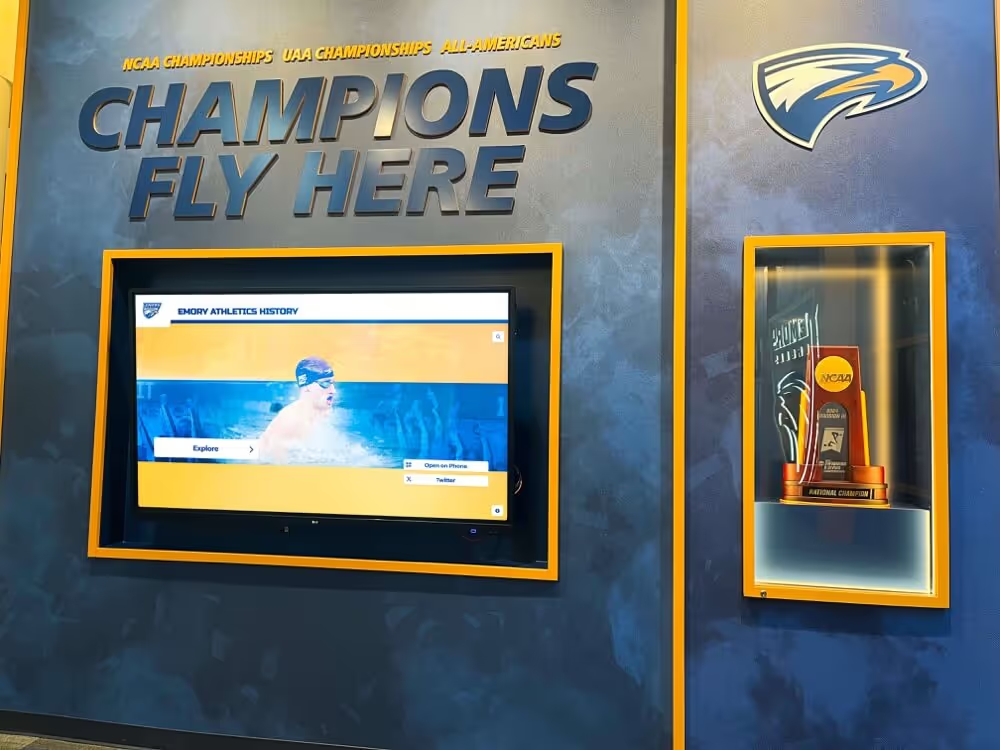
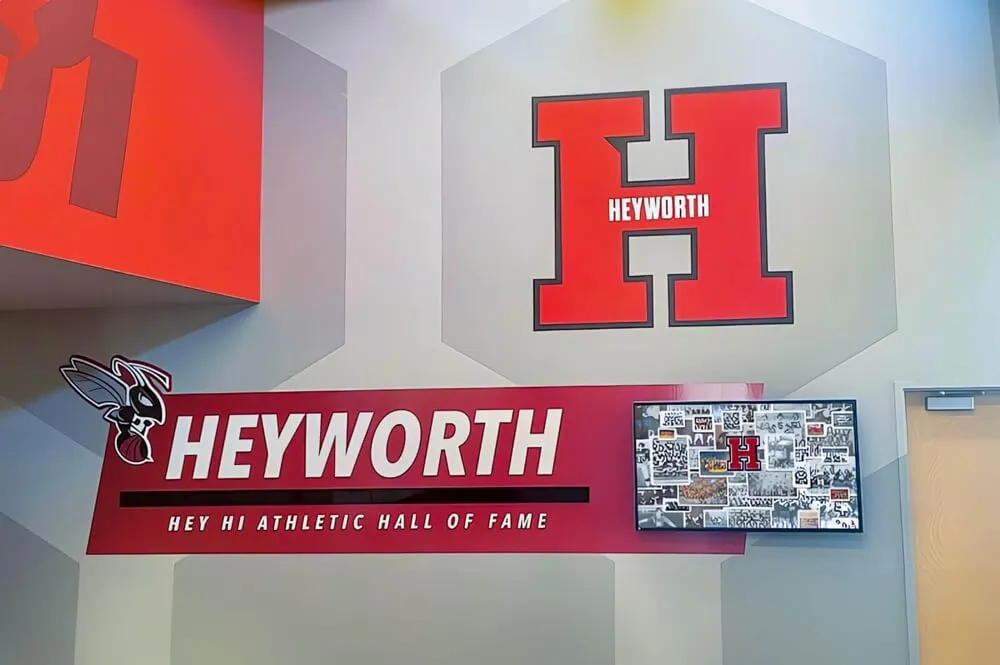
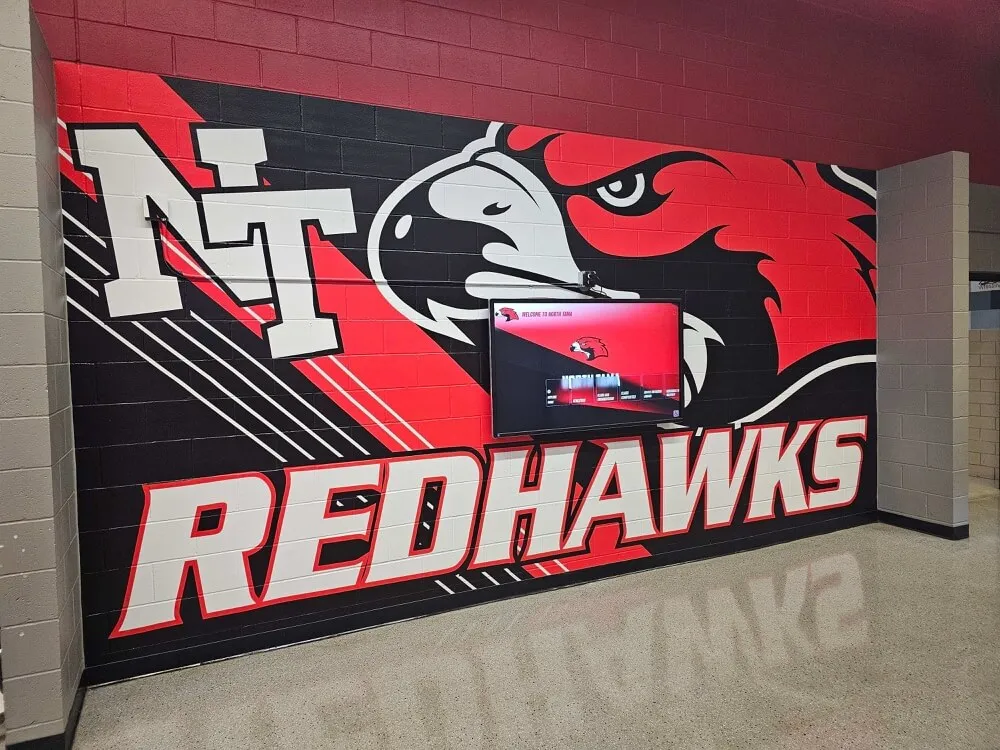
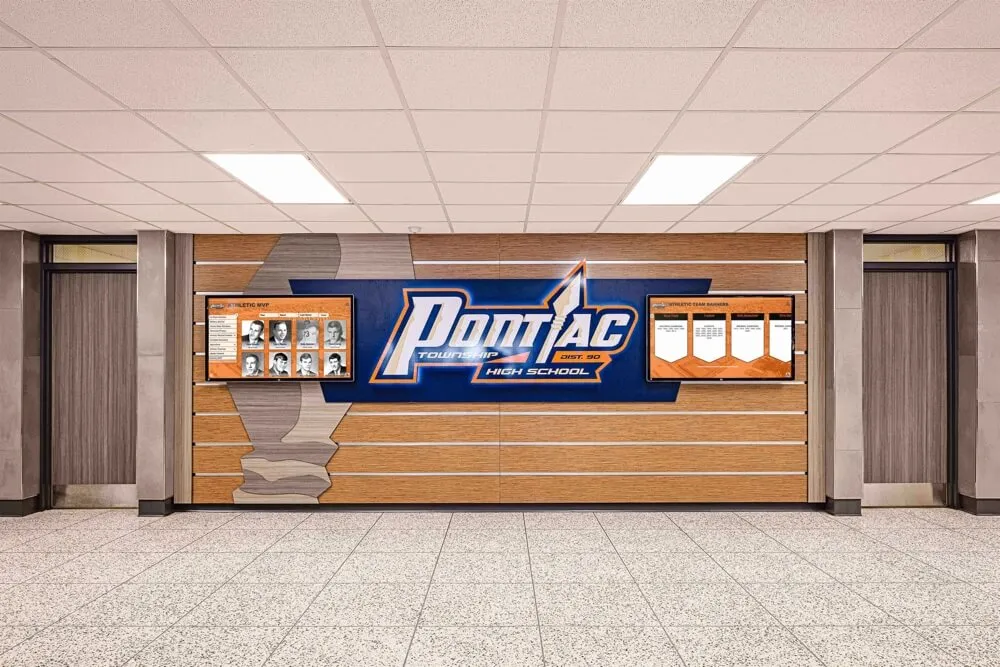
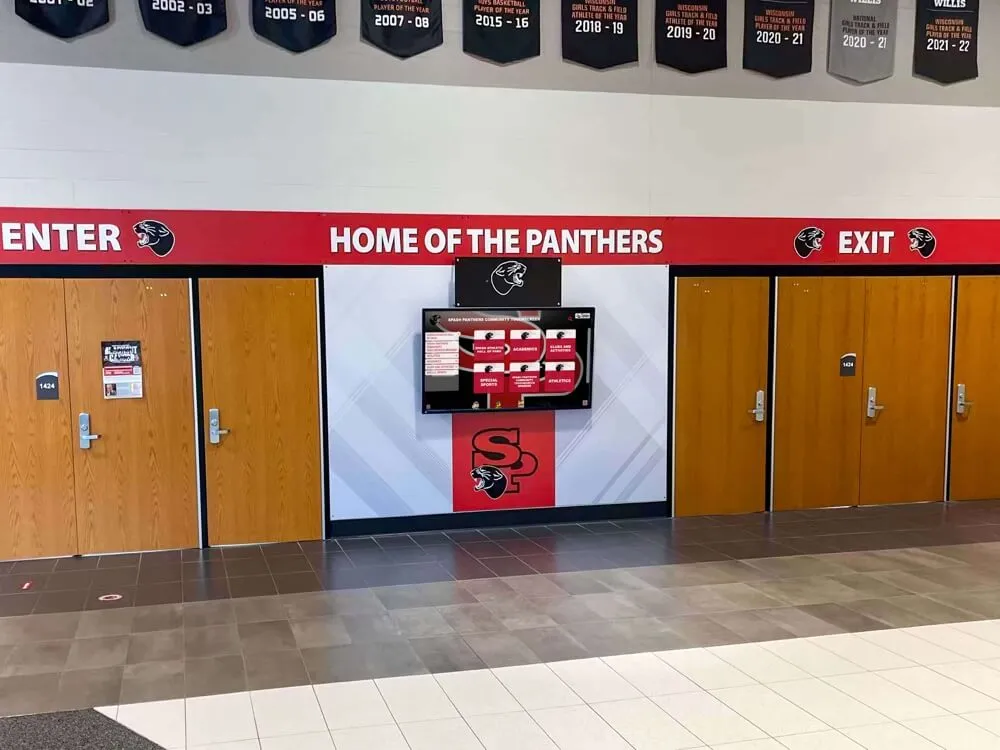
Strategic placement of recognition displays in high-traffic areas ensures JV hockey achievements receive ongoing visibility
Why JV Hockey Recognition Matters for Program Success
Comprehensive junior varsity recognition serves crucial functions beyond individual player acknowledgment, directly impacting overall program quality and sustainability.
Player Development and Retention
JV hockey programs serve as primary development systems preparing players for varsity competition. When JV athletes receive meaningful recognition for achievements and progress, retention rates improve significantly as players remain engaged throughout challenging developmental periods rather than departing programs when feeling undervalued or invisible. Recognition demonstrates institutional commitment to player development regardless of current competitive level, building loyalty and sustained participation.
Family Engagement and Satisfaction
Hockey represents significant financial and time investment for families covering equipment costs, travel expenses, and schedule commitments supporting player participation. Visible recognition for JV achievements validates family investment while building satisfaction and ongoing program support. Families report greater engagement when comprehensive recognition systems acknowledge their athletes’ contributions proportional to commitment level rather than relegating JV to afterthought status.
Program Culture and Unity
Strong hockey programs feature unified culture connecting JV and varsity rather than treating them as separate entities. Recognition systems celebrating achievements across all levels build this cultural integration by demonstrating that program values accomplishment and development regardless of roster designation. JV players who feel genuinely part of program tradition develop stronger identification with team culture, creating seamless transitions as they progress to varsity roles.
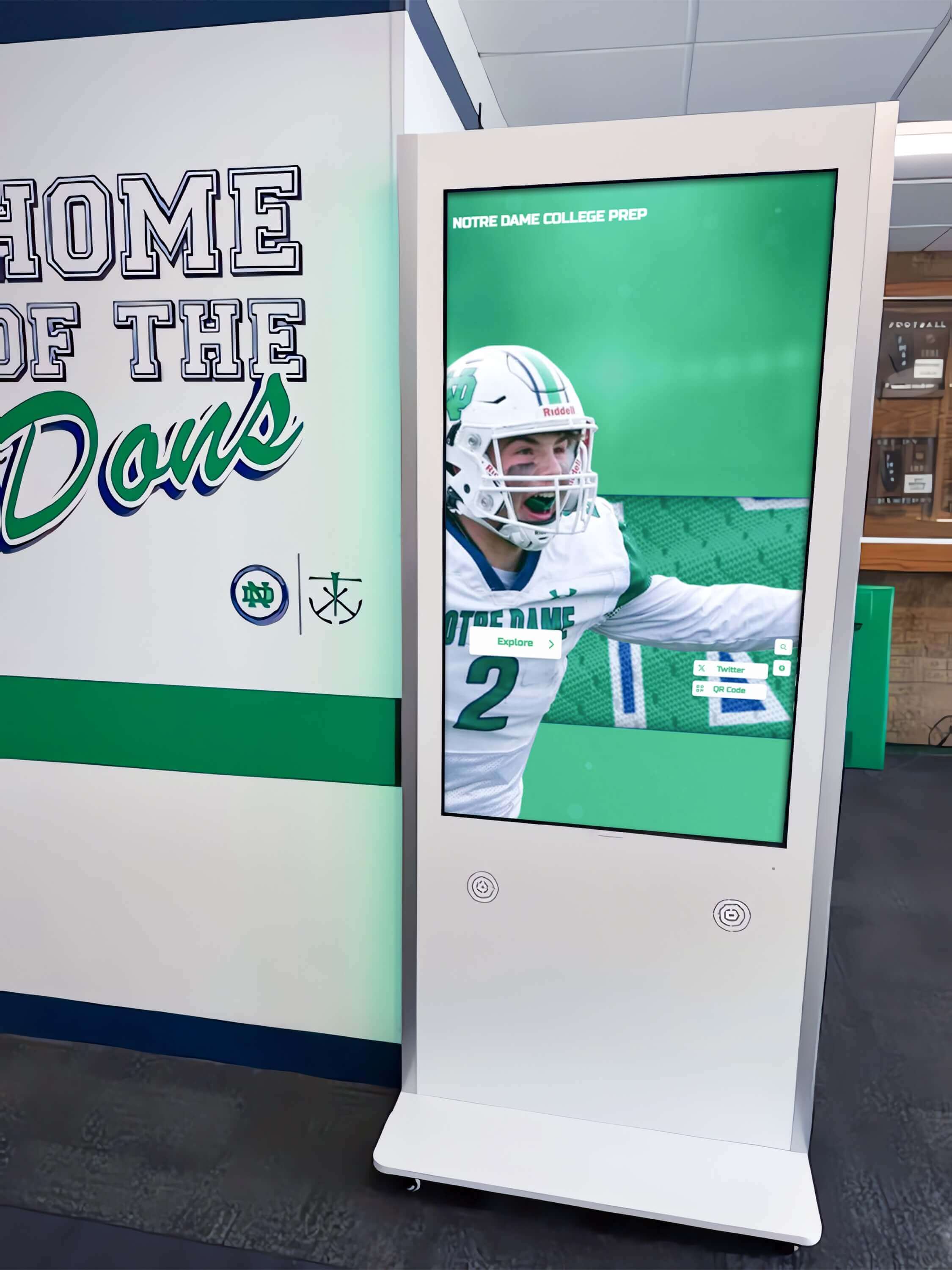
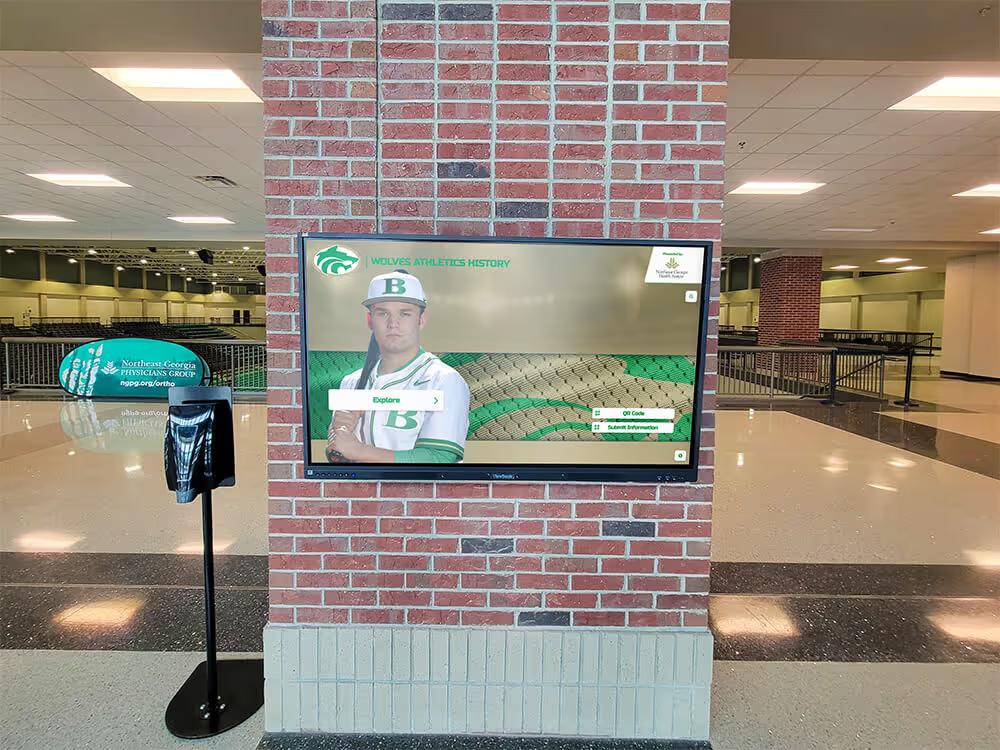
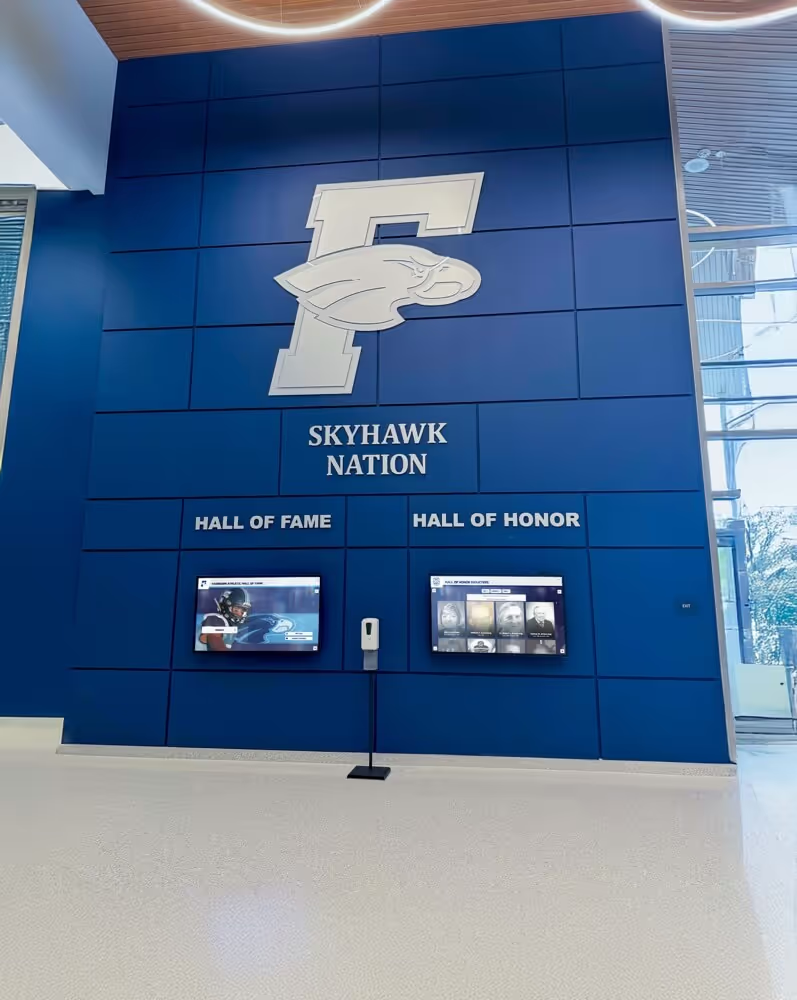
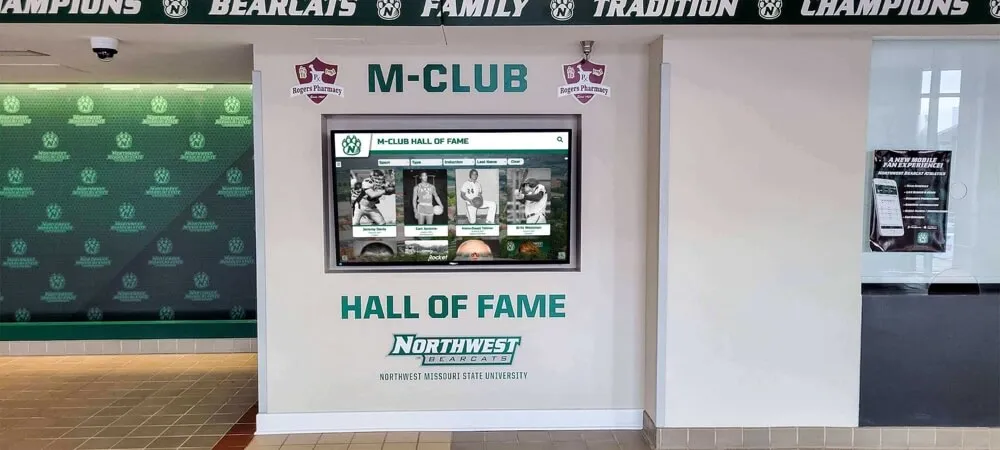
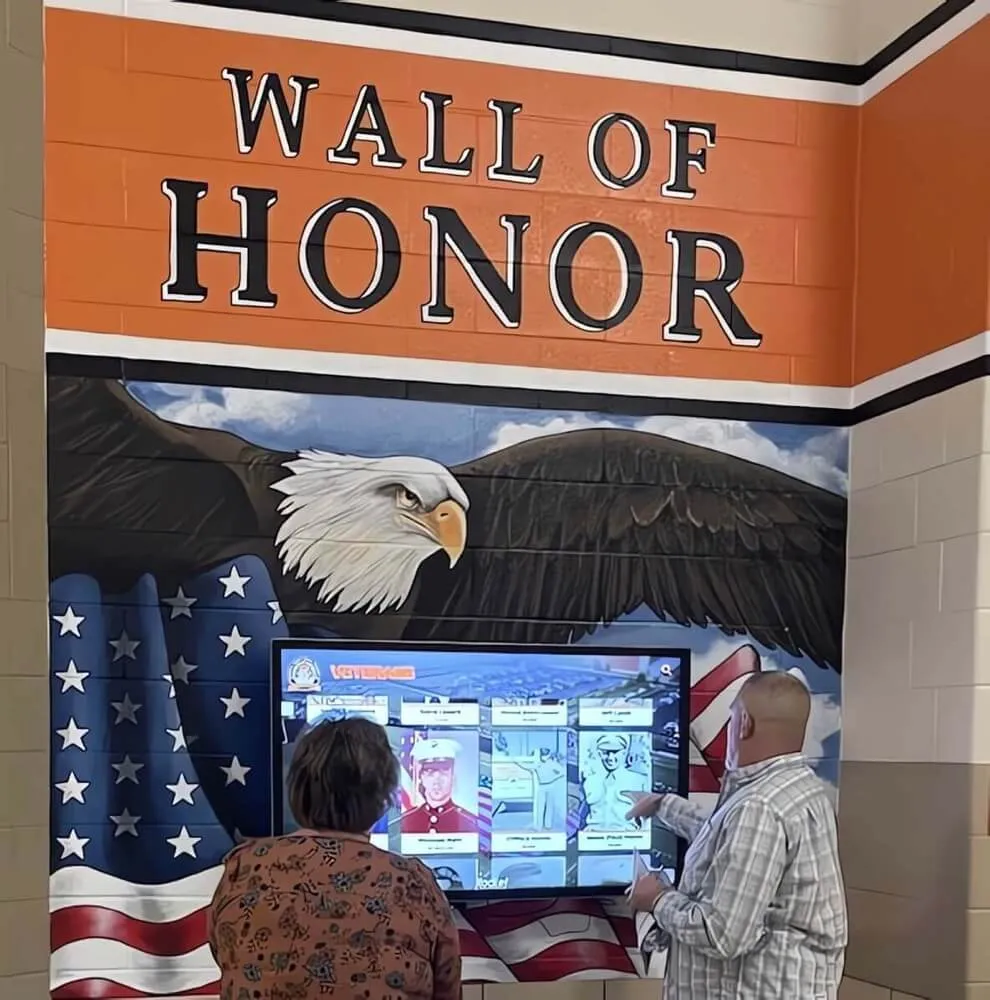
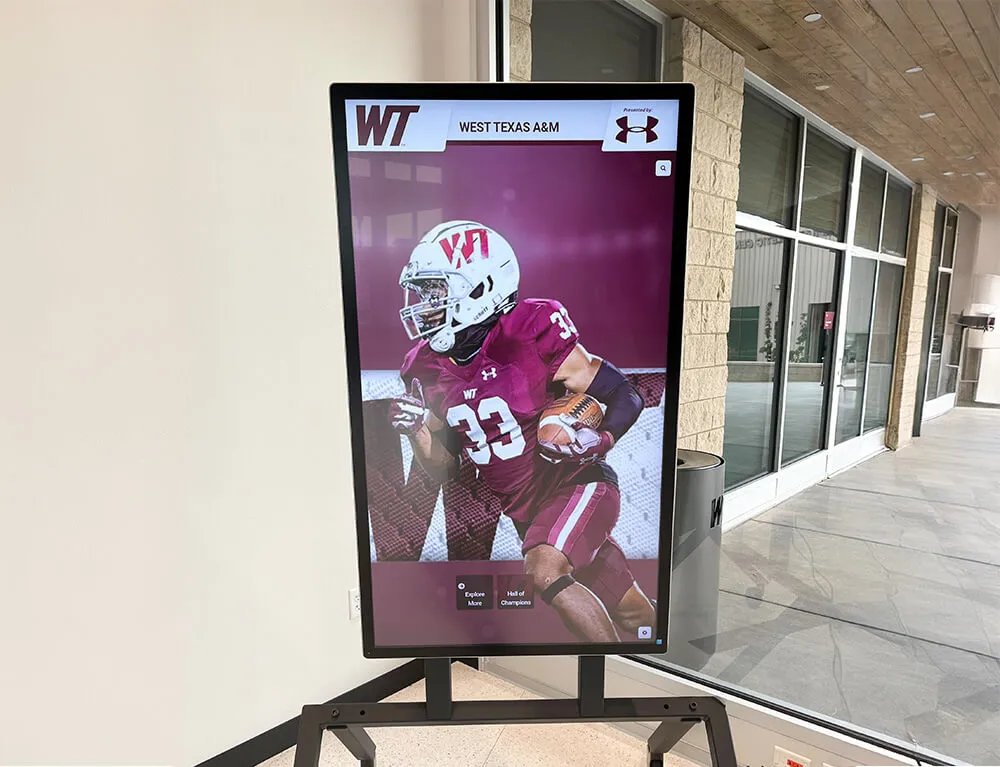
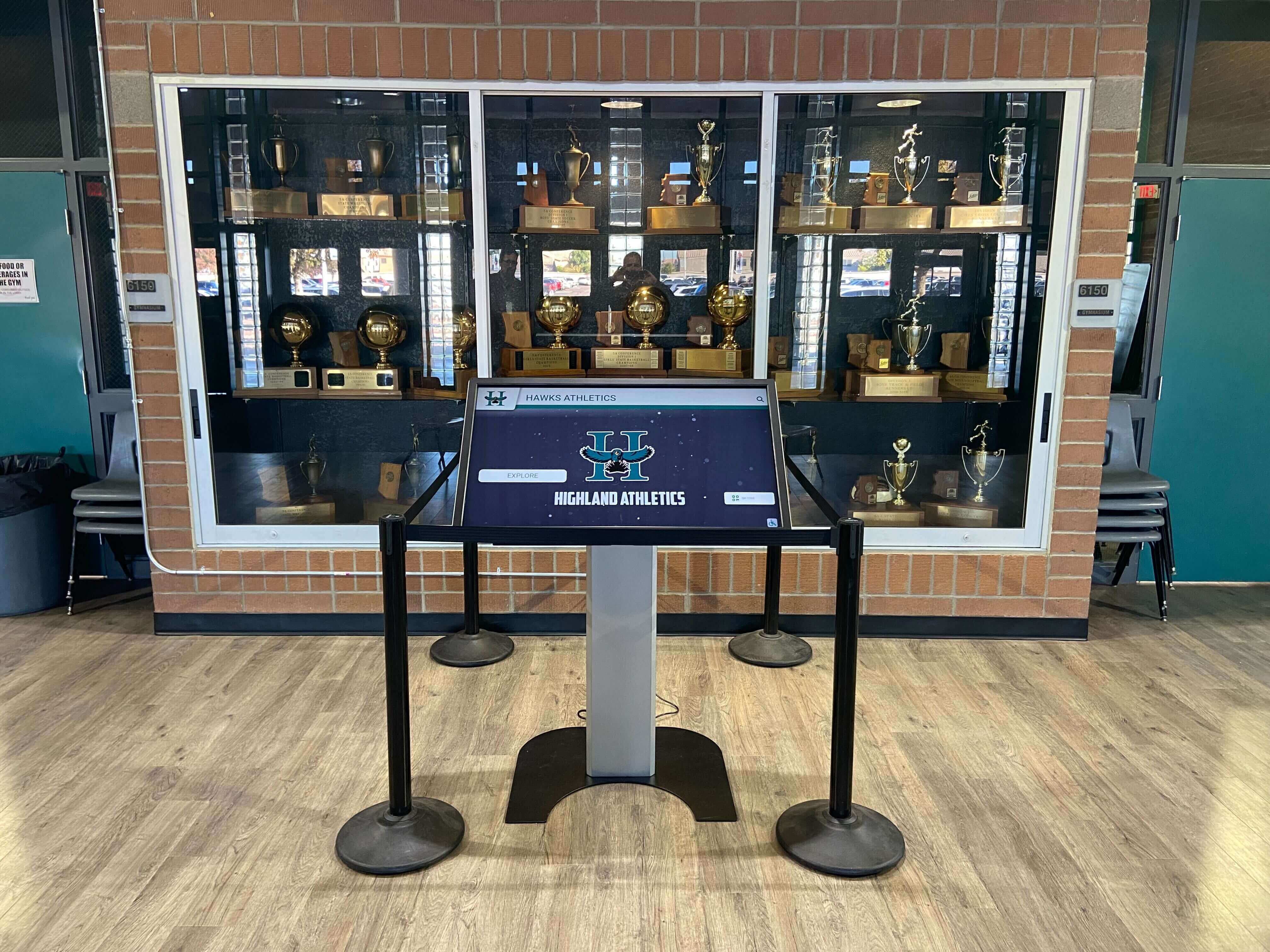
Freestanding kiosks create engaging recognition installations celebrating athletic development across program levels
Recruiting and Program Reputation
Prospective hockey families evaluate programs based on comprehensive approaches to player development and recognition. Schools demonstrating systematic JV recognition through visible displays and documentation gain competitive advantages during recruiting as families recognize that their athletes will receive appropriate acknowledgment throughout developmental journeys rather than waiting until earning varsity positions to receive institutional recognition.
Explore strategies for building athletic program culture through comprehensive recognition of athletes at all competitive levels.
Interactive Touchscreen Displays: Technology Transforming JV Hockey Recognition
Modern digital display technology enables recognition approaches impossible through traditional methods, creating engaging, comprehensive systems specifically valuable for junior varsity programs.
Components of Effective Hockey Recognition Displays
Professional interactive touchscreen installations combine specialized hardware and software creating seamless recognition experiences.
Commercial-Grade Touchscreen Hardware
Effective hockey rink displays utilize commercial touchscreen systems engineered for public environments rather than consumer electronics. These professional displays feature enhanced durability withstanding continuous public interaction, commercial-grade components rated for 50,000-70,000 operating hours, high brightness levels (350-700 nits) ensuring visibility in well-lit hockey facilities, responsive multi-touch interfaces supporting intuitive navigation, and thermal management systems preventing overheating in equipment rooms or hallway installations.
Display sizes typically range from 43 to 75 inches depending on installation location and viewing distance, with 55-inch displays proving most popular for hockey facility lobbies and 43-inch models working well for equipment room or hallway installations where space remains limited.
Purpose-Built Recognition Software
Generic digital signage software lacks specialized features needed for comprehensive athletic recognition. Purpose-built platforms like Rocket Alumni Solutions provide hockey-specific capabilities including unlimited player profiles accommodating complete rosters across multiple seasons, comprehensive statistics display showing goals, assists, points, penalties, and game-by-game performance, team standings and records across varsity, JV, and other program levels, season schedules with results and upcoming games, photo galleries documenting practices, games, and celebrations, and searchable interfaces enabling instant access to specific players, teams, or seasons.
Cloud-Based Content Management
Modern recognition systems leverage cloud technology enabling administrators to update content remotely from any internet-connected device without physical access to display hardware. This cloud-based approach provides immediate updates reflecting game results and new achievements within minutes of occurrence, scheduled publishing allowing automated content refreshes aligned with game schedules, role-based permissions enabling appropriate staff access to update different content sections, automatic backup protecting against data loss, and multi-location management when programs deploy multiple displays across facilities.
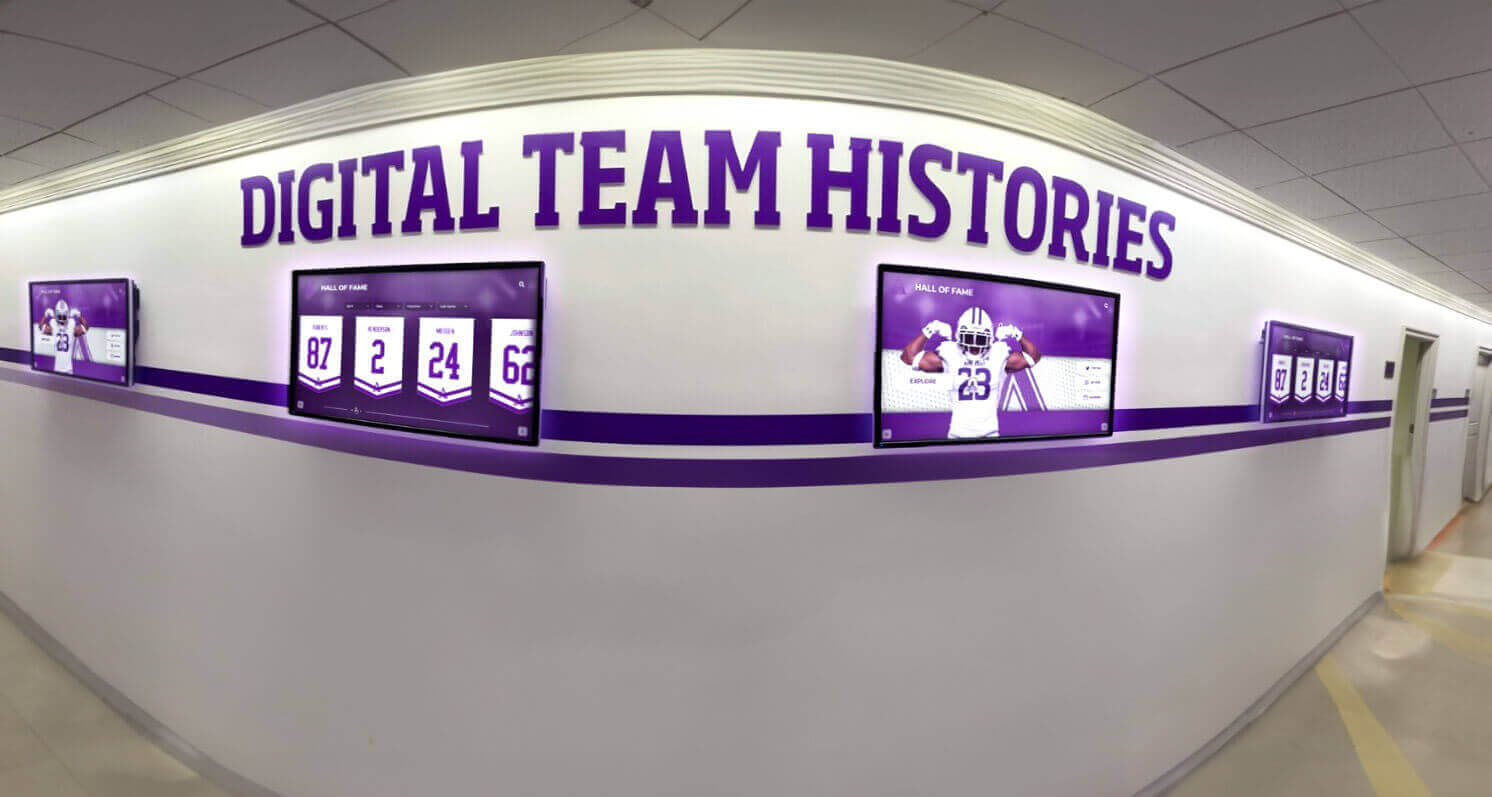
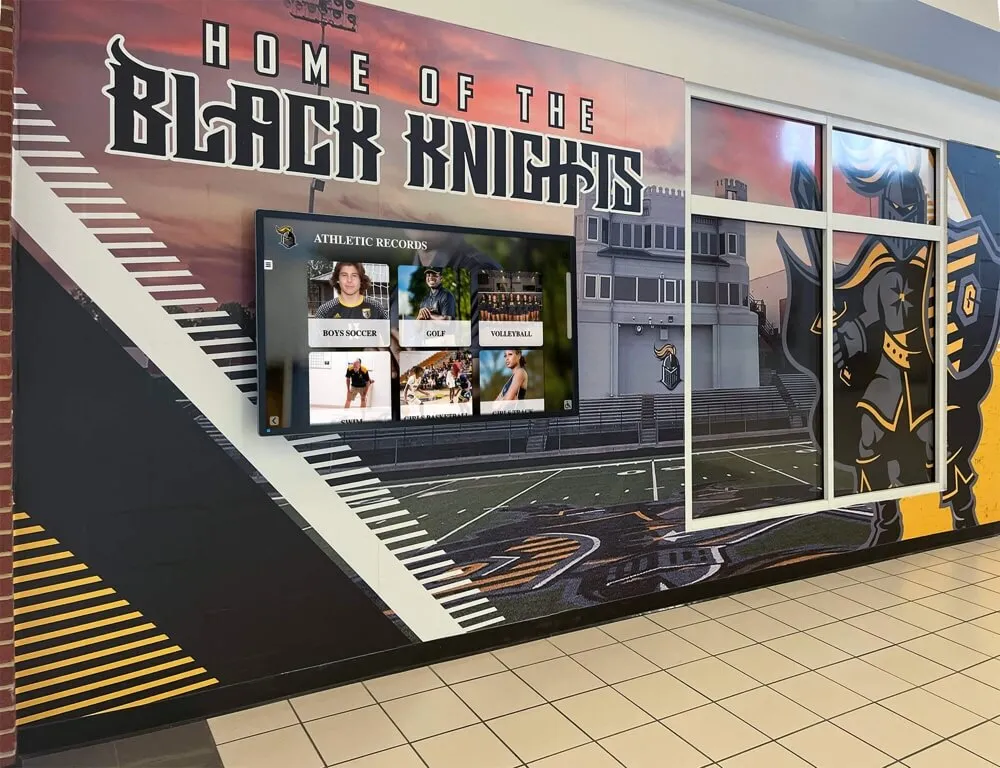
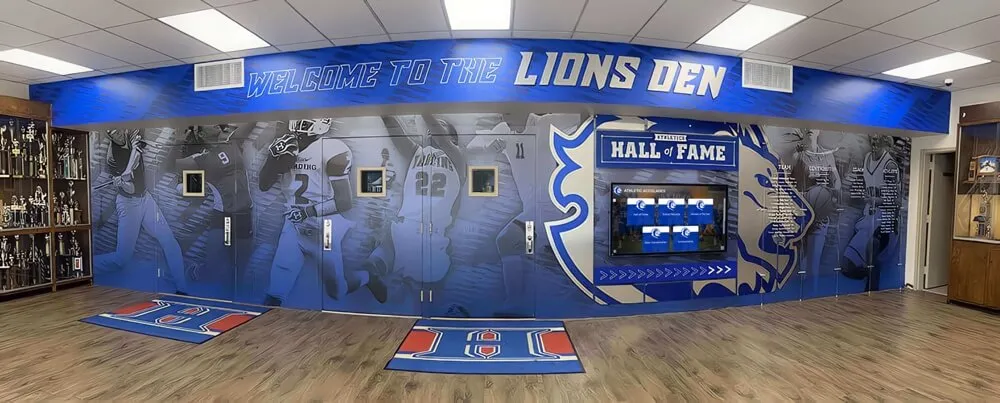
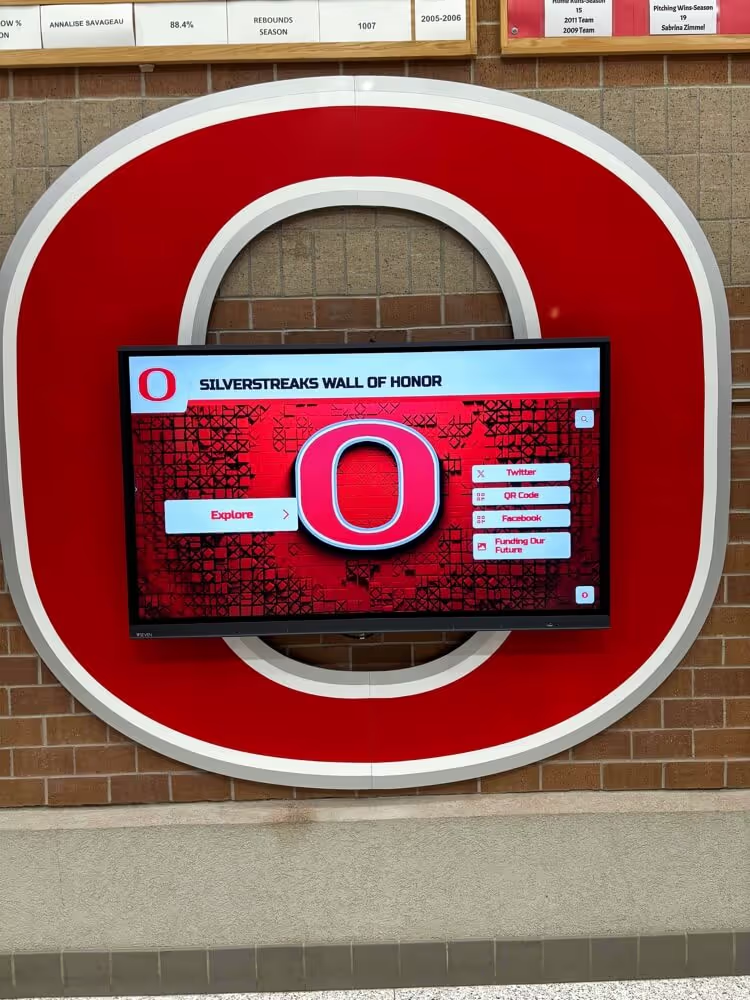
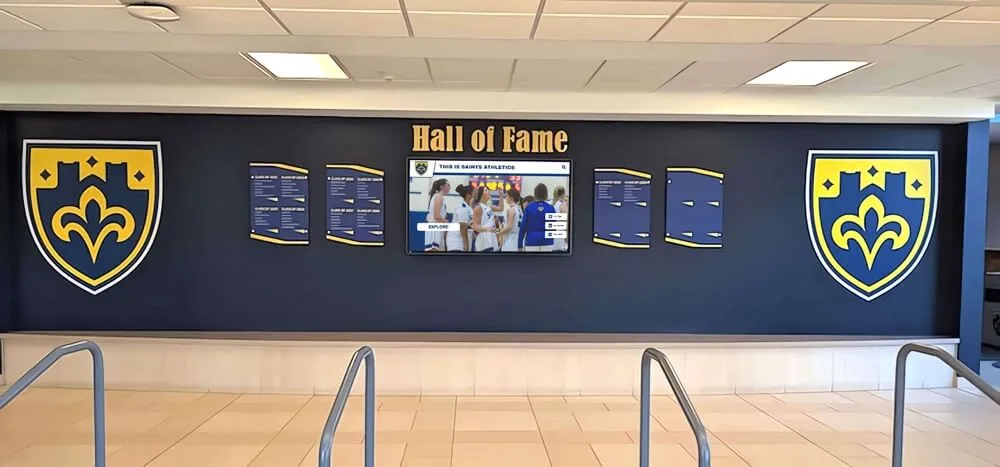
Network installations enable comprehensive recognition across varsity, JV, and other program levels from unified management systems
Rinkside and Facility Installation Strategies
Strategic placement maximizes recognition impact while accommodating hockey facility architectural constraints.
Arena Lobby Installations
Hockey facility lobbies represent ideal locations for touchscreen recognition displays as all players, families, and spectators pass through these spaces entering and exiting rinks. Lobby installations create natural gathering points where families arrive early before games and linger after competitions, providing extended interaction opportunities. Freestanding kiosks work particularly well in lobby settings, creating prominent standalone installations that draw attention while accommodating facilities where wall mounting proves difficult.
Locker Room and Hallway Placements
Equipment areas and hallways connecting locker rooms to ice surfaces ensure daily player engagement with recognition displays. Athletes pass these locations multiple times during practices and games, creating repeated exposure that keeps achievements and statistics top-of-mind. Wall-mounted displays work effectively in hallways, creating space-efficient installations that avoid obstructing traffic flow in areas where space remains at premium.
Concession and Seating Area Integration
Some programs position displays near concession stands or spectator seating areas, creating engagement opportunities during games as families wait for refreshments or occupy time between periods. These placements transform waiting time into meaningful interaction with player profiles, statistics, and team achievements.
Multi-Location Networks
Comprehensive programs implement connected display networks across multiple facility locations including main lobby centerpiece displays showcasing current season achievements, hallway displays featuring historical program accomplishments, varsity and JV locker area installations creating team-specific focus, and school main building displays when rinks remain off main campus connecting hockey recognition to broader athletic programs.
Solutions like Rocket Alumni Solutions enable centralized management of multi-location networks while customizing content appropriate for each installation’s specific context and audience.
Discover approaches to touchscreen display installation that maximize engagement while respecting facility constraints.
Content Strategies for JV Hockey Recognition Displays
Technology provides platforms, but thoughtful content creates meaningful recognition experiences that genuinely honor JV athletes while building program culture.
Individual JV Player Profiles and Statistics
Comprehensive player profiles transform simple roster lists into engaging recognition celebrating individual athletes.
Essential Player Profile Elements
Effective JV hockey player profiles include action photos showing players on ice in game situations, complete name and jersey number enabling instant identification, graduation year and hometown building personal connection, position and role on team providing competitive context, season statistics including goals, assists, points, penalties, and games played, career statistics showing progression across multiple seasons, previous hockey experience documenting club teams or development programs, and personal statements or quotes reflecting on season experiences and goals.
Development Progress Documentation
JV programs specifically focus on player development, making progress tracking particularly valuable. Recognition displays can showcase skill progression across seasons through statistical improvement, advancement from JV to varsity rosters when applicable, award recognition for most improved or dedicated players, specific skill development milestones coaches identify as significant, and comparison to program historical standards creating achievement context.
Career Journey Narratives
Beyond statistics, effective profiles tell athlete stories including how players discovered hockey and joined program, challenges overcome during development, memorable game moments or achievements, relationships with teammates and coaches, post-high school hockey aspirations, and academic pursuits balanced with athletic commitment.
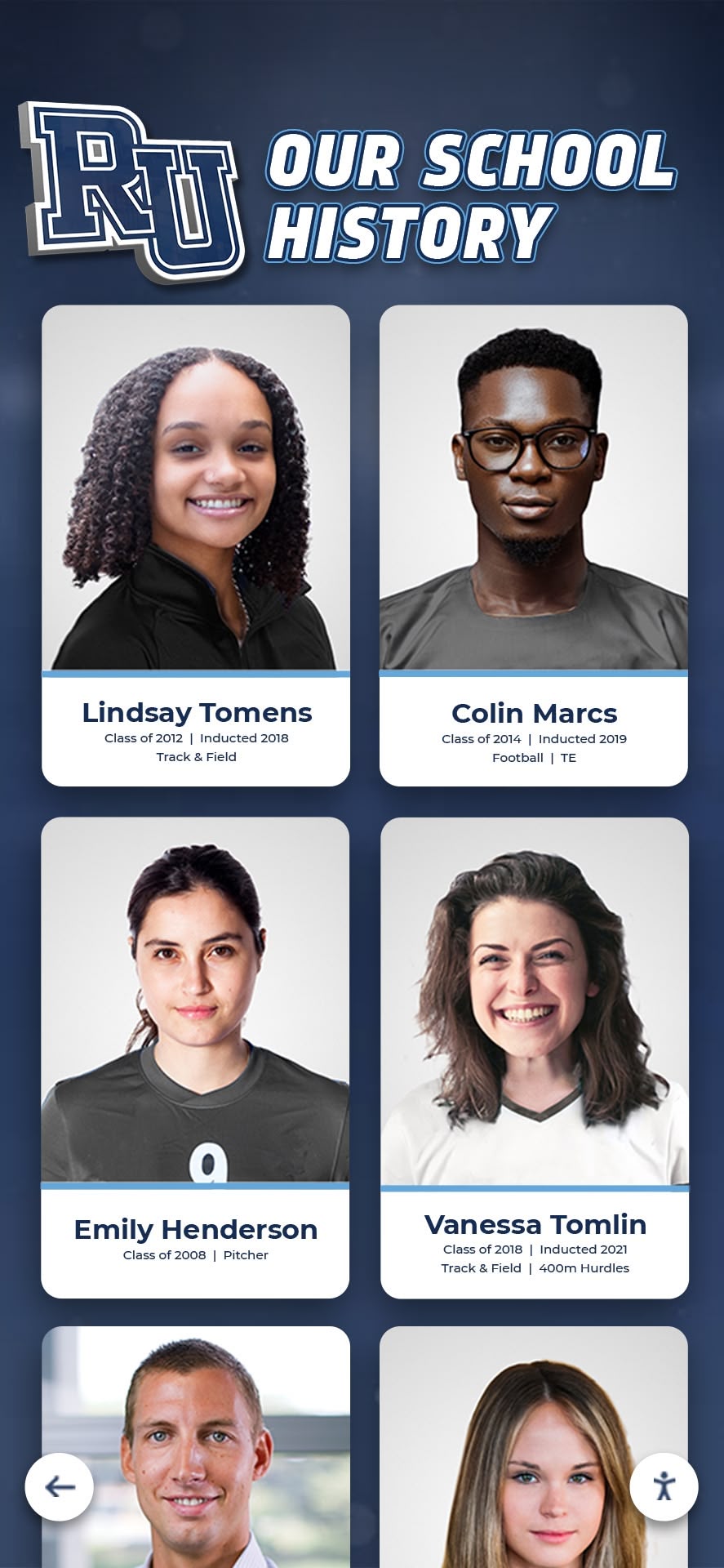
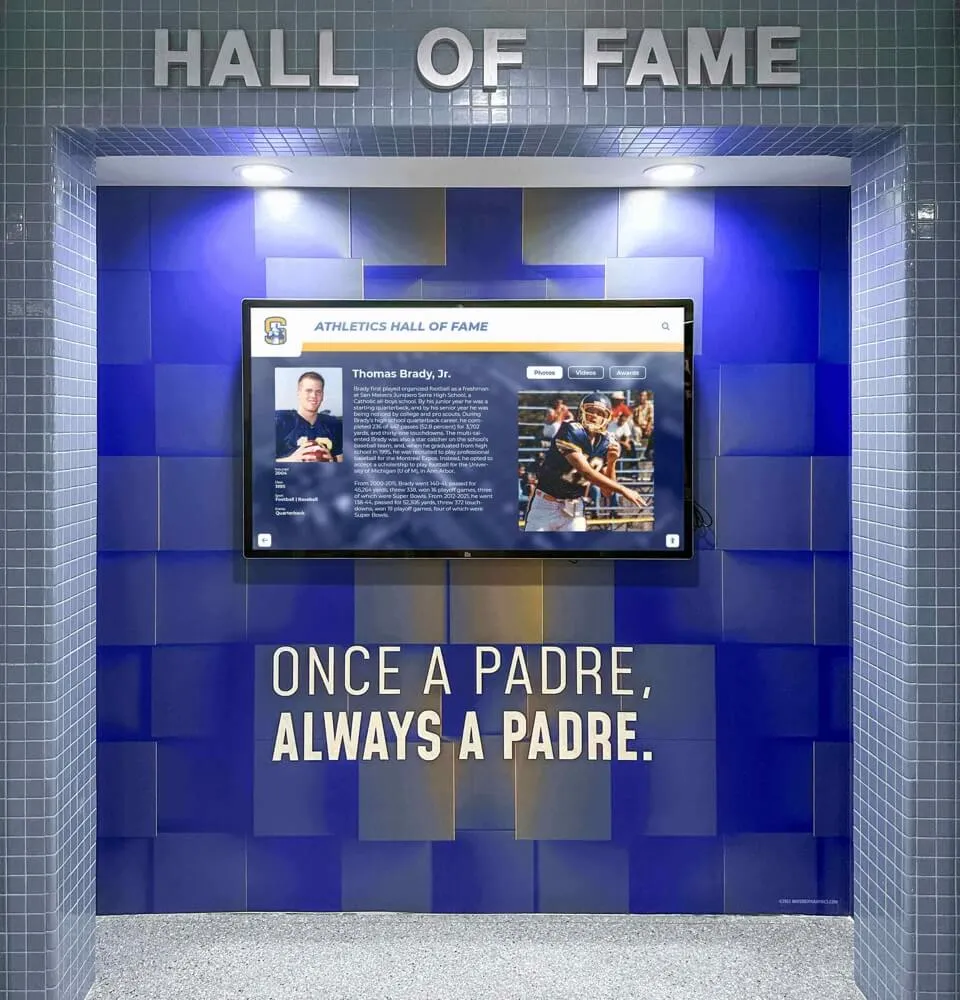
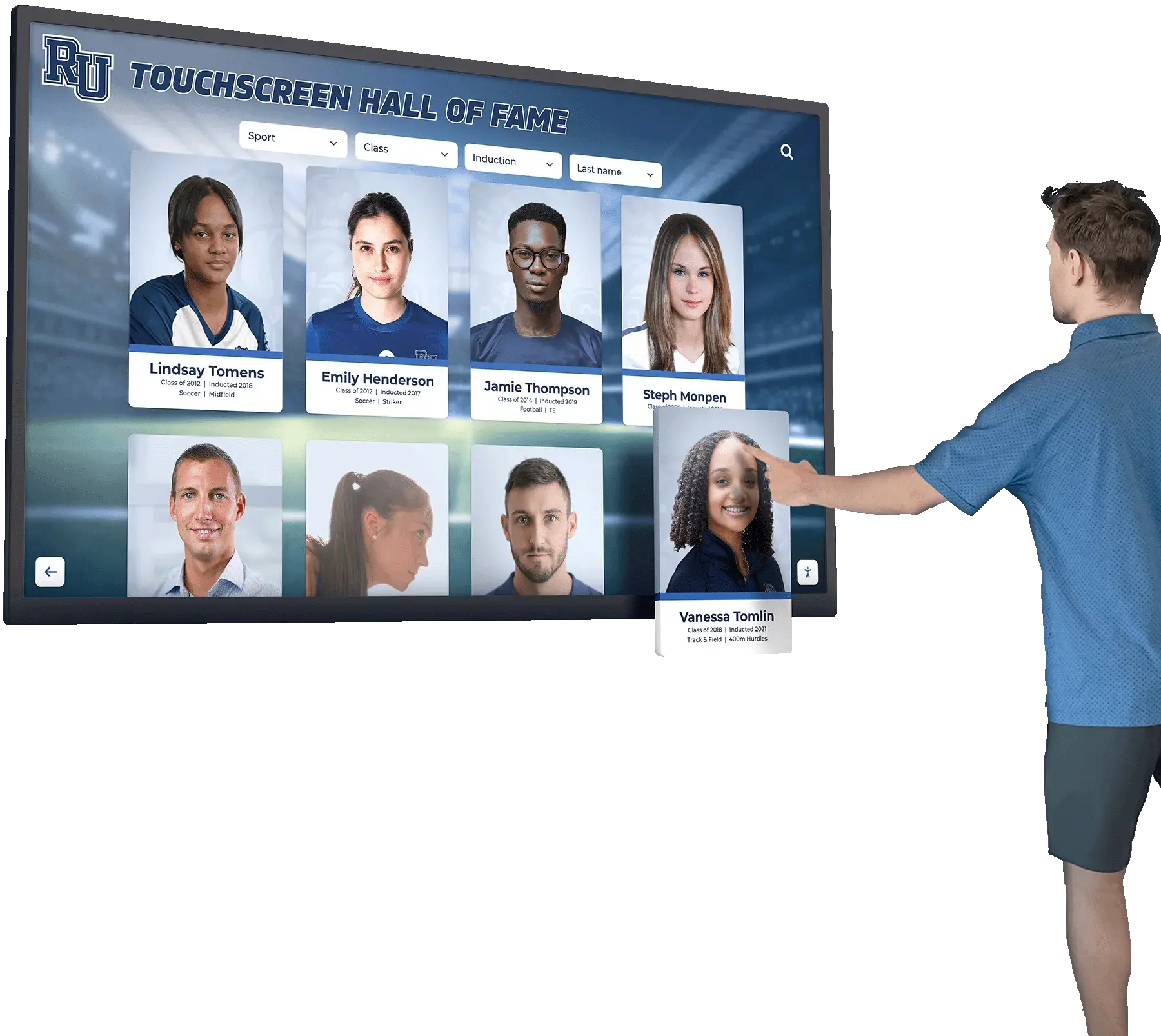
Professional portrait layouts celebrate individual JV players while maintaining visual consistency across team profiles
These comprehensive profiles create recognition that feels personal and meaningful rather than generic list inclusion, demonstrating institutional investment in knowing and celebrating individual athletes beyond simple statistical records.
Explore effective individual athlete recognition approaches that honor personal achievement stories alongside statistical accomplishments.
Team Achievement and Season Documentation
Beyond individual recognition, displays should celebrate collective JV team accomplishments and season narratives.
Season Results and Standings
Current season documentation includes win-loss-tie records and league standings, game-by-game results with scores and opponent names, playoff qualification or tournament participation, season highlights and memorable victories, statistical leaders across goals, assists, points, and other categories, and award winners for team MVP, most improved, leadership recognition.
Team Culture and Identity Elements
Recognition displays can showcase team personality through team photos capturing roster unity and camaraderie, coach profiles documenting leadership and guidance, team motto or values statement defining program culture, practice and preparation footage showing work ethic, community service or team bonding activities, and traditions specific to program like pre-game rituals or post-victory celebrations.
Historical Context and Tradition
Connect current JV teams to program history by documenting past JV champions or successful seasons, notable alumni who began on JV rosters before varsity success, program records and milestones accumulated across years, facility history and rink dedication information, and coaching lineage showing leadership continuity or evolution.
Learn about comprehensive program documentation that connects current teams to institutional athletic tradition.
Real-Time Game Information and Live Updates
Interactive displays gain enhanced value when featuring timely information relevant to current competition.
Upcoming Game Schedules
Display immediate game information including today’s JV game time and opponent, next several scheduled contests, playoff bracket or tournament information when applicable, directions to away game locations when relevant, and varsity game schedule creating visibility for complete program.
Live Game Updates
During games, displays can show current score and period, scoring summaries listing goal scorers and assists, penalty information, shots on goal and other live statistics, and brief highlight descriptions of notable plays or moments.
Post-Game Results
Following contests, update displays promptly with final scores and game statistics, three stars or standout player recognition, brief game narratives summarizing competition, photo galleries from game (when available), and updated season statistics and standings reflecting results.
This real-time relevance transforms displays from static recognition into dynamic program hubs that families and athletes check regularly for current information alongside historical achievement documentation.
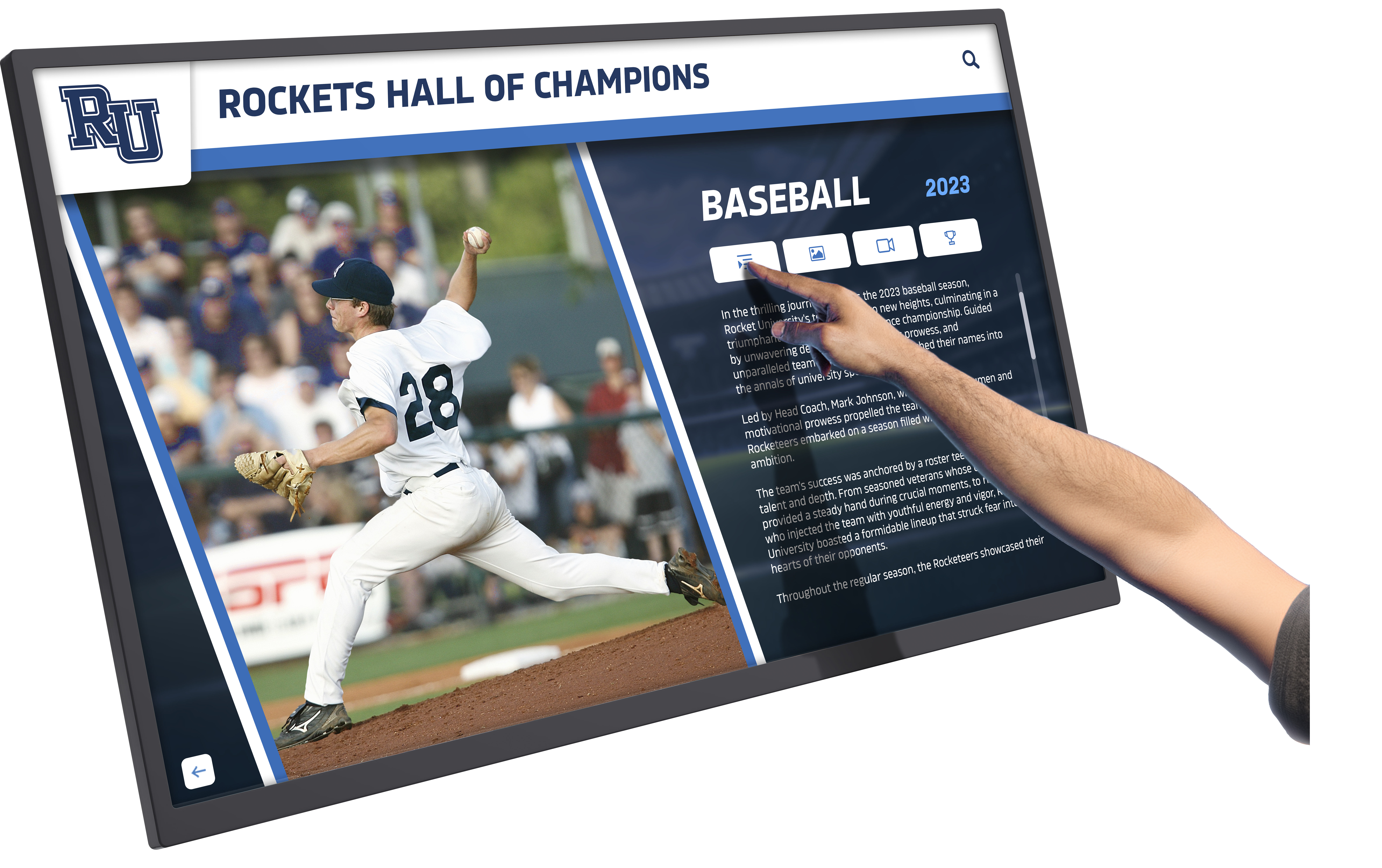
Intuitive touch interfaces make exploring JV player profiles and game information natural for visitors of all ages
Strategic Implementation of JV Hockey Recognition Displays
Moving from concept to operational recognition system requires systematic planning addressing content development, technology selection, installation logistics, and sustainable operations.
Needs Assessment and Planning
Program Evaluation
Begin by assessing current recognition approaches and identifying specific needs including inventory of existing JV hockey recognition efforts, stakeholder input from JV coaches, players, and families about priorities, facility evaluation identifying optimal display locations, budget assessment determining resources available, technical infrastructure review ensuring network connectivity and power availability, and content preparation planning who will gather player information and manage updates.
Clear Objective Setting
Establish specific goals for recognition displays such as increasing JV player engagement and program satisfaction, enhancing family experience at games and throughout season, building unified culture connecting JV and varsity programs, demonstrating program quality to prospective players and families, documenting player development systematically, and creating year-round program visibility beyond game days.
Stakeholder Engagement
Include appropriate participants in planning through athletic director oversight and resource allocation, hockey coaching staff input on content priorities and features, parent association or booster club involvement, IT department coordination on infrastructure and support, and student-athlete feedback on desired features and information.
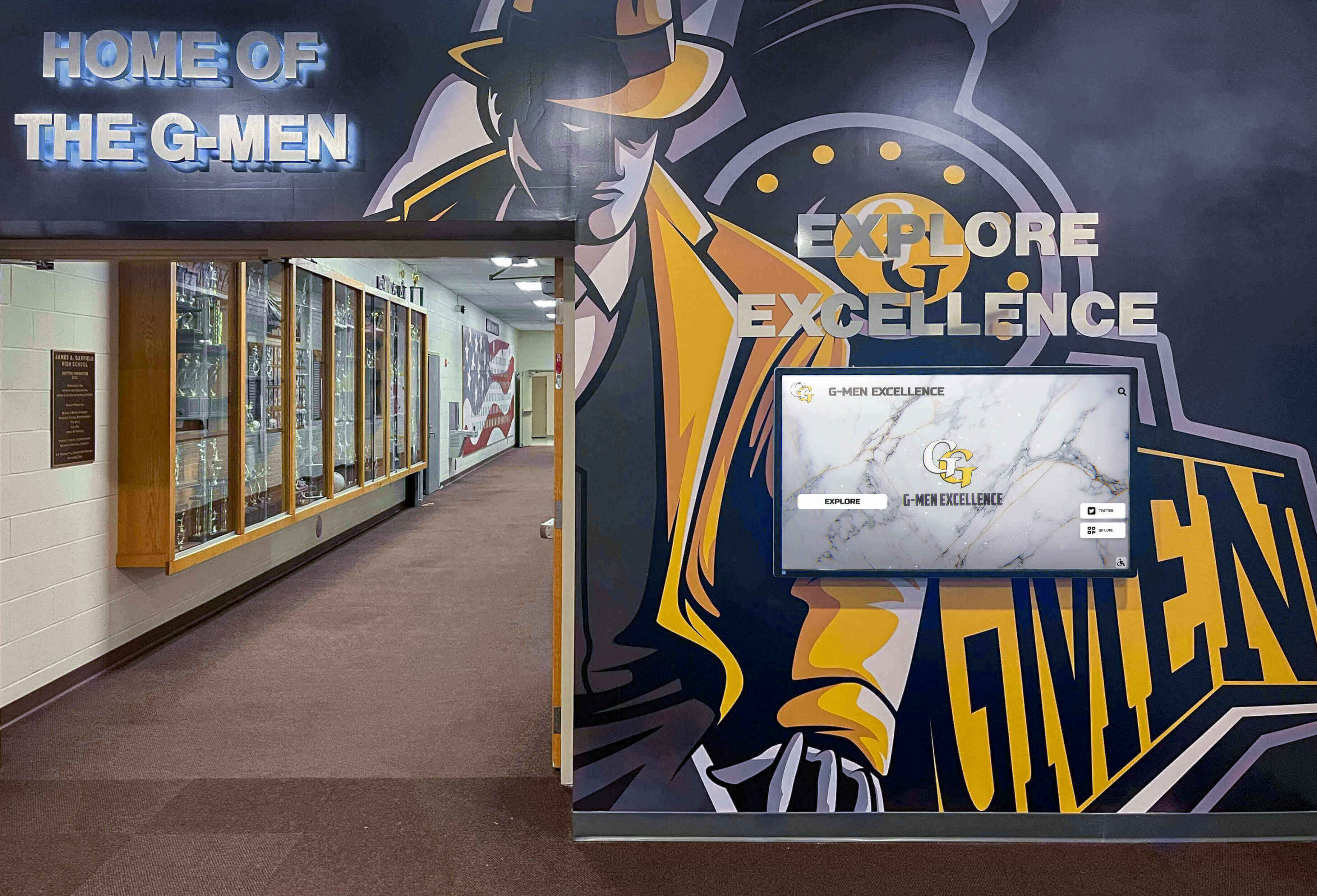
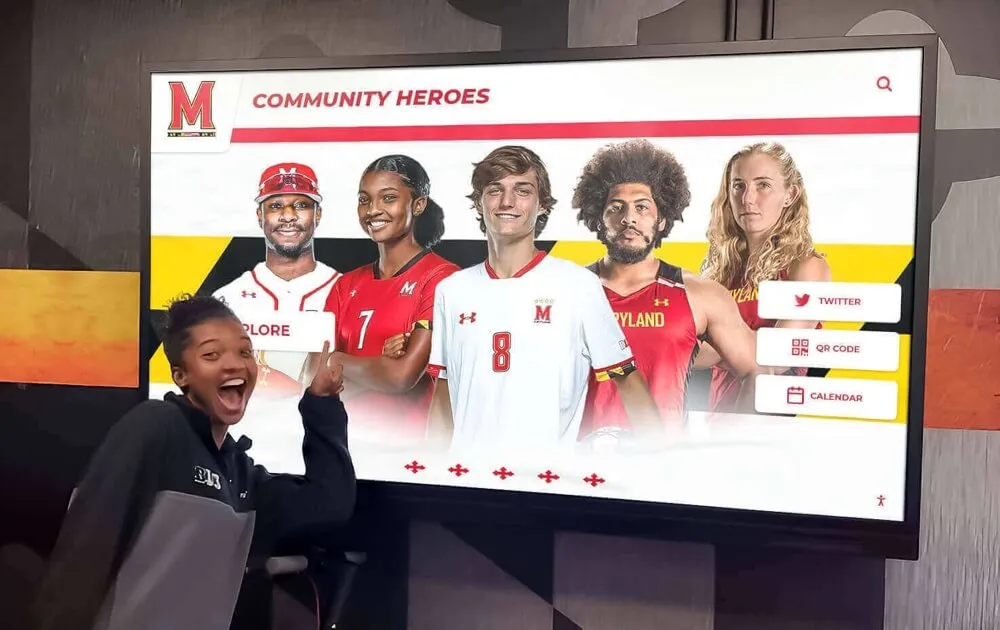
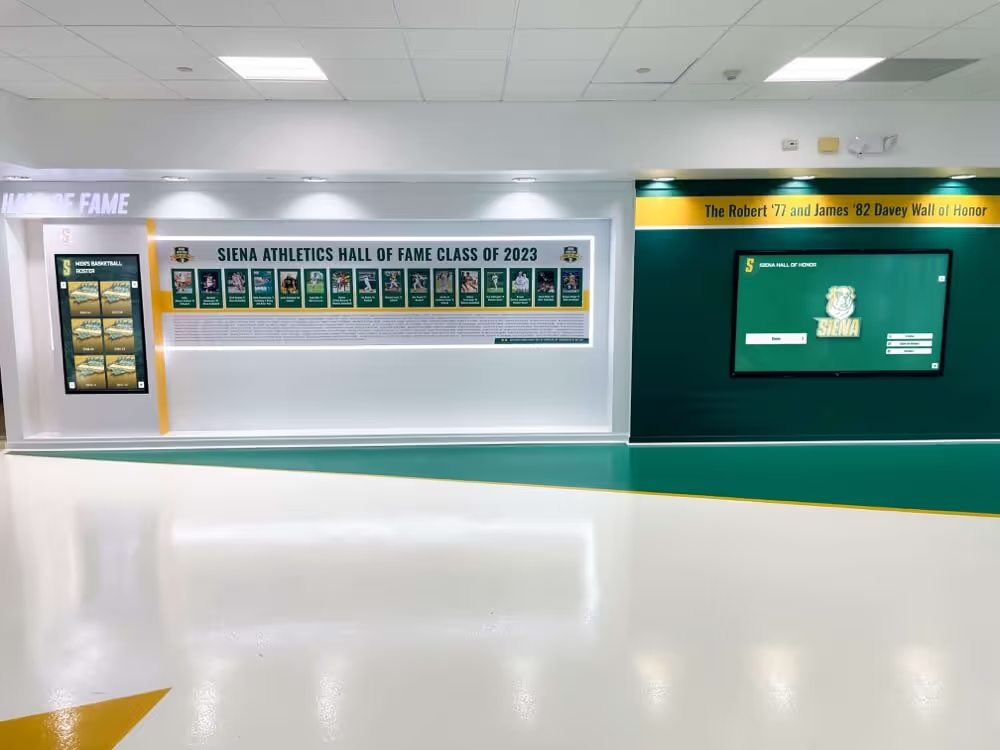
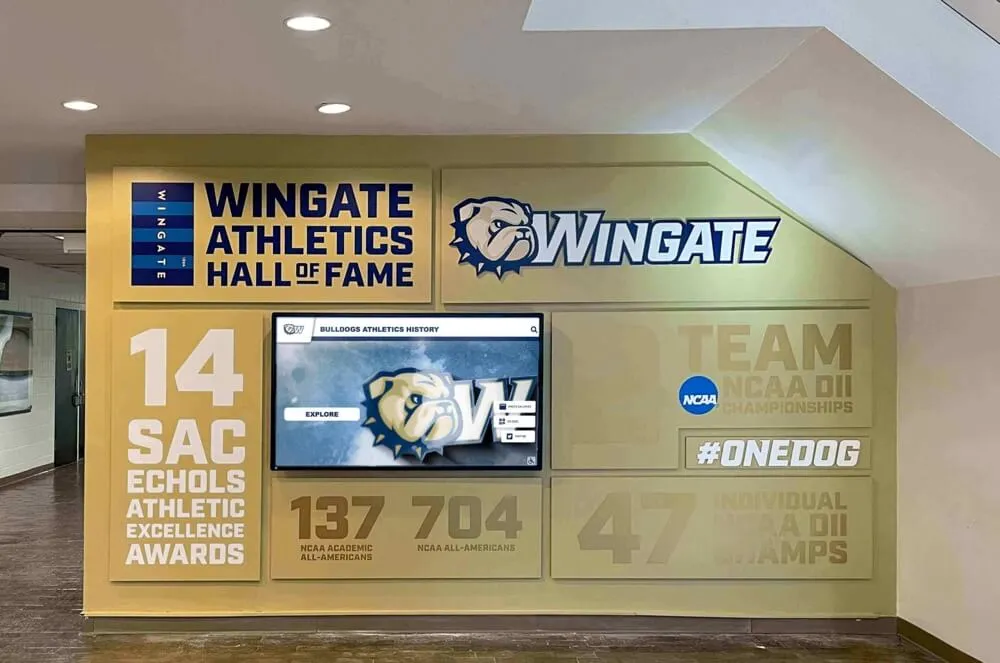
Integrated recognition systems celebrate hockey alongside other athletic programs in comprehensive display networks
Technology Selection and Vendor Evaluation
Platform Capability Assessment
Evaluate recognition display solutions against criteria including unlimited or very generous player and content capacity, comprehensive statistics and information display, intuitive navigation requiring minimal instruction, multimedia support for photos and potentially video, mobile-responsive web integration extending recognition beyond physical displays, powerful search and filtering functionality, analytics demonstrating engagement and usage, and professional appearance matching institutional standards.
Hockey-Specific Considerations
Assess whether platforms accommodate hockey-unique needs like multi-level roster management across varsity, JV, and other programs, hockey-specific statistics and terminology, season schedule and results integration, team photo and visual content requirements, integration with existing hockey management systems if applicable, and tournament or playoff bracket display capabilities.
Vendor Support and Services
Evaluate solution providers based on hockey or athletic program experience and references, professional installation services ensuring quality implementation, training and onboarding support for administrators, responsive technical support understanding athletic contexts, long-term viability and product roadmap, and educational institution pricing recognizing budget constraints.
Solutions like Rocket Alumni Solutions provide comprehensive platforms specifically designed for athletic recognition with hundreds of successful implementations across high school programs nationwide, including hockey-specific deployments demonstrating understanding of sport-particular needs.
Installation Best Practices
Location Selection Priorities
Choose display placement based on traffic patterns ensuring maximum visibility, appropriate viewing distances matching screen sizes, adequate lighting without direct glare on screens, structural support for mounting or kiosk placement, network connectivity and reliable power access, and security considerations protecting vulnerable technology.
Professional Installation Requirements
Engage qualified installers addressing commercial mounting systems rated for continuous operation, concealed and protected cabling for professional appearance, network connectivity testing ensuring reliable performance, power protection preventing damage from surges, ADA compliance for accessibility, and security measures appropriate for public spaces.
Content Launch Preparation
Before going live, complete initial player profile development for entire roster, historical content preparation documenting past seasons, photo library organization and upload, schedule and results information entry, administrator training on content management, and soft launch testing identifying issues before formal announcement.
Discover installation planning approaches that ensure successful digital recognition deployment.
Building Comprehensive Hockey Program Culture Through JV Recognition
Strategic programs leverage JV recognition displays for broader program development including cultural integration, player development tracking, and recruitment enhancement.
Connecting JV and Varsity Programs
Unified Program Identity
Use recognition displays to demonstrate program unity through consistent branding and visual design across JV and varsity content, shared program values and mission statements, documentation showing JV-to-varsity progression pathways, coaching staff profiles spanning both levels, and historical content celebrating accomplishments across all program levels equally.
Development Pathway Visualization
Help JV players see advancement possibilities by showcasing current varsity players who previously competed on JV, statistical progression examples showing development over seasons, skills and attributes coaches identify as promotion indicators, timeline expectations for typical development progressions, and inspirational alumni stories beginning with JV participation.
Cross-Level Celebration
Integrate JV recognition within comprehensive program celebration including joint team events and activities documented through photos, varsity player mentorship of JV athletes, combined season kickoff or end-of-year celebrations, shared program records and achievements, and facility improvements or resources benefiting entire program.
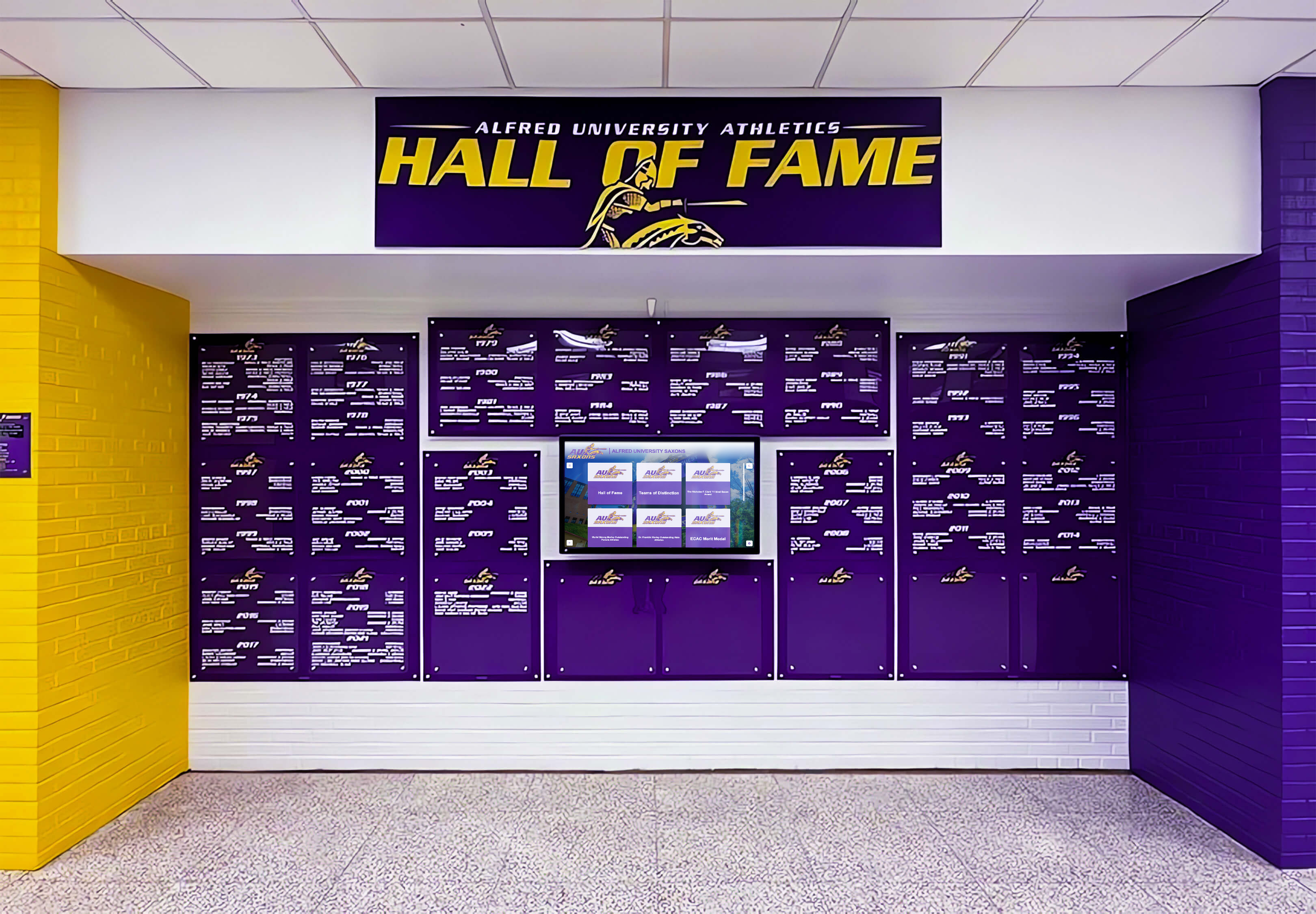
Unified recognition systems honor achievements across all program levels while maintaining appropriate differentiation
Player Development Tracking and Documentation
Systematic Progress Monitoring
Digital recognition platforms enable comprehensive development tracking including statistical progression across multiple seasons, skill development milestones coaches identify, position or role evolution as players develop, playing time increases reflecting growing capability, and award recognition documenting excellence and improvement.
Coach Evaluation Integration
Recognition displays can incorporate coach assessments when appropriate such as technical skill ratings in specific areas, effort and attitude recognition, leadership development progression, areas of focus for continued development, and personal goal setting and achievement tracking.
Post-Season Development Planning
Use recognition platforms to communicate summer training priorities, recommended camps or clinics for skill enhancement, off-ice training program suggestions, individual player meetings documentation, and returning player expectations for next season.
This systematic approach demonstrates institutional commitment to player development while providing transparency that builds player and family confidence in program quality and individual attention.
Recruiting and Program Marketing
Demonstrating Program Quality
Recognition displays serve recruiting functions by providing objective evidence of program depth across multiple roster levels, documentation of comprehensive player development approaches, facility quality and resource investment visibility, culture and values demonstration through content and presentation, and historical tradition connecting current program to legacy of excellence.
Prospective Player Visit Integration
During recruiting interactions, showcase recognition displays to demonstrate commitment to honoring all athletes regardless of initial placement, comprehensive approach to development and advancement, technology adoption reflecting modern program management, family engagement priorities visible through robust communication, and success pathway examples showing JV-to-varsity-to-college progressions.
Virtual Recruiting Enhancement
Web-accessible recognition platforms extend recruiting impact through remote access allowing prospects to explore program from anywhere, social media integration enabling easy sharing and promotion, searchable content helping prospects find information about specific interests, professional presentation distinguishing program from competitors, and continuous updates demonstrating active, thriving program culture.
Learn about athletic recognition approaches that enhance recruiting and program reputation.
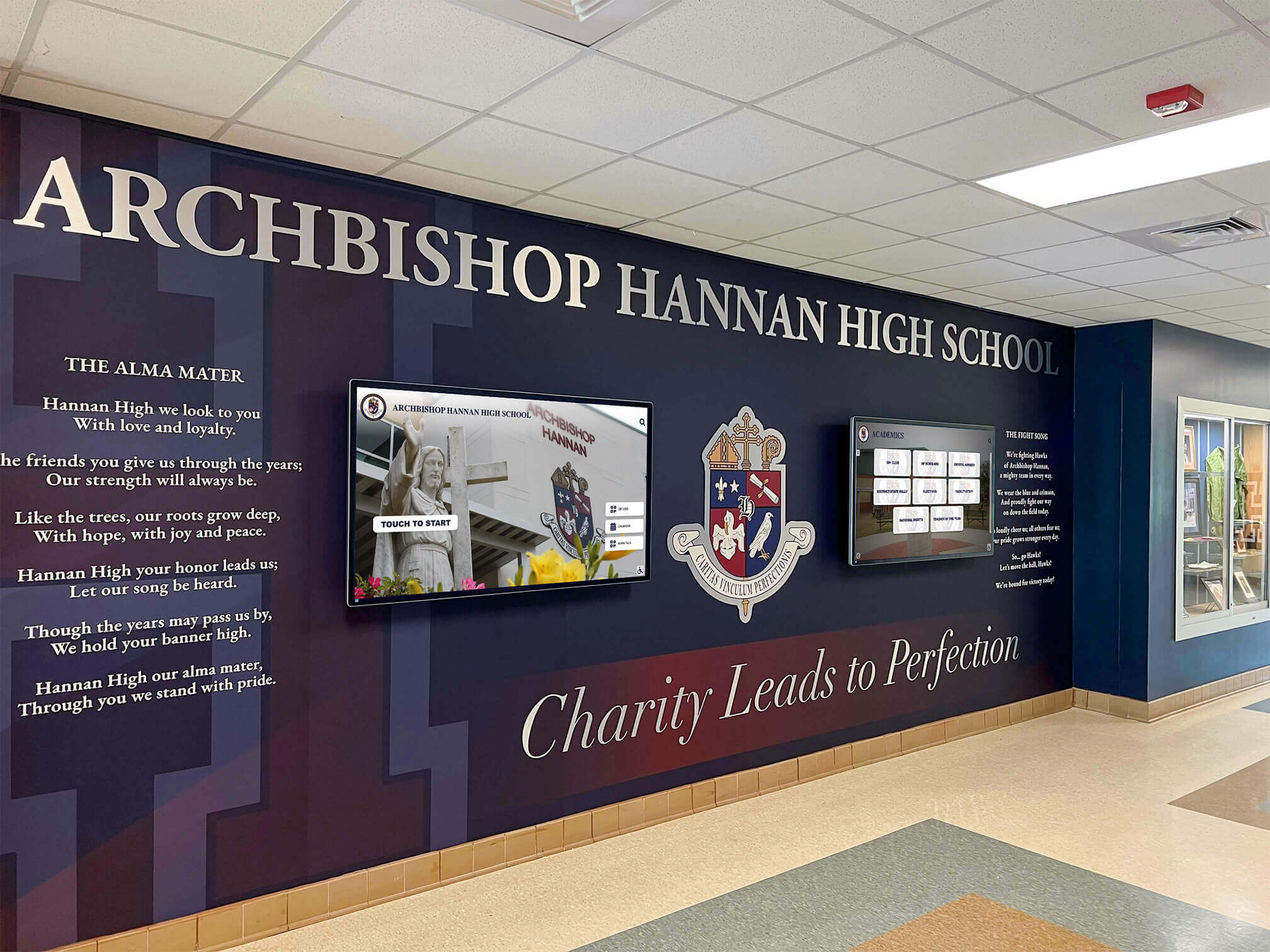
Prominent lobby installations create positive first impressions for recruiting visits while celebrating program tradition
Game-Day Integration and Fan Engagement
Beyond permanent recognition, interactive displays enhance game-day experience for JV hockey contests.
Pre-Game Information and Promotion
Arrival Experience Enhancement
As families and spectators arrive, displays provide today’s roster and lineup information, opponent team and program information, game schedule for full day if multiple contests, facility information and amenities, and upcoming game promotions encouraging return attendance.
Player Spotlight Features
Highlight specific JV players through rotating feature profiles showcasing different athletes, senior night or special recognition preparation, milestone achievement celebration like 100th career game, birthday or personal acknowledgment, and statistical leaders in various categories.
During-Game Engagement
Live Information Display
Throughout games, update displays with current score and period, recent scoring plays and assists, penalty information, shots on goal statistics, and notable play descriptions when applicable.
Interactive Exploration
Between periods or during stoppages, encourage spectators to explore player profiles and season statistics, team history and traditions, upcoming schedule and promotional events, photo galleries from current season, and program achievement archives.
Post-Game Recognition and Follow-Up
Immediate Results Updates
Following games, promptly update final score and statistics, three stars or standout performance recognition, brief game summary and highlights, updated season standings and records, and next game information and promotion.
Extended Engagement
Use displays to maintain connection beyond game day through weekly statistical leader updates, photo additions from recent games, upcoming event promotions, alumni engagement features, and community acknowledgments of program support.
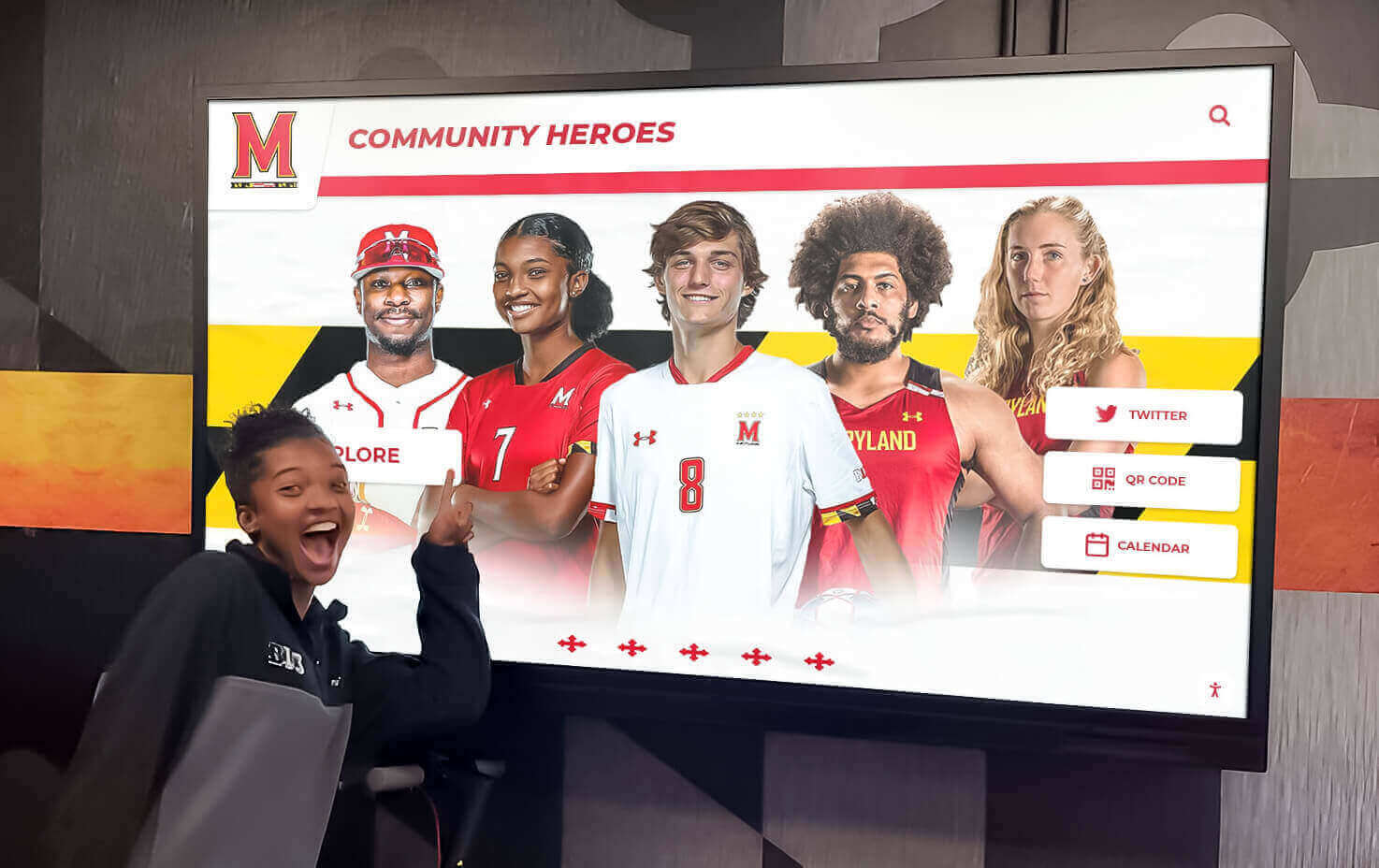
Engaging displays create natural gathering points where families celebrate JV hockey achievements together
Web Integration and Extended Recognition Reach
Physical displays gain enhanced value when integrated with web-accessible platforms extending recognition beyond facility locations.
Online JV Hockey Recognition Portals
Remote Access Benefits
Web platforms amplify recognition impact through alumni access to career statistics and memories regardless of geographic location, family sharing enabling relatives distant from games to follow progress, prospective player research during evaluation processes, social media integration enabling instant sharing expanding visibility, and mobile accessibility ensuring convenient access from any device.
Enhanced Engagement Opportunities
Online platforms enable interaction impossible through physical displays including commenting and reaction features when appropriate, photo upload capabilities allowing families to contribute, season highlight video embedding, college commitment announcements for graduating seniors, and newsletter signup integrations for ongoing communication.
Social Media Integration
Content Sharing Strategies
Leverage recognition content for social media engagement including weekly JV player spotlight posts, game result announcements with statistical highlights, milestone achievement celebrations, throwback features highlighting historical program moments, and fan-generated content sharing when appropriate.
Hashtag Campaigns
Create unified social media presence through program-specific hashtags connecting JV and varsity content, game-day hashtags for each contest, season-long campaign hashtags, player name tags enabling personal content aggregation, and community engagement hashtags broadening reach.
Learn about comprehensive communication strategies that integrate recognition displays with digital engagement across multiple platforms.
Measuring Recognition Program Success and Impact
Regular assessment ensures JV hockey recognition displays achieve intended goals and provide value justifying investment.
Quantitative Success Metrics
Engagement and Usage Data
Track program effectiveness through display interaction counts and session durations, content viewing patterns showing popular features, search query analysis revealing interests, peak usage times informing content scheduling, and comparison to baseline pre-display engagement levels.
Participation and Retention Indicators
Monitor program health through JV roster retention rates across seasons, player and family satisfaction survey results, attendance patterns at JV games, booster or parent association engagement levels, and volunteer participation in program activities.
Recruiting and Reputation Measures
Assess broader program impact including prospective player inquiry numbers and quality, roster size and depth across competitive levels, community perception surveys, media coverage quantity and quality, and program ranking or competitive success trends.
Qualitative Assessment Approaches
Stakeholder Feedback Collection
Gather perspectives through JV player surveys about recognition experience and impact, family interviews assessing satisfaction and value, coaching staff evaluation of program culture changes, athletic department assessment of broader implications, and community member reactions and engagement.
Cultural Impact Observations
Monitor less quantifiable effects including JV-varsity relationship quality and integration, player attitude and engagement during practices and games, family presence and enthusiasm at events, community pride and support demonstrations, and alumni connection and return engagement.

Large-scale installations create dramatic recognition centerpieces celebrating comprehensive program achievement
Rocket Alumni Solutions: Purpose-Built Platform for Hockey Recognition
Specialized recognition platforms designed specifically for athletic programs provide capabilities generic technology cannot match.
Comprehensive Athletic Recognition Features
Hockey-Specific Design
Rocket Alumni Solutions offers capabilities particularly valuable for hockey programs including unlimited player profiles across JV, varsity, and alumni, comprehensive statistics display accommodating hockey-specific metrics, team and individual record tracking, season schedule and results integration, photo galleries and multimedia support, searchable databases enabling instant information access, and proven implementations across athletic programs nationwide.
Multi-Level Program Support
Platforms effectively showcase complete program structures through separate or integrated JV and varsity content, historical archive spanning multiple decades, alumni achievement tracking showing post-high school success, facility and tradition documentation, and coaching legacy preservation.
Simplified Content Management
Cloud-based administrative interfaces enable efficient recognition management including intuitive updates requiring minimal technical expertise, bulk import capabilities for historical data addition, scheduled publishing automating seasonal updates, role-based permissions allowing appropriate staff access, automatic backup protecting against data loss, and responsive support understanding athletic program contexts.
Implementation and Support Services
Professional Installation
Rocket Alumni Solutions provides comprehensive services including site assessment and placement recommendations, commercial hardware procurement and configuration, professional mounting and network integration, initial content development assistance, and administrator training ensuring sustainable management.
Ongoing Success Support
Long-term effectiveness receives attention through proactive check-ins and performance monitoring, usage analytics review and optimization recommendations, content strategy consultation and best practices sharing, technical support responding to questions and issues, software updates providing new features and improvements, and customer community connecting program administrators across institutions.
Discover how Rocket Alumni Solutions transforms athletic recognition at educational institutions including comprehensive hockey program support.
Transform Your JV Hockey Recognition with Interactive Displays
Discover how Rocket Alumni Solutions provides comprehensive platforms for celebrating JV hockey achievements through interactive touchscreen displays that honor junior varsity athletes, build unified program culture, and create engaging recognition experiences inspiring player development.
Explore Hockey Recognition SolutionsConclusion: Elevating JV Hockey Through Comprehensive Recognition
Interactive touchscreen displays at high school JV hockey games represent strategic investments in program culture, player development, and comprehensive athletic recognition that honors all contributing athletes regardless of competitive level. When schools systematically celebrate JV hockey achievements through prominent digital displays, they create recognition systems that inspire current athletes, satisfy invested families, demonstrate program depth to prospective players, and build unified culture connecting all program levels rather than treating JV as separate or secondary to varsity programs.
The strategies explored in this guide provide comprehensive frameworks for implementing JV hockey recognition that creates lasting impact extending far beyond individual game days. From selecting appropriate technology and installation locations to developing meaningful player profiles and season documentation to integrating displays within broader program culture and recruiting efforts, these approaches transform junior varsity acknowledgment from minimal afterthought into substantive celebration woven throughout program identity and institutional tradition.
Core Principles for Successful JV Hockey Recognition
Outstanding programs share essential characteristics including proportional recognition honoring JV achievement commensurate with athlete commitment and contribution, systematic documentation preserving player development and team success across seasons, accessible display placement ensuring regular engagement from athletes, families, and communities, integrated program culture connecting JV and varsity rather than treating them as separate entities, timely updates maintaining relevance through current information and achievements, multimedia richness creating engaging experiences beyond simple statistics, professional presentation reflecting institutional quality and values, and sustained commitment ensuring recognition remains priority across leadership changes and competing demands.
Implementation Pathway
Schools beginning or enhancing JV hockey recognition should assess current approaches identifying gaps and opportunities, establish clear objectives aligned with program values and needs, form planning teams including coaches, athletes, families, and administrators, select appropriate technology matching requirements and resources, plan strategic installation maximizing visibility and engagement, develop comprehensive content documenting players, teams, and traditions, implement professional installation ensuring reliable operation, launch formally creating awareness and excitement, evaluate continuously using engagement data and stakeholder feedback, and evolve systematically improving recognition based on experience and changing needs.
Long-Term Program Benefits
Comprehensive JV recognition delivers sustained value through enhanced player engagement and retention as athletes feel genuinely valued, improved family satisfaction validating significant time and financial investment, stronger program culture connecting all levels through unified recognition, competitive recruiting advantages demonstrating comprehensive player development commitment, coaching tool value enabling progress tracking and development planning, community reputation enhancement showcasing program quality and depth, tradition preservation documenting program history for future generations, and inspiration provision motivating current JV athletes through visible pathway to varsity and beyond.
Your JV hockey players demonstrate daily dedication through early morning practices, challenging games, continuous skill development, and team commitment. Their contributions deserve recognition proportional to their investment—not minimal afterthought acknowledgment but comprehensive celebration through interactive touchscreen displays creating lasting visibility, engagement, and program integration. When every athlete receives appropriate recognition regardless of competitive level, programs build cultures where excellence becomes expected, development receives systematic support, and all participants feel genuinely valued for their contributions toward collective success.
Ready to transform how your program honors JV hockey athletes? Explore comprehensive digital athletic recognition platforms specifically designed for multi-level programs, discover interactive display solutions that celebrate development across junior varsity and varsity rosters, or learn about building athletic program culture through systematic recognition honoring all contributing athletes.