



Russ Houk’s wrestling camp at Maple Lake in Forksville, Pennsylvania, stands as one of the most influential training grounds in American wrestling history—a pioneering program established in 1962 that transformed how wrestlers prepared for elite competition and served as the U.S. Olympic and Pan-American Games Training Camp from 1964-1973. At a time when organized wrestling camps barely existed in the United States, Houk created an intensive training environment that attracted future Olympic champions including Dan Gable, Chris Taylor, Wayne Wells, and the Peterson brothers, while establishing coaching methodologies and training philosophies that continue influencing wrestling programs nationwide.
Yet the remarkable story of Russ Houk’s camp, its Olympic legacy, and its transformative impact on American wrestling remains largely unknown outside wrestling communities. The camp hosted the Canadian World and Olympic teams, served as the official training center for America’s finest wrestlers during wrestling’s golden era, and pioneered the intensive summer camp model that has become standard throughout youth and scholastic wrestling. Meanwhile, lessons from Houk’s championship coaching philosophy and his approach to recognizing athletic excellence offer valuable insights for modern programs seeking to build championship cultures and appropriately celebrate wrestling achievement.
This comprehensive guide explores the fascinating history of Russ Houk’s wrestling camp—from understanding Houk’s coaching career and championship legacy to examining the camp’s Olympic training center years, the legendary wrestlers who trained at Maple Lake, and how programs today can honor wrestling traditions while building recognition systems that inspire future generations of champions.
Wrestling camps have become fundamental to athlete development in American wrestling, but this wasn’t always the case. Russ Houk pioneered the intensive summer training model in 1962, creating one of America’s first organized wrestling camps that proved elite-level instruction combined with sustained training could accelerate wrestler development far beyond what traditional seasonal coaching provided. Modern programs seeking to celebrate wrestling heritage and inspire championship excellence can benefit from understanding this pioneering legacy while implementing recognition systems like those from Rocket Alumni Solutions that honor wrestling traditions comprehensively.

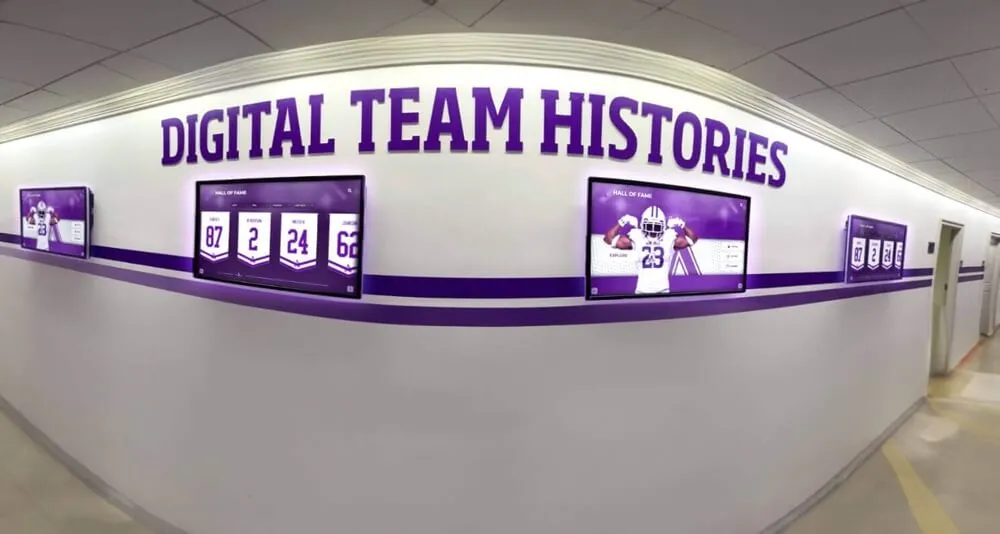
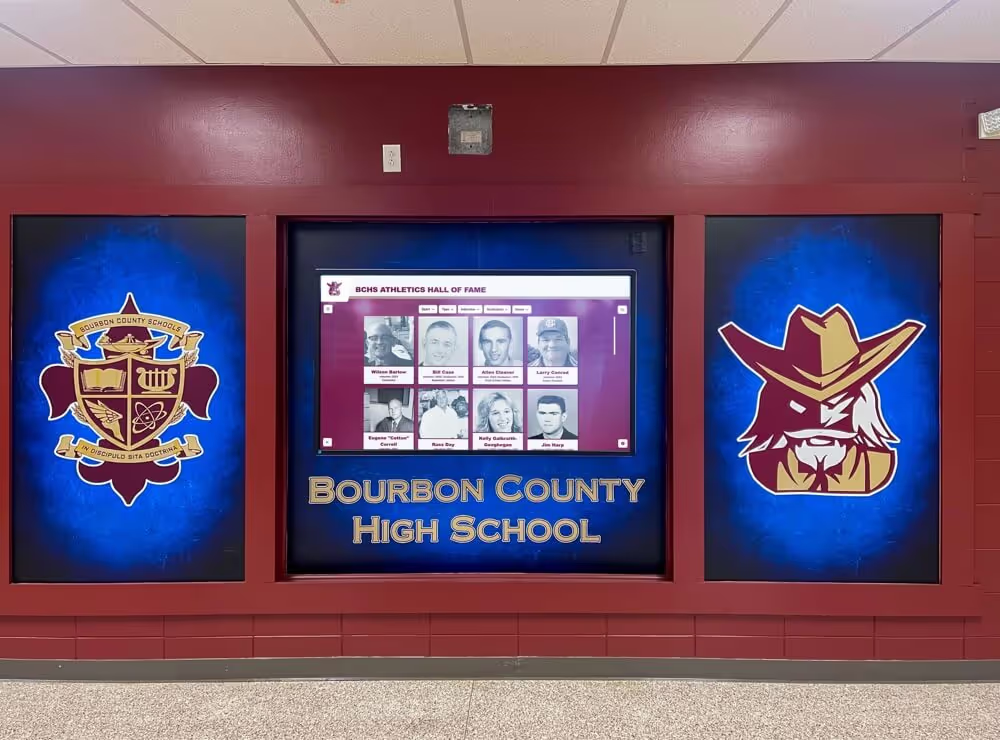
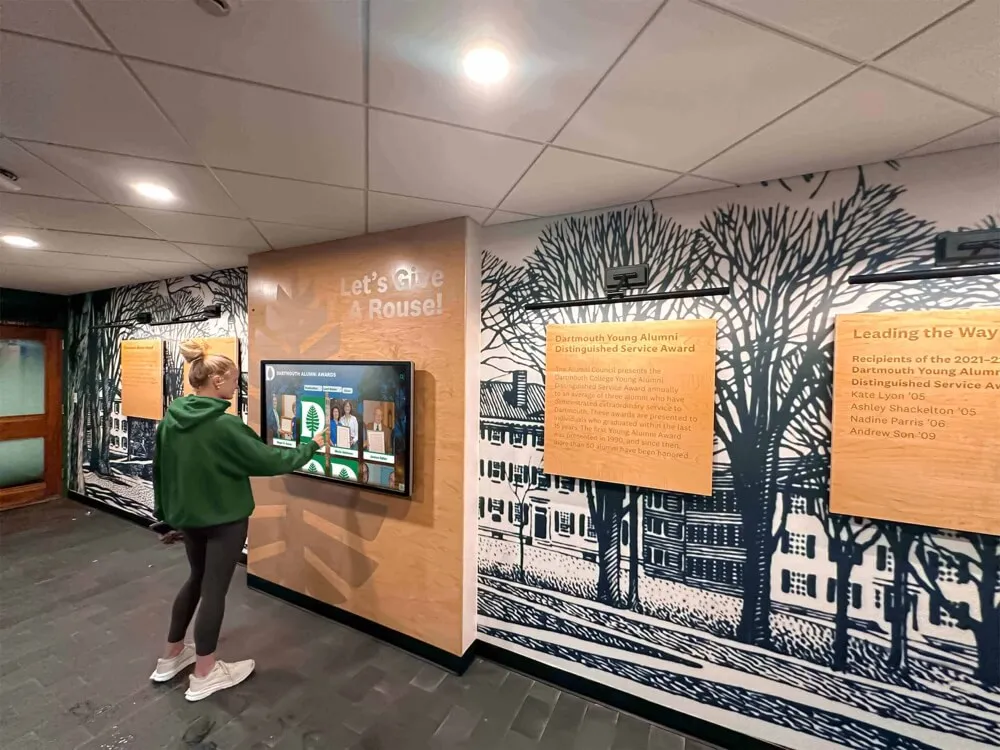
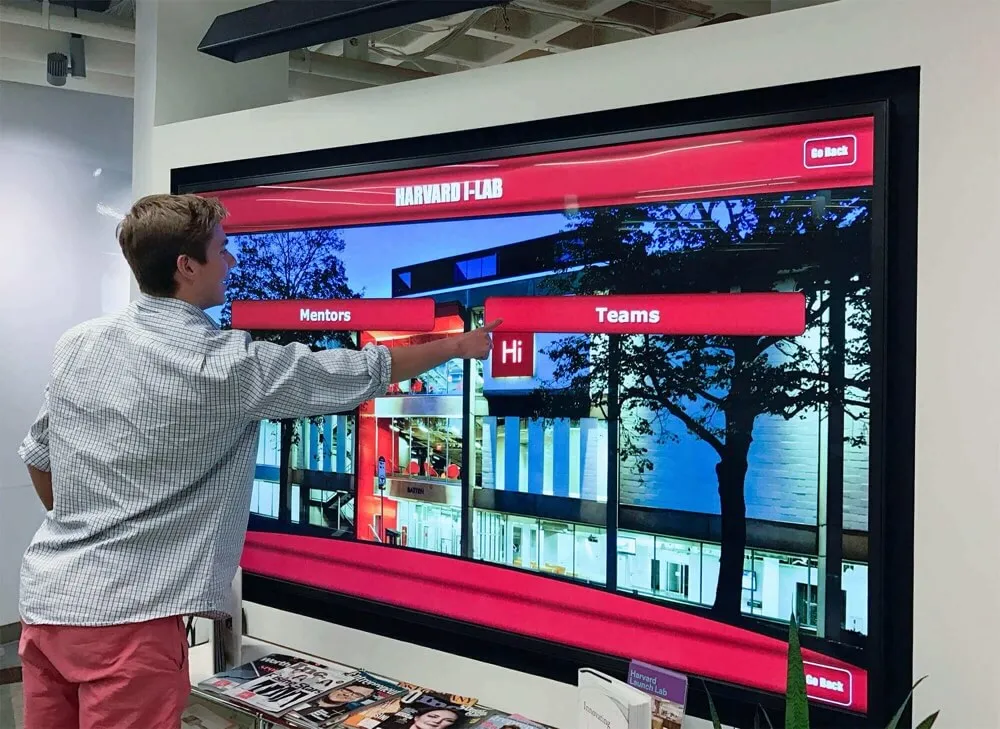
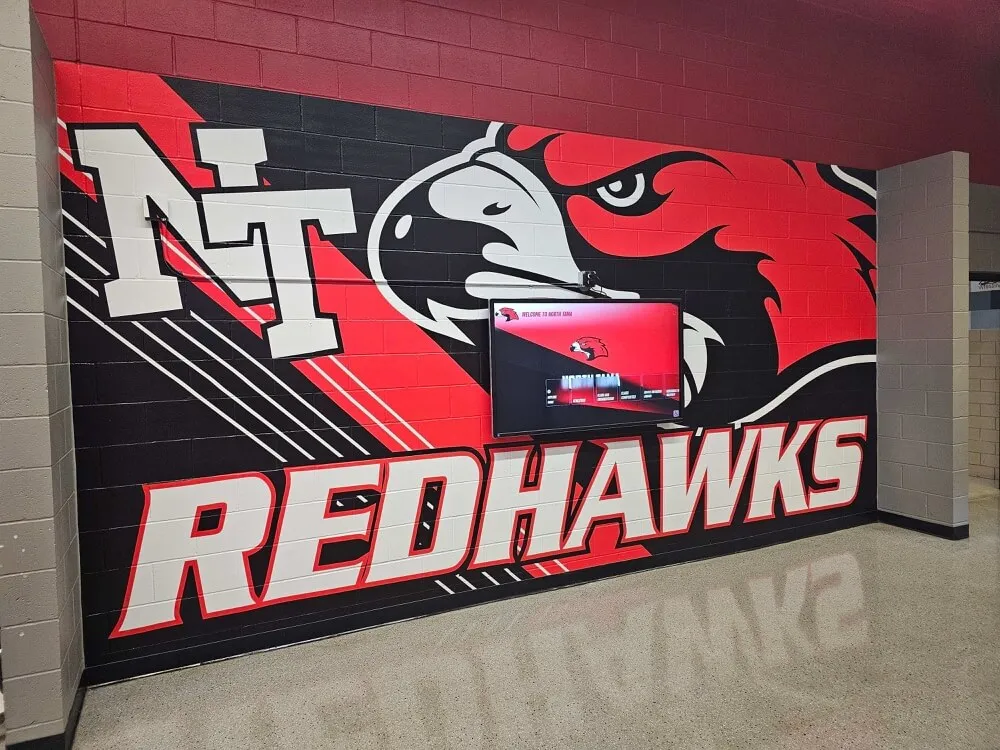
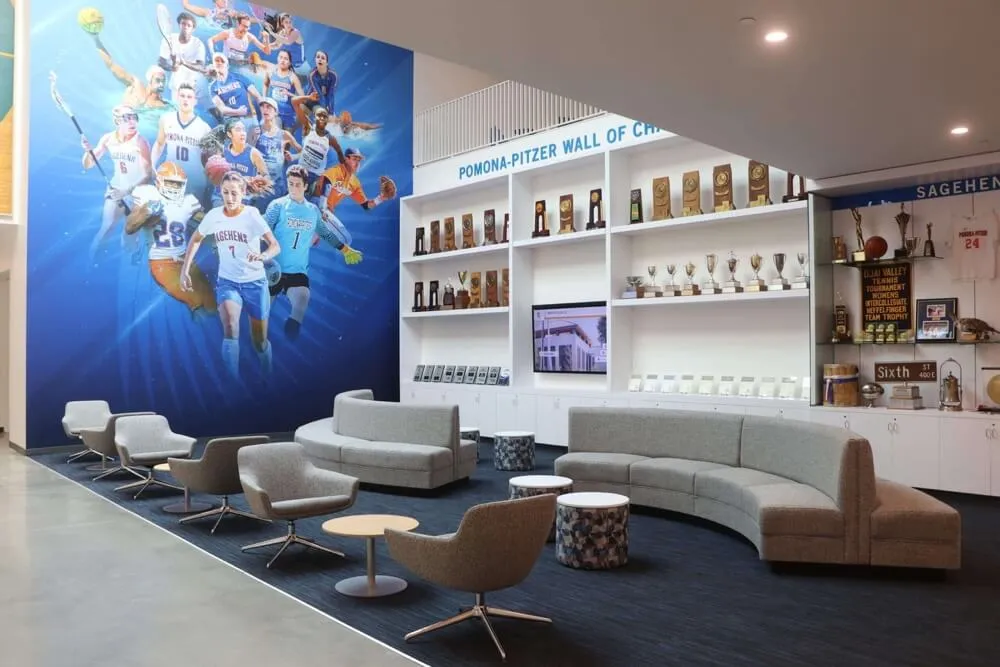
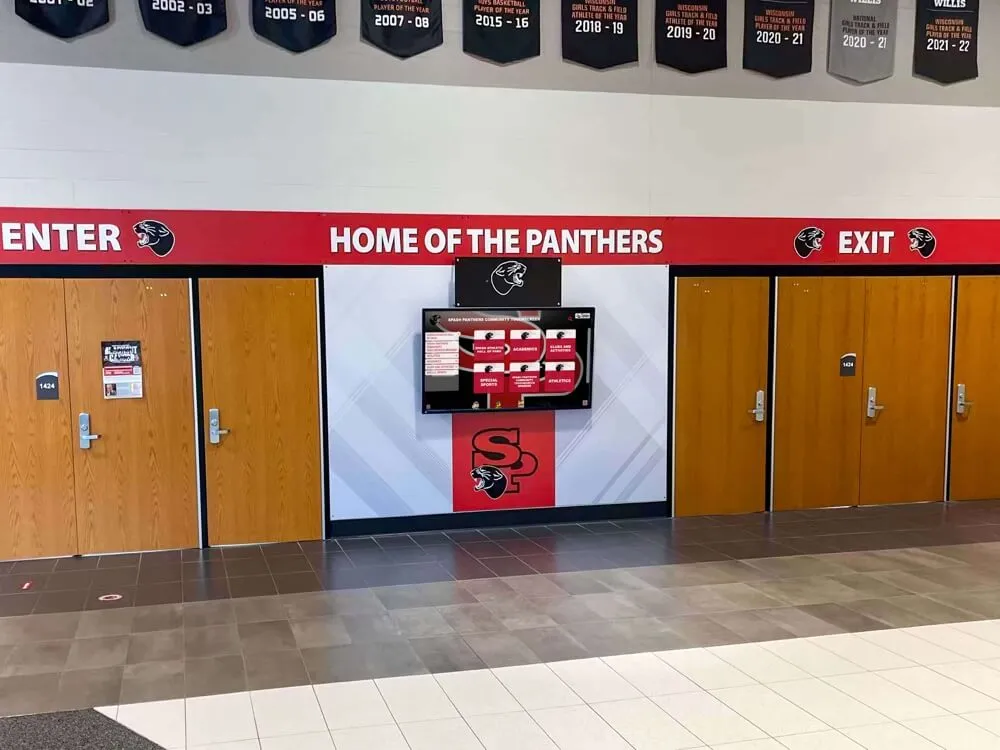
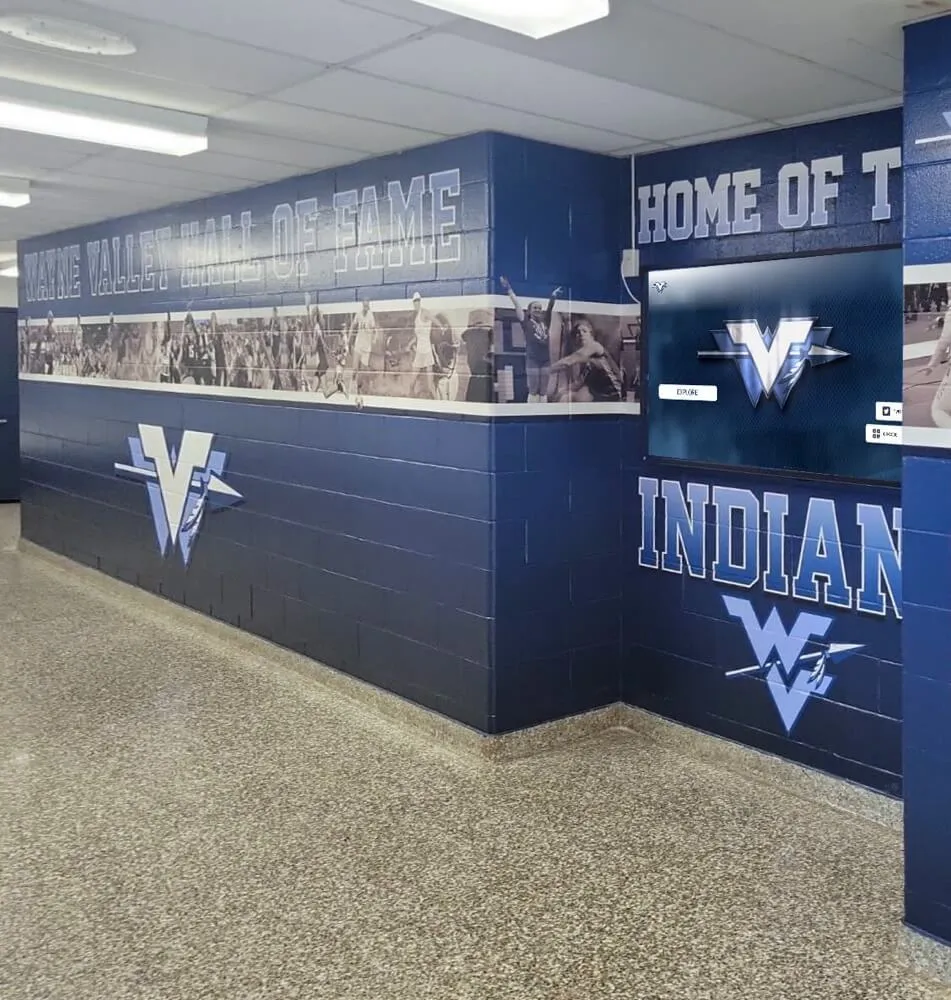
Championship recognition spaces celebrate wrestling excellence and inspire future generations through visible tributes to program legacy
The Remarkable Career of Russ Houk: From Athlete to Championship Coach
Understanding Russ Houk’s wrestling camp begins with appreciating the man behind this revolutionary program—a multi-sport athlete turned championship coach whose vision extended far beyond typical high school or college coaching.
Early Athletic Career and Coaching Beginnings
Russ Houk graduated from Lock Haven State in 1952 as a three-sport athlete, demonstrating the diverse athletic ability that would later inform his comprehensive approach to wrestler development and conditioning. His multi-sport background gave him perspectives on training, competition, and athlete development that extended beyond wrestling’s traditional boundaries.
In 1957, Bloomsburg State College hired Houk as head wrestling coach, launching a coaching career that would profoundly impact both the institution and American wrestling more broadly. Houk arrived at Bloomsburg during wrestling’s growth period in Pennsylvania, a state that would become synonymous with wrestling excellence throughout subsequent decades.
Championship Coaching Success
Houk’s coaching tenure at Bloomsburg established him as one of collegiate wrestling’s most successful coaches. According to the National Wrestling Hall of Fame, during his coaching career from 1957 to 1971, Houk compiled a remarkable record of 142-34-4, demonstrating sustained excellence across fourteen seasons.
His teams achieved extraordinary championship success including three NAIA national championships, five Pennsylvania State College Athletic Conference (PSCAC) titles, and consistent excellence that made Bloomsburg wrestling nationally prominent. This championship success earned Houk national “Coach of the Year” honors three times, recognition reflecting both his competitive achievements and his growing influence on wrestling coaching methodology.
Learn about comprehensive approaches to college athletics hall of fame recognition that celebrate championship coaching legacies like Houk’s.

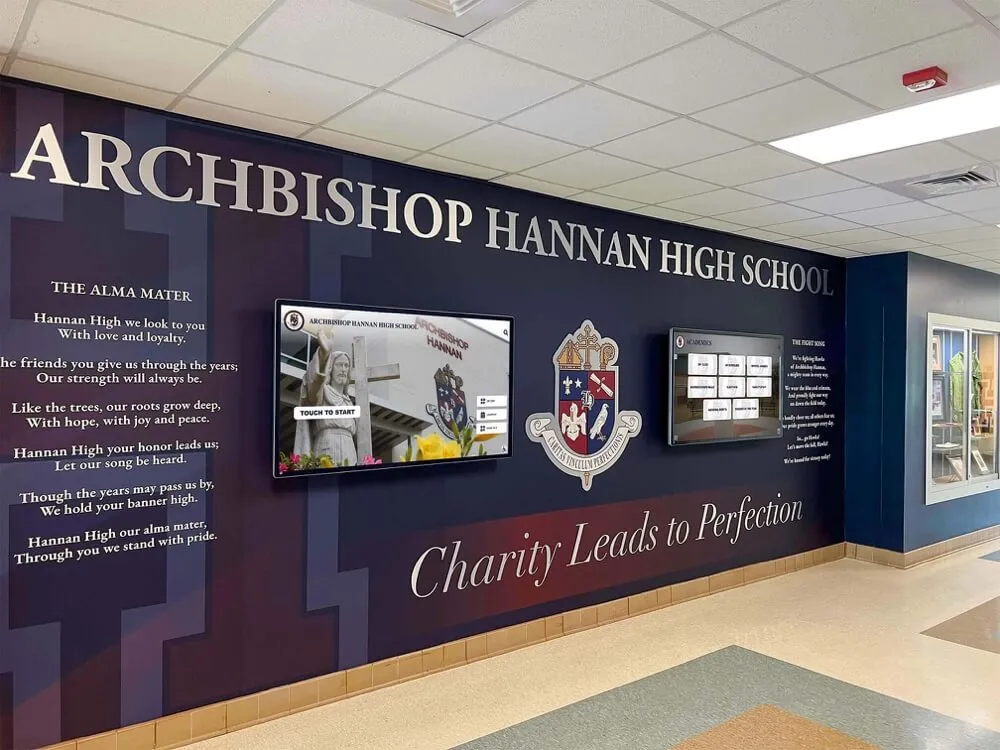
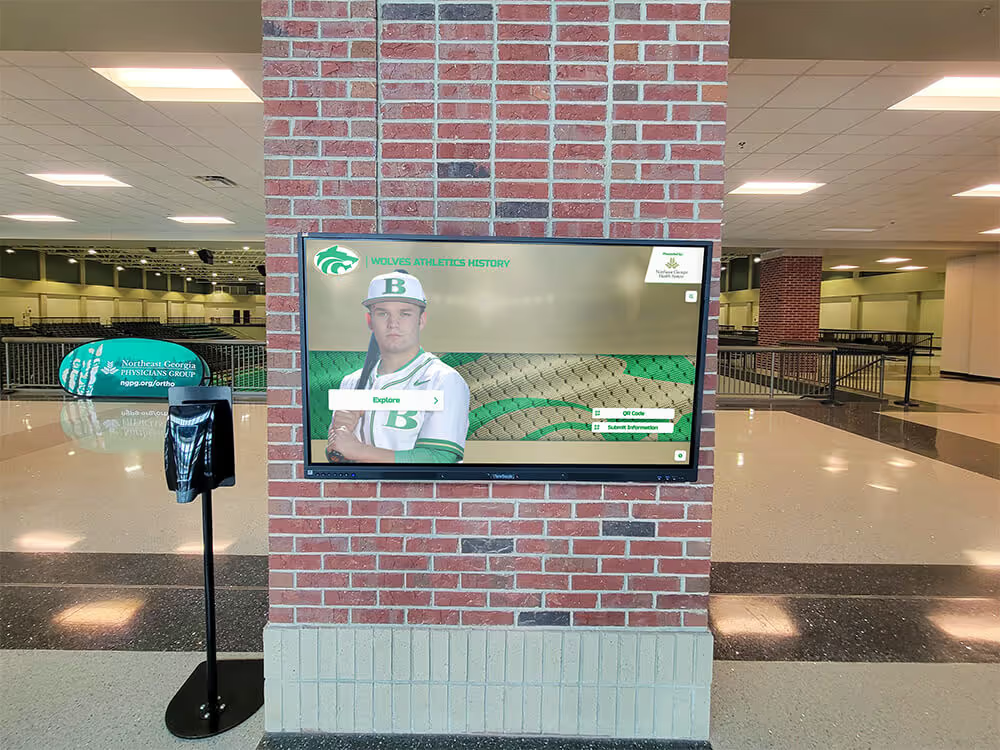
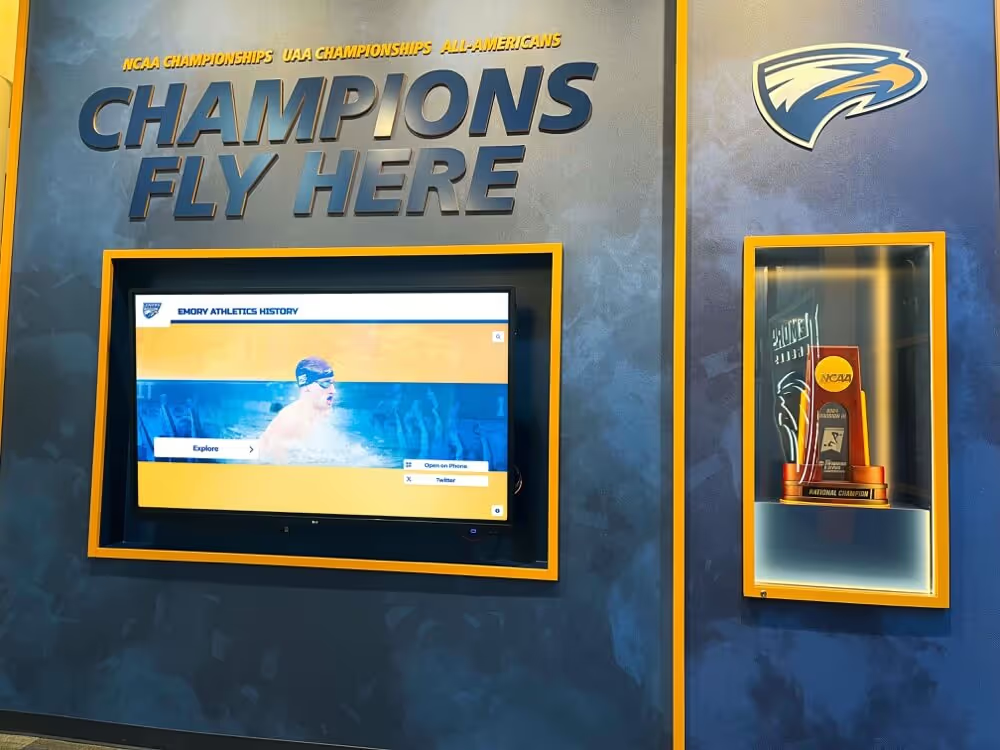
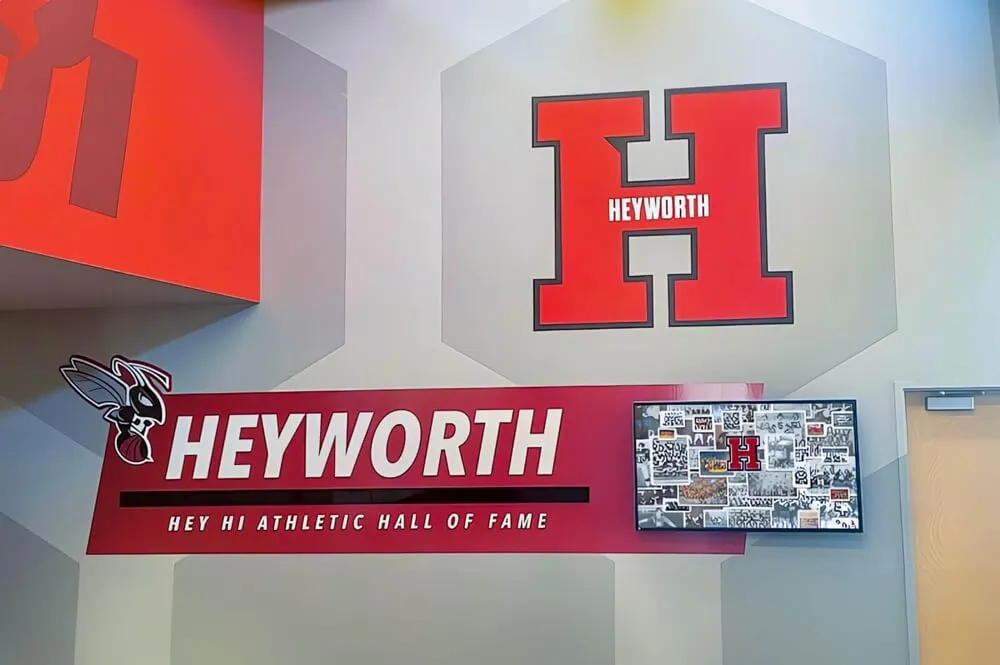
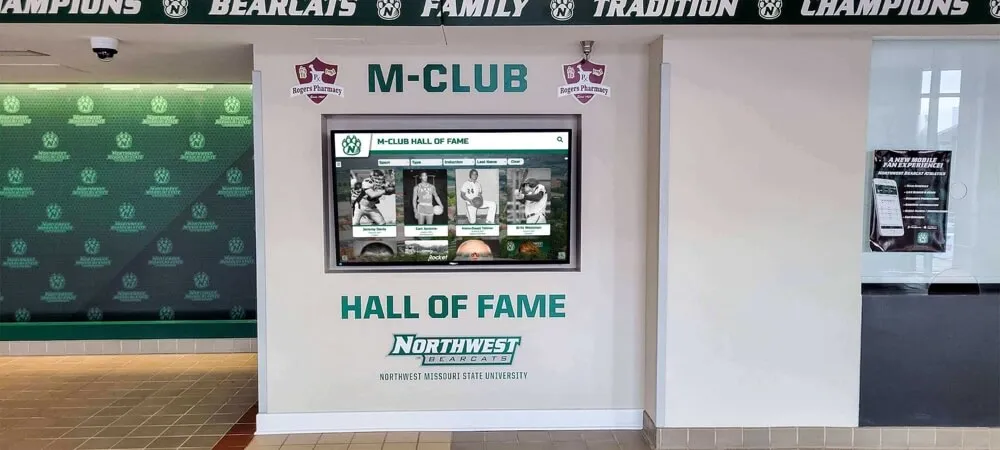
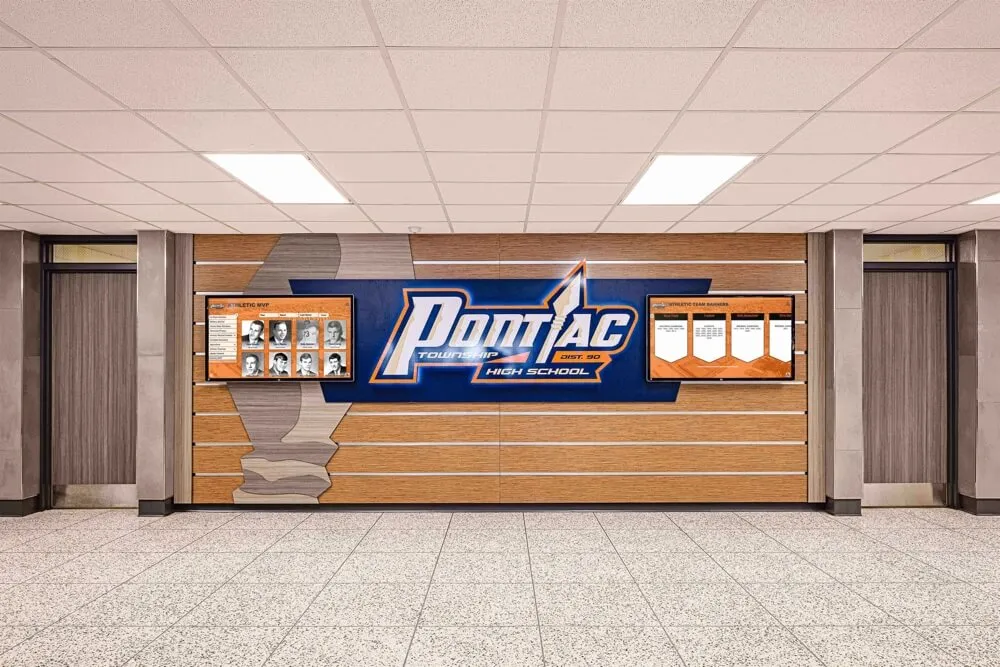
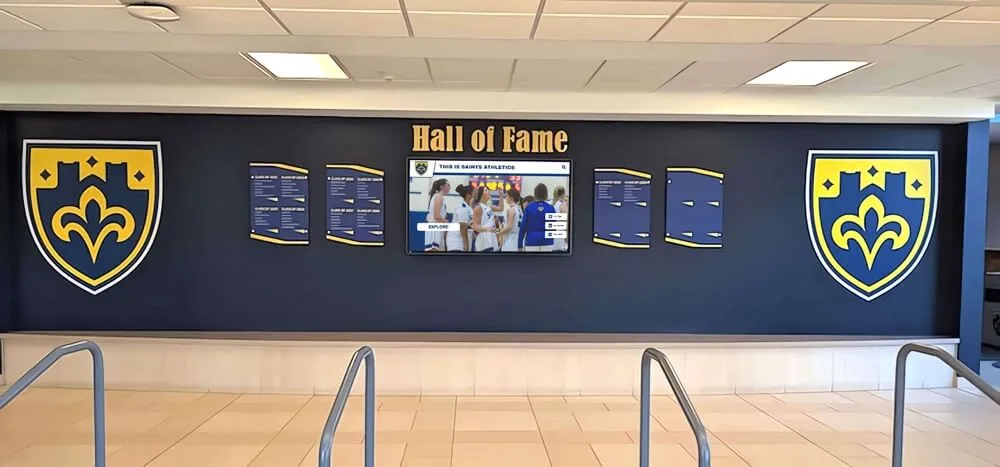
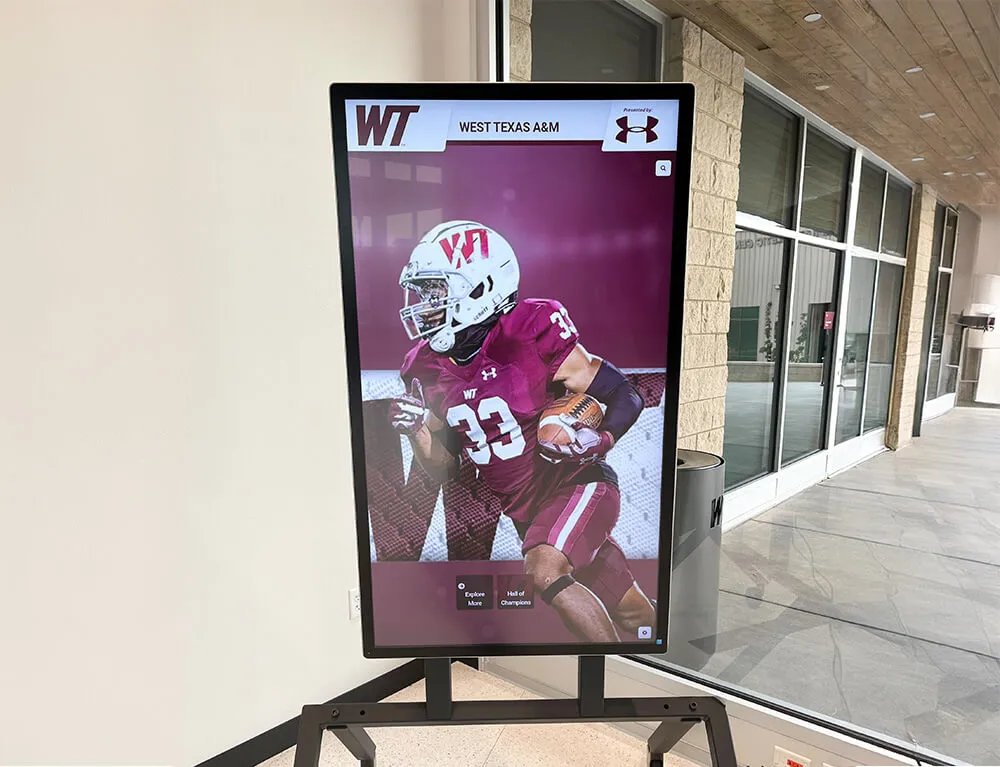
Digital recognition systems provide platforms to comprehensively celebrate championship coaches and their lasting program impact
Olympic Wrestling Leadership and National Influence
Beyond collegiate coaching, Houk’s influence extended to international wrestling through sustained Olympic involvement that positioned him as one of American wrestling’s most respected leaders.
Olympic Committee Service
Houk served as a member of the United States Olympic Wrestling Committee from 1964 to 1976, a twelve-year tenure spanning three Olympic cycles during a golden era for American wrestling. This leadership role reflected the respect Houk commanded among wrestling’s national leadership and his demonstrated expertise in preparing wrestlers for elite international competition.
His committee service during this period coincided with some of American wrestling’s greatest Olympic achievements, as U.S. wrestlers consistently competed for medals against formidable international opponents including the dominant Soviet wrestling program.
Olympic Team Management
Houk’s most visible Olympic contributions came as freestyle team manager for both the 1972 Munich Olympics and the 1976 Montreal Olympics. These management roles placed him at the heart of Olympic wrestling operations, overseeing logistics, training, and competitive preparation for America’s finest freestyle wrestlers during two of the sport’s most memorable Olympic competitions.
The 1972 Olympics proved particularly significant, as American wrestlers including Dan Gable achieved remarkable success despite tragic circumstances surrounding the Munich games. Houk’s management during this challenging Olympics demonstrated leadership extending beyond wrestling tactics to encompass the emotional and logistical complexities of international competition.
Discover strategies for Division I athletics digital recognition that celebrate Olympic-level athletic achievement and coaching excellence.
The Birth of Maple Lake Wrestling Camp: 1962-1964
Russ Houk’s vision for intensive wrestling training materialized in 1962 with the establishment of his wrestling camp at Maple Lake in Forksville, Pennsylvania—a rural location that would become legendary in American wrestling.
Why Start a Wrestling Camp in 1962?
In the early 1960s, organized wrestling camps were rare in the United States. Wrestling coaching typically occurred during competitive seasons, with limited structured training available during summer months when athletes could dedicate sustained attention to skill development without academic pressures.
The Training Gap
Houk recognized that seasonal coaching, while effective within its constraints, left enormous potential for wrestler development unfulfilled. Wrestlers who trained intensively during summer months—with daily instruction, multiple practice sessions, and sustained focus on technique refinement—could accelerate development far beyond what part-time seasonal training allowed.
Additionally, exposure to diverse coaching perspectives and training partners from different programs provided developmental benefits impossible within single-program environments. Wrestlers training exclusively with familiar teammates often developed stylistic limitations, while those exposed to varied opponents and coaching philosophies became more adaptable and complete competitors.
The Camp Model Solution
Houk’s camp addressed these limitations through intensive multi-week programs combining expert instruction from multiple coaches, daily training sessions emphasizing both technique and conditioning, diverse training partners from varied programs and regions, live wrestling against opponents with different styles, mental preparation and competitive psychology, and comprehensive athlete development extending beyond pure wrestling technique.
This model proved revolutionary, demonstrating that concentrated summer training could produce developmental leaps matching or exceeding entire competitive seasons.
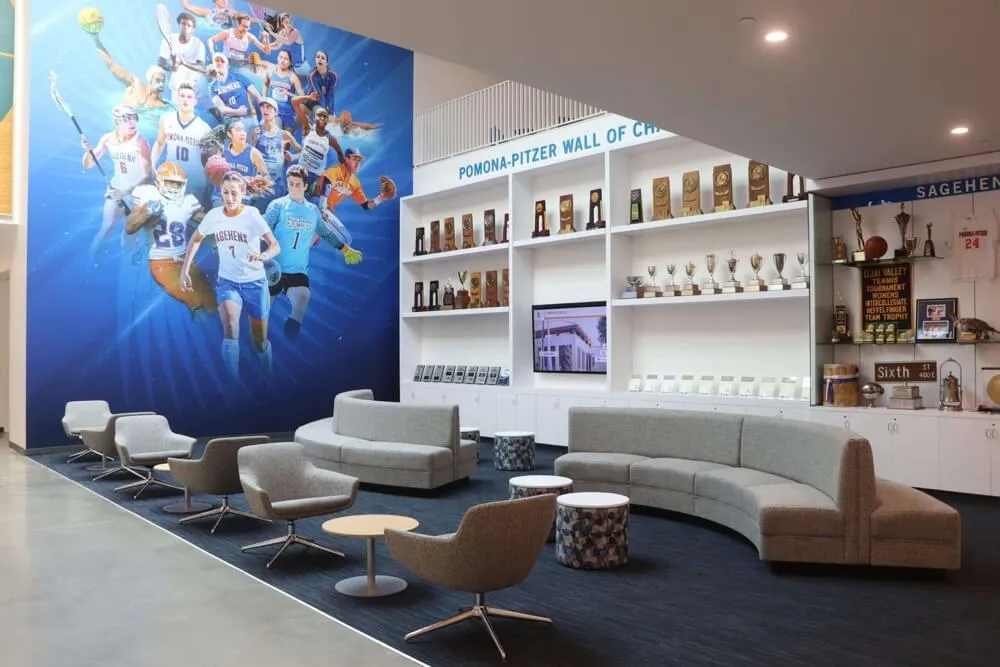
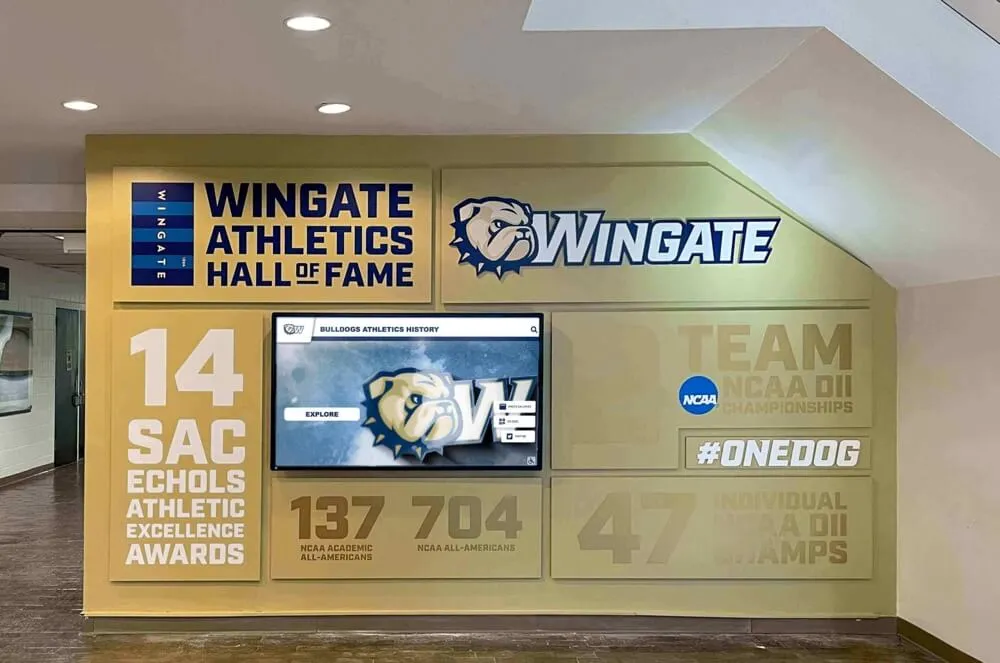
Training facilities that celebrate championship tradition create environments where excellence is expected and athletic legacy is visible
The Maple Lake Location: Remote Training Excellence
The camp’s Forksville, Pennsylvania location at Maple Lake provided an ideal setting for intensive wrestling training. The rural environment minimized distractions, allowing wrestlers to focus completely on training and improvement without the interruptions typical of campus-based programs.
Facility and Environment
The lakeside setting offered both training facilities and outdoor recreation, creating balanced environments where intensive wrestling work was complemented by swimming, hiking, and outdoor activities that built camaraderie among wrestlers while providing active recovery from demanding mat sessions.
This residential camp format—where wrestlers lived together, ate together, and trained together for extended periods—built team chemistry and competitive intensity impossible in commuter-based programs. Wrestlers formed lasting friendships and professional networks that persisted throughout their competitive careers and beyond.
Early Camp Success and Growth
The camp’s early years established its reputation for excellence. Word spread through wrestling communities about the high-quality instruction, the competitive training environment, and the developmental gains wrestlers achieved after attending Houk’s camp. Enrollment grew as wrestlers sought competitive advantages and college coaches recommended the camp to promising athletes.
By 1964, just two years after its founding, the camp’s reputation had grown sufficiently to attract national attention and official recognition as an Olympic training center—a remarkable achievement reflecting both Houk’s coaching reputation and the camp’s demonstrated training effectiveness.
The Olympic Training Center Years: 1964-1973
The period from 1964 to 1973 represented the pinnacle of Russ Houk’s wrestling camp, as it served as the official U.S. Olympic and Pan-American Games Training Camp while also hosting the Canadian World and Olympic teams.
Official Olympic Training Center Designation
In 1964, the U.S. Olympic Wrestling Committee designated Houk’s camp as an official Olympic training center, recognizing both the facility’s training quality and Houk’s coaching expertise. This designation transformed the camp from successful private operation to nationally significant training ground for America’s elite wrestlers.
What Olympic Training Center Status Meant
The Olympic training center designation brought several important changes including official recognition as a U.S. Olympic Committee facility, funding and support from national wrestling organizations, automatic participation from Olympic team members and candidates, enhanced coaching staff including other Olympic-level coaches, elevated competitive standards and training intensity, and national visibility that attracted top wrestlers nationwide.
This official status also meant the camp regularly hosted Olympic and Pan-American Games team members during their preparation for international competition, creating training environments where promising young wrestlers trained alongside proven champions preparing for the world’s most prestigious competitions.
Canadian Team Partnership
Beyond serving American Olympic wrestlers, Houk’s camp also became the host training center for Canadian World and Olympic teams. This international component added another dimension to the camp’s training environment, as American and Canadian wrestlers trained together, shared techniques, and competed against each other in preparation for international championships where they would represent their respective nations.
This cross-border training partnership reflected both the camp’s international reputation and wrestling’s culture of shared development, where coaches and athletes from different nations trained together despite eventually competing against each other.
Explore approaches to athletic history display that document significant program milestones like Olympic training center designation.
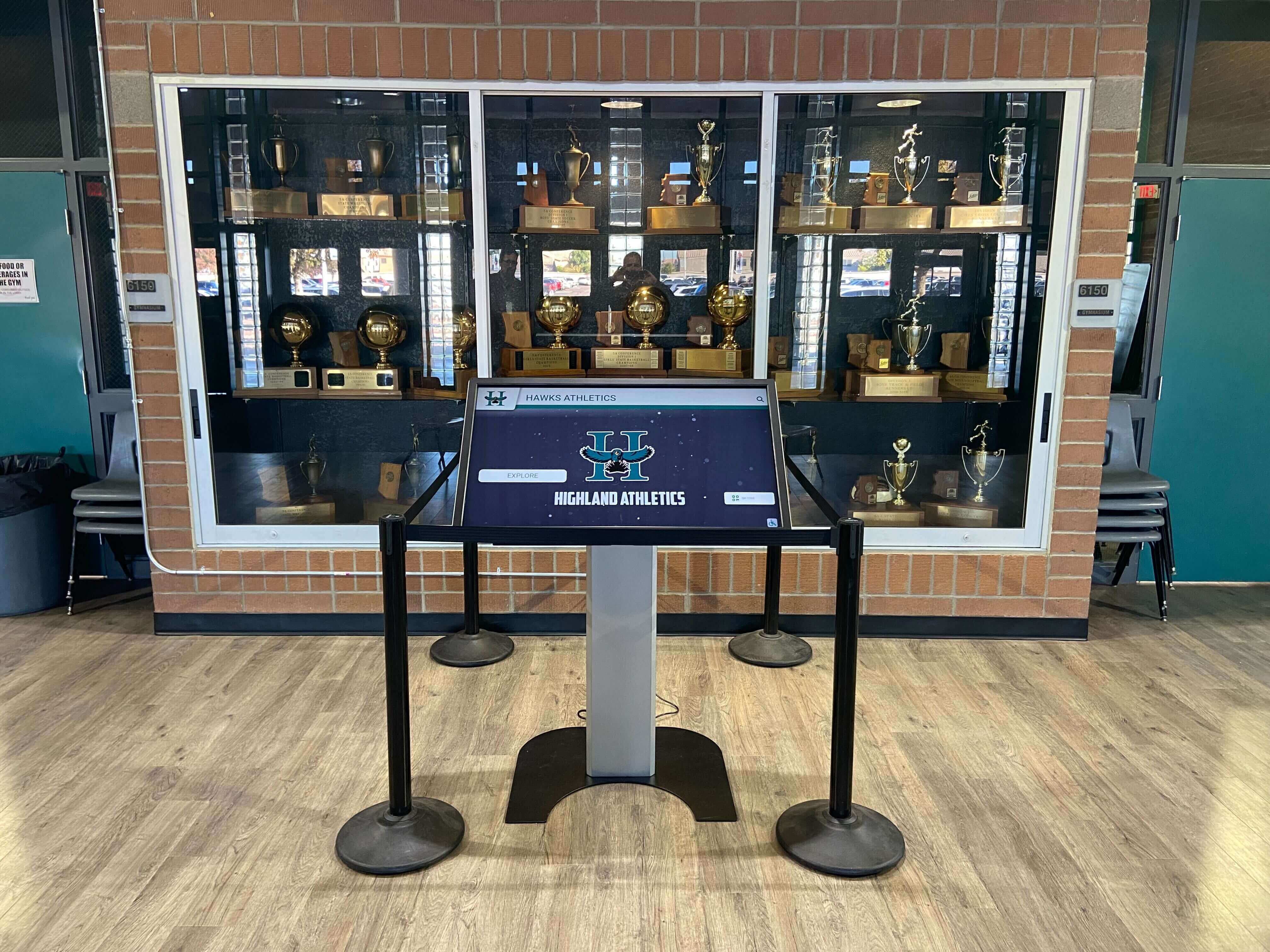
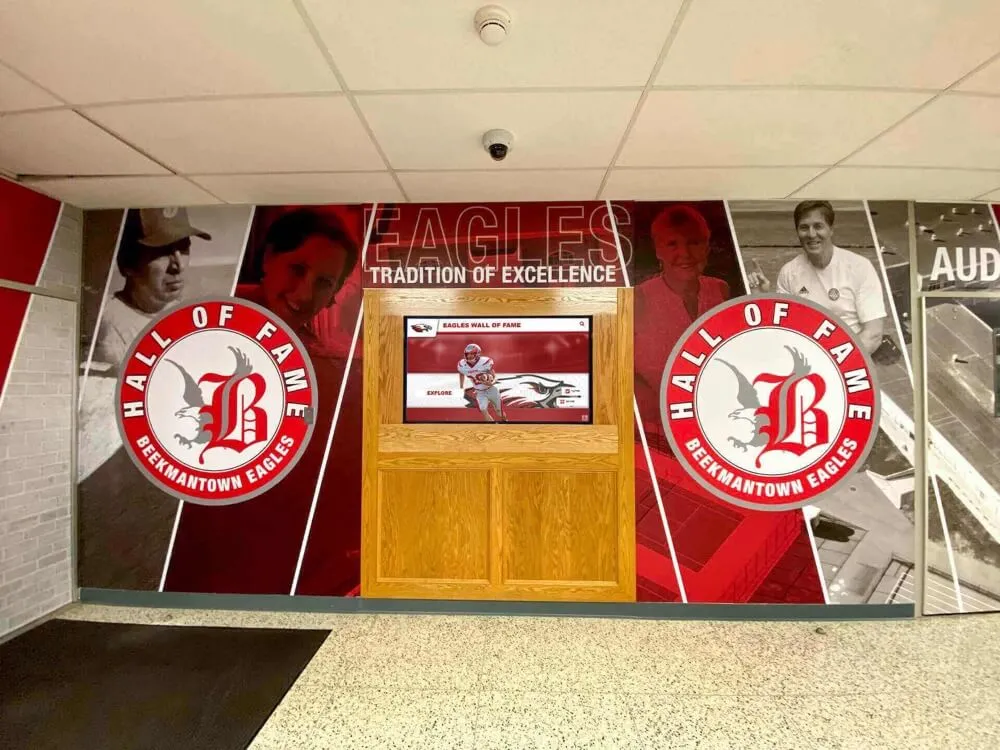
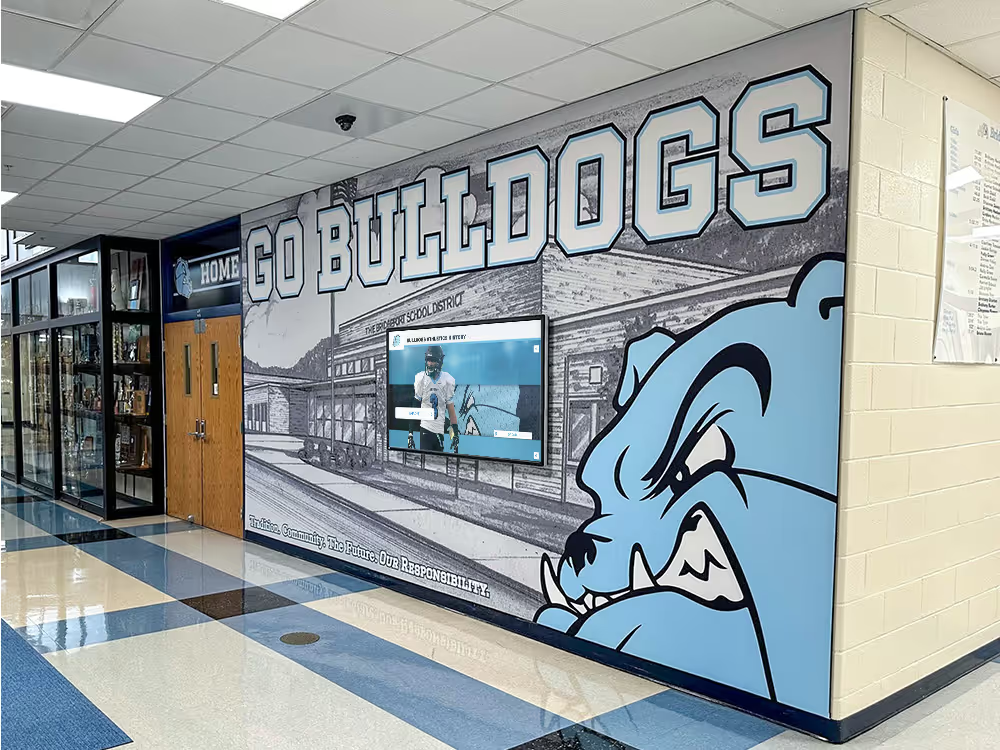
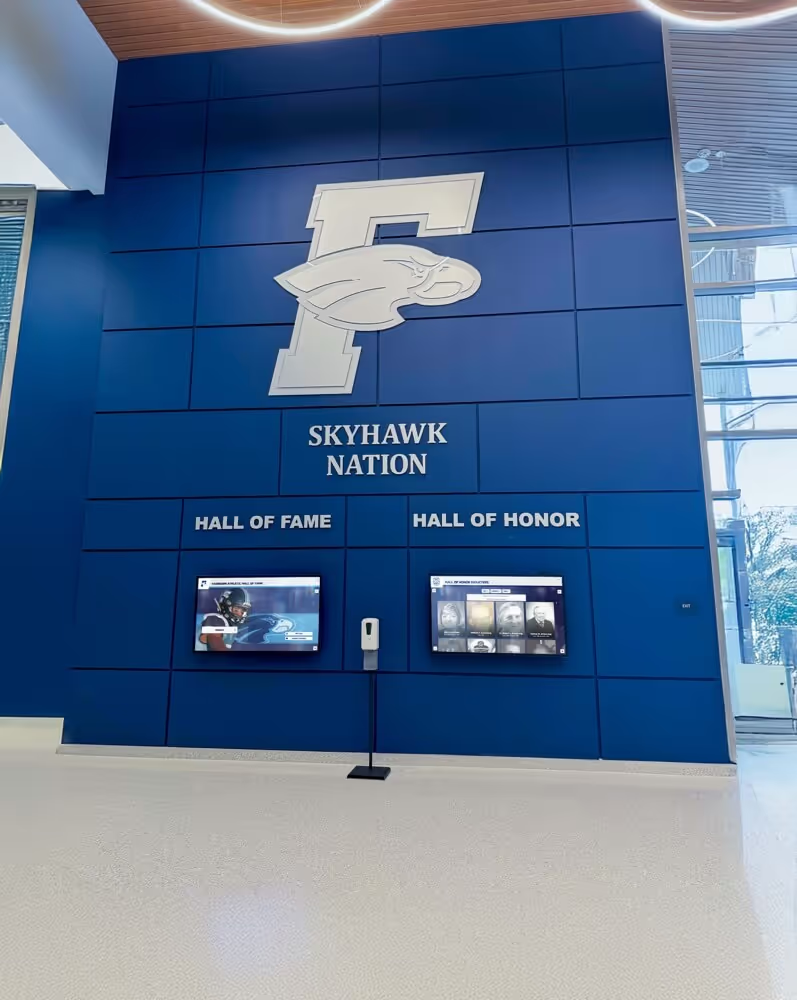
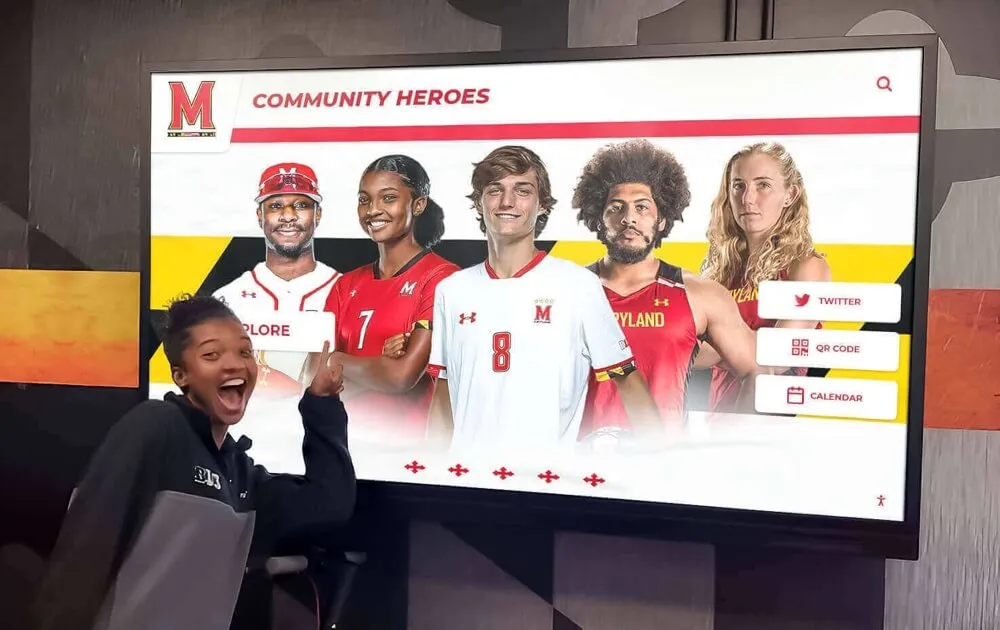
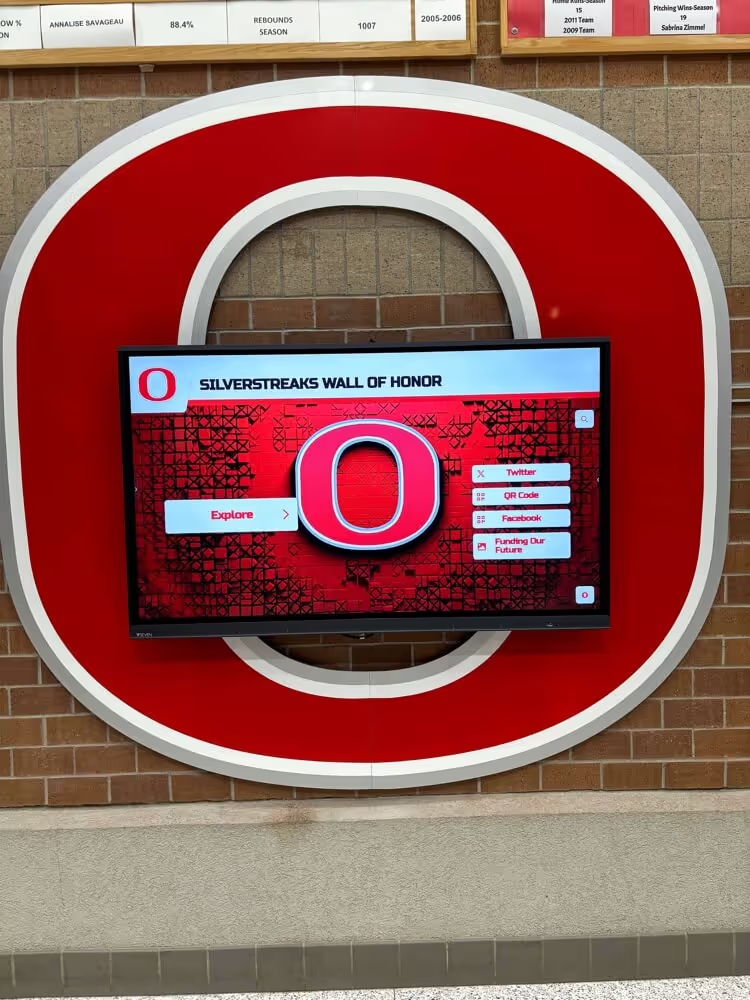
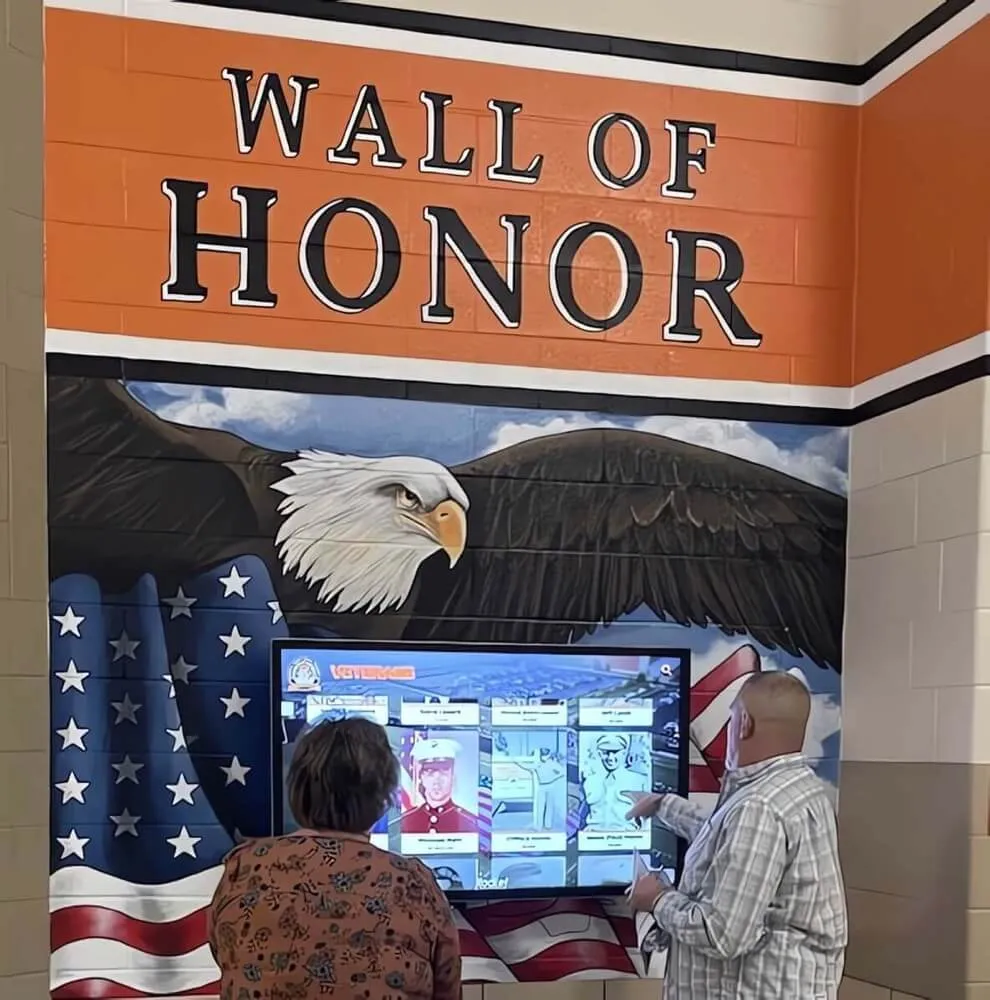
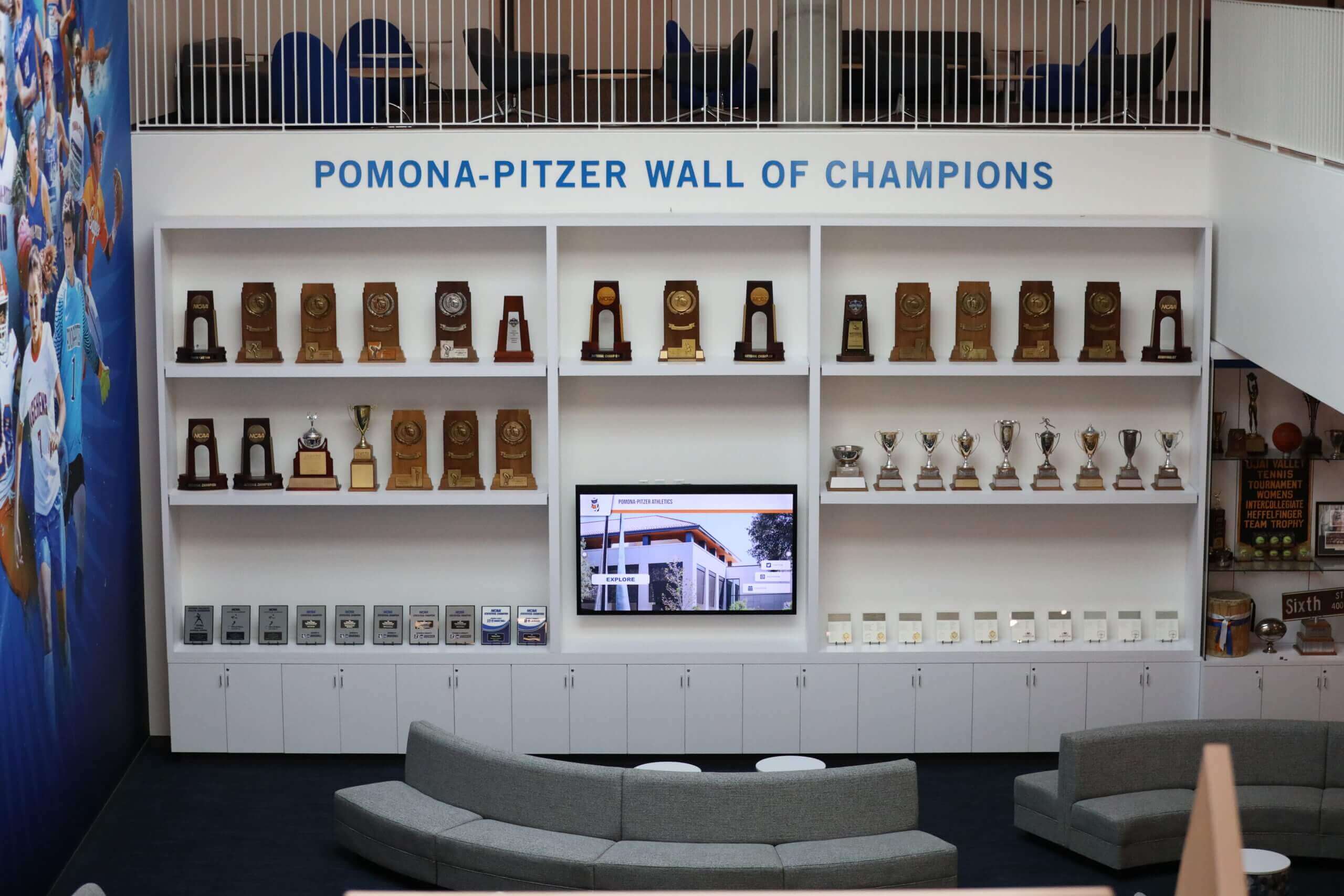
Interactive displays within trophy cases provide unlimited capacity to document complete program histories including Olympic connections
Legendary Wrestlers Who Trained at Maple Lake
The roster of wrestlers who trained at Houk’s camp during its Olympic training center years reads like a who’s who of American wrestling’s golden age. These athletes achieved remarkable Olympic and international success, with many crediting their Maple Lake training for contributing to their championship development.
Dan Gable: The Most Famous Camper
Perhaps no wrestler symbolizes the camp’s legacy more than Dan Gable, who trained at Maple Lake during his development years before achieving legendary status as both competitor and coach. Gable’s training at Houk’s camp came during his emergence as one of American wrestling’s most dominant athletes.
Gable would go on to compile a 117-1 college wrestling record at Iowa State, win an Olympic gold medal at the 1972 Munich Olympics without surrendering a single point, and later become one of history’s most successful wrestling coaches at the University of Iowa. His connection to Houk’s camp places Maple Lake within the developmental pipeline of American wrestling’s most iconic figure.
Olympic Gold Medalists and Champions
Other Olympic champions who trained at Houk’s camp included Wayne Wells, Olympic gold medalist who benefited from the camp’s elite training environment; John and Ben Peterson, both Olympic gold medalists who trained at Maple Lake; and Stan Dziedzic, an accomplished Olympic wrestler who represented the USA at the highest levels.
Other Wrestling Legends
Additional wrestling stars who trained under Houk at Maple Lake included Chris Taylor, the legendary super-heavyweight wrestler known for both his size and his skill; Rich Sanders, an accomplished wrestler who competed at the elite level; Wade Schalles, holder of more wins than any other college wrestler in history at that time; Gray Simons, an outstanding wrestler who competed internationally; and Don Behm, another member of Olympic teams who trained at the camp.
This concentration of wrestling talent—with multiple Olympic gold medalists and champions training together during summer months—created training intensity and competitive excellence unmatched anywhere else in American wrestling at that time.
Learn about student athlete recognition programs that celebrate Olympic-level achievement and championship excellence.
Elite Coaching Staff and Training Methods
Beyond the exceptional wrestlers who attended, Houk’s camp attracted outstanding coaching talent that enhanced the training environment and exposed wrestlers to diverse coaching philosophies and technical approaches.
Collaborative Coaching Model
Rather than relying solely on his own coaching, Houk assembled coaching staffs including other championship coaches, Olympic team coaches and staff, former Olympic wrestlers transitioning to coaching, technical specialists focusing on specific positions or techniques, and conditioning experts who addressed training and preparation.
This collaborative approach meant wrestlers received instruction from multiple expert coaches, each contributing unique perspectives and technical knowledge. Wrestlers might work on takedowns with one coach, mat wrestling with another, and conditioning with a third—receiving comprehensive technical education impossible when training with single coaches.
Red Campbell: Notable Counselor
Among the camp’s coaching staff, Red Campbell served as a particularly influential counselor. Campbell’s involvement exemplified how Houk attracted respected wrestling figures to participate in the camp’s coaching staff, enhancing its educational value for attending wrestlers.
Training Philosophy and Methods
Houk’s camp emphasized several key training principles including intensive technique instruction in morning sessions, live wrestling and competition in afternoon sessions, strength and conditioning work supporting wrestling performance, mental preparation and competitive psychology, nutrition and recovery to support demanding training, and weight management education for wrestlers competing in specific weight classes.
This comprehensive approach to wrestler development—addressing physical, technical, mental, and lifestyle factors—distinguished Houk’s camp from programs focusing narrowly on wrestling technique alone.

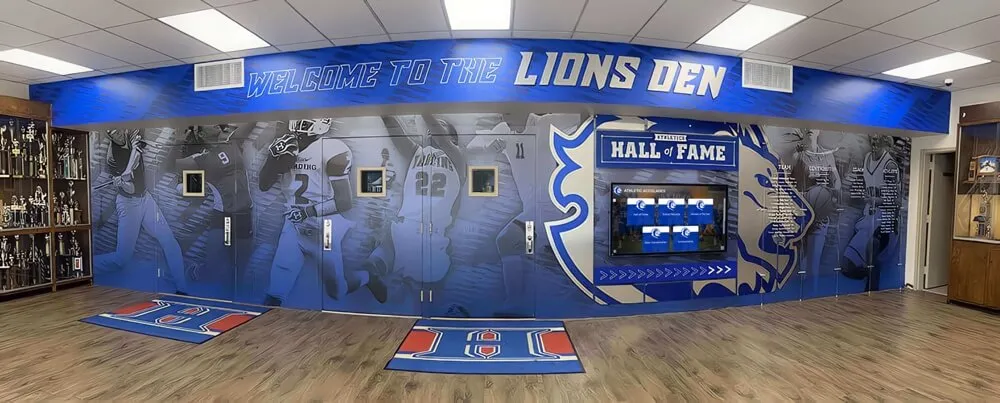
Championship walls that document program achievements create visible connections between current athletes and championship tradition
The Camp’s Training Culture and Daily Life
The camp experience extended far beyond wrestling mats, creating total immersion in wrestling culture that shaped athletes’ competitive development and personal growth.
Daily Schedule and Training Intensity
Life at Maple Lake revolved around intensive training schedules designed to maximize developmental opportunities during limited camp durations.
Typical Camp Day Structure
While specific schedules varied, typical days at Houk’s camp generally followed patterns including early morning conditioning and running, breakfast with nutrition education, morning technique instruction sessions, lunch and rest period, afternoon live wrestling and competition, dinner, evening educational sessions or recreation, and recovery and rest preparation for the next day.
This structured routine, repeated daily throughout multi-week camp sessions, created training volume impossible during typical competitive seasons when wrestlers balanced athletics with academics and other commitments.
Training Intensity and Competition
The competitive intensity at Houk’s camp—with Olympic champions training alongside aspiring young wrestlers—pushed all participants toward higher performance levels. Young wrestlers witnessed firsthand the work ethic, technique, and mental approach that separated Olympic champions from merely good wrestlers, learning through observation and direct competition what championship excellence required.
This exposure to elite-level training standards often proved transformational, as promising young wrestlers returned home with elevated expectations for their own training and performance based on what they experienced at Maple Lake.
Building Character Beyond Wrestling Technique
Houk’s camp philosophy emphasized developing complete individuals, not just technically skilled wrestlers. This holistic approach addressed character development, life skills, and personal growth alongside wrestling instruction.
Life Lessons and Values
According to accounts from many wrestling camps of that era, programs emphasized values including commitment to excellence and continuous improvement, discipline in training and personal conduct, respect for opponents and officials, accountability for performance and choices, teamwork and supporting fellow wrestlers, perseverance through difficulty and setbacks, and humility in victory and grace in defeat.
These character emphases reflected wrestling’s traditional values and Houk’s coaching philosophy that athletic programs should develop citizens and leaders, not just competitive athletes.
Lasting Friendships and Networks
The residential camp format created intense bonding among wrestlers who trained together, lived together, and supported each other through demanding physical challenges. These camp friendships often lasted throughout wrestlers’ competitive careers and beyond, creating professional networks that supported wrestlers as they transitioned from competition to coaching or other careers.
Many former campers maintained lifelong connections with wrestlers they met at Maple Lake, attending each other’s weddings, supporting each other’s coaching careers, and remaining part of extended wrestling families forged during summer training sessions decades earlier.
Discover strategies for wrestling hall of fame recognition that celebrate both competitive achievement and character development.

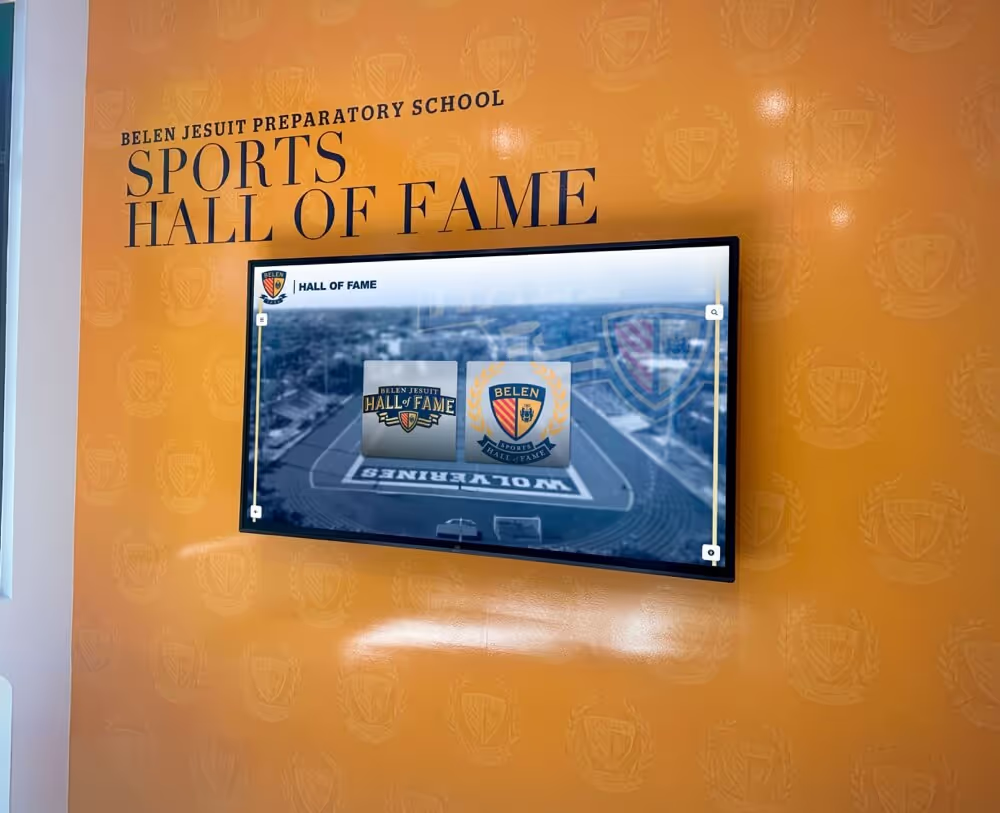
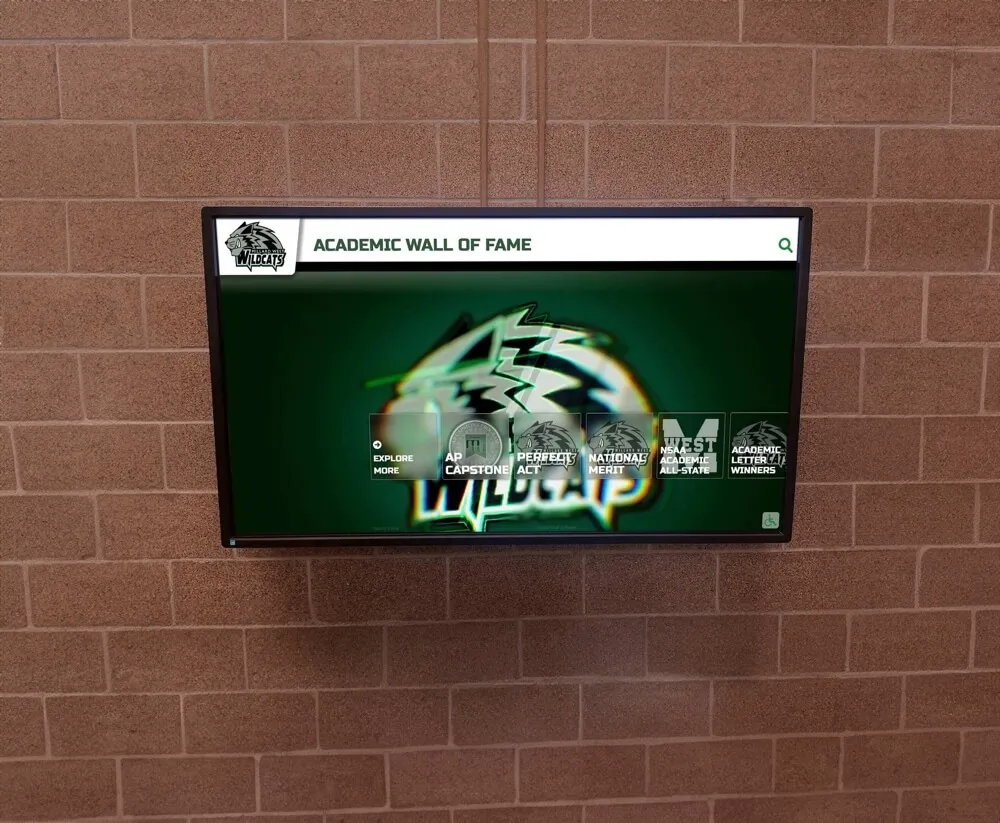
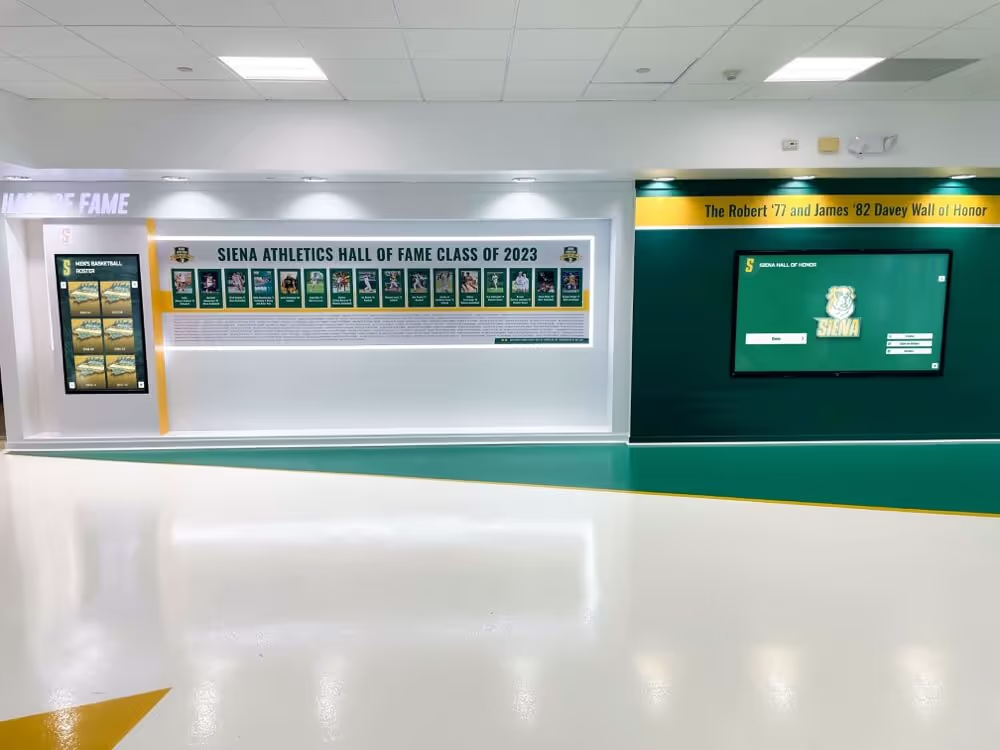
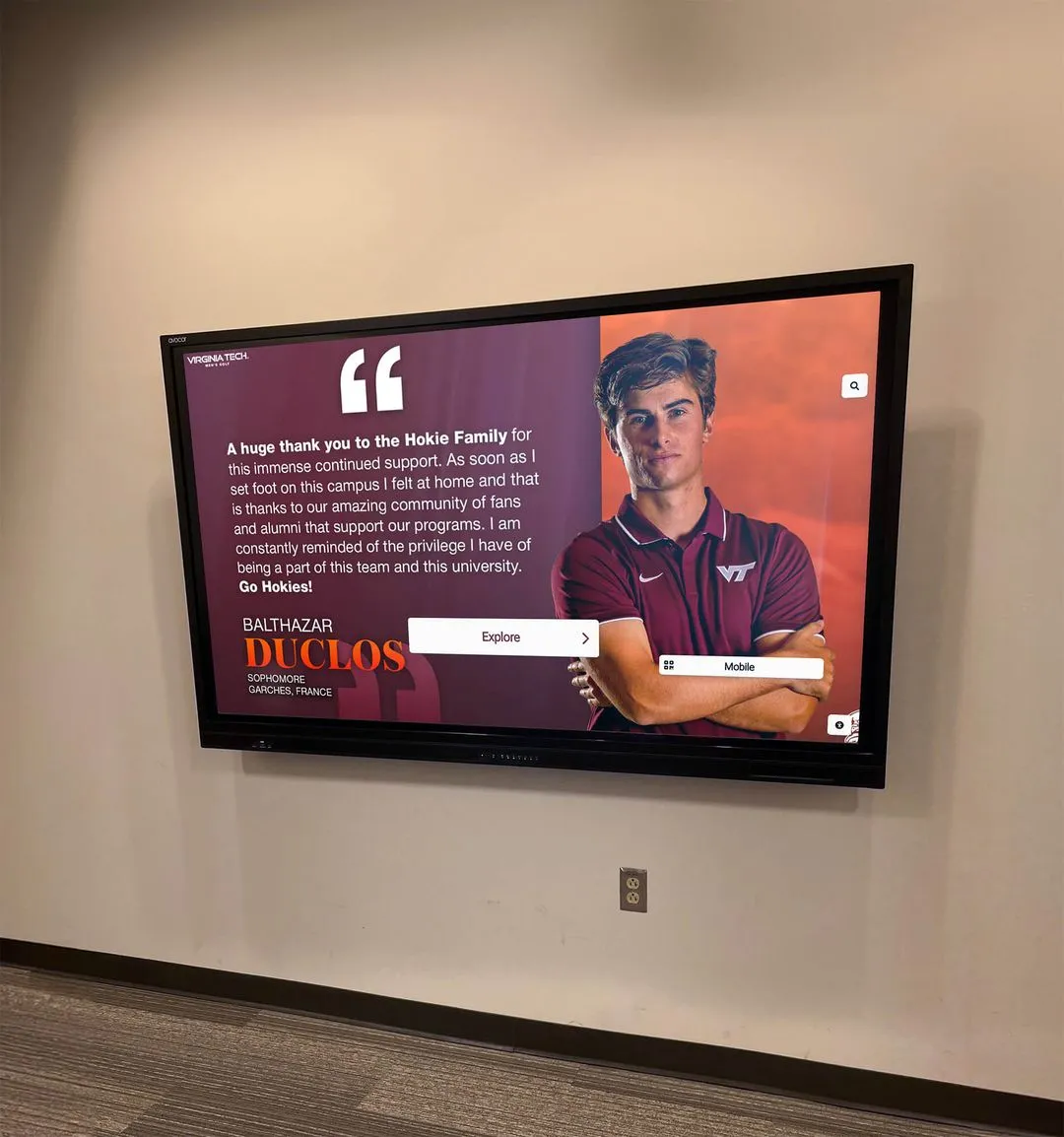
Interactive recognition systems enable comprehensive documentation of program history, coaching legacies, and athlete achievements
The End of an Era and Lasting Legacy
While Houk’s camp served as the Olympic training center through 1973, changes in both Olympic wrestling and Houk’s own career eventually led to the camp’s conclusion as an official training center, though its legacy continued influencing American wrestling.
Changes in Olympic Training Structure
The 1970s brought significant changes to how American Olympic sports approached athlete training and preparation. The U.S. Olympic Committee increasingly centralized training through permanent facilities like the Olympic Training Center in Colorado Springs, which eventually opened in 1977.
This shift toward permanent, year-round training centers reflected changing philosophies about Olympic preparation, as sports science advanced and nations recognized that Olympic success required sustained investment in athlete development rather than relying primarily on seasonal coaching and temporary summer camps.
Houk’s 1976 Olympic Management
Houk’s service as freestyle team manager for the 1976 Montreal Olympics represented his final Olympic involvement. Following the 1976 games, Houk transitioned away from active Olympic committee participation, having contributed to American wrestling’s Olympic efforts for twelve years spanning three Olympic cycles.
The Bloomsburg Wrestling Legacy
Beyond the camp itself, Houk’s influence on wrestling continued through Bloomsburg’s wrestling program, which he had built into a national power during his coaching tenure.
Lasting Program Impact
Houk’s fourteen years as head coach established Bloomsburg as a wrestling institution, creating championship traditions that persisted long after his departure. According to Commonwealth University, the Bloomsburg wrestling program he built continues competing at high levels, with the community remaining deeply invested in wrestling excellence. In early 2025, the Bloomsburg community rallied to raise $350,000 for wrestling scholarships and training facilities, demonstrating the lasting impact of the wrestling culture Houk established decades earlier.
National Wrestling Hall of Fame Induction
In recognition of his coaching excellence and contributions to American wrestling, Russ Houk was inducted into the National Wrestling Hall of Fame. This honor, reserved for wrestling’s most impactful coaches and contributors, officially recognized Houk’s pioneering work in wrestling camps, his Olympic service, and his championship coaching success.
The hall of fame induction ensures that Houk’s contributions to wrestling are permanently documented and celebrated within wrestling’s most prestigious recognition institution.
Learn about state championship recognition displays that celebrate championship coaching legacies comprehensively.
Historical recognition preserves coaching legacies and championship traditions for future generations of athletes
The Wrestling Camp Model’s Continuing Influence
While Houk’s specific camp concluded, the intensive wrestling camp model he pioneered became standard throughout American wrestling, fundamentally changing how wrestlers develop and prepare for competition.
The Proliferation of Wrestling Camps
Today, hundreds of wrestling camps operate throughout the United States, ranging from local youth programs to elite training centers preparing college wrestlers for international competition. This ubiquitous camp landscape traces directly back to pioneers like Houk who demonstrated wrestling camps’ developmental value.
Modern Camp Landscape
Contemporary wrestling camps include youth camps introducing elementary-age children to wrestling fundamentals, technique-focused camps specializing in specific positions or skills, intensive competitive camps for serious high school and college wrestlers, college prospect camps where high school wrestlers showcase skills for college coaches, women’s wrestling camps addressing the sport’s fastest-growing demographic, and specialized camps focusing on freestyle or Greco-Roman wrestling styles.
This diversity reflects wrestling camps’ complete integration into American wrestling culture, where summer camp participation is considered essential for serious wrestlers’ development.
The Continuing Camp Model
Many contemporary camps follow models pioneered at Houk’s Maple Lake operation including multi-week residential formats with intensive daily training, diverse coaching staffs providing multiple technical perspectives, competitive training partners from varied programs and regions, emphasis on character development alongside wrestling skill, combination of instruction, live wrestling, and conditioning, and nutritional education and weight management guidance.
The fact that camps seventy years after Houk’s pioneering program continue following similar models demonstrates the effectiveness of his camp structure and training philosophy.
Lessons for Modern Wrestling Programs
Houk’s camp legacy offers valuable lessons for contemporary wrestling programs seeking to build championship cultures and develop complete wrestlers:
Quality Instruction Matters
Houk attracted elite coaching talent and produced Olympic champions, demonstrating that the quality of instruction profoundly affects athlete development. Programs that invest in coaching education, mentorship from experienced coaches, and exposure to diverse coaching perspectives create developmental advantages that compound over years.
Intensive Training Produces Results
The camp model’s success proved that concentrated, intensive training produces developmental acceleration impossible with diluted, part-time approaches. Wrestlers who commit to demanding training during dedicated periods achieve technical and physical gains that casual training never produces.
Environment Shapes Athletes
Training alongside Olympic champions and aspiring wrestlers within competitive environments raised expectations and performance levels for all participants. Modern programs benefit from creating training cultures where excellence is expected, hard work is celebrated, championship standards are visible, and athletes push each other toward higher performance.
Character Development Matters
Houk’s emphasis on developing complete individuals—not just winning wrestlers—reflected wisdom that wrestling programs should prepare young people for life beyond sports. Programs that emphasize character, academics, citizenship, and leadership alongside competitive success create value extending far beyond win-loss records.
Discover comprehensive approaches to wrestling team recognition that celebrate both competitive achievement and personal growth.
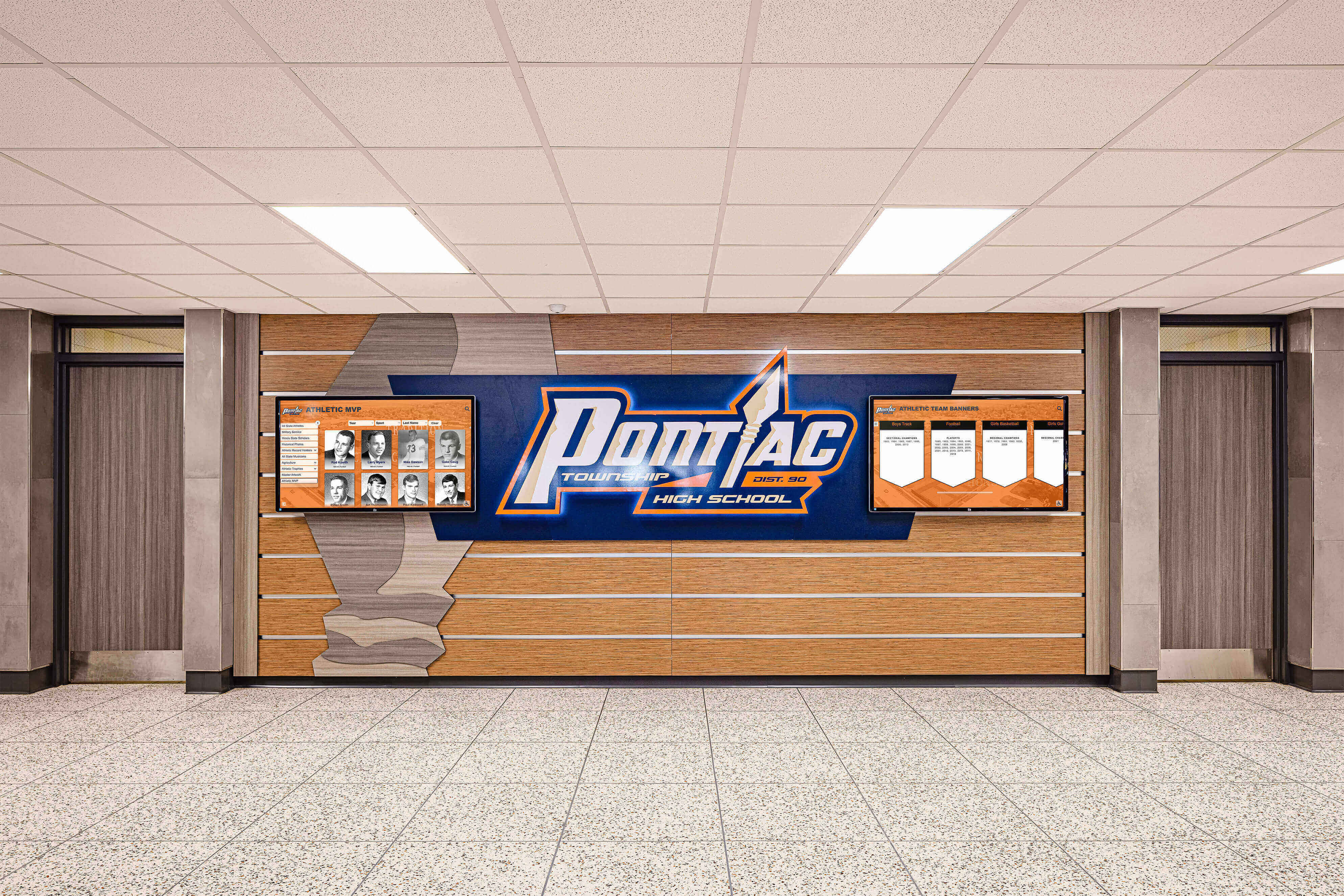
Modern recognition systems honor wrestling program traditions while inspiring current athletes through visible celebration of championship culture
Preserving and Celebrating Wrestling Heritage
As wrestling programs continue developing champions, appropriately recognizing coaching legacies, Olympic connections, and championship traditions becomes essential for maintaining wrestling culture and inspiring future generations.
Why Wrestling History Recognition Matters
Wrestling’s rich traditions and championship heritage provide powerful motivational tools for current athletes while preserving institutional memory as programs evolve.
Connecting Past and Present
When current wrestlers see comprehensive recognition of program founders like coaches who established championship traditions, Olympic-level athletes who emerged from programs, championship teams that brought glory to institutions, pioneering coaches whose innovations advanced the sport, and Olympic training center connections that placed programs within national wrestling history—they understand they’re part of something larger than individual competitive seasons.
This connection to wrestling heritage creates responsibility for upholding standards, pride in program membership, motivation to add to championship tradition, respect for those who built programs, and appreciation for wrestling’s broader culture.
Inspiring Future Champions
Visible recognition of wrestling excellence inspires aspiring wrestlers through concrete examples of what championship success looks like, documented paths showing how ordinary athletes developed into champions, evidence that championship success is achievable within programs, visible standards establishing expectations for excellence, and role models demonstrating what dedication and hard work produce.
Programs with prominent wrestling recognition consistently report that younger wrestlers specifically mention historical champions and coaches as motivational influences, demonstrating heritage recognition’s inspirational impact.
Modern Digital Recognition for Wrestling Programs
Traditional wrestling recognition through trophy cases and championship plaques faces significant limitations including fixed physical capacity restricting how many wrestlers and achievements receive visibility, expensive updates requiring physical engraving or plaque replacement, static displays offering no video or multimedia content, deterioration over time requiring maintenance and replacement, and limited space forcing difficult choices about whose achievements warrant recognition.
Digital Wrestling Recognition Solutions
Modern digital recognition systems overcome these limitations while providing capabilities specifically suited to wrestling documentation including unlimited capacity honoring all conference champions, state qualifiers, district winners, and program contributors; comprehensive wrestler profiles with career statistics, tournament results, and match records; video highlights preserving signature matches and championship performances; coaching legacy documentation celebrating program builders and their impact; team history preservation documenting lineage of championship teams; statistical displays showing program records and milestones; and interactive exploration enabling visitors to discover program history comprehensively.
Solutions like Rocket Alumni Solutions provide platforms designed specifically for athletic recognition including wrestling programs, enabling comprehensive documentation of program heritage while creating engaging experiences that inspire current athletes and educate visitors.
Learn about digital trophy case alternatives that provide unlimited capacity for wrestling program recognition.

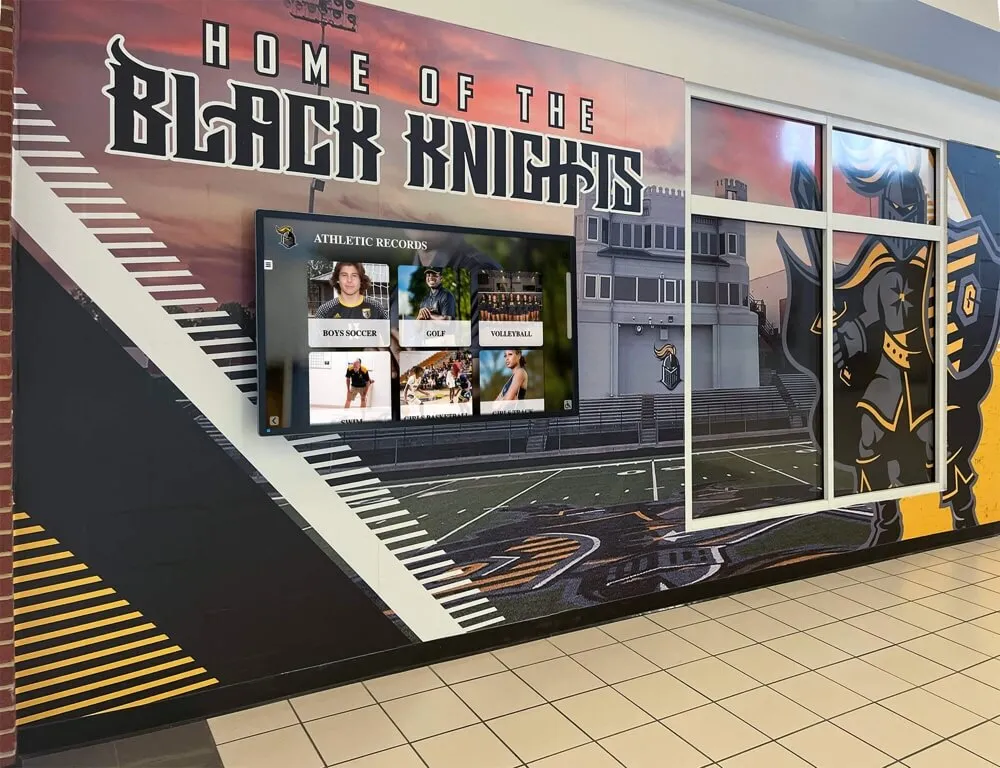
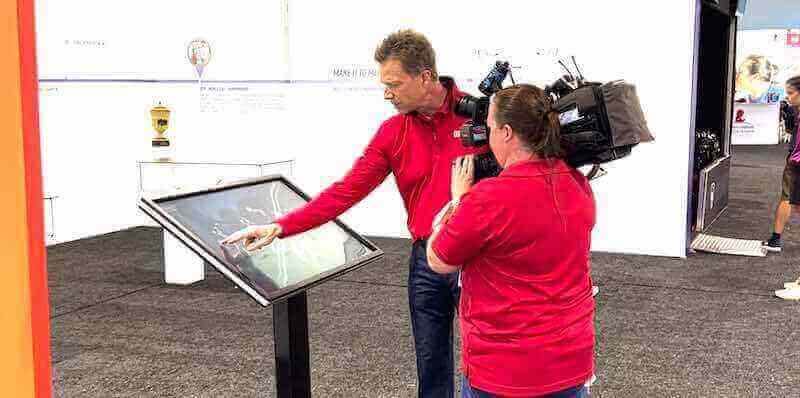
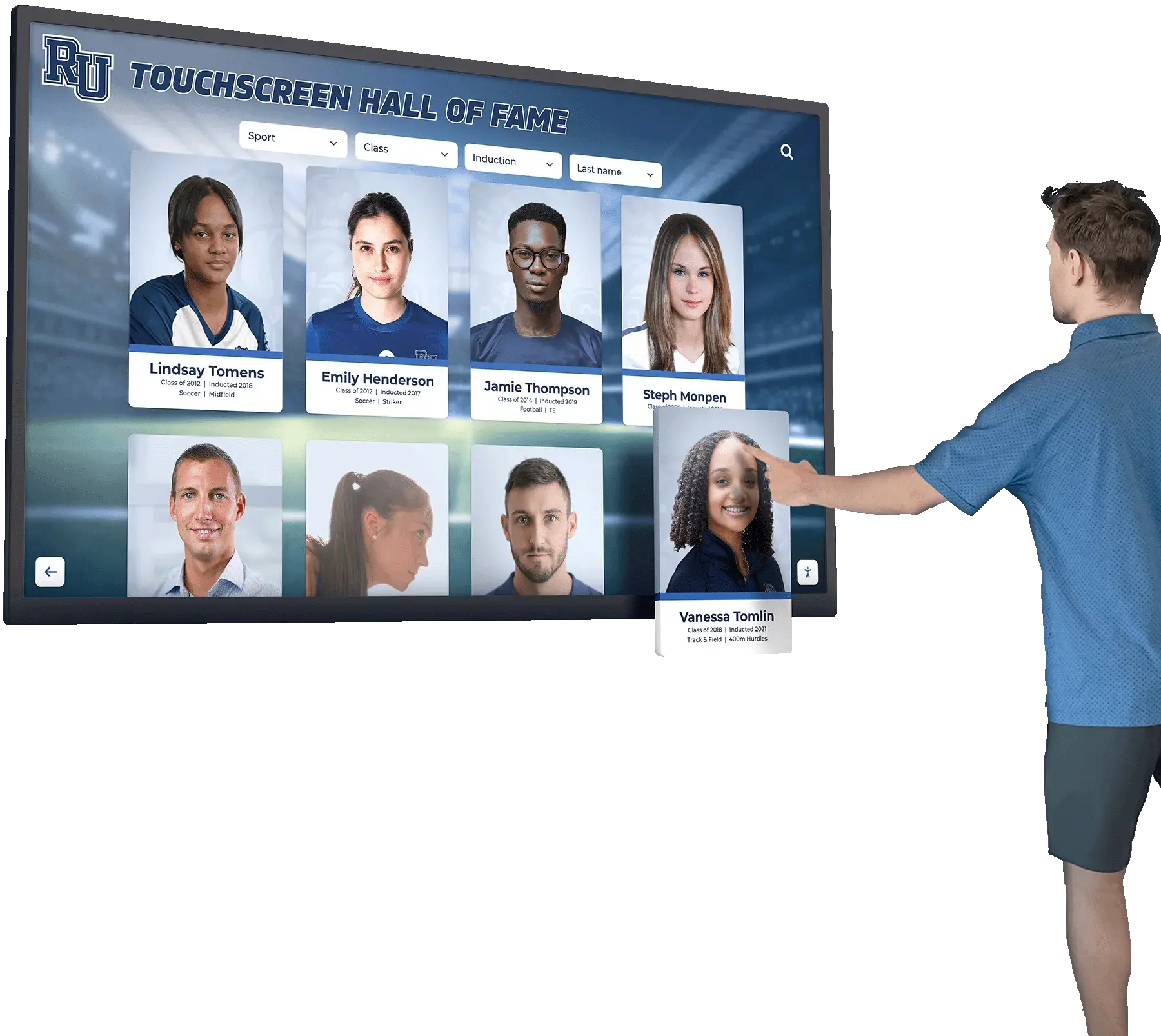
Touchscreen systems enable visitors to explore wrestler profiles, watch match highlights, and discover comprehensive program histories
Essential Elements of Comprehensive Wrestling Recognition
Programs seeking to honor wrestling heritage effectively should include multiple content components documenting the full scope of wrestling excellence:
Championship Documentation
- Conference championship teams with complete rosters
- State qualifiers and place-winners with tournament results
- District and sectional champions throughout program history
- Individual tournament champions across all weight classes
- Team tournament victories and dual meet championships
- Historical records and statistical milestones
Wrestler Profiles
- Career statistics including wins, losses, and winning percentage
- Individual accolades such as conference honors and all-state recognition
- Tournament results and championship placements
- Signature victories against ranked opponents
- College placement and scholarship information
- Career highlights and memorable matches
Coaching Recognition
- Coaching tenure and career records
- Championship teams and individual champions developed
- Conference and state coach of the year honors
- Professional recognition including hall of fame inductions
- Coaching philosophy and program impact
- Connections to camp operations or Olympic involvement
Historical Context
- Program founding and early history
- Facility evolution and training resources
- Notable matches and rivalries
- Alumni achievements after high school or college
- Connections to wrestling camps and training centers
- Olympic and international wrestling connections
Multimedia Content
- Match highlights and championship performances
- Coaching testimonials and philosophy explanations
- Alumni reflections on program impact
- Tournament atmosphere and team culture documentation
- Historical footage preserving program evolution
- Current team connections to program traditions
This comprehensive approach ensures wrestling programs preserve complete histories while creating recognition resources that serve multiple purposes including inspiring current wrestlers, educating visitors and prospective families, celebrating coaching legacies, documenting institutional athletic history, and maintaining wrestling culture across generations.
Explore best practices for school hall of fame walls that celebrate athletic excellence across all sports including wrestling.

Comprehensive recognition systems celebrate athletic heritage while creating gathering spaces that strengthen program culture and community connection
Conclusion: Honoring Wrestling’s Pioneer and Continuing His Legacy
Russ Houk’s wrestling camp at Maple Lake represents a pivotal chapter in American wrestling history—a pioneering program that demonstrated intensive summer training’s developmental power, served as official U.S. Olympic training center during wrestling’s golden age, trained multiple Olympic gold medalists and champions who define wrestling excellence, established coaching methodologies that continue influencing programs today, and created the summer wrestling camp model that has become fundamental to American wrestling culture.
From its modest beginnings in 1962 through its Olympic training center years ending in 1973, Houk’s camp left an indelible mark on American wrestling that extends far beyond the champions who trained there. The camp proved that innovative coaching, intensive training, and comprehensive athlete development could accelerate wrestler improvement while building character and leadership alongside competitive skill. These lessons remain as relevant today as when Houk first opened his camp more than sixty years ago.
Celebrate Your Wrestling Program's Heritage
Discover how digital recognition solutions can help you honor championship traditions, celebrate coaching legacies, and inspire future wrestlers through comprehensive, engaging displays that preserve your program's complete history.
Explore Wrestling Recognition SolutionsPreserving Wrestling Heritage for Future Generations
Modern wrestling programs stand on foundations built by pioneers like Russ Houk—coaches who dedicated careers to developing not just champions but complete individuals prepared for life’s challenges. Appropriately recognizing these coaching legacies, documenting championship traditions, and celebrating Olympic connections ensures that current and future wrestlers understand the heritage they inherit and the standards they’re expected to uphold.
Digital recognition systems provide ideal platforms for comprehensive wrestling heritage preservation through unlimited capacity accommodating complete program histories, multimedia integration showcasing match highlights and coaching wisdom, interactive features enabling discovery of program traditions, real-time updates maintaining current relevance alongside historical documentation, and web accessibility extending recognition beyond physical facilities to alumni and extended wrestling communities worldwide.
Building Championship Culture Through Recognition
When wrestling rooms and school hallways prominently display recognition celebrating championship teams and individual excellence, honoring coaching legacies and program builders, documenting statistical records and milestones, showcasing Olympic connections and elite training heritage, and preserving wrestling traditions across generations—programs create environments where excellence is expected, championship standards are visible, wrestling heritage is valued, and athletes understand their responsibility to continue traditions of excellence established by those who came before.
Solutions like Rocket Alumni Solutions deliver comprehensive recognition platforms designed specifically for athletic programs including wrestling, combining powerful content management with engaging display systems that transform heritage preservation from static plaques into dynamic educational resources that inspire excellence while documenting program achievements comprehensively.
The Continuing Relevance of Houk’s Legacy
More than fifty years after Houk’s camp served as America’s Olympic training center, the lessons from his pioneering work remain powerfully relevant for contemporary wrestling programs including the value of intensive, focused training during dedicated periods; the importance of exposing wrestlers to diverse coaching and training partners; the power of training environments where excellence is expected and demonstrated; the necessity of character development alongside competitive skill-building; and the lasting impact of visionary coaches who see beyond immediate competitive seasons to build programs serving generations of athletes.
Your wrestling program—whether at the youth, high school, or college level—inherits traditions built by pioneers who believed wrestling develops character, discipline, and excellence extending far beyond competitive mats. These traditions deserve recognition that honors their significance, inspires current wrestlers to continue championship excellence, educates communities about wrestling’s value and heritage, and preserves program history for generations yet to come.
Whether documenting your program’s connections to wrestling camps and elite training traditions, celebrating state championships and tournament success, or honoring coaches whose vision built championship cultures, comprehensive digital recognition provides the platform needed to preserve and celebrate wrestling heritage appropriately while inspiring future generations of champions who will carry your program forward.
Ready to transform how your program celebrates wrestling excellence? Explore comprehensive recognition solutions through interactive athletic displays, discover approaches for teaching awards recognition adaptable to coaching excellence, or learn about best ways to connect with alumni including wrestling program graduates who remain part of your extended wrestling family.