Friday nights in South Carolina pulse with the energy of high school football. From the Upstate to the Lowcountry, communities unite behind their teams as they chase state championship glory. The South Carolina high school football playoffs represent a culmination of months of preparation, dedication, and the pursuit of excellence that defines Palmetto State football tradition.
Whether your school competes in the largest 5A classification or fields a smaller program, playoff qualification creates opportunities to honor athletic achievement that deserve lasting recognition. Understanding South Carolina’s playoff structure helps schools, athletic directors, and communities navigate the championship path while properly celebrating the teams and players who make playoff runs possible.
This comprehensive guide explores South Carolina’s high school football playoff system, examines championship traditions, and shows how schools effectively preserve playoff achievements through meaningful recognition that inspires future generations of student-athletes.
South Carolina high school football showcases competitive excellence across five classifications, each with distinct qualification paths and storied traditions. The South Carolina High School League (SCHSL) governs these playoffs, ensuring fair competition while preserving the traditions that make Palmetto State football special.

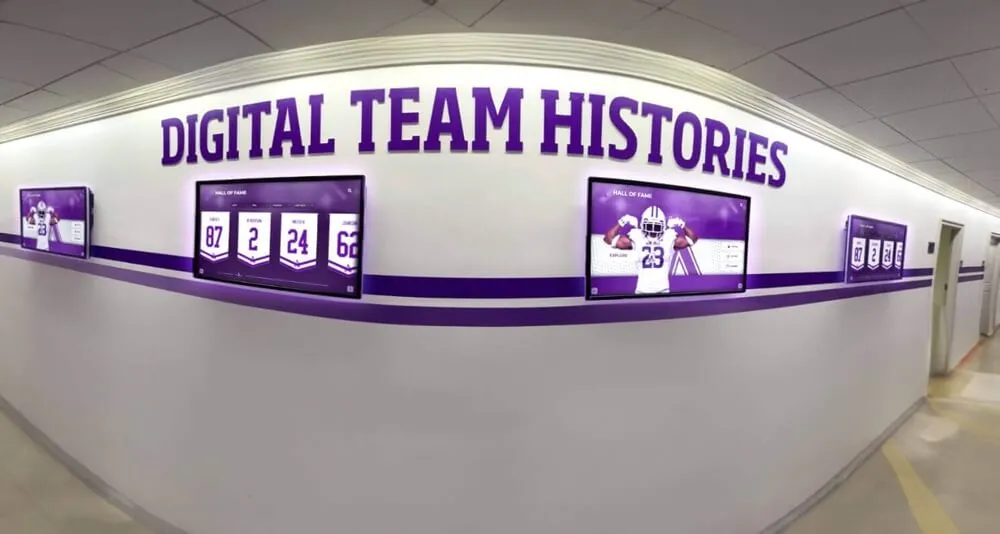
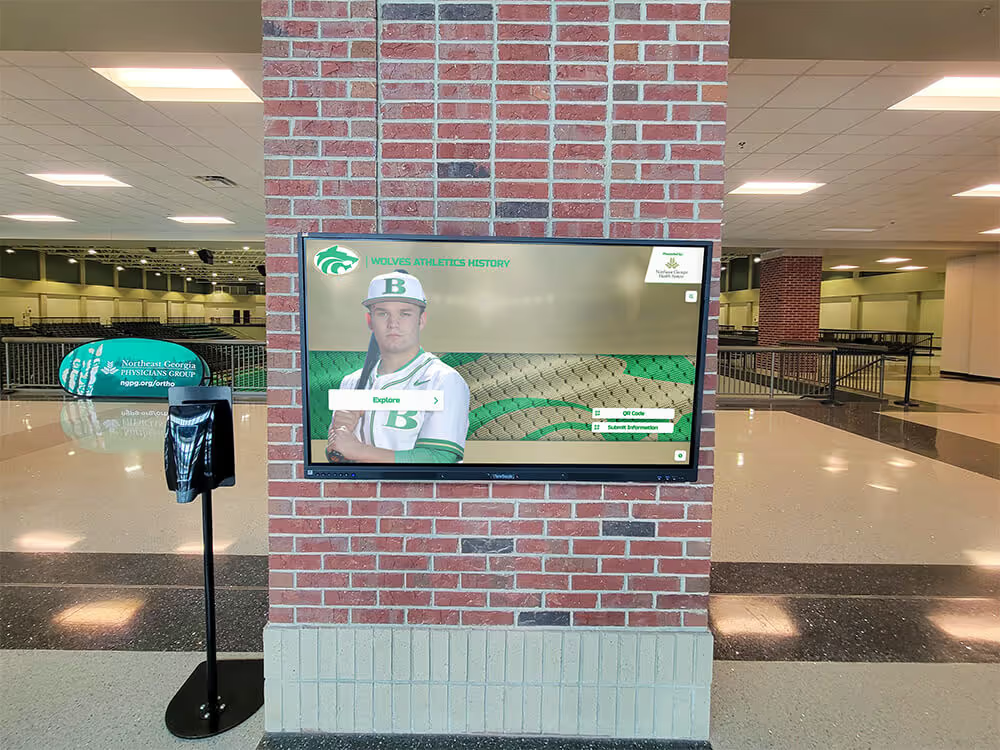
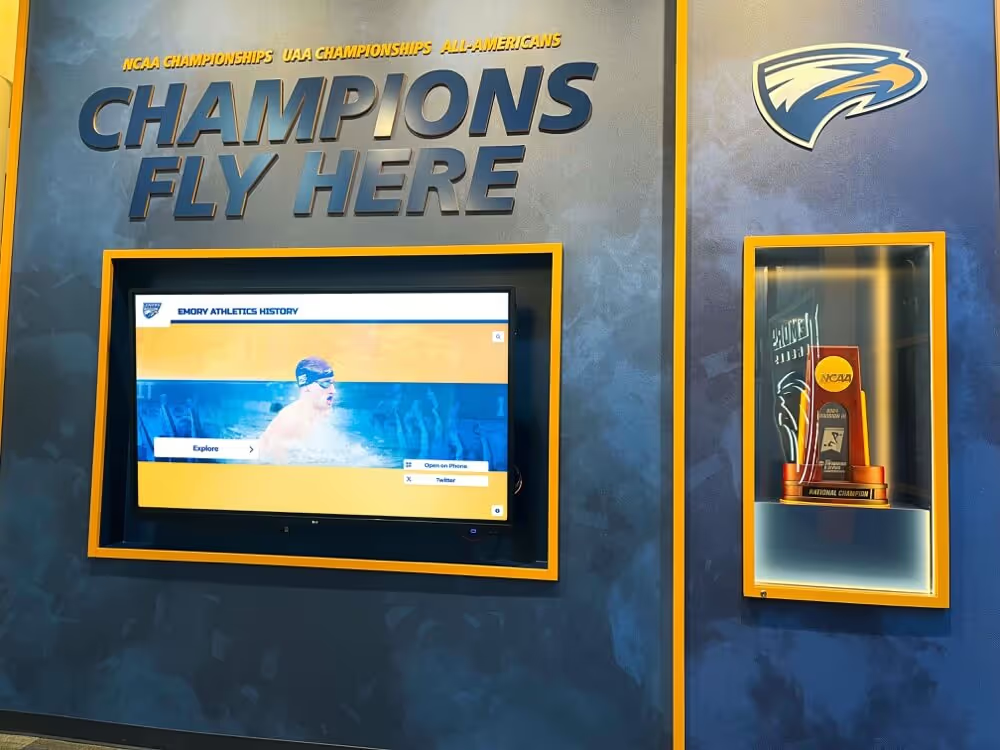
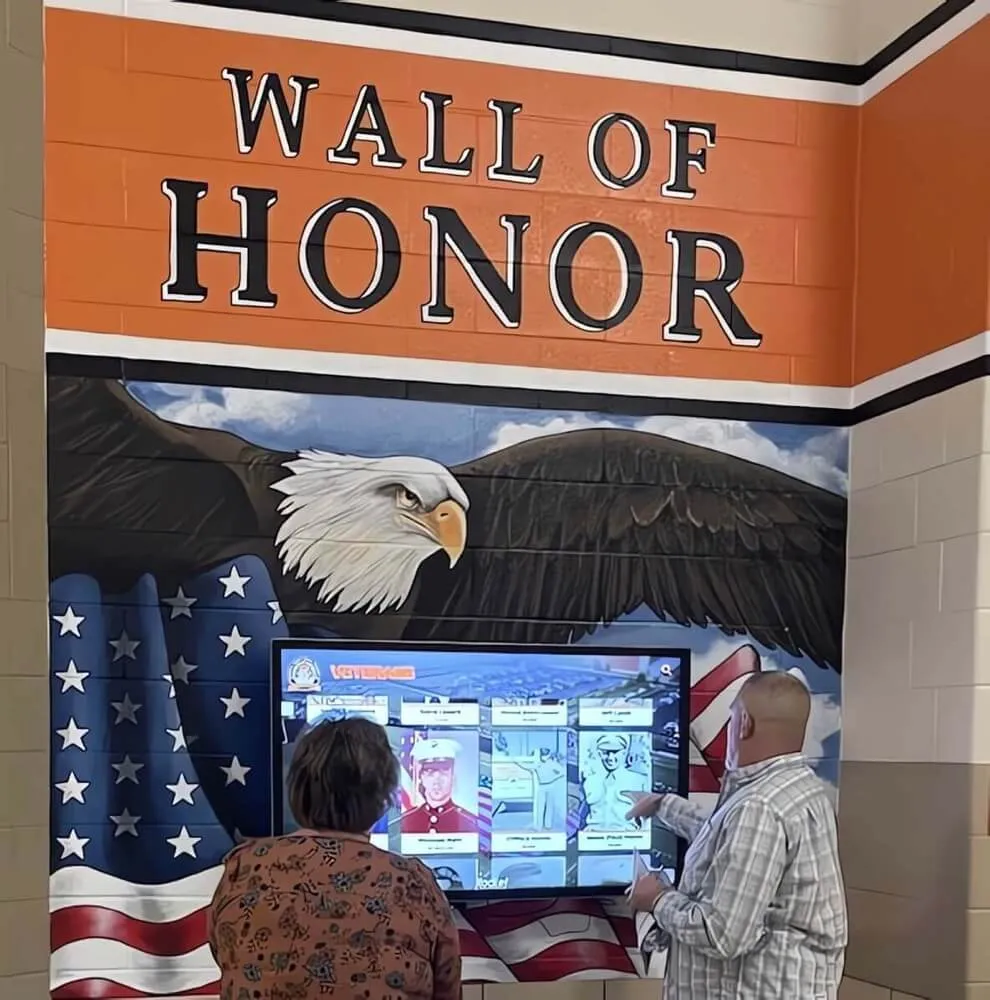
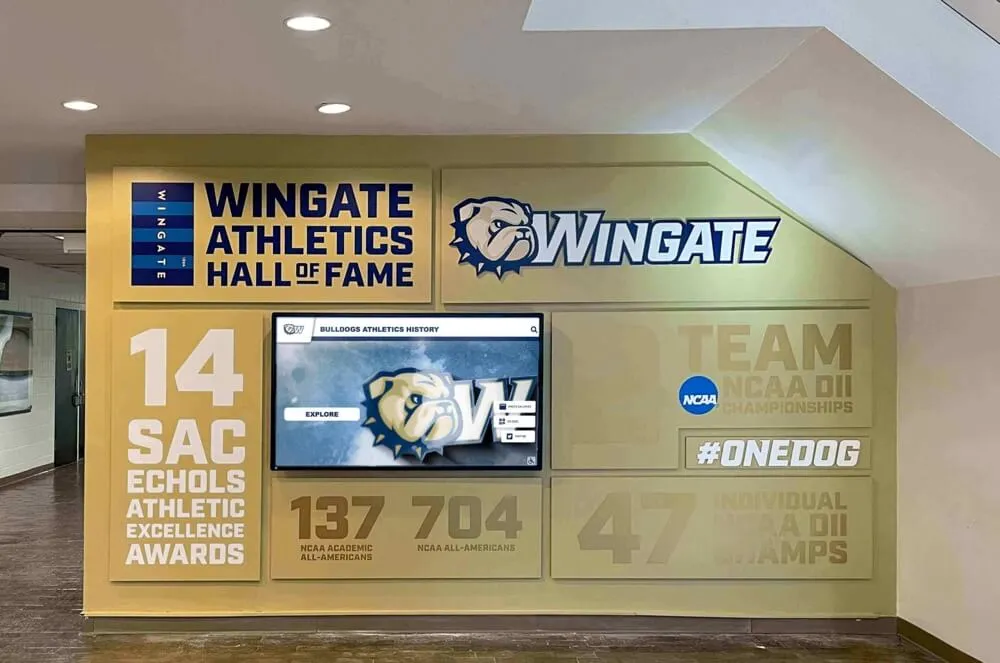
Schools create lasting recognition for championship achievements through dedicated athletic displays celebrating program excellence
Understanding South Carolina’s Football Classification System
South Carolina organizes high school football into five classifications based on enrollment size, creating competitive balance where schools face opponents of similar resources. This classification system ensures that schools from Union compete fairly against their peers while larger programs in Summerville, Dutch Fork, and Byrnes battle in higher classifications.
The Five Classification Levels
The South Carolina High School League structures football competition from Class 5A (largest schools) down to Class A, with each classification creating distinct competitive environments where schools pursue championships appropriate to their size and resources.
Class 5A Football
South Carolina’s largest schools compete in Class 5A, featuring powerhouse programs from population centers including the Upstate, Columbia area, and Charleston region. These schools typically exceed 1,500 students and field programs with extensive coaching staffs, state-of-the-art facilities, and deep talent pools that regularly produce Division I college prospects.
Traditional Class 5A powers include Dutch Fork, Gaffney, Byrnes, Summerville, and Dorman—programs with established winning traditions and comprehensive athletic recognition systems showcasing decades of competitive excellence. These programs have transformed playoff appearances into expected outcomes rather than occasional achievements.
Class 4A Football
The second-largest classification features competitive programs from cities like Greenville, Spartanburg, and Rock Hill. Class 4A schools typically enroll 1,000-1,500 students and maintain strong programs that challenge for state titles while developing exceptional student-athletes who continue careers at the collegiate level.
Class 4A championship games often feature compelling matchups between traditional powers and emerging programs looking to establish new traditions. These games draw passionate fan bases and showcase the depth of football talent across South Carolina’s mid-sized schools.
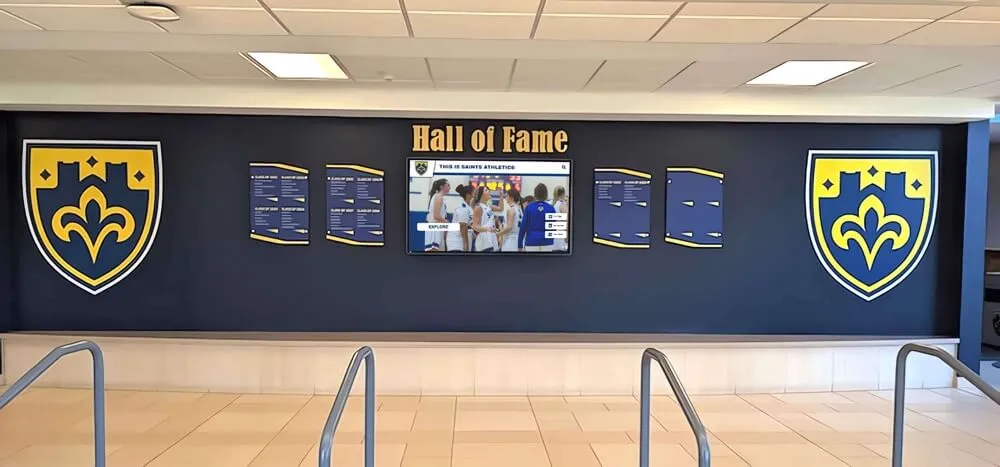
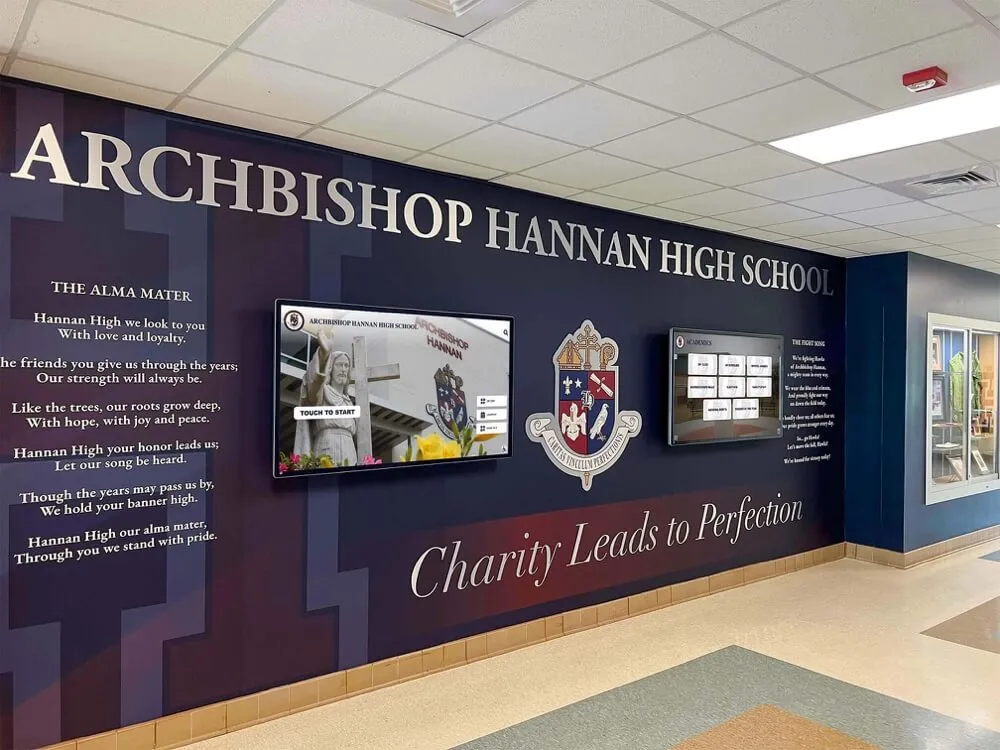
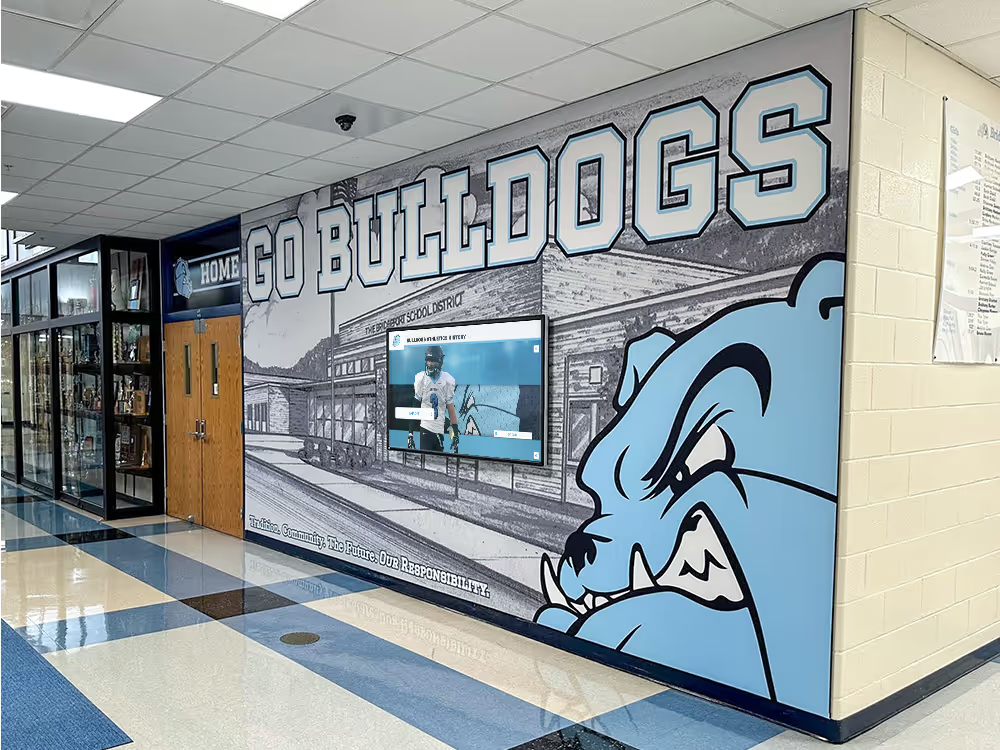
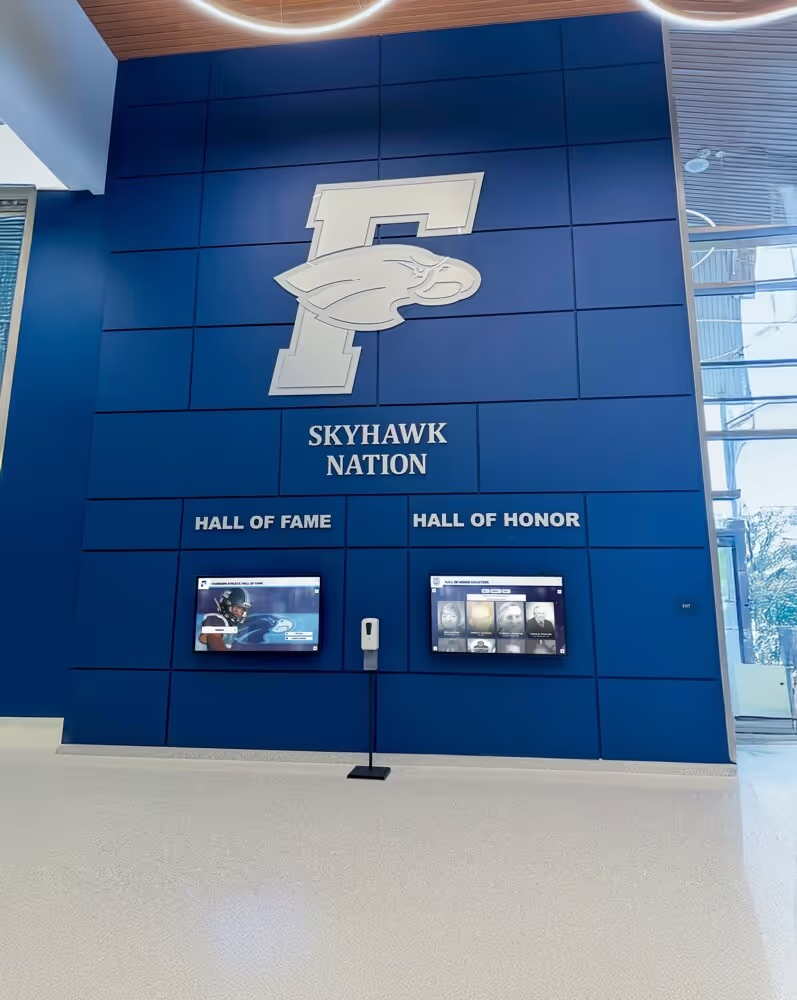
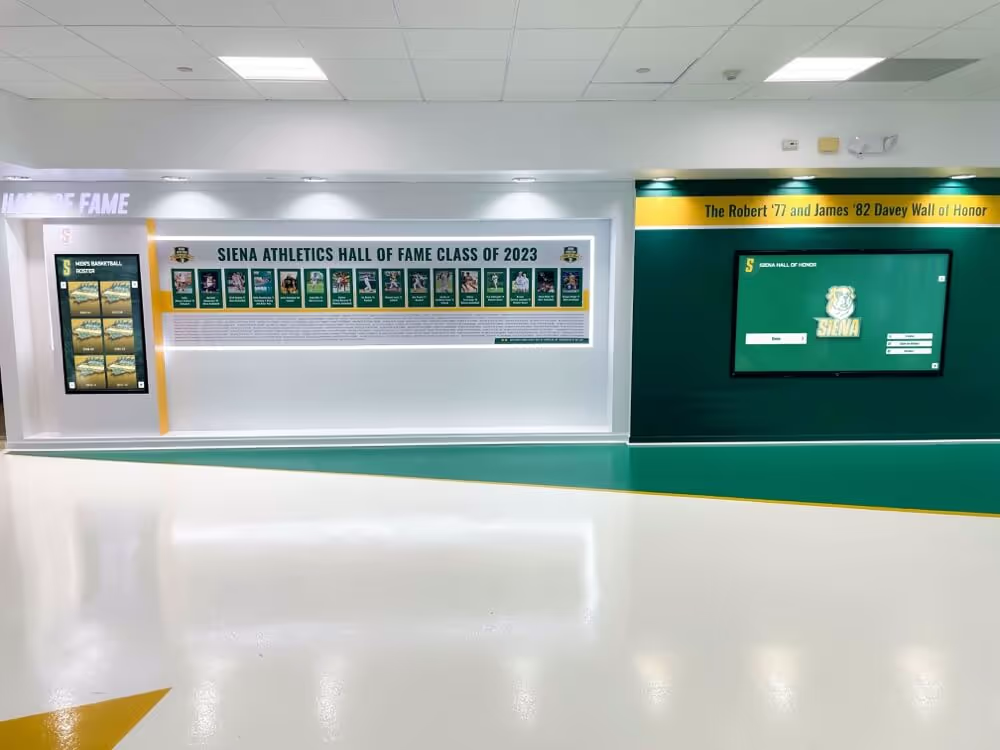
Multi-sport athletic recognition walls honor football achievements alongside excellence in other athletic programs
Classes 3A, 2A, and A
South Carolina’s smaller classifications showcase the heart of Palmetto State football—communities where Friday nights bring entire towns together around their high school teams. Class 3A and 2A feature programs from county seats and regional centers, while Class A football represents small-town athletics at its finest, where everyone knows the starting lineup and playoff runs unite communities in ways larger schools rarely experience.
These classifications produce intensely competitive playoffs where coaching excellence, fundamental execution, and team chemistry often matter more than raw athletic talent. Schools in smaller classifications frequently develop remarkable traditions spanning multiple generations of families who’ve proudly worn the same jerseys.
Programs like Abbeville, Bamberg-Ehrhardt, and Lamar have built championship legacies in smaller classifications, demonstrating that excellence knows no enrollment limits. These programs deserve comprehensive recognition systems that preserve their remarkable achievements for future generations.
Regional Competition and Natural Rivalries
Beyond classification, South Carolina football thrives on regional rivalries that transcend playoff implications. Upstate battles between Byrnes and Gaffney, Lowcountry showdowns featuring Summerville and Goose Creek, and Midlands clashes involving Dutch Fork and River Bluff create regular-season intensity that often previews playoff matchups.
These rivalry games become community events where playoff positioning and bragging rights combine to create unforgettable Friday night atmospheres. Schools with strong athletic cultures systematically document these historic matchups through digital recognition systems that preserve rivalry traditions alongside championship achievements.
South Carolina High School Football Playoff Format
The South Carolina High School League designs playoff structures ensuring qualified teams earn postseason opportunities while creating clear championship paths. Understanding this format helps schools and communities appreciate playoff achievements and recognize them appropriately.
Playoff Qualification and Seeding
South Carolina uses a playoff point system determining which teams qualify for postseason play and how they’re seeded in playoff brackets. Teams earn points through wins, with bonus points awarded for victories against higher-classification opponents and quality wins that strengthen resumes.
Upper State and Lower State Brackets
South Carolina divides each classification into Upper State and Lower State brackets based on geographic location. This geographic split creates regional playoff structures where schools primarily face opponents from their half of the state until championship games, which match Upper State champions against Lower State champions.
The bracket system preserves regional rivalries during playoffs while reducing travel burdens for schools and families. Upper State typically includes Upstate and Midlands schools, while Lower State encompasses Lowcountry and Pee Dee programs, though exact divisions vary by classification and enrollment patterns.
Seeding and Home-Field Advantage
Higher-seeded teams earn home-field advantage throughout playoffs until championship games, which are contested at neutral sites. This seeding structure rewards regular-season excellence and strong schedules, creating incentives for programs to challenge themselves rather than padding records against weak opponents.
Playoff seeding often creates compelling storylines as traditional powers seek top seeds to maintain home-field advantage while emerging programs work to upset higher-ranked opponents on the road to advance toward championships.
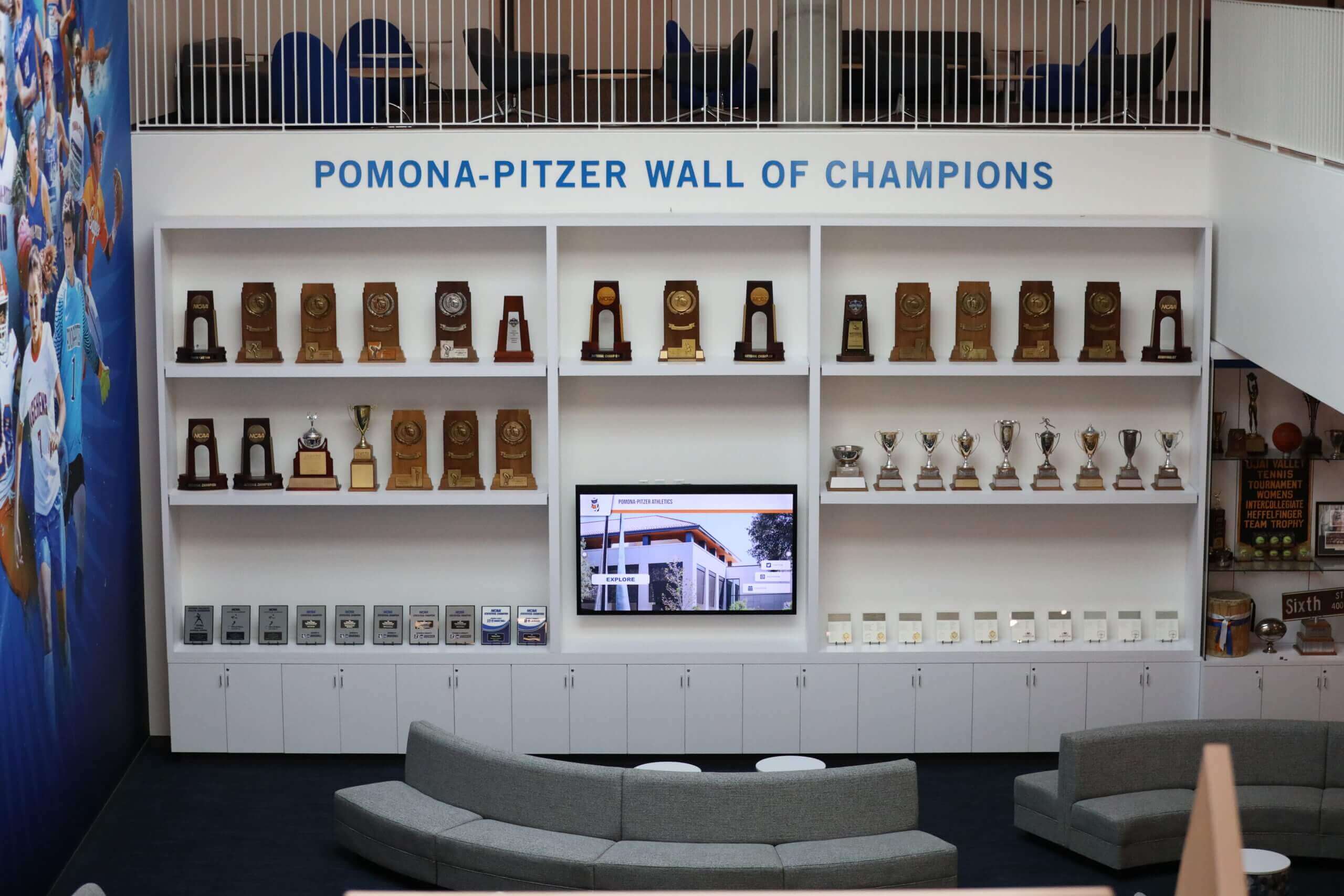
Recognition spaces combine trophy displays with comfortable areas creating destinations where students explore athletic heritage
Playoff Rounds and Championship Path
South Carolina playoff football progresses through multiple rounds depending on classification size, with each level featuring distinct tournament structures:
First-Round Through Semifinals
Playoff journeys begin with first-round games where seeded teams host lower-ranked opponents in win-or-go-home matchups. Teams surviving first-round battles advance to second round, then quarterfinals, and finally semifinals where the final four teams in each bracket compete for championship game berths.
Semifinal atmospheres become electric as communities recognize their teams stand one victory from playing for state titles. These games create lasting memories that schools preserve through comprehensive athletic displays honoring playoff achievements alongside championship recognition.
State Championship Games
South Carolina hosts championship games at neutral sites, with many finals contested at college stadiums including Williams-Brice Stadium at the University of South Carolina or other venues providing quality facilities and fair travel for both finalists. Championship games represent culminating moments where seasons of preparation determine state supremacy.
The pageantry surrounding championship games—marching bands, elaborate pre-game ceremonies, and enthusiastic crowds—creates special experiences for student-athletes, coaches, and communities. Victory celebrations generate memories and championship pride that schools honor through permanent recognition celebrating these remarkable achievements.
Notable South Carolina Football Programs and Championship Traditions
Certain South Carolina programs have established championship dynasties spanning multiple decades, creating models other schools aspire to emulate while building their own traditions of excellence.
Championship Dynasties and Historic Programs
Programs like Byrnes High School under coach Bobby Bentley built an unprecedented dynasty with multiple consecutive state championships, setting new standards for sustained excellence in South Carolina football. Dutch Fork emerged as a dominant force in the 2010s and 2020s, winning numerous state titles and producing exceptional college prospects.
Gaffney’s storied program, Summerville’s championship traditions, and Dorman’s competitive excellence demonstrate that sustained success requires more than talent—it demands committed coaching staffs, comprehensive program development, strong youth football pipelines, extensive community support, and systematic recognition celebrating championship traditions that inspire current athletes to maintain excellence standards.
These successful programs share common traits: they document their history comprehensively, recognize individual and team achievement systematically, create spaces where current athletes connect with program traditions, and leverage modern recognition technology that makes championship history accessible and inspiring.
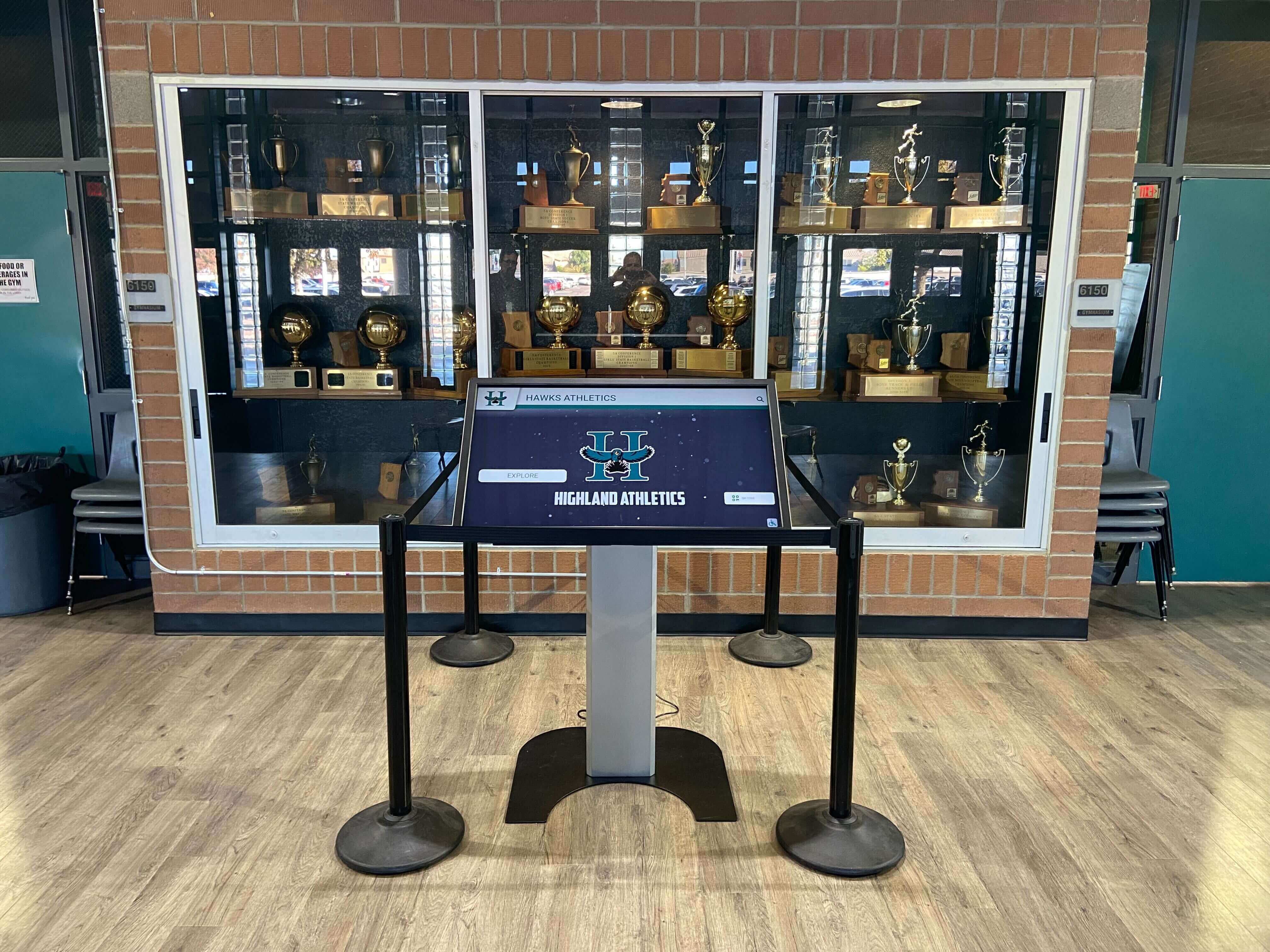
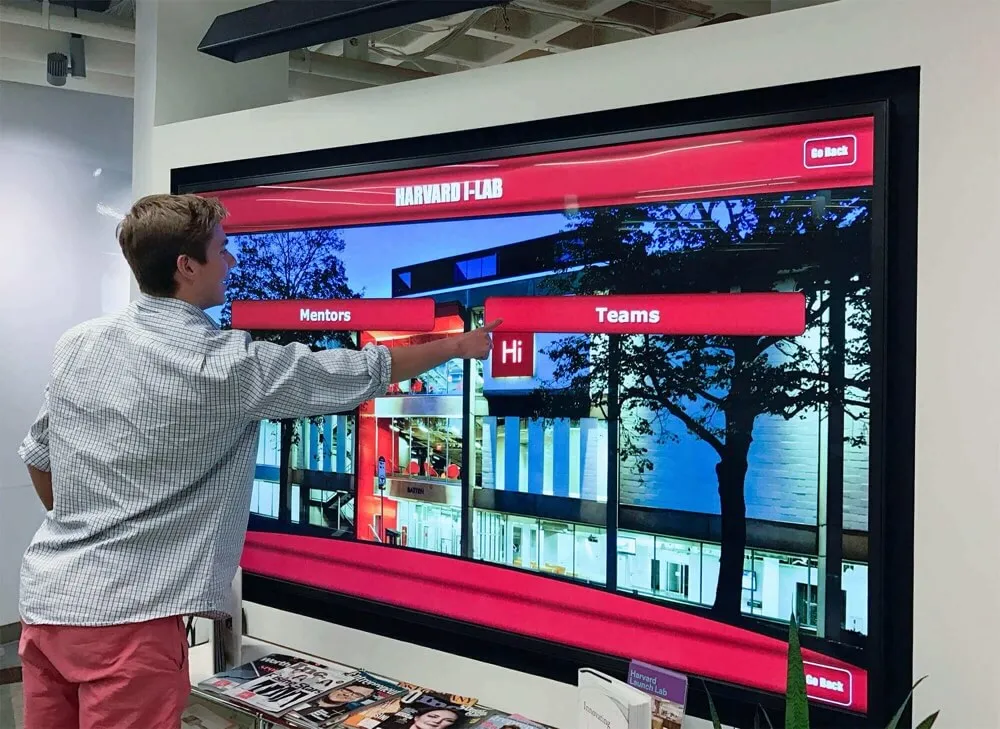
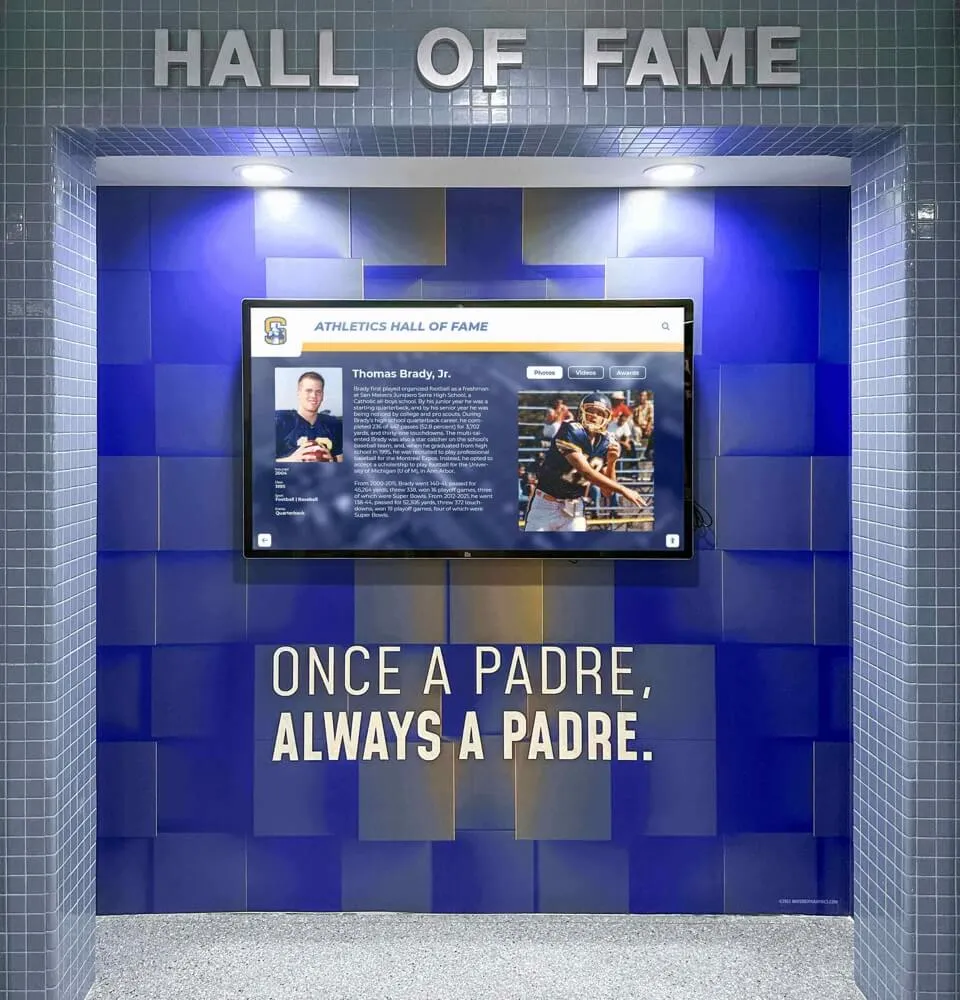
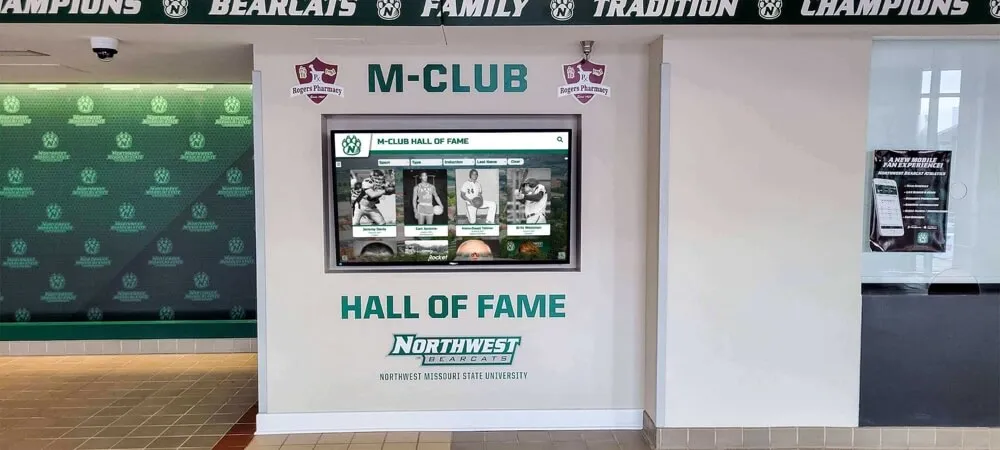
Modern schools integrate interactive technology with traditional trophy displays, creating engaging recognition experiences
Historic Playoff Moments and Legendary Games
South Carolina playoff history includes unforgettable performances: remarkable comeback victories in semifinals, overtime thrillers in championship games, dominant defensive performances shutting down high-powered offenses, and underdog runs where smaller programs shocked traditional powers on the road to state finals.
These moments become community folklore—stories retold for generations and preserved through recognition displays honoring teams and individuals who created playoff magic. Schools with strong athletic recognition programs systematically document these historic moments, ensuring that current students understand the traditions they’re continuing and the excellence standards their programs have established.
Celebrating Playoff and Championship Achievements
Schools that celebrate playoff achievements through comprehensive recognition programs create lasting motivation for current athletes while honoring the dedication that championship seasons require.
Championship Team Recognition Strategies
When South Carolina schools win state championships or achieve remarkable playoff runs, proper recognition preserves these accomplishments permanently. Effective championship recognition includes:
- Championship banners displayed prominently in gymnasiums and athletic facilities
- Team photos with championship trophies and complete roster listings
- Individual player acknowledgment recognizing all contributors
- Coaching staff recognition honoring leadership that guided championship success
- Detailed season narratives documenting the championship journey
Traditional recognition through banners and plaques eventually faces space limitations as successful programs accumulate championships. Schools increasingly adopt digital recognition solutions enabling unlimited championship documentation without physical constraints that force difficult decisions about which achievements receive prominent display.
Individual Player and Coach Recognition
Beyond team acknowledgment, schools honor individual excellence through all-state selections and all-region teams, individual statistical achievements and milestone recognition, playoff MVP awards and special performance honors, and coaching milestone recognition celebrating career achievements.
Modern recognition platforms enable schools to create comprehensive databases where community members explore championship rosters, review individual statistics, discover connections between current players and alumni who achieved similar excellence, and understand how current teams fit within broader program histories.
Building Comprehensive Athletic Recognition
Schools with established athletic recognition programs systematically honor playoff and championship achievement through selection criteria that value state championship participation, all-state recognition and postseason honors, statistical milestones and performance excellence, and post-high school athletic achievement demonstrating continued development.
These programs create aspirational targets for current athletes while honoring traditions defining program excellence. Digital platforms make comprehensive recognition achievable for schools of all sizes without the cost and space limitations that prevent traditional plaque systems from documenting complete program histories.
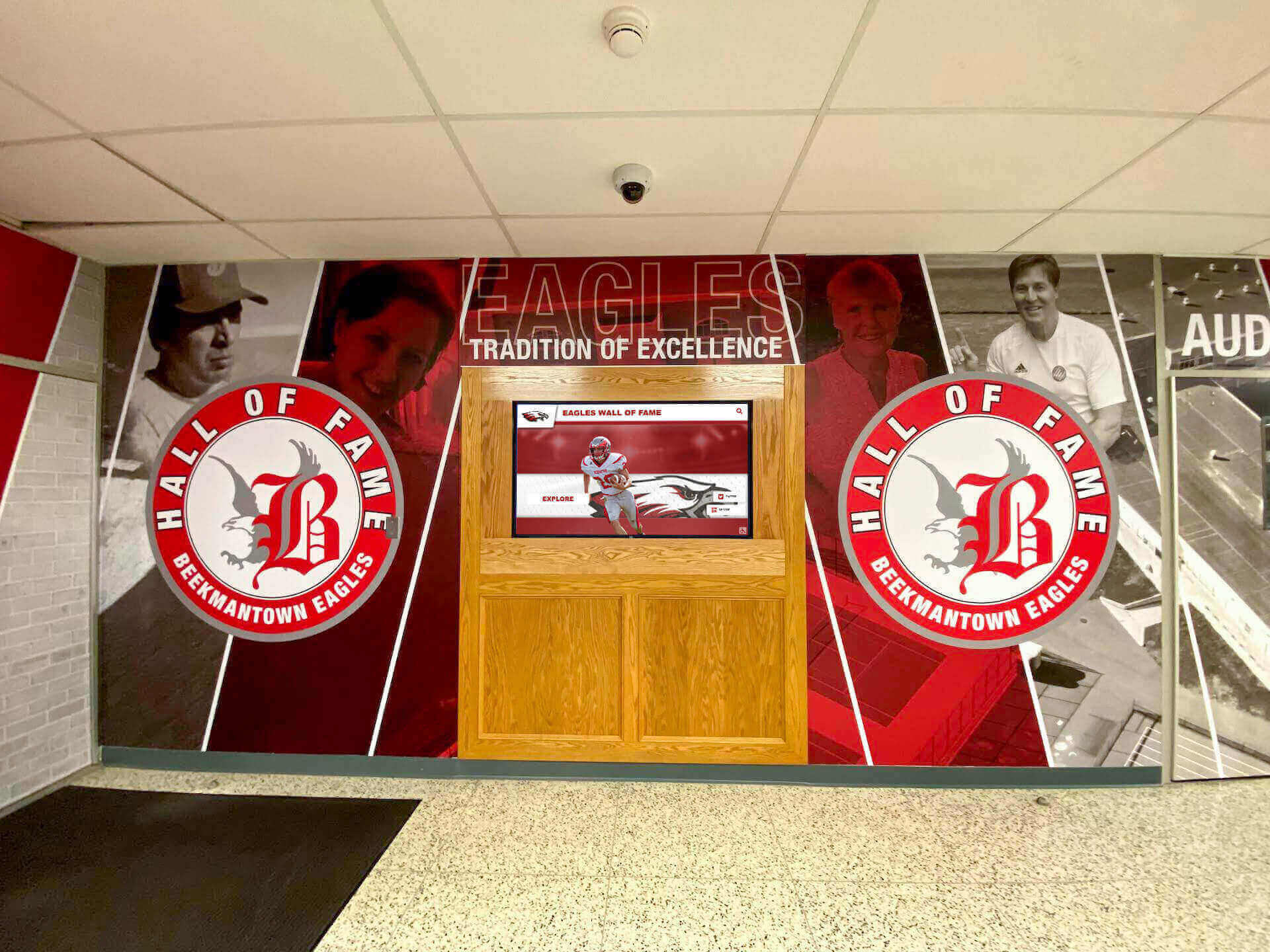
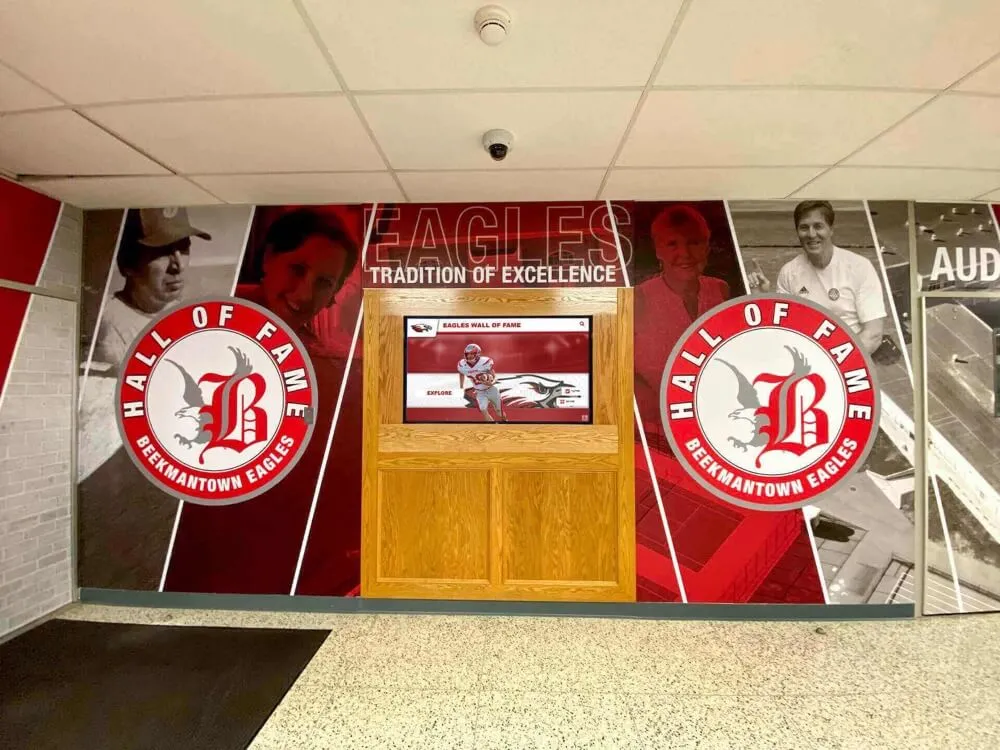
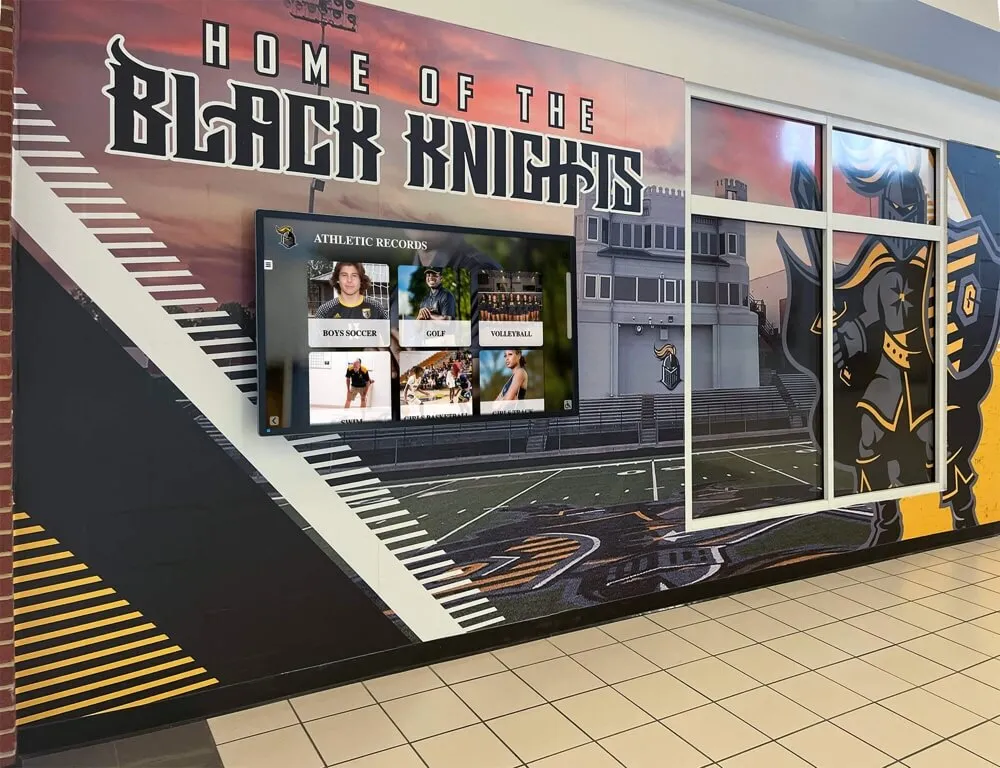
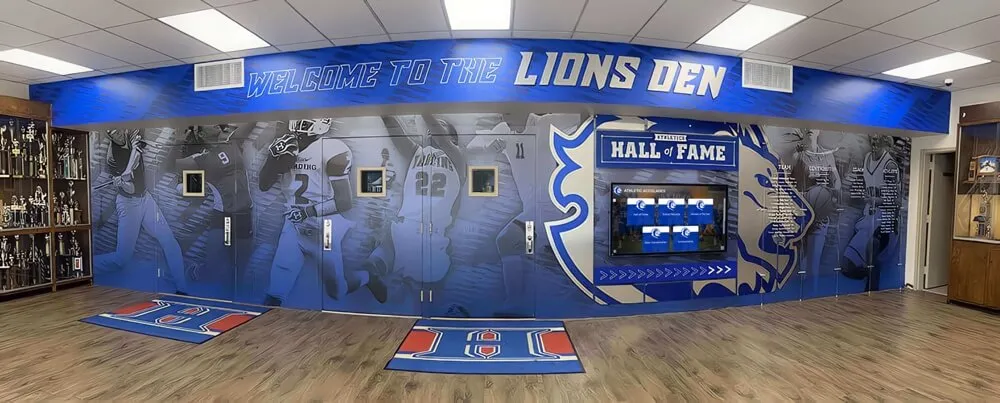
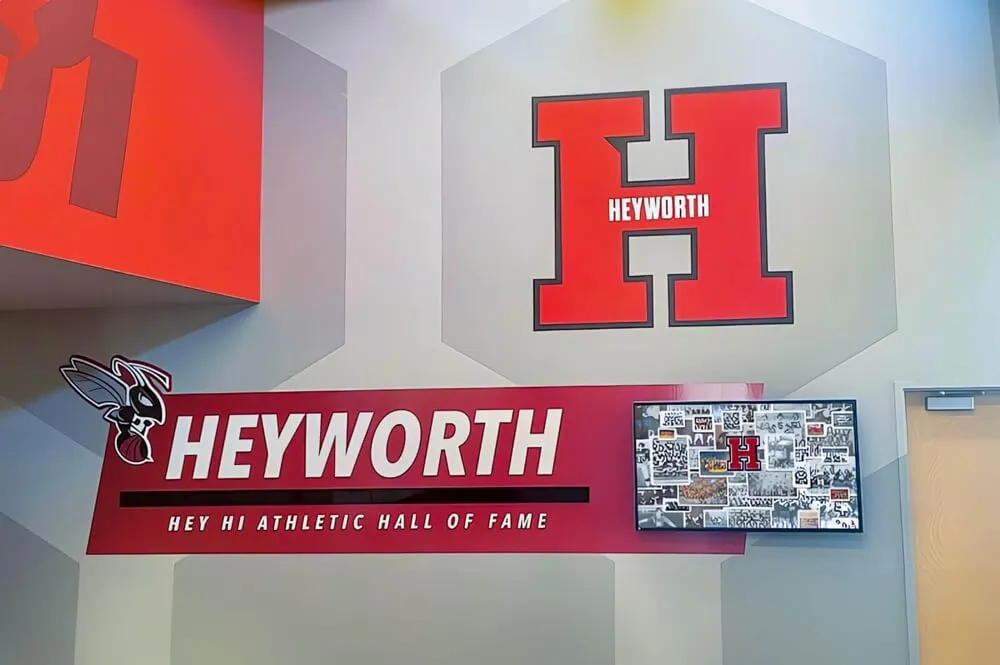
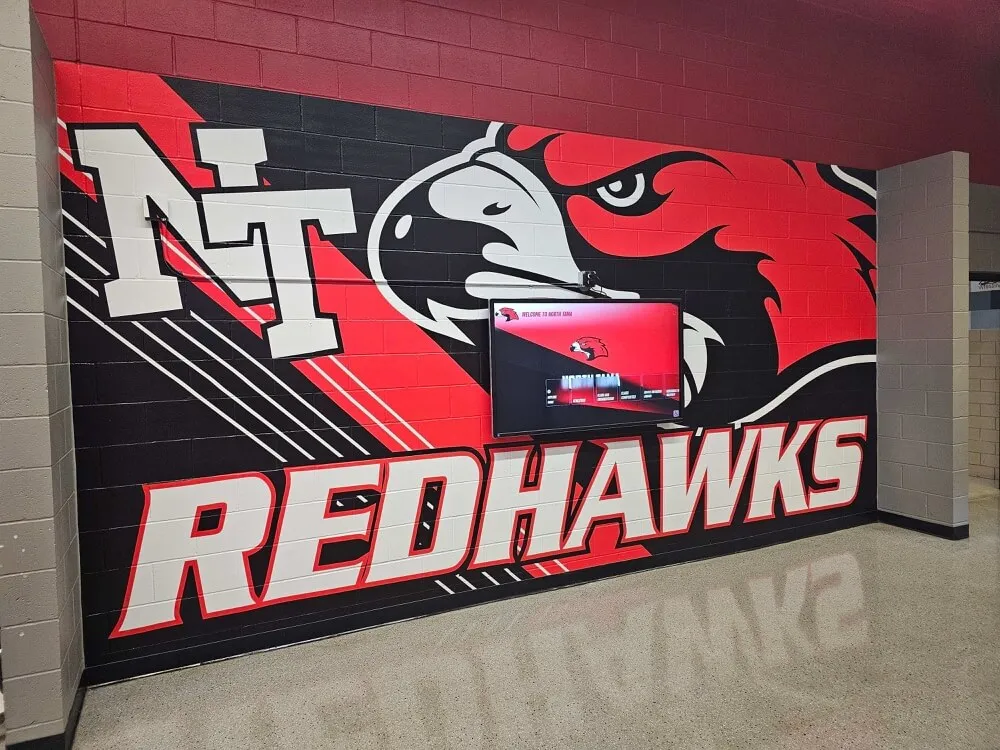
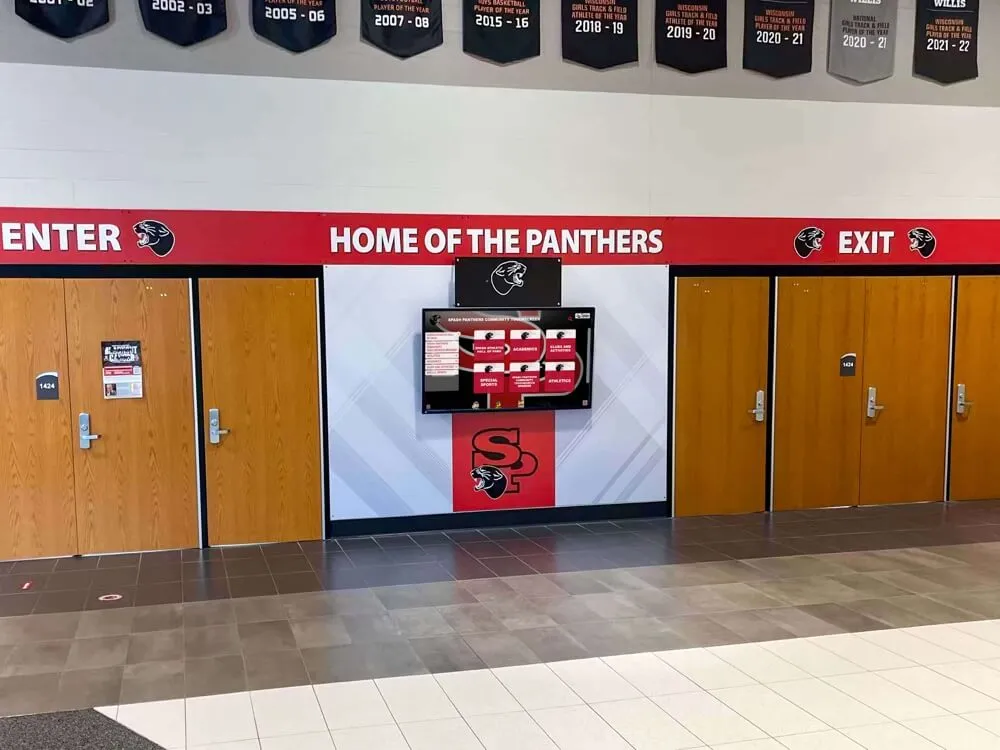
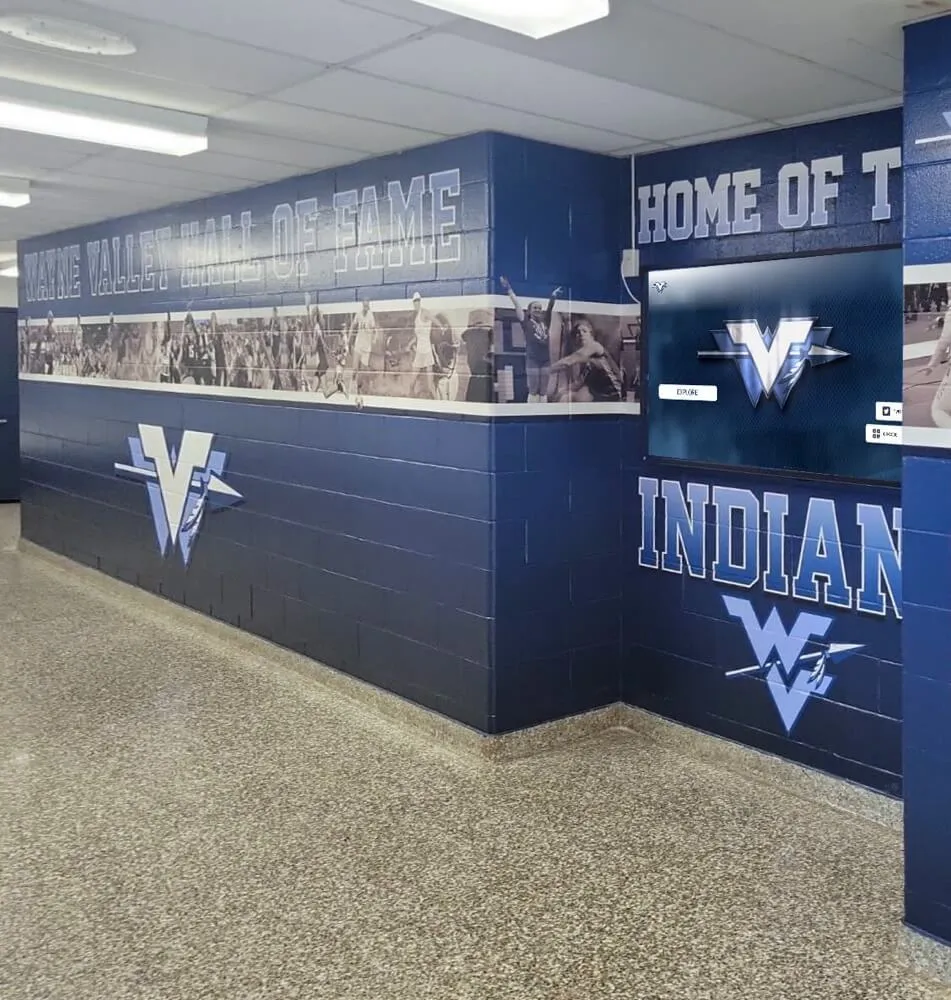
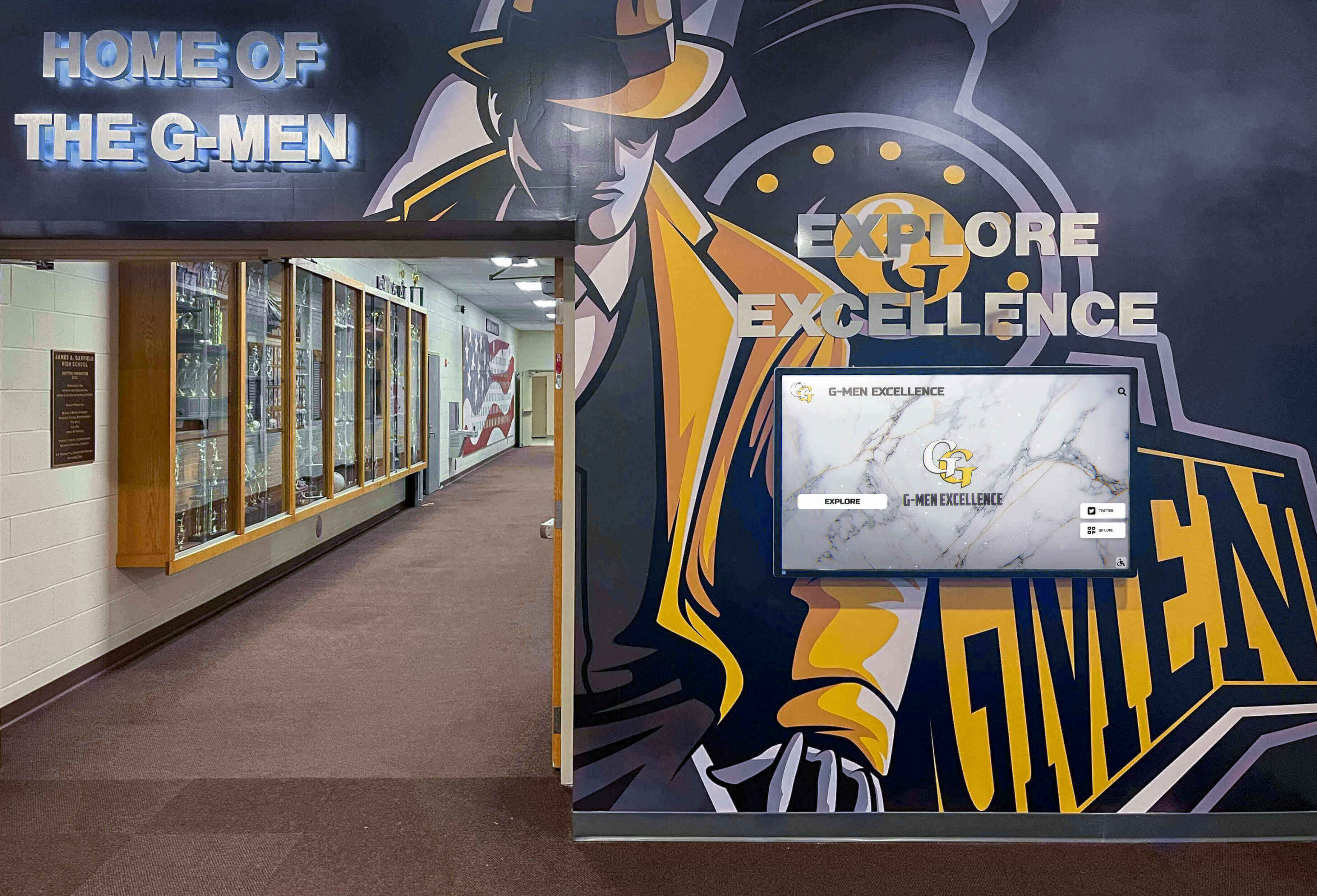
Comprehensive recognition environments combine branded murals with digital technology creating impressive lobby installations
Modern Recognition Technology for South Carolina Football Programs
Athletic directors increasingly leverage technology to celebrate playoff achievements comprehensively while managing recognition efficiently and cost-effectively.
Digital Athletic Recognition Systems
Traditional recognition approaches using physical plaques and banners face inherent limitations—they consume valuable wall space, require expensive updates, provide limited capacity for detailed documentation, and become outdated as new achievements accumulate. Digital recognition systems solve these challenges through several key advantages:
Unlimited Recognition Capacity
Digital platforms showcase unlimited teams, players, and achievements without physical space constraints. Schools can document every playoff team, honor every all-state athlete, recognize coaching milestones, and preserve complete program histories through searchable databases accessible to current students and alumni worldwide.
Cost-Effective Updates
After initial investment, digital systems eliminate recurring engraving costs that accumulate substantially over time. Adding new playoff teams or championship seasons requires minutes of staff time rather than hundreds or thousands of dollars for professional engraving and installation services.
Comprehensive Multimedia Documentation
Digital recognition enables rich storytelling through high-quality photography from championship seasons, video highlights showcasing playoff performances, detailed statistics and achievement documentation, coach and player testimonials and reflections, and historical context connecting current programs to championship traditions.
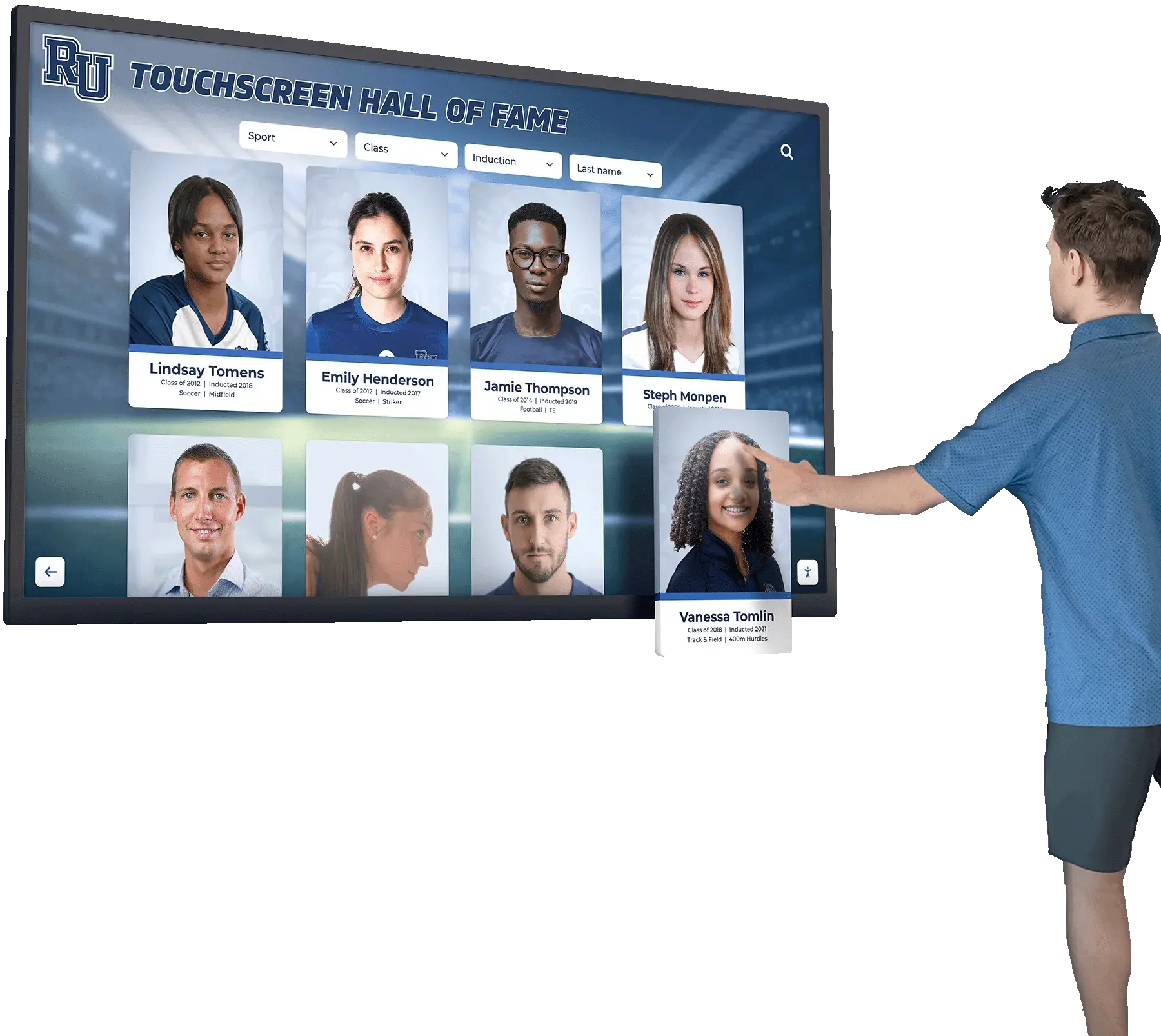
Solutions like Rocket Alumni Solutions provide comprehensive platforms designed specifically for educational athletic recognition. These systems enable South Carolina schools to showcase every championship team, honor all-state athletes, recognize coaching excellence, and preserve program history through engaging digital displays that inspire current student-athletes while honoring past achievements.
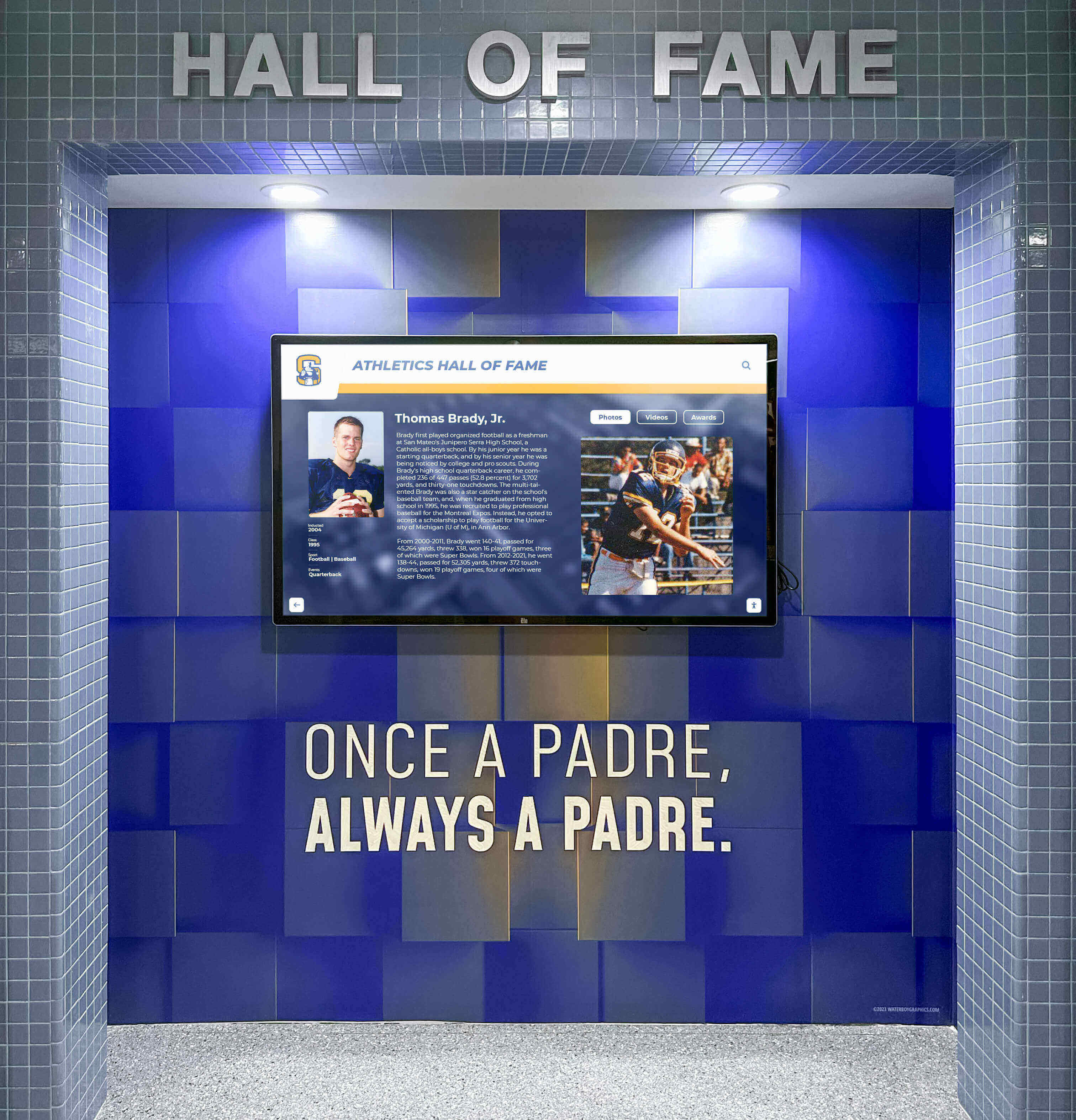
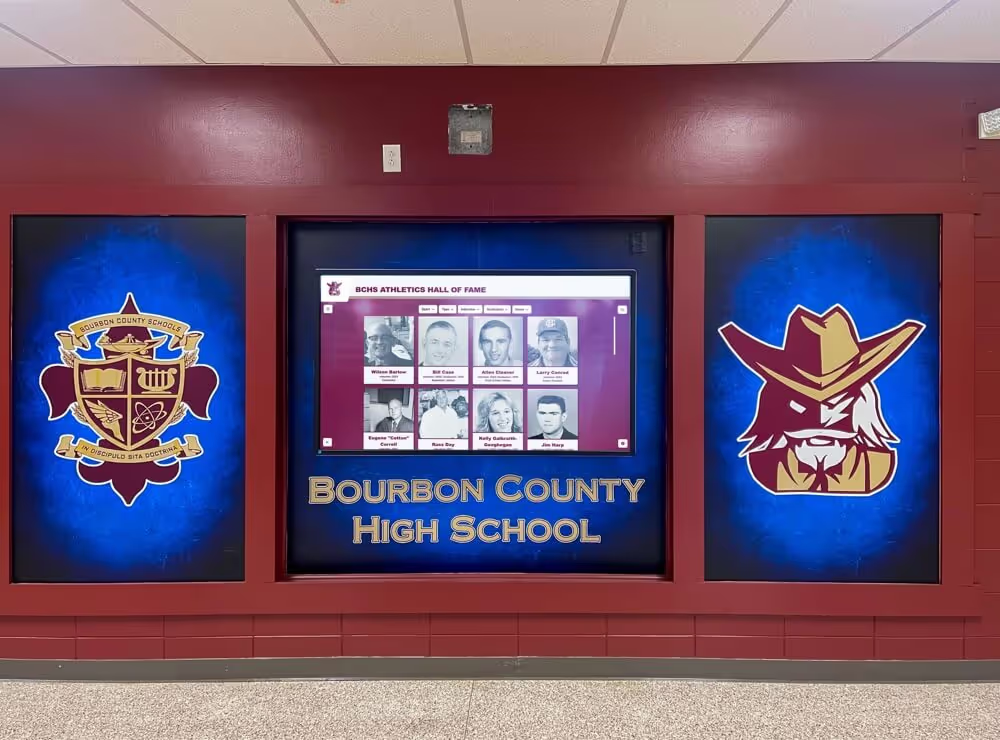
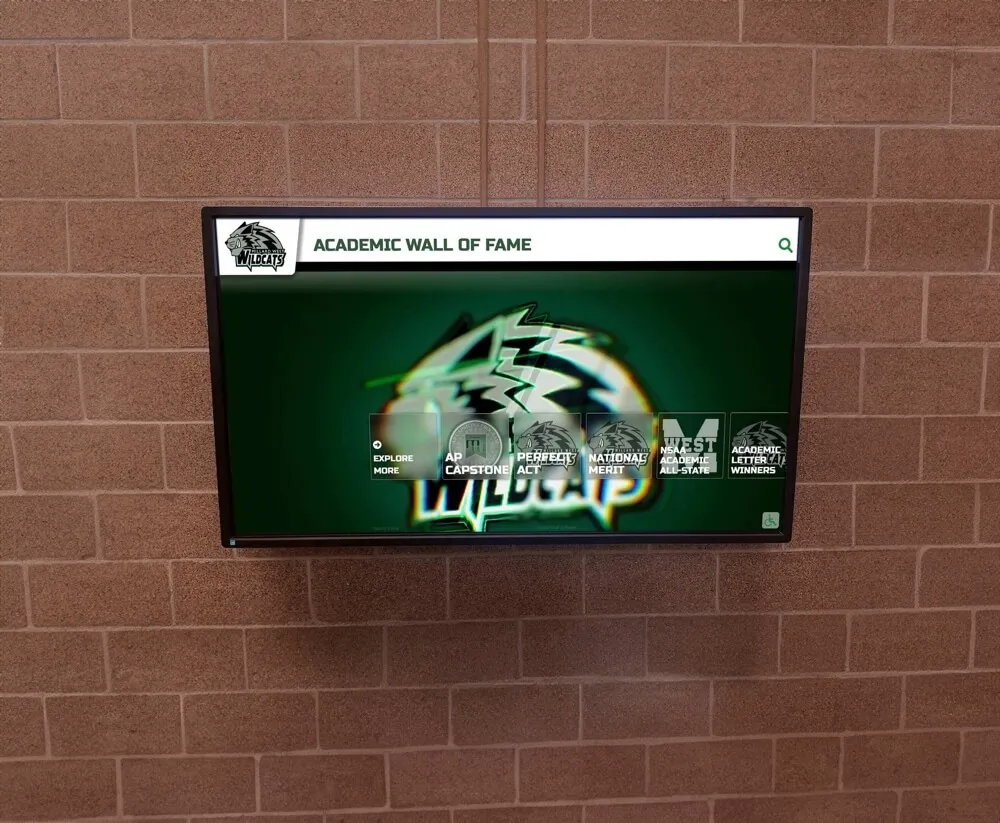
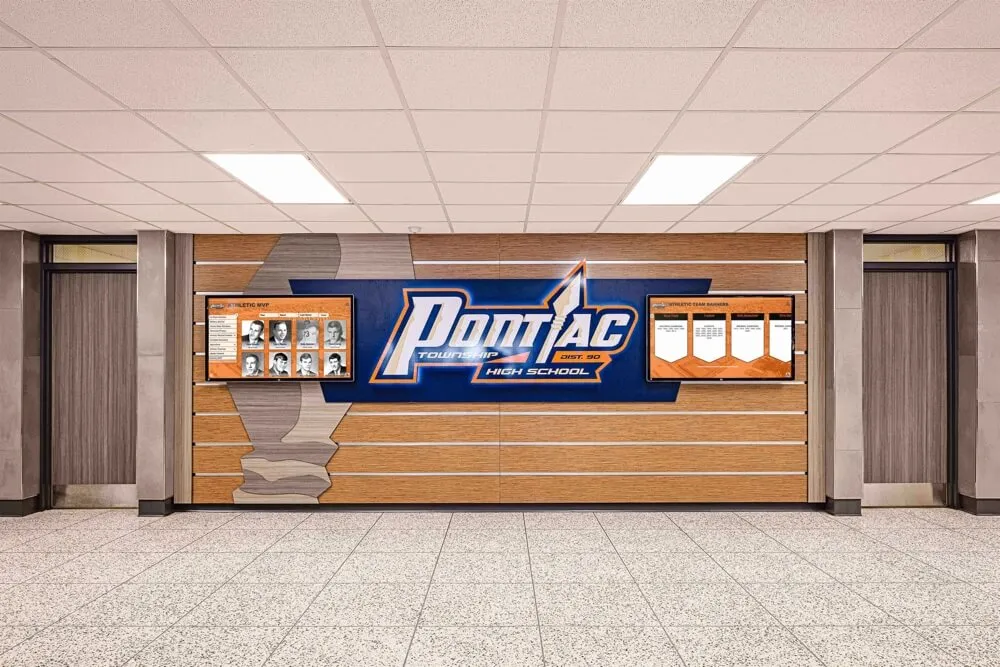
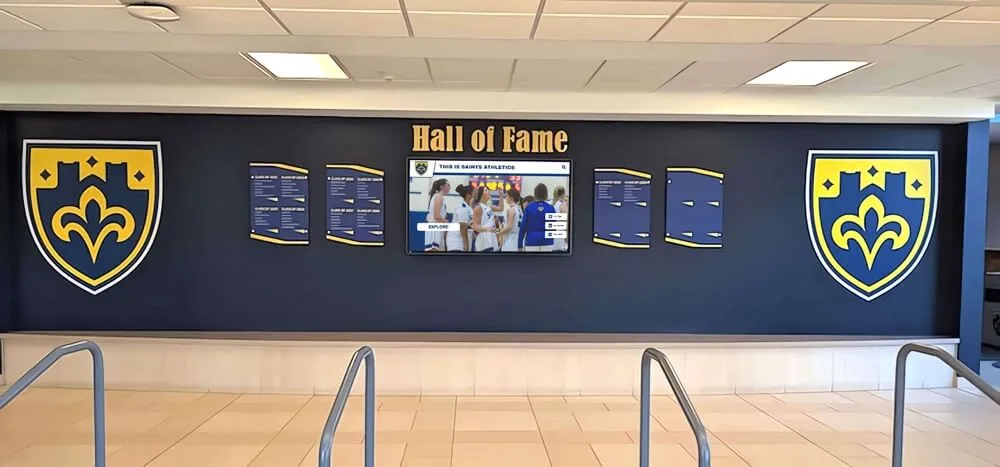
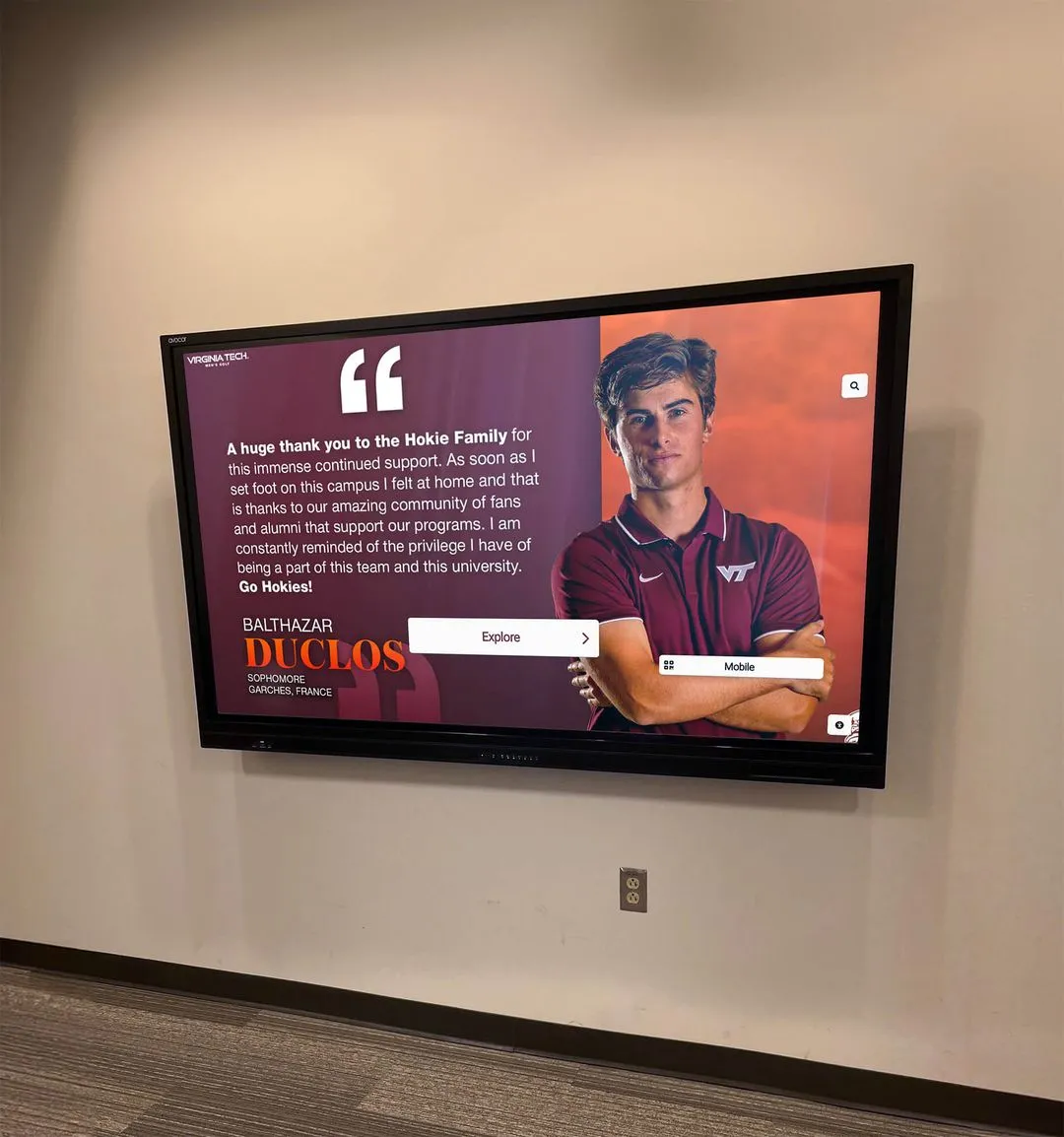
Sleek wall-mounted displays provide championship recognition complementing modern facility aesthetics
Benefits for South Carolina Schools
Schools implementing digital athletic recognition report significant advantages including immediate updates as playoff runs progress and championships are won, comprehensive documentation with unlimited detail about teams and achievements, substantial cost savings eliminating recurring engraving expenses over multi-year periods, enhanced engagement through interactive touchscreen experiences visitors find compelling, and web integration allowing alumni nationwide to explore school athletic history regardless of physical proximity to campus.
Digital systems prove especially valuable for programs with rich championship histories—schools can showcase every title team rather than selectively displaying recent championships due to space constraints. Every athlete who earned all-state recognition or contributed to playoff teams receives permanent acknowledgment regardless of graduation year or decades since achievement.
Supporting Championship Programs Through Community Engagement
Successful playoff programs depend on community support extending beyond the football field. Booster clubs, local businesses, and alumni networks provide financial resources, volunteer support, and enthusiasm that fuel championship pursuits.
Booster Club Fundraising for Athletic Excellence
South Carolina football programs benefit tremendously from active booster organizations raising funds for facility improvements, equipment upgrades, travel expenses for playoff games, and recognition systems celebrating achievements. Effective booster club fundraising strategies include membership drives targeting alumni and community supporters, corporate sponsorships from local businesses, playoff game concessions generating revenue during championship runs, and special events capitalizing on championship excitement.
Strong booster clubs recognize that celebrating past championships through quality recognition systems helps maintain community enthusiasm and support for current programs. Investment in athletic recognition demonstrates institutional commitment to honoring excellence, which motivates continued booster engagement and financial support.
Community Building Through Athletic Recognition
Championship seasons create community bonds extending well beyond football. Schools that effectively celebrate these achievements through permanent recognition reinforce community identity and pride while providing gathering spaces where community members connect over shared athletic traditions.
Athletic recognition displays in school lobbies and gymnasiums become community destinations where alumni visit during reunions, prospective students explore school traditions during campus tours, and community members gather for events. These recognition environments serve multiple purposes beyond acknowledging past achievements—they actively shape school culture and strengthen community identity around shared athletic traditions.
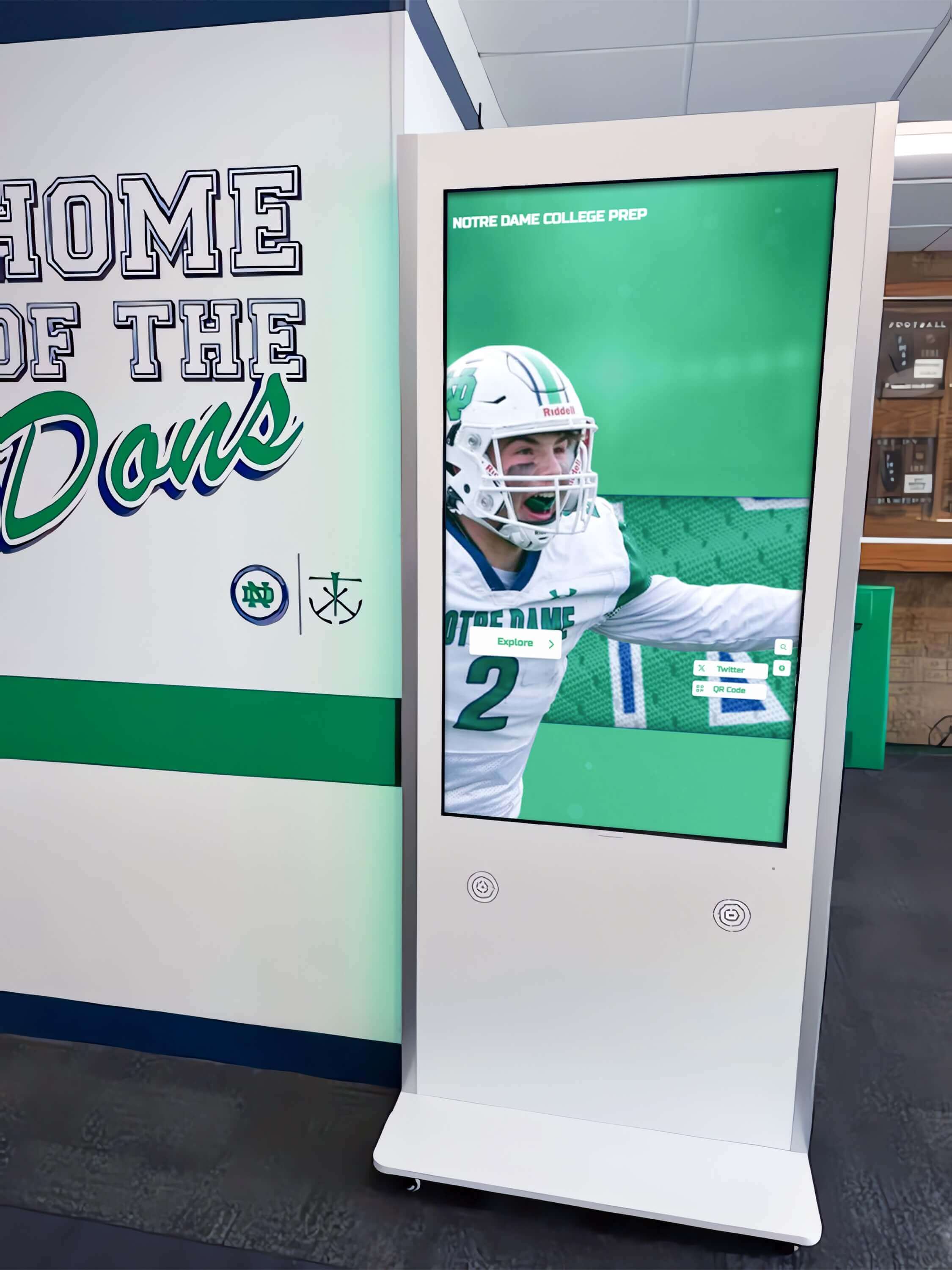
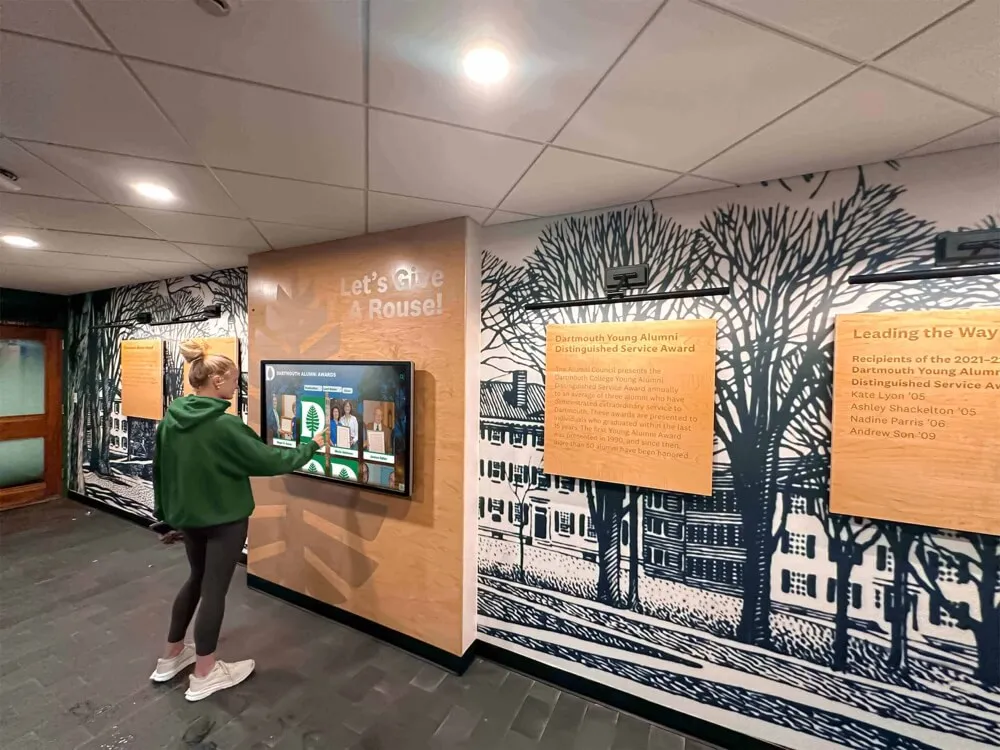
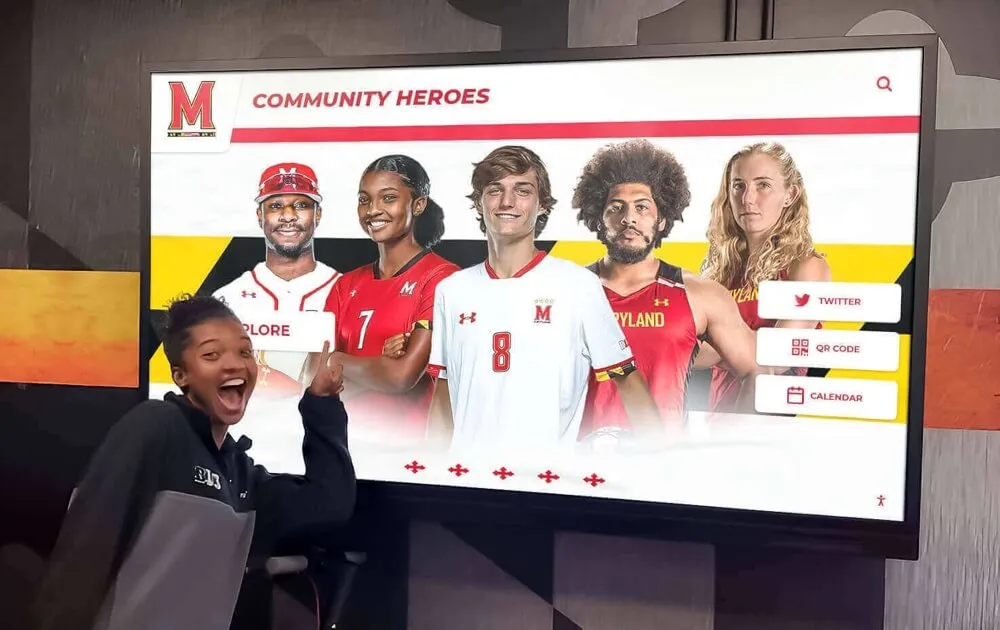
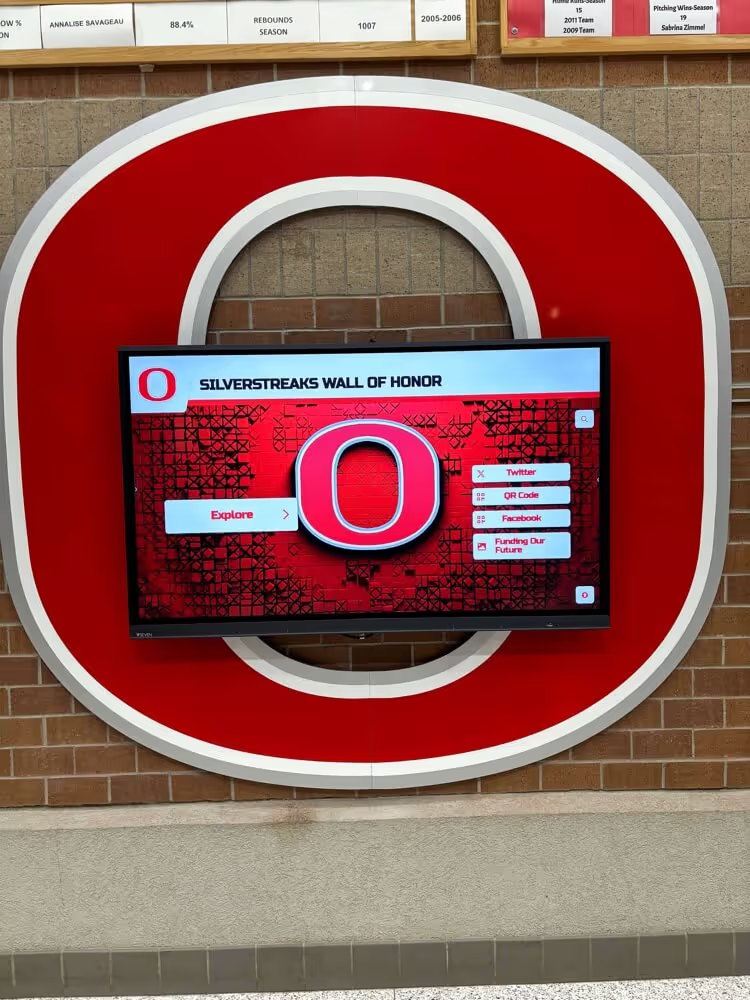
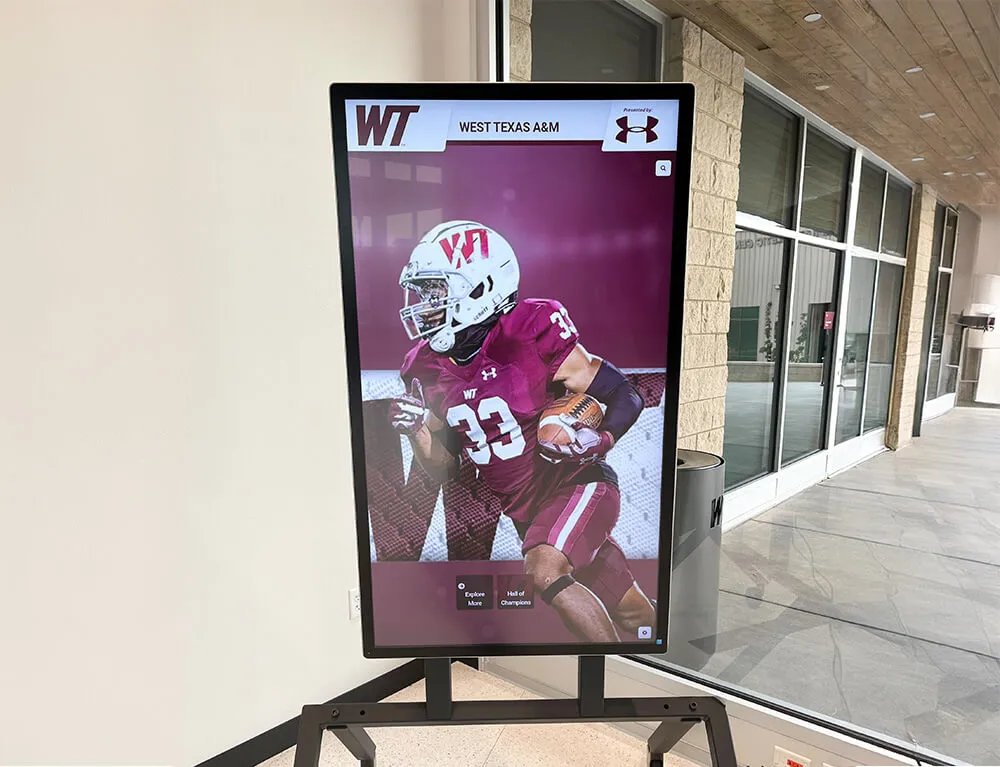
Strategically placed interactive kiosks in high-traffic hallways keep athletic achievements visible year-round
Celebrating Athletic Achievement Beyond Football Season
While playoff runs conclude with championship games, the impact of successful seasons extends throughout the year and across generations when schools implement comprehensive recognition strategies.
End-of-Season Recognition Events
Many South Carolina schools host athletic banquets celebrating football seasons and recognizing individual achievement through comprehensive awards programs honoring team MVPs and statistical leaders, offensive and defensive players of the year, all-state and all-region selections, coaching awards and milestone recognition, and senior acknowledgment celebrating four-year contributions.
These events provide opportunities to announce which athletes will receive permanent hall of fame recognition, unveil updated athletic displays showcasing the concluded season, recognize academic achievement alongside athletic excellence, and build anticipation for upcoming seasons by acknowledging returning players and emerging talent.
Senior Night and Player Recognition
South Carolina schools traditionally honor senior football players during regular-season finales, though playoff teams often extend these celebrations throughout postseason runs. Senior recognition includes public acknowledgment of contributions across multiple seasons, individual profile presentations or videos celebrating achievements, family recognition showing appreciation for parent support, and college signing celebrations for athletes continuing careers at the next level.
Schools with digital recognition systems create lasting senior profiles preserved permanently alongside championship team recognition, ensuring senior contributions receive acknowledgment extending beyond single-night ceremonies. These permanent profiles become part of school history, accessible to future students exploring athletic traditions.
Building School Pride Through Championship Recognition
Playoff achievements create opportunities to strengthen school pride and identity when schools systematically celebrate competitive excellence through visible, permanent recognition that connects current students to athletic heritage.
Creating Athletic Tradition and Legacy
Schools recognized for championship football develop distinct identities where athletic tradition becomes integral to institutional character. This tradition-building happens intentionally through strategic approaches including comprehensive historical displays documenting program evolution, systematic recognition programs honoring excellence across eras, visible championship acknowledgment in prominent lobby locations, integration of athletic history into broader school culture, and school pride initiatives connecting current students to traditions established by previous generations.
These recognition strategies transform athletic success from isolated achievements into ongoing traditions inspiring future student-athletes while strengthening community connections to schools and creating lasting institutional identity rooted in competitive excellence.
Inspiring Current Athletes Through Historical Recognition
When schools effectively showcase championship history, current athletes gain valuable perspective about traditions they’re continuing and standards they’re maintaining or surpassing. Walking past displays honoring state championship teams from previous decades creates tangible connections between current players and alumni who faced similar challenges and achieved comparable excellence.
This inspirational effect proves particularly powerful when recognition systems enable current athletes to explore detailed profiles of championship teams and individual athletic achievements. Digital platforms make this historical exploration engaging and accessible, transforming athletic history from dusty yearbooks and forgotten newspaper clippings into living traditions that actively shape current program culture and motivate competitive excellence.
Planning Athletic Recognition Investments for South Carolina Programs
Schools considering enhanced athletic recognition should approach these decisions strategically, evaluating options that align with program needs, facility constraints, budget parameters, and long-term institutional vision.
Assessing Recognition Needs and Opportunities
Begin recognition planning by conducting comprehensive assessments including evaluation of current recognition systems and their limitations, identification of championship achievements lacking adequate permanent acknowledgment, determination of available physical space for recognition displays, assessment of budget parameters for initial investment and ongoing maintenance, and clear definition of goals for what recognition should accomplish for programs, students, and communities.
This assessment creates clarity about whether traditional approaches adequately meet needs or whether digital solutions provide better long-term value given space constraints, budget considerations, and desired recognition comprehensiveness that honors complete program histories.
Comparing Recognition System Options
Athletic directors should compare recognition approaches across multiple critical dimensions including initial investment requirements and total cost of ownership over extended periods, recognition capacity determining how many athletes, teams, and achievements can be acknowledged, update frequency and ease of content management for busy athletic staff, engagement quality and visitor experience creating meaningful connections, space requirements and facility integration considerations, and long-term flexibility enabling recognition systems to evolve as programs grow and achieve additional success.
Digital recognition systems typically demonstrate superior value across these dimensions for schools with established programs and ongoing recognition needs. While traditional approaches may initially appear less expensive, recurring update costs and space limitations eventually make digital solutions more cost-effective and comprehensive for schools seriously committed to honoring athletic excellence.
Honor Your Championship Tradition
Discover how modern digital recognition solutions help South Carolina schools celebrate playoff achievements, preserve championship legacies, and inspire future excellence through engaging displays designed specifically for educational athletic recognition.
Explore Recognition SolutionsImplementation Planning and Timeline
Successful recognition system implementation requires thoughtful planning addressing multiple considerations including content development for historical championship documentation requiring research and roster compilation, stakeholder engagement with coaches, boosters, and administration ensuring broad support, technical planning for digital systems including network connectivity and optimal display placement, budget finalization and approval processes navigating institutional decision-making, and launch coordination creating excitement around recognition enhancements and celebrating program history.
Schools report implementation timelines of 8-16 weeks for digital recognition systems depending on content development requirements and institutional decision-making processes. Traditional installations may appear to install faster but lack flexibility for future modifications without complete reinstallation representing substantial additional costs.
Conclusion: Preserving South Carolina Football Excellence
South Carolina high school football playoffs represent pinnacle achievements in Palmetto State athletic culture. From first-round playoff games through championship celebrations at neutral sites, these postseason runs create memories resonating throughout communities for generations. Schools that effectively recognize playoff achievements through comprehensive, sustainable recognition systems honor the dedication of student-athletes, coaches, and supporters while inspiring future excellence and strengthening community connections to athletic traditions.
The playoff structures, championship traditions, and recognition strategies explored in this guide provide frameworks South Carolina schools can adapt to their unique circumstances and institutional needs. Whether your program competes for Class 5A supremacy or pursues championships in smaller classifications, playoff achievements deserve recognition matching their significance to student-athletes, schools, and communities throughout South Carolina.
Modern recognition technology eliminates traditional barriers preventing comprehensive athletic acknowledgment. Digital platforms enable schools to showcase every championship team regardless of how many titles programs have won, recognize every all-state athlete without space constraints forcing difficult prioritization decisions, honor coaching excellence spanning multiple decades of program leadership, and preserve complete program histories through searchable databases accessible to current students, alumni, and community members worldwide.
As South Carolina high school football continues evolving with new champions emerging and traditional powers maintaining sustained excellence, recognition systems must adapt to capture ongoing achievement effectively. Digital solutions provide the flexibility and capacity required for dynamic athletic recognition that grows with programs rather than becoming outdated as new achievements accumulate over time.
For South Carolina athletic directors, coaches, and administrators seeking to honor playoff excellence appropriately, the path forward involves evaluating current recognition limitations honestly, exploring modern solutions eliminating space and cost constraints that prevent comprehensive acknowledgment, and implementing systems truly celebrating the championship traditions making Palmetto State football special. Your playoff achievements deserve recognition worthy of the dedication required to reach championship games—make those accomplishments permanently visible through recognition systems designed for comprehensive, sustainable athletic celebration that inspires future generations.
Ready to enhance your athletic recognition program? Learn more about creating comprehensive hall of fame displays or discover innovative approaches to showcasing athletic achievement that celebrate your South Carolina football program’s championship tradition.