Finding effective school fundraising ideas is only half the challenge. The real test is building systems where donors feel seen, celebrated, and motivated to give again next year. Too many schools raise money through one-off events, thank supporters with a generic letter, and then wonder why the same families give smaller amounts the following cycle.
The missing link is recognition. When fundraising ideas are paired with meaningful donor acknowledgment — named tiers, digital walls, public celebration — giving climbs. Supporters upgrade contributions to reach the next level, alumni re-engage when they see their name displayed alongside peers, and businesses renew sponsorships because the visibility they receive is genuinely valuable.
This guide covers 30+ school fundraising ideas organized by category, paired throughout with donor recognition strategies that turn each campaign into a relationship-building opportunity.
Whether you lead an advancement office, parent organization, or athletic booster club, the strategies below provide a practical roadmap for increasing revenue while building the kind of community investment that sustains programs long-term.

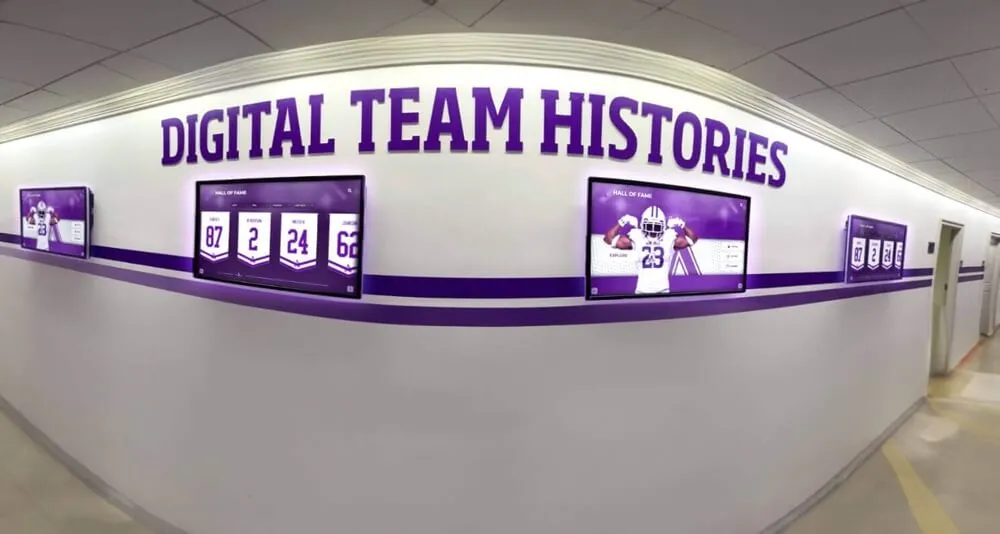
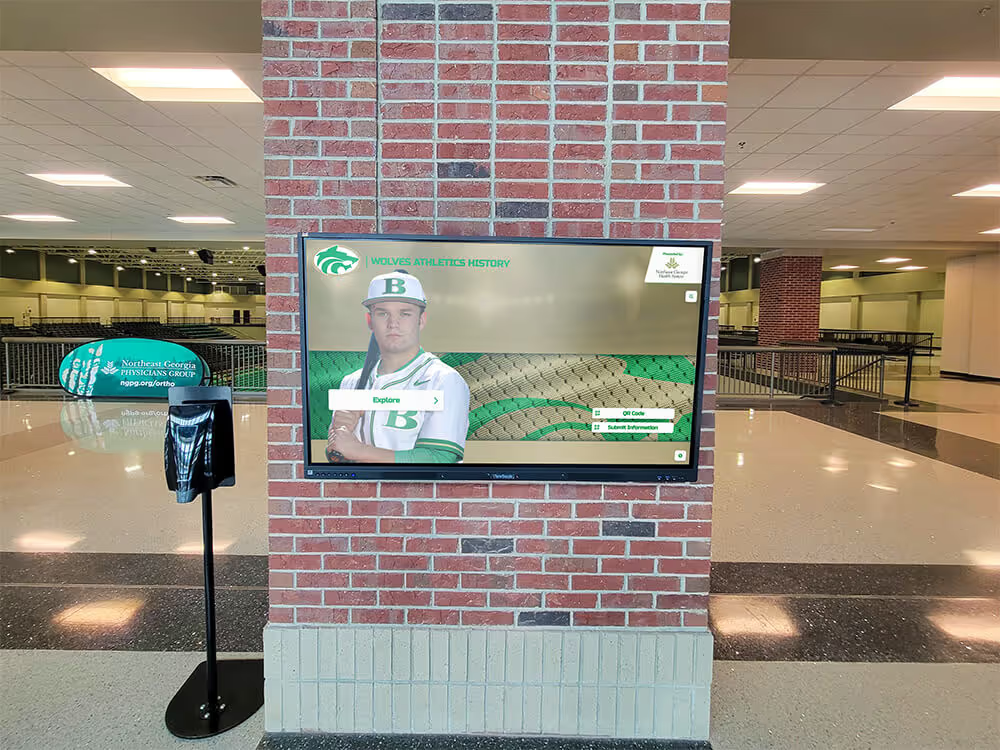
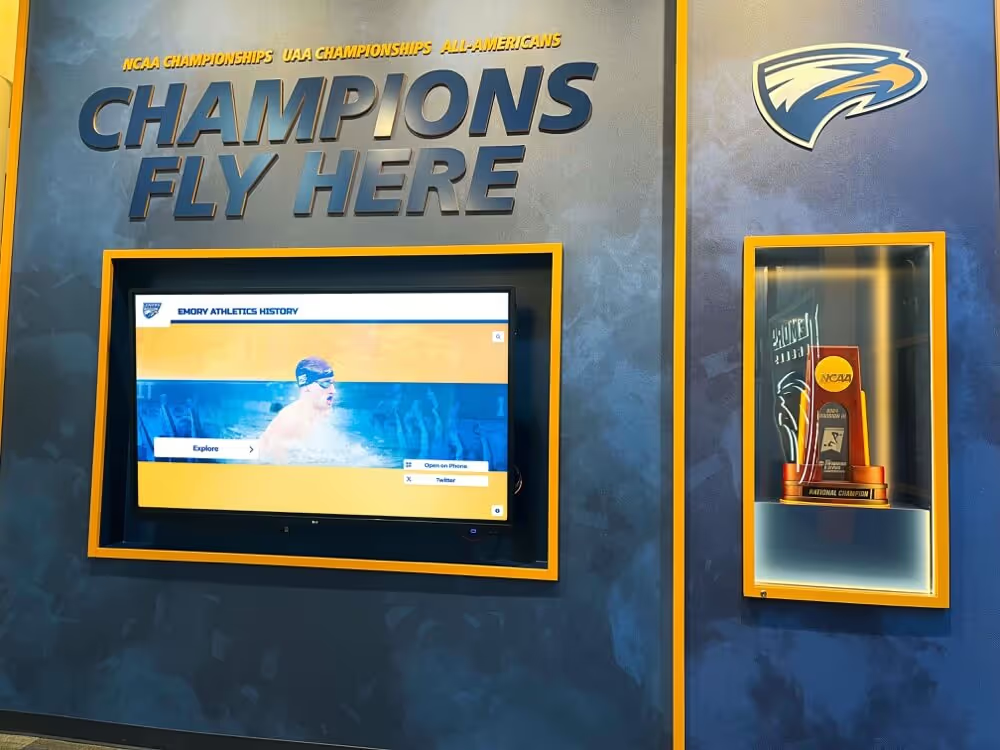
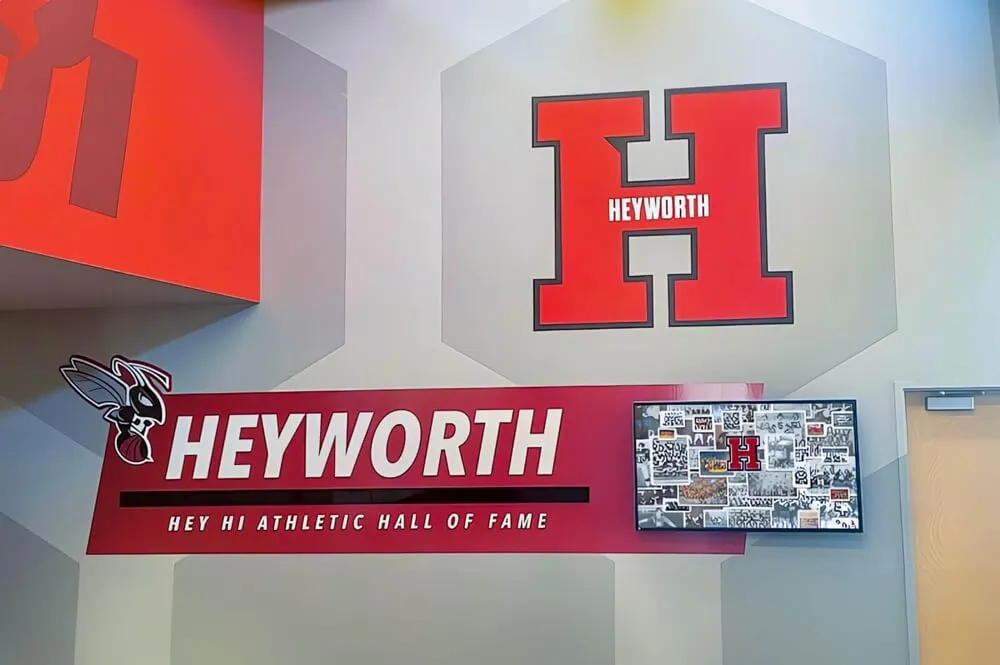
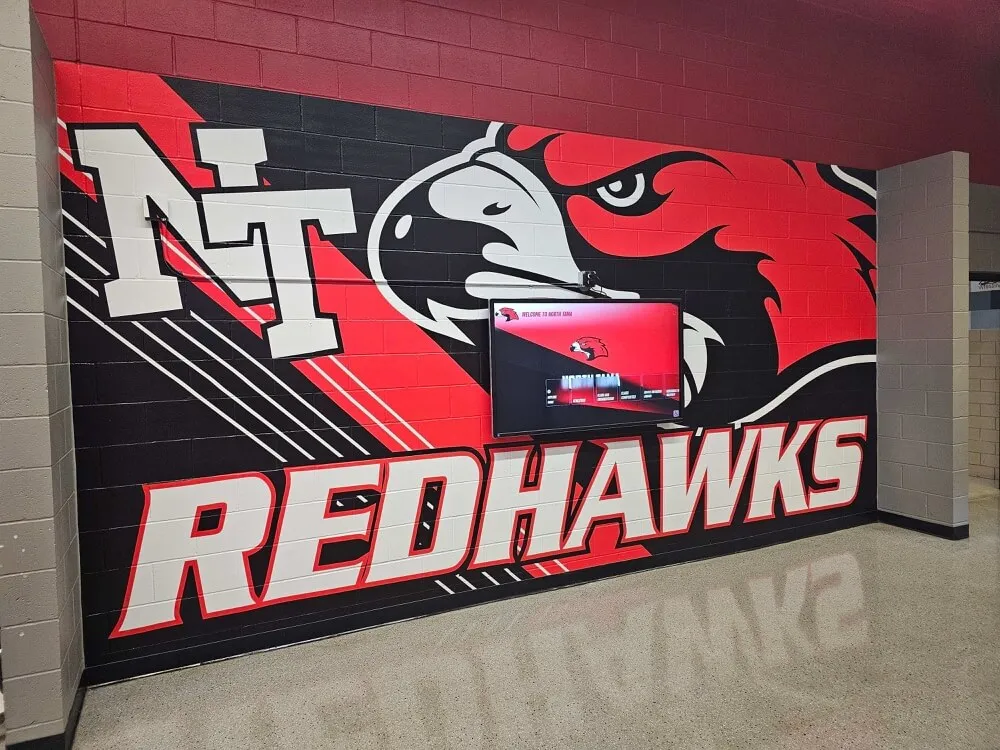
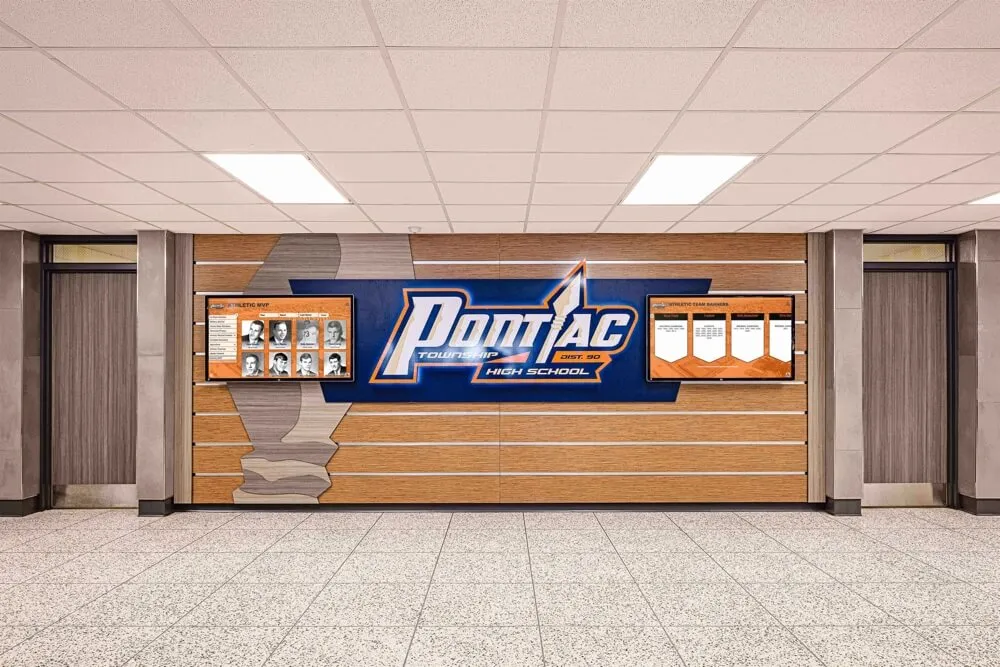
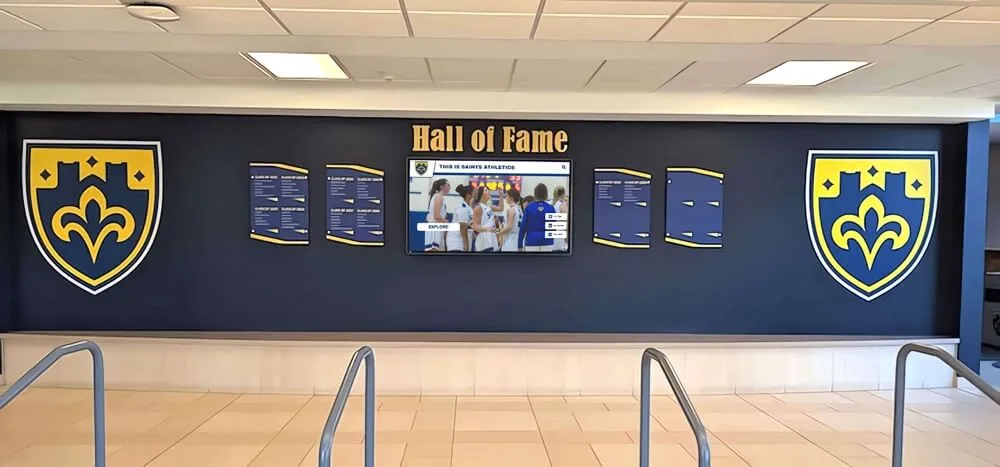
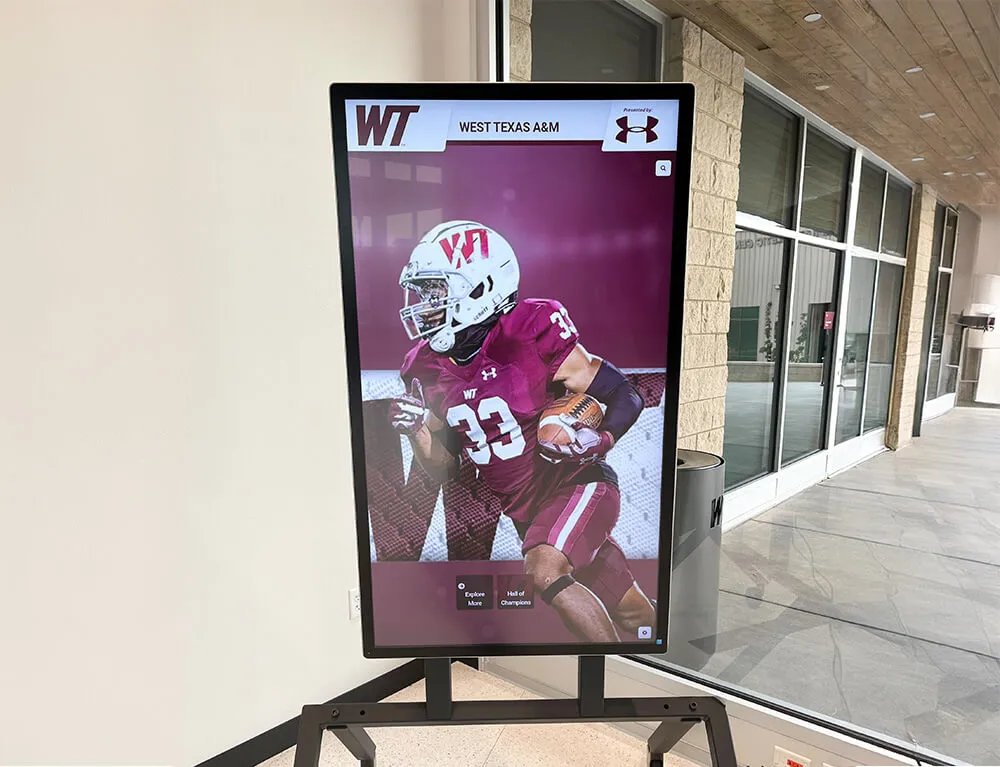
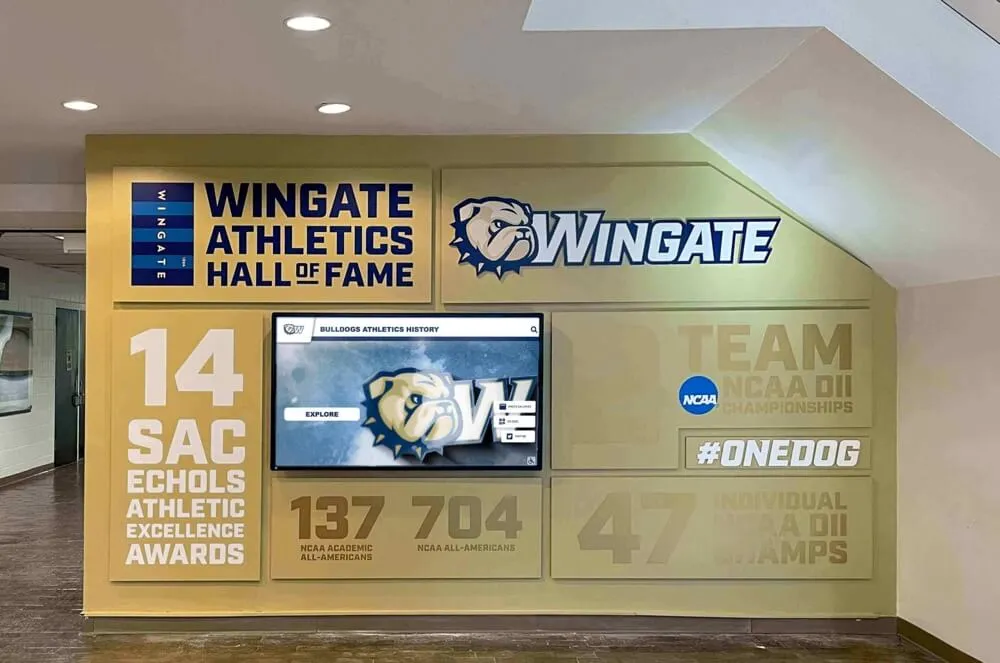
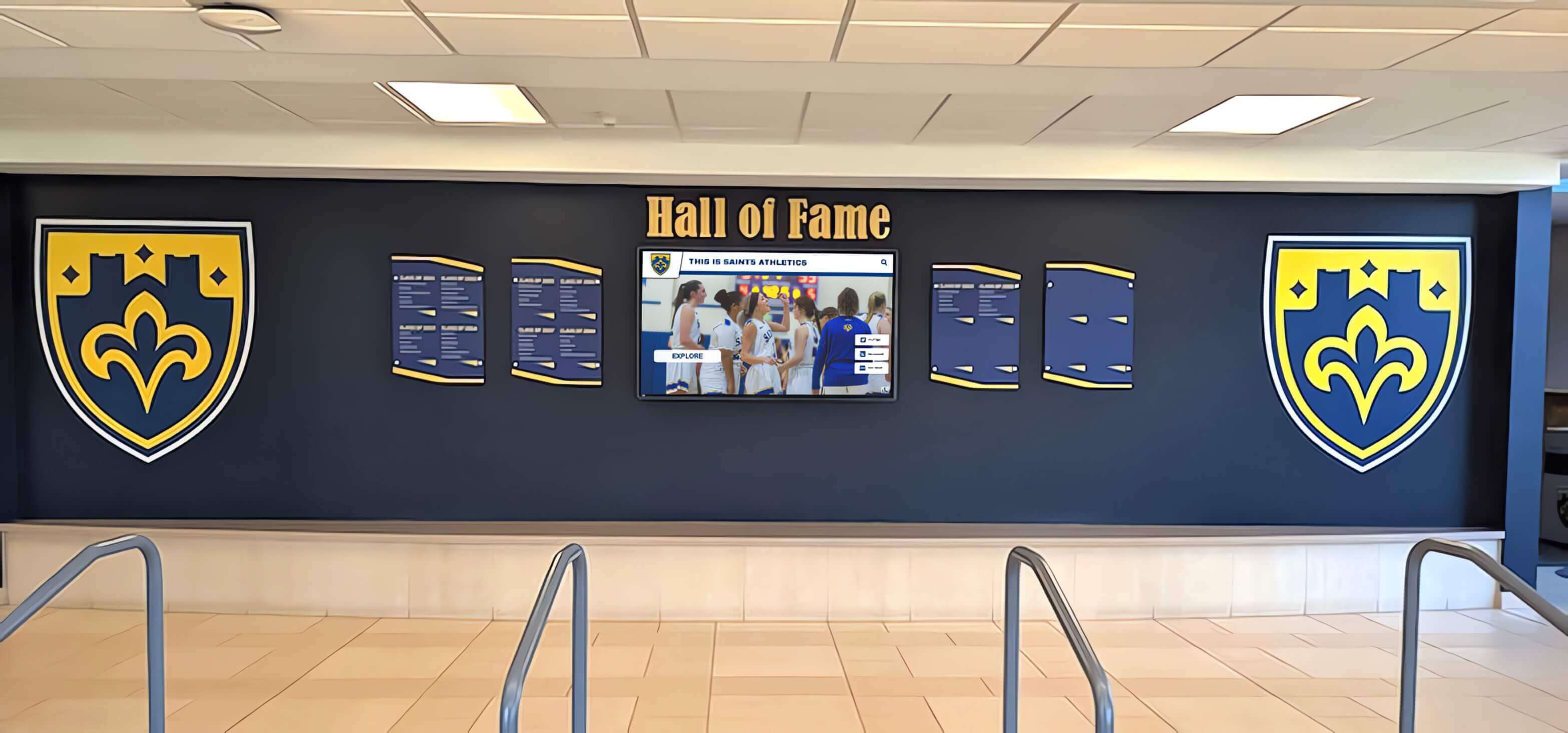
A well-designed recognition display in your school's lobby signals to donors that their contributions will be honored visibly and permanently
Classic Community Events: 10 Proven Ideas
Community events remain the backbone of school fundraising because they create shared experiences that deepen donor commitment alongside generating revenue.
1. Walkathon or Pledgeathon
Pledge-based fitness events combine peer-to-peer fundraising with visible school participation. Students collect per-lap or flat pledges from family and friends before the event, then complete the walk or run together on campus. Revenue per participant typically falls between $75 and $200 depending on network outreach, making a 300-student event capable of generating $22,500 or more.
Pair walkathons with a “founding supporter” recognition level where donors who pledge above a threshold receive permanent listing in a printed or digital honor roll.
2. Fun Run or Color Run
Color runs and themed 5Ks draw families, community members, and alumni who would skip traditional donation appeals. Entry fees ($15–$30 per runner), corporate lane sponsorships, and merchandise sales combine for strong net revenue. These events also create compelling social media content that extends reach organically.
3. School Carnival or Spring Festival
Multi-booth festivals generate revenue through game entry fees, food and beverage sales, raffle ticket sales, and silent auction tables running throughout the event. Assign recognition opportunities to booth sponsorships — businesses that fund a booth receive signage, PA announcements, and mention in event programs.
4. Bake Sale (Modernized)
Traditional bake sales still work when paired with online pre-orders. Set up a simple digital pre-order system allowing families and local businesses to purchase baked goods in advance, which reduces waste, improves cash handling, and often increases average transaction size. Corporate bulk orders ($200–$500) from local offices become realistic when pre-ordering is easy.
5. Restaurant Spirit Night
Partner with a local restaurant for an evening where a percentage (typically 15–25%) of sales from your supporters is donated back to the school. The restaurant gains foot traffic; the school gains low-effort revenue. Consistent monthly spirit nights with rotating restaurant partners can generate $1,500–$4,000 annually with zero volunteer overhead.
6. Trivia Night or Game Show Event
Adult trivia nights are consistent money-makers for school organizations. Charge $20–$30 per seat, sell table sponsorships ($250–$750) to local businesses, and add drink ticket sales or silent auction items. A well-run trivia night with 150 attendees can net $5,000–$12,000 in a single evening.
Explore how athletic banquet themes and end-of-season celebrations incorporate fundraising opportunities within recognition events.
7. Raffle Drawing
Raffles require minimal logistics but need a compelling prize to drive ticket sales. Experiences (stadium suite access, vacation packages, spa retreats) consistently outperform physical goods. Sell tickets at $10–$25 each, offer discounts for bundle purchases, and promote through social media. Schools with 500+ family households can realistically generate $8,000–$15,000 from a well-marketed raffle.
8. Pep Rally or Spirit Week Activities
Spirited community events naturally generate small-dollar revenue through merchandise sales, concessions, and photo booths while building the school pride that makes larger donors feel emotionally connected to the institution. Learn how pep rally games for high school create the kind of excitement that keeps alumni and families engaged year-round.
9. Outdoor Movie Night
Campus movie nights under the stars generate revenue through admission ($8–$15 per person), concession stands, and blanket or lawn chair rental. These events attract broad family participation and require modest setup costs, making them accessible for smaller organizations.
10. Silent Auction
Silent auctions work as standalone events or embedded fundraisers within larger gatherings. The most effective auctions feature 30–60 items with genuine appeal: travel experiences, professional sports tickets, restaurant packages, and school memorabilia. Recognize top bidder-donors in your event program and on digital displays to build acknowledgment into the event itself.
Reviewing booster club fundraising strategies can surface additional event formats suited to parent organizations running multiple campaigns annually.
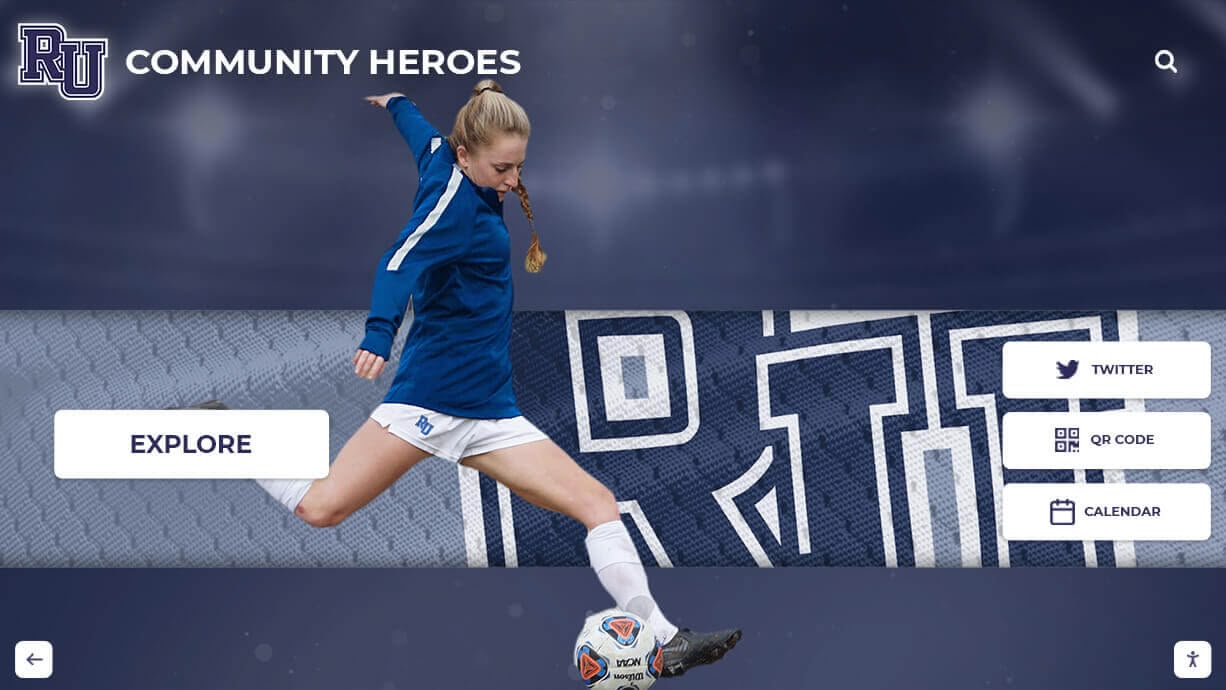
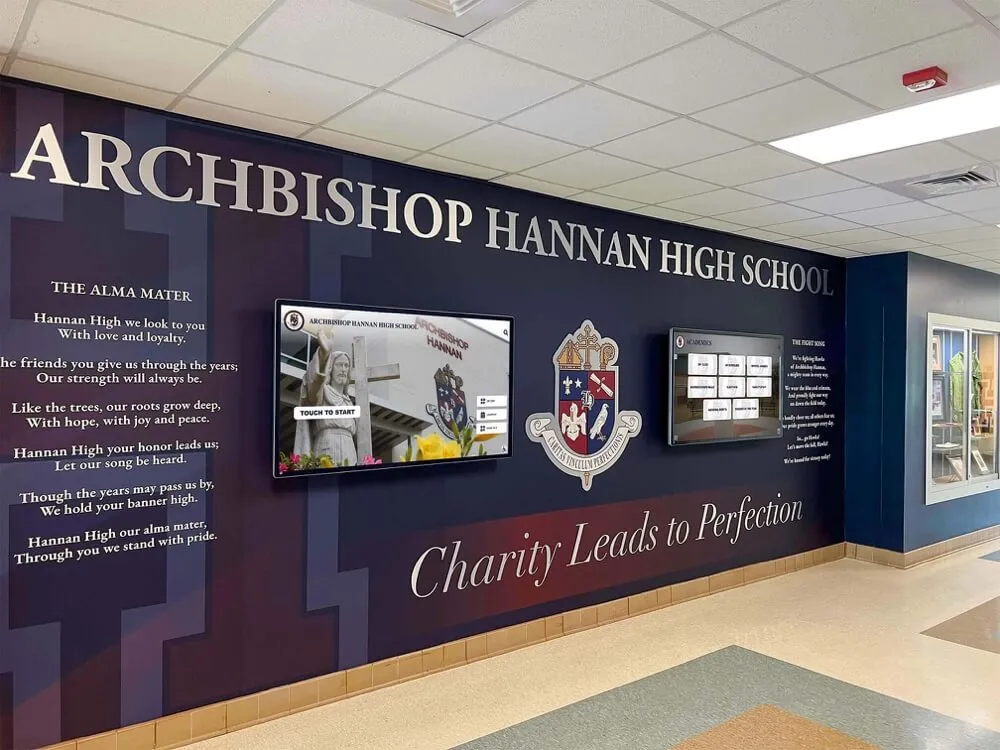
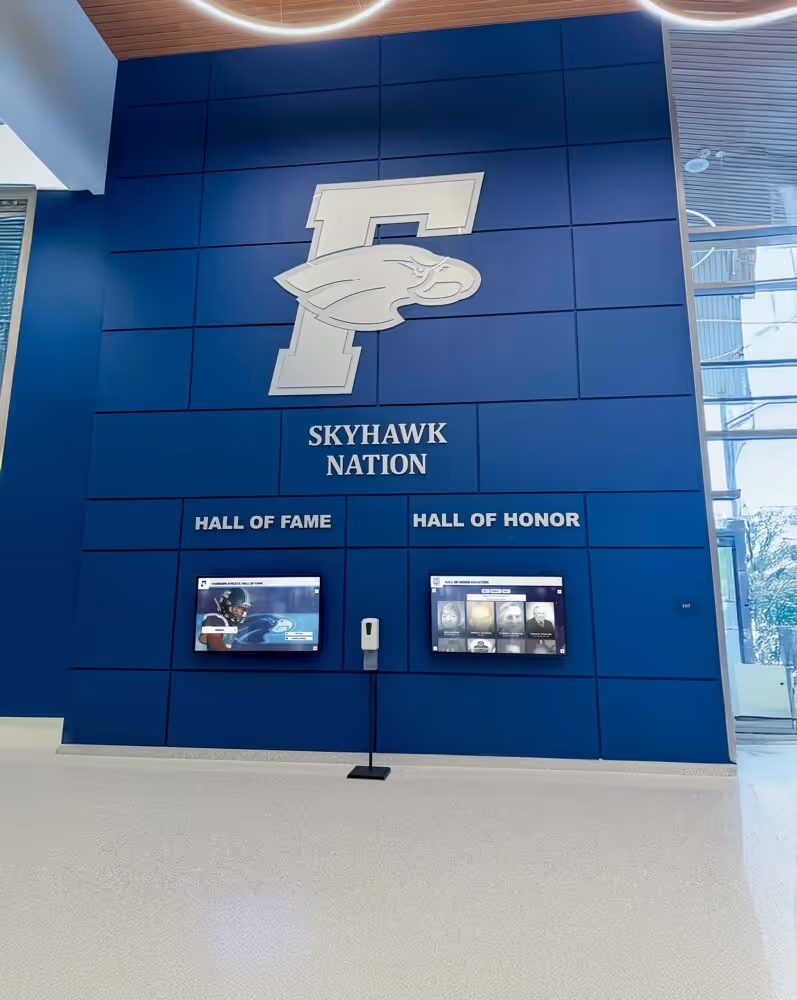
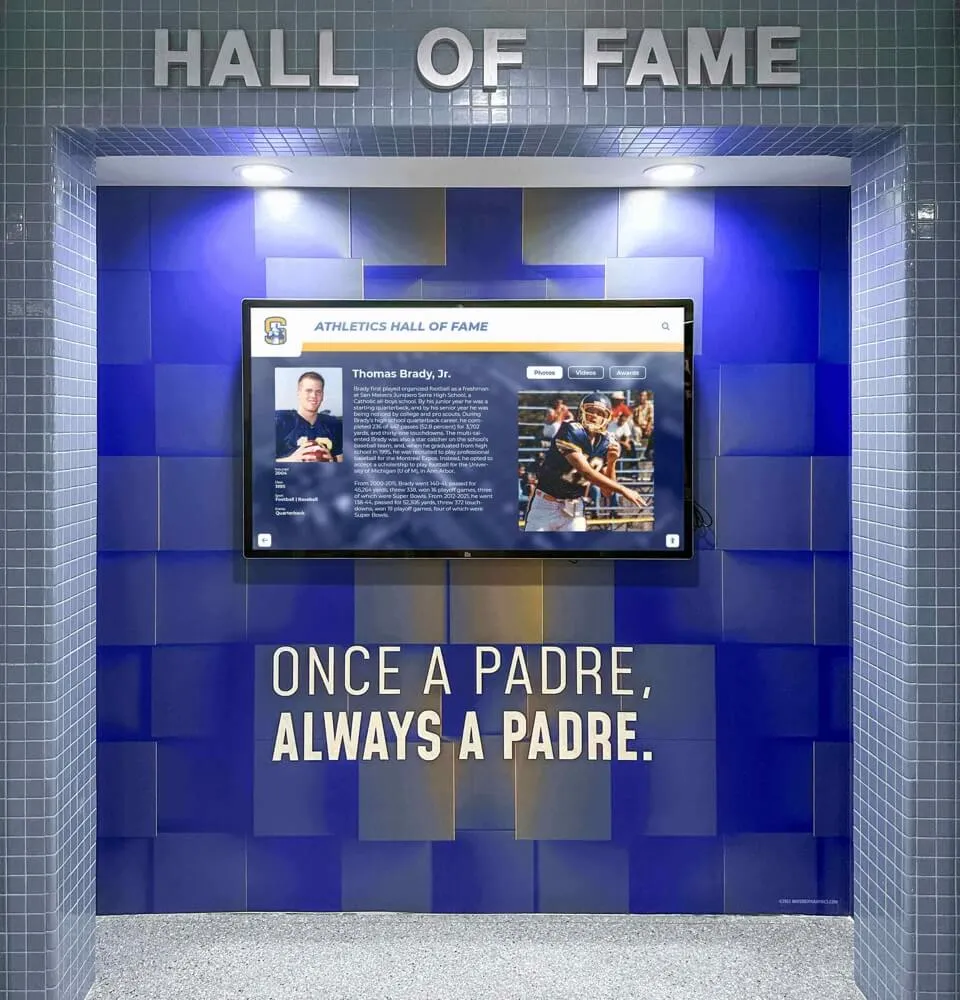
Community events build the emotional connection that makes donors want to give again — recognition systems turn that emotion into sustained relationships
Digital Fundraising: 8 Modern Campaigns
Digital approaches reduce volunteer burden while extending reach far beyond current school families to alumni and community members who might never attend an in-person event.
11. Online Donation Page with Giving Levels
A well-designed giving page does more than accept transactions. It tells donors exactly what their contribution funds ($100 supplies a student athlete with equipment for a season), presents tiered giving levels with named recognition benefits, and includes a recurring gift option. Schools with mobile-optimized giving pages typically see 40–60% higher average gift sizes compared to paper or cash collection.
12. Peer-to-Peer Fundraising Campaign
Peer-to-peer platforms (Snap! Raise, 99Pledges, GoFundMe) enable individual students or teams to create personal fundraising pages and share them through social media and email. Participants typically raise $150–$500 from their own networks. With 150 participants, a single campaign can generate $22,500–$75,000 with centralized coordination but distributed outreach.
13. Text-to-Give Campaign
Mobile giving announcements made during games, assemblies, or events capture impulse donations at moments of peak community enthusiasm. A text keyword campaign announced at a championship game or senior recognition night can generate $2,000–$8,000 in a single evening from attendees already primed to celebrate.
14. Social Media Challenge
Structured social challenges spread fundraising messages organically. A “100-day countdown to graduation” challenge, fitness pledge campaign, or throwback photo series asking alumni to donate alongside their post can reach thousands of people who have no connection to current school events but maintain affinity for the school community.
15. Crowdfunding for Specific Projects
Named project crowdfunding dramatically outperforms general appeals. A campaign to fund a new weight room, repave the track, or purchase band instruments — with photo documentation and a clear goal — gives donors concrete impact they can point to. Specific campaigns with visual progress bars consistently raise 50–80% more than equivalent general fund appeals.
16. Email Stewardship Campaign Series
A structured three-to-four email series over a giving campaign builds urgency and reinforces donor motivation better than a single ask. The sequence typically follows: impact story → specific need → last chance + peer matching. Segmented emails for alumni, current parents, and corporate contacts perform significantly better than mass messaging.
17. Online Auction Platform
Digital auction platforms (Handbid, OneCause, Greater Giving) extend bidding from a single evening to a week-long campaign, enable mobile participation, and send automated outbid notifications that drive competitive bidding and higher hammer prices. Schools report 20–35% higher auction revenues after moving from paper bid sheets to mobile platforms.
18. Virtual Gala or Video Campaign
Pre-recorded video content showcasing student achievements, program impact, and institutional pride can accompany an online fundraising window. Paired with a live broadcast element — a principal’s address, coach message, or student performance — virtual galas reach alumni and former families who would never attend a physical event but give generously when the content moves them.
Discover how digital record boards for high schools provide compelling visual content that strengthens digital fundraising narratives by showcasing achievement alongside giving opportunities.
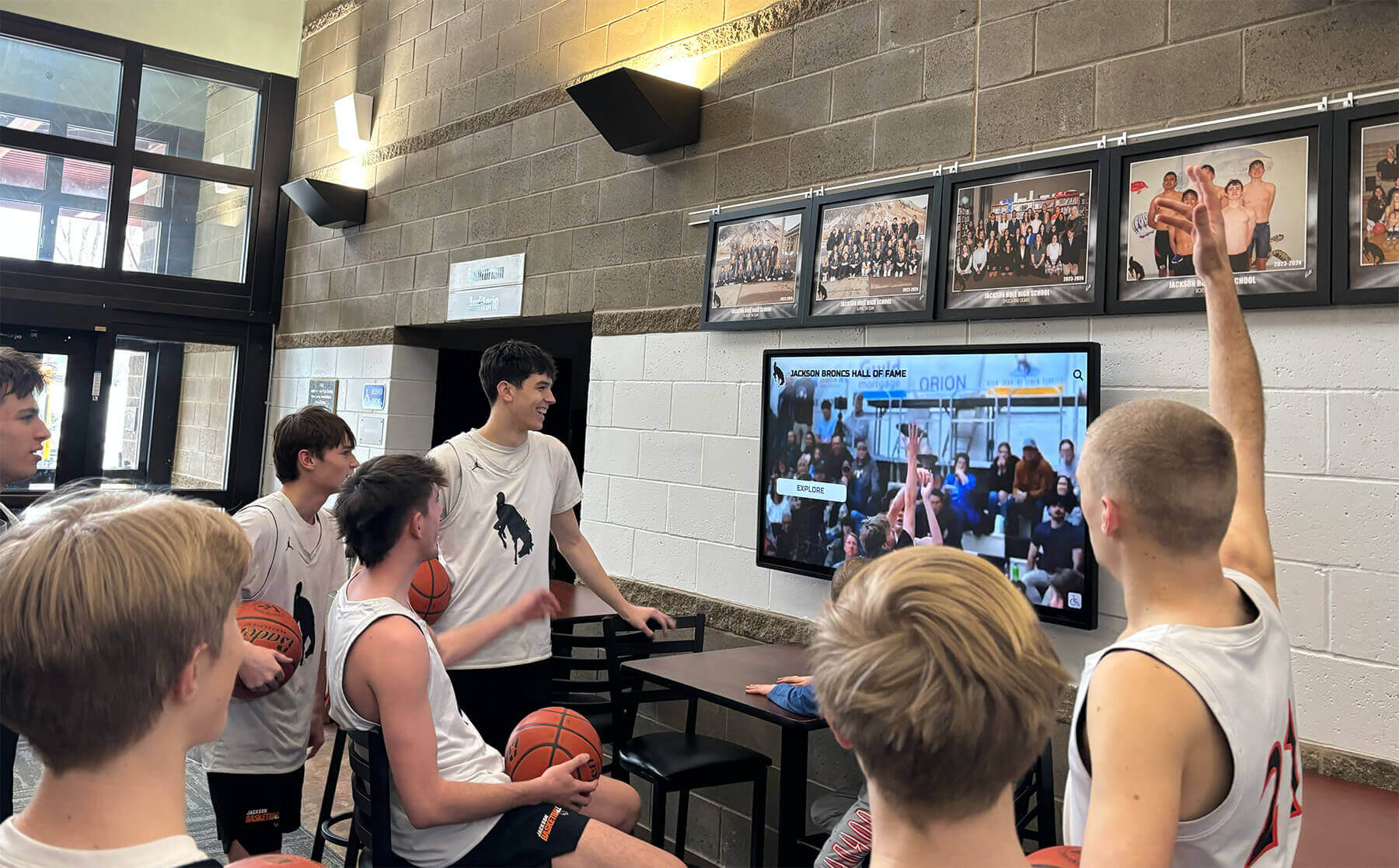
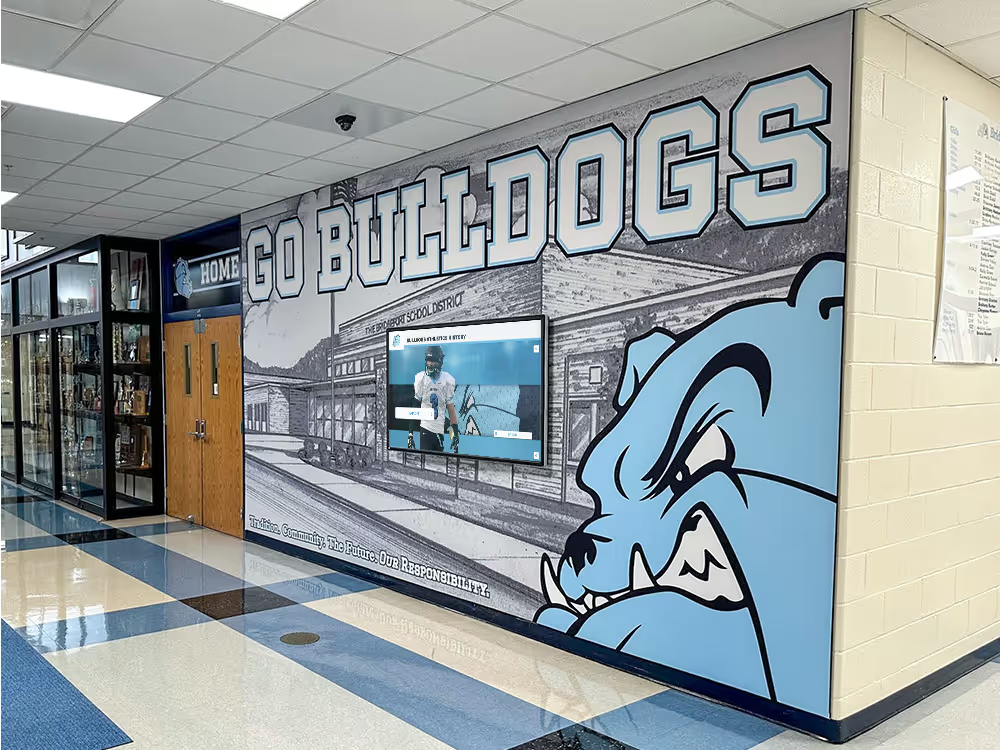
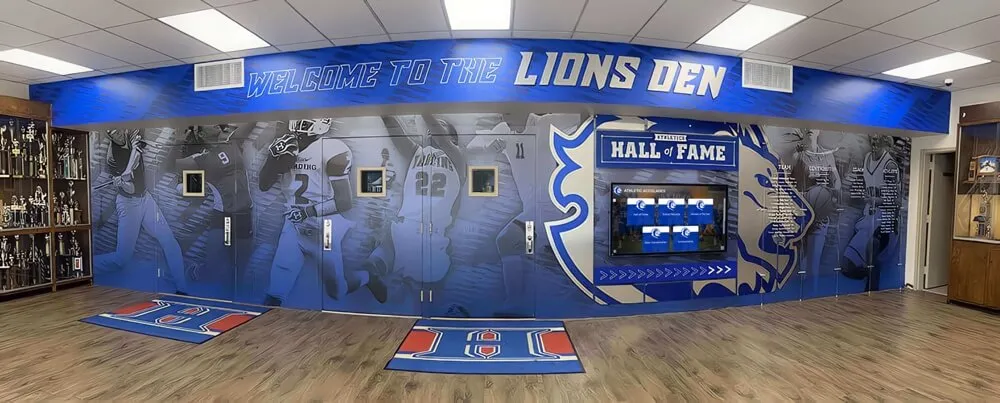
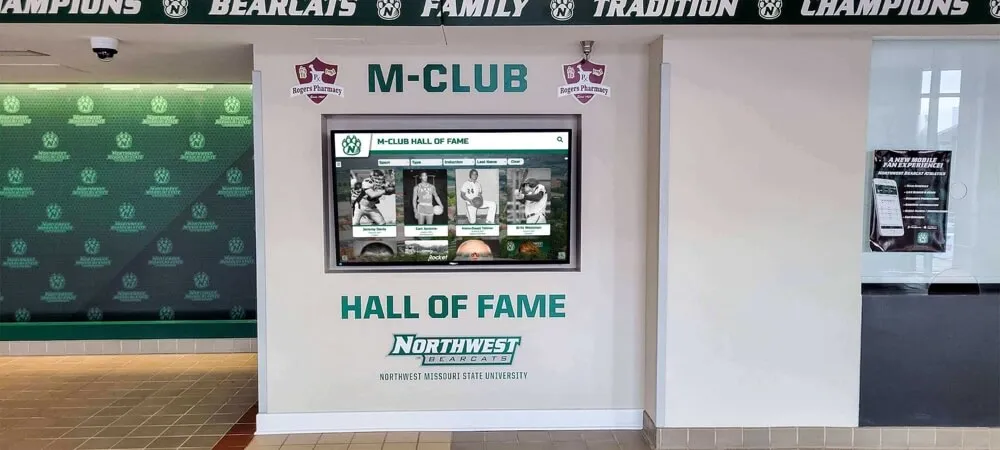
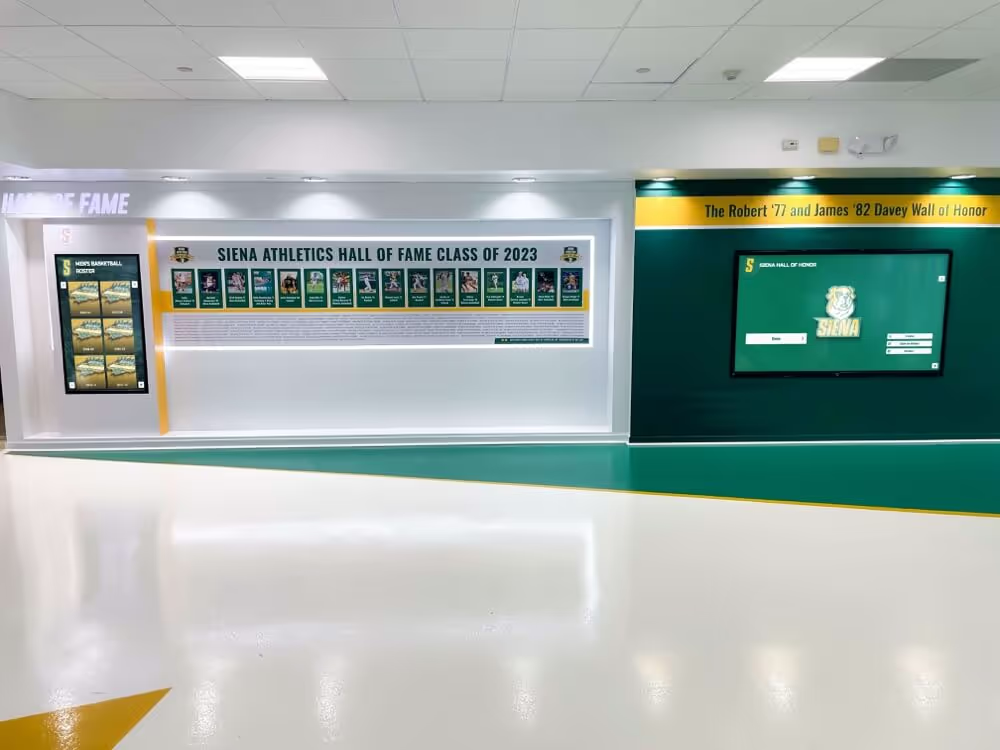
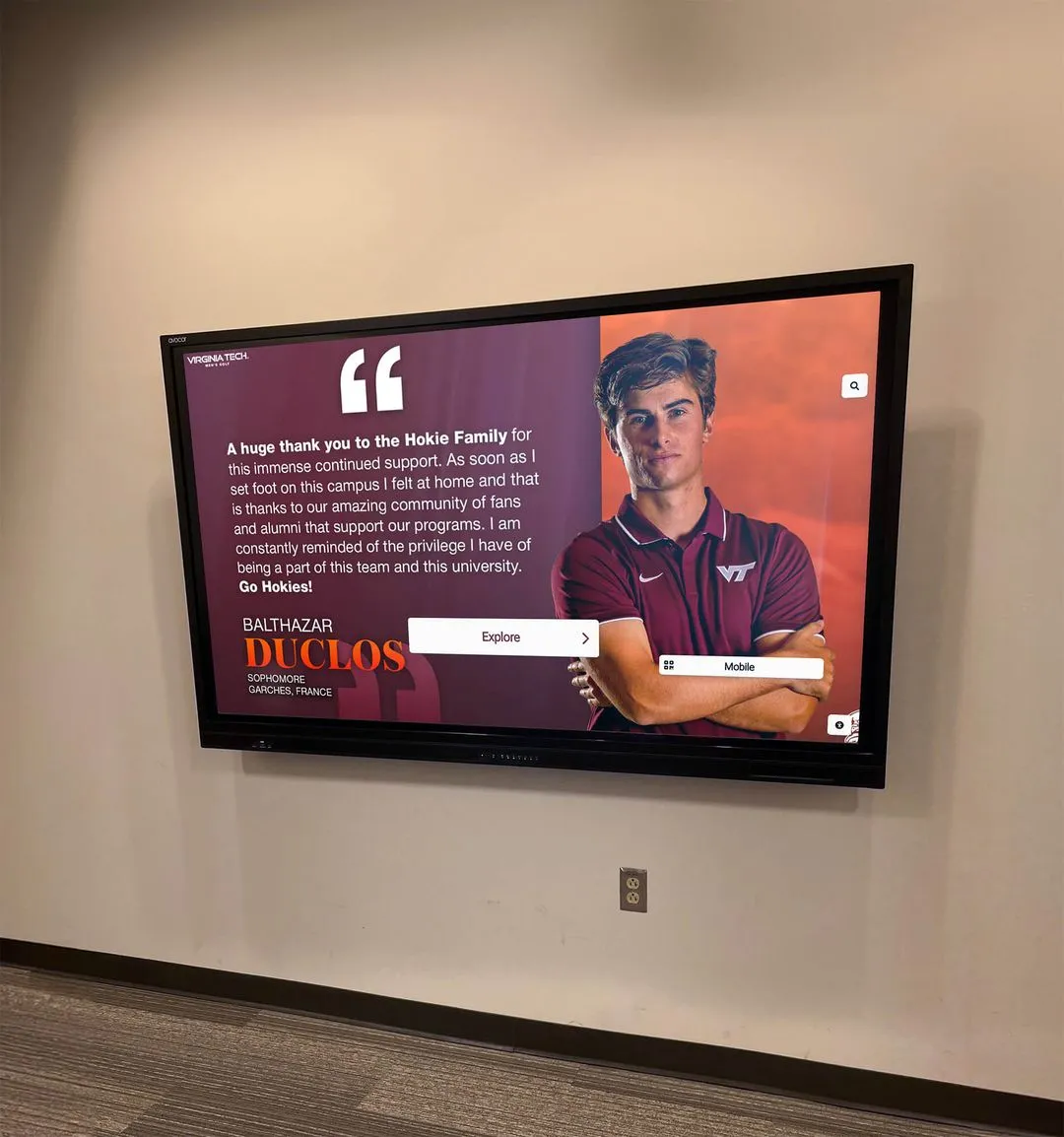
Digital displays in school lobbies and athletics facilities create compelling content for virtual fundraising campaigns while honoring donors in physical spaces
Corporate Partnership Strategies: 5 Revenue-Building Approaches
Businesses represent an underutilized constituency for most schools. Unlike families whose giving naturally declines after graduation, businesses can sustain relationships for decades when stewardship is thoughtful.
19. Tiered Business Sponsorship Program
A formal sponsorship structure with clear benefit tiers converts informal business support into predictable annual revenue:
SPONSORSHIP TIER MATRIX

| Level         | Annual Gift  | Key Benefits                                        |
|---------------|-------------|-----------------------------------------------------|
| Founding Partner  | $10,000+  | Facility naming rights, exclusive category sponsor, |
|               |             | named display panel, VIP access, 10 season tickets  |
| Champion Sponsor  | $5,000–$9,999 | Facility banner, digital wall listing, program ads, |
|               |             | social media features, 6 season tickets             |
| Gold Sponsor  | $2,500–$4,999 | Program full-page ad, website logo, email mentions, |
|               |             | 4 season tickets                                    |
| Silver Sponsor | $1,000–$2,499 | Program half-page ad, website listing, social posts |
|               |             | 2 season tickets                                    |
| Community Partner | $500–$999 | Program quarter-page recognition, website listing   |
Presenting this framework to prospective business sponsors removes ambiguity about what their investment includes and creates natural upgrade conversations when lower-tier sponsors see the additional visibility available at the next level.
20. Matching Gift Programs
Partner with one or two major donors or businesses who agree to match all gifts up to a defined ceiling during a campaign window. Matching campaigns reliably increase both participation rates and average gift sizes as donors recognize their impact is doubled. Announce the match publicly to create urgency and social proof.
21. In-Kind Donation Drive
Solicit goods and services rather than cash from businesses with limited giving budgets. Printing companies provide programs and signage, restaurants donate event catering, hotels provide packages for auction, and service businesses donate professional services. In-kind support reduces event costs while broadening the circle of businesses publicly associated with your programs.
22. Local Business Affinity Program
Create ongoing micro-revenue relationships where participating businesses donate a percentage of purchases from school supporters. Designated school discount codes at local retailers, dining-for-dollars arrangements at restaurants, and realtor donation-per-transaction programs each generate modest but consistent revenue without requiring event planning.
23. Multi-Year Sponsorship Agreements
Three-to-five-year business partnerships provide budget predictability for your school while offering sponsors price protection and relationship depth. Sponsors committing to multi-year agreements at enhanced levels receive founding recognition status that distinguishes them visibly from annual contributors — a meaningful differentiator for community-oriented businesses.
Product Sales Campaigns: 4 Reliable Ideas
Product-based fundraising generates revenue through transactions rather than philanthropic asks, making it accessible to supporters who prefer to receive something tangible for their contribution.
24. Online Spirit Wear Store
Partnering with platforms like SquadLocker or BSN Sports enables a year-round online store without inventory risk. The school receives 20–35% of each sale while the vendor handles production and fulfillment. Seasonal limited-edition releases (homecoming designs, championship gear, senior commemoratives) create purchase urgency that drives higher conversion than perpetually available inventory.
25. Commemorative Yearbook Ads
Yearbook dedication ads — purchased by families, local businesses, and alumni — generate meaningful revenue while creating keepsakes families treasure for decades. Recognition-minded donors who want to honor a graduating student or acknowledge a program milestone often purchase full-page or back-cover placements at $300–$1,500.
26. Discount Card or Coupon Book
Partner with 20–30 local businesses to produce a community discount card sold for $20–$30. Students sell cards with commission incentives; buyers receive genuine value through discounts. Programs with strong student sales networks can generate $15,000–$30,000 through this format with minimal organizational overhead.
27. Commemorative Brick or Paver Campaign
Physical naming campaigns — selling engraved bricks for a courtyard, pavers for a walkway, or tiles for a lobby floor — generate $100–$500 per unit while creating permanent physical recognition that donors can point to for decades. These campaigns work particularly well during facility improvements and capital campaigns when the named space is being built or renovated.
Recognition-Powered Fundraising: 7 Strategies That Multiply Results
The school fundraising ideas that produce the highest long-term return are those that make donors feel genuinely celebrated. Recognition programs drive upgrades, extend relationships across graduation transitions, and attract new donors who observe the respect given to existing supporters.
28. Named Scholarship Program
Endowed or annually funded scholarships named for donors create sustained giving relationships. A donor who funds a $1,000 annual scholarship in their name receives recognition in scholarship award ceremonies, school publications, and potentially on a digital recognition display. Named scholarships with multi-year commitments are among the most effective major gift vehicles schools deploy.
29. Digital Donor Recognition Wall
Modern digital recognition walls solve the physical space limitation that traditional plaque systems face. An interactive display accommodates unlimited donors across multiple giving levels, updates instantly as new contributors are added, and can feature campaign progress visualizations, donor stories, and multimedia content that static plaques cannot. Learn about creative donation wall ideas that advance teams are implementing to honor contributors in compelling, scalable ways.
For schools undergoing renovations or facility upgrades, a digital donor recognition wall doubles as fundraising collateral — prospective donors can see exactly how their name will appear before committing. Explore how schools plan digital recognition walls as part of broader renovation projects to maximize both donor visibility and campaign momentum.
30. Tiered Donor Society with Named Levels
Establishing a formal giving society with aspirational level names (Legacy Circle, Founders Society, Champions Club) creates visible status that motivates upgrades. Donors near a tier threshold frequently increase their gift to reach the next level when the distinction is publicly meaningful. Society membership events — a private reception, a pre-game field access opportunity, a behind-the-scenes tour — reward top donors while inspiring mid-tier supporters to upgrade.
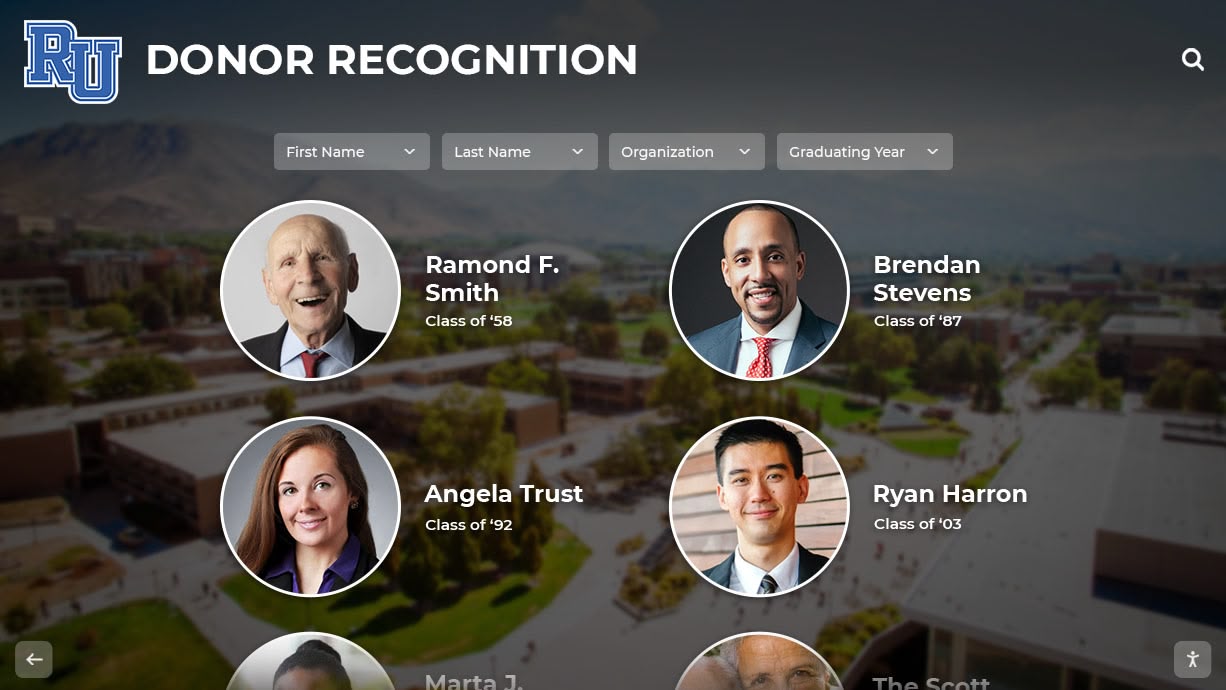
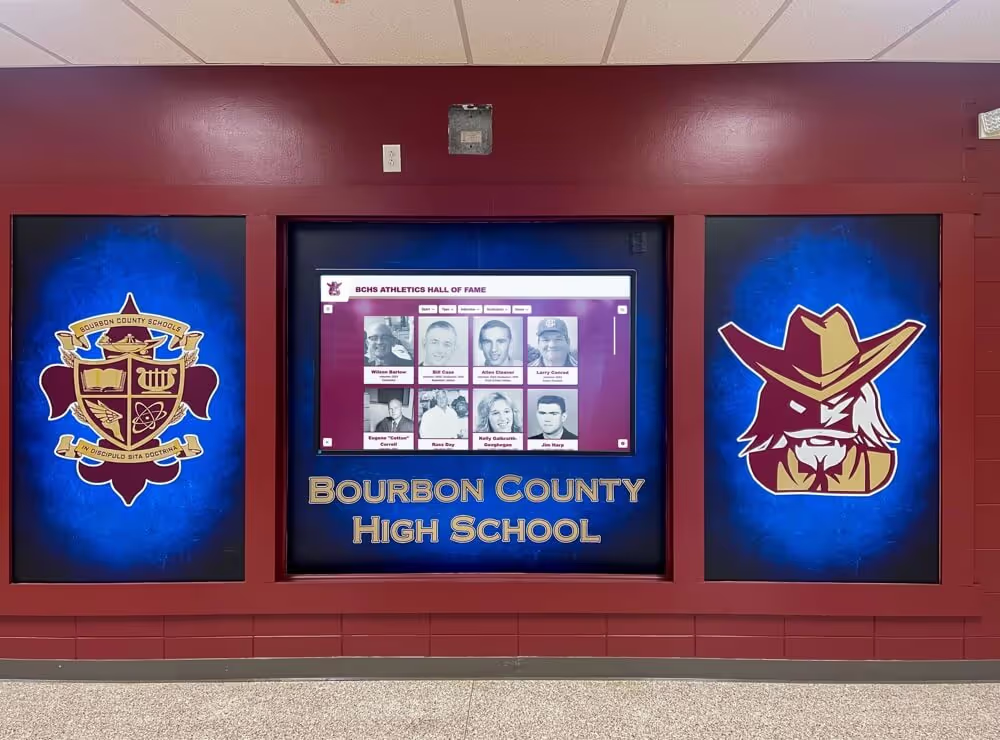
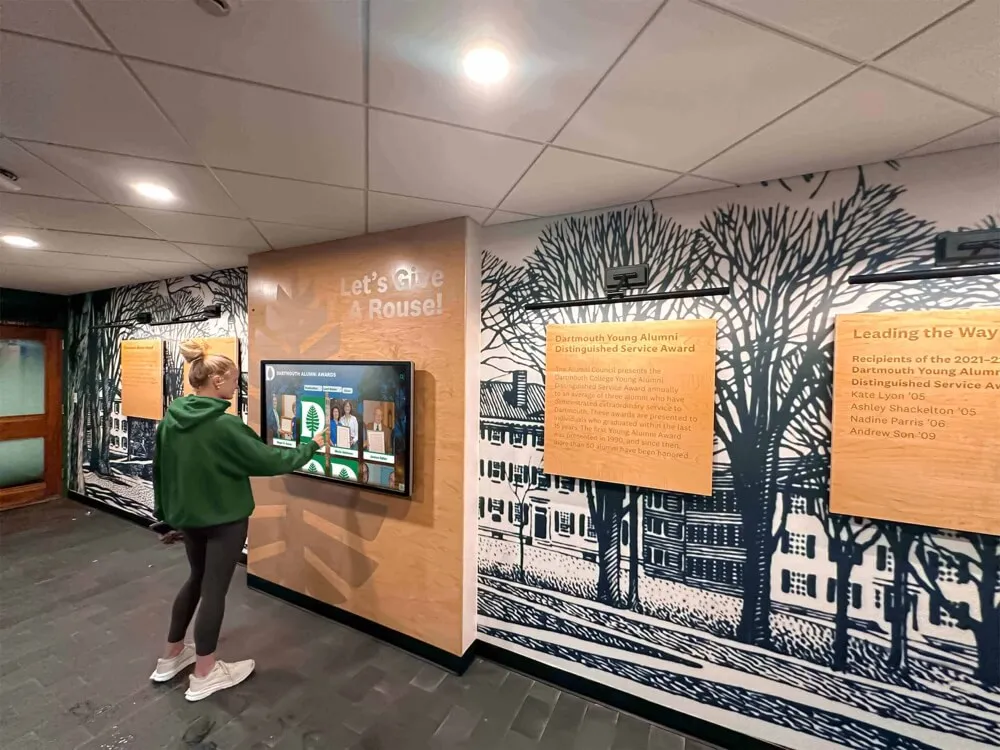
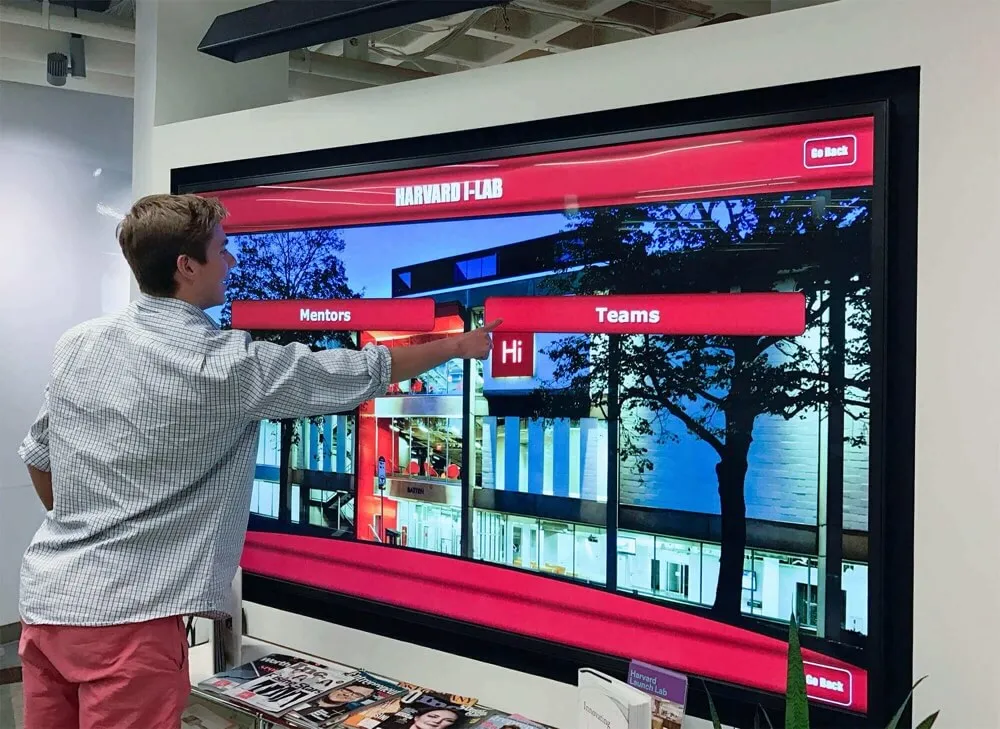
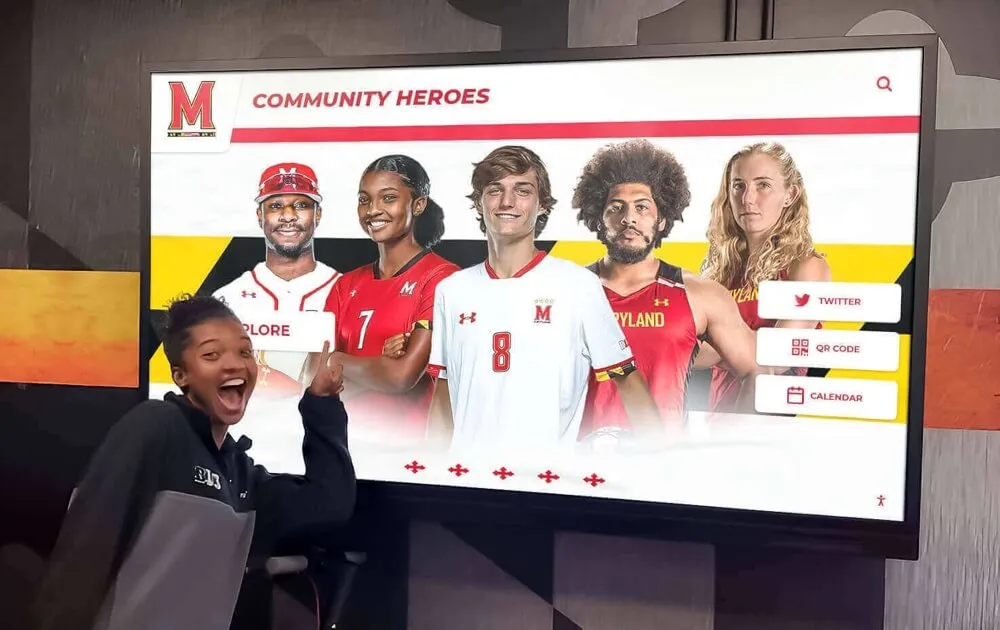
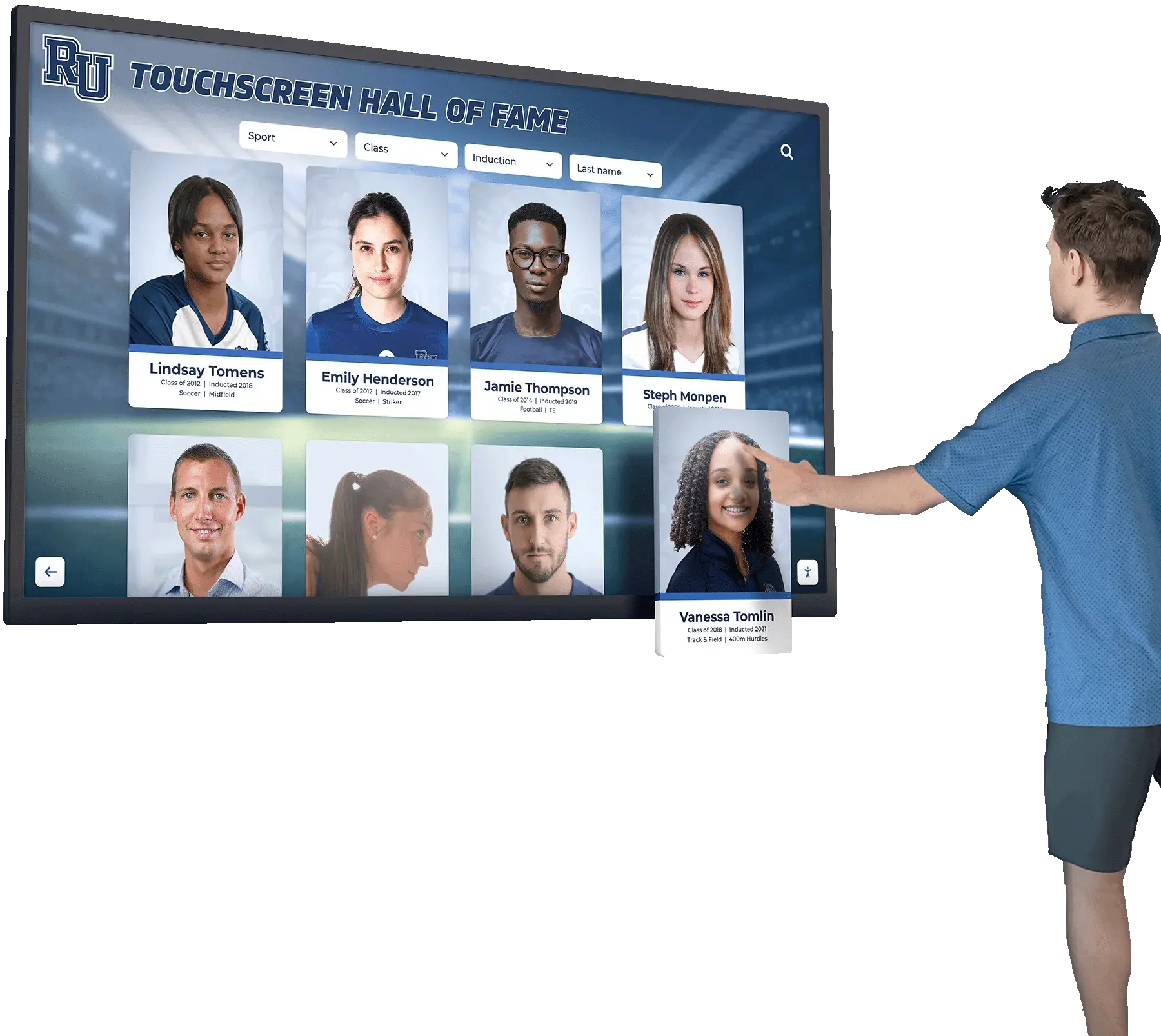
Portrait-based donor recognition creates personal connections that sustain multi-year giving relationships and inspire new donors who see peers celebrated
31. Legacy Giving and Planned Gifts Program
Inviting long-standing donors to consider the school in their estate plans requires sensitivity but unlocks some of the largest lifetime gifts schools receive. A formal legacy society — even one with modest current membership — signals institutional maturity and invites conversations with older alumni and community members who want their commitment to endure beyond annual giving capacity.
32. Volunteer Recognition Integration
Expanding recognition to include volunteer service hours alongside financial giving builds a more inclusive fundraising culture. Public acknowledgment of volunteers — through digital displays, event programs, and social media — demonstrates that the school values time as well as dollars, which often accelerates these supporters’ eventual financial giving.
33. Stewardship Touchpoint Calendar
Recognition is a year-round practice, not an event. A structured stewardship calendar ensures donors hear from your school at multiple meaningful moments beyond the annual ask:
ANNUAL DONOR STEWARDSHIP CALENDAR

Month    | Touchpoint
---------|--------------------------------------------------------------
August   | Season preview email with photos; highlight what gifts funded
October  | Homecoming donor recognition at event; social media spotlights
December | Hand-signed thank-you card from principal or head coach
February | Mid-year impact update with student success story
April    | Annual report mailing with full donor honor roll
June     | Renewal appeal with personalized gift history and ask amount
Year-round | Social media recognition on donor milestones (anniversaries,
         | milestone gift years, matching completions)
Advancement teams using structured stewardship calendars report donor retention rates 20–35% higher than programs relying on ad hoc acknowledgment. Understand how to develop comprehensive donor recognition strategies that keep supporters engaged across the full calendar year.
34. Donor Thank-You Letter Templates
The quality of your thank-you communications directly affects donor retention. Generic acknowledgment letters lose donors; personal, specific, and timely letters build relationships. Review donor thank-you letter examples and templates for nonprofits and schools to build a library of acknowledgment communications suited to different giving levels and occasions.
Long-Term Giving Programs: 4 Approaches for Sustainable Revenue
35. Monthly Giving Program
Recurring monthly donors provide 30–45% more lifetime value than equivalent annual contributors while requiring less re-solicitation. A $50/month commitment generates $600 annually — sustainable for many supporters who would not write a single $600 check. Monthly programs work best when donors can see their running impact total and receive level upgrades as cumulative giving milestones are reached.
36. Alumni Annual Giving Program
Former students represent an underutilized constituency for most schools. Alumni who experienced meaningful programs maintain emotional connections for decades after graduation. Structured outreach through class year challenges, decade clubs, and reunion-year campaigns can generate 15–30% alumni participation with average gifts of $100–$500 depending on program history and alumni base size.
37. Parent Engagement Cascade
Current parents are your most accessible constituency, but engagement declines sharply at graduation without intentional transition. Building parent-to-alumni pathways — inviting graduating seniors’ parents to maintain connections through the school’s alumni giving program — preserves relationships that would otherwise dissolve. Review parent engagement strategies for schools to build systems that sustain community investment beyond individual enrollment periods.
38. Capital Campaign Integration
Major facility projects (gymnasium renovations, performing arts additions, athletics complex upgrades) provide compelling giving opportunities that attract donors who would not respond to annual fund appeals. Capital campaigns benefit significantly from visible recognition components — naming opportunities, digital donor walls installed at project completion, and groundbreaking ceremony recognition — that make major gifts feel permanent and prestigious. Modern touchscreen software for school displays enables recognition programs that grow alongside the communities they celebrate, accommodating new donors without physical space constraints.
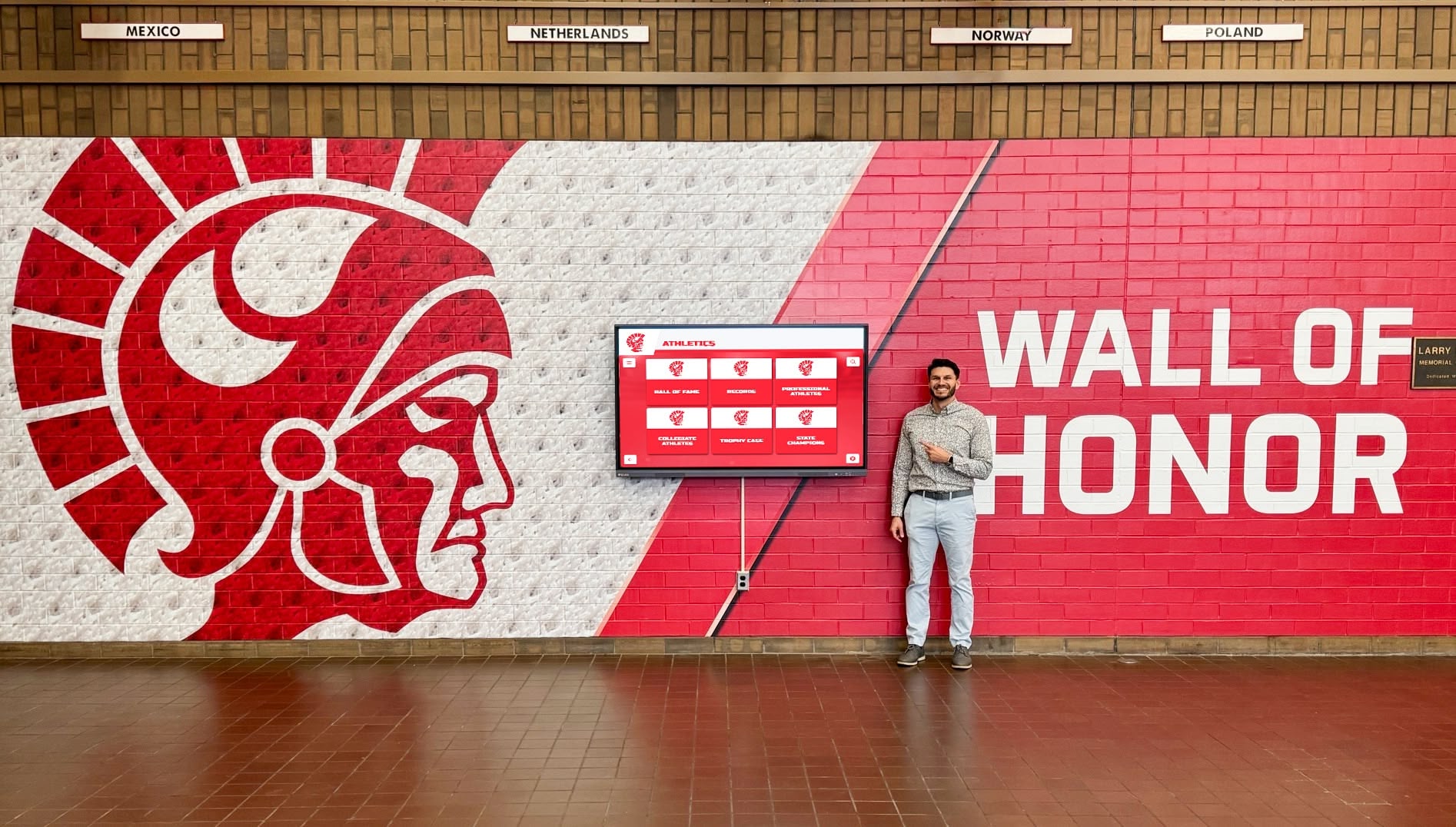
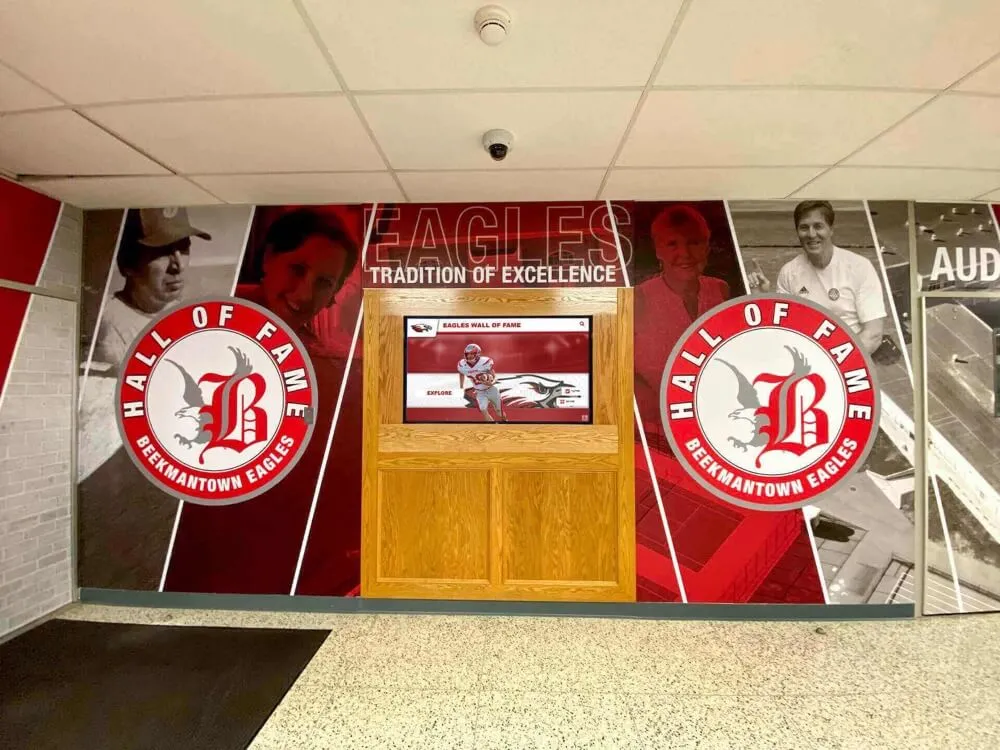
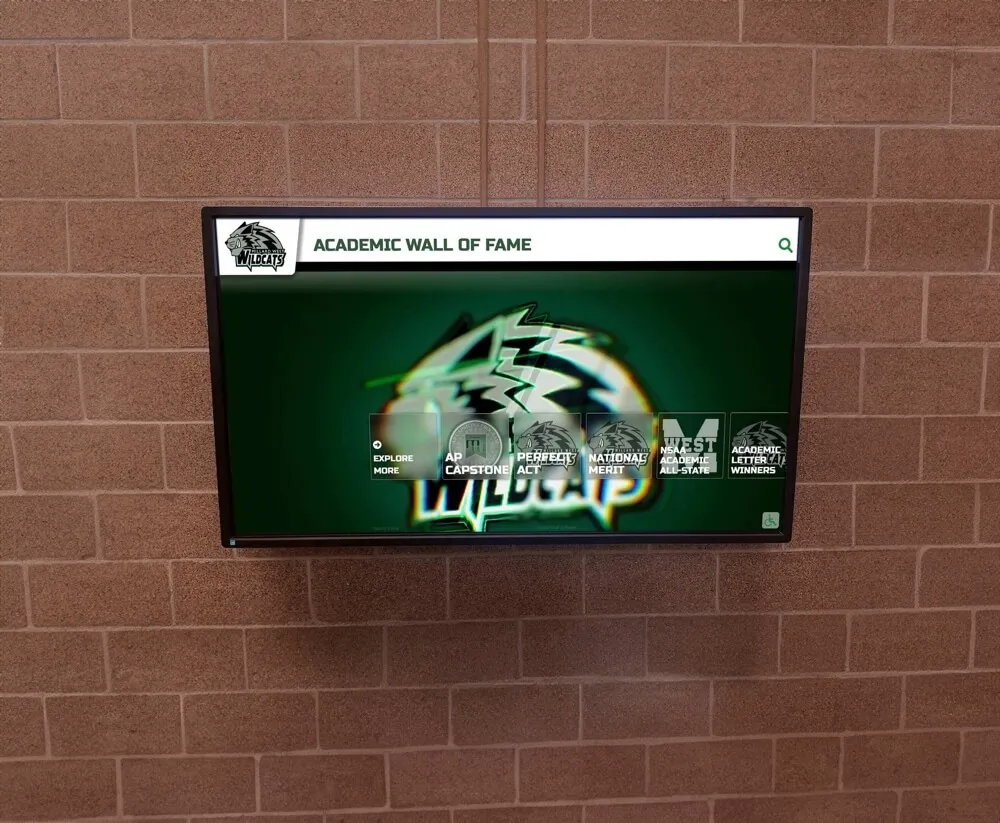
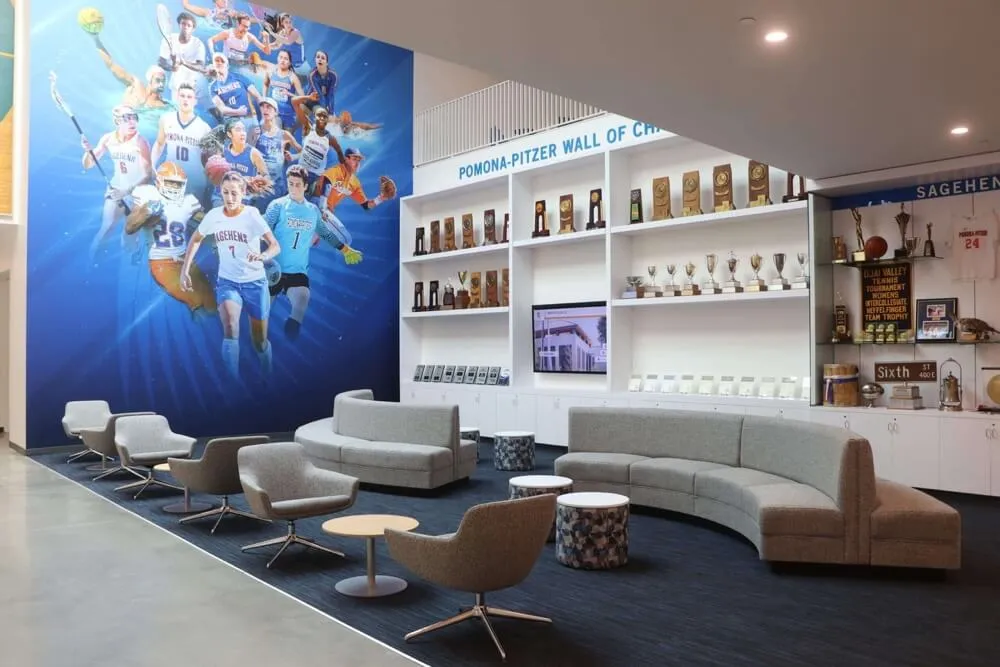
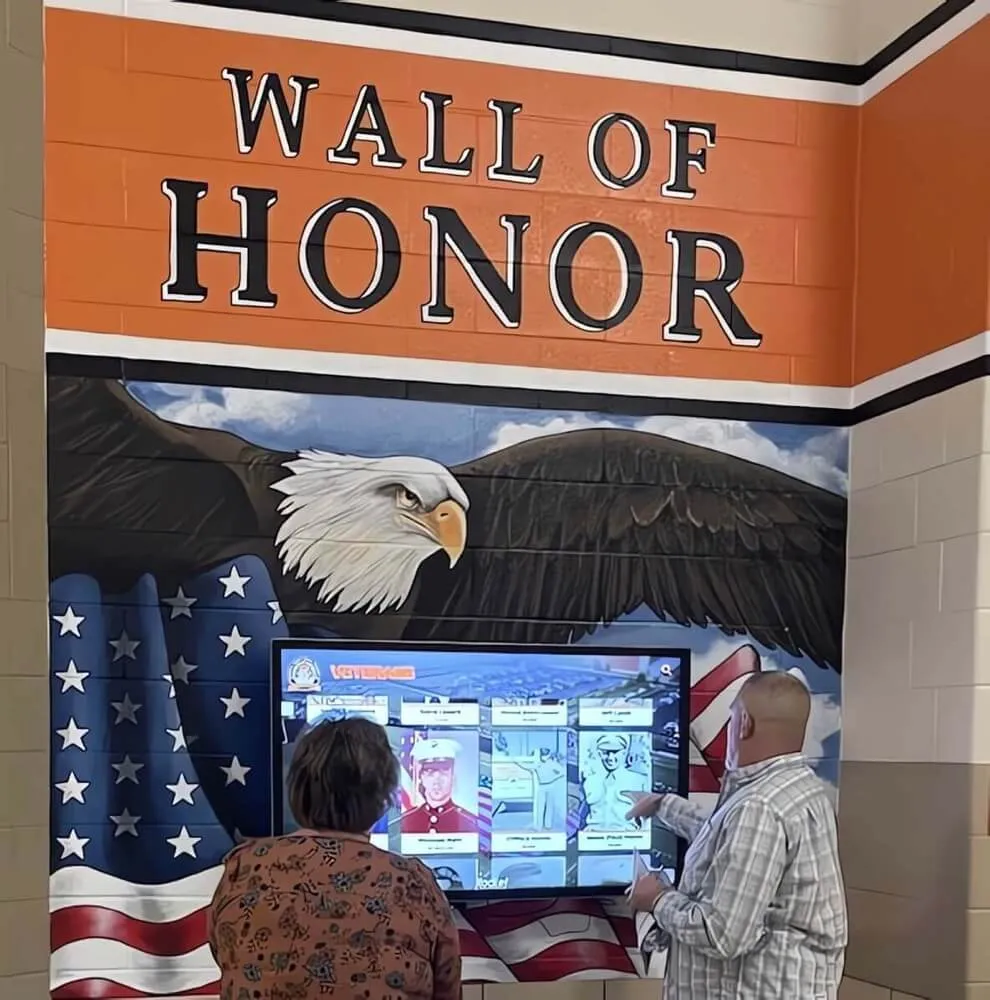
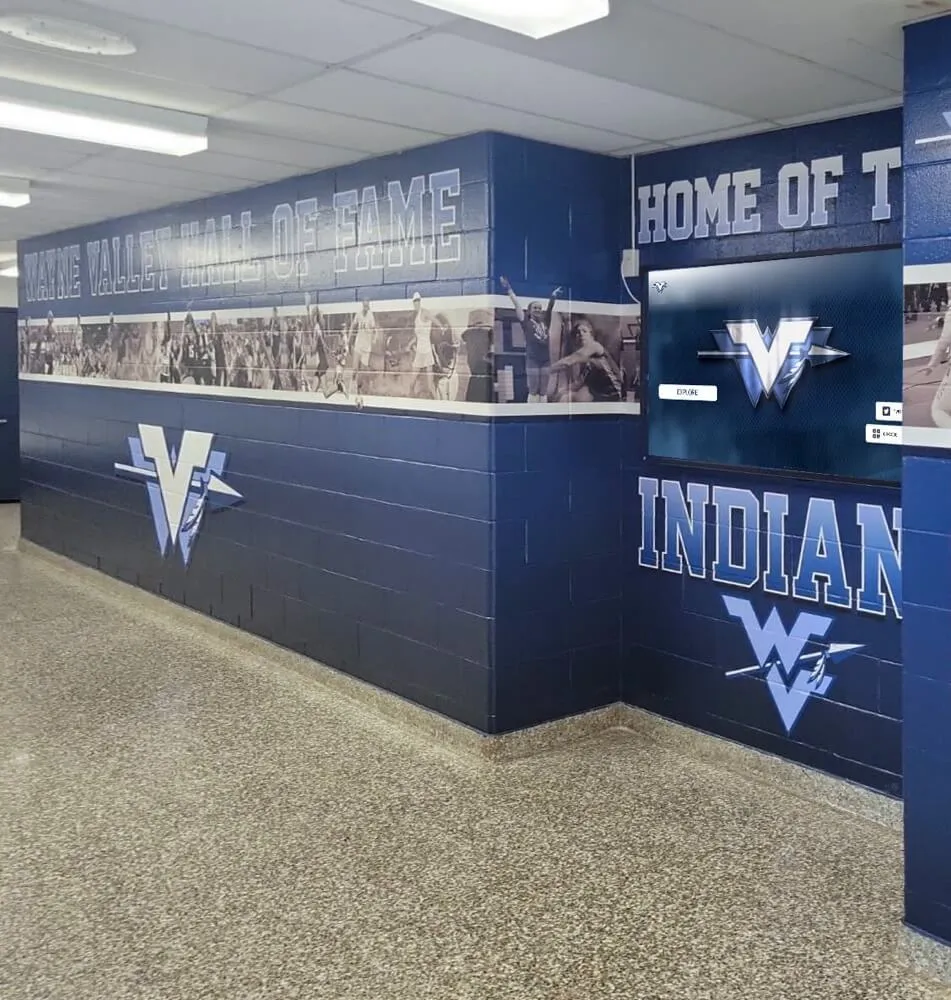
Physical walls of honor create pride-filled hallway moments that motivate prospective donors who observe the recognition culture your school has built
Connecting Every Fundraising Idea to Donor Recognition
The common thread running through all 30+ strategies above is this: donors give more when they know their contribution will be acknowledged meaningfully, give again when they experience genuine stewardship, and give at higher levels when visible recognition creates aspirational ladders.
Schools that treat fundraising and donor recognition as separate functions miss the compounding effect that integrated programs produce. Consider these connections:
Events become recognition moments when top-table sponsors are announced on stage, auction item donors are publicly thanked, and digital displays rotate through supporter names throughout the evening.
Digital campaigns become relationship-builders when giving page thank-you redirects feature the donor’s name already appearing on a virtual honor roll, and when automated follow-up communicates not just the tax receipt but the specific impact their gift creates.
Product sales create recognition touchpoints when commemorative bricks and plaques are unveiled at dedication ceremonies that celebrate donors as founding contributors to new spaces.
Corporate partnerships sustain when annual sponsor appreciation events, named digital panels, and exclusive access perks make businesses feel genuinely valued rather than transactionally solicited.
Long-term programs succeed when alumni, parents, and community members can see their cumulative giving reflected in giving society status and digital display recognition that grows alongside their commitment.
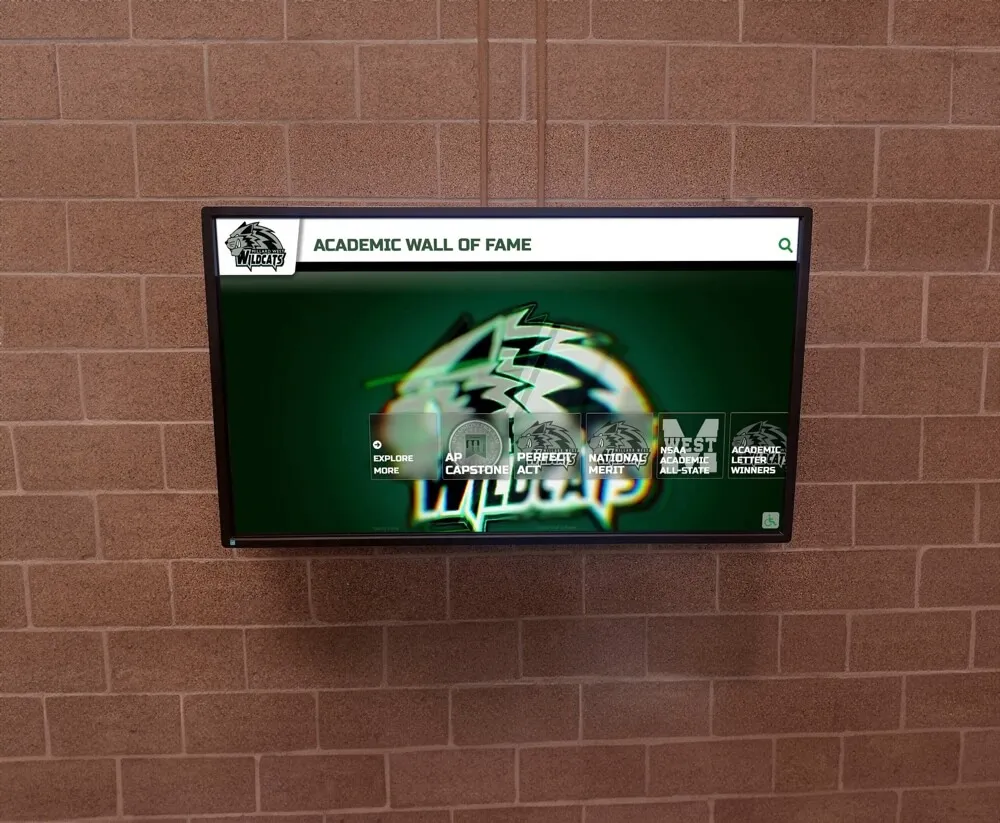
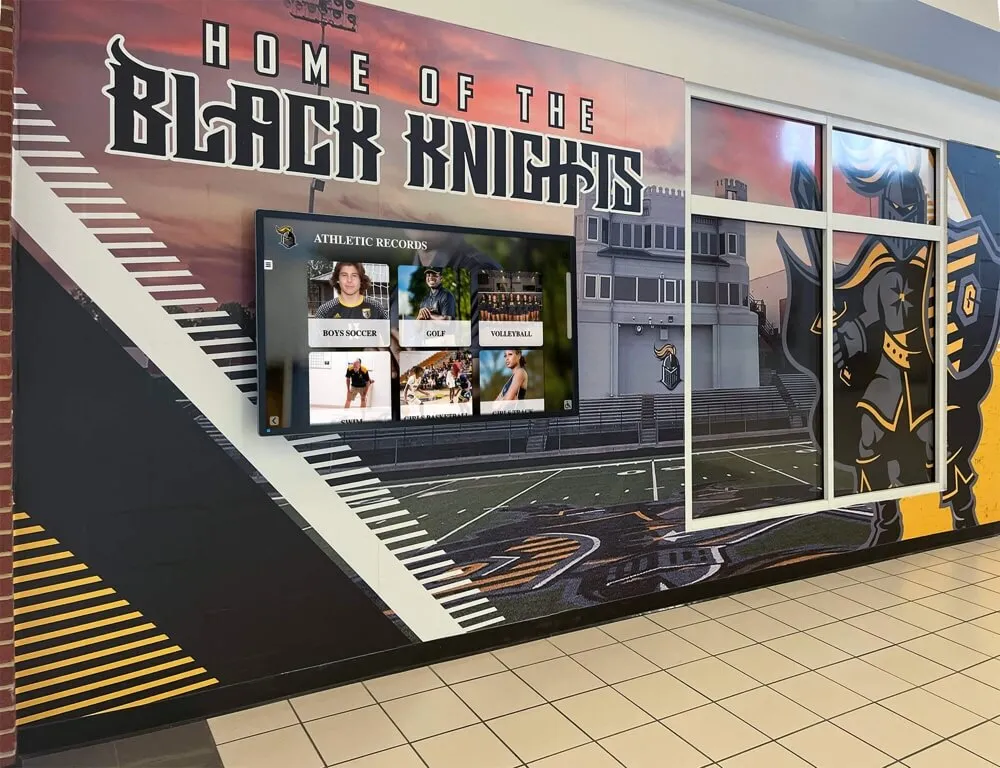
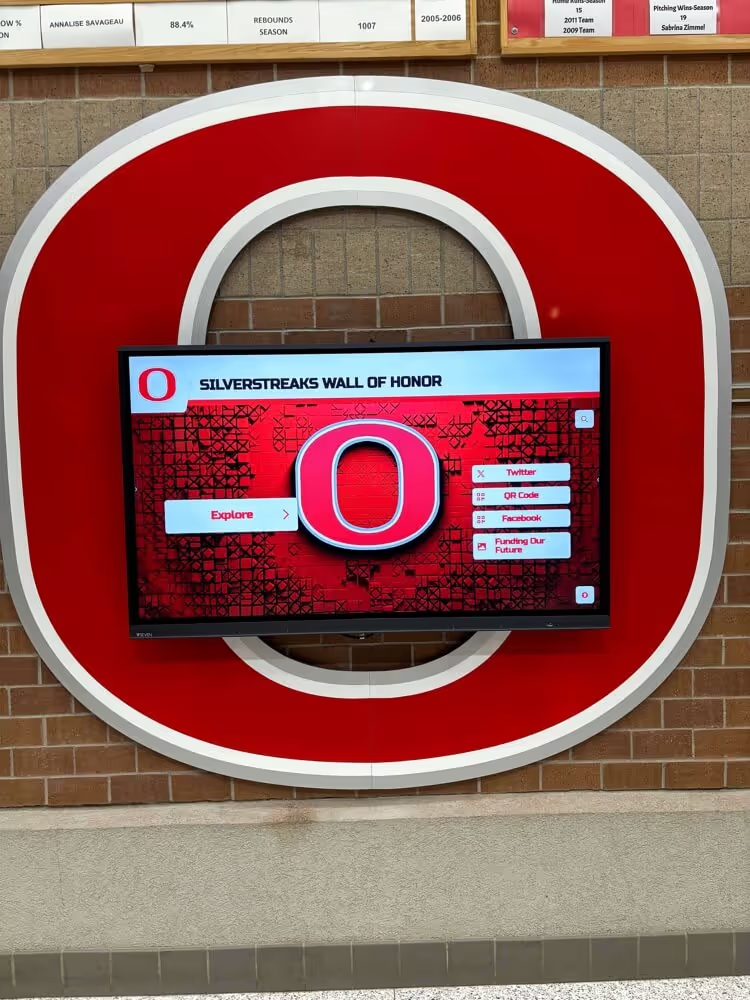
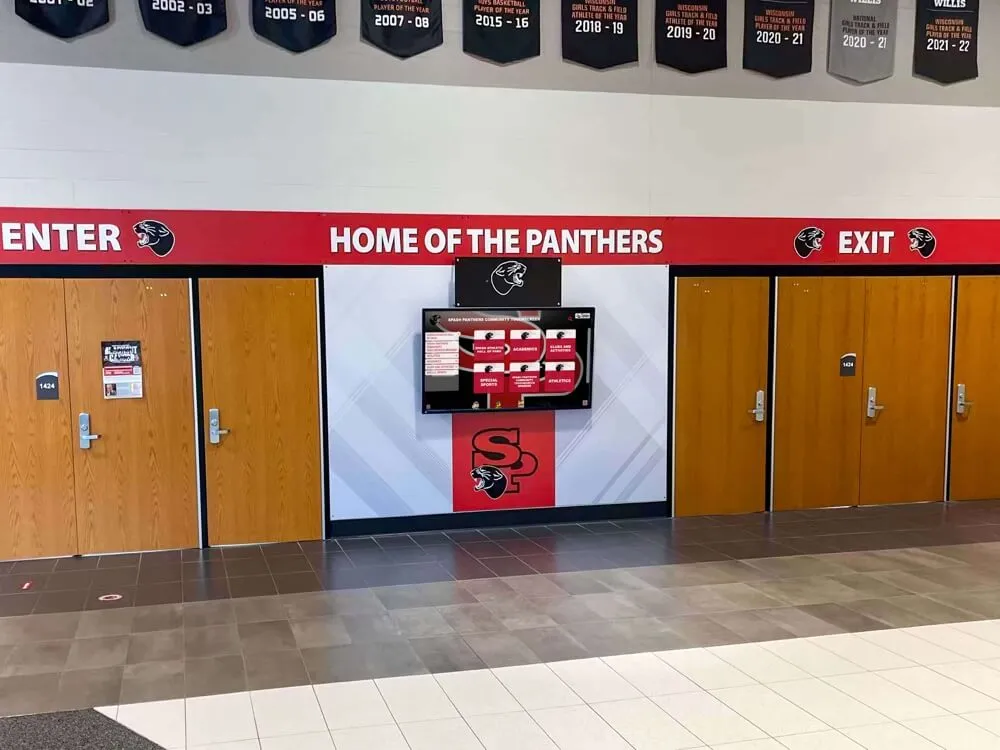
Digital recognition screens mounted in high-traffic school spaces ensure donors receive ongoing visibility long after their initial gift — the single most effective driver of renewal giving
Building Your School Fundraising Plan
Implementing 30+ ideas simultaneously is neither practical nor strategic. Use this prioritization framework:
High-impact, low-effort starting points: Online donation pages with giving levels, restaurant spirit nights, and peer-to-peer campaigns require minimal volunteer hours and can launch within weeks.
High-effort, high-return investments: Golf tournaments, silent auctions, and corporate sponsorship programs demand significant planning but generate $25,000–$75,000+ when executed well.
Long-term relationship foundations: Digital donor recognition walls, named scholarship programs, and monthly giving programs compound over years — the investment in year one multiplies through retained and upgraded donors in years two, three, and beyond.
Quick wins that build momentum: Pledge drives, raffle campaigns, and social media challenges generate visible activity and community engagement that energize volunteer teams and demonstrate organizational capacity to prospective major donors.
The most sustainable school fundraising programs layer these categories deliberately — running quick campaigns to maintain momentum, annual signature events to generate substantial revenue, and recognition infrastructure that ensures every donor at every level feels celebrated throughout the year.
Ready to build a donor recognition program that turns every fundraising idea into a lasting community relationship? Explore how Rocket Alumni Solutions helps schools design digital donor walls, interactive recognition displays, and celebration systems that make every supporter feel honored — and every fundraising campaign more successful because of it.