School Fundraising Recognition Levels: How to Structure Donor Tiers That Motivate Giving
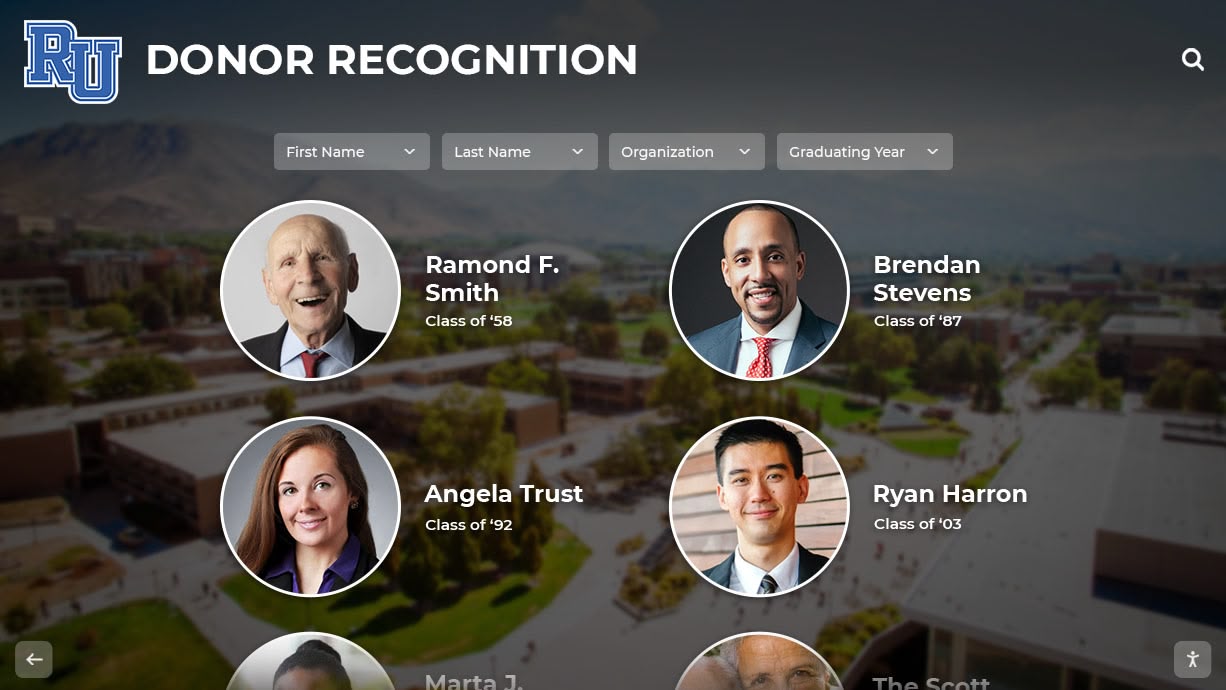
Creating the right donor recognition structure can mean the difference between a fundraising campaign that merely reaches its goal and one that exceeds expectations while building lasting relationships. School fundraising recognition levels provide the framework that guides donors toward meaningful gift amounts, acknowledges contributions appropriately, and creates aspirational pathways encouraging increased giving over time.
Most schools approach recognition tiers reactively—setting arbitrary dollar amounts without considering donor psychology, competitive positioning, or long-term stewardship implications. This results in awkward gaps between levels, recognition benefits that fail to motivate upgrades, and missed opportunities to honor donors in ways that inspire continued engagement and advocacy.
This comprehensive guide provides proven strategies for structuring school fundraising recognition levels that motivate giving, honor donors meaningfully, and create sustainable frameworks supporting both immediate campaigns and ongoing development efforts. From establishing appropriate tier thresholds through designing compelling recognition benefits to implementing modern digital display systems, these approaches help advancement teams build donor recognition programs that drive results while honoring the relationships underlying philanthropic support.
School fundraising recognition levels serve multiple strategic purposes beyond simply categorizing gifts by size. Well-designed tier structures guide donors toward specific giving amounts aligned with campaign needs, create social proof demonstrating broad support across multiple giving levels, establish aspirational targets encouraging donors to stretch beyond initial gift intentions, and provide frameworks for differentiated stewardship ensuring all contributors receive appropriate acknowledgment regardless of capacity.
When schools thoughtfully design recognition levels aligned with donor motivations and campaign objectives, they create powerful tools for both securing current gifts and cultivating long-term philanthropic relationships.

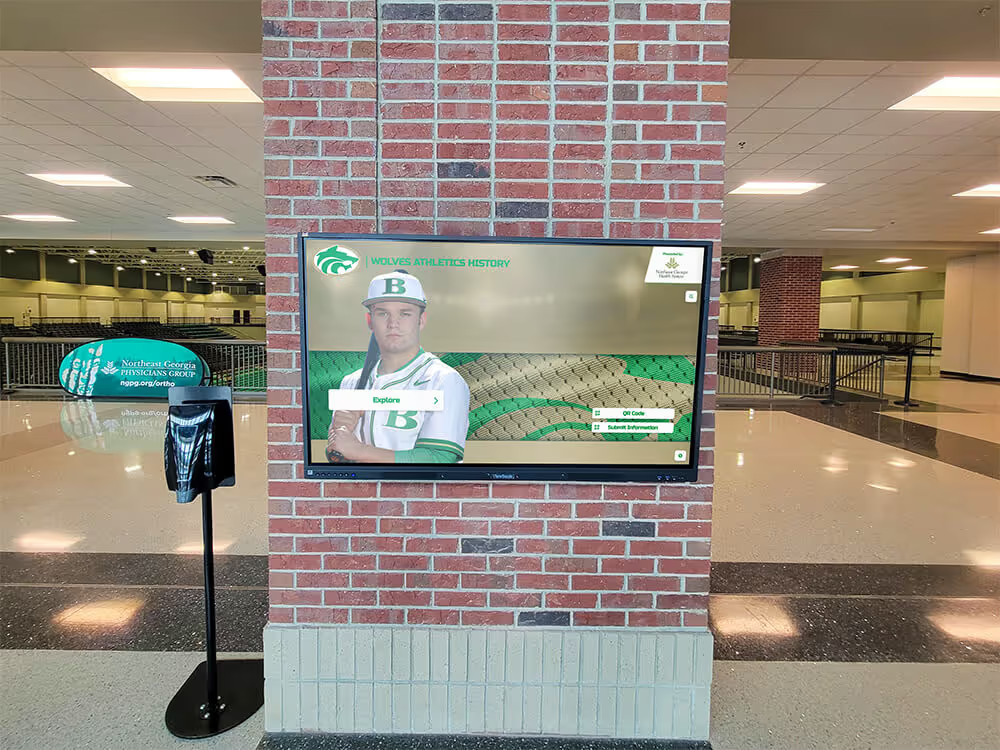
Effective donor recognition programs honor contributors across all giving levels while creating aspirational pathways encouraging increased philanthropic engagement
The Psychology Behind Donor Recognition Tiers
Understanding what motivates donors to give—and to increase their giving—informs more effective recognition level structures.
Social Recognition and Peer Influence
Donors contribute not only to support causes they care about but also to be recognized within communities they value. Published donor lists demonstrating where peers are giving create powerful social influence, particularly when recognized donors include respected community leaders, fellow alumni, or families with whom donors identify personally or professionally.
Recognition tiers create visible frameworks showing exactly where individuals stand relative to others in their communities. This visibility serves multiple psychological functions—it validates giving decisions when donors see peers at similar levels, creates aspirational targets when donors observe respected individuals giving at higher tiers, and generates social pressure to participate at levels consistent with perceived status or capacity.
Schools leveraging these social dynamics strategically publish recognition lists highlighting specific peer groups at each level, share stories about why respected donors chose particular giving tiers, and create exclusive communities around major giving levels that donors aspire to join.
The Power of Named Recognition Categories
Generic numbered tiers (“Level 1,” “Level 2”) lack the emotional resonance and institutional connection that named recognition levels provide. Effective donor recognition strategies incorporate meaningful names tied to school history, values, campus landmarks, founding families, or institutional mission.
Named tiers create several advantages over generic numbering. They strengthen emotional connections to institutions by invoking meaningful institutional symbols or history, provide natural conversation opportunities when donors explain their recognition level (“I’m a Legacy Society member”), allow for creative storytelling connecting recognition names to institutional values or history, and create differentiated identities for each tier beyond simple dollar amounts.
Consider how differently donors respond to “Heritage Circle” versus “Platinum Level”—one connects giving to institutional legacy while the other simply implies rank. The named approach creates belonging to something meaningful rather than placement in a hierarchy.
Creating Aspirational But Achievable Tier Progressions
Recognition level structures should make upgrading to the next tier feel challenging but attainable rather than impossibly distant. When gaps between tiers are too large, donors see no realistic path to advancement and settle comfortably at their current level. When gaps are too small, the proliferation of levels dilutes the significance of each tier.
Research on goal-setting psychology suggests that targets requiring 20-40% increases from current performance generate optimal motivation—challenging enough to feel meaningful but achievable enough to pursue. Applying this principle to donor recognition suggests that tier thresholds should typically increase by 50-100% as donors move up the structure, creating meaningful distinction between levels while maintaining visible advancement pathways.
A donor giving $1,000 can realistically envision reaching a $2,500 tier with some consideration and planning. That same donor struggles to see a path to $25,000, making recognition levels beyond realistic 2-3 tier advancement irrelevant to current motivation.
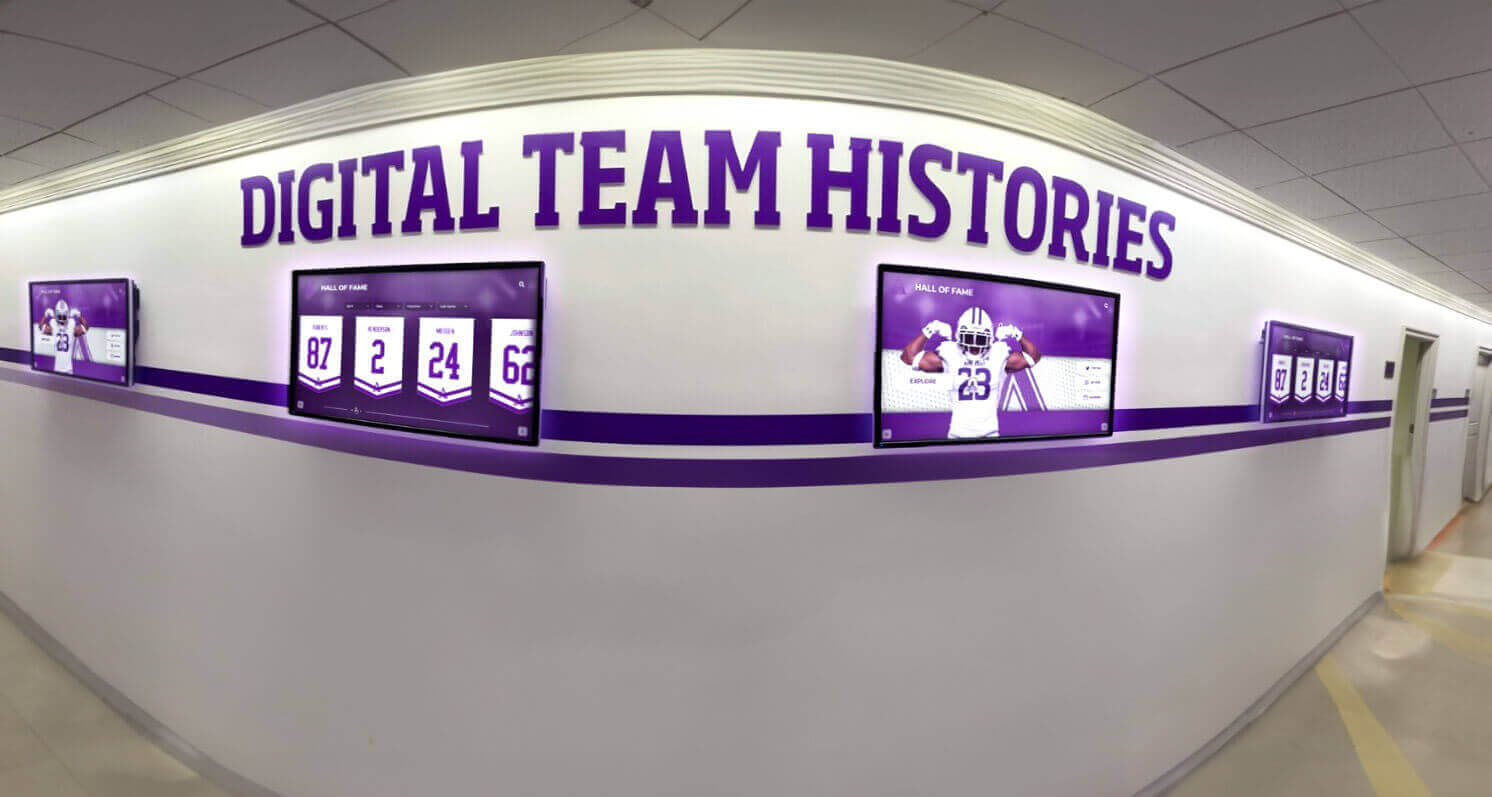
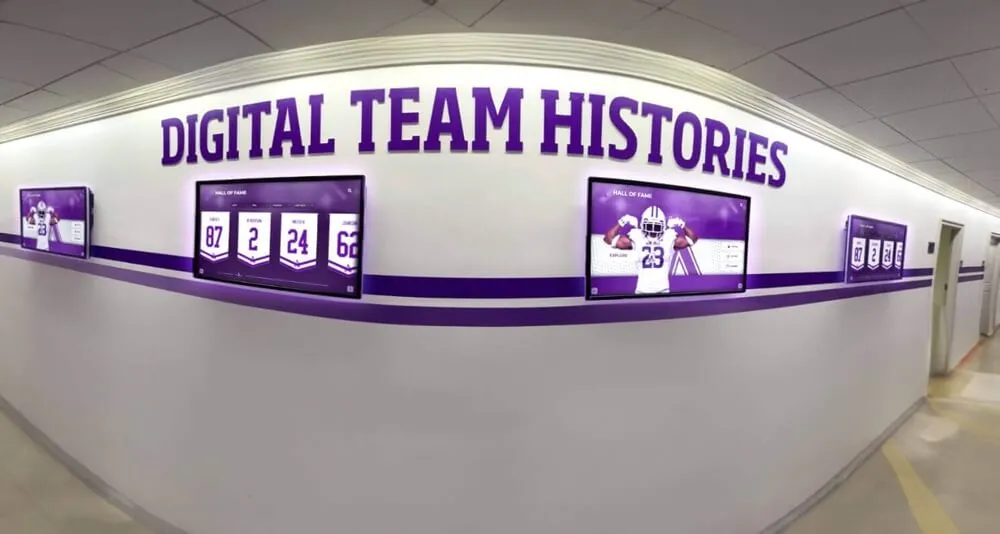
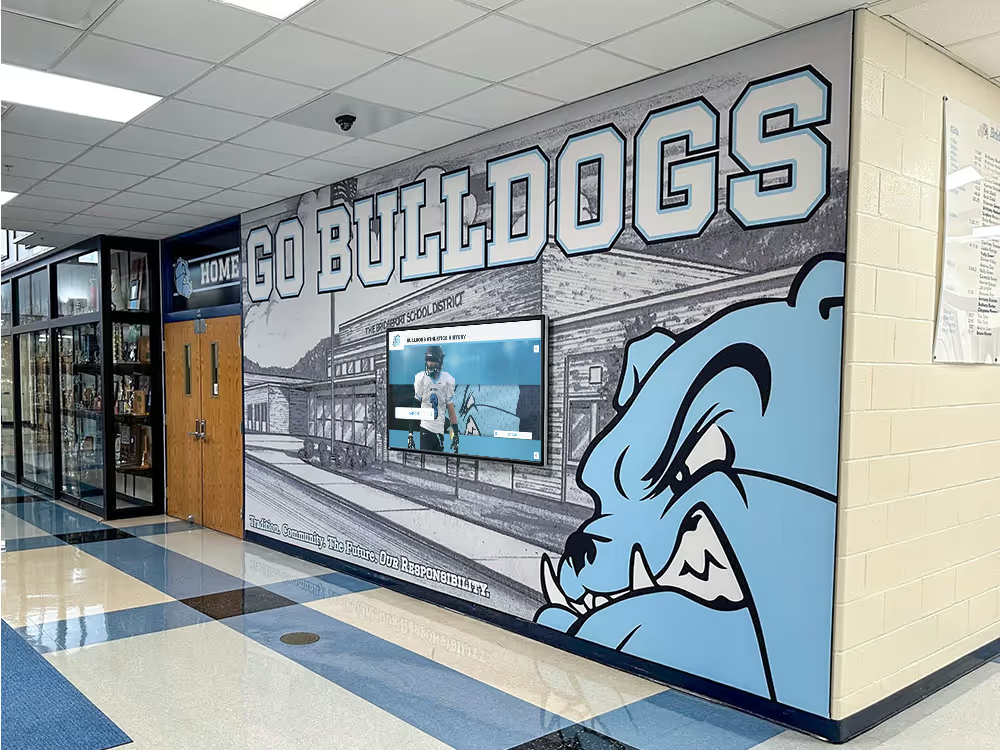
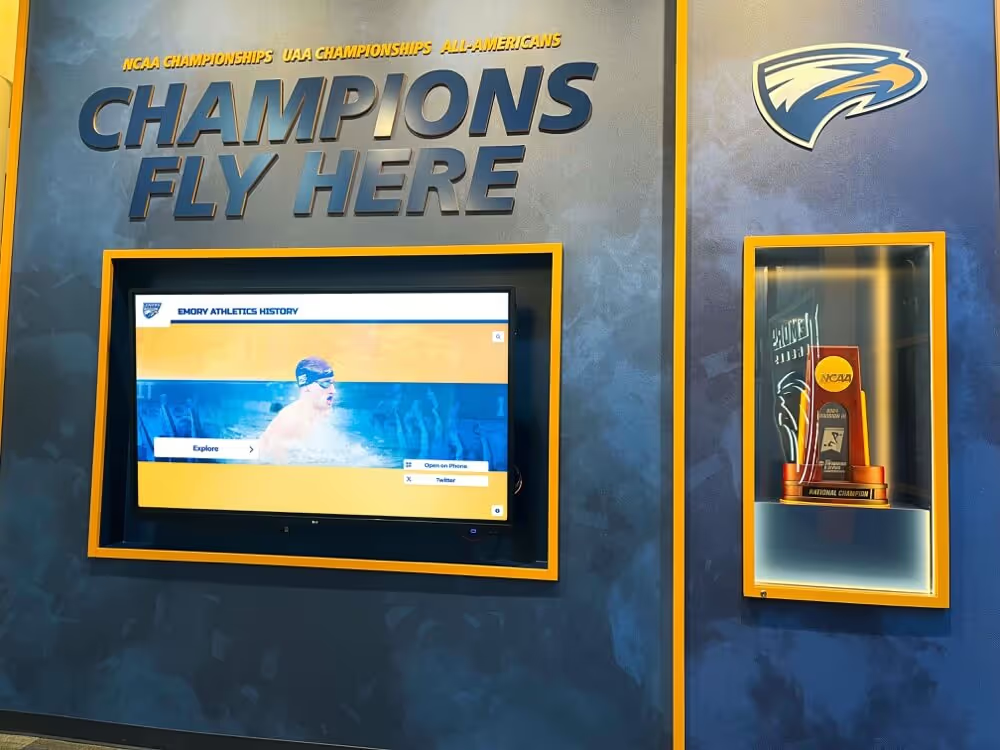
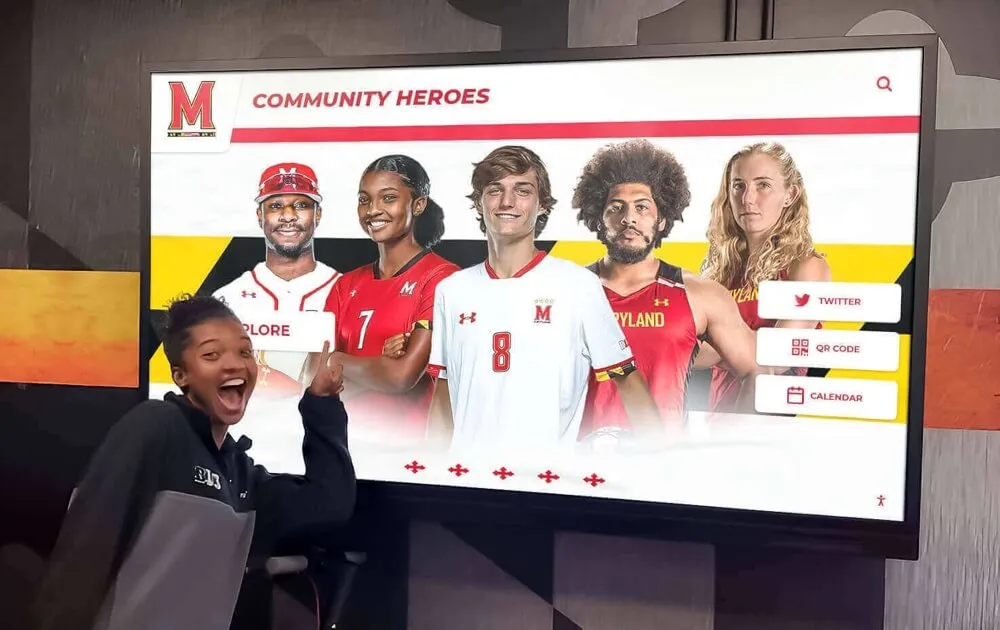
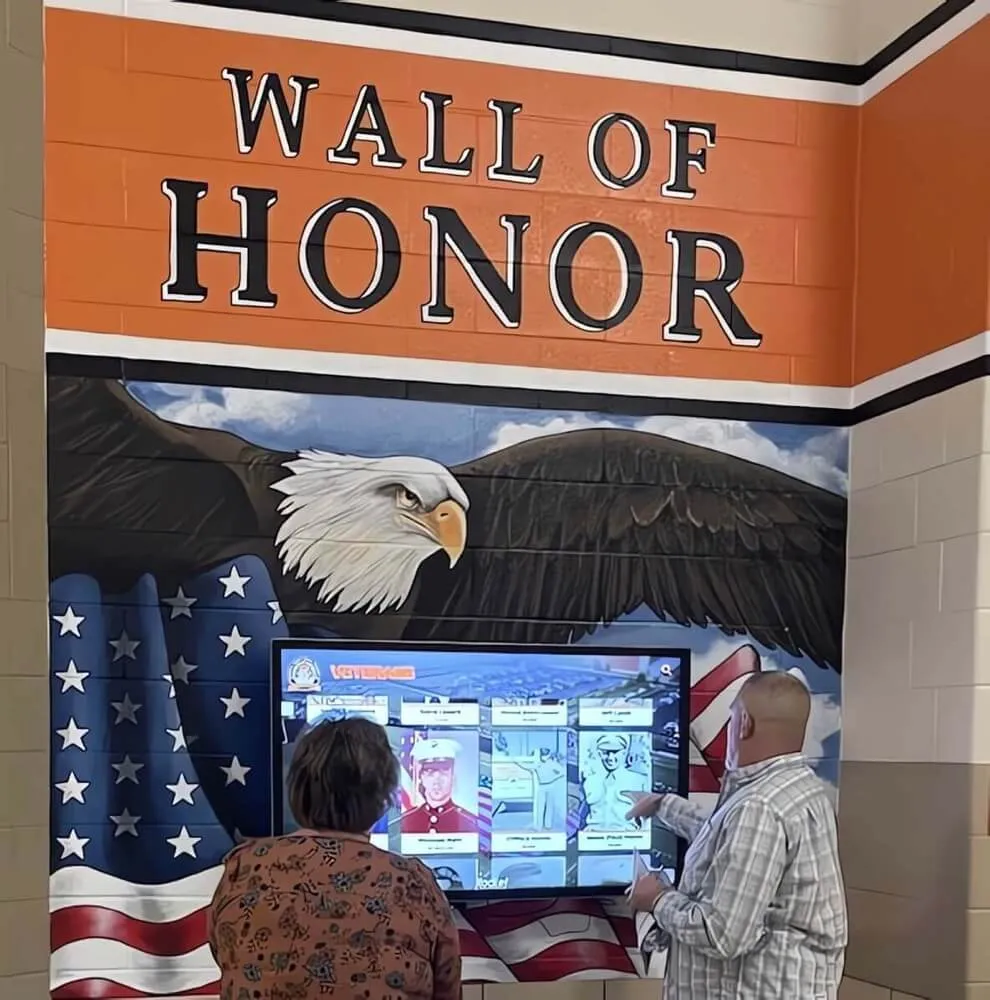
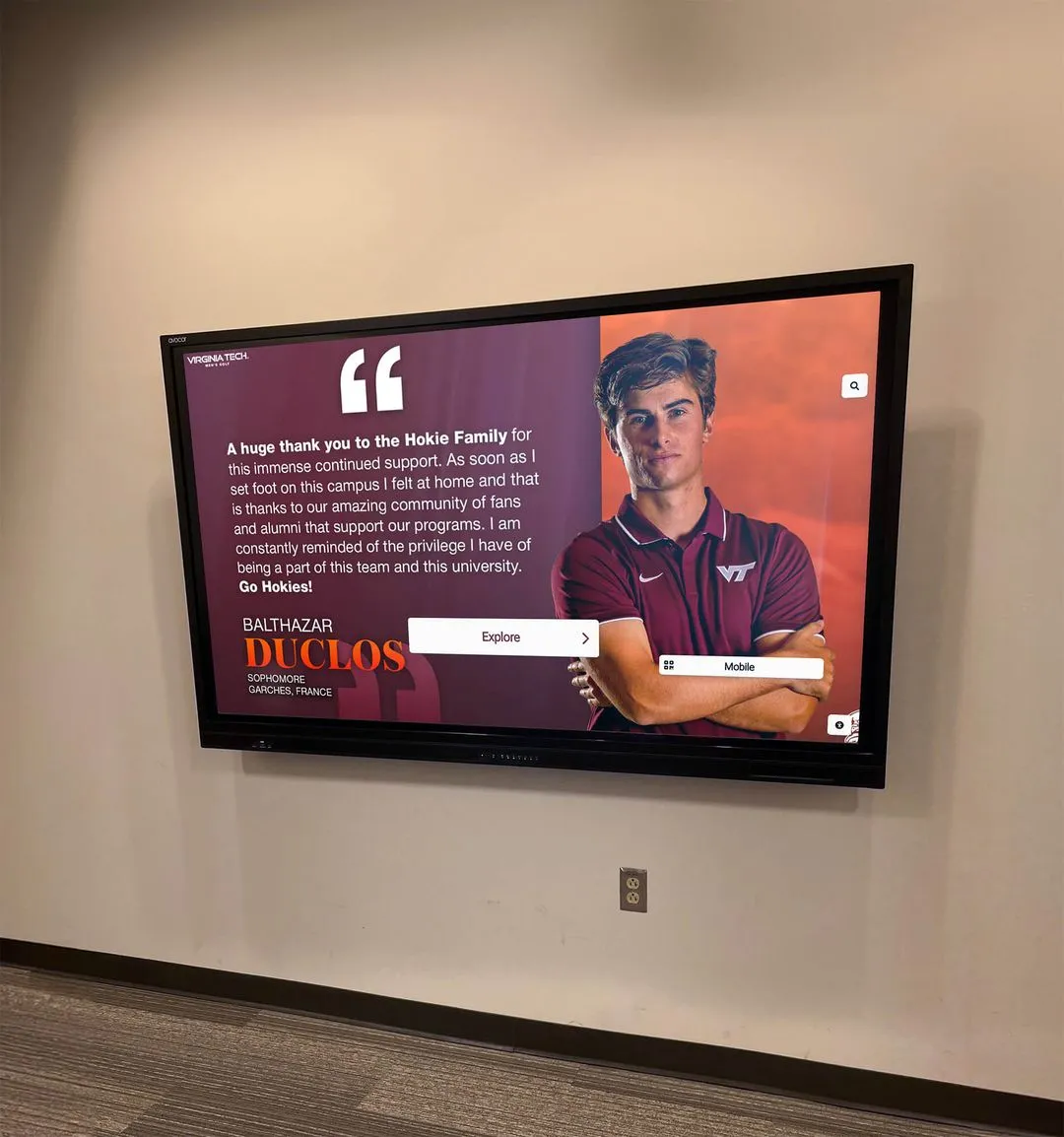
Modern digital donor walls showcase recognition levels dynamically, allowing schools to update tiers, benefits, and donor lists as campaigns evolve
Establishing Effective Tier Threshold Structures
The dollar amounts defining each recognition level require strategic consideration balancing multiple factors including campaign goals, donor capacity analysis, and competitive positioning.
Starting With Campaign Goal Analysis
Recognition tier structures should derive from campaign financial objectives rather than arbitrary round numbers. Begin by calculating how many gifts at various levels you need to reach your goal, then design recognition tiers that incentivize giving at those critical amounts.
A typical capital campaign follows the “rule of thirds” principle—roughly one-third of the goal comes from the top 10 gifts, one-third from the next 100 gifts, and one-third from everyone else. Your recognition structure should reflect and reinforce this distribution by creating meaningful differentiation among top tier donors where individual gifts drive significant campaign progress, establishing mid-tier levels that cluster around the “workhorse” gift range most critical to reaching goals, and honoring broad participation from smaller donors who collectively contribute substantial support.
If your campaign requires twenty gifts of $50,000 or more to reach one-third of your goal, your top recognition tiers should cluster around and above this threshold. If you need one hundred gifts averaging $10,000 for the second third, create compelling mid-tier recognition in this range with clear differentiation between $5,000, $10,000, and $25,000 levels.
Analyzing Your Donor Base Capacity
Review historical giving patterns, wealth screening data, and peer institution comparables to understand realistic capacity across your donor population. Your recognition structure should have meaningful concentrations of donors at multiple levels rather than vast majority clustered at the entry tier.
Examine where your current donors naturally cluster in their giving patterns. If 80% of your donors historically give between $500-$2,500, create multiple recognition tiers within this range providing advancement opportunities without requiring dramatic capacity increases. If you have strong capacity at $25,000+ based on wealth screening but limited giving at these levels historically, your tier structure and benefits should create compelling reasons for capable donors to increase to these amounts.
Effective tier structures typically include entry-level tiers capturing broad participation at amounts accessible to most alumni and parents, mid-tier levels creating aspirational targets for your core donor base, major gift tiers providing appropriate recognition for transformational contributions, and leadership gift categories honoring those making the largest campaign investments.
Strategic Tier Threshold Amounts
Specific dollar amounts for each tier should consider psychological pricing principles alongside campaign mathematics. Certain thresholds carry inherent psychological weight while others feel arbitrary.
Common Effective Tier Structures for School Campaigns:
Entry Level Recognition: $500-$999
Provides accessible participation point for broad alumni and parent base

Bronze/Foundational Level: $1,000-$2,499
First major psychological threshold; many donors comfortable at four-figure giving

Silver/Cornerstone Level: $2,500-$4,999
Meaningful increase requiring deliberate commitment; separates casual from committed donors

Gold/Pillar Level: $5,000-$9,999
Significant gift for most families; often represents multiple-year pledges for mid-capacity donors

Platinum/Legacy Level: $10,000-$24,999
Major gift threshold; demonstrates substantial commitment and capacity

Diamond/Heritage Level: $25,000-$49,999
Transformational gifts; typically from highest-capacity individuals or multi-year commitments

Principal's Circle: $50,000-$99,999
Campaign leadership level; gifts at this tier often named recognition opportunities

Founder's Society: $100,000-$249,999
Exceptional philanthropic leadership; permanent institutional recognition

Visionary Leadership: $250,000+
Transformational campaign gifts; highest honors and naming opportunities
Note how thresholds typically double or increase by 50% as tiers advance, maintaining meaningful distinction while creating visible advancement pathways. Round numbers ($1,000, $5,000, $10,000) serve as natural psychological anchors while odd amounts ($2,500, $7,500) sometimes encourage donors to round up to the next tier.
Annual vs. Campaign vs. Cumulative Recognition
Clarify whether recognition levels apply to single gifts, cumulative campaign giving, annual fund totals, or lifetime giving. Each approach serves different strategic purposes.
Campaign Total Recognition: Most capital campaigns recognize cumulative giving throughout the campaign period (typically 3-5 years). This approach encourages multi-year pledges, allows donors to reach higher tiers through sustained giving rather than single large gifts, and acknowledges total campaign support regardless of payment schedule. A donor pledging $50,000 payable over four years receives recognition at that level immediately, motivating the commitment.
Annual Giving Levels: Annual funds typically recognize calendar or fiscal year totals, creating recurring recognition opportunities that encourage sustained giving. This model works well for ongoing operational support but requires clear communication about how recognition differs from campaign tiers to avoid confusion.
Lifetime Giving Recognition: Some schools maintain cumulative giving societies recognizing all donations across donors’ entire relationship with the institution. These programs honor long-term loyalty and sustained support while providing recognition that never diminishes, creating permanent acknowledgment of cumulative generosity.
Many schools implement multiple recognition frameworks simultaneously—campaign tiers for capital efforts, annual giving levels for operational support, and lifetime societies honoring cumulative philanthropy. Clear communication distinguishing between these programs prevents confusion while allowing donors to see recognition across multiple dimensions of their support.
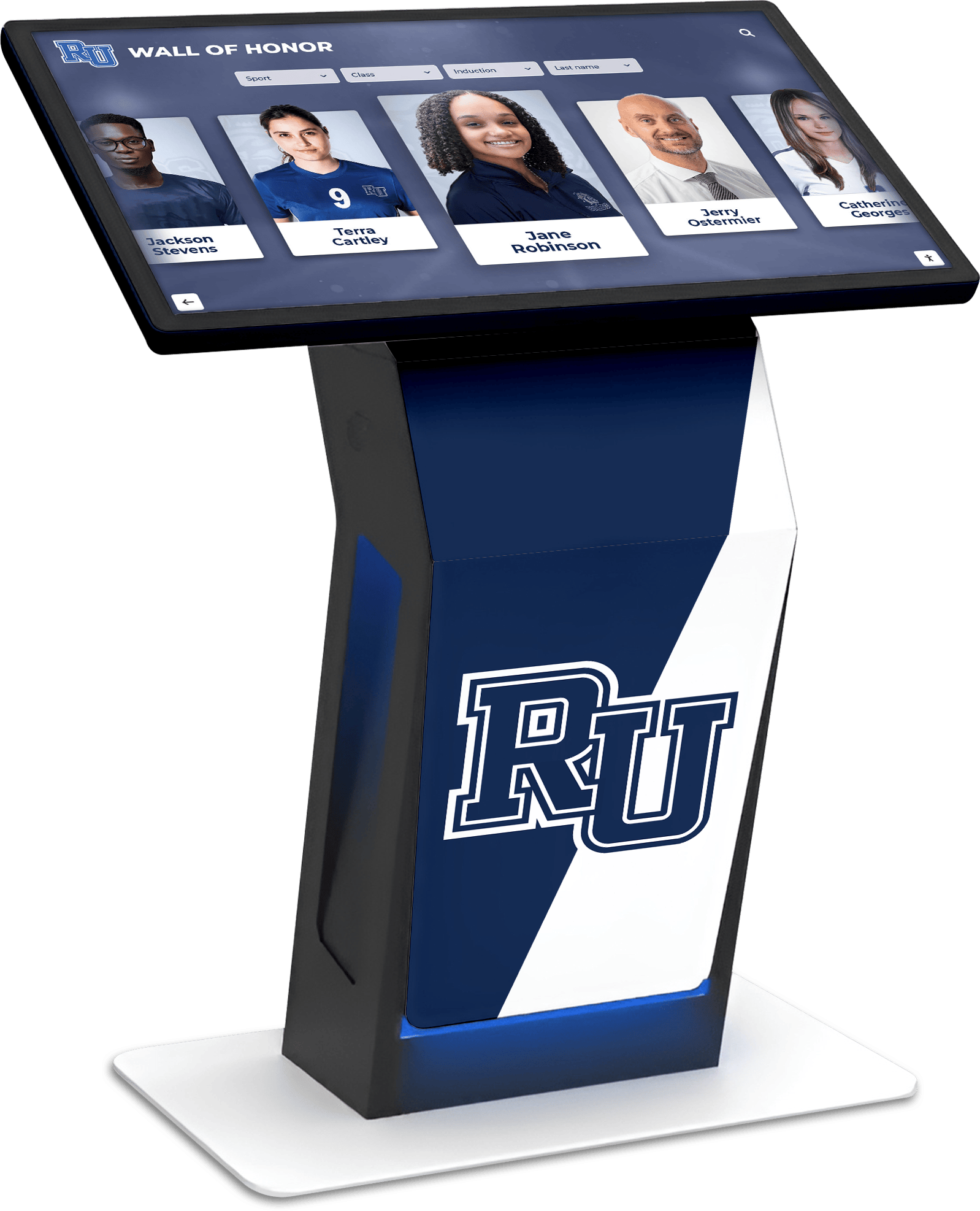
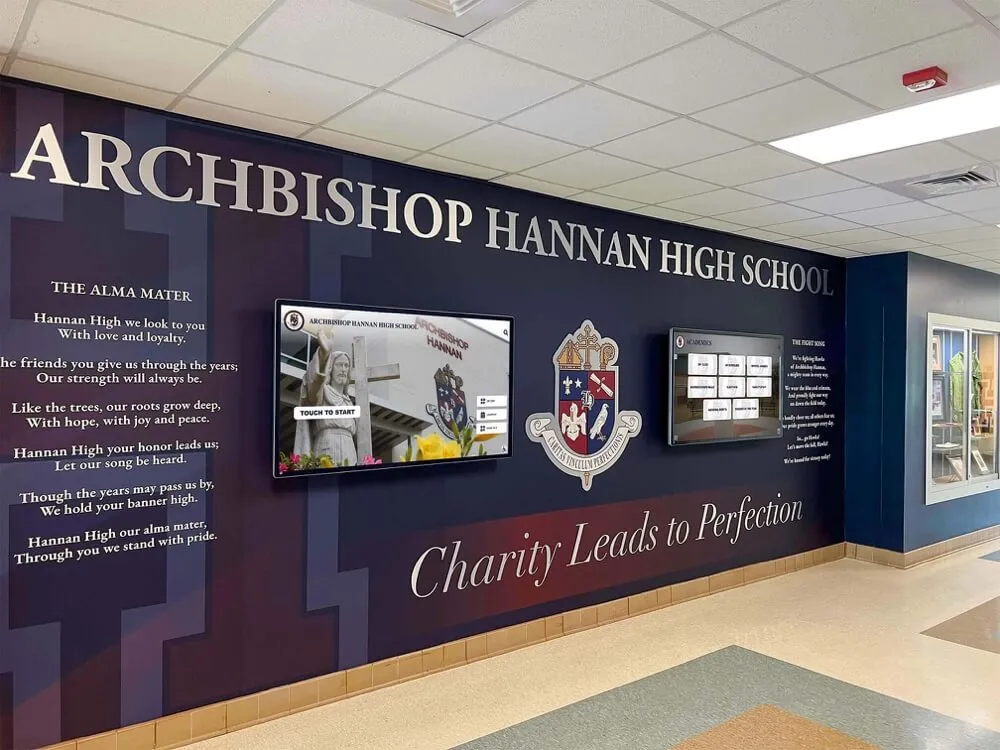
Interactive digital recognition systems allow schools to showcase multiple recognition programs simultaneously, from annual giving to campaign tiers to lifetime cumulative honors
Designing Recognition Benefits That Motivate Upgrades
The specific benefits, privileges, and acknowledgments associated with each tier create tangible incentives for donors to increase giving levels.
Tiered Recognition Display Prominence
Physical and digital donor recognition displays should provide differentiated prominence corresponding to giving levels, making tier advancement visually meaningful.
Entry Tier Recognition: Name listing in printed materials, digital donor walls, or annual reports demonstrates appreciation for all participants while encouraging continued giving. Standard text listing provides acknowledgment without special prominence.
Mid-Tier Enhancement: Larger text, distinct sections, or enhanced formatting differentiates middle-tier donors from entry-level participants. Consider special font treatments, dedicated sections separate from general donor lists, or inclusion of class year or other personalizing information beyond names alone.
Major Donor Prominence: Top tier donors merit the most prominent recognition including featured placement on donor walls, individual donor profiles or stories rather than simple listings, photographic or biographical content when appropriate, and permanent naming recognition for highest-level gifts.
Modern digital donor recognition systems allow dynamic formatting showing real-time campaign progress, featuring rotating profiles of major donors, and updating recognition as donors increase their giving—capabilities static plaques cannot provide.
Exclusive Access and Engagement Opportunities
Beyond name recognition, tiered benefits often include progressively exclusive access to institutional leadership, special events, or unique experiences.
Universal Donor Benefits: All donors regardless of level typically receive basic acknowledgment including gift receipts with proper tax documentation, listing in donor honor rolls published annually, invitation to general donor appreciation events, and periodic campaign progress updates.
Mid-Tier Exclusive Events: Donors at middle recognition levels might receive invitations to special preview events, exclusive campus tours, private receptions with school leadership, or small-group discussions with heads of school exploring institutional vision and priorities. These experiences create personal connection to institutional mission while providing enjoyable engagement opportunities justifying increased giving.
Major Donor Cultivation: Top-tier donors often receive highly personalized stewardship including individual meetings with institutional leadership discussing strategic priorities, naming opportunities for spaces, programs, or initiatives aligned with donor interests, involvement in advisory committees or strategic planning processes, and behind-the-scenes access to programs, performances, or athletic events.
The key is creating meaningful differentiation between tiers while ensuring all donors feel genuinely appreciated rather than creating resentment about exclusivity. Benefits should enhance connection to mission rather than simply providing luxury perks unrelated to institutional purpose.
Physical Recognition Items and Branded Materials
Tangible recognition items create lasting visible reminders of donor status while serving as conversation pieces promoting giving to others.
Entry-Level Acknowledgment: Simple recognition might include certificate of appreciation, standard acknowledgment letter from development office, or listing in digital/print donor rolls.
Mid-Tier Physical Recognition: Donors at middle levels might receive framed recognition certificates, commemorative items like engraved paperweights or desk accessories, branded apparel or accessories identifying donor society membership, or special edition publications featuring campaign stories and impact.
Major Donor Permanent Recognition: Top-tier donors receive the most substantial recognition including engraved plaques installed in recognized spaces, custom commissioned artwork or photography, permanent naming signage for facilities or programs, and perpetual listing in prominent campus locations.
The quality and permanence of physical recognition should scale appropriately with gift size, creating aspirational targets while respecting donor preferences about public acknowledgment.
Creating “Early Commitment” Incentives
Recognition structures can encourage early gifts by offering enhanced benefits or special designation for donors who commit before certain campaign milestones.
Leadership Phase Recognition: Donors who commit during the quiet campaign phase before public launch might receive special “founding donor” or “leadership circle” designation in addition to their tier-based recognition, demonstrating their role in building campaign momentum.
Matching Gift Leverage: Structure matching gift opportunities tied to specific recognition levels, allowing donors to leverage their gifts while advancing to higher tiers. A donor giving $5,000 matched by a challenge fund advances to $10,000 recognition status, creating incentive to give while multiplying impact.
Early Bird Benefits: Consider offering enhanced benefits for early commitments such as first choice of naming opportunities, special campaign kickoff recognition, or exclusive early donor events acknowledging those who led campaign efforts.
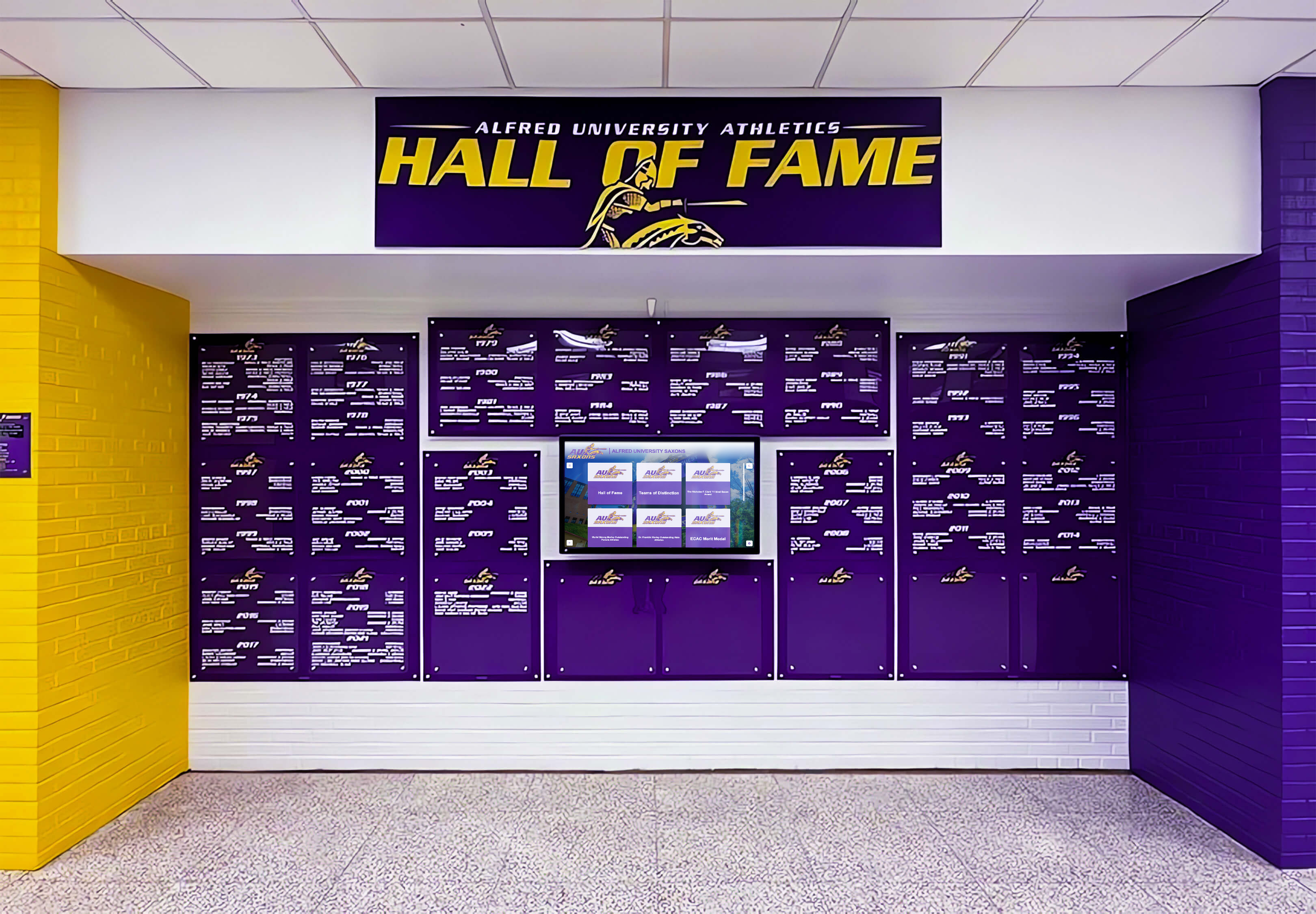
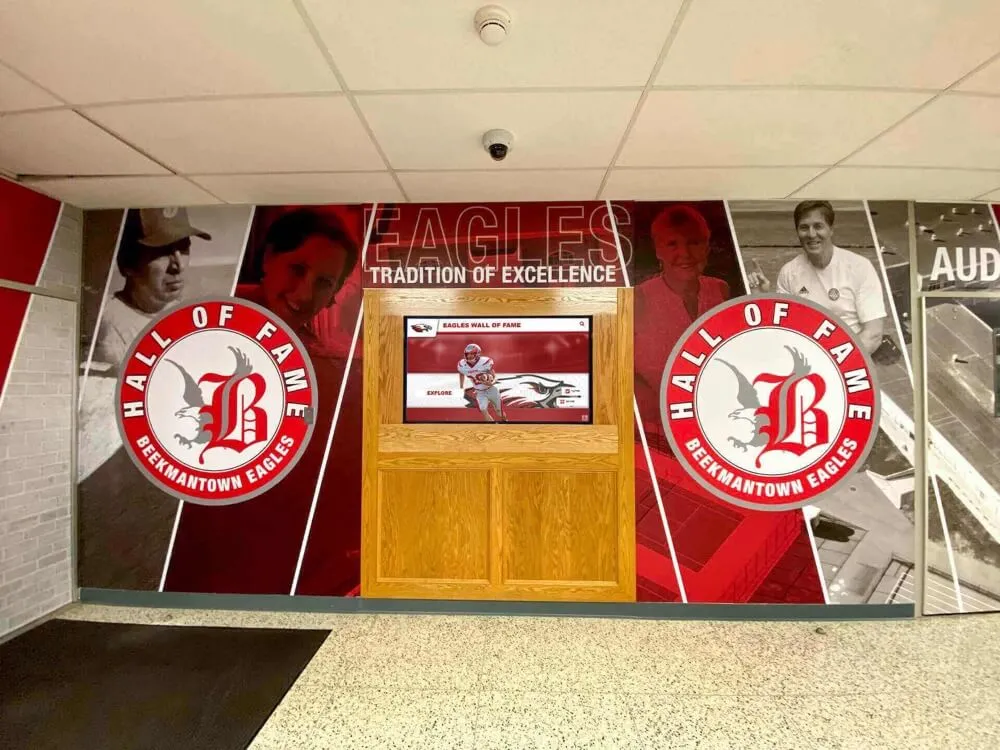
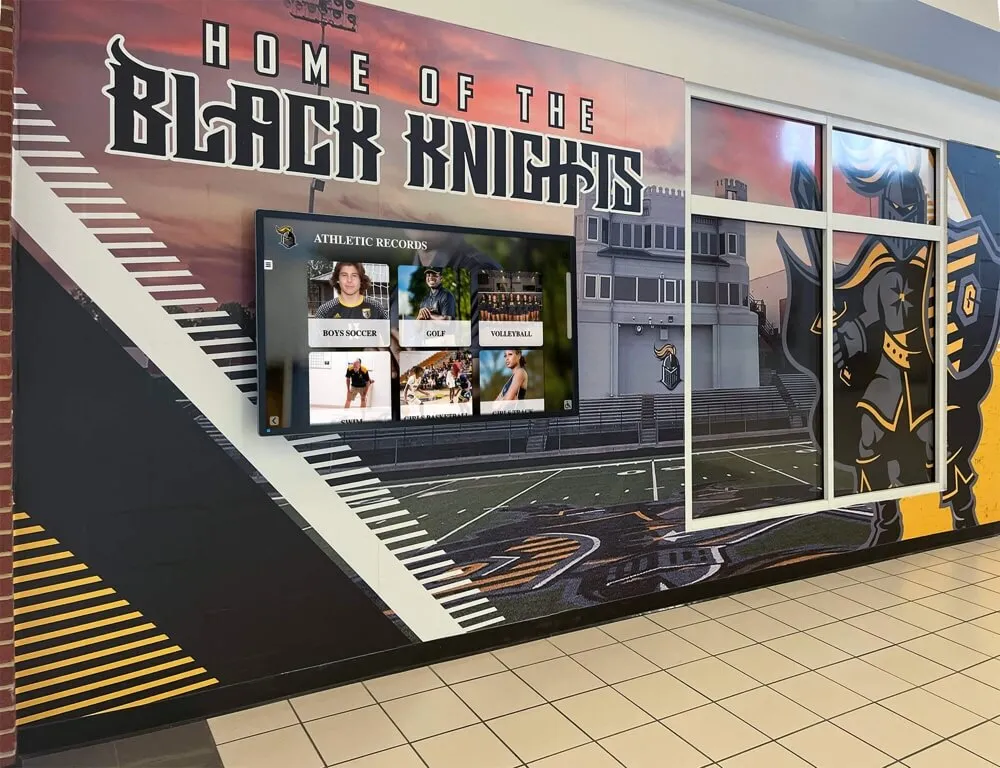
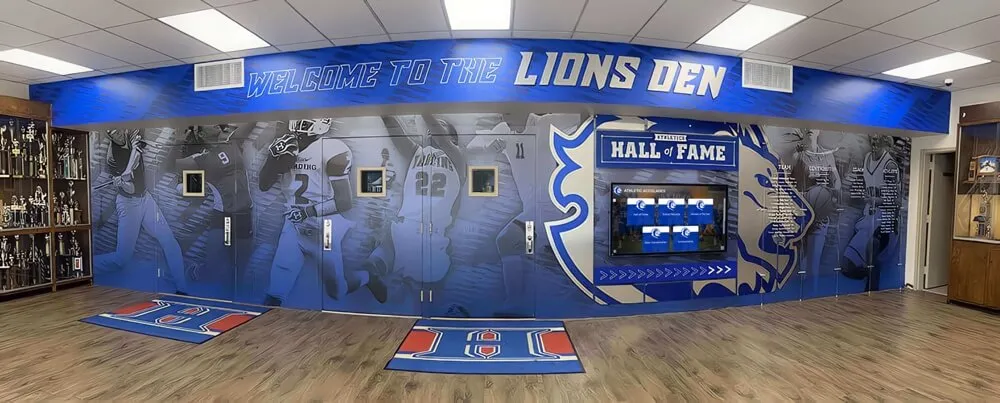
Schools can apply recognition level principles across multiple programs, from donor walls to athletic halls of fame, creating consistent acknowledgment frameworks
Naming Conventions for Recognition Tiers
The names you assign to each giving level significantly impact donor perception and emotional connection to recognition categories.
Mission-Connected Naming Strategies
The most compelling tier names connect directly to institutional mission, values, or identity rather than using generic precious metal hierarchies.
Values-Based Names: Tier names reflecting school values create deeper meaning than arbitrary rankings. A school emphasizing innovation, tradition, and community might create:
- Innovation Circle ($10,000+): Supporting forward-thinking programs
- Heritage Society ($25,000+): Honoring tradition while building future
- Community Cornerstone ($50,000+): Foundational support for school family
Historical Connection Names: Reference founding families, significant dates, or institutional milestones creating recognition categories with built-in storytelling opportunities. “1952 Society” honoring the school’s founding year carries more meaning than “Platinum Level” for alumni who value institutional history.
Campus Landmark Names: Associate tiers with beloved campus spaces or features familiar to community members. “Chapel Society,” “Bell Tower Circle,” or “Oak Grove Legacy” all evoke specific institutional touchpoints creating emotional resonance generic names lack.
Avoiding Common Naming Pitfalls
Several recognition naming approaches that seem logical create unintended problems in practice.
Precious Metal Hierarchies: While “Bronze, Silver, Gold, Platinum, Diamond” tiers provide clear hierarchy, they lack institutional specificity and feel transactional rather than mission-connected. Every organization uses these conventions, missing opportunities for distinctive branding tied to unique institutional identity.
Confusing Academic Terminology: Using terms like “Cum Laude, Magna Cum Laude, Summa Cum Laude” for recognition tiers creates confusion with academic honors and feels elitist. Similarly, Greek letter designations require explanation and lack immediate meaning for most donors.
Hierarchical Language Creating Negative Inference: Names implying lower tiers are somehow inferior or inadequate discourage participation. “Basic Supporter” or “Standard Donor” make entry-level giving feel insufficient. Instead, all tier names should convey meaningful contribution—“Foundational Supporter” or “Essential Partner” frame the same level more positively.
Overly Complex or Lengthy Names: Recognition tiers should be memorable and easy to reference in conversation. “The Association of Distinguished Benefactors Supporting Excellence in STEM Education” may be descriptive but proves unwieldy in practice. Aim for names of 2-3 words maximum.
Creating Consistent Naming Frameworks
All tier names within a recognition structure should follow consistent thematic approach rather than mixing metaphors or frameworks.
If using campus landmarks for naming, apply this consistently across all levels. If using values-based language, maintain this approach throughout. Mixing “Heritage Circle” with “Diamond Level” and “Founder’s Society” creates confusion and dilutes the thematic coherence creating emotional connection.
Consider creating name families with related terms that build naturally:
- Seeds of Growth → Roots of Strength → Branches of Impact → Forest of Legacy
- Foundation → Pillar → Cornerstone → Architect
- Explorer → Pioneer → Visionary → Legend
These progressive name families create narrative arcs donors can follow while maintaining thematic consistency throughout recognition structures.
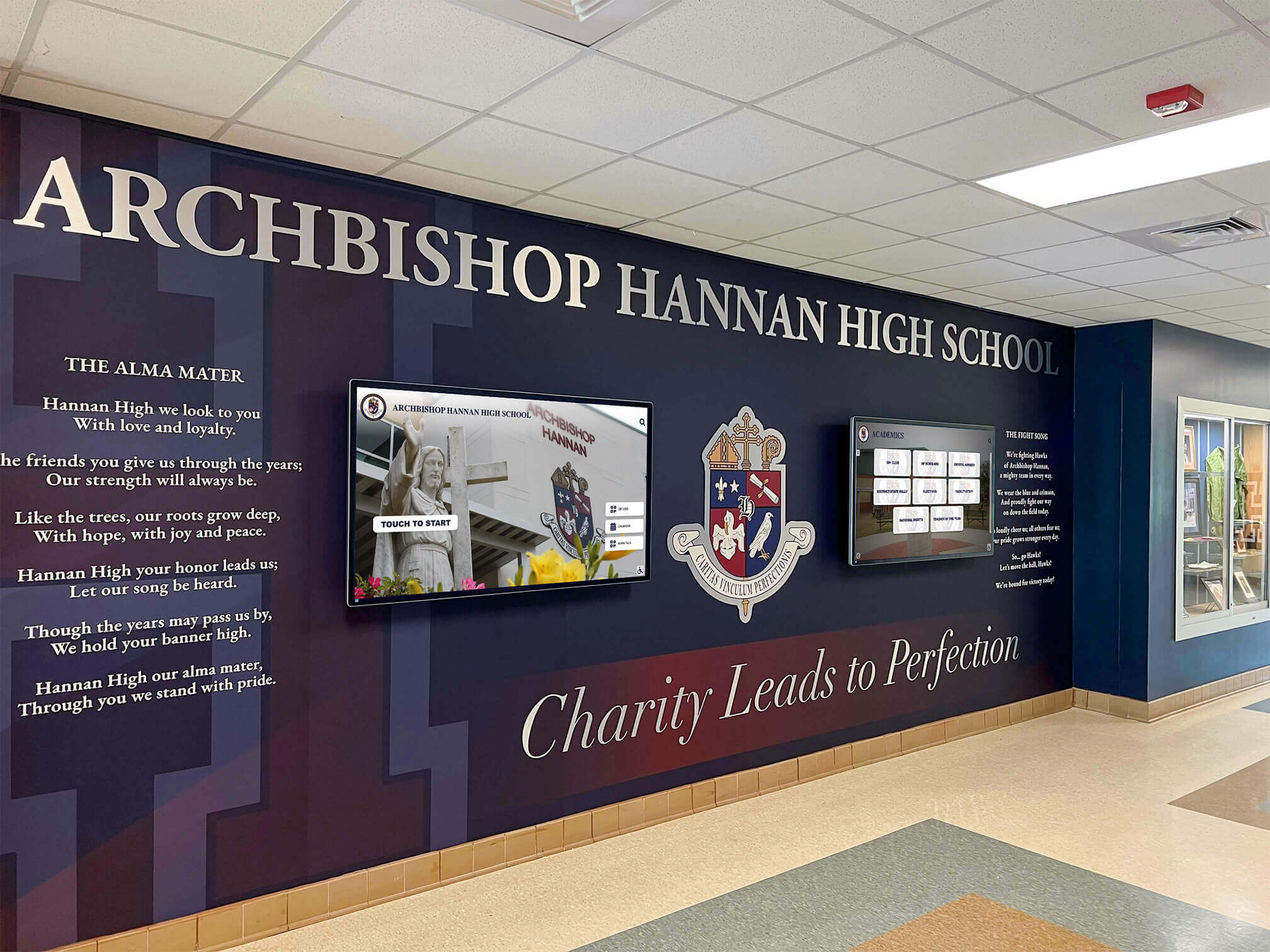
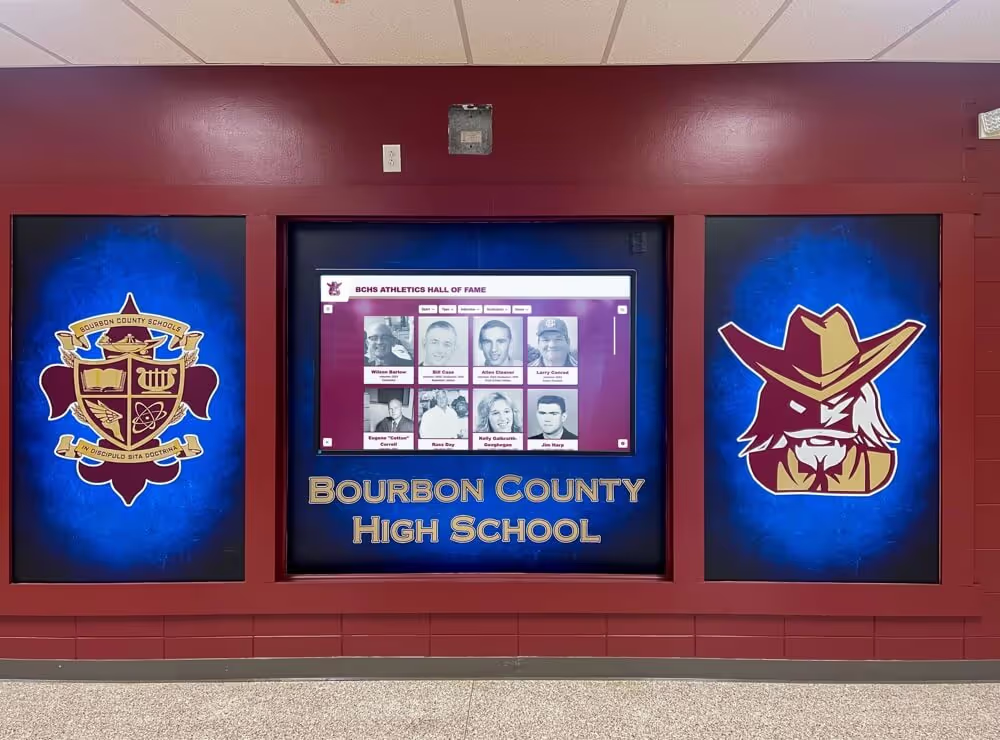
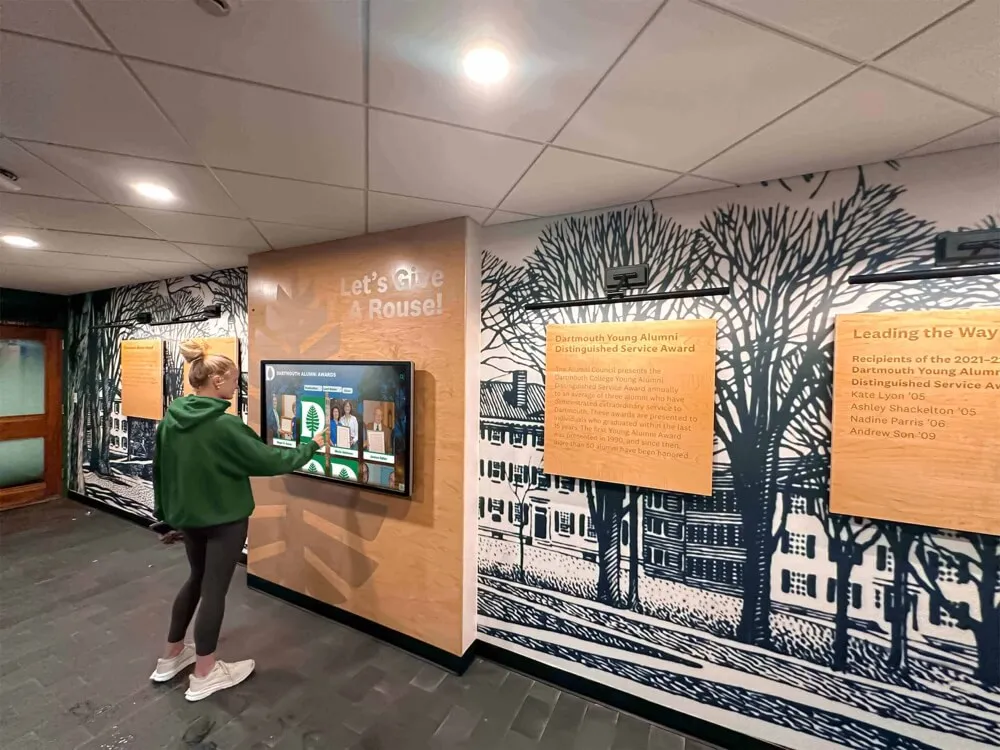
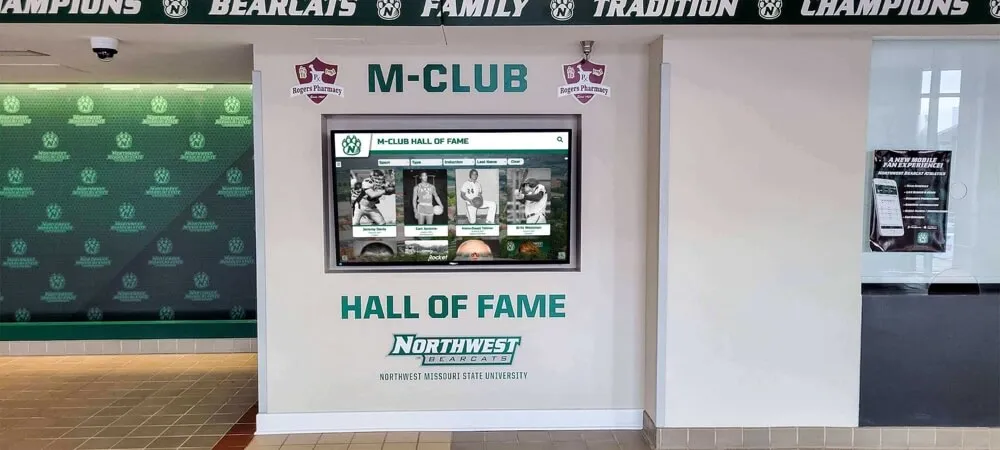
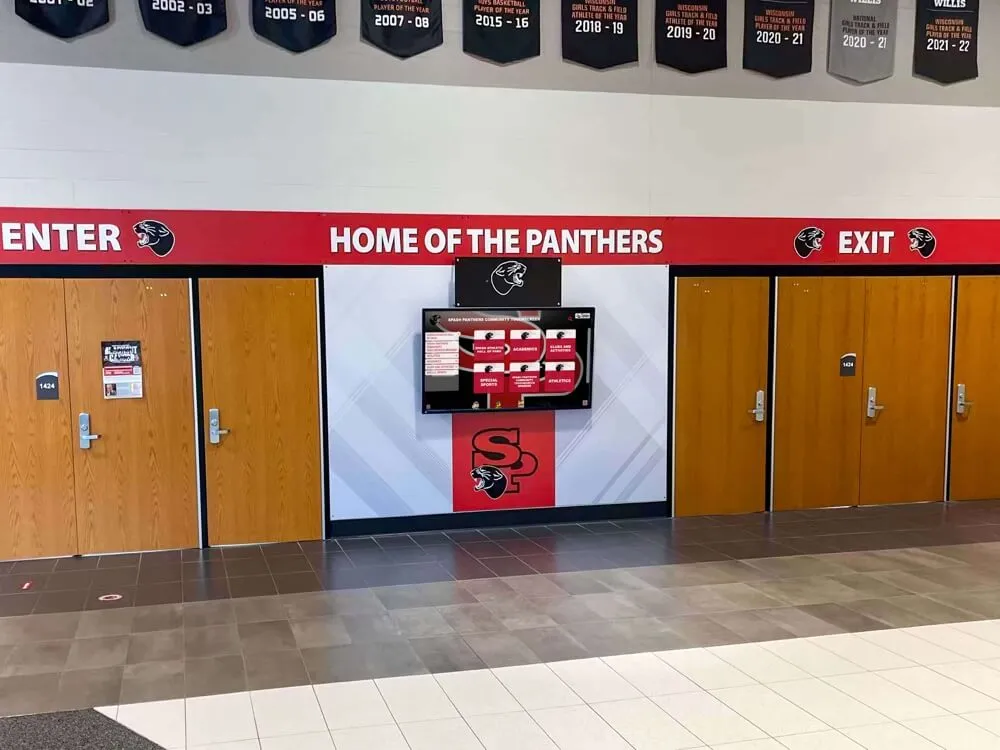
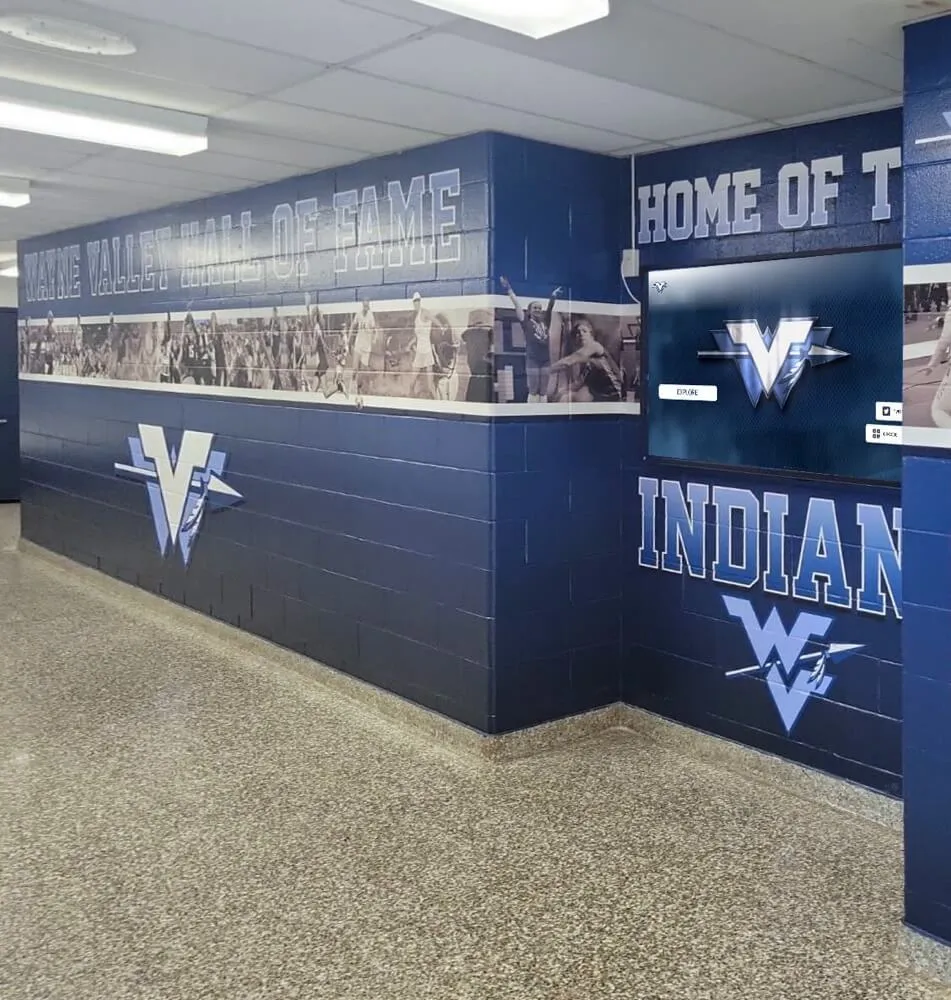
Prominent donor recognition displays in high-traffic areas ensure all community members see philanthropic support honoring contributors at every giving level
Implementing Recognition Level Frameworks Effectively
Even perfectly designed tier structures fail without proper implementation, communication, and ongoing management.
Clear Communication of Recognition Benefits
Donors cannot aspire to recognition levels they don’t understand. Comprehensive communication about tier benefits, thresholds, and associated recognition should appear in all campaign materials.
Campaign Case Statements: Include clear recognition tier charts showing giving levels, associated names, specific benefits at each tier, and examples of what gifts at each level support. Visual presentation makes tier structure immediately comprehensible while demonstrating how increased giving connects to greater impact and enhanced recognition.
Digital Campaign Platforms: Interactive giving websites should allow donors to explore recognition tiers, see current donor lists at each level, understand benefits associated with different giving amounts, and easily increase pledge amounts to reach desired recognition levels.
Personalized Solicitation Materials: When soliciting individual donors, reference their current giving level and highlight how increased commitments would advance them to next recognition tier. Make tier advancement concrete and achievable rather than abstract.
Training Development Staff and Volunteers
Everyone involved in fundraising should thoroughly understand recognition tier structures, articulate benefits convincingly, and guide donors toward appropriate giving levels.
Development Officer Training: Professional fundraising staff need comprehensive knowledge of recognition benefits at each level, clarity about what gifts at different tiers actually support in terms of campaign priorities, confidence discussing tier advancement and multi-year pledge structures, and authorization parameters for making real-time decisions about recognition during solicitations.
Volunteer Campaign Leadership Training: Parent volunteers, alumni committee members, and trustee solicitors require simplified but clear recognition tier information, talking points explaining tier benefits and naming conventions, simple reference materials they can consult during solicitation conversations, and clear escalation paths when donors have questions beyond volunteer knowledge.
Consistent Messaging: All fundraisers should communicate recognition benefits consistently, avoiding freelancing or embellishing beyond established guidelines. Donors comparing notes with friends should receive identical information regardless of who solicited them.
Building Flexibility Into Recognition Structures
While consistency matters, some flexibility helps address unique donor situations without compromising tier integrity.
Special Circumstance Accommodations: Consider how to handle donors who nearly reach tier thresholds. Will you allow rounding up if someone gives $9,500 toward a $10,000 tier? Having policies established before situations arise prevents inconsistent decisions eroding tier credibility.
Multi-Year Pledge Considerations: Determine whether multi-year pledges receive immediate recognition at total pledge amounts or tier recognition advances as payments are received. Most campaigns recognize pledges at full commitment level to encourage larger commitments, but this requires careful pledge fulfillment tracking.
In-Kind Gift Valuations: Establish clear policies about whether non-cash gifts (donated property, professional services, equipment) count toward recognition tiers and at what valuation. Ambiguity here creates potential disputes and perceived favoritism.
Anonymous Donor Recognition: Some major donors prefer anonymity despite large gifts. Determine how to recognize these donors publicly (anonymous listing at appropriate tier, special anonymous donor acknowledgment) while honoring privacy preferences and still demonstrating campaign support levels to motivate others.
Regular Recognition Level Assessment and Evolution
Review recognition structures periodically throughout campaigns and across successive fundraising initiatives, evolving based on what works and what doesn’t.
Mid-Campaign Adjustments: Monitor donor distribution across tiers throughout campaigns. If 95% of donors cluster at entry level with almost no mid-tier participation, your thresholds may be set inappropriately. If your highest tier has no donors but next tier down is crowded, consider whether top tier is realistically achievable or should be adjusted.
Be cautious about changing recognition structures mid-campaign, as donors who committed under original terms deserve stable expectations. Adjustments should generally add opportunities (new stretch tiers for unexpected major gifts, special recognition categories) rather than modify existing structures donors already committed to.
Post-Campaign Analysis: After campaign conclusion, conduct thorough analysis examining which recognition levels motivated greatest participation, what benefits donors most valued according to surveys and anecdotal feedback, where tier gaps should be adjusted for future campaigns, and how recognition structure performance compared to peer institutions and campaign goals.
Institutional Learning: Document lessons learned about recognition tier effectiveness, share insights across development team and institutional leadership, and incorporate learning into planning for next campaign rather than recreating tier structures from scratch without building on experience.
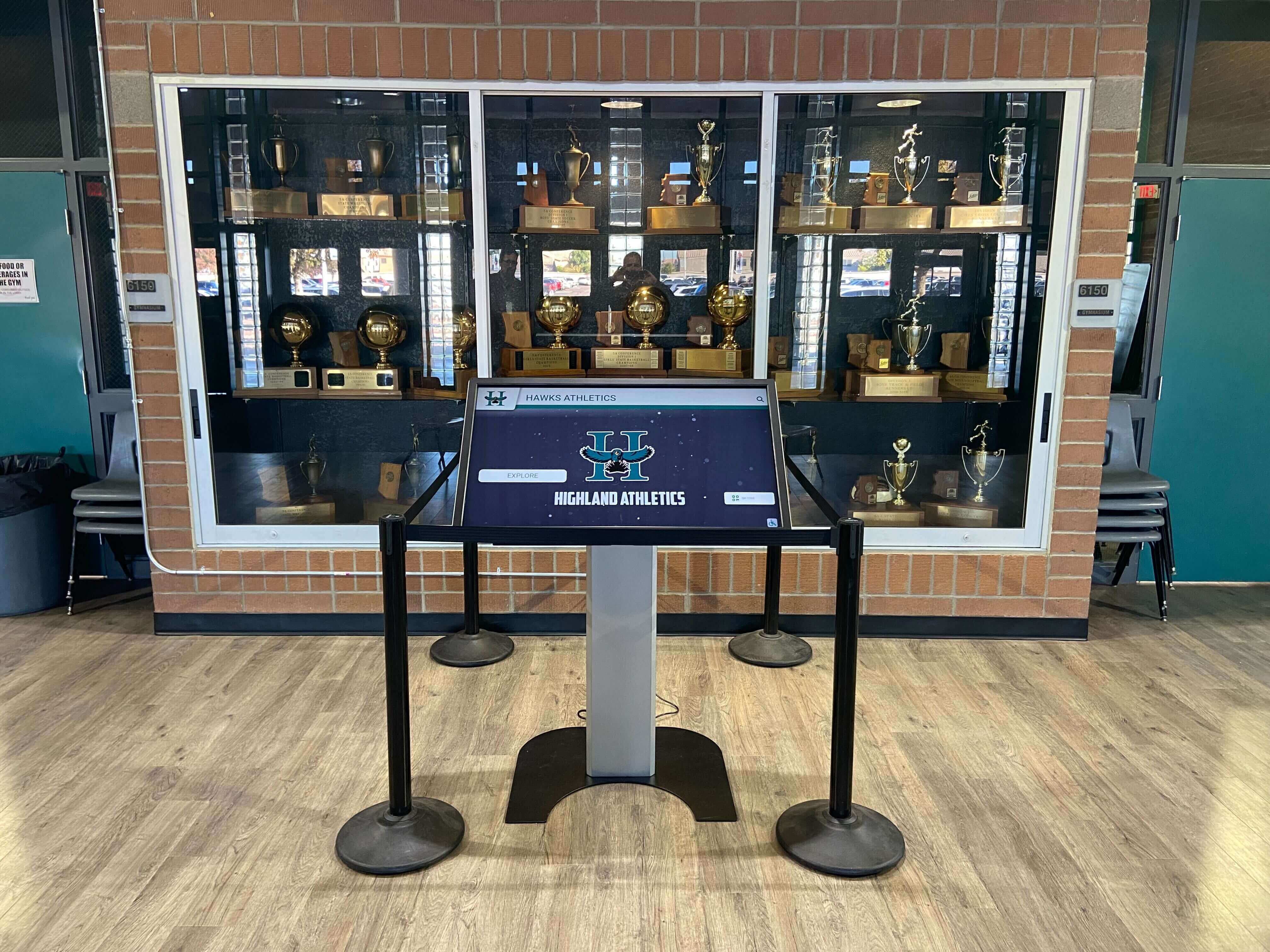
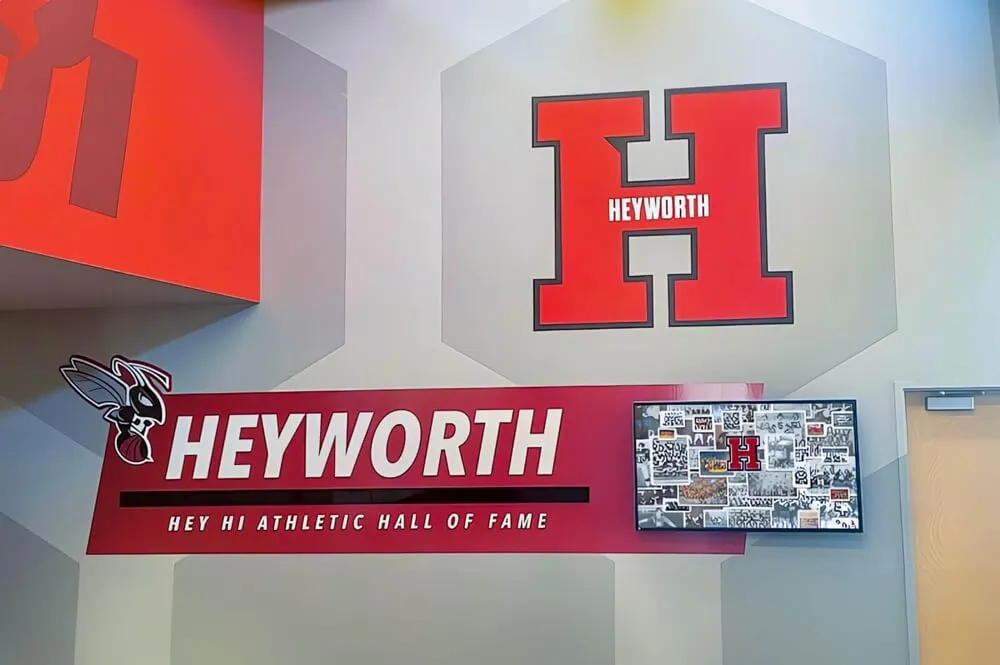
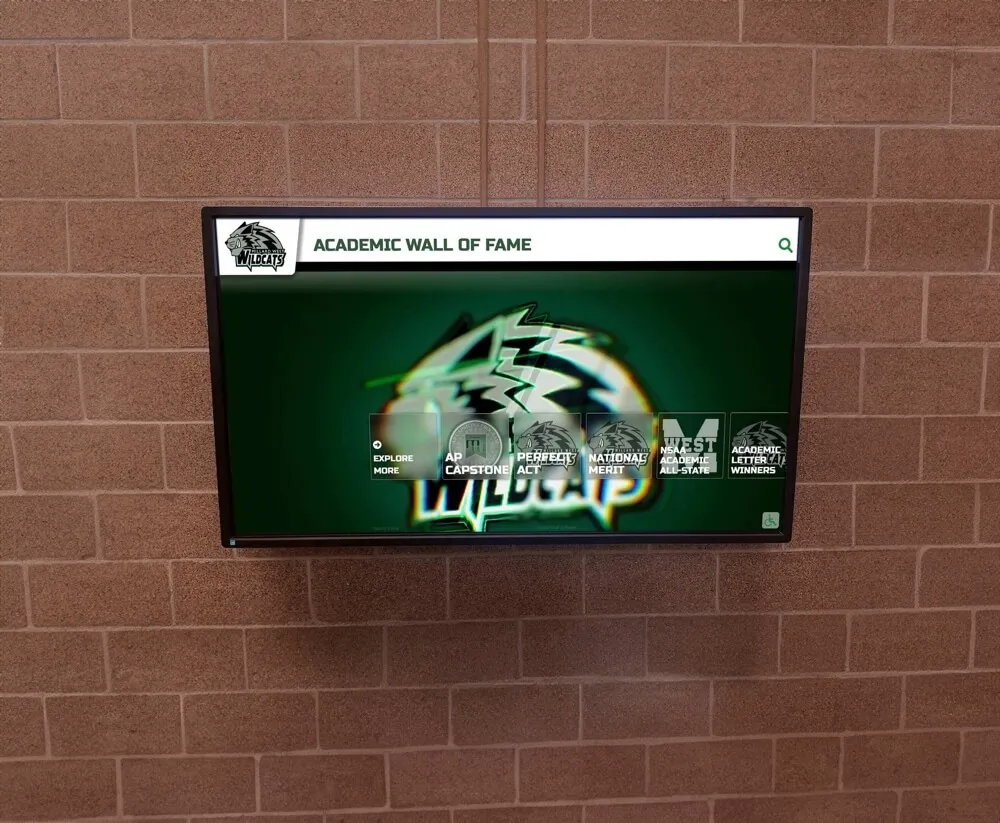
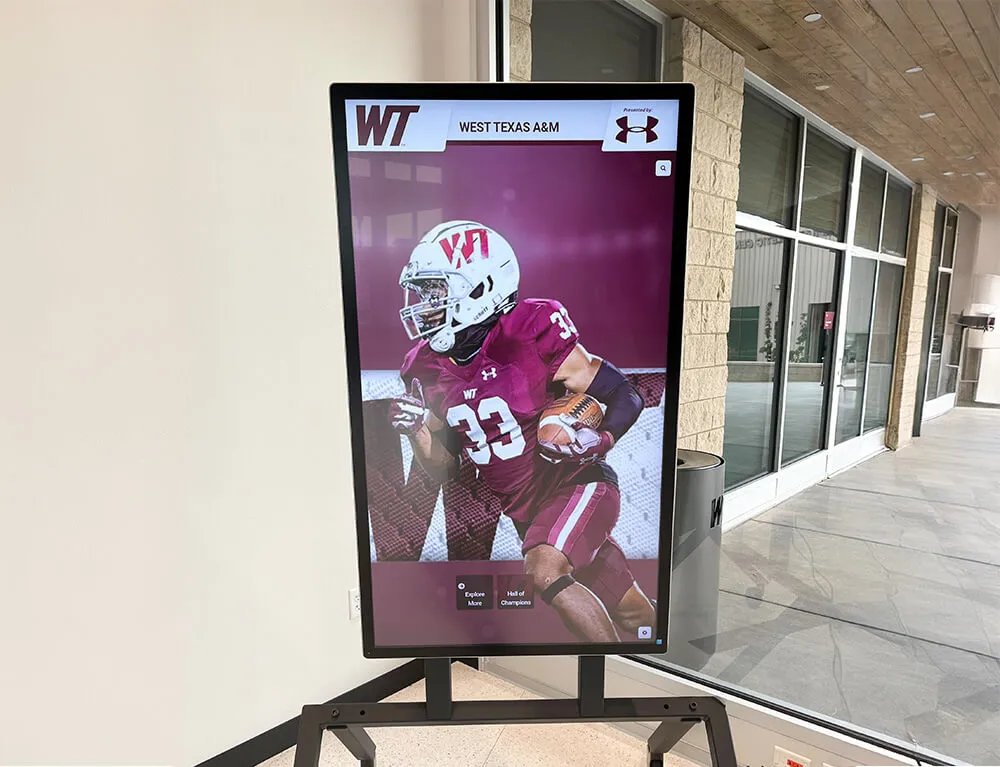
Modern interactive recognition systems can showcase donor giving levels alongside athletic achievements and academic honors, creating comprehensive institutional recognition ecosystems
Digital Donor Recognition Systems and Recognition Level Integration
Modern digital display technology transforms how schools can implement and showcase recognition tier structures, offering capabilities traditional plaques cannot match.
Dynamic Recognition Level Displays
Digital donor walls allow real-time updates reflecting campaign progress, new donors joining recognition tiers, and donors advancing to higher levels as giving increases—all without requiring new plaques or reinstallation.
Real-Time Campaign Thermometers: Display total giving toward campaign goals alongside recognition tier breakdowns, showing how many donors have joined each level and celebrating publicly when new recognition tiers reach capacity. This creates momentum and social proof encouraging others to participate.
Featured Donor Rotation: Rather than static lists, digital systems can rotate featured profiles of donors at various recognition levels, sharing brief stories about why they give and what motivated their support. This personalizes recognition while keeping displays fresh and engaging rather than becoming invisible background decoration visitors stop noticing.
Interactive Exploration: Touchscreen donor recognition displays allow visitors to explore complete donor lists by recognition level, search for specific donor names, filter by class year or other affiliations, and understand campaign priorities through multimedia presentations embedded in recognition displays.
Multi-Campaign Recognition Management
Digital platforms excel at displaying multiple recognition frameworks simultaneously—capital campaign tiers, annual giving levels, lifetime cumulative societies—without creating confusing wall clutter or requiring separate physical installations.
A single digital installation can showcase current capital campaign donors by tier, annual fund supporters organized by consecutive years of giving, lifetime giving societies recognizing cumulative philanthropy, and endowment contributors honoring planned gifts—all in integrated, searchable formats visitors can explore based on their interests.
This comprehensive approach creates more complete pictures of institutional philanthropy than focusing solely on single campaign efforts, demonstrating sustained commitment and diverse giving motivations while honoring different types of contributions appropriately.
Easy Recognition Level Updates and Additions
As campaigns evolve, schools often need to adjust recognition structures—adding new tiers for unexpected giving levels, creating special recognition for particular donor groups, or establishing new giving societies after campaign conclusion.
Digital systems accommodate these changes through simple content management updates rather than requiring manufacturing new plaques, reinstalling physical recognition, or leaving permanent gaps on walls where recognition was planned but never materialized.
This flexibility proves particularly valuable for campaigns that exceed goals, necessitating recognition tiers beyond original structures, or fall short of projections, leaving embarrassing empty sections on static donor walls highlighting unfilled recognition categories.
Analytics and Stewardship Integration
Advanced digital recognition platforms track user engagement, identifying which donor stories generate most interest, understanding peak viewing times for strategic content scheduling, and gathering data about what recognition features visitors actually explore versus ignore.
These insights inform both recognition strategy (which tier benefits to emphasize in solicitations, what donor stories resonate most powerfully) and stewardship approaches (understanding how recognized donors and their families interact with public acknowledgment of their gifts).
Integration with donor databases can trigger personalized recognition experiences when donors approach displays, welcome messages acknowledging their support, or notifications to development staff when major donors visit campus and view recognition displays.
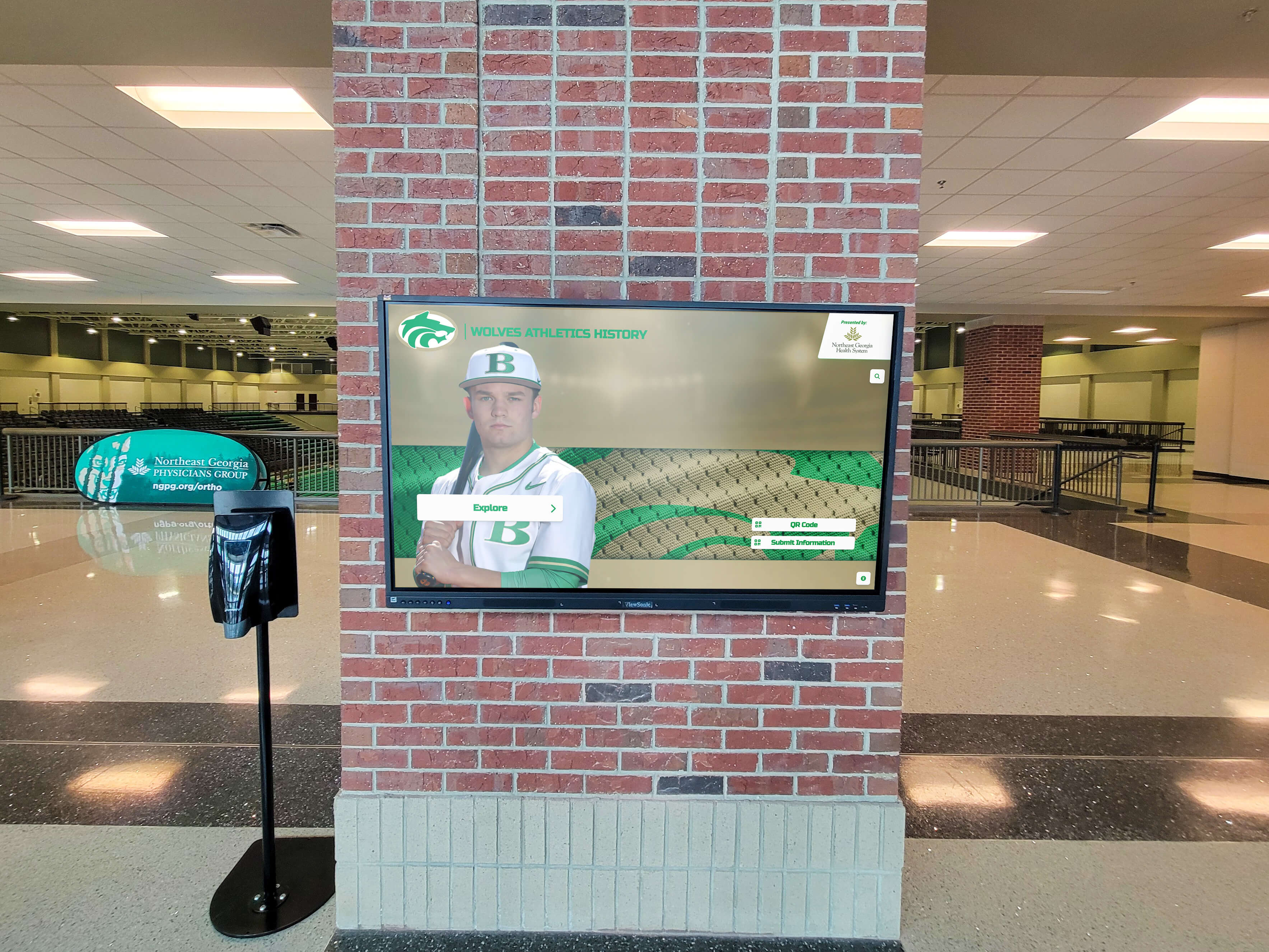
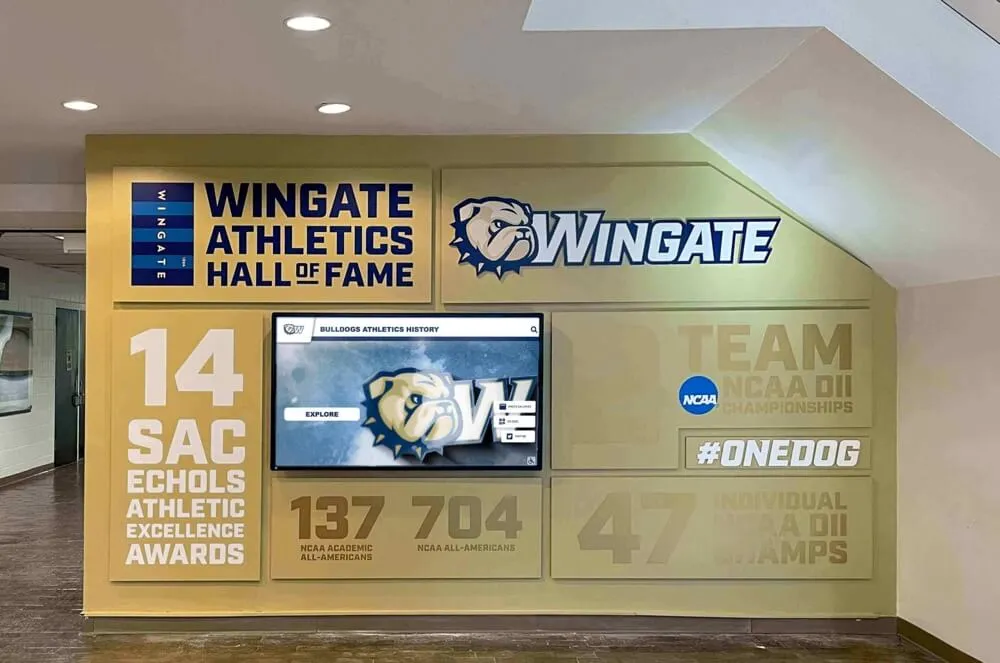
Digital recognition displays provide flexibility to honor diverse contributions from athletic support to academic programs to capital campaigns within unified institutional recognition frameworks
Recognition Level Strategies for Different Campaign Types
Different fundraising initiatives require adapted recognition approaches aligned with specific campaign characteristics and donor motivations.
Capital Campaign Recognition Tiers
Major capital campaigns funding facilities, endowment, or transformational initiatives typically feature the broadest recognition tier ranges and highest threshold levels.
Capital campaign recognition should emphasize permanence and legacy since contributions often support lasting physical improvements or endowment principal generating perpetual impact. Top tier names might reference institutional permanence (“Founder’s Legacy,” “Heritage Society,” “Cornerstone Circle”) while benefits include naming opportunities for spaces, programs, or endowed positions.
Multi-year pledge recognition works particularly well for capital campaigns, allowing donors to reach higher tiers through sustained commitment rather than requiring single transformational gifts beyond many donors’ capacity. Three to five-year pledge periods are standard, with recognition granted at full pledge level upon commitment rather than requiring payment completion.
Annual Fund Giving Levels
Annual fund campaigns supporting ongoing operations typically feature lower tier thresholds than capital campaigns since gifts are renewable rather than one-time commitments, and recognize calendar or fiscal year totals rather than cumulative pledges.
Annual giving recognition should emphasize consistency and loyalty, celebrating consecutive years of participation alongside current year giving amounts. Recognition tier names might highlight sustained commitment (“Loyal Lion Society” for 5+ consecutive years, “Heritage Circle” for 10+ years) while benefits focus on recurring engagement opportunities like exclusive annual events or special communications.
Many schools create separate recognition frameworks for annual giving levels versus lifetime cumulative societies, allowing donors to achieve annual recognition at accessible levels while building toward lifetime milestone acknowledgment over decades of participation.
Special Purpose Campaign Recognition
Campaigns focused on specific initiatives—new athletic facilities, endowed scholarships, arts center construction—may create themed recognition tiers aligned with campaign purpose.
An athletic facility campaign might use sports-themed tier names (“Rookie Club,” “Varsity Circle,” “Hall of Fame Society,” “Championship Legacy”) with benefits including athletic event access, coaching staff interactions, or special game day recognition. Scholarship campaign recognition might emphasize student impact with tier names connecting to educational milestones and benefits featuring student-donor connections.
Purpose-specific recognition creates stronger emotional connection to campaign objectives than generic giving levels, though it requires communication clarity when multiple special campaigns run simultaneously to prevent donor confusion about which recognition structure applies to which campaign.
Reunion and Milestone Giving Programs
Class reunion campaigns and milestone anniversary initiatives often create special recognition structures encouraging participation from specific constituent groups.
Reunion giving programs typically emphasize participation rate alongside total dollars raised, creating tiered recognition for classes achieving various participation percentages (25%, 35%, 50% participation) while also acknowledging individual giving levels within reunion classes. This dual recognition approach motivates both broad participation and major gifts from high-capacity reunion class members.
Benefits might include special reunion weekend recognition, class-specific naming opportunities, or distinctive class gifts (commemorative trees, benches, artwork) celebrating reunion year philanthropy.
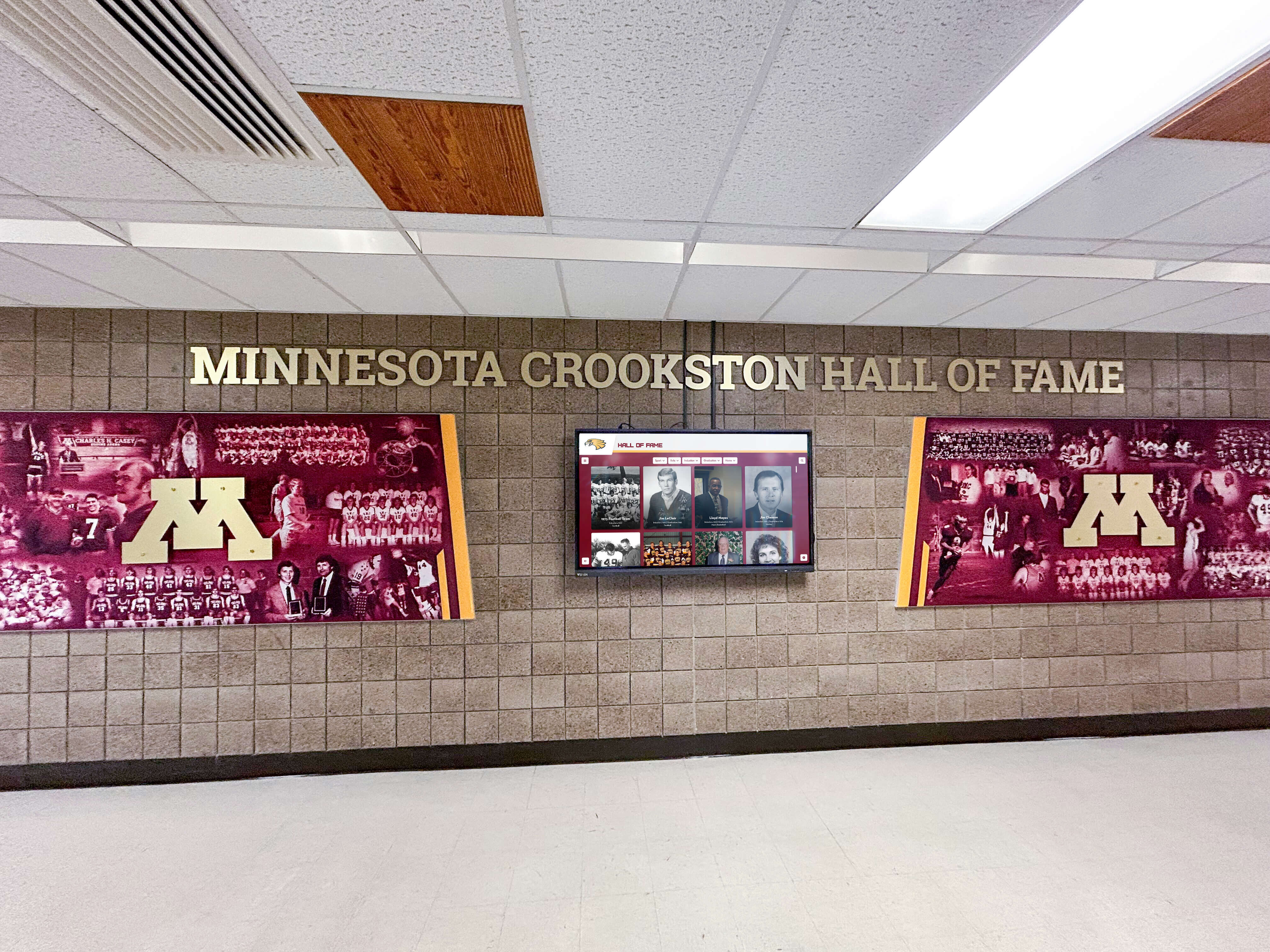
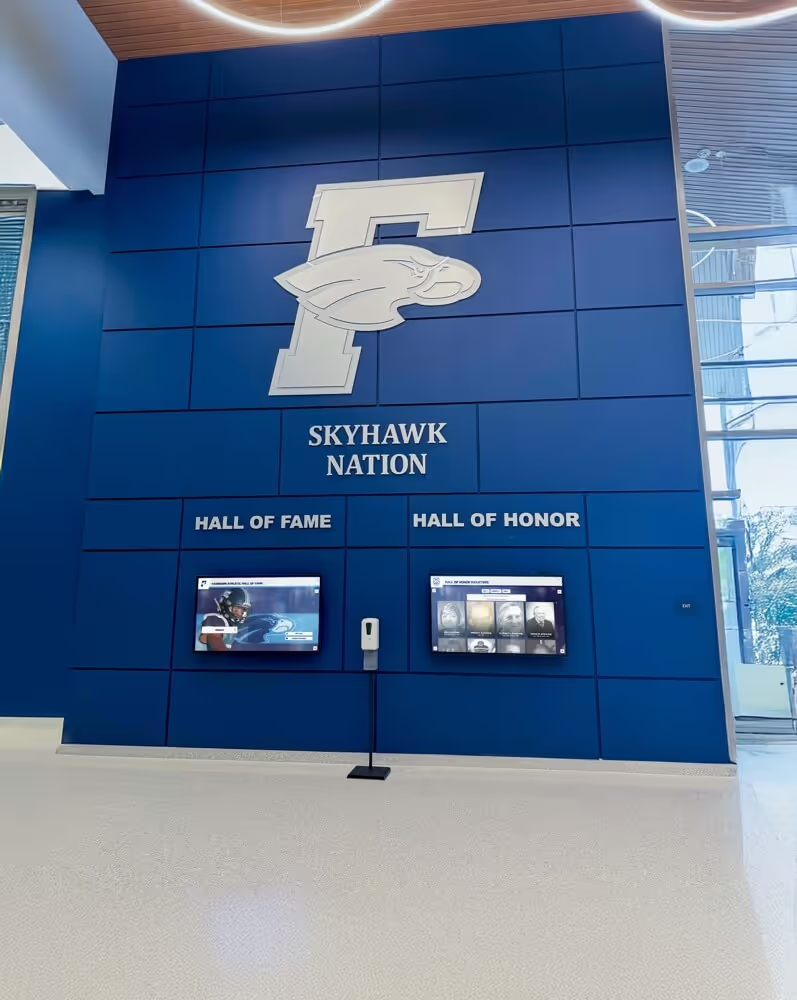
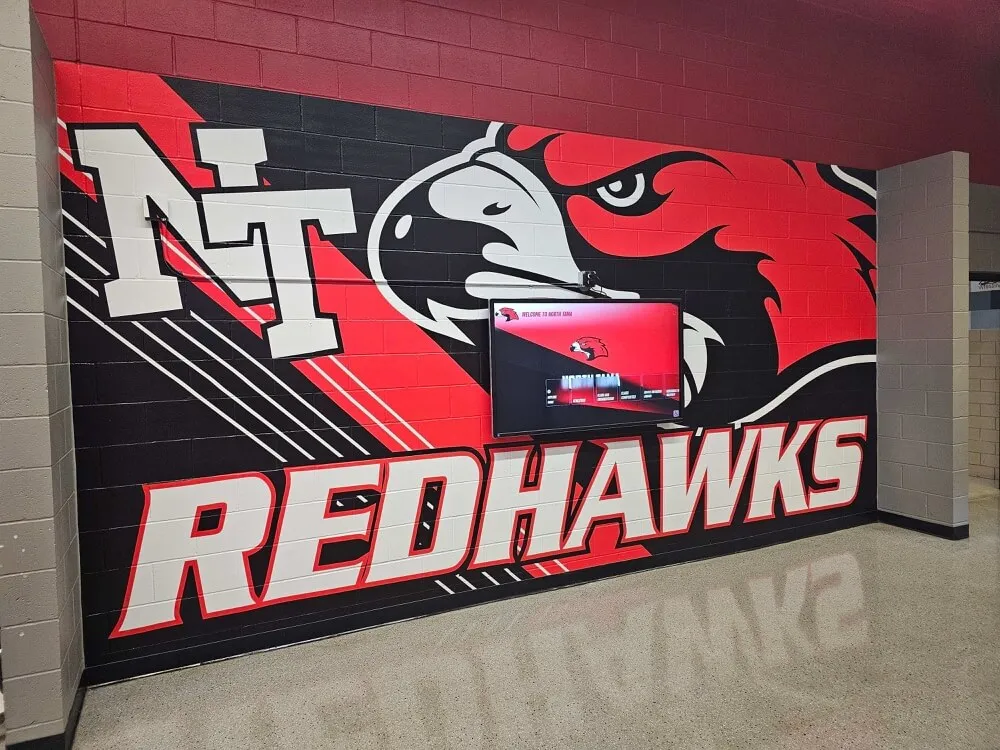
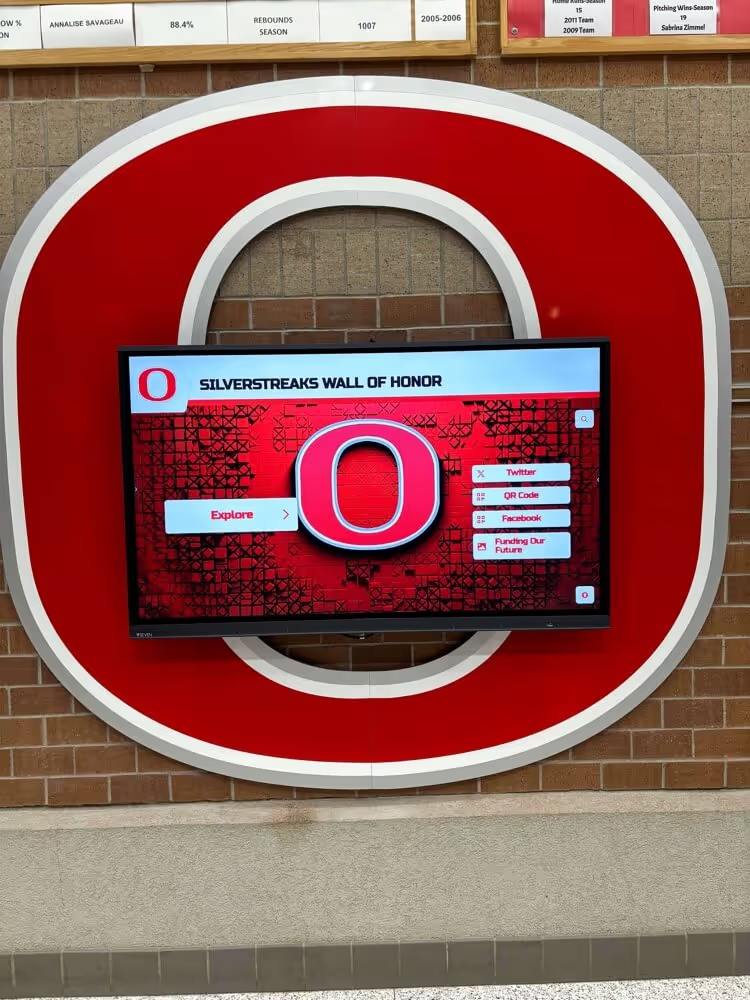
Prominent digital recognition installations in main campus entries ensure donors receive maximum visibility while creating welcoming atmospheres celebrating philanthropic support
Sample Recognition Level Framework: Comprehensive School Campaign
To illustrate how these principles translate into practice, here’s a sample recognition tier structure for a comprehensive school campaign:
Campaign Overview
Goal: $15 million over 4 years supporting new STEM center ($8M), expanded financial aid endowment ($5M), and athletic facility improvements ($2M)
Donor Base: K-12 independent school with 800 students, 4,000 alumni, 1,600 current families
Recognition Tier Structure
Visionary Leadership Circle: $500,000+
- Prominent naming opportunities for major facility components (labs, classrooms, common spaces)
- Private leadership meetings with head of school quarterly
- Invitation to exclusive annual retreat for major donors and trustees
- Custom commissioned artwork or photography commemorating campaign contribution
- Permanent prominent recognition in new STEM center entrance
- Lifetime complimentary admission to all school performances and athletic events
Campaign Target: 3-5 gifts totaling $2-3M
Founder’s Legacy Society: $250,000-$499,999
- Named recognition opportunities for specific spaces or programs
- Annual private dinner with head of school and selected faculty
- Special recognition at campaign celebration events
- Engraved donor wall plaque in new facilities
- Behind-the-scenes access to construction progress and facility previews
- Recognition in all campaign publications and materials
Campaign Target: 5-8 gifts totaling $1.5-3M
Heritage Circle: $100,000-$249,999
- Individual donor profile featured in campaign materials and digital displays
- VIP seating at major school events
- Quarterly campaign progress briefings from development leadership
- Premium recognition placement on donor walls
- Exclusive preview events for new facilities and programs
- Framed recognition certificate and commemorative gift
Campaign Target: 15-20 gifts totaling $2-3M
Cornerstone Society: $50,000-$99,999
- Enhanced name recognition with class year on donor walls
- Annual reception with head of school
- Regular campaign updates and impact reports
- Priority facility tour opportunities
- Recognition in annual donor honor roll with special designation
- Commemorative campaign item
Campaign Target: 25-35 gifts totaling $1.75-2.5M
Pillar Circle: $25,000-$49,999
- Prominent donor wall recognition
- Campaign progress updates and impact stories
- Invitation to exclusive campaign events
- Recognition in school publications
- Certificate of appreciation
Campaign Target: 40-60 gifts totaling $1.25-2M
Leadership Partners: $10,000-$24,999
- Donor wall recognition
- Invitation to annual donor appreciation event
- Campaign impact reports
- Recognition in digital displays
- Acknowledgment in school communications
Campaign Target: 80-120 gifts totaling $1-2M
Campaign Champions: $5,000-$9,999
- Recognition on digital donor walls
- Annual donor listing in school publications
- Campaign thank you event invitation
- Impact reporting
Campaign Target: 150-200 gifts totaling $1-1.5M
Essential Partners: $1,000-$4,999
- Digital and print donor roll recognition
- Campaign updates
- Appreciation event invitation
Campaign Target: 300-400 gifts totaling $750K-1.2M
Campaign Supporters: $250-$999
- Listing in campaign donor honor roll
- Thank you acknowledgment
Campaign Target: 400-600 gifts totaling $200-400K
Every Gift Matters: Under $250
- Recognition in annual report
- Grateful acknowledgment
Campaign Target: 500-800 gifts totaling $75-150K
This structure creates clear advancement pathways (roughly doubling between levels), meaningful distinction through naming and benefits, realistic distribution aligned with campaign mathematics, and appropriate recognition for donors at all capacity levels.

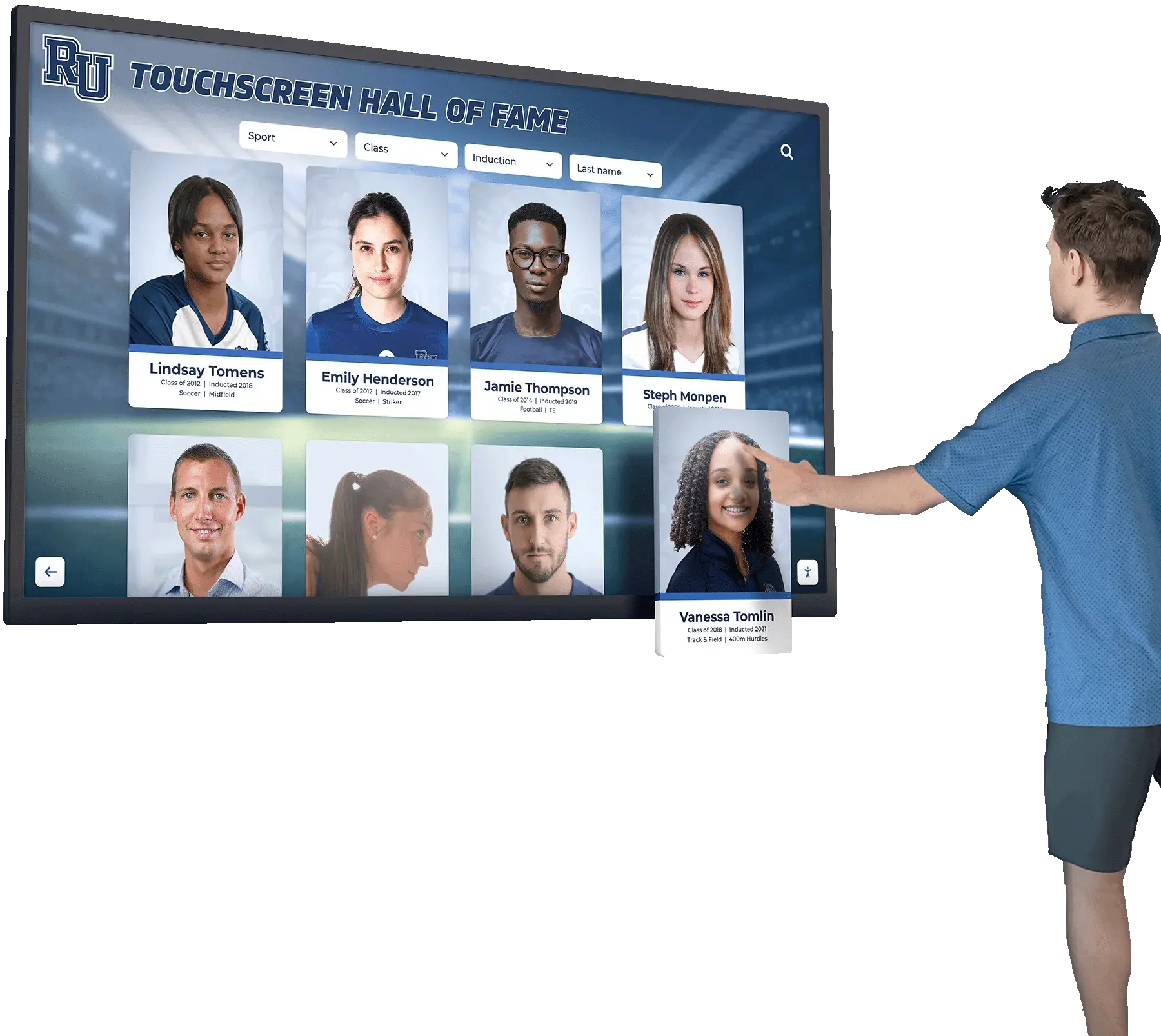
Interactive digital recognition allows donors and visitors to explore detailed information about campaign contributors, their motivations for giving, and impact of their support
Communicating Recognition Levels to Maximize Participation
Even perfectly designed tier structures require strategic communication to influence donor behavior and motivate increased giving.
Creating Compelling Recognition Level Marketing Materials
Visual Tier Charts: Design clean, professional graphics showing all recognition levels, associated benefits, and donor names at each tier. These charts should appear on campaign websites, in printed materials, at solicitation events, and in proposal documents.
Effective tier charts use visual hierarchy to make structure immediately comprehensible, highlight benefits clearly at each level without overwhelming detail, show donor names demonstrating social proof at each tier (with permission), and make next-tier advancement seem achievable and worthwhile.
Donor Testimonial Videos: Feature donors from various recognition tiers explaining why they chose particular giving levels, what motivated their decisions, and what recognition benefits mean to them personally. These authentic voices often motivate peers more effectively than institutional messaging.
Include diverse representation across recognition levels—not just major donors but also mid-tier and entry-level supporters explaining how they determined appropriate giving amounts and why specific recognition benefits appealed to them.
Personalized Tier Advancement Messaging
Generic appeals to “please give generously” prove far less effective than personalized communications showing specific donors exactly how they can advance to next recognition tier.
Current Donor Upgrade Appeals: For donors who gave to previous campaigns, show their prior giving level and illustrate how increased commitment would advance them to higher recognition tier. Make this concrete: “Your generous $5,000 gift to our last campaign placed you among Leadership Partners. An increased commitment of $10,000 to this campaign would advance you to Pillar Circle recognition, honoring your leadership with enhanced benefits including…”
First-Time Donor Tier Guidance: When soliciting donors without prior giving history, reference giving patterns of peers in similar situations. “Many alumni from your class year have chosen Leadership Partner recognition ($10,000-$24,999) as meaningful way to support this campaign” provides social proof and guidance without high-pressure tactics.
Multi-Year Pledge Tier Illustration: Help donors understand how multi-year pledges make higher tiers accessible. A donor hesitant about $25,000 gift might readily commit to $6,250 annually over four years reaching Pillar Circle recognition. Showing annual payment amounts alongside total pledge levels helps donors see pathways to meaningful recognition within their cash flow capacity.
Highlighting Recognition in Solicitation Conversations
Campaign volunteers and development staff should weave recognition tier information naturally into solicitation conversations without making recognition feel like the primary motivation for giving.
Leading with Impact: Begin solicitation conversations focused on campaign impact, institutional needs, and donor connection to mission. Recognition should emerge as natural acknowledgment of generosity rather than transactional exchange for donations.
Introducing Tiers Contextually: After discussing campaign priorities and potential giving amounts, introduce recognition framework: “Gifts at this level would place you among our Cornerstone Society donors, a group of campaign leaders we’ll recognize for your transformational support.” This positions recognition as deserved honor rather than purchased benefit.
Emphasizing Peer Groups: When appropriate, reference specific recognized donors the prospect respects: “John and Mary Smith recently joined Heritage Circle with their $150,000 commitment. They mentioned how much they valued being part of this leadership group supporting our STEM initiative.” Peer influence often motivates as effectively as recognition benefits themselves.
Allowing Donor Agency: Never pressure donors about recognition. Some major donors actively prefer anonymity while others value public acknowledgment. Ask about preferences and honor them completely, ensuring all donors feel recognized appropriately according to their personal values.
Stewarding Recognized Donors to Encourage Continued Engagement
Recognition tier placement represents beginning, not conclusion, of donor relationships. Thoughtful stewardship ensures recognized donors remain engaged, feel appreciated, and consider increased support for future initiatives.
Delivering Promised Recognition and Benefits
Nothing damages donor relationships faster than failing to deliver promised recognition or benefits. Meticulous tracking ensures every donor receives exactly what their giving level entitles them to receive.
Recognition Tracking Systems: Maintain comprehensive databases tracking each donor’s recognition tier, specific benefits promised, recognition preferences (public vs. anonymous, name format preferences), delivery status for physical recognition items, and event invitation/RSVP history.
Assign clear responsibility for benefit delivery, ensuring no donor falls through cracks between campaign team and advancement office or between campaign phase and ongoing stewardship.
Meaningful Ongoing Engagement Beyond Transactions
Recognition tier benefits should facilitate relationship-building rather than transactional exchanges concluded when checks clear.
Personalized Impact Reporting: Share specific stories about how donor contributions at various recognition levels support tangible outcomes. A Pillar Circle donor funding financial aid deserves personal updates about students benefiting from scholarship support, not just generic campaign progress reports sent to all donors.
Leadership Cultivation: Top-tier donors often possess capacity and interest to provide even greater support for future initiatives. Stewardship should cultivate these relationships through authentic engagement with institutional leadership, involvement in strategic conversations where appropriate, and exposure to emerging needs where their philanthropic interests and institutional priorities align.
Recognition Beyond Tiers: While tier-based benefits provide framework, best stewardship transcends checklists with thoughtful personal touches reflecting specific knowledge about individual donors. Hand-written notes from heads of school, student thank-you letters, unexpected updates about programs donors specifically care about—these meaningful gestures demonstrate genuine relationship rather than benefit delivery.
Creating Recognition Communities That Self-Perpetuate
The most effective recognition levels create donor communities that value membership and naturally advocate for participation.
Modern digital recognition platforms facilitate community-building by allowing donors to see fellow recognition tier members, facilitating connections between donors with shared interests, and creating visible communities around giving levels that donors aspire to join.
When Heritage Circle members see themselves as leadership community supporting shared institutional vision rather than simply donors who gave $100,000+, they become advocates encouraging peers to join, ambassadors demonstrating value of their giving level, and sources of authentic testimonials about why they support the institution at levels they’ve chosen.
Conclusion: Building Recognition Frameworks That Honor Generosity and Inspire Continued Support
Effective school fundraising recognition levels serve dual purposes—honoring donors appropriately for contributions they’ve already made while creating pathways encouraging increased engagement over time. The most successful recognition structures balance these objectives, ensuring all donors feel genuinely appreciated regardless of capacity while creating aspirational advancement opportunities for those able to increase support.
Well-designed tier frameworks reflect deep understanding of donor psychology, strategic alignment with campaign mathematics and institutional priorities, meaningful naming connecting recognition to mission and values, and appropriate benefit differentiation making tier advancement worthwhile without creating resentment about exclusivity.
Beyond initial structure design, implementation quality determines recognition effectiveness. Clear communication ensures donors understand tier benefits and advancement pathways, skilled solicitors guide prospects toward appropriate giving levels aligned with capacity and institutional needs, meticulous stewardship delivers promised recognition while building lasting relationships, and modern digital display systems provide flexible, engaging platforms honoring donors dynamically as campaigns evolve.
When schools invest comparable energy in recognition strategy as they do in identifying prospects and soliciting gifts, they create recognition frameworks that genuinely motivate increased giving while honoring the philanthropic partnerships underlying all advancement success. Recognition becomes not merely acknowledgment of past generosity but catalyst for continued engagement benefiting both donors and institutions for years beyond any single campaign.
Ready to transform your donor recognition strategy with modern digital display solutions? Rocket Alumni Solutions provides interactive donor recognition systems allowing schools to showcase recognition tiers dynamically, update donor listings in real-time as campaigns progress, feature rotating donor profiles and impact stories, and integrate multiple recognition frameworks within unified platforms. Our customizable digital donor walls ensure every contributor receives appropriate acknowledgment while creating engaging displays that inspire continued philanthropic support. Contact us to learn how modern recognition technology can enhance your advancement efforts while honoring the generous donors making your mission possible.