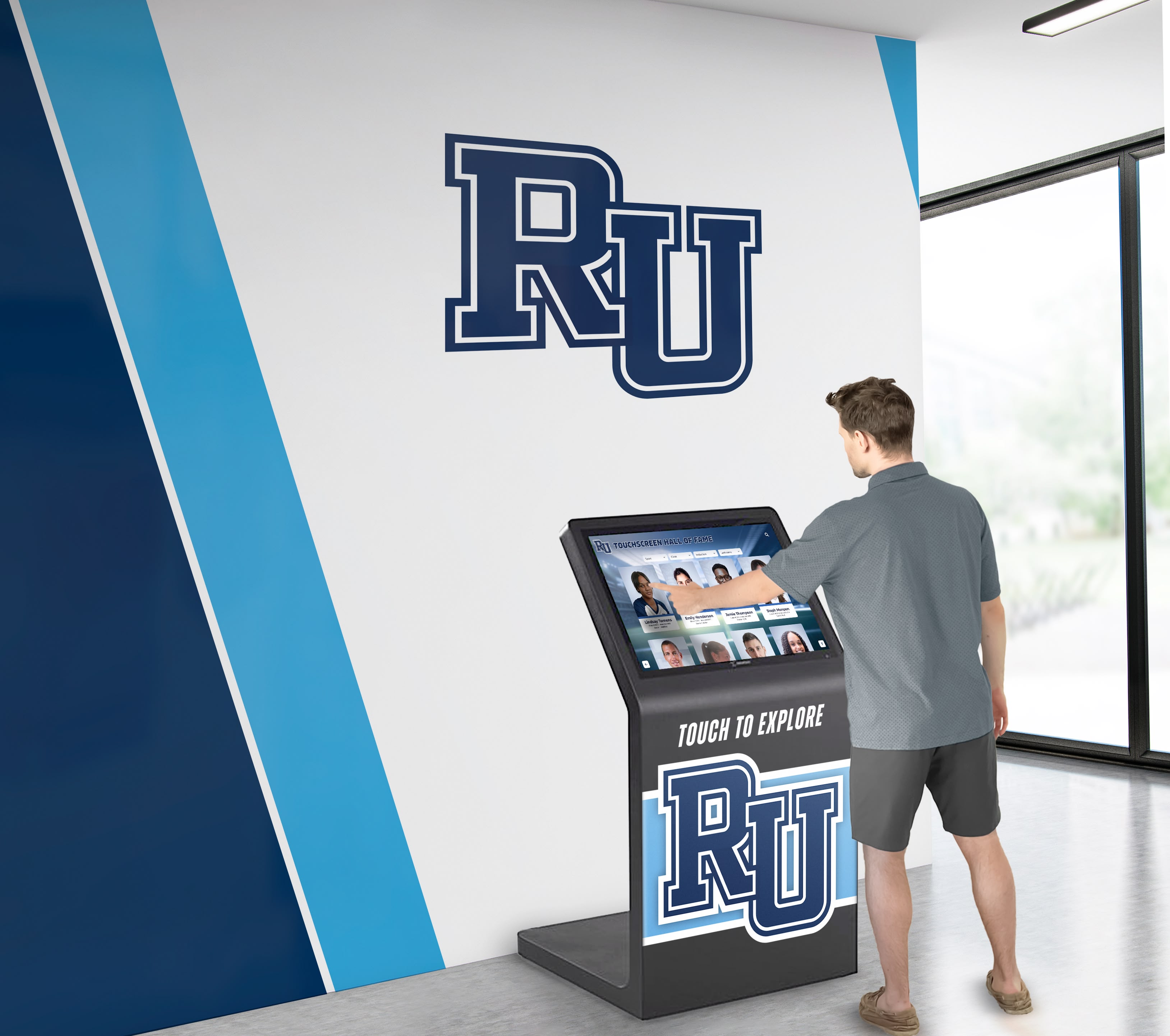
Your school lobby makes powerful first impressions before a single conversation begins. Students arriving each morning, prospective families evaluating educational options, community members attending evening events, and alumni returning to campus all form immediate judgments about institutional quality based on the welcome your entry spaces communicate through furniture selection, spatial arrangement, and overall design cohesion.
Yet many schools struggle with lobby spaces that feel more like pass-through corridors than welcoming gathering areas. Mismatched furniture accumulated over decades, uncomfortable seating discouraging anyone from lingering, outdated arrangements blocking natural traffic flow, and missed opportunities to integrate recognition displays that celebrate community achievements leave visitors with impressions of neglect rather than institutional pride. Meanwhile, thoughtfully designed lobbies at peer institutions create competitive advantages through environments that instantly communicate quality, care, and community.
This comprehensive guide explores proven strategies for selecting and arranging school lobby furniture that transforms entry spaces into welcoming environments—from fundamental seating principles and traffic flow optimization to recognition integration, durability considerations, and design cohesion that creates lobbies where people genuinely want to spend time.
Effective school lobby furniture balances multiple competing demands: durability withstanding intensive daily use, aesthetic appeal creating positive first impressions, functional arrangements supporting varied activities, budget constraints requiring cost-effective decisions, and flexibility adapting to evolving needs across years of service.

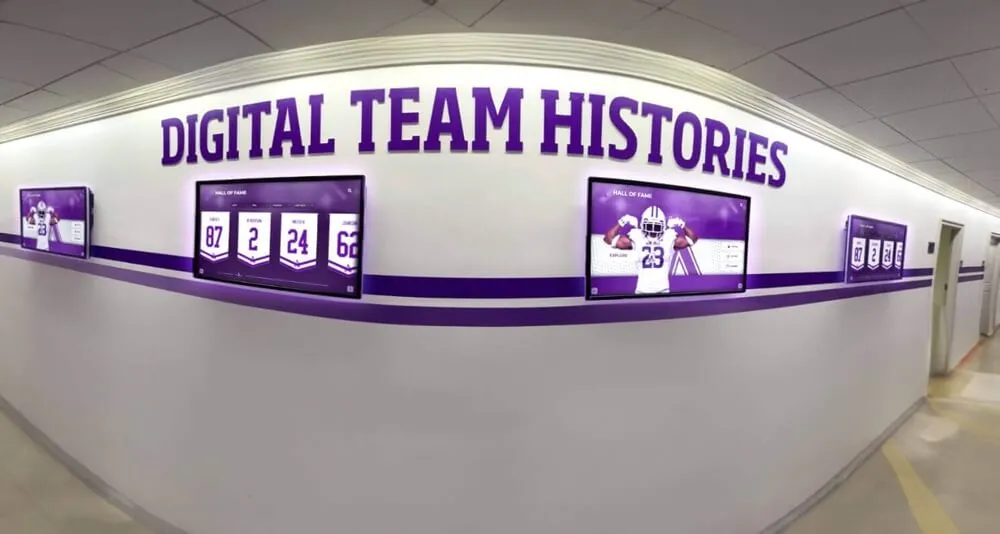
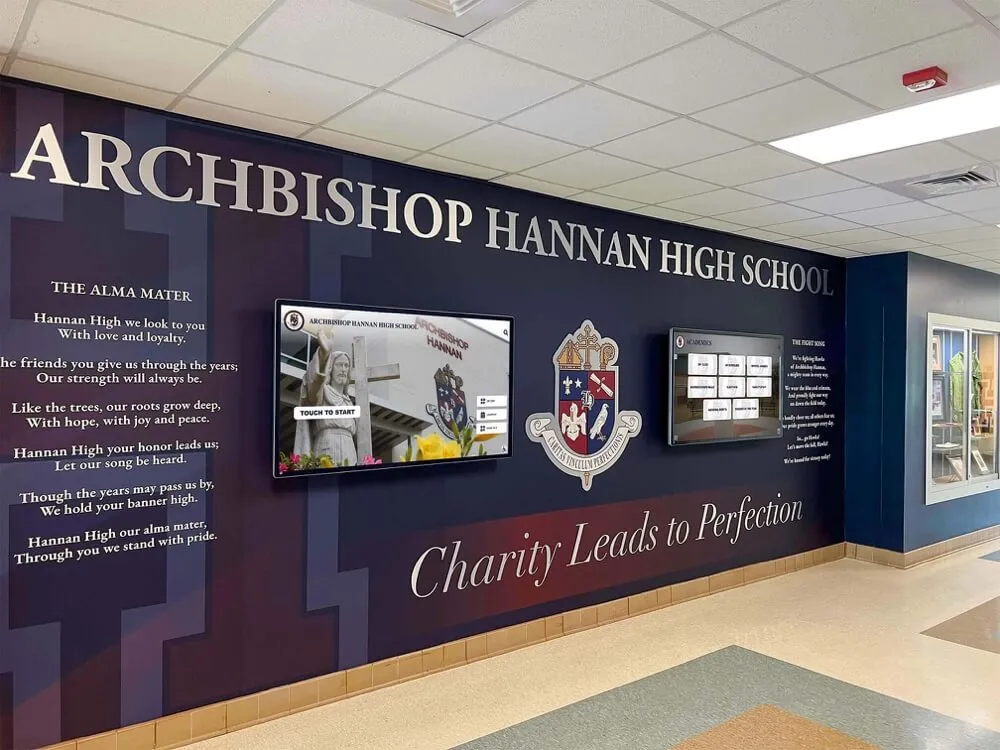
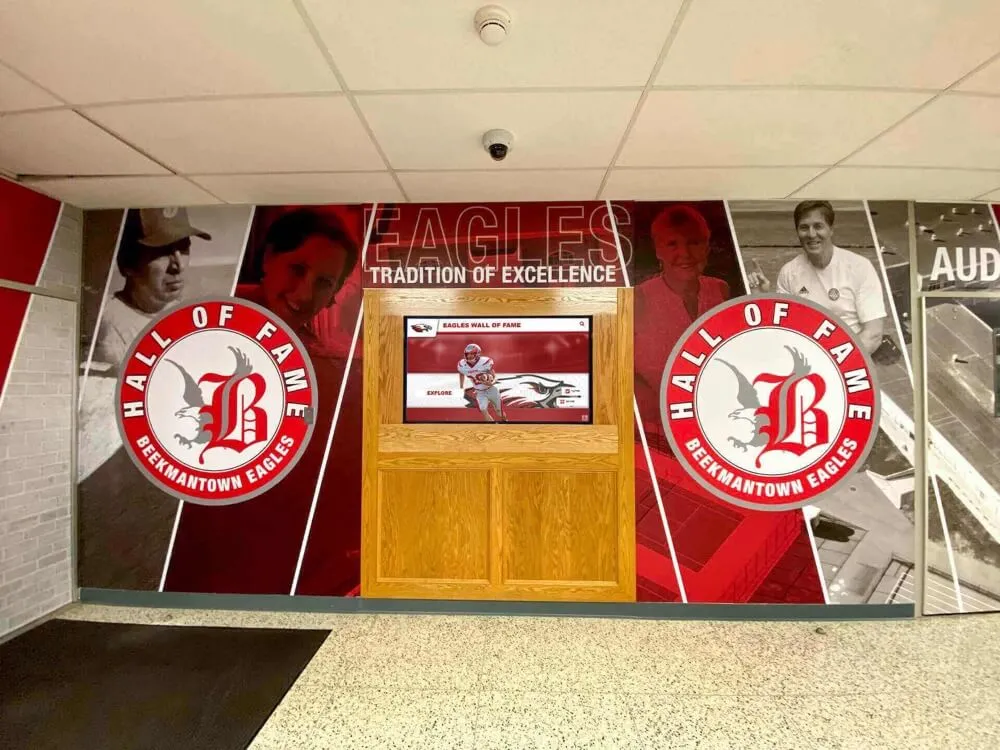
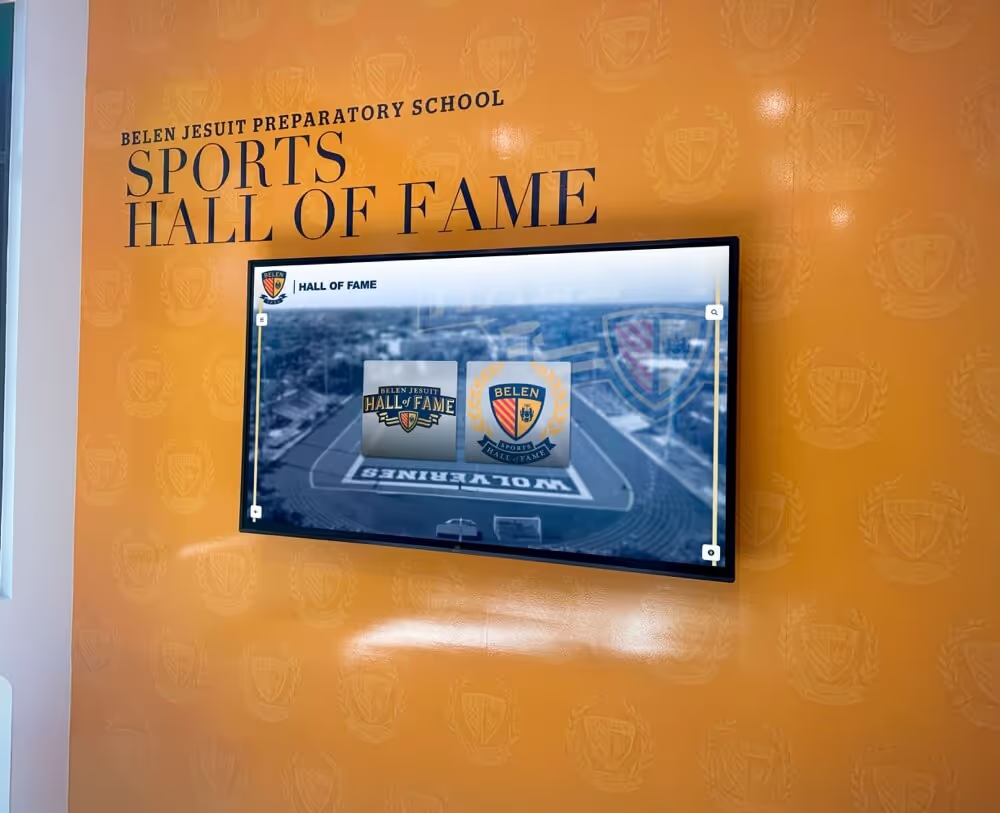
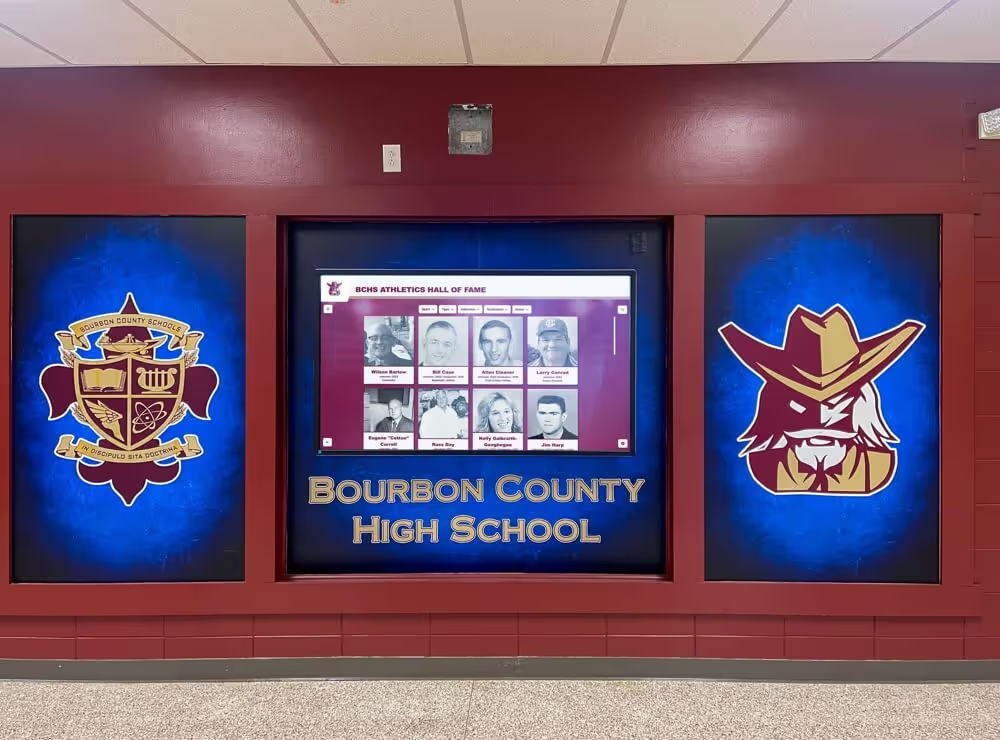
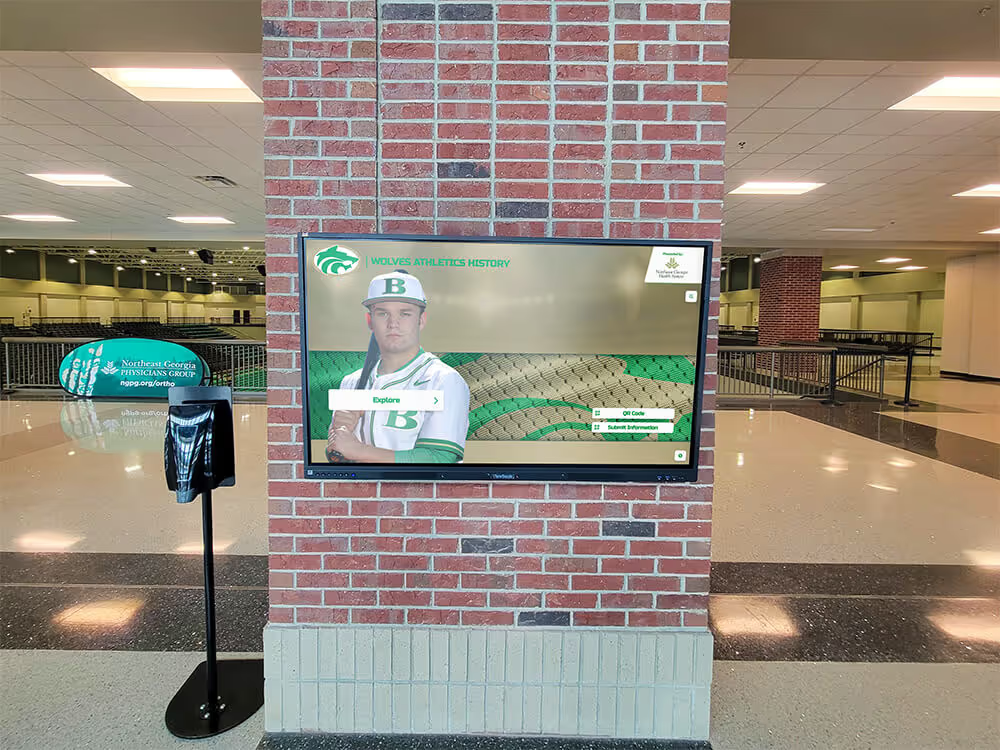
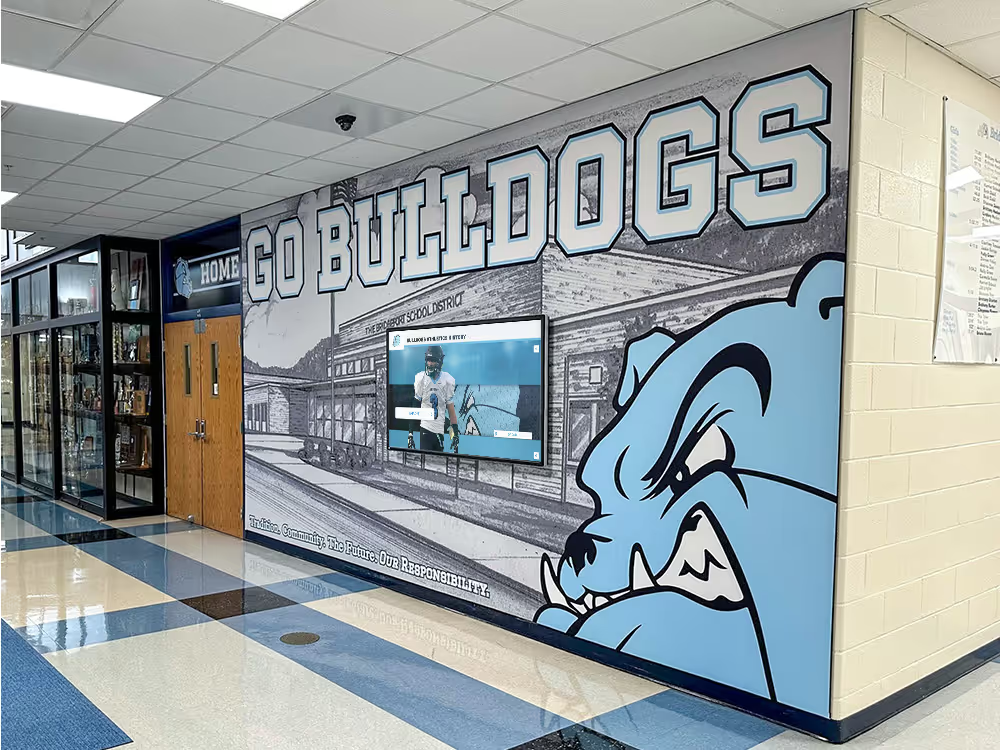
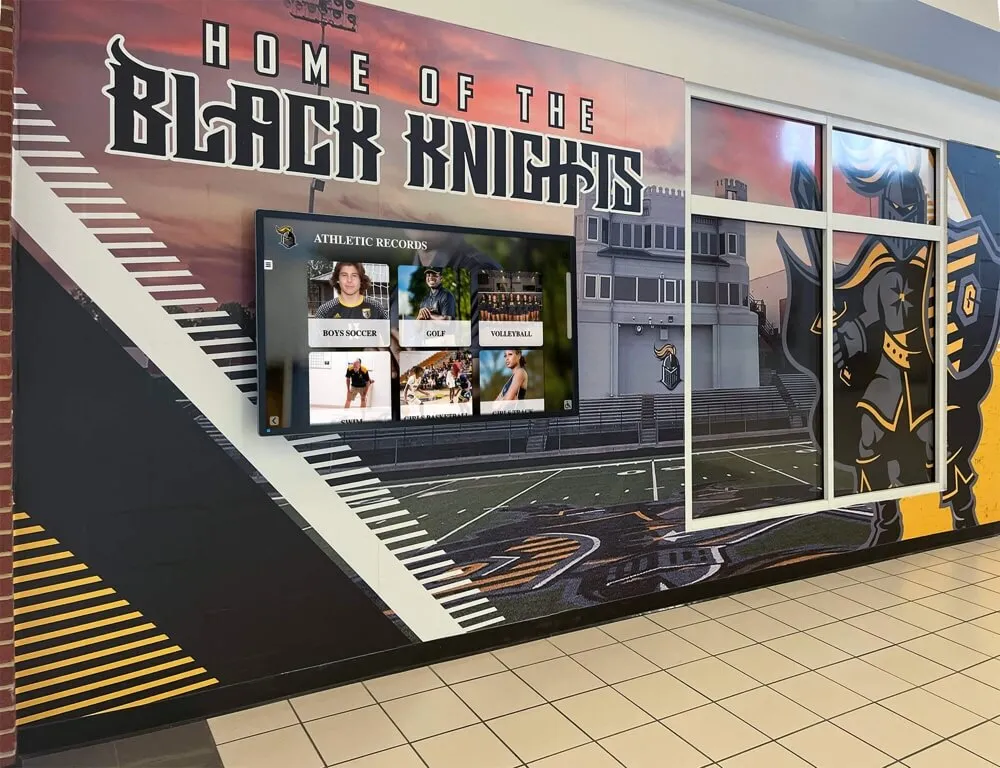
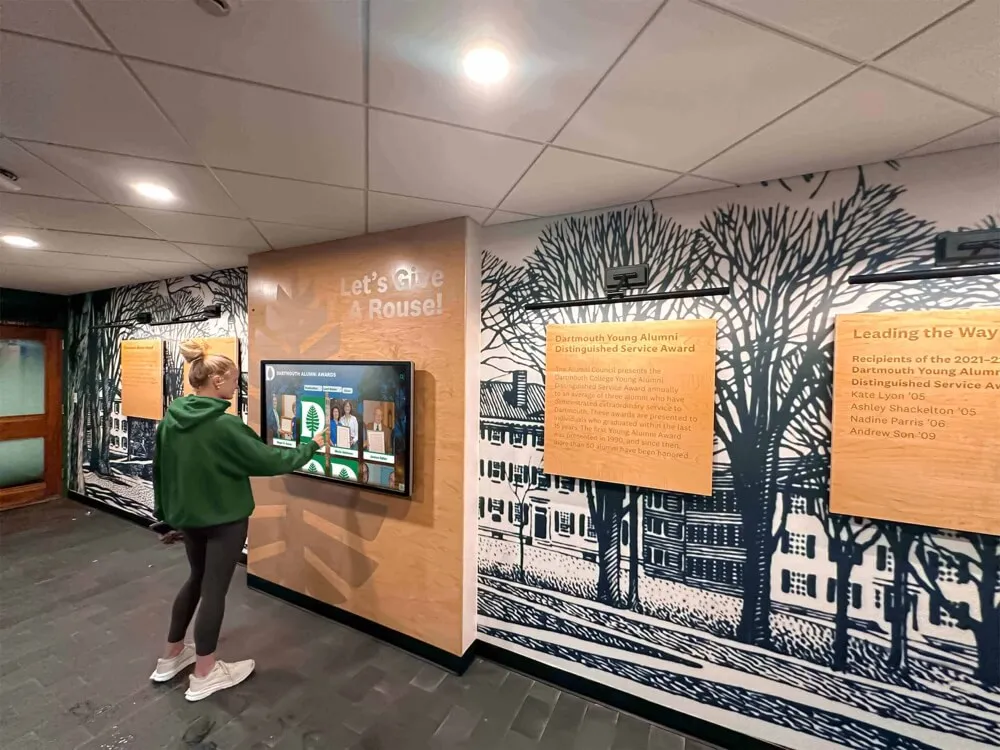
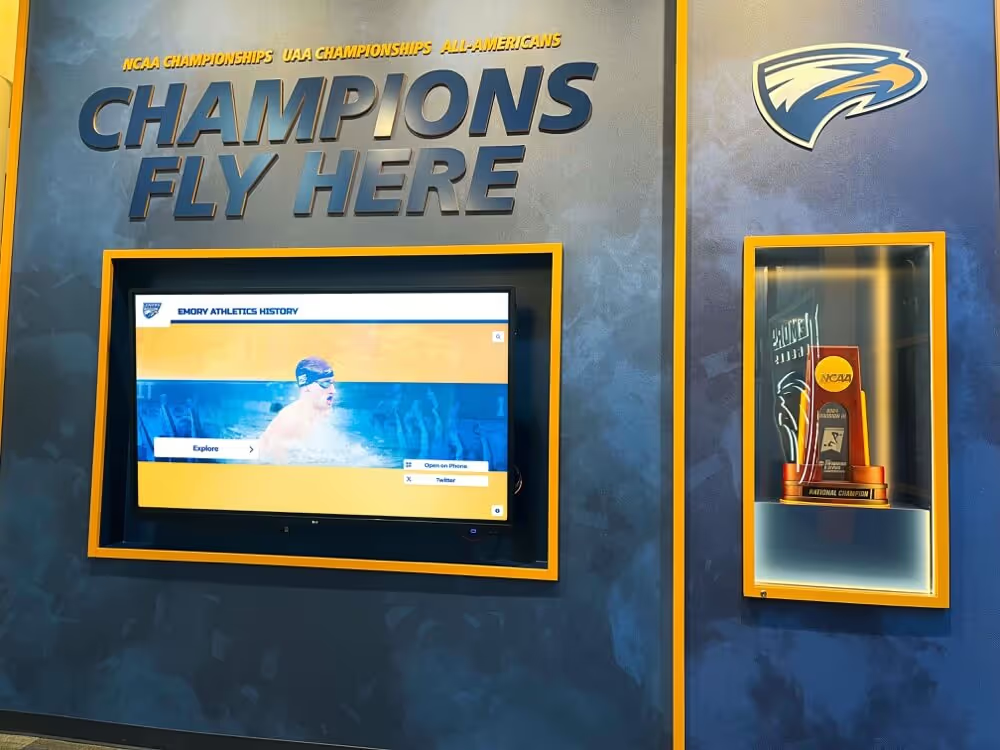
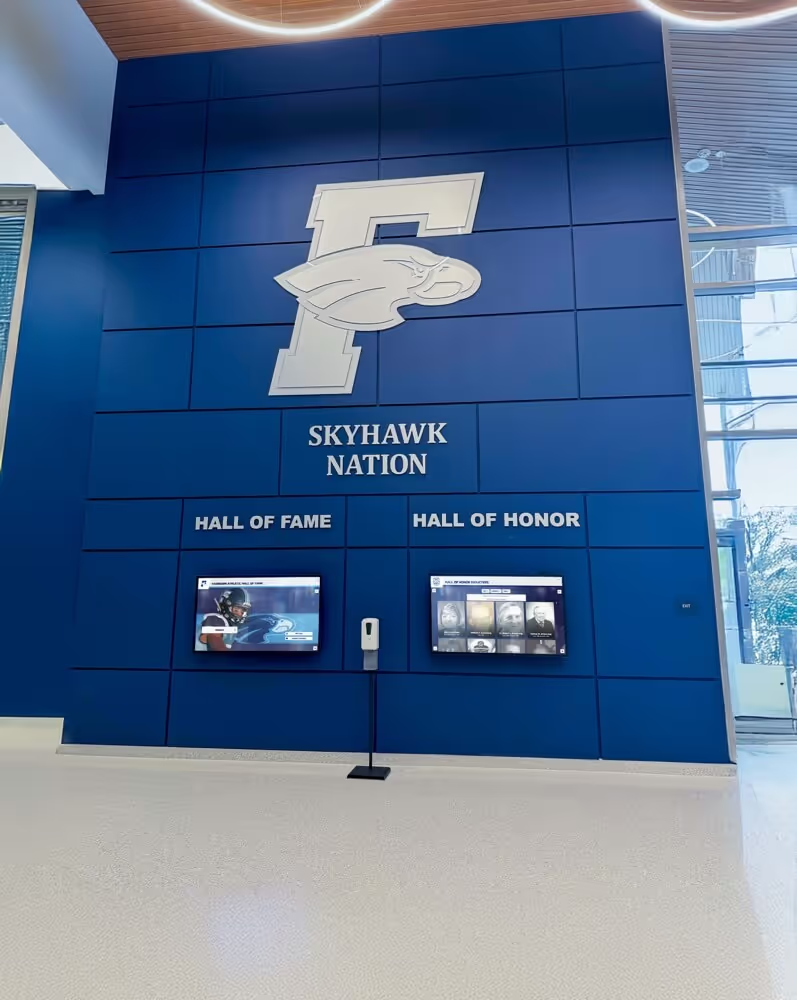
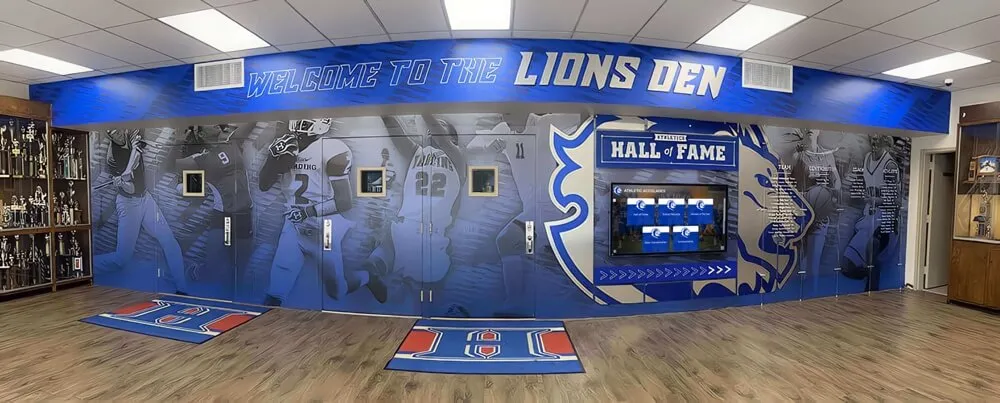
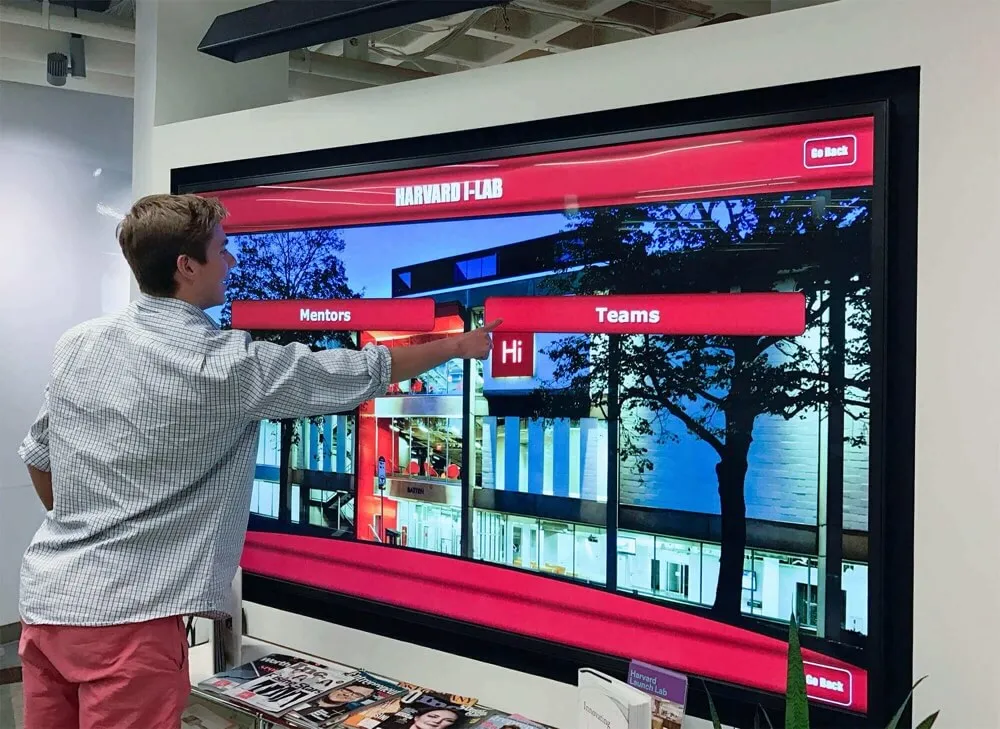
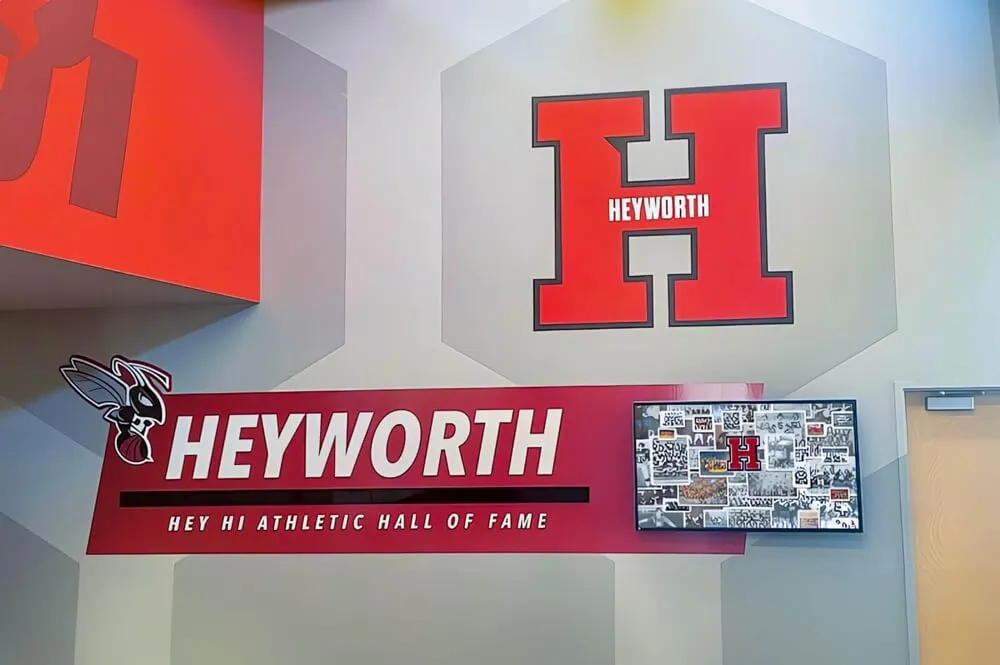
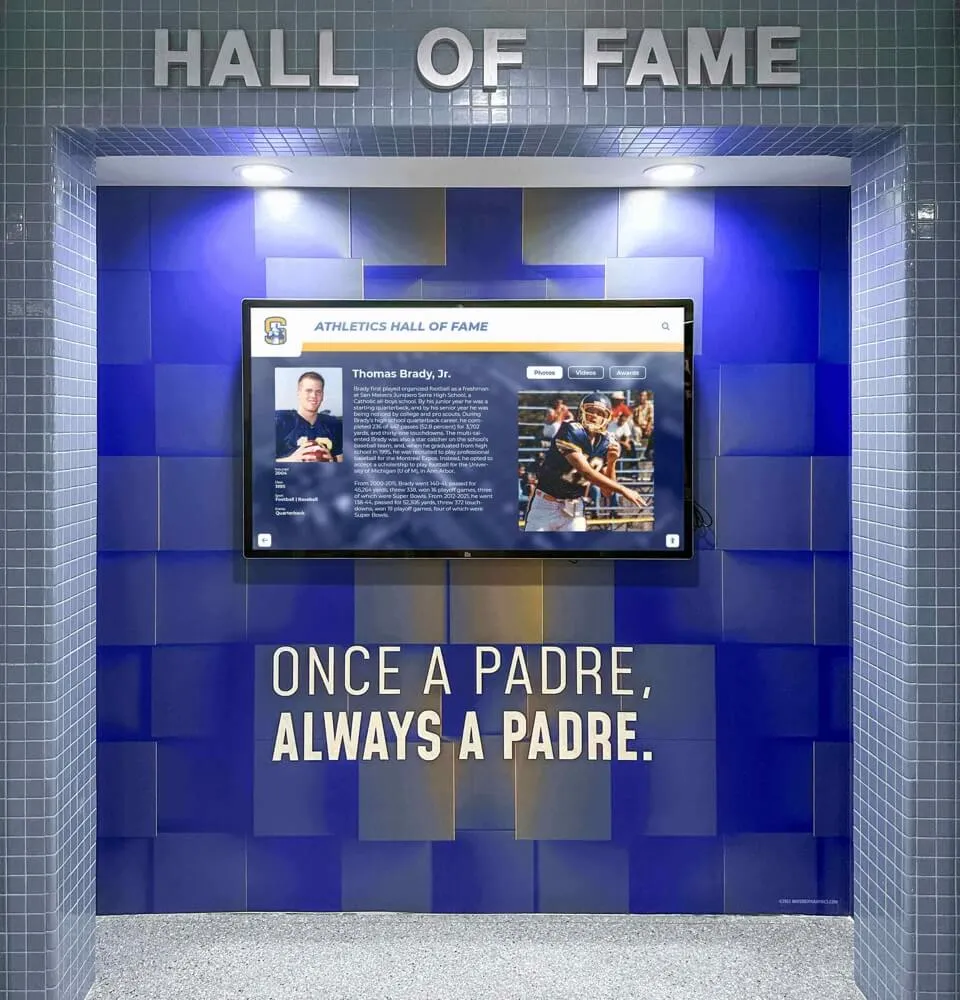
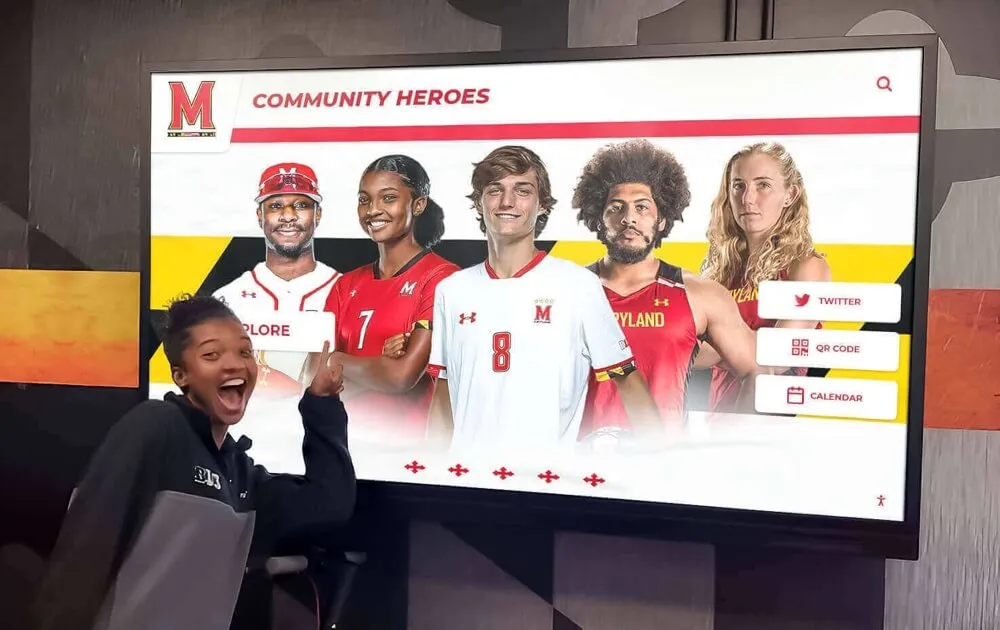
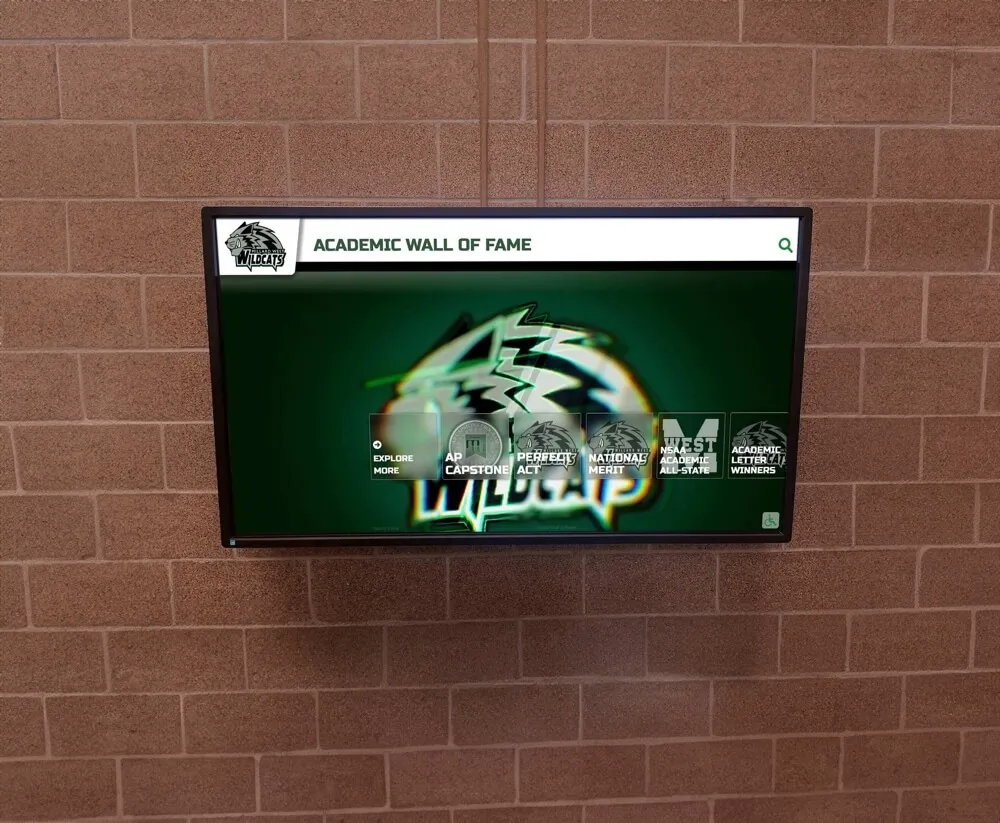
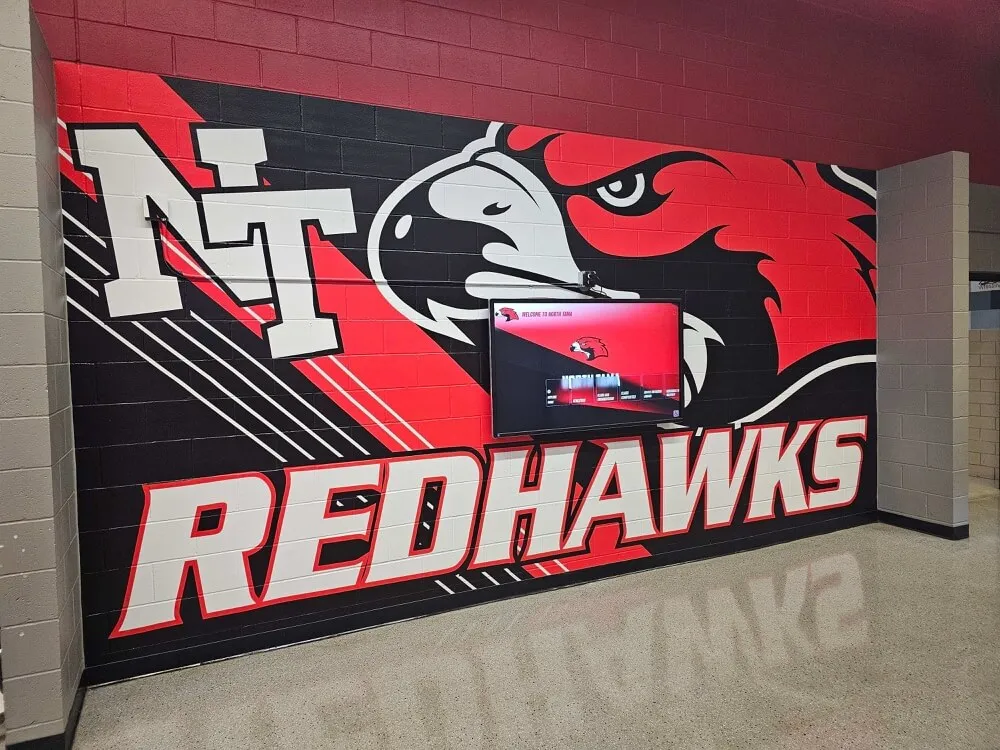
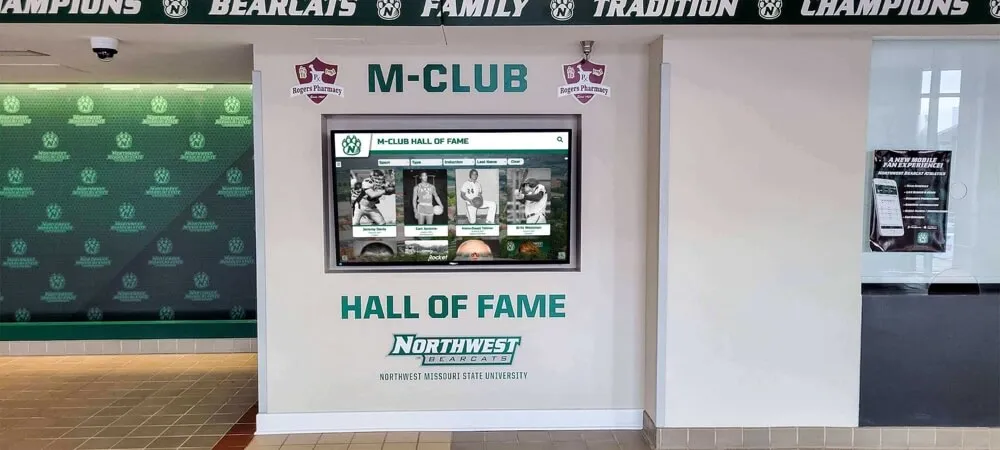
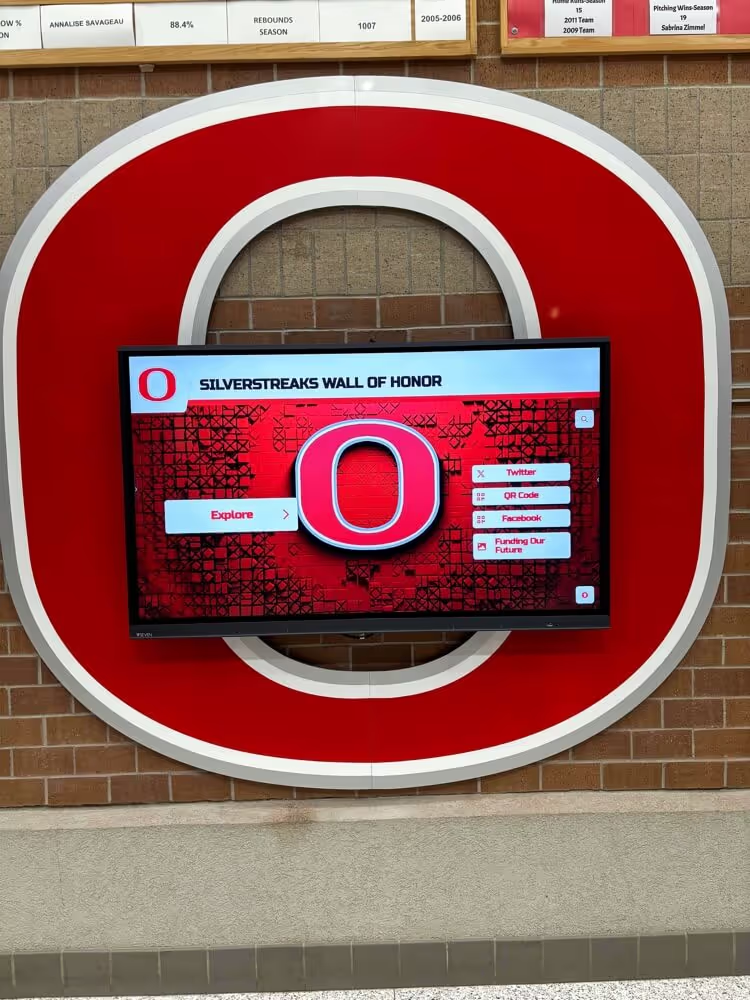
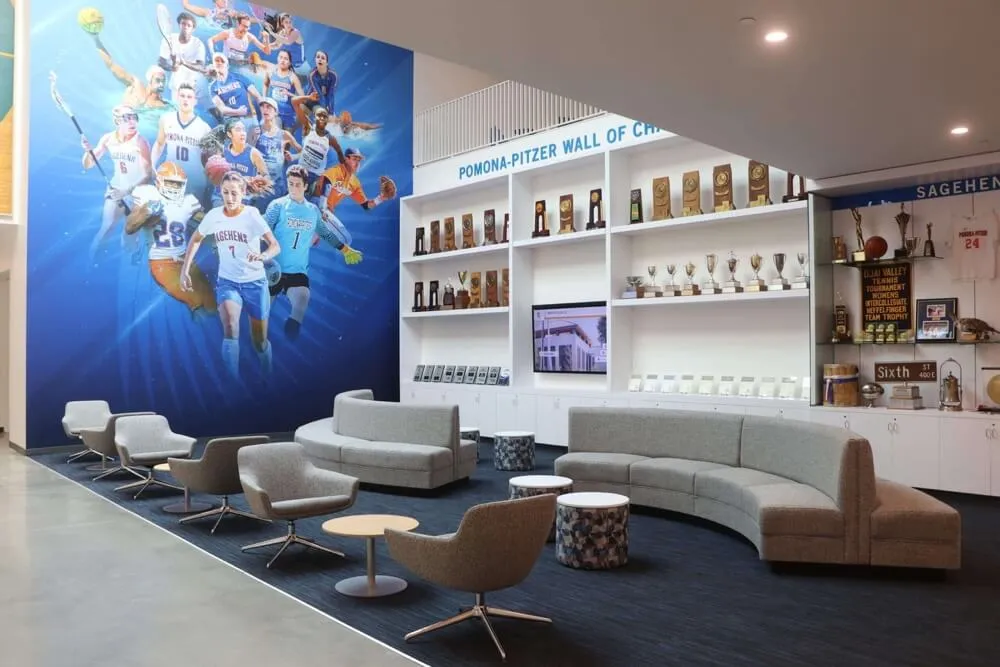
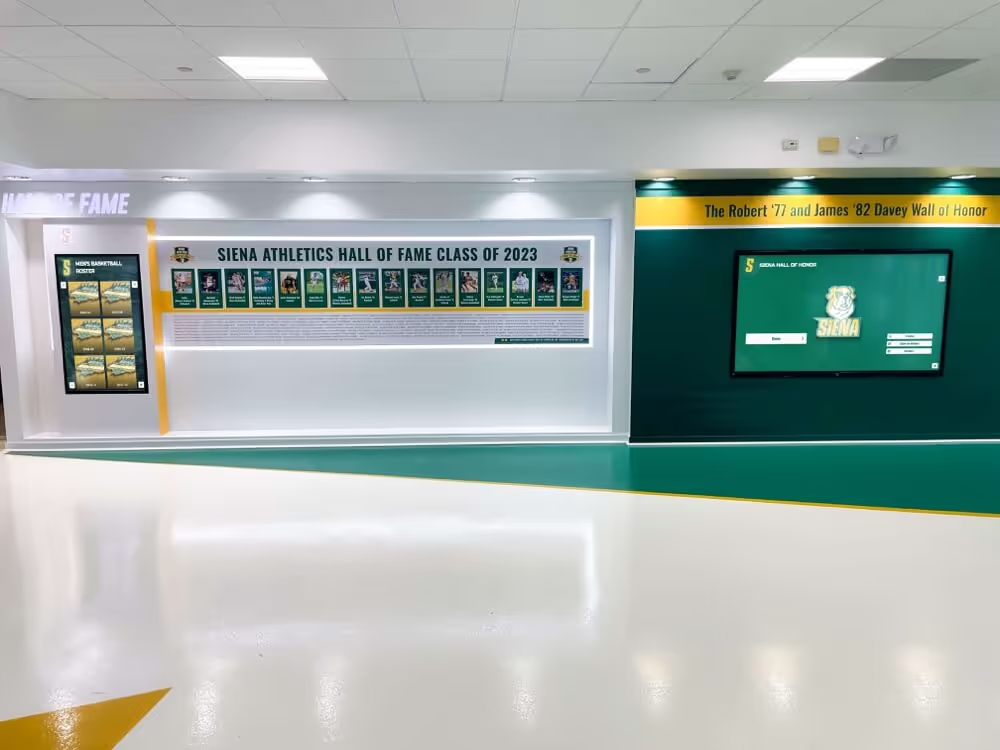
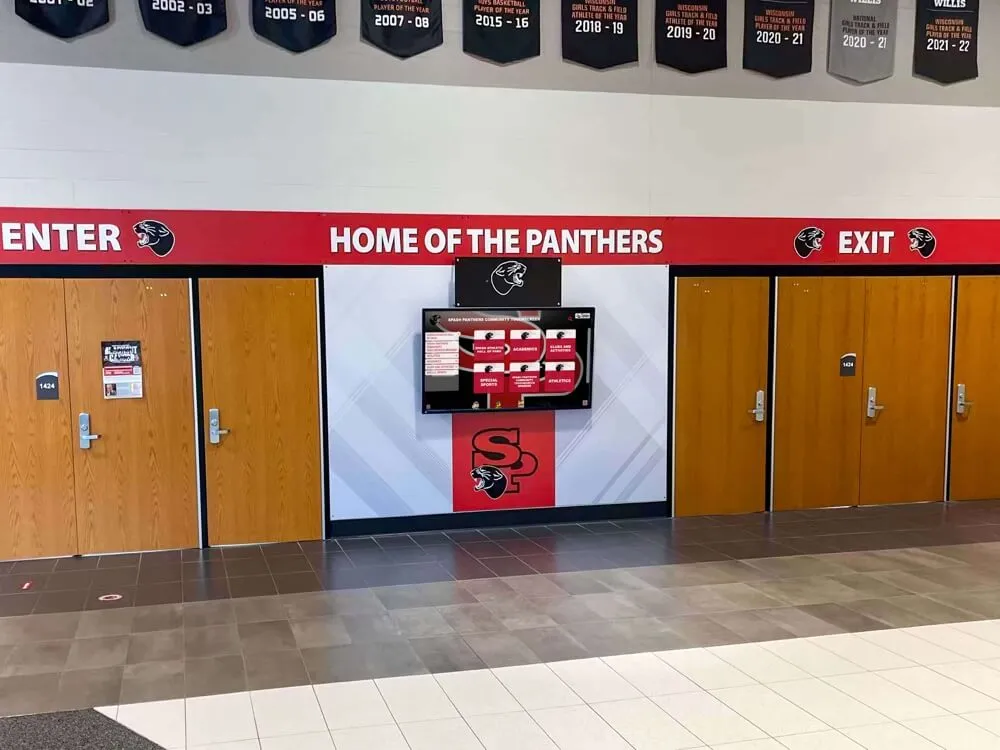
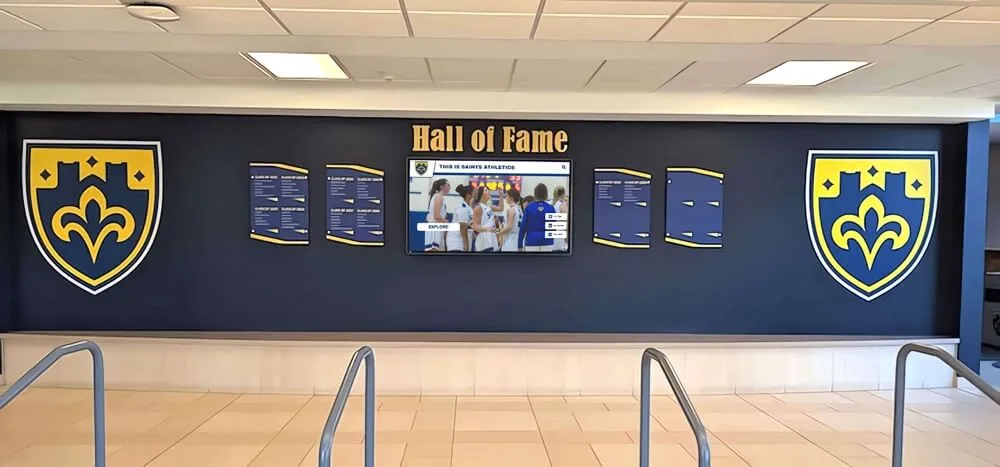
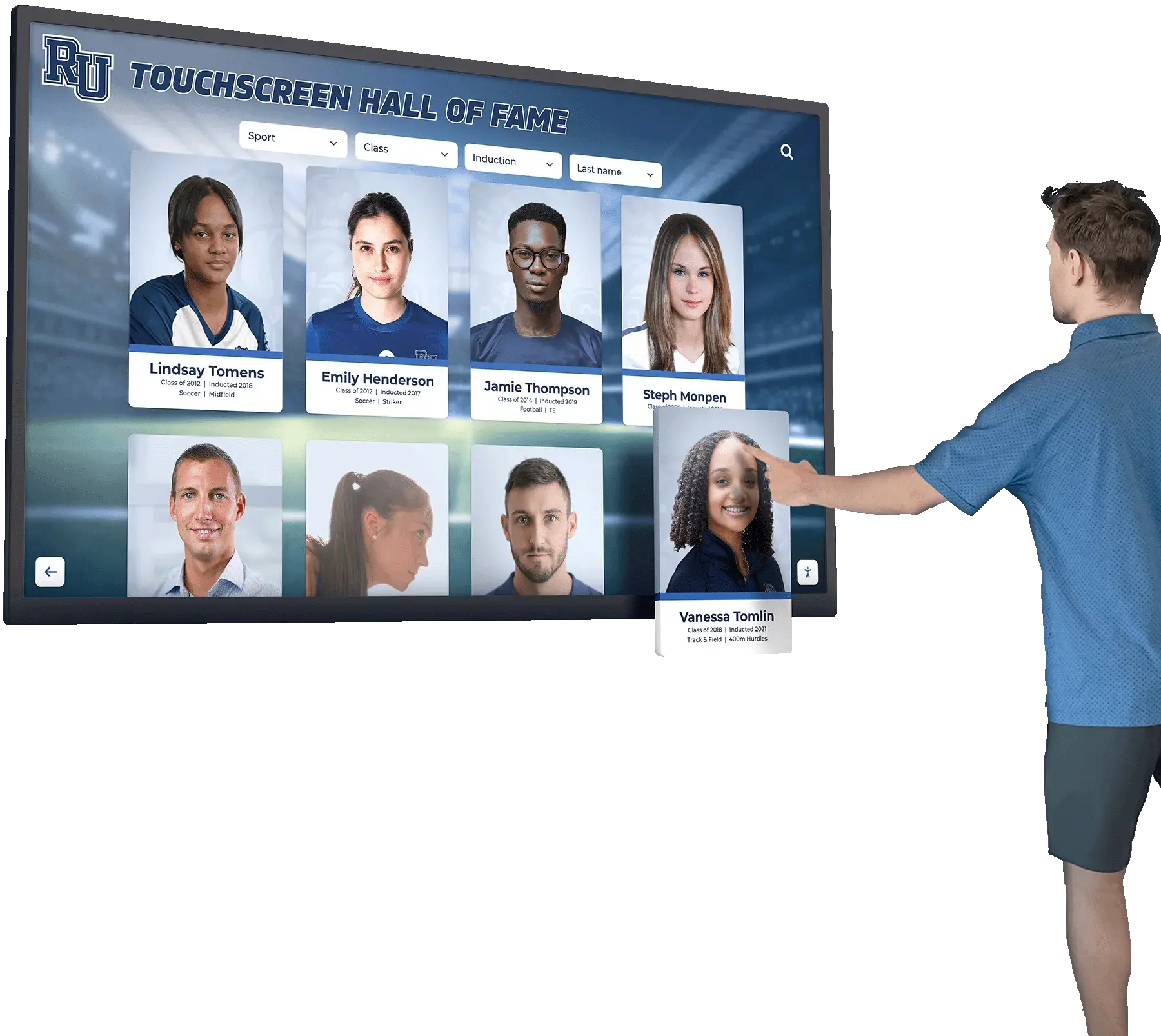
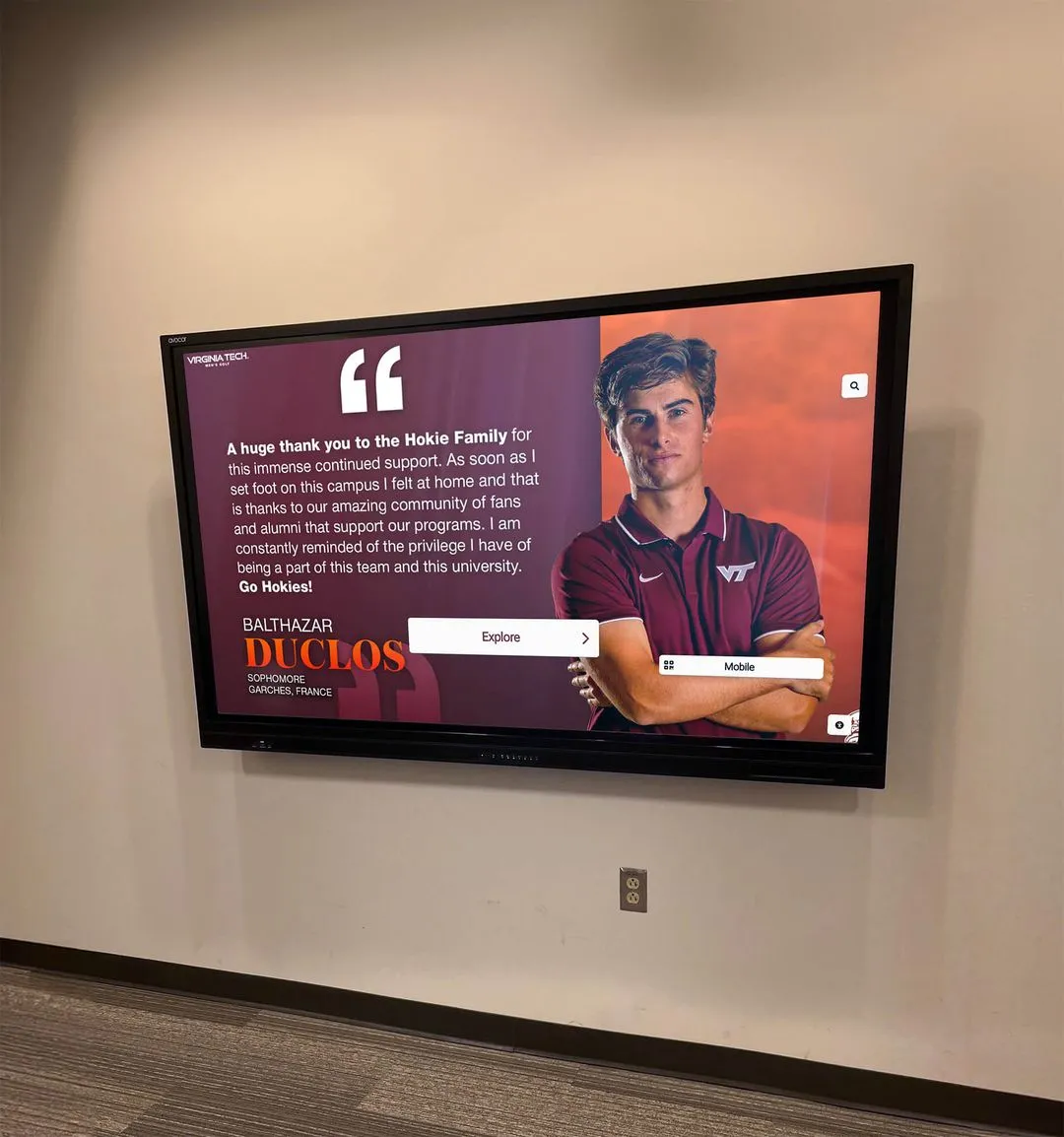
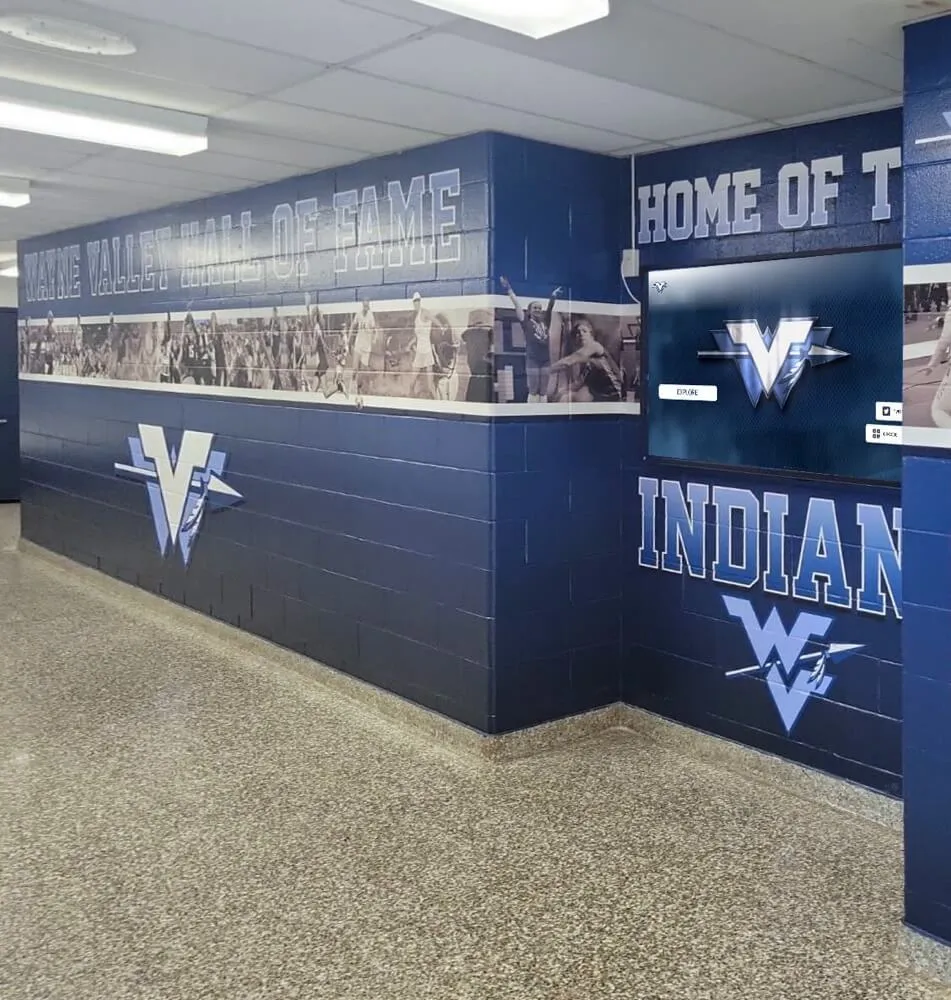
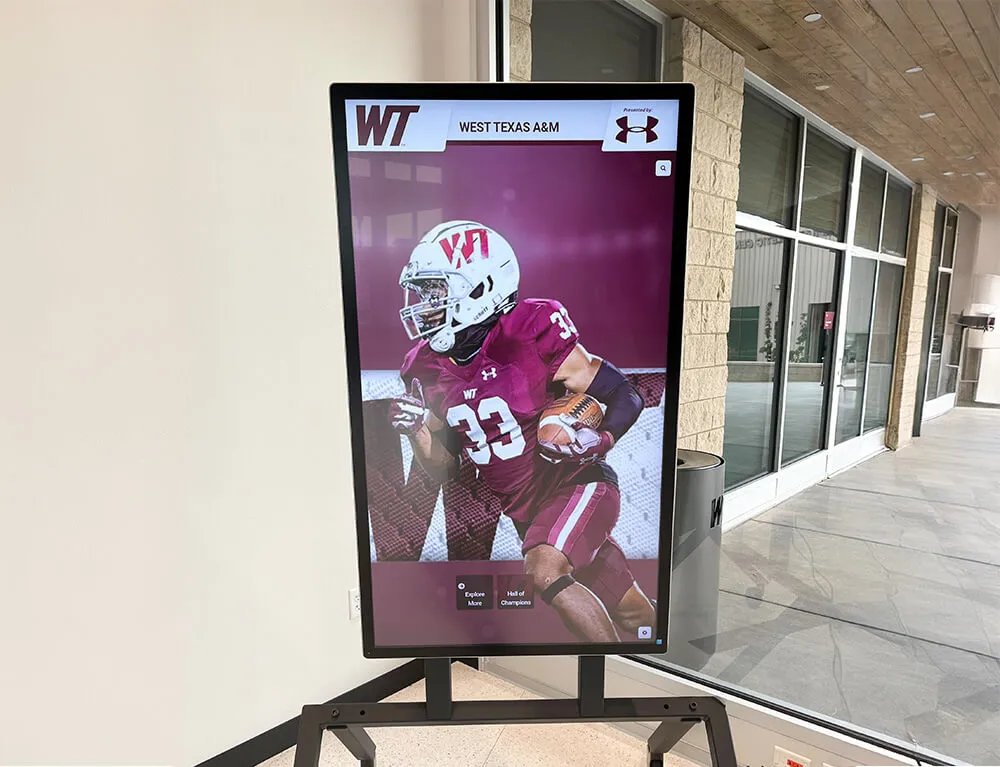
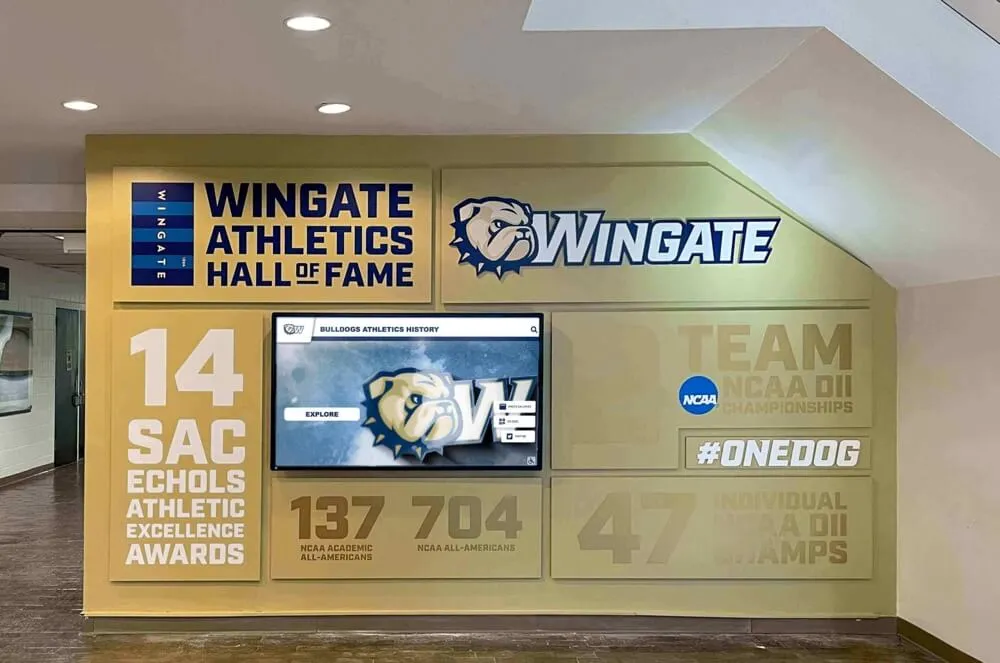
Contemporary school lobbies integrate comfortable furniture with recognition technology to create engaging entry experiences
Understanding the Strategic Role of School Lobby Spaces
Before selecting specific furniture pieces, understanding what makes lobby spaces genuinely valuable helps administrators create environments that deliver measurable returns on investment while serving multiple stakeholder needs.
The Multi-Purpose Function of School Lobbies
School lobbies represent far more than circulation spaces between exterior doors and interior corridors—they function as community gathering points, administrative service areas, emergency assembly locations, recognition showcases, and the physical embodiment of institutional culture visible to every visitor.
First Impression Creation
Entry lobbies communicate institutional priorities and values before visitors encounter faculty, view classrooms, or experience academic programming. Thoughtful furniture selection signals that your school invests in quality environments, values visitor comfort, maintains facilities professionally, and creates spaces reflecting pride in the educational community.
Conversely, worn furniture with visible damage, uncomfortable seating that discourages lingering, cluttered arrangements lacking intentional organization, or dated styles suggesting neglect send equally powerful negative messages that undermine recruitment, diminish community confidence, and influence how students perceive their educational environment.
Supporting Varied Daily Activities
Well-furnished lobbies accommodate diverse functions throughout typical school days:
- Early morning student arrival and parent drop-off conversations
- Administrative reception for visitors checking in at main offices
- Prospective family tours during admissions visits
- Students waiting for appointments with counselors or administrators
- Parent-teacher conference overflow during evening events
- Community members attending board meetings or school programs
- Alumni returning for reunions or special events
- Emergency assembly areas during drills or weather events
This functional diversity demands furniture arrangements flexible enough to support multiple simultaneous uses without feeling cramped or disorganized during peak traffic periods.
Creating Community Gathering Points
Beyond circulation and administrative functions, lobbies increasingly serve as community hubs where students, families, and staff naturally gather, connect, and build relationships that strengthen school culture.
Before and After School Gathering
Comfortable lobby furniture creates inviting spaces where:
- Students arrive early and socialize before first period begins
- Parents connect with other families during morning drop-off
- After-school pickup transitions include casual conversations
- Club members gather before activities or events begin
- Staff encounters happen naturally outside formal meetings
These informal interactions build social capital that enhances school climate, strengthens parent engagement, and creates the positive relationships that support academic success.
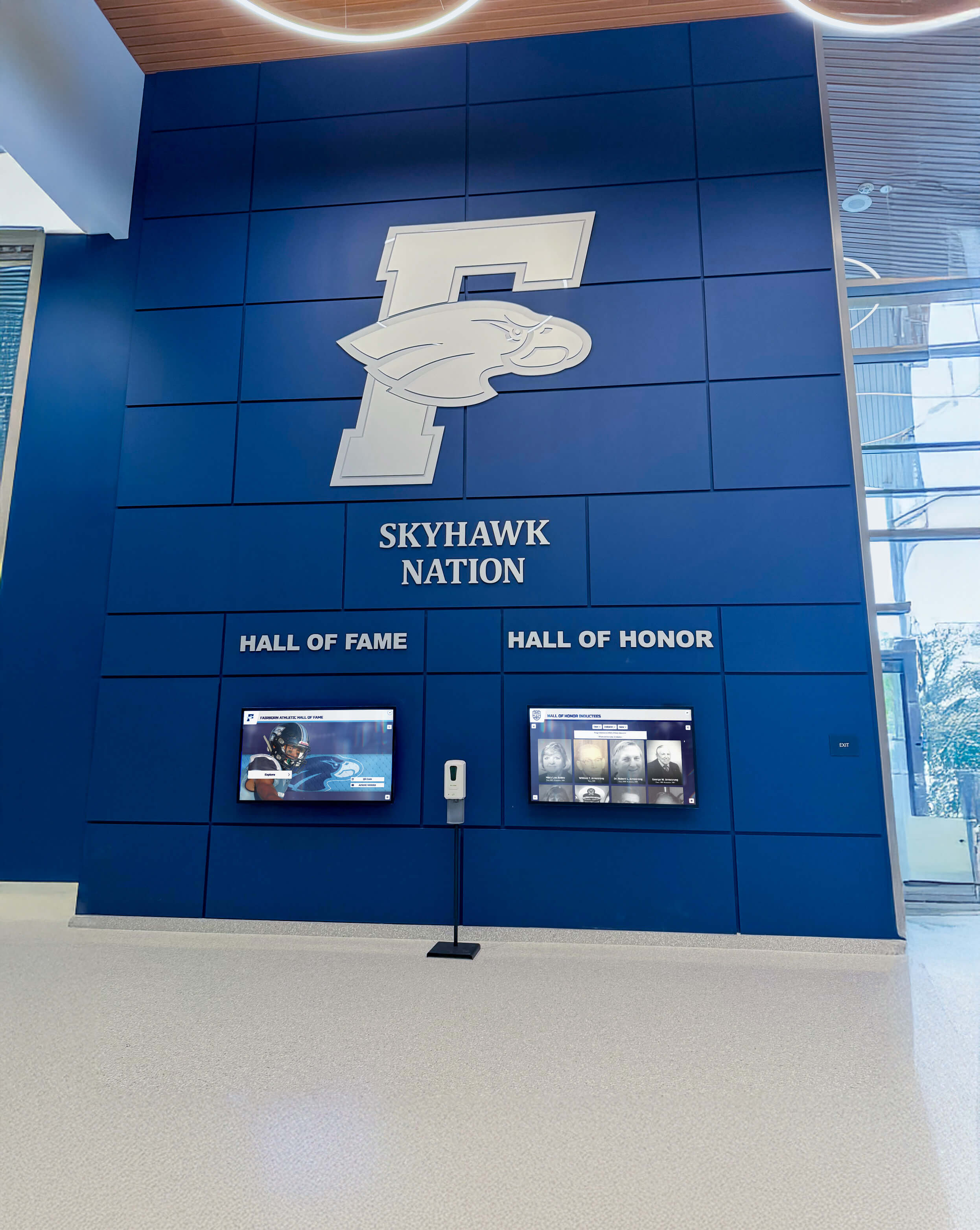
Thoughtfully arranged furniture creates inviting spaces encouraging community connection
Event Support and Flexibility
During special events—back-to-school nights, performances, athletic competitions, graduation celebrations—lobbies extend venue capacity while providing comfortable spaces for attendees to gather before programs, socialize during intermissions, or reconnect after events conclude.
Furniture arrangements supporting these functions enhance the overall event experience while demonstrating institutional capacity to host community gatherings professionally. Learn more about creating comprehensive welcome experiences during back-to-school night events.
Essential Furniture Categories for School Lobbies
Successful lobby designs integrate multiple furniture types serving different purposes while maintaining cohesive aesthetic and functional harmony.
Primary Seating Solutions
Comfortable seating forms the foundation of welcoming lobby environments, determining whether spaces invite extended stays or merely tolerate brief waiting.
Upholstered Lounge Seating
Residential-quality lounge furniture creates welcoming atmosphere distinguishing institutional lobbies from sterile waiting rooms:
- Sofas and loveseats accommodating multiple people in comfortable configurations
- Lounge chairs providing individual seating with supportive backs and arms
- Modular sectionals offering flexibility for various group sizes and arrangements
- Ottomans or poufs serving as flexible additional seating or footrests
Select commercial-grade construction designed for intensive institutional use rather than residential furniture lacking durability. Quality institutional lounge furniture withstands thousands of daily uses across years while maintaining appearance and structural integrity.
Benches and Settees
More compact than full sofas, benches provide space-efficient seating for high-traffic areas:
- Armless benches maximizing seating capacity in constrained spaces
- Upholstered settees balancing comfort with compact footprints
- Backed benches providing comfortable support during extended waits
- Storage benches offering concealed storage for lobby supplies or seasonal items
Benches work particularly well along walls or defining circulation boundaries without blocking sightlines to reception desks or offices.
Task and Side Chairs
Individual chairs complement lounge seating while serving specific functional needs:
- Guest chairs for short-term waiting near reception or offices
- Stackable chairs enabling quick setup during events requiring additional seating
- Counter-height chairs at standing-height surfaces for brief work or device use
- Bariatric chairs ensuring inclusive seating accommodating all body types
Mix seating types throughout lobbies rather than relying exclusively on one style, creating visual interest while accommodating diverse user preferences and physical needs.
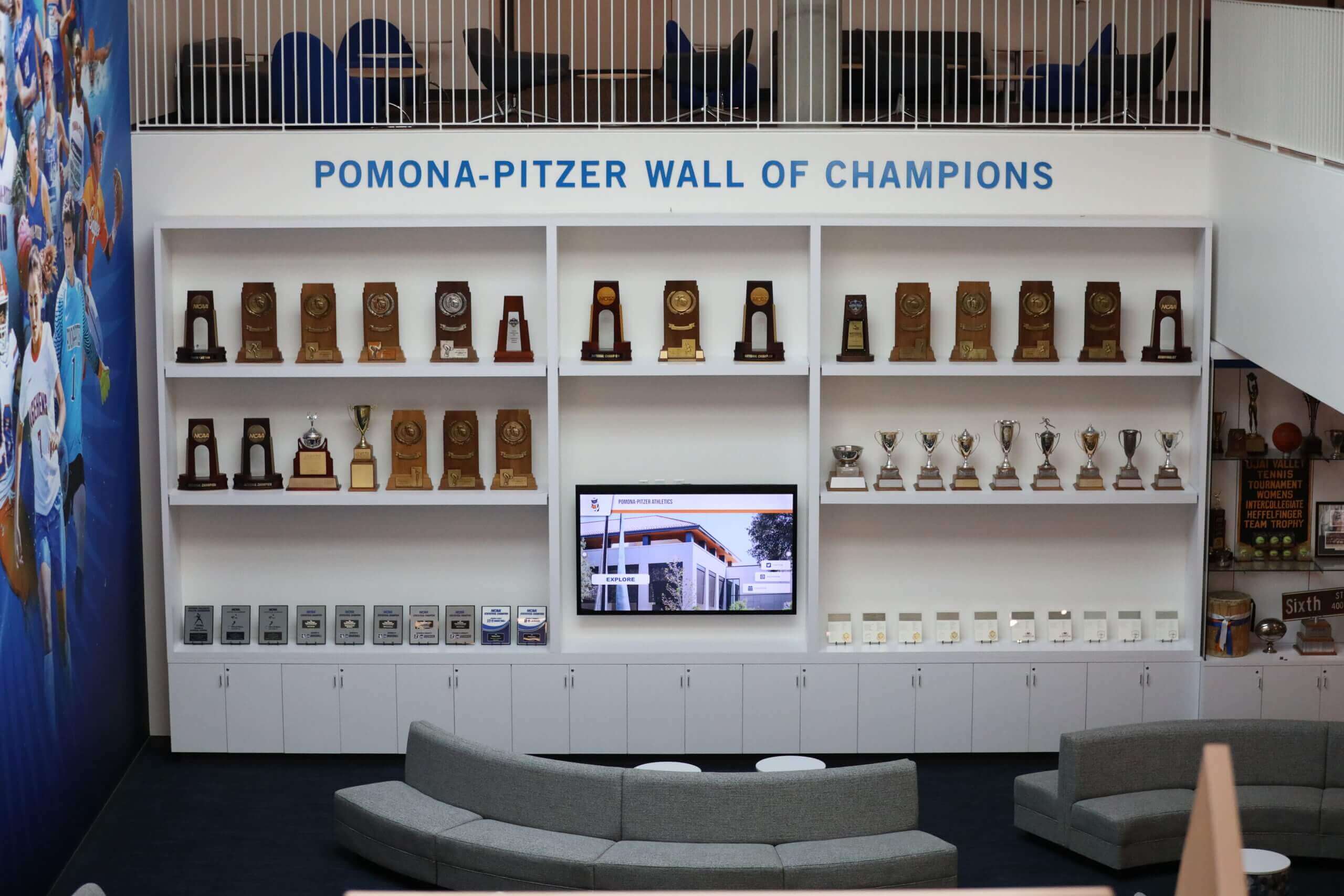
Diverse seating types create welcoming environments accommodating various user needs and preferences
Tables and Work Surfaces
Surface areas enable visitors to work, eat, set down belongings, or simply provide personal space during waiting.
Coffee Tables and End Tables
Low tables anchoring seating clusters serve multiple functions:
- Coffee tables centered within seating groups for shared use
- End tables flanking individual seats for personal surface space
- Nesting tables providing flexible configurations adapting to varying needs
- Storage tables concealing clutter while providing surface area
Ensure adequate table access throughout seating areas—insufficient surface space frustrates visitors trying to use devices, review documents, or simply set down beverages and bags.
Counter-Height Work Surfaces
Standing-height surfaces support various activities beyond traditional sitting:
- Reception counters defining administrative check-in areas
- Information displays featuring school maps, event calendars, or announcements
- Device charging stations with integrated power and USB ports
- Quick work areas for parents completing forms or checking messages
Counter surfaces particularly appeal to visitors making brief stops rather than extended waits, providing convenient elevated surfaces without requiring comfortable seating commitment.
Occasional Tables
Smaller accent tables add functionality throughout lobby spaces:
- Magazine tables displaying school publications and community information
- Plant stands elevating greenery creating visual interest
- Display pedestals showcasing trophies, artifacts, or recognition items
- Lamp tables supporting decorative lighting elements
Storage and Organization Furniture
Functional storage maintains lobby appearance while providing practical utility:
Display Cabinets and Cases
Enclosed storage showcases achievements while protecting valuable items:
- Trophy cases highlighting athletic championships and competition successes
- Display cabinets featuring academic awards and student achievements
- Literature racks organizing school publications and informational materials
- Lockable cases securing valuable artifacts or equipment
Traditional physical display cases can be complemented by digital recognition solutions. Trophy display case ideas showcase how schools balance traditional and modern approaches to celebrating achievements.
Coat Storage and Hooks
Weather-appropriate storage prevents clutter during colder months:
- Coat racks providing temporary storage during events or visits
- Wall-mounted hooks offering simple hanging solutions along corridors
- Coat closets concealing storage in dedicated spaces
- Umbrella stands preventing water damage near entrances
Administrative Storage
Behind-the-scenes storage maintains lobby organization:
- Credenzas concealing office supplies and lobby maintenance items
- Filing units storing visitor logs and administrative forms
- Supply cabinets organizing cleaning materials and event setup items
- Lockable storage securing valuable items or sensitive materials
Design Principles for Effective Lobby Furniture Arrangements
Beyond selecting quality individual pieces, thoughtful arrangement determines whether furniture creates cohesive, functional environments or disorganized, awkward spaces.
Traffic Flow and Circulation Patterns
Furniture placement must accommodate natural movement patterns while preventing congestion during high-traffic periods.
Defining Primary Circulation Paths
Identify major traffic routes connecting exterior entries to:
- Main office reception areas
- Primary hallways accessing classrooms
- Auxiliary corridors reaching specialized facilities
- Stairwells or elevators serving multiple floors
- Emergency exits meeting safety requirements
Maintain clear, wide pathways (minimum 5-6 feet) through these primary routes, positioning furniture along edges rather than obstructing central circulation. During morning arrival or dismissal rushes, dozens or hundreds of people simultaneously move through lobbies—adequate circulation space prevents dangerous crowding while reducing damage to furniture from backpacks and equipment.
Creating Secondary Gathering Zones
Along circulation peripheries, arrange furniture in distinct zones serving different functions:
- Reception waiting areas near main office entries
- Casual gathering spaces with comfortable seating clusters
- Quick-stop zones with counter surfaces for brief pauses
- Recognition areas highlighting achievements and community heritage
Physical separation between active circulation and stationary gathering prevents conflicts while creating comfortable spaces where people naturally pause without blocking through-traffic.
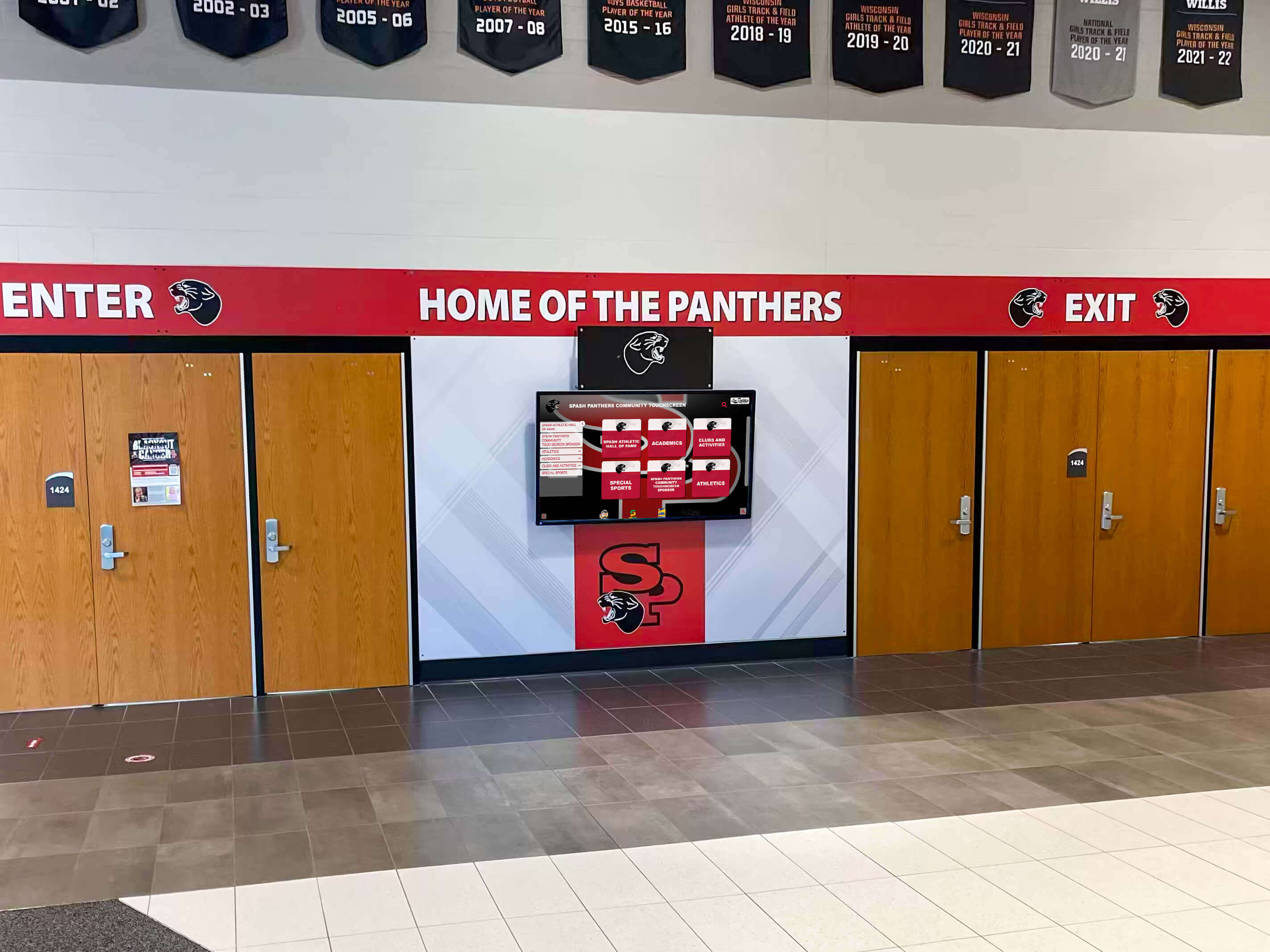
Clear circulation paths prevent congestion while creating distinct zones for gathering and recognition
Universal Accessibility
All furniture arrangements must accommodate visitors with diverse mobility needs:
- Wheelchair-accessible pathways (minimum 36 inches, preferably 48+ inches)
- Adequate turning radius at furniture clusters (60-inch circles)
- Accessible seating heights and styles accommodating various physical capabilities
- Clear sightlines to wayfinding and informational signage
- Assistive listening systems or visual communication aids where appropriate
Inclusive design benefits all visitors while demonstrating institutional commitment to welcoming every community member. Many schools seeking to enhance accessibility discover opportunities to integrate digital signage services that complement physical furniture with accessible information displays.
Creating Cohesive Design Aesthetics
Visual unity throughout lobby furniture creates professional, intentional appearance versus haphazard accumulation.
Establishing Color Palettes
Coordinate furniture colors reflecting institutional identity while maintaining sophisticated appearance:
- School color accents in upholstery, cushions, or decorative elements
- Neutral foundation pieces in grays, beiges, or browns providing flexibility
- Coordinated finishes across wood tones, metal frames, and laminate surfaces
- Strategic pops of color adding visual interest without overwhelming spaces
Balance is crucial—lobbies should feel sophisticated and welcoming to diverse audiences rather than overwhelming visitors with excessive school spirit theming. Alumni and prospective families particularly appreciate environments feeling professionally designed rather than decorated like student common areas.
Consistent Style Language
Select furniture sharing compatible design aesthetics:
- Contemporary modern with clean lines and minimal ornamentation
- Traditional classic featuring detailed woodwork and upholstered comfort
- Transitional blend combining timeless forms with updated materials
- Industrial modern using metal, wood, and exposed structural elements
Mixing dramatically different styles—highly traditional wing chairs beside ultra-modern minimalist sofas—creates visual confusion rather than interesting contrast. While perfect uniformity isn’t necessary, maintaining general style consistency throughout primary pieces creates cohesive environments.
Scale and Proportion
Furniture size must appropriately match lobby dimensions:
- Large open lobbies benefit from substantial seating groups avoiding sparse appearance
- Intimate entries require compact furniture preventing cramped feelings
- Ceiling heights influence appropriate furniture scale and visual weight
- Window relationships affect furniture placement and proportional balance
Oversized furniture overwhelms small spaces, while undersized pieces look lost in expansive lobbies. Test furniture scale through floor plans or temporary mock-ups before purchasing ensures appropriate proportions.
Integrating Recognition and Digital Displays with Lobby Furniture
Modern school lobbies increasingly incorporate recognition elements celebrating community achievements within overall furniture planning.
Coordinating Physical and Digital Recognition
Traditional trophy cases and modern digital displays serve complementary purposes when thoughtfully integrated:
Strategic Display Placement
Position recognition elements where they enhance rather than compete with functional furniture:
- High-visibility walls easily visible from main circulation paths
- Adequate viewing space allowing groups to gather without blocking traffic
- Nearby seating enabling extended exploration of detailed content
- Proper lighting highlighting displays effectively without creating glare
- Power and data infrastructure supporting digital system reliability
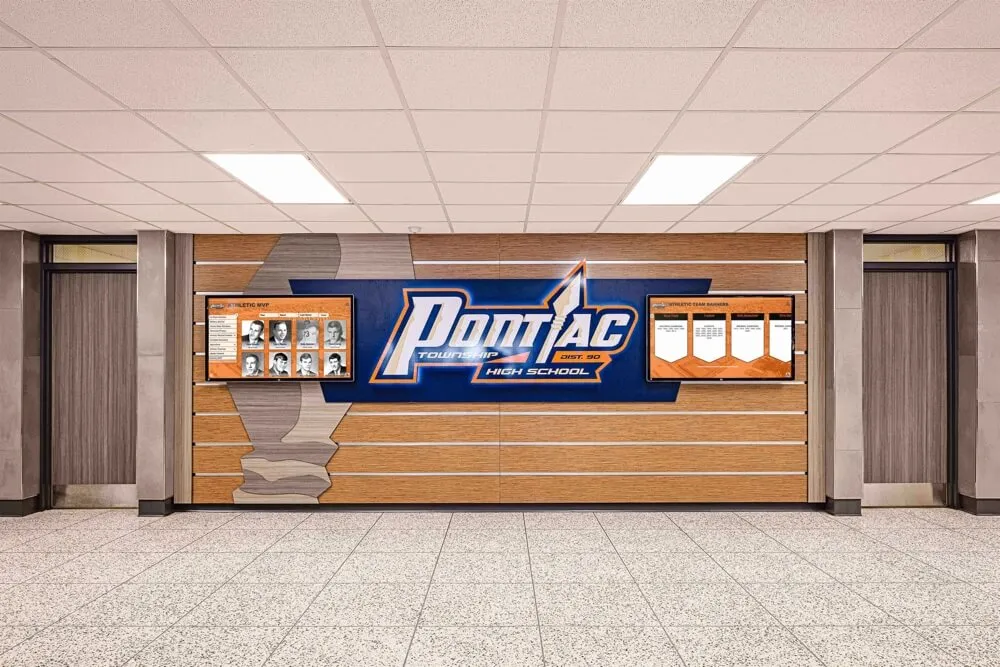
Solutions like Rocket Alumni Solutions provide comprehensive digital recognition systems designed for lobby integration, showcasing unlimited achievements through intuitive touchscreen interfaces that complement physical furniture arrangements without requiring extensive floor space.
Furniture Supporting Recognition Engagement
Arrange seating encouraging visitors to interact with recognition displays:
- Comfortable chairs positioned for viewing digital touchscreens
- Benches along walls featuring traditional recognition elements
- Standing-height surfaces near counter-mounted displays
- Small tables enabling visitors to take notes or share discoveries
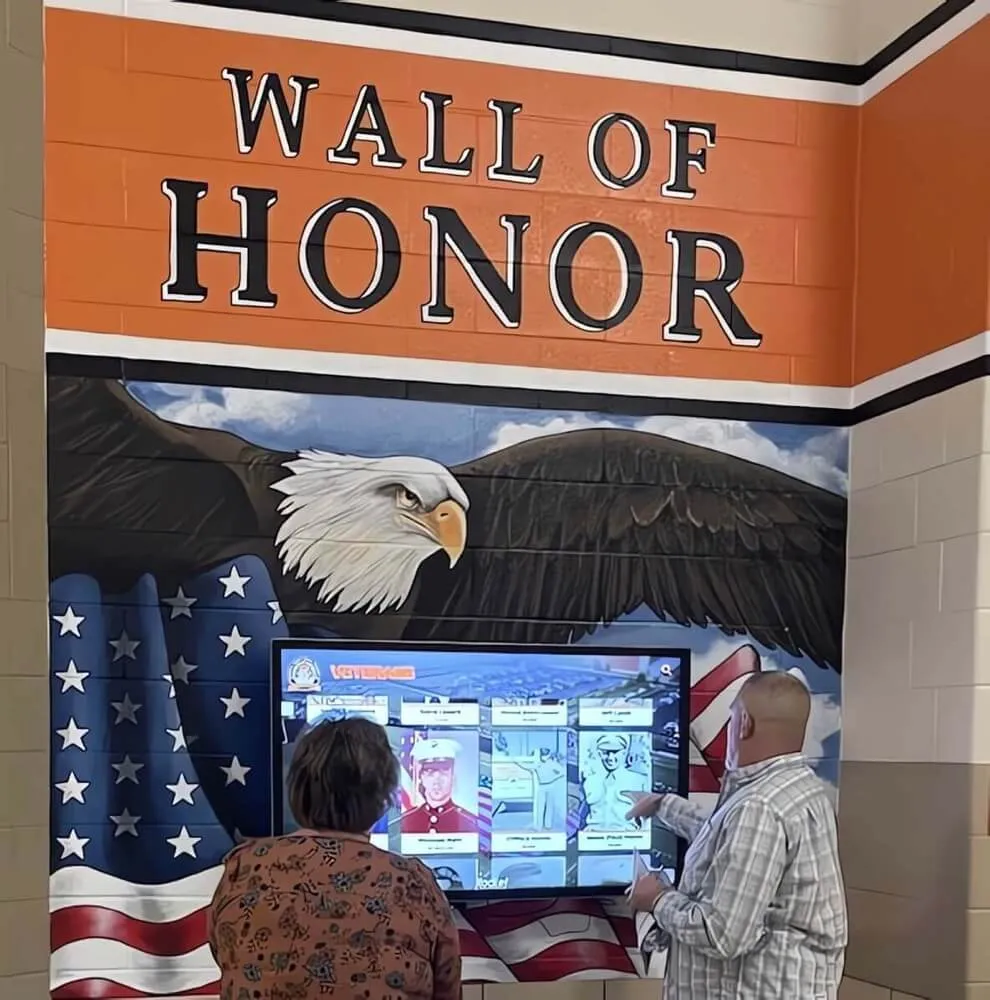
Recognition displays become conversation catalysts when nearby furniture invites people to explore together, share memories about recognized individuals, and build community connections through shared institutional pride. Learn more about interactive touchscreen displays designed to engage visitors in lobby environments.
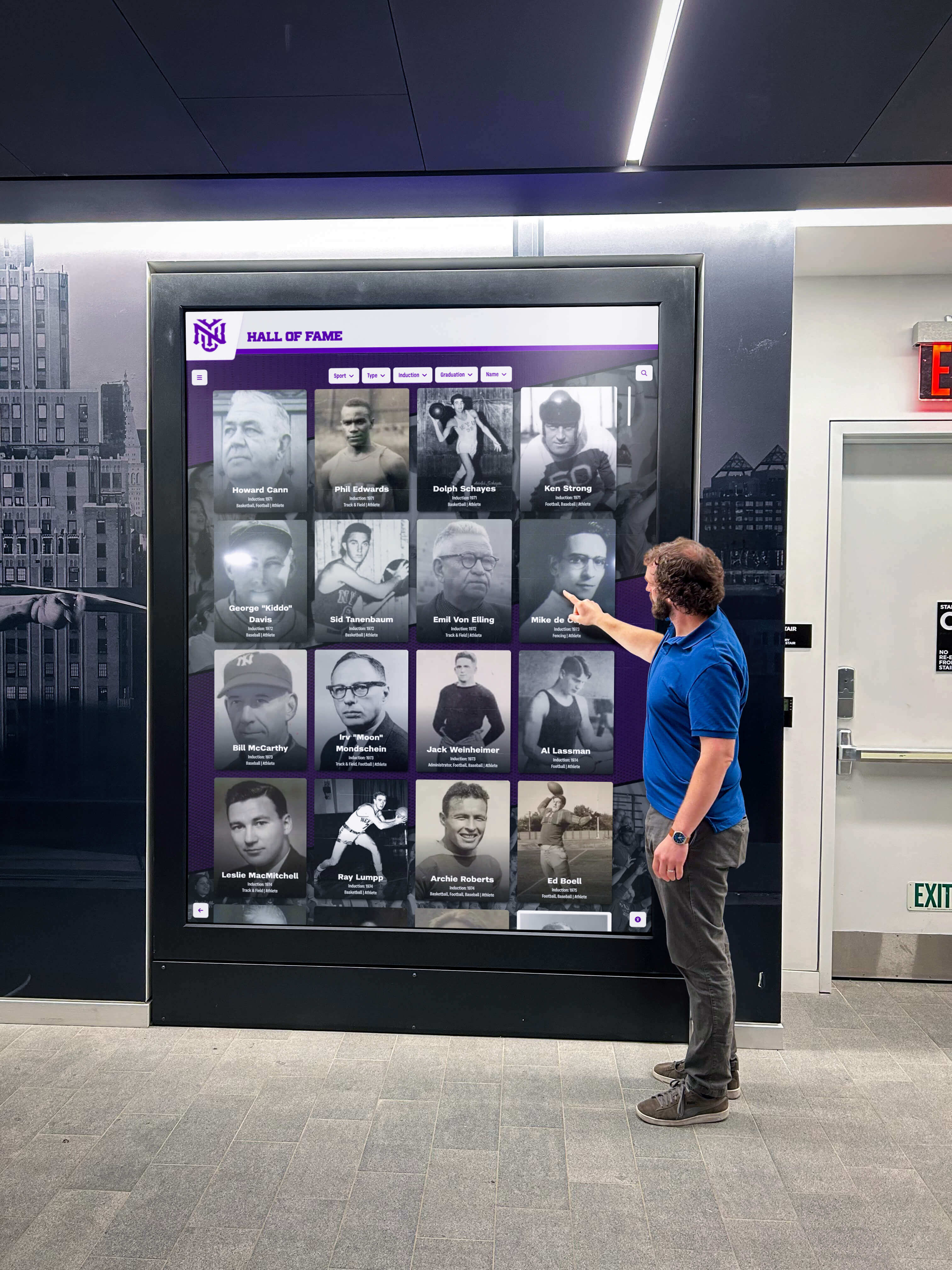
Strategic furniture placement near recognition displays encourages exploration and community engagement
Balancing Recognition with Functional Needs
Recognition elements should enhance lobby functionality rather than compromising practical utility:
Maintaining Adequate Seating
Avoid sacrificing essential visitor seating to maximize recognition display area. Lobbies primarily serve people needing comfortable places to wait, work, or gather—recognition enhances these spaces but shouldn’t dominate at the expense of functional requirements.
Preserving Circulation Efficiency
Position displays and related furniture without creating bottlenecks or blocking emergency egress routes. During evacuation scenarios, recognition displays must not obstruct rapid, safe lobby traversal.
Flexible Configuration Options
Select furniture arrangements easily adapted when updating recognition systems or hosting special events. Modular furniture on casters, easily rearranged seating clusters, and movable display elements enable periodic refreshment maintaining visual interest across years.
Material Selection and Durability Considerations
School lobby furniture endures intensive use demanding materials balancing aesthetic appeal with practical longevity.
Upholstery Fabric Choices
Fabric selection profoundly impacts both appearance and maintenance requirements:
Performance Fabrics
Modern performance textiles provide residential appearance with commercial durability:
- Crypton or similar treatments offering stain resistance and easy cleaning
- Solution-dyed acrylics resisting fading from sunlight exposure near windows
- Polyester blends balancing durability with comfortable softness
- Vinyl alternatives providing leather appearance without animal products
Avoid delicate natural fabrics lacking stain protection—light-colored linens or untreated cottons show every mark within weeks, requiring constant professional cleaning or premature replacement.
Color and Pattern Strategy
Strategic color selection disguises inevitable wear:
- Medium tones hide soil better than very light or very dark extremes
- Subtle patterns camouflage minor stains and wear marks
- Textured weaves mask surface imperfections better than smooth finishes
- School color integration maintaining appearance across multiple cleanings
Pure white or cream upholstery looks impressive initially but requires unrealistic maintenance in active school environments. Similarly, solid black or navy shows every fiber, dust particle, and fading spot prominently.
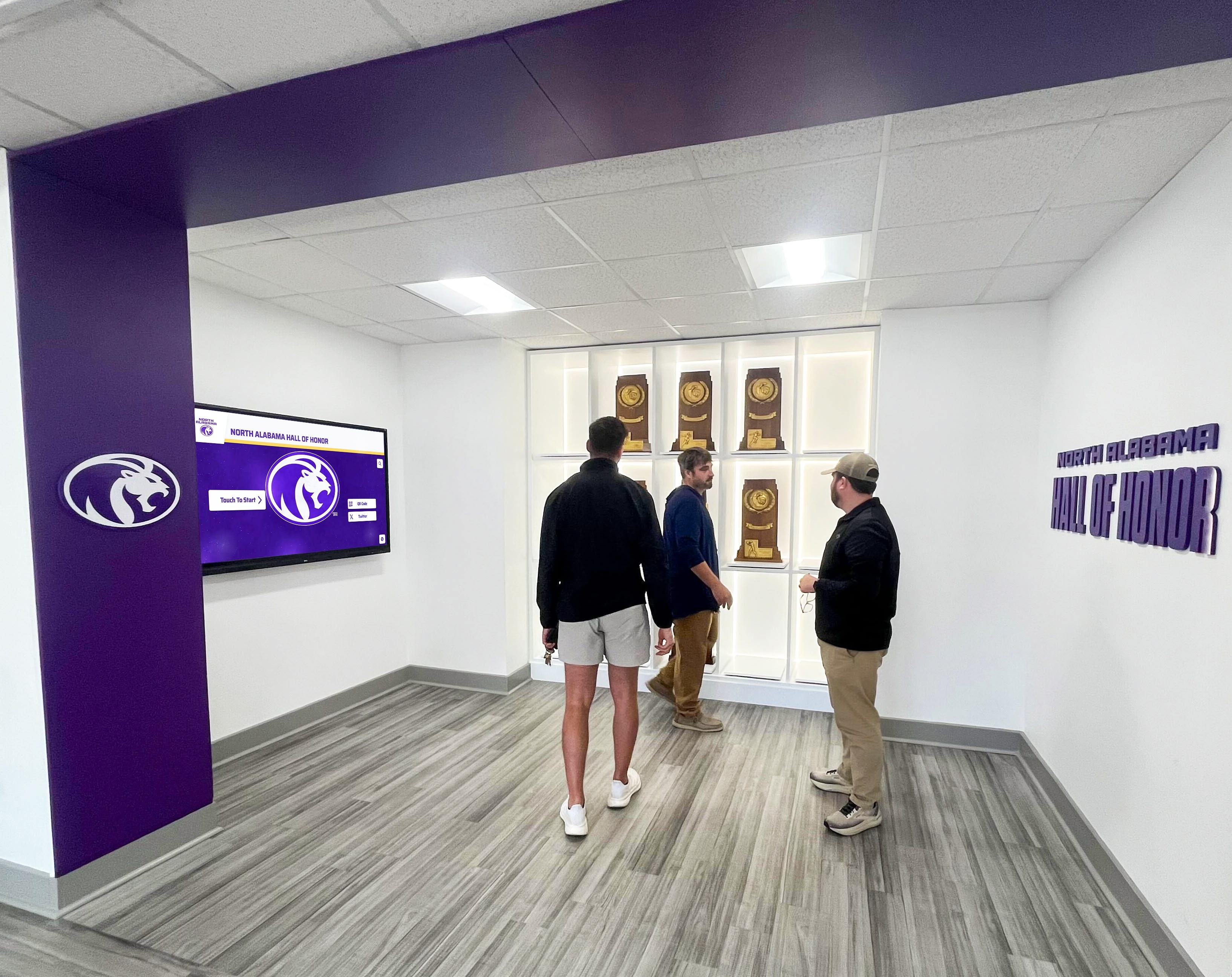
Durable materials maintain professional appearance despite intensive daily use
Frame Construction and Structural Durability
Hidden structural elements determine whether furniture withstands years of intensive institutional use:
Commercial-Grade Construction
Institutional furniture requires reinforcement beyond residential standards:
- Hardwood frames rather than particleboard or softwood alternatives
- Reinforced joints using corner blocks, dowels, and quality hardware
- Spring systems designed for heavy commercial use
- Cushion cores using high-density foams maintaining shape across years
- Seat decks constructed from solid wood or heavy-gauge spring systems
Budget furniture using residential construction standards fails quickly under institutional use, requiring replacement within 2-3 years versus 10-15+ year service from quality commercial pieces. Initial cost savings vanish when calculating total cost of ownership including frequent replacement.
Weight Capacity and Safety
School furniture must accommodate all users safely:
- Standard seating supporting minimum 250-300 pounds safely
- Bariatric options for users up to 500+ pounds where needed
- Stable bases preventing tipping accidents
- Rounded edges minimizing injury during crowded conditions
- Fire-rated materials meeting building code requirements
Surface Materials for Tables and Case Goods
Hard surfaces endure different abuse than upholstery:
Laminate Options
High-pressure laminates provide durable, attractive surfaces:
- Scratch-resistant finishes withstanding keys, bags, and equipment
- Easy-clean surfaces wiping clean without special treatments
- Variety of colors and patterns coordinating with overall design
- Cost-effective durability balancing budget with longevity
Wood Surfaces
Solid wood or wood veneer tables offer warmth and sophistication:
- Hardwood species like oak, maple, or walnut providing durability
- Protective finishes sealing wood against moisture and staining
- Regular maintenance requiring periodic refinishing maintaining appearance
- Higher cost justified by appearance and long service life
Metal and Glass
Alternative materials create contemporary aesthetics:
- Powder-coated metal offering industrial appearance with durability
- Tempered glass providing elegant look requiring consistent cleaning
- Mixed materials combining metal frames with wood or laminate tops
Budget Planning and Procurement Strategies
Creating welcoming lobby environments requires realistic budgeting and strategic procurement approaches.
Investment Ranges and Cost Factors
Lobby furniture costs vary dramatically based on quality, scale, and sourcing:
Quality Tier Considerations
Budget approximately:
- Basic institutional grade: $50-100 per square foot of furnished space
- Mid-range commercial quality: $100-175 per square foot
- Premium institutional furniture: $175-300+ per square foot
A modest 500 square foot lobby might require $25,000-150,000+ in furniture investment depending on quality selections and project scope including any built-in millwork or specialized features.
Lifecycle Cost Analysis
Evaluate total ownership costs beyond initial purchase:
- Upfront cost of furniture procurement and installation
- Maintenance requirements including cleaning and minor repairs
- Replacement timeline estimating service life before renewal needed
- Energy costs if furniture includes powered elements
Quality commercial furniture costing twice as much initially but lasting three times longer provides superior value versus budget options requiring frequent replacement.
Strategic Procurement Approaches
Phased Implementation
When comprehensive lobby renovation exceeds immediate budgets, phased approaches deliver incremental improvement:
Phase 1: Primary Seating and Reception
- Replace most visible, heavily used seating
- Update reception counter and immediate waiting area
- Address safety or accessibility deficiencies
- Create cohesive appearance in highest-traffic zones
Phase 2: Secondary Zones and Enhancement
- Add seating clusters in additional gathering areas
- Integrate recognition displays or technology elements
- Include decorative enhancements and finishing touches
- Expand hospitality amenities like charging stations
Phase 3: Specialty Elements and Refinement
- Add specialized furniture for unique functions
- Integrate commissioned artwork or custom millwork
- Include premium finishing details elevating overall design
- Address outdoor connectivity or expansion if applicable
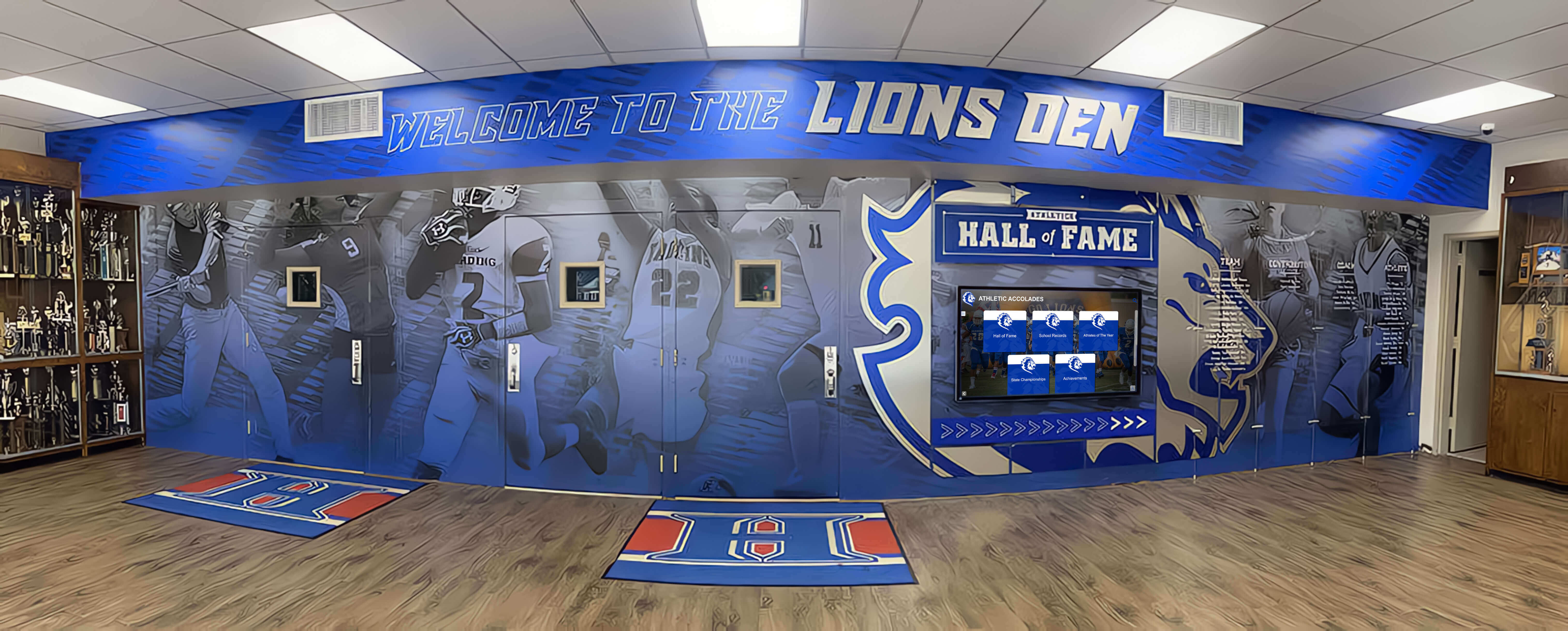
Phased improvements enable schools to create impressive lobbies within budget constraints
Phased implementation enables schools to begin improvements immediately rather than waiting years for comprehensive funding, demonstrating visible progress that often attracts additional donor support or budget allocation.
Funding Sources and Strategies
Operating Budget Allocation
Many schools fund lobby improvements through:
- Annual facilities budgets including furniture replacement lines
- Multi-year capital plans spreading costs across fiscal years
- Accumulated facility reserves dedicated to major improvements
- Debt financing for comprehensive renovation projects
Philanthropic Support
Lobby renovations provide attractive donor opportunities:
- Naming opportunities for major gifts funding entire lobby projects
- Recognition elements honoring multiple donors at various levels
- Memorial dedications celebrating beloved community members
- Class gifts from reunion years seeking visible impact projects
- Parent association fundraising supporting welcoming environment improvements
Donor-funded projects often enable more ambitious visions than budget-constrained institutional funding while creating meaningful stewardship opportunities. Schools might partner with organizations like Rocket Alumni Solutions to integrate digital donor recognition displays within renovated lobby spaces, celebrating philanthropic support while enhancing overall design.
Competitive Grants
Educational facilities improvement grants sometimes support lobby renovation:
- State facilities improvement programs
- Federal accessibility enhancement grants
- Foundation funding for school environment improvements
- Corporate partnerships supporting community institutions
Research available grant opportunities in your region—applications require significant effort but can provide substantial funding for qualified projects.
Lighting and Atmospheric Elements
While technically beyond furniture itself, lighting and complementary elements profoundly impact how furniture presents and functions.
Lighting Design Integration
Ambient Lighting
General illumination creates comfortable, welcoming atmosphere:
- Warm color temperature (2700K-3000K) rather than cool institutional fluorescent
- Adequate illumination levels for safety without harsh brightness
- Layered approach combining natural and artificial sources
- Dimming controls adjusting for time of day and weather conditions
Accent Lighting
Focused illumination highlights specific elements:
- Recognition displays and trophy cases receiving dedicated lighting
- Artwork or decorative elements becoming focal points
- Architectural features like columns or ceiling details
- Wayfinding signage ensuring clear visibility
Task Lighting
Functional illumination supports specific activities:
- Reading lights at individual seating areas
- Task lamps at work surfaces or charging stations
- Safety lighting along circulation paths and stairs
- Emergency egress lighting meeting code requirements
Decorative Fixtures
Light fixtures function as design elements themselves:
- Statement chandeliers or pendants creating visual interest
- Wall sconces adding architectural detail
- Floor lamps providing residential comfort at seating clusters
- Institutional colors integrated through fixture finishes or shades
Discover how schools effectively showcase student achievement through coordinated lighting and recognition displays in lobby spaces.
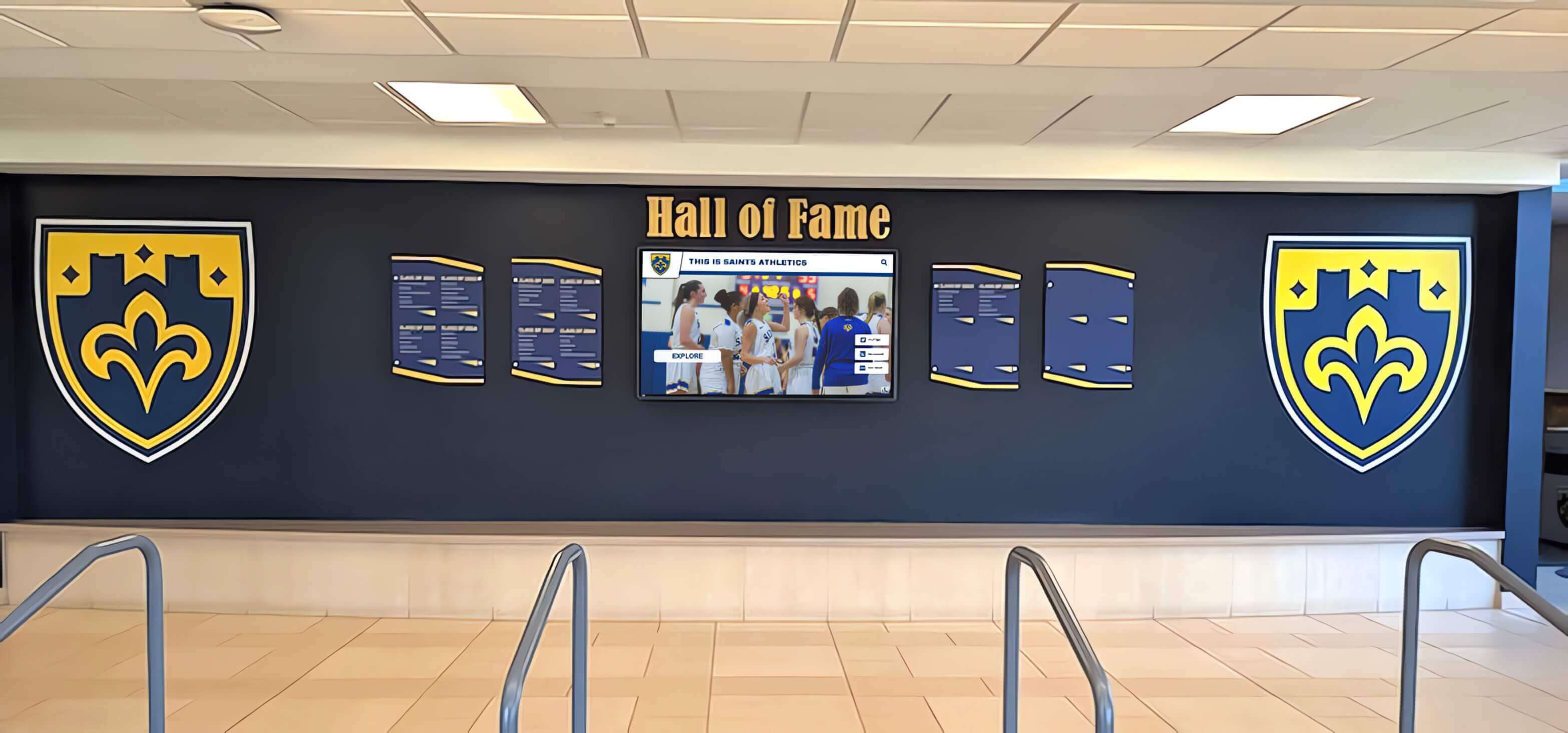
Thoughtful lighting design enhances furniture presentation while creating welcoming atmosphere
Complementary Design Elements
Color and Finish Coordination
Paint colors, wall treatments, and floor finishes must complement furniture selections:
- Neutral wall colors providing flexible backdrop for varied furniture
- Accent walls in school colors creating visual interest
- Flooring durability matching furniture quality and expected service life
- Coordinate trim and millwork finishes with furniture wood tones
Artwork and Graphics
Visual elements personalize lobbies while celebrating community:
- Historical photographs documenting institutional heritage
- Student artwork showcasing creative talents
- Inspirational messaging reinforcing school mission and values
- Wayfinding graphics helping visitors navigate facilities
Greenery and Natural Elements
Plants and natural materials soften institutional environments:
- Living plants improving air quality and visual appeal
- Appropriate species tolerating indoor conditions and maintenance realities
- Planters coordinating with furniture finishes and materials
- Natural materials like wood and stone connecting to outdoor environments
Acoustic Management
Hard surfaces in lobbies create noise challenges:
- Area rugs defining seating zones while absorbing sound
- Acoustic ceiling tiles or clouds reducing reverberation
- Upholstered furniture providing sound absorption
- Strategic placement of noisy activities away from quiet zones
Maintenance and Long-Term Care
Preserving lobby furniture investment requires consistent maintenance and realistic care protocols.
Establishing Maintenance Standards
Daily Cleaning Protocols
Basic daily attention prevents minor issues becoming major problems:
- Vacuuming upholstery removing surface dirt and debris
- Wiping hard surfaces eliminating fingerprints and spills
- Organizing furniture arrangement after heavy use periods
- Removing litter and maintaining tidy, organized appearance
- Checking for immediate damage requiring prompt repair
Weekly Deep Cleaning
More thorough regular cleaning maintains appearance:
- Detailed vacuuming including crevices and under cushions
- Spot treatment of stains using appropriate cleaning products
- Dusting hard-to-reach areas and decorative elements
- Checking furniture stability and tightening loose fasteners
- Rotating cushions distributing wear evenly
Periodic Professional Maintenance
Specialized services extend furniture service life:
- Annual or semi-annual upholstery deep cleaning
- Wood refinishing as needed maintaining finish quality
- Structural repairs addressing wear before becoming serious
- Fabric protection reapplication after professional cleaning
- Replacement of worn components like cushions or glides
Repair and Replacement Planning
Damage Response Protocols
Establish clear procedures addressing furniture damage:
- Immediate reporting of significant damage or safety concerns
- Minor repair procedures handled by facilities staff
- Vendor relationships for specialized repairs beyond internal capacity
- Budget allocation for unexpected repair needs
- Replacement authorization when repair becomes uneconomical
Service Life Expectations
Plan replacement based on realistic furniture longevity:
- High-quality commercial lounge seating: 10-15+ years
- Mid-grade institutional seating: 7-10 years
- Budget institutional furniture: 3-5 years
- Tables and case goods: 15-20+ years with proper care
- High-wear reception area furniture: 5-8 years
Understanding expected service life enables budget planning for eventual replacement before furniture becomes embarrassingly worn.
Refresh and Update Cycles
Even durable furniture benefits from periodic refreshment:
- Reupholstery breathing new life into structurally sound pieces
- Finish updates modernizing dated wood tones or paint colors
- Hardware replacement updating drawer pulls or decorative elements
- Accessory updates through new pillows, throws, or decorative items
- Partial replacement mixing new pieces with well-maintained existing furniture
Strategic refreshment extends overall investment while maintaining contemporary appearance.
Addressing Special Lobby Functions
Certain lobbies serve specialized purposes requiring unique furniture considerations.
Performing Arts Facilities
School lobbies serving theaters and performance venues face unique demands:
Pre-Show and Intermission Function
- Adequate seating capacity for audience members arriving early
- Concession areas with tables for light refreshments
- Merchandise displays featuring school performing arts programs
- Flexible arrangements accommodating pre-show receptions
- Durable finishes withstanding food and beverage service
Display and Recognition Needs
- Trophy cases showcasing theater competition awards
- Photo galleries celebrating past productions and performers
- Digital displays highlighting performing arts achievements
- Poster frames announcing current and upcoming performances
- Alumni recognition celebrating distinguished performing arts graduates
Athletic Facilities
Lobbies serving gymnasiums and athletic complexes require:
High-Traffic Durability
- Extra-durable materials withstanding sports equipment and heavy foot traffic
- Easy-clean surfaces managing moisture from athletes and spectators
- Minimal upholstery in favor of hard surfaces near playing areas
- Secure storage preventing theft during events and practices
Sports Recognition Integration
- Extensive trophy case needs displaying team championships
- Digital recognition showcasing all-state athletes
- Championship banner displays complementing furniture arrangements
- Media displays showing game highlights and upcoming schedules
Administrative Building Lobbies
Main office entries require specialized consideration:
Reception and Waiting Functions
- Clear definition of reception counter and check-in procedures
- Adequate visitor waiting seating with clear sightlines to offices
- Confidential conversation areas for sensitive discussions
- Work surfaces for completing forms or reviewing documents
Security and Access Control
- Furniture placement not blocking security camera sight lines
- Reception counter design enabling staff visibility of entrances
- Controlled access integration with furniture arrangements
- Secure storage for visitor badges and sign-in materials
Administrative lobbies balance welcoming appearance with appropriate security measures protecting students and staff.
Conclusion: Creating Lobby Environments That Welcome Community
School lobby furniture represents far more than functional seating and tables—thoughtfully selected and arranged furniture creates powerful first impressions, supports diverse daily activities, celebrates community achievements, and demonstrates institutional commitment to quality environments where students, families, and community members feel genuinely welcomed.
The most successful school lobbies share common characteristics regardless of budget scale or facility age: they feature comfortable, durable furniture withstanding intensive institutional use while maintaining attractive appearance across years; they arrange furniture supporting natural circulation patterns while creating distinct zones for various activities; they integrate recognition elements celebrating community achievements without compromising functional requirements; they maintain cohesive design aesthetics rather than appearing as haphazard accumulations of mismatched pieces; and they receive consistent maintenance preserving initial investment quality.
Transform Your School Lobby Experience
Discover how Rocket Alumni Solutions can enhance your lobby environment with innovative digital recognition displays that celebrate achievements, engage visitors, and create cohesive spaces that complement your furniture investments.
Explore Recognition SolutionsBeyond selecting quality individual pieces, success depends on thoughtful arrangement creating intentional zones supporting varied functions, strategic integration of recognition displays celebrating student and alumni achievements, appropriate material selection balancing aesthetic appeal with practical durability, realistic budget planning enabling either comprehensive renovation or phased improvement, and consistent maintenance protocols preserving investment across years of intensive use.
Modern school lobbies increasingly leverage technology to enhance traditional furniture arrangements. Solutions like Rocket Alumni Solutions provide comprehensive digital recognition platforms that integrate seamlessly with physical lobby design, showcasing unlimited achievements through intuitive touchscreen interfaces positioned strategically within furniture clusters. These systems create conversation catalysts while demonstrating institutional innovation and commitment to celebrating every achievement, not just those fitting in limited physical trophy cases.
Whether renovating dated lobbies accumulated over decades or planning furniture selections for new construction, the fundamental principles remain consistent: invest in commercial-grade quality designed for institutional use, arrange furniture supporting natural circulation while creating comfortable gathering zones, maintain cohesive design aesthetics reflecting institutional identity appropriately, integrate recognition elements celebrating community achievements, and establish maintenance protocols preserving initial quality across years of service.
Your school lobby welcomes thousands of visitors annually—students arriving daily, prospective families evaluating educational options, community members attending events, and alumni returning to reconnect with institutional roots. These visitors deserve entry spaces that immediately communicate institutional quality, demonstrate commitment to welcoming environments, celebrate community achievements appropriately, and create comfortable spaces where people naturally want to gather and connect. Thoughtful furniture selection transforms lobbies from mere circulation corridors into vital community gathering points that strengthen school culture while making lasting positive impressions on every visitor.
Ready to enhance your school lobby environment? Explore comprehensive approaches to creating welcoming entry spaces that support admissions goals, discover strategies for donor recognition when philanthropy funds lobby improvements, and learn about interactive recognition displays that transform static lobbies into engaging destinations celebrating your entire school community.