Your school’s lobby is where first impressions are formed. It’s the space where prospective families make enrollment decisions, where visitors assess your institution’s values, and where students and staff pass through countless times each day. The furniture and design choices you make in this critical space communicate volumes about your school’s priorities, culture, and commitment to excellence.
Yet many schools underestimate the strategic importance of lobby design, treating entrance areas as afterthoughts furnished with whatever budget remains after classrooms and athletic facilities receive priority attention. Mismatched seating that looks institutional rather than welcoming, cluttered spaces lacking clear organization or purpose, outdated furniture that suggests declining investment in facilities, and missed opportunities to showcase achievements and build community pride leave visitors questioning whether your school truly values the experience it provides.
This comprehensive guide explores how strategic school lobby furniture and design choices create entry spaces that make powerful positive first impressions, strengthen institutional identity, celebrate achievements, and serve the practical needs of diverse visitors throughout each school day.
Effective school lobby design requires balancing multiple priorities: creating welcoming atmosphere for anxious prospective families, providing functional space for daily traffic patterns, showcasing institutional achievements and values, maintaining durability under heavy use, and staying within realistic budgets. Schools that excel at lobby design view these spaces as strategic investments in recruitment, culture, and community engagement rather than purely functional necessities.

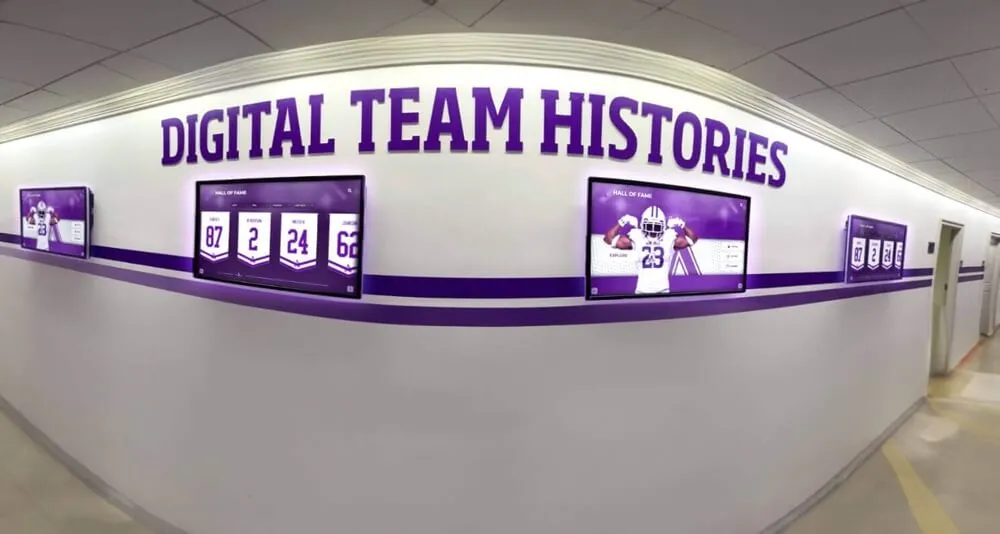
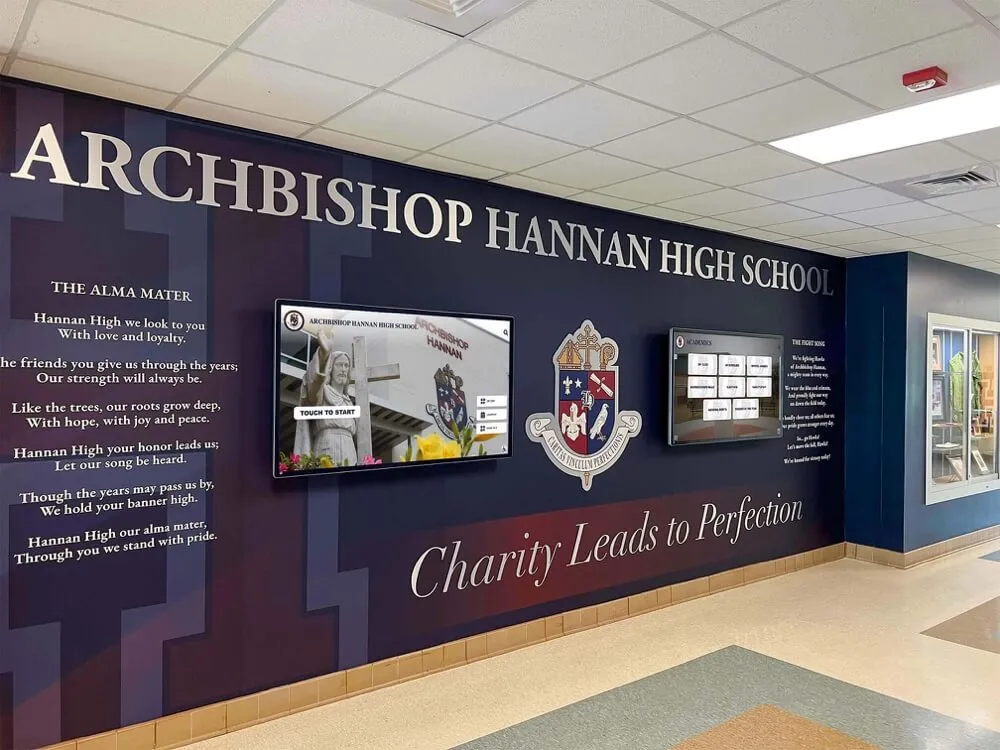
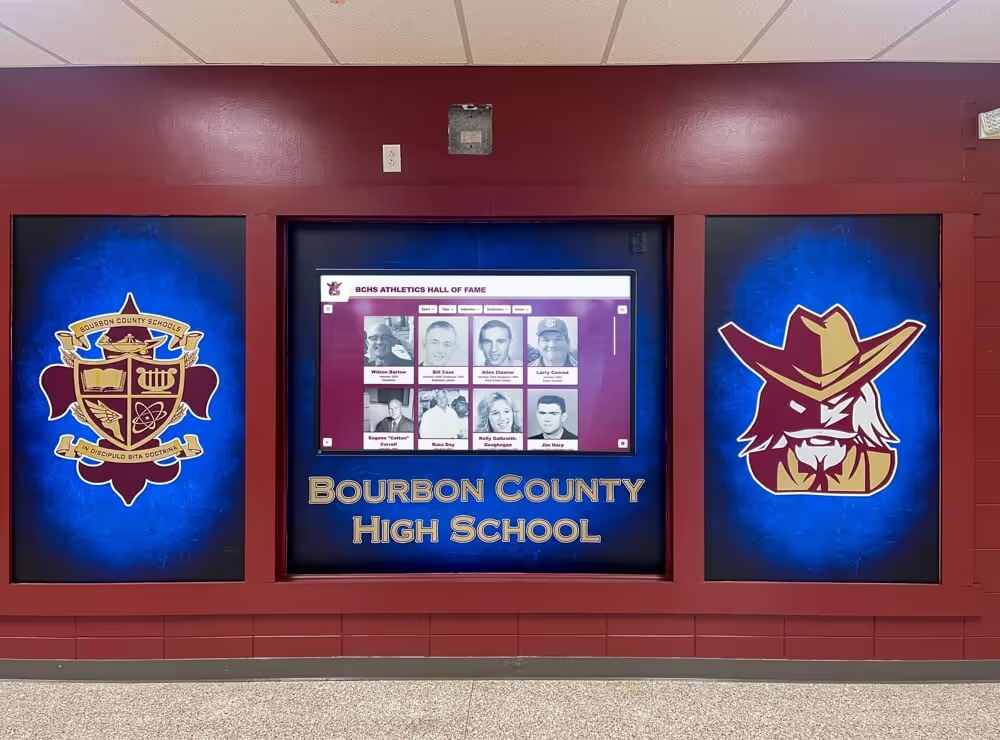
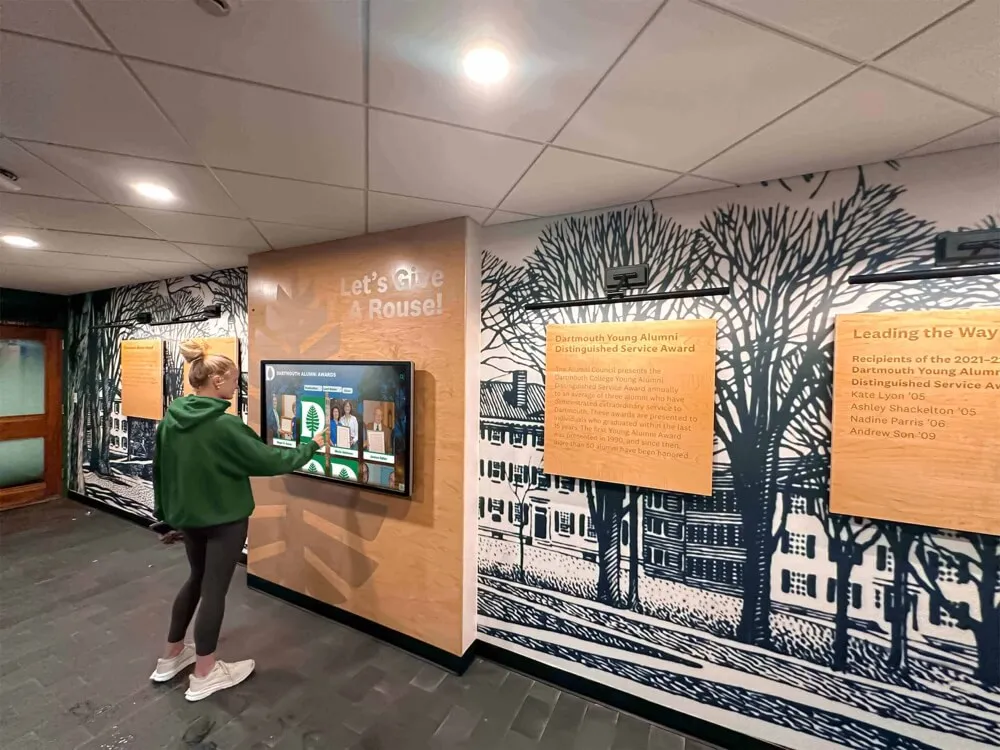
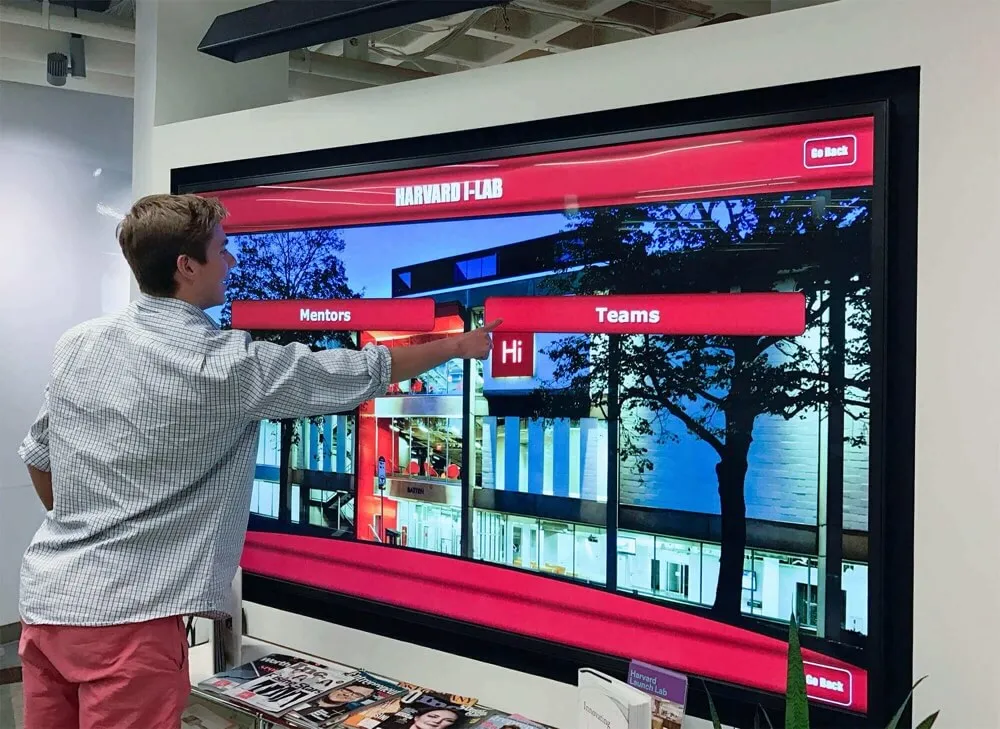
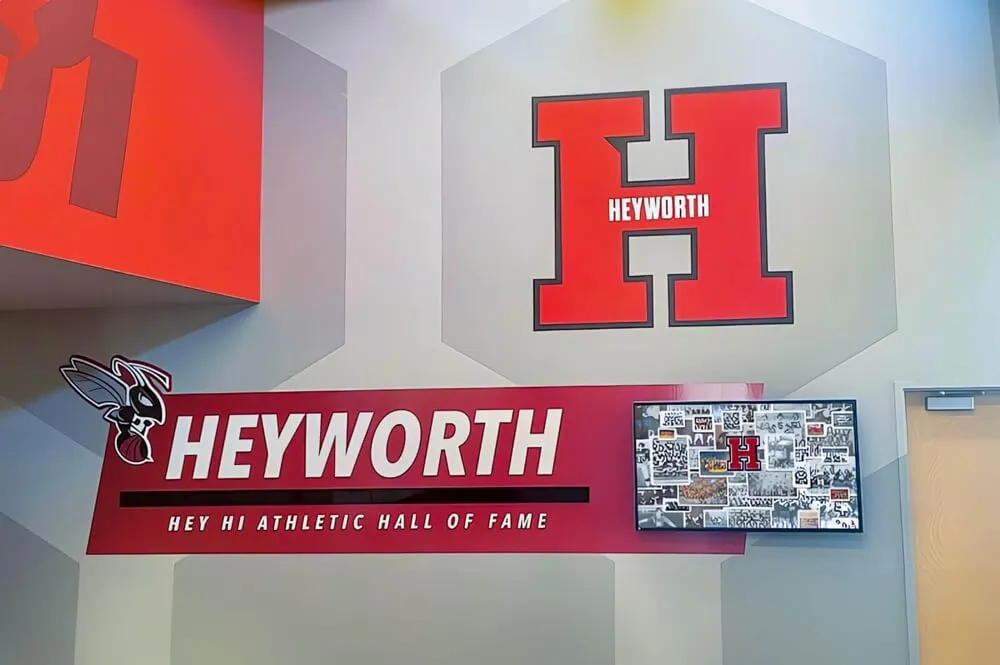
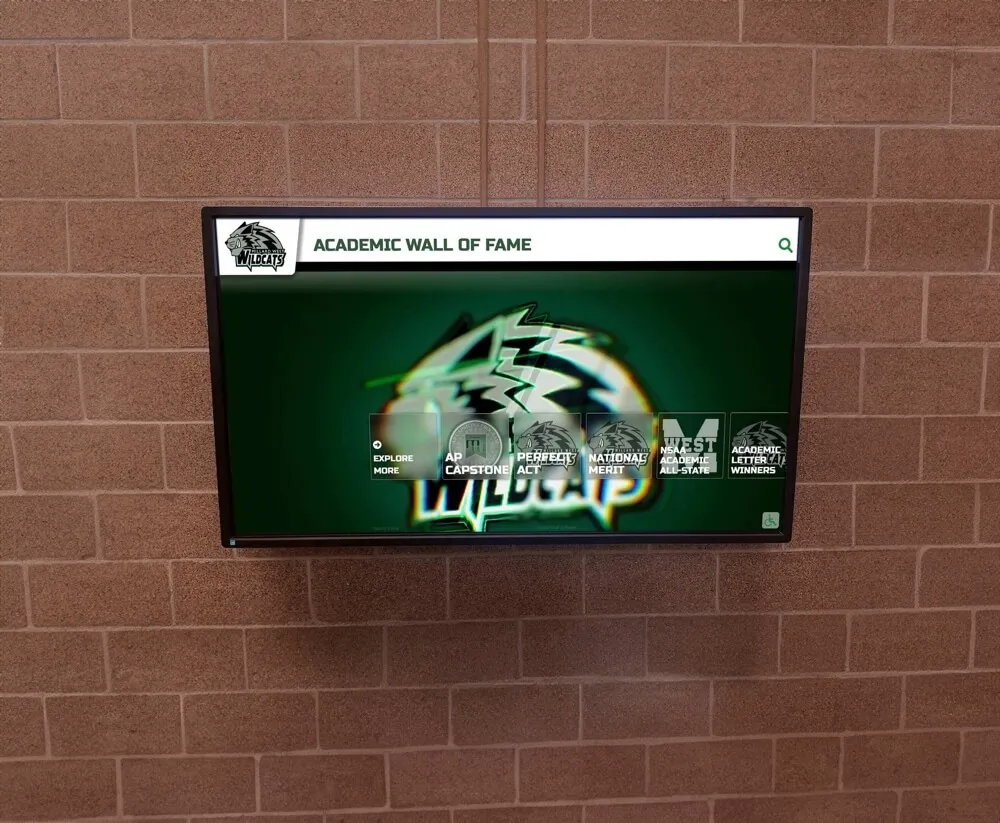
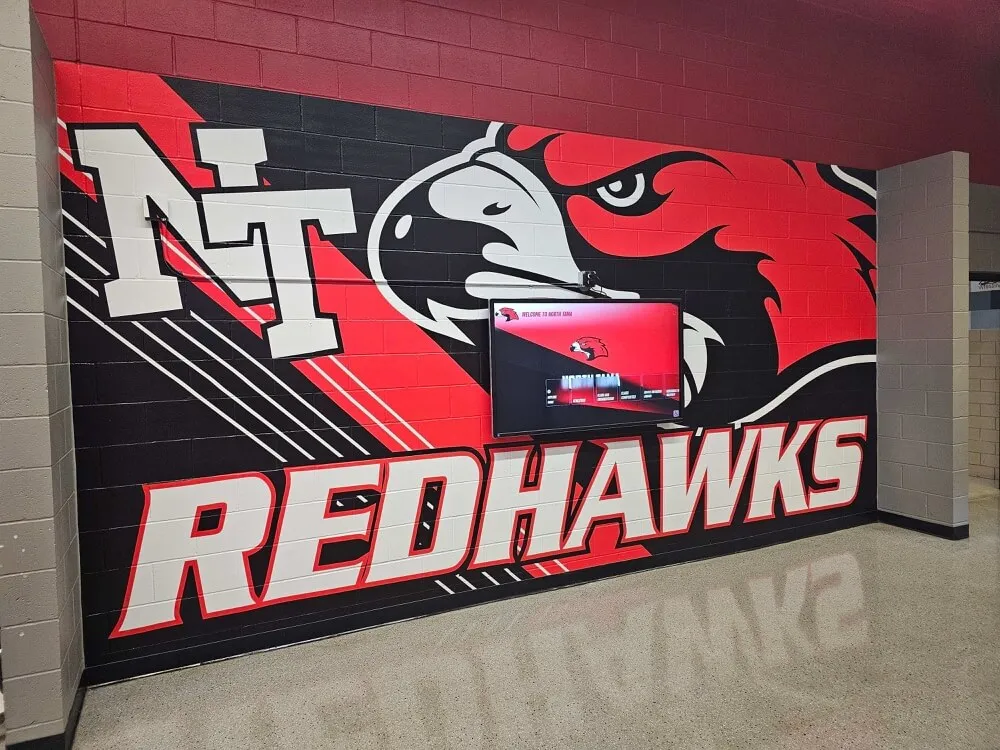
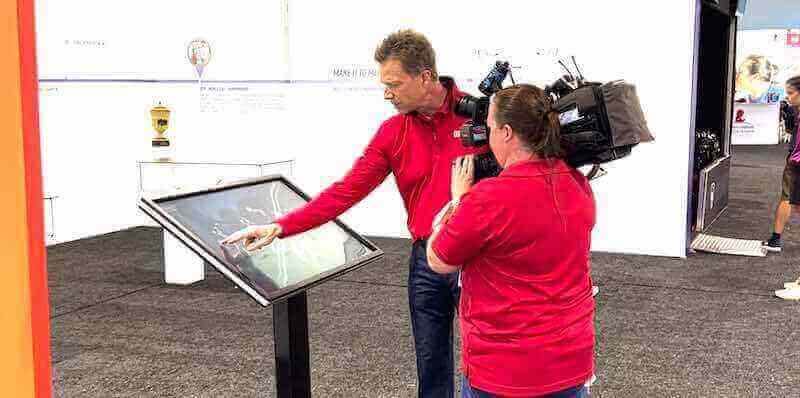
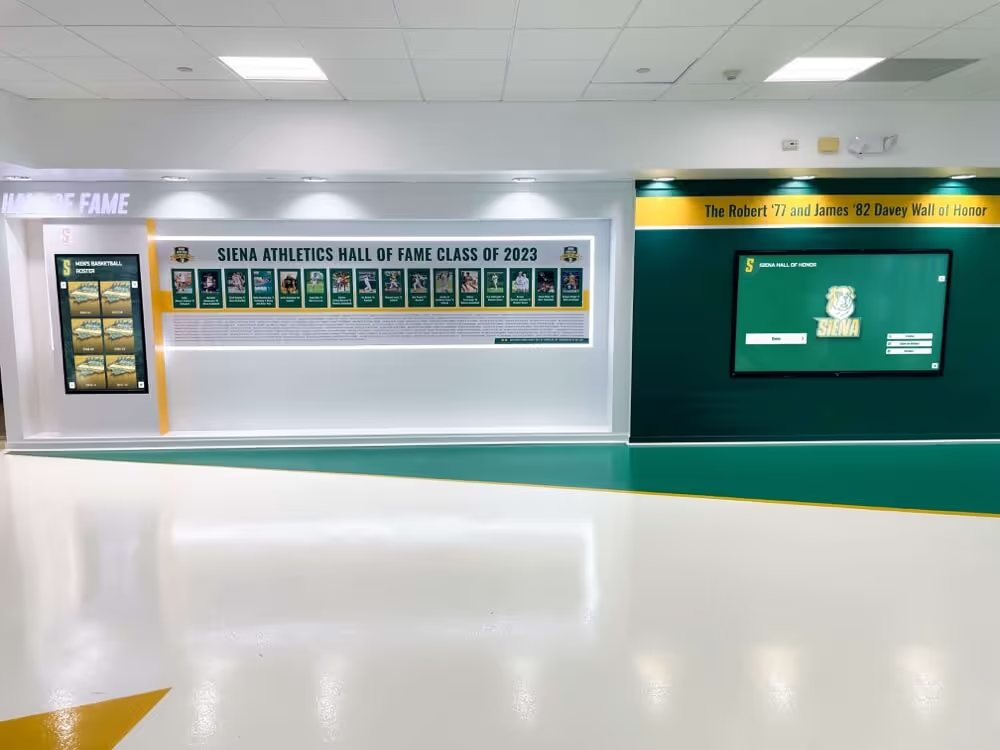
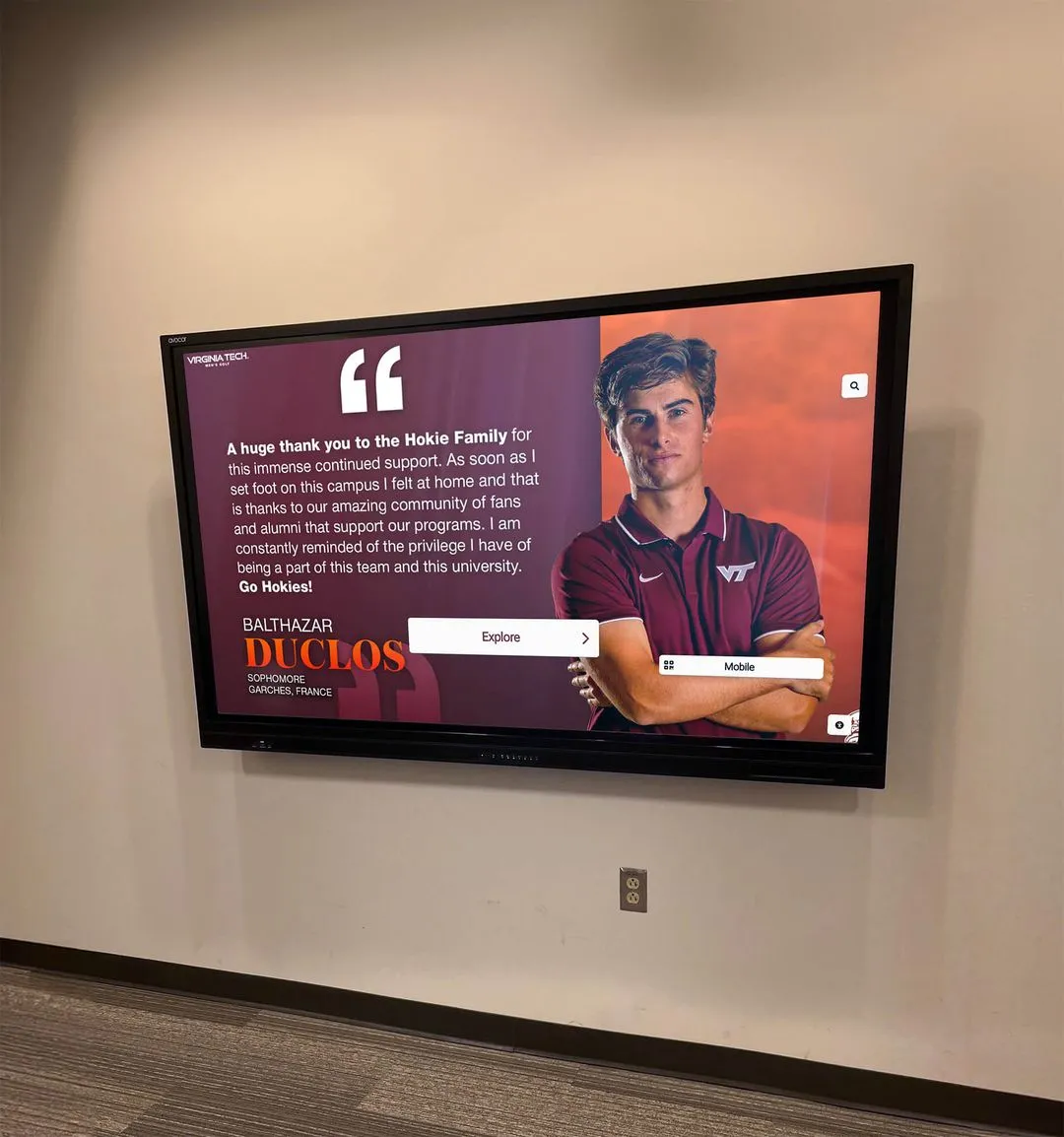
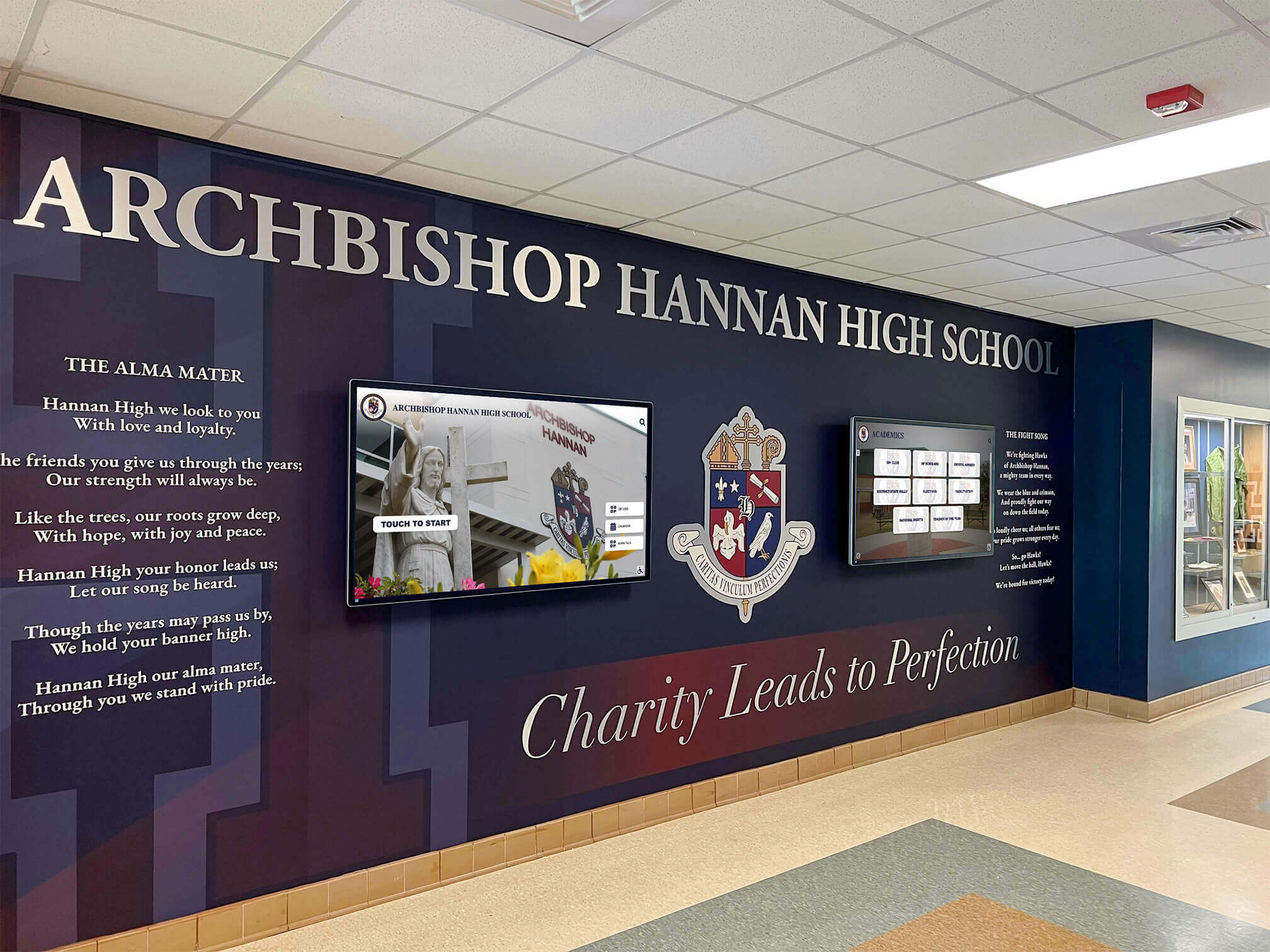
Coordinated design elements including institutional branding, murals, and digital displays create cohesive, welcoming school entrances
Why School Lobby Design Matters: The Strategic Importance of Entry Spaces
Before exploring specific furniture selections and design strategies, understanding why lobby spaces warrant serious investment helps administrators make informed decisions about resource allocation and design priorities.
First Impressions Influence Major Decisions
Research consistently demonstrates that people form lasting opinions within the first 7-10 seconds of entering new spaces. For prospective families touring your school, lobby impressions significantly influence enrollment decisions worth thousands of dollars annually multiplied across years of attendance.
The Prospective Family Perspective
When families tour schools, they’re making high-stakes decisions about their children’s education and significant financial investments. Your lobby provides the first tangible evidence supporting or contradicting the promises made on your website and in marketing materials.
Families entering impressive, well-maintained lobbies furnished with quality furniture and showcasing student achievements develop immediate confidence in your institution’s professionalism and commitment to excellence. Conversely, dated lobbies with worn furniture and cluttered spaces trigger concerns about whether tuition investments will be properly managed and whether the school genuinely prioritizes student experience.
Daily Community Experience
Beyond prospective families, your lobby serves current students, staff, parents, alumni, and community members multiple times daily. These regular users form ongoing impressions that accumulate into overall institutional perception. Quality lobby environments contribute to community pride and satisfaction, while neglected spaces suggest declining standards that affect morale and engagement.
Lobbies Communicate Institutional Values
Physical spaces communicate values more powerfully than mission statements ever can. Your lobby furniture and design choices tell visitors what your school genuinely prioritizes.
Achievement and Excellence Recognition
Lobbies showcasing student, athletic, and academic achievements through well-designed digital recognition displays or traditional trophy cases communicate that your institution celebrates accomplishment and maintains high standards. This visible recognition reinforces performance culture while inspiring current students through examples of excellence.
Welcoming and Inclusive Environment
Furniture selections and arrangements signal how genuinely welcoming your school culture is. Comfortable seating in conversation groupings invites lingering and connection, while institutional furniture in rigid rows suggests functional efficiency prioritized over human comfort.
Inclusive design accommodating diverse physical abilities, multilingual wayfinding serving various linguistic backgrounds, and representation of diverse student experiences through displayed imagery all communicate values around accessibility and inclusion more clearly than written policies alone.
Investment in Quality and Stewardship
Quality furniture and materials demonstrate responsible stewardship of resources and commitment to long-term excellence rather than short-term cost minimization. Well-maintained spaces with durable, attractive furniture suggest an institution that makes strategic investments rather than one perpetually struggling with inadequate resources.
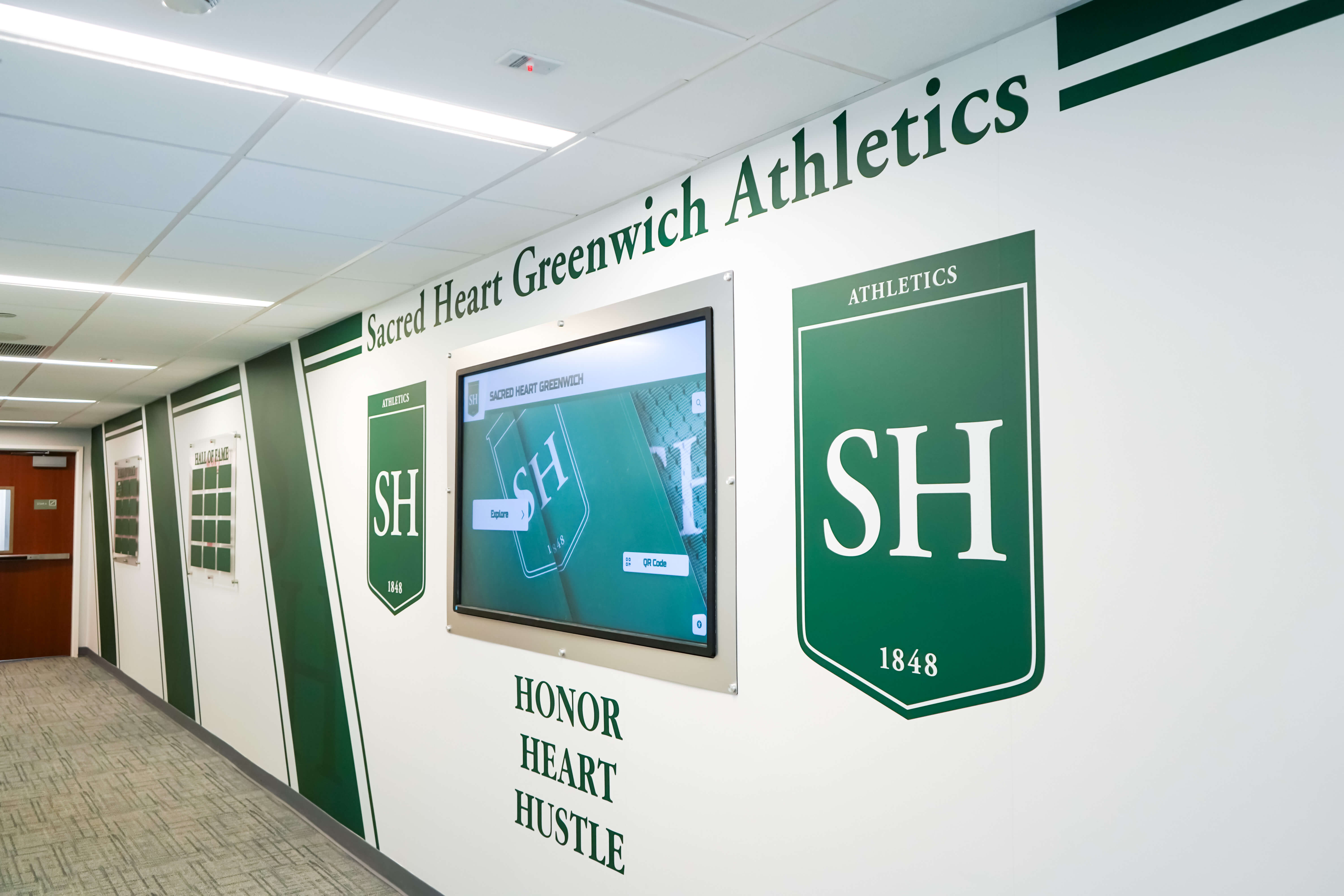
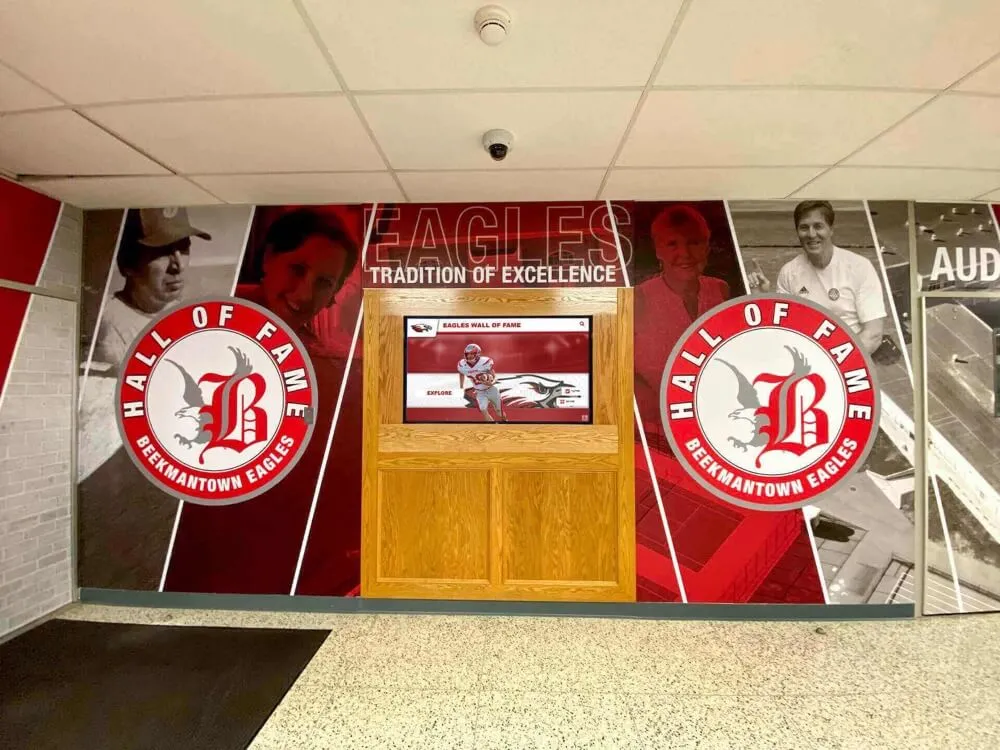
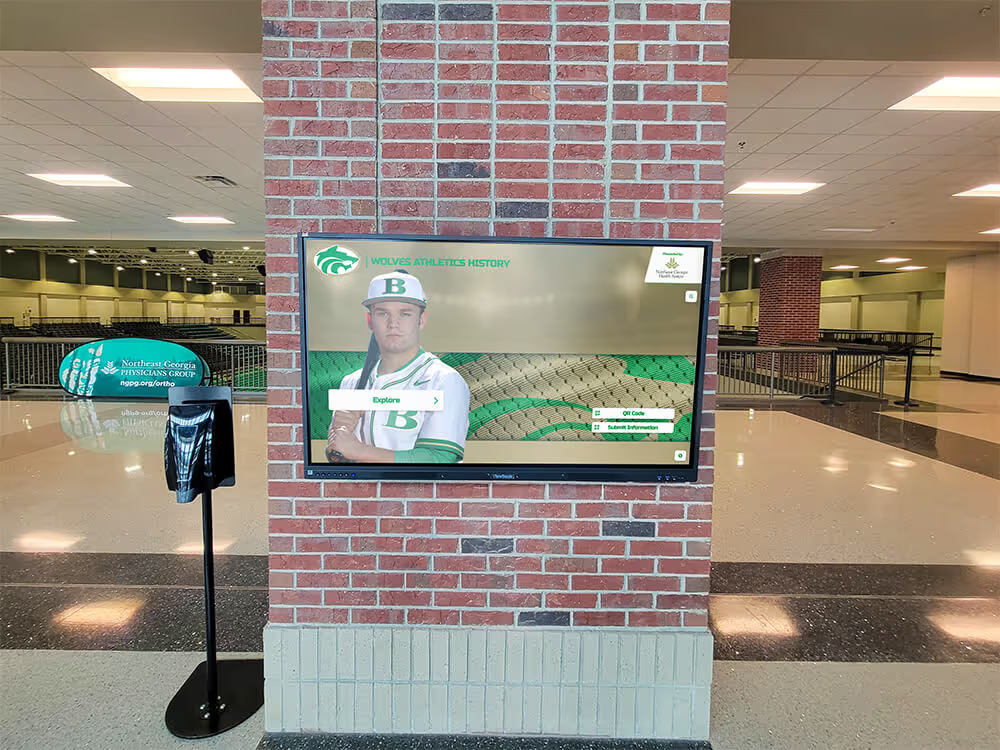
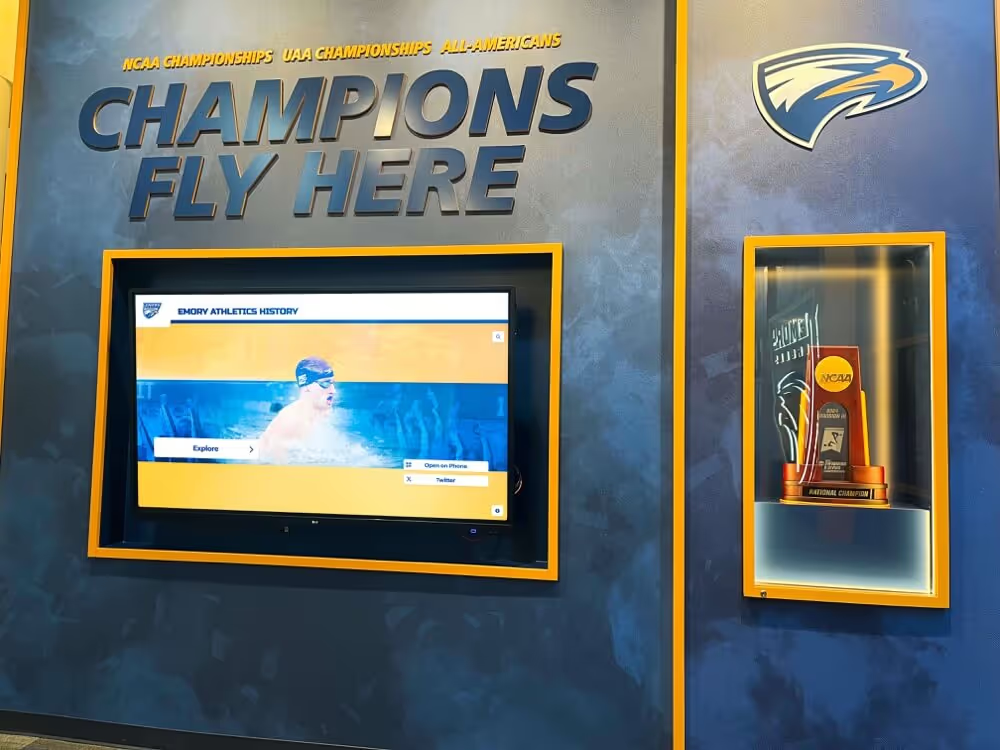
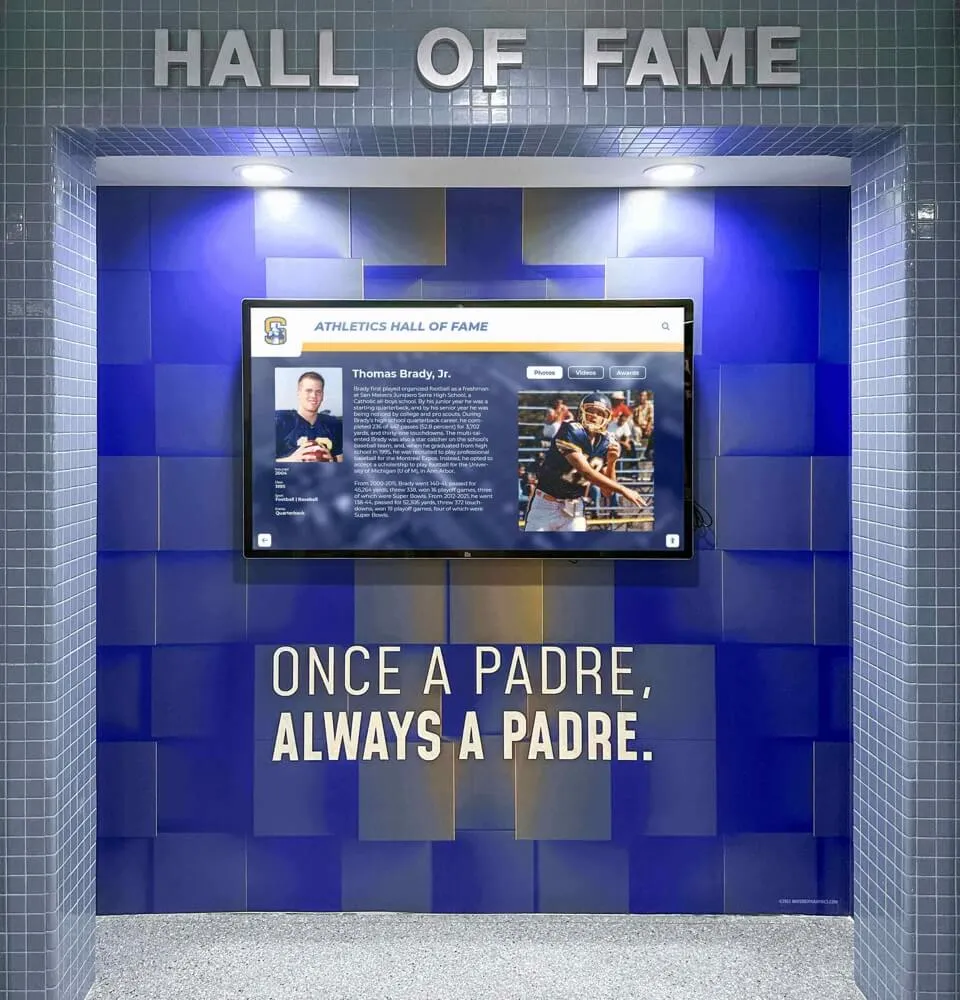
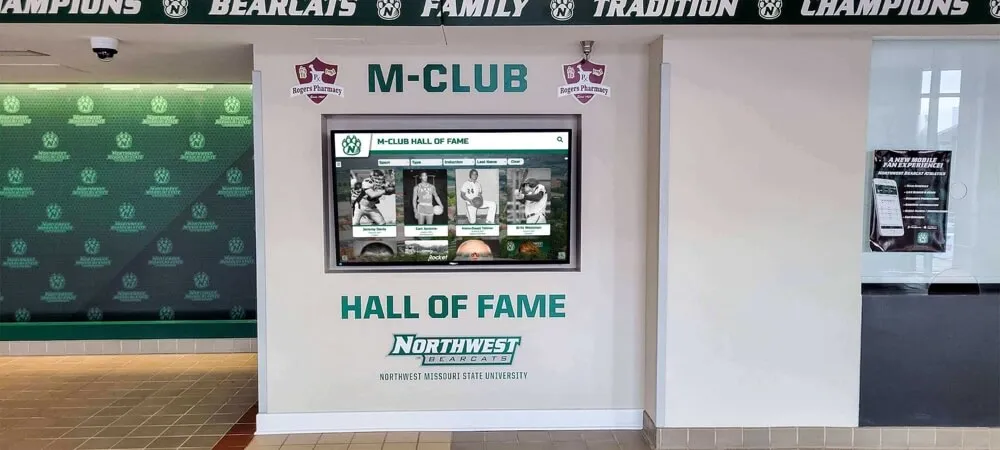
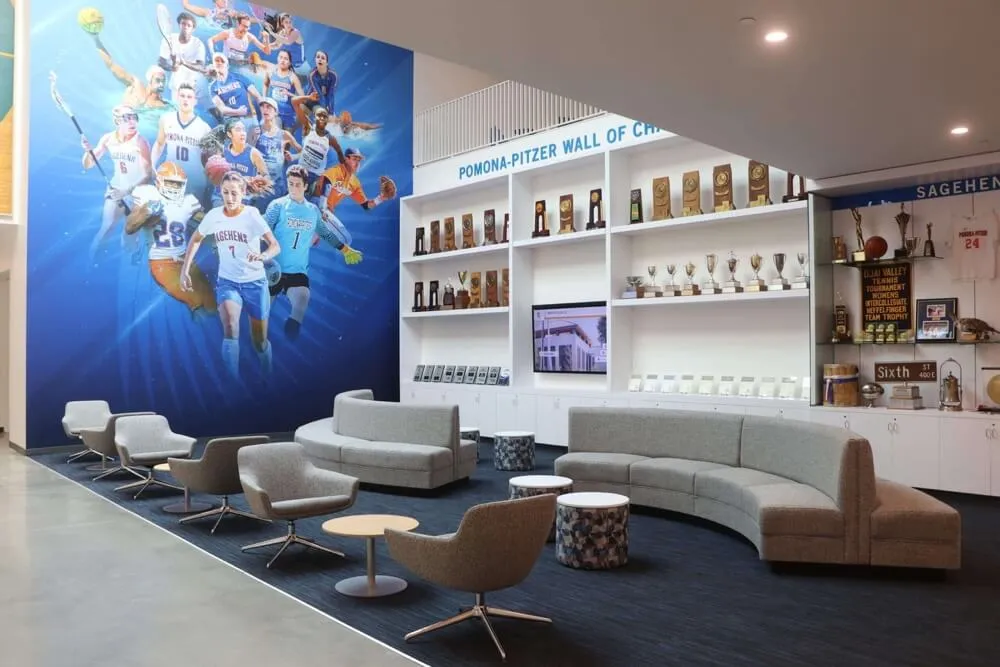
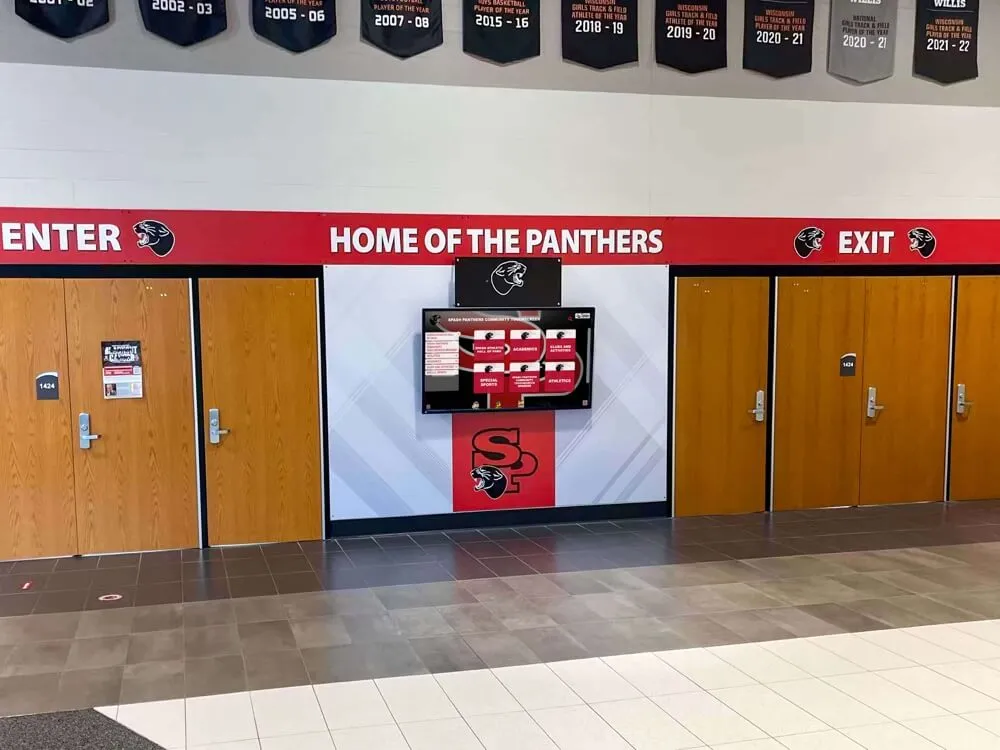
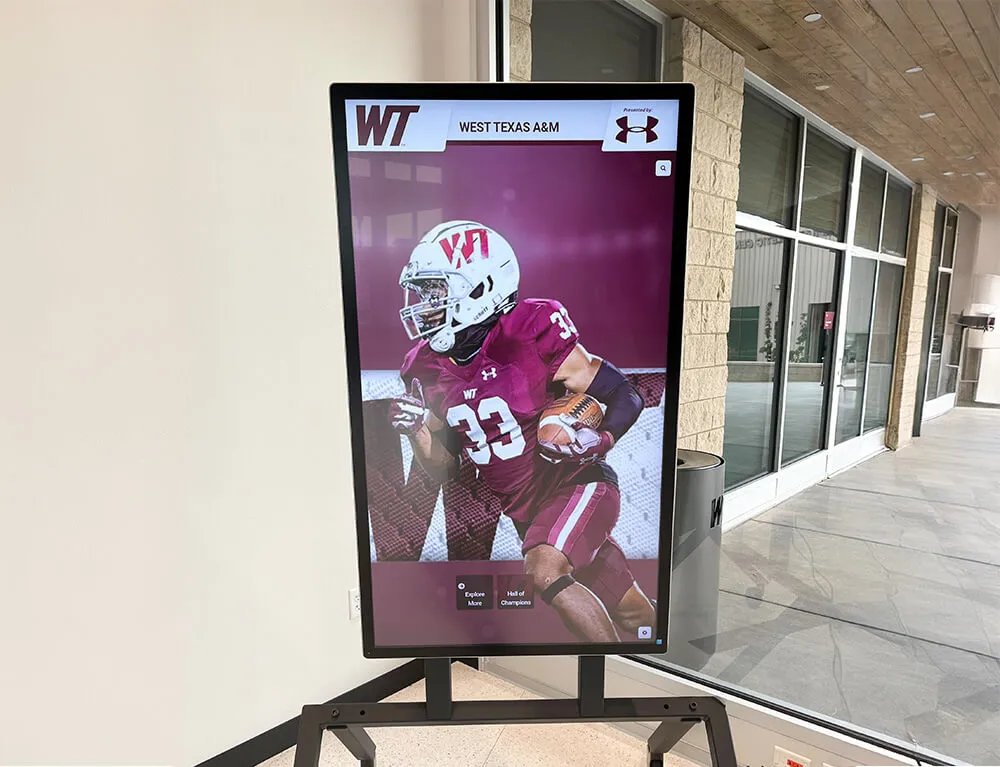
Athletic achievement displays integrated into entrance areas celebrate student excellence while reinforcing school identity
Essential School Lobby Furniture: Balancing Function and Impression
Successful school lobbies require thoughtful furniture selection addressing both practical needs and aesthetic considerations that create welcoming first impressions.
Reception and Administrative Desk Areas
The reception desk serves as the functional hub of school lobbies, requiring furniture choices that balance professional appearance with operational effectiveness.
Reception Desk Design Considerations
Your reception desk makes immediate impressions about institutional professionalism and organization:
- Substantial, professional construction communicates competence and permanence rather than temporary or makeshift arrangements
- Appropriate height for both standing and seated transactions accommodates various visitor needs and preferences
- Integrated storage and organizational systems keep administrative materials accessible while maintaining clean, organized appearance
- Technology integration including computers, phones, and visitor management systems positioned for efficiency without cluttering presentation
- Secure zones protecting confidential materials and controlling access to administrative areas
- Wheelchair-accessible transaction areas ensuring inclusive service for all visitors
Reception desks should complement overall lobby aesthetic through coordinated materials, finishes, and design language that ties together the entire entrance experience.
Staffing and Work Areas
Behind-the-scenes administrative work areas adjacent to reception require functional furniture supporting efficient operations:
- Quality task chairs providing ergonomic support for staff spending extended periods at desks
- Adequate work surface area for computers, paperwork, and office equipment
- Filing and storage solutions keeping materials organized and accessible
- Lighting appropriate for computer work and detailed tasks
- Power and data connectivity supporting technology requirements
While these functional areas may not be visible to visitors, they significantly impact staff morale and operational efficiency, warranting appropriate investment in quality furniture and thoughtful workspace design.
Visitor Seating: Creating Welcoming Waiting Areas
Comfortable, attractive seating transforms lobbies from mere passage spaces into welcoming environments where visitors feel genuinely valued.
Seating Selection Criteria
School lobby seating must meet multiple demanding requirements:
Comfort and Quality
- Residential-quality upholstered seating rather than purely institutional furniture creates welcoming atmosphere
- Adequate cushioning and back support for extended waiting periods
- Appropriate seat depth and height accommodating diverse adult body sizes
- Arm options for visitors who need assistance standing
Durability and Maintenance
- Commercial-grade construction withstanding heavy daily use by hundreds of visitors
- Cleanable, stain-resistant fabrics maintaining appearance despite intensive traffic
- Frame construction supporting substantial weight loads safely
- Replaceable components enabling repair rather than complete replacement when wear occurs
Aesthetic Coordination
- Colors and materials complementing overall lobby design and institutional branding
- Timeless design aesthetic remaining attractive across years without appearing dated
- Professional appearance reinforcing institutional quality and standards
- Coordinated design language connecting various furniture pieces into cohesive whole
Variety and Flexibility
Effective lobby seating includes diverse options serving different visitor needs and preferences:
- Individual lounge chairs for visitors preferring personal space
- Small sofas or loveseats for couples or parents with children
- Bench seating for larger groups during busy periods
- Side tables providing surface space for bags, devices, or paperwork
- Arrangements balancing privacy with openness and supervision
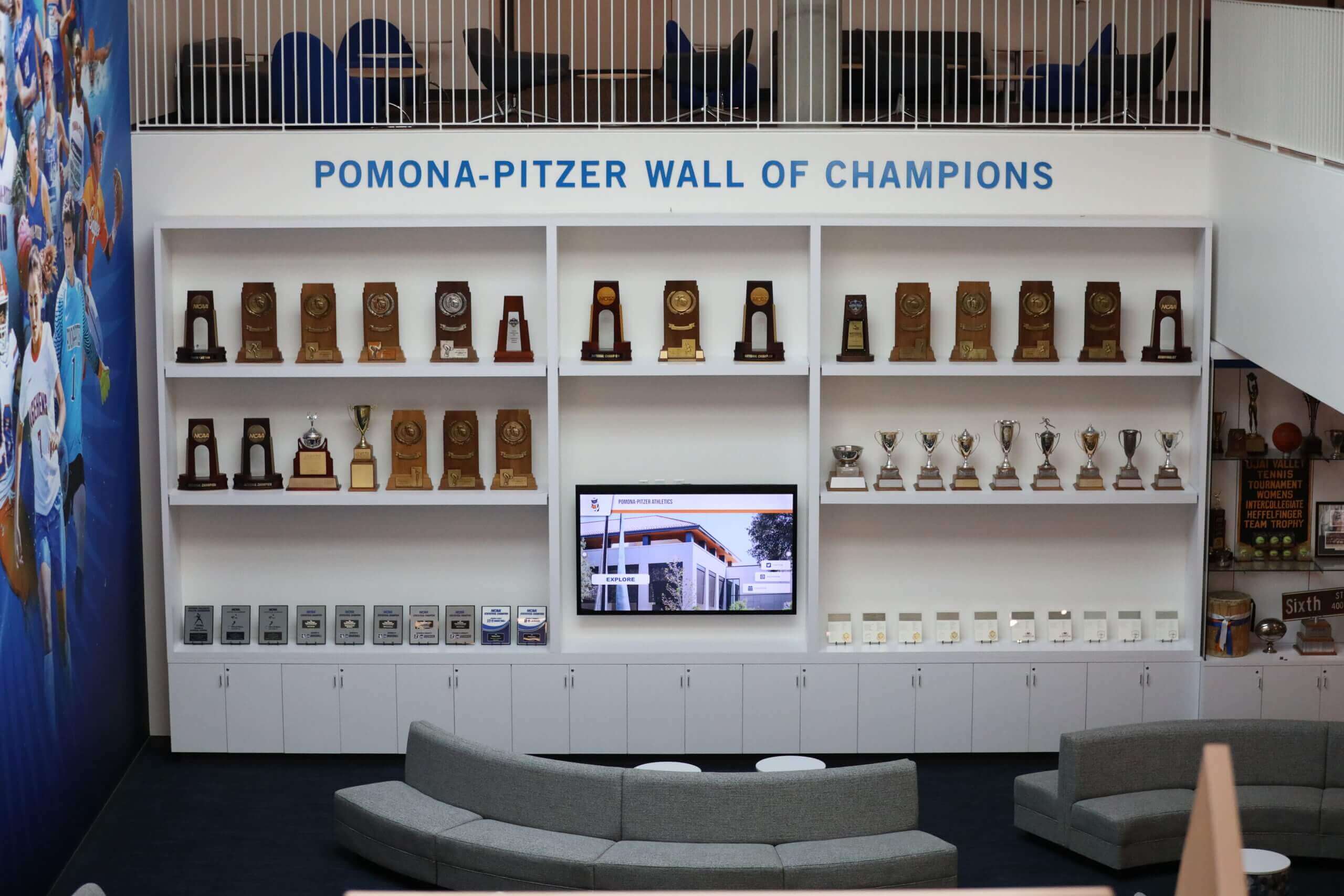
Quality lounge furniture creates welcoming waiting areas where visitors feel comfortable during tours or appointments
Tables and Work Surfaces
Beyond comfortable seating, lobbies benefit from strategic table and work surface placement supporting various visitor activities.
Side Tables and Accent Surfaces
- End tables next to seating providing convenient surface space
- Coffee tables anchoring conversation seating clusters
- Console tables along walls offering display areas and surface storage
- Appropriate scale relative to seating and space dimensions
Functional Work Surfaces
Some lobbies incorporate work-friendly elements serving visitors who arrive early for appointments:
- Counter-height surfaces with stools for laptop work or form completion
- Power outlets and USB charging ports integrated into furniture or nearby walls
- Adequate lighting supporting reading and writing tasks
- Stable surfaces accommodating laptops without wobbling
These functional elements enhance visitor experience while serving practical needs of families completing enrollment paperwork or alumni conducting business during campus visits.
School Lobby Layout and Space Planning: Creating Functional Flow
Furniture selection alone doesn’t create effective lobbies—strategic layout and space planning ensure spaces function efficiently while feeling welcoming and organized.
Understanding Traffic Patterns and Functional Zones
Successful lobby layouts accommodate diverse traffic patterns and create distinct functional zones serving different purposes simultaneously.
Primary Circulation Paths
Your lobby layout should establish clear traffic flow:
- Obvious pathways from entry doors to reception/security checkpoints
- Adequate width accommodating peak traffic periods without congestion
- Clear sight lines enabling navigation without confusion
- Accessible routes meeting ADA requirements for all visitors
- Separation between circulation paths and seating areas preventing disruption
Poor circulation design creates bottlenecks during arrival and dismissal times, frustrates visitors searching for proper routes, and forces uncomfortable navigation through occupied seating areas.
Functional Zone Definition
Organize lobby space into distinct zones serving specific purposes:
Reception and Check-In Zone
- Prominent reception desk placement visible immediately upon entry
- Queue space for multiple simultaneous visitors during busy periods
- Clear signage indicating purpose and procedures
- Security and visitor management technology integration
- Storage for visitor badges, sign-in materials, and information packets
Waiting and Seating Zone
- Comfortable seating removed from primary traffic paths
- Arrangement encouraging conversation or quiet waiting as appropriate
- Adequate personal space between seating groups
- Access to amenities like water fountains or restrooms
- Visual connection to reception enabling easy communication
Recognition and Display Zone
- Prominent walls or alcoves for achievement displays and institutional recognition
- Digital displays showcasing student accomplishments, events, and information
- Trophy cases or wall-mounted recognition systems celebrating excellence
- Adequate viewing space without blocking circulation
- Lighting highlighting displays effectively
Information and Wayfinding Zone
- Directory boards or digital wayfinding systems
- Campus maps and facility information
- Event calendars and school activity promotion
- Brochures and informational materials in organized displays
- Clear signage directing visitors to offices, classrooms, and facilities
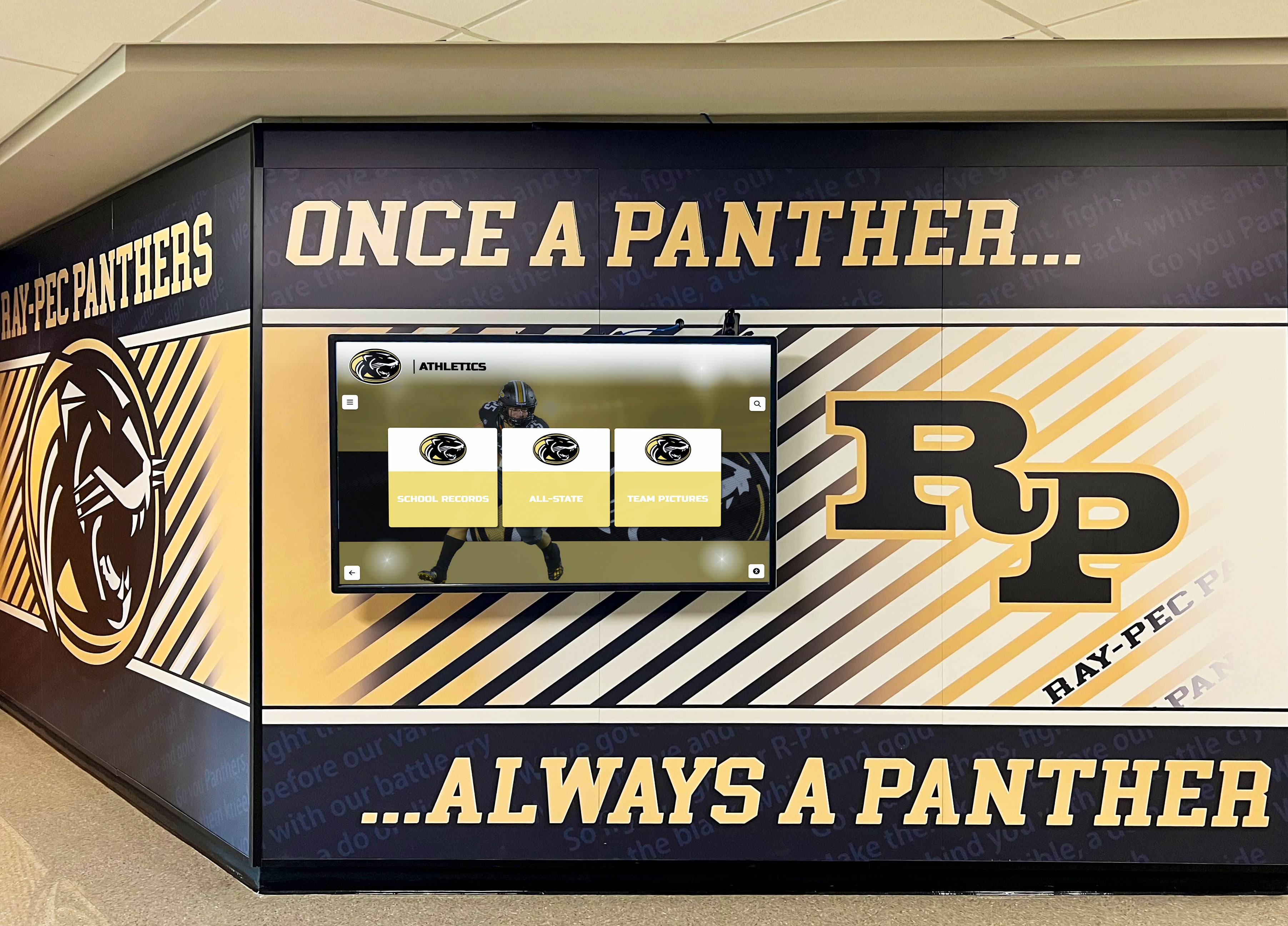
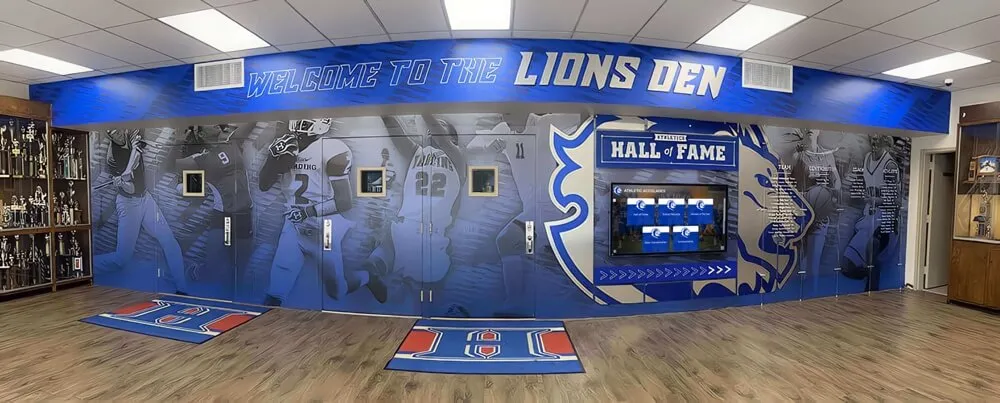
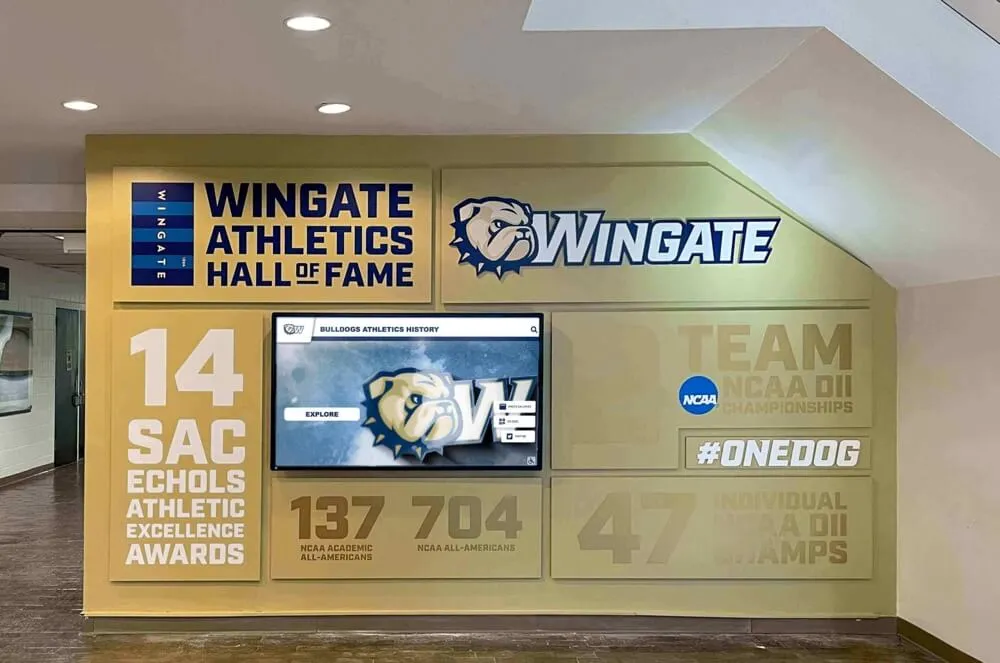
Strategic placement of recognition displays and wayfinding elements creates organized, functional lobby environments
Capacity Planning and Flexibility
Lobby spaces must accommodate dramatically varying occupancy from quiet mid-day periods with occasional visitors to crowded open house events with dozens of simultaneous families.
Baseline Daily Capacity
Plan furniture quantity supporting typical daily traffic including families arriving for tours or enrollment appointments, delivery personnel and service providers, students visiting administrative offices during school day, parents picking up sick children or handling logistical needs, and community members attending meetings or events.
Calculate seating capacity assuming 30-50% peak occupancy under normal conditions, ensuring adequate options without excessive vacant furniture appearing institutional.
Event and Peak Period Flexibility
Major events like open houses, enrollment periods, or performance evenings require surge capacity:
- Movable furniture enabling reconfiguration for special events
- Additional seating stored nearby and deployed when needed
- Clear floor space accommodating temporary standing capacity
- Circulation patterns maintaining function under crowded conditions
- Emergency egress requirements met even with maximum occupancy
Some schools implement hybrid approaches with fixed quality furniture for daily use supplemented by stackable or folding chairs stored for event deployment, balancing everyday aesthetics with occasional capacity needs.
Integrating Recognition and School Identity into Lobby Design
School lobbies provide ideal venues for showcasing achievements, celebrating community, and reinforcing institutional identity in ways that build pride while impressing visitors.
Digital Recognition Displays: Modern Solutions for Achievement Celebration
Contemporary digital recognition systems transform how schools celebrate student, athletic, and academic achievements within entrance spaces.
Benefits of Digital Recognition in School Lobbies
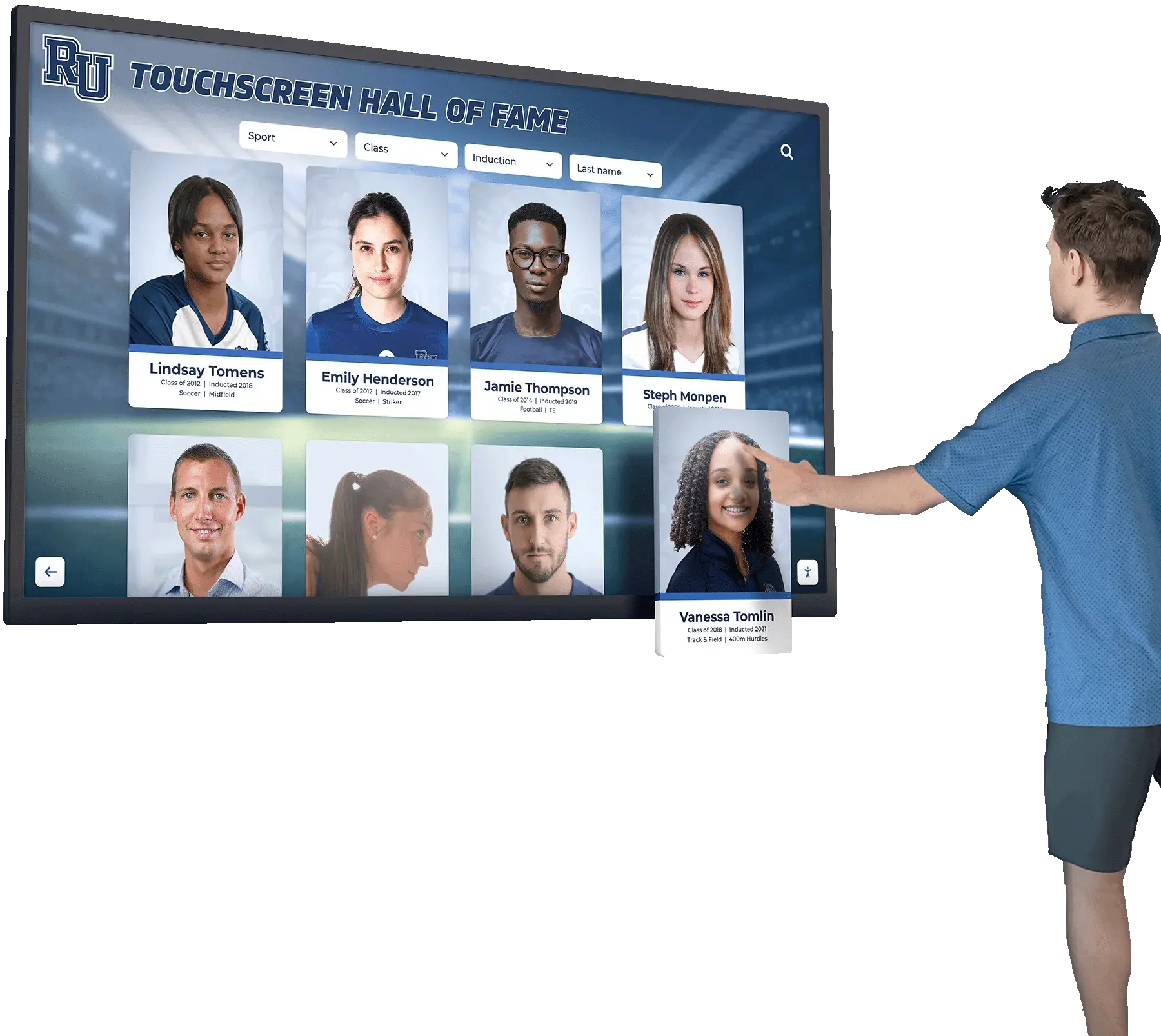
Interactive touchscreen displays offer advantages impossible with traditional trophy cases or static plaques:
Unlimited Recognition Capacity
Unlike physical trophy cases with finite shelf space, digital systems accommodate unlimited achievements across athletics, academics, arts, service, and leadership. Schools can honor every academic recognition program honoree, every athletic championship, every distinguished alumni achievement, and every significant institutional milestone without space constraints forcing difficult choices about what gets displayed.
Engaging Multimedia Storytelling
Digital platforms enable rich content impossible with traditional recognition:
- High-resolution photographs of athletes, scholars, and achieving students
- Video highlights of championship games and performances
- Detailed achievement narratives providing context and inspiration
- Historical documentation preserving institutional memory across decades
- Interactive exploration creating engaging visitor experiences
This multimedia capability transforms recognition from simple name listing to meaningful storytelling that celebrates accomplishment comprehensively while educating visitors about school excellence and tradition.
Easy Updates and Maintenance
Cloud-based content management systems enable instant recognition updates from any internet-connected device, eliminating the delays, expenses, and physical labor traditional trophy maintenance requires. Administrative staff can add new achievements, correct information, refresh content, or feature seasonal highlights in minutes rather than waiting months for engraving or physical modifications.
Schools implementing solutions like Rocket Alumni Solutions report 90% reduction in recognition maintenance time while dramatically increasing the volume and quality of achievements showcased to visitors and community members.
Strategic Placement in Lobby Environments
Position digital recognition displays where they enhance rather than dominate lobby spaces:
- High-visibility walls visible from reception and seating areas
- Locations with adequate standing space for multiple simultaneous users
- Integration with comfortable nearby seating for extended browsing
- Proper lighting avoiding screen glare while highlighting displays
- Power and network infrastructure supporting reliable operation
Digital displays within lobbies create natural conversation starters during tours, with prospective families exploring achievements while waiting for appointments and alumni discovering former classmates during return visits.
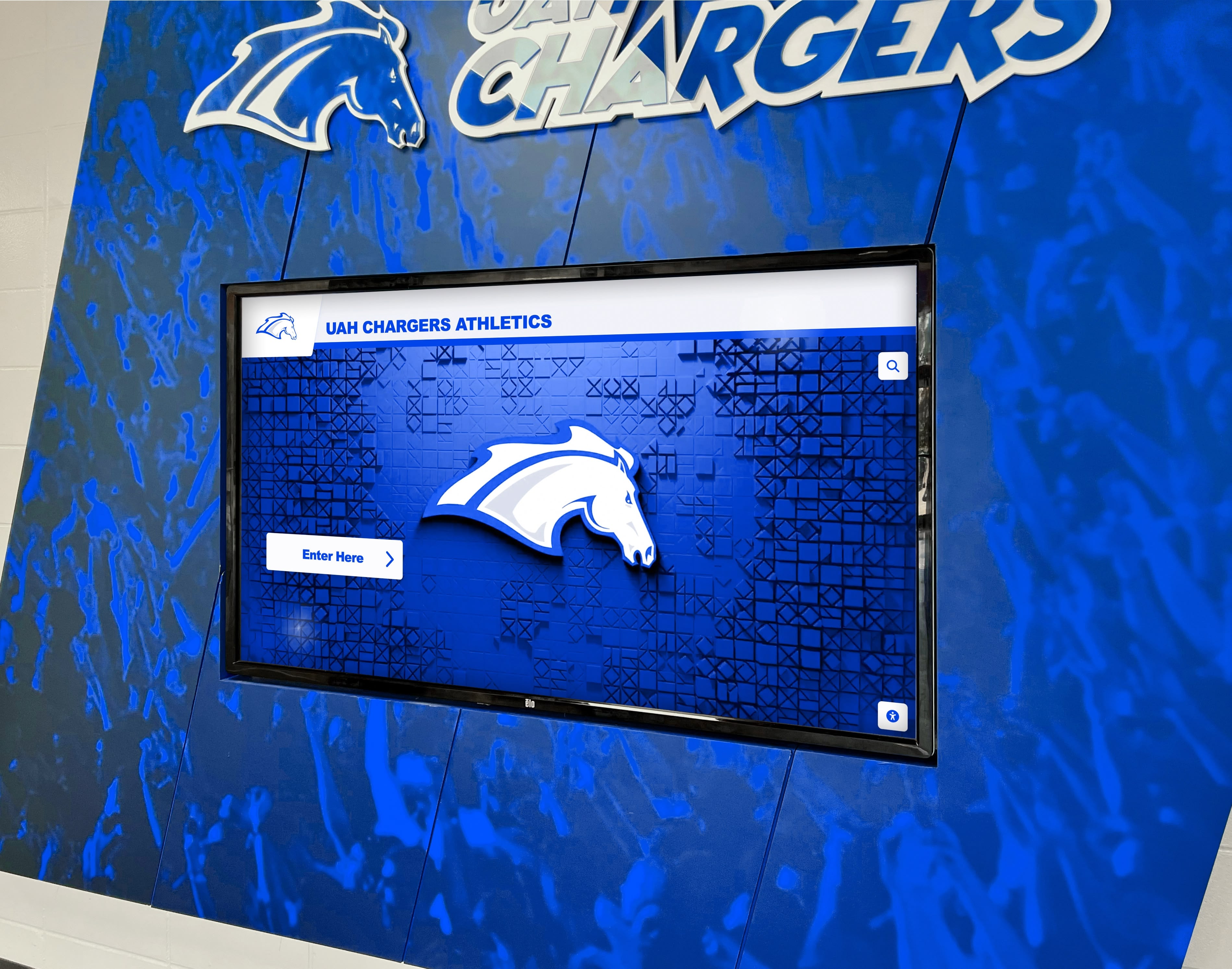
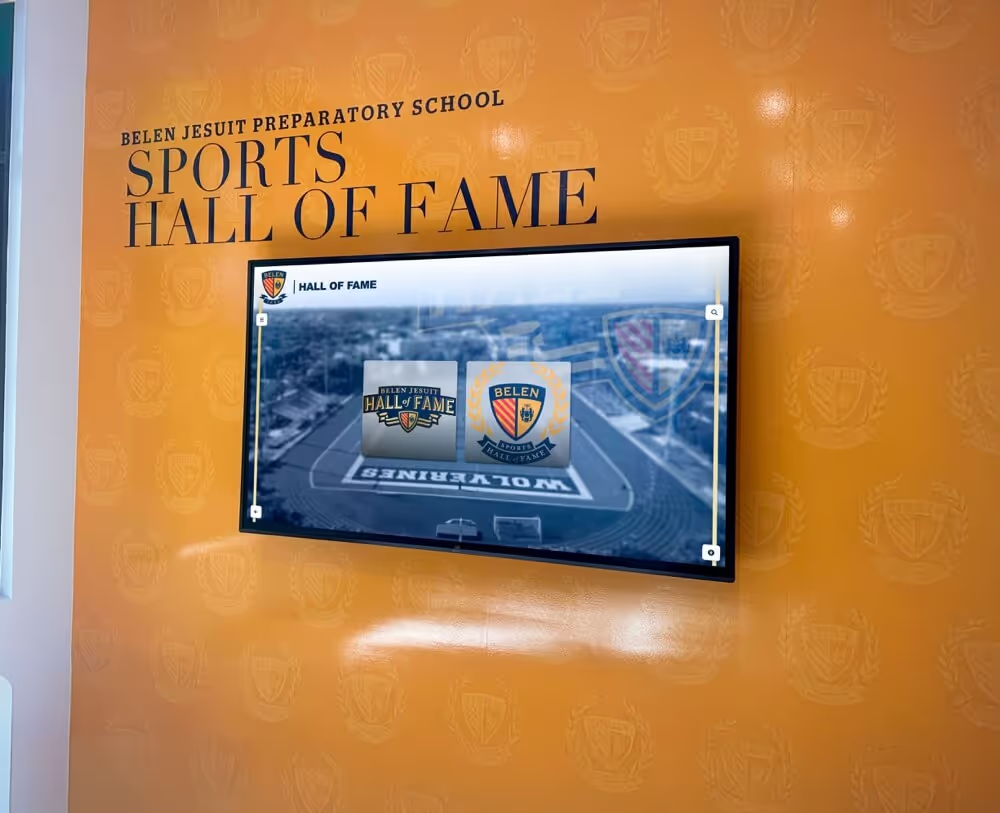
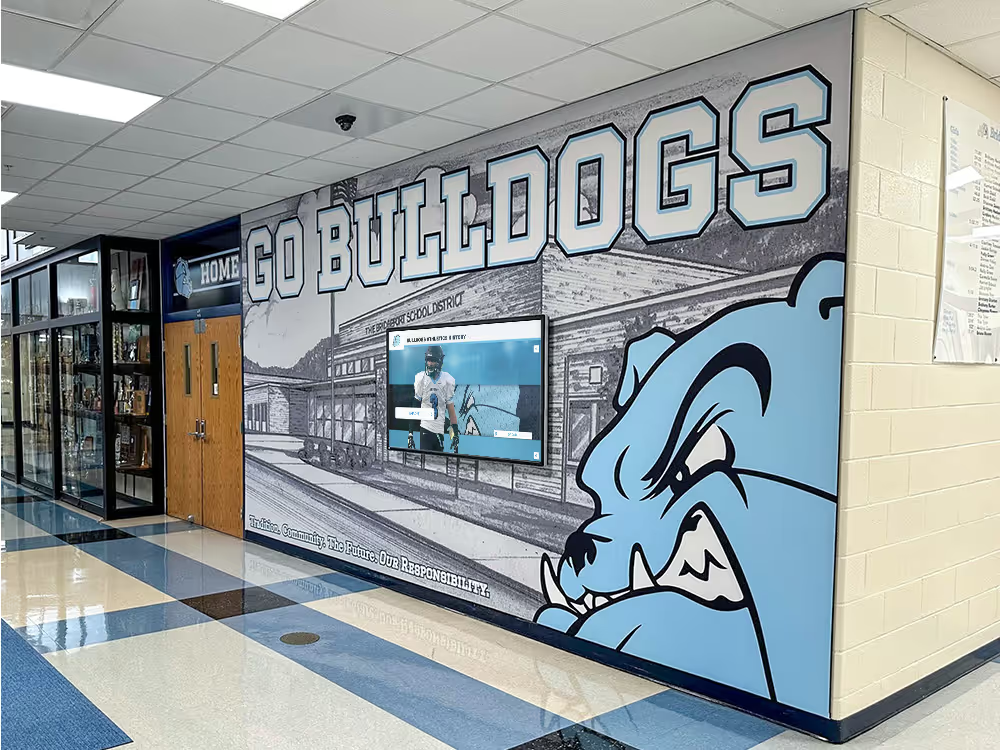
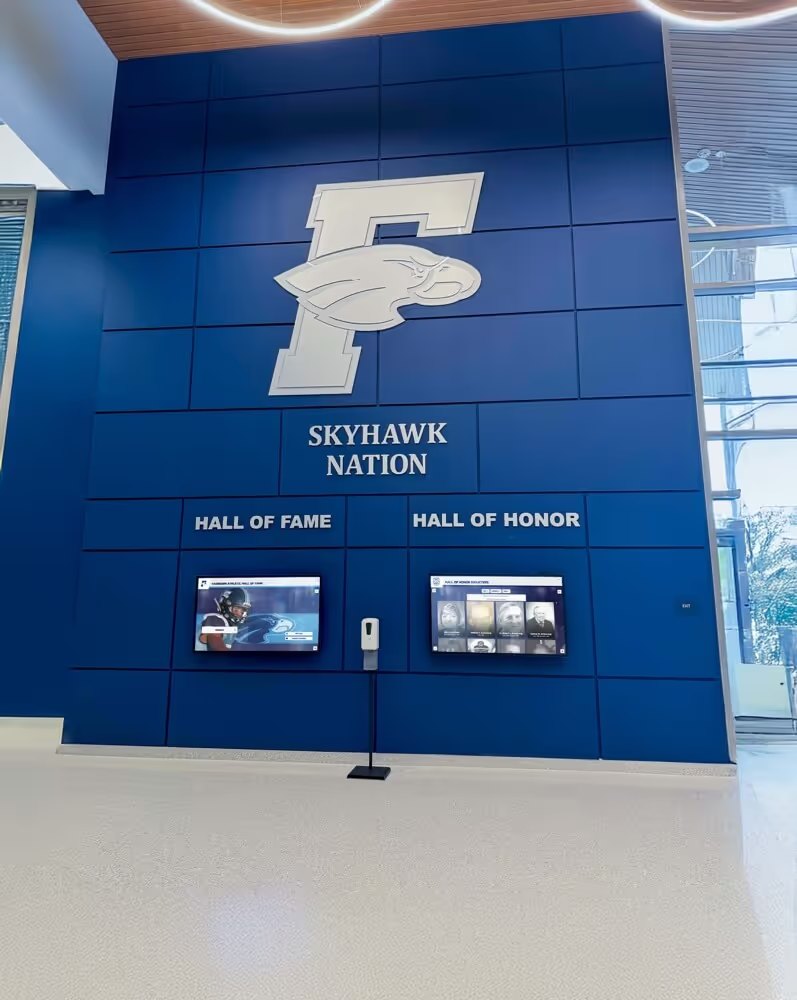
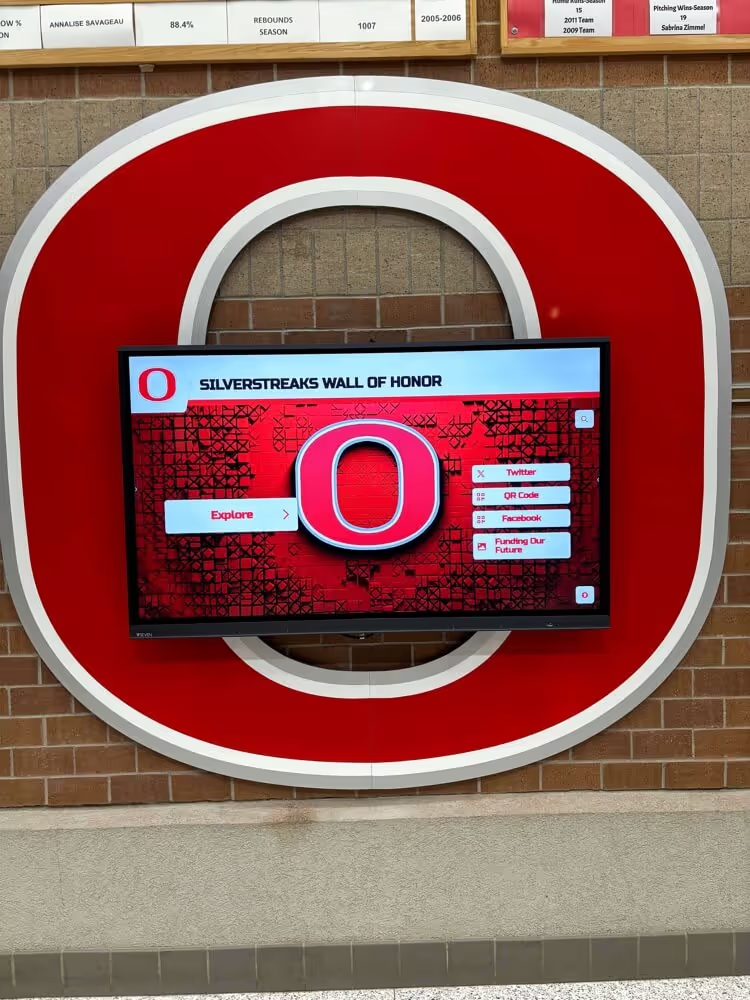
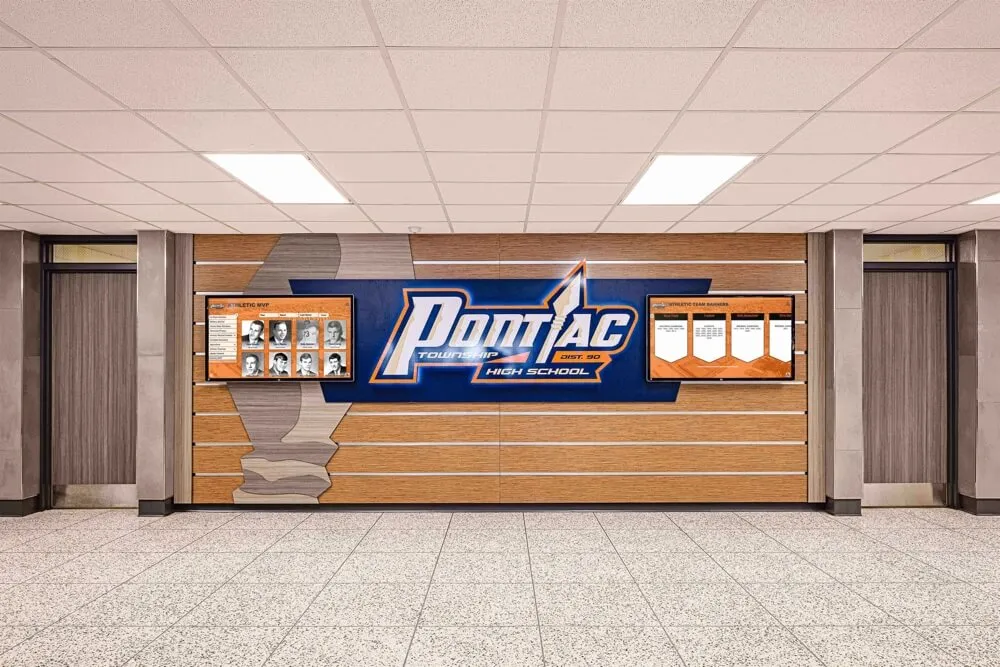
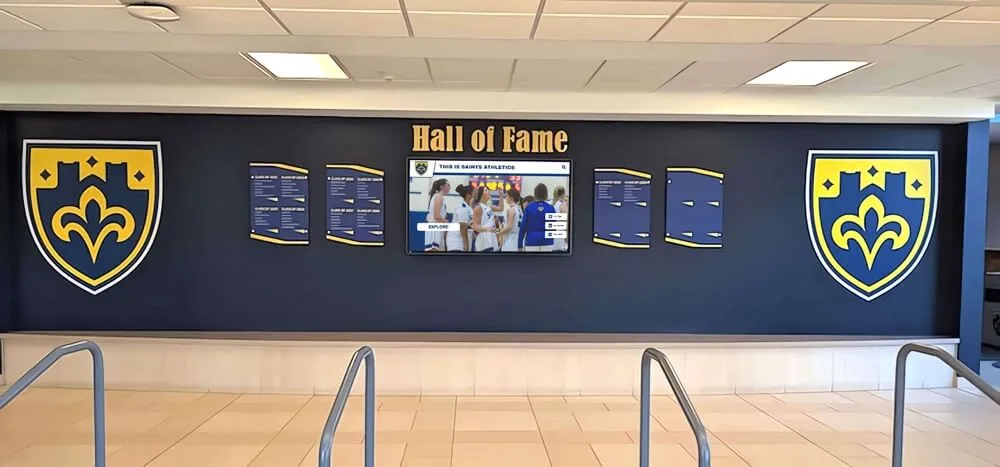
Wall-mounted digital displays integrate seamlessly with lobby design while showcasing unlimited achievements
Traditional Recognition Elements and Trophy Displays
While digital systems offer tremendous advantages, many schools value traditional recognition elements for their timeless aesthetic and tangible presence complementing modern technology.
Trophy Cases and Physical Achievement Displays
Well-designed trophy cases remain popular in school lobbies:
- Championship trophies and plaques from athletic achievements
- Academic competition awards and honors
- Performing arts recognition and competition victories
- Historical artifacts documenting institutional heritage
- Rotating displays preventing stagnation while showcasing diverse achievements
Quality display cases with proper lighting, secure construction, and regular maintenance protect valuable items while creating attractive presentations that impress visitors and build community pride.
Schools can implement hybrid approaches combining traditional trophy cases for major championships with digital systems accommodating comprehensive recognition of individual athlete achievements, end-of-year sports awards, academic honors, and other achievements benefiting from detailed documentation.
School Branding and Visual Identity Integration
Lobbies provide ideal venues for reinforcing institutional identity through coordinated design elements:
- School colors incorporated through wall treatments, furniture selections, and accent pieces
- Mascot imagery and logos displayed prominently and professionally
- Mission statements and core values featured in attractive presentations
- Historical timeline displays documenting institutional evolution
- Photography celebrating student life, campus beauty, and community engagement
These branding elements create cohesive aesthetic while communicating school values and culture to every visitor entering the building.
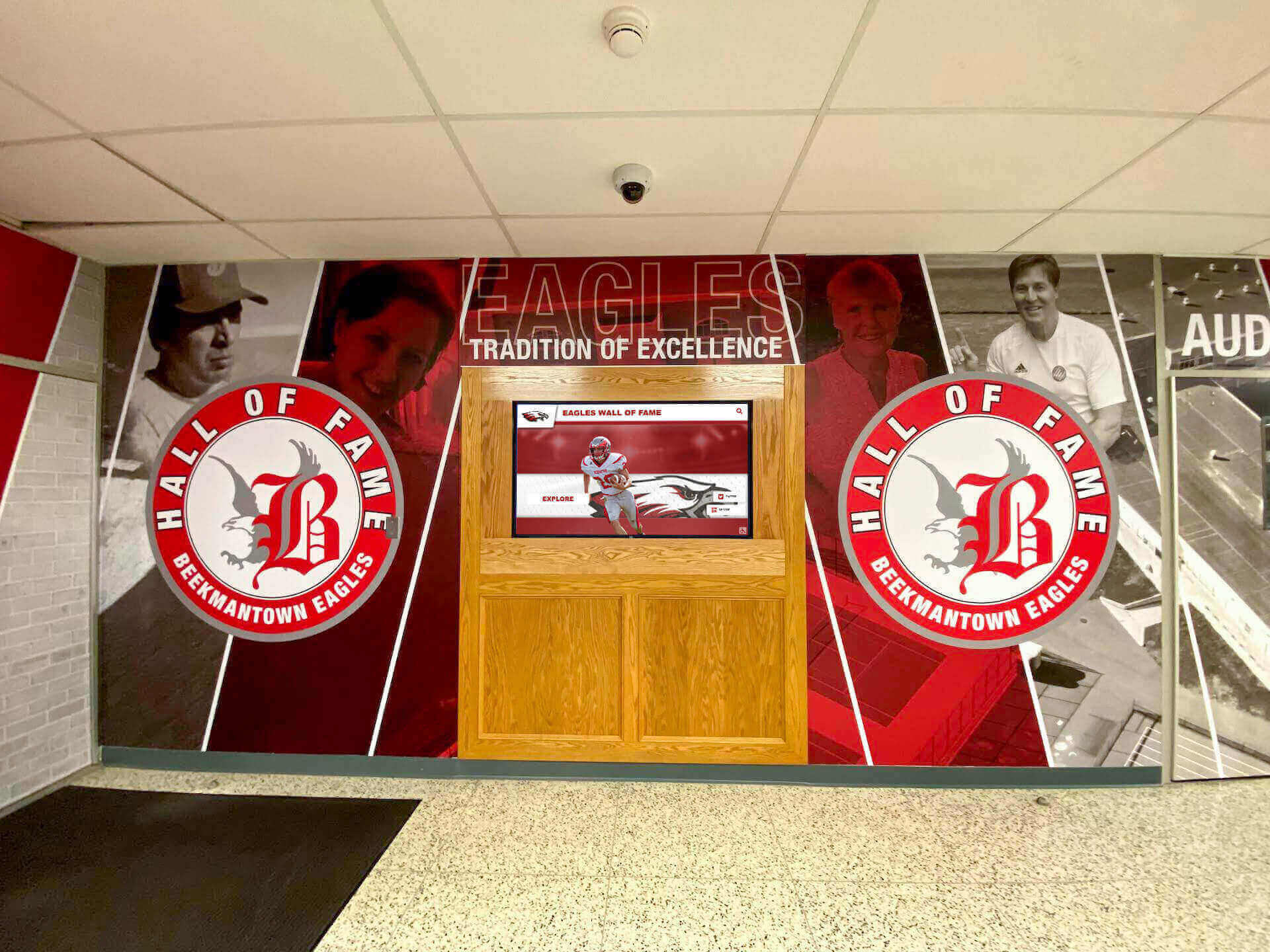
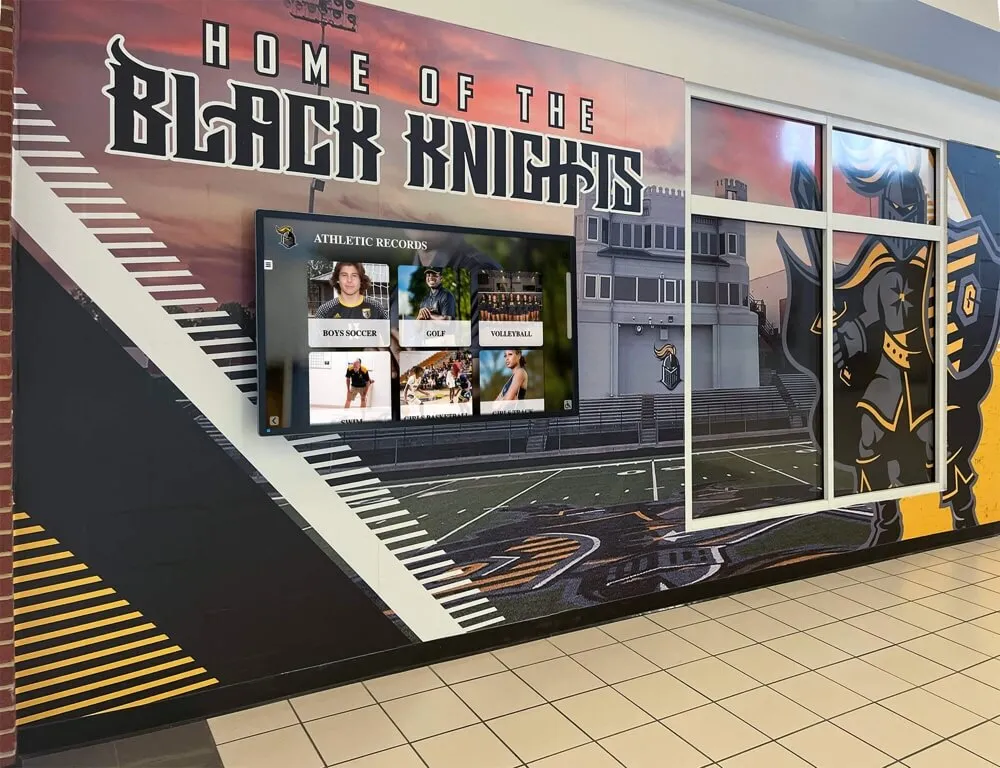
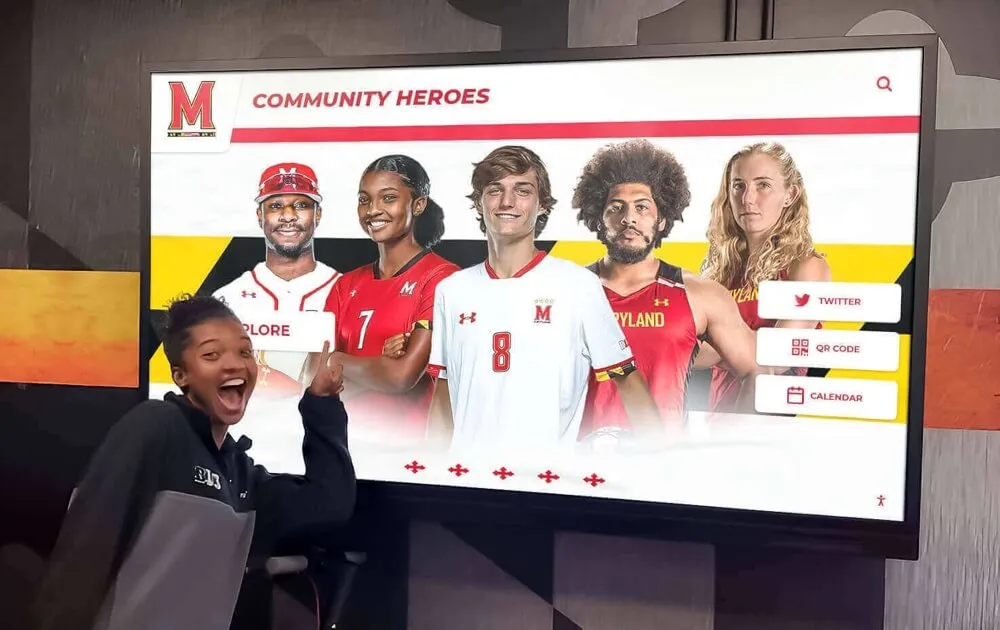
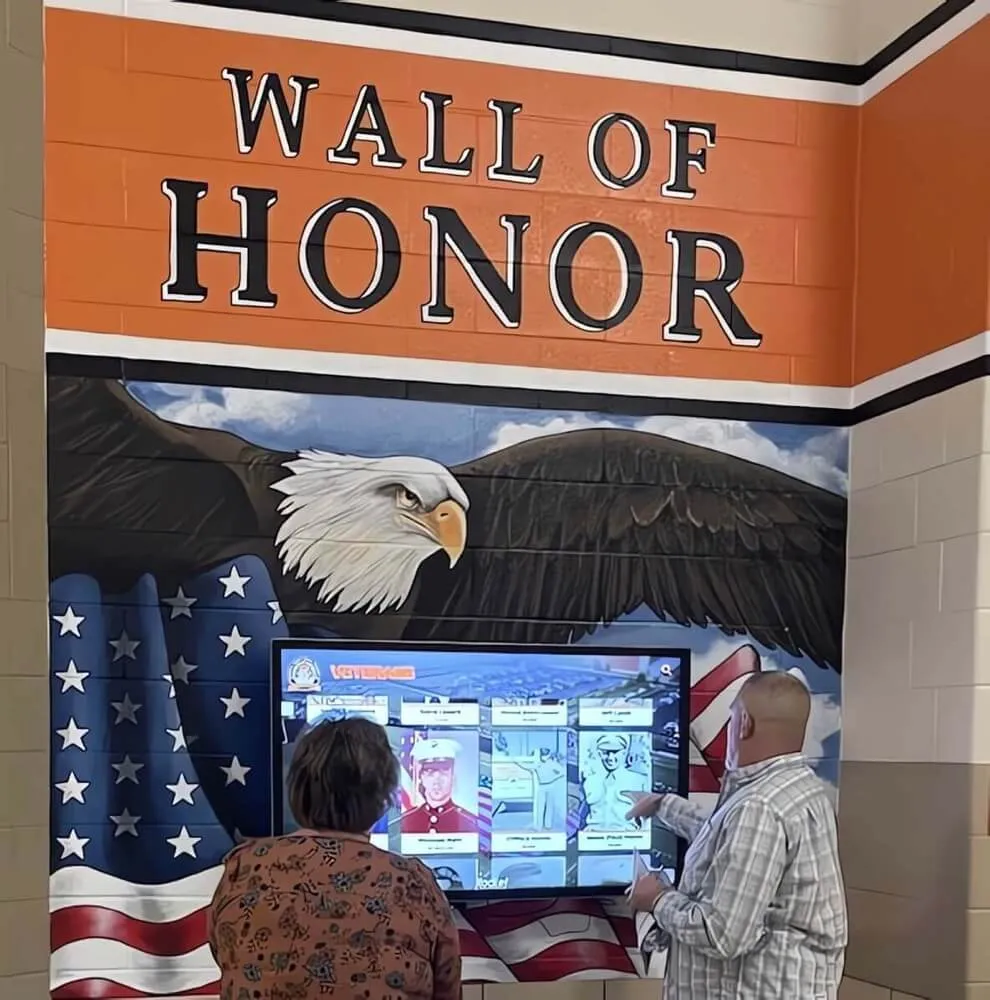
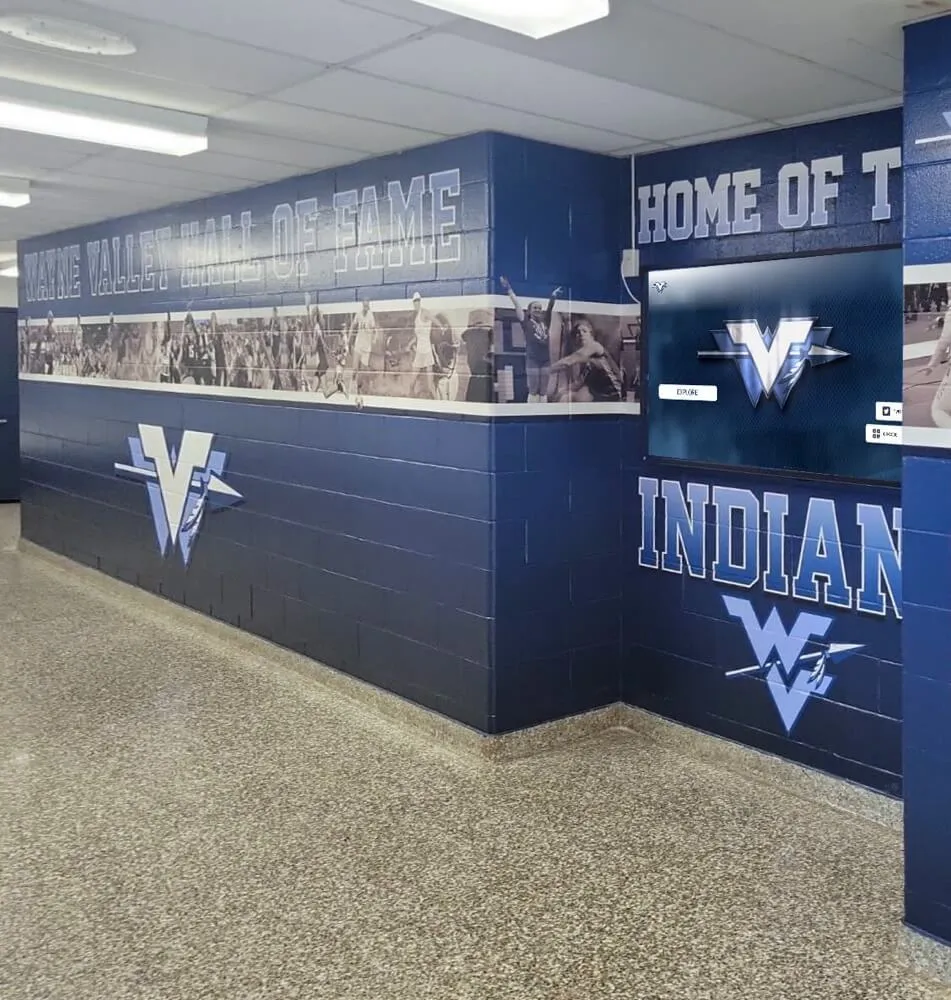
Coordinated murals, colors, and branding create strong institutional identity in entrance spaces
Design Elements That Enhance School Lobby Environments
Beyond furniture and recognition displays, numerous design elements collectively determine whether lobbies feel welcoming, professional, and inspiring.
Lighting Design for Welcoming Atmosphere
Lighting profoundly impacts how lobbies feel, influencing whether spaces appear warm and inviting or cold and institutional.
Layered Lighting Approach
Effective lobby lighting combines multiple elements:
- Ambient lighting providing comfortable general illumination without harshness
- Accent lighting highlighting recognition displays, artwork, and architectural features
- Task lighting at reception desks and work surfaces
- Natural light through windows connecting interior spaces to campus environments
- Decorative fixtures serving as design elements while providing illumination
Warm Color Temperature Selection
Choose lighting with warm color temperatures (2700K-3000K) creating comfortable, residential-feeling environments where visitors naturally relax. Avoid harsh cool fluorescent tones that communicate institutional efficiency rather than welcoming hospitality.
Lighting Control and Flexibility
Install dimming systems allowing lighting adjustment for different times and situations—bright illumination during busy morning arrival periods, softer ambient lighting during quiet afternoon hours, and variable settings accommodating evening events with different atmospheric requirements.
Flooring, Walls, and Finishes
Material selections for flooring, wall treatments, and finishes significantly impact both aesthetic impression and long-term maintenance requirements.
Durable, Attractive Flooring
School lobby flooring must withstand extraordinary traffic while maintaining professional appearance:
- Luxury vinyl tile (LVT) offering wood or stone aesthetics with exceptional durability
- Porcelain tile providing timeless elegance with easy maintenance
- Polished concrete creating modern aesthetic while handling heavy traffic
- Commercial carpet in low-traffic seating zones providing acoustic benefits and warmth
- Entry matting systems capturing dirt and moisture before it reaches interior flooring
Avoid residential-grade materials unable to withstand school traffic, and plan for regular maintenance keeping floors clean and attractive despite intensive daily use.
Wall Treatments and Colors
Wall colors and treatments frame entire lobby aesthetic:
- School colors used strategically as accent walls rather than overwhelming entire space
- Neutral base colors providing sophisticated backdrop for furnishings and displays
- Durable paint finishes withstanding cleaning and minor impacts
- Wall wraps or murals featuring school branding, mascots, or inspirational imagery
- Wainscoting or protective treatments in high-contact areas
Acoustic Considerations
Hard surfaces common in lobbies (tile floors, painted walls) create acoustic challenges during busy periods:
- Acoustic ceiling tiles reducing overall noise levels
- Sound-absorbing wall panels in strategic locations
- Carpet or area rugs in seating zones dampening conversation noise
- Strategic furniture arrangement creating buffer zones
- Design minimizing hard parallel surfaces that amplify sound
Proper acoustic design prevents lobbies from becoming uncomfortably loud during peak traffic while maintaining appropriate sound levels during quiet periods.
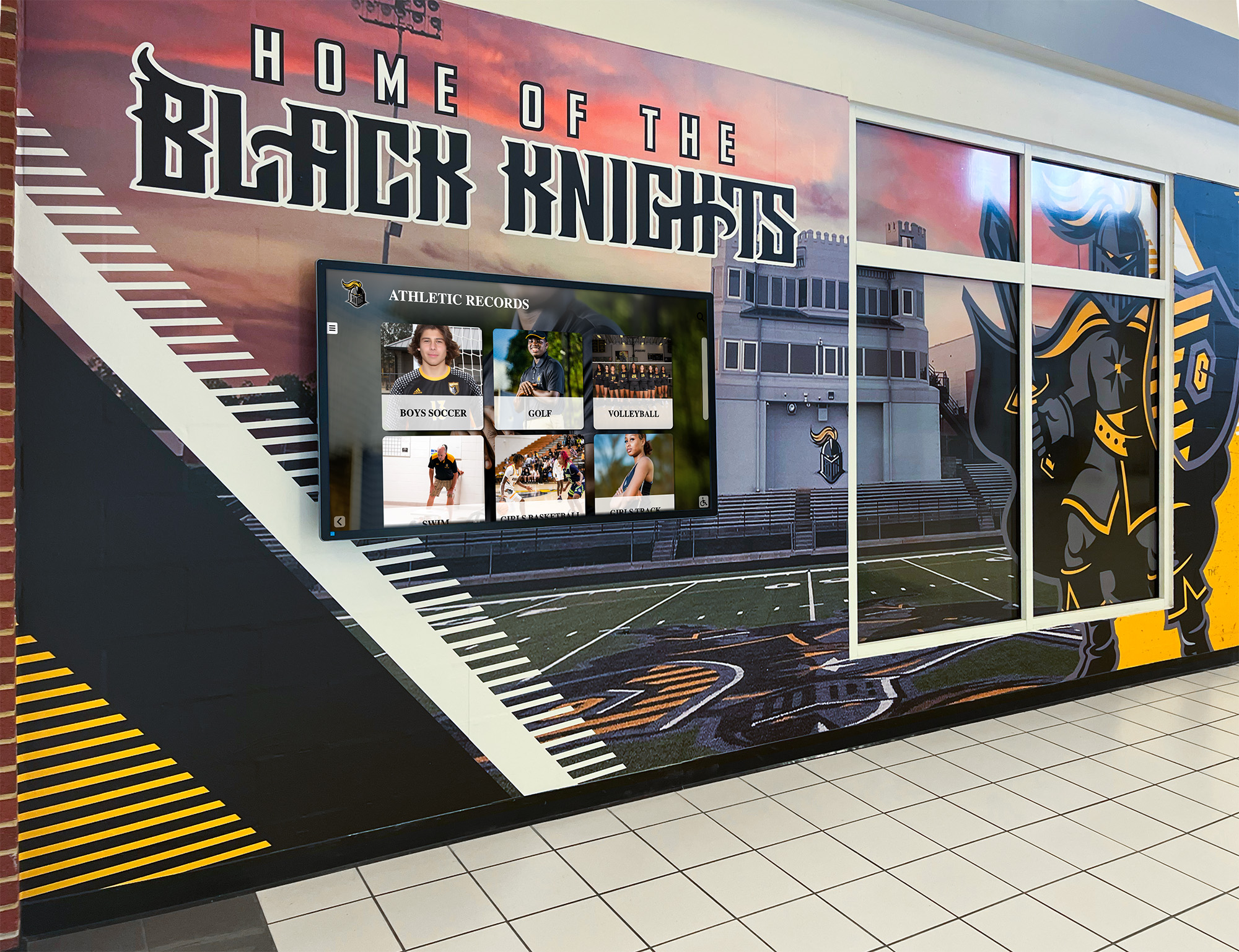
Coordinated wall treatments, flooring, and finishes create cohesive, professional lobby environments
Amenities and Practical Considerations
Thoughtful amenities demonstrate genuine hospitality while addressing practical visitor needs.
Climate Control and Comfort
- Consistent comfortable temperature year-round
- Adequate ventilation preventing stuffiness during crowded periods
- Humidity control maintaining comfort across seasons
- Strategic HVAC design preventing drafts at entrances while managing temperature
Restroom Access and Wayfinding
- Clear signage directing visitors to nearby restrooms
- Family restrooms accommodating parents with young children
- ADA-compliant facilities ensuring universal accessibility
- Maintained to standards matching lobby quality
Technology and Connectivity
- Guest WiFi with clear access information displayed
- Device charging stations or power outlets near seating
- Digital wayfinding systems helping visitors navigate campus
- Interactive touchscreen directories for campus information
Hospitality Elements
- Water fountains or bottle filling stations
- Tissue boxes near seating areas
- Hand sanitizer stations
- Coat hooks or small storage for visitor belongings
- Waste receptacles placed strategically but discreetly
These seemingly minor amenities collectively demonstrate that your school genuinely considers visitor experience and comfort rather than viewing lobbies as purely functional necessities.
Budget Considerations and Phased Implementation
Creating quality school lobbies requires realistic budgeting and potentially phased approaches delivering value within fiscal constraints.
Typical School Lobby Renovation Investment Ranges
Lobby renovation costs vary dramatically based on scope, existing conditions, and finish quality:
Budget Renovation (under $50 per square foot)
Limited improvements focusing on highest-impact changes:
- Fresh paint in coordinated colors
- New or refurbished furniture from commercial suppliers
- Basic recognition display upgrades
- Improved lighting with LED replacements
- Minor finishes refresh without structural changes
Budget approaches suit schools needing immediate visible improvement within tight fiscal constraints, though may require earlier replacement than higher-quality investments.
Mid-Range Renovation ($50-150 per square foot)
Comprehensive improvements creating significant transformation:
- Quality commercial-grade furniture appropriate for institutional use
- New flooring throughout lobby areas
- Wall treatments including accent walls, murals, or coordinated paint
- Enhanced lighting with layered approach and quality fixtures
- Digital recognition system implementation
- Updated reception desk and administrative furniture
- Improved wayfinding and signage
Mid-range budgets enable substantial improvements creating lobbies that impress visitors while remaining durable and maintainable for 7-10+ years before major refresh.
Premium Renovation ($150-300+ per square foot)
Transformational projects creating showcase entrance environments:
- Custom millwork and architectural features
- Premium furniture and finishes matching high-end hospitality standards
- Comprehensive technology integration including advanced recognition systems
- Architectural modifications improving layouts and circulation
- High-end materials throughout (stone, hardwood, premium tile)
- Professional design services ensuring cohesive, polished result
Premium investments create signature lobbies becoming recruitment and community engagement assets warranting inclusion in development campaigns or major fundraising initiatives.
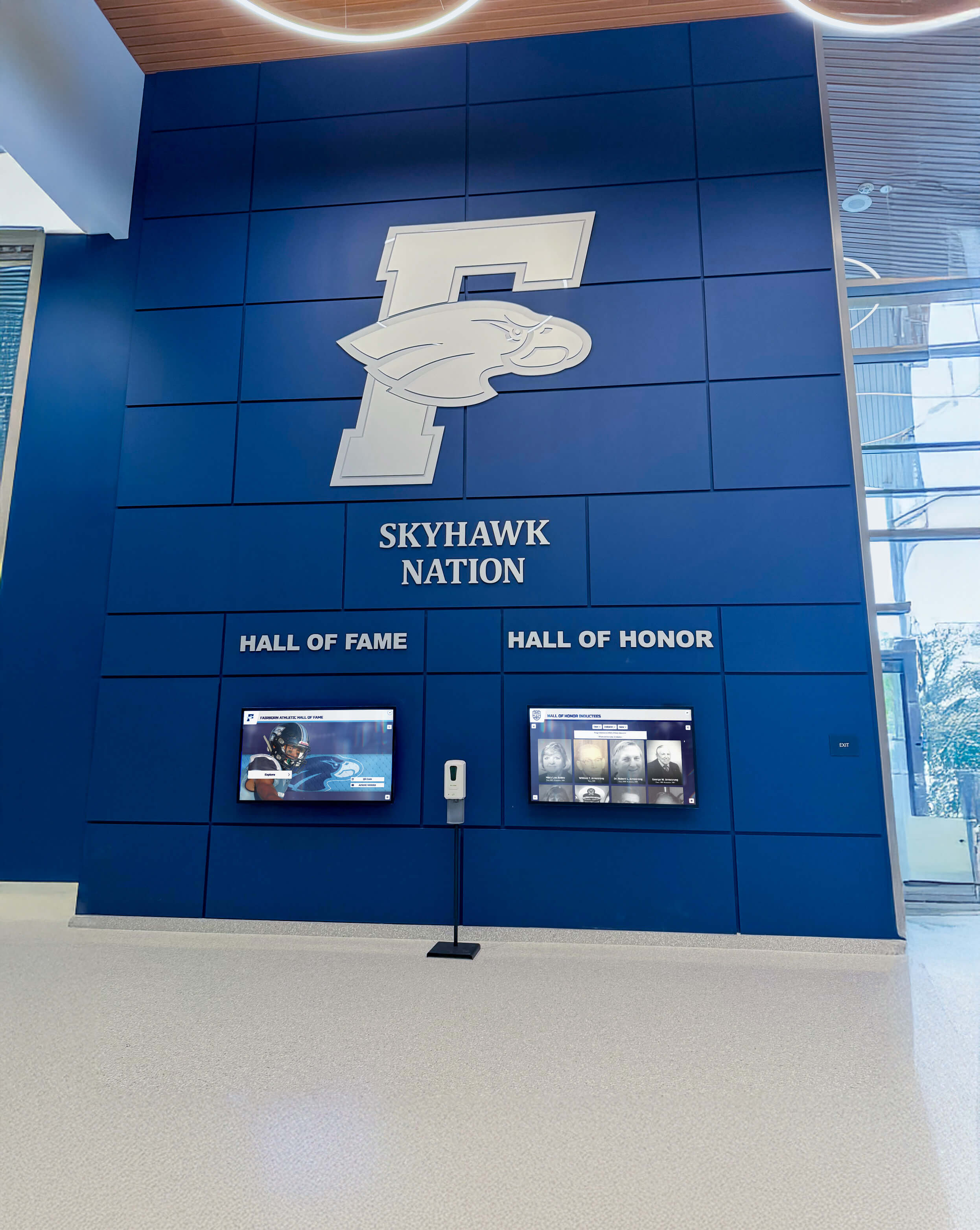
Comprehensive lobby renovations create signature spaces worthy of institutional investment
Phased Implementation Strategies
When comprehensive renovation exceeds immediate resources, phased approaches deliver incremental value:
Phase 1: Critical Updates (Months 1-6)
Initial investment addresses most visible needs:
- Fresh paint and basic cosmetic improvements
- New or refurbished lobby furniture replacing worn pieces
- Improved reception desk function and appearance
- Basic recognition display enhancement
- Updated lighting with immediate impact
This phase creates immediate visible improvement demonstrating commitment to quality while building momentum for additional investment.
Phase 2: Enhanced Features (Months 7-18)
Second phase adds sophistication and functionality:
- Digital recognition system implementation
- Upgraded flooring throughout lobby
- Enhanced branding and visual identity elements
- Improved wayfinding and signage
- Technology amenities for visitors
Phase 3: Comprehensive Excellence (Months 19-36)
Final phase creates truly exceptional entrance experience:
- Architectural improvements to circulation and layout
- Premium furniture and finishes
- Custom millwork and architectural features
- Advanced technology integration
- Professional landscaping improving exterior approaches
Phased implementation enables schools to begin improving visitor experience immediately while building support and resources for ongoing enhancement.
Maintaining Quality and Longevity in School Lobby Spaces
Creating impressive lobbies represents only the beginning—sustaining quality requires consistent attention and proper maintenance.
Daily Maintenance and Operations
Cleaning and Housekeeping Standards
High-traffic lobbies demand rigorous maintenance:
- Multiple daily cleaning passes during peak usage periods
- Immediate attention to spills, dirt tracked in, or disorder
- Regular deep cleaning of upholstered furniture
- Window and glass cleaning maintaining appearance
- Floor care appropriate to materials (sweeping, mopping, polishing)
Poor maintenance undermines even the most expensive furniture and design, allowing impressive lobbies to deteriorate quickly into spaces that detract from rather than enhance institutional reputation.
Furniture Care and Protection
Extend furniture longevity through proper care:
- Regular inspection for damage requiring repair
- Immediate cleaning of spills on upholstered pieces
- Tightening loose connections preventing worsening damage
- Professional cleaning services for upholstered items
- Protective treatments for fabrics and finishes
- Replacement of severely worn items before they become eyesores
Recognition Display Management
Keep achievement displays current and engaging:
- Regular content updates on digital recognition systems celebrating recent accomplishments
- Seasonal rotation of physical trophy displays
- Maintenance of all technology including displays, kiosks, and wayfinding
- Regular review ensuring accuracy of all displayed information
Long-Term Planning and Refresh Cycles
Plan for periodic refreshment maintaining lobby quality:
Furniture Replacement Cycles
Commercial furniture lifespans vary by quality and use intensity:
- High-quality pieces: 10-15 years with proper maintenance
- Mid-grade furniture: 7-10 years under intensive use
- Budget furniture: 4-7 years before visible wear necessitates replacement
Budget appropriately for eventual replacement, ideally establishing dedicated reserves preventing surprise expenses when furniture reaches end of useful life.
Design Refresh Periods
Beyond furniture replacement, comprehensive design refreshes keep lobbies feeling current:
- Minor updates every 3-5 years (paint colors, accent pieces, small improvements)
- Significant refresh every 7-10 years (furniture, recognition displays, major finishes)
- Comprehensive renovation every 15-20 years (layout modifications, architectural changes)
Regular refreshment prevents lobbies from appearing dated while demonstrating ongoing institutional investment in quality and visitor experience.
Creating Lobbies That Support Your Mission
School lobby furniture and design decisions represent strategic investments in recruitment, culture, and community engagement rather than mere aesthetic preferences. Quality entrance spaces that welcome visitors warmly, showcase institutional achievements proudly, and function efficiently under demanding daily use create value far exceeding initial costs through enhanced enrollment, strengthened community pride, and improved operational effectiveness.
The most successful school lobbies share common characteristics regardless of budget scale: they provide genuine comfort through appropriately selected furniture meeting both aesthetic and functional needs; they celebrate student and institutional achievements through thoughtfully integrated recognition displays; they reflect school identity and values through coordinated branding and design elements; and they receive consistent maintenance attention sustaining initial quality across years of intensive use.
Whether renovating existing lobbies or planning new construction, fundamental principles remain consistent—select durable furniture balancing comfort with institutional requirements, create clear circulation and functional zones serving diverse needs simultaneously, integrate recognition celebrating achievements appropriately, incorporate school identity authentically, and plan for sustained maintenance preserving initial investment quality.
Technology plays increasingly vital roles in modern school lobbies, particularly through digital recognition displays that showcase unlimited achievements while serving as engagement tools creating memorable experiences for prospective families and returning alumni. Solutions like Rocket Alumni Solutions provide purpose-built recognition systems designed specifically for school environments, offering intuitive content management, comprehensive multimedia capabilities, and proven success across diverse institutional implementations.
Your school lobby makes first impressions that influence enrollment decisions, shapes daily experience for students and staff, and communicates institutional values to every visitor entering your building. These critical spaces deserve strategic investment, thoughtful design, and sustained maintenance ensuring they consistently represent your school’s excellence and welcome every visitor warmly.
Transform Your School Lobby with Digital Recognition
Discover how Rocket Alumni Solutions can help you create welcoming entrance environments that celebrate student achievements through innovative digital recognition displays combining unlimited capacity with intuitive exploration. Showcase athletic championships, academic honors, and institutional heritage in engaging formats that impress prospective families while building community pride.
Explore Recognition Solutions for Your SchoolReady to create school entrance spaces that make powerful positive first impressions? Beyond furniture and design, consider how memorial wall ideas can honor distinguished community members, explore digital signage content ideas for lobby displays, and learn how athletic halls of fame can be integrated into entrance environments.
School lobbies represent more than transitional spaces between exterior and interior—they’re strategic assets influencing enrollment decisions, strengthening institutional culture, and creating daily experiences that shape how every community member perceives your school. When approached strategically with appropriate investment and sustained attention, these entrance environments generate returns far exceeding costs through enhanced recruitment success, improved community engagement, and the intangible but invaluable demonstration that your institution genuinely values the experience it provides to students, families, and visitors.