School open houses represent one of your most valuable opportunities to connect with families, showcase your educational environment, and build the community partnerships that strengthen school culture. Whether you’re welcoming prospective students and their parents, engaging current families at the start of a new school year, or hosting community members during special events, a well-executed open house creates lasting impressions that reflect your institution’s values and commitment to excellence.
Yet many schools approach open houses with minimal planning, defaulting to basic classroom visits and brief teacher introductions that fail to capture what makes their institution special. The result? Missed opportunities to engage families meaningfully, showcase student achievements, communicate educational philosophy effectively, and create the welcoming atmosphere that builds trust and enthusiasm among the very people who form your school community’s foundation.
This comprehensive guide explores creative school open house ideas spanning planning strategies, engagement activities, display opportunities, and technological enhancements that help administrators create memorable experiences. Whether you’re hosting your first open house or refining an established tradition, these proven approaches ensure families leave with clear understanding of your school’s culture, excited about the educational opportunities you provide, and confident in their decision to join your community.

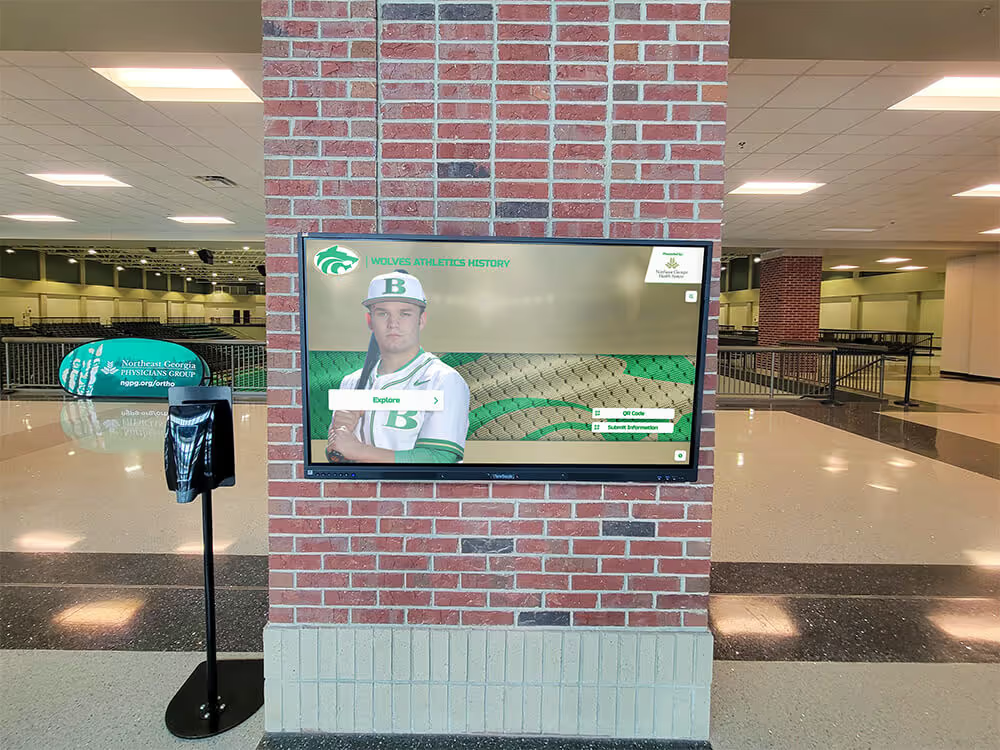
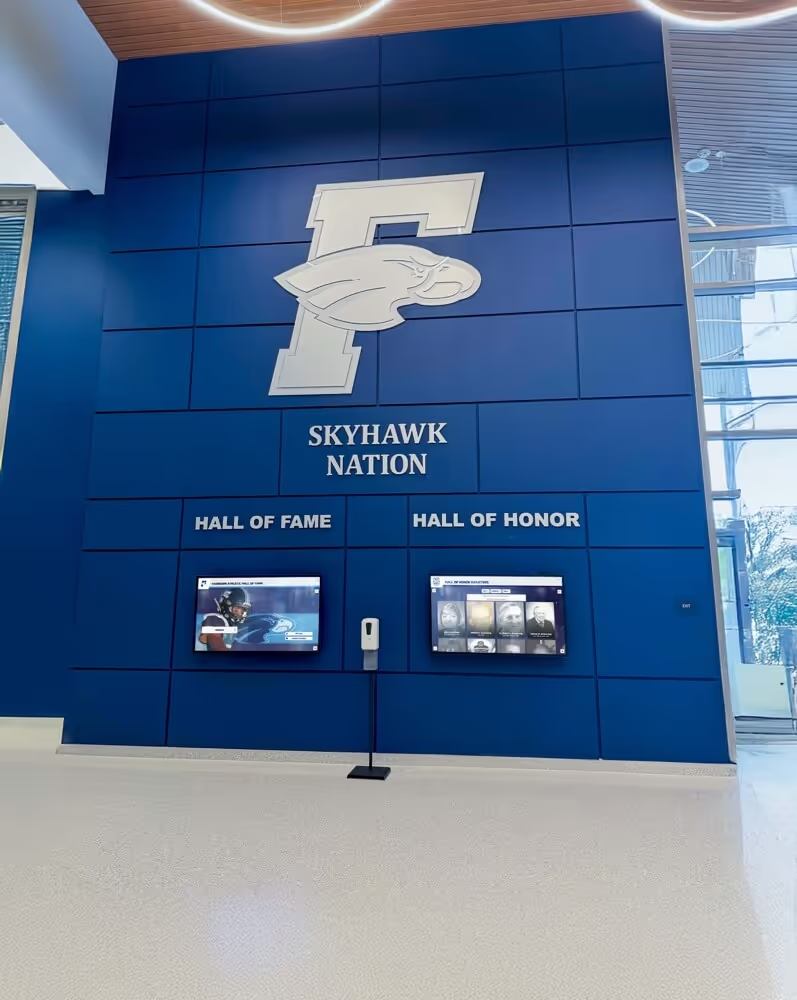
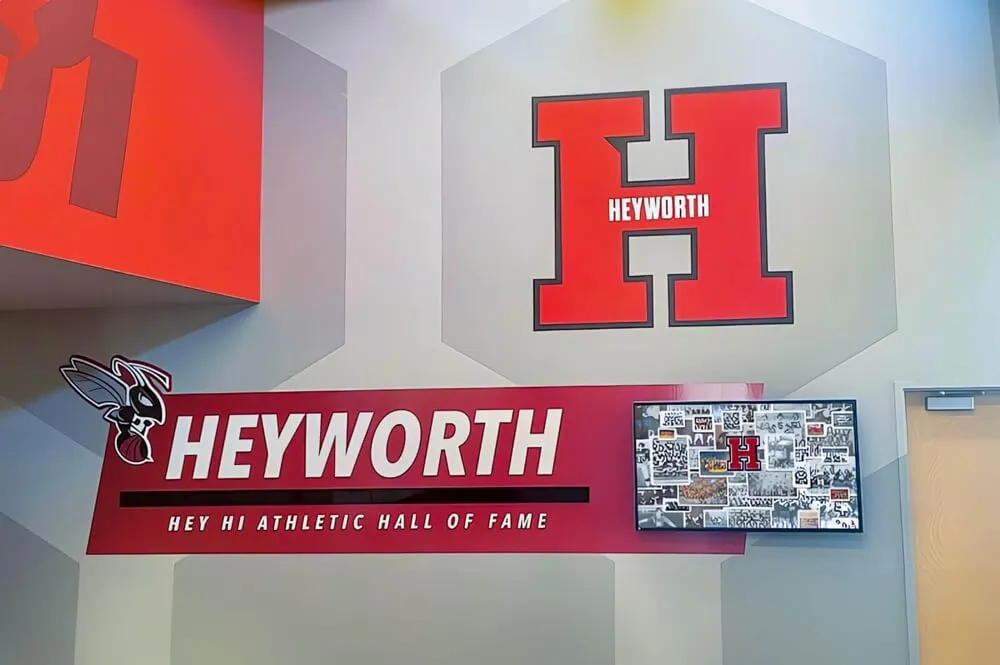
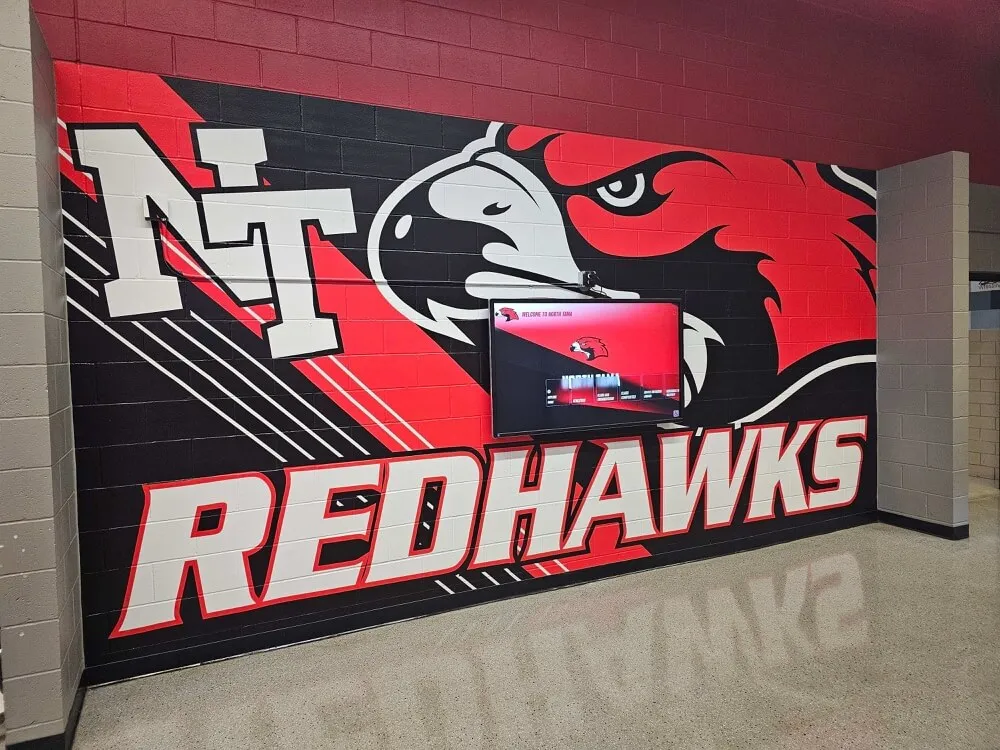
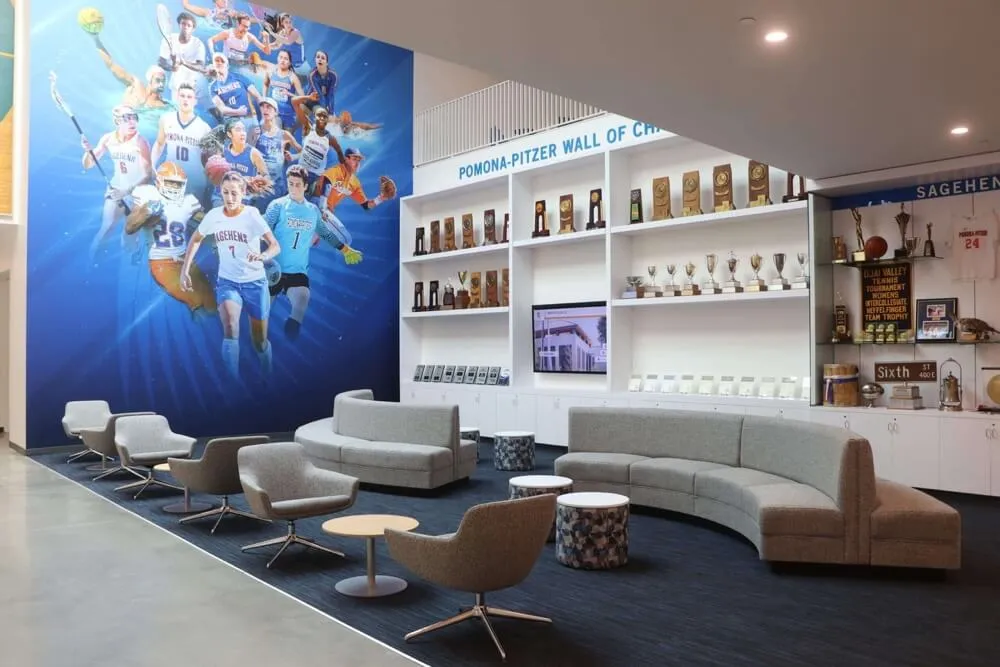
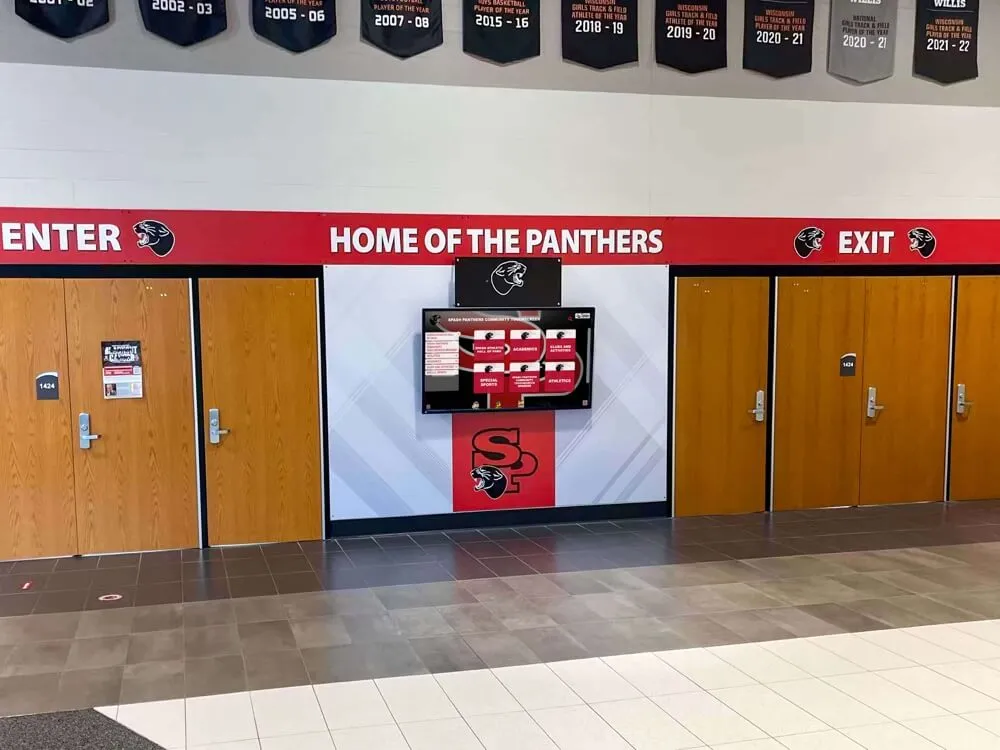
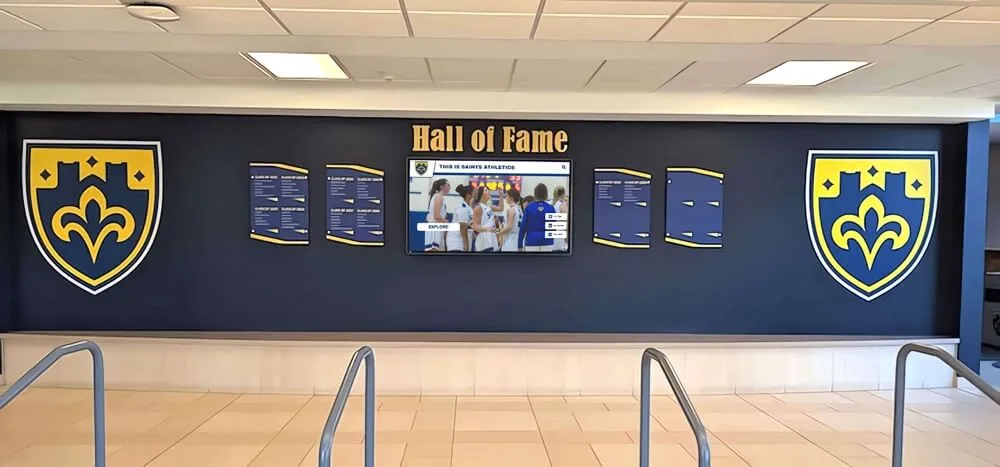
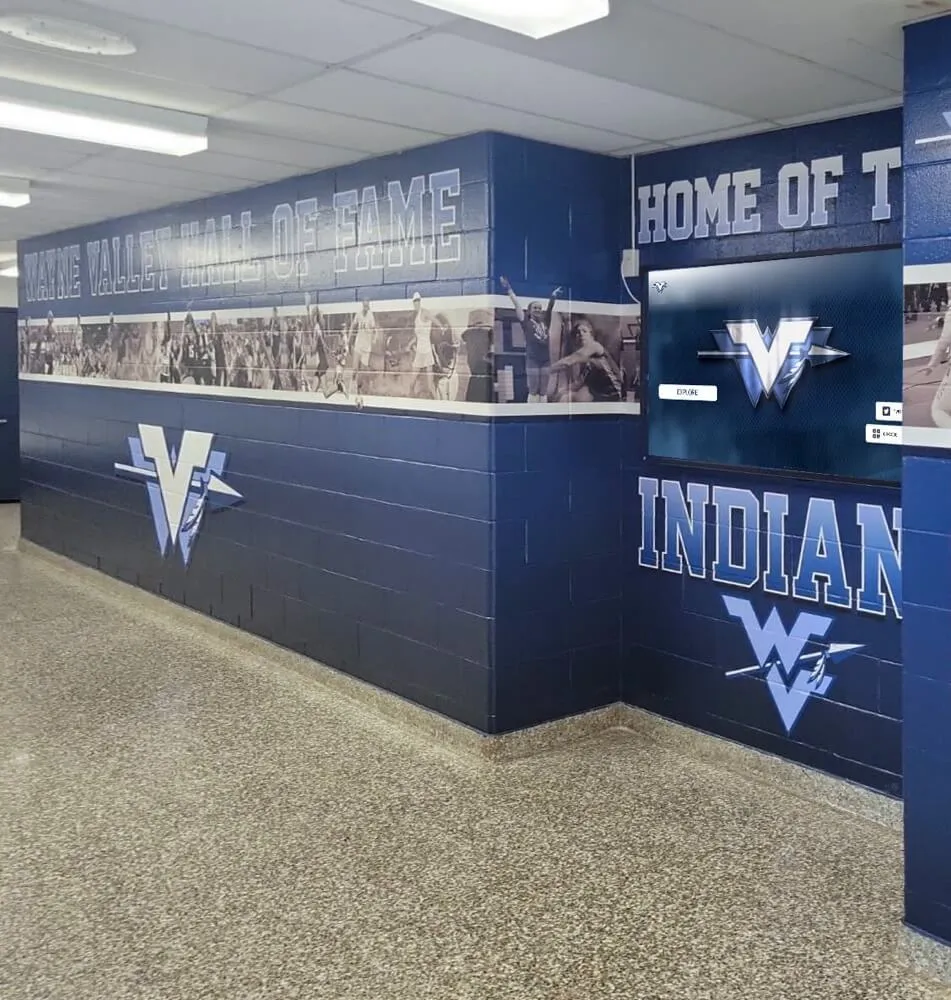
Welcoming lobby displays create powerful first impressions during open house events, showcasing school pride and achievement immediately upon entry
Understanding Open House Objectives and Types
Before diving into specific planning strategies, clarifying your open house objectives ensures activities align with intended outcomes and serve appropriate audiences effectively.
Types of School Open Houses
Schools host open houses for different purposes throughout the year, each requiring distinct approaches:
Back-to-School Open Houses
Typically held just before or during the first week of school, these events help current families:
- Meet new teachers and review classroom expectations
- Navigate building layouts and locate key facilities
- Understand curriculum plans and academic objectives for the year
- Connect with other families and build community relationships
- Learn about extracurricular opportunities and involvement options
These familiar events focus on orientation and relationship-building for families already committed to your school community.
Prospective Family Open Houses
Designed for families considering enrollment, these recruitment-focused events showcase:
- Academic programs and educational philosophy
- School culture, values, and community atmosphere
- Student achievement and recognition of excellence
- Facilities, resources, and learning environments
- Extracurricular opportunities and student life experiences
Prospective family open houses serve marketing functions, requiring polished presentations that differentiate your institution from alternatives while authentically representing your school’s identity.
Community Open Houses
Broader community engagement events invite neighbors, local businesses, and community members to:
- Experience school facilities and programs firsthand
- Build community-school partnerships and support networks
- Celebrate school accomplishments and contributions
- Address questions or concerns about school operations
- Foster positive relationships between school and broader community
These outreach-focused events strengthen community connections while building goodwill and support beyond enrolled families.
Special Event Open Houses
Schools may host open houses tied to specific occasions:
- New facility dedications showcasing construction or renovation projects
- Program launch celebrations introducing new academic initiatives
- Milestone anniversaries commemorating institutional history
- Achievement celebrations honoring exceptional student or school accomplishments
- Specialized program showcases for athletics, arts, or other distinctive offerings
These targeted events combine celebration with facility tours and program information.
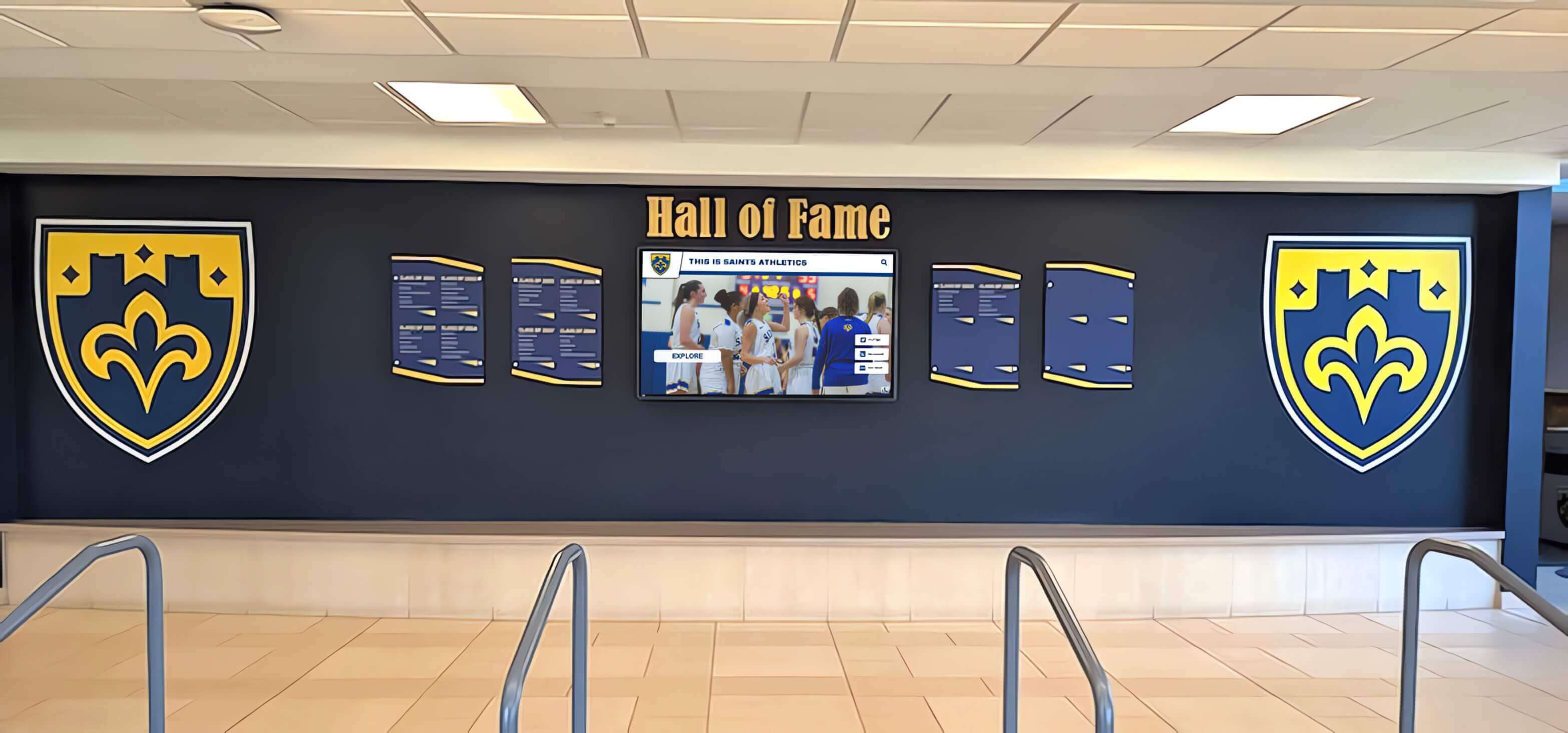
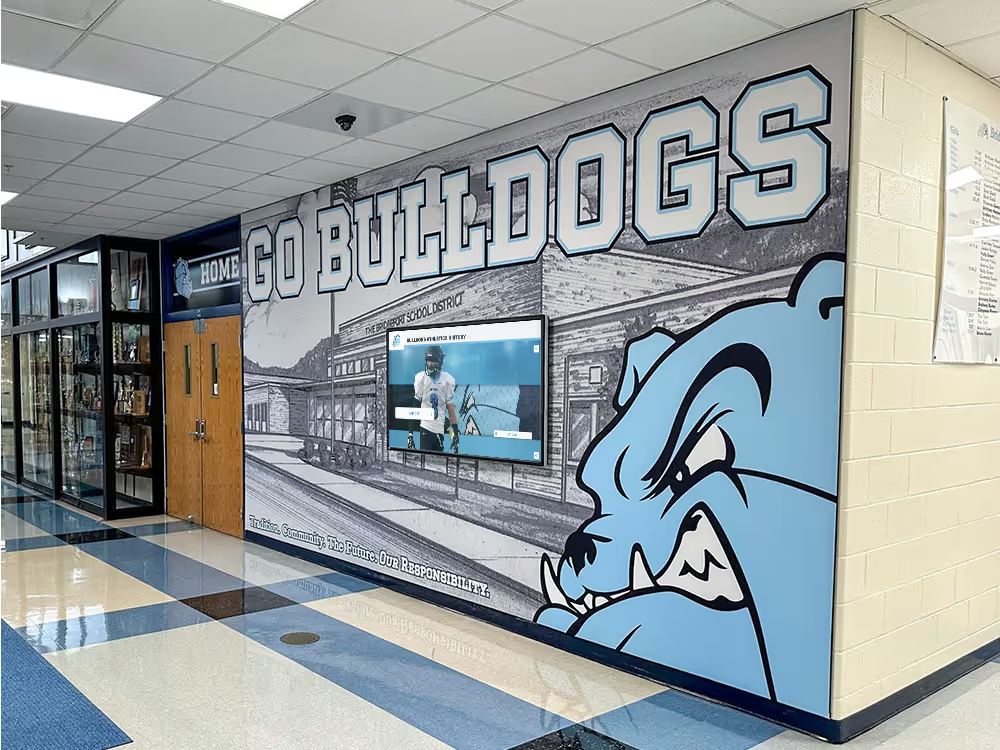
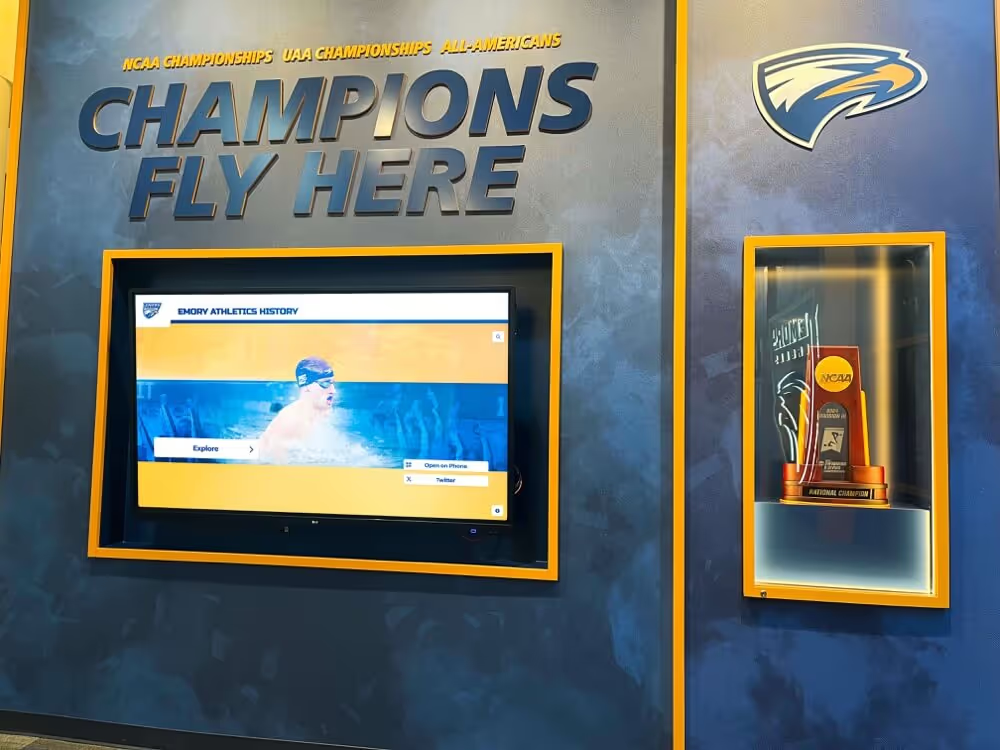
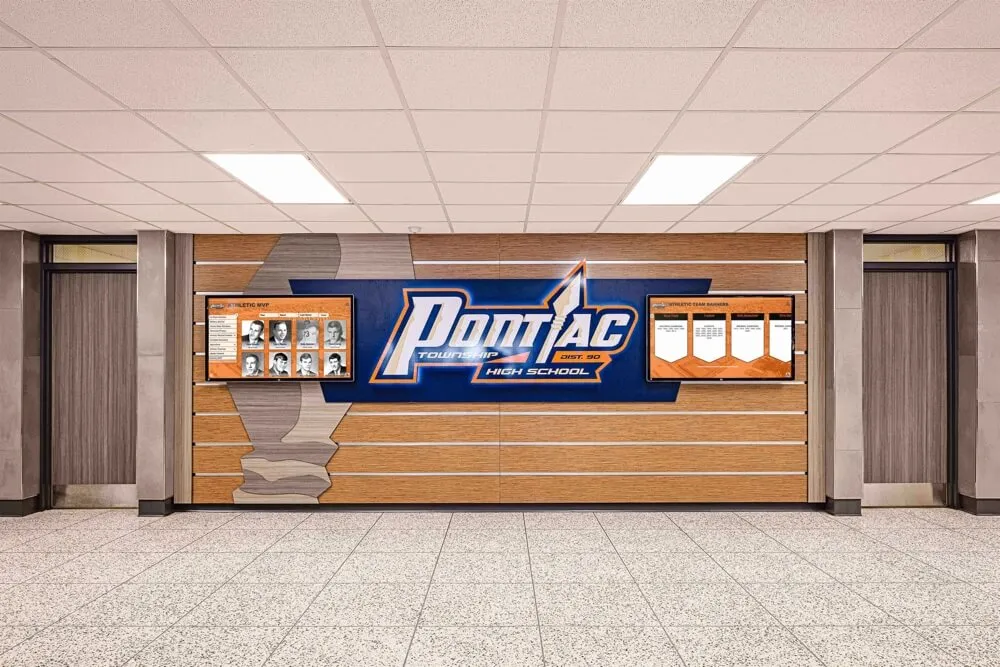
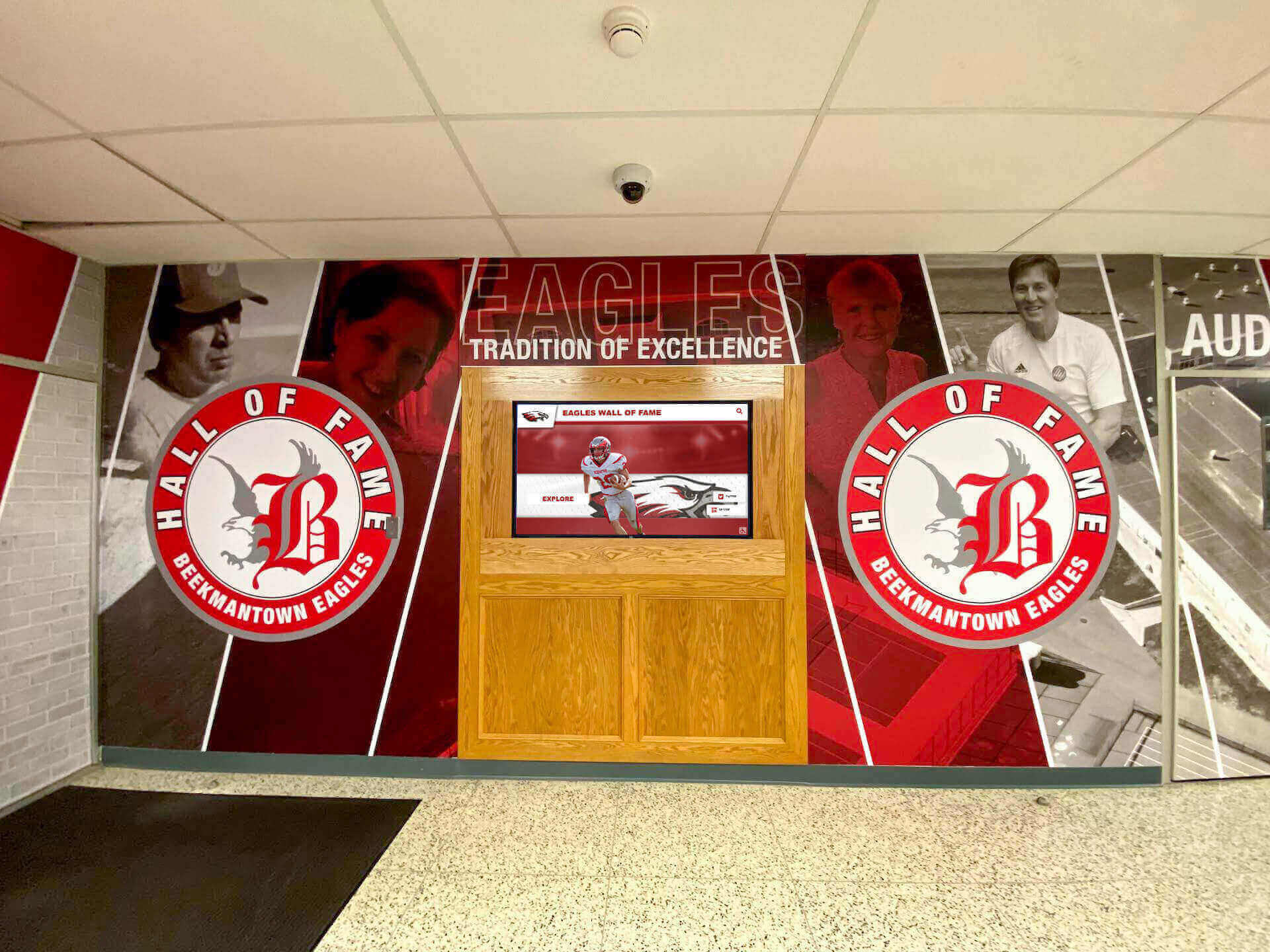
Professional entrance displays establish tone and communicate school values from the moment visitors arrive
Defining Clear Objectives
Successful open houses begin with specific, measurable objectives aligned with event purpose:
Relationship-Building Goals
- Create personal connections between families and teachers
- Foster relationships among families within school community
- Establish trust and open communication channels
- Build enthusiasm and excitement for the school year ahead
Information-Sharing Objectives
- Communicate academic expectations and curriculum plans clearly
- Explain school policies, procedures, and important logistics
- Share information about resources, support services, and opportunities
- Answer questions and address family concerns proactively
Recruitment and Enrollment Targets
- Increase enrollment applications from prospective families
- Improve conversion rates from inquiry to application to enrollment
- Differentiate your school from competing educational options
- Create memorable experiences that influence family decision-making
Community Engagement Outcomes
- Strengthen community support for school initiatives
- Build volunteer networks and family involvement
- Establish partnerships with local businesses and organizations
- Generate positive community perception and goodwill
Clear objectives guide planning decisions while providing evaluation criteria for assessing open house success afterward.
Planning Your School Open House: Essential Logistics
Effective execution requires systematic planning addressing timing, logistics, communication, and coordination.
Timing and Scheduling Considerations
Optimal Timing for Different Audiences
Back-to-school open houses work best:
- The week immediately before school starts (familiarity without academic disruption)
- First week of school during early dismissal or evening hours
- Avoid major holidays, community events, or competing school activities
Prospective family open houses should occur:
- During active enrollment decision periods (late fall through early spring for following year)
- When school is in session so families can observe authentic daily operations
- Multiple times throughout enrollment season accommodating various schedules
Duration and Format Options
Brief Visit Windows (1-2 Hours)
- Drop-in format allowing families to arrive anytime during window
- Self-guided exploration with staff available at key locations
- Works well for informal browsing and quick facility tours
- Less demanding on staff time and volunteer coordination
Structured Programs (2-3 Hours)
- Scheduled start with formal welcome and presentation
- Organized rotation through stations or classroom visits
- Concludes with Q&A session and refreshments
- Provides comprehensive information in organized format
Extended Community Events (3-4 Hours)
- Festival or fair atmosphere with multiple concurrent activities
- Student performances, demonstrations, and interactive exhibits
- Food, entertainment, and community-building activities
- Creates celebratory atmosphere for broader community engagement
Choose formats matching your objectives, available resources, and target audience preferences.
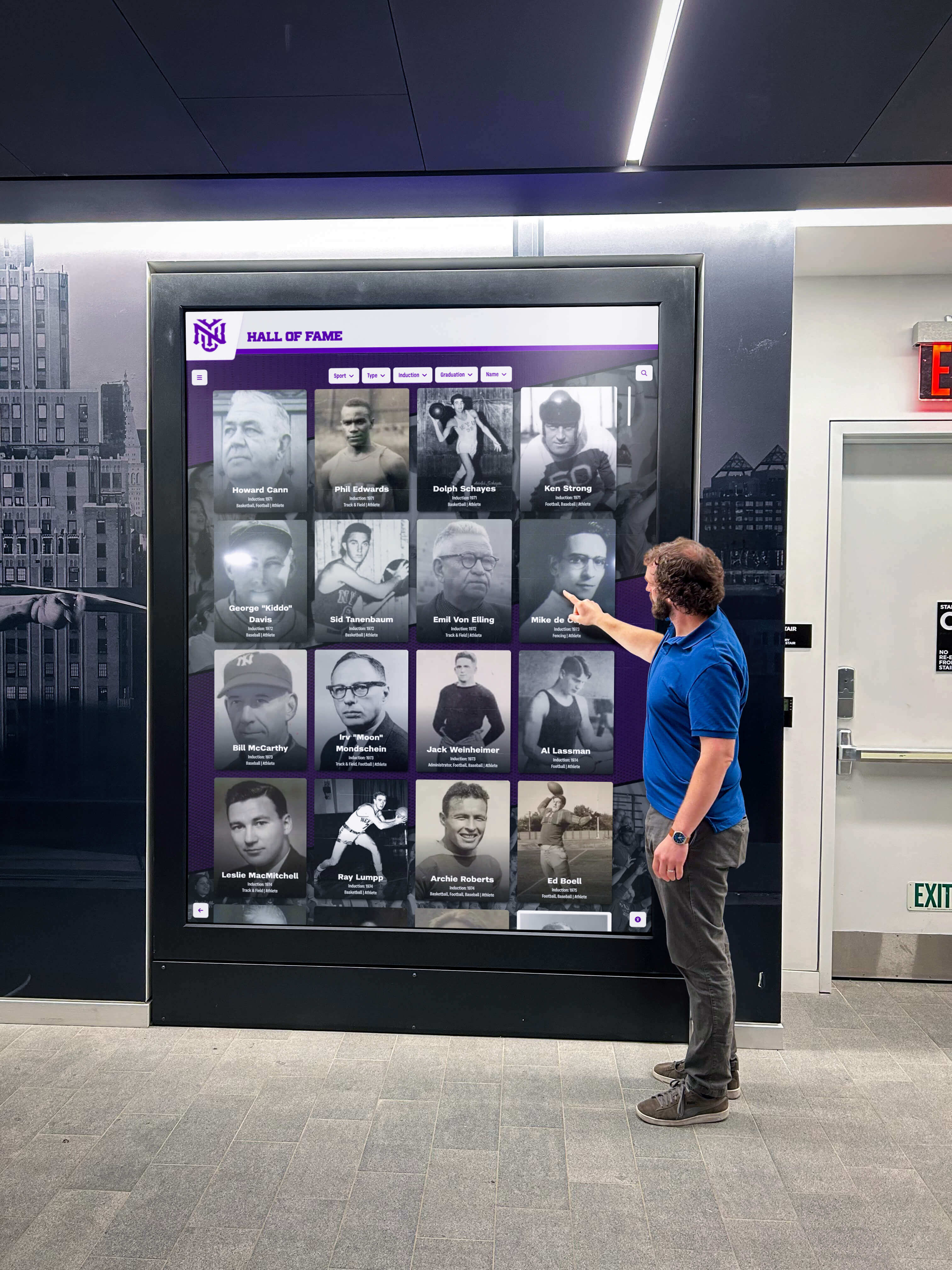
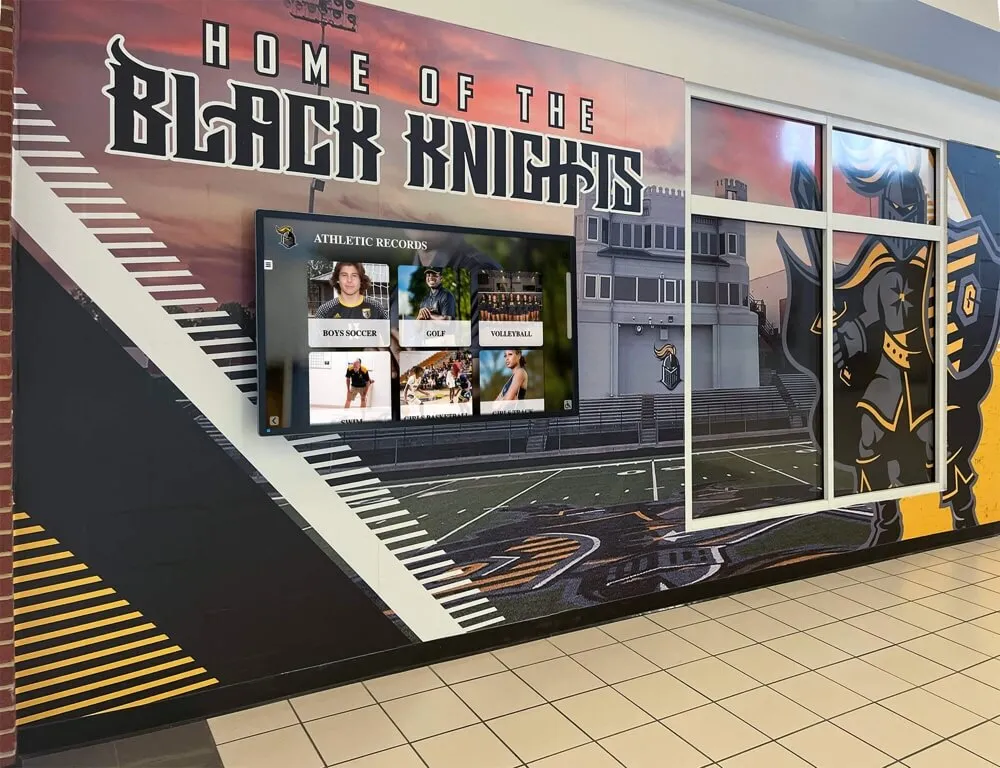
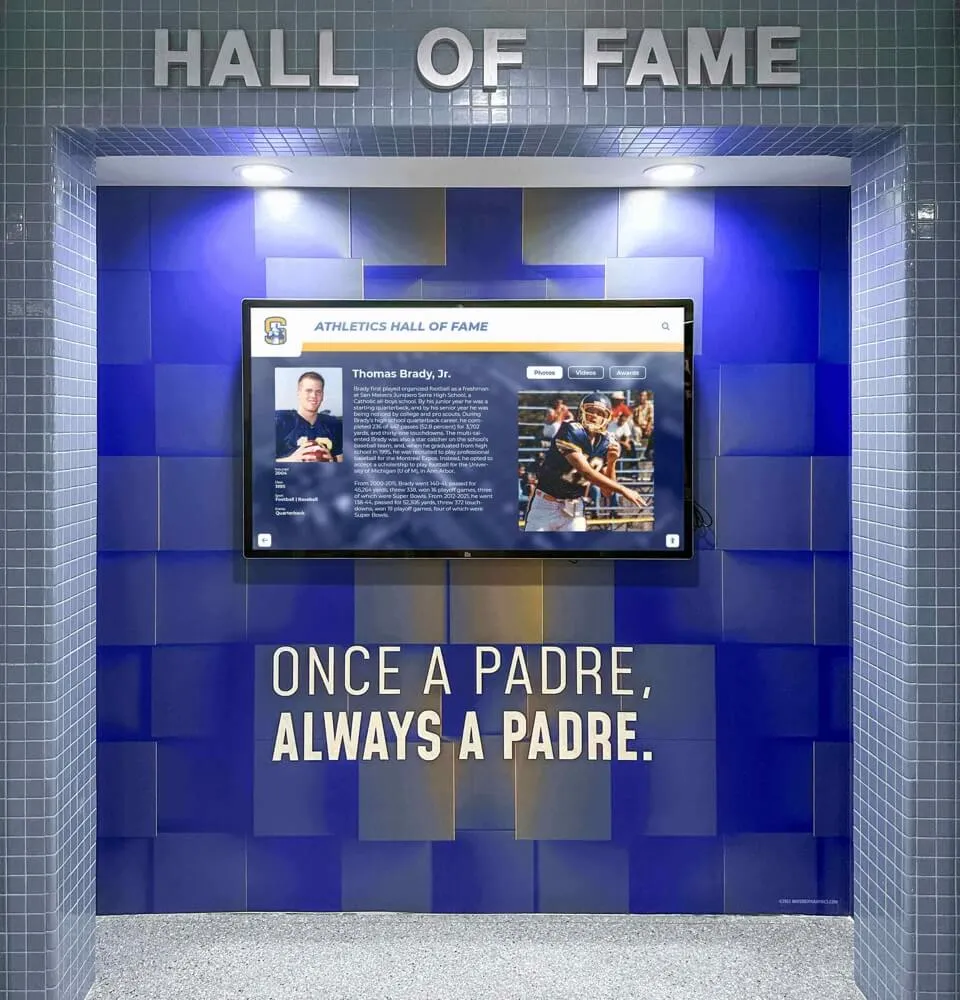
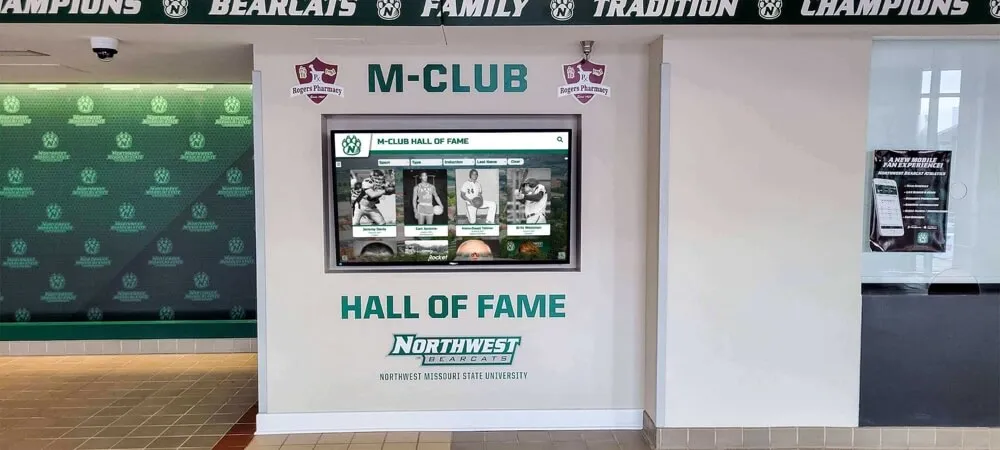
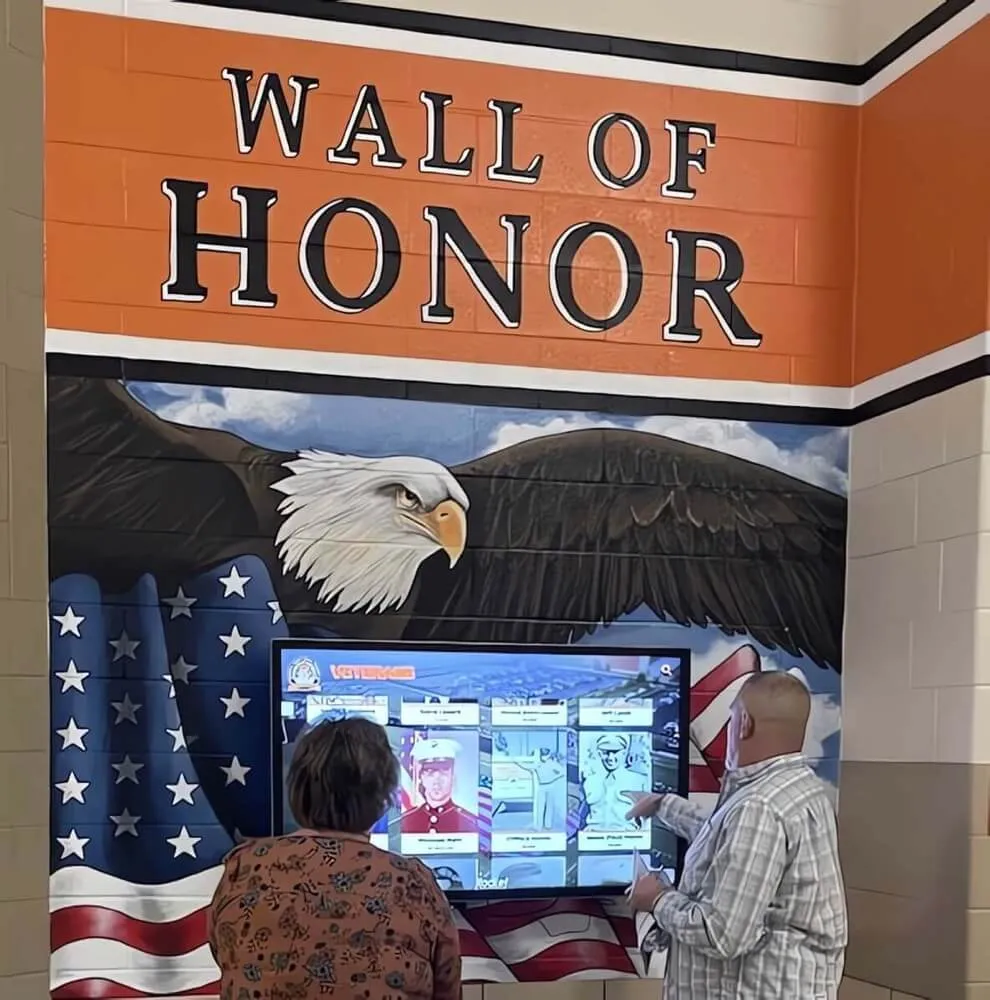
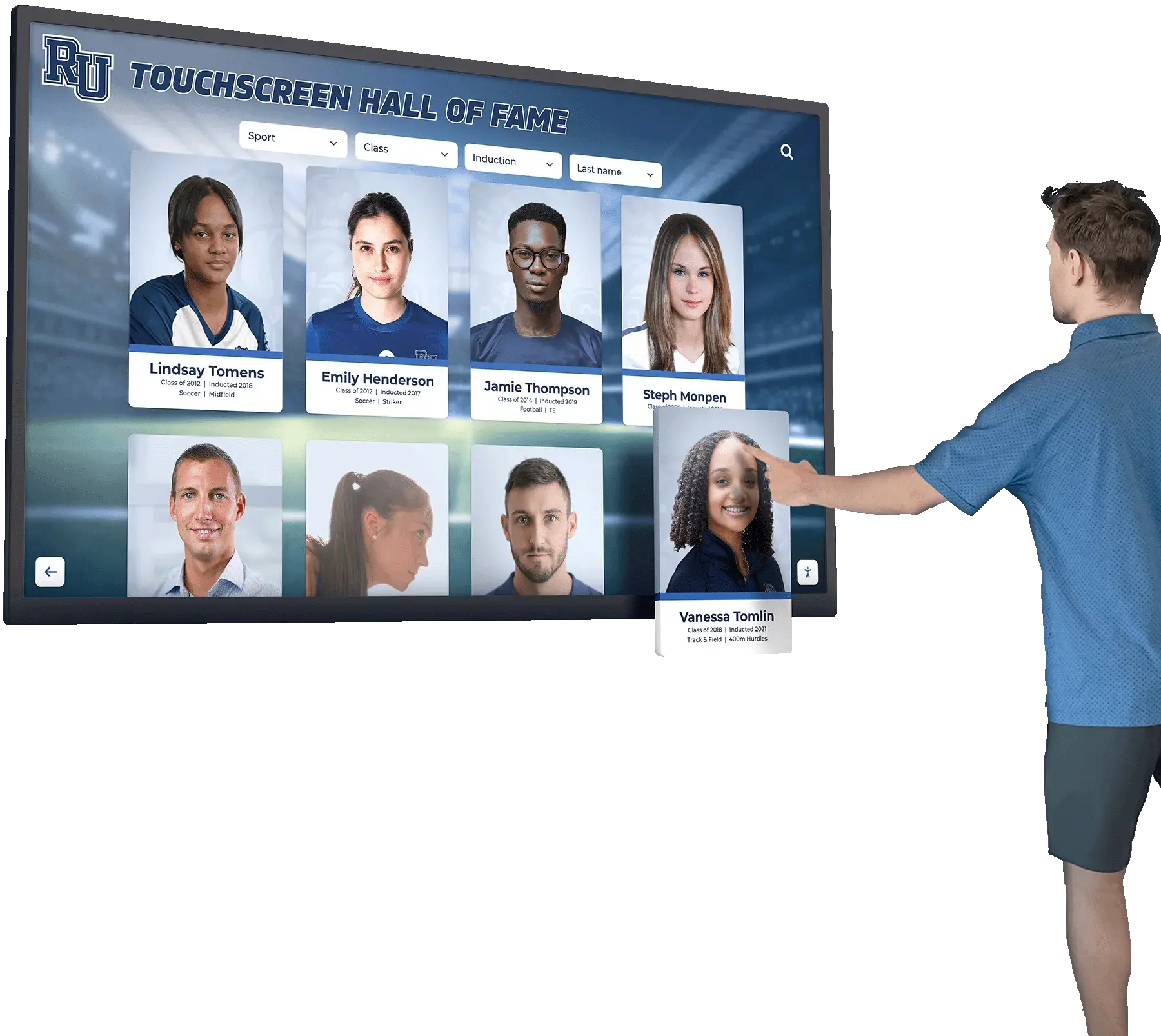
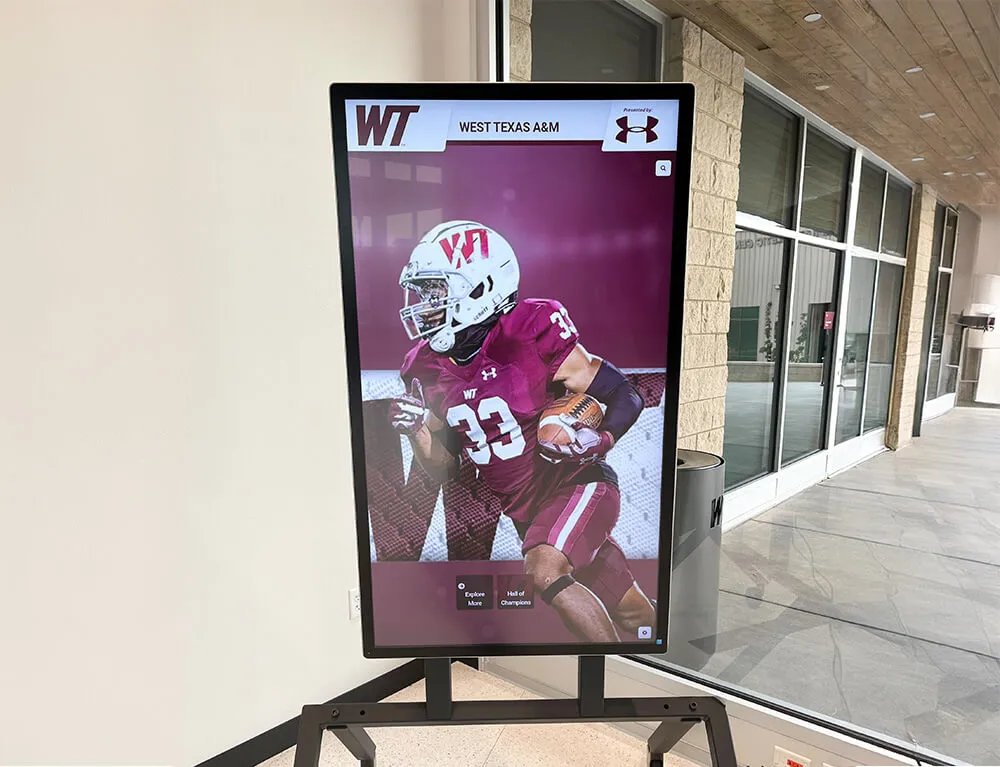
Interactive displays invite families to explore school achievements and history at their own pace during open house visits
Facilities and Logistics Planning
Space Preparation and Traffic Flow
Effective open houses require thoughtful facilities management:
Entry and Welcome Areas
- Establish clear entry point with prominent signage guiding visitors
- Set up welcome table with greeters, name tags, programs, and materials
- Create waiting area with seating for early arrivals
- Display wayfinding materials showing building layout and tour routes
Tour Route Planning
- Design logical flow through building highlighting key spaces
- Mark tour routes with directional signage or floor decals
- Ensure accessibility for visitors with mobility limitations
- Plan routes avoiding bottlenecks in narrow hallways or stairwells
Activity Station Setup
- Designate specific spaces for demonstrations, presentations, or activities
- Ensure adequate space preventing overcrowding at popular locations
- Provide seating where appropriate for presentations or discussions
- Set up technology and equipment in advance, testing functionality
Restroom and Amenity Access
- Ensure public restrooms are clean, stocked, and clearly marked
- Provide water stations or refreshments in accessible locations
- Designate parking areas with overflow plans for high attendance
- Arrange childcare or activity spaces for younger siblings if appropriate
Professional facilities management demonstrates organizational competence while ensuring comfortable visitor experiences.
Staffing and Volunteer Coordination
Key Roles and Responsibilities
Successful open houses require coordination across multiple roles:
Administrative Leadership
- Principal or head of school providing formal welcome and vision sharing
- Assistant principals or deans managing logistics and troubleshooting
- Admissions or enrollment staff answering procedural questions
- Development or community relations staff engaging prospective supporters
Teacher and Faculty Participation
- Classroom presence for families to meet teachers and ask questions
- Department representatives explaining curriculum and teaching approaches
- Specialist teachers showcasing music, art, physical education, or other programs
- Support staff highlighting counseling, library, technology, or special services
Student Ambassadors
- Tour guides leading small groups through building
- Activity leaders demonstrating student projects or achievements
- Performance participants showcasing talents in music, drama, or athletics
- Panel participants answering questions about student experience
Discover proven recognition program best practices that create cultures of appreciation you can showcase during open houses.
Parent and Community Volunteers
- Greeters welcoming families at entry points
- Information desk staff answering basic questions and distributing materials
- Parking attendants directing traffic and assisting with logistics
- Refreshment coordinators managing food and beverage service
Clear role assignments with written descriptions prevent confusion while ensuring all necessary functions receive appropriate coverage.
Creating Engaging Open House Experiences
Beyond basic logistics, memorable open houses incorporate interactive elements that engage families and communicate school culture effectively.
Interactive Displays and Demonstrations
Student Work Showcases
Nothing demonstrates educational quality more effectively than student work itself:
Academic Excellence Displays
- Outstanding essays, research projects, and written assignments
- Science fair projects and STEM competition achievements
- Mathematical problem-solving demonstrations and competitions
- Historical research presentations and creative projects
Arts and Creative Expression
- Visual art galleries featuring student paintings, drawings, and sculptures
- Music performance snippets or recorded concerts
- Drama scene presentations or theatrical highlights
- Creative writing publications and literary magazines
Technology and Innovation Demonstrations
- Robotics teams demonstrating competition robots and engineering process
- Coding projects and computer science student creations
- Video production and multimedia student work
- Design thinking and innovation challenge solutions
These authentic demonstrations showcase actual student capabilities rather than abstract promises about educational quality.
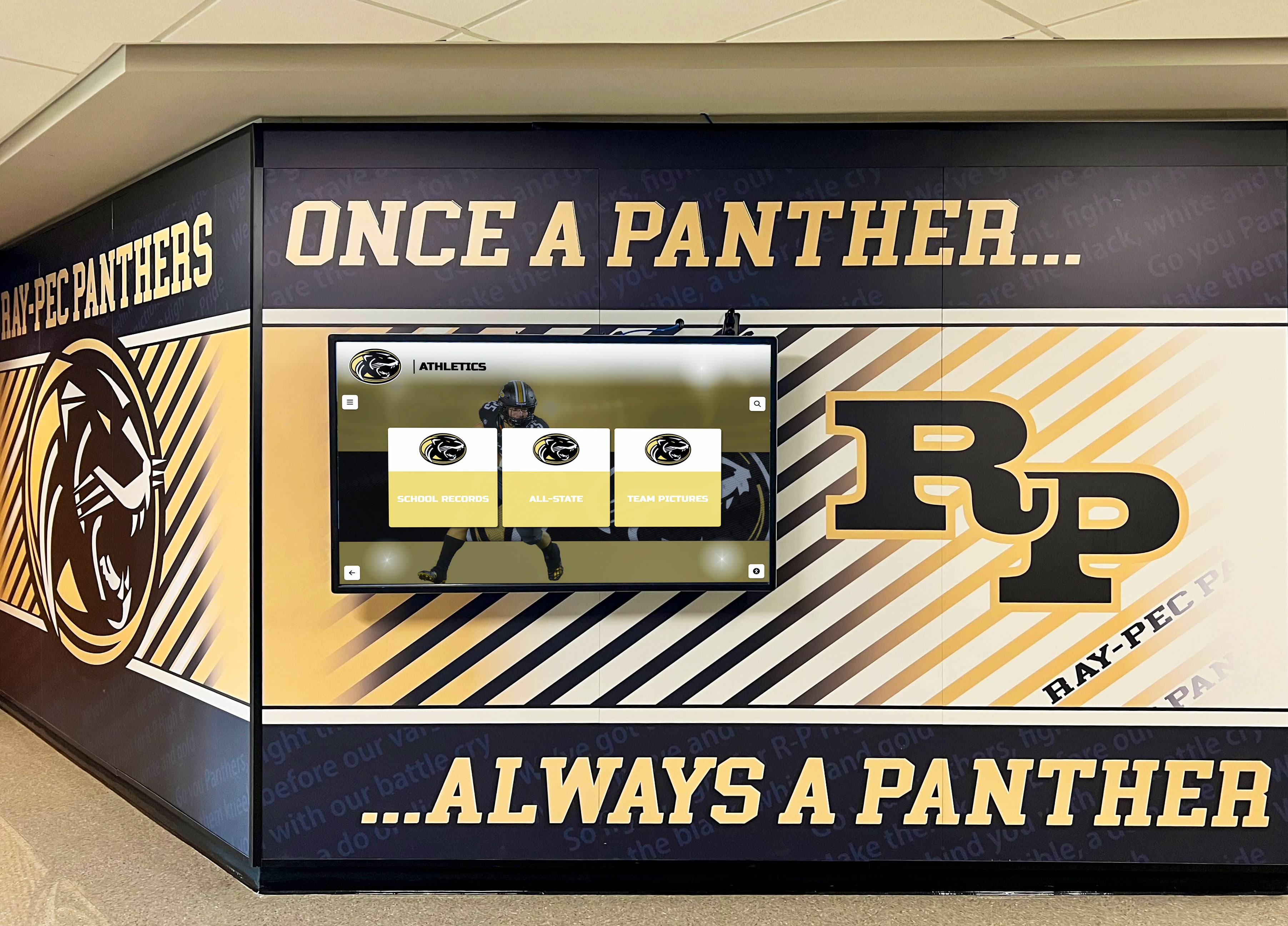
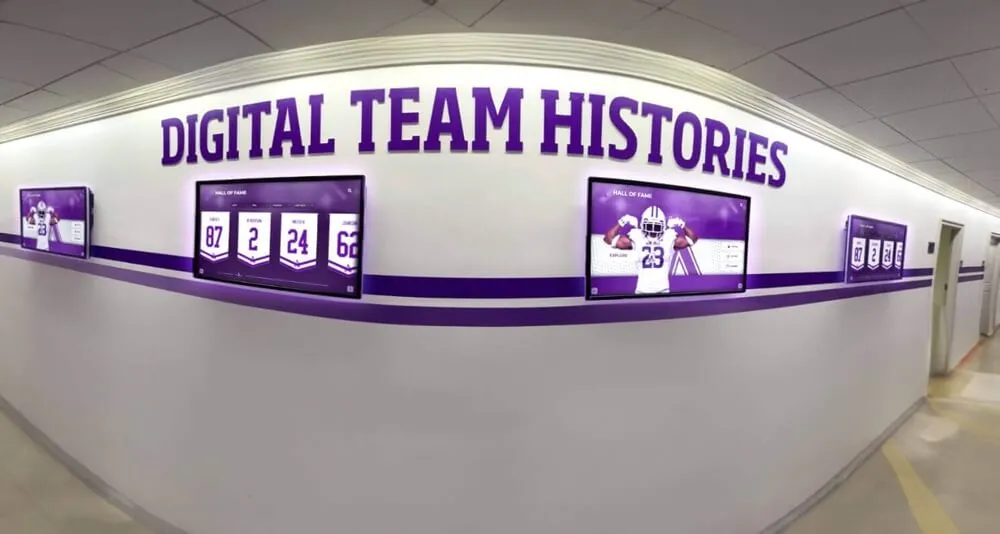
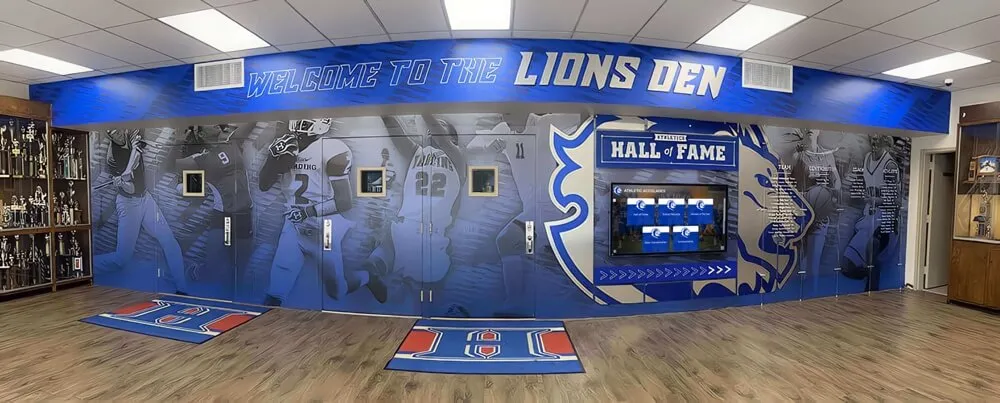
Hallway displays along tour routes provide constant engagement opportunities while families explore facilities
Achievement Recognition and School History
Open houses provide ideal opportunities to showcase achievement and tradition through permanent recognition displays that tell your school’s story:
Digital Recognition Displays
Modern interactive kiosk solutions transform how schools present achievement during open houses:
Academic Excellence Showcases
- Honor roll and academic achievement archives searchable by year
- Advanced Placement scholars and academic competition achievements
- National Honor Society inductees and distinguished scholars
- Perfect attendance and academic improvement recognition
- Subject-specific departmental awards and achievements
Athletic Achievement Archives
- Team championship histories and state tournament appearances
- Individual athlete accomplishments and records
- All-conference and all-state selections
- Athletic program evolution and tradition documentation
Institutional History and Tradition
- Comprehensive school historical timeline displays showing evolution across decades
- Distinguished alumni achievements and career success stories
- Facility development and campus transformation documentation
- Significant milestones and historical achievements
During open houses, these interactive displays serve multiple purposes simultaneously. Families waiting for presentations can explore achievement archives independently, discovering your school’s commitment to excellence across academics, athletics, arts, and character development. The self-guided nature allows visitors to investigate areas matching their interests while digital platforms accommodate unlimited simultaneous users—no bottlenecks or waiting unlike physical trophy cases.
Solutions like Rocket Alumni Solutions specialize in these interactive recognition systems designed specifically for schools. These comprehensive platforms combine professional touchscreen displays with intuitive content management, allowing schools to showcase achievements compellingly while providing engaging exploration experiences for open house visitors. The technology creates natural gathering points where families discuss what they’re discovering, building conversations about school culture organically.
Hands-On Activities and Engagement Stations
Interactive participation creates memorable experiences while demonstrating learning approaches:
Academic Subject Stations
- Science experiment demonstrations families can participate in
- Math challenge games and puzzle-solving activities
- Language learning stations with interactive vocabulary or conversation
- Historical artifact handling or primary source analysis
- Geographic exploration through maps and interactive technology
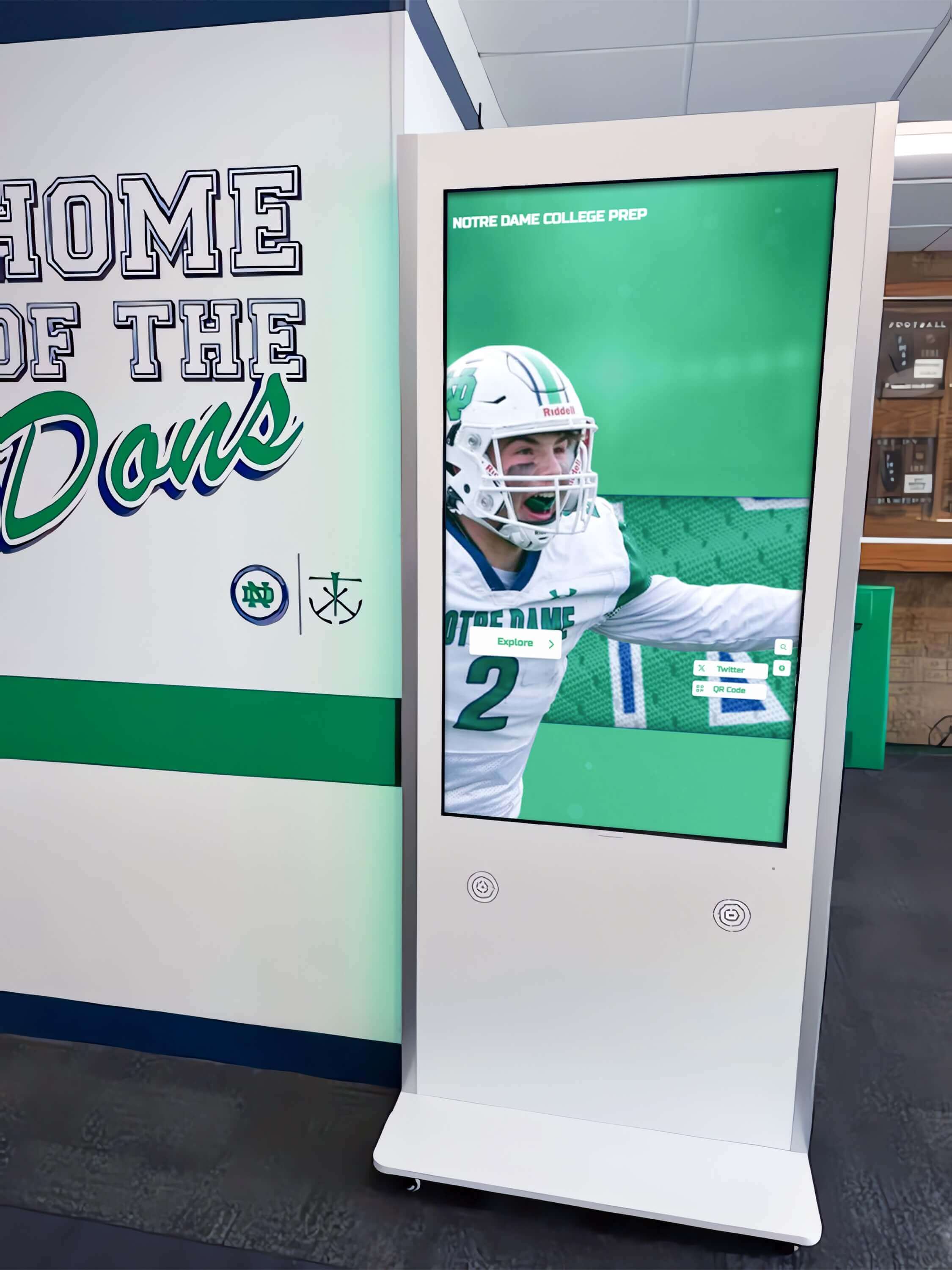
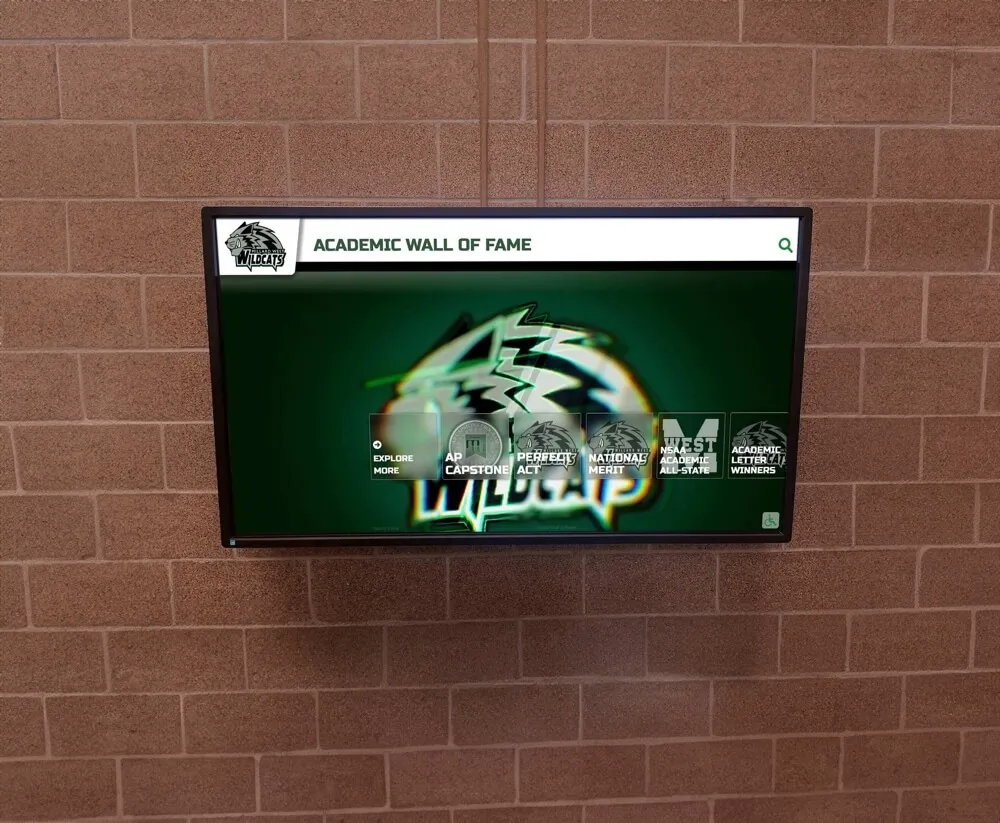
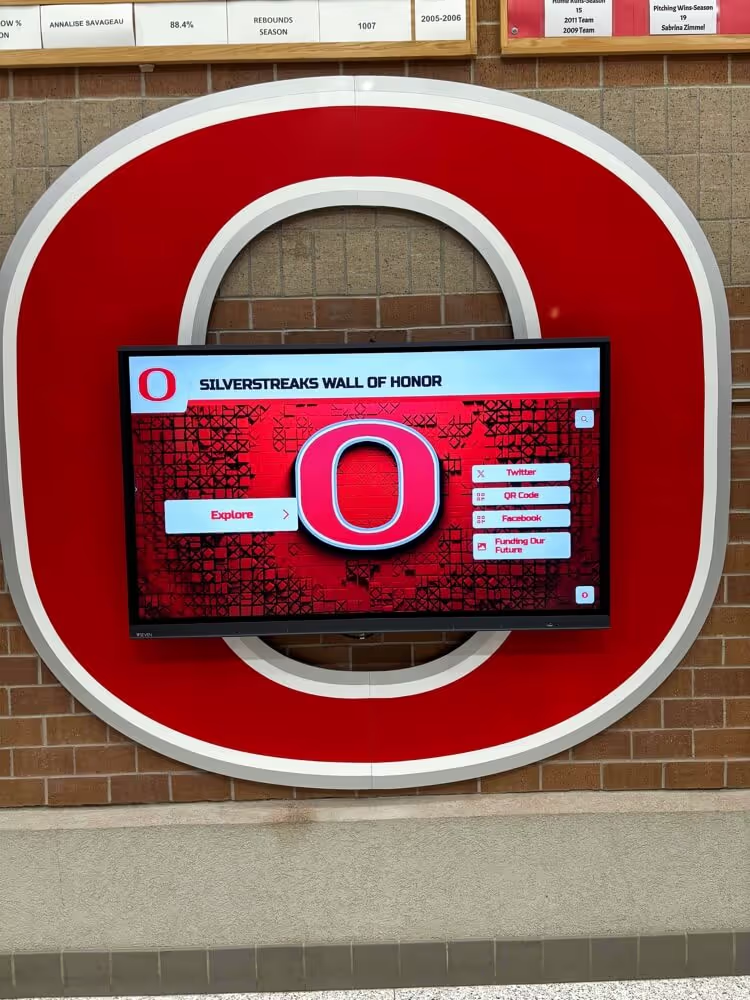
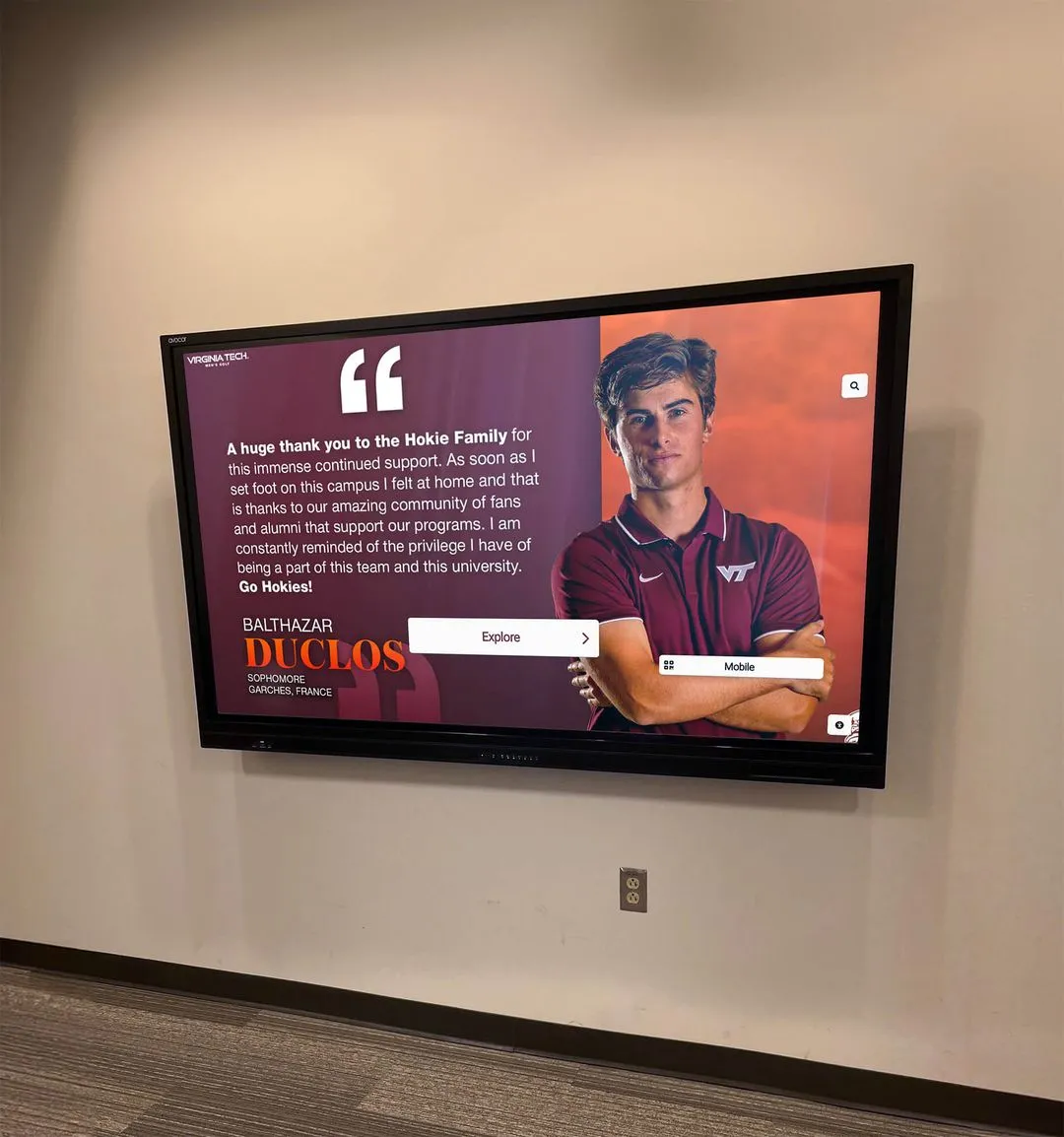
Strategically placed interactive kiosks throughout your facility create multiple exploration opportunities during open house tours
Specialty Program Showcases
- Music instrument tryouts allowing children to explore different instruments
- Art techniques demonstrations with simple take-home projects
- Physical education skill stations and fitness challenges
- Technology exploration including coding, robotics, or design software
- Library scavenger hunts and literacy activities
Student Life Experiences
- Cafeteria tastings featuring school meal options
- Extracurricular club and organization information tables with activity samples
- Student government discussions about leadership opportunities
- Community service showcase highlighting student impact
- Student panel discussions answering family questions authentically
These hands-on elements transform passive observation into active engagement, creating stronger memory formation and positive associations with your school.
Communication and Information Sharing Strategies
Effective information delivery ensures families understand your programs while addressing questions and concerns comprehensively.
Presentations and Formal Programming
Welcome and Vision Sharing
Strong opening sets tone for entire event:
- Brief welcome from principal or head of school (5-7 minutes maximum)
- Clear articulation of school mission, values, and educational philosophy
- Highlight of distinctive programs or achievements differentiating your school
- Expression of gratitude for family attendance and interest
- Overview of event logistics and how to maximize experience
Keep formal presentations concise—families attend to explore and interact, not sit through lengthy speeches.
Program-Specific Information Sessions
For prospective family open houses, offer focused sessions on specific topics:
- Academic program overviews by level or department
- Special education services and support programs
- Gifted and talented programming
- Athletics and extracurricular opportunities
- Enrollment process, tuition, and financial aid information
Multiple concurrent sessions allow families to select relevant topics rather than requiring everyone to hear all information.
Q&A Opportunities
Structured question-and-answer sessions address common concerns:
- Panel format with administrators, teachers, current parents, and students
- Anonymous question submission options for sensitive topics
- Small group discussions allowing more intimate conversation
- Follow-up contact information for questions arising after event
Open dialogue demonstrates transparency while providing information families need for decision-making.
Print and Digital Materials
Comprehensive Information Packets
Professional materials families can reference after events:
- School overview brochure with mission, philosophy, and program summaries
- Academic program guides detailing curriculum and course offerings
- Extracurricular activity lists and participation information
- School calendar showing important dates and scheduled events
- Faculty and staff directory with contact information
- Parent handbook or key policy summaries
- Enrollment application materials and deadlines
Digital Resources and Follow-Up
Extend engagement beyond physical event:
- QR codes linking to virtual tours, videos, or detailed information
- Sign-up sheets collecting contact information for follow-up communication
- Digital newsletter subscriptions keeping families informed
- Social media connections encouraging ongoing engagement
- Online portals providing access to additional resources
- Recorded presentations for families unable to attend specific sessions
Multi-format information delivery accommodates different learning preferences while ensuring families can revisit details when making decisions.
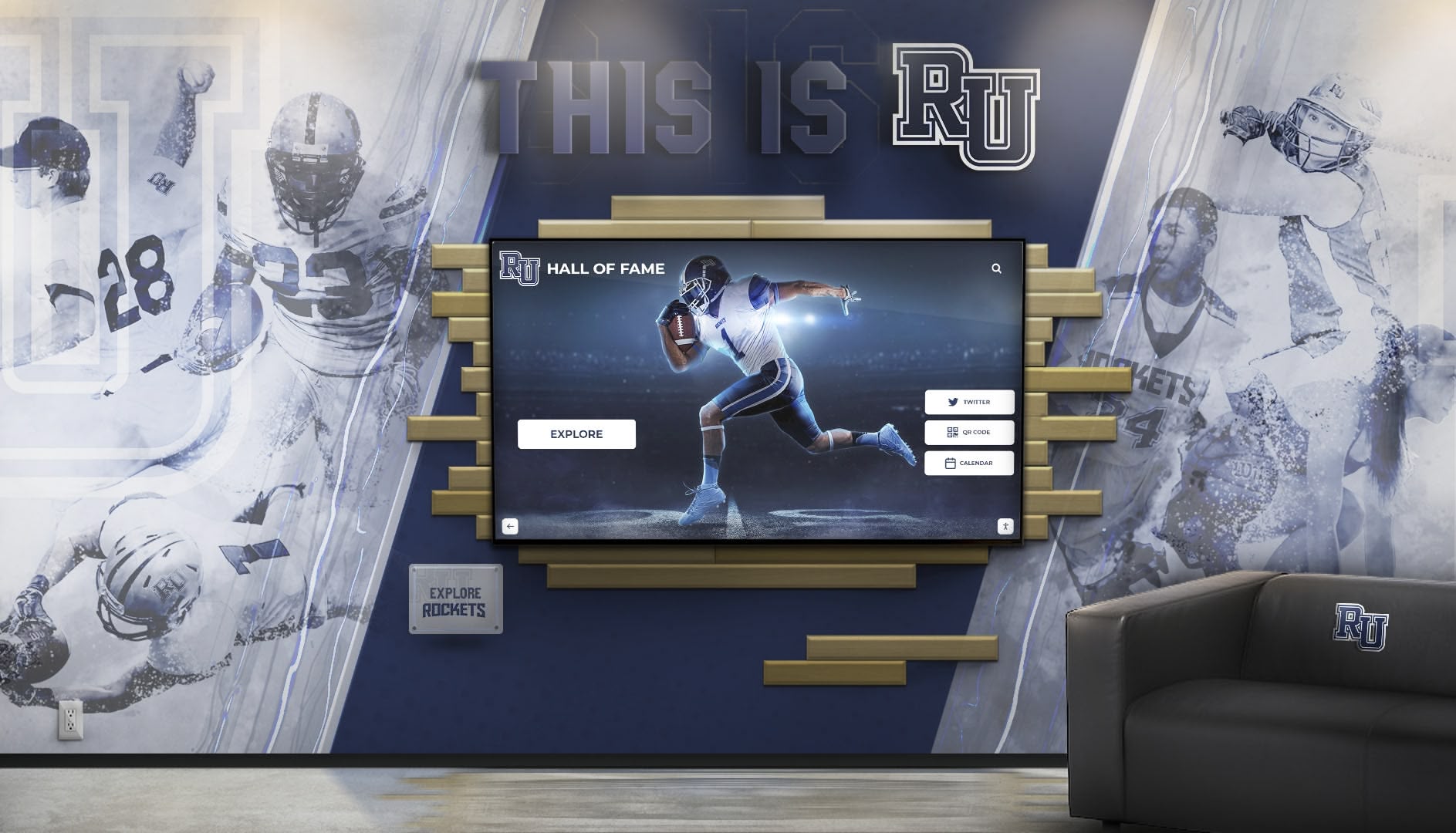
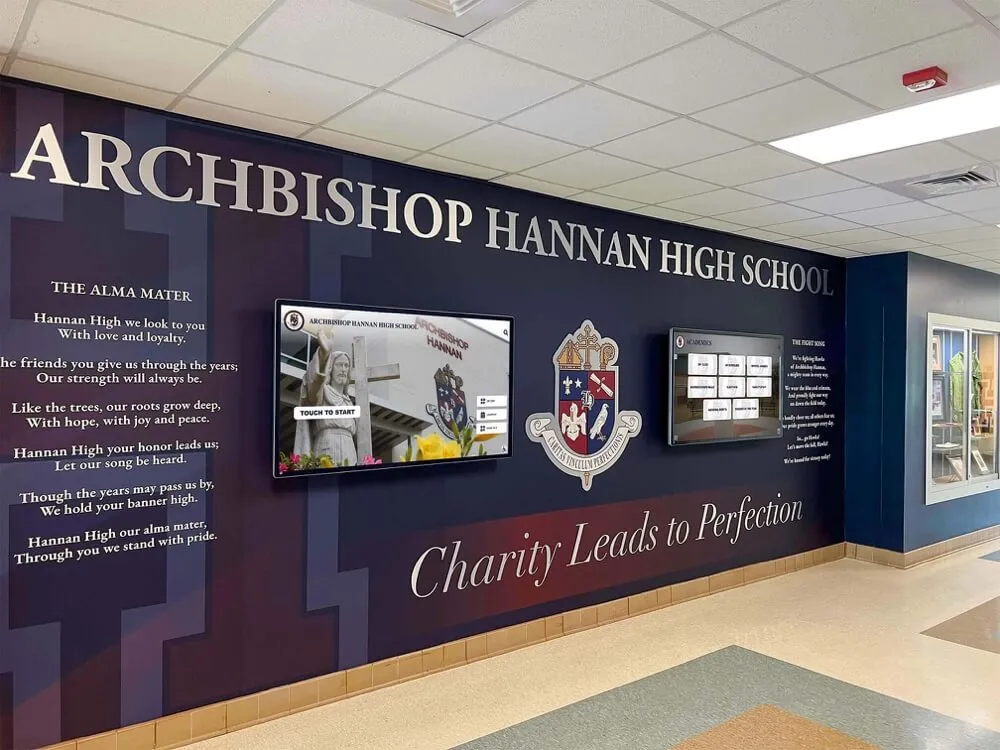
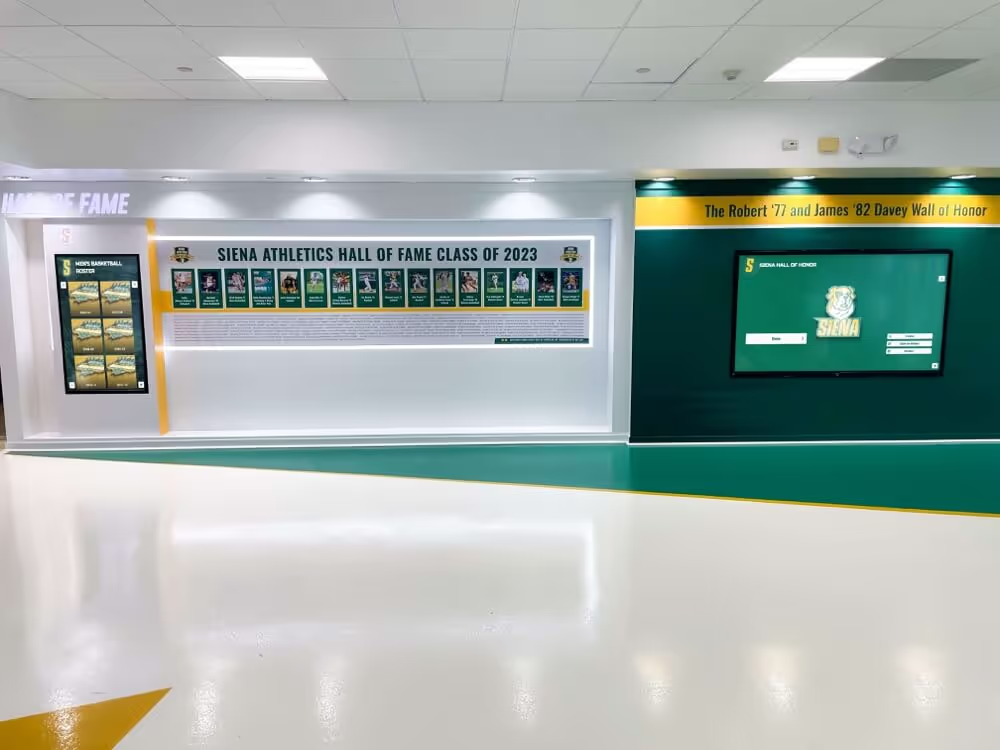
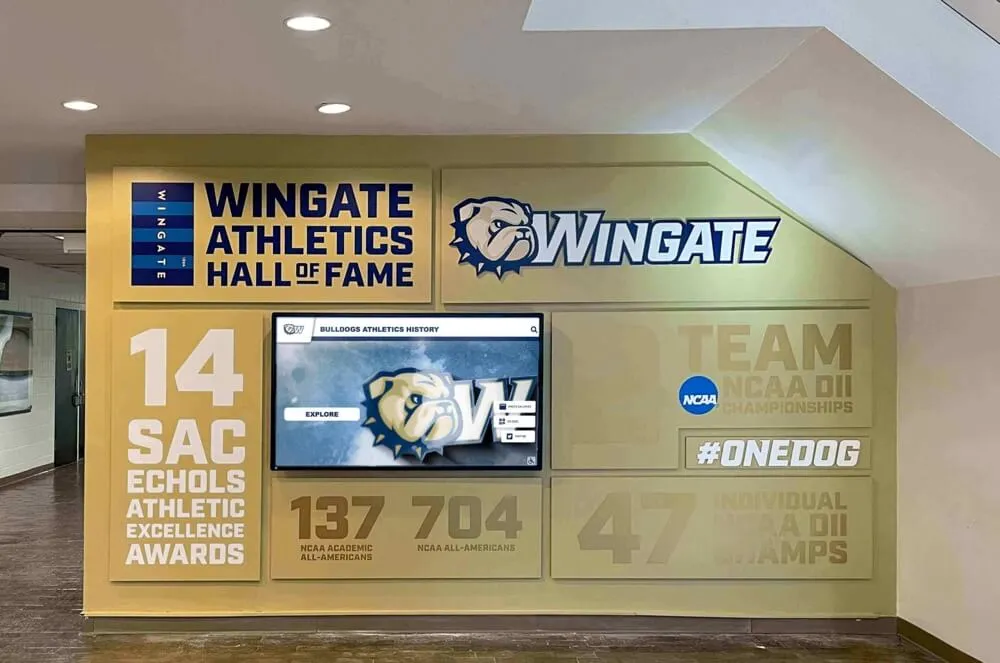
Comprehensive lobby installations combine traditional design elements with interactive digital displays, creating focal points for family engagement
Showcasing School Culture and Environment
Physical environment powerfully communicates institutional values—strategic display planning amplifies positive messaging.
Creating Welcoming Atmospheres
Visual Environment Preparation
First impressions form within seconds of arrival—environmental details matter:
Cleanliness and Maintenance
- Thoroughly clean all visible areas including hallways, classrooms, and restrooms
- Address obvious maintenance issues creating negative impressions
- Ensure adequate lighting throughout facility
- Remove clutter and organize spaces thoughtfully
- Verify all signage is current, professional, and properly mounted
Wayfinding and Navigation
- Clear directional signage from parking areas to entry points
- Building maps or tour route markers throughout facility
- Room numbers visible and matching any provided maps or schedules
- Temporary signage highlighting specific open house stations or activities
- Accessible route marking for visitors requiring accommodations
Decorative Elements
- Fresh flowers or plants in entry and common areas
- Current student work displays in hallways and common spaces
- School colors, mascots, and branding elements creating cohesive identity
- Bulletin boards featuring current events, achievements, and activities
- Clean, organized classrooms reflecting learning environments authentically
Professional presentation demonstrates attention to detail and organizational competence families value.
Digital Signage and Dynamic Content
Modern school digital signage creates engaging environments while communicating important information:
Strategic Content for Open Houses
Digital signage content ideas specifically designed for open house events include:
- Welcome messages personalized for visiting families
- Event schedules and session timing information
- Interactive building maps with tour route highlighting
- Student testimonial videos sharing authentic experiences
- Academic achievement slideshows and recognition displays
- Upcoming event calendars showing vibrant school life
- Photo galleries from school activities and celebrations
Benefits for Open House Experiences
- Professional, dynamic presentation elevating perceived quality
- Simultaneous information delivery to multiple locations
- Easy content updates allowing last-minute schedule changes
- Engaging visual elements attracting attention and creating interest
- Reduced printing costs for disposable directional materials
Schools already using digital displays for daily communication maximize their investment by customizing content for open house events.
Recognition Wall Design and Implementation
Permanent recognition installations serve dual purposes—honoring achievement while showcasing excellence culture to visitors:
Traditional Recognition Elements
Physical displays maintain value alongside digital solutions:
- Trophy cases in high-traffic areas displaying championship trophies and awards
- Plaques and nameplate walls honoring distinguished alumni or benefactors
- Team photos and championship banners celebrating athletic achievements
- Academic honor boards listing scholars and high achievers
- Historical photographs and memorabilia connecting present to past
Learn about wall wraps for schools that transform blank walls into engaging storytelling spaces showcasing your school’s identity.
Integrated Recognition Systems
Most impressive installations combine traditional and digital elements:
- Physical trophy cases adjacent to digital displays providing deeper achievement context
- Historical timeline murals complemented by interactive screens with detailed information
- Traditional plaques supplemented by QR codes linking to expanded digital profiles
- Photo displays combined with touchscreen access to complete archives
- Branded environmental design creating cohesive recognition zones throughout facilities
This integration preserves traditional recognition aesthetics families expect while adding engagement capabilities modern audiences appreciate.
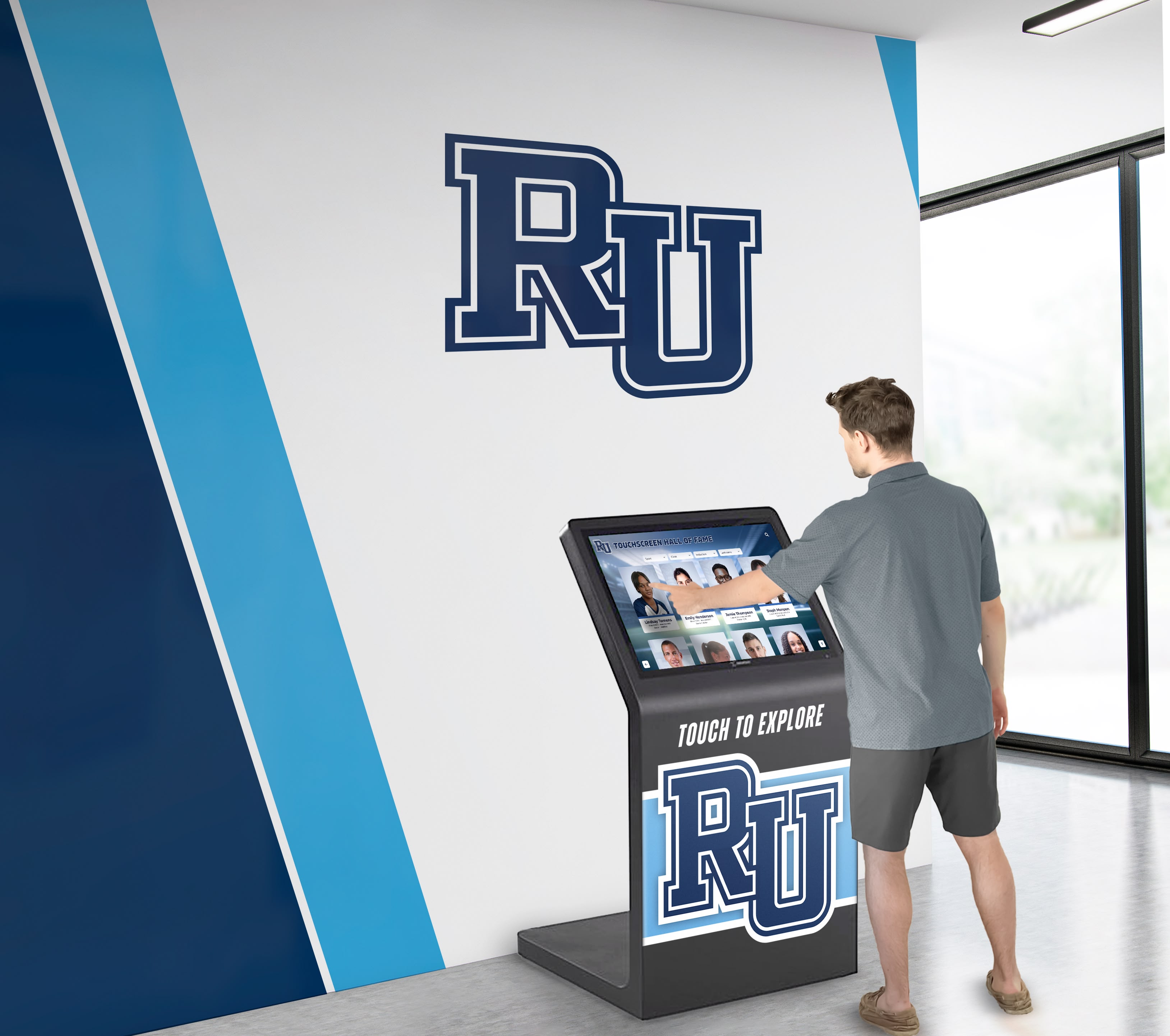
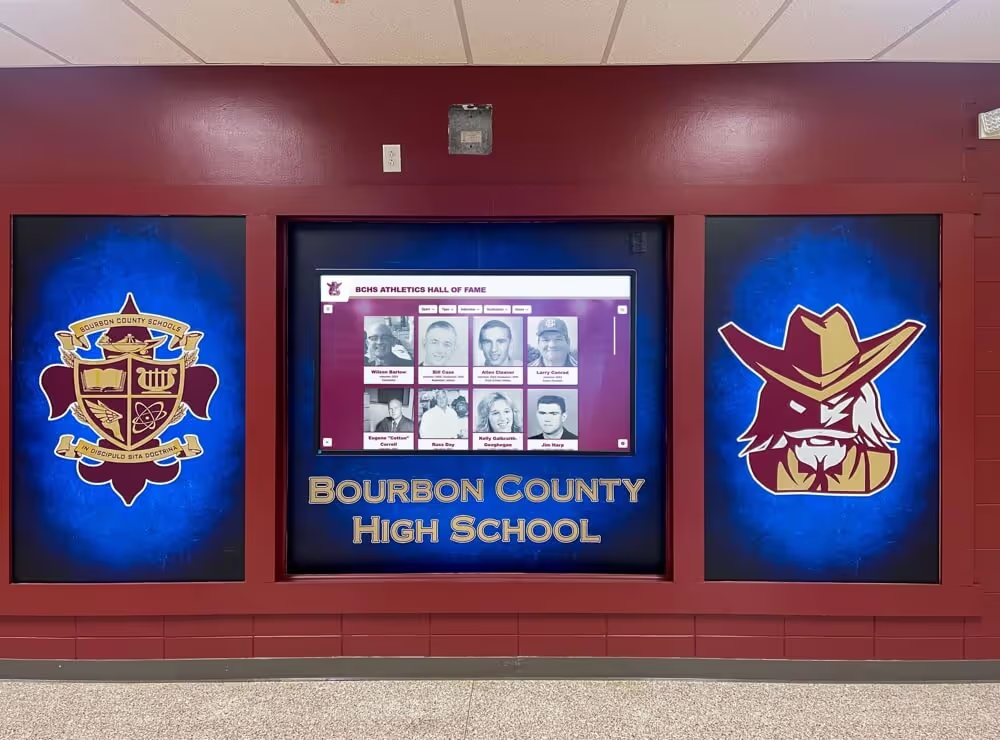
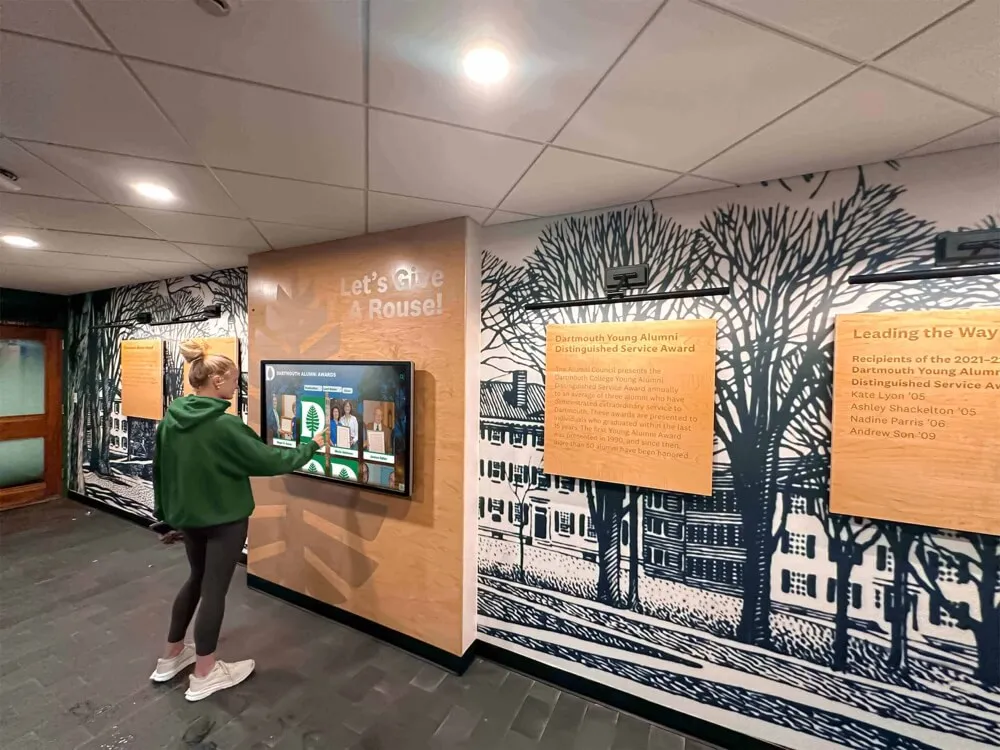
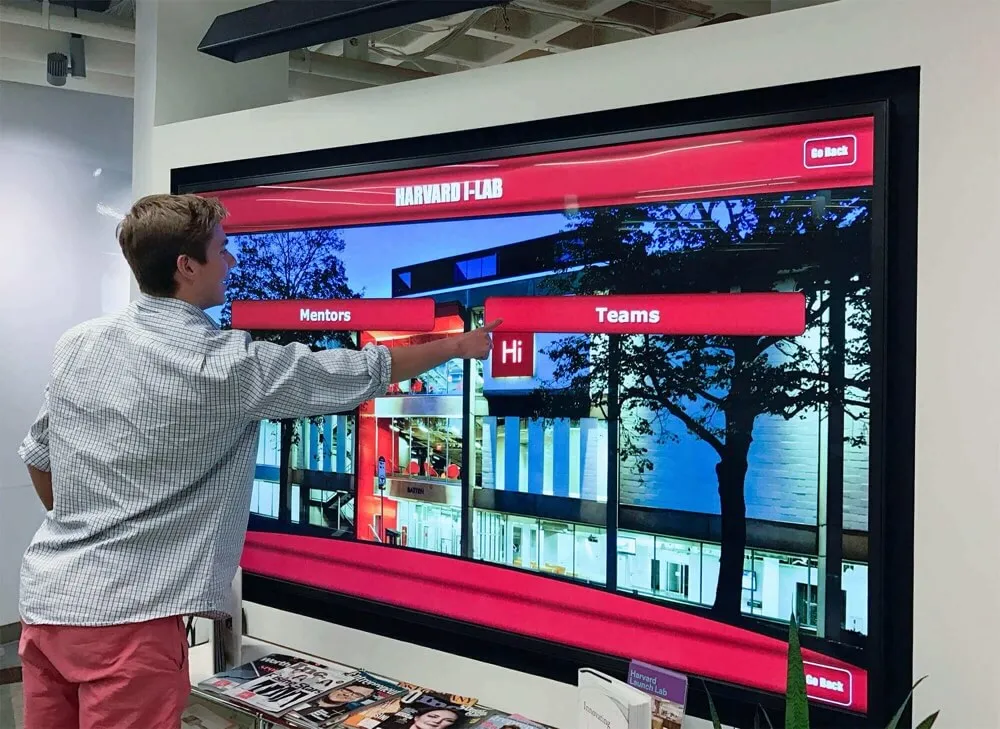
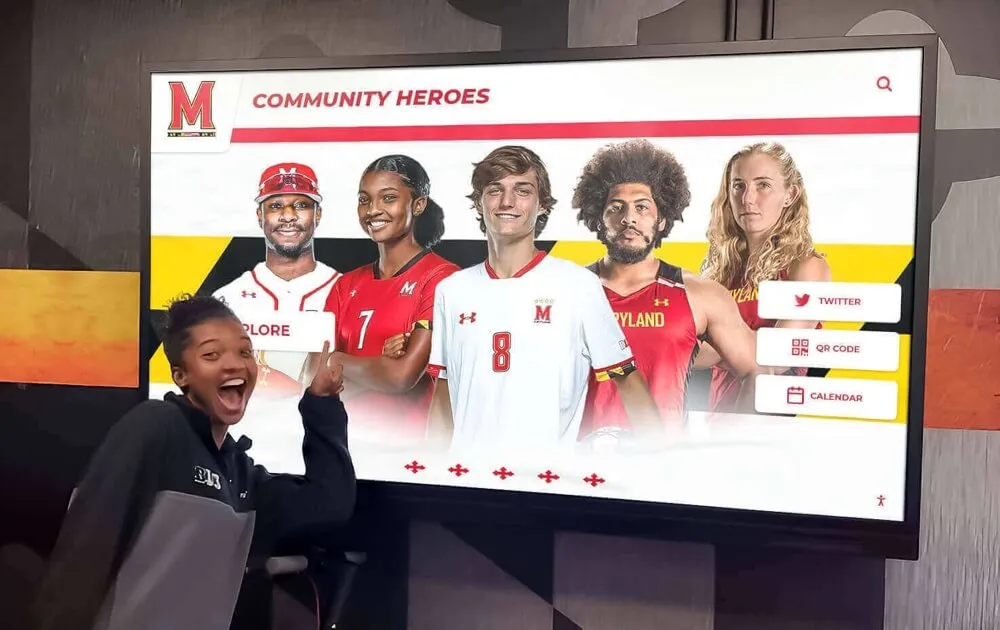
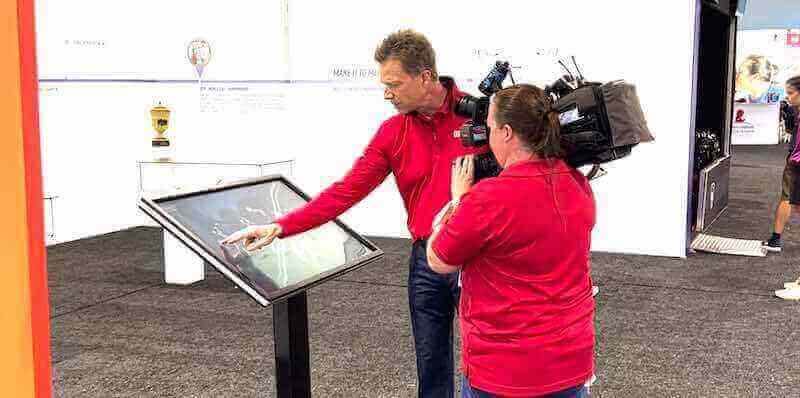
Families naturally engage with well-designed touchscreen displays, exploring school achievements and culture independently during open house events
Special Considerations for Different Audiences
Tailoring experiences to specific visitor types maximizes relevance and effectiveness.
Prospective Student and Family Experiences
Age-Appropriate Engagement
Different age groups require distinct approaches:
Elementary-Age Prospective Students
- Colorful, welcoming environments with age-appropriate displays
- Hands-on activities and interactive demonstrations maintaining attention
- Opportunities to meet current students serving as buddies or guides
- Simple, clear explanations of daily routines and expectations
- Fun elements like mascot appearances or simple games
Middle School Prospective Students
- Peer interaction opportunities including student panel discussions
- Exploration of extracurricular clubs and special interest programs
- Technology demonstrations and interactive learning examples
- Social environment observation helping assess peer culture fit
- Clear explanations of transition support from elementary to middle school
High School Prospective Students
- Academic rigor demonstrations and advanced course information
- College preparation and counseling service overviews
- Athletics and competitive extracurricular opportunities
- Student independence and responsibility expectations
- Career pathways and specialized program options
Parent Decision-Making Support
Families evaluate schools through multiple lenses:
Academic Quality Indicators
- Student achievement data and college acceptance information
- Curriculum rigor and advanced learning opportunities
- Teacher qualifications and professional development
- Assessment approaches and academic support services
- Differentiated instruction for diverse learner needs
Safety and Well-Being Considerations
- Campus security measures and emergency protocols
- Mental health and counseling support services
- Anti-bullying programs and character education
- Health services and medication management
- Communication systems for parent notification
Practical Logistics Information
- School hours and daily schedule structure
- Transportation options and bus route information
- Food service programs and meal options
- Before and after school care availability
- Tuition, fees, and financial assistance programs
Addressing these practical concerns alongside educational quality provides comprehensive decision-making information.
Community Member and Stakeholder Engagement
Building Community Support
Open houses targeting broader community serve relationship-building purposes:
Transparency and Communication
- Facility tours demonstrating responsible resource stewardship
- Budget and financial information showing appropriate fund use
- Academic achievement data demonstrating educational effectiveness
- Community impact statistics showing school contributions
- Future planning information about facility or program development
Partnership and Involvement Opportunities
- Volunteer needs and community participation options
- Business partnership programs and sponsorship opportunities
- Mentoring connections between professionals and students
- Facility use information for community organizations
- Advisory committee and governance involvement pathways
Addressing Community Concerns
Open dialogue about common neighborhood issues:
- Traffic management and parking during school operations
- Noise and activity impacts on surrounding areas
- Facility expansion or construction plans affecting community
- Community access to school facilities for recreation or events
- School contributions to neighborhood vitality and property values
Proactive communication builds goodwill while preventing misunderstanding and conflict.
Technology Integration for Enhanced Experiences
Strategic technology use creates modern, professional experiences while improving efficiency.
Virtual Tour Components
Hybrid Open House Models
Extending access beyond physical attendance:
Live Streaming Elements
- Broadcast welcome presentations and major sessions online
- Virtual tour options led by student guides via video
- Real-time Q&A through chat or video conference platforms
- Social media takeovers featuring student perspectives
- Recorded content available for later viewing
Pre-Recorded Virtual Tours
- Professional video tours families can view before or after physical visits
- 360-degree photography allowing virtual facility exploration
- Student-created tour videos providing authentic peer perspectives
- Classroom instruction samples showing teaching approaches
- Extracurricular activity footage demonstrating program quality
Virtual components accommodate distant families while providing preparatory information helping physical visitors maximize limited event time.
Mobile Apps and Digital Guides
Enhanced Navigation and Information
Technology-enabled self-guided experiences:
- Mobile app-based tour guides with GPS-enabled waypoint information
- QR code stations throughout building linking to detailed program information
- Digital scavenger hunts encouraging thorough facility exploration
- Instant feedback surveys collecting visitor impressions
- Digital business cards for easy staff contact information sharing
Registration and Management Tools
- Online RSVP systems providing attendance projections for planning
- Digital check-in reducing wait times and collecting contact information
- Automated follow-up email sequences maintaining engagement
- CRM integration tracking prospective family recruitment pipeline
- Analytics on session attendance and popular tour stops informing future planning
Technology streamlines administrative burden while creating contemporary experiences families appreciate.
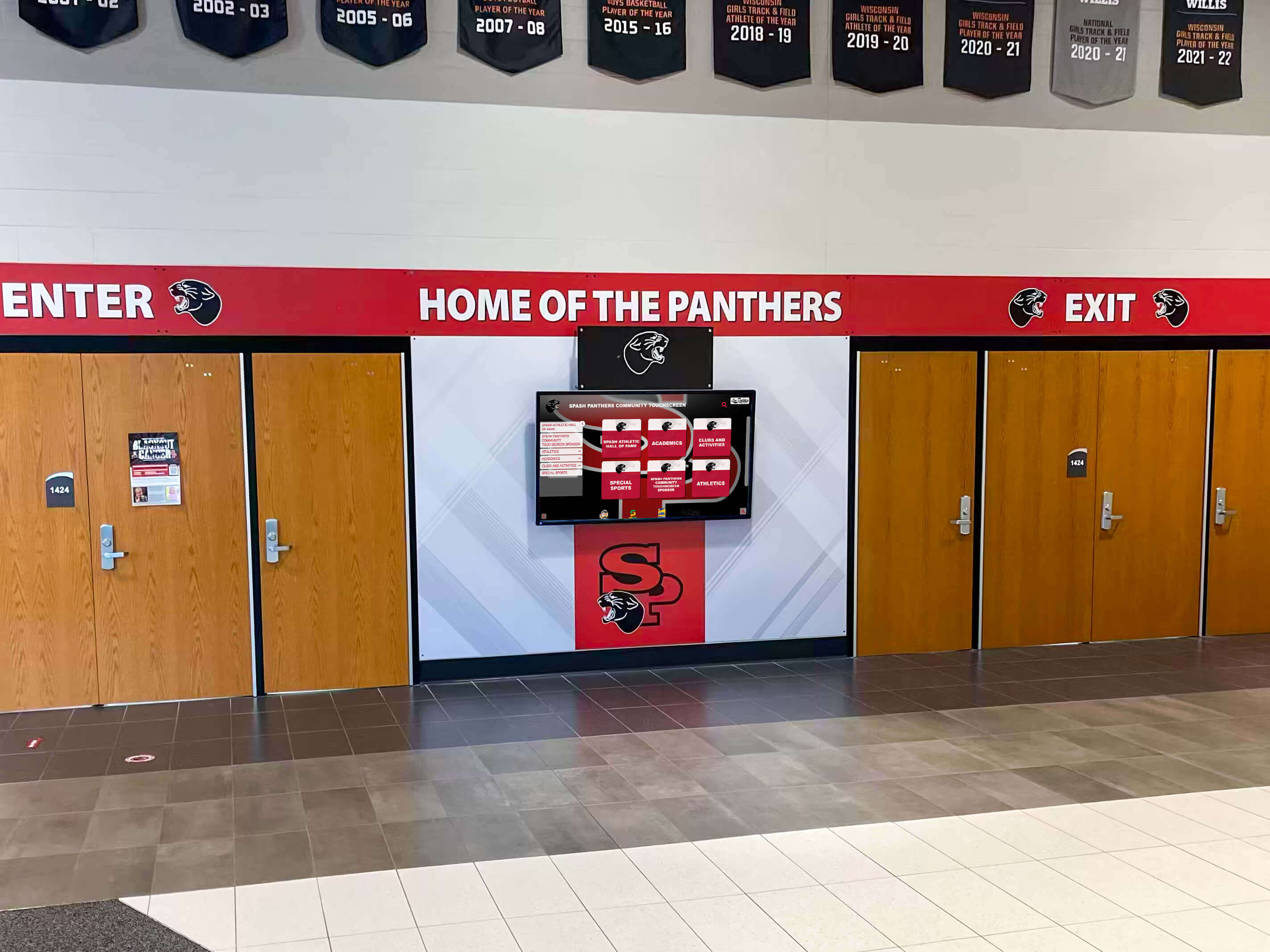
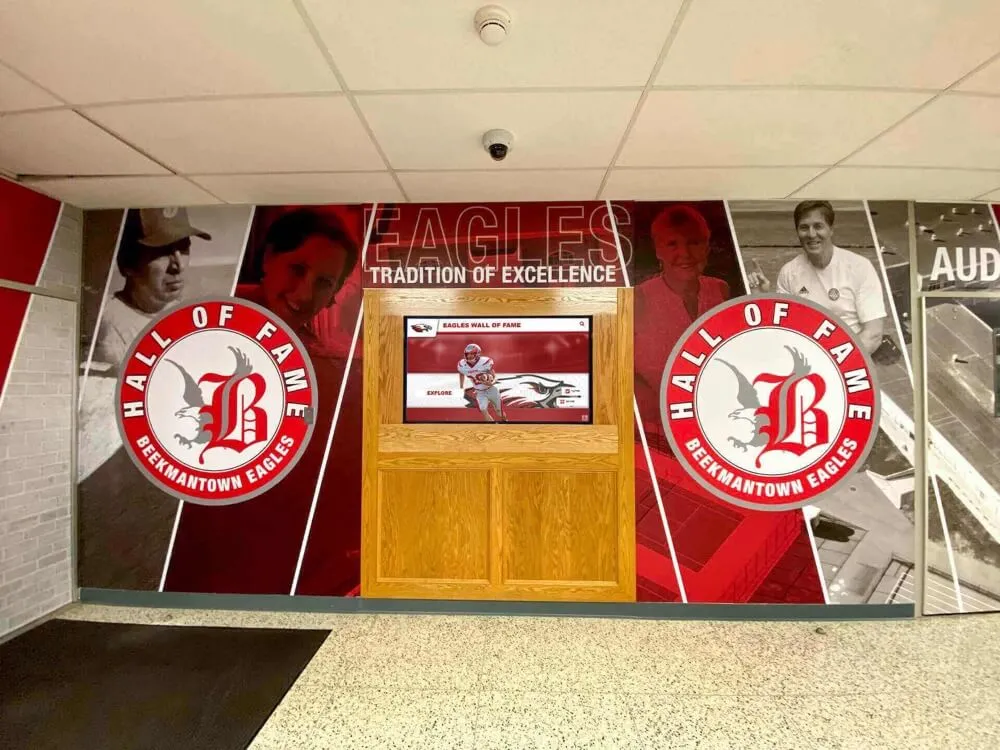
Entry points with clear identification and welcoming displays orient visitors immediately while establishing school identity
Measuring Success and Continuous Improvement
Systematic evaluation ensures open houses achieve objectives while identifying enhancement opportunities.
Success Metrics and Evaluation
Quantitative Measures
Attendance and Participation
- Total attendee count compared to targets and historical data
- Prospective family attendance as percentage of inquiries
- Community member participation rates
- Specific session attendance for scheduled programs
- Average visit duration indicating engagement levels
Conversion and Follow-Through
- Application submission rates following prospective family open houses
- Enrollment conversion from attendance to actual registration
- Volunteer sign-up or community involvement commitments
- Follow-up contact requests or additional tour scheduling
- Social media engagement and content sharing rates
Operational Efficiency
- Staff and volunteer hours required relative to attendance
- Cost per attendee for budgeting and efficiency analysis
- Technology utilization rates for digital tools and displays
- Material waste or excess indicating over-planning or under-attendance
- Parking and facility capacity relative to attendance
Feedback Collection and Analysis
Immediate Feedback Mechanisms
Exit Surveys
- Brief paper or digital surveys as families depart
- Star ratings on specific event elements (welcome, information clarity, facilities, etc.)
- Open-ended questions about highlights and improvement suggestions
- Likelihood-to-recommend scores indicating overall satisfaction
- Comparison questions if families visited multiple schools
Digital Follow-Up Surveys
- More comprehensive surveys emailed 24-48 hours after event
- Detailed questions about decision-making factors and concerns
- Specific program or facility feedback
- Communication preference questions guiding future outreach
- Permission requests for testimonial or referral use
Staff and Volunteer Debriefing
Internal perspectives provide operational insights:
- Post-event meetings gathering frontline observations
- Common questions or concerns families raised
- Logistical challenges or bottlenecks identified
- Successful elements worth expanding or replicating
- Improvement suggestions from those executing event
Continuous Improvement Process
Data-Driven Refinement
Systematic enhancement based on evidence:
- Trend analysis across multiple events identifying consistent patterns
- Benchmarking against peer institutions and best practices
- Priority-setting based on impact potential and resource requirements
- Implementation planning for identified improvements
- Follow-up assessment measuring improvement effectiveness
Innovation and Experimentation
Controlled testing of new approaches:
- Pilot programs trying new formats, activities, or technologies
- A/B testing different communication messages or invitation approaches
- Phased rollouts allowing evaluation before full implementation
- Student and family advisory groups providing input on innovations
- Professional development ensuring staff skills match enhanced expectations
Regular refinement ensures open houses remain effective, engaging, and aligned with evolving family expectations and institutional objectives.
Best Practices and Common Pitfalls
Learning from collective experience helps schools maximize success while avoiding predictable challenges.
What Works Well
Proven Success Strategies
Student Involvement
- Authentic student voices resonate more powerfully than adult presentations
- Student tour guides provide peer perspectives families value
- Student performances and demonstrations showcase genuine capabilities
- Student panel discussions offer honest, credible insights
- Student-created content reflects actual school experience
Personalization and Small Groups
- Small tour groups enable conversation and question-asking
- Personalized welcome and recognition making families feel valued
- Individual attention from teachers and staff building relationships
- Customized information based on expressed interests and needs
- Follow-up communication referencing specific conversations or interests
Professional Presentation
- Clean, well-maintained facilities demonstrating organizational competence
- Coordinated branding and messaging creating cohesive identity
- Well-prepared staff and volunteers reflecting institutional quality
- High-quality printed and digital materials showing attention to detail
- Punctual timing respecting family time constraints
Challenges to Avoid
Common Mistakes
Information Overload
- Excessive presentations overwhelming families with too much detail
- Dense printed materials families won’t read
- Attempting to show everything rather than highlighting distinctiveness
- Insufficient breaks or pacing creating fatigue
- Complex jargon or acronyms confusing unfamiliar audiences
Poor Logistics and Organization
- Unclear entry points or navigation creating confusion
- Inadequate parking or facility access
- Bottlenecks at popular locations causing frustration
- Insufficient staffing leaving questions unanswered
- Technology failures undermining professional impression
Inauthenticity and Over-Selling
- Exaggerated claims not matching actual experience
- Overly scripted presentations lacking genuine engagement
- Hiding challenges or limitations rather than addressing honestly
- Comparing negatively with other schools rather than highlighting own strengths
- Focusing exclusively on facilities rather than educational substance
Inadequate Follow-Up
- No post-event communication maintaining connection
- Slow response to questions raised during visit
- Failure to provide promised information or materials
- No systematic tracking of prospective family pipeline
- Missed opportunities for continued engagement
Awareness of these pitfalls enables proactive prevention while planning incorporates proven success strategies.
Taking Action: Planning Your Next Open House
Schools ready to enhance open house experiences can begin with concrete planning steps.
Immediate Planning Actions
Form Planning Committee
Assemble cross-functional team including:
- Administrative leadership providing vision and decision authority
- Teacher representatives ensuring educator perspective and buy-in
- Admissions or enrollment staff contributing recruitment expertise
- Facilities and operations personnel managing logistical execution
- Parent volunteers offering family perspective
- Student representatives providing authentic student voice
Distributed leadership prevents individual overwhelm while ensuring comprehensive planning.
Define Objectives and Success Criteria
Establish clear targets:
- Specific, measurable attendance goals based on historical data and capacity
- Conversion rate targets for prospective family recruitment
- Quality indicators like satisfaction scores or recommendation likelihood
- Engagement metrics for interactive elements and activities
- Follow-up action targets for post-event communication
Develop Comprehensive Timeline
Work backward from event date:
- 3-4 months prior: Establish committee, define objectives, select date and format
- 2-3 months prior: Finalize program details, assign roles, begin materials development
- 1-2 months prior: Confirm vendors, prepare facilities, launch promotion campaign
- 2-4 weeks prior: Print materials, conduct staff training, finalize logistical details
- Week of event: Final facility preparation, technology testing, volunteer briefing
- Post-event: Thank you communications, feedback collection, debrief and evaluation
Adequate lead time prevents rushed planning while allowing thoughtful preparation.
Enhancing Physical Environment
Recognition Display Investment
Strategic recognition installations create lasting value beyond single events:
Assessment Questions
- What achievements and traditions deserve prominent visibility?
- Which locations receive highest visitor traffic during tours and events?
- How can we balance traditional recognition with modern engagement?
- What content management capabilities do we need for sustainable updates?
- How can recognition displays serve multiple purposes (daily use and special events)?
Schools seeking comprehensive recognition solutions should explore digital recognition displays specifically designed for educational institutions. Solutions like Rocket Alumni Solutions provide comprehensive platforms combining professional touchscreen hardware, intuitive content management systems, engaging user interfaces, and ongoing support ensuring sustainable recognition programs that enhance open houses while serving daily school operations.
Environmental Enhancement Priorities
- Entry and lobby areas creating powerful first impressions
- High-traffic hallways along tour routes providing constant engagement
- Specialized spaces like athletic facilities or arts wings showcasing program excellence
- Common areas where families naturally gather and wait
- Outdoor spaces visible during parking and entry approach
Strategic investment creates environments that powerfully communicate institutional quality during open houses and every other day.
Conclusion: Creating Meaningful Family Connections
School open houses represent far more than logistical requirements or recruitment obligations—they’re valuable opportunities to welcome families into your educational community, communicate the values and commitment that define your institution, and build the relationships that strengthen school culture. When thoughtfully planned and authentically executed, open houses create lasting impressions that influence family decisions, build community connections, and establish the trust essential for effective educational partnerships.
The school open house ideas explored in this comprehensive guide provide frameworks for creating experiences that engage families meaningfully while showcasing your institution effectively. From understanding different open house types and their distinct objectives, to planning logistics that ensure smooth execution, to incorporating interactive elements that create memorable engagement, to leveraging technology and recognition displays that communicate excellence compellingly—these strategies help schools transform routine events into powerful relationship-building opportunities.
Successful open houses balance multiple priorities simultaneously: providing practical information families need while creating emotional connections that influence decision-making, showcasing distinctive strengths that differentiate your school while remaining authentic to actual student experience, managing logistical complexity ensuring smooth execution while maintaining welcoming atmosphere that puts families at ease. This balance requires systematic planning, cross-functional coordination, and attention to details that communicate organizational competence and genuine care for family experience.
Transform Your Open House Experience
Discover how modern recognition displays and interactive solutions can help you create welcoming environments that engage families and showcase your school's excellence during open houses and every day.
Explore Recognition SolutionsAs you plan your next school open house, remember that effectiveness matters more than extravagance. Families consistently report that genuine welcome, authentic student voices, and opportunities to experience school culture firsthand resonate far more powerfully than elaborate productions lacking personal connection. Small details like remembering names, answering questions thoughtfully, and following up promptly demonstrate care and competence families value when selecting educational partners for their children.
Your school’s achievements, traditions, and community deserve visibility that extends beyond ceremony announcements and brief mentions. Strategic recognition displays create environments where excellence receives constant celebration—during open houses when prospective families evaluate whether your institution matches their values, during daily operations when current students internalize achievement culture, and during special events when community members experience the quality and commitment defining your school.
With thoughtful planning that aligns activities with clear objectives, facilities preparation that creates welcoming professional environments, interactive elements that engage families authentically, and ongoing refinement based on systematic feedback—you can create open house experiences that accomplish their intended purposes while reflecting the educational excellence and genuine care that make your school special.
The families visiting your next open house arrive with questions, hopes, and perhaps some anxiety about educational decisions affecting their children’s futures. Your open house represents opportunity to answer their questions with comprehensive information, validate their hopes by demonstrating educational quality and caring community, and address their concerns through transparency and authentic connection. Make that opportunity count by investing in planning, preparation, and the recognition systems that communicate your school’s commitment to celebrating every student’s journey toward excellence.