March in the Southeastern Conference means one thing: the intensity, drama, and pageantry of the SEC Basketball Tournament. For over nine decades, this championship event has determined conference champions, launched NCAA Tournament runs, and created legendary moments that define careers and cement institutional legacies. From the tournament’s humble beginnings in 1933 through its evolution into one of college basketball’s premier conference championships, the SEC Tournament represents the culmination of months of competition and the launching pad for March Madness dreams.
Understanding the tournament’s rich history, format evolution, and championship traditions provides context for appreciating why this annual event generates such passionate fan engagement and why schools invest significantly in celebrating tournament success. The SEC Basketball Tournament isn’t merely an athletic competition—it’s a cultural institution that brings together rival fan bases, showcases the conference’s basketball excellence, and creates lasting memories that alumni and supporters cherish for decades.
This comprehensive guide explores the complete history of the SEC Basketball Tournament, examines its current bracket format and structure, celebrates memorable championship moments and traditions, and provides insights into how universities honor tournament achievements and build lasting recognition programs that celebrate basketball excellence across generations.
Every March, the SEC Basketball Tournament transforms a host city into the epicenter of college basketball excitement as fourteen teams compete for conference supremacy and automatic NCAA Tournament qualification. The tournament’s significance extends beyond wins and losses—it represents school pride, conference prestige, and the realization of season-long championship aspirations.

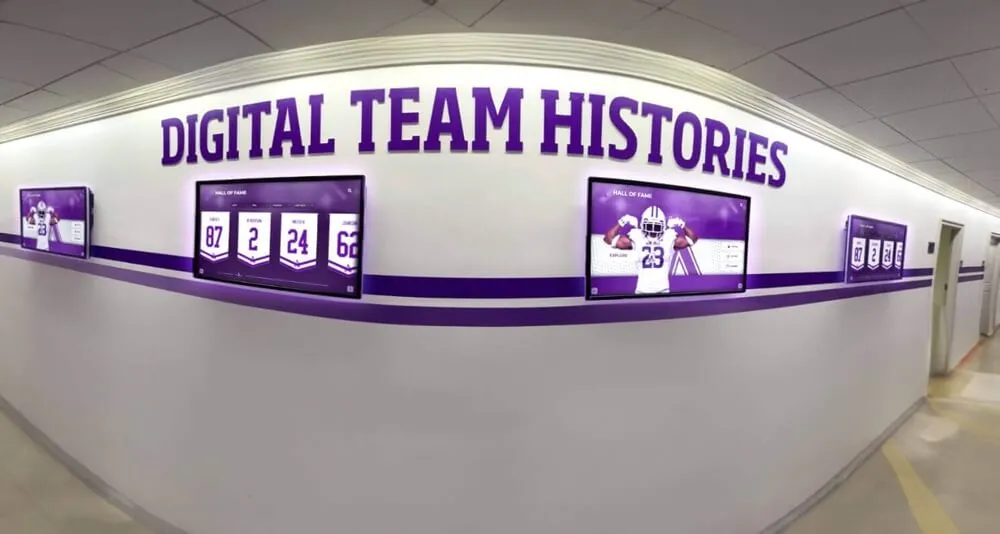
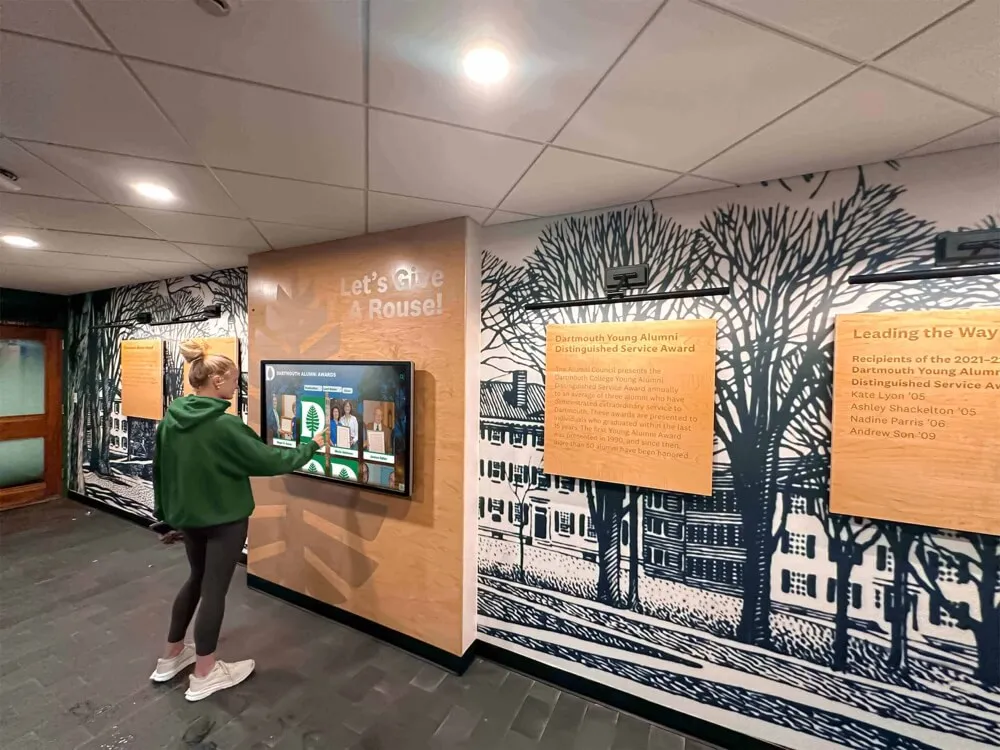
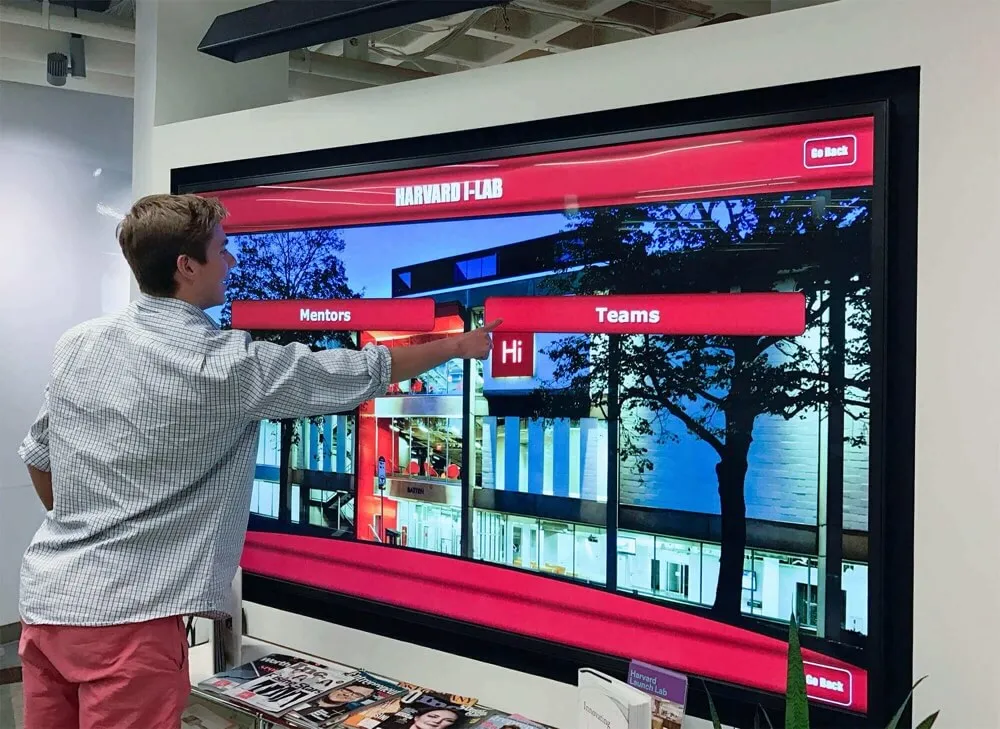
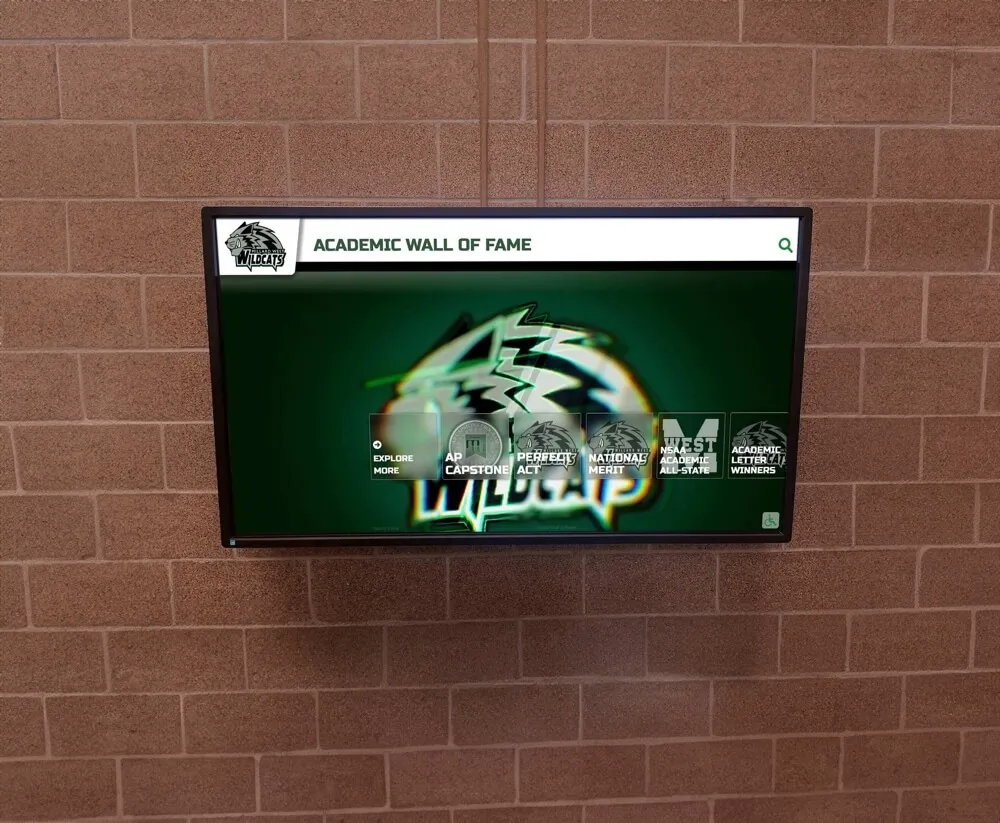
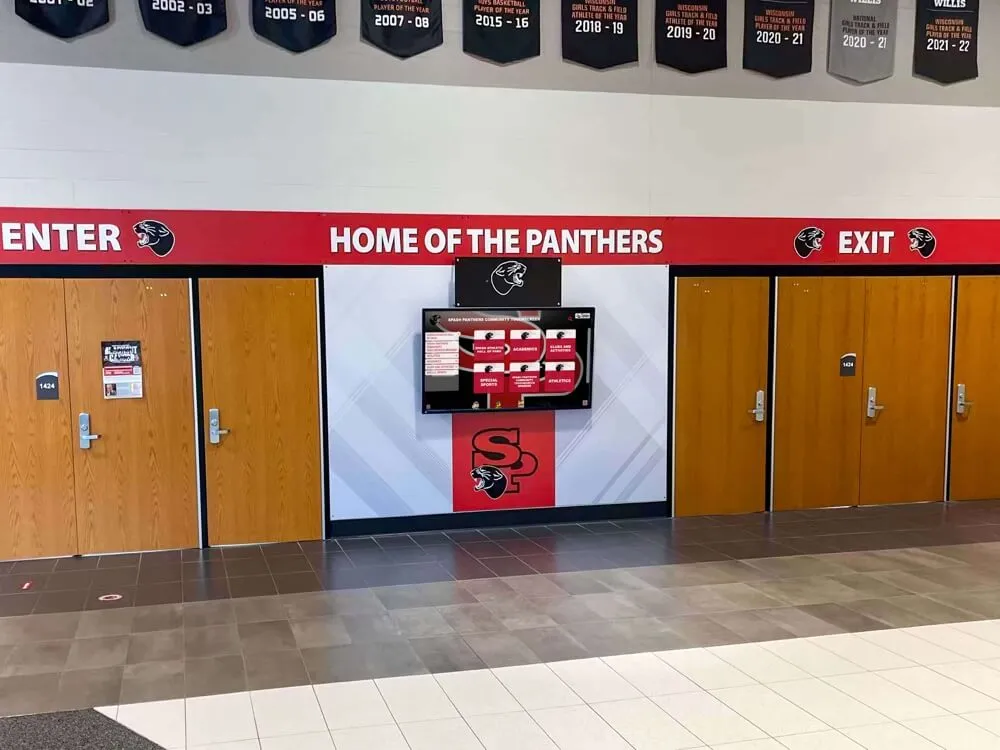
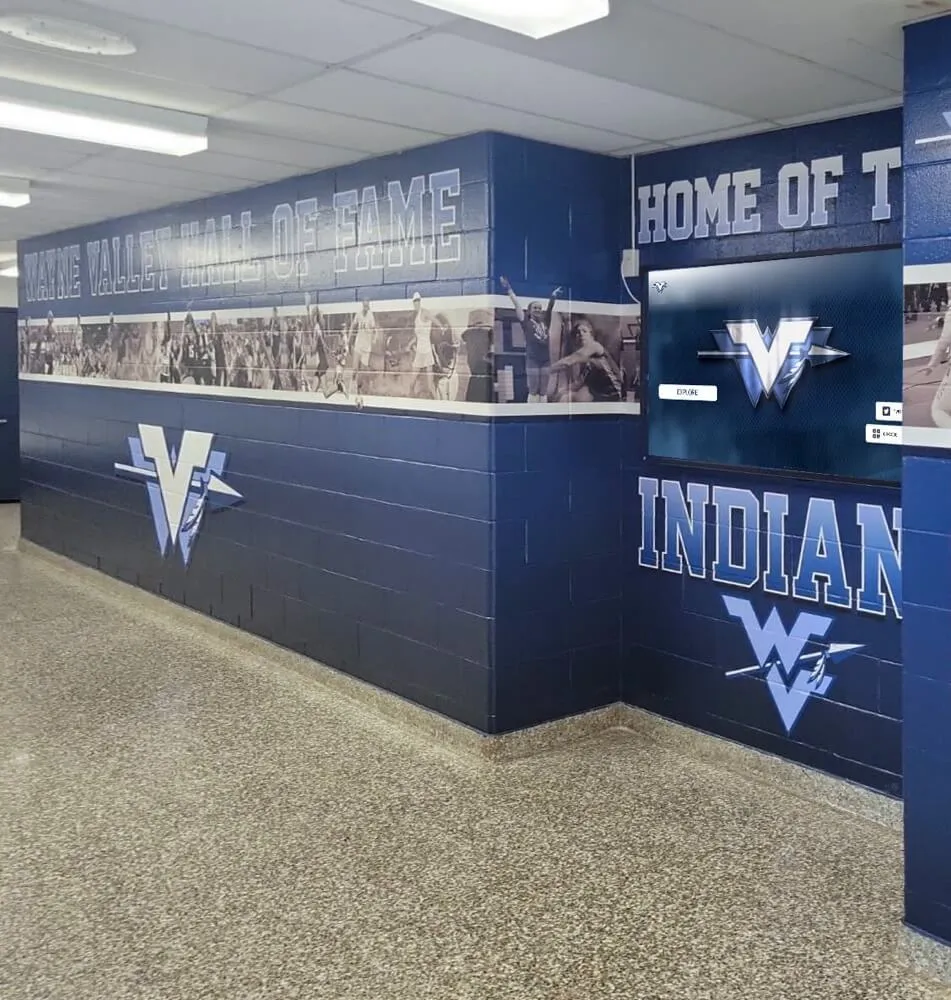
Basketball tournaments create lasting memories that schools celebrate through permanent recognition displays honoring championship achievements
The History of the SEC Basketball Tournament: From 1933 to Present
Understanding how the SEC Basketball Tournament evolved from a small regional championship to one of college basketball’s marquee events provides essential context for appreciating its current significance.
Early Years: 1933-1952
The SEC Basketball Tournament began in 1933, making it one of the oldest conference tournaments in college basketball. The inaugural tournament featured the conference’s charter members competing in Knoxville, Tennessee, establishing traditions that would endure for generations.
Founding Era Characteristics
The early tournaments operated quite differently from today’s format including single-elimination brackets with all conference teams participating, venues rotating among member institutions and nearby cities, limited media coverage with primarily regional newspaper reporting, modest attendance compared to modern tournament crowds, and championship games that determined conference champions before NCAA Tournament expansion created additional stakes.
Kentucky dominated the early tournament era, capturing multiple championships during the 1940s under legendary coach Adolph Rupp. These early successes established Kentucky as the conference’s basketball powerhouse and created championship traditions that continue to define the program’s identity.
The tournament was suspended from 1953-1978 as the SEC briefly discontinued the event, making it one of the few major conference tournaments to experience such a hiatus. During this period, conference champions were determined by regular season standings alone, a practice that limited the tournament’s historical continuity but makes the modern era’s records somewhat discontinuous from earlier championships.
Modern Era Rebirth: 1979-1990
The SEC reinstated its basketball tournament in 1979, responding to the growing importance of conference tournaments in college basketball’s postseason landscape and the revenue opportunities they represented.
Reestablishment Factors
Several developments prompted the tournament’s return including expanded NCAA Tournament fields making conference tournaments increasingly important for at-large selections, television contracts creating significant revenue opportunities from championship events, facility improvements making neutral-site tournaments more feasible and attractive, and growing fan demand for championship competition beyond regular season play.
The revived tournament initially featured the top eight conference teams rather than the entire league, creating first-round byes for top seeds and increasing competitive intensity. This format balanced inclusivity with maintaining championship prestige, a tension that continues to influence tournament structure decisions today.
Birmingham, Alabama, emerged as the tournament’s primary host during this era, establishing a relationship between the city and the championship that would continue for decades. The tournament’s presence transformed Birmingham’s late winter sports calendar and established traditions of fan gatherings, downtown celebrations, and championship atmospheres that became synonymous with SEC basketball.

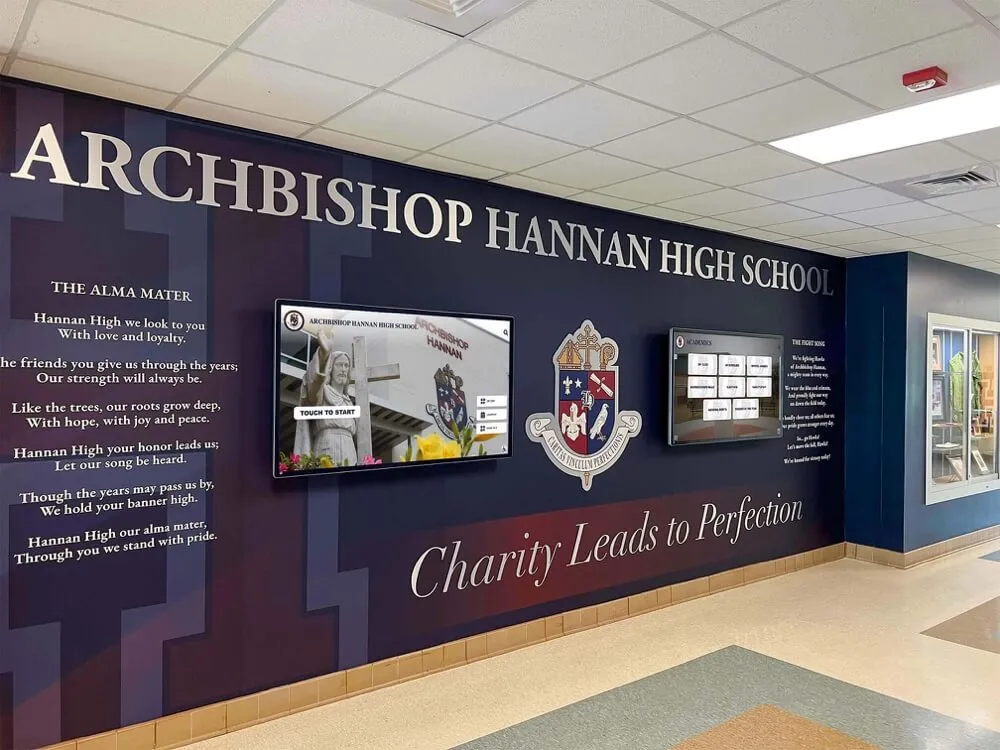
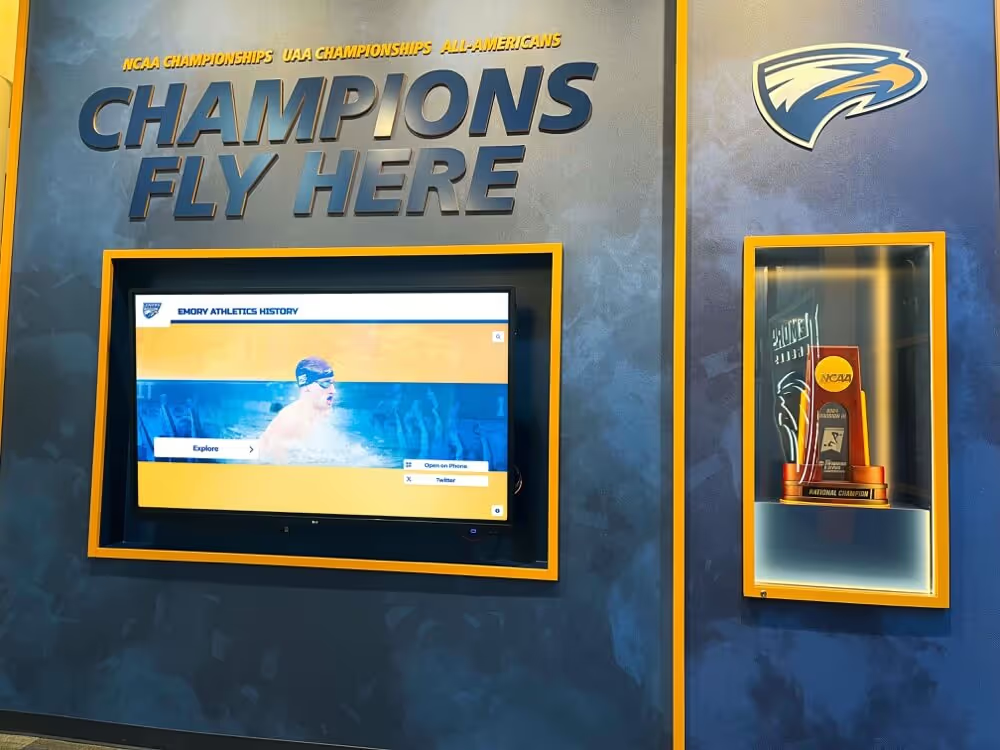
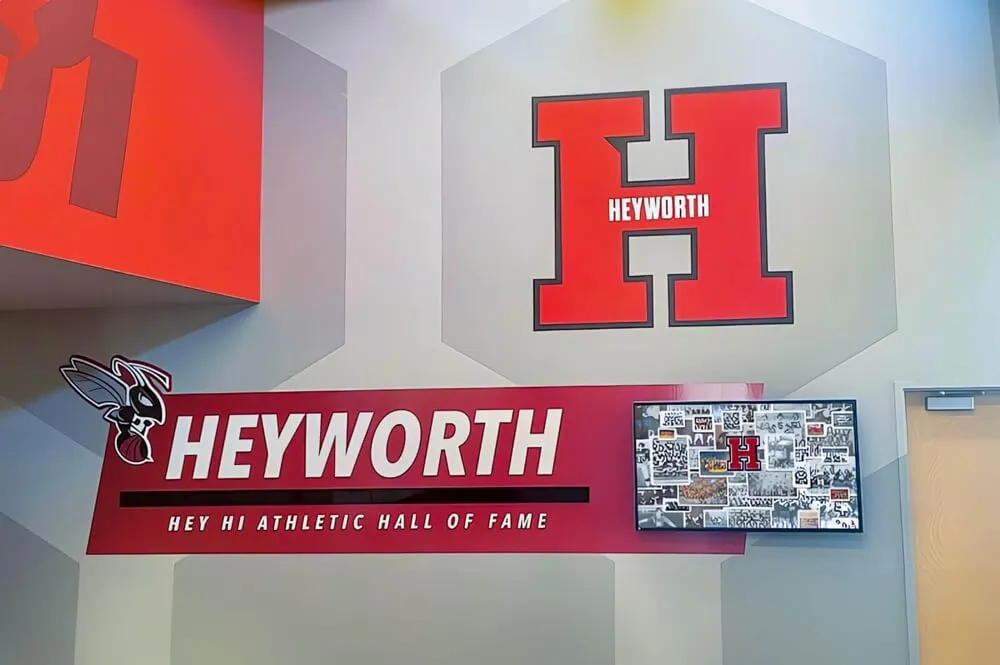
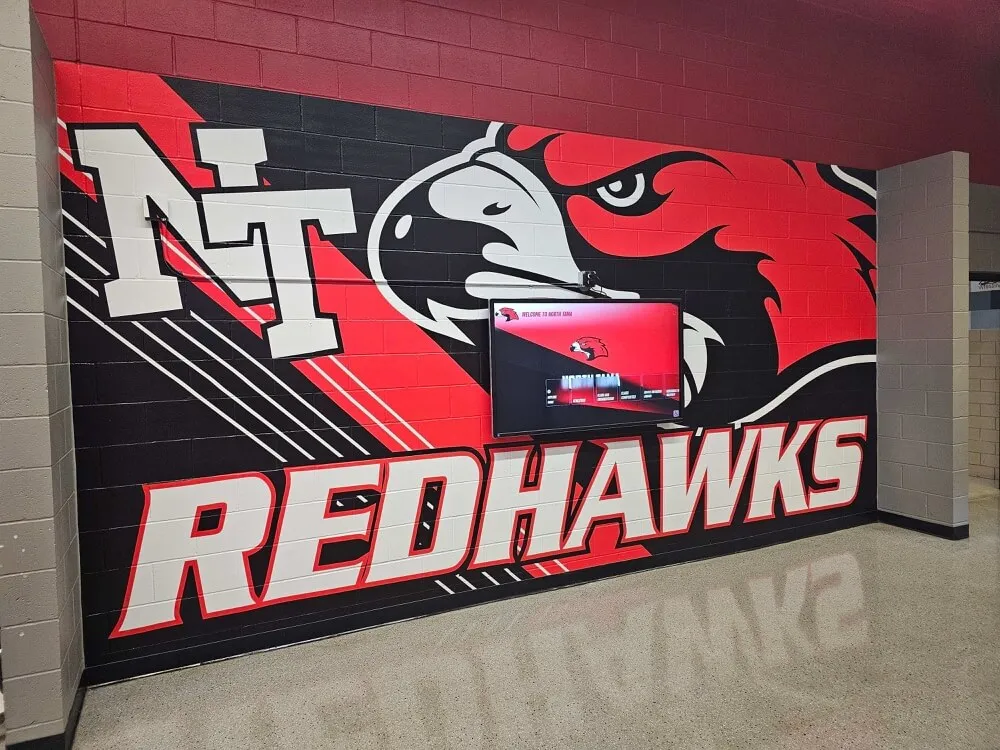
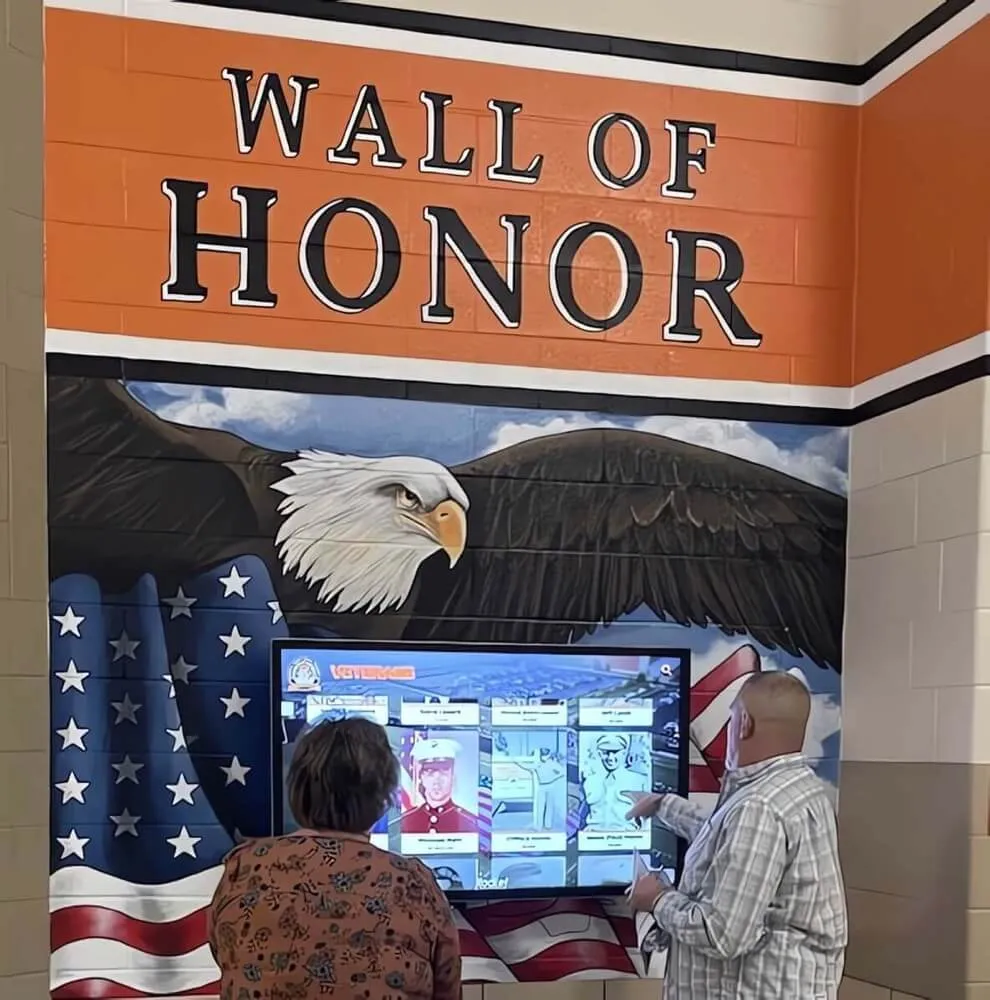
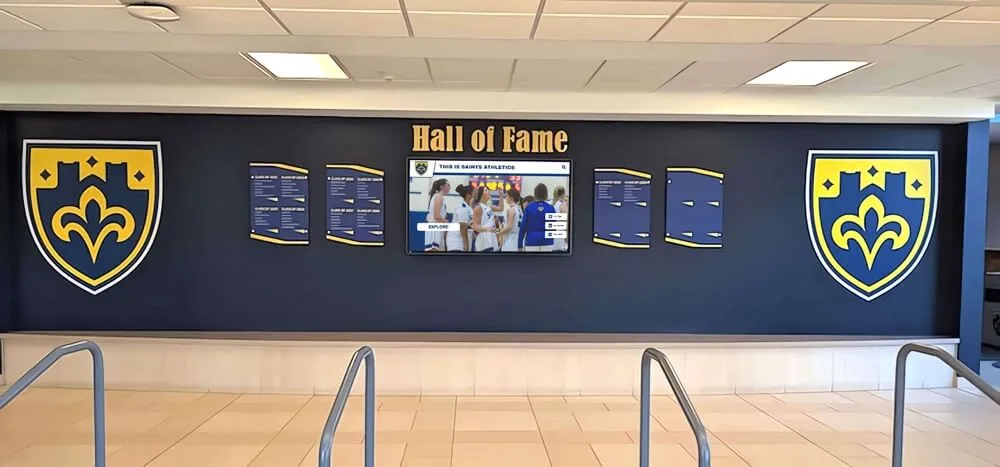
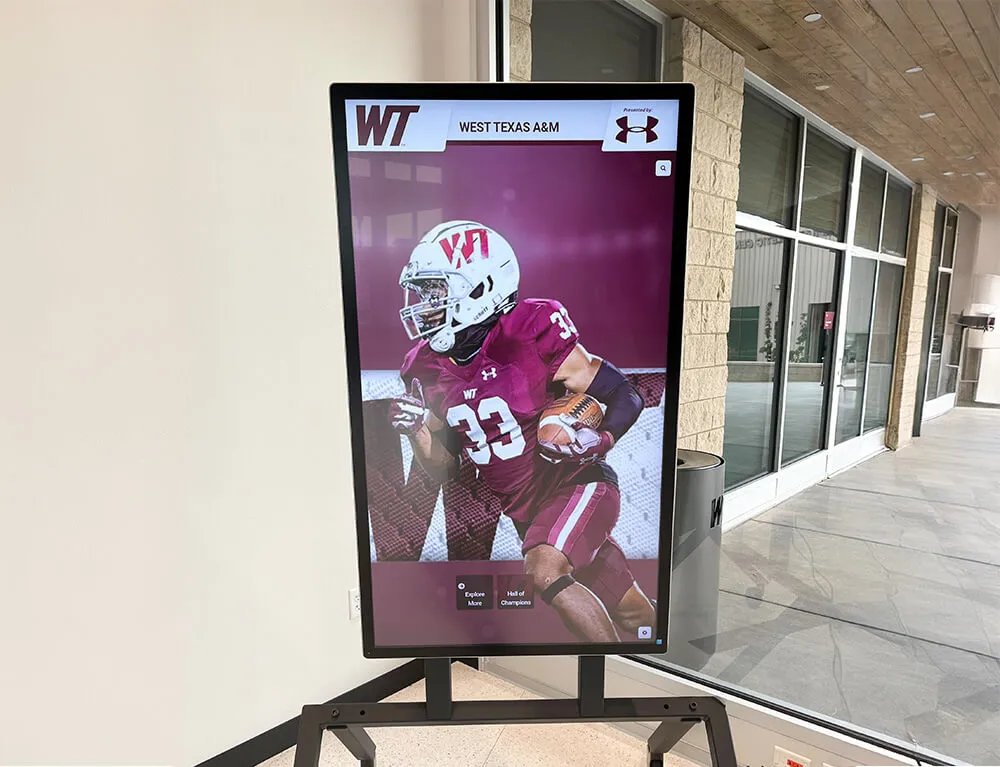
Championship achievements deserve prominent recognition that honors tournament success and inspires future competitors
Expansion and Growth: 1991-2010
The 1990s and 2000s witnessed significant tournament growth aligned with broader conference expansion and college basketball’s increasing commercial success.
SEC Expansion Impact on Tournament
Conference expansion fundamentally changed tournament structure as the league grew from ten members (1991) to twelve members (1992) to fourteen members (2012). Each expansion phase required format adjustments including extending the tournament to accommodate additional teams, revising seeding procedures to reflect divisional structures, and balancing competitive equity with rewarding regular season excellence through byes and seeding advantages.
The tournament expanded to include all conference members beginning in 1992, eliminating the previous top-eight format. This inclusivity increased participation but also sparked debates about whether lower-seeded teams should receive tournament berths, with some arguing that limited fields maintain championship prestige while others contend that conference tournaments should include all members.
Venue Evolution
Tournament venues evolved significantly during this era as the championship moved beyond Birmingham to include other major Southeastern cities including Atlanta, Georgia, which hosted multiple tournaments at the Georgia Dome and later State Farm Arena; Nashville, Tennessee, which brought the tournament to the heart of Music City; Tampa, Florida, which provided a Southeastern location and spring break atmosphere; and New Orleans, Louisiana, which offered unique cultural experiences and tourism appeal.
These venue rotations reflected efforts to distribute the tournament’s economic impact across the SEC’s geographic footprint while also seeking the best fan experiences, facilities, and revenue opportunities.
Contemporary Era: 2011-Present
The modern SEC Basketball Tournament has achieved status as one of college basketball’s premier championship events, characterized by significant media coverage, substantial attendance, and championship moments that resonate throughout the sport.
Modern Tournament Characteristics
Contemporary tournaments feature sophisticated broadcast production with extensive television and streaming coverage, corporate sponsorships providing significant revenue and enhanced fan experiences, premium hospitality offerings including luxury suites and exclusive events, elaborate championship ceremonies and trophy presentations, and immediate integration with NCAA Tournament selection processes.
Nashville has emerged as the tournament’s primary home in recent years, with Bridgestone Arena hosting the championship consistently and developing infrastructure supporting the event’s needs. The city’s central location, entertainment options, and basketball-friendly facilities have made it an ideal tournament host that attracts strong fan attendance across all sessions.
The tournament’s significance has grown as the SEC has strengthened its basketball reputation relative to traditional power conferences. While historically known primarily for football excellence, the conference’s basketball programs have developed national prominence, making the SEC Tournament increasingly competitive and nationally relevant.
Learn more about how schools celebrate championship achievements through athletic hall of fame programs that honor tournament success.
SEC Basketball Tournament Bracket Format and Structure
Understanding the tournament’s bracket structure, seeding procedures, and competitive format helps fans follow the championship and appreciate the strategic considerations teams face.
Current Tournament Format
The SEC Basketball Tournament currently uses a five-day, single-elimination format featuring all fourteen conference members competing for the championship.
Bracket Structure
The tournament bracket includes first round (Wednesday) with teams seeded 11-14 playing elimination games, second round (Thursday) with teams seeded 7-10 joining alongside first-round winners, quarterfinals (Friday) with teams seeded 1-6 joining alongside second-round winners, semifinals (Saturday) determining championship game participants, and championship game (Sunday) crowning the SEC Tournament champion.
This structure provides top-seeded teams with significant advantages through first-round byes while ensuring that all conference members have tournament participation opportunities. The compressed five-day schedule creates intense competition and requires teams to win four or five consecutive games to capture championships.
Seeding Procedures
Tournament seeding is determined by conference regular season performance using the following criteria including conference winning percentage as primary determiner, head-to-head results as first tiebreaker for teams with identical records, record against highest-seeded common opponents as additional tiebreaker, and overall team rating metrics if multiple teams remain tied after previous criteria.
Top seeds typically come from teams that dominated conference regular season play, though upsets and late-season momentum can occasionally produce surprising championship outcomes. The seeding process generates considerable discussion among fans and media, with bracket positioning significantly impacting championship paths.
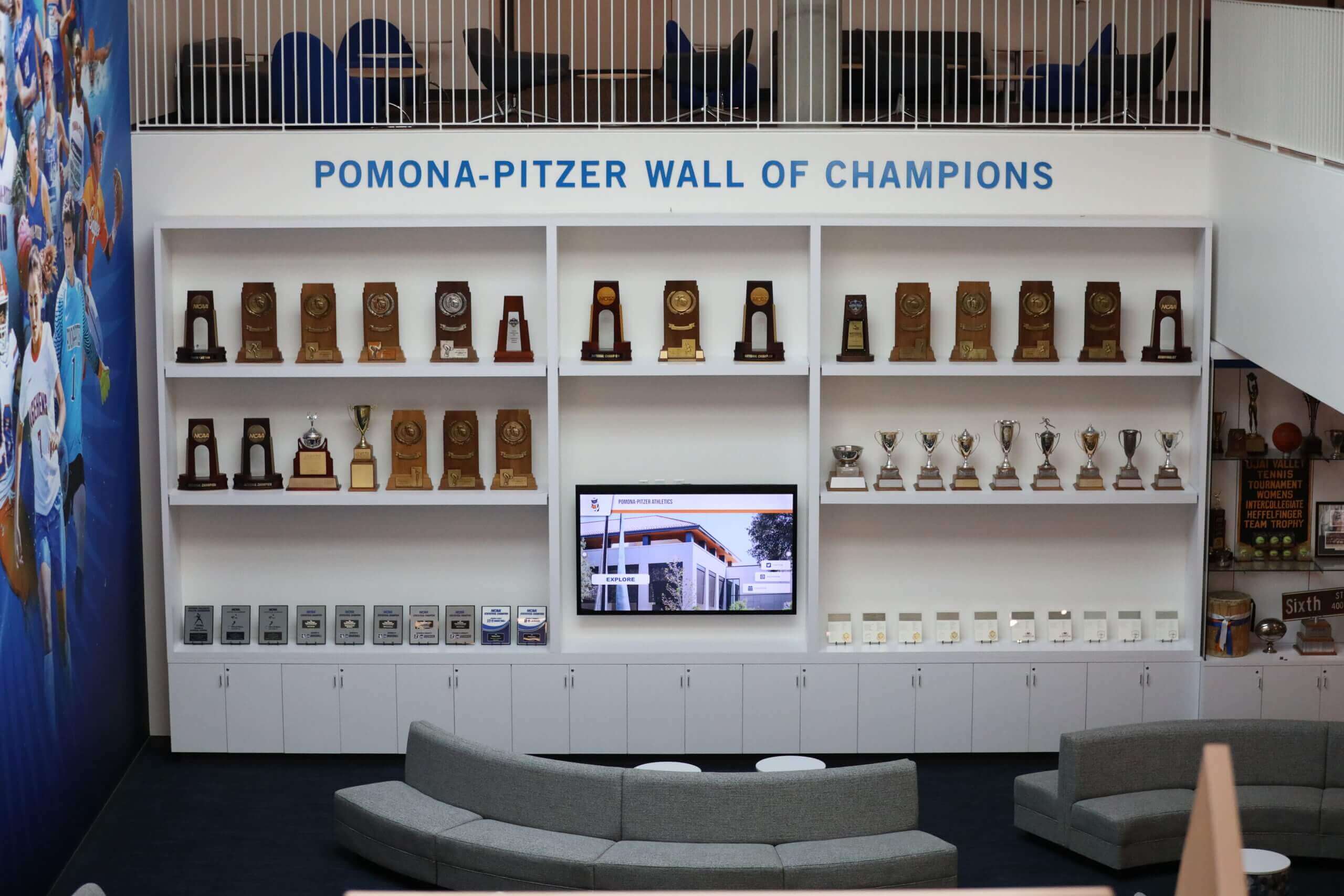
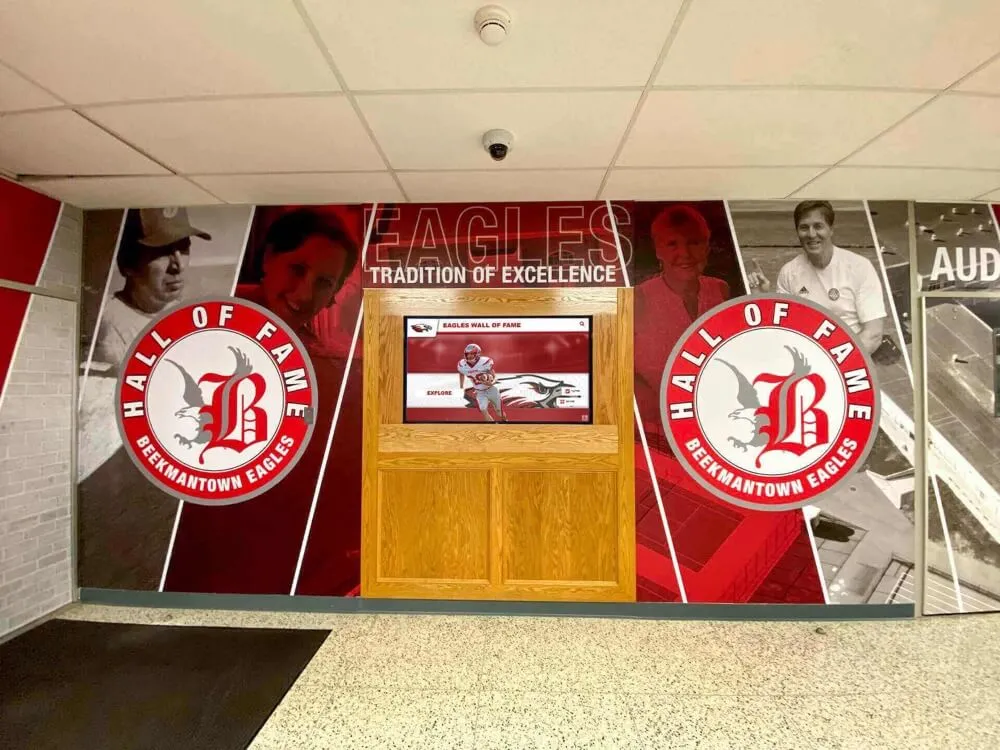
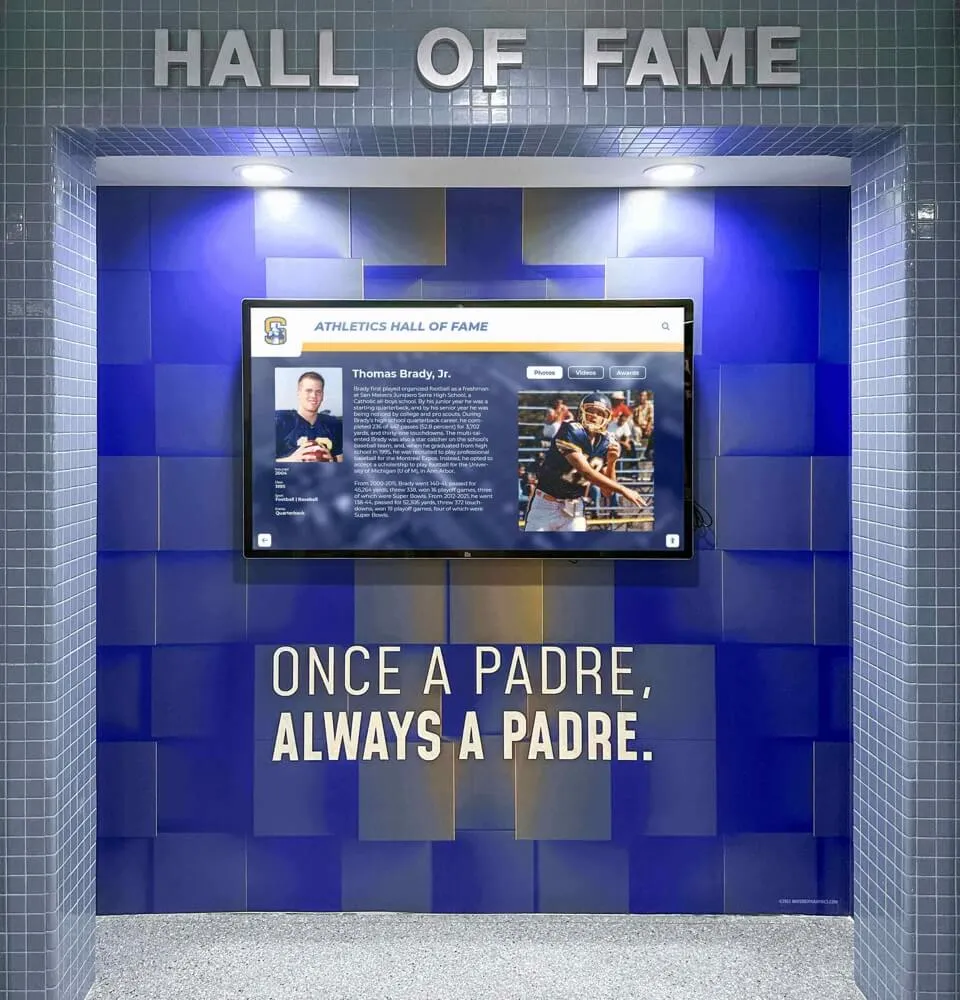
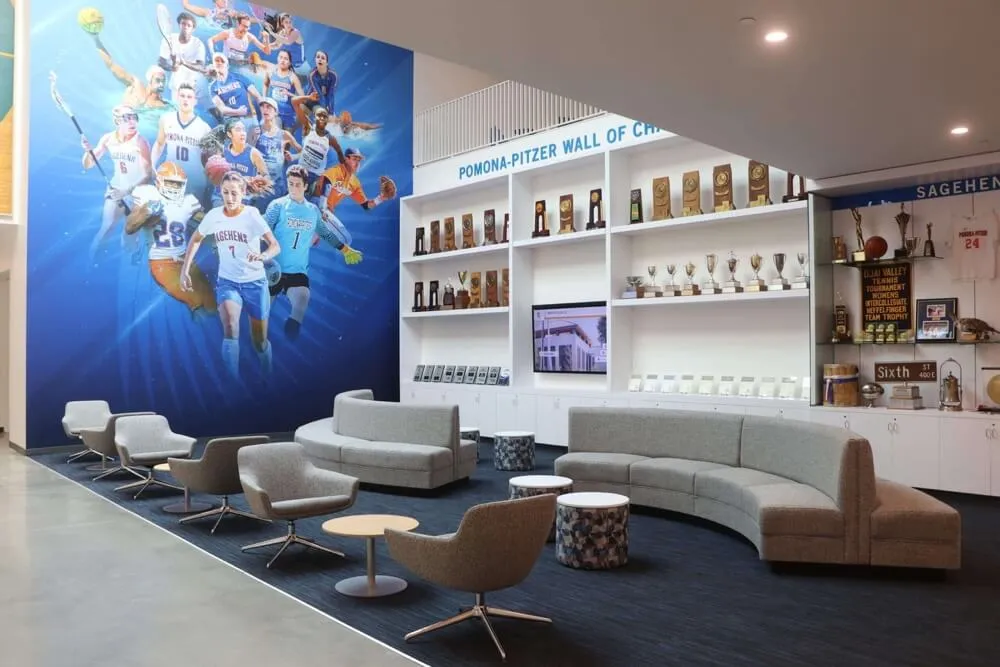
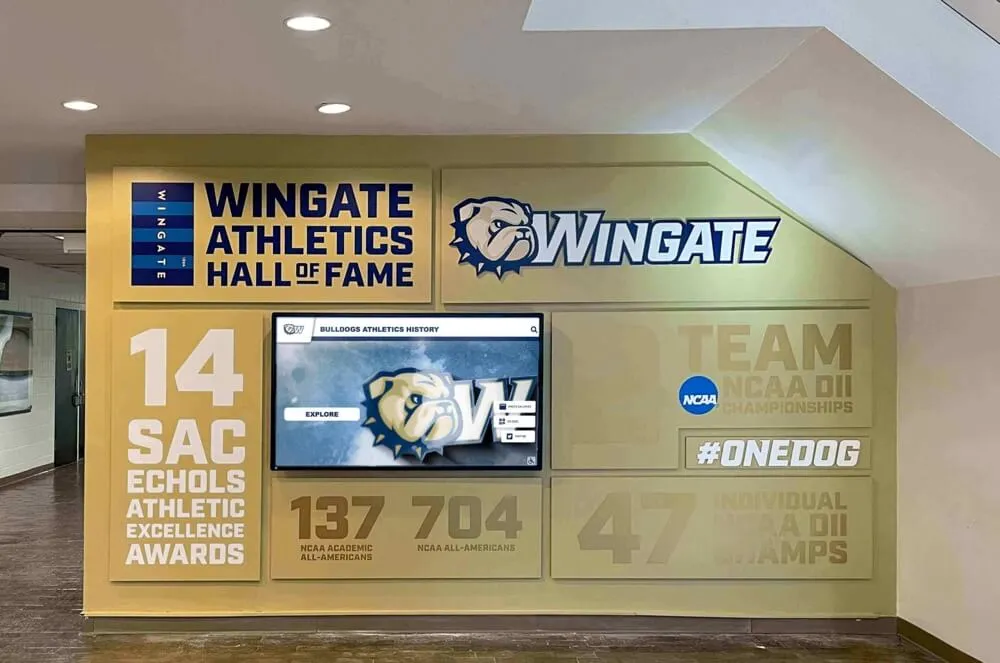
Creating welcoming spaces that celebrate tournament championships builds pride and preserves institutional basketball history
Game Scheduling and Session Structure
Tournament games are organized into distinct sessions maximizing fan attendance and television viewership:
Daily Session Organization
Wednesday and Thursday sessions feature double-header and triple-header formats with staggered start times, Friday quarterfinals present two afternoon games and two evening games creating morning and night sessions, Saturday semifinals offer back-to-back games in prime-time slots, and Sunday championship game occurs in afternoon time slot maximizing national television audience.
This scheduling balances several competing priorities including providing adequate rest between games for teams advancing through multiple rounds, maximizing television ratings during high-viewership periods, accommodating fan travel from across the SEC footprint, and coordinating with other conference tournaments occurring simultaneously.
Ticket Structure and Fan Access
The SEC offers various ticket packages including all-session passes providing access to entire tournament, single-day tickets for specific dates, reserved seating for premium locations, and general admission options for budget-conscious fans.
Premium packages often include hospitality amenities, creating enhanced experiences for donors and supporters while generating significant tournament revenue that supports conference operations and member institutions.
Rules and Gameplay Considerations
SEC Tournament games follow standard NCAA basketball rules with several unique considerations including overtime procedures that can create extended games late in sessions, foul trouble management as teams must win multiple games with limited roster depth, strategic rest decisions as coaches balance winning early games with preserving player health, and momentum dynamics where teams hitting tournament form can upset higher seeds.
The single-elimination format creates unique pressure compared to regular season games where teams can recover from losses. Every possession carries magnified importance, and tournament games frequently feature dramatically different competitive intensity than earlier season matchups between the same teams.
Automatic NCAA Tournament Qualification
The SEC Tournament champion receives automatic qualification to the NCAA Tournament regardless of regular season record, creating scenarios where lower-seeded teams can “play their way in” through tournament success.
Selection Sunday Implications
Tournament outcomes significantly impact NCAA Tournament seeding including tournament champions earning improved seed lines, semifinalists boosting tournament resumés through quality wins, and strong tournament performances potentially securing at-large berths for bubble teams.
Selection committee members watch tournament games closely, making late championship runs particularly valuable for teams seeking favorable NCAA Tournament positioning. The SEC Tournament essentially serves as an extended job interview where teams can demonstrate tournament readiness and competitive mettle in high-pressure situations.
Explore how schools document and celebrate tournament achievements through state championship displays adaptable to college tournament recognition.
Championship Traditions and Memorable Moments
The SEC Basketball Tournament has produced countless memorable moments, legendary performances, and traditions that define the championship experience.
Trophy Presentation and Championship Ceremony
The tournament culminates with elaborate championship ceremonies celebrating the winning team and honoring tournament standouts.
Championship Trophy
The SEC Tournament champion receives a distinctive trophy symbolizing conference supremacy presented immediately following the championship game. Trophy presentations include players cutting down nets in traditional championship celebration, championship trophy hoisting with entire team participating, and commissioner’s presentation with formal conference recognition.
These ceremonial elements create lasting visual memories featured prominently in highlight reels, school archives, and player legacy documentation. Championship moments become defining images for programs, appearing repeatedly in recruiting materials, facility displays, and historical retrospectives.
Individual Awards
Tournament organizers present several individual honors including tournament Most Valuable Player (MVP) award recognizing outstanding performance, All-Tournament Team selections honoring top performers across all games, and occasionally special recognition for exceptional statistical achievements.
MVP awards carry particular prestige, with recipients entering exclusive company of tournament legends whose performances elevated teams to championships. These individual honors complement team success and provide recognition for exceptional contributions in high-pressure situations.
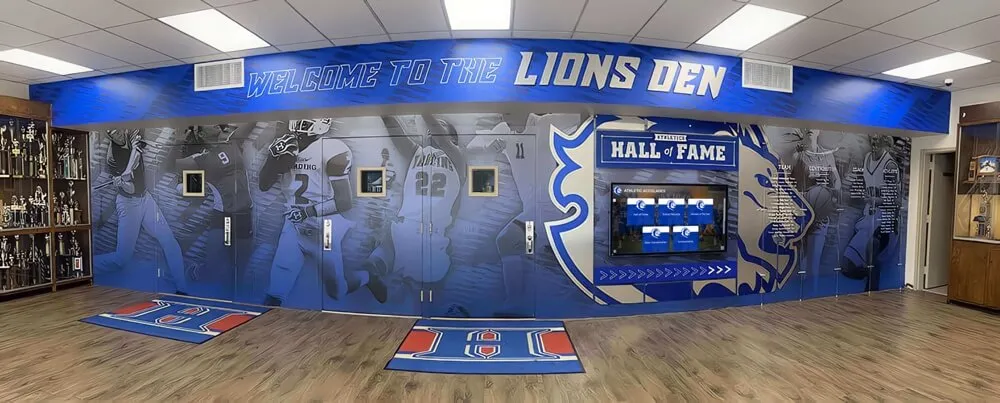
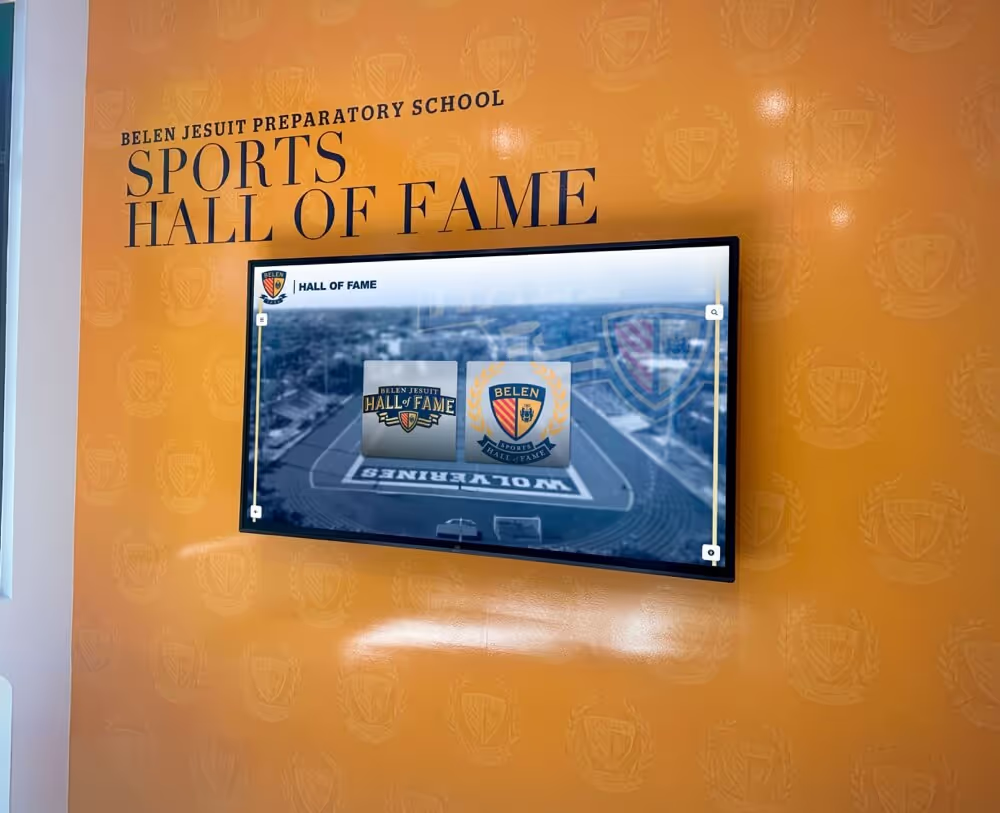
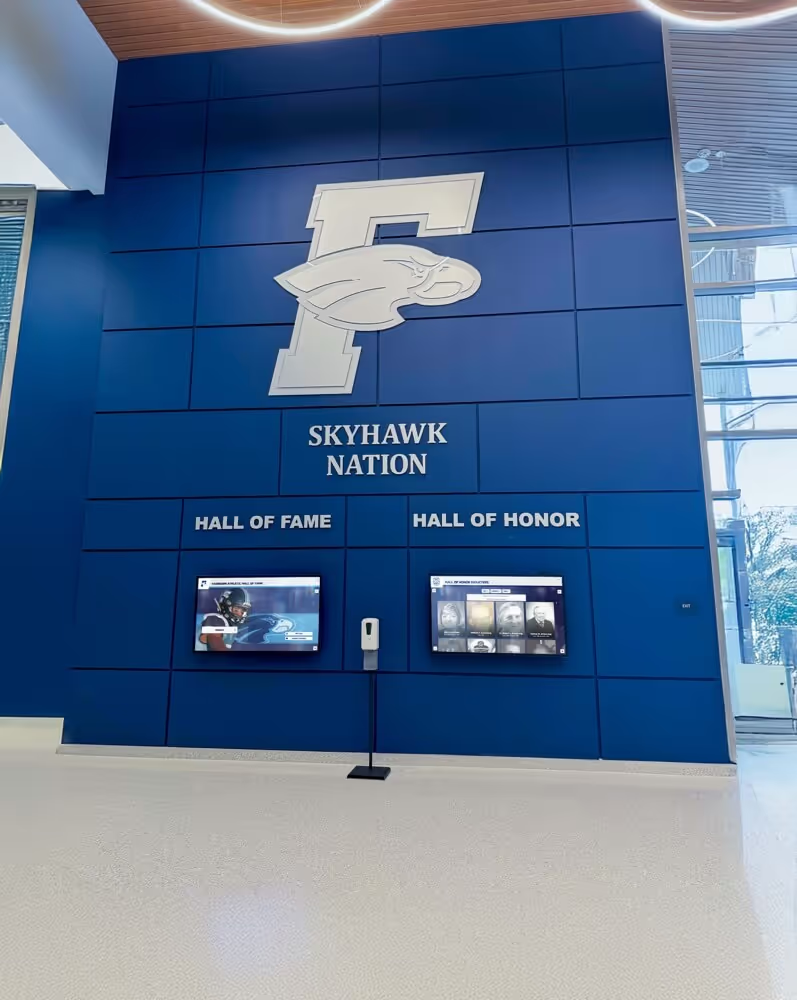
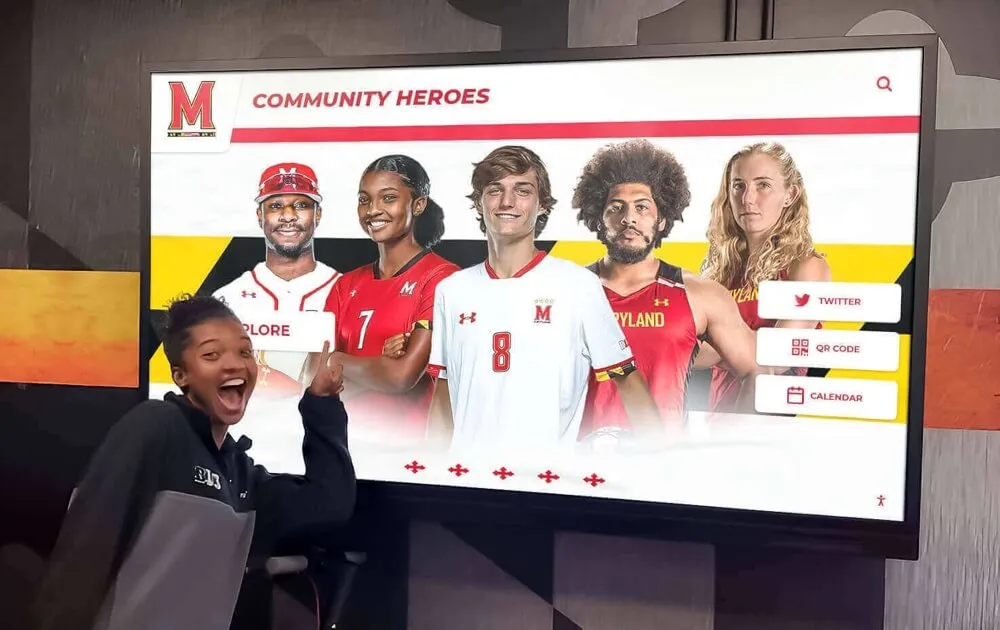
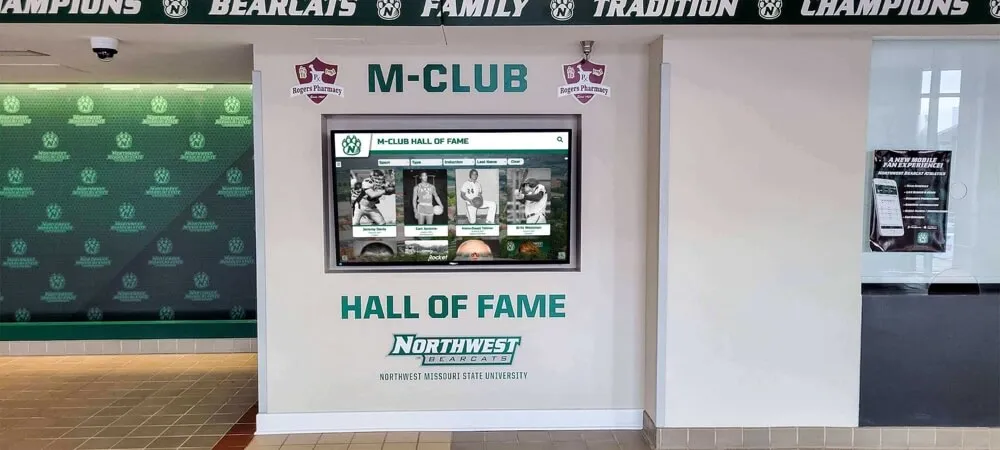
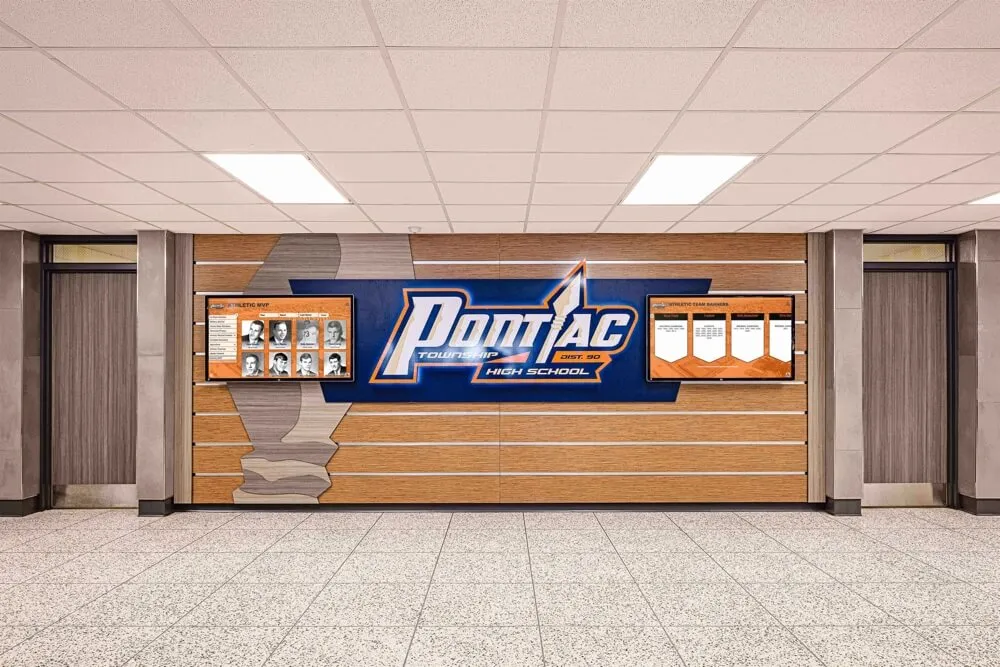
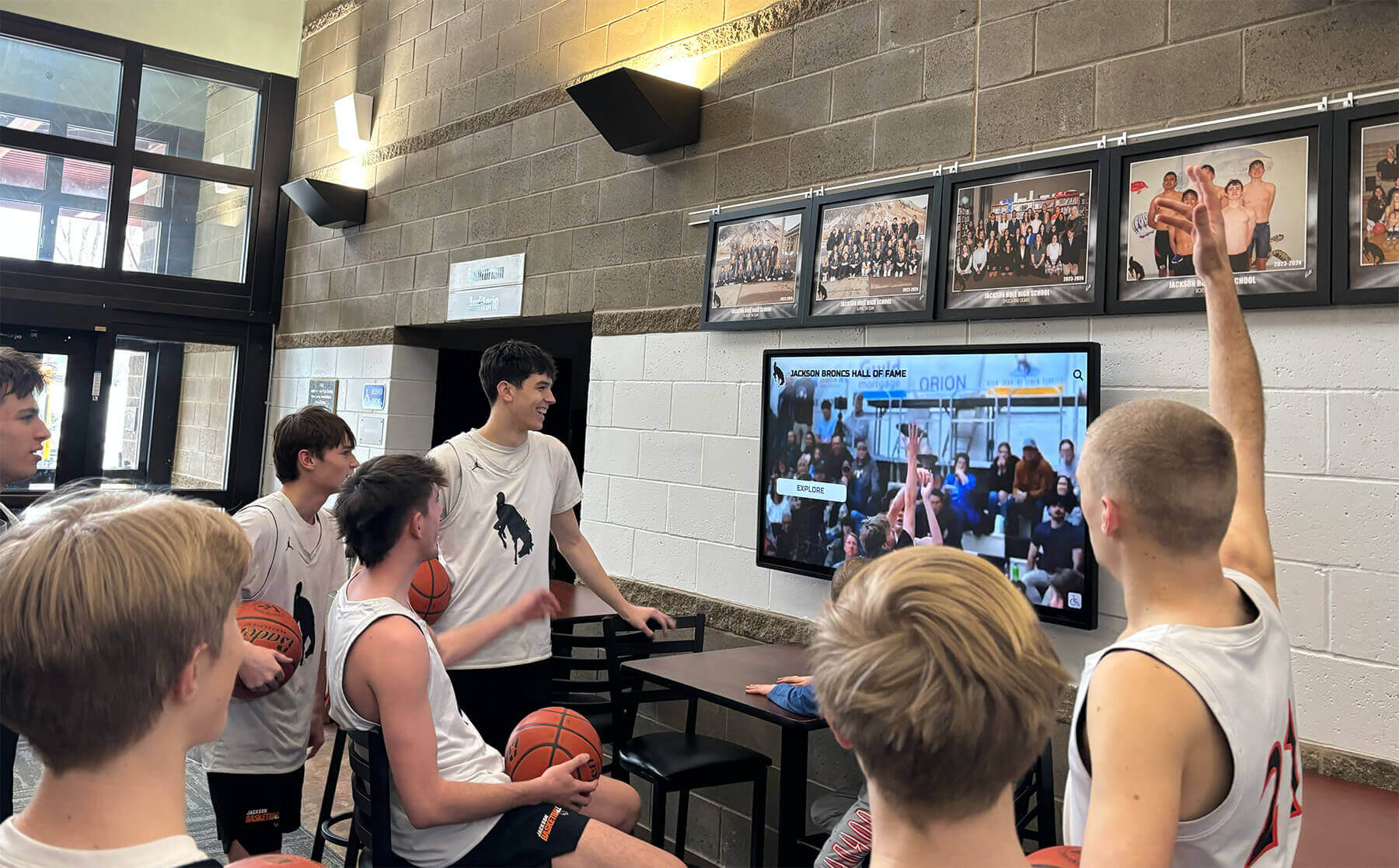
Combining traditional trophy displays with modern recognition systems comprehensively celebrates basketball achievements
Historic Tournament Performances
Certain tournament performances achieve legendary status, remembered decades later as defining moments in SEC basketball history.
Memorable Championship Runs
Historic tournament performances include dramatic upset victories where lower seeds defeated tournament favorites, come-from-behind championship wins showcasing resilience and determination, dominant performances where teams won multiple games by significant margins, and individual scoring or statistical achievements that set tournament records.
These moments become permanent parts of conference lore, referenced whenever discussing tournament history and replayed during championship broadcasts to illustrate tournament unpredictability and competitive drama.
Tournament Records and Milestones
The SEC Tournament record book documents extraordinary achievements including most tournament championships won by programs, most tournament MVP awards earned by individuals, single-game scoring records, consecutive tournament wins, and longest tournament winning streaks.
Kentucky leads the conference with the most SEC Tournament championships, reflecting the program’s sustained basketball excellence and tournament success across multiple eras. Other programs have experienced championship periods producing multiple tournament titles and creating their own tournament legacies.
Fan Traditions and Championship Culture
The SEC Basketball Tournament has developed distinct fan traditions that enhance the championship atmosphere and create unique experiences.
Tournament Week Activities
Nashville and other host cities embrace tournament week with special events including downtown fan festivals and entertainment districts, team pep rallies and spirit events, alumni gatherings and reunion opportunities, conference-wide celebrations bringing rival fans together, and hospitality events for major donors and supporters.
These activities extend the tournament beyond arena games, creating week-long celebrations that generate significant economic impact for host cities while building championship memories for fans.
School-Specific Traditions
Individual programs bring unique traditions to tournaments including specific fight songs and chants echoing through arenas, coordinated fan apparel creating visual unity in stands, student sections traveling to support teams, and celebratory rituals following tournament victories.
The convergence of multiple schools’ traditions creates vibrant atmospheres where passionate fan bases compete to demonstrate superior school spirit while also participating in shared conference championship culture.
Post-Tournament Celebrations
Championship teams return to campuses as heroes, welcomed with celebrations honoring tournament success:
Campus Championship Events
Winning schools typically organize championship celebrations including campus pep rallies celebrating teams, downtown parades through local communities, student body gatherings honoring achievements, and media coverage amplifying championship accomplishments.
These celebrations extend tournament success beyond the team itself, creating shared community experiences that strengthen institutional pride and create lasting memories for entire school communities, not just basketball participants.
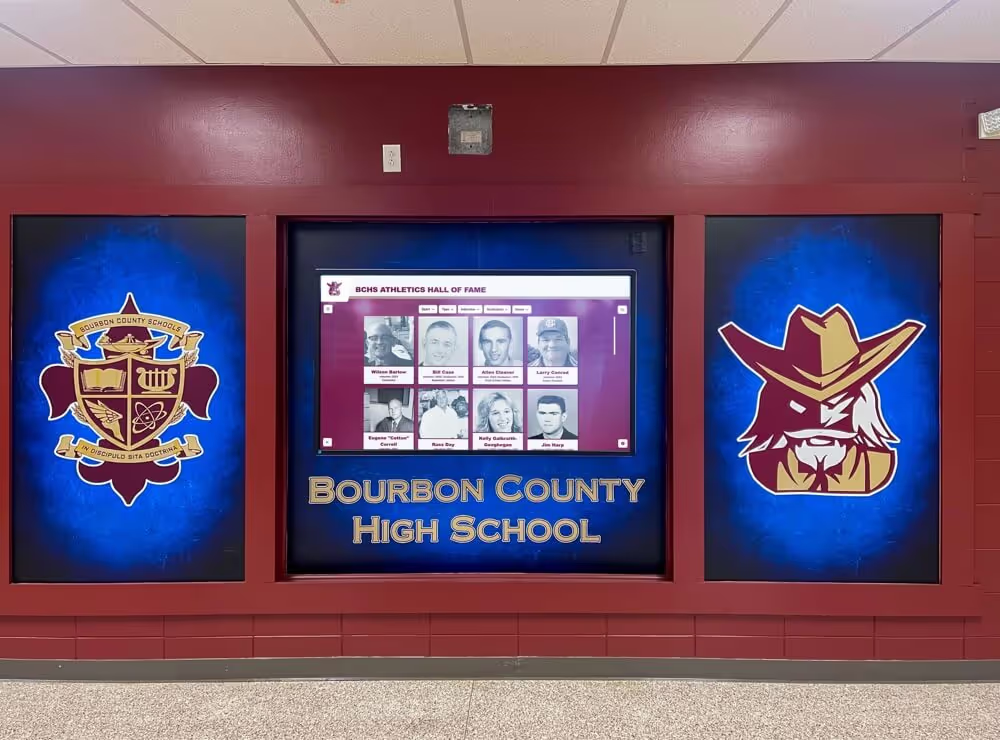
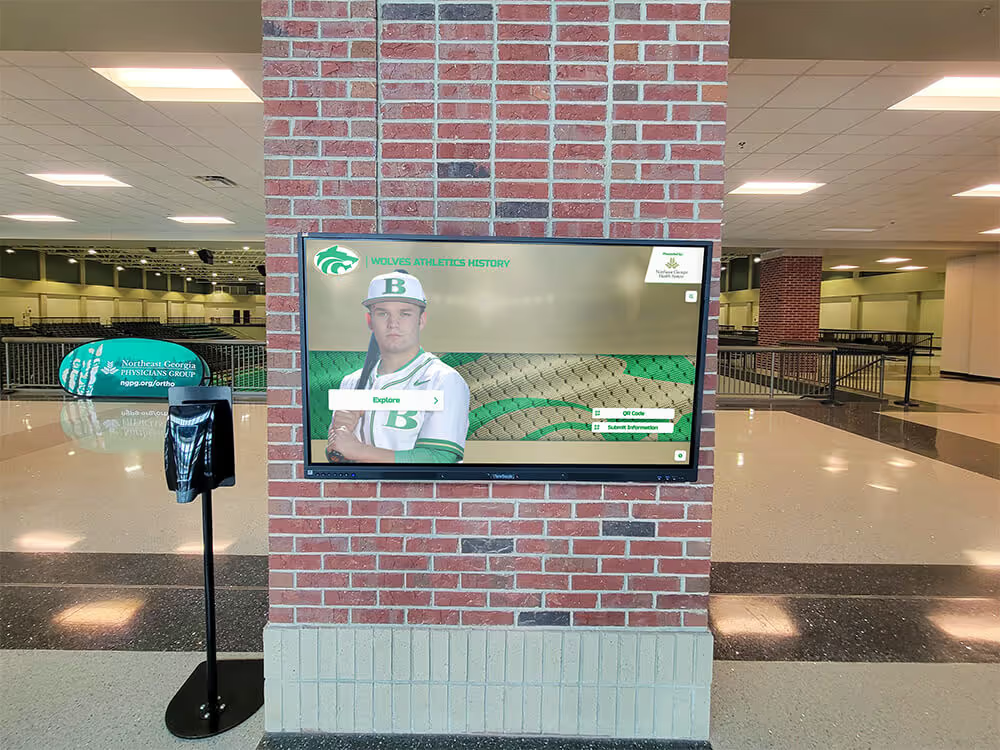
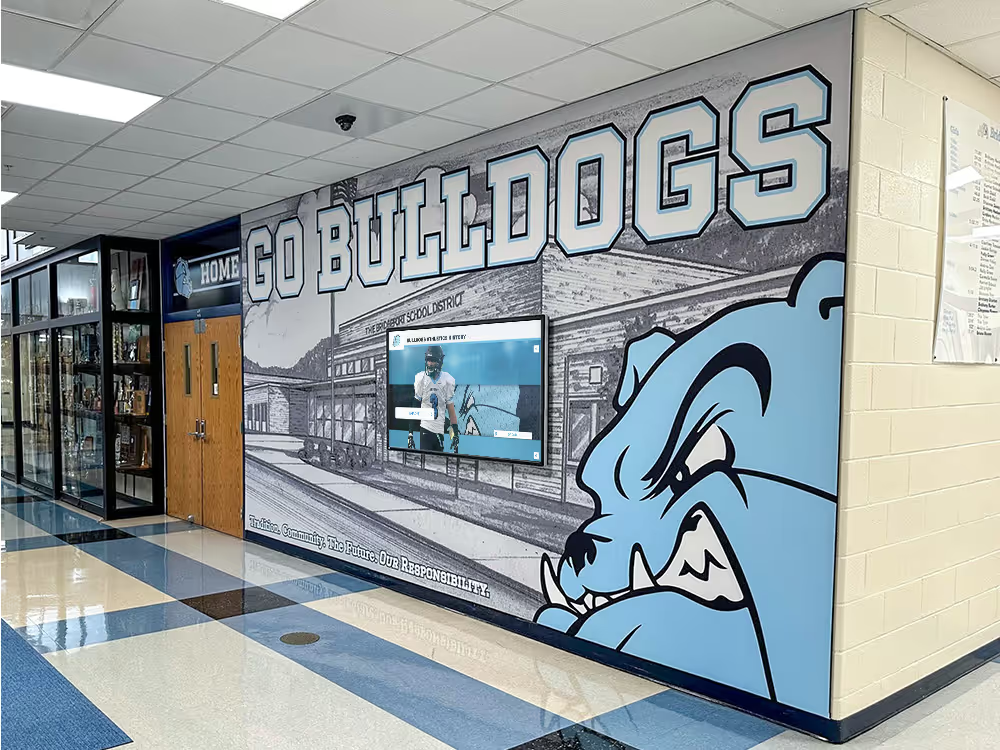
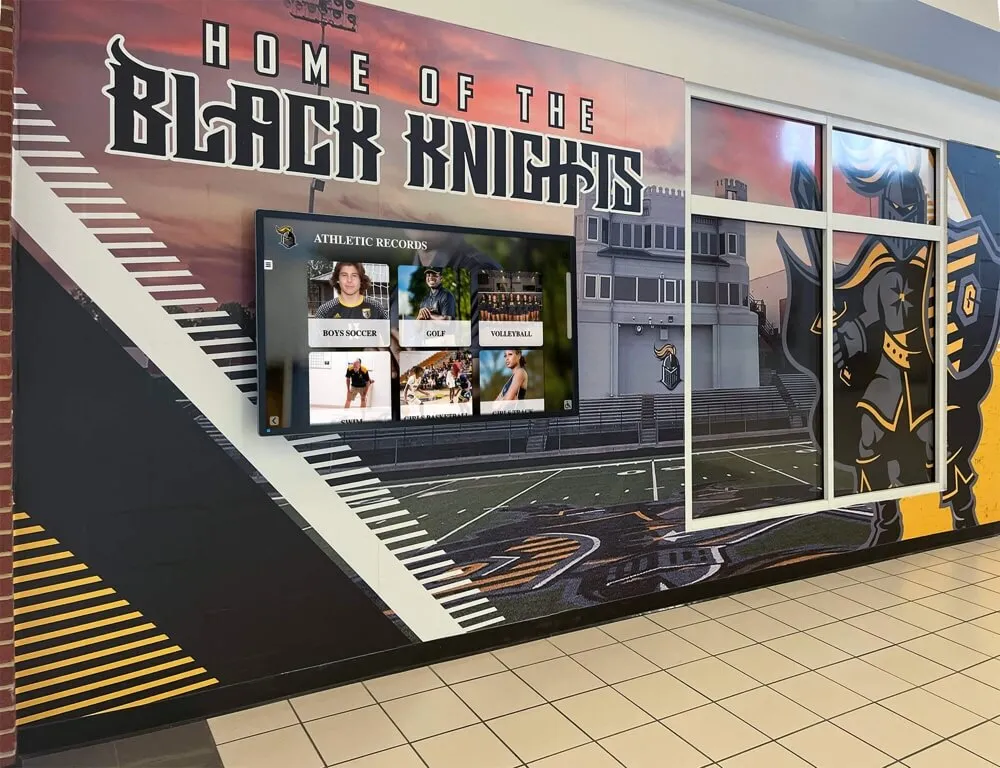
Universities also incorporate tournament championships into permanent recognition systems including championship banners hanging in arena rafters, updated trophy displays in athletic facilities, digital recognition systems showcasing tournament achievements, and historical archives documenting championship seasons.
Solutions like Rocket Alumni Solutions enable schools to create interactive recognition displays that celebrate tournament championships while providing engaging storytelling about championship seasons and individual performances.
How Universities Celebrate and Preserve Tournament Success
SEC Tournament championships represent pinnacle achievements that universities preserve and celebrate through various recognition approaches honoring teams, coaches, and players.
Traditional Recognition Approaches
Schools have long used physical displays to commemorate tournament success:
Championship Banners
Arena championship banners provide the most visible tournament recognition, displayed prominently from rafters including SEC Tournament championship years, Final Four and NCAA Tournament appearances, conference regular season championships, and retired jersey numbers of legendary players.
These banners create visual histories of program excellence immediately apparent to anyone entering venues, reminding current players of standards they’re expected to uphold while inspiring fans with historical achievements.
Trophy Cases and Display Spaces
Athletic facilities feature dedicated spaces showcasing tournament hardware including actual championship trophies won by teams, individual awards earned by players and coaches, historical photographs from championship celebrations, game balls and memorabilia from significant wins, and plaques recognizing All-Tournament Team selections.
Well-designed trophy displays become destinations for recruits touring facilities, donors visiting campuses, and alumni reconnecting with program history during games and events.
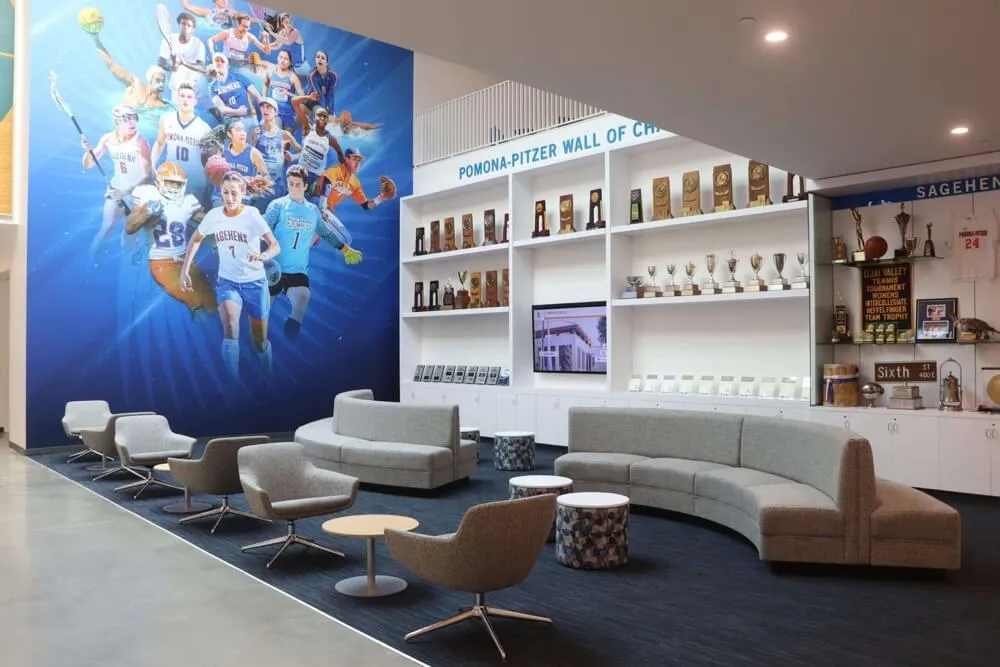
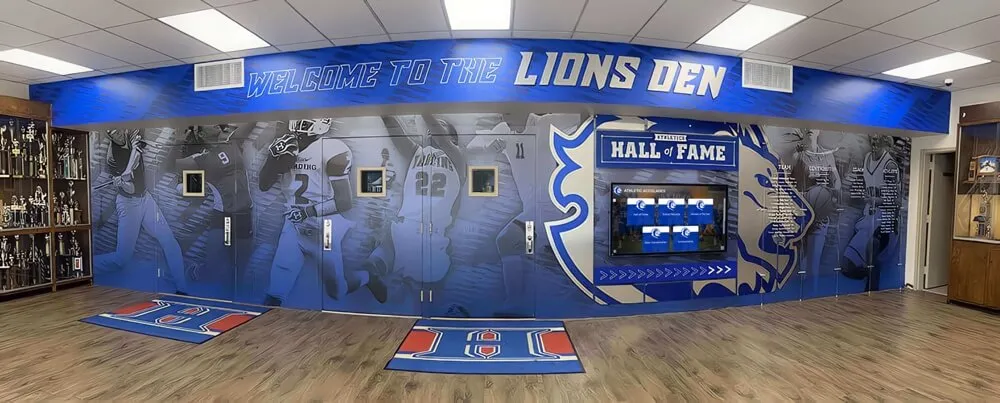
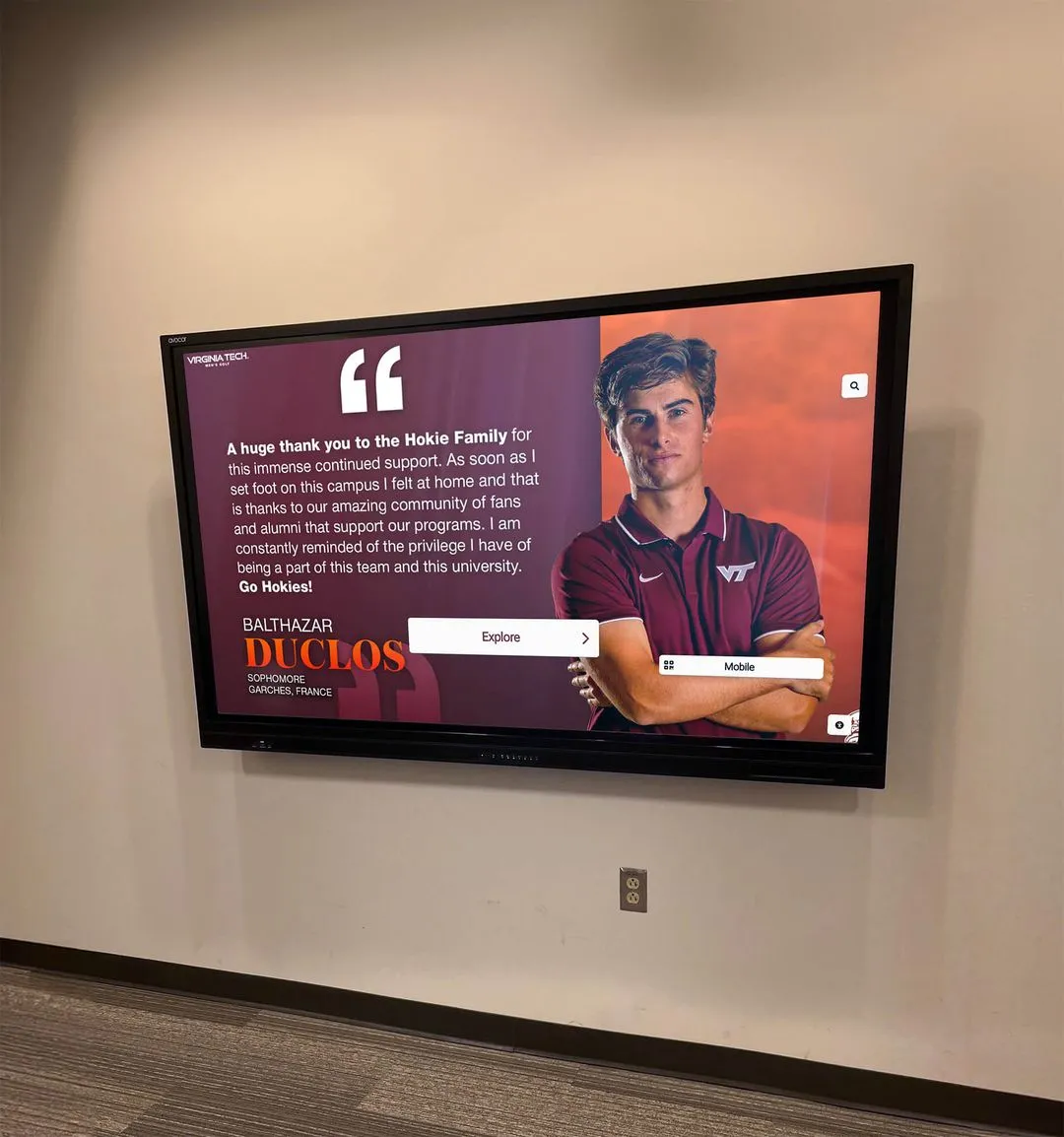
Athletic lounges with comprehensive recognition displays create pride while preserving tournament championship history
Modern Digital Recognition Systems
Contemporary technology enables more sophisticated tournament recognition overcoming traditional limitations:
Interactive Championship Displays
Digital platforms provide enhanced tournament storytelling including searchable databases of all tournament appearances and results, individual player profiles from championship teams, video highlights from memorable tournament games, complete box scores and statistical documentation, and championship season retrospectives with photos and narratives.
These systems eliminate space constraints that force schools to make difficult decisions about which achievements to display, enabling comprehensive recognition of all tournament success across program history rather than just recent championships or most significant titles.
Multimedia Storytelling
Digital recognition enables rich storytelling impossible with traditional plaques including video interviews with championship team members, audio commentary from historic tournament broadcasts, animated bracket visualizations showing tournament paths, statistical visualizations highlighting individual and team performance, and interactive timelines connecting tournament success to program development.
This multimedia approach creates engaging experiences that help younger fans, students, and recruits understand program history and tournament traditions beyond simple championship counts.
Remote Access and Sharing
Cloud-based recognition platforms provide benefits beyond physical displays including online access enabling alumni worldwide to explore tournament history, social media integration facilitating championship content sharing, mobile-friendly interfaces allowing exploration during campus visits, and regular content updates maintaining accuracy and adding materials over time.
These capabilities extend tournament recognition beyond physical spaces, enabling schools to share championship stories with broader audiences while maintaining permanent archives accessible to future generations.
Learn about comprehensive approaches to athletic recognition through digital trophy case solutions designed for tournament celebration.
Donor and Booster Recognition for Tournament Support
Tournament success depends on financial support from donors and boosters who deserve recognition for enabling championship achievement:
Connecting Donors to Tournament Success
Effective recognition systems link donor support to championship outcomes including donor walls in renovated facilities funded by contributions, recognition displays acknowledging major gift impact on program development, naming opportunities for practice facilities and player development spaces, and appreciation events celebrating donors during tournament championship seasons.
When donors see tangible connections between their support and tournament championships, they develop stronger emotional investment in programs and greater likelihood of continued giving.
Tournament Trip Packages and Experiences
Major donors often receive enhanced tournament experiences as stewardship benefits including priority ticket access for tournament games, hospitality suite access during games, travel packages to tournament cities, pre-game events with coaches and players, and behind-the-scenes tournament access.
These experiences strengthen donor relationships while also providing opportunities for additional recognition and appreciation that reinforces continued support.
Explore donor recognition strategies through digital donor wall solutions connecting contributions to athletic success.
Building Lasting Recognition Programs for Tournament Excellence
Creating comprehensive recognition systems that properly honor tournament achievements requires strategic planning and sustained investment.
Assessment and Planning
Successful recognition begins with understanding current state and establishing clear objectives:
Current State Evaluation
Assess existing tournament recognition including inventory of championship banners and physical displays, evaluation of trophy case organization and presentation, review of digital presence and historical documentation, assessment of donor recognition connected to basketball success, and gathering stakeholder input on recognition priorities.
This evaluation identifies gaps where tournament achievements lack adequate recognition and opportunities to enhance storytelling about championship history.
Recognition Philosophy and Principles
Establish principles guiding tournament recognition including commitment to honoring all tournament achievements proportionally, balance between team championships and individual accomplishments, authenticity standards ensuring accurate historical documentation, accessibility priorities making recognition available to diverse audiences, and sustainability approaches creating systems serving institutions for decades.
Clear philosophies prevent ad hoc decisions that create inconsistencies or approaches conflicting with institutional values.
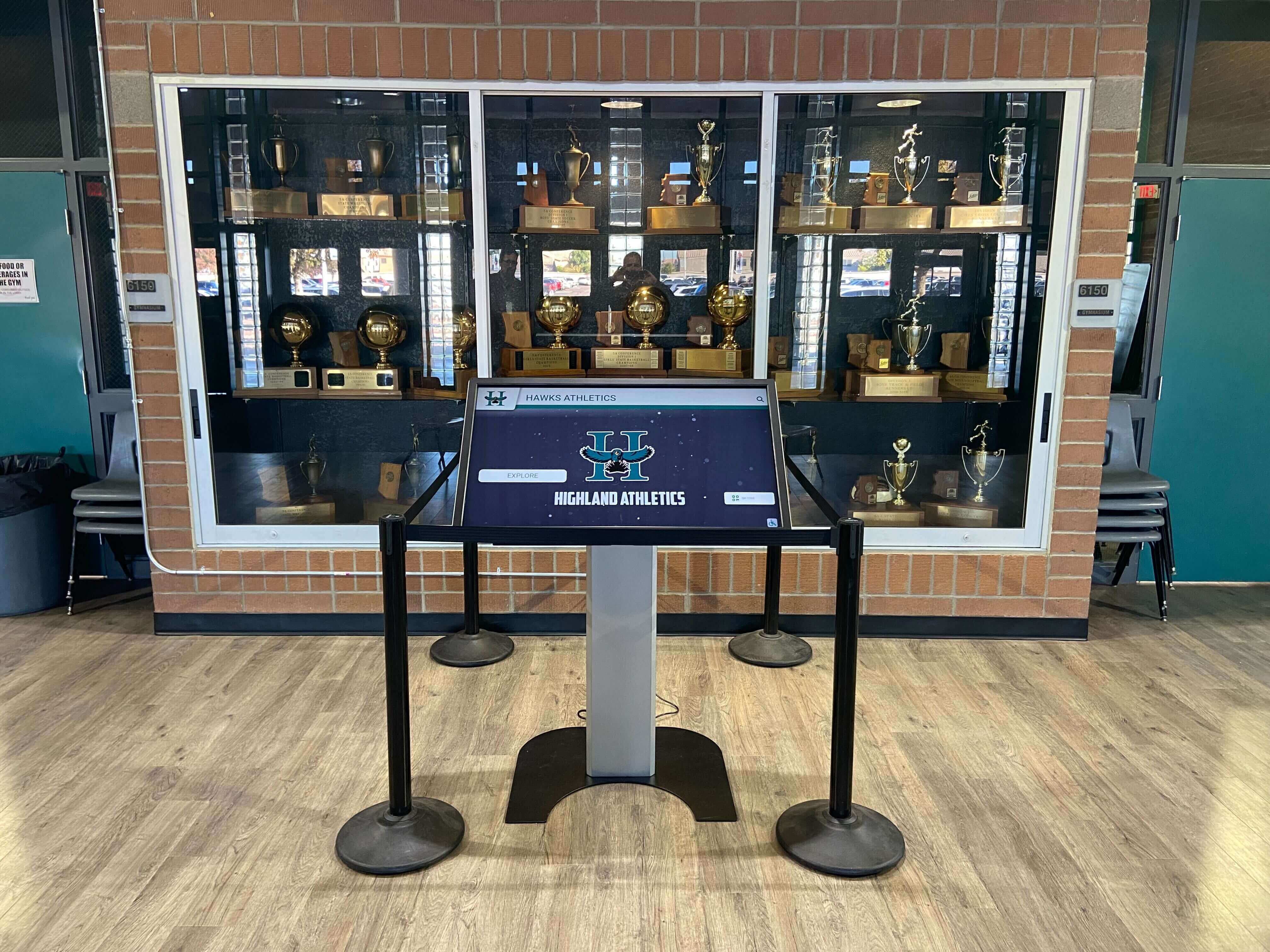
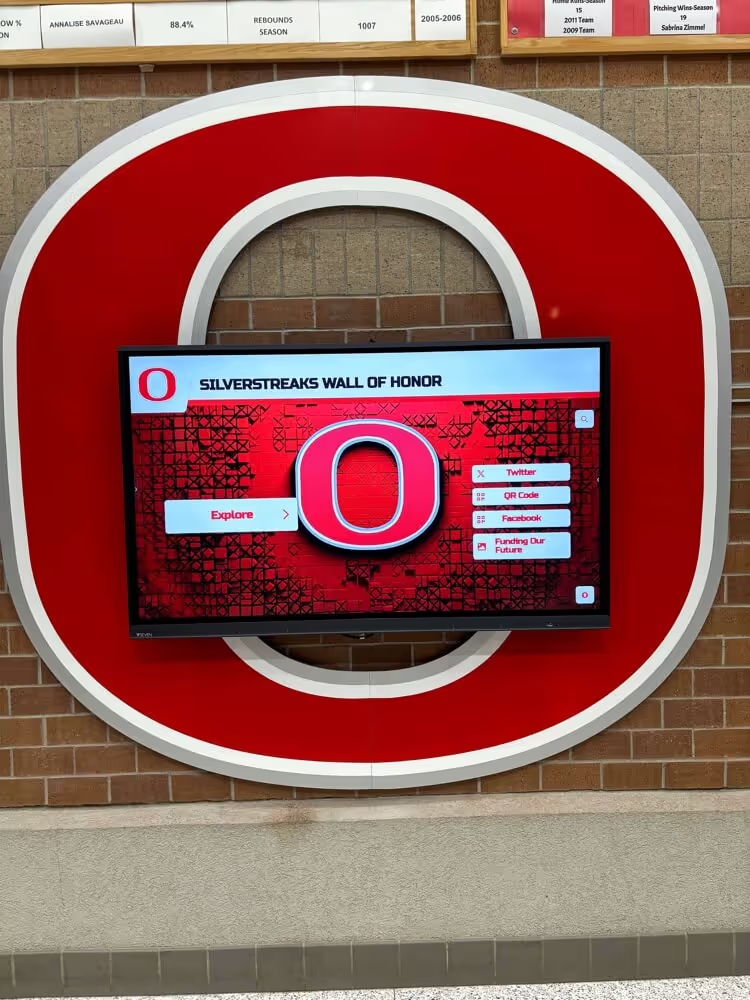
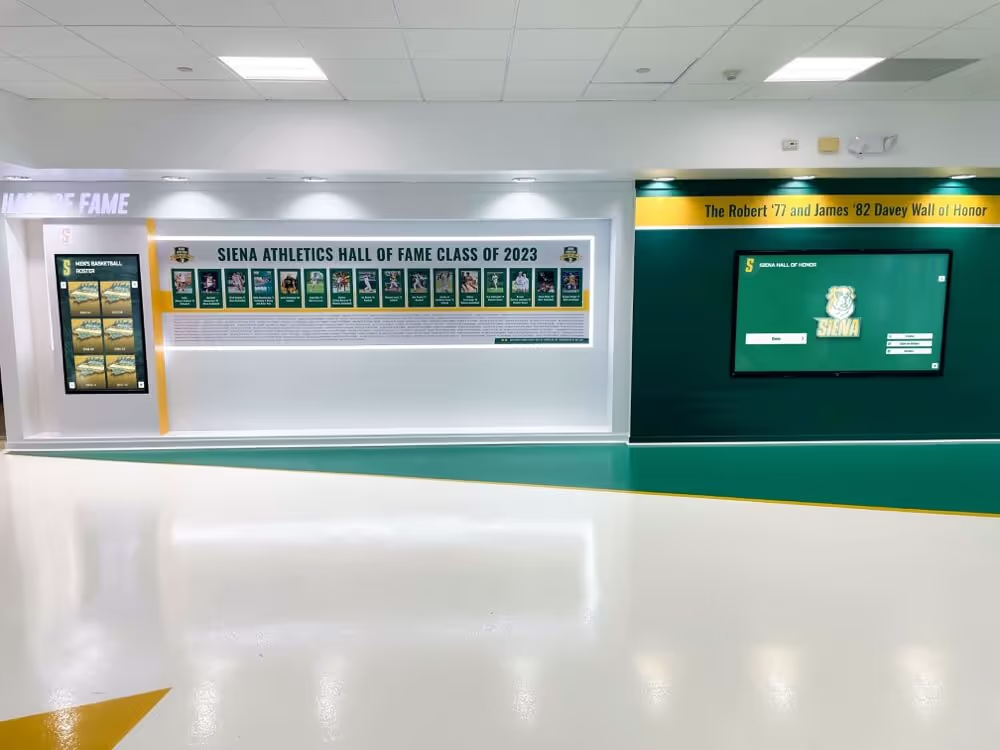
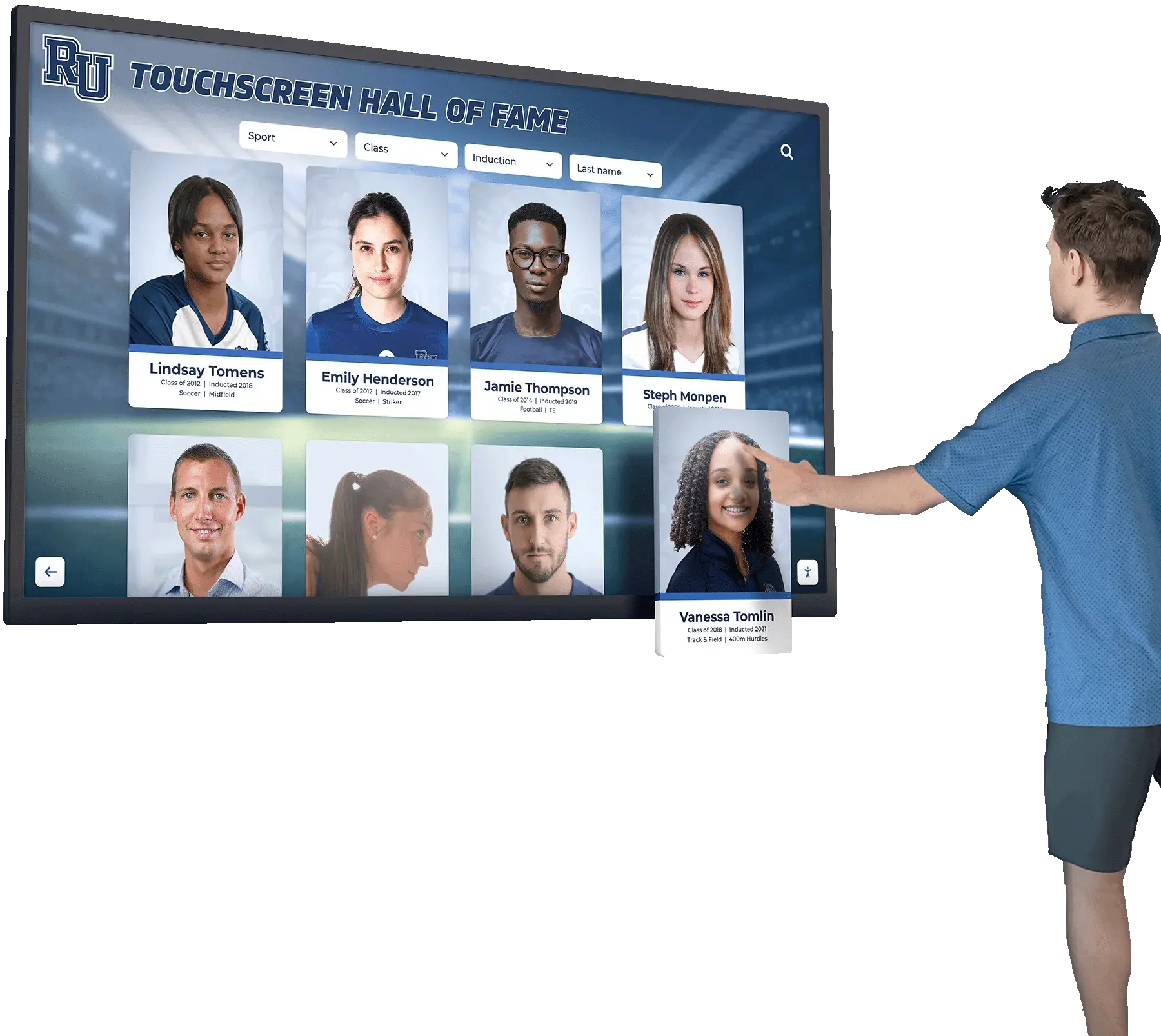
Modern touchscreen systems integrate seamlessly with traditional trophy displays, enhancing tournament recognition
Technology Implementation
Modern recognition systems require appropriate technology selection and professional implementation:
Platform Selection Considerations
Choose recognition solutions based on content management capabilities supporting basketball-specific needs, multimedia support for video highlights and audio content, search functionality enabling easy access to historical information, customization options reflecting institutional branding and values, mobile accessibility for recruiting and remote engagement, and integration capabilities connecting to existing athletic systems.
Solutions like Rocket Alumni Solutions specialize in comprehensive athletic recognition including basketball tournament celebration, providing platforms designed specifically for sports achievement documentation with proven implementation processes and ongoing support.
Content Development Strategies
Successful recognition requires substantial content creation including historical research documenting tournament participation, photograph digitization preserving visual history, video archive development capturing championship moments, statistical database compilation providing comprehensive documentation, and narrative development telling championship stories compellingly.
This content work represents significant investment but creates lasting assets that serve institutions indefinitely while providing engaging experiences that strengthen program pride and donor engagement.
Ongoing Management and Enhancement
Recognition systems require sustained attention to remain effective:
Regular Update Protocols
Establish processes for maintaining current recognition including immediate championship documentation following tournament success, annual review of historical content for accuracy, regular content refreshment maintaining visitor engagement, technology updates ensuring optimal platform performance, and periodic redesign keeping aesthetics contemporary.
Systematic management ensures recognition remains accurate, engaging, and aligned with institutional priorities long after initial implementation excitement fades.
Impact Measurement
Assess recognition effectiveness through various metrics including visitor engagement with digital displays, donor feedback about recognition experiences, recruit responses to recognition during facility tours, alumni satisfaction with historical preservation, and social media sharing of recognition content.
Regular assessment enables continuous improvement ensuring recognition programs deliver intended value while identifying opportunities for enhancement.
The Role of Recognition in Recruiting and Athletic Success
Tournament recognition systems serve strategic purposes beyond historical documentation, directly supporting recruiting and program development.
Recruiting Impact
Championship recognition significantly influences recruit decision-making:
Facility Tour Experiences
Prospective student-athletes touring facilities form impressions based partly on championship displays including visible evidence of tournament success and winning tradition, professional presentation demonstrating institutional commitment to excellence, engaging storytelling helping recruits envision themselves contributing, and comprehensive documentation showing sustained program quality.
Recognition systems showcasing tournament championships help coaches recruit by demonstrating program prestige and creating aspirational visions of contributing to continued championship success.
Digital Engagement
Modern recruits research programs extensively online before campus visits making digital recognition particularly important including social media content showcasing tournament achievements, virtual tours featuring championship displays, online archives enabling historical exploration, and mobile-friendly platforms accessible during self-guided research.
Programs with sophisticated digital recognition create stronger impressions with tech-savvy recruits who expect seamless online experiences reflecting institutional quality.
Program Culture and Identity
Championship recognition shapes team culture and institutional identity:
Performance Standards
Visible tournament success establishes expectations for current players including understanding of championship traditions they’re expected to uphold, awareness of program standards and historical excellence, pride in institutional basketball legacy, and motivation to contribute to continued tournament success.
Well-designed recognition systems remind players daily about what makes programs special while creating internal pressure to maintain championship standards.
Institutional Pride
Tournament recognition extends beyond basketball programs affecting broader institutional culture including university-wide pride in athletic achievements, student engagement with basketball tradition, alumni connection to championship moments, and community identity linked to tournament success.
Schools with strong recognition systems leverage tournament championships to build institutional pride that supports broader engagement, fundraising, and reputation enhancement beyond athletics.
Discover strategies for building school pride through recognition program development celebrating athletic excellence.
Future of the SEC Basketball Tournament
Understanding likely tournament evolution helps schools prepare for future championship recognition needs.
Conference Expansion Implications
Ongoing conference realignment affects tournament structure and traditions:
Potential Format Changes
Future conference expansion may necessitate tournament adjustments including bracket expansion to accommodate additional members, extended tournament duration spreading games across more days, additional venues or simultaneous site usage, revised seeding procedures reflecting expanded league, and modified qualification standards determining tournament participation.
These structural changes would require recognition system flexibility accommodating evolving tournament formats while maintaining historical documentation of previous championship eras.
Media and Technology Evolution
Broadcasting and fan engagement continue evolving significantly:
Enhanced Fan Experiences
Technological developments enable new tournament experiences including augmented reality features enhancing arena experiences, streaming options providing customized viewing angles, real-time statistical analysis and data visualization, social media integration connecting dispersed fan communities, and virtual attendance options for fans unable to travel.
Schools must ensure recognition systems evolve alongside these technological developments, maintaining relevance with audiences whose expectations for digital engagement continuously increase.
Championship Recognition Innovation
Future recognition will likely incorporate emerging technologies including artificial intelligence creating personalized historical explorations, virtual reality enabling immersive championship moment recreation, enhanced search capabilities using natural language queries, predictive analytics connecting current teams to historical precedents, and social features enabling fan communities to contribute memories.
Staying current with recognition innovation ensures schools maintain engaging systems that resonate with new generations while preserving championship history for future supporters.
Conclusion: Celebrating Tournament Traditions and Building Lasting Legacy
The SEC Basketball Tournament represents more than athletic competition—it embodies conference pride, school traditions, and championship aspirations that define institutional identity. From the tournament’s founding in 1933 through its modern status as a premier conference championship, this annual event has created countless memorable moments, launched NCAA Tournament runs, and provided schools with achievements worthy of permanent celebration and recognition.
Understanding tournament history, appreciating bracket format and competitive dynamics, and celebrating championship traditions provides context for why the SEC Tournament generates such passionate engagement. Schools that invest strategically in recognizing and preserving tournament success through comprehensive recognition systems honor the players, coaches, and supporters who made championships possible while building institutional pride that serves programs for generations.
Celebrate Your Tournament Championships
Discover how interactive recognition systems can help you honor basketball excellence, preserve championship history, and build lasting pride in your tournament traditions.
Explore Recognition SolutionsModern technology provides unprecedented opportunities to celebrate tournament achievements comprehensively, overcoming traditional space limitations that forced difficult choices about which championships to display prominently. Digital recognition platforms enable schools to honor all tournament success across program history while providing engaging multimedia storytelling that brings championship moments to life for students, recruits, alumni, and donors.
Whether your program has won multiple SEC Tournament championships or is working to capture its first conference title, creating recognition systems that properly honor basketball excellence demonstrates institutional commitment to athletic achievement while building pride that strengthens recruiting, donor engagement, and community support.
The strategies explored in this guide provide frameworks for comprehensive tournament recognition—from understanding historical context through implementing modern technology to creating sustainable management processes. These approaches shift championship celebration from occasional achievements quickly forgotten to permanent institutional heritage woven throughout campus culture and community identity.
Your basketball program’s tournament achievements deserve recognition that matches their significance to institutional excellence and community pride. With strategic planning, appropriate technology, and sustained commitment to honoring championship tradition, you can create recognition systems that celebrate every tournament success while inspiring future generations to add their own chapters to your program’s championship story.
Ready to enhance your basketball recognition? Explore comprehensive athletic hall of fame solutions and discover basketball-specific recognition approaches that celebrate tournament championships and build lasting program pride.