The SEC Basketball Championship represents one of college basketball’s most competitive conference tournaments, where passion meets tradition in arenas filled with generations of devoted fans. From legendary buzzer-beaters defining program legacies to championship performances cementing coaching greatness, the SEC tournament creates moments that resonate throughout athletic communities for decades. Schools whose teams cut down championship nets carry those achievements as sources of institutional pride, inspiring current student-athletes while connecting alumni to shared heritage through competitive excellence.
Yet many athletic departments struggle to preserve these championship moments appropriately. Traditional trophy cases overflow with decades of achievement, printed programs and championship memorabilia fade in storage, and younger students remain disconnected from historic tournament victories that shaped program identity. Meanwhile, championship teams whose performances brought pride and visibility to their institutions risk being forgotten as years pass without comprehensive systems preserving their legacy.
This comprehensive guide explores SEC basketball championship history while examining how schools can celebrate conference tournament excellence through recognition systems that honor past achievements, inspire current athletes, and preserve championship traditions for generations ahead.

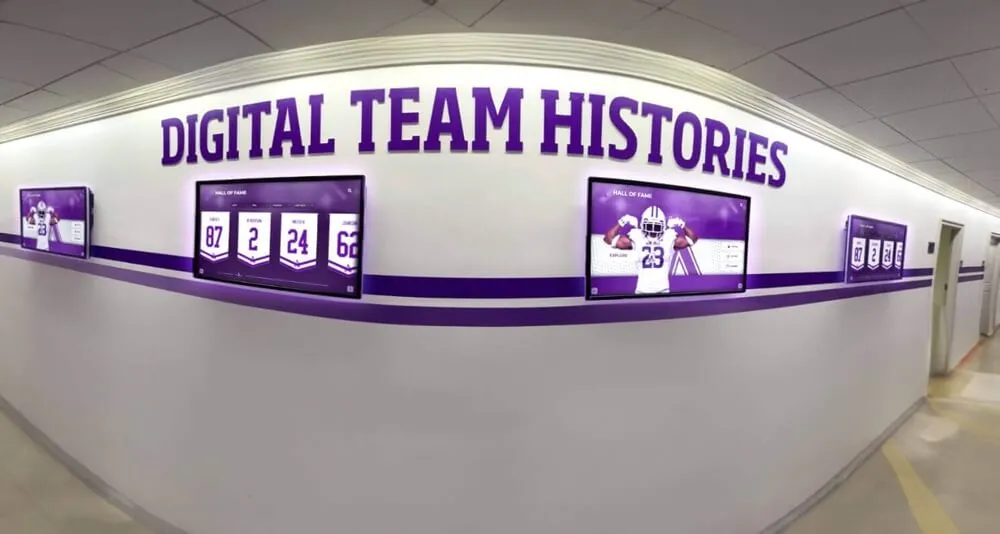
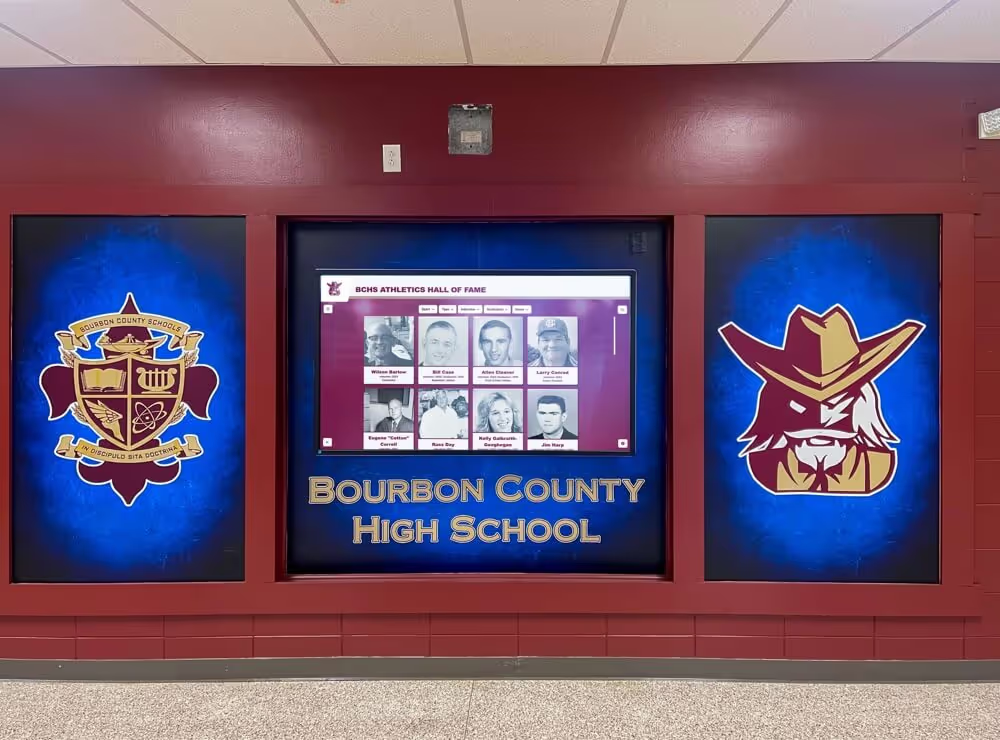
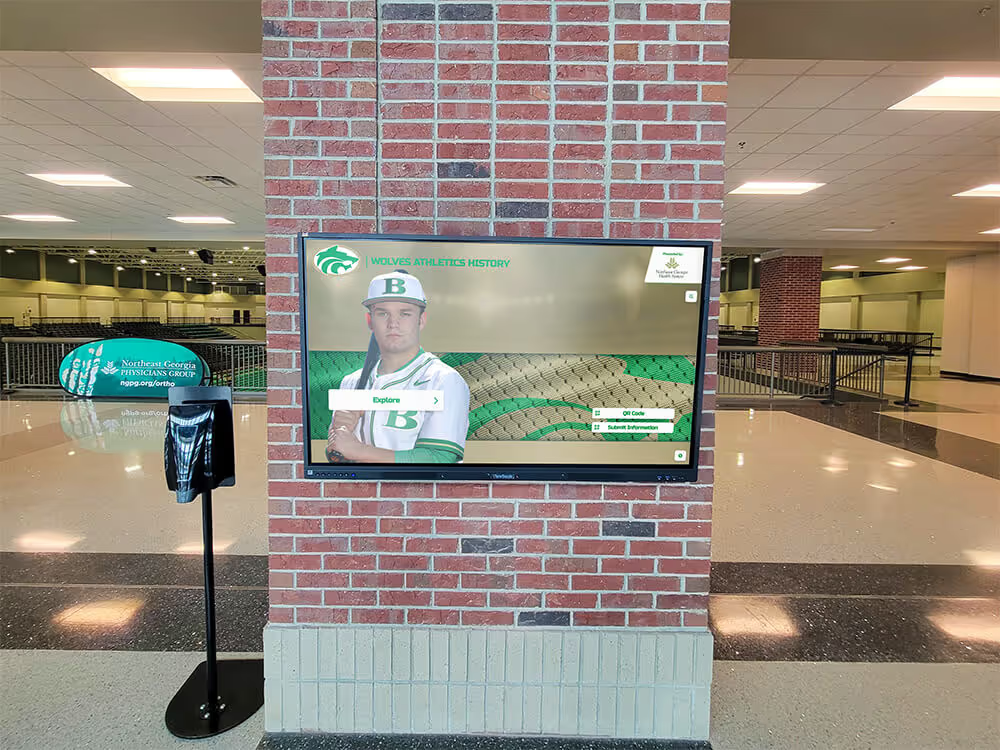
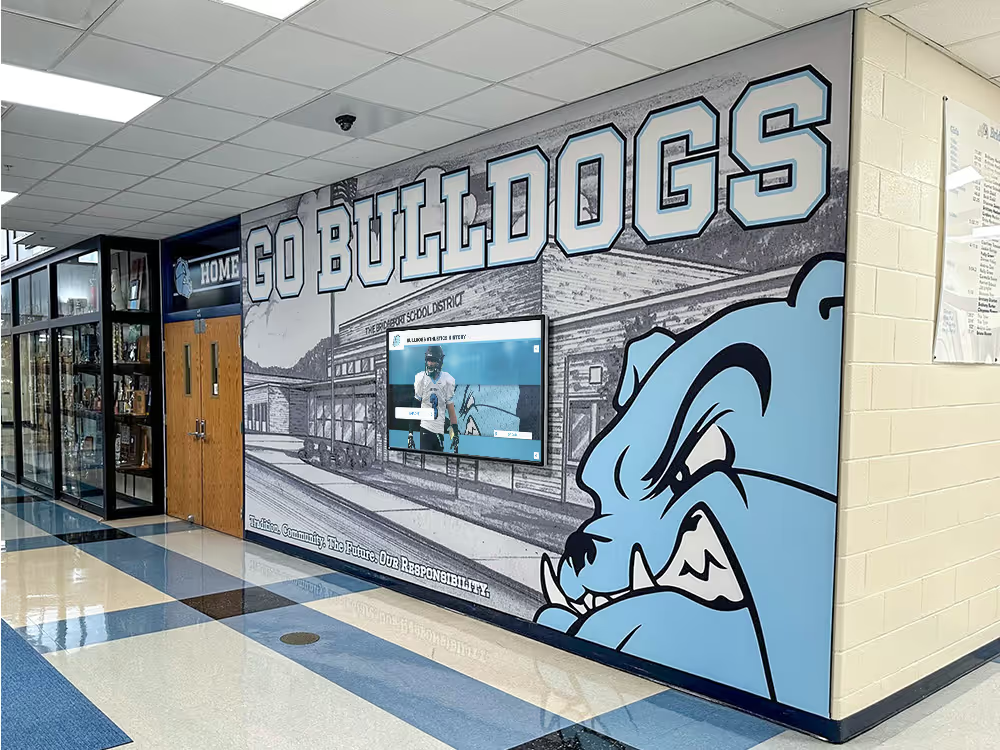
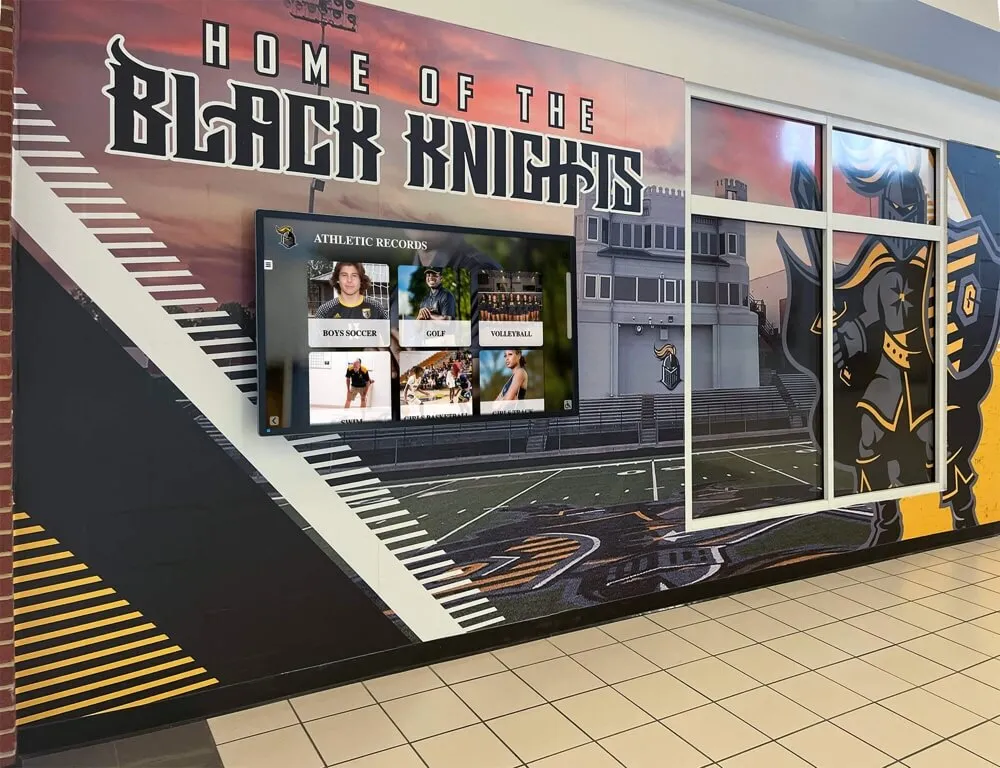
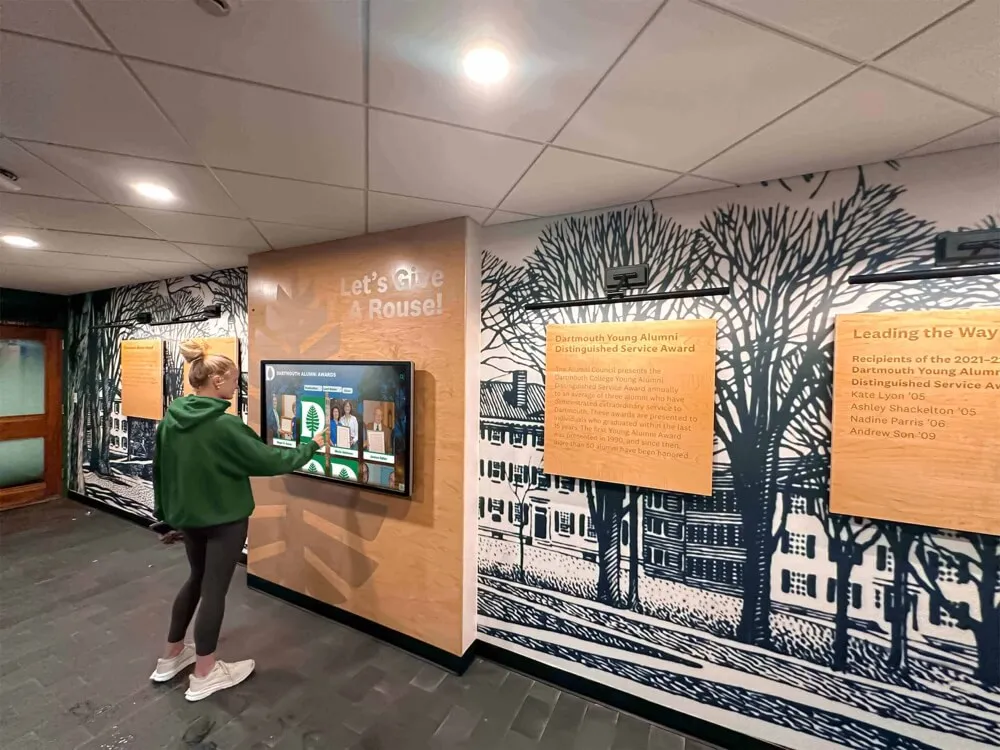
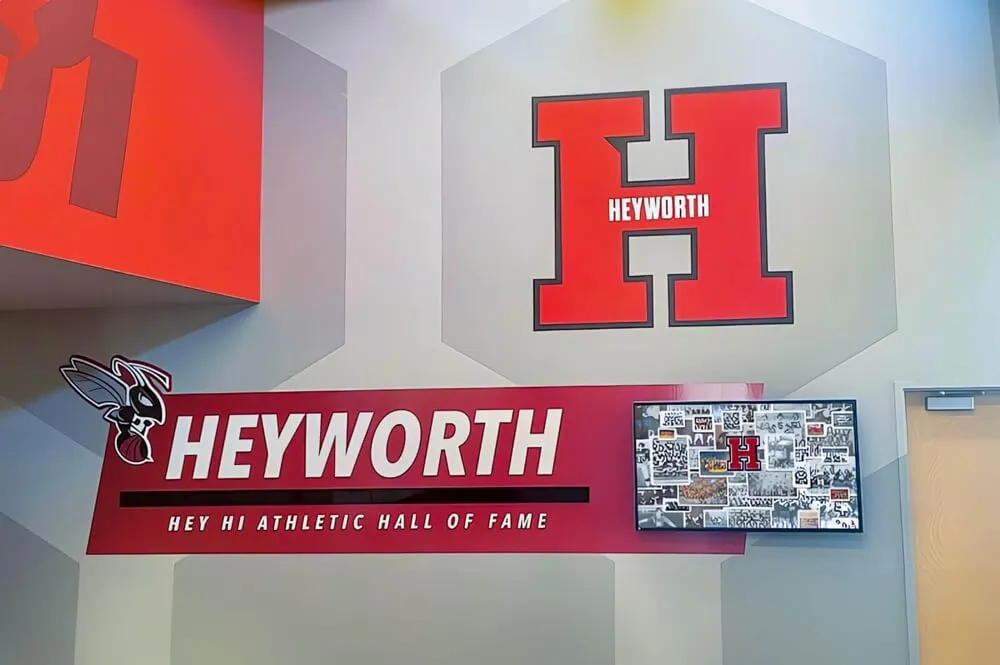
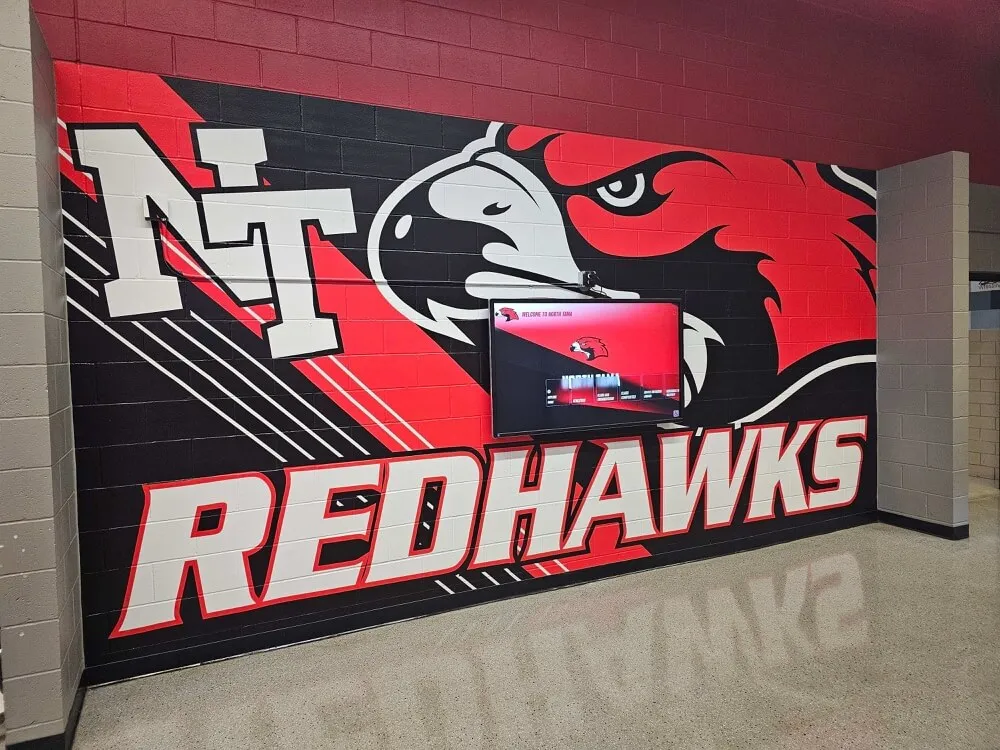
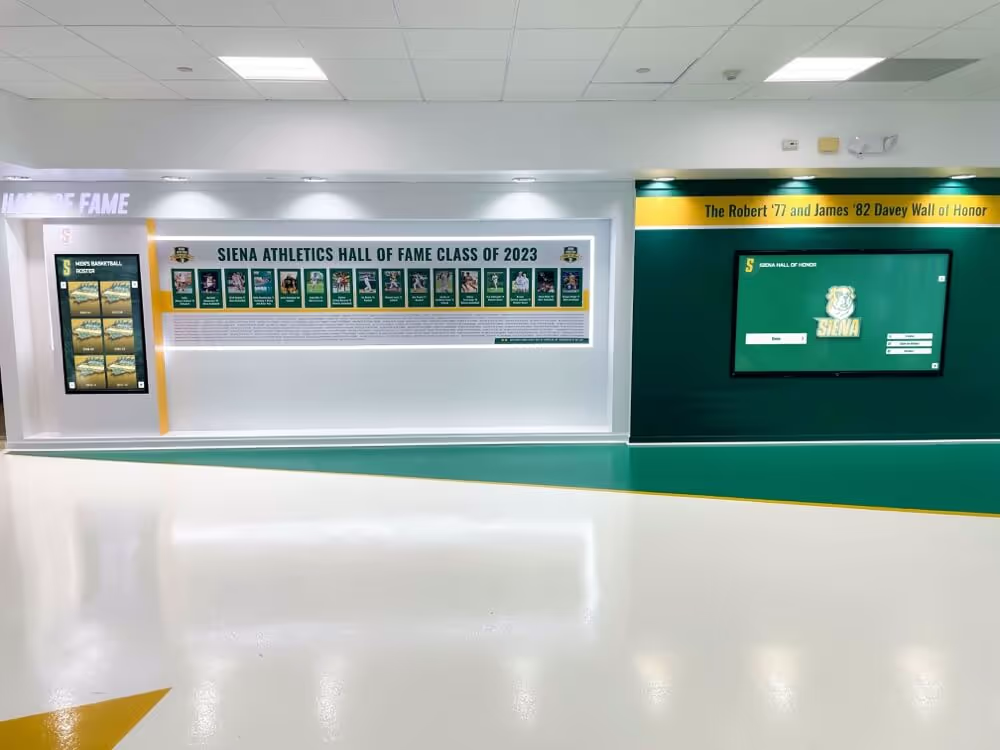
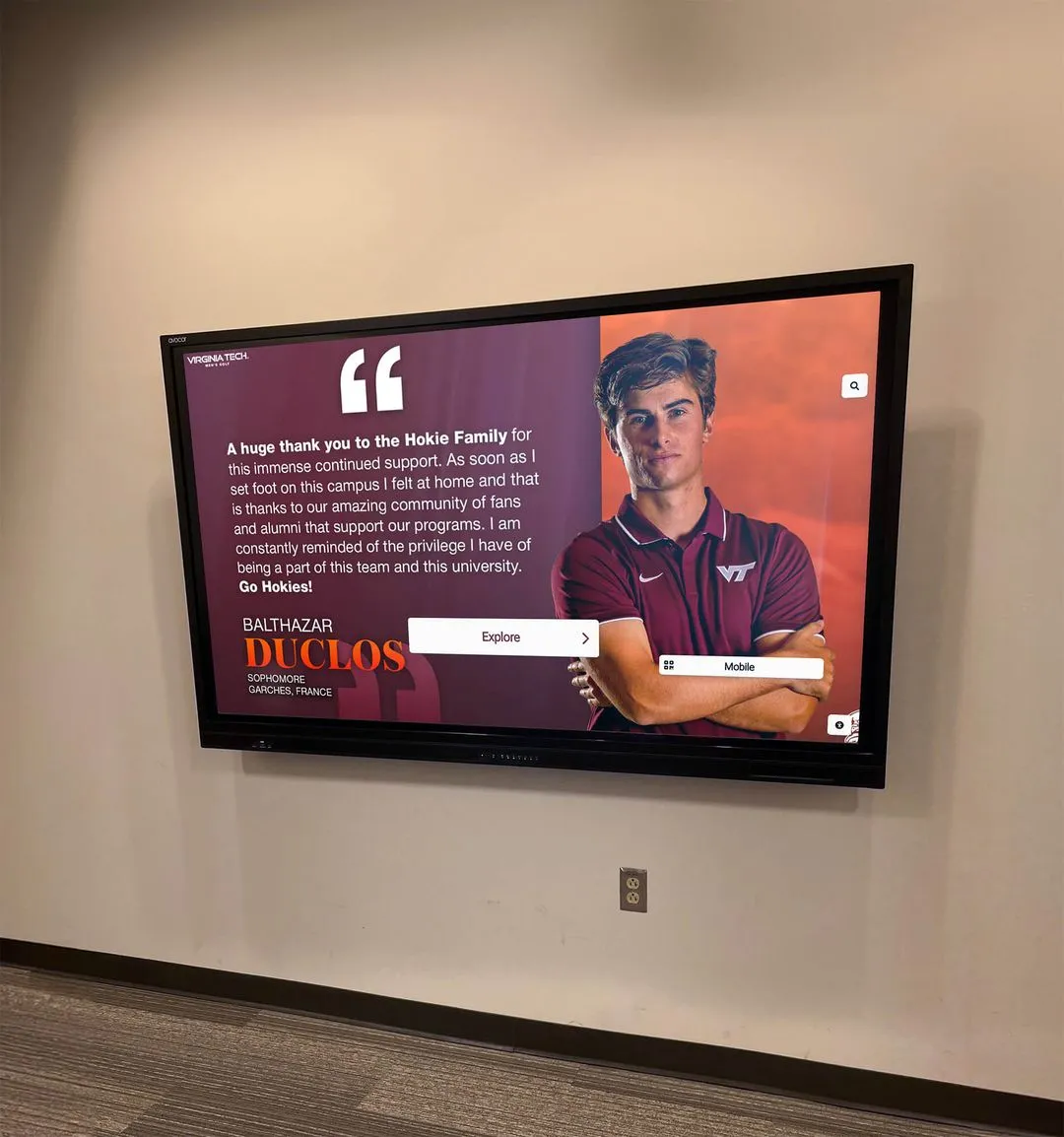
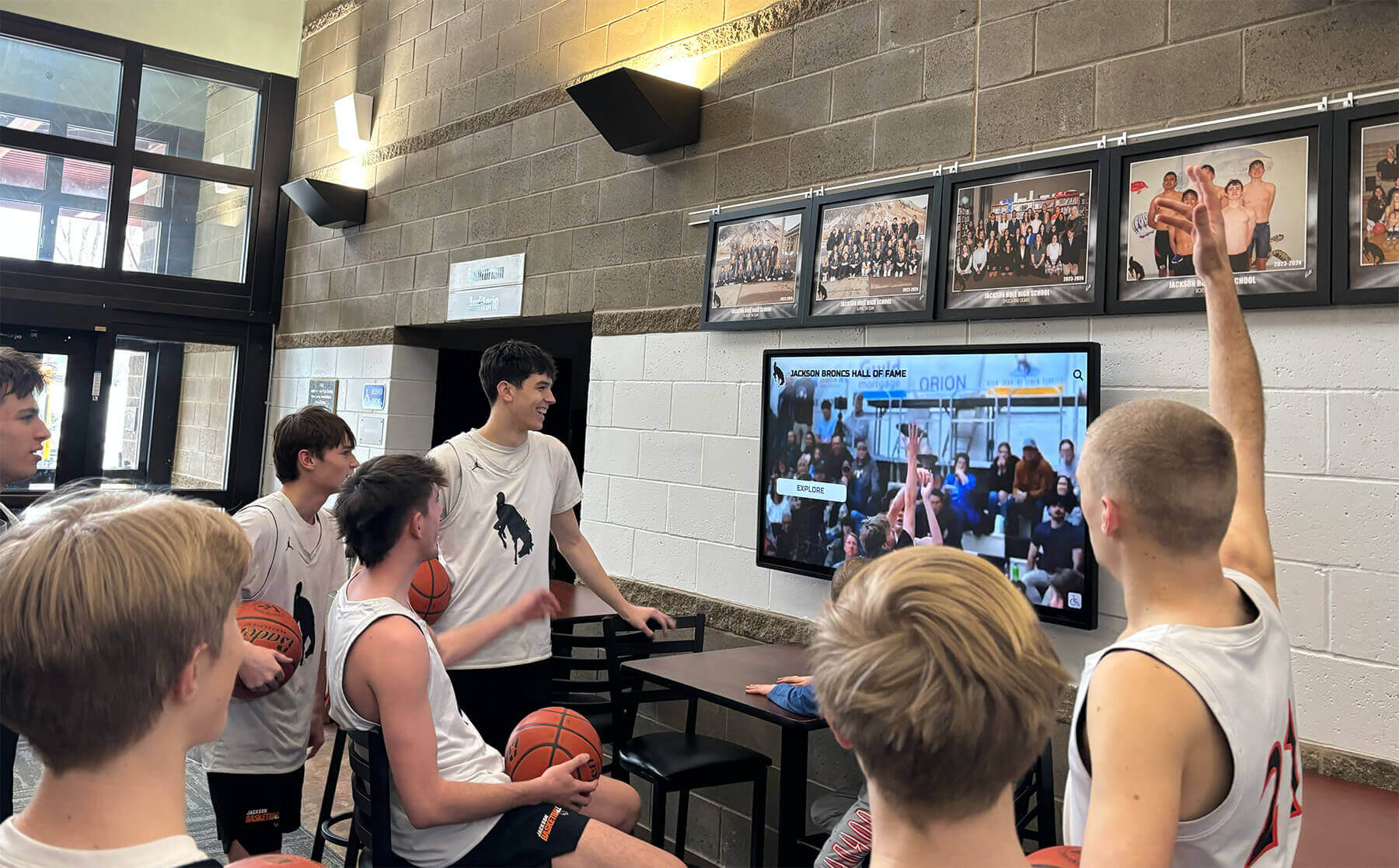
Modern recognition displays enable athletic programs to showcase championship moments and tournament excellence through engaging multimedia presentations
Understanding SEC Basketball Championship Legacy and Conference Excellence
The Southeastern Conference established its basketball tournament in 1933, creating annual championship drama that has produced legendary performances, upset victories, and program-defining moments throughout nearly a century of competition. Understanding this rich history helps schools appreciate what conference championship achievement represents while designing recognition systems appropriately celebrating these accomplishments.
The Evolution of SEC Tournament Excellence
SEC basketball has evolved from regional conference to national powerhouse, with tournament championships serving as springboards to NCAA tournament success and program-building momentum.
Historical Tournament Format and Growth
The SEC tournament began with eight teams competing in a compact format designed to crown a conference champion before the NCAA tournament selection process existed. As the conference expanded through realignment, the tournament grew to accommodate all member institutions, creating opportunities for lower-seeded teams to make championship runs while higher-seeded programs defended their regular season success.
Tournament venues have rotated among iconic basketball facilities throughout the Southeast, with cities like Nashville, Atlanta, and New Orleans hosting championship weekends that became regional celebrations drawing thousands of alumni and supporters. These traditional tournament locations created neutral-site atmospheres where championship games achieved legendary status through dramatic finishes and exceptional performances.
Schools exploring comprehensive approaches to basketball program recognition benefit from understanding how conference tournament achievements fit within broader athletic excellence frameworks.
Championship Dynasties and Program Builders
Certain SEC programs established tournament dynasties through sustained excellence spanning multiple decades. Kentucky dominated early tournament history, accumulating championship trophies while building a basketball culture that made tournament success an institutional expectation. Other programs like Florida, Alabama, Auburn, Arkansas, and Tennessee built their own championship traditions through memorable tournament runs and legendary coaching tenures.
These championship programs didn’t achieve tournament success accidentally—they invested in basketball infrastructure, recruited exceptional talent, developed player skill systematically, and created institutional cultures where SEC tournament championships represented achievable goals rather than distant aspirations. Recognizing these championship achievements preserves program history while demonstrating what sustained commitment to basketball excellence produces.

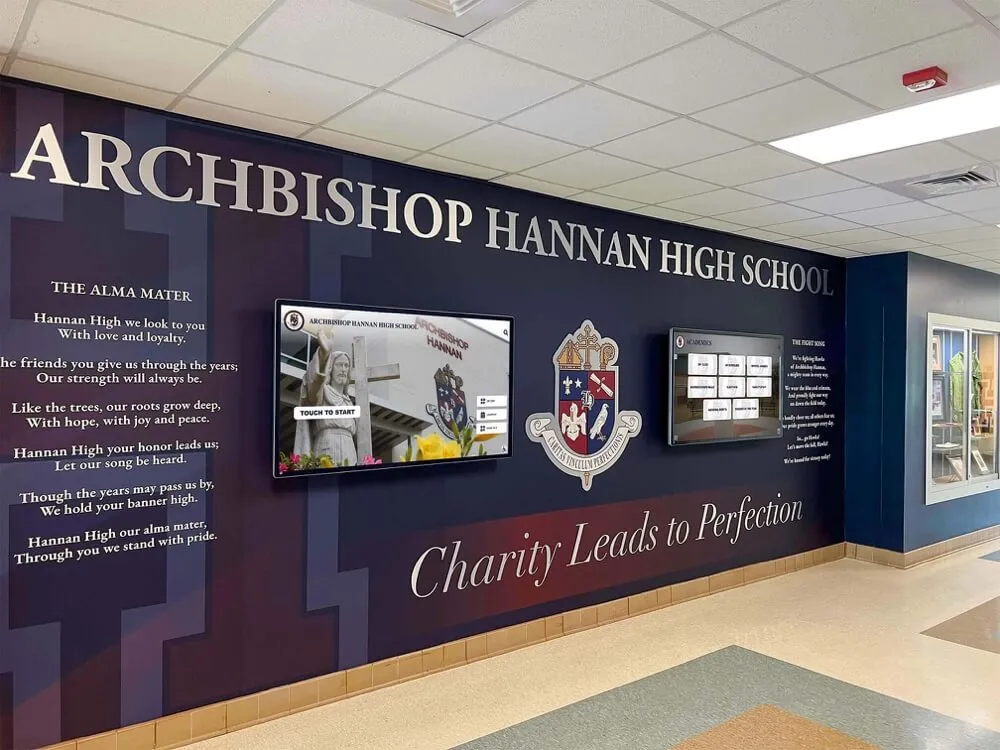
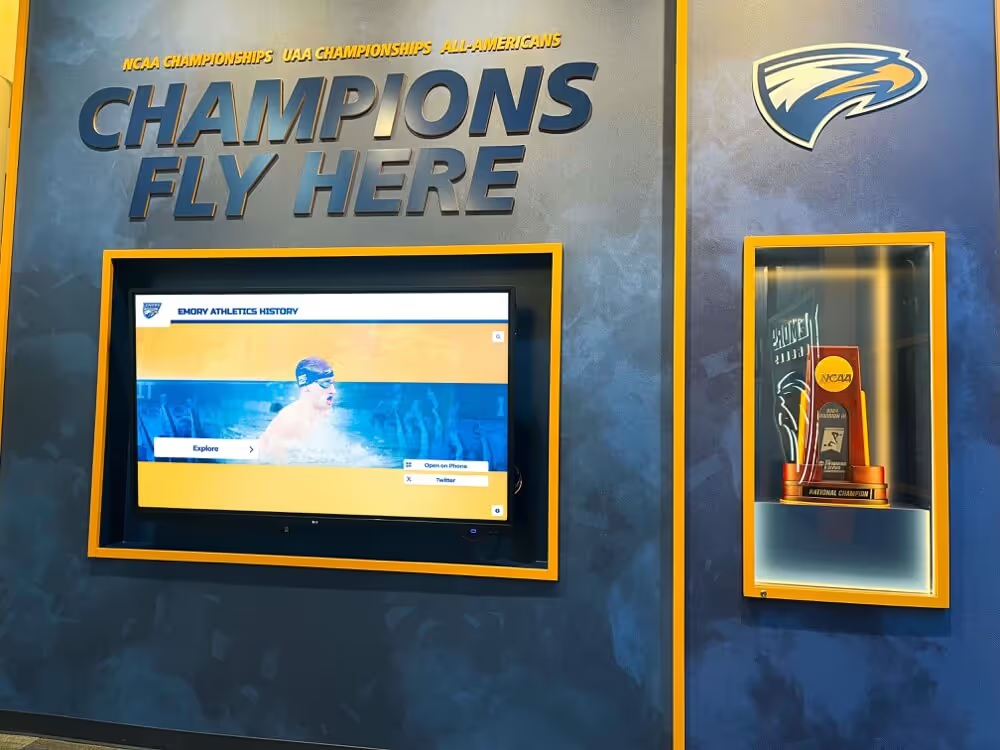
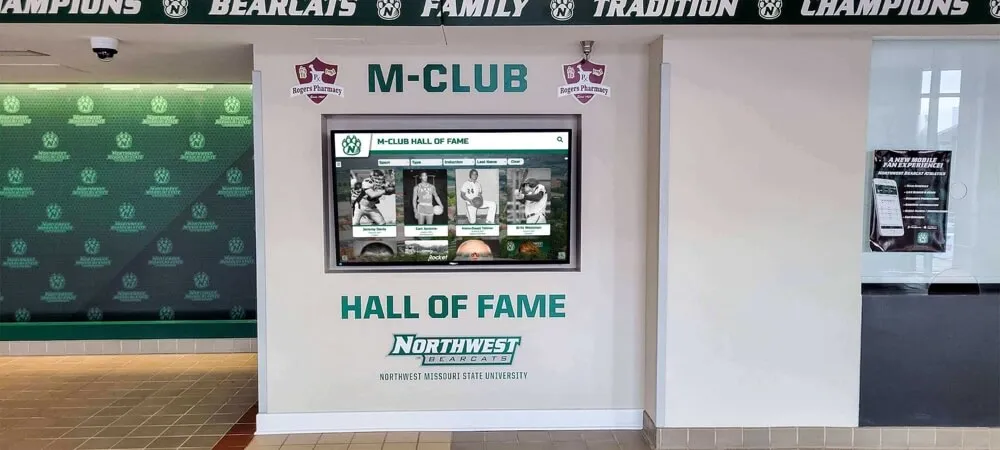
Professional recognition displays integrate championship histories within broader athletic excellence documentation
Legendary SEC Tournament Moments Worth Preserving
Conference tournament history includes performances and games that transcend statistics to become defining institutional moments deserving permanent recognition.
Championship Game Classics and Upset Victories
SEC tournament finals have produced countless memorable games where championship performances exceeded expectations or upset victories defied tournament seeding. These championship classics often featured future NBA stars delivering clutch performances, unheralded players elevating games when championships hung in balance, coaching strategy masterclasses showcasing tactical excellence, and overtime thrillers where championship possession changed hands multiple times before final outcomes.
Schools whose teams participated in these legendary championship contests should preserve game details through comprehensive documentation including final scores and key statistics, player performance highlights, coaching decisions defining outcomes, media coverage capturing contemporary reactions, and video footage when available showing how championships unfolded.
Individual Tournament Performances Defining Legacies
Certain players established SEC tournament legends through exceptional individual performances across championship weekends. Most Outstanding Player awards recognized tournament excellence, but memorable performances extended beyond final honors to include record-setting scoring outbursts, clutch shooting under championship pressure, defensive performances shutting down opposing stars, and leadership carrying teams to unlikely championships.
These individual tournament achievements deserve recognition alongside regular season accomplishments, demonstrating that championship moments under tournament pressure validated season-long excellence. For schools developing athletic achievement recognition programs, tournament performance documentation provides compelling content celebrating player excellence.
Coaching Milestones and Tournament Success
SEC tournament championships validated coaching excellence while providing career-defining moments for program builders. First tournament championships for new coaches established credibility, multiple championships demonstrated sustained excellence, tournament victories during rebuilding seasons showed coaching adaptability, and championship game coaching performances displayed tactical mastery.
Recognizing coaching achievement within tournament contexts honors leadership that enabled player success while preserving institutional knowledge about program development and basketball philosophy that created championship cultures. Understanding coaching recognition best practices helps athletic departments celebrate tournament success appropriately.
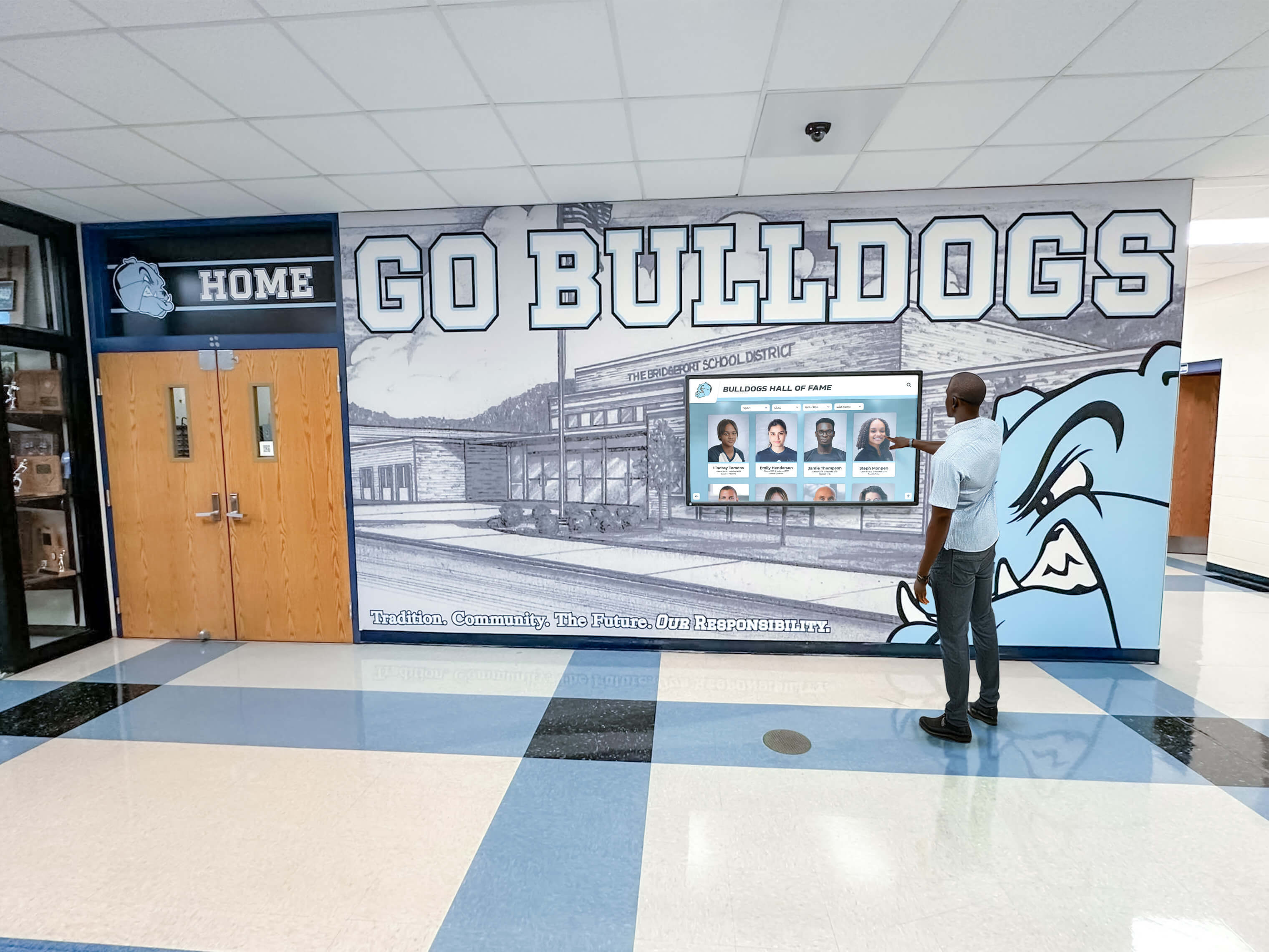
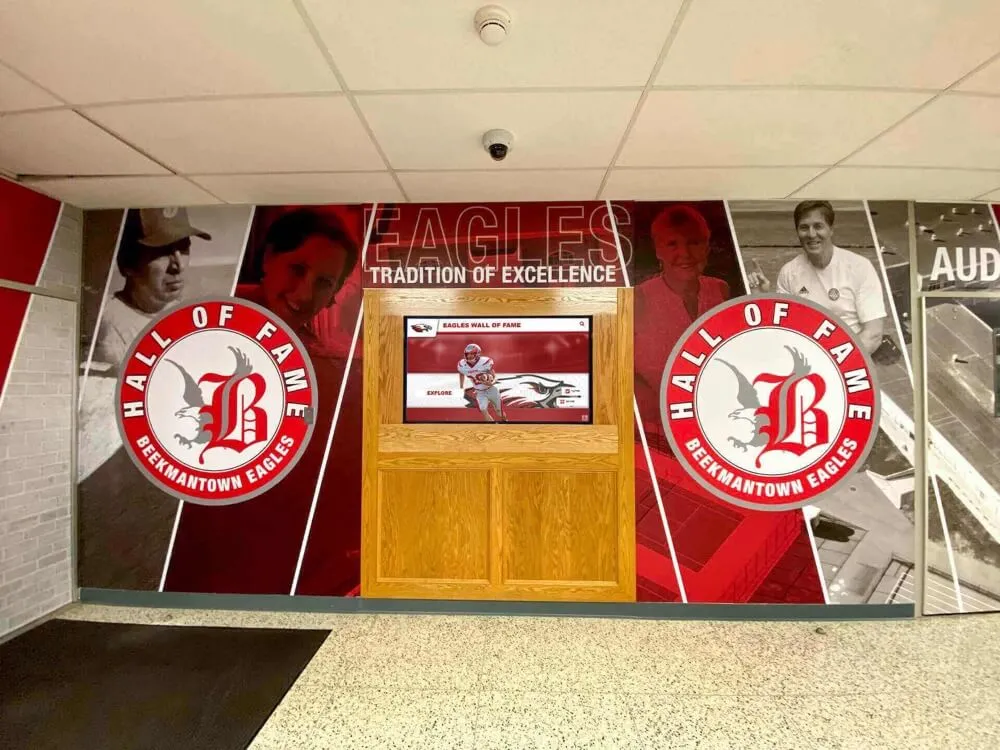
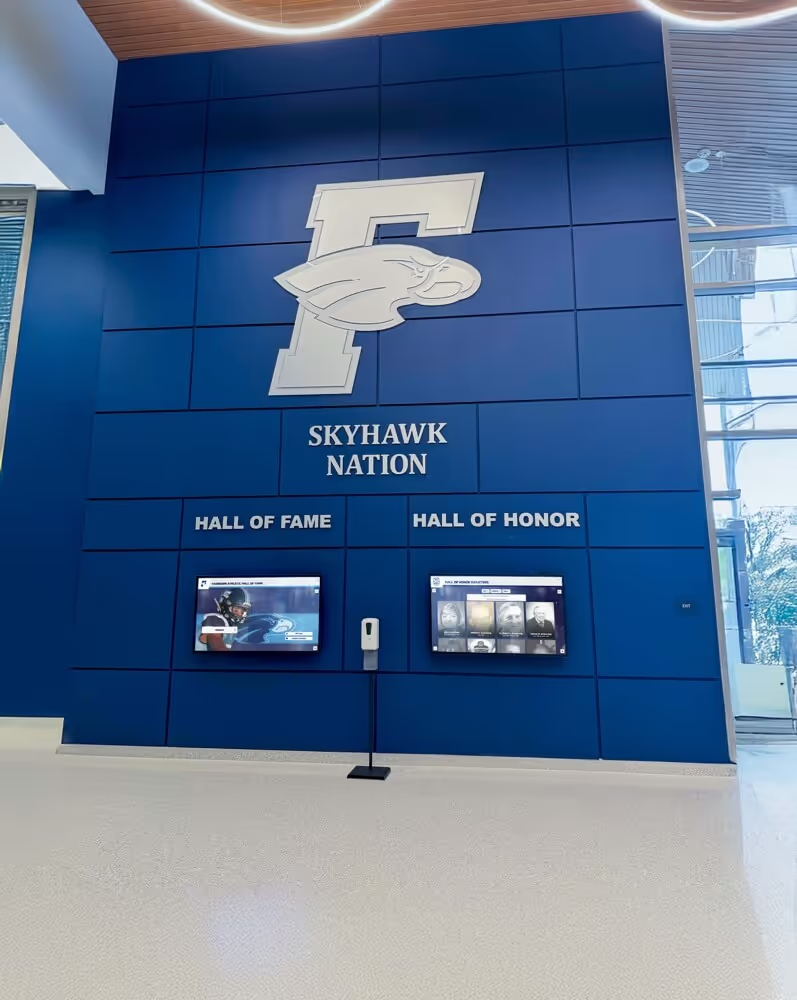
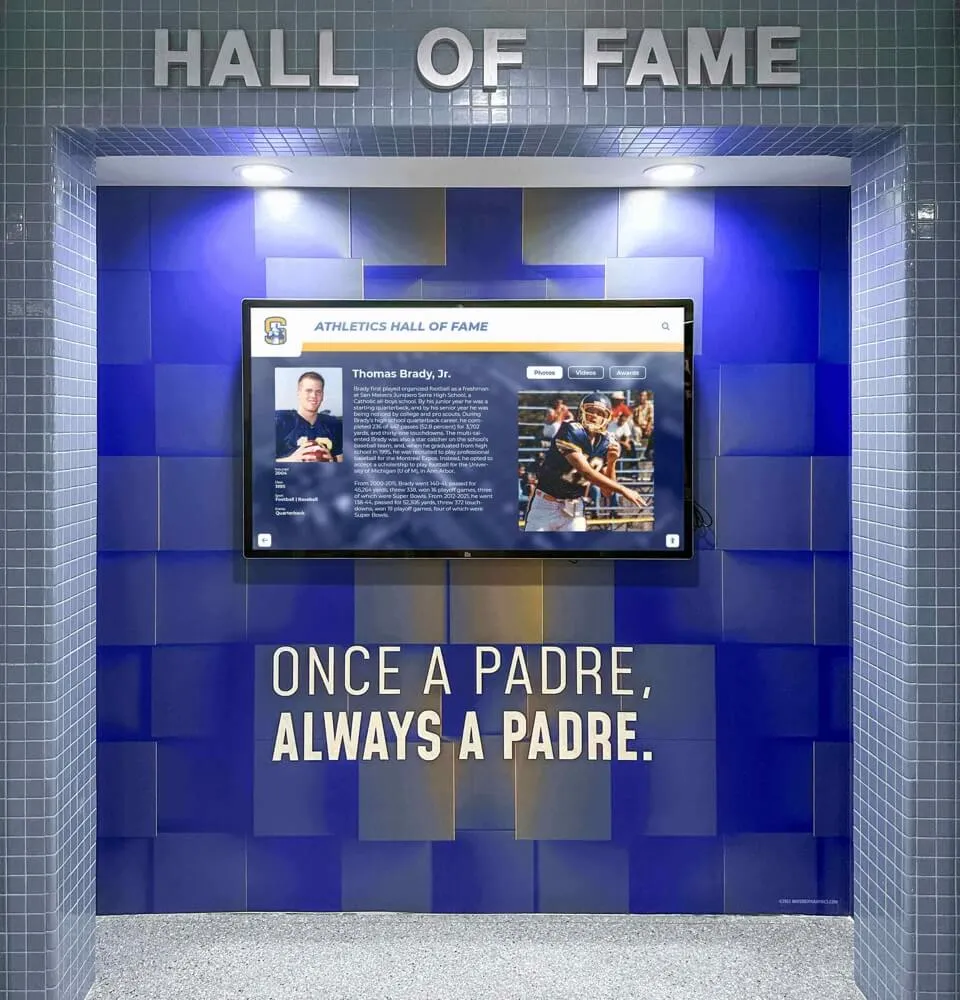
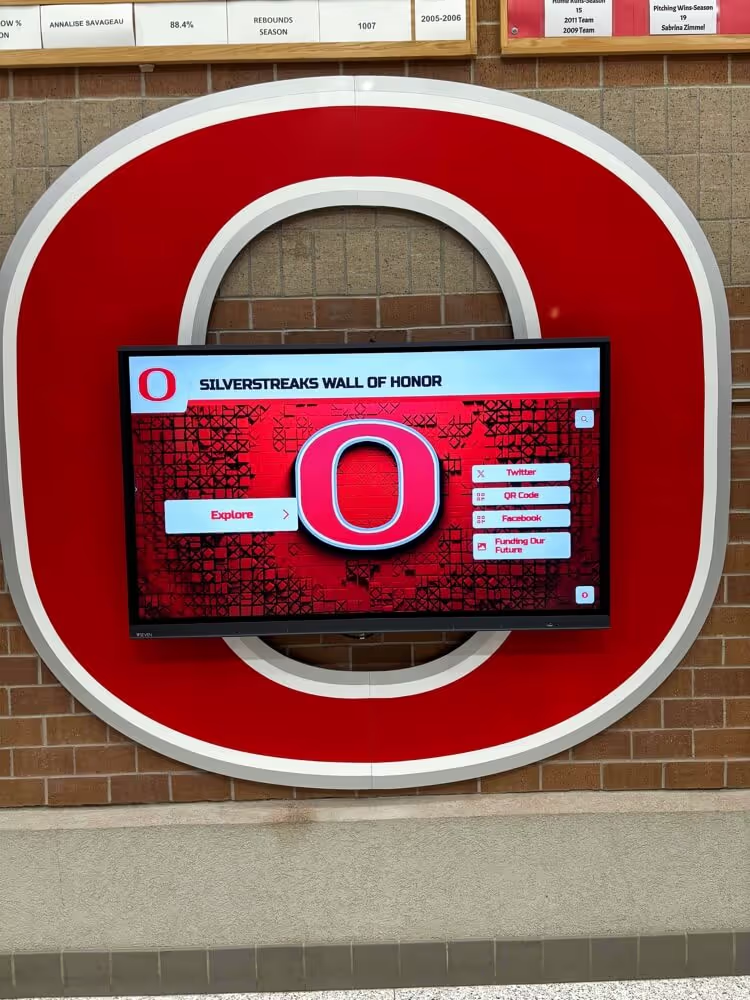
Interactive displays enable users to explore championship histories including tournament performances and conference excellence
Modern Recognition Solutions for Championship Achievement
Traditional championship recognition through trophy displays and banner hanging served programs well historically, but modern digital recognition platforms address limitations while providing enhanced capabilities for celebrating tournament excellence comprehensively.
Limitations of Traditional Championship Recognition
Physical championship displays face inherent constraints that restrict how effectively schools preserve tournament achievement.
Space Constraints and Recognition Capacity
Trophy cases and gymnasium banners eventually reach capacity after decades of championship success. Schools must make difficult decisions about which achievements receive continued visibility when physical display space becomes limited. Older championships risk being relocated to less visible storage while newer achievements occupy prime recognition areas, potentially creating perception that recent success matters more than historical accomplishments equally deserving honor.
This space limitation affects not just team championship recognition but also individual tournament performances, coaching milestones, and memorable games that defined program trajectory. Without comprehensive recognition capacity, athletic departments preserve only small fractions of complete championship narratives deserving documentation.
Limited Storytelling and Context
Championship banners and trophy displays communicate basic achievement facts—what championship was won, which year success occurred, and perhaps which key players contributed. However, these static formats cannot convey the complete championship story including how teams advanced through tournament brackets, which performances proved decisive, what obstacles teams overcame, how championships affected program momentum, or where tournament success fit within broader program development.
This limited storytelling capacity means championship recognition fails to inspire current athletes fully or engage alumni seeking connection to tournament memories they experienced or heard about from earlier generations.
Maintenance Challenges and Update Difficulties
Physical championship recognition requires ongoing maintenance including polishing trophies, repairing display cases, replacing faded banners, and updating static displays when new information emerges. These maintenance demands create administrative burdens while physical modifications prove costly when championship achievements require expanded recognition or historical corrections become necessary.
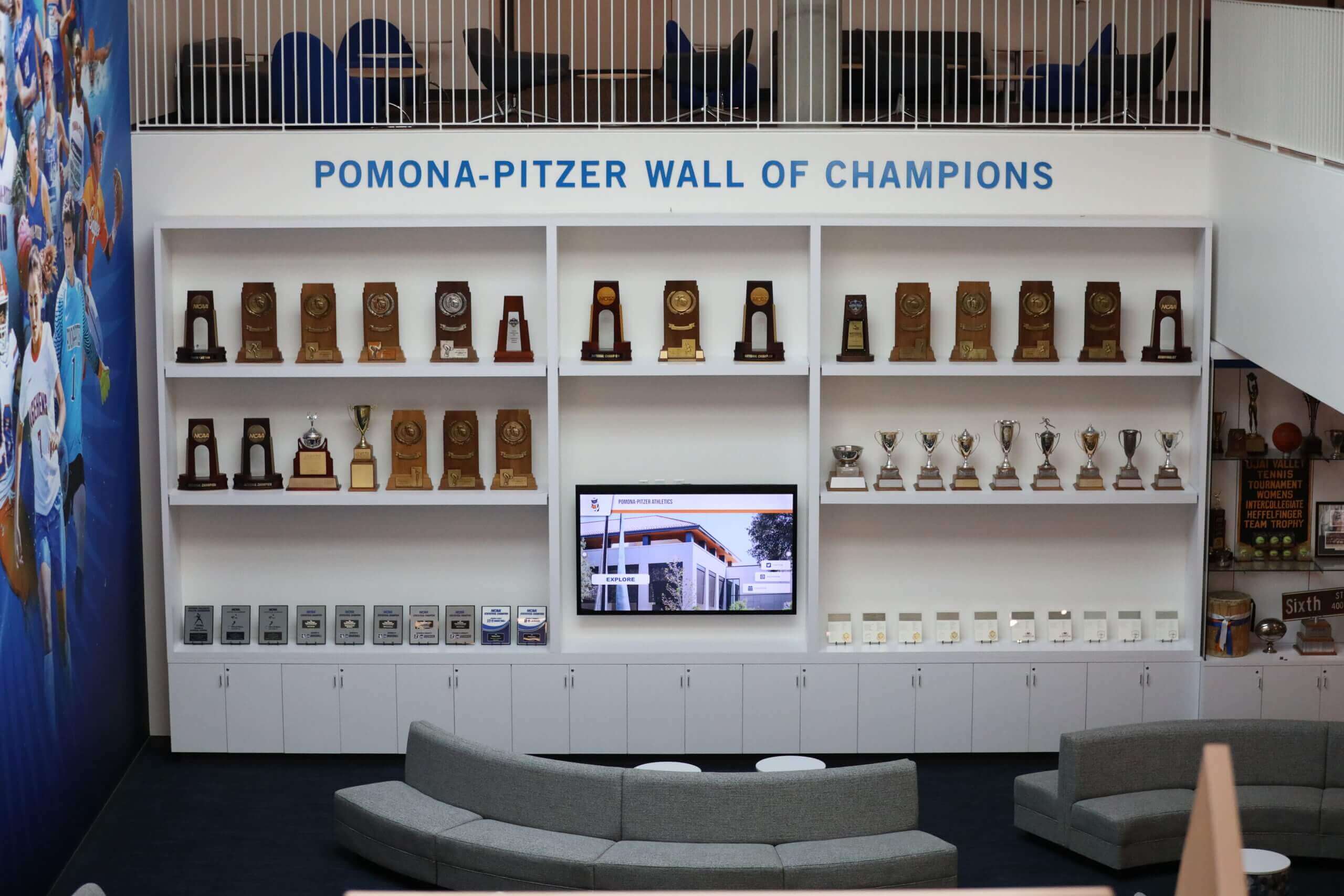
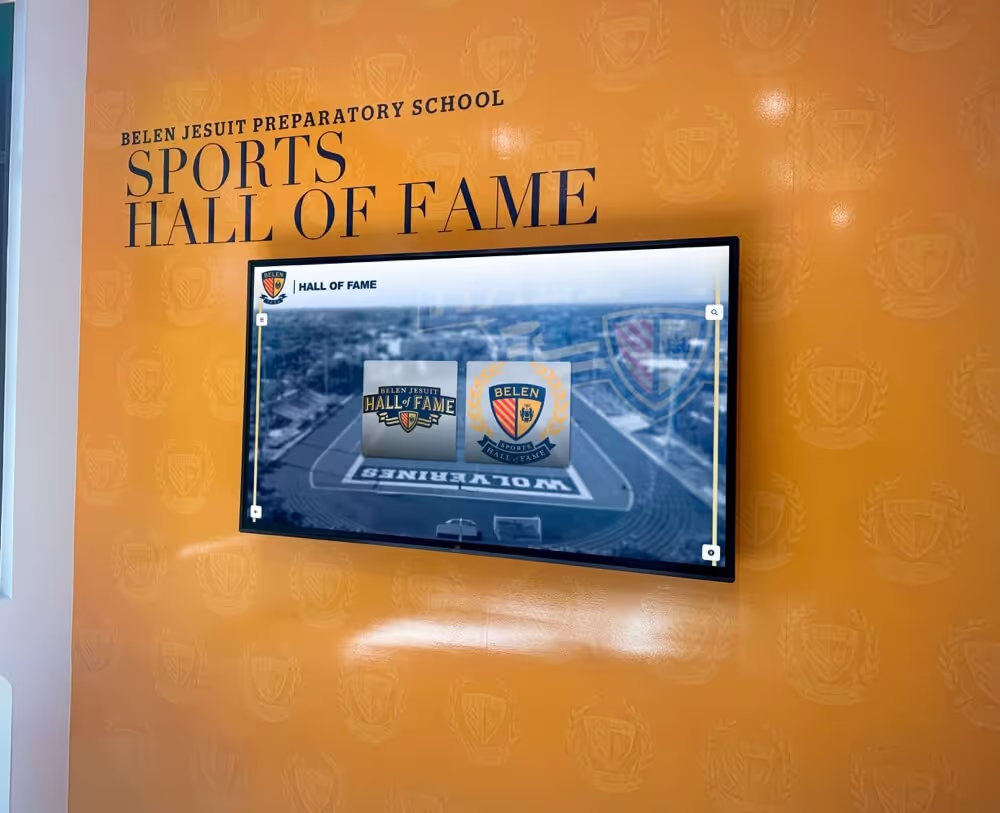
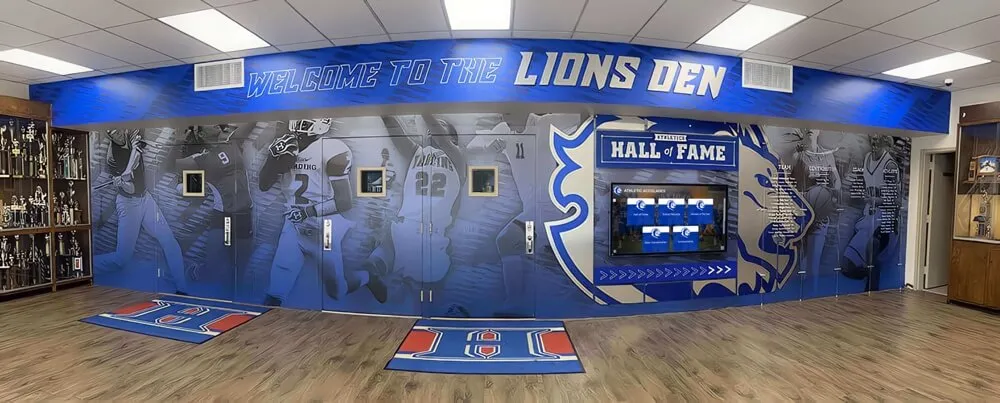
Recognition spaces combine traditional trophy displays with comfortable areas where visitors explore championship heritage
Accessibility and Reach Limitations
Traditional physical displays reach only those who physically visit athletic facilities. Alumni living beyond campus proximity, prospective recruits evaluating programs, and community supporters interested in program history cannot access championship recognition without traveling to campus, limiting how effectively recognition preserves championship legacies and builds program support.
Digital Recognition Advantages for Championship Celebration
Modern digital platforms address traditional recognition limitations while enabling championship celebration at unprecedented scale and depth.
Unlimited Championship Documentation Capacity
Digital recognition systems accommodate comprehensive championship documentation without physical space constraints. A single interactive display can showcase every SEC tournament appearance in program history, complete game-by-game tournament results, individual player tournament statistics across careers, coaching records in conference tournament competition, and championship team rosters with complete player profiles.
This unlimited capacity ensures every deserving championship achievement receives permanent recognition regardless of when success occurred, honoring complete program history rather than selectively celebrating only the most prominent championships while neglecting others equally meaningful to participants and supporters.
Rich Multimedia Storytelling and Engagement
Digital platforms transform basic championship recognition into compelling narrative experiences through high-resolution championship game photography, video highlight packages from tournament performances, detailed statistical breakdowns showing how championships unfolded, audio clips from championship broadcasts and celebrations, biographical narratives about championship teams and key contributors, and interactive tournament bracket visualizations.
This multimedia richness creates emotional engagement that simple trophy displays cannot achieve, bringing championship moments to life for viewers while appropriately celebrating achievement depth. Schools implementing digital athletic displays report significantly higher visitor engagement compared to traditional static recognition approaches.

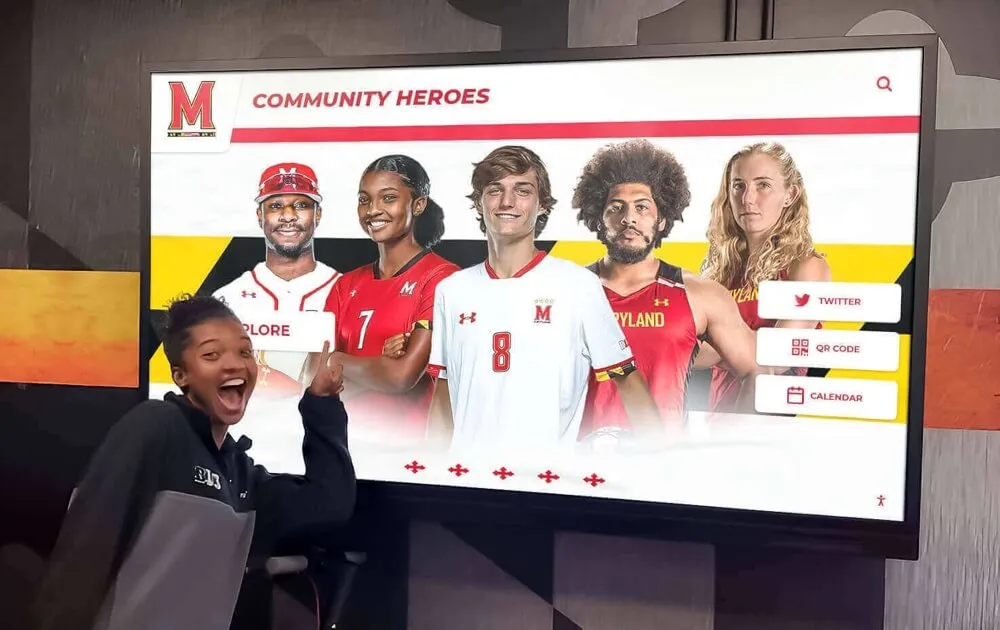
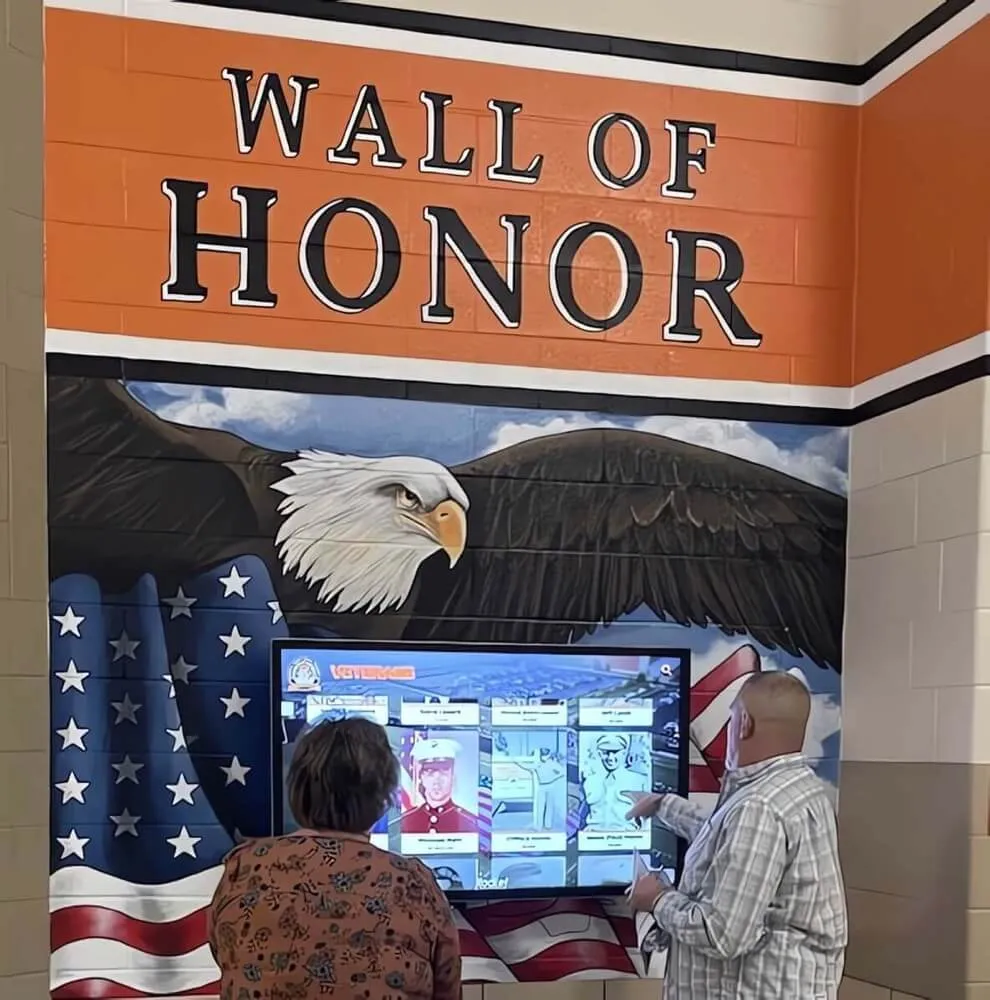
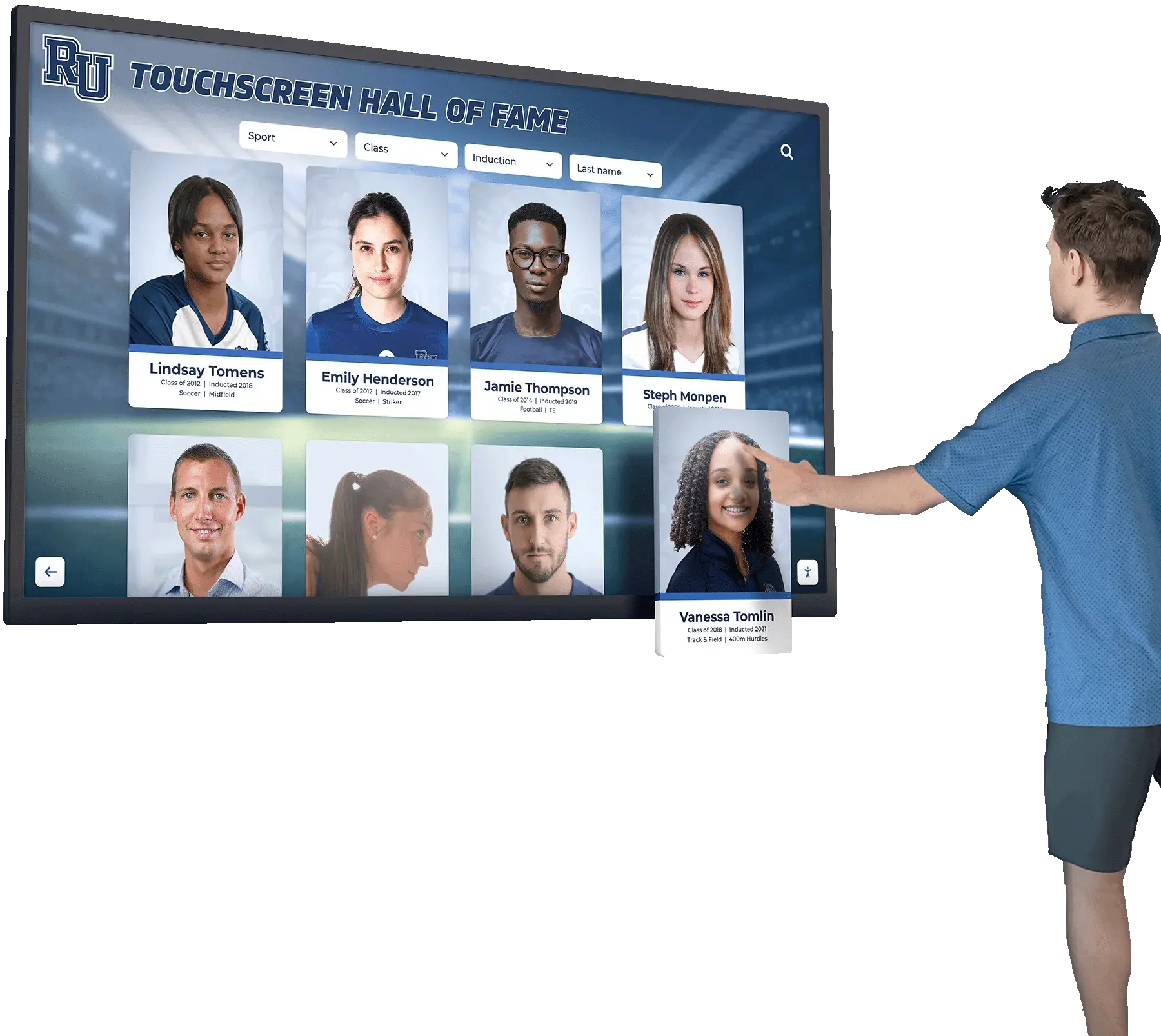
User-friendly touchscreen interfaces enable visitors to explore championship achievements through detailed player profiles and tournament documentation
Simple Content Management and Updates
Cloud-based digital recognition enables athletic staff to manage championship content remotely without requiring technical expertise. Schools can add current tournament results immediately after championship games, update championship records as seasons progress, enhance existing profiles with newly discovered historical content, correct statistical errors when identified, and feature seasonal themes highlighting relevant championship anniversaries.
This management flexibility ensures championship recognition remains current and accurate rather than becoming static at installation date, a common limitation affecting traditional physical displays requiring professional modifications for updates.
Extended Accessibility Through Web Integration
Digital recognition extends beyond physical campus locations through mobile-responsive web displays accessible globally, shareable championship content alumni can distribute through social media, integration with athletic department websites and communications, virtual exploration for recruits and remote supporters, and archived championship documentation preserving program history permanently.
This extended accessibility proves particularly valuable for geographically dispersed alumni communities and prospective recruits evaluating programs from distance, enabling championship recognition to build program support regardless of physical facility access.
Implementing Championship Recognition Programs
Schools ready to enhance championship recognition should follow systematic implementation processes ensuring successful program launches and sustainable long-term operation.
Assessment and Planning Phase
Successful championship recognition begins with thorough assessment of current approaches and clear definition of program objectives.
Evaluating Current Recognition Limitations
Begin by documenting existing championship recognition including what championship achievements currently receive visibility, where recognition appears within athletic facilities, what information existing displays communicate, which achievements lack adequate recognition, and how effectively current approaches engage visitors and inspire athletes.
This assessment reveals recognition gaps and improvement opportunities while clarifying what successful championship recognition systems must accomplish beyond current capabilities.
Defining Recognition Program Goals
Clear objectives ensure championship recognition serves meaningful purposes including honoring complete tournament history comprehensively, inspiring current student-athletes through visible excellence examples, engaging alumni through connection to championship memories, supporting recruiting by demonstrating program tradition, and preserving institutional athletic heritage for future generations.
These defined goals provide evaluation criteria for technology solutions while ensuring championship recognition aligns with broader athletic department and institutional objectives. Schools developing comprehensive recognition benefit from understanding athletic program recognition strategies across multiple achievement dimensions.

Strategic lobby placement ensures championship recognition reaches diverse audiences including student-athletes, visitors, and community members
Budget Development and Resource Allocation
Comprehensive championship recognition requires appropriate investment across multiple categories including digital display hardware for interactive installations, content management platform licensing and support, professional content development for historical championships, photography and video production for visual content, installation and infrastructure modifications, and ongoing operational support for content updates and system maintenance.
Realistic budget planning prevents implementation challenges while ensuring recognition systems receive adequate resources for quality execution. Many athletic departments fund championship recognition through booster contributions, naming opportunities, or capital campaign allocations recognizing that championship celebration serves broader institutional advancement objectives beyond athletics alone.
Technology Selection and Platform Evaluation
Digital recognition platforms vary significantly in capabilities, user experience, and long-term sustainability—careful evaluation ensures appropriate technology selection.
Essential Platform Capabilities
Effective championship recognition systems should provide intuitive content management requiring no technical expertise, unlimited recognition capacity accommodating complete program history, professional design templates aligned with institutional branding, multimedia support for photos, videos, and audio content, search and filtering enabling users to find specific content easily, mobile-responsive design ensuring accessibility across devices, social sharing features amplifying championship recognition, and comprehensive analytics showing how visitors engage with content.
These capabilities distinguish purpose-built recognition platforms from generic digital signage systems lacking specialized features championship celebration requires.
Hardware Considerations and Display Options
Physical display quality significantly affects visitor experience and long-term satisfaction including commercial-grade touchscreens rated for continuous public operation, appropriate screen sizes for installation locations and viewing distances, responsive touch technology providing immediate feedback, protective enclosures for high-traffic or vulnerable locations, flexible mounting options including wall-mounted and freestanding kiosks, and ADA-compliant accessibility features ensuring universal access.
Consumer-grade equipment proves inadequate for educational environments requiring reliable operation despite heavy daily use by diverse user populations.
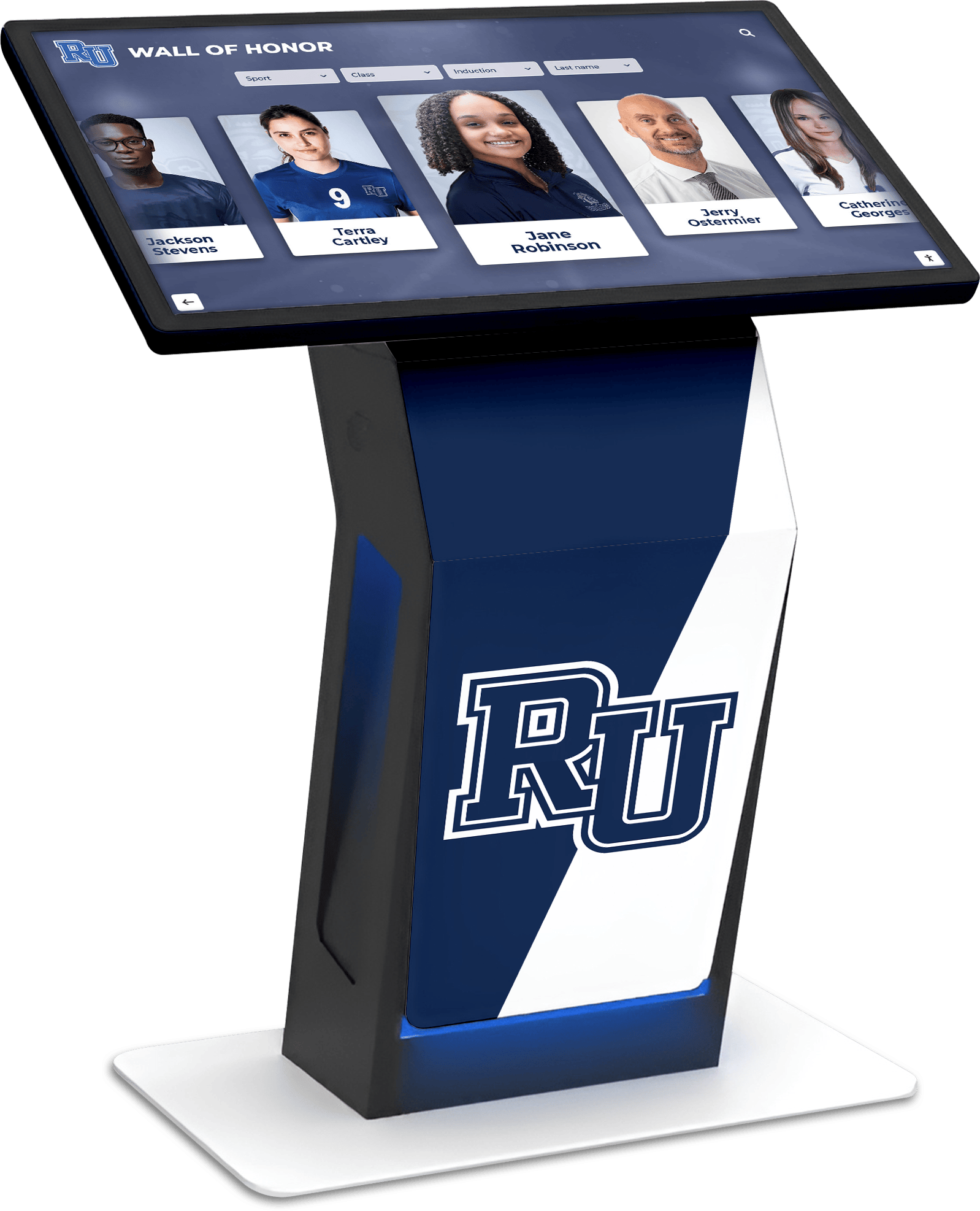
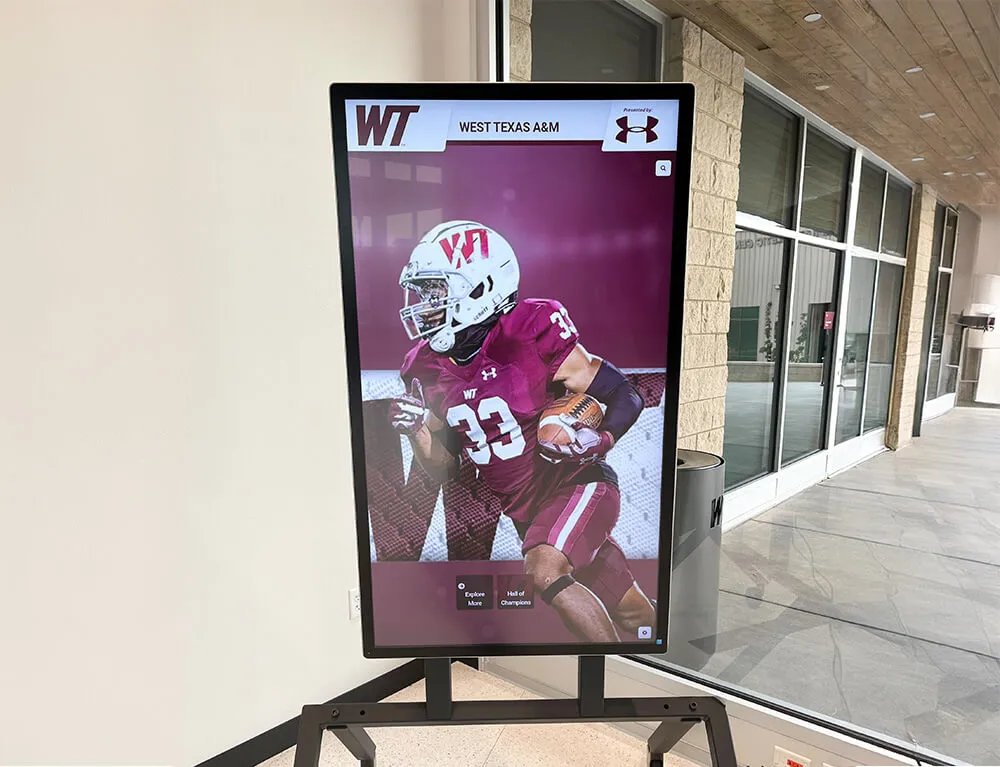
Professional kiosk installations provide self-contained championship recognition suitable for multiple facility locations
Vendor Evaluation and Partnership Selection
Championship recognition represents long-term institutional investment—vendor selection affects both initial implementation quality and ongoing support sustainability. Evaluate potential partners based on specialized experience with athletic recognition specifically, reference customers at comparable institutions, content management platform capabilities and ease-of-use, hardware quality and commercial-grade specifications, implementation process and timeline commitments, training and ongoing support provisions, pricing transparency and total cost of ownership, and platform evolution and feature enhancement roadmaps.
Solutions like Rocket Alumni Solutions provide comprehensive platforms designed specifically for athletic recognition with content management systems enabling non-technical staff to maintain championship documentation independently while professional hardware ensures reliable operation in demanding institutional environments.
Content Development and Historical Documentation
Recognition program quality depends heavily on comprehensive content documenting championship achievements thoroughly.
Historical Research and Information Gathering
Building complete championship recognition requires systematic historical research including reviewing yearbooks and media guides for tournament documentation, searching newspaper archives for contemporary championship coverage, interviewing former coaches and players about tournament memories, compiling statistical records from official conference sources, collecting championship photographs from institutional archives and personal collections, and locating video footage from championship games when available.
This research proves time-intensive but creates foundational content ensuring championship recognition honors complete program history rather than only recent achievements benefiting from better documentation.
Championship Profile Development Standards
Comprehensive championship recognition should document complete tournament context including championship year and tournament location, tournament seed and path to championship game, game-by-game results with scores and key performances, championship game detailed summary with turning points, complete roster with individual tournament statistics, coaching staff recognition and achievement context, championship celebration documentation and institutional impact, and subsequent NCAA tournament performance when championships preceded selection.
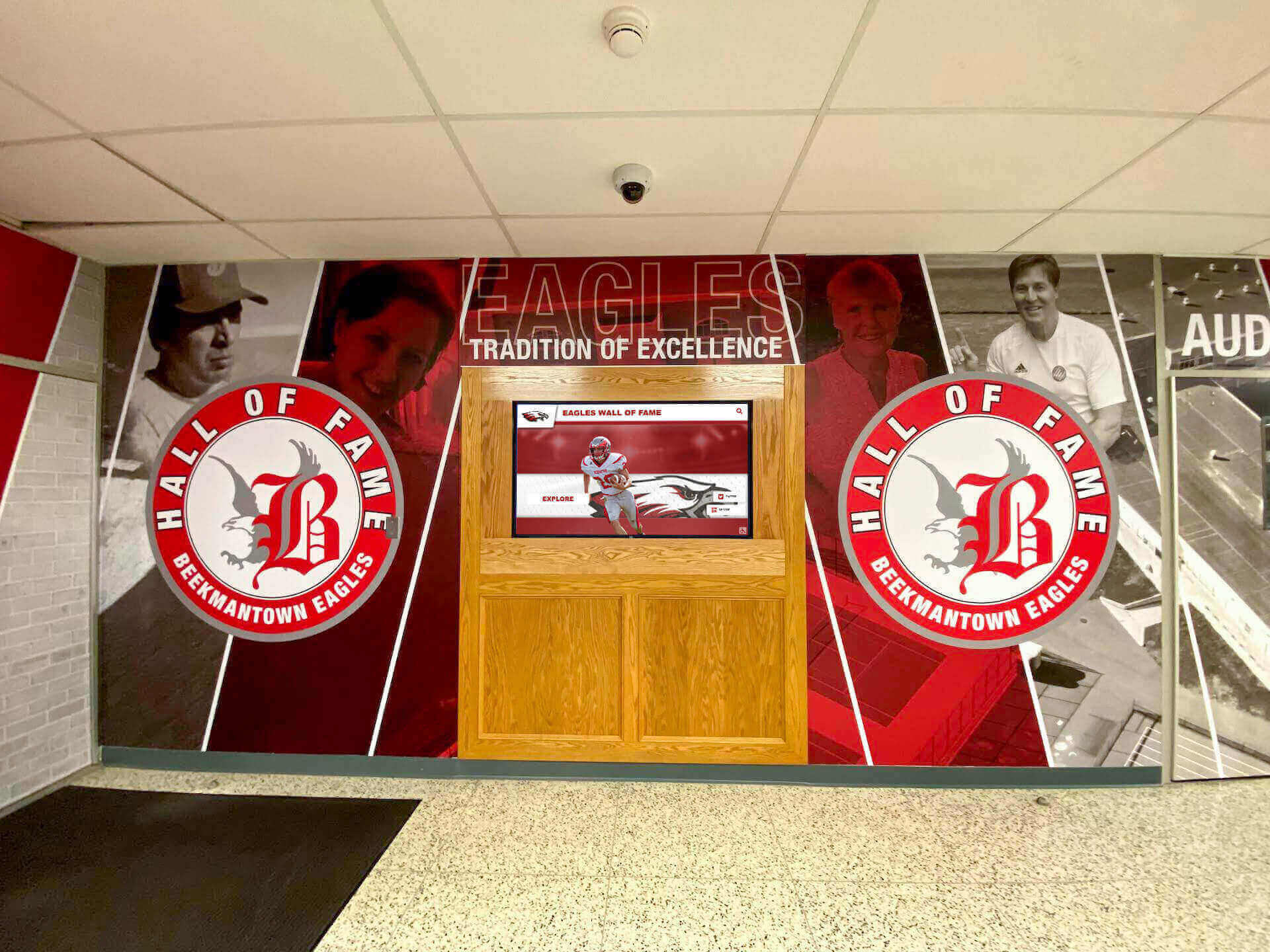
Comprehensive recognition environments integrate branded design with championship documentation creating memorable visitor experiences
These complete profiles transform simple championship acknowledgment into compelling historical documentation preserving not just outcomes but complete tournament narratives including challenges overcome and performances defining success.
Individual Achievement Recognition Within Championships
Championship teams featured individual excellence deserving specific acknowledgment including tournament Most Outstanding Player recipients, all-tournament team selections, record-setting tournament performances, clutch performances in crucial games, and statistical leaders across championship tournaments.
This individual recognition within team championship contexts honors complete achievement stories while demonstrating that championships required both collective excellence and individual performances rising to tournament pressure moments.
Best Practices for Sustainable Championship Recognition
Long-term recognition program success requires ongoing management ensuring championship documentation remains current and accurate through personnel changes and program evolution.
Administrative Ownership and Responsibility Assignment
Clear accountability prevents championship recognition from becoming stale or inconsistent over time.
Staff Role Definition and Task Assignment
Designate specific responsibilities including athletic communications coordination for championship content creation, sports information staff for statistical accuracy and record verification, digital content management for platform updates and feature enhancements, historical research continuation for expanding documentation depth, and executive oversight ensuring recognition alignment with institutional objectives and quality standards.
Written role descriptions with specific deliverables prevent ambiguity while ensuring critical maintenance tasks receive attention regardless of staff turnover affecting personnel continuity.
Annual Review and Enhancement Protocols
Establish systematic processes for championship recognition maintenance including post-season updates adding current tournament results, historical expansion as research uncovers additional documentation, content quality reviews identifying errors or enhancement opportunities, user experience assessment gathering feedback about navigation and features, and platform optimization based on analytics showing engagement patterns.
These structured reviews ensure championship recognition continuously improves rather than degrading as initial implementation enthusiasm fades and competing priorities demand attention. Schools implementing effective recognition program management report sustained engagement years after initial launches.
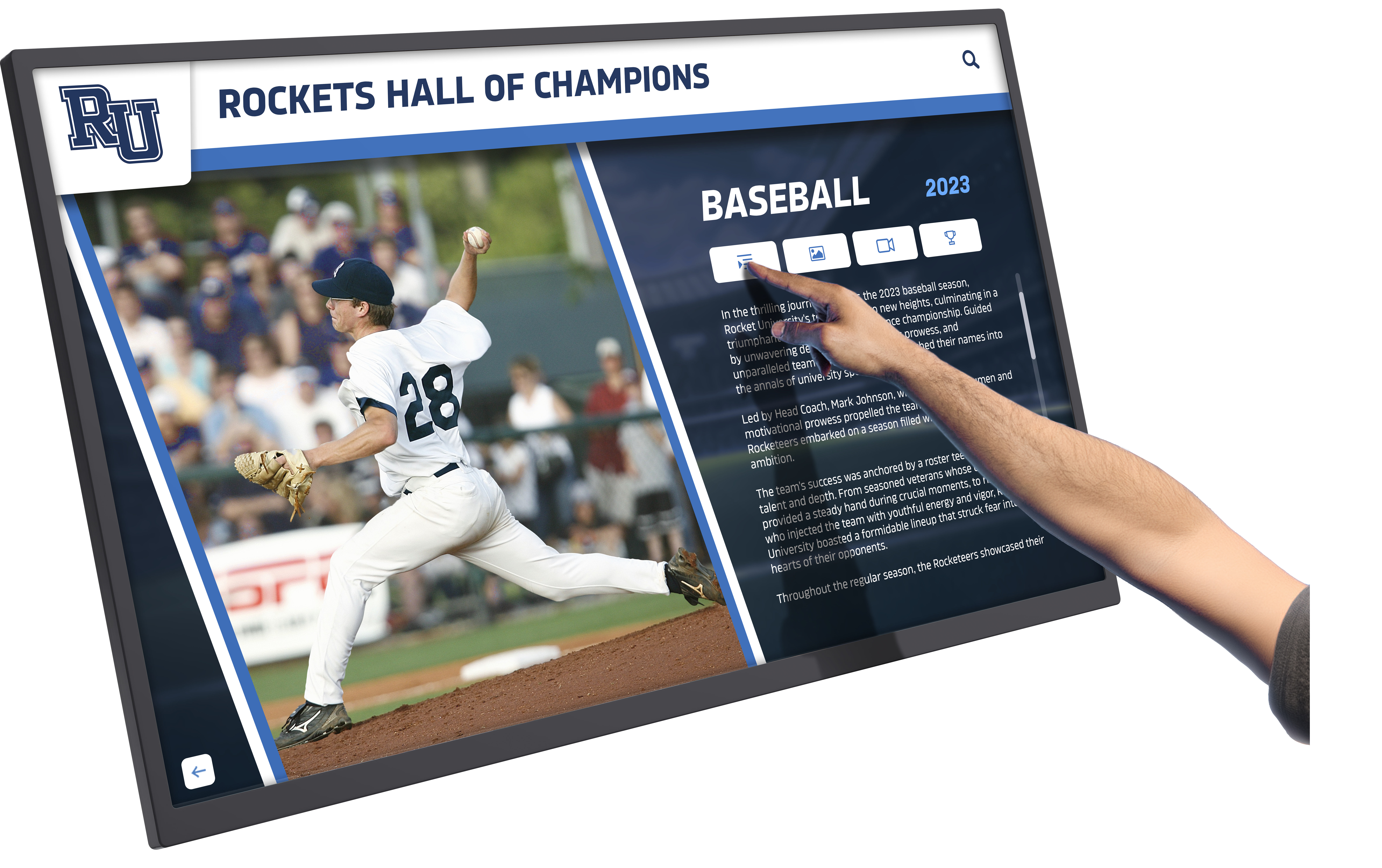
Detailed athlete profiles enable comprehensive exploration of championship contributions and individual tournament excellence
Integration with Broader Athletic Recognition
Championship recognition achieves maximum impact when coordinated with complete athletic excellence documentation rather than existing as isolated displays.
Connecting Championships to Individual Achievement
Link championship recognition to individual player profiles showing how tournament performances contributed to career legacies, demonstrate coaching success through tournament achievement documentation within complete career records, recognize supporting staff whose contributions enabled championship success, and preserve championship team connections showing roster relationships and shared experiences.
This integrated approach demonstrates that championships represented collective achievement requiring diverse contributions rather than isolated events disconnected from broader program development.
Incorporating Championships in Recruiting and Communications
Leverage championship recognition content across multiple institutional contexts including facility tours showing recruits program championship tradition, social media features highlighting championship anniversaries and memories, alumni communications strengthening engagement through championship nostalgia, athletics website integration extending championship recognition beyond physical displays, and game day presentations celebrating championship heritage during current competitions.
Multi-channel championship content distribution maximizes recognition value while building program support extending beyond those who encounter physical displays directly. Explore comprehensive athletic storytelling approaches connecting championships to broader program narratives.
Maintaining Historical Accuracy and Documentation Standards
Championship recognition credibility depends on factual accuracy including verifying statistics through official conference records, cross-checking historical information across multiple sources, correcting errors promptly when identified, documenting information sources for future reference, and establishing review processes preventing misinformation publication.
Historical accuracy demonstrates institutional commitment to championship recognition as serious athletic heritage preservation rather than superficial celebration lacking documentation rigor.
Celebrating Conference Excellence Beyond SEC Basketball
While SEC basketball provides compelling championship history examples, recognition principles apply across all conference championships and athletic excellence contexts.
Multi-Sport Championship Recognition Approaches
Comprehensive athletic recognition should celebrate championship achievement across all sponsored sports rather than privileging traditionally high-profile basketball and football programs exclusively.
Equitable Recognition Across Sports
Championship recognition systems should provide equal prominence for championships regardless of sport, honor achievement at appropriate competitive levels across different sports, celebrate both team and individual conference championships, and document complete athletic department championship histories systematically.
This equitable approach communicates institutional commitment to excellence across all athletic programs while ensuring student-athletes in all sports receive recognition commensurate with championship achievement regardless of program visibility or revenue generation.
Schools exploring comprehensive athletic recognition benefit from systems accommodating diverse sports and achievement types within unified platforms.
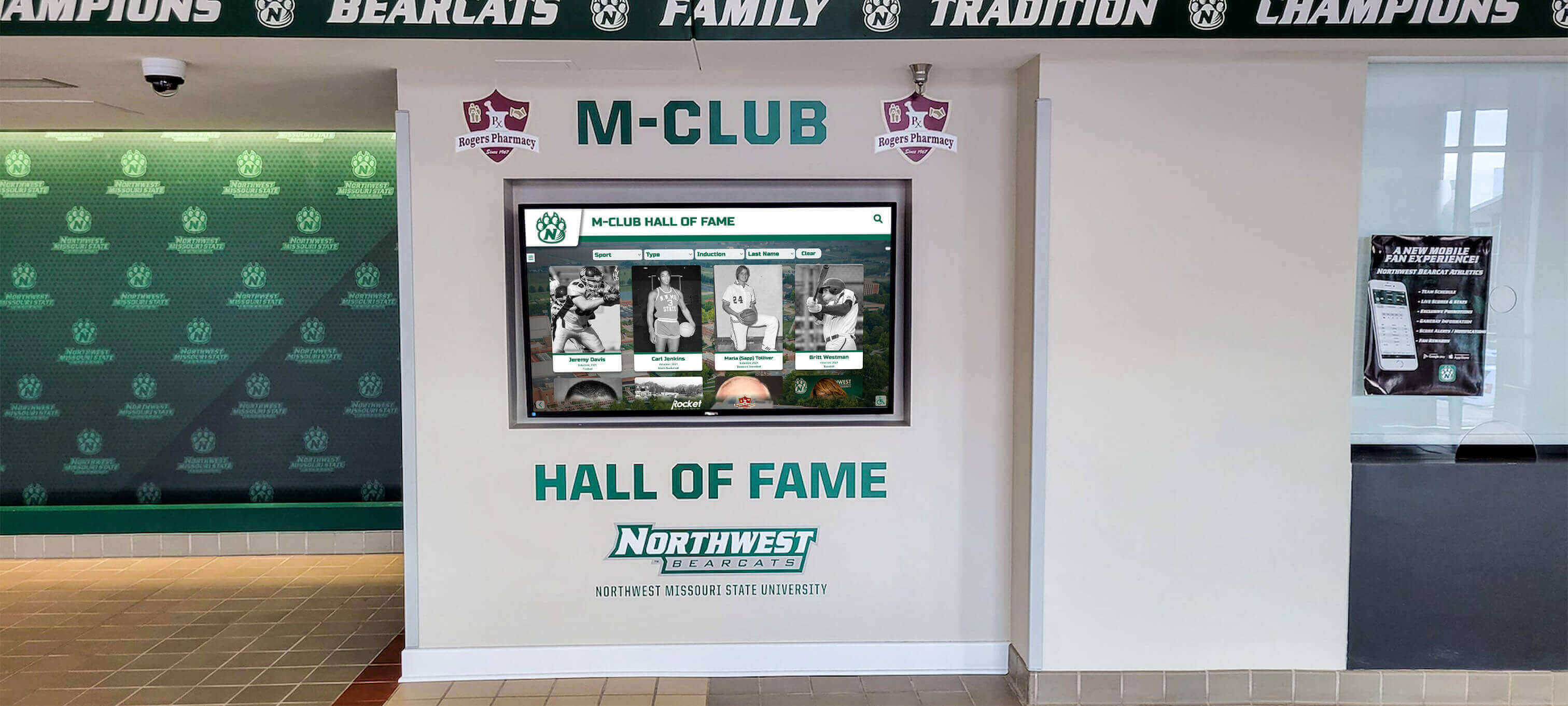
Comprehensive recognition systems celebrate excellence across all athletic programs and championship achievements
Conference Tournament vs. Regular Season Recognition Balance
Both conference tournament championships and regular season conference titles represent significant achievement deserving recognition. Comprehensive systems should document tournament championships with bracket paths and game results, honor regular season conference champions demonstrating sustained excellence, recognize conference division championships in larger conferences, and celebrate individual conference performance records and milestones.
Balanced recognition acknowledges that different championship paths require distinct excellence forms—tournament success demands peak performance timing while regular season championships reflect sustained consistency across longer competitive periods.
Individual Conference Achievement Recognition
Beyond team championships, individual conference excellence deserves systematic recognition including all-conference team selections across all sports, conference player of the year awards and major honors, conference statistical champions and record holders, conference tournament individual performance awards, and academic all-conference recognition celebrating complete student-athlete excellence.
This individual recognition within conference contexts honors personal achievement while demonstrating that program success requires exceptional individual performances contributing to collective team results.
Adapting Recognition for Different Institutional Levels
Championship recognition approaches should reflect institutional context and competitive level appropriately.
Division I Championship Recognition Standards
Major conference athletic programs typically implement comprehensive championship documentation including complete tournament histories with detailed statistical records, extensive multimedia content with professional photography and video, interactive digital displays in multiple facility locations, web-accessible platforms extending recognition globally, and integration with advancement and fundraising initiatives.
These sophisticated approaches reflect resource availability while serving diverse stakeholder populations including major donor bases, national alumni networks, and recruiting audiences evaluating program tradition and excellence standards.
Division II and III Championship Celebration
Smaller college programs often emphasize student-athlete experience and educational mission alignment through championship recognition highlighting academic achievement alongside athletic excellence, documentation of post-graduation success for championship team members, emphasis on program values and character development, community connection and local support recognition, and resource-appropriate recognition balancing quality with budget realities.
Understanding academic recognition program integration helps institutions balance athletic and academic excellence celebration.
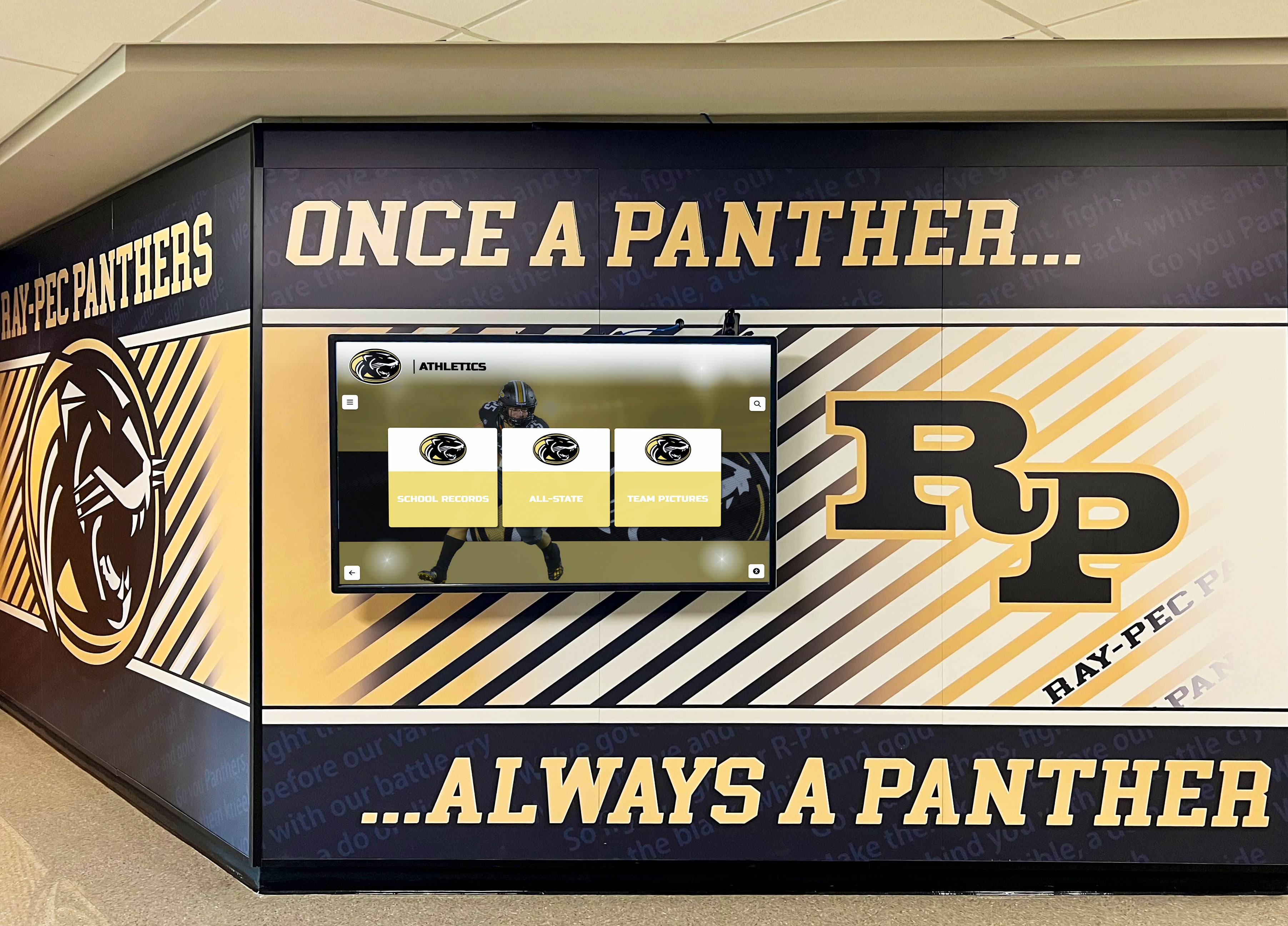
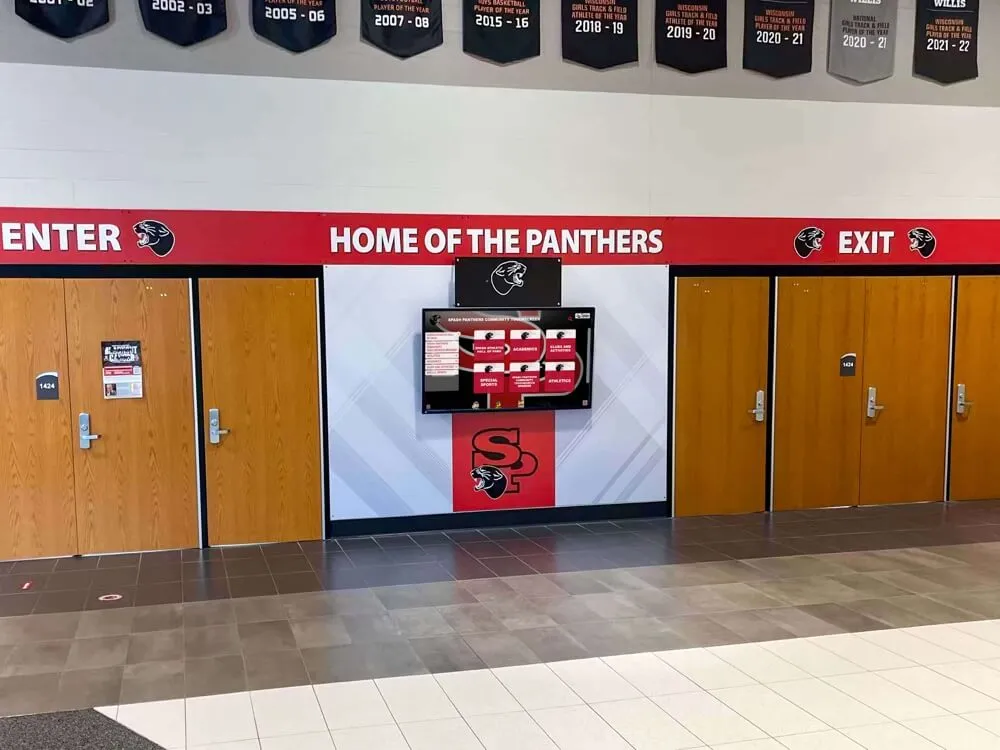
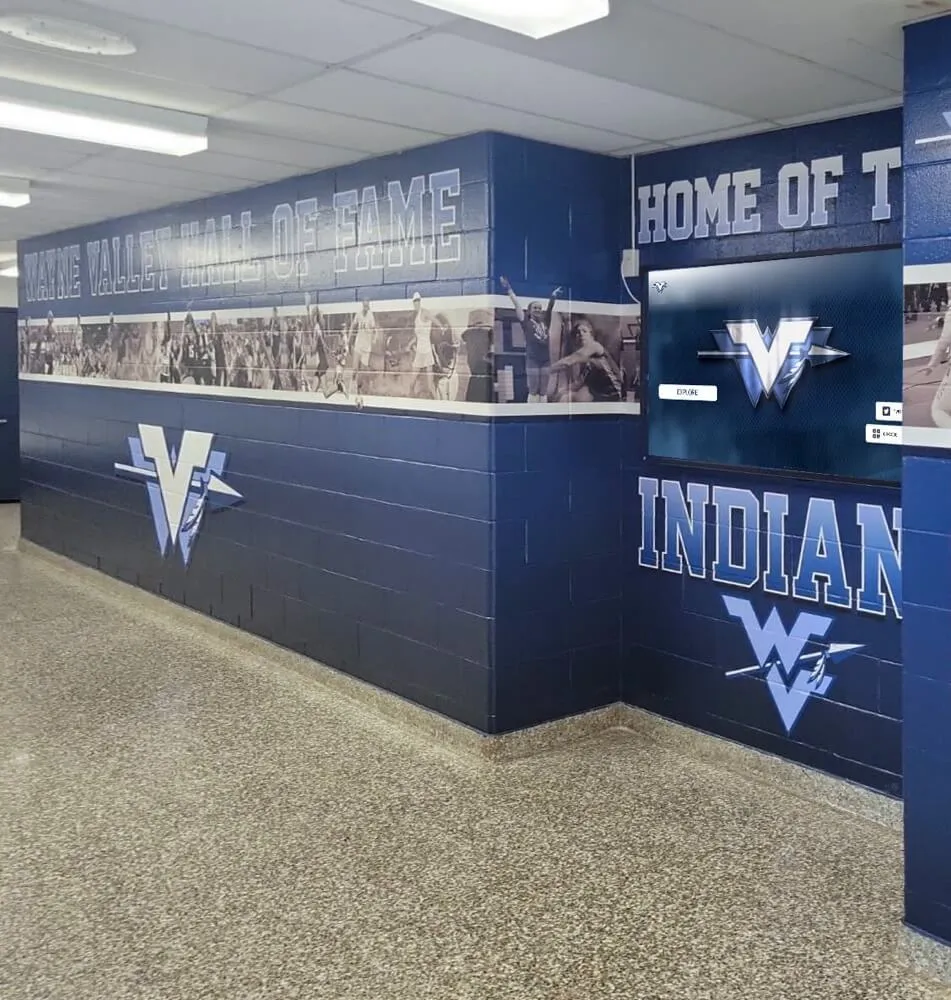
Strategic hallway installations ensure championship recognition receives high visibility from students, athletes, and visitors daily
High School Conference Championship Recognition
Secondary school athletic programs celebrating conference championships should focus on inspiring current students through visible excellence examples, preserving institutional athletic tradition amid staff turnover, connecting communities through shared championship memories, recognizing coach and athlete achievement appropriately, and building pride supporting broader school spirit and culture.
High school championship recognition often carries particular community significance as local athletic success defines regional identity and pride in ways transcending individual student participation. Explore high school athletic recognition approaches applicable across conference championship contexts.
Measuring Championship Recognition Program Impact
Systematic assessment demonstrates recognition value while identifying enhancement opportunities ensuring programs continuously improve over time.
Quantitative Engagement Metrics
Digital recognition platforms provide detailed analytics revealing how communities interact with championship celebration.
Display Interaction Data Analysis
Track key performance indicators including daily interaction counts showing usage frequency, average session duration indicating engagement depth, most-viewed content revealing which championships resonate most strongly, search query analysis showing what visitors seek, and time-based patterns informing optimal content featuring strategies.
These metrics help administrators understand whether championship recognition achieves engagement goals while providing data-driven insights for content enhancement and display optimization decisions.
Web Access and Social Sharing Analytics
Beyond physical displays, monitor online championship recognition engagement through website visit patterns and unique visitor counts, geographic distribution showing where digital visitors originate, social media sharing frequency and reach, referral sources revealing discovery paths, and mobile versus desktop access patterns informing responsive design priorities.
Web analytics demonstrate championship recognition reach extending beyond physical campus while revealing whether alumni engage with championship content remotely as digital platforms enable.
Qualitative Assessment and Stakeholder Feedback
Beyond quantitative metrics, gather stakeholder perceptions about championship recognition effectiveness.
User Experience Surveys and Feedback Collection
Systematically collect perspectives from current student-athletes about awareness and motivational impact, alumni regarding emotional connection and satisfaction, recruits concerning program tradition perceptions, coaches about recruiting value and program culture effects, and community members evaluating institutional athletic commitment.
Regular feedback enables continuous improvement ensuring championship recognition evolves based on stakeholder input rather than administrative assumptions about effectiveness lacking user validation.
Cultural Impact Indicators
Monitor less tangible but meaningful program effects including student-athlete awareness of championship standards and tradition, alumni engagement with current athletic programs and advancement initiatives, community pride and institutional athletic identity perceptions, media coverage quality emphasizing program tradition and excellence, and parent perceptions of institutional commitment demonstrated through championship celebration.
These cultural indicators reveal whether championship recognition achieves broader institutional objectives beyond simply creating displays, demonstrating value justifying ongoing investment and enhancement.
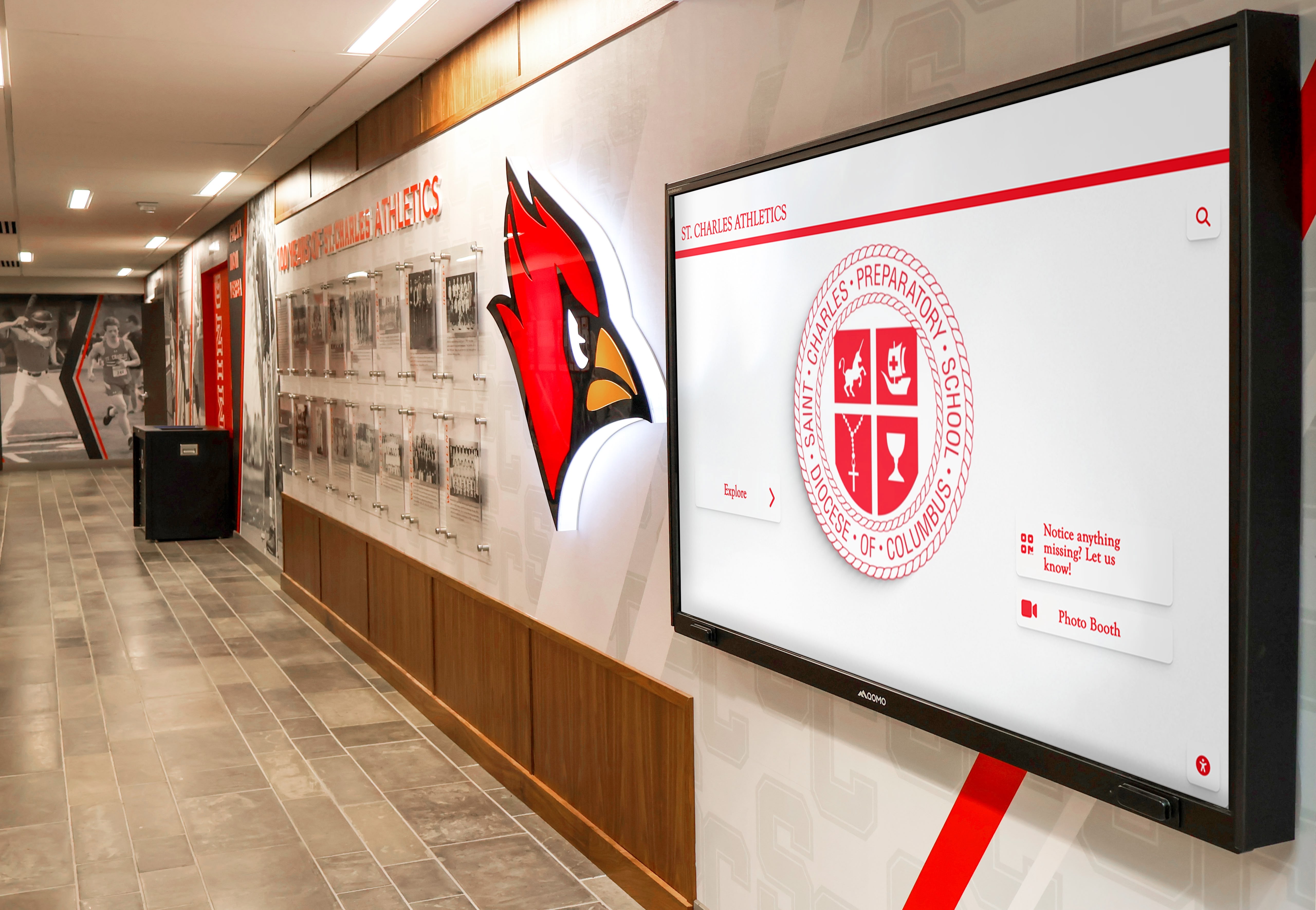
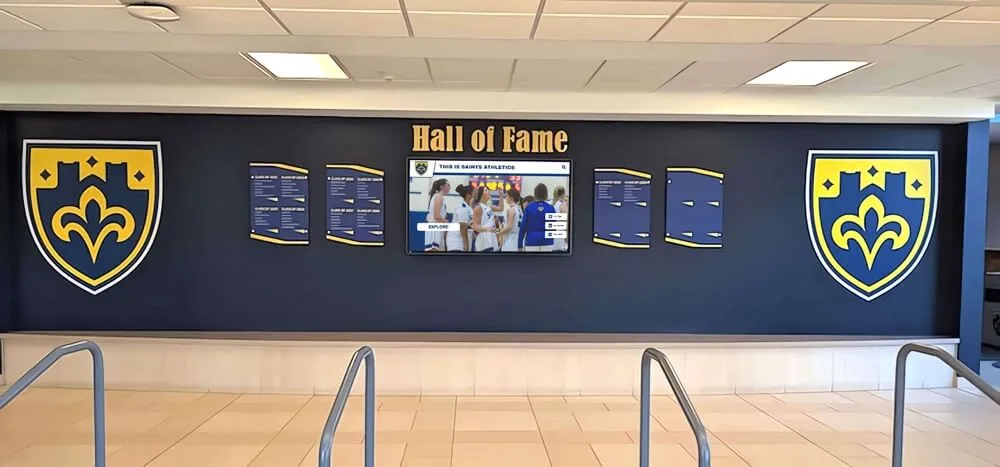
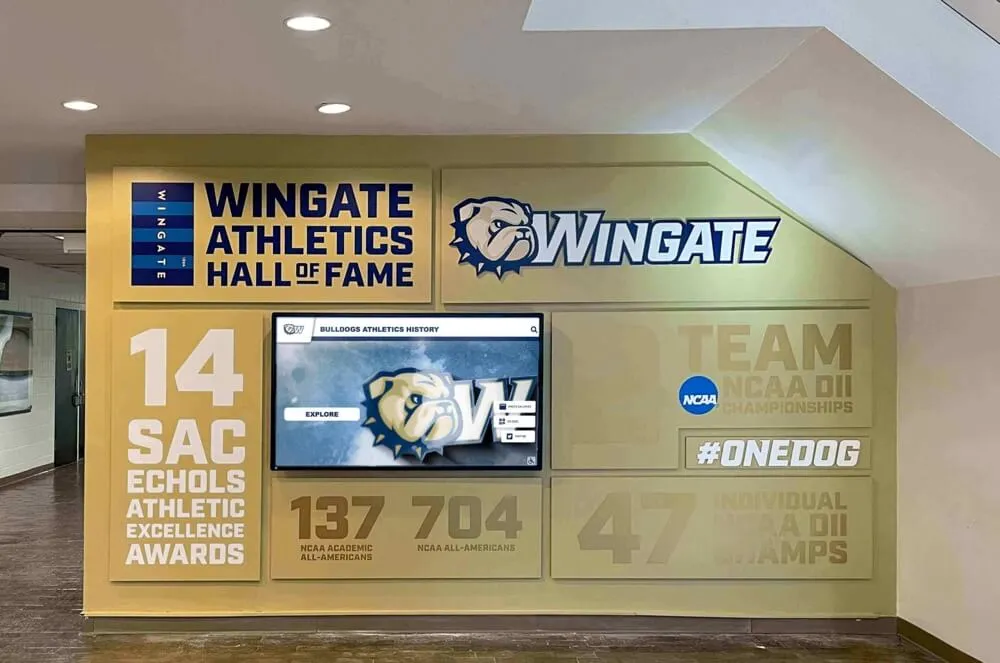
Branded championship displays integrate institutional identity while celebrating conference tournament excellence and athletic tradition
Conclusion: Preserving Championship Excellence for Future Generations
SEC basketball championship history represents nearly a century of competitive excellence, memorable performances, and program-defining moments that deserve recognition matching their significance in institutional athletic heritage. From legendary tournament runs establishing program dynasties to individual performances cementing player legacies, conference championships create shared memories connecting generations of athletes, coaches, and supporters through competitive excellence achievements.
Schools committed to honoring championship tradition recognize that recognition systems serve multiple crucial purposes—preserving institutional athletic history that might otherwise fade from memory, inspiring current student-athletes through visible examples of achievable excellence, engaging alumni through emotional connections to championship memories, and demonstrating to prospective recruits that programs value achievement through permanent celebration of those who came before.
The championship recognition strategies explored in this guide provide frameworks athletic departments can implement to celebrate conference tournament excellence appropriately while overcoming limitations traditional physical displays impose. Modern digital recognition platforms enable comprehensive championship documentation at unprecedented scale, rich multimedia storytelling bringing championship moments to life, simple content management ensuring recognition remains current through personnel transitions, and extended accessibility enabling global engagement regardless of physical campus proximity.
By implementing thoughtful championship recognition programs combining accurate historical documentation, engaging presentation formats, systematic content management workflows, and integration with broader athletic excellence celebration, schools create permanent tributes ensuring that championship achievements receive honor matching their significance while inspiring future generations to pursue the same excellence standards their predecessors established through conference tournament success.
Celebrate Your Championship Heritage
Discover how digital recognition solutions enable athletic departments to honor complete championship histories while creating engaging displays that preserve conference excellence for generations. Transform how your institution celebrates tournament tradition and competitive achievement.
Explore Championship Recognition SolutionsChampionship moments define athletic programs, create institutional pride, and inspire competitive excellence spanning generations. Every conference tournament victory, every championship performance under pressure, and every team cutting down championship nets deserves recognition honoring those achievements appropriately. Whether celebrating SEC basketball tournament championships specifically or conference excellence across all athletic programs, modern recognition technology makes comprehensive championship documentation achievable for institutions at every level.
Ready to enhance how your institution celebrates championship tradition? Whether implementing new recognition programs or modernizing existing championship displays, digital platforms provide flexible solutions serving diverse needs while maintaining quality appropriate for honoring competitive excellence. The championships deserve celebration—recognition programs ensure achievements remain visible, inspiring future generations while connecting communities to shared athletic heritage defining institutional identity and competitive pride.