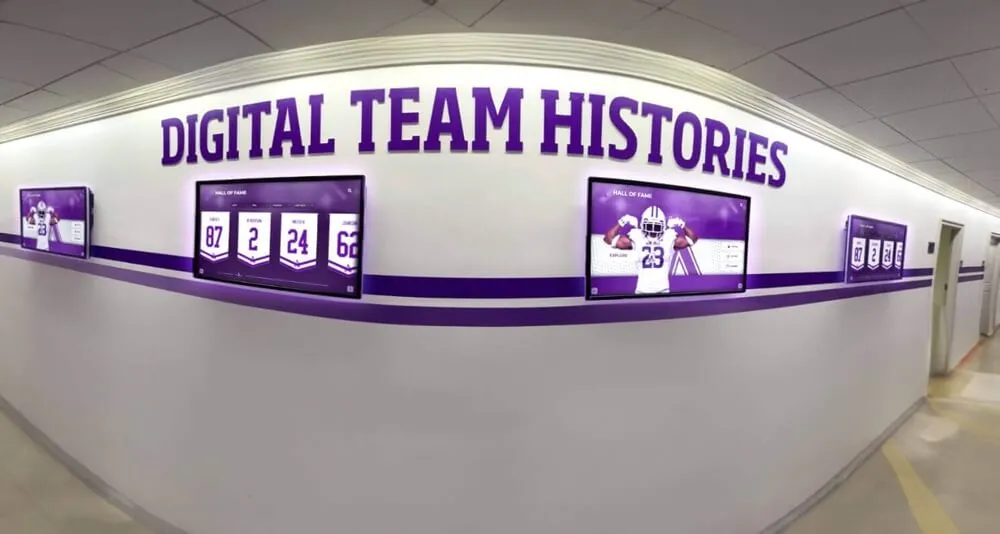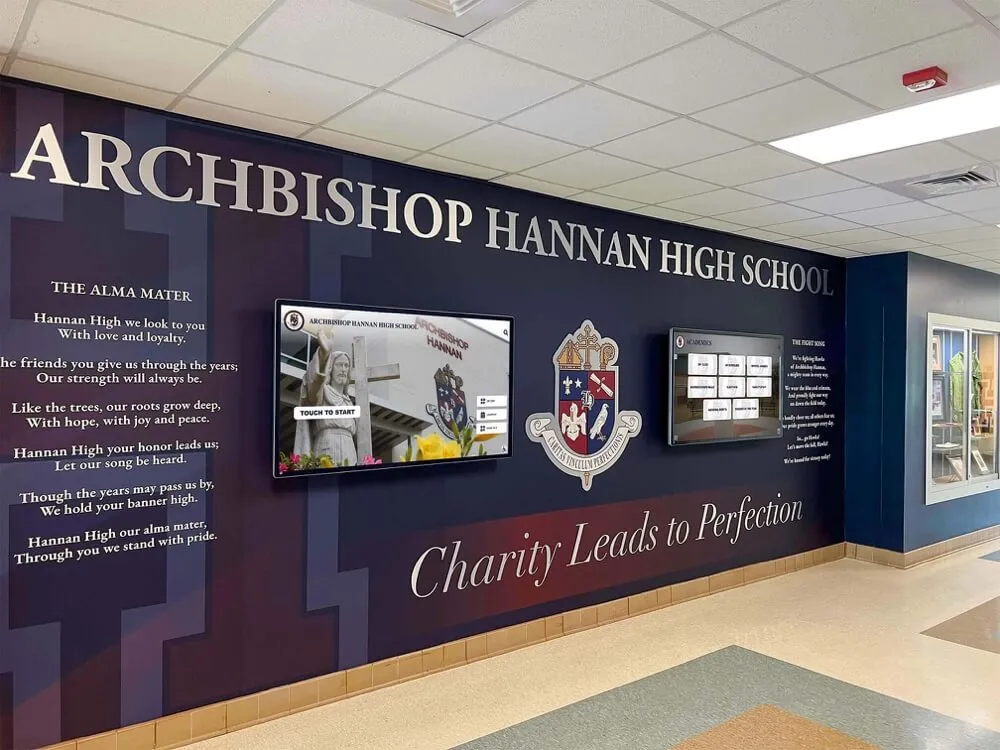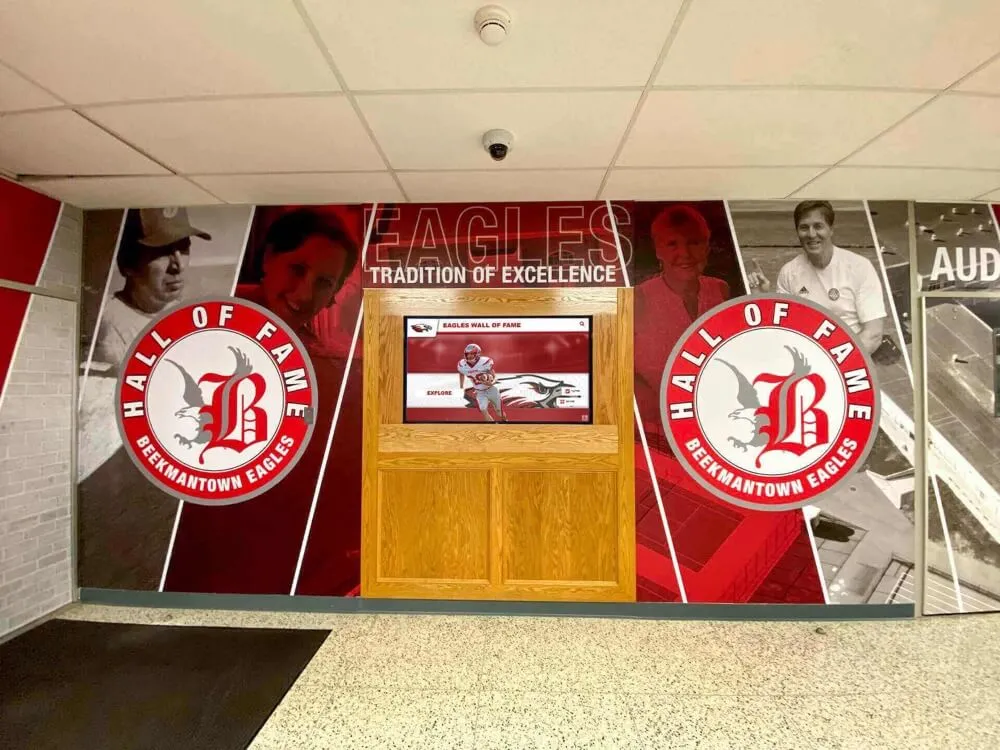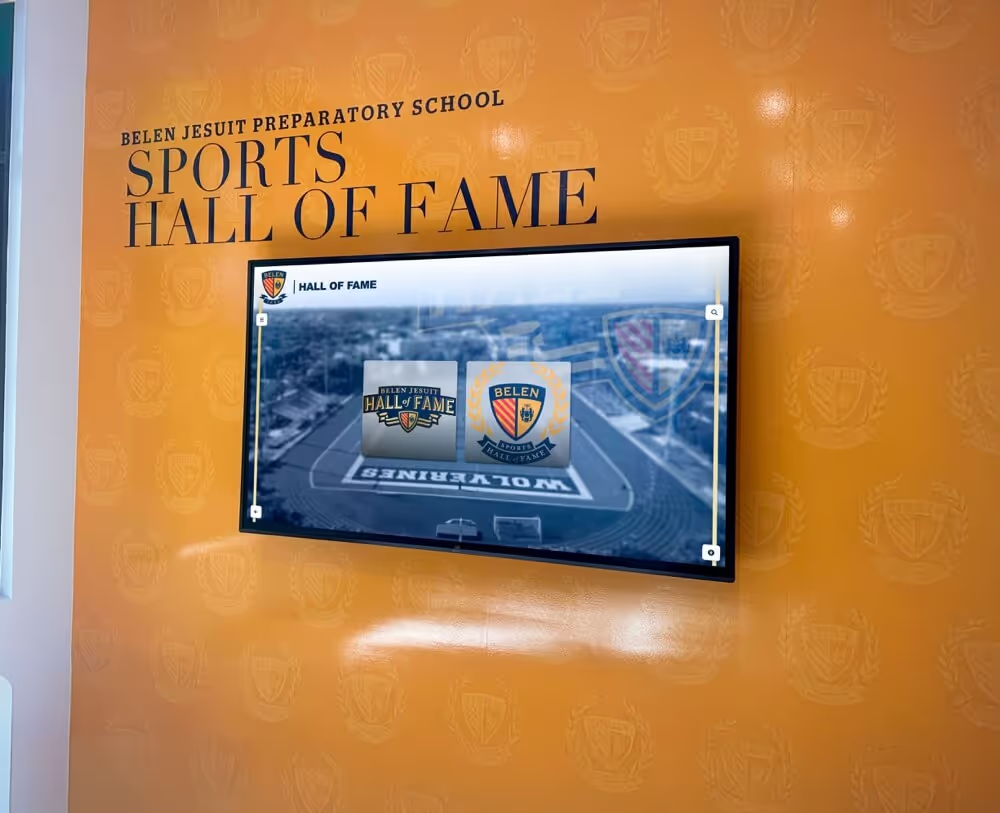
Senior class awards displays represent culminating celebrations honoring the achievements, contributions, and character of graduating students as they complete their high school journeys. These recognition systems—whether traditional plaques, printed boards, or modern digital displays—serve as visible testaments to four years of academic excellence, athletic accomplishments, leadership development, and personal growth while creating lasting memories for graduates and their families.
Yet many schools struggle to create senior awards displays that truly capture the breadth of student achievement and resonate with contemporary graduates. Recognition often defaults to limited physical space restricting how many students receive visibility, generic categories that fail to reflect diverse talents and contributions, static formats that feel dated to digital-native students, and temporary displays taken down shortly after graduation ceremonies making recognition feel fleeting rather than lasting.
This comprehensive guide explores proven strategies for designing and implementing senior class awards displays that celebrate diverse achievements, engage modern students, and create meaningful recognition that extends beyond graduation day to build lasting institutional pride and alumni connection.
Effective senior class awards displays extend beyond simply listing graduating students—they create comprehensive recognition systems celebrating academic excellence, extracurricular leadership, character development, and the unique qualities making each senior class special while ensuring every graduating student receives appropriate acknowledgment for their high school contributions.

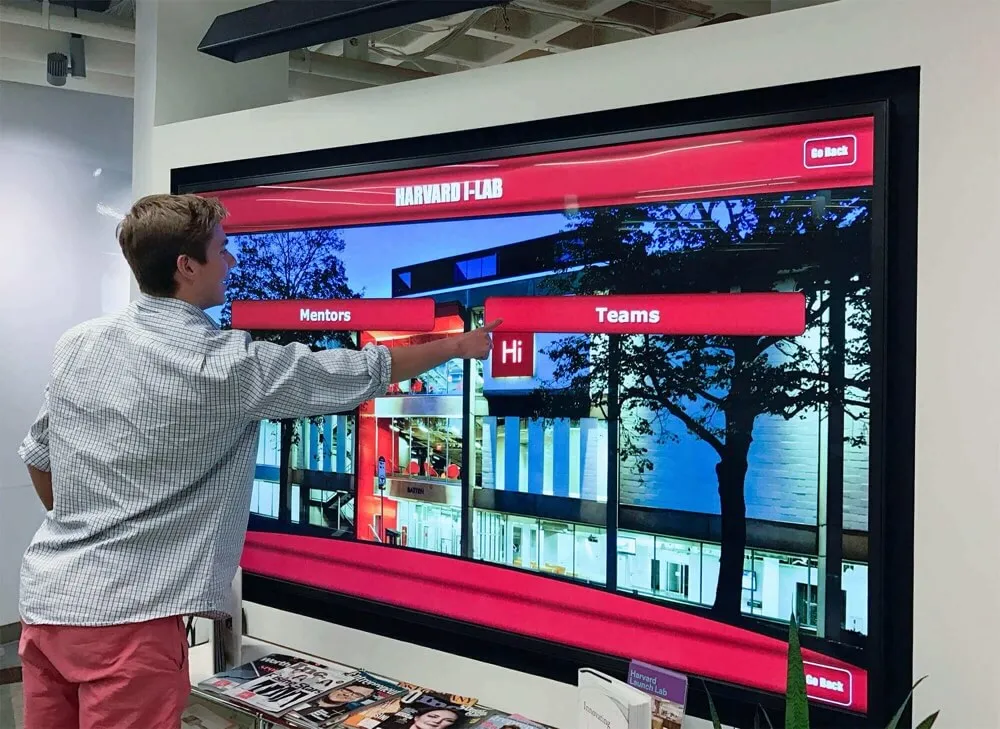
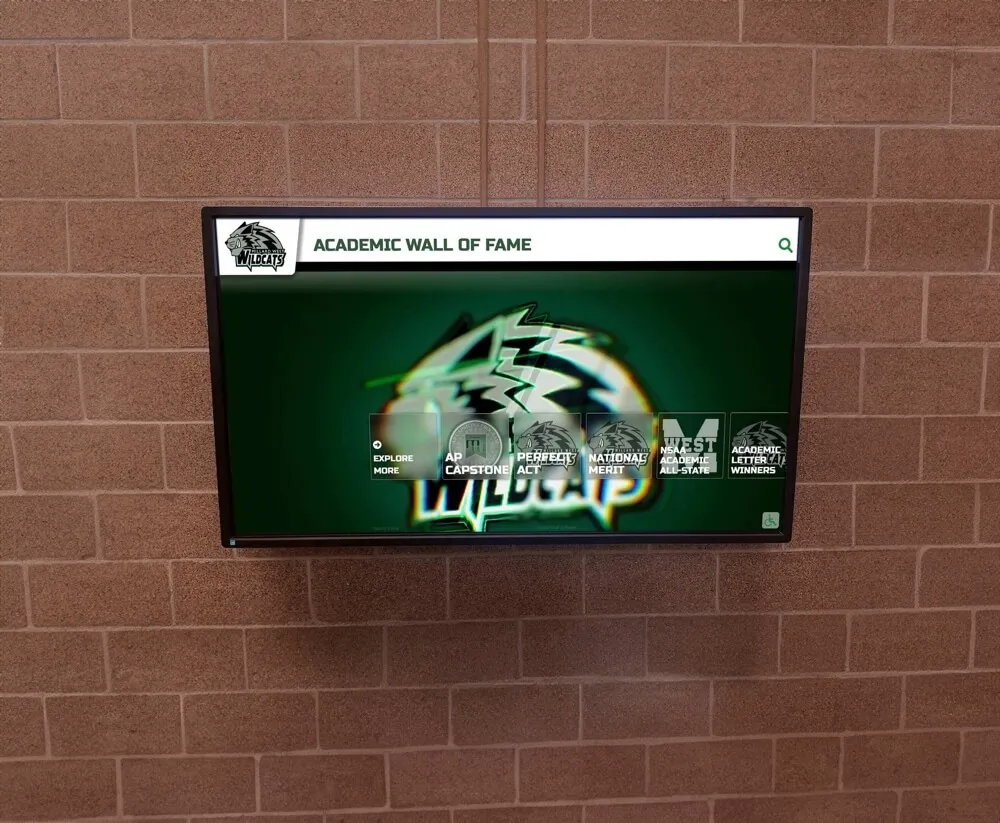
Modern senior class displays combine individual recognition with cohesive class identity celebrating collective achievement
Understanding Senior Class Awards: Categories and Recognition Dimensions
Before implementing display systems, understanding the full spectrum of senior recognition categories helps schools create comprehensive programs honoring diverse achievements.
Traditional Academic Achievement Awards
Academic excellence represents the core mission of educational institutions, deserving systematic senior recognition.
Highest Academic Honors
Top academic distinctions celebrate sustained excellence throughout high school including valedictorian honors for highest cumulative GPA, salutatorian recognition for second-highest achievement, summa cum laude, magna cum laude, and cum laude distinctions based on GPA thresholds, National Merit Scholar designations for PSAT/SAT excellence, and National Honor Society membership recognizing scholarship, service, leadership, and character.
According to the College Board’s National Recognition Programs, schools should prominently feature students earning School Recognition Awards, First-Generation Recognition Awards, and Rural and Small-Town Recognition Awards—prestigious designations increasingly valued by colleges during admissions.
Subject-Specific Academic Excellence
Departmental awards honor achievement in specific disciplines including outstanding student awards in mathematics, science, English, social studies, world languages, and fine arts, Advanced Placement Scholar designations for exam performance, subject-specific competition recognition at regional, state, and national levels, career and technical education certifications and accomplishments, and specialized program completion in STEM, humanities, or vocational pathways.
These subject-specific recognitions ensure students excelling in particular areas receive appropriate acknowledgment even when overall GPA may not place them in top academic categories.
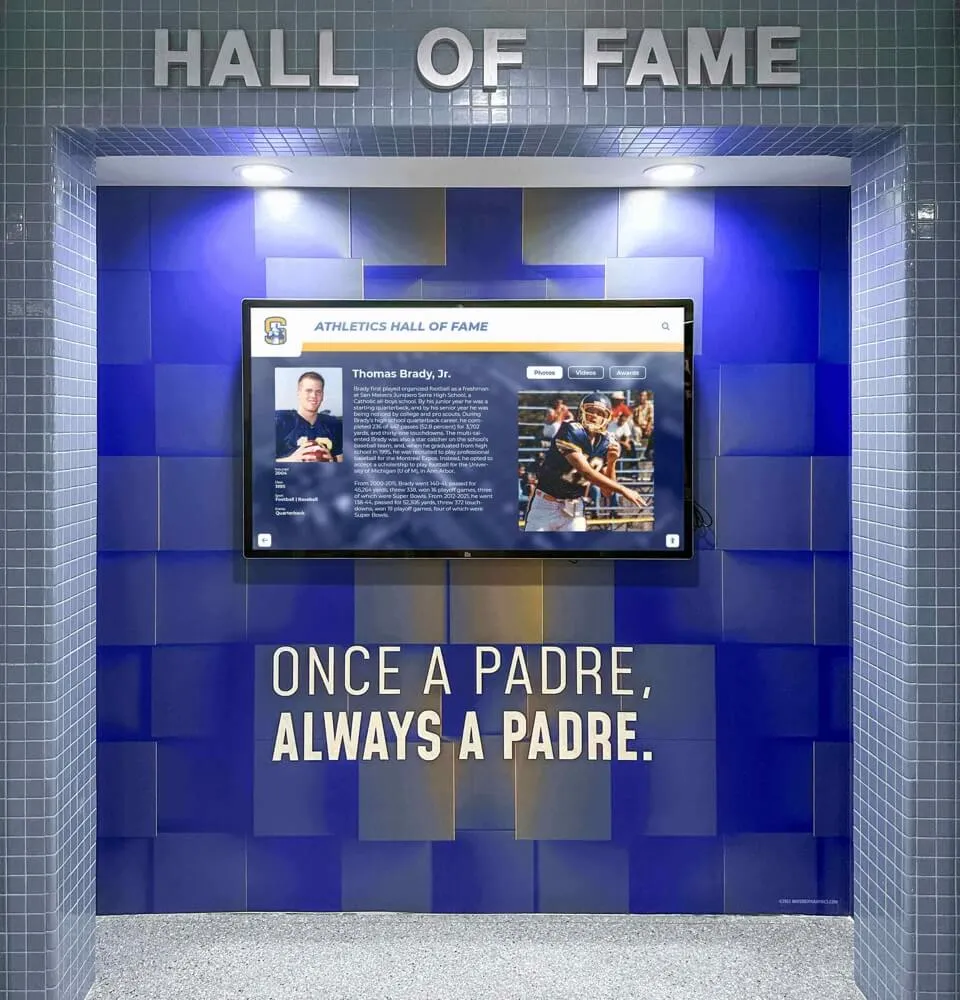
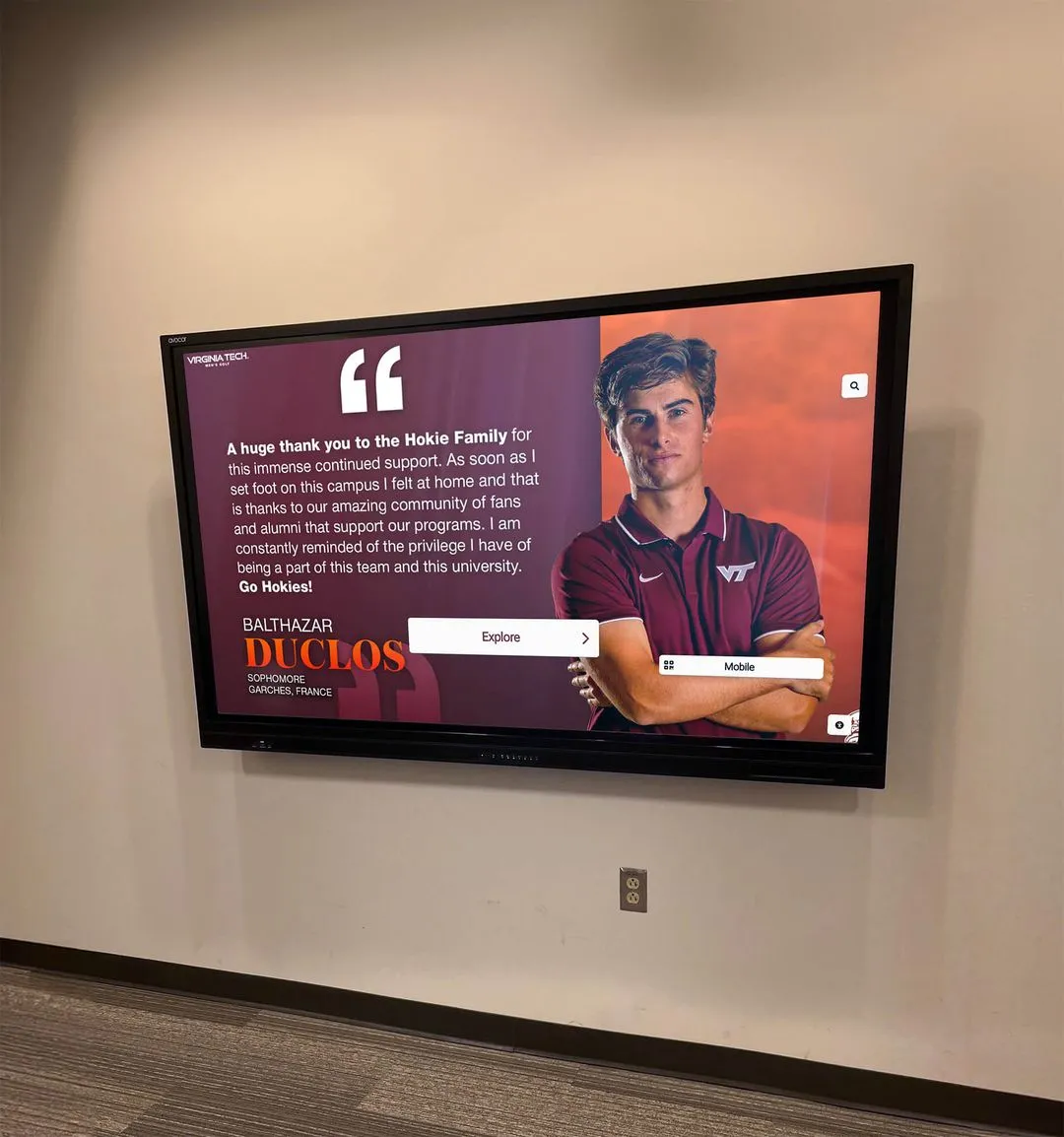
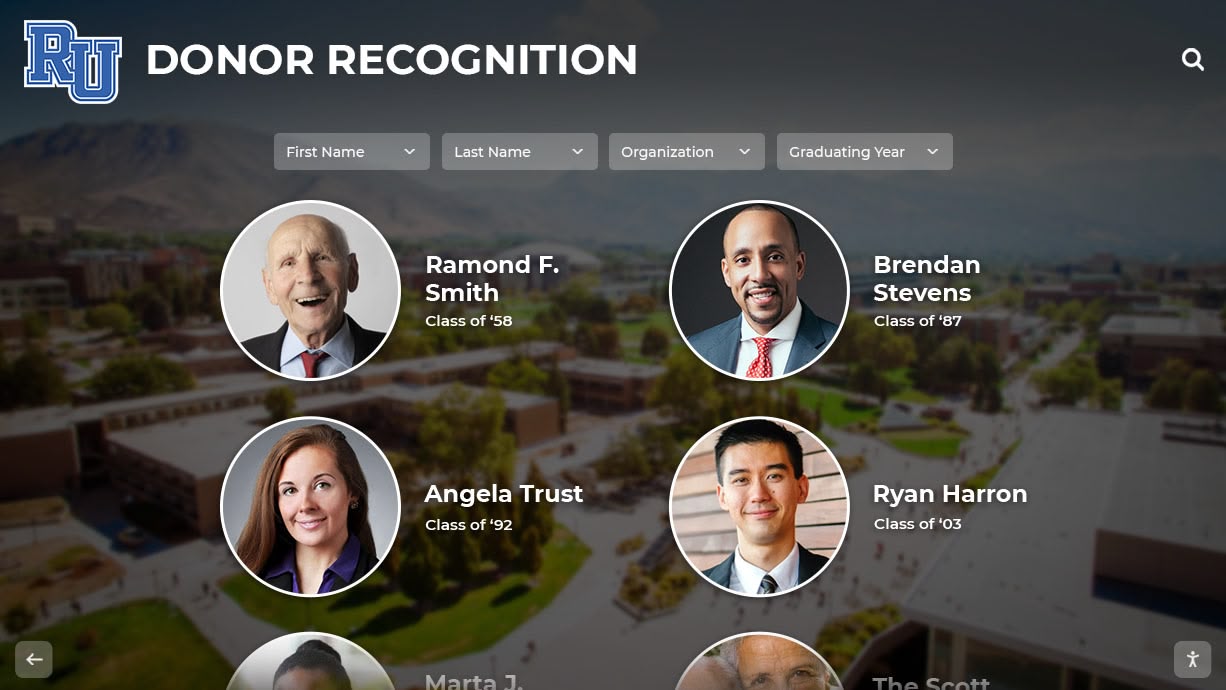
Individual achievement profiles tell complete stories about each student's academic journey
Academic Growth and Improvement
Beyond absolute achievement, recognizing growth acknowledges students demonstrating remarkable progress throughout high school including most improved GPA from freshman to senior year, significant course rigor increases through advanced coursework adoption, academic comeback recognition for students overcoming early challenges, and subject-specific improvement awards showing dedication and perseverance.
Research published by educational psychology journals demonstrates that growth-oriented recognition proves particularly motivating for students from disadvantaged backgrounds or those who struggled initially, showing that effort and persistence lead to achievement regardless of starting point.
Learn more about comprehensive approaches in academic recognition programs that celebrate diverse achievements.
Extracurricular and Leadership Recognition
Well-rounded students contribute far beyond classrooms, deserving recognition for leadership and extracurricular excellence.
Athletic Achievement Awards
Senior athletes earn recognition for varsity letter accumulation across multiple sports and seasons, team captain and leadership positions, all-conference, all-region, and all-state selections, individual and team championship participation, and career achievement milestones like scoring records and statistical accomplishments.
Schools report that 40-50% of seniors participate in athletics during their high school careers, making athletic recognition essential components of comprehensive senior awards displays.
Arts and Performance Recognition
Creative students deserve equal visibility for all-state music selections in band, choir, and orchestra, theatre production lead roles and technical direction, visual arts exhibition selections and competition awards, writing and literary magazine publication, and dance team or performance ensemble leadership.
These accomplishments require dedication and practice comparable to athletics while developing creativity, discipline, and teamwork—qualities deserving prominent recognition.
Club Leadership and Involvement
Student government positions and class officer roles, National Honor Society and honor society leadership, special interest club founding and presidency, community service organizations and volunteer leadership, and academic competition teams in debate, robotics, mock trial, and academic bowl represent significant student investment deserving recognition.
According to education research, students involved in extracurricular activities demonstrate higher college completion rates, better employment outcomes, and stronger civic engagement as adults—outcomes schools should celebrate through senior recognition.
Explore related recognition in student awards recognition programs across achievement categories.
Character and Citizenship Awards
Personal qualities and contributions to school community deserve recognition alongside measurable achievements.
Service and Community Impact
Senior service recognition includes cumulative community service hours completed throughout high school, service learning project leadership and implementation, community organization partnerships and sustained volunteer commitments, fundraising leadership for charitable causes, and peer tutoring and academic support provided to younger students.
Many schools establish minimum service hour requirements for graduation, but exceptional student volunteers contributing hundreds of hours deserve special recognition for extraordinary community dedication.
Character-Based Recognition
Awards honoring personal qualities include most spirited student celebrating school pride, most dependable student consistently supporting school community, most improved citizenship for behavioral growth, peer-nominated friendship and kindness awards, and perseverance recognition for students overcoming significant obstacles.
These character recognitions often prove most meaningful to students whose strengths lie in relationships and personal qualities rather than traditional academic or athletic metrics.
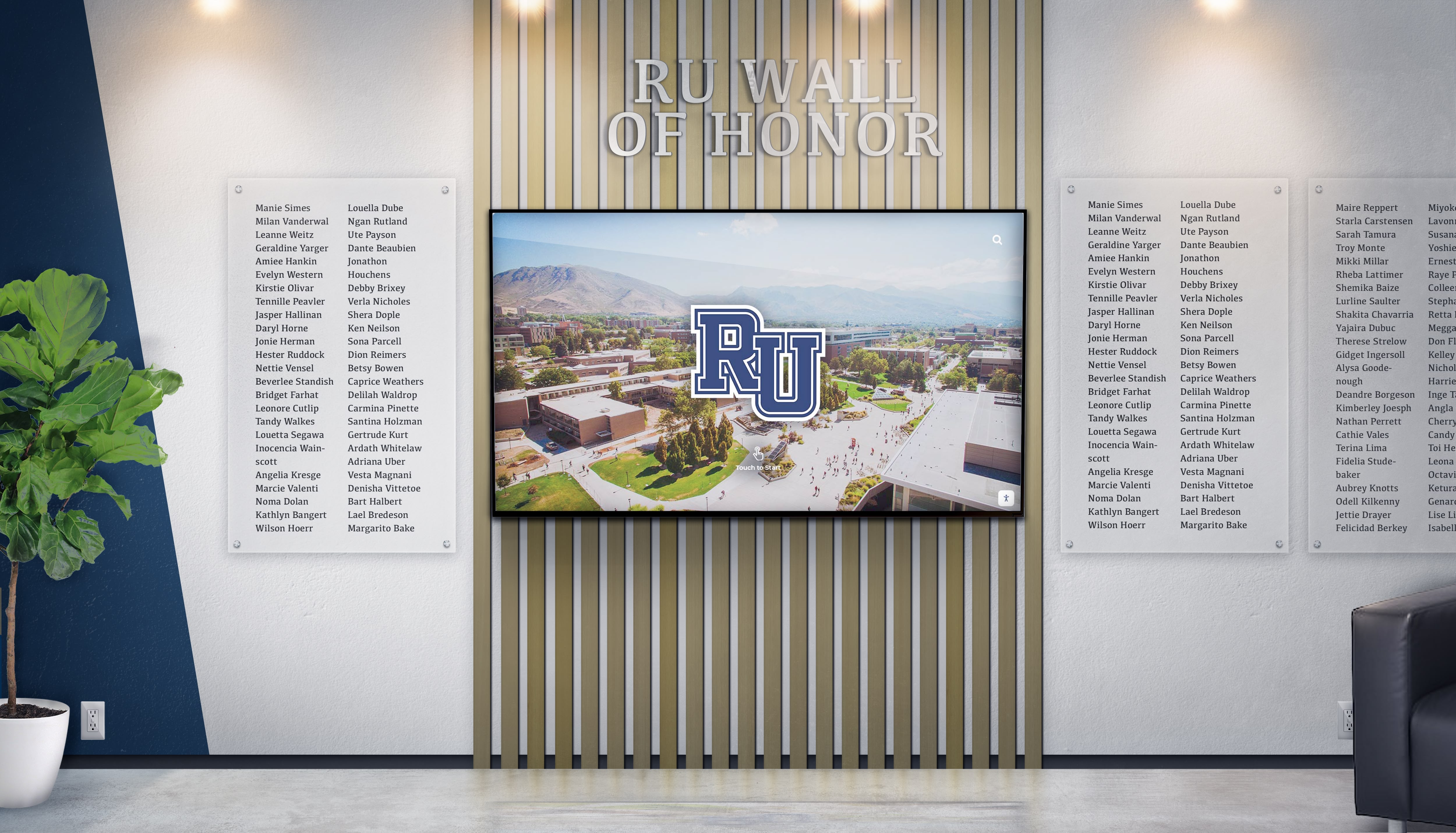
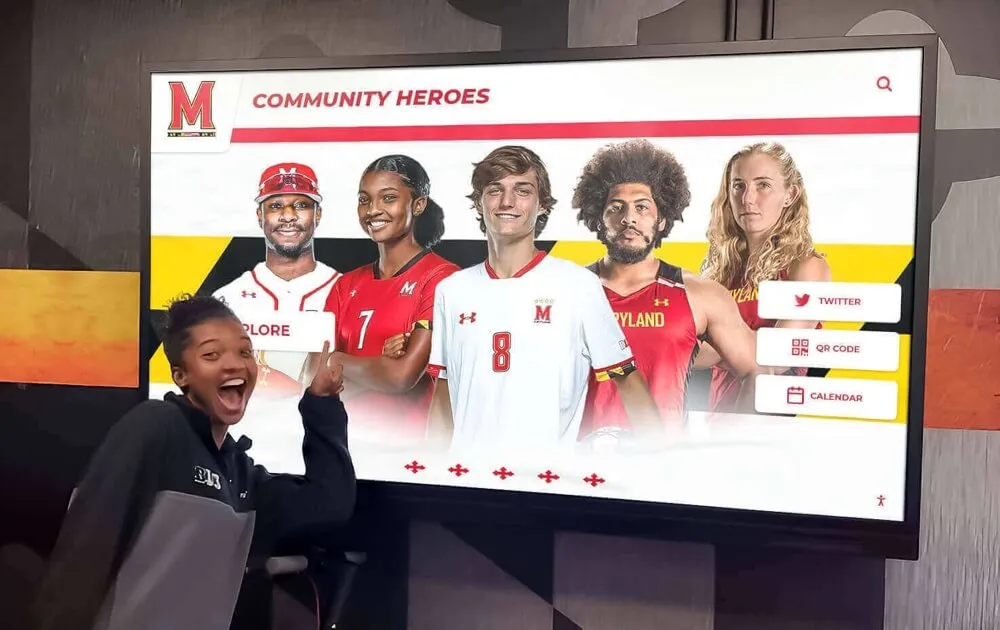
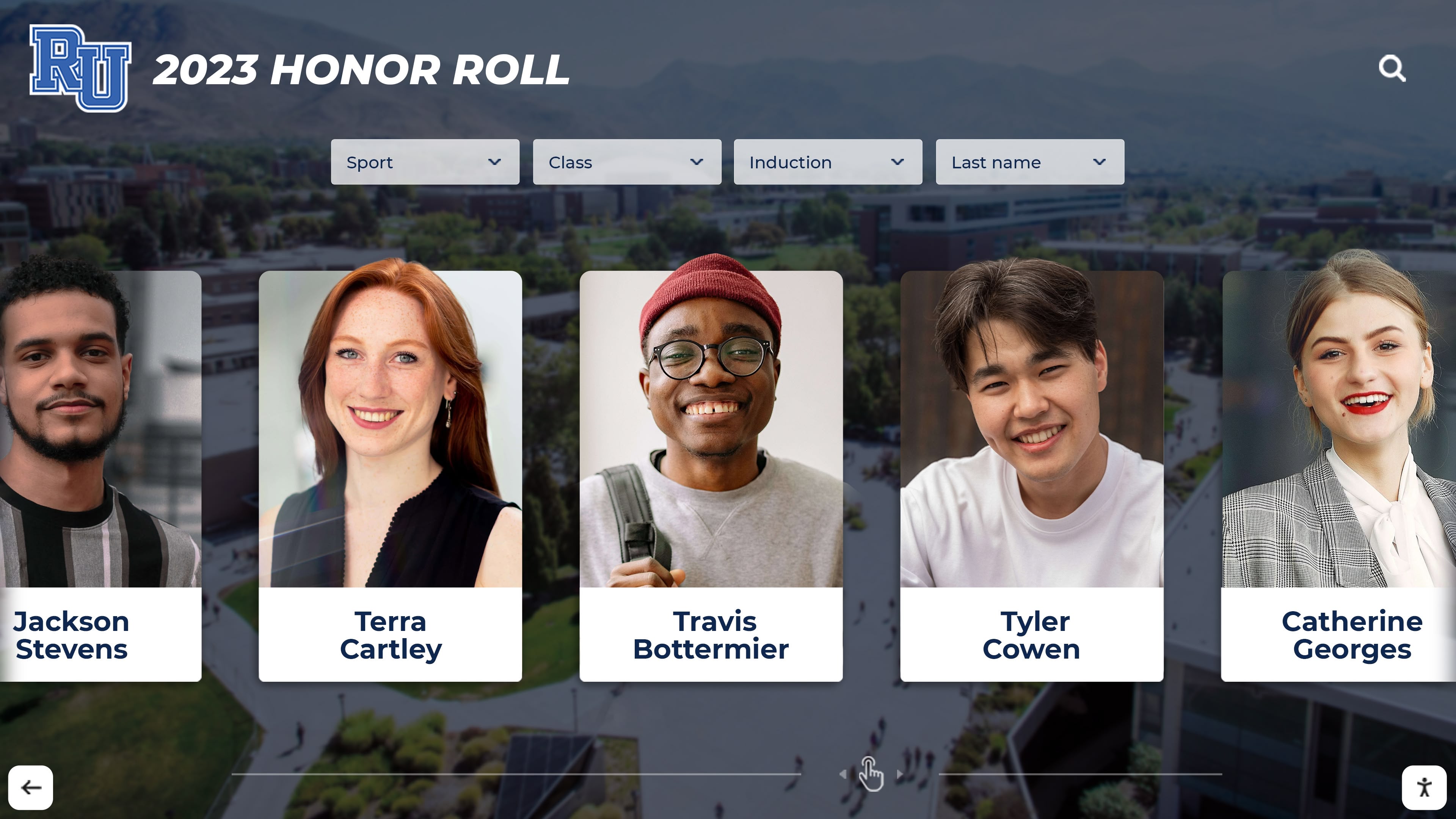
Integrated recognition systems celebrate both individual achievements and collective senior class identity
Special Circumstance Recognition
Unique senior situations warrant acknowledgment including perfect attendance throughout high school or senior year, overcoming health challenges or personal hardships, balancing work responsibilities while maintaining academic performance, supporting family while pursuing education, and first-generation college-bound student recognition.
These special recognitions demonstrate institutional awareness that students navigate diverse circumstances and challenges deserving acknowledgment beyond traditional achievement metrics.
Yearbook Superlatives and Peer Recognition
Student-nominated awards celebrating personality and qualities add lighthearted elements balancing formal recognition.
Classic Superlative Categories
Traditional superlatives include most likely to succeed, best dressed, class clown or funniest, most athletic, most artistic, best smile, and most changed since freshman year.
While less formal than academic or achievement awards, these peer-nominated recognitions prove highly valued by students, creating memorable moments and inside references that strengthen class bonding.
Contemporary Recognition Categories
Modern superlatives reflect current culture including most likely to become famous or influencer, best TikTok creator or social media personality, most likely to change the world, biggest tech guru or gamer, best quarantine buddy (reflecting pandemic experiences), and most adventurous spirit.
Schools should establish clear guidelines ensuring superlatives remain positive and inclusive, avoiding categories that could embarrass students or create negative associations.
Discover engaging recognition approaches in best ways to highlight student accomplishments across categories.
Traditional versus Modern Senior Awards Display Approaches
Understanding both conventional and contemporary display methods helps schools select approaches matching their needs, resources, and student preferences.
Traditional Physical Recognition Displays
Conventional senior awards displays rely on static physical installations with specific advantages and limitations.
Physical Plaque and Trophy Displays
Traditional recognition includes engraved plaques mounted on dedicated senior awards walls, trophy cases displaying physical awards and certificates, printed honor boards with names and achievements, shadow boxes containing memorabilia and awards, and framed certificates and commendations in hallways and administrative areas.
These tangible displays provide permanent physical presence creating sense of permanence and tradition, tactile quality that feels substantial and meaningful, customary familiarity meeting expectations for formal recognition, and no technology requirements for viewing or maintenance.
However, physical displays face significant constraints including limited space restricting how many students receive visibility, inflexibility requiring permanent decisions about which achievements warrant inclusion, maintenance challenges as plaques age, tarnish, or become damaged, update impossibility after installation making corrections infeasible, and dated aesthetic that may not resonate with contemporary students.
Printed Display Boards and Banners
Many schools create temporary senior recognition through poster boards displaying senior photos and achievements, vinyl banners hanging in hallways or common areas, bulletin boards with student profiles and accomplishments, photo collages celebrating class identity, and printed programs distributed at senior awards nights.
These flexible, affordable options work well for short-term recognition but prove ephemeral—typically removed shortly after graduation to make room for next year’s recognition, creating feelings that acknowledgment was temporary rather than lasting.
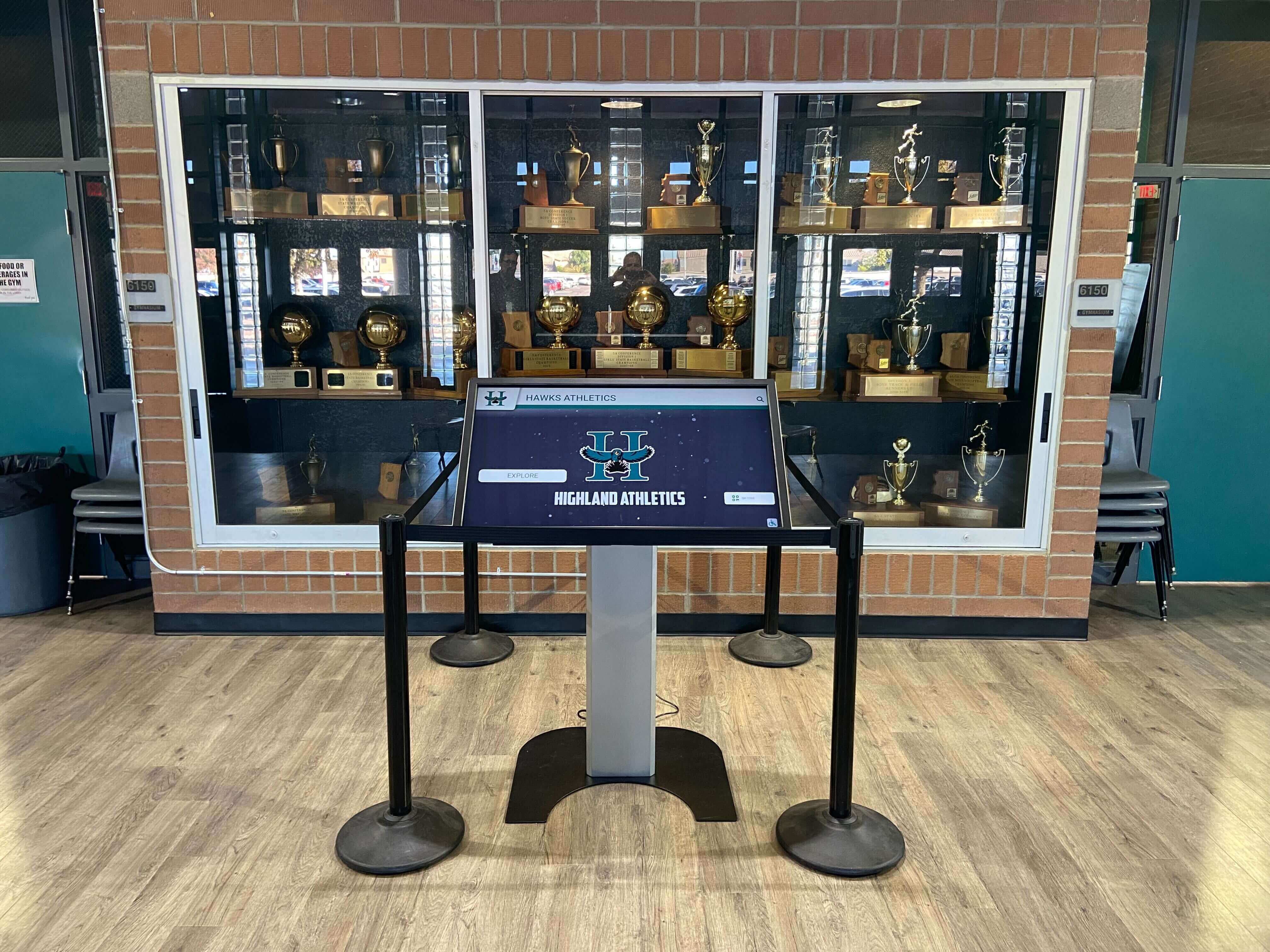
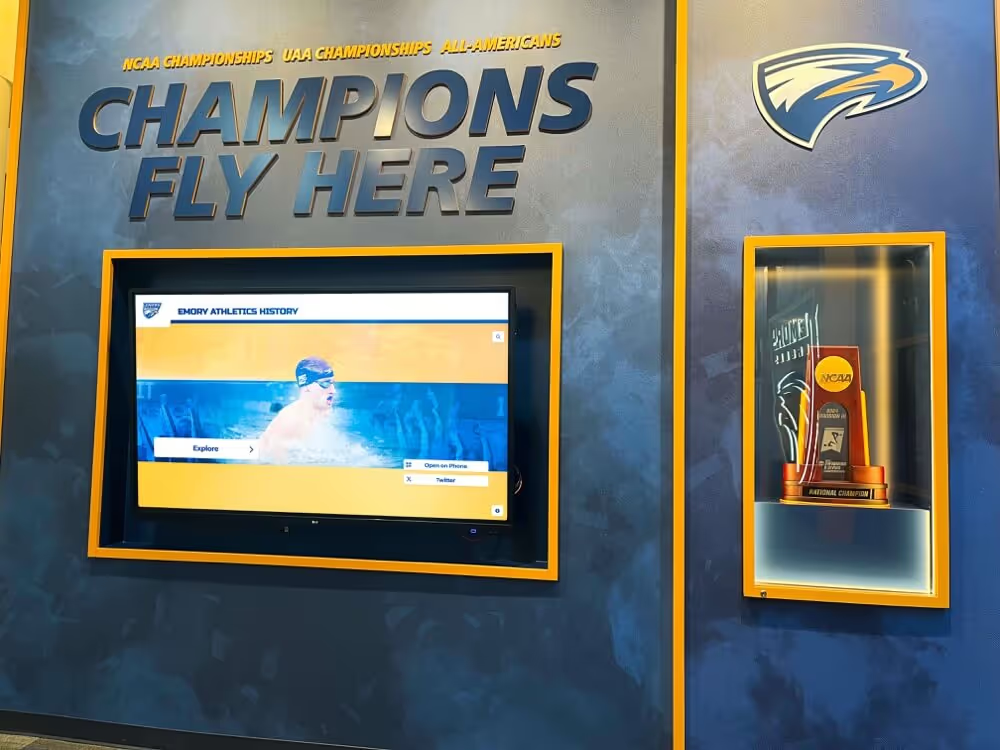
Hybrid approaches combine traditional trophy cases with modern interactive displays expanding recognition capacity
Modern Digital Recognition Display Systems
Contemporary senior awards increasingly leverage technology overcoming traditional limitations while creating engaging, dynamic recognition experiences.
Interactive Touchscreen Recognition Walls
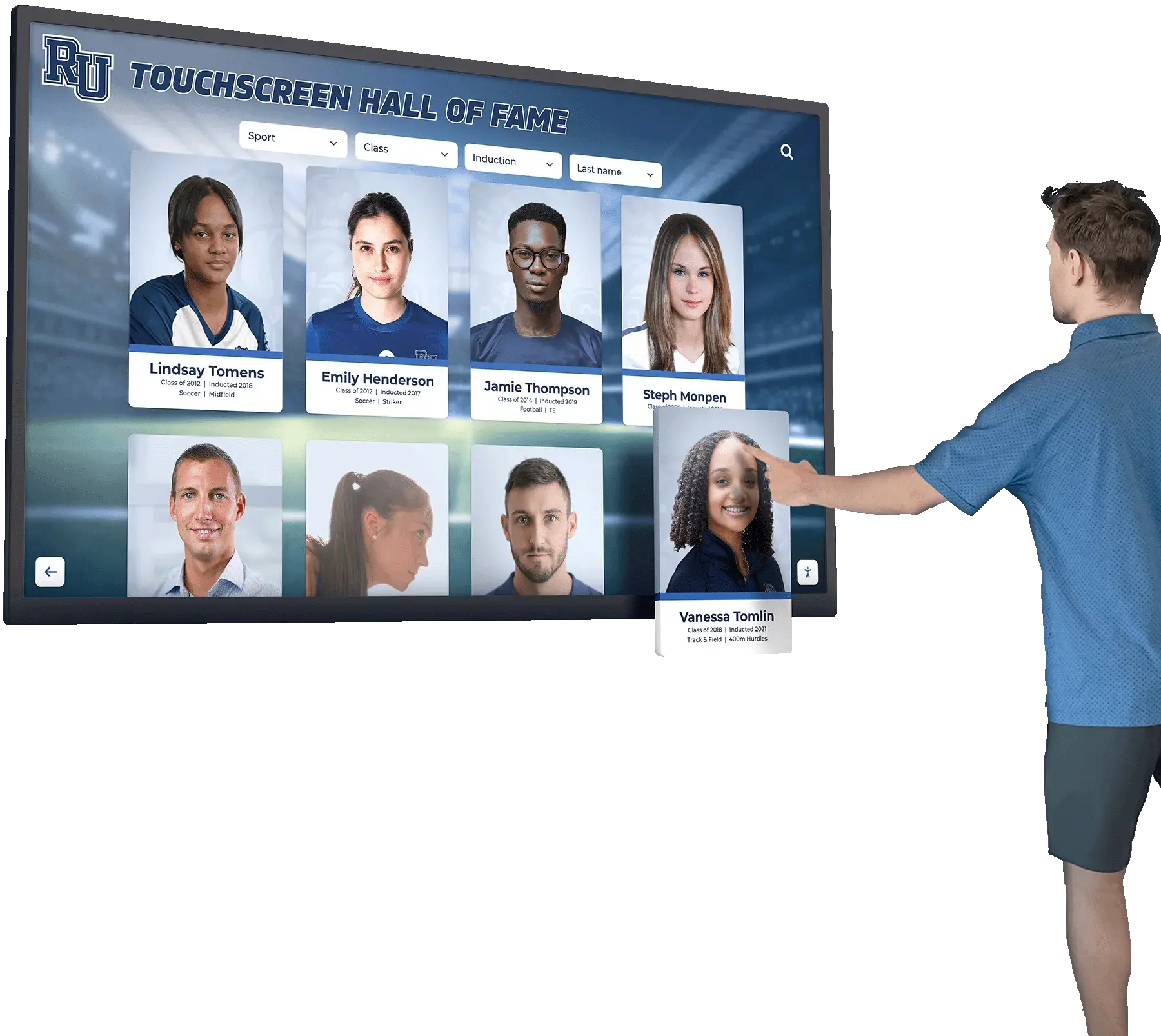
Digital recognition displays like those from Rocket Alumni Solutions transform senior awards through unlimited capacity accommodating comprehensive recognition for all graduating students, searchable interfaces enabling students to find themselves and classmates instantly, detailed profiles telling complete stories beyond simple name listings, photo galleries and achievement documentation providing visual richness, and permanent digital archives preserving recognition indefinitely rather than removing displays annually.
According to educational technology research, schools implementing interactive digital displays report 25% increases in student engagement with recognition systems compared to static displays, as touchscreen interfaces invite exploration and interaction impossible with traditional plaques.
Dynamic Content Capabilities
Modern digital systems enable recognition impossible with static displays including rotating featured student spotlights showcasing different seniors daily or weekly, video content featuring senior reflections and achievements, slideshow presentations celebrating class accomplishments collectively, real-time updates adding new achievements throughout senior year, and integration with social media enabling sharing and extended reach beyond school walls.
This dynamic nature keeps displays fresh and engaging rather than static installations quickly becoming background fixtures students stop noticing.
Cloud-Based Management Advantages
Digital platforms provide administrative benefits including remote content updates from any internet-connected device, bulk import capabilities for student data and achievements, role-based permissions enabling appropriate staff access, scheduling features publishing content at optimal times, and analytics tracking engagement with recognition content.
Schools report 80-90% reduction in administrative time spent maintaining senior recognition after implementing digital systems compared to creating and updating physical displays annually.
Explore comprehensive digital approaches in digital recognition displays buyer guide for schools.
Designing Comprehensive Senior Awards Display Programs
Creating effective recognition requires systematic planning ensuring displays celebrate diverse achievements while remaining manageable and sustainable.
Establishing Award Categories and Selection Criteria
Clear criteria ensure fair, consistent recognition decisions maintaining program integrity and credibility.
Defining Recognition Tiers
Structured programs benefit from tiered recognition including pinnacle honors (valedictorian, salutatorian, major awards), departmental distinctions (subject-specific excellence), participation acknowledgment (all graduating seniors), and special recognition (unique circumstances and qualities).
This tiered approach ensures the most prestigious awards maintain meaning through selective criteria while guaranteeing every graduating student receives some acknowledgment for completing their high school journey.
Selection Process Development
Transparent selection maintains community trust through clearly documented criteria for each award category, objective metrics where possible (GPA thresholds, competition results), faculty nomination and committee review for subjective awards, student nomination processes for peer recognition categories, and published timelines and procedures accessible to all stakeholders.
Schools should publish award criteria early in senior year enabling students to understand recognition opportunities and work toward goals rather than learning about awards only when recipients are announced.
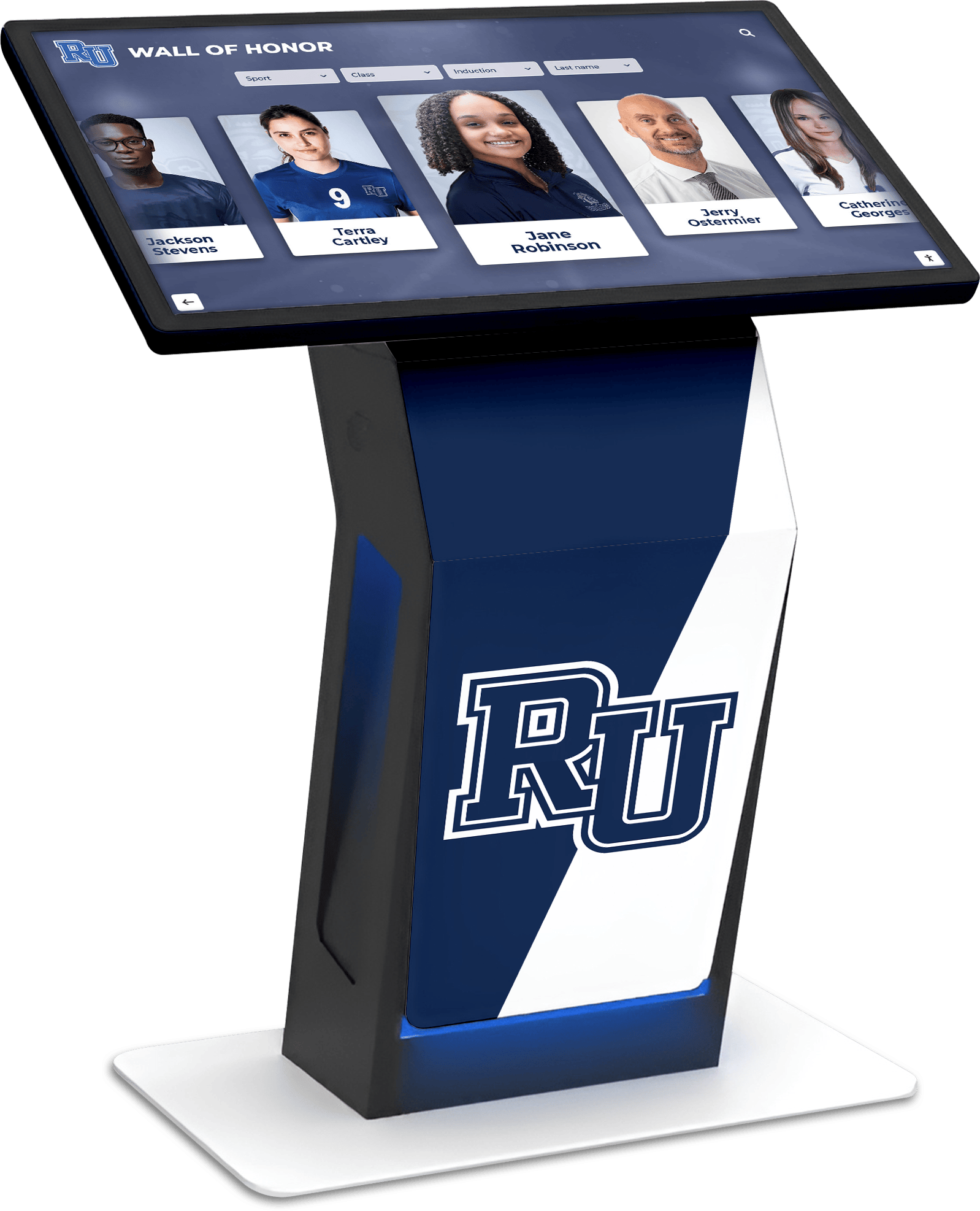
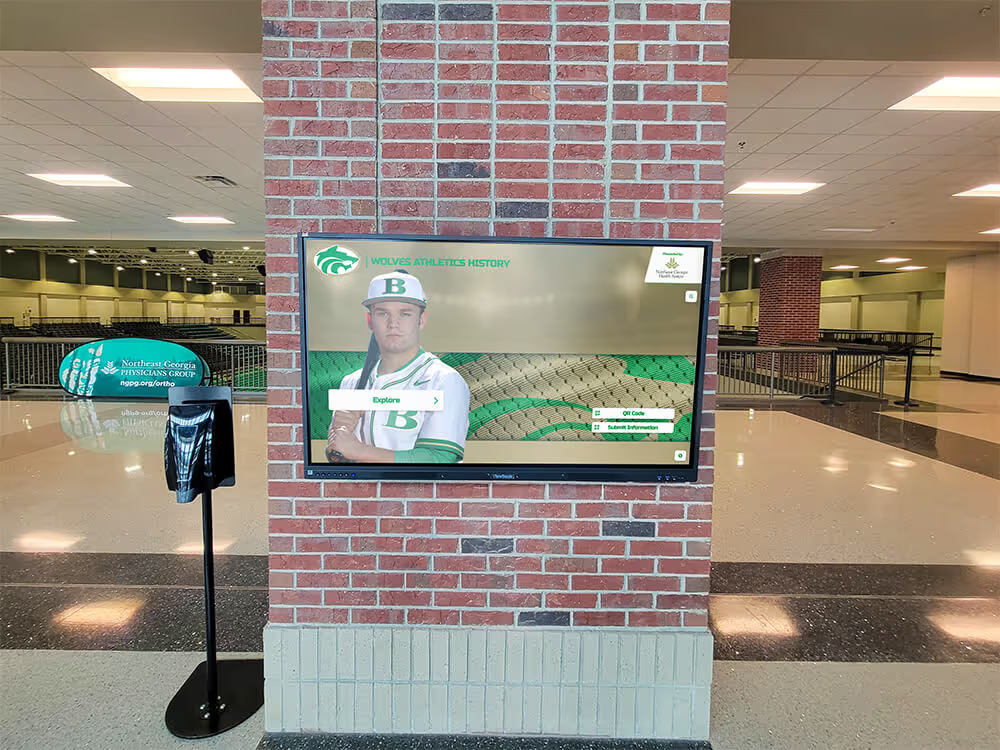
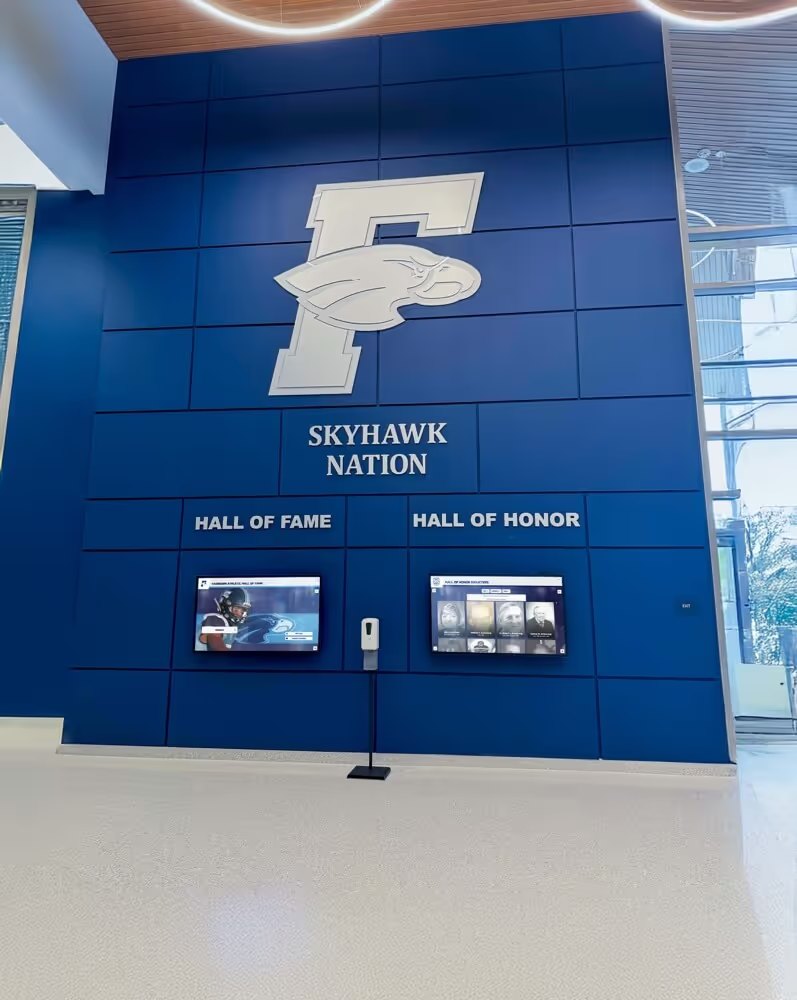
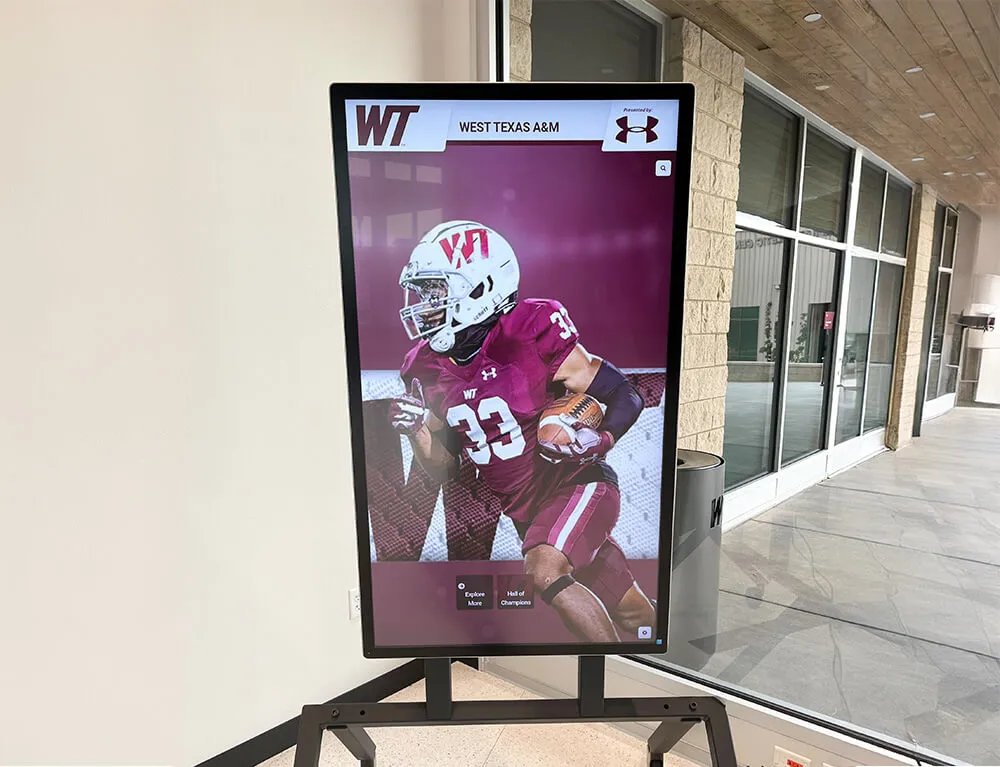
Free-standing kiosks provide flexible placement options in lobbies, hallways, and common areas
Equity and Inclusion Considerations
Recognition programs should actively address equity including multiple recognition pathways ensuring diverse students find success opportunities, awareness that students navigate different circumstances affecting achievement, recognition for growth and improvement alongside absolute achievement, celebration of diverse talents beyond traditional academic and athletic metrics, and intentional review ensuring recognition distribution reflects school demographics.
Educational equity research demonstrates that recognition systems disproportionately celebrating advantaged students can reinforce rather than reduce achievement gaps—making thoughtful inclusive design essential.
Senior Awards Night and Ceremony Planning
Formal ceremonies create memorable recognition experiences complementing permanent displays.
Ceremony Structure and Format
Effective senior awards nights include welcome and opening remarks establishing ceremony significance, recognition category presentations organized by theme (academic, athletic, arts, character), individual recipient introductions with achievement descriptions, physical certificate or award presentation for keepsake value, featured keynote speaker or student reflections, and closing remarks connecting recognition to institutional values.
Most schools schedule awards nights 2-4 weeks before graduation enabling appropriate recognition timing while avoiding schedule conflicts with graduation rehearsals and ceremonies.
Family Engagement and Communication
Maximizing ceremony impact requires advance notification to families of recipients ensuring attendance, general invitation to entire senior class and families creating community celebration, printed programs providing ceremony keepsakes, photography opportunities for recipients and families, and reception or refreshments facilitating social interaction and celebration.
Schools report significantly higher family satisfaction when awards ceremonies feel inclusive and celebratory rather than exclusive events recognizing only top achievers while other families watch.
Technology Integration
Contemporary ceremonies benefit from multimedia presentations including digital slideshows showcasing recipients and achievements, video montages celebrating senior class collectively, live streaming for families unable to attend in person, social media coverage extending reach beyond attendees, and recorded archives providing lasting documentation.
These technological elements should enhance rather than overshadow personal moments of individual recognition and celebration.
Learn about ceremony approaches in homecoming awards and recognition events adaptable to senior recognition.
Display Placement and Visibility Strategies
Strategic positioning ensures recognition receives appropriate visibility and engagement.
High-Traffic Location Selection
Optimal placement includes main entrance lobbies visible to all entering school, hallways near administrative offices where visitors and families gather, cafeteria or common areas with sustained student presence, near auditoriums or gyms hosting school events, and media center or library spaces where students and families linger.
Multiple placement options prove ideal for digital systems—main comprehensive display in primary location supplemented by additional screens in secondary areas extending visibility.
Integration with Existing Recognition
Senior displays should complement rather than compete with other recognition including placement near existing halls of fame and award displays, connection to school history and tradition installations, integration with alumni recognition bridging past to present, and coordination with athletic and academic trophy cases.
This integration reinforces that senior recognition continues institutional traditions while celebrating current achievements.
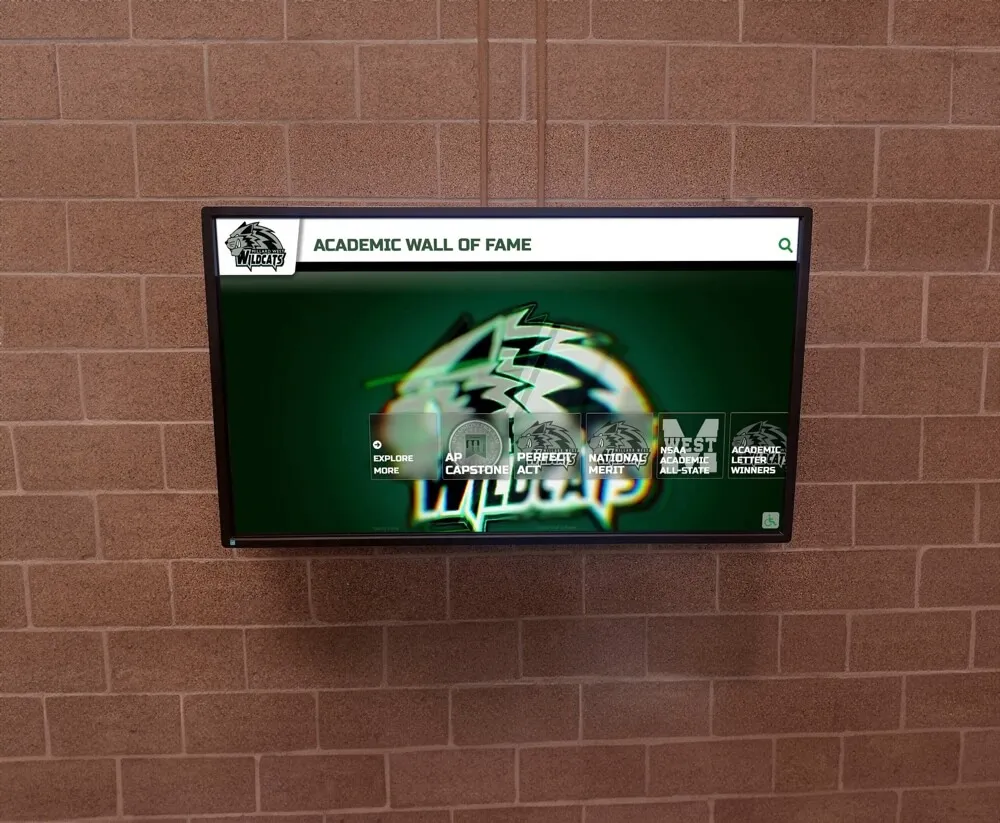
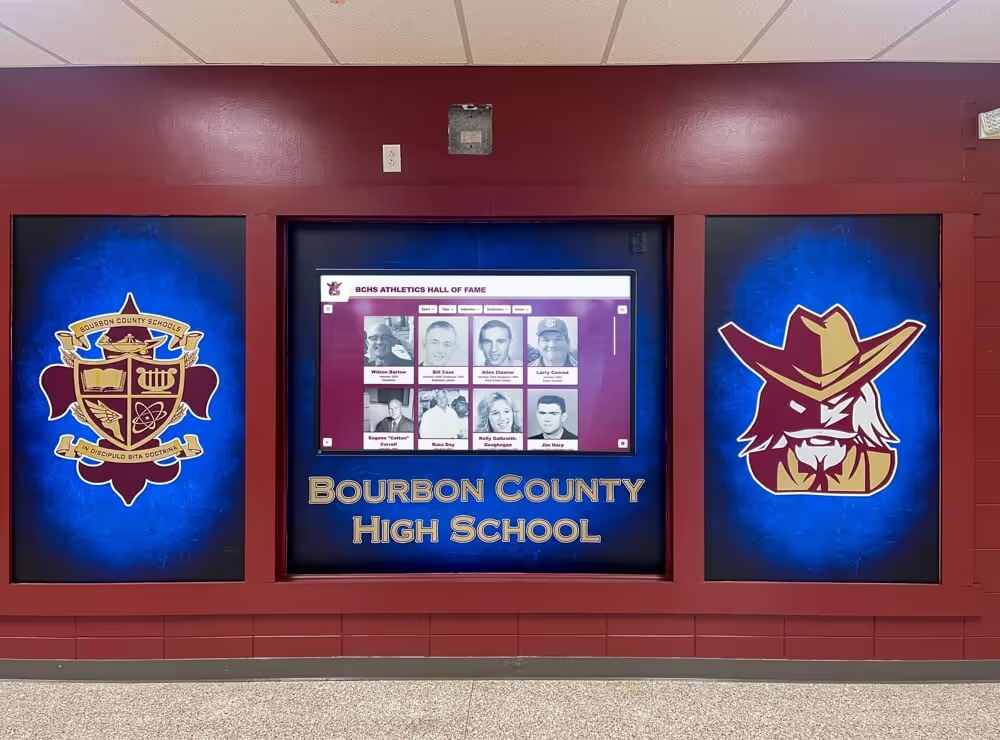
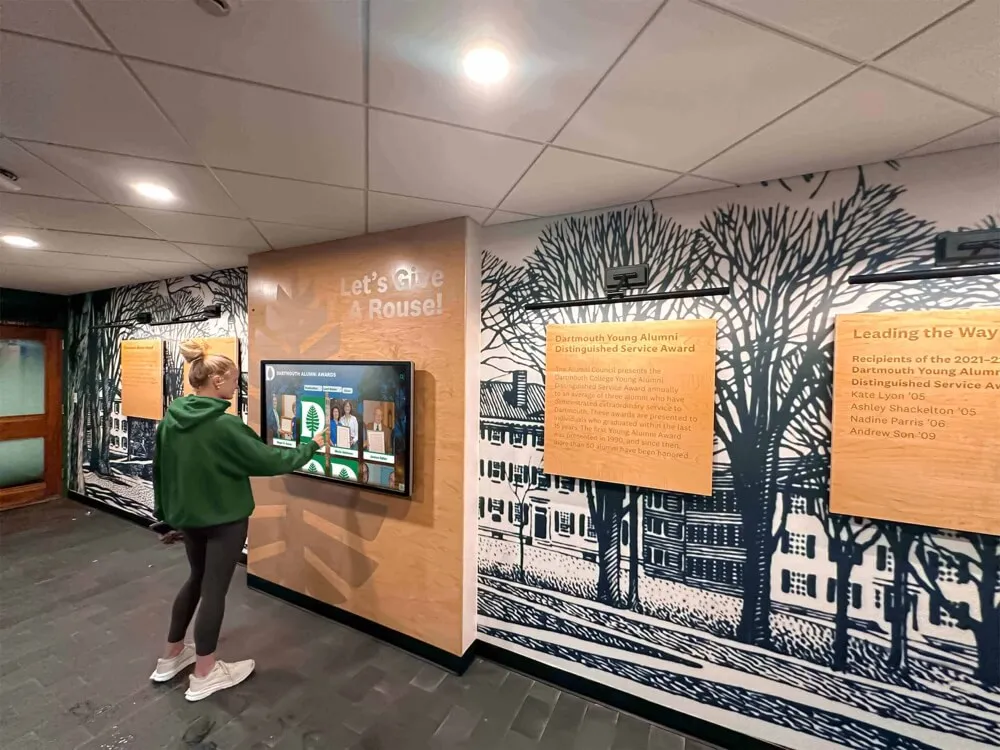
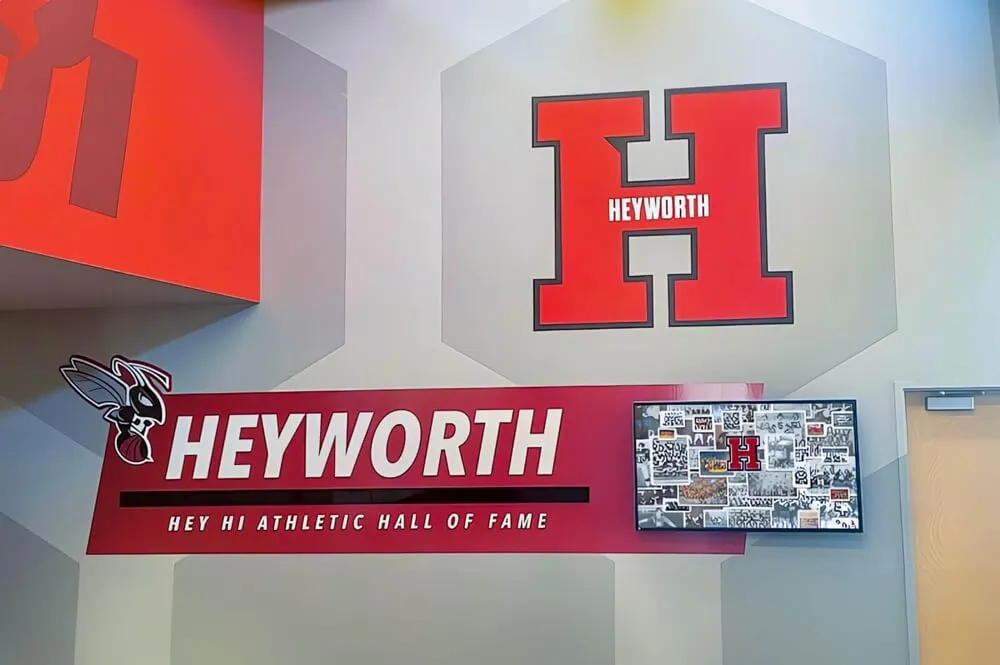
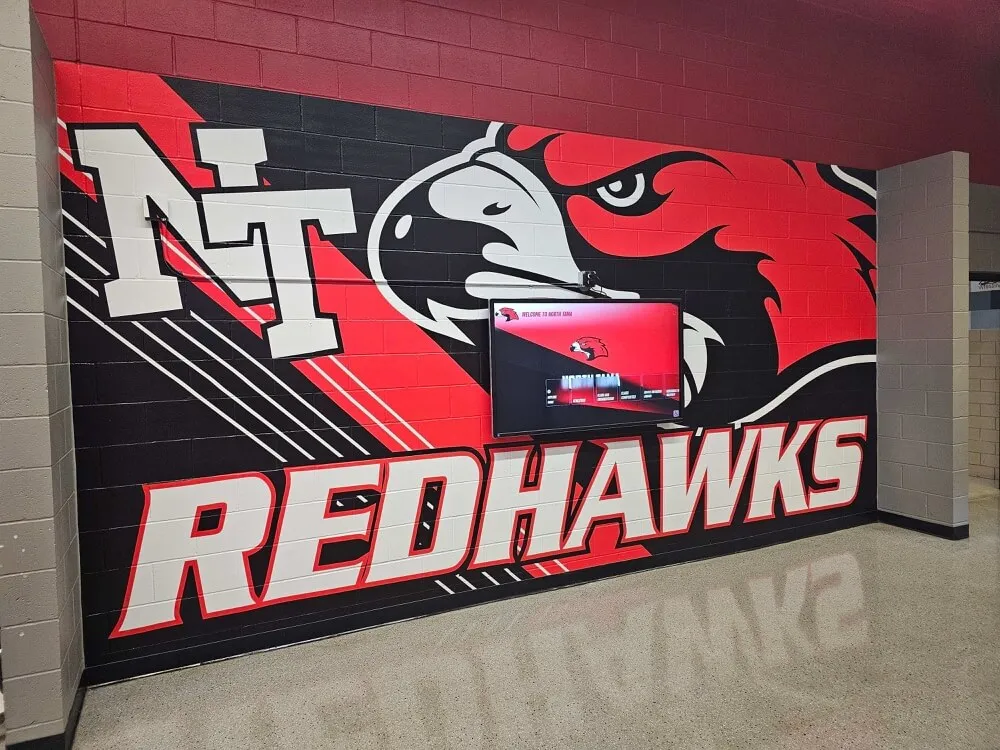
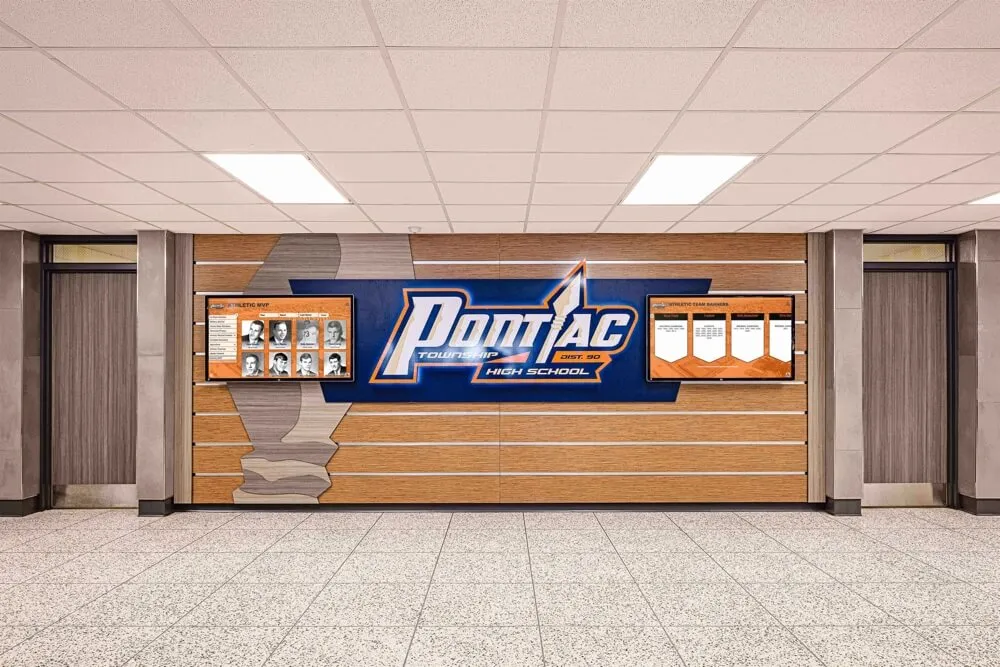
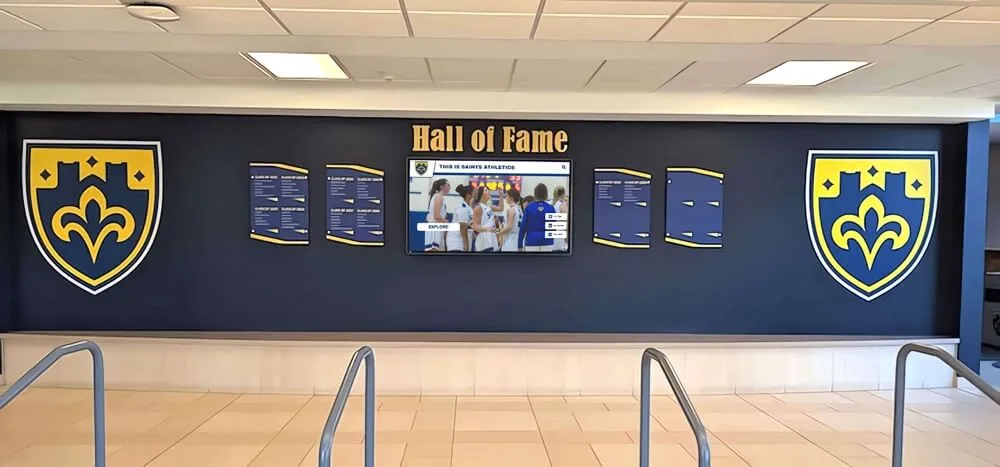
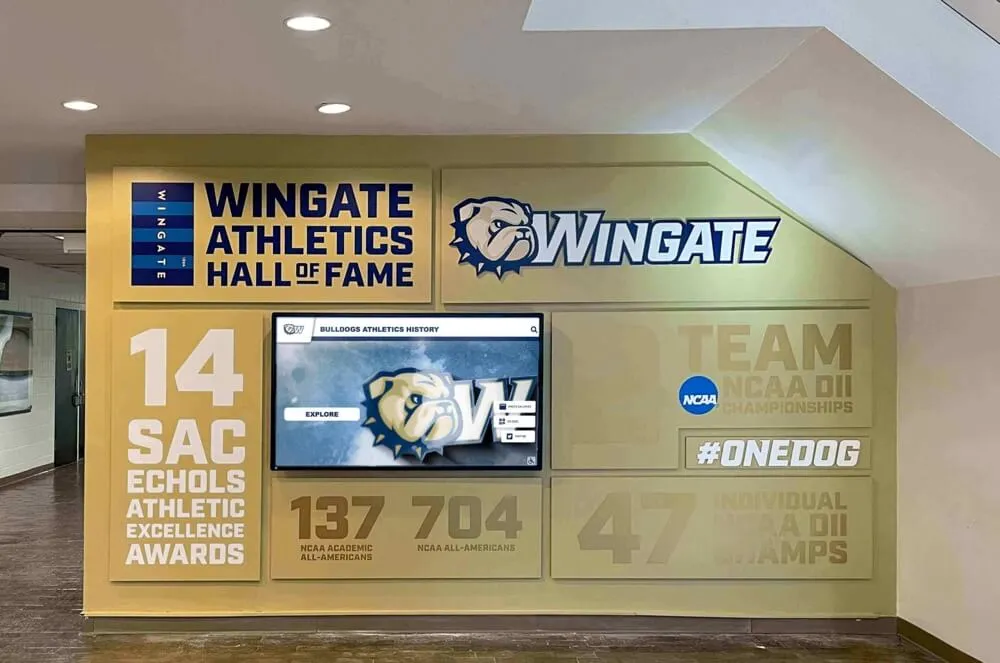
Wall-mounted installations integrate seamlessly with school architecture while providing comprehensive recognition
Visibility Beyond Campus
Recognition should extend beyond physical school through web-based display access enabling family viewing from anywhere, social media features allowing sharing and celebration, alumni portal integration connecting current seniors with graduate community, recruitment materials showcasing senior achievement, and community partnership communications highlighting student success.
This extended visibility amplifies recognition impact while building community pride in graduating students’ accomplishments.
Implementing Digital Senior Awards Display Systems
Schools increasingly adopt technology-based recognition delivering advantages impossible with traditional approaches.
Selecting Digital Display Platforms
Evaluating solutions requires understanding essential capabilities distinguishing effective platforms from generic alternatives.
Core Platform Requirements
Effective senior recognition systems must provide intuitive content management interfaces requiring minimal technical expertise, flexible template designs accommodating various recognition categories, searchable student databases enabling quick individual profile access, photo gallery capabilities showcasing visual content, and mobile-responsive interfaces ensuring accessibility across devices.
Additional valuable features include video support for student reflections and achievement documentation, social sharing capabilities extending recognition reach, integration with student information systems for data import, analytics tracking engagement with recognition content, and multi-year archives preserving historical senior classes.
Hardware Considerations
Physical display hardware should include commercial-grade touchscreen displays designed for continuous operation, screen sizes appropriate for viewing distance and space (typically 43-55 inches for hallway installations), durable enclosures protecting technology in high-traffic environments, secure mounting systems preventing theft or tampering, and adequate brightness for visibility in various lighting conditions.
Display selection should balance visibility and impact with budget constraints and physical space realities.
Solutions like Rocket Alumni Solutions provide comprehensive platforms specifically designed for educational recognition applications, offering both software and hardware optimized for school environments.
Implementation Timeline and Resources
Realistic planning requires adequate lead time including 3-4 months for hardware procurement, installation, and testing, 2-3 months for content development and student data collection, 1 month for staff training and system familiarization, and soft launch testing before full deployment.
Schools should begin planning in fall semester for senior recognition launching by spring, ensuring adequate time for comprehensive implementation without rushed timeline stress.
Explore platform options in best platforms for building virtual halls of fame applicable to senior recognition.
Content Development and Management
Comprehensive recognition requires systematic content creation and ongoing management.
Student Profile Development
Effective profiles include high-quality senior portrait photography with consistent style, achievement listings across academic, athletic, arts, and leadership categories, personal statements or reflections on high school experience, future plans including college selection or career direction, and awards and recognition received throughout senior year.
Schools should establish clear submission deadlines and requirements ensuring complete information for all seniors rather than incomplete profiles undermining recognition quality.
Bulk Import and Data Management
Efficient implementation leverages existing data through student information system exports providing names and basic demographics, counselor databases tracking academic achievements and distinctions, activities director records documenting extracurricular participation, and awards committee documentation listing recipients and categories.
Digital platforms offering bulk import capabilities dramatically reduce manual data entry requirements making comprehensive recognition achievable without excessive administrative burden.
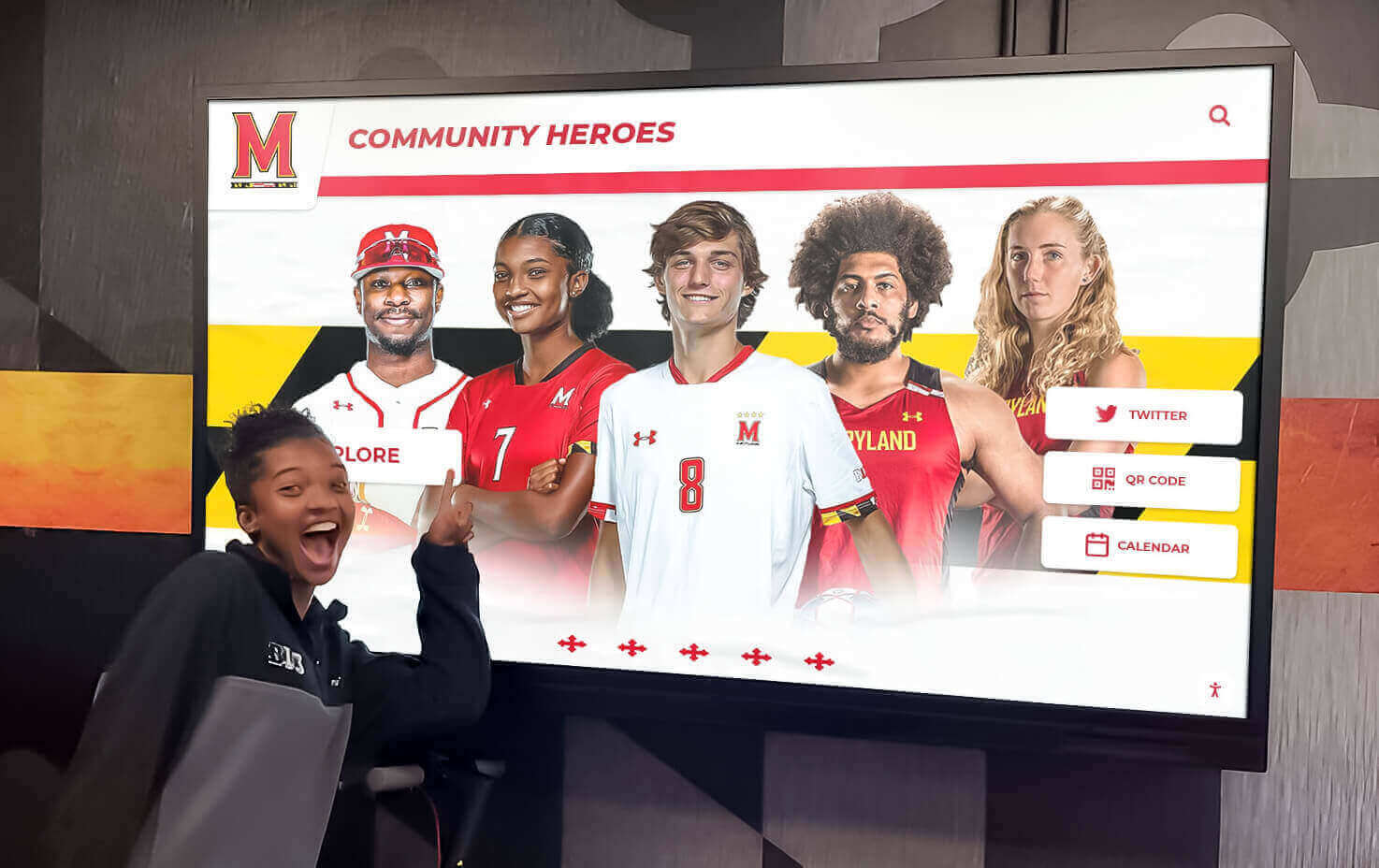
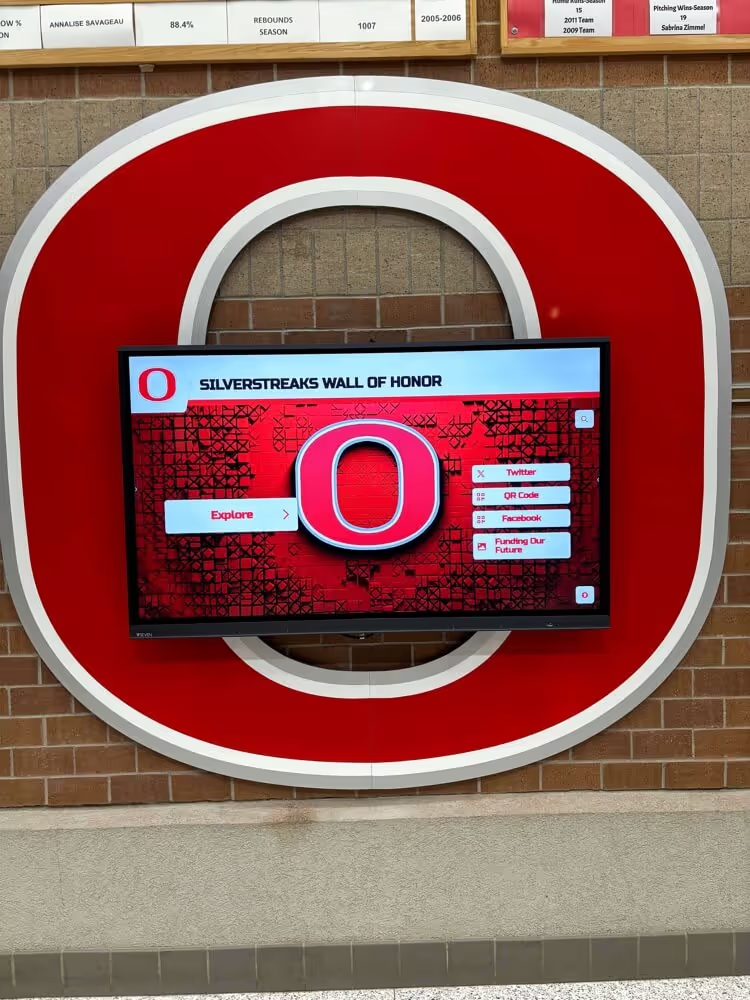
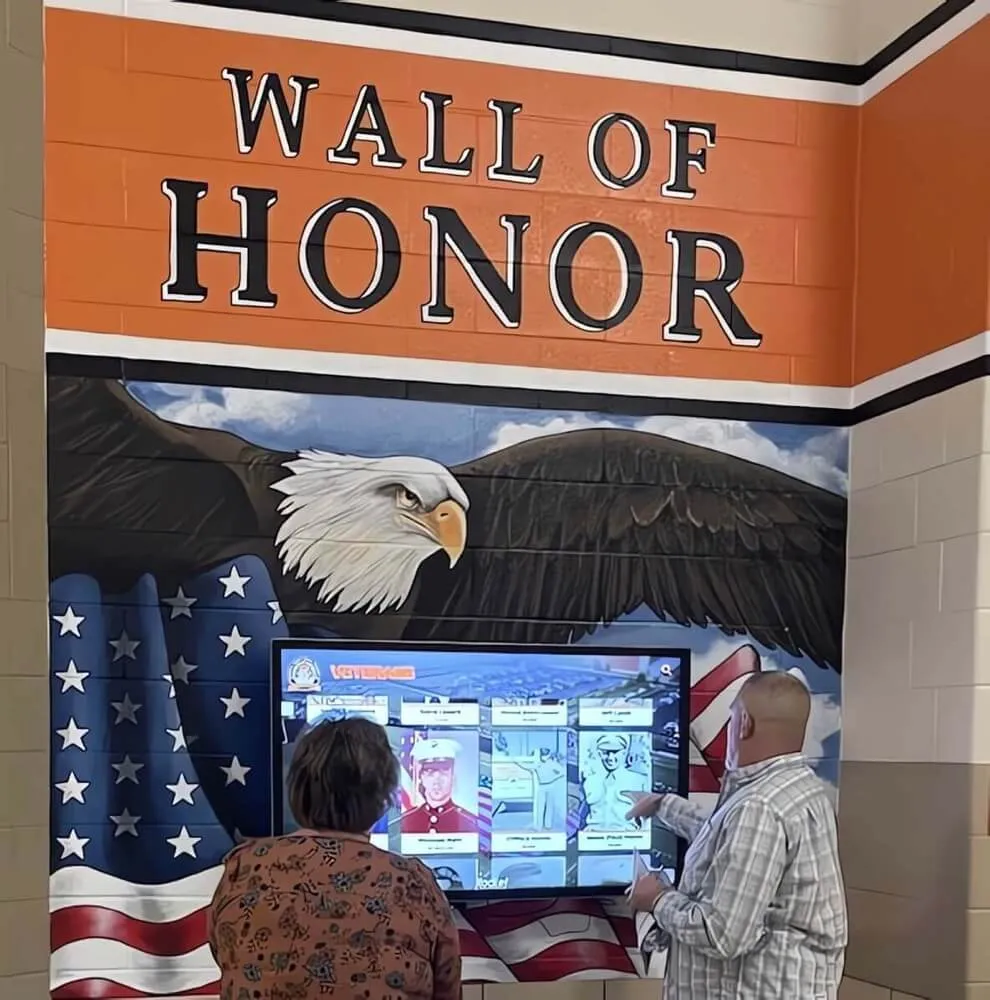
Interactive displays invite student engagement and exploration creating meaningful connection with recognition
Ongoing Update and Maintenance
Recognition systems require continuous management including weekly updates adding new achievements and announcements, monthly featured student rotations maintaining fresh content, seasonal theme adjustments reflecting academic calendar, technical maintenance ensuring reliable display operation, and end-of-year archival preparation preserving senior class documentation.
Assigning clear responsibilities with designated staff members ensures recognition maintenance doesn’t fall through cracks during busy school years.
Staff and Student Communication
Successful implementation requires stakeholder awareness and engagement.
Staff Training and Support
Faculty and staff need understanding of display capabilities and content, nomination processes for various award categories, content update procedures and access permissions, troubleshooting common technical issues, and assistance resources when problems arise beyond basic troubleshooting.
Building broad awareness ensures recognition systems benefit from distributed contributions rather than depending entirely on single technology coordinator or administrator.
Student Awareness and Engagement
Students should receive communication about award categories and eligibility criteria, nomination processes and submission deadlines, display location and access (physical and web-based), social sharing capabilities for recognized achievements, and opportunities to contribute content like reflections or videos.
Clear communication ensures students understand recognition opportunities and can advocate for their own achievements receiving appropriate acknowledgment.
Learn engagement strategies in student impact through digital recognition applicable to senior awards.
Beyond Basic Recognition: Creating Comprehensive Senior Class Celebrations
Effective programs extend beyond simple award listings to create rich, meaningful celebrations of graduating classes.
Senior Legacy and Class Identity Development
Recognition should capture unique qualities and contributions of each graduating class.
Class-Wide Collective Recognition
Beyond individual achievements, celebrate graduating class characteristics including cumulative community service hours contributed by entire class, collective college acceptances and scholarship awards, class motto or mission statement, significant class projects or fundraising initiatives, and memorable shared experiences defining the class identity.
This collective recognition builds class unity and pride while honoring individual accomplishments within context of broader community.
Senior Class Statistics and Milestones
Engaging displays feature class profile information including total graduates and demographic overview, college and career plans distribution, military service commitments, athletic participation rates, arts involvement percentages, and aggregate academic achievements.
These statistics provide context showing graduating class collective accomplishment while individual profiles celebrate specific contributions.
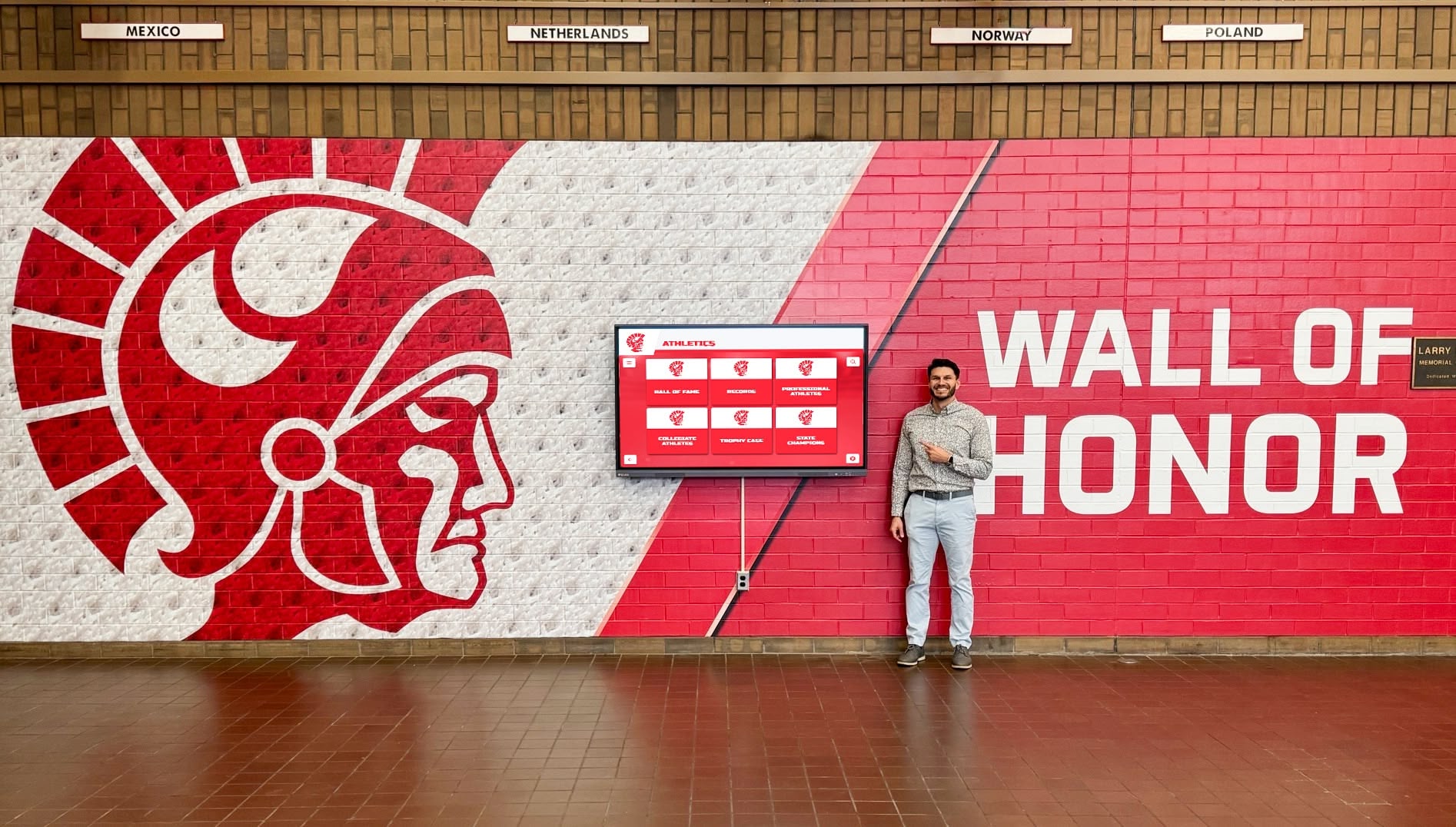
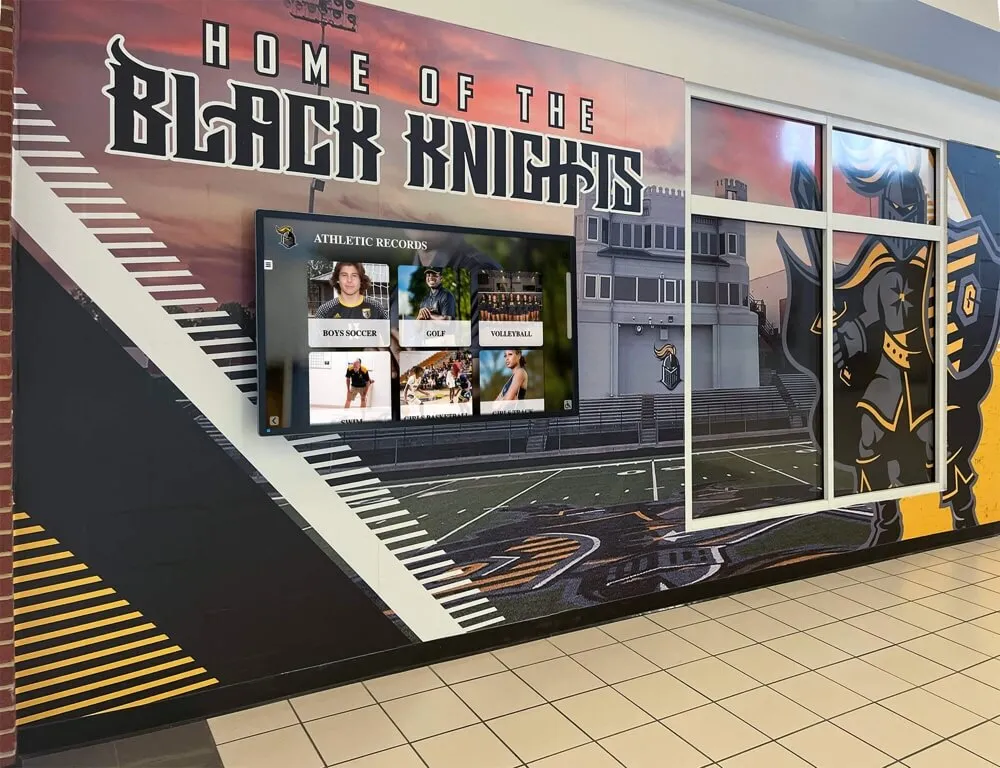
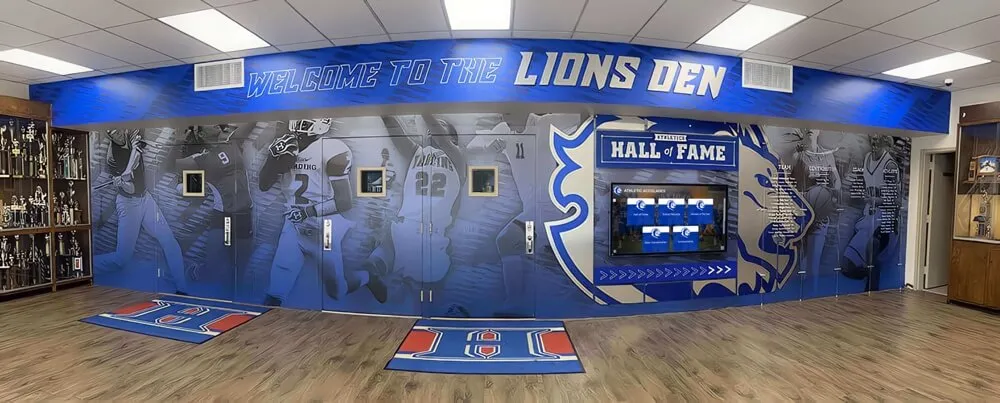
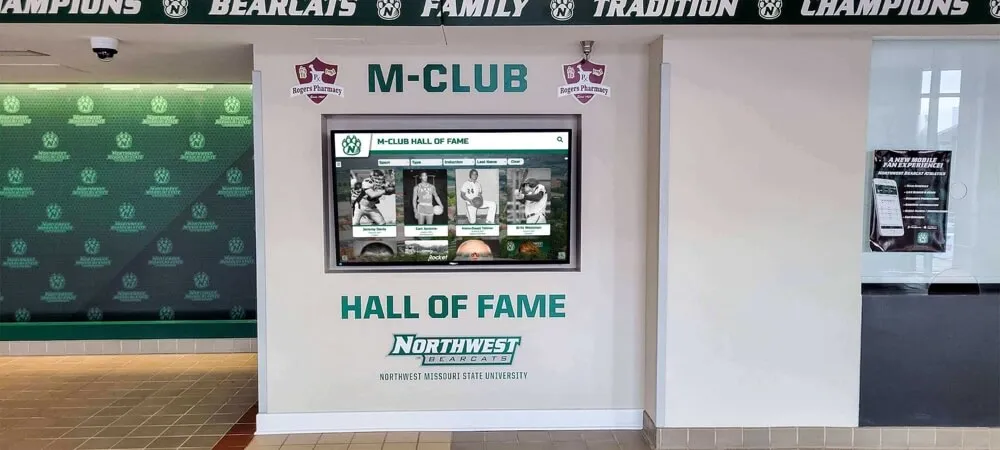
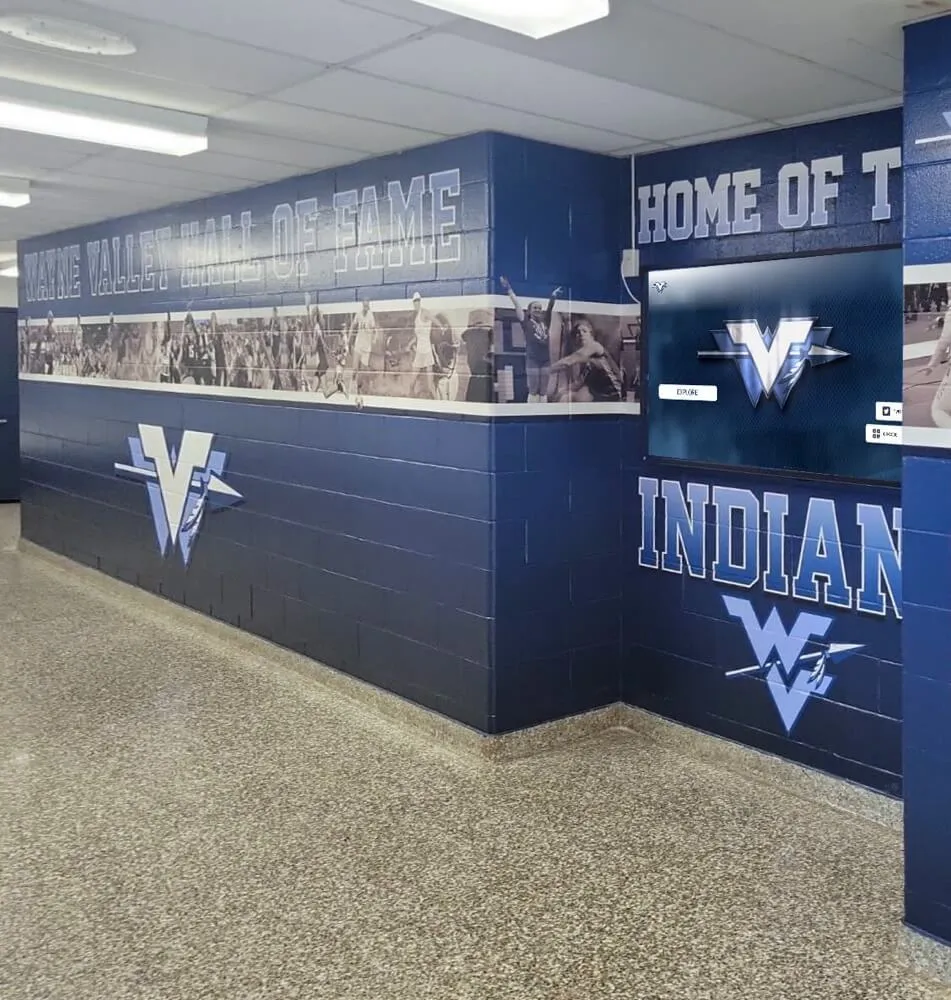
Well-designed recognition installations become destination features attracting community engagement and pride
Historical Class Comparison
Displaying multi-year data creates interesting context including year-over-year academic achievement trends, graduation rate improvements, college acceptance patterns, and unique characteristics distinguishing different class years.
This historical perspective demonstrates institutional progress while celebrating current senior class within continuing school tradition.
Alumni Connection and Transition Messaging
Senior recognition should bridge current achievement with future alumni engagement.
Alumni Pathway Communication
Recognition displays can feature alumni network information and engagement opportunities, scholarship and support resources available to graduates, career mentorship programs connecting seniors with alumni, reunion and homecoming event promotion, and inspirational alumni success stories showing future possibilities.
This forward-looking content positions graduation as beginning rather than ending of school relationship while demonstrating value of sustained alumni connection.
Senior Reflection and Advice
Contemporary displays can include senior video reflections sharing high school lessons learned, advice for underclassmen from graduating seniors, favorite memories and meaningful experiences, gratitude messages to teachers, coaches, and mentors, and perspectives on overcoming challenges and adversity.
This student-voice content creates authentic, meaningful content resonating with younger students while providing graduates meaningful opportunities to share wisdom and perspectives.
Multi-Media Storytelling and Rich Content
Modern digital systems enable recognition complexity impossible with static displays.
Video Content Integration
Senior recognition video content can include achievement highlight reels showcasing accomplishments, senior class montage celebrations, individual student interview reflections, awards ceremony recordings, and senior project or capstone presentations.
According to educational technology research, students engage 3-4 times longer with displays incorporating video content compared to static text and images alone, making multimedia integration valuable for recognition engagement.
Photo Gallery Development
Comprehensive visual documentation includes formal senior portraits, candid photos from throughout senior year, achievement moment captures (performances, competitions, ceremonies), team and group photos celebrating collective accomplishments, and historical comparison photos showing growth from freshman to senior year.
Rich visual content creates emotionally engaging recognition feeling celebratory and personal rather than simply informational.
Discover storytelling approaches in storytelling through digital recognition applicable to senior displays.
Measuring Senior Awards Display Success
Regular assessment ensures recognition programs achieve intended goals while justifying resource investment.
Quantitative Success Metrics
Participation and Coverage Statistics
Measurable indicators include percentage of seniors receiving some form of recognition, average number of awards per graduating senior, distribution of recognition across achievement categories, demographic representation in award recipients, and year-over-year participation trends.
Comprehensive programs should approach 100% senior inclusion through combination of competitive awards, participation recognition, and inclusive categories ensuring every graduate receives acknowledgment.
Engagement Measurements
Digital displays enable tracking interaction data including total views and session duration, search queries revealing which students generate interest, feature utilization showing valued capabilities, peak usage times informing content scheduling, and social sharing rates indicating recognition resonance.
Schools implementing digital recognition report average session durations of 2-3 minutes with students exploring multiple profiles beyond simply finding themselves—indicating genuine engagement rather than perfunctory glances.
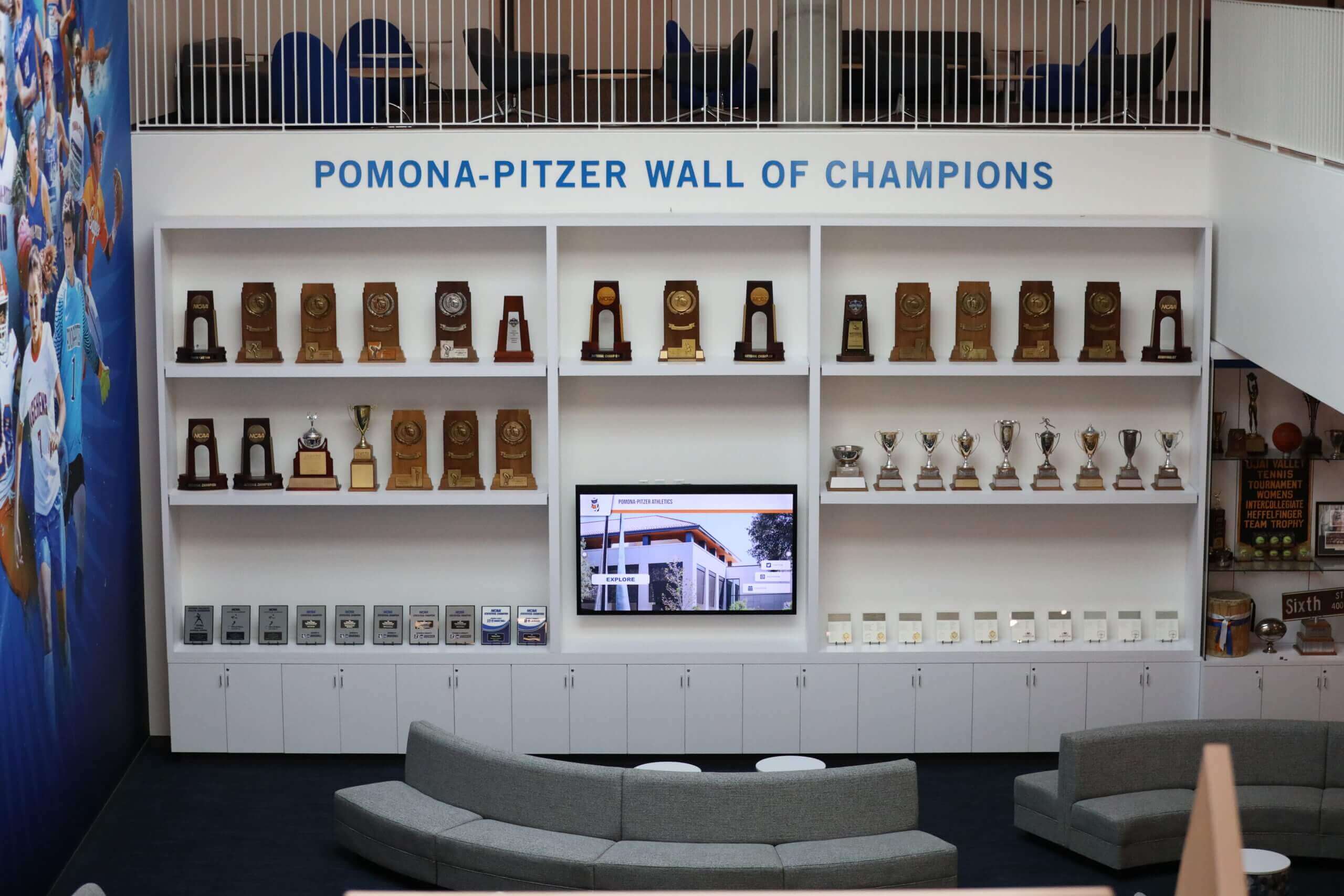
Dedicated recognition spaces create destinations for celebration and reflection on achievement
Cost-Effectiveness Analysis
Financial evaluation should consider total implementation and annual maintenance costs, staff time requirements for content management, cost per recognized student calculation, comparison to traditional display expenses, and recognition longevity and reuse value.
Digital systems typically demonstrate superior cost-effectiveness over multi-year timeframes despite higher initial investment, as updating costs prove dramatically lower than recreating physical displays annually.
Qualitative Assessment Approaches
Stakeholder Feedback Collection
Understanding program impact requires gathering senior perspectives through surveys or focus groups, family reactions and satisfaction feedback, staff observations about student engagement, underclassman responses viewing recognition of older peers, and alumni reflection on how recognition affected their experience.
Schools report that seniors consistently rank recognition among most meaningful senior-year experiences alongside prom, graduation, and senior trips—indicating significant personal importance beyond what external observers might assume.
Cultural Impact Observation
Broader institutional effects include enhanced school pride and community identity, increased motivation among underclassmen aspiring to recognition, stronger family engagement and positive school perception, improved alumni connection with sustained graduates-to-institution relationship, and enhanced recruitment appeal for prospective students and families.
These cultural benefits, while less quantifiable than engagement metrics, ultimately prove most important for justifying recognition program investment and continuous improvement.
Special Considerations for Different School Contexts
Recognition approaches should adapt to specific institutional characteristics and community contexts.
Small School Senior Recognition
Schools with graduating classes under 100 students face unique opportunities and challenges.
Leveraging Intimacy and Community
Small schools benefit from personal knowledge of every senior, comprehensive recognition feasibility across entire class, intimate ceremonies creating meaningful family atmosphere, and strong tradition maintenance across generations.
Digital recognition proves particularly valuable for small schools as systems eliminate space constraints that might otherwise limit how much information about each senior receives display while providing archives building institutional history as graduating classes accumulate.
Resource Constraint Considerations
Limited budgets and staff require prioritizing affordable solutions with low maintenance requirements, leveraging volunteer support from parents and community, phased implementation starting modest and expanding, and shared resources across recognition programs (athletic, academic, senior).
Solutions offering fixed subscription pricing regardless of usage prove more predictable for budget planning compared to per-student or per-feature cost models that complicate financial forecasting.
Large School Senior Recognition
Schools graduating 400+ students annually face scalability challenges requiring systematic approaches.
Managing Recognition Scale
Large schools must implement efficient bulk data import and management processes, establish clear category tiers maintaining selectivity for top honors, create distributed responsibility with multiple staff managing content, and design searchable systems enabling individual student discovery within large populations.
Without appropriate systems, comprehensive recognition becomes administratively infeasible in large schools—leading to recognition limited to small percentages of graduating classes and creating feelings of exclusion among non-recognized majority.
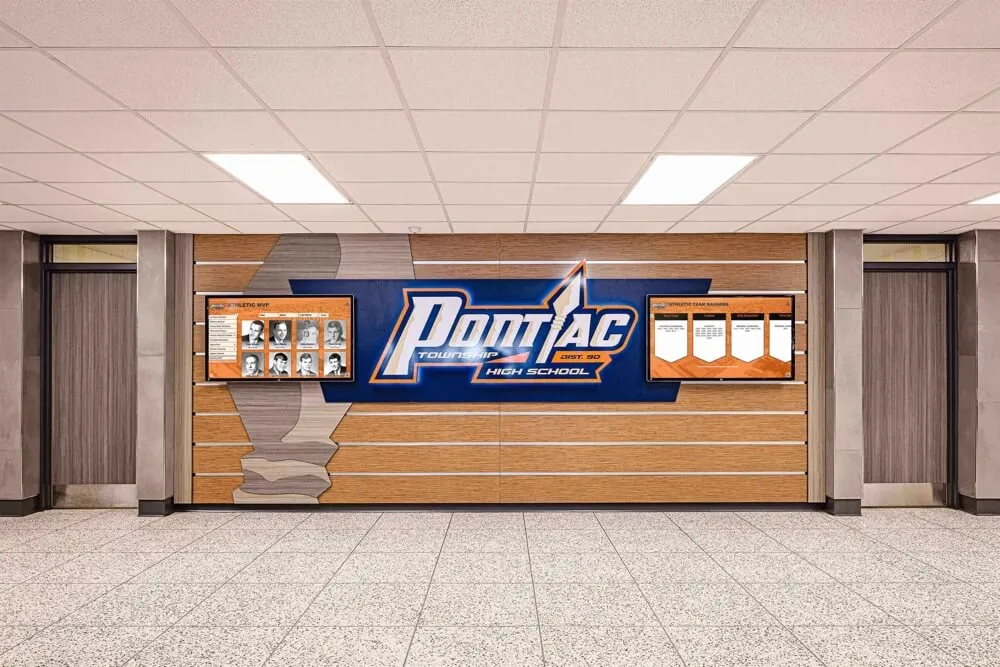
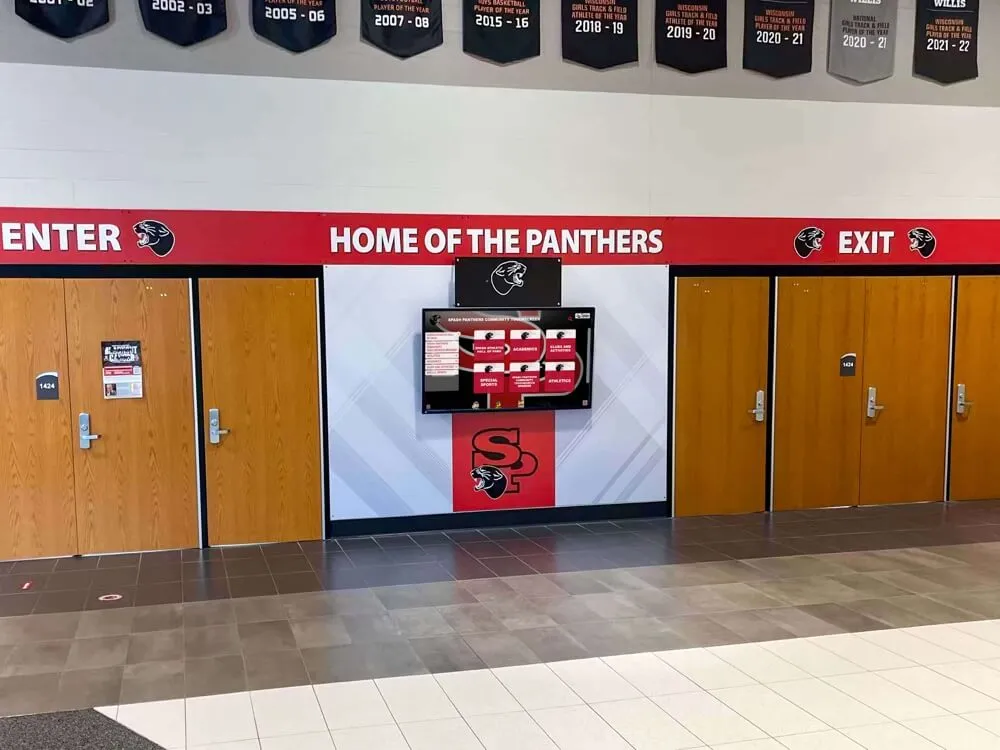
Multiple display installations throughout schools ensure recognition visibility regardless of student traffic patterns
Maintaining Individual Recognition Meaning
Large school challenges include preventing recognition inflation where excessive categories dilute meaning, maintaining personal touches despite scale, ensuring ceremony logistics accommodate large recipient numbers, and creating displays where individuals don’t disappear into undifferentiated crowds.
Thoughtful tiering and category design help maintain recognition meaning—establishing selective major awards maintaining prestige alongside broader inclusive categories ensuring comprehensive coverage.
Private and Independent School Considerations
Independent schools often emphasize tradition and have unique expectations requiring recognition alignment.
Tradition and Brand Alignment
Private school recognition should reflect institutional mission and values explicitly, maintain consistency with historical precedent and tradition, incorporate distinctive school culture and nomenclature, and meet elevated family expectations for quality and presentation.
Custom design and branding capabilities prove particularly important for independent schools where generic solutions may feel inconsistent with institutional identity and market positioning.
College Placement and Outcomes Celebration
Independent schools often emphasize college preparation including prominent college acceptance and matriculation displays, scholarship award totals showcasing financial outcomes, prestigious university acceptances and program admissions, and connection between recognition and college admissions success.
This outcomes focus demonstrates institutional educational effectiveness while celebrating individual senior accomplishments within context of college preparation mission.
Cost Considerations and Budget Planning
Understanding financial requirements enables informed decisions about recognition program scope and approach.
Traditional Physical Display Costs
Conventional recognition expenses include engraved plaques at $50-200 per student depending on size and materials, printed display boards at $300-800 for full senior class designs, trophy case updates at $2,000-5,000 for new installations, framed certificates at $20-75 per certificate with framing, and annual recreation costs as previous displays are retired or updated.
Large schools can easily spend $8,000-15,000 annually on physical senior recognition that serves single graduating class before requiring replacement for subsequent years.
Digital Display System Investment
Technology-based recognition requires upfront hardware investment at $8,000-25,000 per display depending on size and features, software platform subscriptions at $1,500-5,000 annually for cloud-based management, installation services at $1,000-3,000 for professional mounting and configuration, content development at $2,000-6,000 for initial setup and design, and ongoing content management representing 10-20 hours annually for updates.
While initial investment proves higher, year-two and beyond costs drop dramatically as hardware continues serving multiple graduating classes with only software subscription and minimal content management costs.
Return on Investment Analysis
Multi-year analysis reveals digital advantages including year-one costs of $15,000-35,000 for comprehensive implementation, year-two and beyond costs of $2,000-6,000 for software and content management, 3-year cumulative cost comparable to traditional approaches, and 5+ year costs dramatically lower than recreating physical displays annually.
Beyond direct cost comparison, digital systems provide enhanced capabilities impossible with traditional displays including unlimited recognition capacity, searchable archives, multimedia content, remote updates, and extended web access—making feature-adjusted comparison even more favorable.
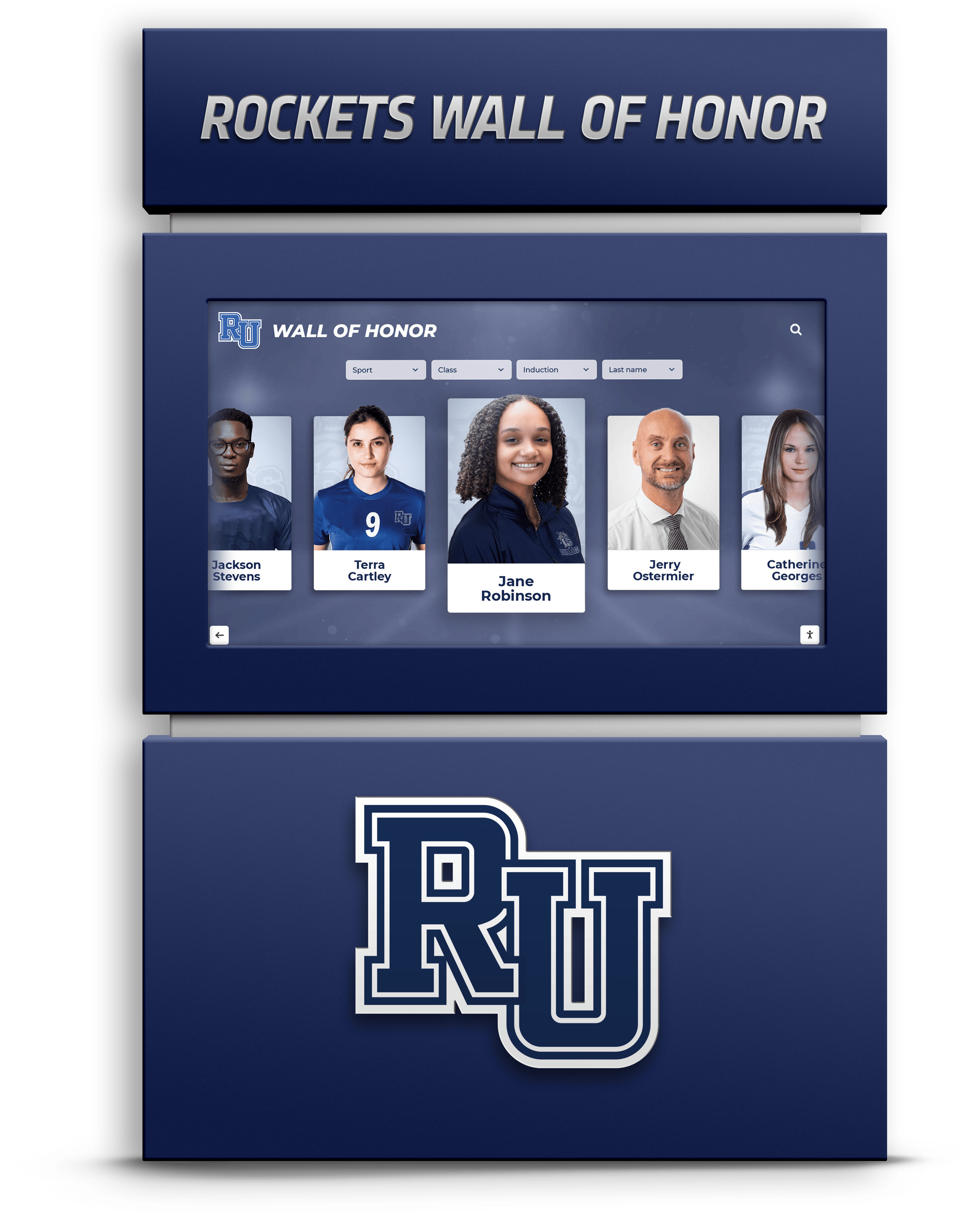
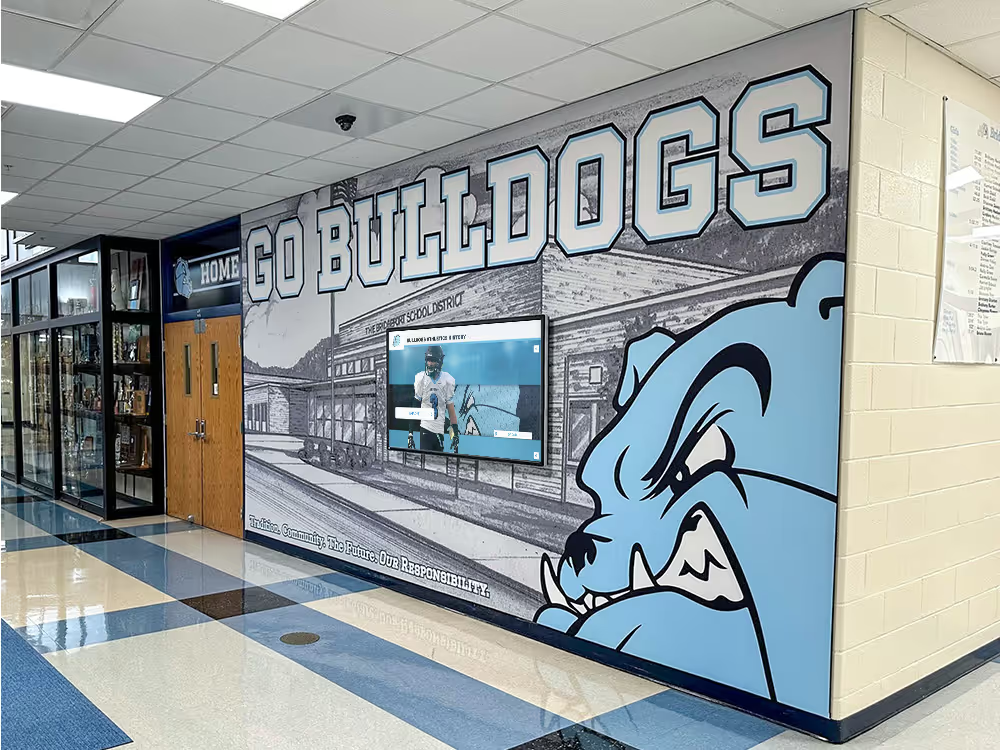
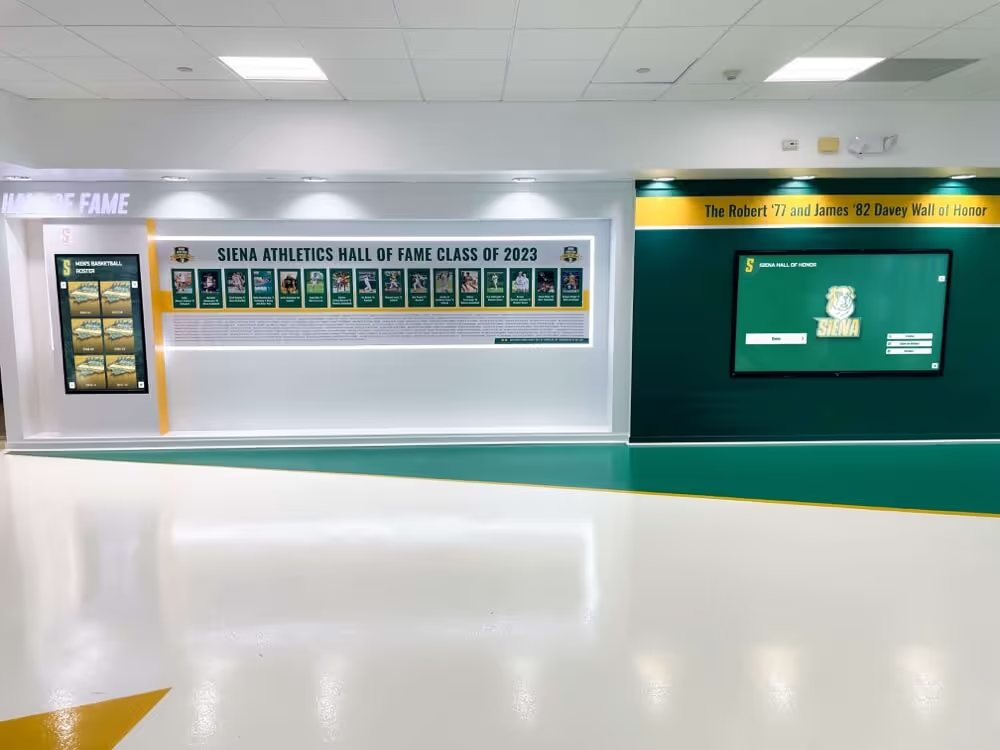
Comprehensive touchscreen installations become signature recognition features showcasing institutional commitment to celebrating achievement
Funding Strategies and Partnerships
Creative financing can offset recognition system costs through senior class fundraising dedicated to legacy recognition, parent association grants and funding support, alumni association contributions supporting current senior recognition, business sponsorships from community partners, and capital campaign inclusion in broader facility improvements.
Some schools successfully frame senior recognition displays as graduation gifts from parents or alumni—creating meaningful giving opportunities while providing necessary funding for comprehensive recognition systems.
Implementation Timeline and Project Planning
Systematic planning ensures successful senior awards display implementation without rushed deadlines creating stress.
Academic Year Planning Calendar
Fall Semester Planning Phase (August-December)
Early planning activities include establishing recognition committee and responsibilities, determining award categories and selection criteria, selecting display approach (traditional versus digital), budgeting and funding identification, and vendor selection if implementing digital systems.
Schools beginning planning in fall position themselves for successful spring implementation when senior recognition typically launches.
Winter Semester Implementation Phase (January-March)
Implementation proceeds through hardware installation for digital systems, staff training on content management, award nomination process launch, content collection and profile development, and soft launch testing before full deployment.
This timeline enables troubleshooting any implementation issues before peak senior recognition period.
Spring Recognition Launch (April-June)
Final recognition activities include formal display launch announcement, senior awards night ceremony planning and execution, final senior achievement updates, graduation coordination and integration, and alumni transition communication.
Well-planned implementation enables seamless senior recognition integrated naturally with graduation season activities rather than feeling like last-minute additions.
Post-Implementation Evaluation and Refinement
Following initial launch, schools should conduct formal program evaluation including stakeholder feedback collection through surveys and discussions, engagement metric analysis for digital systems, cost-effectiveness assessment, success measurement against stated program goals, and refinement planning for subsequent years.
First-year implementation inevitably reveals improvement opportunities—systematic evaluation ensures lessons learned inform continuous enhancement rather than repeating suboptimal approaches indefinitely.
Learn implementation approaches in measuring digital hall of fame success applicable to senior recognition.
Conclusion: Creating Meaningful Senior Class Recognition That Lasts
Senior class awards displays represent far more than administrative requirements or graduation formalities—they embody institutional commitment to celebrating student achievement, building school pride, and creating lasting connections between graduates and their alma mater. When schools invest thoughtfully in comprehensive recognition systems honoring diverse achievements across academic, athletic, artistic, leadership, and character dimensions, they send powerful messages that every student’s high school journey matters and deserves celebration.
Transform Your Senior Class Recognition Program
Discover how modern digital recognition solutions can help you celebrate every graduating student's achievements and create lasting displays that build school pride for generations. Solutions like Rocket Alumni Solutions provide comprehensive platforms designed specifically for educational recognition applications with intuitive interfaces, unlimited capacity, and reliable performance.
Explore Senior Recognition SolutionsThe strategies explored in this guide provide comprehensive frameworks for building senior recognition programs that honor graduating students while remaining sustainable, equitable, and aligned with institutional values. From digital display systems eliminating space constraints to thoughtfully designed award categories ensuring diverse achievement recognition, these approaches transform senior acknowledgment from generic name listings to rich, meaningful celebrations of individual students and collective class identity.
Traditional physical displays served schools well for generations but face inherent limitations including restricted space forcing difficult choices about whose achievements receive visibility, inflexibility making updates and corrections impossible, and dated aesthetics potentially feeling disconnected from contemporary digital-native students. Digital recognition platforms overcome these constraints while adding capabilities impossible with static displays—unlimited capacity, searchable interfaces, multimedia content, remote management, and permanent archives preserving every graduating class in perpetuity.
Building effective senior awards displays requires moving beyond minimal compliance thinking toward aspirational recognition celebrating comprehensive student achievement. Every graduating senior contributed to your school community and deserves meaningful acknowledgment—not perfunctory inclusion on generic lists but genuine celebration of their unique qualities, achievements, and contributions during formative high school years.
Start planning now for next year’s graduating class by establishing recognition committees and defining award categories, exploring display options matching your needs and resources, budgeting appropriately for comprehensive recognition, and communicating early with stakeholders about recognition opportunities and expectations. The earlier you begin planning, the more thoughtful and comprehensive your recognition program can become—avoiding last-minute compromises that undermine recognition quality.
Your graduating seniors invested four years in your institution—they deserve recognition systems honoring those investments while building school traditions connecting past graduates with current students and future alumni. With thoughtful planning, appropriate technology, and sustained commitment to comprehensive recognition, you can create senior awards displays that make every graduate feel seen, valued, and celebrated as they transition from students to lifelong alumni.
Ready to transform your senior class recognition? Explore high school graduate display approaches and learn about senior day celebrations that complement comprehensive awards programs, or discover how alumni spotlight programs can extend senior recognition into lifelong alumni engagement connecting current students with accomplished graduates who once stood where they stand today.