Senior year represents the culmination of years of athletic dedication, early morning practices, competitive challenges, and team camaraderie. For graduating athletes, this final season deserves meaningful recognition that honors their contributions while celebrating the journey that shaped them as competitors and individuals. Senior sports banners have long served as the traditional way schools publicly acknowledge these student-athletes, transforming gymnasiums and athletic facilities into galleries celebrating achievement and commitment.
Yet creating impactful senior recognition involves far more than simply ordering standardized banners. Effective displays require thoughtful planning around design choices that reflect individual personalities, placement strategies maximizing visibility and longevity, budget considerations accommodating varying program resources, and increasingly, innovative alternatives complementing or replacing traditional fabric banners with modern digital recognition systems offering enhanced flexibility and engagement.
This comprehensive guide explores everything athletic directors, booster clubs, and families need to know about senior sports banners—from classic design approaches to contemporary digital alternatives, practical implementation strategies to creative celebration ideas that make graduating athletes feel genuinely honored as they complete their high school careers.
Traditional senior sports banners create powerful visual impact, but planning effective recognition requires understanding available options, design best practices, and how these displays fit within broader athletic celebration programs honoring student-athletes comprehensively.

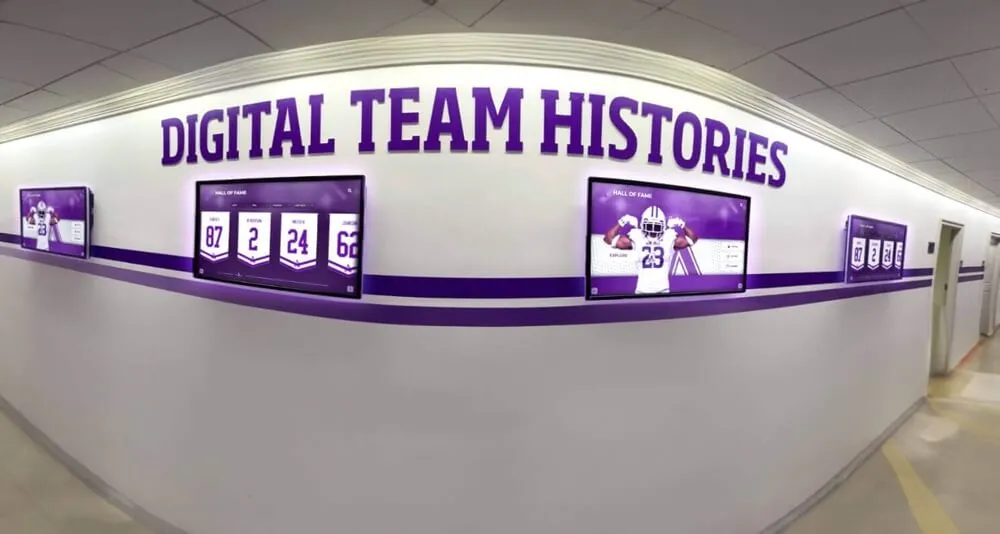
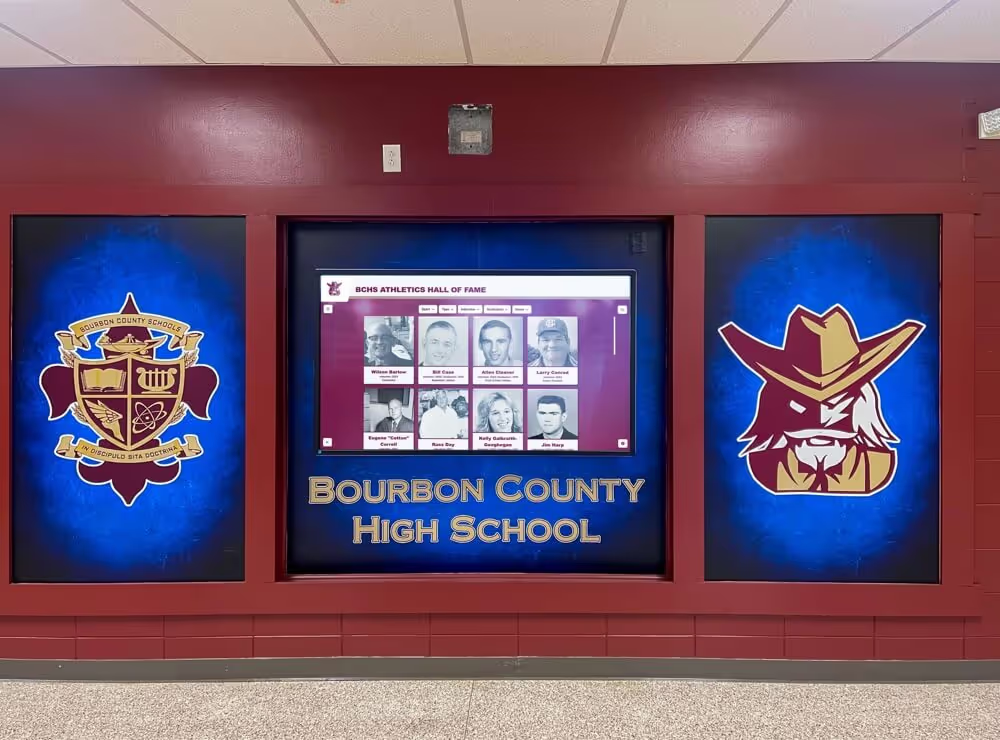
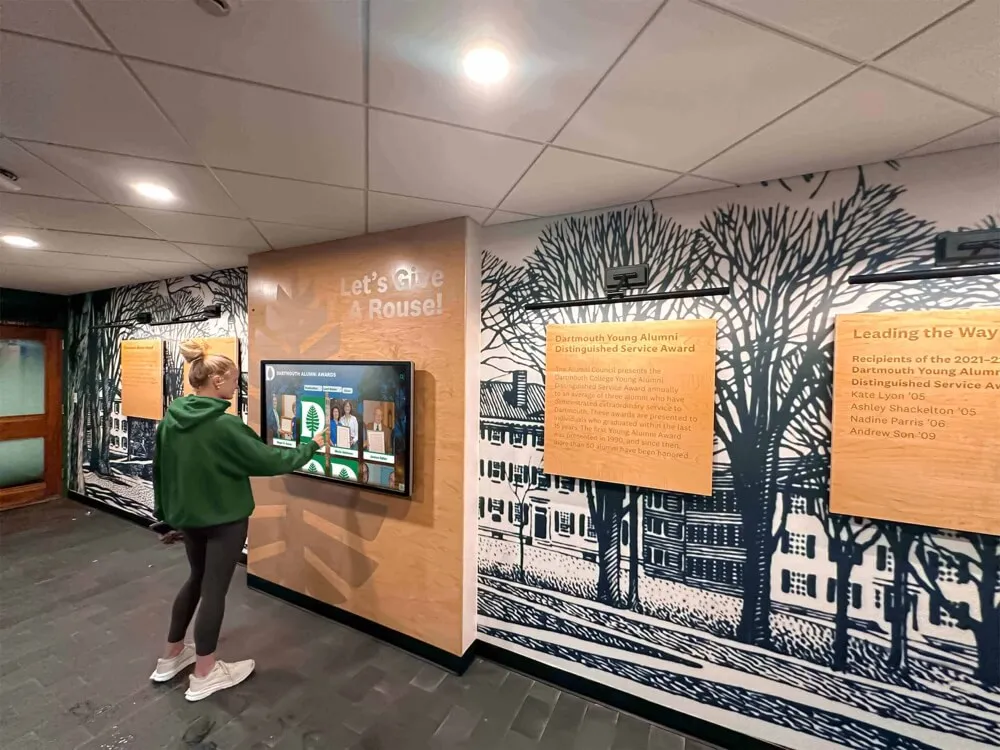
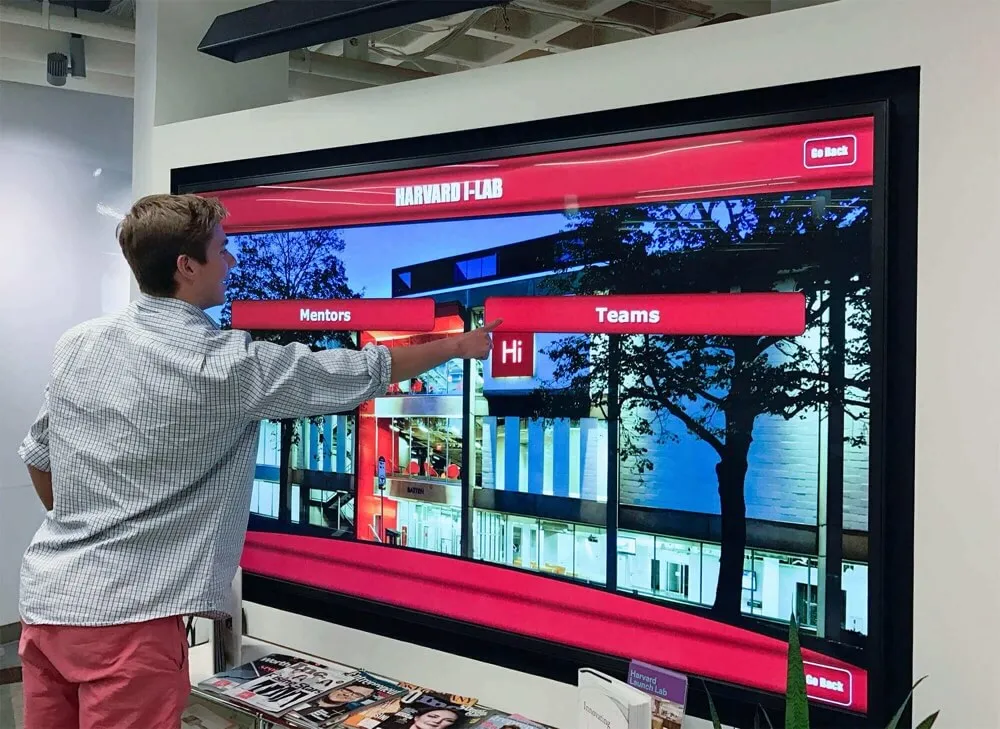
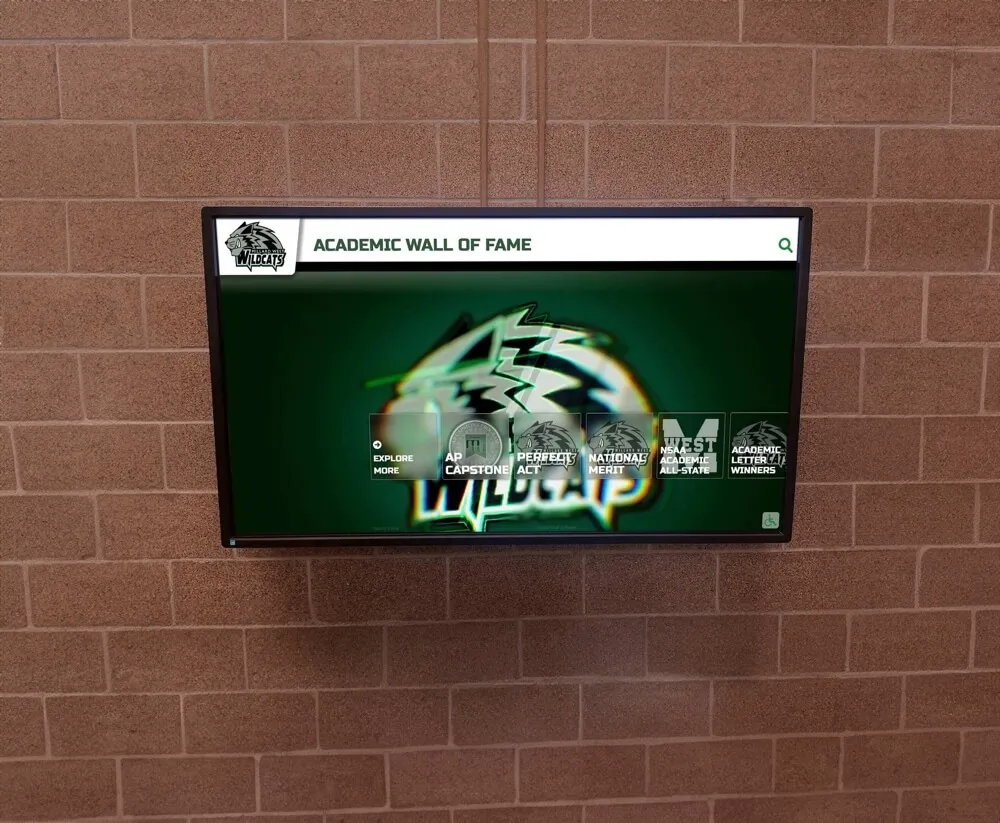
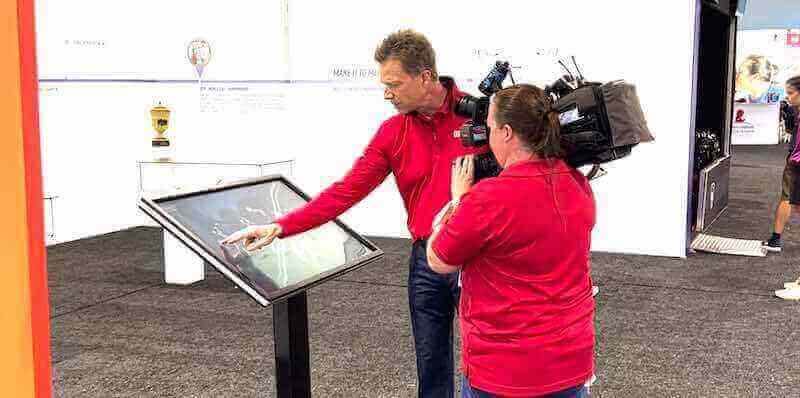
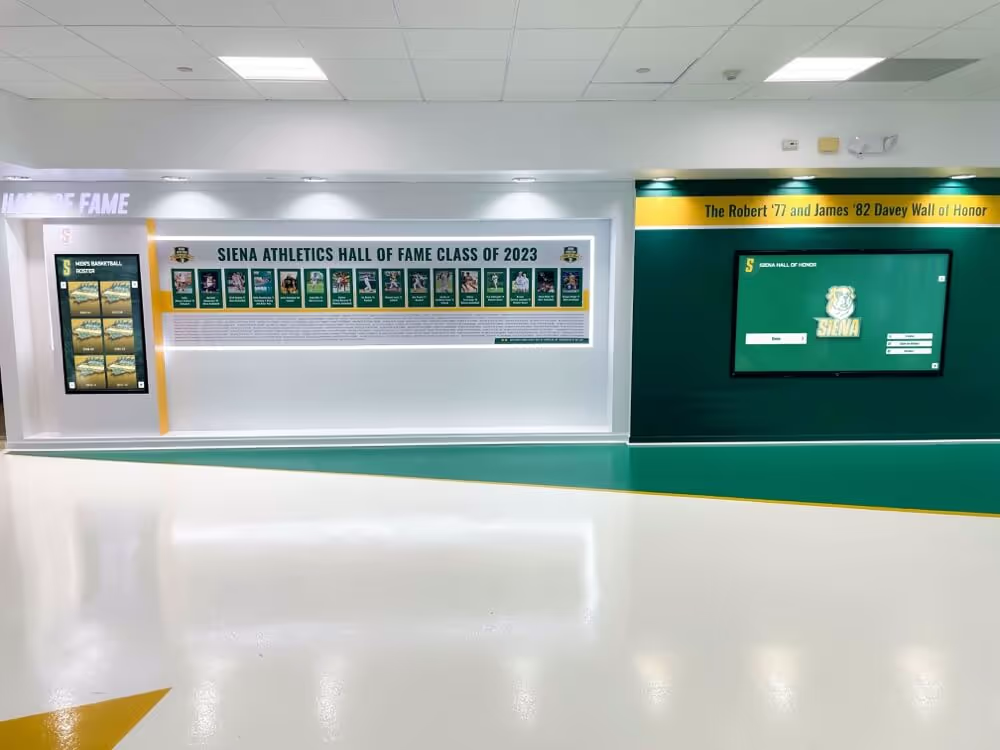
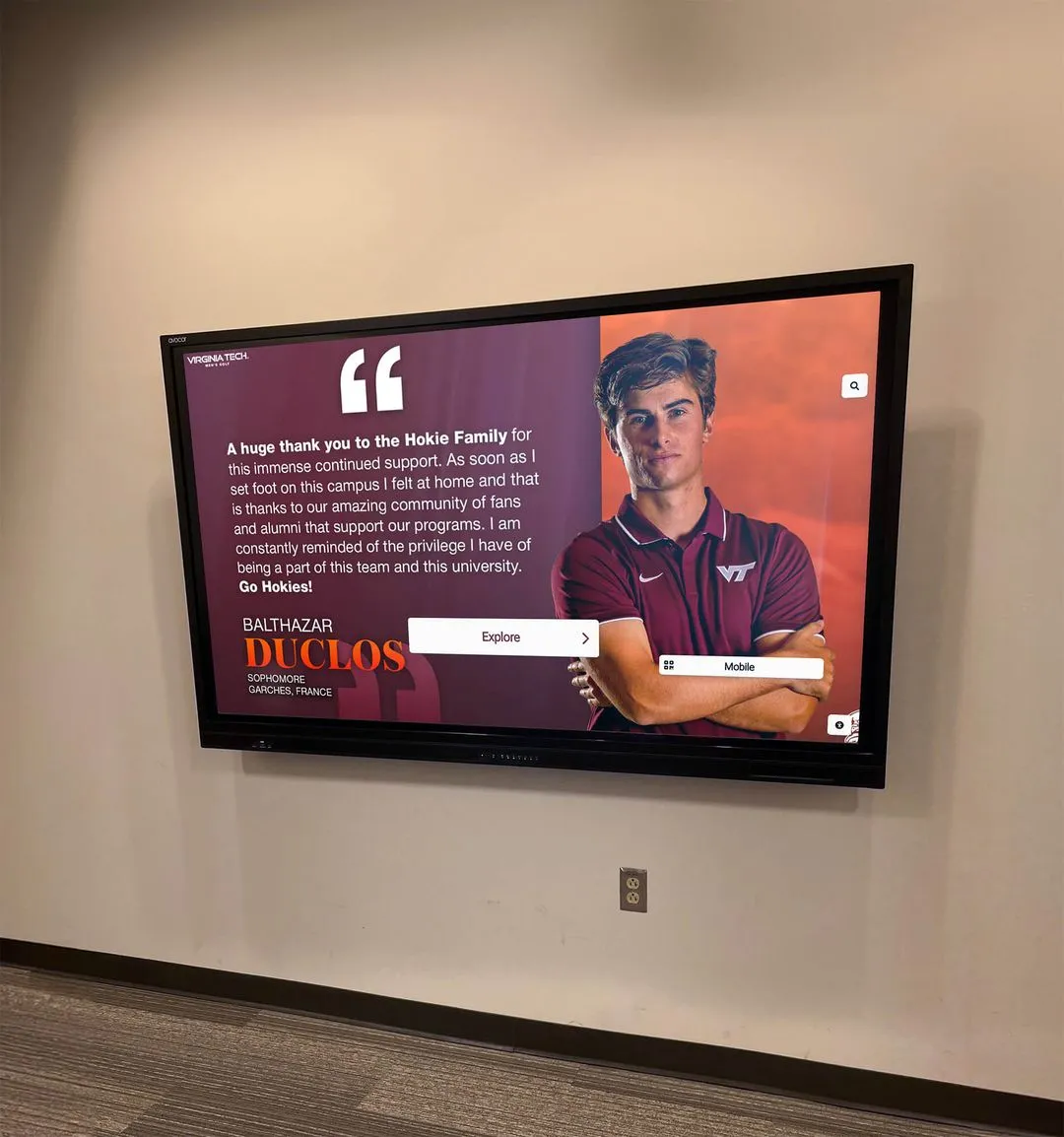
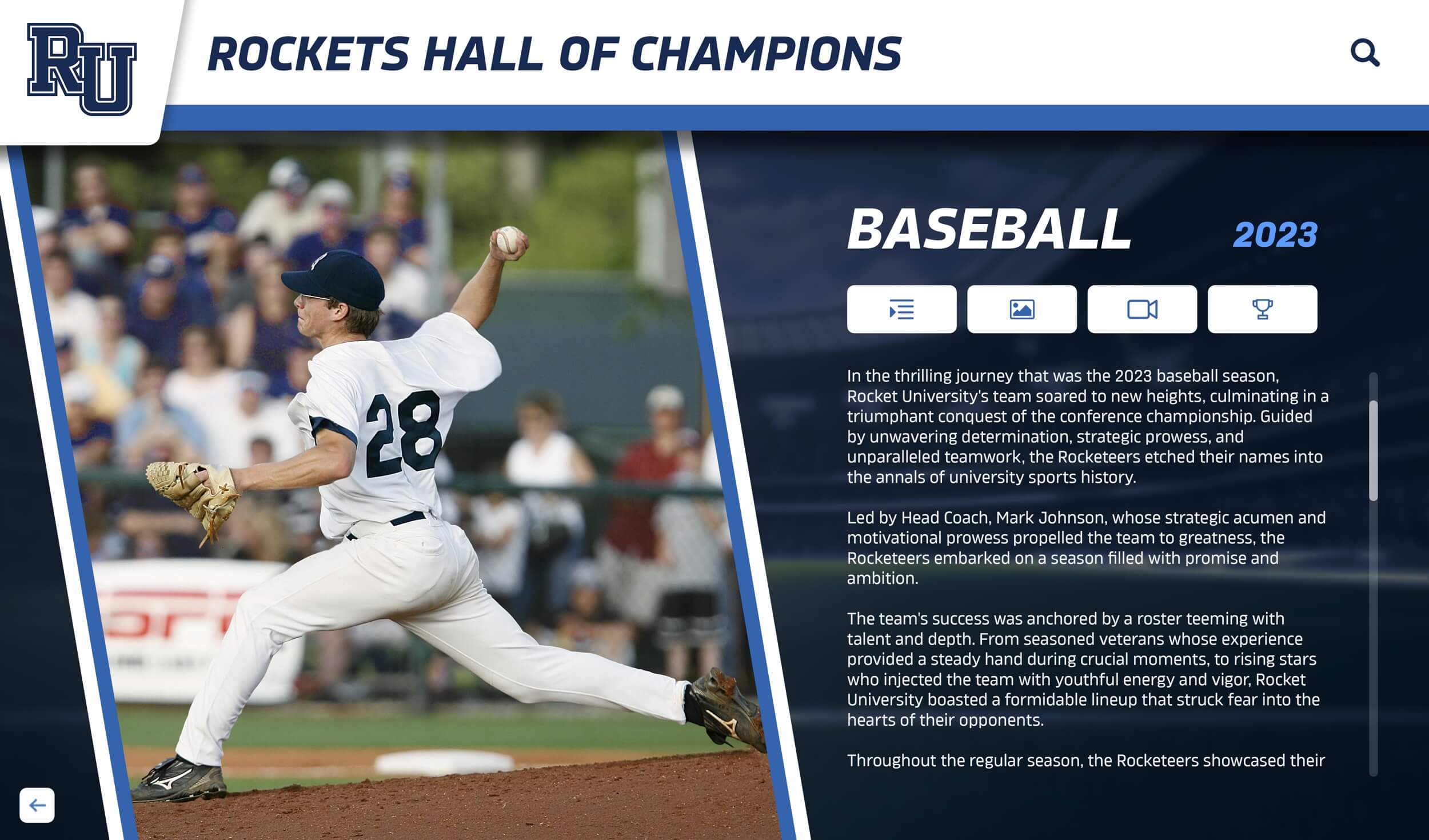
Modern recognition displays honor senior athletes with high-quality imagery and lasting visibility
What Are Senior Sports Banners? Understanding Traditional Athletic Recognition
Senior sports banners represent one of the most visible forms of athletic recognition in high schools across the country. Understanding their purpose and traditional implementation helps schools make informed decisions about how to honor graduating athletes effectively.
The Traditional Banner Format
Classic senior sports banners typically consist of large-format vinyl or fabric displays featuring individual graduating athletes. Standard formats include vertical banners measuring 2-3 feet wide by 4-6 feet tall, mounted on gymnasium walls or hung from ceiling rafters; horizontal banners spanning larger widths for team group recognition; and outdoor banners displayed on facility fences, entrance gates, or building exteriors during senior seasons.
These displays traditionally include athlete photographs (often action shots or formal portraits), names and jersey numbers, graduation years, sports played, and occasionally statistical highlights, quotes, or personal messages. The visual impact comes from scale—large format images creating prominent, impossible-to-miss recognition visible during games, ceremonies, and daily facility use.
Why Schools Create Senior Sports Banners
Senior banners serve multiple important functions within school athletic programs. They provide public recognition honoring athletes’ years of dedication and commitment, create visual celebration during senior night ceremonies and final home games, contribute to facility atmosphere showcasing program history and tradition, offer tangible keepsakes families can request after seasons conclude, and demonstrate school and community appreciation for student-athlete contributions.
Beyond individual recognition, collective senior banner displays reinforce program culture and tradition. Walking into gymnasiums lined with senior banners from current and past years creates powerful sense of athletic legacy—visible reminder that current athletes join long tradition of dedicated competitors who came before them.
Evolution Beyond Traditional Fabric Banners
While traditional fabric banners remain common, schools increasingly explore alternatives addressing limitations of conventional approaches. Standard banners deteriorate over time from environmental exposure, require physical storage creating space challenges, offer limited information beyond basic photo and text, and create recurring costs as new senior classes require fresh banners annually.
Modern alternatives including digital displays, interactive recognition systems, and hybrid approaches combine traditional banner visibility with enhanced flexibility, expanded content capacity, and improved long-term value. Understanding both conventional and contemporary options enables schools to choose recognition strategies best serving their specific needs and resources.
Many athletic programs now implement comprehensive athlete recognition approaches combining senior night ceremonies, traditional banners, and modern digital displays creating layered celebration honoring graduating athletes immediately and indefinitely.
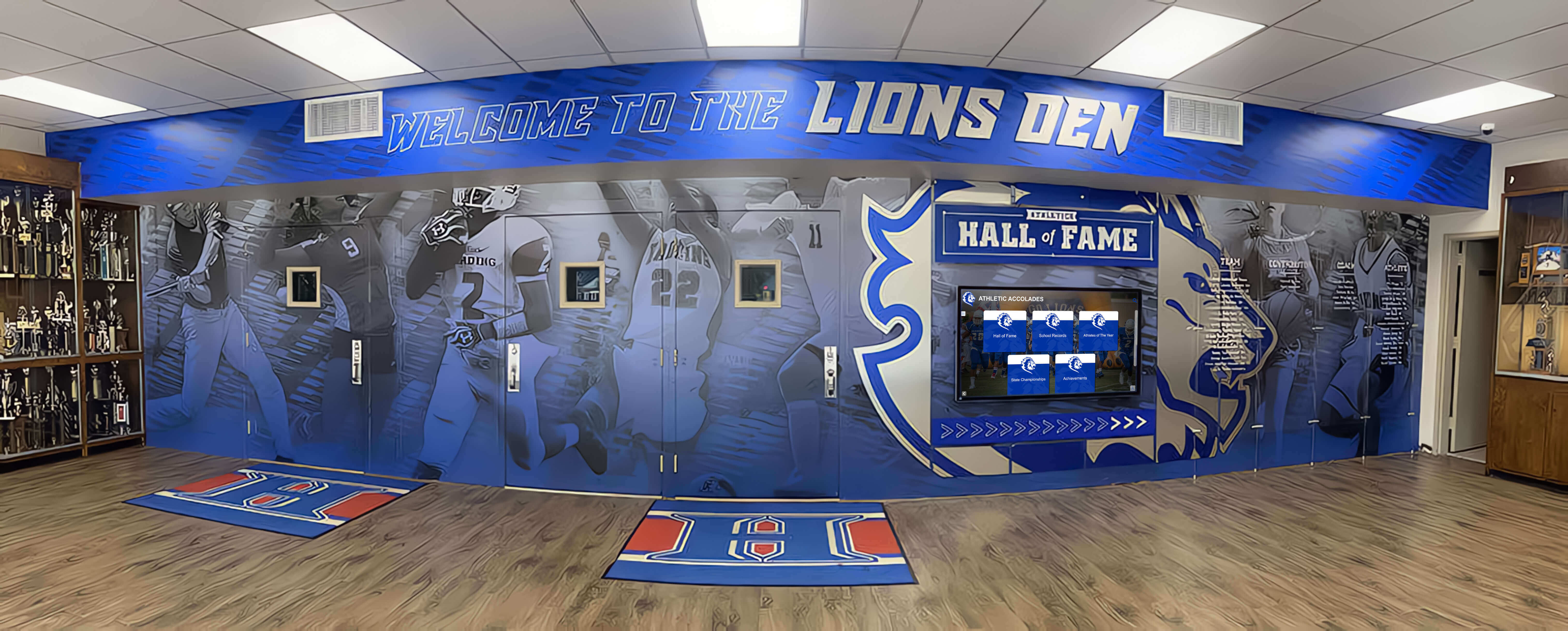
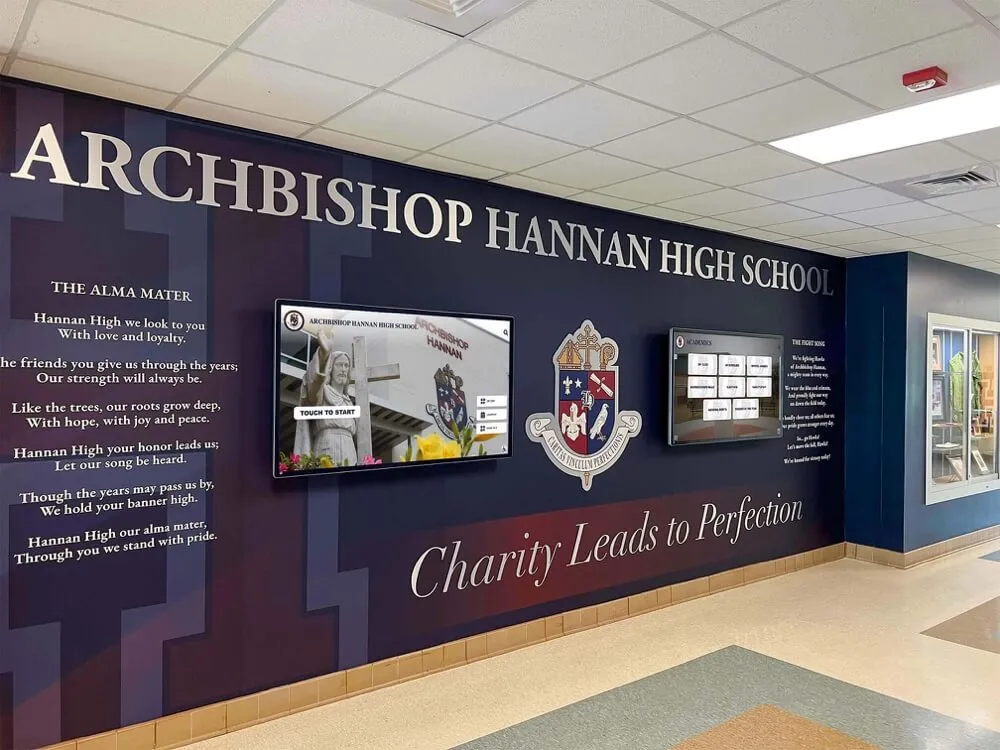
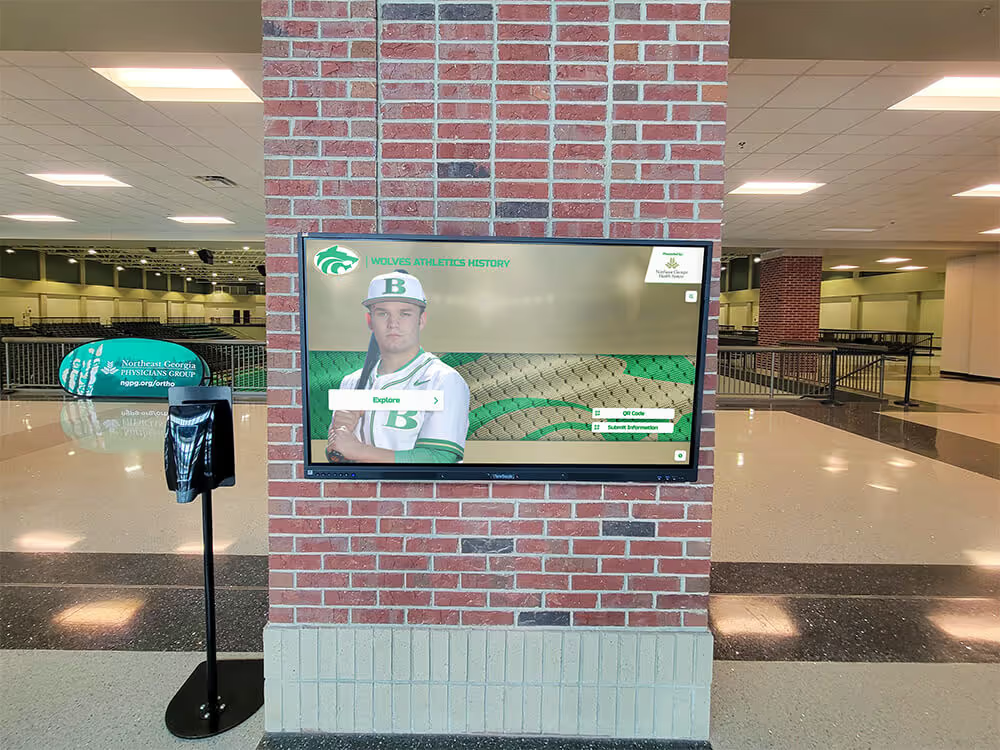
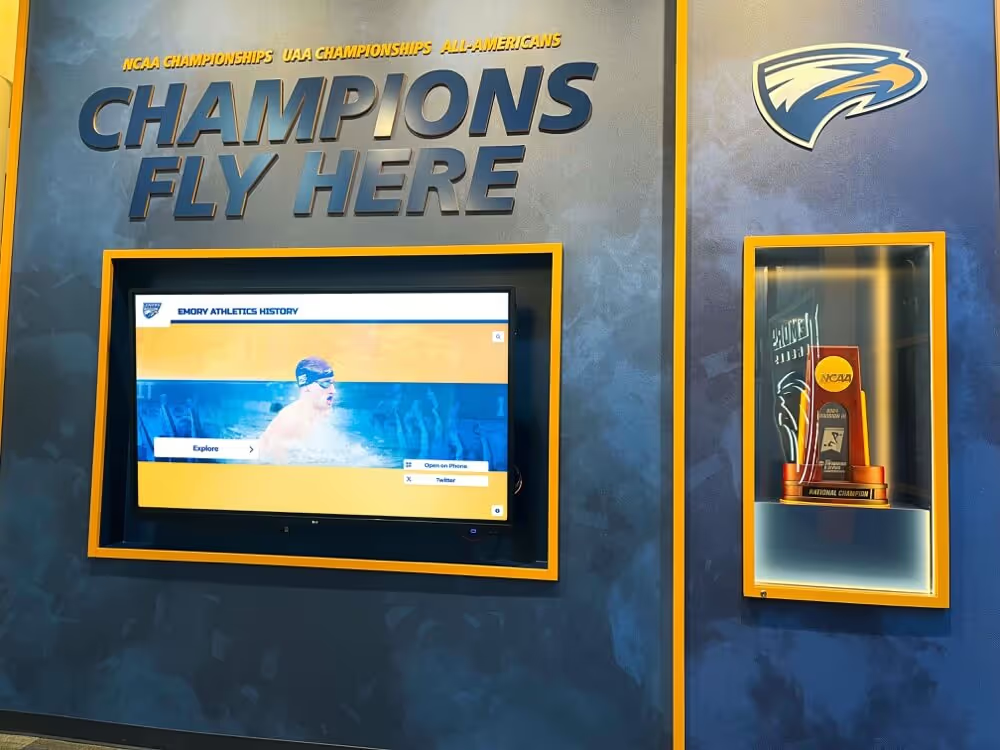
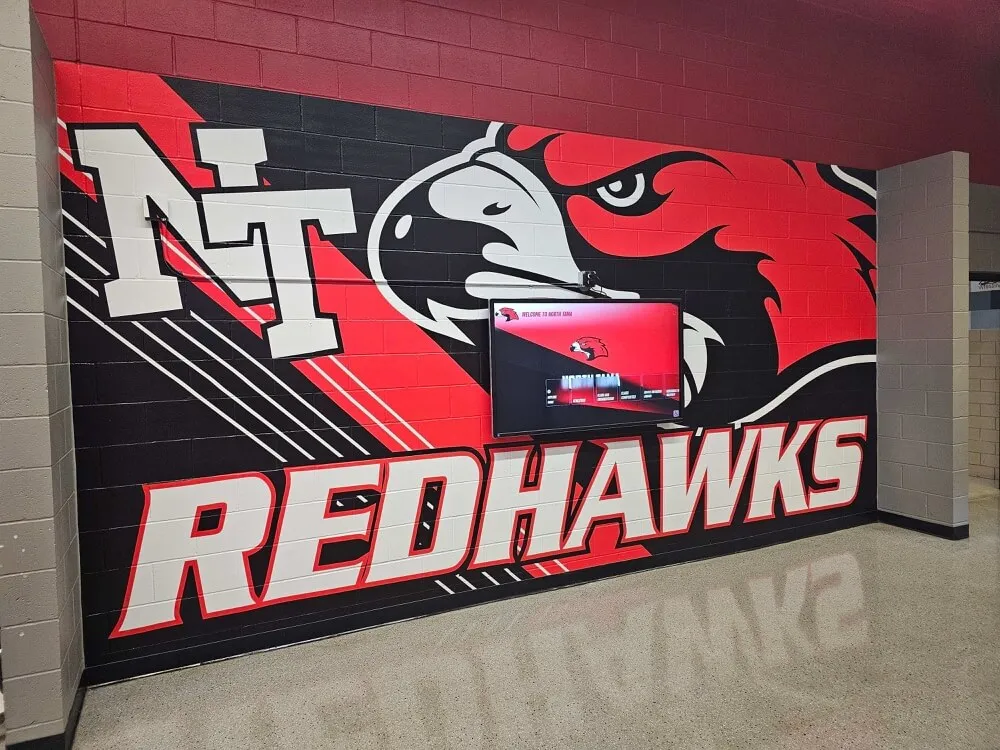
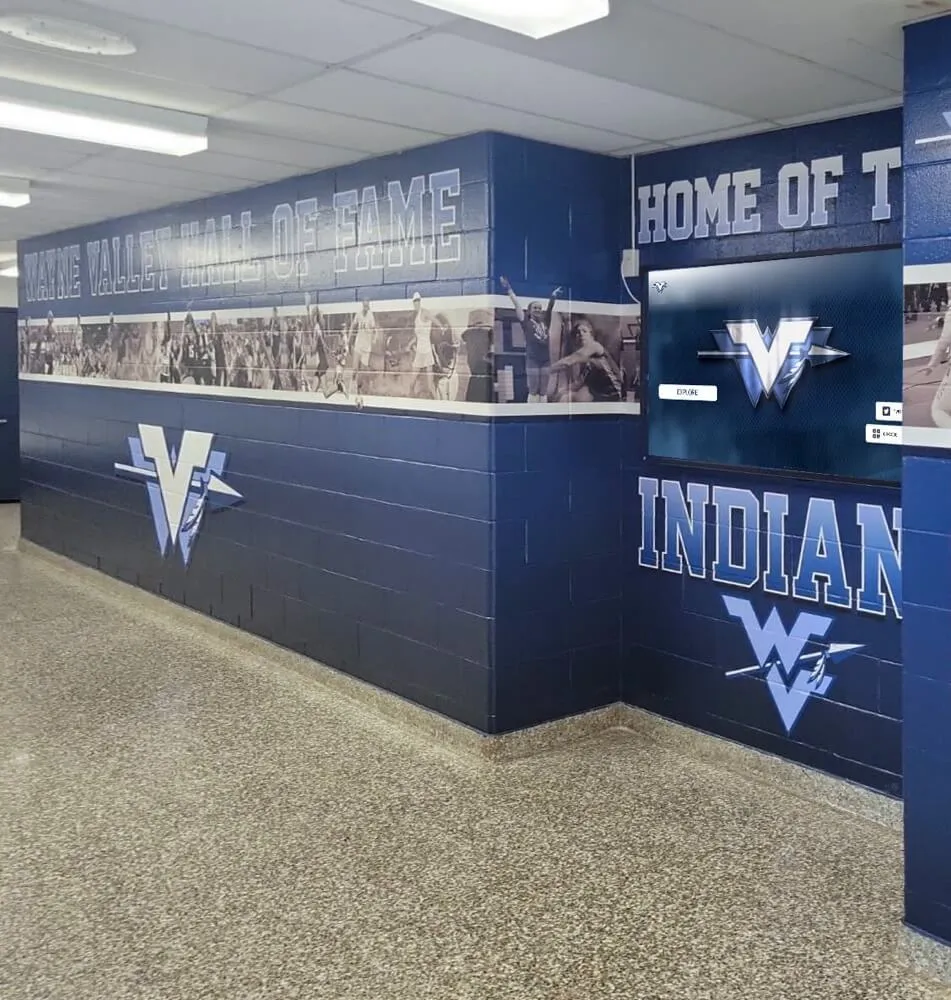
Comprehensive athletic recognition programs combine multiple display formats celebrating athletes across all sports
Designing Effective Senior Sports Banners: Creative Options and Best Practices
Creating impactful senior banners requires careful attention to design elements ensuring displays honor athletes appropriately while maintaining professional visual quality and program consistency.
Photography Considerations: Capturing Athletes Effectively
Photography forms the cornerstone of successful senior sports banners. Poor image quality undermines even well-intentioned recognition, while powerful photographs create lasting impressions worthy of years of athletic dedication.
Action vs. Portrait Photography: Schools typically choose between action shots capturing athletes competing and formal portraits presenting polished, consistent appearance. Action shots convey energy and athleticism, showcase sport-specific skills and moments, create dynamic visual interest, and often feel more authentic to athletic identity. However, they require higher skill to capture quality images, may show inconsistent lighting or backgrounds across athletes, and can prove difficult for non-photogenic sports or positions.
Formal portraits offer consistent presentation across all athletes, control lighting and background ensuring professional quality, work well for athletes whose sports don’t photograph dramatically, and create unified visual aesthetic when multiple sports display together. The trade-off involves potentially feeling less dynamic or sport-specific than action imagery.
Technical Quality Requirements: Regardless of style, senior banner photography demands high resolution supporting large-format printing (minimum 300 DPI at print size), proper lighting avoiding harsh shadows or blown-out highlights, clean backgrounds that don’t distract from athletes, and sharp focus ensuring print clarity at banner scale.
Many programs schedule dedicated senior photography sessions ensuring consistent quality rather than relying on random game photos that may not meet technical requirements for large format reproduction.
Design Elements: Beyond the Basic Photo and Name
While photographs anchor senior banners, supporting design elements determine overall impact and professionalism. Effective designs incorporate:
Color Schemes Reflecting School Identity: Use official school colors for backgrounds, borders, and text elements reinforcing institutional connection while creating visual cohesion across multiple banners. Consider how color choices photograph and reproduce at large scale—some colors that work well digitally look muddy or flat when printed on fabric.
Typography Hierarchy and Readability: Name presentation demands clear hierarchy with athlete names large and legible from distance, jersey numbers prominently displayed, sport identification clear, and graduation year included. Avoid decorative fonts difficult to read at distance or overly stylized typography competing with photography.
Sport-Specific Visual Elements: Incorporate subtle sport iconography, equipment silhouettes, or thematic elements connecting displays to specific athletics. Basketball banners might include court markings or ball graphics, while swimming banners could feature pool lane lines or water effects. Keep these elements subtle—supporting rather than overwhelming primary athlete imagery.
Information Balance: Determine what information enhances recognition without creating cluttered, text-heavy designs. Some programs include career statistics, team captaincy designations, academic honors, or personal quotes. Others maintain simple, clean presentations emphasizing photography over additional content. Neither approach is inherently better—choose based on your program culture and aesthetic preferences.
Layout Options: Vertical, Horizontal, and Custom Formats
Traditional vertical banners work well for individual athlete recognition, fit naturally hung from gymnasium rafters or mounted on walls, and create impressive scale in standard 2x6 or 3x8 foot formats. Their limitations include requiring substantial ceiling height for hanging displays and consuming significant wall space for permanent mounting.
Horizontal team banners accommodate multiple athletes in unified displays, work well as entrance or wall-mounted displays, and can span impressive widths creating dramatic impact. However, they’re more challenging to design with balanced visual weight across multiple athlete images and require long, uninterrupted mounting spaces.
Creative custom formats break from rectangular conventions with die-cut shapes echoing team mascots or sport equipment, layered or dimensional designs adding depth, and modular systems allowing reconfiguration or updates.
Explore traditional approaches to displaying athletic achievement and recognition alongside innovative digital alternatives schools increasingly implement.
Material and Production Considerations
Banner material selection impacts appearance, durability, and cost. Vinyl banners offer weather resistance for outdoor use, durability for long-term display, and lower cost than fabric alternatives. Fabric banners provide higher-end appearance with richer colors, better indoor aesthetics, and potentially more sustainable production depending on materials.
Production quality varies significantly between vendors. Request samples before committing to large orders, verify color accuracy and image sharpness, and confirm turnaround times aligning with senior night deadlines.
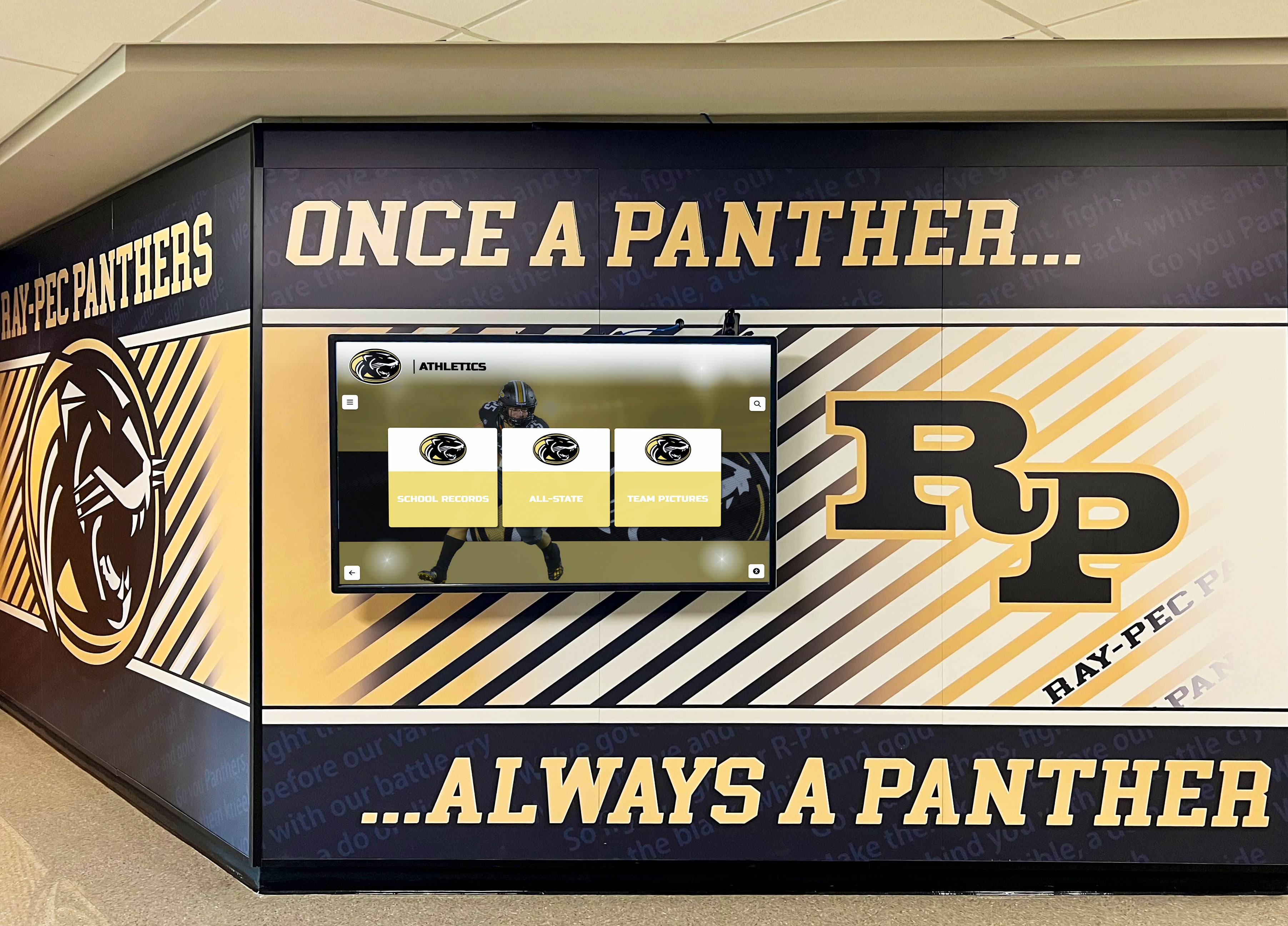
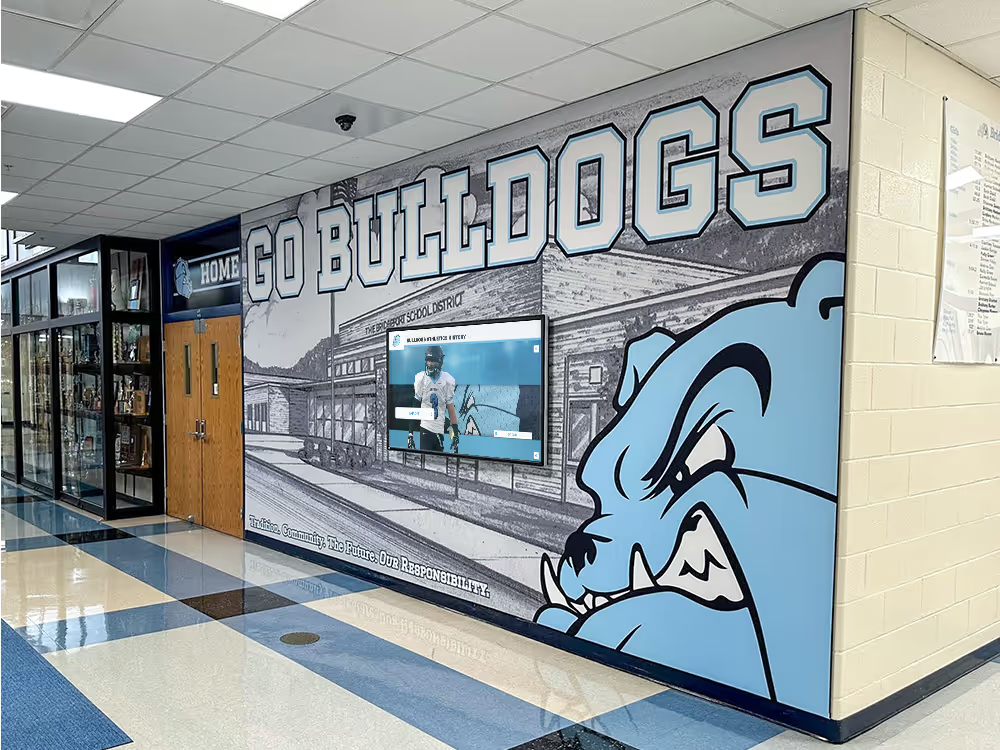
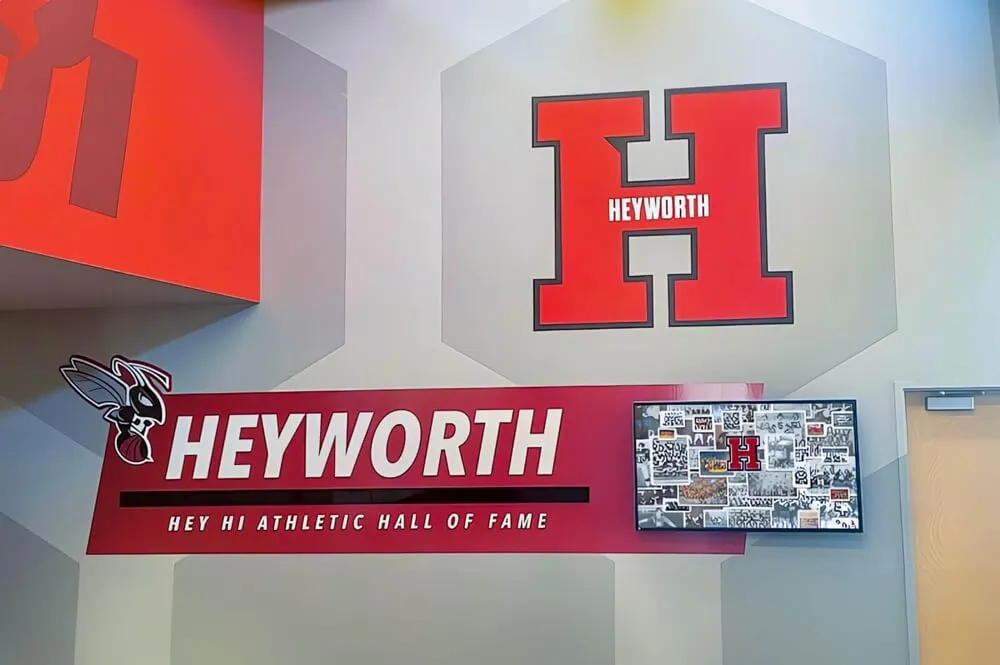
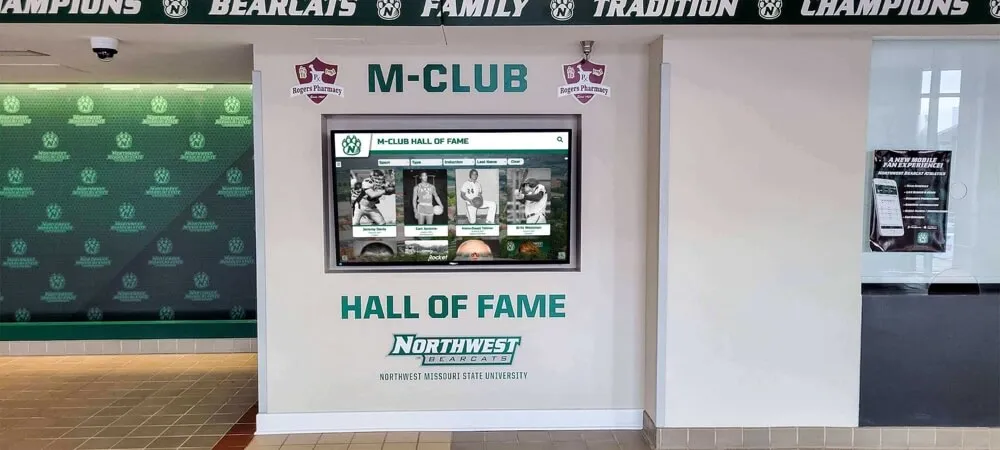
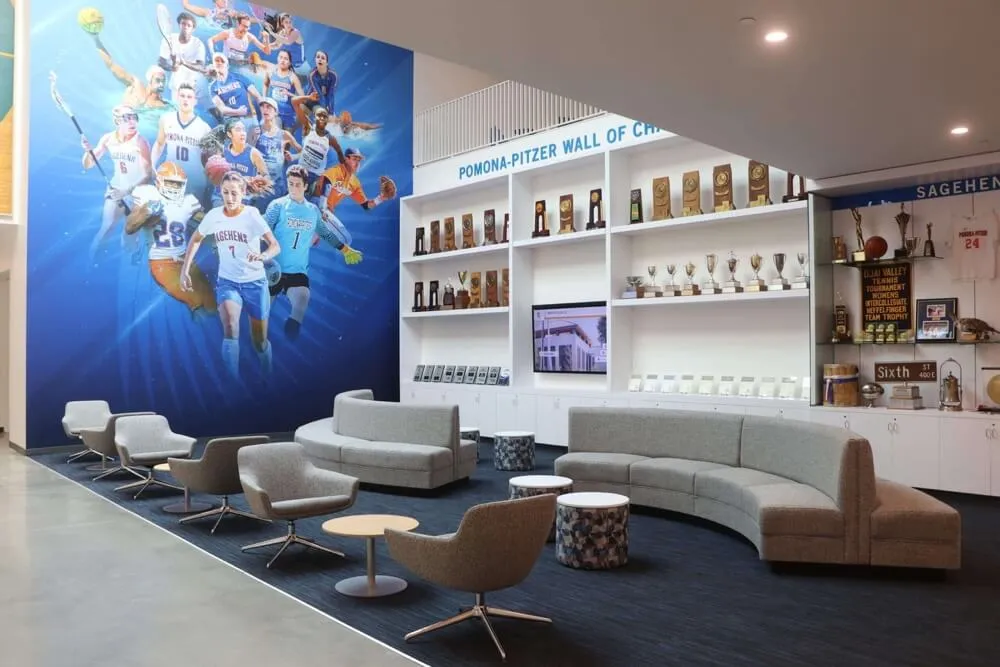
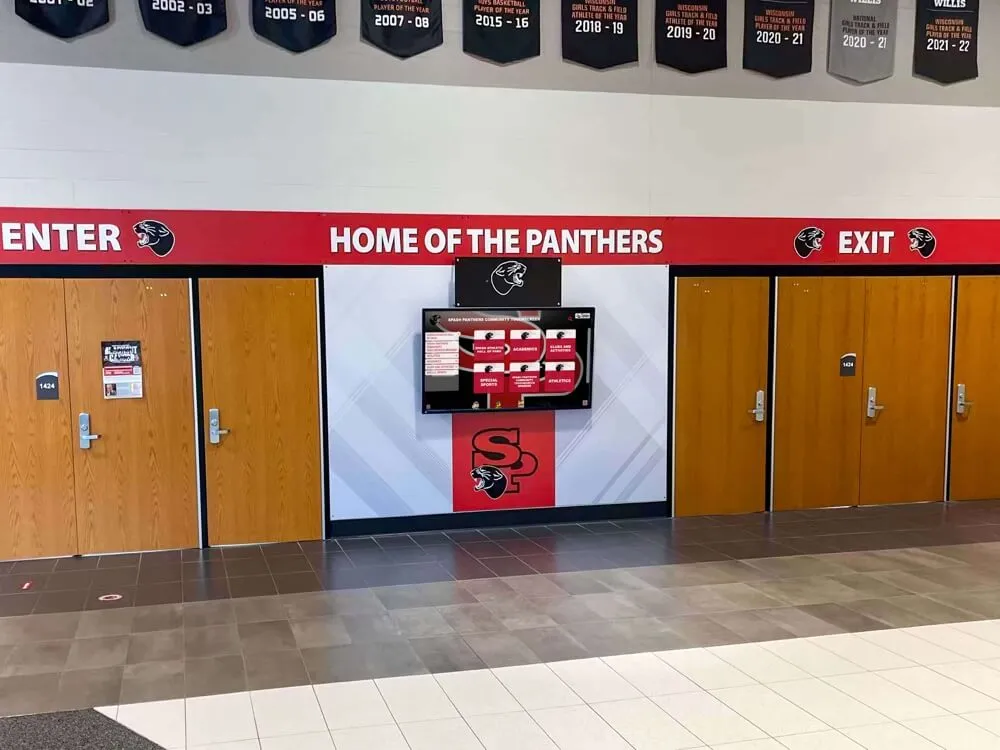
Modern facilities integrate traditional and digital recognition creating comprehensive athlete celebration
Planning Senior Banner Programs: Budget, Timeline, and Logistics
Successful senior banner programs require careful planning addressing financial, timeline, and logistical considerations ensuring recognition happens smoothly without last-minute stress or budget surprises.
Budget Planning: Costs and Funding Strategies
Senior sports banner costs vary dramatically based on size, materials, design complexity, and production vendors. Typical ranges include:
- Basic vertical banners (2x4 feet, simple design, vinyl): $30-75 per banner
- Premium vertical banners (3x6 feet, complex design, fabric): $75-150 per banner
- Large-format banners (3x8 feet or larger): $150-300+ per banner
- Design services (if not included): $50-200 per design or flat program rate
- Hardware and installation: $10-50 per banner depending on mounting method
For programs recognizing multiple senior athletes across various sports, total costs can quickly reach thousands of dollars annually. A school with 40 graduating athletes across all sports might spend $2,000-$6,000 on senior banners depending on chosen specifications.
Funding Approaches: Schools employ various strategies for covering banner costs including booster club funding treating banners as program expenses, individual family responsibility with each athlete’s family purchasing their banner, hybrid approaches where programs provide basic banners with optional family upgrades, and fundraising campaigns specifically supporting senior recognition initiatives.
Establishing clear policies about who pays prevents confusion and ensures equitable recognition across athletes from varying economic backgrounds. Consider offering financial assistance ensuring all graduating athletes receive recognition regardless of family financial capacity.
Timeline: Working Backward from Senior Night
Senior banner production requires more lead time than many programs anticipate. Work backward from planned senior night ceremonies or season conclusions:
8-12 weeks before senior night: Finalize list of graduating athletes, determine banner specifications and design approach, select vendor and review production timelines, and establish photo session schedules.
6-8 weeks before: Complete photography sessions for all senior athletes, finalize individual athlete information (stats, quotes, etc.), submit designs and images to production vendor, and review and approve design proofs.
4-6 weeks before: Allow production time for banner manufacturing, plan installation approach and hardware needs, and coordinate delivery timing.
2-4 weeks before: Receive completed banners, inspect quality and address any issues, install displays in time for senior recognition events, and coordinate with families about post-season banner distribution.
Rushing this timeline creates stress, limits vendor options, reduces quality control opportunities, and may result in missing recognition deadlines entirely. Start planning when senior eligibility is confirmed at season start rather than waiting until playoffs or season conclusions approach.
Placement and Display Strategies
Strategic placement maximizes banner visibility and impact. Common locations include gymnasium walls positioned for visibility from bleachers and court level, rafters or ceiling mounting creating overhead recognition, facility entrances welcoming visitors with senior celebration, and outdoor fencing or building exteriors visible to broader communities.
Consider sight lines from typical viewing positions, lighting ensuring banners remain visible during evening events, long-term placement if displays remain after seasons conclude, and weather protection for outdoor installations.
Some programs create dedicated “senior wall” sections collecting all graduating athletes together, while others integrate senior banners throughout facilities alongside championship recognition and program history displays.
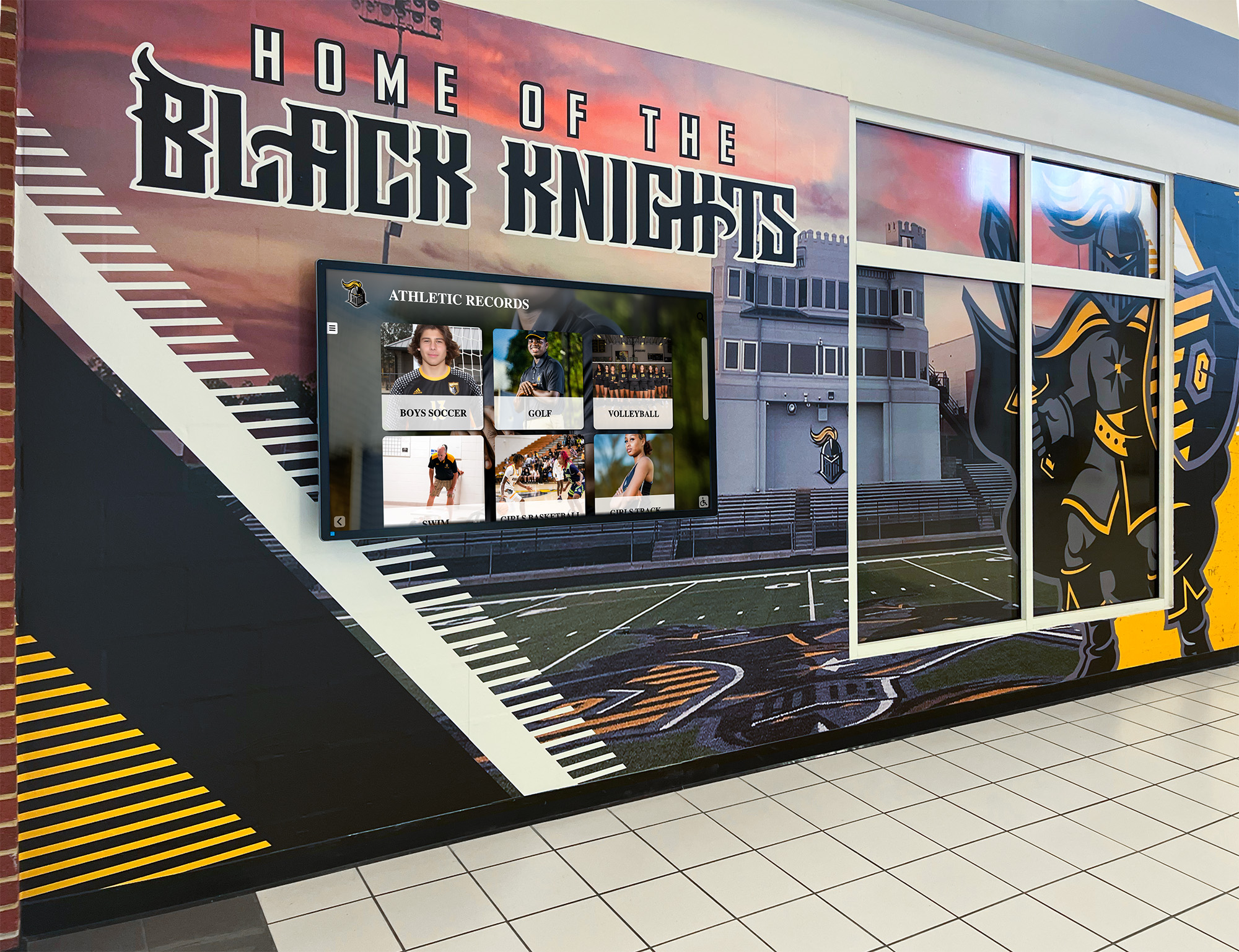
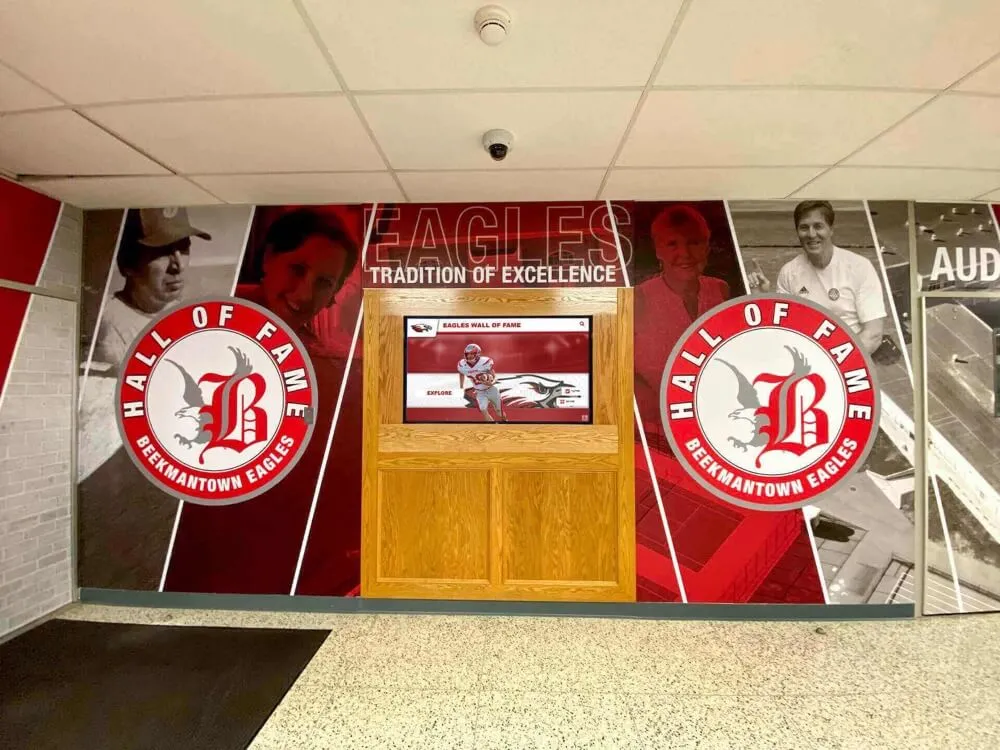
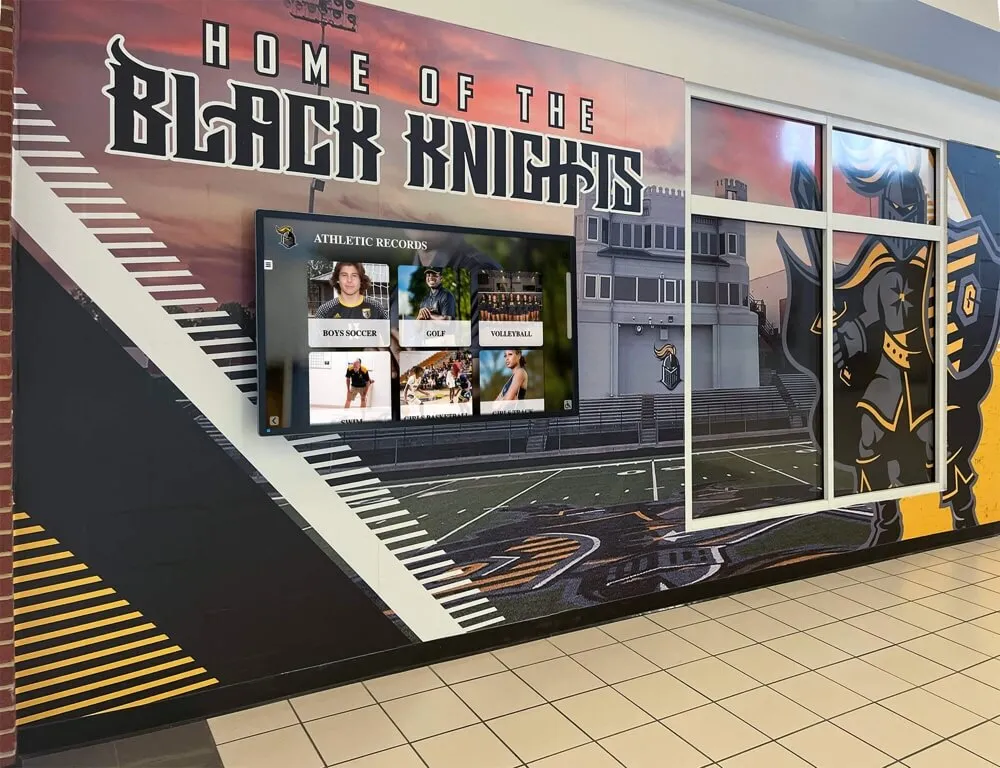
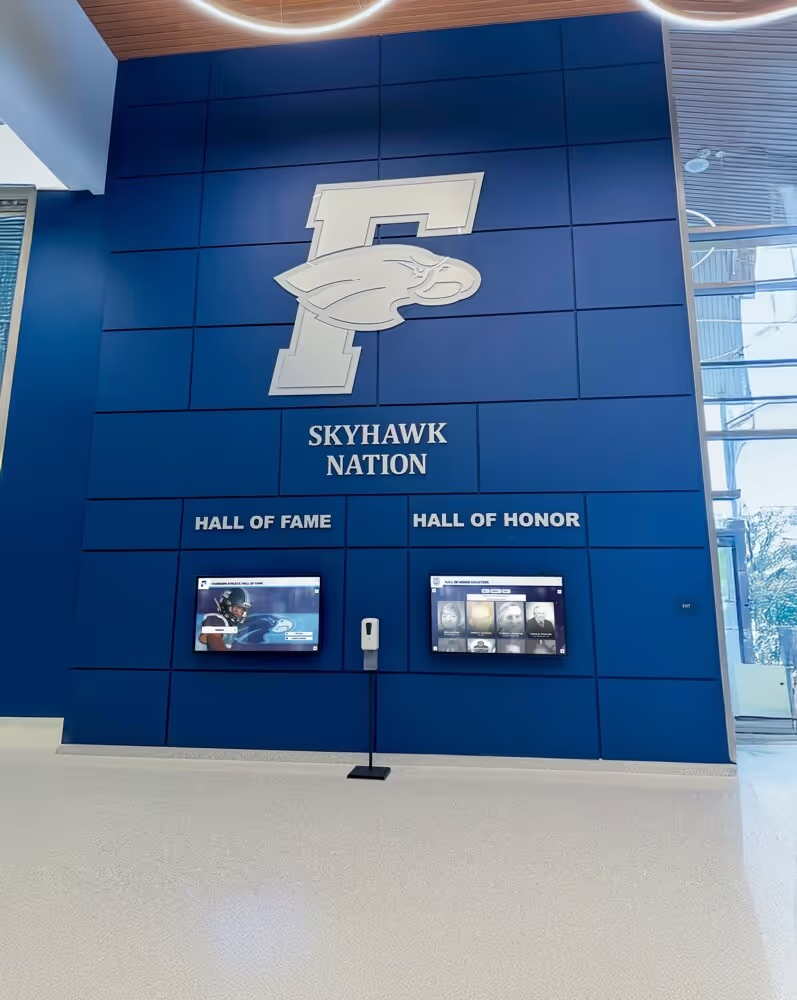
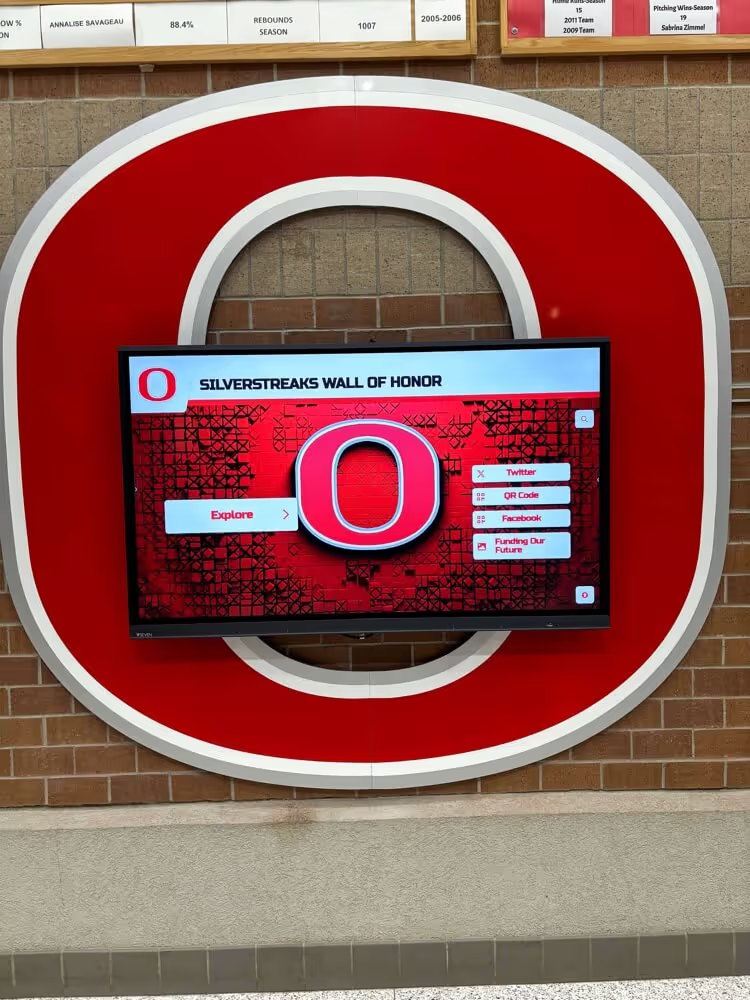
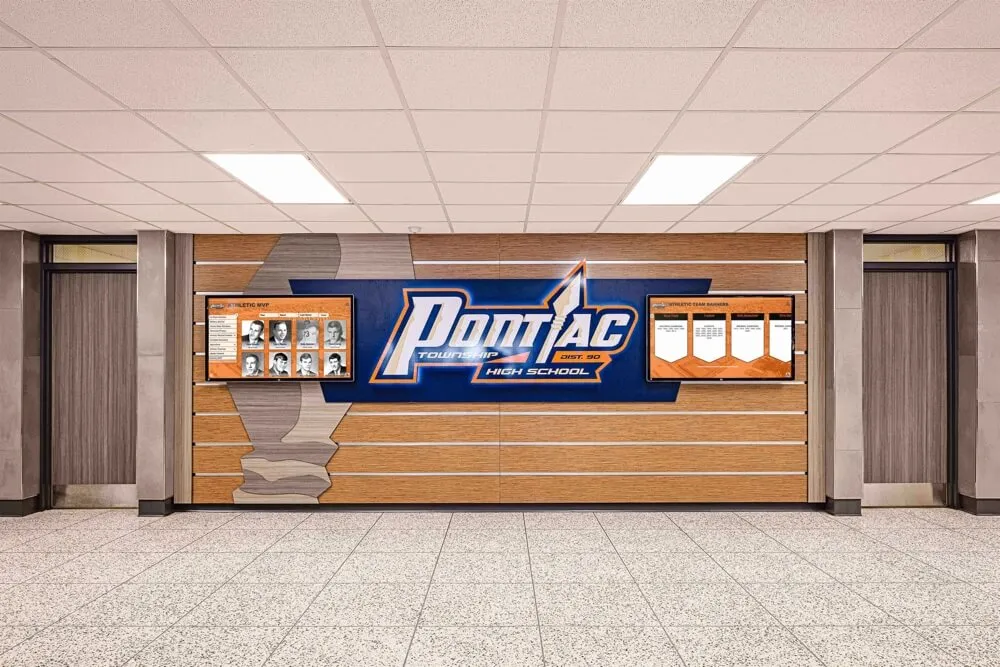
Permanent recognition displays complement seasonal senior banners with year-round athlete celebration
Senior Night Celebrations: Incorporating Banners into Ceremonies
Senior sports banners often serve as focal points for senior night ceremonies honoring graduating athletes. Thoughtful integration creates memorable experiences athletes and families treasure.
Traditional Senior Night Banner Presentations
Classic senior night ceremonies typically feature pre-game or halftime recognition where seniors walk across courts or fields with family members, announcers read athlete biographies highlighting careers and achievements, banner unveiling or formal presentation occurs, and photo opportunities capture families with their seniors and banners.
This traditional format creates emotional, memorable moments—particularly powerful for parents who’ve supported athletes through years of early practices, tournaments, and competitions. The physical banner serves as tangible symbol of this journey’s significance and conclusion.
Presentation Enhancements: Elevate standard ceremonies through coordinated music selection creating emotional atmosphere, video tributes featuring career highlights and teammate testimonials, coach speeches personalizing recognition for each athlete, and special recognitions for team captains, award winners, or unique achievements.
Coordinating Multiple Sport Senior Nights
Schools with many sports face logistical challenges coordinating senior recognition across different seasons and teams. Approaches include individual sport-specific senior nights maintaining tradition and intimacy, combined multi-sport recognition events celebrating all graduating athletes together, and season-based celebrations grouping fall, winter, and spring sport seniors.
Each approach offers advantages and trade-offs. Individual celebrations feel more personal and allow deep focus on each sport’s seniors, but require families with multi-sport athletes to attend multiple events and create more planning burden on athletic departments. Combined celebrations honor all athletes together emphasizing unified athletic community but may feel rushed or generic with dozens of seniors recognized simultaneously.
Consider your school’s culture, athlete and family preferences, and logistical capacity when determining the optimal approach. Survey seniors and families to gauge preferences rather than assuming one model fits all.
Alternative Recognition Formats
Beyond traditional senior night ceremonies, creative recognition approaches include senior appreciation breakfast or luncheon featuring banner displays, alumni athlete panel discussions connecting graduating seniors with program alumni, community recognition events involving local businesses and civic organizations, and end-of-season banquets incorporating banner presentations alongside awards ceremonies.
Schools implementing comprehensive senior recognition programs create layered celebration honoring athletes through multiple touchpoints rather than single ceremonial moments.
Digital Alternatives to Traditional Senior Sports Banners
While fabric banners remain popular, digital recognition displays offer compelling advantages addressing traditional banner limitations while enhancing how schools celebrate graduating athletes.
Why Schools Choose Digital Recognition Over Traditional Banners
Digital displays solve several challenges inherent to fabric banner programs. Traditional banners require physical storage after seasons conclude, deteriorate over time from environmental exposure, offer limited information capacity, and create recurring annual costs with no long-term program value beyond individual recognition.
Digital recognition systems provide permanent, updateable platforms accommodating unlimited athletes across years, expanded content including statistics, video highlights, and career narratives, interactive experiences enabling visitors to explore athlete profiles in depth, and long-term value as displays continue serving recognition functions indefinitely rather than becoming obsolete after single seasons.
Cost Comparison Over Time: While initial digital display investment exceeds single-year banner costs, long-term value analysis often favors digital approaches. A school spending $4,000 annually on senior banners invests $40,000 over ten years with no residual value. Comparable digital recognition system installations range from $15,000-$35,000 but continue serving programs indefinitely while accommodating unlimited athletes, regular updates, and enhanced engagement impossible with static banners.
Features of Modern Digital Athletic Recognition Displays
Contemporary digital recognition systems designed for athletic programs offer capabilities far exceeding traditional banner displays:
Comprehensive Athlete Profiles: Rather than limiting recognition to single photos and basic information, digital systems host complete profiles featuring multiple photographs including action shots and portraits, career statistics and achievements, video highlights from memorable performances, personal statements or reflections from athletes, and coach testimonials honoring contributions.
Easy Content Updates: Athletic directors or designated staff can update displays remotely without physical banner production, add graduating seniors annually without storage or space limitations, correct errors or update information instantly, and rotate featured content highlighting different athletes, teams, or achievements periodically.
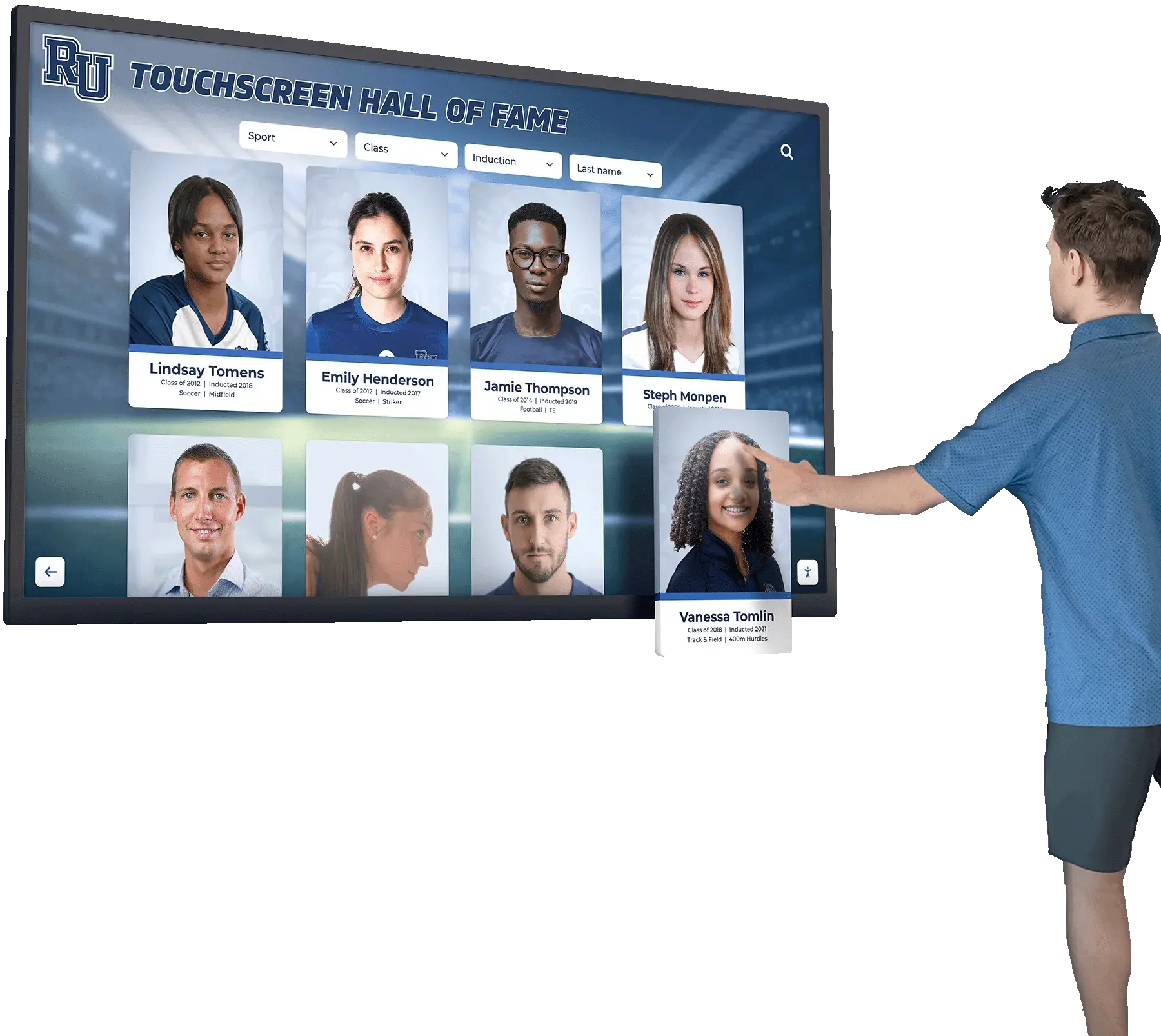
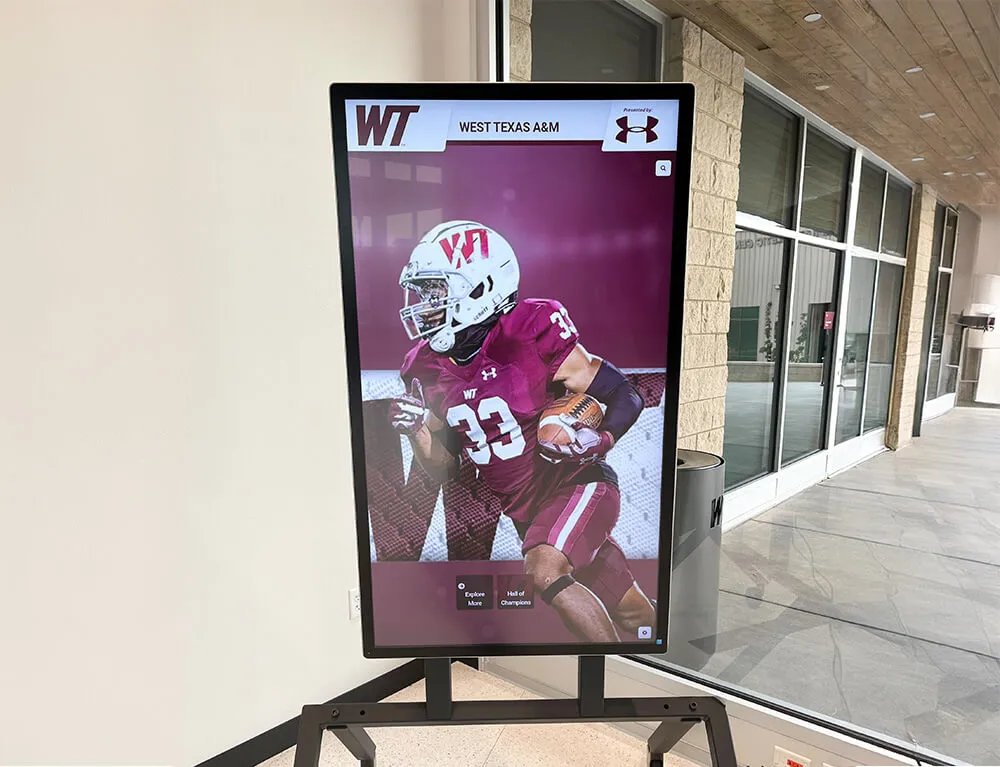
Interactive Engagement: Touchscreen systems enable visitors to search for specific athletes, browse by sport, year, or achievement categories, watch video content and highlights, and share favorite profiles via social media or email.
Space Efficiency: Single digital display accommodates unlimited athletes where traditional banners require extensive wall or ceiling space. Schools with limited facility space benefit enormously from digital approaches concentrating comprehensive recognition in compact installations.
Solutions like those provided by Rocket Alumni Solutions enable schools to create permanent, engaging digital recognition displays that honor senior athletes alongside team championships, individual achievements, and complete athletic program history—all accessible through intuitive touchscreen interfaces installed in gymnasiums, lobbies, or other high-traffic areas.
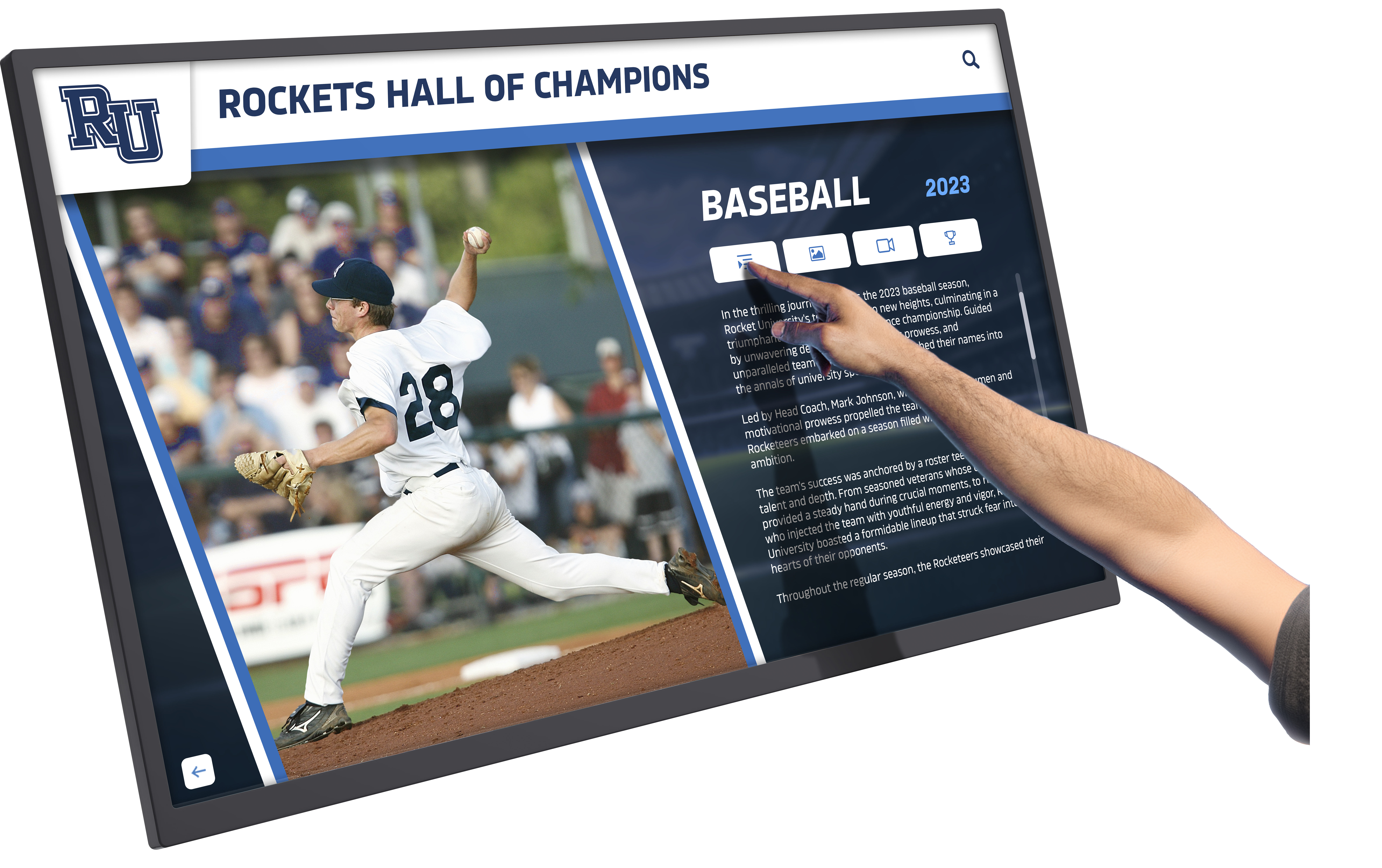
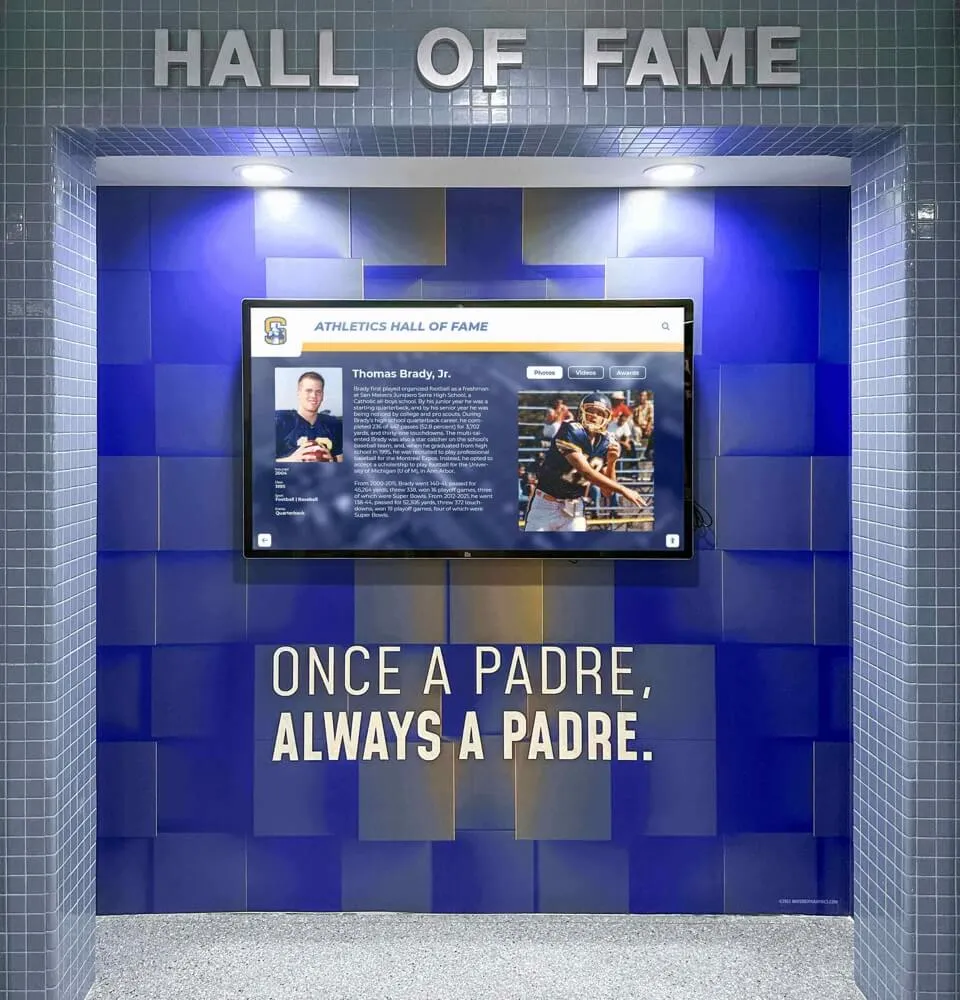
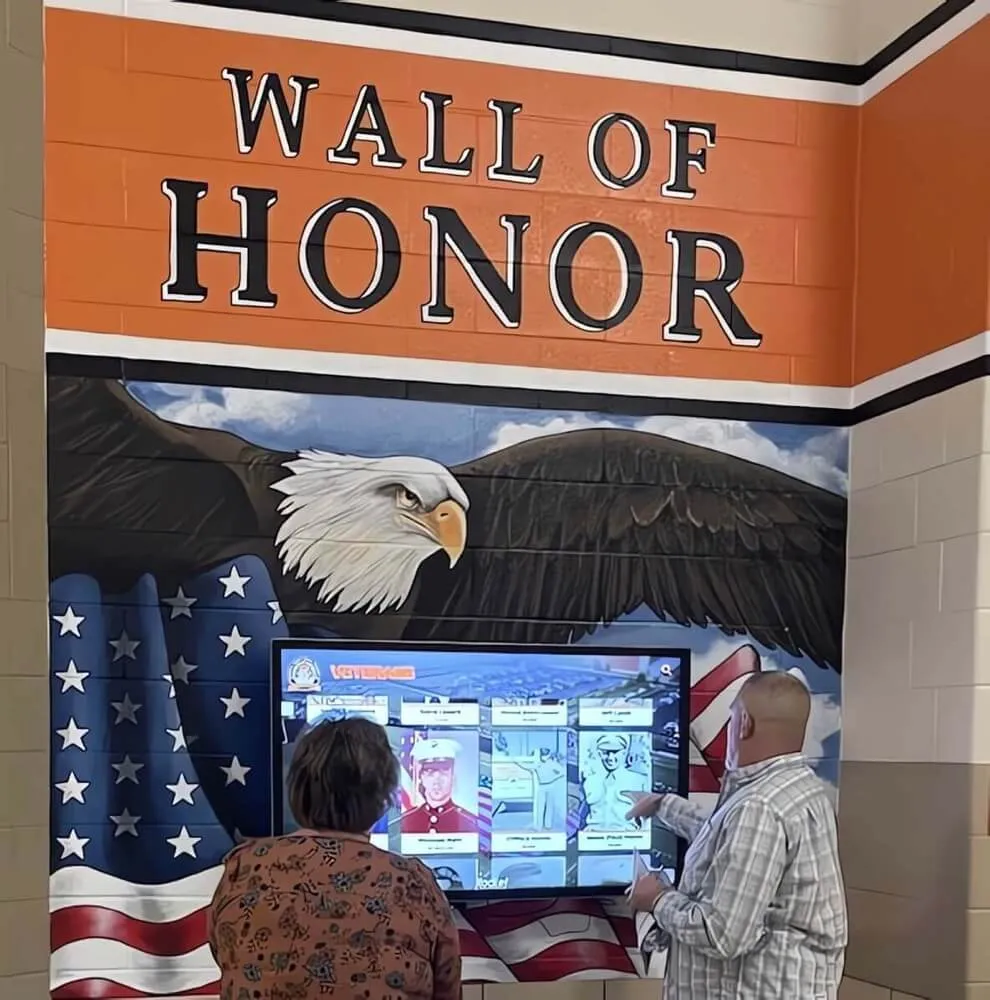
Interactive displays enable visitors to explore detailed athlete profiles including photos, statistics, and achievements
Hybrid Approaches: Combining Traditional and Digital Recognition
Schools don’t necessarily face either/or decisions between traditional banners and digital displays. Hybrid approaches leverage strengths of both formats creating comprehensive recognition programs.
Complementary Implementation: Many programs maintain traditional senior banners for immediate, ceremonial senior night impact while implementing digital displays providing permanent, expandable recognition beyond single seasons. Current year seniors receive fabric banners for presentations and personal keepsakes while their information simultaneously enters permanent digital archives alongside all previous graduating athletes.
This hybrid approach satisfies tradition-minded stakeholders who value physical banners while introducing modern technology gradually. Families still receive tangible recognition items while programs build digital archives ultimately offering superior long-term value.
Transitional Strategies: Schools moving from exclusively traditional to primarily digital recognition often phase transitions over several years. First years might introduce digital displays alongside continued banner programs. Once stakeholders experience digital benefits, banner programs can scale back or focus on senior night ceremony use only while permanent recognition shifts to digital platforms.
Discover how schools implement modern athletic recognition alongside traditional approaches creating comprehensive celebration honoring athletes effectively.
Creative Senior Sports Banner Ideas and Inspiration
Standard senior banner formats serve programs well, but creative approaches can elevate recognition making graduating athletes feel uniquely celebrated rather than recipients of generic templates.
Personalization Beyond Names and Numbers
Athlete Quotes and Reflections: Include personal statements from seniors reflecting on their athletic journeys, favorite memories, lessons learned, or messages to teammates. These authentic voices transform banners from program-generated recognition to athlete-authored celebration.
Career Timeline Graphics: Visually represent athletic progression from freshman to senior years through timeline designs showing stat improvements, achievement accumulations, or role evolution within teams.
Personal Interests and Future Plans: Acknowledge graduating athletes as complete individuals by including college commitments, intended majors, non-athletic interests, or community involvement demonstrating well-rounded identities beyond sport participation.
Teammate Tributes: Feature quotes from teammates, assistant coaches, or team captains honoring seniors’ contributions to team culture, leadership examples, or memorable moments creating richer, more meaningful recognition.
Themed Banner Designs by Sport
Sport-specific design approaches create distinctive recognition celebrating unique aspects of different athletics:
Football: Incorporate jersey stripe patterns, helmet designs, field graphics, or position-specific imagery. Consider horizontal team banner formats showing entire senior classes together emphasizing collective identity.
Basketball: Use court floor designs as backgrounds, incorporate school gym architectural elements, or create jersey-shaped banners. Consider action shots capturing signature moves or celebrating moments.
Soccer: Feature field patterns, goal net graphics, or ball motion trails. Outdoor-oriented design aesthetics reflecting the nature of the sport create distinctive visual identity.
Swimming/Diving: Incorporate lane line patterns, pool tile aesthetics, or water effects. Underwater or poolside photography creates dramatic, sport-specific imagery.
Track and Field: Event-specific designs celebrate sprinters, distance runners, field event athletes distinctively. Consider incorporating track lane graphics, stadium settings, or measurement graphics (times, distances, heights).
Explore creative approaches to recognizing athlete achievements across different sports complementing senior banner recognition.
Multi-Sport Athlete Recognition
Athletes competing in multiple sports pose interesting design challenges. Options include separate banners for each sport maintaining sport-specific aesthetics, unified multi-sport banners showcasing all athletic participation, or primary sport banner with secondary sport acknowledgments.
Some programs create special distinction for three-sport or four-sport athletes through unique banner designs, special ceremonies, or prominent placement recognizing exceptional versatility and commitment.
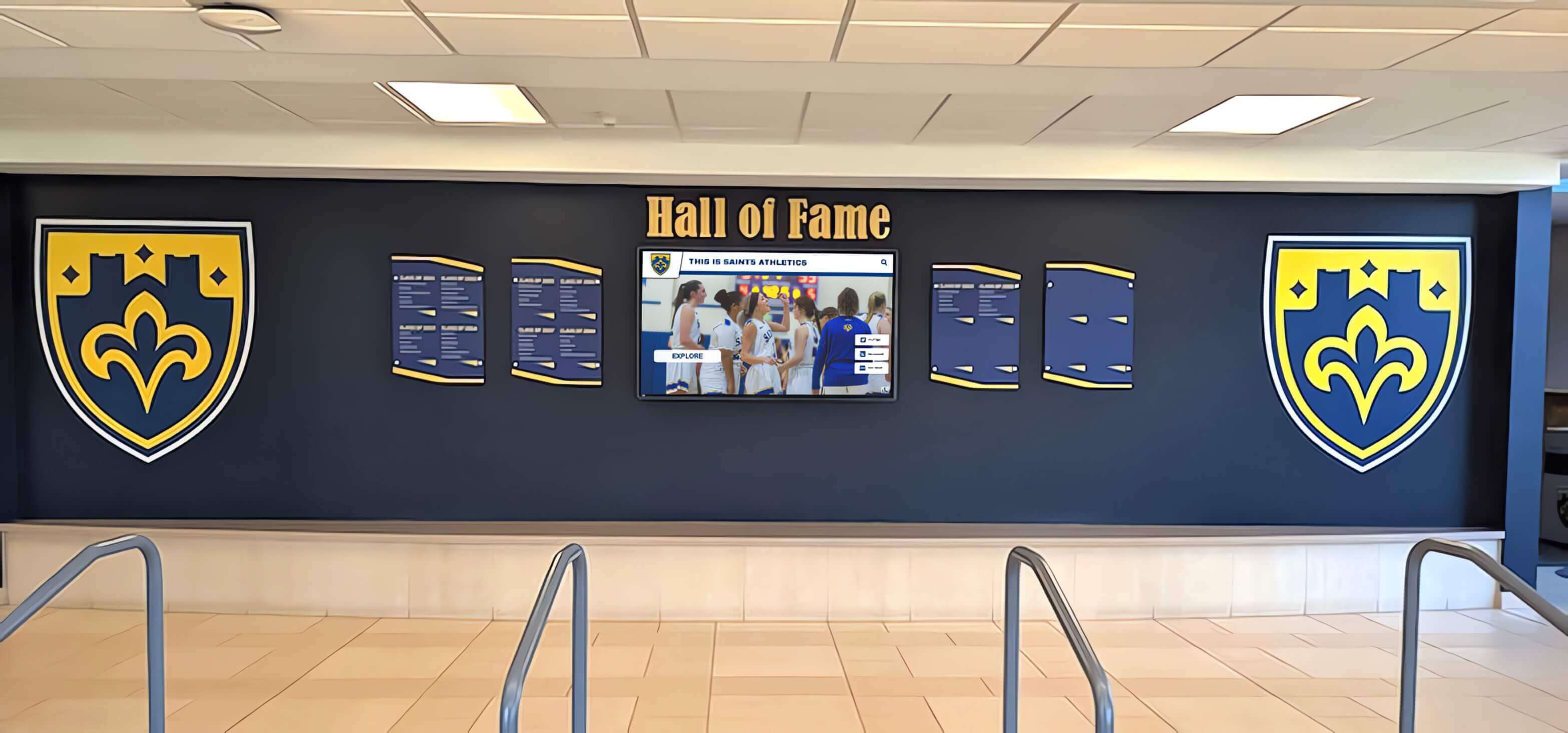
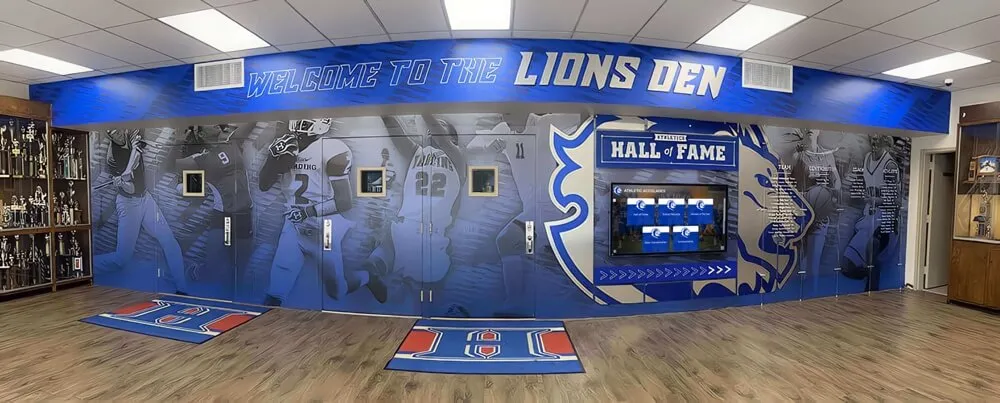
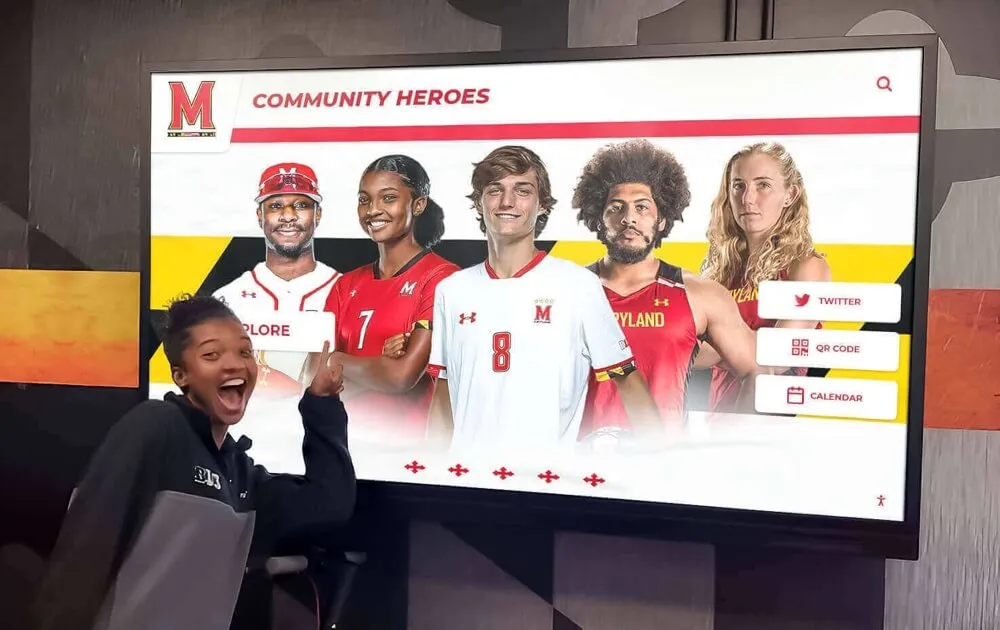
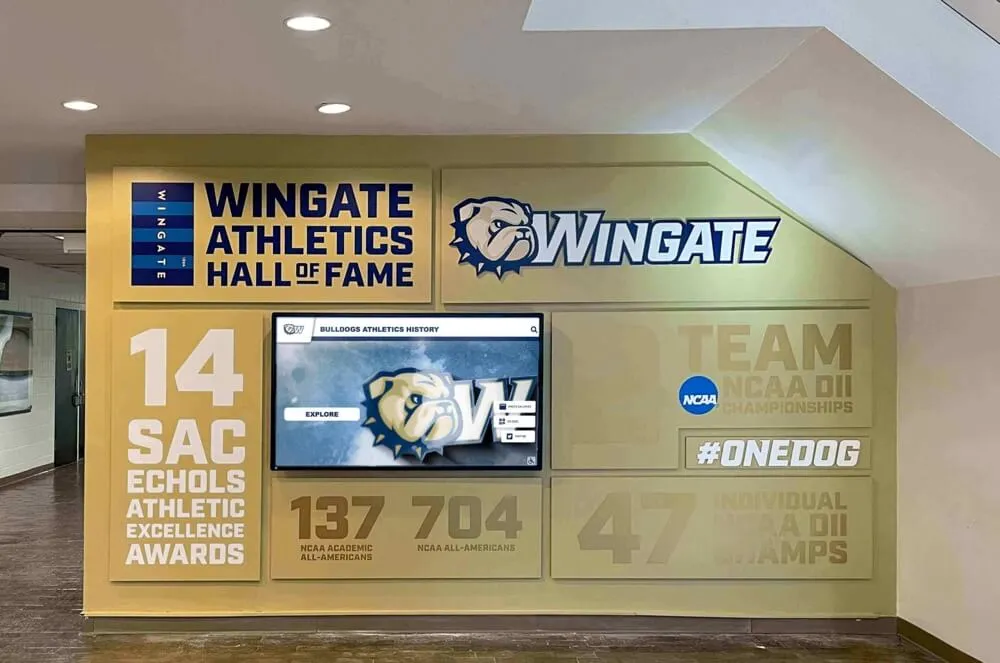
Comprehensive recognition systems celebrate athletes across all sports creating inclusive program celebration
Academic and Character Recognition Integration
Graduating athletes deserve recognition as complete individuals beyond athletic achievement. Consider integrating:
Academic Honors: Highlight National Honor Society membership, academic all-conference recognition, scholarship awards, or exceptional GPAs demonstrating commitment to academic excellence alongside athletic participation.
Leadership Roles: Acknowledge team captaincy, student government positions, club leadership, or community service demonstrating well-rounded contribution to school communities.
Character Awards: Feature sportsmanship recognition, team awards for leadership or attitude, coach’s awards for intangible contributions, or character-based honors reflecting values beyond statistics and championships.
This holistic recognition acknowledges what coaches, teachers, and parents know—athletic success represents just one dimension of impressive young people who demonstrate character, leadership, and dedication across multiple areas.
Beyond Senior Year: What Happens to Banners After Seasons End?
Planning what happens to senior banners after recognition ceremonies concludes prevents awkward situations and ensures displays serve their intended purposes without creating storage challenges.
Post-Season Banner Distribution to Families
Most programs present banners to senior families as keepsakes after seasons conclude. Distribution approaches include formal presentation during end-of-season banquets or awards ceremonies, informal pickup during designated timeframes with athletic directors, or direct shipping to family homes (if families cover shipping costs).
Establish clear timelines and communication about when and how families can claim banners. Otherwise, unclaimed banners accumulate in storage creating logistical headaches while families wonder about pickup procedures.
Preparation Considerations: Ensure banners are clean and properly folded or rolled for transport. Provide protective covering preventing damage during transport. Some families frame or display home banners—discussing this possibility helps families plan for proper banner care.
Permanent Installation Options
Some programs permanently display senior banners in facilities creating visual history of athletic program participants over years. This approach offers advantages of building visual tradition and program culture, honoring athletes indefinitely rather than temporarily, and creating impressive facility atmosphere showcasing program depth.
However, permanent banner installation creates challenges including limited space as displays accumulate over years, dated appearance as older banners fade or deteriorate, and difficulty highlighting current athletes when surrounded by decades of predecessors.
Schools choosing permanent installation should carefully consider long-term space capacity and develop policies about how long banners remain displayed before rotation or retirement. Some programs display current year and previous 3-5 years only, rotating older banners to storage or offering them to families.
Digital Archives: Permanent Recognition Without Physical Storage
Digital recognition systems eliminate physical storage challenges while providing superior permanent recognition. All graduating athletes enter searchable digital archives accessible indefinitely without requiring physical banner storage, display space, or handling deterioration concerns.
Athletes from any graduating class remain equally accessible and prominent in digital systems—2005 graduates receive identical recognition quality as 2026 graduates, unlike physical banners where older displays fade, deteriorate, or get stored out of view. This equitable permanent recognition appeals to alumni who appreciate ongoing visibility decades after graduation.
Learn about comprehensive approaches to permanent athletic recognition creating lasting celebration honoring all program athletes.
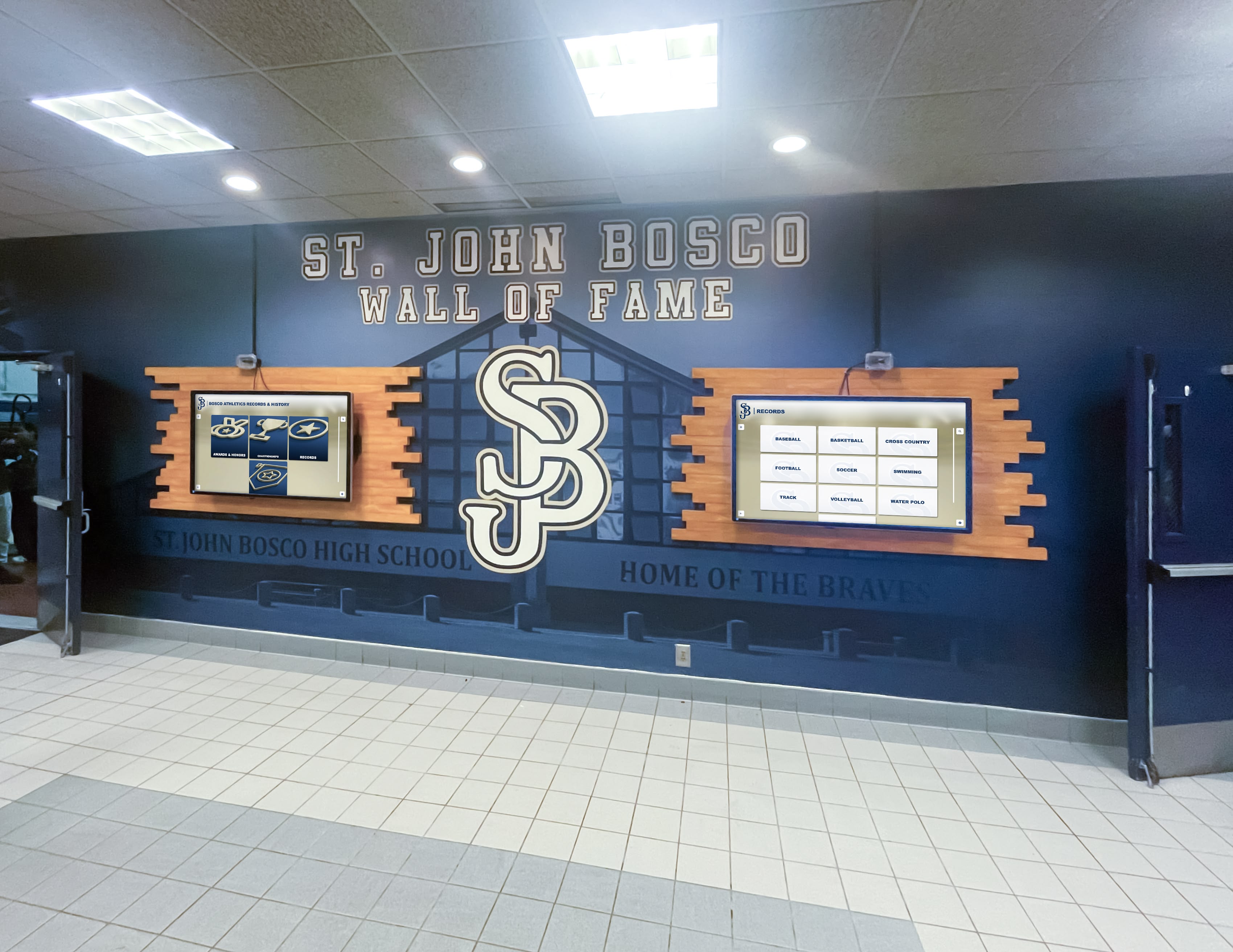
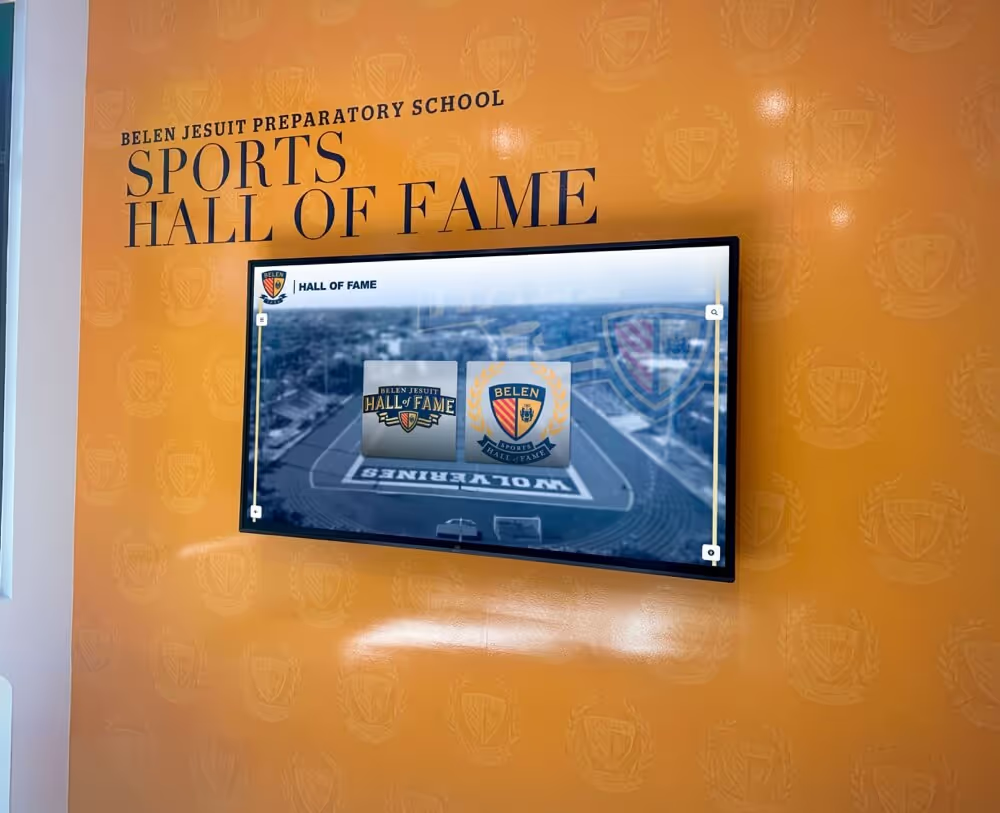
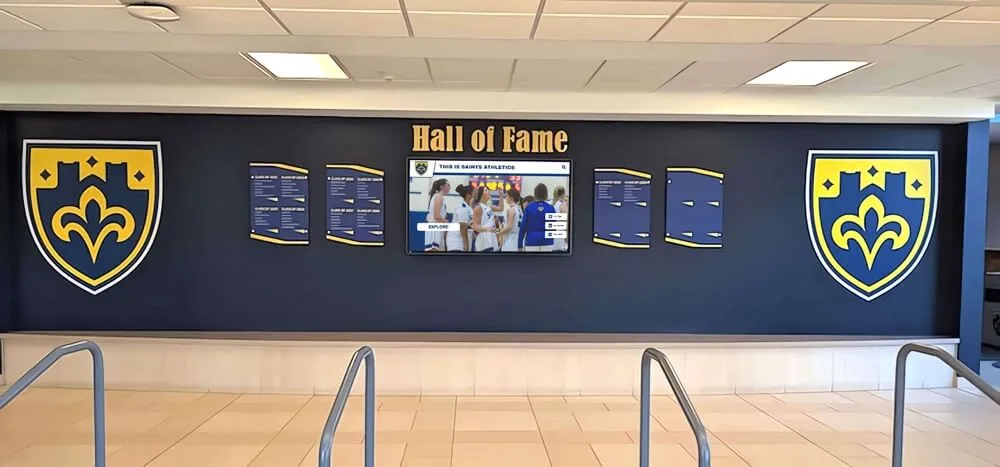
Digital wall of fame displays provide permanent recognition for senior athletes without physical storage requirements
Frequently Asked Questions About Senior Sports Banners
How much do senior sports banners typically cost?
Basic vinyl banners (2x4 feet) cost $30-75 each, while premium fabric banners (3x6 feet or larger) range from $75-300+ depending on size, materials, and design complexity. Total program costs depend on how many graduating athletes you’re recognizing across all sports. Schools with 30-50 senior athletes might spend $1,500-$7,500 annually on senior banners. Digital recognition systems involve higher upfront investment ($15,000-$35,000) but eliminate recurring annual banner costs while providing superior long-term value.
Who typically pays for senior sports banners?
Payment responsibility varies by school. Common approaches include booster clubs funding all senior banners as program expenses, individual families purchasing their athlete’s banner (typically $50-150), hybrid models where programs provide basic banners with optional family upgrades, or fundraising campaigns specifically supporting senior recognition. Establish clear policies ensuring all athletes receive recognition regardless of family financial capacity.
When should we start planning senior sports banners?
Begin planning 8-12 weeks before senior night or season conclusion. This timeline allows adequate time for finalizing athlete lists, completing photography sessions, designing and proofing banners, production manufacturing, and installation before recognition ceremonies. Rushing this process creates stress, limits quality control, and risks missing recognition deadlines entirely.
What information should be included on senior sports banners?
Standard information includes athlete name and jersey number, graduation year, sport(s) played, and quality photograph (action shot or portrait). Optional additions include career statistics or highlights, team captain or leadership roles, academic honors, personal quotes or reflections, and college commitments. Balance comprehensiveness with clean design—too much information creates cluttered, difficult-to-read displays.
Can senior banners be used outdoors?
Yes, with appropriate materials and installation. Use weather-resistant vinyl rather than fabric, ensure secure mounting withstanding wind conditions, and consider UV-resistant printing preventing rapid fading. However, outdoor exposure accelerates deterioration—banners intended as long-term keepsakes should be displayed indoors or used outdoors only temporarily during senior recognition periods.
How do digital displays compare to traditional banners for senior recognition?
Digital displays offer significant advantages including unlimited athlete capacity without storage concerns, expanded content (multiple photos, videos, statistics, stories), easy updates and corrections without reprinting, permanent accessibility for all graduating classes, and interactive engagement. Initial costs exceed single-year banner expenses, but long-term value strongly favors digital approaches—particularly for programs recognizing many athletes or planning recognition beyond single seasons.
What happens to senior banners after the season ends?
Most programs present banners to senior families as keepsakes, either during end-of-season banquets or through designated pickup periods. Some schools permanently display banners in facilities, though this creates space challenges as displays accumulate over years. Establish clear distribution procedures ensuring families know when and how to claim banners, preventing unclaimed displays from accumulating in storage.
How can we honor senior athletes if our budget is limited?
Budget-conscious alternatives include smaller banner sizes (2x3 feet instead of 3x8 feet), digital-only displays eliminating printing costs entirely, printed poster displays instead of expensive vinyl banners, rotating senior recognition through existing digital signage systems, or photo collage displays grouping all seniors together rather than individual large-format banners. Focus on meaningful recognition over expensive production—thoughtful presentation matters more than banner size or cost.
Creating Comprehensive Senior Athlete Recognition Programs
While senior sports banners serve important recognition functions, the most effective programs view banners as one component within comprehensive celebration strategies honoring graduating athletes through multiple touchpoints.
Layered Recognition: Beyond Single Banner Displays
Comprehensive programs combine several recognition elements creating rich celebration including traditional senior banners for ceremonial impact, permanent digital archives preserving athlete legacies indefinitely, senior night ceremonies featuring family participation and emotional recognition, end-of-season banquets celebrating achievements and distributing awards, and social media features and printed programs documenting senior contributions.
This layered approach ensures athletes feel thoroughly recognized through immediate ceremonial celebration and lasting program remembrance. Single-event recognition, regardless of quality, can’t match impact of sustained celebration honoring athletes comprehensively.
Connecting Seniors to Alumni Networks
Senior recognition presents natural opportunities connecting graduating athletes with program alumni creating mentorship relationships, providing college transition support, and maintaining long-term program engagement. Consider:
Alumni Panel Events: Host discussions where recent graduates share college recruitment experiences, transition challenges, and lessons learned. Current seniors benefit enormously from peer perspectives while alumni remain connected to programs.
Mentorship Pairings: Connect graduating seniors with alumni from their sport who attend target colleges or work in fields of interest. These relationships provide valuable guidance while strengthening program community.
Digital Alumni Directories: Include graduating seniors in digital recognition systems connecting them with decades of program alumni. Searchable systems enable athletes to discover former teammates of parents, siblings, or coaches creating powerful connections across generations.
Explore how building comprehensive recognition cultures strengthens athletic programs beyond individual senior celebrations.
Documenting and Preserving Senior Recognition
Professional documentation ensures recognition moments remain accessible beyond fleeting ceremonies. Invest in quality photography during senior night ceremonies, video recording of recognition events and speeches, digital archiving of banner designs and athlete information, and social media sharing enabling broader community celebration.
This documentation serves multiple purposes including providing content for digital recognition displays, creating promotional materials for programs, offering keepsakes families treasure indefinitely, and building program history archives showcasing tradition and culture.
Conclusion: Honoring Senior Athletes Meaningfully and Sustainably
Senior sports banners represent time-honored tradition in high school athletics—tangible recognition honoring years of dedication, early morning practices, competitive challenges, and personal growth through sport. Whether implementing traditional fabric banners, transitioning to innovative digital displays, or combining both approaches, the core objective remains constant: making graduating athletes feel genuinely seen, appreciated, and celebrated as they conclude high school athletic careers.
Effective recognition requires more than simply ordering banners or displays. It demands thoughtful planning around design quality, appropriate budget allocation, meaningful ceremony integration, and sustainable approaches ensuring all graduating athletes receive equitable celebration regardless of sport, role, or family resources. The most successful programs view senior recognition not as isolated banner projects but as components of comprehensive celebration cultures honoring athletes immediately and preserving their legacies indefinitely.
As schools evaluate recognition strategies, consider both immediate impact and long-term value. Traditional approaches serve important ceremonial functions and provide tangible keepsakes families treasure. Modern digital alternatives offer expanded capabilities, permanent accessibility, and superior long-term value while addressing physical storage limitations and recurring costs inherent to conventional banner programs.
Ready to enhance how your school honors graduating athletes? Explore how Rocket Alumni Solutions can help you create engaging digital recognition displays that complement or replace traditional senior banners while providing permanent, interactive celebration of every graduating athlete. Discover how touchscreen displays installed in gymnasiums, lobbies, or athletic facilities can preserve senior recognition indefinitely while accommodating unlimited athletes, expanded content including photos and videos, and interactive experiences that engage your entire school community in celebrating athletic excellence year-round.