For four years — or two, or one, depending on when a student found their way into student government — SGA leaders managed budgets, negotiated with administrators, organized elections, planned school-wide events, and gave up evenings and weekends to do work that most of their peers never noticed. An SGA senior recognition night is the institution’s formal answer to that sacrifice: a dedicated ceremony that says, clearly and publicly, your service here mattered and we are not going to let you walk out the door without everyone knowing it.
Many schools have well-established senior night traditions for athletics. Fewer take equivalent care with student government. That gap matters more than it first appears. SGA leaders are among the most likely alumni to remain actively engaged with their schools, respond positively to giving campaigns, and return as mentors and advocates for the next generation. A thoughtfully planned SGA senior recognition night is not just a farewell — it is the first chapter of an alumni relationship that can span decades.
This guide covers the planning timeline, ceremony elements, award language, and lasting recognition strategies that turn an SGA send-off from a pleasant gathering into an event graduates remember for the rest of their lives.
Student government service sits at an unusual intersection of civic leadership, institutional ownership, and personal sacrifice. Students who hold SGA office give something most of their peers do not: genuine accountability. They stand for election, make public commitments, and answer for the results. That experience shapes the way they relate to their schools long after graduation — which is exactly why the recognition they receive on their way out sets the tone for everything that follows.

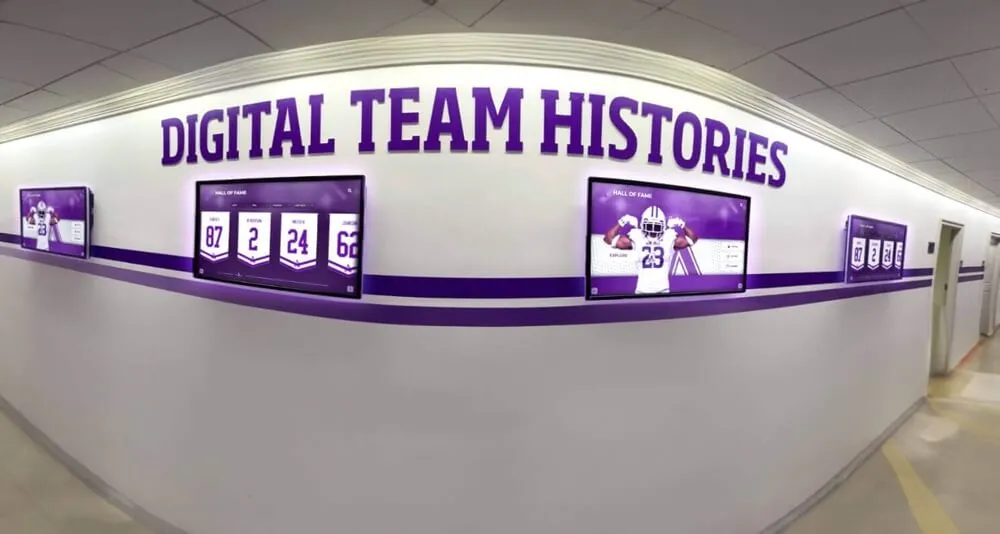
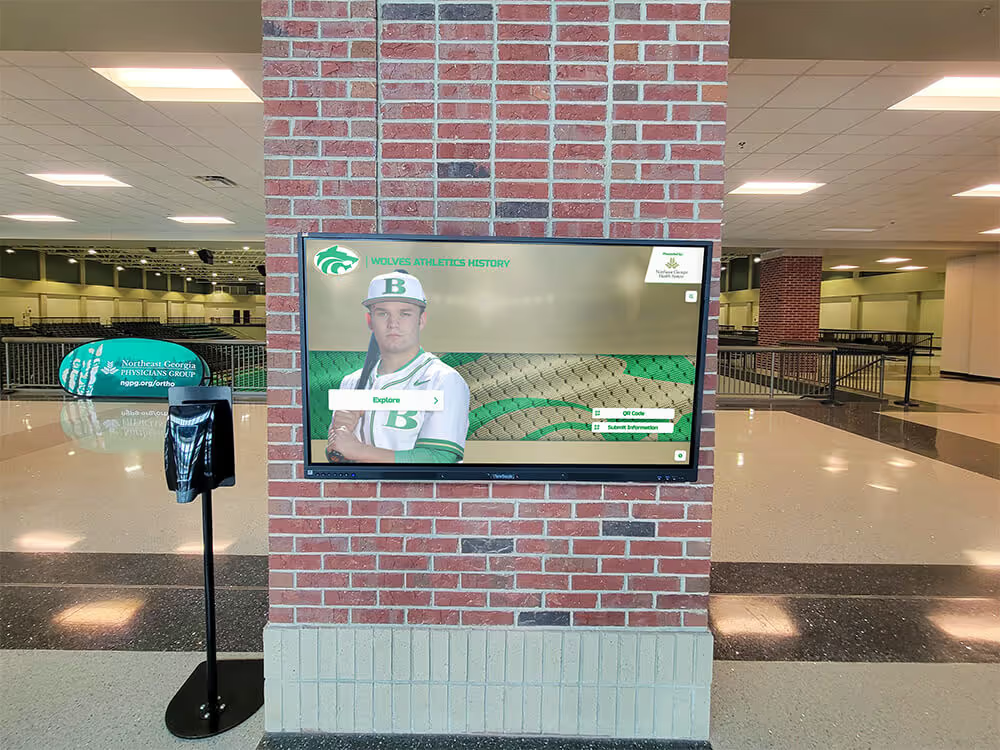
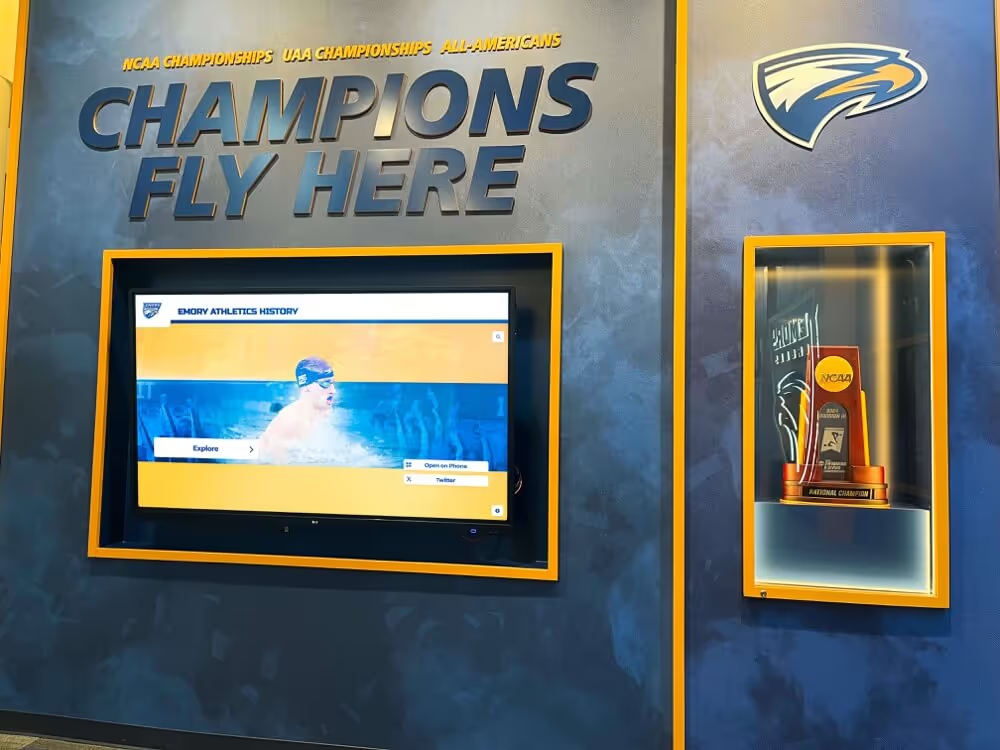
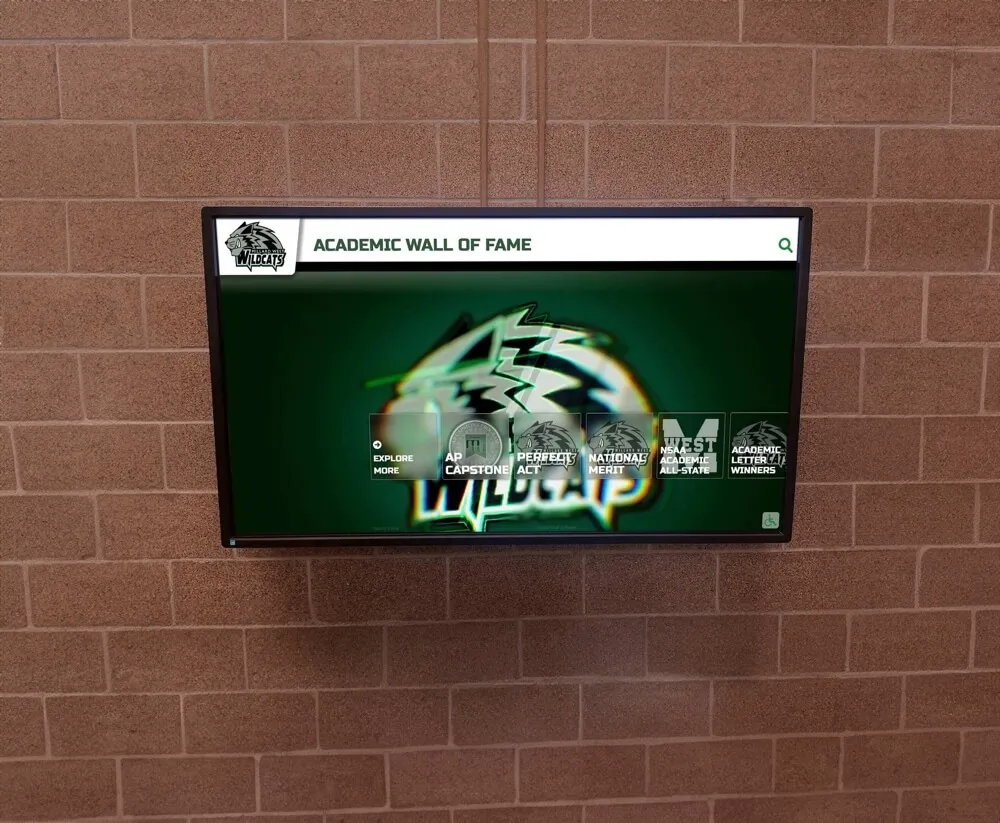
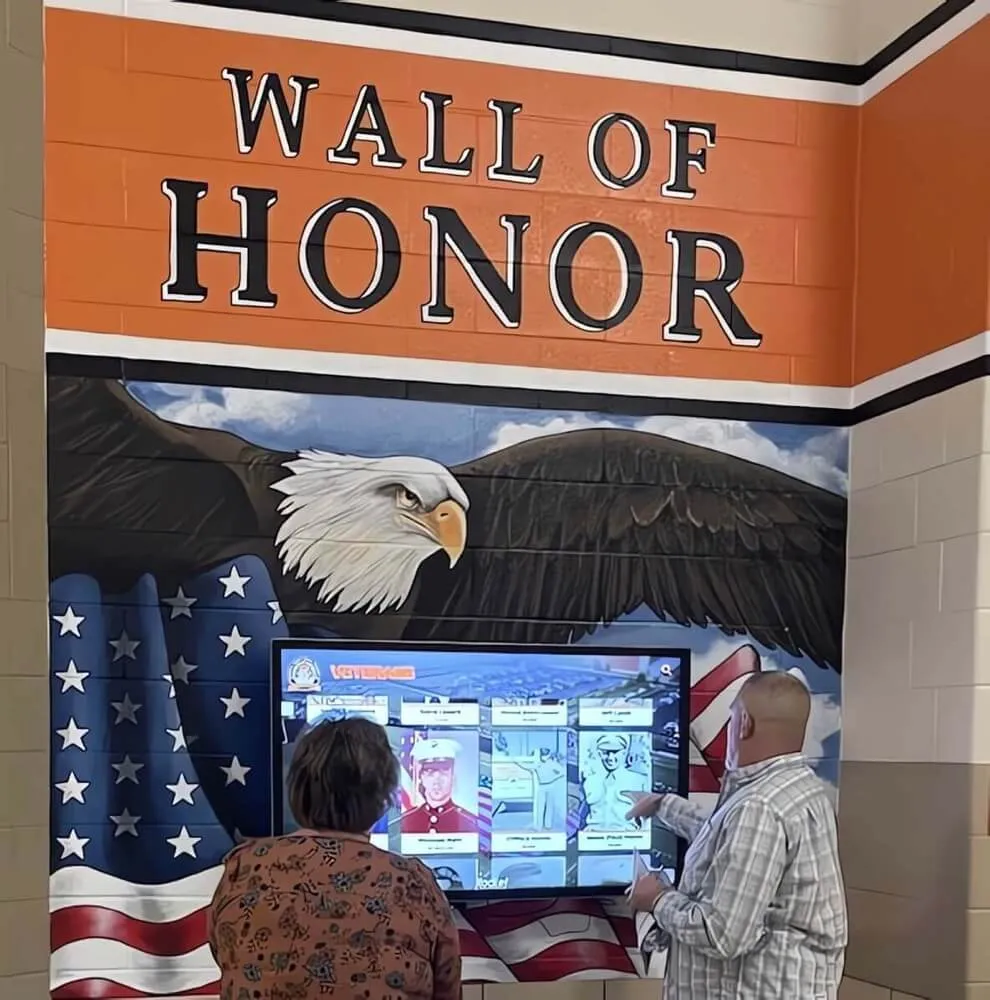
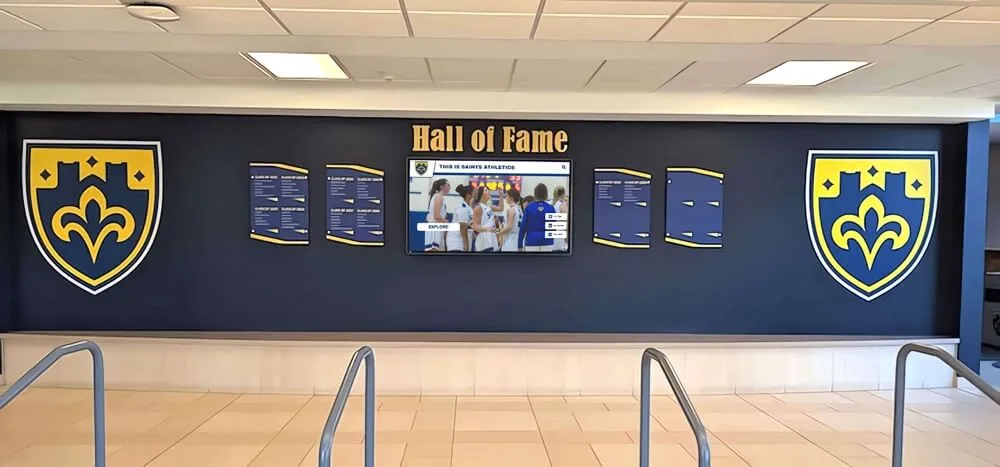
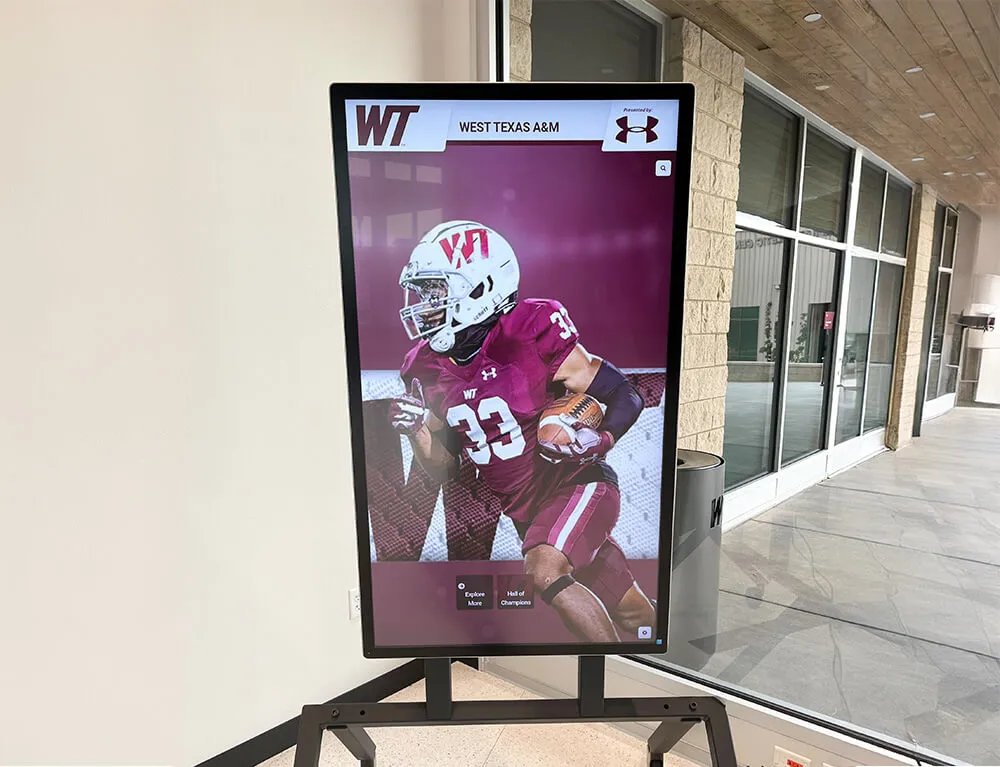
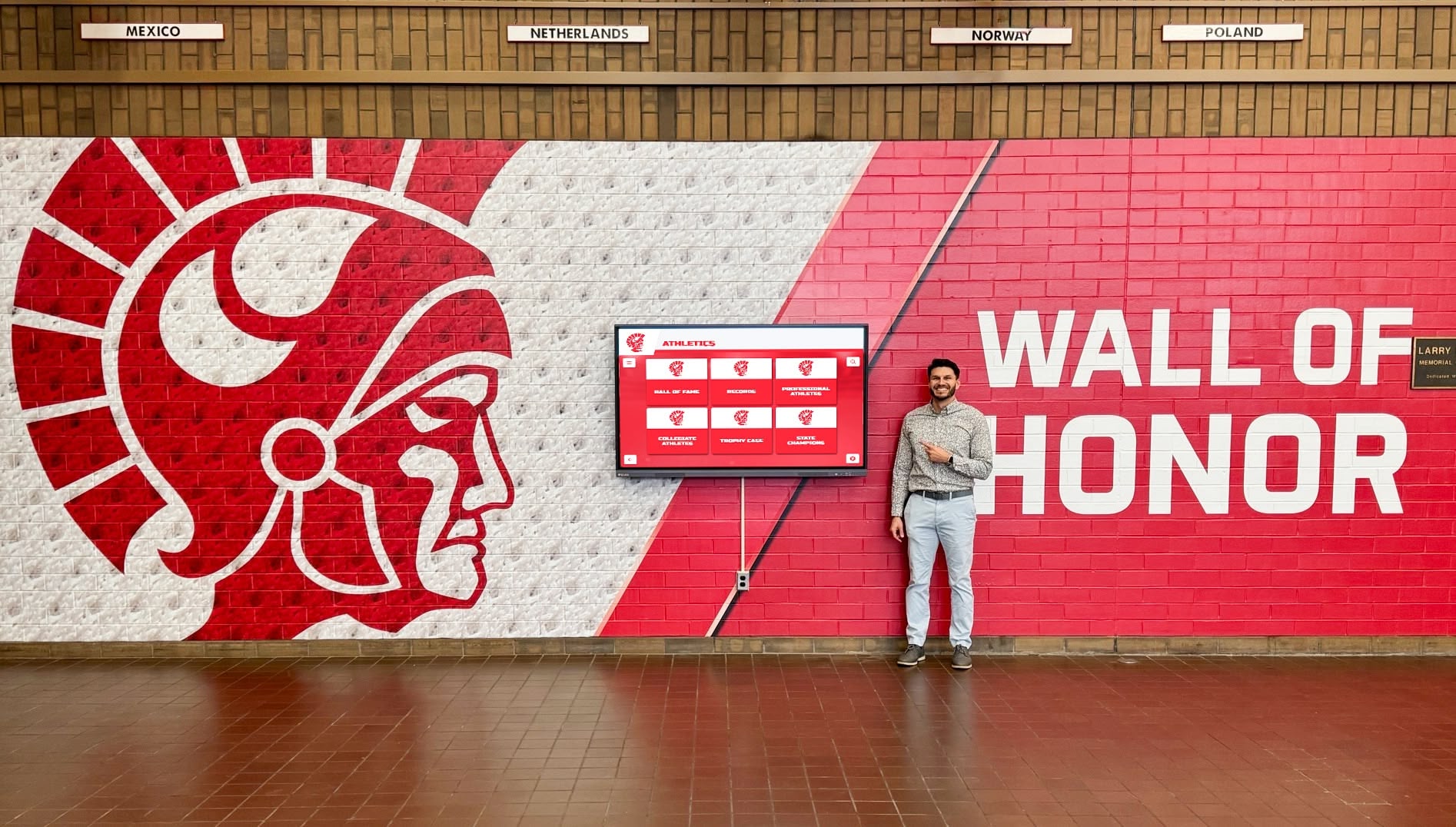
Dedicated wall of honor displays in school hallways make student government recognition visible year-round — not just on recognition night but every day students, families, and visitors walk through the building
What Makes SGA Senior Recognition Night Different from Other Senior Ceremonies
Athletic senior night traditions are built around performance metrics that are easy to quantify: points scored, seasons played, championships won. SGA senior recognition night operates in different territory. The contributions being honored — a budget negotiation that resulted in new club funding, a policy change that improved lunch schedules, a community service initiative that brought the school together after a difficult year — are harder to reduce to numbers. That challenge is also an opportunity.
When done well, SGA recognition ceremonies do something athletic senior nights often cannot: they tell a story about who these leaders were as people and thinkers, not just what they accomplished on a scoreboard. That narrative depth is what makes these evenings genuinely moving for graduating students, their families, and the underclassmen who will take their places.
The other distinguishing feature is the audience. SGA senior recognition nights regularly draw school administrators, board members, faculty advisors, and community stakeholders who rarely attend athletic events. That mix of institutional leadership creates a room with genuine power to launch careers — and genuine interest in identifying the kind of young people they want to stay connected with.
Planning Timeline for an Unforgettable SGA Senior Recognition Night
Success on the night depends almost entirely on preparation that happens weeks before. The following timeline applies to both high school and university-level programs, scaled to the complexity of your ceremony.
Eight to Ten Weeks Before the Event
Establish the format and venue. Decide whether your SGA senior recognition night will be a standalone event or incorporated into a larger year-end ceremony. Standalone events give SGA the dedicated stage it deserves; combined events can expand the audience but may dilute the focus. Either approach works — the decision should reflect your program’s culture and the number of seniors being recognized.
For venue considerations, your school’s auditorium, student union ballroom, or performing arts center typically work well. The space should feel appropriately ceremonial without being so large that a 50-person crowd looks like a poor turnout.
Identify all graduating SGA leaders. Compile a complete list of seniors who held SGA positions during their time at the school, including students whose terms ended earlier in their high school or college career. Students who served as freshmen and did not seek reelection still made a contribution worth acknowledging. Comprehensive recognition avoids the uncomfortable situation where a senior asks why their service was overlooked.
For scholarship-adjacent recognition ceremonies, the scholarship award ceremony planning guide offers useful structural frameworks that adapt readily to student government contexts.
Request information from senior families. Send a short questionnaire to each graduating SGA leader asking for:
- A brief reflection on their most meaningful SGA contribution
- A memory or moment from their time in student government
- A note about post-graduation plans
- A childhood or early high school photo (alongside their current photo)
- Any family members they want specifically acknowledged during the ceremony
Collecting this information early prevents the last-minute scramble that leads to generic presentations.
Four to Six Weeks Before the Event
Develop individual recognition profiles. Use the information gathered from families to write personalized introductions for each graduating senior. These should be 90–150 words per student — long enough to feel substantive, short enough to maintain energy across a full ceremony. The best introductions name specific accomplishments, reference something authentic about the student’s personality or leadership style, and close with genuine warmth.
Design the award structure. Beyond universal recognition for all departing SGA members, most recognition nights include a small number of awards reserved for exceptional service. Common categories include:
- President’s Award: Given by the outgoing president to a member who demonstrated exemplary commitment
- Faculty Advisor’s Award: Presented by the SGA advisor to recognize a student whose work had lasting institutional impact
- Leadership Legacy Award: Recognizing a senior whose term saw a significant program-level achievement
- Rising Impact Award: Honoring the senior who most strengthened SGA’s connection to the broader student body
For language help, student recognition award wording templates provide ready-to-adapt copy blocks for certificates, plaques, and spoken recognition.
Draft the program script. A formal program script gives your emcee and presenters clear guidance, prevents awkward pauses, and ensures the ceremony runs at the right pace. See the script template later in this guide.
Coordinate with underclassmen. SGA senior recognition nights benefit from visible continuity. Consider incorporating current underclassmen officers into the ceremony — having the incoming president offer brief remarks honoring the departing class signals healthy leadership succession and gives younger students public ownership of the transition.
One to Two Weeks Before the Event
Prepare visual materials. Most schools now run slideshow presentations or short video tributes alongside live recognition. Assemble senior photos, candid shots from SGA events, and any media coverage from significant initiatives the group led. These visuals transform a ceremony from a reading of names into a genuine retrospective.
Brief all presenters. Anyone delivering remarks, announcing names, or presenting awards should receive the full script at least one week out with clear pronunciation guides for every name. Nothing undermines a recognition ceremony faster than a mispronounced honoree.
Arrange physical recognition items. Whether you are presenting framed photos, engraved plaques, custom certificates, or personalized gifts, have all items prepared and labeled before the event. Last-minute item confusion during the ceremony itself is both stressful and visible to the audience.
For ideas on certificate and plaque language that reflects the dignity of the occasion, the guide to graduation honors levels and recognition wording offers adaptable language frameworks.
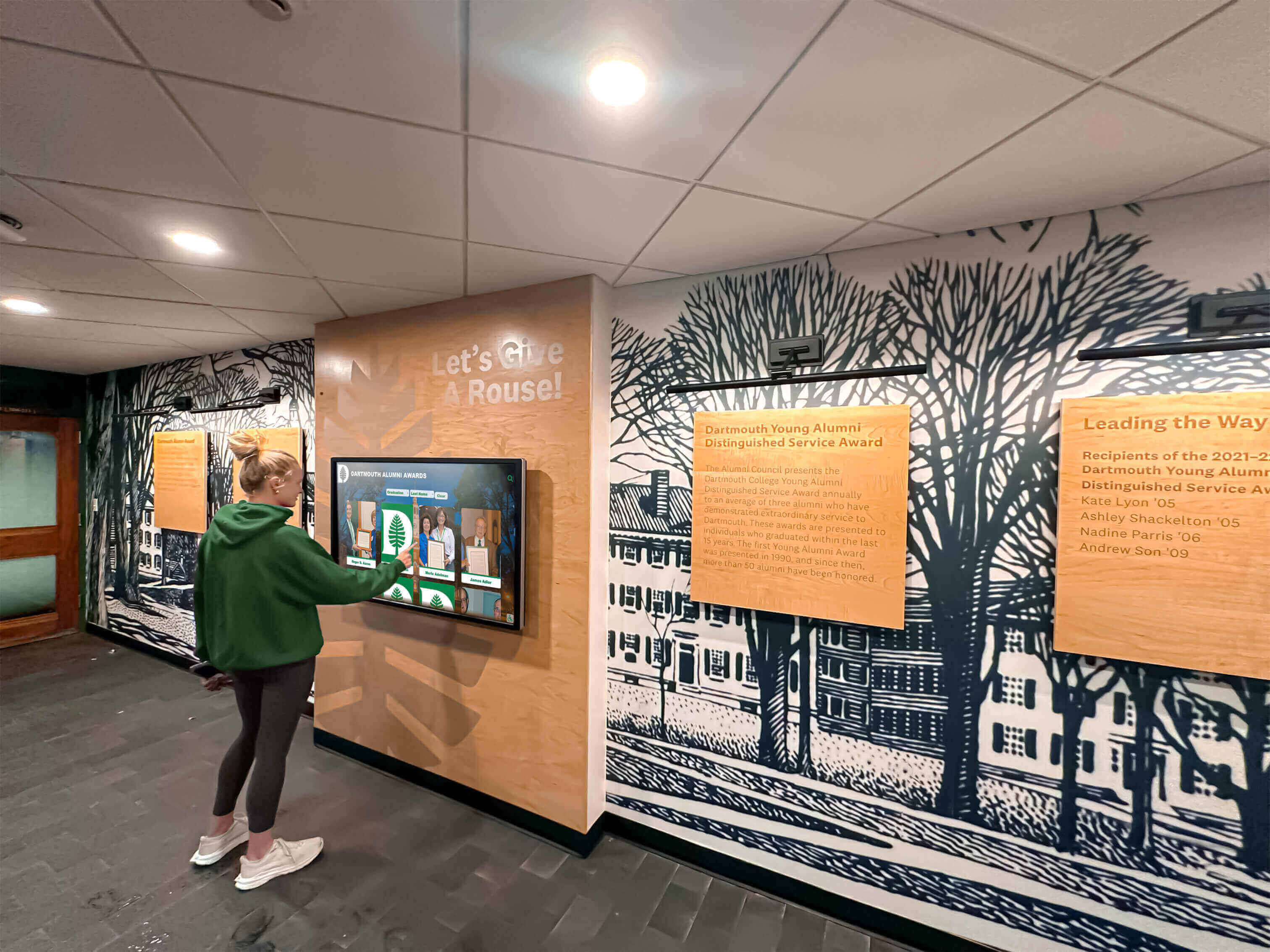
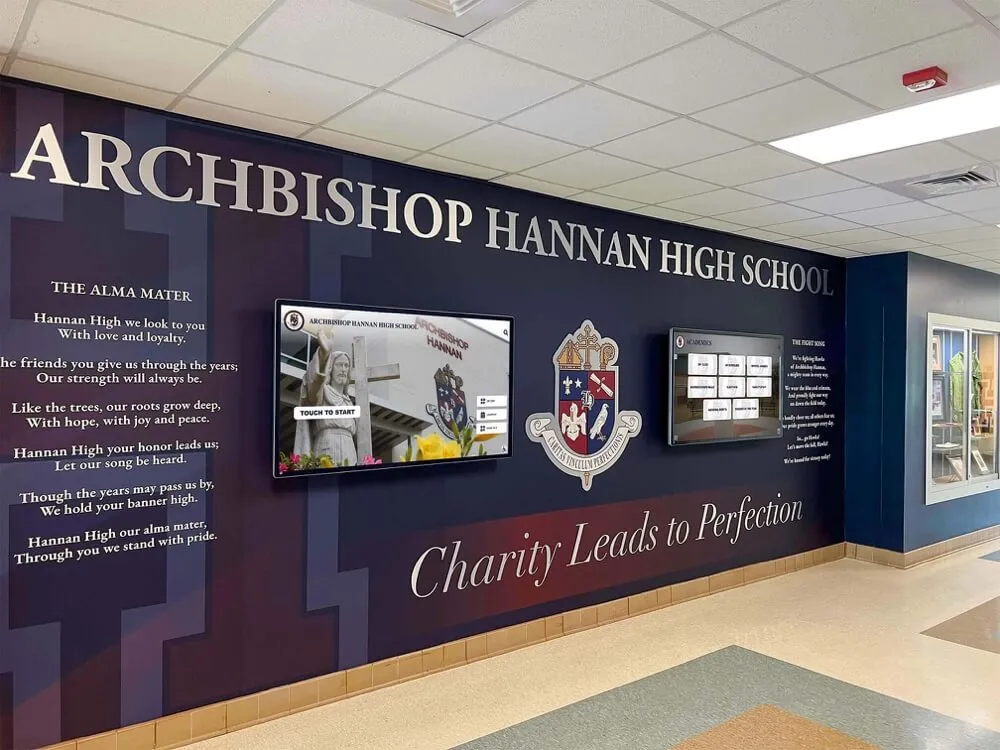
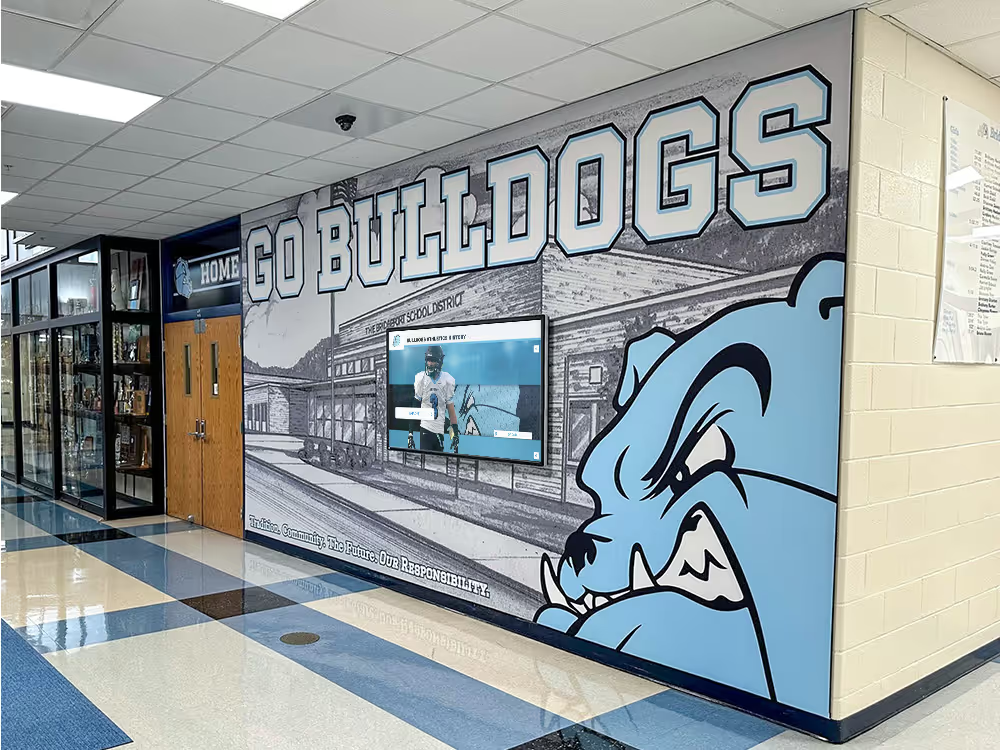
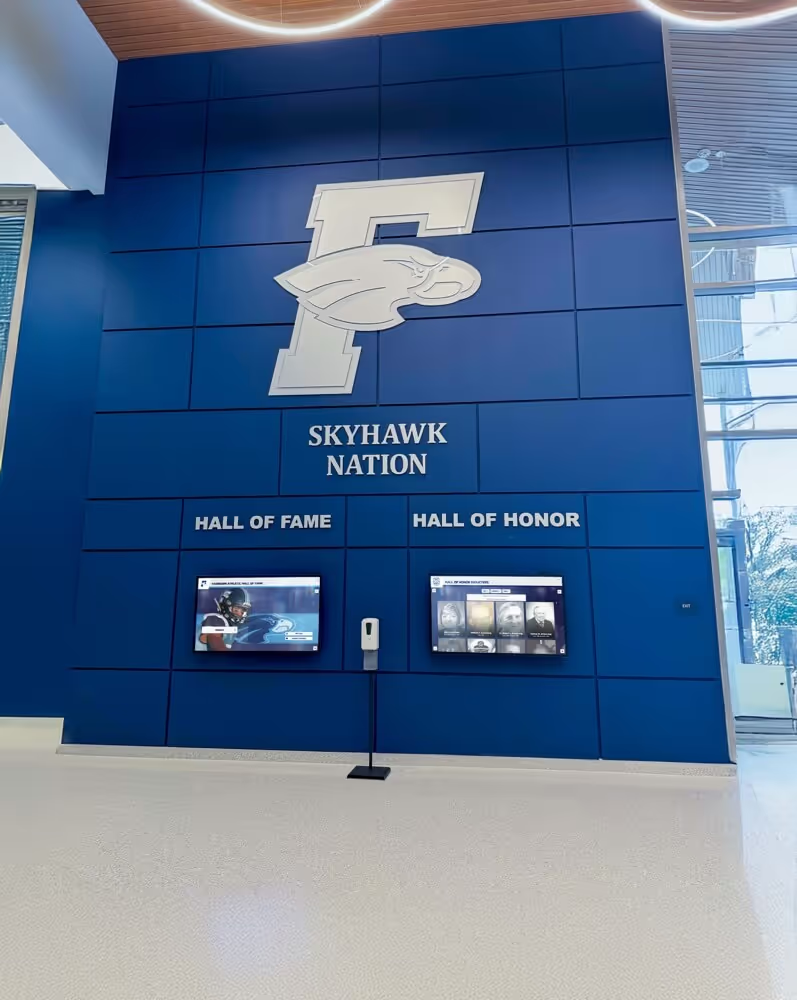
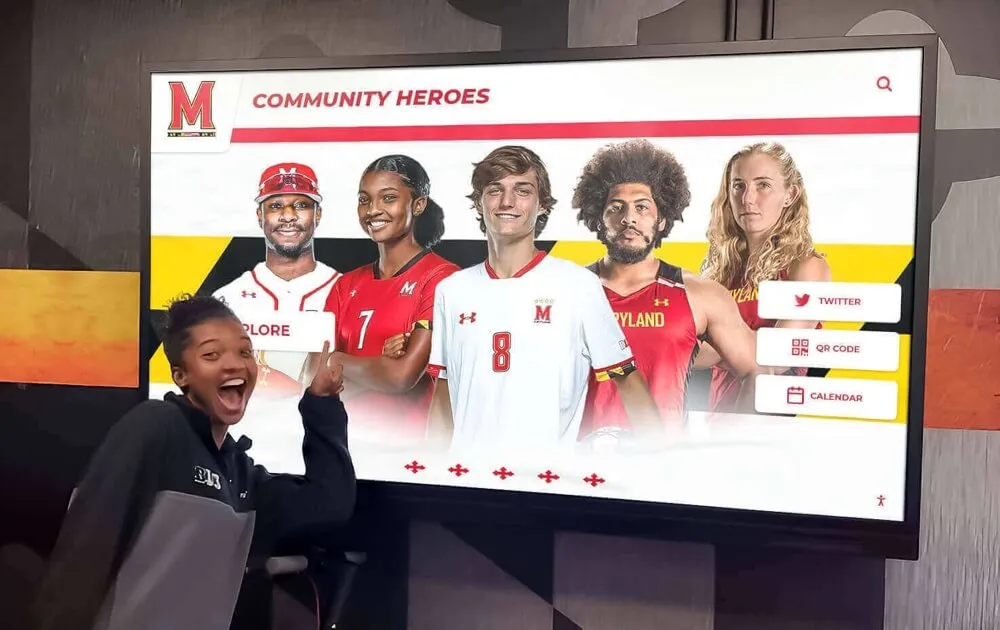
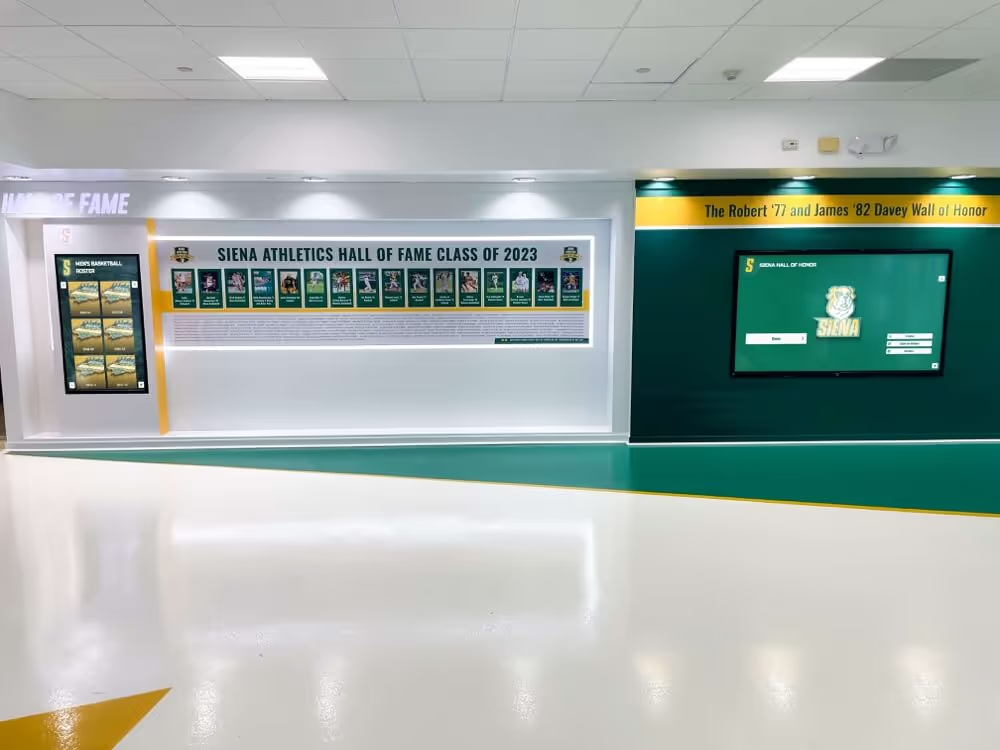
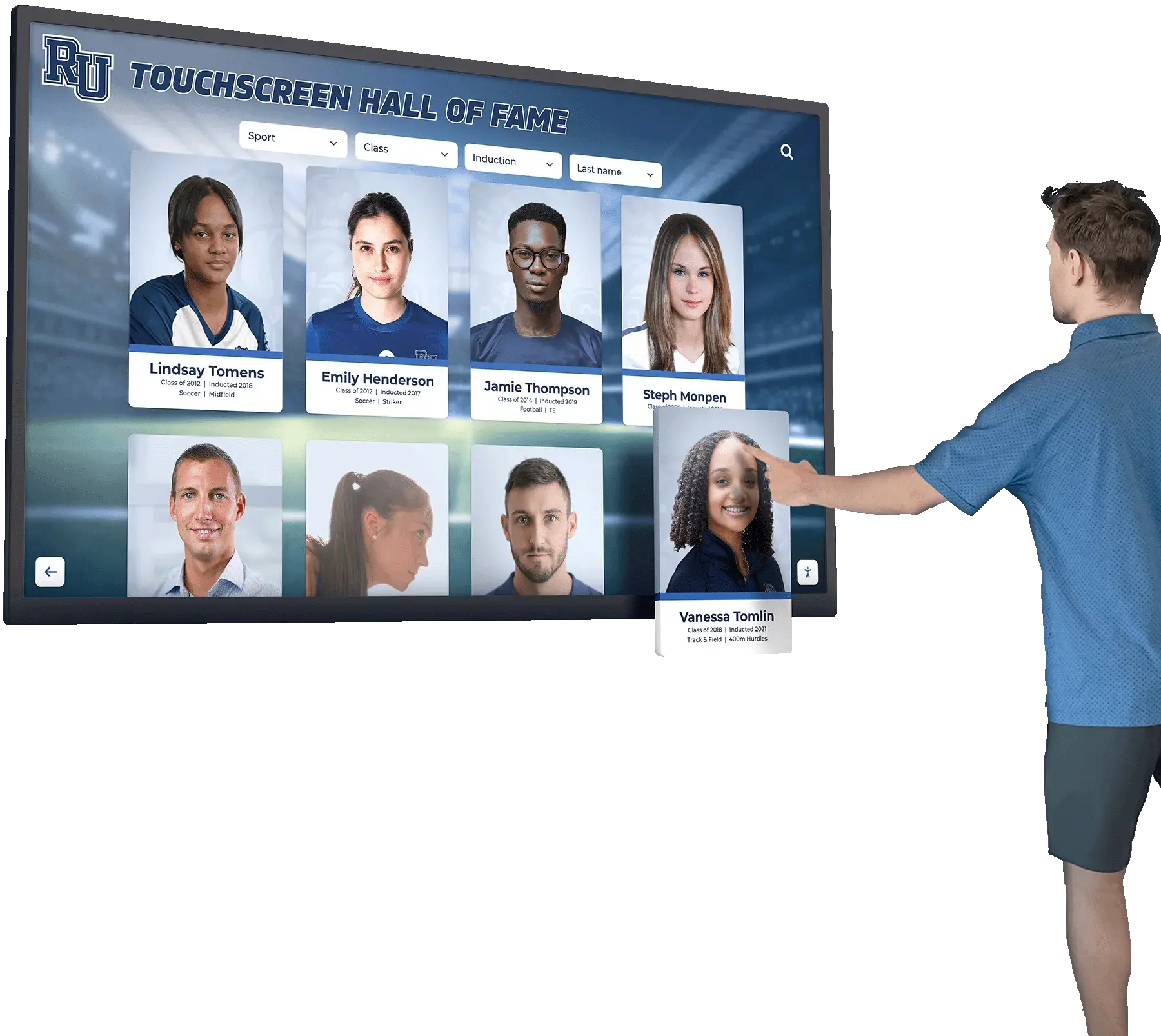
Interactive touchscreen displays allow graduating SGA leaders to explore their place in an institution's leadership history — and give future students a tangible picture of the legacy they are inheriting
Program Elements That Make SGA Recognition Nights Memorable
The Formal Processional
A deliberate processional — graduating seniors walking in together, introduced as a cohort before individual recognition begins — signals that this is a ceremonial occasion, not an informal gathering. Even in smaller schools, the processional creates a physical separation between the everyday and the exceptional. Use the school fight song, a piece of music the group selected together, or a student performance to accompany it.
Individualized Introductions with Family Acknowledgment
Each senior deserves their own moment at the podium. Call the senior by name, deliver their personalized introduction, invite them to stand or approach the stage for their recognition item, and name the family members present who supported their service. For many families, hearing their child publicly honored by name in a room full of administrators and peers is among the most meaningful moments of the school year.
Outgoing President’s Address
The departing SGA president should have time to address the room — not just their fellow seniors, but the underclassmen, faculty, and administrators in attendance. This address is an opportunity to frame the year’s work, acknowledge collaborators, and articulate what student government meant to the people who gave it their best. It also models for incoming leaders what presidential voice looks and sounds like.
A note on preparation: The best outgoing president addresses are ones the speaker has genuinely worked on. Encourage the president to start drafting six weeks out. For inspiration on structure and substance, student council speech ideas and templates offer useful frameworks adaptable to farewell address contexts.
Faculty Advisor’s Tribute
The SGA faculty advisor often knows these students more deeply than almost any other adult in the building. Their remarks at a senior recognition night carry particular weight because they come from someone who witnessed the work in detail — the difficult meetings, the setbacks, the moments of creative breakthrough that no one else saw. Give the advisor meaningful time to speak, and ask them to prepare something personal rather than generic.
Connecting Celebration to the Difference Between Commencement and Recognition Night
It is worth noting that SGA senior recognition night occupies a distinct role from graduation ceremonies. Understanding how commencement and graduation ceremonies differ in purpose helps planners design SGA recognition as a complement to those events rather than a redundant occasion. Where commencement celebrates the completion of an academic program, SGA recognition night honors a specific form of service that transcends course completion — it is a leadership milestone with its own distinct identity.
Copy Artifact: SGA Senior Recognition Night Ceremony Script Template
The following script provides a working framework for an SGA recognition night emcee. Customize with specific names, roles, accomplishments, and tone to match your school’s culture.
SGA SENIOR RECOGNITION NIGHT — CEREMONY SCRIPT
================================================

[OPENING — EMCEE]

Good evening. Welcome to [School Name]'s annual Student Government
Association Senior Recognition Night. We are gathered tonight to
honor a group of students who did something most of their peers
did not: they raised their hands, ran for office, and showed up —
year after year — to do the unglamorous, essential work of
representing this community.

To the families in this room: thank you for sharing these young
leaders with us. The time they gave to SGA was time you gave too.

[FACULTY ADVISOR INTRODUCTION]

I would like to begin by inviting [Advisor Name], who has served as
SGA's faculty advisor for [X] years, to offer opening remarks.

[FACULTY ADVISOR REMARKS — 5 minutes]

[COHORT PROCESSIONAL + INTRODUCTION]

Please welcome the SGA Class of [Year] — the [Number] graduating
members of our student government who have shaped this institution
over the past [one/two/four] years.

[Students enter and stand/sit at front of room]

[INDIVIDUAL RECOGNITIONS — repeat for each senior]

[Student Name] served as [Role] during [Year(s)]. During their
term, they [specific accomplishment]. Their [quality: persistence,
creativity, empathy, etc.] set a standard their colleagues
returned to again and again. Joining [First Name] tonight are
[Family Member Names].

[Pause for recognition item presentation and applause]

[FEATURED AWARDS — as applicable]

The [Award Name] is given this year to [Student Name], in
recognition of [specific contribution]. This award reflects
the kind of leadership that goes beyond title — the work that
makes an institution better in ways that outlast any single term.

[OUTGOING PRESIDENT'S ADDRESS]

I would now like to invite our outgoing Student Body President,
[Name], to offer their farewell address to this community.

[CLOSING — EMCEE]

To the Class of [Year]: you leave an institution that is better
for having had you in it. Your names will remain part of this
school's leadership record — not just tonight, but permanently.
We are proud of you, and we are grateful.

Please join us for [reception/dinner/refreshments] in [location].

END CEREMONY
Adapt section lengths based on the number of students being recognized. For groups of 10 or fewer seniors, individual recognitions of 90–120 seconds each create a ceremony of approximately 45–60 minutes. For larger cohorts, tighten individual introductions to 60 seconds and allow more time for the president’s address and featured awards.
For additional ceremony planning ideas that complement SGA recognition nights, the guide to end-of-year school assembly ideas covers formats that adapt readily to semi-formal recognition contexts.
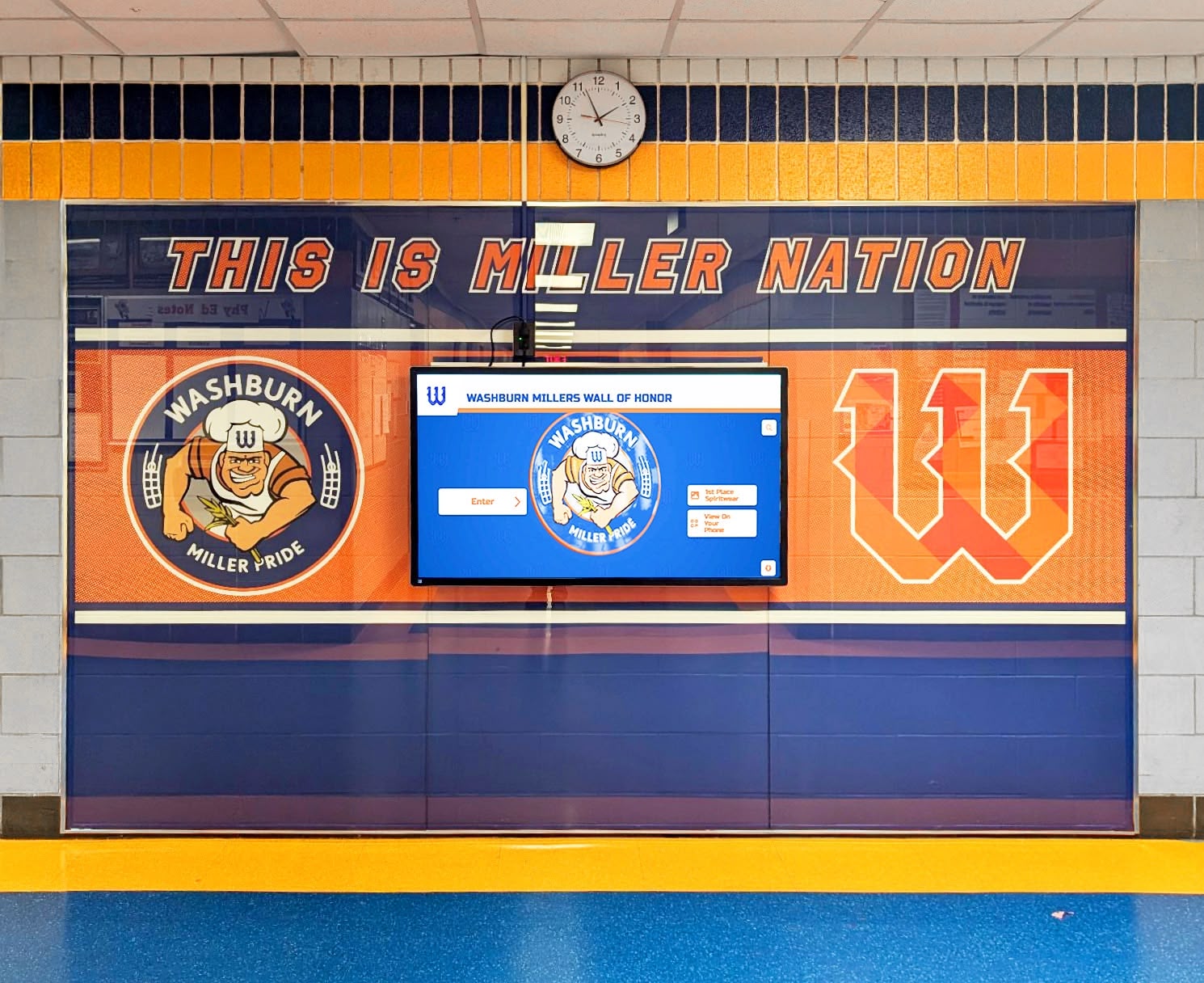
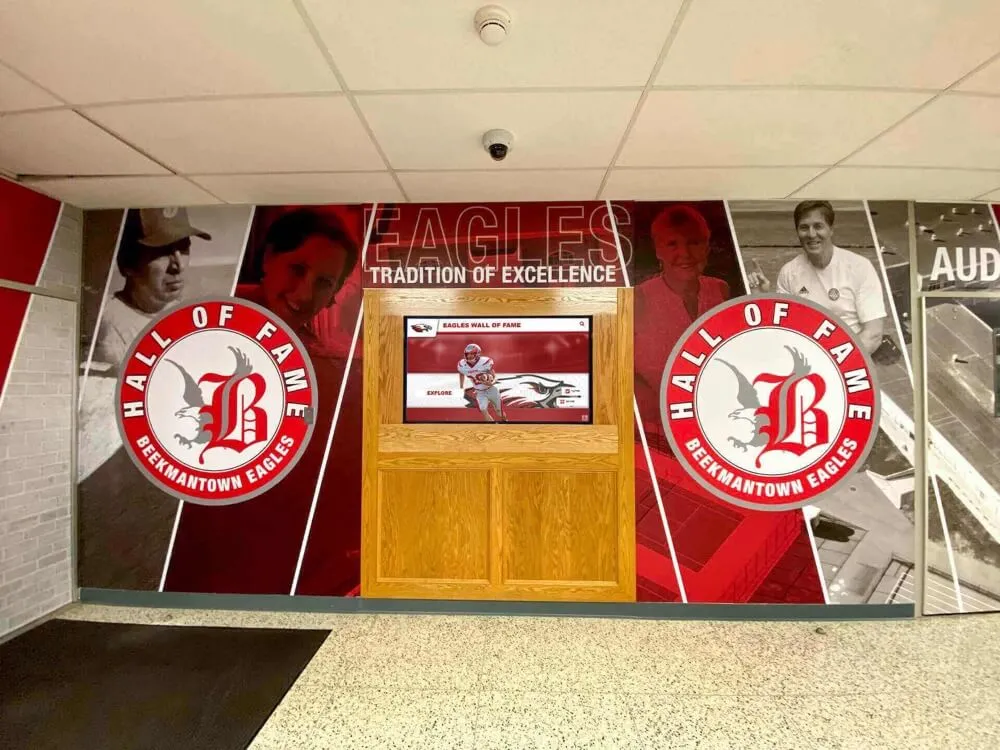
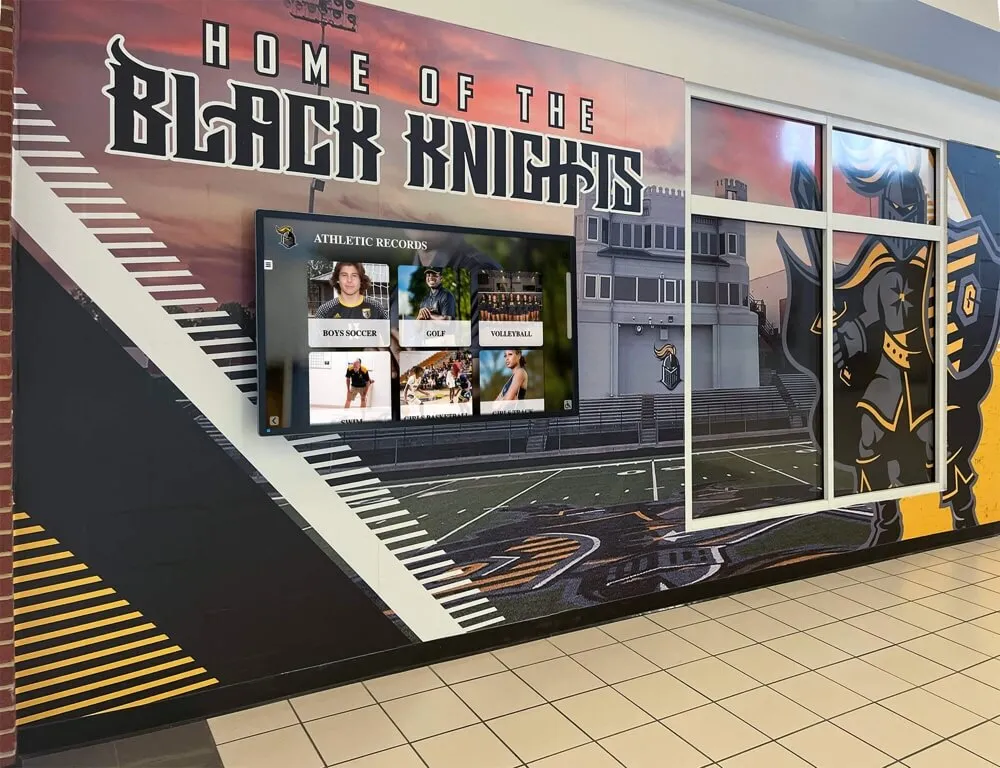
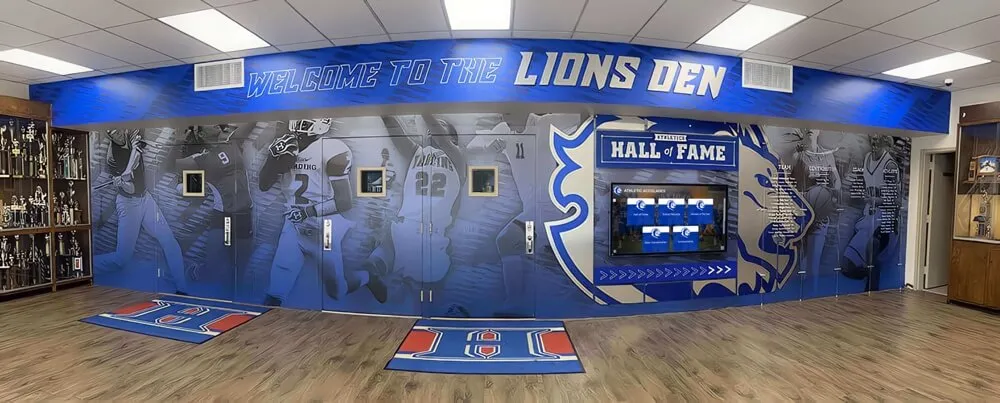
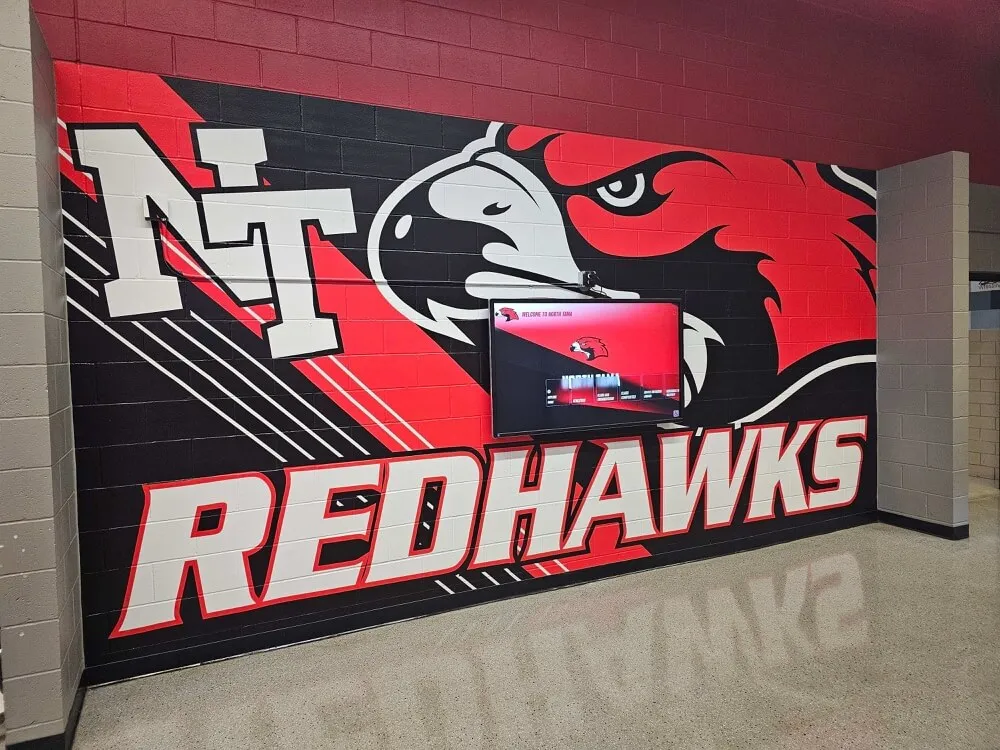
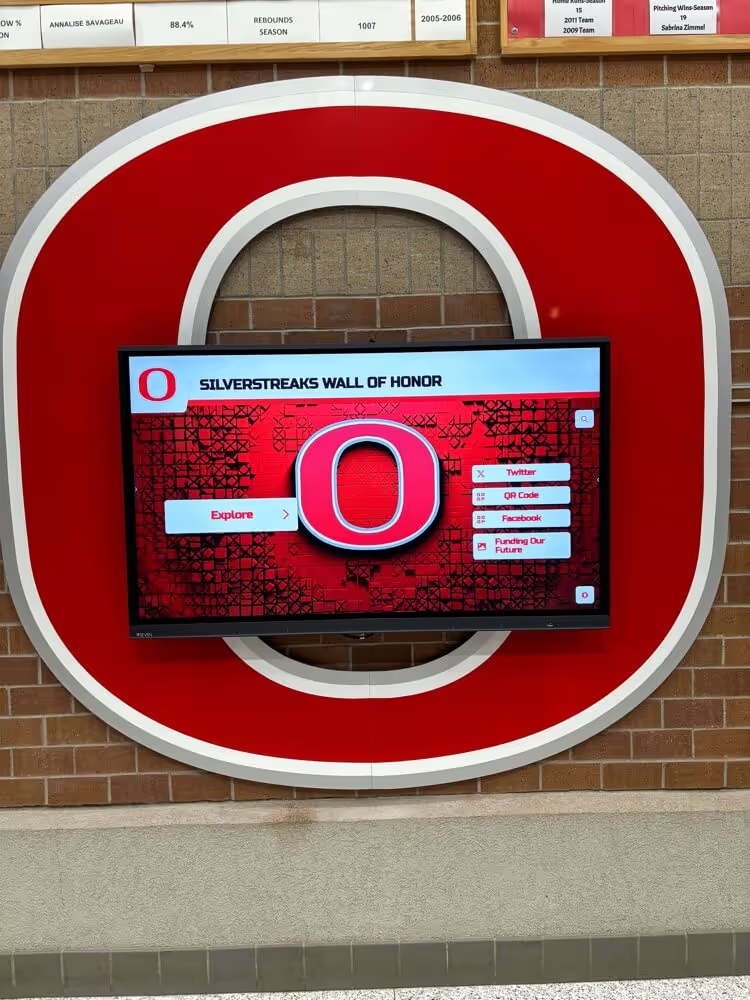
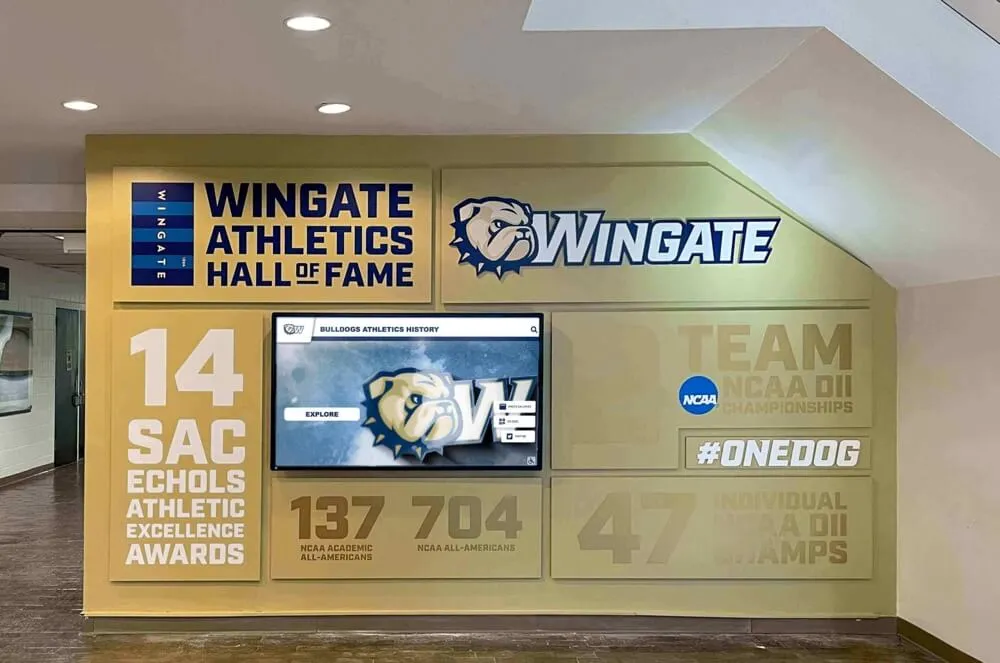
Permanent digital wall of honor displays extend the impact of a single recognition night into an ongoing institutional narrative — making every graduate's service visible to all who follow
Creating Lasting Recognition Beyond the Night Itself
The SGA senior recognition night ceremony is the visible, public moment of celebration. The lasting recognition infrastructure is what ensures the impact of that night extends beyond a single evening.
Digital Leadership Walls
A permanent digital display in a high-traffic area of the school — the student union, the main hallway near administrative offices, or the lobby — can house a searchable record of every SGA officer in school history. Where a physical plaque eventually runs out of wall space, a digital system scales indefinitely. Students who served in 1989 can appear alongside students who served last semester in the same organized, accessible interface.
This kind of institutional memory matters for multiple audiences. Current students see evidence that leadership here has a legacy worth inheriting. Prospective students touring the school observe a culture that takes student voice seriously. Alumni returning for reunions can find themselves and their contemporaries named in a display that says: we have not forgotten.
For practical guidance on building a digital wall that honors student leaders, how to design a digital donor wall covers the content architecture and visual design principles that apply equally to student government and donor recognition contexts.
Connecting SGA Seniors to the Alumni Network
The week following recognition night is an ideal moment for advancement teams to begin formal alumni relationship cultivation with departing SGA leaders. Students who experienced being publicly honored by their institution within the last seven days are emotionally primed for connection. A personal note from an advancement professional — not a form letter — that references the specific recognition they received at the ceremony creates a warm first impression that cold outreach cannot replicate.
For schools building or expanding their alumni engagement infrastructure, understanding what an alumni association does — and why former SGA leaders naturally become its most engaged members — provides important context for how recognition investment translates into long-term institutional relationship.
SGA Recognition as Donor Development Infrastructure
The path from SGA senior to active alumni donor is shorter and more direct than advancement teams sometimes realize. Students who held leadership positions have already demonstrated the ownership relationship — the sense that the institution is partly theirs, that its outcomes matter, that they have a stake in its future — that predicts giving behavior. Their service was itself a form of early giving.
Recognition that honors this connection explicitly — naming SGA alumni in donor recognition displays, inviting former officers to campus for alumni engagement events, referencing a graduate’s SGA service when making a first giving ask — transforms a student who gave time into a donor who might give funds. The recognition night is where that relationship gets its foundation.
What Comprehensive SGA Alumni Recognition Includes
When SGA recognition extends beyond the night of the ceremony into a permanent recognition infrastructure, the most effective programs include:
Full Historical Roster Every officer who has ever served, organized by year and role, with no gaps that imply some terms mattered more than others.
Profile Depth Photos, service terms, signature accomplishments, and post-graduation notes for featured alumni — especially those who have gone on to notable careers, civic leadership, or philanthropic engagement.
Legacy Donor Integration Former SGA leaders who become donors appear in both the student leadership record and the institutional giving record, with the connection between their service and their philanthropy made explicit.
Accessibility Recognition available not just on a physical display but through a web-accessible platform that alumni who never return to campus can still find and share.
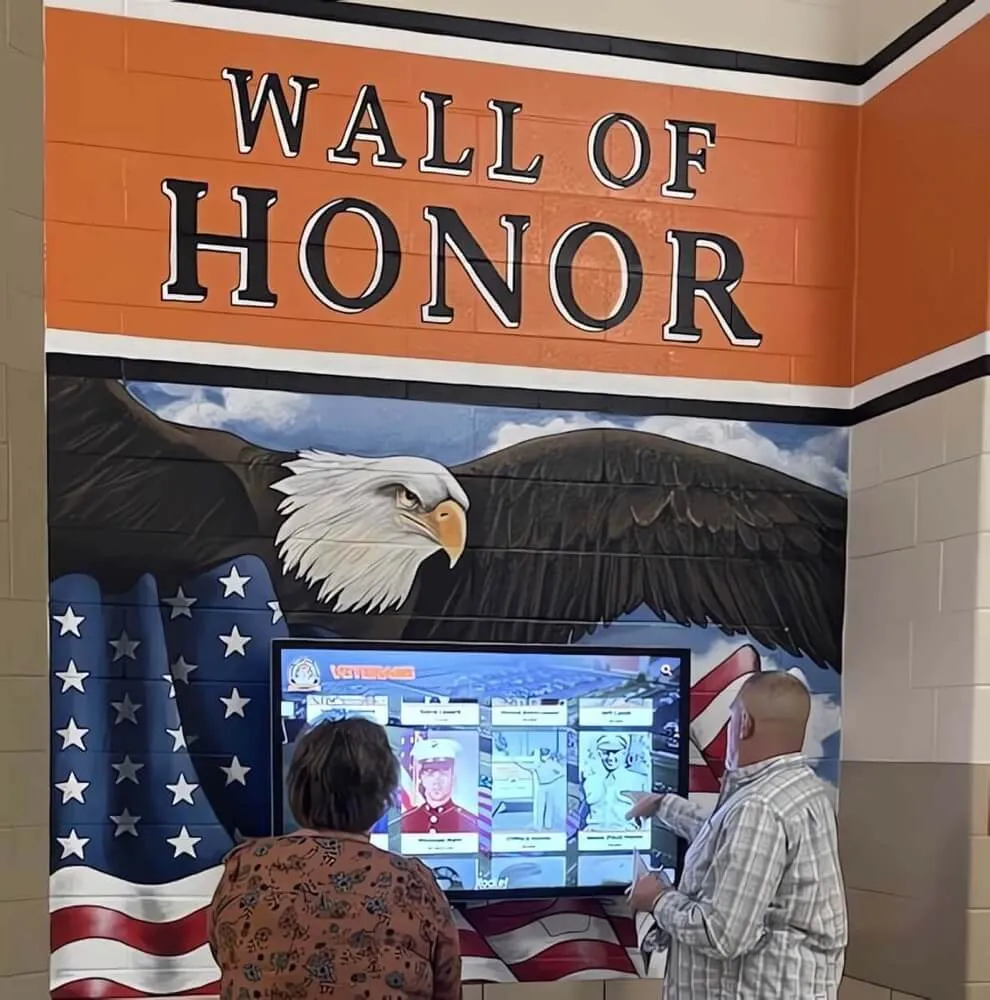
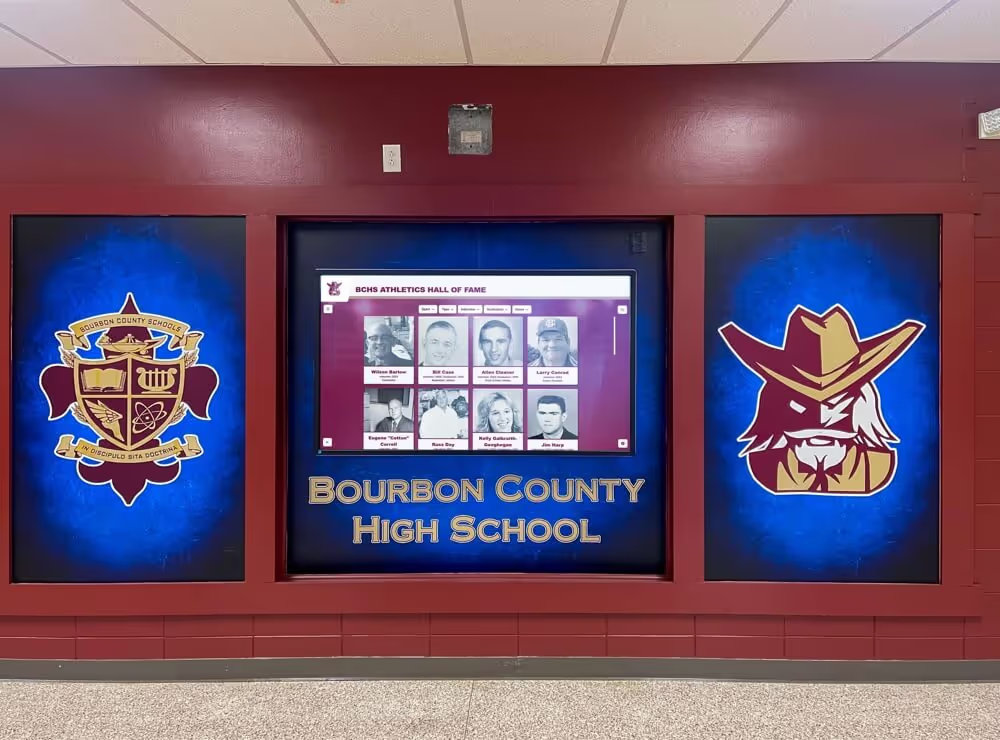
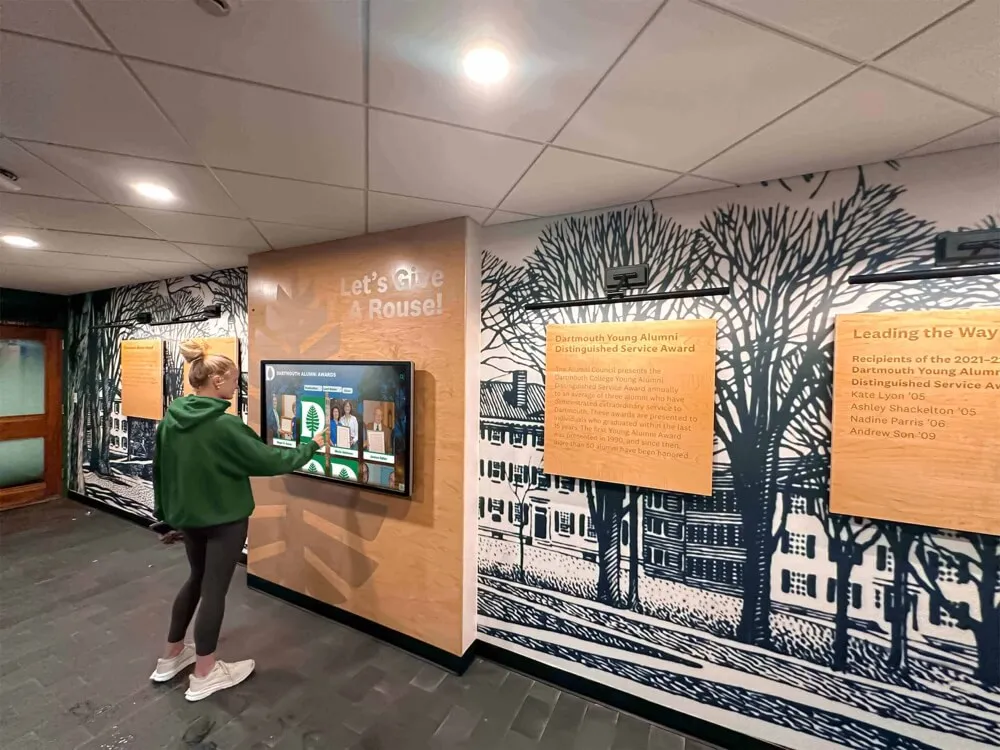
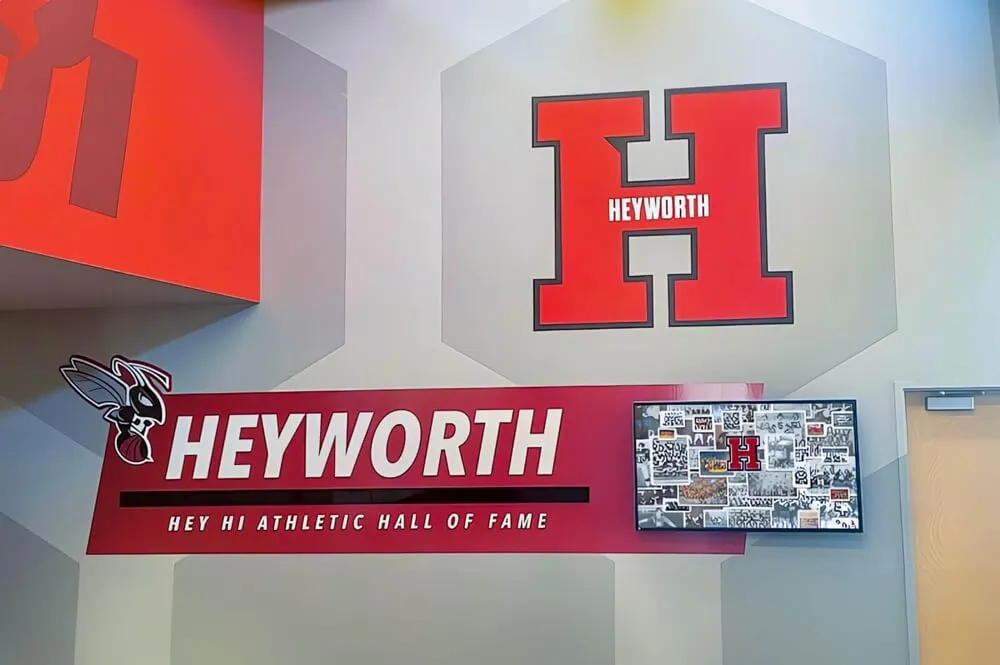
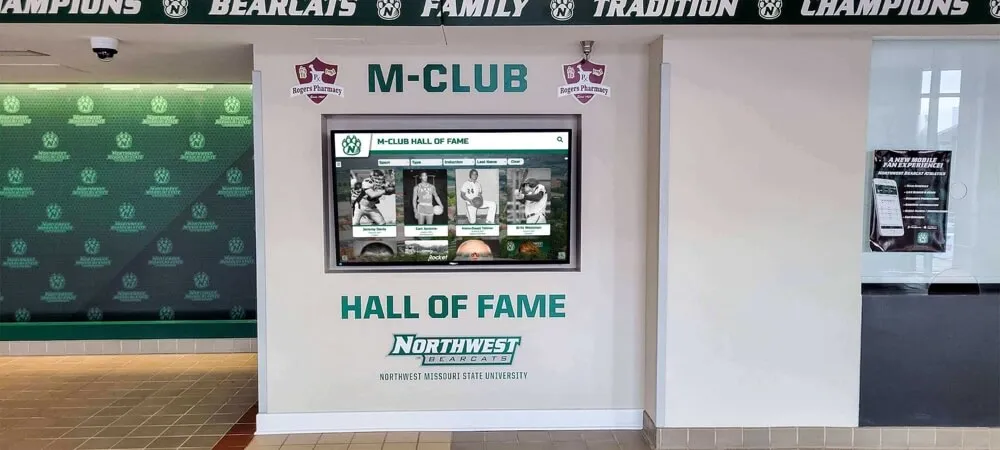
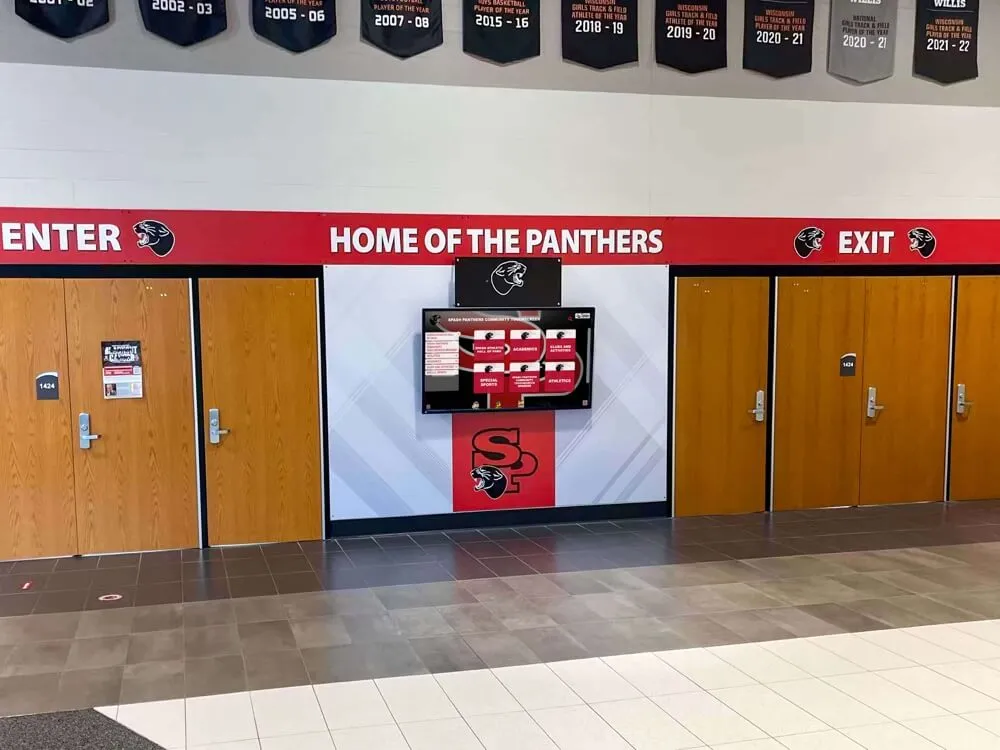
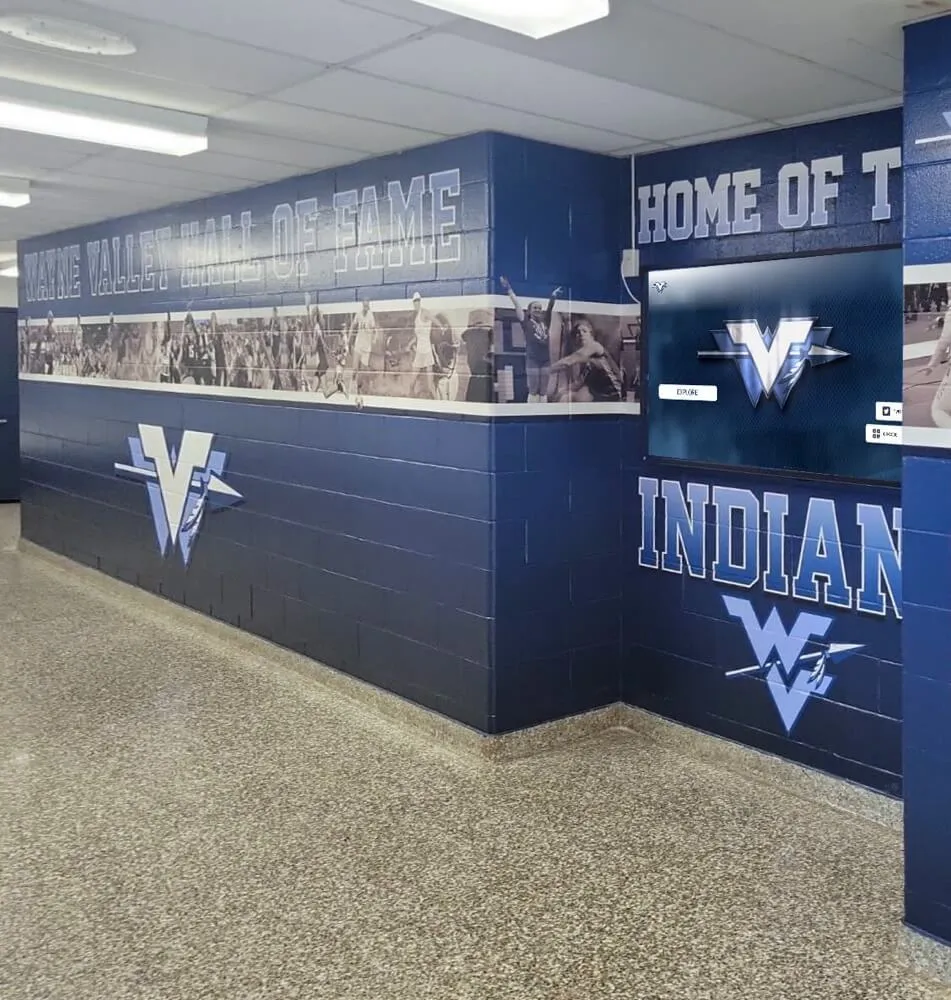
Recognition displays that combine institutional symbolism with individual names create the sense of belonging and legacy that drives alumni engagement for years after graduation
The Night-Of Details That Separate Good Ceremonies from Great Ones
Planning and logistics are necessary but not sufficient. The quality of an SGA senior recognition night ultimately comes down to a handful of experiential details that are easy to get right once you know to prioritize them.
Sound and lighting quality. The moment a student’s name is mispronounced over a feedback-prone microphone, the ceremony loses dignity. Conduct a full technical rehearsal with all audio-visual equipment at least 48 hours before the event. If the school’s sound system is unreliable, budget for a rental.
Photographer documentation. Every senior deserves a high-quality photo from the moment of their individual recognition — walking to the stage, receiving their award, standing with their family. These photos become the documentation families frame and keep. Budget for a professional photographer or identify a skilled volunteer and brief them specifically on the moments to capture.
Reception afterward. The conversation that happens after the formal ceremony is where much of the lasting relational value is created. Administrators who linger to speak personally with honored seniors, faculty who share a private word about a student’s growth, underclassmen who approach a departing leader they admired — these interactions deepen the meaning of the evening in ways the formal program cannot. Design the reception as intentionally as the ceremony itself.
Programs as keepsakes. A well-designed printed program listing every recognized senior by name, role, and year served becomes a document families keep. Include a brief institutional history of SGA, a note from the school principal or president, and individual photographs where possible. The program is the ceremony’s physical artifact.

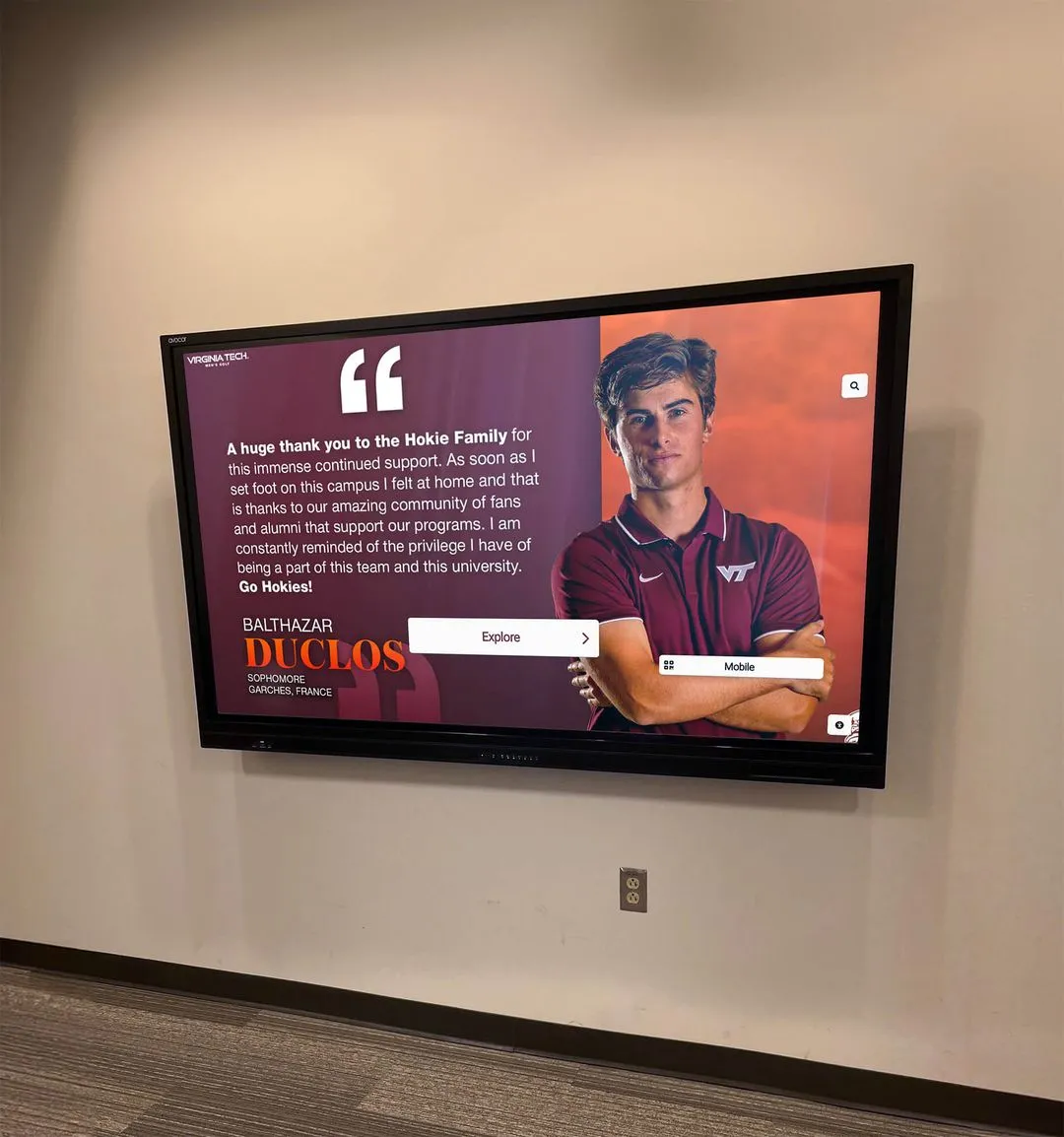
Digital recognition kiosks in campus lobbies give graduating SGA leaders a permanent home in their school's institutional memory — a contribution that outlasts the ceremony by decades
Making SGA Senior Recognition Night an Annual Tradition
The first year a school establishes a dedicated SGA senior recognition night is inevitably imperfect. The second year is significantly better. By year three, it is a fixture of the institutional calendar — an event that underclassmen anticipate, seniors look forward to, and alumni remember when they are called.
Building toward that tradition requires consistent documentation. Photograph every recognition night. Maintain a record of every award and who received it. Collect brief testimonials from graduates about what their SGA service meant. These materials become the content that makes future ceremonies richer and gives your digital recognition display the depth that commands attention.
They also serve a quieter purpose: they signal to every current student watching that service at this school creates a permanent record. Decisions made in SGA meetings, budgets negotiated, events planned, policies championed — the institution is watching, and it does not forget.
That is, ultimately, what an SGA senior recognition night is for. Not just to celebrate a group of students on their way out, but to make visible to every student in the room what it means to lead here, and to make clear that the institution honors people who show up to do the work.
Ready to create a permanent digital recognition system that honors your SGA leaders long after recognition night ends? Rocket Alumni Solutions builds interactive digital displays for schools and universities that connect student leadership history with alumni giving culture — giving every SGA graduate a place in the institutional record that visitors, students, and future leaders can explore for decades to come.