End-of-season soccer banquets represent a crucial tradition that transforms months of practices, games, victories, and challenges into a single celebratory event honoring team achievements and individual growth. These gatherings create space for coaches to reflect on the season’s journey, teammates to celebrate their bonds, families to recognize the commitment required for competitive soccer, and players to receive acknowledgment for their dedication and development throughout the year.
Yet many soccer programs struggle to plan banquets that adequately capture the significance of the season while engaging attendees meaningfully. Generic hotel conference rooms lack atmosphere, rushed award presentations fail to personalize recognition, limited budgets constrain creative possibilities, and logistical challenges coordinating schedules across entire teams create planning stress that diminishes what should be joyful celebrations of soccer excellence.
This comprehensive guide provides soccer banquet ideas that create memorable team celebrations while remaining manageable for volunteer organizers and coaching staffs. From creative themes and venue selection through meaningful award categories and lasting recognition systems, these strategies ensure your soccer banquet honors players appropriately while strengthening team culture and program traditions.
Soccer banquets serve multiple essential purposes beyond simply marking the season’s conclusion. These events provide formal closure allowing teams to transition from competitive focus to off-season preparation, create recognition opportunities celebrating both team accomplishments and individual player development, strengthen connections between families who supported players throughout demanding seasons, and establish program traditions that build culture and continuity across multiple years and team generations.
When organizations implement thoughtful soccer banquets complemented by permanent recognition extending beyond single events, they create experiences families remember for years while building distinctive program identities that attract committed players and engaged supporters.

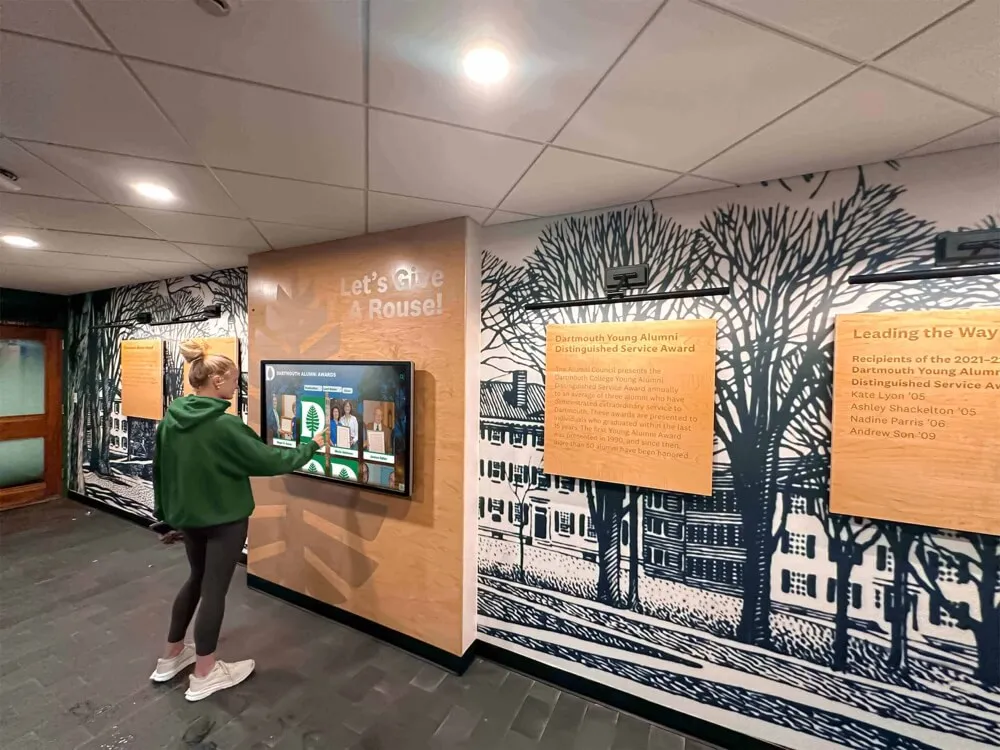
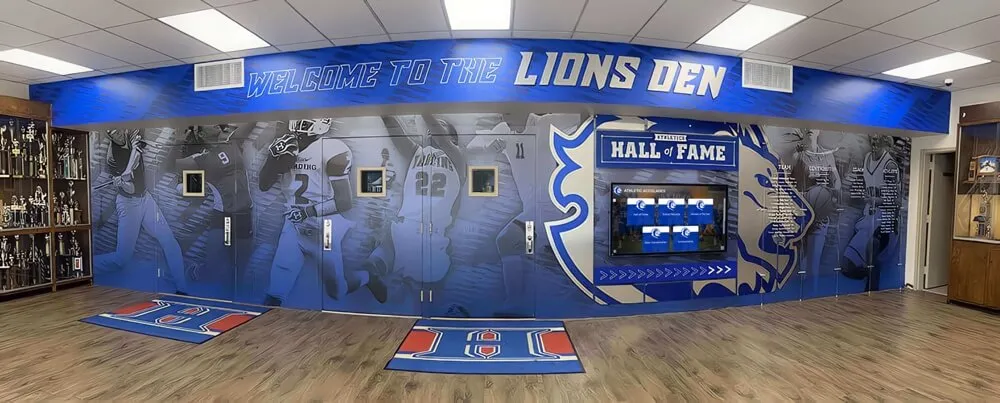
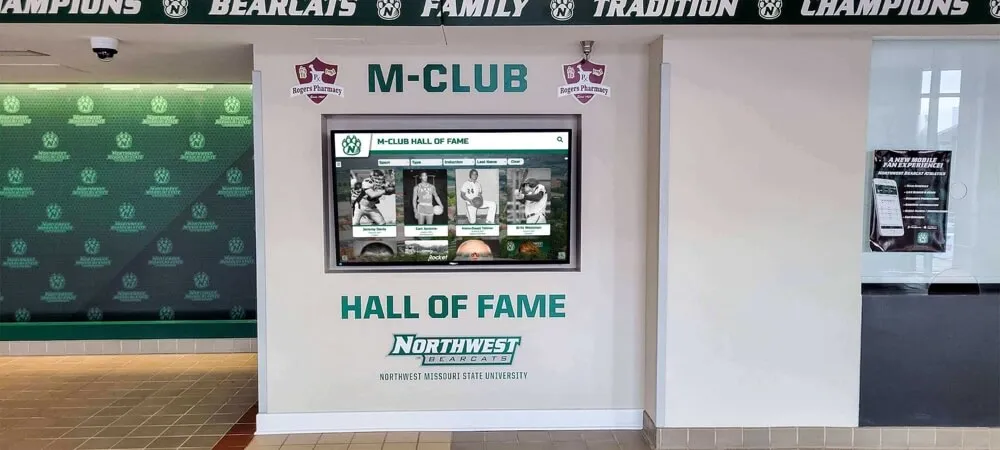
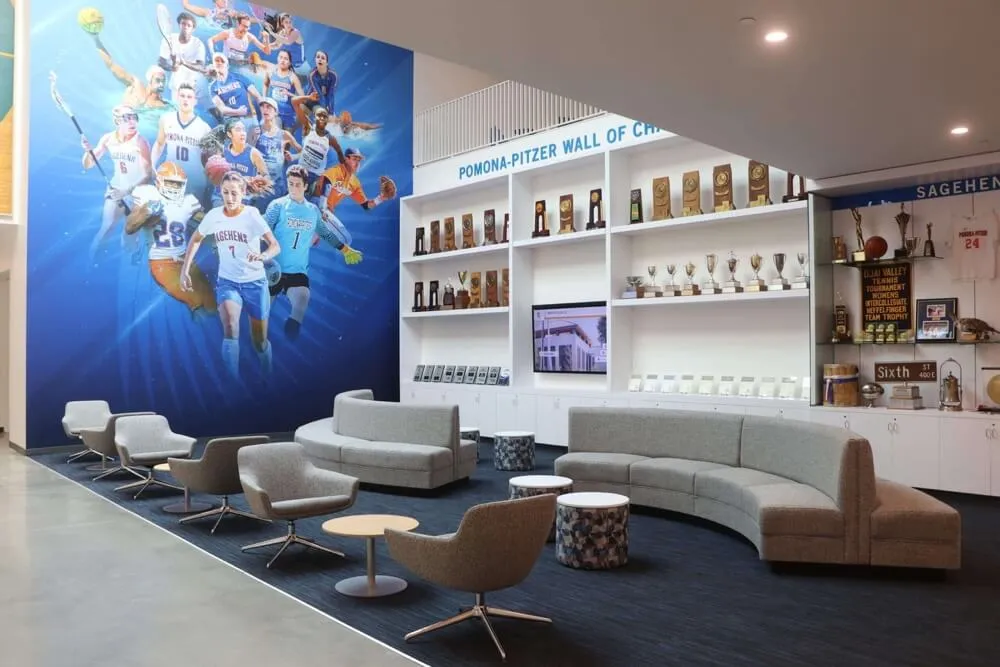
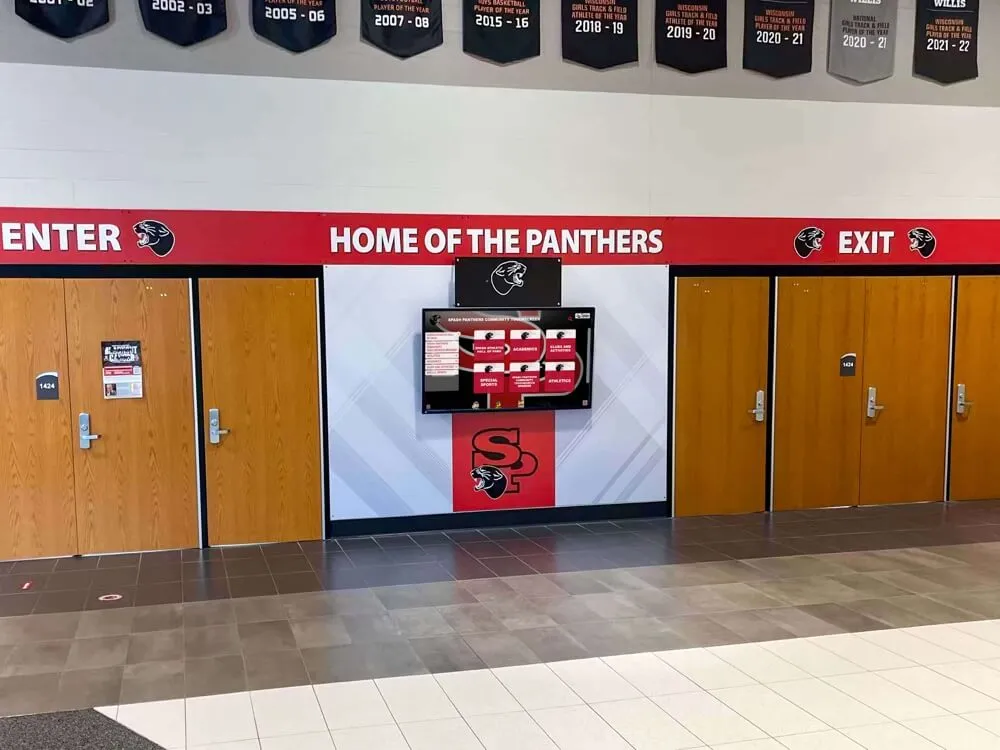
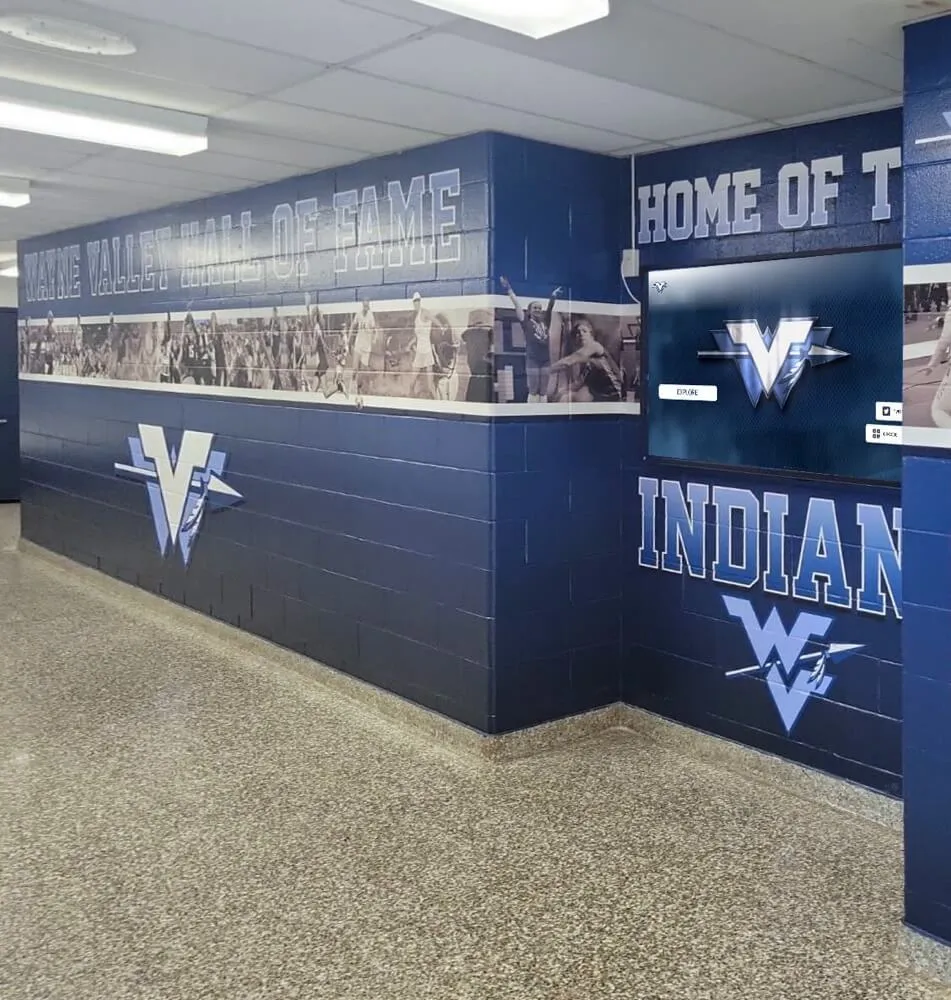
Modern athletic lounges combine comfortable celebration spaces with permanent recognition displays honoring team achievements and individual excellence
Planning Your Soccer Banquet: Timeline and Essential Considerations
Successful soccer banquets require advance planning ensuring all elements come together seamlessly without last-minute complications.
Four to Six Weeks Before the Banquet
Begin planning approximately one to two months before your target banquet date to allow sufficient time for venue booking, content preparation, and family coordination.
Establish Core Framework: Determine banquet date working around team schedules, playoff possibilities, and holiday conflicts. Select a date 1-2 weeks after the season concludes allowing sufficient preparation time while maintaining momentum from the season’s conclusion. Identify budget parameters considering ticket pricing, sponsorship opportunities, and program funding available for the event.
Form Planning Committee: Assemble a volunteer committee including parent representatives, coaching staff members, and potentially team captains for older age groups. Delegate specific responsibilities including venue research, food coordination, decoration planning, award selection, and multimedia presentation development to distribute workload and leverage diverse skills.
Reserve Venue: Book your selected venue well in advance, particularly during busy fall and spring seasons when many teams hold banquets simultaneously. Confirm capacity accommodating all players, families, coaches, and guests comfortably while fitting budget constraints.
Three Weeks Before the Banquet
Mid-stage planning focuses on content creation and logistical coordination.
Develop Recognition Content: Compile season statistics, memorable moments, and individual player accomplishments worth highlighting during the ceremony. Gather photos and video clips from throughout the season for multimedia presentations. Prepare coach speeches or reflections on the season’s journey and individual player development.
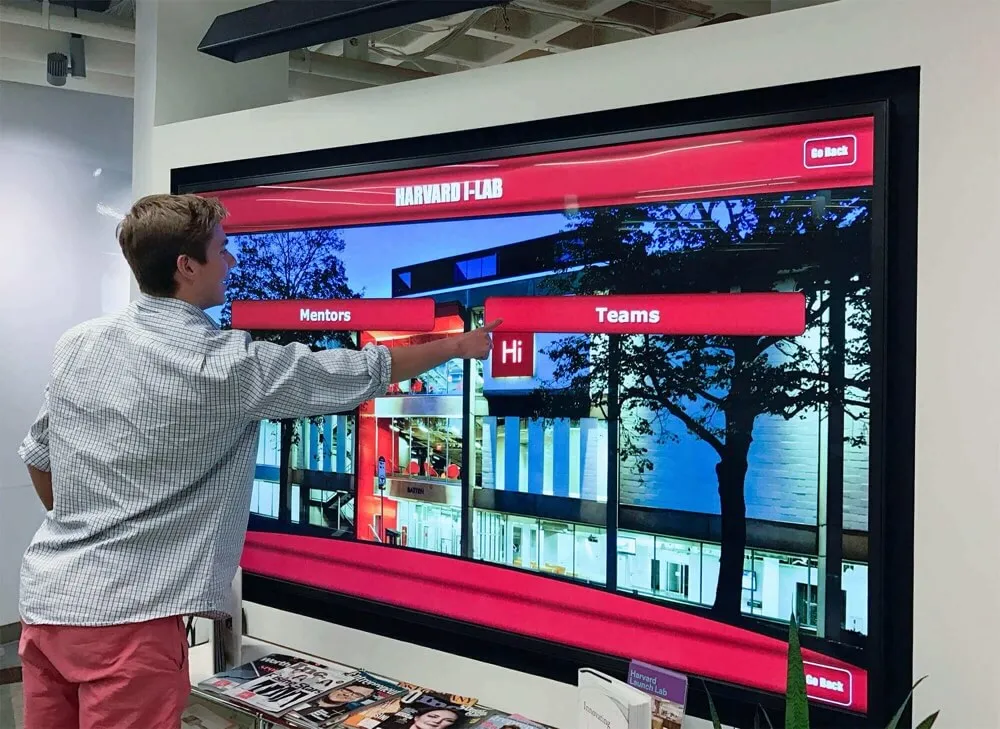
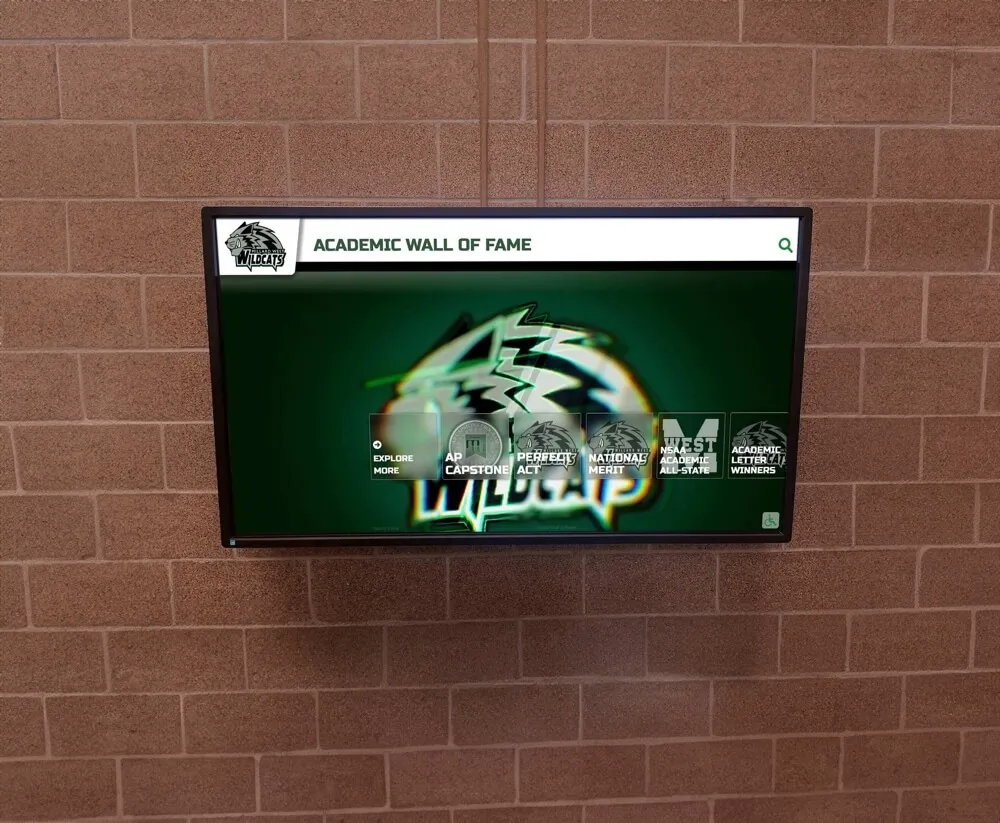
Digital recognition solutions like those provided through interactive athletic displays enable programs to create professional presentations efficiently while establishing permanent recognition extending beyond single-night events.
Select and Order Awards: Determine award categories celebrating diverse contributions and achievements (detailed section below), order physical trophies, plaques, medals, or other recognition items with sufficient lead time for production and delivery, and arrange certificates or programs documenting award recipients.
Coordinate Food Service: Finalize catering arrangements or meal planning if hosting at venues requiring you provide food, confirm dietary restrictions and allergies for attendees, and arrange necessary serving equipment, utensils, and table settings.
One to Two Weeks Before the Banquet
Final preparation ensures smooth execution.
Finalize Attendance: Collect RSVPs confirming headcount for seating and food planning, send reminder communications with event details including date, time, location, dress code if applicable, and what to bring (photos to share, memorabilia, etc.).
Complete Multimedia Presentations: Finish all video productions, photo slideshows, or other digital content, test technical compatibility with venue equipment, and prepare backup copies on multiple devices preventing technical failure disasters.
Arrange Decorations and Atmosphere: Plan table decorations, team color schemes, banners featuring team photos or season highlights, and any thematic elements related to your chosen banquet theme. Coordinate setup logistics including who will arrive early to decorate and what supplies are needed.
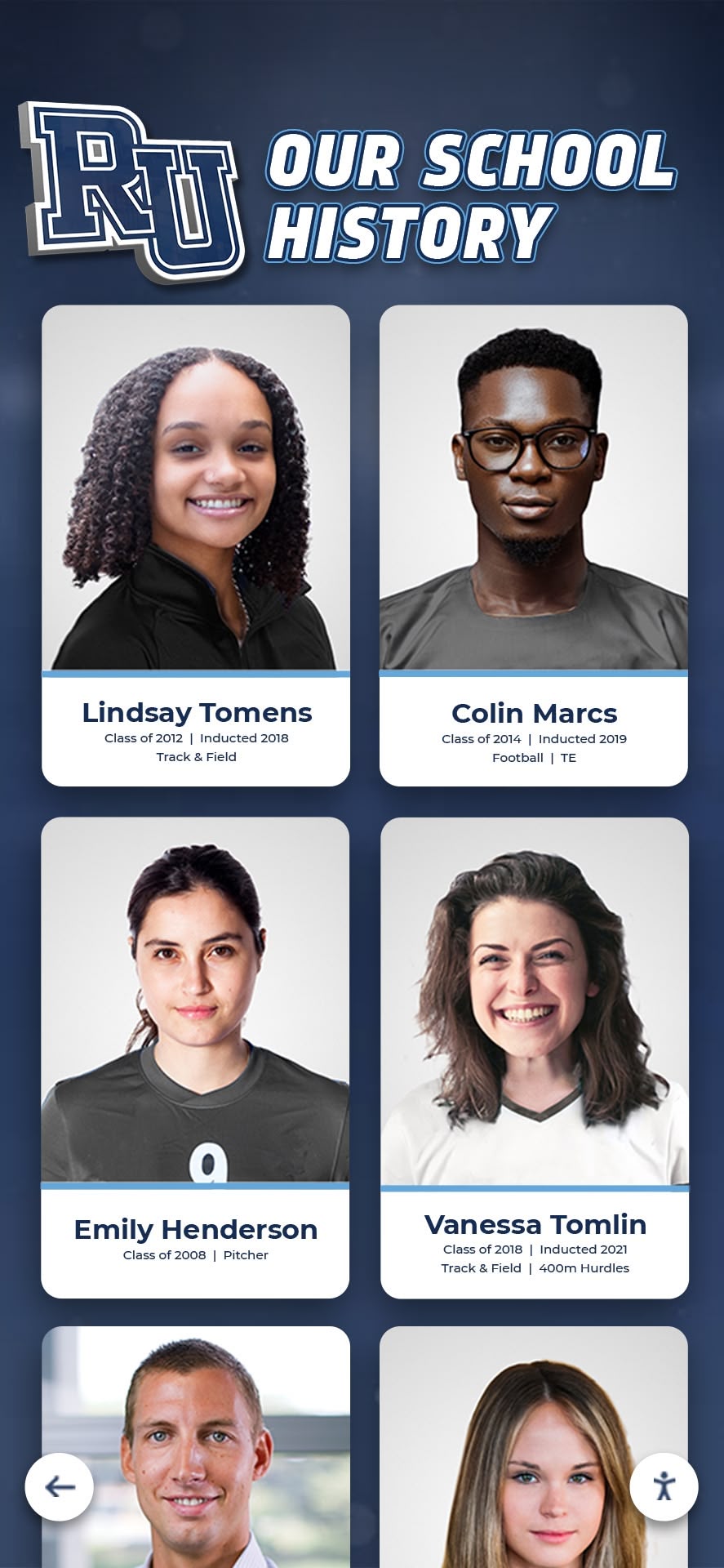
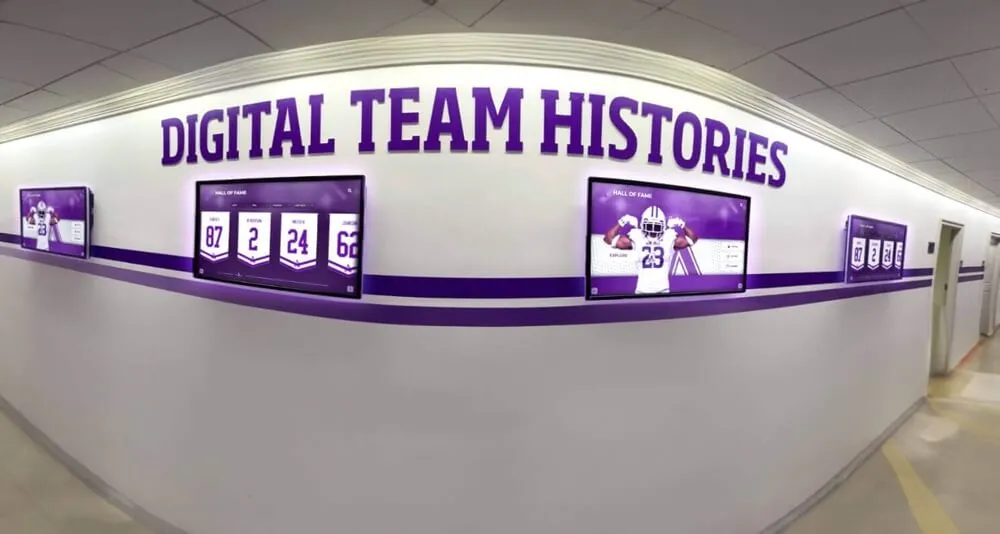
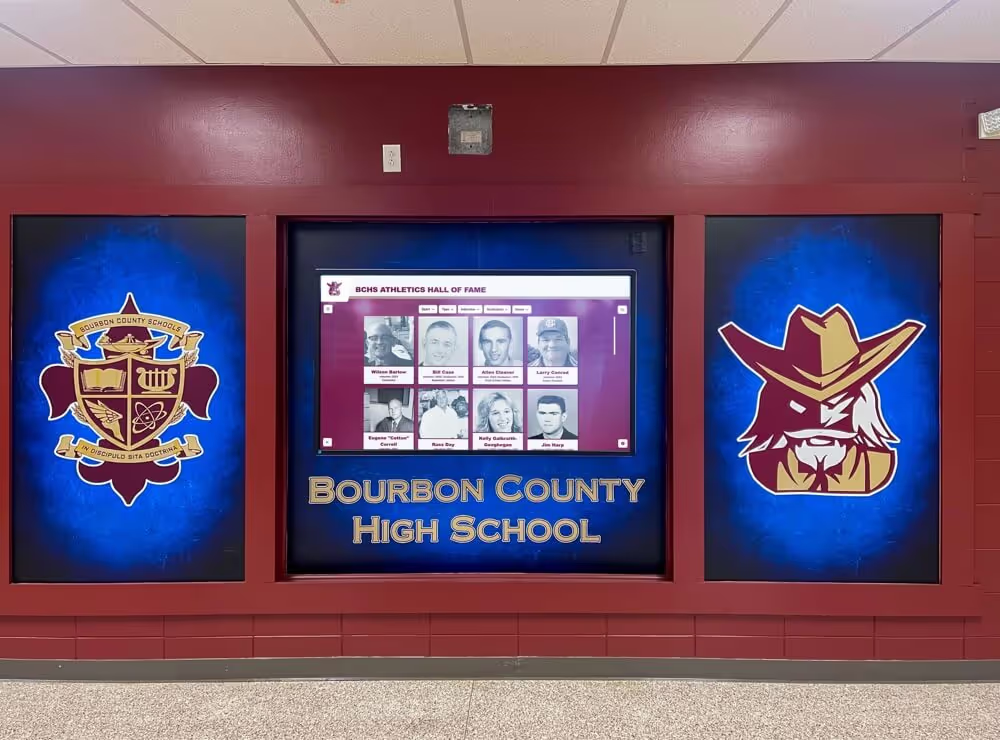
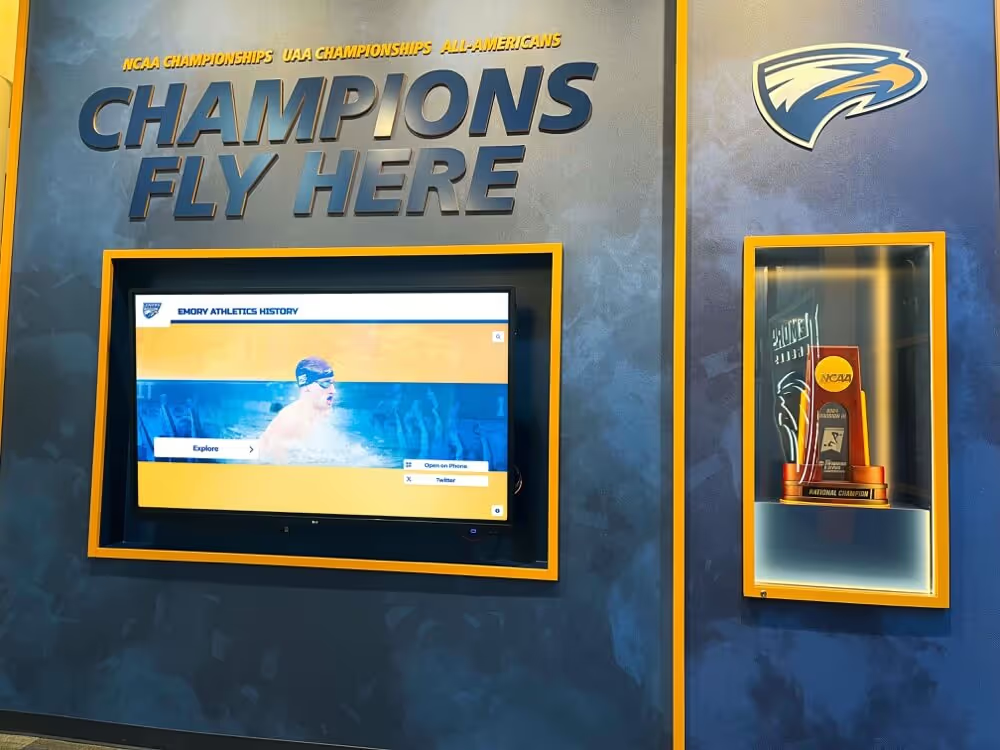
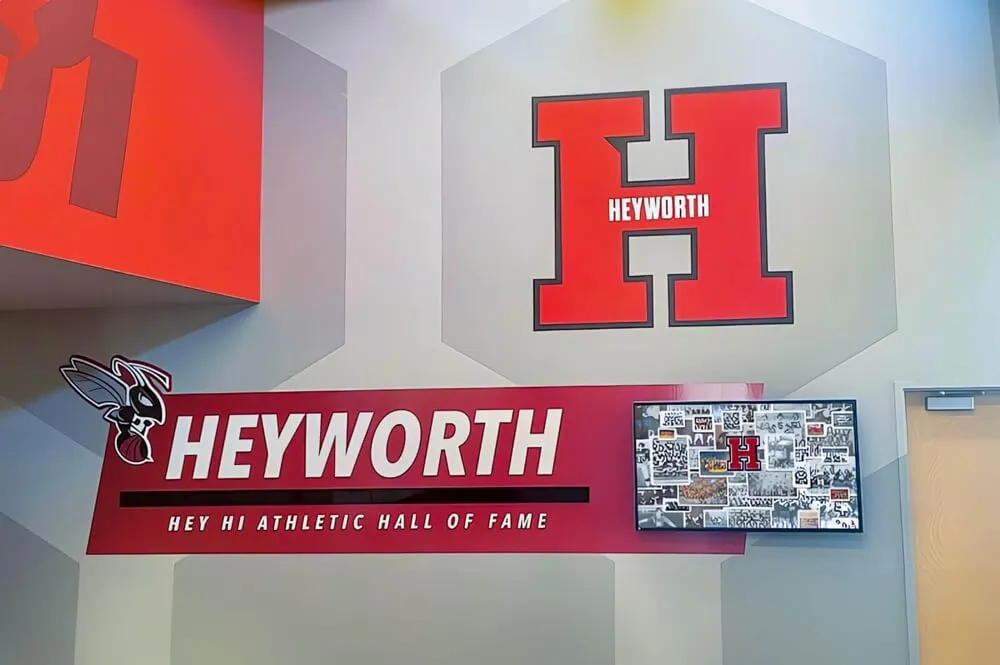
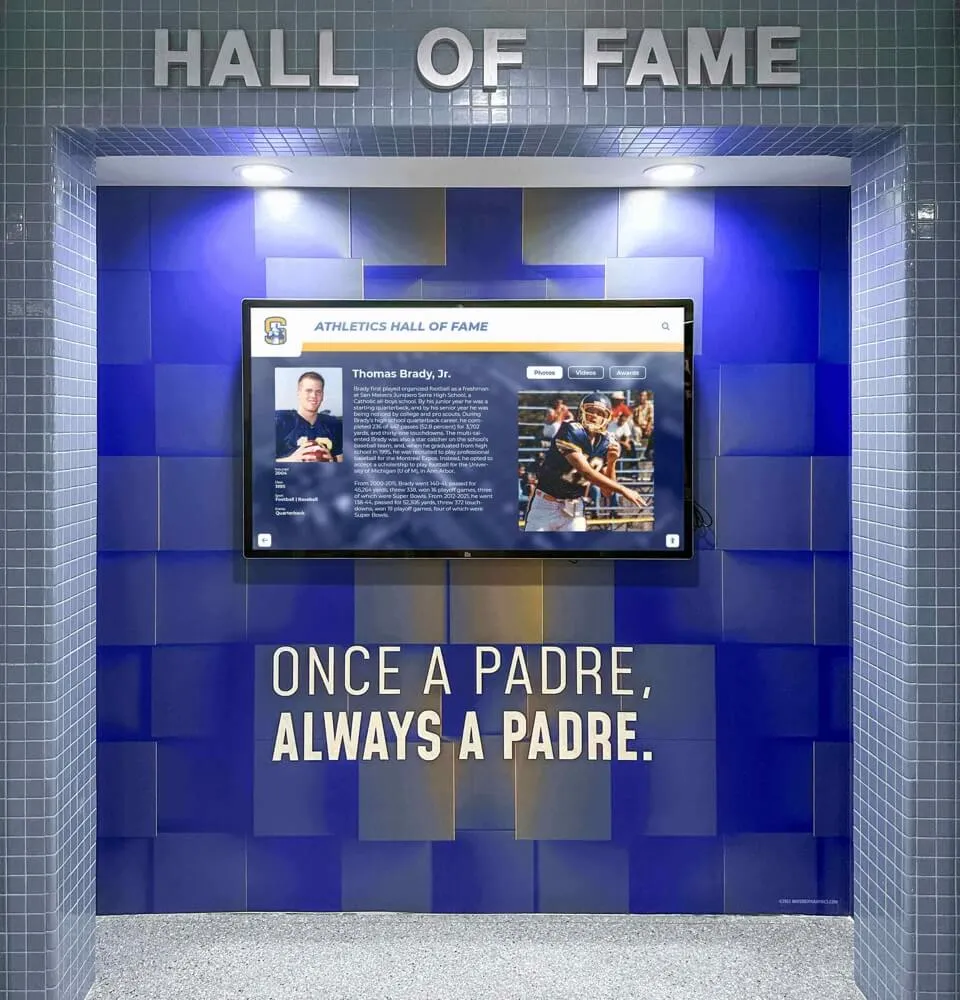
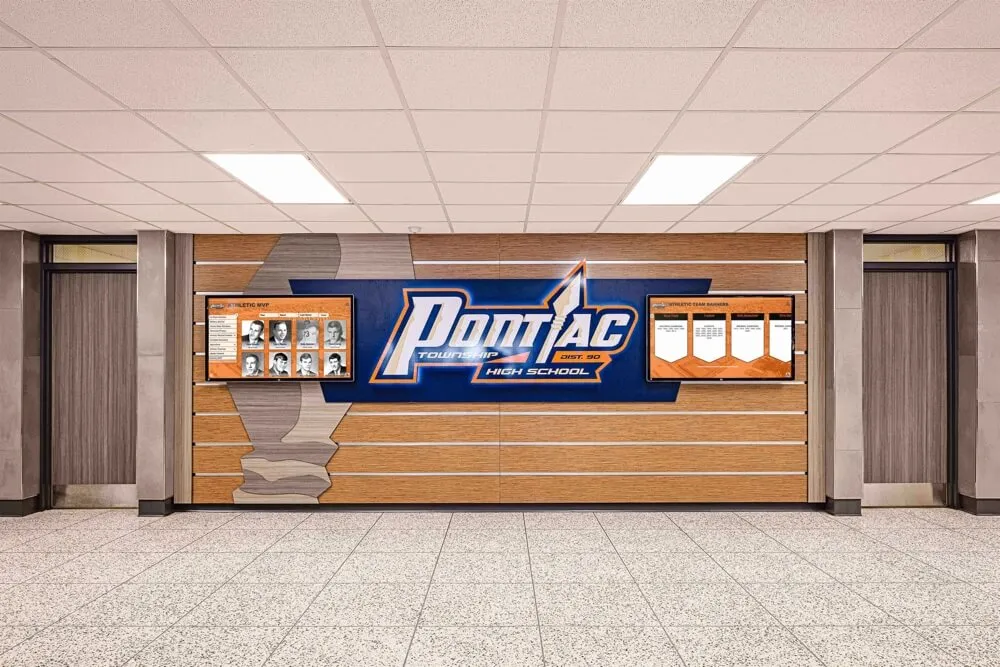
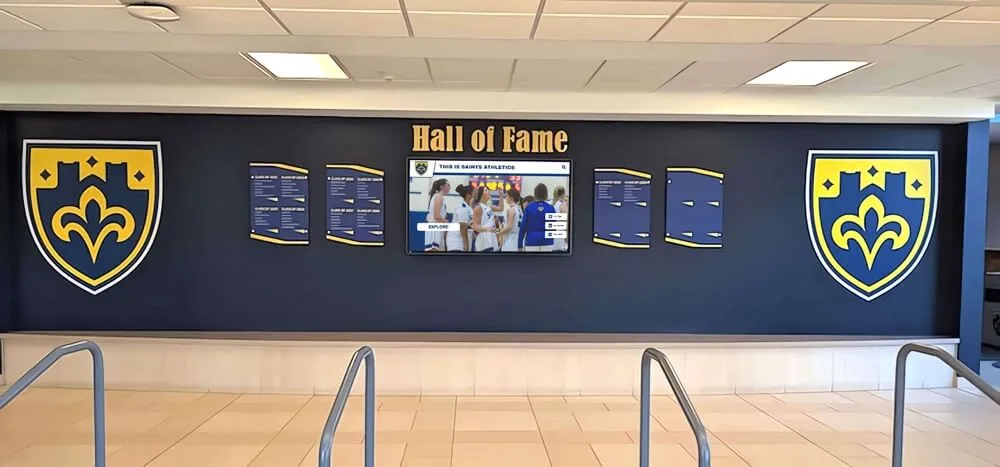
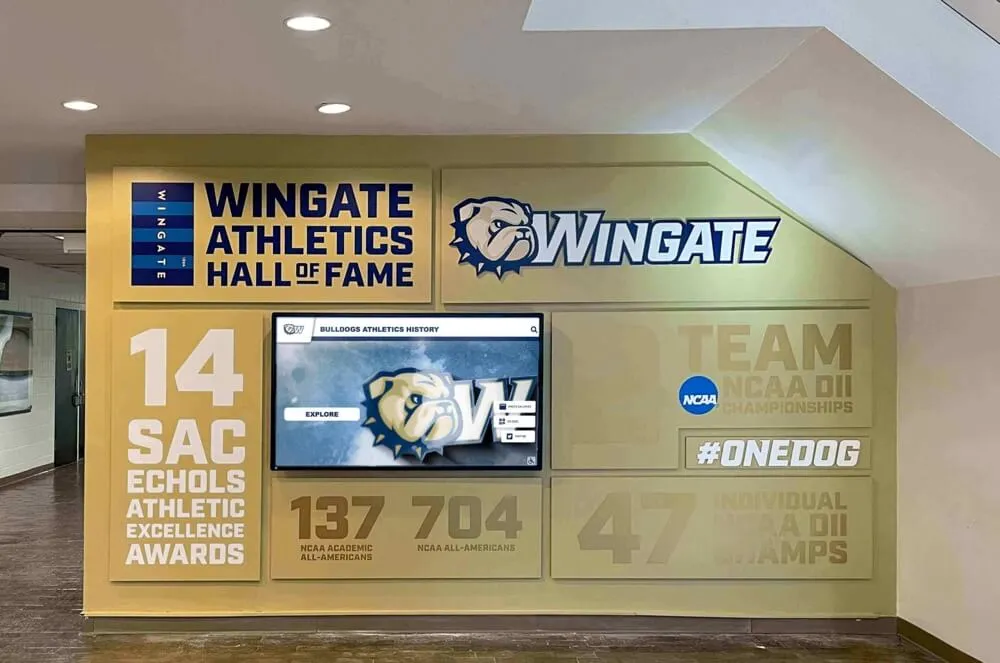
Professional recognition displays preserve individual player profiles and season achievements creating lasting celebration accessible beyond banquet events
Creative Soccer Banquet Themes That Engage Teams
Thematic banquets create cohesive experiences that enhance atmosphere and make events more memorable than generic gatherings.
Championship and Achievement Themes
Themes celebrating team accomplishments reinforce pride in collective success.
Trophy Room Celebration: Transform your venue into an elegant trophy presentation with gold and silver decorations, formal table settings suggesting awards ceremonies, and displays showcasing actual trophies, medals, or championships earned throughout the season. This theme works particularly well for teams achieving significant competitive success including league championships, tournament victories, or playoff advancement.
Hall of Fame Induction: Style your banquet after professional sports hall of fame ceremonies with red carpet entrances, formal presentation formats, and recognition emphasizing legacy and lasting contribution to program history. This approach particularly suits programs with established traditions or when honoring senior classes that achieved exceptional success. Schools implementing permanent recognition displays can use banquets to announce new inductees into digital hall of fame systems.
Record Breakers: Celebrate individual and team records set during the season with decorations featuring statistics, record boards displaying new achievements, and recognition emphasizing historic accomplishments that will be remembered for years. Document these records through digital preservation systems ensuring they remain accessible as programs grow and evolve.
International Soccer Culture Themes
Connect banquets to soccer’s global heritage through cultural themes.
World Cup Celebration: Decorate with flags representing different countries, organize tables by nation names, serve international cuisine representing global soccer traditions, and incorporate world soccer trivia or activities celebrating the sport’s worldwide appeal. This theme works excellently for diverse teams or programs emphasizing soccer’s international character.
Premier League Gala: Style your event after elegant European soccer banquets with formal dress codes, sophisticated decorations in team colors, and presentation formats reflecting professional club traditions. Use team scarves, banners, and imagery from famous stadiums to create authentic atmosphere.
Futbol Fiesta: Embrace Latin American soccer passion with vibrant decorations, festive music, and celebration emphasizing joy and community central to soccer culture in many countries. Include cultural elements like papel picado banners, bright color schemes, and foods reflecting Latin American traditions.
Season Journey Themes
Themes reflecting the team’s specific season experience create personalized connections.
Season Highlights Retrospective: Build your banquet around revisiting the season chronologically with decorations, presentations, and activities referencing specific games, moments, and milestones from preseason through finals. Display photos from each game, recreate memorable moments through storytelling, and help players relive the complete journey rather than focusing exclusively on final outcomes.
Team Motto or Slogan: If your team adopted a specific motto, slogan, or identity during the season (“One Team One Dream,” “Build the Wall,” “Relentless,” etc.), build your entire banquet theme around this concept with decorations, speeches, and recognition reinforcing the values and identity the team developed.
Teammates and Togetherness: Focus your theme on relationships and bonds formed throughout the season rather than competitive results. Emphasize friendship, support, team chemistry, and the community created through shared soccer experience. This approach works particularly well for recreational programs or seasons where team culture represented the greatest achievement regardless of win-loss records.
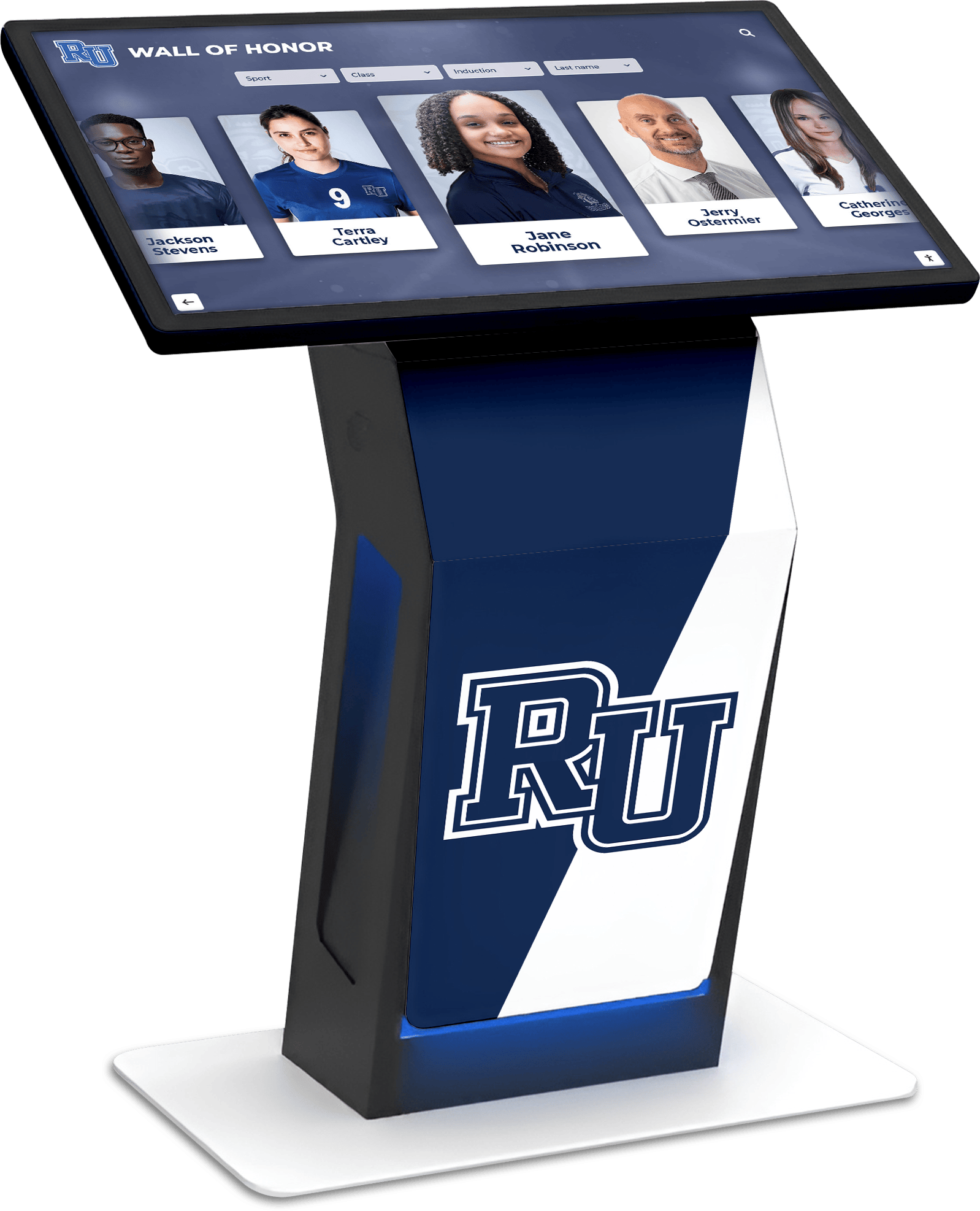
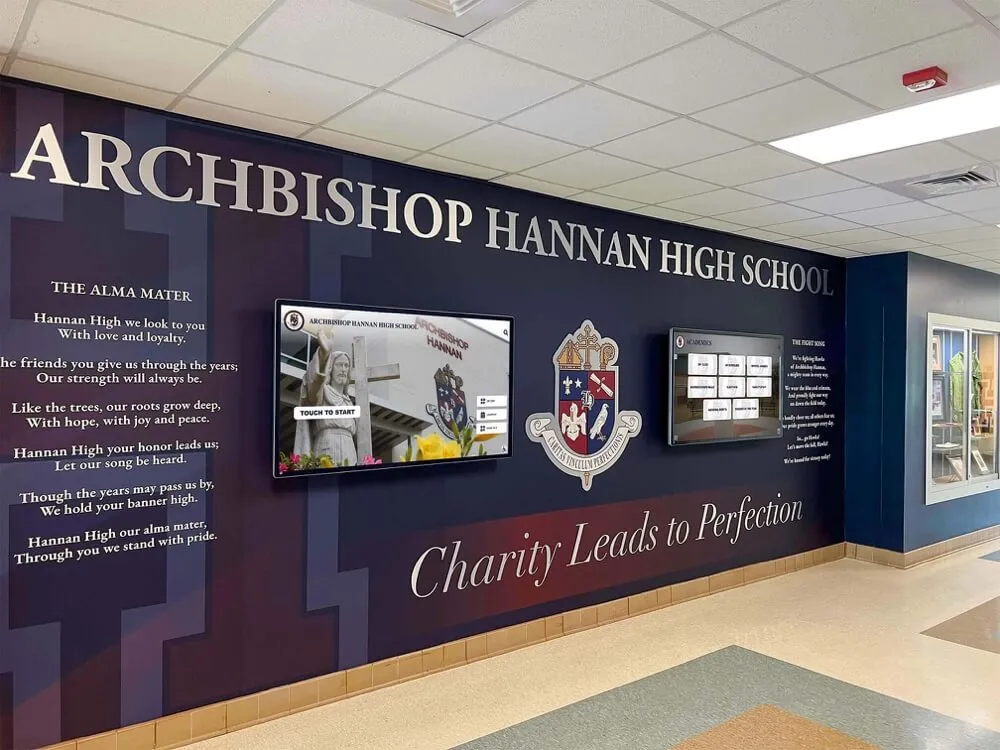
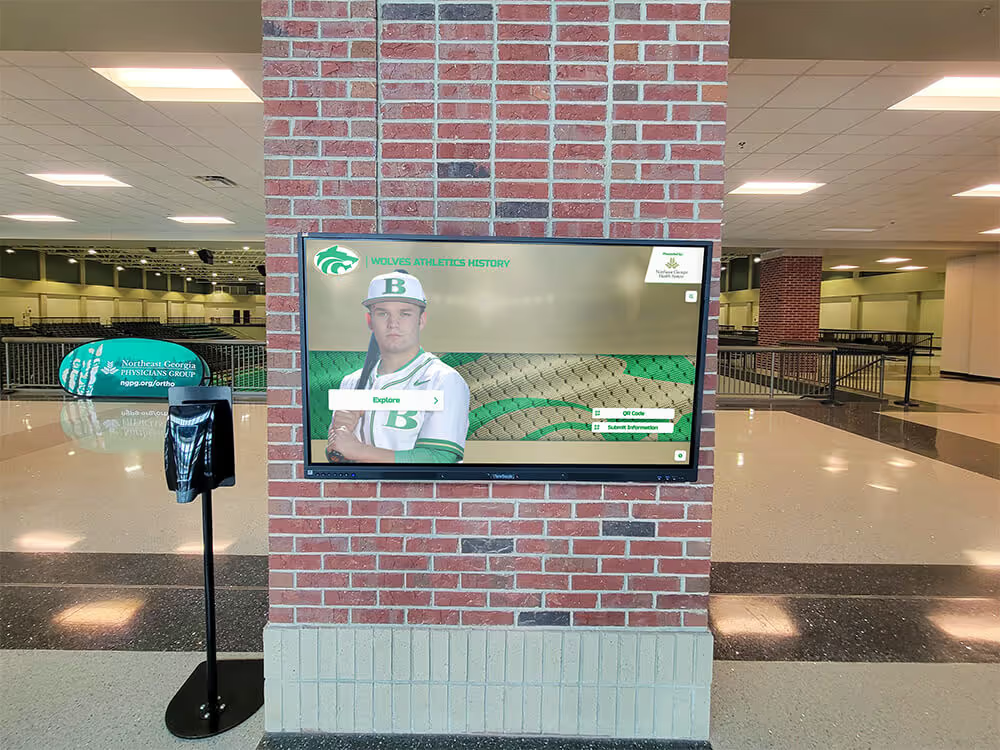
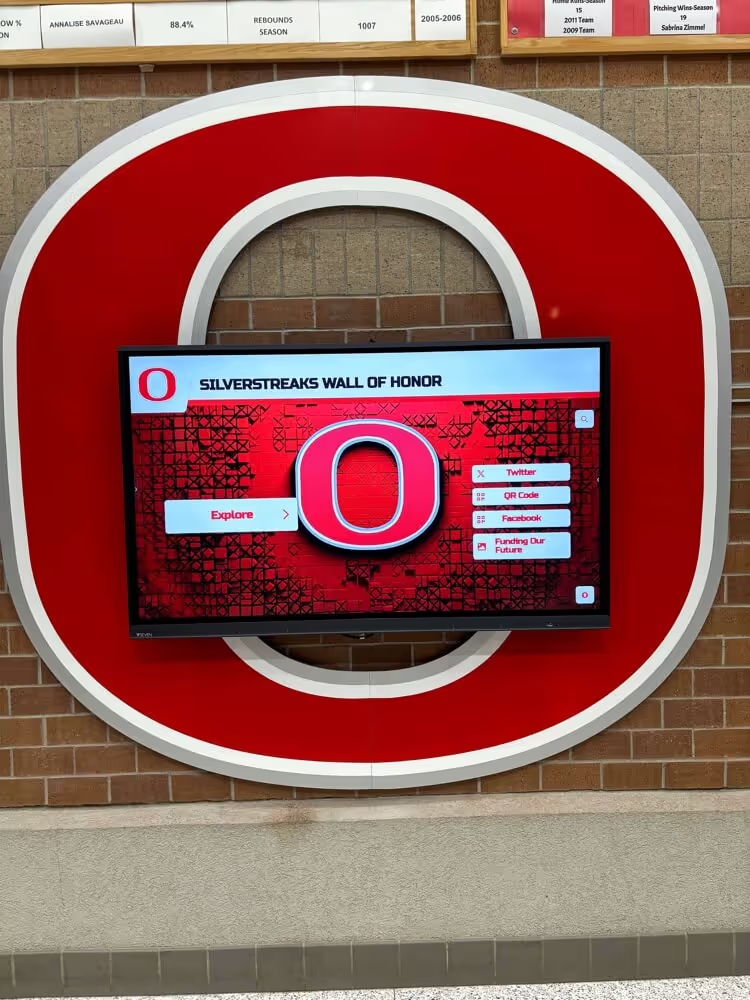
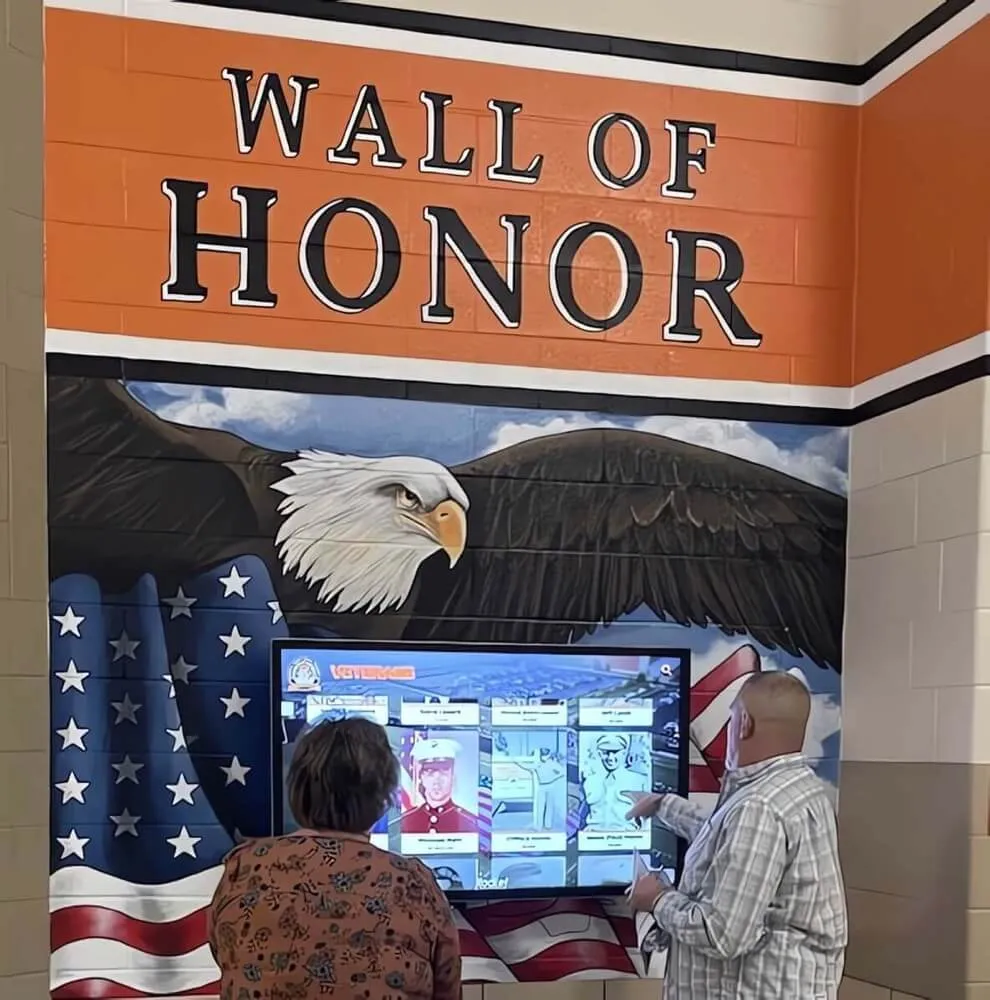
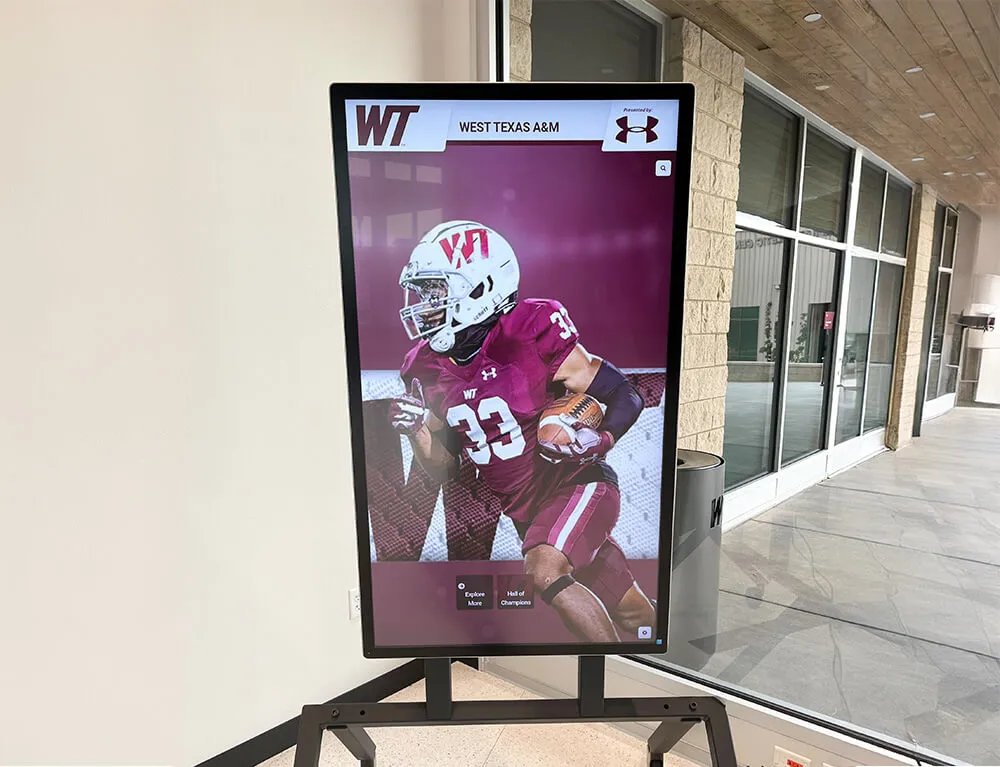
Interactive recognition kiosks allow banquet attendees to explore detailed player profiles, statistics, and season highlights in engaging formats
Venue Selection: Choosing the Right Space for Your Soccer Banquet
The venue significantly impacts banquet atmosphere, logistics, and budget.
Traditional Banquet Venues
Standard event spaces offer predictable amenities and professional service.
Hotels and Conference Centers: Hotel banquet rooms provide complete catering, audio-visual equipment, professional staff managing logistics, and climate-controlled environments accommodating any weather. These venues work well for larger teams (30+ attendees) requiring full-service options where organizing committees prefer outsourcing most logistical details. Budget considerations make hotel venues typically the most expensive option requiring ticket pricing or fundraising to cover costs.
Restaurants with Private Rooms: Many restaurants offer private dining spaces accommodating small to medium teams (15-40 people) with package pricing including meals and basic setup. These venues provide good food quality, professional service, and appropriate atmosphere at moderate cost between budget and premium options.
Community Centers and Recreation Facilities: Municipal community centers, recreation centers, or sports complexes often rent event spaces at reasonable rates particularly for youth sports organizations. These venues require more self-service regarding catering and setup but offer significant cost savings allowing budget allocation toward awards, recognition, or other program needs.
Soccer-Specific and Unique Venues
Non-traditional venues create distinctive experiences.
Indoor Soccer Facilities: Hosting banquets at indoor soccer complexes where teams train or compete creates authentic atmosphere connecting celebration directly to soccer experience. Many facilities offer meeting spaces, viewing areas, or can arrange field-side dining creating unique environments standard banquet halls cannot match. This approach works particularly well when facility management supports local programs and may offer discounted rates.
Stadium or Fieldhouse Settings: High schools and colleges sometimes allow youth programs to host banquets in stadium clubs, athletic facilities, or fieldhouses normally reserved for varsity programs. These impressive settings create special experiences players remember while inspiring aspirations for future athletic achievement. Programs with connections to athletic recognition systems at these venues can incorporate facility tours showcasing permanent recognition displays.
Outdoor Pavilions and Parks: Weather-permitting and with appropriate backup plans, outdoor banquets at parks or pavilions create casual, family-friendly atmospheres particularly suitable for recreational programs or end-of-summer celebrations. These venues offer minimal cost, accommodate large groups easily, and provide space for informal activities complementing formal recognition ceremonies.
Budget-Friendly Alternatives
Cost-conscious options maintain quality while reducing expenses.
School Cafeterias and Gymnasiums: School facilities offer free or minimal-cost venue options for teams affiliated with educational institutions. While these spaces lack the polish of commercial venues, thoughtful decoration transforms cafeterias and gyms into festive celebration spaces. Cost savings can be redirected toward enhanced awards, recognition technology, or keeping ticket prices affordable for all families.
Home Hosting and Potluck Format: Very small teams or programs with tight budgets might consider rotating home hosting where families take turns organizing smaller celebrations, or potluck formats where families contribute dishes reducing catering costs substantially. While these approaches require more coordination and suit smaller groups better than large teams, they create intimate, community-focused celebrations emphasizing relationships over formality.
Meaningful Soccer Award Categories That Celebrate Diverse Contributions
Award selection should recognize various forms of excellence ensuring all players feel valued for their unique contributions.
Traditional Performance Awards
Classic recognition categories acknowledge statistical and competitive achievement.
Most Valuable Player (MVP): Recognize the player whose overall contribution most significantly impacted team success considering both performance statistics and intangible leadership, attitude, and team chemistry influence. Make this your most prestigious individual award reserved for truly exceptional seasons.
Golden Boot / Top Scorer: Honor the player scoring the most goals during the season with clear statistical criteria making selection objective and transparent.
Defensive Player of the Year: Recognize defensive excellence for players whose primary contributions don’t appear in scoring statistics but were essential to team success. Consider factors including defensive statistics where available, coach evaluation of defensive performance, and commitment to often-unheralded defensive responsibilities.
Goalkeeper Award: Provide dedicated recognition for goalkeepers whose unique position requires specialized acknowledgment separate from field player categories. Consider statistics like save percentage, shutouts, and goals-against average while also recognizing leadership and communication from this critical position.
Most Improved Player: Celebrate growth and development by recognizing players showing the greatest improvement from season start to finish. This meaningful category rewards dedication and work ethic while acknowledging that improvement represents achievement regardless of absolute performance level.
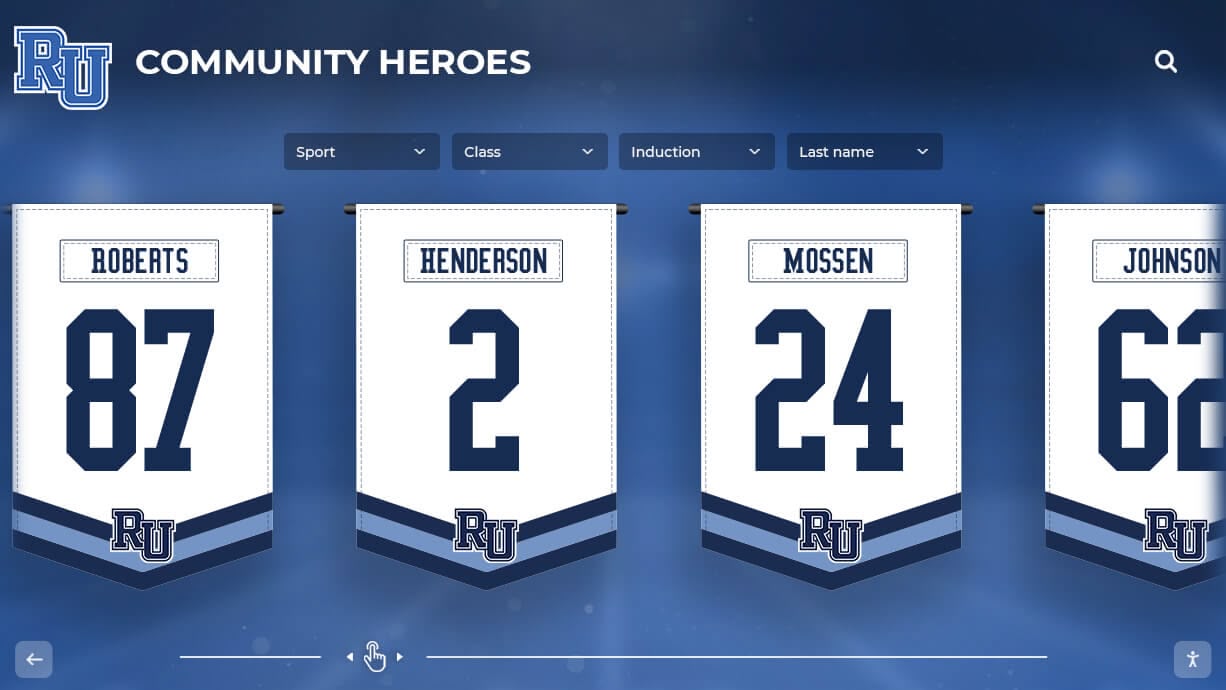
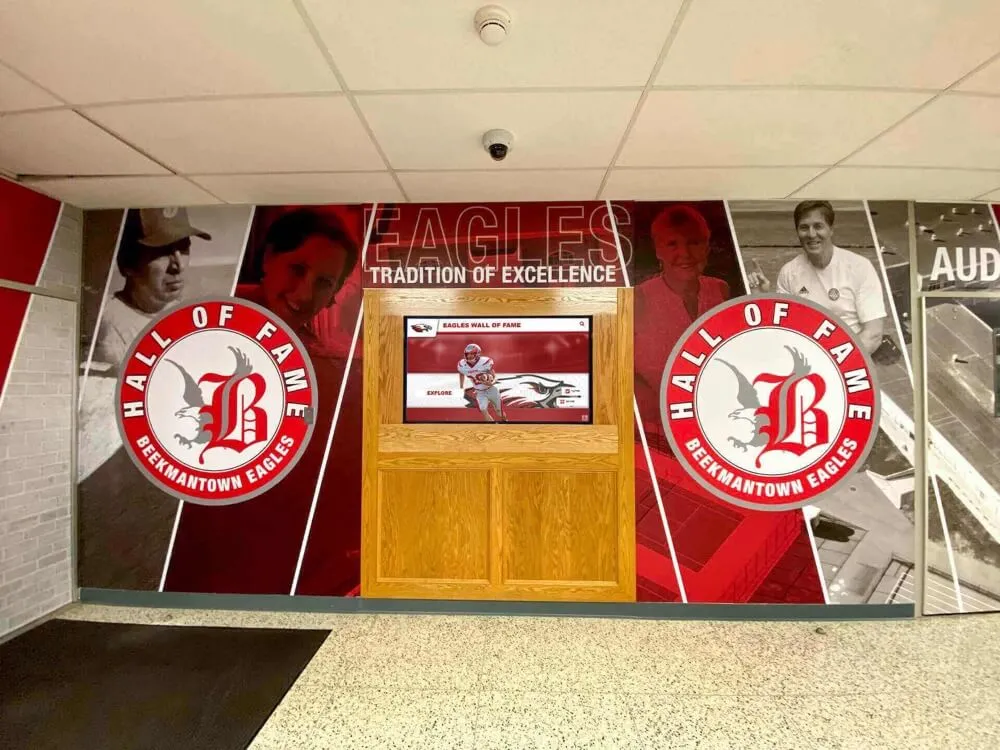
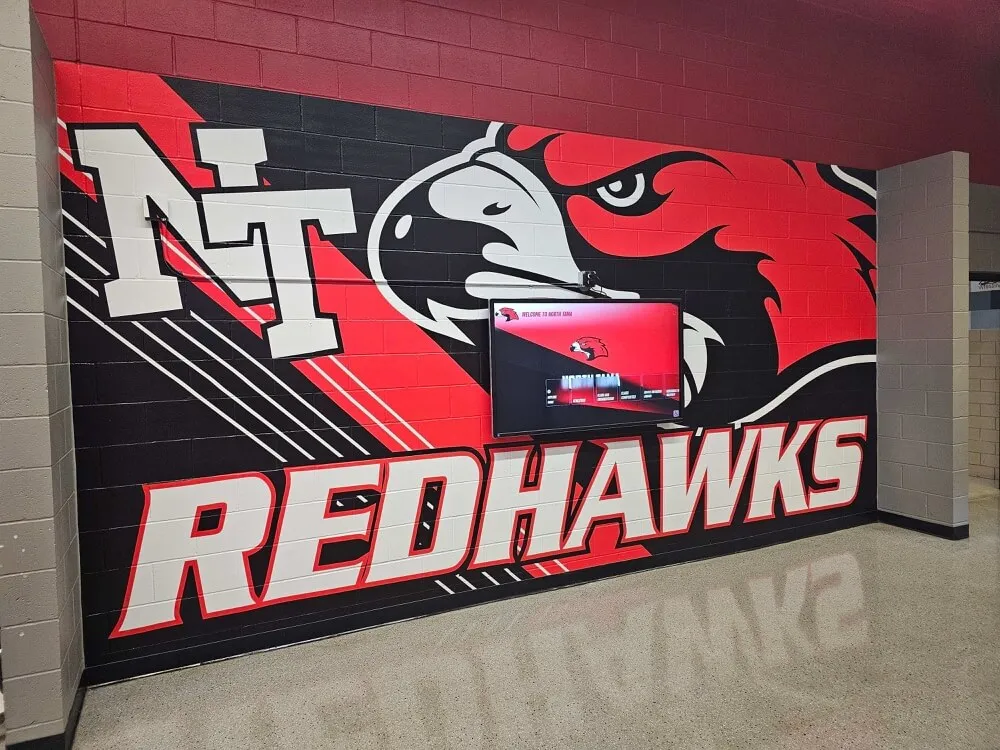
Jersey banner displays celebrate team members prominently while creating visual impact that enhances banquet atmosphere and program identity
Character and Contribution Awards
Non-performance categories celebrate qualities essential to team culture.
Coaches Award: Allow coaching staff to recognize players embodying program values—perhaps someone who demonstrated exceptional attitude, overcame adversity, improved team culture, or contributed in ways not captured by traditional categories. This flexible award lets coaches honor players whose impact might otherwise go unrecognized.
Hustle and Heart Award: Recognize players demonstrating maximum effort, relentless work ethic, and competitive spirit regardless of natural talent or statistical achievement. This category celebrates the attitude and dedication programs want to model for all players.
Team Captain or Leadership Award: Honor captains or leaders who guided teammates, communicated effectively, maintained positive culture, and represented the team exemplarily both on and off the field. Leadership recognition can be determined by coach selection, team voting, or combination approaches. Schools often feature captain recognition through leadership showcase displays that preserve this honor permanently.
Sportsmanship Award: Acknowledge players who competed fairly, treated opponents respectfully, accepted referee decisions gracefully, and represented the program with class in all situations. This category reinforces that how you play matters as much as outcomes.
Teammate Award: Let players vote for the teammate they most enjoyed playing with—the person who supported others, maintained positivity, made practices fun, and created the chemistry that makes teams special. Peer recognition often means more to players than coach-selected awards.
Specialized and Creative Categories
Unique awards add personality and fun while recognizing diverse contributions.
Iron Player Award: Recognize the player with perfect or near-perfect attendance at practices and games, celebrating the reliability and commitment required to show up consistently throughout long seasons.
Utility Player Award: Honor versatile athletes who played multiple positions, filled gaps wherever needed, and demonstrated willingness to serve team needs over personal position preferences.
Breakthrough Performance: Recognize a specific game or tournament where a player exceeded expectations dramatically, providing an unforgettable performance that defined their season or team success in critical moments.
Best Teammate Support: Acknowledge players who cheered loudest from the bench, encouraged teammates during struggles, and contributed to team morale even when not seeing significant playing time. This critical category ensures all players receive recognition regardless of minutes played.
Rookie of the Year: For programs with first-year players, recognize the newcomer making the greatest impact or showing the most promise, helping new players feel welcomed and valued within team culture.
When programs implement comprehensive digital recognition systems, all award categories can be preserved permanently rather than being mentioned once and forgotten, allowing future teams to explore program history and understand the diverse forms of excellence the organization values.
Food and Menu Planning for Soccer Banquets
Food service significantly impacts banquet experience, budget, and logistical complexity.
Catered Dinner Options
Full-service meals create formal atmosphere suitable for celebratory occasions.
Plated Dinners: Traditional banquet format where guests receive individually plated meals provides elegant presentation and professional service appropriate for formal celebrations. This approach requires accurate headcount, typically represents the highest cost option, and works best for medium-sized teams (20-50 attendees) in venues with professional catering capabilities.
Buffet Service: Self-service buffets accommodate diverse preferences, allow flexible portions, and create more casual atmosphere than plated service while still providing complete meals. Buffets work well for larger groups, cost slightly less than plated service, and accommodate varying arrival times more easily than timed plated courses.
Family-Style Service: Large serving platters placed at tables for groups to share themselves combine formality of served meals with casual interaction of family dining. This approach encourages conversation and community while providing complete meal service.
Budget-Conscious Food Approaches
Cost-effective options maintain quality while reducing expense.
Pizza Party Format: Particularly suitable for youth teams and informal celebrations, pizza provides affordable, crowd-pleasing food that virtually all attendees will eat. Supplement with salads, appetizers, and desserts to create more complete meal experience while maintaining reasonable costs.
Potluck Contributions: Have families contribute dishes reducing per-person costs substantially while creating variety and personal investment in the event. Coordinate contributions to ensure balanced offerings (main dishes, sides, salads, desserts) and accommodate dietary restrictions through diverse options.
Dessert and Appetizer Reception: Host evening events centered on desserts, appetizers, and beverages rather than full meals, reducing costs significantly while maintaining celebratory atmosphere. This approach works well for late-evening events where attendees have eaten dinner beforehand.
Menu Considerations and Accommodations
Thoughtful menu planning ensures all attendees can participate fully.
Dietary Restrictions: Survey families in advance regarding allergies, vegetarian/vegan needs, religious dietary requirements, and other restrictions. Ensure menu includes options everyone can eat safely, clearly label dishes indicating ingredients and common allergens, and communicate with caterers about cross-contamination concerns for serious allergies.
Age-Appropriate Options: Include kid-friendly options for younger siblings attending with families, provide sufficient quantities acknowledging teenage athletes’ appetites, and offer variety accommodating different preferences within diverse teams.
Timing and Schedule Flow: Coordinate meal service with program flow—whether serving food before recognition ceremonies (ensuring people aren’t eating during speeches), during intermissions, or after formal programs conclude. Consider that lengthy ceremonies before meals leave attendees hungry while serving food first creates casual atmosphere that may be harder to refocus for formal recognition.
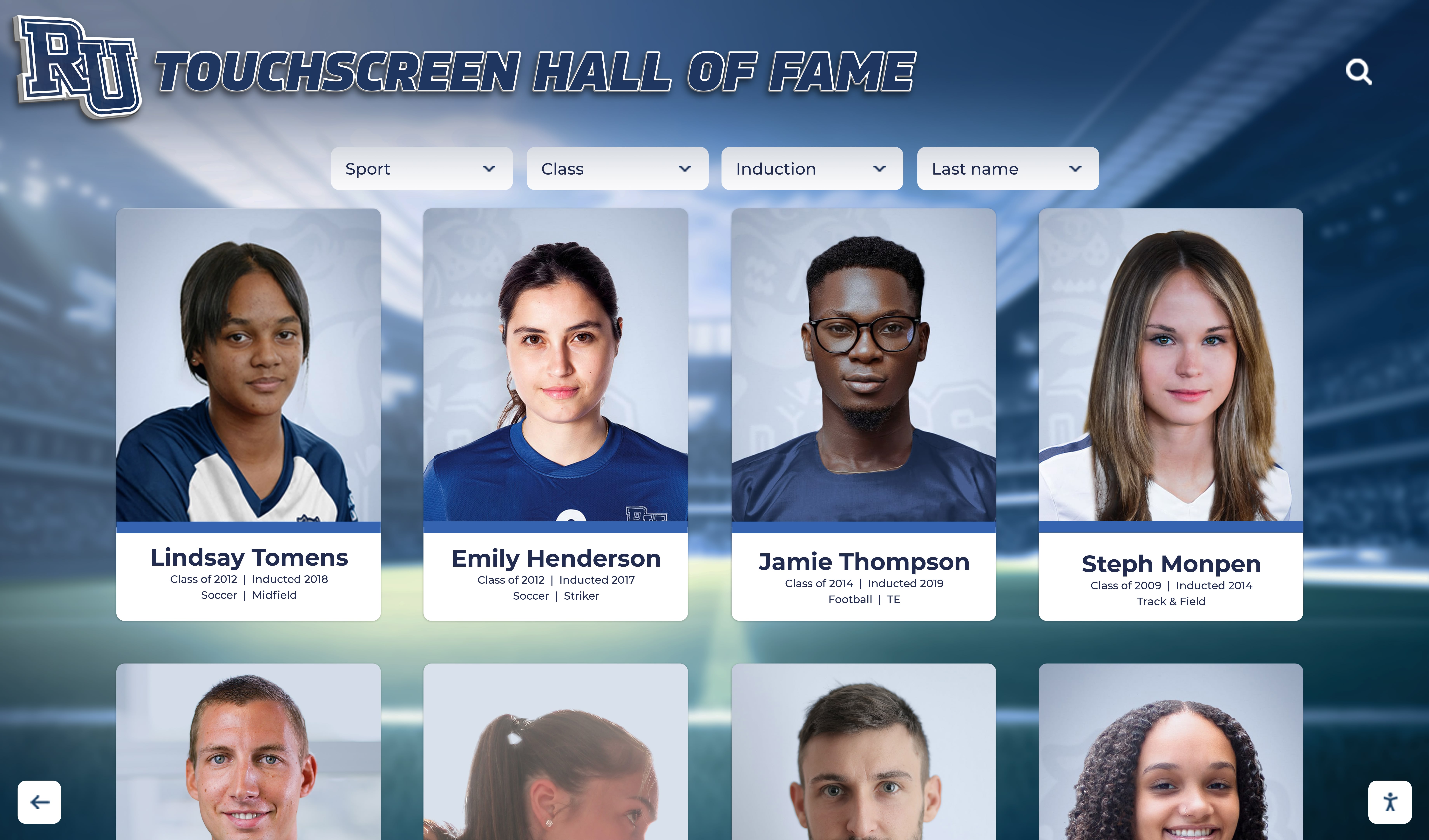
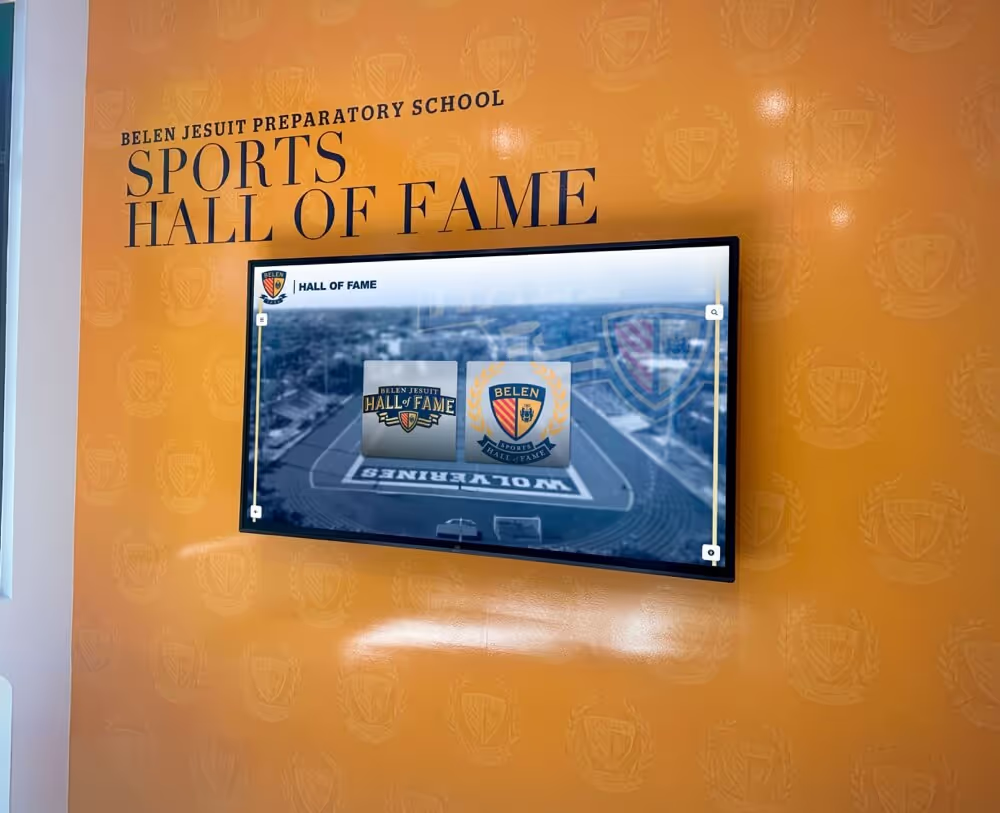
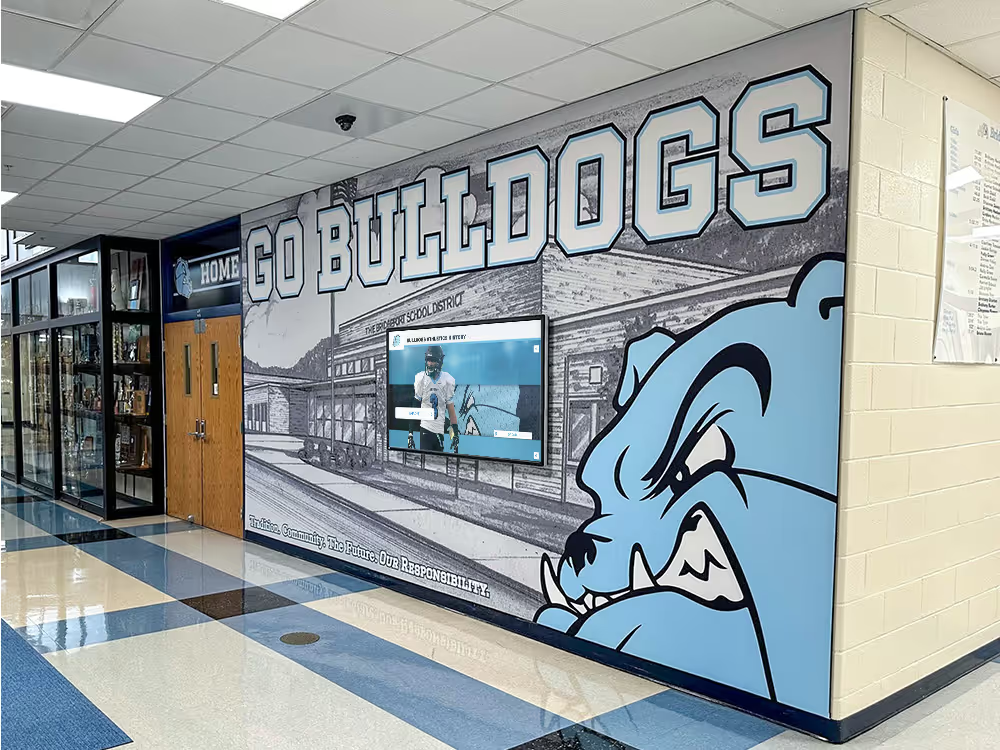
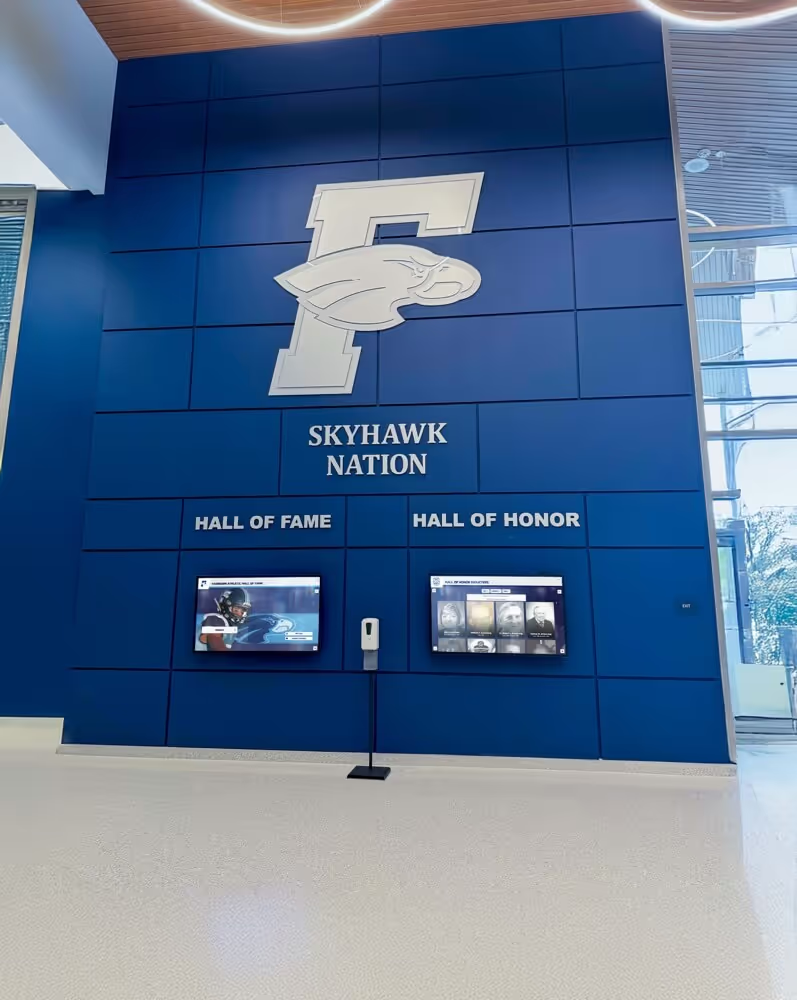
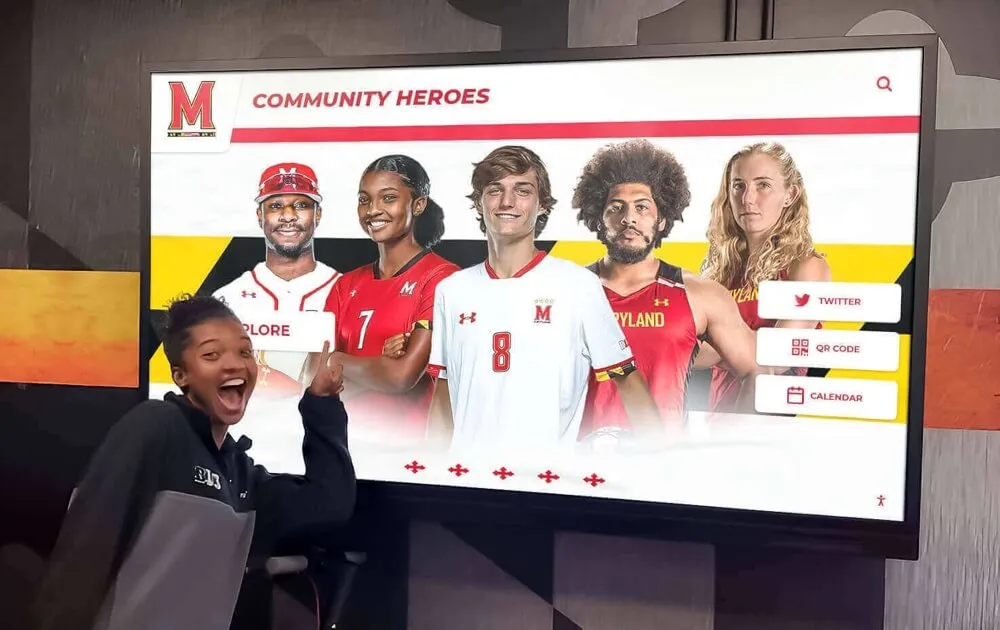
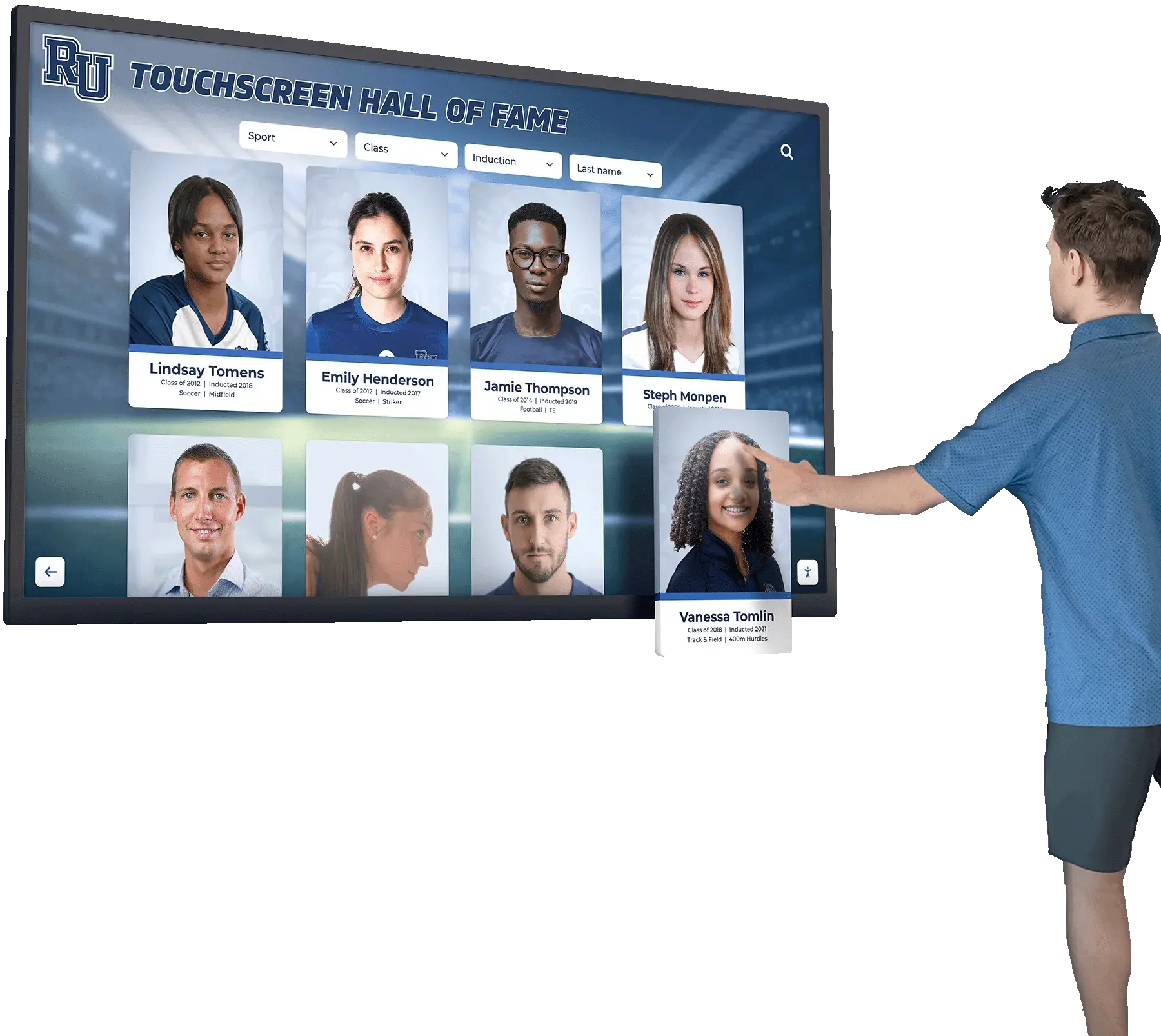
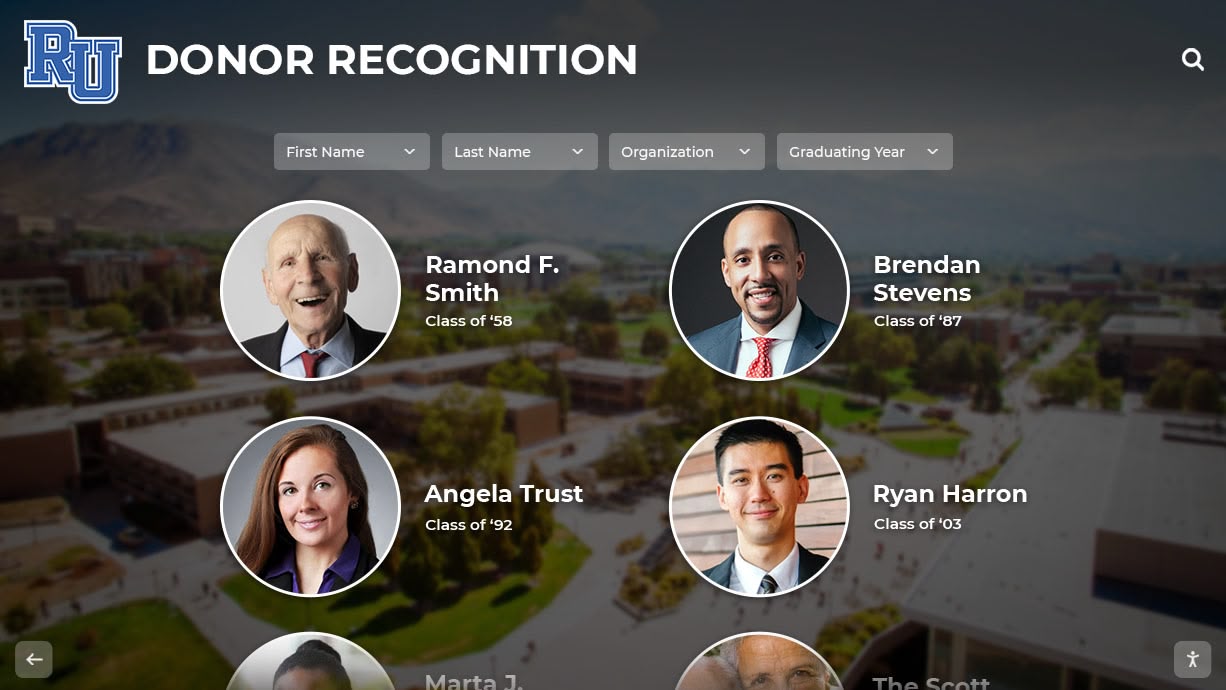
Digital portrait galleries showcase individual players with statistics, achievements, and personal profiles creating comprehensive recognition exploring each athlete's contributions
Creating Engaging Banquet Programs and Activities
Ceremony structure and activities determine whether banquets feel meaningful or drag on tediously.
Formal Recognition Ceremony Elements
Core program components honor achievements and reflect on the season.
Coach Reflections: Allow head coaches and assistant coaches to share season reflections highlighting team growth, memorable moments, challenges overcome, and pride in players’ development. Keep speeches focused (5-7 minutes maximum) on genuine appreciation and specific acknowledgments rather than lengthy play-by-play season recaps attendees already experienced.
Season Highlight Video: Create professionally edited multimedia presentations featuring game footage, practice moments, team bonding experiences, and candid photos from throughout the season. Set to music and limited to 8-12 minutes, these videos create emotional impact and help teams relive their journey together. Programs implementing digital art gallery systems can preserve these presentations permanently rather than showing them only once.
Award Presentations: Announce and present all awards with brief explanations of why each recipient earned recognition. Personalize presentations with specific examples of excellence rather than reading generic descriptions, allow photo opportunities as players receive awards, and maintain appropriate pacing avoiding either rushing through recognition or dragging ceremonies on excessively.
Senior or Graduating Player Recognition: Provide special acknowledgment for players leaving the program due to graduation or aging out, allowing them to share reflections if comfortable with public speaking, presenting commemorative gifts or special recognition items, and acknowledging their complete journey with the program rather than just the current season.
Interactive Activities and Entertainment
Supplement formal programs with engaging activities.
Team Awards Voting: Have players participate in fun, informal voting for categories like “Best Goal Celebration,” “Worst Practice Joke,” “Most Likely to Become Professional,” or other lighthearted recognition creating laughter and conversation. These categories complement serious awards with humor and team bonding.
Trivia and Games: Organize soccer trivia competitions, “Name That Goal” games where players identify significant scores from brief video clips, or other interactive activities that engage attendees beyond passive listening. Consider team-based competitions where tables compete for prizes creating energy and participation.
Photo Booth or Memory Station: Set up areas where players and families can take photos together, view season photo displays, sign memory boards for teammates, or participate in other activities creating tangible takeaways from the event.
Slideshow and Memory Sharing: Invite families to submit favorite photos displayed throughout the event, ask players to share favorite memories or funny moments from the season, or create opportunities for spontaneous storytelling celebrating the experience beyond formal programs.
Program Timing and Flow Management
Structure ensures ceremonies remain engaging without excessive length.
Optimal Program Length: Target 90-120 minutes total including social time, meal service, and formal program. Ceremonies extending beyond two hours test attention spans particularly for younger attendees and diminish rather than enhance the experience.
Strategic Scheduling: Consider formats like social/mingling time (20 minutes) → meal service (30 minutes) → formal program (40 minutes) → social time and photos (20 minutes) allowing natural flow between informal and formal elements while maintaining energy.
Backup Plans: Prepare contingencies for technical difficulties, absent award recipients, or unexpected delays ensuring smooth recovery when inevitable challenges arise without derailing entire events.
Senior Recognition and Farewell Traditions
Programs with graduating players need special attention to honoring athletes completing their team tenure.
Personalized Senior Tributes
Individual recognition for graduating players creates emotional closure.
Senior Speeches or Letters: Allow graduating players to share reflections on their soccer journey, lessons learned, favorite memories, and appreciation for teammates, coaches, and supporters. Make participation optional respecting different comfort levels with public speaking, but provide the opportunity for those desiring to share their thoughts.
Individual Video Tributes: Create brief (1-2 minute) videos for each senior featuring photos from throughout their program tenure, clips of significant moments or goals, and messages from teammates and coaches. These personalized tributes acknowledge each senior’s unique journey and contributions.
Memory Books and Scrapbooks: Present seniors with compiled memory books containing photos, statistics, teammate notes, coach reflections, and other memorabilia documenting their complete experience with the program. Digital versions can include videos and interactive elements while physical books create tangible keepsakes seniors preserve for decades.
Special Senior Awards: Designate certain awards exclusively for graduating players ensuring they receive recognition regardless of whether they would win competitive awards available to all players. Categories might include “Senior Leadership Award,” “Legacy Builder,” or “Program Ambassador” honoring their multi-year contributions.
Passing Traditions and Symbolism
Symbolic gestures create meaningful transitions.
Captain Succession Ceremony: If applicable, have outgoing captains formally pass leadership to next season’s captains through symbolic gestures like transferring captain armbands, sharing leadership advice, or presenting successors to the team formally.
Jersey Retirement or Recognition: For exceptional seniors or long-standing programs, consider retiring jerseys of extraordinary players or creating permanent displays featuring senior jerseys. Digital trophy preservation systems enable programs to honor seniors permanently without physical space constraints limiting recognition.
Legacy Projects: Invite senior classes to contribute lasting gifts to programs—fundraising for equipment, creating program improvement initiatives, or establishing scholarship funds providing tangible ways for graduating players to give back while being recognized for contributions.
Leveraging Digital Recognition for Lasting Impact
Modern soccer programs extend recognition beyond single banquet events through permanent digital systems.
Digital recognition platforms enable programs to:
Preserve Banquet Content Permanently: Rather than showing season highlight videos only once during banquets, digital displays make this content accessible year-round allowing families, future players, and community members to explore program history continuously.
Create Interactive Player Profiles: Individual digital profiles can include photos, statistics, achievements, personal quotes, and multimedia content celebrating each player comprehensively beyond what brief banquet mentions allow. These profiles become permanent parts of program recognition systems accessible to future generations.
Document Season Achievements: Championship seasons, tournament victories, and record-breaking performances can be preserved digitally ensuring they remain accessible as programs grow rather than being forgotten when physical trophies get damaged or displaced during facility changes.
Enable Remote Access: Alumni who move away after graduating can access their profiles remotely, share achievements with new communities, and maintain connections to programs they represented. This ongoing engagement strengthens alumni networks and program communities extending far beyond active playing years.
Update Easily Without Physical Modifications: Adding new award recipients, updating statistics, or incorporating additional seasons requires simple content updates rather than expensive physical renovations to trophy cases or recognition walls.
Schools implementing comprehensive athletic recognition solutions report enhanced player engagement, improved recruitment through demonstrated commitment to honoring athletes, and strengthened program cultures as current players witness the respect former teammates receive for their contributions.
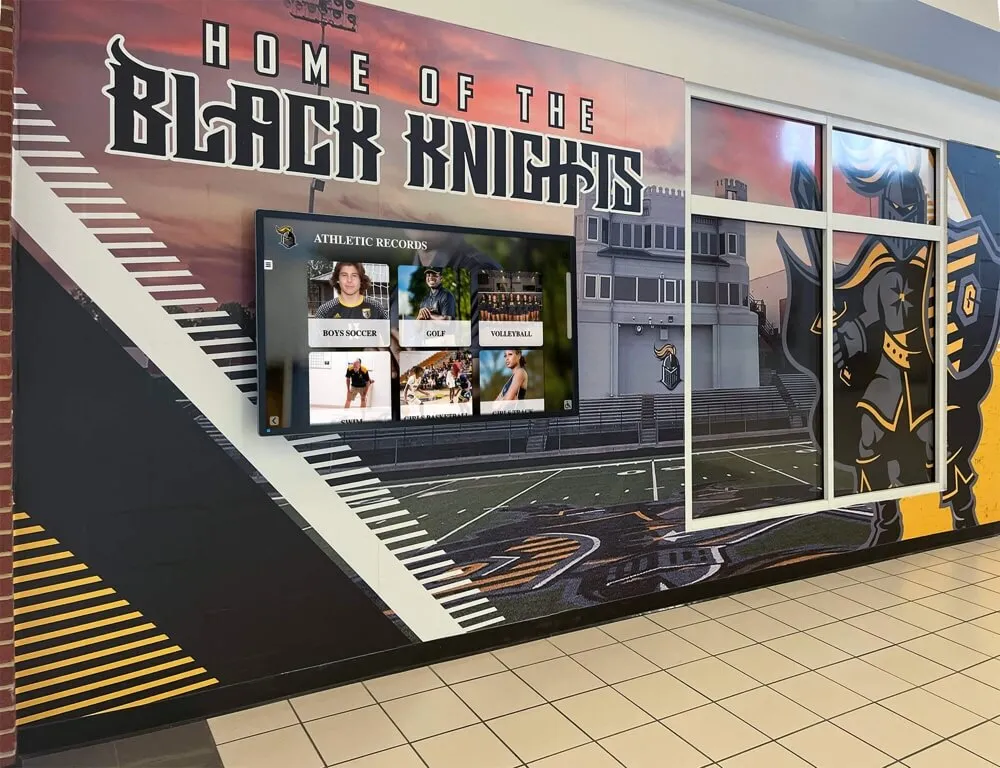
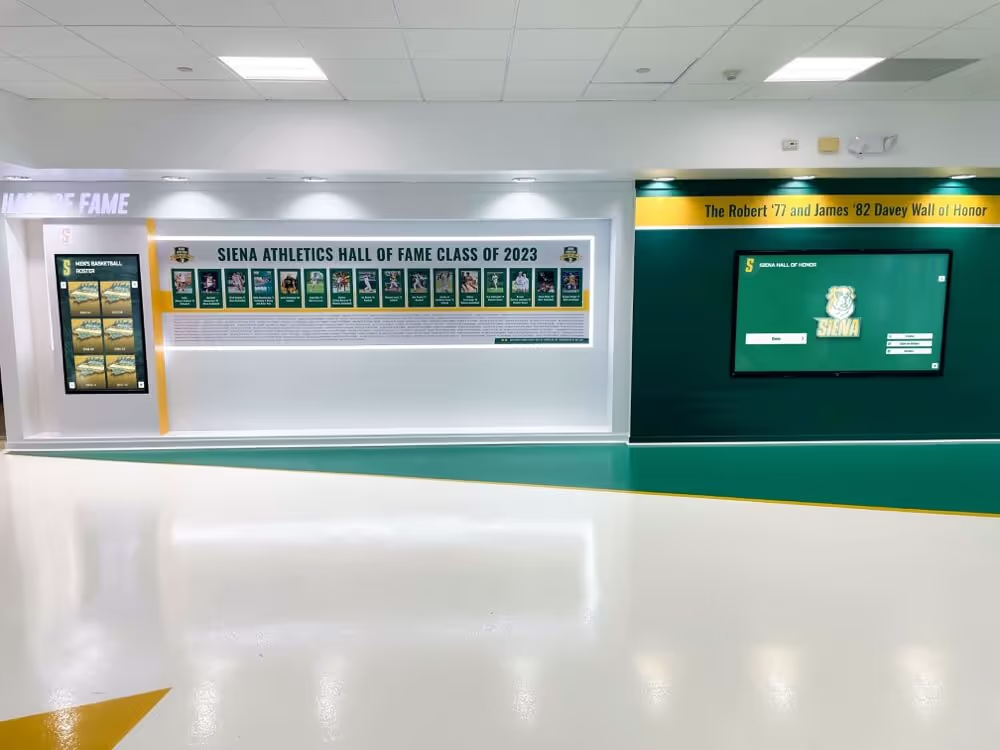
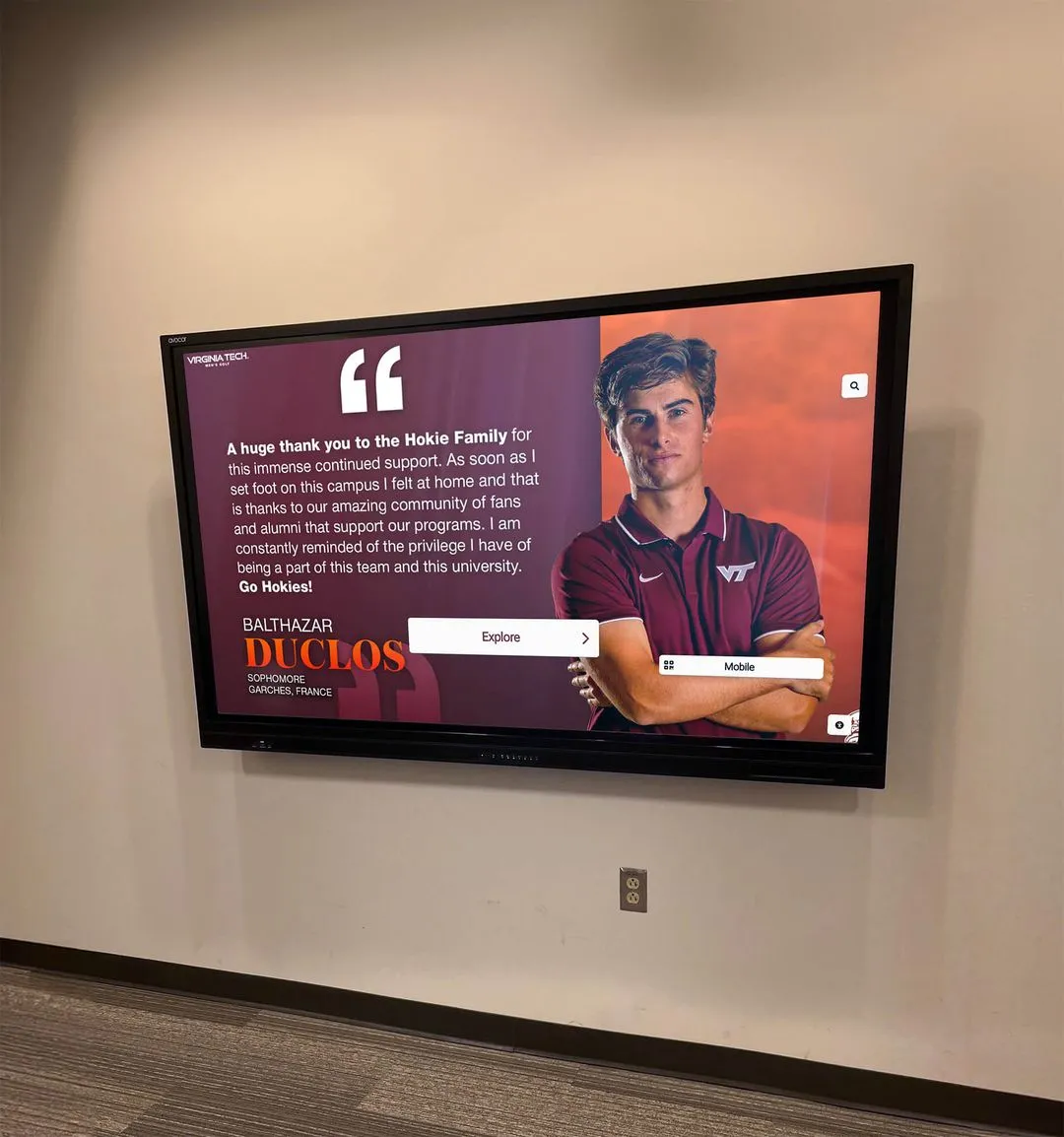
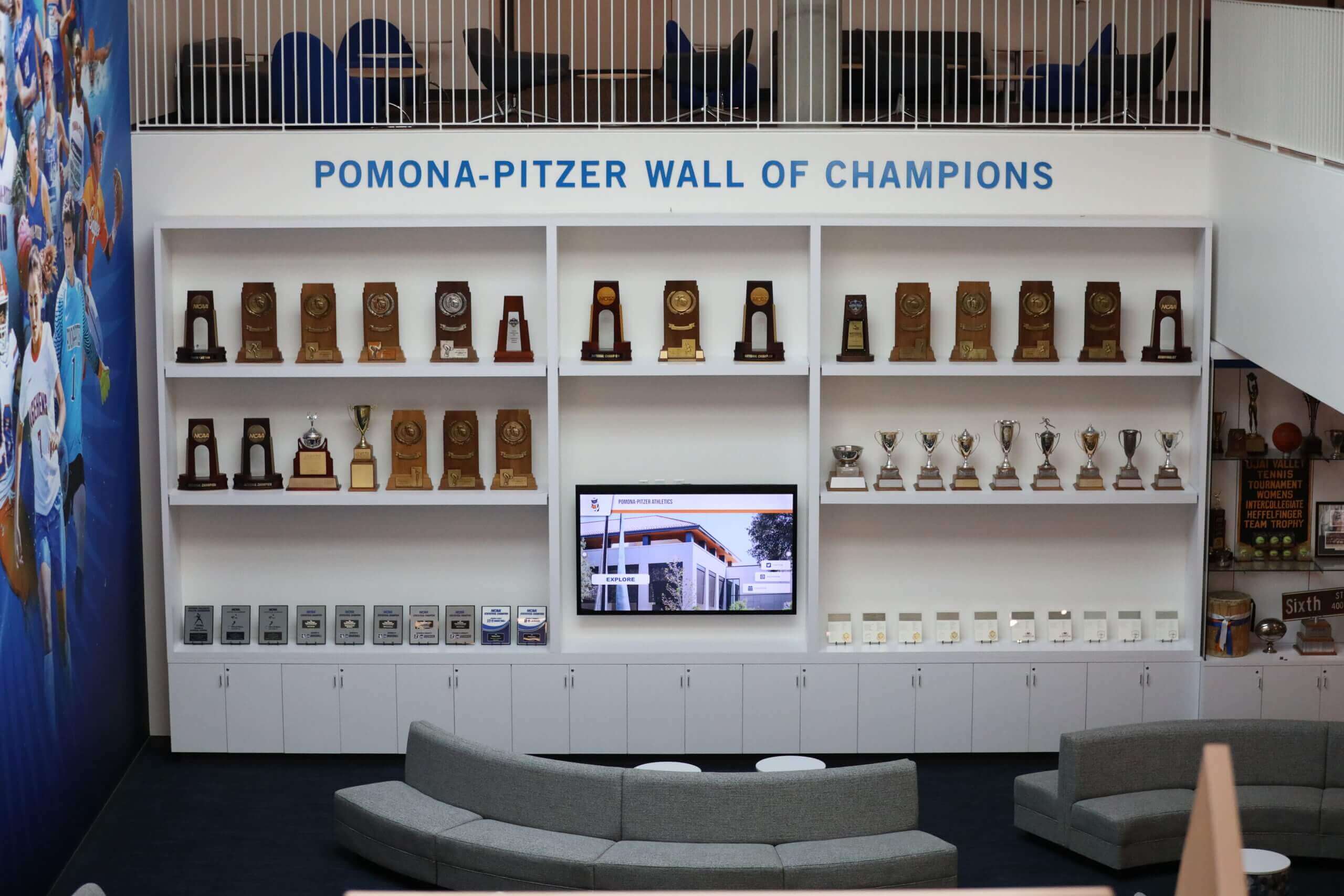
Professional recognition installations create lasting tribute to team achievements while strengthening program culture and traditions across multiple seasons
Budget Planning and Fundraising for Soccer Banquets
Financial planning ensures celebrations remain affordable while delivering quality experiences.
Estimating Banquet Costs
Develop realistic budgets accounting for all expense categories.
Venue and Facility Costs: Rental fees for event spaces, required insurance or damage deposits, setup and cleanup fees, and parking expenses if applicable. Costs range from $0 (donated school spaces) to $500+ for premium commercial venues depending on location, capacity, and included amenities.
Food and Beverage: Per-person meal costs varying from $8-12 for pizza/casual options to $25-40+ for catered dinners including service and gratuity. Don’t forget beverages, desserts, and potential bar service for adult-only portions if applicable.
Awards and Recognition: Trophy, plaque, medal, or certificate costs multiplied by number of awards presented. Budget $15-30 per award depending on quality and customization, with higher-end options for major awards like MVP and more economical choices for participation or fun categories.
Decorations and Supplies: Table decorations, banners, centerpieces, disposable serving items if needed, and thematic elements supporting your chosen concept. Costs range from $50-300 depending on elaborateness and whether items can be reused for future events.
Technology and Multimedia: Equipment rental if venue doesn’t provide, video production costs if hiring professionals, printing for programs or photo displays, and any digital recognition platform fees if implementing permanent systems.
Funding Strategies
Multiple approaches can cover banquet expenses without excessive burden on families.
Ticket Sales: Charge per-person attendance fees covering food and venue costs. Typical pricing ranges from $15-35 per person depending on meal quality and venue. Consider family pricing (adults vs. children) and ensure costs don’t create financial barriers preventing families from attending.
Sponsorships: Solicit local businesses to sponsor banquets through donations covering specific costs (award sponsorships, table sponsorships, technology sponsorships) in exchange for recognition during events and in programs. This approach can offset costs significantly while building community connections.
Fundraising Events: Host separate fundraising activities (car washes, concession sales, merchandise sales) specifically generating revenue for year-end banquets, allowing ticket prices to remain minimal or free while still delivering quality celebrations.
Club or Booster Support: Many soccer clubs and booster organizations budget specifically for team recognition events, providing funding that reduces family expense while supporting program culture development.
Cost-Saving Strategies
Creative approaches maintain quality while reducing expenses.
Volunteer Labor: Utilize parent volunteers for setup, decoration, cleanup, and coordination rather than paying venue staff for services families can provide. This community involvement often enhances personal investment in events beyond simple cost savings.
Donated Services: Seek donations of photography services, video production, printing, decorations, or other elements from families with relevant professional skills or business owners supporting programs.
Multi-Team Events: For clubs with multiple age groups or teams, consider combined banquets sharing venue costs, entertainment, and decorations while maintaining individual team recognition during ceremonies. This approach works best when teams share similar season timelines and compatible program philosophies.
Simplified Formats: Focus budgets on meaningful elements (quality awards, good food, engaging programs) while economizing on less critical aspects (elaborate decorations, expensive venues, premium entertainment). Often the most memorable banquets emphasize substance over style through authentic recognition and team celebration.
Post-Banquet Follow-Through and Communication
Activities following banquets extend celebration impact and maintain momentum.
Documentation and Sharing
Preserve banquet memories through comprehensive documentation.
Professional Photography: Ensure events are photographed comprehensively capturing award presentations, team photos, candid moments, and family groups. Distribute images to families promptly via shared digital albums allowing everyone access to event documentation.
Video Recording: Record formal programs, speeches, and award ceremonies creating permanent records families can revisit. Edit highlight compilations for social media and program archives while providing complete ceremony videos to interested families.
Social Media Coverage: Share banquet highlights, award winner announcements, and photos across program social media channels extending recognition to broader communities including supporters unable to attend in person. Tag families and players (with permission) making content easily shareable.
Program Recaps: Publish articles or newsletters summarizing banquets, recognizing award recipients publicly, and sharing season reflections reaching all families, boosters, and community supporters invested in program success.
Maintaining Momentum Into Off-Season
Use banquet completion as launching point for continued engagement.
Off-Season Programming Communication: Announce training opportunities, camps, conditioning programs, or other off-season activities keeping players engaged with soccer and program communities during breaks.
Registration and Planning: Provide information about next season’s registration, tryouts, team formations, or other logistical details allowing families to plan appropriately for upcoming years.
Alumni and Graduating Player Connection: For seniors or players leaving programs, facilitate transition to alumni status through ongoing communications, invitations to future events, and recognition that relationships extend beyond active participation. Digital platforms maintaining permanent alumni recognition enable programs to preserve these connections indefinitely.
Feedback Collection: Solicit input from families and players about banquet experience—what worked well, what could improve, and suggestions for future events. This feedback informs continuous improvement ensuring each year’s celebration builds on previous successes.
Program Improvement and Planning
Use each banquet as learning opportunity for enhancing future events.
Document Best Practices: Record successful elements, effective recognition approaches, vendor contacts, and logistical solutions for reference when planning subsequent banquets. Maintain evolving planning guides incorporating lessons learned from each event.
Budget Analysis: Review actual costs versus budgeted amounts identifying areas where estimates were accurate or needed adjustment, informing more precise planning for future years.
Timeline Refinement: Note what tasks required more or less time than anticipated, what should have started earlier, and what deadlines worked effectively, continuously improving planning processes.
Conclusion: Creating Soccer Banquets That Build Lasting Program Culture
Soccer banquets represent far more than seasonal formalities—these celebrations create defining memories for players and families while demonstrating organizational values around recognition, excellence, and community. Programs investing thoughtful effort into creating meaningful banquets while establishing permanent recognition extending beyond single nights develop distinctive cultures where athletes feel genuinely valued throughout their soccer journey and long after they complete their final seasons.
The most successful soccer banquet programs balance emotional resonance with logistical feasibility, personal recognition with team celebration, and immediate event impact with lasting accessibility. By combining creative themes, meaningful award categories, engaging programs, and modern digital recognition capabilities, organizations create comprehensive celebrations honoring players appropriately while strengthening traditions that define program identities and inspire future generations.
Whether planning your first team banquet or refining established celebrations, remember that ultimate success lies not in expense or elaborateness but in whether players feel authentically appreciated for their dedication and whether families carry positive memories of communities that honored young athletes’ commitment to soccer excellence.
Ready to create lasting recognition for your soccer program? Explore how Rocket Alumni Solutions can help your organization implement comprehensive digital recognition systems that transform banquet tributes into permanent celebration accessible to your entire community year-round.