Athletic administrators face unprecedented complexity in 2026—managing dozens of teams across multiple sports, coordinating hundreds of student-athletes, ensuring compliance with evolving regulations, communicating with parents and fans, maintaining facilities, handling finances, and celebrating achievements. The right software products transform these overwhelming responsibilities into manageable workflows that save time, reduce errors, improve communication, and enhance the student-athlete experience.
Yet many athletic departments still rely on disconnected systems that create inefficiencies and frustration. Scheduling lives in spreadsheets, eligibility tracking happens on paper, parent communication depends on mass emails, registration processes involve endless forms, and achievement recognition remains limited to static plaques that quickly fill up. This fragmented approach wastes countless administrative hours while creating gaps in communication and missing opportunities to celebrate athletic excellence.
According to research on school athletic administration, athletic directors spend an average of 15-20 hours weekly on administrative tasks that modern software could automate or streamline significantly. With comprehensive technology solutions, administrators can redirect this time toward strategic initiatives that directly improve athletic programs and student-athlete development.
This comprehensive guide explores 30 essential software products that every athletic administrator should consider in 2026. Whether you’re running a high school athletic department, managing college sports programs, or overseeing community athletic organizations, these tools address critical needs from daily operations to long-term program development. We’ve organized these solutions by category to help you identify which products address your most pressing challenges while building comprehensive technology ecosystems that serve your entire athletic community.

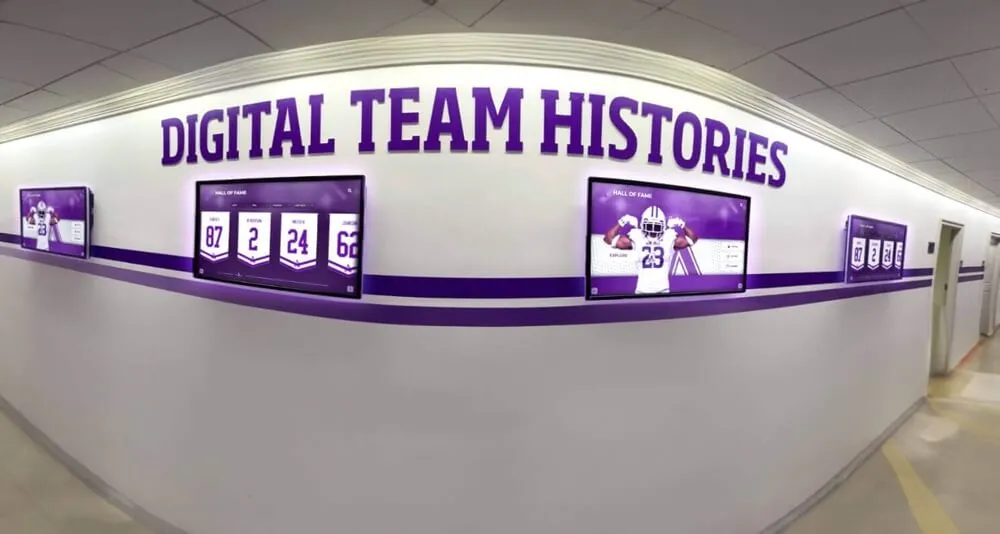
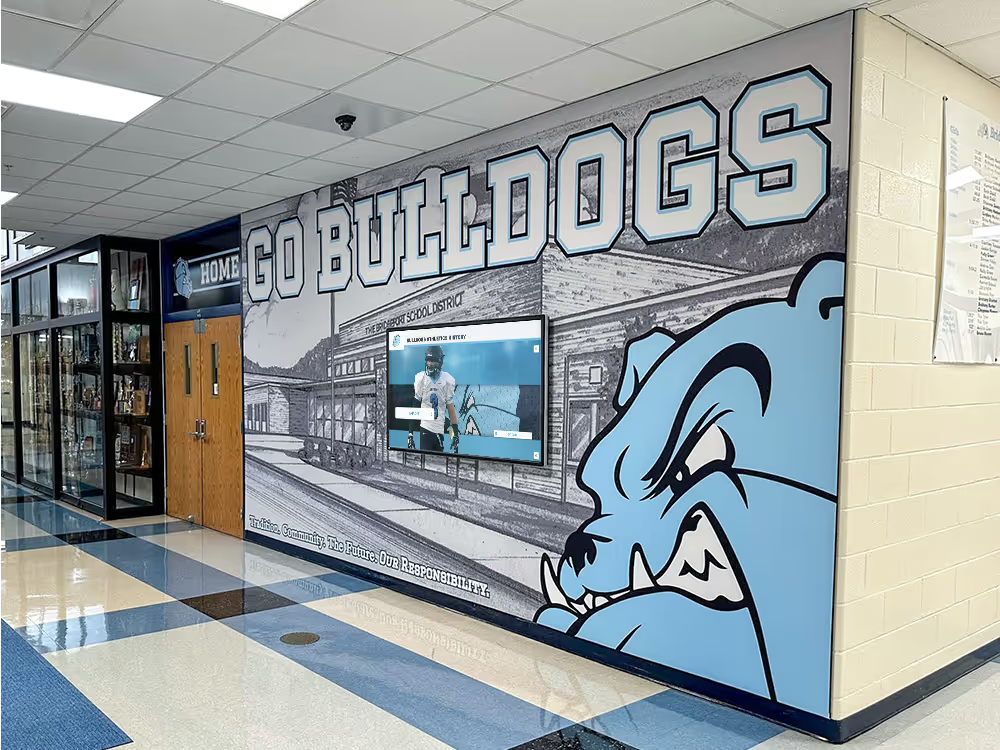
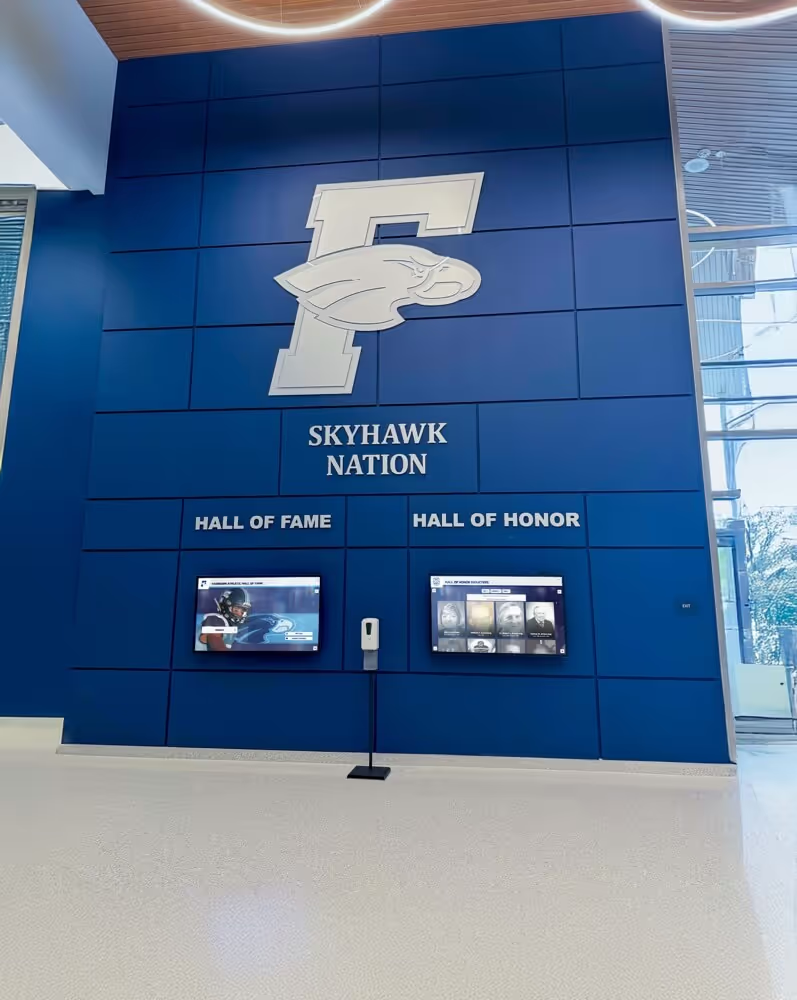
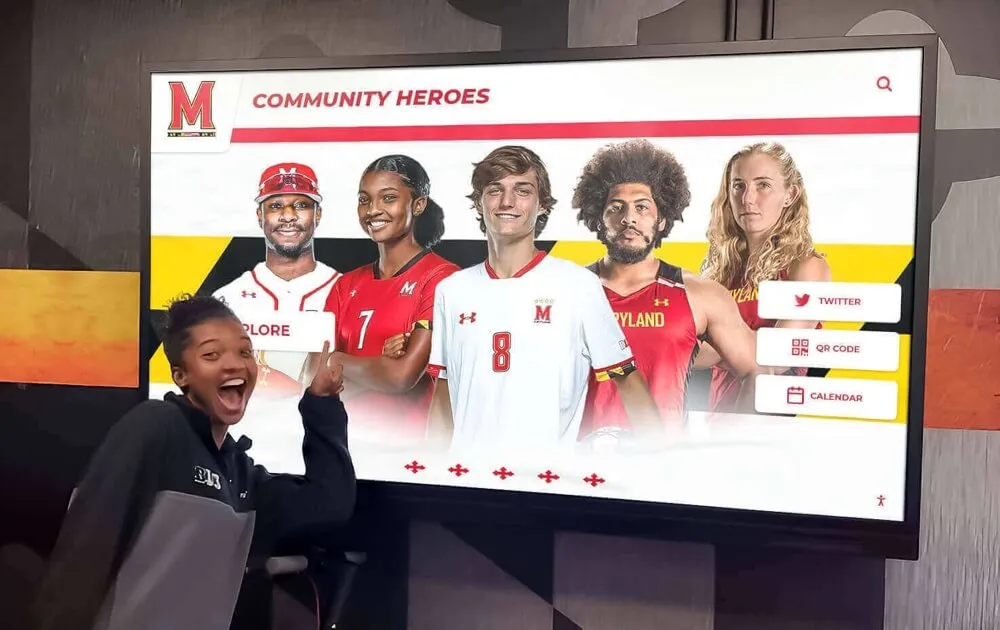
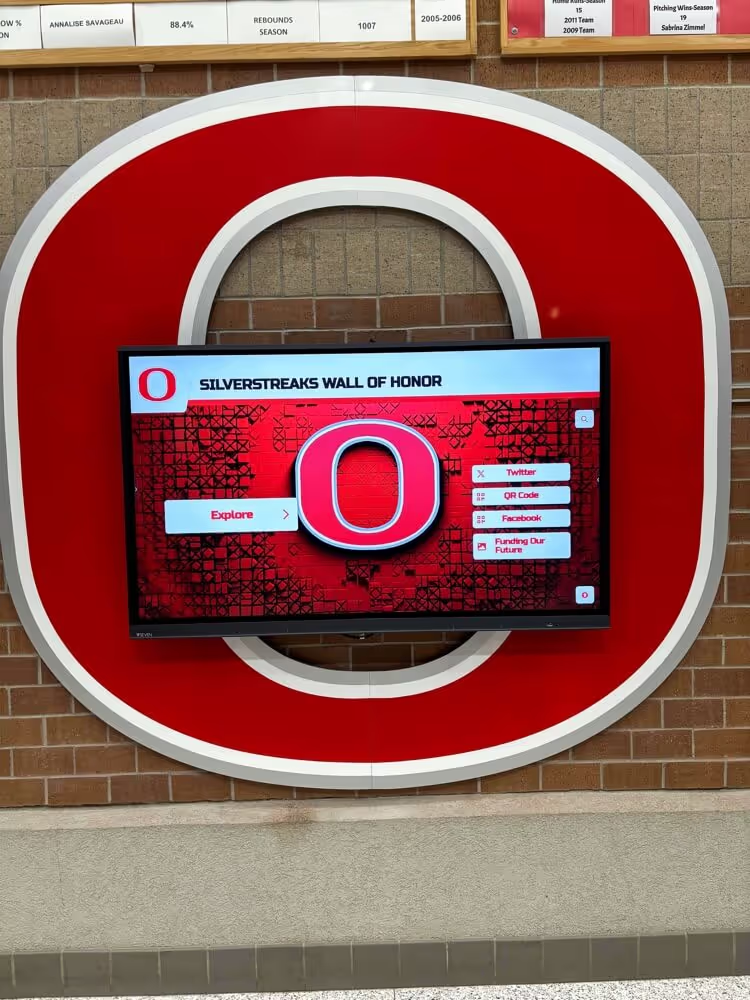
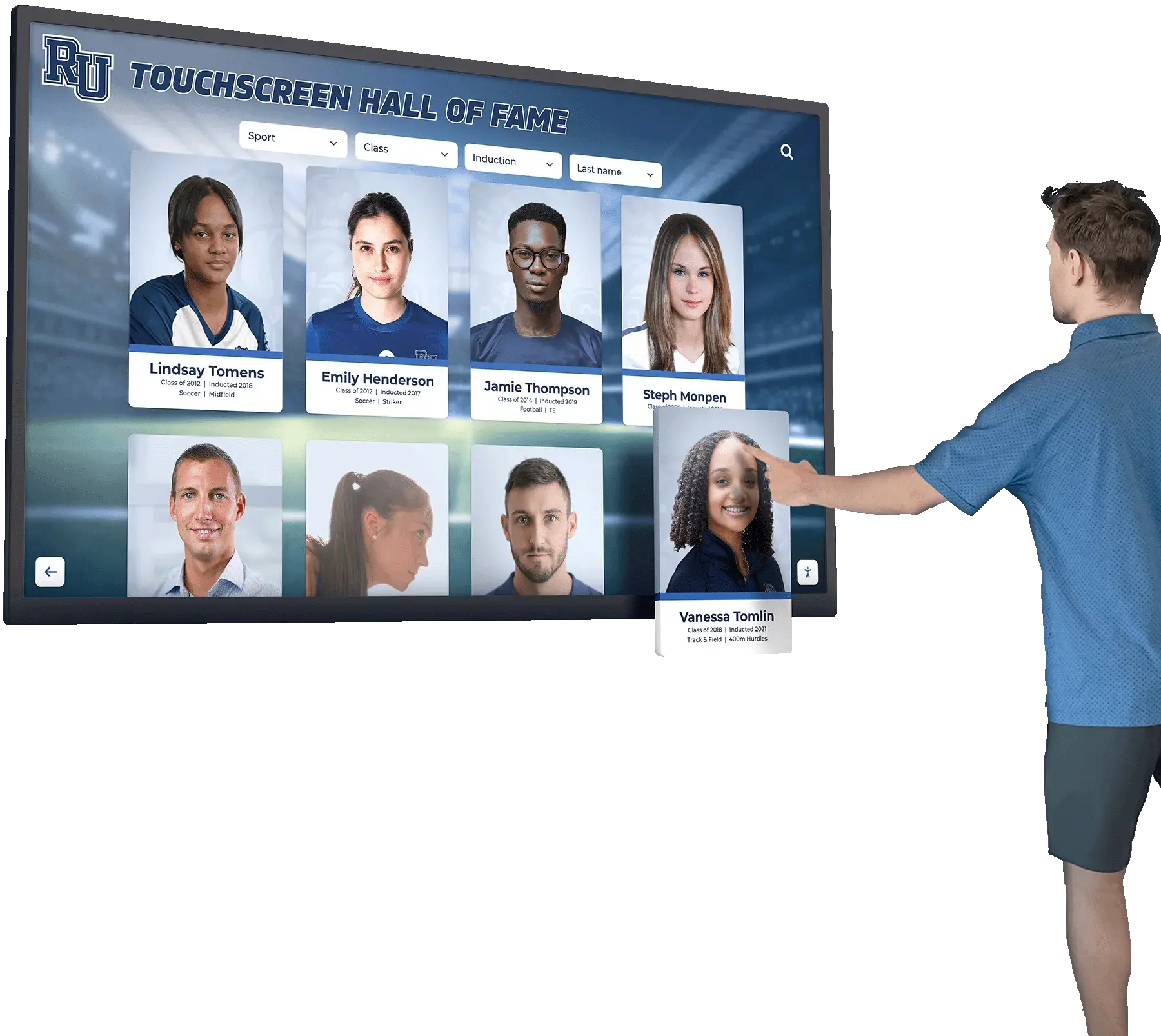
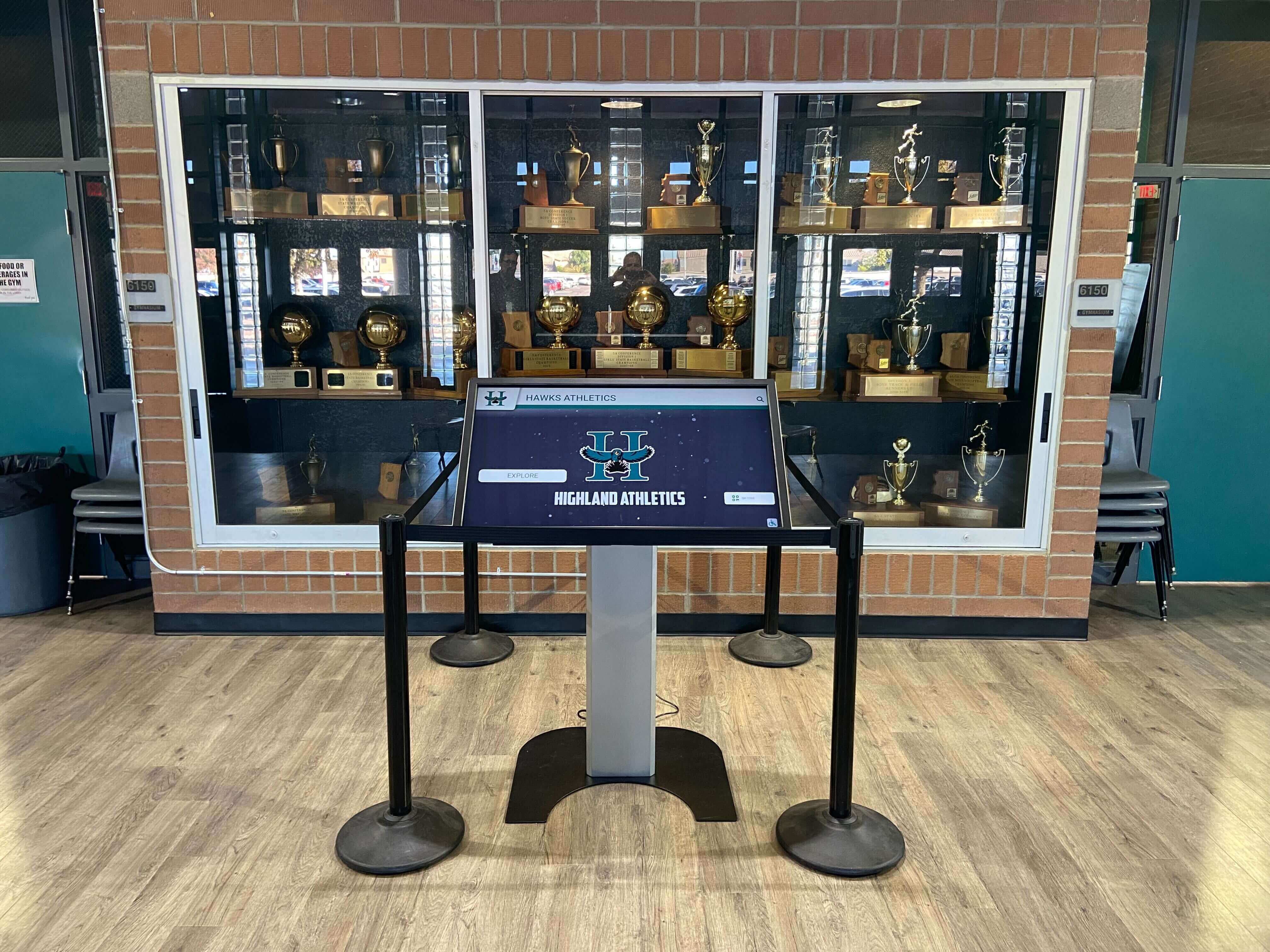
Modern technology solutions help athletic administrators celebrate achievements while streamlining daily operations
Category 1: Comprehensive Athletic Management Platforms
The foundation of efficient athletic administration starts with integrated platforms that handle multiple functions through unified systems, eliminating the need to manage separate tools for every task.
1. Athletic.net
Purpose: Track and field and cross country meet management and performance analytics
Athletic.net has become the industry standard for track and field programs, providing comprehensive meet management tools, real-time results posting, athlete performance tracking across seasons, national rankings and performance comparisons, and historical data archives. The platform enables coaches to analyze athlete progression, identify training gaps, and make data-informed decisions about competitive strategy.
Key Benefits: Eliminates manual result entry, provides instant access to performance trends, connects athletes with college recruiting opportunities through verified results, and creates comprehensive historical records that can be integrated with recognition displays.
2. FinalForms
Purpose: Digital participation forms, registration, and eligibility management
FinalForms revolutionizes the traditional paper-based athletic registration process by digitizing all required forms, tracking eligibility requirements automatically, collecting digital signatures from parents and students, managing physical examinations and insurance documentation, and generating compliance reports for athletic conferences and state associations.
Key Benefits: Reduces administrative workload by 10+ hours weekly during registration seasons, improves compliance with state and conference requirements, provides parents with convenient mobile access to complete forms, and eliminates storage challenges associated with physical paperwork.
3. ArbiterSports
Purpose: Official scheduling, payment, and communication management
For programs that coordinate officials for athletic events, ArbiterSports provides centralized official assignment and communication, automated payment processing and tax documentation, scheduling tools that prevent conflicts, official evaluation and feedback systems, and compliance tracking for certification requirements.
Key Benefits: Simplifies a typically complex administrative process, ensures qualified officials for all contests, maintains positive relationships with officiating communities, and provides transparent financial tracking.
4. GoFan
Purpose: Digital ticketing and gate management
The shift toward cashless admissions has accelerated significantly, making GoFan essential for modern athletic departments. The platform offers digital ticket sales reducing gate congestion, mobile ticket scanning for efficient entry management, real-time attendance reporting and analytics, revenue tracking with automated financial reporting, and season pass management for frequent attendees.
Key Benefits: Increases gate revenue by 15-25% through convenient purchasing options, reduces staffing needs at admission gates, provides valuable attendance data for scheduling and marketing decisions, and eliminates cash handling security concerns.
5. Hudl
Purpose: Video analysis and team collaboration
Hudl has transformed how coaches prepare teams and evaluate performance through game film uploading and organization, advanced tagging and statistical analysis tools, opponent scouting and game preparation resources, recruiting highlight creation for student-athletes, and team communication features.
Key Benefits: Accelerates film review processes saving coaches 5+ hours weekly, improves strategic decision-making through detailed analytics, enhances recruiting opportunities for student-athletes, and facilitates remote coaching and player development.
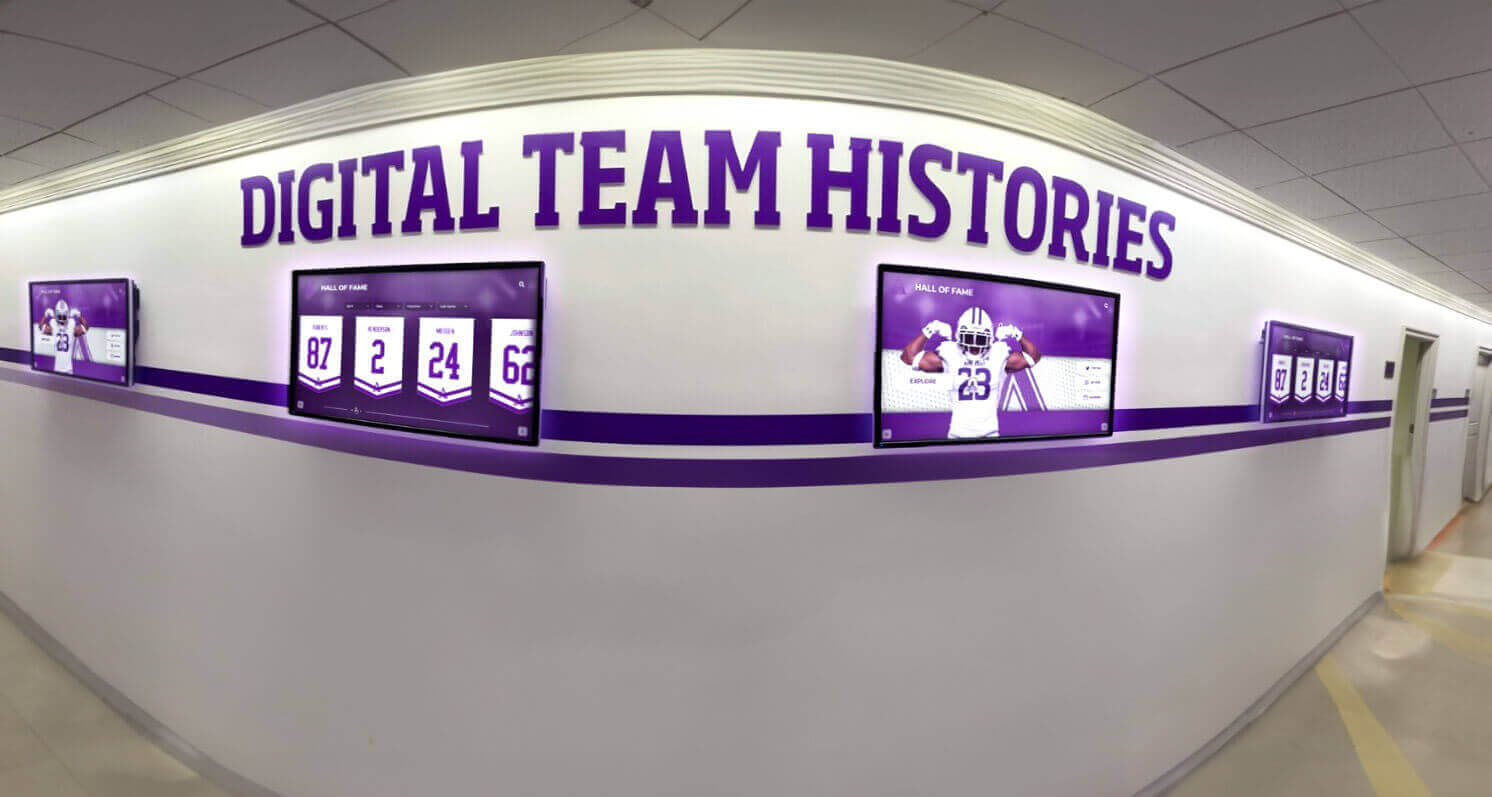
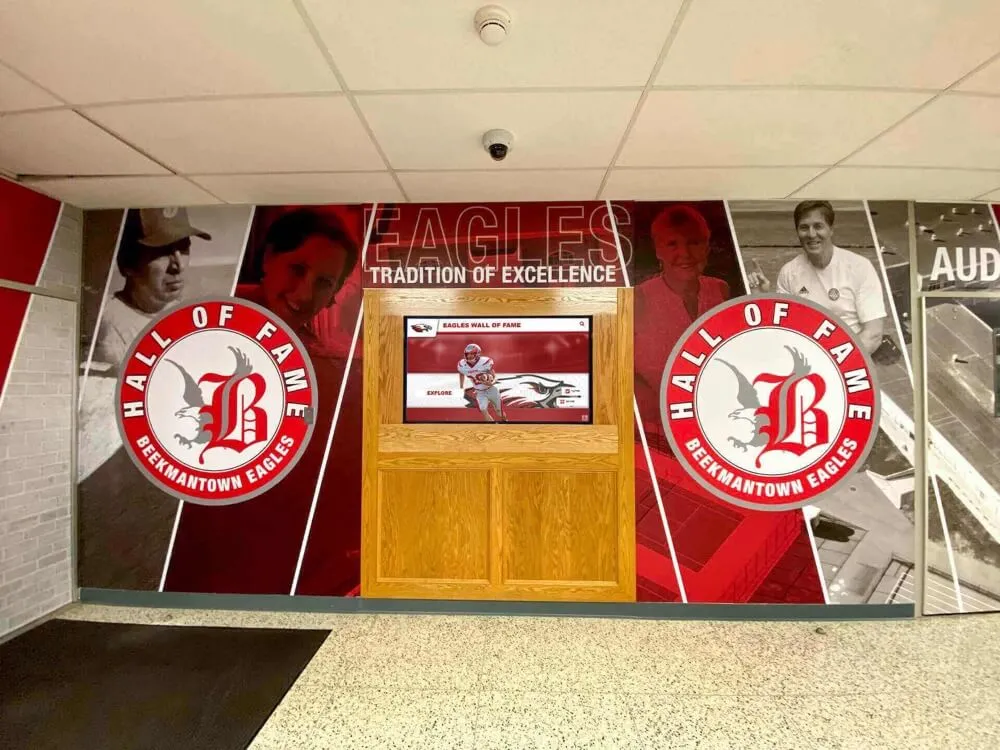
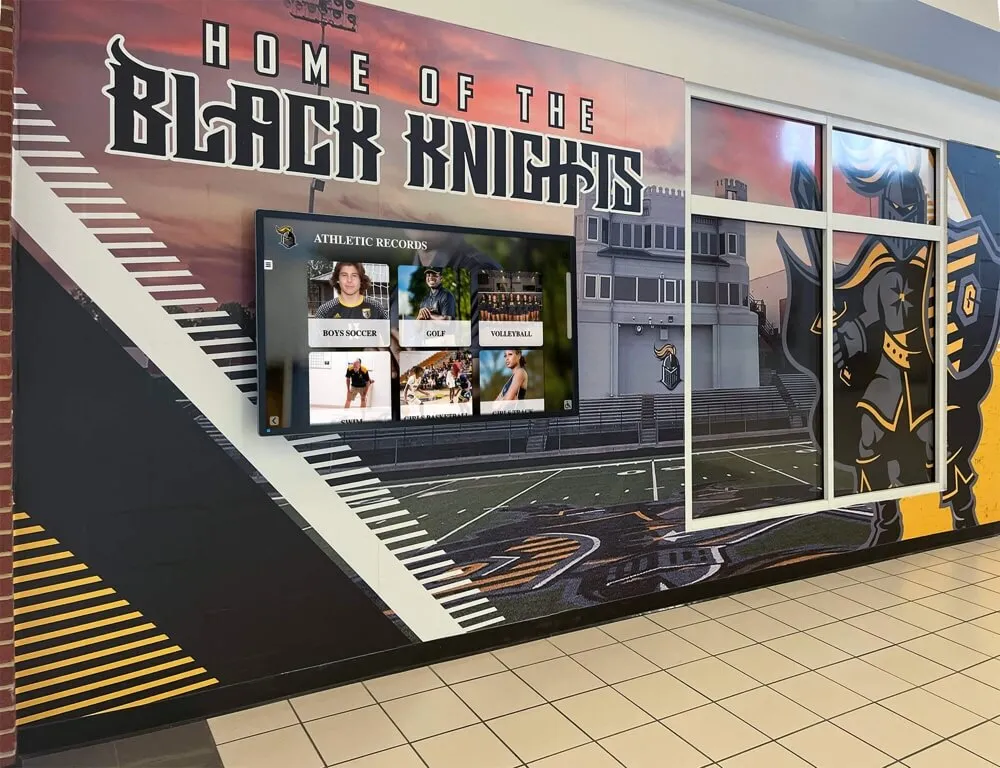
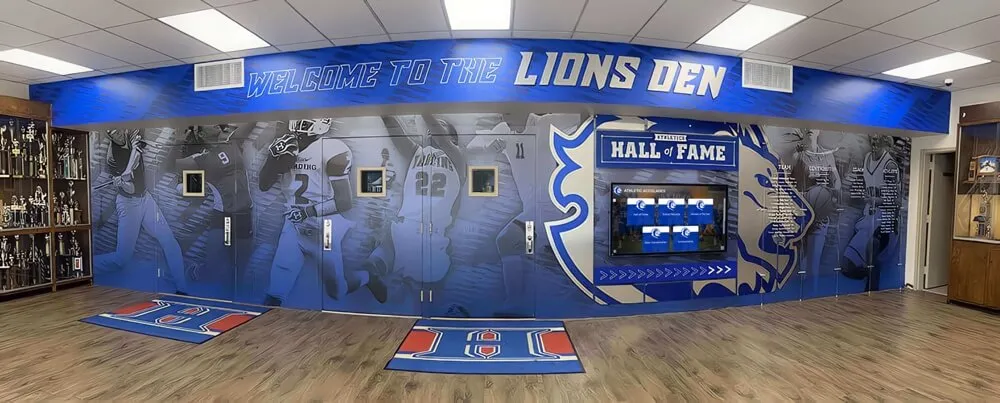
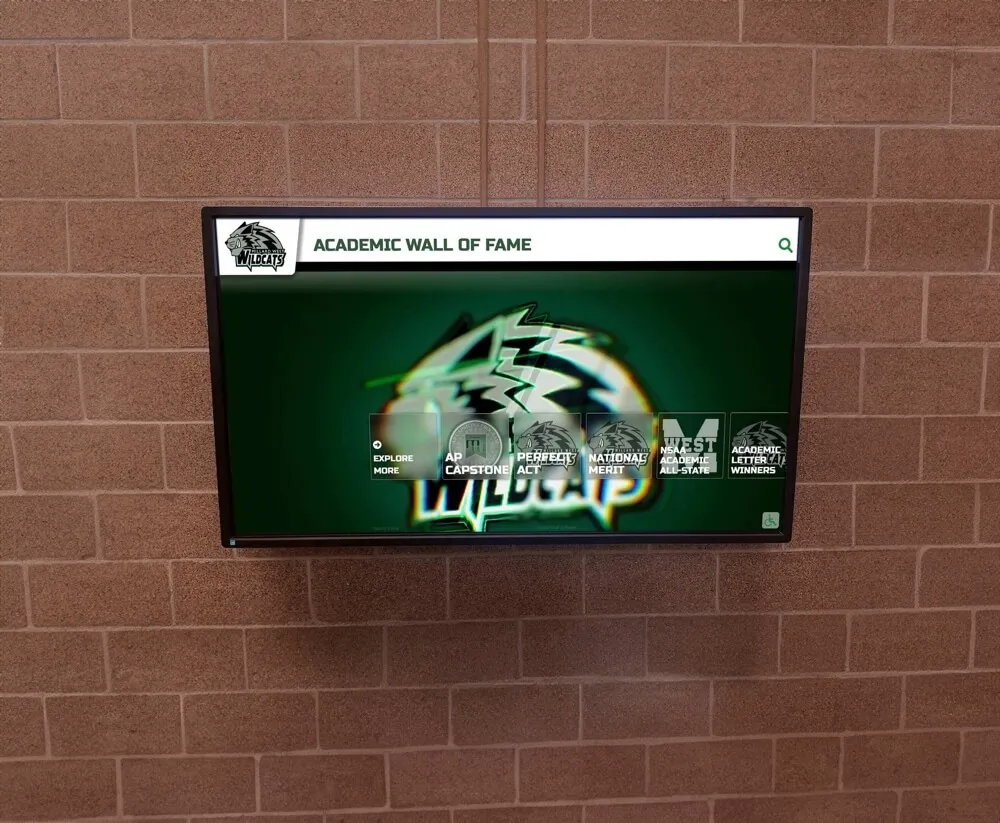
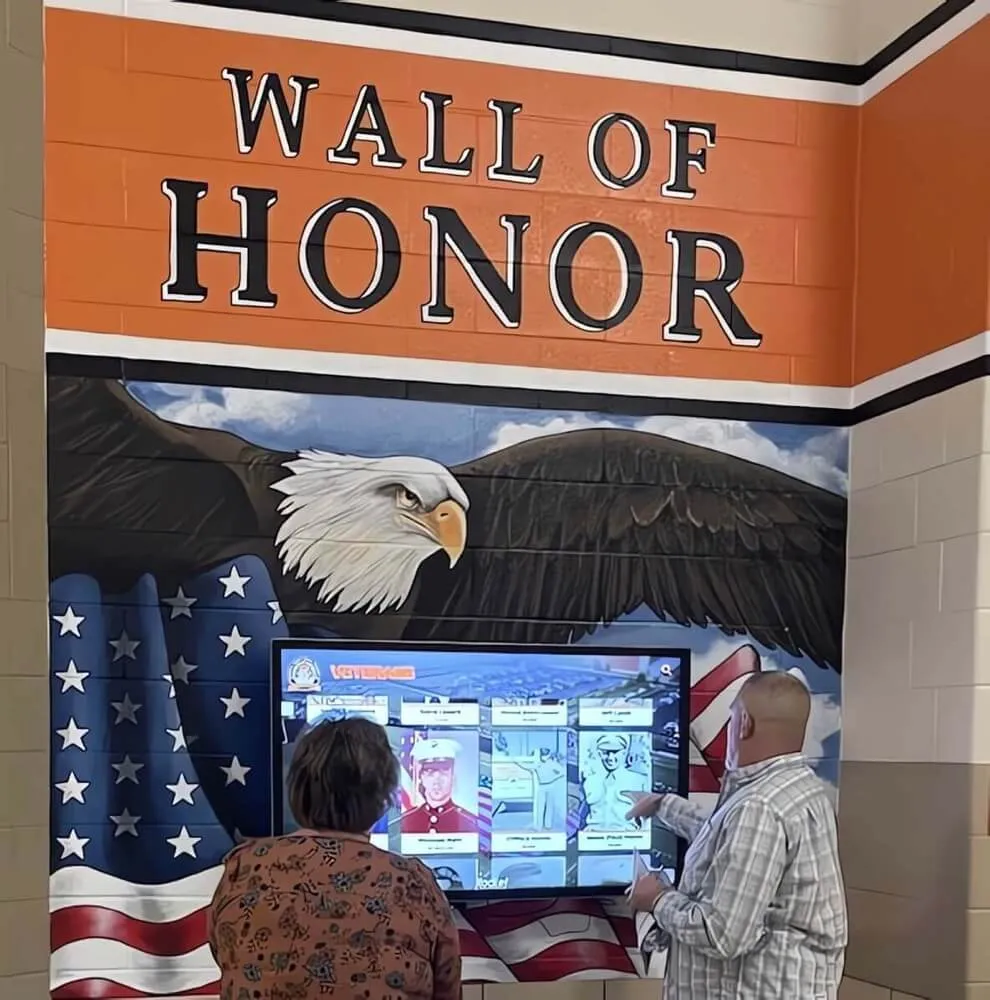
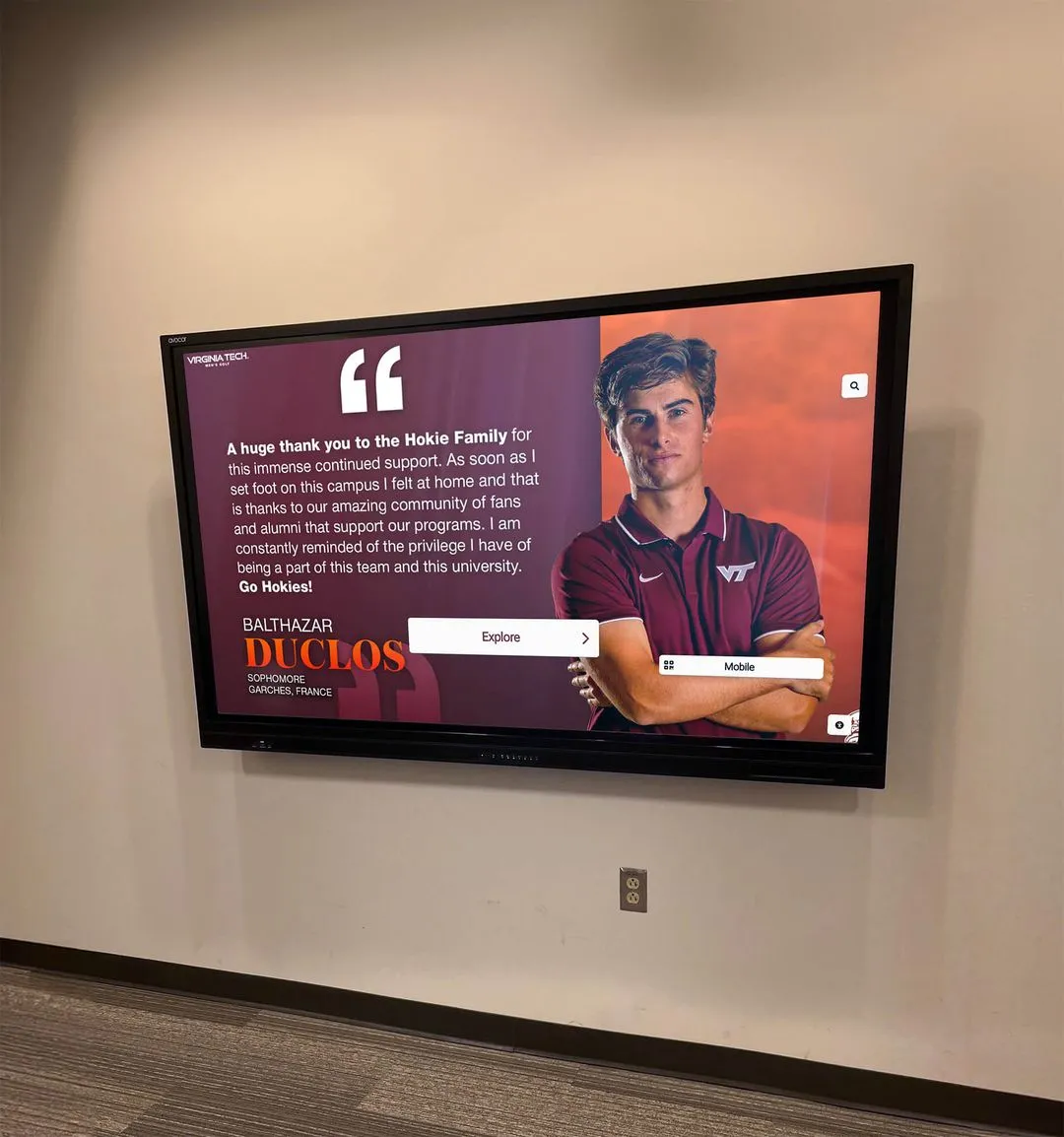
Modern displays integrate seamlessly with management software to celebrate athletic achievement
6. VNN (Varsity News Network)
Purpose: Athletic website, communications, and fan engagement platform
VNN provides professional athletic websites with minimal technical expertise required, automated schedule and score posting, mobile apps for convenient community access, social media integration amplifying content reach, sponsor recognition and advertising opportunities, and statistical leaderboards highlighting top performers.
Key Benefits: Enhances program visibility and community engagement, saves administrators 3-5 hours weekly on website updates, creates new sponsorship revenue opportunities, and improves communication with parents and fans. Learn more about exciting digital communication approaches that complement athletic websites.
7. RSchoolToday
Purpose: Facility scheduling and resource management
Athletic facilities face constant scheduling pressure from multiple teams, community organizations, and facility maintenance needs. RSchoolToday addresses this through centralized facility calendars preventing conflicts, online facility reservation requests, maintenance scheduling integration, equipment checkout tracking, and comprehensive reporting on facility utilization.
Key Benefits: Reduces scheduling conflicts by 90%, enables community facility rentals generating additional revenue, ensures proper facility maintenance preventing costly repairs, and provides transparency for all facility users.
Category 2: Communication and Engagement Tools
Effective communication with athletes, parents, coaches, and fans represents a critical athletic administrator responsibility that specialized tools can dramatically improve.
8. Remind
Purpose: Mass communication and messaging
Remind enables efficient communication through group messaging to teams, parents, or entire athletic departments, scheduled message delivery for advance planning, two-way communication when appropriate, mobile app accessibility, and message translation for multilingual communities.
Key Benefits: Ensures critical information reaches intended audiences quickly, maintains communication records for documentation purposes, respects Do Not Disturb preferences preventing after-hours interruptions, and reduces repetitive communication requests.
9. TeamSnap
Purpose: Team management and parent communication
Primarily designed for youth and recreational sports but increasingly used in school settings, TeamSnap provides team rosters with contact information management, schedule and event coordination, availability tracking for practices and games, volunteer coordination for team needs, and payment collection for team expenses.
Key Benefits: Reduces coordinator workload significantly, improves participation rates through convenient availability tracking, facilitates parent involvement through volunteer opportunities, and centralizes team communication reducing email overload.
10. SignUpGenius
Purpose: Volunteer coordination and event management
Athletic events require extensive volunteer support that SignUpGenius helps coordinate through online signup forms for specific volunteer needs, automated reminder communications, volunteer hour tracking for recognition, multi-event coordination for seasons or tournaments, and mobile-friendly access for convenient participation.
Key Benefits: Ensures adequate volunteer coverage for events, reduces administrative time spent on volunteer coordination by 5+ hours weekly, recognizes consistent volunteers appropriately, and maintains volunteer databases for future events.

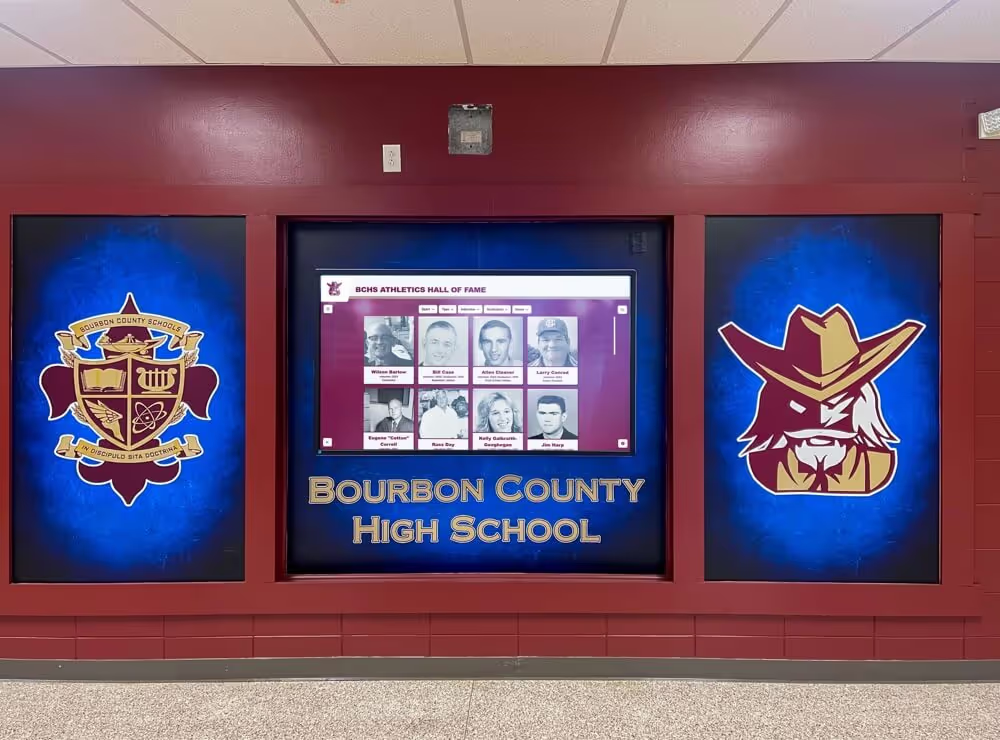
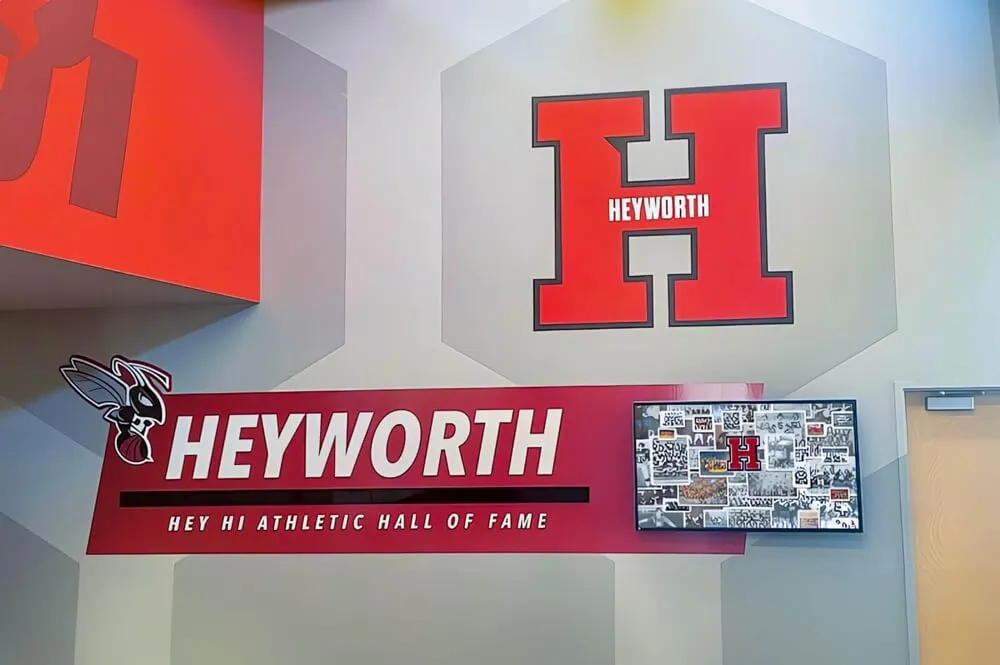
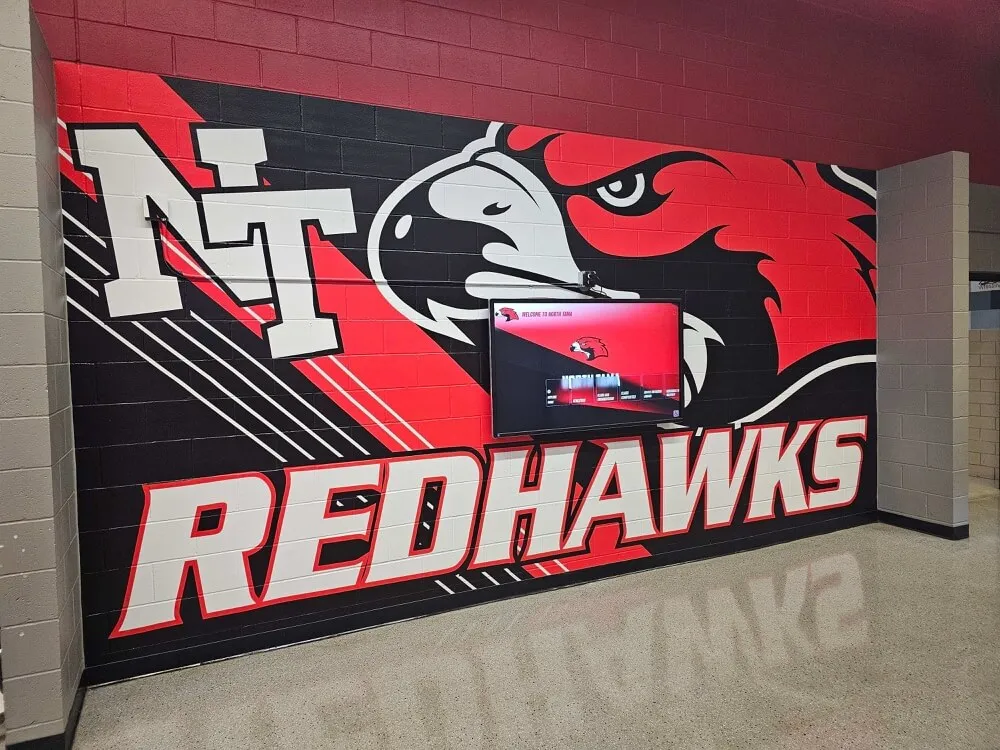
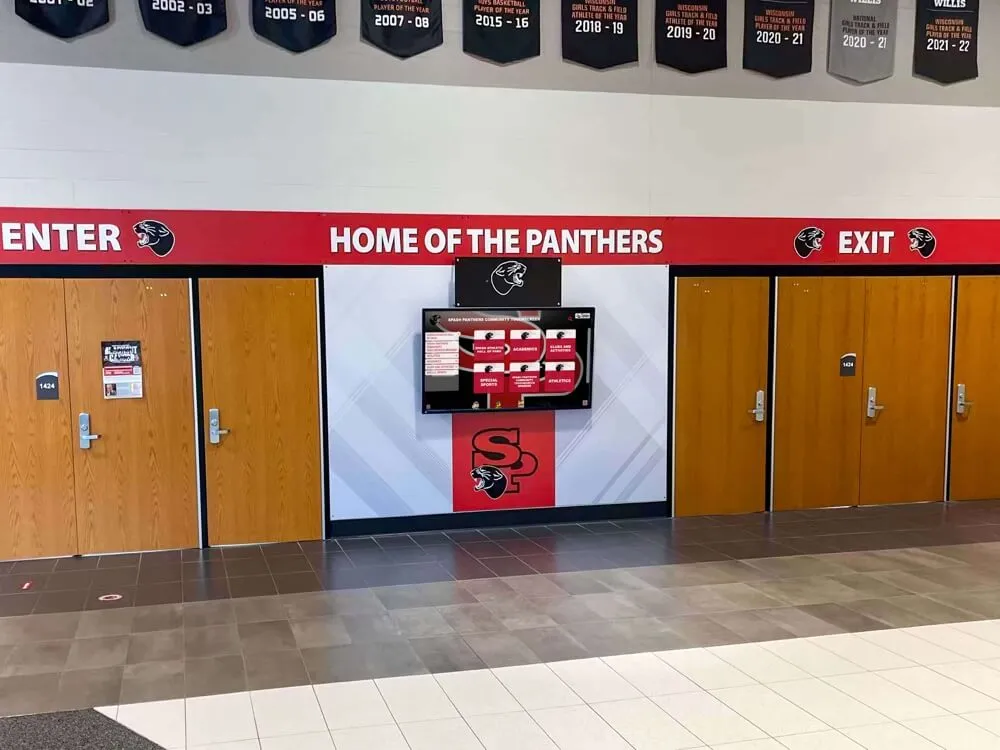
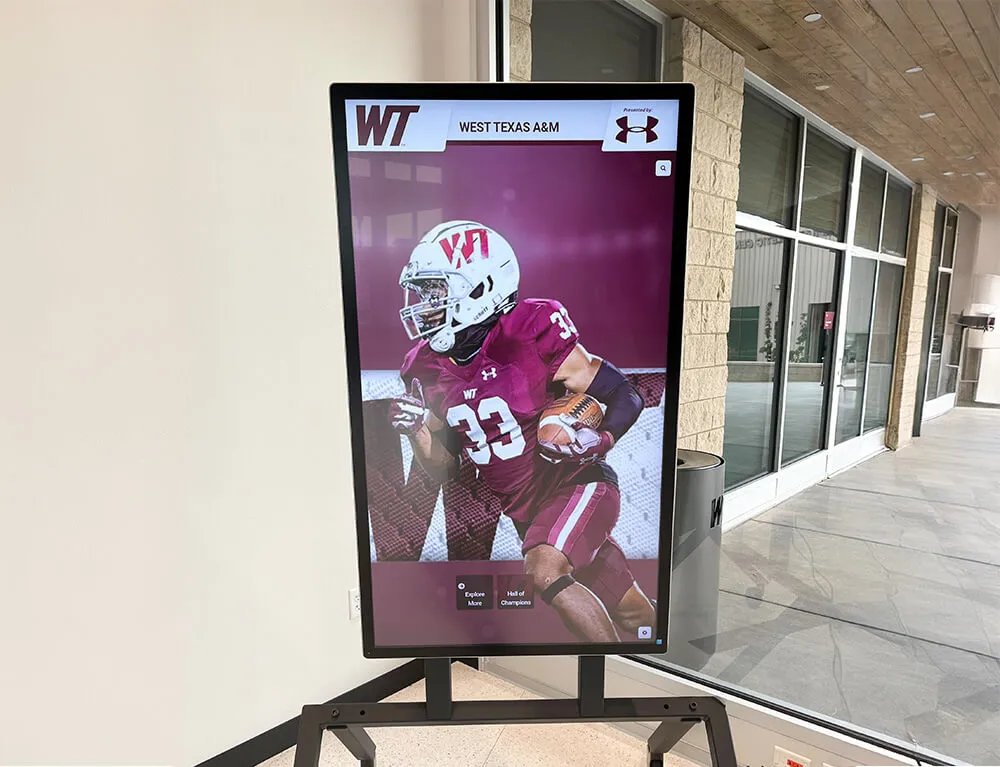
Digital recognition systems complement communication tools by celebrating athletic excellence prominently
11. Remind101
Purpose: Educational reminders and school communication
Though originally designed for classroom settings, many athletic departments leverage Remind101 for eligibility reminders to student-athletes, academic support resource promotion, deadline notifications for forms and requirements, attendance tracking for mandatory meetings, and parent engagement around academic expectations.
Key Benefits: Supports student-athlete academic success, reduces eligibility issues through proactive communication, demonstrates institutional commitment to academics over athletics, and provides documentation of academic support efforts.
12. Canva
Purpose: Graphic design for promotional materials
Athletic administrators without graphic design backgrounds can create professional materials through social media graphics highlighting achievements, game day promotional posters, program covers and informational documents, athlete recognition graphics for displays, and sponsor acknowledgment materials.
Key Benefits: Eliminates need for professional designers for routine materials, maintains consistent brand aesthetics across communications, enables quick turnaround for timely content, and provides templates reducing design time. Discover how Canva integrations can enhance recognition displays.
Category 3: Scheduling and Calendar Management
Athletic schedules involve complex coordination across dozens of teams, limited facilities, officials, transportation, and academic calendars, making specialized scheduling tools invaluable.
13. Schedule Star
Purpose: Athletic scheduling and tournament management
Schedule Star addresses complex scheduling challenges through master calendar management preventing conflicts, automatic schedule generation based on constraints, tournament bracket creation and management, gym usage optimization algorithms, and exportable schedules for distribution.
Key Benefits: Reduces schedule creation time from weeks to hours, minimizes scheduling conflicts that frustrate coaches and families, optimizes facility usage maximizing capacity, and simplifies tournament hosting processes.
14. LeagueApps
Purpose: Registration, scheduling, and league management
For athletic departments managing recreational leagues or camps, LeagueApps provides comprehensive registration with payment processing, automated scheduling and standings, referee assignment and coordination, volunteer management tools, and website integration for seamless user experience.
Key Benefits: Streamlines league operations saving 10+ administrative hours weekly, improves participant experience through convenient online tools, generates additional revenue through efficient registration processes, and provides valuable participation data.
15. Google Calendar
Purpose: Shared calendar and schedule coordination
While not sport-specific, Google Calendar remains essential for athletic departments through shared calendars with customizable access levels, integration with other Google Workspace tools, mobile accessibility for on-the-go schedule checking, automatic conflict detection, and external calendar subscription options for families.
Key Benefits: Free solution requiring no special budgets, familiar interface requiring minimal training, seamless integration with school technology ecosystems, and reliable synchronization across devices.
16. LeagueLineup
Purpose: League and tournament scheduling software
LeagueLineup specializes in creating equitable schedules, tournament formats from single elimination to round robin, automatic standings calculations, schedule distribution and communication, and rainout/rescheduling management.
Key Benefits: Ensures fair competition through balanced schedules, reduces complaints about perceived scheduling advantages, simplifies complex tournament logistics, and maintains accurate standings reducing disputes.
Category 4: Compliance and Eligibility Management
Maintaining compliance with state associations, athletic conferences, and institutional policies requires systematic tracking that specialized software provides.
17. Dragonfly MAX
Purpose: Athletic eligibility and compliance tracking
Dragonfly MAX helps athletic departments maintain compliance through academic eligibility monitoring integrated with student information systems, physical examination tracking with expiration alerts, participation limits and rest day requirements, transfer student eligibility documentation, and comprehensive audit trails for compliance reviews.
Key Benefits: Prevents eligibility violations that can forfeit competitions, reduces administrative burden of manual tracking, provides real-time eligibility status for coaching staff, and generates compliance reports for oversight bodies.
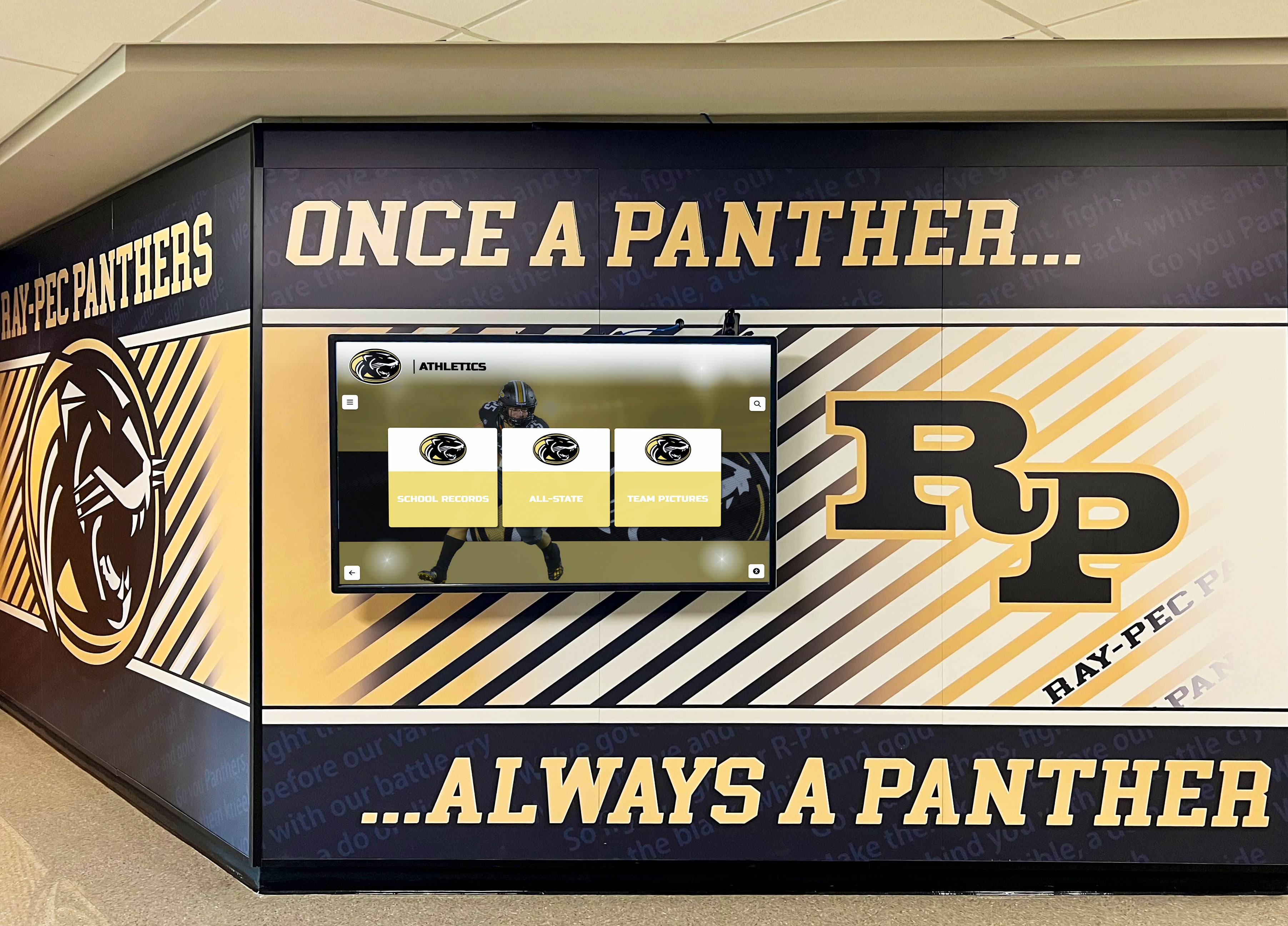
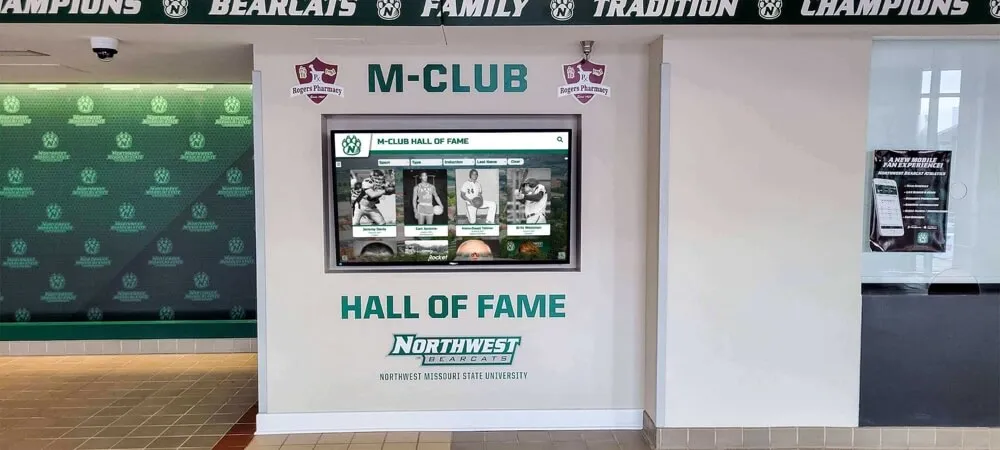
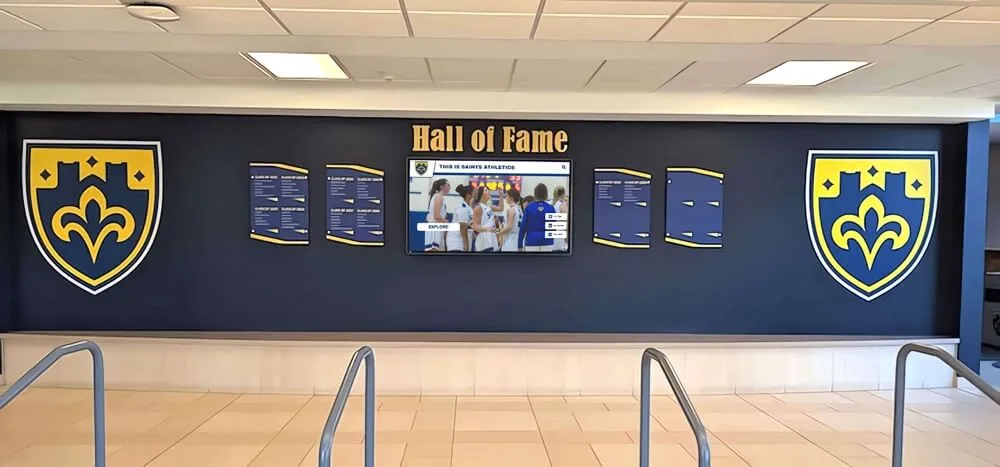
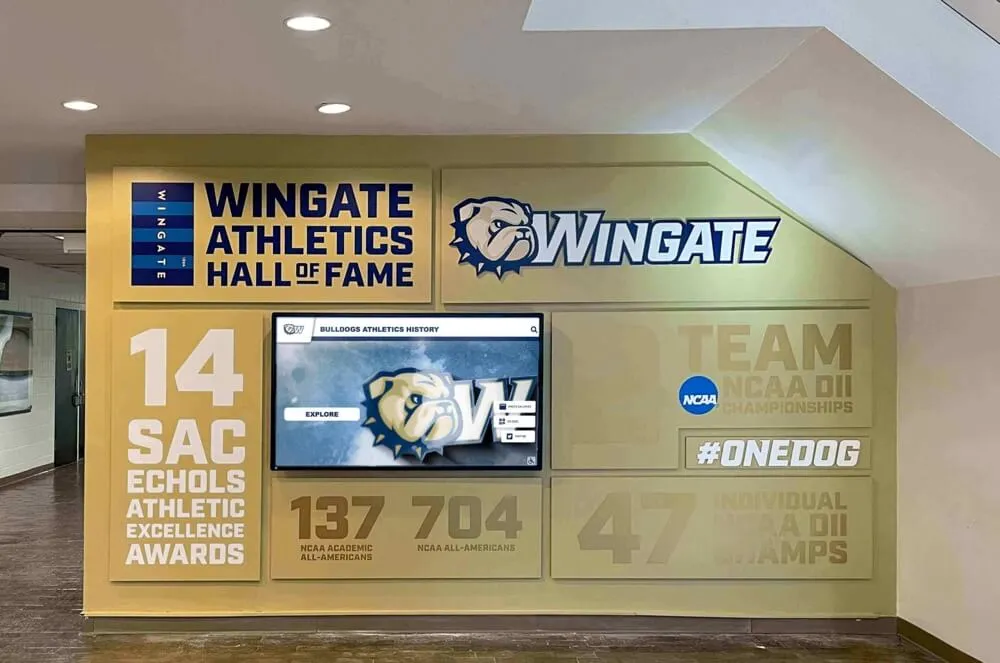
Integrated recognition displays showcase achievements while compliance software ensures program integrity
18. Magnus Health
Purpose: Health records and physical examination management
Ensuring student-athletes have current physical examinations and necessary health documentation becomes simple with Magnus Health through online health history forms from families, physical examination tracking and expiration alerts, immunization record management, emergency contact information readily accessible, and athletic trainer integration for injury tracking.
Key Benefits: Prevents students from participating without required health clearances, simplifies documentation collection from families, ensures emergency information accessibility during events, and reduces liability exposure through systematic tracking.
19. RegisterMyAthlete
Purpose: Athletic registration and eligibility verification
RegisterMyAthlete streamlines the athlete registration process through online registration forms customized for specific requirements, fee collection with flexible payment options, eligibility documentation upload and verification, automatic roster generation for coaches, and parent acknowledgment tracking for policies and procedures.
Key Benefits: Reduces registration period administrative burden by 80%, improves compliance with required documentation, provides convenient online access for busy families, and eliminates paperwork storage challenges.
20. QuickBooks
Purpose: Financial management and accounting
While general accounting software, QuickBooks remains essential for athletic department financial management including budget tracking by sport and activity, revenue and expense categorization, purchase order and reimbursement processing, financial reporting for administration and boosters, and tax documentation for officials and vendors.
Key Benefits: Maintains financial transparency and accountability, simplifies audit processes, enables data-driven budget decisions, and tracks sponsorship and donation revenue. Understanding financial software helps with donor recognition planning for athletic boosters.
Category 5: Performance Analytics and Statistics
Data-driven decision-making in athletics requires tools that capture, analyze, and present performance information effectively.
21. MaxPreps
Purpose: Statistics, rankings, and athletic exposure platform
MaxPreps has become the premier platform for high school sports information through comprehensive statistics tracking across sports, state and national rankings, athlete profile pages supporting recruiting, photo and video galleries from competitions, and college coach access for recruiting purposes.
Key Benefits: Increases program and athlete visibility significantly, supports student-athlete recruiting efforts, maintains historical statistical records, and creates community engagement around athletic achievement. These statistics can enhance digital recognition displays celebrating top performers.
22. StatCrew
Purpose: Live statistics and game management software
For programs wanting detailed statistics during competitions, StatCrew provides real-time statistical tracking during games, automatic box score generation, cumulative season statistics, live statistics streaming to scoreboards and websites, and historical data archiving.
Key Benefits: Enhances fan engagement through live statistics, provides coaches with immediate performance data, supports media covering athletic programs, and creates comprehensive statistical records for recognition purposes.
23. Krossover
Purpose: Video analysis and performance analytics
Similar to Hudl but with different feature emphasis, Krossover offers automated game breakdown and tagging, advanced analytics and performance metrics, opponent scouting reports, player development tracking, and coaching collaboration tools.
Key Benefits: Reduces video breakdown time by 60-70%, identifies performance trends not visible through observation alone, supports individualized player development, and facilitates coaching staff collaboration.
24. TeamBuildr
Purpose: Strength and conditioning programming and tracking
Athletic performance extends beyond sport-specific practice to strength and conditioning programs that TeamBuildr manages through customized workout programming by sport and athlete, exercise video libraries demonstrating proper technique, athlete workout tracking and completion logging, performance metric monitoring showing strength gains, and communication tools between coaches and athletes.
Key Benefits: Ensures athletes follow appropriate strength programs, tracks progress demonstrating program effectiveness, reduces injury risk through proper programming, and maintains accountability for workout completion.
Category 6: Digital Recognition and Celebration
Celebrating athletic achievement builds program pride, motivates continued excellence, and creates lasting connections between athletes and institutions.
25. Rocket Alumni Solutions
Purpose: Digital recognition displays and interactive touchscreens for athletic achievement
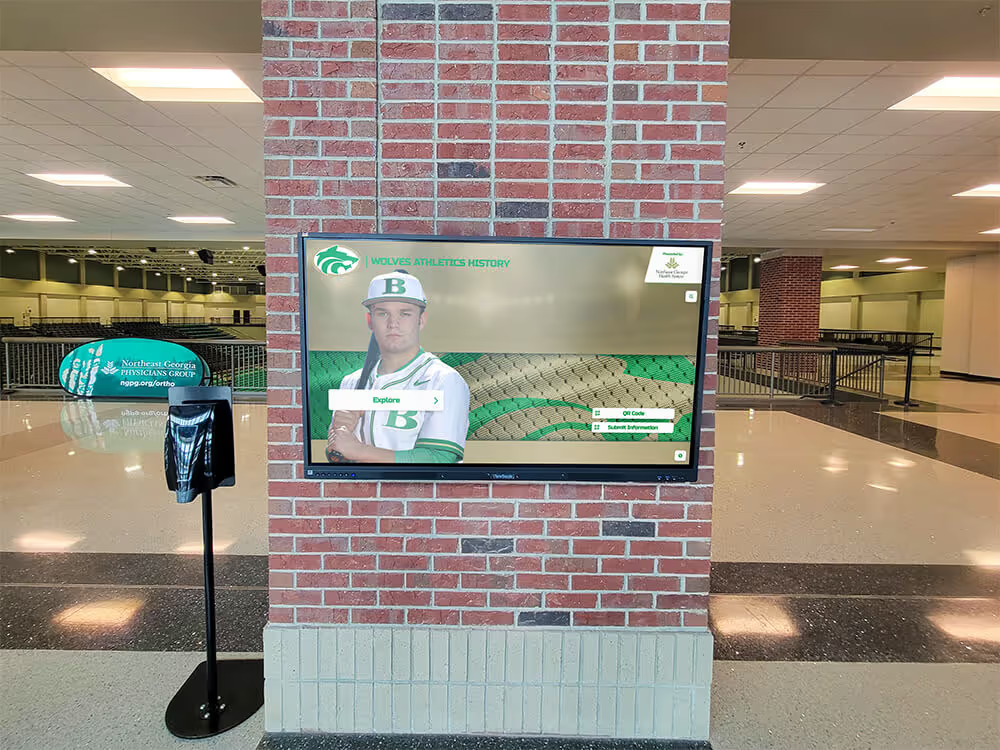
Rocket Alumni Solutions specializes in comprehensive digital recognition for athletic departments through interactive touchscreen displays showcasing athletes, teams, and achievements, cloud-based content management enabling easy updates without technical expertise, unlimited recognition capacity eliminating space constraints of traditional plaques, multimedia capabilities including photos, videos, and statistics, and searchable athlete and team databases. The platform enables athletic departments to maintain current recognition of state championships, all-time record holders, hall of fame inductees, team histories and notable seasons, scholarship recipients and academic all-stars, and senior athlete celebrations.
Key Benefits: Transforms static recognition into engaging experiences, accommodates unlimited athletes without physical space constraints, updates instantly when new records are set or championships won, creates recruitment advantages by showcasing program excellence, integrates seamlessly with existing athletic facilities, and preserves comprehensive athletic history for future generations. Learn about Division I athletics recognition systems and Division II programs that leverage similar approaches.

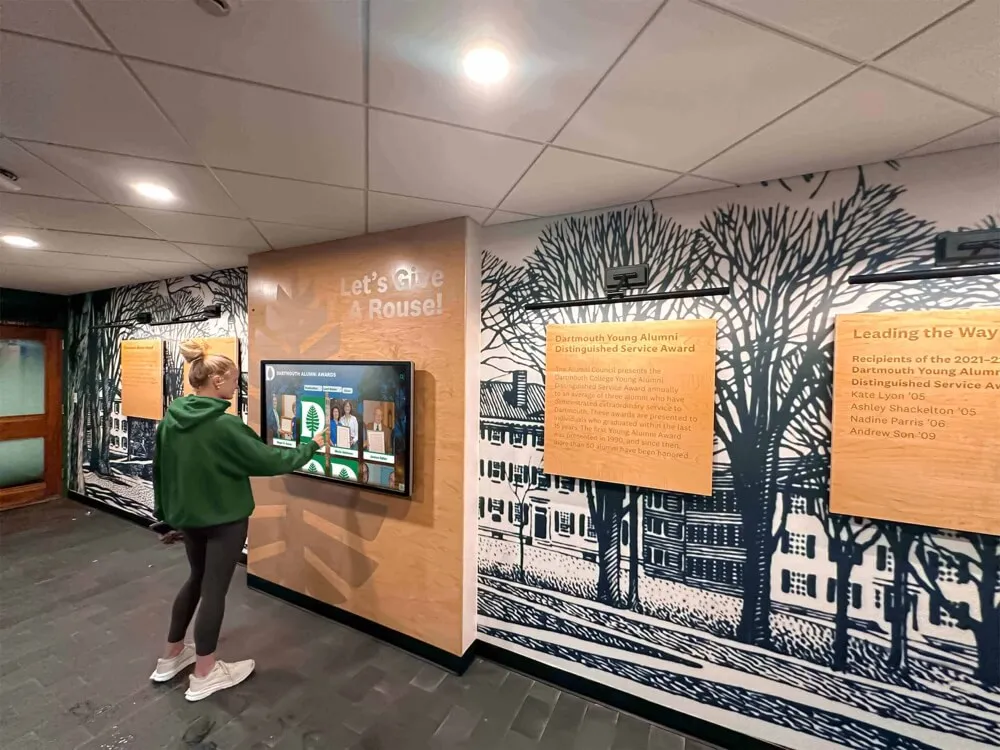
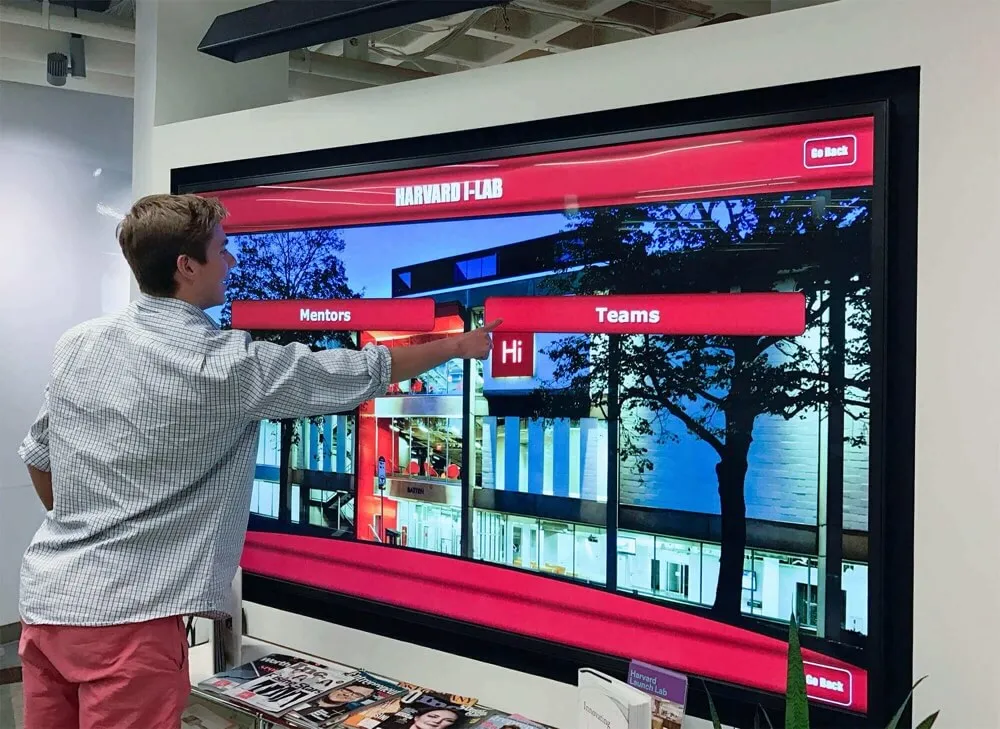
Interactive touchscreens allow students and visitors to explore athletic history and celebrate achievements
26. Gipper
Purpose: Social media graphics and athletic promotion
Gipper helps athletic departments maintain active social media presence through sport-specific graphic templates, automated score and schedule graphics, athlete spotlight and recognition templates, brand customization maintaining visual consistency, and multi-platform publishing to various social channels simultaneously.
Key Benefits: Maintains consistent social media presence without hiring graphic designers, celebrates individual athlete achievements regularly, increases program visibility and community engagement, and saves 5-7 hours weekly on social content creation.
27. PrestoSports
Purpose: Athletic website and content management system
PrestoSports provides comprehensive athletic website solutions including professional website design and hosting, automatic schedule and result updates, statistical leaderboards and record books, photo galleries and multimedia content, mobile-responsive design for smartphone access, and integration with live streaming platforms.
Key Benefits: Eliminates need for web development expertise, centralizes athletic information for easy community access, enhances program professionalism and credibility, and provides recruiting advantages through comprehensive online presence.
28. SportsYou
Purpose: Photo sharing and team media management
SportsYou creates private photo sharing communities where team photographers upload game and event photos, families purchase prints or digital downloads, athletes access photos for recruiting profiles, revenue generation through photo sales supporting programs, and secure sharing respecting student privacy.
Key Benefits: Preserves athletic memories for students and families, generates modest supplemental revenue, reduces administrative photo management burden, and creates engagement opportunities with athletic communities.
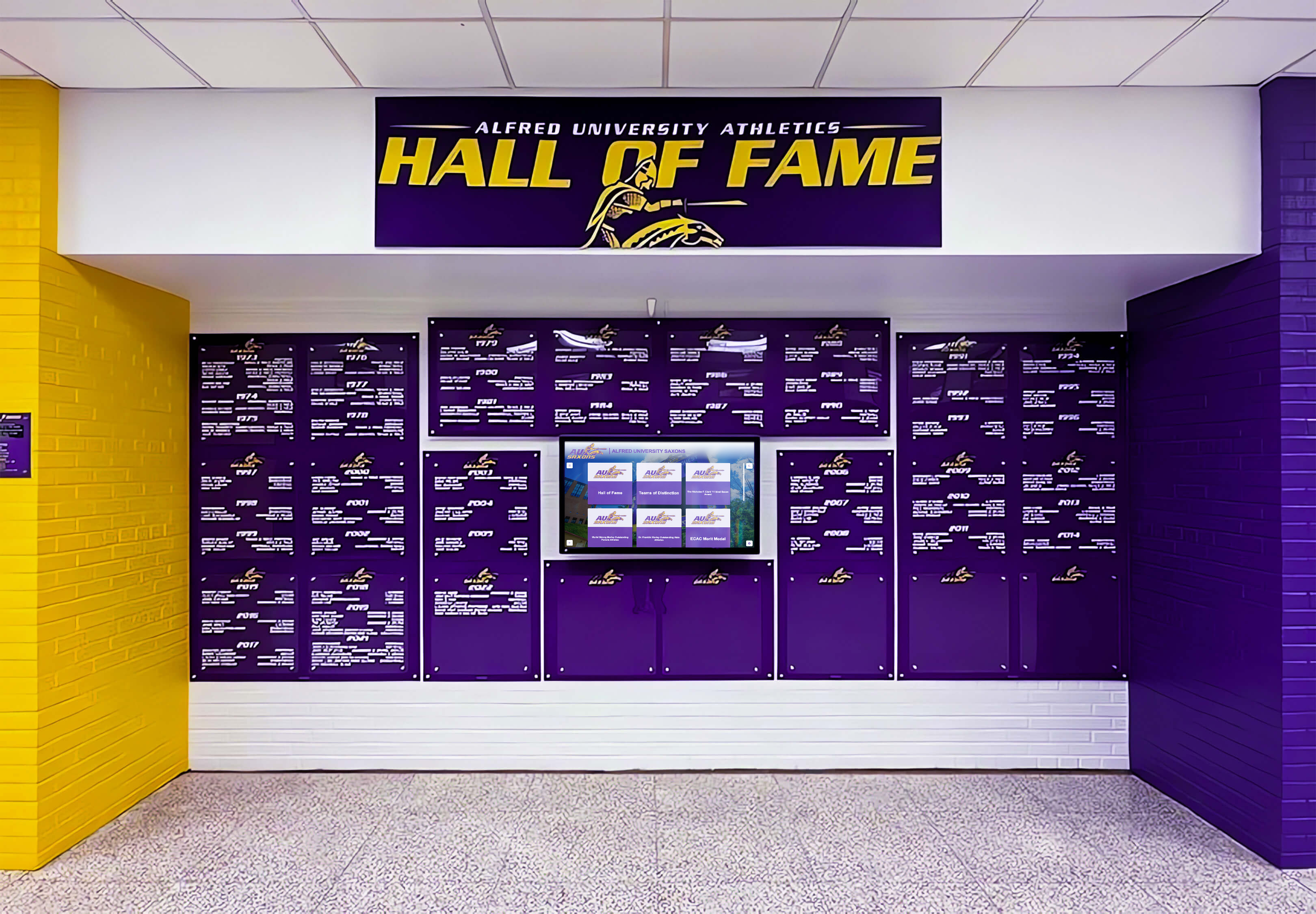
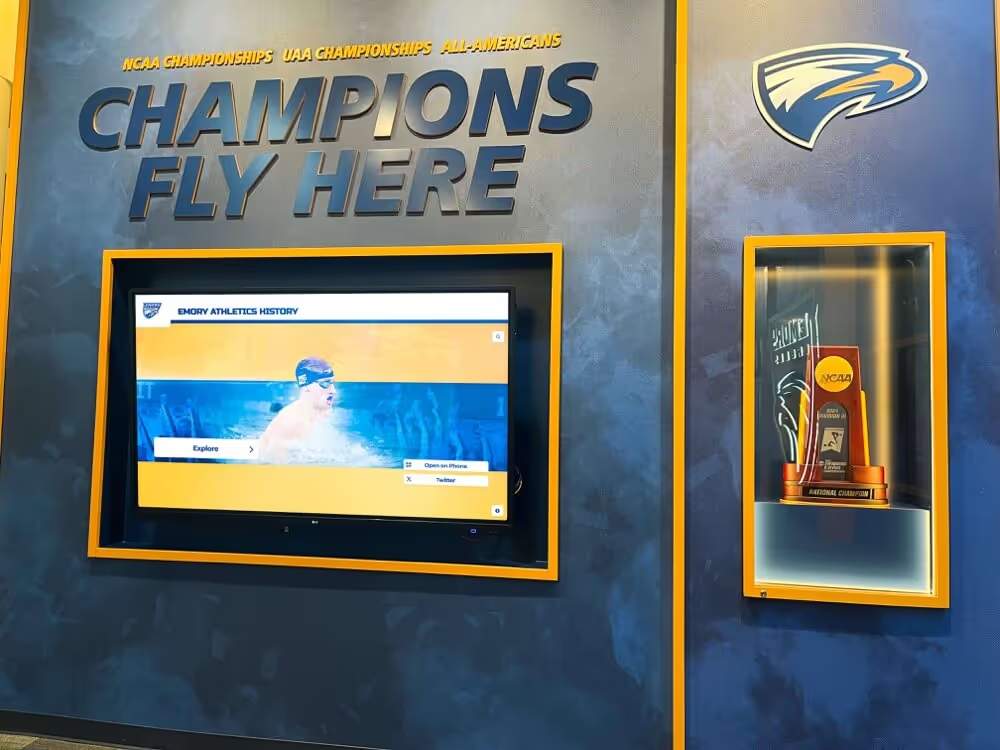
College programs use sophisticated displays to honor athletic excellence and build institutional pride
Category 7: Fundraising and Booster Management
Athletic programs increasingly depend on fundraising to supplement limited budgets, requiring tools that facilitate efficient development efforts.
29. Snap! Raise
Purpose: Athletic fundraising and donor management
Snap! Raise has become the leading athletic fundraising platform through online fundraising campaigns reducing traditional product sales, donor management and communication tools, mobile-friendly donation processes, automated thank-you and tax documentation, and team and individual fundraising tracking.
Key Benefits: Increases fundraising revenue by 30-50% compared to traditional approaches, reduces volunteer coordination burden significantly, provides convenient donation options for supporters, and eliminates inventory management challenges of product fundraisers.
30. GiveCampus
Purpose: Education-focused fundraising and donor engagement
While primarily designed for higher education, GiveCampus serves high school athletic departments through online giving pages for specific teams or initiatives, crowdfunding campaigns for equipment or facilities, donor recognition and stewardship tools, event registration and ticketing, and comprehensive analytics tracking campaign effectiveness.
Key Benefits: Modernizes athletic fundraising approaches, expands donor reach beyond traditional booster organizations, provides transparent tracking of fund utilization, and integrates with digital donor recognition displays celebrating supporter generosity.
Integration Strategies: Building Comprehensive Technology Ecosystems
While individual software products address specific needs, maximum efficiency comes from integrating tools that share data and coordinate functions seamlessly.
Core Integration Principles
Start With Your Student Information System: Most athletic management decisions should integrate with your school’s student information system (SIS) to verify enrollment, track academic eligibility, access demographic information for reporting, and maintain contact information accuracy.
Prioritize Cloud-Based Solutions: Cloud platforms enable anywhere access for staff working beyond campus, automatic updates eliminating maintenance burden, reliable data backup protecting against loss, and easier integration through modern APIs.
Establish Data Flow Maps: Document how information flows between systems to identify redundant data entry opportunities, recognize integration priorities, plan for data migration during transitions, and train staff on efficient workflows.
Invest in Integration Where It Matters Most: Not every tool requires integration—prioritize connections that eliminate duplicate data entry, ensure compliance-critical information accuracy, improve user experience significantly, or enable real-time decision-making.
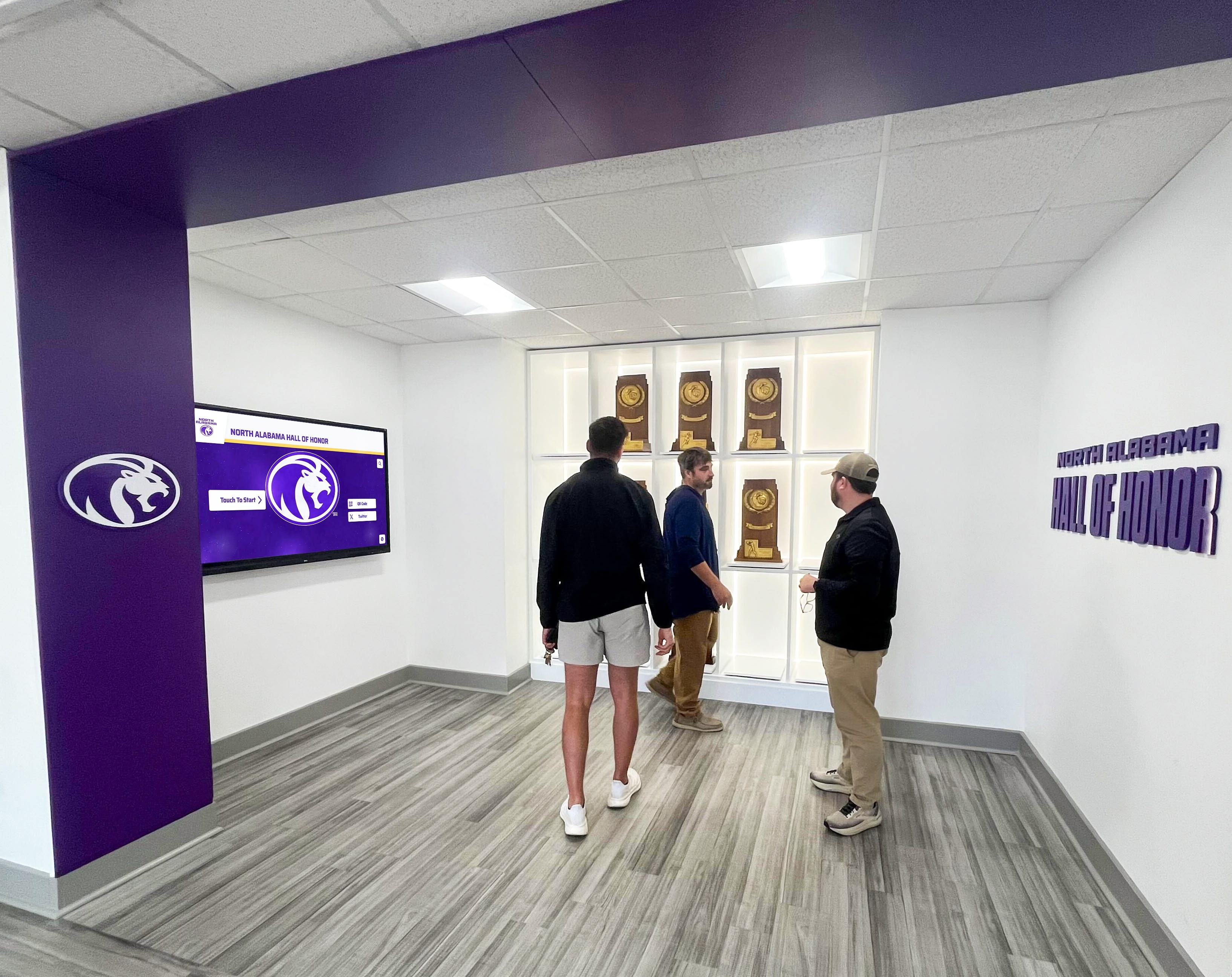
Comprehensive technology ecosystems enhance both administrative efficiency and visitor experience
Common Integration Scenarios
Registration to Eligibility: Athletic registration platforms should connect with eligibility tracking systems ensuring completed registration automatically creates eligibility records, uploaded physical examinations trigger clearance notifications, fee payment updates access to practice and competition, and form completion feeds required documentation verification.
Scheduling to Communication: Schedule management should integrate with communication tools enabling automatic schedule distribution to teams and families, game reminders sent before competitions, rainout or change notifications distributed immediately, and transportation updates communicated efficiently.
Performance to Recognition: Statistical platforms should connect with recognition displays allowing automatic record updates when performances exceed existing marks, season achievement highlights without manual data entry, career statistics readily available for senior recognition, and championship celebration content immediately after victories. Explore athletic record board systems designed for this integration.
Budget Planning: Investing Wisely in Athletic Administration Software
Software investments require careful budget planning balancing current needs, long-term value, and available resources.
Typical Cost Structures
Free or Low-Cost Essential Tools: Several critical functions have free or very affordable options including Google Workspace (free for schools) for calendars and communication, Remind (free tier) for basic messaging, Canva (free tier) for graphics, and various free scheduling tools for smaller programs.
Mid-Tier Investments ($500-$5,000 Annually): Most specialized athletic tools fall in this range including athletic management platforms ($1,000-$3,000), digital ticketing services (commission-based or flat fees), communication platforms ($500-$2,000), and fundraising platforms (commission-based).
Major Platform Investments ($5,000-$20,000+): Comprehensive solutions require larger commitments including full-featured athletic management systems ($5,000-$15,000), digital recognition display installations ($10,000-$35,000 initially), website and content management platforms ($3,000-$8,000), and video analysis platforms ($2,000-$10,000 depending on team count).
Maximizing Return on Investment
Calculate Time Savings Value: When administrators spend 15 hours weekly on tasks software could automate, the time savings alone often justifies significant investment. Calculate hourly administrative costs and multiply by hours saved to determine return timelines.
Consider Multi-Year Value: While annual subscription costs accumulate, compare to alternatives—digital ticketing commission savings, for example, often exceed annual platform fees within 2-3 years.
Explore Grant Funding: Many athletic software investments qualify for education technology grants, booster club fundraising priorities, or alumni giving campaigns specifically targeting administrative infrastructure.
Prioritize Highest-Impact Solutions First: Begin with tools addressing your most significant pain points rather than attempting comprehensive technology overhauls simultaneously. Success with initial investments builds momentum for expanding technology ecosystems.

Strategic technology investments transform athletic facilities into celebration spaces honoring achievement
Implementation Best Practices: Ensuring Successful Technology Adoption
Purchasing software represents just the beginning—successful implementation requires thoughtful planning and change management.
Pre-Implementation Planning
Involve Stakeholders Early: Engage coaches, administrative staff, parents, and athletes in software selection to identify critical needs, understand workflow preferences, build buy-in for changes, and recognize potential resistance points.
Document Current Processes: Before implementing new systems, map existing workflows to identify inefficiencies that software should address, recognize training needs for staff, plan data migration requirements, and establish success metrics for evaluating improvements.
Create Implementation Timelines: Avoid launching multiple new systems simultaneously during busy seasons. Phase implementations strategically considering off-season timing when possible, starting with most critical needs, building on successful adoption before expanding, and allowing adequate training time.
Plan for Data Migration: Moving historical information into new systems requires verifying data accuracy before migration, establishing data formatting standards, testing imports on small sample datasets first, and maintaining backup access to legacy systems during transitions.
Training and Support
Invest Adequately in Training: Underestimating training needs represents the most common implementation failure point. Provide role-specific training focusing on actual use cases, hands-on practice opportunities in safe test environments, documentation and video tutorials for reference, and ongoing support during initial adoption periods.
Identify System Champions: Designate staff members who will become expert users providing peer support to colleagues, identifying optimization opportunities, communicating feedback to vendors, and facilitating continuous improvement.
Communicate Changes Clearly: When new systems affect coaches, parents, or athletes, communicate what changes and why, how new systems improve their experience, where to find help when needed, and realistic timelines for full adoption.
Ongoing Optimization
Gather Feedback Regularly: Schedule check-ins with users identifying frustrations or confusion, discovering underutilized features, recognizing integration opportunities, and celebrating successful adoption.
Monitor Usage Analytics: Most platforms provide usage data revealing which features see high adoption, where users struggle or abandon processes, peak usage times suggesting capacity needs, and opportunities for additional training.
Stay Current With Updates: Software vendors regularly release new features and improvements—schedule time for exploring updates, assessing relevance to your program, training staff on valuable new capabilities, and adjusting workflows to leverage improvements.
Special Considerations for Different Program Sizes
Athletic administration software needs vary significantly based on program size and complexity.
Small School Programs (1-3 Administrators)
Small programs should prioritize free or low-cost essential tools maximizing limited budgets, all-in-one platforms reducing system complexity, solutions with minimal training requirements, and tools addressing highest-impact needs first before expanding. Focus initially on communication and scheduling tools that save the most time, then add eligibility tracking, fundraising platforms, and recognition systems as budgets allow. Small programs benefit tremendously from elementary school recognition approaches that celebrate athletes effectively within budget constraints.
Medium School Programs (3-7 Administrators)
Mid-size programs can invest in specialized tools for different functions, integrate systems eliminating duplicate work, add performance analytics supporting coaching, and implement comprehensive recognition celebrating achievements. These programs should build connected technology ecosystems where data flows between systems, create clear role assignments for software management, invest in staff training ensuring effective usage, and evaluate ROI regularly to inform future investments.
Large School Programs (8+ Administrators)
Large programs require enterprise platforms supporting multiple users and permissions, comprehensive integration across technology ecosystem, advanced analytics for data-driven decision making, and dedicated technology support ensuring reliable operation. These programs often have technology coordinators managing systems, standardized processes ensuring consistency, vendor relationships with dedicated support, and strategic technology plans guiding long-term investments. Large programs can implement sophisticated Division I recognition systems showcasing comprehensive athletic excellence.

Large programs leverage multiple integrated systems creating comprehensive athletic management ecosystems
Future Trends in Athletic Administration Technology
Understanding emerging developments helps administrators plan for evolving technology landscapes.
Artificial Intelligence and Automation
AI capabilities increasingly appear in athletic software through automated schedule generation optimizing complex constraints, predictive analytics forecasting eligibility risks, intelligent communication timing maximizing engagement, and chatbots handling routine information requests.
Practical Applications: Coaches might receive automatic alerts when athlete performance data suggests injury risk, administrators could use AI to optimize tournament scheduling considering travel distances and competitive balance, and recruitment could leverage AI matching athlete profiles with college program needs.
Thoughtful Implementation: While AI offers efficiency gains, administrators should maintain human oversight for sensitive decisions, ensure AI systems don’t perpetuate biases, communicate transparently about AI usage, and recognize limitations of automated decision-making.
Enhanced Mobile Experiences
Mobile devices dominate how communities access information, driving software evolution toward mobile-first design principles, progressive web apps functioning offline, native mobile applications for intensive use cases, and mobile payment and ticketing becoming universal.
Impact on Administration: Administrators increasingly manage functions from smartphones during events, coaches access information from anywhere, parents expect mobile communication and forms, and athletes engage primarily through mobile devices.
Integration of Wearable Technology
Fitness trackers and sport-specific wearables generate valuable data that forward-thinking programs integrate including injury prevention through workload monitoring, performance optimization via recovery tracking, athlete health monitoring during practices and competition, and long-term development tracking across years.
Privacy and Ethics: Wearable technology raises important questions about data ownership and access rights, appropriate use of health information, balancing performance optimization with athlete wellbeing, and ensuring technology enhances rather than replaces coaching relationships.
Virtual and Augmented Reality
VR and AR technologies offer emerging opportunities for skill development through virtual practice environments, game situation training without physical contact risks, remote coaching and technique analysis, and fan engagement through immersive experiences.
Recognition Applications: Athletic recognition displays may incorporate AR overlays showing historical footage, 3D visualizations of championship moments, interactive timelines of program history, and virtual tours of athletic facilities. Explore interactive touchscreen approaches that may integrate these emerging technologies.
Conclusion: Building Technology-Enabled Athletic Excellence
The complexity of modern athletic administration demands comprehensive technology solutions that streamline operations, enhance communication, ensure compliance, support performance, and celebrate achievement. The 30 software products explored in this guide represent essential tools that successful athletic administrators leverage to manage responsibilities effectively while focusing on what matters most—supporting student-athletes in their athletic, academic, and personal development.
Implementing athletic administration software requires thoughtful planning balancing immediate needs with long-term vision, available budgets with return on investment, and technological capabilities with user adoption realities. The most successful programs build integrated technology ecosystems where systems share data and coordinate functions, reducing administrative burden while improving experience for coaches, athletes, families, and fans.
As you evaluate software products for your athletic department, prioritize solutions addressing your most significant challenges first, invest in tools with strong support and training resources, plan for integration creating efficiency rather than complexity, and commit to ongoing optimization ensuring maximum value from technology investments.
The administrative efficiency gained through appropriate software creates the most valuable outcome—more time for athletic administrators to focus on strategic initiatives, relationship building, program development, and direct support of the student-athletes whose success defines athletic program excellence.
Ready to Transform Your Athletic Recognition?
While comprehensive athletic management platforms address daily operations, celebrating athletic achievement requires specialized recognition solutions. Rocket Alumni Solutions provides digital recognition displays designed specifically for athletic departments, helping institutions showcase championship teams, honor record holders, celebrate hall of fame inductees, and preserve athletic history through engaging interactive touchscreens.
Our full-service approach handles hardware installation, content development, staff training, and ongoing support, allowing your athletic department to implement sophisticated recognition systems without technical expertise. Contact us to explore how digital recognition can complement your athletic administration technology ecosystem, celebrate your athletes appropriately, and build lasting program pride that attracts future student-athletes.
You can also schedule a consultation to see demonstrations of interactive athletic displays and discuss your specific recognition needs.