Speech and debate team championships represent some of the most demanding and prestigious achievements in high school academics—accomplishments requiring rigorous preparation, exceptional communication skills, critical thinking mastery, and the ability to perform under intense pressure. When schools effectively recognize and celebrate these elite forensic achievements, they inspire future competitors, elevate the status of speech and debate programs, and create cultures that value intellectual excellence, persuasive communication, and civil discourse alongside athletic and traditional academic accomplishments.
Yet many schools struggle to provide speech and debate champions with recognition comparable to what athletes receive for state championships. Students who travel the national circuit, qualify for the Tournament of Champions, or earn National Speech & Debate Association degrees may receive brief announcements while state athletic champions enjoy pep rallies, permanent trophy displays, and ongoing celebration throughout facilities. This disparity sends problematic messages about institutional values while failing to leverage forensic achievement as inspiration for younger students considering speech and debate participation.
This comprehensive guide explores evidence-based strategies for recognizing speech and debate team championships in ways that honor competitive accomplishments, inspire continued excellence, and position forensics programs for long-term success and community support.
Effective speech and debate championship recognition extends beyond simple acknowledgment to create systematic celebration that matches the significance of these accomplishments. Schools excelling at forensics recognition create environments where competitive speech and debate achievement receives visibility and celebration equal to any other form of excellence.

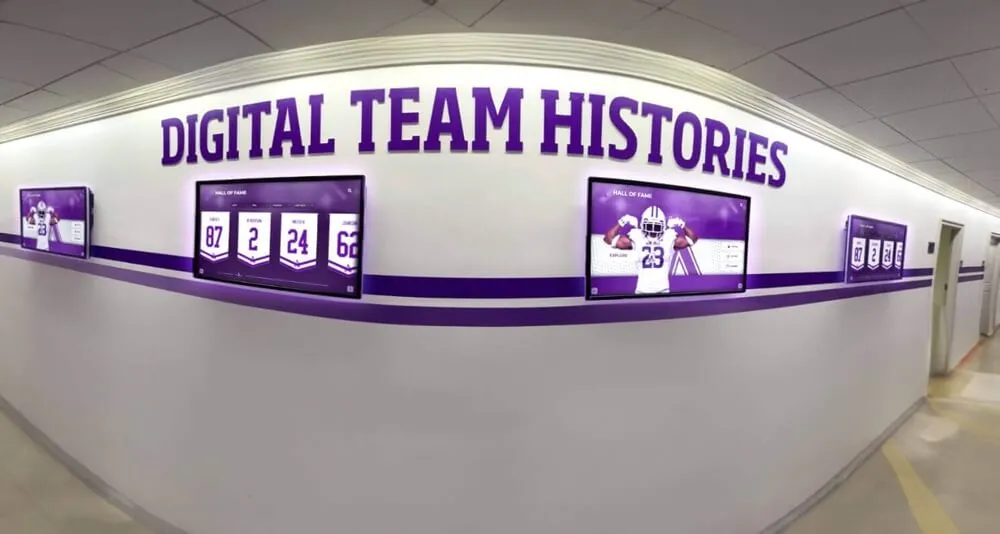
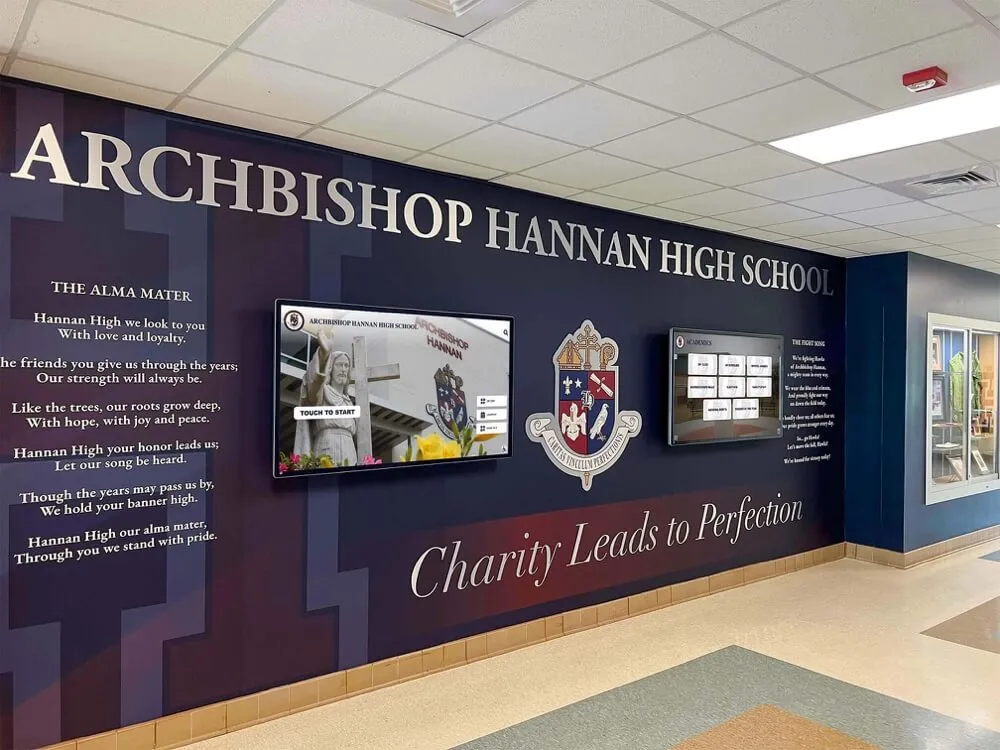
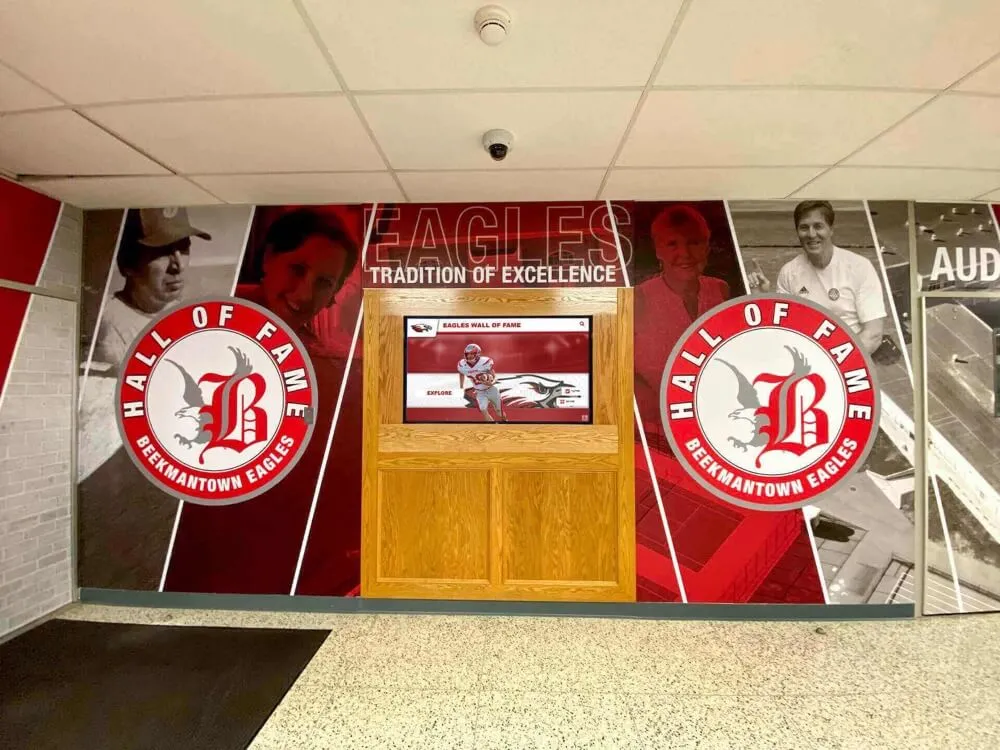
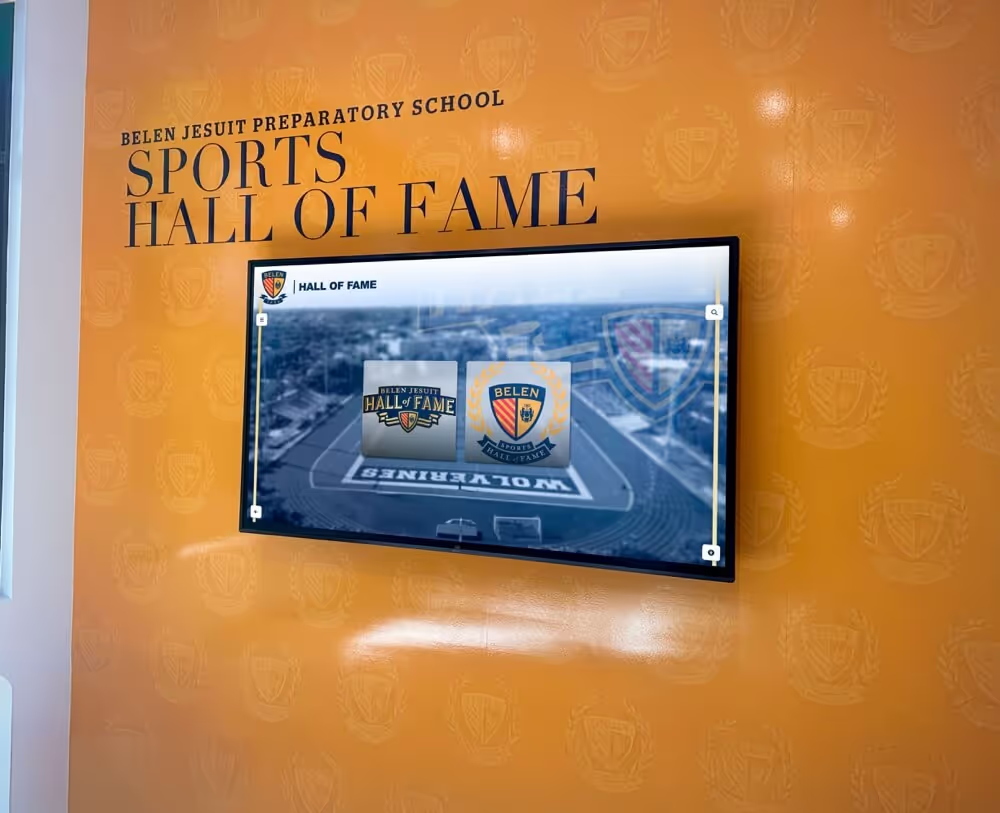
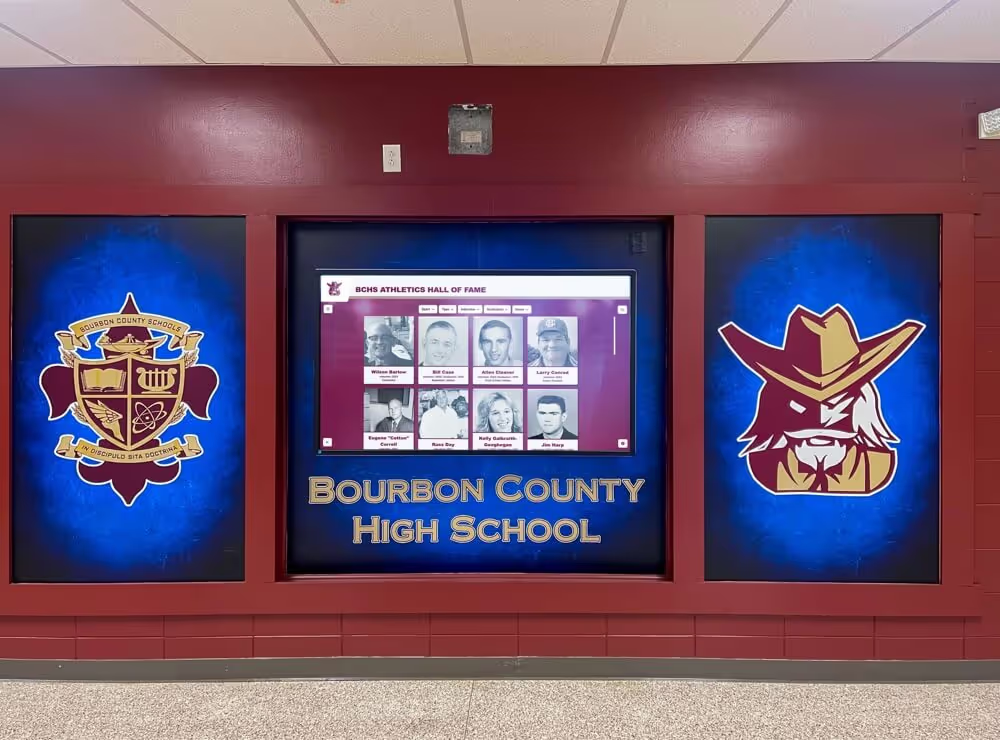
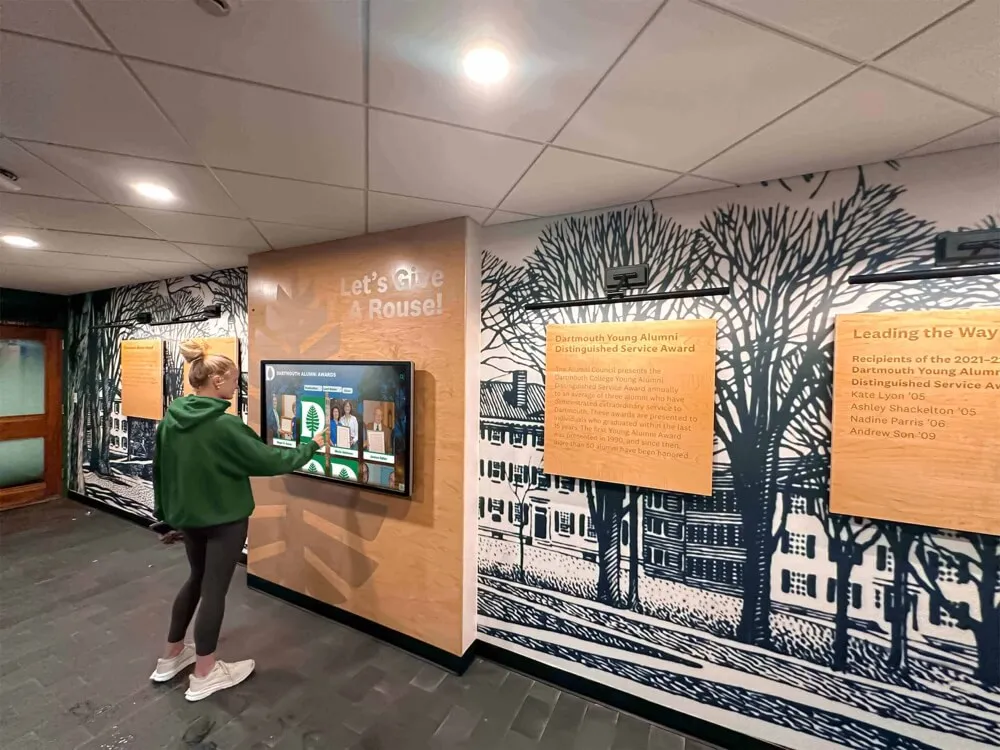
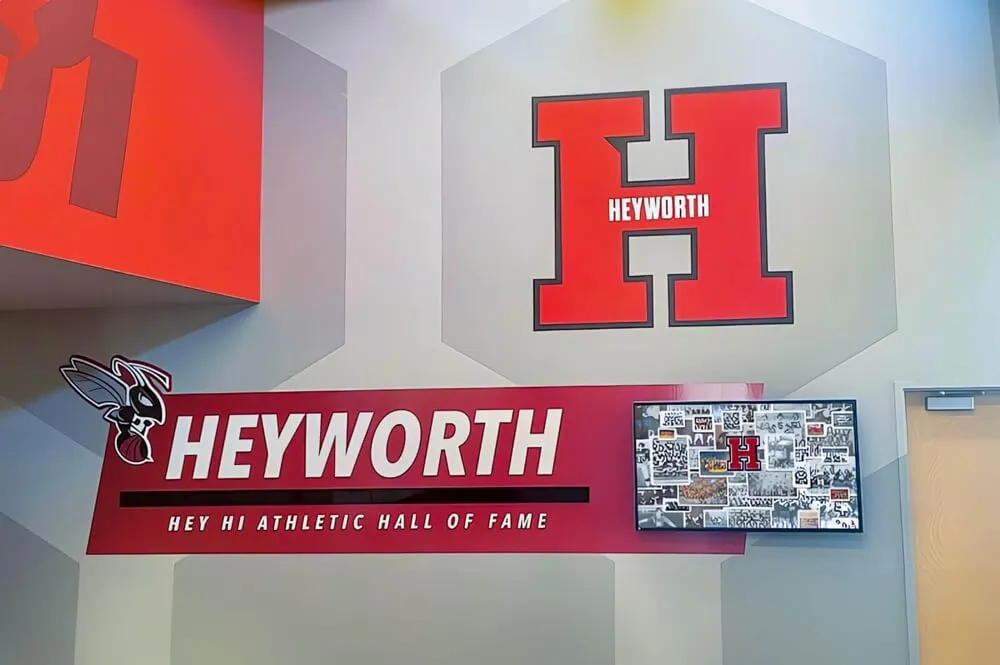
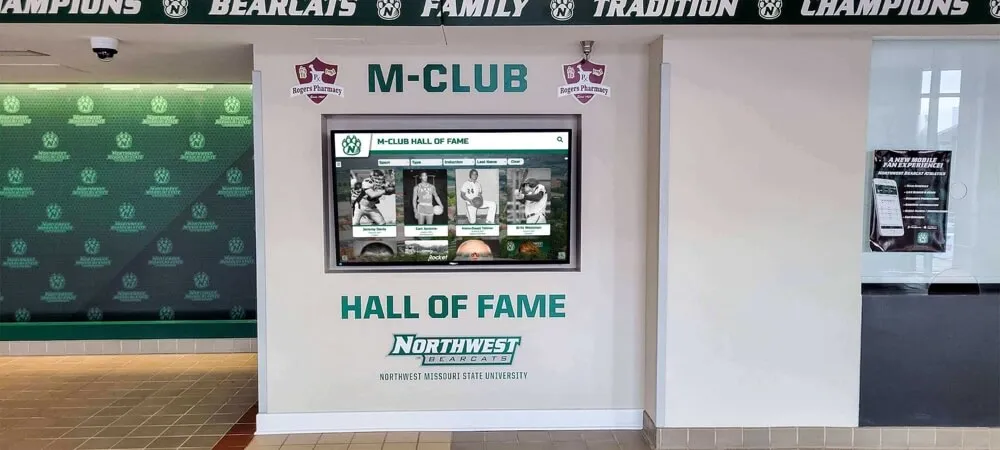
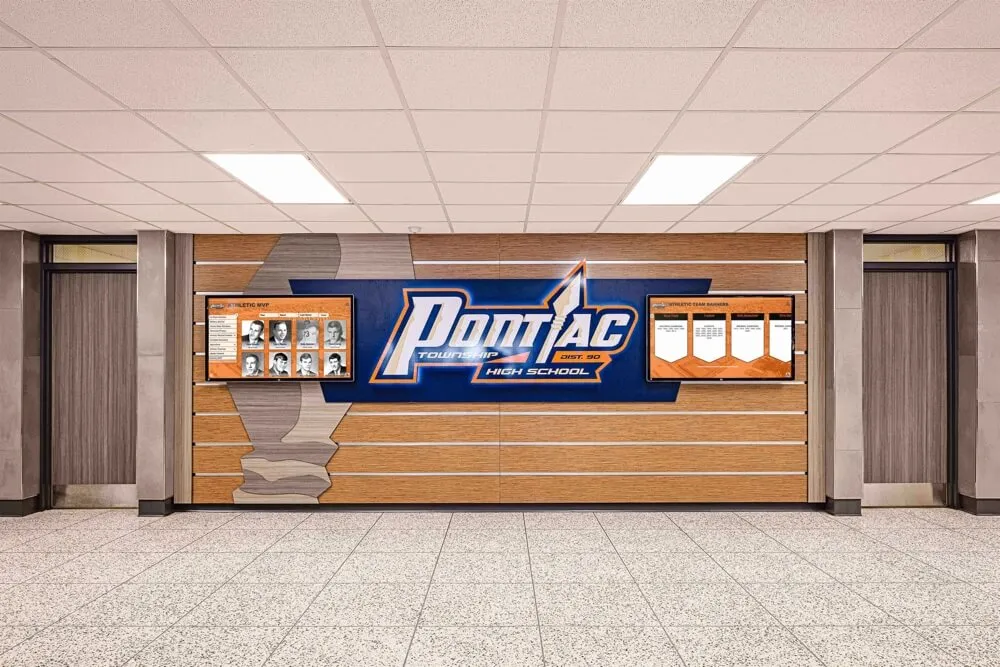
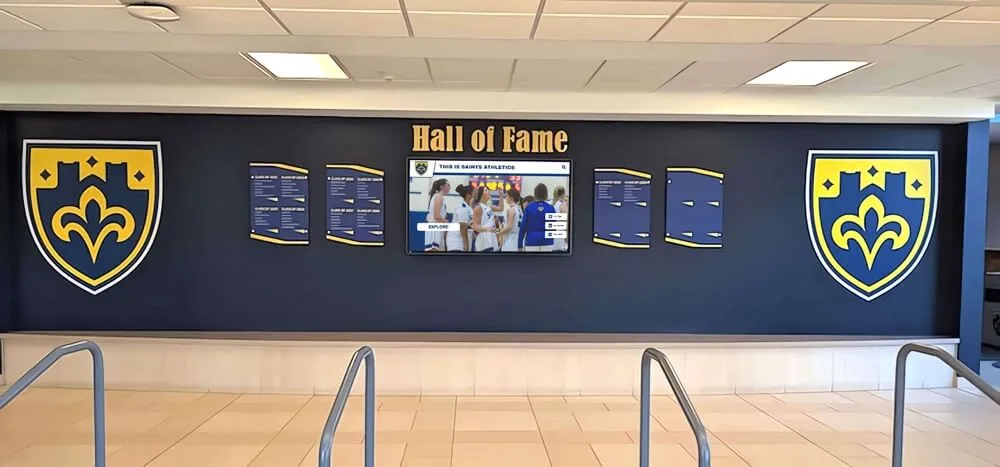
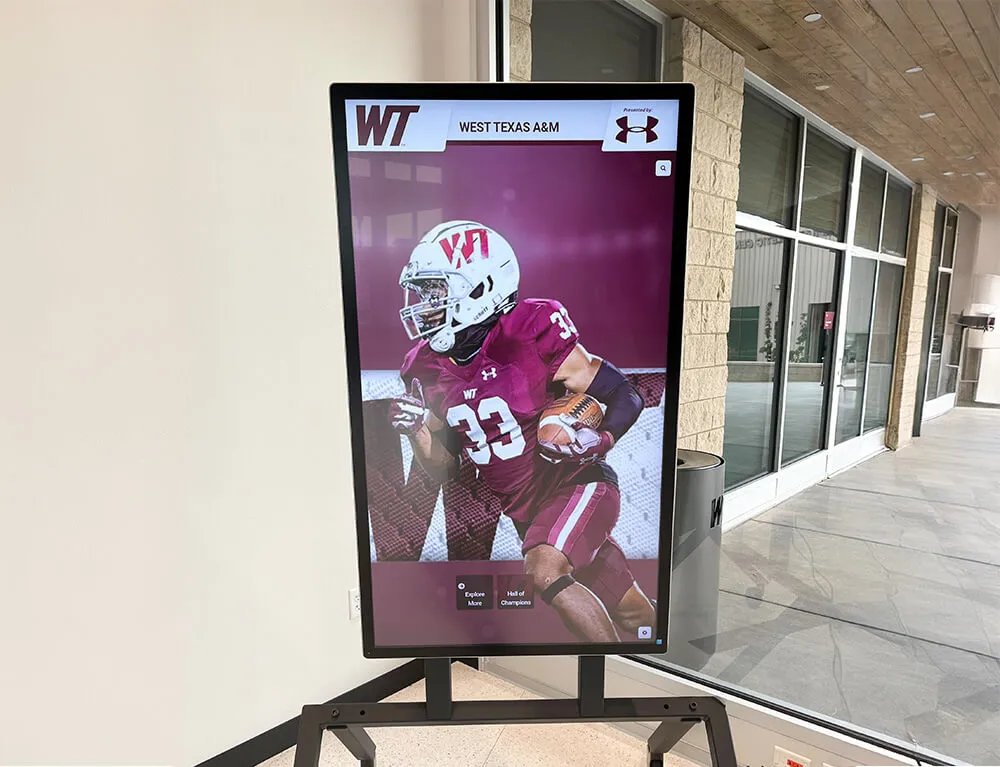
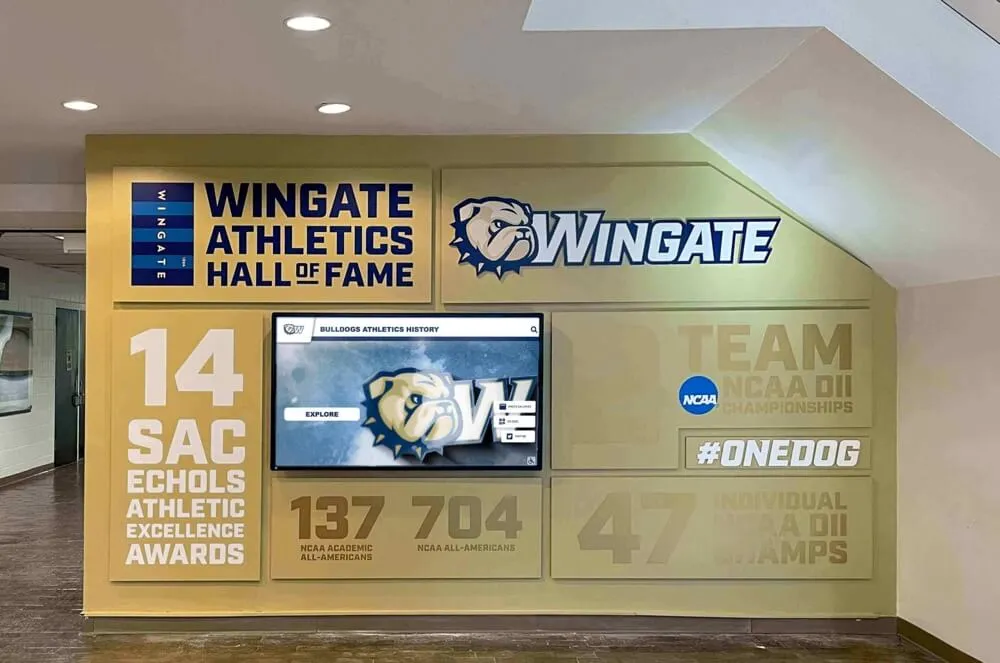
Modern recognition systems celebrate speech and debate champions alongside other forms of student excellence
Understanding the Speech and Debate Competitive Landscape
Before designing recognition programs, schools need clear understanding of what championship achievement represents and the competitive structure students navigate to earn these honors.
The National Speech & Debate Association Framework
The National Speech & Debate Association (NSDA) serves as the largest interscholastic speech and debate organization in the United States, providing structure, standards, and recognition systems for middle school and high school forensics programs nationwide.
Organizational Structure and Reach
The NSDA represents speech and debate’s governing body, establishing competition standards, maintaining point systems tracking achievement, administering degree programs recognizing participation and excellence, and organizing the National Speech & Debate Tournament—the largest academic competition in the world.
Each year, over 140,000 students from more than 3,000 schools participate in NSDA-sanctioned activities, competing in tournaments throughout the school year and accumulating points toward degrees and national recognition.
The Degree System
One of the NSDA’s most distinctive features involves a comprehensive degree program recognizing sustained participation and competitive achievement. Students earn points through tournament competition and service activities, progressing through increasingly prestigious degree levels:
Degree Levels
- Membership (25 points)
- Merit (75 points)
- Honor (150 points)
- Excellence (250 points)
- Distinction (500 points)
- Special Distinction (750 points)
- Superior Distinction (1,000 points)
- Outstanding Distinction (1,500 points)
- Premier Distinction (2,000 points)
Points accumulate through preliminary round victories, elimination round advancement, tournament placements, and service contributions to the activity. The highest degrees—particularly Outstanding Distinction and Premier Distinction—represent extraordinary commitment and competitive success across high school careers.
Learn more about comprehensive approaches to recognizing diverse achievements in student awards recognition programs.
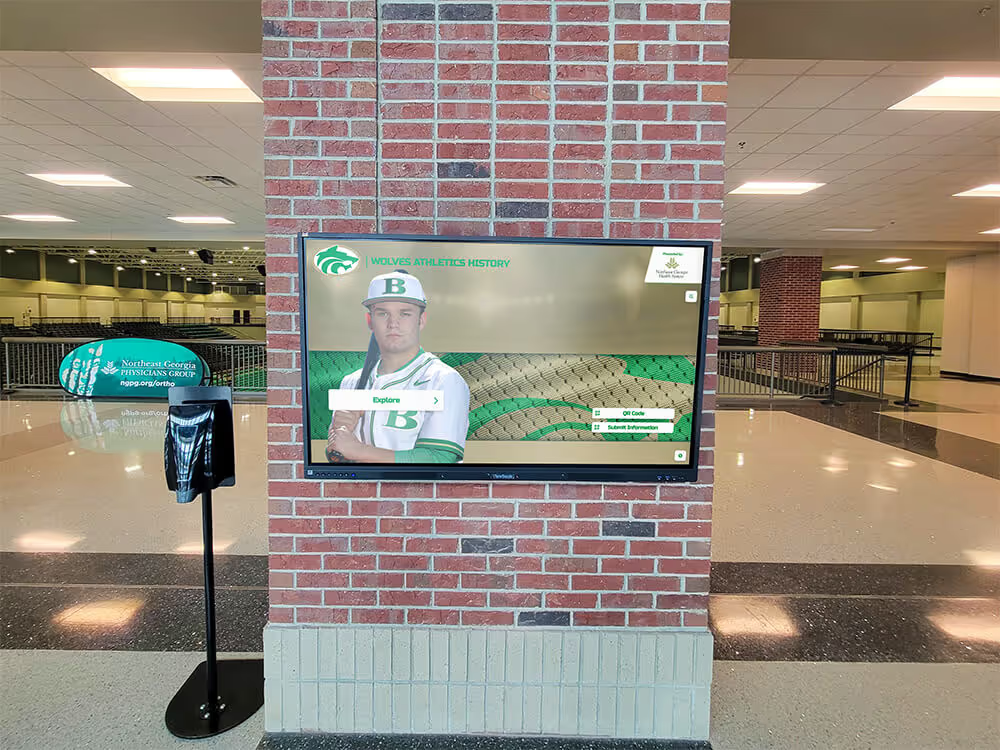
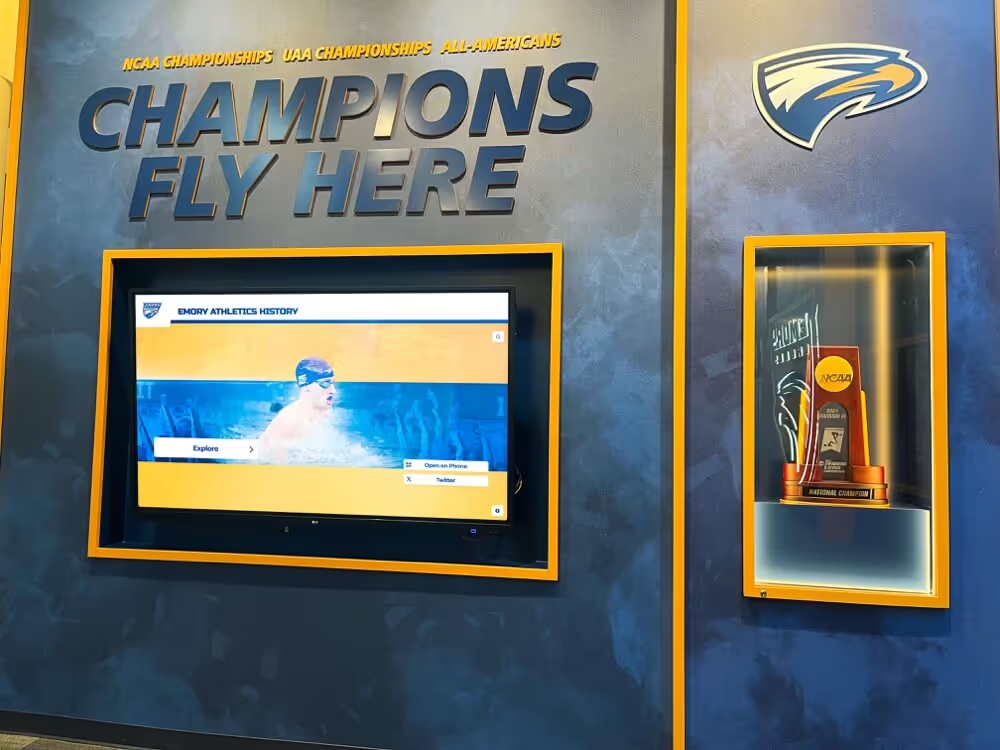
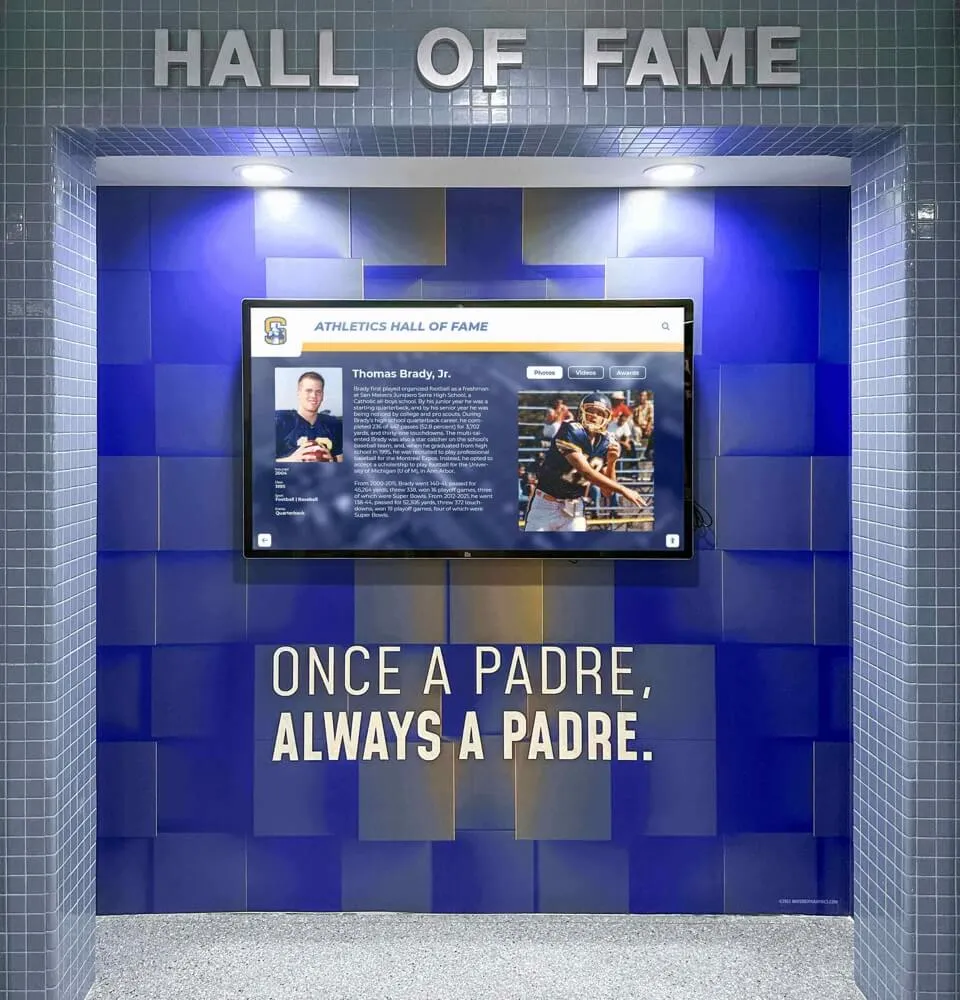
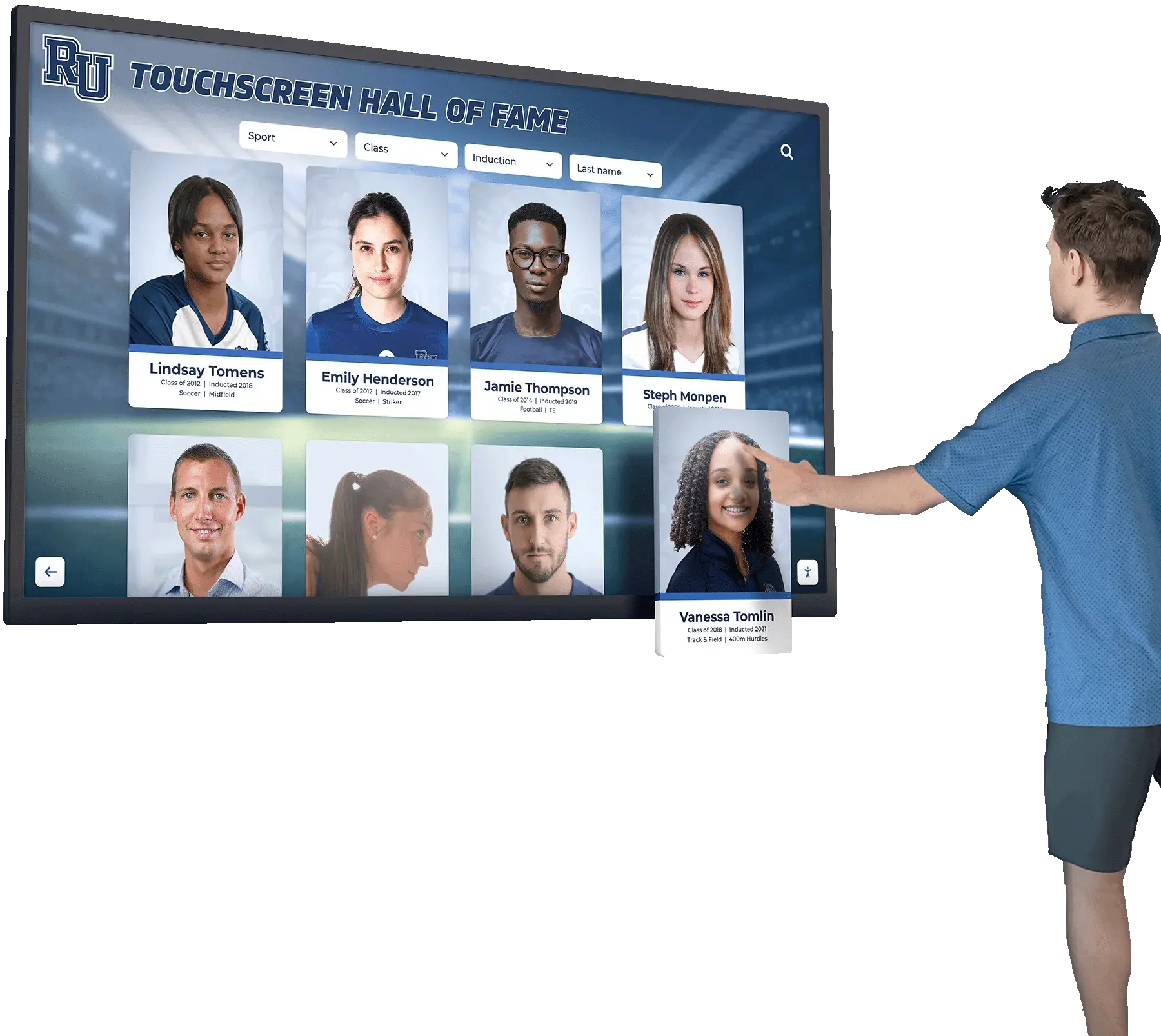
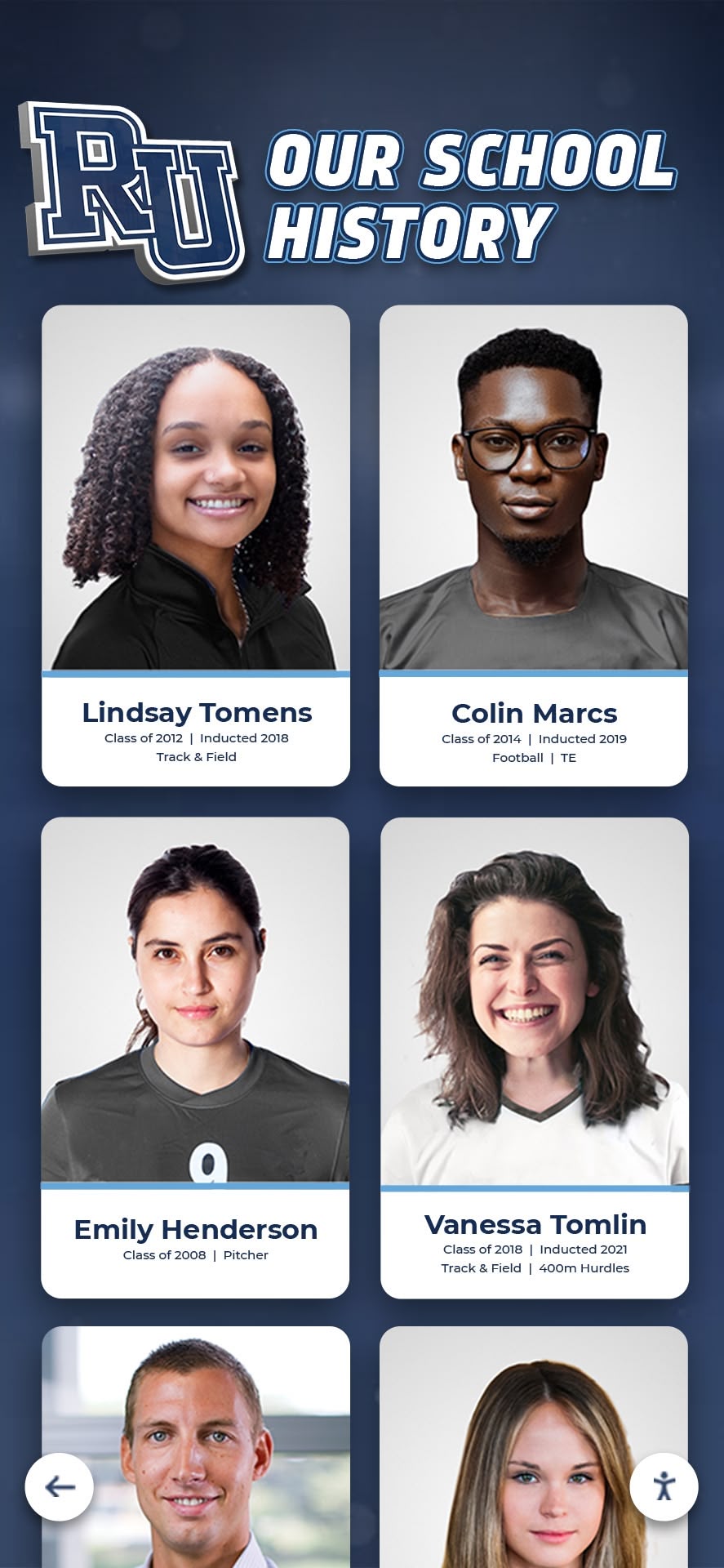
Individual recognition profiles celebrate specific student achievements and competitive accomplishments
Major Championship Tournaments and Competitions
The speech and debate competitive circuit includes multiple levels of tournaments culminating in prestigious championship events.
Local and Invitational Tournaments
Students typically begin competing at:
- Local Tournaments: Weekend competitions hosted by area schools, providing entry-level competitive experience and opportunities to earn NSDA points
- Invitational Tournaments: Larger competitions attracting teams from multiple states, featuring stronger competition fields and higher point values
- Round Robin Tournaments: Invitation-only events where select competitors face each other in guaranteed round-robin formats
State Championships
Most states conduct annual state championship tournaments featuring:
- Qualification requirements based on previous tournament success or point accumulation
- Multiple preliminary rounds determining elimination bracket seeding
- Single-elimination rounds in each event category
- State champion recognition in each speech and debate event
- Team sweepstakes awards for schools with strongest overall performance
State championships represent the pinnacle of in-state competition, with champion status carrying significant prestige and college application value.
The Tournament of Champions
The JW Patterson Tournament of Champions, hosted annually at the University of Kentucky, represents the premier national championship on the “National Circuit.” This invitation-only tournament features:
- Qualification through accumulating bids at designated tournaments throughout the year
- The most competitive field in high school forensics
- Championship titles considered among the most prestigious in the activity
- Participation reflecting elite status in the speech and debate community
Tournament of Champions qualification or success represents extraordinary achievement worthy of prominent recognition.
The National Speech & Debate Tournament
The NSDA National Tournament serves as the largest and most comprehensive championship, featuring:
- Over 6,000 competitors from all 50 states
- Competition in more than 15 speech and debate event categories
- Multiple days of preliminary rounds followed by elimination brackets
- National champion titles in each event
- Combined sweepstakes recognizing strongest programs overall
- More than $100,000 in scholarships awarded to top competitors
National Tournament qualification requires earning district qualification through point accumulation or tournament placement. Advancing to elimination rounds or earning national championship titles represents the highest honor in NSDA competition.
Explore approaches for showcasing academic competition success alongside speech and debate achievements.
Speech Event Categories
The speech side of forensics includes diverse event categories requiring different skill sets:
Interpretation Events
- Dramatic Interpretation: Solo performance of published dramatic literature
- Humorous Interpretation: Comic performance highlighting humor in literature
- Duo Interpretation: Two-person performance without props or direct physical contact
- Program Oral Interpretation: Performance combining multiple genres
- Prose Interpretation: Performance of published prose literature
- Poetry Interpretation: Performance of published poetry
Public Speaking Events
- Original Oratory: Original 10-minute speech on a topic of student’s choosing
- Informative Speaking: Original speech educating the audience on a topic
- Extemporaneous Speaking: Limited-preparation speech on current events topics
- Impromptu Speaking: Minimal-preparation speech on quotations or topics
- International Extemporaneous Speaking: Limited-prep speaking on international affairs
Each event requires months of preparation, research, practice, and refinement to compete successfully at championship levels.
Debate Event Categories
The debate side includes multiple formats emphasizing different skills:
Major Debate Formats
- Policy Debate: Two-person teams debating comprehensive policy proposals with evidence
- Lincoln-Douglas Debate: One-on-one values-based philosophical debate
- Public Forum Debate: Two-person teams debating current events topics for lay audiences
- Congressional Debate: Simulation of legislative debate on bills and resolutions
- World Schools Debate: International format emphasizing persuasive speaking
Championship success in debate requires extensive research, strategic preparation, argumentation skills, and quick thinking under pressure—skills that translate directly to college, career, and civic participation.
The Value and Impact of Speech and Debate Championship Recognition
Championship recognition delivers benefits extending far beyond individual competitors to positively impact forensics programs, schools, and student outcomes.
Benefits for Individual Students
Earning speech and debate championship recognition provides students with advantages during high school and throughout their lives.
College Applications and Scholarships
Forensic achievement significantly strengthens college applications:
- Selective universities actively recruit accomplished debaters and speech competitors
- NSDA degrees—particularly Distinction levels and higher—demonstrate sustained commitment to demanding extracurricular pursuit
- State championship titles and national tournament success provide quantifiable competitive achievement
- Tournament of Champions qualification signals elite status in highly competitive activity
- Many colleges offer debate scholarships, with some full-ride packages available to national competitors
According to research on college admissions, speech and debate participation correlates with higher standardized test scores, stronger writing abilities, and improved critical thinking skills—all factors admissions offices value highly.
Skill Development for Life Success
Speech and debate championship preparation develops transferable skills:
- Communication: Clear, persuasive speaking abilities valued in every profession
- Critical Thinking: Analyzing arguments, evaluating evidence, constructing logical positions
- Research: Finding, evaluating, and synthesizing information from diverse sources
- Time Management: Balancing rigorous preparation with academic and personal commitments
- Resilience: Learning from losses, adapting strategies, persisting through setbacks
- Confidence: Speaking effectively in high-pressure situations before audiences and judges
These capabilities provide lifelong advantages in academic, professional, and civic contexts.
Learn about comprehensive academic recognition programs that celebrate intellectual excellence including forensics.
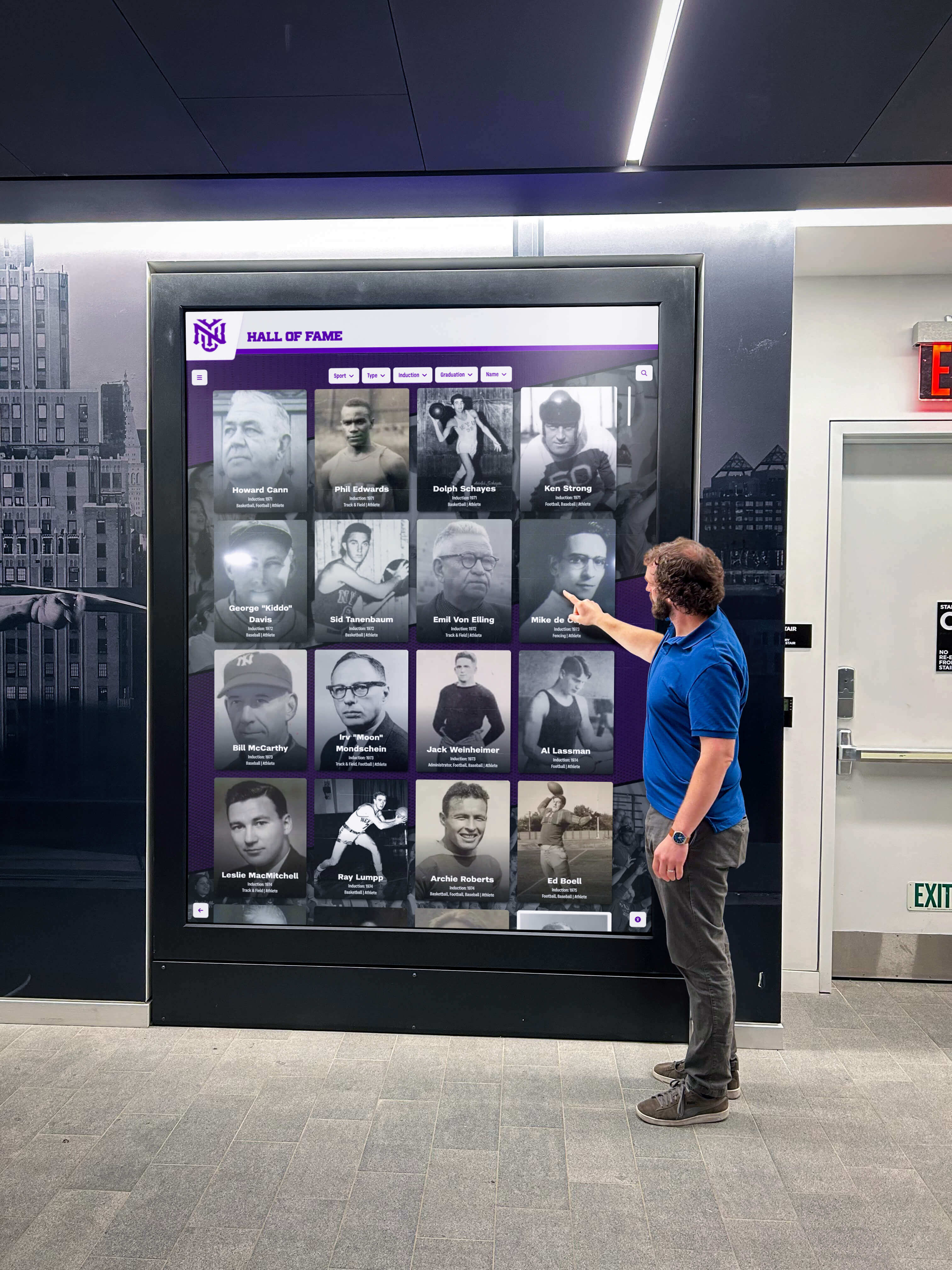
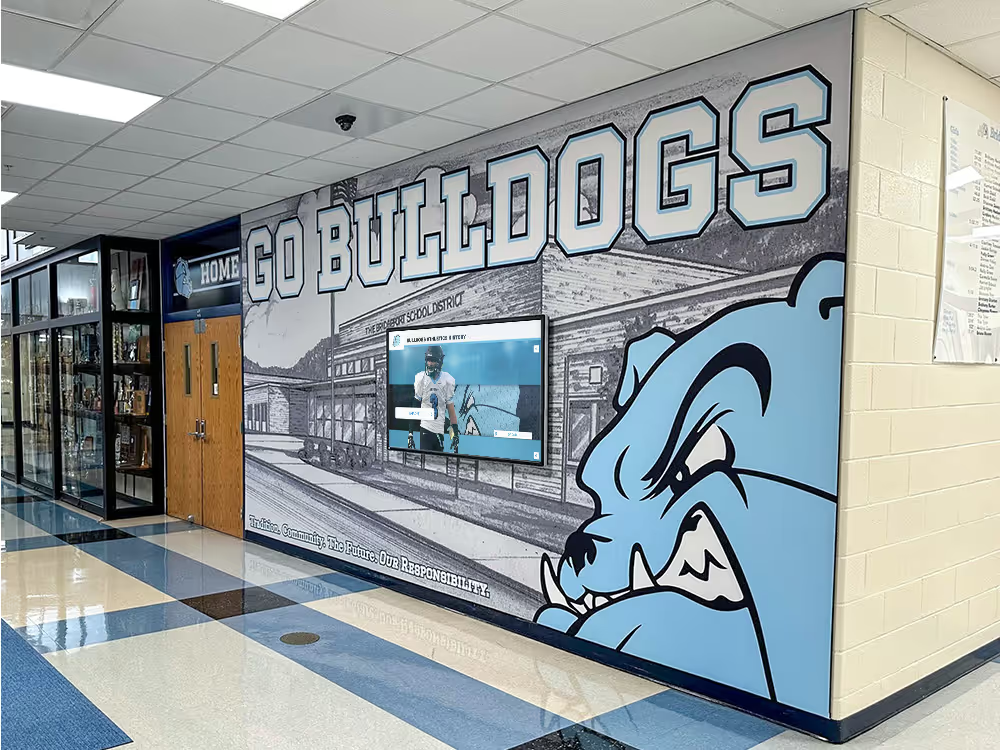
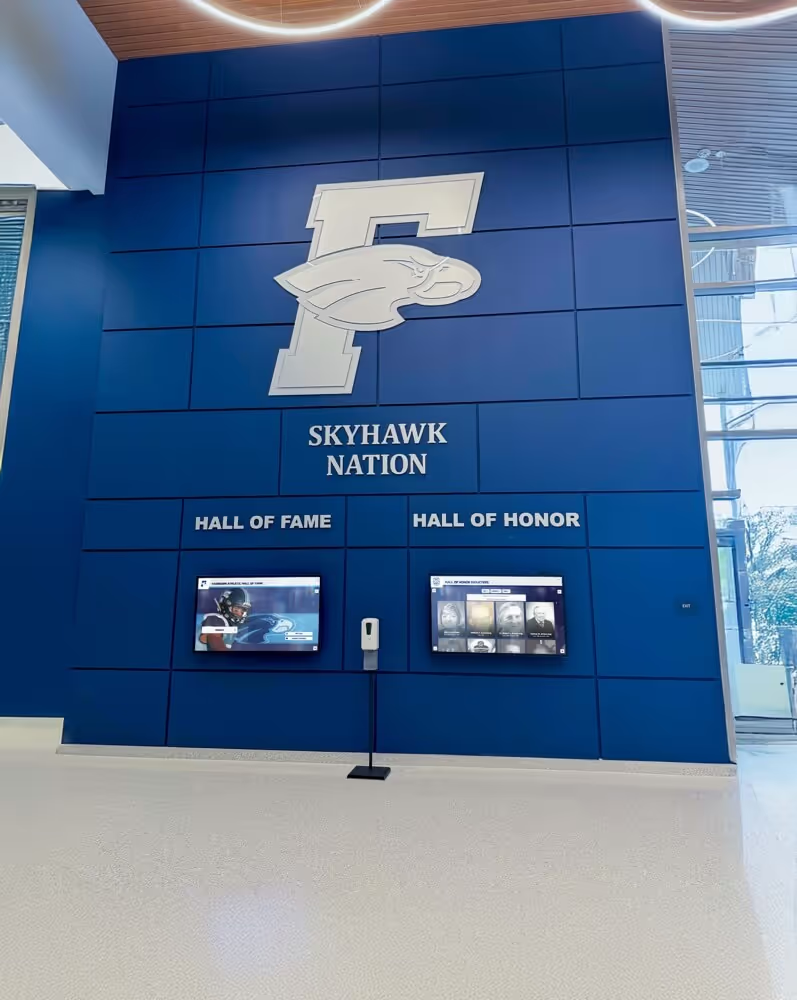
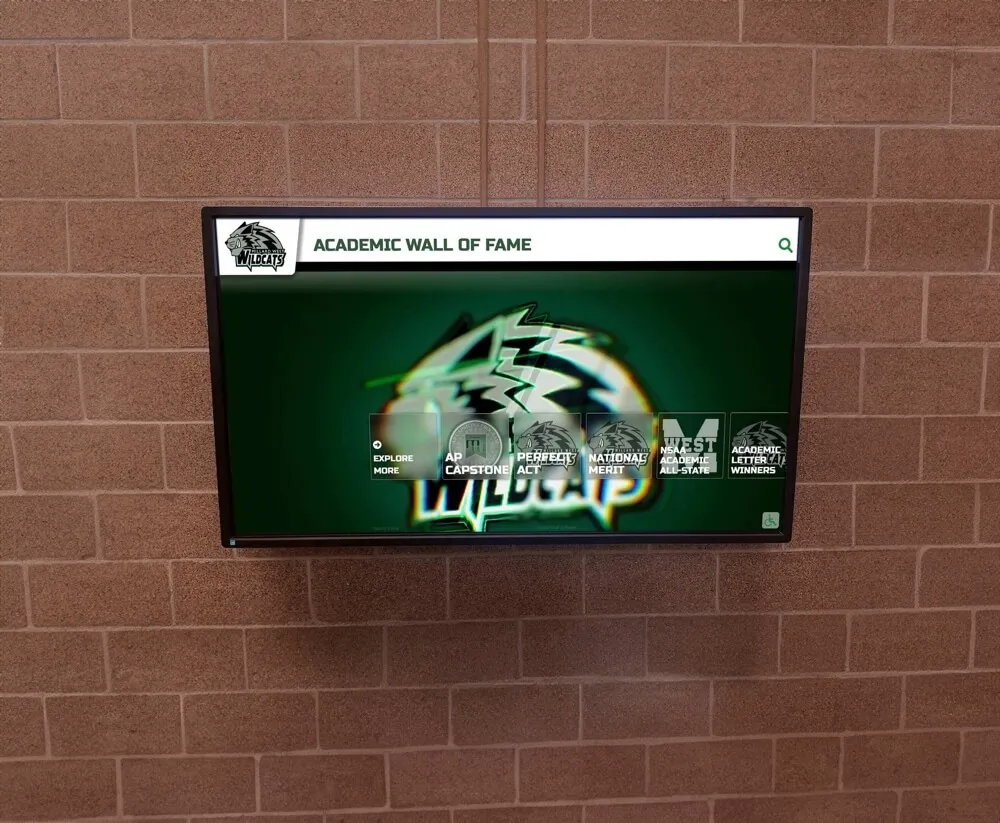
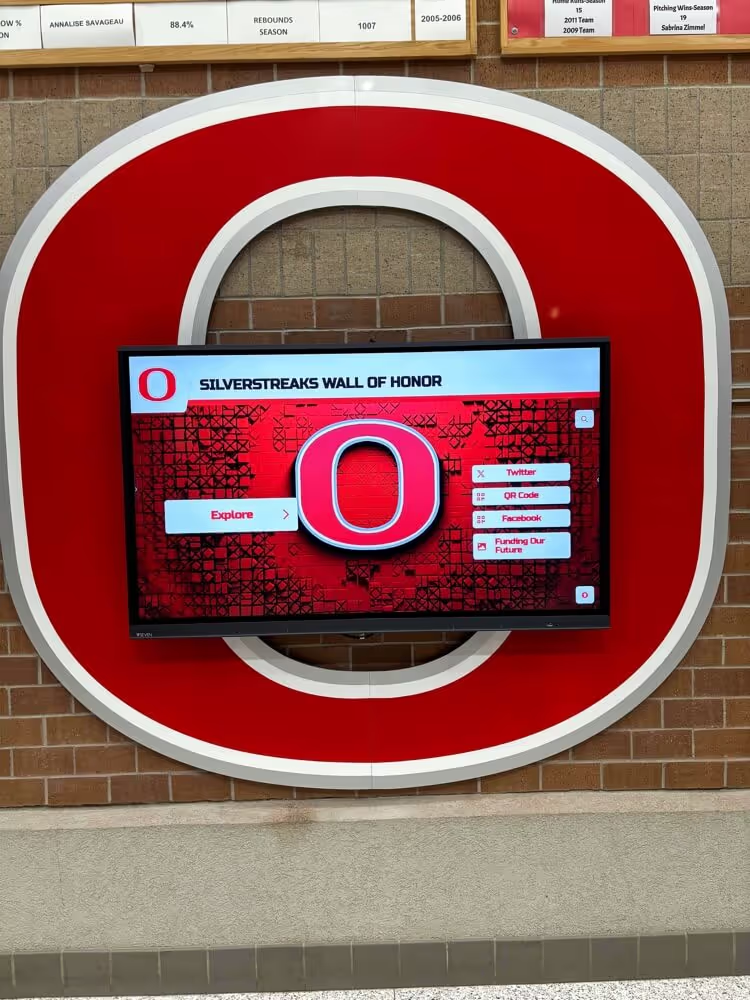
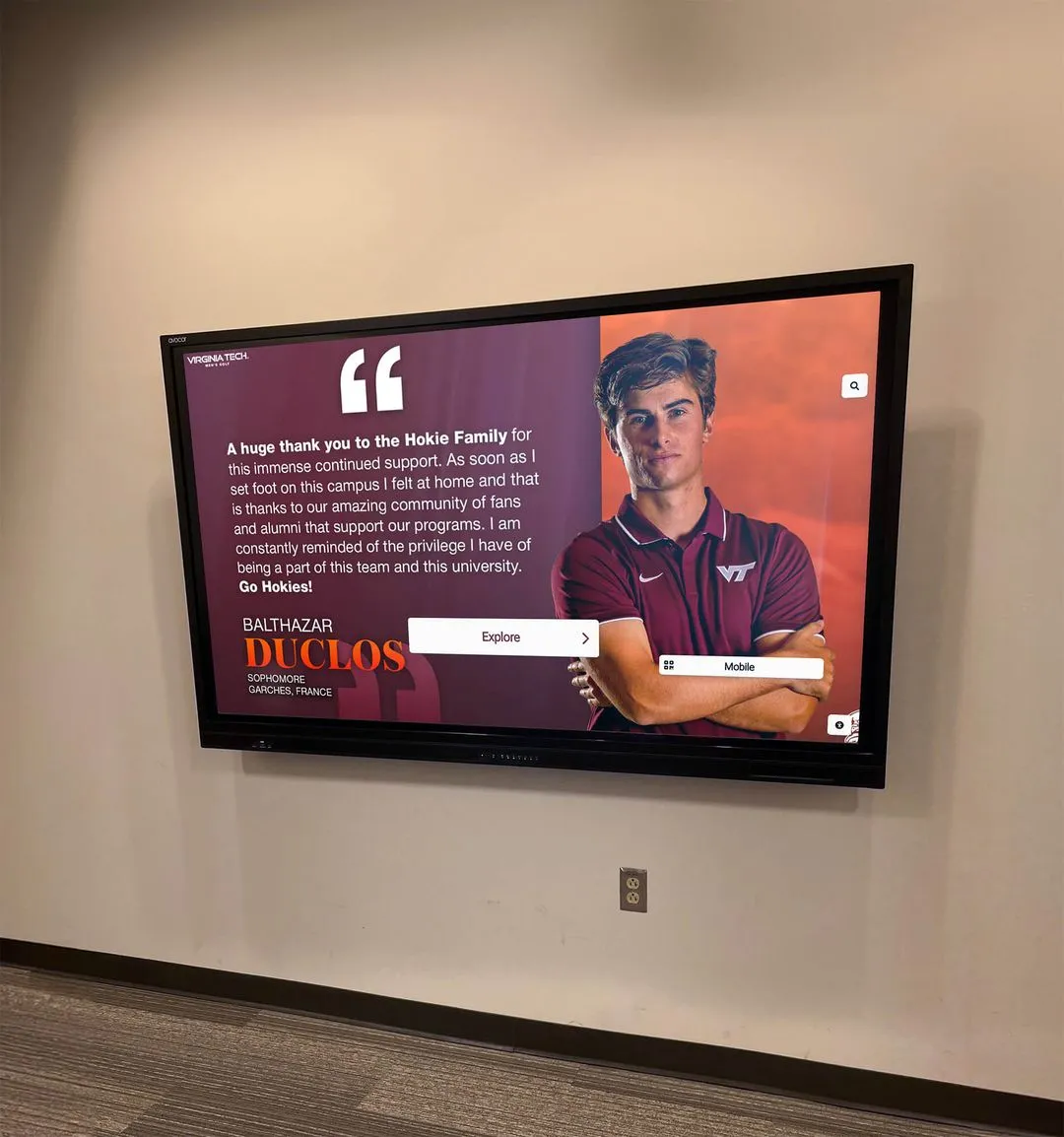
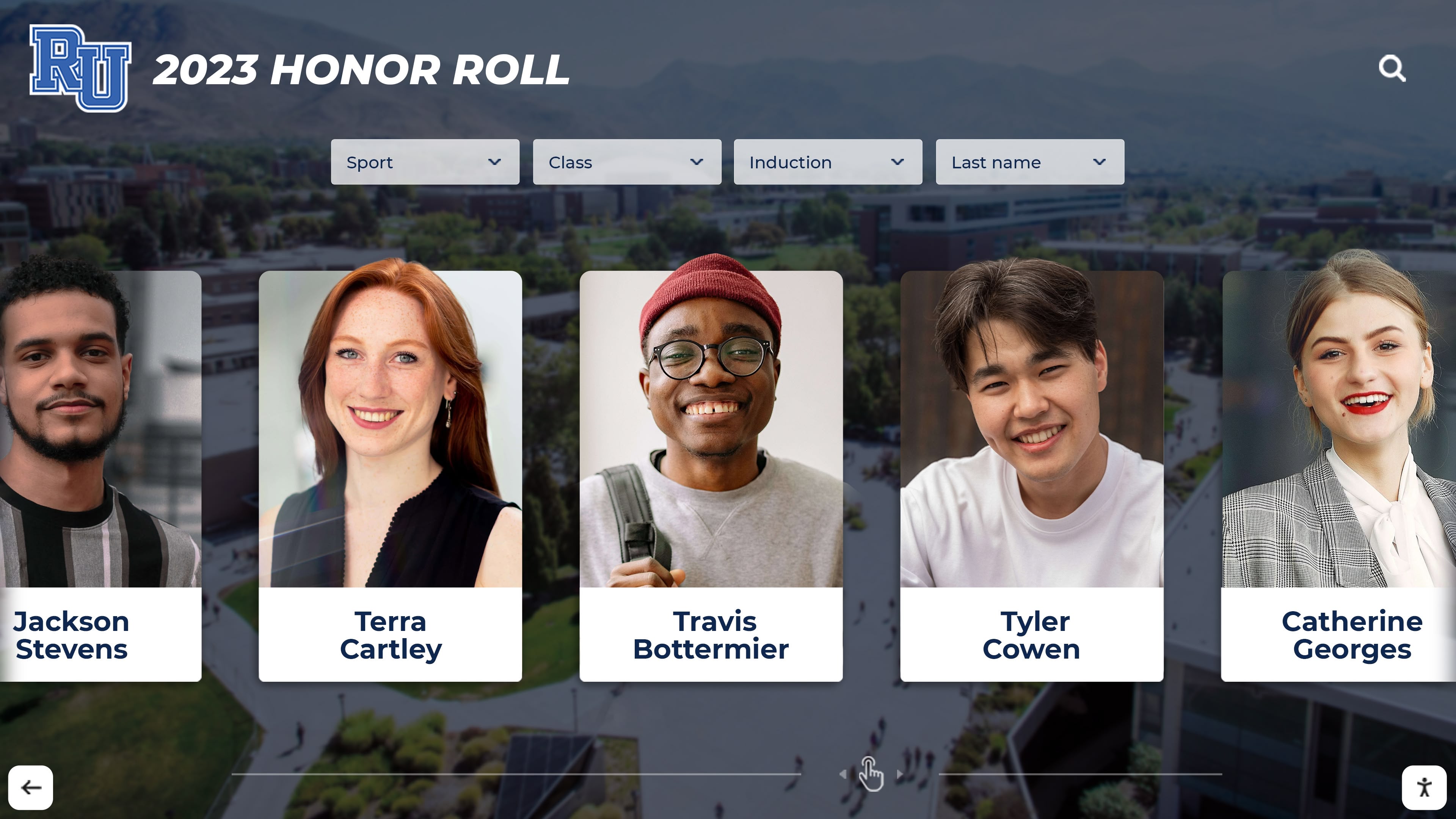
Interactive displays enable students and visitors to explore forensic achievements and program history
Leadership and Character Development
Championship speech and debate participation builds character:
- Ethical Reasoning: Grappling with complex moral and policy questions
- Civic Engagement: Understanding contemporary issues and policy debates
- Intellectual Humility: Researching multiple perspectives and acknowledging complexity
- Sportsmanship: Respecting opponents and judges even in competitive contexts
- Mentorship: Senior competitors supporting younger team members’ development
These character dimensions complement competitive success while preparing students for responsible citizenship and leadership.
Benefits for Speech and Debate Programs
Schools with strong championship recognition traditions see program-wide advantages.
Recruitment and Retention
Visible celebration of forensic champions:
- Attracts talented incoming students who see opportunities for recognition and achievement
- Motivates younger students to commit to rigorous preparation required for competitive success
- Reduces attrition by demonstrating clear achievement pathways and meaningful recognition
- Builds program reputation attracting transfers and families specifically seeking strong forensics
- Creates team culture where championship aspirations become normalized rather than exceptional
Programs known for celebrating forensic excellence typically maintain larger rosters and deeper competitive depth.
Program Culture and Excellence Standards
Recognition systems elevate entire programs:
- Creates culture of excellence where championship achievement becomes expected rather than surprising
- Provides role models demonstrating what commitment, preparation, and persistence can accomplish
- Strengthens team cohesion through shared celebration of individual and collective success
- Increases preparation intensity as competitors internalize higher excellence standards
- Establishes institutional memory preserving program traditions and inspiring continued achievement
Community and Administrative Support
Well-recognized championships build essential backing:
- Administrators see concrete evidence of program quality and student success
- Community members develop pride in program accomplishments comparable to athletic championships
- Parent organizations increase support, fundraising, and volunteer involvement
- Budget discussions include consideration of program success, needs, and resource requirements
- School boards and leadership recognize forensics as valuable institutional investment
Programs receiving recognition comparable to athletics typically secure resources, facilities, and support enabling sustained competitive success.
Explore comprehensive student recognition approaches that inspire continued excellence across programs.
Comprehensive Speech and Debate Championship Recognition Strategies
Effective recognition programs incorporate multiple approaches providing immediate celebration, permanent documentation, and ongoing visibility for forensic achievements.
Immediate Recognition at School
Timely acknowledgment when students earn championship recognition demonstrates schools value these achievements.
Announcement and Initial Celebration
Following championship tournaments or major achievements:
- Morning Announcements: Recognize specific achievements with context helping audiences understand significance (state champion, national qualifier, degree earned)
- Social Media Posts: Celebrate individual students and teams with photos, achievement details, and congratulatory messages across school social platforms
- Display in Prominent Locations: Feature championship results on lobby displays, main office screens, digital signage throughout facilities
- Email Newsletters: Share detailed tournament results and student profiles with school communities
- Local Media Notification: Submit press releases to community newspapers celebrating championship achievements
Special Recognition Events
Schools can create meaningful celebrations:
- Championship Send-Off Events: Assemblies or gatherings before major tournaments (state, nationals, TOC) celebrating qualifiers and building school-wide awareness
- Welcome-Back Celebrations: Post-tournament recognition events where students share experiences and display awards
- Award Presentation Ceremonies: Formal presentations of degrees, medals, and certificates by administrators or school board members
- Performance Demonstrations: Opportunities for champions to perform speeches or demonstrate debate skills for broader audiences
- Family Recognition: Invitations for families to attend ceremonies acknowledging their support role
These immediate responses demonstrate institutional priority while creating memorable recognition moments.

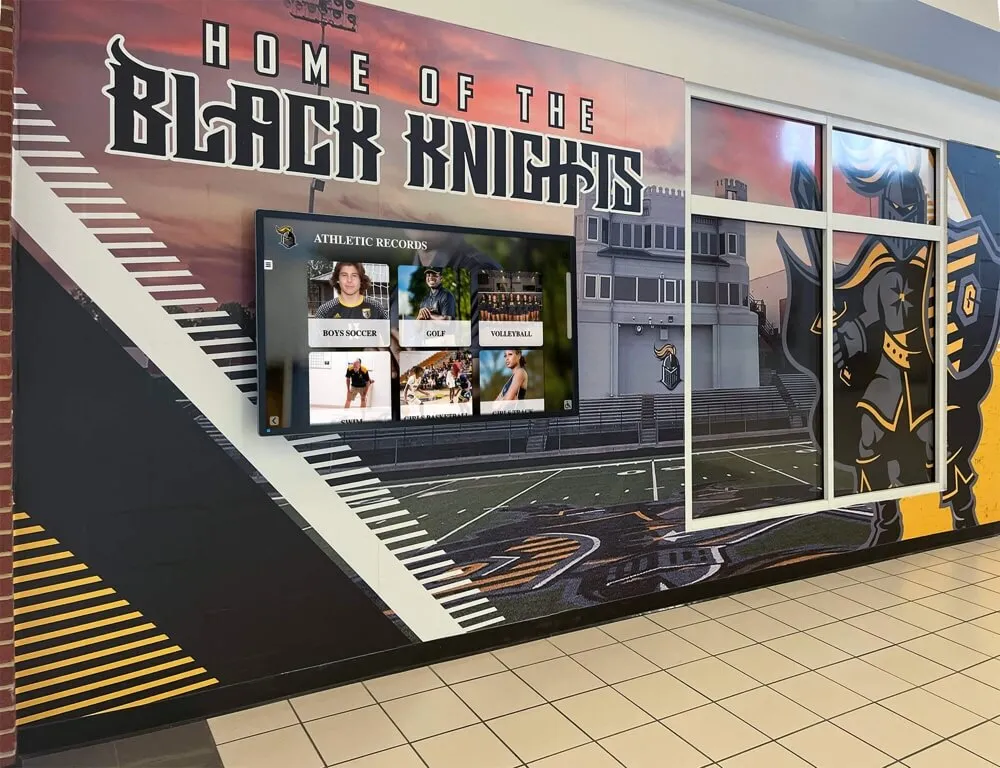
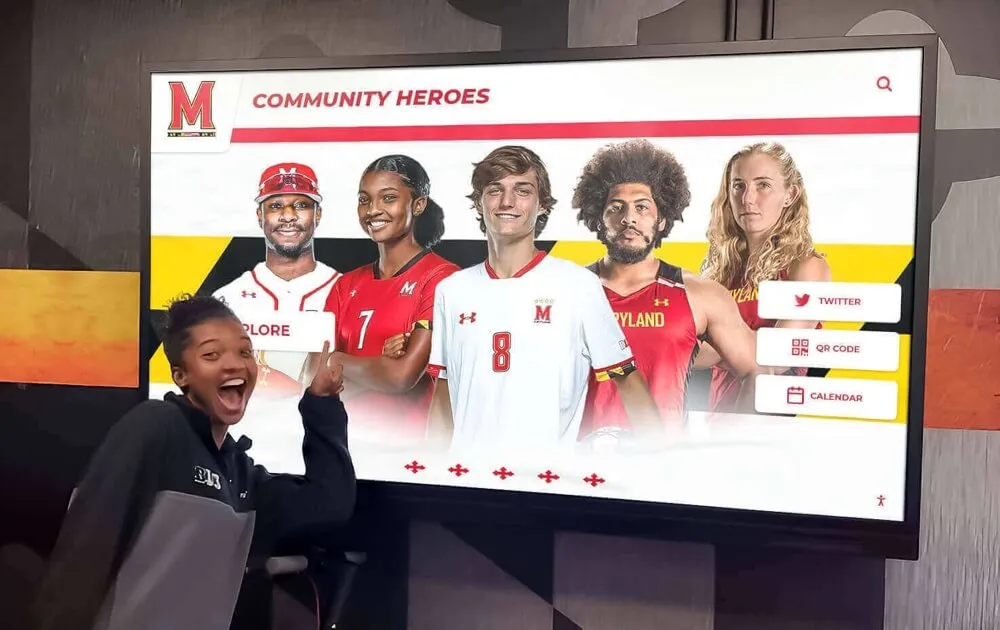
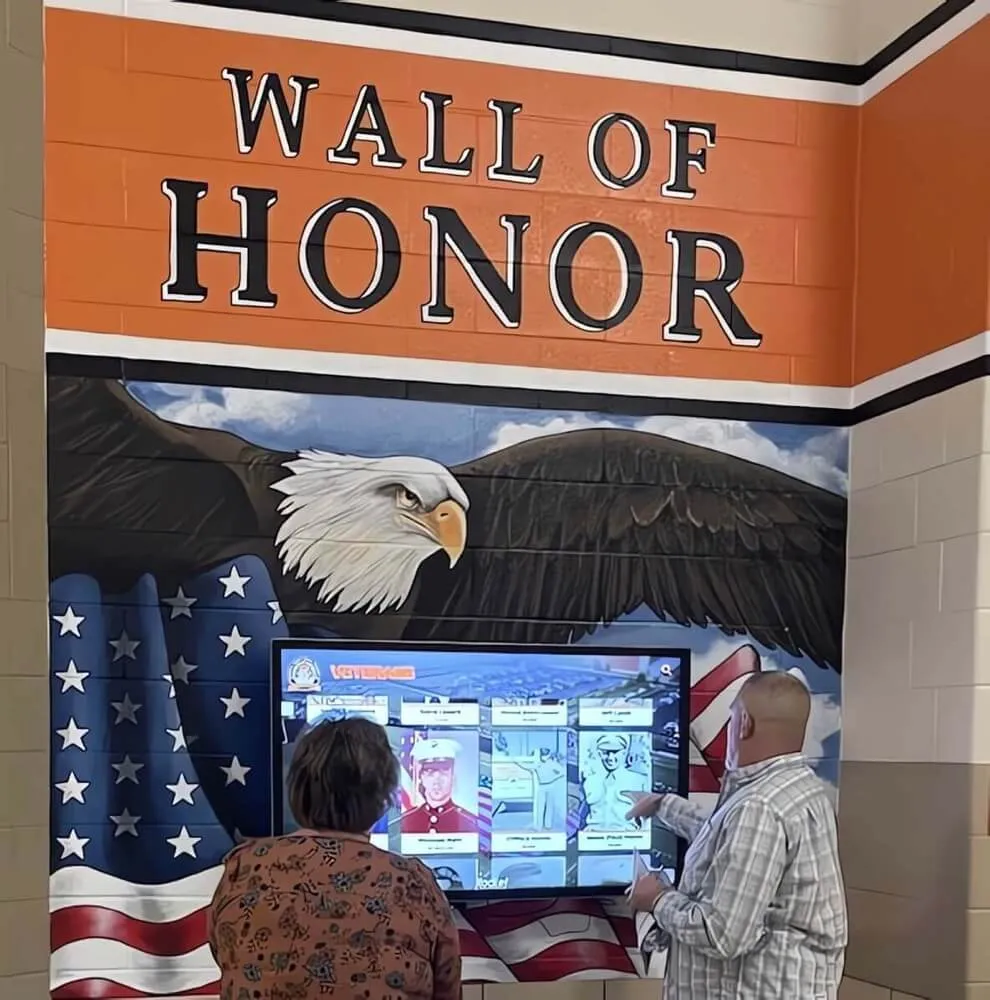
Touchscreen interfaces make exploring championship achievements engaging and intuitive
Permanent Recognition Displays
Speech and debate championships deserve permanent documentation comparable to athletic championships and academic honors.
Traditional Recognition Approaches
Schools have historically used:
- Plaques and Trophy Cases: Dedicated display space in hallways featuring trophies, medals, certificates from championship tournaments
- Recognition Boards: Permanent boards listing state qualifiers, national qualifiers, degree holders, and champions by year
- Photo Displays: Bulletin boards or hallway displays featuring team photos from championship tournaments
- Degree Recognition Walls: Special sections recognizing students earning NSDA degrees, particularly higher distinction levels
While these traditional methods provide some visibility, they face significant limitations including space constraints limiting recognition capacity, maintenance challenges resulting in outdated displays, and inability to provide detailed achievement context or multimedia content.
Digital Recognition Solutions
Modern platforms overcome traditional limitations while providing enhanced capabilities. Solutions like Rocket Alumni Solutions transform how schools honor forensic achievement through comprehensive digital recognition displays.
Unlimited Capacity for Championship Recognition
- No space constraints limiting how many champions, tournaments, or years can be recognized
- Comprehensive archives preserving decades of forensic tradition and achievement
- Multiple filtering options enabling exploration by graduation year, event category, tournament level, or degree earned
- Detailed profiles impossible with static plaques or limited display space
Rich Multimedia Content Celebrating Achievement
- Student photos in competition attire or team settings
- Video clips of championship performances (speeches or debate rounds when available)
- Detailed achievement information including specific events, tournament placements, NSDA degrees earned
- Student quotes reflecting on competitive experiences and lessons learned
- Championship round recordings or tournament highlight reels
- Progression timelines showing development from novice through championship success
Interactive Exploration Features
- Search functionality helping community members find specific individuals or achievements
- Timeline views showing program history, championship traditions, and evolution
- Comparison features celebrating repeat qualifiers and multiple-event champions
- Statistics tracking team success rates, championship counts, and program growth
- Mobile access extending reach beyond physical campus to families, alumni, and broader communities
Learn about building effective digital recognition programs for comprehensive celebration.
Integrated Recognition Systems
The most effective approaches position speech and debate achievement alongside—not separate from—other forms of student excellence.
Comprehensive Achievement Platforms
Recognition systems should accommodate:
- Speech and debate championships alongside athletic accomplishments
- Academic excellence including honor roll, AP scholars, and standardized test achievement
- Service learning, leadership positions, and community engagement
- Arts achievements in music, theatre, and visual arts
- STEM competition success and academic competition achievements
This integrated approach positions forensic achievement as equal to all other forms of student excellence, sending powerful messages about institutional values.
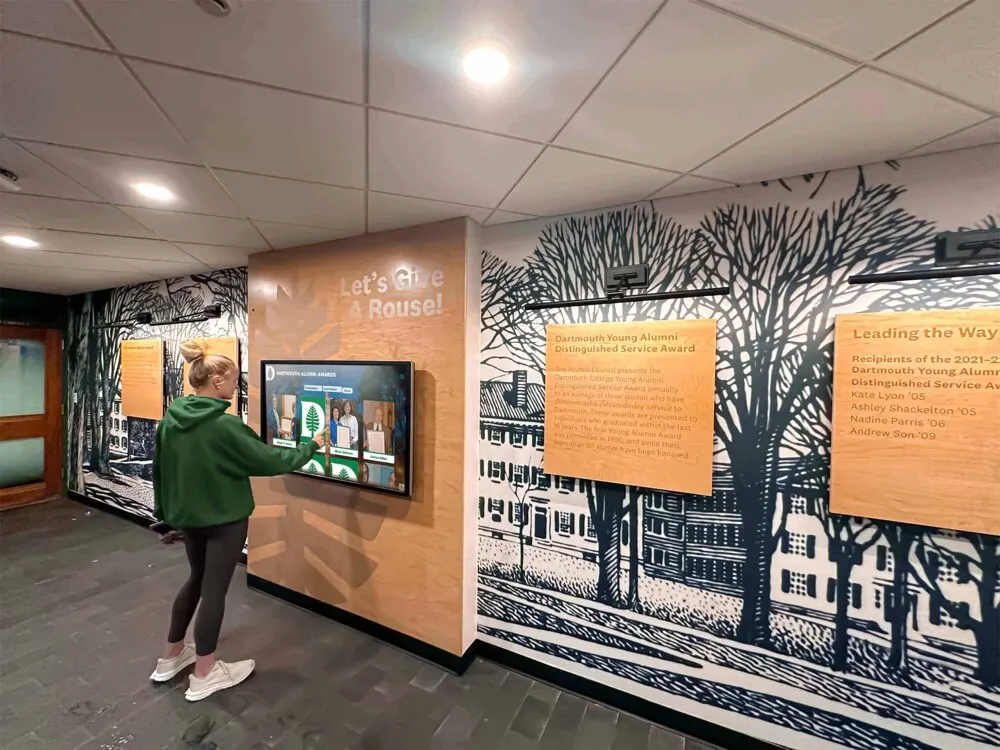
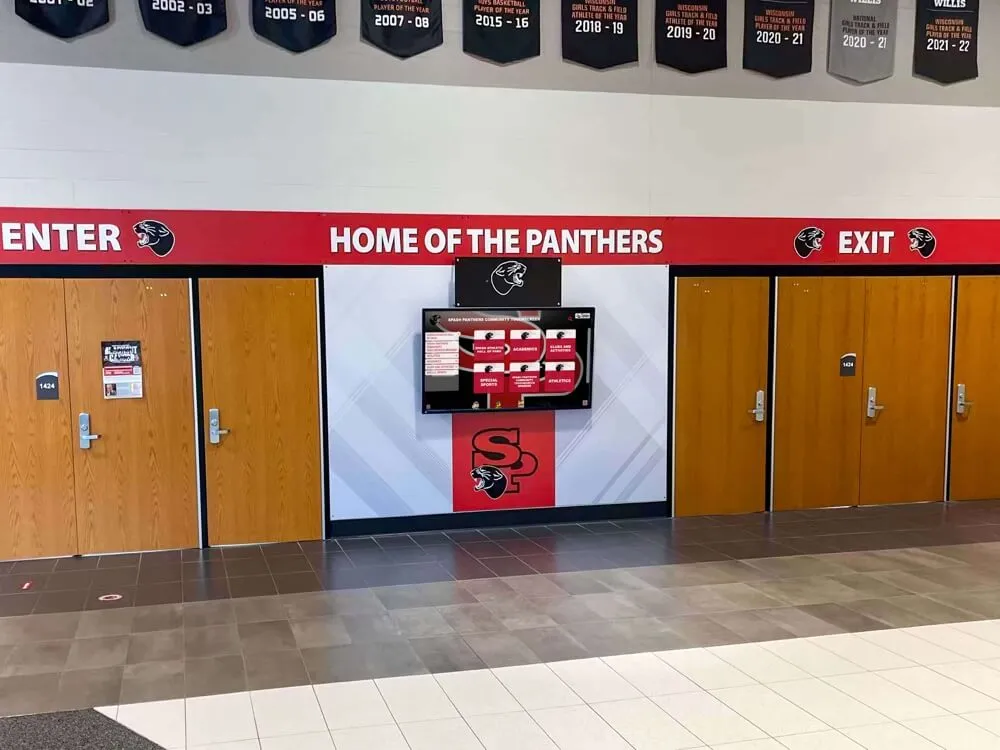
Strategic placement in high-traffic areas maximizes championship recognition visibility
Strategic Display Placement
Location matters significantly for recognition impact:
- Main Entrances and Lobbies: Prime visibility for all visitors, students, families
- Speech and Debate Practice Spaces: Inspiration for current team members during preparation
- College and Career Centers: Connecting forensic achievement to future opportunities
- Administrative Areas: Demonstrating program quality to school leadership and official visitors
- Library and Academic Spaces: Emphasizing connection between intellectual pursuits and forensic excellence
Multiple display locations ensure championship recognition reaches diverse audiences through their regular pathways.
School-Wide Integration and Cultural Celebration
Maximum impact requires embedding championship recognition throughout school culture.
Assembly and Event Recognition
Regular school gatherings provide natural opportunities:
- Academic Honors Assemblies: Featured recognition for speech and debate champions alongside other academic achievers
- Athletic Pep Rallies: Including forensic championship recognition normalizes celebrating multiple excellence forms
- Graduation Ceremonies: Special cords, medals, or acknowledgment for NSDA degree holders, state champions, national qualifiers
- Back-to-School Events: Highlighting previous year’s championship achievements during opening activities
- Parent Nights and Open Houses: Featured displays and presentations showcasing forensic program success
Communication Channel Integration
Systematic communication ensures championship achievement receives visibility:
- Website Features: Dedicated pages celebrating current champions with photos, bios, achievement details
- School Publications: Regular features in yearbooks, literary magazines, student newspapers
- Digital Signage: Rotating championship recognition on screens throughout facilities
- Classroom Acknowledgment: Encouraging teachers to recognize forensic achievers in their classes
- Bulletin Boards: High-traffic hallway displays featuring current season achievements
This multi-channel approach ensures speech and debate championship recognition receives visibility comparable to athletic accomplishments.
Recognizing Different Speech and Debate Achievement Levels
Comprehensive recognition programs celebrate accomplishments across the competitive spectrum while appropriately distinguishing among achievement tiers.
Tournament-Level Recognition
Local and Regional Tournament Success
Early-season and developmental tournament achievements deserve acknowledgment:
- Recognition for first-time finalists or semifinalists at local tournaments
- Celebration of students earning first NSDA points
- Acknowledgment of consistent improvement and growing competitive success
- Team celebration of collective tournament performance and sweepstakes wins
While not championship-level achievements, these milestones build program culture and motivate continued development.
State Tournament Achievement
State-level success warrants substantial recognition:
- State Qualifiers: Acknowledging students earning state tournament qualification through point accumulation or qualifying tournament success
- State Finalists: Celebrating students advancing to elimination rounds at state championships
- State Champions: Prominent recognition for students earning state championship titles in their events
- State Sweepstakes: Special recognition when teams earn overall state championship or runner-up status
State championships represent the highest in-state competitive achievement, worthy of permanent recognition and celebration comparable to athletic state championships.
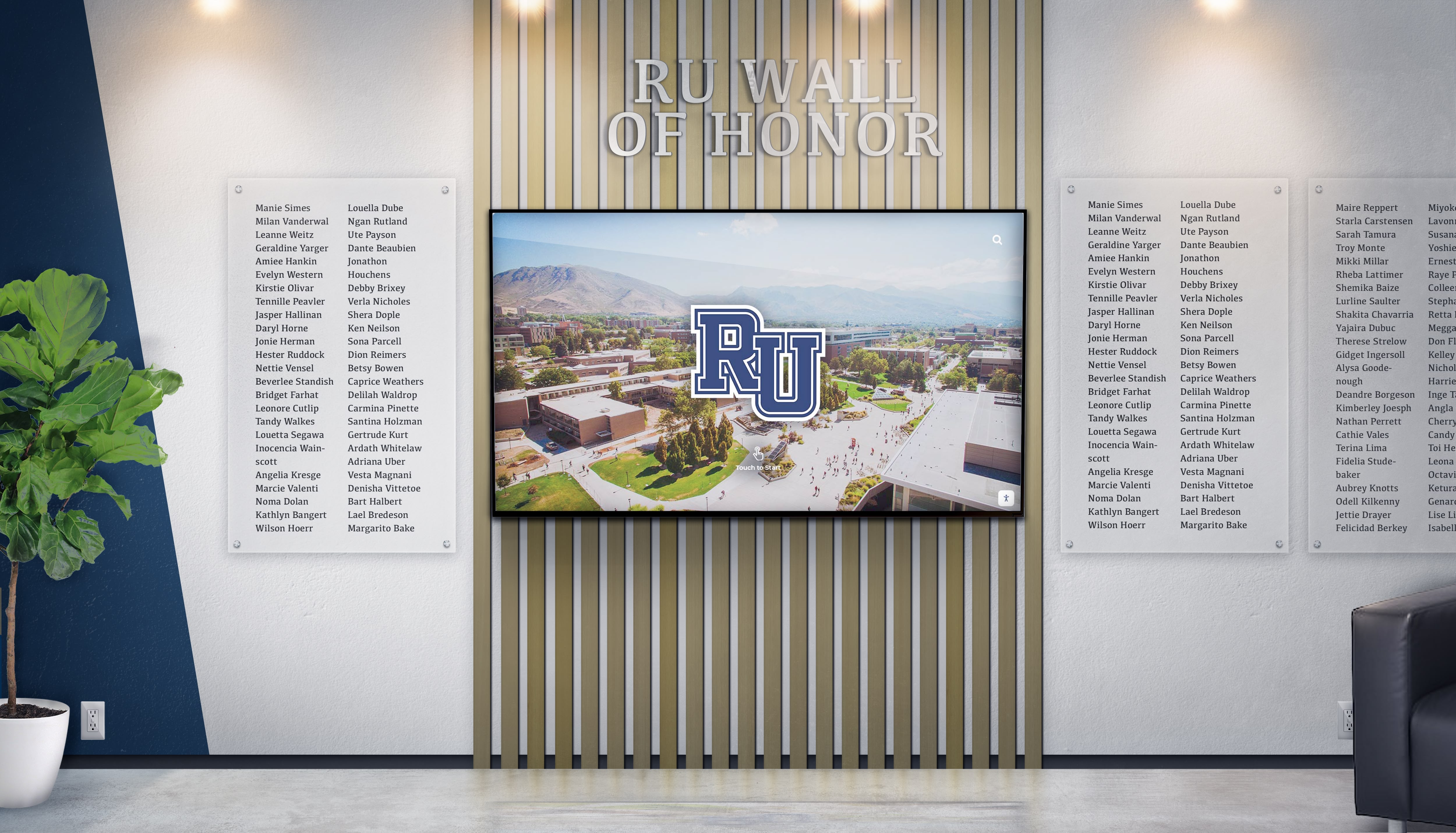
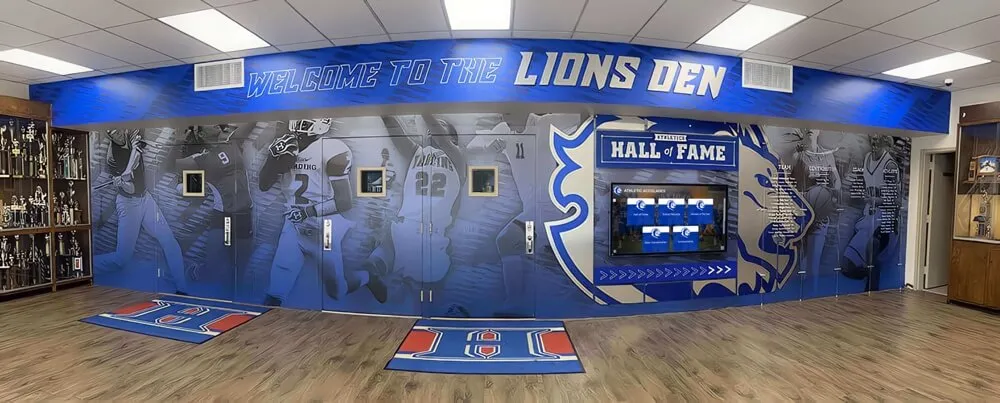
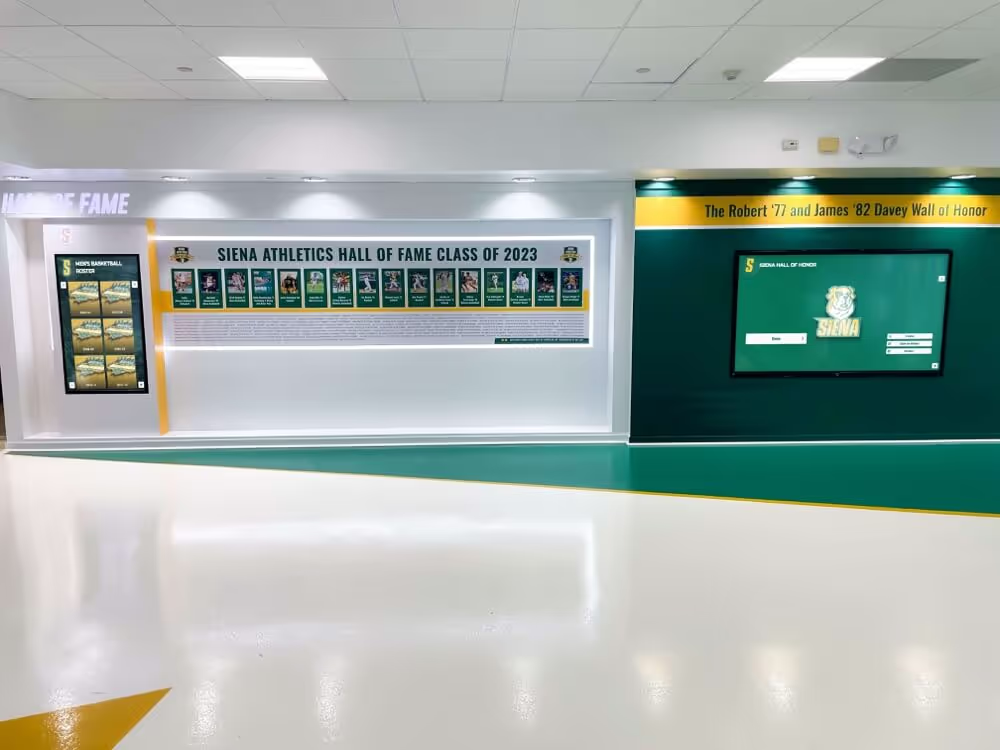
Integrated recognition systems combine digital displays with traditional elements celebrating comprehensive achievement
National Circuit and Tournament of Champions
Elite national competition success deserves special recognition:
- Tournament of Champions Qualification: Earning TOC bid(s) represents extraordinary achievement worthy of prominent celebration
- Tournament of Champions Participation: Competing at TOC places students among national elite in their events
- Tournament of Champions Elimination Rounds: Advancing at TOC demonstrates exceptional competitive ability
- Tournament of Champions Championships: TOC titles represent pinnacle national circuit achievement
Schools should celebrate TOC-related accomplishments with recognition comparable to—or exceeding—state championship honors given the more selective competition field and national scope.
National Speech & Debate Tournament Achievement
NSDA National Tournament success represents championship-level achievement:
- National Qualifiers: Celebrating district qualification for nationals—significant accomplishment given competitive selection processes
- National Tournament Participants: Recognizing students competing at the world’s largest academic competition
- National Elimination Round Qualifiers: Students breaking to elimination rounds rank among top competitors nationally in their events
- National Finalists: Top 6 placements represent exceptional achievement worthy of highest recognition
- National Champions: National championship titles represent ultimate competitive achievement in NSDA competition
National achievement deserves the most prominent recognition schools provide, with championship titles receiving celebration equal to any student accomplishment in any domain.
NSDA Degree Recognition
The degree system provides quantifiable achievement recognition across entire forensic careers.
Progressive Degree Recognition
Schools should systematically celebrate degree achievement:
- Initial Degrees (Membership through Honor): Acknowledging early achievement encouraging continued participation
- Mid-Level Degrees (Excellence through Distinction): Recognizing substantial commitment and competitive success accumulating significant points
- Advanced Degrees (Special Distinction through Superior Distinction): Celebrating exceptional sustained achievement requiring years of dedication
- Elite Degrees (Outstanding Distinction and Premier Distinction): Highest recognition for extraordinary career-long commitment and success achieved by small percentage of competitors
Degree Milestone Celebrations
Each degree advancement deserves acknowledgment:
- Certificate presentation ceremonies when students earn new degrees
- Updated recognition displays reflecting current degree status
- Special recognition for students earning rare advanced degrees
- Graduation acknowledgment for graduating seniors’ final degree levels
The degree system provides concrete achievement markers families can understand, celebrate, and support throughout high school careers.
Learn about honor roll touchscreen display approaches that can inform forensics recognition.
Team-Level Recognition
Beyond individual achievement, team accomplishments deserve celebration.
Team Sweepstakes Awards
Recognition for overall team performance:
- School sweepstakes wins at invitational tournaments
- State championship team awards
- National tournament team recognition
- Accumulated team success across seasons
Program Milestones
Celebrating collective program achievement:
- Consecutive years of state qualification
- Total degrees earned by program historically
- Alumni achieving distinction in forensics-related careers
- Program anniversaries and tradition milestones
NSDA School Recognition Programs
The NSDA offers school-level recognition including:
- Leading Chapter Award: Recognition for top chapters in accumulated degrees and participation
- Top 100 Schools: Annual designation for programs with largest number of new degrees
- Schools of Honor/Outstanding Distinction: Recognition based on total speech and debate points accumulated
- Charter School Status: Highest honor achieved by enrolling 50+ degrees within three-year period
These program-level recognitions deserve prominent celebration demonstrating institutional commitment and success.
Supporting Championship Achievement Through Recognition
Recognition programs work best when embedded in comprehensive support systems helping students achieve championship goals.
Preparation Infrastructure
Championship success requires substantial support:
Coaching and Instruction
- Experienced coaches with forensic expertise and competitive background
- Sufficient coaching staff for individualized attention to competitors
- Professional development enabling coaches to stay current with competitive trends
- Access to successful programs and coaches through camps and partnerships
Resource Allocation
- Tournament entry fees for local, state, and national competitions
- Travel costs to competitive tournaments including transportation, lodging, meals
- Evidence and research database subscriptions for debate preparation
- Technology including recording equipment, computers, printing resources
- Practice facilities and meeting spaces for preparation and team activities
Time and Schedule Accommodation
- Class periods or structured time for speech and debate preparation when possible
- Academic accommodation for tournament travel and missed classes
- Recognition of competitive season demands in academic planning
- Administrative support for tournament participation and scheduling
Schools genuinely committed to championship achievement provide resources and support enabling competitive success.
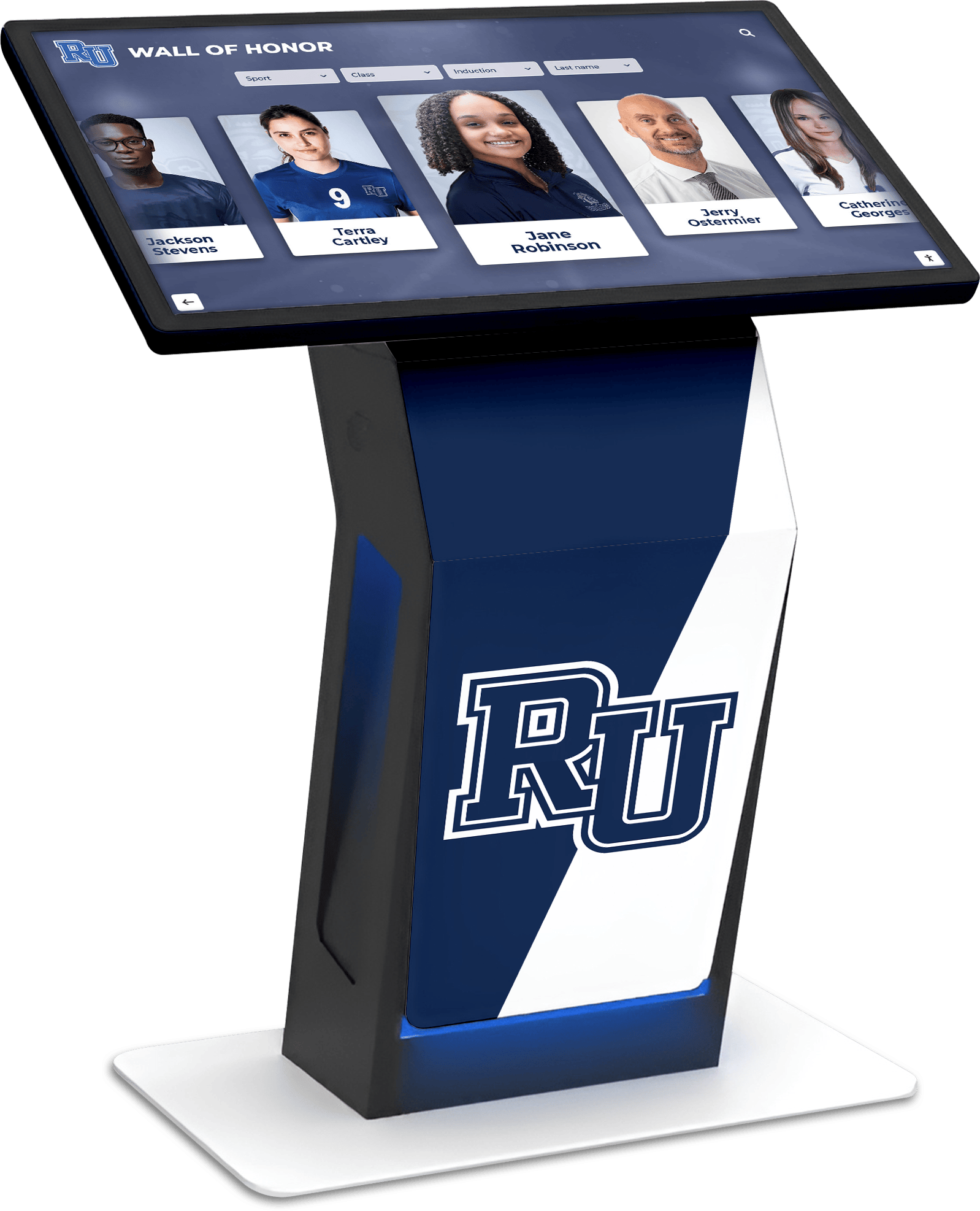
Modern recognition systems provide comprehensive platforms for celebrating forensic excellence
Financial Support and Equity
Speech and debate participation creates costs that schools should help address:
Tournament and Competition Costs
- Entry fees ranging from $10-50 per student per tournament
- Travel expenses to tournaments, potentially including flights for national competitions
- Housing for multi-day tournaments (state championships, nationals)
- Meal costs during competition weekends
- Professional attire requirements for competition
Preparation Costs
- Private coaching when students seek supplemental instruction
- Summer debate camps offering intensive preparation (often $1,000-3,000+)
- Evidence services and research resources for debate preparation
- Printing and materials for research and evidence
Equity Considerations
Programs should ensure:
- Financial assistance available for students unable to afford participation costs
- Fundraising specifically supporting tournament participation
- Equipment and resource sharing enabling participation regardless of family resources
- Transportation arrangements ensuring access for students without personal vehicles
- Transparent communication about costs and available support
Championship recognition programs ring hollow when only affluent students can afford participation. Equity in access ensures recognition celebrates achievement available to all talented students regardless of economic circumstances.
Explore community showcase project approaches for celebrating diverse achievements.
Implementing Sustainable Championship Recognition Programs
Effective speech and debate recognition requires systematic approaches ensuring consistency and longevity.
Planning and Design Phase
Program Structure Development
- Define recognition categories (tournament levels, degree milestones, special achievements)
- Establish criteria for different recognition tiers
- Create communication protocols for new achievements
- Develop display design standards and content templates
- Plan budget allocation for recognition program needs
Stakeholder Engagement
- Speech and debate coach input on meaningful recognition approaches
- Student and parent feedback on valued recognition types
- Administrative support and resource commitment
- Booster organization involvement and funding potential
- Alumni connection opportunities and engagement
Technology Integration for Modern Recognition
Digital Recognition Platform Implementation
When selecting and implementing digital recognition displays:
- Choose appropriate hardware based on placement locations and budget constraints
- Select content management platforms matching staff technical capabilities
- Plan for web integration extending recognition beyond physical campus
- Consider solutions like Rocket Alumni Solutions offering comprehensive recognition systems specifically designed for educational environments
- Train multiple staff members ensuring management sustainability through personnel changes
Content Management Protocols
- Assign clear responsibilities for recognition content updates
- Establish submission processes for achievement information, photos, and biographical content
- Create templates ensuring consistent professional presentation
- Develop archiving protocols preserving historical recognition indefinitely
- Plan regular content reviews ensuring current, accurate information
Learn about touchscreen digital signage software approaches for recognition systems.
Sustainability and Continuous Improvement
Ongoing Management Requirements
- Assign responsibilities for program maintenance and updates
- Establish update schedules aligned with tournament calendars
- Create communication protocols for newly achieved recognition
- Budget for program needs including technology, displays, ceremonies
- Train new staff as responsibilities change over time
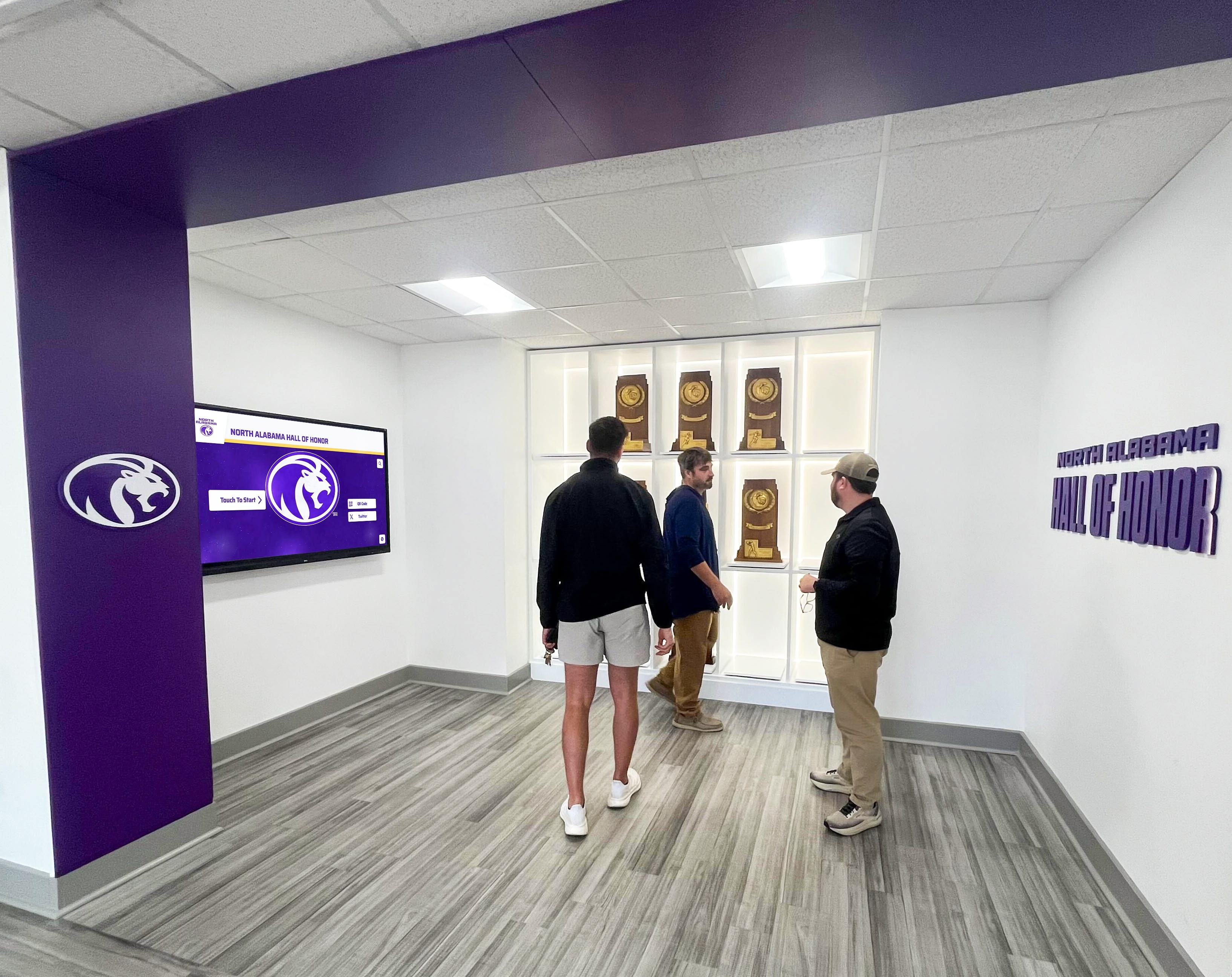
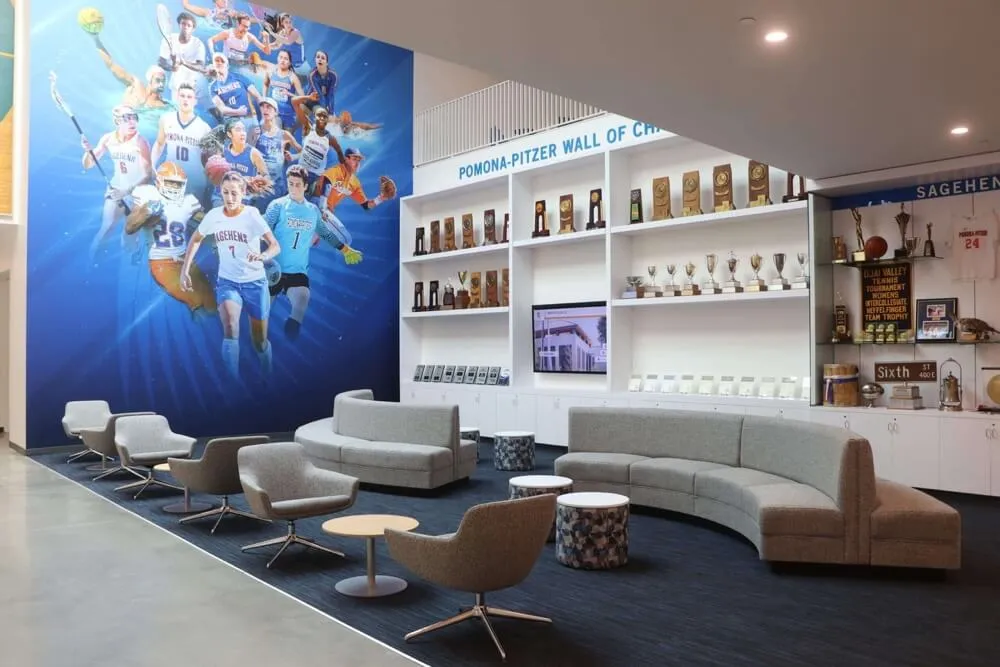
Recognition displays serve as gathering spaces where community members explore championship achievements
Assessment and Refinement
- Track recognition distribution across team members and event categories
- Gather stakeholder feedback on program effectiveness and meaningfulness
- Monitor engagement with displays and communication channels
- Analyze relationships between recognition and program participation/success
- Adjust approaches based on assessment data and changing needs
Program Evolution
- Incorporate new achievement categories as NSDA programs evolve
- Adapt recognition approaches as technology and best practices develop
- Expand recognition as programs grow and resources increase
- Integrate alumni achievements as former competitors accomplish professional success
- Connect recognition to fundraising and development opportunities
Regular assessment and adaptation ensure recognition programs remain effective, equitable, and aligned with program goals.
Building Forensics Recognition Culture
Speech and debate championship recognition works best within broader cultures valuing intellectual achievement and communication excellence.
Equitable Recognition Across Achievement Types
Schools should ensure:
- Forensic championships receive recognition comparable to athletic championships and academic honors
- Budget allocations reflect commitment to recognizing diverse excellence forms
- Display spaces provide equal visibility for all achievement categories
- Administrative presence at speech and debate events matches attendance at other activities
- Communication frequency and prominence treat forensic accomplishments with equal priority
Addressing Recognition Disparities
Many schools provide substantially more recognition to athletic achievement than academic competitions. Addressing this imbalance requires:
- Auditing current recognition practices across achievement domains
- Identifying specific disparities in display space, announcements, ceremonies, resources
- Developing plans to achieve recognition equity
- Implementing changes systematically while communicating rationale
- Monitoring outcomes ensuring changes achieve intended equity goals
Long-Term Program Development
Sustained championship success requires:
- Middle school forensics programs building foundational skills
- Summer workshops and camps providing intensive preparation opportunities
- Community partnerships with colleges, professional organizations, alumni
- Reasonable class sizes enabling individualized coaching attention
- Schedule structures allowing dedicated preparation time
- Quality facilities for practice, research, and team activities
- Competitive coach compensation attracting and retaining talented instructors
Programs receiving recognition comparable to athletics typically develop resources, support systems, and institutional commitment enabling consistent competitive success.
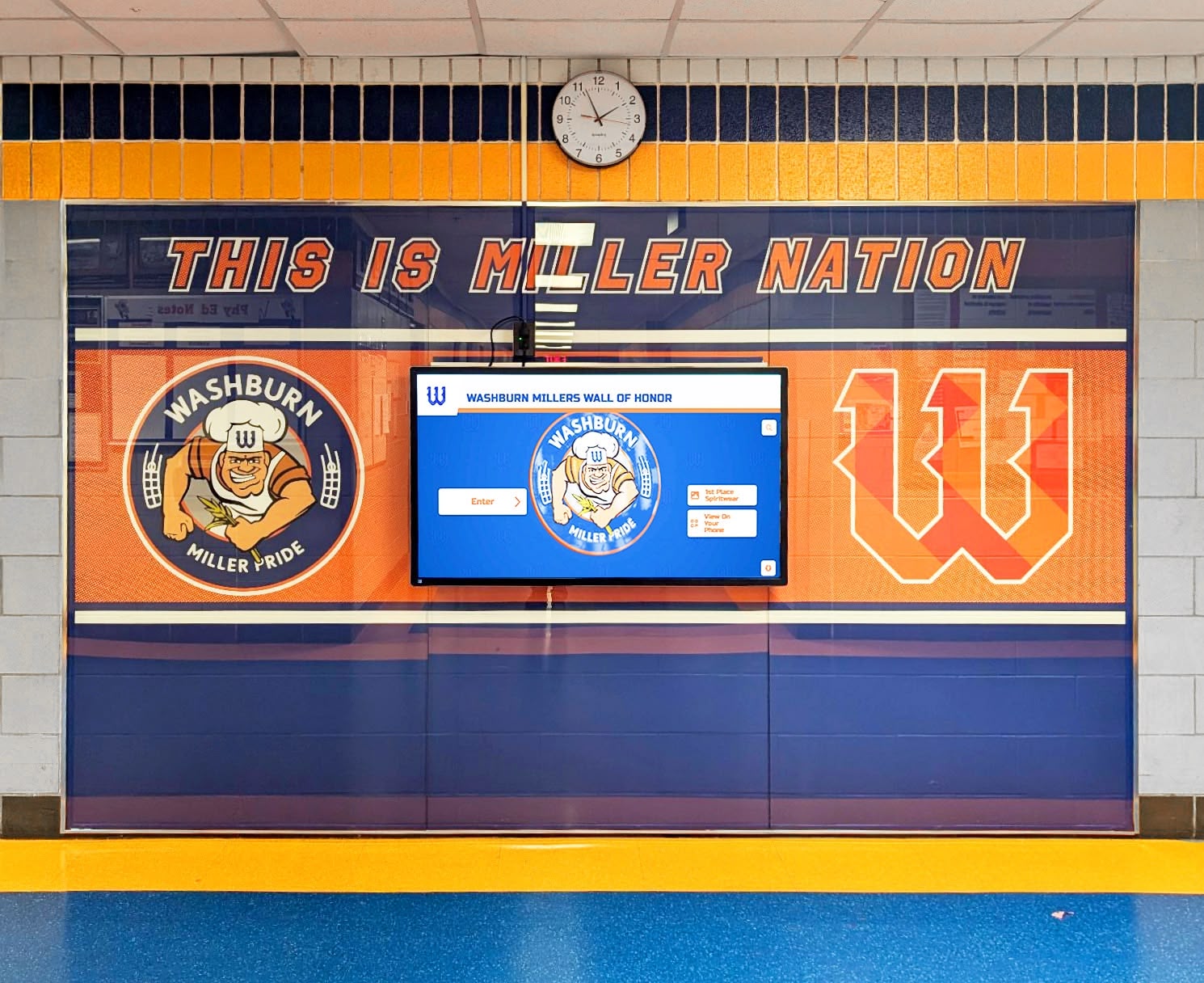
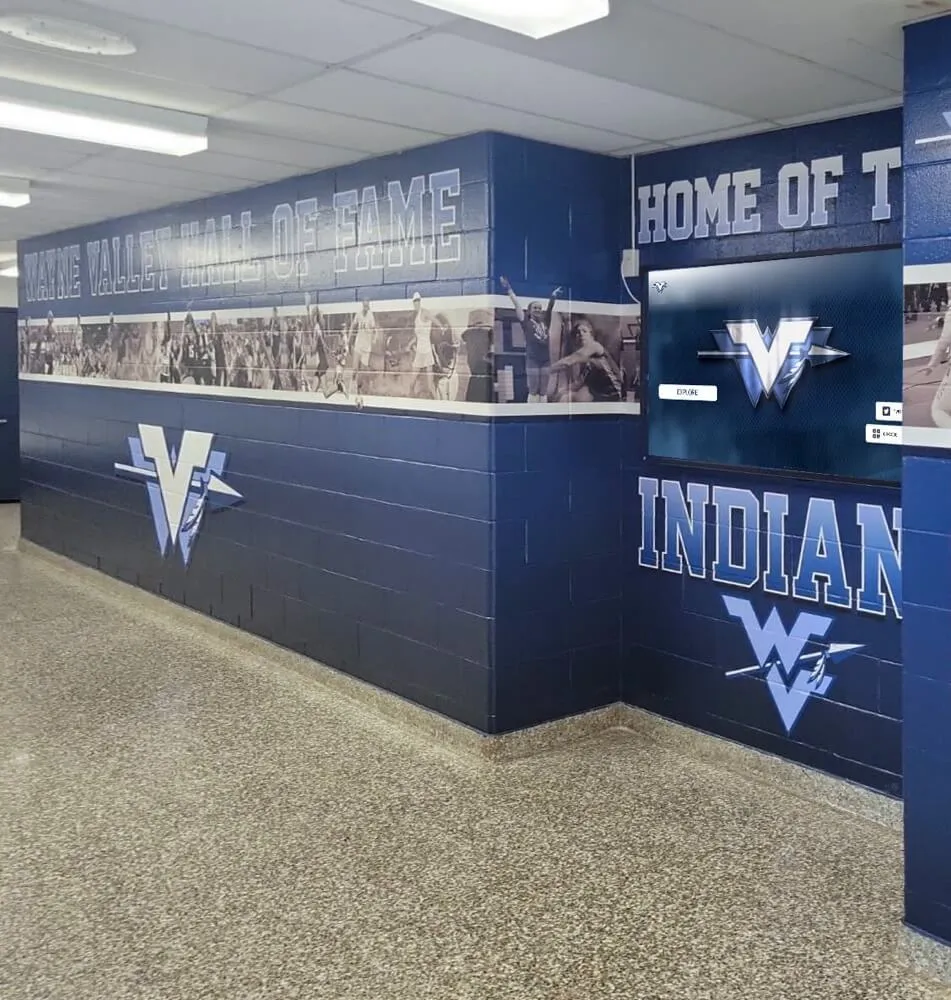
High-traffic hallway placement ensures championship recognition remains visible throughout daily school life
Alumni Connection and Legacy Building
Championship recognition creates opportunities for meaningful alumni engagement:
Alumni Recognition and Celebration
- Tracking and featuring alumni who earned championships during high school years
- Creating alumni profiles highlighting post-graduation success in forensics-related fields
- Inviting accomplished alumni back as judges, coaches, mentors for current team members
- Developing alumni networks supporting current program needs
- Showcasing professional paths former competitors pursued leveraging forensic skills
Mentorship Programs
- Connecting current competitors with alumni who achieved similar championships
- Facilitating advice, preparation support, and encouragement from those who succeeded previously
- Creating traditions where alumni return for major tournaments offering support
- Building long-term relationships between program generations
Fundraising and Development
- Leveraging alumni pride in forensic achievements for financial support
- Creating named recognition opportunities for major donors
- Developing scholarship funds for current competitors
- Building endowments supporting program sustainability
Alumni who received meaningful recognition during their competitive years often become program champions providing crucial long-term support.
Explore alumni gathering area design approaches for comprehensive recognition spaces.
Conclusion: Honoring Forensic Excellence Through Championship Recognition
Effective speech and debate championship recognition represents strategic investment in program culture, student motivation, and institutional commitment to intellectual excellence. When schools systematically celebrate forensic achievement at levels comparable to athletic championships and academic honors, they create environments where communication skills, critical thinking, and civil discourse receive the prominence these capabilities deserve in democratic society.
The strategies explored in this guide provide comprehensive frameworks for building recognition systems that honor individual championships while strengthening programs and inspiring future competitors. From digital recognition displays that eliminate space constraints to multi-channel communication ensuring broad visibility, these approaches transform forensic recognition from occasional acknowledgment to systematic celebration woven throughout school culture.
Transform Your Speech & Debate Recognition Program
Discover how modern digital recognition solutions can help you celebrate every championship achievement and build thriving forensics programs that inspire excellence in communication and critical thinking.
Explore Recognition SolutionsBuilding effective championship recognition requires moving beyond limiting assumptions about which achievements deserve prominent celebration. Digital platforms make comprehensive recognition achievable across all event categories, tournament levels, and achievement years, while systematic approaches ensure consistent implementation reaching all deserving competitors.
Speech and debate championships represent extraordinary intellectual and communication achievements requiring dedication, skill development, and competitive excellence comparable to—and often exceeding—athletic championships. Students who research policy proposals for hundreds of hours, memorize and perform ten-minute speeches, or master philosophical argumentation deserve recognition equal to any athletic accomplishment.
Start where you are with recognition programs you can implement immediately, then systematically expand to create the comprehensive approaches your champions deserve. Every speech and debate competitor who receives meaningful recognition develops stronger connection to your program, greater motivation to continue their forensic journey, and deeper appreciation for the intellectual skills their participation develops.
Your students’ forensic championships deserve celebration equal to any accomplishment. With thoughtful planning, appropriate technology, and consistent implementation, you can create recognition systems that honor every championship while building the positive, inspiring program culture where all students can develop communication excellence, critical thinking mastery, and civic engagement skills that will serve them throughout their lives.
Ready to begin? Explore student achievement recognition approaches or learn more about athletic recognition programs that can inform comprehensive forensic celebration.