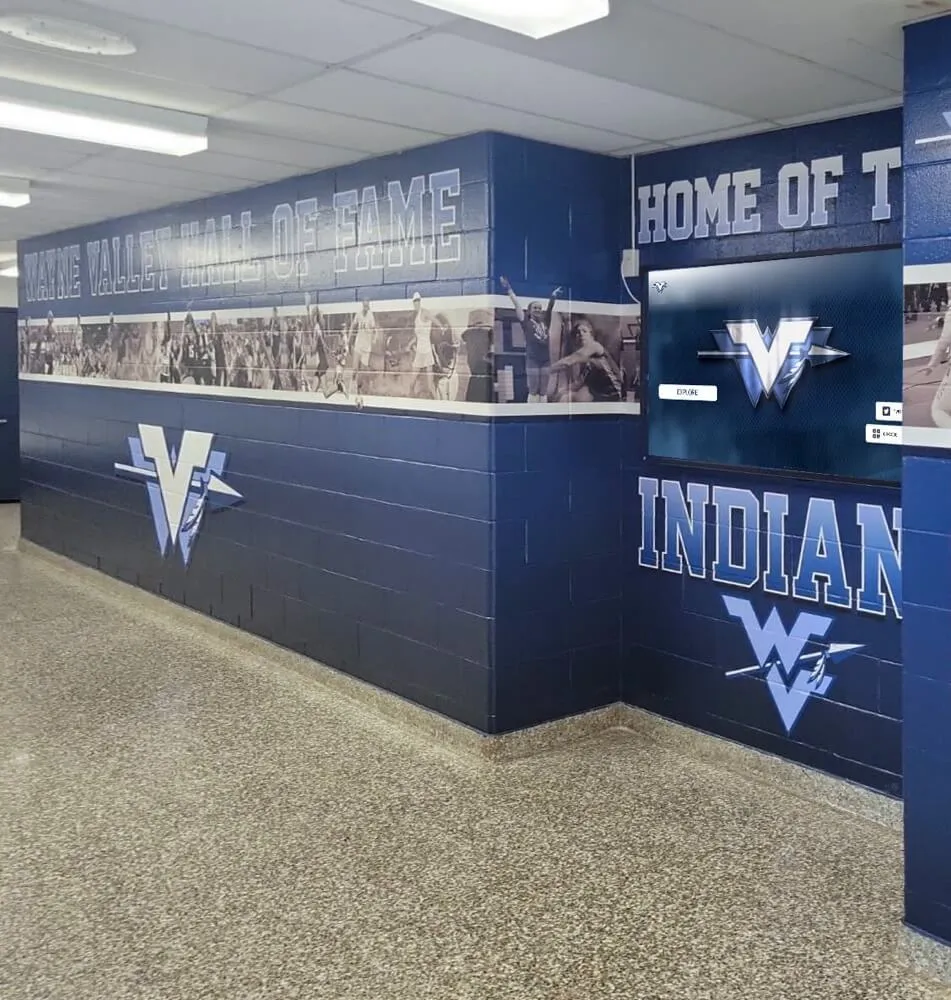
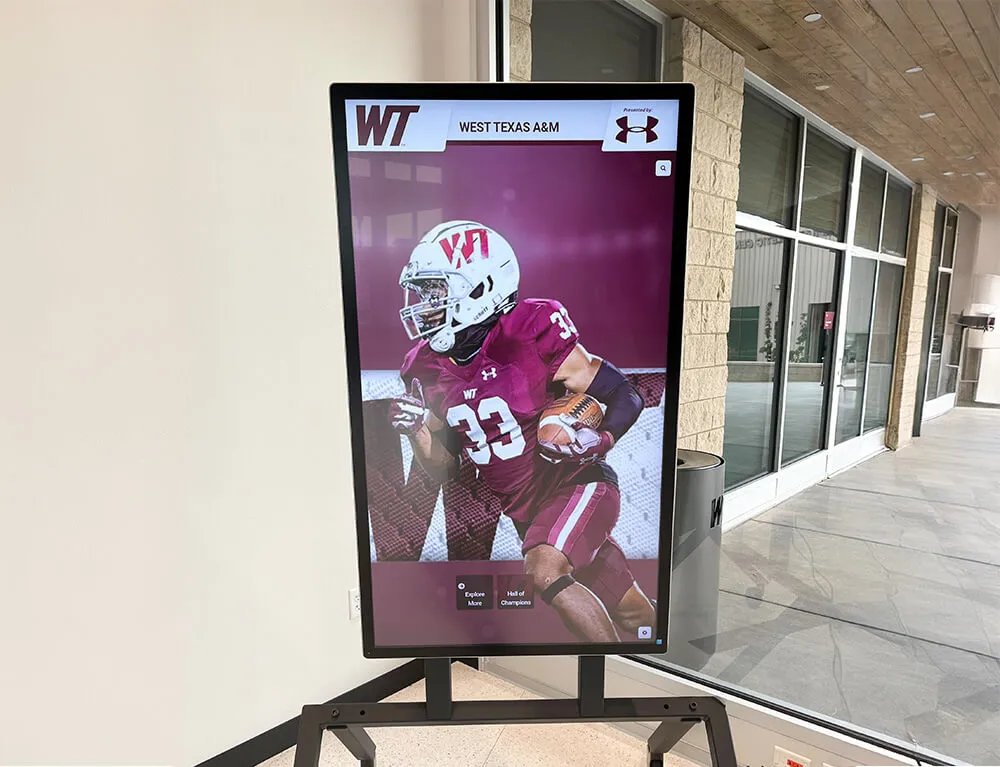
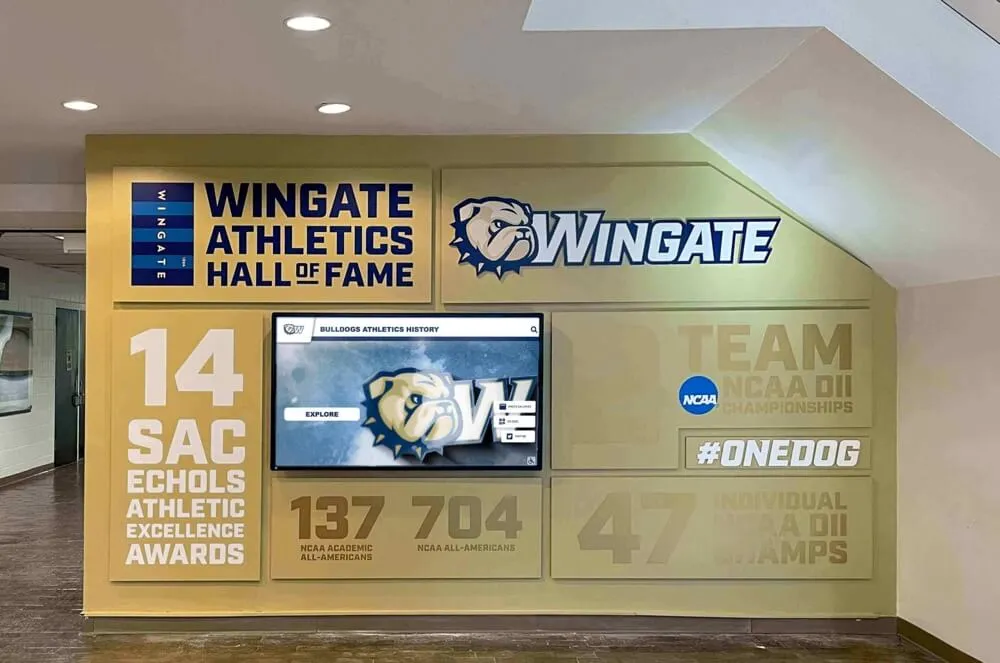
Sport end of year awards represent meaningful opportunities for athletic programs to celebrate achievement, recognize effort, honor character, and create memorable experiences that athletes treasure throughout their lives. These recognition ceremonies bring closure to competitive seasons while acknowledging the countless hours athletes invest in training, competition, and personal development through sport participation.
Yet many athletic directors and coaches struggle to design award programs that feel genuinely meaningful rather than perfunctory. Recognition often defaults to obvious MVP and most improved selections that overlook unique contributions, or traditional ceremonies that feel routine rather than special. Meanwhile, creative award categories go unexplored, recognition displays remain static and forgettable, and opportunities to build lasting team culture through thoughtful acknowledgment slip past unnoticed.
This comprehensive guide explores proven strategies for creating sport end of year award programs that honor diverse achievements, engage athletes and families, and establish traditions that strengthen athletic culture across seasons and generations.
Effective athletic recognition extends beyond identifying top performers—it creates systematic approaches that acknowledge excellence across multiple dimensions while ensuring recognition opportunities exist for athletes demonstrating different strengths, contributions, and growth trajectories. Programs that excel at year-end awards create experiences where every athlete feels seen, valued, and motivated to continue developing through sport.

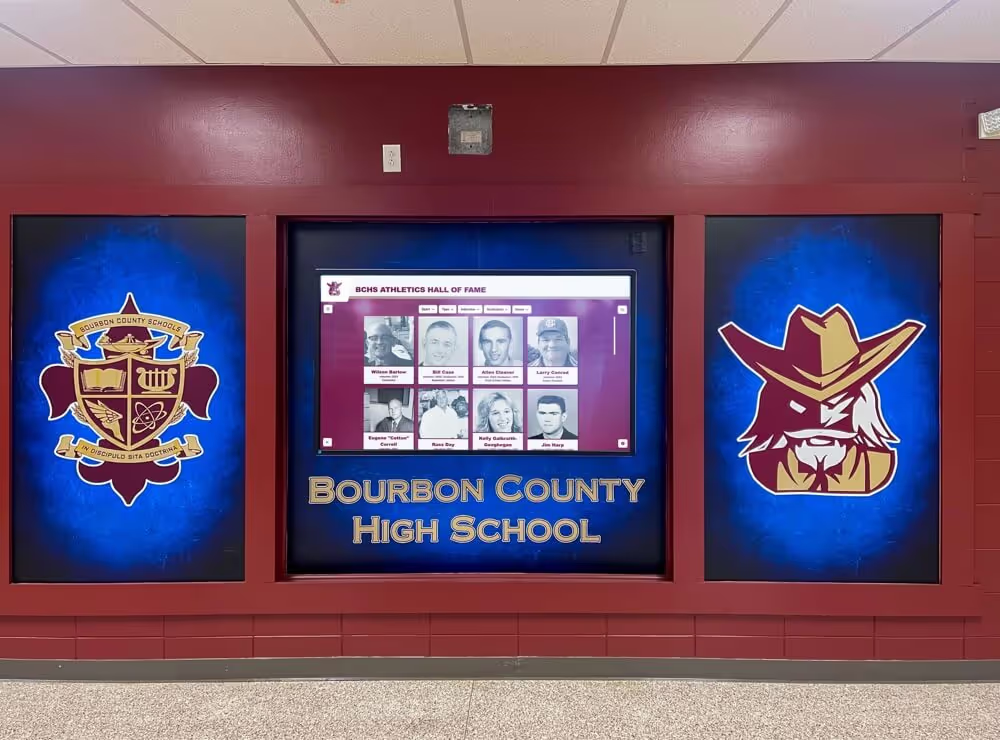
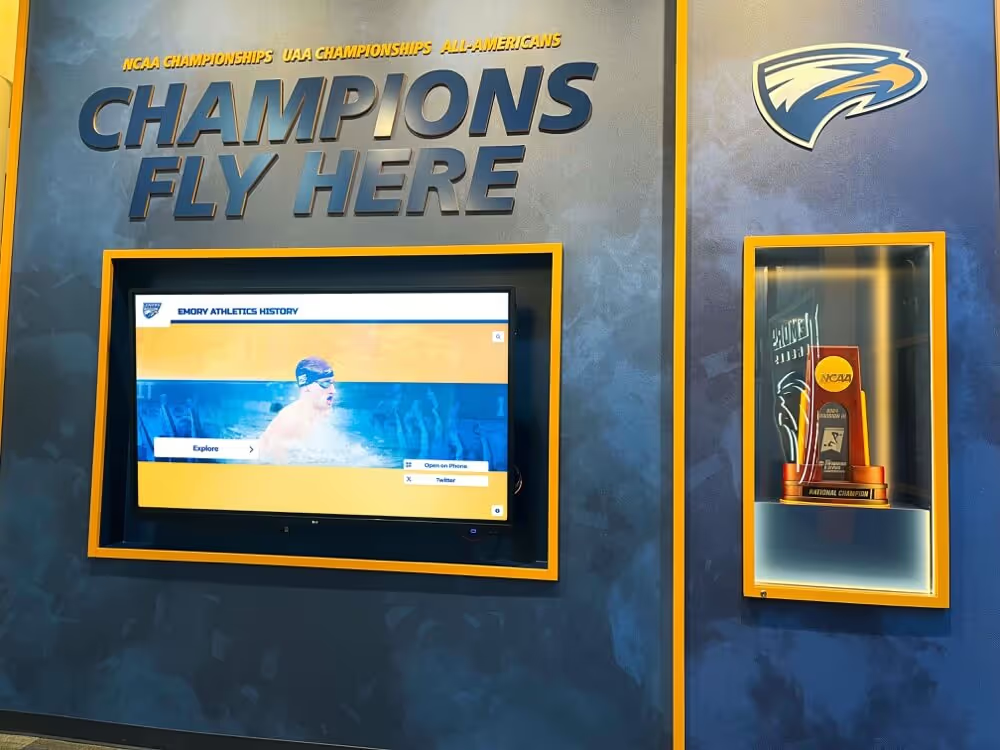
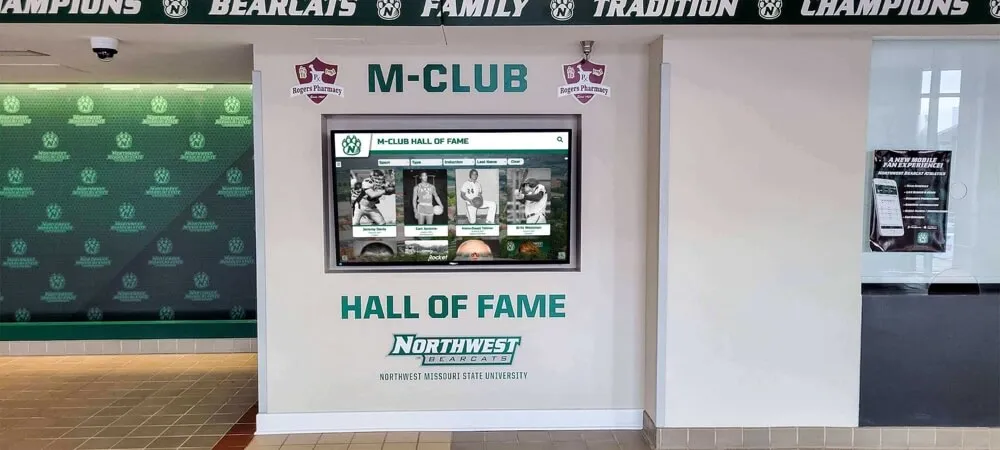
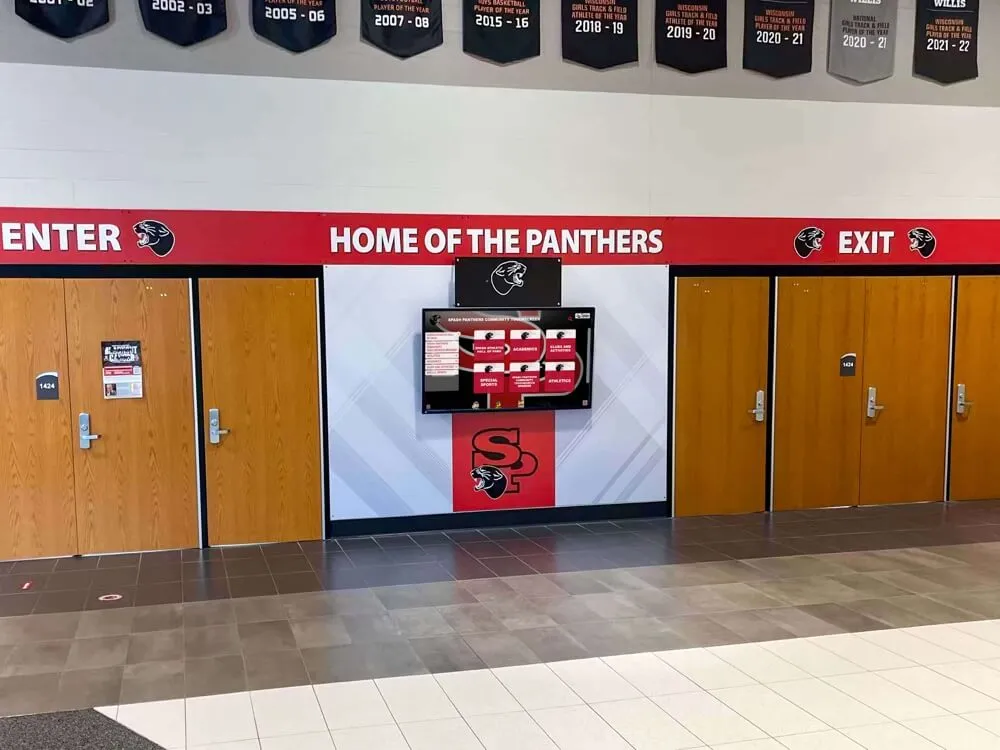
Modern athletic recognition celebrates championships and individual achievements that build program tradition
Why Sport End of Year Awards Matter
Before exploring specific award ideas and implementation strategies, understanding the deeper value of athletic recognition helps programs design ceremonies and systems aligned with broader goals.
Building Team Culture and Identity
Year-end recognition creates opportunities to reinforce team values and cultural priorities.
Values Reinforcement Through Recognition
Award selections communicate what programs genuinely value beyond winning. When coaches recognize leadership, sportsmanship, work ethic, and team-first attitudes alongside athletic performance, they demonstrate that character matters equally to competitive success.
Athletes notice which behaviors and contributions receive acknowledgment. Recognition systems that honor only statistical leaders send messages that individual performance trumps everything else. Comprehensive award structures celebrating diverse contributions build cultures where athletes support teammates, demonstrate good character, and commit to collective success.
Creating Shared History and Tradition
End of season awards become part of team history that connects current athletes to program legacy. When seniors reflect on their athletic careers, memorable recognition moments often stand out as highlights they treasure alongside championship victories and personal bests.
Programs that properly document and display award recipients across years create visible traditions where current athletes see themselves as part of ongoing stories larger than single seasons. This historical connection strengthens program identity while motivating athletes to earn places alongside honored predecessors.
Motivating Continued Development
Thoughtful recognition influences athlete motivation and commitment extending beyond current seasons.
Recognition as Growth Catalyst
Athletes receiving meaningful acknowledgment for improvement, effort, or specific skill development often experience renewed motivation to continue progressing. Year-end awards provide natural moments to celebrate growth that might otherwise go unnoticed during competition-focused seasons.
When a junior receives recognition for significant technique improvement or a sophomore earns acknowledgment for exceptional practice dedication, these moments validate their development while encouraging continued investment in their athletic journeys.
Future Goal Setting
Award ceremonies create opportunities for athletes to envision future recognition and set corresponding goals. When freshmen watch upperclassmen receive team awards, they begin imagining themselves in similar positions while identifying behaviors and commitments required to earn comparable honor.
Programs can strengthen this connection by sharing stories about award recipients’ journeys, highlighting specific actions that led to recognition, and explicitly encouraging younger athletes to pursue similar achievements.
Engaging Families and Communities
Athletic recognition extends beyond team members to involve broader support networks.
Family Celebration Opportunities
Year-end award ceremonies provide occasions for families to celebrate their athletes’ accomplishments and commitments. Parents and guardians who supported early morning practices, weekend tournaments, and countless hours of training deserve opportunities to share recognition moments with their athletes.
Well-designed ceremonies acknowledge family contributions while creating positive memories that strengthen family-athletic program relationships.
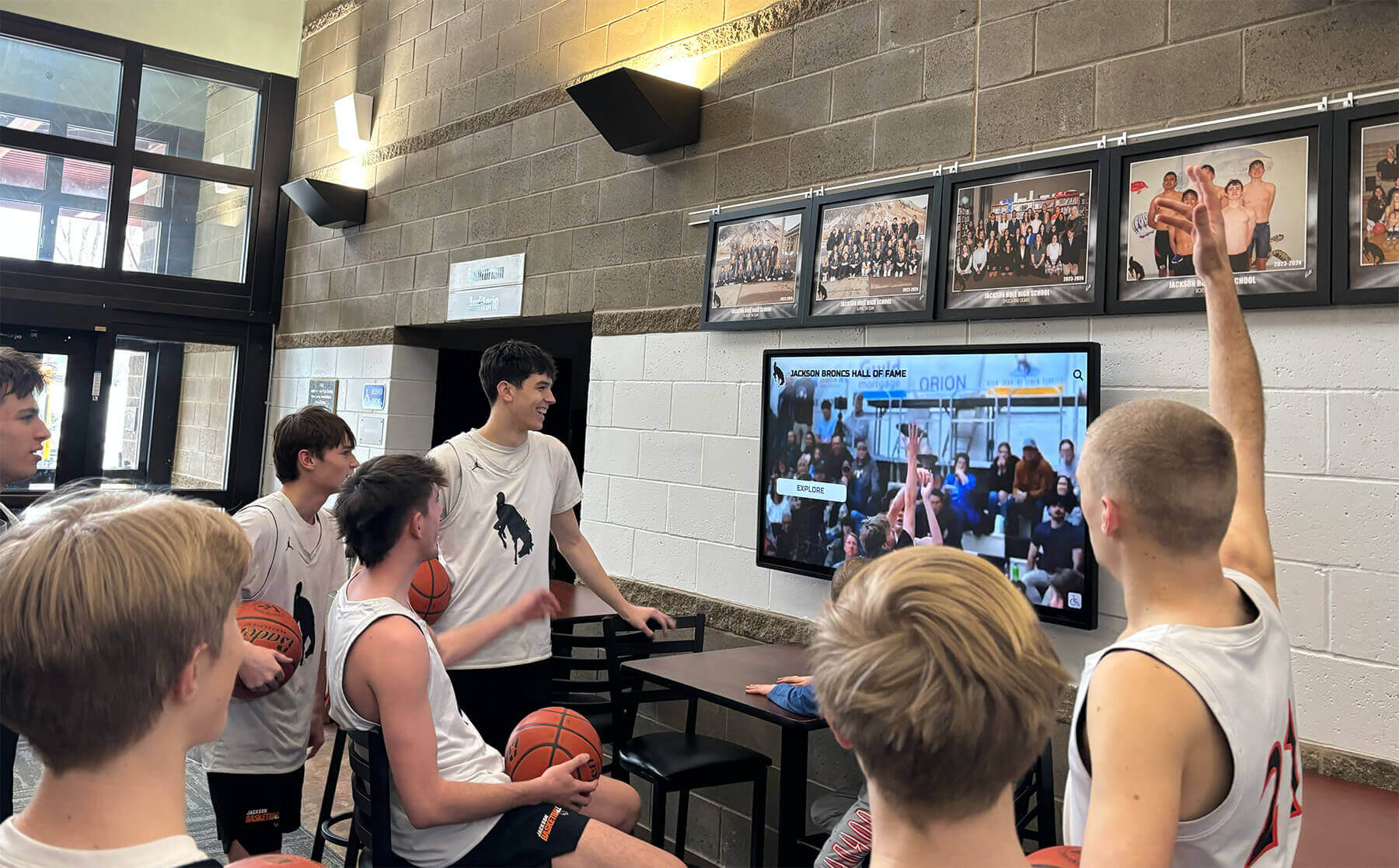
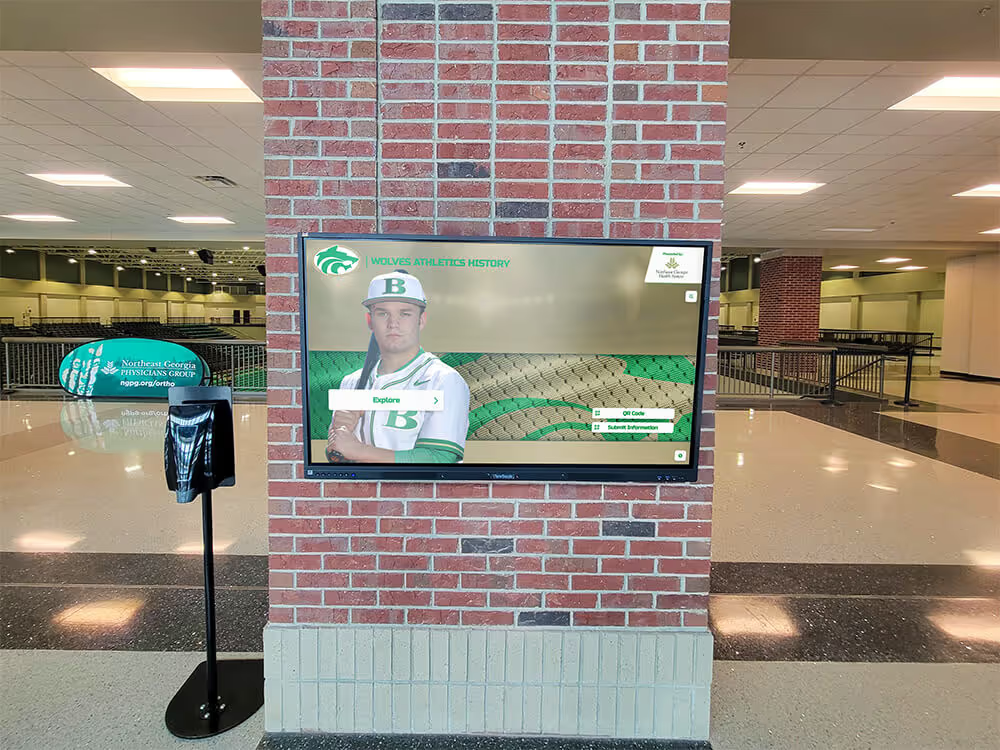
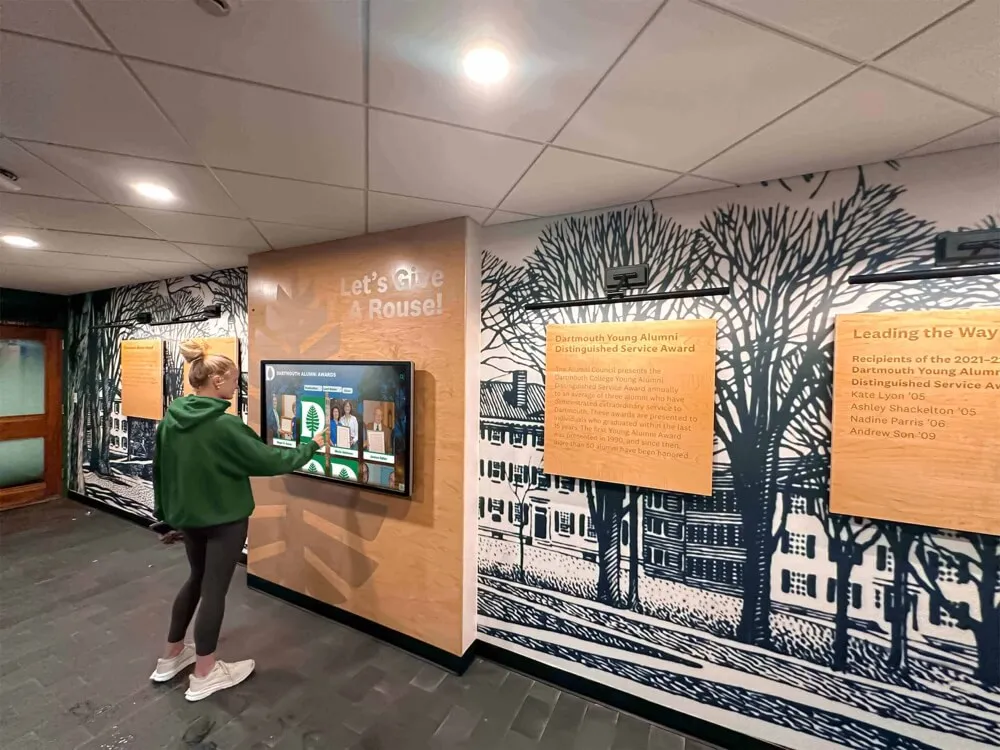
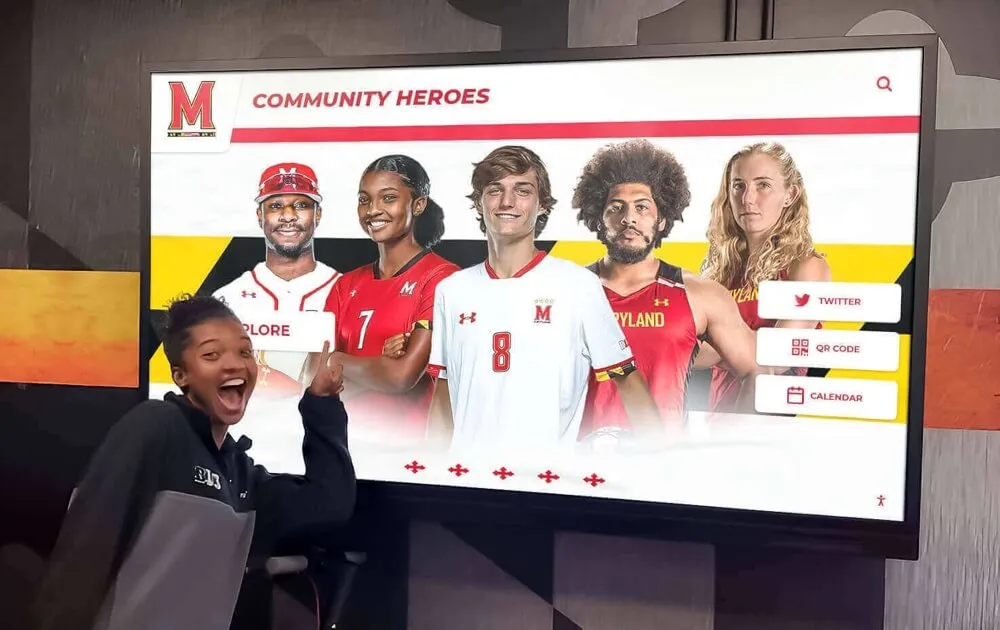
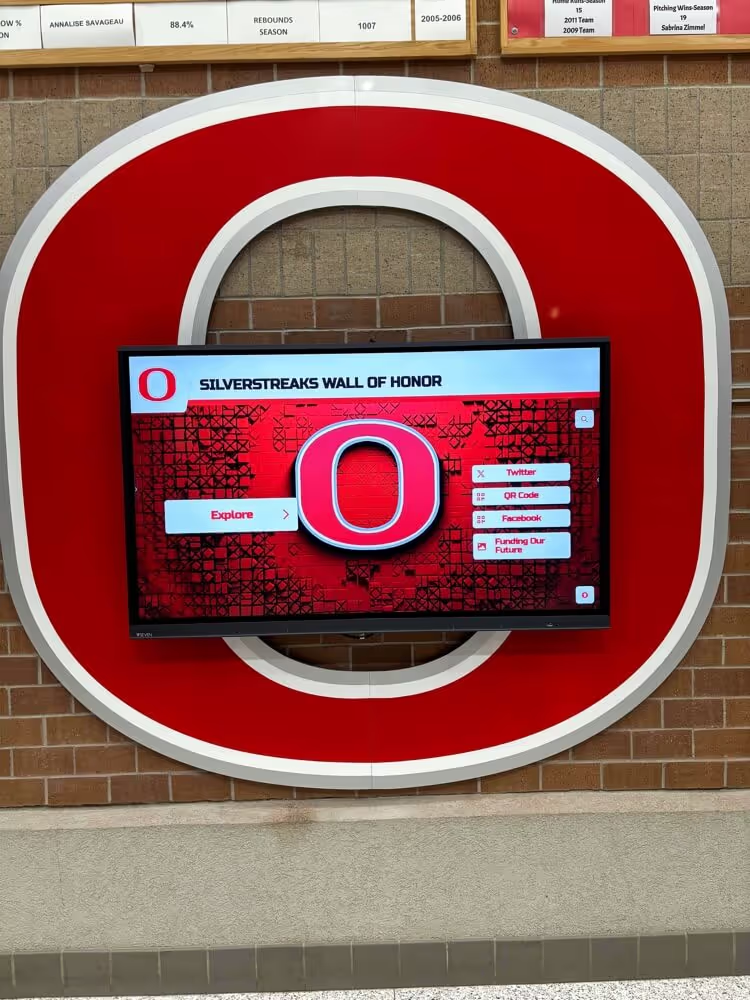
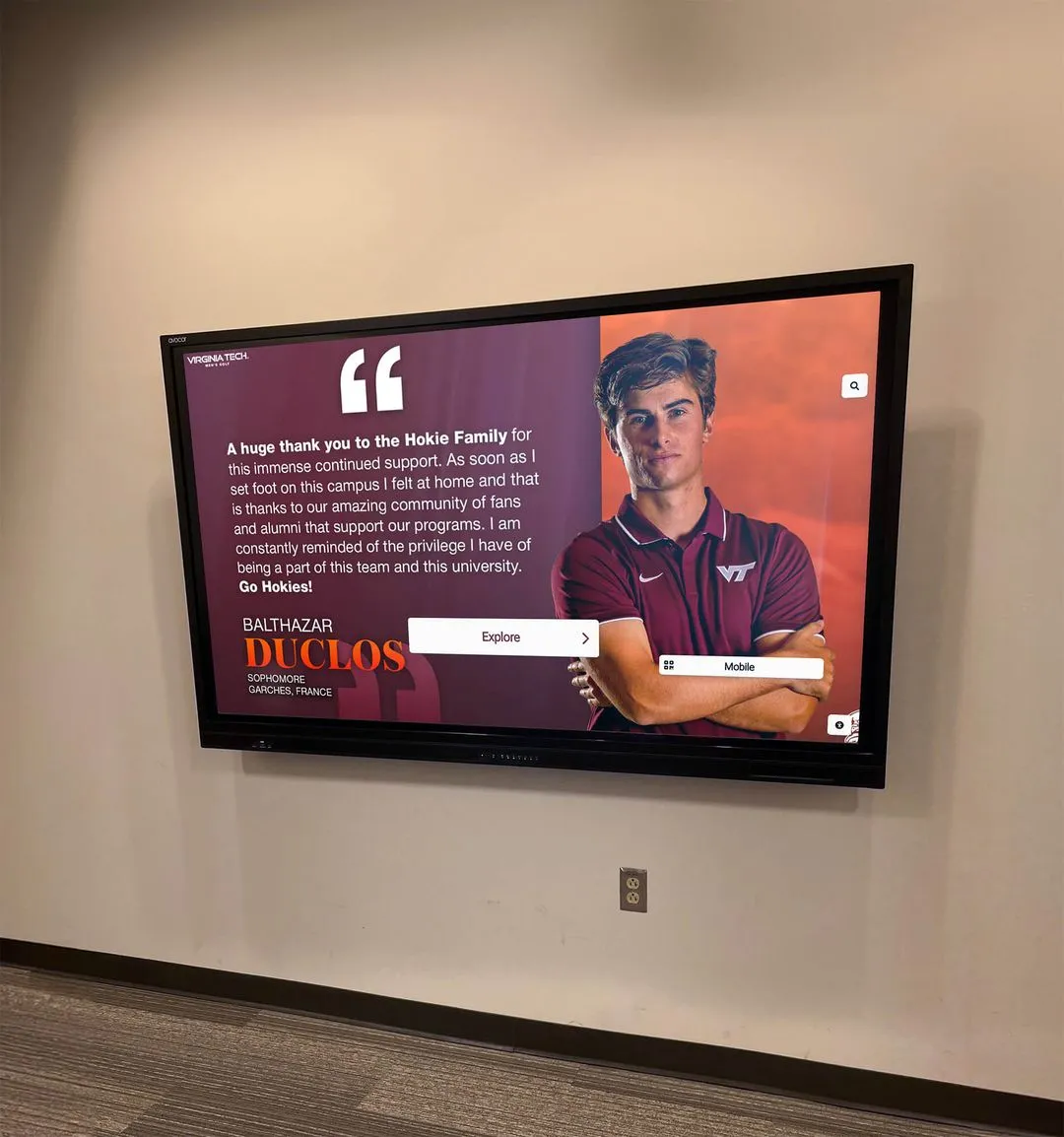
Interactive displays enable athletes to explore achievements and relive memorable moments
Community Connection and Support
Public recognition through digital displays, social media, and local media creates community awareness of athletic programs while generating support. When community members see systematic celebration of student athlete achievements, they develop greater appreciation for athletic programs and increased willingness to provide support.
Learn about comprehensive approaches to athletic recognition programs that strengthen communities.
Essential Traditional Sport Awards
Before exploring creative recognition categories, understanding foundational awards ensures programs cover essential acknowledgments.
Performance-Based Awards
Traditional achievement recognition remains important while serving as baseline for comprehensive programs.
Most Valuable Player (MVP)
The MVP award recognizes athletes who contributed most significantly to team success through combination of performance, leadership, and impact. Selection criteria should extend beyond statistics to consider leadership, consistency, competitive performance in crucial moments, positive team impact, and embodiment of program values.
Programs with multiple teams or levels may designate separate MVPs for varsity, junior varsity, and freshman teams, ensuring recognition at all competitive levels.
Most Outstanding Performer by Position
Position-specific awards acknowledge excellence in specialized roles including offensive performer awards, defensive excellence recognition, and position group leaders. These awards ensure recognition extends beyond primary scorers or ball-handlers to celebrate athletes excelling in specialized functions.
Statistical Achievement Awards
Quantitative performance recognition includes leading scorer or goal-scorer designations, assist or playmaking leaders, defensive statistic leaders depending on sport, record-breaking performances, and season or career milestone achievements.
Statistical awards provide objective recognition while celebrating measurable excellence that families and athletes can easily understand and appreciate.
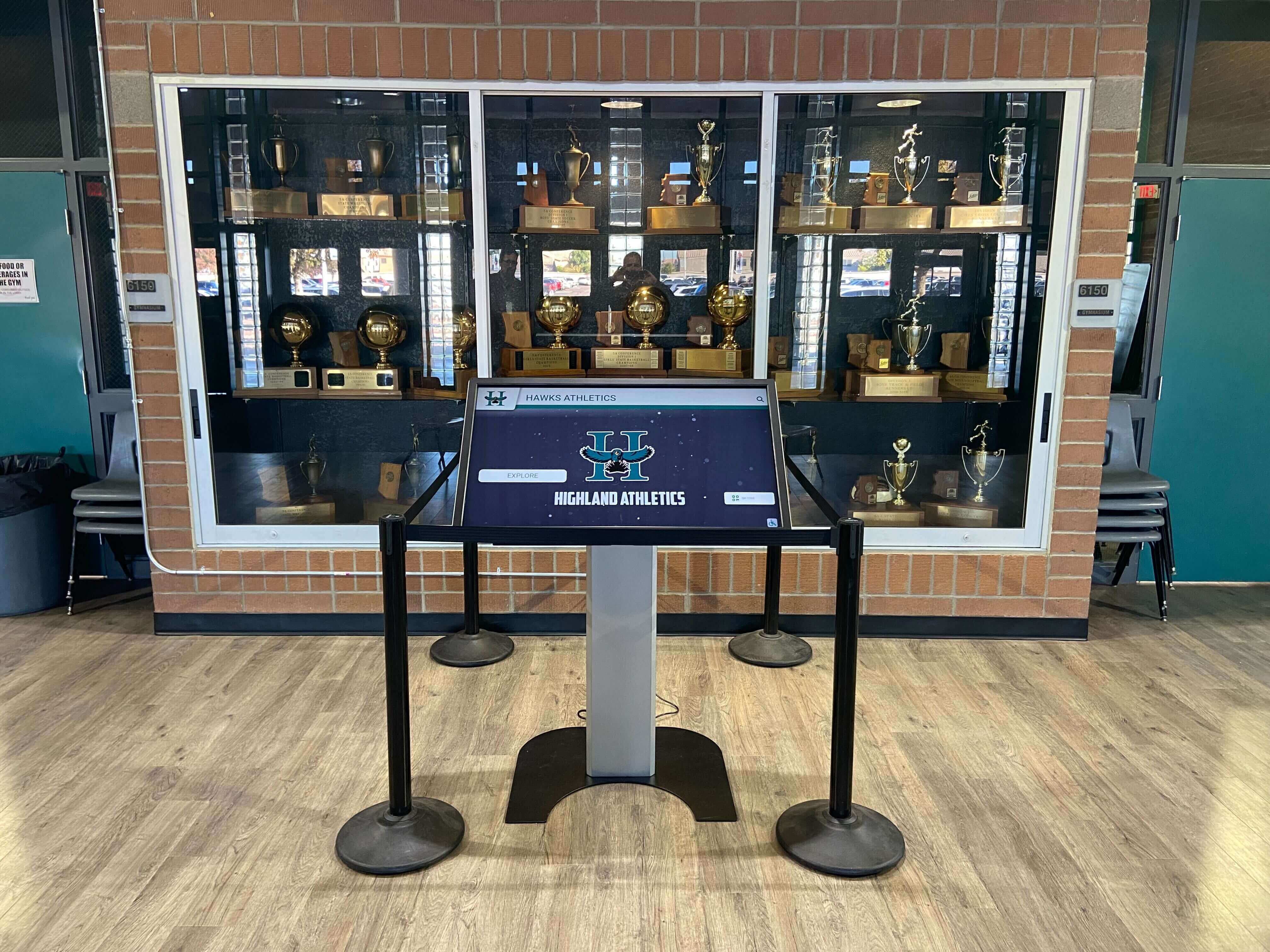
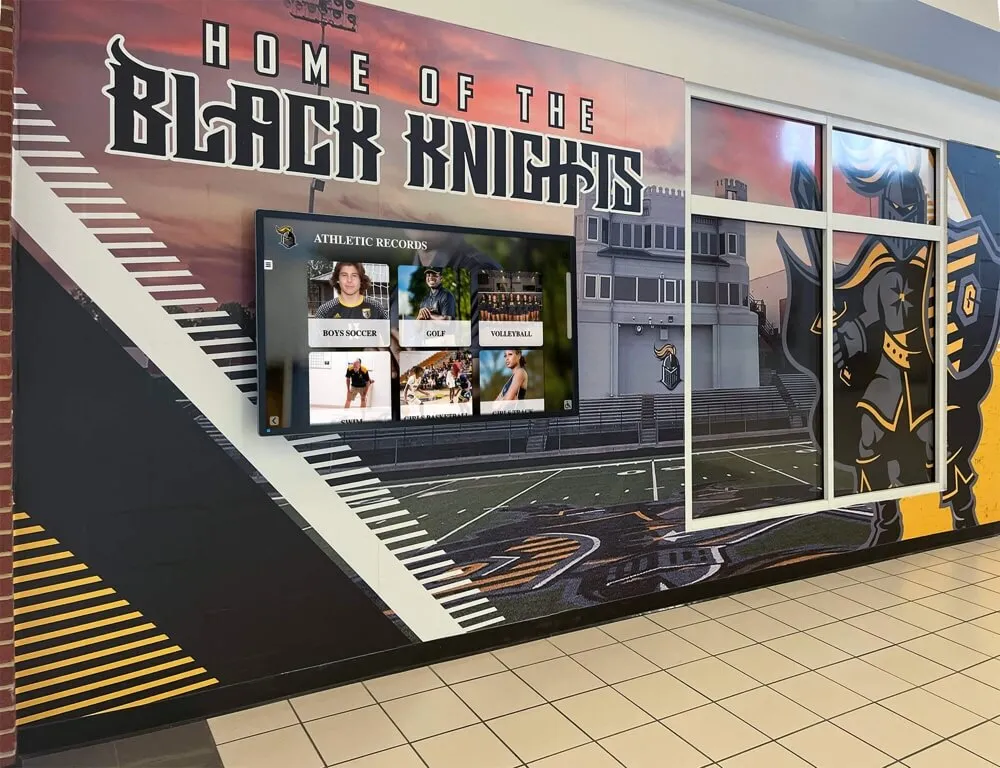
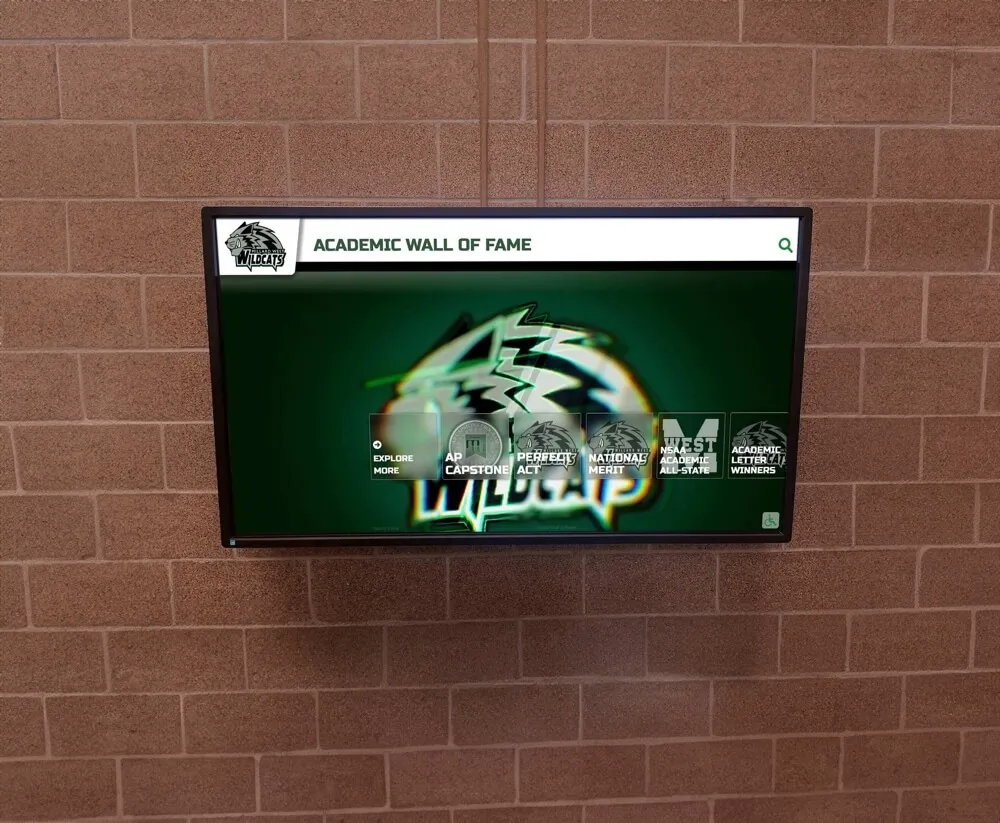
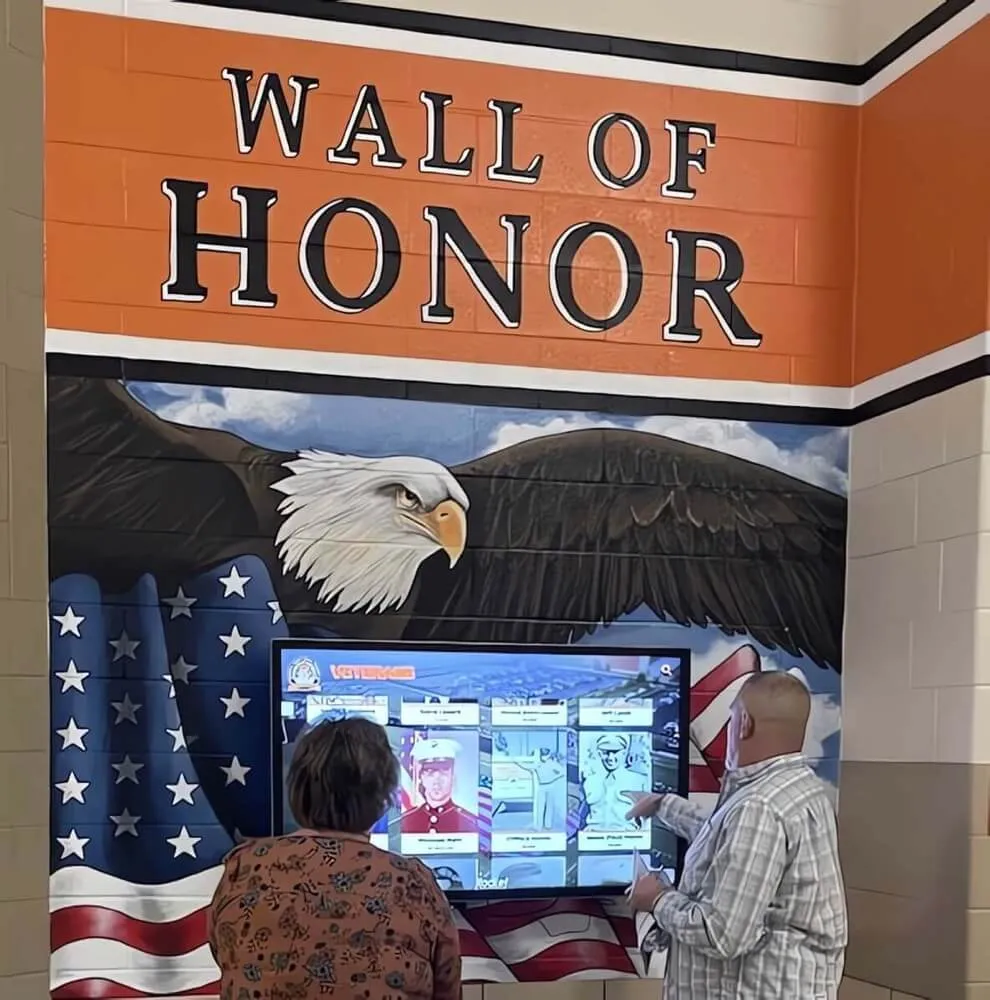
Digital systems enable programs to showcase unlimited achievement categories and historical recognition
Character and Effort Recognition
Non-performance awards acknowledge equally important contributions to team success and program culture.
Most Improved Player
This recognition celebrates athletes demonstrating significant skill, performance, or contribution growth throughout seasons. Most improved awards particularly motivate athletes at earlier development stages who work diligently despite not reaching top performance levels.
Selection should emphasize measurable improvement rather than simply recognizing athletes who started seasons at lower levels, ensuring awards acknowledge genuine development requiring sustained effort.
Best Teammate Award
Recognition for athletes who best embody team-first attitudes, support teammates consistently, maintain positive attitudes regardless of playing time, demonstrate leadership through action, and strengthen team cohesion acknowledges that winning requires more than individual talent.
This award often holds special meaning because teammate voting or coach observation based on daily behavior determines selection rather than game-day performance visible to everyone.
Coaches Award
The coaches award provides flexibility to acknowledge athletes who might not fit traditional categories but deserve recognition for special contributions including extraordinary work ethic, significant adversity overcome, exceptional leadership during challenging moments, positive culture building, or embodiment of program values.
This discretionary recognition enables coaches to honor meaningful contributions that predefined categories might miss.
Explore comprehensive strategies for student athlete recognition that celebrate diverse achievements.
20 Creative Sport End of Year Award Ideas
Beyond traditional categories, creative awards acknowledge unique contributions while making recognition ceremonies more engaging and memorable.
Performance Innovation Awards
1. Clutch Performance Award
Recognizes the athlete who consistently elevated performance during crucial moments including championships, rivalry competitions, playoffs, or close contests. This award celebrates competitors who thrive under pressure rather than simply accumulating statistics during less competitive moments.
2. Versatility Award
Acknowledges athletes who contributed effectively across multiple positions, roles, or situations. Particularly relevant for team sports where tactical flexibility provides competitive advantages, this recognition honors adaptability and comprehensive skill development.
3. Most Valuable Bench Player
Celebrates athletes who maximized impact despite limited playing time through exceptional practice intensity, team support, preparation readiness, and positive energy. This recognition validates contributions from athletes who strengthen teams without extensive game-day visibility.
4. Breakout Performer Award
Honors the athlete who exceeded expectations most dramatically, whether freshman making immediate impact, previously unheralded player emerging as contributor, or athlete overcoming injuries to reach new levels. This recognition celebrates unexpected excellence and determination.
Character and Leadership Recognition
5. Captain’s Award
Acknowledges formal team leaders for their service, responsibility, and leadership impact throughout seasons. This recognition validates the extra commitment captains make while honoring their influence on team culture and success.
6. Unsung Hero Award
Celebrates athletes whose contributions significantly impacted team success despite not receiving frequent public recognition. This might include players accepting reduced roles for team benefit, athletes performing unglamorous but essential functions, or contributors whose impact shows up in team success rather than individual statistics.
7. Heart and Hustle Award
Recognizes athletes who consistently demonstrated maximum effort, competed with passion, maintained intensity regardless of score or situation, inspired teammates through energy and commitment, and exemplified competitive fire. This award honors the intangible qualities that elevate team performance beyond talent alone.
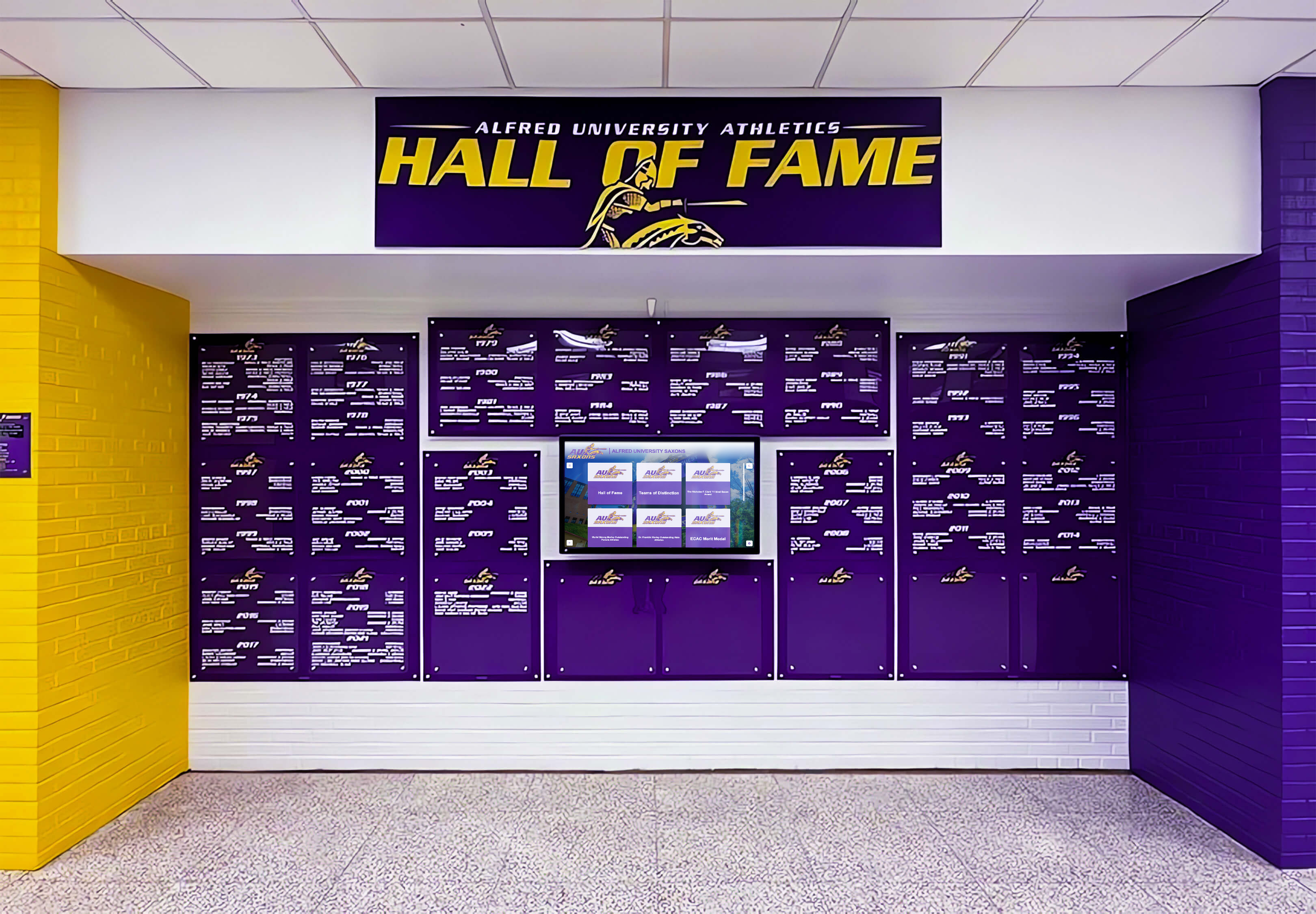
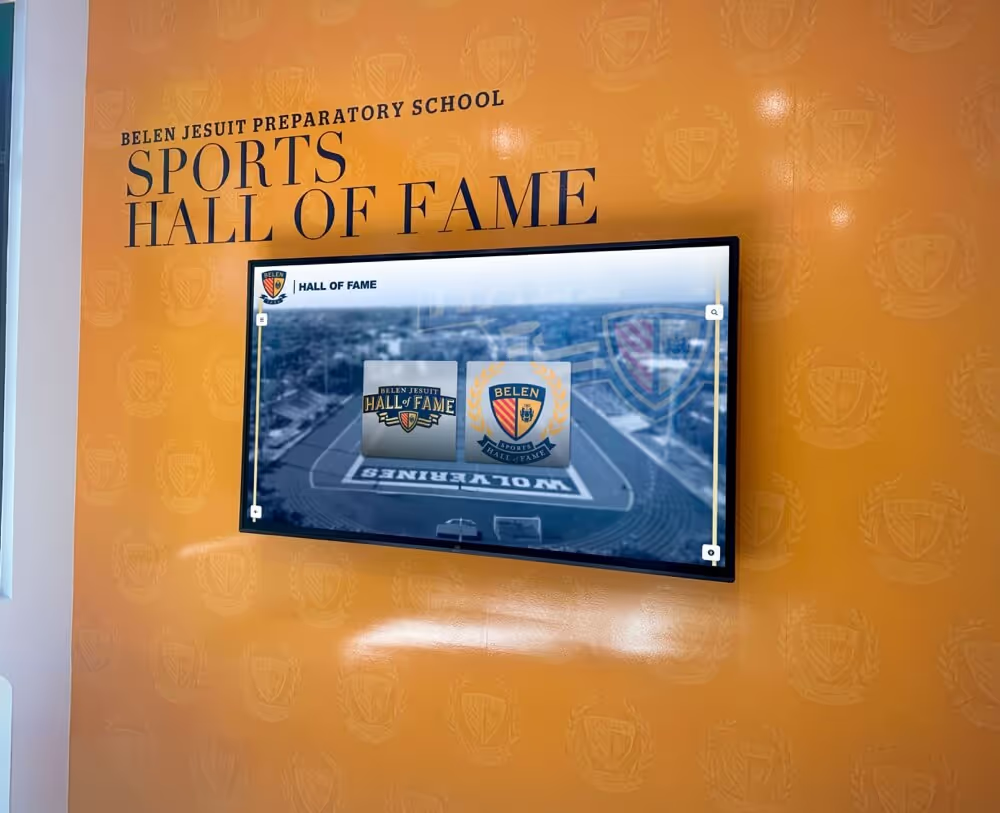
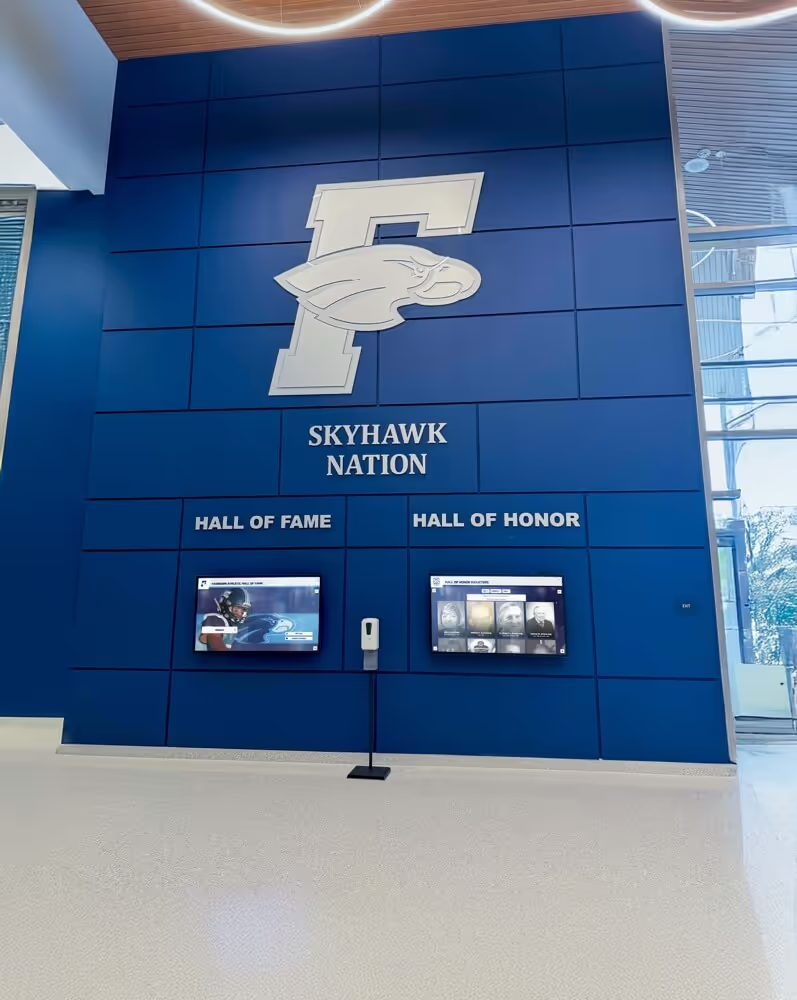
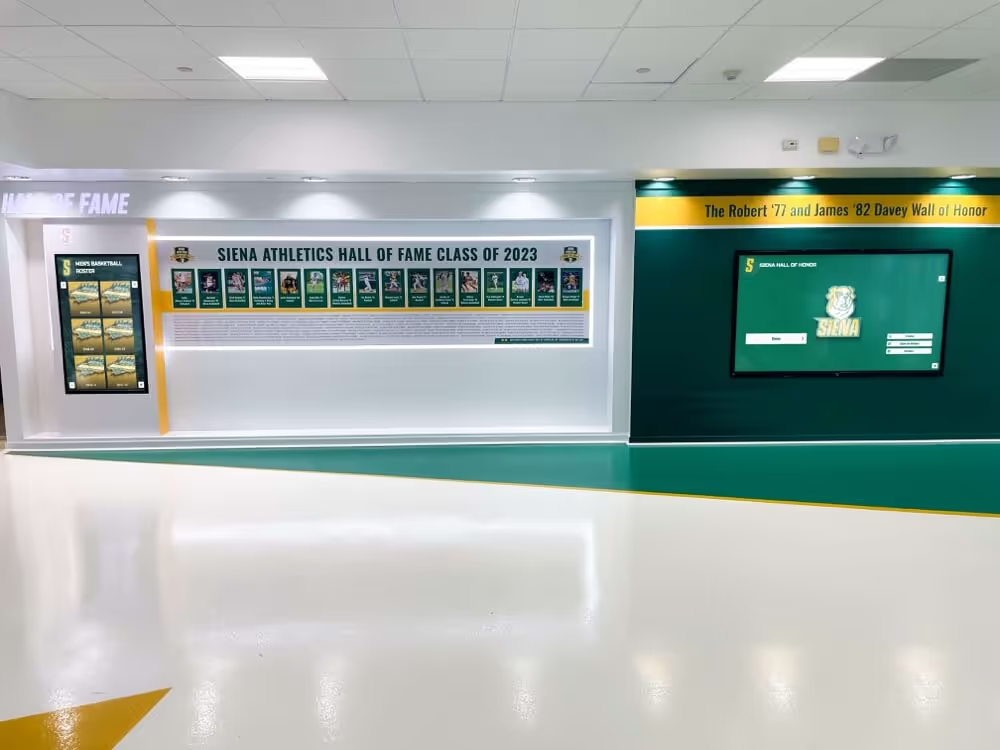
Permanent recognition displays preserve athletic achievements and inspire future athletes
8. Sportsmanship Award
Acknowledges athletes who best represented programs through exemplary conduct including respect for opponents and officials, grace in victory and defeat, adherence to rules and ethical competition, positive representation of school and program, and modeling behavior younger athletes should emulate.
Sportsmanship recognition reinforces that how athletes compete matters as much as competitive results.
9. Team Spirit Award
Celebrates the athlete who most consistently elevated team energy, maintained positive outlook during challenges, supported and encouraged teammates, created inclusive team environment, and made practices and competitions more enjoyable for everyone. This recognition honors culture builders who strengthen teams through positivity.
10. Rising Leader Award
Recognizes younger athletes emerging as future program leaders based on leadership potential demonstration, positive influence on teammates, embodiment of program values, commitment to improvement, and character that will guide future teams. This forward-looking award encourages leadership development.
Development and Growth Recognition
11. Most Dedicated Award
Acknowledges the athlete who demonstrated greatest commitment to development through consistent extra training, attendance and punctuality excellence, film study and preparation, skill development initiative, and investment in becoming best possible athlete. This recognition honors the daily choices that separate good athletes from great ones.
12. Most Coachable Award
Celebrates athletes who maximally applied coaching feedback including receptiveness to instruction, implementation of coaching points, willingness to modify technique or approach, positive response to criticism, and continuous learning mindset. Coachability determines how much athletes grow, making this recognition especially meaningful.
13. Breakthrough Performance Award
Honors athletes who achieved personal milestones or overcame significant limitations including return from serious injury, achievement of long-pursued personal goal, mastery of previously problematic skill, or dramatic improvement in specific area. This recognition celebrates individual growth journeys regardless of team impact.
14. Practice Player of the Year
Recognizes athletes whose daily practice performance elevated team preparation and development. Quality practice competition often determines game success, making recognition for athletes who consistently bring intensity, focus, and competitiveness to practice particularly meaningful.
Special Contribution Awards
15. Community Impact Award
Acknowledges athletes who meaningfully represented programs beyond competition through volunteer service, youth mentorship, community event participation, positive social media presence representing program, or other activities strengthening program-community connections.
This recognition reinforces that student athletes serve as ambassadors extending responsibilities beyond athletic performance.

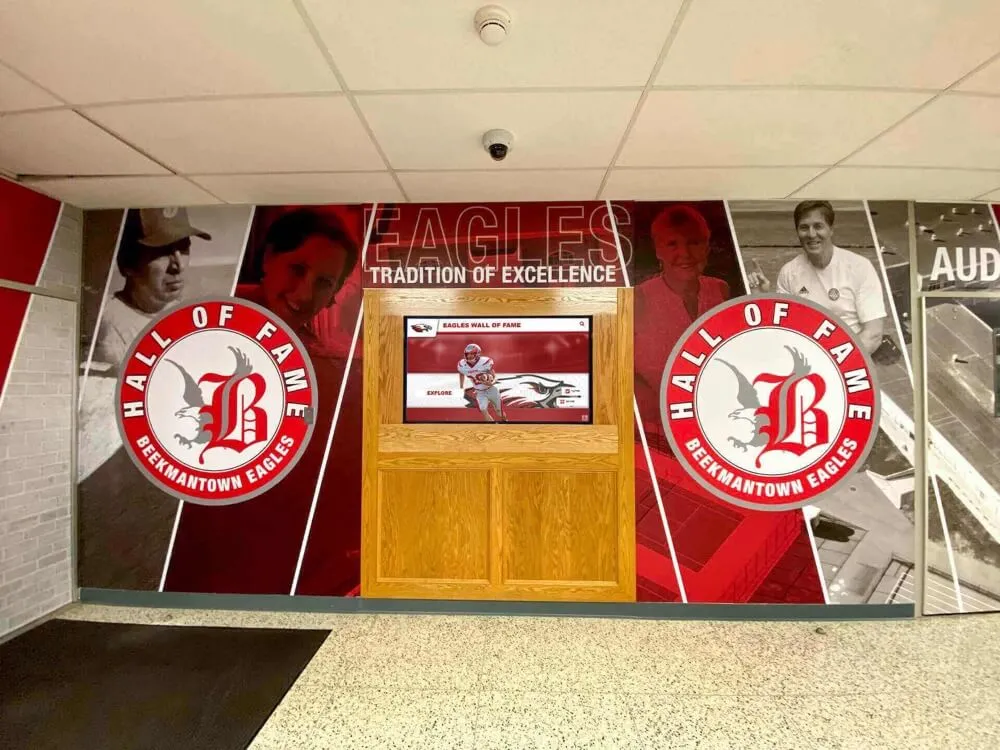
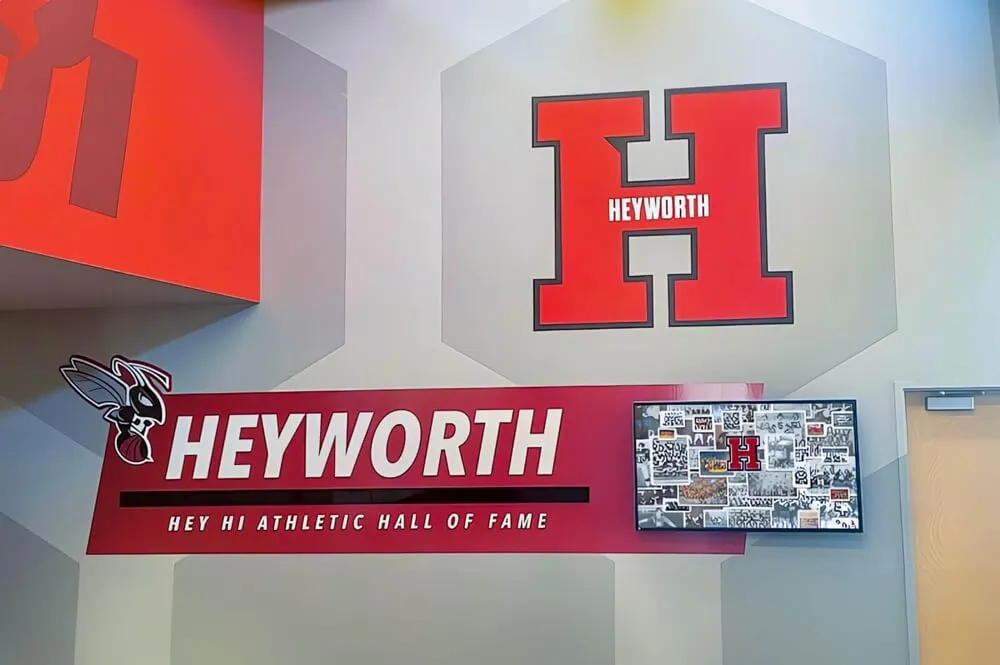
Dedicated recognition spaces celebrate athletic achievement while building program culture
16. Academic Excellence Award
Celebrates athletes who excelled academically while maintaining athletic commitments. Many programs set GPA thresholds (3.5 or higher) or recognize highest team GPA, reinforcing that student athletes prioritize academics alongside athletics.
This recognition particularly matters for programs emphasizing the student-athlete model where academic success remains paramount.
17. Rookie of the Year
Honors the first-year athlete who made greatest impact through performance contribution, development trajectory, team culture fit, and potential demonstration. This award provides important recognition for newcomers while creating healthy competition among entering athletes.
18. Comeback Player of the Year
Recognizes athletes who returned from injury, personal challenges, or extended absence to make meaningful contributions. This recognition honors resilience, determination, and perseverance through difficulty while celebrating successful returns that required extra commitment.
19. Fan Favorite Award
Determined through supporter voting or social media engagement, this award acknowledges the athlete who most captured fan enthusiasm through exciting play, infectious personality, or memorable moments. Fan favorite recognition creates community engagement while honoring athletes who strengthen program support.
20. Iron Person Award
Celebrates the athlete who demonstrated exceptional durability and availability through participation in most competitions, minimal missed practice, consistent readiness to compete, and physical and mental toughness enabling sustained contribution. This recognition honors reliability that coaches deeply value.
Discover comprehensive approaches for showcasing athletic achievements that preserve program traditions.
Implementing Effective Award Programs
Creating meaningful recognition requires thoughtful planning and systematic implementation beyond simply selecting award categories.
Award Selection Criteria and Processes
Clear selection methodology ensures fairness and legitimacy that recipients and teammates respect.
Establishing Transparent Criteria
Each award should have defined criteria communicating what the recognition honors. While some judgment remains necessary, clear guidelines prevent perceptions of favoritism while helping athletes understand what behaviors and achievements earn recognition.
Criteria documentation should specify whether selection depends on statistics, coach evaluation, peer voting, or combination of factors. Transparency builds trust in recognition legitimacy while helping athletes understand paths to future awards.
Involving Multiple Perspectives
The most respected selection processes incorporate diverse viewpoints including coaching staff evaluation, team captain or peer input, statistical analysis and objective measures, and occasionally even family or community perspective. Multi-source selection reduces individual bias while ensuring awards reflect genuine consensus about worthy recipients.
For peer-voted awards like teammate or fan favorite recognition, clear voting procedures prevent popularity contests while ensuring thoughtful consideration.
Timing Considerations
Award selection timing should allow adequate season evaluation while maintaining recognition relevance. Most programs finalize selections within two weeks of season conclusion when memories remain fresh and coaches can thoughtfully evaluate full seasons.
Earlier selection enables proper award production, ceremony planning, and family notification, while avoiding excessive delay that reduces recognition impact.
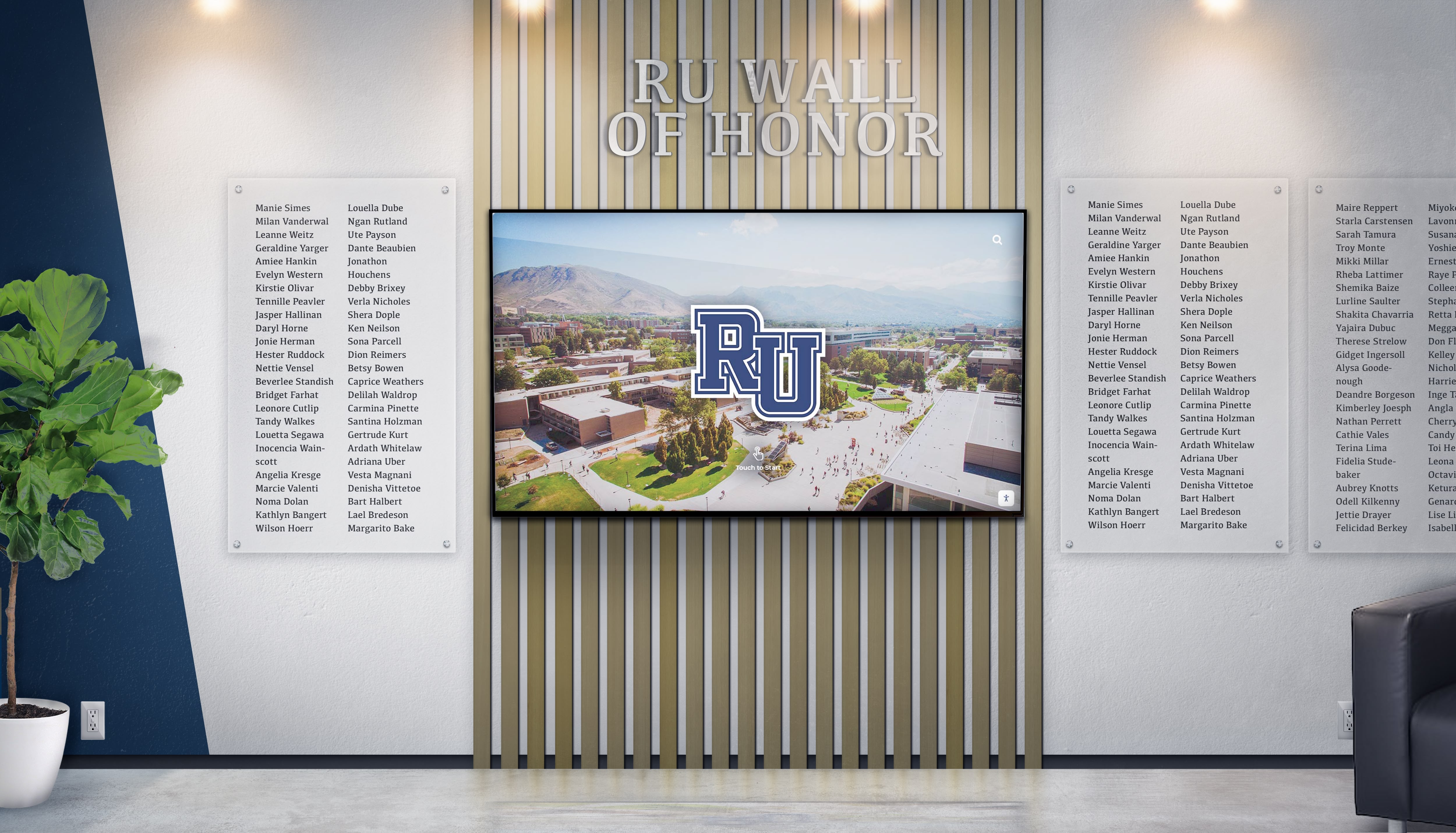
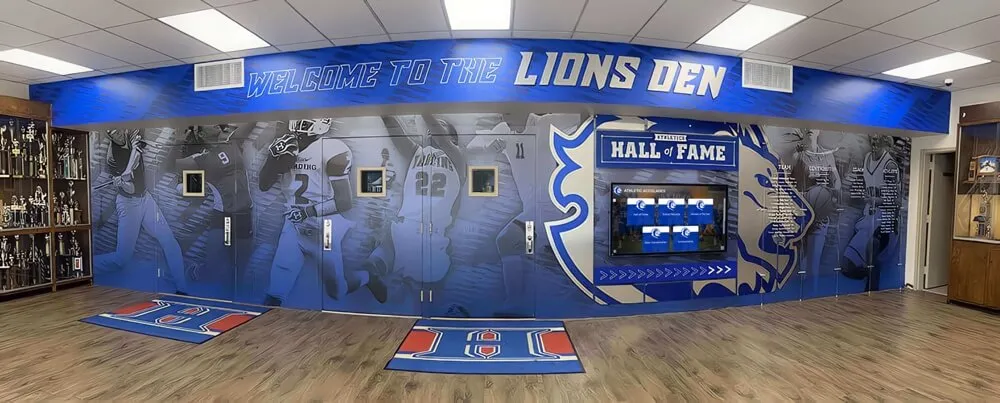
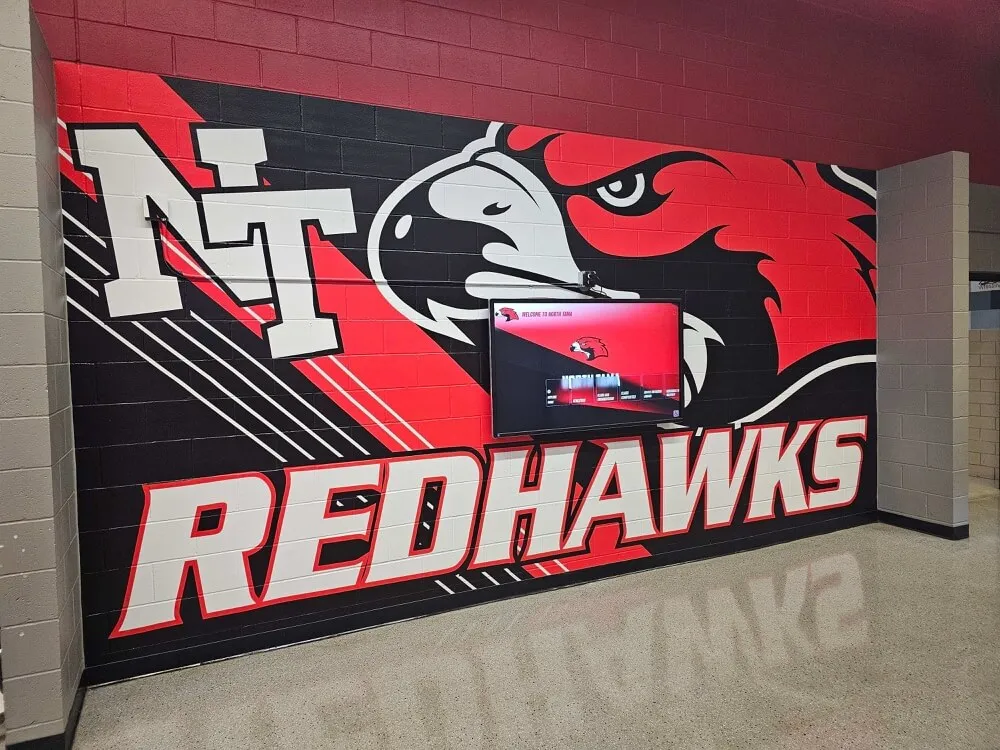
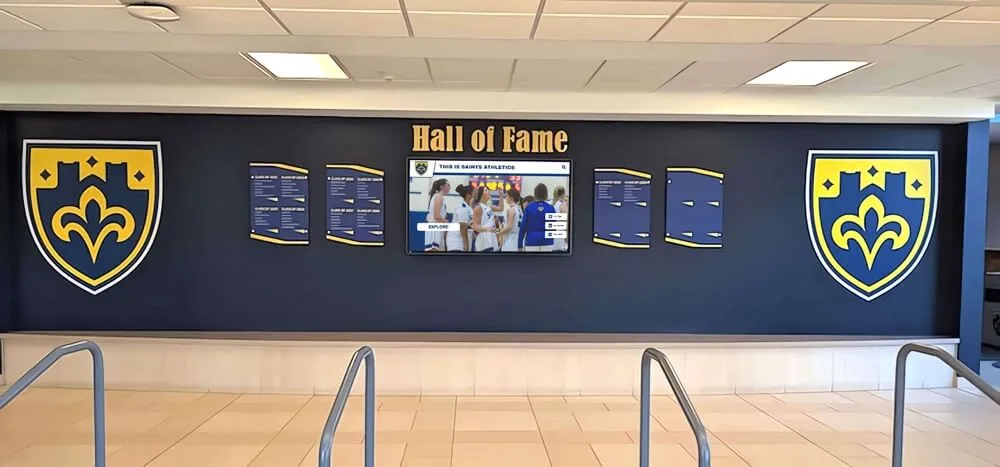
Integrated recognition systems combine digital and traditional elements creating comprehensive celebration spaces
Ceremony Design and Experience
Award presentation significantly influences recognition meaning and memorability.
Ceremony Format Options
Programs can choose recognition formats matching their culture, resources, and preferences:
Formal Banquet
- Catered meal in banquet facility
- Formal dress code
- Extended program with speeches
- Family attendance and celebration
- Professional atmosphere
Casual Team Gathering
- On-campus or restaurant setting
- Relaxed atmosphere
- Team-focused rather than family-oriented
- Shorter program with emphasis on team bonding
- Cost-effective approach
Hybrid Approach
- Main ceremony for major awards
- Smaller team meetings for additional recognition
- Video montages shared digitally
- Combining multiple event types
Virtual or Recorded Recognition
- Video presentations accessible online
- Particularly relevant for large programs or distance challenges
- Enables high production value through editing
- Permanent record families can revisit
The best format depends on program size, budget, facility availability, and community expectations. Consistency matters more than specific format choice, as traditional ceremonies become anticipated annual events.
Creating Memorable Moments
Beyond award presentation, thoughtful details enhance experiences:
Personal Recognition Elements
- Individual stories or accomplishments shared during presentation
- Coach comments explaining selection rationale
- Video highlight reels of recipient performances
- Teammate testimonials for certain awards
- Parent or family involvement in presentation
Program Components
- Season highlight video reviewing memorable moments
- Senior tributes or recognition
- Introduction of returning athletes and captains
- Coach remarks about season and future
- Team bonding activities beyond formal recognition
Physical Recognition Items
- Trophies, plaques, or medals for award recipients
- Certificates for all participants
- Team photos or memorabilia
- Award presentation boxes or frames
- Personalized items like engraved awards
Thoughtful ceremony design creates experiences athletes remember long after seasons conclude.
Learn about comprehensive athletic recognition events that celebrate team and individual achievements.
Modern Recognition: Beyond Single-Night Ceremonies
While award ceremonies create important moments, lasting recognition requires extending visibility beyond single events.
Digital Recognition Systems
Traditional approaches to athletic recognition—physical plaques, printed programs, or forgotten trophies in cases—face significant limitations that modern technology solves.
Challenges with Traditional Recognition
Programs using conventional methods struggle with limited wall space forcing difficult decisions about whose accomplishments receive visibility, expensive engraving costs for adding names, difficult updates requiring professional installation, no capacity for photos, videos, or biographical information, static displays lacking searchability or interaction, and eventual removal of past recognition to accommodate new recipients.
These limitations force programs to choose which achievements receive visibility rather than celebrating all deserving athletes.
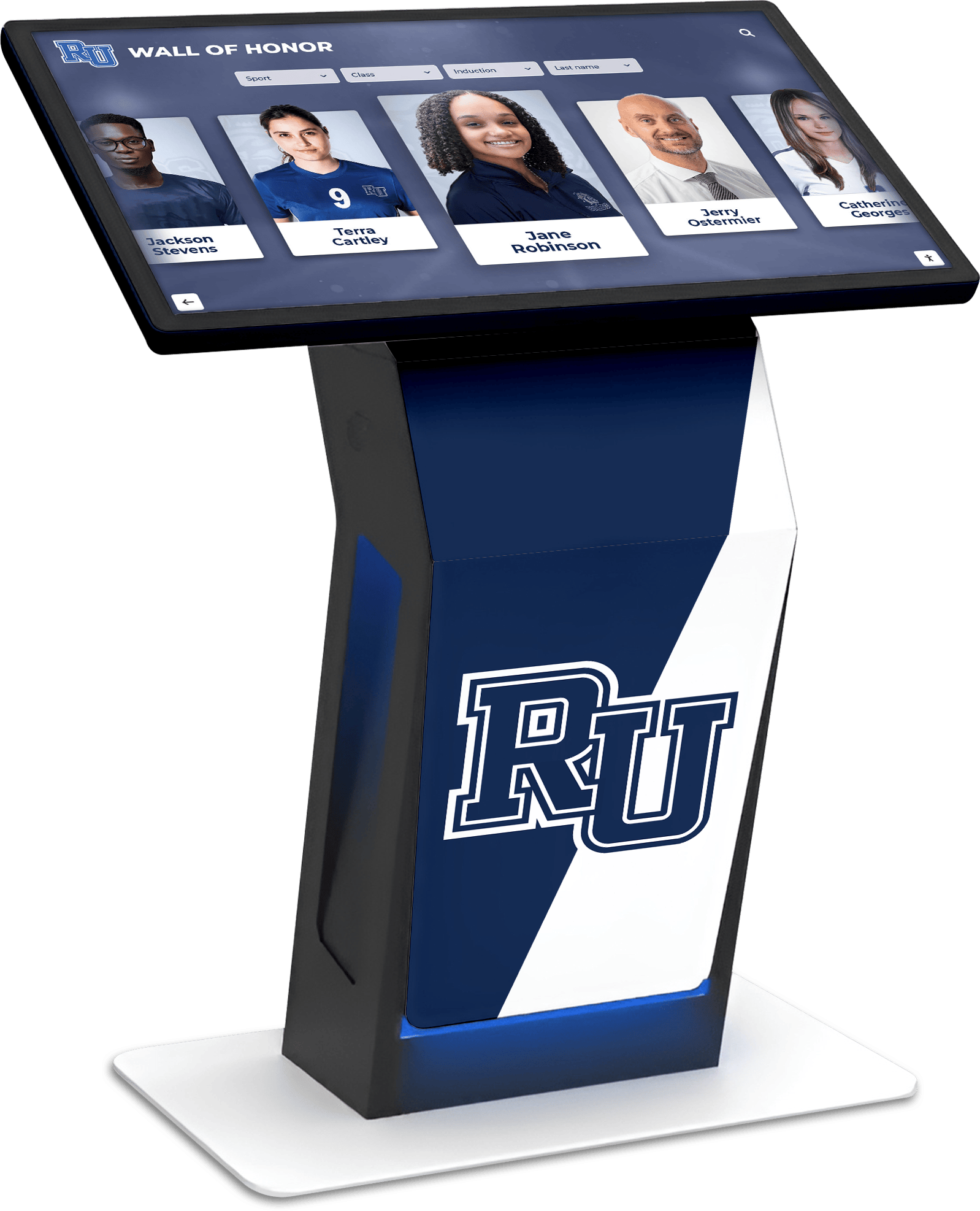
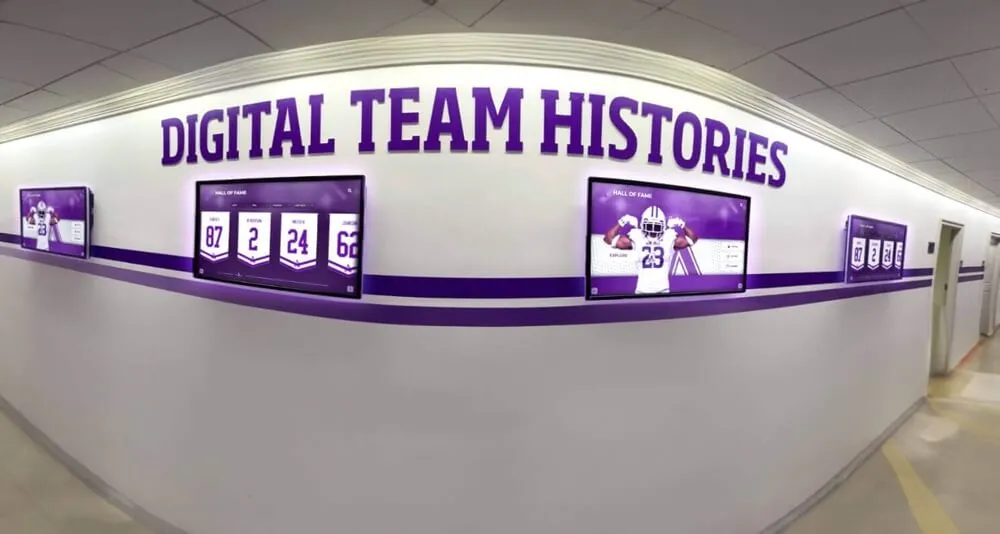
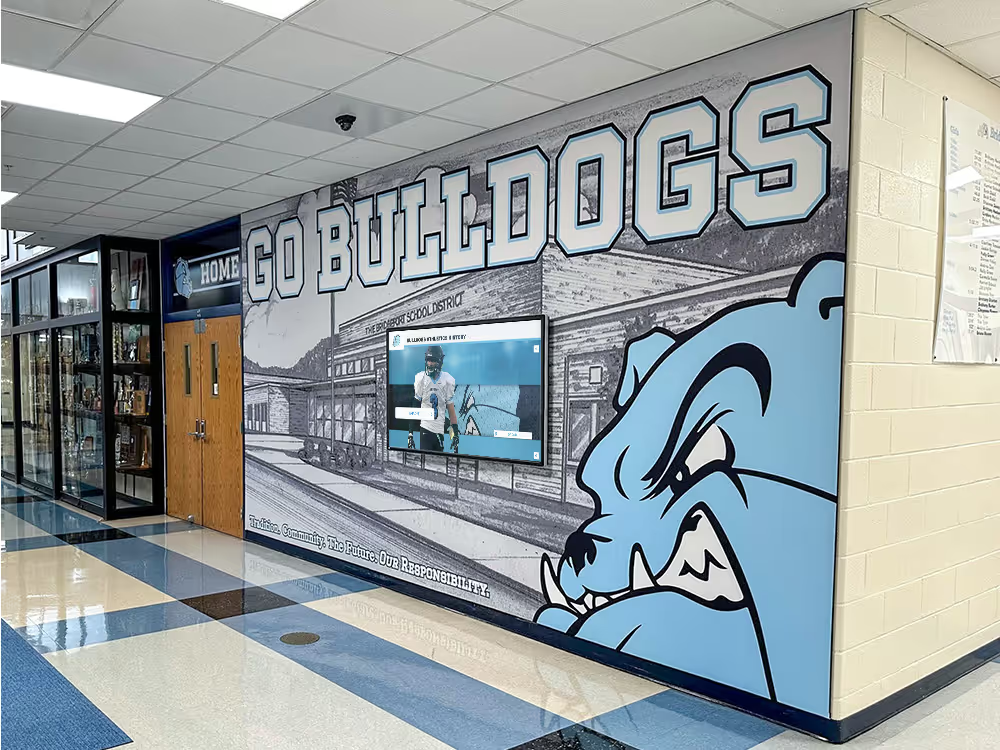
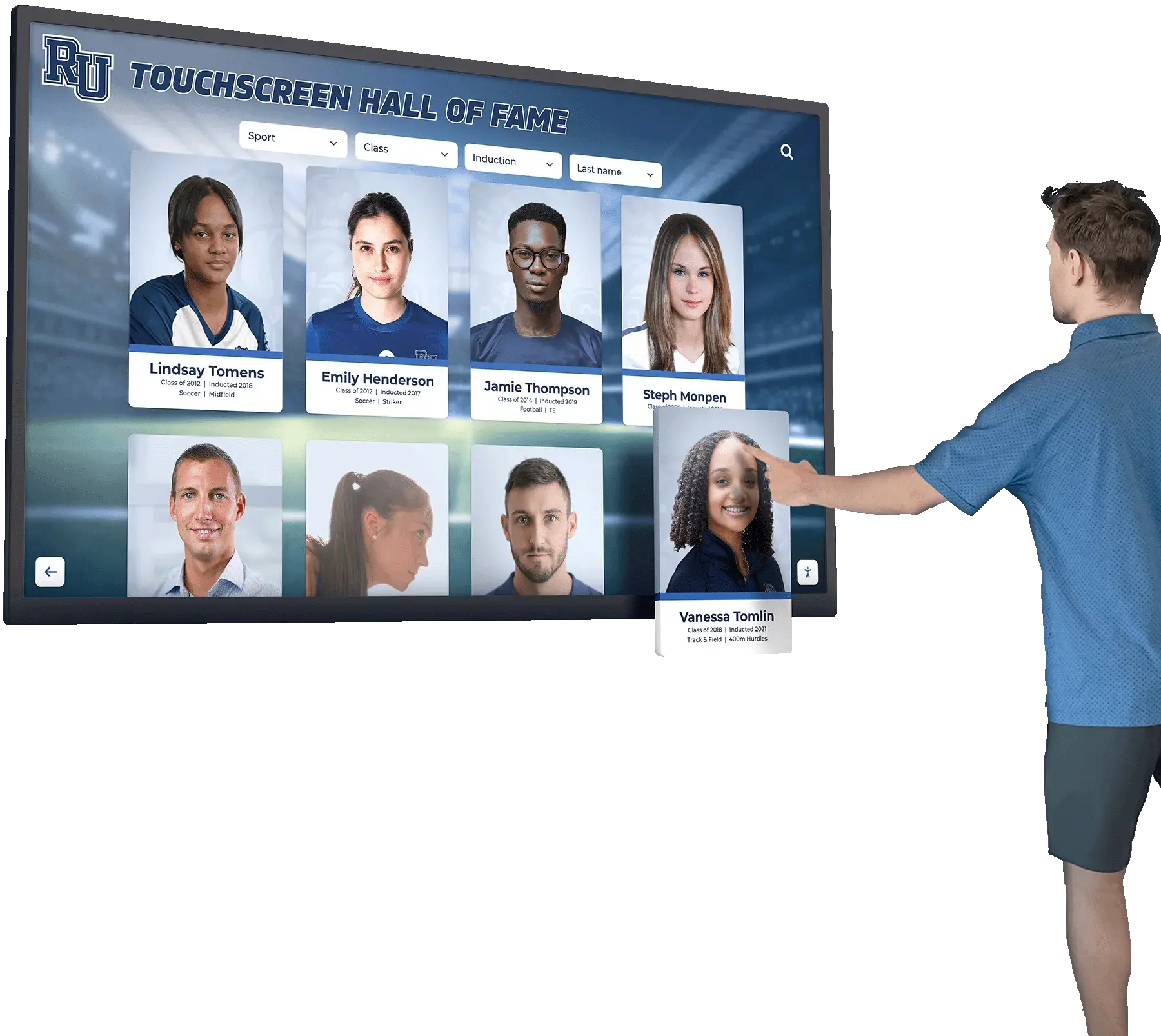
Modern digital systems showcase unlimited awards and achievements through engaging touchscreen displays
Digital Display Advantages
Solutions like Rocket Alumni Solutions transform athletic recognition through interactive displays that eliminate traditional limitations:
Unlimited Recognition Capacity Digital systems enable programs to showcase unlimited award recipients across all years without space constraints. Every athlete receiving any recognition can have permanent digital presence, ensuring no deserving achievements get forgotten or removed.
Rich Multimedia Content Beyond names and years, digital platforms incorporate athlete photos, video highlights, detailed accomplishments, statistics and records, personal statements or reflections, and coach testimonials. This comprehensive content tells complete stories rather than simply listing names.
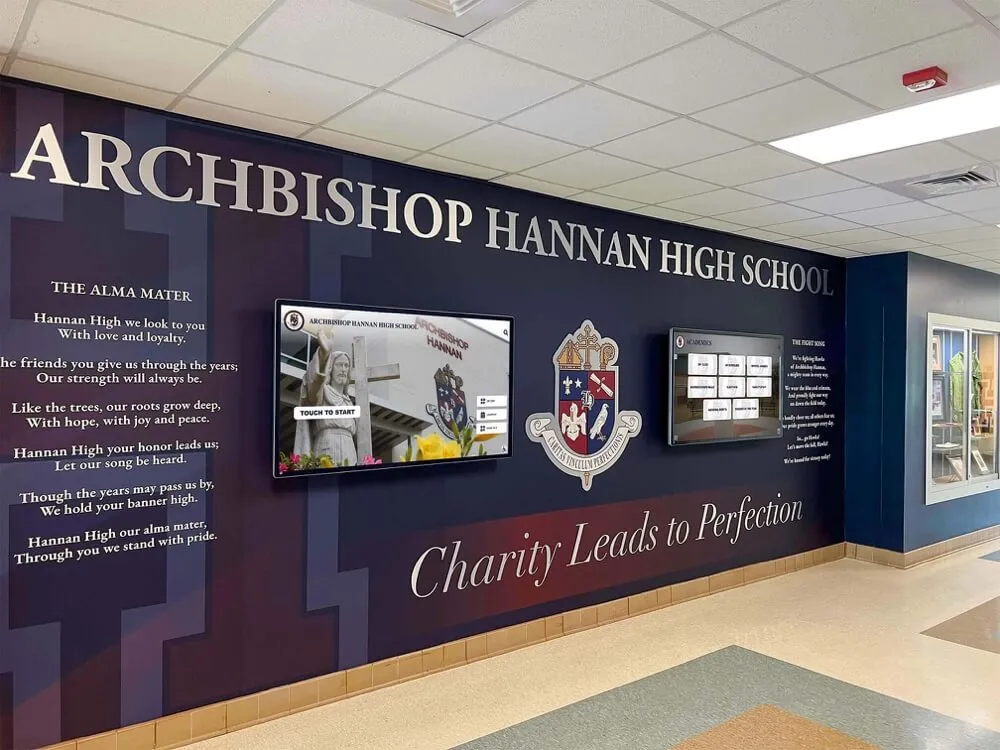
Interactive Exploration Touchscreen and web-based interfaces create engaging experiences including search functionality where athletes find themselves and teammates, filtering by year, award type, or sport, comparison across seasons showing program evolution, social sharing enabling athletes to celebrate their recognition, and QR code access connecting physical and digital experiences.
When community members can explore athletic history, see award recipients across decades, and interact with content rather than simply reading static text, digital platforms create significantly more engagement.
Simple Management The best digital recognition systems require minimal technical expertise through drag-and-drop interfaces requiring no coding, bulk upload for historical data, cloud-based access enabling updates anywhere, automated backups preventing data loss, and template consistency ensuring professional presentation.
Athletic directors or coaches can update award information immediately after ceremonies without depending on IT staff or external vendors, ensuring current recognition reaches athletes while memories remain fresh.
Explore comprehensive digital recognition platforms that preserve athletic achievements.
Social Media and Communications
Strategic communication amplifies recognition impact beyond ceremony attendees.
Multi-Platform Recognition Sharing
Systematic social media acknowledgment includes individual recognition posts for major award recipients, photo carousels showcasing all recipients, video highlights from ceremonies, behind-the-scenes content showing award selection or preparation, athlete quotes or reactions to recognition, and parent or coach testimonials about recipients.
Consistent digital acknowledgment demonstrates ongoing appreciation while providing athletes shareable content they can repost to their networks, amplifying reach for both athletes and programs.
Website Integration
Program websites should feature dedicated recognition sections including current year award recipients, historical archives of past recipients, award descriptions and criteria, ceremony photos and recaps, searchable databases of all honored athletes, and statistics or records connected to recipients.
Prominent website recognition ensures award information remains accessible year-round rather than existing only in ceremony programs or social media posts that quickly fade from visibility.
School Communications
Recognition should extend throughout institutional channels including morning announcements celebrating recipients, newsletter features highlighting awards, principal or superintendent acknowledgment, displays in school entrances or common areas, and local media press releases.
Institution-wide communication demonstrates that athletic achievement matters to entire schools while creating broader awareness that strengthens program support.
Special Recognition: Senior Athletes and Career Achievement
Year-end ceremonies provide natural opportunities for comprehensive senior recognition beyond single-season awards.
Honoring Graduating Athletes
Senior recognition acknowledges complete athletic careers rather than just final seasons.
Career Retrospective Elements
Comprehensive senior recognition includes years of participation and commitment, career statistics and notable performances, awards and recognition received across all seasons, leadership positions and captain service, memorable moments and signature performances, impact on program culture and tradition, and post-graduation plans connecting athletics to future goals.
This holistic recognition honors seniors’ complete journeys while helping younger athletes understand the cumulative nature of high school athletic careers.
Senior-Specific Awards
Many programs create recognition categories exclusively for graduating athletes including senior leadership award, career achievement recognition, program impact acknowledgment, senior scholar-athlete honors, and legacy awards for athletes whose influence extends beyond statistics.
Senior-specific recognition ensures graduating athletes receive appropriate acknowledgment regardless of final season performance, honoring sustained commitment across multiple years.
Multi-Year Recognition Programs
Systematic career tracking enables richer senior recognition while motivating underclassmen.
Cumulative Achievement Recognition
Programs tracking athlete accomplishments across all seasons can recognize career milestones including total varsity letters earned, years as team captain, career statistical achievements, consistent selection for various awards, and sustained contribution across multiple seasons.
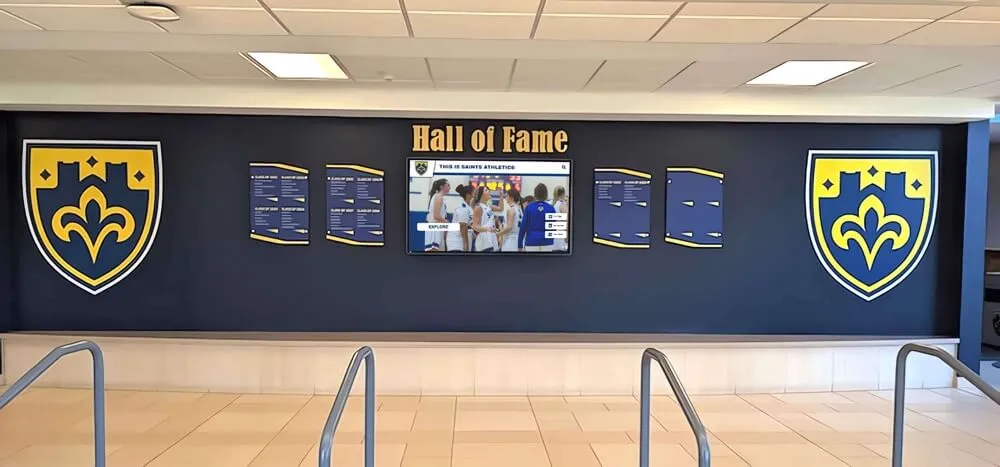
Permanent recognition walls document program history while inspiring current athletes
Historical Context and Comparison
Digital recognition systems enable programs to show how current athletes compare to program history including all-time statistical leaders, most awarded athletes across program history, longest participation streaks, family legacy achievements, and decade-by-decade program evolution.
This historical perspective helps athletes understand their places in program traditions while creating pride in contributing to ongoing stories larger than individual seasons.
Discover approaches for senior athlete recognition that honor complete athletic careers.
Budget-Conscious Recognition Strategies
Meaningful recognition doesn’t require large budgets when programs approach acknowledgment creatively.
Cost-Effective Award Options
Digital-First Recognition
Emphasizing digital recognition reduces physical costs while often creating more lasting impact. Digital certificates, social media recognition, website spotlights, video tributes, and email acknowledgment cost little while reaching broader audiences than physical items alone.
Tiered Physical Recognition
Programs can provide varying physical recognition levels including simple certificates for all athletes, upgraded awards (trophies or plaques) for major recognitions, and special items for senior or career achievements. This approach controls costs while ensuring everyone receives something tangible.
DIY and Creative Alternatives
Budget-conscious programs successfully use coach-created certificates with personal messages, team-designed awards incorporating inside jokes or traditions, repurposed or recycled trophy bases with new plates, donated items from local businesses, and creative alternatives like custom t-shirts or team merchandise.
Personal touches often matter more than expensive awards, making creative approaches equally meaningful to costly alternatives.
Leveraging Partnerships and Sponsorships
Booster and Parent Organization Support
Athletic boosters or parent groups often willingly support recognition programs through funding for awards, ceremony costs, sponsoring specific award categories, or providing volunteer coordination. Clear communication about recognition goals and budgets helps secure support.
Local Business Partnerships
Community businesses frequently sponsor athletic recognition through providing awards or trophies, catering for ceremonies, venue donation for events, printing services for programs or certificates, or financial support for specific awards.
Business partnerships provide needed resources while creating community connections that strengthen program support long-term.
Alumni Involvement
Graduated athletes often want to give back to programs that shaped them. Alumni can endow perpetual awards bearing their names, sponsor annual recognition categories, provide awards for their former positions or jersey numbers, or fund senior recognition initiatives.
Alumni partnerships create meaningful connections while providing sustainable funding for ongoing recognition.
Measuring Recognition Impact
Systematic assessment ensures award programs achieve intended goals while identifying improvement opportunities.
Qualitative Feedback
Athlete Perspectives
Post-season surveys should ask athletes about recognition meaningfulness, fairness perception, ceremony satisfaction, motivation impact, and improvement suggestions. Anonymous feedback often provides more honest assessment than face-to-face conversations.
Family Input
Parents and guardians can share perspectives about ceremony experience, communication adequacy, recognition appropriateness, tradition value, and suggestions for enhancement. Family feedback identifies aspects organizers might miss while working primarily with athletes.
Coach Reflection
Coaching staff should regularly evaluate whether recognition aligns with program values, achieves intended motivation, distributes fairly across roster, maintains appropriate significance, and requires sustainable effort. Internal assessment drives continuous improvement.
Observable Outcomes
Culture Indicators
Effective recognition should correlate with positive team culture including strong athlete retention from season to season, healthy competition and mutual support among teammates, sustained effort throughout seasons, pride in program membership, and positive coach-athlete relationships.
While recognition alone doesn’t create culture, systematic acknowledgment contributes significantly to environments where athletes feel valued and motivated.
Tradition Building
Successful recognition programs evolve into anticipated traditions that athletes discuss throughout seasons, former athletes remember fondly, families prioritize attending, programs maintain across coaching changes, and younger athletes aspire to receive.
When awards become institutional traditions transcending individual coach preferences or single-season decisions, they’ve achieved lasting impact worth sustaining.
Conclusion: Creating Meaningful Athletic Recognition
Sport end of year awards represent valuable opportunities to celebrate athletic achievement, reinforce program values, acknowledge diverse contributions, and create memorable experiences that athletes carry forward long after their competitive careers conclude. When programs approach recognition thoughtfully—extending beyond obvious MVP selections to honor character, effort, improvement, and unique contributions—they create systems where every athlete can earn acknowledgment while pursuing their personal athletic excellence.
The 20 creative award ideas explored in this guide provide starting points for recognition extending beyond traditional categories. Whether acknowledging clutch performers who elevate in crucial moments, celebrating unsung heroes whose contributions strengthen teams without statistical visibility, or recognizing iron persons who demonstrate exceptional reliability, diverse awards ensure comprehensive celebration of all qualities contributing to team success and positive athletic experiences.
Modern technology transforms recognition from limited physical plaques to unlimited digital systems that preserve complete program histories while creating engaging exploration experiences. Solutions like Rocket Alumni Solutions enable programs to showcase all award recipients across unlimited years, incorporate photos and videos telling complete stories, provide interactive search and filtering enabling personal exploration, extend recognition beyond single-night ceremonies, and build permanent traditions connecting current athletes to program legacy.
Transform Your Athletic Recognition Program
Discover how modern digital recognition solutions can help you celebrate every athlete's achievements and build lasting traditions that strengthen your program culture across generations.
Explore Recognition SolutionsImplementation begins with assessing current recognition approaches and identifying opportunities for enhancement, selecting additional award categories matching program values and culture, establishing clear selection criteria ensuring fairness and legitimacy, designing ceremony formats creating memorable experiences for athletes and families, extending recognition beyond single events through digital displays and communications, and committing to continuous improvement through feedback and assessment.
The recognition you provide today shapes how athletes remember their competitive experiences throughout their lives. When seniors reflect on their athletic careers years later, they remember championships and victories, but they also treasure moments when coaches and teammates acknowledged their efforts, honored their growth, and celebrated their unique contributions to team success.
Your investment in thoughtful, comprehensive sport end of year awards creates lasting impact extending far beyond single-season results. Every athlete who receives meaningful recognition develops stronger connection to sport, enhanced motivation to continue developing, deeper appreciation for teamwork and collective effort, and positive memories they carry forward into adult life.
Start where you are with recognition enhancements you can implement immediately, then systematically expand toward comprehensive approaches celebrating every contribution that makes athletic programs special. Your athletes deserve acknowledgment for everything they invest in their sport—not only obvious statistics and victories, but also daily effort, character demonstration, leadership, improvement, and countless other contributions that strengthen teams and enrich their athletic journeys.
Ready to enhance your athletic recognition program? Explore how Rocket Alumni Solutions can help you create engaging digital recognition systems that celebrate all your athletes while building lasting traditions that define your program culture for generations to come.