As winter gives way to warmer weather, athletic facilities across the country come alive with a new energy. Spring sports represent a unique athletic season when baseball diamonds are freshly chalked, tennis courts buzz with activity, track athletes chase personal records, and lacrosse teams battle for championship glory. These sports offer thousands of student-athletes opportunities to compete, develop their skills, and represent their schools during one of the most exciting times of the academic year.
For athletic directors, coaches, and school administrators, the spring sports season brings distinct planning challenges and recognition opportunities. How do you coordinate multiple sports competing simultaneously for facility access, budget resources, and community attention? What recognition systems appropriately celebrate spring athletes alongside their fall and winter counterparts? How can schools preserve the achievements of spring sports teams and individual athletes in ways that inspire future generations?
This comprehensive guide explores everything schools need to know about spring sports seasons—from understanding which sports compete in spring and why, to planning effective recognition programs that honor spring athletes appropriately while building lasting athletic traditions.
Spring sports hold a special place in athletic programs. They often mark the culmination of the academic year, with senior nights, championship tournaments, and end-of-season awards ceremonies creating memorable moments as students prepare for graduation. Schools that invest in comprehensive spring sports programs and recognition systems create opportunities for hundreds of athletes while demonstrating institutional commitment to year-round athletic excellence.

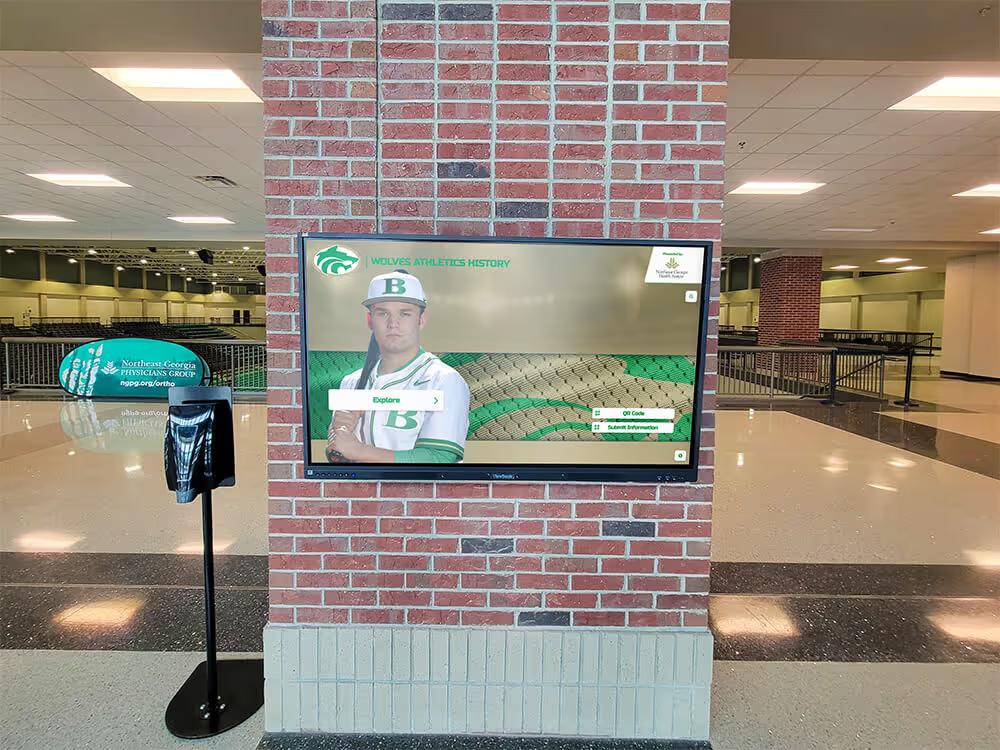
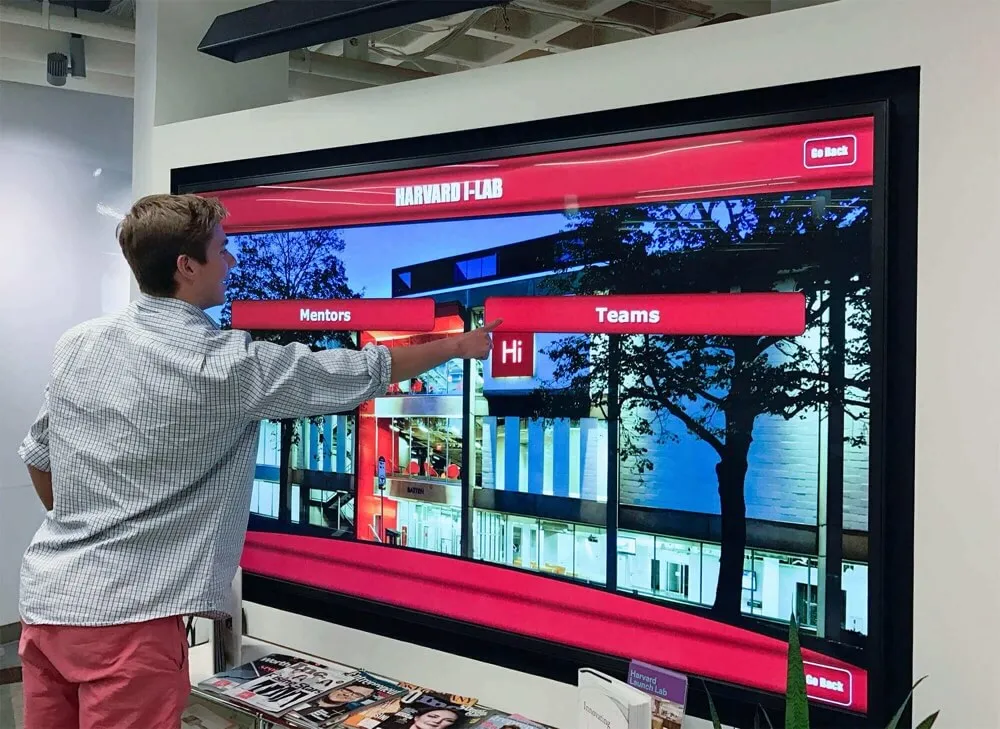
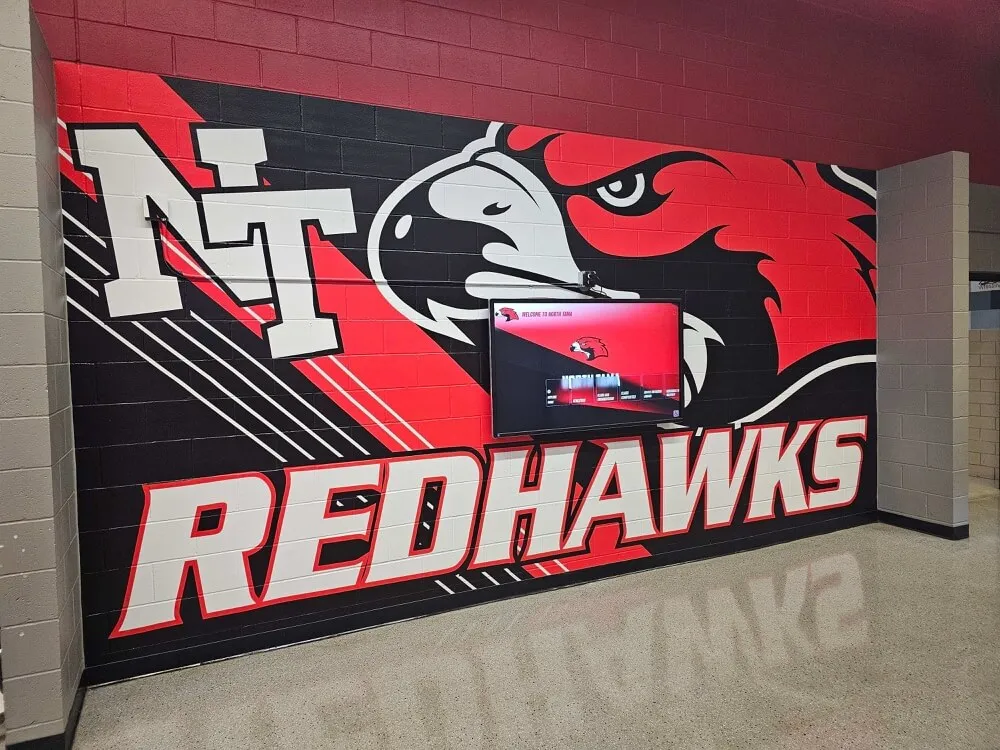
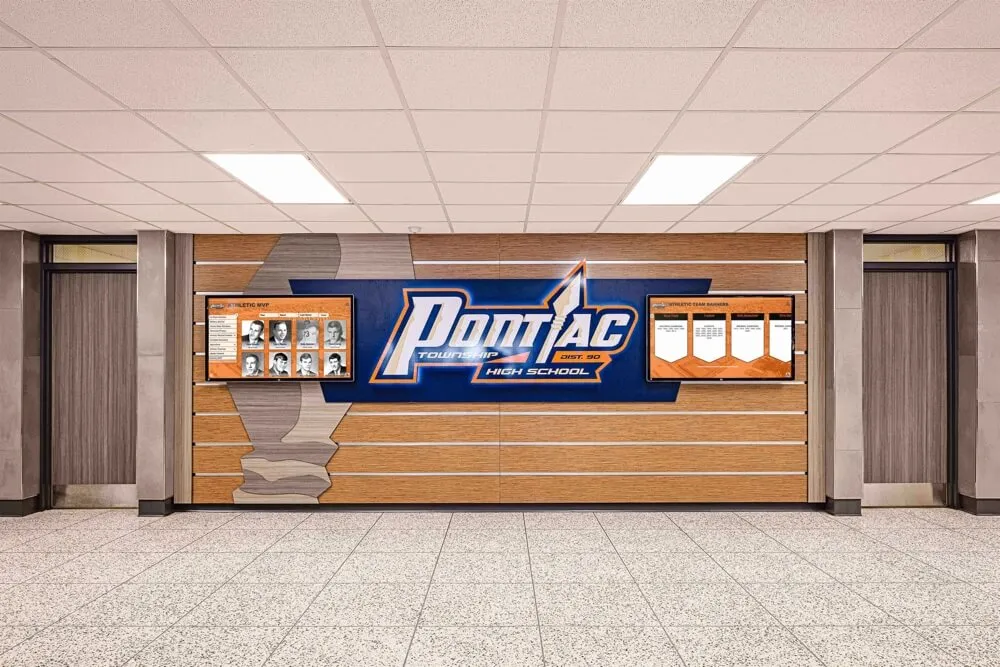
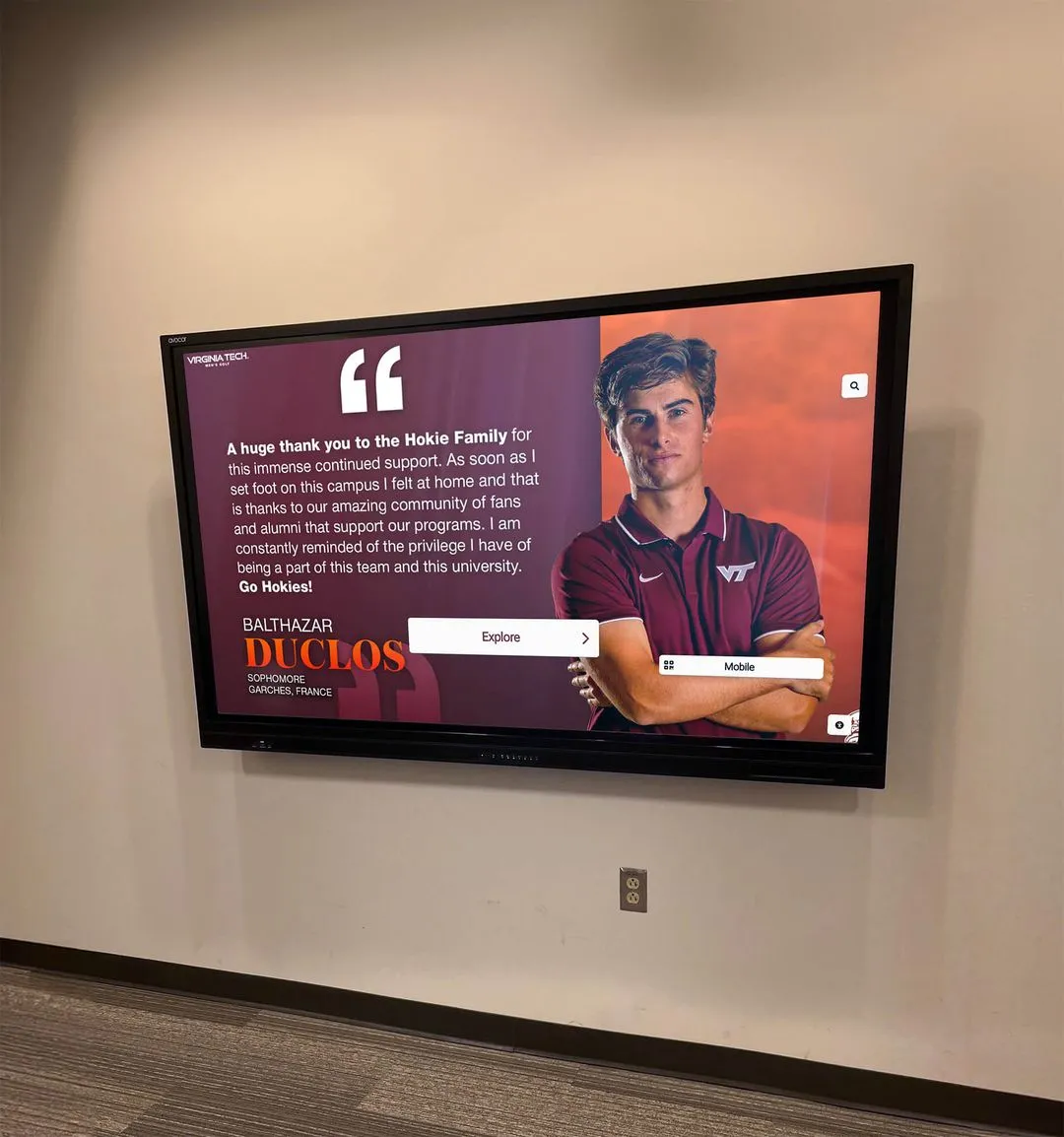
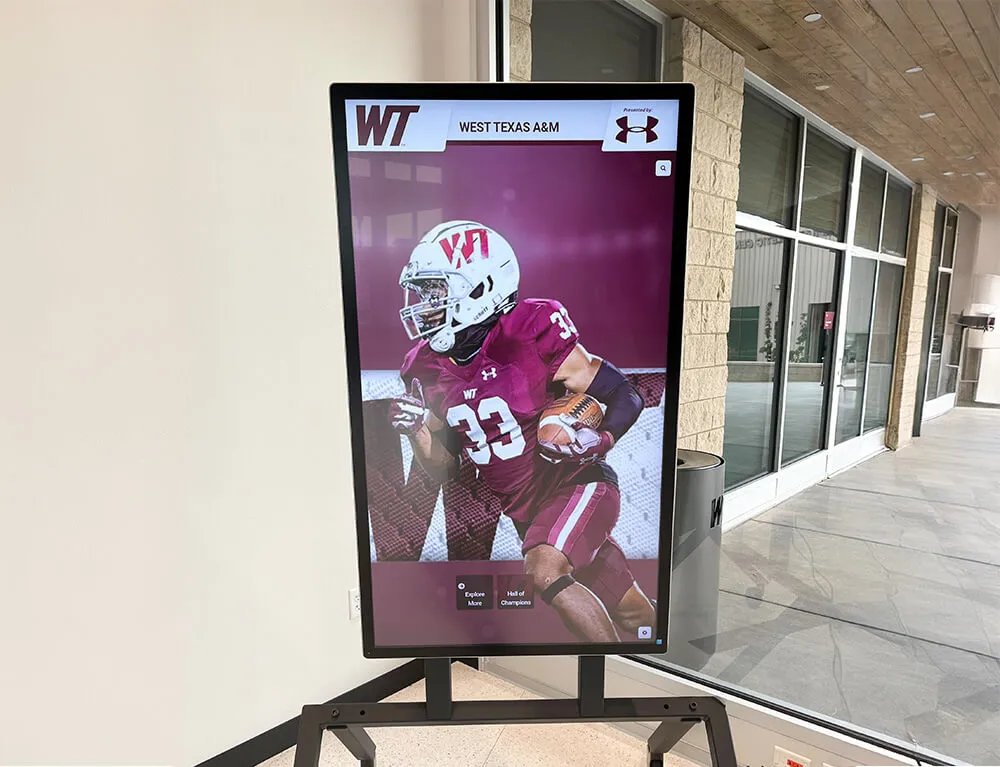
Spring sports like baseball create opportunities for student-athletes to compete at the highest levels while schools celebrate their achievements through permanent recognition displays
Understanding the Spring Sports Season
Spring sports typically run from late February or early March through May or early June, depending on geographic location and level of competition. This timing aligns with improving weather conditions and provides a natural athletic progression following fall and winter sports seasons.
Primary Spring Sports at High School and College Levels
Different sports dominate the spring athletic calendar, offering diverse competitive opportunities for student-athletes.
Baseball and Softball
Baseball and softball represent two of the most popular spring sports at both high school and college levels. Baseball programs field teams competing for conference championships, state titles, and—at the college level—spots in regional and national tournaments culminating in the College World Series. Softball programs mirror this competitive structure with their own championship pathways.
Both sports require significant facility resources including well-maintained fields, batting cages, and bullpen areas. Schools with strong baseball and softball traditions often create dedicated recognition displays celebrating championship teams, individual statistical achievers, and players advancing to collegiate or professional levels.
Track and Field
Track and field provides the broadest participation opportunities of any spring sport, accommodating athletes with diverse physical abilities across running, jumping, and throwing events. High school track programs regularly field 50-100 athletes, while college programs may include even larger rosters.
The sport’s individual event structure means schools can simultaneously celebrate team success and individual achievement. Many schools implement track and field awards programs recognizing record-breakers, state qualifiers, and athletes reaching specific performance thresholds.
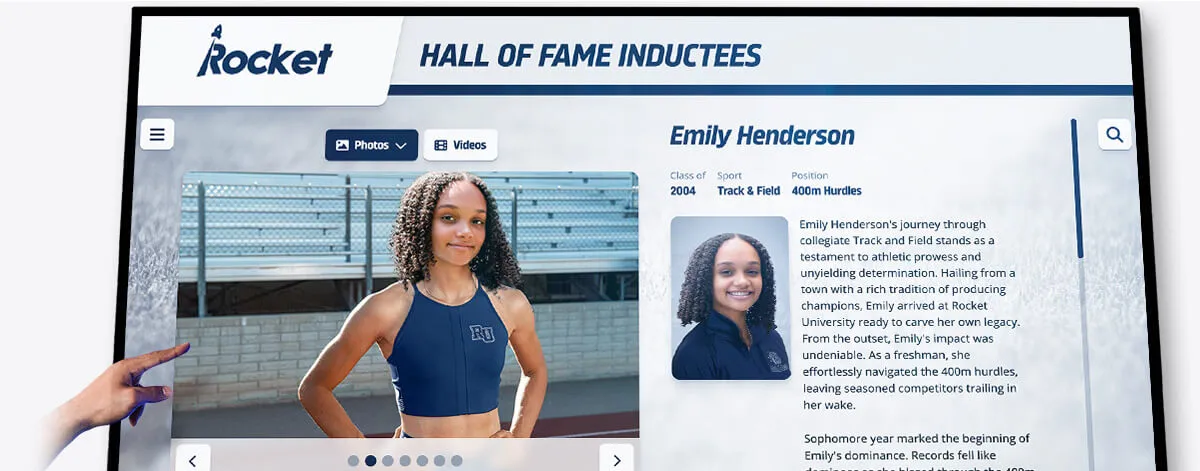
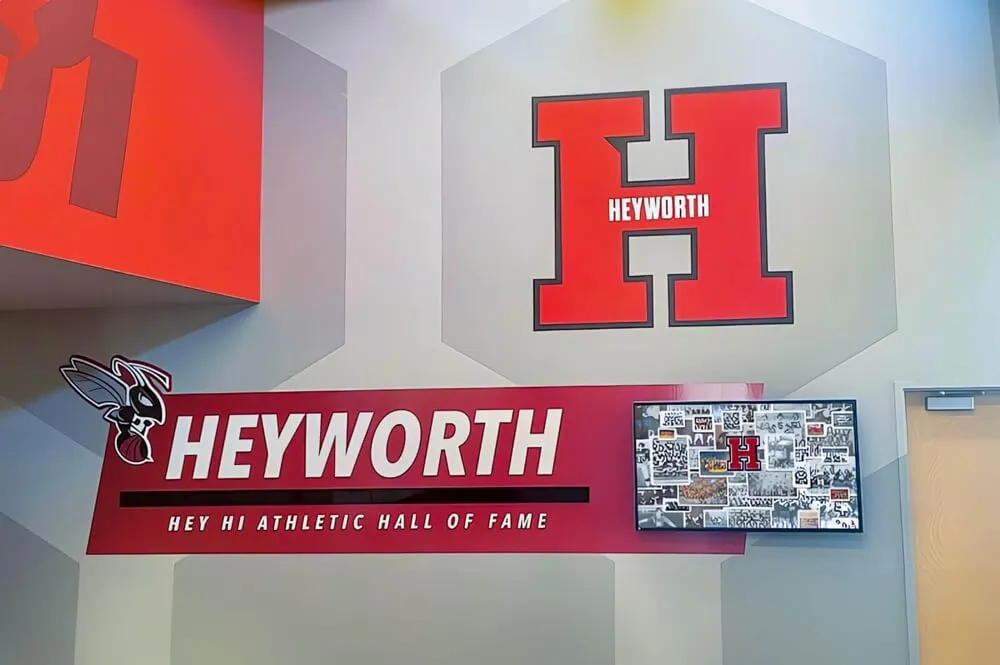
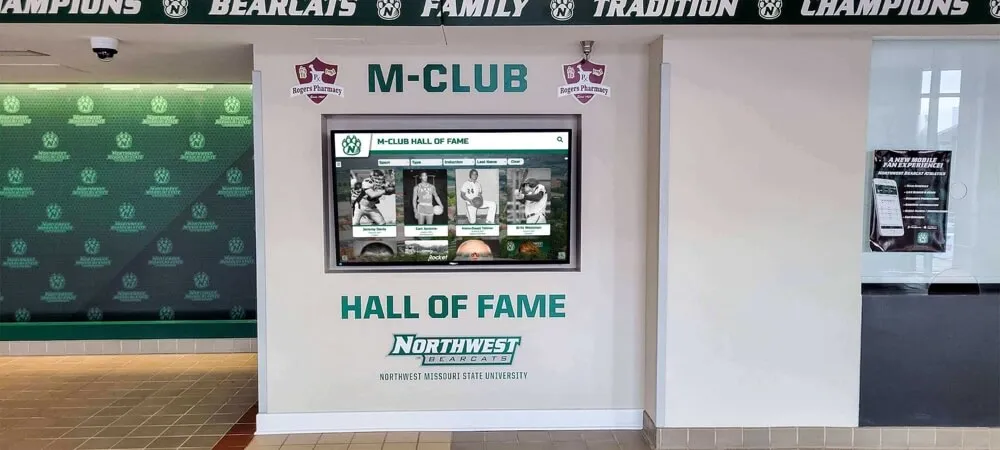
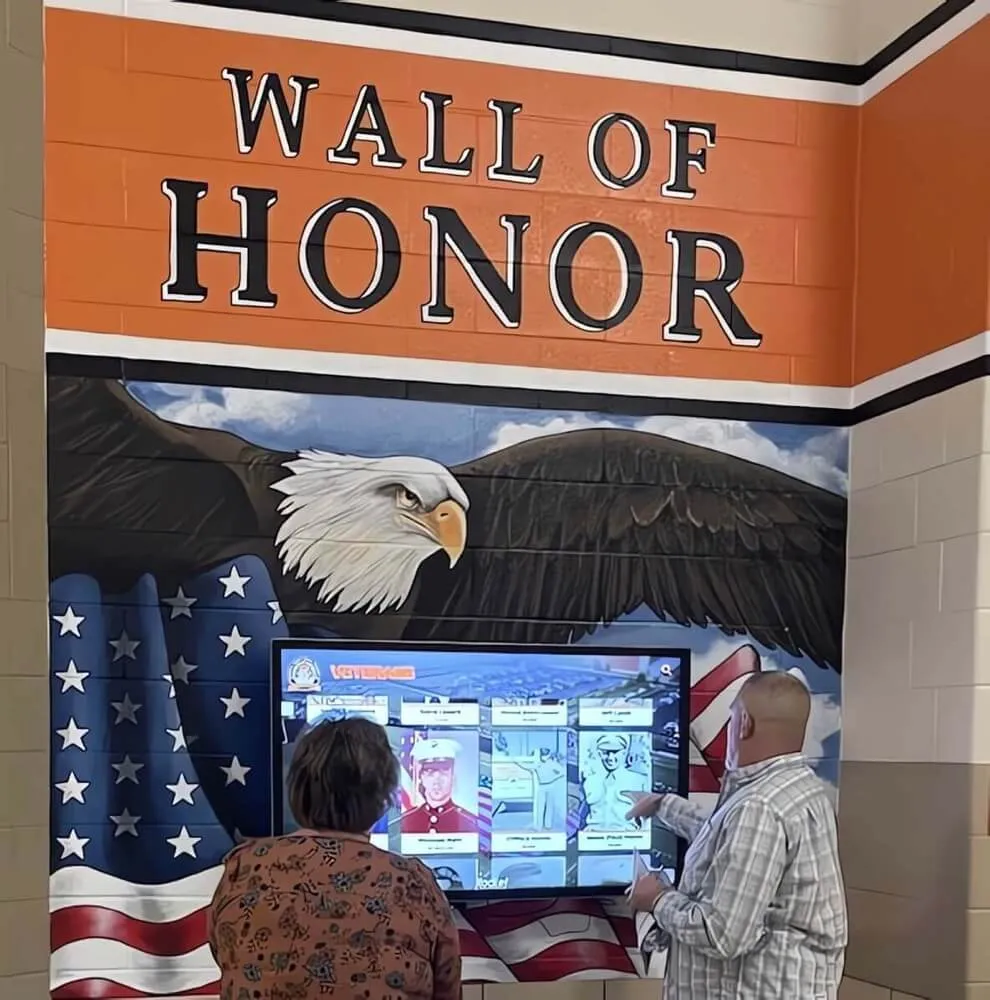
Digital recognition systems enable schools to celebrate individual track and field achievements with detailed performance statistics and career highlights
Tennis
Both boys’ and girls’ tennis programs compete during spring seasons at most schools, though some regions schedule tennis during fall months. Tennis combines individual and team competition, with athletes competing in singles and doubles while accumulating points toward team championships.
Tennis programs require significant facility investment in court maintenance and often benefit from booster club support. Recognition programs should celebrate both individual tournament success and team achievements.
Lacrosse
Lacrosse has experienced tremendous growth over the past two decades, particularly in regions with established youth programs feeding into high school and college teams. Both boys’ and girls’ lacrosse programs compete in spring, with distinct rule sets and competitive structures.
Schools establishing lacrosse programs often need to build recognition traditions from scratch, creating opportunities to implement modern digital athletic recognition systems rather than retrofitting older physical display systems.
Soccer (Select Regions)
While soccer is predominantly a fall sport in most regions, some states and schools schedule boys’ soccer during spring seasons to avoid facility conflicts with fall football programs. Spring soccer programs follow similar competitive structures to fall seasons, with conference play leading to district and state tournaments.
Schools recognizing spring soccer athletes should ensure their soccer awards programs accommodate both fall and spring seasons when applicable.
Golf
Golf programs provide unique competitive opportunities with athletes competing individually while contributing to team scores. Spring golf seasons involve regular match play followed by conference, regional, and state tournaments determining team and individual champions.
Golf’s relatively small roster sizes and portable nature make it accessible for schools with limited athletic budgets, though successful programs benefit from community partnerships providing course access and coaching support.
Swimming and Diving (Select Schools)
While many schools compete in swimming during winter months, some programs schedule swimming and diving in spring, particularly in regions with outdoor pool facilities or schools sharing pool access across multiple institutions.
Swimming recognition presents unique opportunities to celebrate both individual performances and relay team achievements, with swimming state championships representing pinnacle achievements worthy of permanent recognition.
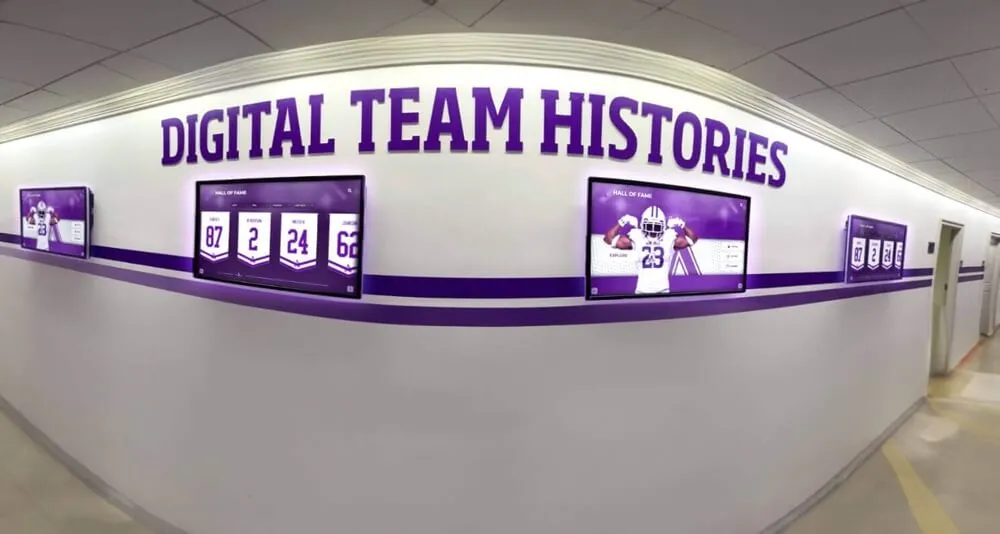
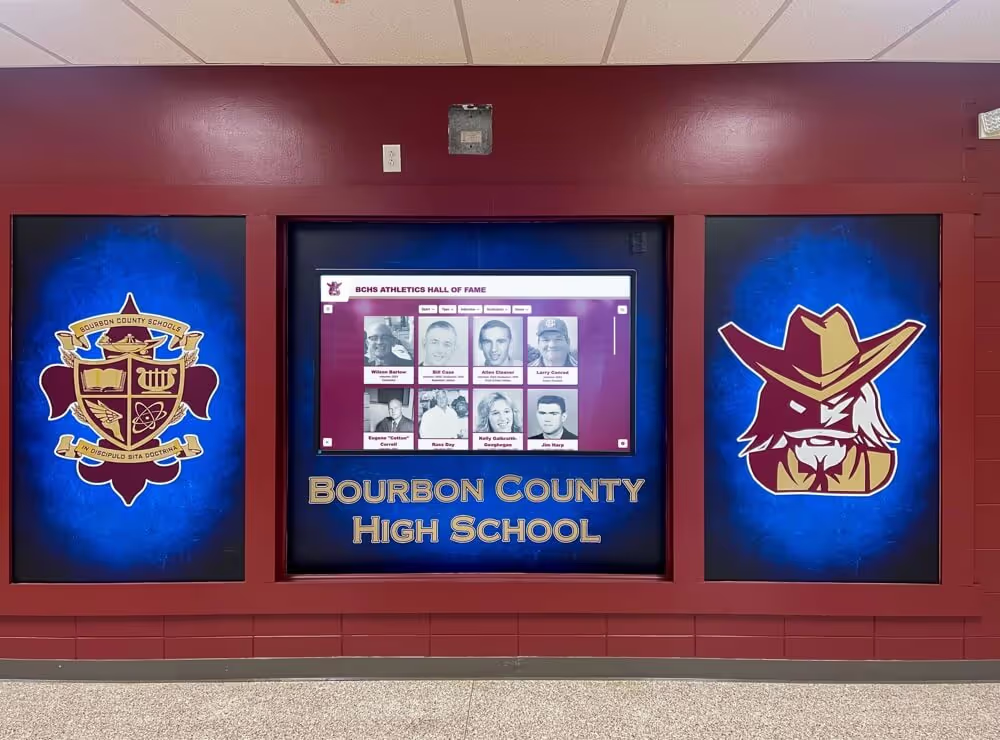
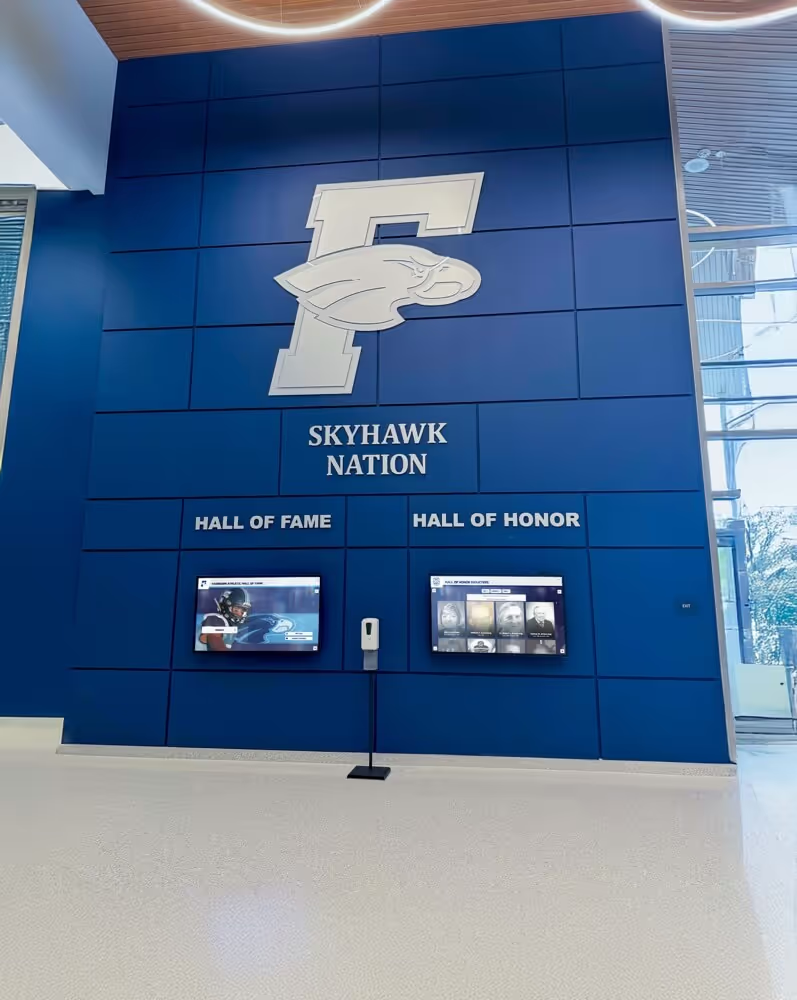
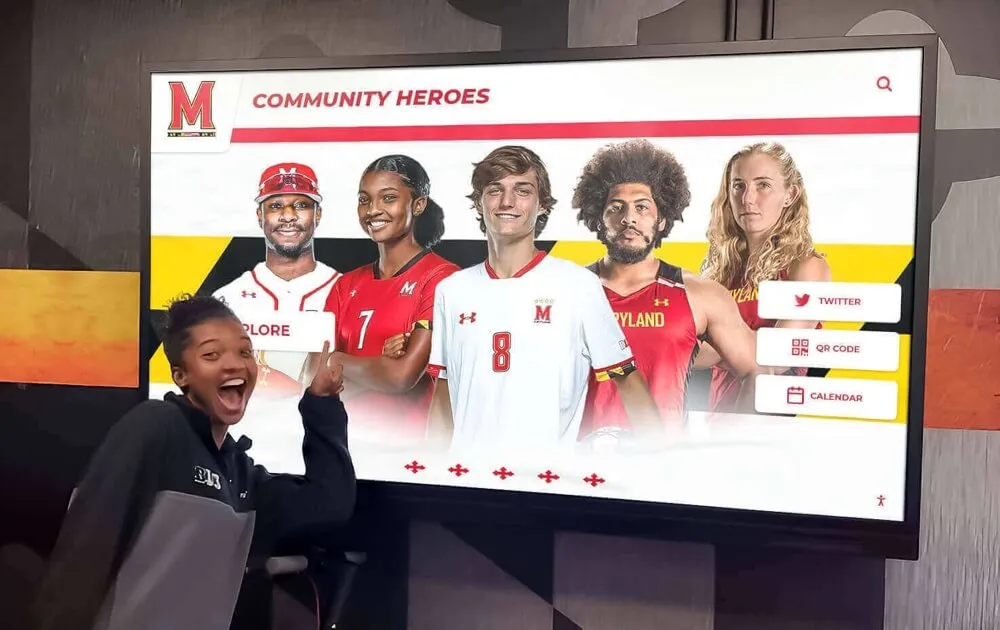
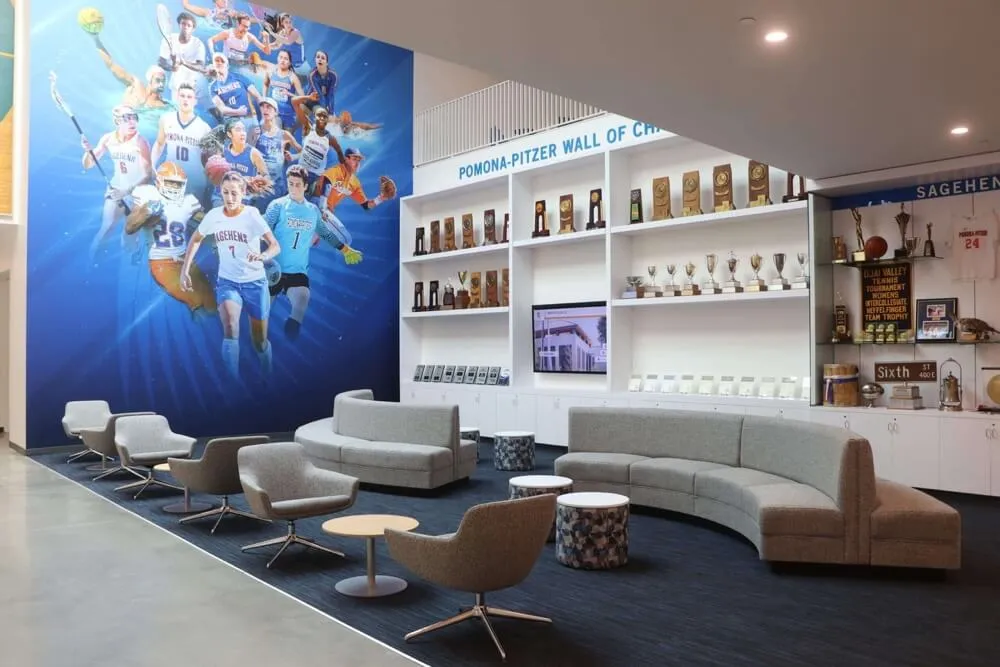
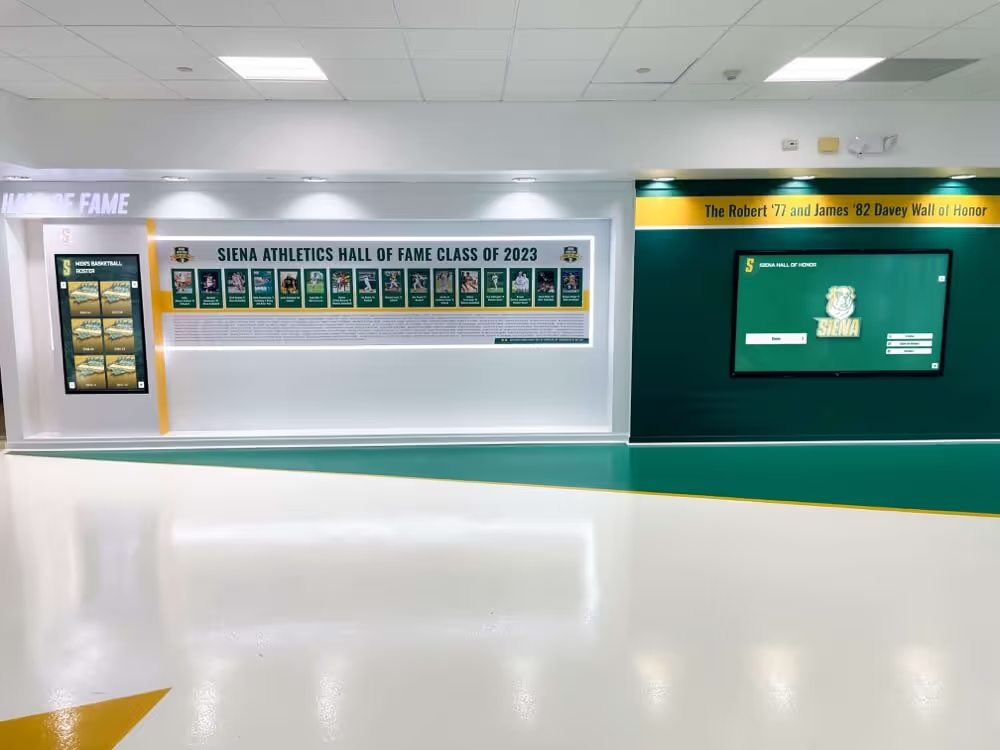
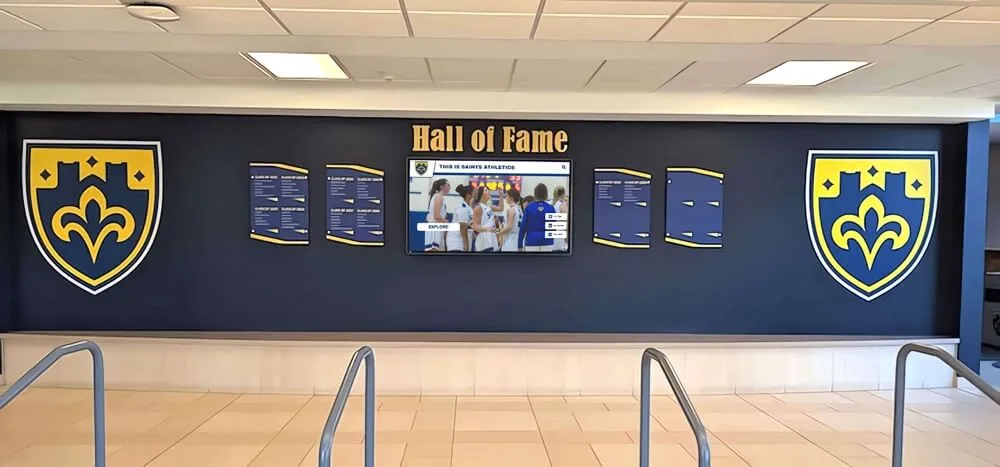
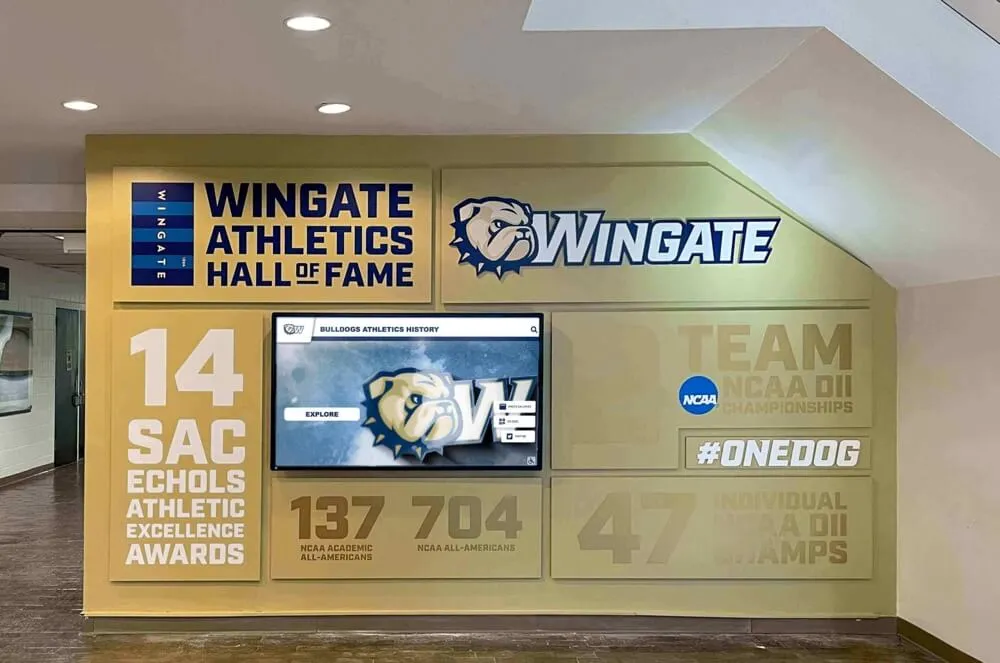
Comprehensive athletic displays celebrate achievements across all sports seasons including spring sports programs
Regional and Level-Specific Variations
Spring sports schedules vary significantly based on geographic location and competitive level, creating distinct planning considerations for athletic programs.
Climate-Based Scheduling Differences
Northern states typically begin spring sports seasons later than southern regions due to weather conditions and field accessibility. Schools in regions with extended winter weather may start practices in early March with competitions beginning mid-to-late March, while southern schools often begin spring sports in late February.
These climate variations affect season length, competition schedules, and championship timing. Athletic directors should account for these regional differences when planning recognition events like senior nights and end-of-season celebrations.
High School vs. College Season Structures
High school spring sports seasons typically span 10-14 weeks from first practice to potential state championship competition. College seasons often extend longer, particularly for teams advancing through conference tournaments and NCAA championship brackets.
College programs also navigate more complex scheduling including non-conference tournaments, mid-week games alongside weekend series, and travel requirements that high school programs rarely encounter. This extended season structure creates additional recognition opportunities as athletes reach career milestones and teams achieve significant victories.
Planning Effective Spring Sports Recognition Programs
Thoughtful recognition systems ensure spring athletes receive appropriate celebration of their achievements while building program traditions that motivate future competitors.
Balancing Recognition Across Athletic Seasons
Schools must ensure spring sports receive equal recognition compared to fall and winter programs, avoiding perception that certain sports receive preferential treatment.
Equitable Display Space and Visibility
Athletic recognition displays should provide equal prominence for spring sports achievements alongside fall football championships and winter basketball success. Traditional trophy cases often allocate space chronologically, potentially relegating spring sports to less visible locations as displays fill with earlier season achievements.
Digital recognition solutions address this challenge by providing unlimited capacity for all sports and seasons. Platforms like Rocket Alumni Solutions enable schools to showcase spring sports championships, individual records, and team achievements with equal visibility regardless of when seasons occur during the academic year.
Budget Allocation and Resource Distribution
Athletic directors should review budget distributions ensuring spring sports receive appropriate funding relative to team sizes, competition levels, and program needs. This includes recognition program budgets for awards, ceremony expenses, and display systems celebrating spring athlete achievements.

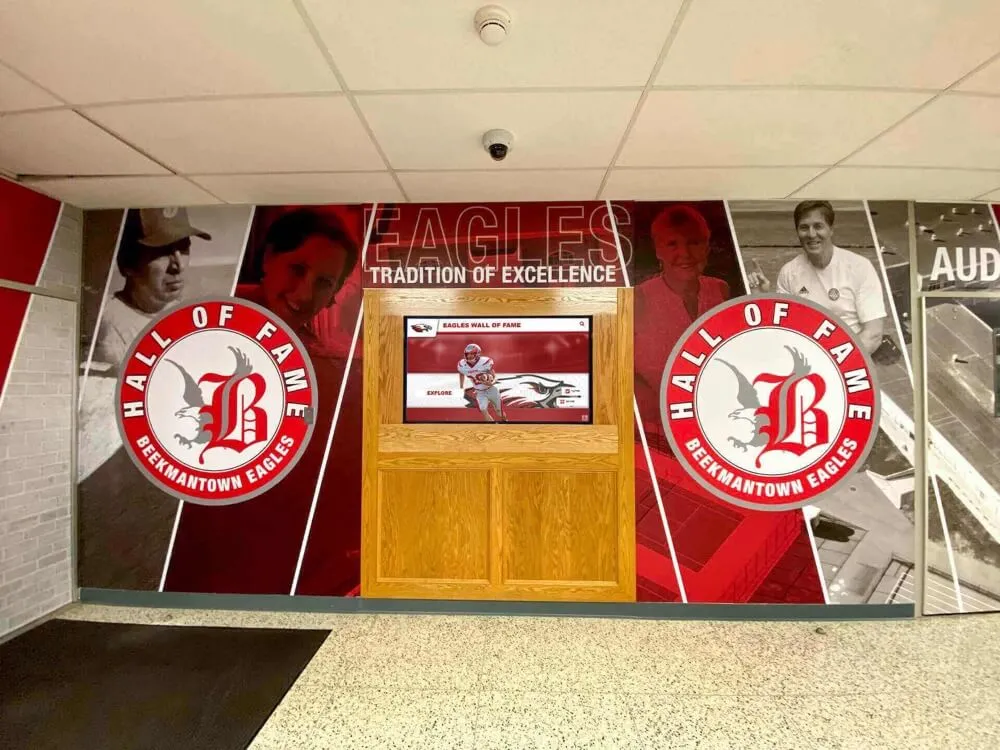
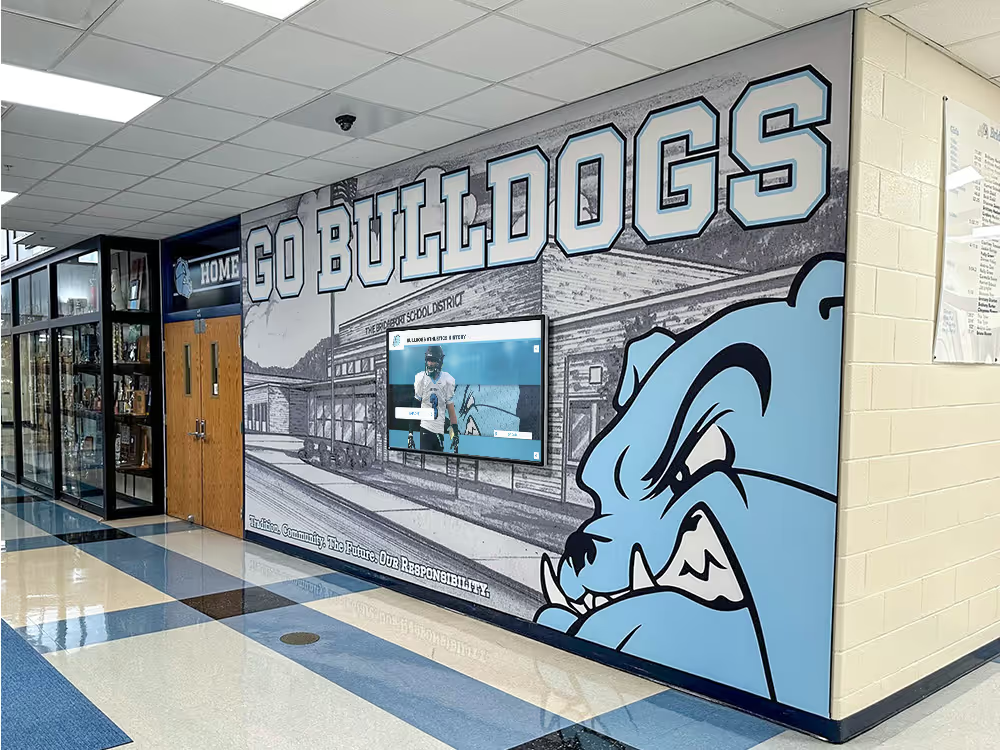
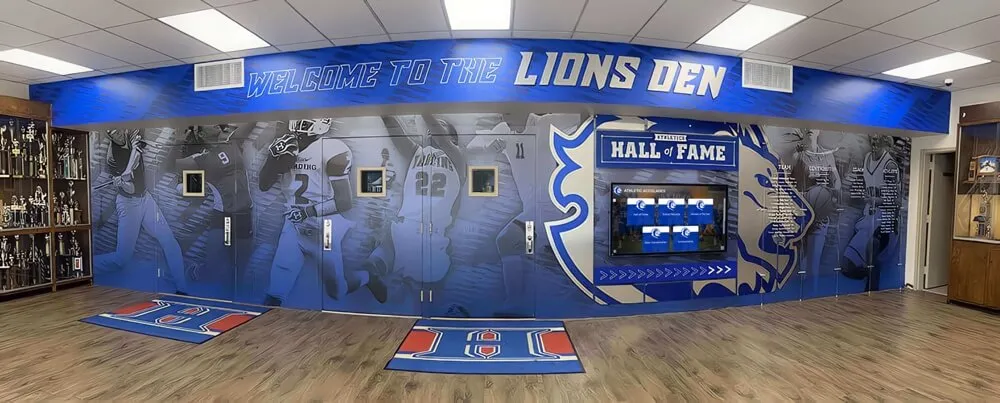
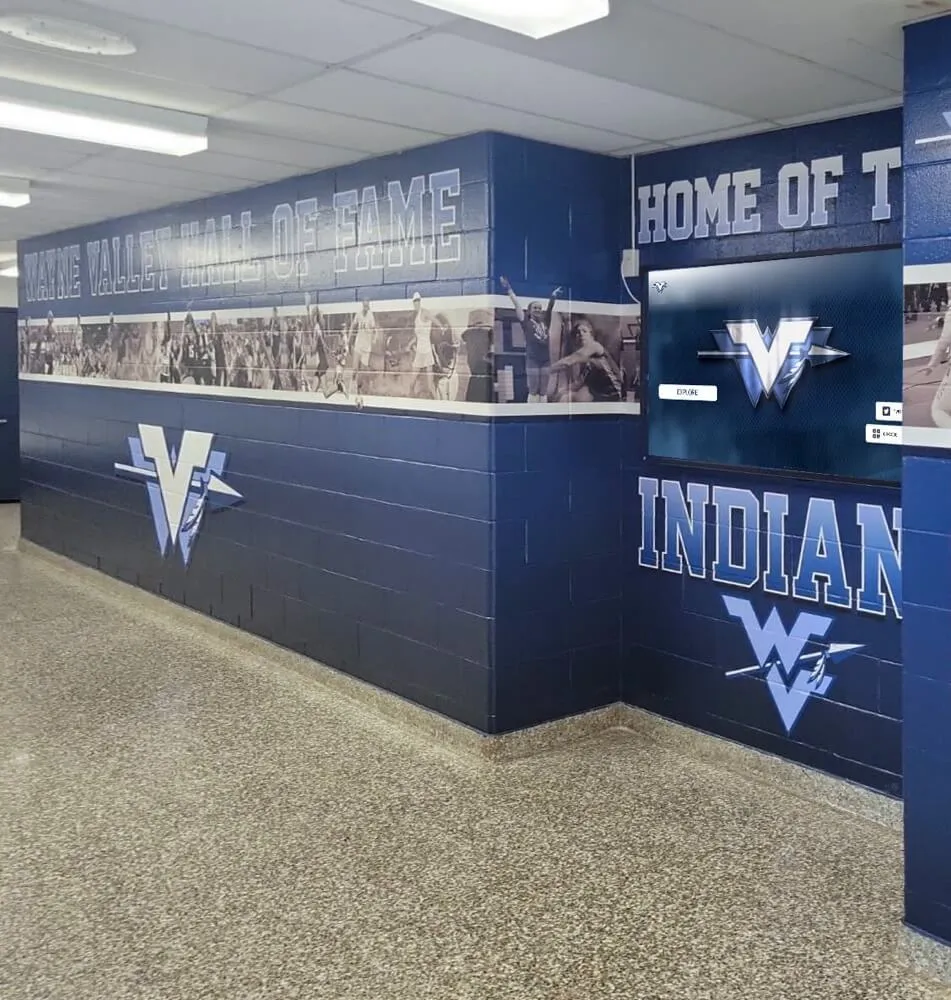
Stadium and athletic facility installations bring recognition directly to venues where spring sports athletes train and compete daily
Senior Night Planning for Spring Sports
Spring sports senior nights hold special significance as they often represent the final athletic celebrations before graduation ceremonies.
Coordinating Multiple Senior Nights
Schools with multiple spring sports programs face scheduling challenges coordinating individual senior night ceremonies. Options include designating specific dates for each sport’s senior night, combining multiple sports into unified recognition events, or staggering ceremonies across the season to distribute community attendance.
Each approach has advantages—individual sport ceremonies provide more time for personal recognition, while combined events create larger community celebrations and reduce family scheduling conflicts for those with multiple spring athlete children.
Creating Meaningful Tribute Presentations
Senior night presentations should celebrate complete athletic journeys including youth sports participation and program development, statistical achievements and memorable performances, character development and team leadership contributions, and post-graduation plans including college commitments or career intentions.
Digital platforms make it easy to create professional multimedia presentations featuring photos, statistics, and video highlights that can be preserved permanently beyond single-night ceremonies.
End-of-Season Awards and Recognition Ceremonies
Comprehensive spring sports recognition extends beyond senior nights to include team banquets, awards ceremonies, and season-ending celebrations.
Award Categories for Spring Sports
Effective spring sports awards programs recognize diverse contributions through MVP and athlete of the year selections, all-conference and all-state achievement recognition, statistical achievement awards (home runs, stolen bases, points scored, personal records), most improved athlete recognition, sportsmanship and character awards, and coach’s awards for intangible contributions.
Schools should ensure award criteria apply equitably across all spring sports, avoiding perception that certain programs receive more recognition opportunities than others. Review sport end-of-year awards approaches for comprehensive frameworks applicable across multiple sports.
Team Banquet Planning
Spring sports banquets provide opportunities to celebrate complete seasons while recognizing individual achievements in front of families and supporters. Effective banquets include highlight video presentations reviewing season successes, individual award presentations with specific achievement recognition, coach remarks reflecting on season accomplishments and team culture, senior tribute presentations honoring graduating athletes, and social time enabling team bonding and family connections.
These events create lasting memories while demonstrating institutional appreciation for athletic participation and achievement.
Permanent Recognition Beyond Single Events
While senior nights and banquets create important moments, lasting recognition requires permanent systems where achievements remain visible year-round.
Digital recognition displays enable schools to preserve spring sports memories indefinitely through athlete profiles featuring career statistics and photos, team histories documenting championship seasons, record boards tracking program performance standards, and multimedia content including game highlights and ceremony footage.
These permanent systems inspire current athletes while honoring past contributors who built program traditions.
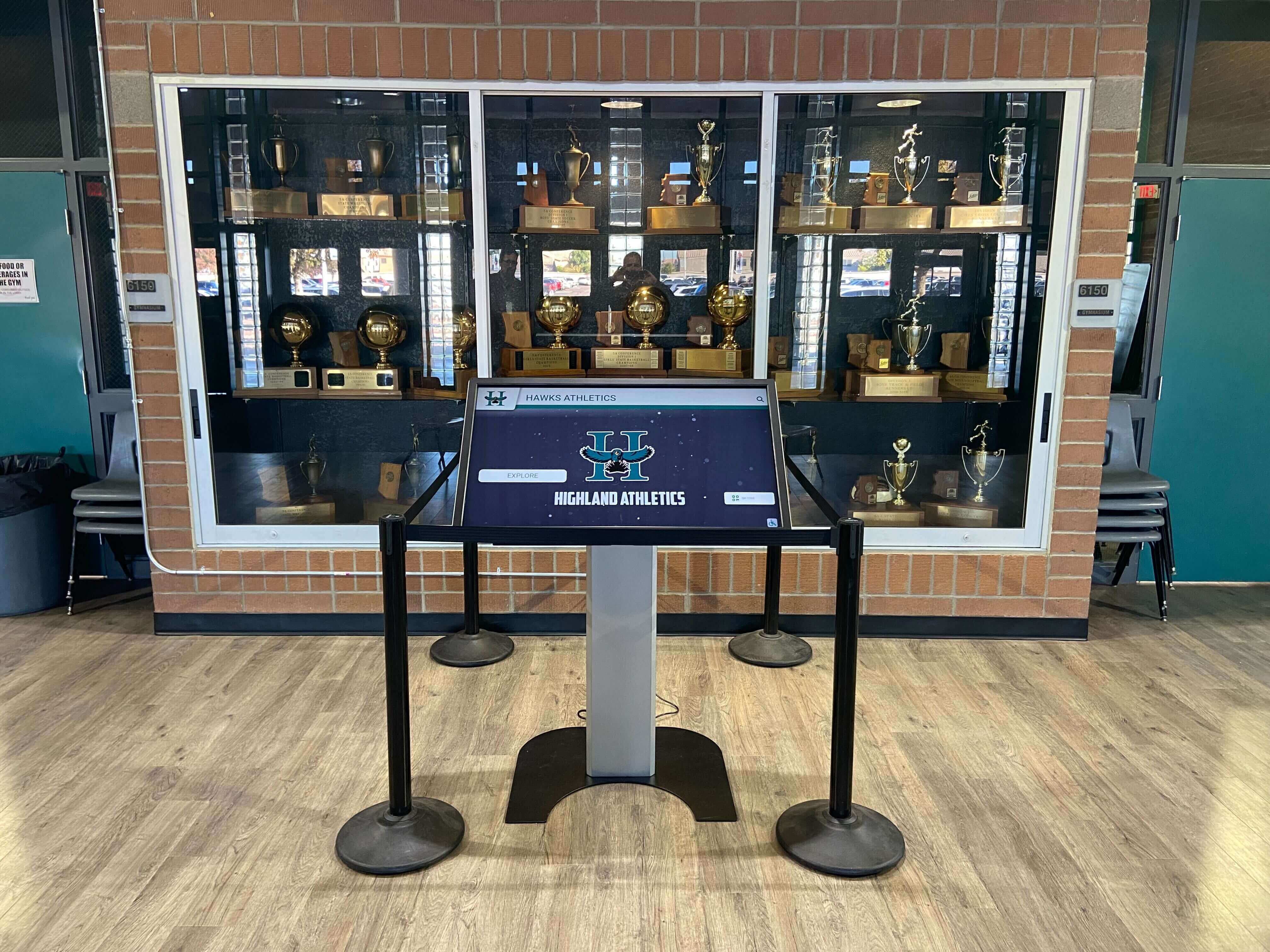
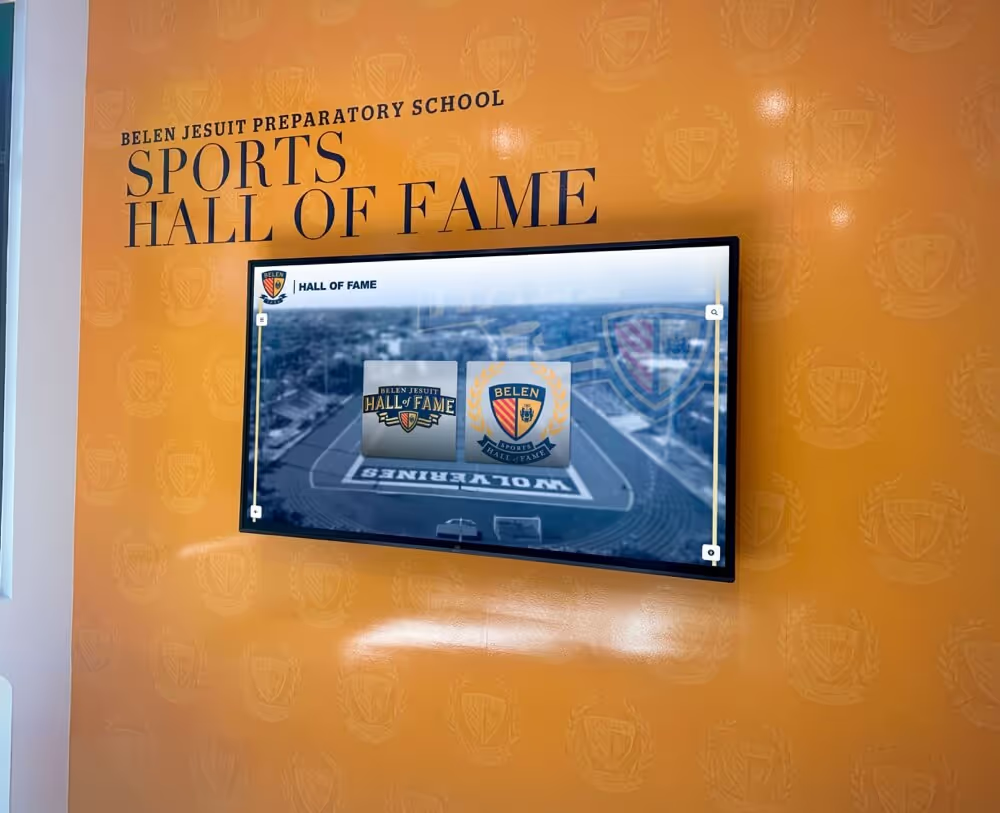
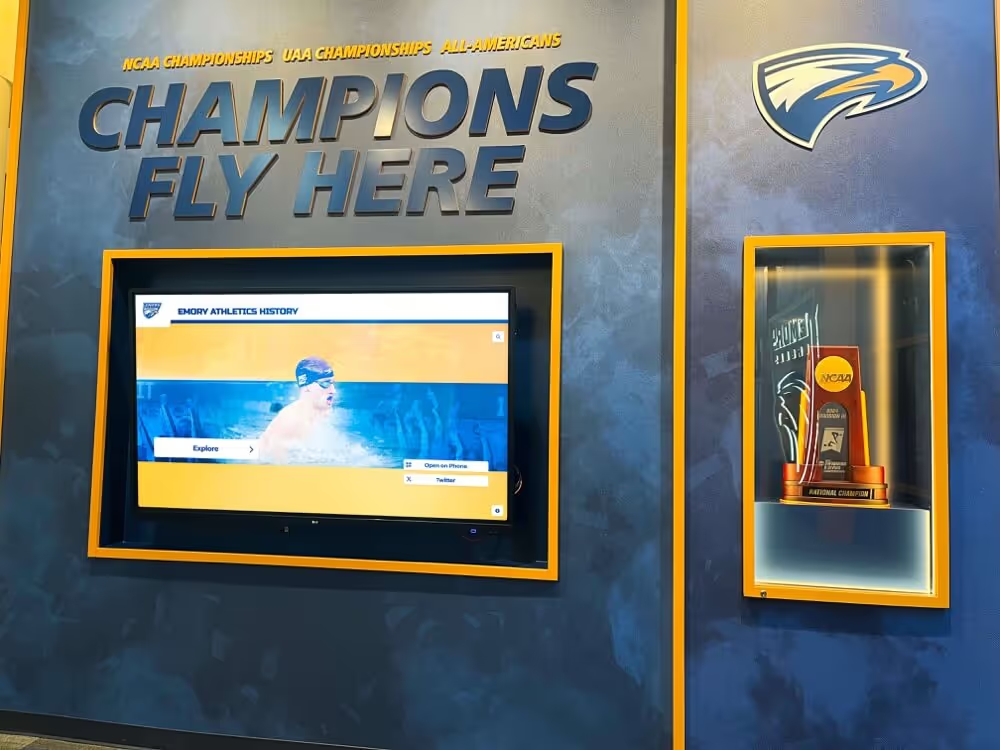
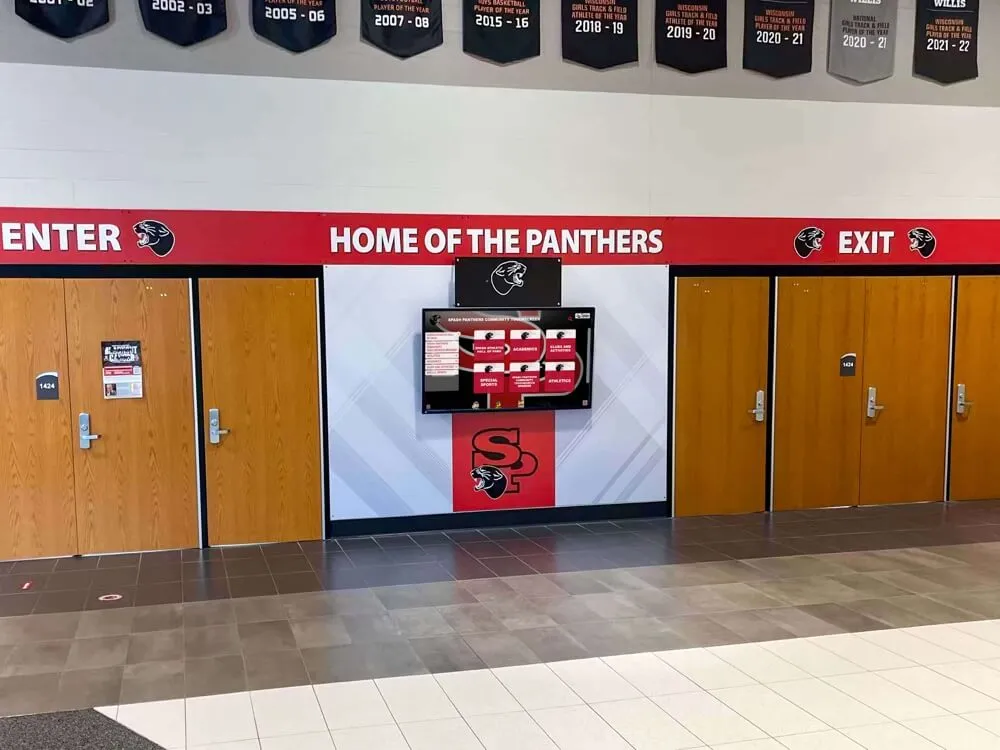
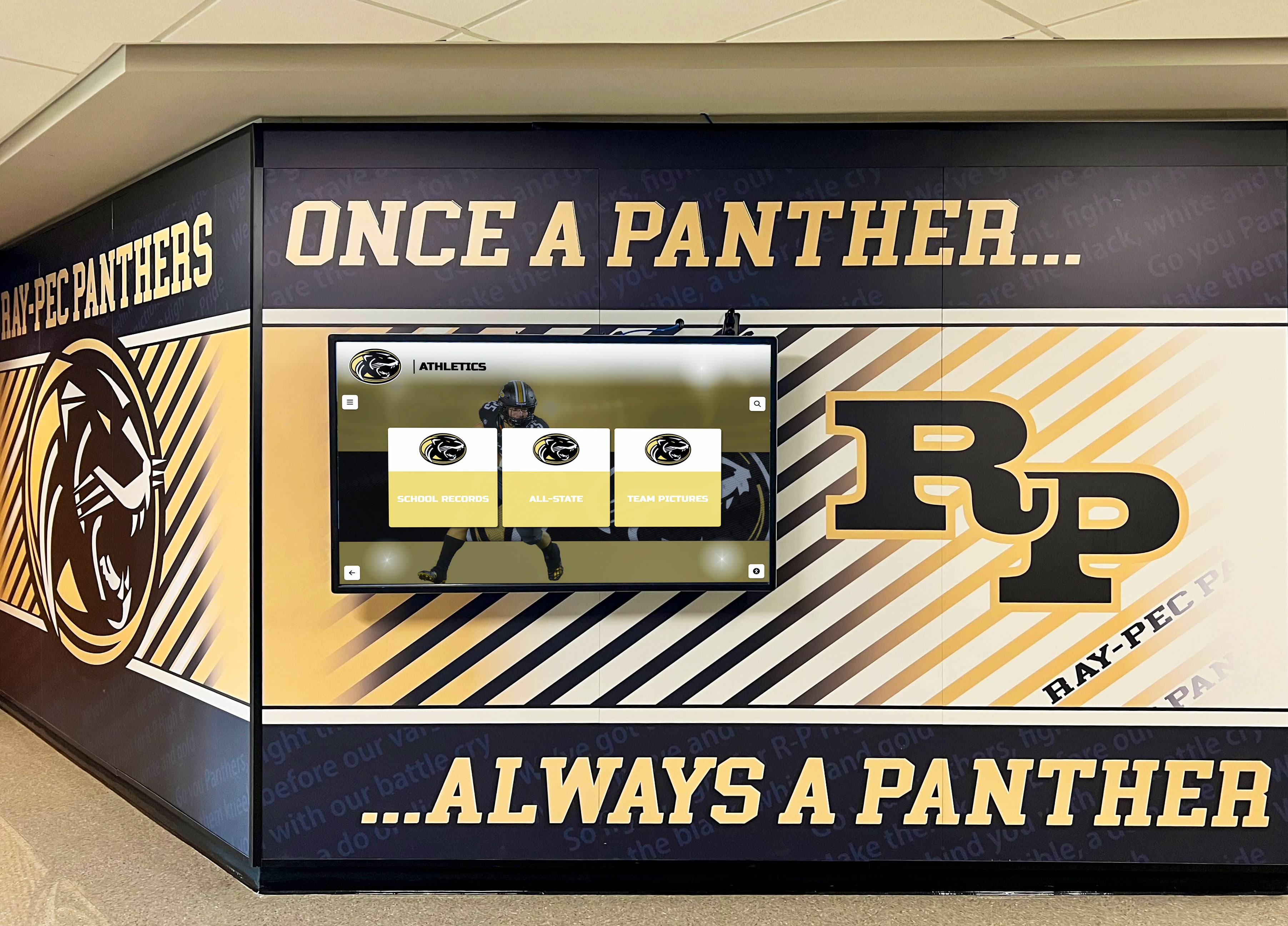
Modern recognition kiosks integrate seamlessly with traditional trophy cases, providing enhanced spring sports celebration
Managing Spring Sports Logistics and Operations
Successful spring sports seasons require careful planning and coordination across multiple operational areas.
Facility Scheduling and Maintenance
Spring sports place significant demands on athletic facilities, requiring systematic scheduling and maintenance approaches.
Field and Court Preparation
Baseball and softball fields require extensive spring preparation including infield dragging and leveling, grass mowing and fertilization, base path maintenance, and backstop and dugout repairs. Tennis courts need cleaning, crack repair, net installation, and line painting. Track surfaces require inspection, repair, and line marking before season start.
Schools should begin facility preparation 4-6 weeks before season starts, ensuring venues are ready for first practices and early competitions.
Coordinating Multi-Sport Facility Use
Many spring sports compete simultaneously for limited facility access. Baseball and softball teams may share practice fields, track and field programs might overlap with soccer or lacrosse field usage, and tennis courts may serve both team practices and physical education classes.
Detailed scheduling systems help athletic directors balance competing needs while ensuring all programs receive adequate practice time and facility access.
Coaching Staff and Volunteer Management
Spring sports programs often rely on combinations of full-time athletic staff, part-time coaches, and volunteer assistants.
Recruiting and Retaining Quality Coaches
Strong spring sports programs require committed coaching staffs who build multi-year relationships with athletes and develop sustainable program cultures. Athletic directors should prioritize competitive compensation where possible, clear role definitions and administrative support, professional development opportunities, and recognition programs celebrating coaching excellence.
Consider implementing athletic director recognition systems that honor coaching contributions alongside athlete achievements, demonstrating institutional appreciation for those leading programs.
Volunteer Coach Integration
Many spring sports benefit from volunteer assistant coaches providing specialized expertise or additional supervision capacity. Effective volunteer programs include clear background check and safety training requirements, defined roles distinguishing volunteers from paid staff, ongoing communication and coordination with head coaches, and appreciation programs recognizing volunteer contributions.
These volunteers often become long-term program supporters and should be included in recognition systems celebrating program success.
Athletic Training and Injury Prevention
Spring sports present specific injury risks requiring appropriate medical support and prevention strategies.
Common Spring Sports Injuries
Baseball and softball pitchers face overuse injuries requiring pitch count monitoring and appropriate rest. Tennis players experience repetitive motion injuries affecting shoulders, elbows, and wrists. Track athletes encounter shin splints, stress fractures, and muscle strains. Lacrosse programs manage contact injuries including concussions.
Schools should provide certified athletic training support for spring sports programs, ensuring athletes receive appropriate injury assessment, treatment, and rehabilitation support.
Weather-Related Health Considerations
Spring seasons bring variable weather requiring specific safety protocols. Early season cold weather necessitates proper warm-up procedures and appropriate cold-weather athletic gear. Late season heat and humidity require hydration protocols and heat illness prevention measures. Rapidly changing weather conditions demand flexible practice and competition scheduling.
Athletic trainers and coaches should monitor weather forecasts closely and adjust training and competition schedules appropriately to protect athlete safety.

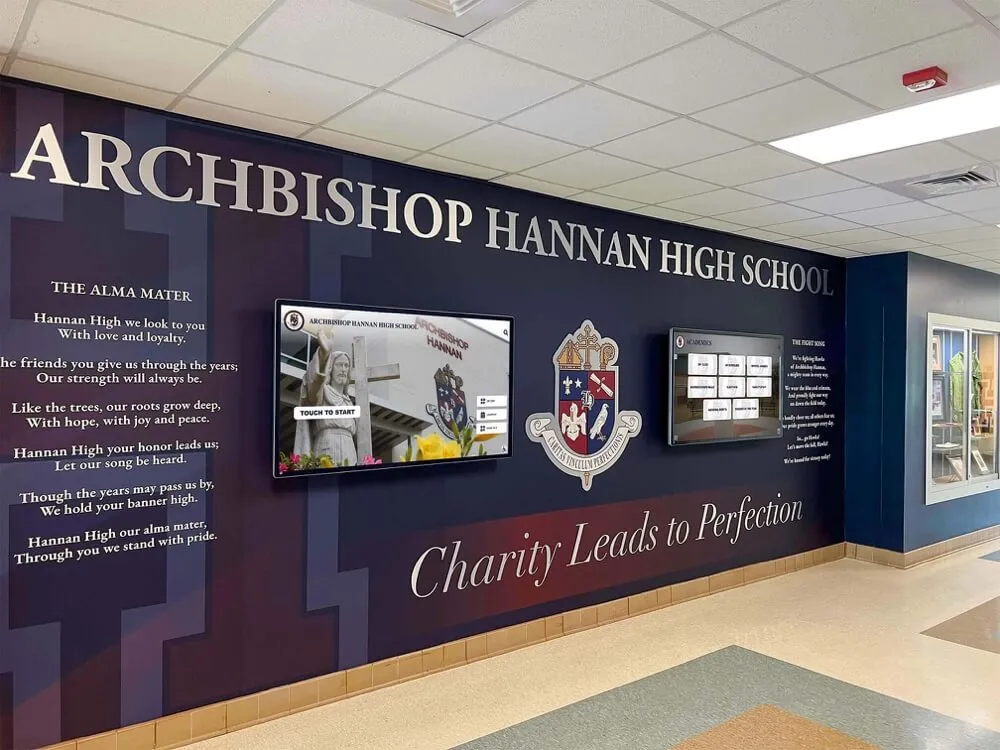
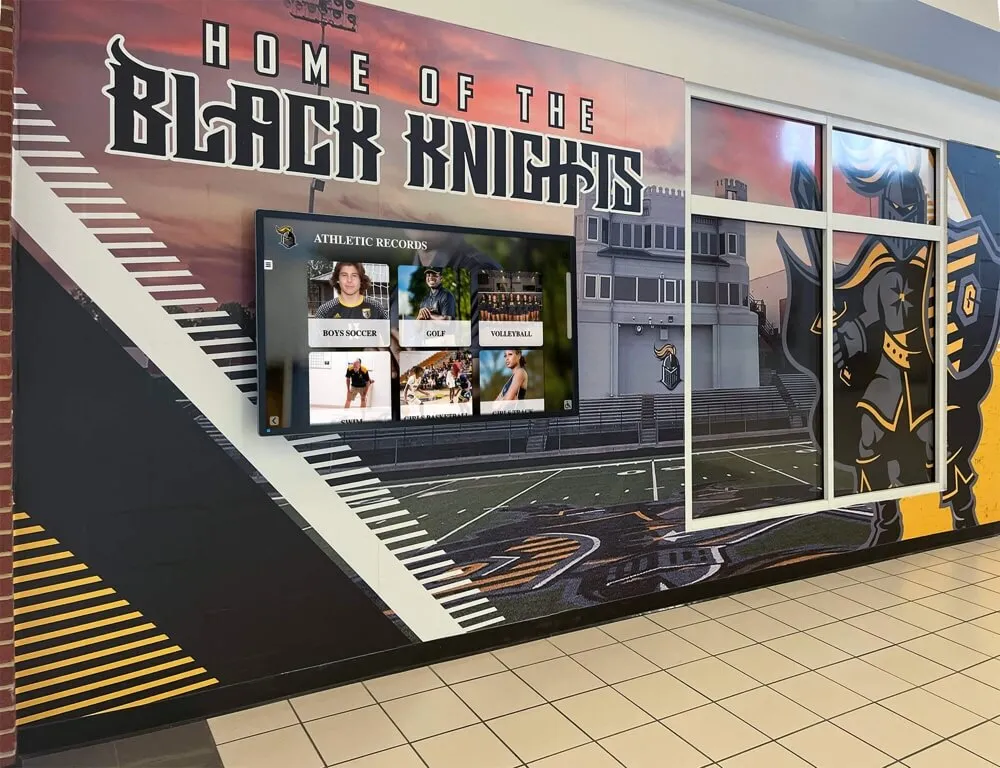
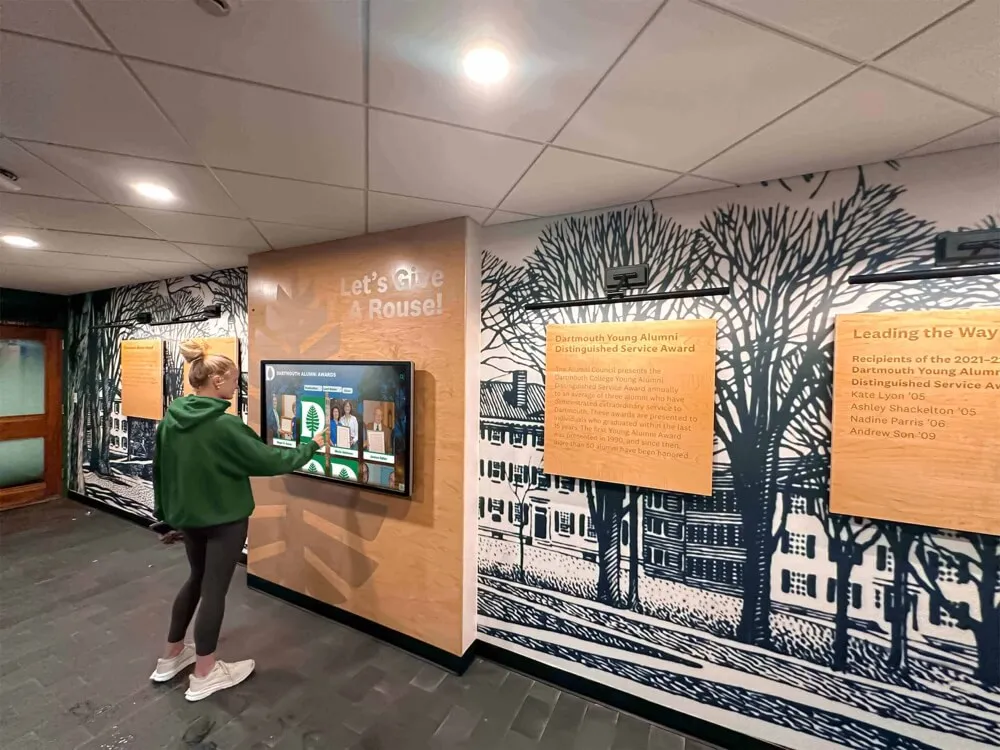
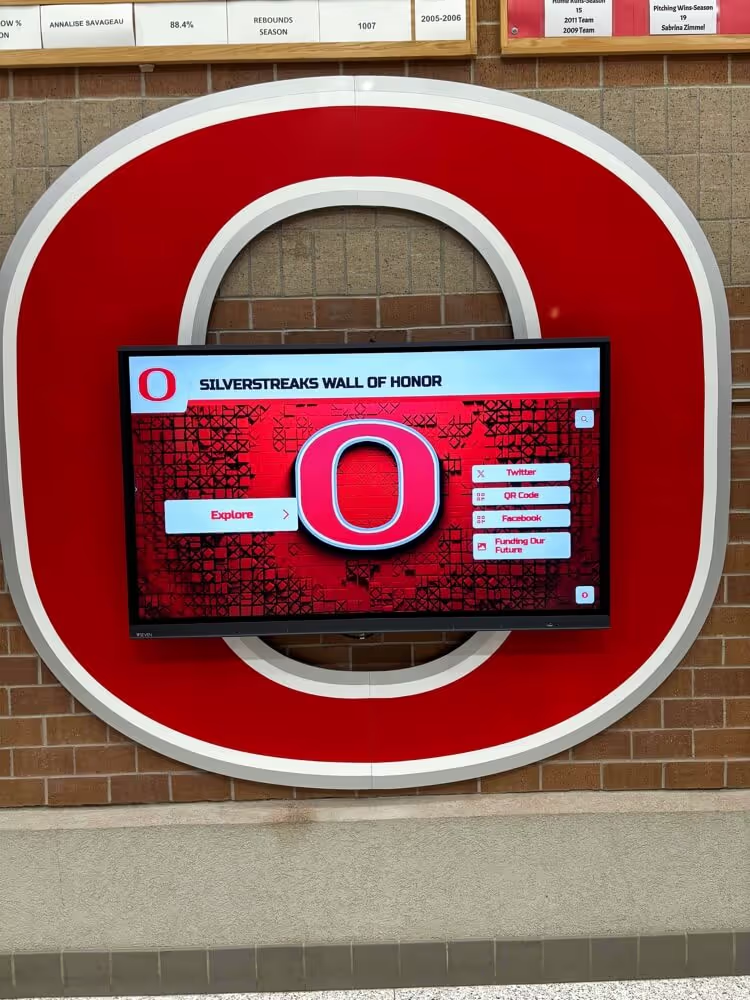
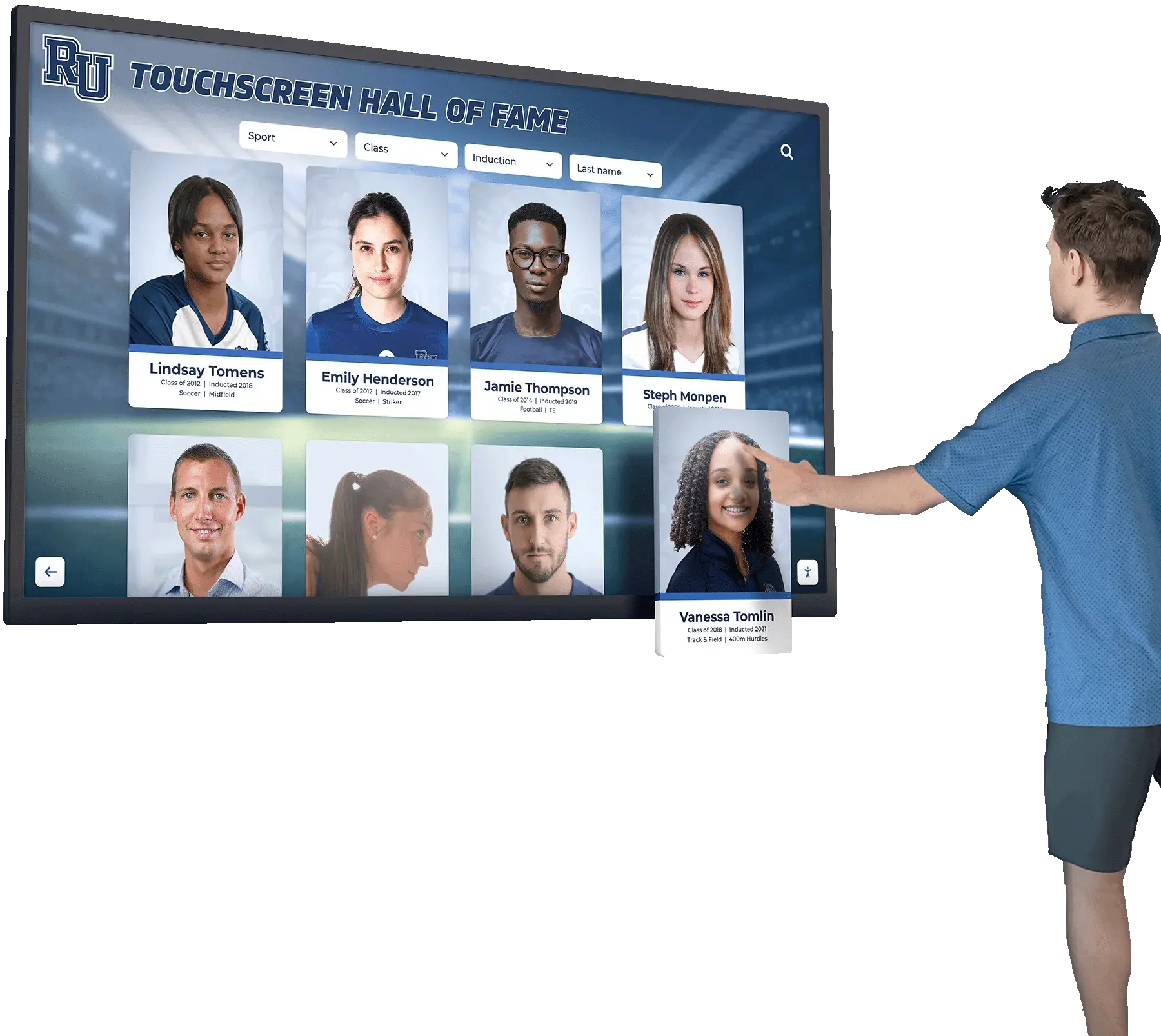
Interactive displays enable visitors to explore spring sports athlete profiles and achievements through intuitive touch interfaces
Building Spring Sports Culture and Community Support
Strong spring sports programs extend beyond competition to create meaningful community connections and sustainable support systems.
Developing Booster Club Support
Active booster organizations provide essential financial support and volunteer capacity for spring sports programs.
Fundraising and Financial Support
Spring sports booster clubs fund equipment purchases, facility improvements, travel expenses for away competitions, banquet and recognition event costs, and coaching supplements or additional staffing support.
Schools implementing booster club donor recognition programs through digital displays or dedicated recognition spaces strengthen ongoing fundraising by demonstrating appreciation for contributor support.
Volunteer Coordination
Beyond financial contributions, booster clubs provide volunteer support for concession stand operation during home events, game day hospitality for visiting teams and officials, facility maintenance and improvement projects, and organization of team meals and senior night celebrations.
Effective athletic directors maintain regular communication with booster leadership, ensuring volunteer efforts align with school policies and athletic department priorities.
Media Coverage and Promotion
Strong spring sports programs benefit from strategic media engagement and promotional efforts.
Local Media Relationships
Athletic directors should cultivate relationships with local sports reporters, providing regular updates on team achievements, individual athlete accomplishments, upcoming schedule highlights, and human interest stories about athletes, coaches, or programs.
Many communities feature dedicated spring sports coverage during this season, creating opportunities to build public awareness and community support for programs.
Digital and Social Media Presence
Schools should maintain active social media engagement throughout spring sports seasons, sharing game results and statistical highlights, athlete and coach spotlights, behind-the-scenes practice and preparation content, countdown promotions for significant games or senior nights, and celebration posts following victories or individual achievements.
This digital engagement builds community following while documenting program history that can be incorporated into permanent recognition systems.
College Recruitment Support
For athletes pursuing collegiate athletics, spring sports seasons provide crucial visibility to college recruiters and scholarship opportunities.
Facilitating Recruiting Communication
High school coaches should actively support athlete recruiting efforts by maintaining athlete profile information and statistics, responding promptly to college coach inquiries, facilitating campus visit scheduling when appropriate, and providing honest assessments of athlete readiness for college competition.
This support demonstrates institutional commitment to athlete development beyond high school careers.
Recognition of College Commitments
Schools should celebrate athletes committing to continue their athletic careers at the collegiate level through signing day ceremonies and announcements, recognition displays celebrating college-bound athletes, and permanent documentation in college commitment displays showing program success developing college-level talent.
These recognition systems attract prospective students and demonstrate program quality to community members and supporters.
Implementing Digital Recognition for Spring Sports
Modern recognition technology enables schools to celebrate spring sports achievements more comprehensively than traditional physical displays allow.
Advantages of Digital Spring Sports Recognition
Digital platforms address specific challenges that schools face recognizing spring sports appropriately alongside fall and winter programs.
Unlimited Recognition Capacity
Traditional trophy cases and plaque walls face space constraints that often result in spring sports receiving less prominent display locations as limited space fills with earlier season achievements. Digital recognition systems eliminate these capacity limitations, enabling schools to showcase unlimited spring sports content including complete team histories for every spring sport, individual athlete profiles for all participants across multiple seasons, statistical record boards tracking program records indefinitely, championship team documentation with photos and rosters, and multimedia content including highlight videos and ceremony footage.
A single digital display can showcase more spring sports recognition than dozens of physical plaque walls, ensuring these programs receive equal visibility regardless of academic year timing.
Easy Content Updates and Additions
Spring sports seasons extend through May and early June, with championship tournaments and final statistics often finalized near or after school year conclusions. Digital recognition platforms enable simple content updates without physical display modifications through cloud-based content management accessible from any device, scheduled publishing coordinating with championship results, bulk content imports for statistical updates, and remote management enabling updates even when athletic directors are away from campus.
This flexibility ensures spring sports recognition remains current despite end-of-year timing challenges.
Enhanced Engagement Through Interactive Features
Digital displays transform passive recognition viewing into active exploration experiences particularly valuable for spring sports with diverse achievement types across multiple programs. Interactive features include search and filtering enabling visitors to locate specific athletes or sports quickly, statistical databases allowing record comparison across seasons and eras, video integration showcasing game highlights and championship moments, social sharing features enabling athletes and families to distribute recognition digitally, and web accessibility extending recognition beyond physical campus displays.
These capabilities create more engaging recognition experiences than static physical displays can provide.
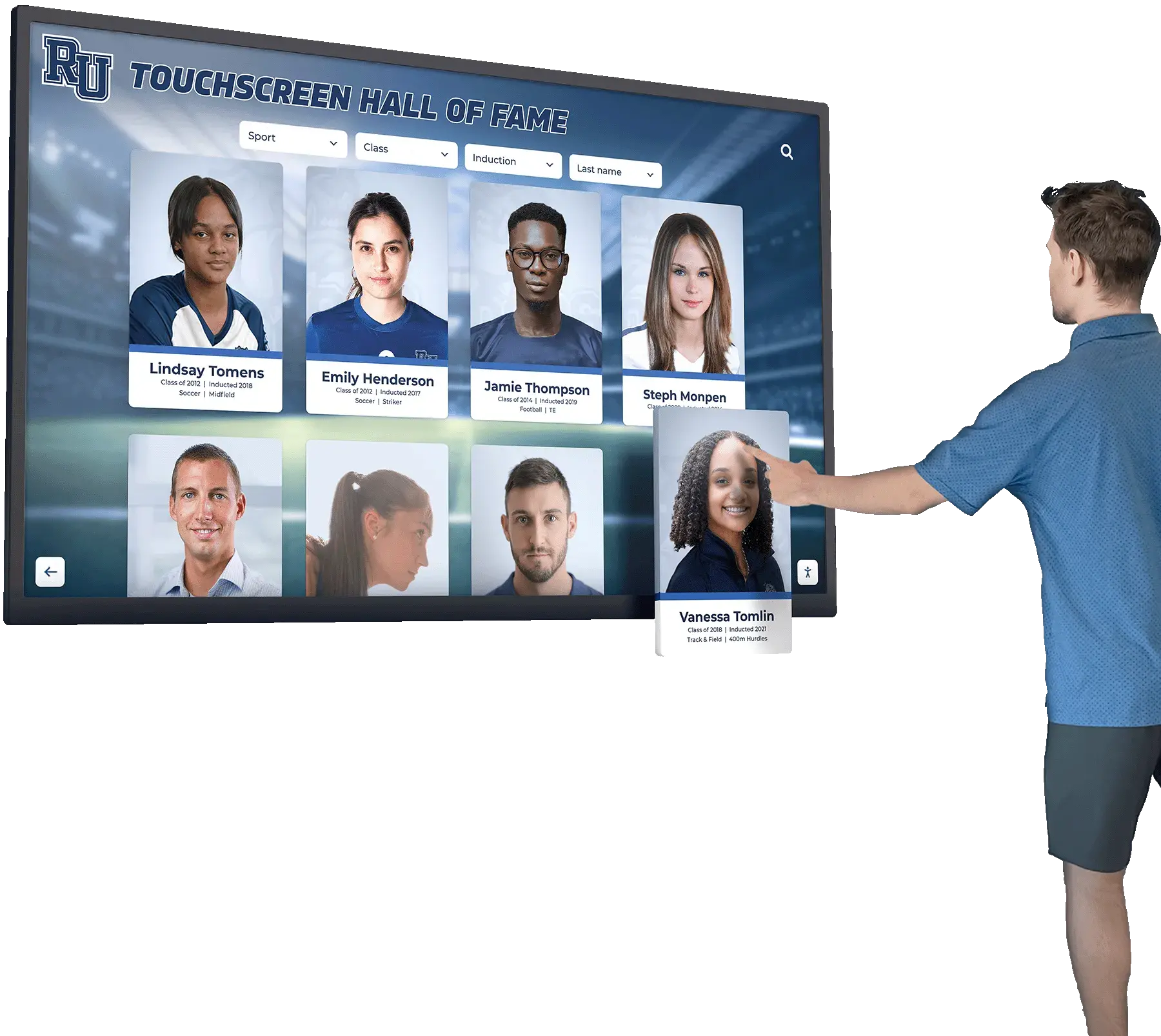
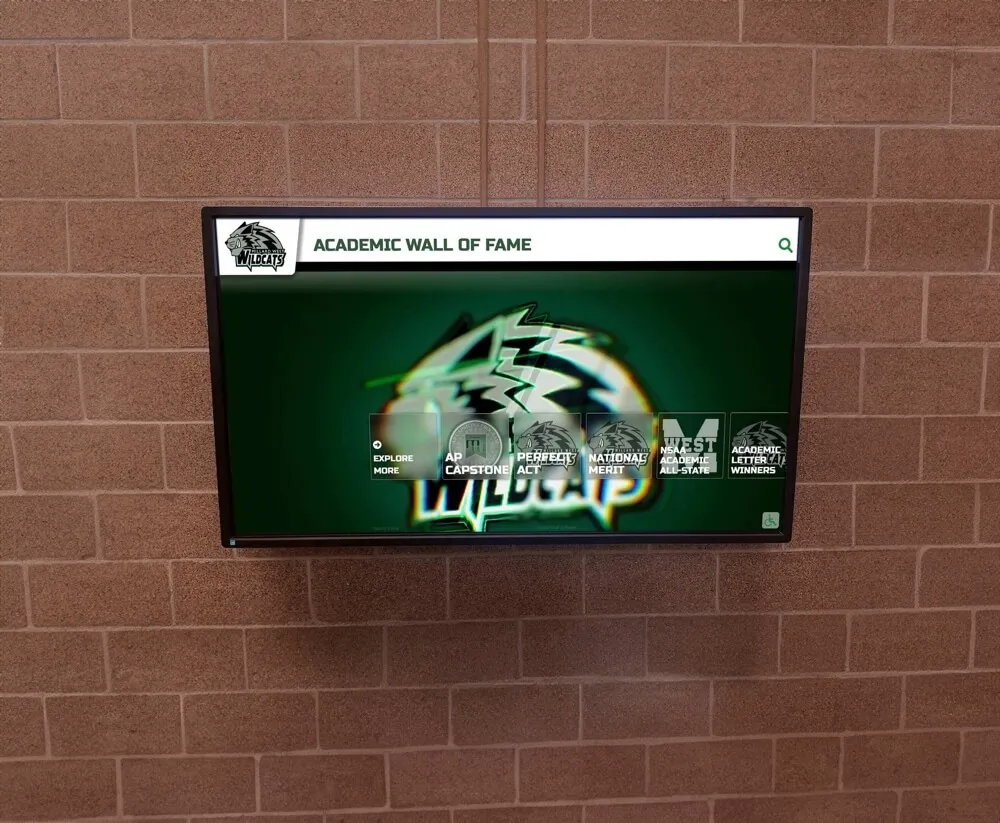
User-friendly interfaces enable community members to independently explore spring sports history and athlete achievements
Implementation Considerations for Schools
Schools considering digital recognition for spring sports programs should evaluate several key factors during platform selection and implementation.
Integration with Existing Athletic Recognition
Digital recognition systems work most effectively when they provide comprehensive athletic celebration across all sports and seasons rather than isolated spring sports recognition. Schools should prioritize platforms enabling unified recognition of fall, winter, and spring sports within consistent design frameworks, preservation of historical recognition content alongside current seasons, flexible content organization by sport, season, championship year, or individual athlete, and coordination with physical recognition elements like trophy cases and championship banners.
This integrated approach ensures spring sports benefit from comprehensive recognition systems rather than separate, disconnected displays.
Content Development and Historical Documentation
Successful digital recognition requires systematic content development including compilation of current season rosters, statistics, and photos, historical research documenting past spring sports championships and notable athletes, video content creation capturing highlights and championship moments, senior athlete profile development for permanent preservation, and coach and contributor recognition celebrating program builders.
Schools should allocate adequate time and resources for content development, recognizing that comprehensive historical documentation requires significant initial effort but creates lasting value.
Platform Selection Criteria
When evaluating digital recognition platforms for spring sports applications, schools should assess ease of content management without requiring technical expertise, display hardware quality and durability for high-traffic educational environments, design customization enabling school branding and visual identity integration, multi-sport accommodation within unified recognition frameworks, web accessibility extending recognition beyond physical displays, customer support quality and training resources, and total cost of ownership including hardware, software, installation, and ongoing support.
Solutions like Rocket Alumni Solutions provide purpose-built platforms designed specifically for educational athletic recognition across all sports and seasons.
Measuring Spring Sports Program Success
Systematic assessment helps athletic directors demonstrate program value while identifying opportunities for improvement.
Participation and Retention Metrics
Track indicators revealing program health and athlete satisfaction.
Athlete Participation Numbers
Monitor total spring sports participation year-over-year, participation rates relative to overall student population, multi-sport athlete numbers showing program integration, and freshman participation indicating youth program pipeline strength.
Growing or stable participation numbers suggest healthy programs, while declining participation may indicate concerns requiring attention.
Retention Rates Across Seasons
Track how many athletes return for subsequent seasons, identify sports with strong retention versus high attrition, and analyze reasons athletes cite for discontinuing participation.
High retention rates indicate positive athletic experiences and strong program culture, while retention challenges may signal coaching, culture, or resource issues requiring intervention.
Competitive Performance Indicators
Assess program competitiveness and achievement levels.
Win-Loss Records and Tournament Advancement
Monitor team records and competitive performance trends, conference championship success and tournament qualification, state tournament advancement and championship achievement, and individual athlete qualification for state or regional competitions.
These competitive indicators demonstrate program quality while providing content for recognition systems celebrating achievement.
Individual Statistical Excellence
Track athletes achieving all-conference, all-state, or higher recognition, program records broken or established during seasons, athletes reaching specific statistical thresholds (points scored, times achieved, etc.), and athletes receiving individual awards or special recognition.
Individual excellence recognition should be preserved through comprehensive athletic achievement display systems celebrating spring sports alongside fall and winter accomplishments.
Community Engagement Measures
Evaluate how spring sports programs connect with broader school communities.
Event Attendance and Fan Support
Track attendance at spring sports competitions, community participation in senior nights and recognition events, booster club membership and volunteer engagement, and social media following and digital content engagement.
Strong community engagement indicates programs have developed meaningful connections beyond direct participants, creating sustainable support systems.
Alumni Athlete Engagement
Monitor spring sports alumni participation in program events and reunions, mentorship relationships with current athletes, financial contributions supporting programs, and social media engagement with program content.
Active alumni engagement demonstrates programs created positive experiences that participants value beyond graduation, creating networks supporting current programs.
Conclusion: Celebrating Spring Sports Excellence
Spring sports represent essential components of comprehensive athletic programs, providing competitive opportunities for thousands of student-athletes annually while creating memorable moments during the final months of academic years. Schools that invest appropriately in spring sports programs—through adequate funding, quality coaching, proper facilities, and comprehensive recognition systems—demonstrate commitment to year-round athletic excellence while ensuring athletes in all sports receive appropriate celebration of their achievements.
The recognition systems schools implement significantly impact program culture and athlete experience. Traditional physical displays face inherent space limitations that can result in spring sports receiving less prominent recognition compared to fall and winter programs. Modern digital recognition platforms address these limitations by providing unlimited capacity for celebrating spring sports achievements through interactive displays showcasing complete team histories, individual athlete profiles, statistical records, and multimedia content.
Transform Your Spring Sports Recognition
Discover how digital recognition solutions can help you celebrate spring sports achievements with the same prominence as fall and winter programs through comprehensive displays designed specifically for educational athletics.
Explore Recognition SolutionsBy combining thoughtful program planning, appropriate resource allocation, and modern recognition technology, schools create spring sports programs that honor athlete dedication while building lasting traditions inspiring future generations. Whether implementing first-time recognition systems or enhancing existing displays, the strategies outlined in this guide provide frameworks for celebrating spring sports excellence appropriately while demonstrating institutional commitment to comprehensive athletic programs serving students across all seasons.
Start by assessing current spring sports recognition approaches, identifying gaps or inequities compared to fall and winter programs, engaging stakeholders including athletes, coaches, families, and booster clubs to understand recognition priorities, and exploring modern solutions like digital recognition platforms that provide scalable, sustainable approaches to comprehensive athletic celebration.
Ready to begin? Explore how digital athletic recognition systems can help your school implement comprehensive spring sports recognition, or schedule a consultation to discuss how purpose-built platforms designed for educational athletics can celebrate your spring sports athletes with the prominence their dedication deserves.