State wrestling tournaments represent the pinnacle of high school competitive wrestling—where months of grueling practices, weight management, and district competitions culminate in championship matches determining state champions across multiple weight classes. For wrestlers, coaches, and wrestling families, understanding the qualification process, tournament structure, and competition format proves essential for strategic preparation and realistic goal-setting as the postseason approaches.
Each state operates unique qualification systems ranging from district tournaments feeding directly into state championships to regional qualifying events with specific placement requirements. Tournament formats vary significantly—some states run traditional championship brackets while others employ wrestleback consolation systems ensuring every wrestler competes multiple times. Weight class structures, advancement criteria, and team scoring formulas all differ based on state athletic association rules and competitive classification systems.
This comprehensive guide explains how state wrestling tournaments work across different systems, what wrestlers must accomplish to qualify, how tournament competition proceeds from opening rounds through championship finals, and how schools permanently recognize state qualifiers and champions who bring pride to their programs and communities.
Wrestling demands year-round dedication rarely visible to those outside the sport—predawn conditioning, strict weight management, individual technique refinement, and mental toughness development preparing athletes for intense one-on-one competition where there’s nowhere to hide. State tournaments validate this dedication while creating lasting memories defining athletic careers and school wrestling traditions.

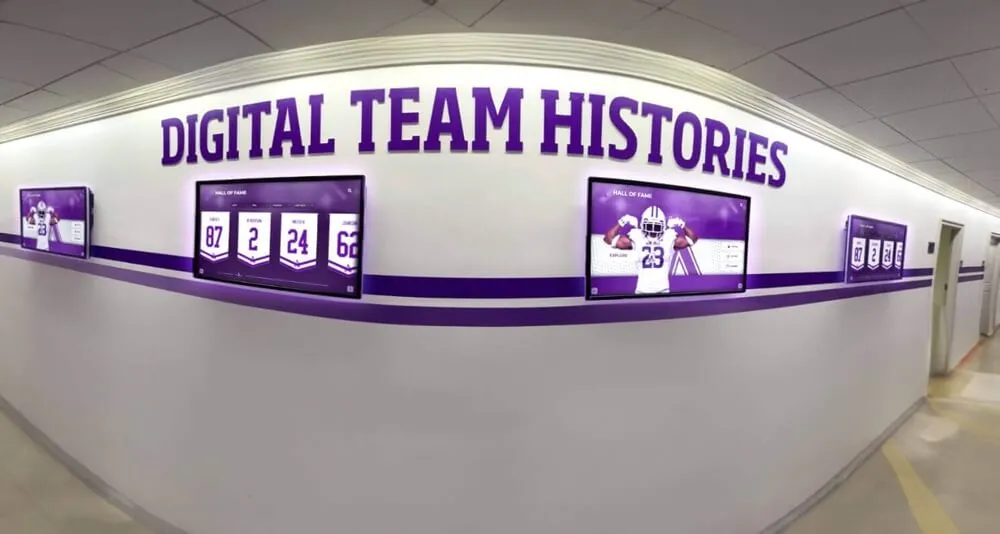
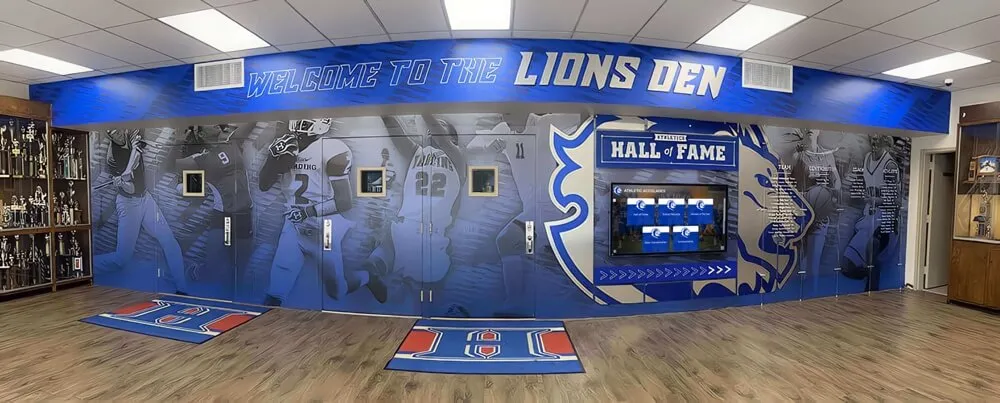
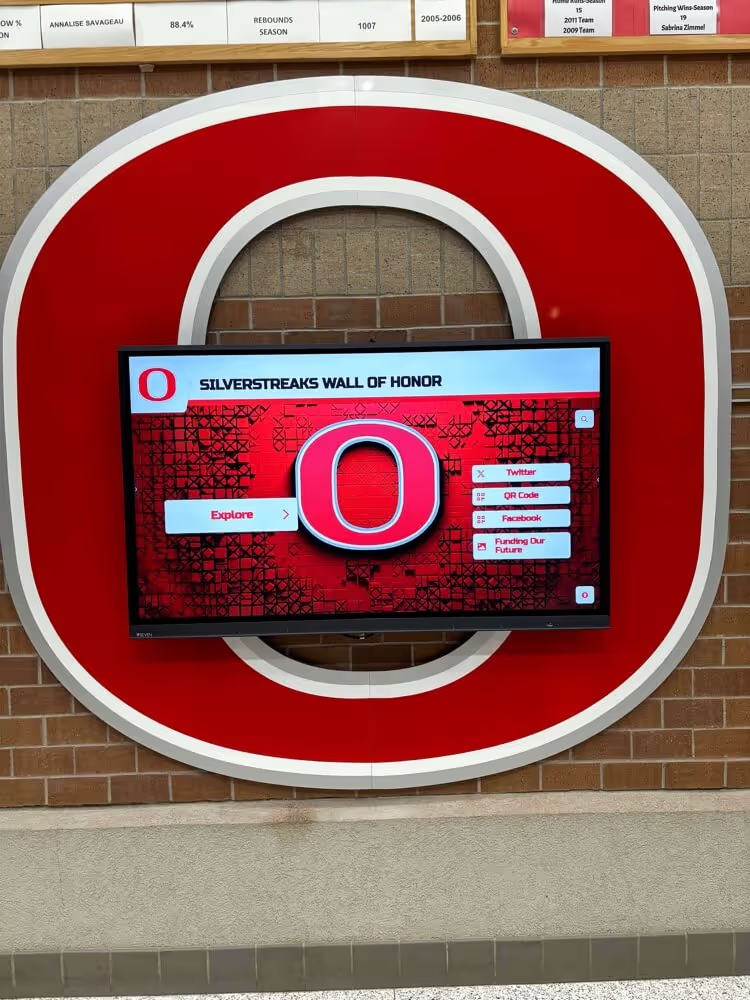
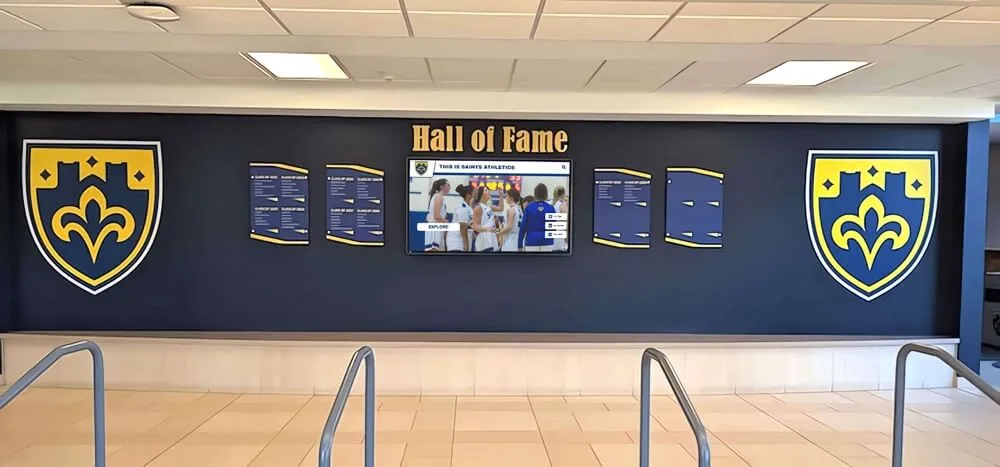
Modern recognition displays celebrate state wrestling qualifiers and champions, preserving tournament achievements that define program excellence
Understanding State Wrestling Tournament Structure and Formats
Before wrestlers can compete for state championships, understanding how tournaments are organized helps athletes and coaches develop appropriate preparation strategies and set realistic competitive goals.
State Athletic Association Governance
Every state operates wrestling championships through state high school athletic associations establishing rules, qualification systems, and tournament procedures.
Organizational Frameworks
State athletic associations typically divide schools into competitive classifications based on enrollment size, creating separate tournaments for different school divisions. Common classification systems include Class A (largest schools), Class AA or 2A (mid-size schools), Class B or 1A (smaller schools), and sometimes additional divisions depending on state population and school size distribution.
This classification ensures competitive equity—small rural schools with limited enrollment pools don’t compete directly against large suburban programs with hundreds of potential wrestlers to field comprehensive lineups across all weight classes.
Sanctioning and Eligibility Requirements
State associations establish comprehensive eligibility rules governing academic requirements and grade point minimums, transfer and residency restrictions, age limitations and maximum years of competition, medical clearances and physical examination requirements, and conduct standards ensuring sportsmanship expectations.
These regulations protect student-athlete welfare while maintaining competitive integrity ensuring all participants meet consistent eligibility standards.
Weight Class Systems and Categories
Wrestling competitions organize competitors by weight, creating multiple championship opportunities within single tournaments.
Standard High School Weight Classes
Most states follow standardized weight class systems established by the National Federation of State High School Associations (NFHS), typically including 14 weight classes ranging from 106 pounds through heavyweight divisions exceeding 285 pounds. Common weight classes include 106, 113, 120, 126, 132, 138, 145, 152, 160, 170, 182, 195, 220, and 285 pounds (heavyweight).
Weight class structures ensure wrestlers of similar size compete against each other, prioritizing safety while creating skill-based rather than size-based competition. Some states modify weight classes slightly based on regional competitive patterns or historical precedent.
Weight Management and Certification
Student-athlete safety concerns led most states to implement strict weight management programs including minimum wrestling weight certification establishing lowest allowable competition weight, body composition testing ensuring healthy weight loss practices, descent plans documenting safe weekly weight reduction limits, weigh-in procedures conducted before competition, and monitoring systems tracking weight loss patterns across entire seasons.
These protocols prevent dangerous rapid weight cutting practices that historically created serious health risks including dehydration, eating disorders, and extreme cutting methods compromising wrestler wellbeing.
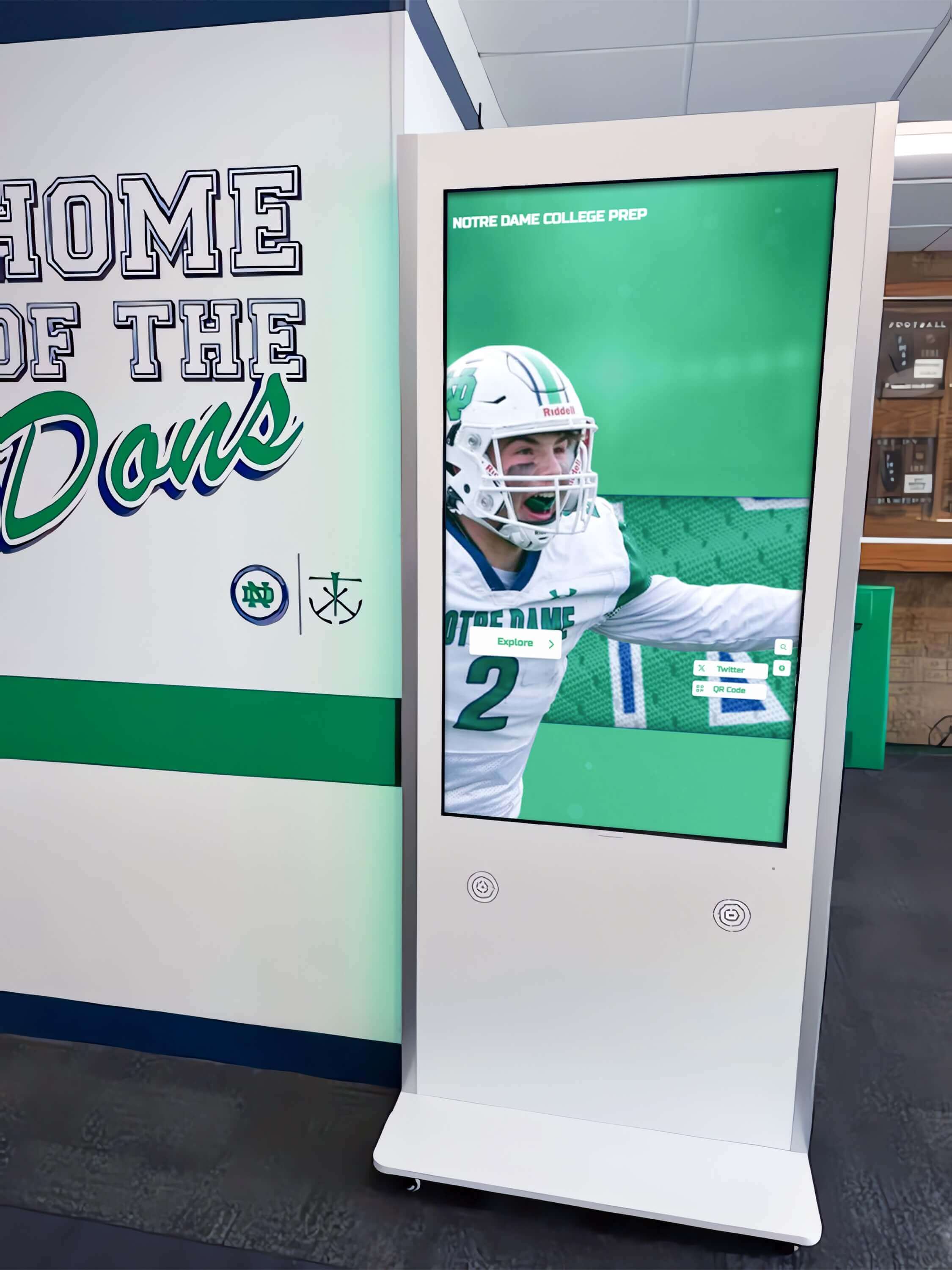
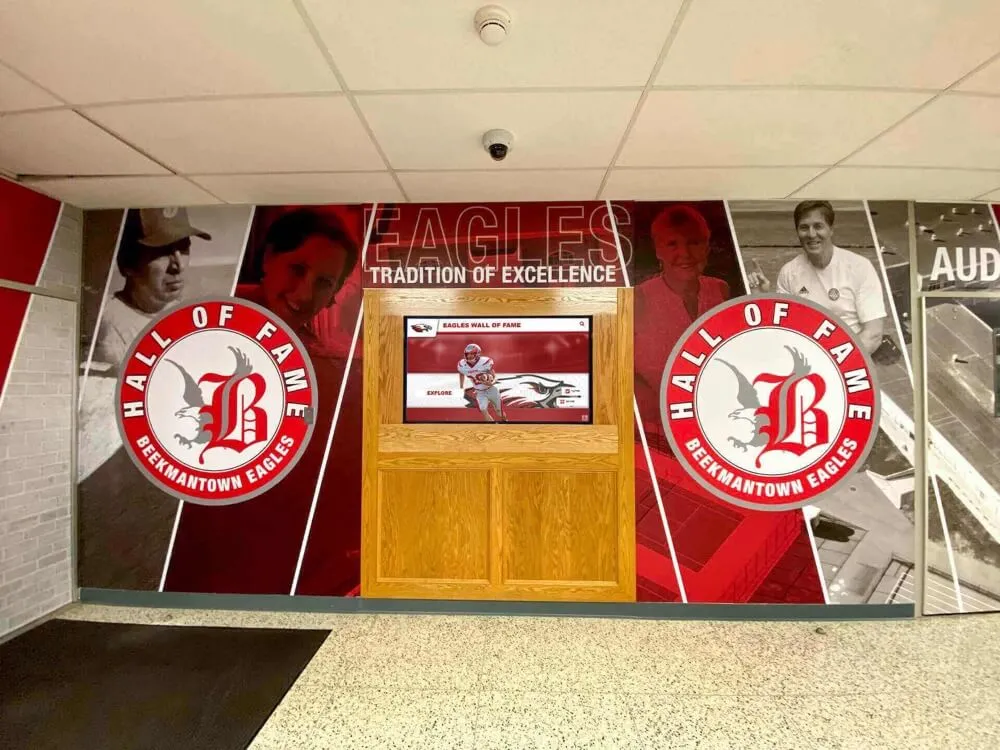
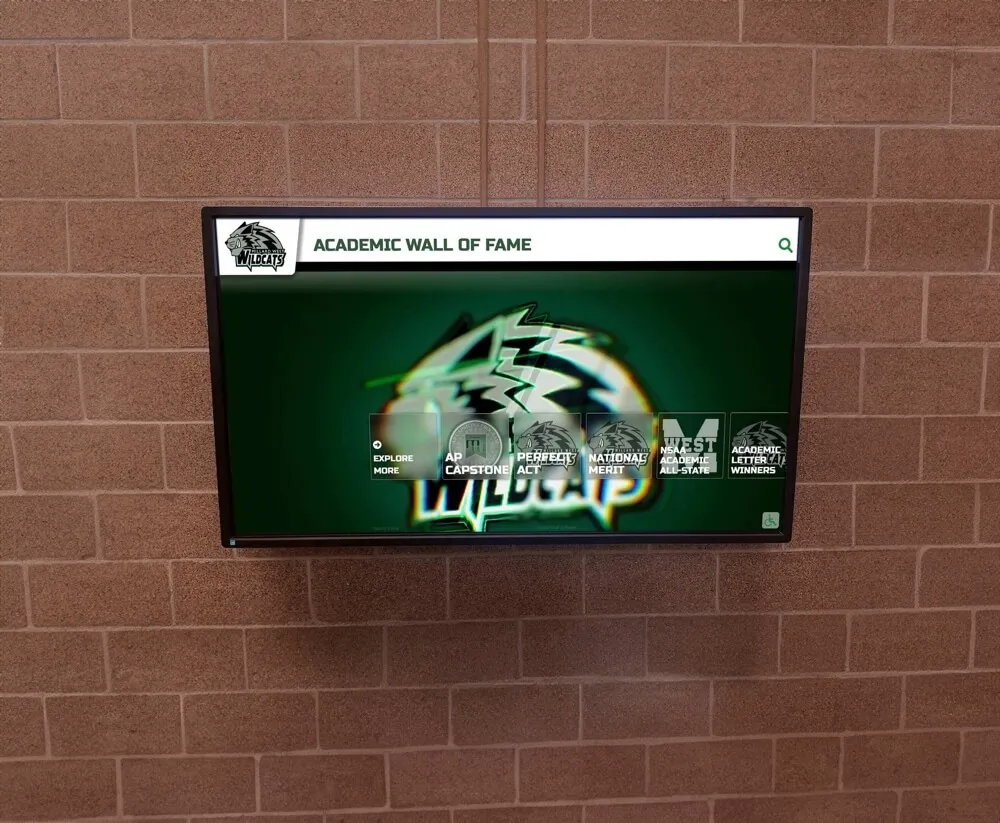
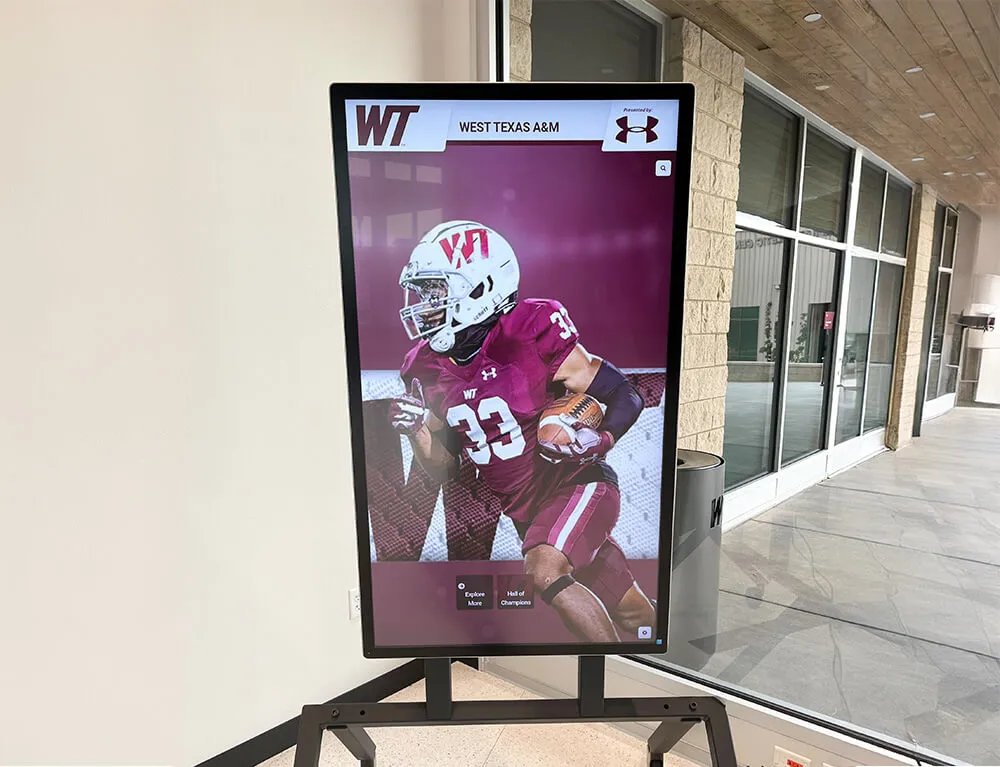
Interactive kiosks positioned in high-traffic areas enable students and visitors to explore wrestling program history and state tournament achievements
Tournament Format Variations Across States
State wrestling tournaments employ different competitive formats affecting how champions are determined and how many matches each wrestler competes.
Traditional Single-Elimination Championship Brackets
Some state tournaments use straightforward single-elimination brackets where wrestlers losing any match are eliminated from championship contention. This format creates clear championship paths—win every match to claim state titles, but single losses end championship hopes. Advantages include simplified brackets, faster tournament completion, and clear championship determination, though wrestlers losing early matches may compete only once or twice during entire state tournament weekends.
Wrestleback Consolation Systems
Most state tournaments employ wrestleback formats where wrestlers losing to eventual finalists receive second opportunities to place through consolation brackets. This system typically allows wrestlers losing to the eventual champion or runner-up to continue competing for third through eighth place medals, creating opportunities for wrestlers who perform well but lose close matches to elite competitors.
Wrestleback systems ensure wrestlers compete multiple matches regardless of early losses, better rewarding overall tournament performance beyond single-match outcomes. This format proves more complex logistically but provides more complete competitive measurement across entire wrestler fields. Learn more about comprehensive athletic tournament recognition.
Modified Double-Elimination Formats
Some states implement modified double-elimination systems where wrestlers remain in championship contention until losing twice, then fall into placement brackets determining lower positions. These formats balance championship opportunity with tournament duration constraints while ensuring multiple competition opportunities for most participants.
Team vs. Individual Championship Determinations
State tournaments award both individual weight class championships and team championships based on combined individual performances. Team scoring typically awards points for match victories, placement finishes, pins, technical falls, and advancement through bracket rounds. This dual emphasis creates strategic team competition alongside individual championship pursuits—coaches must balance focusing on individual champions versus maximizing total team points across all weight classes.
State Tournament Qualification Systems: How Wrestlers Earn Tournament Berths
Reaching state tournaments requires navigating qualification systems that vary significantly across different states and competitive levels.
District and Sectional Qualifying Tournaments
Most states employ preliminary tournament rounds determining which wrestlers advance to state championship competition.
District Tournament Qualification
Many states divide geographic regions into districts hosting qualifying tournaments typically held 1-2 weeks before state championships. District formats generally include all wrestlers from schools within geographic district boundaries competing for state tournament berths, placement finishes (typically top 2-4 in each weight class) earning state qualification, and team scores determining district champions alongside individual qualifiers.
District tournaments create intense competition where season-long preparation focuses toward earning state qualification—many excellent wrestlers fail to qualify despite strong seasons when competing in districts with multiple elite competitors at specific weight classes.
Sectional or Regional Tournaments
Some states implement additional qualifying levels between districts and state tournaments. Sectional systems typically advance district place-winners to regional tournaments, then advance regional place-winners to state championships, creating multi-week qualification processes filtering large initial competitor pools to manageable state tournament fields.
These multi-tiered systems ensure only top-performing wrestlers reach state tournaments, maintaining high competitive standards while managing bracket sizes and tournament durations.
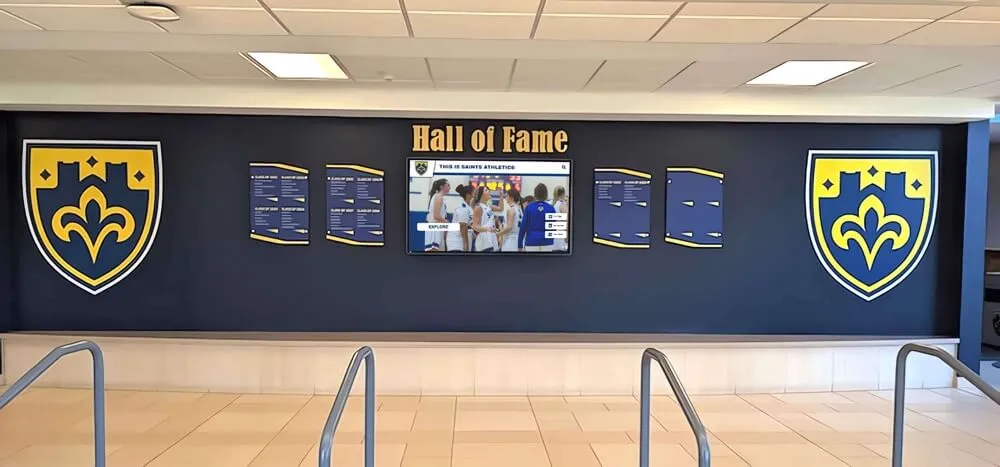
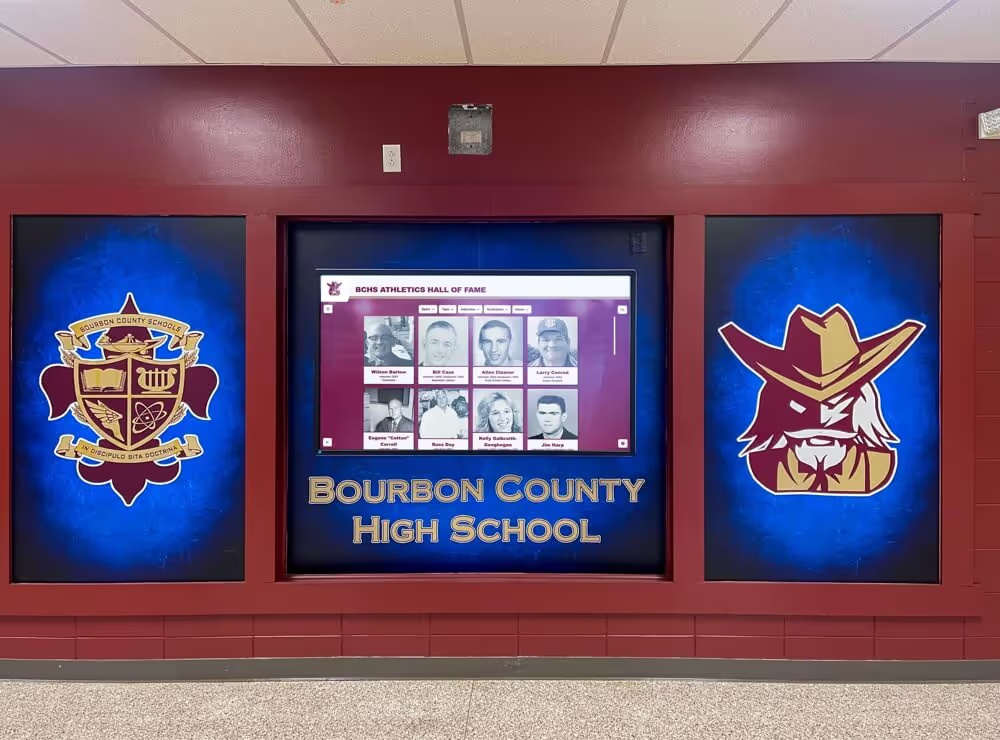
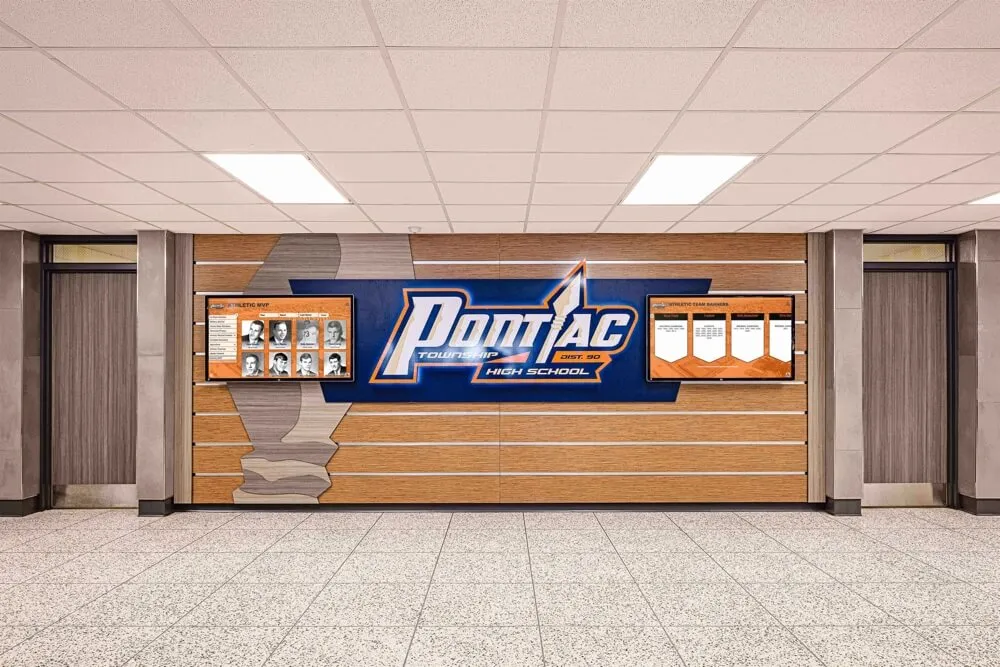
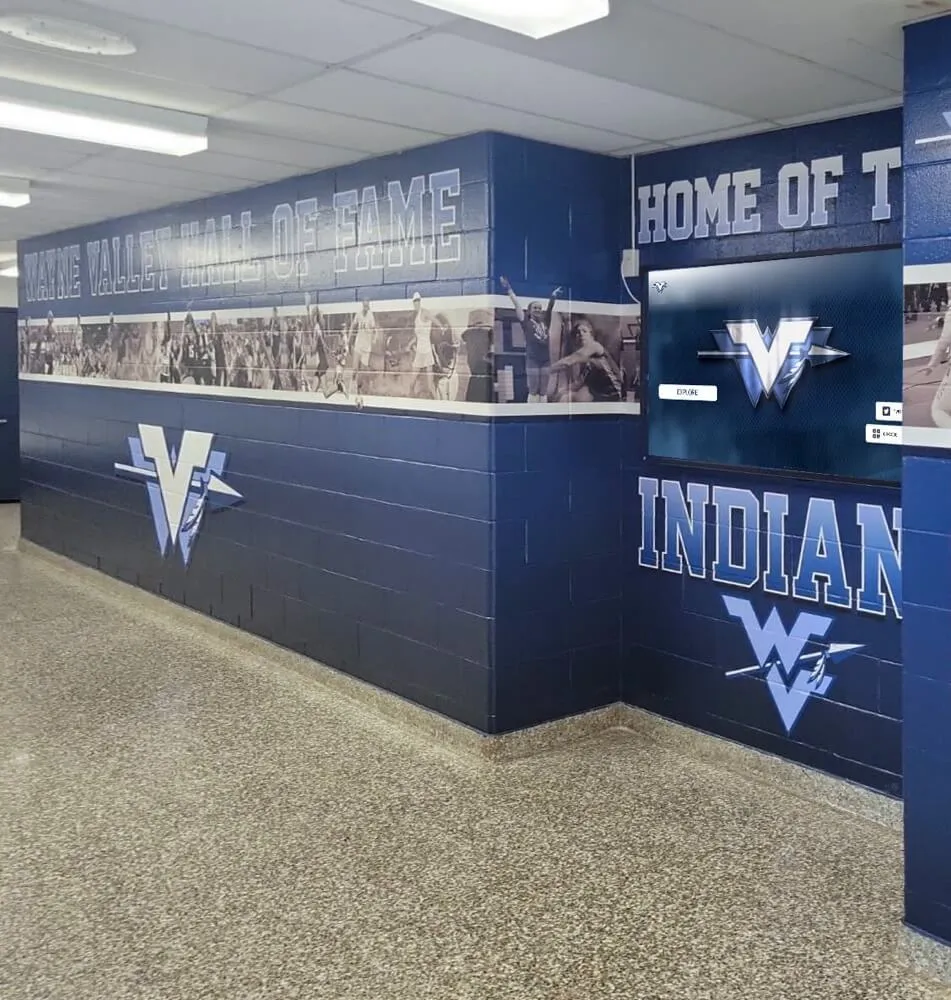
Permanent recognition walls honor state qualifiers and champions, creating lasting tributes to wrestling excellence that inspire future generations
Automatic Qualification Standards
Some states allow automatic qualification pathways bypassing preliminary tournaments for wrestlers meeting objective criteria including previous state champions receiving automatic berths, wrestlers ranked in top positions by state coaches’ polls, district or conference champions receiving automatic qualification, or wrestlers achieving specific technical criteria during regular seasons.
Automatic qualification recognizes sustained excellence while reducing preliminary tournament burdens on clearly elite wrestlers.
Competitive Criteria and Advancement Standards
Beyond tournament formats, specific advancement rules determine exactly which wrestlers proceed to state competition.
Placement-Based Advancement
Most qualification systems advance wrestlers based on tournament placement finish. Common standards include top two finishers in each weight class at district tournaments, top three or four in larger districts or states with bigger tournament fields, and proportional advancement based on total competitors (larger fields advance more wrestlers).
Placement-based systems create clear qualification targets—wrestlers know exactly what finish is required to continue their seasons, creating intense bracket positioning strategy throughout qualification tournaments.
Win-Loss Record Minimums
Some states require minimum season win-loss records before wrestlers become eligible for state tournaments, typically requiring winning records or specific minimum win totals. These standards ensure state tournaments include only wrestlers demonstrating sustained season-long success rather than competitors with losing records qualifying through favorable bracket draws at district tournaments.
Wild Card and At-Large Selections
States with sectional systems sometimes employ wild card selections to fill state tournament brackets. Selection committees evaluate wrestlers who narrowly missed automatic qualification, considering head-to-head results, quality wins against ranked opponents, season records, and strength of schedule when determining at-large berths. For related team tournament structures, explore state basketball tournament formats.
Wild card systems ensure exceptional wrestlers aren’t excluded due to unfortunate bracket positioning while maintaining overall qualification standards.
Competition Procedures: How State Wrestling Tournaments Proceed
Once qualification is complete, understanding tournament operation helps wrestlers, coaches, and families navigate championship competition effectively.
Tournament Schedule and Competition Format
State tournaments typically span 2-3 days with structured competition rounds advancing wrestlers through brackets toward medal rounds.
Day One: Opening Rounds and Championship Bracket Development
Most tournaments begin with preliminary rounds conducting multiple sessions including morning sessions featuring first-round matches across all weight classes, afternoon sessions completing second and third rounds, and evening sessions often reaching quarterfinal rounds in championship brackets.
Opening day typically determines which wrestlers remain in championship contention versus falling into consolation brackets. High wrestler density requires efficient scheduling—large tournaments may run matches simultaneously on 8-12 mats to complete necessary rounds within available timeframes.
Day Two: Semifinal Rounds and Consolation Advancement
Tournament middle days typically feature championship semifinal matches determining finalists, consolation semifinal matches determining placement bracket finalists, and extensive wrestleback rounds positioning wrestlers for final placement matches.
Day two proves crucial for placing wrestlers—solid performances secure medal positions while losses may end tournament runs or relegate competitors to lower placement matches.

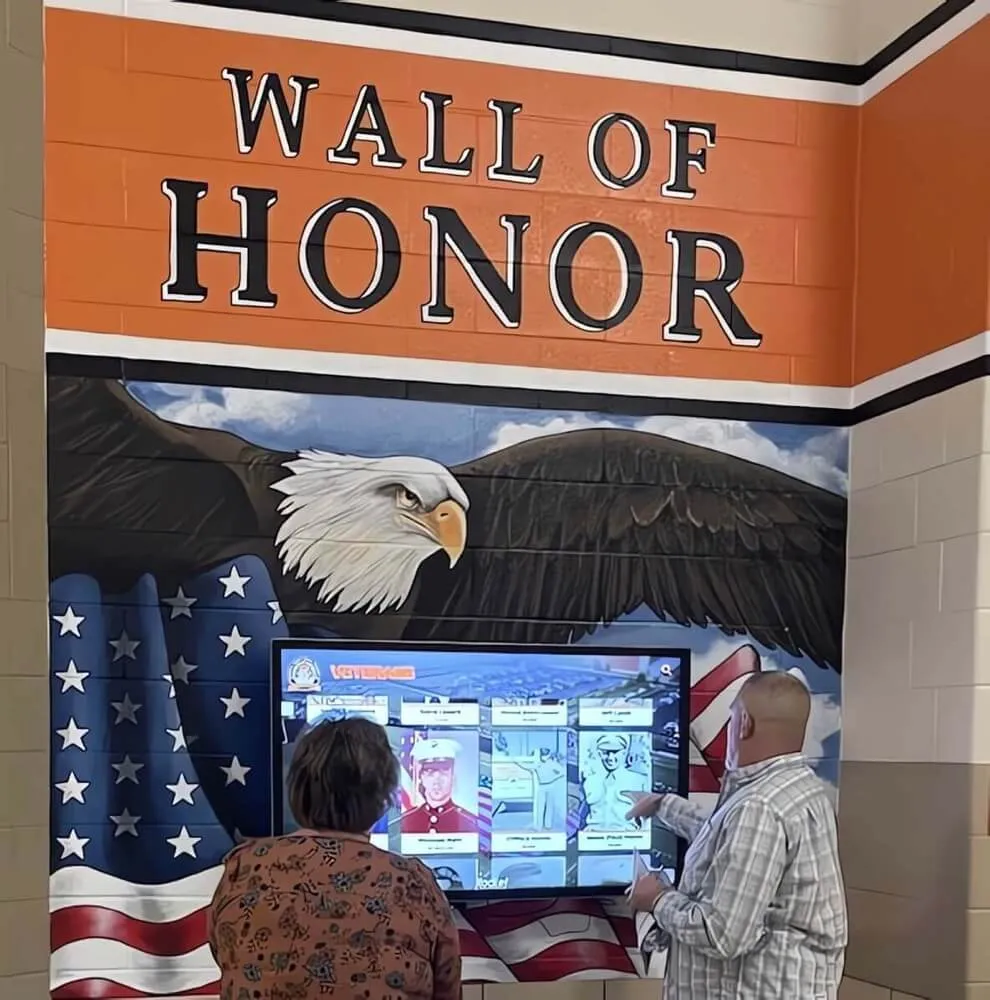
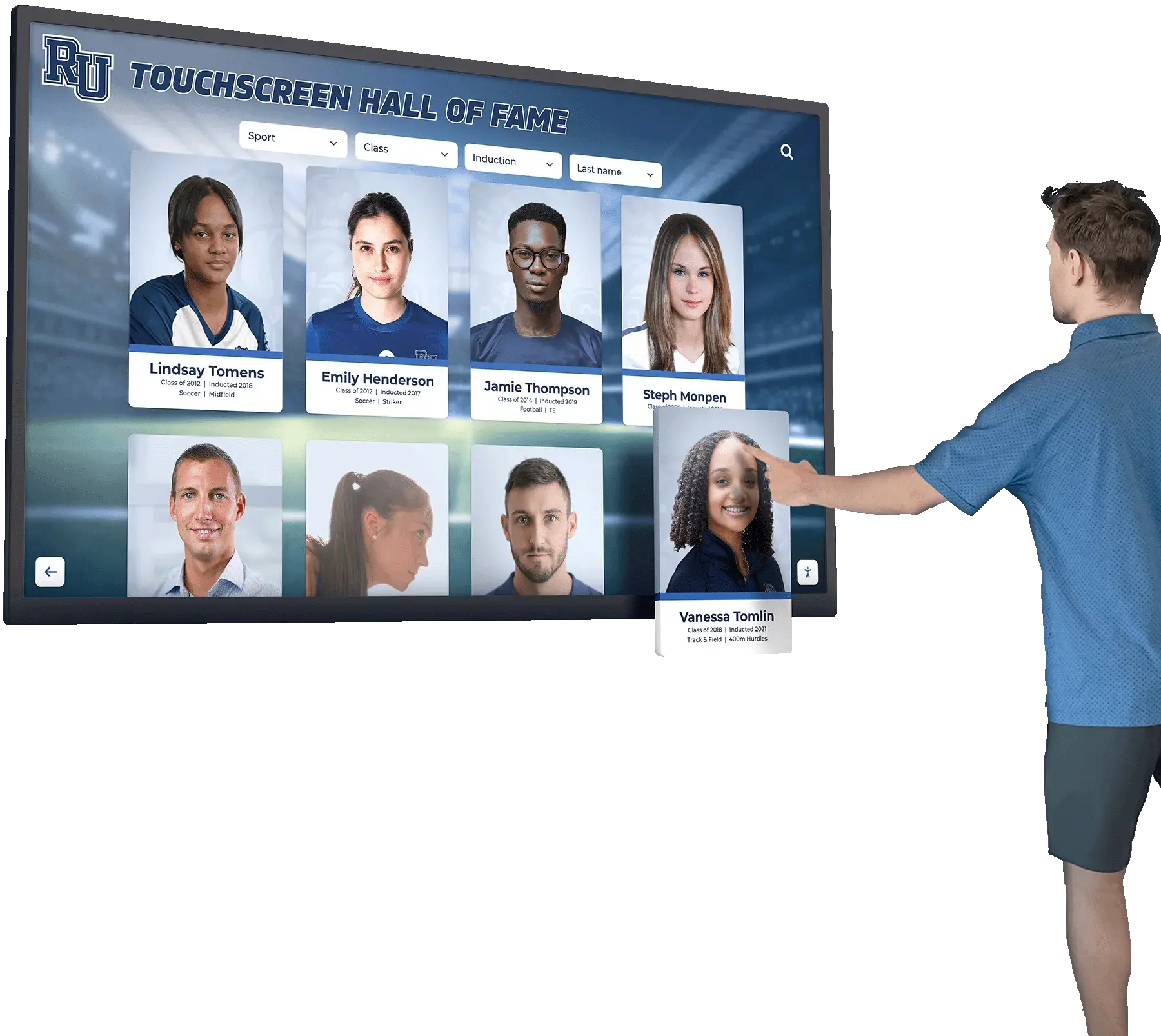
Digital recognition systems enable visitors to browse individual wrestler profiles, career statistics, and state tournament accomplishments through engaging interactive interfaces
Day Three: Medal Rounds and Championship Finals
Tournament finals days feature prestigious championship and placement matches including consolation finals determining fifth through eighth places, third-place matches deciding bronze medal winners, and championship finals determining state champions across all weight classes.
Finals sessions typically receive heightened attention with full arena attendance, ceremonial introductions, and post-match awards presentations recognizing state champions and place-winners before assembled crowds. These high-visibility matches create career-defining moments for wrestlers reaching championship and medal rounds.
Scoring Systems and Match Victory Criteria
Understanding how matches are scored and won helps competitors and spectators follow tournament action and appreciate technical wrestling excellence.
Match Scoring Fundamentals
High school wrestling employs point-based scoring systems awarding points for various techniques and positions including takedowns (2 points) for bringing opponents to mat from standing position, escapes (1 point) for breaking free from bottom position, reversals (2 points) for moving from defensive to offensive position, and near-fall points (2-3 points) for holding opponents on their backs approaching pinning positions. Back points and riding time (1 bonus point for controlling opponents more than one minute longer than opponent controls you) create additional scoring opportunities.
Wrestlers winning by largest margins receive bonus team points—pins, technical falls (winning by 15+ points), major decisions (winning by 8-14 points), and regular decisions (winning by less than 8 points) all contribute differently to team tournament scores.
Victory by Fall (Pin)
The ultimate wrestling victory occurs when one wrestler pins opponent’s shoulders to mat for one continuous second. Pins immediately end matches regardless of score, awarding maximum team points and often devastating bracket positioning of pinned wrestlers.
The constant pin threat creates wrestling’s unique strategic tension—leading on points provides no security if opponents secure pins. This immediacy distinguishes wrestling from most sports where late comebacks require gradual point accumulation.
Technical Fall and Mercy Rule Terminations
When point differentials become insurmountable, matches may end before time expires through technical fall rules typically ending matches when 15-point differentials are reached. These provisions prevent unnecessary injury risk when matches are decided while managing tournament scheduling by ending non-competitive matches quickly.
Default, Forfeit, and Disqualification
Matches may end through non-competitive means including injury defaults when wrestlers cannot continue, forfeits when teams have no wrestler at specific weight class, and disqualifications for illegal holds or unsportsmanlike conduct. These outcomes affect team scoring and bracket advancement differently than competitive victories.
Weight Class Management and Tournament Weigh-Ins
Pre-competition weigh-ins ensure wrestlers compete at certified weights while managing tournament scheduling.
Tournament Weigh-In Procedures
State tournaments conduct weigh-ins before competition sessions, typically allowing wrestlers to weigh in within specific windows before their scheduled competition times. Procedures include weight verification for all competitors, allowances for wrestling gear weight, same-day weigh-in requirements preventing extended weight cutting between certification and competition, and backup weight verification for wrestlers near weight class limits.
These procedures balance competitive equity with wrestler health and safety considerations.
Weight Class Scratches and Bracket Adjustments
Occasionally wrestlers qualify but don’t compete due to injury, illness, or failure to make weight. Tournament officials manage scratches through bracket adjustments maintaining competitive balance, first-round byes awarded to wrestlers opposing scratched competitors, and modified bracket structures when multiple wrestlers scratch from weight classes. Learn about athletic achievement recognition systems applicable across wrestling and other sports.
Team Competition and Scoring: Championship Determination Beyond Individual Titles
While individual weight class champions receive primary attention, team championships represent comprehensive program excellence across all weights.
Team Scoring Systems and Point Allocation
State tournaments award team points based on combined individual wrestler performances creating parallel team and individual competitions.
Advancement and Placement Points
Tournament organizers typically award team points for bracket advancement and final placement including points for qualifying and competing (participation points), advancement points for reaching specific bracket rounds, and placement points for finishing in top medal positions. Point scales generally award higher points for better placements—state champions earn most points, runners-up slightly less, bronze medalists less still, and so forth through lower placement positions.
Bonus Points for Match Victory Margins
Beyond advancement points, teams earn additional points based on how wrestlers win matches including maximum points for pins and forfeit victories, moderate bonus points for technical falls and major decisions, standard points for regular decisions, and no team points for match losses.
This bonus structure incentivizes aggressive wrestling seeking falls and dominant victories rather than conservative wrestling protecting small leads—coaches must balance maximizing team points through bonus-seeking aggression versus ensuring individual advancement through conservative tactical wrestling.
Strategic Team Scoring Considerations
Coaches monitor team scores throughout tournaments, adjusting match strategies based on team championship positioning including calculating point scenarios for different match outcomes, determining when teams need bonus points to catch leaders, identifying must-win matches for team title contention, and balancing individual championship pursuits against team scoring optimization.
These strategic calculations create compelling team competition narratives running alongside individual championship storylines.

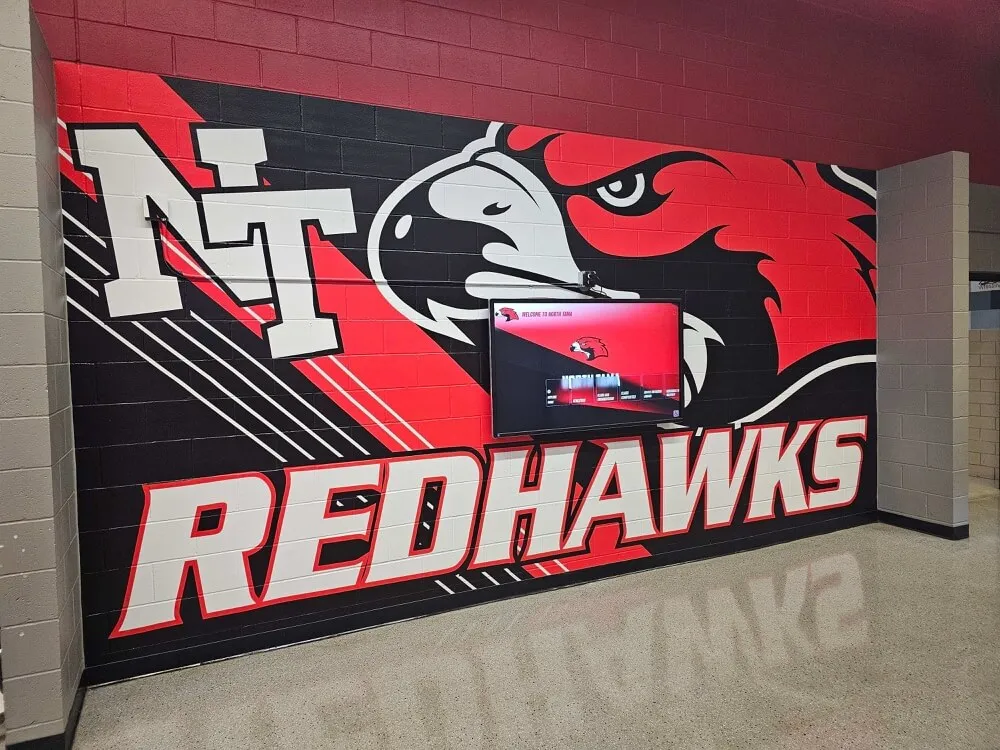
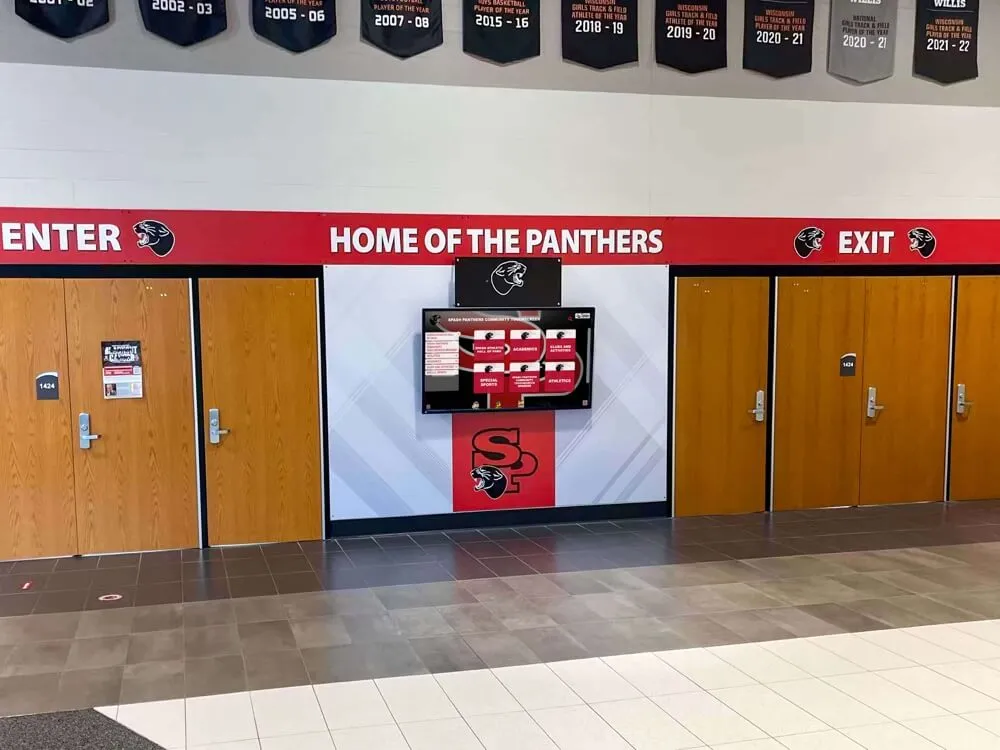
User-friendly touchscreen displays positioned in high-traffic hallways enable students and visitors to explore complete wrestling program histories including state tournament achievements
Dual Meet Systems and Traditional Tournament Formats
Some states employ unique championship formats beyond traditional tournament structures.
Dual Meet Championship Systems
Rather than traditional tournaments bringing all wrestlers together simultaneously, some states determine champions through dual meet tournaments where qualified teams compete in head-to-head dual meets, bracketed similar to individual tournaments, with team advancement based on dual meet victories rather than combined individual results.
These formats emphasize team cohesion and dual meet strategy while creating different competitive dynamics than traditional individual-focused tournament structures.
Modified Tournament Formats
States continuously evaluate tournament structures, sometimes implementing innovations including pool wrestling preliminary rounds before traditional brackets, team advancement dual meets determining which squads qualify for individual tournaments, and hybrid formats combining different competitive structures across tournament days.
Recognition and Legacy: Celebrating State Tournament Achievement
Beyond immediate competition, state wrestling tournament accomplishments deserve permanent recognition honoring wrestler dedication and program excellence.
Individual Wrestler Recognition Standards
State tournament qualifiers and place-winners represent wrestling elite deserving lasting acknowledgment.
State Qualifier Recognition
Many programs recognize all state tournament qualifiers regardless of tournament performance. Simply reaching state tournaments represents significant achievement validating entire seasons of dedication—most wrestlers never qualify for state competition despite years of effort.
Recognition programs might include state qualifier designation on program records and media guides, recognition displays honoring all qualifiers by year and weight class, permanent documentation in school athletic archives, and special ceremonies acknowledging qualification achievement during season banquets or recognition events. Explore comprehensive athletic recognition approaches applicable across wrestling and other sports.
State Place-Winner and Medalist Recognition
Wrestlers finishing in top positions at state tournaments deserve enhanced recognition beyond simple qualification including medal winner designation for top-six or top-eight finishers, specific placement rank documentation (8th place, 6th place, etc.), display prominence in trophy cases and recognition areas, and permanent program record documentation.
Place-winners represent program excellence and individual achievement levels reached by small percentages of high school wrestlers.
State Champion Recognition
State championship titles represent pinnacle individual wrestling achievement deserving maximum recognition including prominent display positions in athletic recognition areas, state champion designation in all program materials, potential jersey retirement or special honor status, and permanent documentation in school historical records.
Many wrestling programs display decades of state champion photos and accomplishment records, creating visible tradition connecting current wrestlers to program history while inspiring future athletes to pursue similar excellence. Modern solutions like Rocket Alumni Solutions provide digital recognition platforms enabling comprehensive wrestler profiles documenting complete careers and tournament achievements.

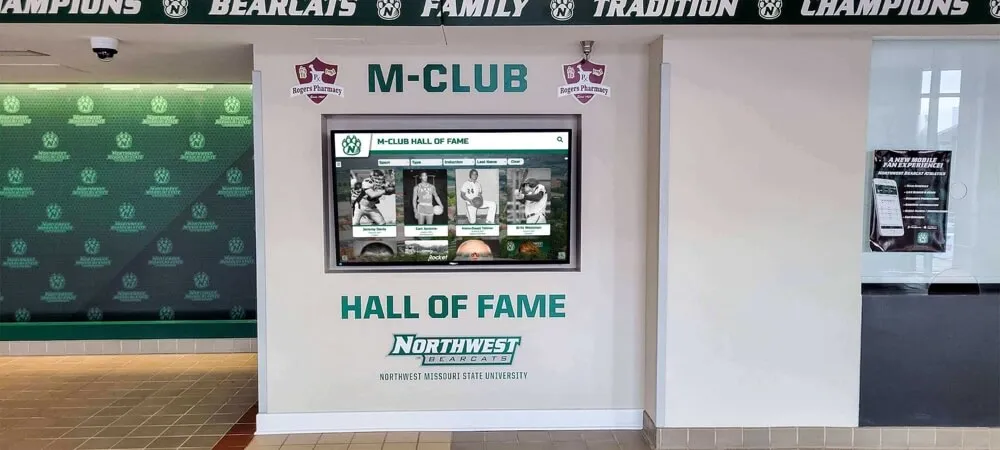
Championship recognition walls celebrate state tournament success alongside other athletic achievements, creating comprehensive program history displays
Team Championship Recognition
Team state tournament titles represent collective program excellence deserving prominent celebration.
Team Championship Documentation
State team championship seasons merit comprehensive recognition including complete tournament documentation with final team scores, roster listings identifying all team members and their contributions, coaching staff recognition acknowledging leadership, season narrative explaining championship path, and permanent display prominence in athletic facilities.
Team championships often represent program pinnacles celebrated for decades, defining coaching legacies and program eras.
Team Runner-Up and Placement Recognition
Even teams not winning state championships deserve recognition for exceptional tournament performances including runner-up and top-three finish acknowledgment, documentation of team scoring and individual place-winners, comparative context showing historical significance of team achievements, and appropriate display recognition in program record areas.
Modern Digital Recognition Platforms for Wrestling Achievement
Traditional trophy cases and wall plaques face inevitable space constraints as decades of wrestling excellence accumulate—modern digital recognition overcomes these limitations while creating engaging presentation formats.
Unlimited Recognition Capacity
Digital platforms accommodate comprehensive program history regardless of size including every state qualifier across program history, complete wrestler profiles with career statistics and tournament results, team championship and placement documentation by year, coaching tenure records and accomplishments, and statistical leaderboards across multiple categories.
A single digital display can showcase recognition requiring dozens of traditional plaque walls, ensuring every deserving wrestler receives permanent acknowledgment.
Rich Multimedia Content
Digital recognition enables compelling storytelling beyond name plaques through action photography showing wrestling technique and competition, tournament bracket documentation showing championship paths, video highlights from memorable matches when available, career statistical progression and records, and narrative context explaining achievement significance.
This multimedia richness creates emotional engagement bringing wrestling history to life for current athletes while appropriately honoring achievement depth.
Interactive Exploration Features
Touchscreen interfaces enable visitors to control their experience including name search quickly finding specific wrestlers, filtering by weight class, era, or achievement level, browsing statistical leaders across various categories, and exploring connections between teammates and competitors across different eras.
These interactive capabilities prove particularly engaging for younger athletes who expect digital media experiences. Learn about digital athletic recognition implementation.
Cloud-Based Content Management
Modern recognition platforms enable simple content updates without technical expertise through web-based management interfaces accessible from any device, immediate publishing of new tournament results and season achievements, correction and enhancement capabilities improving existing profiles, and bulk import features for historical data entry.
Schools report dramatic time savings maintaining digital recognition versus traditional physical displays requiring manual updates, professional engraving, and mounting installation.
Preparing for State Tournament Competition: Strategic and Practical Considerations
While this guide focuses primarily on tournament structure and qualification, understanding preparation elements helps wrestlers maximize performance when reaching state competition.
Weight Management and Competition Weight Selection
Strategic weight class decisions can significantly impact tournament success and advancement probability.
Optimal Weight Class Determination
Coaches and wrestlers evaluate multiple factors when finalizing tournament competition weights including wrestler’s natural competitive weight and cutting capacity, competitive field strength at different weight classes (avoiding weights with multiple elite competitors when possible), bracket positioning and projected matchup advantages, health considerations ensuring safe weight management, and overall team scoring needs balancing individual and team championship objectives.
Sometimes wrestling at more competitive weight where wrestlers feel stronger outweighs advantages of cutting to lighter weights with theoretically weaker competition.
Mental Preparation and Tournament Pressure Management
State tournament pressure differs dramatically from regular season competition—mental preparation proves as crucial as physical readiness.
Competition Mindset Development
Successful tournament performance requires mental skills including visualization and mental rehearsal of match scenarios, pressure situation management techniques, mistake recovery strategies preventing single moments from derailing entire tournaments, confidence building through preparation review and positive self-talk, and focus maintenance across multi-day tournaments with extended downtime between matches.
Coaches often work with sports psychologists helping wrestlers develop mental toughness required for championship performance under intense pressure before large crowds and with season accomplishments determined by single-match outcomes.
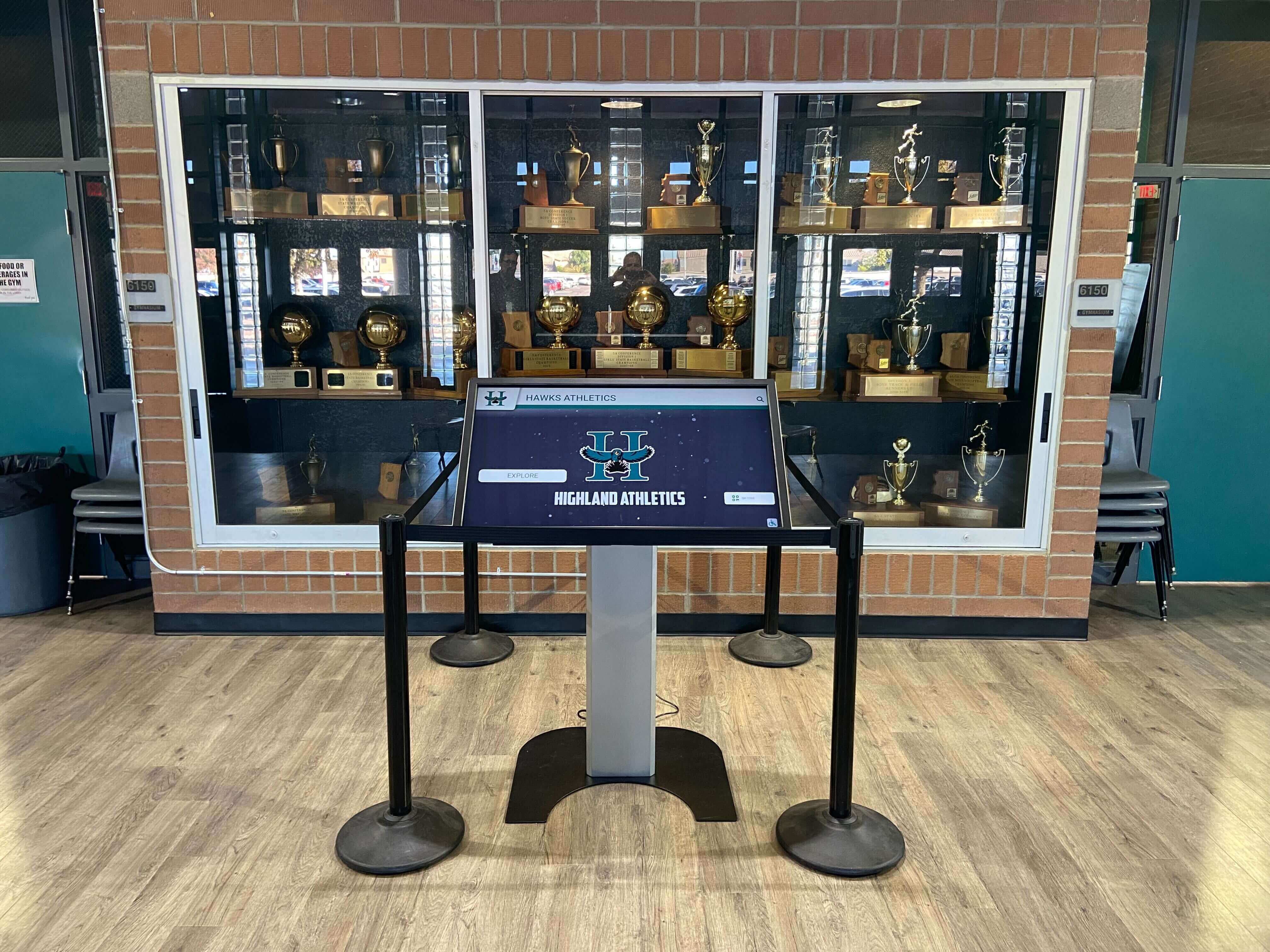
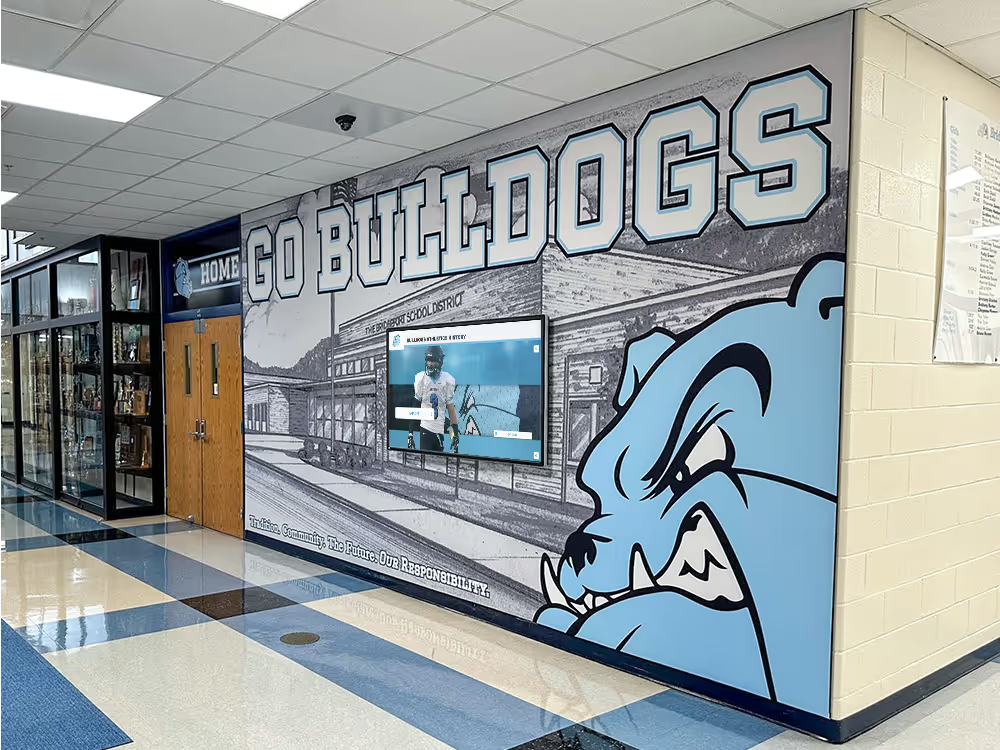
Freestanding touchscreen kiosks integrate with traditional trophy cases, combining physical artifacts with comprehensive digital recognition of wrestling program history
Bracket Analysis and Strategic Match Planning
Understanding likely matchup sequences helps wrestlers and coaches prepare specific game plans optimizing tournament advancement probability.
Pre-Tournament Bracket Evaluation
Once tournament brackets are published, coaching staffs analyze potential matchup sequences including first-round opponent tendencies and techniques, projected advancement paths through championship and consolation brackets, anticipated matchups against ranked wrestlers or known competitors, and strategic adjustments needed for different potential opponents throughout tournament progression.
Thorough bracket analysis enables specific match preparation rather than generic tournament readiness, potentially providing competitive edges through opponent-specific tactical planning.
Special Circumstances and Tournament Variations
Several specific situations create unique considerations affecting tournament participation and competition.
Multi-Class Tournaments and Unified Championships
Some states host multiple classification tournaments simultaneously at single venues creating large-scale championship events.
Combined Championship Logistics
Multi-class tournaments bring together wrestlers from different competitive classifications including separate brackets by classification preventing direct competition between school size divisions, simultaneous competition across multiple divisions, shared venue spaces and tournament infrastructure, and unified championship celebration recognizing champions across all classifications.
These large-scale events create electric atmospheres with hundreds of wrestlers competing simultaneously while families and communities from across states gather celebrating wrestling excellence.
Girls Wrestling State Tournaments
Girls wrestling has experienced explosive growth, with many states now hosting separate girls state tournaments alongside traditional boys championships.
Girls Wrestling Championship Development
States implementing girls tournaments face considerations including separate weight class structures reflecting female wrestler populations, qualification systems sometimes modified from boys tournaments due to participation numbers, combined tournament hosting versus separate event scheduling, and recognition systems ensuring equal prominence for girls wrestling achievement.
Growing girls wrestling participation creates new opportunities while requiring thoughtful implementation ensuring equal resources and recognition for female wrestlers. Discover sports recognition approaches celebrating achievement across all athletic programs.
Private School and Out-of-State Competitor Participation
Some states allow private schools or out-of-state wrestlers to compete under specific conditions creating unique eligibility situations.
Non-Traditional Participant Management
Tournament administrators manage diverse participant categories through separate classification divisions for private schools in some states, eligibility verification for out-of-state competitors, qualification standards ensuring fair advancement opportunities, and recognition systems acknowledging all competitors regardless of school type or location.
Conclusion: Celebrating Wrestling Excellence Through State Tournament Competition and Recognition
State wrestling tournaments represent culminating competition for high school wrestlers who dedicate themselves to one of sports’ most demanding disciplines. Understanding qualification systems, tournament formats, competition procedures, and recognition traditions helps wrestlers, families, and coaches navigate championship seasons while appreciating the significance of tournament achievement.
From district qualifying tournaments through championship finals, state wrestling tournaments create career-defining moments testing athletes’ physical preparation, technical skills, mental toughness, and competitive determination. The path to state championship medals requires navigating complex brackets, performing under intense pressure, and sustaining excellence across multiple matches separated by minimal recovery time—only the most prepared and resilient wrestlers succeed at this elite competition level.
Celebrate Your Wrestling Champions with Digital Recognition
Discover how modern digital displays can help your wrestling program permanently honor state qualifiers, place-winners, and champions while inspiring future generations of wrestlers through comprehensive program history recognition.
Explore Wrestling Recognition SolutionsBeyond immediate competition, state tournament achievements deserve permanent recognition honoring the exceptional dedication wrestling demands. State qualifiers represent elite competitors who navigated rigorous qualification standards, while place-winners and state champions achieved excellence levels reached by small percentages of high school wrestlers. Modern digital recognition platforms from providers like Rocket Alumni Solutions enable comprehensive documentation of wrestling program history, ensuring every state qualifier receives appropriate acknowledgment while creating engaging displays showcasing complete program traditions.
Wrestling programs with strong recognition traditions create visible connections between current competitors and program history, inspiring athletes to pursue excellence while demonstrating institutional commitment to celebrating achievement. From simple state qualifier lists through comprehensive wrestler profiles documenting complete careers, recognition systems validate the enormous dedication wrestling requires while preserving program heritage for future generations.
Whether you’re a wrestler preparing for district qualification, a coach planning tournament strategy, a parent supporting your competitor, or an administrator seeking to appropriately honor wrestling achievement, understanding state tournament systems and recognition approaches ensures full appreciation of championship competition’s significance. State wrestling tournaments represent more than weekend competitions—they’re cultural traditions celebrating athletic excellence, individual discipline, competitive determination, and program pride defining communities and creating memories lasting lifetimes.
Explore additional wrestling and athletic recognition resources including digital recognition walls for schools, discover athletic director responsibilities including tournament organization, learn about student athlete recognition programs, and review comprehensive school athletic recognition strategies applicable across wrestling and all sports programs.