Effective student achievement tracking transforms how schools identify success patterns, allocate resources, and celebrate accomplishments that motivate continued excellence. When administrators implement systematic tracking approaches, they gain visibility into which students are thriving, where support is needed most, and how recognition programs can drive sustained academic engagement across entire student populations.
The challenge isn’t whether to track achievement—every school collects grades and assessment data. The question is how to transform scattered information across disconnected systems into cohesive insights that inform decision-making, enable timely intervention, and create recognition opportunities that inspire students while honoring their accomplishments meaningfully.
This comprehensive guide explores proven student achievement tracking tools, implementation strategies that align with school workflows, and best practices for leveraging achievement data to build cultures where every student’s success receives appropriate visibility and celebration.
Student achievement tracking extends beyond grade books and report cards to encompass systematic approaches that capture diverse accomplishments, make success visible to broader communities, and create actionable intelligence enabling data-driven decisions about instruction, intervention, and recognition. Schools that excel at achievement tracking create environments where success becomes measurable, progress receives regular acknowledgment, and every stakeholder understands how students are performing across multiple dimensions.

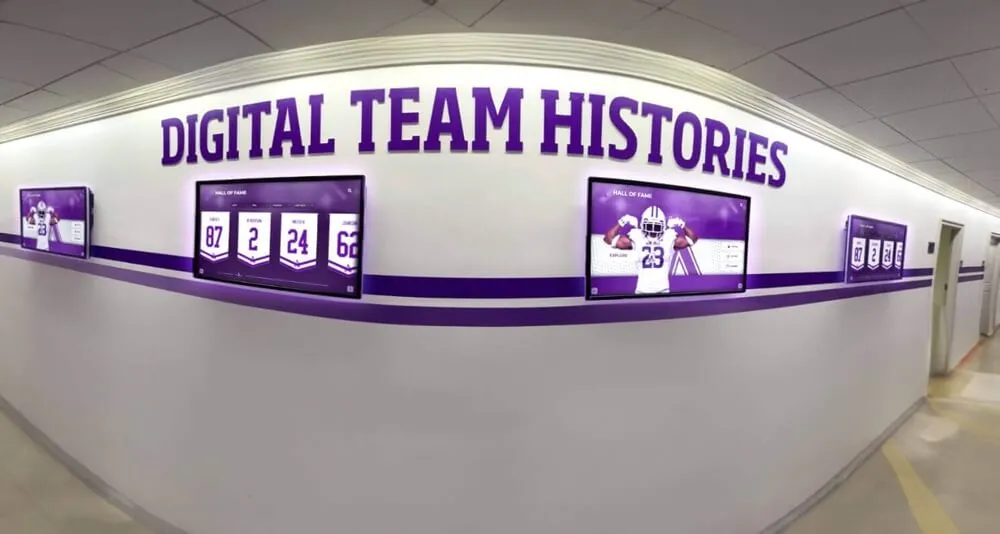
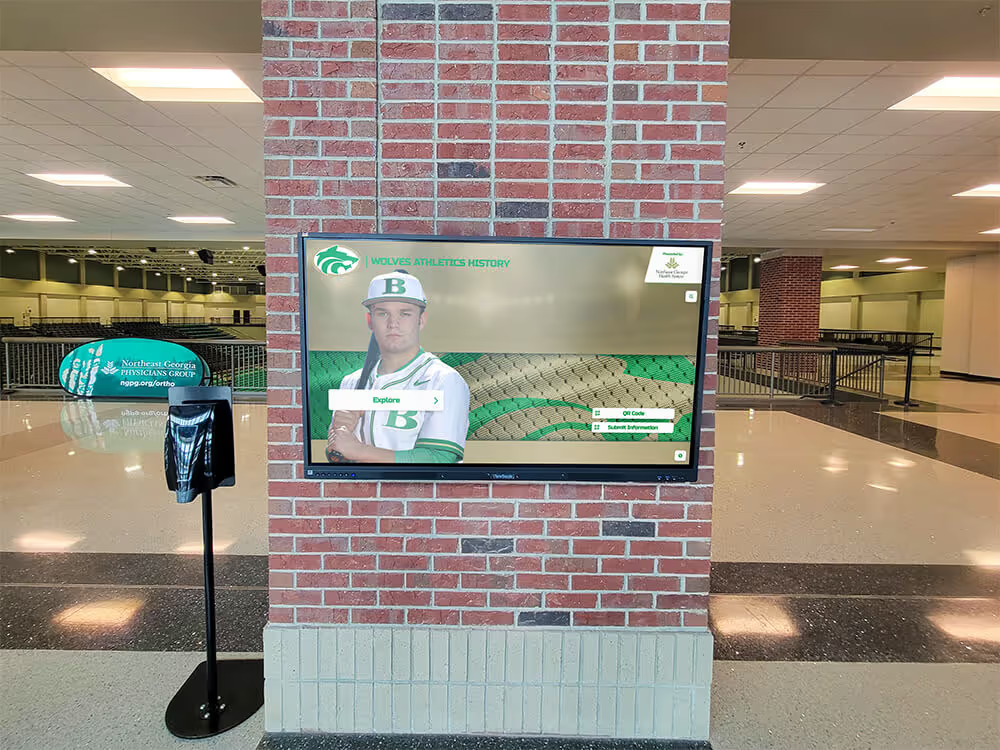
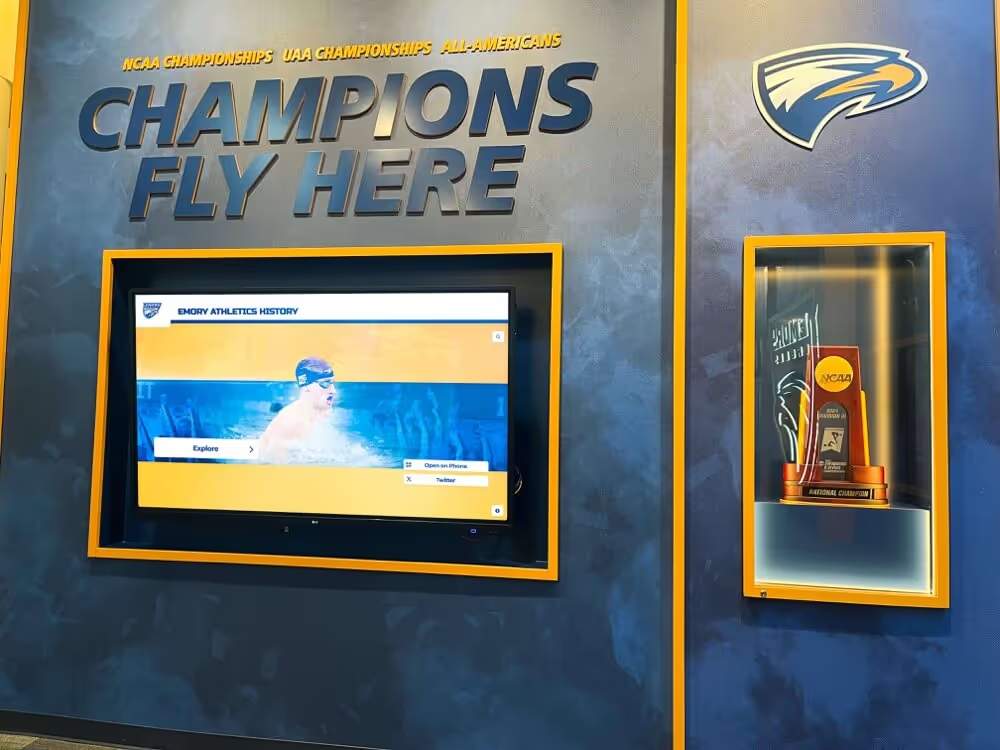
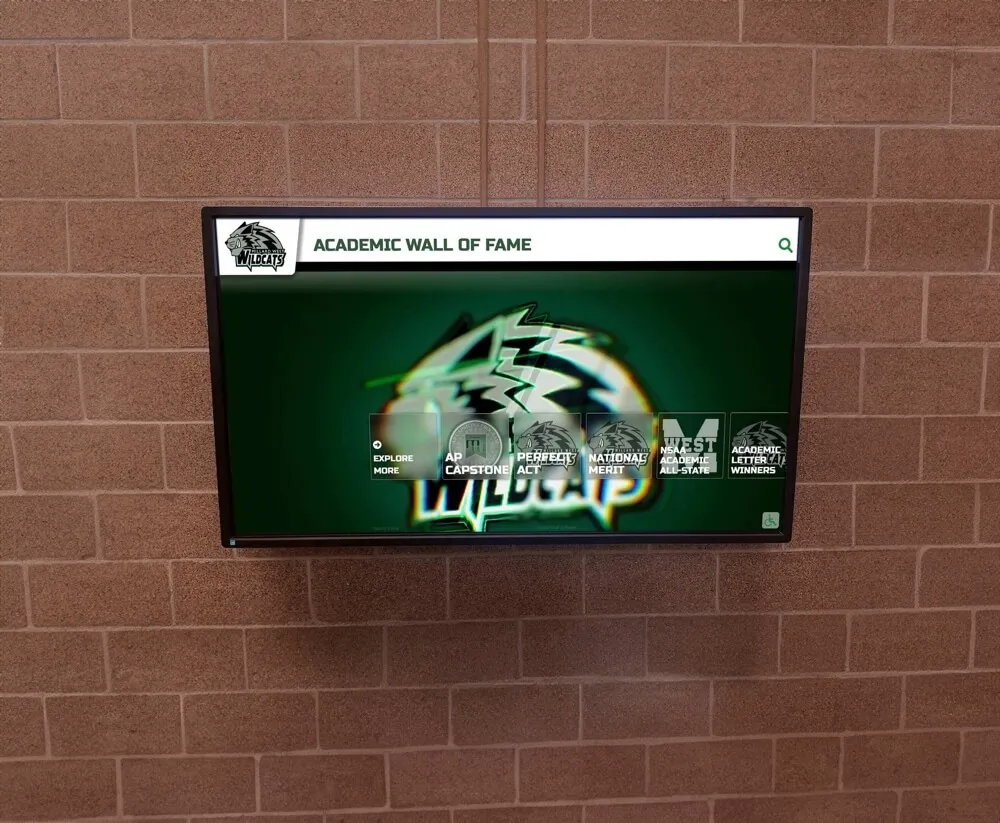
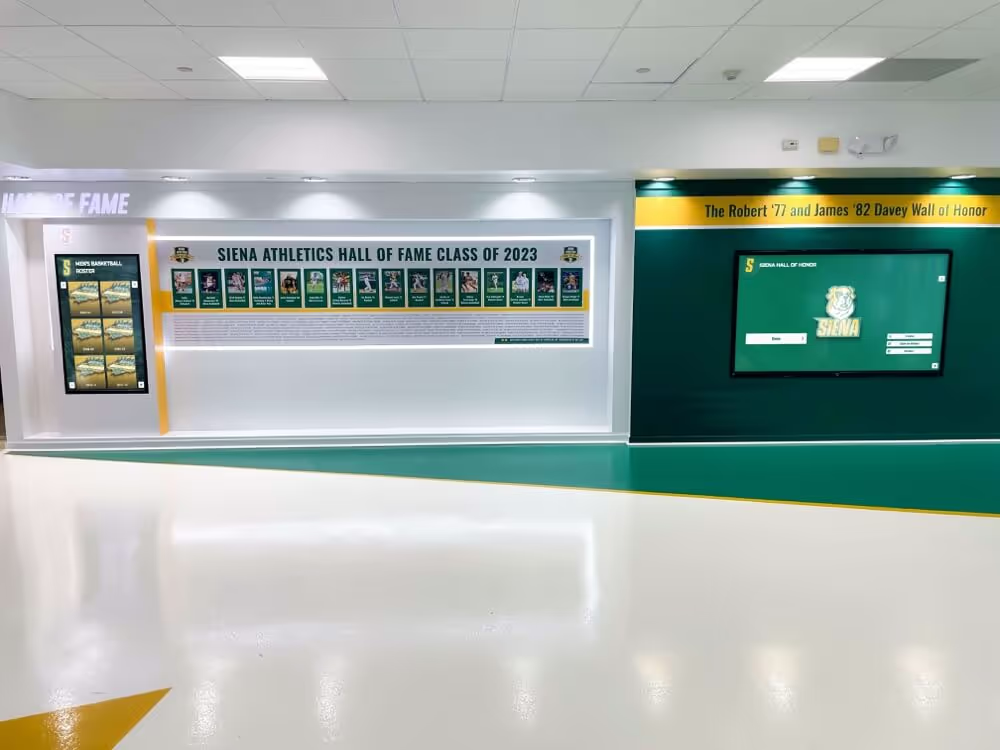
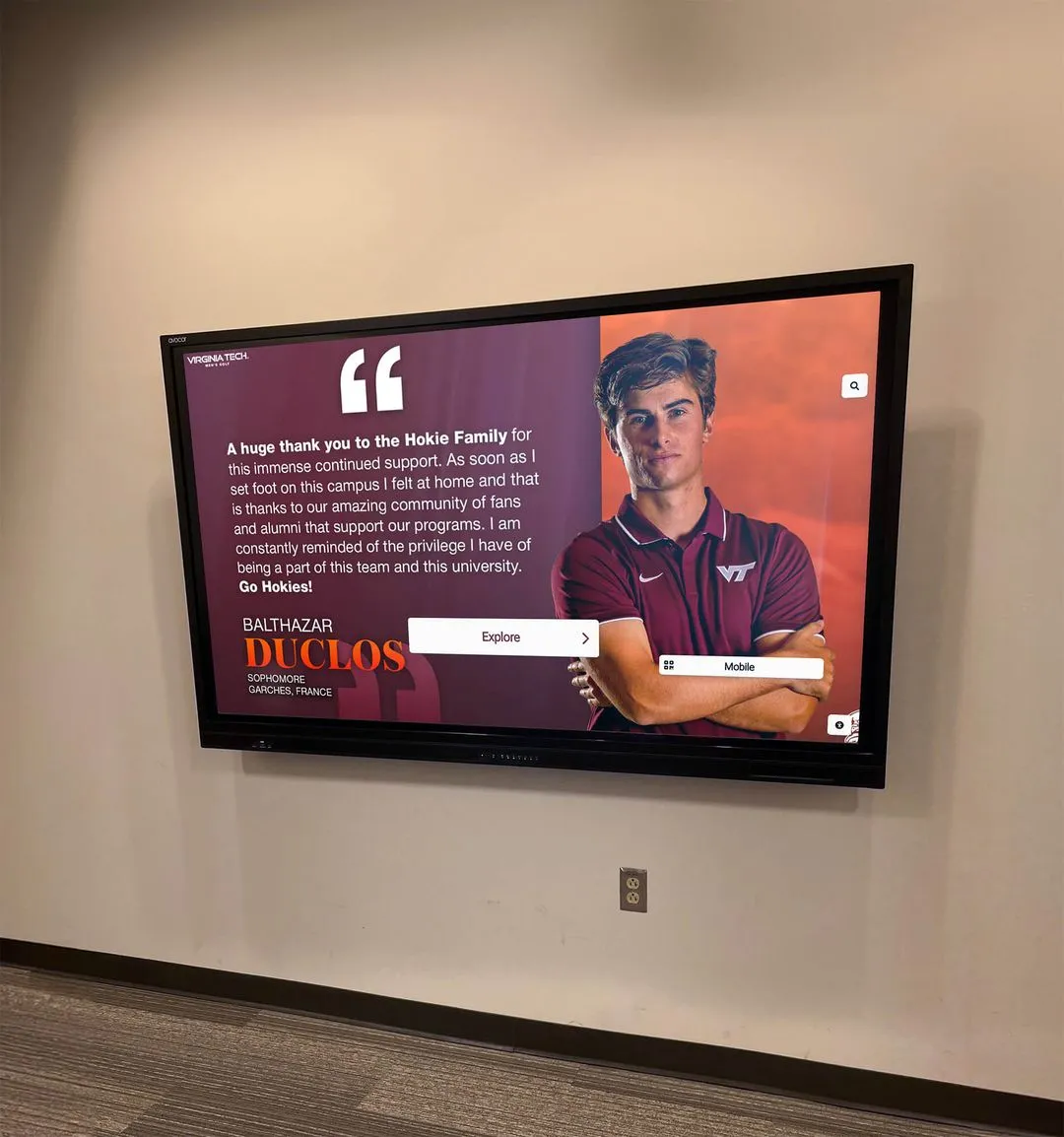
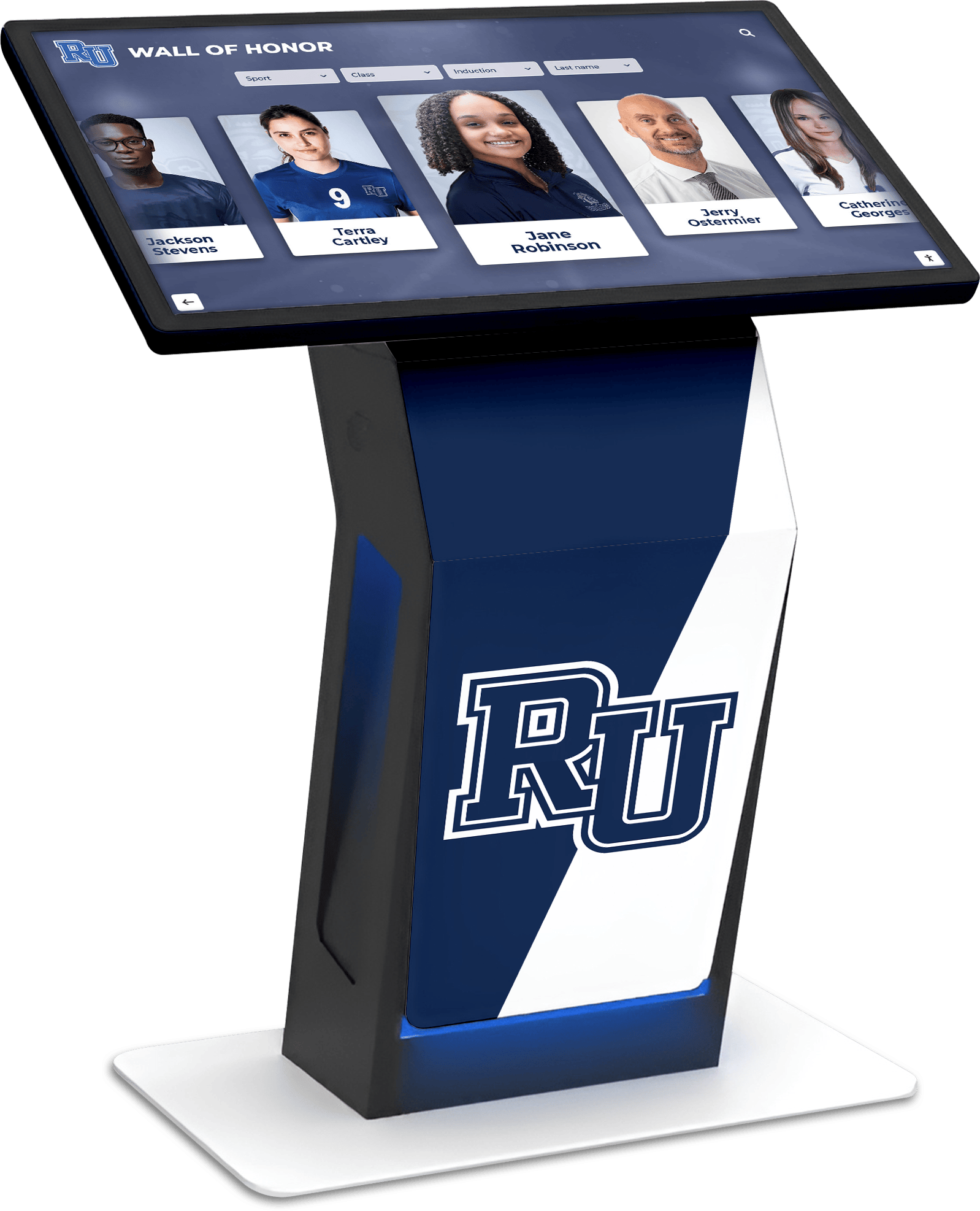
Modern tracking systems make student achievements visible and accessible to the entire school community
Understanding Comprehensive Student Achievement Tracking
Effective tracking systems capture success across multiple dimensions, creating holistic views of student performance that inform both immediate decisions and long-term strategic planning.
Beyond Traditional Grade Tracking
While grades remain fundamental achievement indicators, comprehensive tracking extends to broader success dimensions:
Academic Performance Metrics
- Grade point averages across marking periods, semesters, and cumulative careers
- Course-specific performance including honors and advanced placement courses
- Standardized test results from state assessments, SAT, ACT, and AP examinations
- Growth measures tracking improvement over time rather than absolute achievement alone
- Competency-based progression in standards-based grading systems
Traditional academic metrics provide essential foundations, but limiting tracking to these measures overlooks significant student accomplishments that contribute to overall success and deserve recognition.
Behavioral and Engagement Indicators
- Attendance patterns including perfect attendance and improvement trends
- Disciplinary records and behavioral referral frequency
- Classroom participation observations from teachers
- Assignment completion rates across subjects and time periods
- Extracurricular involvement including clubs, sports, and community service
These engagement factors often predict future academic performance while identifying students needing additional support before grades decline.
Learn more about comprehensive academic recognition programs that extend beyond traditional metrics.
Achievement Categories Worth Tracking Systematically
Schools should establish tracking protocols across diverse achievement dimensions:
Academic Excellence Categories
- Honor roll achievement at various GPA thresholds (high honors, honors, honorable mention)
- Perfect grades in individual courses or across full schedules
- Advanced Placement and International Baccalaureate exam performance
- National Merit and other standardized test recognition programs
- Subject-specific excellence in STEM, humanities, arts, and career technical education
Competition and External Recognition
- Academic competition results from Math Olympiad, Science Olympiad, Debate, Quiz Bowl, and subject-specific contests
- Arts achievements including all-state selections for music, drama, and visual arts
- Writing competition awards and publication achievements
- Athletics accomplishments from individual and team competitions
- Career and technical education competition success from SkillsUSA, DECA, FBLA, and FFA
Growth and Improvement Achievements
- Significant GPA increases between marking periods or school years
- Reading level advancement and literacy milestone achievement
- First-time honor roll qualification for previously unrecognized students
- Attendance improvement for students with previous chronic absenteeism
- Successful completion of credit recovery or academic support programs
Comprehensive tracking ensures all success dimensions receive appropriate visibility rather than focusing exclusively on traditional academic metrics.
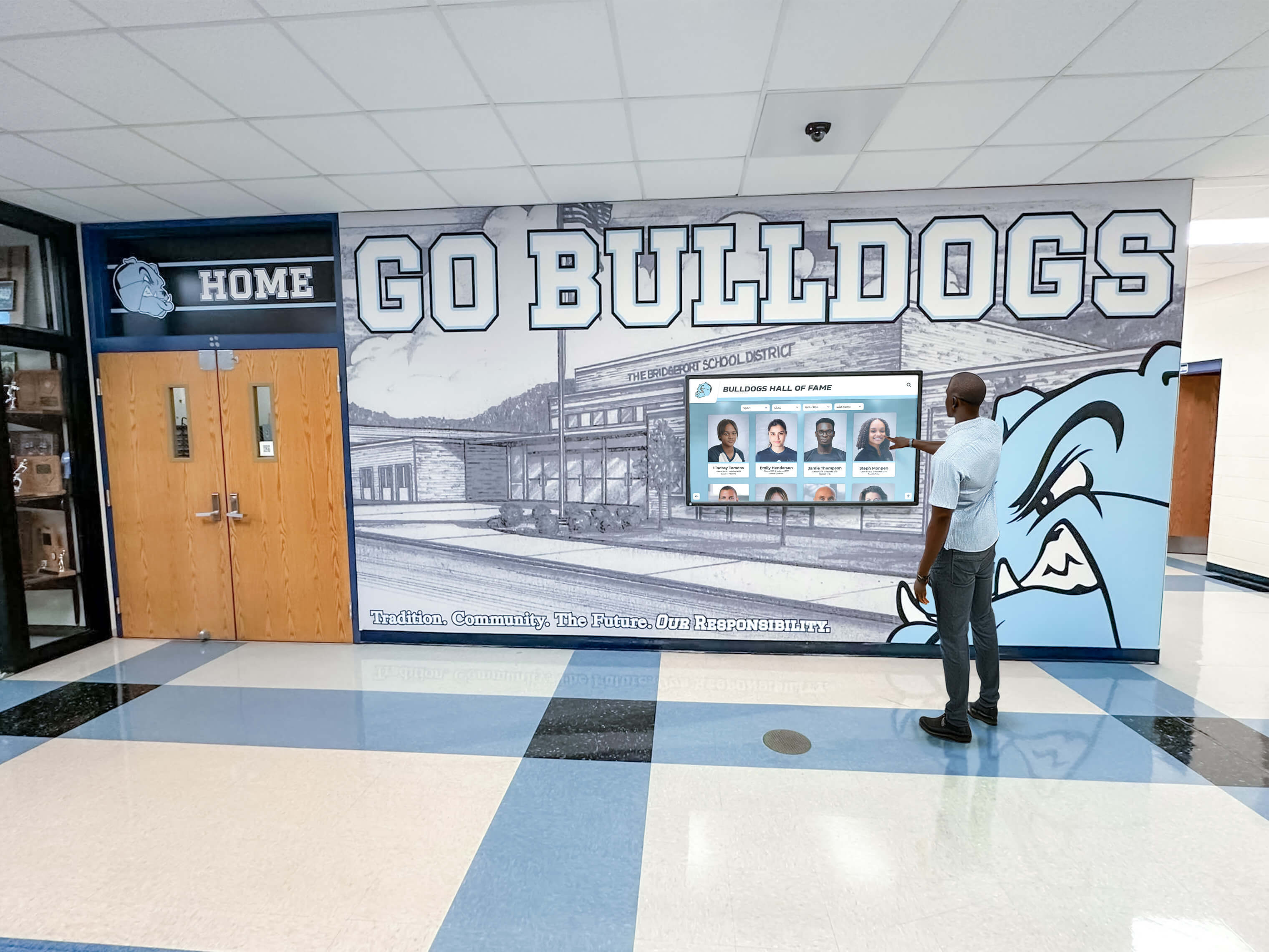
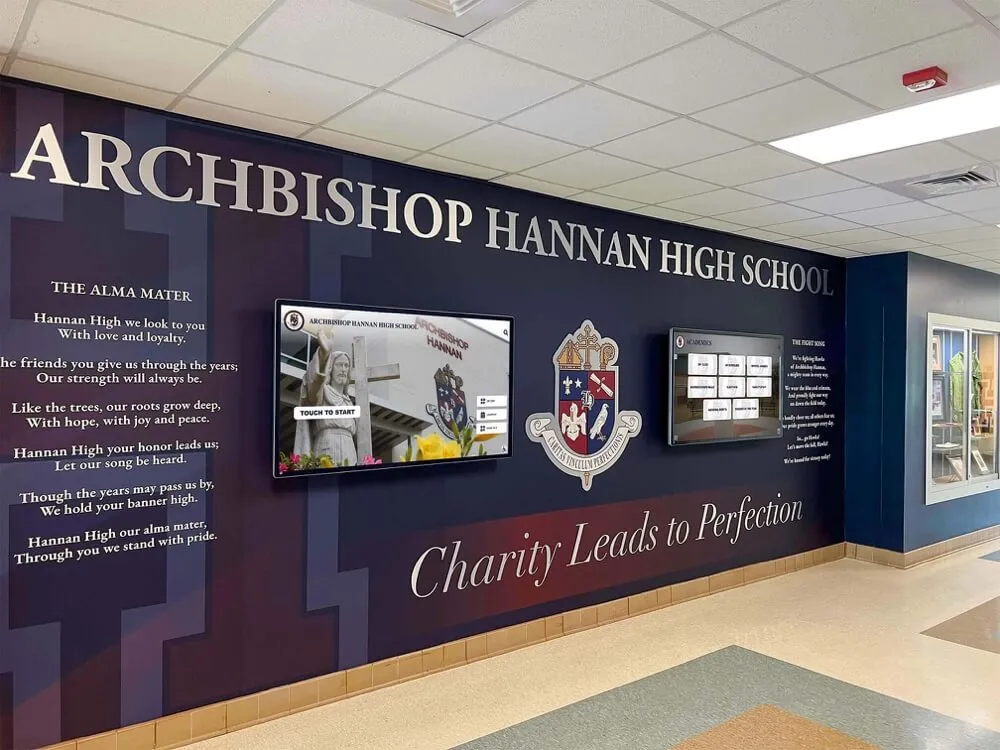
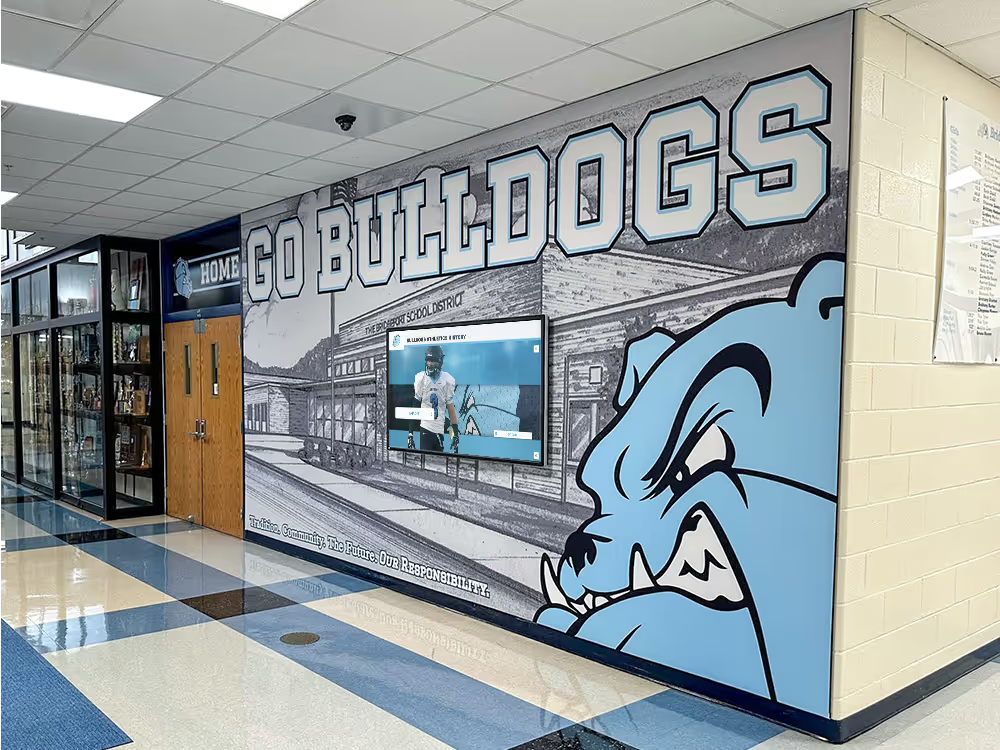
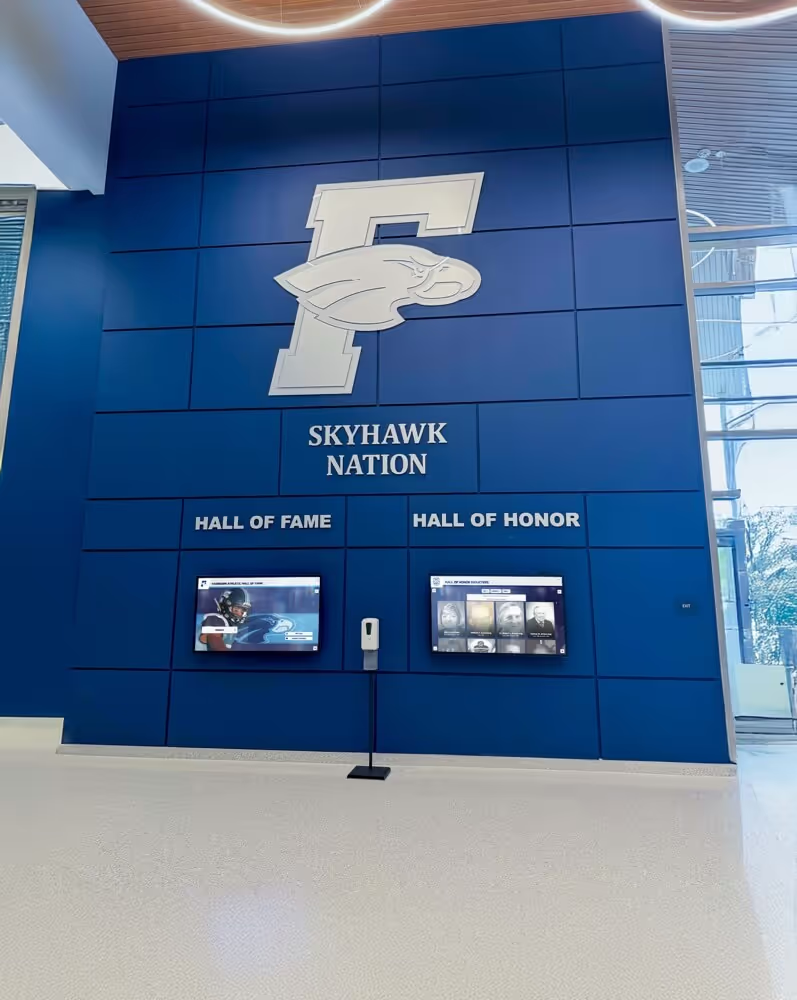
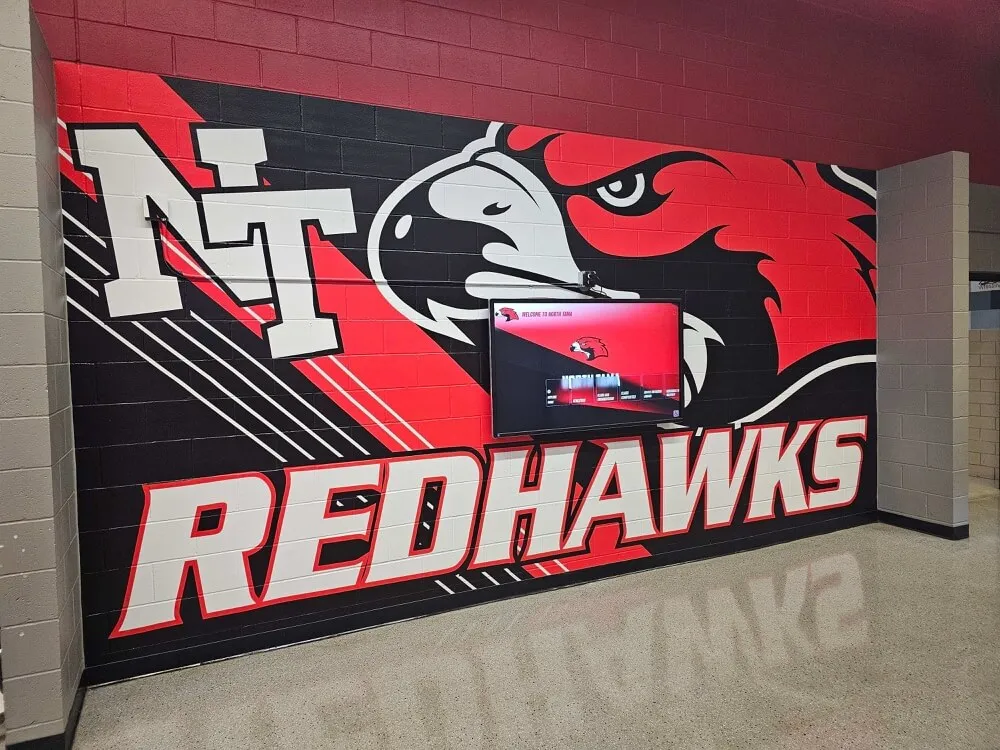
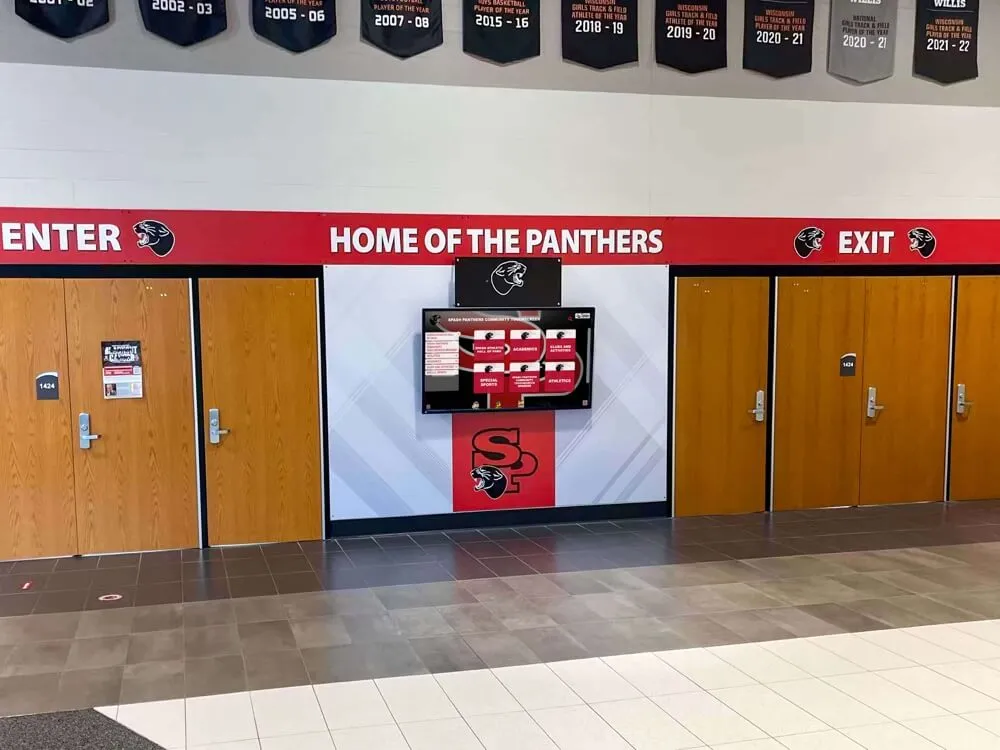
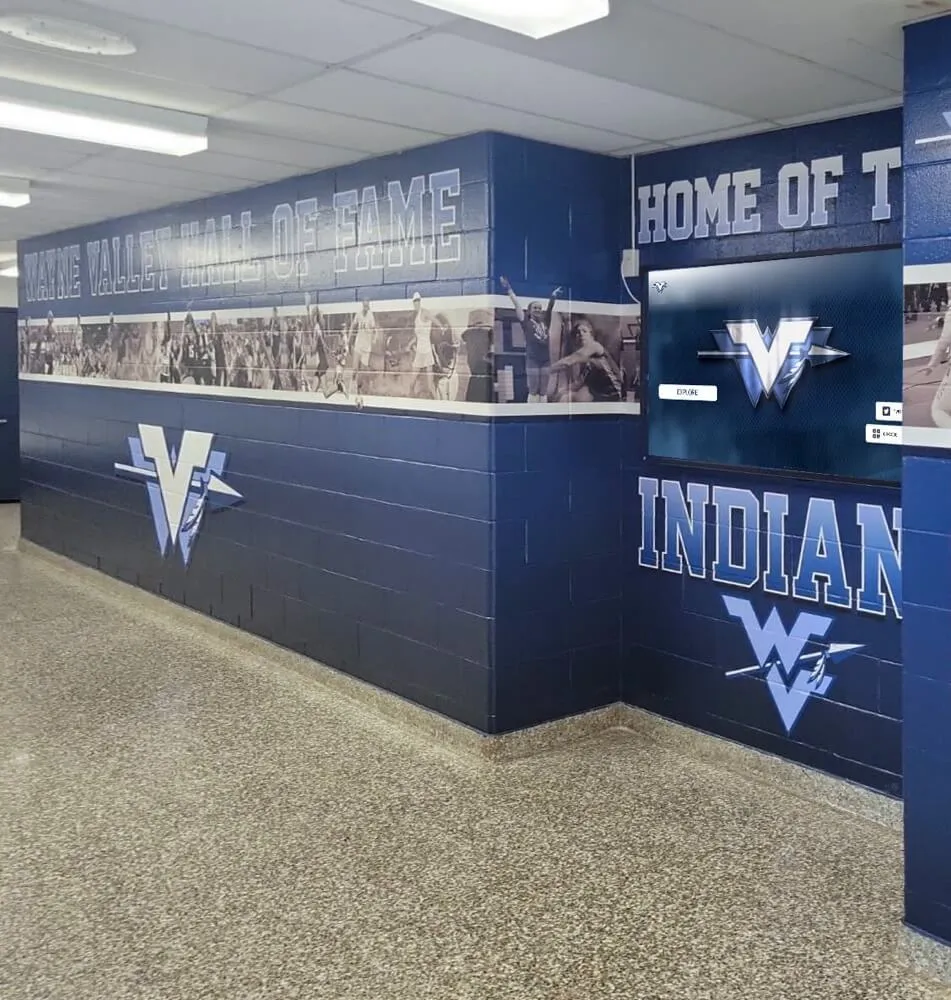
Digital systems enable real-time access to comprehensive achievement data for informed decision-making
Student Achievement Tracking Tools and Systems
Modern schools leverage diverse technologies to streamline achievement monitoring while reducing administrative burden.
Student Information Systems (SIS)
Enterprise SIS platforms serve as foundational achievement tracking tools:
Core SIS Capabilities
- Centralized grade management across all courses and teachers
- Attendance tracking with automated absence notifications
- Transcript generation and cumulative GPA calculation
- Standardized test score storage and historical tracking
- Parent portal access enabling family engagement with achievement data
Leading SIS Platforms
- PowerSchool: Widely adopted comprehensive student information system
- Infinite Campus: Cloud-based SIS with extensive achievement reporting
- Skyward: Integrated financial and student information platform
- Synergy (Edupoint): Modular SIS with customizable achievement tracking
- Tyler SIS: Enterprise solution for larger districts
Most schools already use SIS platforms for basic grade tracking, but many fail to leverage advanced reporting and analytics capabilities that could transform raw achievement data into actionable insights.
SIS Implementation Best Practices
- Ensure consistent grading practices and data entry protocols across all teachers
- Establish clear timelines for grade posting maintaining data currency
- Configure automated alerts for achievement milestones and concerning patterns
- Utilize role-based permissions protecting sensitive student information
- Integrate attendance, behavior, and academic data for holistic student views
Explore digital display solutions for schools that connect with achievement tracking systems.
Learning Management Systems (LMS)
LMS platforms provide granular tracking of assignment-level achievement and engagement:
LMS Achievement Tracking Features
- Assignment submission tracking identifying completion patterns
- Formative assessment data showing mastery progression
- Time-on-task analytics revealing student engagement levels
- Discussion participation measuring collaborative learning
- Course completion rates and progress monitoring
Popular LMS Platforms
- Google Classroom: Widely adopted free platform with basic tracking
- Canvas: Comprehensive LMS with robust analytics and reporting
- Schoology: Social-media-inspired LMS with family engagement features
- Moodle: Open-source platform with extensive customization options
- Microsoft Teams for Education: Integrated communication and learning platform
LMS data complements SIS grade tracking by revealing how students approach learning, not just final achievement outcomes.
Assessment and Testing Platforms
Specialized assessment tools provide detailed achievement data beyond traditional grades:
Standardized Test Management
- State assessment results with proficiency level tracking
- Practice test performance predicting standardized exam outcomes
- Item-level analysis identifying specific skill gaps
- Growth measure calculation from baseline to end-of-year testing
- Benchmark assessment comparison across student cohorts
Popular Assessment Platforms
- NWEA MAP Growth: Adaptive testing with detailed growth reports
- Renaissance Star Assessments: Reading and math universal screening
- Illuminate Education: Data management and assessment platform
- Edmentum: Assessment and intervention solution
- iReady: Diagnostic assessment with personalized learning paths
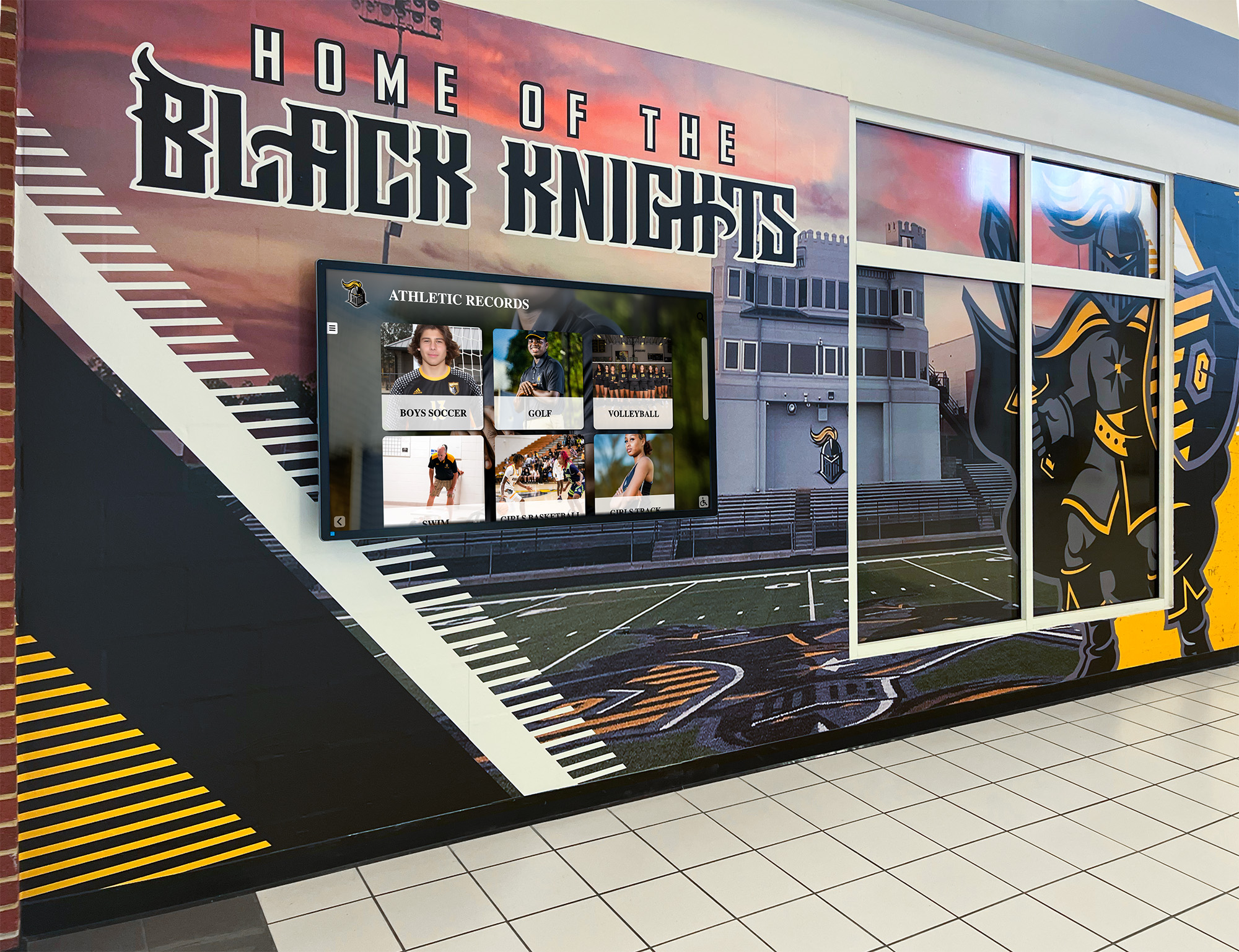
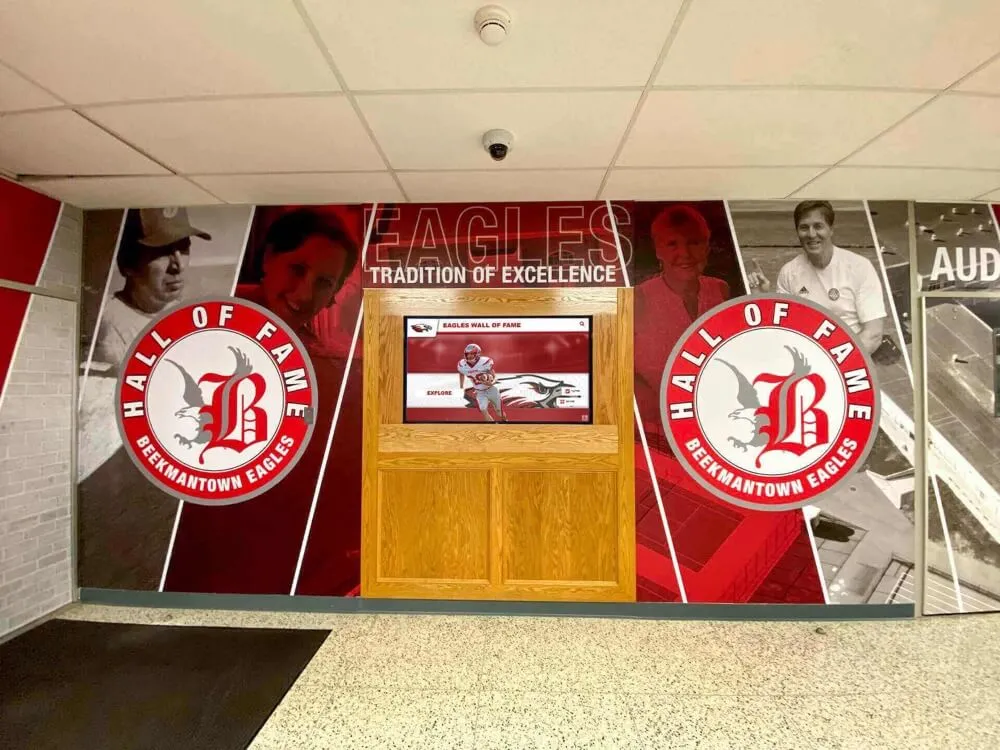
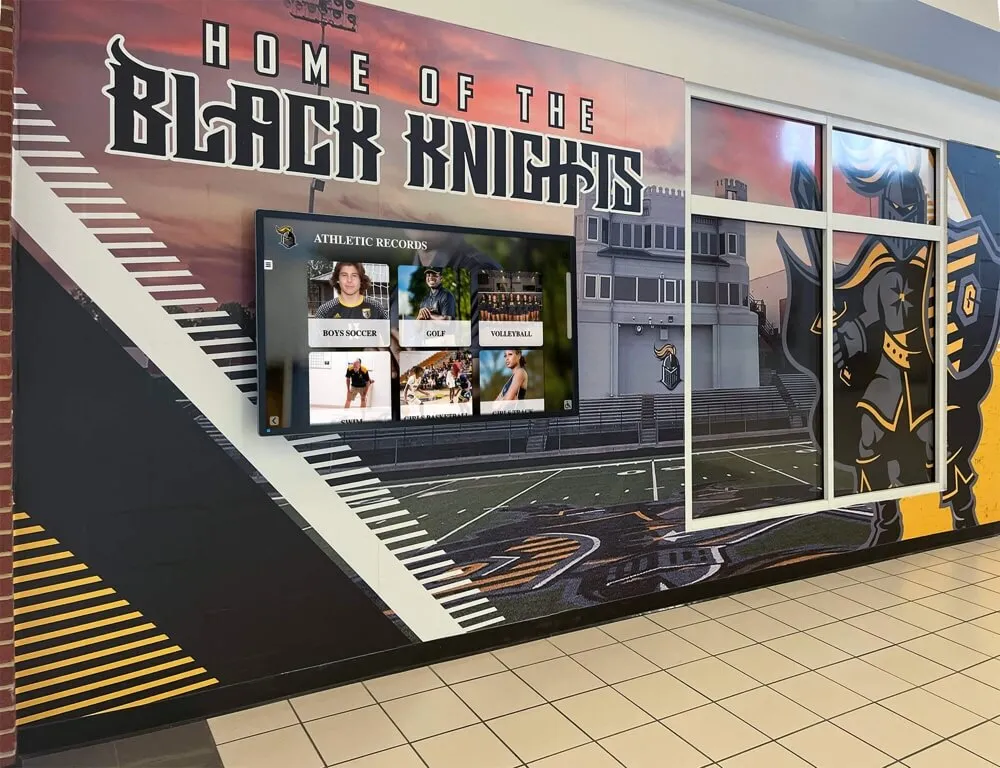
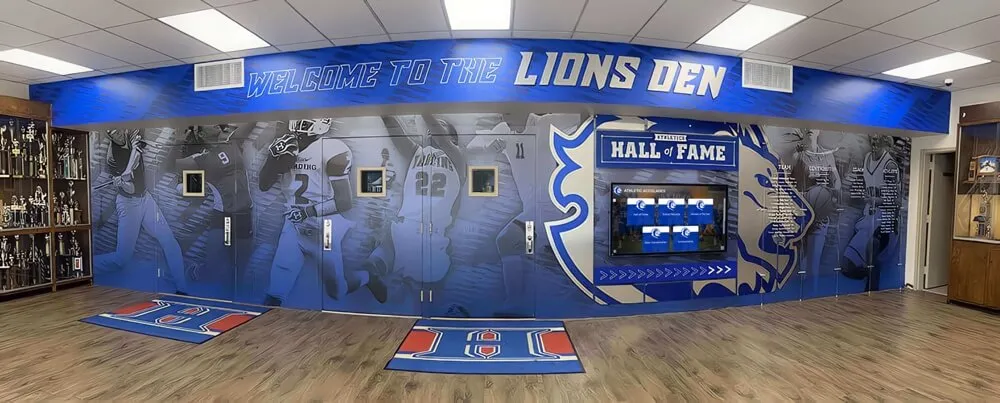
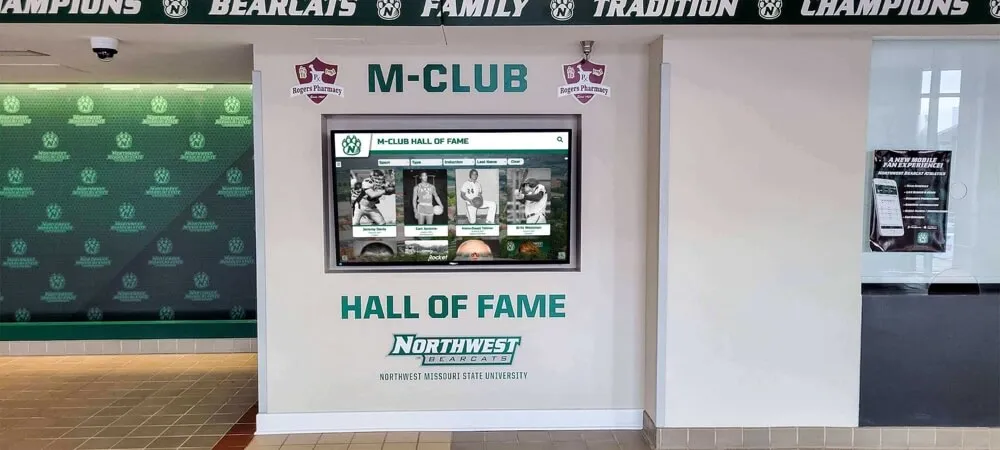
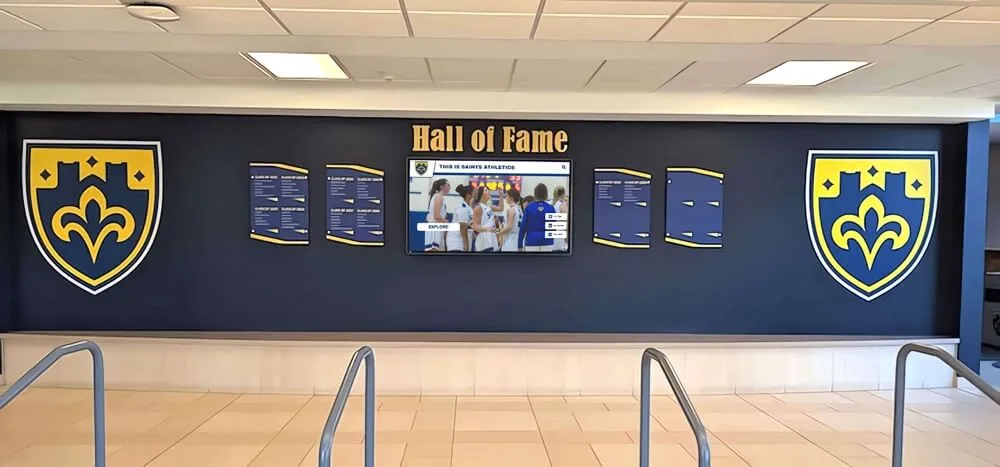
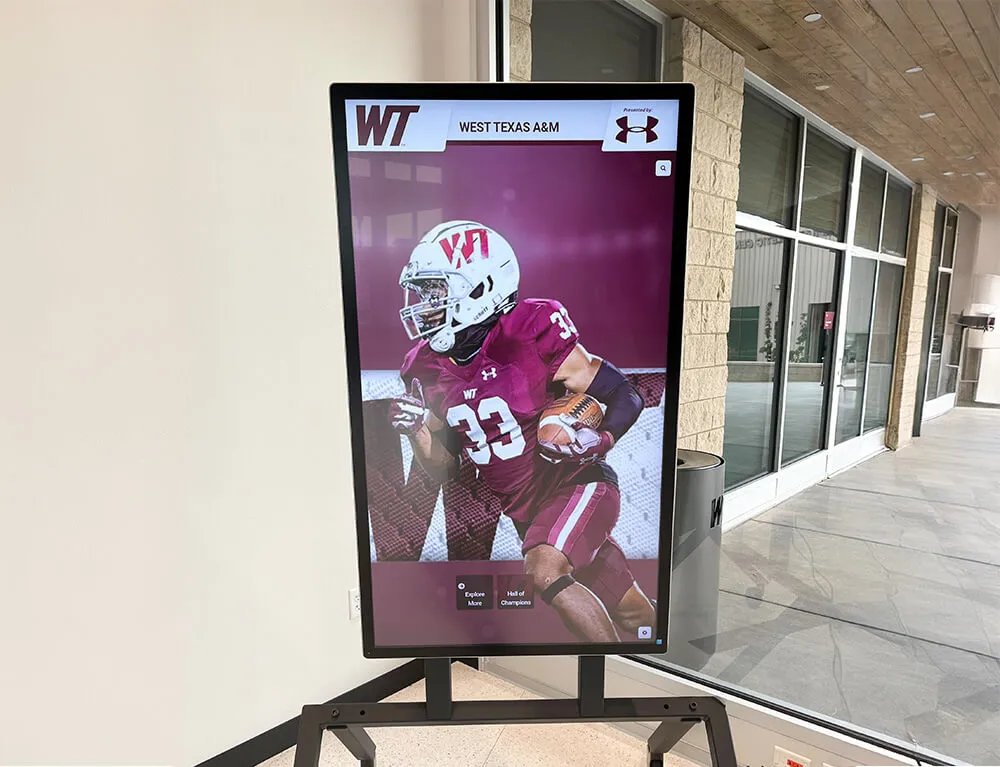
Visible tracking systems celebrate achievements while motivating continued excellence
These specialized platforms provide early warning data identifying students needing intervention before poor achievement becomes entrenched in permanent records.
Data Analytics and Business Intelligence Tools
Advanced analytics platforms transform achievement data into strategic insights:
Analytics Capabilities
- Predictive modeling identifying students at risk of academic decline
- Cohort comparison analyzing achievement across demographic groups
- Longitudinal tracking following students across multiple years
- Intervention effectiveness measurement quantifying support program impact
- Custom dashboards providing role-specific achievement views
Leading Analytics Solutions
- Tableau: Powerful visualization tool for achievement data dashboards
- PowerBI: Microsoft’s business intelligence platform with education applications
- Schoolzilla: Education-specific analytics with achievement tracking focus
- BrightBytes: Data platform connecting achievement with technology usage
- Illuminate DnA: Comprehensive data and assessment platform
These tools empower district leaders to identify achievement patterns, evaluate program effectiveness, and make data-driven resource allocation decisions.
Learn about tracking and displaying athletic achievements using modern digital systems.
Achievement Recognition and Display Systems
Tracking achievement data reaches full potential when paired with systematic recognition making success visible to entire school communities.
Digital Recognition Platforms
Modern schools leverage digital displays that connect directly with achievement tracking systems:
Interactive Achievement Display Features
- Automated content updates when students reach recognition thresholds
- Searchable interfaces enabling students to explore achievements
- Filtering by achievement type, time period, grade level, or department
- Individual student profiles showcasing comprehensive achievement journeys
- Photo galleries and accomplishment documentation
Recognition Display Benefits
- Unlimited capacity eliminating space constraints of physical trophy cases
- Real-time updates reflecting current achievement without manual intervention
- Equal visibility for academic, athletic, artistic, and service achievements
- Engaging touchscreen interfaces encouraging student interaction
- Web accessibility extending recognition beyond physical campus
Schools implementing digital recognition systems report 85-90% reduction in administrative time spent maintaining achievement displays compared to traditional bulletin boards or trophy cases.

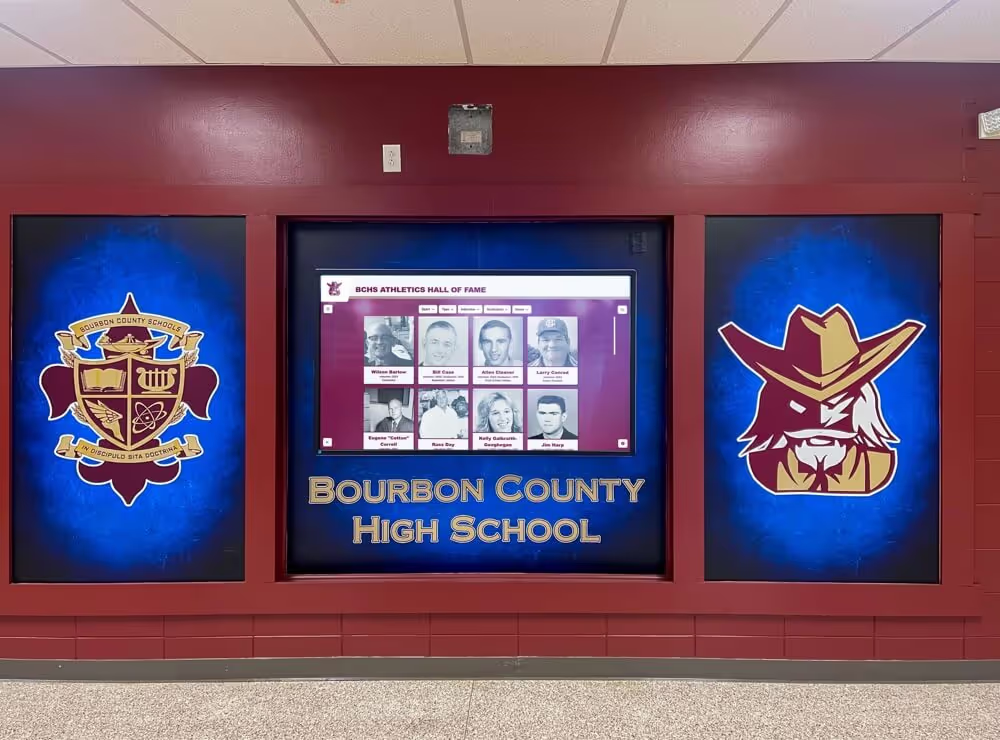
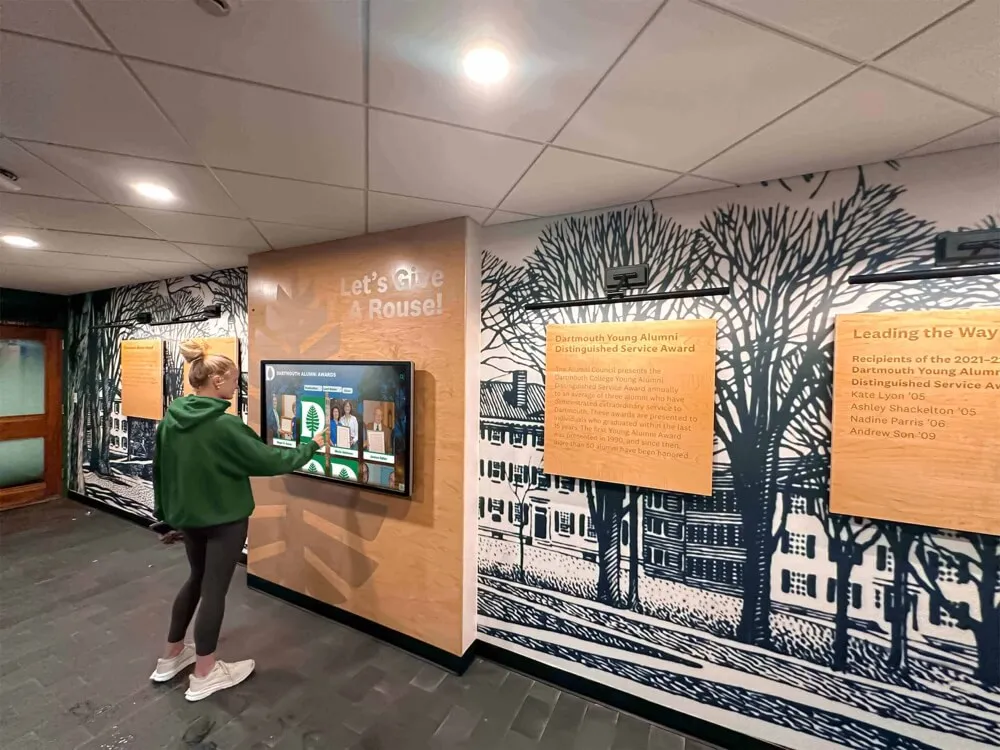
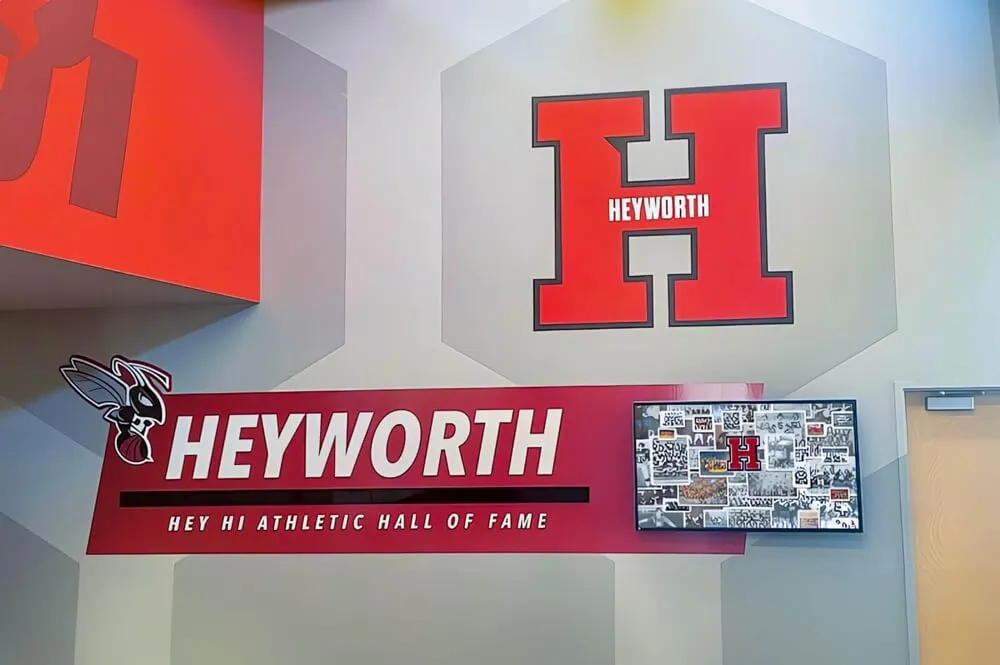
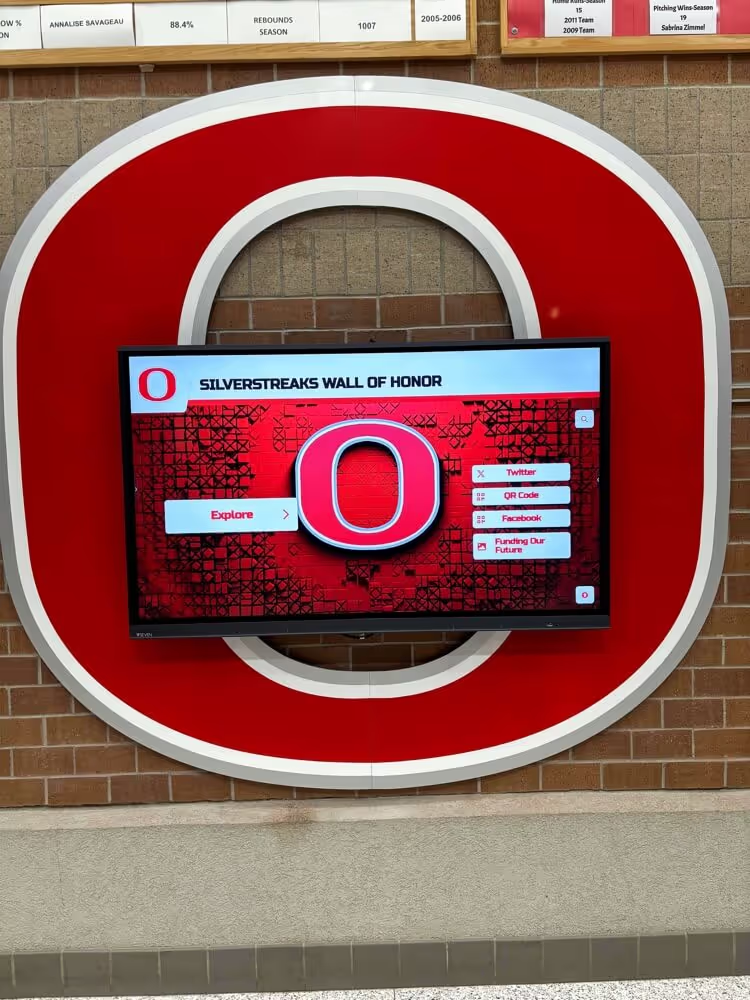
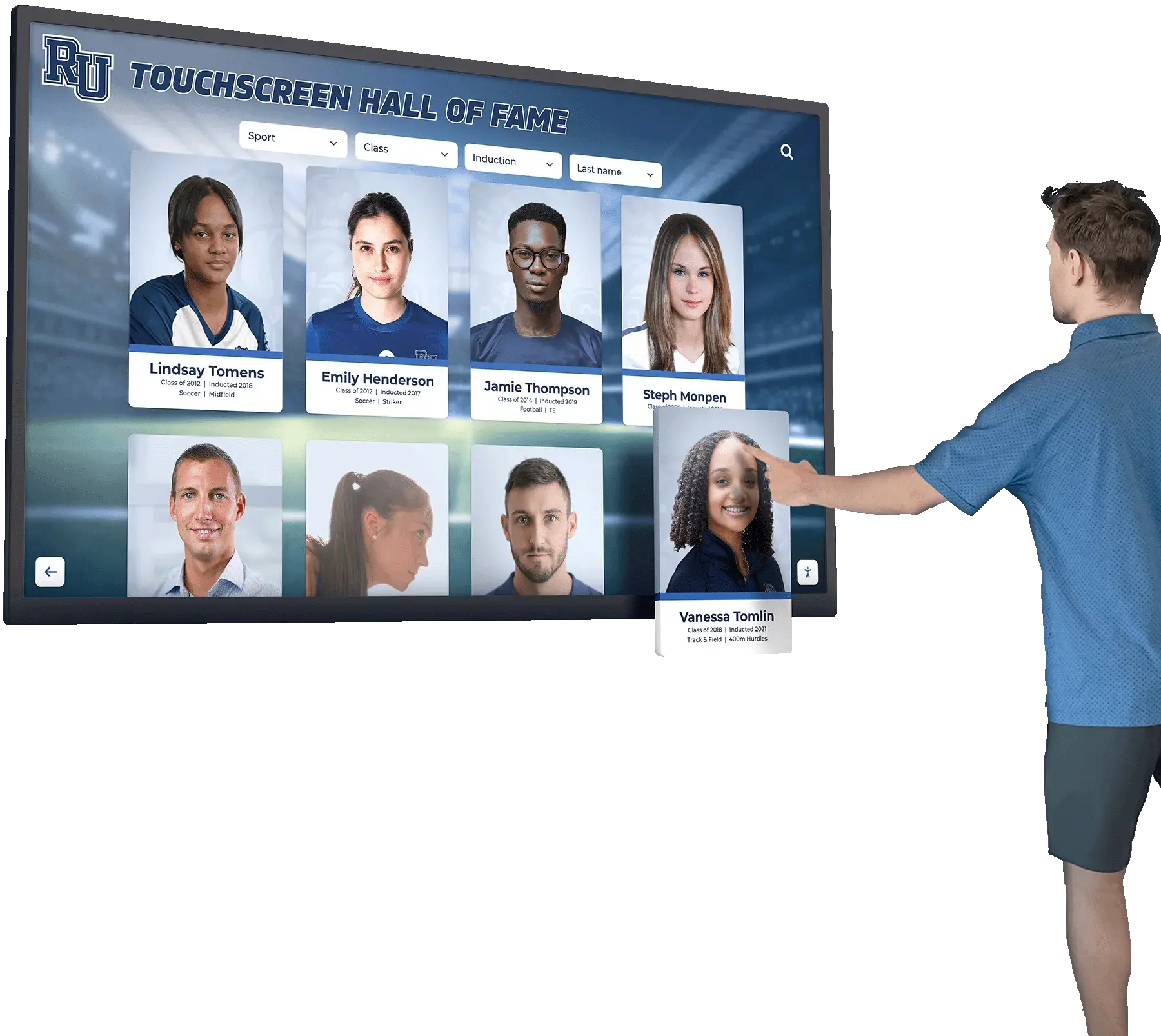
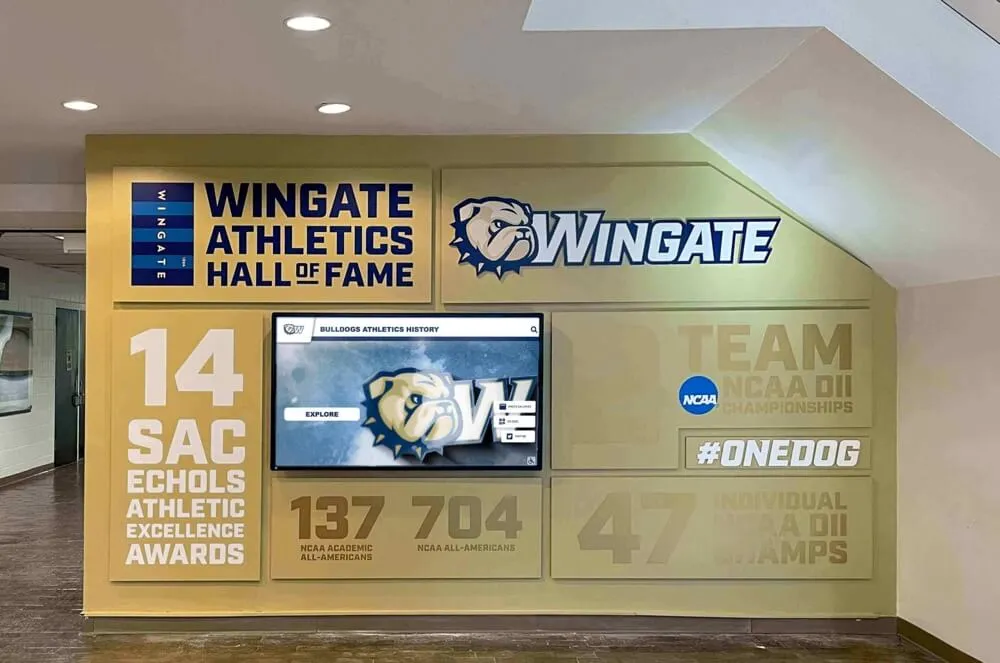
Touchscreen kiosks create engaging experiences that encourage exploration of diverse student accomplishments
Digital Recognition Best Practices
- Place displays in high-traffic areas maximizing visibility and engagement
- Update content regularly maintaining current achievement information
- Feature diverse achievement types representing all student populations
- Include photos and detailed descriptions personalizing recognition
- Connect displays to websites extending recognition reach to families and alumni
Solutions like Rocket Alumni Solutions specialize in education recognition, offering platforms designed specifically for tracking and showcasing student achievements through digital displays and web portals that integrate with existing school data systems.
Achievement Wall Design Strategies
Physical recognition spaces complement digital systems when designed thoughtfully:
Traditional Recognition Elements
- Trophy cases displaying competition awards and championship trophies
- Plaque displays honoring significant historical achievements
- Honor roll bulletin boards listing current academic achievers
- Senior achievement walls celebrating graduating class accomplishments
- Donor recognition integrating with achievement spaces
Modern Hybrid Approaches
- Digital screens embedded within traditional trophy case designs
- Physical elements like plaques surrounding digital display centerpieces
- QR codes on physical displays linking to comprehensive digital achievement archives
- Interactive timeline displays combining historical and current achievements
- Rotating physical displays complementing permanent digital installations
These hybrid approaches honor tradition while gaining benefits of modern technology.
Explore comprehensive school lobby design ideas that incorporate achievement recognition elements.
Implementing Systematic Achievement Tracking
Effective tracking requires thoughtful implementation aligning technology with institutional goals and existing workflows.
Establishing Tracking Frameworks
Define Achievement Categories and Criteria
Begin by creating comprehensive lists of achievements worth tracking:
- Academic excellence metrics with specific GPA or grade thresholds
- Competition achievements with recognition levels (participant, finalist, winner, state qualifier, national qualifier)
- Behavioral excellence including attendance, citizenship, and leadership
- Growth and improvement with defined percentage or point increase requirements
- Special program completion including advanced courses, certifications, and credentials
Clear criteria eliminate ambiguity about which accomplishments warrant tracking and recognition.
Determine Data Collection Processes
Establish systematic procedures ensuring consistent achievement capture:
- Automated data feeds from SIS, LMS, and assessment platforms
- Teacher nomination processes for achievements not captured in existing systems
- Student self-reporting portals for external accomplishments and competitions
- Family notification requests enabling achievement documentation
- Regular data audits ensuring accuracy and completeness
Sustainable tracking requires processes that fit naturally within existing school workflows rather than creating additional administrative burden.
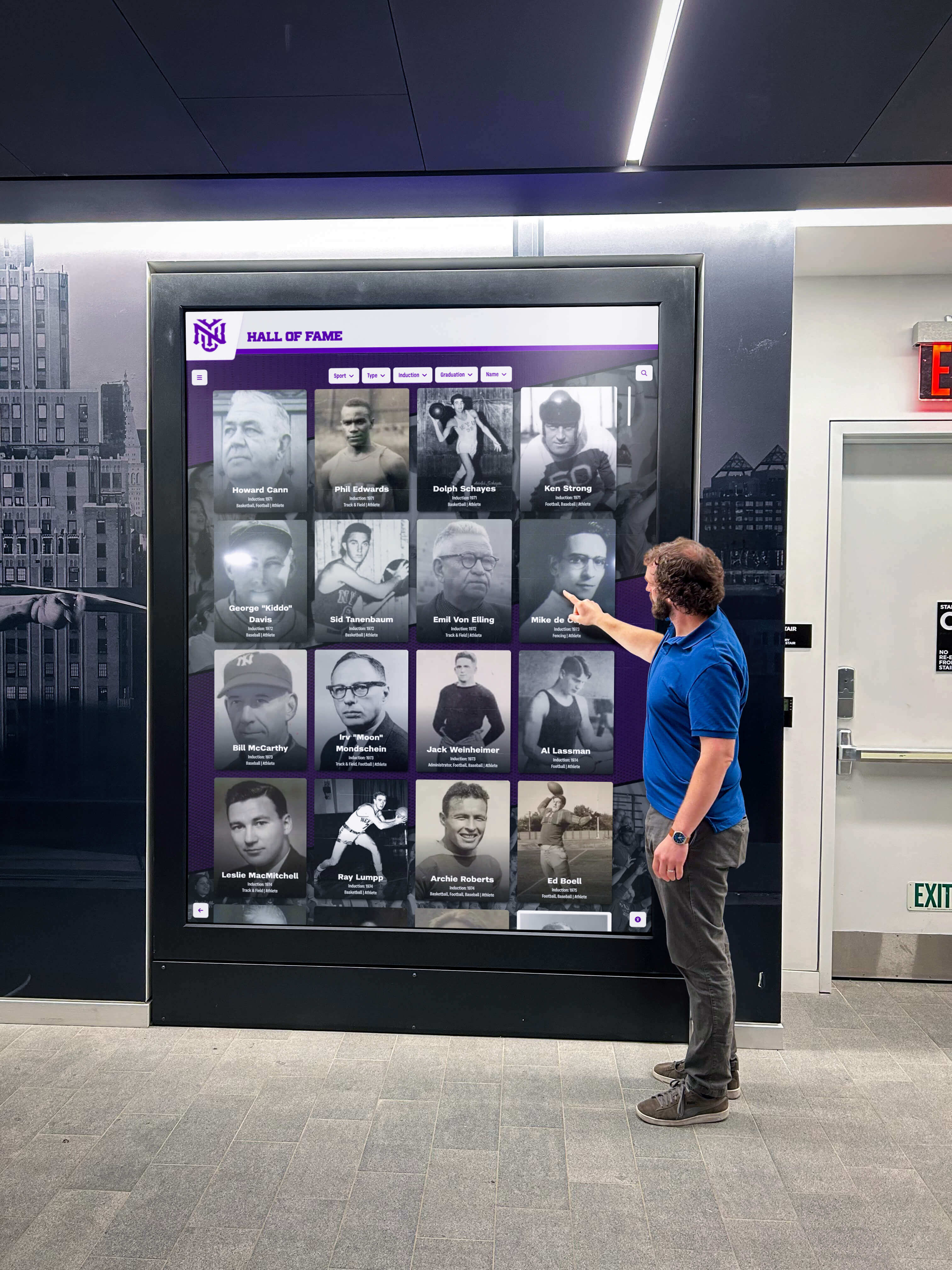
Well-placed displays make achievements accessible to students, families, and community members
Assign Clear Responsibilities
Effective tracking requires explicit role assignments:
- Department chairs responsible for subject-specific achievement identification
- Counselors managing overall academic achievement tracking and intervention coordination
- Athletic directors tracking sports accomplishments and all-state selections
- Activities directors monitoring competition results and extracurricular achievements
- IT staff maintaining system integrations and data accuracy
- Recognition coordinators managing display updates and communication
Written role documentation prevents tracking gaps while ensuring accountability.
Data Integration and System Connectivity
Comprehensive tracking requires connecting disparate systems into cohesive ecosystems:
Integration Priorities
- SIS to recognition platform connections enabling automated honor roll updates
- Assessment platform to intervention system links triggering support when needed
- Attendance system to counseling platform integration flagging chronic absenteeism
- LMS to parent portal connections providing assignment-level visibility
- Competition tracking spreadsheets to recognition displays
Integration Methods
- API connections enabling real-time data synchronization between platforms
- Scheduled data exports and imports for systems without API capabilities
- Single sign-on (SSO) implementation reducing authentication friction
- Common data standards ensuring consistency across platforms
- Middleware solutions connecting systems with incompatible native integration
While integration requires upfront technical investment, automated data flow eliminates manual entry while reducing errors and maintaining currency.
Learn about digital recognition display implementation with unlimited capacity and simple management.
Privacy and Security Considerations
Achievement tracking must balance visibility with appropriate privacy protection:
FERPA Compliance Requirements
- Obtain proper consent before publicly displaying student achievements
- Restrict access to sensitive achievement data based on legitimate educational interest
- Provide opt-out options for families preferring privacy over recognition
- Implement role-based permissions limiting data access appropriately
- Maintain audit trails documenting who accessed student information
Data Security Best Practices
- Use encryption for data transmission and storage
- Implement strong authentication and regular password rotation
- Maintain regular security patches and software updates
- Conduct annual security audits and penetration testing
- Train all users on data privacy responsibilities and protocols
Schools must consult legal counsel ensuring tracking and recognition practices comply with federal and state privacy regulations.
Leveraging Achievement Data for School Improvement
Tracking reaches maximum value when data informs strategic decisions improving student outcomes:
Identifying Students Needing Support
Early Warning Indicators
- Grade declines between marking periods signaling potential problems
- Attendance pattern changes suggesting disengagement
- Assignment completion rate drops indicating organizational struggles
- Assessment performance below grade-level expectations
- Behavioral referral increases correlating with academic difficulty
Intervention Triggers
- Automated alerts when students fall below achievement thresholds
- Regular data review meetings examining at-risk student lists
- Teacher referrals identifying concerns not captured in data alone
- Parent conferences initiated by concerning achievement patterns
- Counselor check-ins scheduled automatically for flagged students
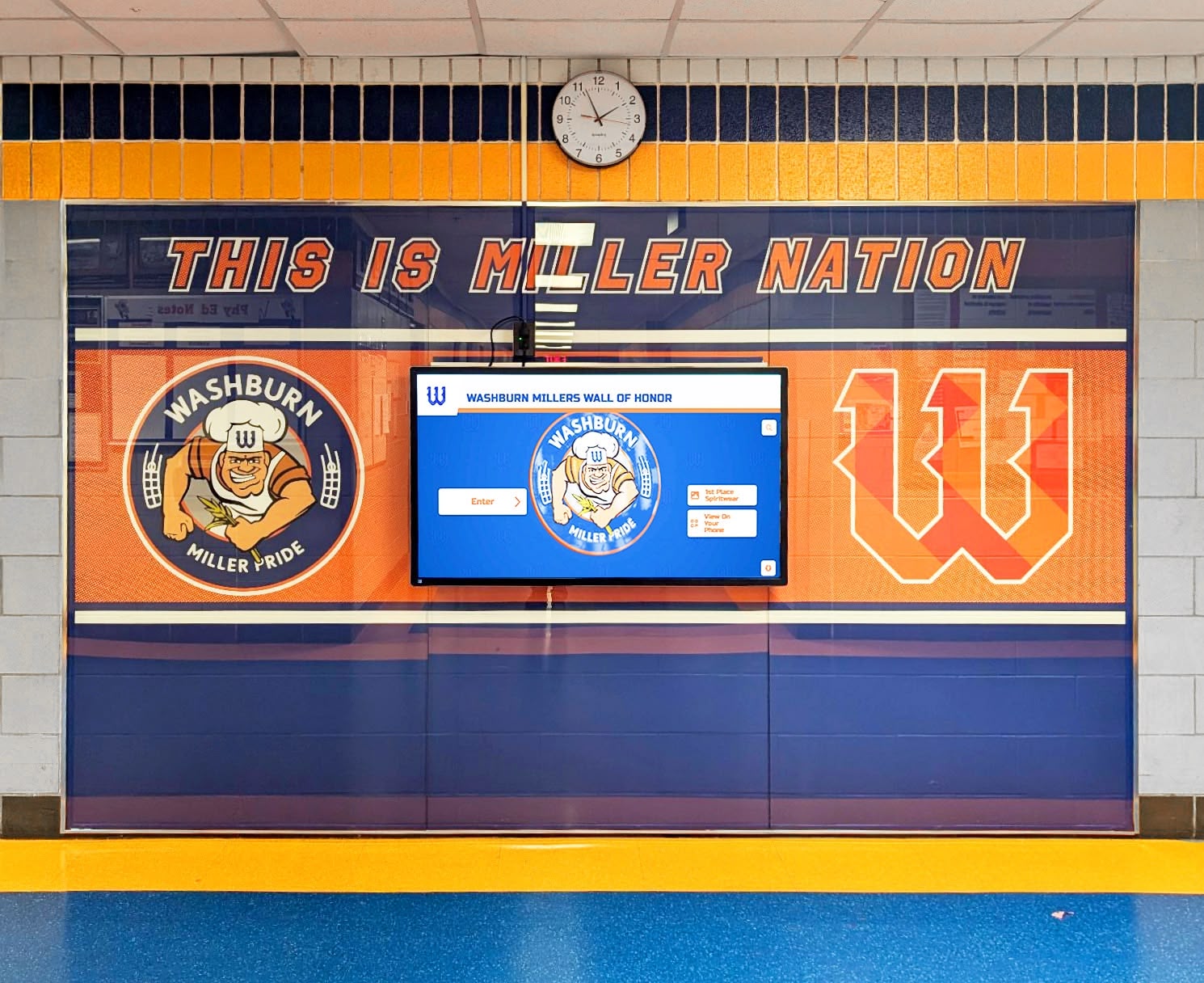
Strategic display placement ensures maximum visibility for achievement recognition
Systematic tracking enables proactive intervention before small problems become major achievement gaps.
Evaluating Program Effectiveness
Data-Driven Program Assessment
- Compare achievement trends before and after program implementation
- Track achievement differences between program participants and comparison groups
- Measure growth rates for students receiving interventions versus those not needing support
- Analyze demographic achievement gaps identifying inequitable program outcomes
- Calculate return on investment for initiatives requiring significant resources
Continuous Improvement Cycles
- Quarterly data reviews examining achievement trends and patterns
- Annual comprehensive program evaluations with stakeholder input
- Pilot program testing with careful achievement outcome measurement
- Best practice sharing identifying and scaling successful approaches
- Resource reallocation directing funding toward proven effective initiatives
This evidence-based approach ensures limited resources support programs demonstrating actual achievement impact.
Celebrating Success and Driving Motivation
Recognition Program Design
- Regular honor roll celebrations following each marking period
- Special recognition for significant improvement regardless of absolute achievement level
- Subject-specific excellence awards acknowledging diverse academic strengths
- Character and citizenship recognition complementing pure academic metrics
- Senior achievement celebrations honoring cumulative high school accomplishments
Communication Strategies
- Email notifications to families when students reach achievement milestones
- Social media posts celebrating accomplishments and maintaining community engagement
- Newsletter features highlighting diverse achievement examples across student populations
- Morning announcements providing daily acknowledgment of recent successes
- Community media partnerships extending recognition beyond immediate school stakeholders
Explore comprehensive recognition approaches that engage school communities around student success.
Systematic recognition amplifies motivation effects from achievement tracking by ensuring accomplishments receive appropriate visibility and celebration.
Best Practices for Sustainable Achievement Tracking
Long-term success requires practices that maintain tracking quality while remaining manageable:
Start Simple and Expand Gradually
Phase 1: Foundation (Year 1)
- Implement reliable grade tracking with consistent teacher data entry
- Establish honor roll criteria and quarterly recognition
- Create basic achievement display (digital or traditional)
- Develop attendance monitoring with intervention protocols
- Track major competition results and external awards
Phase 2: Enhancement (Years 2-3)
- Add formative assessment tracking identifying skill gaps
- Implement early warning system for academic risk
- Expand recognition to include improvement and growth achievements
- Integrate multiple data systems reducing manual entry
- Develop dashboard views providing at-a-glance achievement snapshots
Phase 3: Sophistication (Years 4+)
- Deploy predictive analytics identifying future risk based on patterns
- Create comprehensive student profiles integrating all achievement dimensions
- Implement automated recognition triggering when thresholds are met
- Develop longitudinal tracking following cohorts across multiple years
- Establish program effectiveness evaluation using achievement outcome data
Gradual expansion prevents overwhelming staff while building capacity over time.
Maintain Data Quality and Accuracy
Data Quality Protocols
- Regular data audits comparing system information against source documents
- Standardized data entry training for all staff with system access
- Validation rules preventing common entry errors
- Regular system cleanup removing duplicates and correcting inaccuracies
- Clear escalation procedures when data discrepancies are discovered
Continuous Training
- Annual training for all staff on data entry protocols and expectations
- Just-in-time support when new features or systems are implemented
- Role-specific training ensuring users understand relevant functionality
- Documentation libraries providing reference materials for common procedures
- Super-user development creating building-level support capacity
Quality data serves as the foundation for all tracking and recognition efforts—garbage in, garbage out remains eternally true.
Balance Recognition with Privacy
Opt-Out Procedures
- Clear consent forms explaining recognition approaches and providing opt-out options
- Simple processes enabling families to decline public recognition if desired
- Alternative private recognition methods for students whose families opt out
- Regular consent renewal ensuring ongoing agreement with recognition practices
- Sensitivity to cultural differences regarding public recognition appropriateness
Appropriate Recognition Boundaries
- Celebrate achievements without sharing sensitive information about challenges
- Recognize improvement without revealing specific starting points suggesting past struggles
- Highlight participation without disclosing information about disabilities or accommodations
- Focus on accomplishment rather than comparative ranking against peers
- Consider developmental appropriateness of recognition approaches by grade level
Thoughtful practices ensure recognition enhances student experience rather than creating discomfort or violating privacy.
Common Achievement Tracking Pitfalls to Avoid
Understanding typical challenges helps schools design more effective systems from the start:
Tracking Without Action
Problem: Schools collect extensive achievement data but fail to use it for decision-making, intervention, or recognition.
Solution: Establish clear protocols defining how specific data patterns trigger particular responses. Create regular data review meetings where teams examine achievement information and make explicit decisions about interventions, program adjustments, or recognition initiatives.
Recognition Inequity
Problem: Tracking and recognition focus exclusively on traditional academic metrics or athletic achievements, overlooking diverse accomplishment dimensions.
Solution: Audit recognition programs examining what percentages of students receive acknowledgment across achievement categories. Ensure tracking systems capture and celebrate excellence across academics, arts, career technical education, improvement, citizenship, and service.
System Overload
Problem: Schools implement excessive tracking tools creating redundancy, confusion about authoritative data sources, and overwhelming complexity.
Solution: Conduct periodic system audits identifying tools serving similar purposes. Consolidate where possible, establish clear “system of record” designation for each data type, and ensure remaining platforms integrate effectively.
Data Without Context
Problem: Raw achievement numbers lack context about factors influencing outcomes like resources, demographics, or starting points.
Solution: Implement value-added measures and growth models examining improvement rather than absolute achievement alone. Disaggregate data by demographic factors identifying equity gaps. Consider contextual factors when interpreting achievement information.
Tracking Fatigue
Problem: Excessive data entry requirements overwhelm teachers, leading to incomplete information or abandonment of tracking systems.
Solution: Prioritize automation over manual entry wherever possible. Streamline data collection to essential information serving clear purposes. Regularly evaluate whether each tracked metric provides sufficient value justifying collection burden.
Future Trends in Student Achievement Tracking
Emerging technologies and approaches will transform achievement tracking in coming years:
Artificial Intelligence and Predictive Analytics
AI-powered systems will provide increasingly sophisticated achievement predictions:
- Early identification of students likely to struggle before problems manifest in grades
- Personalized intervention recommendations based on successful outcomes with similar students
- Automated achievement pattern recognition identifying concerning trends
- Natural language processing analyzing teacher notes and observations for risk signals
- Chatbot interfaces enabling conversational data access without dashboard complexity
Competency-Based Tracking
Growing adoption of competency-based education will require new tracking approaches:
- Mastery demonstrations rather than time-based credit accumulation
- Skill-specific tracking showing granular proficiency levels
- Multiple pathway recognition as students demonstrate competencies through diverse methods
- Portfolio-based achievement documentation combining artifacts and assessments
- Micro-credential tracking as students earn stackable certificates
Holistic Student Success Measures
Achievement tracking will expand beyond academic metrics to encompass whole-child development:
- Social-emotional learning indicators tracking relationship skills and self-management
- Well-being measures including mental health and student sense of belonging
- Career readiness indicators beyond academics including soft skills and work habits
- Post-secondary success tracking following students beyond high school graduation
- Life-skills demonstration including financial literacy and civic engagement
Learn about future trends in digital recognition including AI and emerging technologies.
Conclusion: Building Systems That Track and Celebrate Student Success
Effective student achievement tracking transforms scattered data into coherent intelligence that informs decision-making, enables timely intervention, and creates recognition opportunities that motivate continued excellence. When schools implement systematic tracking across diverse achievement dimensions—from traditional academics to growth measures, from competition success to behavioral excellence—they build comprehensive understanding of how students are performing while identifying both celebration opportunities and support needs requiring attention.
The tools and strategies explored in this guide provide frameworks for building tracking systems aligned with institutional goals and existing workflows. From student information systems and learning management platforms to assessment tools and analytics solutions, from digital recognition displays to traditional achievement walls, these diverse technologies enable tracking at scales impossible through manual approaches while making success visible to entire school communities.
Transform Your Student Achievement Recognition
Discover how modern digital recognition solutions can connect with your achievement tracking systems to celebrate every student success through engaging displays that motivate entire school communities.
Explore Recognition SolutionsBest practices for sustainable tracking emphasize starting simple and expanding gradually, maintaining data quality through systematic protocols, and balancing recognition visibility with appropriate privacy protection. By avoiding common pitfalls like tracking without action, recognition inequity, and system overload, schools create tracking approaches that serve clear purposes while remaining manageable within realistic resource constraints.
The future of achievement tracking promises increasingly sophisticated capabilities through artificial intelligence, competency-based approaches, and holistic student success measures extending beyond traditional academics. Schools investing in foundational tracking systems today position themselves to leverage these emerging capabilities while building cultures where student success receives the systematic attention and celebration it deserves.
Start by auditing your current tracking approaches, identifying gaps between achievements you value and those you systematically monitor. Implement tools that automate data collection while providing actionable insights informing intervention and recognition decisions. Connect tracking systems with recognition platforms ensuring achievements receive appropriate visibility through digital displays, communications, and ceremonies that celebrate diverse accomplishment dimensions.
Your students’ achievements deserve comprehensive tracking that captures success across all dimensions while enabling recognition that motivates continued excellence. With thoughtful planning selecting appropriate tools, systematic implementation aligning with institutional workflows, and consistent practices ensuring sustained quality, you can create tracking systems that serve as foundations for data-driven decision-making while building positive cultures where every student’s success receives the attention and celebration that fuels lifelong learning and achievement.
Ready to enhance your achievement tracking and recognition approach? Explore how digital recognition displays can showcase tracked achievements, learn about perfect attendance recognition systems, or discover graduate recognition approaches that celebrate culminating achievements creating lasting impact across your entire educational community.