The pressures facing today’s student athletes extend far beyond the playing field. Between demanding practice schedules, academic expectations, social media scrutiny, college recruiting pressures, and performance anxiety, young athletes navigate complex mental health challenges that previous generations rarely faced at such intensity. While we celebrate athletic achievement and competitive excellence, the psychological toll of high-level sports participation on developing minds requires equal attention and institutional support.
Student athlete mental health has emerged as a critical priority for schools, coaches, and athletic administrators seeking to develop complete individuals rather than simply competitive performers. Research consistently demonstrates that student athletes face unique mental health risks including elevated anxiety, depression, burnout, and disordered eating compared to non-athlete peers. Yet many schools lack systematic approaches to identifying struggling athletes, providing appropriate support, and creating athletic cultures that normalize seeking help rather than stigmatizing vulnerability.
This comprehensive guide explores evidence-based strategies for supporting student athlete mental health through wellness programming, recognition systems that celebrate effort alongside outcomes, coaching education, and institutional cultures that prioritize holistic development. When schools address mental health proactively, they create environments where athletes thrive both competitively and personally while developing resilience that serves them long after their final game.
Athletic participation offers tremendous benefits including physical fitness, teamwork skills, goal-setting experience, and leadership development. However, these positive outcomes depend on environments that support athlete wellbeing rather than sacrificing mental health for competitive success. Schools that excel at athlete development recognize that mental health and athletic performance are interconnected—athletes struggling psychologically cannot perform at their potential, while sustainable competitive excellence requires psychological wellbeing.

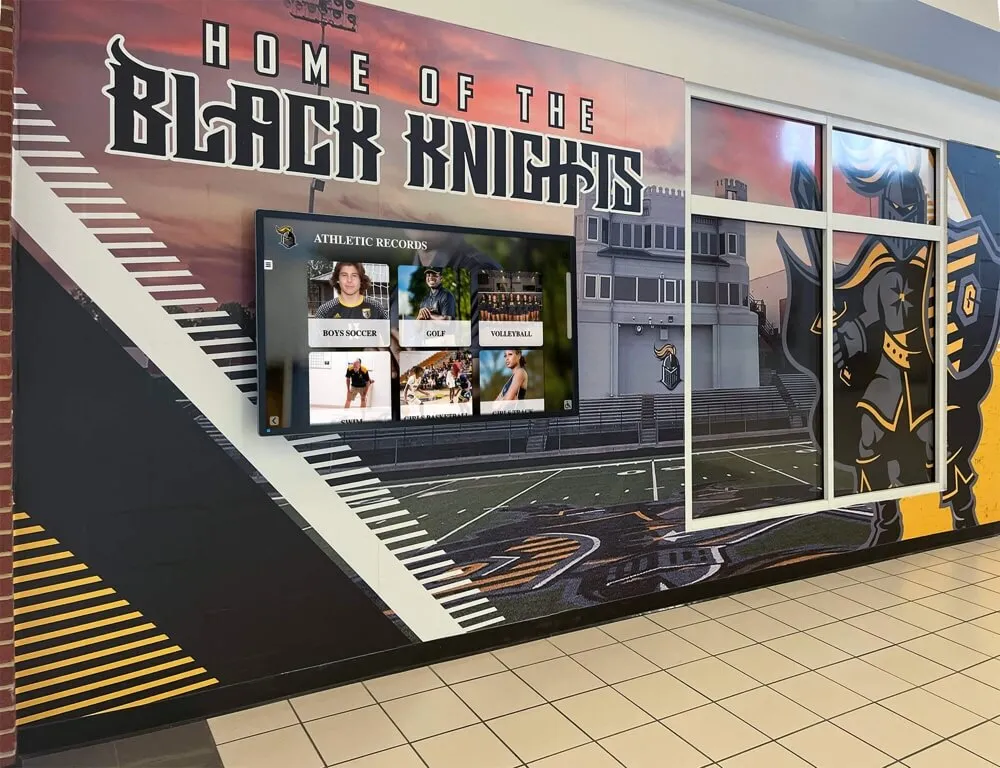
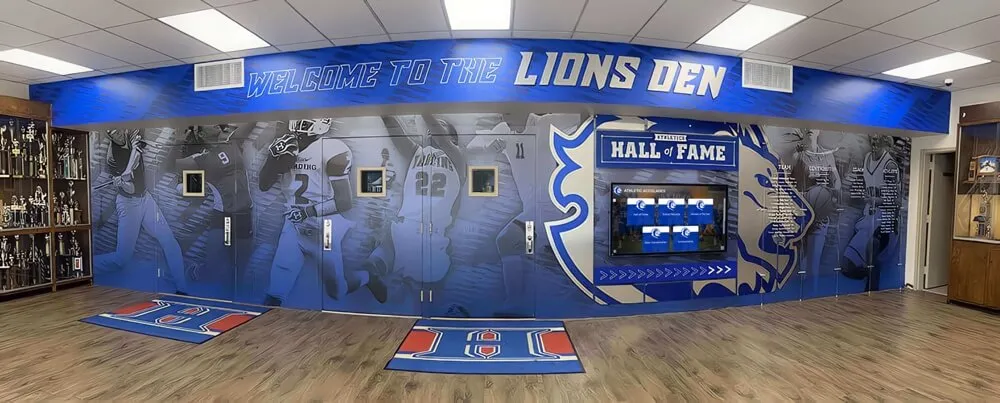
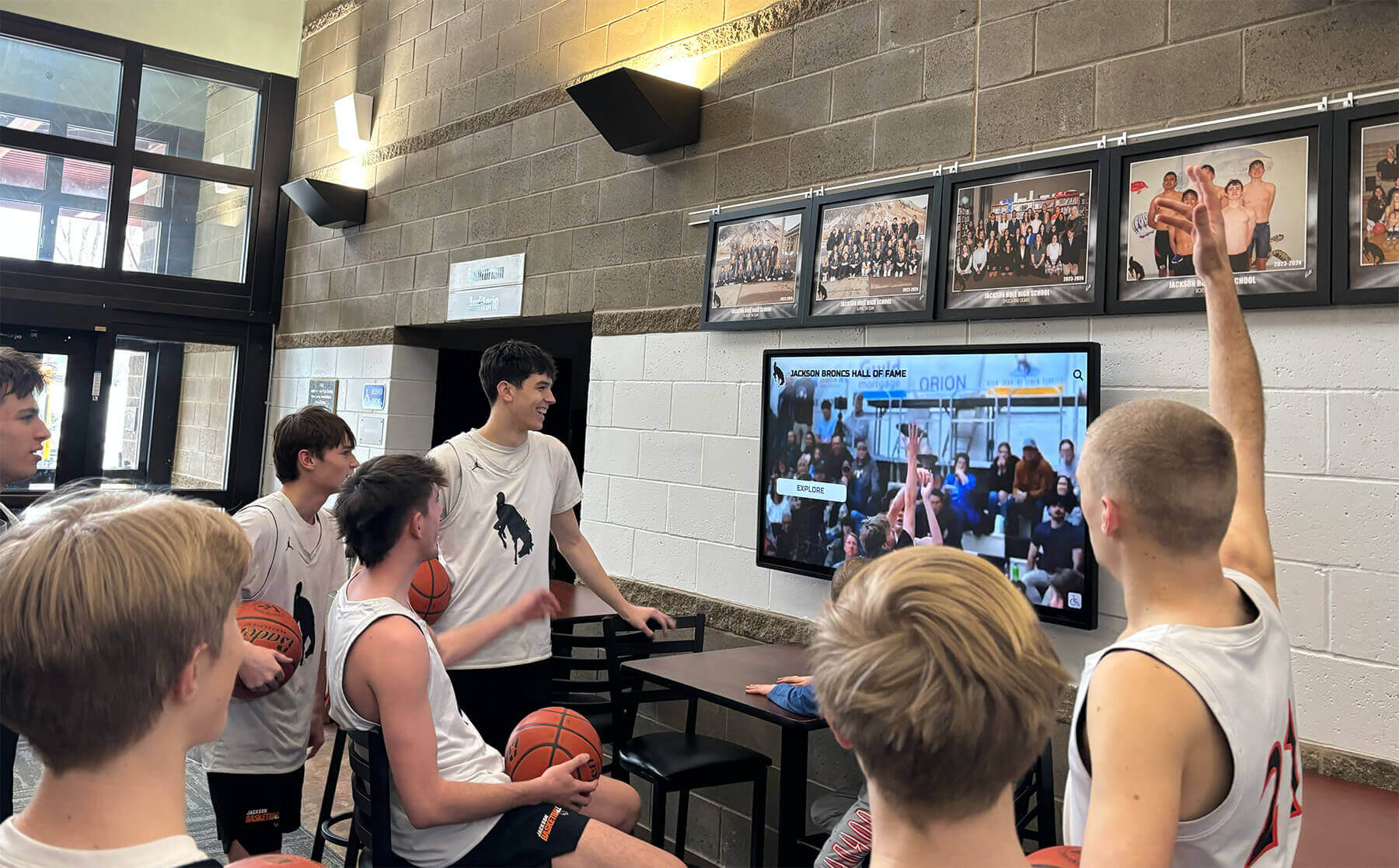
Creating environments where athletes feel valued and supported contributes to positive mental health and sustained athletic engagement
Understanding Student Athlete Mental Health Challenges
Before implementing support systems, schools need clarity about the specific mental health challenges athletes face and factors contributing to psychological distress.
Unique Pressures Facing Student Athletes
Student athletes navigate stressors that non-athlete peers rarely experience with comparable intensity.
Performance Pressure and Identity Issues
Many young athletes develop identities heavily intertwined with athletic performance. When competition becomes central to self-worth, injuries, poor performances, or season endings create identity crises and psychological distress. Athletes may feel their value depends entirely on competitive outcomes rather than recognizing their worth extends beyond sports achievement.
This performance-based identity proves particularly problematic when athletic careers end, either through graduation, injury, or decision to stop competing. Research shows former athletes struggle with depression and anxiety during transition periods when sports no longer provide structure, purpose, and identity definition.
Time Demands and Academic Stress
Student athletes balance training schedules, competition travel, and recovery requirements with full academic loads. These competing demands create chronic time scarcity affecting sleep, academic performance, and social relationships. Athletes who fall behind academically face compounding stress as eligibility concerns threaten their ability to continue competing.
Many athletes sacrifice sleep to meet obligations, creating chronic fatigue that affects both athletic performance and mental health. Studies indicate student athletes average significantly less sleep than recommended for adolescent development, contributing to mood disorders and cognitive impairment.
Social Isolation and Relationship Strain
Demanding athletic schedules limit time for non-sport friendships and social activities. Athletes may feel isolated from general student populations while experiencing social pressure within team environments. Team dynamics create complex social hierarchies where athletes fear showing vulnerability or admitting struggles that might affect playing time or peer perception.
Family relationships also experience strain as travel schedules limit time at home, academic pressures create family tension, and parents’ investment in athletic success may inadvertently increase performance pressure rather than providing unconditional support.
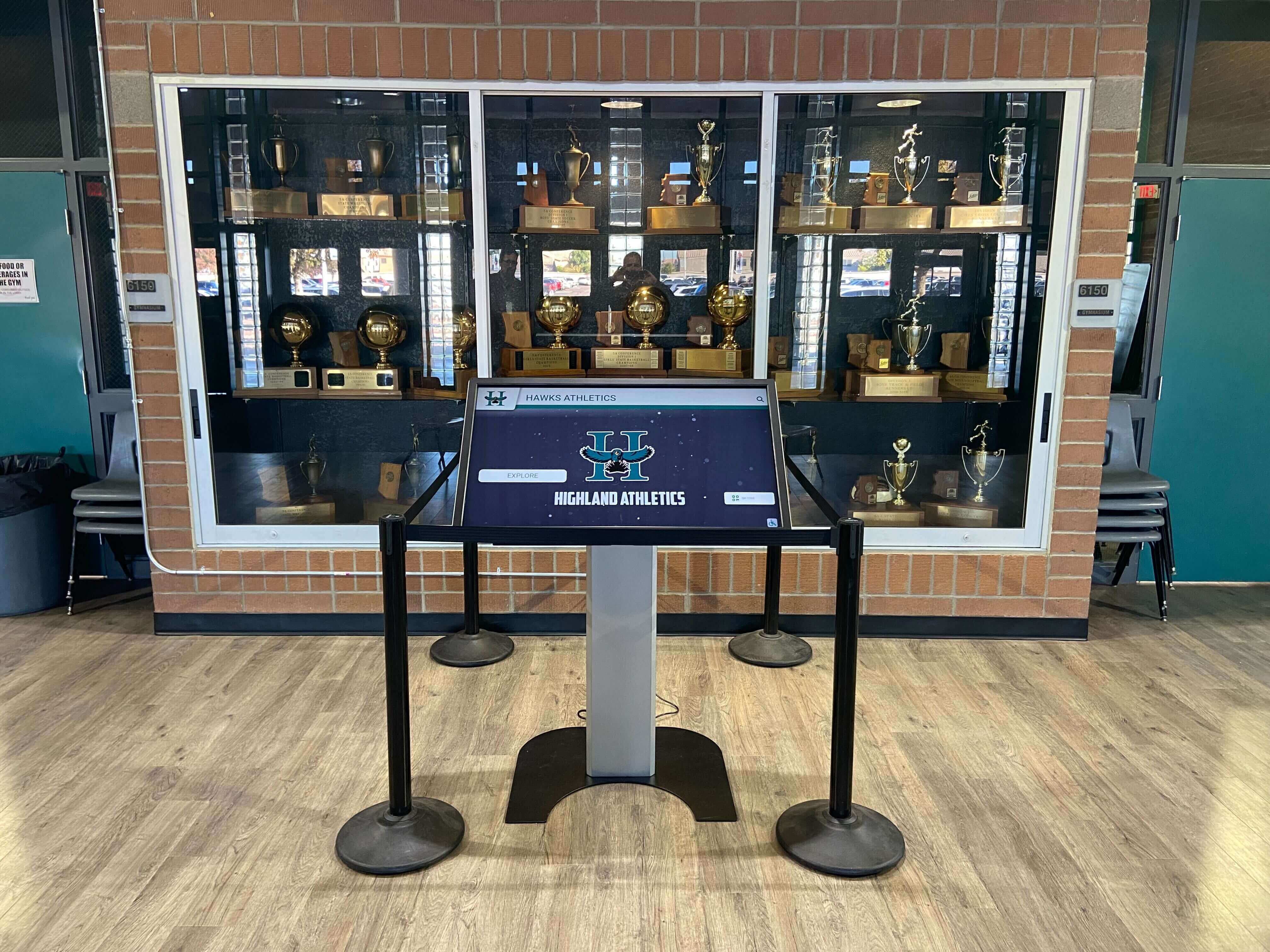
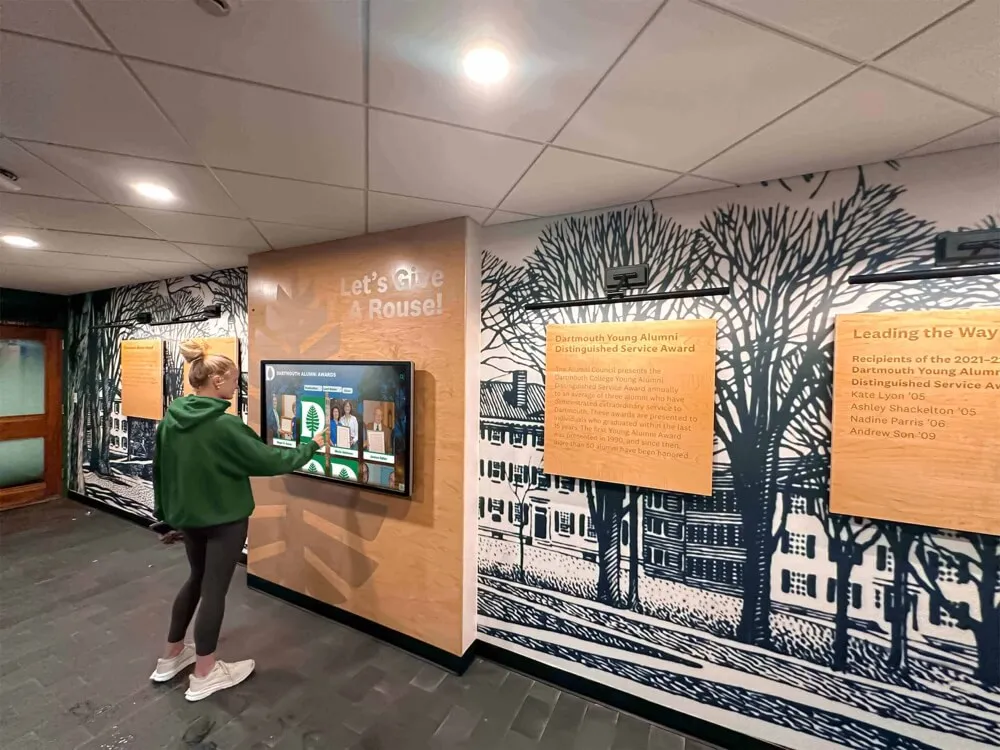
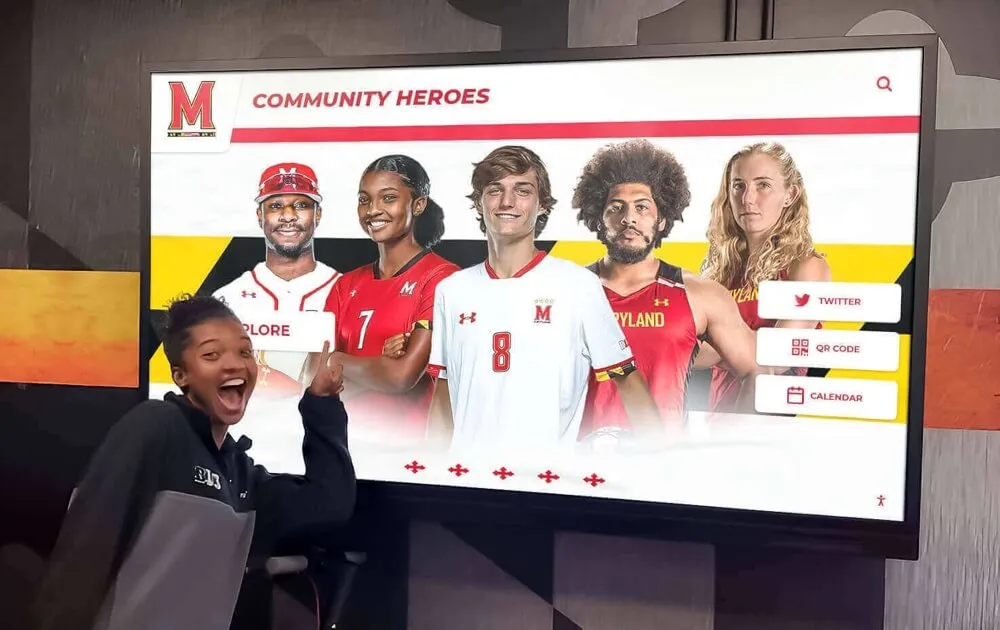
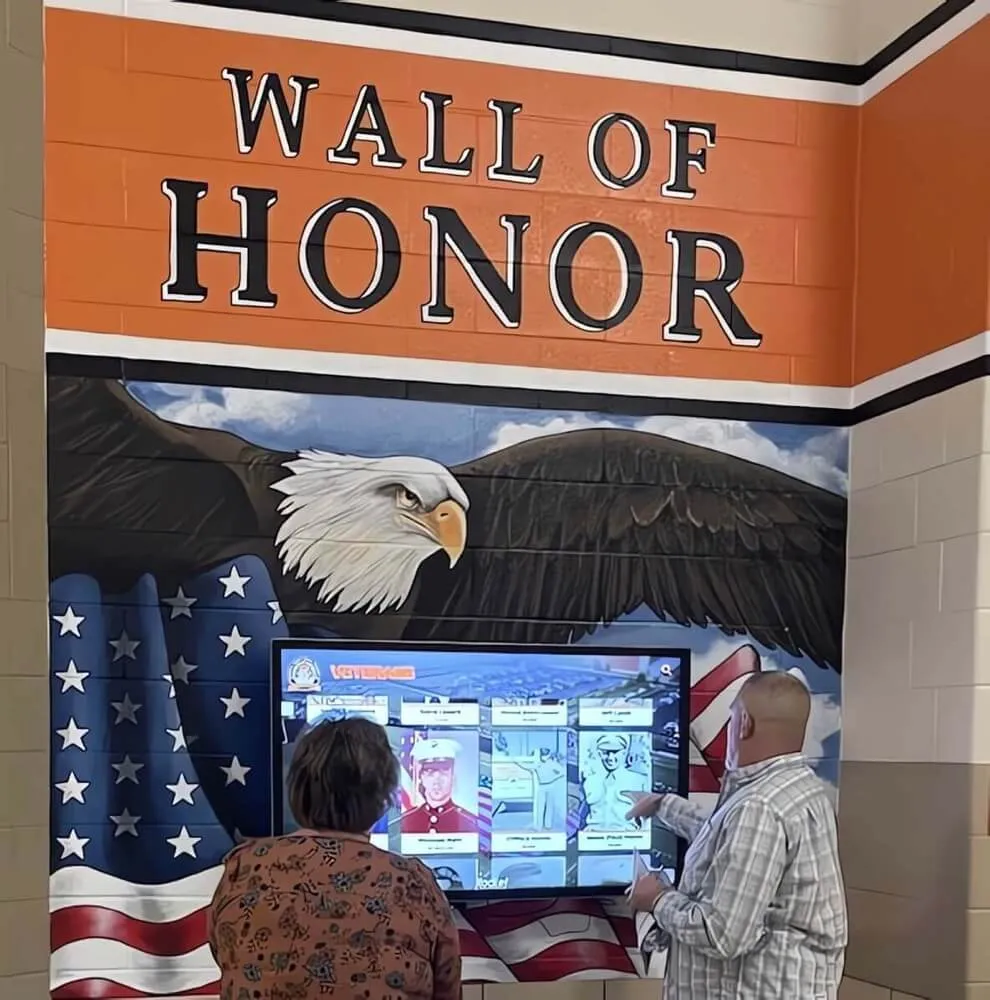
Modern recognition systems honor athletic achievement while creating opportunities to celebrate character, growth, and team contributions beyond competitive outcomes
Injury Recovery and Career-Ending Setbacks
Athletic injuries create acute psychological distress through physical pain, loss of playing time, fear about full recovery, team isolation during rehabilitation, and potential career implications for serious injuries. Athletes recovering from injuries face higher rates of depression and anxiety compared to their healthy teammates.
Career-ending injuries prove particularly devastating for athletes whose identities and future plans centered on continued competition. These sudden transitions require psychological support helping athletes grieve lost opportunities while discovering new directions and rebuilding identity beyond athletic performance.
Prevalence and Risk Factors
Understanding mental health statistics helps schools recognize the scope of student athlete wellbeing challenges.
Mental Health Statistics Among Student Athletes
Research indicates concerning prevalence of mental health issues among young athletes. According to the National Athletic Trainers’ Association, approximately 30% of female and 25% of male collegiate student athletes report experiencing significant anxiety, while similar percentages report depression symptoms. High school athlete statistics mirror these concerning trends with increasing frequency.
Eating disorders and disordered eating patterns affect student athletes at rates 2-3 times higher than non-athlete peers, particularly in sports emphasizing leanness or weight management. Body image concerns combined with performance pressure create conditions where unhealthy relationships with food develop.
High-Risk Populations and Sports
Certain athlete populations face elevated mental health risks requiring targeted support. Individual sport athletes in activities like gymnastics, wrestling, swimming, and track demonstrate higher rates of anxiety and depression compared to team sport participants. The isolated nature of individual competition combined with direct performance measurement creates unique psychological pressures.
Athletes in aesthetic sports emphasizing appearance alongside performance, including figure skating, diving, cheerleading, and gymnastics, show elevated rates of eating disorders and body dysmorphia. Coaches and athletic departments must recognize these sport-specific risks when designing support systems and monitoring athlete wellbeing.
Warning Signs Requiring Intervention
Coaches, athletic trainers, and school staff should recognize behavioral changes indicating mental health struggles requiring professional support:
- Sudden performance decline or loss of competitive drive
- Social withdrawal from teammates and isolation
- Dramatic mood changes or emotional outbursts
- Sleep pattern disruptions and chronic fatigue
- Disordered eating behaviors or significant weight changes
- Excessive training or inability to rest despite injury
- Substance use and risk-taking behaviors
- Academic decline and lost motivation
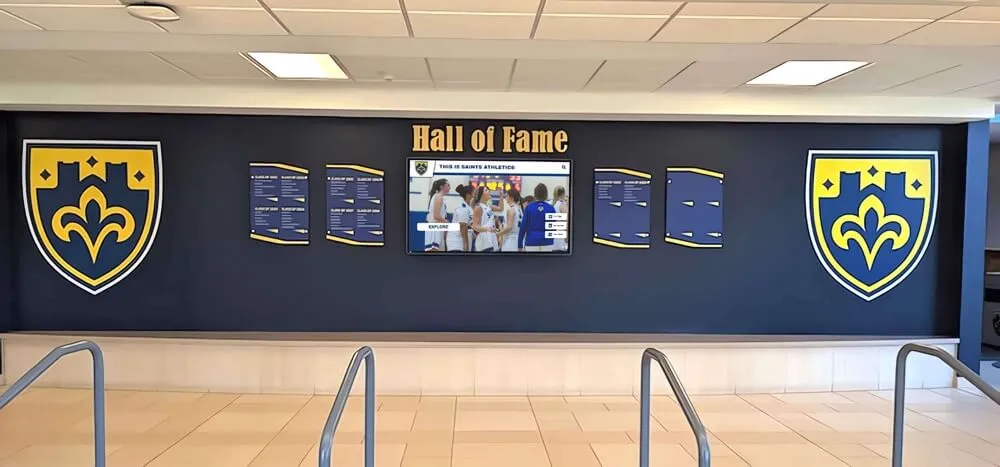
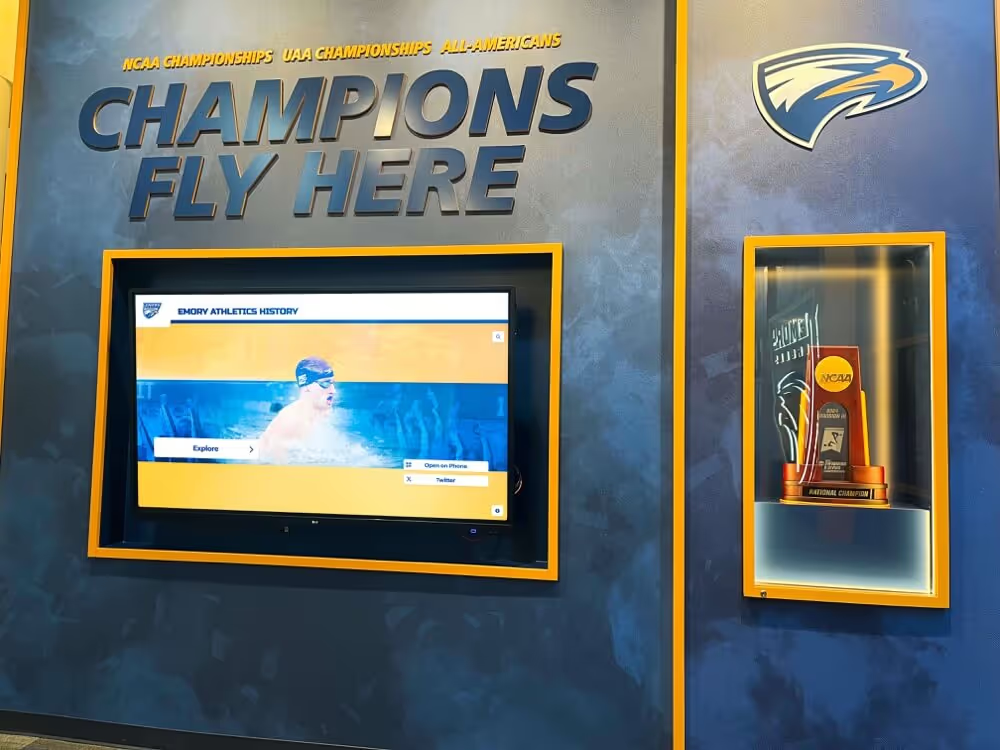
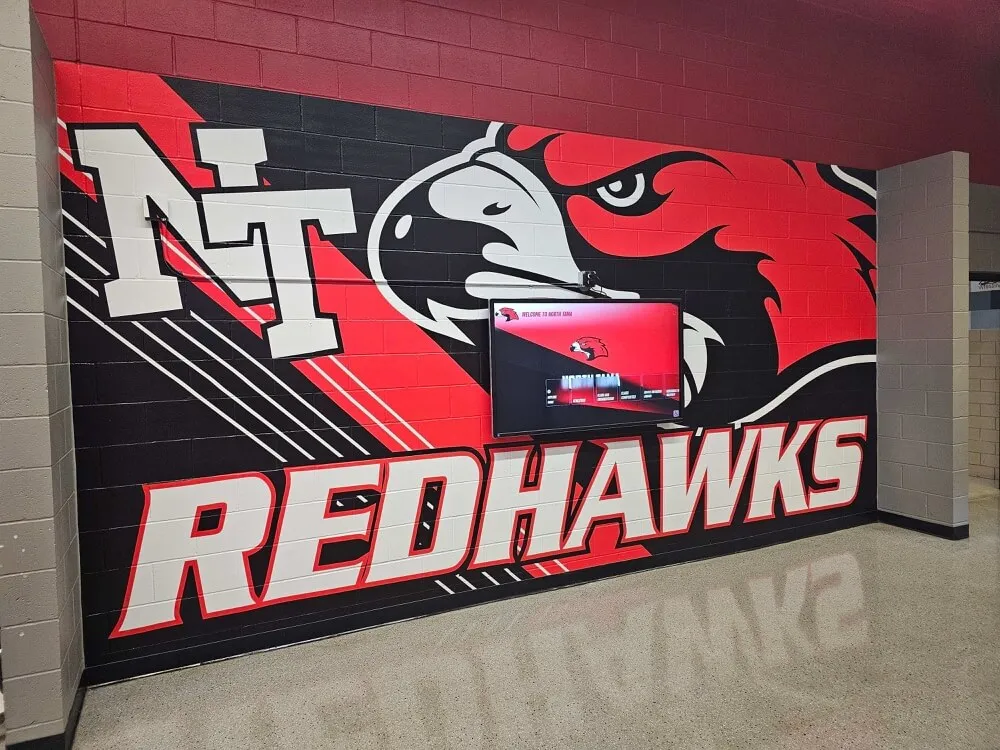
Recognition systems celebrating diverse contributions help athletes develop identity beyond competitive outcomes
Early identification enables timely intervention before mental health challenges escalate to crisis situations requiring more intensive treatment. Creating cultures where coaches, teammates, and support staff recognize warning signs proves essential for protecting athlete wellbeing.
Building Comprehensive Mental Health Support Systems
Effective student athlete mental health support requires coordinated systems addressing prevention, early intervention, and treatment accessibility.
Mental Health Professional Access
Every athletic program should provide clear pathways connecting struggling athletes with appropriate professional support.
On-Site Mental Health Resources
Schools should employ or contract licensed mental health professionals with expertise in sports psychology and athlete-specific challenges. These dedicated resources should offer confidential counseling addressing performance anxiety, identity issues, injury recovery, transition support, and clinical mental health conditions.
Athletic departments can partner with school counseling services while ensuring mental health professionals understand athlete-specific pressures and competitive environments. Professionals unfamiliar with athletic culture may struggle to provide relevant support addressing the unique contexts shaping athlete experiences.
Referral Networks and External Providers
For issues requiring specialized treatment beyond school resources, athletic departments should maintain referral relationships with external mental health providers, eating disorder treatment specialists, substance abuse programs, and sports psychologists in the community.
Clear referral protocols ensure athletes receive appropriate care quickly rather than facing bureaucratic delays when urgent intervention is needed. Insurance navigation support helps families access treatment without financial barriers preventing necessary care. Learn more about comprehensive student support approaches.
Reducing Stigma and Promoting Help-Seeking
Mental health resource accessibility matters little if athletes fear using available services. Schools must actively counter stigma through coach education normalizing mental health conversations, athlete testimonials sharing help-seeking experiences, visible promotional campaigns emphasizing that mental health support demonstrates strength, and confidentiality assurances protecting athlete privacy.
When team leaders, coaches, and administrators openly discuss mental health, athletes receive permission to acknowledge their own struggles rather than suffering silently to avoid perceived weakness.
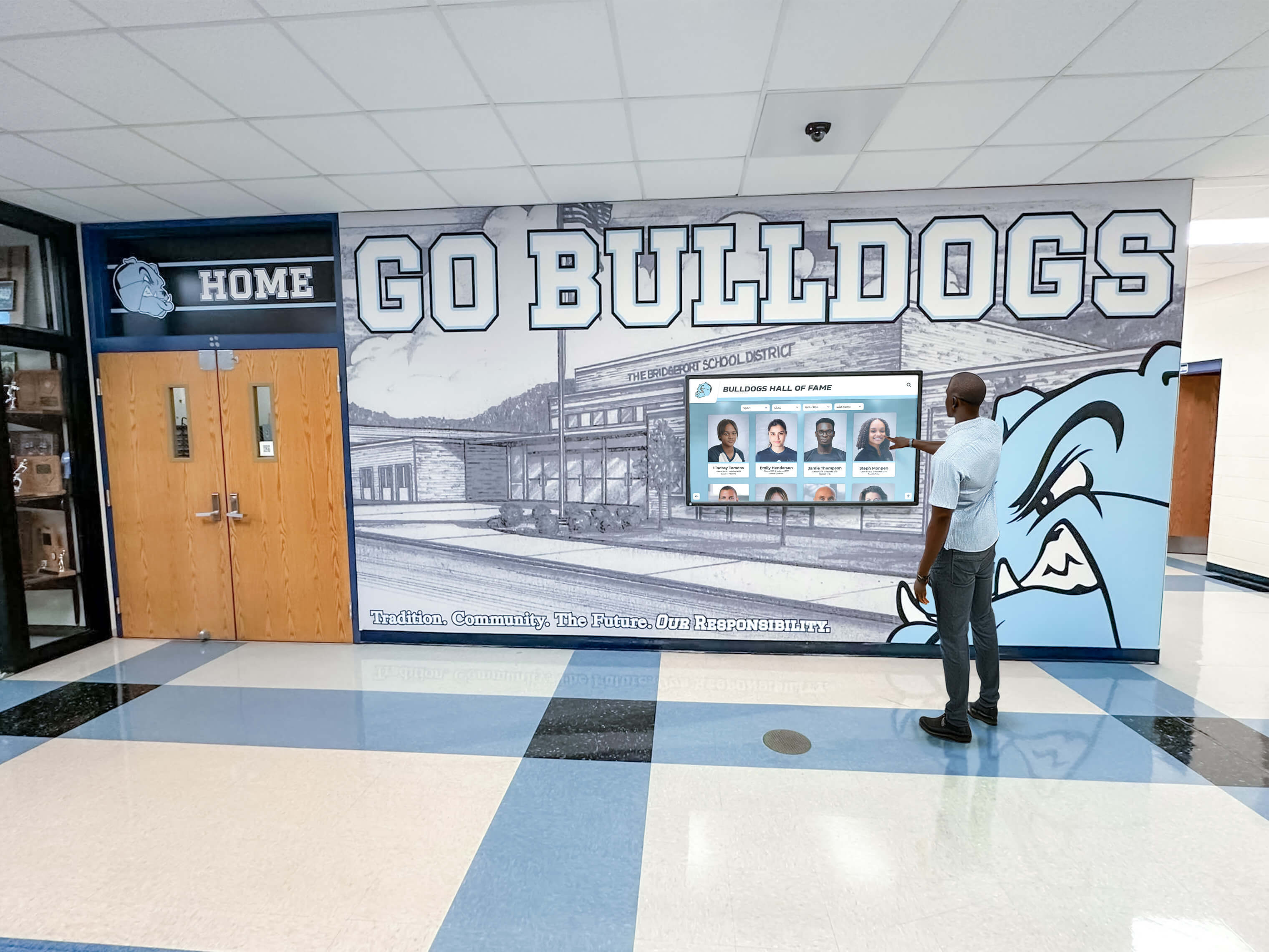
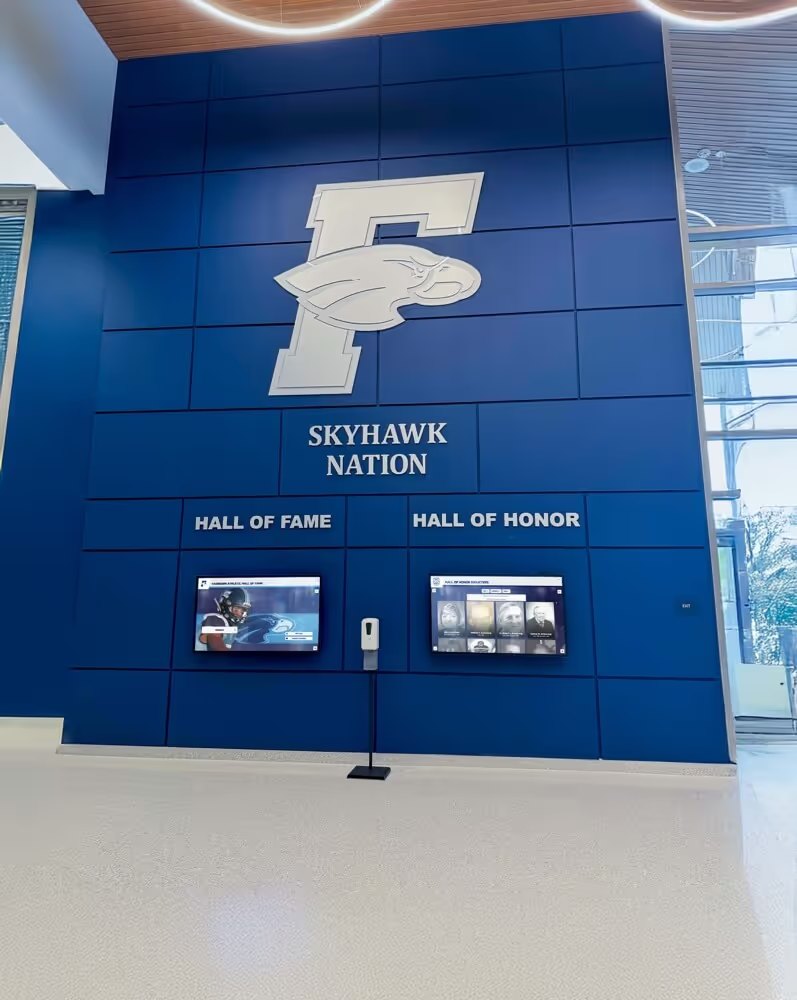
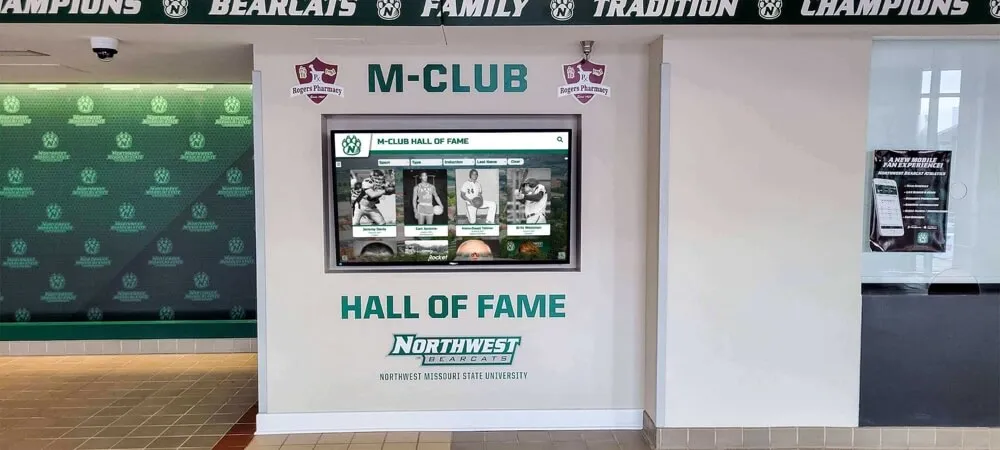
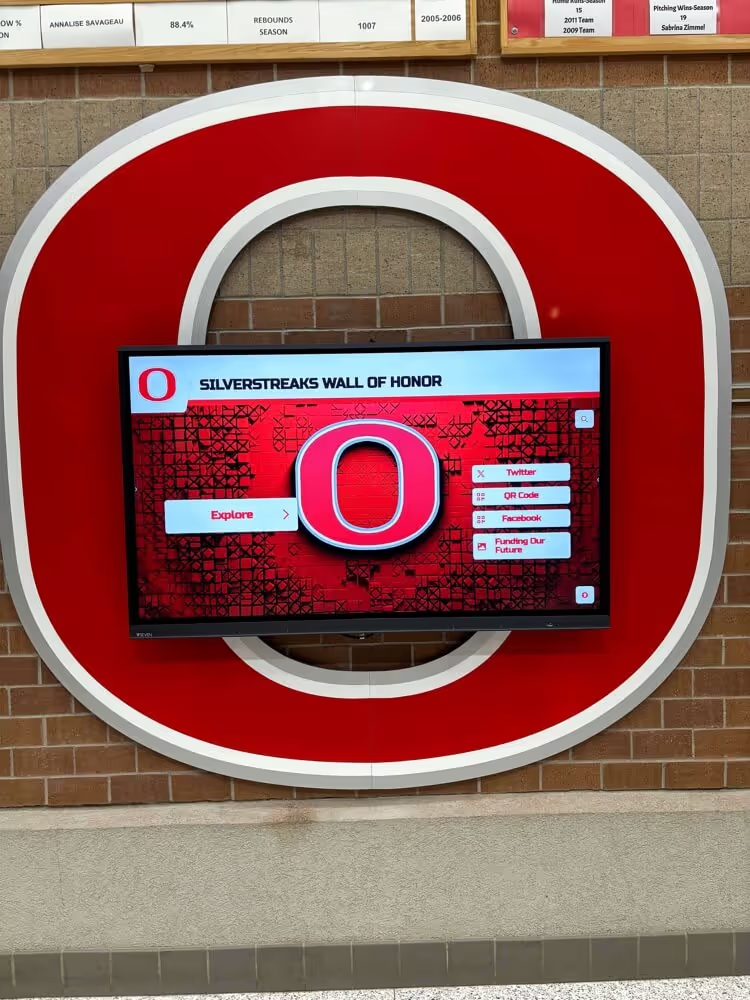
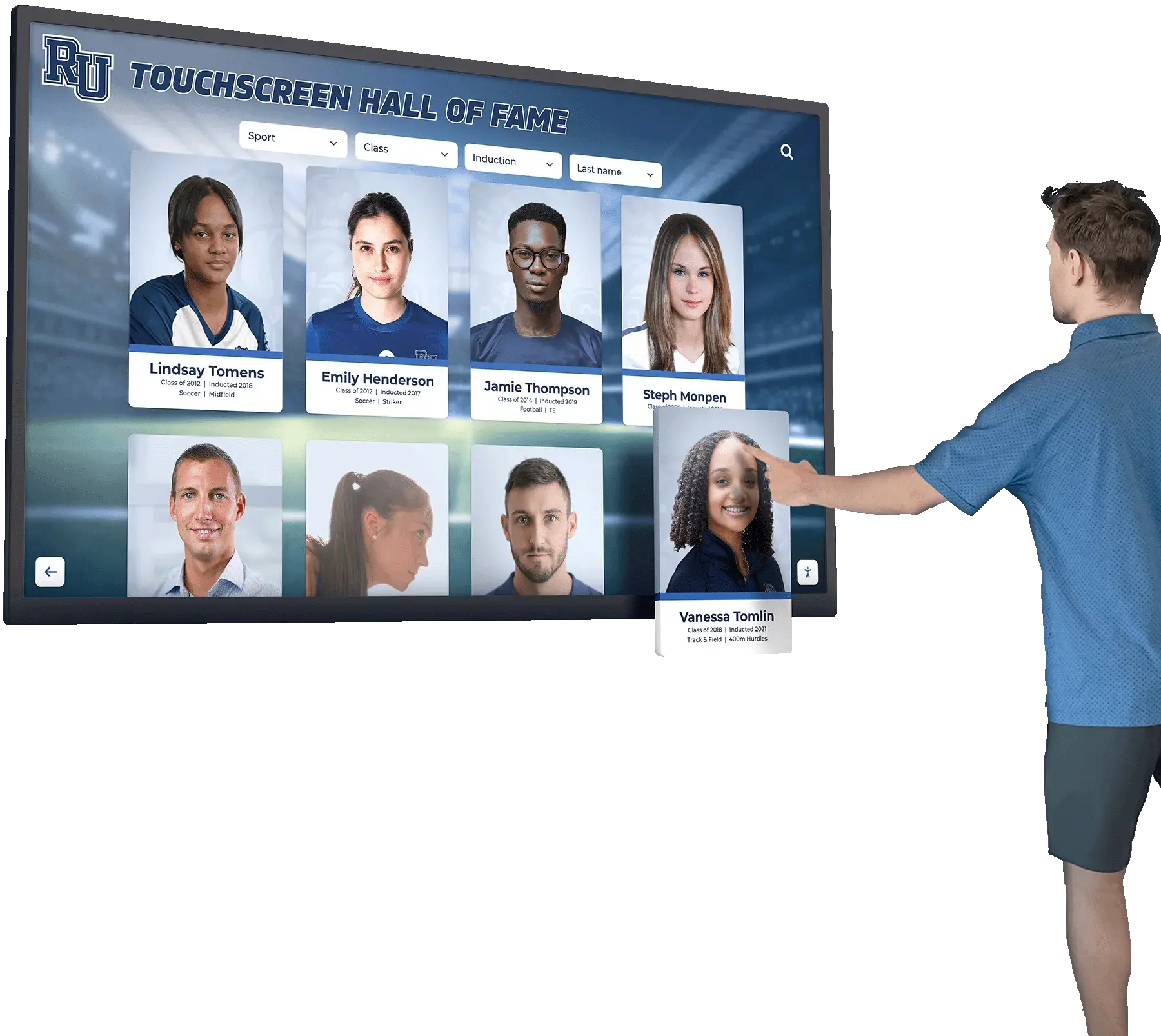
Interactive recognition platforms enable athletes to explore team history and individual stories, reinforcing connection to program tradition
Preventive Wellness Programming
Proactive initiatives prevent mental health crises while building resilience supporting athletes through inevitable challenges.
Mental Skills Training and Performance Psychology
Integrating sports psychology into regular training develops mental skills that enhance both performance and wellbeing. Athletes benefit from anxiety management techniques for pre-competition nerves, visualization and mental rehearsal skills, goal-setting frameworks distinguishing process from outcome goals, self-talk strategies countering negative thought patterns, and mindfulness practices reducing stress.
These evidence-based techniques improve competitive performance while providing coping tools applicable beyond athletic contexts. Athletes learning to manage competitive anxiety develop skills transferable to academic testing, job interviews, and life challenges throughout adulthood.
Stress Management and Recovery Education
Many young athletes lack understanding about rest, recovery, and stress management as performance tools rather than signs of weakness. Wellness education should address sleep hygiene and recovery importance, nutrition supporting both performance and mental health, time management reducing chronic overwhelm, social connection and relationship cultivation, and balance between training intensity and recovery.
When athletes understand that recovery enables performance gains while preventing burnout, they’re more likely to prioritize wellbeing rather than viewing self-care as laziness or lack of commitment.
Team Building and Positive Culture Development
Strong team cultures provide protective factors against mental health struggles through social support from teammates experiencing similar pressures, belonging and acceptance reducing isolation, shared challenge normalizing difficulty rather than personalizing struggle, and psychological safety enabling vulnerability without judgment. Explore team recognition approaches that strengthen team connection.
Coaches should intentionally cultivate positive team environments through relationship-building activities beyond practice, leadership development emphasizing supportive behaviors, conflict resolution skill development, and celebration of effort and growth alongside competitive outcomes.
Athletic Trainer and Support Staff Education
Athletic trainers and support staff interact with athletes daily, positioning them as critical first responders when mental health concerns emerge.
Mental Health First Aid Training
All athletic department personnel should complete mental health first aid certification teaching recognition of mental health warning signs, appropriate initial response approaches, de-escalation techniques for crisis situations, referral processes connecting athletes with professional help, and follow-up support during treatment and recovery.
This training empowers support staff to respond confidently when athletes disclose struggles rather than uncertainty preventing appropriate intervention. Research demonstrates that trained staff identify concerning behaviors earlier, enabling intervention before situations escalate.
Creating Safe Disclosure Environments
Athletic trainers often develop trusted relationships with athletes through injury treatment and daily interaction. Training these professionals in trauma-informed care, active listening and empathetic response, confidentiality maintenance and appropriate information sharing, and non-judgmental communication creates safe disclosure environments where athletes feel comfortable revealing struggles.
When athletes trust that revealing mental health challenges won’t result in punishment, dismissal, or playing time loss, they’re significantly more likely to seek help before crises develop.
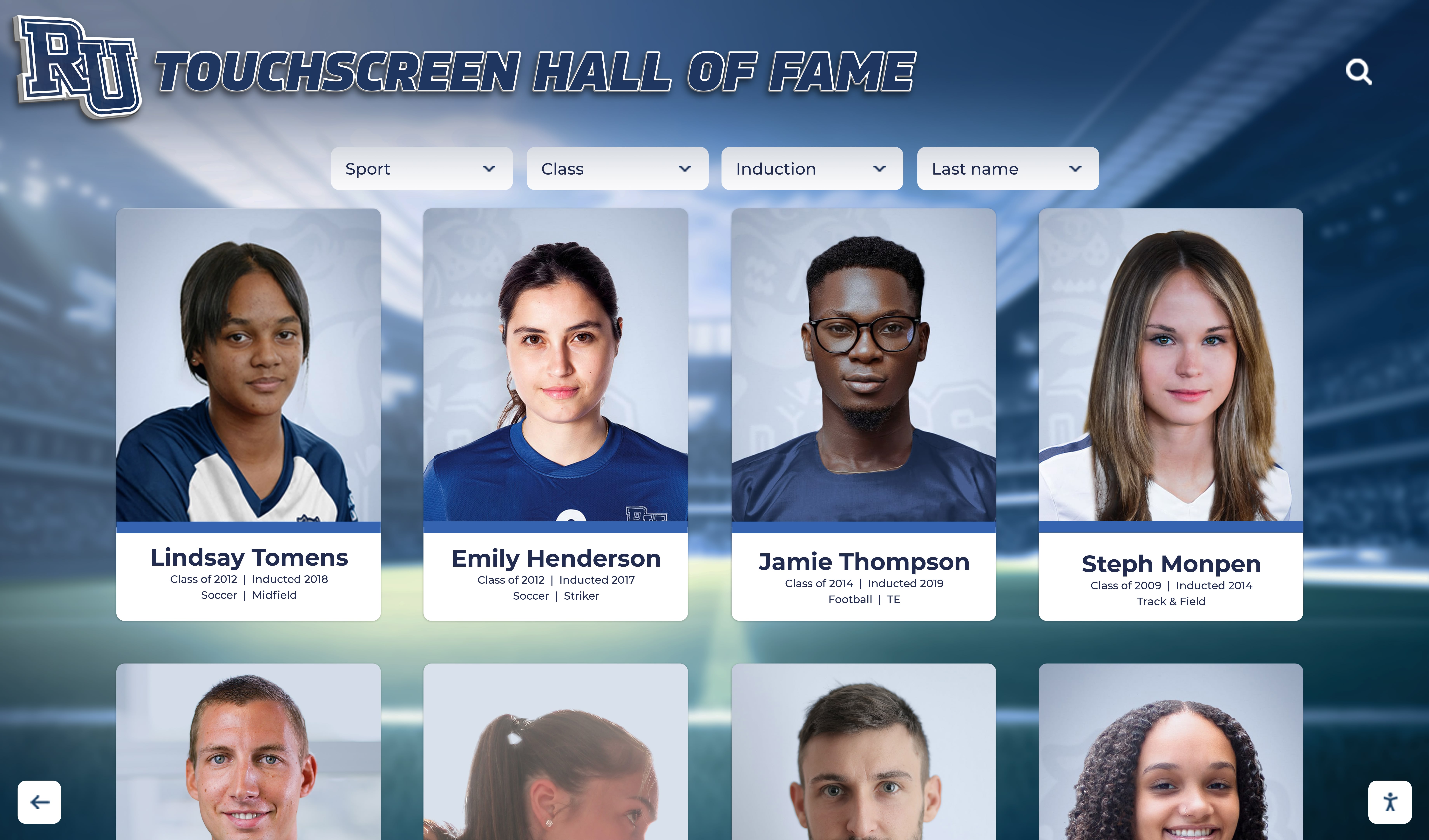
Comprehensive athlete recognition documenting complete athletic journeys reinforces that value extends beyond single-season performance outcomes
Coaching Education and Culture Change
Coaches exert enormous influence on student athlete mental health through their communication, expectations, and program culture. Evidence-based coaching approaches protect athlete wellbeing while maintaining competitive standards.
Mental Health Literacy for Coaches
Coaches need specific education addressing their role in athlete mental health support.
Understanding Coach Impact on Athlete Wellbeing
Research clearly demonstrates that coaching behaviors significantly affect athlete mental health outcomes. Authoritarian coaching styles emphasizing criticism, punishment, and conditional approval correlate with higher rates of athlete anxiety, depression, and burnout. Conversely, autonomy-supportive coaching providing choices, emphasizing growth, and offering unconditional support predicts better mental health and sustained participation.
Coaches should understand how their words and actions directly impact athlete psychological wellbeing. Comments about weight, comparisons to other athletes, public criticism, and conditional approval based solely on performance create psychological harm undermining both wellbeing and competitive development.
Communication Skills and Emotional Intelligence
Effective coaching requires emotional intelligence including athlete emotional state awareness and appropriate response, communication adapting to individual athlete needs and personalities, conflict resolution without damaging relationships, constructive feedback emphasizing growth opportunity over deficiency, and recognition of when performance issues reflect mental health struggles rather than effort or commitment problems.
Coaching education programs increasingly incorporate these interpersonal skills alongside technical and tactical instruction, recognizing that talent development requires supporting whole athletes rather than solely focusing on physical and technical capabilities. Learn more about coaching recognition programs.
Balancing Performance Expectations with Wellbeing
Coaches face pressure to win games and develop successful programs. This competitive imperative sometimes conflicts with athlete wellbeing when coaches push athletes beyond healthy limits or create cultures where performance becomes more important than mental health.
Effective programs establish performance standards while maintaining wellbeing boundaries through reasonable practice and training limits, mandatory rest and recovery periods, academic support prioritizing education alongside athletics, playing time decisions considering athlete mental health alongside competitive factors, and open communication about stress, pressure, and mental health challenges.
Research demonstrates that wellbeing-focused approaches actually enhance long-term competitive outcomes by reducing injury, preventing burnout, and sustaining athlete motivation across seasons and careers. Wellbeing and performance prove complementary rather than competing priorities.
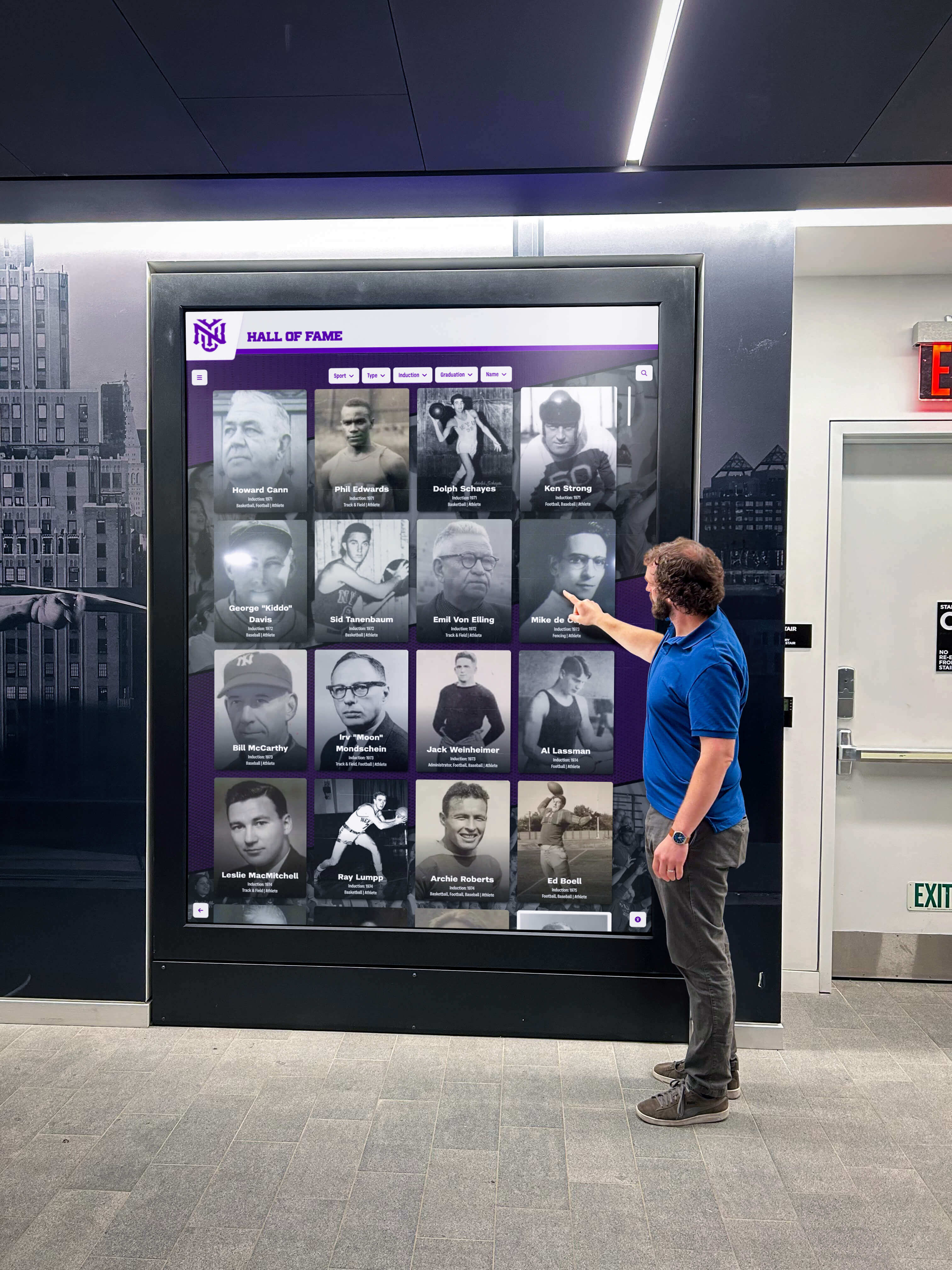
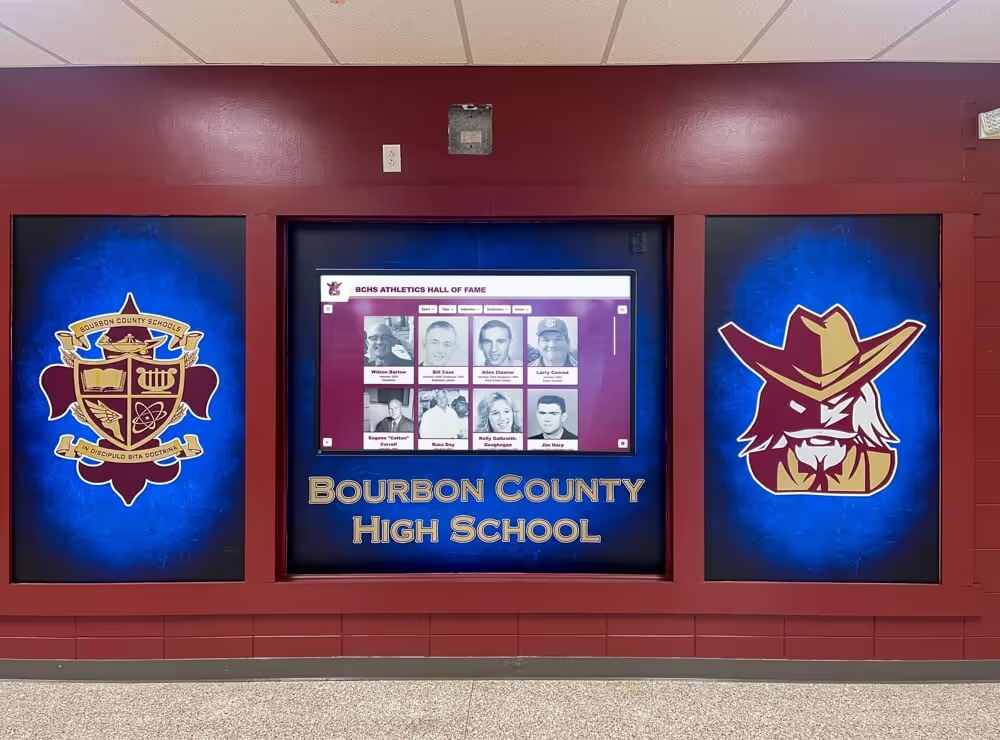
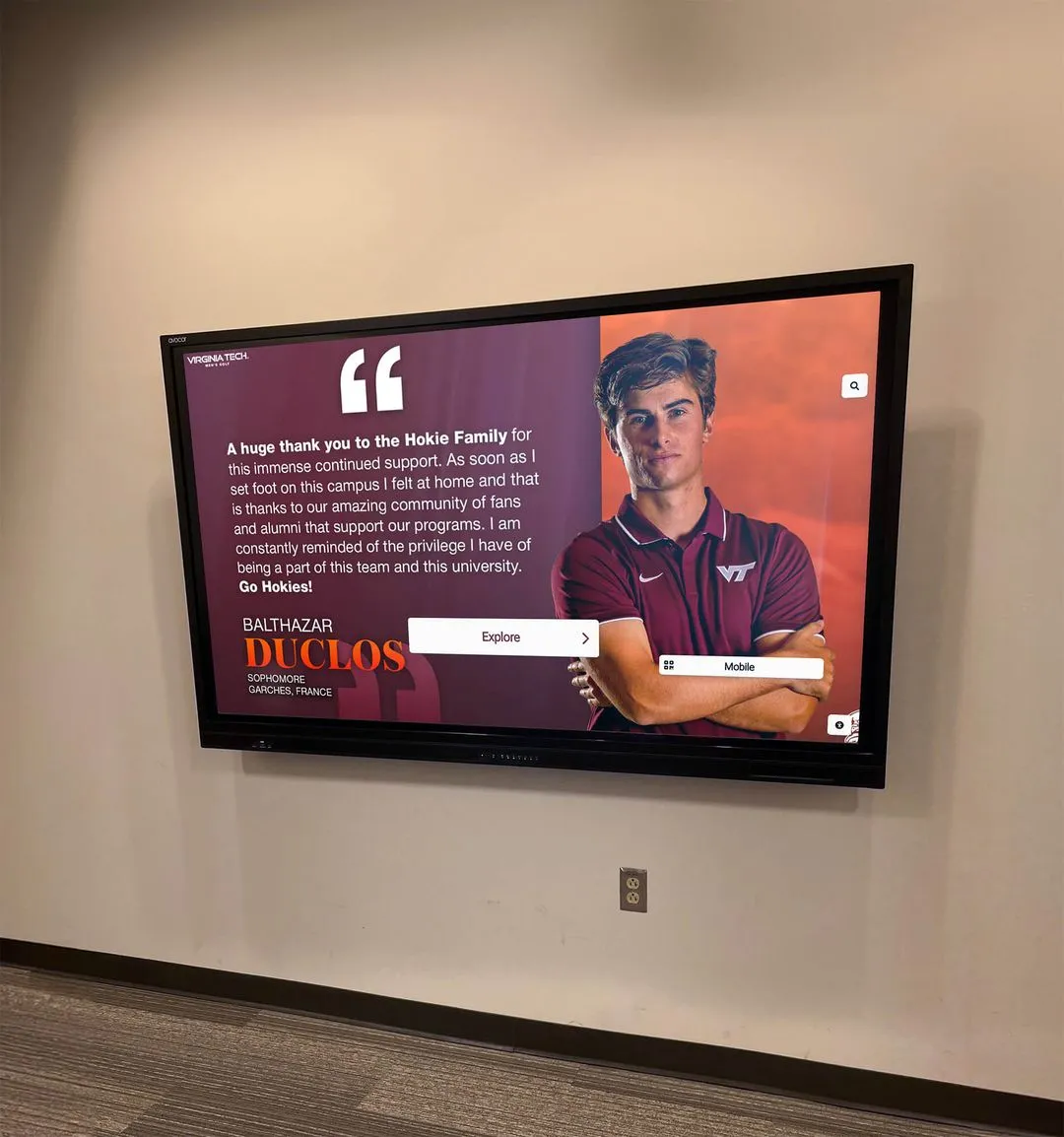
Recognition displays accessible to families and visitors demonstrate institutional commitment to celebrating athletic achievement and character development
Creating Athlete-Centered Cultures
Shifting from coach-centered to athlete-centered program cultures supports mental health while maintaining competitive excellence.
Autonomy and Athlete Voice
Athlete-centered approaches provide participants with decision-making involvement and voice in program operations. This includes athlete input on team rules and expectations, collaborative goal-setting versus imposed targets, choice in training methods and approaches when appropriate, leadership opportunities enabling athlete ownership, and feedback mechanisms where athlete concerns receive serious consideration.
Research in self-determination theory demonstrates that autonomy support predicts higher intrinsic motivation, better mental health, and sustained participation compared to controlling coaching environments where athletes simply follow directives without agency.
Process Focus Over Outcome Obsession
While competitive outcomes matter, excessive outcome focus creates anxiety, fear of failure, and external motivation vulnerable to deterioration when results disappoint. Athlete-centered programs emphasize controllable process goals including effort, preparation, skill development, tactical execution, and team support alongside outcome goals about winning and championships. Explore youth sports recognition approaches celebrating process achievement.
This process orientation provides athletes with success opportunities regardless of competitive outcomes while building internal motivation sustaining participation when external rewards prove elusive. Athletes who derive satisfaction from effort and improvement continue competing even during challenging competitive periods.
Mistake Tolerance and Growth Mindset
Fear of mistakes undermines learning, creates performance anxiety, and prevents the risk-taking necessary for skill development. Programs promoting athlete mental health normalize mistakes as learning opportunities through coach responses emphasizing what mistakes teach, public acknowledgment that errors indicate athletes pushing boundaries, practice environments explicitly designed for experimentation, and recognition of improvement and effort alongside perfect execution.
Growth mindset messaging helps athletes view abilities as developable through practice rather than fixed traits, reducing anxiety about failure while promoting resilience when setbacks occur.
Rest and Recovery Prioritization
Chronic overtraining contributes to both physical injury and mental health deterioration including mood disturbance, fatigue, and burnout.
Scheduled Recovery and Off-Season
Athletic programs should mandate weekly rest days without practice or training, seasonal breaks allowing complete athletic disengagement, and off-season periods with reduced training volume. These recovery periods aren’t optional preferences—they’re essential for physical adaptation and psychological restoration.
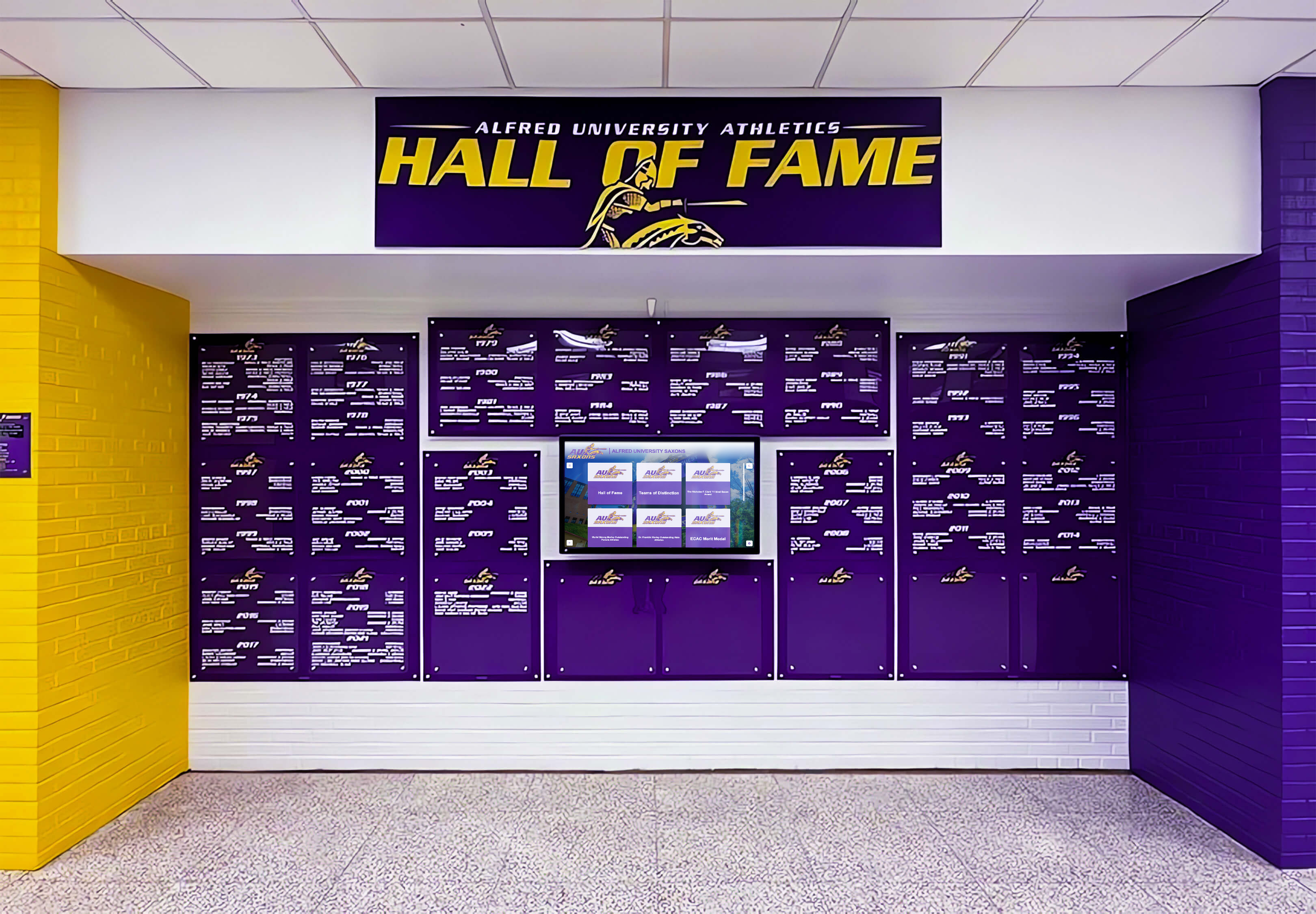
Program-wide recognition celebrating team culture and diverse contributions reinforces that athletic value extends beyond individual statistics
Athletes fearing that missing practice signals lack of commitment need explicit permission from coaching staff emphasizing that rest enables performance gains rather than representing weakness or insufficient dedication.
Monitoring Training Load and Fatigue
Athletic departments should implement athlete monitoring systems tracking sleep quality and duration, perceived stress and recovery, mood and energy levels, academic workload and upcoming exams, and injury or illness status. This monitoring enables coaching staff to adjust training when athletes show concerning patterns indicating excessive stress or insufficient recovery.
Simple daily wellness questionnaires provide early warning signals before overtraining becomes severe, enabling intervention preventing more serious physical and mental health consequences.
Recognition Systems Supporting Mental Health
How schools recognize athletic achievement significantly impacts student athlete mental health. Recognition programs can either reinforce unhealthy perfectionism and outcome obsession or promote balanced identity and intrinsic motivation.
Beyond Performance Recognition
Traditional athletic recognition focuses almost exclusively on competitive outcomes: championships, statistical leaders, all-state selections, and winning records. While these achievements deserve celebration, narrow performance-only recognition contributes to athlete identity problems and mental health challenges when athletic success becomes the sole source of value and recognition.
Comprehensive Achievement Recognition
Mental health-supporting recognition systems celebrate diverse contributions including academic achievement and eligibility maintenance, leadership and positive team impact, improvement and personal growth, character and sportsmanship demonstration, community service and citizenship, and resilience through adversity including injury recovery. Learn about athletic recognition approaches honoring complete athletic experiences.
This multidimensional recognition helps athletes develop identities incorporating but extending beyond competitive performance. Athletes who receive acknowledgment for leadership, improvement, and character develop healthier self-concepts less vulnerable to performance fluctuation.
Effort and Process Recognition
Celebrating controllable factors like preparation, attitude, effort, and process execution alongside outcomes provides recognition opportunities for all athletes regardless of natural talent or competitive results. Recognition categories might include most improved player recognizing growth, practice player of the week honoring daily preparation, teammate award celebrating supportive behaviors, perseverance recognition for athletes overcoming obstacles, and academic excellence awards linking athletics with education.
These recognition opportunities ensure every athlete experiences acknowledgment for meaningful contributions rather than recognition exclusively flowing to top statistical performers or championship contributors.

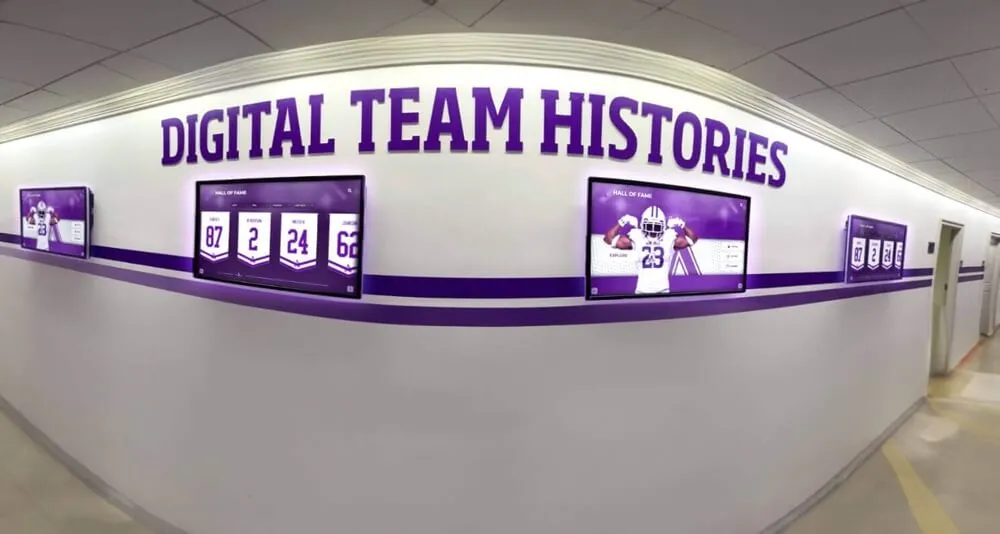
Modern digital recognition platforms enable comprehensive storytelling that documents athletic journeys beyond simple statistics and championship results
Digital Recognition Supporting Healthy Identity
Modern recognition platforms create opportunities for comprehensive athlete acknowledgment supporting mental health and balanced identity development.
Unlimited Recognition Capacity
Traditional physical trophy cases and plaque walls face space limitations forcing programs to showcase only top performers or recent champions. This selectivity reinforces that only elite achievement deserves recognition, excluding the majority of athletes who contribute meaningfully despite not achieving championship or statistical excellence.
Digital recognition platforms eliminate space constraints, enabling schools to honor every athlete who completes seasons, graduates programs, or demonstrates meaningful growth. This inclusive recognition communicates that all athletes have value beyond competitive outcomes, supporting healthier identity development and team culture.
Solutions like Rocket Alumni Solutions provide platforms designed specifically for comprehensive athletic recognition extending beyond elite performance celebration.
Complete Athlete Profiles
Digital platforms enable rich athlete recognition including competitive achievement documentation, academic accomplishments alongside athletic success, leadership roles and team contributions, personal growth narratives and overcoming challenges, post-graduation pathways showing life beyond athletics, and coach testimonials providing context beyond statistics. Explore comprehensive student recognition systems.
These complete profiles tell fuller athlete stories, reinforcing that value and institutional appreciation extend beyond game statistics and competitive outcomes. Athletes seeing comprehensive recognition of their experiences develop more balanced perspective about their contributions and worth.
Ongoing Recognition Throughout Careers
Traditional recognition often concentrates on career-end ceremonies and senior celebrations. This delayed acknowledgment means athletes navigate most of their competitive careers without meaningful recognition unless they achieve exceptional statistical or championship success.
Digital platforms enable ongoing recognition throughout athletic careers through regular profile updates celebrating seasonal achievements, milestone recognition as athletes progress, improvement documentation showing growth trajectories, and team contribution acknowledgment during each season rather than exclusively at career end.
Frequent recognition reinforces athlete value continuously rather than communicating that appreciation waits until athletic careers conclude or exceptional outcomes accumulate.
Family and Community Support Engagement
Student athlete mental health extends beyond school boundaries. Family and community create support networks that protect or undermine athlete wellbeing depending on education and engagement approaches.
Parent Education Programs
Well-meaning parents sometimes contribute inadvertently to athlete mental health challenges through excessive pressure, identity over-investment in athletic outcomes, or inability to recognize warning signs requiring intervention.
Managing Parental Expectations
Athletic departments should provide parent education addressing realistic athletic career expectations and college recruitment realities, supporting without pressuring athlete development, maintaining perspective about youth sports purpose, recognizing mental health warning signs in their athletes, and communicating effectively with coaches about concerns. Learn about creating collegiate experiences in high school programs.
Parent education helps families understand their role in supporting wellbeing rather than inadvertently adding pressure that undermines mental health through excessive focus on athletic success as life determinant.
Family Communication Strategies
Parents benefit from specific guidance about productive communication with student athletes including asking about experience and enjoyment rather than exclusively performance, maintaining unconditional support regardless of competitive outcomes, recognizing when to listen versus solve problems, identifying when professional help proves necessary, and balancing encouragement with pressure management.
Family communication significantly impacts athlete stress levels, self-perception, and ability to maintain perspective about athletics as one component of development rather than sole identity determinant.

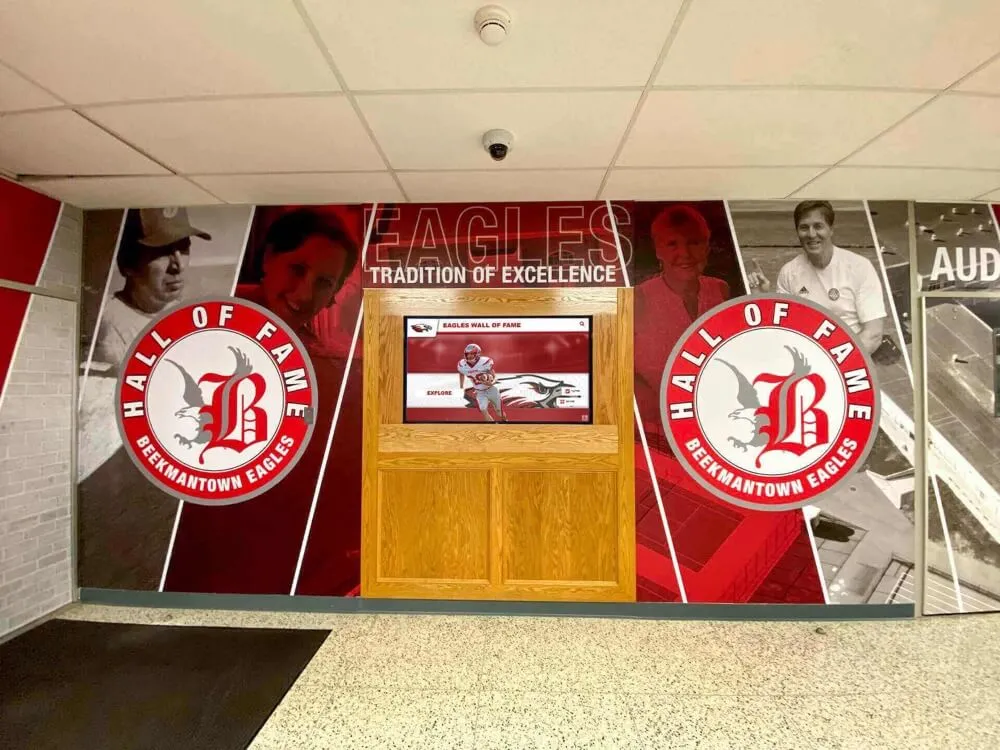
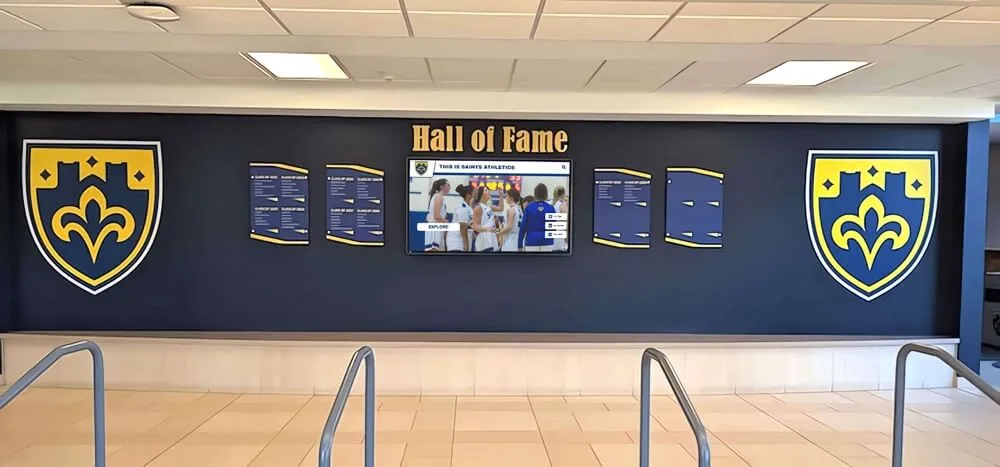
Recognition environments celebrating team achievement and program history help athletes connect to tradition while understanding their place in larger legacy
Community Mental Health Awareness
Broader community understanding about student athlete mental health challenges reduces stigma while building support networks extending beyond immediate athletic programs.
Public Education Campaigns
Schools should engage communities through mental health awareness events highlighting athlete challenges, athlete testimonial panels sharing experiences, informational resources for community members, and media partnerships educating broader audiences about student athlete wellbeing priorities.
Community education positions mental health support as shared responsibility rather than solely athletic department concern, building networks that support struggling athletes through multiple connection points.
Community Resource Partnerships
Athletic departments can partner with community organizations to expand support including local mental health provider networks offering athlete-focused services, youth sports organizations adopting evidence-based wellbeing practices, parent groups providing peer support for families navigating athletic pressure, and community sponsors supporting wellness programming beyond competitive resources. Explore community partnership approaches.
These partnerships acknowledge that supporting student athlete mental health requires comprehensive community engagement rather than isolated school initiatives.
Transition Support and Life After Athletics
Athletic career transitions—whether to college athletics, adult recreational participation, or complete athletic retirement—create vulnerable periods requiring specific mental health support.
Managing Athletic Career Endings
Most student athletes eventually stop competing. Graduation, injury, reduced playing opportunity, or changing interests end athletic careers creating identity disruption and potential mental health challenges.
Preparing Athletes for Transition
Rather than avoiding discussion about career endings, effective programs proactively address transitions through identity diversification conversations beginning early in athletic careers, skill development extending beyond athletics, realistic conversations about college recruitment and realistic pathways, gradual retirement processes when possible versus abrupt endings, and celebrating complete athletic experiences beyond competitive outcomes alone.
Athletes who develop identities incorporating but extending beyond athletics navigate transitions more successfully than those whose self-concept depends entirely on continued competitive participation.
Supporting Injured Athletes
Career-ending or season-ending injuries create acute psychological distress requiring immediate support including injury psychology counseling addressing grief and identity loss, maintained team integration despite inability to compete, alternative contribution opportunities during recovery, realistic rehabilitation timelines and outcome expectations, and support during return-to-play processes when recovery enables continued participation.
Athletes report that feeling abandoned or forgotten during injury proves more psychologically harmful than physical injury itself. Intentional inclusion and support during these vulnerable periods proves essential for mental health protection. Learn about athletic program support systems.
Identity Development Beyond Athletics
Supporting athletes in developing complete identities proves essential for long-term mental health and successful life transitions.
Academic and Career Integration
Athletic programs should emphasize education importance equal to athletic development, career exploration and post-athletic planning, leadership skill development transferable beyond sports, and community engagement creating identity beyond athlete role.
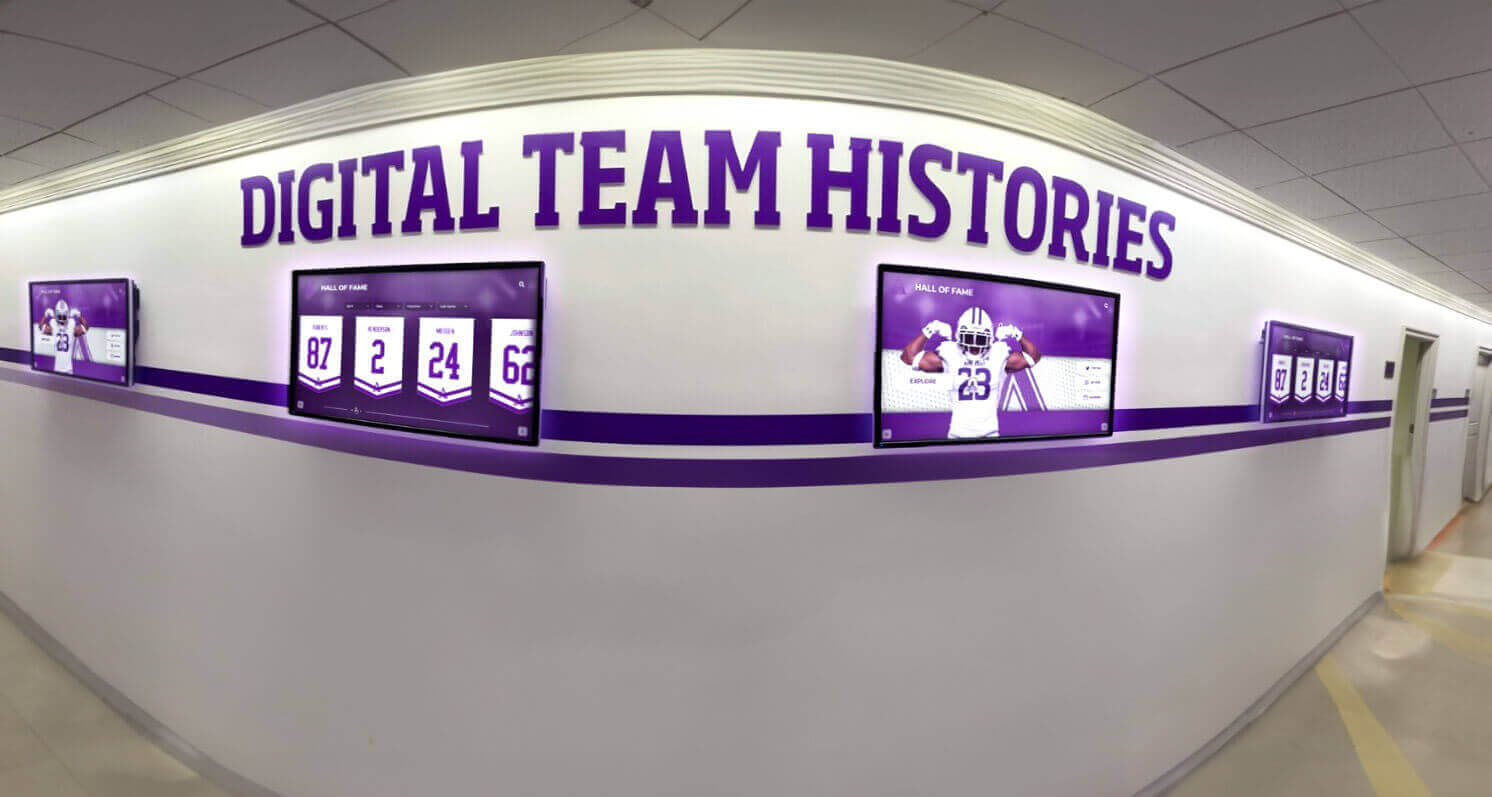
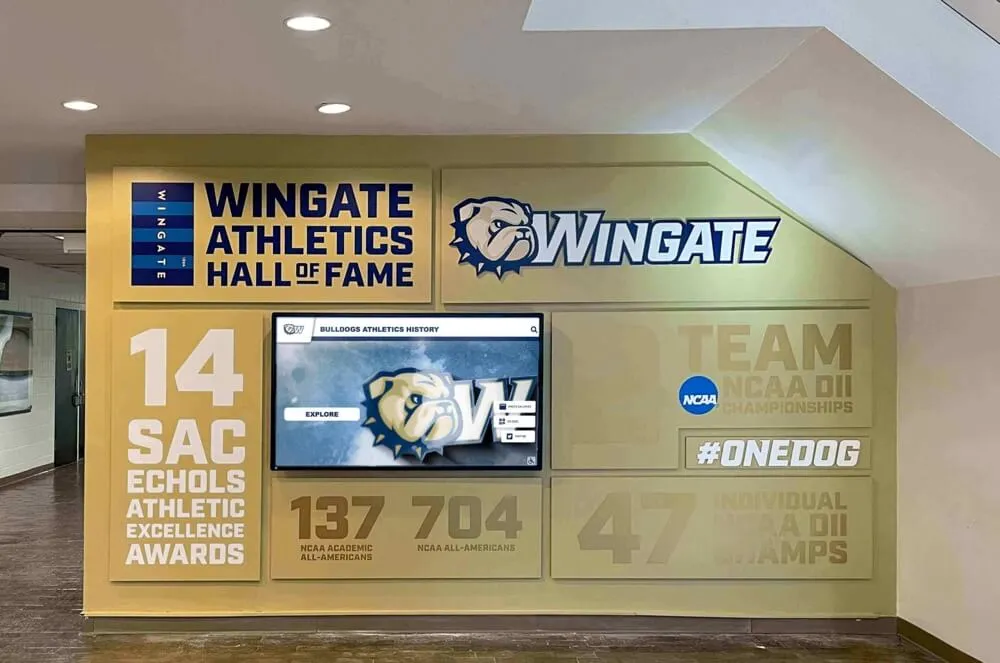
Comprehensive recognition corridors celebrating program history provide perspective about individual athletic experiences as part of larger institutional tradition
Athletes developing varied interests and skills navigate athletic career endings more successfully while maintaining perspective about sports as meaningful but not exclusive component of their lives.
Maintaining Athletic Connection Without Competition
Former competitors can maintain connection to athletics without continued participation through coaching and mentorship of younger athletes, officiating and administration involvement, recreational participation without competitive pressure, alumni engagement with current programs, and identity as former athlete versus exclusively current competitor.
These ongoing connections honor athletic backgrounds while enabling healthy transitions to post-competition life stages where athletic identity becomes part of personal history rather than present-tense defining characteristic.
Institutional Policies Supporting Mental Health
Beyond individual programs and coaching approaches, institutional policies either support or undermine student athlete mental health systematically.
Practice and Competition Limits
Excessive practice and competition create physical and psychological harm through overtraining, injury, and burnout.
Evidence-Based Time Limits
National organizations including the National Federation of State High School Associations recommend practice time limits, mandatory weekly rest days, seasonal limits on competition frequency, and restricted contact periods during off-seasons.
Schools should enforce these limits rather than treating them as minimums to challenge. Research demonstrates that exceeding recommended practice limits increases injury while decreasing performance and athlete wellbeing. Quality training proves more valuable than excessive quantity that compromises recovery and mental health.
Academic Integration Requirements
Athletic participation shouldn’t compromise academic engagement and success. Policies ensuring mental health include maximum practice time on school nights, restricted travel during academic weeks, study halls and academic support for athletes, maintained eligibility standards linking athletics to academic success, and flexibility for academic obligations including college visits and testing.
These policies communicate that education remains primary institutional mission with athletics supporting rather than undermining academic development and future opportunity.

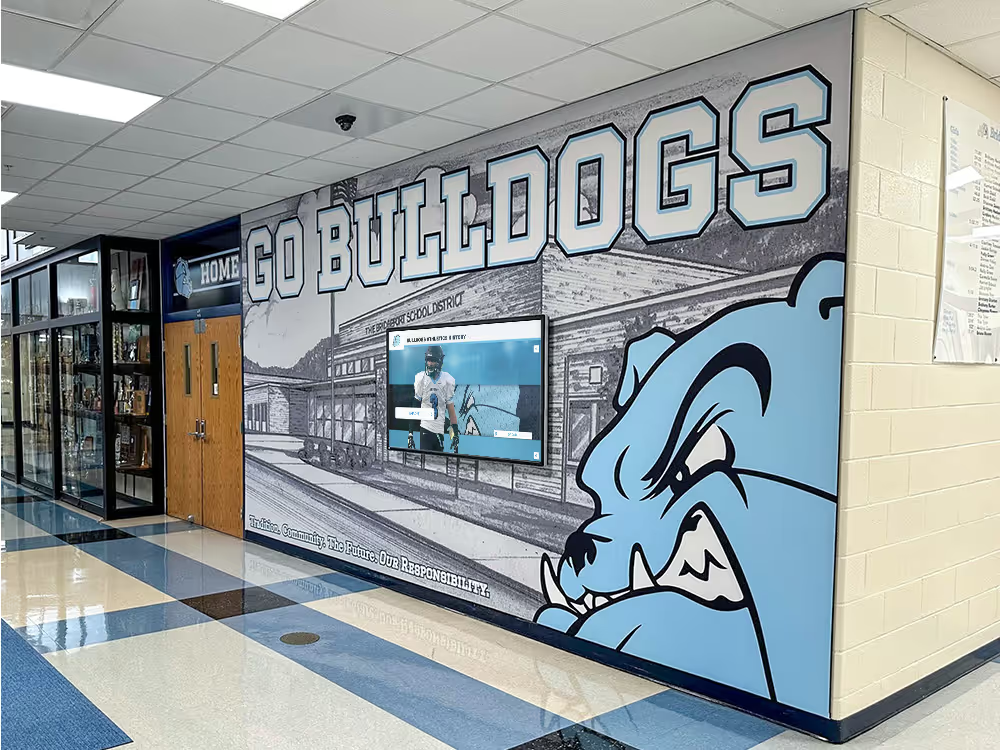
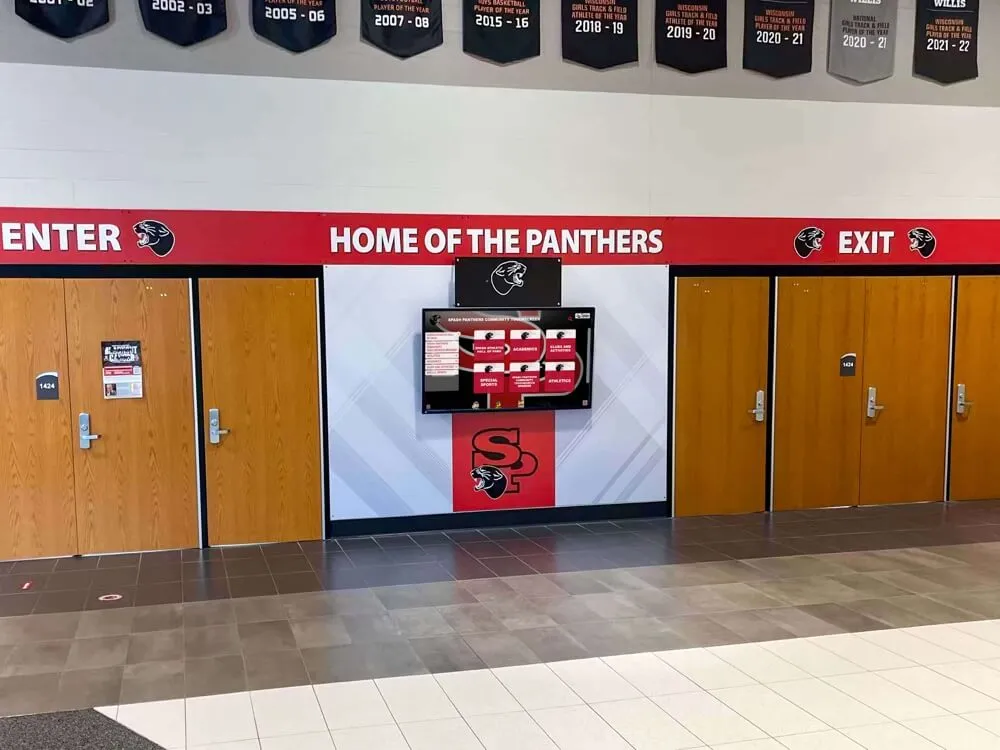
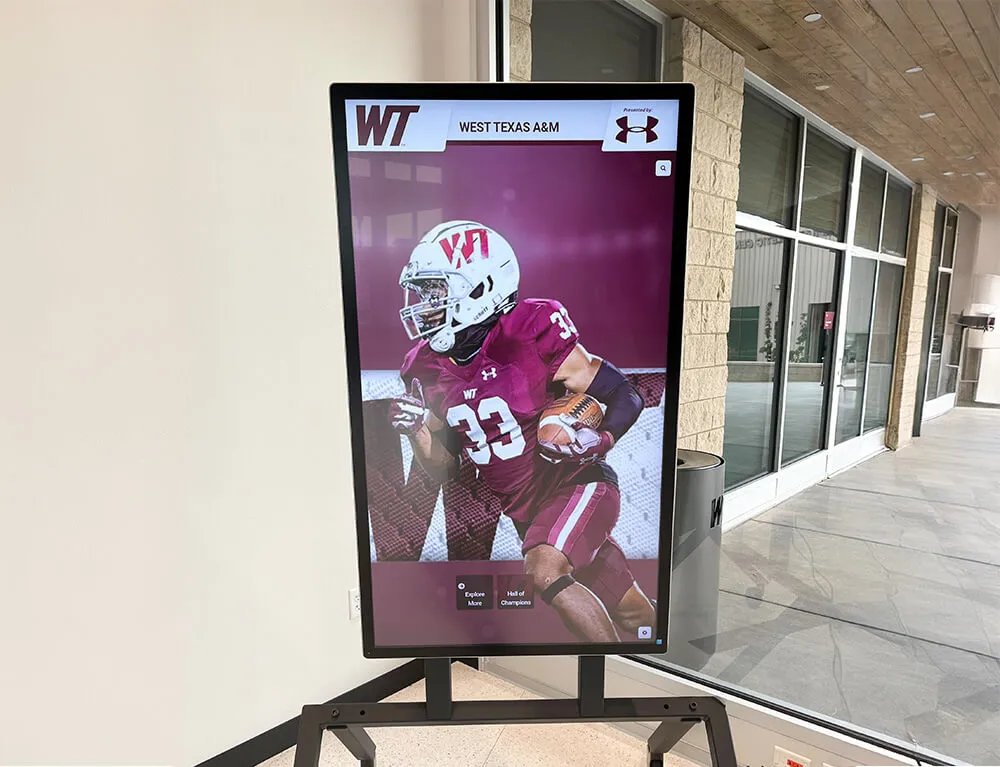
Strategic recognition placement in athletic facilities where athletes train and compete daily reinforces institutional commitment to honoring their contributions
Playing Time and Selection Transparency
Opaque decision-making about playing time and team selection creates anxiety, resentment, and psychological distress.
Clear Communication Standards
While coaches maintain ultimate authority over athletic decisions, transparent processes reduce athlete anxiety including clear criteria for playing time decisions, regular individual meetings providing performance feedback, selection processes explained to athletes and families, and appeal pathways for disputed decisions.
Transparency doesn’t mean athletes dictate coaching decisions, but rather that decisions reflect stated criteria rather than arbitrary preferences or favoritism. When athletes understand decision-making logic, they experience less psychological distress even when unhappy with personal outcomes.
Mandatory Mental Health Training
Rather than treating mental health education as optional, leading athletic programs require systematic training for all stakeholders.
Required Education for All Staff
Policies should mandate mental health first aid certification for coaches and athletic staff, annual continuing education on athlete mental health topics, specialized training for staff working with high-risk populations, and accountability for maintaining current certifications and training.
Making training mandatory versus optional communicates institutional seriousness about mental health support while ensuring all athletes have access to educated support regardless of which sports they play or which coaches they encounter.
Measuring Mental Health Initiative Success
Systematic assessment demonstrates program effectiveness while identifying improvement opportunities ensuring initiatives achieve intended wellbeing outcomes.
Athlete Wellbeing Metrics
Schools should track indicators revealing whether mental health initiatives improve athlete experiences and wellbeing.
Survey and Self-Report Data
Regular athlete wellbeing assessments should measure perceived stress and life satisfaction, team culture and belonging, confidence and self-efficacy, mental health symptom screening, help-seeking attitudes and support awareness, and satisfaction with available support resources.
Confidential surveys enable athletes to report honestly about experiences and wellbeing without fear that responses affect playing time or coaches’ perceptions. Trends over time reveal whether initiatives improve athlete experiences or require modification.
Behavioral and Performance Indicators
Quantitative metrics supplement self-report data including counseling service utilization rates among athletes, academic performance and graduation rates, athletic participation retention across seasons, injury rates potentially reflecting overtraining, substance use and rule violation patterns, and post-graduation outcomes and life satisfaction.
These objective indicators reveal whether mental health initiatives translate to improved wellbeing outcomes beyond athletes simply reporting positive experiences.
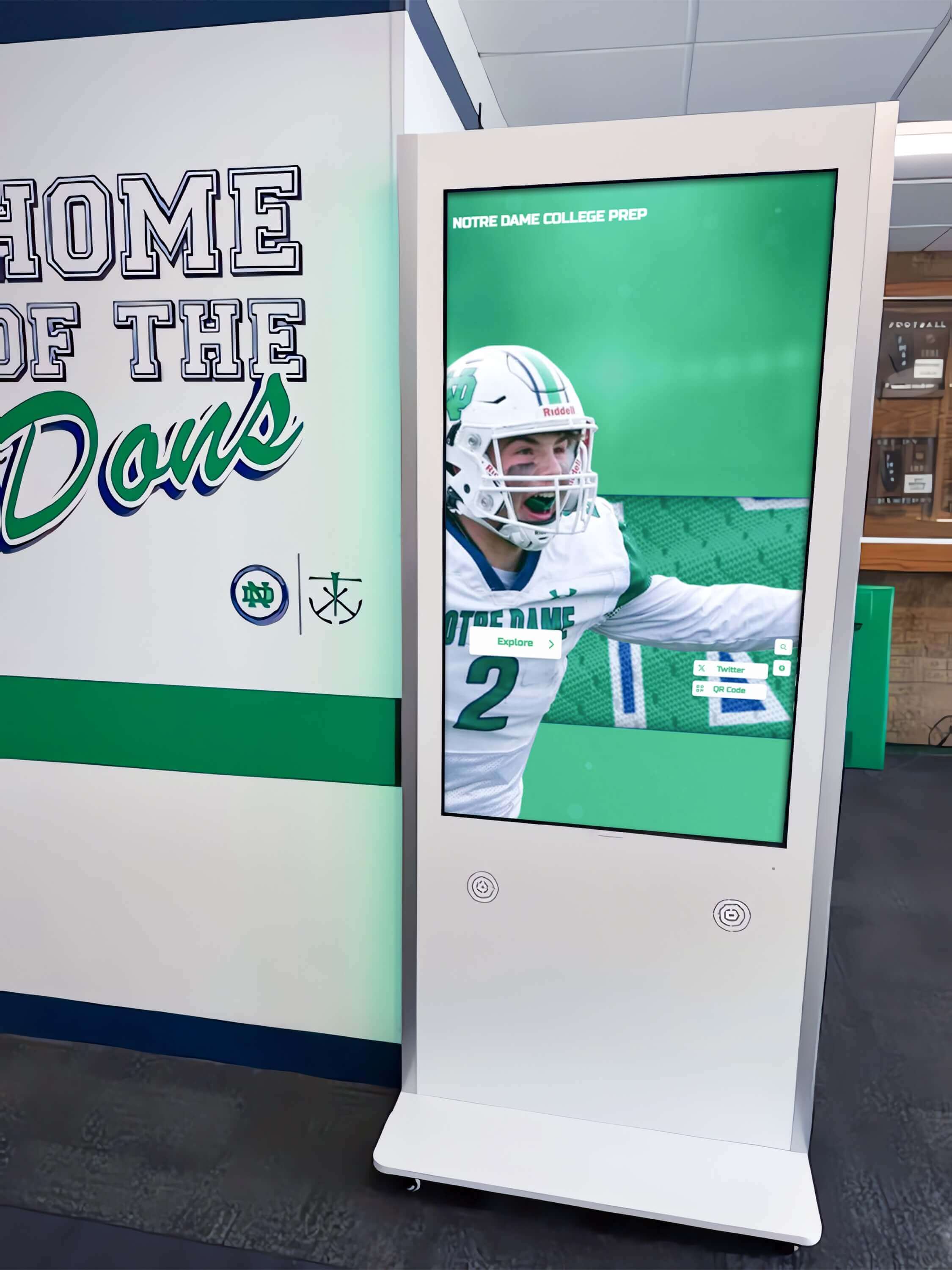
Accessible recognition displays positioned in high-traffic athletic facility areas enable athletes to regularly engage with program history and values
Program Assessment and Refinement
Mental health initiatives require continuous evaluation ensuring they address evolving athlete needs.
Stakeholder Feedback Collection
Regular feedback should be gathered from athletes about support effectiveness and unmet needs, coaches about implementing initiatives and resource adequacy, mental health professionals about referral patterns and common issues, parents about communication and family support resources, and athletic administrators about policy impact and implementation challenges.
Multi-stakeholder feedback reveals whether initiatives work from diverse perspectives while identifying gaps requiring attention.
Outcome Evaluation and Evidence Review
Schools should analyze whether initiatives achieve measurable outcomes, compare wellbeing metrics before and after implementation, benchmark against peer institutions and national standards, review emerging research informing evidence-based practices, and adjust based on assessment data rather than assumptions about effectiveness.
Evaluation enables continuous improvement ensuring limited resources focus on interventions demonstrably improving athlete wellbeing rather than well-intentioned but ineffective programs.
Conclusion: Creating Cultures Supporting Complete Athlete Development
Supporting student athlete mental health represents fundamental responsibility for educational athletic programs pursuing holistic development rather than simply competitive success. When schools implement comprehensive mental health support—combining accessible professional resources, preventive wellness programming, educated coaching staff, and recognition systems celebrating complete athlete experiences—they create environments where young people develop resilience, maintain wellbeing, and thrive both competitively and personally.
The strategies explored in this guide provide practical frameworks for addressing student athlete mental health systematically rather than reactively responding only when crises emerge. From recognition programs honoring diverse contributions to coaching education emphasizing wellbeing alongside performance, these approaches transform athletic culture from potentially harmful environments prioritizing winning above all to developmental experiences supporting mental health and teaching life skills extending far beyond competitive athletics. Explore comprehensive athletic program approaches supporting complete athlete development.
Support Complete Athlete Development
Discover how comprehensive recognition systems celebrating diverse athletic contributions support student athlete mental health by reinforcing identity beyond competitive outcomes while honoring complete athletic experiences.
Explore Recognition SolutionsBuilding effective mental health support requires commitment from athletic administrators, coaches, school leadership, and broader communities. While individual interventions matter, systemic cultural change proves most impactful for protecting student athlete wellbeing. When entire athletic programs—from coaches to administrators to support staff—prioritize mental health alongside competitive goals, they create environments where athletes develop sustainably rather than sacrificing long-term wellbeing for short-term competitive success.
Student athletes deserve support extending beyond physical training and technical coaching. By addressing mental health proactively through comprehensive programs, educational institutions fulfill their responsibility to develop complete individuals prepared for lives extending far beyond their final competitive seasons. The investment in athlete wellbeing pays dividends through healthier, more resilient young people who carry lessons from athletics throughout their lives while avoiding the psychological harm that competitive pressure can inflict when wellbeing receives insufficient attention.
Mental health support and competitive excellence aren’t competing priorities—they’re complementary objectives achieved simultaneously through evidence-based approaches prioritizing holistic athlete development. Schools implementing these strategies create athletic programs that truly support student athlete success both on and off the field, developing individuals thriving in all aspects of their lives rather than excelling athletically while struggling psychologically.