Walk through the commons of almost any high school or university and you are likely to find a board somewhere near the main office bearing a column of names stretching back decades: student body presidents, SGA officers, class representatives who gave up lunch periods and weekends to run spirit weeks, manage budgets, and advocate for their peers. That board—often a simple laminated list or a rotating set of plaques—is doing something important. It is telling every student who passes it that leadership here has a name, that service is remembered, and that the institution honors people who showed up to do the work.
The student government association sits at an unusual intersection of student life, donor culture, and alumni identity. SGA leaders are often the same students who go on to become active alumni, major donors, and vocal advocates for their schools. Yet many institutions recognize their SGA histories with displays that were designed twenty years ago, updated infrequently, and invisible to anyone who does not physically walk past them. Modern digital donor and alumni walls offer a far more powerful approach—one that links the leadership legacy of SGA to the giving culture that sustains schools long after graduation.
This guide explores how schools at every level are rethinking SGA recognition, why it matters for donor development, and what the most effective recognition programs look like on digital walls that honor past leaders while inspiring the ones still in office.
Student government is one of the few extracurricular programs that gives students genuine institutional responsibility. SGA members negotiate with administrators, manage real budgets, coordinate large events, and represent the interests of hundreds or thousands of peers. That experience shapes leaders—and the institutions that recognize it well create a pipeline of alumni who feel genuinely seen and celebrated.

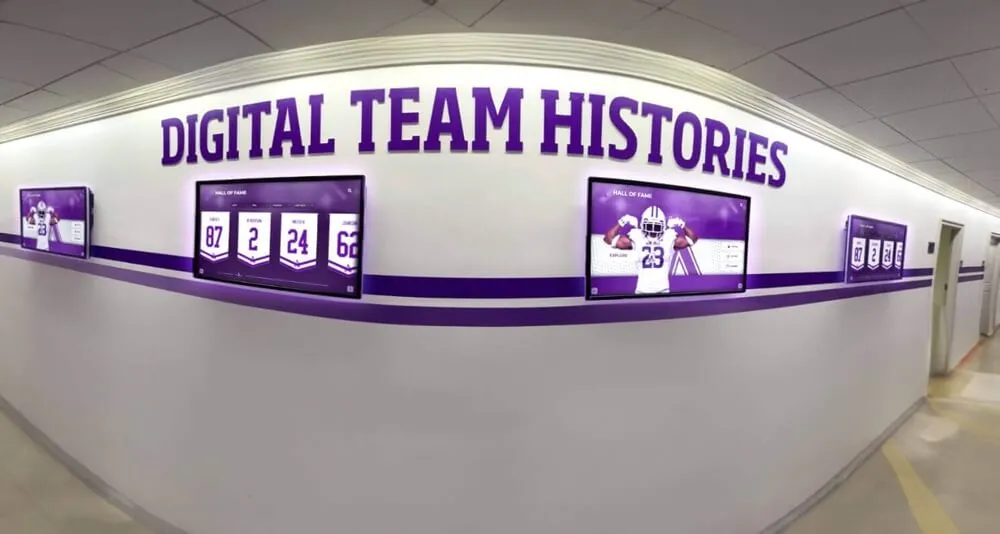
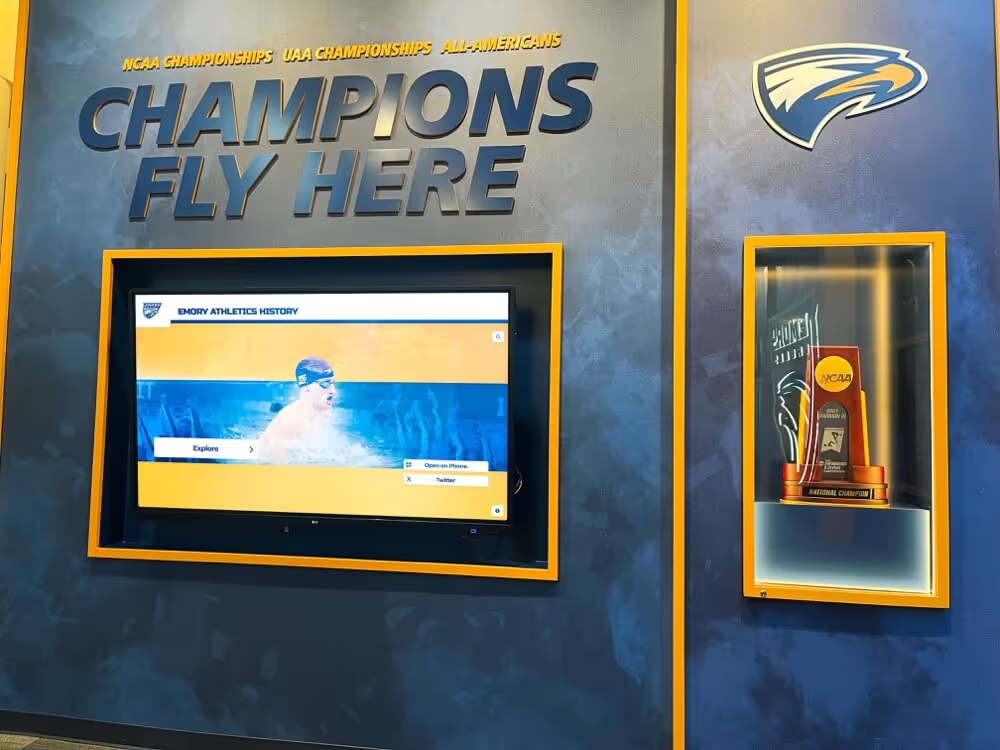
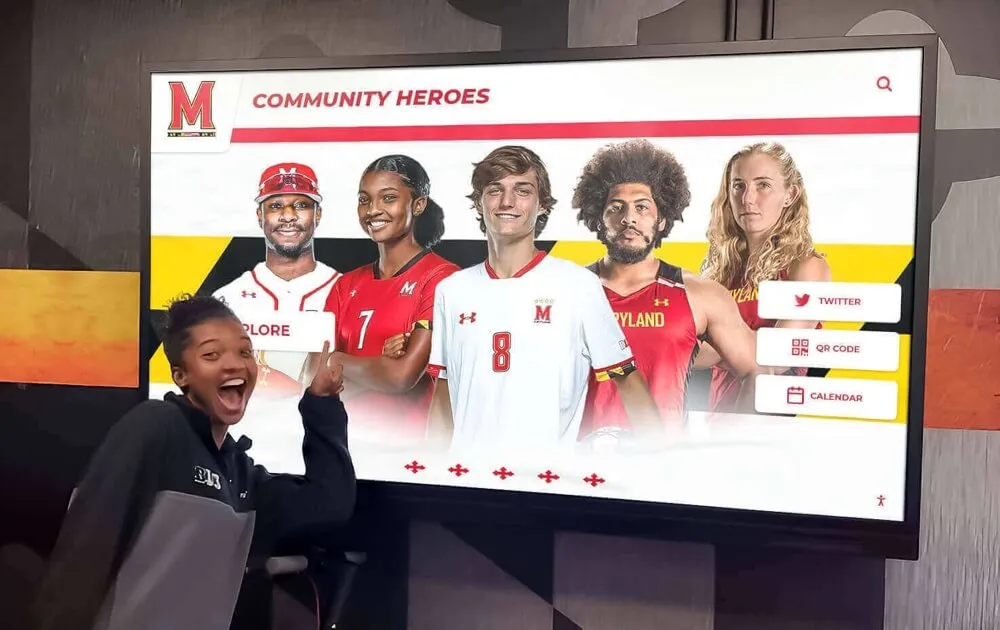
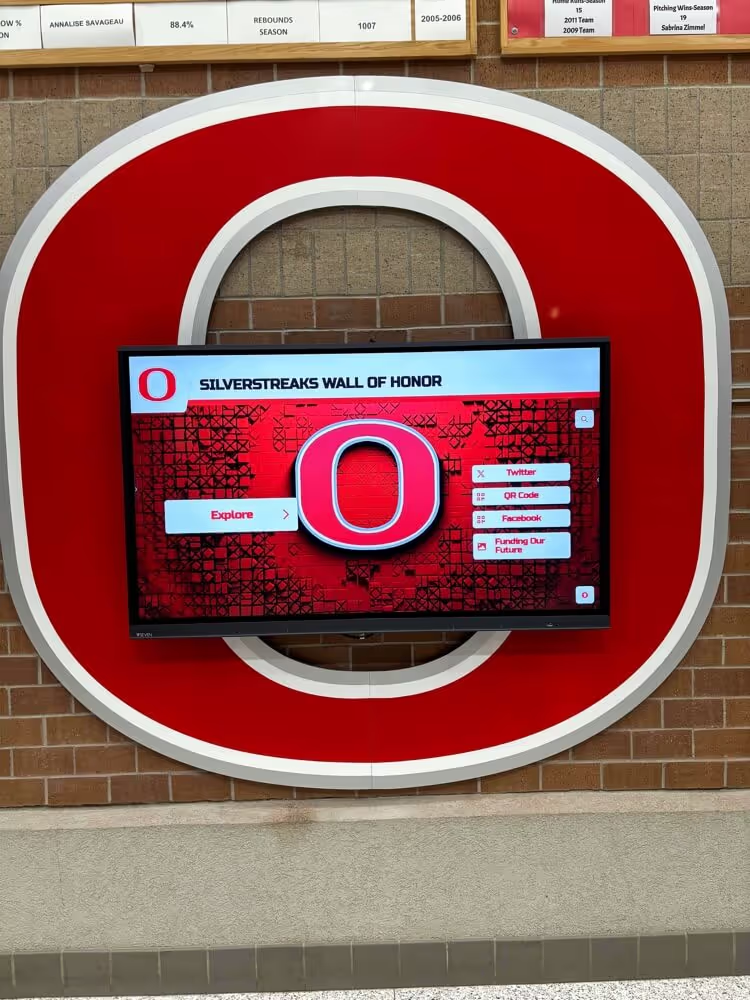
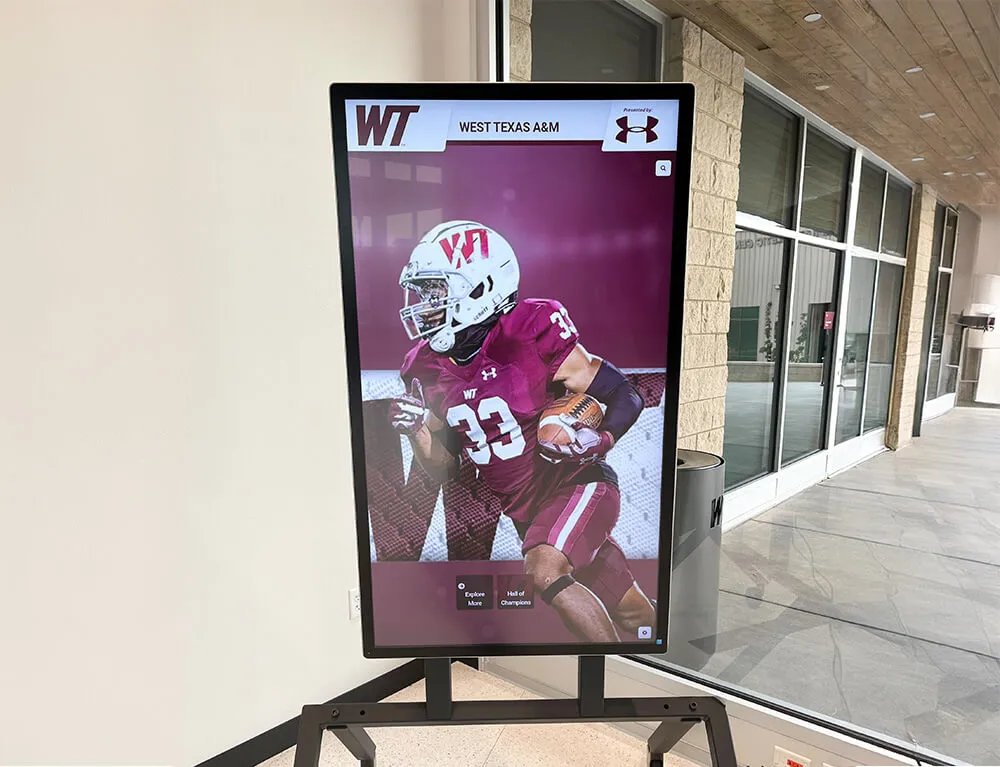
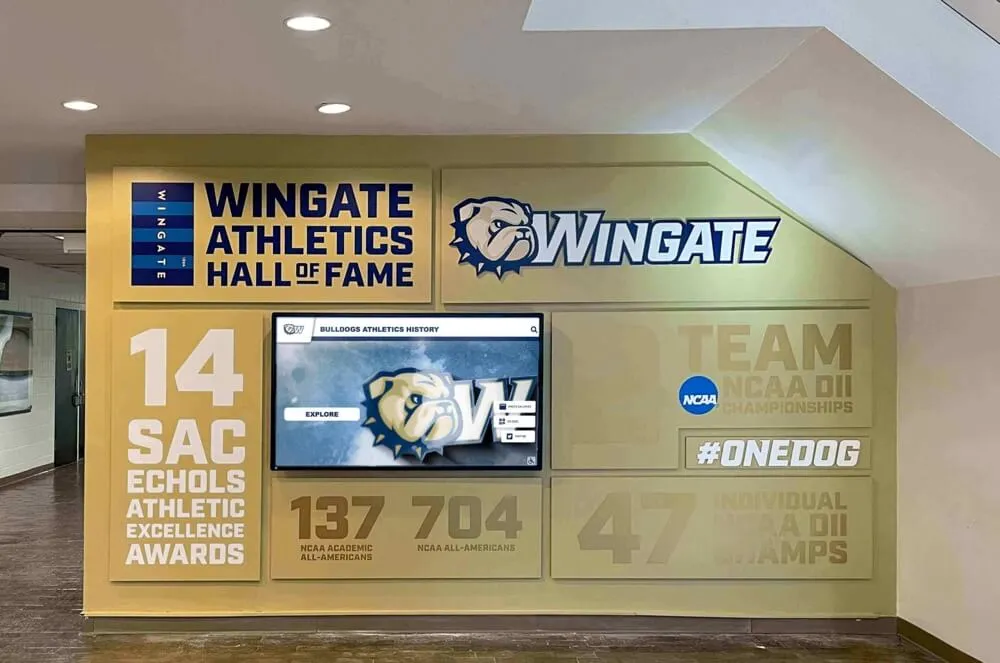
Interactive displays that highlight student leaders by name and year create a living record of institutional service that resonates with alumni long after graduation
What a Student Government Association Actually Does
Before designing recognition systems for SGA, it helps to understand why the role deserves dedicated visibility in the first place.
A student government association is the elected body responsible for representing the student population within a school, college, or university. At the high school level, SGA officers typically manage homecoming planning, student advisory boards, charity drives, and communications between students and administration. At the college level, SGA organizations often govern significant budgets—sometimes exceeding hundreds of thousands of dollars—that fund student organizations, campus events, and advocacy initiatives.
SGA Responsibilities That Earn Long-Term Recognition
Representative Government SGA officers hold positions analogous to elected officials: they attend faculty senate meetings, serve on curriculum committees, present student concerns to boards of trustees, and cast votes affecting institutional policy. This is not honorary work—it involves real accountability.
Financial Stewardship College SGA organizations frequently manage activity fee allocations, fund student clubs, and approve budgets for campus-wide events. Students who manage institutional finances gain skills directly transferable to the professional and philanthropic decisions they will make as alumni.
Fundraising and Community Investment Many SGAs run their own fundraising initiatives, partnering with booster clubs and community organizations to support charitable causes and campus improvements. Students who fundraise as undergraduates develop the giving mindset that makes them natural alumni donors.
Event Management Homecoming, spirit weeks, election campaigns, and town halls require the kind of project management that would be impressive in a professional context. SGA leaders coordinate vendors, volunteers, and institutional stakeholders simultaneously.
When schools create recognition systems that name and honor the specific people who held these roles year by year, they create something more meaningful than a list of accomplishments. They create an institutional memory that says: your service here mattered, and we remember it.
The Tradition of the Past-President Wall
Most schools with active SGA programs maintain some form of past-president or past-officer recognition. In many buildings, this takes the form of a dedicated wall display in the commons, student union, or near the main administrative offices—a visual roster showing who led the student body in each school year, often accompanied by photos.
These past-president walls have an important cultural function: they make leadership legible. Students running for SGA can see their predecessors named and honored on the wall. Alumni who return for reunions can find their own year and remember the people they served with. Parents touring the school see evidence that leadership and service receive institutional respect.
What Traditional Past-President Displays Include
Officer Name and Year The most basic format: a list of student body presidents and the academic year they served. Larger programs sometimes include all executive officers or class representatives alongside the president.
Photography Schools with photo archives often include individual or group photos of each year’s SGA leadership. Photos add personality and help alumni recognize themselves and their contemporaries.
Service Accomplishments More detailed displays note specific achievements tied to each administration—a renovation project completed, a policy change championed, a community service milestone reached. These details transform a roster into a narrative.
Transitional Context Some schools include brief notes about the era each administration served in: enrollment numbers, notable campus events, or community context that situates leadership within a larger story.
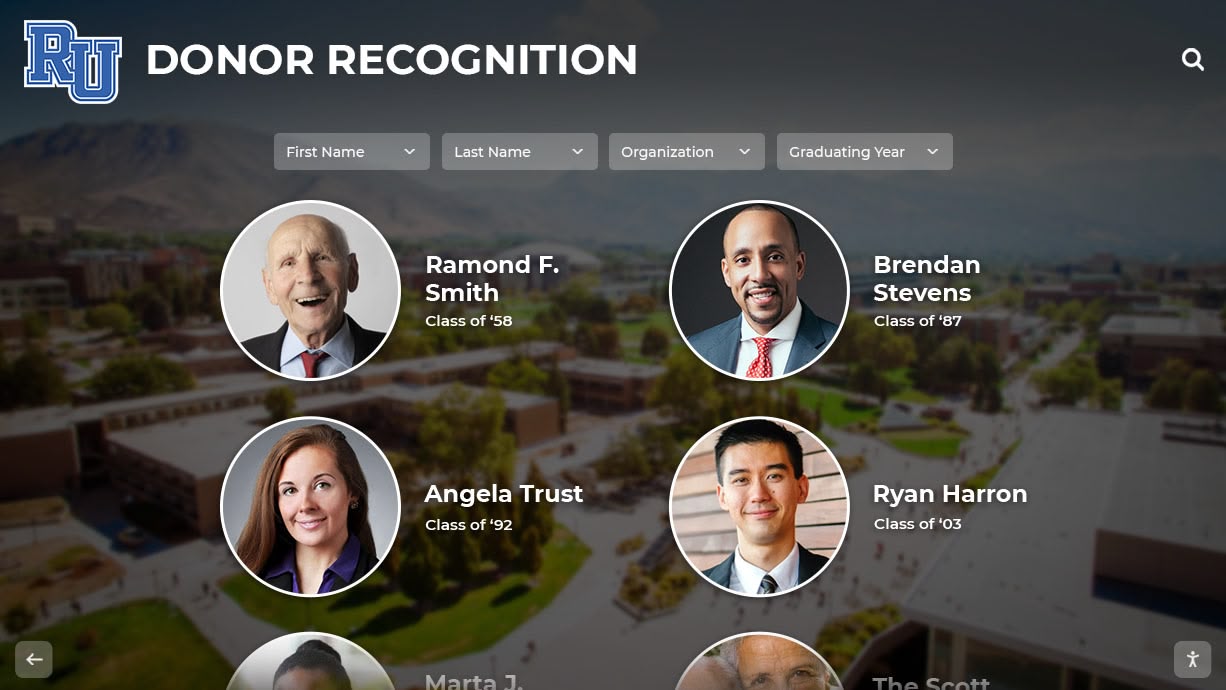
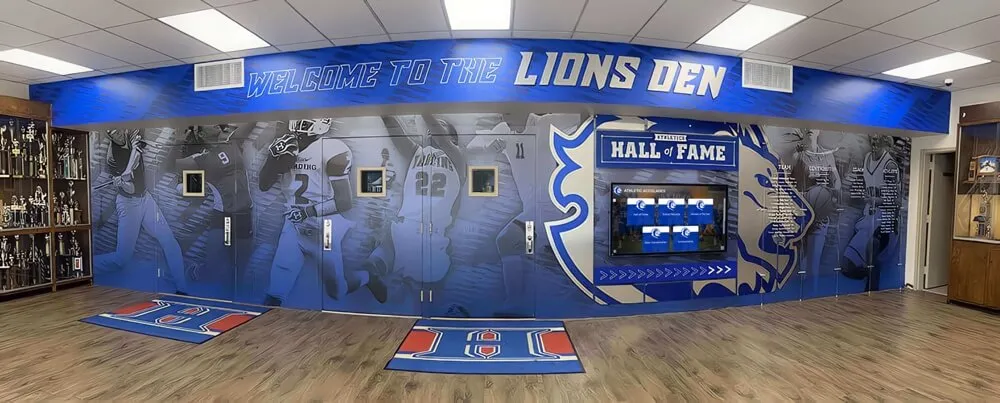
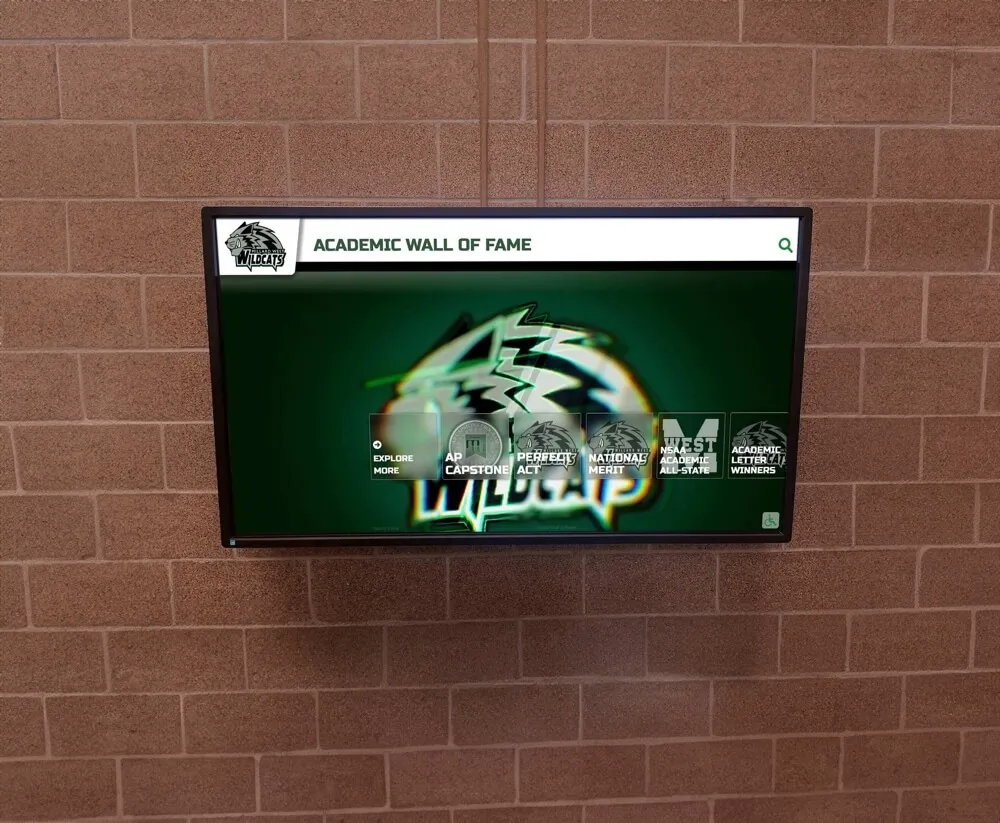
Recognition walls that combine portraits, names, and years of service create visual narratives that connect current students with the alumni who came before them
Limitations of Physical Past-President Displays
Traditional physical displays—whether vinyl lettering, engraved plaques, or framed photographs—serve their purpose until the program grows, the records become inconsistent, or the available wall space runs out.
Common problems with static SGA recognition displays include:
- Space constraints: Physical displays have finite square footage. Schools with 50+ years of SGA history cannot honor every officer on a single wall without the display becoming unreadable.
- Update costs: Engraved plaques or custom lettering require ordering lead time and professional installation each year, creating administrative burdens that delay recognition or lead to gaps in the record.
- Accessibility: A physical wall in the student commons is invisible to alumni who live elsewhere, to prospective students researching the school, and to current students who rarely pass that particular hallway.
- Incomplete records: Schools that transition between display formats often lose historical data in the process. SGA leaders from the 1970s or 1980s may not appear anywhere on modern recognition displays.
These limitations matter more than they might initially appear, because recognition gaps send unintended messages—that some years of service mattered more than others, or that the institution’s memory of its own history is unreliable.
Why SGA Recognition Connects Directly to Donor Culture
The connection between student government leadership and alumni giving is not accidental. Students who serve in SGA develop a specific relationship with their institution that distinguishes them from peers who were not involved in governance.
Understanding this connection helps advancement teams recognize SGA honors as donor development infrastructure—not just a nice-to-do for student affairs.
The Ownership Effect
SGA leaders make decisions that affect the entire institutional community. They negotiate budget allocations, represent student interests in faculty meetings, and take public responsibility for the initiatives they champion. This level of institutional ownership creates a fundamentally different relationship with the school than passive attendance provides.
Alumni who were involved in SGA often describe their school with possessive language: “when I was president, we built the student lounge” or “our class pushed for the food pantry program.” That sense of ownership translates into giving behavior. Donors who feel genuine authorship over institutional outcomes give more frequently and at higher levels than those who were simply present as students.
The Network Effect
SGA officers work closely with administrators, faculty advisors, and peer leaders across the institution. They develop professional-style networks during their student years that strengthen alumni connections later. When reunion season arrives, former SGA leaders are often the people organizing events, rallying classmates, and serving on volunteer committees—exactly the behaviors advancement offices cultivate in their most engaged alumni.
Explore how alumni mentorship programs can formalize the connections that SGA networks create naturally, channeling the leadership culture of student government into structured engagement programs.
The Recognition Reciprocity Effect
When institutions honor SGA service visibly and permanently, they reinforce the expectation that giving back to the school will be acknowledged and valued. Alumni who see their names on a past-president wall are reminded that the institution maintains their memory. That reminder—subtle but powerful—correlates with higher rates of subsequent engagement and giving.
Conversely, alumni whose service goes unacknowledged have little institutional reason to maintain loyalty. Recognition is not just gratitude; it is relationship maintenance.
Building an SGA Hall of Recognition: What to Include
Designing an SGA recognition program that serves both current students and alumni requires intentional thinking about what to honor, how to organize it, and what format will remain sustainable as the institution’s history grows.
Core Recognition Categories for SGA Displays
Executive Officers Student body presidents, vice presidents, secretaries, and treasurers form the most visible tier of SGA recognition. Most past-president wall traditions focus on this group.
Class Representatives Student representatives who serve specific cohorts (freshman class, junior class) deserve acknowledgment, particularly in programs where their role involves significant responsibility. Some schools maintain separate displays for class leadership parallel to the executive officer record.
Committee Chairs and Program Leaders SGA committees—academic affairs, student life, diversity and inclusion, finance—are led by students who spend significant time on governance work without holding executive titles. Comprehensive recognition programs include these roles.
Advisor Recognition Faculty and staff advisors who support SGA for years or decades deserve visibility alongside the students they mentor. Including advisors in SGA recognition displays acknowledges the full community of people who make student government function.
Milestone Achievements Programs that achieved significant milestones—establishing a new student center, launching a food assistance program, changing a major institutional policy—deserve documentation within the SGA record, not just in meeting minutes.
For a broader view of how schools categorize and honor student achievement, the guide to high school awards across 50 categories illustrates how comprehensive recognition systems accommodate diverse forms of excellence including service and leadership.
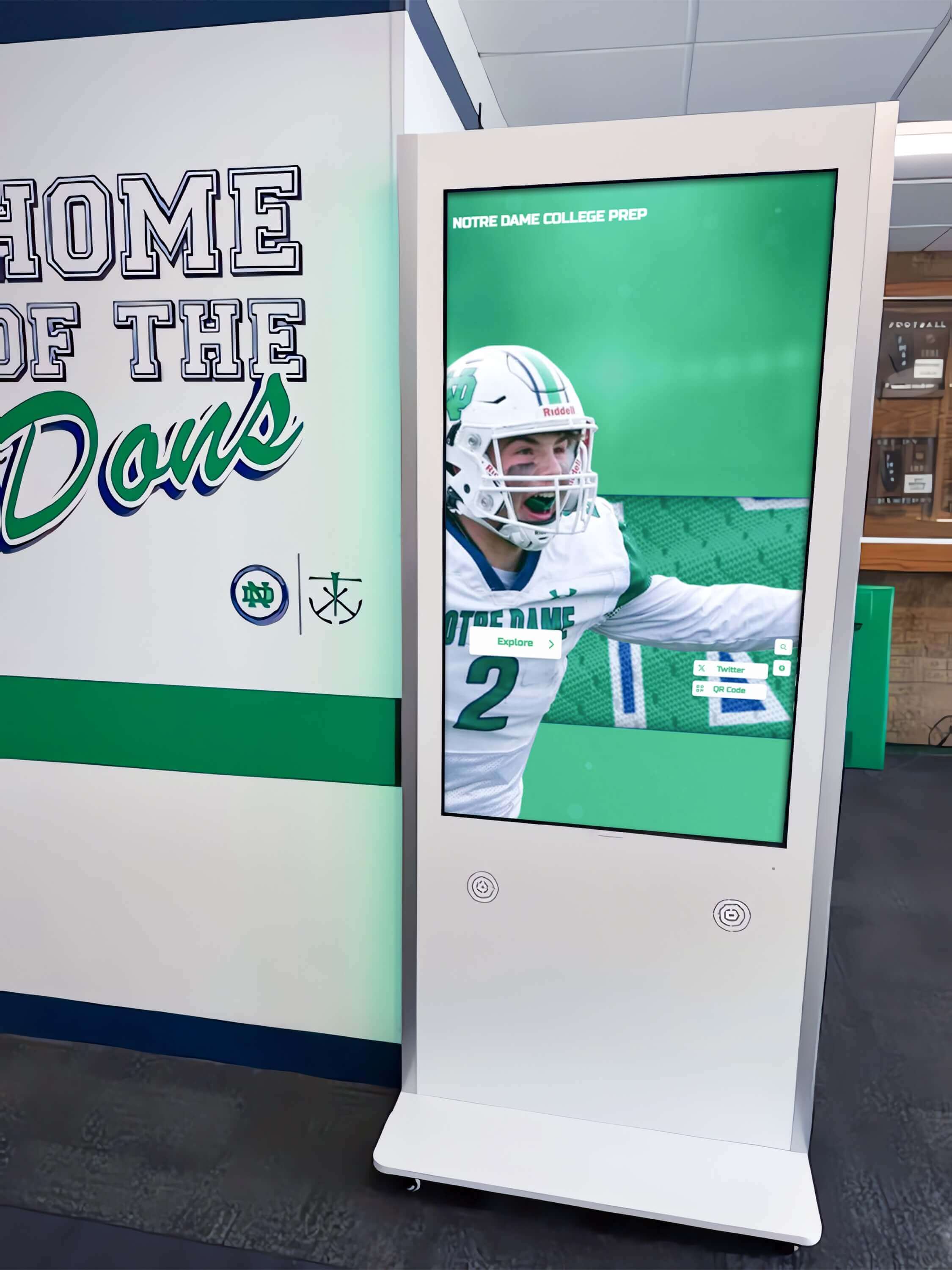
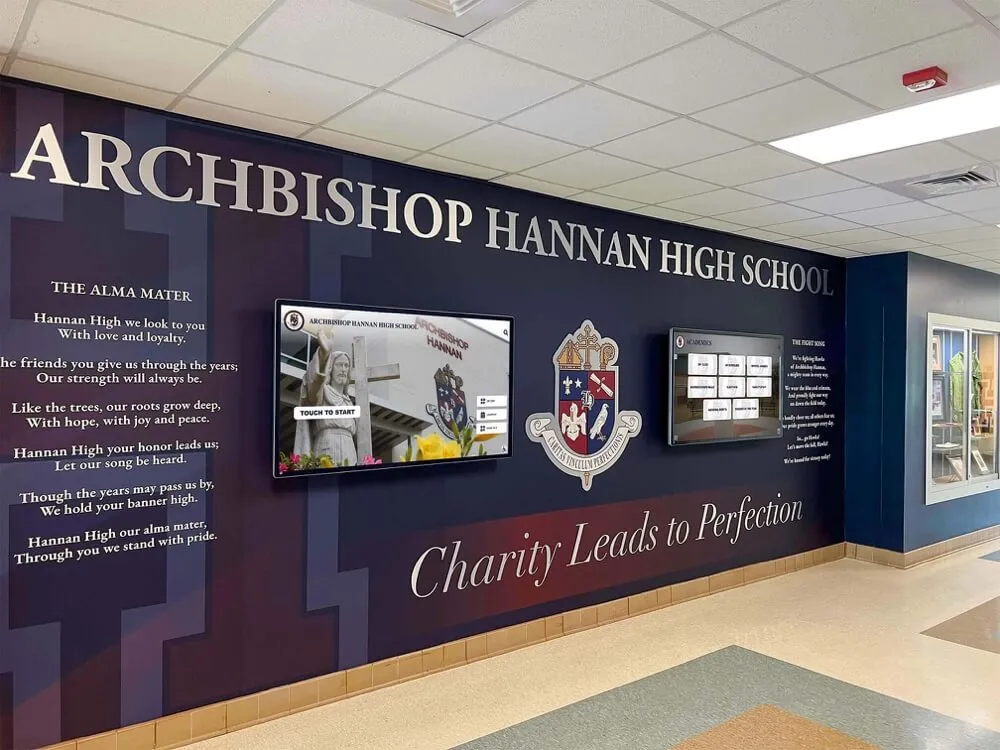
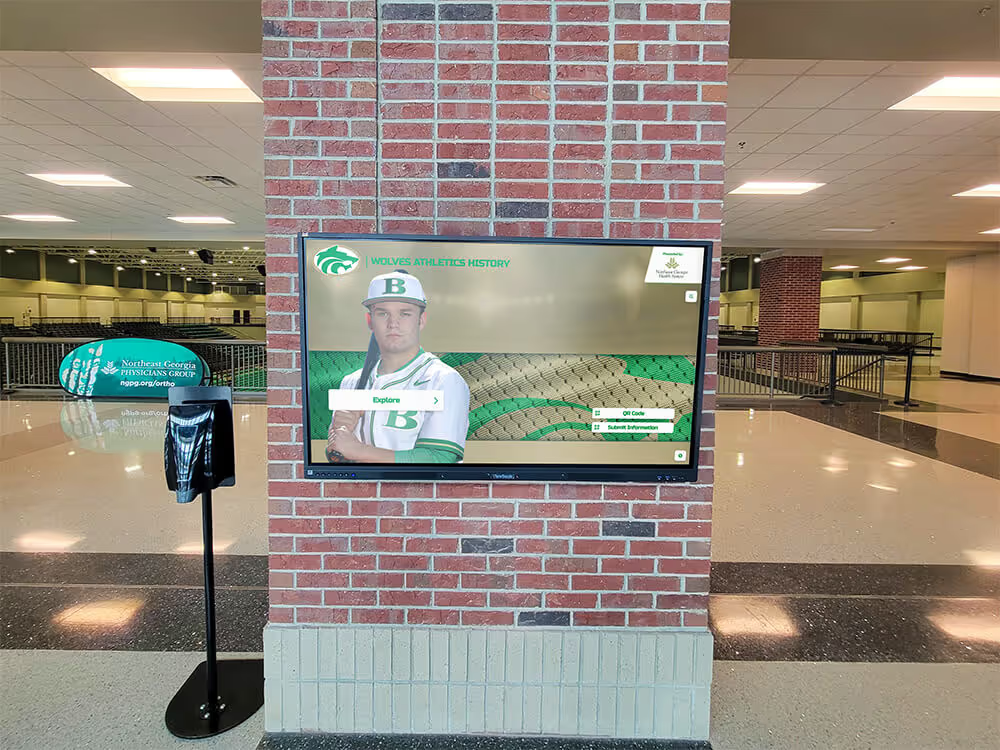
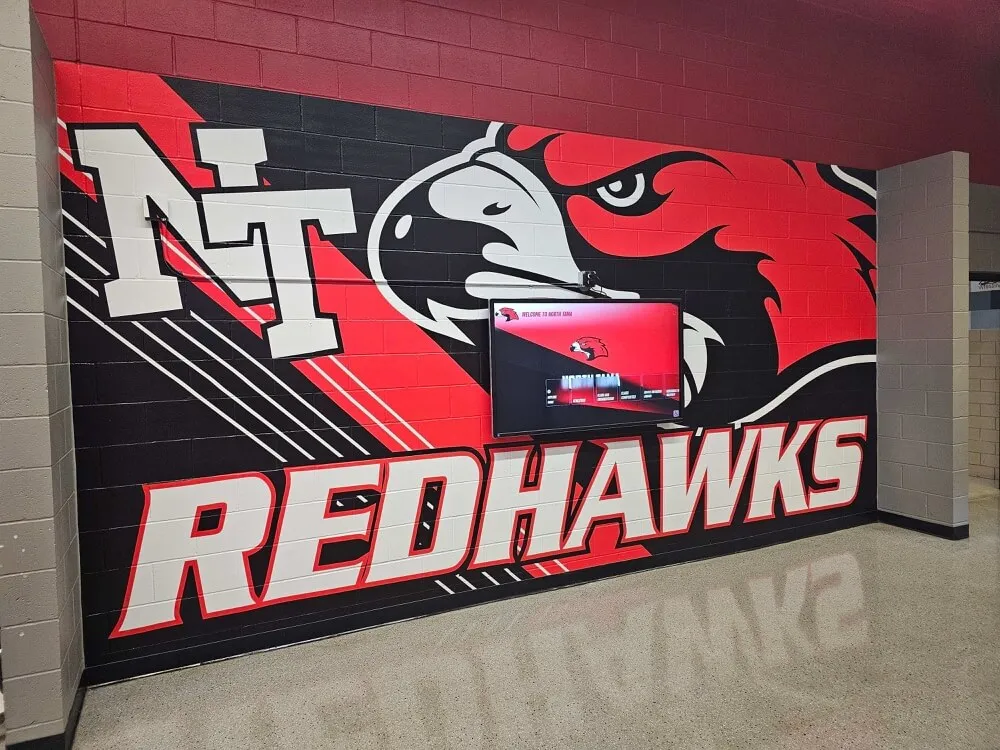
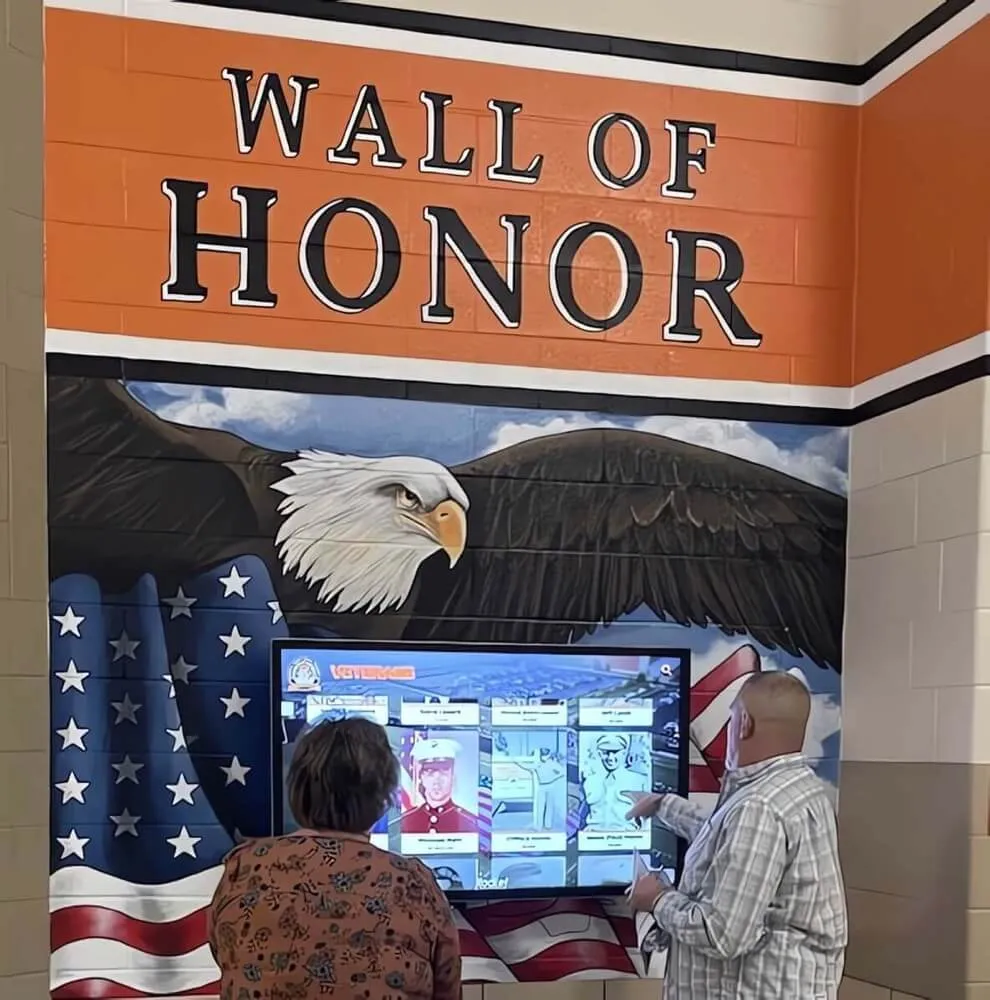
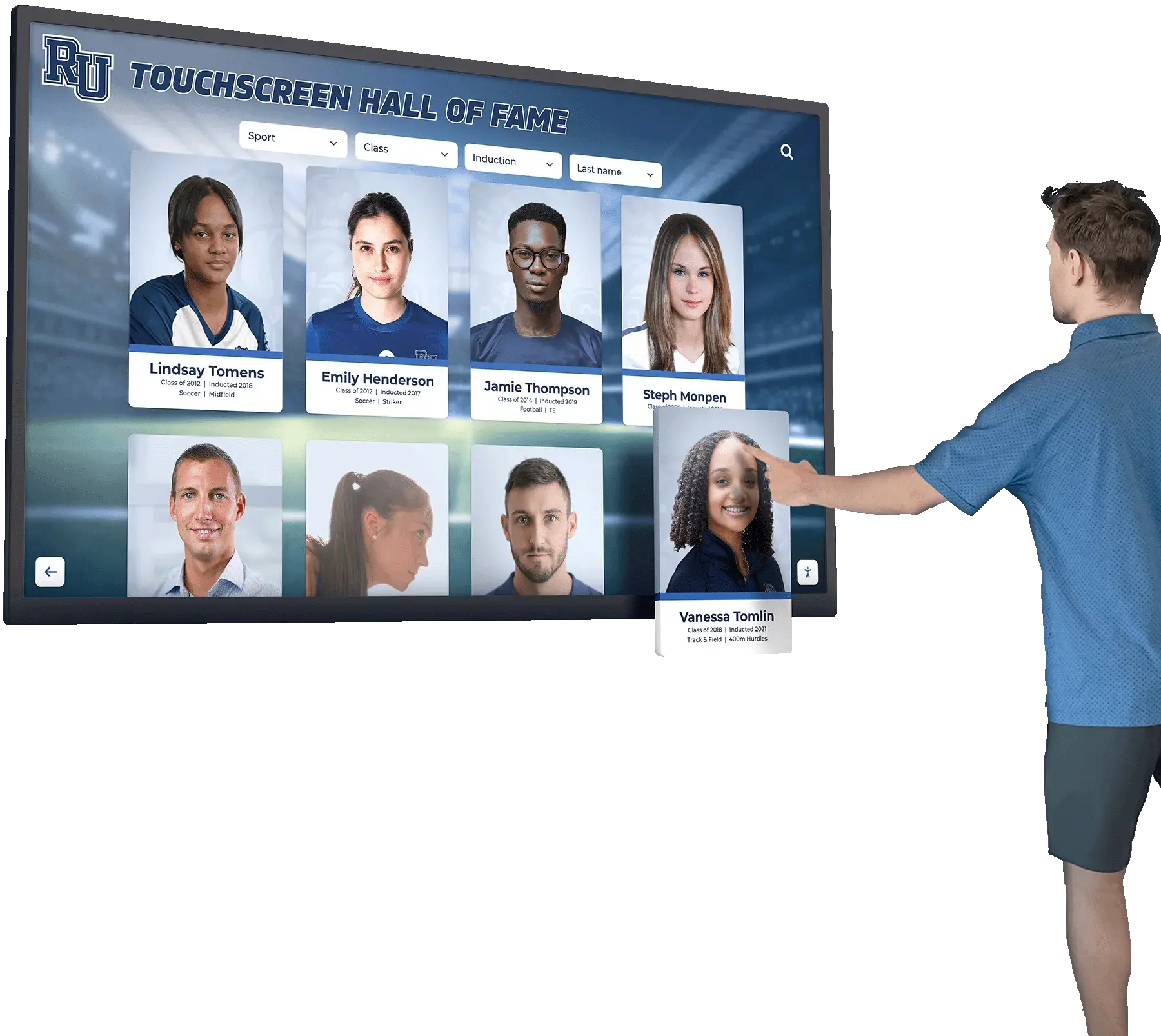
Interactive kiosks in school hallways make recognition accessible to all community members, not just those who pass a single display location
Digital Donor Walls and SGA Leader Recognition
As schools modernize their donor and alumni recognition infrastructure, the most forward-thinking advancement teams are integrating SGA history into digital display systems rather than treating student government recognition as a separate project.
The logic is straightforward: the same student who served as SGA president is now a potential major donor. A digital system that ties their student leadership record to their alumni giving record creates a richer, more complete picture of their relationship with the institution—and gives recognition professionals powerful tools for personalized stewardship.
How Digital Donor Walls Accommodate SGA History
Modern digital donor walls are not static lists of giving levels. They are dynamic platforms that can display multimedia profiles, update in real time, and organize content across multiple categories simultaneously.
For SGA recognition specifically, digital systems offer capabilities that physical displays cannot match:
Unlimited Historical Depth A digital system can include every SGA officer from the program’s founding to the present day, organized by year, role, and term. Fifty years of past presidents requires no more physical space than five years.
Rich Profile Content Each SGA leader profile can include a photo, a brief biography, their specific role, their term years, their signature accomplishments, and—if they are an alumni donor—their giving history and recognition tier. This depth transforms a name on a wall into a person with a story.
Searchable Records Alumni looking for themselves or their contemporaries can search by name, year, or role rather than scanning a physical list. Search functionality makes recognition accessible in a way static displays cannot provide.
Integration with Giving Data When SGA alumni become donors, their giving history can appear alongside their student leadership record—contextualizing their philanthropy within the longer arc of their institutional relationship.
Web Accessibility Unlike a physical wall, a digital system can extend recognition to alumni who never physically return to campus. Former SGA leaders living across the country can access their recognition page, share it on social media, and feel connected to an institution that has kept their memory.
Learn more about the design principles behind effective digital recognition at the comprehensive guide to how to design a digital donor wall, which covers layout decisions, content hierarchy, and long-term maintenance planning.
Connecting SGA Recognition to Giving Tiers
Many schools organize their donor walls by giving level, with named tiers recognizing donors at different contribution thresholds. SGA alumni who become donors can appear in both contexts simultaneously: as past leaders honored in the SGA section and as donors recognized in the giving tier section.
This dual visibility is strategically valuable. A major donor who was also SGA president sees evidence that the institution remembers and values both dimensions of their relationship—their student service and their philanthropic commitment. That dual recognition reinforces giving behavior and strengthens the emotional case for continued support.
Sample SGA Recognition Display Structure
A well-designed digital SGA recognition section might include:
Leadership Hall A browsable gallery of all past SGA presidents, organized chronologically, with photos and brief profiles. Current year’s officers appear first; historical records extend backward through the full SGA history.
Officer Directory A searchable directory of all past executive officers, committee chairs, and class representatives, allowing alumni to find their own names and their contemporaries.
Legacy Donors A featured section highlighting former SGA leaders who have become institutional donors, framing their giving as an extension of the service they began as students.
SGA Milestones A curated timeline of significant SGA accomplishments—programs initiated, facilities funded, policies changed—that contextualizes individual leadership within the program’s collective history.
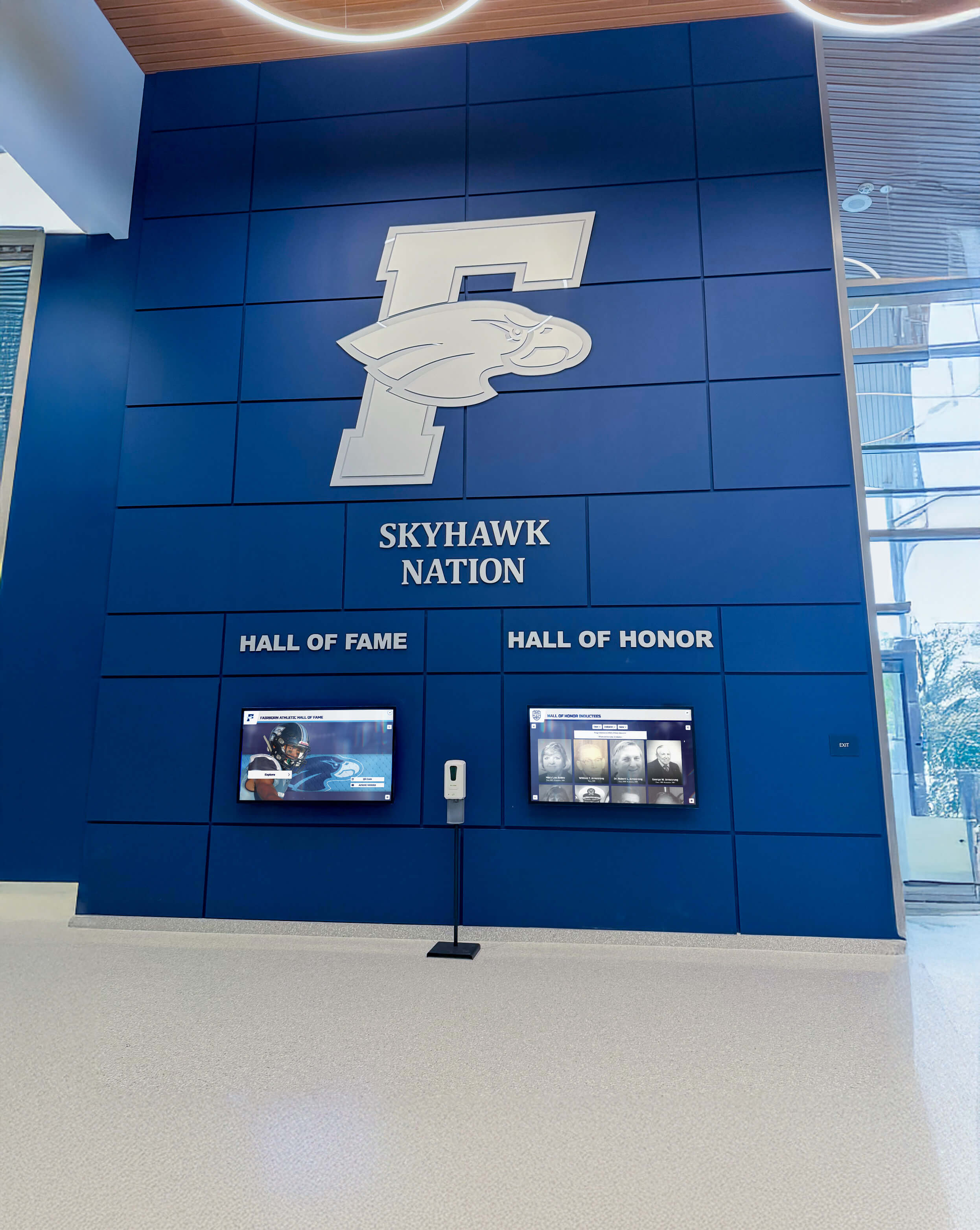
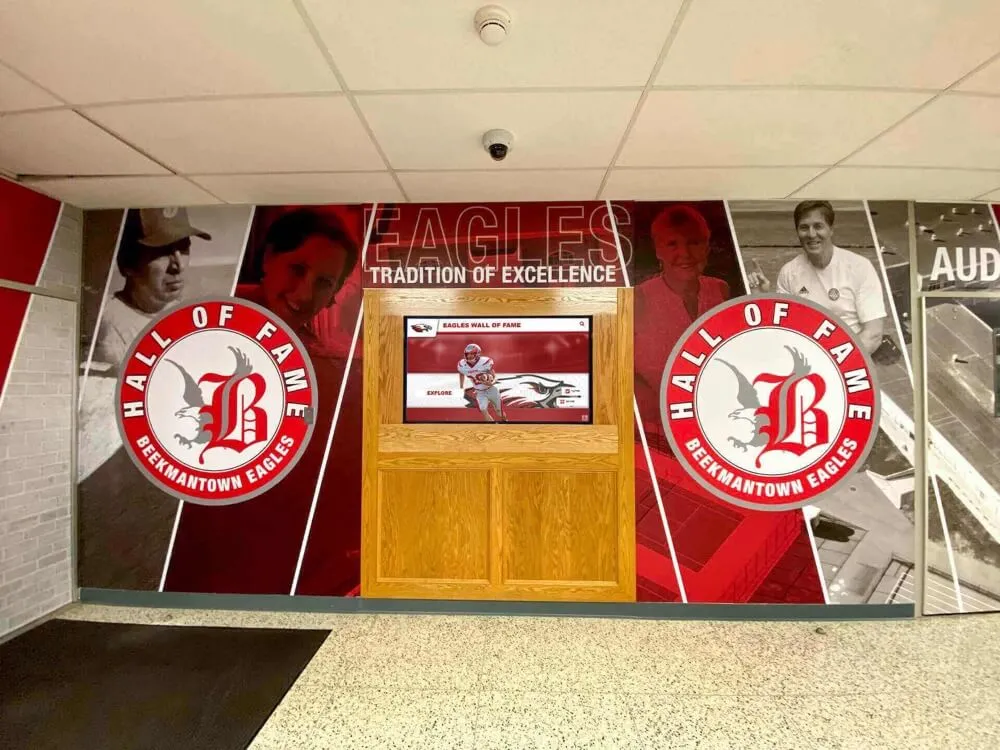
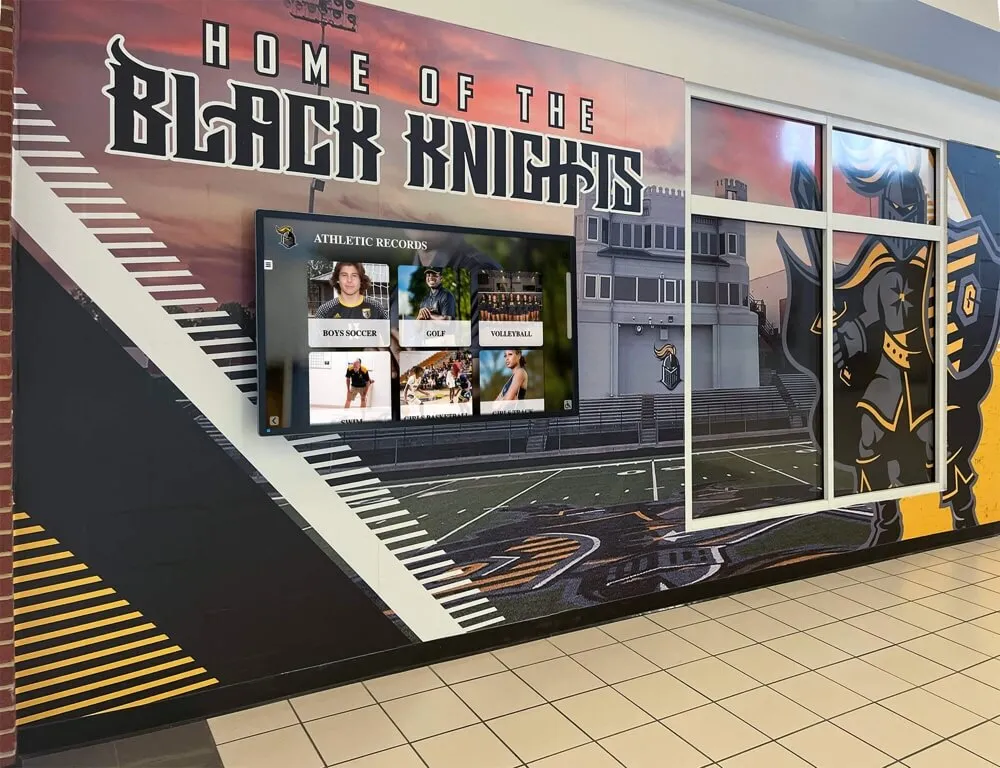
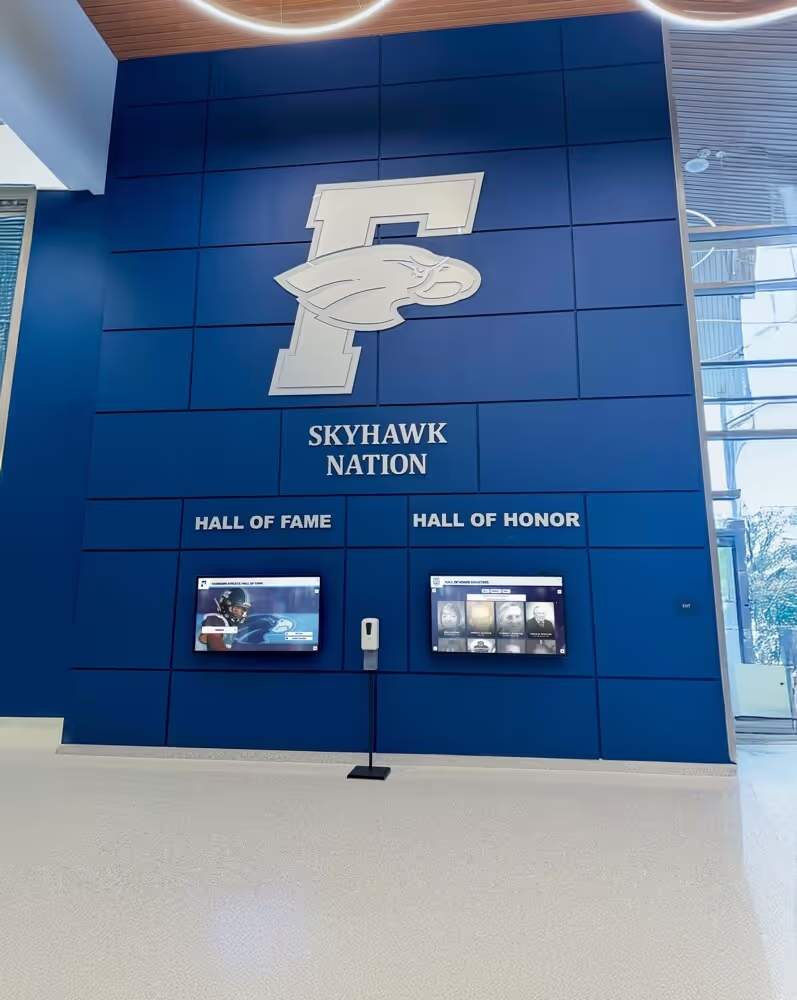
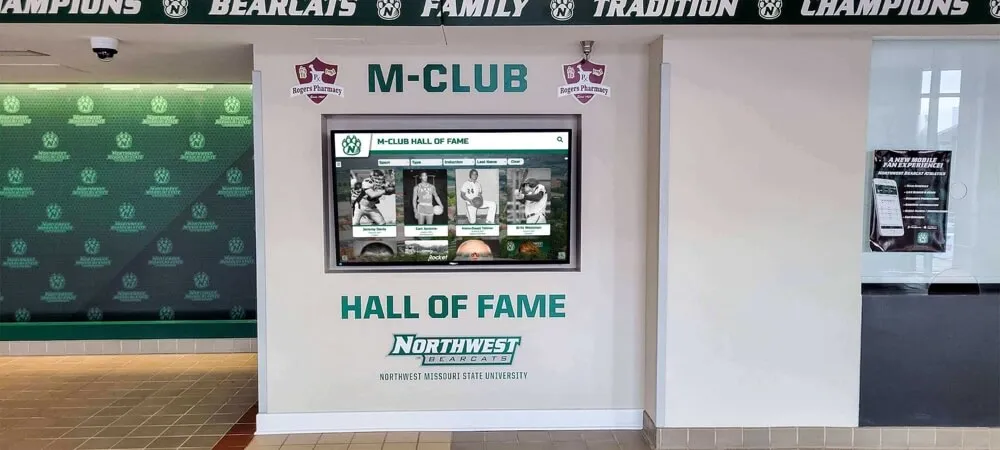
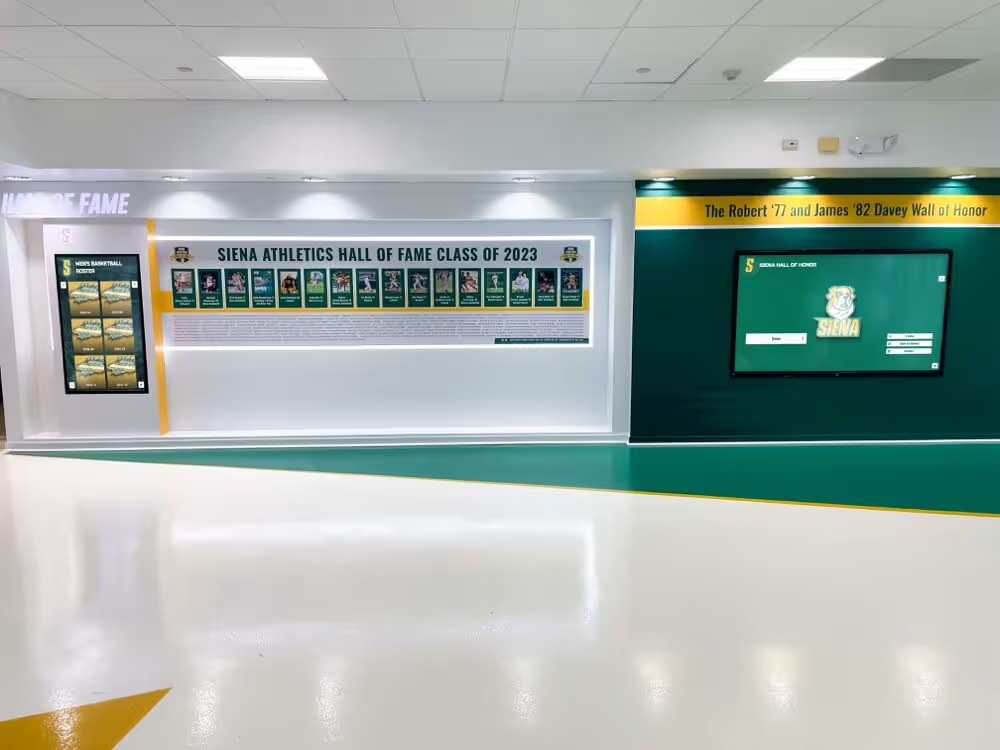
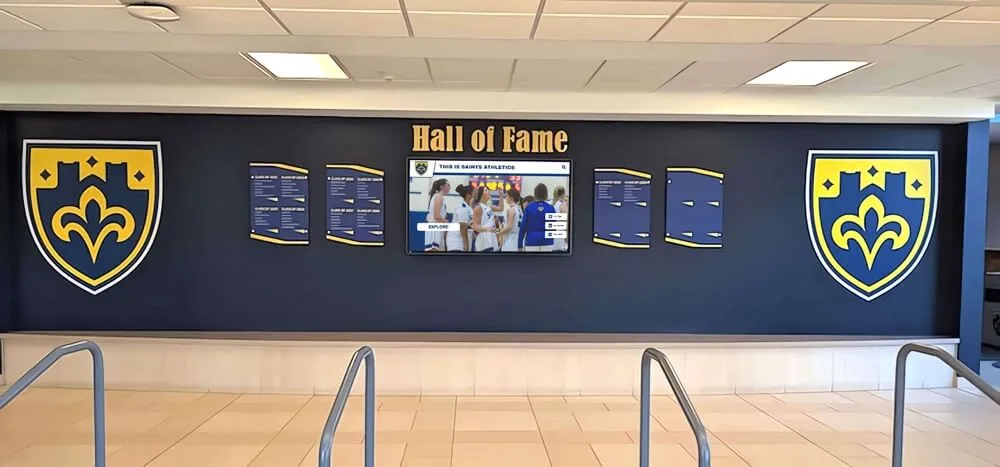
Dedicated hall of honor displays create permanent, prestigious recognition spaces that signal how seriously an institution values service and leadership
Selection and Criteria: Who Goes on the SGA Wall
Unlike athletic halls of fame, which sometimes involve complex selection processes, SGA recognition typically follows a more straightforward logic: everyone who held an elected or appointed leadership role in SGA during their student years belongs on the recognition display.
This inclusive approach is intentional. The purpose of SGA recognition is not to identify the best leaders from a competitive pool—it is to honor service. Students who ran for office, won, and fulfilled their terms made a commitment to their institutions that deserves acknowledgment regardless of whether their particular administration was historically notable.
That said, some schools distinguish between levels of recognition:
Universal Recognition All officers who served receive their name, role, and year included in the historical record. This baseline ensures no service goes unacknowledged.
Featured Recognition Officers who served multiple terms, held the top executive position, or led the program during particularly significant periods may receive enhanced profiles with additional biographical content.
Legacy Recognition Former officers who have gone on to distinguish themselves professionally, civically, or philanthropically may be highlighted as examples of the leadership pipeline SGA creates.
For a model of how schools establish fair and consistent criteria for recognition programs, the guide to hall of fame selection criteria offers useful frameworks adaptable to student government contexts.
Integrating SGA into Comprehensive School Recognition Systems
Student government recognition does not need to exist in isolation. The most effective recognition programs integrate SGA into a broader culture of visible celebration that encompasses academic achievement, athletic excellence, performing arts, community service, and philanthropy.
Academic Achievement Alignment
Schools that recognize National Merit Scholars alongside SGA officers signal that the institution values multiple dimensions of excellence. Many students who participate in student government also achieve significant academic distinctions—placing their leadership recognition alongside academic honors creates a richer portrait of each individual.
Co-Curricular Recognition Connections
SGA overlaps meaningfully with other recognition-worthy programs. Many SGA leaders also participate in programs like the National Honor Society, where ceremonial recognition traditions already exist. Resources like the NHS induction ceremony planning guide illustrate how co-curricular honor organizations create public recognition moments that schools can model for SGA.
Building School Pride Through Visible Leadership
Recognition programs that make student government history visible contribute measurably to school culture and pride. When students see the names of past SGA leaders displayed prominently in school common areas, they receive a message that their institution has a leadership legacy worth inheriting. Current SGA officers feel the weight of that legacy in positive ways—motivated by the idea that their names will join the list.
The work of building school pride through recognition draws on exactly this dynamic: visible honor creates aspirational culture, and aspirational culture creates the conditions for continued excellence.
Awards Ceremony Integration
Many schools host annual awards ceremonies that include SGA recognition alongside athletic, academic, and arts honors. These events create public moments of celebration that reinforce the value of service. For ideas on how to structure comprehensive recognition events, the guide to high school awards ceremony ideas covers formats that accommodate diverse achievement categories including leadership.
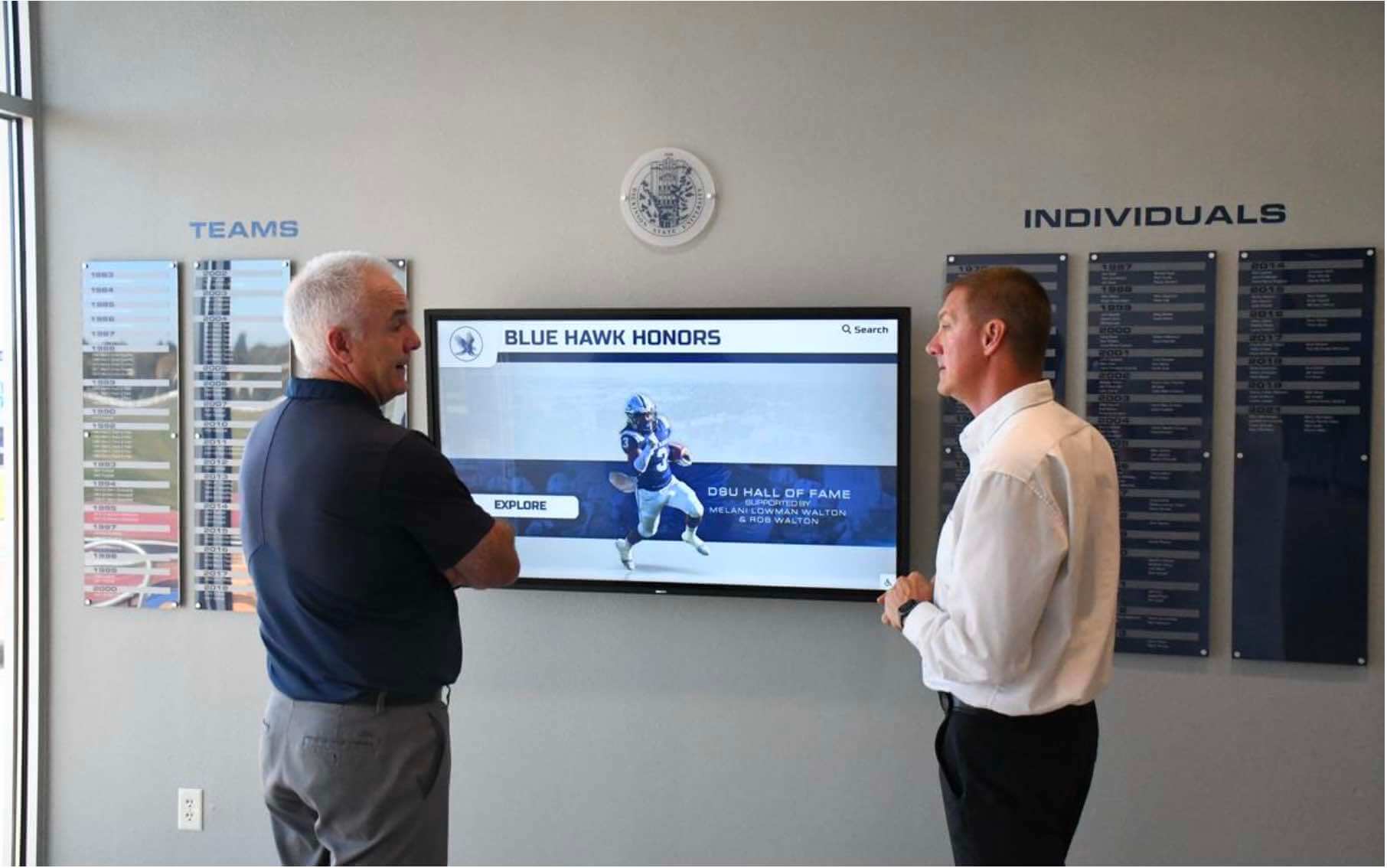
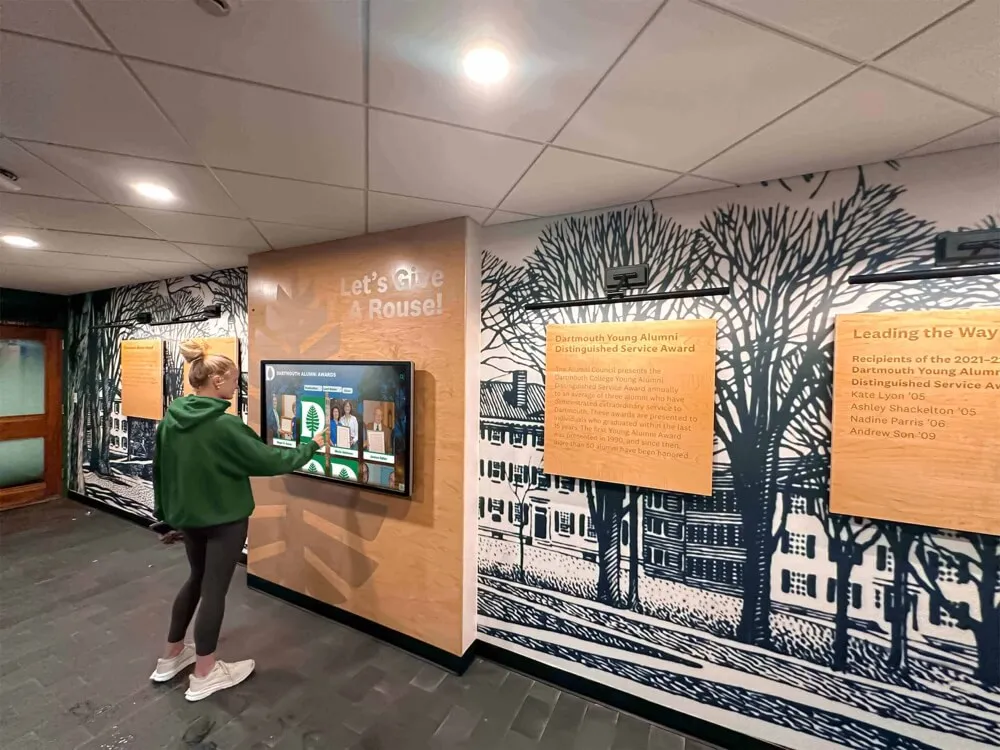
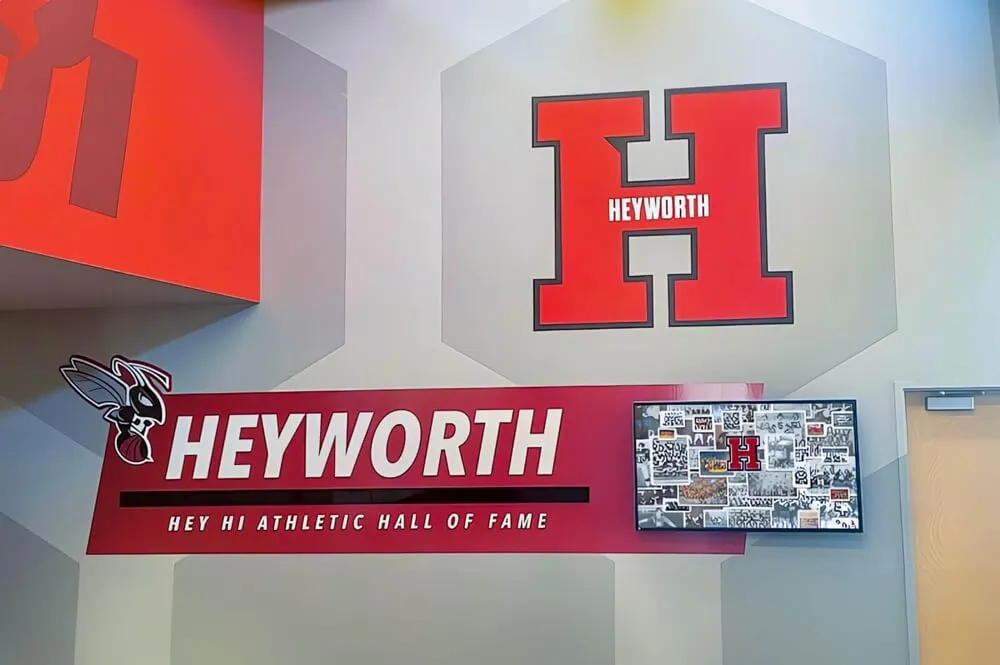
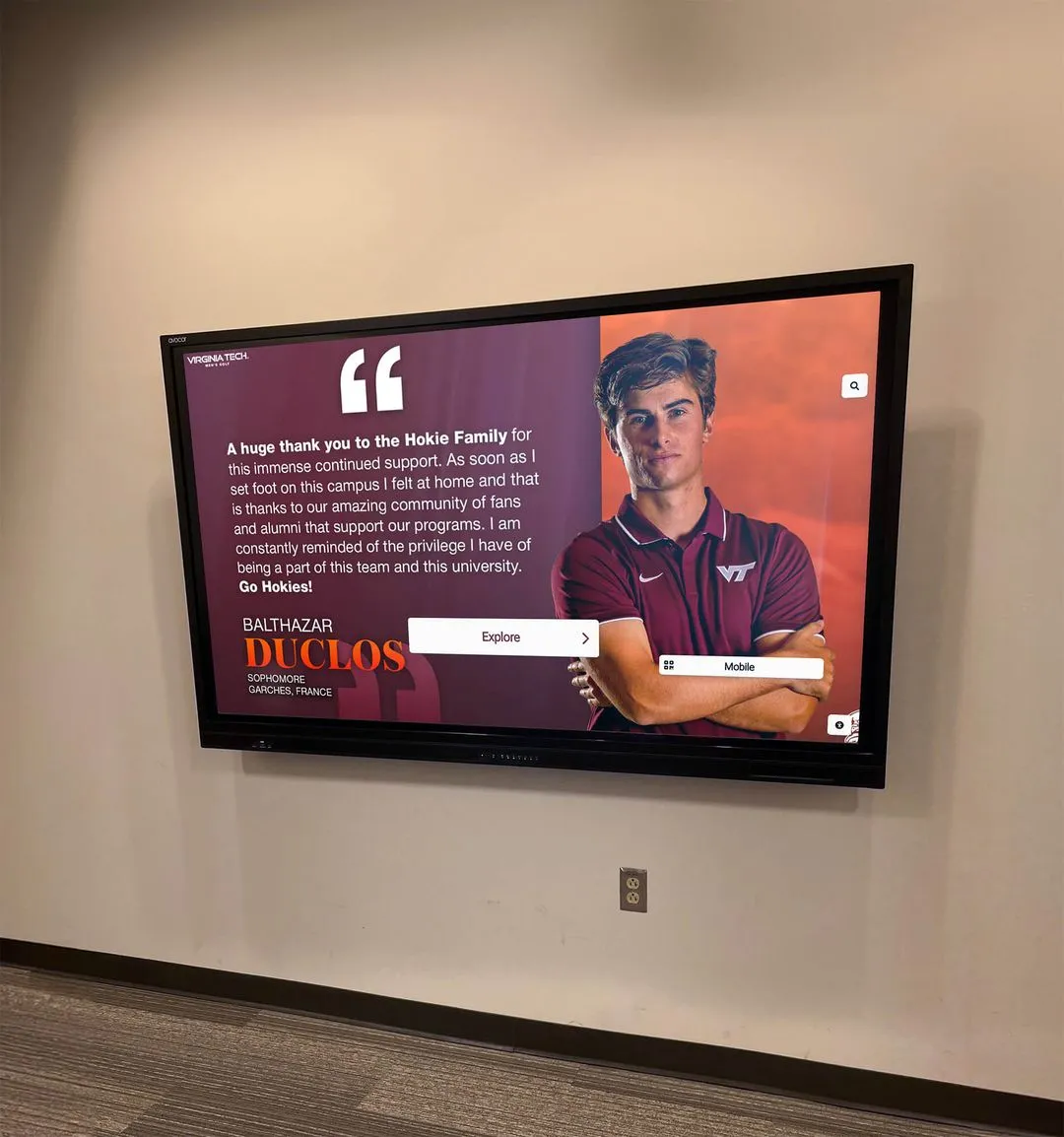
When alumni return to campus and find themselves recognized in institutional displays, it reinforces the giving relationships that advancement offices work to cultivate
Making the Case for SGA Digital Recognition Investment
Advancement teams and student affairs offices sometimes work in separate silos, which can make SGA recognition feel like a student affairs responsibility rather than a fundraising priority. Bridging that gap requires making the business case for recognition investment to administrators who control budgets.
The Advancement Case
Former SGA leaders are a disproportionately valuable segment of any alumni population:
- They have demonstrated institutional investment through service
- They maintain stronger peer networks that create giving momentum
- They have professional experience in governance, budgeting, and advocacy that translates into philanthropic sophistication
- They often continue involvement through volunteer leadership roles in alumni associations, parent associations, and board service
A digital recognition system that honors SGA history is not a student affairs amenity—it is an alumni engagement infrastructure investment that directly supports major gift development.
The Timing Case
The best time to implement digital recognition infrastructure is before the recognition gap becomes embarrassing. Schools that wait until their physical past-president wall is full, outdated, or visually outdated face more complex retrofitting challenges than schools that implement digital systems proactively.
Planning for the right timing for a digital hall of fame launch involves considerations around academic calendar, capital campaign timing, and renovation projects that can inform when SGA recognition systems get priority.
The Scalability Case
Physical plaques and vinyl lettering have real space and cost limitations. Digital systems scale indefinitely. A school with an SGA program dating back 60 years may have 300+ past officers who deserve recognition—a physical wall that honored all of them would require significant dedicated real estate. A digital system accommodates all 300 within the same interface, organized and searchable, without requiring additional physical space.
Practical Steps for Upgrading SGA Recognition
For schools ready to modernize their student government recognition, the process typically involves several interconnected workstreams.
Step 1: Audit Existing Records
Before designing a new recognition system, gather all available historical SGA data. Check:
- Student newspaper archives for coverage of past officer elections
- Administrative records and board meeting minutes that may name SGA representatives
- Yearbooks, which typically document student government officers by year
- Alumni association records that may include SGA involvement notes
- Former advisors and long-serving staff who may hold institutional memory
Historical gaps are common and should not prevent implementation. A recognition system that documents 40 years of complete records with noted gaps for earlier years is more valuable than no recognition system at all.
Step 2: Establish a Recognition Policy
Define clearly who qualifies for SGA recognition and at what tier. Decide:
- Which roles are included (elected only, or appointed positions as well)
- What minimum term of service qualifies (full academic year, one semester)
- How to handle officers who served multiple terms
- Whether to include faculty advisors
- How ongoing updates will be managed after the initial system launch
Step 3: Select an Appropriate Platform
The right recognition platform depends on your institution’s existing technology infrastructure, budget, and goals. Key considerations include:
Physical vs. Digital vs. Both Many schools benefit from a hybrid approach: a physical touchscreen display in a high-traffic location paired with a web-accessible version that alumni can access remotely.
Integration with Existing Systems Platforms that integrate with your advancement database or alumni management system reduce data duplication and make it easier to connect SGA records with giving histories.
Content Management Accessibility Staff who manage recognition systems should be able to add and update records without depending on vendor intervention. Annual officer additions should take minutes, not weeks.
For a thorough evaluation of digital recognition platform options, the complete guide to digital trophy walls covers platform selection criteria, installation considerations, and long-term maintenance planning relevant to any school recognition project.
Step 4: Design for the User Experience
The best SGA recognition systems are designed with two audiences in mind simultaneously: current students who are building aspirational identity around leadership, and alumni who are reconnecting with an institutional memory.
Current students benefit from displays that are visually prominent, regularly updated, and placed in spaces they actually use. Alumni benefit from web accessibility, searchability, and rich profile content that captures the full context of their service.
Design choices that serve both audiences include:
- Clear chronological organization with intuitive navigation
- High-quality photography that captures individuals as people, not just placeholders
- Brief narrative descriptions that contextualize leadership within institutional history
- Cross-references to related recognition (academic honors, athletic achievements, donor recognition)
Step 5: Launch with Celebration
Recognition system launches are stewardship opportunities. Use the launch of a new SGA wall to:
- Invite living former SGA officers to a celebration event honoring their service
- Send personal notifications to alumni being recognized for the first time
- Coordinate with your advancement office to connect recognition outreach with giving campaigns
- Generate social media content featuring featured alumni and their stories
The launch moment creates a window of heightened engagement with SGA alumni that advancement teams should be prepared to leverage with appropriate follow-up.
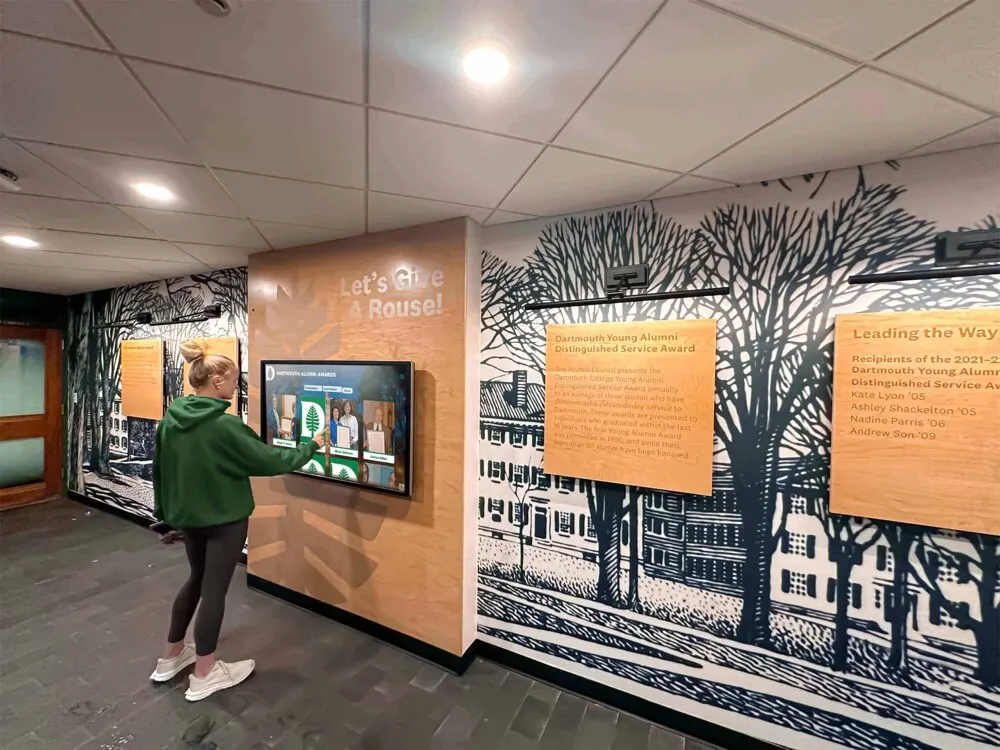
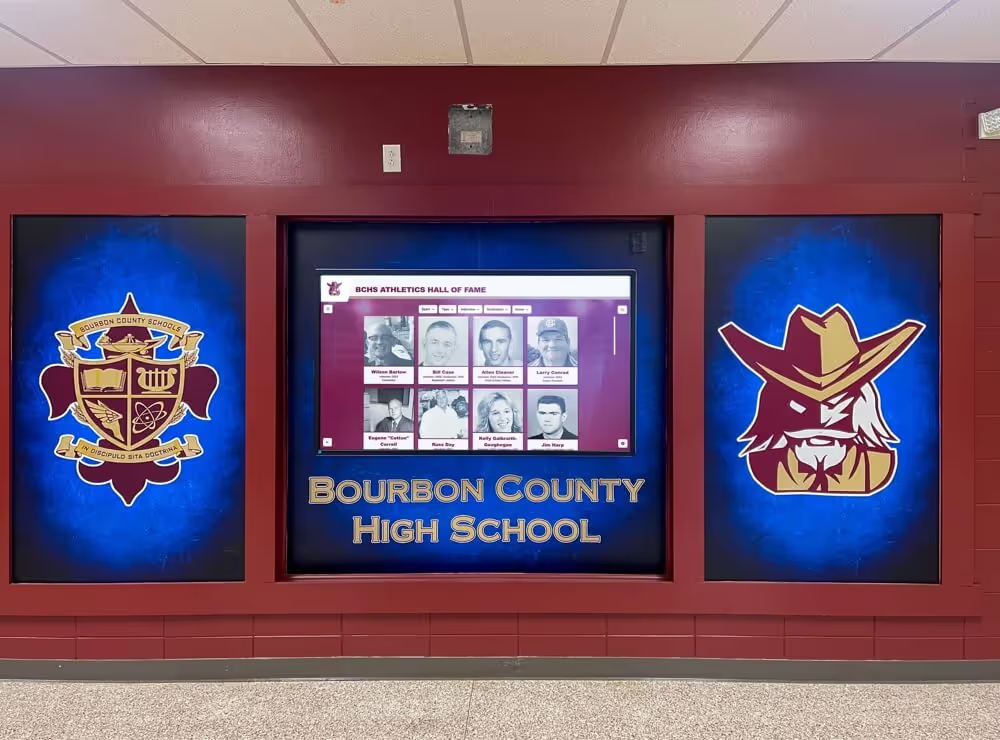
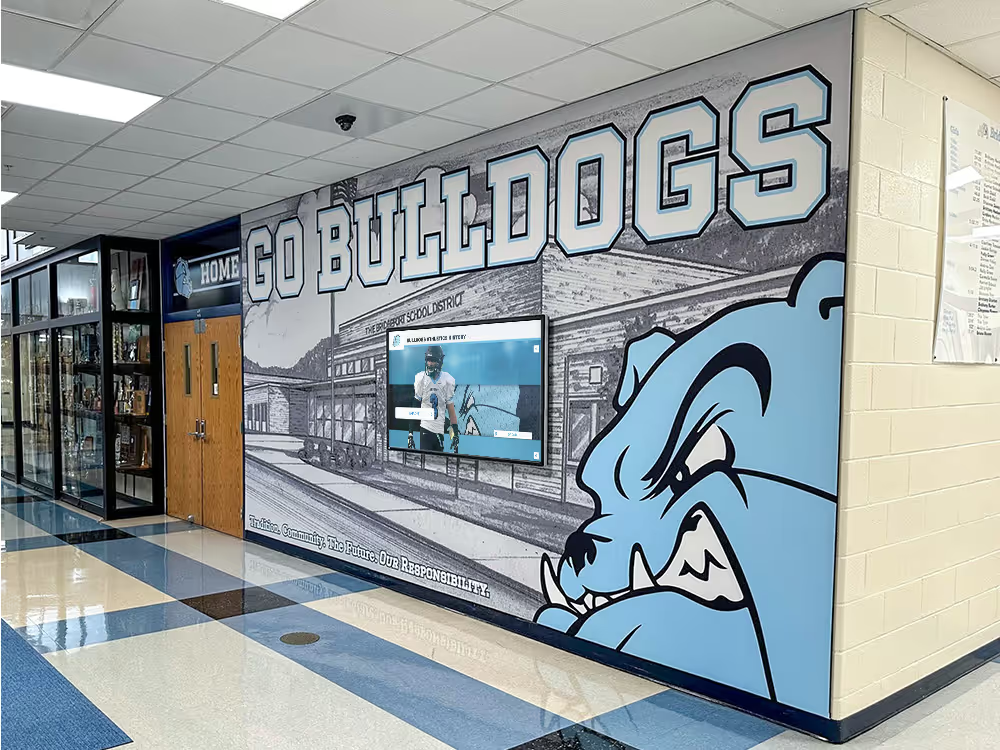
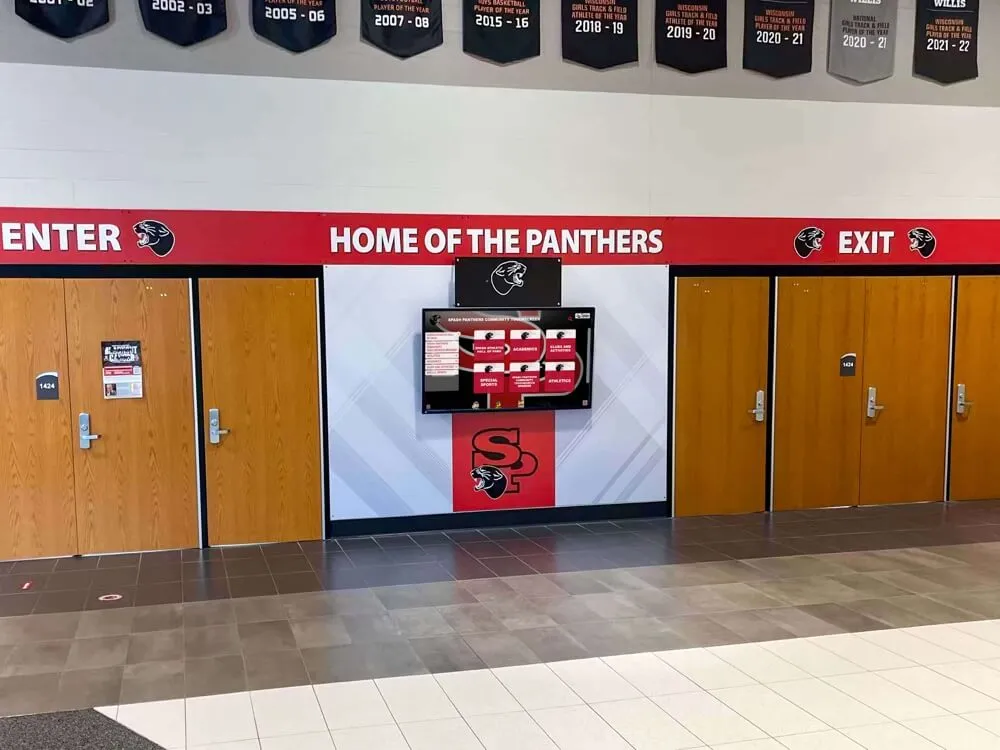
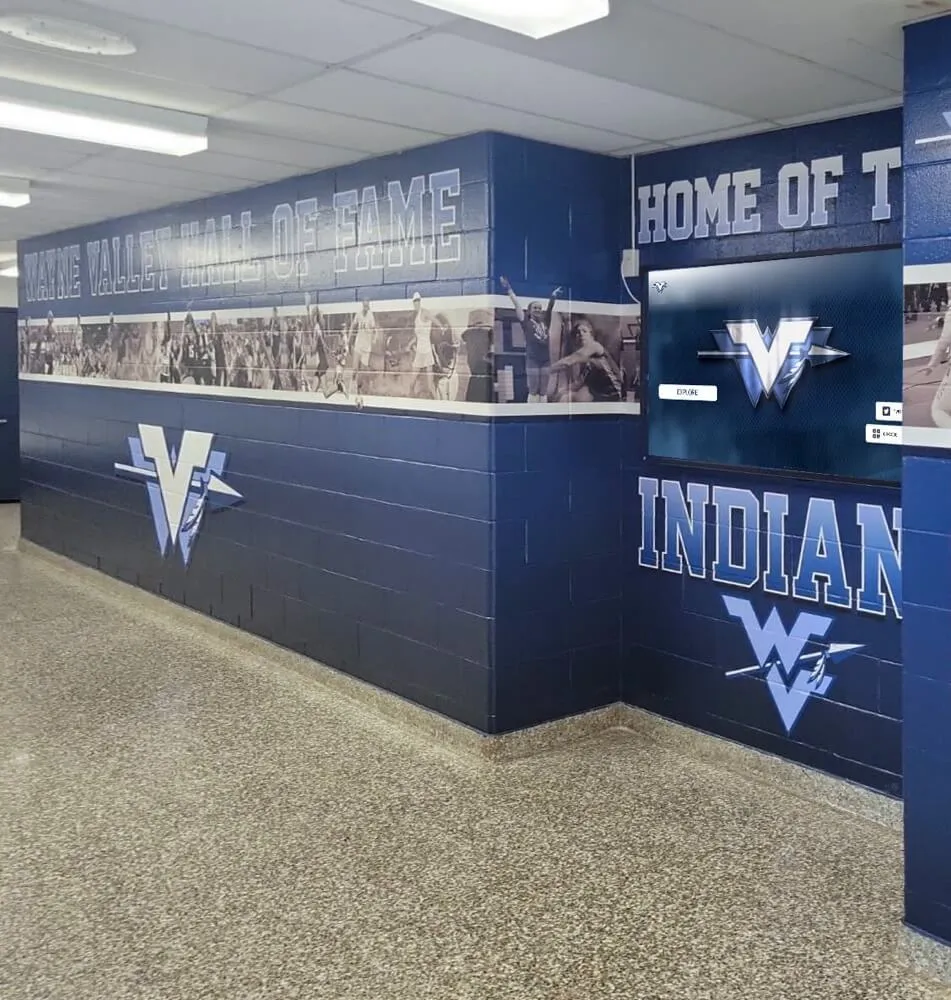
Well-designed hallway recognition experiences invite organic engagement from students, alumni, and visitors who encounter them in the flow of campus life
SGA Recognition as Part of a Giving Culture
The most sophisticated advancement programs understand that donor walls are not just lists of people who have given money—they are declarations of institutional values. When schools place SGA recognition alongside donor recognition in the same display infrastructure, they make an implicit statement: we value service, and we honor people who have invested in this institution in every form.
That alignment between service recognition and donor recognition is not accidental. Schools that deliberately connect leadership history with giving culture create stronger donor pipelines because they identify and celebrate the specific people—former SGA officers, past NHS presidents, long-serving committee chairs—who are most likely to transition from student investors to alumni donors.
A development director who can call a major donor prospect and say “we recently added your SGA presidential term to our leadership recognition wall, and I’d love to tell you what we’re building” has a much stronger opening than one who begins cold.
Recognition, ultimately, is not just appreciation. It is infrastructure. It tells people what you remember, what you value, and why they might want to remain connected to your institution long after their student years end.
Ready to honor your SGA leaders on a digital donor and alumni wall that grows with your institution? Rocket Alumni Solutions builds interactive recognition displays designed for schools and universities that take leadership legacy seriously. From past-president halls to comprehensive alumni giving walls, our platforms connect student service history with alumni giving in ways that deepen relationships and strengthen advancement results. Reach out to see how we can help you build recognition infrastructure worthy of the leaders your institution produces.