When students step into leadership roles, they don’t just manage events or represent their peers—they develop skills that shape their entire future trajectory. Effective student leadership programs create structured pathways for developing communication, problem-solving, collaboration, and decision-making abilities that serve students throughout their lives while simultaneously strengthening school culture and community engagement.
Yet many schools struggle to create leadership programs that truly develop these essential skills. Leadership opportunities often default to popularity contests, student councils that plan dances but never tackle meaningful challenges, or recognition systems that acknowledge titles without celebrating the actual work and growth happening behind the scenes. Meanwhile, students with genuine leadership potential but less traditional profiles remain unidentified and undeveloped.
This comprehensive guide explores evidence-based strategies for designing and implementing student leadership programs that genuinely develop tomorrow’s leaders while creating visible recognition systems that celebrate leadership contributions and inspire broader student participation.
Successful student leadership development extends beyond electing class officers—it creates multi-tiered systems that identify leadership potential early, provide skill development opportunities across diverse domains, offer meaningful responsibilities that create real impact, and celebrate leadership contributions in ways that inspire continued growth and broader participation across the student body.

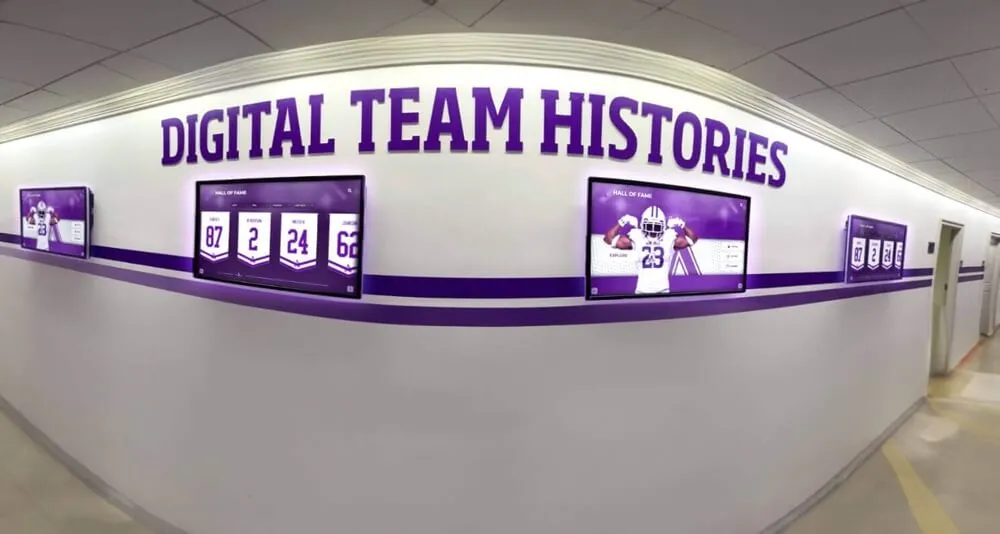
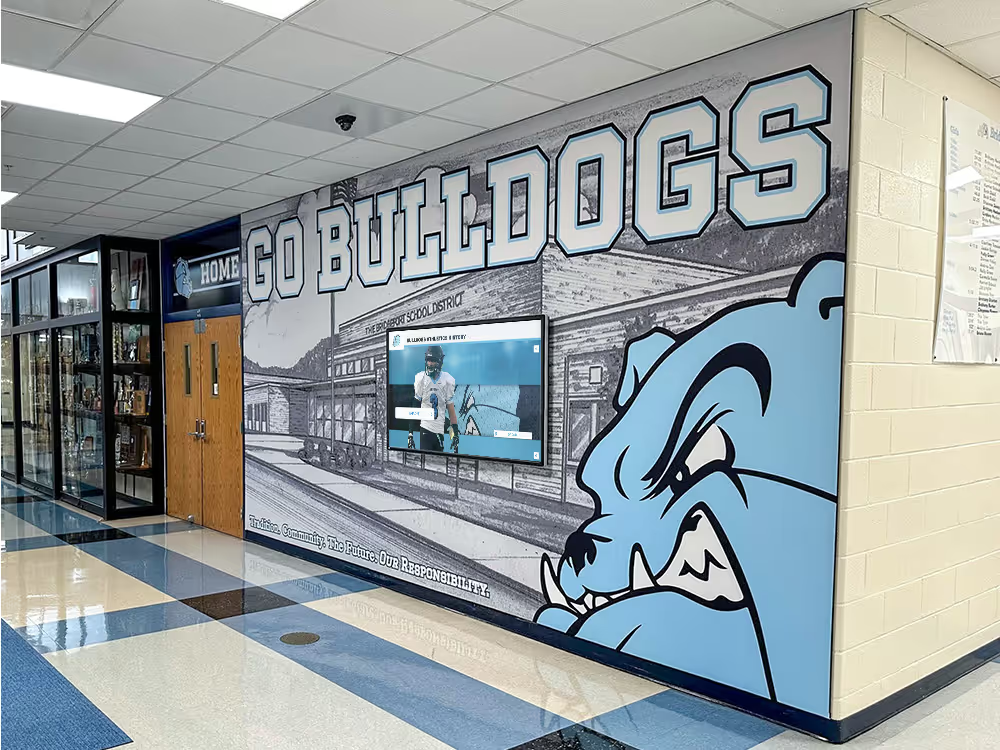
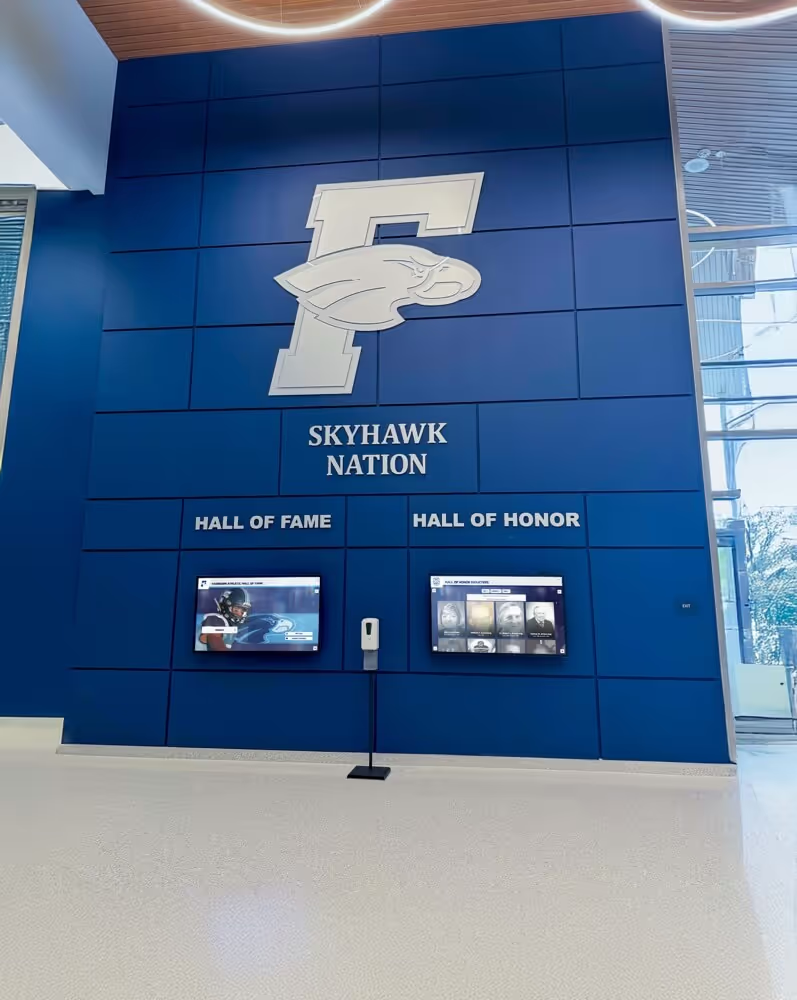
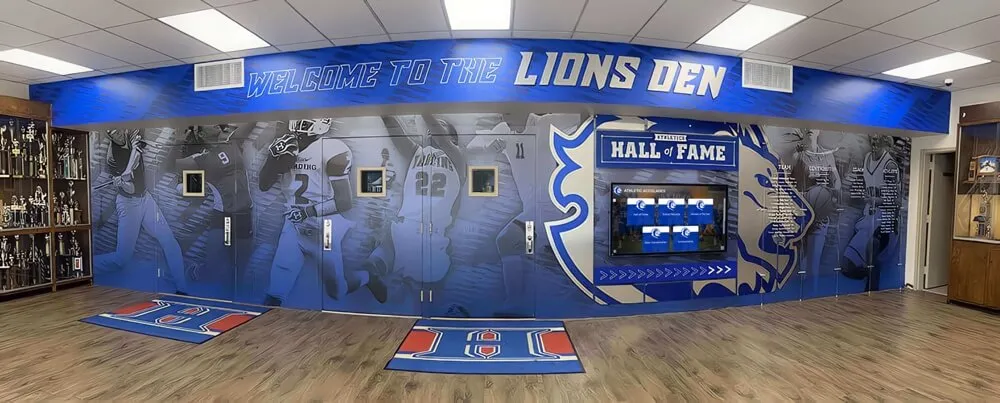
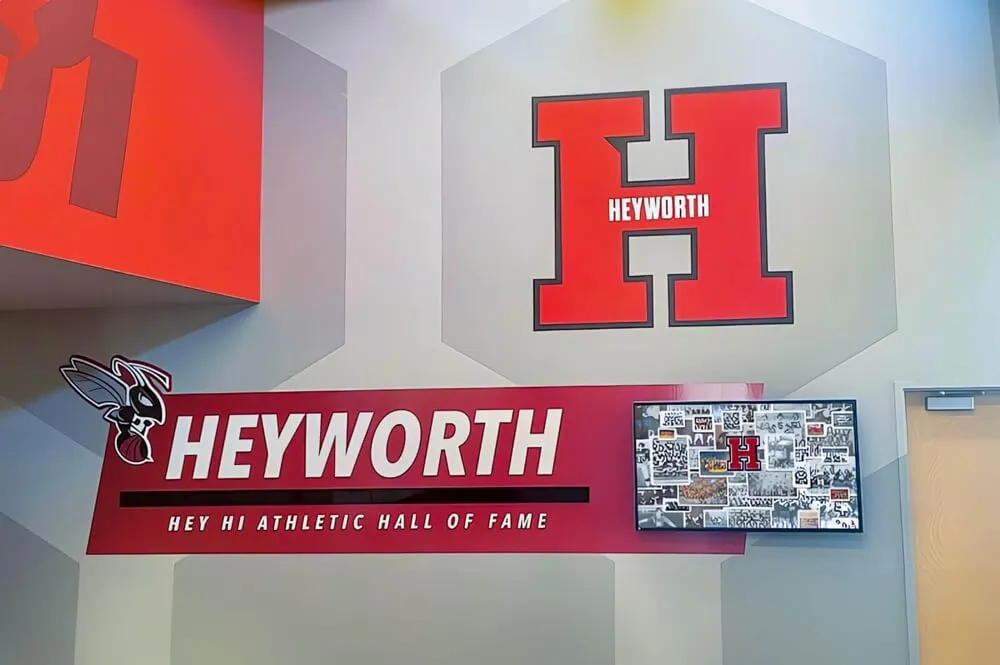
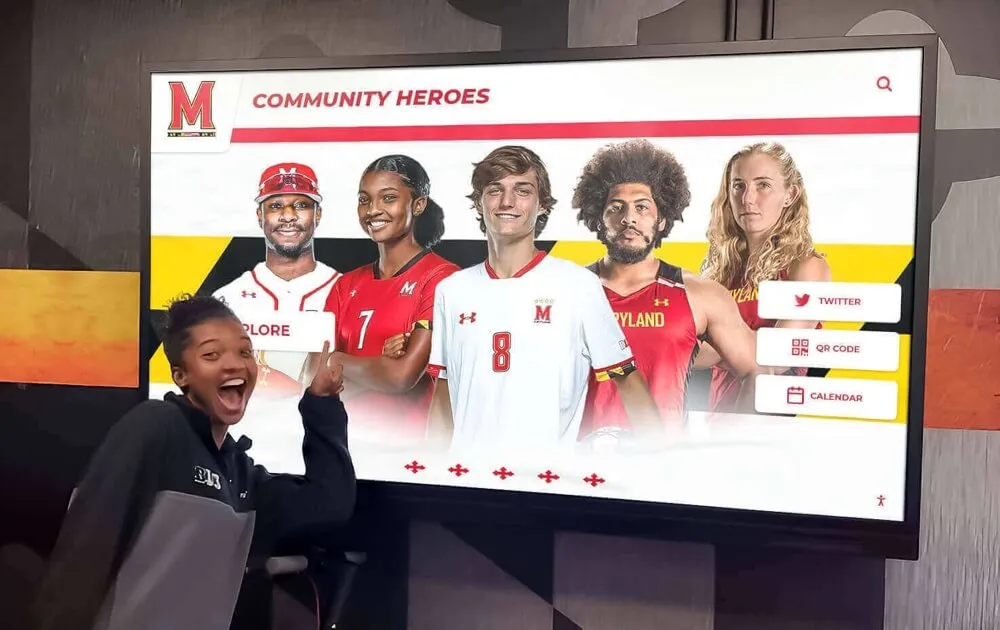
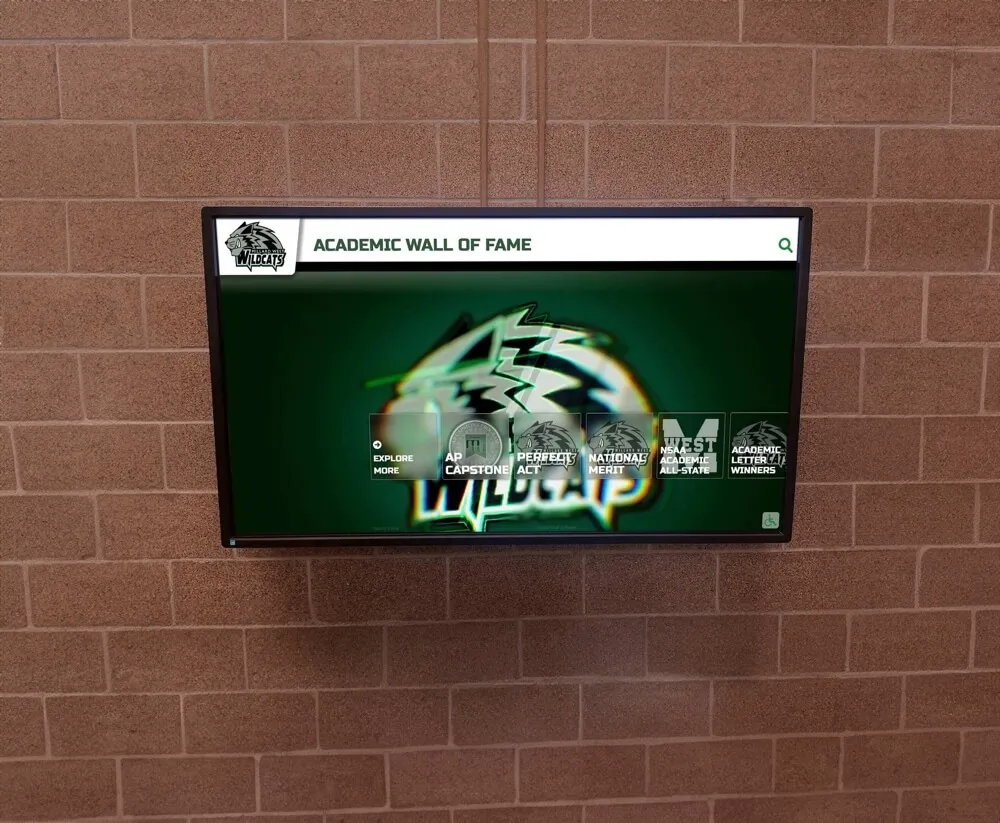
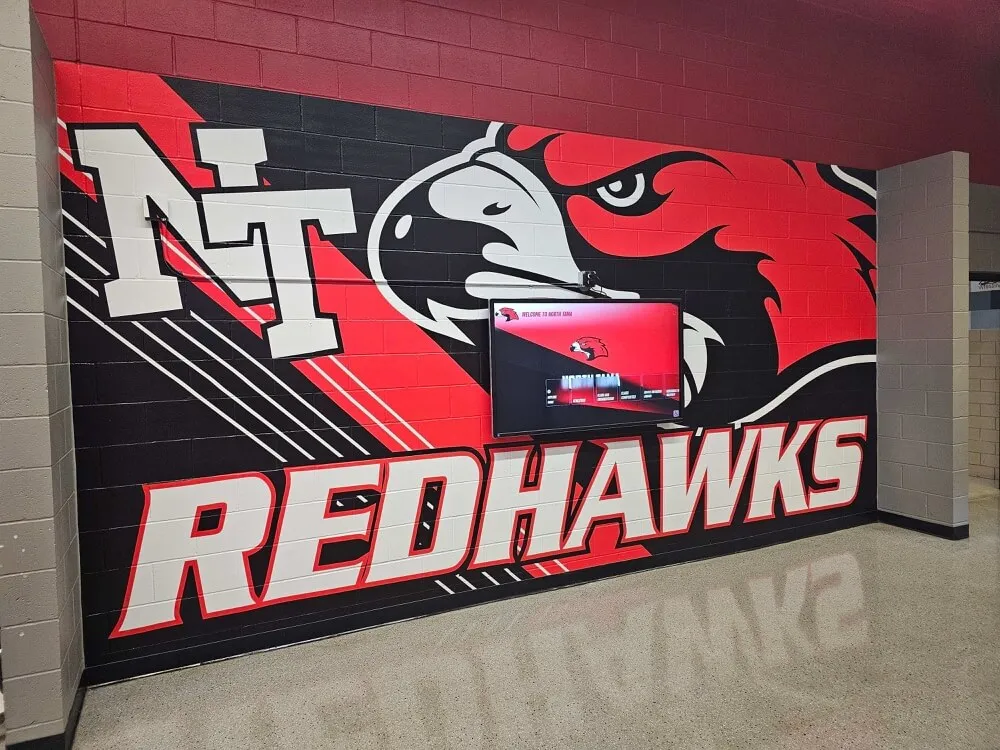
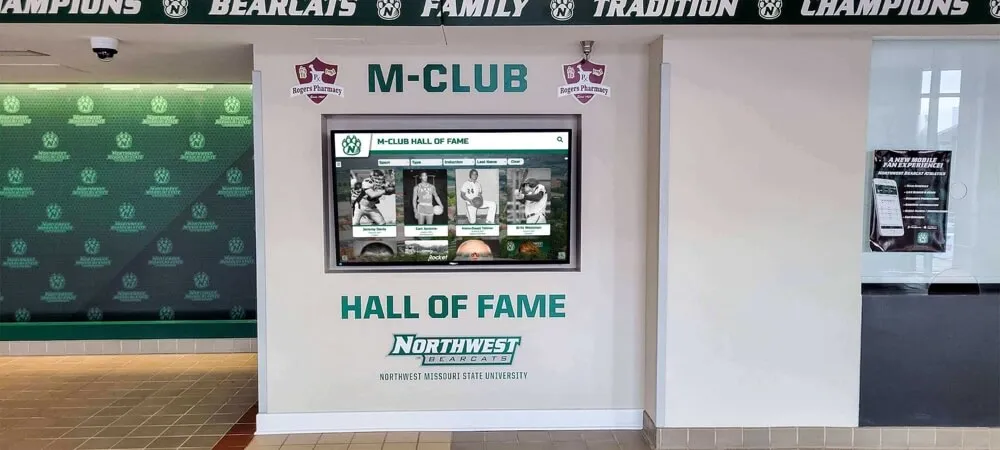
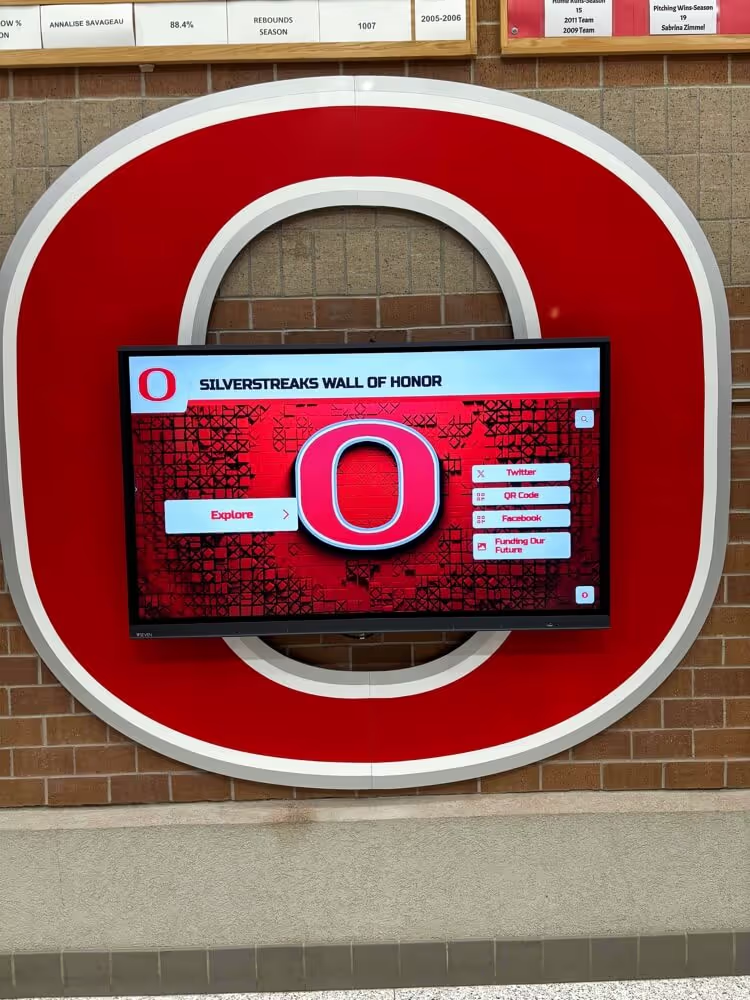
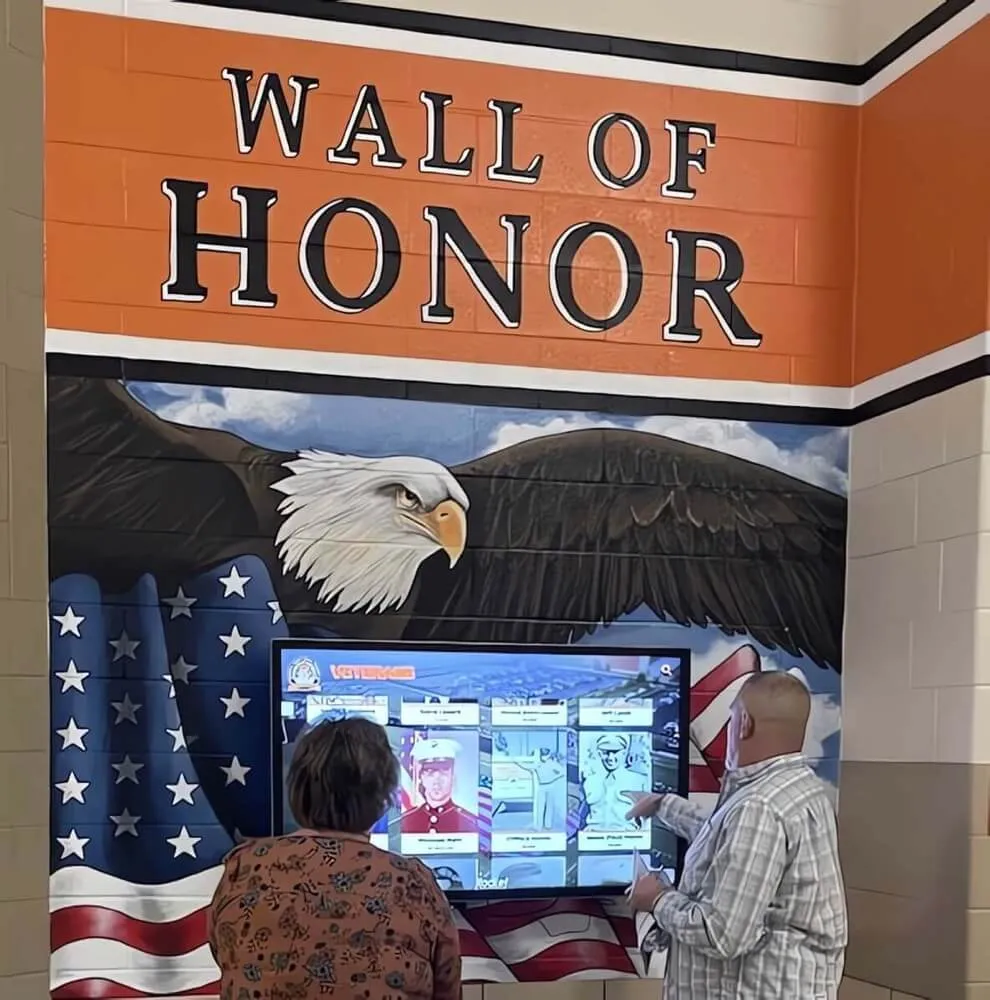
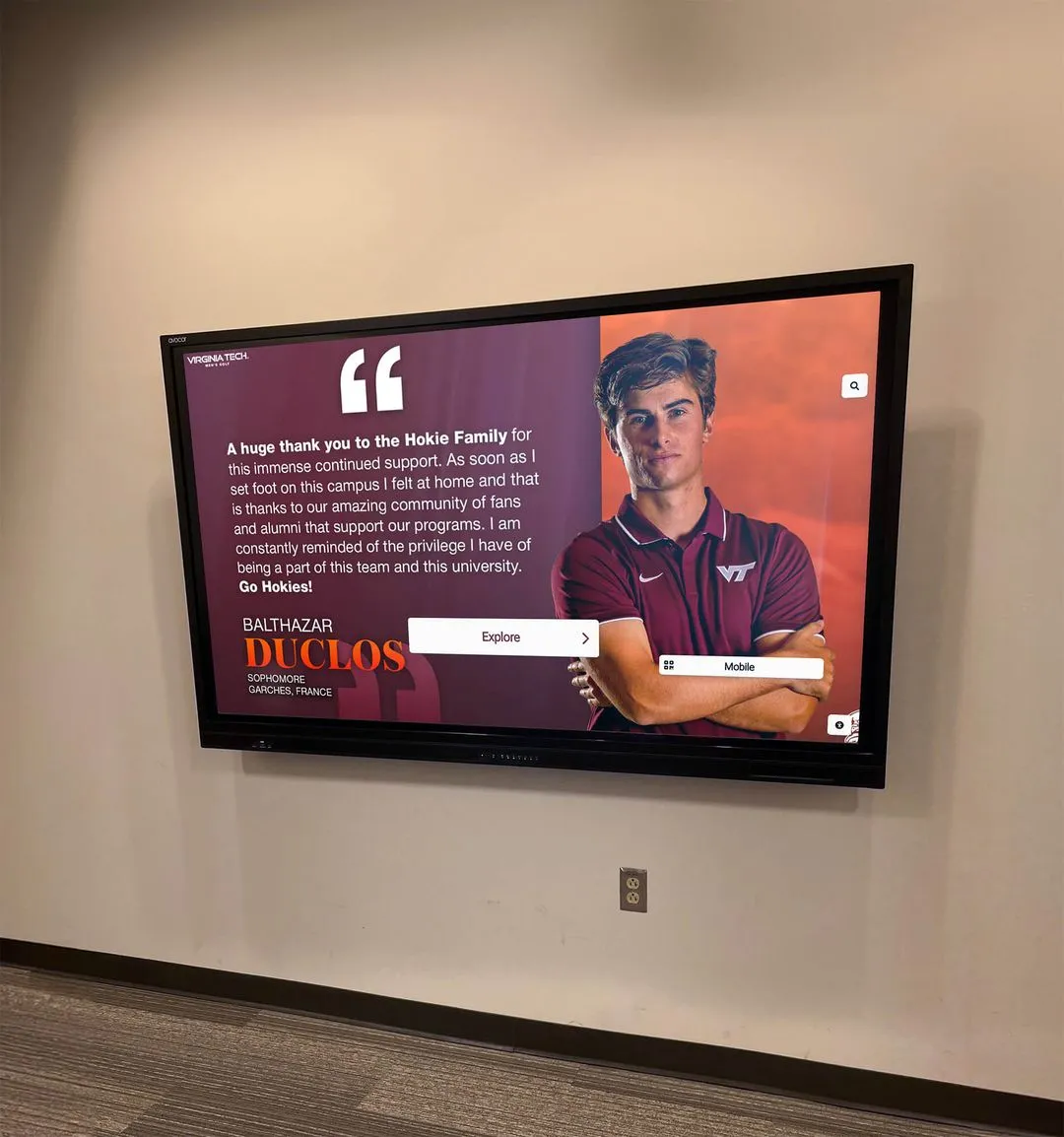
Interactive recognition systems celebrate student leaders and inspire broader leadership participation throughout the school community
The Essential Role of Leadership Development in Education
Understanding why leadership development matters helps schools design programs that maximize student growth and institutional impact.
Why Student Leadership Programs Matter
Research consistently demonstrates the transformative power of leadership development during formative years:
Academic and Career Impact
- Students participating in leadership programs demonstrate 20-30% higher college retention rates
- Leadership experience correlates strongly with career advancement and earning potential
- Employers consistently rank leadership and collaboration among most valued employee competencies
- College admissions increasingly prioritize leadership experience and demonstrated impact
According to the National Association of Secondary School Principals, students who participate in structured leadership programs show significantly higher achievement across academic, social-emotional, and post-graduation success metrics compared to peers without leadership involvement.
Personal Development Outcomes
- Enhanced self-confidence and efficacy beliefs
- Improved communication and interpersonal skills
- Stronger problem-solving and critical thinking abilities
- Greater sense of purpose and civic responsibility
- Increased resilience and adaptability
These benefits extend far beyond school years, creating foundation competencies that serve students throughout their personal and professional lives.
Leadership Development as Educational Mission
Effective schools recognize leadership development as core educational responsibility, not supplementary programming:
21st Century Skill Development Modern leadership programs develop essential competencies including collaborative problem-solving across diverse teams, digital citizenship and online community leadership, cultural competency and inclusive decision-making, systems thinking and organizational understanding, and ethical reasoning and responsible authority.
Democratic Participation Preparation Student leadership programs prepare future civic participants through governance experience and parliamentary procedure, advocacy skill development and voice amplification, community problem identification and solution design, coalition building and stakeholder engagement, and understanding of rights, responsibilities, and democratic processes.
Schools that excel at leadership development create environments where students don’t just learn about citizenship and leadership—they practice these skills through meaningful, scaffolded experiences that prepare them for active participation in democracy and organizational life.
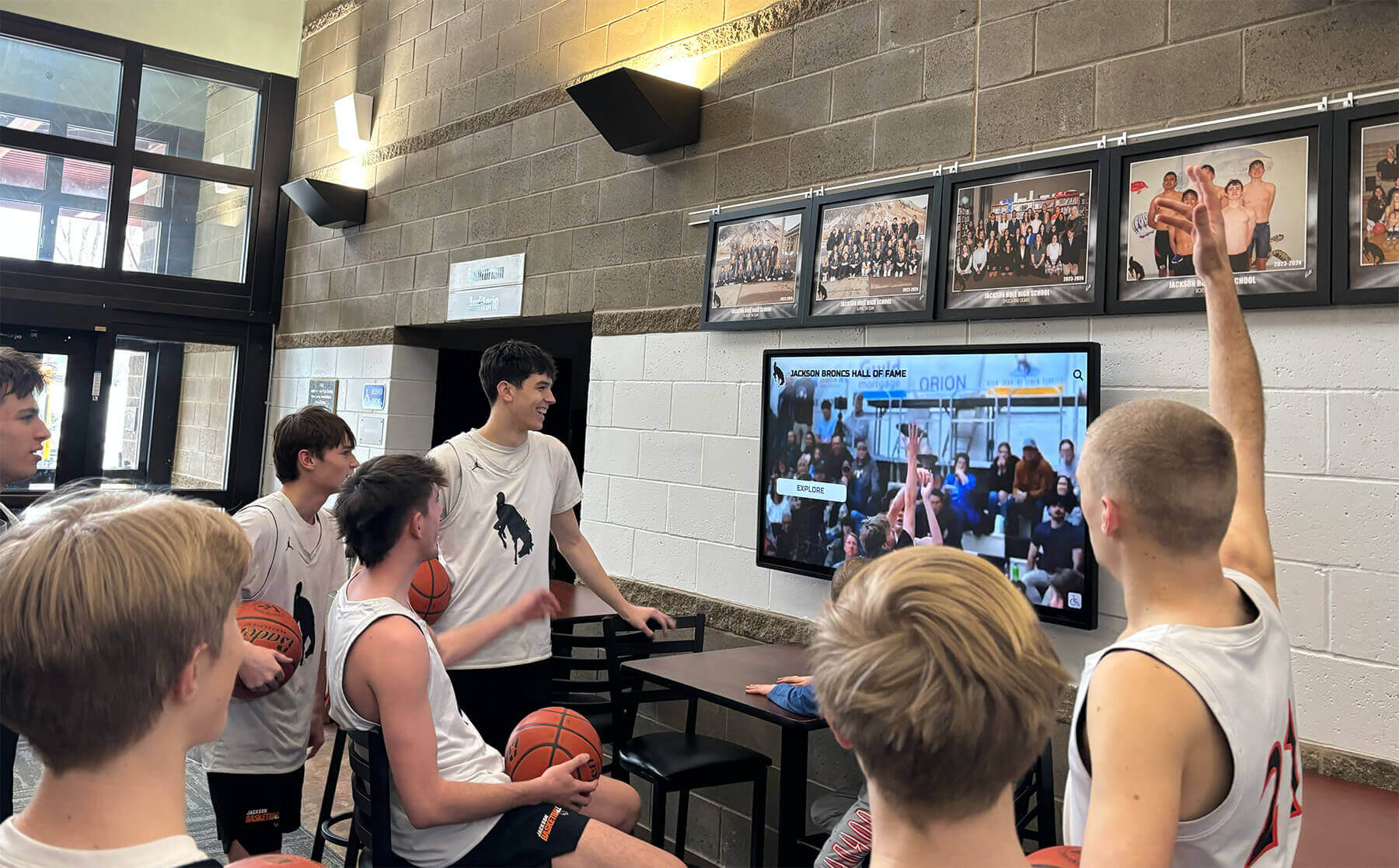
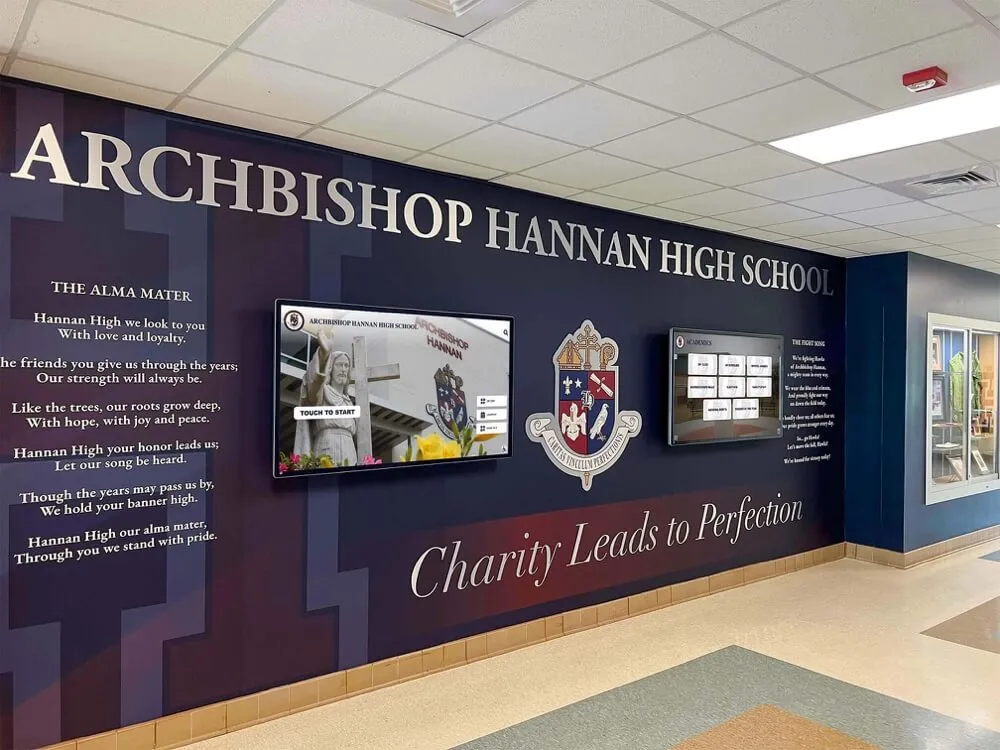
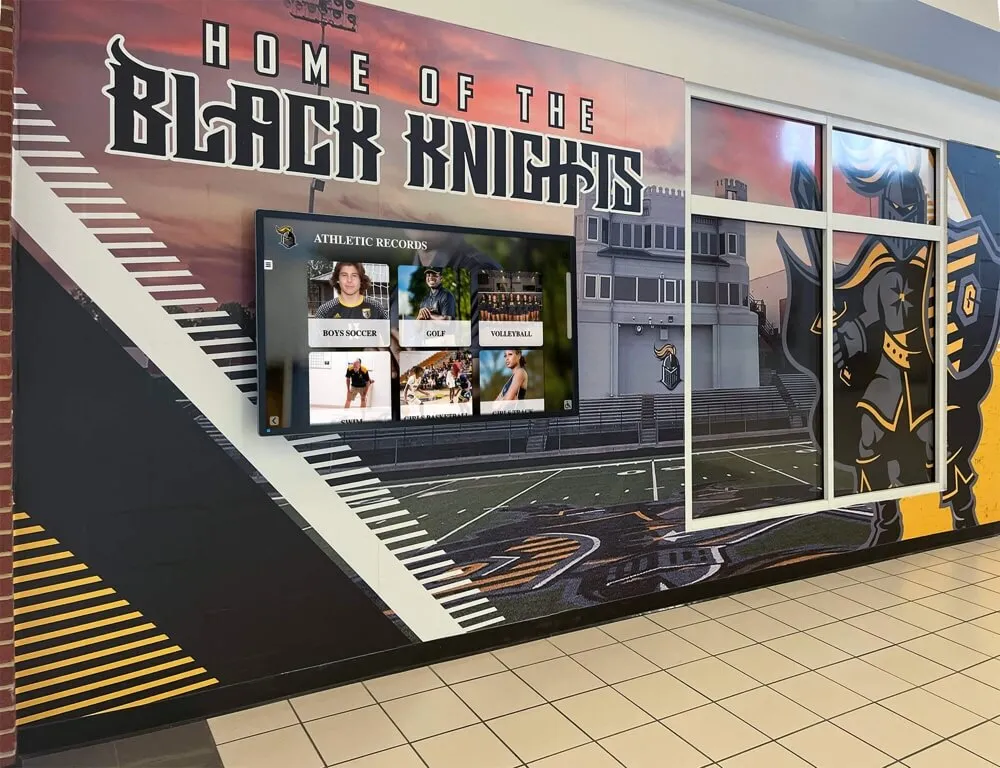
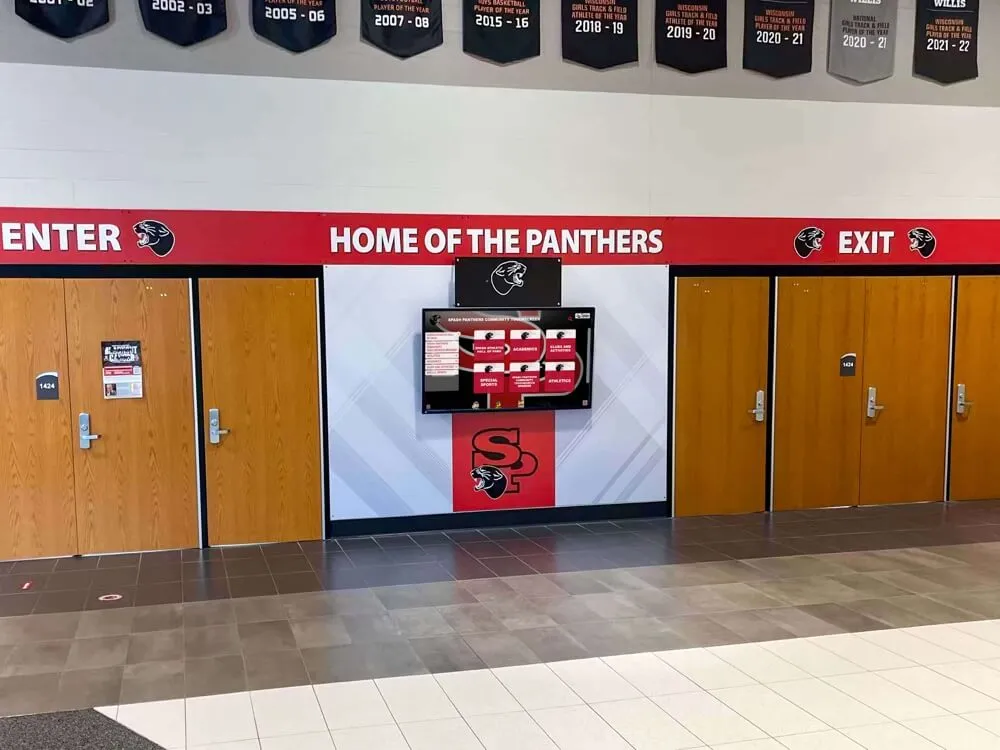
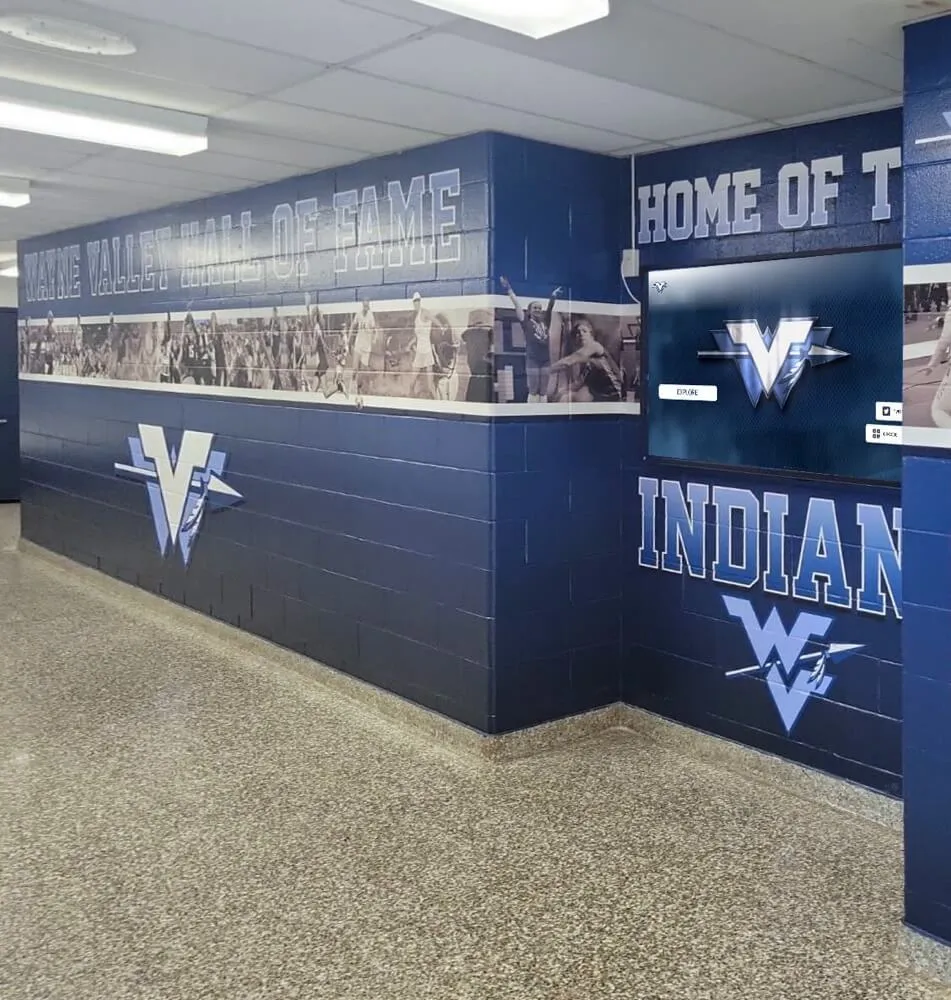
Visible leadership recognition creates aspiration and demonstrates what schools value in student development
Core Components of Effective Student Leadership Programs
Successful leadership programs share essential characteristics that maximize development and institutional impact.
Multi-Tiered Leadership Pathways
Creating diverse entry points ensures leadership opportunities exist for students across all profiles and developmental stages:
Formal Governance Leadership
- Student government officers at school, grade, and class levels
- Student board representatives and administrative advisors
- School improvement committee student members
- Policy review and feedback councils
- Student council leadership coordinating schoolwide initiatives
Traditional student government provides visible leadership platforms, but effective programs ensure these positions involve substantive responsibilities beyond event planning.
Activity and Organization Leadership
- Club presidents, officers, and committee chairs
- Athletic team captains and senior leaders
- Performing arts section leaders and student directors
- Academic competition team captains
- Community service organization coordinators
Learn about recognizing these leaders through digital displays showcasing student achievements.
Peer Leadership Roles
- Peer tutors and academic mentors
- New student orientation leaders
- Peer mediation and conflict resolution facilitators
- Student ambassadors and tour guides
- Grade-level and homeroom representatives
Emerging Leadership Development
- Leadership class and seminar participants
- Summer leadership program attendees
- Leadership skill workshop graduates
- Mentorship program mentees developing leadership capacity
- Project-based leadership opportunity participants
This multi-tiered structure ensures leadership development begins early and provides multiple pathways matching different student interests, strengths, and developmental readiness.
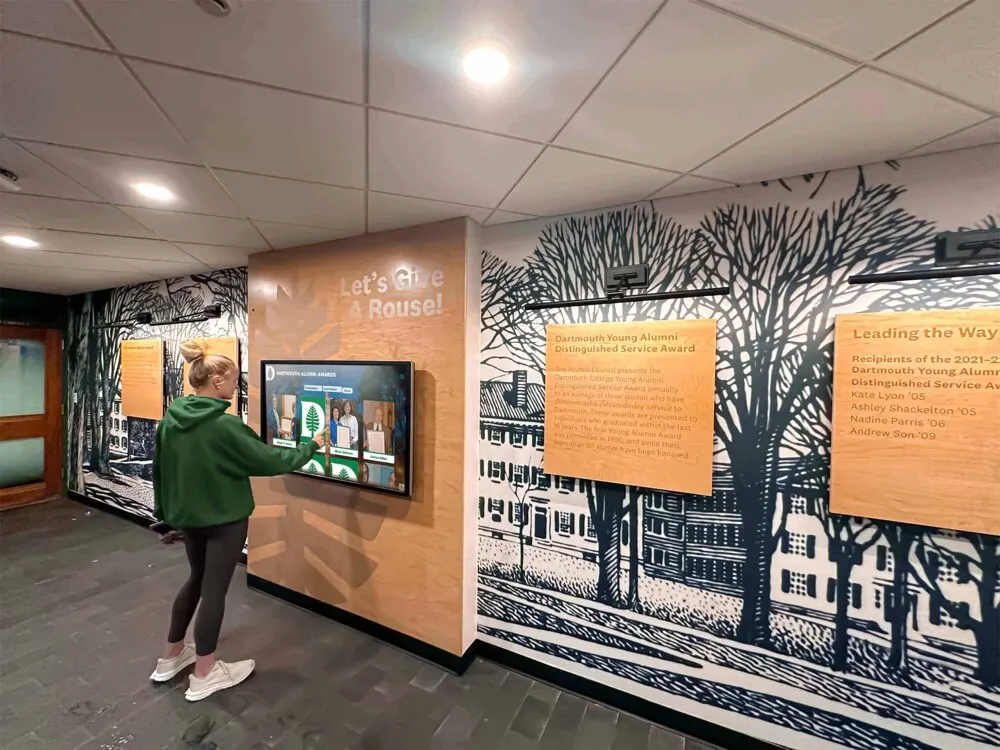
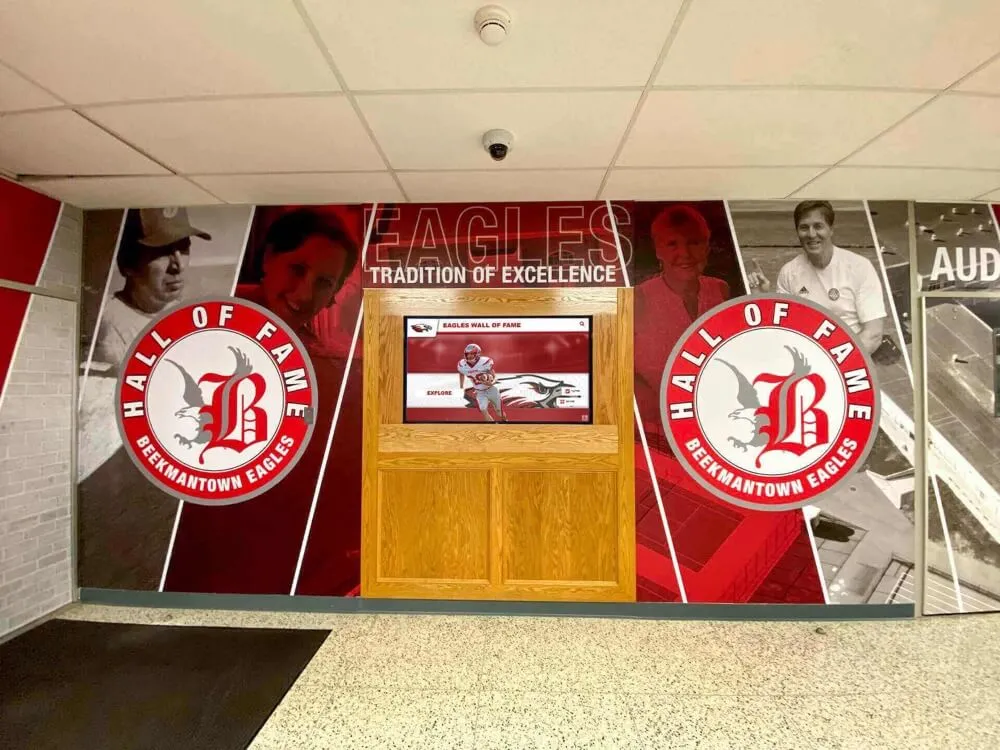
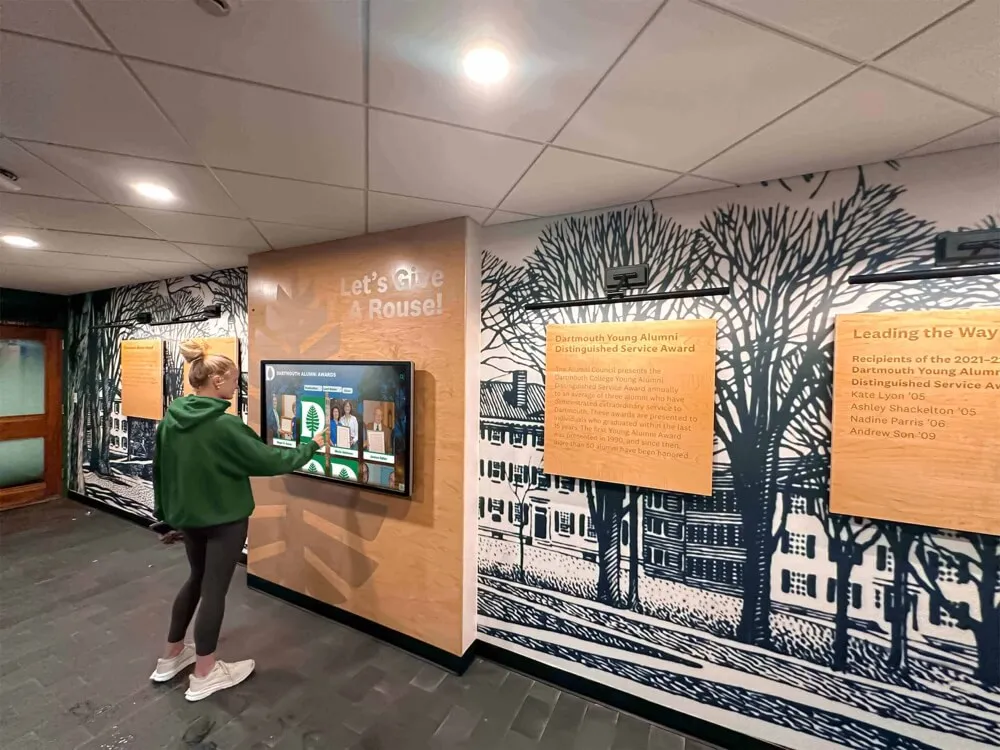
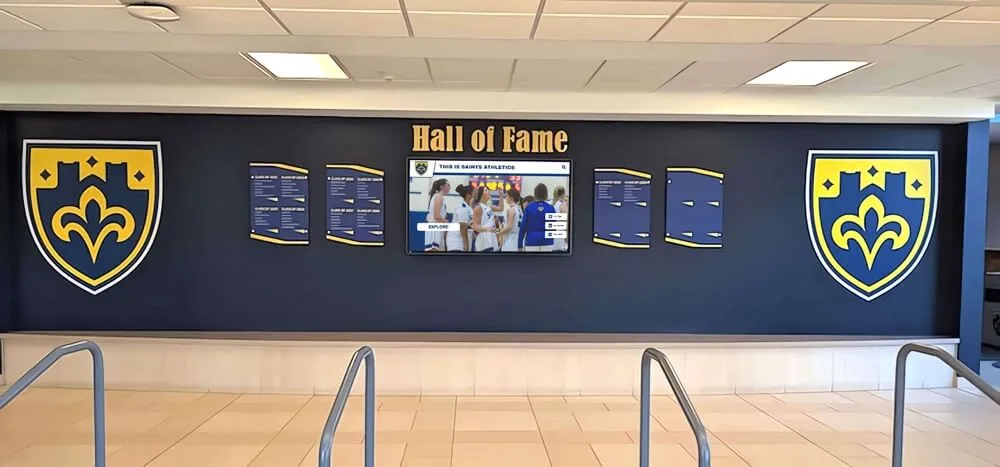
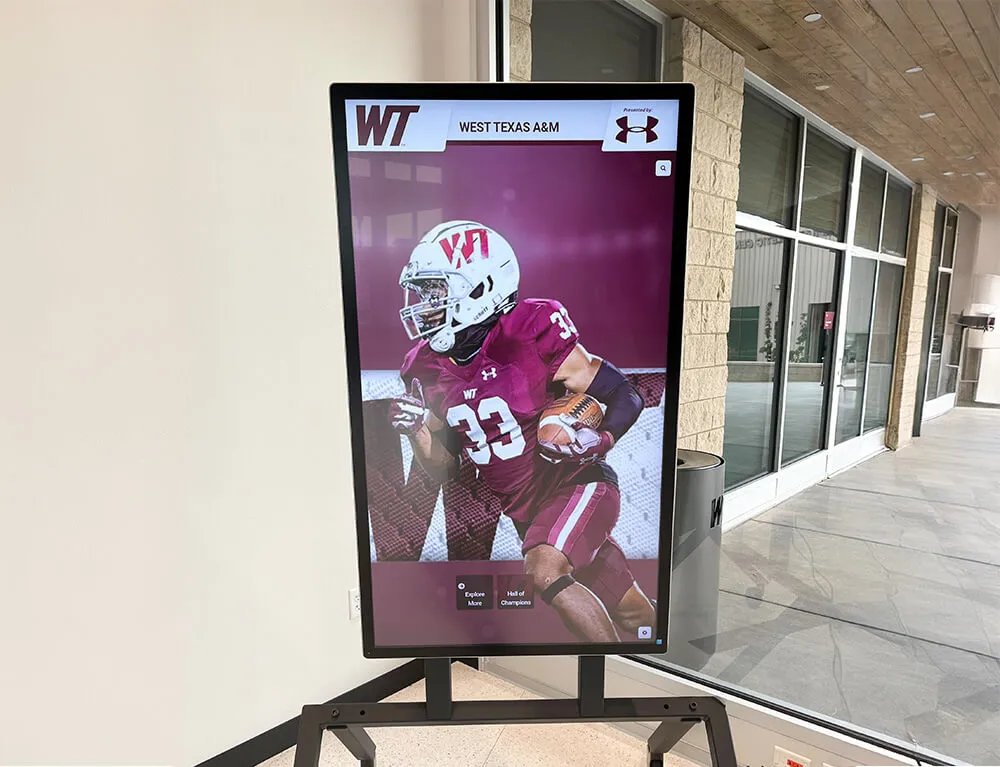
Digital recognition systems can showcase diverse leadership pathways and celebrate leaders across all domains
Structured Skill Development Programming
Effective leadership programs provide systematic skill building, not just leadership titles:
Communication and Interpersonal Skills
- Public speaking and presentation development
- Active listening and empathetic communication
- Difficult conversation navigation and conflict resolution
- Written communication and professional correspondence
- Digital communication and social media responsibility
Strategic Thinking and Problem-Solving
- Problem identification and root cause analysis
- Strategic planning and goal setting
- Data analysis and evidence-based decision-making
- Creative thinking and innovation processes
- Implementation planning and project management
Team Building and Collaboration
- Group dynamics understanding and team formation
- Delegation and responsibility distribution
- Motivation and engagement strategy development
- Diversity leverage and inclusive collaboration
- Performance feedback and continuous improvement
Discover related recognition in team captain speech ideas that demonstrate developed communication skills.
Organizational and Systems Leadership
- Organizational structure understanding
- Budget development and financial management
- Policy creation and governance processes
- Stakeholder analysis and engagement
- Change management and innovation implementation
Ethical Leadership and Character Development
- Values clarification and ethical decision-making frameworks
- Power and privilege awareness
- Servant leadership and community orientation
- Integrity and accountability practices
- Inclusive leadership and equity commitment
Schools should integrate these competencies into leadership programs through workshops, mentorship, experiential learning, and reflection rather than assuming students develop these skills simply by holding leadership positions.
Designing Leadership Recognition Systems That Inspire
Recognition plays crucial roles in leadership programs—celebrating current leaders while inspiring broader student participation and demonstrating institutional values.
Comprehensive Leadership Recognition Categories
Effective recognition acknowledges diverse leadership contributions:
Positional Leadership Recognition
- Elected student government officers and representatives
- Appointed committee chairs and board members
- Club and organization presidents and officers
- Athletic captains and senior team leaders
- Performing arts section leaders and student directors
Functional Leadership Recognition
- Project leadership regardless of formal title
- Initiative founders and program creators
- Problem-solving leadership addressing specific challenges
- Innovation leadership introducing new approaches
- Crisis leadership during challenging circumstances
Service Leadership Recognition
- Community service hour milestones and project leadership
- Volunteer program coordination and participation
- Peer support and mentorship leadership
- School improvement initiative leadership
- Advocacy and awareness campaign leadership
Explore comprehensive service recognition through presidential volunteer service award programs.
Character Leadership Recognition
- Integrity and ethical behavior demonstration
- Inclusive leadership creating belonging
- Resilience and perseverance modeling
- Positive influence and culture building
- Courage in addressing difficult issues
This multi-dimensional recognition ensures diverse leadership styles and contributions receive appropriate acknowledgment rather than only recognizing traditional high-visibility positions.
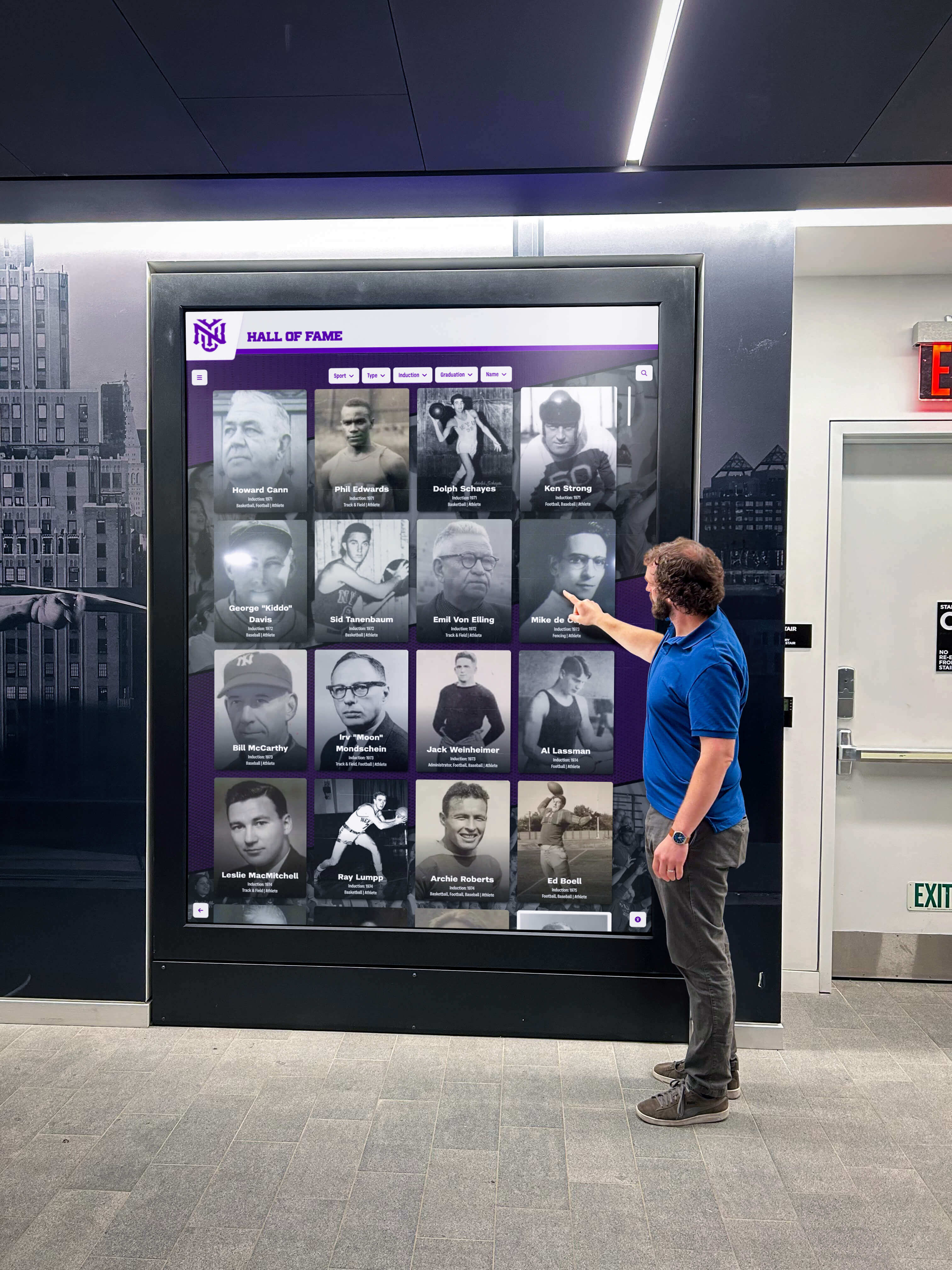
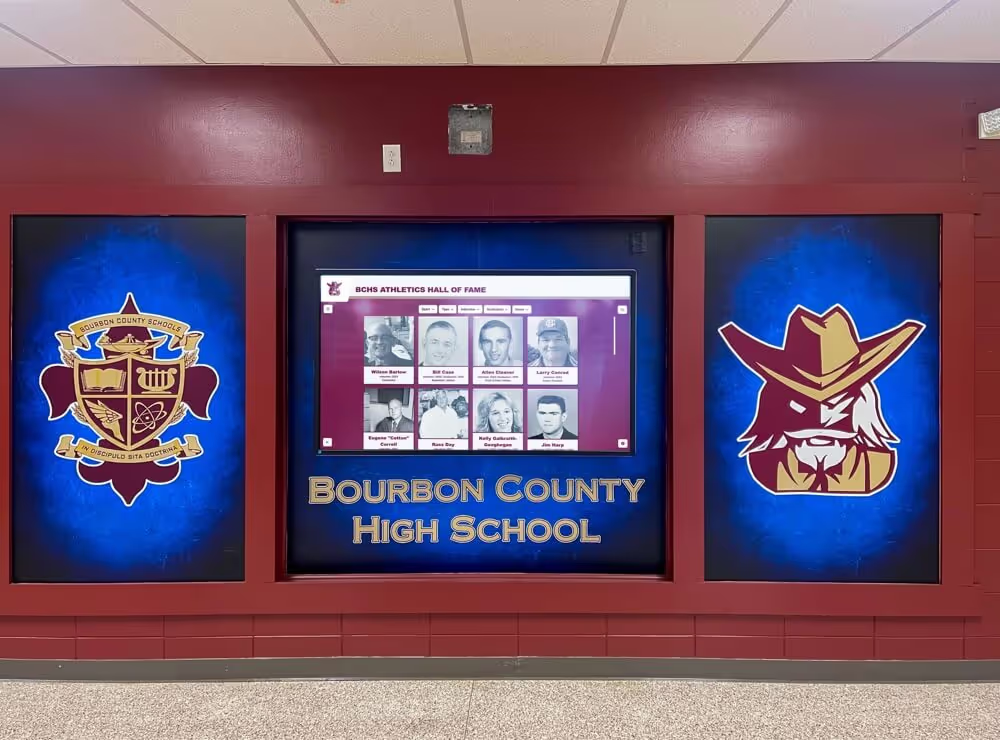
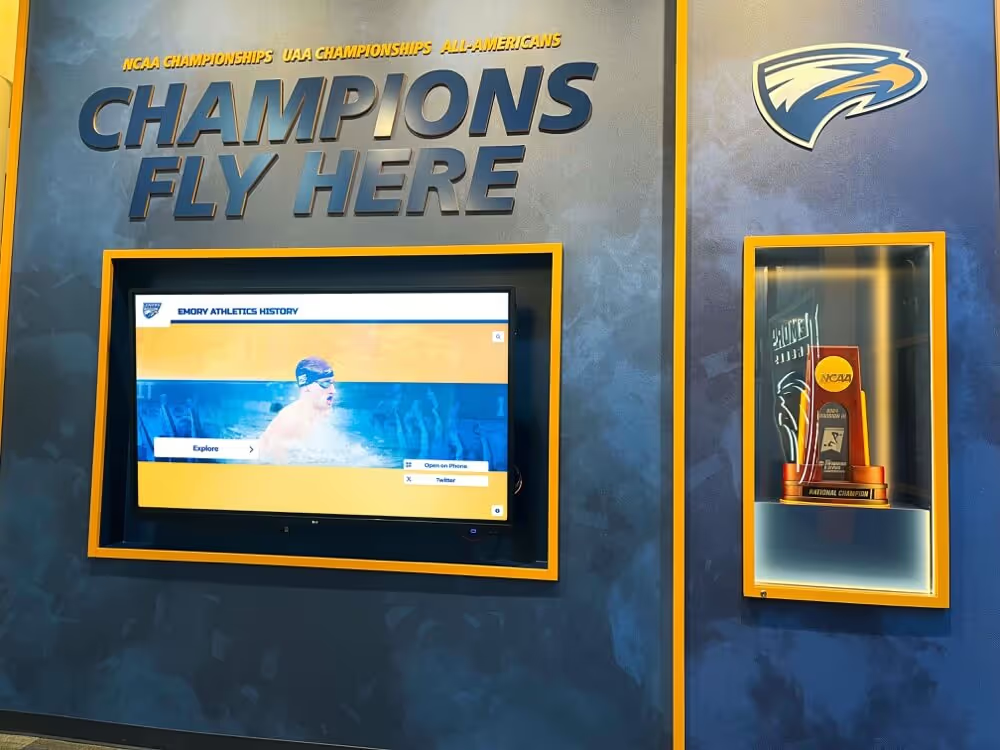
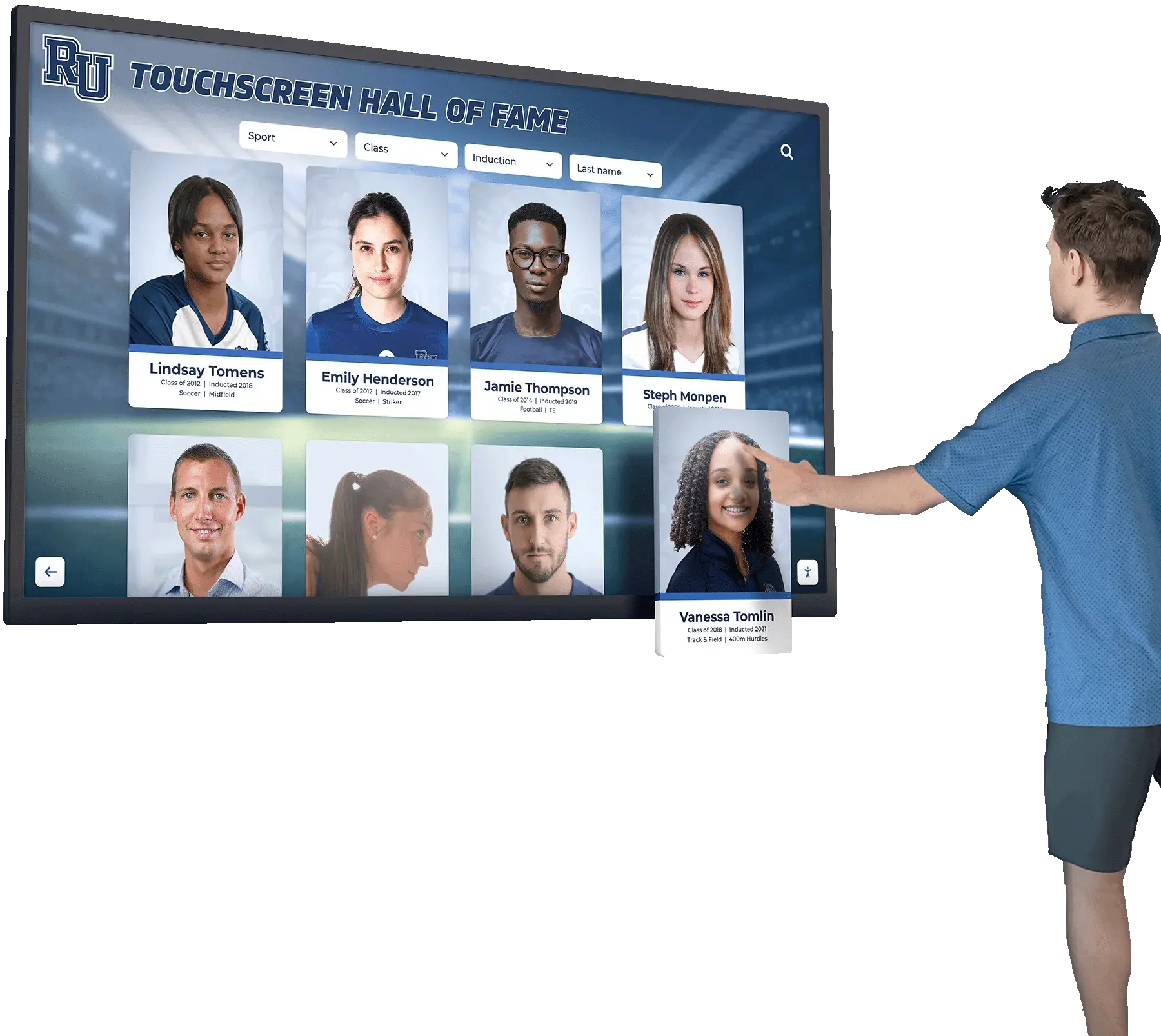
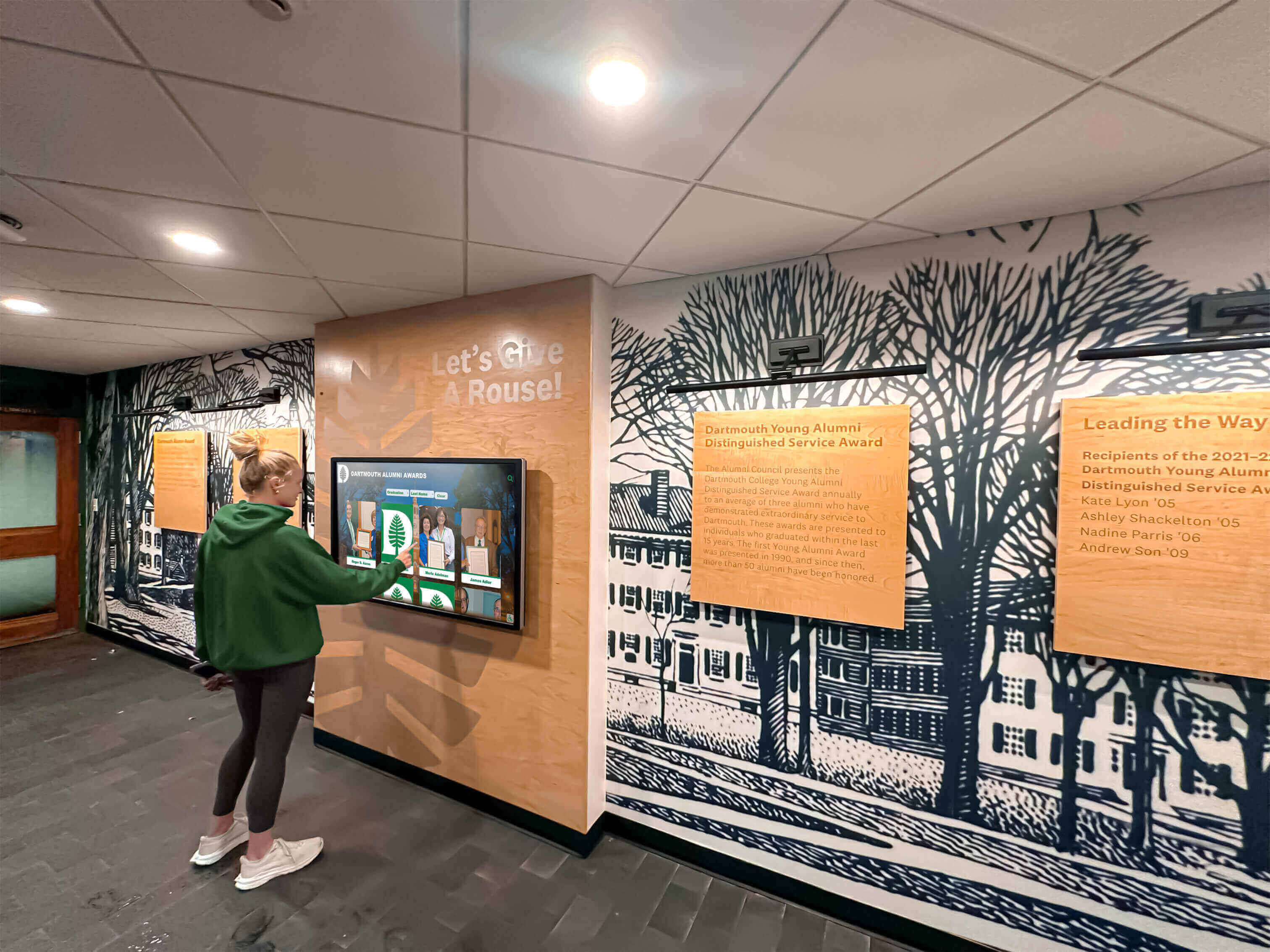
Interactive displays enable exploring leadership stories and contributions in depth beyond simple name listings
Modern Leadership Recognition Implementation
Digital recognition systems transform how schools celebrate and inspire leadership:
Digital Display Advantages for Leadership Recognition
Solutions like Rocket Alumni Solutions provide comprehensive platforms that overcome traditional recognition limitations through unlimited capacity accommodating all student leaders across all categories and years, multimedia storytelling with photos, videos, and detailed leadership narratives, real-time updates celebrating leadership as it happens rather than retrospectively, searchable archives enabling students to explore leadership pathways and role models, and mobile accessibility extending recognition reach beyond physical campus.
Leadership Profile Components Effective digital recognition tells complete leadership stories:
- Student photos creating personal connection
- Leadership position and role descriptions
- Specific accomplishments and initiatives led
- Impact metrics and outcomes achieved
- Skills developed and growth demonstrated
- Advisor testimonials and peer recognition
- Personal leadership philosophy and goals
- Contact information for mentorship connections
Recognition Update Strategies
- Monthly leadership highlight rotations on prominent displays
- Semester-end comprehensive leadership celebration updates
- Real-time recognition of significant leadership accomplishments
- Historical archive maintenance preserving institutional leadership legacy
- Alumni leadership profile additions connecting past and present leaders
Learn about digital recognition implementation in interactive kiosk design for schools.
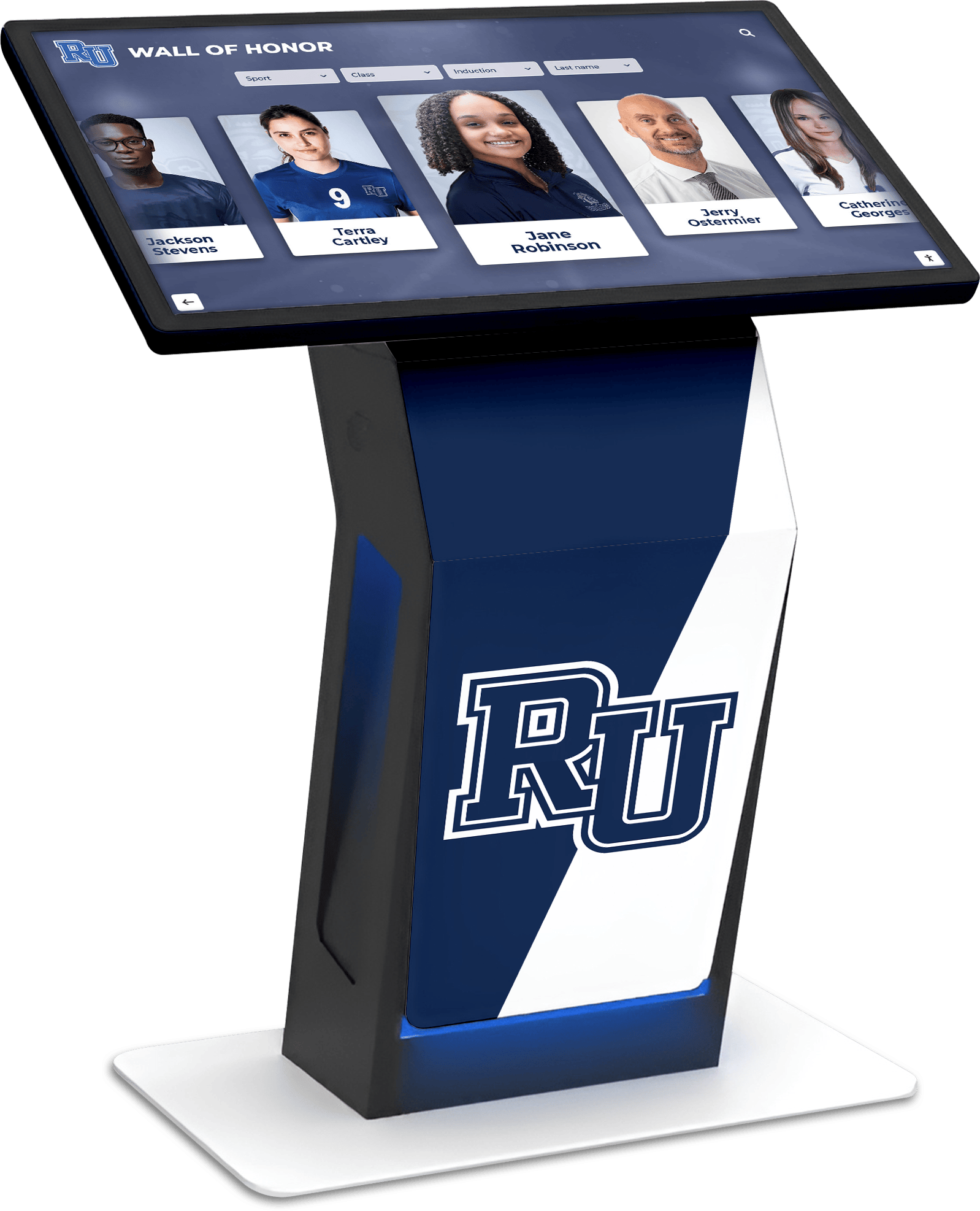
Comprehensive digital recognition platforms celebrate leadership while providing management tools that make recognition sustainable
Implementing Student Leadership Programs Successfully
Strategic implementation ensures leadership programs achieve intended developmental and institutional outcomes.
Program Design and Structure
Needs Assessment and Goal Setting
Begin with comprehensive evaluation establishing clear objectives:
- Current leadership opportunity inventory across departments and activities
- Gap identification where leadership development needs exist
- Student interest and readiness assessment
- Resource availability and constraint analysis
- Stakeholder input on leadership development priorities
- Alignment with institutional mission and strategic goals
Program Architecture Development
Create structured frameworks supporting systematic leadership development:
- Leadership pathway mapping from elementary through senior year
- Competency frameworks defining skills at developmental stages
- Application and selection processes for competitive leadership roles
- Training and orientation programming for new leaders
- Ongoing professional development throughout leadership tenure
- Assessment and feedback mechanisms measuring growth
- Recognition and celebration systems acknowledging contributions
Advisor and Mentor Selection
Adult support determines program success:
- Faculty advisor recruitment and assignment to leadership programs
- Advisor training on youth development and leadership pedagogy
- Community mentor connections providing real-world perspective
- Alumni mentor programs connecting current and former student leaders
- Peer mentor systems supporting leadership skill transfer
Launch and Ongoing Management
Program Launch Strategy
- Comprehensive communication to students, families, and community
- Application process implementation and leader selection
- Orientation programming establishing expectations and providing initial training
- Goal setting and planning sessions for leadership terms
- Public celebration and recognition of selected leaders
- Clear accountability structures and support systems
Sustainable Management Protocols
- Regular advisor meetings coordinating across leadership programs
- Monthly student leader check-ins monitoring progress and challenges
- Quarterly skill development workshops building competencies
- Semester reflection and assessment measuring growth and impact
- Annual program evaluation and improvement planning
- Budget management ensuring resource availability
- Recognition system maintenance celebrating leaders consistently
Schools implementing structured management protocols report significantly higher leadership program satisfaction and measurable student development compared to programs operating without systematic oversight.
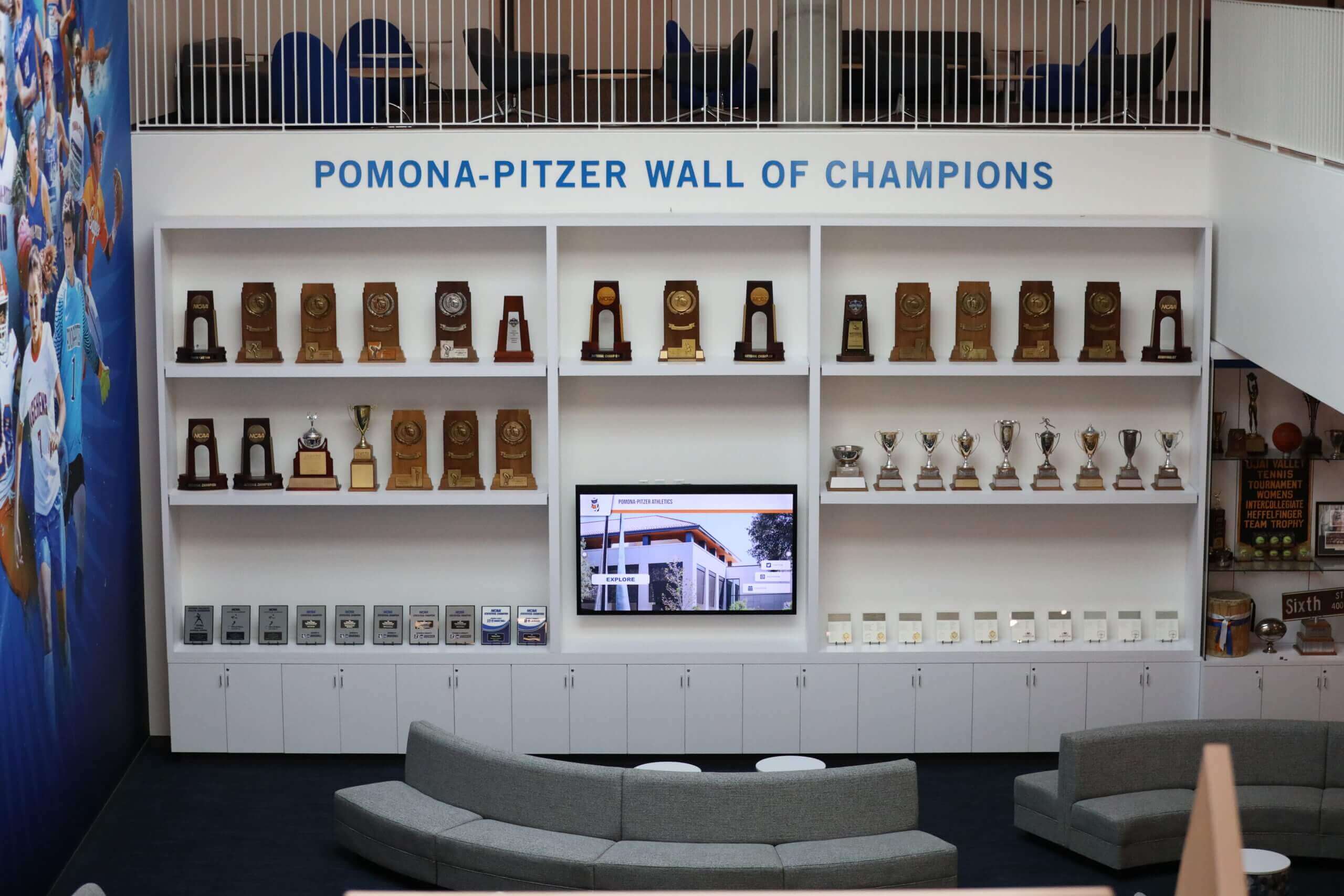
Strategic spaces combining recognition displays with comfortable gathering areas create leadership community and culture
Student Leadership Program Categories and Models
Different program types serve different developmental needs and institutional contexts.
Student Government and Governance
Traditional but essential leadership development pathway:
Executive Leadership Positions
- Student body president, vice president, and secretary/treasurer
- Grade-level presidents and representatives
- Committee chairs and appointed positions
- Administrative liaisons and board representatives
Legislative and Representative Structures
- Class representatives elected by peers
- Senate or council models with formal governance procedures
- Committee structures addressing specific domains
- Town hall and assembly formats enabling broad participation
Effective student government moves beyond social event planning to address meaningful challenges including school policy feedback and improvement recommendations, school climate and culture enhancement initiatives, community partnership and service project coordination, student voice amplification in administrative decisions, and advocacy for student needs and concerns.
Constitutional Governance Development
- Written constitution establishing roles, procedures, and authority
- Parliamentary procedure training and implementation
- Budget development and financial oversight
- Election processes and campaign regulations
- Impeachment and removal procedures when necessary
Leadership Classes and Formal Instruction
Academic approaches to systematic leadership development:
Curriculum Components
- Leadership theory and historical leader analysis
- Personality assessment and self-awareness development
- Communication skill building and practice
- Ethics and moral leadership exploration
- Experiential learning through real projects and challenges
- Community-based learning and service projects
- Reflection and portfolio development documenting growth
Course Structure Options
- Semester or year-long dedicated leadership courses
- Leadership academy models with intensive programming
- Summer leadership institutes and camps
- Weekend retreat formats for concentrated skill building
- Online and hybrid learning for flexible access
Schools implementing formal leadership courses report significant advantages in systematic skill development and measurable leadership competency growth compared to experiential-only approaches.
Peer Leadership and Mentorship Programs
Student-to-student leadership creates powerful development opportunities:
Peer Tutoring and Academic Support
- Subject-specific tutoring programs
- Homework help and study skills support
- Academic recognition programs that identify and celebrate tutors
- Reading buddies and literacy mentorship
- College application and test prep assistance
Social-Emotional and Transition Support
- New student orientation leaders welcoming and guiding newcomers
- Peer counseling and mental health support (with appropriate training and supervision)
- Conflict mediation and restorative justice facilitation
- Anti-bullying and inclusion campaign leadership
- Transition programs supporting elementary to middle or middle to high school
Specialized Mentorship Models
- Grade-level buddy systems pairing older and younger students
- Interest-based mentorship connecting students with shared passions
- Identity-based affinity groups providing cultural support
- Alumni-to-student mentorship connecting graduates with current students
- Community mentor programs linking students with adult professionals
Learn about celebration approaches in birthday recognition programs that can acknowledge peer leaders.

Accessible recognition systems enable students to explore leadership pathways and identify role models matching their interests
Specialized Leadership Programs
Domain-specific leadership development addressing particular needs:
Athletic Leadership Development
- Team captain programs with formal training and expectations
- Senior athlete leadership responsibilities and mentorship
- Sportsmanship and character development emphasis
- Multi-sport athlete leadership coordination
- Athletic ambassador programs for recruiting and community relations
Performing Arts Leadership
- Student director and choreographer opportunities
- Section leader and drum major positions in music programs
- Technical theater leadership and crew management
- Arts advocacy and community engagement leadership
- Competition team captains and coordinators
Community Service and Social Justice Leadership
- Service club leadership coordinating volunteer opportunities
- Advocacy campaign design and implementation
- Community partnership development and coordination
- Social justice education and awareness initiatives
- Environmental sustainability program leadership
Career and Technical Education Leadership
- CTE program leadership in specialized career pathway programs
- SkillsUSA and career competition team captains
- Work-based learning program ambassadors
- Entrepreneurship club and business plan leadership
- Technical skill peer instruction and mentorship
Measuring Leadership Program Effectiveness
Systematic assessment ensures programs achieve intended outcomes and enables continuous improvement.
Student Development Metrics
Leadership Competency Growth
- Pre/post assessment using validated leadership assessment instruments
- 360-degree feedback from peers, advisors, and teachers
- Portfolio documentation demonstrating skill application
- Self-reflection and growth narrative analysis
- External validation through competitions, awards, and recognition
Participation and Engagement Data
- Number of students participating in leadership programs by type
- Demographic distribution ensuring equitable access
- Retention rates across leadership program duration
- Participation intensity and multiple involvement tracking
- Longitudinal participation patterns from early grades through graduation
Post-Graduation Outcomes
- College admission and scholarship success rates
- Leadership position attainment in college and career
- Alumni reflection on leadership program impact
- Career trajectory analysis for program participants
- Civic engagement and community leadership participation
Institutional Impact Assessment
School Culture Indicators
- School climate survey results comparing leader and non-leader perceptions
- Behavioral referral and discipline data trends
- Student engagement and connectedness measures
- Attendance and academic achievement correlations
- Parent and community satisfaction metrics
Program Quality Measures
- Student satisfaction with leadership opportunities
- Advisor assessment of program effectiveness
- Administrative evaluation of student leader contributions
- Community partner feedback on student leadership
- External program review and accreditation when available
Regular assessment enables evidence-based program refinement ensuring leadership development achieves maximum impact on student growth and institutional outcomes.
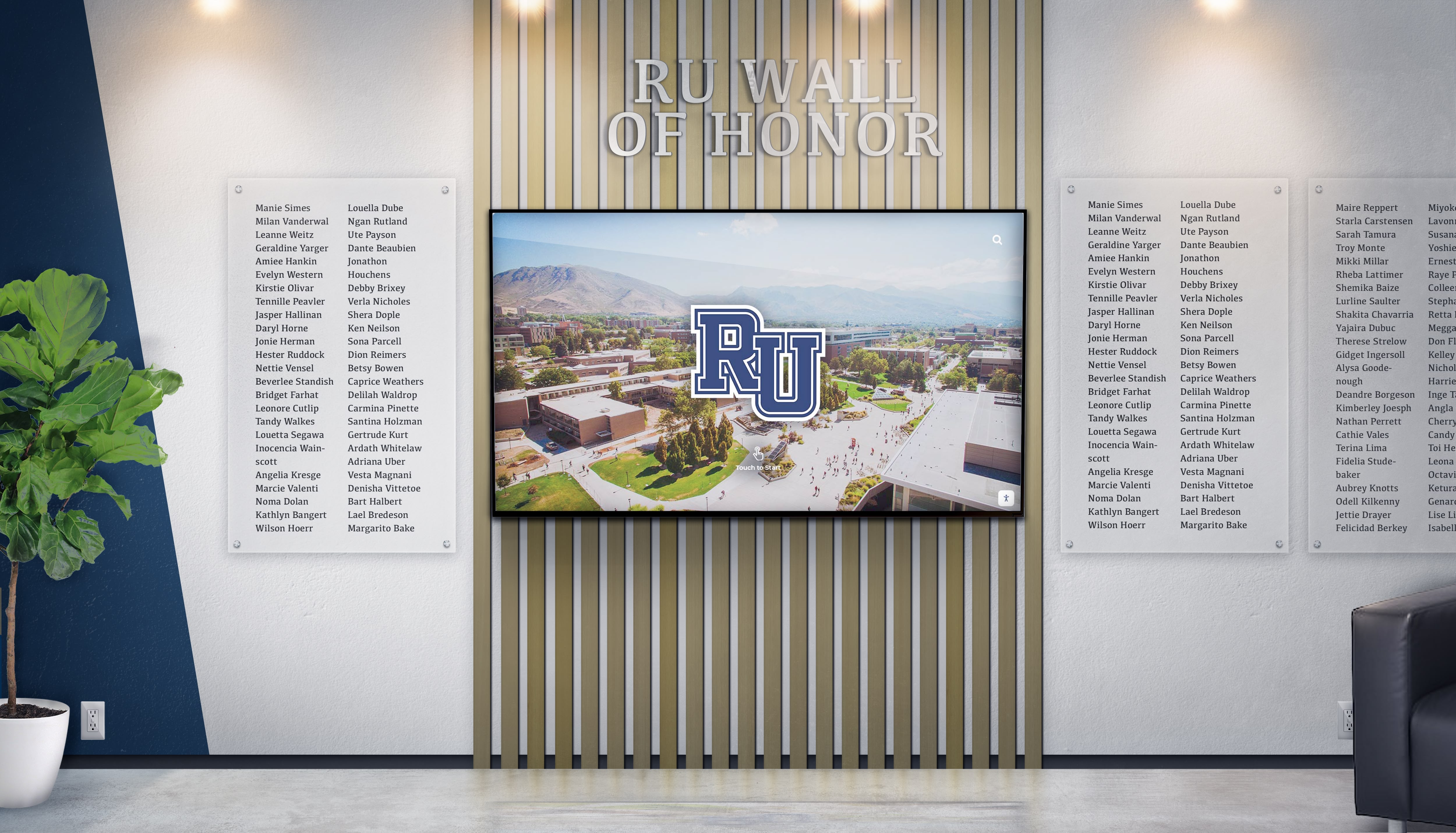
Comprehensive recognition combining digital and physical elements creates inspiring spaces celebrating leadership legacy
Creating Inclusive Leadership Programs
Effective programs ensure leadership opportunities exist for students across all backgrounds, identities, and starting points.
Equity in Leadership Development
Removing Participation Barriers
- Eliminate fees and financial requirements for leadership programs
- Provide transportation for after-school leadership activities
- Schedule programming accommodating work and family responsibilities
- Offer multiple participation models (intensive vs. lighter commitment)
- Ensure accessibility for students with disabilities
Proactive Identification and Recruitment Traditional leadership selection often perpetuates existing power dynamics. Inclusive programs actively identify potential leaders through teacher nomination emphasizing potential over current polish, student self-nomination with supportive application processes, peer nomination highlighting diverse leadership styles, demonstrated commitment in non-traditional contexts, and talent identification in diverse cultural leadership expressions.
Scaffolded Development Pathways
- Entry-level leadership opportunities requiring minimal experience
- Graduated responsibility matching developmental readiness
- Intensive support for first-generation student leaders
- Cultural competency training for all program participants
- Multilingual programming and materials when needed
Culturally Responsive Leadership Development
Diverse Leadership Model Recognition
- Acknowledge different cultural leadership traditions and styles
- Challenge Western individualistic leadership assumptions
- Value collective and community-oriented leadership approaches
- Recognize quiet influence alongside vocal advocacy
- Celebrate behind-the-scenes coordination and organization
Identity-Affirming Programming
- Affinity-based leadership groups for students from marginalized communities
- Cultural leadership celebration and storytelling
- Connection with community cultural leaders and traditions
- Safe space creation for identity exploration within leadership development
- Inclusive language and representation in all materials and communications
Learn about comprehensive recognition in staff recognition programs applicable to student leadership contexts.
Technology Integration in Leadership Programs
Digital tools enhance leadership program effectiveness and recognition reach.
Communication and Collaboration Platforms
Student Leader Communication Tools
- Dedicated digital platforms for leader collaboration and coordination
- Project management tools organizing leadership initiatives
- Document sharing and collaborative editing
- Calendar coordination and event management
- Internal communication channels reducing email overload
Stakeholder Engagement Technology
- School apps with student government and leadership features
- Social media presence amplifying student leader voice
- Digital signage systems communicating leadership initiatives
- Virtual town halls enabling broad student participation
- Survey and feedback tools gathering community input
Leadership Recognition Technology
Comprehensive Digital Recognition Systems
Platforms like Rocket Alumni Solutions transform leadership recognition through features including unlimited leader profiles across all program types and years, rich multimedia storytelling with photos, videos, and detailed narratives, leadership pathway visualization showing progression and development, searchable databases enabling students to find mentors and role models, web integration extending recognition beyond physical campus, and mobile optimization ensuring accessibility from any device.
Implementation Best Practices
- Strategic display placement in high-traffic areas maximizing visibility
- Regular content updates maintaining currency and relevance
- Diverse leader highlighting ensuring all leadership types receive recognition
- Alumni connection features linking past and current leaders
- Analytics tracking engagement and informing improvement
Discover digital hall of fame implementation strategies applicable to leadership recognition.
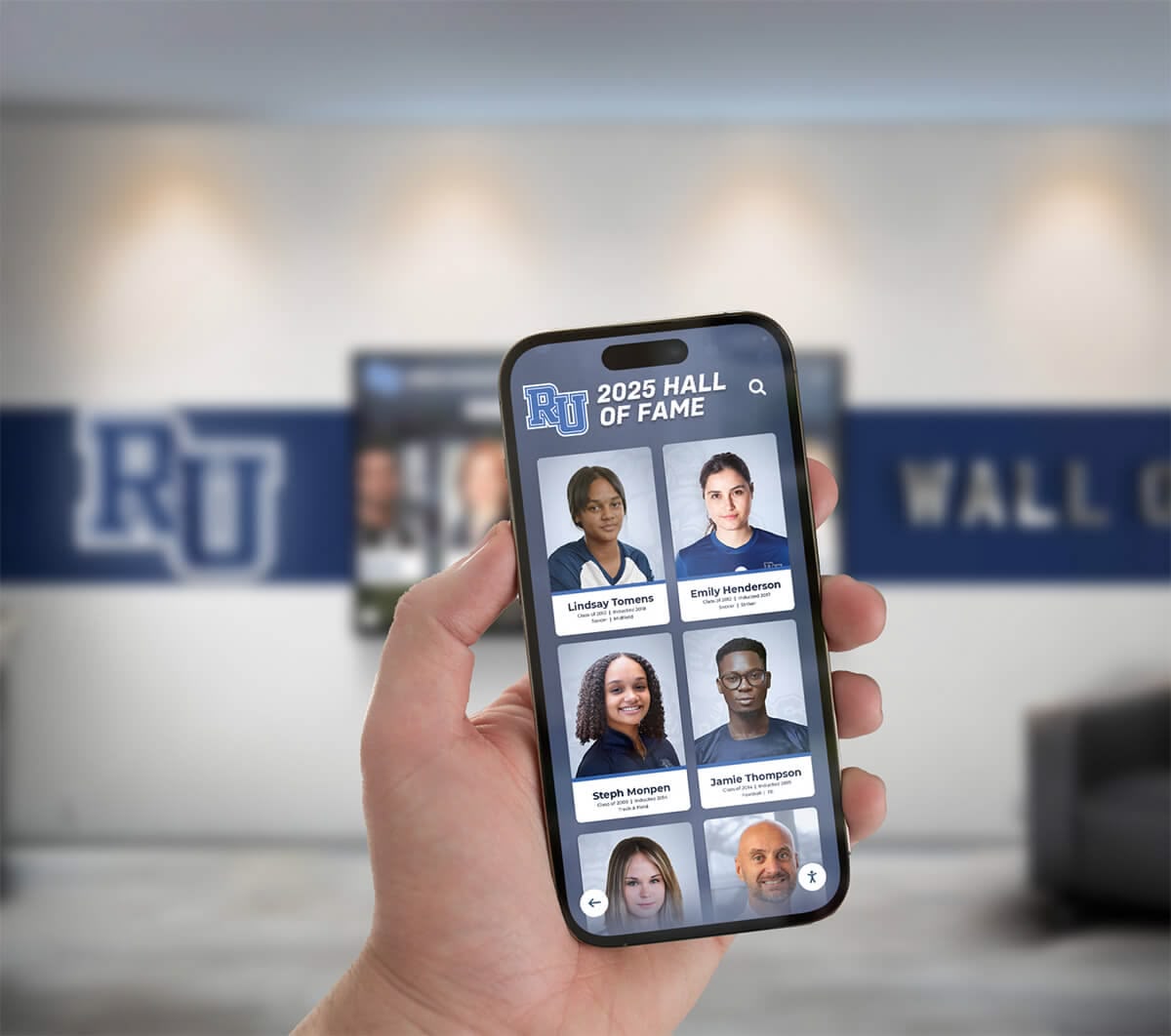
Mobile-responsive recognition extends leadership celebration beyond campus enabling families and community to engage
Special Considerations by School Level
Leadership program design should align with developmental stages and institutional contexts.
Elementary School Leadership
Age-Appropriate Leadership Opportunities
- Classroom helpers and responsibility roles
- Peer buddy systems and playground leaders
- Safety patrol and school service positions
- Student council introduction with simplified governance
- Leadership through example and character modeling
Foundational Skill Development
- Basic collaboration and teamwork
- Communication and expressing ideas clearly
- Following through on commitments
- Helping others and service orientation
- Understanding consequences and responsibility
Elementary programs emphasize leadership as helping, serving, and modeling positive behavior rather than authority and decision-making.
Middle School Leadership Development
Transition-Appropriate Programming
- Expanded student government with meaningful responsibilities
- Club and organization officer positions
- Grade-level leadership teams and competitions
- Peer mentoring and new student support
- School improvement committee participation
Adolescent Development Considerations
- Identity exploration through diverse leadership opportunities
- Peer acceptance balanced with individual leadership
- Adult mentorship supporting emerging independence
- Failure and learning as developmental opportunities
- Connection between current leadership and future opportunity
High School Leadership Programs
College and Career Preparation Focus
- Comprehensive student government with substantive authority
- Leadership portfolio development for college applications
- Community partnership and authentic problem-solving
- Formal leadership training and skill certification
- Alumni mentorship and post-graduation pathway connection
Senior Leadership Legacy
- Four-year leadership journey documentation and celebration
- Transition planning and underclassman mentorship
- Senior project leadership and capstone experiences
- Post-graduation leadership plan development
- Alumni network connection and ongoing engagement
Learn about senior celebration in end-of-year awards programs that recognize student leaders.

Recognition systems integrated into school environments create constant visibility for leadership values and achievements
Conclusion: Investing in Tomorrow’s Leaders Today
Student leadership programs represent one of the most impactful investments schools can make in student development and institutional culture. When schools create systematic approaches to leadership development—providing diverse pathways, structured skill building, meaningful responsibilities, and visible recognition—they prepare students for successful college, career, and civic participation while simultaneously strengthening school culture and community engagement.
The strategies explored in this guide provide comprehensive frameworks for building leadership programs that balance multiple objectives including developing essential 21st-century competencies through experiential learning, creating equitable access ensuring leadership opportunities for diverse students, providing authentic responsibilities creating real impact and learning, celebrating leadership contributions inspiring broader participation, and connecting current development with future college and career success.
Celebrate Your Student Leaders
Discover how digital recognition solutions can help you honor student leadership contributions, inspire broader participation, and create visible celebration of the leadership development happening throughout your school community.
Explore Leadership Recognition SolutionsStrategic Implementation Pathway
Schools developing or enhancing student leadership programs should begin with comprehensive assessment identifying current programs, gaps, and opportunities, engage stakeholders gathering input from students, staff, families, and community, design multi-tiered pathways ensuring diverse entry points and progressive development, implement structured programming providing systematic skill building and support, create recognition systems celebrating leaders and inspiring participation, and commit to ongoing evaluation measuring impact and enabling continuous improvement.
This systematic approach prevents common implementation challenges while ensuring leadership programs achieve intended developmental outcomes and institutional benefits.
The Leadership Development Imperative
Research consistently demonstrates that students who develop leadership skills during K-12 education demonstrate higher academic achievement, stronger college persistence, faster career advancement, greater civic engagement, and enhanced life satisfaction compared to peers lacking leadership development opportunities. Modern digital recognition technology makes comprehensive leadership celebration achievable—honoring not just high-visibility positions but diverse contributions, not just pinnacle accomplishments but growth and development, and not just current leaders but historical legacy connecting past and present.
When leadership development receives the same systematic attention and visible recognition as academic and athletic achievement, schools communicate that developing capable, ethical, engaged citizens matters as much as any other educational outcome.
Recognition as Leadership Development Tool
Modern recognition technology serves dual purposes—celebrating accomplished leaders while simultaneously inspiring broader student participation and demonstrating what schools value. Solutions like Rocket Alumni Solutions provide platforms specifically designed for educational institutions, combining powerful recognition capabilities with user-friendly administration, enabling schools to focus on developing leaders rather than managing technical systems.
Your student leaders deserve recognition that honors their contributions appropriately, tells their complete leadership stories, inspires other students to pursue leadership pathways, and strengthens their preparation for future success. With thoughtful programming, appropriate recognition technology, and sustained commitment, you can create leadership development systems that transform individual students while elevating school culture and community engagement.
Ready to enhance your leadership recognition? Explore digital recognition display options or discover comprehensive recognition strategies that celebrate student leadership across all domains and inspire continued excellence throughout your educational community.