After decades shaping young minds, inspiring curiosity, and building the foundation for thousands of students’ futures, retiring teachers deserve celebrations that honor their profound impact. These educators dedicated careers to nurturing potential, supporting struggling learners, celebrating achievements, and creating classroom environments where students felt valued and challenged. As they transition from daily classroom presence to well-earned retirement, schools face the meaningful challenge of recognizing contributions that extend far beyond lesson plans and grade books.
Yet too often, teacher retirement recognition falls short of the impact these educators made. Generic retirement parties blend together indistinguishably. Recognition focuses on years served rather than lives changed. Celebrations conclude with no lasting acknowledgment of careers that shaped entire communities. Meanwhile, former students who would treasure opportunities to honor beloved teachers never learn about retirement until educators have already departed.
According to the National Center for Education Statistics, approximately 100,000-200,000 teachers retire annually across the United States, representing decades of accumulated expertise and immeasurable student impact. These transitions offer precious opportunities to honor teaching excellence while demonstrating to current staff that schools genuinely value educator contributions.
This comprehensive guide explores meaningful teacher retirement party ideas that celebrate careers appropriately while creating lasting recognition extending beyond single events. Whether planning retirement celebrations for individual educators or developing systematic approaches honoring multiple retiring teachers, these strategies help schools express genuine appreciation while preserving legacies that inspired generations of learners.

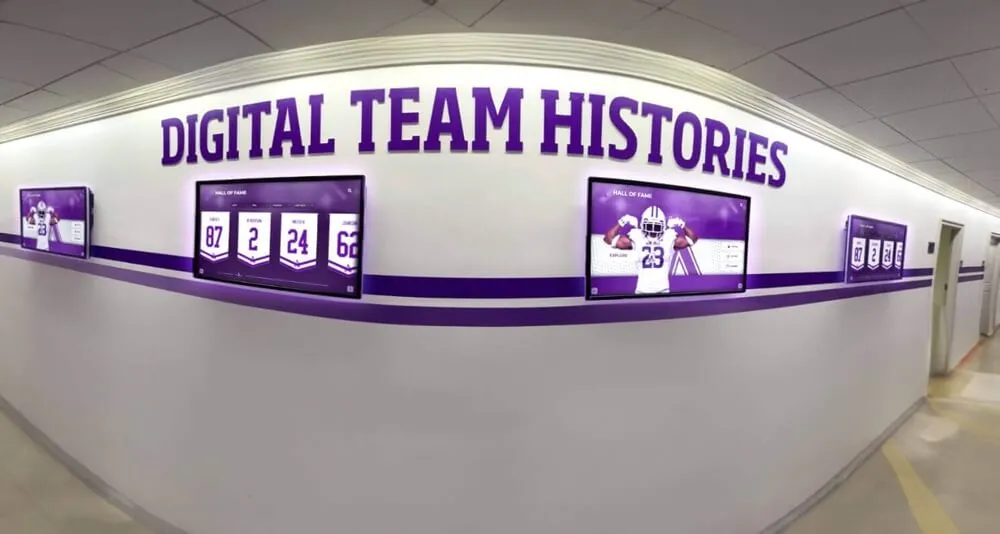
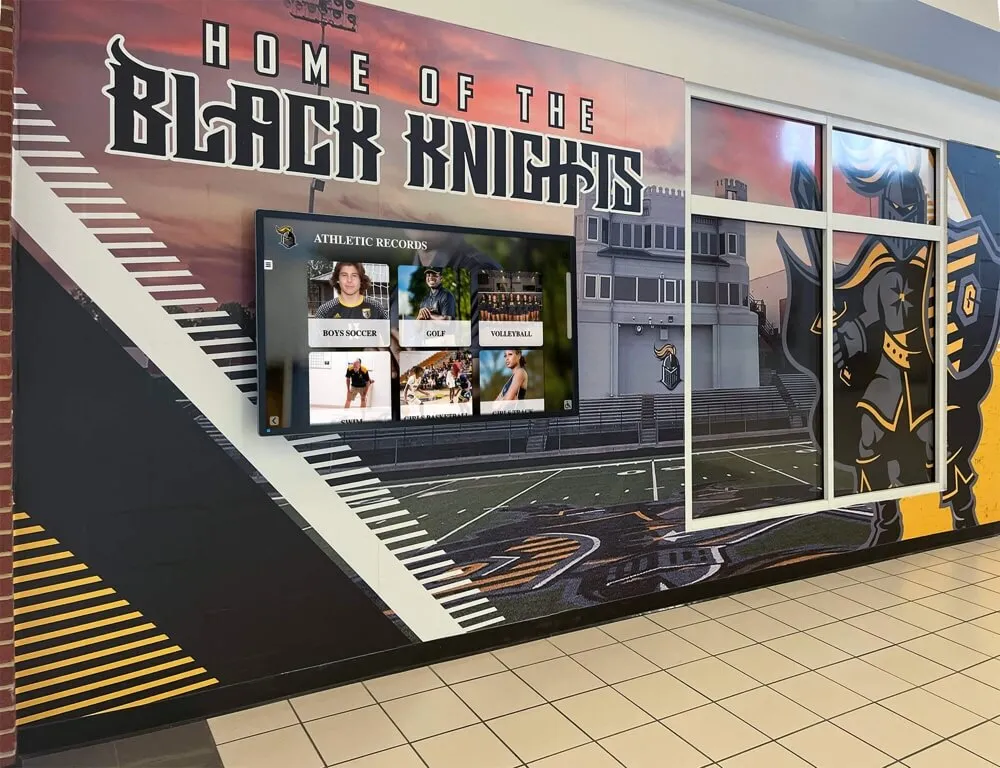
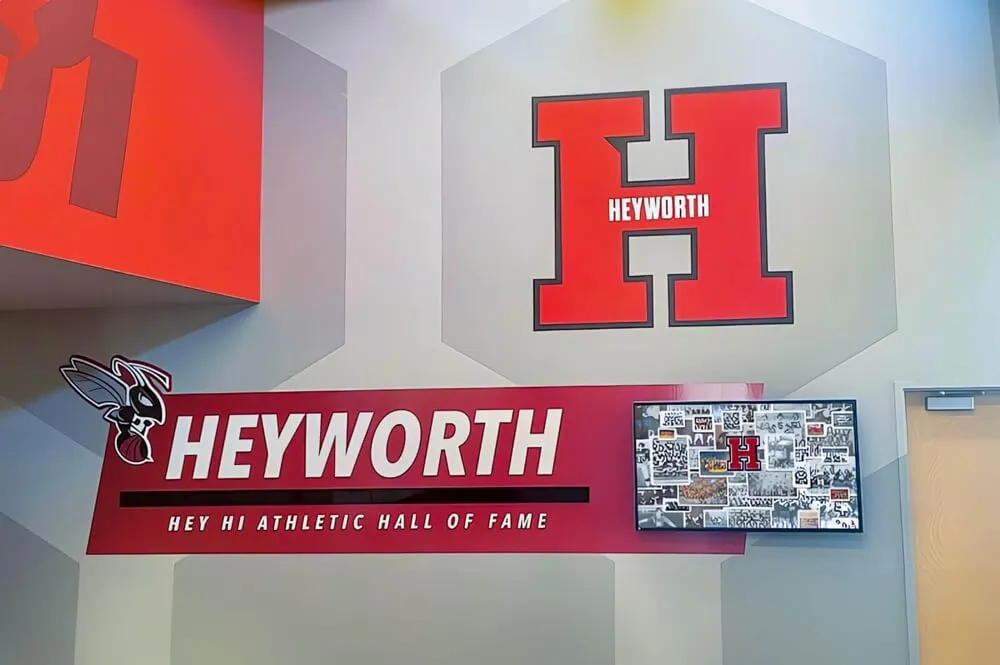
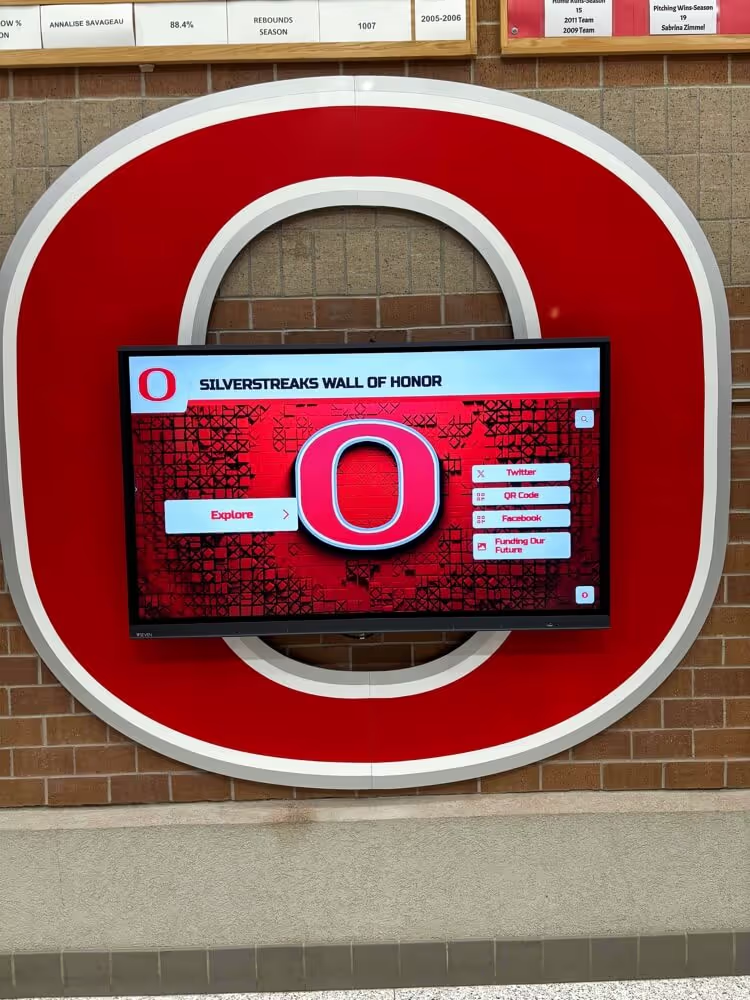
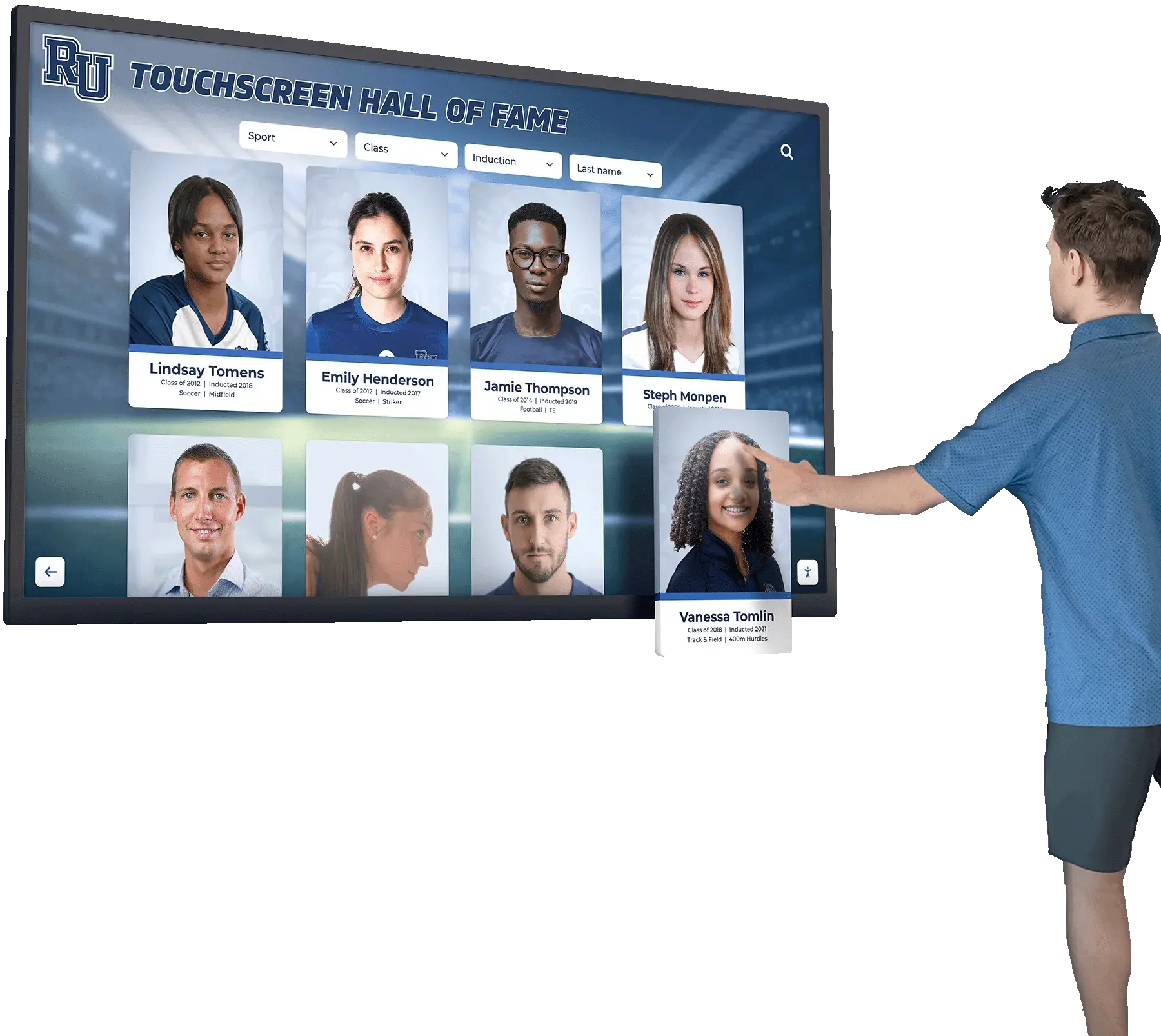
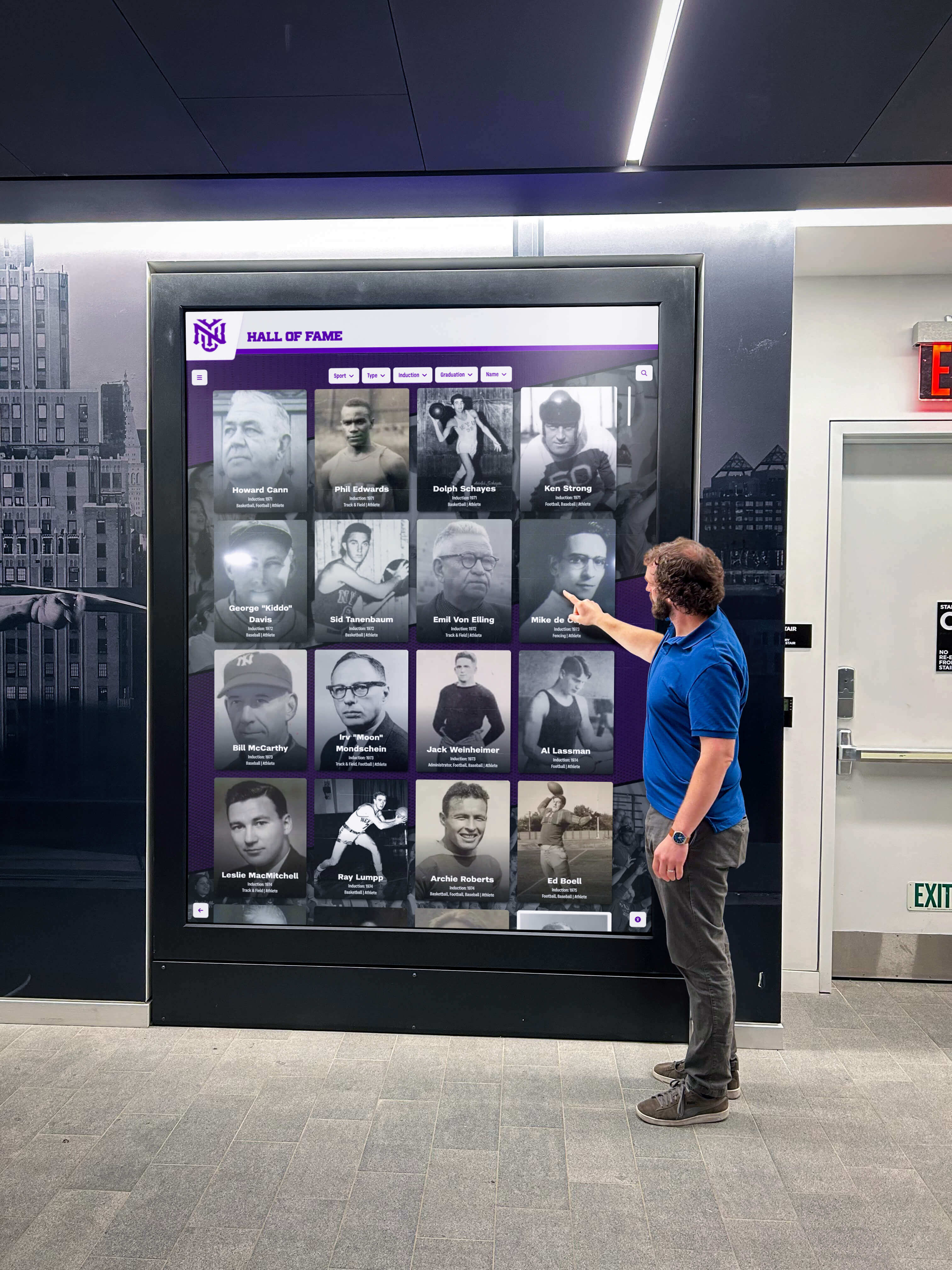
Interactive recognition displays preserve retiring teachers' legacies while making their contributions accessible to current and future school communities
Understanding What Makes Teacher Retirement Recognition Meaningful
Before exploring specific celebration ideas, understanding what retiring educators truly value helps schools design retirement recognition that resonates authentically rather than feeling perfunctory.
The Unique Nature of Teaching Careers
Teaching differs fundamentally from most professions in ways that shape appropriate retirement recognition:
Relationship-Centered Impact
Teachers’ most significant contributions involve relationships built with individual students across decades. While other professionals might point to concrete products, completed projects, or financial metrics, educators measure careers in students encouraged, potential unlocked, and lives redirected through timely intervention or unwavering belief. This relationship-centered impact requires recognition that honors human connections rather than abstract accomplishments.
Multigenerational Influence
Many veteran teachers taught multiple generations within families—parents, then their children, sometimes even grandchildren. This multigenerational reach creates unique legacy dimensions as family after family experienced the same educator’s influence across decades. Retirement celebrations acknowledging these family connections validate the sustained community impact few other professions create.
Legacy Beyond Visibility
Teachers rarely witness the full impact of their work. Students who struggled in third grade might become engineers, doctors, or teachers themselves, carrying forward lessons learned decades earlier. The classroom encouragement that seemed routine to educators often represented pivotal moments for students. Retirement recognition that connects retired teachers with former students’ subsequent success validates that invisible legacy.
What Retiring Teachers Value Most
Research and anecdotal evidence from educator retirement celebrations reveal consistent themes about what teachers find most meaningful:
Genuine Student Appreciation
Nothing resonates more powerfully with retiring teachers than hearing from former students about specific ways their teaching made differences. The student who hated reading until a teacher’s patience unlocked literacy. The struggling learner who found confidence through an educator’s unwavering belief. The class lesson that sparked lifelong interest leading to career choices. These personal impact stories validate teaching careers far more effectively than generic appreciation speeches.

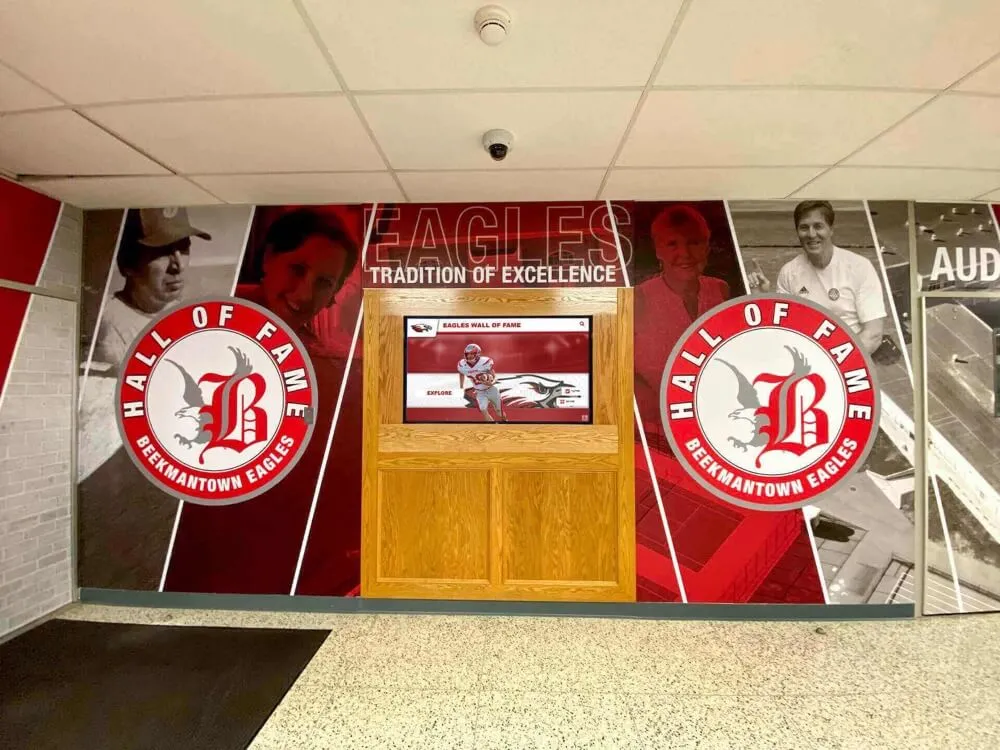
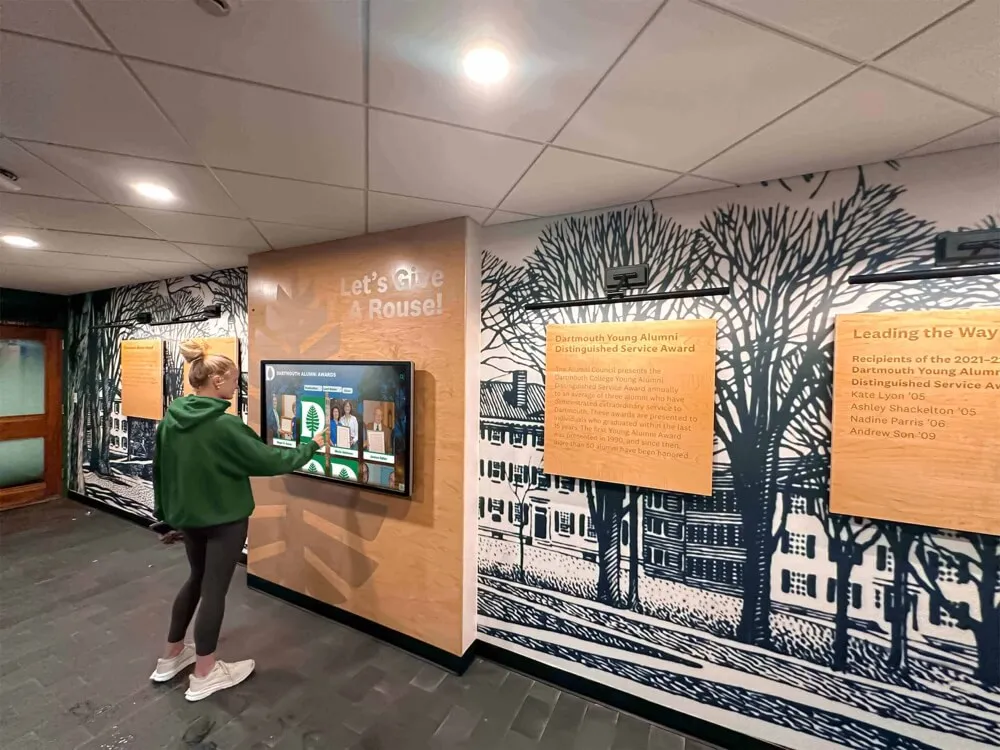
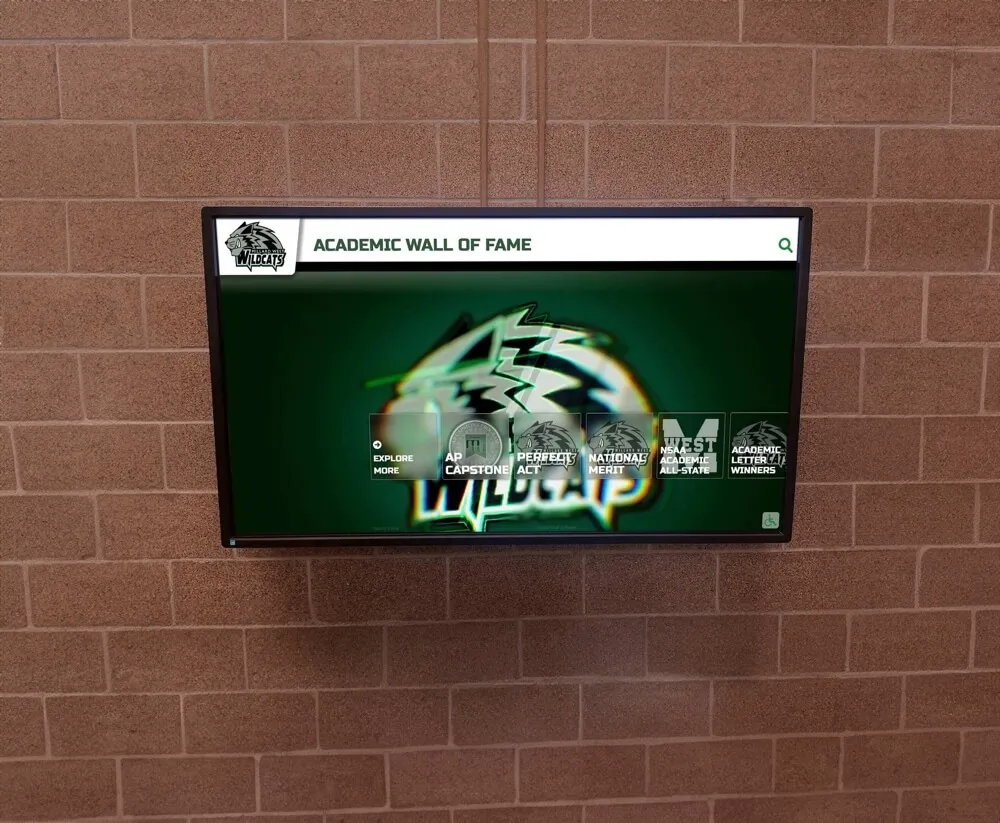
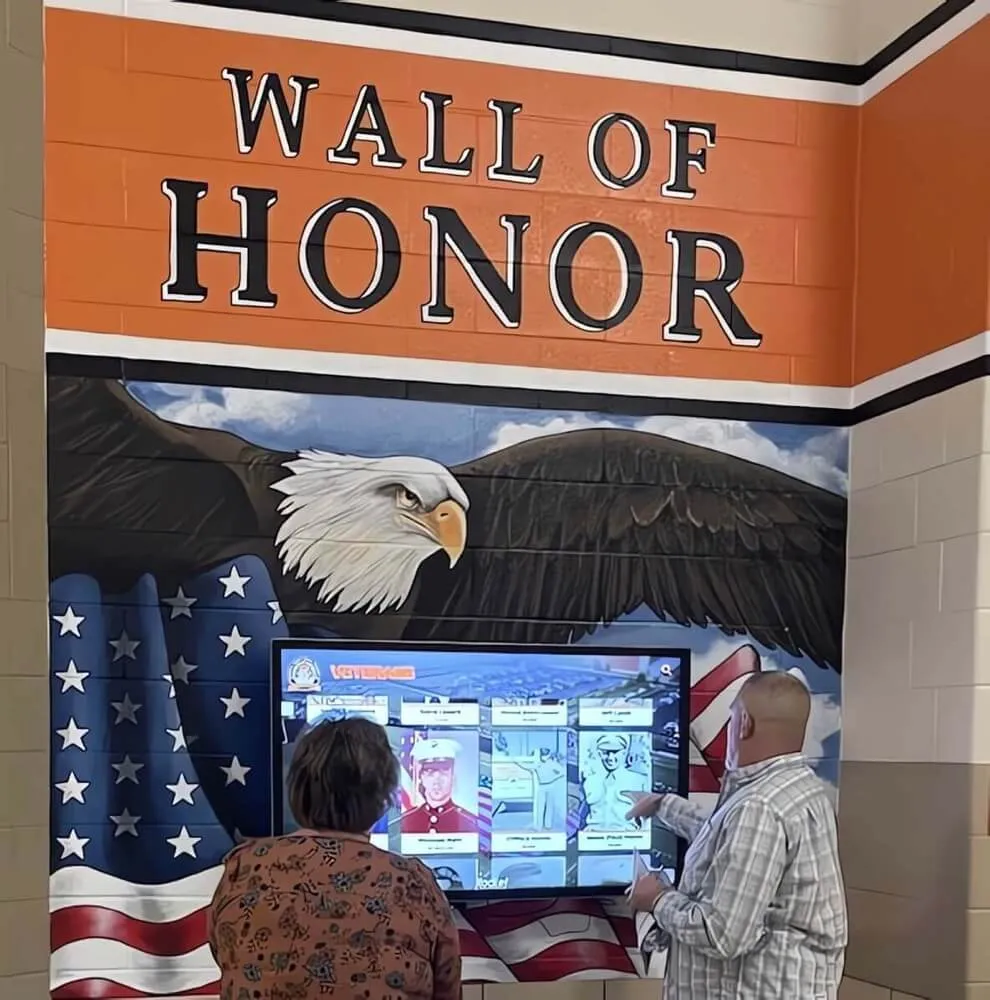
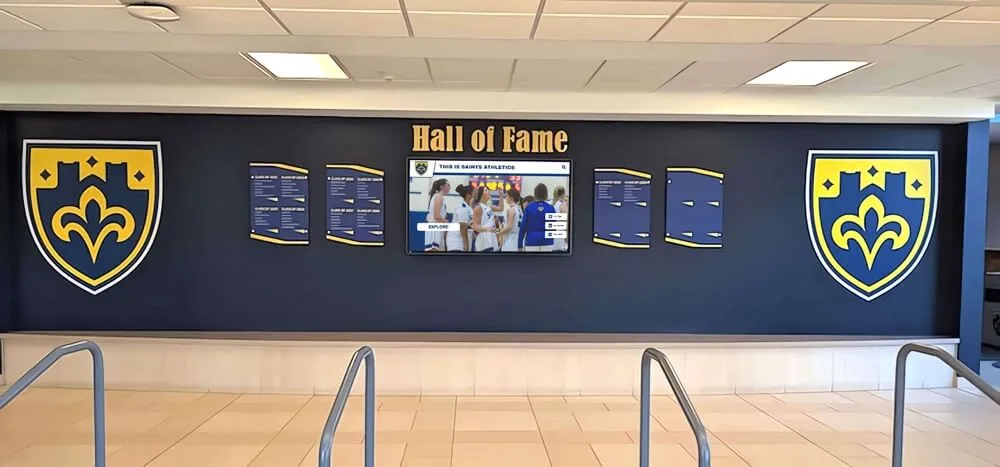
Recognition systems integrated throughout school buildings ensure retiring educators' legacies remain visible daily
Lasting Legacy Recognition
Temporary celebrations fade quickly. Retiring teachers appreciate permanent recognition ensuring their contributions remain visible to future students and staff. Whether physical plaques, dedicated spaces, or digital recognition displays, lasting acknowledgment communicates that decades of service created permanent impact on school communities.
Acknowledgment of Specific Contributions
Generic appreciation that could apply to any educator feels hollow. Retiring teachers value recognition highlighting their unique contributions—the drama program built from nothing, the struggling readers mentored annually, the innovative curriculum developed, the school culture improved through leadership. Specific acknowledgment demonstrates schools genuinely understand individual impact rather than offering formulaic appreciation.
Celebration Including Meaningful Relationships
Retiring teachers want retirement celebrations shared with people who mattered throughout careers—teaching colleagues who became friends, administrators who supported growth, former students whose success brought joy, and family members who sacrificed during demanding teaching years. Inclusive celebrations honoring these relationship networks feel more authentic than programs focused solely on retiring individuals.
Creative Teacher Retirement Party Themes and Formats
The celebration format and theme fundamentally shape whether retirement events feel meaningful or perfunctory.
This Is Your Life: Career Journey Celebrations
Create chronological celebrations walking through retiring teachers’ careers from first teaching positions through final classrooms:
Decade-by-Decade Recognition
Structure programs around career decades, highlighting signature moments, teaching evolution, and student cohorts from each period. Display photographs showing educators in different career stages, share representative student stories from various decades, and acknowledge how teaching approaches evolved across changing educational landscapes.
Educational Timeline Displays
Create visual timelines documenting career milestones including schools served, subjects taught, leadership roles undertaken, curriculum developed, awards received, and significant educational trends encountered. These timelines provide context helping attendees appreciate career breadth while serving as conversation starters during celebrations.
Former Student Video Messages
Compile video messages from former students spanning career decades, sharing specific memories and describing current lives. These videos often become retirement celebration highlights as retired teachers discover impact on students they barely remembered or witness how childhood students matured into accomplished adults.
Learn more about creating comprehensive recognition through teacher appreciation recognition programs that celebrate educator contributions systematically.

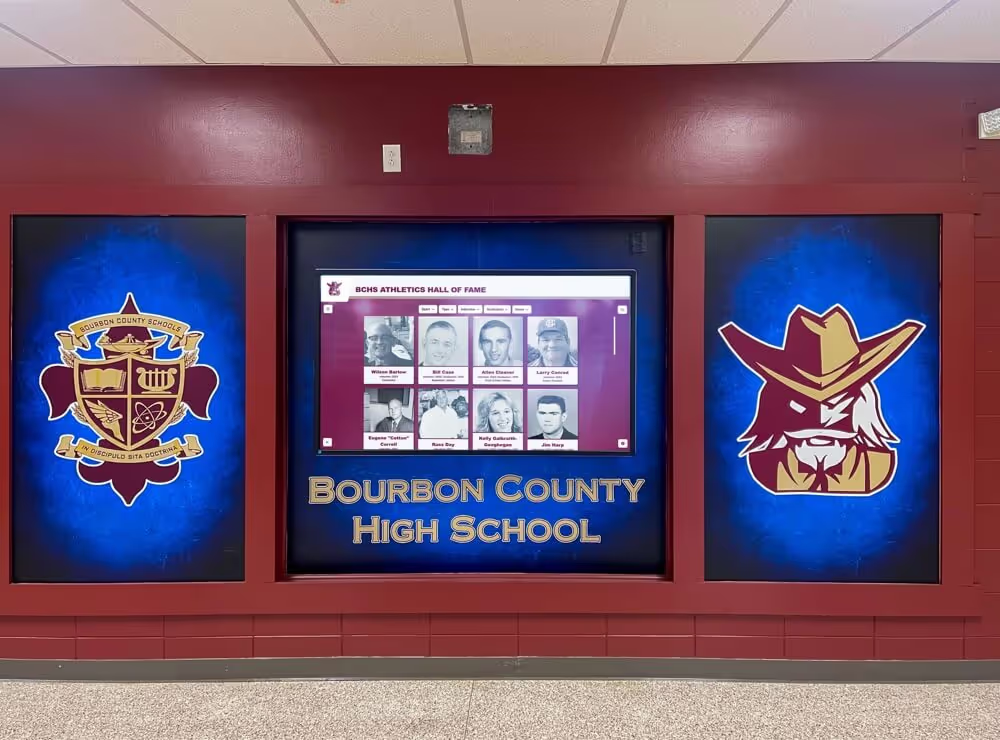
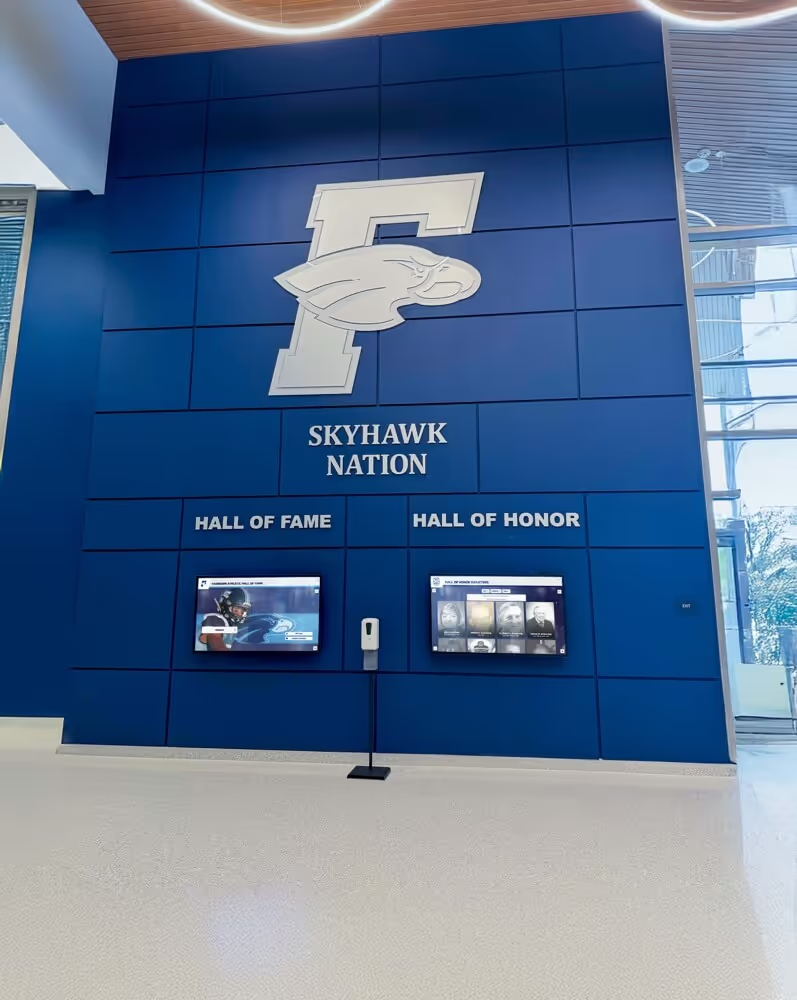
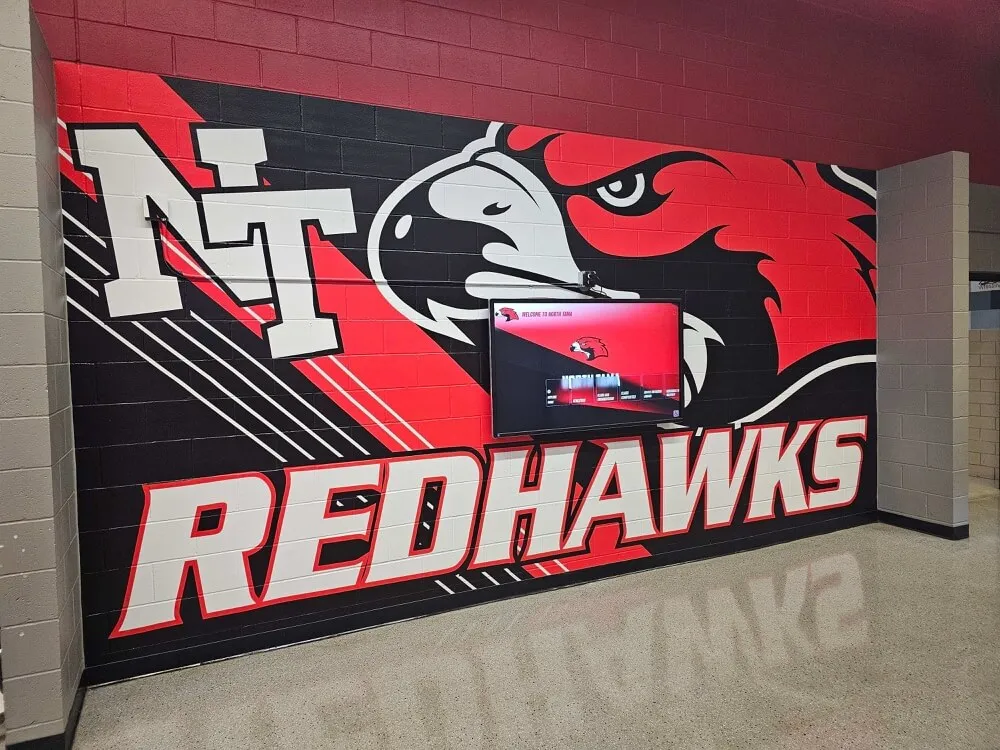
Digital recognition systems enable detailed exploration of educator contributions, teaching philosophies, and career highlights
Subject-Specific Themed Celebrations
Honor retiring teachers through themes reflecting subjects taught or teaching approaches embodied:
Literature and Reading Teacher Celebrations
Create book-themed events featuring students’ favorite texts from retiring teachers’ classrooms, literary quotes reflecting teaching philosophies, and “chapters” in teachers’ career stories. Guests might share “bookmark memories”—brief moments that marked turning points in their educational journeys. Design invitations resembling book covers and use library or reading-room ambiance for intimate celebration atmospheres.
Science and STEM Teacher Recognition
Design celebrations around discovery, experimentation, and curiosity that defined science educators’ teaching. Use laboratory or science fair aesthetics, share student research projects inspired by retiring teachers, and highlight how scientific thinking shaped classroom approaches. Create “experiment success stories” documenting students whose STEM careers trace back to early encouragement.
Arts and Music Teacher Celebrations
Honor retiring arts educators through performances featuring current students, alumni returning to perform pieces first learned in retiring teachers’ classes, and displays showcasing artwork or musical programs developed throughout careers. These performance-based celebrations let teaching impact speak through students whose artistic development reflects educators’ mentorship.
Special Education Teacher Recognition
Celebrate educators who specialized in supporting learners with diverse needs through events honoring individualized relationships, breakthrough moments when students overcame challenges, and inclusive teaching approaches that changed school cultures. Recognition should honor patience, advocacy, and ability to see potential others missed.
Community Gathering and Open House Formats
Rather than single formal events, consider extended open house formats enabling broader community participation:
Multi-Day Recognition Periods
Designate retirement recognition weeks with daily opportunities for different school community segments to celebrate retiring educators. Monday might feature current student recognition, Tuesday welcomes recent alumni, Wednesday honors teaching colleagues, Thursday invites long-ago students, and Friday brings families together for comprehensive celebration. This extended format accommodates diverse schedules while preventing overwhelming single-day events.
Drop-In Celebration Receptions
Host afternoon or evening receptions where community members can attend briefly to share appreciation without committing to lengthy programs. Provide memory books where attendees write messages, display career photographs and memorabilia, and create relaxed atmospheres enabling personal conversations rather than formal presentations.
These flexible formats particularly suit retiring teachers who prefer intimate interactions over being spotlighted during formal programs. Consider approaches described in volunteer appreciation ideas for relationship-centered recognition strategies.
Personalized Recognition Elements That Honor Individual Impact
Generic retirement recognition undermines celebration meaning. Personalization demonstrates schools genuinely understand retiring educators’ unique contributions.
Student-Generated Recognition Content
Nothing validates teaching careers more powerfully than former students expressing specific appreciation:
“How You Changed My Life” Student Submissions
Invite current and former students to submit written, video, or audio messages describing specific ways retiring teachers influenced their lives. Compile these into bound books, video montages, or dedicated websites where educators can revisit appreciation repeatedly. The most meaningful submissions often describe moments teachers barely remember but students never forgot—the extra help that unlocked understanding, the encouragement during difficult periods, the high expectations communicating belief in potential.
Illustrated Impact Maps
Create visual representations showing geographic spread of former students whose lives retiring teachers touched. Display maps marking where alumni live and work currently, connecting locations to specific student stories. These visualizations make abstract impact concrete while demonstrating careers influenced people literally around the world.
Career Inspiration Documentation
Survey former students about career choices, asking whether retiring teachers inspired professional directions. Compile results showing how many students became educators themselves, pursued subjects first loved in retiring teachers’ classrooms, or developed skills foundational to career success. This quantifiable impact validates that teaching careers created measurable differences.
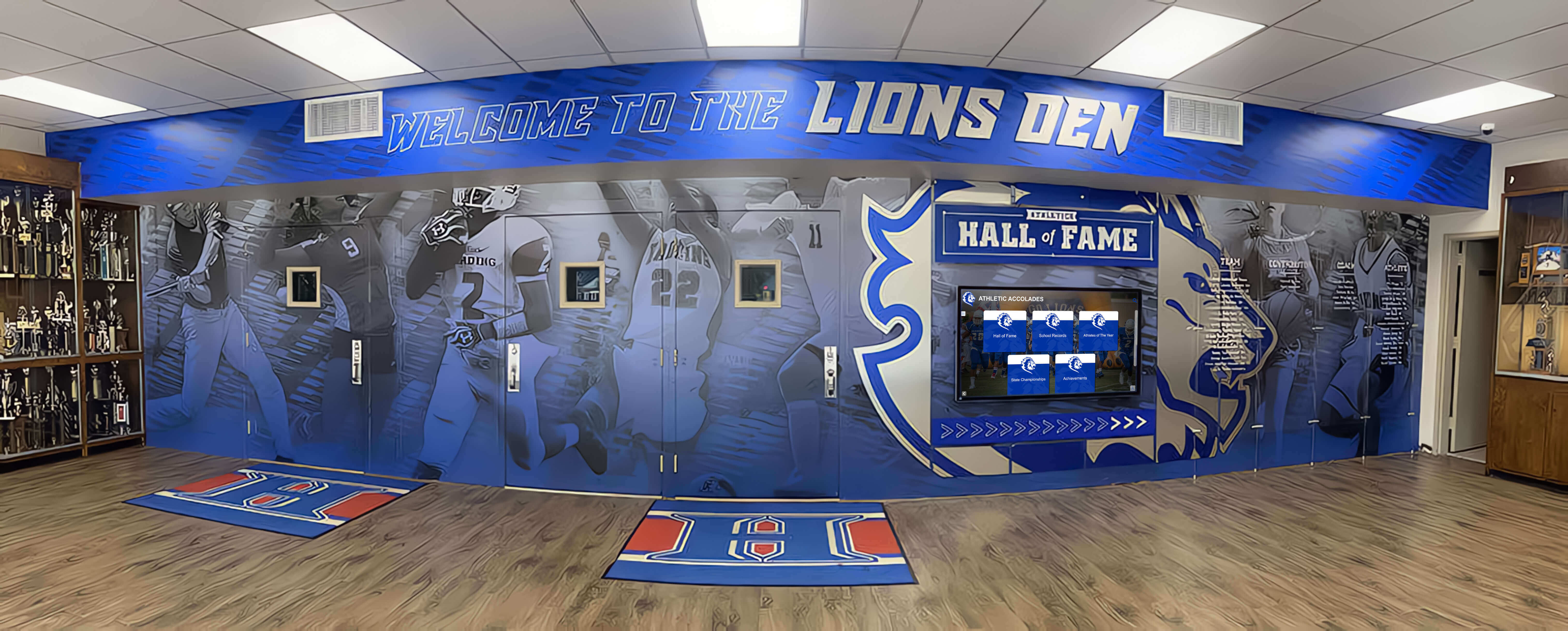
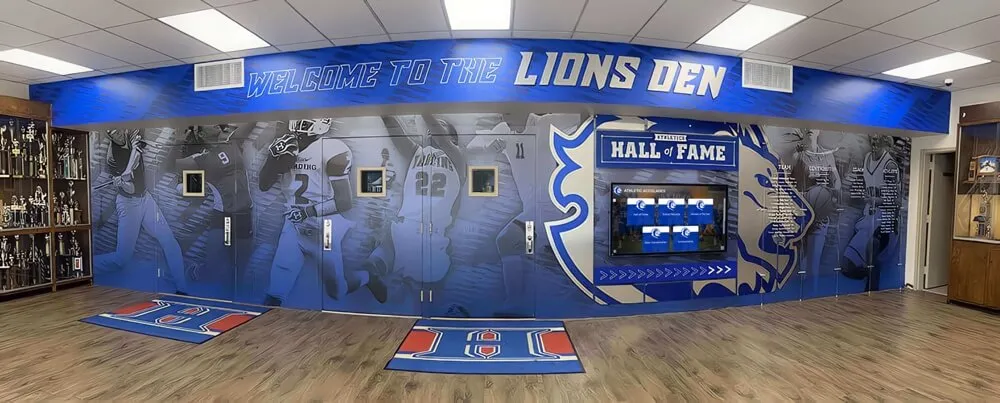
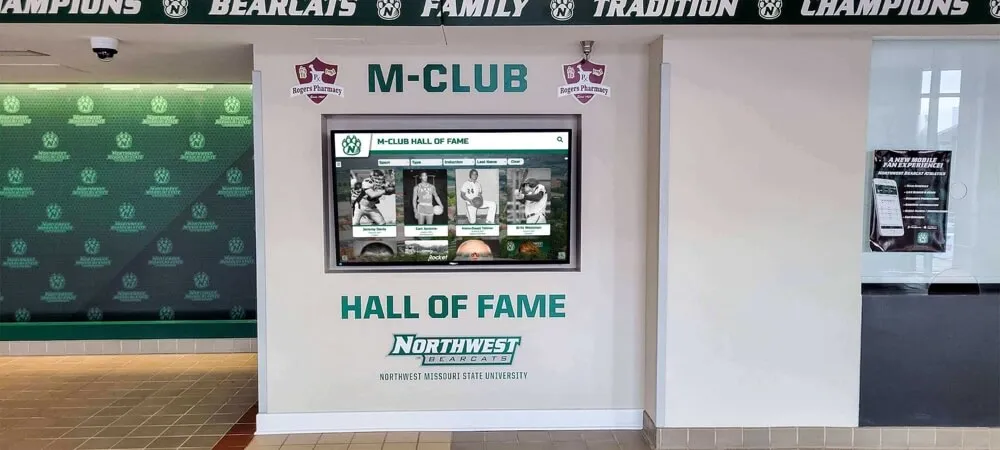
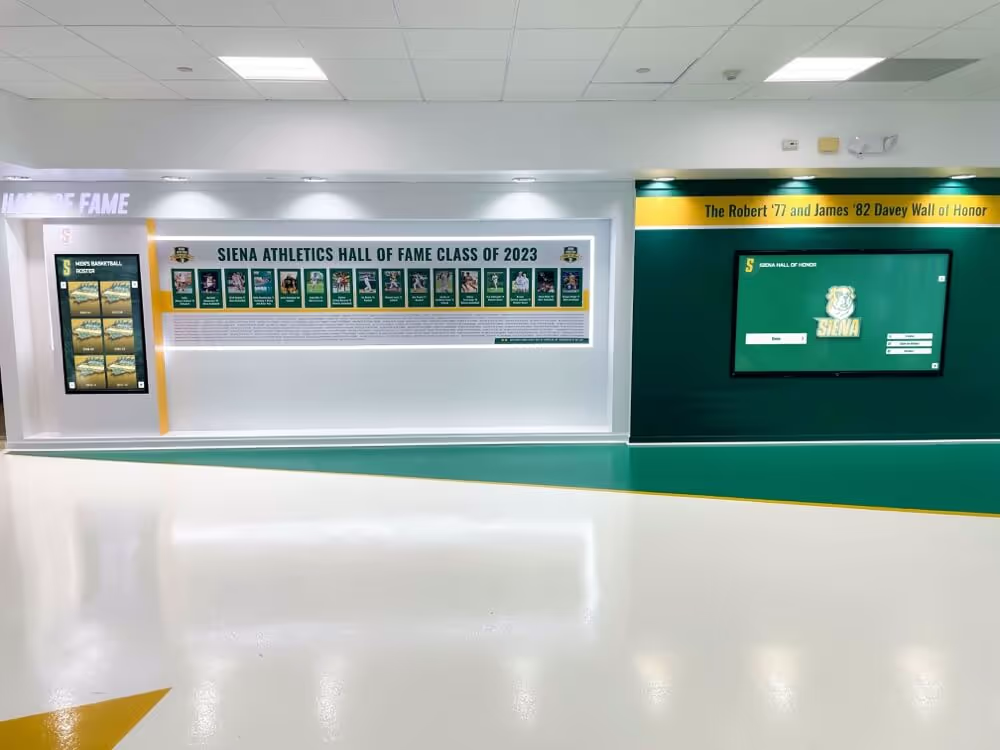
Integrated recognition spaces combine multiple display types to honor educator contributions alongside other school achievements
Colleague and Administrator Testimonials
Fellow educators and school leaders offer unique perspectives on retiring teachers’ contributions:
Teaching Philosophy Documentation
Ask colleagues to describe retiring teachers’ signature approaches, classroom management strategies that worked consistently, or innovative techniques worth preserving institutionally. This documentation honors intellectual contributions while capturing teaching wisdom that might otherwise leave with retiring educators.
Behind-the-Scenes Impact Stories
Invite colleagues and administrators to share stories about retiring teachers’ contributions beyond direct instruction—the mentorship of new teachers, the curriculum development improving entire departments, the student advocacy changing support systems, or the committee work improving school culture. These stories validate that influence extended throughout buildings, not just within classrooms.
Legacy Commitments
Some schools establish annual awards, scholarships, or programs named for retiring teachers, ensuring ongoing legacy recognition. Awards might honor students exemplifying values retiring educators championed. Scholarships could support students pursuing subjects or careers reflecting teachers’ passions. Programs might continue innovative approaches retiring educators pioneered. Learn about creating lasting impact through academic recognition programs that honor educational excellence.
Memory and Milestone Collections
Tangible keepsakes help retiring teachers preserve and revisit career memories:
Comprehensive Memory Books
Create professional-quality memory books combining career photographs, student messages, colleague testimonials, career timeline documentation, and spaces for retiring teachers to add personal reflections. These books become treasured possessions enabling educators to revisit careers during retirement.
Digitized Career Archives
Scan and organize decades of career documentation including lesson plans, classroom photographs, student work samples, correspondence, and awards into accessible digital archives. These organized collections preserve materials that might otherwise deteriorate while making career documentation easily browsable.
Video Documentary Projects
Produce professional video documentaries about retiring teachers’ careers, featuring interviews with educators themselves describing teaching philosophies and memorable moments, interspersed with student and colleague testimonials. These videos become permanent records families treasure while serving as inspiration for current educators.
Symbolic Gifts Reflecting Teaching Impact
Thoughtful symbolic gifts communicate appreciation while providing lasting retirement mementos:
Classroom Legacy Items
Preserve and present items symbolizing retiring teachers’ classrooms—the well-worn chair where thousands of students sat for reading help, the whiteboard where countless lessons unfolded, books from classroom libraries where students discovered reading joy, or materials from signature projects students remembered decades later. These tangible items carry symbolic weight connecting physical objects to countless interactions and relationships.

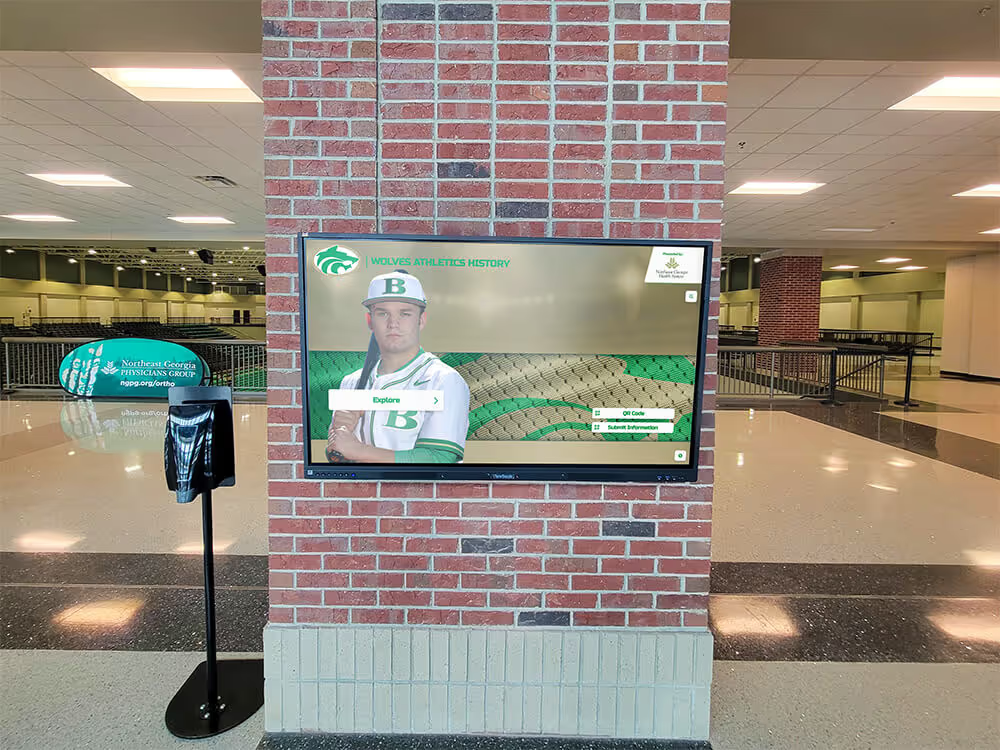
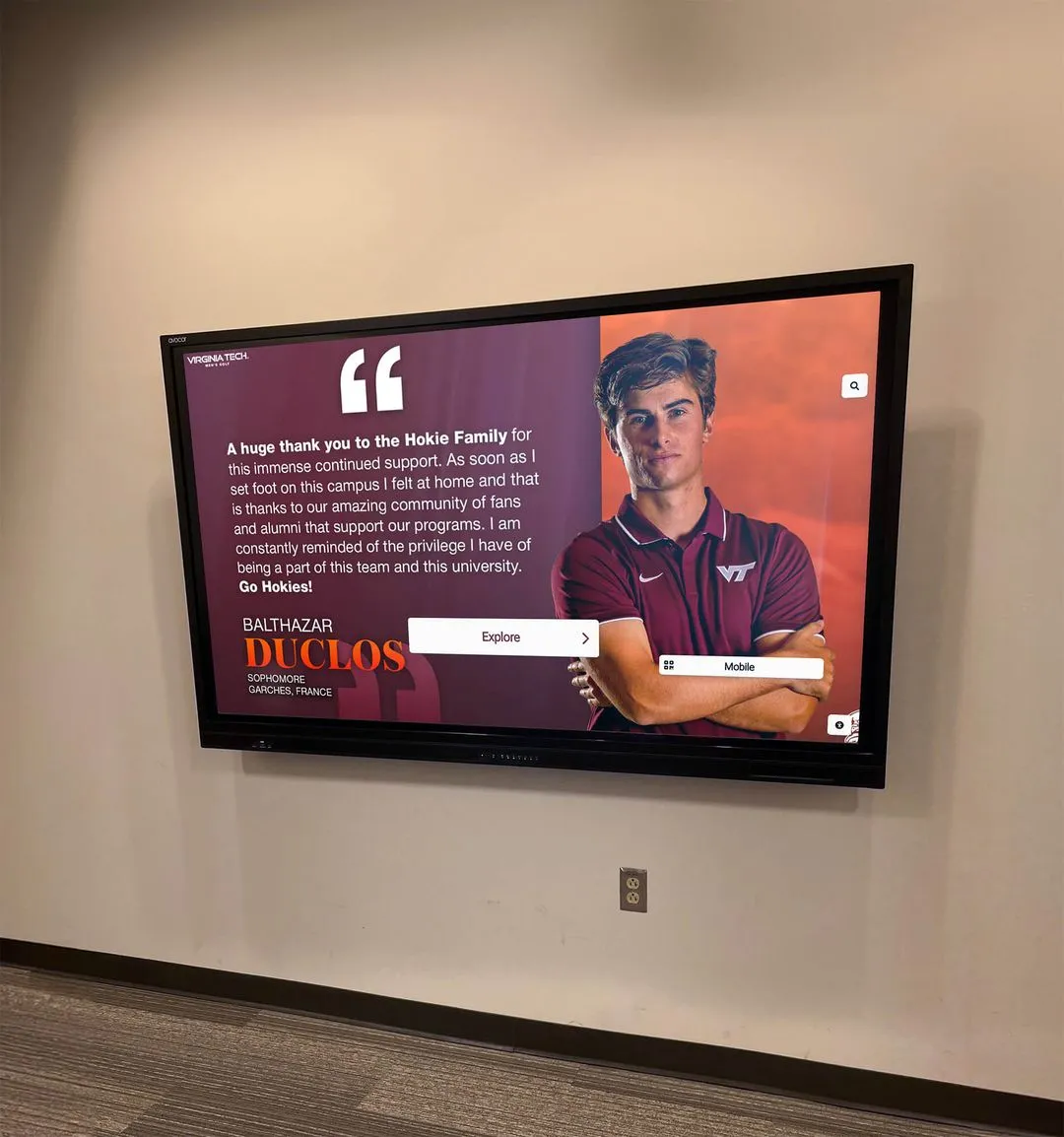
Modern recognition kiosks provide intuitive interfaces for exploring educator contributions and school history
Handmade Student Tributes
Commission current students to create artwork, quilts, or crafts incorporating messages from former students, career milestones, or symbols representing teaching impact. These handmade tributes carry emotional significance as physical manifestations of community appreciation.
Contribution-Reflecting Donations
Rather than generic gifts, make charitable donations reflecting retiring teachers’ values or interests—contributions to literacy programs matching reading teachers’ passions, STEM education support honoring science educators, arts organization donations celebrating creative teachers, or scholarship funds enabling future students to pursue learning.
Creating Lasting Recognition Beyond Retirement Celebrations
While memorable retirement parties create immediate impact, permanent recognition systems extend appreciation indefinitely.
The Case for Permanent Teacher Recognition
Preserving retiring educators’ legacies through lasting recognition generates multiple benefits justifying modest investment:
Institutional Memory Preservation
Schools lose invaluable institutional knowledge when veteran teachers retire. Systematic recognition that documents teaching philosophies, innovative approaches, and career contributions preserves this intellectual capital for future educators to reference and build upon.
Current Staff Motivation
Visible permanent recognition of retired teachers demonstrates to current faculty that schools genuinely value educator contributions long-term. This reassurance that careers will be remembered appropriately motivates continued excellence while building loyalty and cultural cohesion.
Community Heritage Documentation
Teachers profoundly shape community character across generations. Permanent recognition creates accessible records helping community members understand their educational heritage while honoring those who built learning foundations.
Student Connection Opportunities
Former students often want to honor beloved teachers but lack mechanisms for expressing appreciation or discovering retirement information. Permanent recognition systems provide accessible ways for alumni to reconnect with educator legacies, share appreciation, or learn about teachers’ subsequent lives.
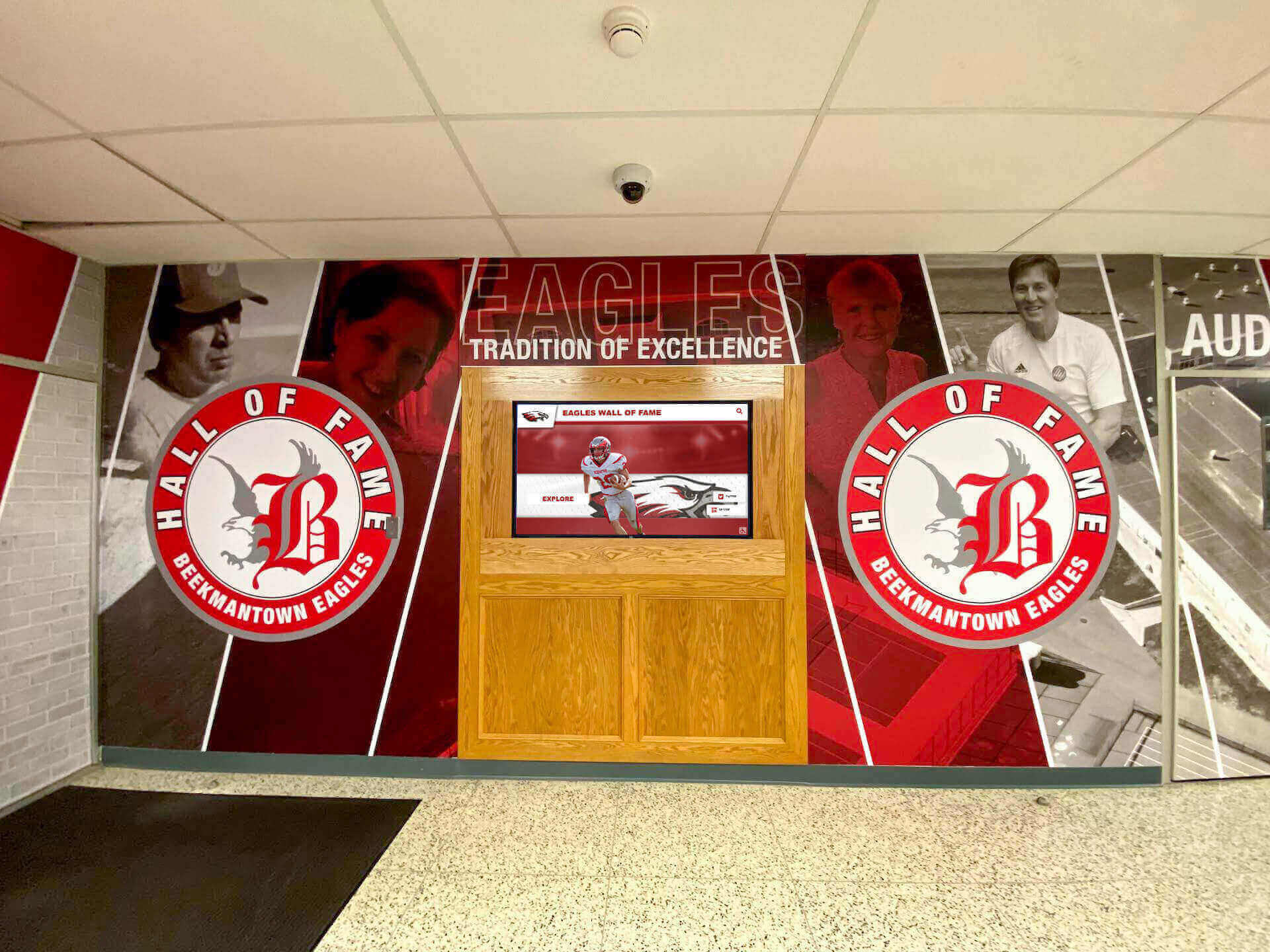
Heritage displays honor retired educators alongside broader school history, connecting past and present
Digital Recognition Display Solutions
Modern recognition technology enables permanent, engaging acknowledgment of retired teacher contributions:
Touchscreen Recognition Systems
Interactive digital displays installed in high-traffic school locations provide unlimited capacity for honoring retired educators without physical space constraints that limit traditional plaques. These systems enable rich multimedia content including career photographs, teaching philosophy statements, student testimonials, career milestone documentation, and updated information about educators’ retirement activities.
Solutions like Rocket Alumni Solutions specialize in educational recognition displays that celebrate retired teachers alongside other school achievements. Their touchscreen platforms enable community members to explore educator legacies through intuitive interfaces while providing administrators simple content management requiring no technical expertise.
Searchable Educator Archives
Digital platforms enable maintaining searchable databases of all retired teachers extending back decades. Former students can discover information about educators who taught them years or decades earlier. Current community members can explore teaching history understanding who shaped their schools. This accessibility creates ongoing engagement impossible with static physical displays.
Multimedia Content Integration
Digital recognition overcomes limitations of traditional plaques by incorporating video testimonials from former students, audio recordings of teaching philosophies in educators’ own voices, photo galleries documenting career evolution, and detailed biographical content bringing careers to life. This rich content creates engaging exploration experiences rather than passive viewing.
Learn about implementing comprehensive recognition through digital hall of fame displays that celebrate achievement across multiple dimensions.
Traditional Physical Recognition Options
Digital platforms complement rather than replace traditional recognition approaches:
Dedicated Recognition Walls
Designate prominent school wall space specifically for honoring retired educators through engraved plaques, framed photographs, or artistic displays. These permanent fixtures create visible tributes passing students, staff, and visitors encounter daily.
Named Spaces and Classrooms
Honor particularly impactful educators by naming classrooms, libraries, laboratories, or common spaces after them. These dedications create living memorials as current students learn and gather in spaces bearing retiring teachers’ names. Accompanying plaques should explain who educators were and why schools chose to honor them through naming.
Endowed Legacy Programs
Establish awards, scholarships, or programs named for retiring teachers, creating ongoing recognition through annual acknowledgment of current students exemplifying values retired educators championed. These programs keep teachers’ memories alive while continuing their educational missions.
Explore additional recognition strategies through sports banquet ideas that translate to educator celebration contexts.
Practical Retirement Party Planning Considerations
Successful teacher retirement celebrations require thoughtful planning addressing logistical, emotional, and cultural considerations.
Determining Appropriate Celebration Scale
Retirement celebration size should reflect retiring teachers’ preferences and career scope:
Individual Retirement Celebrations
Single-educator retirement events work well for teachers retiring mid-year or those whose unique contributions merit focused recognition. Individual celebrations enable deep personalization and extensive student/colleague participation without dividing attention among multiple honorees.
Combined End-of-Year Recognition
Many schools hold comprehensive retirement celebrations each May or June honoring all retiring educators together. Combined events efficiently use resources while creating community-wide appreciation atmospheres. However, combined formats risk reducing recognition to generic acknowledgment unless planners ensure individualized elements for each retiree.
Hybrid Approaches
Consider hybrid strategies combining school-wide recognition events acknowledging all retirees with smaller department-level or building-specific celebrations providing intimate settings for personalized appreciation. This approach offers both community-wide visibility and relationship-focused recognition.
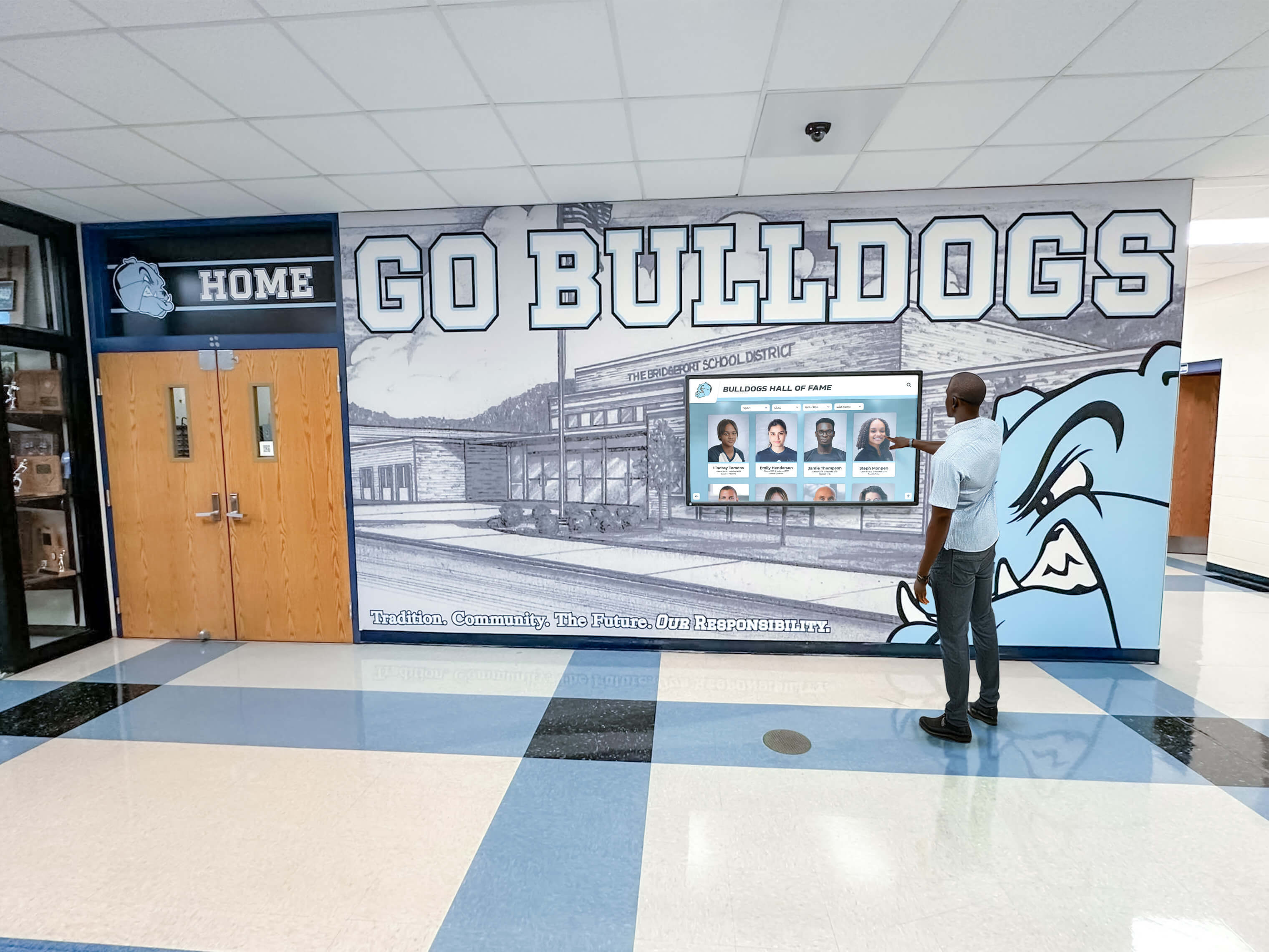
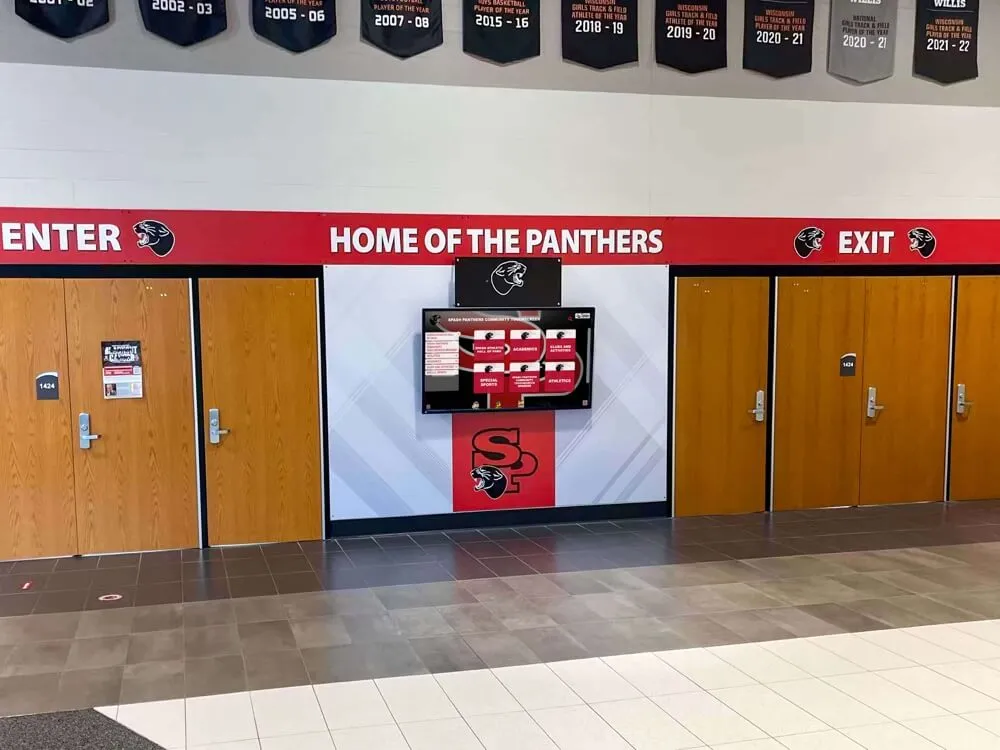
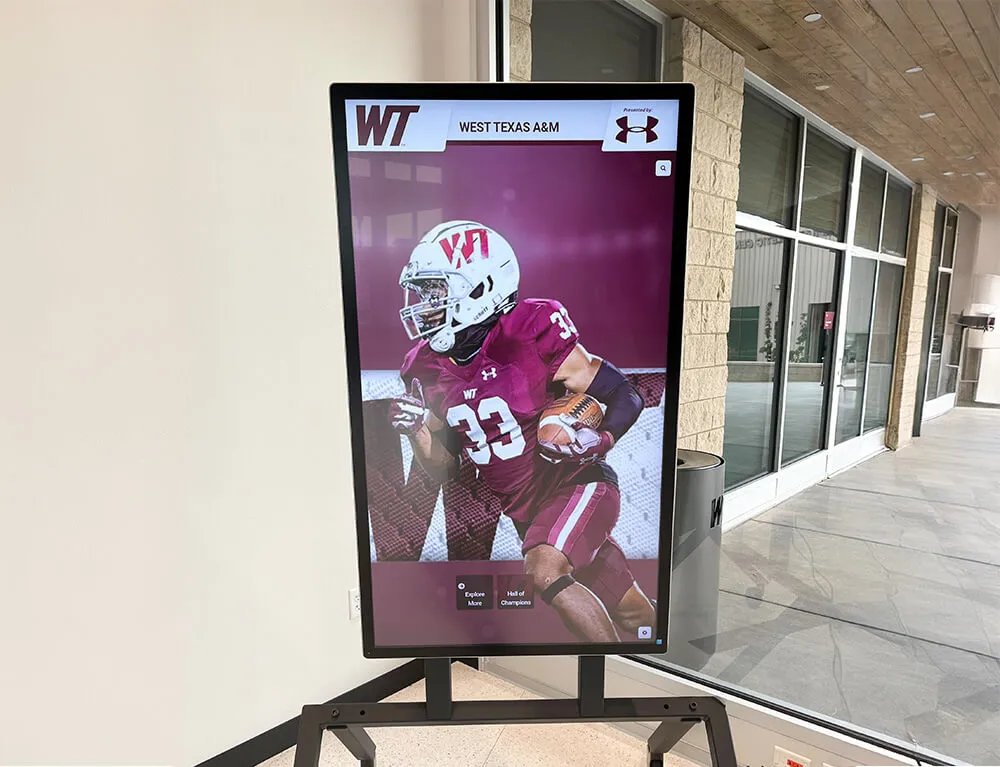
Strategic placement of recognition displays in high-traffic hallways ensures retiring educators receive ongoing visibility
Timing and Scheduling Strategies
Advance Notice and Planning Time
Begin retirement planning several months before teachers’ final days, enabling thorough content development, thoughtful gift selection, and adequate time for former student outreach. Rushed planning produces generic recognition undermining appreciation authenticity.
Multiple Recognition Opportunities
Rather than single retirement events, create multiple appreciation moments throughout retiring teachers’ final months including classroom celebrations with current students, department recognition from colleagues, all-school acknowledgment during assemblies, and formal retirement parties for broader communities. This sequence honors different relationship dimensions while building toward comprehensive final recognition.
Post-Retirement Connection
Schedule recognition events after official retirement dates when teachers feel less overwhelmed by end-of-year responsibilities and can fully engage with celebrations. Alternatively, plan pre-retirement events with commitments to maintain connections afterward through annual retiree gatherings or invitations to special school events.
Attendee and Invitation Considerations
Former Student Outreach Strategies
Reaching former students presents challenges but creates retirement celebration highlights when successful. Strategies include social media outreach through school accounts, requests for current students to notify siblings and parents who had retiring teachers, and collaboration with alumni associations to access contact information. Even modest former student attendance creates powerful moments when educators encounter adults who were children in their classrooms decades earlier.
Family and Community Inclusion
Retirement celebrations should honor retiring teachers’ families whose support enabled teaching careers. Invite spouses, children, parents, and extended family members. Consider recognizing family sacrifice during decades when teaching demands competed with home life. Include community members who interacted with retiring teachers through parent-teacher organizations, volunteer activities, or local partnerships.
Current Student Participation
Ensure retiring teachers’ current students can participate meaningfully in recognition, whether through performances, testimonial presentations, artwork creation, or simply attending celebrations to express appreciation. These final student cohorts deserve opportunities to acknowledge educators who invested in their growth.
Budget and Resource Allocation
Appropriate Investment Levels
Retirement recognition budgets should reflect career significance and institutional resources. While elaborate expensive celebrations aren’t necessary for meaningful recognition, token gestures communicate that decades of service merit only minimal investment. Balanced approaches allocate resources toward elements retiring teachers will treasure—quality memory books, professional video production, permanent recognition displays, and symbolic gifts—rather than expensive catering or generic decorations.
Fundraising and Contribution Opportunities
Consider allowing colleagues, parents, former students, and community members to contribute toward retirement recognition funds, enabling more substantial celebration investment while demonstrating broad support. Be sensitive to ensuring voluntary contributions don’t create coercive expectations while enabling those who wish to contribute financially to do so.
Non-Financial Resource Mobilization
Many valuable retirement recognition elements require time and effort rather than money. Recruiting volunteers to compile memory books, coordinate former student outreach, produce video content, or organize events distributes workload while creating ownership among community members eager to honor retiring educators. Learn about mobilizing support through school recognition strategies that engage entire communities.
Retirement Party Activities and Program Elements
Thoughtful activity and program design keeps celebrations engaging while honoring retirees appropriately.
Interactive Memory-Sharing Activities
Open Microphone Student Stories
Provide opportunities for current students, recent alumni, and long-ago students to share brief memories or express appreciation publicly. Structure these segments with time limits preventing excessive length while enabling diverse voices. The spontaneous emotions these moments generate often become celebration highlights as retired teachers hear impact stories they never knew.
Memory Wall Contributions
Create large display boards where celebration attendees write favorite memories, describe teacher impact, or share gratitude throughout events. These evolving walls become visible documentation of community appreciation while serving as conversation starters. Preserve completed memory walls digitally or physically for retiring teachers to keep.
Collaborative Tribute Creation
Engage celebration attendees in creating collaborative artwork, quilts, or installations combining individual contributions into unified tributes. Each attendee might contribute fabric squares sharing memories for quilts, write messages on canvas sections combined into murals, or contribute to time capsules preserving celebration moments for future reflection.
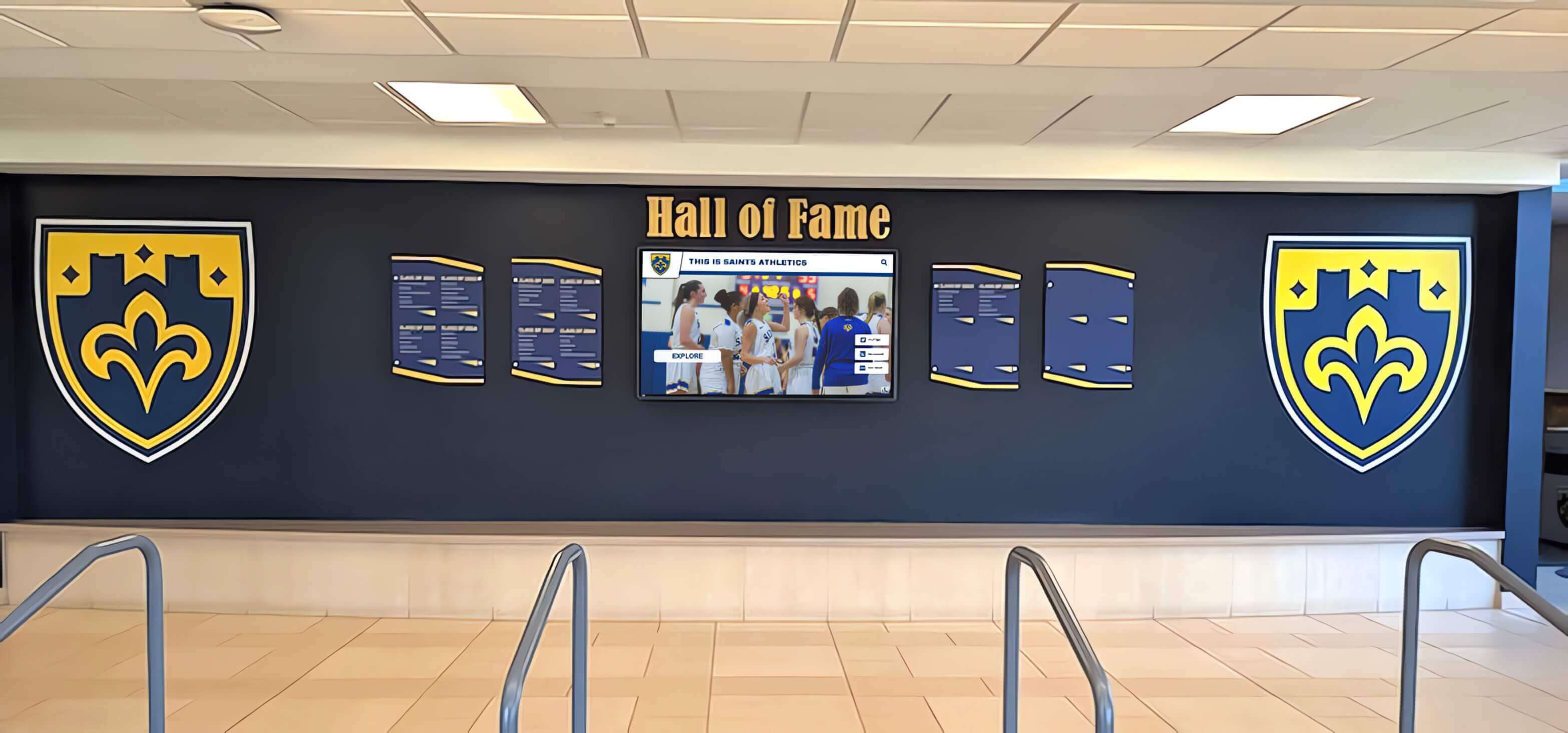
Blended recognition systems combine traditional plaques with digital displays for comprehensive acknowledgment
Program Content That Honors Without Embarrassing
Balance Public Recognition With Teacher Personality
Introverted teachers who avoided spotlights throughout careers might find extensive public recognition uncomfortable despite appreciation. Design programs respecting personality preferences—perhaps featuring video testimonials rather than live speeches for shy educators, or creating memory book presentations allowing private emotional responses rather than public visibility.
Incorporate Humor Appropriately
Teaching careers generate countless humorous moments worth celebrating. Include lighthearted content about quirks, memorable teaching moments that went awry, or inside jokes colleagues and students share. However, ensure humor celebrates rather than diminishes, avoiding content that might feel disrespectful even when well-intentioned.
Acknowledge Imperfection Authentically
Perfect career portrayals feel inauthentic. Genuine recognition acknowledges that excellent teachers were human—perhaps sharing stories about evolving teaching philosophies, lessons learned from mistakes, or growth across decades. This authenticity makes appreciation more meaningful than hagiographic narratives ignoring reality.
Entertainment and Performance Elements
Student Performance Tributes
Current students might perform musical pieces, dramatic readings, or artistic presentations honoring retiring teachers. These performances demonstrate skills educators helped develop while creating emotional moments connecting past teaching to present student accomplishment.
Career Retrospective Multimedia Presentations
Produce high-quality slideshows or videos walking through retiring teachers’ careers chronologically, combining photographs from different career stages with representative stories, student testimonials, and milestone acknowledgment. Professional production quality communicates that schools invested genuine effort in recognition.
Surprise Elements
Consider incorporating surprise guests—former students traveling from distance, past colleagues who retired years earlier, or family members educators haven’t seen recently. These surprises create memorable moments while demonstrating extensive planning effort.
Special Considerations for Different Teacher Populations
Different educator populations require tailored recognition approaches respecting unique circumstances.
Long-Serving Career Educators
Teachers who spent entire careers—30, 35, or 40 years—at single schools created particularly deep community roots requiring comprehensive recognition:
Multigenerational Impact Documentation
Seek out families where multiple generations experienced long-serving teachers. Feature these multigenerational connections during celebrations, perhaps gathering multiple family members together to collectively express appreciation. This acknowledgment validates sustained community influence few careers create.
Era-Spanning School Change Recognition
Long career arcs witnessed dramatic educational evolution—technology transformation, changing pedagogical approaches, shifting demographics, and policy revolutions. Recognition should acknowledge how veteran teachers adapted across decades while maintaining core teaching excellence despite constant change pressures.
Institutional Leadership Acknowledgment
Veteran teachers often provided informal leadership guiding school culture, mentoring newer colleagues, and preserving institutional memory through leadership transitions. Celebrate these contributions extending beyond classroom walls to shape entire buildings or districts.
Mid-Career Transitions and Early Retirement
Teachers retiring earlier in careers—perhaps after 15-20 years—deserve recognition acknowledging contributions while respecting that retirement motivations vary:
Celebrating Complete Careers
Earlier career endings don’t diminish contribution significance. Recognize that some educators invested intensely during teaching years, created substantial impact despite shorter tenures, or chose different paths while leaving positive legacies. Avoid language suggesting longer careers are inherently superior.
Acknowledging Next Chapter Possibilities
Many mid-career retirees pursue second careers, extended travel, family care responsibilities, or other meaningful activities. Recognition can acknowledge excited anticipation of next life chapters rather than framing retirement solely as career endings.
Retiring Special Educators and Support Staff
Teachers who worked outside traditional classroom structures require recognition honoring unique contributions:
Individualized Support Recognition
Special education teachers, reading specialists, counselors, and other support educators often developed particularly intensive relationships with smaller student numbers. Recognition should honor depth of individual student impact rather than breadth of cohorts taught.
System Change Advocacy Acknowledgment
Many special educators advocated persistently for improved student support systems, accessibility accommodations, or inclusive practices benefiting entire schools. Celebrate this advocacy work that changed institutional cultures beyond direct student instruction.
Explore comprehensive recognition approaches through end-of-year awards programs applicable to educator celebration.
Extending Recognition Beyond Retirement Day
Retirement celebration impact shouldn’t end when events conclude. Strategic post-retirement engagement maintains connections while continuing appreciation.
Retiree Network Development
Annual Retiree Gatherings
Host annual events bringing retired teachers back to schools for reunions with former colleagues, tours showing facility changes, and updates about current students and programs. These gatherings maintain community connection while demonstrating that schools value ongoing relationships with retired educators.
Continued Communication
Include retired teachers in appropriate school communications—newsletters, event invitations, achievement announcements—keeping them connected to communities they helped build. This continued inclusion demonstrates that retirement doesn’t sever relationships.
Mentorship and Advisory Opportunities
Some retired teachers welcome opportunities to remain involved through mentoring new educators, serving on curriculum advisory committees, or consulting on specialized projects. Offering these opportunities respects expertise while enabling continued contribution on retirees’ terms.
Legacy Documentation and Updates
Post-Retirement Accomplishment Tracking
Update retired teacher profiles documenting interesting post-retirement activities—volunteer work, travel adventures, continued learning, or second careers. This ongoing documentation validates that schools remain interested in educators’ lives beyond teaching service.
Former Student Connection Facilitation
Provide mechanisms enabling former students to share appreciation or life updates with retired teachers years after retirement. Digital recognition platforms can include messaging features enabling ongoing connection while respecting retirees’ privacy preferences.
Anniversary Recognition
Acknowledge retirement anniversaries—5, 10, 15, 20 years—through personal messages, social media recognition, or invitations to special school events. This sustained appreciation demonstrates genuine long-term gratitude rather than token retirement-day acknowledgment.
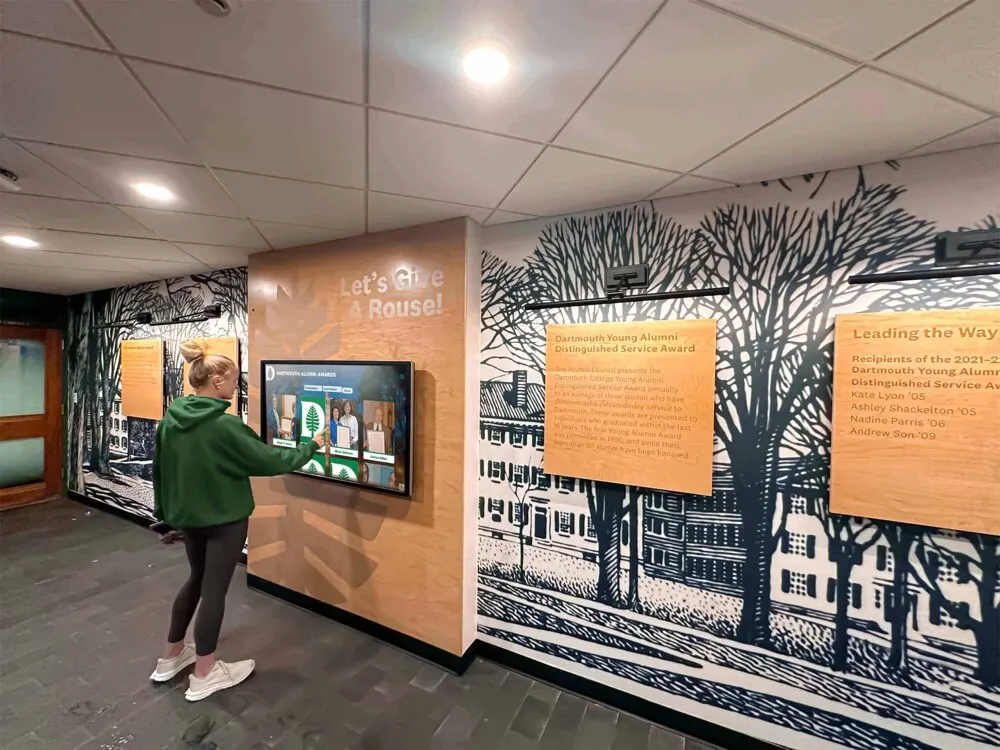
Recognition systems serve dual purposes celebrating current retirements while documenting institutional educational heritage
Implementing Systematic Teacher Retirement Recognition
Schools can develop systematic approaches ensuring consistent, meaningful recognition for all retiring educators.
Establishing Recognition Standards and Practices
Retirement Recognition Policies
Formalize retirement recognition through written policies ensuring all retiring educators receive equitable acknowledgment regardless of when retirements occur or which administrators currently serve. Policies should specify minimum recognition elements, budget allocations, planning timelines, and responsibility assignments.
Planning Committee Structures
Establish standing committees responsible for coordinating retirement recognition, distributing planning workload while ensuring consistent quality. Committees might include administration representatives, teaching colleagues, support staff, and community members.
Content Development Protocols
Create standardized processes for gathering retiring teacher information, compiling student testimonials, producing career documentation, and coordinating celebration logistics. Systematic approaches prevent rushed planning while ensuring comprehensive content development.
Technology Integration for Lasting Recognition
Permanent Display Installation
Consider installing digital recognition displays in high-traffic locations where retiring teachers can be honored permanently alongside other school achievements. Strategic placement in main lobbies, hallway corridors, media centers, or gathering spaces ensures maximum visibility.
Content Management Workflows
Establish clear workflows for adding retiring teachers to recognition systems, updating content over time, and maintaining displays. User-friendly content management platforms enable designated staff to maintain current information without technical expertise or IT department dependence.
Multi-Use Recognition Platforms
Digital recognition systems celebrating retired teachers can simultaneously honor current educators, showcase student achievement, document school history, and recognize community contributors. This comprehensive approach maximizes technology investment while creating engaging exploration experiences for diverse audiences. Learn about integrated approaches through digital signage content strategies.
Budget Planning and Resource Allocation
Multi-Year Budget Development
Rather than ad-hoc retirement recognition funding, incorporate predictable budget lines supporting consistent celebration quality. Planning should account for varying annual retirement numbers while maintaining equitable investment per retiring educator.
Technology Investment Justification
While permanent digital recognition systems require upfront investment, they provide unlimited capacity for honoring future retirees, eliminate recurring costs of traditional plaques or physical displays, and create engaging platforms serving multiple recognition purposes. Calculate long-term value when evaluating recognition technology investments.
Community Fundraising Integration
Some schools establish retirement recognition funds accepting community contributions, enabling enhanced celebration investment without straining operating budgets. Transparent fund management ensures resources support intended recognition purposes while honoring contributor intent.
Creating Recognition That Truly Honors Educator Legacies
Effective teacher retirement recognition represents genuine appreciation for careers dedicated to nurturing potential, encouraging growth, and shaping countless young lives. When schools thoughtfully celebrate retiring educators through personalized recognition honoring specific contributions, permanent displays preserving teaching legacies, and systematic approaches ensuring equitable acknowledgment, they communicate profound respect for teaching profession while demonstrating that educator contributions receive lasting appreciation extending far beyond single career endpoints.
The strategies explored in this guide provide frameworks for honoring retiring teachers appropriately—from meaningful celebration events that engage former students to digital recognition platforms ensuring educators’ legacies remain accessible to future generations. Whether recognizing individual mid-year retirements or comprehensive end-of-year celebrations honoring multiple educators, these approaches transform perfunctory retirement acknowledgment into genuine celebration of careers that mattered.
As you plan retirement recognition for your school’s departing educators, remember that authentic appreciation requires understanding what individual teachers valued about careers, what made their contributions unique, and how their teaching influenced specific students and broader school cultures. Generic recognition that could apply to anyone feels hollow. Personalized acknowledgment demonstrating genuine understanding of individual impact creates meaningful validation teachers treasure throughout retirement.
Honor Retiring Teachers With Lasting Recognition
Discover how modern digital recognition solutions can help you celebrate retiring educators' legacies permanently while creating engaging displays that inspire current students and preserve your school's teaching heritage.
Explore Recognition SolutionsRetiring teachers dedicated decades to believing in students’ potential, challenging learners to exceed expectations, supporting those who struggled, and celebrating growth across thousands of individual educational journeys. They deserve retirement recognition that honors these profound contributions through thoughtful celebration, lasting acknowledgment, and genuine appreciation demonstrating that teaching careers created permanent impact on communities they served.
Start where you are with enhancements you can implement for upcoming retirements—improving former student outreach, developing more personalized recognition content, creating better documentation of teaching contributions—then systematically build toward comprehensive recognition systems ensuring all future retiring educators receive appreciation matching their career significance. Every teacher who receives meaningful, lasting retirement recognition validates that education communities genuinely value those who dedicated careers to developing young minds and shaping better futures.
Your retiring educators’ careers touched hundreds or thousands of students, influenced families across generations, and helped build school communities where learning flourished. Those contributions deserve celebration honoring their significance while preserving legacies inspiring future teachers to similar excellence. With thoughtful planning, personalized recognition, and permanent acknowledgment systems, you can ensure retiring teachers know their careers mattered profoundly while demonstrating to current educators that teaching excellence receives genuine, lasting appreciation.
Learn more about creating comprehensive recognition systems through recognition program guides or explore strategies for celebrating educator excellence throughout careers and beyond.