Being named team captain represents one of the highest honors in high school athletics. This leadership position carries significant responsibility, requiring athletes to balance competitive excellence with mentoring teammates, communicating between coaches and players, and embodying team values both on and off the field. For many student-athletes, serving as team captain provides their first meaningful leadership experience, teaching skills that extend far beyond sports into college, careers, and life.
Yet the role of team captain often comes with limited guidance. Athletes are selected for their talent, work ethic, or seniority, then expected to simply “lead”—without clear understanding of what effective sports leadership actually entails. Some captains excel naturally while others struggle to define their role, missing opportunities to positively impact their teams.
This comprehensive guide explores the essential responsibilities of high school team captains, providing practical strategies for leading effectively, building team culture, communicating with coaches and teammates, managing conflicts, and leaving lasting leadership legacies. Whether you’re a newly appointed captain seeking direction or a coach developing your leadership program, these evidence-based approaches will help maximize the impact of team captaincy.

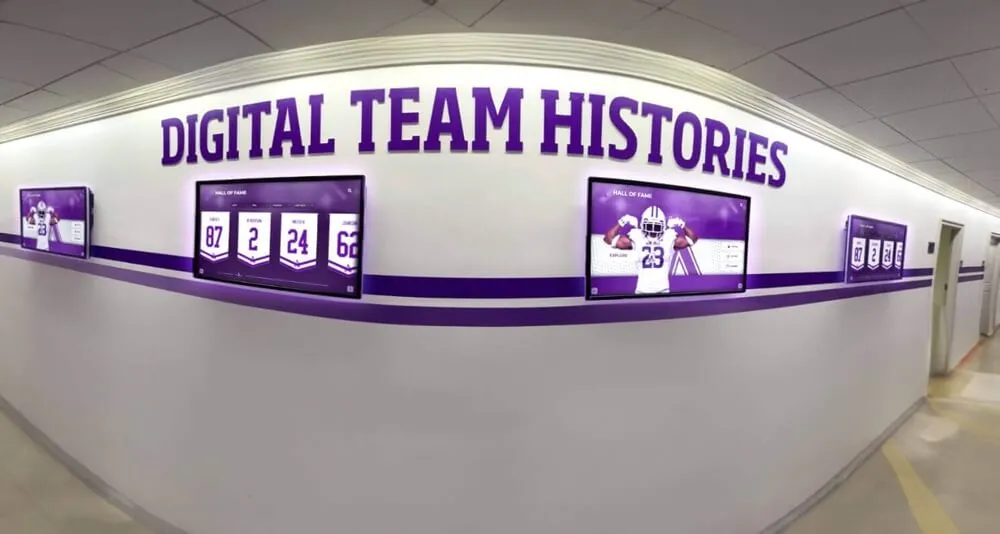
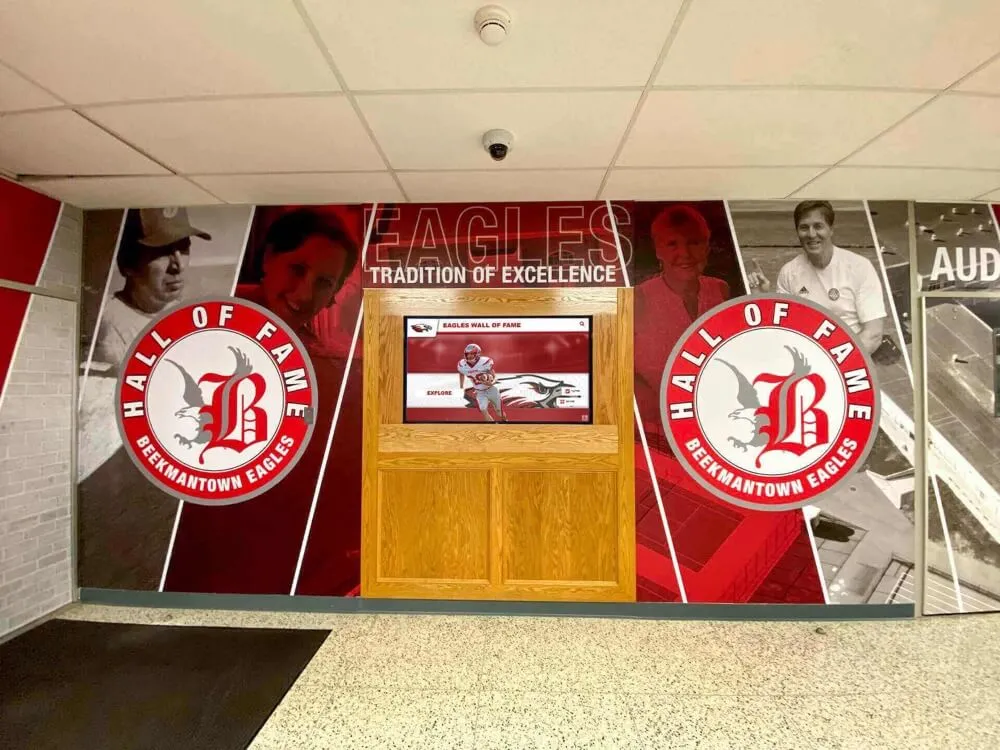
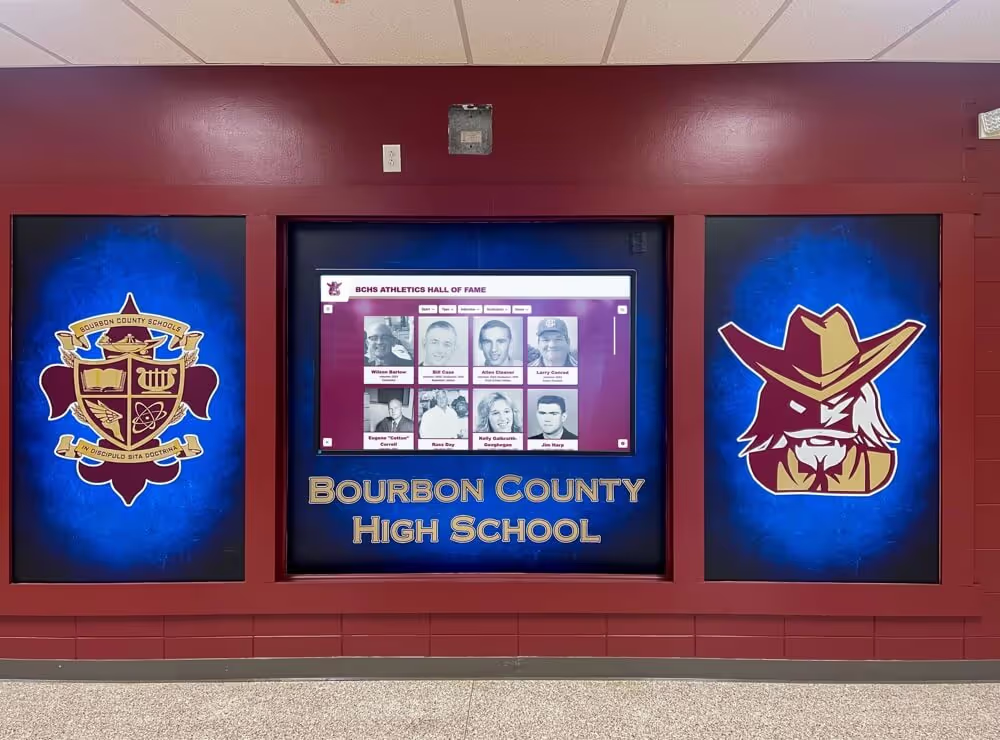
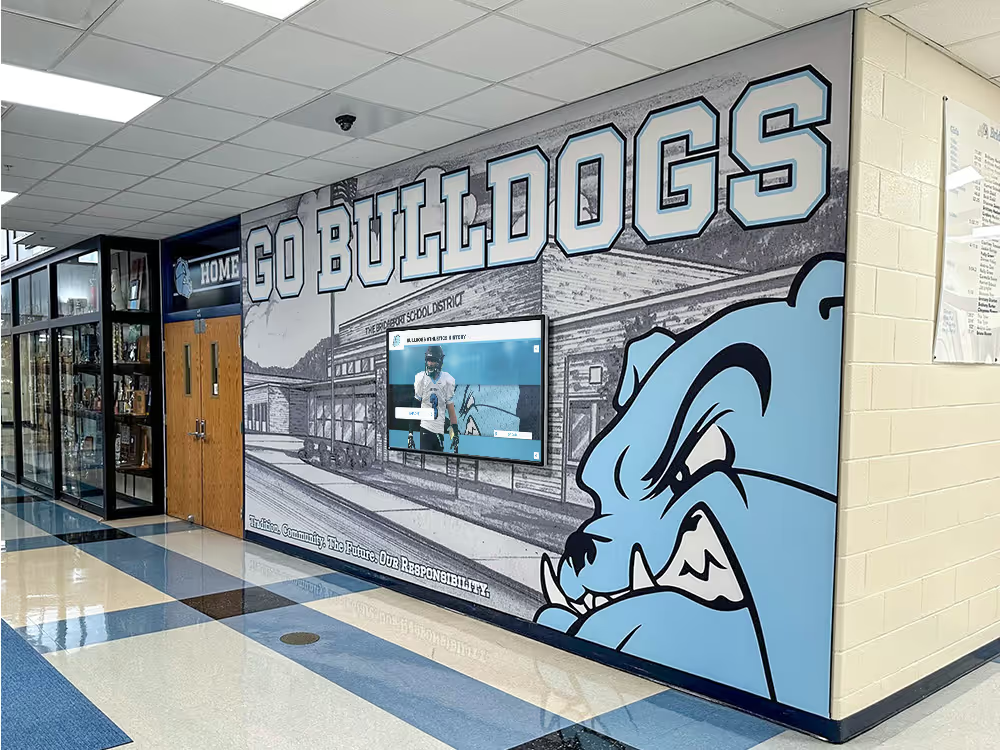
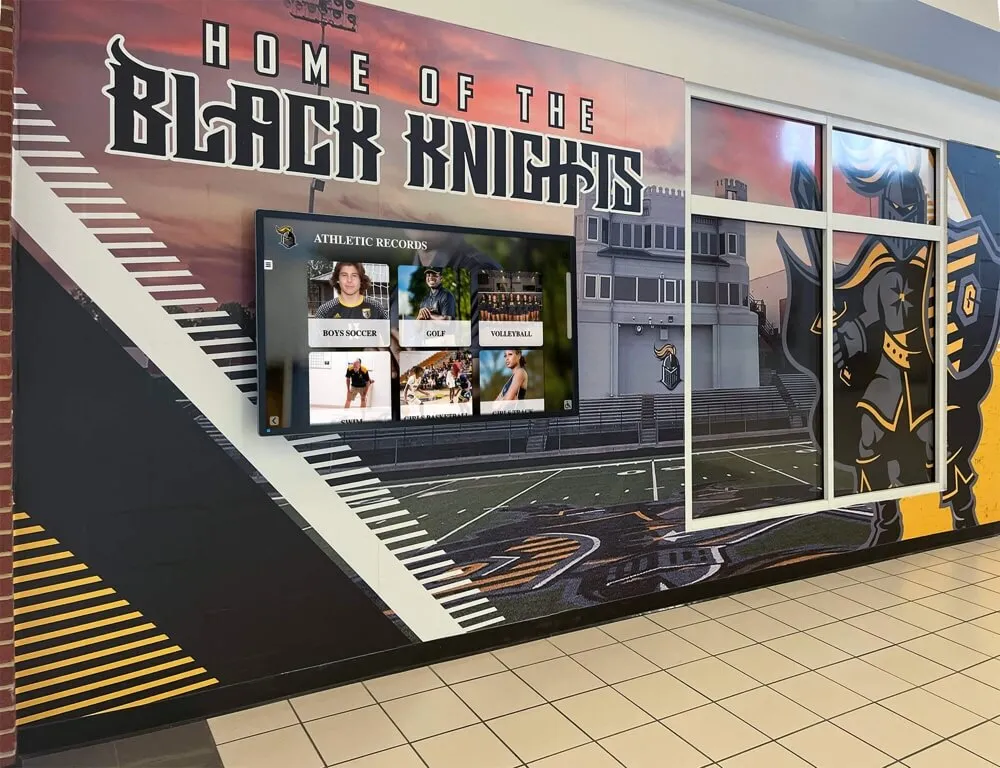
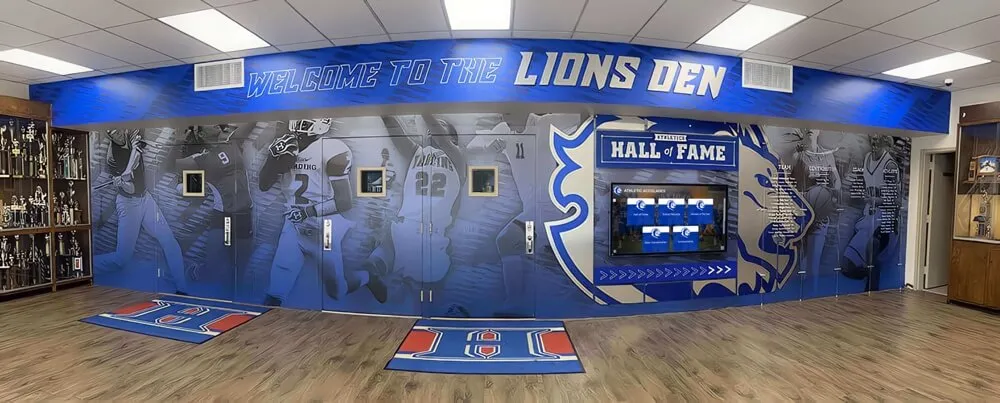
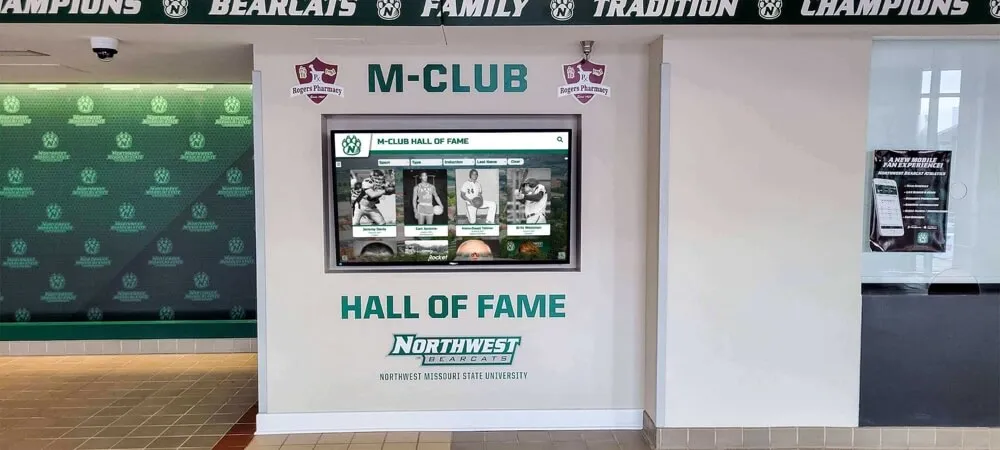
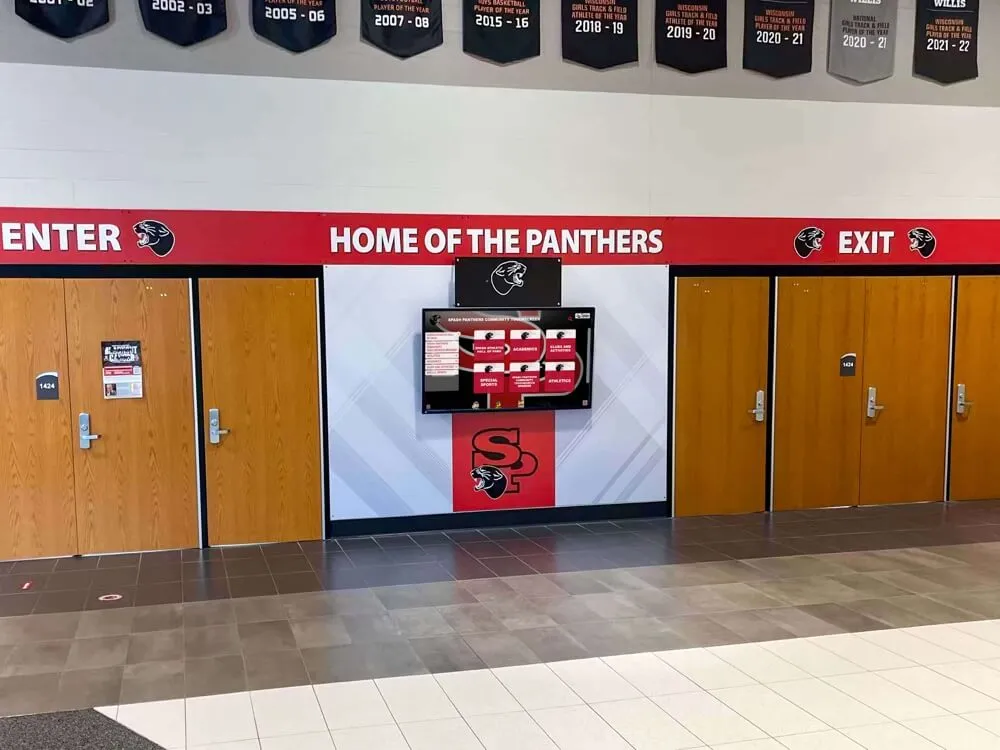
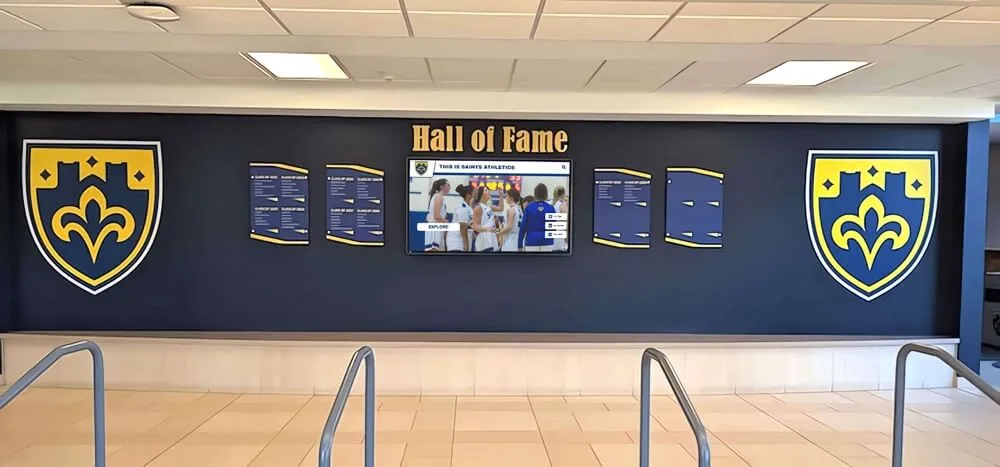
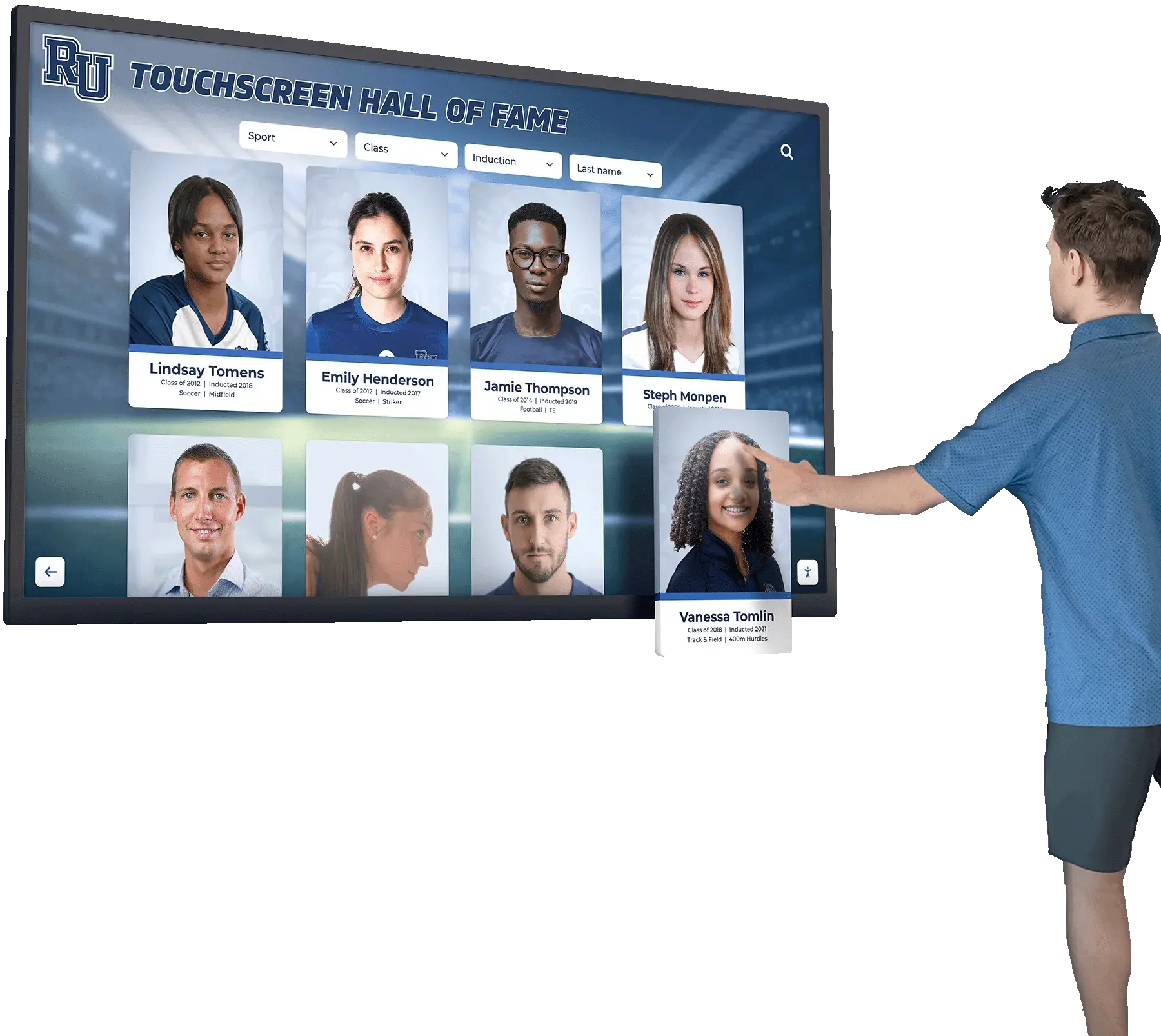
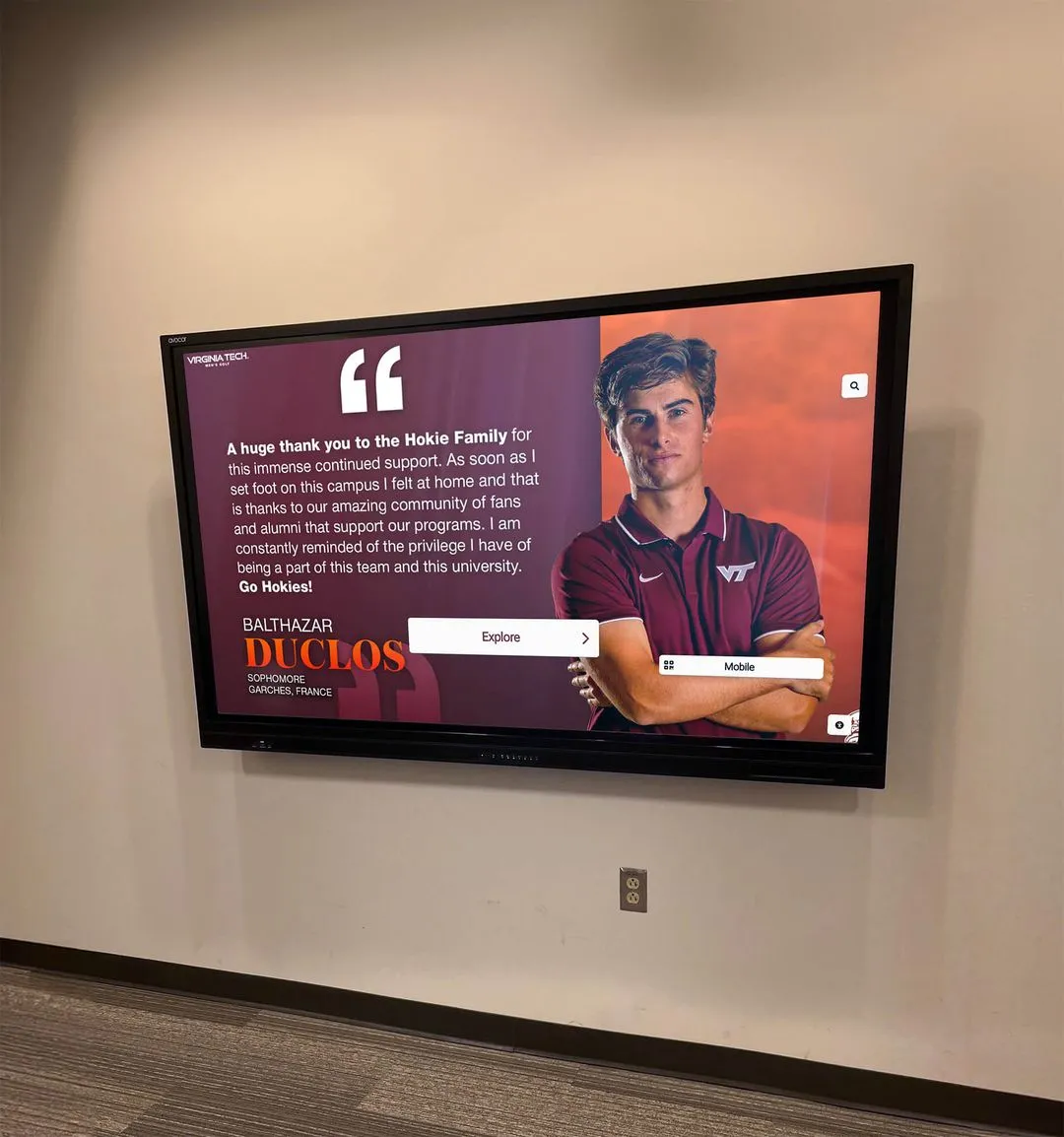
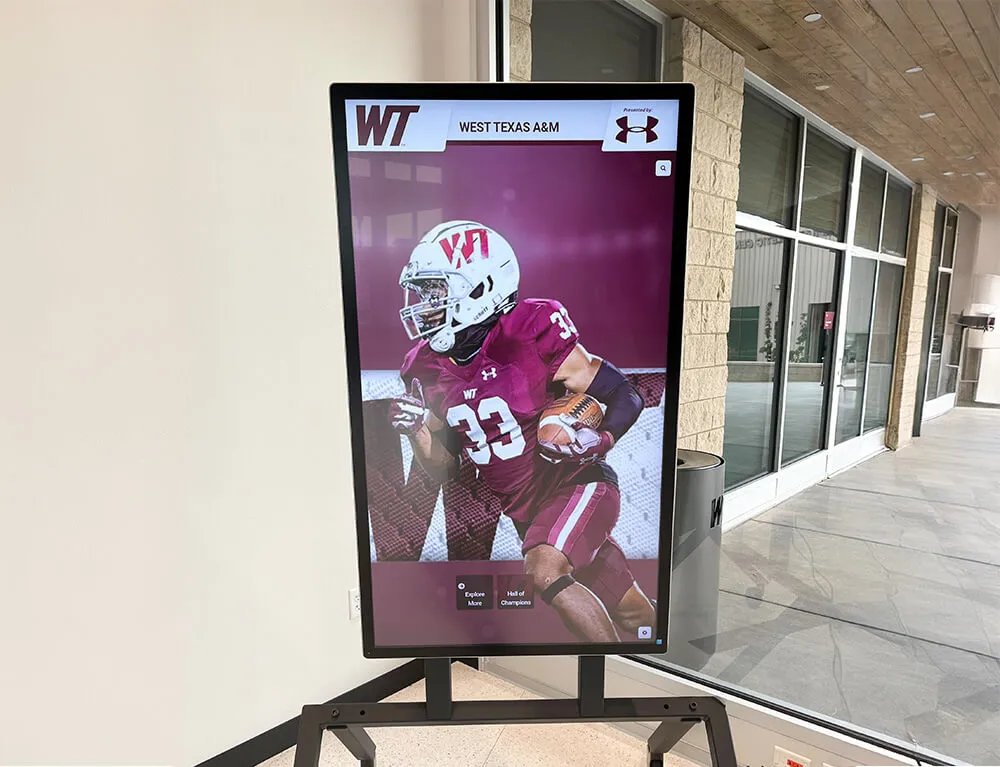
Modern recognition systems celebrate leadership excellence, honoring team captains whose contributions extend beyond individual athletic performance
Understanding the Team Captain Role
Before diving into specific responsibilities, captains need clear understanding of what their role entails and how it differs from other team positions.
Defining Team Captain Responsibilities
The captain’s position exists at the intersection of several critical functions within athletic teams. Effective captains serve as the communication bridge between coaching staff and players, conveying information, expectations, and feedback in both directions. They act as on-field or on-court leaders during competition, making quick decisions and rallying teammates when circumstances demand. They function as culture builders, establishing and maintaining team values, traditions, and standards of behavior.
Beyond these tactical functions, captains serve as role models whose actions demonstrate what the program expects from all athletes. This modeling responsibility extends to practice habits, academic commitment, community behavior, and sportsmanship. The captain’s consistent example often influences team culture more powerfully than any speech or policy.
Research on youth sports leadership indicates that teams with clearly defined, well-trained captains demonstrate higher cohesion, better communication, and improved performance compared to teams where leadership remains informal or undefined. The captain role matters—when executed effectively.
Different Captain Leadership Styles
Not all effective captains lead the same way. Understanding different leadership approaches helps captains leverage their natural strengths while developing areas that don’t come as naturally.
Vocal Leaders inspire through words, speeches, and verbal encouragement. These captains aren’t afraid to address the team during difficult moments, offer motivational messages, and use communication to lift performance. Vocal leadership proves particularly valuable during competitions when teams need emotional rallying points.
Lead-by-Example Captains demonstrate through actions rather than words. Their work ethic, competitive intensity, and consistent excellence speak louder than speeches. These captains inspire through their preparation, performance, and visible commitment to team success over individual statistics.
Relational Leaders build team cohesion through personal connections with teammates. They know everyone’s challenges, celebrate individual milestones, and create inclusive environments where all athletes feel valued. This leadership style strengthens team chemistry and belonging.
Strategic Leaders excel at in-competition decision-making and tactical communication. They recognize when teammates need encouragement versus tactical correction, when to call timeouts, and how to adjust team approach based on game circumstances.
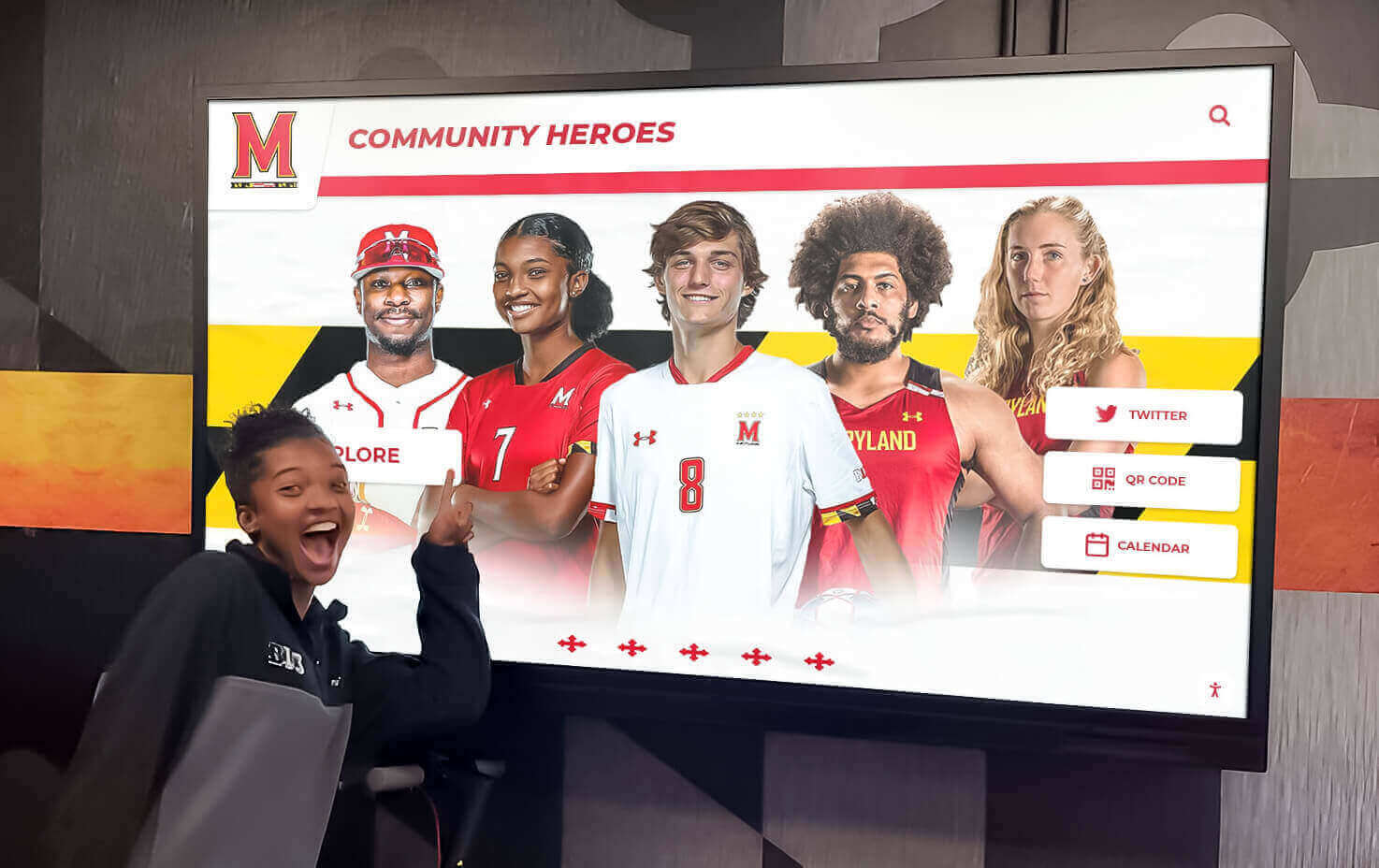
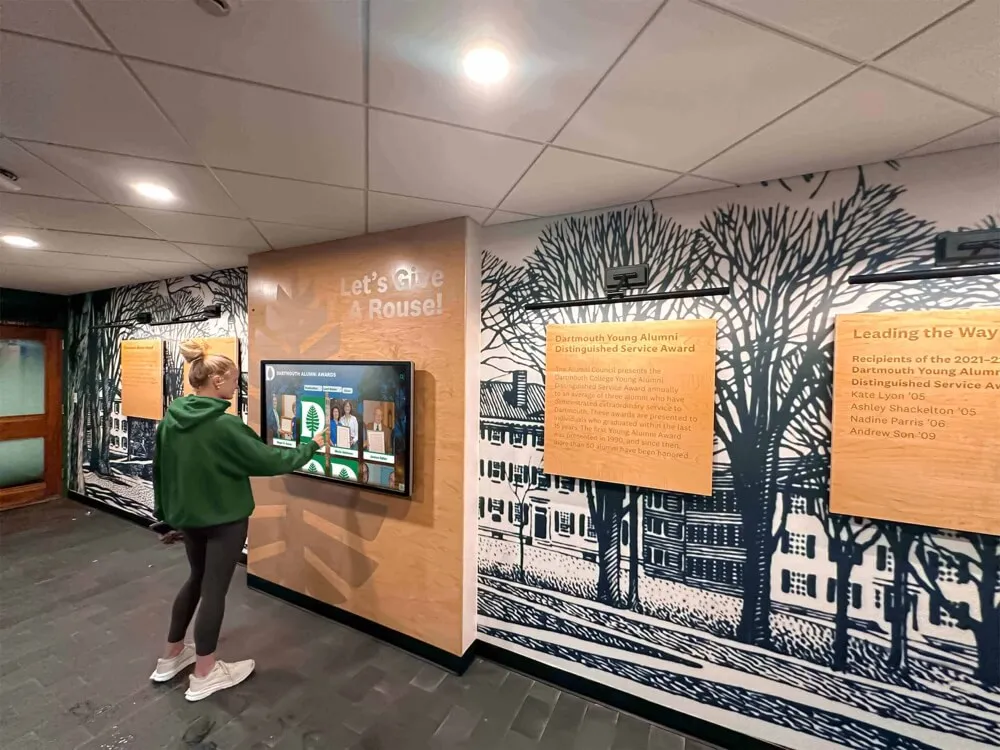
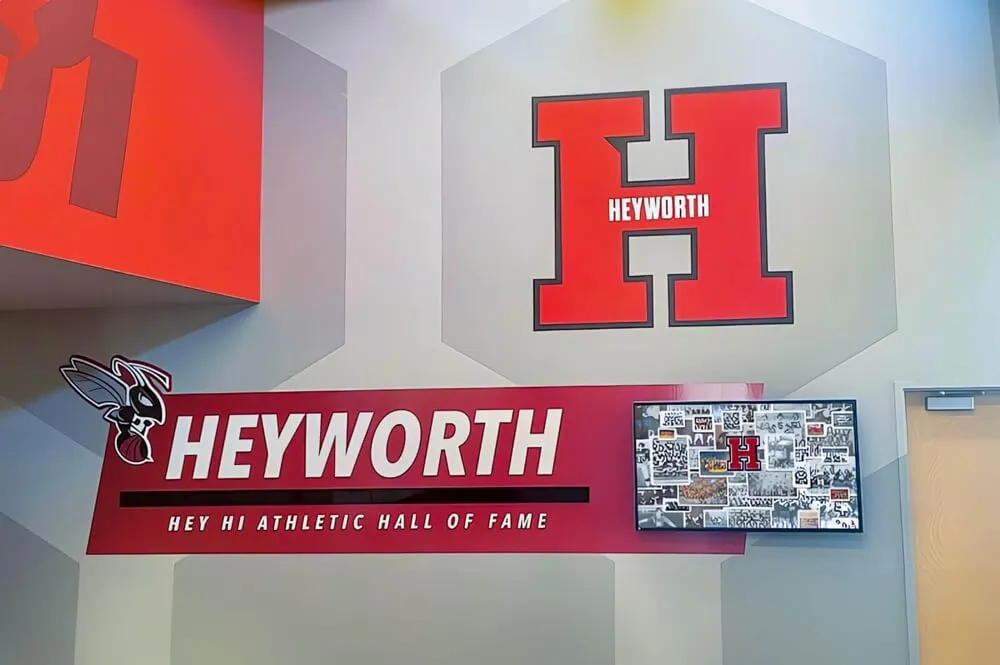
Recognition displays celebrate diverse leadership styles, showing young athletes that multiple paths to captaincy excellence exist
Most effective captains combine elements from multiple styles rather than relying exclusively on one approach. The best leadership emerges when captains understand their natural tendencies while consciously developing complementary skills to become more well-rounded leaders.
Formal vs. Informal Leadership Structures
High school teams typically select captains through coach appointment, team voting, or hybrid approaches combining both. Each selection method creates different dynamics that affect how captains approach their responsibilities.
Coach-Appointed Captains receive explicit authority from program leadership, making their position clear to all team members. This clarity can strengthen the captain’s ability to enforce standards and expectations, though it may create perception that captaincy rewards coach favoritism rather than peer respect.
Team-Elected Captains gain legitimacy through teammate selection, potentially giving them stronger peer influence. However, popularity doesn’t always align with leadership capability, and elected captains may struggle with enforcement or difficult conversations that risk their peer relationships.
Multiple Captain Models distribute leadership responsibilities across several athletes, allowing specialization (offensive captain, defensive captain, team culture captain) while ensuring leadership doesn’t overwhelm single individuals. Multiple captains can provide more comprehensive team coverage, though they must coordinate effectively to prevent mixed messages or leadership conflicts.
Regardless of selection method, effective captain programs include clear role definitions, ongoing coach mentorship, and recognition systems that honor leadership contributions. Schools implementing athletic recognition programs increasingly include leadership categories acknowledging that captaincy represents achievement worth permanently celebrating.
Core Leadership Responsibilities
The captain role encompasses several non-negotiable responsibilities that define effective sports leadership.
Setting the Team Culture Standard
Team culture—the collective attitudes, behaviors, and values that characterize how teams operate—doesn’t emerge accidentally. Captains play primary roles in establishing and maintaining healthy team cultures.
Defining Team Identity: Effective captains help articulate what their team stands for beyond winning. This might include commitment to relentless effort, unwavering support for teammates, academic excellence alongside athletic achievement, or representing the school with class. When captains clearly articulate team identity, they give everyone a standard to aspire toward.
Establishing Practice Standards: The intensity, focus, and professionalism teams bring to practice typically mirrors what captains model. Captains who arrive early, practice with full intensity, and maintain focus during drills set expectations for everyone else. Conversely, captains who give partial effort or treat practice casually signal that teammates can do the same.
Building Inclusive Environments: Teams function best when every member feels valued regardless of playing time, skill level, or seniority. Captains who intentionally include less-experienced athletes, acknowledge everyone’s contributions, and prevent clique formation create cohesive cultures where athletes want to remain and give their best effort.
Maintaining Accountability: Perhaps the most difficult captain responsibility involves addressing teammates whose behavior or effort falls short of team standards. Effective captains develop skills to have honest conversations addressing issues directly while maintaining relationships. This accountability extends to social behavior, academic commitment, and community representation—not just athletic performance.
Teams that formalize culture-building through senior night celebrations and recognition events create opportunities for captains to publicly reinforce values and traditions.

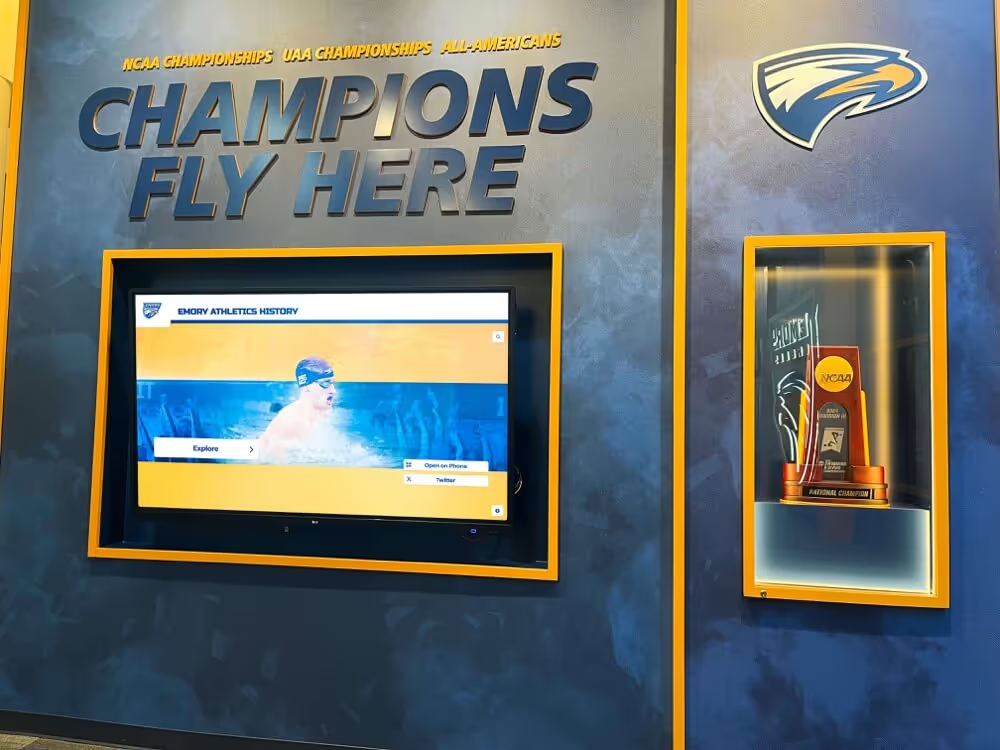
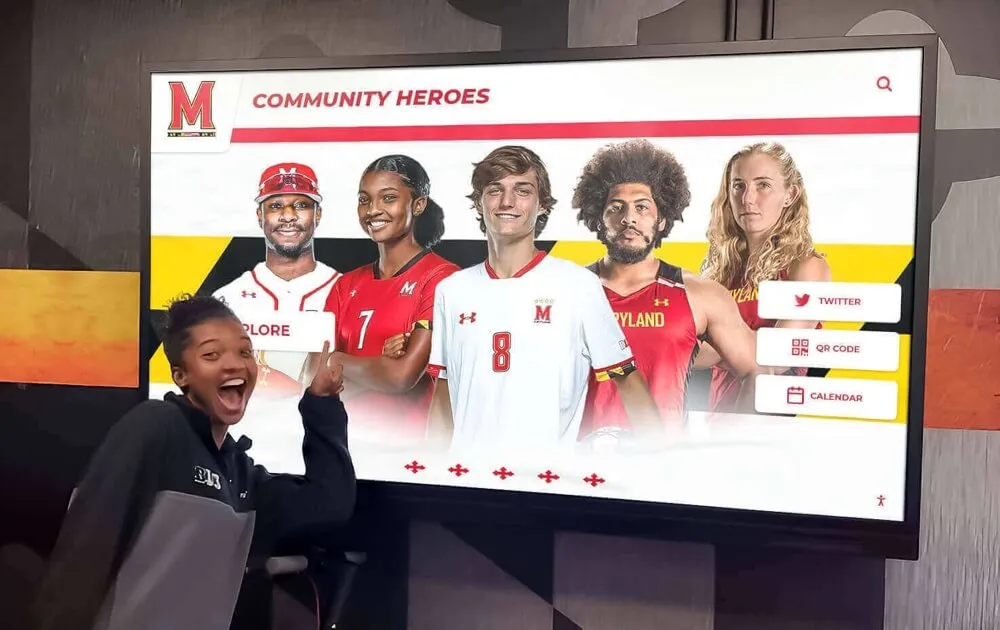
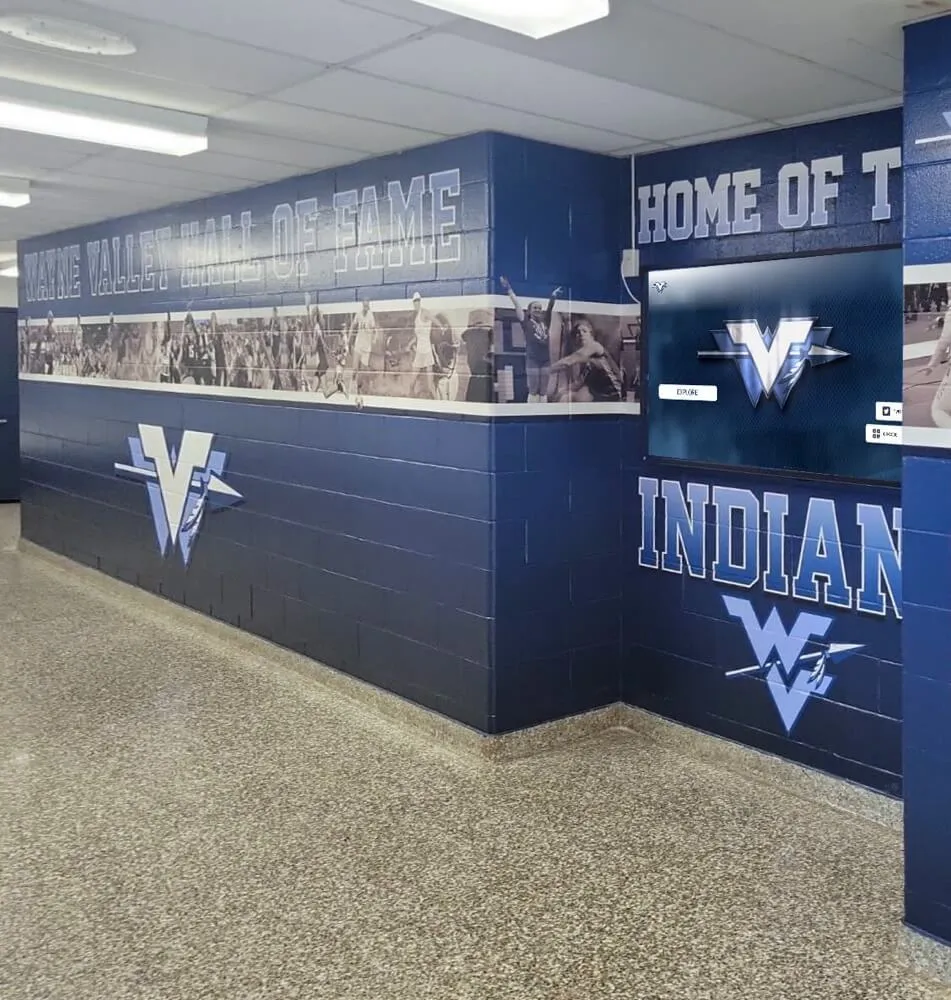
Physical recognition spaces where teams gather reinforce culture, celebrating traditions that captains help maintain and pass forward
Communication Bridge Between Coaches and Athletes
One of the captain’s most valuable functions involves facilitating communication flow between coaching staff and team members.
Conveying Coach Expectations: Coaches communicate expectations through practices, team meetings, and individual conversations. Captains reinforce these messages by explaining the reasoning behind coach decisions, helping teammates understand expectations, and ensuring information reaches everyone clearly.
Representing Team Voice to Coaches: Effective captains also communicate upward, sharing team perspectives, concerns, and questions with coaching staff. This might include advocating for equipment needs, requesting schedule adjustments, or sharing team morale observations. Captains serve athletes best when they can honestly communicate team sentiment while maintaining respect for coaching authority.
Translating During Emotional Moments: When coaches deliver difficult messages—critiquing performance, making tough lineup decisions, or addressing behavioral issues—captains often help teammates process and understand these communications after initial emotional reactions subside. Similarly, when teams experience frustration, captains can communicate these feelings to coaches constructively rather than allowing them to fester.
Facilitating Difficult Conversations: Sometimes teammates need to hear messages better received from peers than coaches. Captains who develop skills for addressing effort issues, attitude problems, or interpersonal conflicts directly with teammates prevent small issues from becoming major team problems.
This communication function requires significant emotional intelligence, discretion, and trust-building. Captains must maintain confidentiality when appropriate while ensuring necessary information flows effectively throughout the team system.
In-Competition Leadership
Game situations present unique leadership opportunities and challenges requiring quick decision-making and emotional management.
Rallying During Adversity: All teams face difficult game moments—falling behind, losing momentum, or experiencing officiating frustration. Captain response during these moments significantly influences team outcomes. Effective in-competition leaders remain calm under pressure, refocus teammates on controllable factors, and provide encouragement that restores confidence.
Managing Competitive Emotions: The intensity of competition often triggers strong emotions in athletes. Captains help channel these emotions productively, preventing frustration from becoming poor sportsmanship or celebration from becoming arrogance. They model emotional control while competing intensely.
Making Tactical Calls: Depending on sport, captains may make real-time decisions about play calling, substitution patterns, timeout usage, or strategic adjustments. These decisions require understanding game situations, knowing teammates’ capabilities, and maintaining clear communication under pressure.
Representing Team in Official Situations: Captains often handle pre-game coin flips, represent teams during official meetings, or serve as spokesperson during post-competition media opportunities. These ceremonial responsibilities require maturity and poise representing more than just themselves.
Schools implementing athletic hall of fame programs frequently include categories specifically recognizing in-competition leadership excellence, acknowledging that this dimension of captaincy represents distinct achievement worthy of permanent recognition.
Mentoring Younger Athletes
Effective captains invest in developing next generations of team members and leaders.
Welcoming New Team Members: The captain’s attitude toward incoming freshmen or first-year athletes sets the tone for how these newcomers integrate into team culture. Captains who actively welcome new athletes, learn their names quickly, and make them feel valued accelerate team cohesion.
Teaching Team Traditions: Every program has unwritten rules, traditions, and expectations that veterans understand but newcomers don’t. Captains who explicitly teach these cultural elements—from warm-up routines to team cheers to locker room etiquette—help younger athletes feel confident in team environments.
Providing Technical Guidance: While coaches handle formal instruction, captains often provide peer-to-peer coaching during practice. A captain demonstrating proper technique, explaining strategy, or offering encouragement during skill development accelerates younger athletes’ growth.
Modeling Post-Athletic Life: Younger athletes watch how captains balance athletics with academics, manage social lives, handle recruitment processes, and plan for post-high school futures. This modeling teaches that athletic excellence doesn’t require sacrificing other important life dimensions.
The mentorship relationship proves particularly valuable because peer influence often resonates more powerfully than adult coaching. Athletes may work harder to impress respected older teammates than to satisfy coaches, making captain mentorship a powerful development tool.
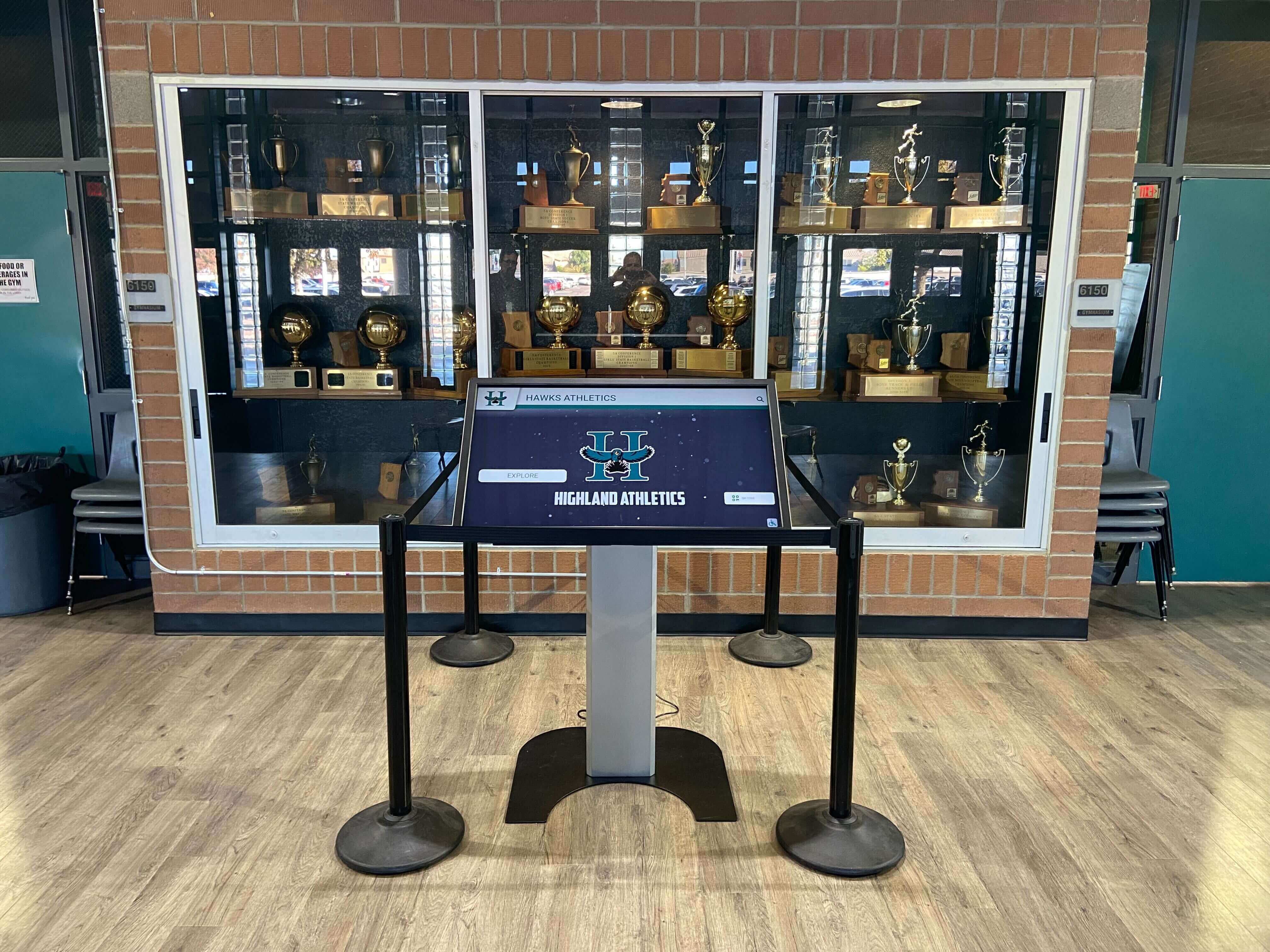
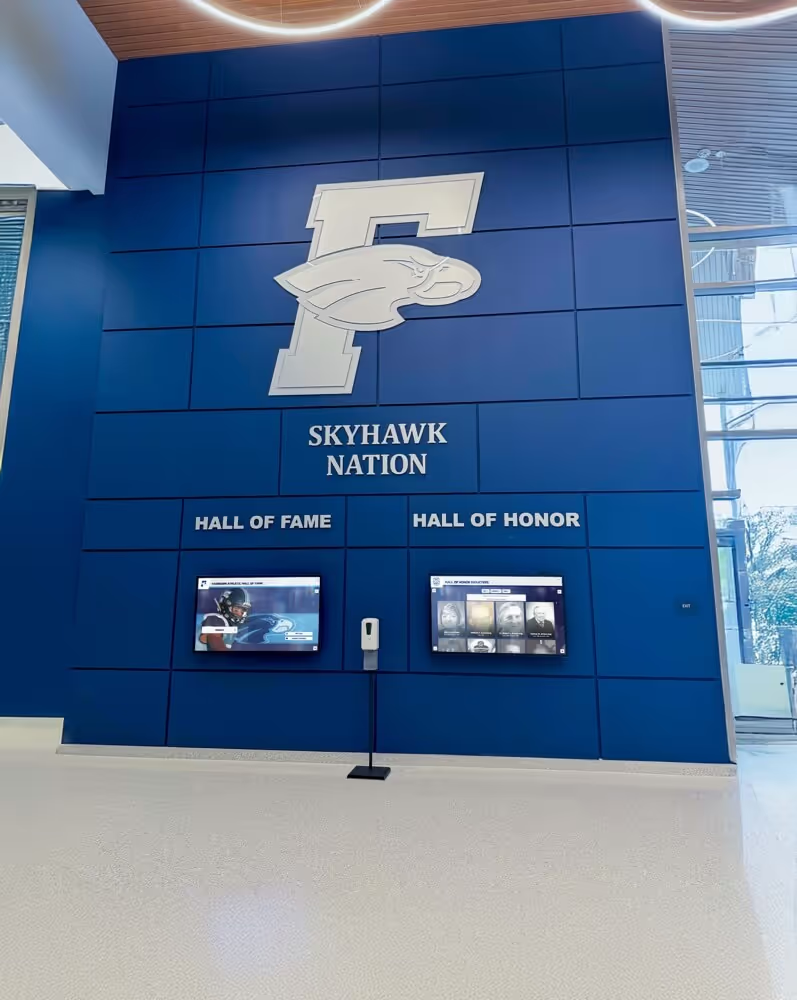
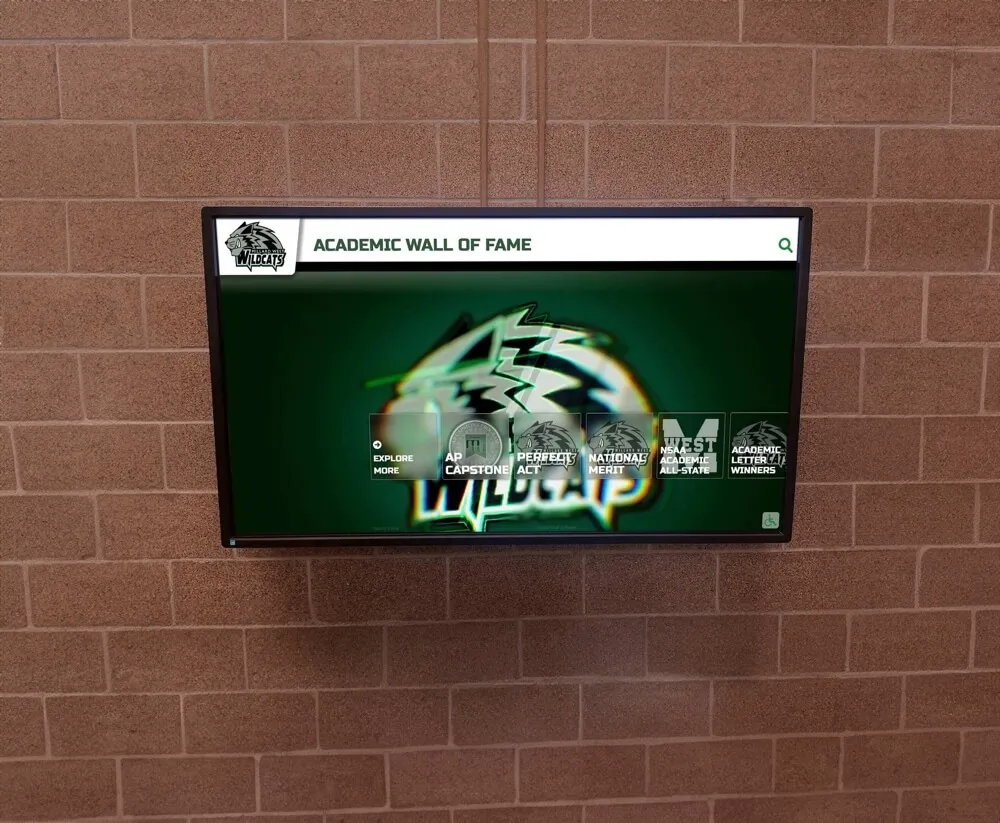

Recognition systems that showcase complete athletic histories help captains understand leadership traditions they're joining and eventually passing forward
Developing Essential Captain Skills
Effective captaincy requires specific skills that athletes can systematically develop.
Emotional Intelligence and Self-Awareness
Leadership effectiveness depends significantly on understanding and managing emotions—both your own and teammates'.
Self-Regulation Under Pressure: Captains face constant scrutiny, with teammates watching their reactions during difficult moments. Developing ability to manage frustration, disappointment, and pressure without visible loss of composure represents crucial leadership skill. This doesn’t mean suppressing emotions, but rather processing them appropriately without negatively affecting the team.
Reading Team Emotional States: Effective captains develop sensitivity to team morale, recognizing when teammates need encouragement, when they’re overconfident and need refocusing, or when tension exists requiring direct address. This awareness allows captains to intervene appropriately before small issues escalate.
Empathy for Diverse Perspectives: Team members bring different backgrounds, motivations, and challenges to athletics. Captains who cultivate genuine curiosity about teammates’ experiences can better understand what drives different individuals, allowing personalized leadership approaches rather than one-size-fits-all methods.
Managing Leadership Stress: Captaincy adds significant responsibility to already demanding athletic and academic schedules. Developing healthy stress management approaches—whether through time management, maintaining non-sport friendships, or establishing boundaries—ensures captain responsibilities don’t overwhelm.
Emotional intelligence training, increasingly incorporated into academic recognition programs alongside athletic leadership development, recognizes that these interpersonal skills transfer across all life domains.
Effective Communication Techniques
Communication represents perhaps the most critical captain skill, requiring continuous development and refinement.
Active Listening Skills: Effective communication begins with listening—truly hearing what teammates, coaches, and others communicate rather than simply waiting to respond. Captains who ask clarifying questions, summarize what they’ve heard, and demonstrate genuine interest build trust and gather better information for decision-making.
Constructive Feedback Delivery: Addressing teammate performance or behavior issues requires diplomatic skill. Effective captains learn to deliver feedback that focuses on specific behaviors rather than personal attacks, offers specific improvement suggestions rather than vague criticism, and balances correction with encouragement. The classic “sandwich” approach—positive observation, constructive feedback, encouragement—often works well for peer-to-peer communication.
Public Speaking Confidence: Captains regularly address teams during huddles, timeouts, or team meetings. Developing comfort speaking to groups—making eye contact, projecting confidence, organizing thoughts coherently—amplifies captain influence. Like any skill, public speaking improves with practice and reflection.
Adapting Communication Style: Different situations and individuals require different communication approaches. A captain might be directive during intense competition (“Get back on defense!”), collaborative during strategy discussions (“What do you think we should do here?”), or supportive during difficult personal moments (“I’m here if you need to talk”). Flexibility in communication style allows captains to meet varying needs.
Non-Verbal Communication Awareness: Body language, facial expressions, and energy levels communicate as powerfully as words. Captains who maintain positive body language even during frustration, show engaged interest through eye contact and posture, and project confidence through their presence amplify their verbal communication.
Programs implementing youth sports recognition systems increasingly include communication excellence categories, acknowledging that this skill represents distinct achievement beyond athletic performance.
Conflict Resolution Approaches
Team conflicts inevitably arise. Captain response often determines whether conflicts strengthen or damage team cohesion.
Addressing Issues Directly: Avoiding conflict allows problems to fester and grow. Effective captains develop courage to address issues when they arise rather than hoping they’ll resolve independently. This might mean having difficult conversations about playing time jealousy, social cliques, or effort disparities.
Maintaining Neutral Facilitation: When conflicts exist between teammates, captains often serve as mediators helping athletes communicate productively. This requires remaining neutral, ensuring both perspectives receive fair hearing, and focusing on resolution rather than determining fault.
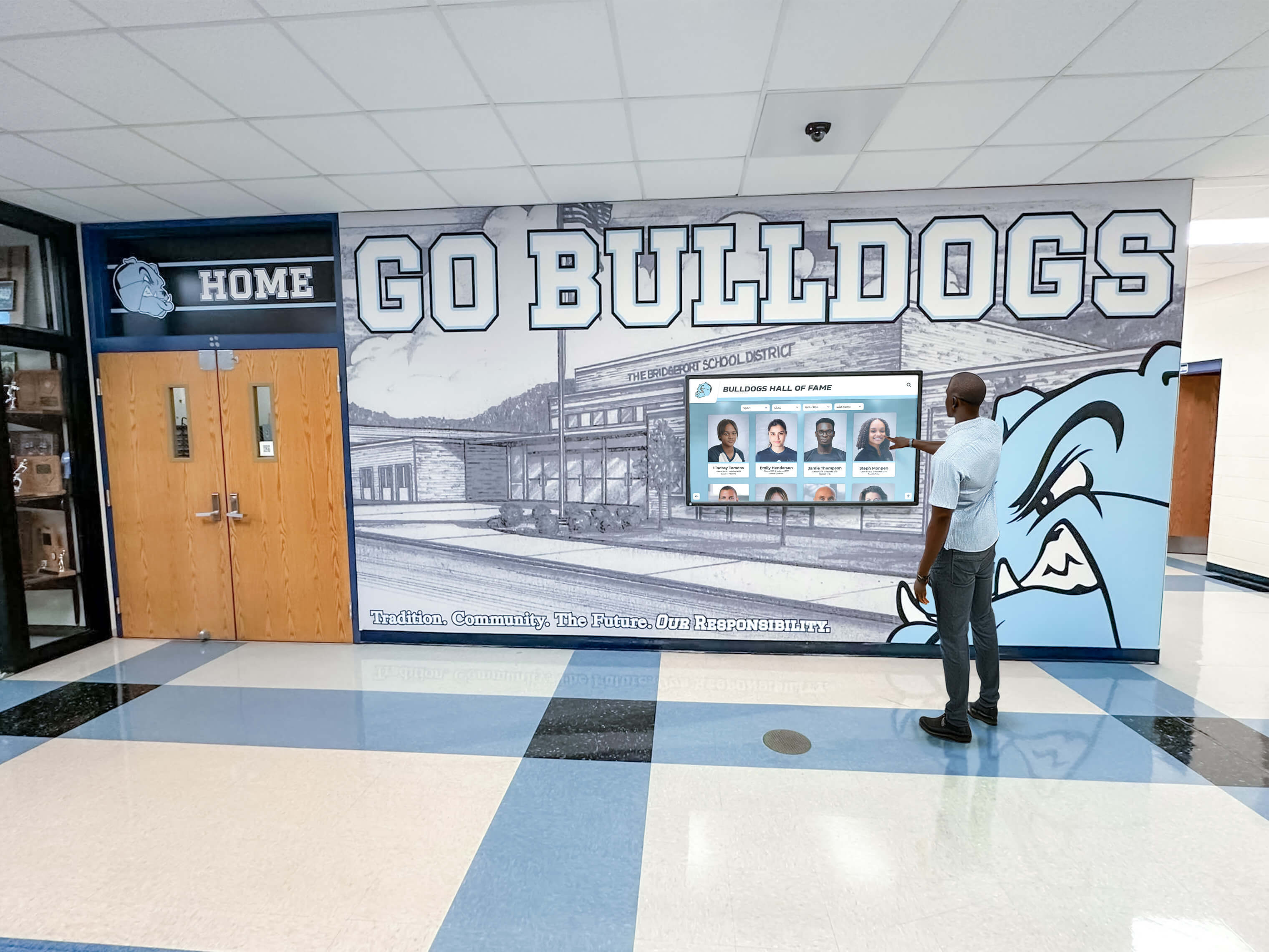
Shared recognition experiences create common ground for teammates, reminding them of collective identity beyond individual conflicts
Knowing When to Escalate: Some conflicts exceed captain authority or expertise—harassment, mental health concerns, or deeply entrenched interpersonal issues. Recognizing when situations require coach or administrator intervention represents mature leadership rather than failure.
Preventing Conflict Through Inclusion: Many team conflicts stem from athletes feeling excluded, undervalued, or overlooked. Captains who proactively build inclusive environments where everyone feels heard and valued prevent many conflicts from emerging.
Repairing Relationships Post-Conflict: After conflicts resolve, intentional relationship repair ensures lingering resentment doesn’t undermine team culture. This might include creating opportunities for conflicted teammates to work together successfully, publicly acknowledging resolution, or facilitating genuine apology and forgiveness processes.
Time Management and Prioritization
Captaincy adds responsibility to already full schedules. Effective time management becomes essential for sustainable leadership.
Balancing Athletic and Academic Demands: Captain responsibilities cannot justify academic decline. Developing systems for managing homework during travel, communicating with teachers about schedule conflicts, and maintaining academic standards models that athletic excellence doesn’t excuse academic mediocrity.
Setting Appropriate Boundaries: Captains cannot solve every team problem or be available for every teammate need. Learning to set reasonable boundaries—having limited availability for team issues during exam weeks, redirecting some concerns to coaches or other leaders—prevents burnout while modeling healthy work-life balance.
Delegating Leadership Responsibilities: Effective captains recognize that leadership doesn’t mean doing everything personally. Distributing responsibilities—asking another athlete to organize team meals, having different players lead specific warm-up components—develops broader leadership capacity while making captain workload sustainable.
Prioritizing High-Impact Activities: Not all captain activities create equal impact. Focusing energy on the most important responsibilities—culture-building, critical team communications, conflict resolution—rather than trying to be everywhere and do everything maximizes leadership effectiveness within realistic time constraints.
Special Situations and Challenges
Certain circumstances create unique captain challenges requiring specialized approaches.
Leading Through Team Adversity
Difficult seasons, significant losses, or program challenges test captain leadership most severely.
Maintaining Perspective After Losses: Following disappointing defeats, captains must balance acknowledging legitimate disappointment with maintaining broader perspective. Effective responses might include: gathering the team briefly after games to prevent spiraling, focusing on specific improvement areas rather than dwelling on outcome, or sharing personal experiences overcoming past disappointments.
Responding to Injury Situations: When teammates suffer significant injuries, captain response influences team morale and injured athlete’s sense of belonging. Visiting injured teammates, keeping them engaged with team activities, and ensuring they don’t feel forgotten demonstrates care while maintaining their connection to team culture.
Managing Mid-Season Struggles: All teams experience rough patches when success seems elusive and confidence wanes. Captain steadiness during these periods—refusing to panic, maintaining practice intensity, publicly expressing continued belief—often determines whether teams emerge stronger or fracture under pressure.
Leading When Personal Performance Struggles: Captains may simultaneously battle their own performance issues while leading teammates. This requires compartmentalization—addressing personal struggles honestly while not allowing them to diminish leadership presence. Sometimes vulnerability about personal challenges actually strengthens leadership by making captains more relatable and human.
Schools implementing comprehensive end-of-year awards programs often include specific recognition for captains who demonstrated exceptional leadership during adversity, acknowledging that this represents distinct achievement.
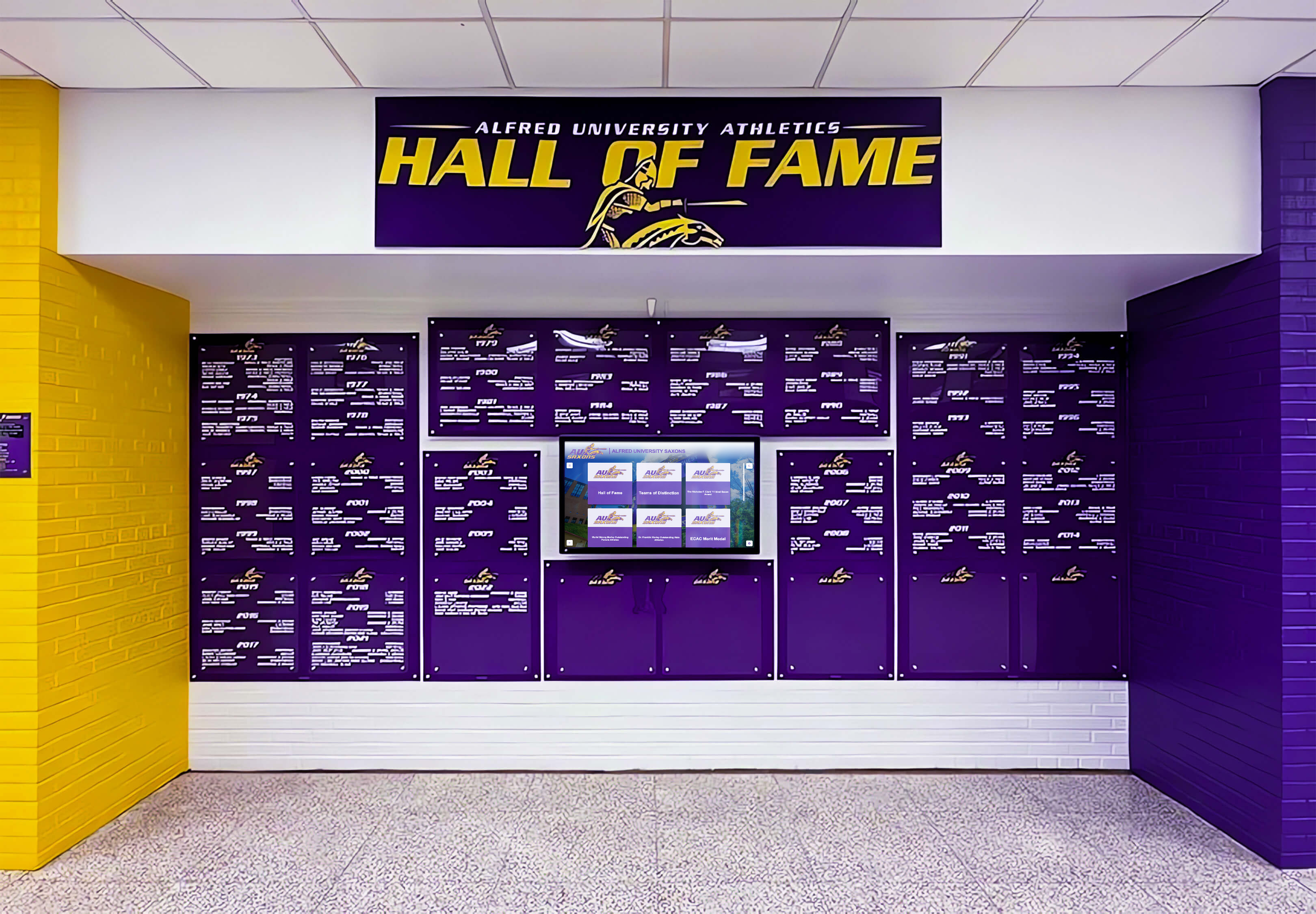
Recognition displays celebrating both victory and perseverance remind current captains that leadership excellence manifests in various circumstances
Managing Playing Time Dynamics
Few issues create more team tension than playing time distribution—a reality captains must navigate carefully.
Maintaining Team Unity Across Roles: Teams include starters, reserves, and athletes receiving minimal playing time. Captains who ensure all athletes feel valued regardless of role prevent resentment and maintain cohesion. This might involve publicly acknowledging practice squad contributions, ensuring everyone participates in team activities, or creating meaningful roles for athletes with limited competition opportunities.
Supporting Teammates Facing Difficult Decisions: Coaches make playing time decisions that disappoint athletes. Captains help teammates process disappointment constructively, distinguishing between legitimate feedback they should incorporate versus unfairness they should discuss with coaches. This support requires balancing empathy with reinforcing coach authority.
Modeling Team-First Mentality: When captains themselves face reduced roles—due to injury, performance struggles, or roster changes—their response sends powerful messages. Captains who accept reduced roles gracefully, continue practicing intensely, and remain engaged leaders demonstrate that team success transcends individual playing time.
Addressing Entitlement Issues: Occasionally athletes believe they deserve more playing time than coaches provide, creating attitude problems that affect team chemistry. Captains may need to address these situations directly, helping athletes understand that disagreement with coach decisions doesn’t justify poor attitude or reduced effort.
Bridging Social Dynamics and Cliques
High school social hierarchies inevitably intersect with team dynamics, creating challenges for inclusive culture-building.
Preventing Clique Formation: When teams separate into social subgroups based on grade level, friend groups, or other factors, communication and cohesion suffer. Captains who intentionally mix these groups during travel, organize inclusive social activities, or use team-building exercises that cross social boundaries strengthen overall unity.
Including Socially Different Athletes: Athletes who differ from team norms—whether through personality, background, interests, or other factors—risk isolation. Captains who make special efforts to include these teammates, defend them from exclusionary behavior, and celebrate their unique contributions create genuinely inclusive environments.
Balancing Social and Athletic Relationships: Captains often face tension between close friendships with certain teammates and responsibility to all team members. Maintaining fairness requires conscious effort to avoid favoritism while recognizing that closer relationships with some teammates are natural and inevitable.
Managing Social Media Dynamics: Online interactions create new leadership challenges. Captains who model appropriate social media behavior, address concerning posts privately, and establish team guidelines about online conduct help teams avoid social media-driven conflicts and inappropriate content that reflects poorly on programs.
Representing the Program Beyond Competition
Captain responsibilities extend into broader school and community contexts.
Academic and Behavioral Expectations: Captains represent their programs in classrooms, hallways, and community settings. Poor academic performance, behavioral issues, or inappropriate conduct damage program reputation while undermining captain authority. Leading off the field requires the same commitment as athletic leadership.
Community Engagement and Service: Many programs incorporate community service into their missions. Captains who enthusiastically participate in service activities, recruit teammates for volunteer opportunities, and represent programs positively during community events strengthen school-community relationships.
Recruiting and Program Promotion: Captains influence program growth by encouraging younger students to join, speaking positively about team experiences, and creating welcoming reputations that attract participation. This recruiting function proves particularly important for programs seeking to expand or maintain roster sizes.
Managing Athletic Recruiting Processes: For captains pursuing college athletics, the recruiting process creates potential distraction and team dynamic challenges. Managing this process professionally—maintaining team focus, avoiding constant recruiting discussions, continuing full commitment to current team—demonstrates maturity and team-first priorities.
Programs implementing student recognition systems that celebrate complete student achievement—academic, athletic, and community service—help captains understand that their leadership influence extends far beyond sports.
Coach and Program Support for Captains
Athletic programs that develop strong captains provide systematic support rather than simply appointing leaders and hoping for the best.
Captain Selection and Appointment Processes
How programs select captains significantly influences leadership effectiveness and team dynamics.
Transparent Selection Criteria: Programs should clearly communicate what qualities they seek in captains—whether specific performance standards, character requirements, seniority expectations, or leadership competencies. Transparency ensures athletes understand what captaincy requires while preventing perceptions of arbitrary selection.
Multi-Input Selection Processes: The most effective selection processes incorporate multiple perspectives: coach observations of leadership qualities, teammate peer voting on who they’d want as captain, and self-nomination requiring athletes to articulate their leadership vision. This comprehensive approach identifies candidates who possess both coach confidence and peer respect.
Multiple Captain Models: Appointing multiple captains (typically 2-4) distributes leadership responsibility, allows specialization, and develops more athletes’ leadership capacity. Clear role differentiation prevents confusion while ensuring captains complement rather than duplicate each other’s contributions.
Sophomore and Junior Captain Development: Some programs appoint younger captains who will return for subsequent seasons, providing continuity and extended leadership development. This approach requires supporting these younger leaders while ensuring they don’t feel overwhelmed by premature responsibility.
Programs that formally recognize captain contributions through athletic hall of fame systems signal that leadership represents achievement worthy of permanent acknowledgment alongside competitive excellence.
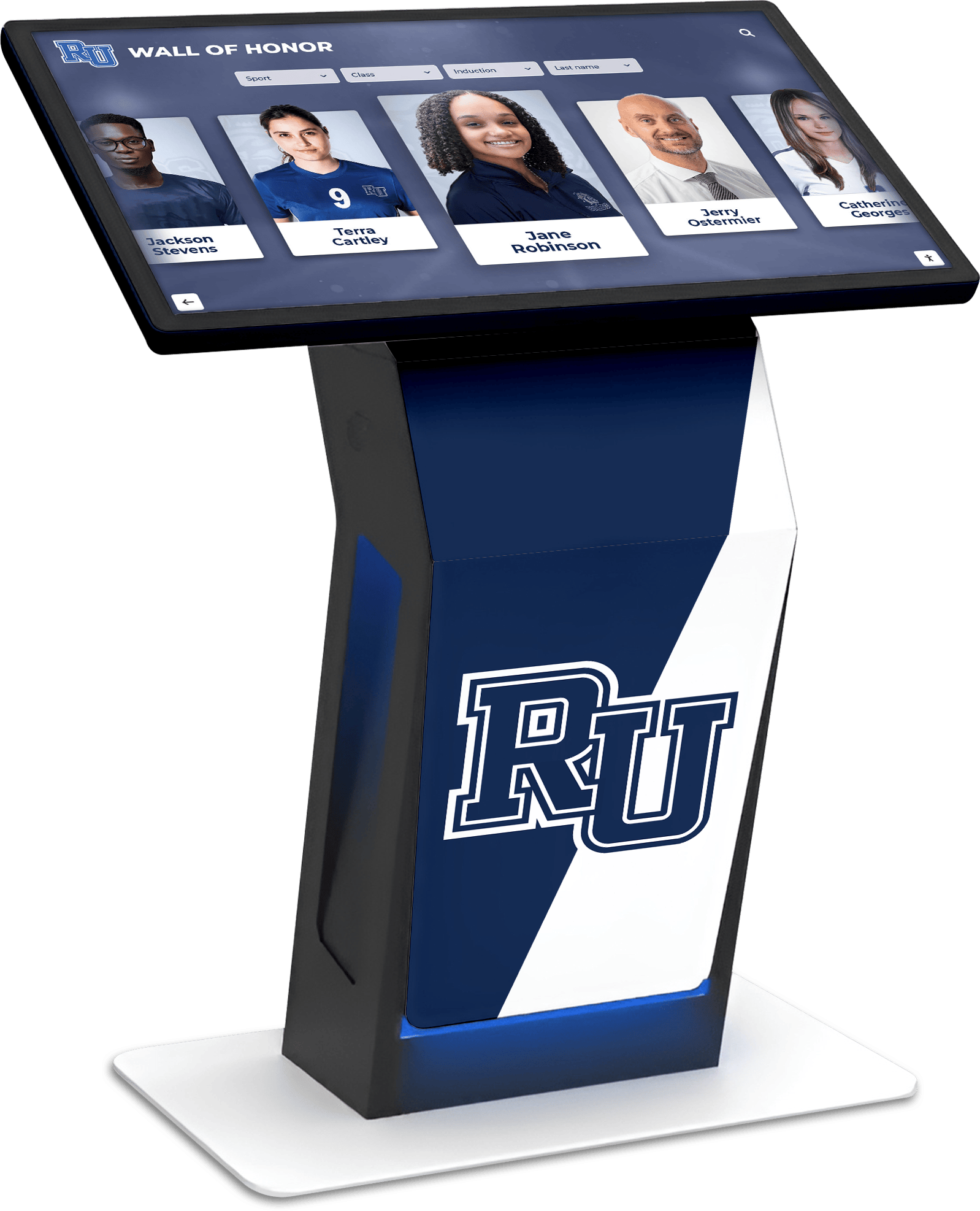
Modern recognition systems allow programs to permanently honor leadership contributions, inspiring current captains while celebrating those who came before
Ongoing Captain Development and Training
Effective programs don’t assume leadership skills emerge naturally but rather provide systematic development.
Pre-Season Captain Retreats: Dedicating time before season starts allows captains to bond, clarify their roles, develop shared leadership vision, and learn specific leadership skills. These retreats might include team-building activities, leadership workshops, and strategic planning for the upcoming season.
Regular Coach-Captain Meetings: Scheduled one-on-one or small-group meetings between coaches and captains create forums for discussing team dynamics, addressing emerging issues, providing leadership feedback, and ensuring alignment between coach expectations and captain execution. Weekly 15-30 minute meetings prove sufficient for maintaining communication.
Leadership Skill Development: Providing captains with resources, training, or mentorship in specific leadership competencies—conflict resolution, difficult conversations, public speaking, emotional intelligence—accelerates their development beyond what experience alone provides.
Mid-Season Leadership Assessment: Formal or informal midpoint evaluations help captains understand how their leadership impacts the team while identifying improvement opportunities. This feedback loop enables course correction rather than waiting until season’s end to address leadership effectiveness.
Connecting with Other Program Captains: Facilitating relationships between your team’s captains and captains from other sports or previous seasons creates peer learning networks. Captains often welcome advice from peers who’ve faced similar challenges rather than only receiving adult coaching.
Creating Captain Authority and Influence
Programs must actively establish captain authority rather than assuming teammates will automatically respect appointed leaders.
Public Coach Endorsement: Coaches strengthen captain influence by publicly expressing confidence in captain leadership, directing teams to follow captain instructions, and ensuring visible support. This endorsement signals that captain authority comes with full coaching staff backing.
Empowering Captains with Responsibilities: Providing captains with specific authorities—leading warm-ups, making certain in-competition decisions, organizing team activities—creates concrete demonstrations of their leadership role. Authority without responsibility feels empty; responsibility without authority feels unfair.
Supporting Captain Decisions: When captains make leadership decisions or address team issues, coaching staff should support these actions unless they fundamentally conflict with program values. Undermining captain decisions in front of teammates destroys their influence and discourages leadership initiative.
Protecting Captains from Inappropriate Pressure: Sometimes parents, community members, or even teammates place unfair pressure on captains regarding playing time, team decisions, or other matters beyond their control. Coaches who shield captains from this pressure while maintaining appropriate communication channels prevent captain burnout and inappropriate burden.
Recognition Systems for Captain Excellence
Formal recognition of captain contributions reinforces that leadership matters and leaves lasting legacies.
Season-End Leadership Awards: Specific awards acknowledging exceptional captain performance—whether during awards banquets, recognition ceremonies, or year-end celebrations—formalize appreciation for leadership contributions. These might include “Captain of the Year,” “Leadership Excellence,” or similar honors.
Permanent Recognition Displays: Programs implementing digital recognition systems can create dedicated captain sections within their halls of fame, permanently honoring leadership alongside athletic achievement. This recognition validates that captaincy represents an accomplishment worth celebrating decades later.
Captain Legacy Preservation: Documenting each year’s captains—through photos, video interviews discussing their leadership philosophy, or written reflections on their experience—preserves leadership history while helping future captains understand the tradition they’re joining.
Senior Night and Captain Celebration: During senior night events, specifically highlighting captain contributions beyond statistics ensures families and communities recognize the complete value these athletes provided. This public acknowledgment means tremendously to captains who’ve sacrificed for team benefit.
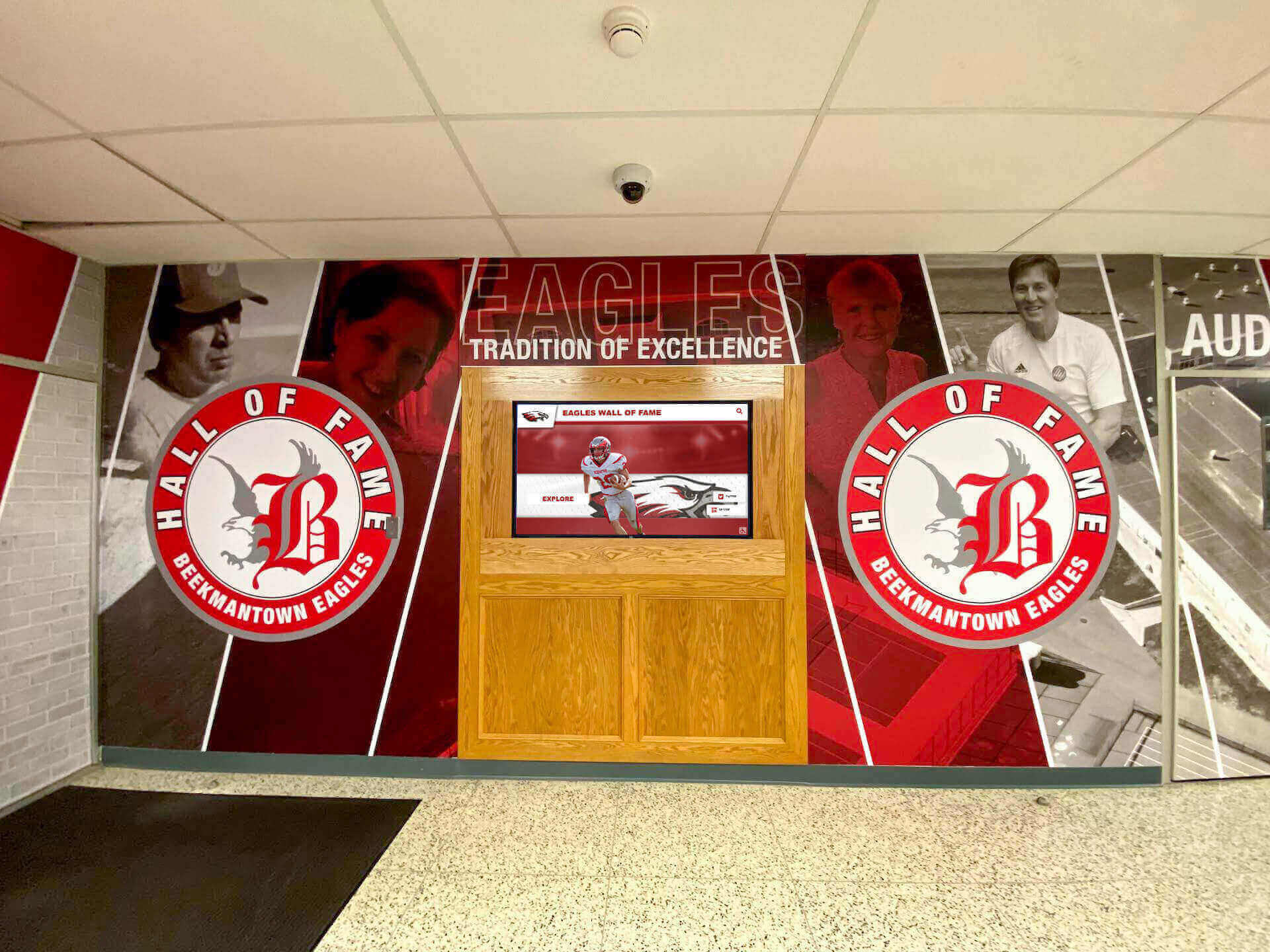
Comprehensive recognition environments celebrate complete athletic achievement including leadership, inspiring current captains while honoring past leaders
Leaving a Captain Legacy
The most effective captains think beyond single seasons to the lasting impact they’ll leave on programs.
Building Sustainable Team Culture
Great captains strengthen culture in ways that persist after they graduate.
Establishing Positive Traditions: Introducing meaningful traditions—pre-game rituals, team mottos, celebration customs, or community service commitments—that outlast individual captains creates lasting cultural elements. The best traditions reflect team values while creating shared experiences that bond athletes across different seasons.
Developing Next-Generation Leaders: Intentionally mentoring younger athletes with leadership potential ensures smooth leadership transitions when current captains graduate. This might include gradually delegating responsibilities to underclassmen, explicitly teaching leadership lessons, or creating assistant captain positions that develop future leaders.
Documenting Leadership Wisdom: Recording captain reflections—through video interviews, written letters to future captains, or leadership journals passed to successors—preserves institutional knowledge that would otherwise leave with graduating seniors.
Resolving Long-Standing Issues: Captains who address persistent program problems—whether social dynamics, facility issues, or policy concerns—that previous teams tolerated leave programs better than they found them. This problem-solving approach to leadership creates measurable improvement.
Transitioning Leadership Responsibility
How captains complete their tenure influences both their legacy and their successors’ success.
Identifying and Preparing Successors: In programs where underclassmen will become future captains, current leaders can ease transition by involving them in leadership activities, soliciting their input on decisions, and explicitly teaching leadership lessons throughout the season.
Senior Captain Letter Tradition: Many programs establish traditions where graduating captains write letters to incoming captains sharing advice, lessons learned, challenges to anticipate, and encouragement. These letters create personal connections across captain generations while preserving leadership wisdom.
Final Team Addresses: Thoughtful senior captain speeches during final team gatherings or banquets provide opportunities to express gratitude, share meaningful experiences, reinforce team values, and challenge younger athletes to maintain standards. These addresses often become emotional highlights of athletic careers.
Remaining Engaged Alumni: The captain relationship with their team doesn’t necessarily end at graduation. Staying connected as alumni—attending occasional games, remaining available as resources for current athletes, or participating in alumni events—extends leadership influence while strengthening program continuity.
Conclusion: The Lasting Impact of Captain Leadership
Serving as team captain represents far more than an athletic honor. This leadership position provides transformative developmental experiences that shape character, build skills, and teach lessons extending throughout life. The communication abilities developed addressing teammates translate directly to professional workplace collaboration. The conflict resolution practiced within team dynamics prepares captains for managing difficult interpersonal situations in any context. The emotional intelligence cultivated reading and responding to diverse personalities proves invaluable across all relationship domains.
Research on youth leadership development consistently demonstrates that structured leadership experiences during adolescence—like team captaincy—significantly predict adult leadership effectiveness, professional advancement, and community engagement. Students who serve as athletic captains during high school show measurably higher rates of college leadership involvement, professional leadership role attainment, and community service participation compared to peers without similar leadership opportunities.
Celebrate and Inspire Leadership Excellence
Discover how modern recognition solutions help schools honor team captains and student leaders, creating permanent tributes to the athletes whose leadership impact extends far beyond statistics and championships.
Explore Leadership Recognition SolutionsBeyond individual development, effective team captains create ripple effects throughout entire programs. Teams with strong leadership demonstrate better cohesion, improved performance, higher retention rates, and more positive cultures. These benefits extend to coaches, who can focus more energy on technical development when captain leadership handles cultural maintenance and interpersonal dynamics. They reach families and communities, who connect more positively with programs when captain leadership creates welcoming, values-driven environments.
For schools and programs, investing in captain development—through selection processes that identify genuine leadership potential, ongoing training that builds leadership competencies, and recognition systems that honor leadership contributions—pays significant dividends. Programs implementing solutions like Rocket Alumni Solutions create platforms where leadership excellence receives permanent recognition alongside competitive achievement, reinforcing institutional values about what truly matters.
Whether you’re a newly selected captain seeking to maximize your impact, a returning captain looking to elevate your leadership, a coach developing your program’s leadership systems, or an administrator thinking strategically about youth leadership development, the principles explored in this guide provide frameworks for excellence. Begin with clarity about your leadership philosophy and goals, continue with consistent implementation of evidence-based leadership practices, persist through inevitable challenges and setbacks, and conclude by intentionally passing forward the lessons learned to those who follow.
The team captain role, executed with intention and excellence, becomes far more than a high school athletic honor. It becomes a defining developmental experience, a service to teammates and program, and a leadership laboratory preparing young adults for lives of positive influence in whatever endeavors they pursue. That’s the true legacy great captains leave—not just winning records or memorable performances, but transformed teammates, strengthened programs, and leadership lessons that echo across decades of future lives.