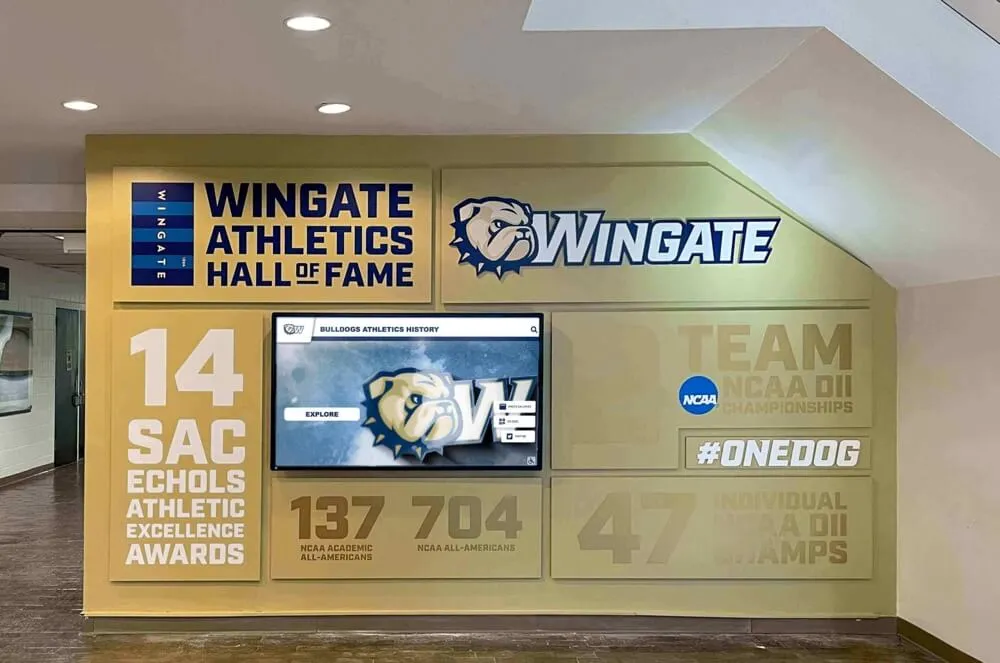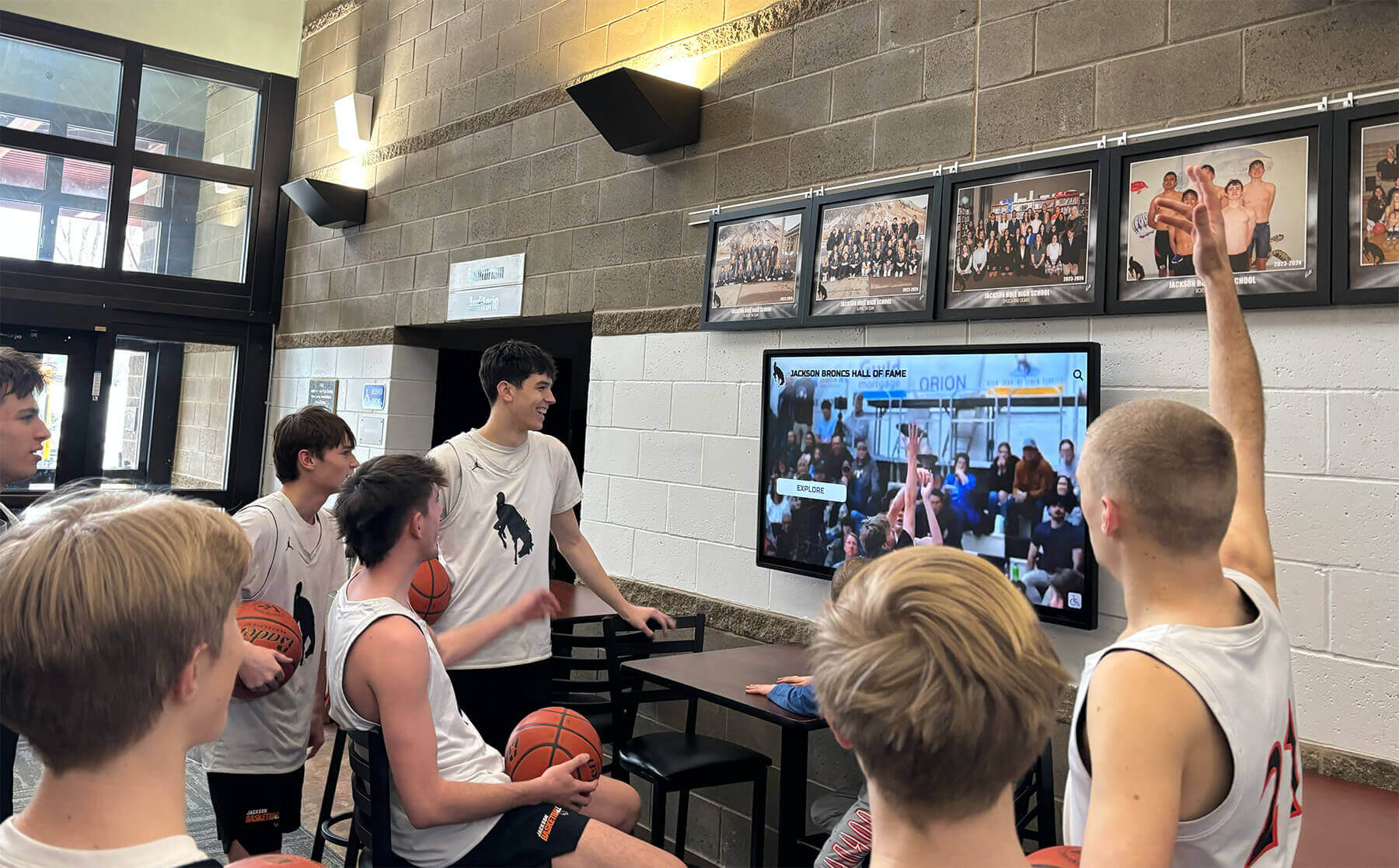
Team recognition shapes organizational culture more powerfully than almost any other leadership practice—when athletes see their championship seasons honored in gymnasium displays, when students discover their academic team accomplishments celebrated in school hallways, when employees find their collaborative project successes acknowledged in corporate recognition programs, they internalize messages about what their organizations truly value. Yet many schools, sports programs, and organizations struggle to move beyond generic “team of the year” plaques and perfunctory end-of-season banquets that fail to create the lasting cultural impact effective recognition delivers.
The difference between team recognition that transforms culture and recognition that gets forgotten within weeks comes down to intentionality, creativity, and understanding what makes acknowledgment meaningful to the specific teams you’re celebrating. From championship sports teams to academic competition groups, from volunteer organizations to corporate project teams, effective recognition requires approaches that honor collective achievement while acknowledging individual contributions, celebrate both outcomes and effort, and create visible reminders of success that inspire future teams.
This comprehensive guide explores real-world team recognition examples across schools, sports programs, and organizations, providing practical strategies, creative formats, and proven approaches that help you build recognition systems your teams genuinely value and that strengthen your institutional culture for years to come.
Why Team Recognition Matters: The Cultural and Performance Impact
Before exploring specific recognition examples, understanding the strategic value team recognition delivers helps justify investment and shapes decision-making about recognition approaches that align with your institutional priorities.
The Psychology of Team Recognition
Research across organizational psychology, educational achievement, and sports performance consistently demonstrates how recognition affects team dynamics and outcomes:
Motivation and Performance Enhancement: Teams receiving systematic recognition demonstrate 20-30% higher sustained performance than those lacking acknowledgment. Public celebration of team accomplishments creates positive peer pressure, normalizes excellence as expected rather than exceptional, and reinforces specific behaviors and approaches worth replicating. When championship teams see their achievements honored permanently through trophy display cases or digital recognition systems, subsequent teams internalize that success is achievable and valued.
Team Cohesion and Identity Building: Recognition strengthens the bonds that transform groups of individuals into cohesive teams. When members see their collective accomplishments celebrated publicly, shared identity deepens and commitment to team success increases. Recognition creates tangible artifacts—displays, awards, ceremonies—that teams can reference and remember, building shared narratives that become part of team culture passed down to new members over time.

Retention and Recruitment Benefits: Organizations, schools, and sports programs known for celebrating team success attract and retain higher-quality participants. Athletes choose schools with visible athletic recognition traditions. Top talent joins companies with strong team celebration cultures. Volunteers commit to organizations that acknowledge their collective contributions. Recognition becomes recruiting advantage and retention strategy simultaneously.
Cultural Values Communication: How organizations recognize teams reveals what they actually value versus what they claim to prioritize. Schools that celebrate academic competition teams as prominently as athletic teams signal that intellectual achievement matters equally. Companies that recognize collaborative project teams demonstrate commitment to teamwork over individual heroics. Recognition choices communicate institutional priorities more credibly than any mission statement.
Championship Sports Team Recognition Examples
Athletic teams provide some of the most visible and established team recognition traditions, offering lessons applicable across many contexts:
Championship Season Displays and Banners
Traditional championship recognition through banners and displays remains powerful when executed thoughtfully:
Conference and State Championship Banners: Hanging championship banners in gymnasiums creates permanent visible reminders of team success. The most effective approaches include specific details—sport, championship level, year, key statistics, and sometimes roster names—rather than generic “State Champions” text. Organize banners chronologically or by sport to create visual histories of athletic excellence that current athletes see daily.
Season Achievement Boards: Beyond championship recognition, dedicated displays celebrating significant season accomplishments—winning records, playoff appearances, conference titles, individual record breakers—ensure teams achieving excellence without winning championships still receive acknowledgment. These comprehensive season boards recognize the full spectrum of athletic success rather than only ultimate championship outcomes.
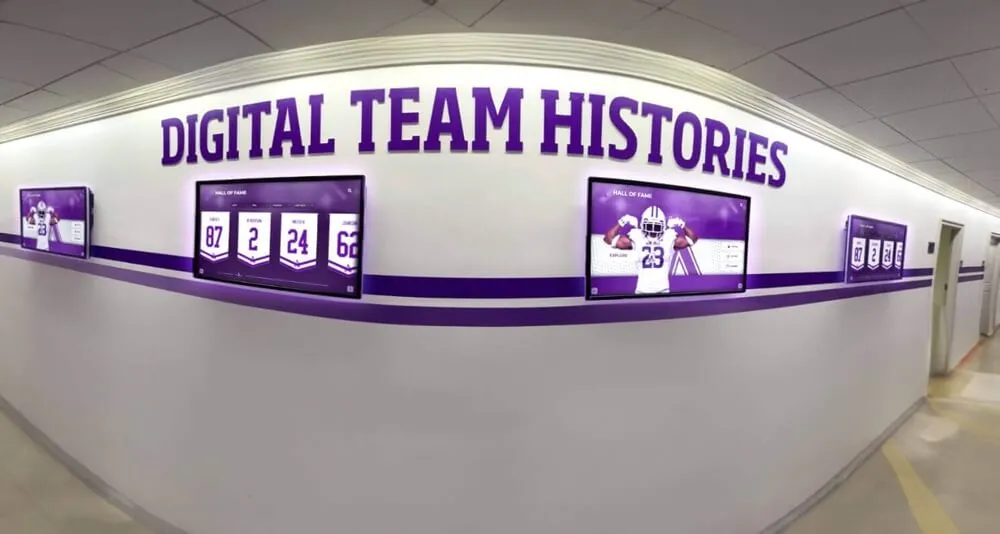
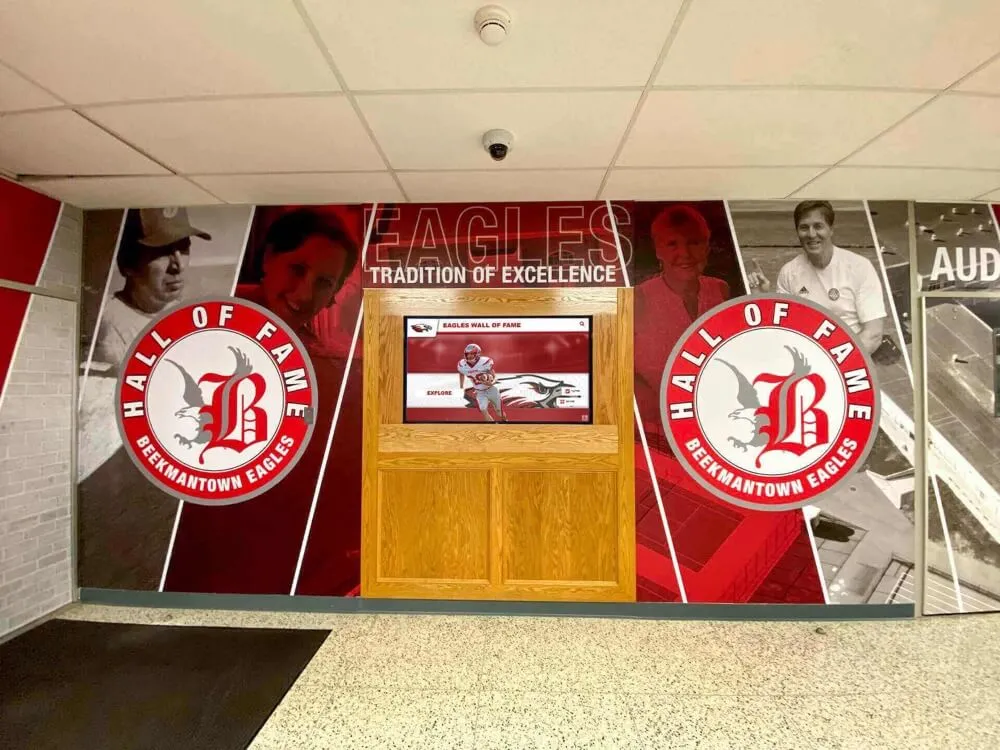
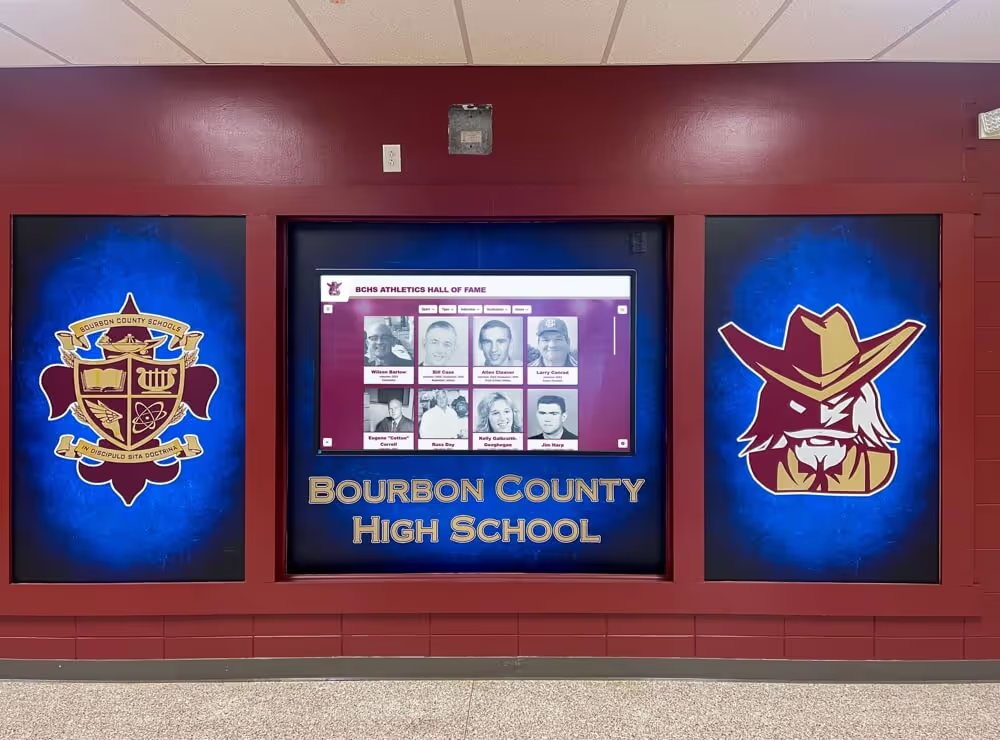
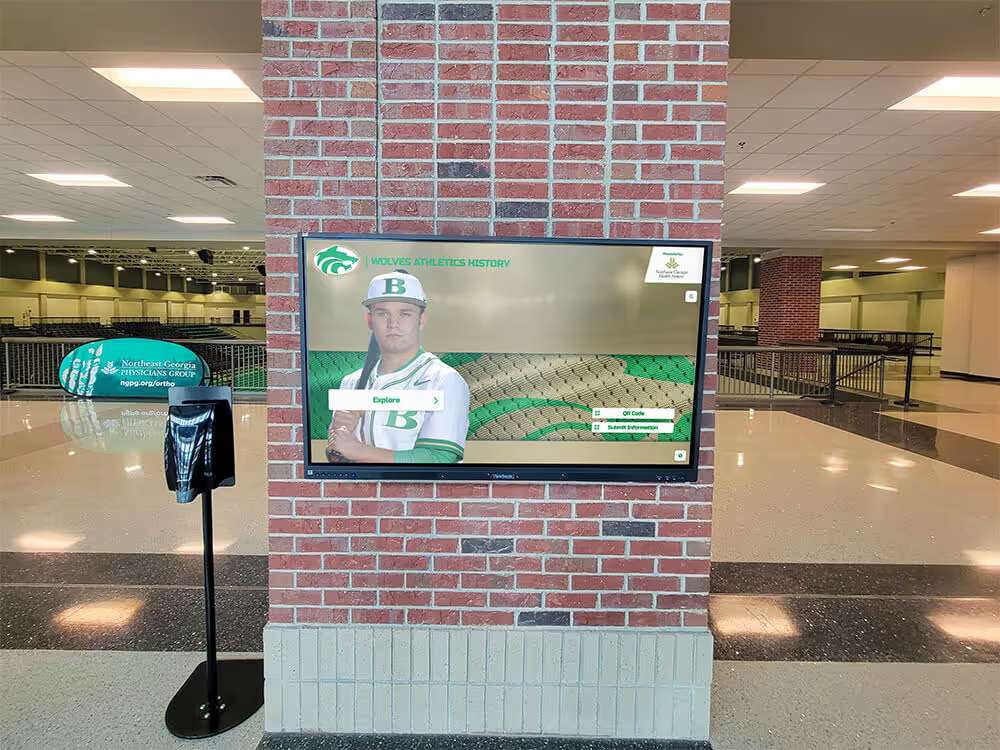
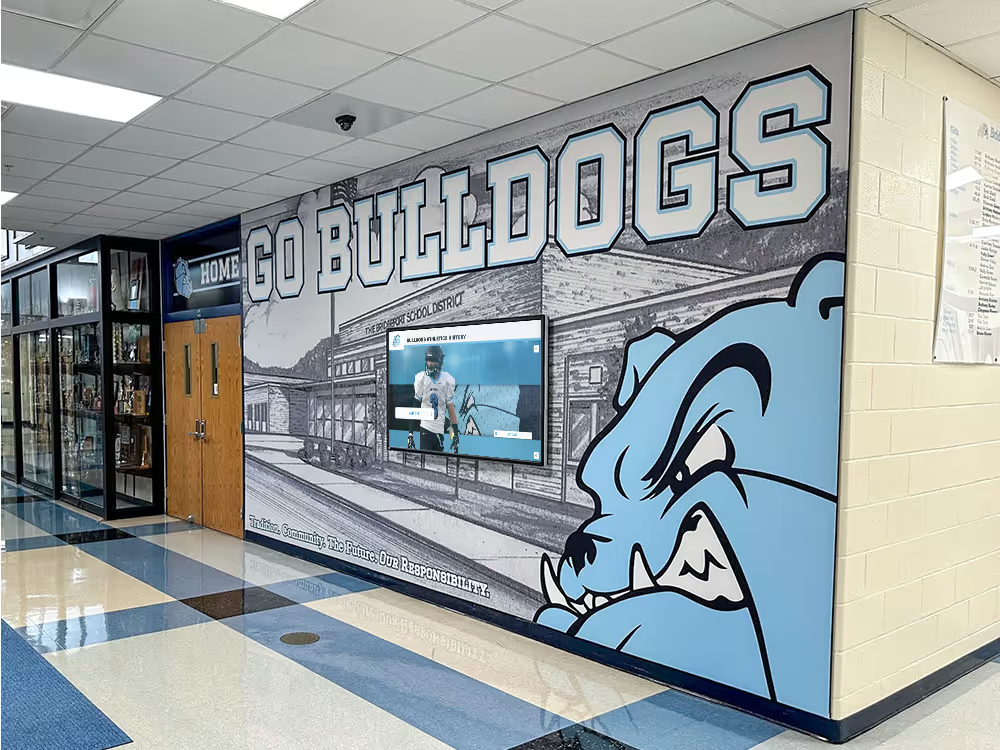
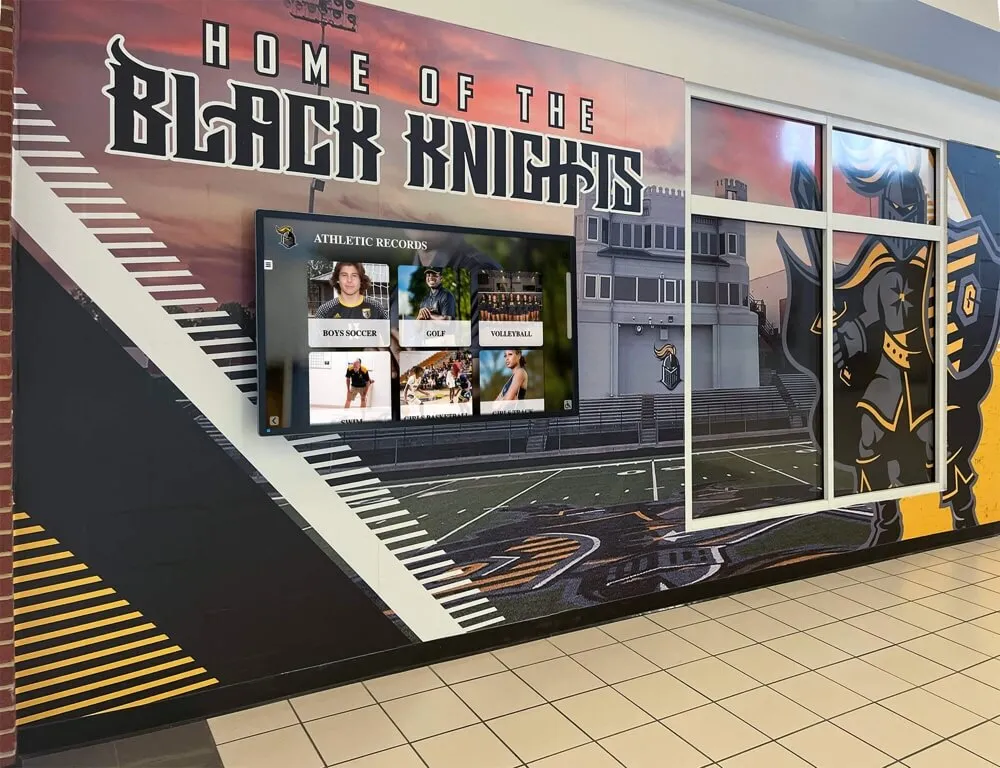
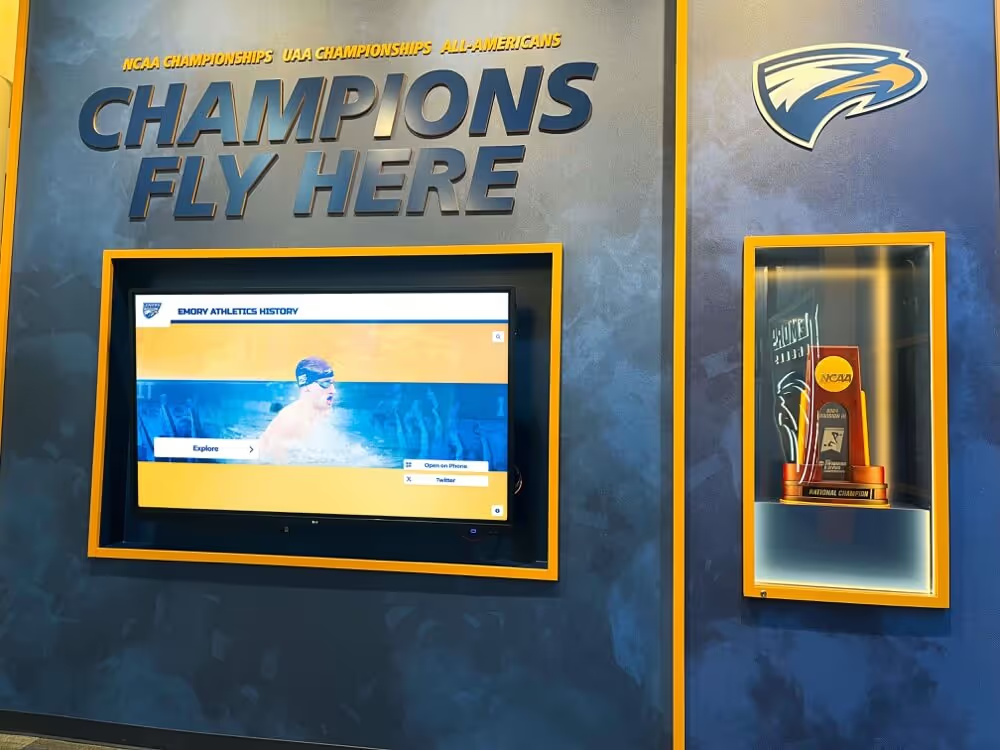
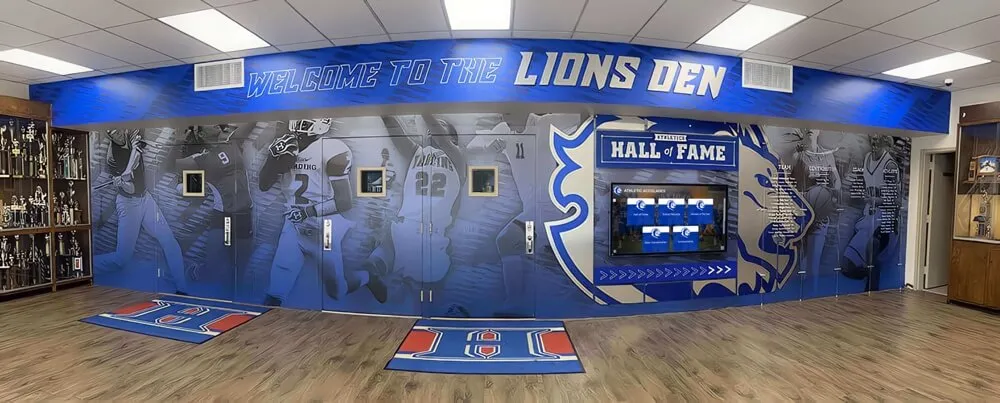
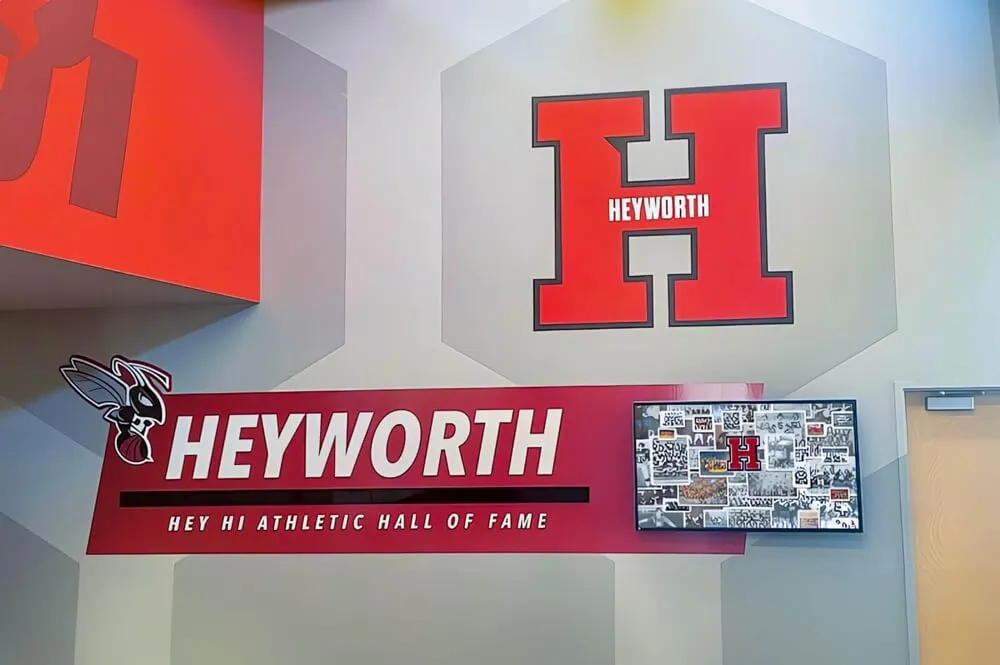
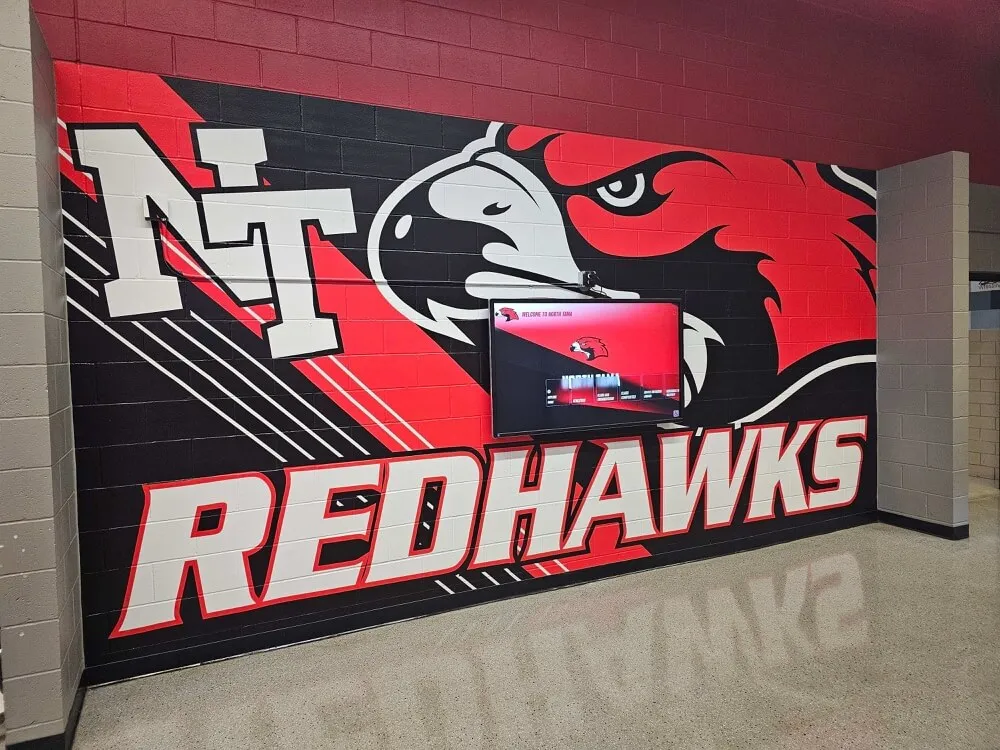
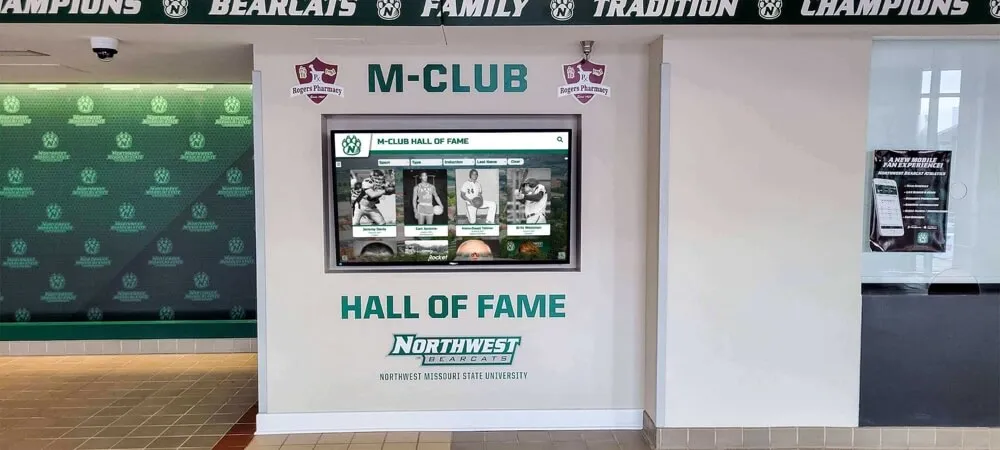
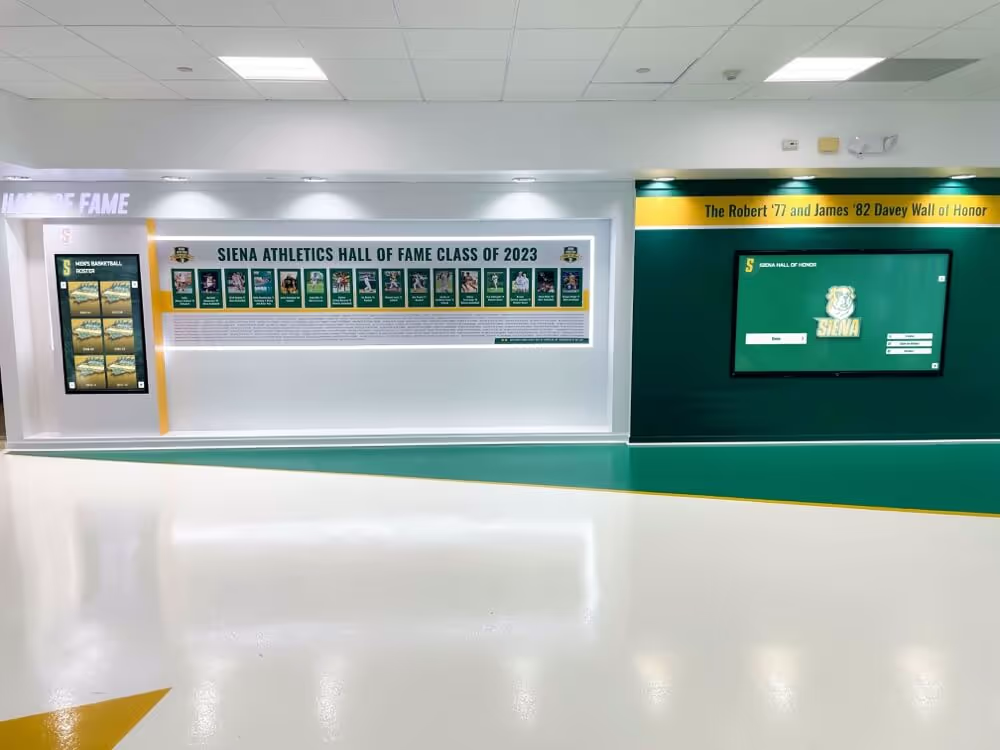
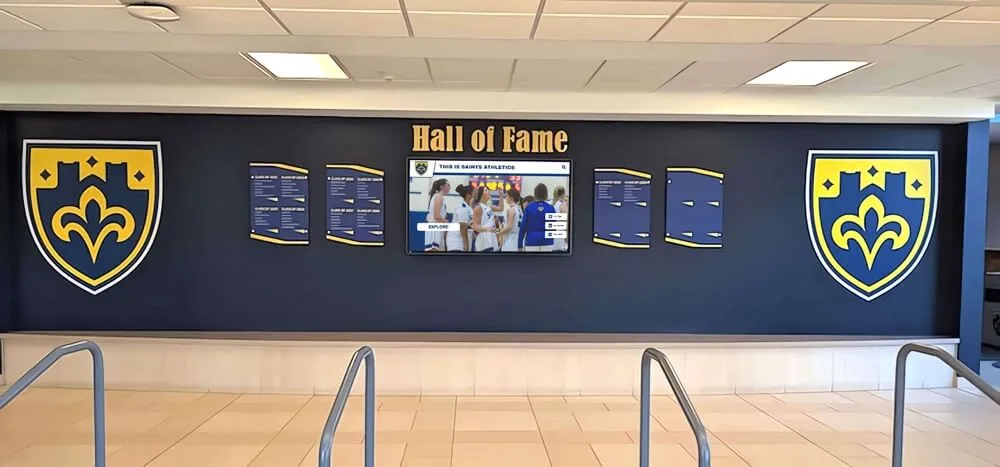
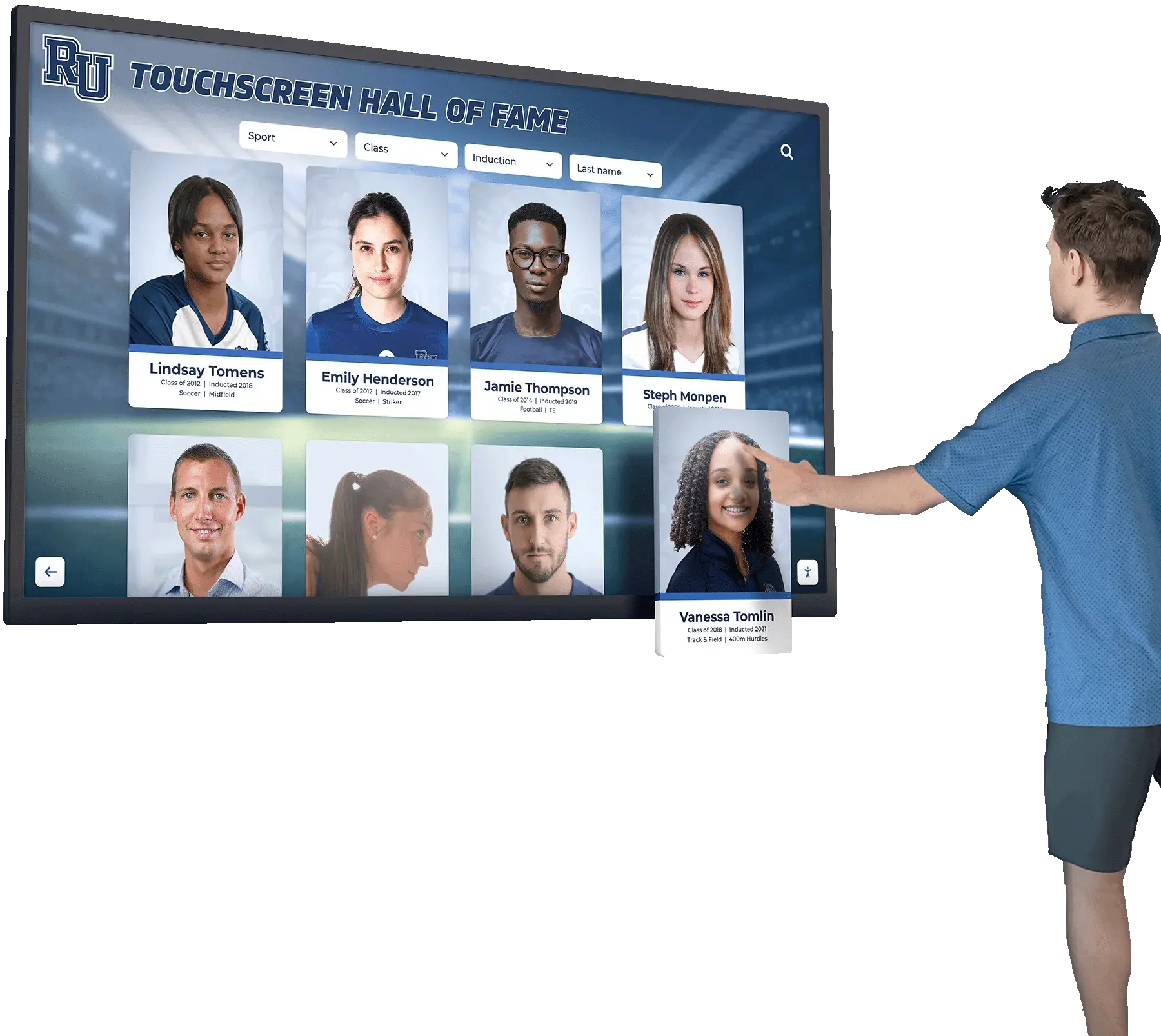
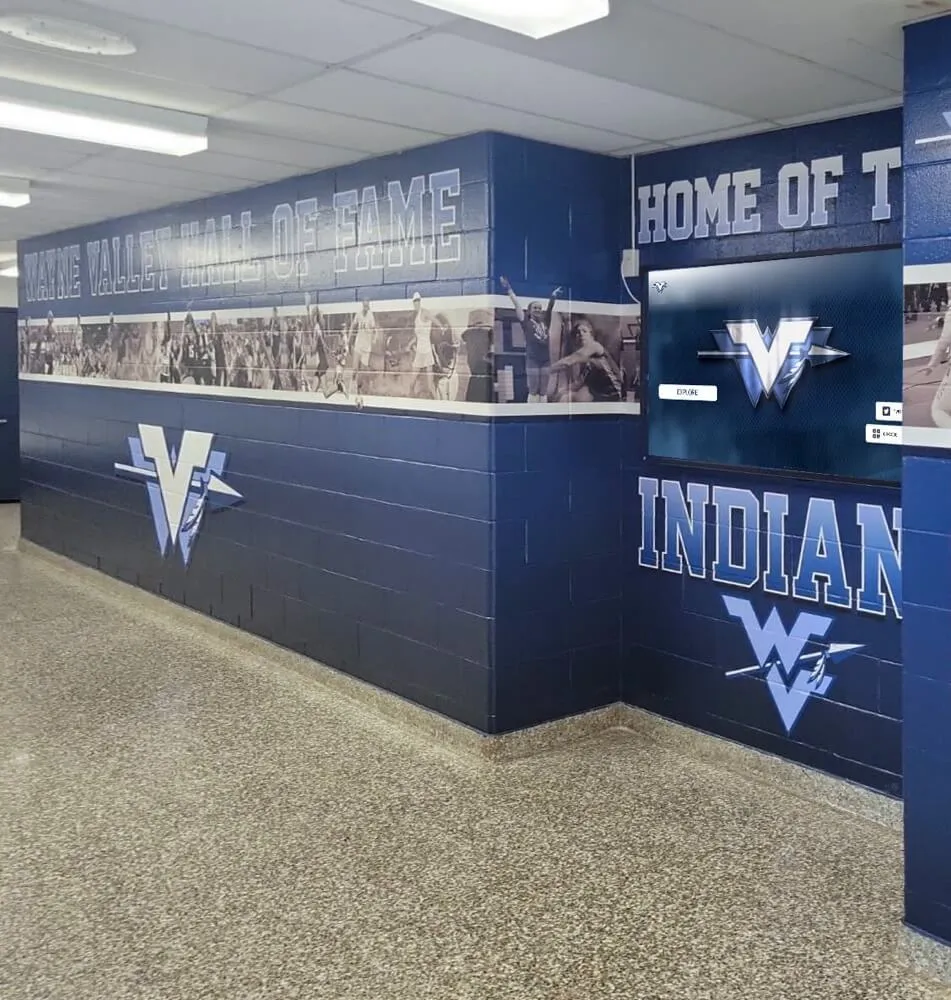
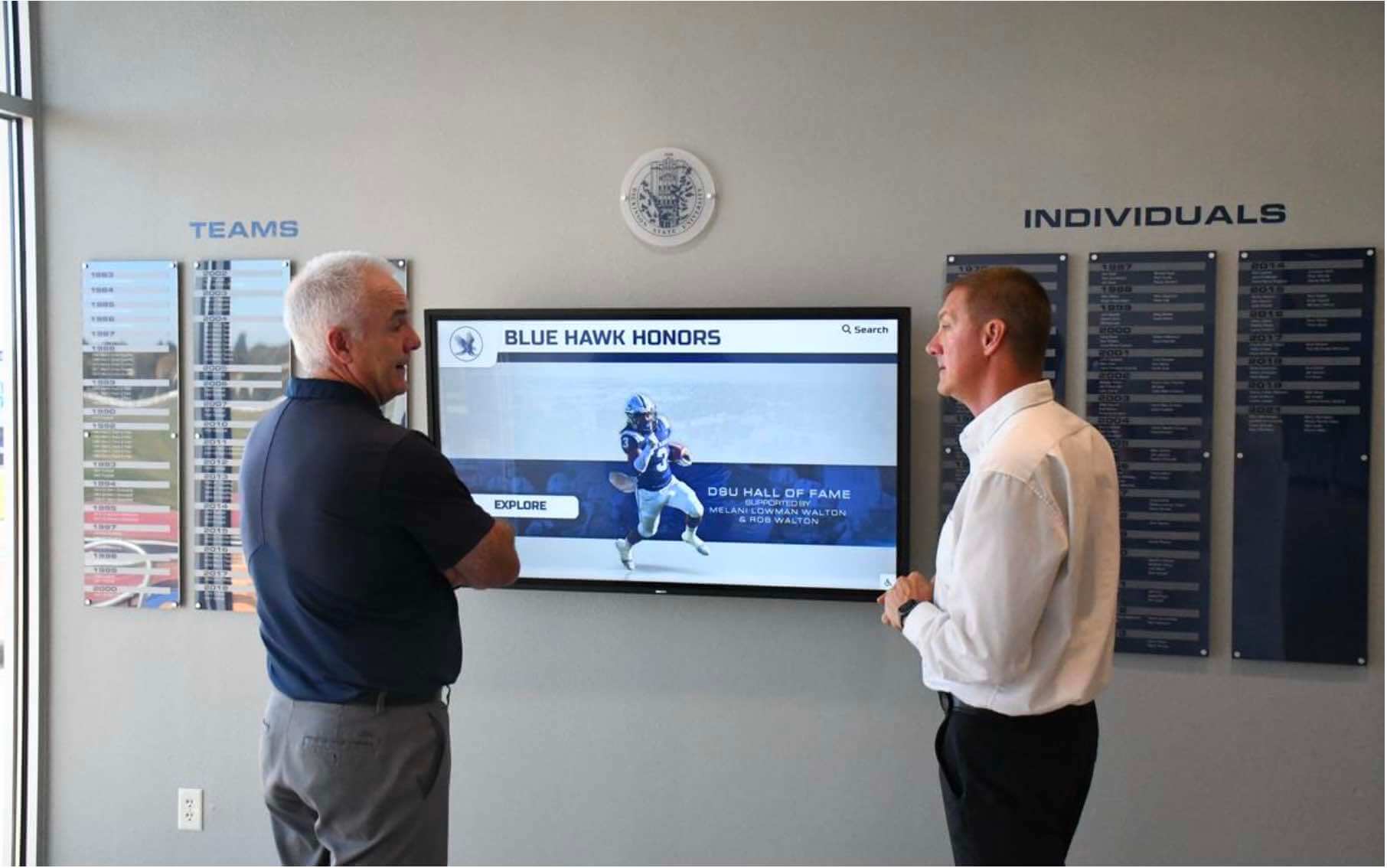
Digital Championship Showcases: Modern digital trophy walls eliminate physical space limitations while offering dynamic presentation options. Interactive displays allow viewers to explore championship team rosters, view game highlights, read season narratives, and discover statistics that static banners cannot accommodate. Digital systems also enable updates without expensive banner reproduction—add championship details, correct information, or incorporate new media as it becomes available.

Team Photo Walls and Recognition Galleries
Visual team recognition through photography creates powerful cultural artifacts:
Seasonal Team Photo Displays: Dedicating prominent hallway or gymnasium space to current season team photos ensures every participant receives visible recognition. Display photos uniformly with consistent framing, include team names, season records, and coaching staff. Rotate displays annually while archiving historical photos in digital systems or dedicated archive spaces, preserving institutional athletic history while keeping current displays fresh.
Championship Team Photography: Recognize championship achievements through enhanced photography—large-format prints, professional framing, prominent placement—that distinguishes championship recognition from participation acknowledgment. Include action shots from championship games or seasons alongside formal team photos to tell visual stories of success. Learn more about capturing compelling team photo ideas that preserve team memories effectively.
“Journey to Championship” Photo Narratives: Rather than single championship photos, create visual narratives documenting team seasons through sequential photography—preseason conditioning, early season games, rivalry matches, playoff rounds, and championship moments. These comprehensive photo stories recognize the effort and progression behind championships, not just final outcomes, creating more complete and compelling recognition.
Athletic Award Ceremonies and Banquets
Formal recognition events remain important team celebration opportunities when designed thoughtfully:
End-of-Season Team Banquets: Traditional team banquets work best when they balance individual and team recognition, celebrate multiple achievement dimensions (most improved, leadership, statistical excellence, team spirit), and include meaningful storytelling about the season rather than only distributing awards. Involve team captains in planning and presenting awards to increase peer recognition value. Create sports banquet programs that teams can keep as memorable season artifacts.
All-Sports Recognition Ceremonies: School-wide or organization-wide events celebrating multiple teams simultaneously demonstrate comprehensive commitment to athletic or competitive excellence across all programs, not just revenue-generating or high-profile sports. These unified ceremonies prevent creating hierarchies where certain teams receive elaborate recognition while others get minimal acknowledgment. Present comprehensive sports awards recognizing diverse achievements across your athletic program.
Mid-Season Recognition Events: Don’t reserve recognition only for season endings. Mid-season celebrations acknowledging milestones achieved, progress made, or standout performances maintain motivation through long competitive seasons. Brief recognition moments during practice, quick celebrations after important wins, or informal team gatherings following challenging competitions demonstrate ongoing appreciation rather than single annual acknowledgment.
Academic Team Recognition Examples
Intellectual competition teams and academic achievement groups deserve recognition systems rivaling athletic program visibility:
Academic Competition Team Displays
Schools with strong academic programs create recognition systems celebrating intellectual competition success:
Quiz Bowl and Academic Competition Recognition: Dedicate display space to teams competing in Quiz Bowl, Science Olympiad, Math Counts, debate, mock trial, and other academic competitions. Include team photos, competition results, tournament placings, and individual qualifier achievements. When academic team displays match athletic recognition in visibility and quality, students receive clear messages that intellectual achievement matters equally.
STEM Competition Showcases: Science fair teams, robotics competition groups, engineering challenge participants, and coding competition teams produce tangible artifacts—robots, science fair boards, engineering prototypes—that make compelling display elements. Create dedicated STEM recognition areas showcasing these physical accomplishments alongside team photos and achievement descriptions. When visitors see actual competition projects, they better understand the sophisticated work academic teams accomplish.
Debate and Speech Team Recognition Walls: Forensics programs producing individual and team competition success deserve systematic recognition acknowledging both tournament victories and skill development. Display team competition records, individual qualifier achievements, national tournament participation, and the progression of team success over multiple years. Include quotes from winning speeches or debate cases to give non-participants glimpses into what these teams accomplish.
Honor Roll and Academic Achievement Team Recognition
Group academic recognition creates community around intellectual excellence:
Honor Roll Team Recognition: Rather than only listing individual honor roll students, recognize entire grade levels or homerooms achieving collective honor roll thresholds—percentage of students making honor roll, class GPA averages, improvement metrics. This team-based academic recognition creates peer support for achievement rather than competitive individualism. Display grade-level honor roll banners alongside individual recognition to balance collective and personal acknowledgment.
Departmental Academic Team Awards: Recognize groups of students achieving excellence within specific academic departments—teams of AP students scoring well on exams, language students earning proficiency certifications together, CTE students earning industry credentials collectively. Department-based recognition ensures all academic areas receive visibility while creating identity around specific subject mastery that attracts more students to those programs.
Peer Tutoring and Academic Support Team Recognition: Academic excellence depends on collaborative learning cultures where high achievers support struggling students. Recognize tutoring teams, study group participants, and peer academic support networks to reinforce that helping classmates succeed demonstrates leadership and contributes to collective institutional success. These recognition approaches celebrate academic generosity and collaboration rather than only individual achievement.
Academic Recognition Ceremonies and Events
Formal academic celebrations create memorable recognition experiences:
Academic Award Ceremonies: Host dedicated events celebrating academic team accomplishments separate from athletic or arts recognition. Include department awards, competition team recognition, honor roll acknowledgment, scholarship announcements, and special academic achievement recognition. Invite families and community members to demonstrate academic accomplishment warrants the same ceremonial recognition as athletic championships.
National Honor Society Induction Ceremonies: Make NHS and similar honor society inductions significant formal events recognizing not only individual inductees but the collective culture of academic excellence these students represent. Include elements recognizing how inductees supported each other’s success, creating team recognition embedded within individual acknowledgment ceremonies.
Performing Arts and Activity Team Recognition
Arts programs, performance ensembles, and extracurricular activity groups need recognition systems acknowledging their collective achievements:
Performing Ensemble Recognition
Music, theater, and performing arts teams create collaborative works deserving systematic acknowledgment:
Concert Band and Orchestra Recognition: Display awards from competitions, festival ratings, honor ensemble participation lists, and major performance achievements. Include photos from significant concerts or performances. Create visual representations of ensemble progression—beginning of year through end of year recordings demonstrating improvement, festival ratings improving over seasons, or growing ensemble sizes reflecting program success.
Theater Production Recognition: Each theatrical production represents enormous team effort involving performers, technical crew, directors, designers, and stage managers. Create displays for major productions featuring cast photos, production stills, program copies, reviews, and behind-the-scenes documentation acknowledging all contributors. When theater teams see their shows memorialized prominently, it validates the intense collaborative work required for successful productions.
Show Choir and Competitive Performance Team Recognition: Programs competing in show choir, marching band, or dance team competitions earn visible achievements through rankings, awards, and qualification standards. Recognize these accomplishments through displays matching athletic recognition in visibility and quality. Include competition scoresheets, judges’ comments, and progression narratives showing how teams improved from early season through championships.
Activity Club and Organization Team Recognition
School clubs, community service organizations, and activity groups achieve collective goals warranting acknowledgment:
Community Service Team Recognition: Organizations like Key Club, National Honor Society, student government, and service organizations collectively contribute thousands of volunteer hours and significant community impact. Quantify and display these collective contributions—total hours served, number of community members helped, fundraising amounts raised, projects completed. Create recognition that celebrates team service impact rather than only acknowledging individual top contributors.
Academic Club and Special Interest Group Recognition: Chess clubs, robotics teams, environmental clubs, business organizations, and special interest groups achieve team goals through competitions, community projects, or sustained programming. Recognize these achievements through displays, awards, or inclusion in broader recognition systems. When these teams see their accomplishments honored alongside traditional athletic or academic teams, it validates their contributions to school culture.
Corporate and Organizational Team Recognition Examples
Workplace recognition demonstrates similar principles applied to professional contexts:
Project Team Recognition
Acknowledging project completion and team success builds organizational culture:
Project Completion Celebrations: When teams finish significant projects—product launches, system implementations, client deliveries, or internal improvements—formal recognition reinforces organizational priorities and motivates future excellence. Recognition might include team celebration meals, public acknowledgment in company communications, executive appreciation messages, or dedicated recognition displays in office common areas.
Innovation and Problem-Solving Team Awards: Create formal recognition for teams developing innovative solutions, solving difficult problems, or demonstrating exceptional creativity. Annual innovation awards, quarterly problem-solving recognition, or ongoing acknowledgment systems keep teams focused on continuous improvement while celebrating those achieving breakthrough thinking.
Cross-Functional Collaboration Recognition: Recognize teams successfully navigating the challenges of cross-departmental collaboration. These teams often accomplish difficult work requiring extra coordination, communication, and relationship building. Acknowledging successful cross-functional projects encourages future collaboration and breaks down departmental silos that limit organizational effectiveness.
Sales and Performance Team Recognition
Goal achievement and performance excellence warrant systematic acknowledgment:
Sales Team Achievement Recognition: Beyond individual sales leader boards, recognize team quota achievement, departmental goals met, or collaborative account wins. Team-based recognition balances competitive individual motivation with collaborative culture, preventing cutthroat environments where colleagues withhold information or undermine each other’s success.
Safety Team Recognition: Organizations prioritizing workplace safety recognize teams achieving safety milestones—days without incidents, safety improvements implemented, near-miss reporting, or safety audit successes. Safety recognition reinforces organizational commitment to protecting team members while celebrating collective vigilance and care.
Quality Improvement Team Recognition: Manufacturing, healthcare, and service organizations achieving quality improvements through team effort should systematically recognize these accomplishments. Recognition might include documentation of processes improved, defect rates reduced, customer satisfaction increases, or efficiency gains—quantifiable evidence of team impact on organizational success.
Nonprofit and Community Organization Team Recognition
Volunteer organizations and community groups need recognition approaches respecting their missions and motivations:
Volunteer Team Recognition
Acknowledging volunteer contributions strengthens organizational capacity:
Volunteer Milestone Recognition: Recognize teams reaching collective service milestones—total hours contributed, years of service, number of beneficiaries served, or sustained commitment through challenging periods. Milestone recognition validates ongoing volunteer dedication while inspiring continued involvement. Create visible displays acknowledging volunteer teams in organizational facilities where beneficiaries, donors, and community members can see volunteer contributions honored.
Event Volunteer Team Recognition: Major fundraising events, community service initiatives, or program delivery efforts depend on volunteer teams. Following significant events, recognize volunteer teams through appreciation gatherings, public acknowledgment, or formal recognition communications. Include specific acknowledgment of what each volunteer team accomplished—event logistics coordination, participant support, fundraising results, or program delivery success.
Board and Committee Recognition: Governance boards, advisory committees, and volunteer leadership teams provide essential strategic direction and organizational support. Create formal recognition systems acknowledging this important volunteer leadership—display boards listing current and historical board members, recognize committee achievements in annual reports, or host appreciation events honoring governance volunteers’ often invisible contributions to organizational success.
Community Impact Team Recognition
Teams achieving measurable community benefit deserve acknowledgment:
Community Improvement Team Recognition: Neighborhood associations, environmental groups, or civic organizations achieving visible community improvements—parks cleaned, gardens planted, murals created, services delivered—can create recognition displays documenting team impact. Before-and-after photography, community testimonials, or quantified impact metrics (tons of waste removed, number of trees planted, community members served) make abstract volunteer work concrete and recognized.
Advocacy and Awareness Team Recognition: Teams working on awareness campaigns, policy advocacy, or community education achieve less tangible but equally important outcomes. Recognize these teams through documentation of awareness reached, policy changes influenced, educational programs delivered, or media coverage generated. Help communities understand and appreciate the sophisticated work advocacy teams accomplish even when results don’t manifest as physical artifacts.
Modern Recognition Systems: Digital Recognition Displays
Traditional physical recognition approaches face inherent limitations—limited wall space forces choosing whose achievements get displayed, static plaques become outdated quickly, adding new recognition requires expensive fabrication, and physical artifacts can only exist in one location limiting visibility. Modern digital recognition systems eliminate these constraints while creating more engaging, comprehensive, and flexible recognition approaches.
Benefits of Digital Team Recognition Displays
Solutions like Rocket Alumni Solutions provide recognition platforms addressing traditional limitations:
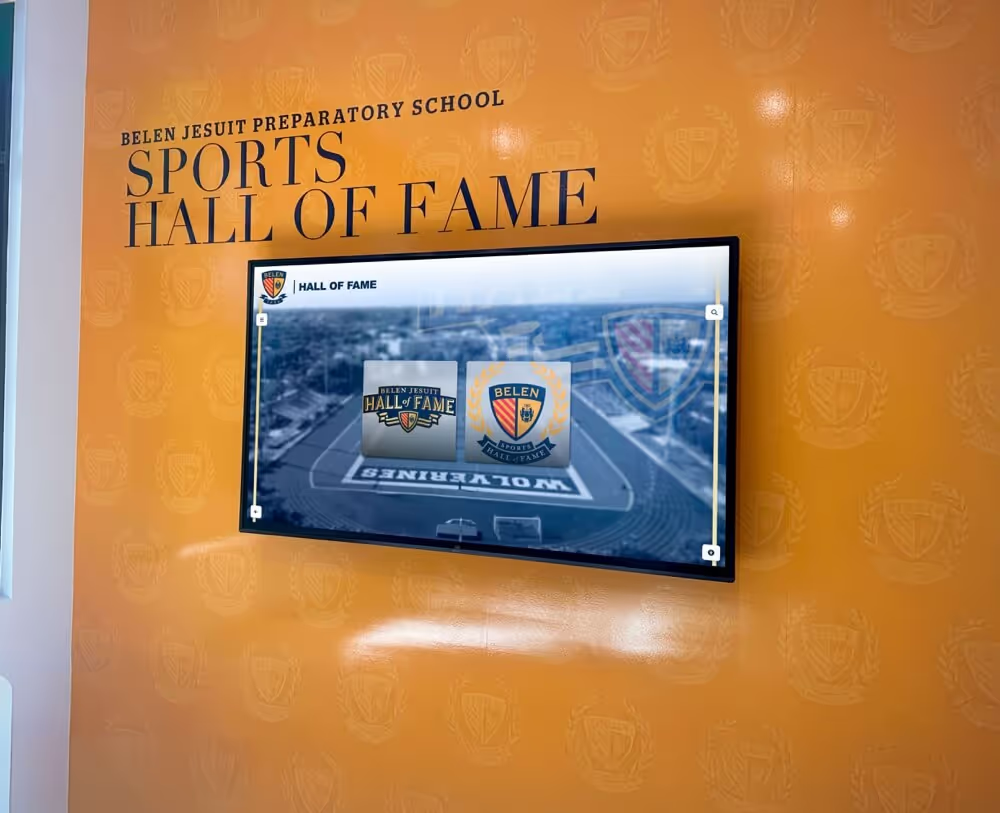
Unlimited Recognition Capacity: Digital systems showcase unlimited teams and achievements without physical space constraints. Recognize every team, every season, every significant accomplishment without deciding whose recognition gets removed to accommodate new achievements. Comprehensive recognition databases preserve institutional history while keeping current accomplishments visible.
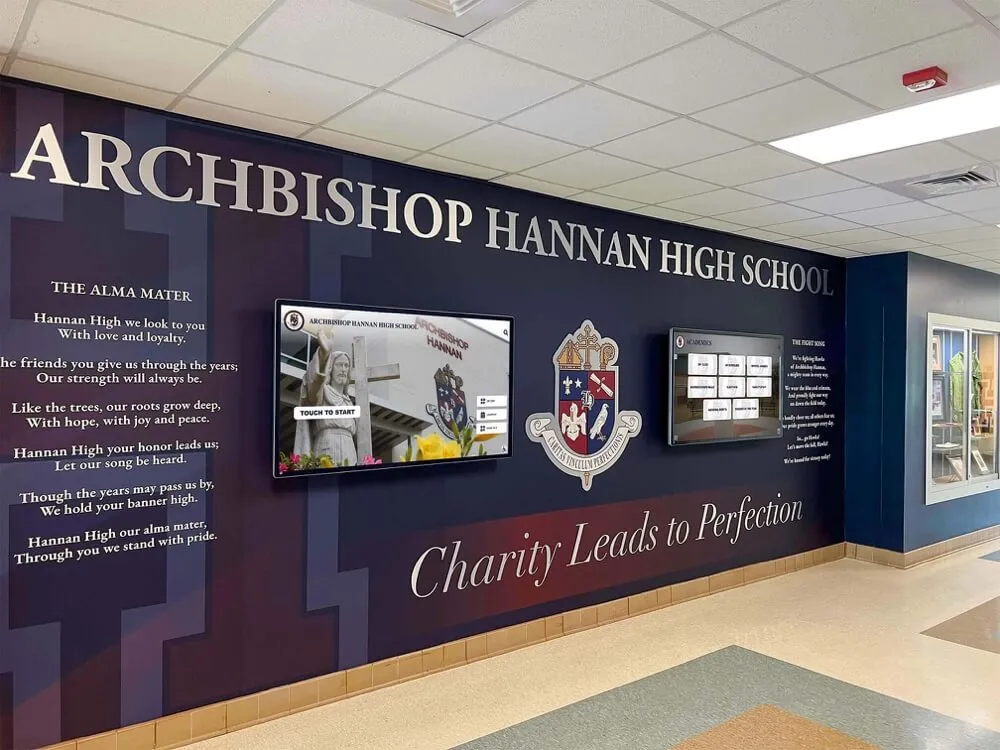
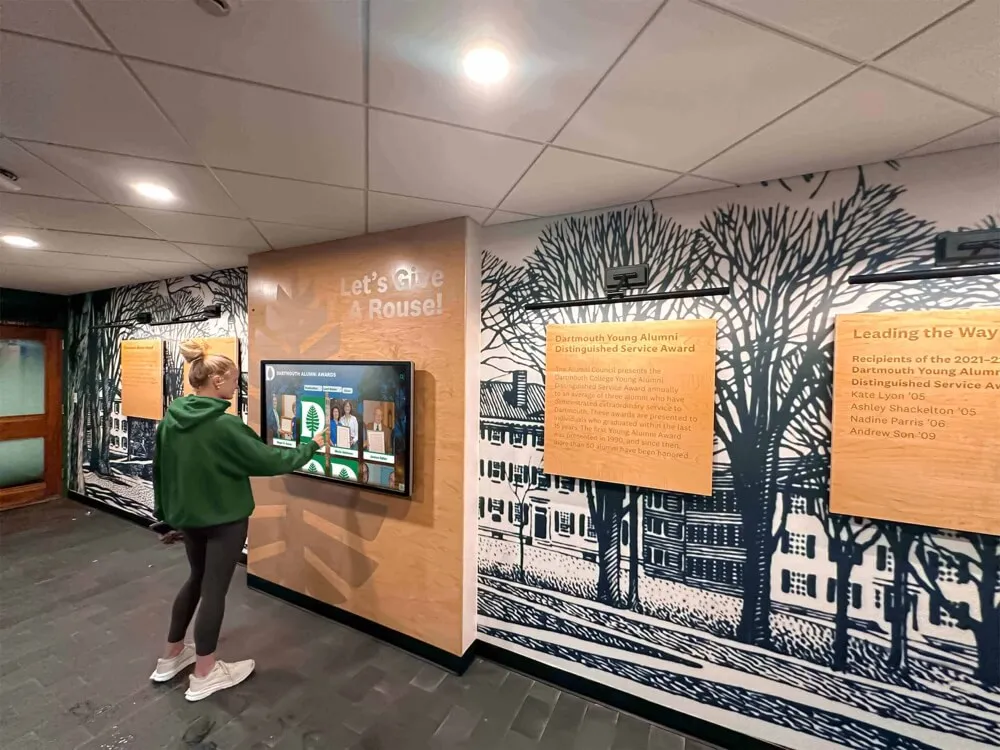
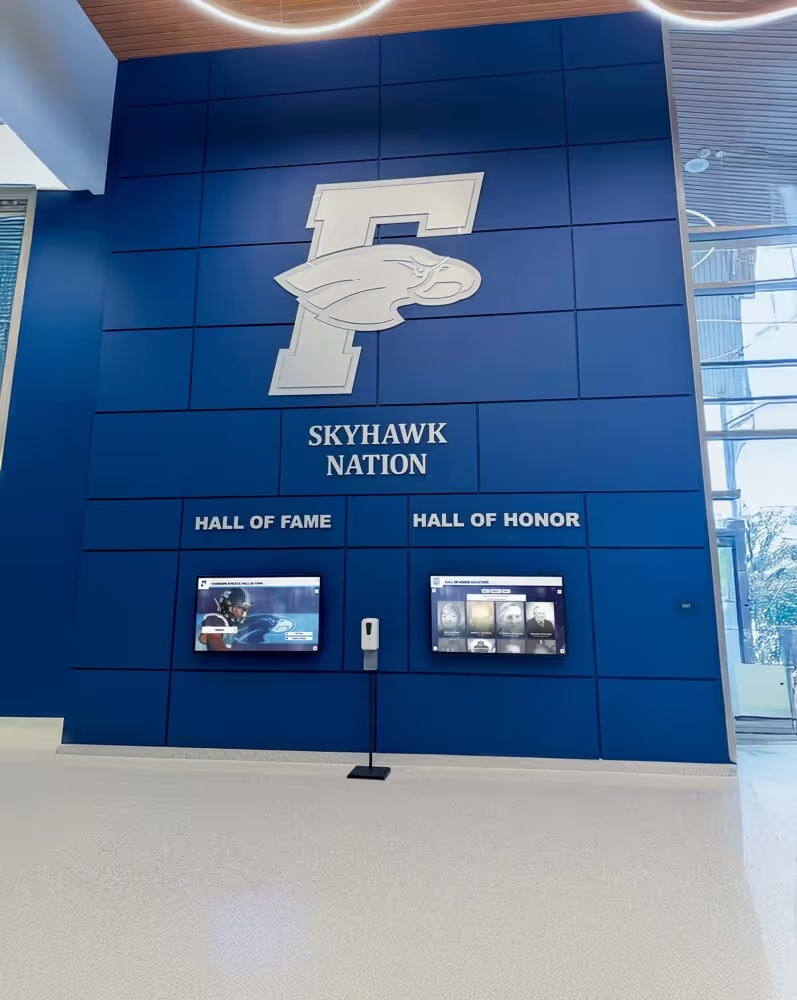
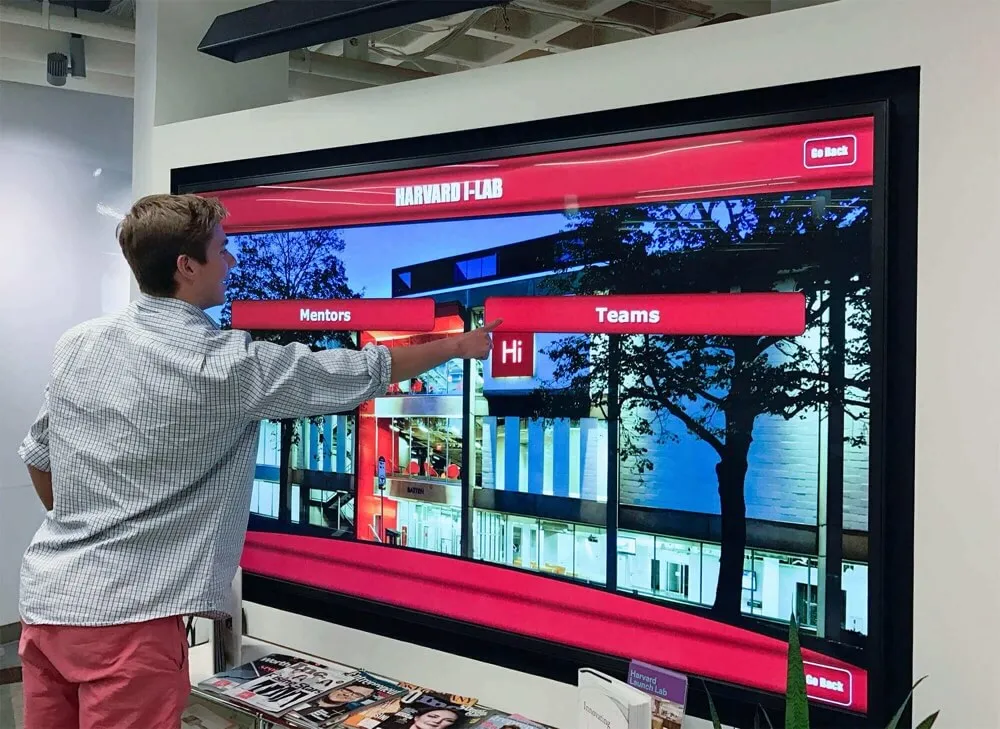
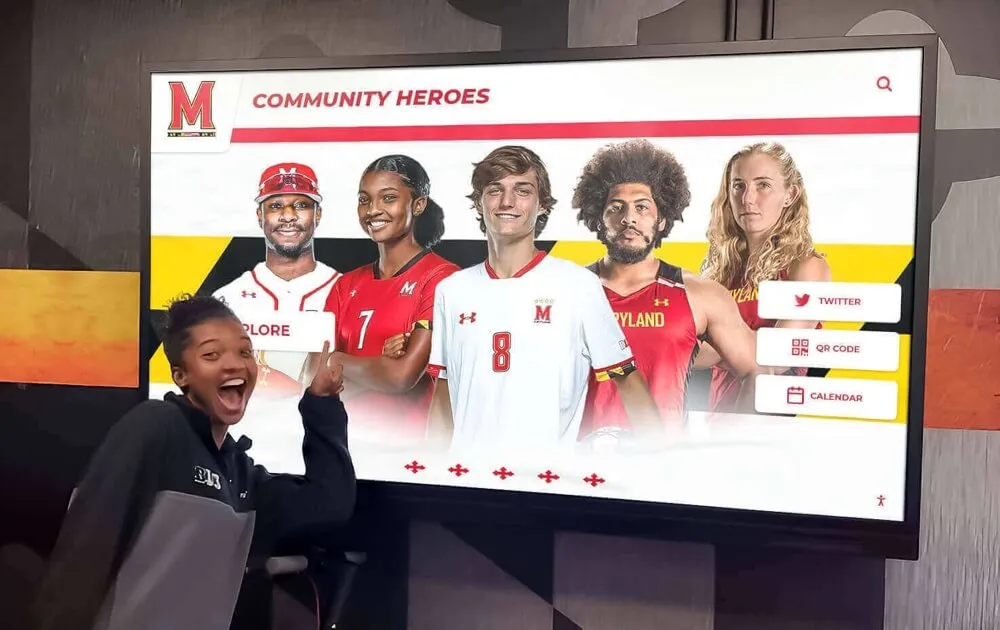
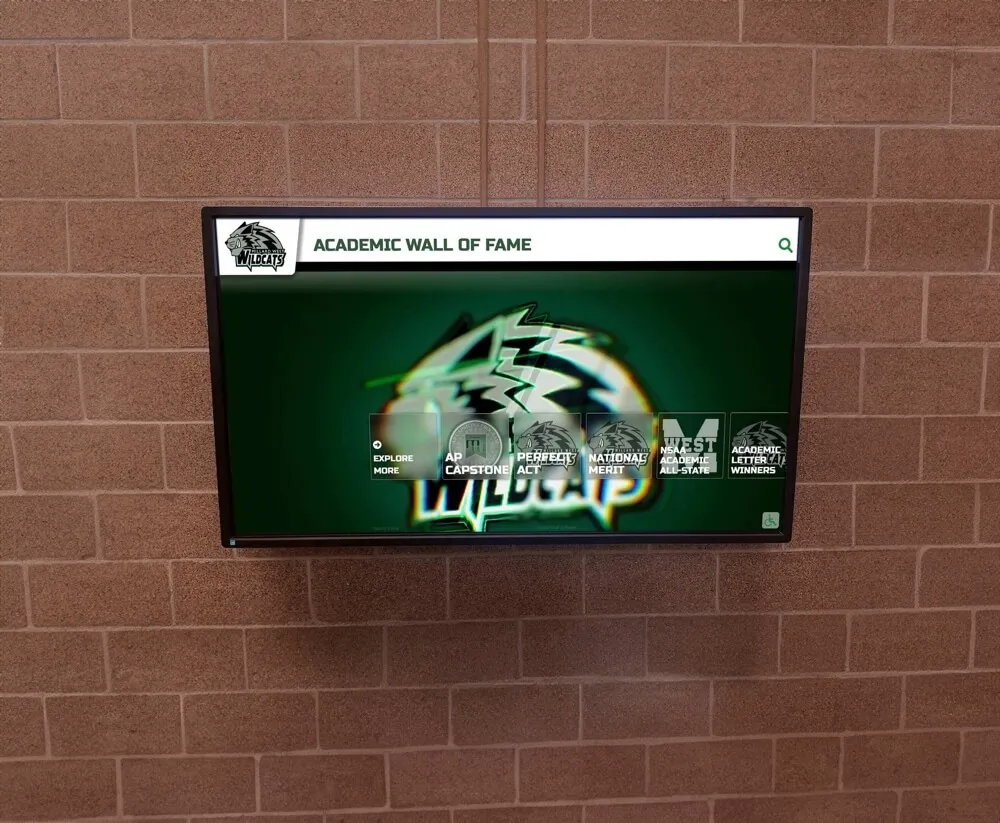
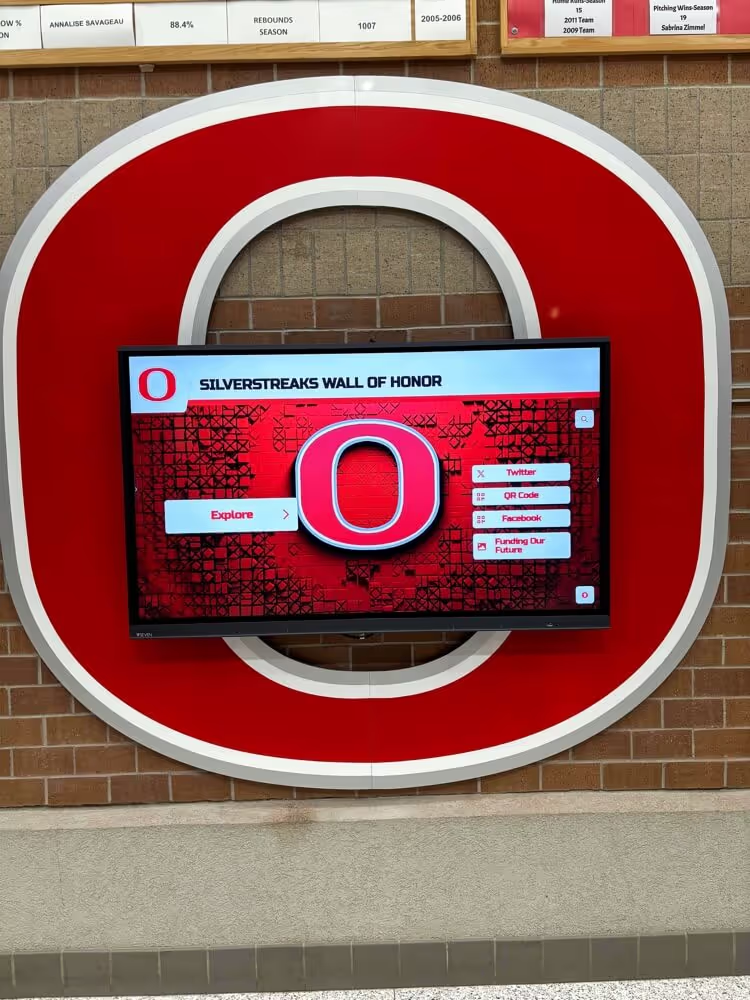
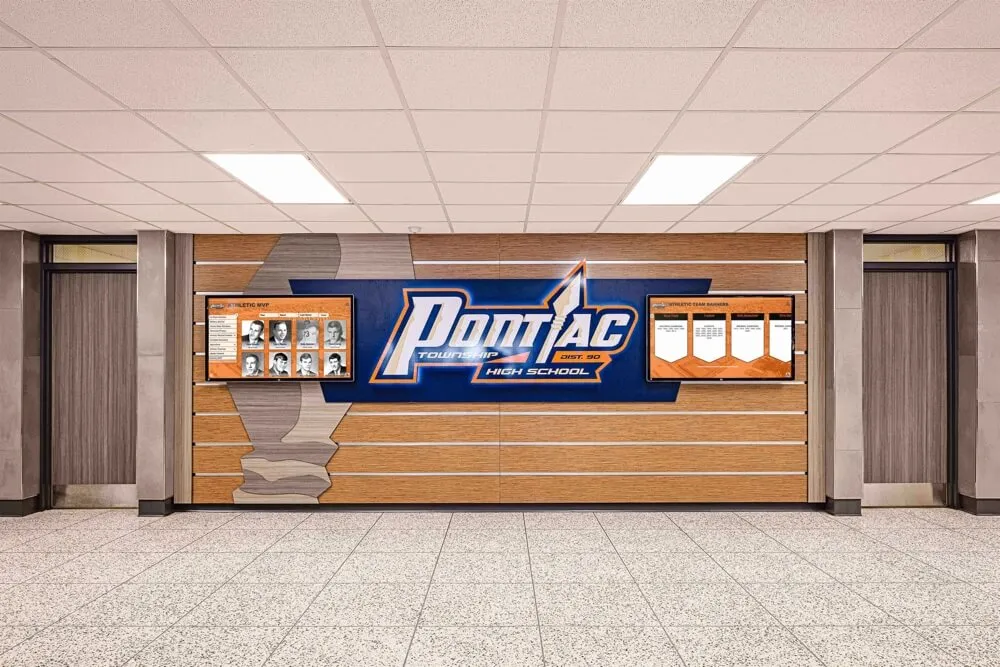
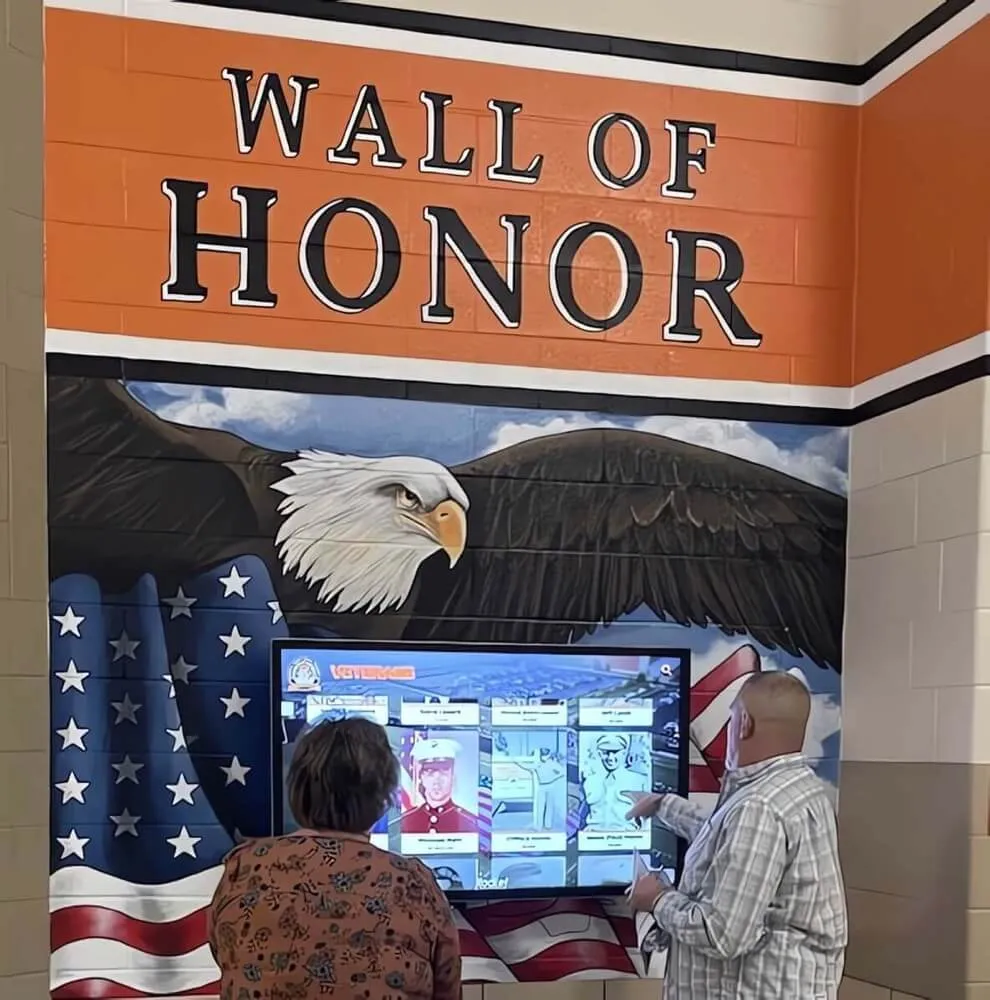
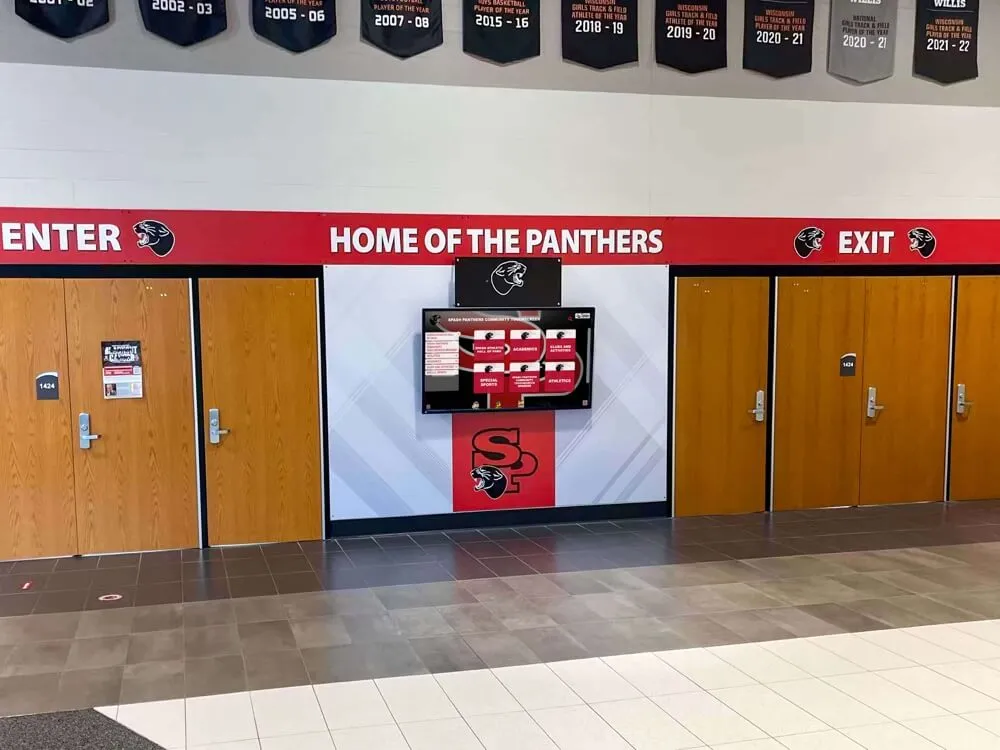
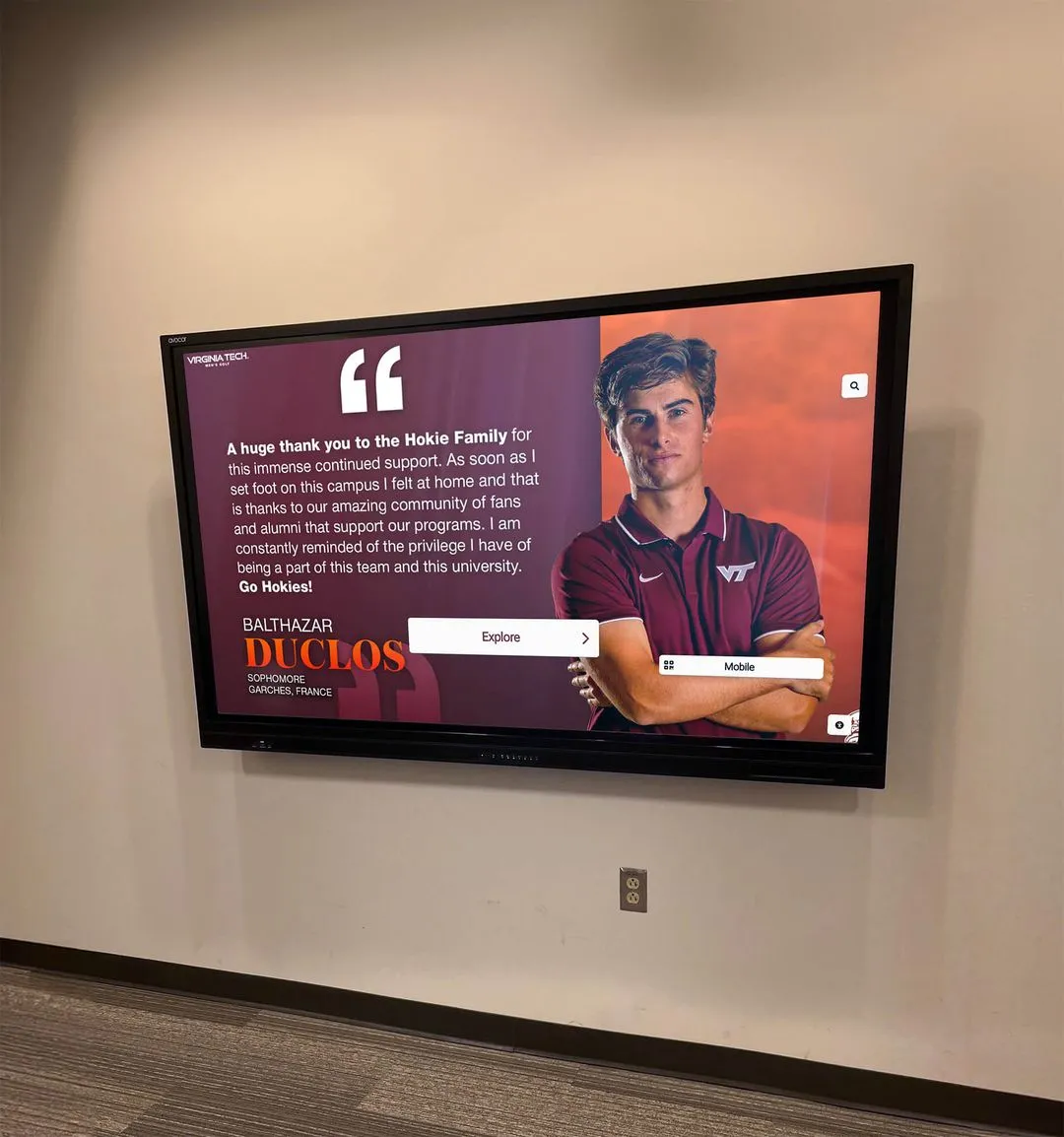
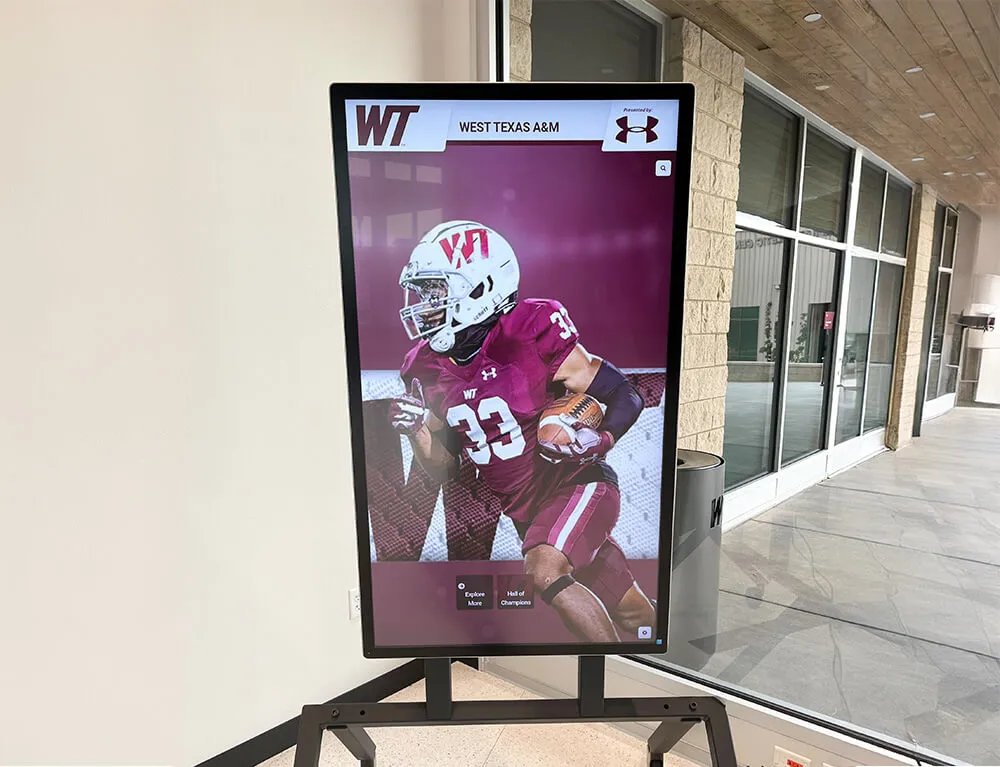
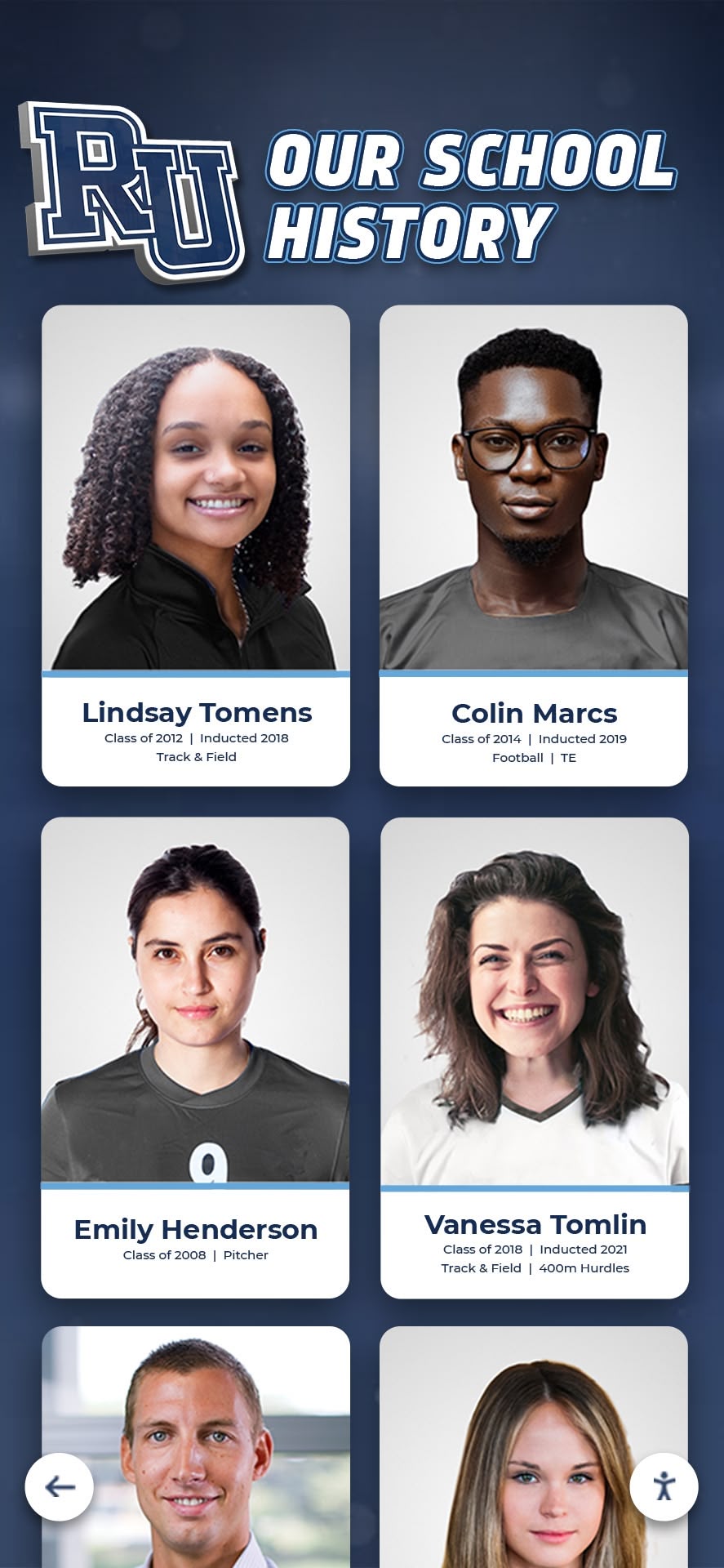
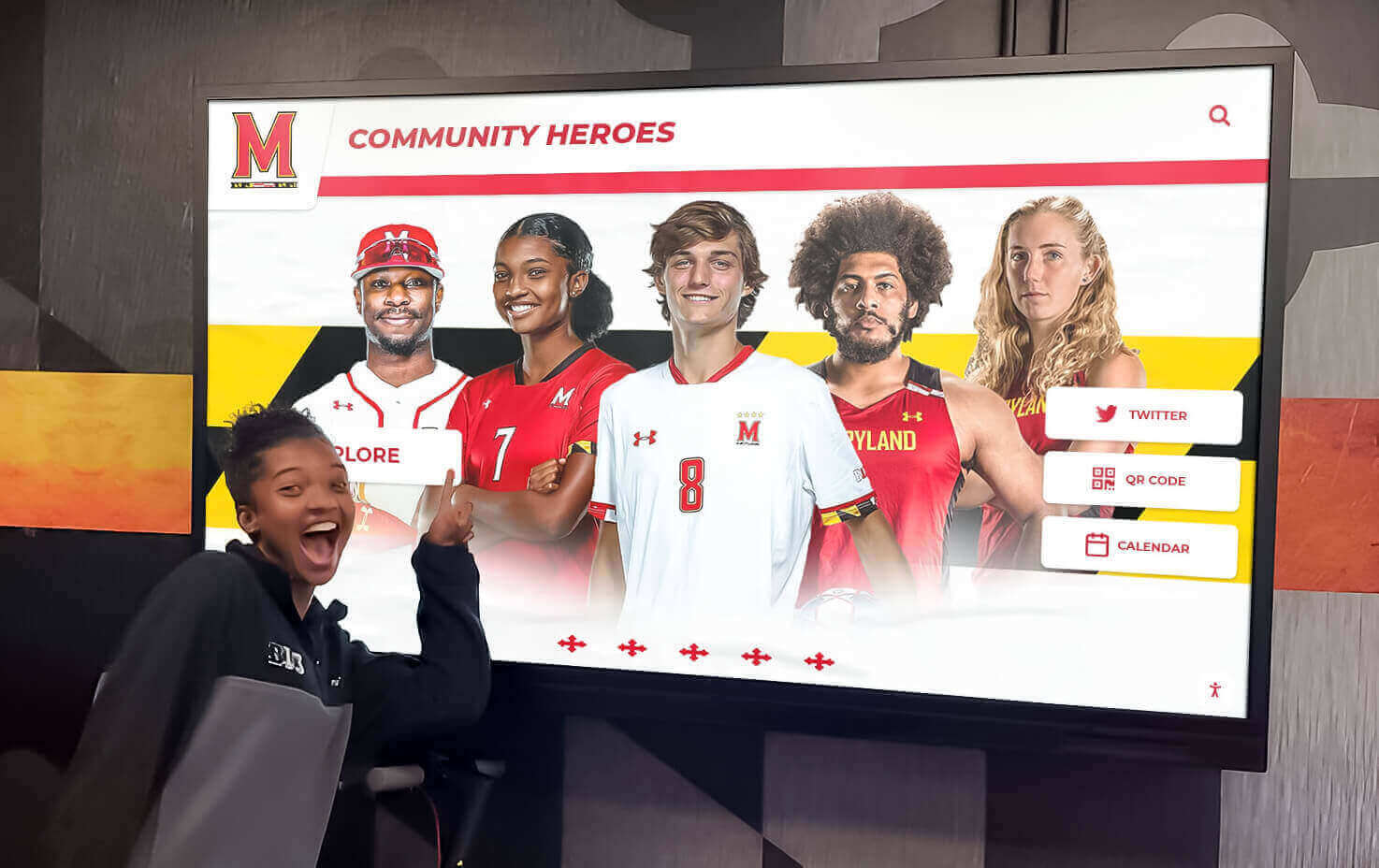
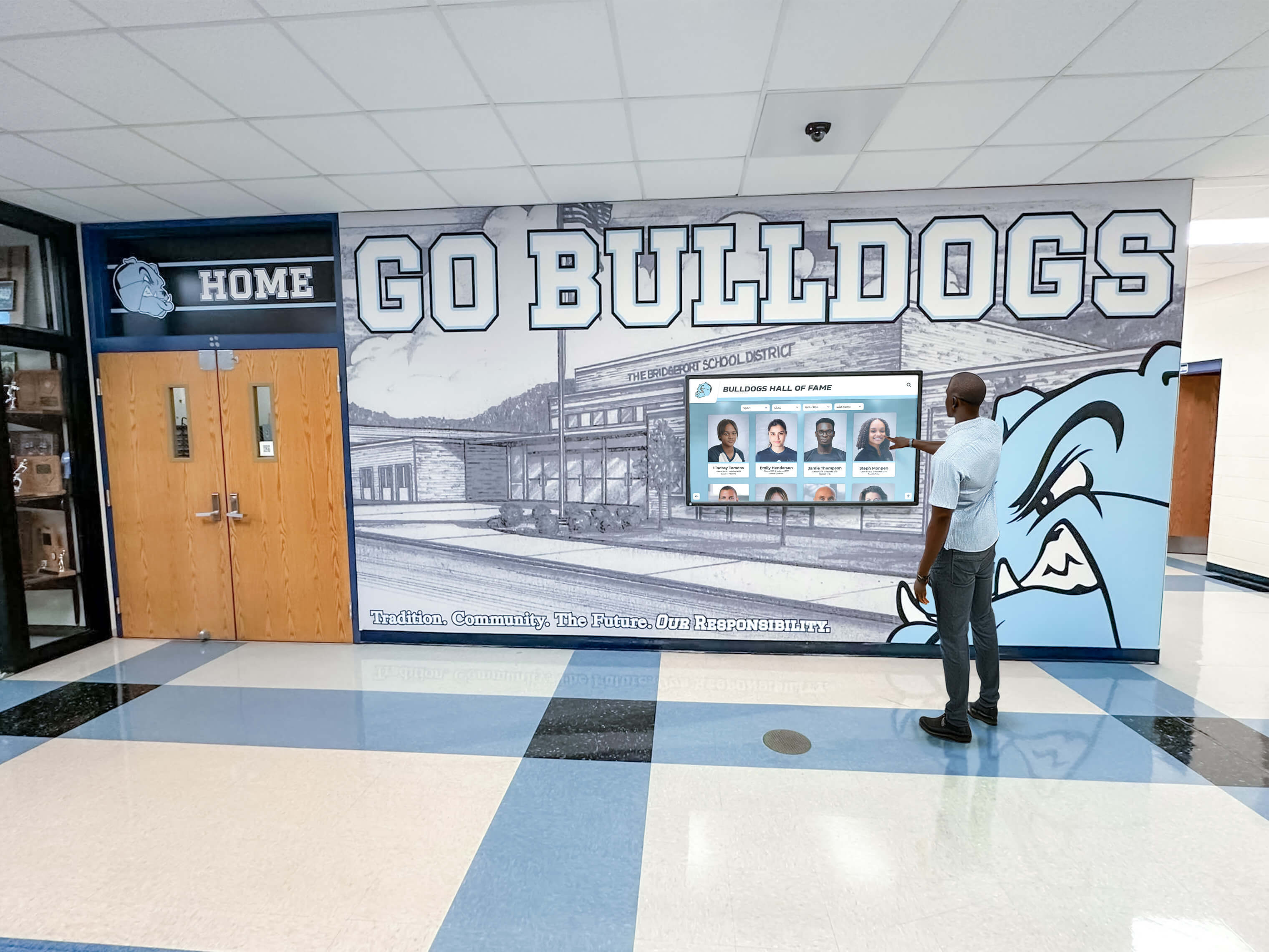
Dynamic, Engaging Presentation: Touchscreen interfaces enable interactive exploration impossible with static displays. Users can search for specific teams, filter by sport or activity type, explore different time periods, view media galleries, and discover detailed achievement stories. This interactivity increases engagement time and makes recognition displays more than decorative wall elements—they become resources people actively explore.
Simple Content Management: Cloud-based platforms enable recognition updates from any internet-connected device without technical expertise. Add championship results immediately after competitions, update season records throughout the year, incorporate new photography as events occur, and correct information without expensive plaque reproduction. Multiple administrators with appropriate permissions can maintain displays, distributing workload across relevant staff.
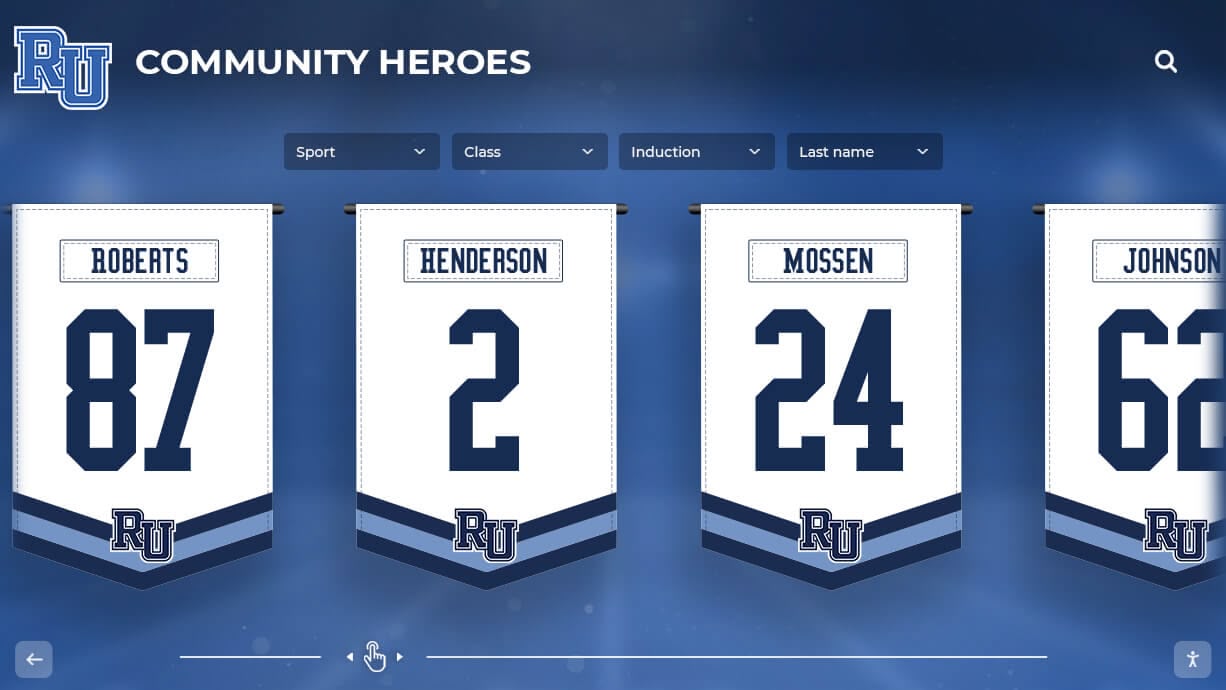
Web Extension and Mobile Access: Recognition extends beyond physical locations through web-accessible displays. Team members, families, alumni, and community members worldwide can explore recognition systems from any device. Social sharing capabilities enable teams to celebrate their recognition across personal networks, expanding institutional visibility while validating achievements.
Integrated Recognition Ecosystems: Modern systems combine team recognition with individual achievements, historical archives, donor acknowledgment, and institutional storytelling in unified platforms. Rather than disconnected recognition silos, comprehensive displays present complete institutional narratives where team success connects to individual excellence, donor support enables programs, and current achievements build on historical foundations.
Implementing Digital Recognition Systems
Organizations considering digital recognition display transitions should follow systematic implementation approaches:
Assessment and Planning Phase: Evaluate current recognition practices, identify gaps between current and desired recognition, inventory existing recognition content (photos, records, stories), determine physical placement locations, and establish budget parameters. Clear understanding of recognition goals shapes platform selection and implementation strategy.
Platform Selection: Choose systems matching your technical capabilities, budget constraints, recognition needs, and growth plans. Consider factors like content management interface simplicity, display hardware quality and reliability, customer support availability, integration capabilities with existing systems, and ongoing subscription costs. Solutions like Rocket Alumni Solutions offer comprehensive platforms specifically designed for schools, sports organizations, and institutions requiring sophisticated recognition capabilities with user-friendly management.
Content Development: Populate recognition databases with historical and current content. This often represents the most time-intensive implementation phase—gathering historical team information, collecting photos and media, entering data into management systems, and creating narrative content. Many organizations start with recent years and gradually add historical content rather than delaying launch until comprehensive archives are complete.
Physical Installation: Professional installation ensures displays are securely mounted, properly positioned for optimal viewing and accessibility, correctly powered, and reliably connected to network infrastructure. Placement decisions significantly affect recognition impact—high-traffic locations, appropriate viewing heights, adequate lighting, and positioning that invites interaction maximize engagement.
Launch and Ongoing Management: Introduce recognition displays through formal unveiling events that generate excitement and awareness. Assign clear responsibility for ongoing content updates, establish regular update schedules, train multiple administrators ensuring management sustainability, and create content pipelines ensuring recognition information flows efficiently to those managing displays.
Creating Effective Team Recognition: Best Practices and Common Mistakes
Regardless of recognition format—physical displays, digital systems, ceremonies, or awards—certain principles maximize recognition effectiveness while avoiding common pitfalls that undermine recognition value:
Recognition Best Practices
Timeliness: Recognize achievements soon after they occur while excitement remains fresh and recognition feels relevant. Championship recognition displayed six months after seasons conclude loses motivational impact. Timely acknowledgment reinforces that organizations notice and value achievement immediately, not as afterthoughts during convenient administrative moments.
Inclusivity: Create recognition systems with pathways for diverse teams to receive acknowledgment. When only the highest-achieving teams receive recognition, it demotivates mid-performing teams and signals that organizations only value elite success. Recognition tiers acknowledging different achievement levels—participation, improvement, excellence, championship—ensure all teams find meaningful recognition opportunities.
Specificity: Generic recognition lacks impact. “Great season” means little compared to “Conference champions with 12-1 record, breaking three school records and advancing to state semifinals for the first time in school history.” Specific recognition communicates that organizations paid attention and understand what teams accomplished, not just that achievements occurred.
Balance Individual and Team Recognition: Effective team recognition honors collective achievement while acknowledging key contributors. Recognition systems purely celebrating teams without individual acknowledgment can feel impersonal, while purely individual recognition undermines team cohesion. Balance both—recognize teams prominently while including roster lists, captain acknowledgment, or individual achievement callouts within team recognition contexts.
Consistency Across Organizational Units: Recognition quality and visibility should remain consistent across all teams regardless of their profile, revenue generation, or traditional status hierarchies. When basketball teams receive elaborate recognition while track teams get minimal acknowledgment, organizations communicate that certain team contributions matter more than others. Consistent recognition reinforces that all team achievements have equal institutional value.
Common Recognition Mistakes to Avoid
Recognition Inflation: When every team receives identical recognition regardless of achievement level, recognition loses motivational power. Participation acknowledgment should exist, but distinction must exist between teams meeting expectations versus teams achieving excellence versus teams accomplishing unprecedented success. Meaningful recognition requires differentiation aligned with achievement levels.
Outdated Recognition Systems: Nothing undermines recognition credibility more than displays featuring achievements from years ago without recent updates. If championship banners end a decade ago or “current” team photos are five years old, it signals that recognition isn’t actually organizational priority. Either commit to maintaining recognition systems or don’t implement them—abandoned recognition does more harm than no recognition.
Complicated Recognition Processes: Recognition systems requiring extensive nomination paperwork, complex approval processes, or bureaucratic delays often result in deserving teams not receiving acknowledgment because responsible parties can’t navigate convoluted procedures. Keep recognition processes simple with clear criteria, minimal administrative burden, and streamlined approval when necessary.
Physical Space Limitations: Traditional recognition approaches often create situations where adding new recognition requires removing historical acknowledgment. This forces impossible choices—which past championships get removed to accommodate current ones? Digital recognition systems eliminate these space constraints, but organizations using physical displays must proactively plan for recognition growth over time.
Inconsistent Communication: Recognition displays in isolated locations only reach people who happen to pass by them. Maximize recognition impact through multi-channel communication—social media posts about recognized teams, newsletter features, website showcases, morning announcements, and physical displays. Recognition should permeate organizational communications, not exist only in single locations.
Integrating Team Recognition into Comprehensive Recognition Programs
The most effective recognition approaches integrate team acknowledgment within comprehensive systems recognizing individual excellence, donor support, organizational history, and institutional values. Rather than disconnected recognition silos—athletic recognition separate from academic recognition separate from donor recognition—integrated systems create unified institutional narratives where multiple recognition dimensions reinforce each other.
Digital recognition platforms enable this integration by providing databases accommodating diverse recognition types within common interfaces. Visitors exploring team achievements can discover individual team members’ accomplishments, see how donor support enabled program success, understand historical context connecting current teams to institutional legacy, and explore related recognition across other organizational areas.
For example, a visitor exploring a championship basketball team’s recognition might discover links to individual players’ career statistics, donor recognition for gymnasium renovation enabling better facilities, historical information about past championship teams, and academic recognition for team members achieving honor roll while competing. This comprehensive recognition approach tells richer institutional stories while demonstrating how individual excellence, team achievement, donor generosity, and organizational commitment interconnect.
Solutions like Rocket Alumni Solutions specialize in creating these integrated recognition ecosystems that go beyond simple team acknowledgment to build comprehensive institutional narratives. Digital platforms feature unlimited recognition capacity, intuitive content management, touchscreen interaction enabling deep exploration, web extension reaching global audiences, and flexible frameworks accommodating diverse recognition needs from athletic championships to academic team success to volunteer organization recognition.
When schools, sports organizations, and institutions think strategically about comprehensive recognition approaches rather than implementing disconnected point solutions for specific needs, they create recognition infrastructure delivering value across multiple institutional priorities simultaneously while building cohesive cultural narratives about what excellence means in their specific contexts.
Conclusion: Building Recognition Systems That Transform Team Culture
Effective team recognition represents strategic investment in organizational culture, team motivation, and institutional identity. When teams see their collective achievements celebrated systematically through prominent displays, meaningful ceremonies, and ongoing acknowledgment, they internalize messages about organizational values while building shared identities and commitment to excellence that sustains beyond any individual participant’s tenure.
The team recognition examples explored throughout this guide—from championship banner displays to digital recognition systems, from award ceremonies to integrated recognition platforms—demonstrate diverse approaches schools, sports programs, and organizations use to honor team achievement in ways that genuinely resonate with participants and inspire future excellence.
The most transformative recognition systems share common characteristics: they recognize diverse achievement dimensions beyond only championship outcomes, they maintain consistency across all teams rather than privileging certain groups, they update reliably rather than becoming outdated artifacts, they balance individual and collective acknowledgment, and they integrate recognition within comprehensive institutional narratives rather than existing as disconnected silos.
Modern digital recognition platforms eliminate many traditional limitations that constrained physical recognition approaches—space constraints forcing selection of whose achievements get displayed, static presentations that can’t tell rich achievement stories, expensive updates requiring professional fabrication, and single-location visibility limiting recognition reach. Interactive displays, unlimited capacity, simple content management, and web extension make comprehensive recognition achievable for organizations of any size.
Ready to transform how your organization recognizes team achievement? Rocket Alumni Solutions provides comprehensive digital recognition platforms designed specifically for schools, sports organizations, and institutions committed to celebrating team excellence. Our interactive touchscreen displays feature unlimited team profiles, searchable databases, media galleries, remote content management, and integrated web access—transforming team recognition from static displays to dynamic platforms that honor every achievement while building the cultural identity that inspires future excellence. Contact us to discover how modern recognition systems can elevate your team celebration and strengthen the commitment to collective success that defines exceptional organizations.