Everything is bigger in Texas, and nowhere is this more evident than on Friday nights when the Lone Star State’s high school football stadiums fill with passionate fans. The texas high school football state championship represents the pinnacle of high school athletics—where months of preparation, countless hours of practice, and unwavering community support culminate in championship glory under the bright lights.
Texas high school football isn’t just a sport; it’s a cultural institution woven into the fabric of communities across the state. From small-town programs where the entire population gathers to support their team, to metropolitan powerhouses with facilities rivaling small colleges, the journey to a state championship creates legacies that endure for generations. The University Interscholastic League (UIL) oversees this massive competitive landscape, crowning champions across multiple classifications each year.
This comprehensive guide explores Texas’s rich high school football championship history, the UIL playoff structure that determines champions, legendary programs and iconic venues, and how schools effectively preserve and celebrate their championship traditions through meaningful recognition that inspires current student-athletes while honoring past excellence.
Texas high school football championships represent achievements earned through intense competition across the nation’s largest state high school athletic organization. Understanding the UIL structure, championship pathways, and traditions helps communities appreciate the significance of state championship accomplishments.

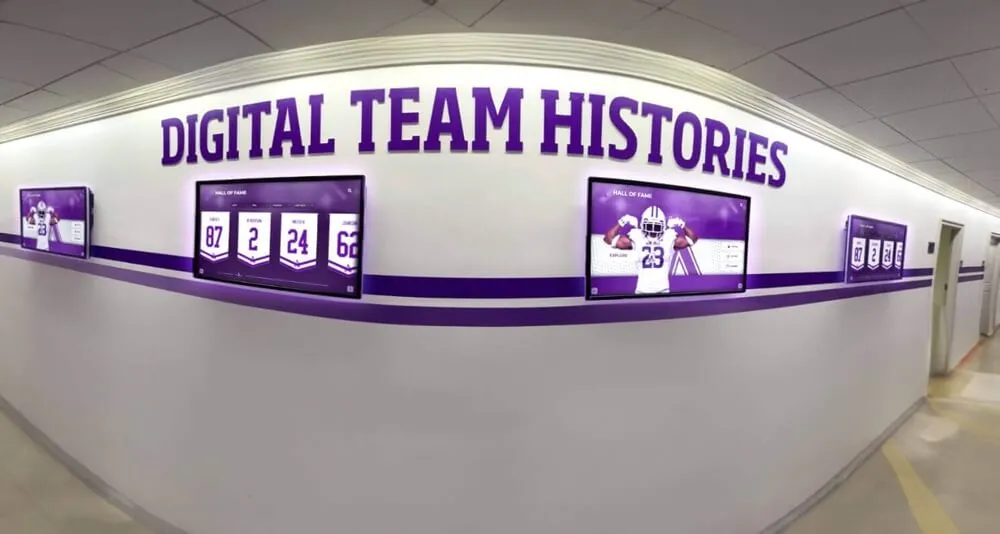
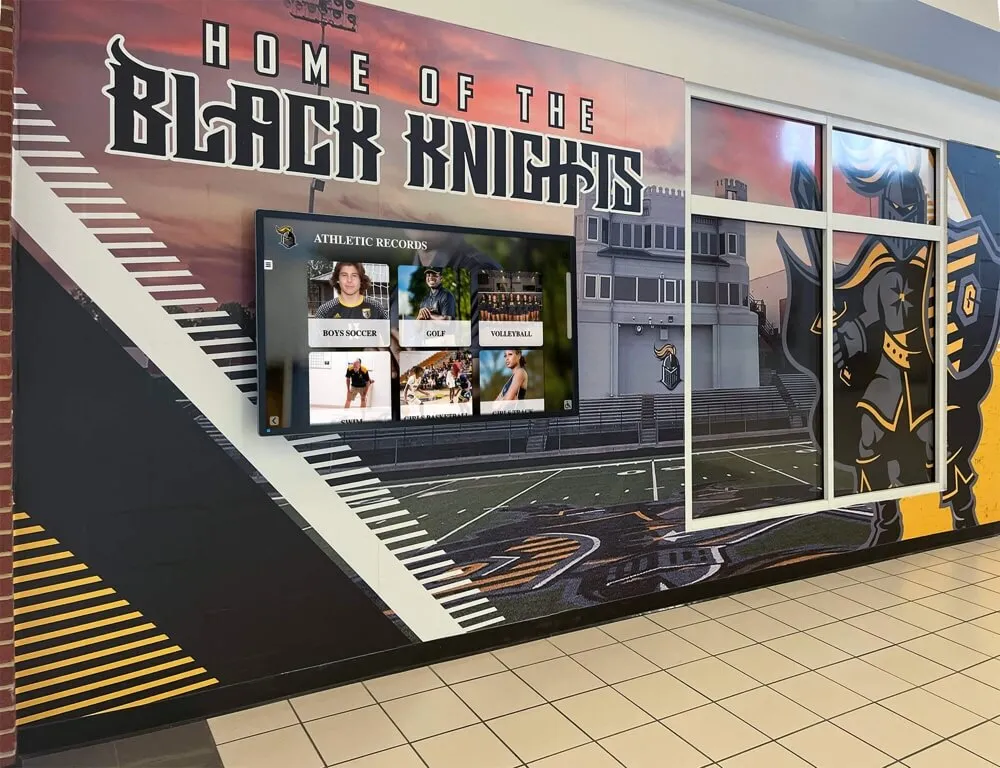
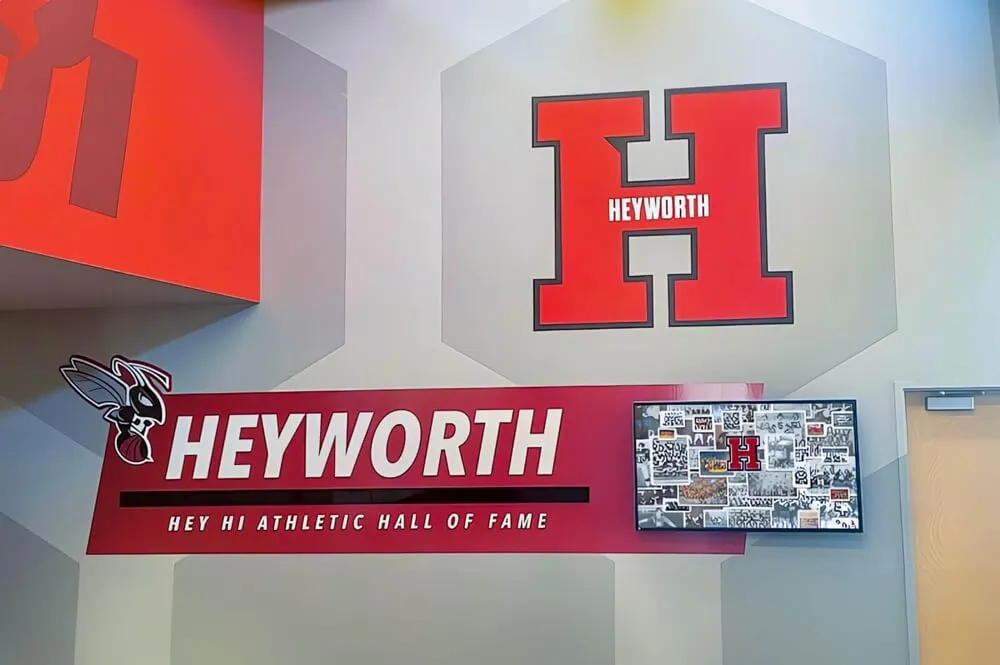
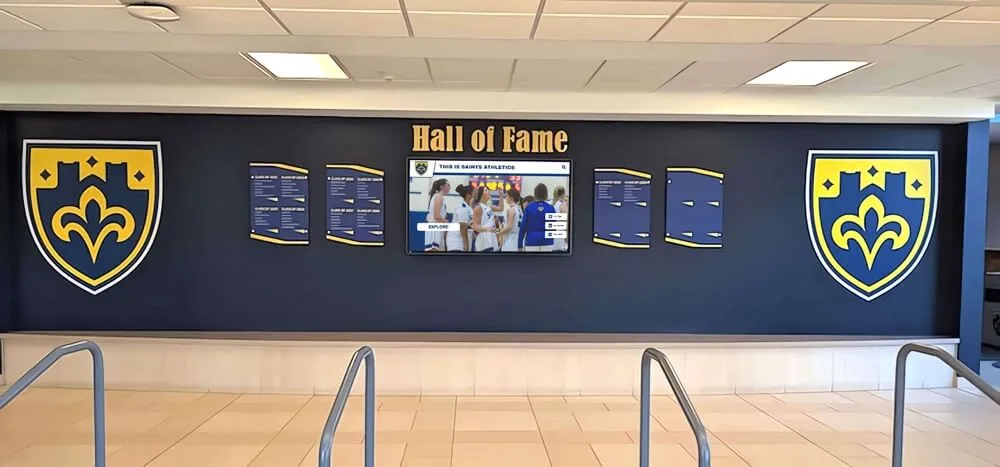
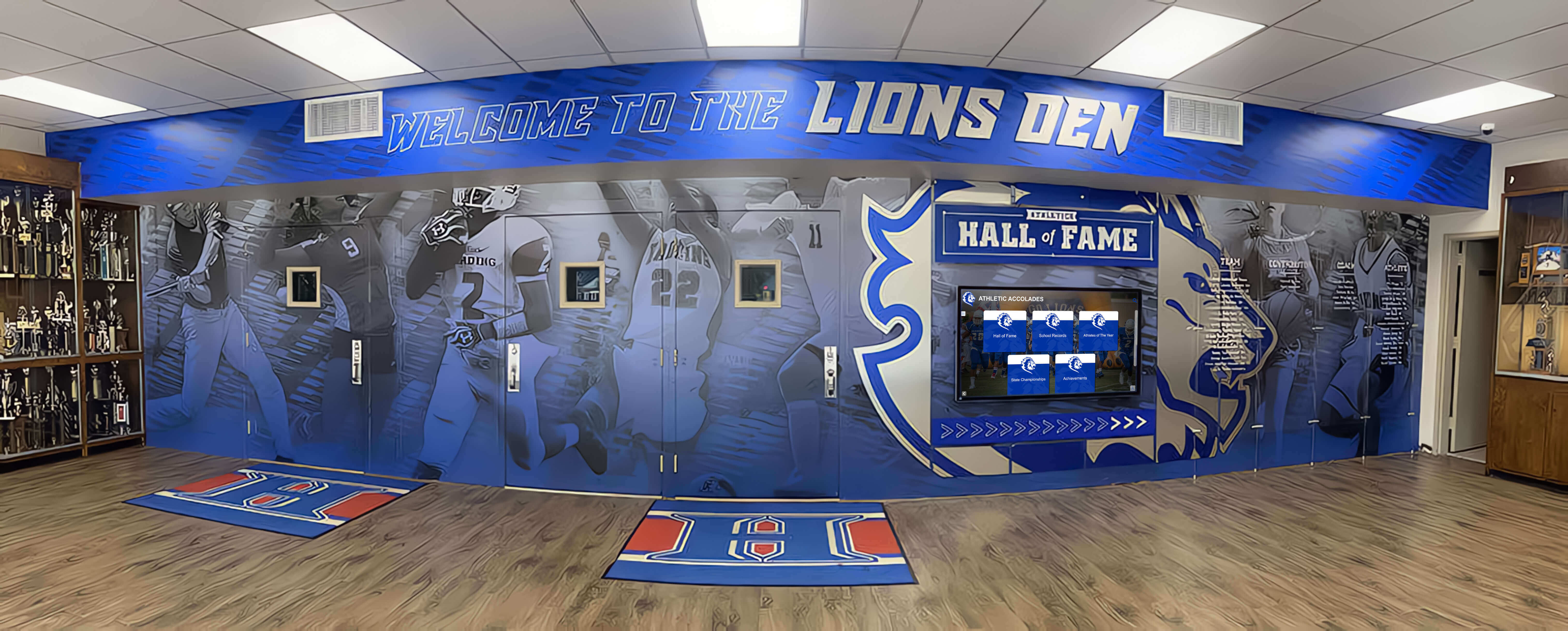
Texas schools create impressive recognition installations celebrating championship achievements and program excellence
Understanding the UIL Football Championship Structure
The University Interscholastic League divides Texas high school football into six classifications based on school enrollment, ensuring competitive equity while creating multiple championship opportunities across the state’s diverse educational landscape.
Texas’s Six-Classification System
Texas organizes high school football from Conference 6A (largest schools) through 1A (smallest schools), with each classification crowning Division I and Division II champions in most conferences, effectively creating 11 state champions annually.
Conference 6A: Texas’s Elite Programs
Conference 6A features Texas’s largest schools—programs from major metropolitan areas like Houston, Dallas-Fort Worth, San Antonio, and Austin. Schools competing at this level typically exceed 2,200 students and field programs with comprehensive coaching staffs, state-of-the-art facilities, and extensive community support.
Programs like Allen, Duncanville, North Shore, Katy, and Westlake have become nationally recognized through sustained championship excellence. These schools regularly produce Division I college recruits and occasionally send athletes to the NFL. Conference 6A championship games draw crowds exceeding 40,000 spectators at AT&T Stadium—creating atmospheres resembling college football bowl games.
Schools competing at this elite level develop sophisticated athletic recognition systems showcasing championship traditions that span decades, inspiring current athletes while honoring the programs’ competitive legacies.
Conference 5A: Metropolitan and Regional Powers
Conference 5A includes strong programs from mid-sized cities and larger suburbs—schools like Highland Park (Dallas), Longview, College Station, and San Antonio Wagner. These programs typically enroll 1,200-2,200 students and maintain highly competitive football operations.
5A schools often develop distinct identities and championship traditions. Programs that win at this level create community-wide celebrations deserving permanent recognition through comprehensive athletic displays that preserve championship achievements.

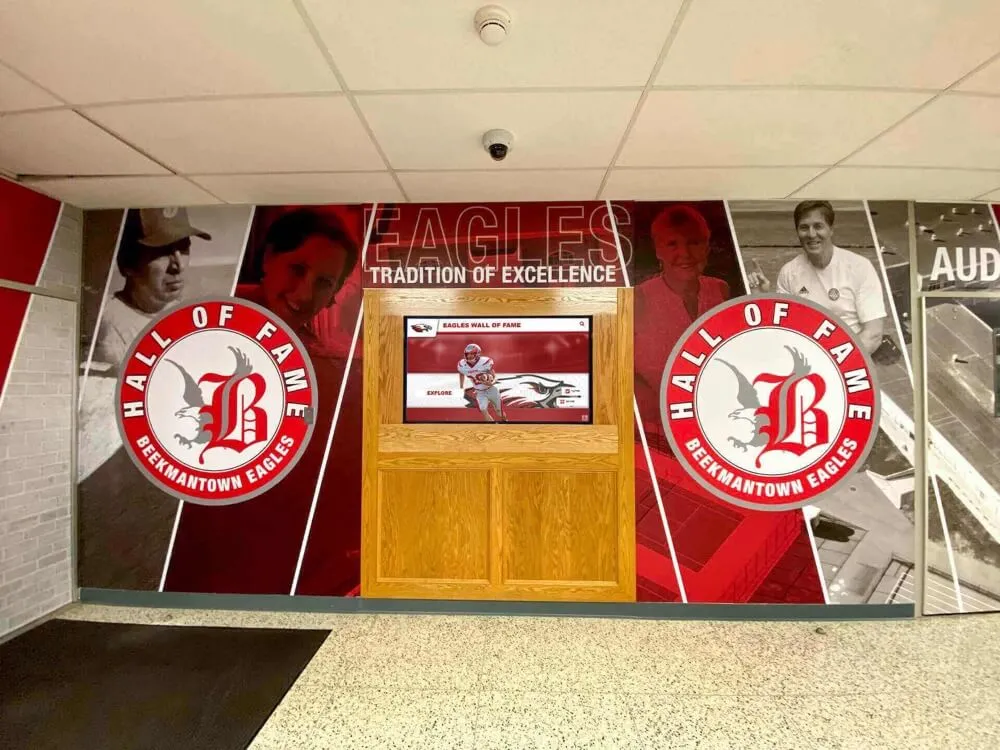
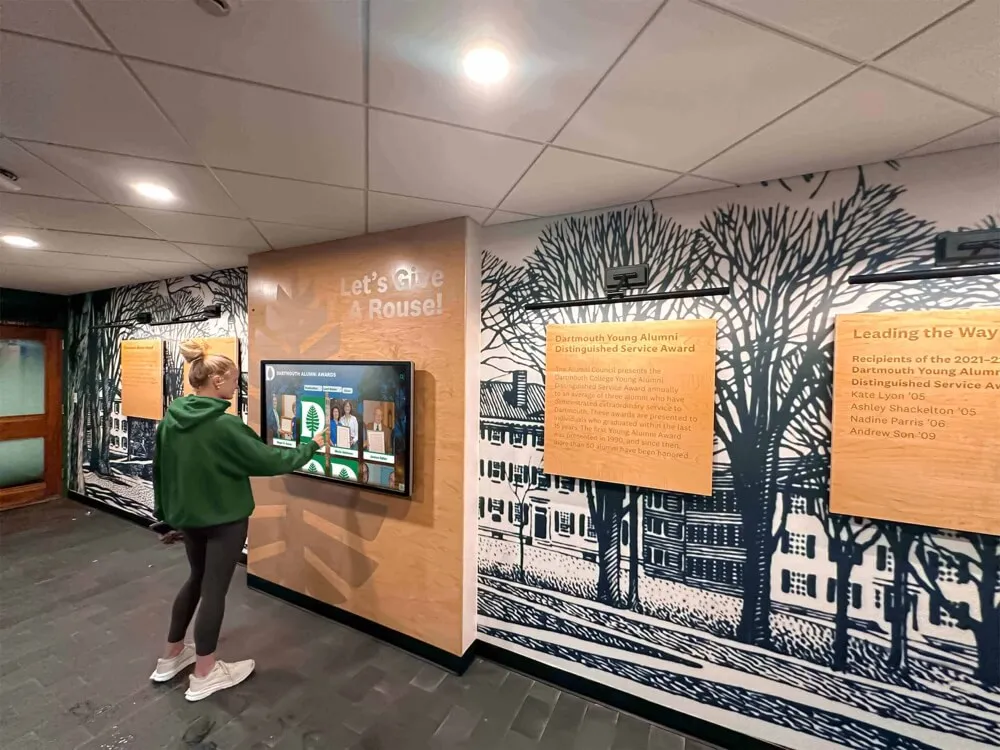
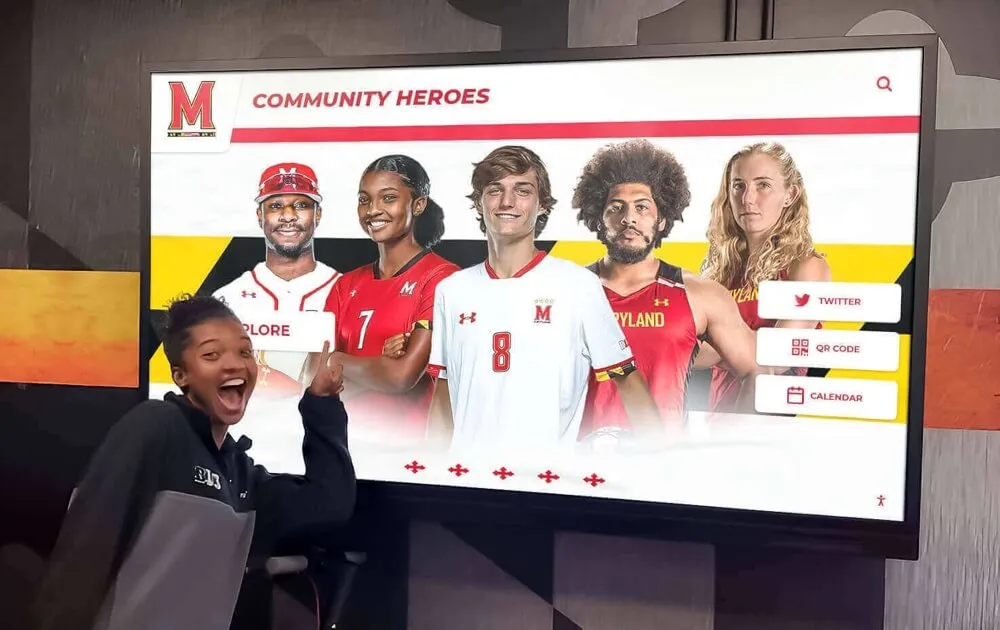
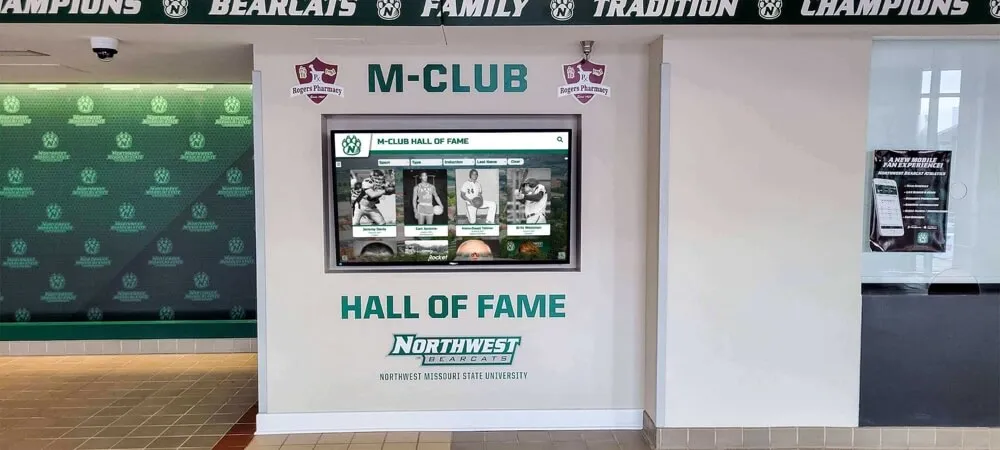
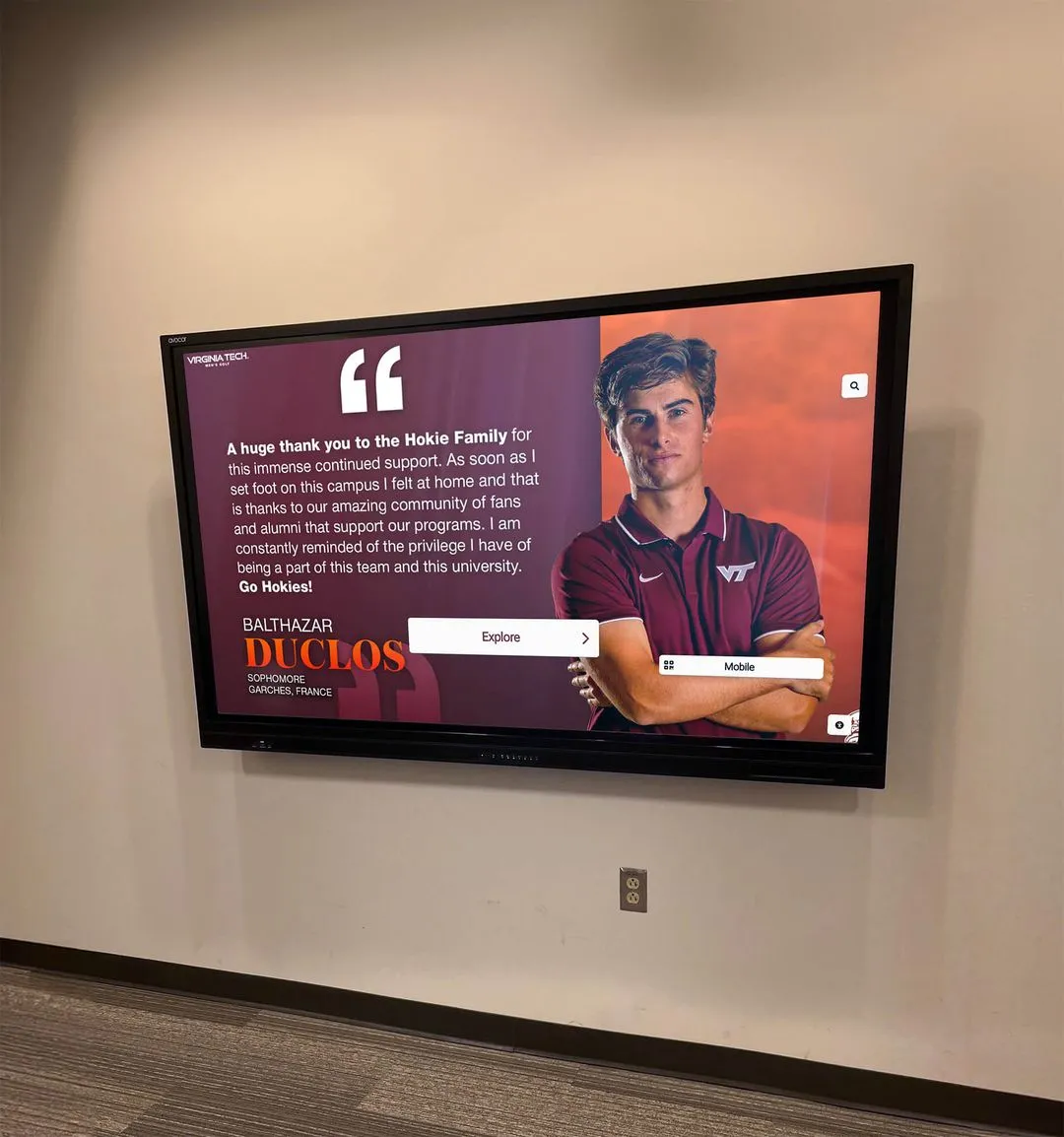
Modern digital displays provide championship recognition that complements traditional trophy cases and program history
Conferences 4A Through 2A: Small-Town Texas Football
These classifications showcase Texas small-town football at its finest—communities where football serves as the central institution bringing entire towns together each Friday night. Schools from West Texas to the Piney Woods compete with remarkable passion despite resource challenges.
Conference 4A features programs from communities like Stephenville, Graham, and Carthage—towns where championship traditions span multiple generations and entire communities travel hours to support playoff runs. Classes 3A and 2A include even smaller communities where football represents community identity.
These programs produce intensely competitive football where coaching excellence, discipline, and community support often overcome talent disparities. Championship runs create lasting community memories preserved through recognition systems celebrating athletic achievement appropriately.
Conference 1A: Six-Man Football Excellence
Texas’s smallest schools compete in six-man football—a uniquely Texan tradition featuring fast-paced, high-scoring competition on 80-yard fields. Programs like Richland Springs, Abbott, and Motley County have built six-man dynasties earning statewide recognition.
Six-man championship teams deserve comprehensive recognition acknowledging the dedication required to maintain football programs in communities where every student athlete fulfills essential roles. These championships represent remarkable community commitment to sustaining athletic traditions.
Division Splits and Playoff Implications
Most UIL conferences divide into Division I (larger schools within the conference) and Division II (smaller schools), effectively doubling championship opportunities while ensuring competitive balance.
Understanding Division Assignments
Schools receive division assignments based on enrollment figures within each classification. The roughly half of schools in each conference with higher enrollment compete in Division I, while smaller enrollment schools compete in Division II. This structure creates separate playoff brackets and championship games, meaning Texas crowns 11 state football champions annually.
Division splits prevent situations where the largest Conference 6A schools—programs exceeding 4,000 students—compete directly against schools barely meeting the 2,200-student 6A threshold. This structure maintains competitive equity while maximizing championship opportunities across Texas’s diverse educational landscape.
Playoff Qualification and Bracket Structure
Each division within each conference creates 16-team playoff brackets determined by district performance. District champions and runners-up typically advance to playoffs, with additional wild-card positions available in some configurations. The UIL seeds playoff participants 1-16 based on district finish and tiebreaker criteria, determining first-round matchups.
Higher playoff seeds earn home-field advantage through regional championship rounds, creating significant incentives for strong regular-season performance. This structure rewards teams that dominate district play while creating compelling underdog storylines when lower seeds advance deep into playoffs through upset victories.
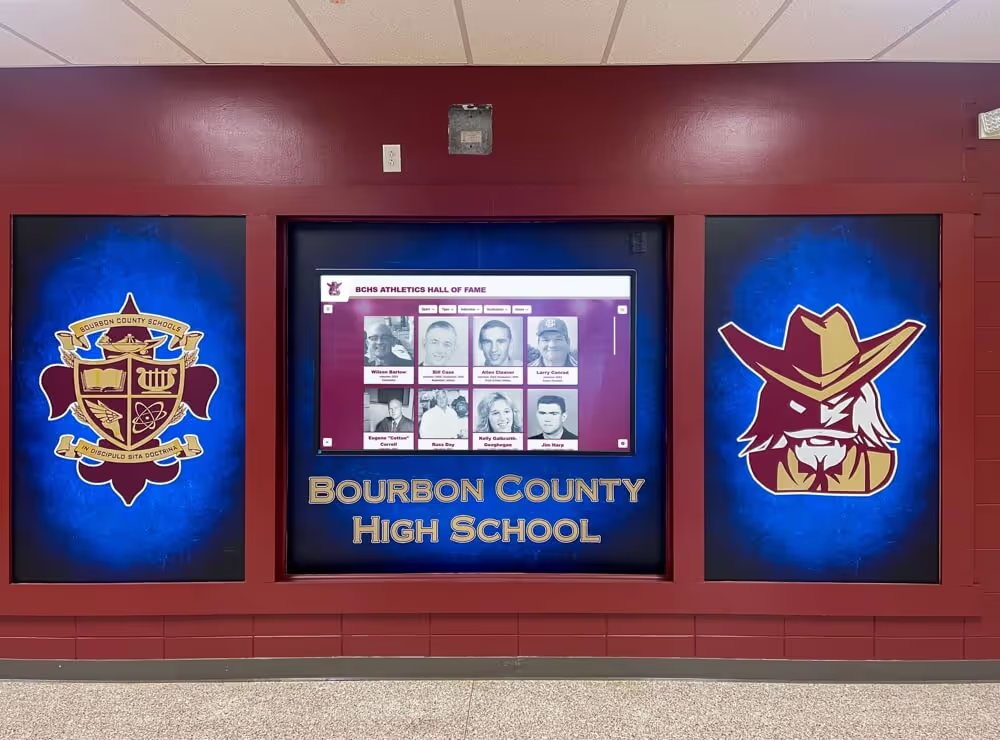
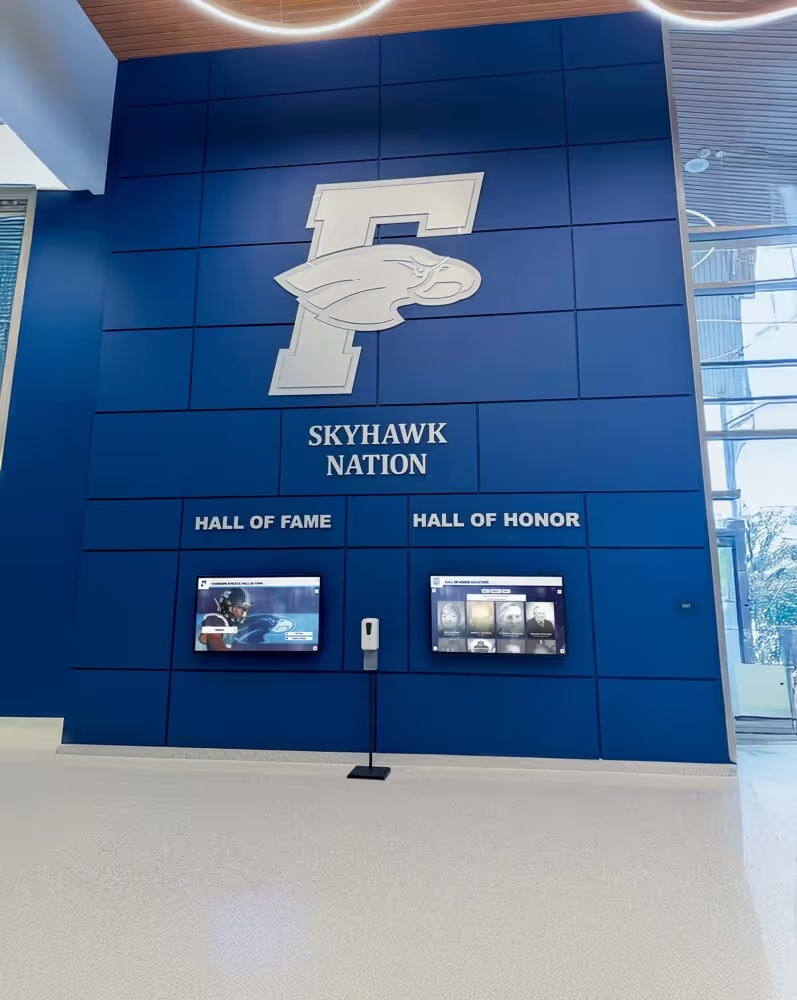
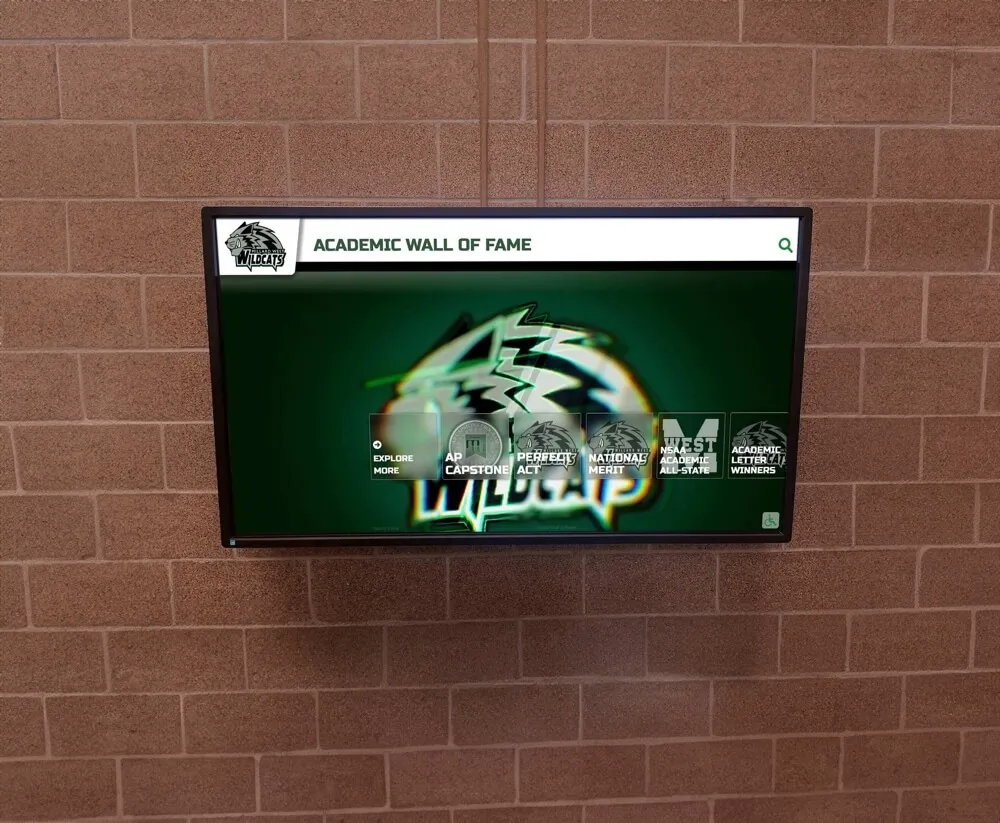
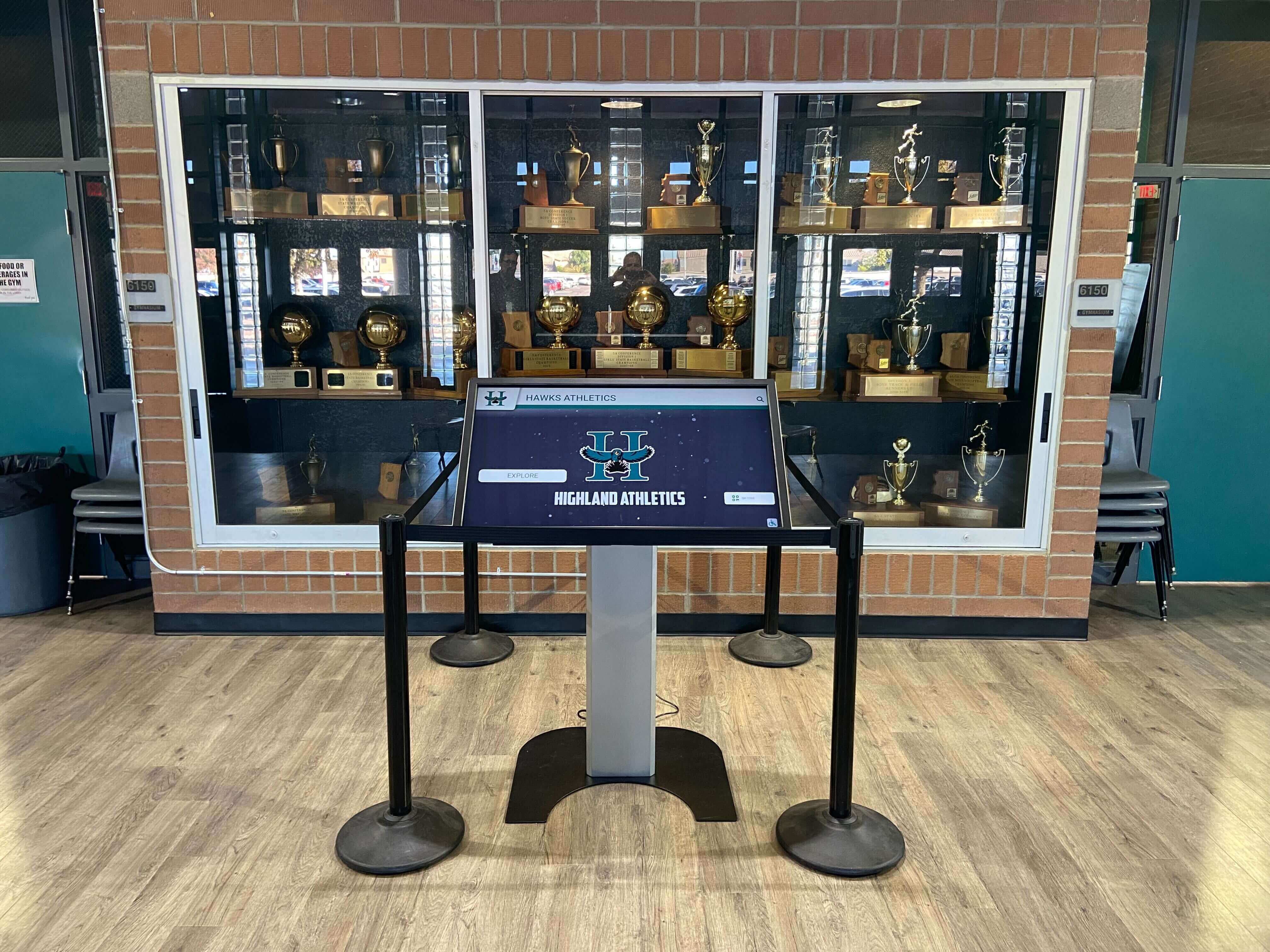
Comprehensive athletic environments combine traditional trophy displays with modern recognition elements
The Road to Championship: UIL Playoff Structure
Understanding Texas’s playoff progression helps communities appreciate the achievements required to reach state championship games—victories earned through four or five elimination rounds over several intense weeks.
District Play and Playoff Qualification
The regular season features district competition where teams compete for playoff positioning. Most districts send four teams to playoffs—the top finishers based on district records and head-to-head tiebreakers when necessary.
District champions earn top playoff seeds, providing home-field advantage through early playoff rounds. Finishing second through fourth in districts typically determines seeding within the 16-team playoff brackets, affecting whether teams face manageable first-round matchups or must travel to face higher-seeded opponents.
The final weeks of regular seasons often feature high-stakes district games determining playoff participants and seeding. These games create dramatic Friday night atmospheres as entire communities recognize playoff berths and home-field advantage hang in the balance.
Playoff Rounds: From Bi-District to State Finals
Texas playoff football progresses through multiple rounds with dramatic names reflecting the state’s geographic scope:
Bi-District Round: The First Test
The opening playoff round features 16 teams competing in eight bi-district games per division. Higher seeds (1-8) host lower seeds (9-16), creating distinct home-field advantages. Favorites typically advance, though upsets occur when lower seeds shock home crowds—creating memorable playoff moments that communities celebrate for years.
Area Round: Regional Advancement
Eight teams survive to the area round, where the pressure intensifies as teams realize they’re advancing toward regional prominence. Area playoff games often feature matchups between established programs and emerging challengers, creating compelling competition.
Regional Rounds: Quarterfinals and Semifinals
Regional competition narrows the field through quarterfinal and semifinal games. At this stage, teams compete for spots in state championship games, creating high-stakes environments where coaching, mental toughness, and preparation often determine outcomes as much as physical talent.
Schools reaching regional finals typically celebrate this achievement through recognition programs honoring semifinalist teams among program milestones—these runs represent exceptional seasonal achievements even when championship games remain just beyond reach.
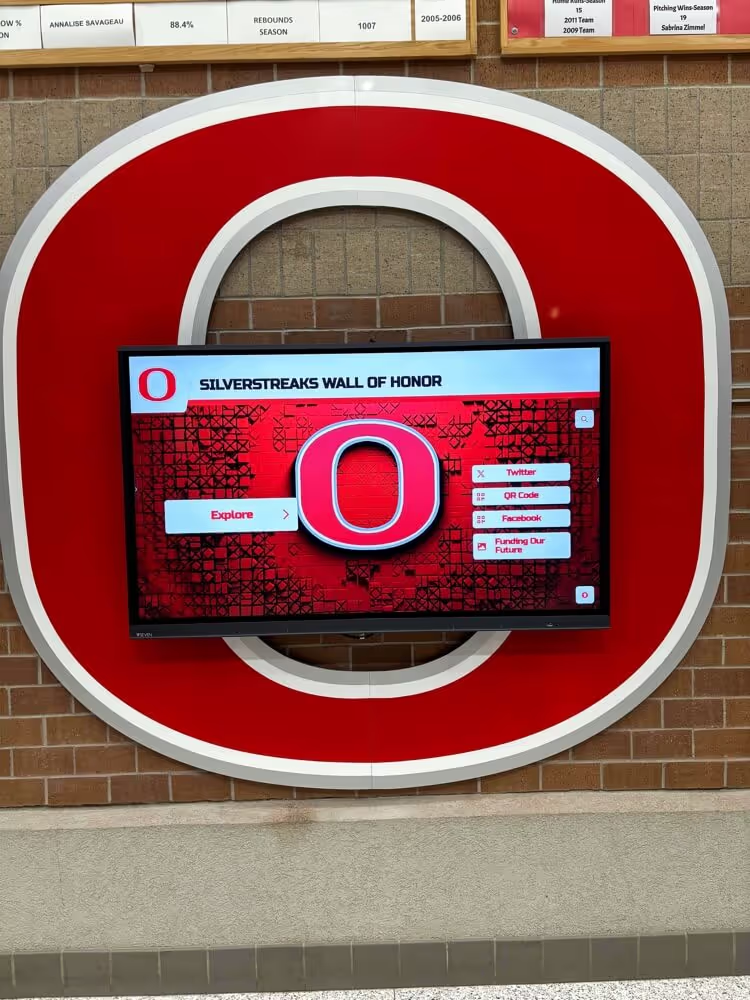
Modern schools integrate interactive technology with traditional displays, creating engaging recognition experiences
State Championship Games: Texas-Sized Stages
Texas high school football state championships occur at iconic venues befitting their significance. Conference 6A and 5A championship games traditionally take place at AT&T Stadium in Arlington—the Dallas Cowboys’ $1.2 billion facility featuring a massive video board, retractable roof, and seating for over 80,000 spectators.
Playing for a state championship at AT&T Stadium represents a once-in-a-lifetime experience for most student-athletes—competing on the same field where professional and college championship games occur. These championship atmospheres create permanent memories worthy of comprehensive recognition celebrating championship teams for generations.
Smaller classifications compete at venues including the Alamodome in San Antonio and various university stadiums across Texas, each providing championship-worthy facilities that honor the achievement of reaching state title games.
Legendary Texas High School Football Programs
Texas high school football history features programs that have achieved sustained championship excellence, creating traditions and expectations that define their communities.
Championship Dynasty Programs
Certain Texas programs have established remarkable championship traditions spanning multiple decades and coaching eras.
Allen Eagles: Modern Powerhouse
Allen has emerged as one of Texas’s dominant programs over the past 15 years, winning multiple Conference 6A championships while playing in the state’s most impressive high school stadium—Eagle Stadium, a $60 million facility seating 18,000 spectators.
Allen’s championship runs include multiple undefeated seasons and memorable championship victories. The program produces Division I college athletes regularly while maintaining academic standards and comprehensive student-athlete development programs. This sustained excellence creates extensive recognition opportunities showcasing championship teams and individual excellence.
Duncanville Panthers: Consistent Excellence
Duncanville established itself as one of Dallas’s premier programs through systematic development and championship culture. The Panthers regularly compete for Conference 6A titles while producing exceptional college-level talent across multiple positions.
Programs like Duncanville demonstrate how championship traditions develop through sustained excellence year after year, creating comprehensive athletic histories worthy of digital recognition platforms preserving complete program legacies.

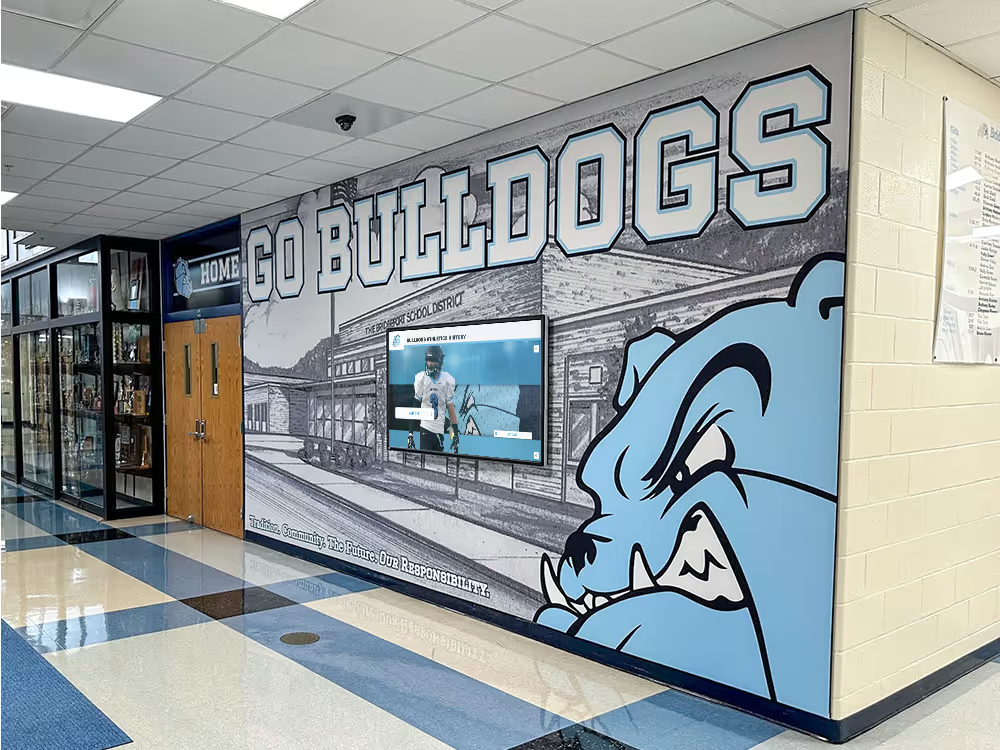
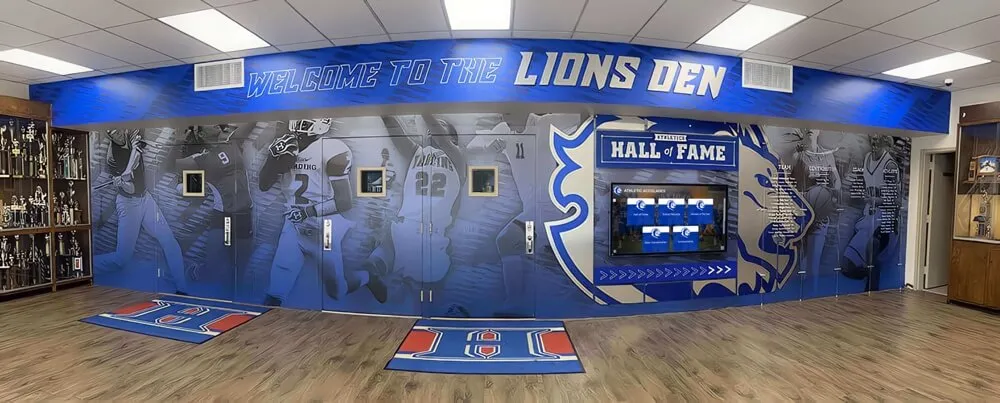
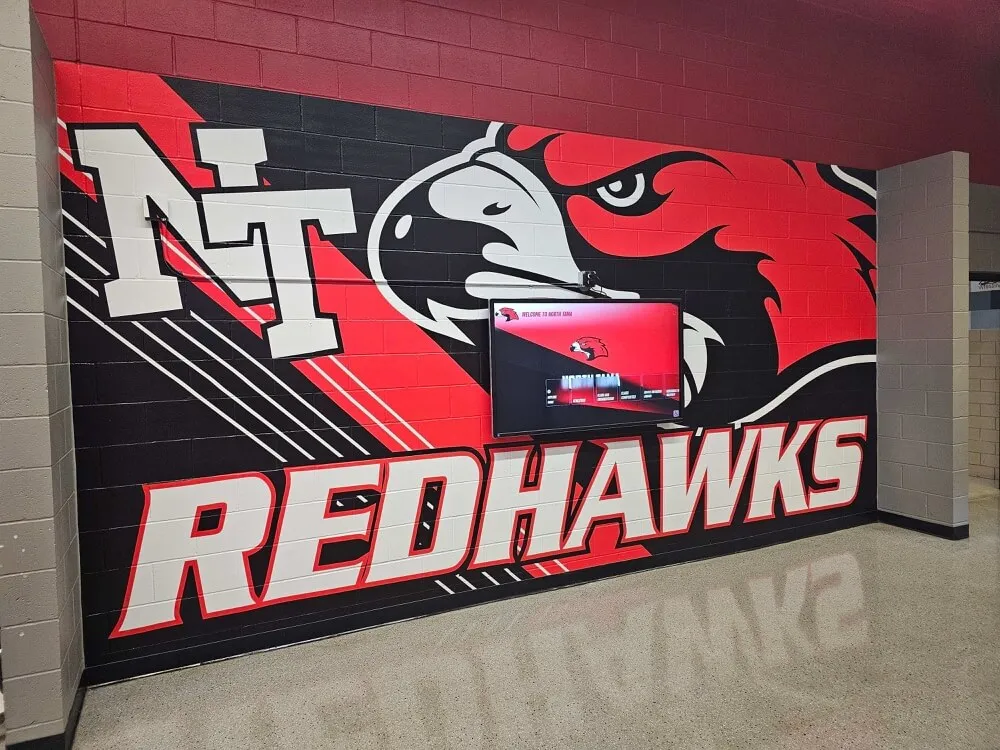
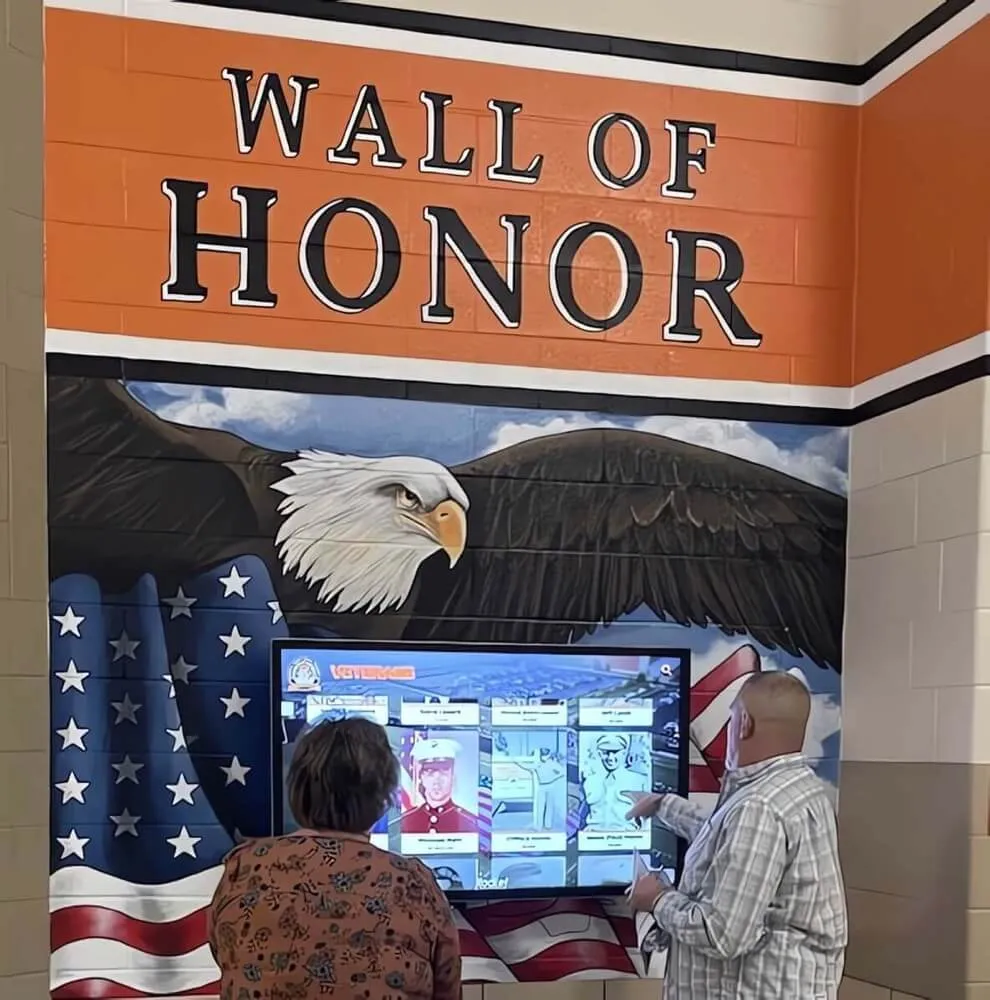
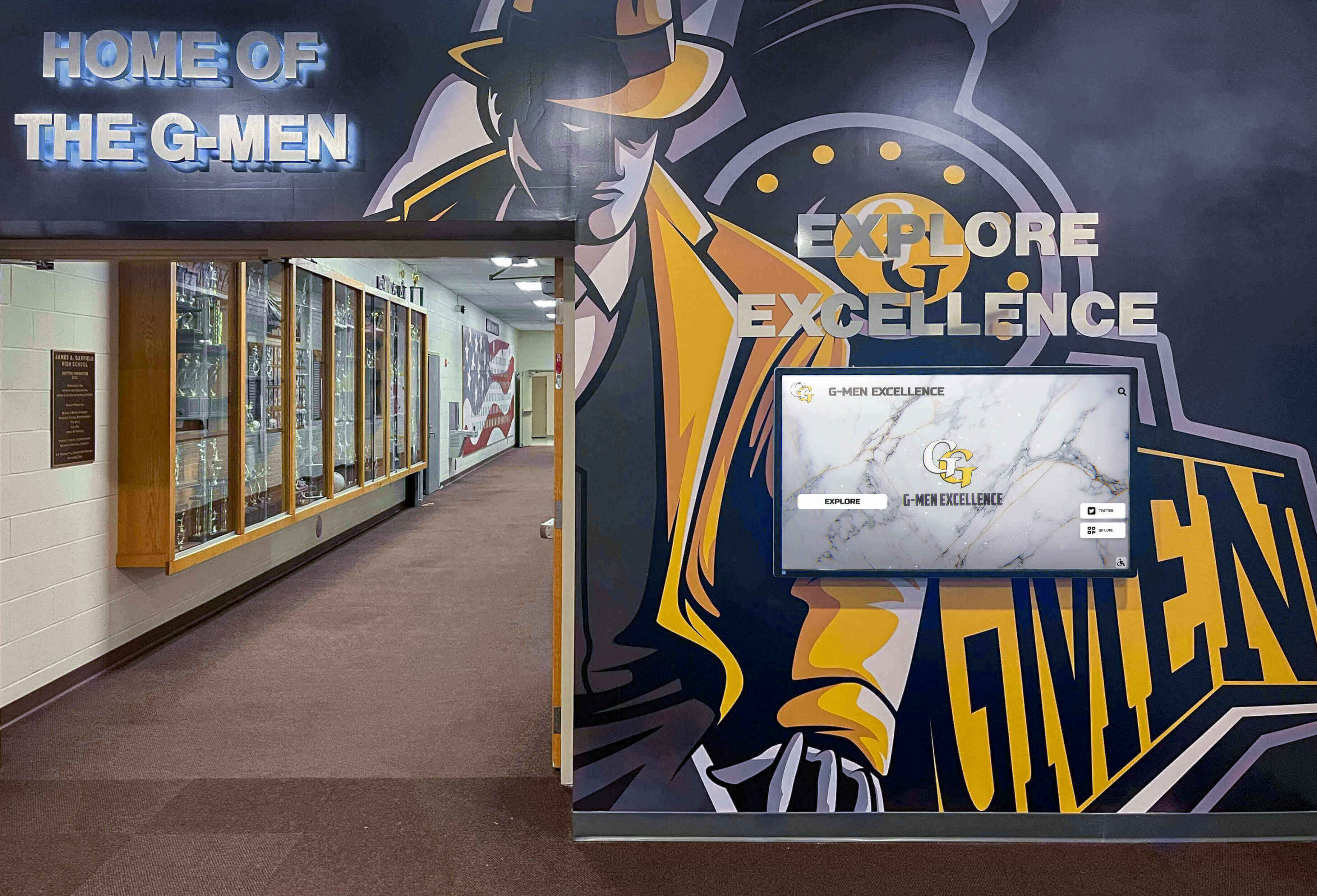
Comprehensive recognition environments combine branded murals with digital technology creating impressive installations
Katy Tigers: Houston-Area Dynasty
Katy represents one of Texas’s most successful programs historically, with multiple state championships spanning several decades. The Tigers built a championship culture that persists through coaching changes, demonstrating institutional commitment to football excellence extending beyond individual personalities.
Katy’s success includes numerous undefeated championship seasons and consistent playoff advancement. The program serves as a model for systematic excellence—comprehensive coaching, strong feeder programs, community support, and effective athletic recognition strategies celebrating competitive achievements appropriately.
Small-School Championship Traditions
Beyond metropolitan powerhouses, Texas features small-school programs with remarkable championship traditions. Aledo in Conference 5A has won multiple state championships through systematic excellence and exceptional coaching. Carthage consistently competes for East Texas championships across multiple decades. Richland Springs dominated six-man football through multiple coaching eras, establishing perhaps the most dominant dynasty in Texas football history with numerous consecutive championships.
These programs demonstrate that championship culture doesn’t require large enrollments—dedication, coaching excellence, community support, and systematic recognition of achievement create traditions inspiring continued excellence regardless of school size.
Iconic Championship Moments and Historic Games
Texas high school football championships have produced legendary games and individual performances that become part of state athletic folklore.
Memorable Championship Performances
Championship games featuring future NFL stars, dramatic come-from-behind victories, overtime thrillers decided by final plays, and dominant performances showcasing exceptional team excellence have all contributed to Texas football legend. Schools preserving these historic moments through comprehensive recognition systems enable future students to explore championship history through engaging multimedia presentations.
Championship Rivalries and Regular-Season Classics
Beyond playoff competition, Texas features intense regular-season rivalries creating compelling matchups that communities follow passionately. When rivals meet with district championships and playoff seeding on the line, these games generate atmospheres rivaling playoff intensity.
Traditional rivalries like Highland Park vs. Jesuit Dallas, Southlake Carroll vs. Coppell, and countless small-town matchups where entire communities close businesses to attend games create athletic moments communities remember for generations—deserving permanent documentation through recognition systems preserving rivalry histories.
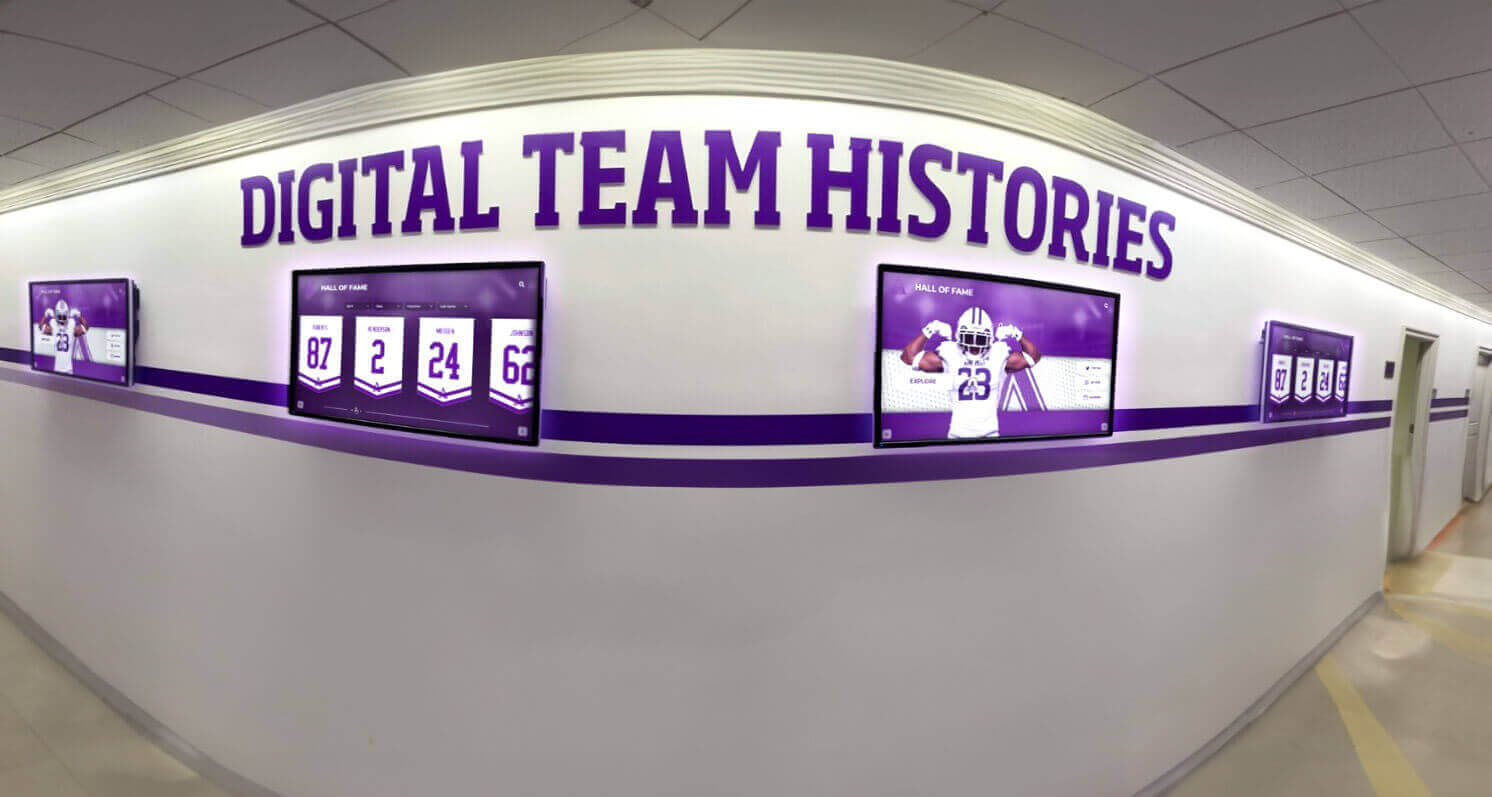
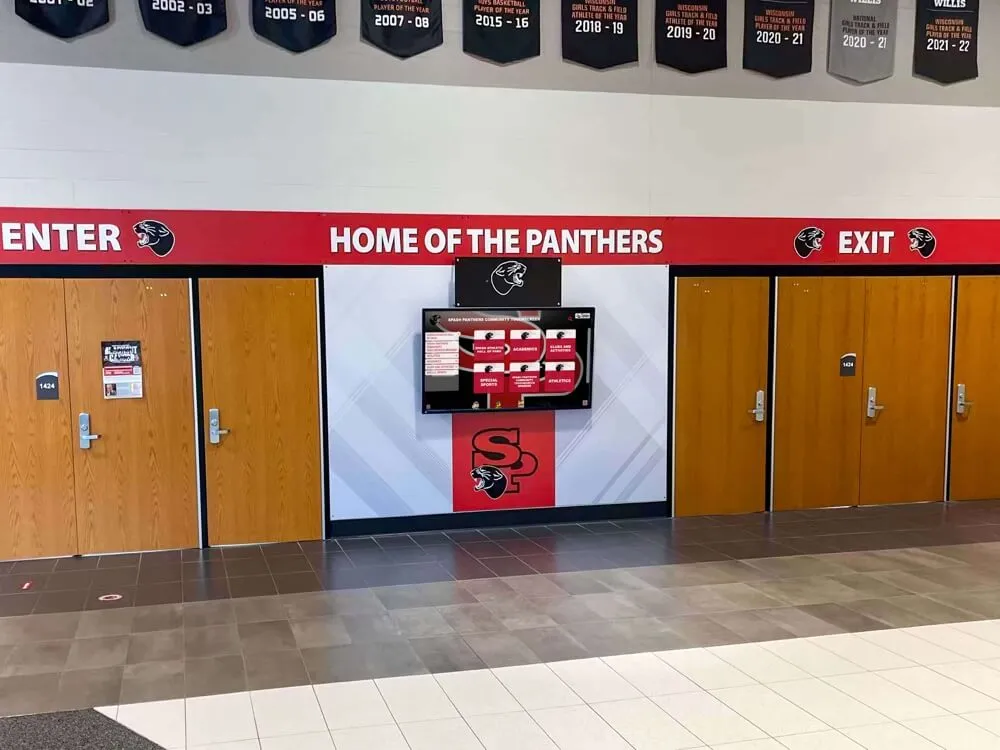
Multiple-display installations create recognition corridors celebrating athletic history throughout high-traffic areas
Championship Game Traditions and Experiences
Texas state championship games feature special traditions and experiences that honor competitive excellence while creating memorable moments for student-athletes and communities.
AT&T Stadium Championship Weekend
The Conference 6A and 5A state championship games at AT&T Stadium create unique experiences befitting Texas’s football tradition. Championship weekend features multiple games across two days, creating festival atmospheres where Texas football communities gather to celebrate the sport.
Student-athletes competing at AT&T Stadium walk through the same tunnel used by Dallas Cowboys players, warm up on professional-quality turf, and play beneath the stadium’s iconic video board. These experiences create lasting memories that schools preserve through championship recognition and documentation.
Community Sendoffs and Celebrations
Schools reaching championship games develop traditions around championship week creating memorable community experiences. Community sendoffs featuring police or fire escorts for team buses, school-wide pep rallies and assemblies, community sign postings celebrating championship teams, and local business displays supporting championship runs all contribute to championship week excitement.
These traditions unite communities around athletic achievement while creating shared experiences that strengthen school pride and identity—moments worth preserving through recognition platforms celebrating championship seasons comprehensively.
Championship Victory Celebrations
State championship victories trigger immediate on-field celebrations followed by community-wide recognition including return celebrations at school campuses, community parade events, school assembly recognition ceremonies, formal awards banquets, and permanent recognition installation or updates.
Schools implementing digital recognition systems can update championship displays immediately after victories, enabling rapid recognition while championship excitement remains at peak levels rather than waiting months for traditional physical installations.
Recognizing and Celebrating Championship Achievements
Schools that systematically celebrate state championship achievements through comprehensive recognition programs create lasting inspiration for current athletes while appropriately honoring the dedication championship seasons require.
Creating Championship Recognition Programs
When Texas schools win state championships, proper recognition preserves these accomplishments permanently while inspiring future student-athletes.
Traditional Recognition Approaches
Conventional championship celebration includes championship banners displayed in gymnasiums, team photos with trophies in athletic hallways, individual roster listings on commemorative plaques, coaching staff acknowledgment, and season highlight documentation through yearbooks and media guides.
These traditional approaches provide meaningful recognition but face inherent limitations—physical space constraints prevent comprehensive documentation as successful programs accumulate multiple championships, updating physical displays requires ongoing expense and coordination, and static plaques limit the depth of historical information displays can convey.
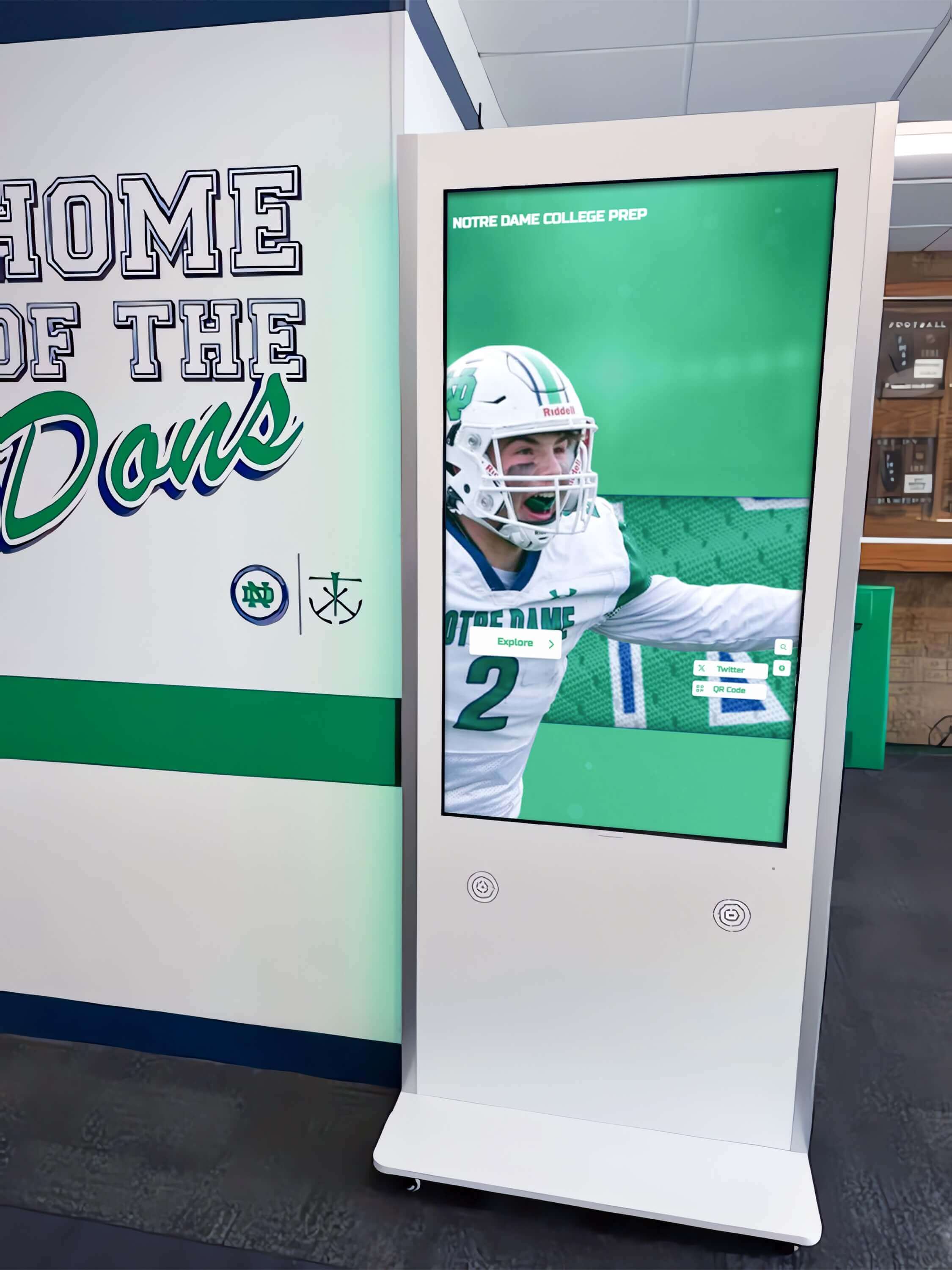
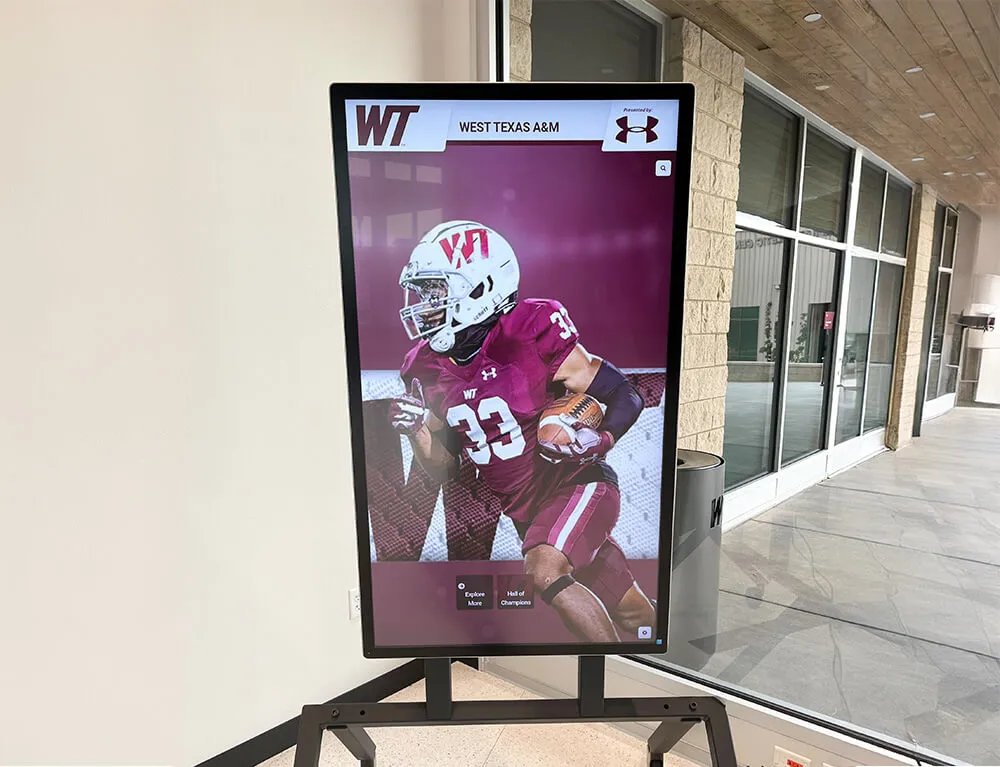
Strategically placed interactive kiosks keep athletic achievements visible year-round in high-traffic locations
Digital Recognition Solutions for Championship Programs
Modern schools increasingly adopt digital athletic recognition systems addressing traditional limitations through unlimited recognition capacity enabling documentation of every championship team regardless of program success, comprehensive season documentation with complete rosters, statistics, and game results, multimedia integration featuring championship photos and game highlights, remote content management simplifying updates as seasons progress, and web accessibility enabling alumni nationwide to explore school football history.
Solutions like Rocket Alumni Solutions provide purpose-built platforms designed specifically for educational athletic recognition. These systems enable Texas schools to showcase every championship team, honor all-state athletes, recognize coaching excellence, and preserve complete program histories through engaging displays that inspire current student-athletes while honoring past achievements.
Individual Player and Coach Recognition
Beyond team acknowledgment, schools should systematically recognize individual excellence contributing to championship success.
All-State and All-District Recognition
Texas football players earning all-state or all-district honors deserve permanent documentation alongside team achievements. Digital recognition systems enable schools to create individual athlete profiles featuring career statistics, honors and awards received, championship contributions, post-high school athletic careers, and biographical information connecting athletes to broader school community.
Coaching Milestone and Career Recognition
Successful programs typically feature sustained coaching excellence worth celebrating through career win total milestones, championship achievement and playoff advancement, program development and facility improvements, mentorship of athletes who achieved college or professional success, and contributions to broader school and community beyond football.
Coaching recognition acknowledges that competitive excellence requires leadership, and those building championship programs deserve permanent acknowledgment alongside the athletes they developed.
Supporting Championship Programs Through Booster Clubs
Successful Texas high school football programs depend on comprehensive booster support providing financial resources, volunteer assistance, and community engagement essential for championship-level operations.
Booster Fundraising for Program Excellence
Texas football boosters employ various fundraising strategies supporting championship-caliber programs including tiered membership programs with clear benefits, business sponsorship and advertising opportunities, game day revenue through concessions and merchandise, special events like golf tournaments and banquets, and capital campaigns for facility improvements or equipment upgrades.
Booster fundraising often supports athletic recognition investments, as comprehensive digital display systems celebrating program excellence motivate continued booster participation by demonstrating how contributions create lasting impact beyond single seasons.
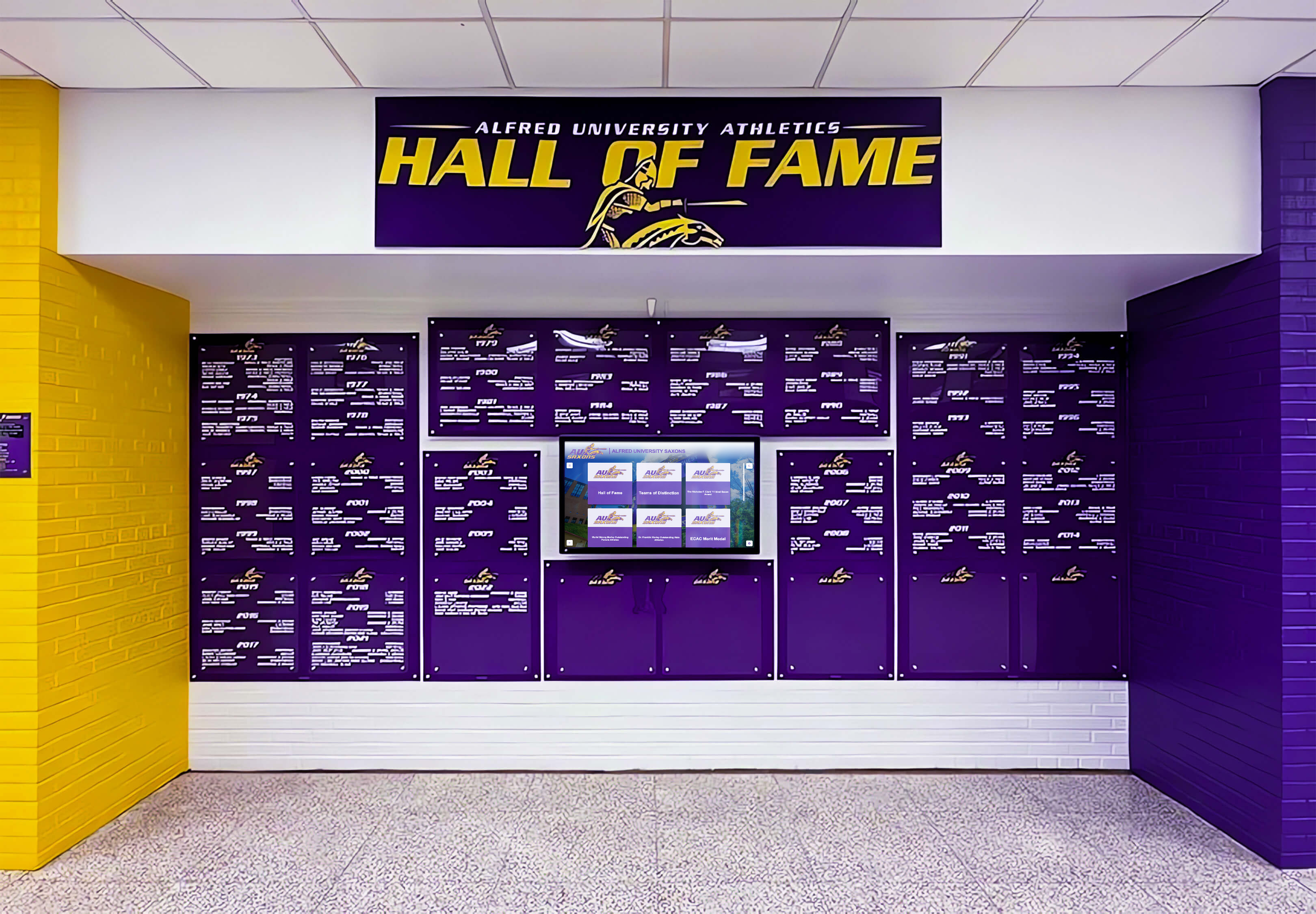
Professional recognition displays incorporate institutional branding creating branded environments celebrating athletic tradition
Community Engagement and Program Support
Beyond financial contributions, booster clubs provide volunteer support essential for program operations including game day operations and hospitality, equipment management and field maintenance assistance, team meal coordination for travel and special events, social media and public relations support, and alumni engagement initiatives.
This comprehensive community support creates program infrastructure enabling championship competition while building community connections around football programs that strengthen school identity.
Building School Pride Through Championship Recognition
Championship achievements create opportunities to strengthen school pride and identity when programs systematically celebrate competitive excellence through visible, permanent recognition.
Creating Athletic Tradition and Legacy
Schools recognized for championship football develop distinct identities where athletic tradition becomes part of institutional character through comprehensive historical displays documenting program evolution, systematic hall of fame programs honoring excellence across eras, visible championship acknowledgment in prominent locations, integration of athletic history into school culture, and school pride initiatives connecting current students to athletic heritage.
These recognition strategies transform athletic success from isolated achievements into ongoing traditions inspiring future student-athletes while strengthening community connections to schools.
Inspiring Current Athletes Through Historical Recognition
When schools effectively showcase championship history, current athletes gain perspective about traditions they’re continuing and standards they’re maintaining. Walking past displays honoring state championship teams creates tangible connections between current players and alumni who faced similar challenges and achieved comparable excellence.
This inspirational effect proves particularly powerful when recognition systems enable current athletes to explore detailed profiles of championship teams and individual hall of fame inductees, making athletic history an engaging experience rather than static displays fading into background.
Planning Athletic Recognition Investments for Championship Programs
Schools considering enhanced football recognition should approach decisions strategically, evaluating options aligning with program needs and long-term vision.
Assessing Recognition Needs
Begin recognition planning by evaluating current systems and limitations, identifying championship achievements lacking adequate acknowledgment, determining available physical space for displays, assessing budget parameters, and defining what recognition should accomplish—inspiration for current athletes, alumni engagement, community pride building, or recruiting advantages.
This assessment creates clarity about whether traditional approaches meet needs or whether digital solutions provide better long-term value given space constraints and desired comprehensiveness.
Comparing Recognition Approaches
Compare recognition options across dimensions including initial investment and total ownership costs, recognition capacity (how many teams and athletes can be acknowledged), update frequency and content management ease, engagement quality and visitor experience, space requirements and facility integration, and long-term flexibility as programs evolve.
Digital recognition systems typically demonstrate superior value for schools with established championship programs and ongoing recognition needs. These platforms enable unlimited championship documentation without physical expansion while providing engaging interactive experiences that resonate with contemporary audiences.

Interactive touchscreen systems enable visitors to explore athlete profiles, statistics, and championship achievements through engaging interfaces
The Cultural Significance of Texas High School Football Championships
Understanding Texas high school football championships requires appreciating their cultural significance extending far beyond athletic competition—these championships represent community identity, tradition, and shared experiences that bind generations together.
Friday Night Lights: More Than a Game
Texas high school football embodies community identity in ways few other states experience. Small towns where the entire population attends home games, high school stadiums rivaling college facilities, communities planning around football schedules, and multi-generational family traditions centered on supporting school teams all demonstrate football’s central role in Texas culture.
Championship runs intensify these connections—communities unite around championship aspirations, celebrate victories together, and create shared memories lasting lifetimes. Schools that effectively recognize championships through permanent displays honor not just athletic achievement but community tradition and identity.
Economic and Community Impact
Championship football programs create substantial community impact including increased community pride and positive identity, youth program enrollment growth and development, local business activity on game days and during playoff runs, media coverage elevating community visibility, and positive school culture affecting academic engagement and student participation.
These broader impacts justify investments in comprehensive recognition systems showcasing championship achievements—the returns extend well beyond acknowledging past success to actively shaping current school culture and community identity.
Media Coverage and Championship Recognition
Texas high school football championships receive extensive media coverage that schools can leverage for recognition and program promotion.
Traditional Media Coverage
Texas newspapers, television stations, and radio programs provide comprehensive football coverage including weekly game coverage and highlights, playoff bracket analysis and predictions, championship game previews and recaps, feature stories on teams, coaches, and athletes, and all-state team announcements and recognition.
Schools should systematically archive this media coverage, incorporating it into digital recognition platforms that preserve championship seasons comprehensively through multimedia documentation.
Digital and Social Media Documentation
Social media platforms enable real-time championship documentation and community engagement through live game updates and scoring, photo and video content from championship games, player and coach interviews and reactions, community celebration documentation, and behind-the-scenes championship week content.
Forward-thinking athletic departments capture this content systematically, building comprehensive championship archives that feed recognition displays while creating ongoing social media content celebrating program history.
Conclusion: Honoring Texas High School Football Championship Excellence
The texas high school football state championship represents the ultimate achievement in the nation’s most competitive high school football landscape. From Conference 6A powerhouses competing at AT&T Stadium to six-man programs where entire communities travel hours to support championship runs, state championships create lasting legacies deserving comprehensive recognition.
The UIL playoff structure, championship venues, legendary programs, and recognition strategies explored in this guide provide frameworks Texas schools can adapt to their unique circumstances. Whether your program competes for Conference 6A supremacy or pursues small-school championships, championship achievements deserve recognition matching their significance to student-athletes and communities.
Celebrate Your Texas Football Championship Legacy
Discover how modern digital recognition solutions help Texas schools honor state championship achievements, celebrate legendary teams, and preserve football traditions through engaging displays that inspire current student-athletes while honoring championship excellence across program history.
Explore Championship Recognition SolutionsModern recognition technology eliminates traditional barriers preventing comprehensive championship acknowledgment. Digital platforms enable Texas schools to showcase every championship team regardless of how many titles programs have won, recognize every all-state athlete without space constraints, honor coaching excellence across decades, and preserve complete program histories through searchable databases accessible to current students and alumni worldwide.
As Texas high school football continues evolving with new champions emerging and traditional powers maintaining excellence, recognition systems must adapt to capture ongoing achievement. Digital solutions provide the flexibility and capacity required for dynamic championship recognition that grows with programs rather than becoming outdated as new achievements accumulate.
For Texas athletic directors, coaches, and administrators seeking to honor championship excellence appropriately, the path forward involves evaluating current recognition limitations, exploring modern solutions eliminating space and cost constraints, and implementing systems that truly celebrate the championship traditions making Texas high school football extraordinary. Your championship achievements—from district titles through state championship victories—deserve recognition worthy of the dedication, sacrifice, and excellence required to earn those accomplishments in the most competitive high school football state in America.