Coaches dedicate countless hours shaping athletes’ skills, character, and confidence. They arrive early for practice setup, stay late reviewing game film, sacrifice weekends for tournaments, and invest emotional energy celebrating victories and processing defeats alongside their teams. Beyond teaching technical skills, great coaches mentor young people through challenges, model integrity under pressure, and create safe environments where athletes develop resilience that serves them throughout life.
Yet coach appreciation often defaults to hurried thank-yous after final games or generic gift cards that fail to capture the depth of impact these mentors create. Athletes, parents, and programs seeking to express genuine gratitude deserve approaches that honor the profound influence coaches have on young lives—recognition that feels personal, meaningful, and commensurate with their contributions.
This comprehensive guide provides heartfelt message templates, creative appreciation ideas, and lasting recognition approaches that celebrate coaches appropriately. Whether you’re an athlete thanking a current coach, a parent expressing gratitude for your child’s mentor, or an athletic director building systematic coach recognition programs, you’ll find practical strategies for showing appreciation that coaches genuinely treasure.

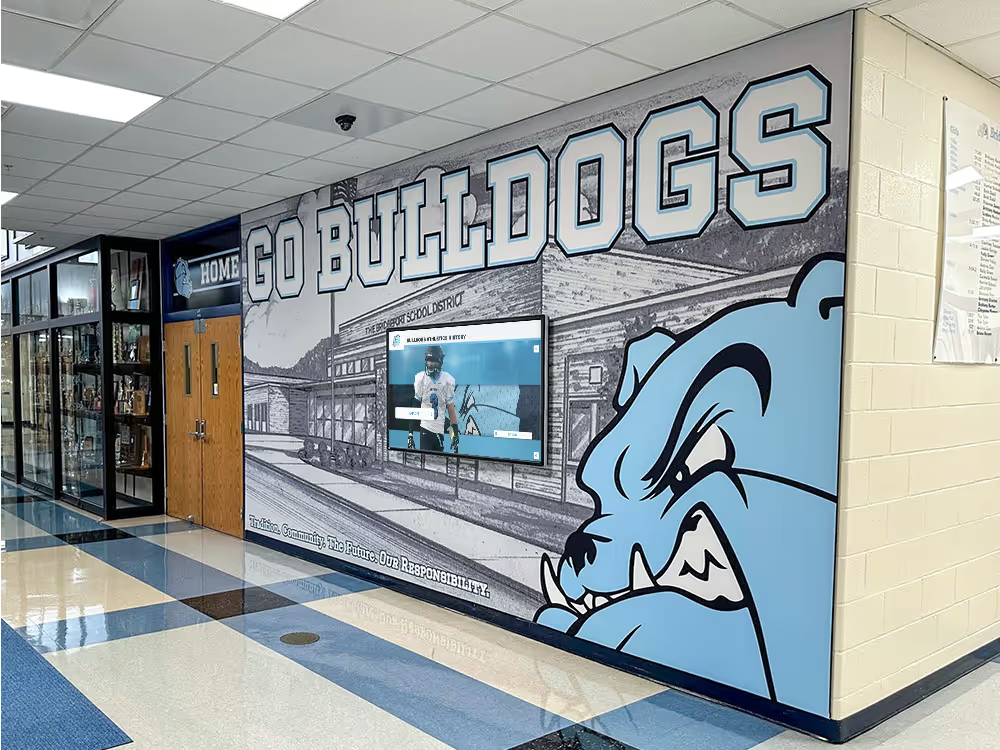
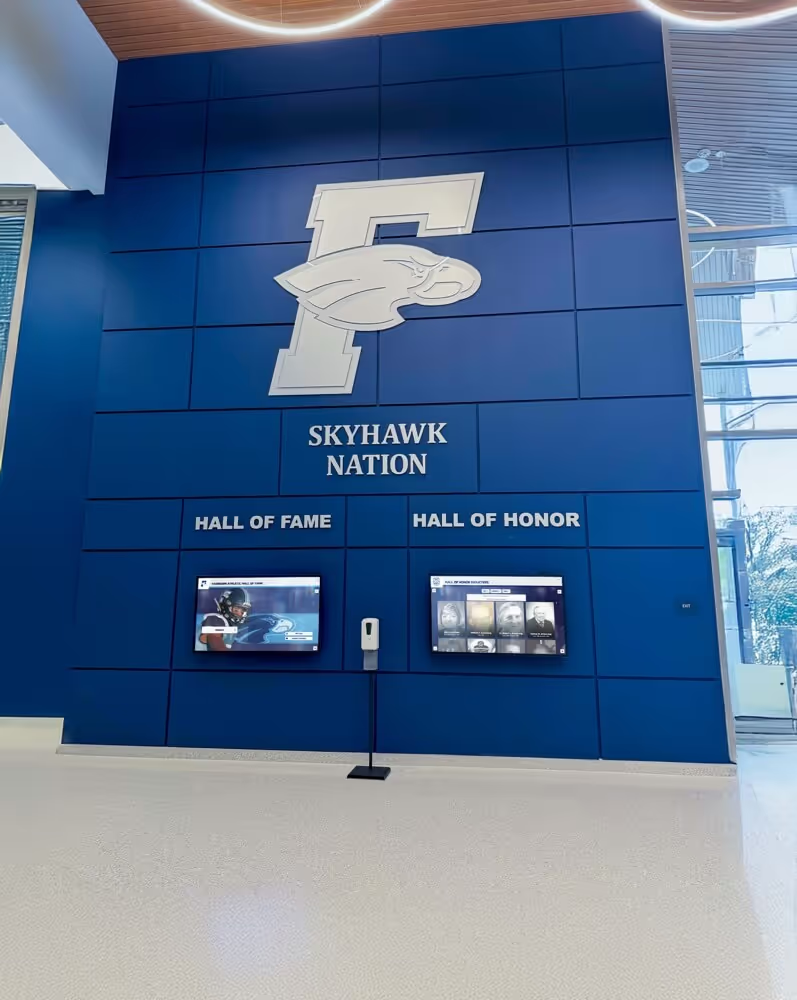
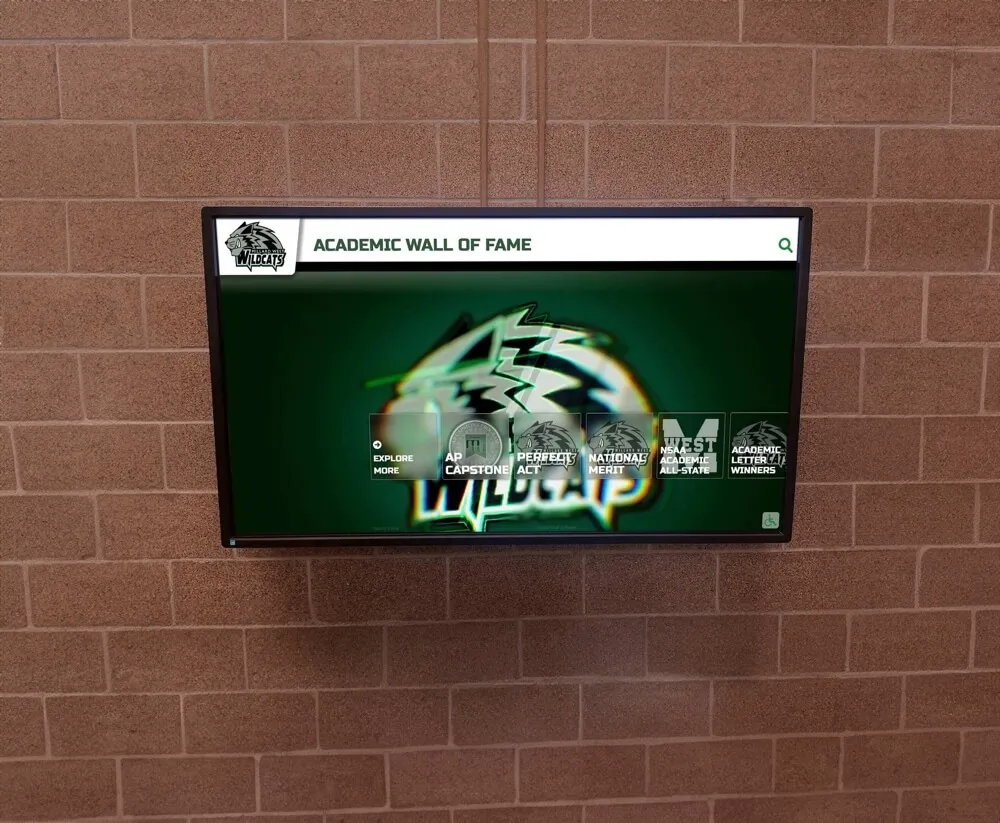
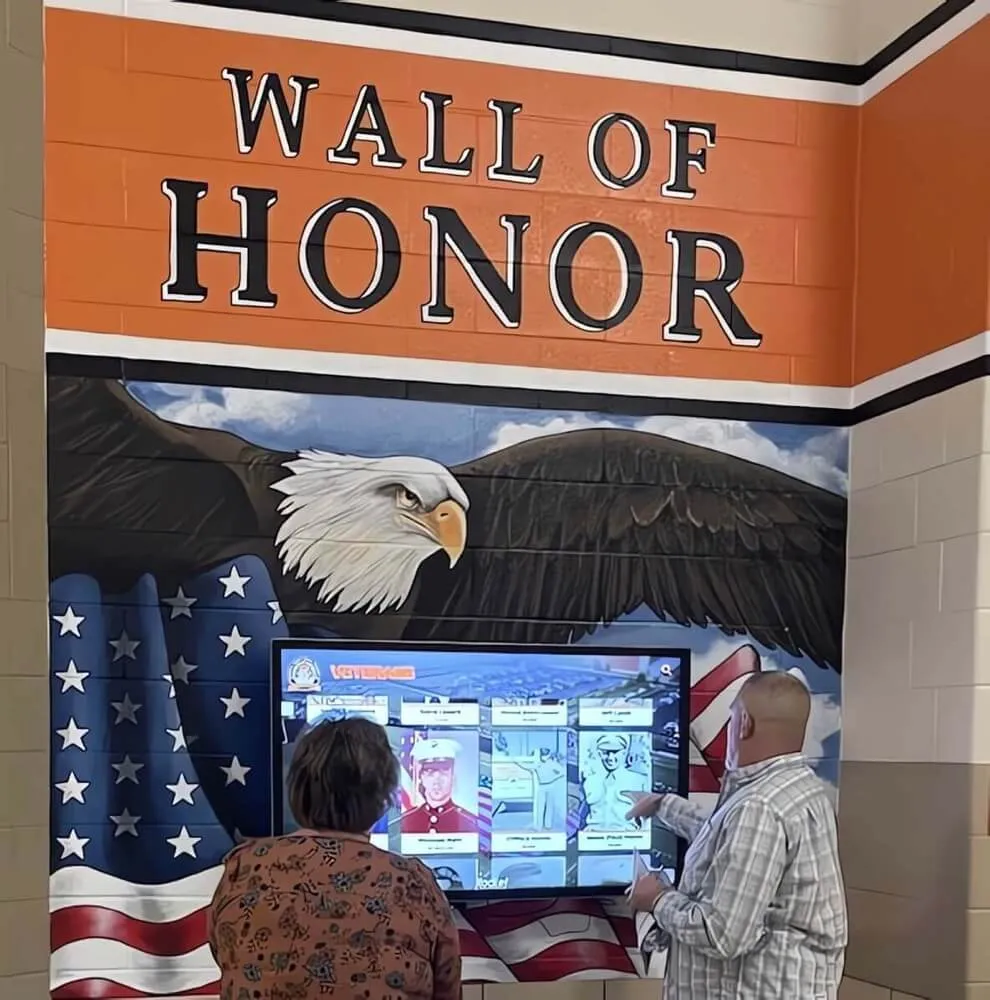
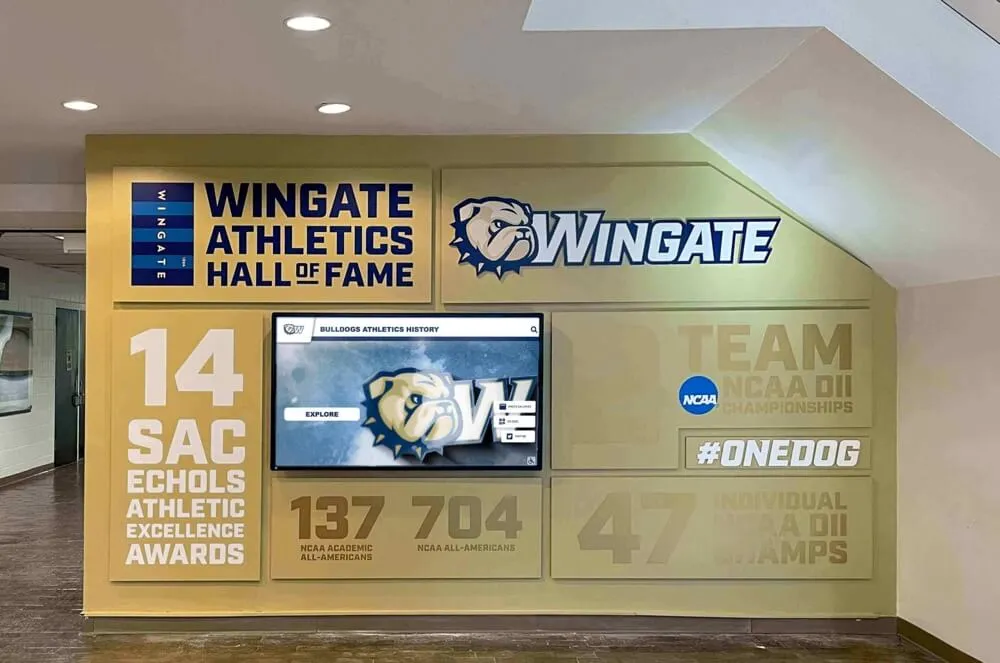
Coaches deserve recognition that celebrates their lasting impact on athletes and programs
Why Thanking Coaches Matters: The Impact of Recognition
Understanding how coach appreciation affects individuals and programs helps communities create meaningful recognition that strengthens coaching commitment and program quality.
The Coaching Reality: Time and Dedication
Most coaches operate with compensation nowhere near commensurate with their time investment and impact. High school coaches typically work 20-30 hours weekly during season on top of teaching or professional responsibilities, often earning modest stipends of $2,000-$8,000 annually. Youth league coaches frequently volunteer entirely without compensation, dedicating evenings and weekends to practice organization, game coaching, and team management.
This imbalance means that recognition and appreciation represent crucial non-financial compensation acknowledging coaches’ contributions. When communities systematically express gratitude, coaches feel valued and motivated to continue their vital work despite modest compensation.
Recognition’s Impact on Coach Retention
Coaching turnover creates significant program instability. Athletes benefit from coaching consistency that enables relationship building, skill progression across seasons, and program culture development. However, burnout, lack of appreciation, and family time sacrifices drive many coaches to step away from roles they once loved.
Research on teacher and coach retention consistently shows that feeling valued and appreciated significantly reduces turnover. Simple recognition interventions—systematic thank-yous, public acknowledgment, visible appreciation—create meaningful positive impact on retention rates. Programs that build appreciation cultures retain quality coaches longer, creating continuity benefiting athletes and competitive success.
Teaching Athletes About Gratitude
How programs and families model coach appreciation teaches young athletes important lessons about expressing gratitude for mentorship. Athletes who see parents write thoughtful thank-you notes, observe programs creating coach recognition displays, and participate in meaningful appreciation ceremonies learn that acknowledging those who invest in you matters.
These lessons extend far beyond athletics. Learning to recognize teachers, employers, mentors, and others who contribute to personal growth represents crucial life skill. Athletic programs that prioritize coach appreciation create formative experiences teaching gratitude in action.
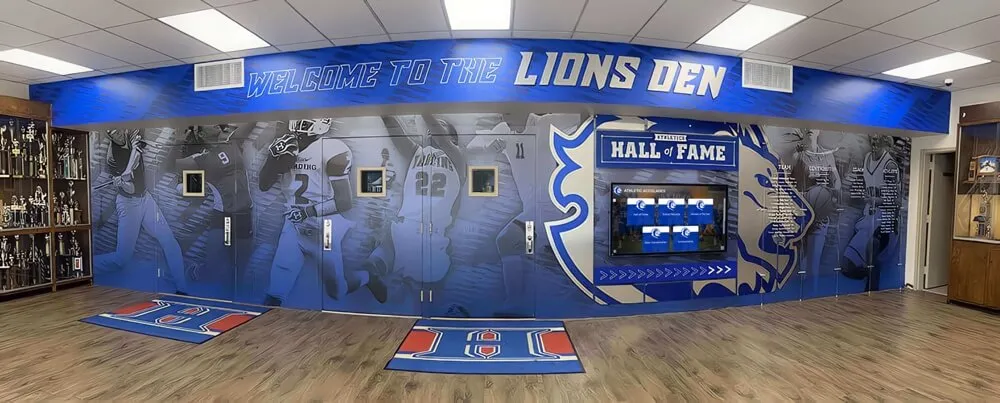
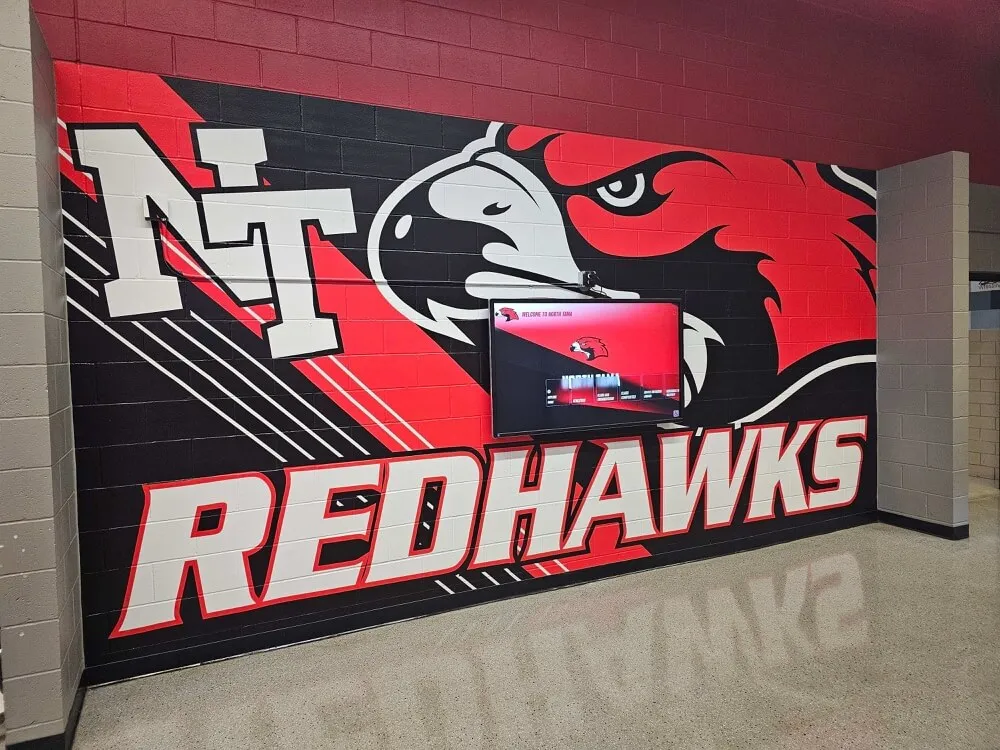
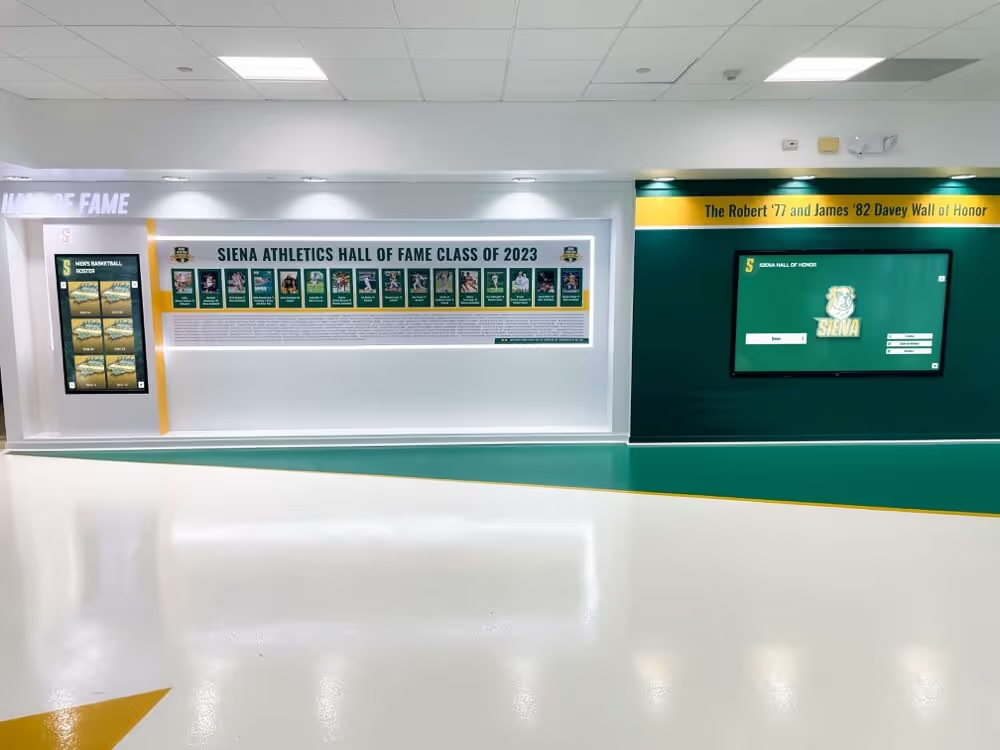
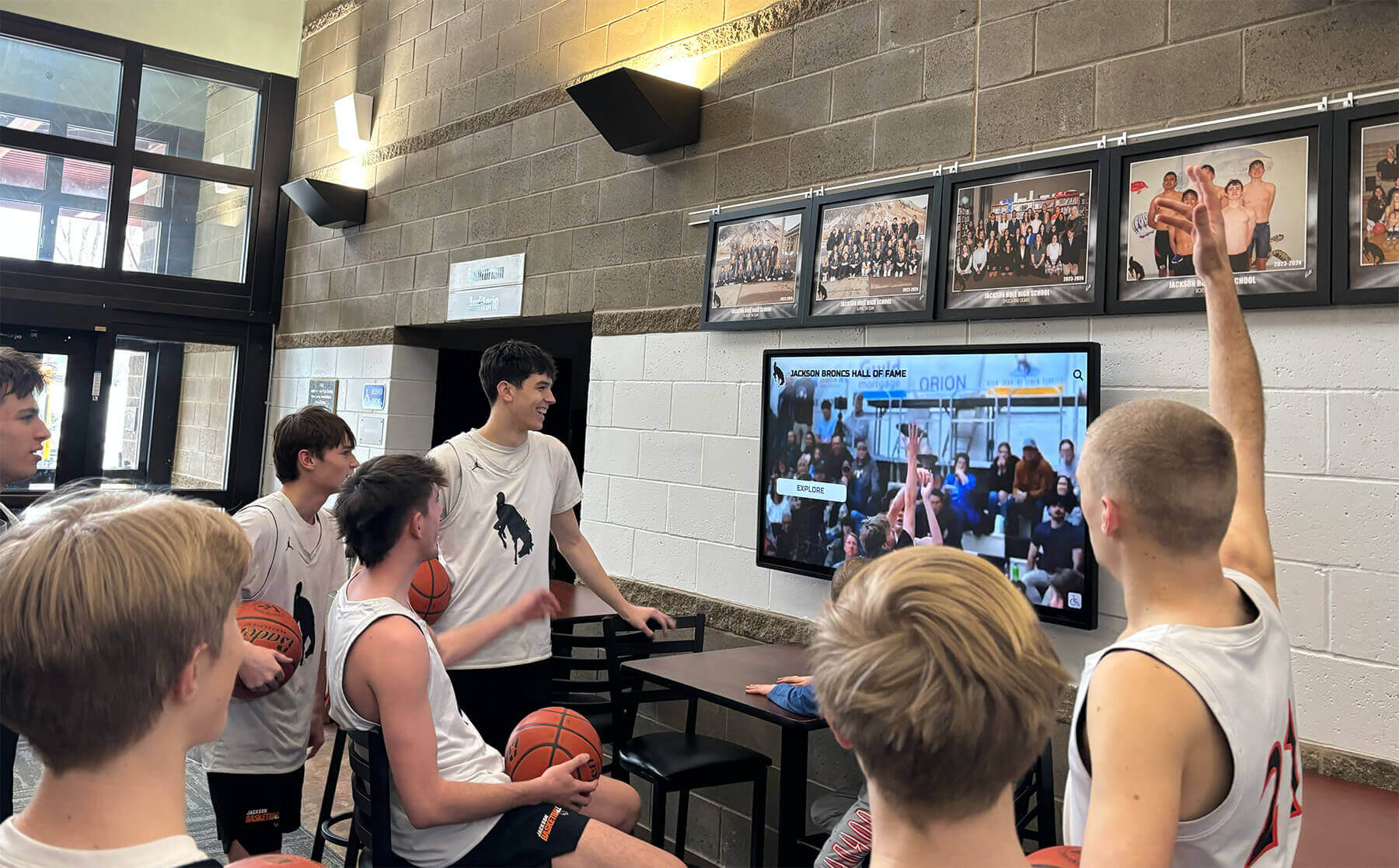
Recognizing coaches alongside athletes reinforces their essential role in team success
Heartfelt Thank You Messages for Coaches
Effective coach thank-you messages balance sincerity with specificity, moving beyond generic praise to acknowledge particular ways coaches made differences in athletes’ lives.
Essential Elements of Meaningful Coach Thank-Yous
The most impactful coach appreciation messages include specific elements that personalize recognition:
Specific Examples and Moments
Rather than general statements like “you were a great coach,” reference particular moments, lessons, or turning points. Mention the practice where the coach helped overcome a technical barrier, the halftime speech that refocused the team during a crucial game, or the individual conversation that built confidence during a difficult stretch.
Specificity demonstrates that you truly paid attention and valued the coaching relationship enough to remember details. Coaches treasure these specific acknowledgments far more than generic praise.
Lessons Beyond the Sport
Great coaching extends beyond technical instruction to life lessons about perseverance, teamwork, handling adversity, and character development. Thank-you messages that acknowledge these broader impacts resonate deeply because they recognize the holistic mentorship coaches provide.
Explain how the coach’s emphasis on preparation taught discipline applicable to academics, how their modeling of composure under pressure influenced your approach to challenges, or how their insistence on respecting opponents shaped your values.
Personal Growth Recognition
Coaches invest in developing people, not just players. Acknowledge how the coach contributed to your growth as a person—increased confidence, improved leadership skills, stronger work ethic, better teamwork abilities, or clearer understanding of your capabilities.
These personal development acknowledgments validate coaches’ deeper purposes beyond wins and losses, reinforcing that their work creating positive human impact succeeded.
Thank You Messages From Athletes to Coaches
End-of-Season Thank You from Individual Athlete
“Coach [Name],
As this season concludes, I wanted to express genuine gratitude for your impact on my athletic development and personal growth. Your patience teaching me [specific skill—proper shooting form, defensive positioning, race strategy] transformed my performance and confidence. I particularly remember [specific moment—the extra practice session where you stayed late helping me master the technique, the encouraging words after my error cost the team a game, the belief you showed selecting me for a crucial role].
Beyond athletic skills, you taught me [life lesson—that preparation determines success, that how you respond to adversity defines character, that supporting teammates matters as much as individual achievement]. These lessons will serve me far beyond [sport name].
Thank you for investing countless hours in our team, for believing in me even when I doubted myself, and for creating an environment where I felt safe taking risks and pushing limits. The memories and lessons from this season will stay with me always.
With sincere appreciation, [Athlete Name]”
Graduating Senior Thank You
“Dear Coach [Name],
As I prepare to leave [school/program name] and move forward to [next chapter—college, career, military], I wanted to thank you for the profound impact you’ve had on my life during my [number] years in this program.
When I joined as a [freshman/young athlete], I was [honest assessment—intimidated, uncertain of my abilities, struggling with confidence, recovering from injury]. Your [specific coaching actions—patient instruction, consistent encouragement, strategic development plan, personal investment] transformed not just my athletic performance but my entire self-concept.
I’ll always remember [2-3 specific meaningful moments that demonstrate the coach’s impact]. These moments exemplify the type of mentor you’ve been—someone who sees potential athletes don’t yet recognize in themselves and invests whatever time necessary to help them discover it.
The [athletic achievement—championship, personal records, all-conference selection, team captaincy] certainly meant a lot. But I’m even more grateful for the [character qualities—resilience, leadership, work ethic, integrity] you helped me develop. These will serve me throughout life far more than any trophy.
Thank you for dedicating your time, energy, and passion to developing young people through athletics. Your influence extends far beyond the [field/court/track/pool], shaping the people we become.
Forever grateful, [Senior Athlete Name]”
Team Thank You Message
“Coach [Name],
On behalf of the entire [year] [team name], we want to express our collective gratitude for an incredible season and your outstanding leadership.
This season brought [briefly summarize season highlights—a conference championship, unexpected playoff run, significant team improvement, breakthrough performances]. Behind every achievement stood your [coaching qualities—strategic preparation, motivational ability, technical instruction, unwavering support].
We especially appreciate [specific team-focused coaching actions—the way you made every player feel valued regardless of playing time, the team-building activities that strengthened our bonds, the film sessions that elevated our strategic understanding, the composure you modeled during close games].
You created more than a team—you built a family. The relationships we’ve formed, the trust we’ve developed, and the memories we’ve made will last far beyond this season. Thank you for caring about us as people, not just players.
We’re proud to be [team name], and we’re grateful to have you as our coach.
With appreciation from the entire team, [Team Captain Names] and the [Year] [Team Name]”
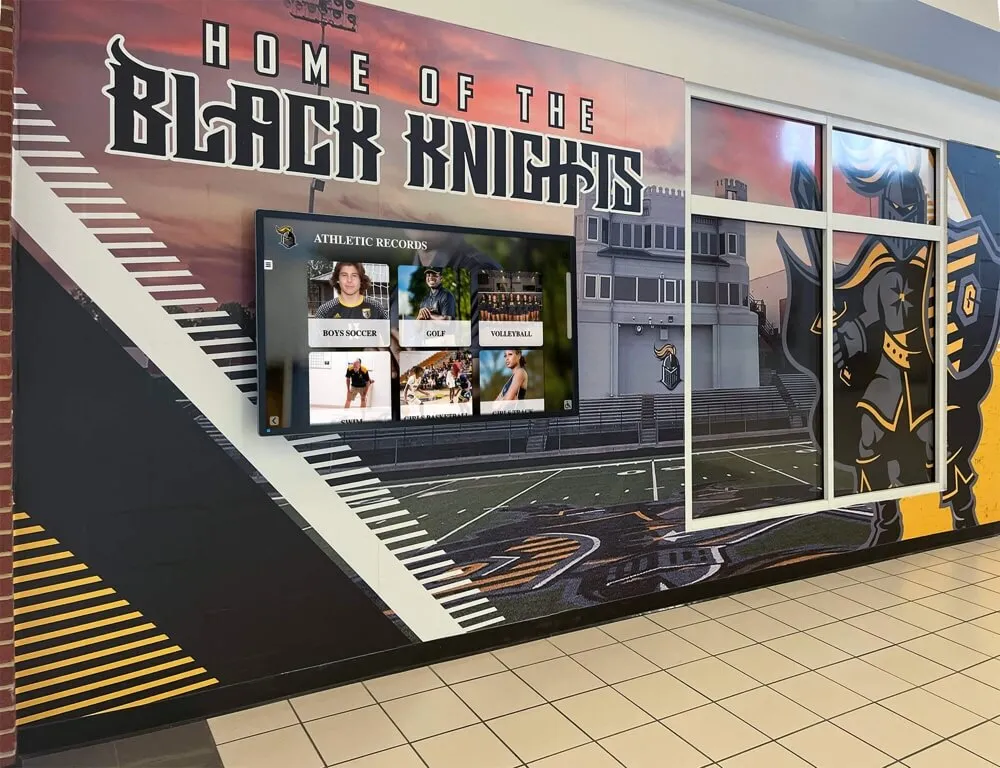
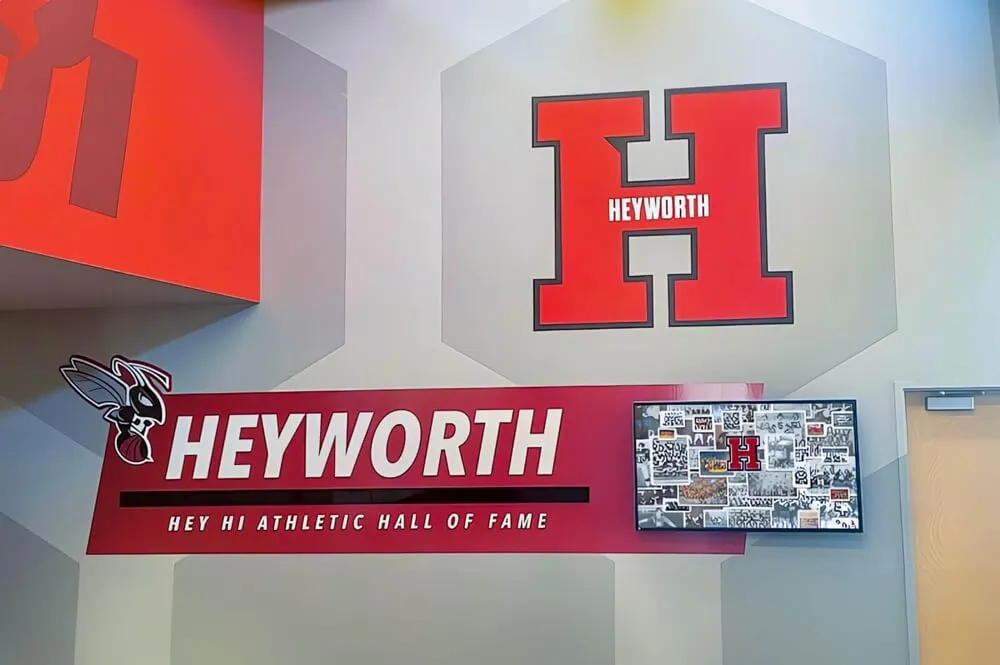
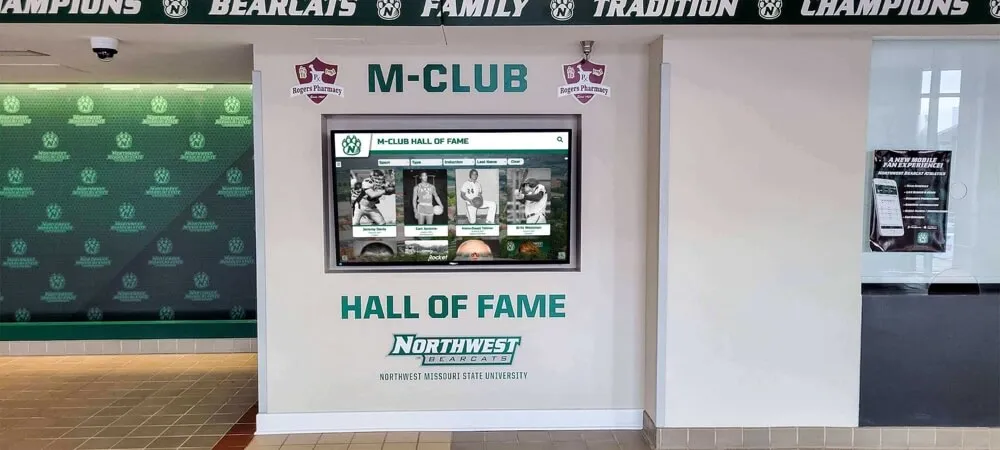
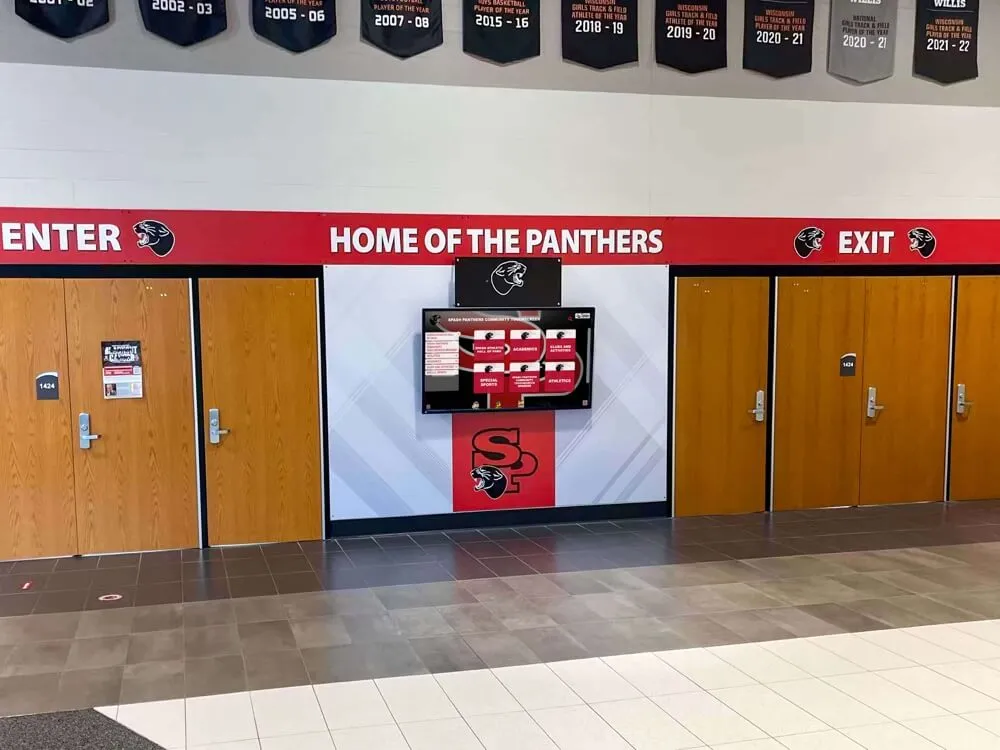
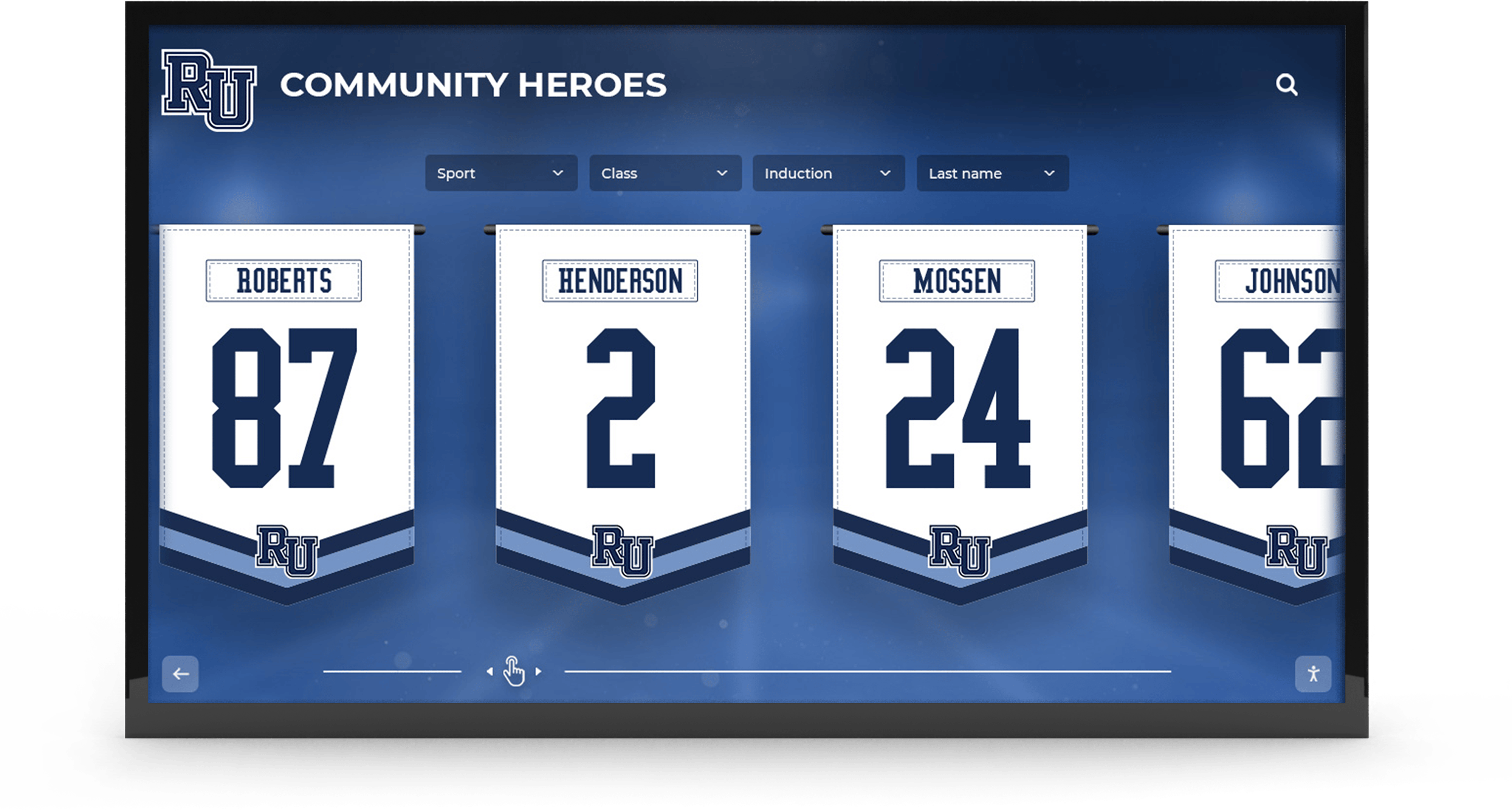
Modern recognition displays celebrate both athletes and the coaches who develop them
Thank You Messages From Parents to Coaches
General Parent Appreciation Message
“Dear Coach [Name],
I wanted to take a moment to express heartfelt thanks for the positive impact you’ve had on [child’s name] this season. As a parent, watching my child grow under your guidance has been incredibly rewarding.
[Child’s name] has developed not only athletically but personally. The [specific improvements—increased confidence, stronger work ethic, better teamwork skills, improved resilience] I’ve observed directly result from your coaching approach and the environment you’ve created.
I particularly appreciate [specific coaching approach—how you balance competition with fun, how you develop every athlete regardless of skill level, how you communicate with players with respect and high expectations, how you handle both victories and defeats as teaching moments].
Beyond the [sport], you’re teaching life lessons about [values—dedication, perseverance, respect, teamwork] that will serve [child’s name] throughout life. This broader impact matters far more than any game outcome.
Thank you for volunteering your time [or: dedicating your energy], for investing in these young athletes, and for being such a positive influence. [Child’s name] is fortunate to have you as a coach.
With sincere gratitude, [Parent Name]”
Parent Thank You for Difficult Season Support
“Coach [Name],
As this challenging season concludes, I wanted to personally thank you for the exceptional support you provided [child’s name] during [difficult circumstance—recovery from injury, struggles with performance anxiety, adjustment to new position, family challenges affecting focus].
Your [specific supportive actions—patience during the recovery process, individual time spent working on mental skills, willingness to adjust expectations while maintaining standards, communication that kept me informed] made an enormous difference during a difficult time.
[Child’s name] emerged from this experience with [positive outcomes—renewed love for the sport, stronger mental toughness, deeper understanding of resilience, maintained confidence]. These outcomes directly result from your compassionate yet accountable coaching approach.
I know coaches juggle many responsibilities and face constant time pressures. The extra attention you invested in helping [child’s name] navigate this challenge means more than you may realize.
Thank you for caring about the whole person, not just athletic performance. Your impact extends far beyond the [field/court/track].
Grateful parent, [Parent Name]”
Thank You Messages From Athletic Directors to Coaches
End-of-Season Recognition from Administration
“Coach [Name],
As [sport] season concludes, I want to formally express appreciation for your outstanding leadership of our [team name] program this year.
Your program exemplified [school/organization] values throughout the season through [specific examples—exemplary sportsmanship in the face of a controversial call, gracious winning and losing, community service engagement, academic commitment].
Beyond competitive results, you created an environment where [number] student-athletes developed athletically and personally. [Specific program outcomes—100% graduation rate among seniors, significant skill development evident from season start to finish, strong team culture visible in how athletes support each other, positive parent feedback throughout the season] demonstrate your program’s comprehensive success.
I particularly appreciate [specific administrative qualities—your communication with parents and administration, your mentorship of assistant coaches, your attention to safety protocols, your flexibility during scheduling challenges, your representation of our program at community events].
Thank you for your dedication, professionalism, and positive impact on our student-athletes. You exemplify the type of coach-educator we value in this program.
In appreciation, [Athletic Director Name]”
Creative Ways to Thank Your Coach
Beyond written messages, numerous creative approaches demonstrate appreciation in memorable ways that coaches treasure.
Team-Organized Appreciation Gestures
Personalized Team Video
Creating a team video compilation where each athlete shares what they appreciate about the coach provides powerful multimedia recognition. Each athlete can record 15-30 seconds describing a favorite memory, lesson learned, or coaching quality they admire. Combine these clips with game highlights, practice footage, and photos from the season, then present the video during an end-of-season gathering.
This approach works particularly well because it captures individual perspectives while demonstrating collective appreciation. Coaches can revisit the video whenever they need reminders about why their work matters.
Team Signature Items
Collect team signatures on meaningful items representing the season:
- Game ball or puck autographed by every team member with personal thank-you notes
- Jersey or team apparel signed by athletes with individual messages
- Framed team photo with handwritten appreciations surrounding the image
- Custom artwork featuring team achievements with athlete signatures
- Memory book combining photos, game notes, and personal messages from each athlete
These physical items create tangible reminders coaches can display in offices, homes, or coaching spaces.
Surprise Appreciation Ceremony
Coordinate with athletic directors or other coaches to create surprise appreciation moments during routine team gatherings. Present coaches with gifts, recognition plaques, or heartfelt messages when they don’t expect formal acknowledgment. The surprise element demonstrates that appreciation is genuine rather than obligatory.
Include assistant coaches, team managers, and others who contribute to program success in recognition ceremonies, acknowledging the full coaching staff.
Individual Appreciation Approaches
Handwritten Letters
In our digital age, handwritten letters carry exceptional weight. Taking time to compose, write, and mail or deliver personal letters demonstrates investment that texts or emails cannot match. Many coaches preserve meaningful handwritten notes for years, revisiting them when motivation wanes or challenges arise.
For graduating seniors, letters reflecting on multiple years of coaching relationship create especially powerful recognition. Include specific memories from different seasons showing how the relationship evolved and deepened over time.
Skill-Based Thank Yous
If you possess talents or skills the coach would value, offer them as appreciation gestures:
- Photography skills: Create a professional photo collection documenting the season
- Video editing abilities: Produce game highlight reels or recruiting videos
- Writing talents: Draft articles for local media celebrating the coach and team
- Design capabilities: Create custom graphics, posters, or digital content
- Technical skills: Help with team website, social media, or administrative tasks
These contributions demonstrate appreciation through action while providing practical value to coaches and programs.
Scholarship or Charity Donations
Making donations in a coach’s name to organizations they care about or scholarship funds they support demonstrates appreciation while creating broader positive impact. This approach works particularly well for:
- Coaches who downplay personal recognition but care deeply about causes
- Retirement recognition where financial contributions support ongoing program needs
- Memorial tributes for deceased coaches where donations support scholarship legacies
- Programs where coaches have established scholarship funds in their names
Include personal notes explaining why you chose particular organizations and how the coach inspired your giving.

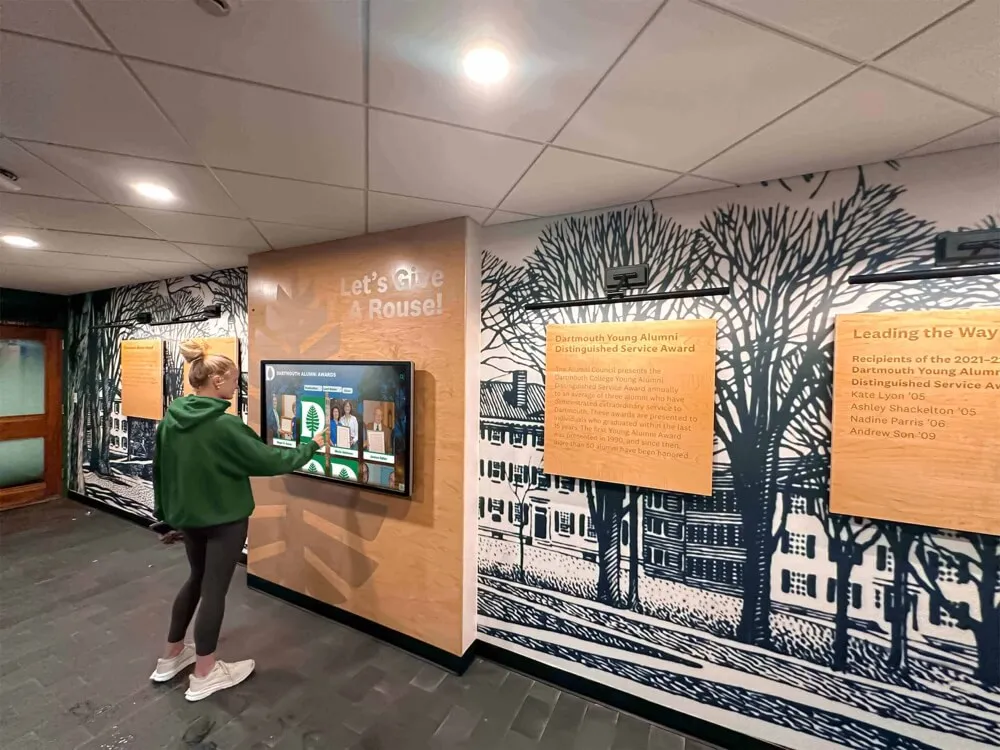
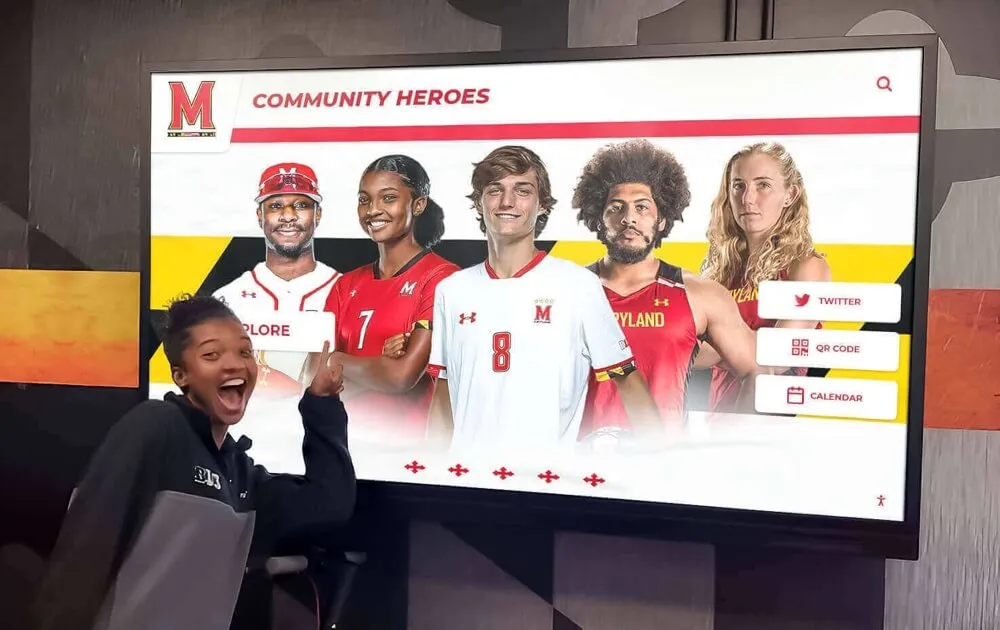
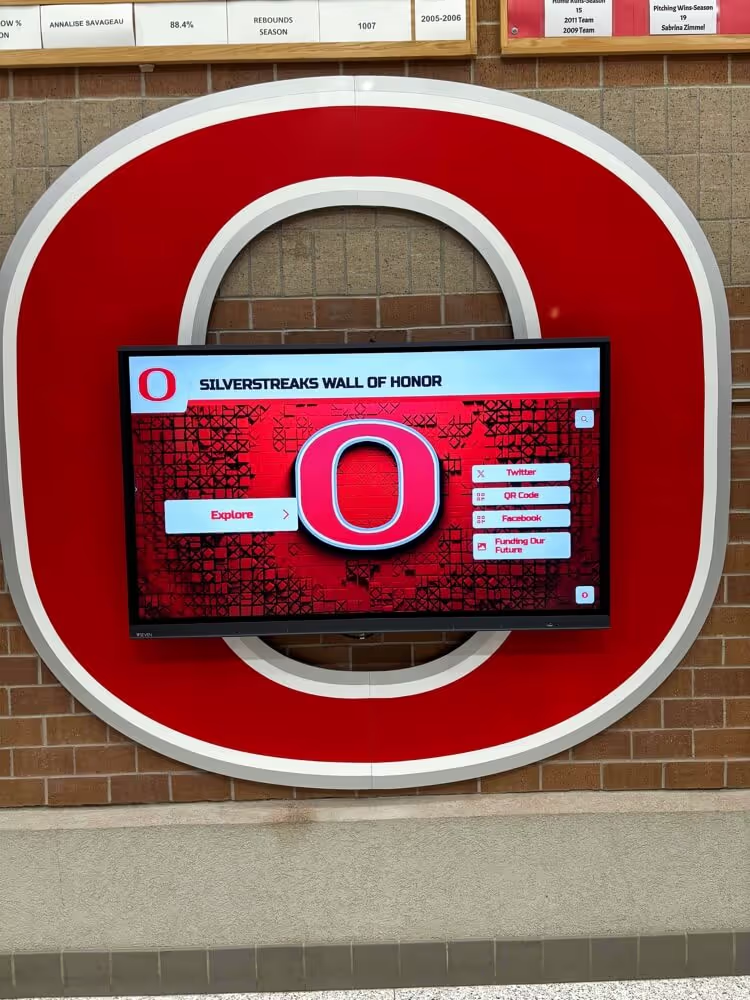
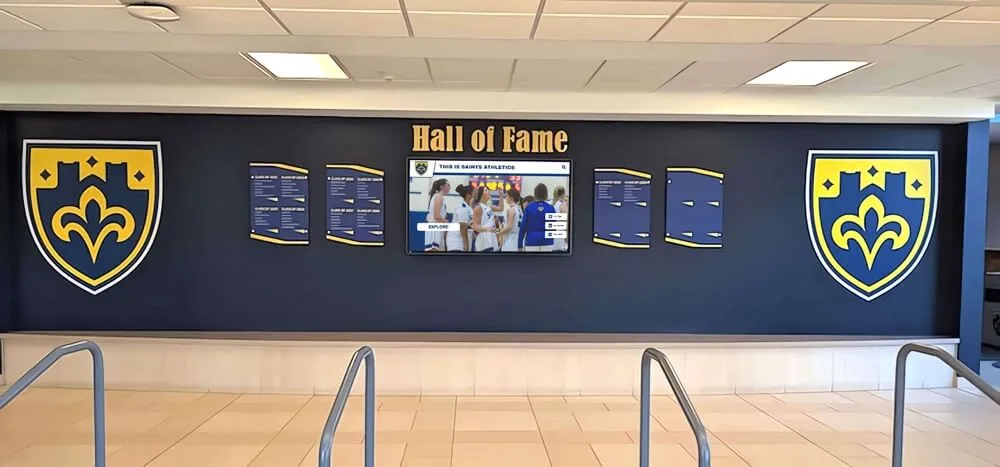
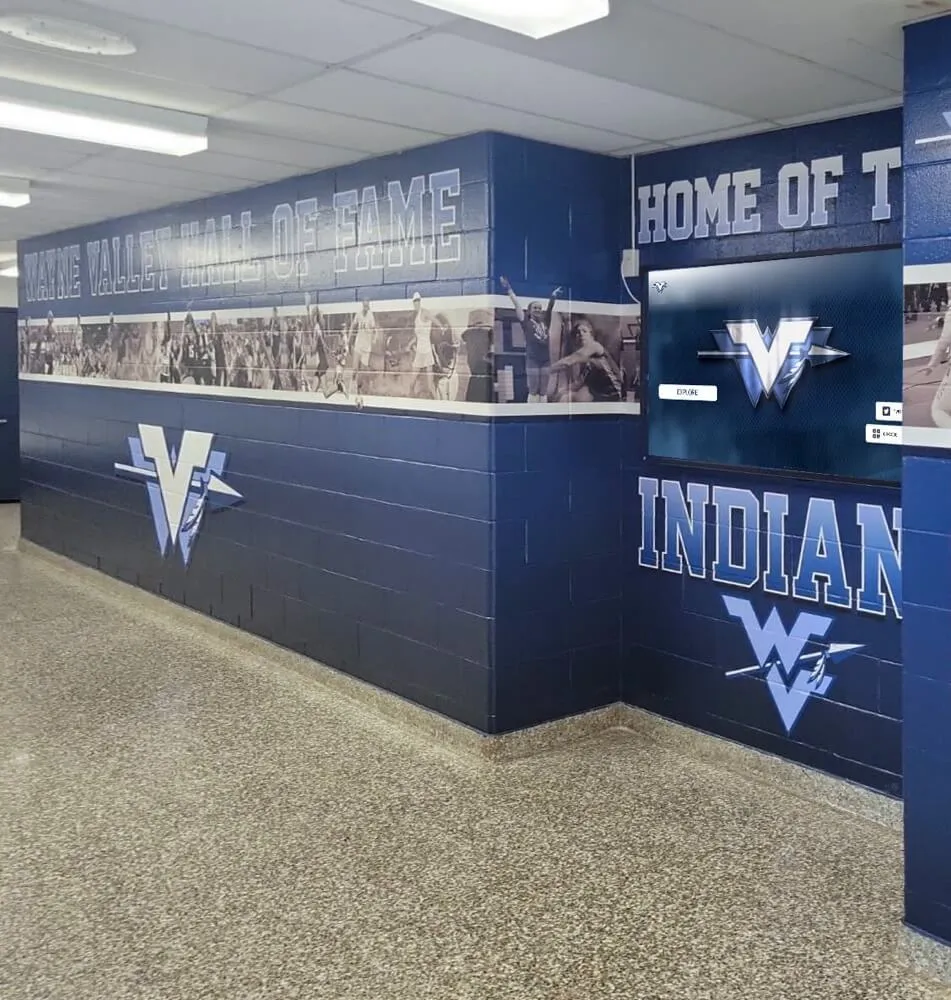
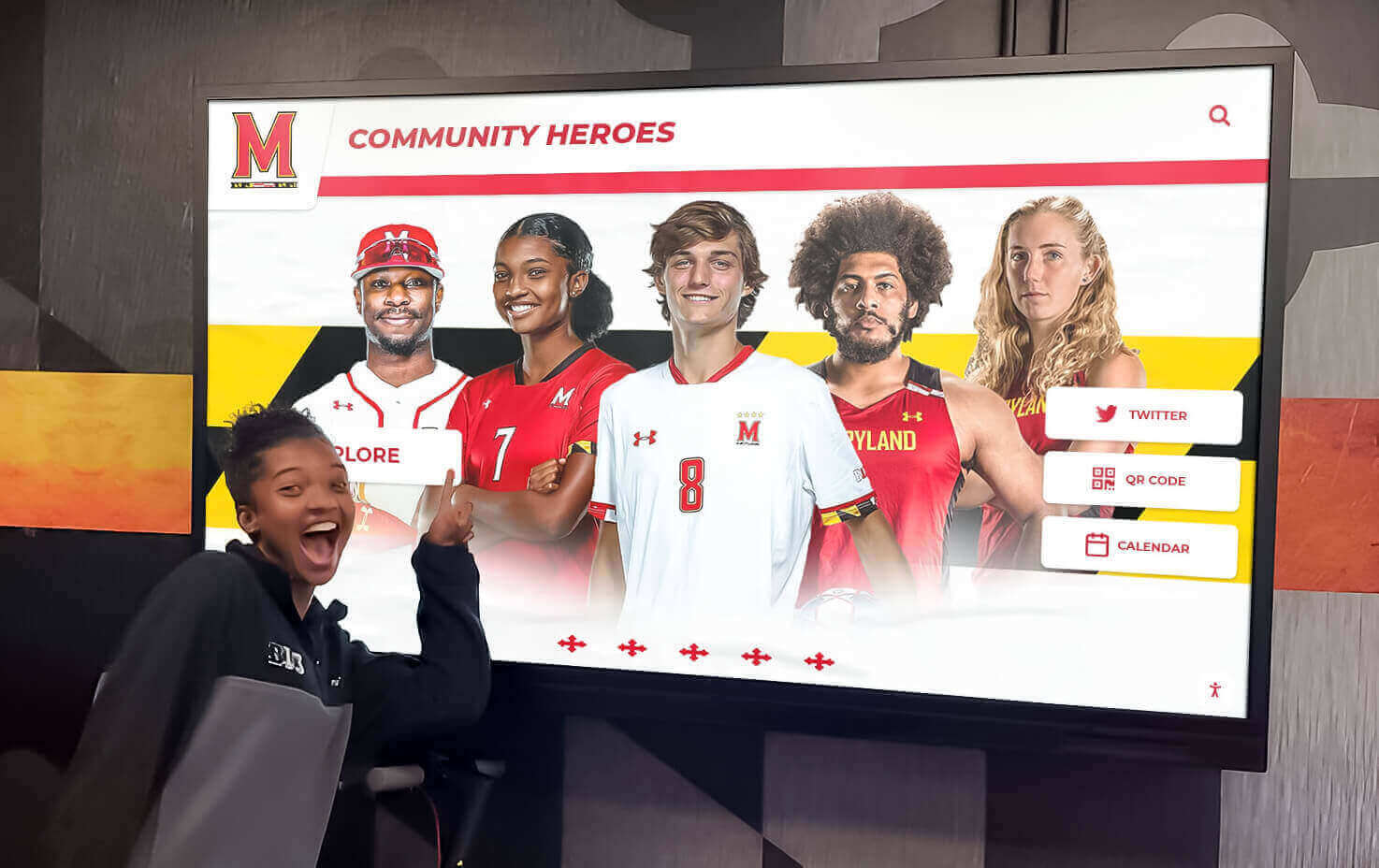
Program displays that celebrate both team achievements and coaching contributions create comprehensive recognition
Parent-Led Appreciation Initiatives
End-of-Season Coach Appreciation Events
Parent organizations can coordinate formal coach appreciation events including:
- Pre-game or halftime recognition ceremonies during final home contests
- Post-season banquets with formal coach tributes
- Casual team gatherings focused specifically on thanking coaching staff
- Surprise locker room celebrations after final games
- Recognition dinners inviting coaches’ families
Coordinate with school administration to ensure events align with district policies and athletic department guidelines. Include all coaching staff—head coaches, assistants, volunteer coaches, and team managers—in recognition.
Coordinated Appreciation Gifts
Parents can pool resources for meaningful gifts coaches genuinely appreciate:
- Equipment or resources benefiting the program (new training aids, team gear, technology)
- Experiences coaches value (restaurant gift certificates, recreational activities, family experiences)
- Professional development opportunities (coaching clinic registrations, educational resources)
- Custom items celebrating specific teams or seasons (commemorative plaques, shadow boxes, custom artwork)
Survey coaches or consult athletic directors about genuine needs and preferences before selecting gifts. Some coaches prefer contributions supporting program needs over personal gifts.
Appreciation Letters to Administration
Parents writing formal letters to athletic directors, principals, or superintendents specifically highlighting coach contributions provides valuable recognition. Administrative leaders often hear complaints but receive limited positive feedback about program staff.
Letters that specifically describe coaching qualities, positive impacts on student development, and program contributions create documentation that benefits coaches during evaluation processes and can influence retention decisions. Copy coaches on letters so they know you’ve advocated for them.
Lasting Recognition: Beyond Thank-You Notes
While immediate appreciation matters, creating permanent recognition honoring coaches’ contributions provides lasting tribute to their impact across years and generations.
Traditional Coach Recognition Approaches
Naming Opportunities
Organizations can honor exceptional coaches through naming recognition:
- Athletic facilities named for long-serving coaches (fields, courts, gymnasiums, stadiums)
- Tournament or award naming recognizing coaching legacies
- Scholarship funds established in coaches’ names supporting athletes
- Team awards bearing coaches’ names presented annually
These permanent tributes create multi-generational recognition ensuring coaches’ legacies endure long after their active coaching careers conclude. Programs exploring comprehensive approaches to athletic hall of fame recognition often include coaching recognition alongside athlete achievement.
Physical Recognition Displays
Traditional plaques, displays, and dedication ceremonies create tangible coach recognition:
- Hall of fame plaques documenting coaching achievements and program contributions
- Trophy case displays featuring coaching accomplishments and championship teams
- Lobby or facility displays recognizing coaching tenures and impacts
- Engraved benches, trees, or landscape features creating memorial recognition
- Retired jersey or number ceremonies honoring legendary coaches
While space constraints limit traditional physical recognition capacity, these approaches create visible tributes demonstrating how communities value coaching contributions.
Formal Recognition Programs
Athletic departments can establish systematic coach recognition including:
- Annual coach appreciation events celebrating all program coaches
- Milestone recognition for coaching longevity (5, 10, 20, 25+ year milestones)
- Retirement ceremonies honoring departing coaches’ careers
- Hall of fame induction processes including coaching categories
- Community recognition through local media, chambers of commerce, or civic organizations
Systematic recognition programs ensure all coaches receive acknowledgment rather than only the highest-profile individuals. For ideas about comprehensive recognition, resources about sports end-of-year awards provide frameworks applicable to coach appreciation.
Modern Digital Recognition Solutions
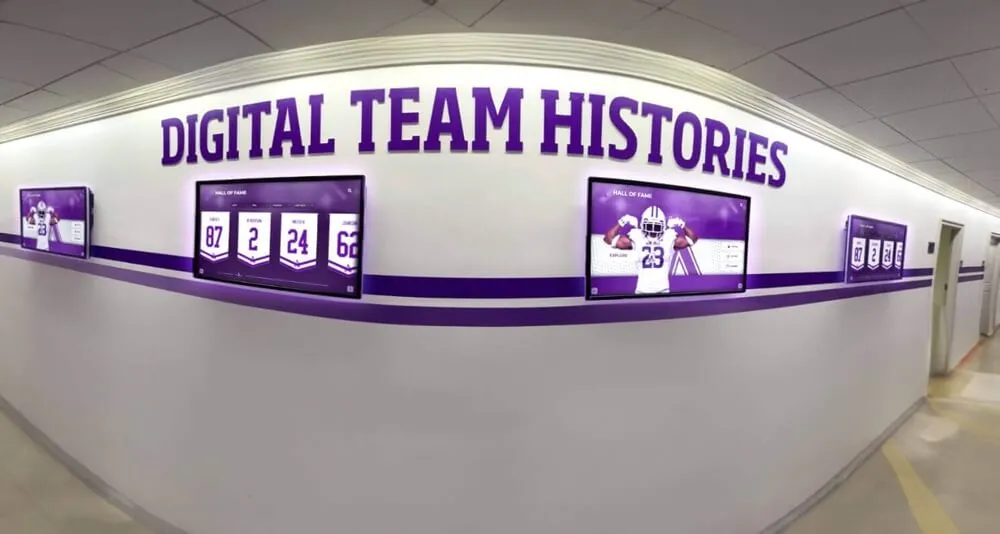
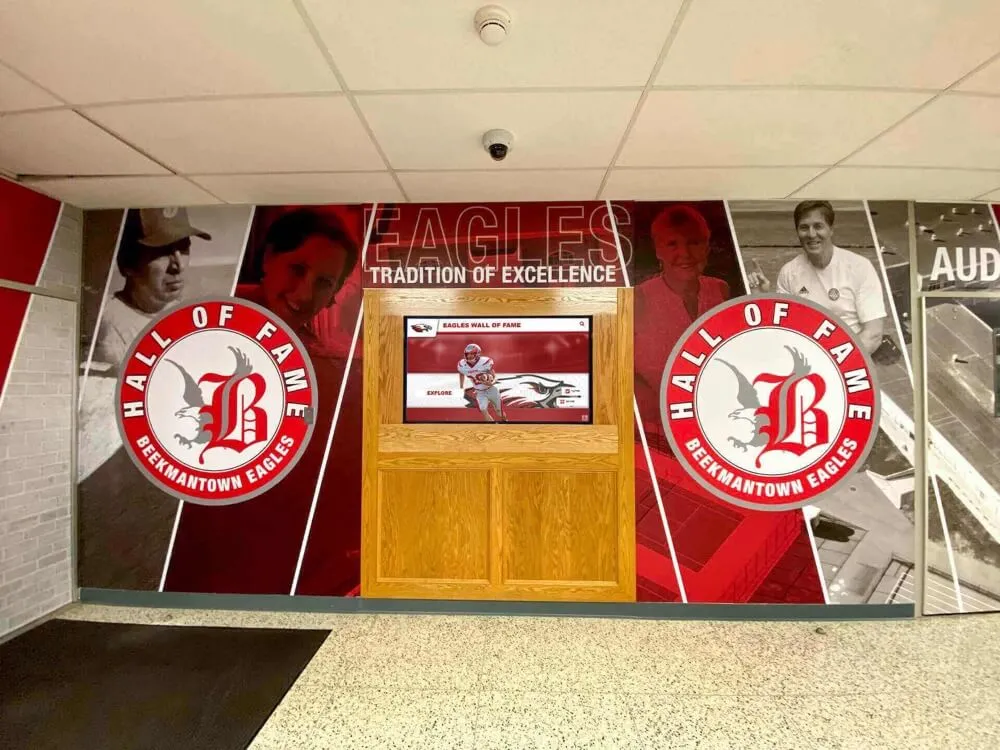
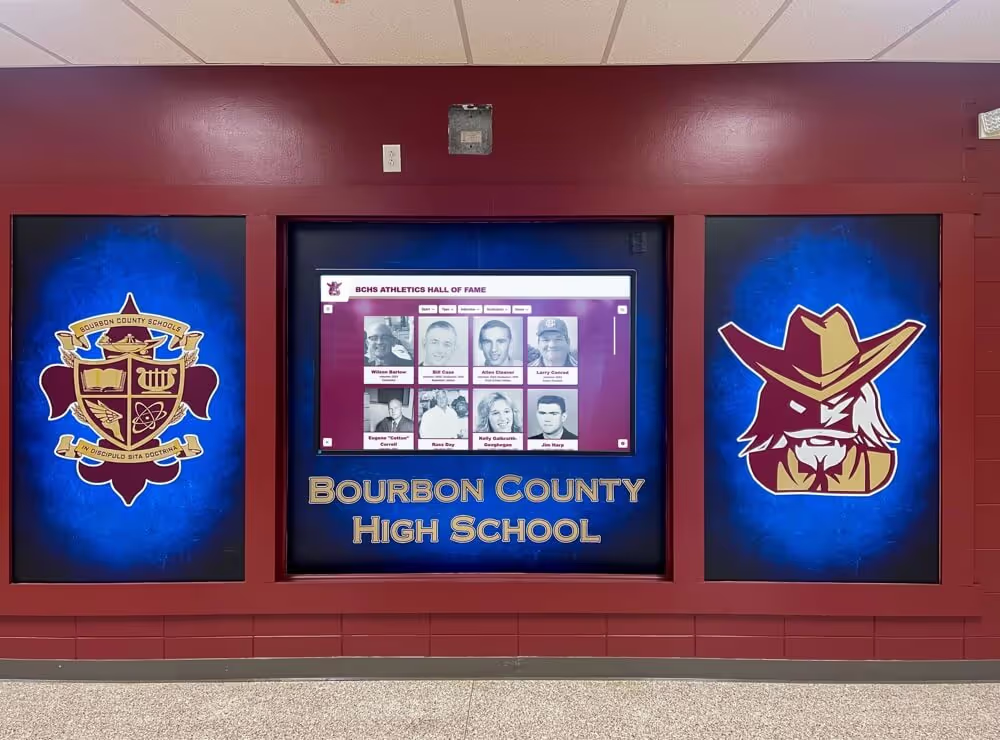
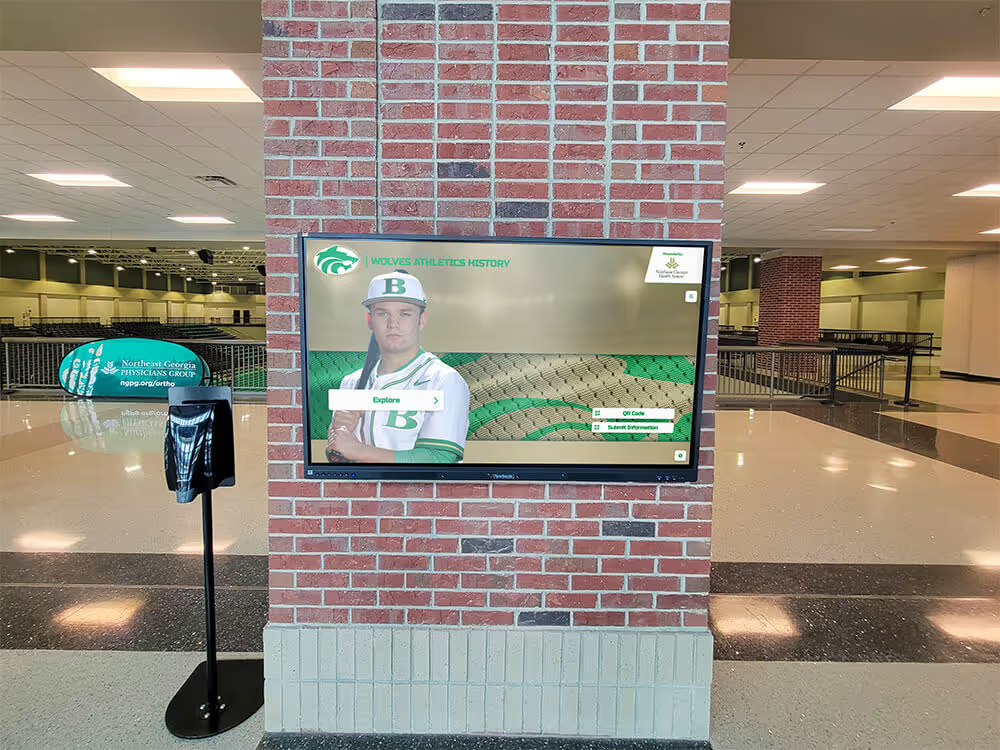
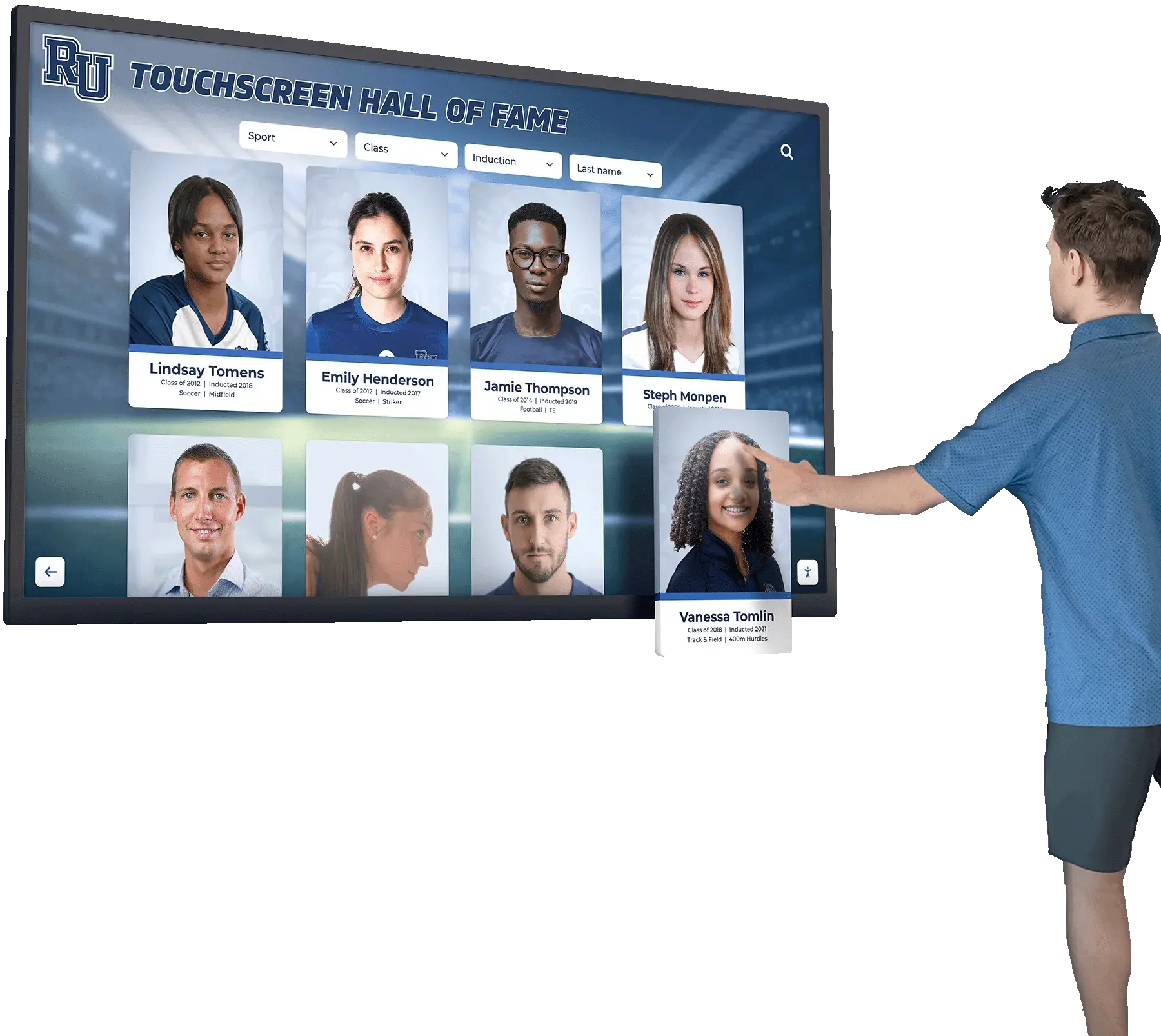
Digital recognition platforms create unlimited capacity for honoring coaches while enabling rich storytelling impossible through traditional physical displays.
Comprehensive Coach Profiles
Digital recognition allows creation of detailed coach profiles including:
- Career statistics and achievements (wins, championships, honors)
- Team photos and memorable game images across seasons
- Video content including coaching highlights, interviews, and testimonials
- Complete season-by-season records documenting program history
- Personal statements or coaching philosophies in coaches’ own words
- Tributes from former athletes, assistant coaches, and colleagues
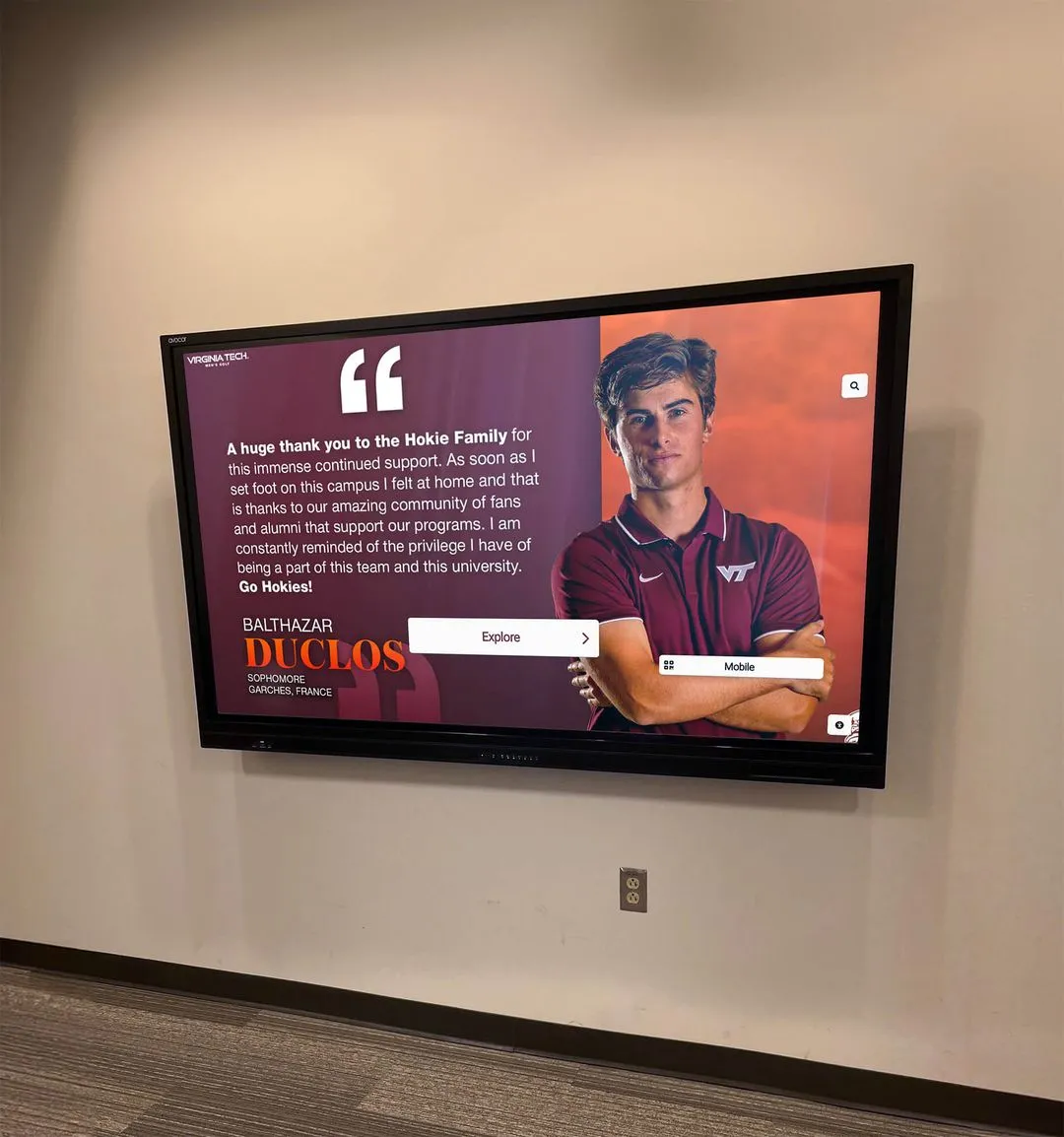
Solutions like Rocket Alumni Solutions enable programs to build comprehensive coaching recognition that grows continuously as careers progress and new achievements accumulate. Unlike physical plaques limited to basic information, digital profiles tell complete coaching stories.
Searchable Coaching History Archives
Digital platforms create searchable coaching archives where community members can:
- Explore coaching records and achievements across program history
- Discover connections between current athletes and former coaches
- Access historical team information and season records
- View coaching family trees showing assistant coaches who became head coaches
- Search for specific coaches, seasons, or achievements instantly
This archival capacity preserves institutional memory that often disappears as years pass and records are lost or discarded. Resources about creating digital archives for schools explain how athletic programs can systematically preserve coaching history.
Multi-Sport Recognition Integration
Digital systems recognize coaches across all programs equally, avoiding the visibility disparity where high-profile sports receive extensive recognition while other programs go unacknowledged:
- Every program from football to tennis to swimming receives equivalent recognition space
- Lesser-known sports receive equal visual prominence
- Non-traditional seasons (spring sports, winter sports) gain year-round visibility
- Club and recreational coaches can be honored alongside varsity coaches
This comprehensive approach reinforces that all coaches matter regardless of sport profile or competitive level. Programs committed to high school athletics equity benefit from recognition systems treating all coaches equally.
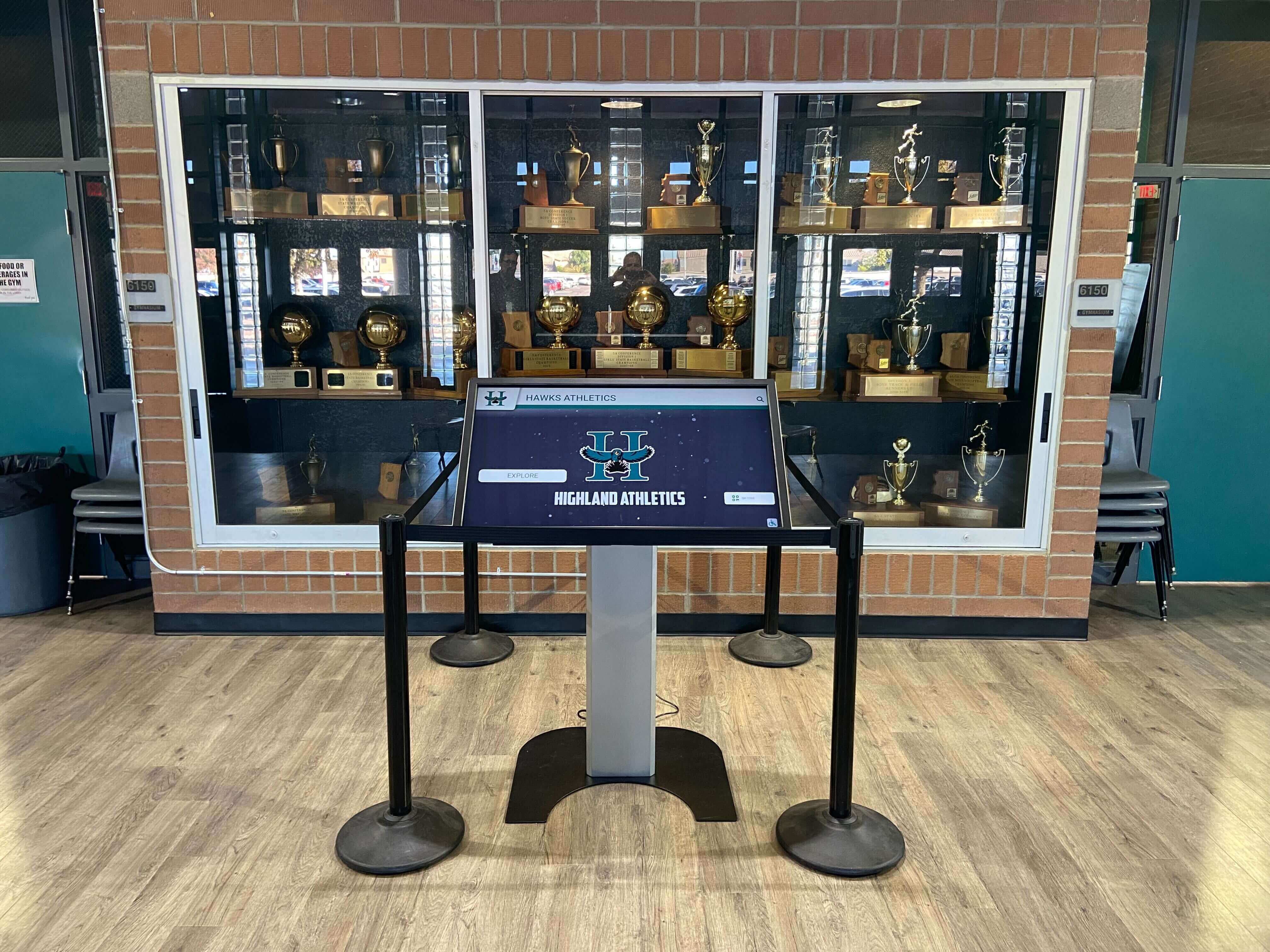
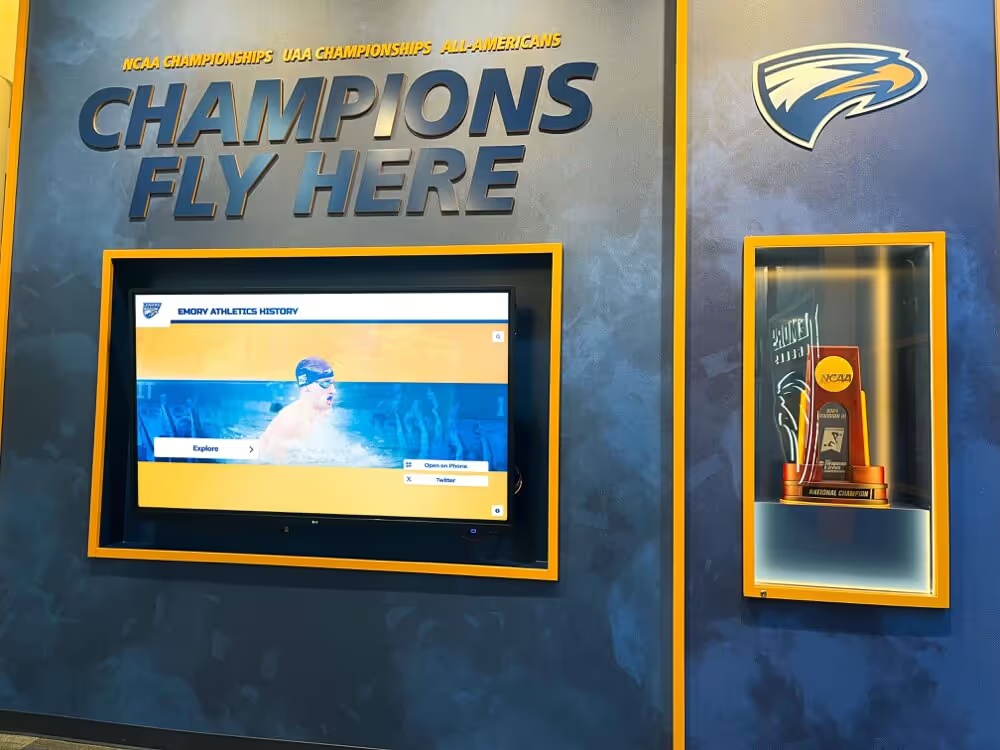
Digital recognition displays provide unlimited capacity for honoring coaching contributions across all programs
Interactive Coaching Recognition Experiences
Modern recognition technology creates engaging experiences where visitors can:
- Browse coaching records and achievements through intuitive touchscreen interfaces
- Watch video tributes and coaching highlights
- Read testimonials from former athletes about coach impact
- Explore team histories and championship seasons
- Share favorite coaches on social media directly from displays
Interactive experiences create engagement impossible with static plaques, ensuring coaching recognition receives attention rather than fading into background scenery.
Remote Access and Social Sharing
Digital recognition extends beyond physical campus presence through:
- Web-based platforms accessible from anywhere
- Mobile-responsive designs enabling phone and tablet access
- Direct social media sharing allowing families and communities to celebrate coaches broadly
- Alumni access connecting former athletes with coaches who mentored them decades earlier
This extended reach amplifies recognition impact exponentially compared to campus-only displays. Former athletes living anywhere can revisit memories and express belated gratitude years after graduation.
Cost-Effective Scalability
Digital recognition’s unlimited capacity eliminates difficult choices about which coaches deserve acknowledgment:
- Every coach from program history can be included without space constraints
- Adding new coaches requires simple content updates rather than construction or renovation
- Recognition can expand to include assistant coaches, volunteer coaches, and support staff
- Content can be continually enhanced as photos, videos, and testimonials become available
Initial technology investment eliminates ongoing plaque costs while providing superior recognition capabilities. Most programs achieve cost parity within 3-5 years while delivering significantly enhanced recognition.
Programs evaluating modern approaches can explore best practices for showcasing athletic achievements digitally, with coaching recognition following similar principles.
Timing Your Coach Appreciation
When you express appreciation affects its impact and reception. Understanding optimal timing helps ensure recognition feels genuine rather than obligatory.
During-Season Appreciation
Ongoing Recognition
Coaches appreciate acknowledgment throughout seasons, not just at conclusions:
- Brief emails or texts after particularly meaningful games or practices
- Social media posts highlighting coaching decisions that paid off
- Quick verbal thank-yous for extra time invested in individual development
- Recognition during team meetings of coaching preparation and strategy
- Parent communications to athletic directors praising coaching approaches
This continuous appreciation reinforces that community members notice and value coaching efforts regularly.
Public Game-Day Recognition
When appropriate and desired by coaches, public recognition during competitions provides community-wide visibility:
- PA announcements highlighting coaching milestones (career wins, years of service, championships)
- Halftime or pre-game ceremonies recognizing achievements
- Program inserts featuring coach profiles and accomplishments
- Stadium board or video screen tributes during games
- Student section organized appreciation demonstrations
Coordinate with coaches and administration to ensure public recognition aligns with individual preferences. Some coaches prefer low-key acknowledgment while others appreciate public celebration.
End-of-Season Appreciation
Final Game or Practice Ceremonies
Many teams create appreciation moments during final team gatherings:
- Brief recognition ceremonies after final games
- Team gifts presented during final practices
- Special team dinners focused on thanking coaches
- Locker room presentations with team speeches
- Surprise appreciation moments coordinated with athletic directors
These season-conclusion recognitions create emotional bookends to shared team experiences.
Formal Award Banquets
End-of-season banquets provide natural opportunities for formal coach appreciation:
- Dedicated segments focusing specifically on thanking coaching staff
- Video tributes highlighting season moments
- Speeches from team captains or senior athletes expressing gratitude
- Presentation of appreciation gifts or plaques
- Parent organization tributes acknowledging coaching impact
Structure banquets to give coach appreciation appropriate weight and time rather than treating it as afterthought following athlete awards.
Special Occasion Recognition
Milestone Acknowledgments
Certain milestones deserve special recognition attention:
- Career victory milestones (100th win, 200th win, etc.)
- Program records broken (most wins, longest tenure, most championships)
- Conference or state coaching honors received
- Years-of-service milestones (5, 10, 20, 25+ years)
- Retirement transitions ending coaching careers
Plan ahead for anticipated milestones rather than scrambling for last-minute recognition when achievements occur.
National Recognition Opportunities
Several formal coach appreciation occasions provide recognition frameworks:
- National Coaches Week (typically February) focusing national attention on coaching
- National Girls and Women in Sports Day (February) recognizing coaches developing female athletes
- National Student-Athlete Day (April) celebrating coaches and athletes together
- End-of-school-year recognition events acknowledging all program staff
- State coaching association recognition programs honoring achievement
Coordinating appreciation with these established observances demonstrates awareness of coaching profession while leveraging existing recognition frameworks.
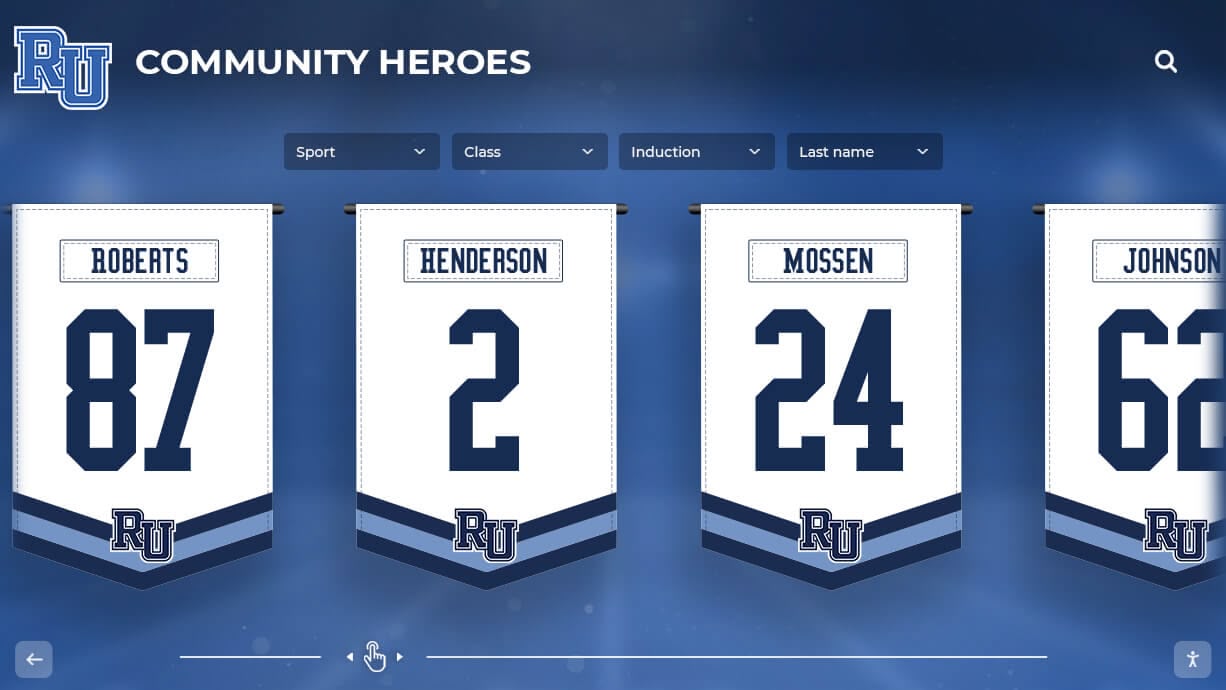
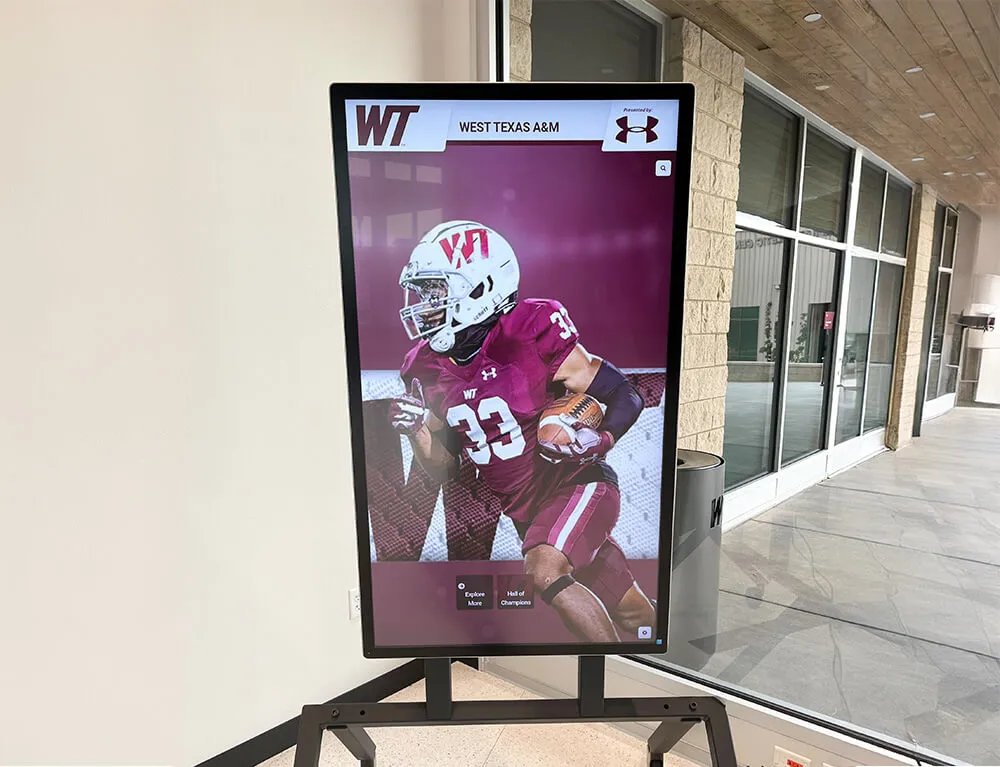
Recognition displays celebrating coaches alongside athletes reinforce their essential contributions to program success
Building Systematic Coach Appreciation Culture
The most effective coach recognition extends beyond individual gestures to create organizational cultures where appreciation is embedded in program operations.
Athletic Department Recognition Programs
Formalized Appreciation Structures
Athletic departments should establish systematic recognition ensuring all coaches receive acknowledgment:
- Annual coach appreciation events recognizing all program coaches simultaneously
- Written appreciation in evaluation processes documenting coaching contributions
- Budget allocations for coaching recognition (gifts, events, displays)
- Administrative participation in end-of-season team celebrations
- Communication to school boards and communities about coaching achievements
Systematic approaches ensure recognition doesn’t depend on individual initiative or advocacy but represents standard organizational practice.
Professional Development Support
Expressing appreciation through professional growth opportunities demonstrates institutional investment:
- Funding coaching education, clinic attendance, and certification courses
- Supporting conference participation and networking opportunities
- Providing resources, equipment, and technology enhancing coaching effectiveness
- Creating mentorship programs connecting experienced and developing coaches
- Recognizing coaching certifications and continuing education publicly
These investments communicate that organizations value coaching expertise enough to support its development.
Community-Wide Coaching Appreciation
Local Media Recognition
Work with local media to highlight coaching contributions:
- Season preview features profiling program coaches
- Mid-season stories about coaching approaches or philosophies
- End-of-season retrospectives celebrating coaching accomplishments
- Career milestone coverage when coaches reach benchmarks
- Retirement features honoring departing coaches’ careers and impacts
Media coverage extends recognition beyond immediate program communities to broader audiences, elevating coaching profession visibility.
Business and Civic Recognition
Engage community organizations in coach appreciation:
- Chamber of commerce recognition programs acknowledging volunteer service
- Service club presentations highlighting coaching community contributions
- School board recognition during public meetings
- Community award programs including coaching categories
- Local business sponsorships of coach appreciation events or scholarships
Community-wide recognition demonstrates that coaching impact extends beyond athletic programs to broader community welfare and youth development.
Family Education About Coach Appreciation
Setting Appreciation Expectations
Athletic programs should educate families about appreciation importance and approaches:
- Pre-season parent meetings explaining volunteer coach sacrifices and time commitments
- Communication about appropriate appreciation timing and methods
- Guidelines for gift-giving and appreciation gestures aligning with school policies
- Suggestions for meaningful recognition beyond generic gifts
- Explanation of how coaching recognition benefits programs and retention
Clear guidance prevents awkwardness while encouraging families to participate in appreciation culture.
Coordinating Collective Appreciation
Parent or booster organizations can facilitate collective appreciation:
- Designated parent volunteers coordinating end-of-season recognition
- Communication systems gathering input from all families
- Financial contributions pooling resources for meaningful gifts
- Volunteer committees planning appreciation events
- Social media campaigns highlighting coaching contributions
Organized coordination ensures comprehensive participation while preventing duplicate efforts or recognition gaps.
What Coaches Really Appreciate: Insights From Coaching Community
Understanding what coaches genuinely value helps ensure appreciation efforts resonate authentically rather than missing the mark.
Financial Realities and Appropriate Gifts
Many coaches work with limited resources and modest compensation. Practical gifts addressing real needs often mean more than expensive gestures:
- Program equipment, training aids, or technology coaches need but can’t afford
- Gift certificates for coaching supplies, athletic equipment, or sporting goods
- Contributions to program budgets supporting team needs
- Coaching education resources (books, online courses, certification fees)
- Practical items coaches use regularly (clipboards, whistles, durable bags, team management tools)
Ask coaches or consult athletic directors about genuine needs before selecting gifts. Avoid expensive personal items unrelated to coaching that may create discomfort.
Time and Flexibility Appreciation
Given coaches’ significant time investments, recognition that gives time back resonates powerfully:
- Volunteer assistance with administrative tasks (roster management, scheduling, statistics)
- Help with equipment setup, teardown, and organization
- Transportation coordination reducing coaches’ logistics burdens
- Practice assistance from qualified volunteers
- Game-day help with timing, scoring, or other support roles
These contributions demonstrate appreciation through action while addressing real challenges coaches face.
Sincere Personal Recognition
Coaches consistently cite sincere, specific personal recognition as most meaningful:
- Handwritten notes referencing particular moments or coaching decisions
- Verbal appreciation acknowledging specific ways coaches made differences
- Testimonials from athletes describing coaching impact in their own words
- Public recognition highlighting unique coaching qualities and approaches
- Private conversations expressing genuine gratitude without audience
Authenticity matters more than elaborateness. Simple, heartfelt recognition from single individuals often means more than expensive, impersonal group gifts.
Long-Term Relationship Recognition
Coaches who invest years in programs particularly value recognition acknowledging sustained commitment:
- Multi-year retrospectives celebrating entire coaching tenures
- Alumni testimonials spanning different eras of coaching careers
- Documentation of program growth and development during coaching tenures
- Recognition connecting current program success to foundations coaches built
- Permanent tributes ensuring coaching legacies endure beyond active careers
These comprehensive acknowledgments validate lifetime investments rather than treating coaching as temporary service.
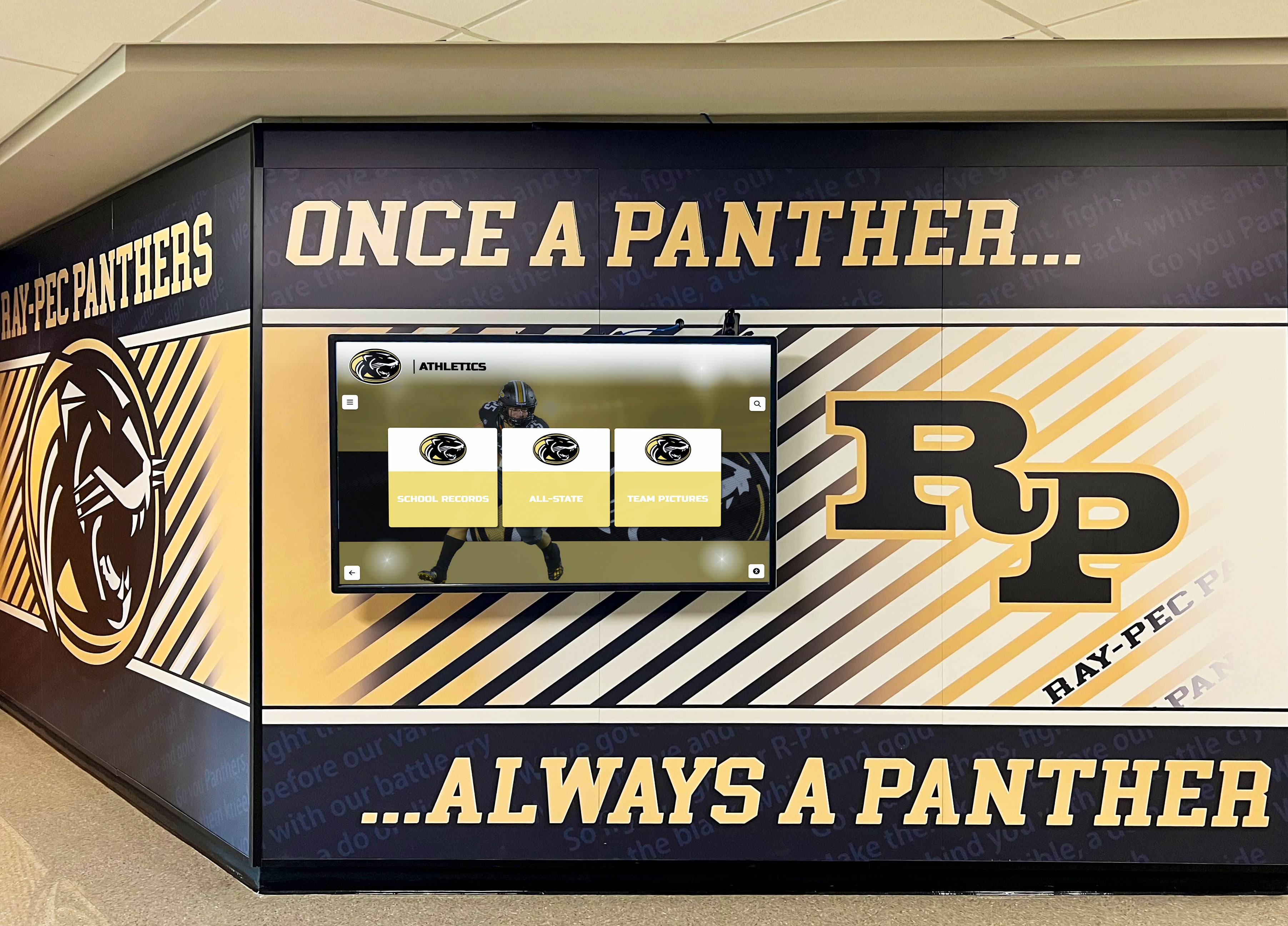
Modern displays preserve coaching history and contributions as part of broader program recognition
Special Considerations for Different Coaching Contexts
Appreciation approaches should account for different coaching situations and relationships.
Youth League Volunteer Coaches
Volunteer coaches who receive no compensation deserve special appreciation recognition:
- Emphasis on time sacrifice and volunteer service in recognition
- Community service awards and civic recognition opportunities
- Letters to employers acknowledging volunteer contributions
- Formal presentations at league meetings or closing ceremonies
- Small tokens of appreciation (team photos, memory books, signed memorabilia)
Keep financial expectations modest given volunteer nature while ensuring recognition acknowledges significant time donations.
High School Coaches
High school coaches often juggle coaching with teaching or other professional responsibilities:
- Coordination with school administration for formal recognition
- Recognition that includes coaching families who sacrifice time together
- Professional acknowledgment appropriate for educator-coaches
- Connection between athletic coaching and educational mission
- Permanent program recognition documenting coaching careers
Appreciation should align with school policies regarding gifts, events, and recognition to avoid policy violations or uncomfortable situations.
Club and Travel Team Coaches
Club coaches operating in competitive private sports contexts:
- Recognition balancing appreciation with appropriate professional boundaries
- Group gifts and gestures rather than individual family presents
- Formal feedback to club organizations about coaching quality
- Public reviews or testimonials supporting coaching reputations
- Referrals and recommendations helping coaches build successful businesses
For coaches running businesses, positive word-of-mouth and recommendations represent valuable appreciation.
Assistant and Volunteer Coaches
Supporting staff often receive less recognition than head coaches despite significant contributions:
- Intentional inclusion in all recognition events and gestures
- Specific acknowledgment of unique contributions each coach provides
- Equal treatment in formal recognition displays and programs
- Public recognition of assistant coaching roles and responsibilities
- Head coach advocacy ensuring assistants receive appropriate appreciation
Building cultures where all coaching staff feel valued improves program continuity and coaching team cohesion.
Conclusion: Making Coach Appreciation Meaningful and Lasting
Coaches shape young lives through daily investments teaching athletic skills, modeling character, providing mentorship, creating safe developmental environments, and demonstrating that adults genuinely care about youth success. This profound influence deserves recognition commensurate with its impact—appreciation that feels personal, sincere, and meaningful rather than perfunctory or generic.
Effective coach appreciation combines immediate gratitude through heartfelt messages and gestures with lasting recognition preserving coaching legacies across years and generations. The thank-you messages, creative appreciation ideas, and recognition approaches outlined in this guide provide frameworks for expressing gratitude appropriately across different relationships, contexts, and circumstances.
Immediate Action Steps
If you’re inspired to thank a coach who has impacted your life or your child’s development:
- Write a specific, heartfelt thank-you message referencing particular moments and lessons
- Share your appreciation verbally in addition to written communication
- Consider creative gestures beyond words that demonstrate investment
- Coordinate with others to create collective appreciation with greater impact
- Advocate for systematic recognition ensuring coaches receive ongoing acknowledgment
Building Lasting Recognition
For athletic directors, administrators, and organizations seeking to honor coaching contributions permanently:
Modern digital recognition solutions provide unlimited capacity for celebrating coaches across all programs and eras. Unlike traditional physical displays constrained by space and cost, digital platforms enable comprehensive coaching recognition that grows continuously as programs evolve and careers progress.
Solutions like Rocket Alumni Solutions allow schools and athletic organizations to create rich coaching profiles featuring career achievements, memorable photos and videos, testimonials from former athletes, and complete program histories. These interactive displays engage visitors while preserving institutional memory that might otherwise be lost.
By combining immediate appreciation with permanent recognition systems, communities create cultures where coaches feel genuinely valued for their contributions to youth development through athletics. This comprehensive recognition strengthens coaching retention, program quality, and the life-changing mentor relationships that represent athletics’ greatest value.
Honor Coaches Who Shape Young Lives
Discover how Rocket Alumni Solutions helps schools and athletic programs create lasting recognition for coaches, preserving their legacies and celebrating their contributions to youth development through comprehensive digital displays.
Create Lasting Coach RecognitionReady to celebrate the coaches in your life? Start with sincere words of gratitude, explore creative appreciation gestures, and advocate for systematic recognition ensuring coaching contributions receive the acknowledgment they deserve. When communities honor coaches appropriately, they strengthen programs, support youth development, and demonstrate that mentorship matters.
Learn more about comprehensive recognition approaches through resources on athletic halls of fame, explore youth sports awards ideas that celebrate coaches alongside athletes, or discover how digital recognition walls preserve coaching legacies permanently.