Thank You Donor Card Ideas: Meaningful Ways to Recognize Every Gift
A thoughtfully designed thank you donor card transforms a simple acknowledgment into a meaningful touchpoint that strengthens relationships, demonstrates impact, and inspires continued support. Organizations that excel at donor appreciation understand that these cards represent far more than courtesy—they’re strategic tools that directly influence retention rates, giving patterns, and lifetime donor value.
Yet many development offices struggle with donor card strategies, defaulting to generic templates that feel impersonal, delayed acknowledgments that miss the emotional moment, or inconsistent approaches that leave some supporters feeling undervalued. Meanwhile, research consistently shows that 53% of donors stop giving because they feel unappreciated, and properly acknowledged donors demonstrate 40-60% higher retention rates compared to those receiving minimal recognition.
This comprehensive guide explores creative, meaningful thank you donor card ideas spanning handwritten notes, personalized digital communications, tiered approaches for different giving levels, impact-focused messaging, and innovative recognition strategies that transform one-time supporters into lifelong advocates for your mission.

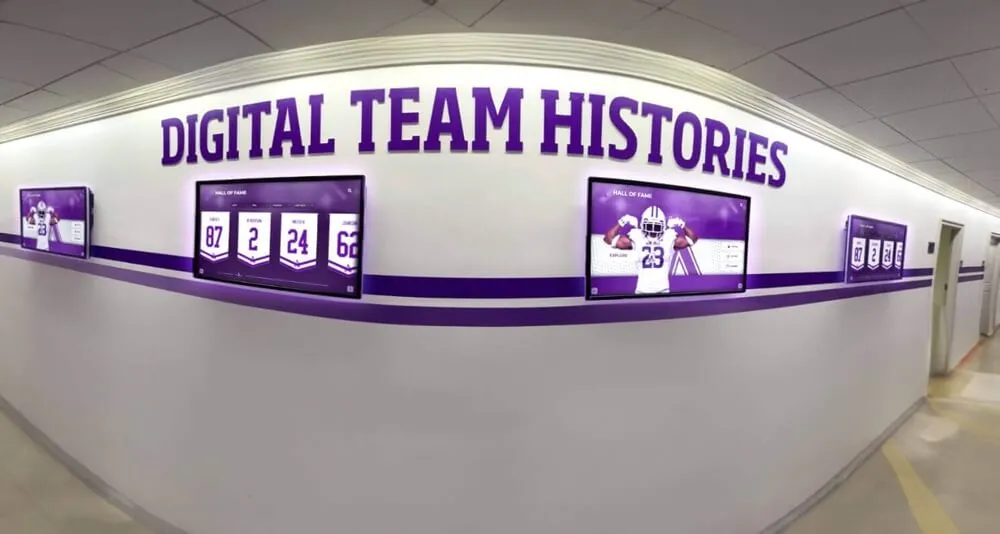
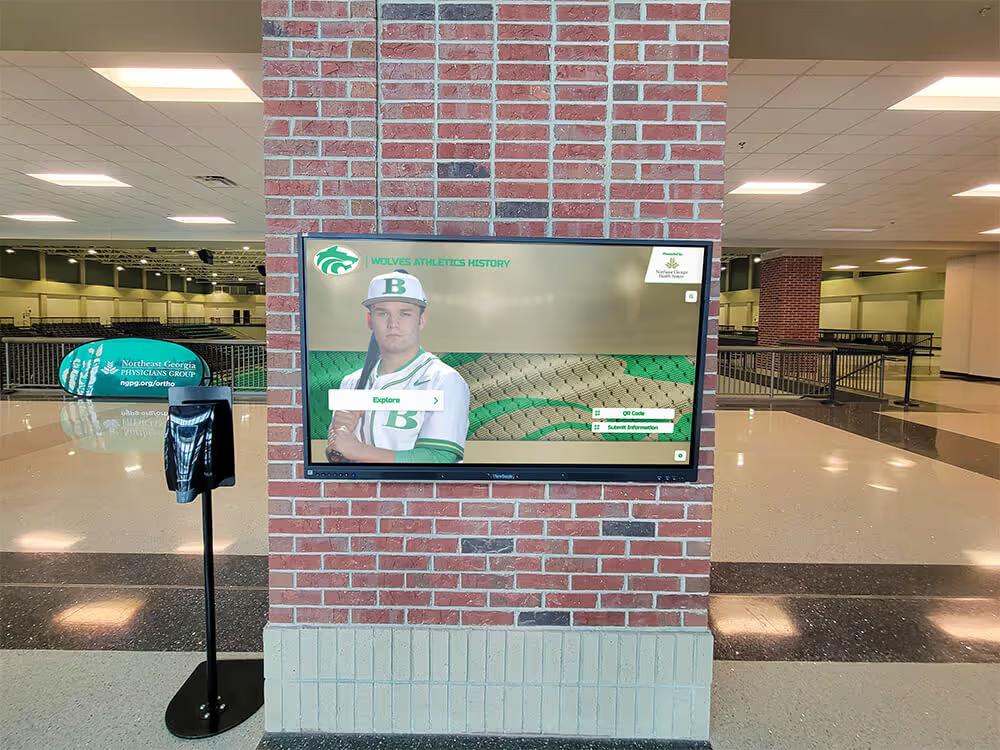
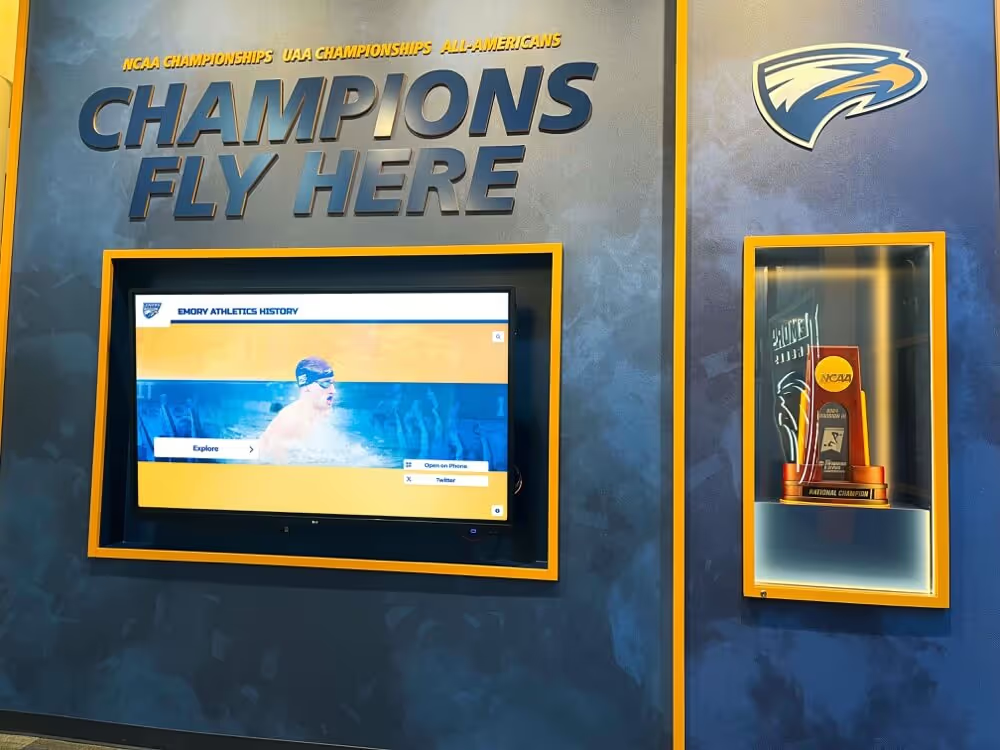
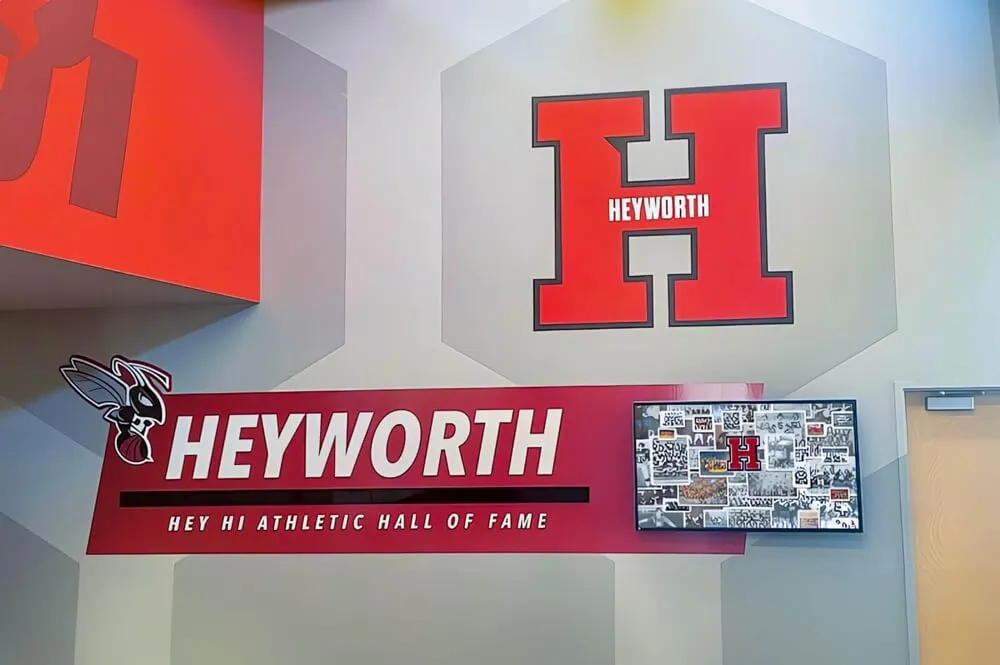
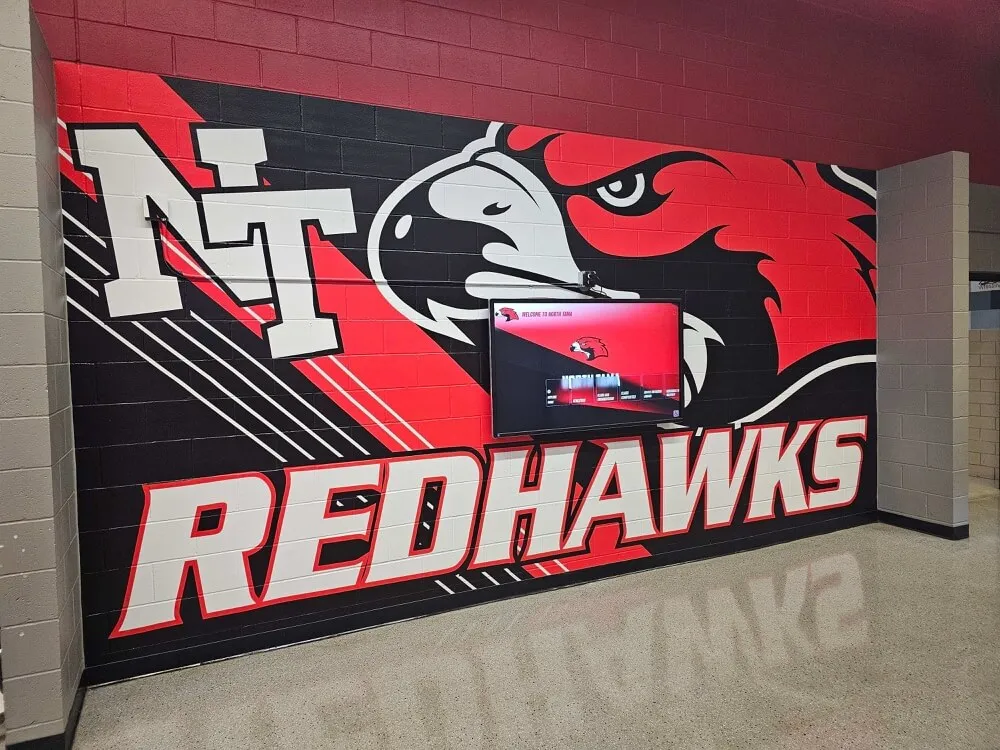
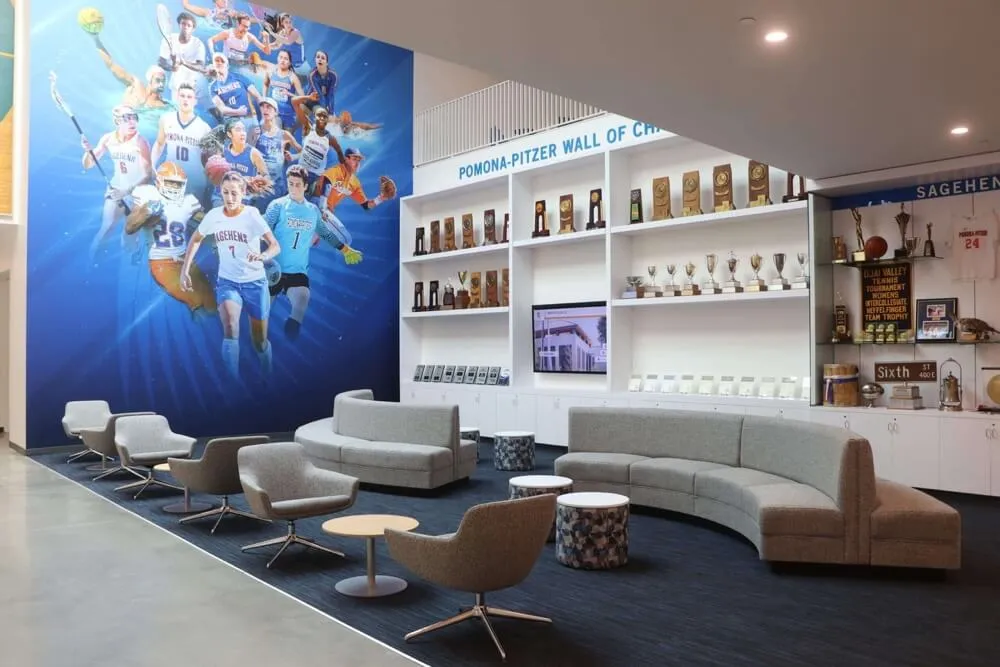
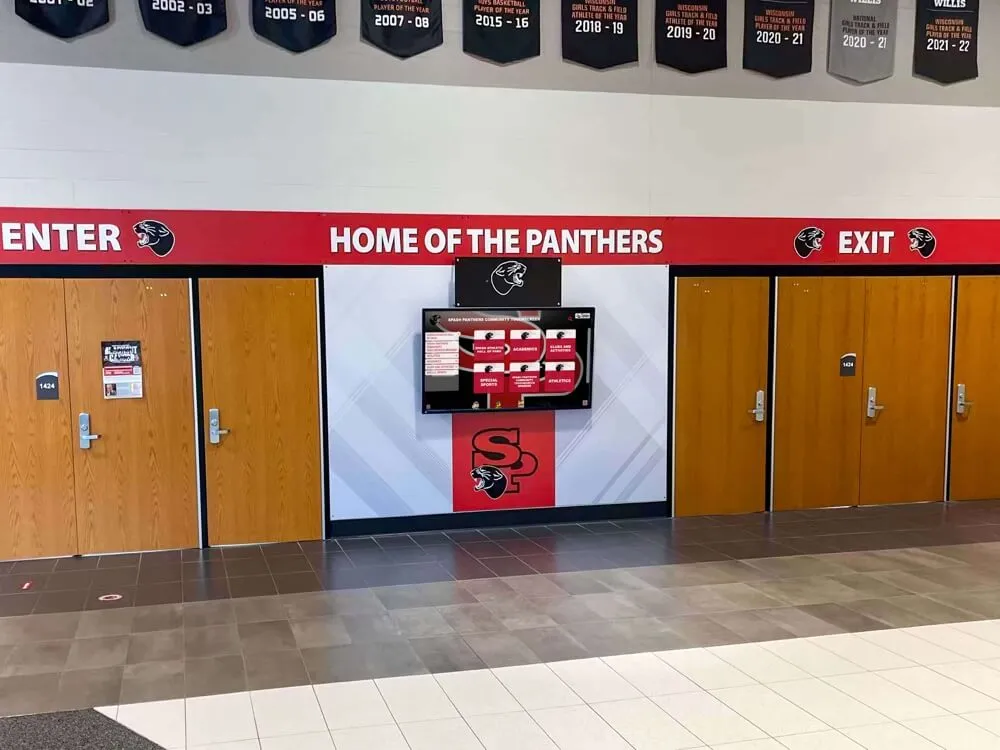
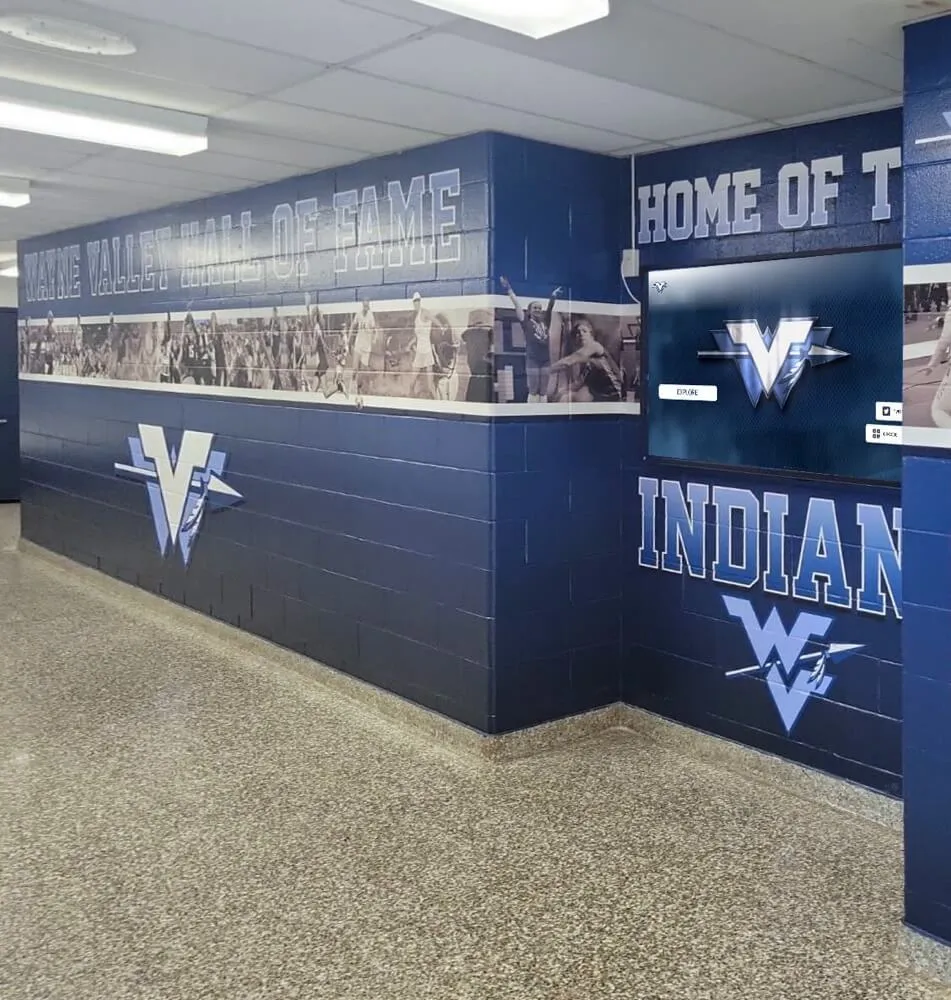
Modern donor recognition creates visible, lasting appreciation that celebrates philanthropic support
The Strategic Value of Thank You Donor Cards
Understanding why donor cards matter and how they influence giving behavior enables organizations to design appreciation strategies that maximize engagement and return on investment.
Why Thank You Cards Impact Donor Retention
Educational fundraising research and nonprofit studies demonstrate the measurable power of meaningful acknowledgment:
Donor Retention and Lifetime Value
- Promptly thanked donors show 40-60% higher retention rates than those receiving delayed or generic acknowledgment
- Personalized appreciation increases average subsequent gift sizes by 25-35%
- Donors who receive meaningful recognition are 3-4 times more likely to include organizations in estate planning
- Every 10% improvement in donor retention increases lifetime donor value by 200% or more
Organizational Impact
- Thank you cards create positive emotional associations with giving experiences
- Visible appreciation inspires prospective donors by demonstrating philanthropic culture
- Consistent recognition builds trust and confidence in organizational stewardship
- Systematic acknowledgment improves overall donor satisfaction and referral likelihood
According to the Association of Fundraising Professionals, organizations that send personalized thank you communications within 48 hours of gift receipt see retention rates averaging 68%, compared to just 41% for those that delay acknowledgment or use impersonal templates.
The Thank You Gap: Common Challenges
Despite proven impact, many organizations struggle with effective donor card programs:
Resource Constraints
- Limited staff time for personalized communications
- Budget restrictions affecting card quality and customization
- Competing priorities delaying timely acknowledgment
- Lack of systems for consistent, scalable appreciation
Execution Challenges
- Generic templates that feel impersonal and transactional
- Delayed sending that misses the emotional giving moment
- Inconsistent messaging across donor segments
- Recognition that focuses on organization needs rather than donor impact
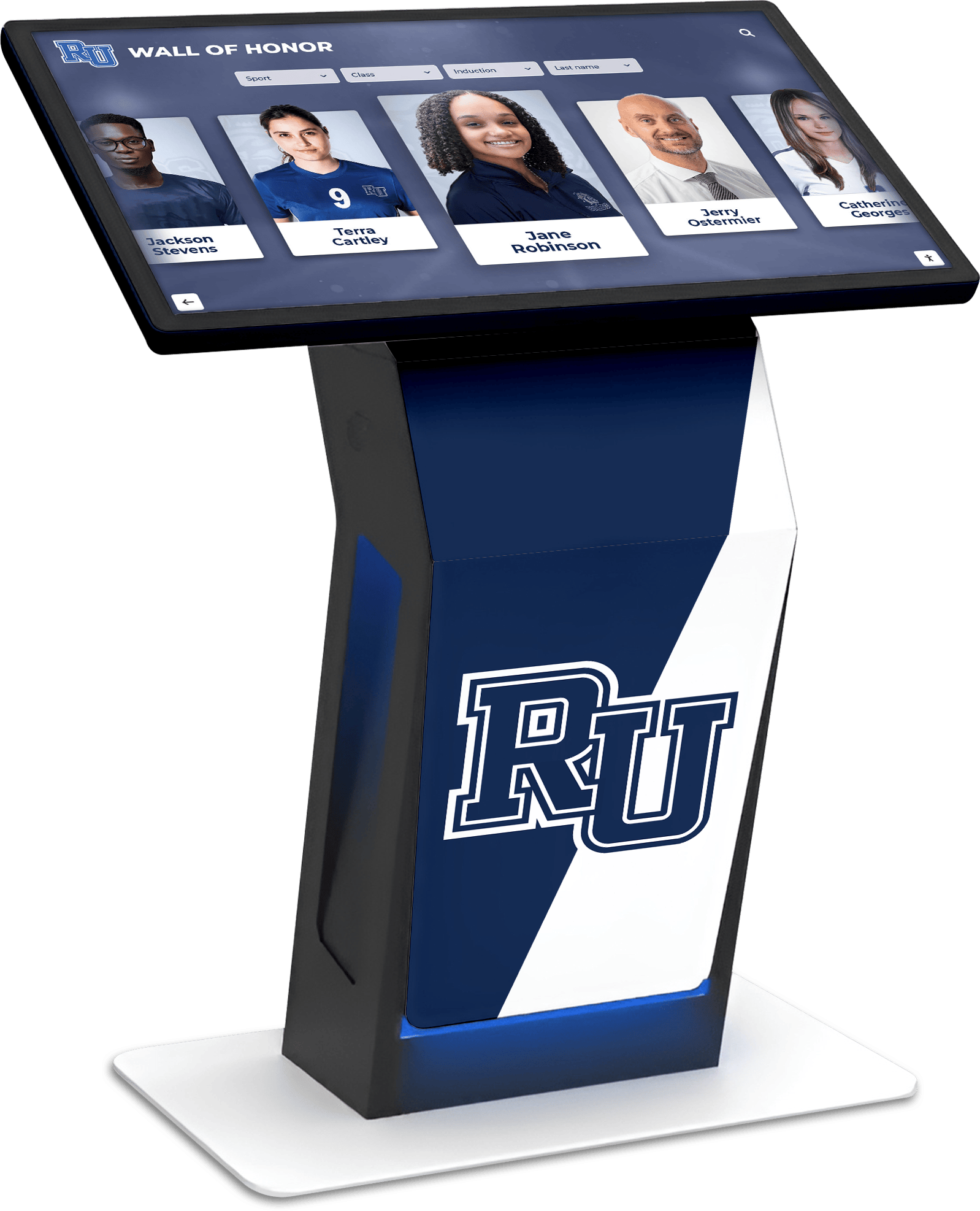
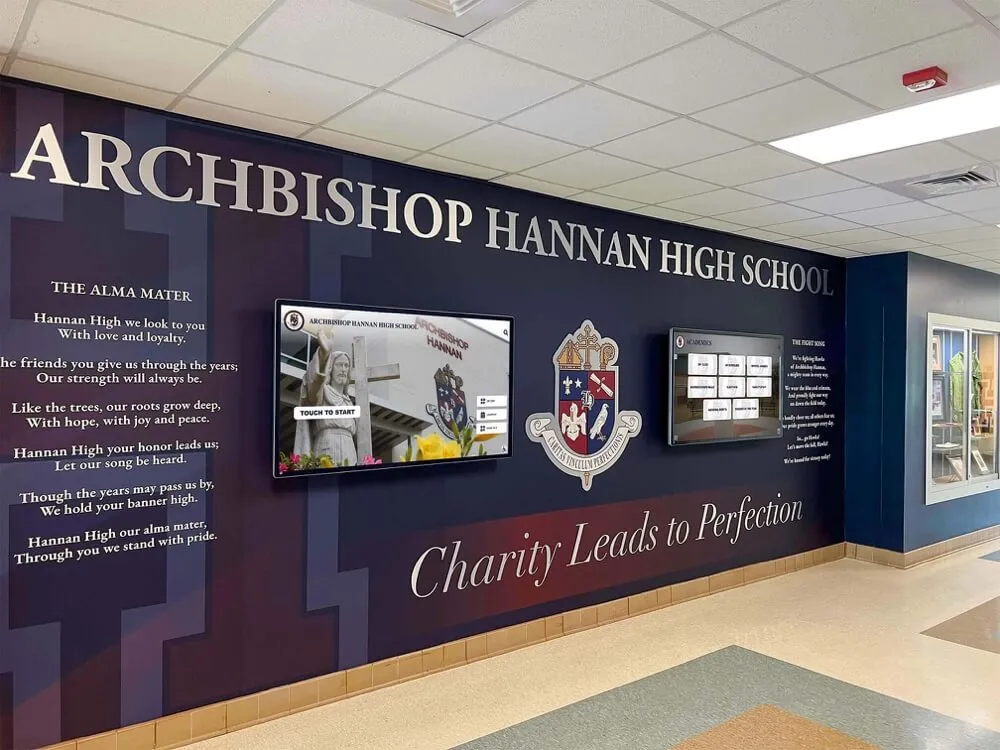
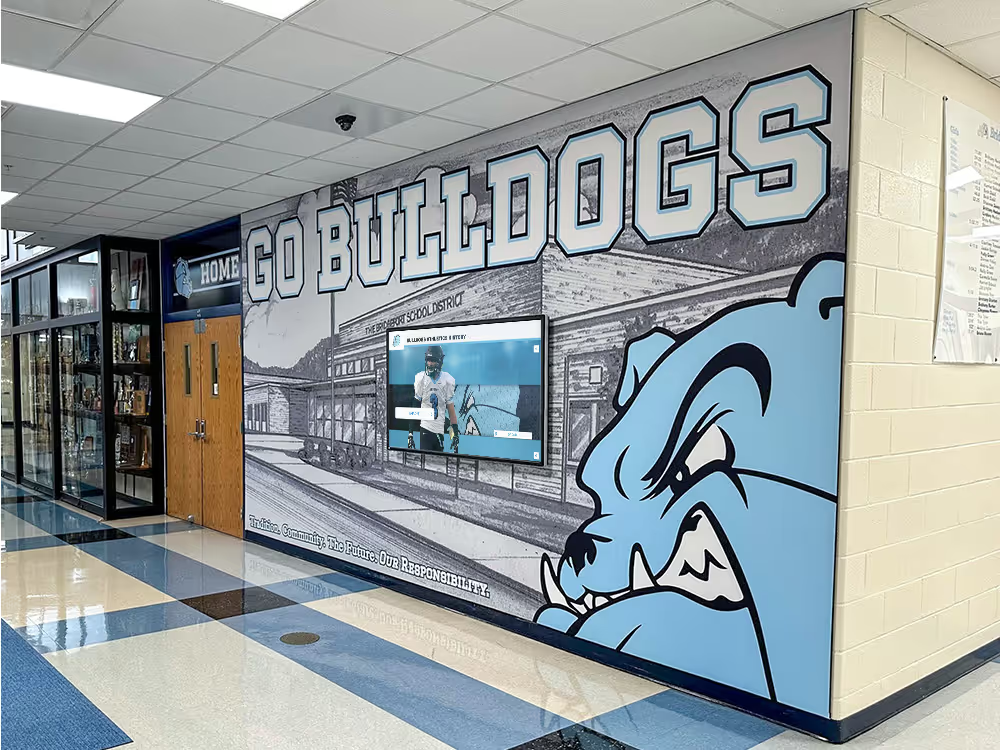
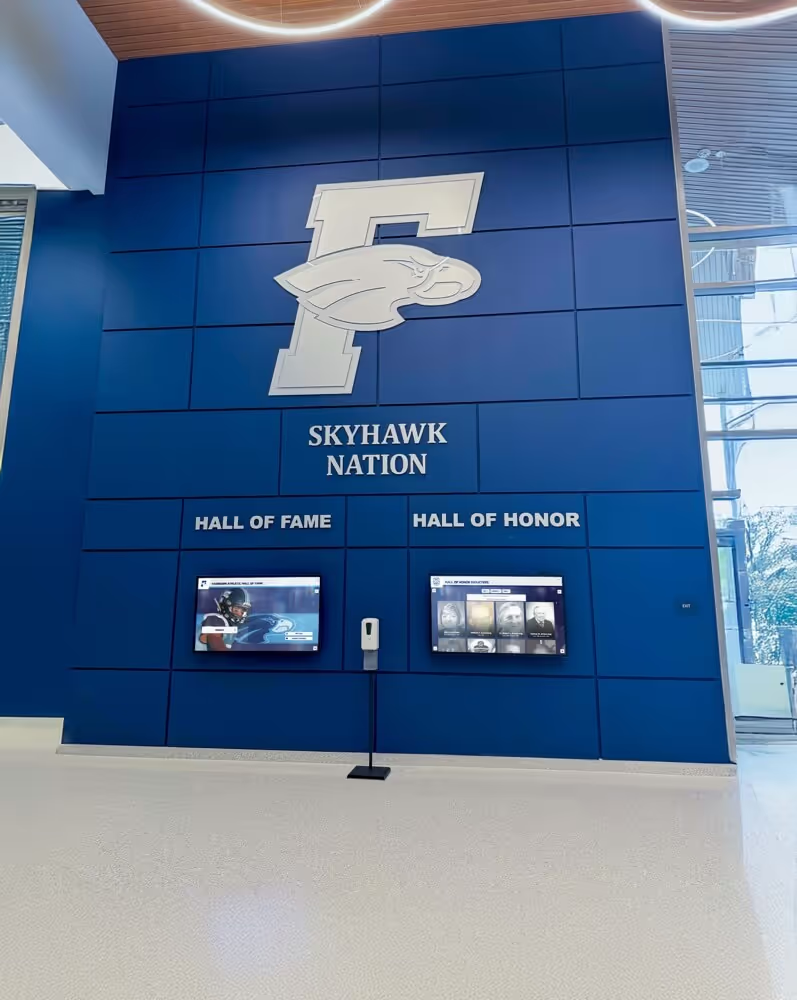
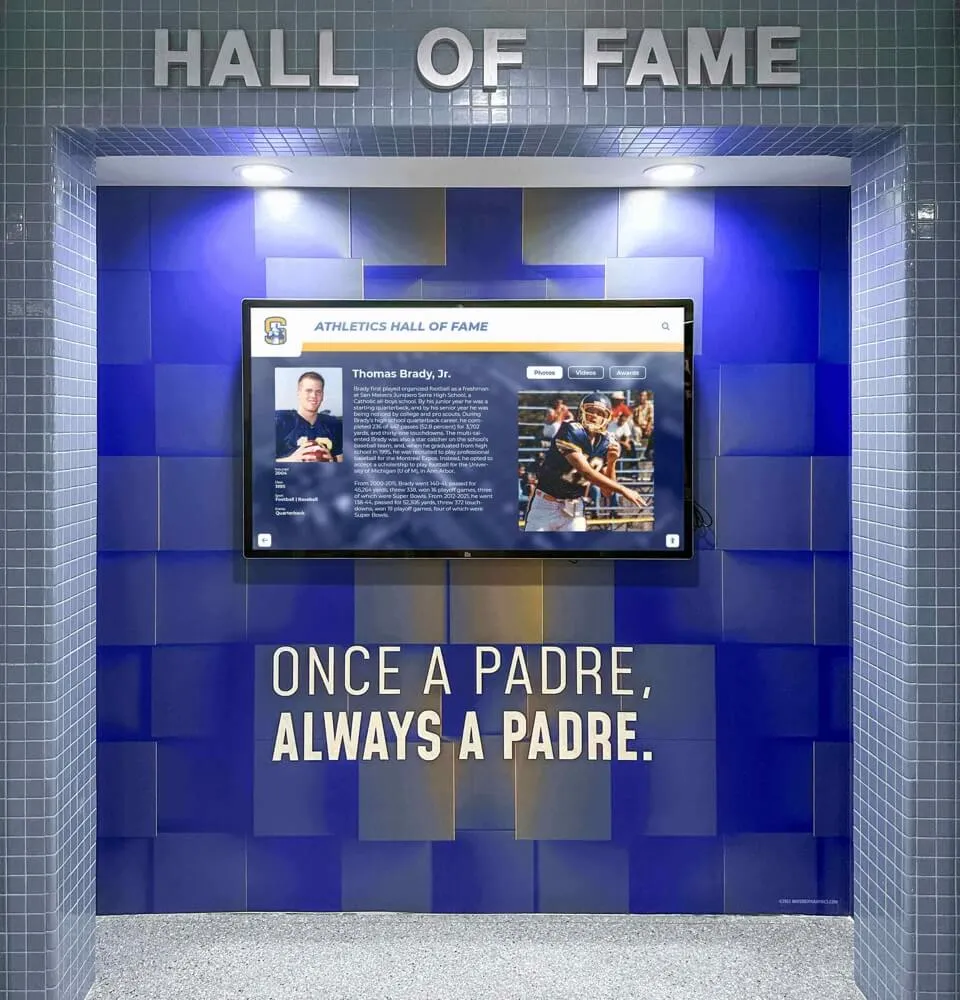
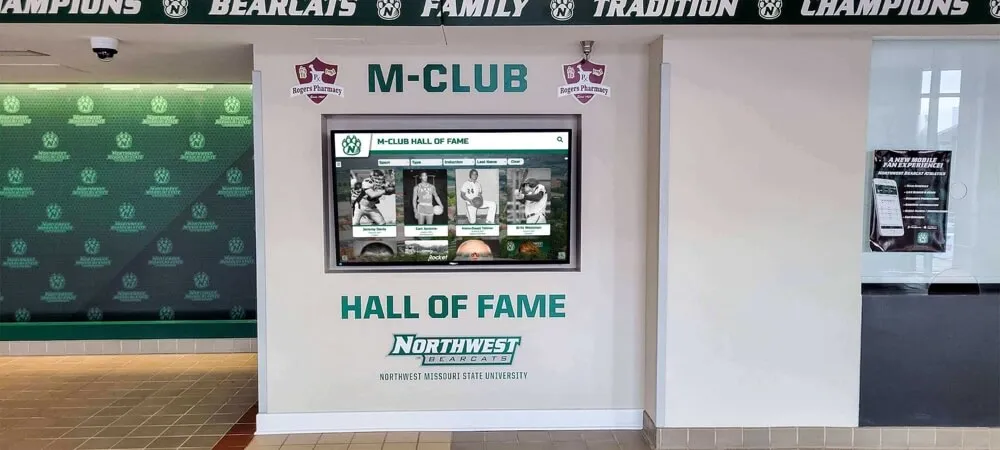
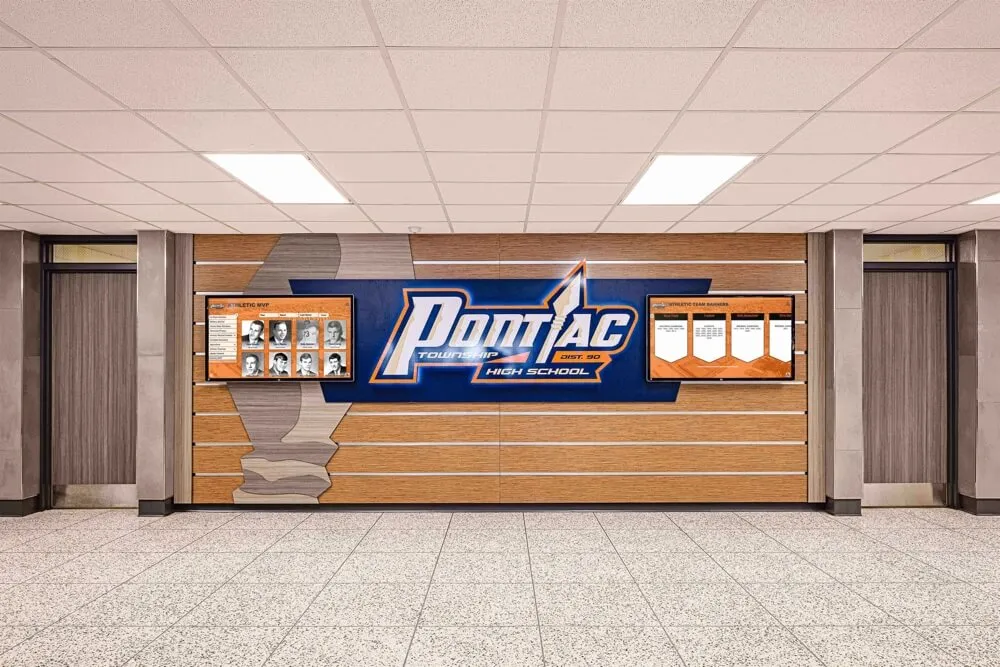
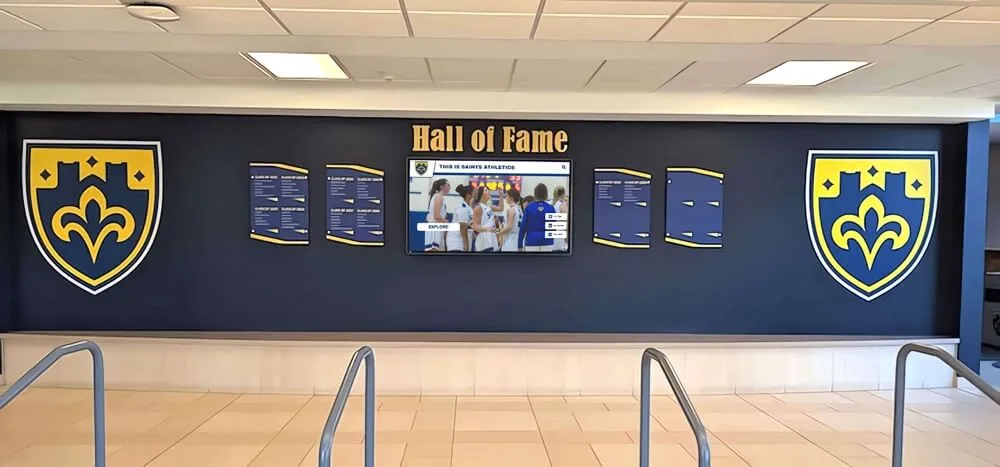
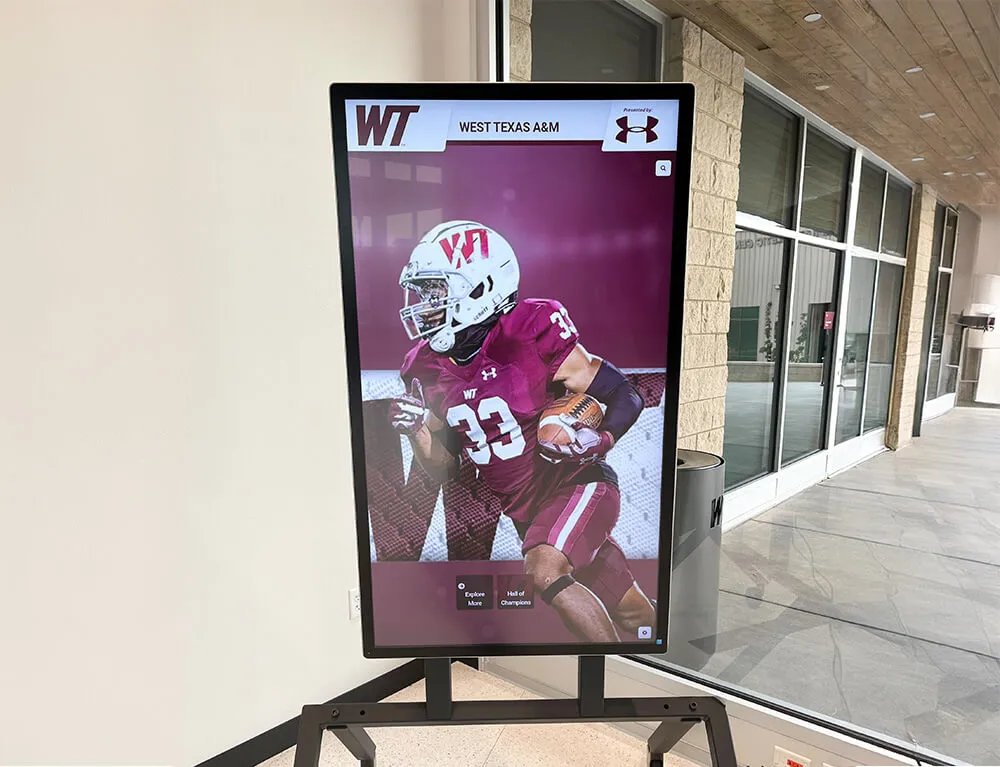
Digital recognition displays complement personal thank you cards by creating public, lasting appreciation
The strategies in this guide address these challenges with scalable, cost-effective approaches that maximize impact while respecting organizational capacity.
Handwritten Thank You Donor Cards: The Gold Standard
Despite digital innovations, handwritten cards remain the most powerful form of donor acknowledgment, creating personal connections that electronic communications rarely achieve.
Why Handwritten Cards Matter
Perceived Value and Effort
Handwritten notes signal genuine appreciation by demonstrating that someone took personal time to acknowledge the gift. In an era of automated communications, the physical act of writing conveys sincerity and respect that donors immediately recognize and value.
Emotional Impact
Research in donor psychology shows that handwritten acknowledgments create stronger emotional responses than typed letters or emails. The personal nature triggers reciprocity instincts and positive associations with the giving experience.
Memorability and Retention
Donors are significantly more likely to remember and retain handwritten notes, often displaying them in homes or offices. This extended visibility reinforces positive feelings and keeps the organization top-of-mind.
Effective Handwritten Card Strategies
Board Member and Leadership Notes
Have board members, program beneficiaries, or organizational leaders write personal notes to major donors and first-time supporters:
- Board chair handwritten note to all gifts above $1,000
- Executive director personal card to new donors within their first week
- Program staff cards to donors supporting specific initiatives
- Student or beneficiary thank yous showing direct impact
This approach distributes workload while creating authentic connections between donors and organizational leadership.
Template Framework for Consistency
While cards should be personal, a framework ensures complete, effective messaging:
- Personal greeting using donor’s preferred name
- Specific gift acknowledgment mentioning amount and designation
- Impact statement connecting gift to concrete outcomes
- Personal observation about donor’s relationship or motivations
- Forward-looking statement about continued partnership
- Warm closing with signature
Example framework: “Dear Margaret, Thank you for your generous $500 gift to our scholarship fund. Your support will directly help three students access summer enrichment programs they couldn’t otherwise afford. I know education equity has been important to you since your mother’s teaching career, and this gift honors that legacy beautifully. We’re grateful for partners like you who make our mission possible. With appreciation, [Name]”
Quality Materials Make a Difference
Invest in quality stationery that reflects organizational professionalism:
- Heavy cardstock or premium paper (at least 80lb weight)
- Organizational logo or tasteful branding
- Matching envelopes with quality seals
- Actual postage stamps rather than metered mail
- Neutral, professional colors that photograph well
Organizations implementing comprehensive volunteer appreciation strategies understand that handwritten recognition creates meaningful connections across all supporter segments.
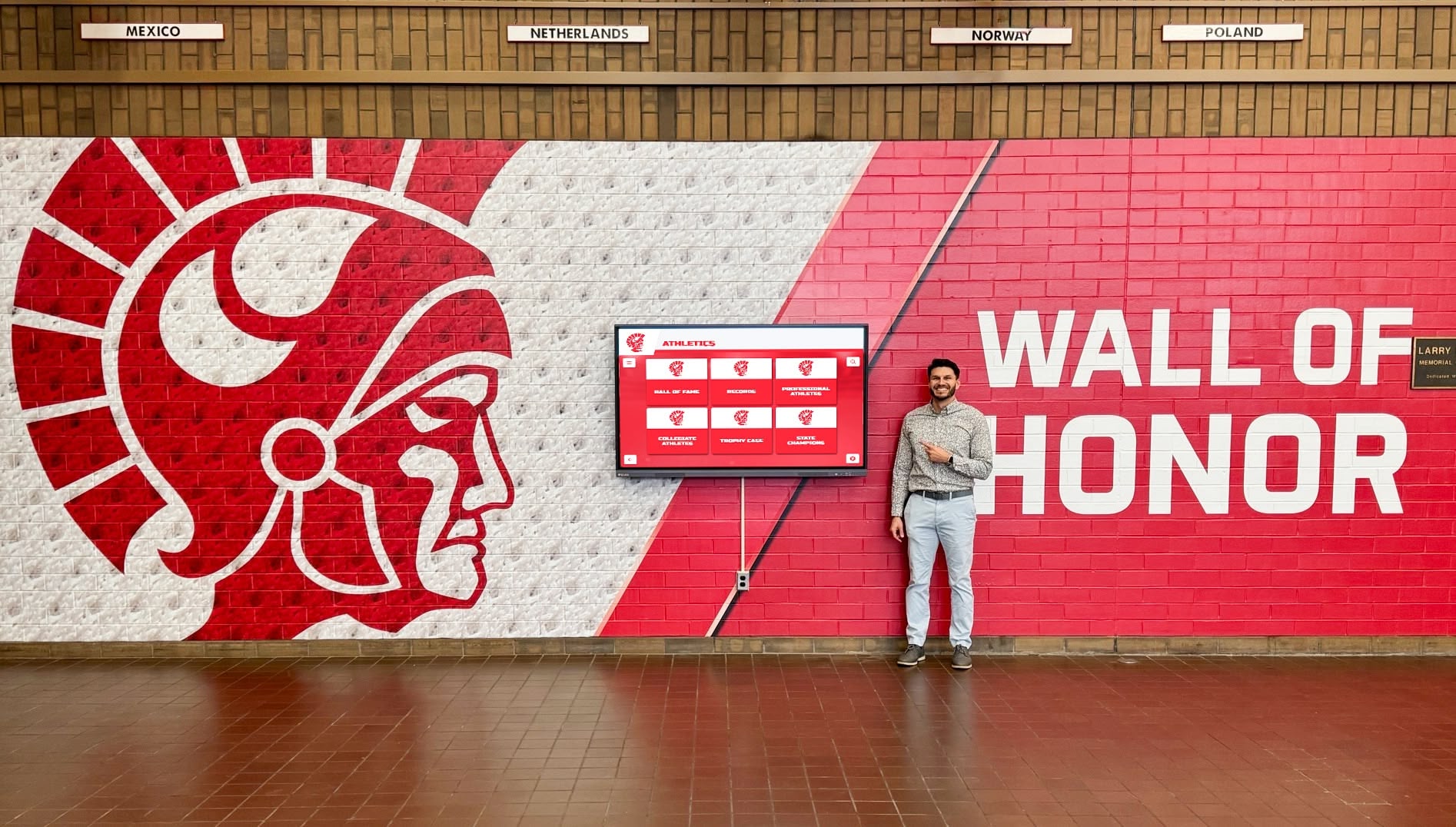
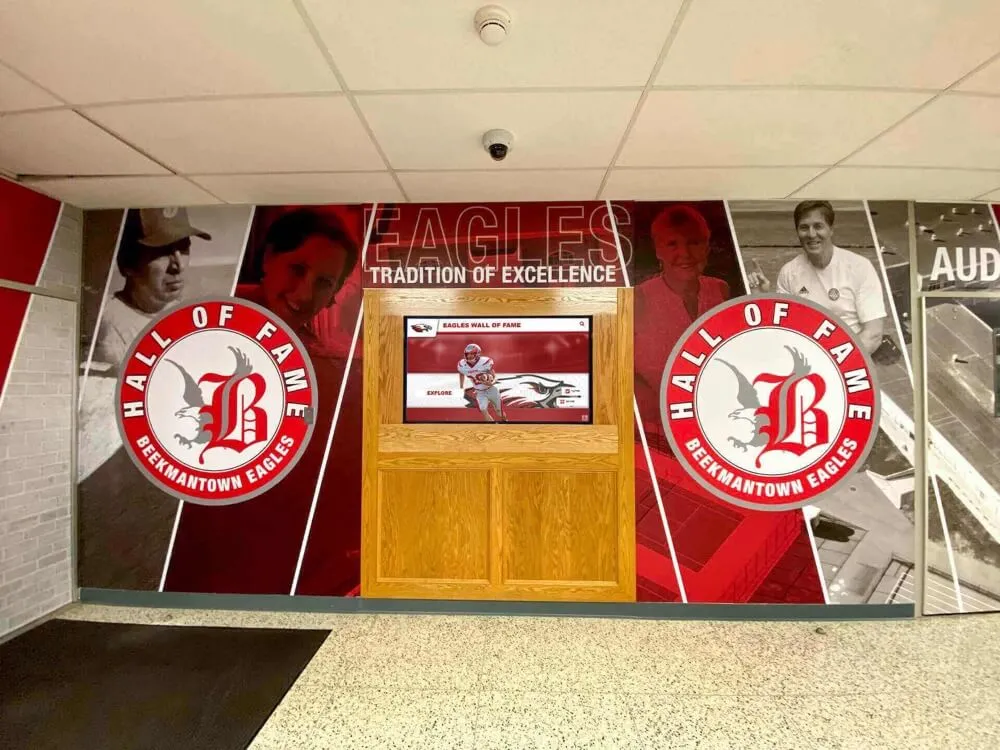
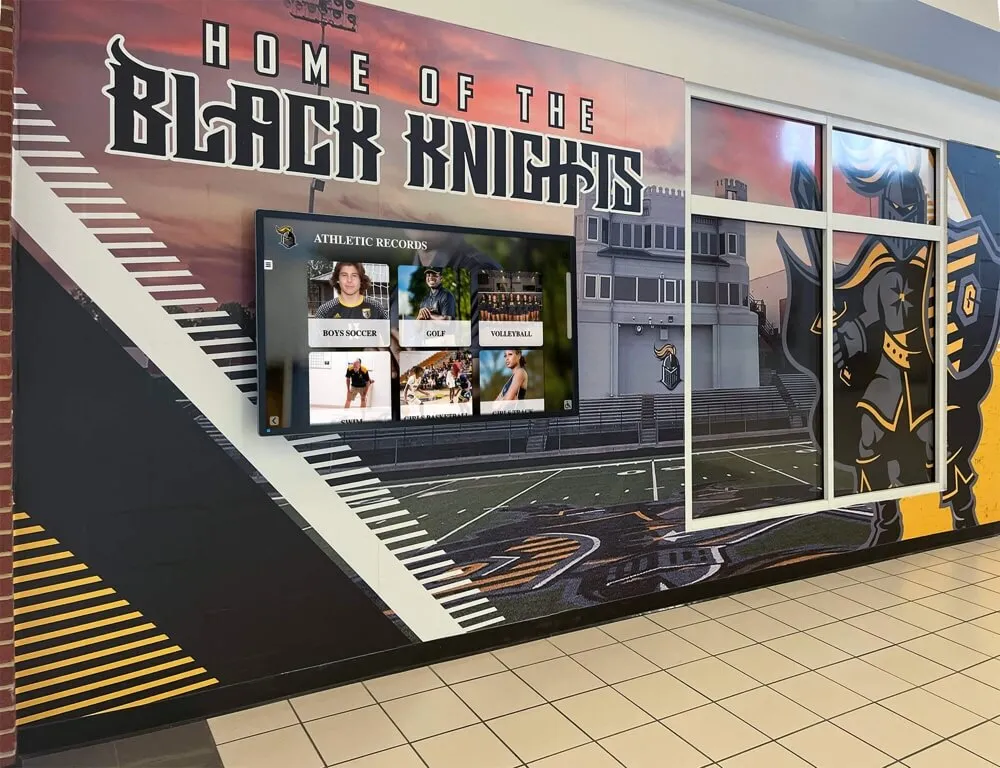
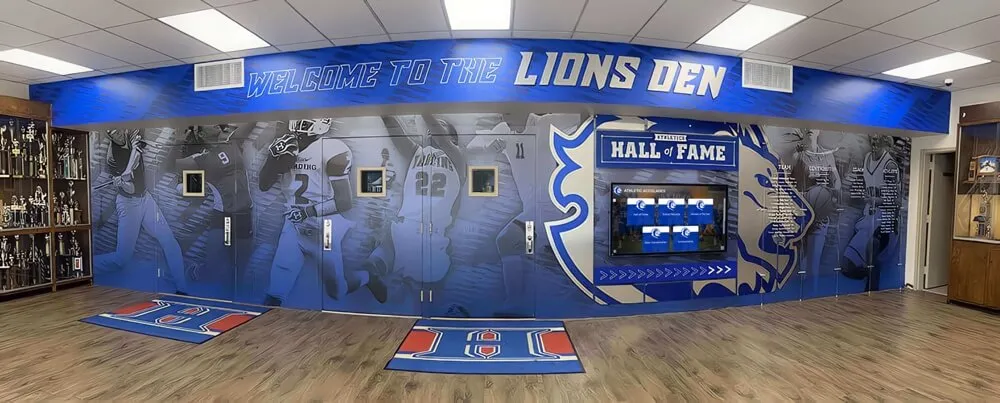
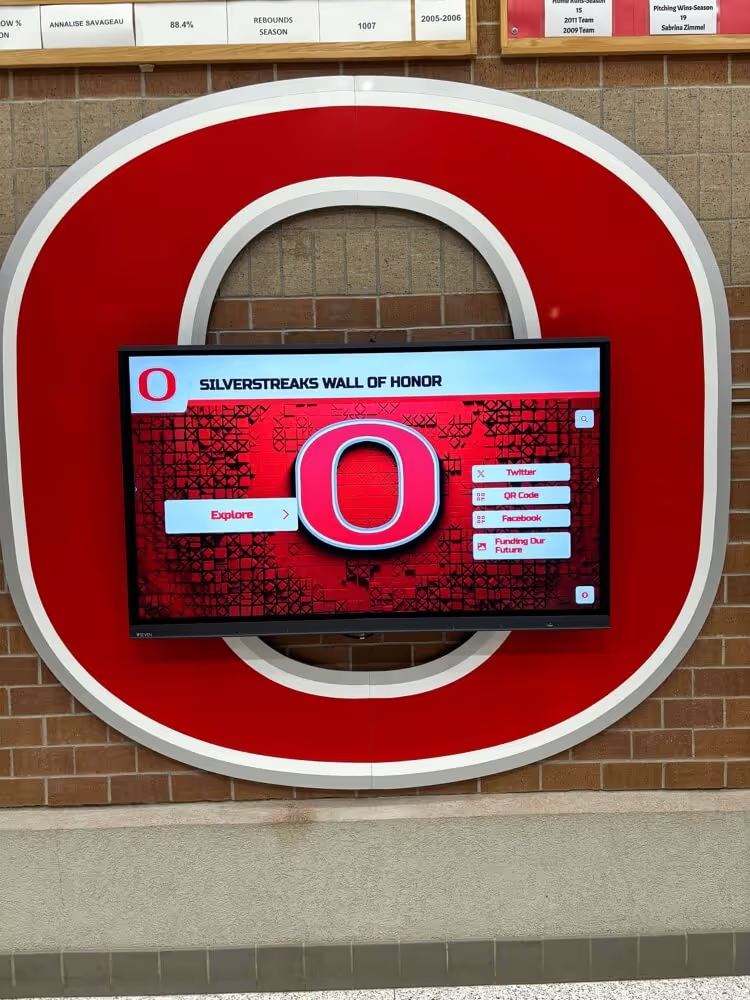
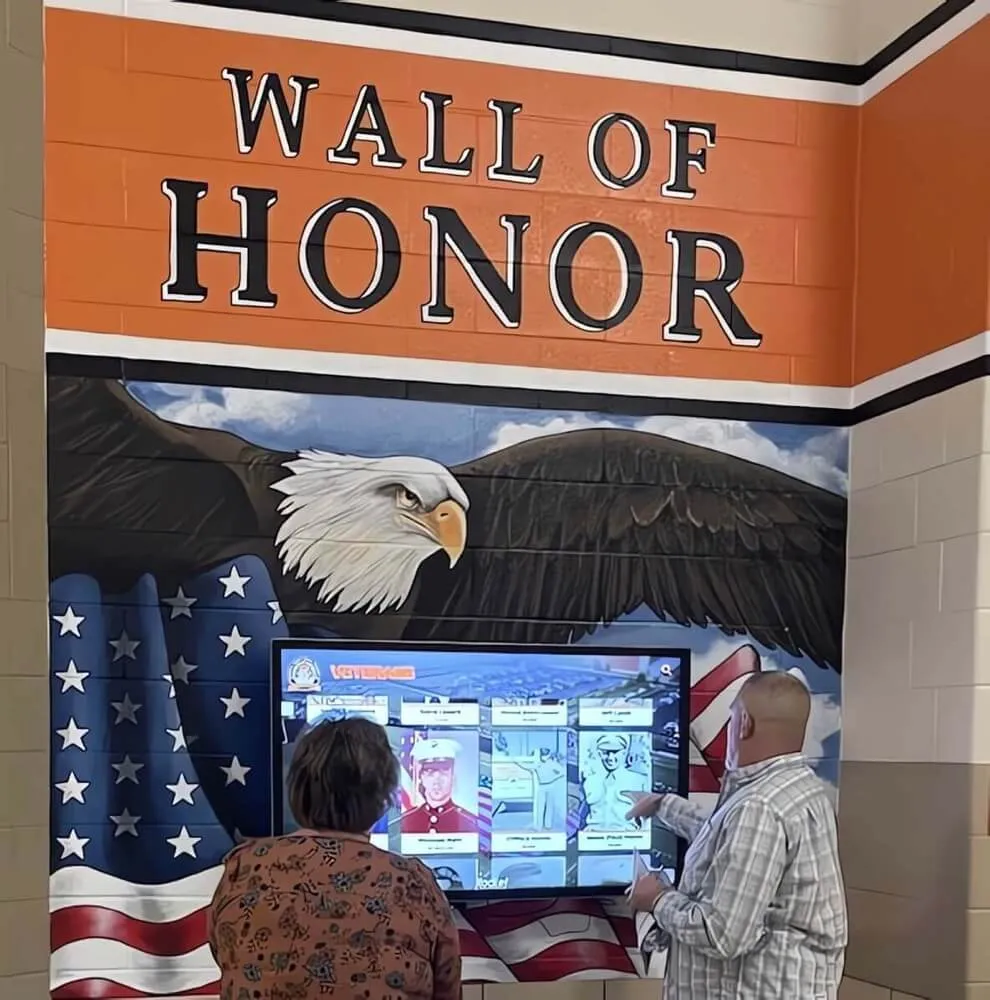
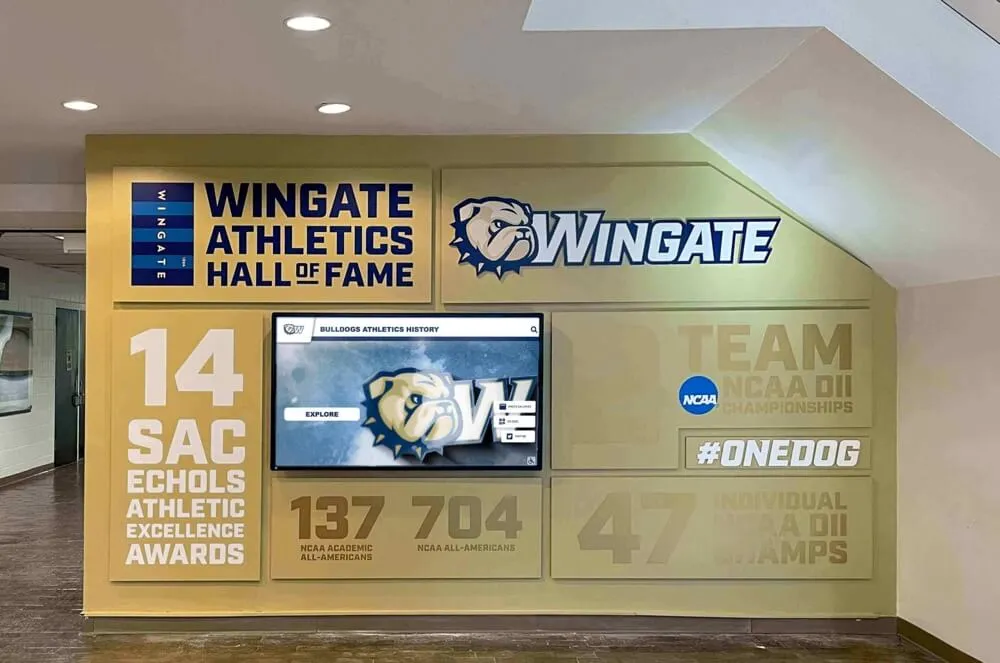
Physical recognition walls complement personal thank you cards by creating permanent, public donor appreciation
Tiered Thank You Card Approaches by Giving Level
Strategic donor recognition requires differentiated approaches that provide appropriate acknowledgment based on gift size while ensuring every supporter receives genuine appreciation.
Universal Donor Cards (All Gift Levels)
Every donor deserves timely, sincere acknowledgment regardless of gift amount. Universal elements should include:
Immediate Acknowledgment
- Automated email receipt sent within 1 hour of gift processing
- Official tax receipt with warm language beyond legal requirements
- Personalized thank you card sent within 48-72 hours
- Welcome communication for first-time donors
Essential Card Elements
- Donor’s name spelled correctly with preferred title
- Specific gift amount and designation
- Date of gift receipt
- Impact statement connecting gift to mission outcomes
- Personal signature (not stamped or printed)
- Contact information for questions
This foundational recognition ensures no supporter feels taken for granted while creating positive experiences that encourage continued engagement.
Mid-Level Donor Cards ($500-$4,999)
Mid-level donors represent growth opportunities requiring enhanced recognition:
Personalized Communication Elements
- Handwritten note from development officer or program staff
- Specific impact details related to their gift designation
- Photo or visual showing programs their support enables
- Recognition of giving history or special milestones
- Invitation to behind-the-scenes updates or donor briefings
Sample Mid-Level Card Language
“Dear James and Lisa, Your $2,500 gift to our athletic scholarship fund arrived at exactly the right moment—we just received applications from five exceptional student-athletes who need financial support to participate. Your generosity means these students won’t have to choose between academics and athletics. As former student-athletes yourselves, you understand how sports build character, discipline, and community. Thank you for giving others that same opportunity. We’ll share updates on this year’s scholarship recipients in the coming months. With gratitude, [Development Director]”
Major Donor Cards ($5,000+)
Major donors require the highest level of personalization and strategic communication:
Enhanced Recognition Approaches
- Handwritten card from executive director, board chair, or president
- Phone call within 24 hours before card arrives
- Separate handwritten note from program beneficiary or staff member
- Customized impact report showing specific outcomes
- High-quality printed photo or small memento
- Invitation to exclusive event or personalized campus/facility visit
Personal Touch Elements
- Reference to previous conversations or shared interests
- Connection to donor’s stated philanthropic values
- Specific details about how their gift creates change
- Forward-looking vision for continued partnership
- Personal mobile number or direct email for follow-up
The goal is to create a recognition experience that feels completely individualized, demonstrating that the organization knows the donor, values their specific motivations, and views them as a true partner rather than a transaction.
Organizations developing comprehensive donor stewardship programs understand that tiered recognition maximizes impact while remaining sustainable and scalable.
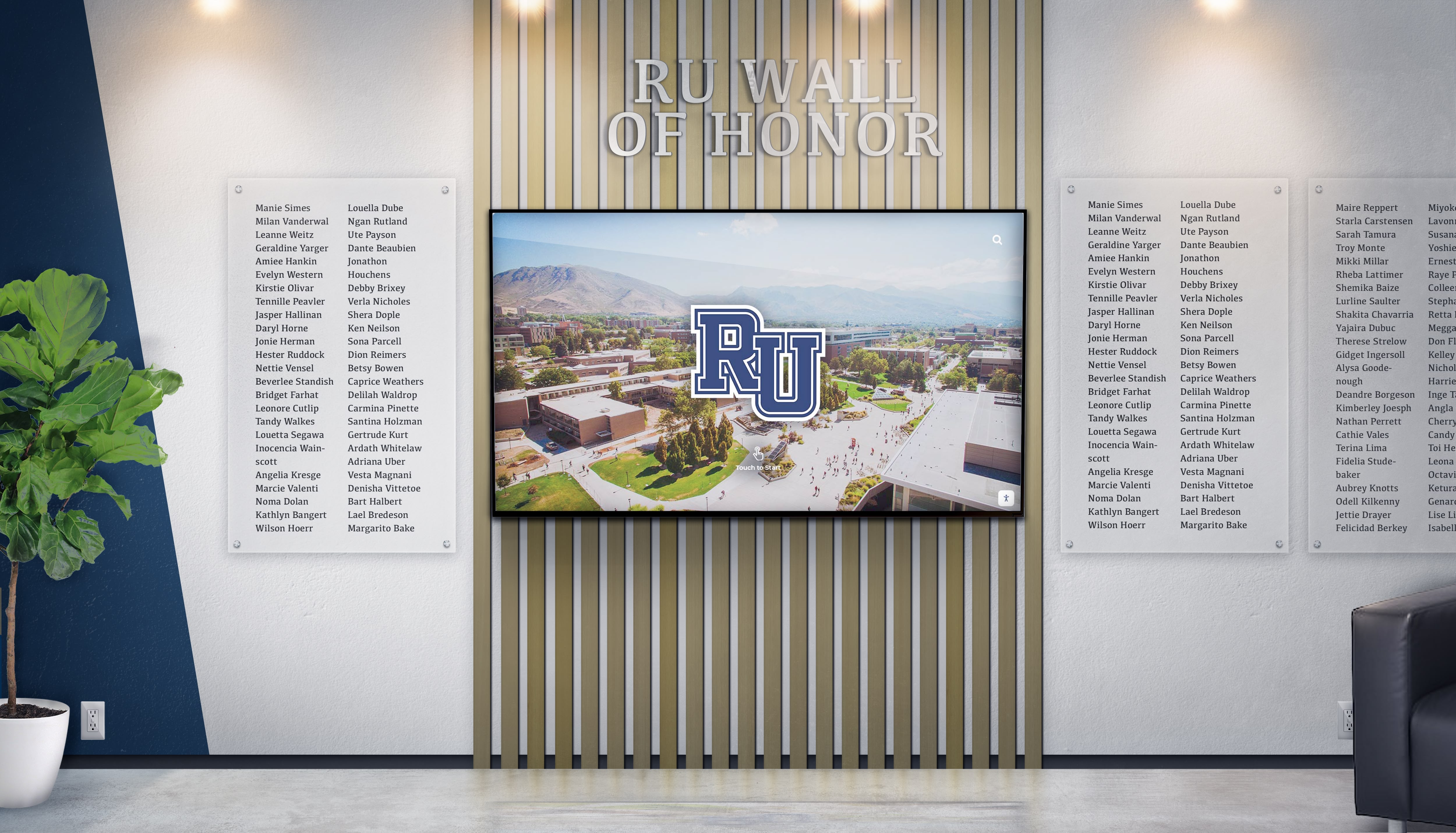
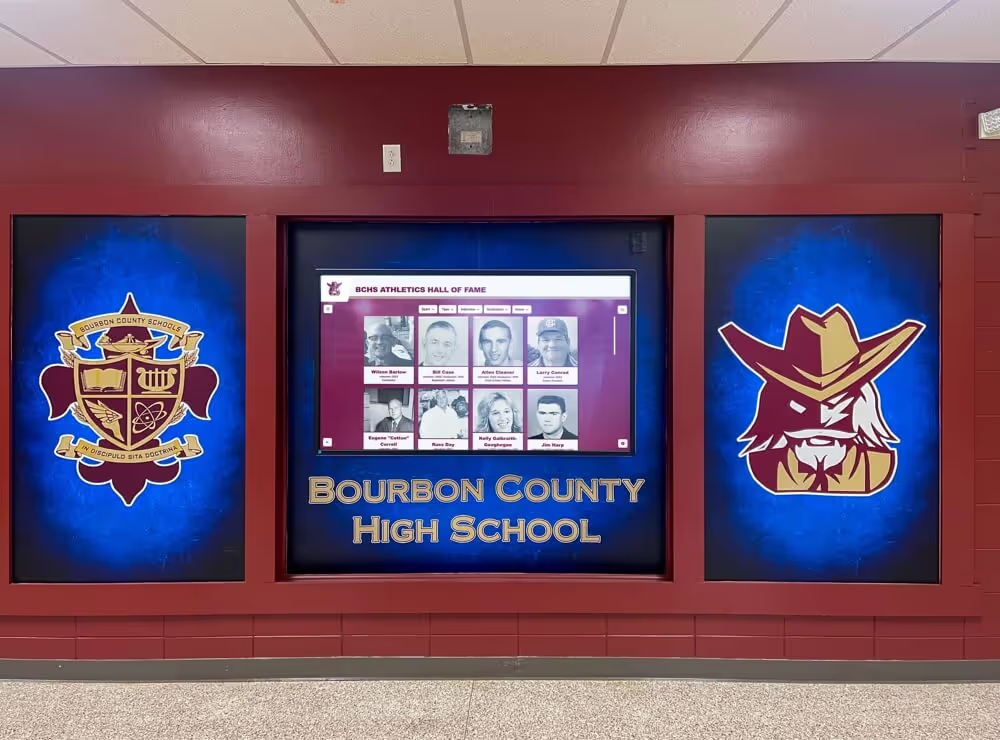
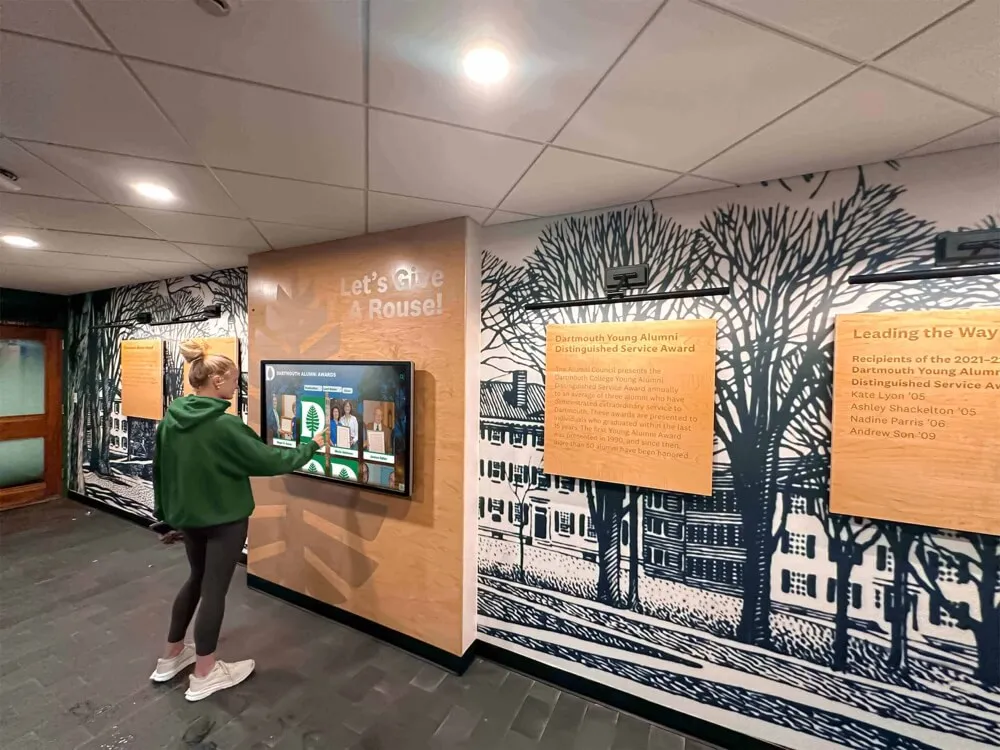
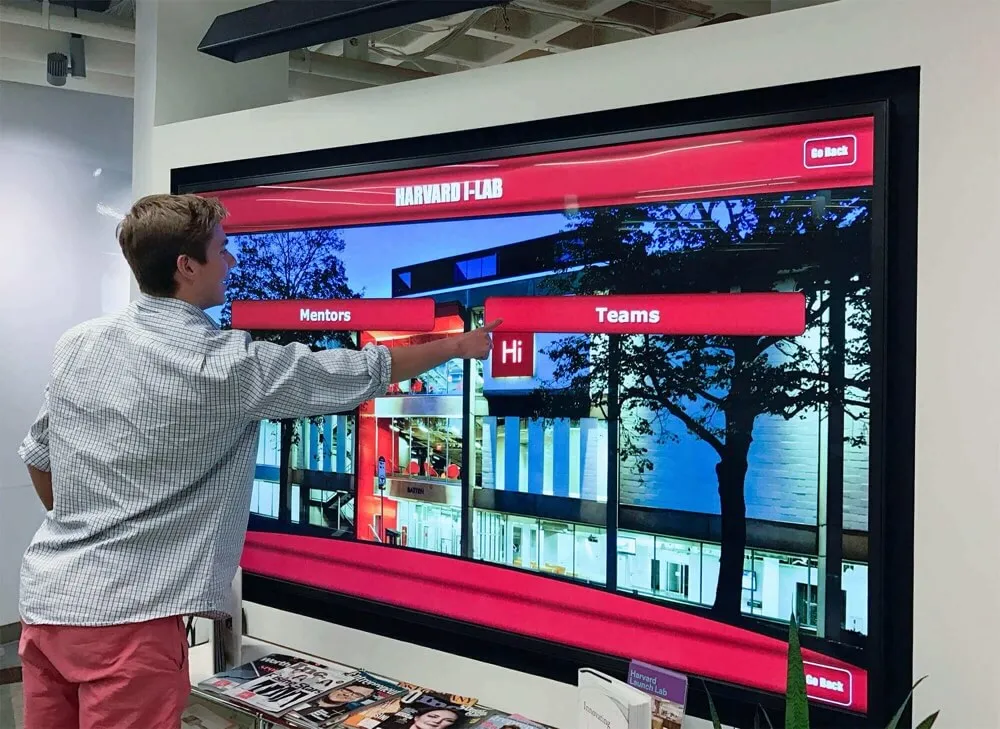
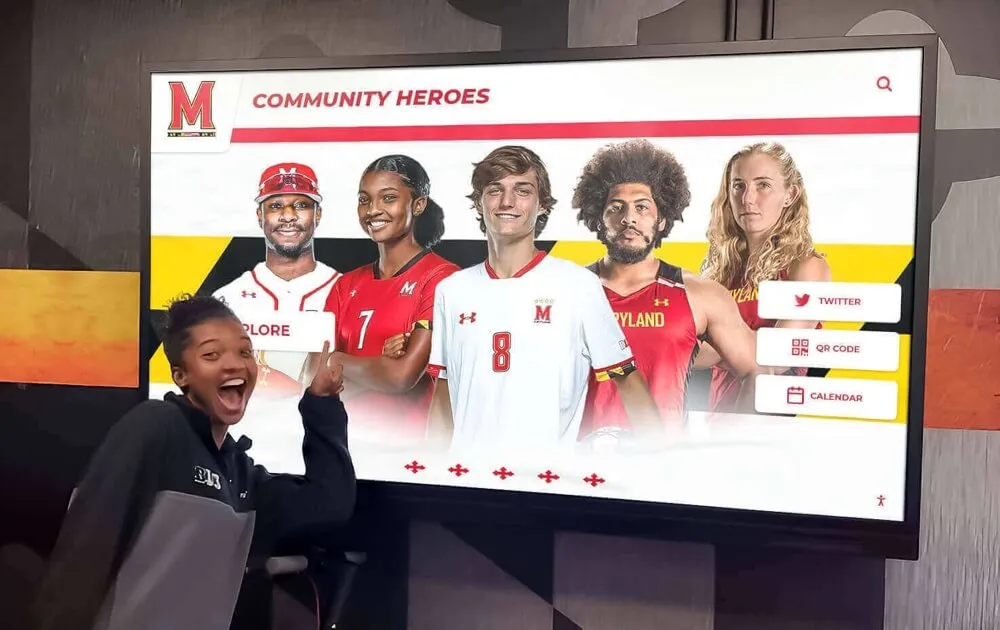
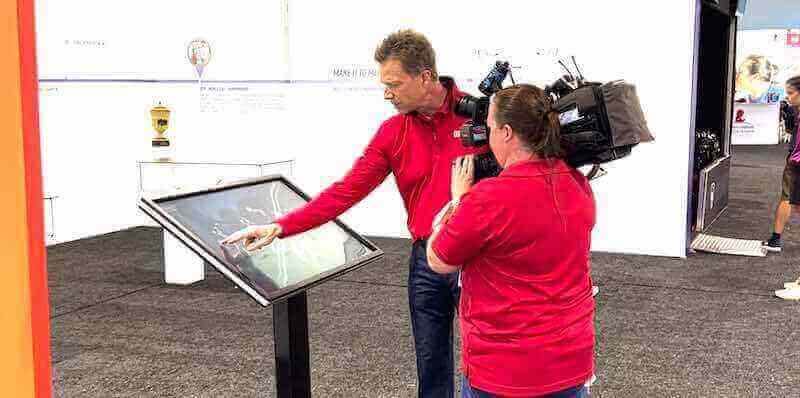
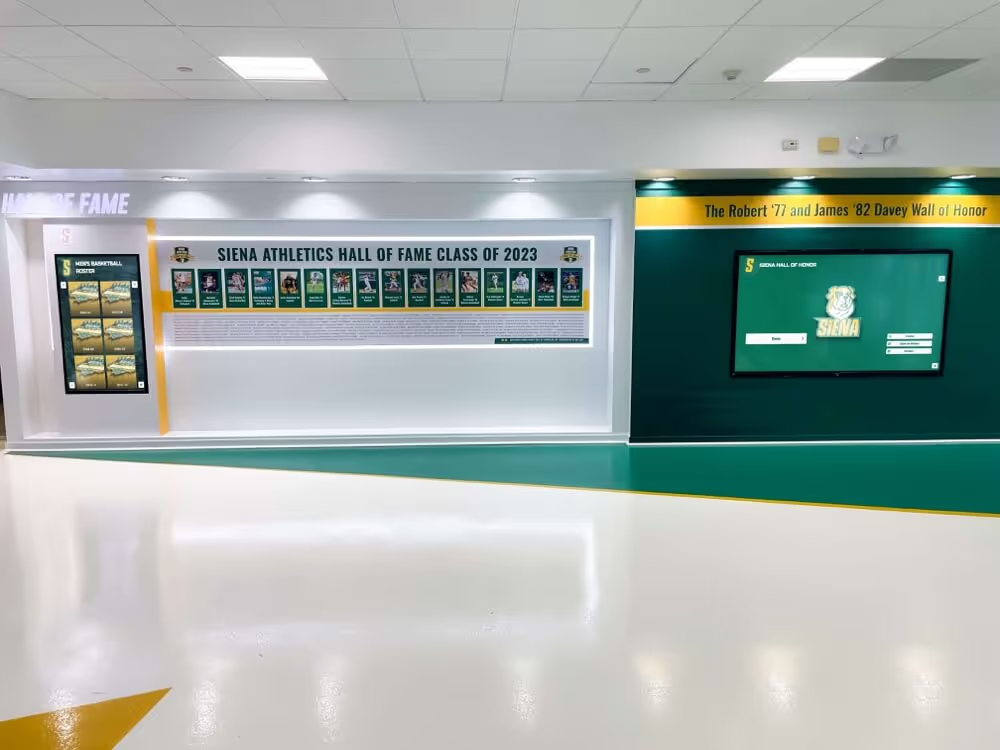
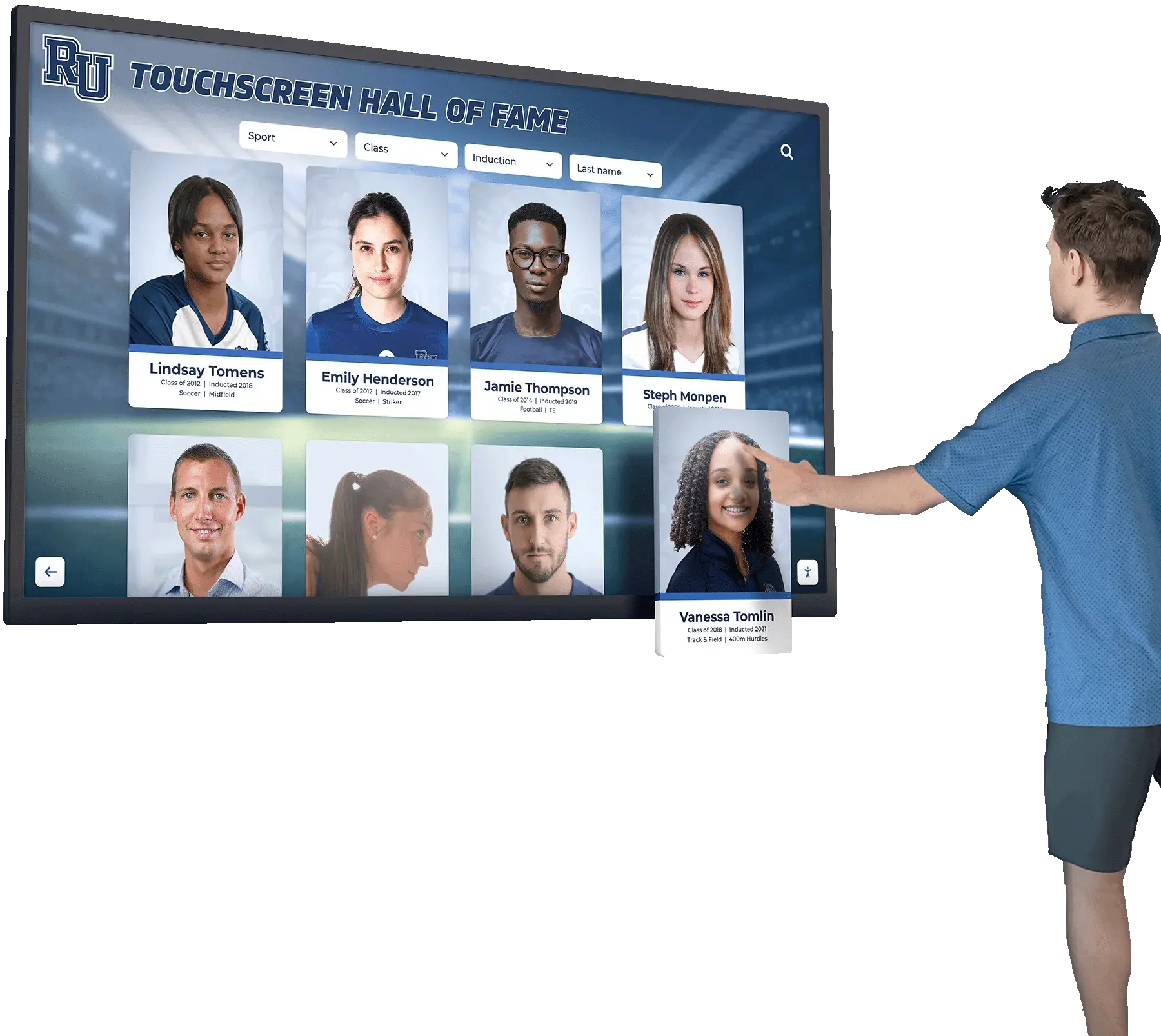
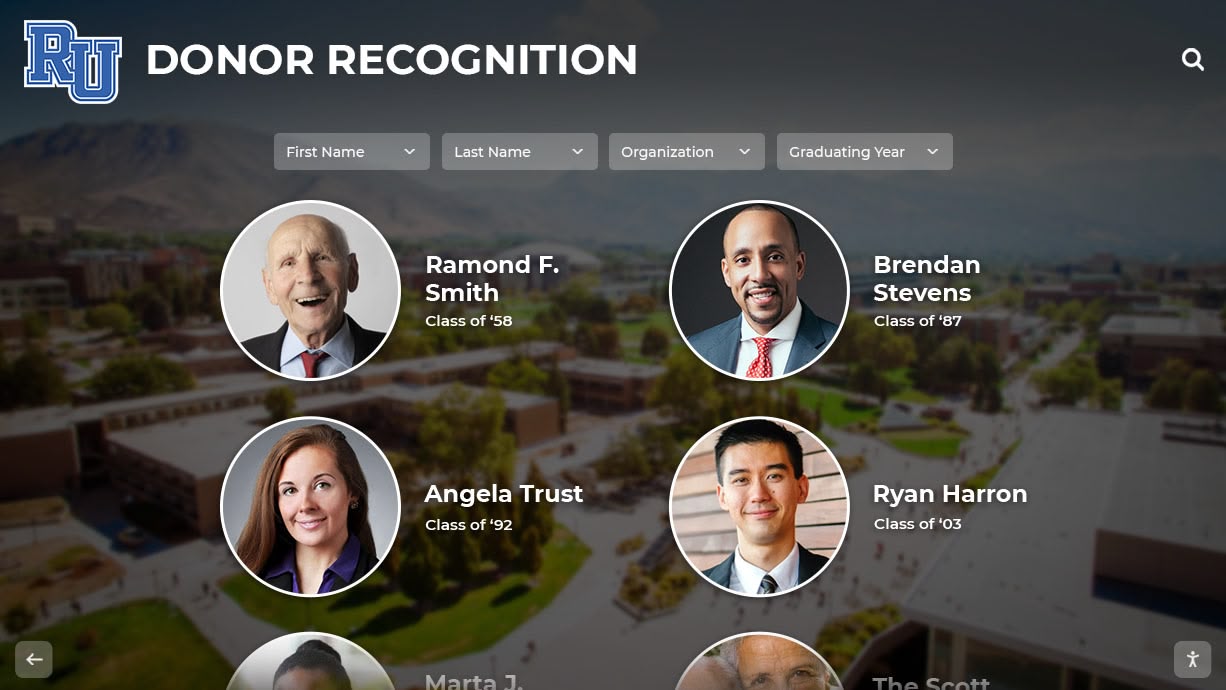
Interactive donor displays provide year-round recognition that complements personalized thank you cards
Creative Thank You Donor Card Ideas Beyond Traditional Notes
Innovation in donor appreciation creates memorable experiences that strengthen relationships and differentiate your organization.
Photo Cards Showing Impact
Visual thank you cards create powerful emotional connections by showing tangible results:
Program Photos
- Students participating in programs the gift supports
- Facilities or equipment purchased with donor funds
- Before/after images showing transformation
- Candid moments capturing mission in action
Implementation Approach
- Take high-quality photos during programs and events
- Create templates with space for photos and personalized messages
- Print professionally or use high-quality photo card services
- Include caption explaining connection to donor’s specific gift
- Add QR code linking to video or additional impact content
Example: “Your scholarship gift in action! Here’s Maria in the engineering lab you made possible. She’s building a water filtration prototype for her senior project.”
Multi-Touch Thank You Campaigns
Coordinate thank you cards with additional recognition touchpoints for enhanced impact:
48-Hour Thank You Sequence
- Immediate email confirmation (1 hour)
- Personal phone call or video message (24 hours)
- Handwritten card mailed (48 hours)
- Social media recognition with donor permission (1 week)
- Impact update or program photo (30 days)
This sequenced approach reinforces appreciation while respecting donor communication preferences and creating multiple positive impressions.
Beneficiary Thank You Cards
Nothing creates more powerful emotional connections than direct appreciation from those who benefit from donor support:
Student/Participant Cards
- Elementary students create artwork thank you cards
- High school scholarship recipients write personal notes
- Program participants share specific stories
- Alumni beneficiaries reflect on long-term impact
Implementation Guidelines
- Provide templates or prompts to guide content
- Review for appropriateness while preserving authentic voice
- Include photos when possible (with proper permissions)
- Coordinate timing so beneficiary cards arrive separately from official acknowledgment
Similar appreciation approaches work across contexts, as seen in principal appreciation messaging and coach recognition strategies.
Video Thank You Messages
For significant gifts, personalized video messages create memorable recognition:
Effective Video Formats
- 30-90 second personal message from leadership
- Montage showing programs donor supports with voiceover thank you
- Student or beneficiary video sharing impact story
- Behind-the-scenes tour of facilities or programs enabled by gift
Production Best Practices
- Keep videos short, genuine, and focused on the donor
- Use quality audio (more important than perfect video)
- Film in relevant locations (lab, classroom, athletic facility)
- Send via email with handwritten card as backup
- Host on private page for easy sharing
Surprise and Delight Recognition
Unexpected appreciation creates memorable experiences and positive word-of-mouth:
Creative Ideas
- Coffee shop gift card with note: “Your gift deserves celebration—coffee’s on us!”
- Bookmark featuring student artwork for donors to library fund
- Seeds or plant starts for donors to campus beautification
- Small school-branded item (not expensive, just thoughtful)
- Personalized playlist or digital content related to donor interests
The goal isn’t expensive gifts but rather thoughtful touches that show genuine appreciation and creativity.
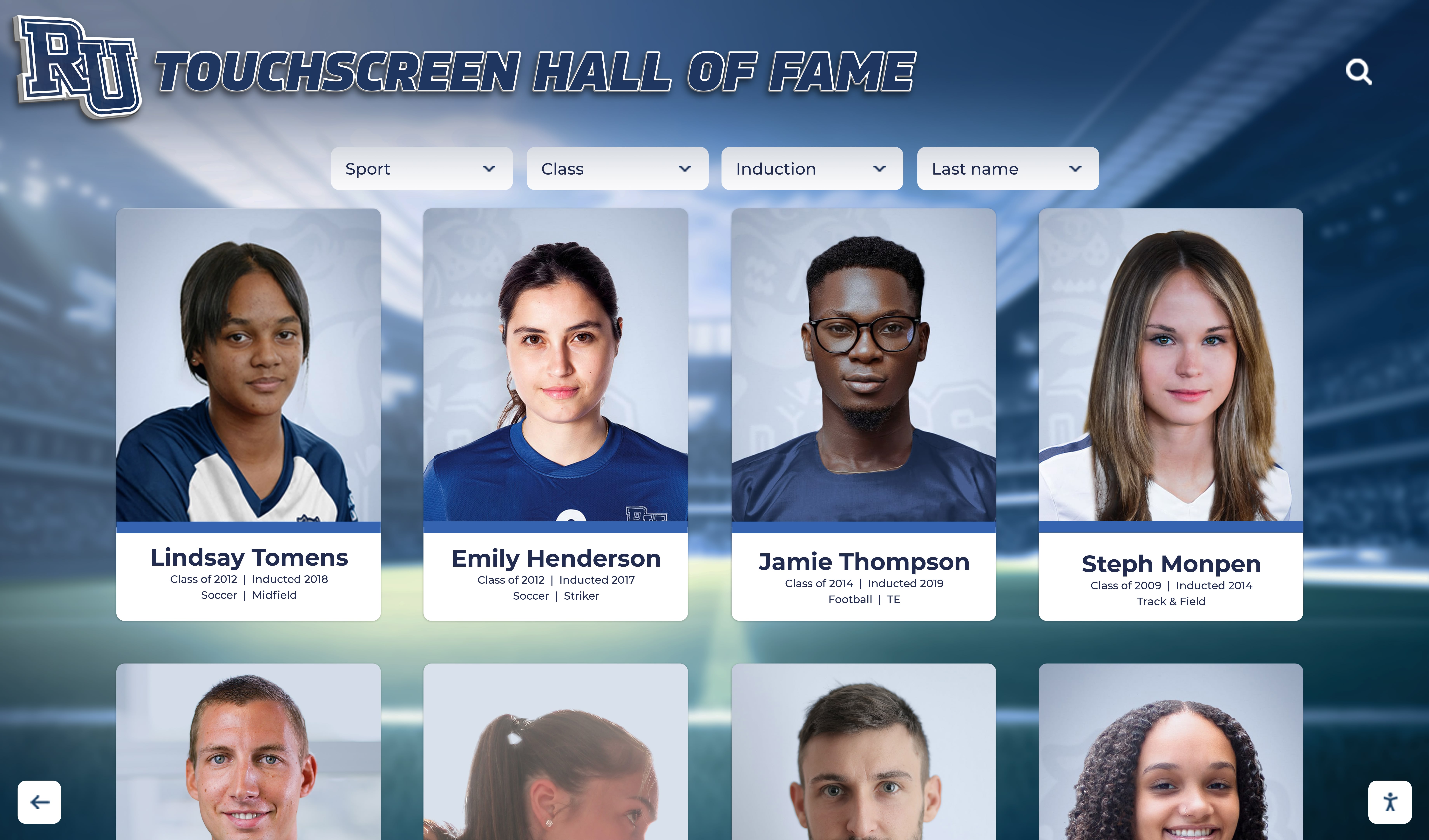
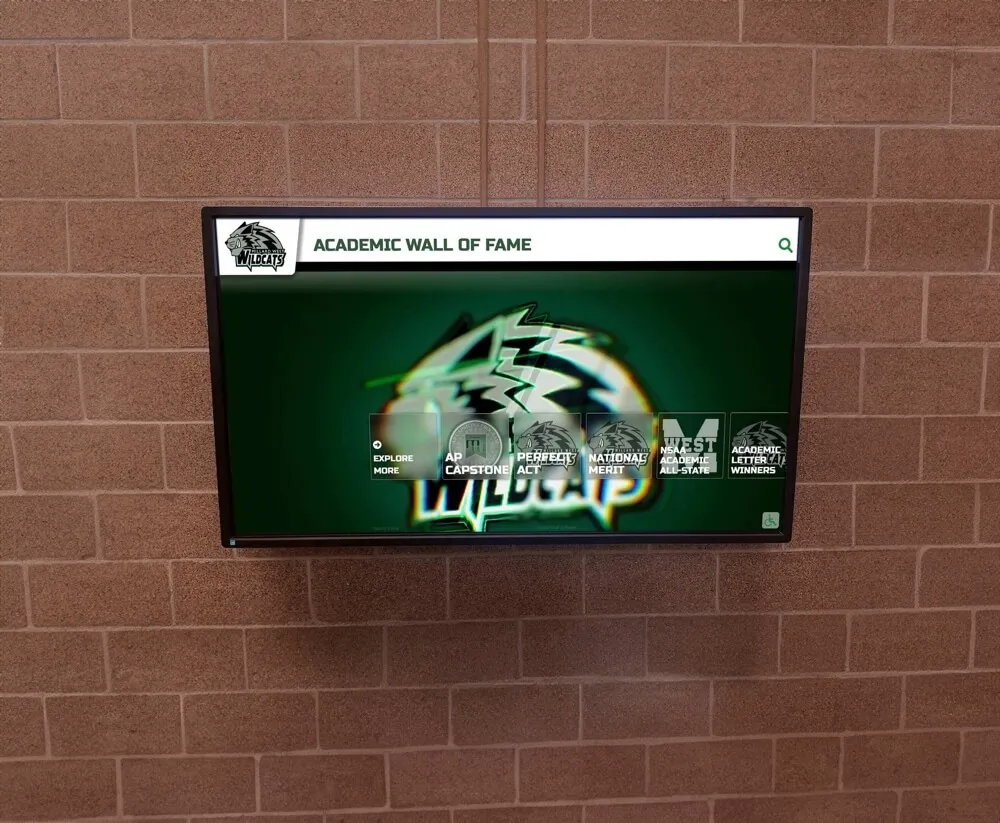
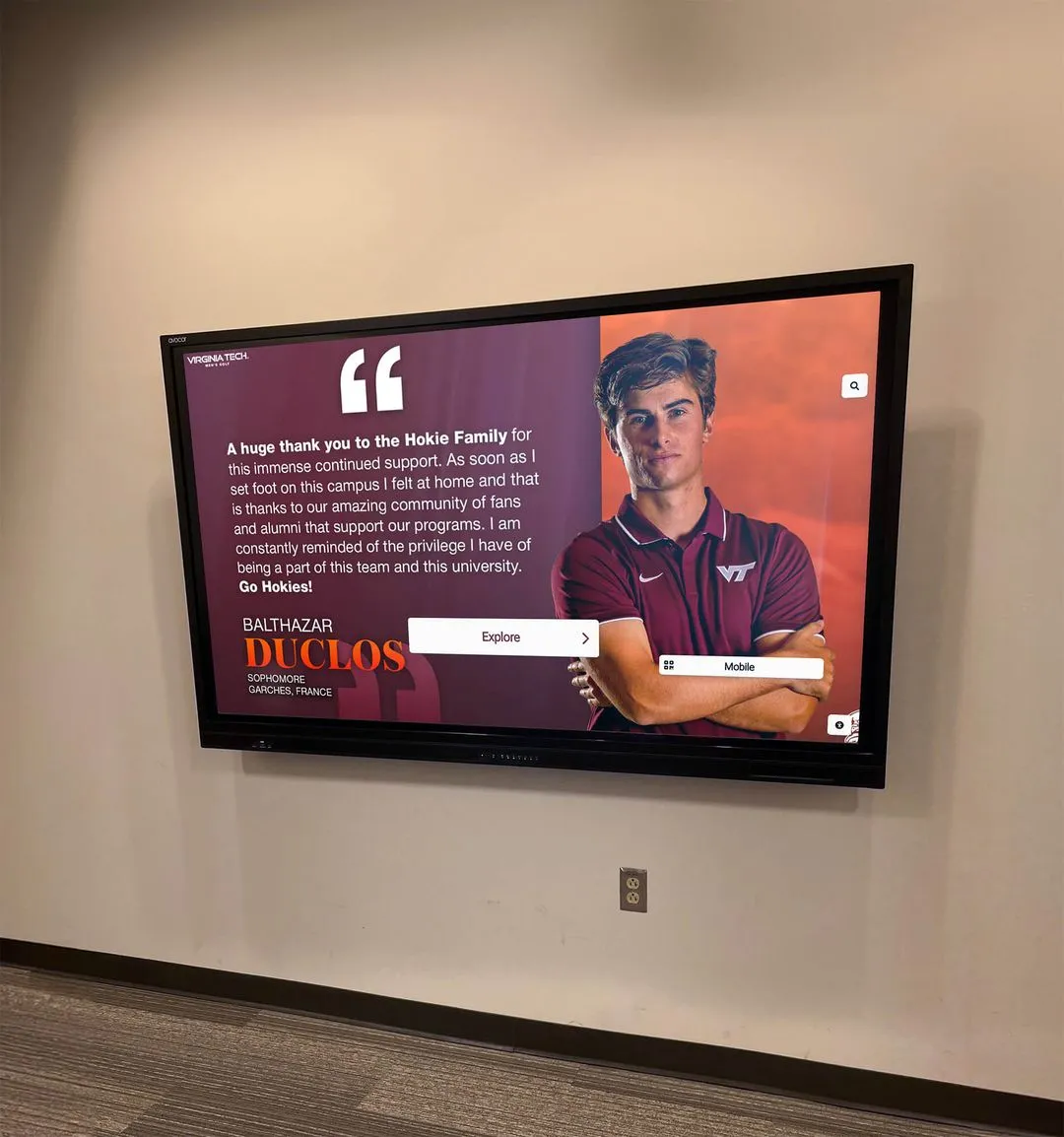
Digital recognition systems enable year-round donor celebration and storytelling beyond individual thank you cards
Digital Thank You Donor Communications
While physical cards remain powerful, digital communications enable timely, cost-effective recognition when implemented strategically.
Email Thank You Best Practices
Digital acknowledgments work best when they complement rather than replace physical cards:
When Email Works Best
- Immediate automated receipt confirmation
- Time-sensitive campaign updates
- Matching gift reminders requiring quick action
- Donor preference for digital communication
- Interim updates between physical mailings
Effective Email Elements
- Personal greeting (avoid “Dear Donor”)
- Specific gift amount and designation
- Clear, prominent thank you message
- Impact statement with visual element
- Personal signature with contact information
- Mobile-responsive design
- Single clear call-to-action (if any)
Template Framework
Subject: Thank you, [Name]—your gift is making a difference
Dear [Name],
Thank you for your generous [$amount] gift to [specific fund/designation]. Your support means [specific impact].
[1-2 sentences about program/initiative and outcomes]
[Photo or visual showing impact]
We’re grateful for partners like you who [connect to mission/values]. Your gift is already at work creating [specific change].
With appreciation, [Name, Title] [Direct contact information]
Social Media Recognition
Public appreciation creates social proof and honors donors who wish to be recognized:
Donor Consent and Preferences
- Always obtain explicit permission before public recognition
- Respect anonymity preferences completely
- Offer opt-in during gift process
- Create donor preference profiles for consistent application
Effective Social Recognition
- Tag donors when they have accounts and consent
- Share impact stories enabled by gifts
- Celebrate giving milestones (years of support, cumulative totals)
- Create “Donor Spotlight” series featuring supporter stories
- Use appropriate hashtags (#ThankfulThursday, #PhilanthropyFriday)
Text Message Thank You
For younger donors and time-sensitive campaigns, text recognition can be effective:
Appropriate Uses
- Immediate acknowledgment for online giving campaigns
- Day-of-giving challenges and matching campaigns
- Donors who explicitly prefer text communication
- Event-based giving (auction items, sponsorships)
Text Thank You Format
“Hi [Name], this is [Your Name] from [Organization]. I wanted to personally thank you for your $[amount] gift today! Your support for [program] means [brief impact]. A formal thank you is in the mail, but I couldn’t wait to say how grateful we are. Thank you!”
Important Considerations
- Keep messages brief and personal
- Send from a real person, not automated system
- Include name and organization
- Respect texting norms (appropriate hours, frequency)
- Always follow with formal acknowledgment
Organizations implementing comprehensive alumni engagement approaches understand that digital communications work best as complements to traditional recognition rather than complete replacements.
Thank You Card Messaging That Connects to Impact
The most effective donor cards move beyond generic appreciation to create clear connections between gifts and meaningful outcomes.
Impact-Focused Language Frameworks
Transform transactional acknowledgments into compelling impact stories:
Before (Generic): “Thank you for your generous gift to our annual fund. Your support helps us fulfill our mission.”
After (Impact-Focused): “Thank you for your $250 gift to our annual fund. Your support will provide textbooks for 8 students this semester, ensuring every learner has the resources they need to succeed.”
Formula for Impact Statements: Your [specific gift amount] to [specific designation] will [concrete outcome with numbers] that [ultimate benefit to beneficiaries].
Specificity Creates Connection
Generic language feels impersonal; specific details demonstrate that the organization truly values the individual donor:
Generic vs. Specific Examples
Generic: “Thank you for supporting our students.” Specific: “Thank you for supporting student-athletes like Marcus, whose partial scholarship allows him to excel in both academics and basketball.”
Generic: “Your gift makes a difference in our community.” Specific: “Your $500 gift will fund 25 hours of after-school tutoring in our literacy program, helping elementary students close reading gaps before summer.”
Generic: “We appreciate donors like you.” Specific: “We appreciate your five consecutive years of support—your consistency enables us to plan programs with confidence.”
Storytelling in Thank You Cards
Brief narratives create emotional connections more effectively than abstract statements:
Micro-Story Format
“Last week, I watched Sarah present her science fair project—a working solar panel she designed in our STEM lab. She beamed as she explained how renewable energy could help her community. Your scholarship gift made her participation possible. That moment of confidence and possibility? That’s what your generosity creates. Thank you.”
Elements of Effective Donor Stories
- Real person (with permission and appropriate privacy)
- Specific moment or outcome
- Emotional or sensory detail
- Clear connection to donor’s gift
- Gratitude explicitly stated
Similar storytelling approaches strengthen recognition across contexts, from booster club initiatives to alumni hall of fame programs.
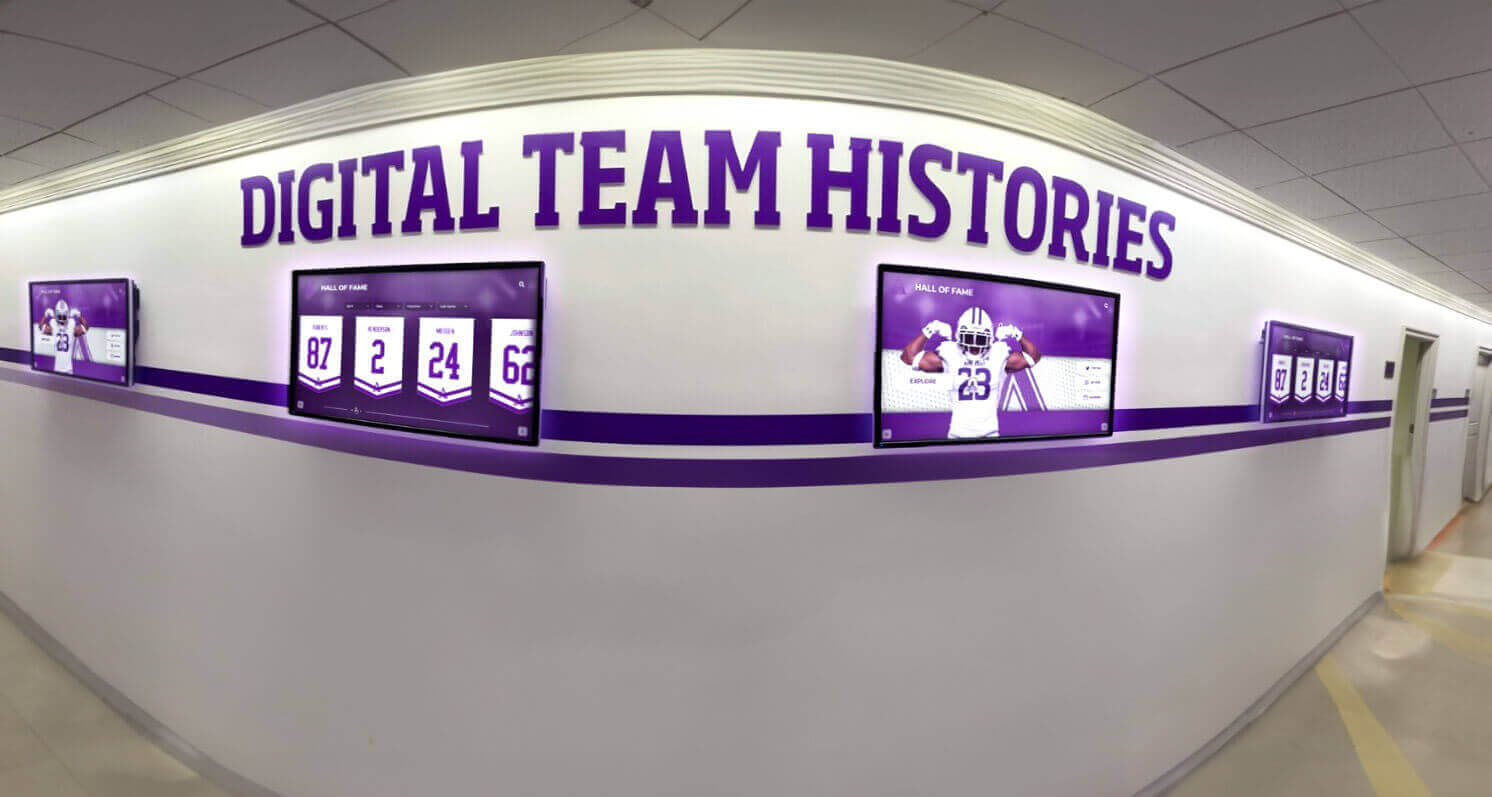
Modern recognition displays create permanent, visible donor appreciation that extends beyond individual thank you communications
Systems and Workflows for Consistent Thank You Cards
Even the best card ideas fail without systems ensuring consistent, timely execution.
Building Sustainable Thank You Workflows
Gift Processing Integration
- Trigger thank you tasks immediately upon gift entry
- Assign responsibility based on gift level and type
- Set automatic reminders for card completion
- Track acknowledgment dates in donor database
- Flag missed deadlines for immediate attention
Tiered Assignment System
| Gift Level | Card Type | Assigned To | Deadline |
|---|---|---|---|
| Under $100 | Printed card + signature | Development coordinator | 5 business days |
| $100-$499 | Handwritten note | Development officer | 3 business days |
| $500-$4,999 | Handwritten note + impact photo | Senior development officer | 2 business days |
| $5,000+ | Handwritten note + phone call + beneficiary card | Executive director + program staff | 24 hours |
Batch Processing for Efficiency
While personalization matters, batch workflows enable consistency:
Weekly Card Session
- Block 2-3 hours weekly specifically for thank you cards
- Pre-print address labels or envelopes
- Organize cards by gift level and type
- Have donor information and gift details readily accessible
- Complete in focused session rather than ad-hoc
Preparation Systems
- Stock adequate supplies (cards, envelopes, stamps)
- Maintain donor information sheets for personalization
- Create sample language for reference (not copying)
- Keep recent program photos for impact cards
- Organize workspace for efficient workflow
Quality Control Measures
Prevent errors that undermine appreciation impact:
Pre-Send Checklist
- ✓ Donor name spelled correctly
- ✓ Correct gift amount referenced
- ✓ Accurate designation or fund name
- ✓ No grammar or spelling errors
- ✓ Signature present (not stamped)
- ✓ Envelope addressed correctly
- ✓ Adequate postage applied
- ✓ Acknowledgment recorded in database
Second Reviewer for Major Gifts
Have another staff member review all cards for gifts above $5,000 before mailing to catch any errors or missed opportunities for enhanced personalization.
Organizations planning comprehensive recognition events and programs understand that systematic approaches ensure consistency while maintaining personalization.
Integrating Thank You Cards with Comprehensive Donor Recognition
Individual thank you cards work most effectively as part of broader recognition strategies that celebrate supporters year-round.
Multi-Channel Recognition Approaches
Immediate Acknowledgment (Day 1)
- Automated email receipt
- Personal phone call (major gifts)
Short-Term Recognition (Week 1)
- Handwritten thank you card
- Social media recognition (with permission)
- Impact photo or video
Medium-Term Recognition (Month 1-3)
- Beneficiary thank you note
- Program update showing gift at work
- Invitation to relevant event or program
Long-Term Recognition (Ongoing)
- Donor wall listing and digital recognition
- Annual report acknowledgment
- Milestone celebration (years of giving, cumulative totals)
- Exclusive donor communications and updates
Permanent Recognition Through Digital Donor Walls
While thank you cards create personal appreciation, digital donor walls provide permanent, public recognition that honors supporters year-round:
Complementary Benefits
- Cards offer private, personal acknowledgment
- Digital walls create visible, lasting public appreciation
- Cards connect emotionally; walls demonstrate organizational commitment
- Cards work for immediate recognition; walls honor cumulative impact
Modern Digital Donor Wall Features
- Dynamic displays that update automatically as new gifts arrive
- Searchable interfaces enabling donors to find their recognition
- Impact stories and photos showing programs at work
- Giving level tiers with visual distinction
- ADA-compliant accessibility for all visitors
- Remote content management for easy updates
Integration Strategy
Reference digital recognition in thank you cards: “In addition to our gratitude, your name will be honored on our digital donor wall in the main lobby, where thousands of visitors each year will see your commitment to our mission. We’ll send information about accessing your recognition online so you can share it with family and friends.”
This approach creates cohesive recognition that works across channels while respecting donor preferences and maximizing appreciation impact.
Ready to Transform Your Donor Recognition?
While thoughtful thank you cards create personal connections with individual supporters, comprehensive recognition requires systems that celebrate donors year-round through multiple channels. Rocket Alumni Solutions’ interactive donor recognition displays complement your appreciation efforts by creating permanent, dynamic celebration of philanthropic support.
Our touchscreen donor walls enable:
- Automatic updates as new gifts arrive, ensuring recognition stays current
- Unlimited donor entries without physical space constraints
- Rich multimedia storytelling showcasing impact and donor motivations
- Searchable interfaces enabling easy donor discovery
- ADA-compliant accessibility meeting WCAG 2.2 AA standards
- Remote content management from anywhere
- Integration with existing donor databases and systems
Hundreds of educational institutions and nonprofits trust Rocket to power donor recognition experiences that strengthen relationships, inspire additional giving, and create cultures of philanthropy.
Explore how interactive donor walls complement your thank you card strategy →
Measuring Thank You Card Impact and Continuous Improvement
Strategic organizations track acknowledgment effectiveness and refine approaches based on donor feedback and retention data.
Key Metrics to Monitor
Process Metrics
- Average time from gift receipt to card mailing
- Percentage of donors receiving cards within 48/72 hours
- Card completion rate by gift level
- Cost per acknowledgment by channel
Outcome Metrics
- Retention rate by acknowledgment type
- Average time to next gift by recognition approach
- Donor satisfaction scores
- Upgrade rates among acknowledged vs. unacknowledged donors
- Lapsed donor reactivation following enhanced recognition
Donor Feedback Collection
Direct Feedback Approaches
- Annual donor survey including acknowledgment questions
- Post-event feedback forms for donors attending programs
- Exit interviews with lapsed donors
- Focus groups or listening sessions
- Informal conversation during donor visits
Questions to Ask
- How did you feel when you received our thank you communication?
- What type of recognition is most meaningful to you?
- How soon after giving do you expect acknowledgment?
- Do you prefer public recognition or private appreciation?
- What would make you feel more valued as a supporter?
Continuous Improvement Process
Quarterly Review
- Analyze acknowledgment timing and completion rates
- Review donor retention data by recognition type
- Assess feedback themes and patterns
- Identify gaps or inconsistencies
- Adjust processes and templates based on findings
A/B Testing for Optimization
Test different approaches to identify what resonates best:
- Handwritten vs. typed personalized cards
- Photo cards vs. traditional notes
- Immediate email + delayed card vs. card only
- Different impact statement formats
- Various signer combinations (ED vs. board vs. program staff)
Track retention and engagement metrics for each approach, implementing what performs best for your specific donor base.
Conclusion: The Lasting Value of Meaningful Donor Appreciation
Thank you donor cards represent far more than polite courtesy—they’re strategic investments in donor relationships that directly impact retention, lifetime value, and organizational sustainability. When implemented thoughtfully with appropriate personalization, timely delivery, impact-focused messaging, and integration into comprehensive recognition systems, donor cards create positive emotional experiences that transform one-time supporters into lifelong advocates.
The most successful development programs understand that appreciation isn’t a single transaction but rather an ongoing commitment to making donors feel valued, informed about impact, and genuinely connected to mission. Every thank you card represents an opportunity to strengthen that connection, demonstrate stewardship, and inspire continued partnership.
By implementing the strategies in this guide—from handwritten notes and tiered approaches to creative formats and digital complements—your organization can build donor appreciation systems that honor every gift meaningfully while remaining sustainable and scalable as your program grows.
Ready to complement your personal thank you cards with year-round donor recognition? Explore how Rocket Alumni Solutions’ interactive donor walls create permanent, dynamic appreciation that strengthens relationships and inspires giving →