High school theater programs cultivate creativity, confidence, collaboration, and communication skills that serve students throughout their lives. Cast members memorize hundreds of lines while developing characters, technicians master complex lighting and sound systems, directors coordinate dozens of moving pieces, and support crews transform empty stages into immersive worlds. Yet when award season arrives, many drama programs struggle to create recognition systems that adequately honor the diverse contributions that theatrical productions require.
Traditional approaches often reduce complex collaborative artistry to a handful of acting awards—Best Actor, Best Actress, maybe a supporting role or two—leaving stage managers, lighting designers, costume creators, and countless other essential contributors feeling invisible. Meanwhile, theater students watch athletes receive elaborate banquets, permanent display cases, and ongoing celebration while drama accomplishments disappear after closing night applause fades, stored in dusty programs that rarely see daylight again.
This comprehensive guide presents theater awards strategies that honor the complete theatrical ecosystem while providing practical implementation frameworks. Whether you direct high school drama programs, coordinate community theater organizations, manage performing arts centers, or oversee school arts departments, these recognition approaches ensure every contributor receives acknowledgment for their unique theatrical contributions.

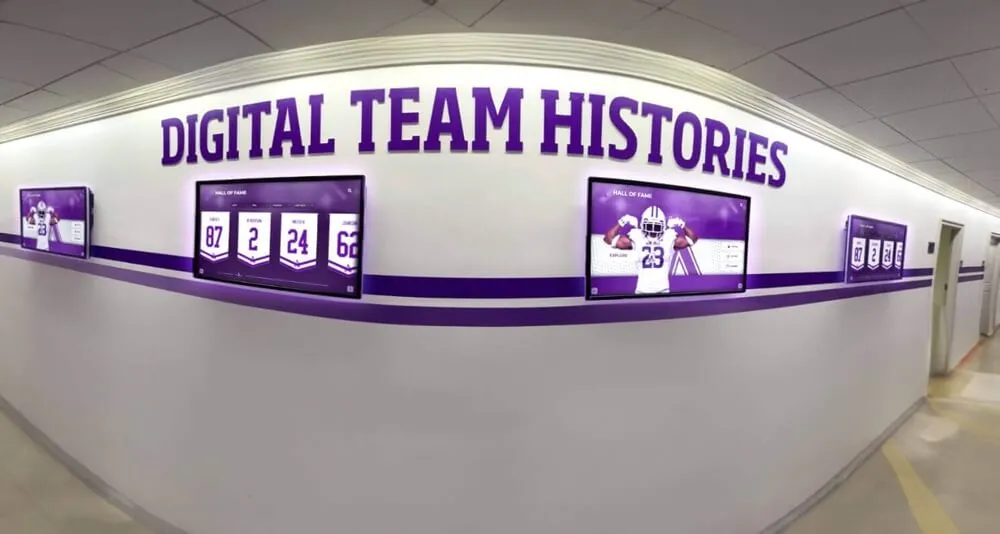
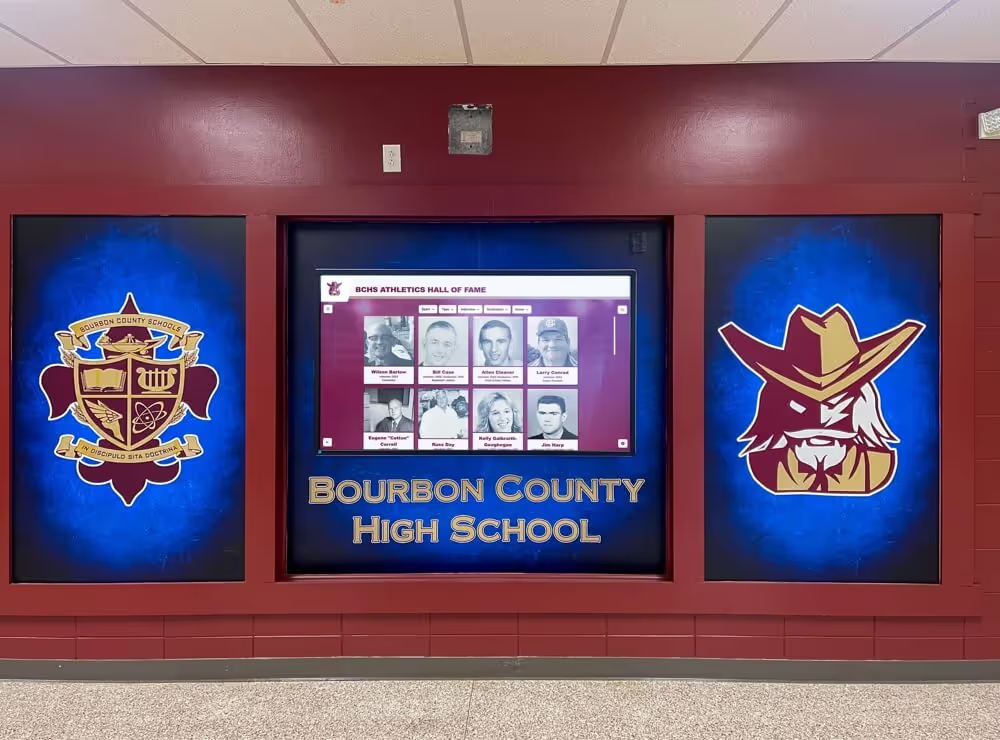
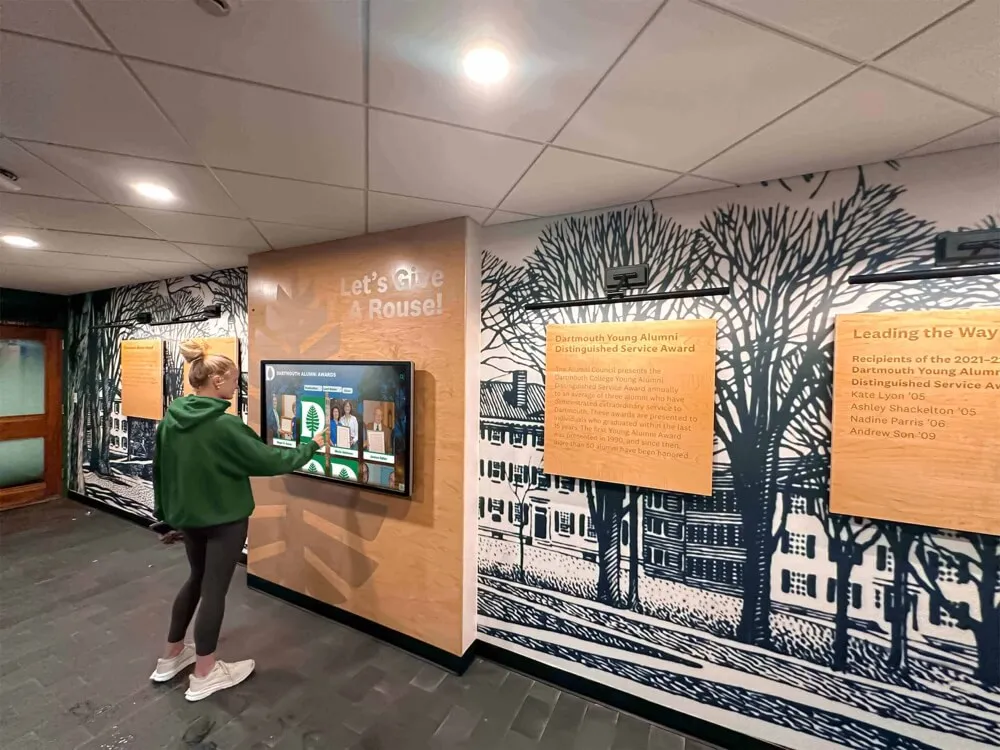
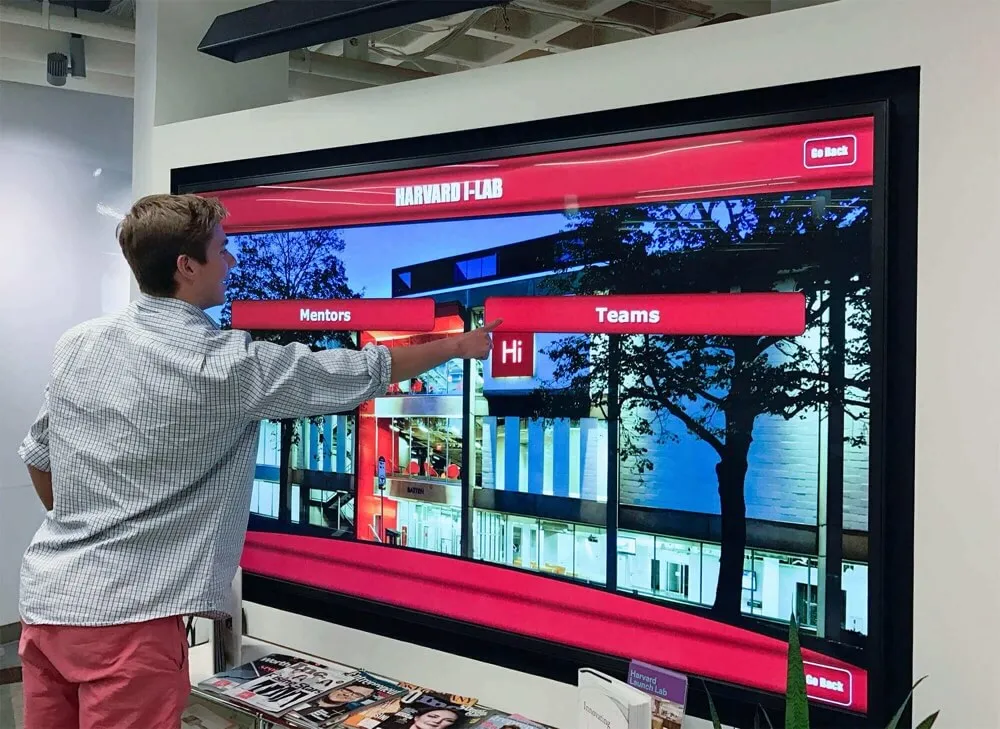
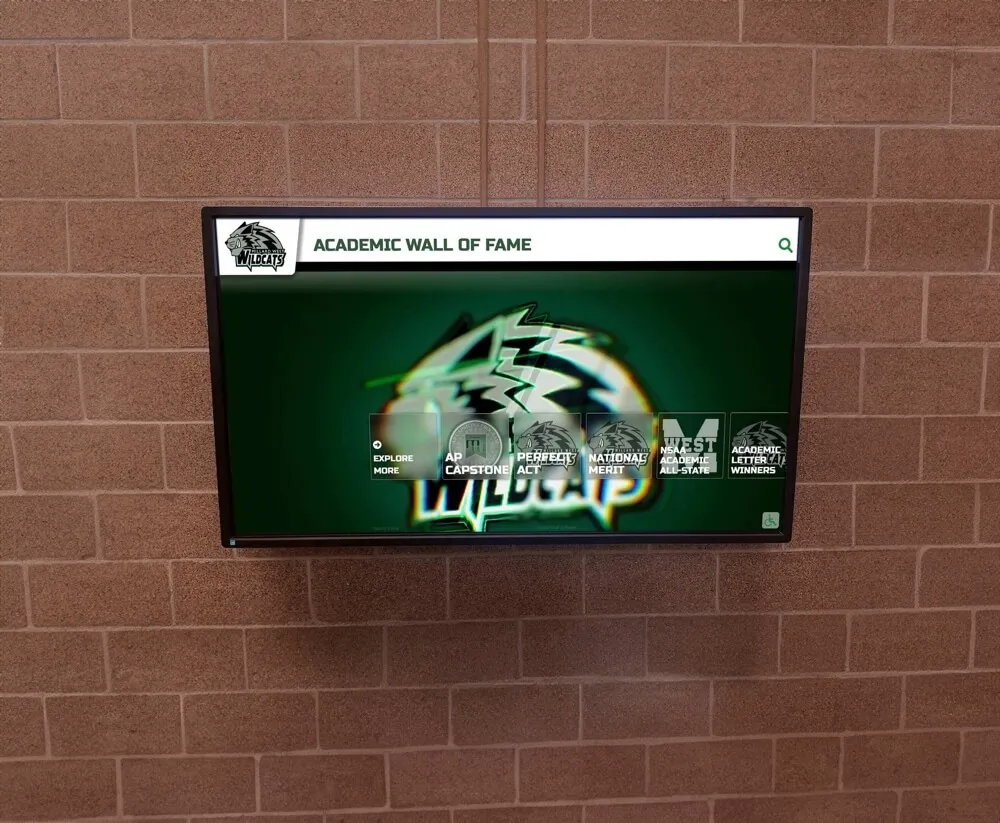
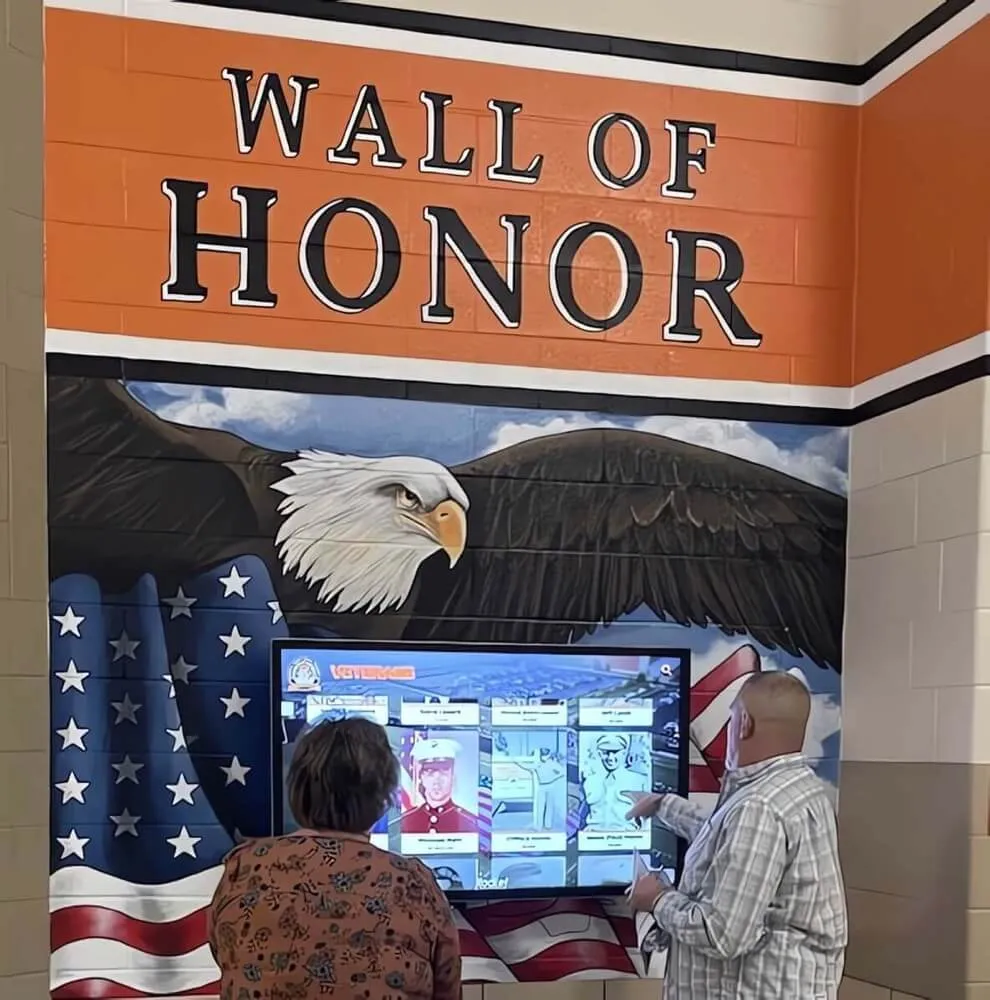
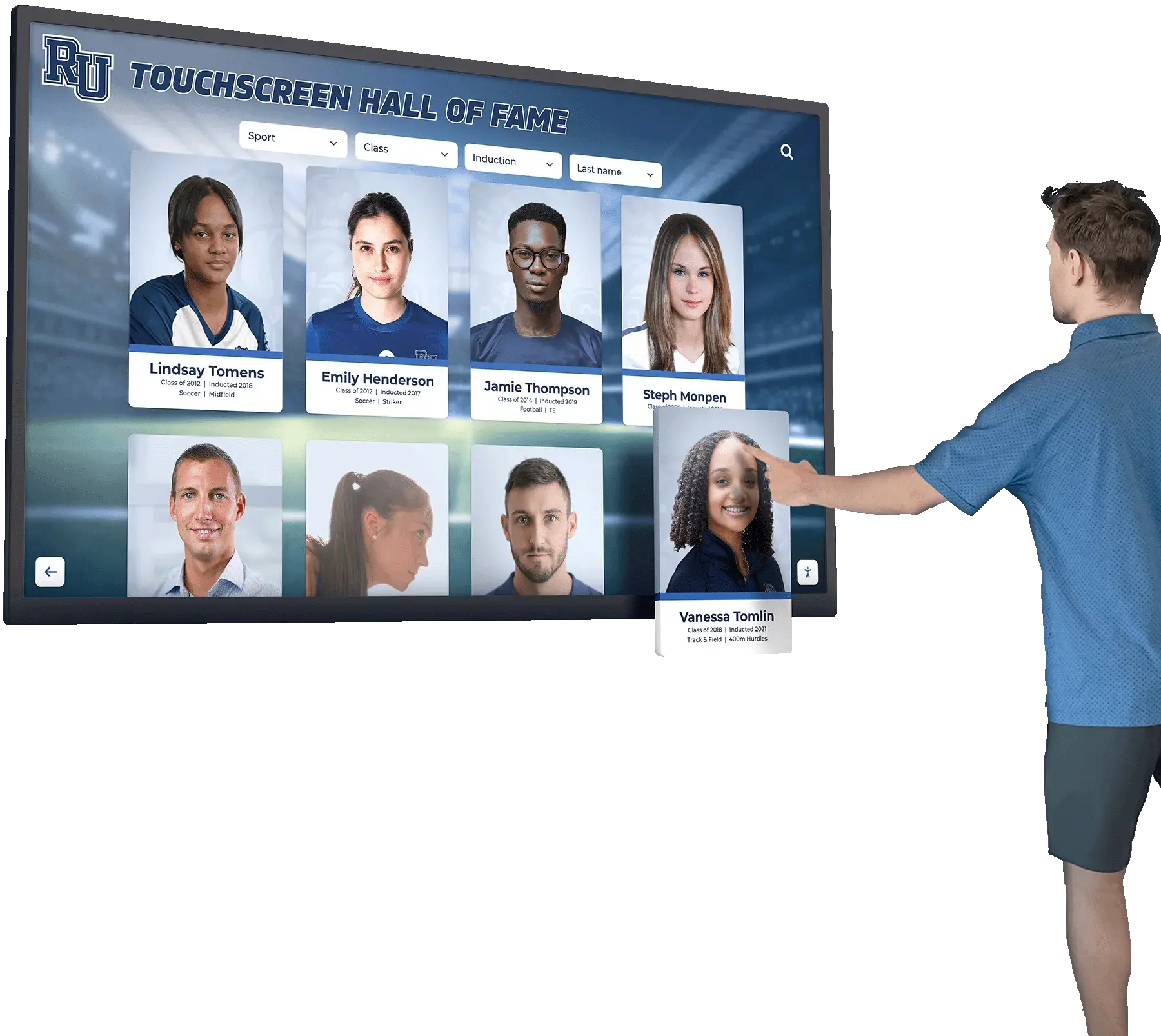
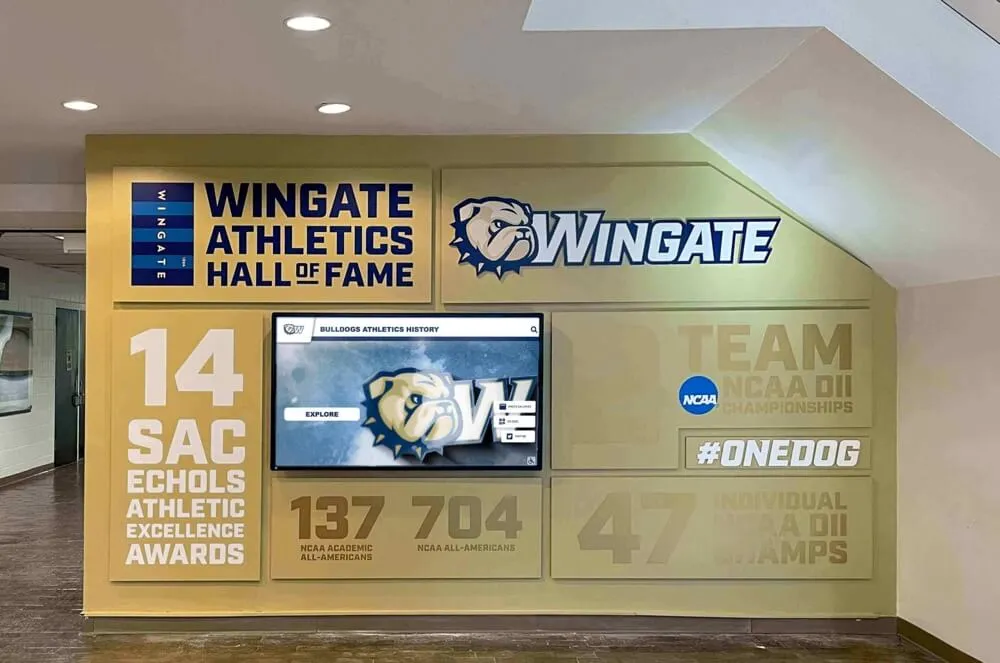
Modern recognition systems preserve theater achievements alongside other program accomplishments, validating drama as essential to school culture
Understanding the Complete Theater Ecosystem
Before designing award programs, understanding the full scope of theatrical production helps programs create comprehensive recognition systems that honor all contributors rather than privileging visible performers over equally essential behind-the-scenes artists.
The Onstage Contributors
Principal Performers
Lead actors carry tremendous responsibility including memorizing extensive dialogue, sustaining character throughout performances, anchoring emotional arcs that drive narratives, commanding audience attention during featured scenes, and maintaining consistency across multiple performance nights. These highly visible roles naturally receive recognition, but programs should ensure acknowledgment extends beyond just leads.
Supporting Cast and Ensemble
Supporting actors and ensemble members provide essential contributions that productions absolutely require. They create the world in which leads operate, maintain energy during transitions, fill stages with life and activity, adapt to unexpected onstage challenges, and often play multiple roles requiring quick changes and character shifts. These performers deserve specific recognition rather than generic “participation” acknowledgment that minimizes their importance.
Musical Theater Performers
Productions featuring music add additional complexity requiring performers who excel at triple-threat performance including vocal ability and musical accuracy, choreographed movement and dance skills, maintaining character while singing, and coordinating music with dialogue seamlessly. Musical theater demands recognition criteria acknowledging these additional technical requirements beyond straight plays.
The Behind-the-Scenes Artists
Technical Theater Specialists
Technical crew members create the sensory experience that transforms scripts into immersive theatrical events:
- Lighting designers craft visual environments through color, intensity, and movement that establish mood, direct focus, and enhance storytelling
- Sound designers create acoustic landscapes through effects, music cues, and microphone management that support narrative and emotional impact
- Set designers and construction crews build physical worlds that ground performances in tangible environments
- Costume designers and wardrobe teams define characters visually while managing quick changes and maintaining period accuracy
- Props masters source, create, and manage every object actors interact with onstage
- Stage managers coordinate all production elements, call cues, manage backstage flow, and serve as the director’s extension during performances
These technical artists require specialized knowledge, invest hundreds of hours, and directly impact production quality as significantly as any performer.
Production Support Roles
Additional contributors essential to successful productions include:
- Assistant directors supporting rehearsal management and creative development
- Choreographers creating movement and dance sequences
- Vocal directors coaching singing and musical performance
- Makeup artists completing character transformations
- Box office managers handling ticketing and audience communication
- House managers overseeing audience experience and venue operations
- Publicity coordinators managing marketing and community engagement

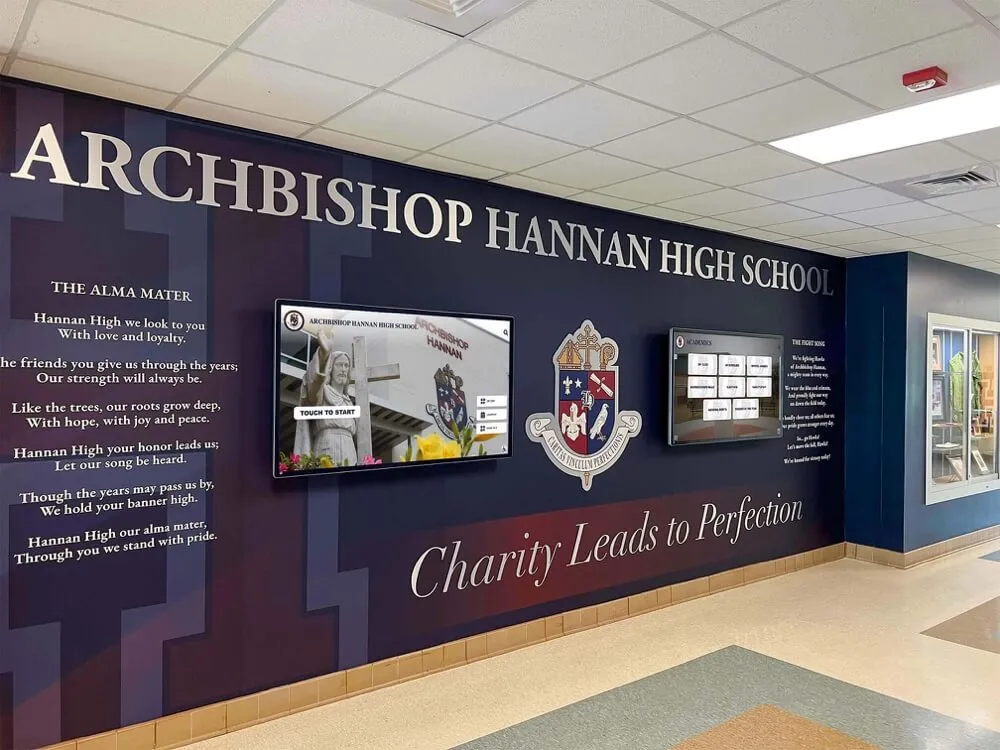
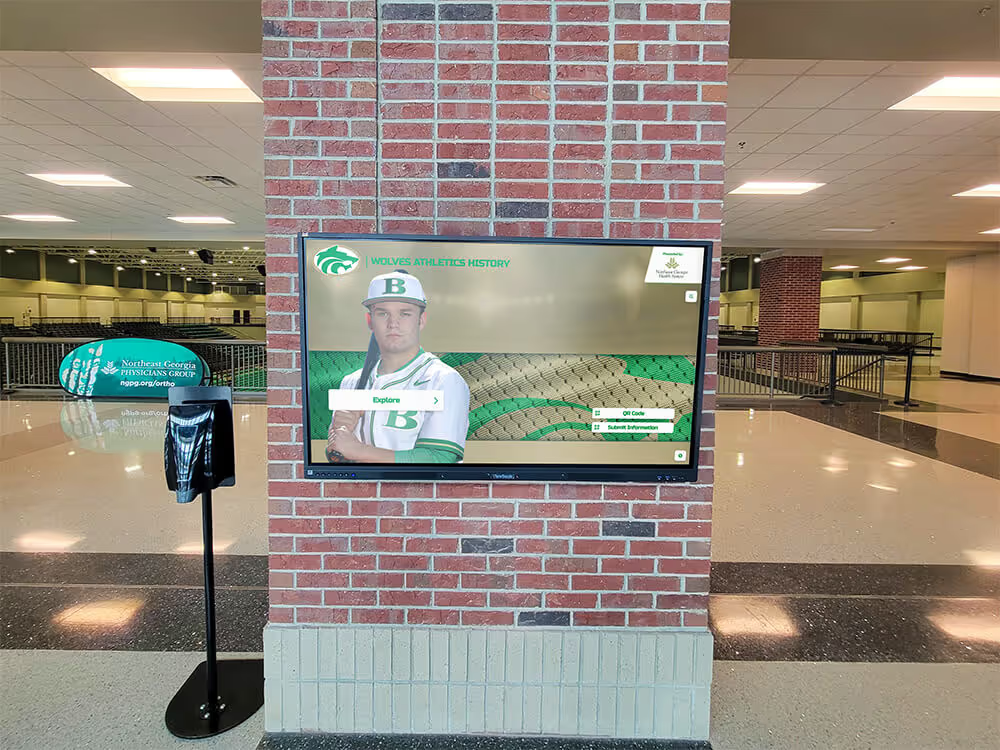
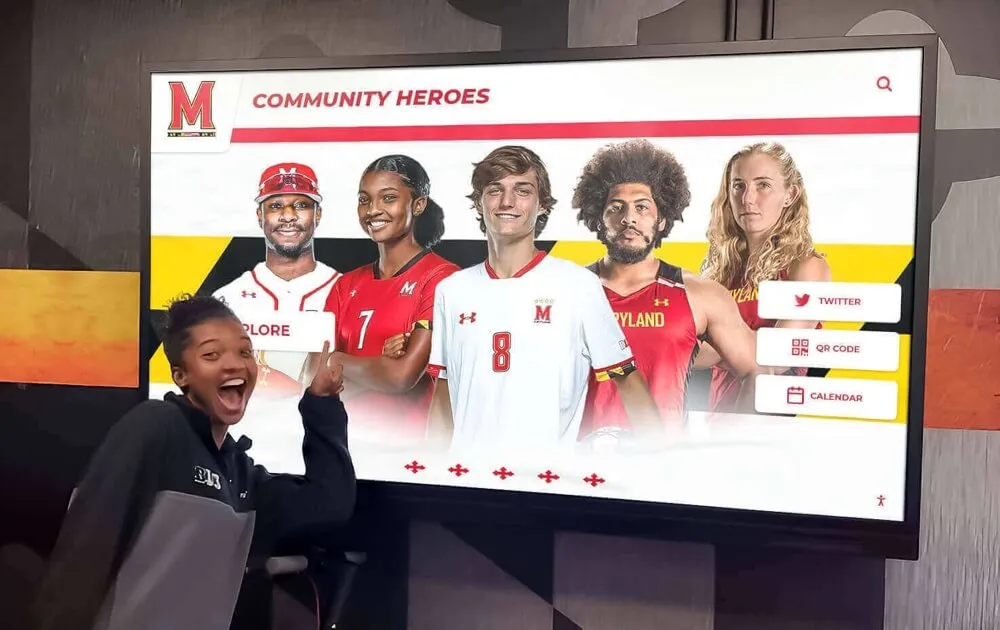
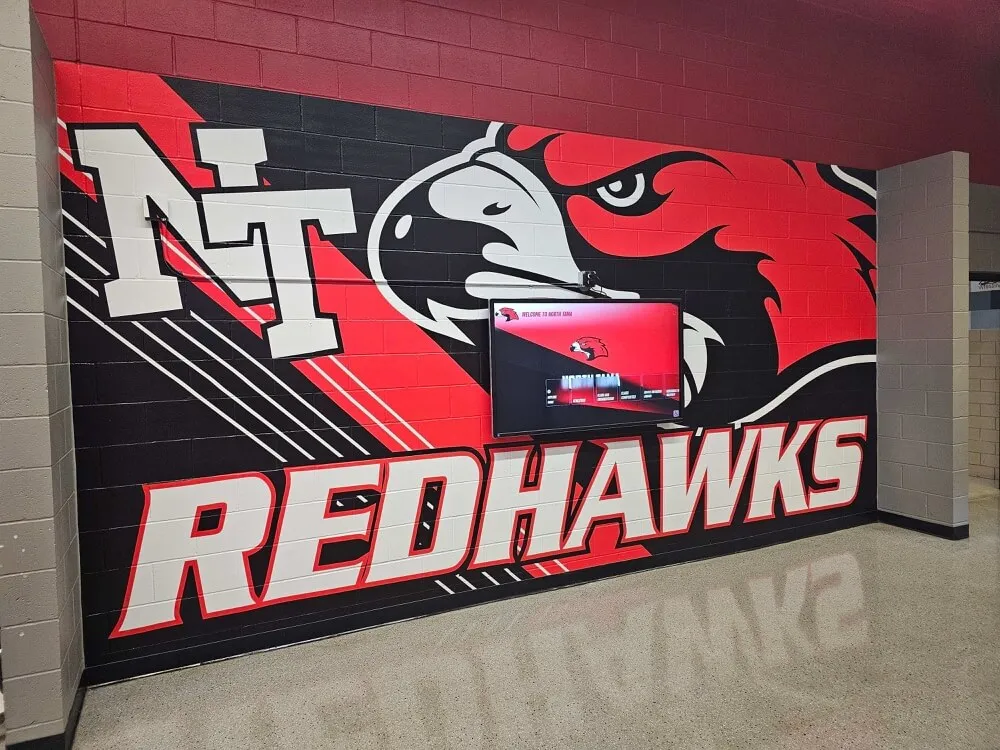
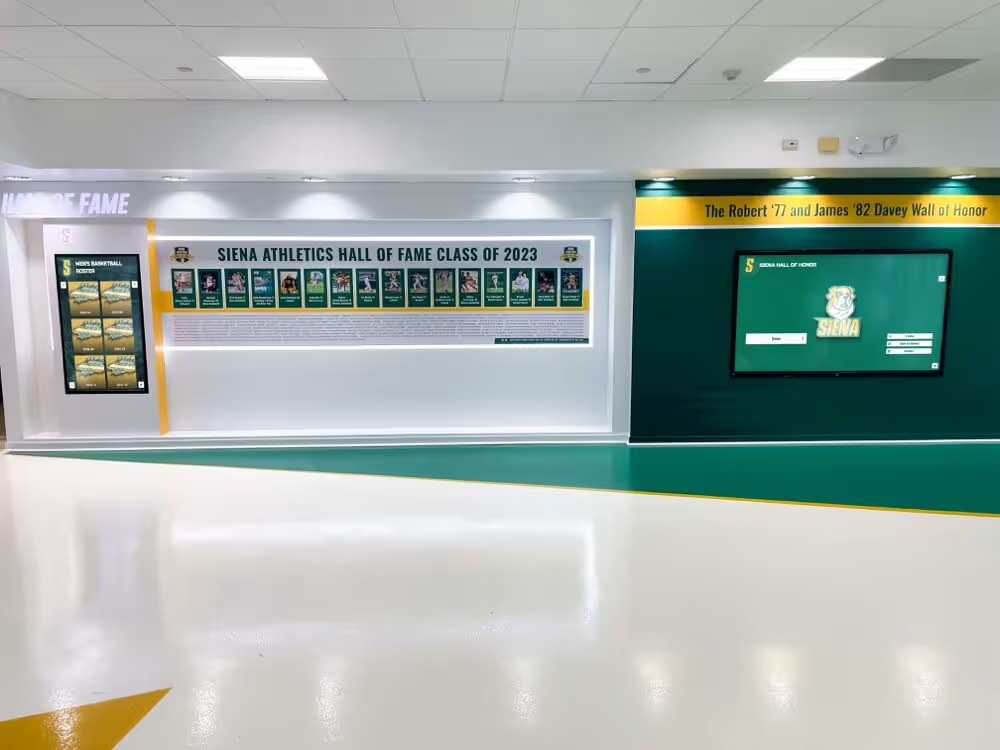
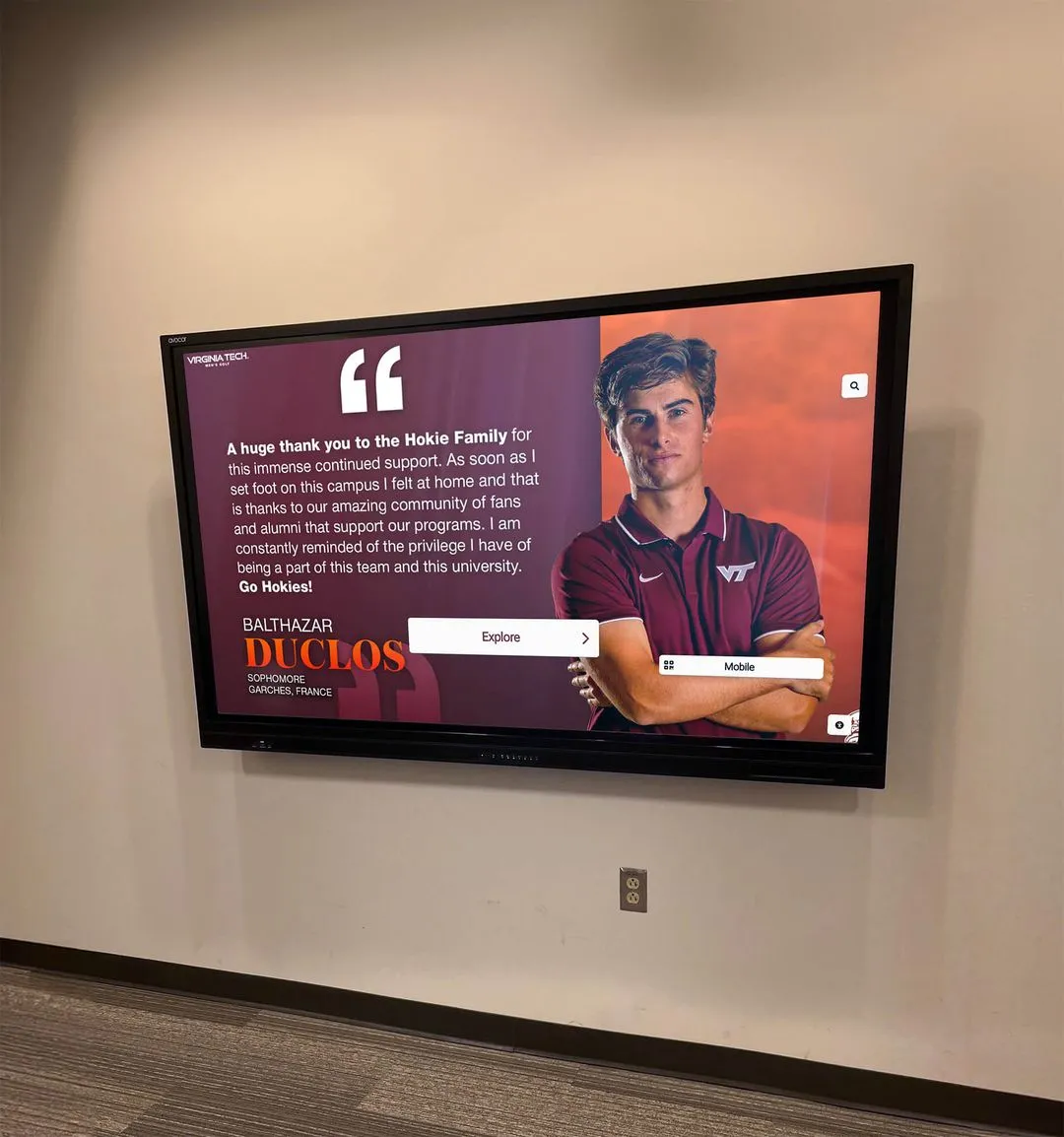
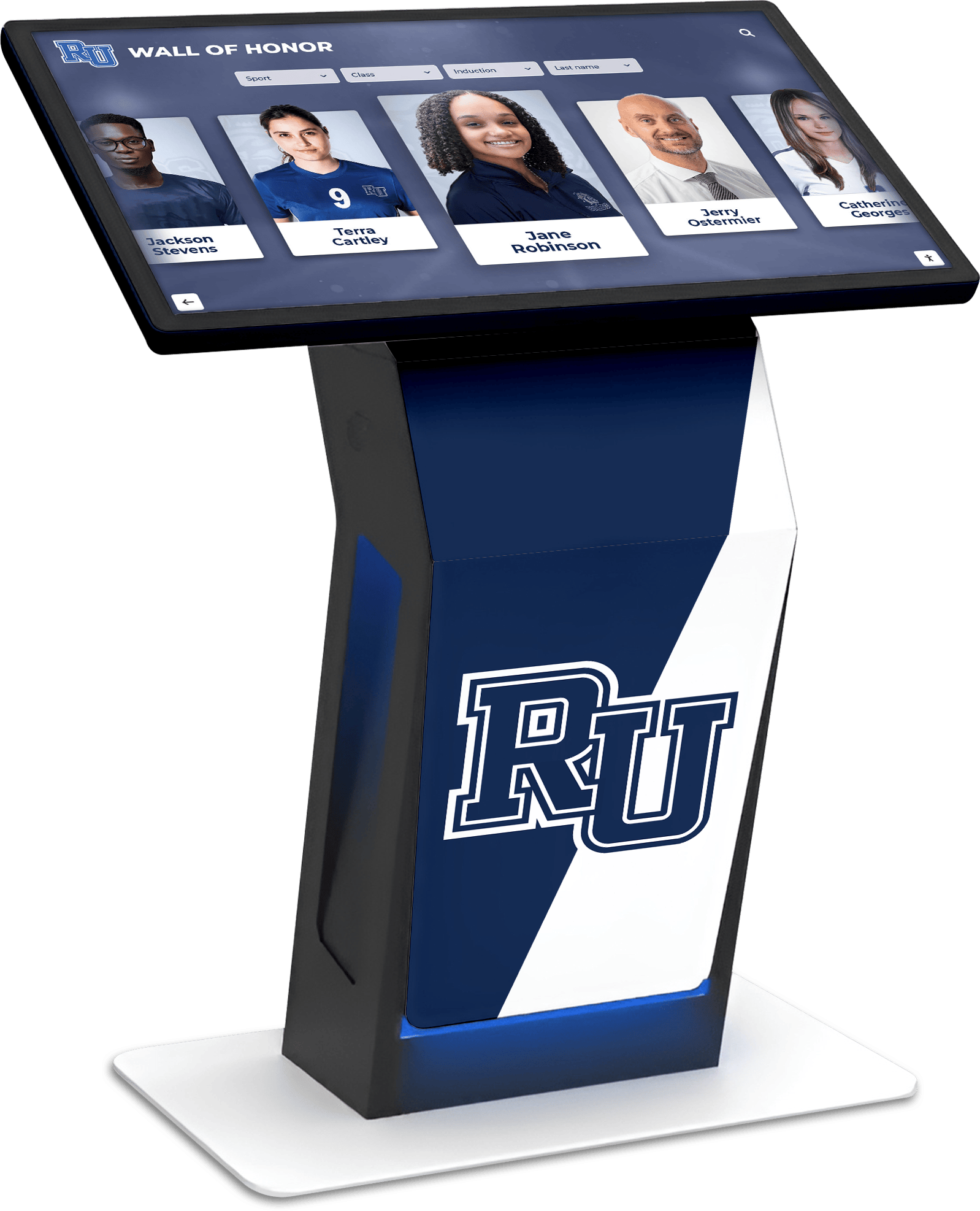
Digital platforms enable rich profile presentations showcasing theater students' specific contributions and achievements
The Educational and Community Dimensions
Beyond production roles, theater programs create broader impact through educational initiatives including drama classes teaching foundational skills, theater history and criticism courses building contextual knowledge, improvisation workshops developing quick thinking, outreach programs bringing theater to elementary schools, and community partnerships expanding artistic access. Programs might recognize students who exemplify theater’s educational mission alongside performance excellence.
Understanding this complete ecosystem ensures award programs honor the collaborative nature of theatrical production rather than reducing recognition to celebrity-focused hierarchies that undermine theater’s fundamentally collective artistry.
Comprehensive Theater Award Categories
Effective drama recognition includes diverse categories honoring the complete spectrum of theatrical contributions from onstage performance through technical mastery to community engagement.
Performance Excellence Awards
Outstanding Lead Performance
Rather than gendered categories that limit recognition, consider performance-focused awards acknowledging exceptional lead work regardless of gender. Selection criteria might include character development depth and authenticity, emotional range and vulnerability, vocal projection and diction clarity, physical presence and movement quality, consistency across all performances, and ability to elevate scene partners’ work. Programs could recognize multiple leads from different productions or create specific awards per show.
Implementation approach: Have directors submit detailed nominations explaining what made performances exceptional with specific scene examples. Consider involving guest adjudicators from theater education backgrounds or professional theater community members to provide external validation.
Outstanding Supporting Performance
Supporting actors deserve distinct recognition rather than being overshadowed by leads. Evaluation criteria include memorable character creation within limited stage time, scene-stealing moments that enhance productions, chemistry with other cast members, reliability and consistency, and ability to make strong choices within constrained opportunities.
Ensemble Excellence
This collective award recognizes entire casts or specific ensemble groups who demonstrated exceptional unity, energy, synchronization, and commitment. Consider this for productions where ensemble work particularly shines—musicals with large choruses, Shakespearean productions with townspeople or armies, or contemporary plays with chorus figures. This award validates that collective excellence matters as much as individual virtuosity.
Best Character Development
Recognize the performer who demonstrated the most remarkable character transformation or growth across a production. This might honor student who took on radically different character compared to their typical casting, or who created surprisingly nuanced performance of character that could have been one-dimensional. This award values acting craft and risk-taking over natural charisma or physical type.
Musical Theater Recognition
For programs producing musicals, additional categories honor triple-threat performance:
Outstanding Vocal Performance
Recognize exceptional singing including technical accuracy and tone quality, emotional expression through vocals, difficult musical material mastered, stamina maintaining quality throughout demanding songs, and effective integration of singing with character and acting.
Outstanding Dance Performance
Honor exceptional choreography execution including technical dance skill and precision, ability to perform complex combinations, stage presence and performance quality while dancing, and contribution to overall production choreography impact.
Best Musical Theater Performance
This holistic award recognizes the performer who most effectively integrated singing, dancing, and acting into cohesive characterization demonstrating what musical theater aspires to achieve.
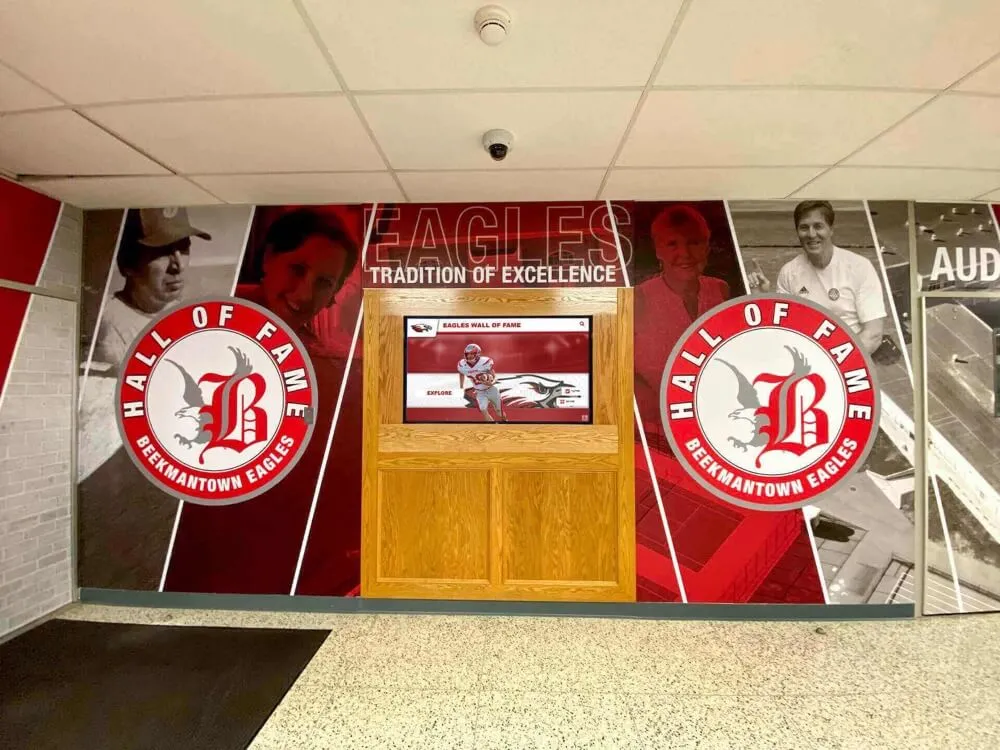
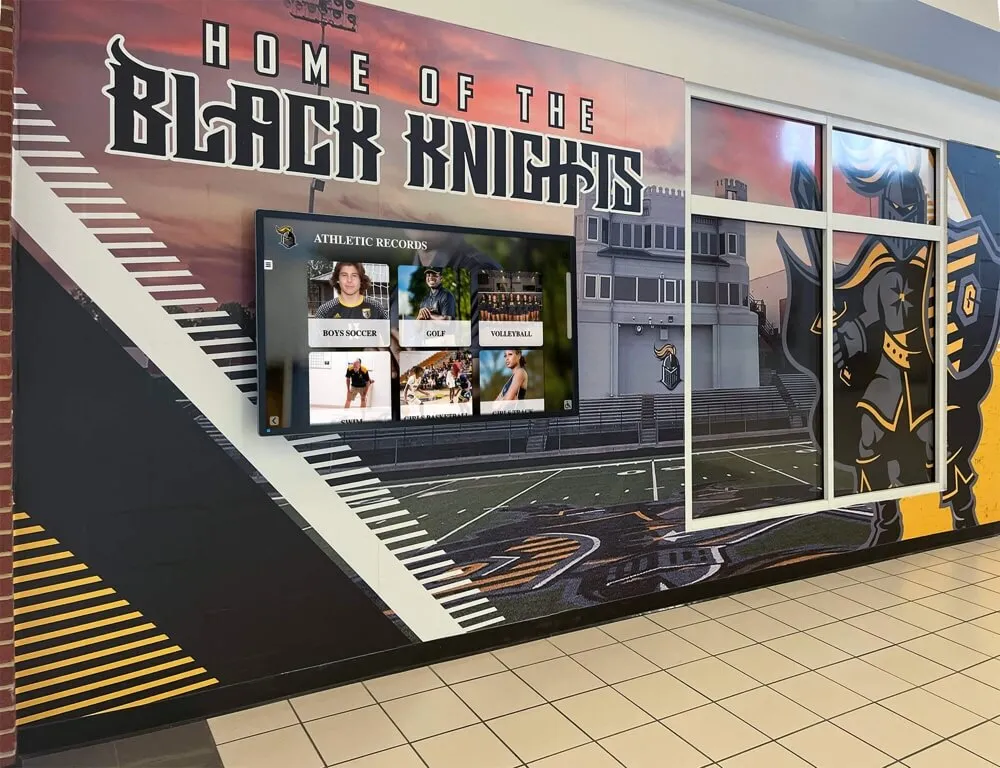
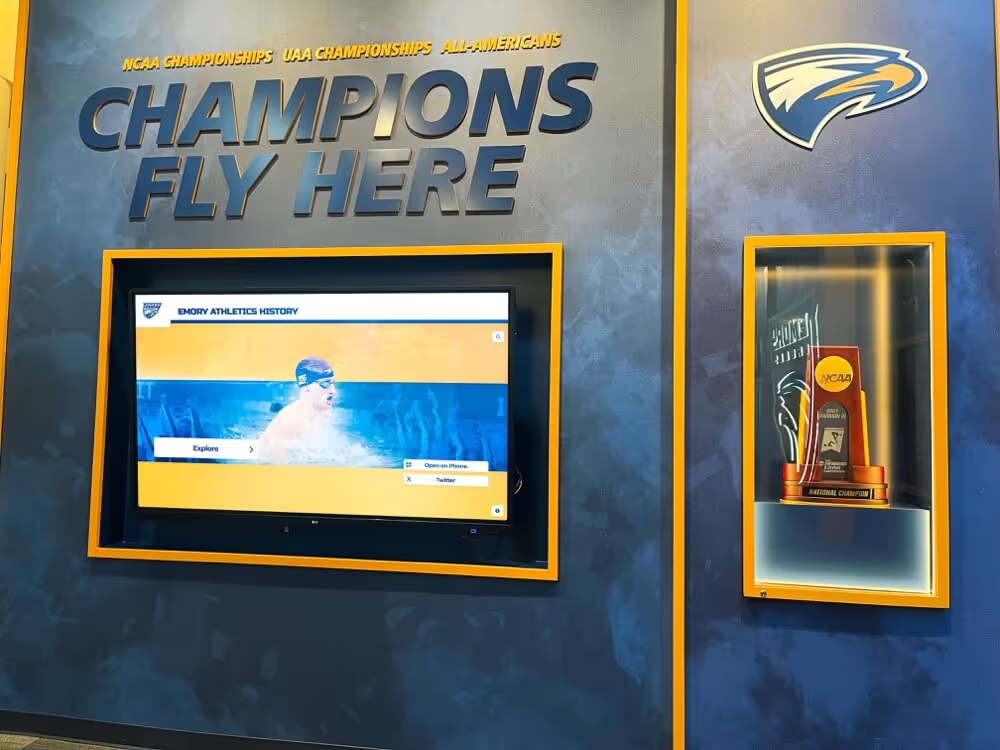
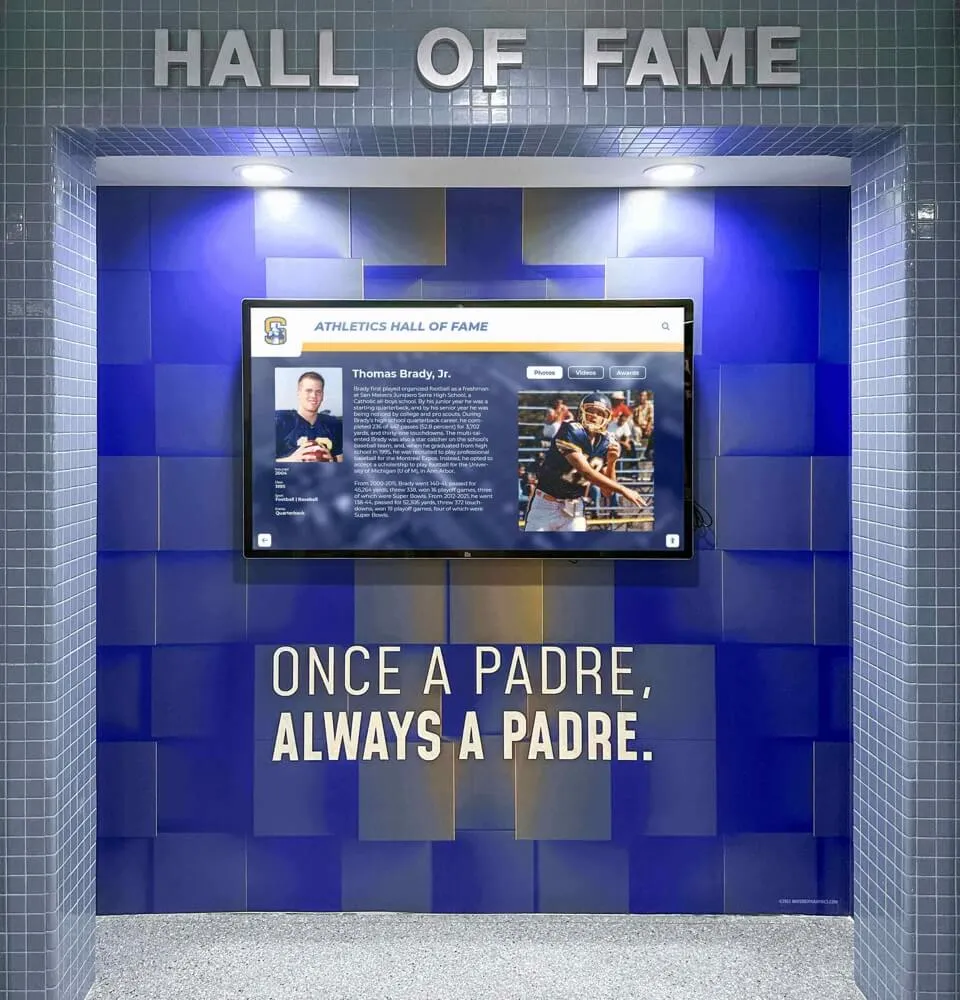
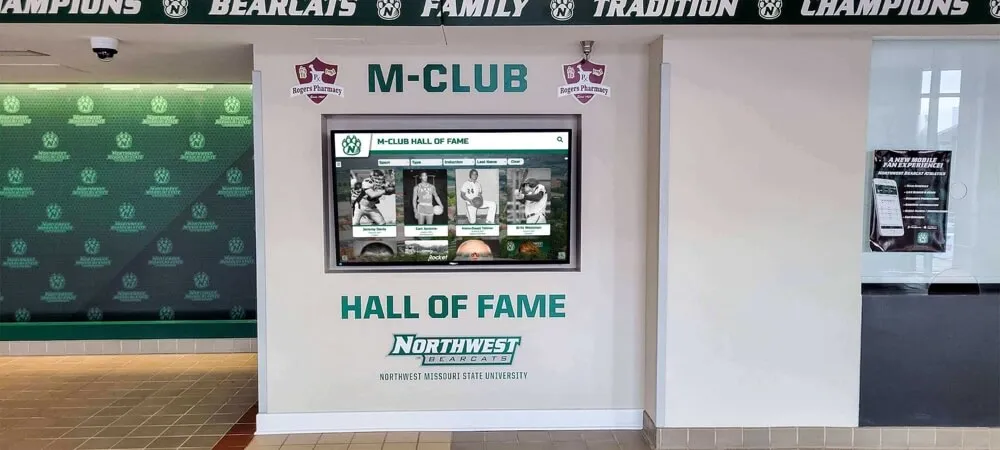
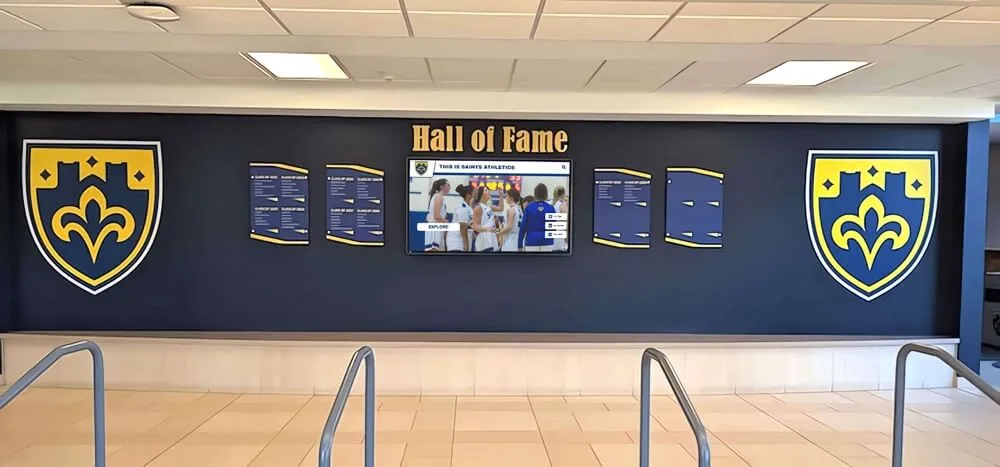
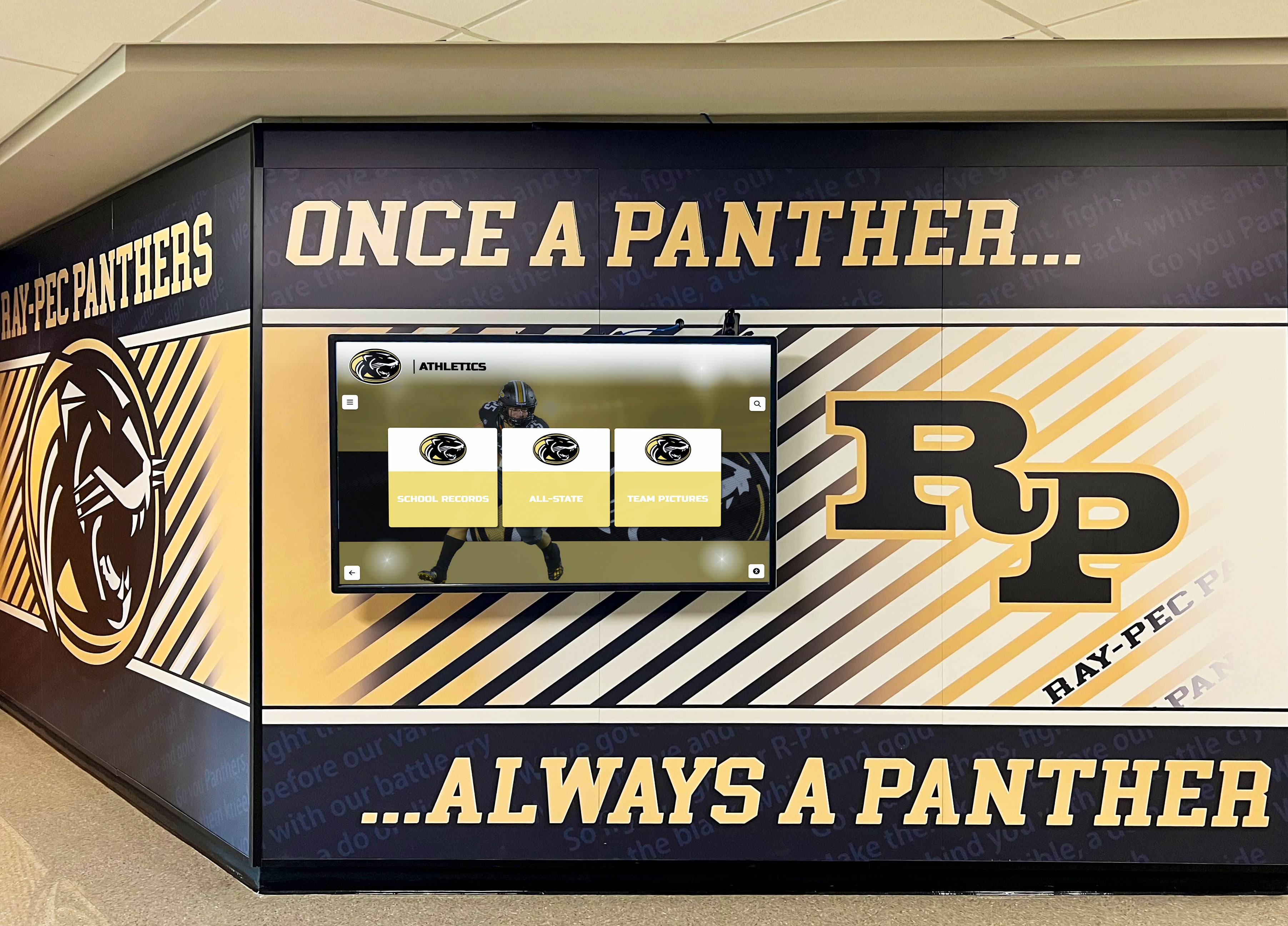
Interactive recognition systems provide unlimited capacity for celebrating theater achievements across all production roles and seasons
Technical Theater Excellence Awards
Outstanding Lighting Design
Recognize exceptional lighting work considering conceptual approach and mood creation, technical execution and cue precision, collaboration with other design elements, problem-solving for challenging effects or scenes, and overall contribution to production’s visual storytelling. Include portfolio or documentation of lighting plots and cue sheets with nominations.
Outstanding Sound Design
Honor exceptional sound work including soundscape conceptualization and selection, technical execution of effects and music, microphone management and vocal balance, creative problem-solving for acoustic challenges, and enhancement of production’s emotional and narrative impact.
Outstanding Set Design and Construction
Recognize exceptional scenic work evaluating design concept and visual impact, construction quality and craftsmanship, practical functionality for actors, creative problem-solving within budget and space constraints, and integration with overall production aesthetic. This might be separate awards for design and construction or combined depending on your program structure.
Outstanding Costume Design
Honor exceptional costume work including design concept and character expression through clothing, construction quality and attention to detail, period accuracy when relevant, practical functionality for performers, and coordination with overall visual design. Consider separate recognition for costume construction when relevant.
Technical Excellence Award
This flexible category allows recognition of exceptional technical work in areas not otherwise covered including props mastery, makeup artistry, hair design, special effects creation, video projection design, or innovative technical solutions to specific production challenges.
Outstanding Stage Management
Stage managers deserve specific recognition for organizational excellence, communication effectiveness, problem-solving under pressure, maintaining production flow and timing, supporting cast and crew needs, and serving as calm leadership presence throughout intense production periods. This is one of theater’s most demanding and underappreciated roles.
Comprehensive approaches to arts recognition programs help schools develop systems that celebrate diverse artistic achievements including theater alongside visual arts.
Production and Leadership Recognition
Outstanding Direction
Student directors who helm one-act productions or assistant direct main stage shows deserve recognition for vision and conceptualization, rehearsal leadership and actor coaching, collaboration with technical designers, problem-solving and adaptability, and bringing cohesive production to realization.
Outstanding Choreography
Recognize exceptional student choreography work including creative and original movement vocabulary, effective teaching to diverse skill levels, integration of dance with character and story, stage spacing and visual composition, and overall impact on production quality.
Production Excellence
This holistic award honors the single production that best exemplified theatrical excellence across all dimensions—performance, technical elements, design cohesion, audience response, and artistic achievement. This celebrates entire production teams’ collective success.
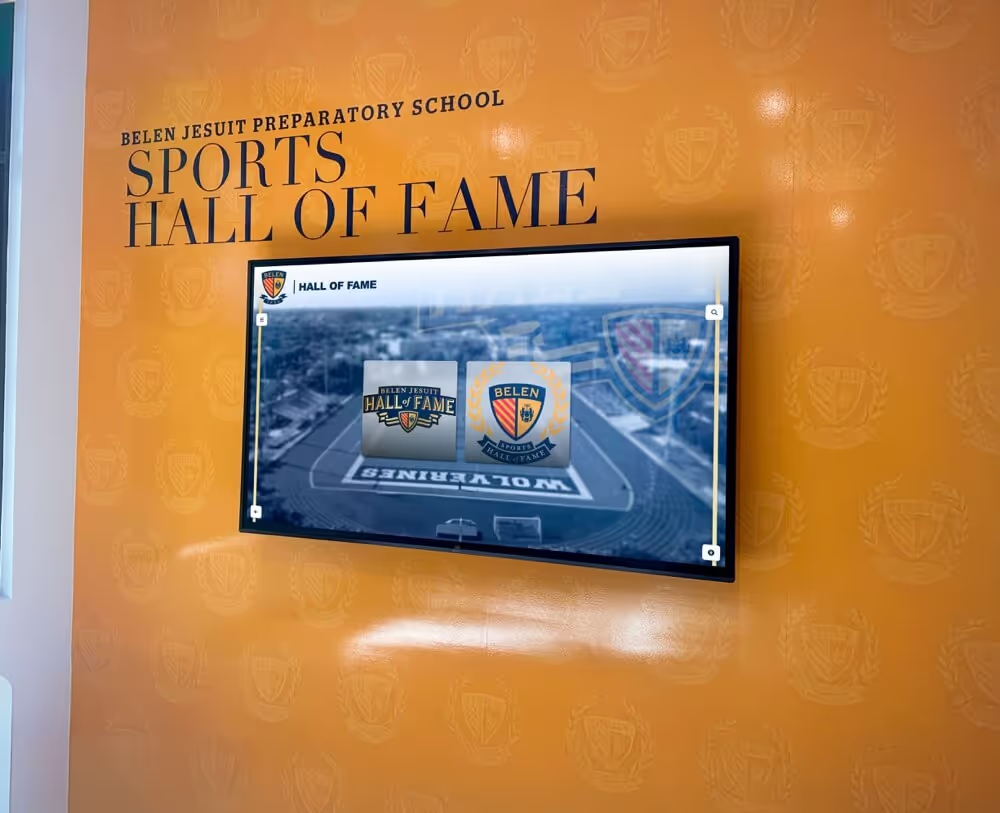
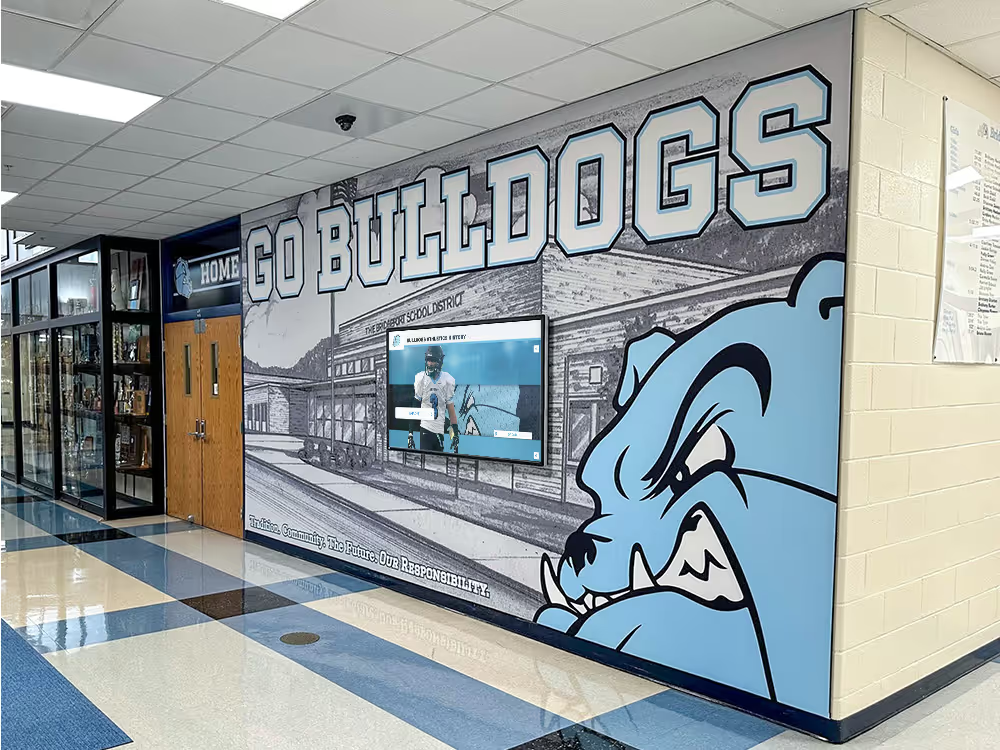
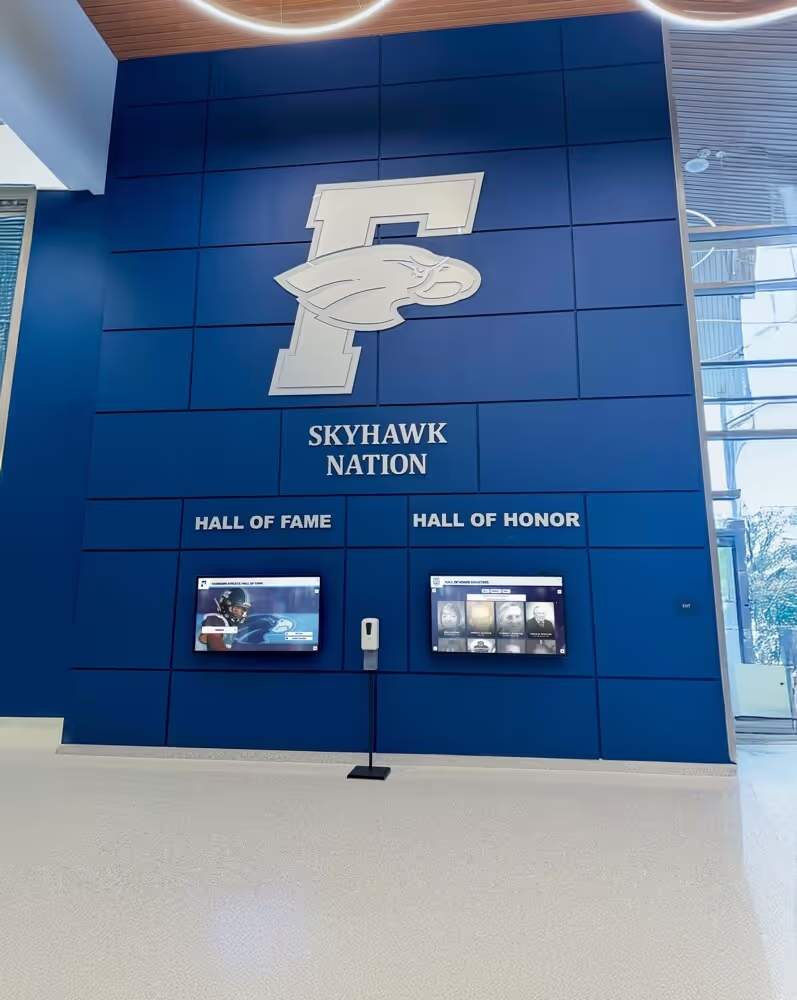
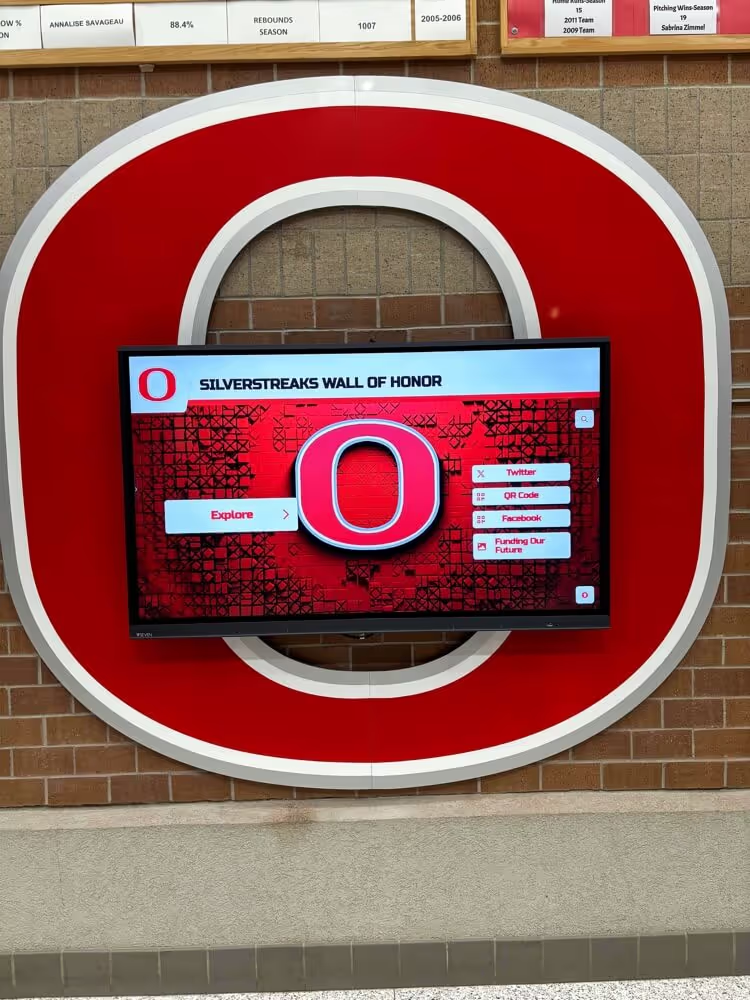
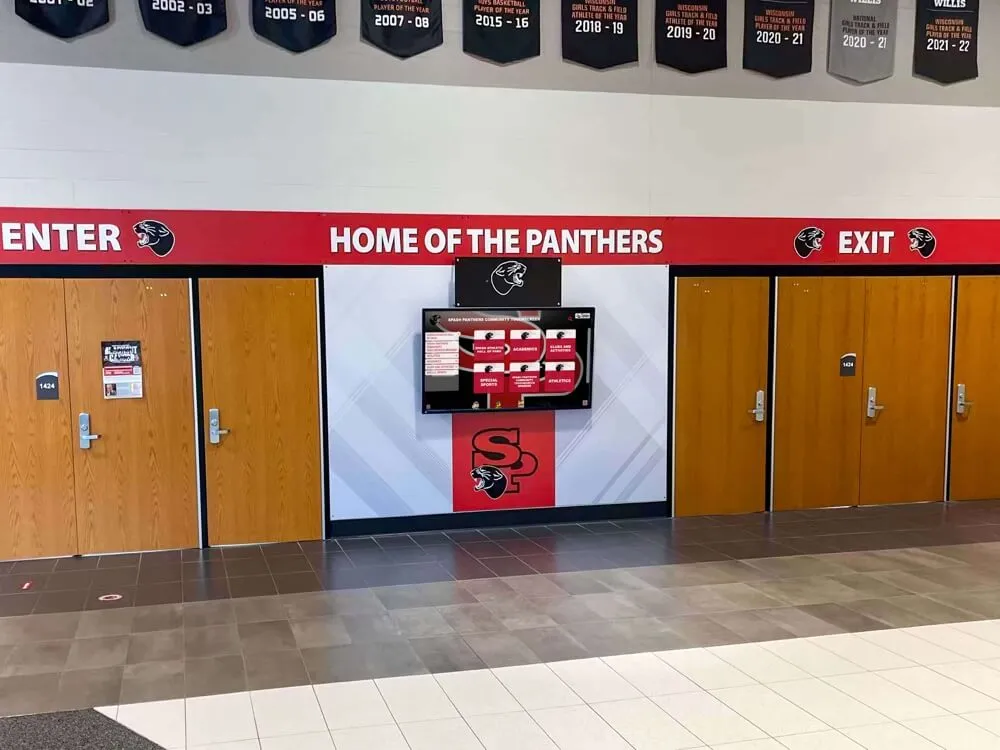
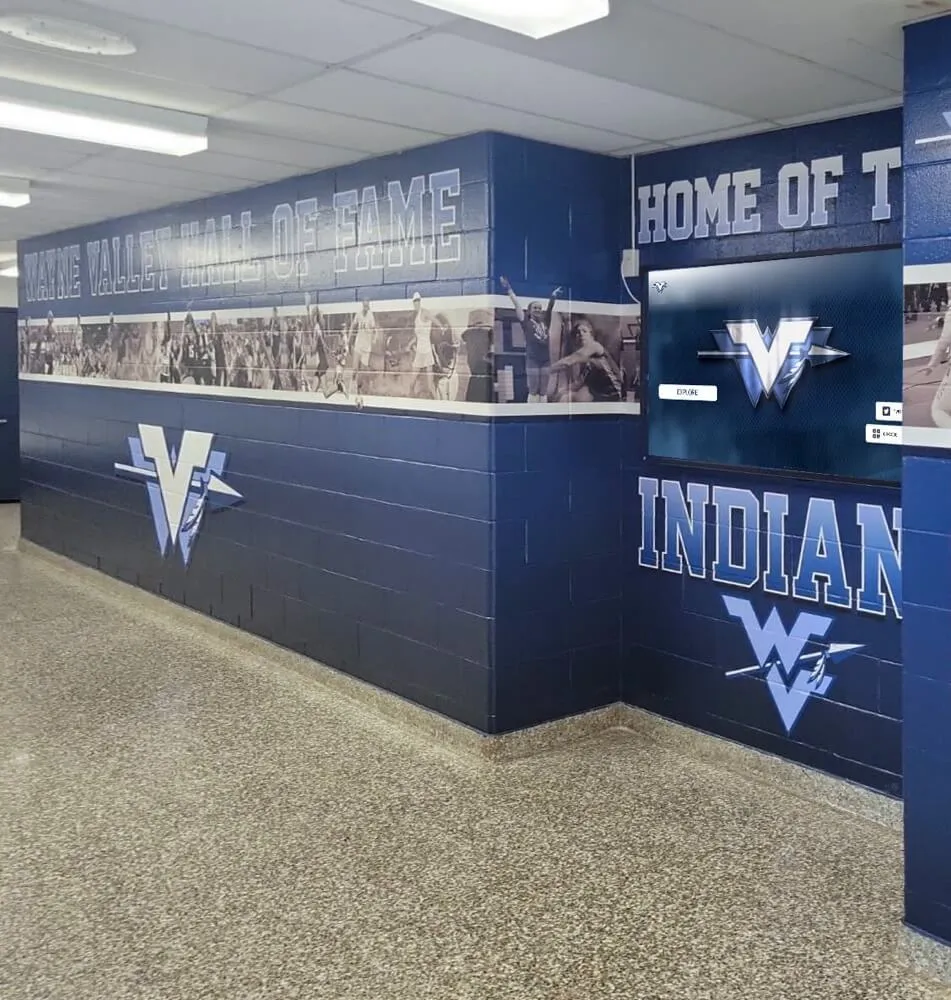
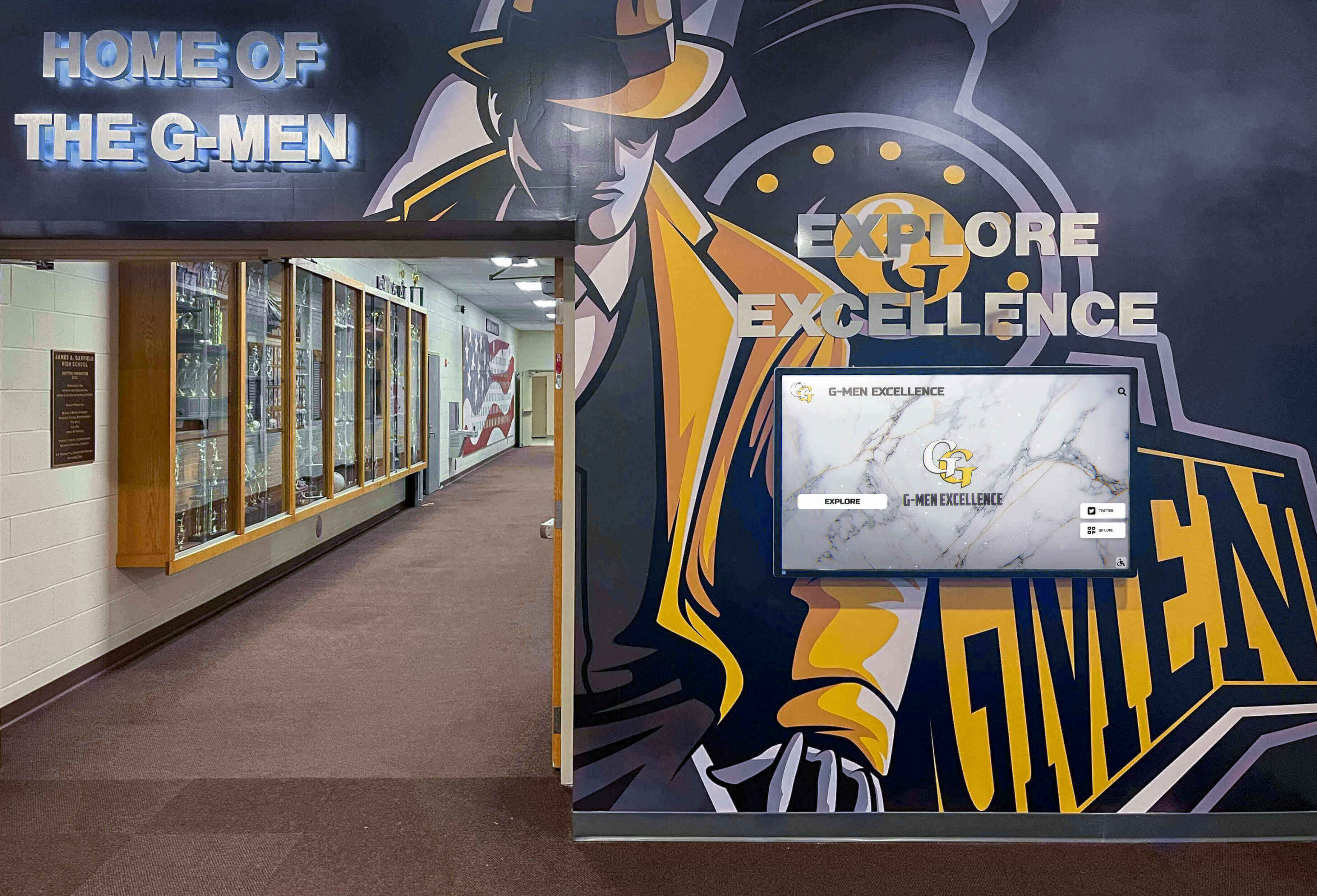
Strategic hallway placement ensures theater achievements receive visibility equal to athletic and academic recognition
Character and Commitment Awards
Theater Spirit Award
Recognize the student who most embodies theater program values through positive attitude, enthusiastic participation, support for fellow theater members, willingness to take on any role or responsibility, and infectious love of theatrical arts that elevates program culture.
Outstanding Dedication
Honor exceptional commitment through consistent attendance and punctuality, willingness to go above and beyond basic responsibilities, reliability and follow-through, extra hours invested beyond requirements, and sustained engagement across multiple productions.
Most Improved Performer
Recognize remarkable growth in theatrical skills from season beginning to end. This particularly resonates in programs where students enter with varying experience levels and visible improvement demonstrates coachability and dedication.
Rookie of the Year
For programs with first-year theater students, this award honors the newcomer who made the strongest impression through quickly learning theatrical skills and conventions, positive attitude and eagerness, reliable participation, significant contributions despite newness, and potential for future theatrical growth.
Theater Service Award
Recognize students who contributed to program success beyond specific production roles through recruitment of new members, mentoring of younger students, leadership in theater organization or thespian troupe, advocacy for program needs, or service to theater education in broader school or community contexts.
Special Recognition Categories
Breakthrough Performance
This surprise award honors a performance that exceeded all expectations—perhaps student in their first major role, someone cast against type who created remarkable characterization, or performer who took creative risks that paid off beautifully. The element of surprise makes this particularly meaningful.
Best Comic Performance
Comedy is challenging art requiring precision timing, physical control, commitment to absurdity, and ability to maintain composure while audience laughs. Specific recognition for exceptional comedic work validates this specialized skill.
Most Memorable Moment
Based on audience and cast balloting, recognize the single moment from the season that most resonated—perhaps powerful monologue, spectacular technical effect, unexpected improvisation, or emotional beat that audiences and participants remember long after productions close.
Ensemble Chemistry Award
Recognize pairs or small groups who demonstrated exceptional onstage chemistry and connection elevating every scene they shared. This celebrates relationship-building and listening that distinguishes competent from compelling performance.
Understanding comprehensive award ceremony planning helps theater programs create ceremonies that honor achievements effectively while engaging audiences.
Implementing Meaningful Theater Award Programs
Understanding how to effectively implement recognition ensures awards achieve intended purposes of motivating students, building program culture, and celebrating theatrical excellence comprehensively.
Planning Your Theater Awards Ceremony
Timing and Format Considerations
Schedule awards ceremonies at natural season conclusions—after final productions close, at end-of-year theater banquets, or during spring celebrations. Consider formats including:
- Traditional banquet ceremonies with meal and formal program
- Reception-style celebrations with social mingling and recognition moments
- On-stage ceremonies immediately following final productions (with careful attention to not overshadowing the show itself)
- Separate technical awards celebrations honoring behind-scenes contributors specifically
- Year-end assemblies or showcases combining performance excerpts with recognition
Balance ceremony length to maintain engagement—60-90 minutes typically works well, allowing sufficient time for meaningful recognition without testing patience. For programs with numerous awards, consider grouping similar categories or alternating between award presentations and brief performance excerpts maintaining energy.
Selection Processes and Criteria Transparency
Establish clear selection processes preventing perceptions of favoritism:
Director Selection Many awards naturally flow from director evaluation who observes all rehearsals and performances. For director-selected awards, consider involving all production staff (assistant directors, choreographers, technical directors) in collaborative discussion ensuring diverse perspectives inform decisions.
Peer Voting Certain awards benefit from cast voting including Best Teammate, Theater Spirit, or Memorable Moment awards. Use anonymous ballots and simple voting instructions. Clearly communicate what each award honors so students vote based on appropriate criteria.
External Adjudication For particularly significant awards, consider involving external evaluators including theater educators from other schools, community theater professionals, college theater faculty, or arts organization representatives. External validation adds prestige while providing objective assessment independent of internal program dynamics.
Rubric-Based Evaluation For performance awards, develop evaluation rubrics considering technical skill, artistic interpretation, character development, collaboration, and overall impact. Rubrics don’t eliminate subjective judgment but provide structured frameworks ensuring consistent evaluation across different performances and productions.
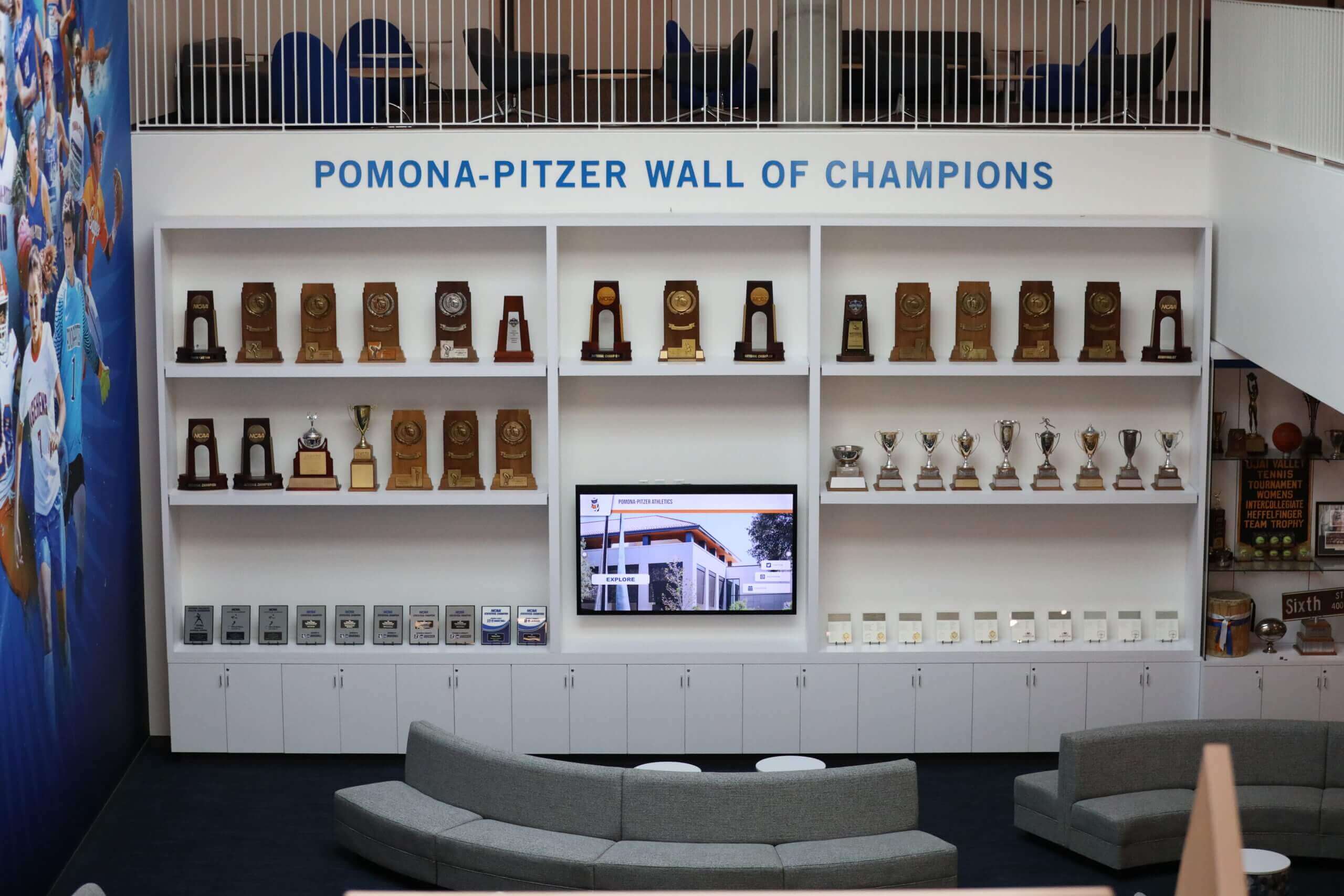
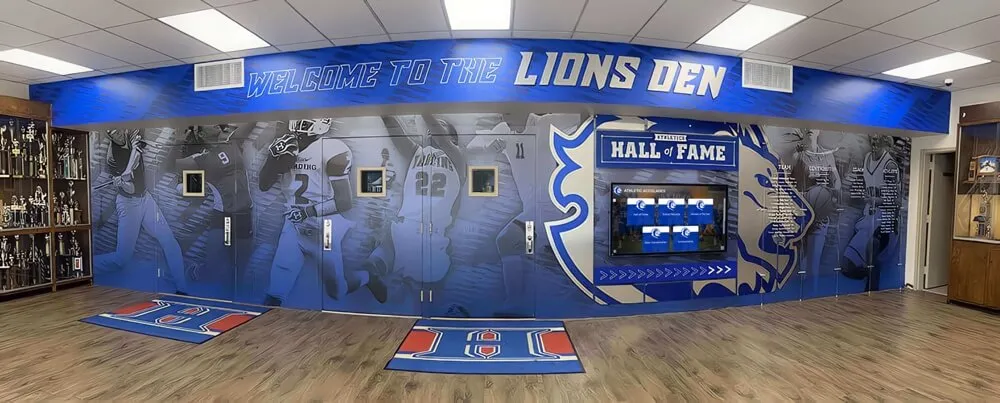
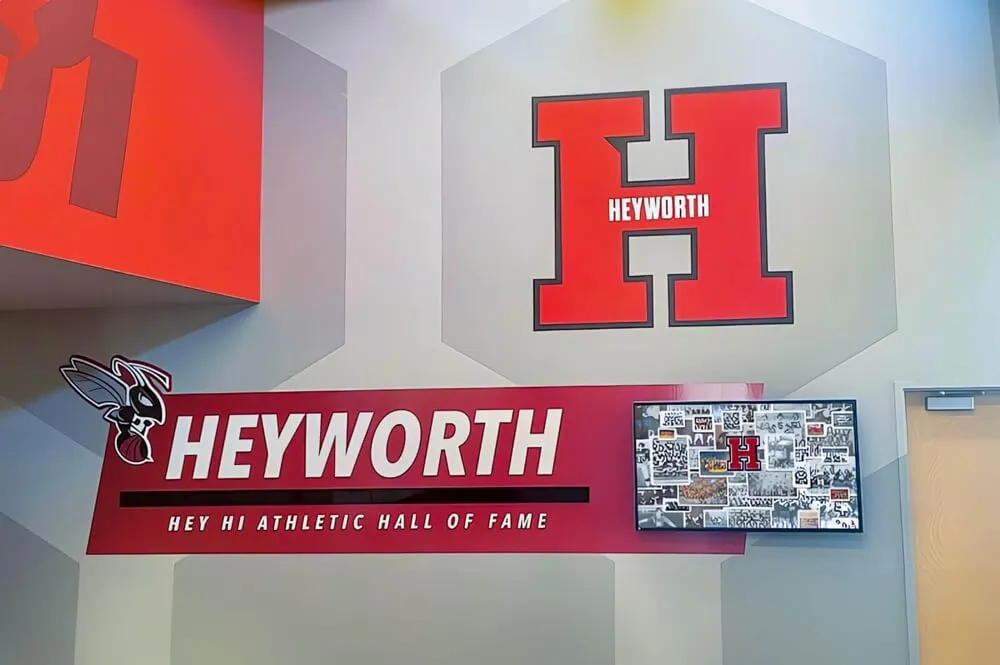
Dedicated recognition spaces celebrate theater achievements alongside other program accomplishments
Making Awards Meaningful
Specific Citations and Storytelling
Generic recognition undermines award impact. For each award, prepare detailed citations explaining specifically why recipients earned recognition:
Rather than “Sarah receives the Outstanding Lead Performance award,” share “Sarah’s portrayal of Juliet demonstrated remarkable emotional depth and vulnerability. Her balcony scene moved audiences to tears, and her commitment to understanding the character’s youth and passion transformed a role often played as overly mature into a genuinely believable teenage girl experiencing first love and devastating loss.”
These specific citations require advance preparation but create meaningful moments where honorees hear genuine appreciation for their specific contributions rather than generic praise applicable to anyone.
Visual Presentation
Enhance awards with visual elements including photo slideshows featuring award recipients in production moments, video montages showcasing technical achievements or memorable scenes, projected design portfolios for technical awards, and performance excerpts demonstrating recognized work. These visuals help audiences understand and appreciate what’s being honored while making ceremonies more engaging.
Award Keepsakes
Physical awards provide tangible recognition recipients treasure:
Budget-Friendly Options ($10-25 per award)
- Printed certificates with detailed achievement descriptions and production photos
- Custom plaques with names, awards, and production details
- Theater masks or drama-themed medallions with achievement inscriptions
- Engraved theater-themed gifts (bookmarks, keychains, picture frames)
- Program covers signed by entire cast and crew with personal messages
Premium Recognition Options ($30-75+ per award)
- Custom trophies featuring theater masks or production-specific designs
- Professional photo prints in quality frames
- Bound production books including script, photos, and personal notes from directors
- Gift certificates to theater supply stores or performing arts events
- Contribution to theater scholarship fund in recipient’s name
Permanent Recognition Integration (ongoing investment) Including recipients in permanent recognition displays through digital systems providing unlimited capacity for honoring all award winners across years. This transforms one-time awards into lasting acknowledgment accessible to entire school communities.
Addressing Common Theater Recognition Challenges
Challenge: Technical Crew Feeling Undervalued
Theater productions absolutely require technical excellence, yet tech crew often feels invisible compared to performers receiving curtain call applause and audience attention.
Solution: Create dedicated technical awards night or ceremony segment specifically honoring behind-scenes contributors. Feature technical portfolios visually during awards ceremonies. Ensure technical awards receive equal presentation time and recognition quality as performance awards. Consider inviting technical theater professionals to present technical awards, validating these specializations’ importance. Implement digital recognition systems giving technical achievements permanent visibility equal to performance recognition.
Challenge: Limited Awards Leaving Many Students Unrecognized
Large theater programs with dozens of participants struggle when only handful of awards leave many contributors feeling overlooked.
Solution: Expand award categories covering more contribution types. Create production-specific awards ensuring each show’s unique contributors receive recognition. Implement participation recognition acknowledging everyone who contributed to productions while maintaining distinction between participation and excellence awards. Use tiered recognition systems including bronze/silver/gold levels or first-year through veteran categories. Consider comprehensive end-of-year recognition programs that celebrate theater alongside other achievements.
Challenge: Balancing Individual Recognition with Ensemble Focus
Theater’s collaborative nature creates tension between recognizing individual excellence and maintaining ensemble-first culture.
Solution: Frame individual awards emphasizing how excellence contributed to collective production success. Present ensemble awards before individual recognition, establishing that collective achievement takes precedence. Require individual award recipients to acknowledge specific collaborators who supported their success during acceptance remarks. Emphasize in all communications that theater succeeds only through collaboration, and individual recognition celebrates each person’s unique contribution to team success rather than elevating individuals above ensembles.
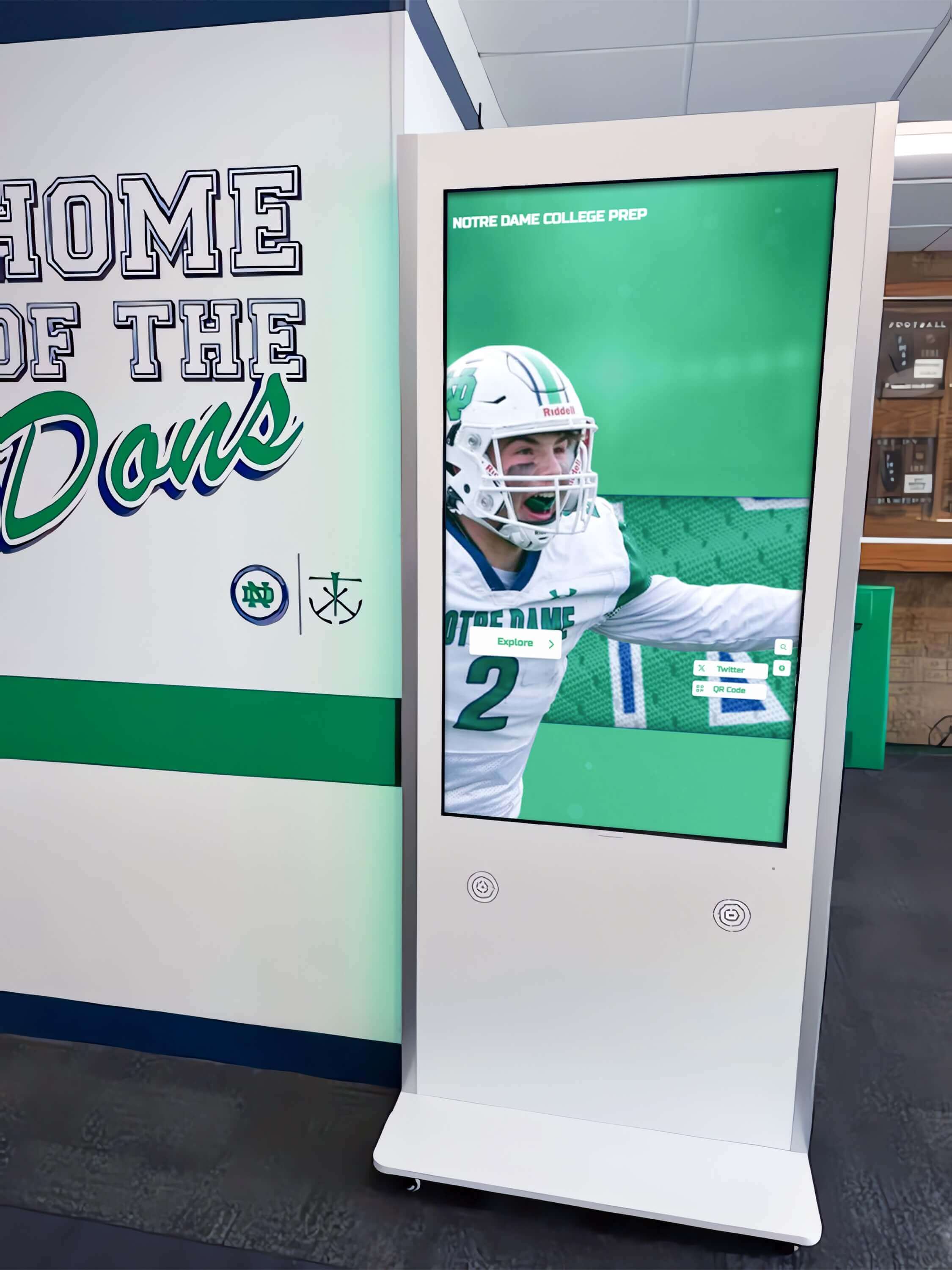
High-traffic hallway placements ensure theater recognition reaches maximum audiences throughout school days
Senior Recognition and Theater Legacy
Graduating seniors deserve special acknowledgment honoring complete theater careers and contributions to program culture and tradition.
Senior Career Honors
Senior Tribute Presentations
Each graduating senior should receive individual recognition including career highlights spanning all productions, growth and development observed across years, specific contributions to program culture and community, memorable moments or performances, future plans and how theater influenced their paths, and personal messages from directors acknowledging their unique impact.
Implementation approach: Gather comprehensive information from seniors through questionnaires asking about favorite memories, what theater taught them, gratitude for specific mentors or peers, and advice for younger students. Directors should add personal observations about each senior’s journey and character. Present these detailed tributes rather than simply reading names and future college plans.
Multi-Year Participation Recognition
Students who committed to theater programs for three or four years demonstrate sustained dedication deserving specific acknowledgment. Consider graduated recognition for two-year, three-year, and four-year participants, with special emphasis on those who remained engaged throughout entire high school careers.
Student Leadership Recognition
Senior officers, thespian troupe leaders, or informal student leaders who shaped program culture warrant recognition beyond general senior tributes. Acknowledge how their leadership influenced program direction, mentored younger members, advocated for program needs, and left lasting positive impact on theater community.
Legacy and Tradition Building
Theater Hall of Fame Inductions
For outstanding seniors or occasionally exceptional underclassmen, formal hall of fame inductions honor students whose theatrical excellence, character, and contributions place them among program’s most distinguished artists. Establish clear criteria ensuring this remains meaningful honor rather than automatic senior recognition.
Effective athletic hall of fame programs provide models for implementing similar recognition in theater contexts.
Legacy Awards Named for Distinguished Alumni
Programs with notable theater alumni can create awards named in their honor—perhaps “The [Name] Award for Outstanding Musical Theater Performance” honoring program alumnus who succeeded on Broadway, or “The [Name] Technical Theater Scholarship” commemorating former student who became professional lighting designer. These named awards connect current students with program history while honoring distinguished alumni contributions.
Senior Production Showcase
Consider traditions where seniors collaborate on special productions—perhaps senior-directed one-acts, senior ensemble showcase of scenes and monologues, or senior-written original works. These productions provide culminating creative experiences while celebrating senior class contributions collectively.
Alumni Connection and Engagement
Tracking Theater Alumni
Maintain records of theater program graduates including college theater programs they attended, professional theater work they pursued, teaching careers in theater education, arts administration or related careers, and continued community theater involvement. This longitudinal tracking documents program impact while creating networking opportunities for current students.
Alumni Recognition and Returns
Invite accomplished theater alumni back as guest clinicians, master class instructors, adjudicators for awards or scholarship programs, professional development resources for directors, and mentors for current students considering theater careers. Feature alumni success stories in program communications demonstrating paths theater education enables. Explore alumni engagement strategies that build lasting connections.
Digital Alumni Networks
Modern recognition systems can integrate alumni features enabling graduated students to maintain connections with programs, update profiles with post-graduation achievements, access production archives from their years, and remain part of theater community beyond high school. This transforms program participation from four-year experience to lifelong connection.
Building Permanent Theater Recognition Systems
While memorable award ceremonies create immediate impact, permanent recognition systems extend value indefinitely by preserving theater achievements and enabling ongoing accessibility.
The Case for Digital Theater Recognition
Traditional recognition approaches face limitations that digital solutions effectively address:
Space Constraints
Physical trophy cases and wall displays fill quickly, forcing difficult decisions about what recognition to preserve versus remove when space runs out. Theater programs competing for limited display space with athletics and other activities often lose visibility battles despite comparable achievements.
Digital recognition provides unlimited capacity, allowing programs to honor every award recipient, production, and significant theatrical moment comprehensively without space restrictions forcing removal of historical recognition when adding current achievements.
Rich Storytelling Limitations
Names on plaques or printed programs provide minimal context about what made performances or contributions exceptional. Traditional displays rarely accommodate production photos, technical portfolios, or detailed achievement descriptions that bring theatrical work to life for those who didn’t attend performances.
Digital platforms enable multimedia storytelling including production photography documenting shows, video clips of memorable performances, technical design portfolios showing lighting plots or costume sketches, detailed award citations explaining specific achievements, student reflections on their theatrical experiences, and connections to full production archives preserving complete show histories.
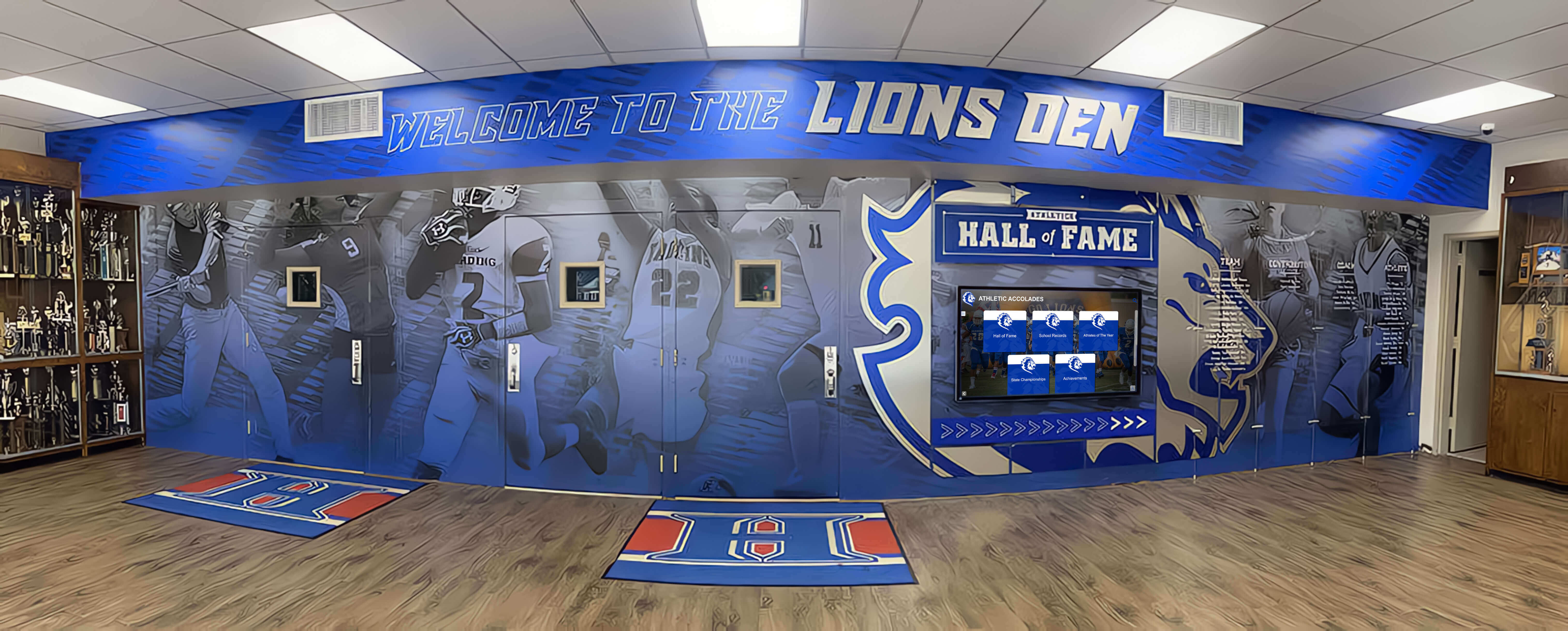
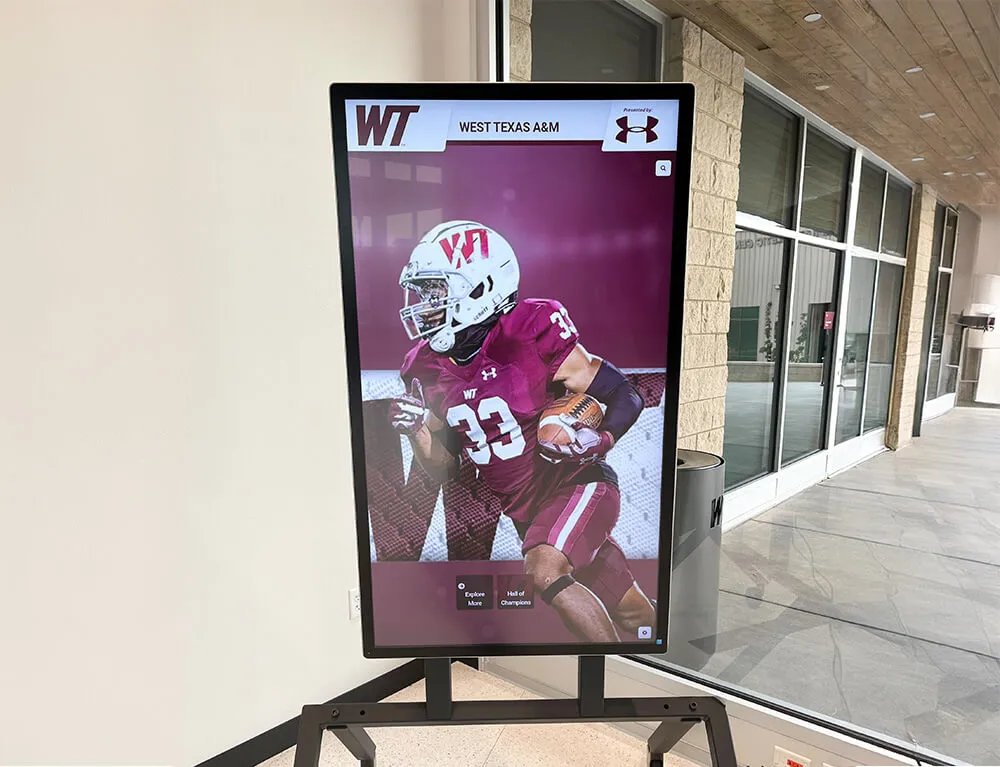
Comprehensive recognition spaces integrate theater achievements with broader school celebration
Accessibility and Engagement
Traditional displays reach only people physically present in buildings during limited hours. Families who cannot visit campus, extended family members living elsewhere, alumni wanting to remain connected, and college recruiters seeking portfolio examples miss opportunities to engage with achievement celebration when limited to physical-only display.
Modern systems offer remote accessibility through web-based platforms enabling exploration of theater recognition anywhere, allowing theater students to share achievement profiles with college audition programs, providing marketing content demonstrating program quality, and enabling alumni to revisit their theatrical experiences years later.
Maintenance Burden
Physical displays require ongoing maintenance, eventually need replacement, and present challenges when adding new recognition or correcting errors. Updating printed programs or re-engraving plaques proves expensive and time-consuming, often resulting in outdated displays undermining recognition effectiveness.
Digital systems enable instant content updates through cloud-based management, allow immediate corrections when errors discovered, and support continuous improvement adding photos or information as they become available without physical reinstallation costs.
Implementing Digital Recognition for Theater Programs
Solutions like Rocket Alumni Solutions provide comprehensive systems designed specifically for educational and performing arts environments:
Professional Hardware Installation
Commercial-grade touchscreen displays installed strategically in high-visibility locations including performing arts center lobbies, school main entrances, hallways connecting to auditoriums, or dedicated arts wings. Professional installation ensures displays integrate aesthetically with facilities while functioning reliably through heavy use.
Intuitive Content Management
Cloud-based platforms allowing theater directors or arts staff to manage recognition content without technical expertise including adding award recipients after ceremonies, uploading production photos and videos, updating student profiles with multiple production credits, organizing content by season, production, or award category, and maintaining complete program archives preserving decades of theatrical tradition.
Engaging User Experience
Interactive interfaces enabling community members to explore theater recognition through multiple navigation paths including searching by student name, browsing by production or season, filtering by award category or role type, viewing featured productions or recent awards, and discovering program history and traditions.
Comprehensive Integration
Support for diverse content celebrating complete theatrical ecosystem including award recipients across all categories, complete production archives with cast lists and photos, technical portfolios documenting design work, program milestones and significant achievements, alumni profiles tracking post-graduation success, and connections to related arts recognition including music and visual arts.
Schools implementing digital theater recognition report benefits including enhanced student motivation through permanent visibility, improved recruitment as prospective families observe program quality, stronger alumni engagement with accessible program history, elevated theater program status through professional presentation, and reduced staff burden managing updates efficiently.
Learn about innovative digital recognition approaches transforming how schools celebrate achievements.
Integrating Theater Awards with Program Culture
Recognition programs work most effectively when embedded in broader theater culture rather than existing as isolated annual events.
Year-Round Recognition Practices
Production-Specific Acknowledgment
Supplement end-of-season awards with production-closing recognition including director’s remarks acknowledging standout contributions, cast parties celebrating specific production successes, social media features highlighting individual cast and crew members, display boards in lobbies featuring production participants, and program notes in subsequent shows recognizing previous production achievements.
Weekly or Monthly Spotlights
Maintain recognition momentum throughout seasons through rehearsal shoutouts acknowledging excellent work, social media features rotating through different theater members, department bulletin boards celebrating current contributors, morning announcement recognition, and newsletter articles profiling theater students.
Progress Celebration
Create cultures celebrating growth and skill development as much as final polished performance. When students master challenging monologues, technicians successfully execute complex lighting sequences, or crews complete impressive set pieces, publicly acknowledge these developmental victories. This progressive recognition motivates continued effort while validating improvement regardless of absolute achievement levels.

User-friendly interfaces make exploring theater achievements engaging and intuitive for all community members
Connecting Recognition to Theater Values
Award categories should reinforce what programs value and prioritize. If your program emphasizes inclusion and accessibility, create awards recognizing students who welcomed newcomers or made theater accessible. If risk-taking matters to your theatrical philosophy, honor students who attempted challenging material or took creative chances. If collaboration represents a core value, ensure recognition celebrates ensemble work and mutual support.
This alignment between awards and values creates coherent program culture where recognition reinforces priorities rather than contradicting stated beliefs with recognition practices.
Building Recognition Traditions
Established traditions strengthen program identity and create anticipation:
- Develop unique award names reflecting program history or honoring legendary former directors
- Create distinctive presentation rituals making awards memorable
- Involve alumni in presenting certain awards connecting current students to program legacy
- Maintain historical documentation of all recipients creating visible recognition lineage
- Feature past recipients returning to present awards to current students
These traditions transform individual awards into meaningful program institutions students aspire to win.
Comprehensive performing arts recognition approaches demonstrate how systematic recognition elevates all arts programs within schools.
Special Considerations for Different Theater Program Types
While core recognition principles apply across contexts, specific considerations exist for different theater program types.
High School Drama Programs
Secondary school programs balance educational and artistic goals requiring recognition that celebrates diverse participation levels, honors growth and development alongside achievement, acknowledges first-time theater students’ contributions, connects to college application and scholarship processes, and integrates with broader school recognition including academic and athletic honors.
Consider partnerships with state or national theater education organizations like International Thespian Society providing external validation through thespian induction, scholarships, and national recognition programs.
Community Theater Organizations
Community theaters with participants spanning ages and experience levels need recognition acknowledging adult volunteers’ contributions, celebrating young performers’ development, honoring long-term company members, recognizing board leadership and organizational support, and balancing recognition across multiple productions annually.
University Theater Programs
College programs preparing professional theater artists require recognition evaluating technical sophistication and artistic maturity, acknowledging senior thesis productions or capstone projects, connecting to professional theater standards and expectations, documenting achievements for graduate school applications, and preparing students for professional auditions and portfolios.
Youth Theater Organizations
Programs serving elementary and middle school students emphasize participation and skill building through inclusive recognition ensuring all participants receive acknowledgment, celebrating effort and improvement over competitive achievement, using age-appropriate award categories, building confidence and encouraging continued participation, and creating positive first theater experiences.
Taking Action: Implementing Enhanced Theater Recognition
Ready to elevate recognition for your theater program? Follow these implementation steps:
Immediate Actions
Audit Current Recognition
Document existing awards including what categories you currently offer, how selection processes work, what recognition formats you use (ceremonies, displays, communications), and what recognition gaps exist where contributors aren’t adequately acknowledged—particularly technical crew, production support roles, and non-performing contributors.
Gather feedback from current students, recent graduates, and parents about what recognition approaches work well and what enhancements would be meaningful. This input reveals what stakeholders value most.
Expand Award Categories
Based on your audit, identify new categories addressing recognition gaps. Consider awards from this guide that would work well for your specific program type, student population, and values. Start with manageable additions—adding 5-7 new categories provides meaningful enhancement without overwhelming implementation capacity.
Enhance Award Presentation
Improve how you present existing awards through detailed citations explaining specific achievements, visual presentations with photos and videos, improved ceremony format maintaining engagement, and better documentation through photography and archiving for promotion and posterity.
Near-Term Planning
Establish Selection Processes
For new and existing awards, document clear selection criteria, determine who makes decisions for each category, create transparent processes students and families understand, and establish timelines ensuring adequate planning time before ceremonies.
Improve Permanent Recognition
Evaluate how your program preserves and displays achievements over time. Consider whether displays adequately accommodate theater recognition, how program history is documented and accessible, whether recognition effectively communicates program quality to visitors, and whether families and alumni can access information about their theater experiences.
Long-Term Recognition Strategy
Digital Recognition Implementation
Explore digital platforms designed for performing arts recognition. Comprehensive solutions like Rocket Alumni Solutions provide turnkey systems including professional display hardware, cloud-based content management, interactive exploration interfaces, multimedia content support for photos and videos, and ongoing technical support and training.
These systems transform one-time awards into permanent recognition accessible to entire communities while solving space limitations of physical displays. Learn about wall of fame design approaches that showcase achievements effectively.
Build Recognition Traditions
Develop distinctive traditions around major awards creating program identity including special presentation rituals, involvement of alumni or distinguished theater professionals, unique award names reflecting program history, and connections to ongoing recognition through digital platforms or permanent displays.
Integrate with Broader Arts Recognition
Position theater recognition within comprehensive arts programs celebrating achievements across all artistic disciplines including music, visual arts, creative writing, and film. This integrated approach elevates all arts while demonstrating schools’ commitment to creative expression in all forms.
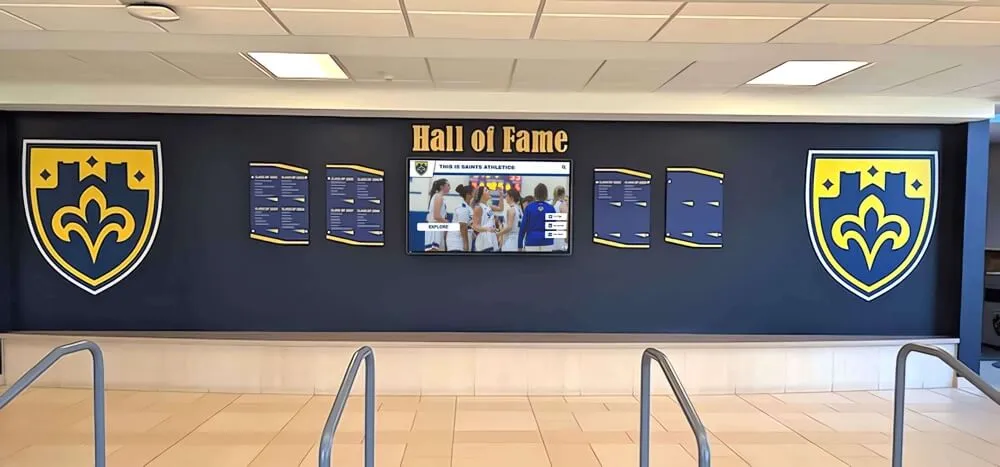
Modern recognition systems integrate traditional displays with digital capabilities providing comprehensive celebration
Conclusion: Celebrating the Complete Theatrical Ecosystem
Theater programs create transformative experiences teaching collaboration, creativity, confidence, and communication while building communities united by shared artistic vision. Your theater students invest hundreds of hours memorizing lines, designing lights, building sets, managing complex productions, and creating magical experiences transporting audiences to different worlds and emotional realities. These remarkable contributions deserve recognition systems honoring the complete theatrical ecosystem rather than reducing complex collaborative artistry to handful of performance awards.
By implementing comprehensive theater awards programs celebrating diverse contributions across performance, technical artistry, production support, and community engagement, you create recognition culture validating theater as the demanding, multifaceted art form it truly is while motivating continued excellence across all production roles.
The award categories and implementation strategies presented in this guide provide frameworks for honoring every dimension of theatrical achievement while remaining manageable for busy program administrators. From traditional annual ceremonies through permanent digital recognition systems extending impact beyond single events, these approaches transform theater recognition from occasional acknowledgment to systematic celebration woven throughout program culture.
Whether you currently offer minimal recognition or maintain established awards programs ready for enhancement, these strategies ensure every theater contributor receives acknowledgment they deserve—from leads commanding center stage through technicians crafting magic from lighting boards, from costume designers defining characters visually through stage managers coordinating dozens of moving pieces that transform scripts into living theatrical experiences.
Your theater students’ achievements represent remarkable dedication, creativity, and collaboration deserving recognition equal to any other form of excellence. With thoughtful planning, comprehensive categories, and modern recognition technology, you can create awards programs that truly honor theatrical artistry in all its diverse manifestations.
Transform Your Theater Recognition Program
Discover how modern digital recognition solutions can help you celebrate every theater contributor's achievements and preserve your program's rich history while creating engaging experiences for your entire community.
Explore Recognition SolutionsStart where you are with enhancements you can implement for upcoming award ceremonies—expanding categories, improving citations, adding visual elements—then systematically build toward comprehensive recognition systems serving your theater community for generations. Every contributor who receives meaningful, specific recognition develops stronger connection to your program and greater motivation to continue their theatrical journey.
Remember that recognition effectiveness matters more than extravagance. Students consistently report that genuine acknowledgment of specific contributions resonates far more powerfully than elaborate productions lacking personalization. A detailed citation explaining exactly what someone accomplished and why it mattered creates greater impact than generic praise within expensive ceremonies.
Your theater program creates experiences that shape students’ lives, teaching skills they’ll use forever while building communities united by creative collaboration. That extraordinary work deserves extraordinary recognition honoring every person whose contributions make theatrical magic possible.