



All-Region music honors represent some of the most prestigious achievements high school musicians can earn—recognition reserved for exceptional students who demonstrate superior musical ability through rigorous competitive auditions judged against peers across entire geographic regions. These honors result from months of intensive preparation, demanding technical excellence, and competitive selection processes where typically only the top 10-15% of auditioning students earn All-Region positions in band, orchestra, or choir.
Yet despite the tremendous dedication these achievements represent, many schools struggle to give All-Region honors the lasting visibility and celebration they deserve. Recognition often defaults to brief announcements that fade from memory within days, printed programs distributed only at concerts, or static plaques in music department hallways that few students outside performing arts programs ever encounter. Meanwhile, All-Region musicians who sacrificed countless hours to master challenging repertoire receive acknowledgment that feels fleeting compared to the prominent, permanent recognition athletic achievements typically receive throughout school facilities.
This comprehensive guide explores how schools can leverage modern touch board technology and interactive digital recognition displays to celebrate All-Region music honors with the prominence and permanence these prestigious accomplishments deserve, while simultaneously building music program culture and inspiring future generations of student musicians.
Touch boards for All-Region recognition extend far beyond simple digital bulletin boards—they represent comprehensive music documentation systems that preserve complete program histories, enable interactive exploration of musical achievements, celebrate individual student contributions across multiple years, and position music programs with visibility equal to athletic and academic recognition throughout school environments.

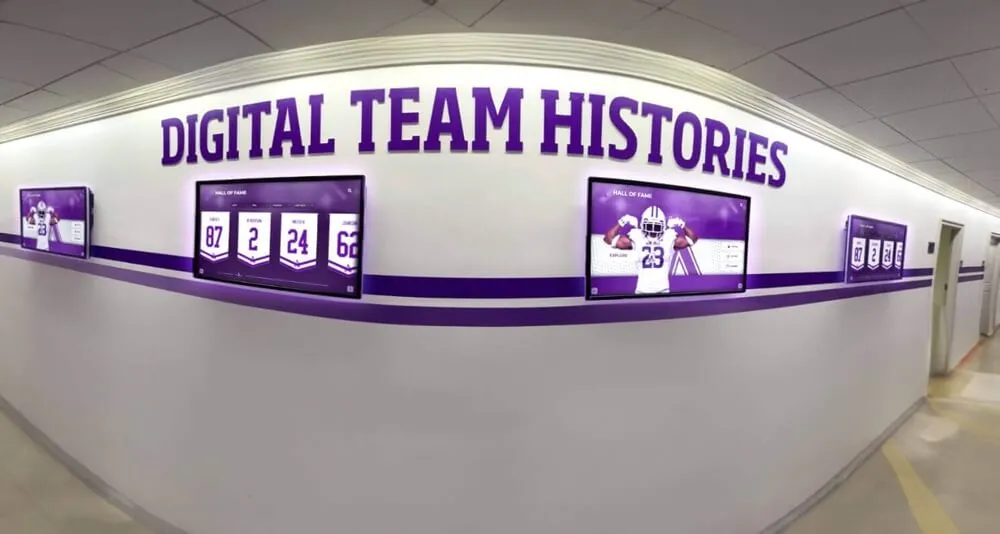
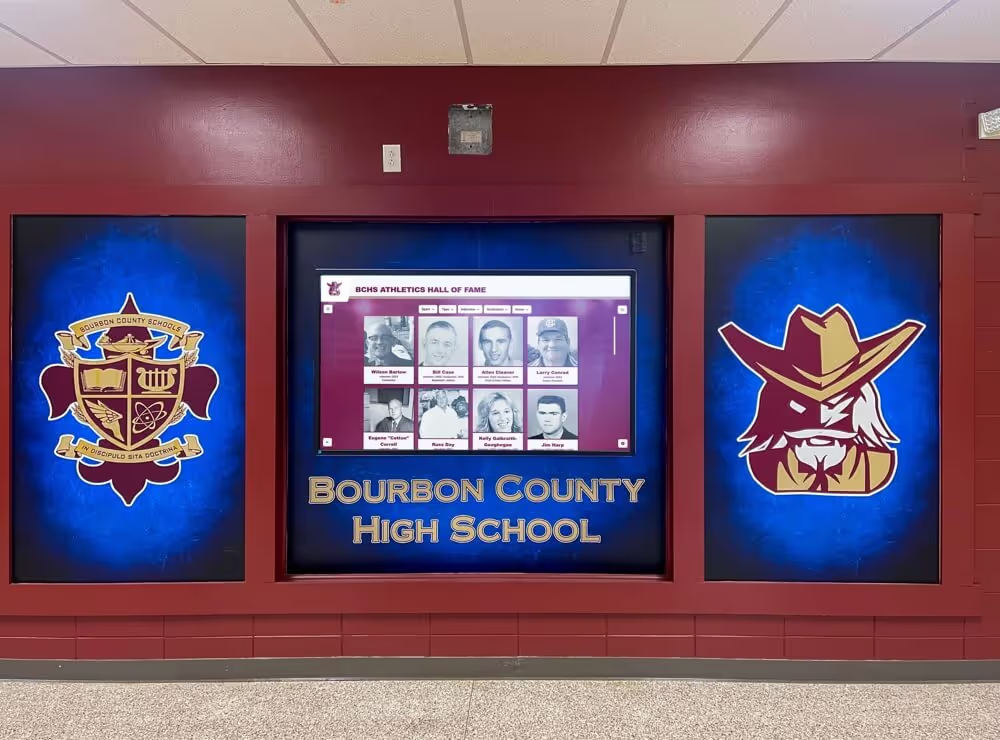
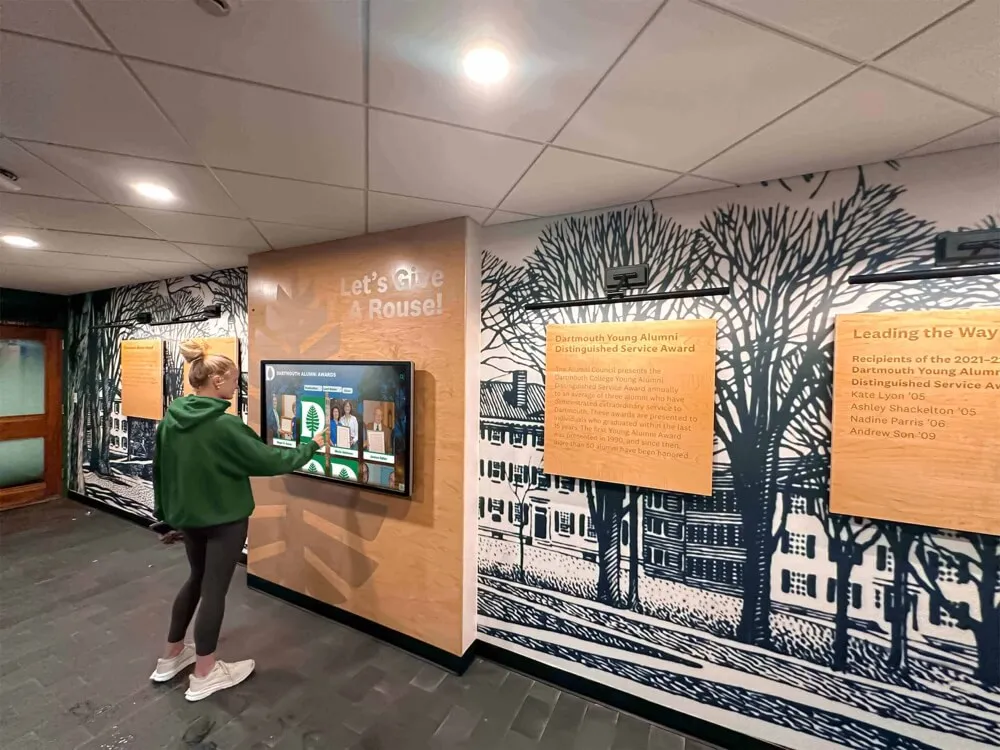
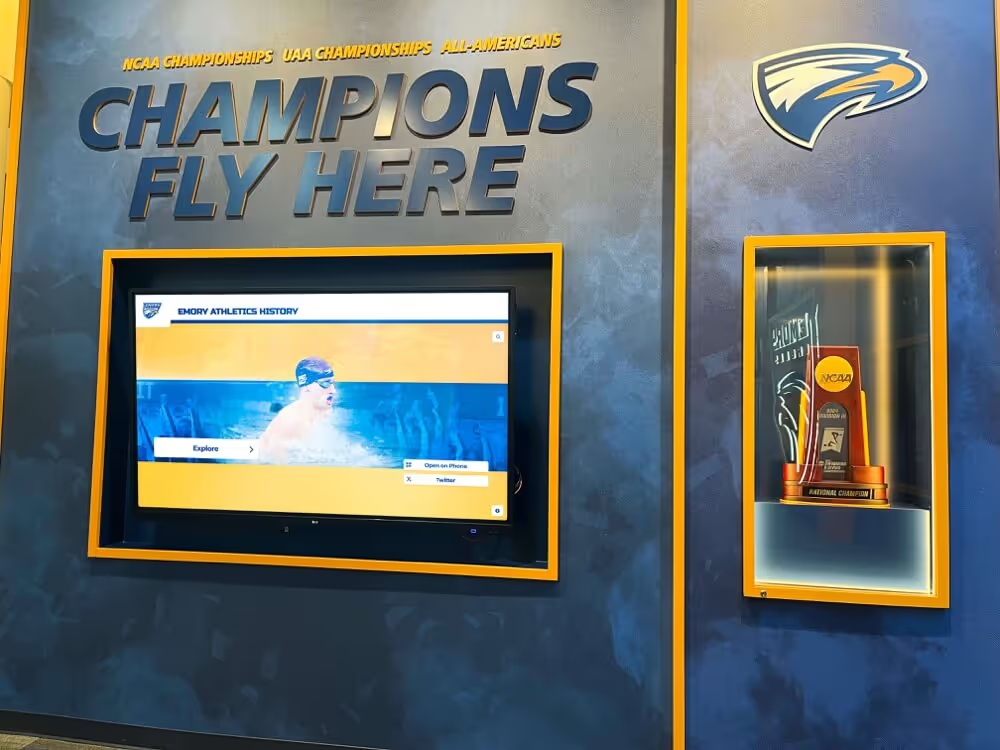
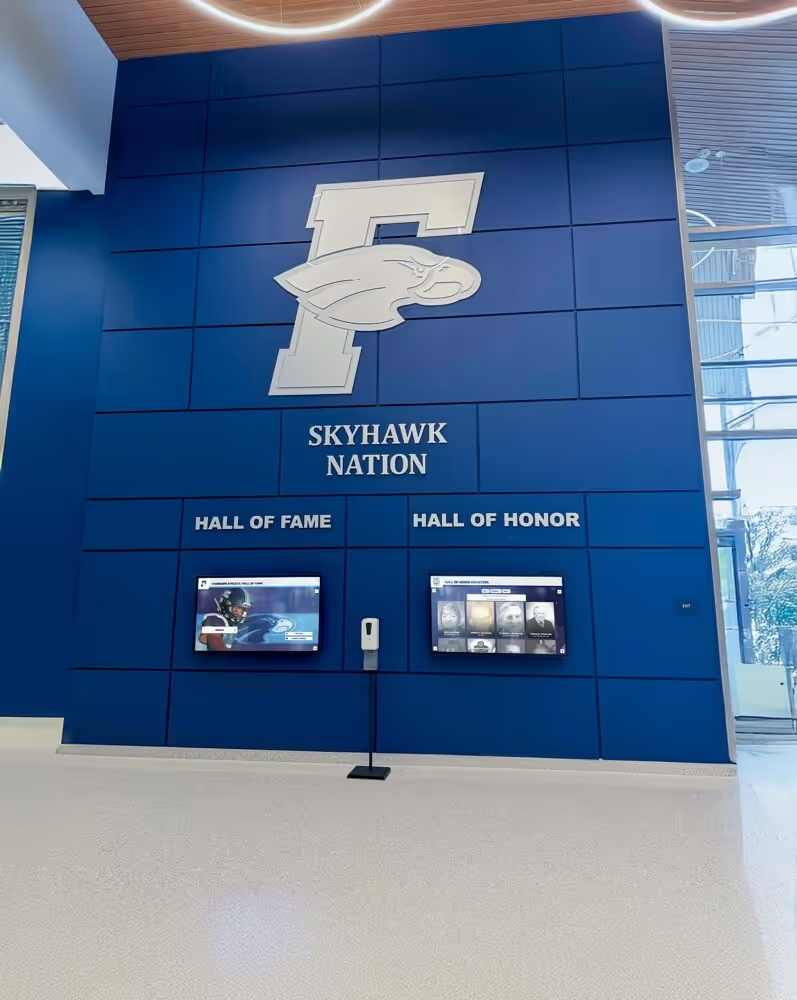
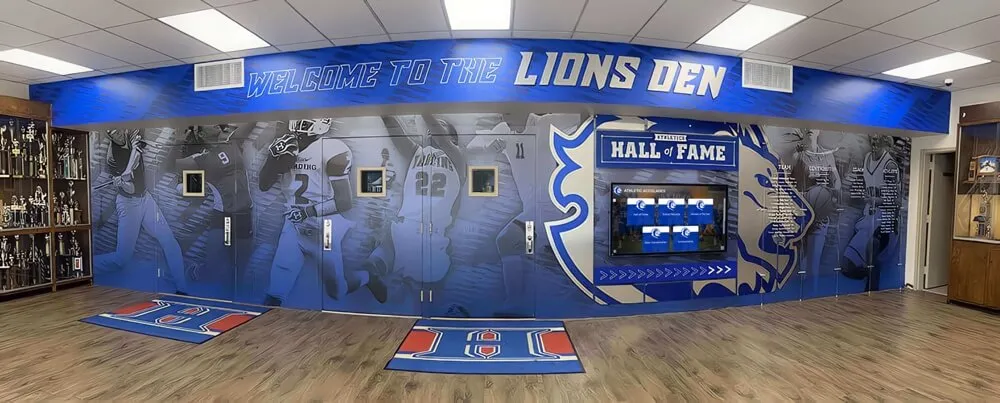
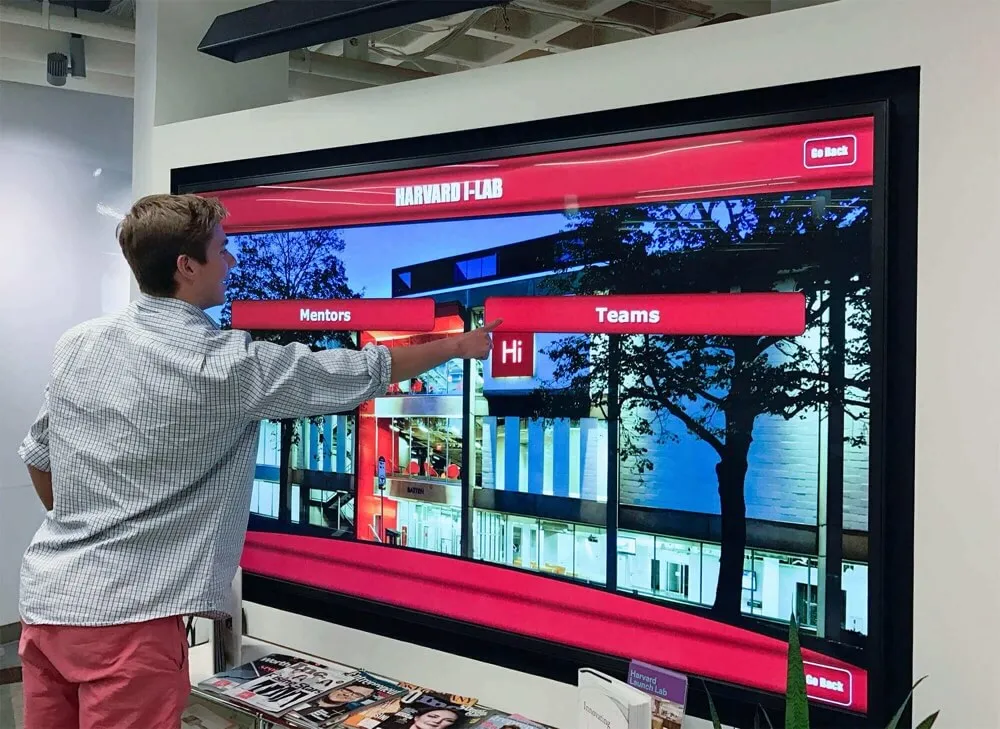
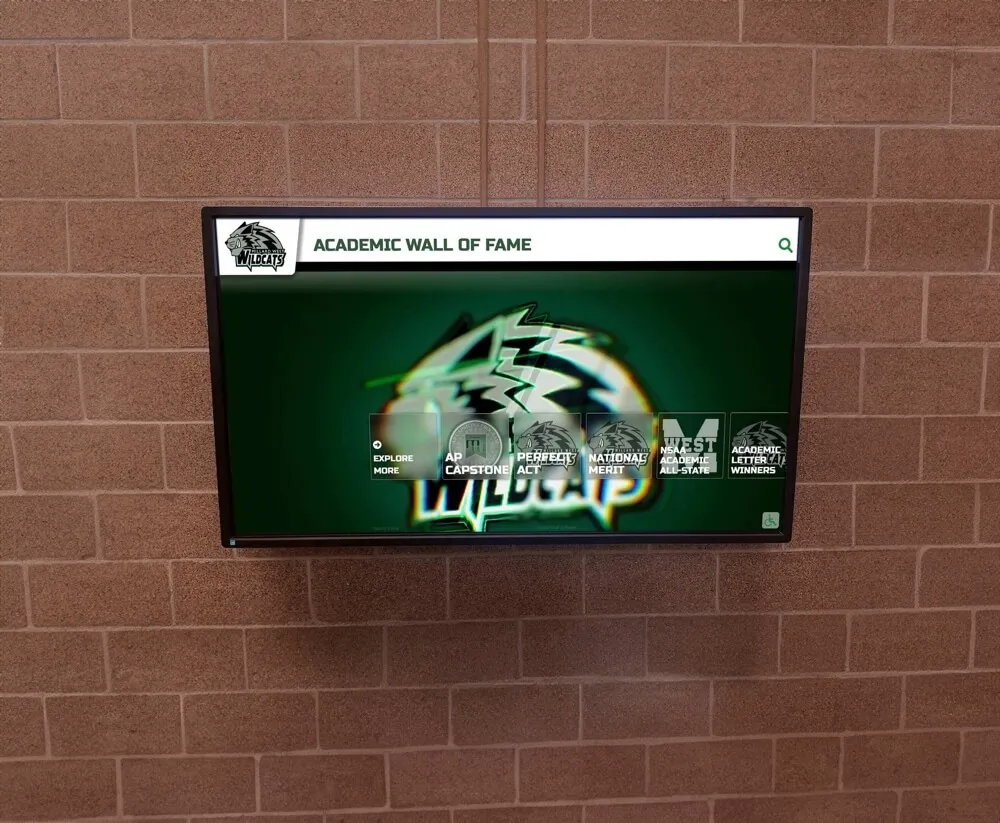
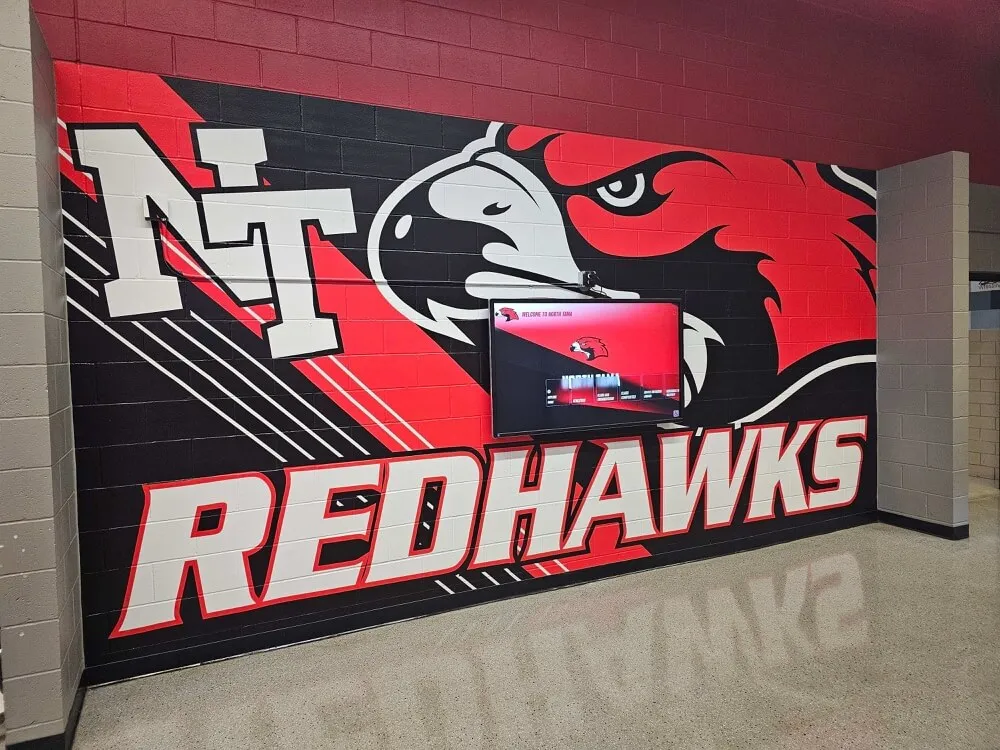
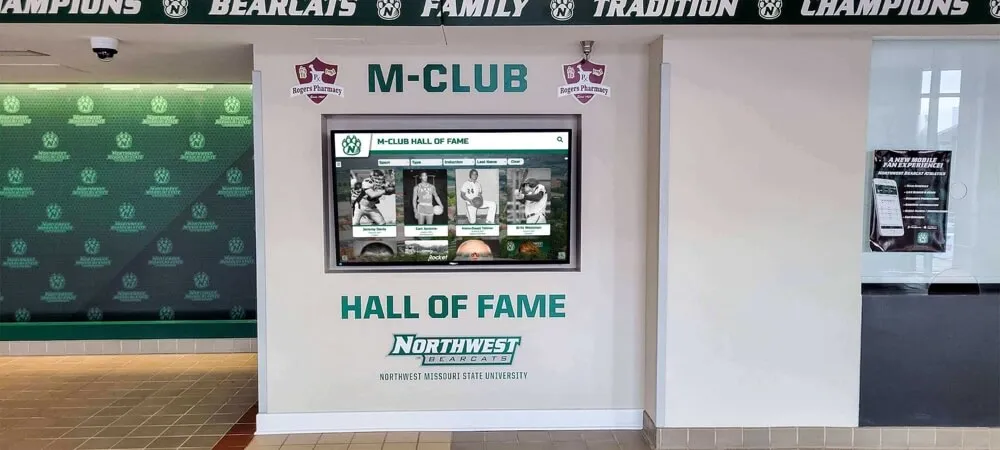
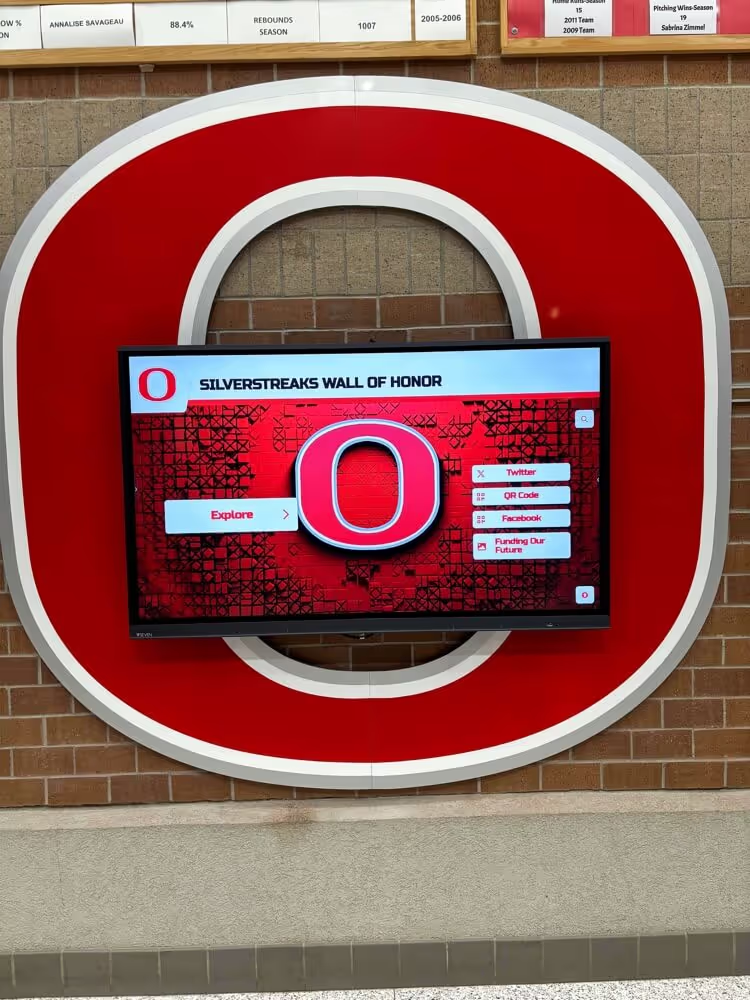
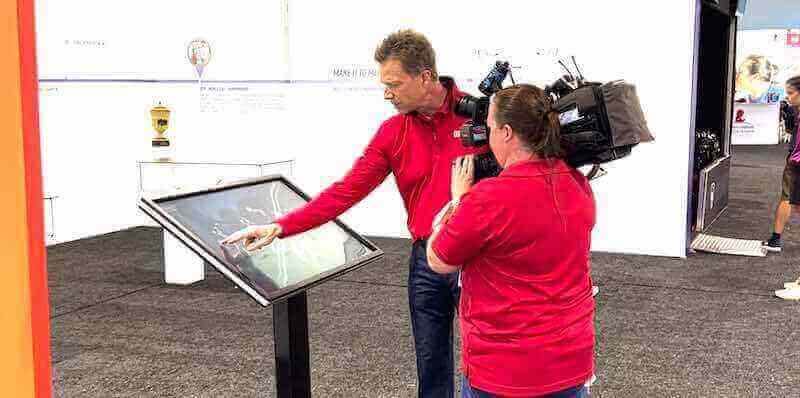
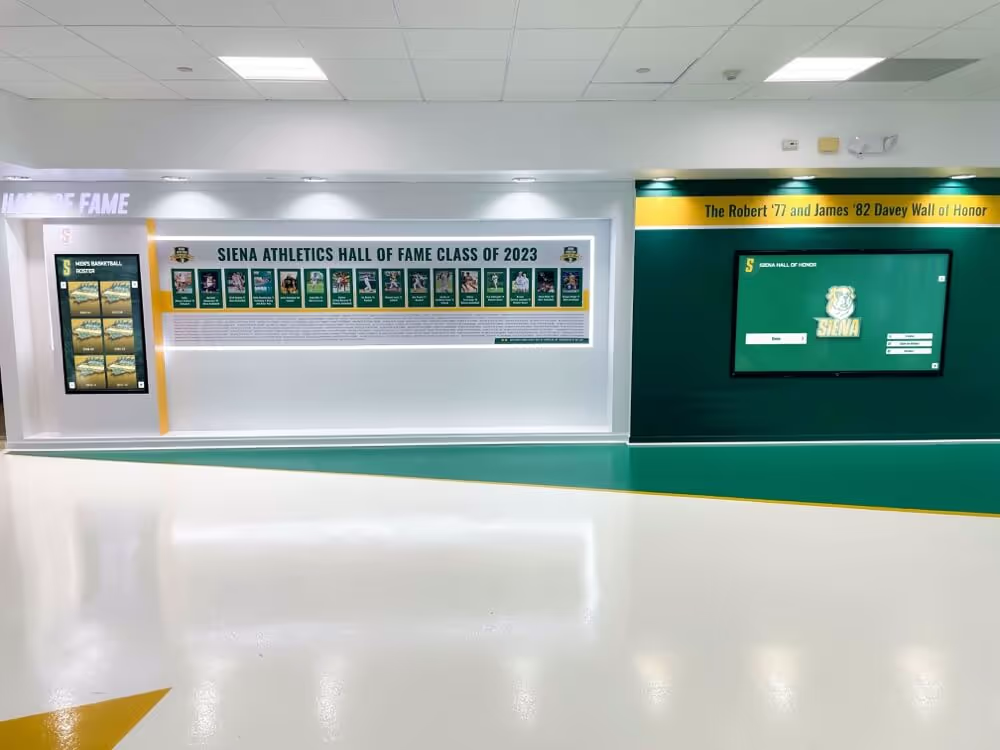
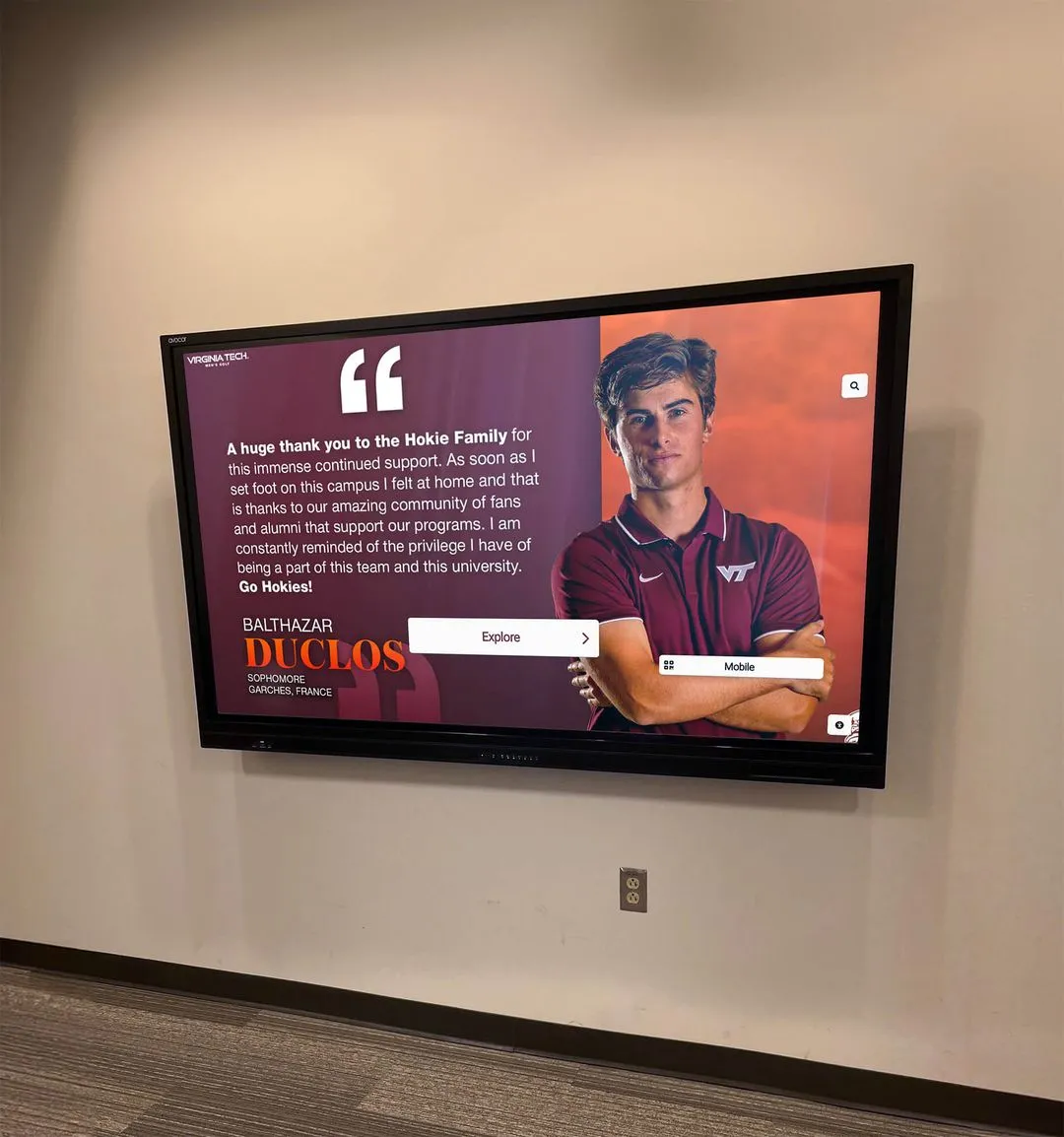
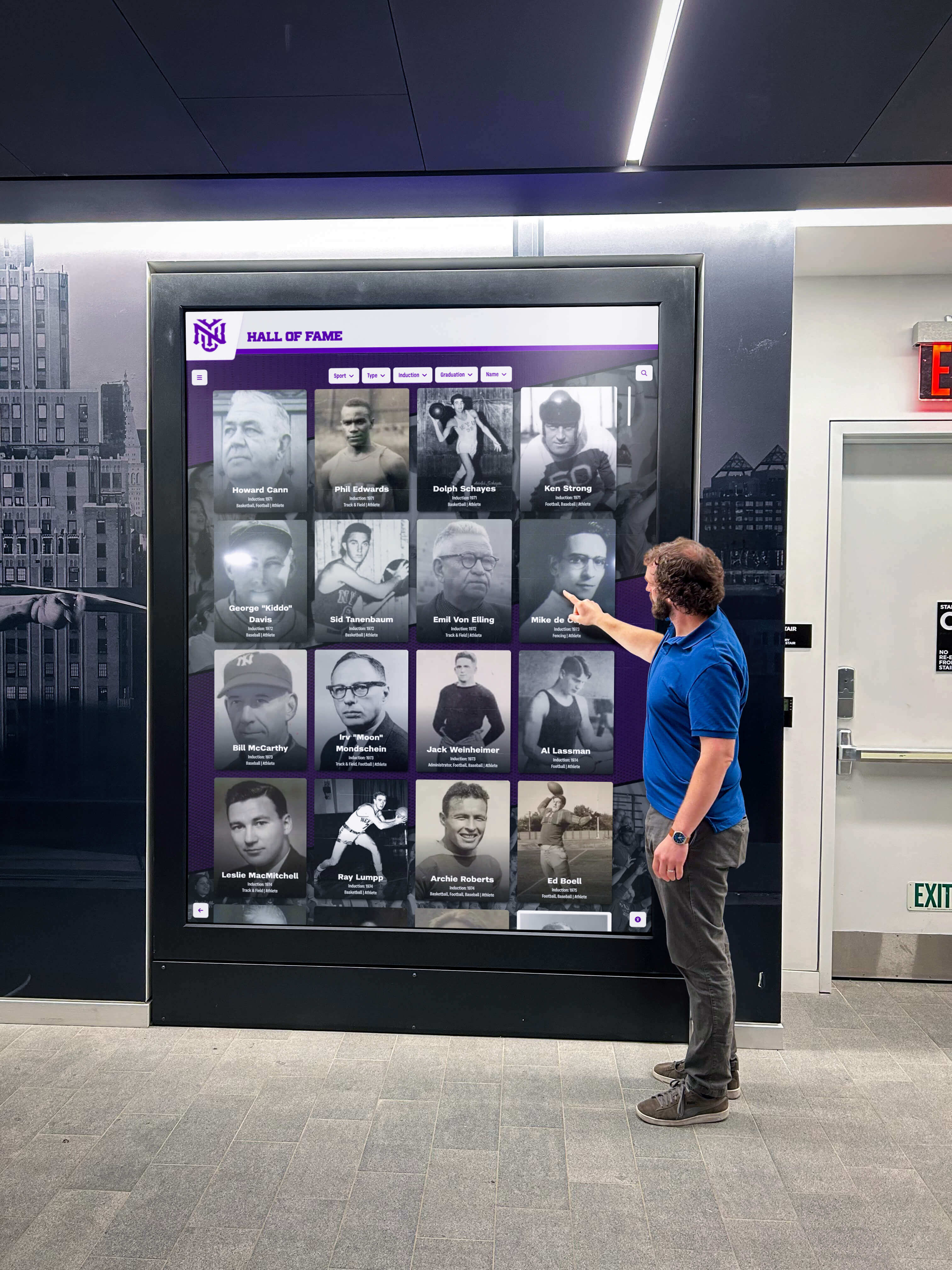
Modern touch boards transform how schools recognize All-Region music honors through engaging, permanent digital displays
Understanding All-Region Music Honors and Their Significance
Before implementing recognition systems, understanding what All-Region honors represent and why comprehensive celebration matters helps schools develop effective approaches that truly honor student achievement.
The All-Region Selection Process
All-Region music honors follow highly structured, competitive selection processes that vary by state and region but share common characteristics demonstrating the prestige these accomplishments represent.
Audition Requirements and Preparation
Students pursuing All-Region positions typically must prepare and perform several demanding components including prepared solo pieces selected from prescribed repertoire lists, technical exercises like scales and arpeggios demonstrating fundamental mastery, sight-reading passages evaluating musical literacy and adaptability, and sometimes improvisation or additional performance elements depending on instrument and region.
Preparation for these auditions requires months of dedicated practice beyond regular band, orchestra, or choir rehearsals. Students work individually with private instructors, devote hours to technical refinement, and practice under performance pressure to develop consistency required for successful auditions.
Competitive Selection Standards
According to educational music organizations, All-Region selection processes typically accept only 10-15% of auditioning students across entire regions that may encompass dozens of schools and hundreds of student musicians. Individual musicians perform selected music for panels of experienced judges who rank each instrument or voice part, with only the highest-ranking students earning All-Region ensemble positions.
This competitive reality means All-Region selection represents exceptional achievement distinguishing students not just within their own schools but across entire geographic regions—a level of recognition that deserves prominent, lasting celebration.
Educational and Personal Benefits of All-Region Participation
All-Region honors provide students with valuable experiences and opportunities extending well beyond the recognition itself.
Musical Excellence and Skill Development
The intensive preparation required for All-Region auditions accelerates musical development regardless of selection outcomes. Students working on demanding All-Region repertoire experience marked improvement in technical ability, enhanced sight-reading proficiency, reduced performance anxiety through audition experience, deeper understanding of musical interpretation and expression, and increased confidence in musical abilities.
Music educators consistently note that even students who don’t ultimately earn All-Region positions benefit tremendously from the preparation process, emerging as stronger, more confident musicians who contribute at higher levels to their school ensembles.
College Admissions and Scholarship Opportunities
All-Region recognition carries significant weight in college admissions and scholarship considerations, particularly for students pursuing music studies or demonstrating well-rounded excellence. According to college admissions resources, All-National selection (which students reach by progressing through All-Region and All-State levels) demonstrates exceptional musical ability, dedication, and capacity to excel in competitive environments.
State flagship universities typically offer automatic scholarship consideration for top music honor recipients, with many institutions guaranteeing auditions and priority scholarship review. Even students not pursuing music majors benefit from All-Region recognition, which demonstrates commitment, achievement, and ability to excel in competitive selective programs—qualities colleges value across all disciplines.
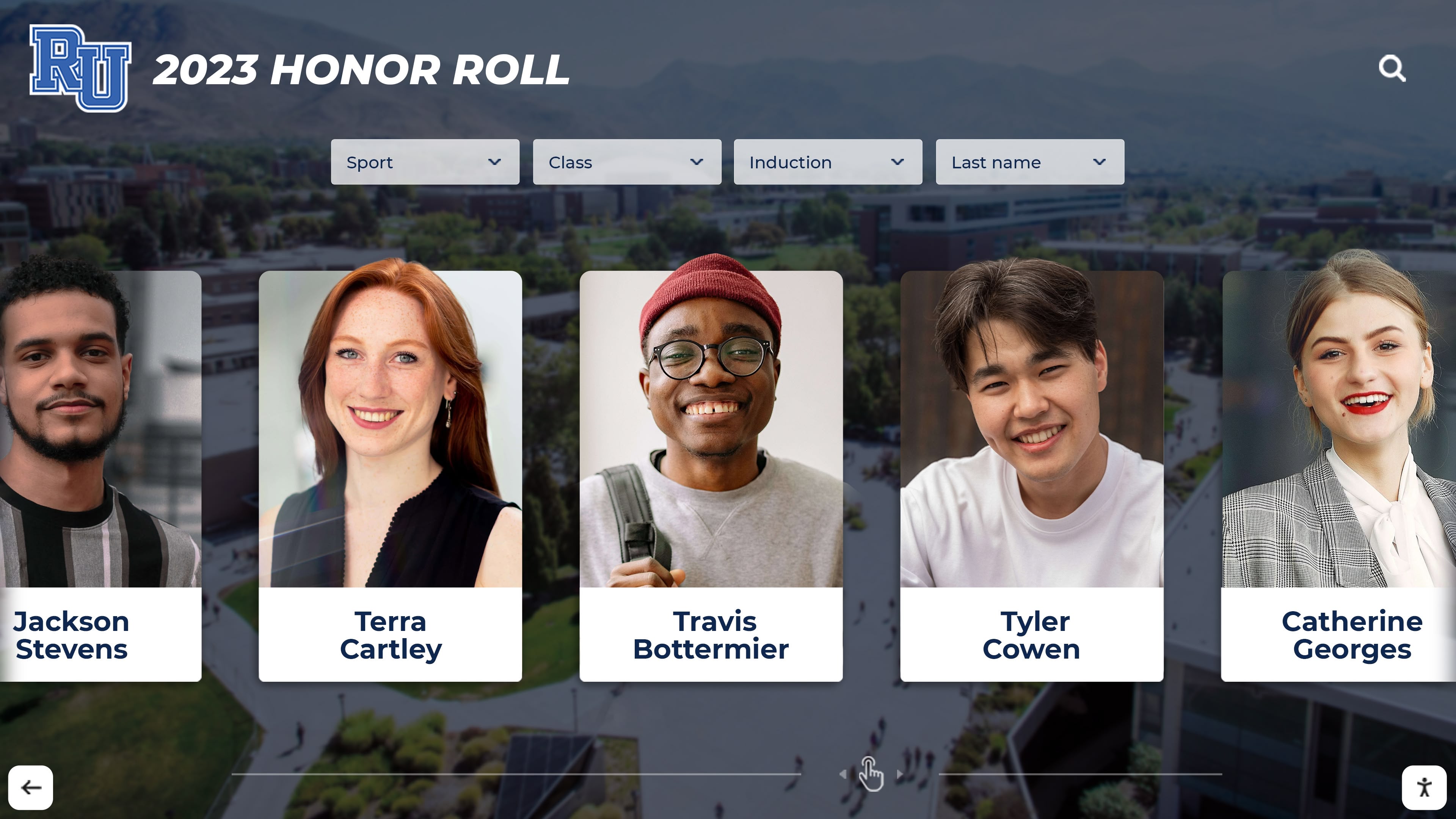
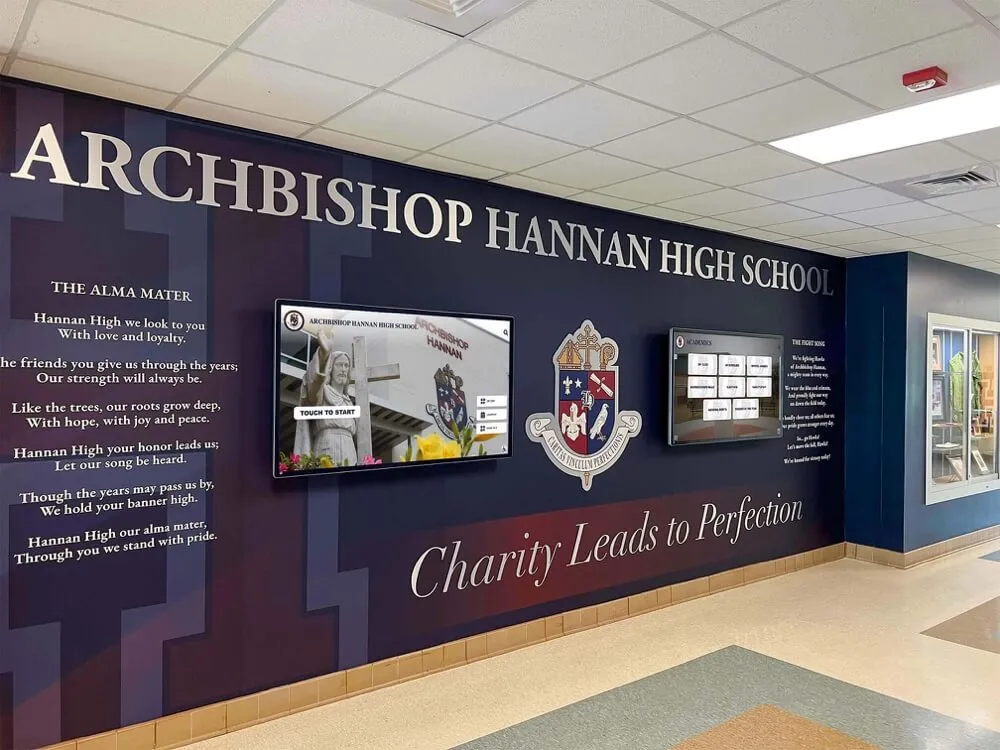
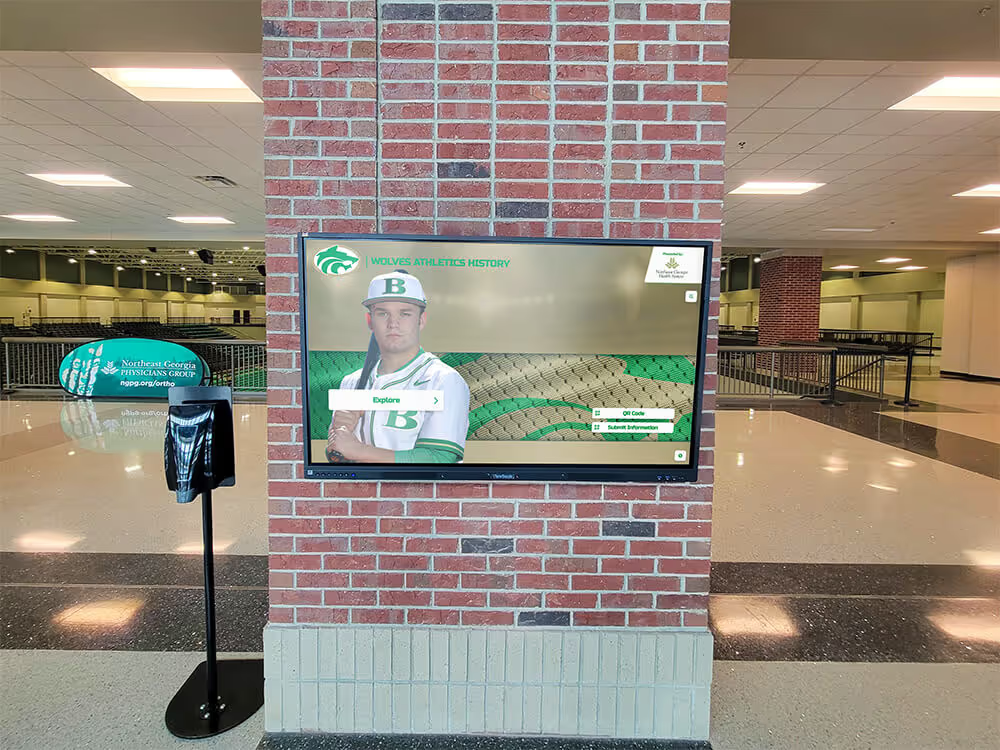
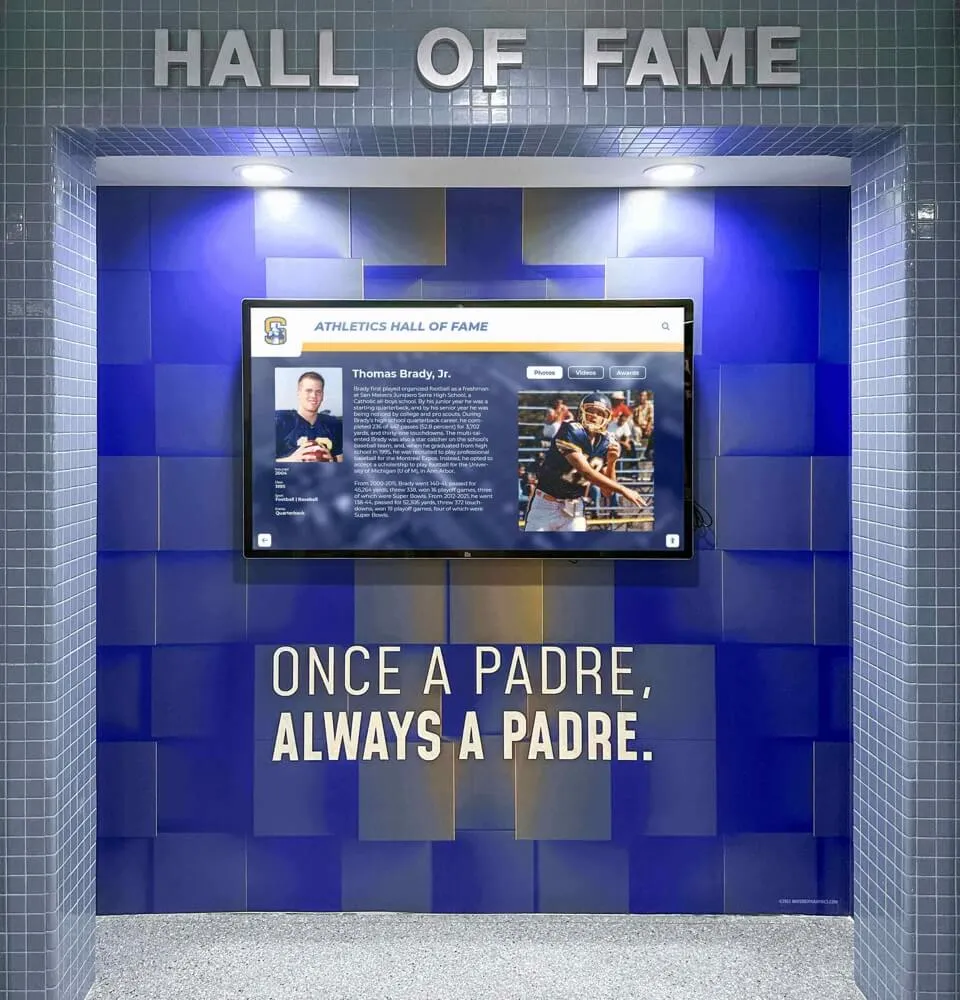
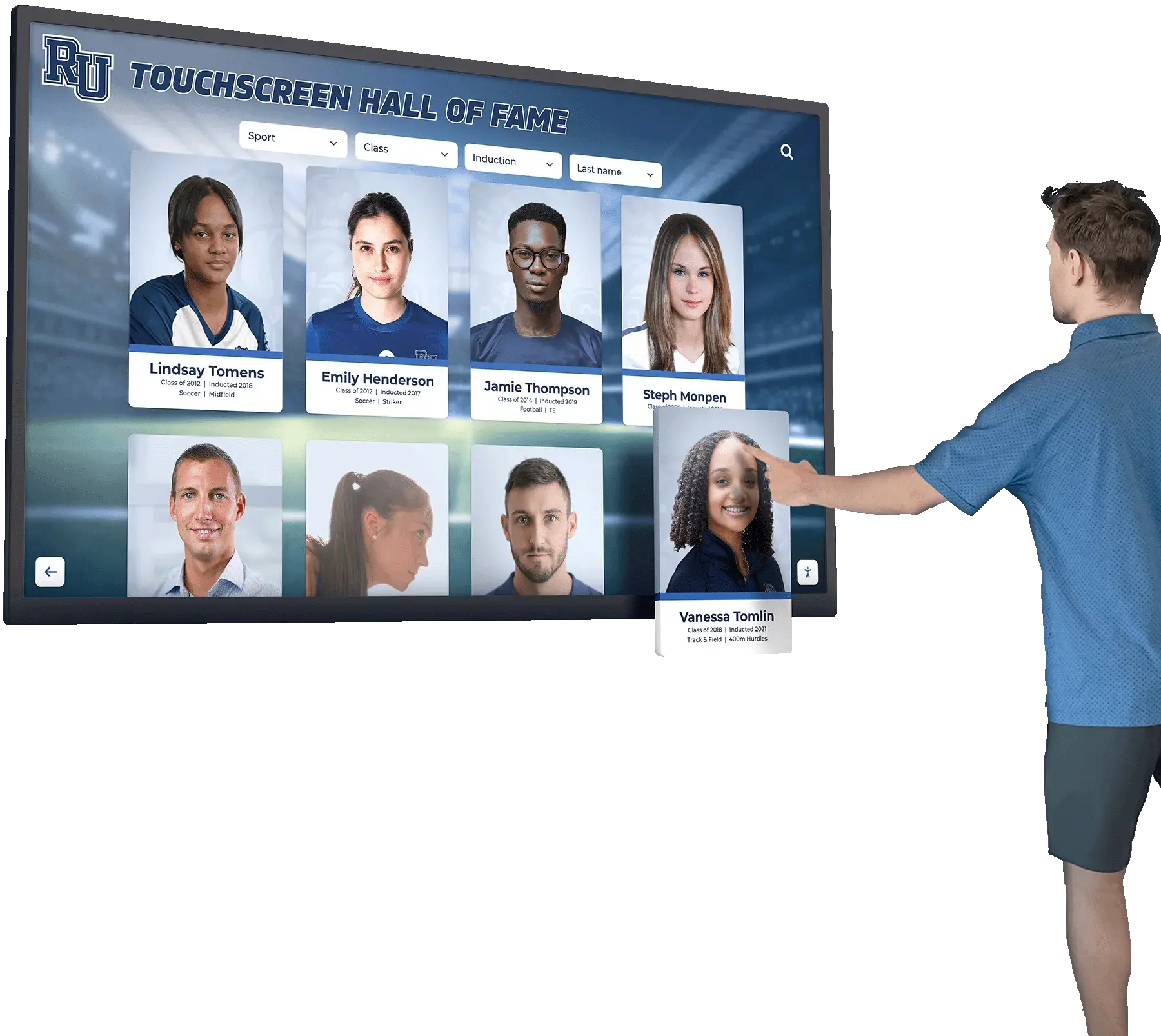
Individual student profiles on touch boards create personalized recognition celebrating specific musical achievements
Program Culture and Motivation
When schools prominently recognize All-Region achievers, they create powerful motivation throughout music programs. Younger students see concrete examples of excellence they can aspire to reach, understanding that exceptional musical achievement receives visible institutional celebration. This inspiration proves particularly valuable for students in their first or second years of instrumental or vocal music, who benefit from visible role models demonstrating what dedication and practice can achieve.
Learn about comprehensive approaches to recognizing all-state musicians that parallel effective All-Region recognition strategies.
Traditional All-Region Recognition: Limitations and Missed Opportunities
Understanding conventional music recognition approaches helps schools appreciate both established practices and modern alternatives addressing traditional limitations.
Announcements and Verbal Recognition
Many schools rely primarily on announcement-based All-Region recognition through morning announcements during school day, concert program acknowledgments during performances, newsletter mentions in weekly or monthly publications, and social media posts providing temporary digital visibility.
While these communication channels provide valuable acknowledgment, they share inherent limitations—announcements are fleeting, forgotten within hours or days after delivery; timing constraints force brief recognition without detail or context; students absent during announcements miss recognition entirely; and no permanent record exists for future students to discover and be inspired by past achievements.
Printed Programs and Newsletters
Concert program recognition documents All-Region honors at specific performance events but faces significant constraints including limited audience—only those attending specific concerts see recognition; temporal limitation—programs are used once then typically discarded or forgotten; space restrictions—programs must balance All-Region recognition with other content; and accessibility issues—families who cannot attend concerts may never see their student’s recognition.
Similarly, newsletter and yearbook mentions provide brief acknowledgment that quickly becomes invisible as new publications replace previous editions, with no systematic way for future students to explore historical All-Region achievements.
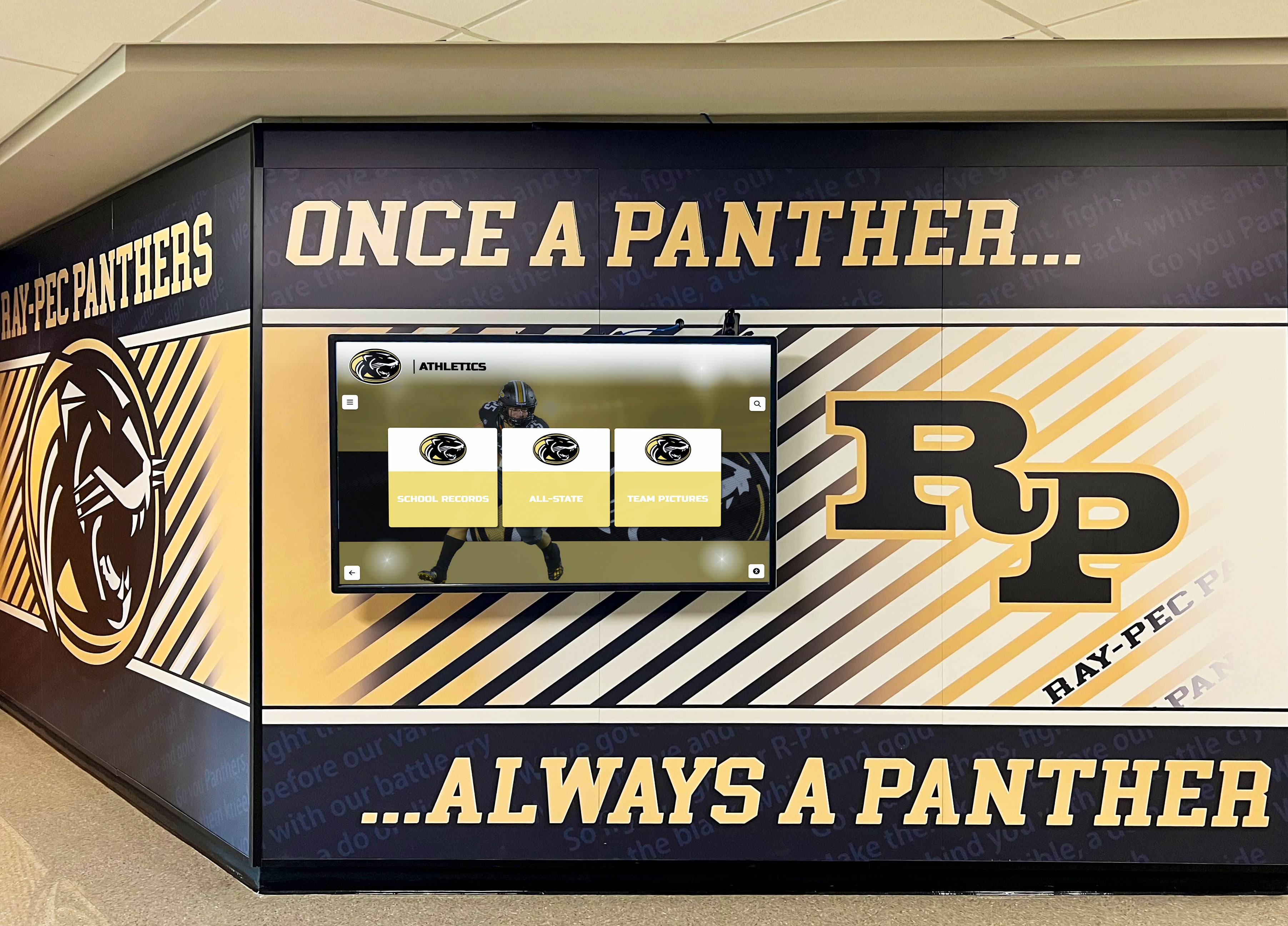
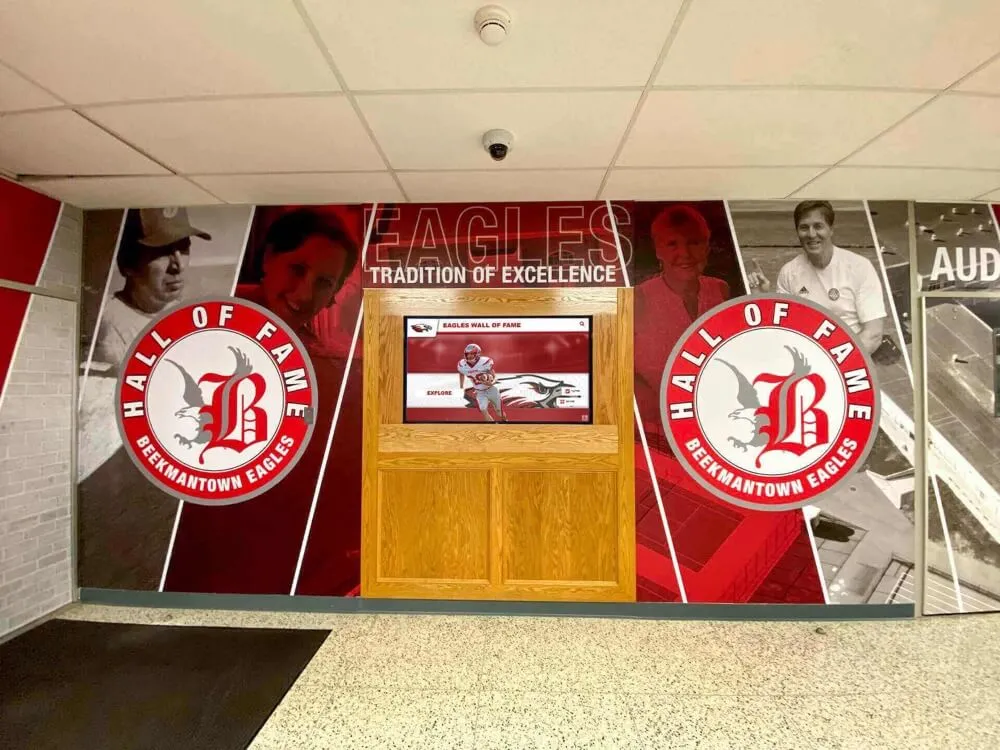
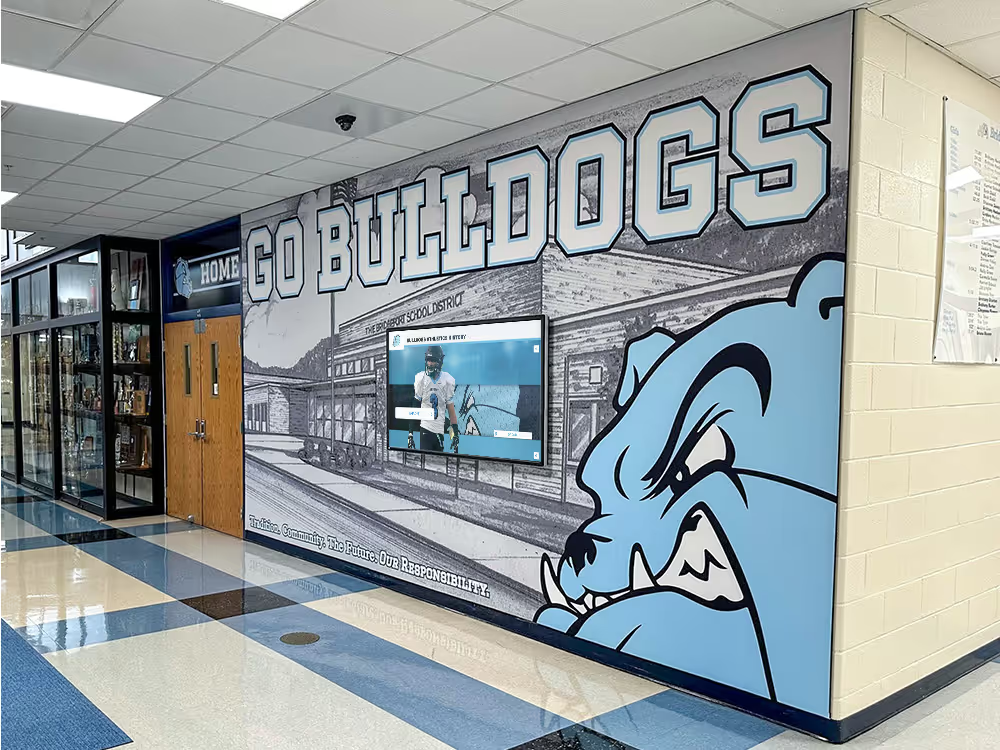
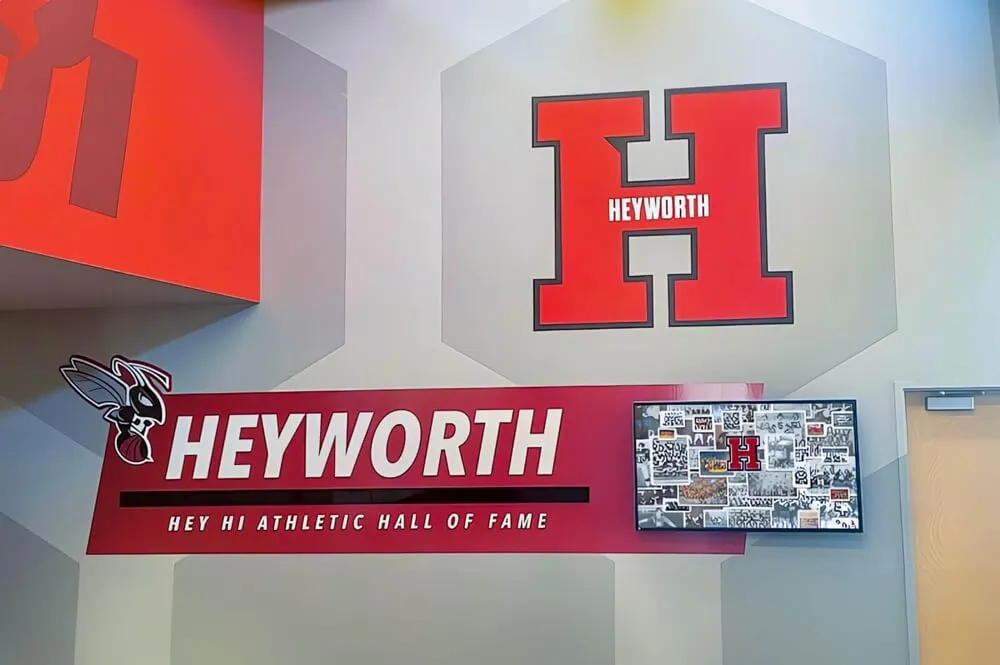
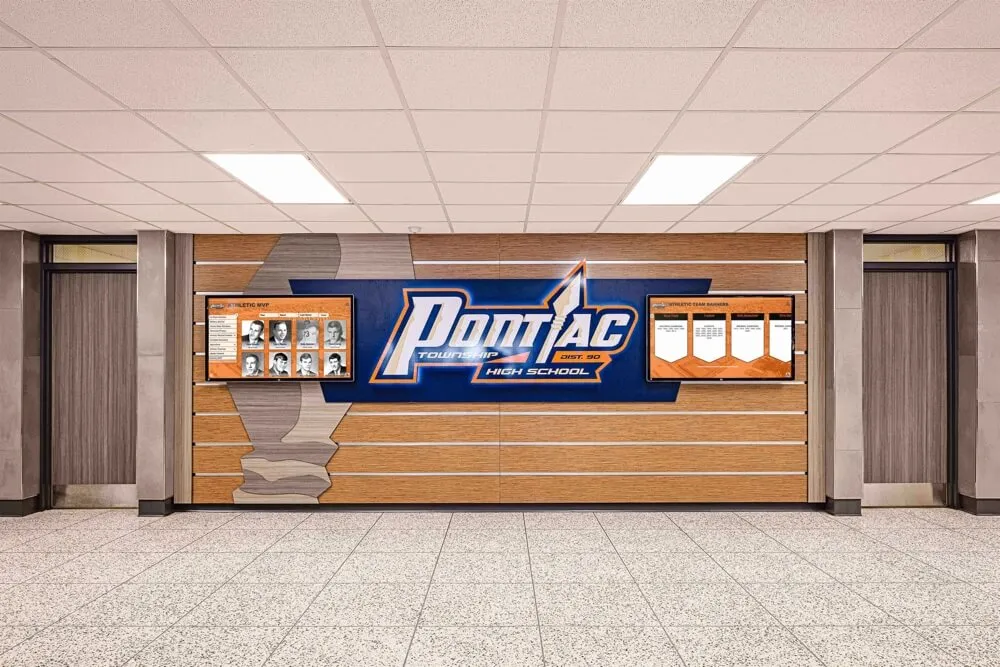
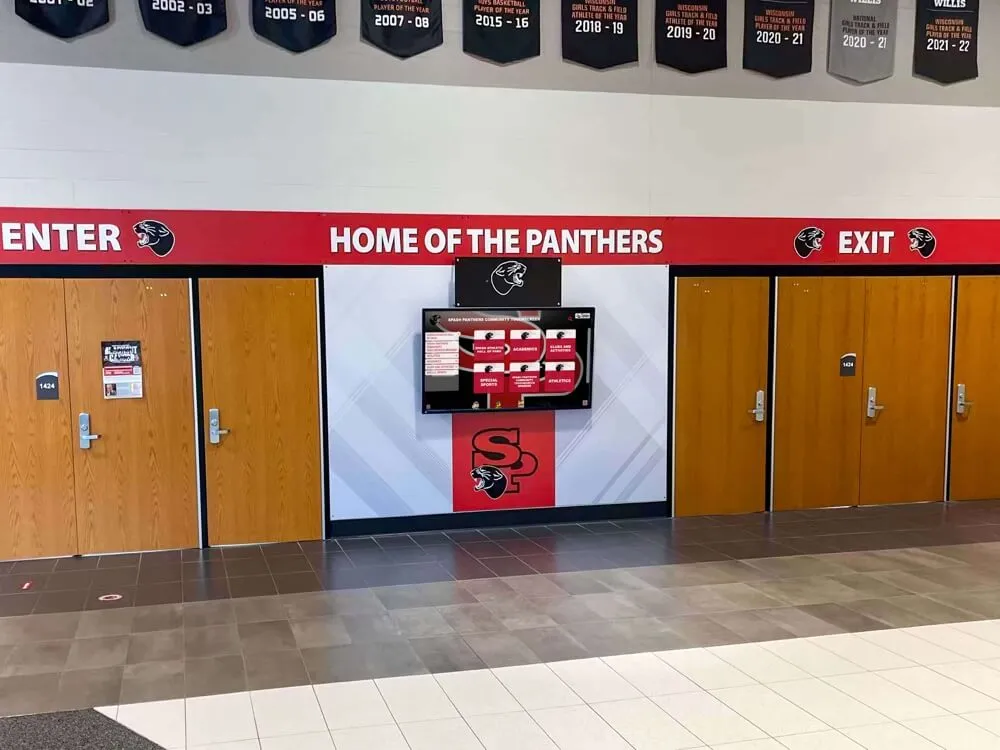
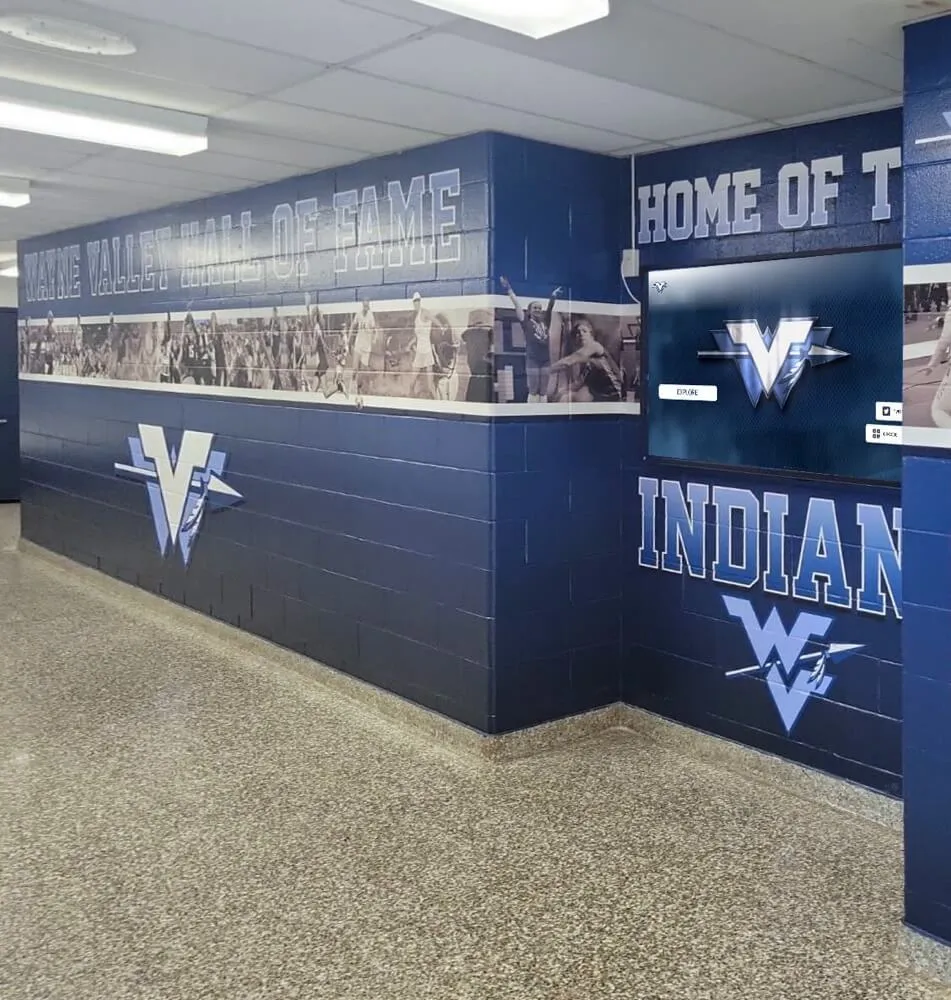
Hallway installations ensure All-Region recognition reaches all students throughout daily school experiences
Static Plaques and Trophy Cases
Physical All-Region recognition displays including engraved plaques mounted in music department hallways, trophy cases displaying certificates and medals, bulletin boards with posted lists and photos, and physical hall of fame spaces honoring program history provide more permanent recognition than announcements but face serious limitations.
Space Constraints and Selection Necessity
Physical displays inevitably run out of space, forcing difficult decisions about which achievements to remove when adding new recognitions. Schools with long-established music programs and consistent All-Region success face particularly acute space challenges—decades of honorees cannot realistically fit on limited wall space, meaning earlier achievers disappear to make room for recent recognition.
This space limitation fundamentally compromises recognition permanence, communicating that some achievements eventually become less important or forgettable when space fills—precisely the opposite message schools want to send about lasting significance of All-Region honors.
Limited Visibility and Engagement
Static physical displays suffer from visibility limitations including location restrictions—typically confined to music department areas that many students never visit; fixed content—the same unchanging information that becomes invisible through familiarity; minimal context—space constraints limit recognition to bare facts without rich detail; and no interactivity—viewers cannot explore, search, or discover connections between honorees.
These limitations mean All-Region recognition often reaches only students already involved in music programs while remaining invisible to broader school populations who could be inspired to explore music participation.
Explore strategies for creating exciting hallway displays that celebrate diverse achievements including music excellence.
Modern Touch Board Solutions for All-Region Recognition
Contemporary touch board technology transforms what’s possible in All-Region recognition, enabling capabilities that traditional approaches simply cannot provide.
Interactive Touchscreen Display Systems
Purpose-built digital recognition platforms provide comprehensive solutions specifically designed for educational achievement documentation rather than generic digital signage requiring extensive customization.
Unlimited All-Region Archives Spanning Decades
Touch board systems accommodate complete All-Region program histories without physical space limitations. Schools can showcase every All-Region honoree from program founding through present day, ensuring comprehensive historical preservation including all band All-Region musicians across instruments, orchestra All-Region selections in all sections, choir All-Region honors for all voice parts, multiple years of achievement by individual students, and progression from All-Region through All-State and beyond.
This unlimited capacity proves particularly valuable for established music programs with rich traditions. Schools can honor founding All-Region achievers from program origins, celebrate milestone years with exceptional numbers of honorees, recognize program evolution across different directors and eras, and ensure no achievement disappears simply because physical display space limitations.
Solutions like Rocket Alumni Solutions provide specialized platforms designed specifically for educational recognition rather than generic content management systems, offering comprehensive capabilities including unlimited content capacity without storage restrictions, professional multimedia presentation supporting video and audio integration, intuitive content management requiring minimal technical expertise, permanent web accessibility extending recognition beyond campus, and proven educational implementations across thousands of schools.
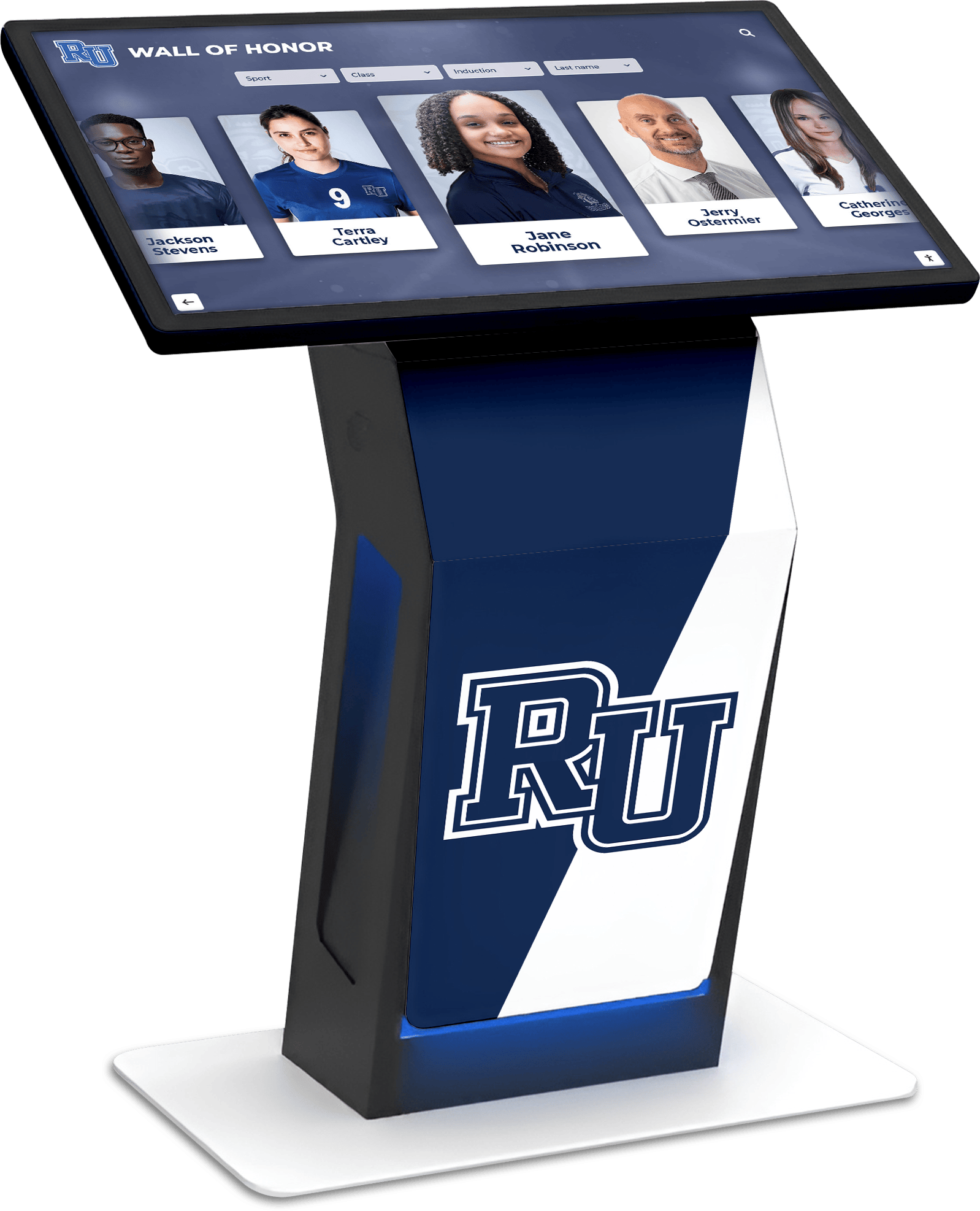
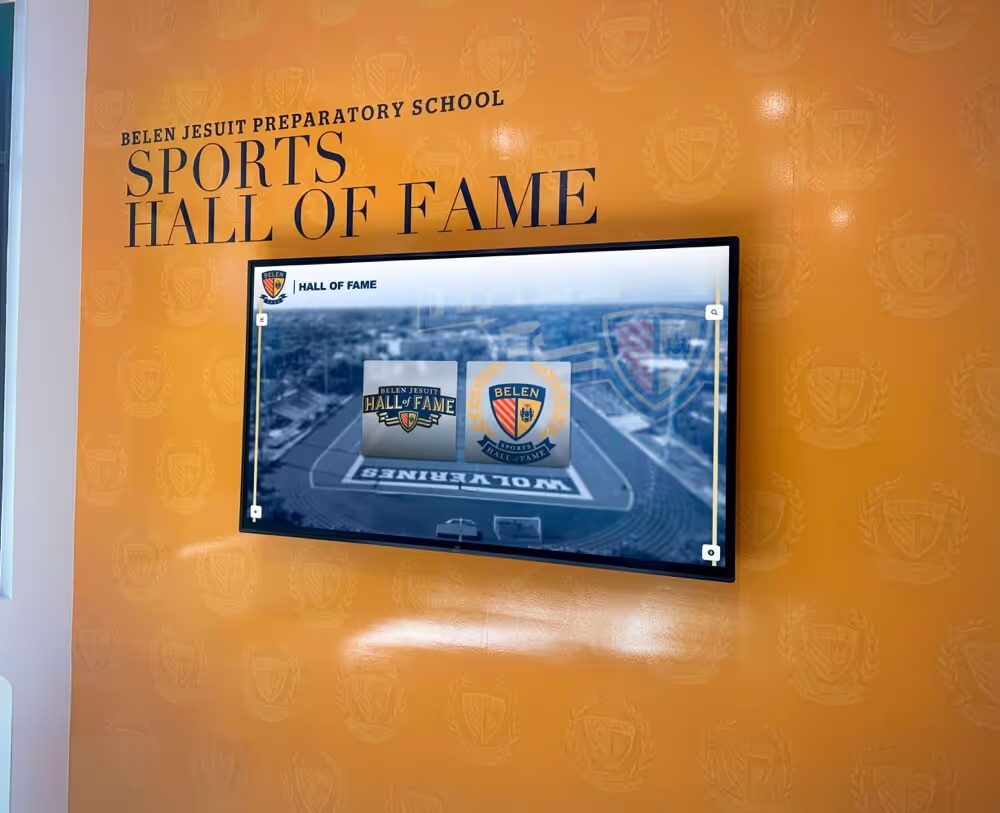
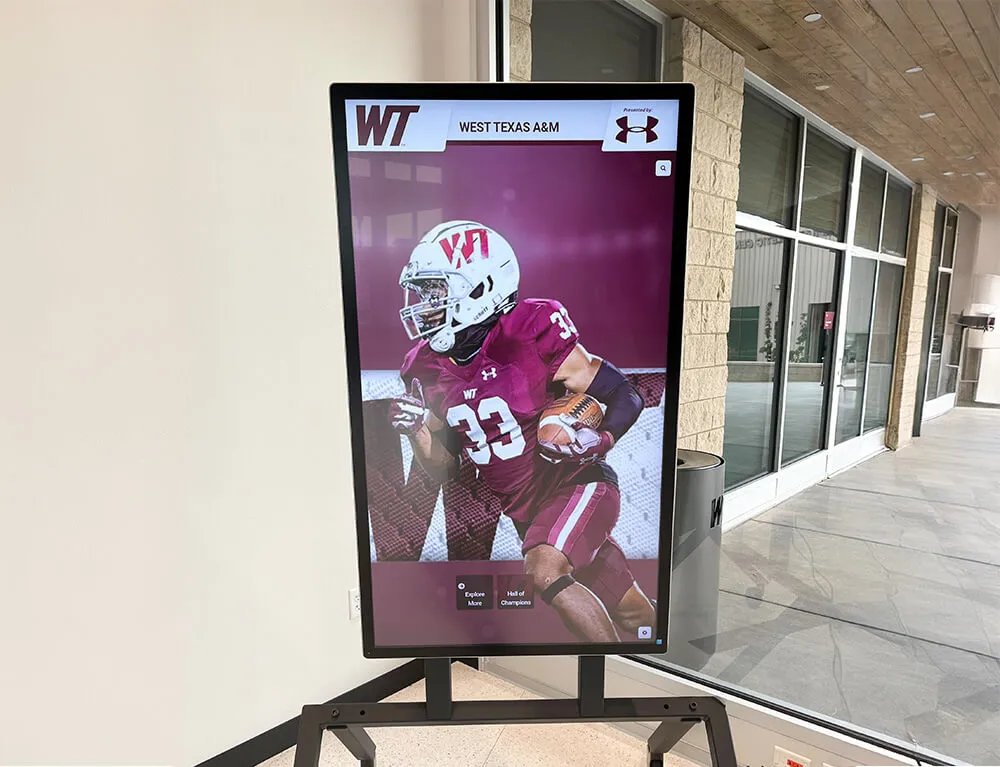
Purpose-built touch board kiosks enable intuitive exploration of complete All-Region achievement archives
Rich Multimedia Storytelling
Digital platforms enable All-Region documentation that brings musical achievements to life through capabilities impossible with static plaques including performance video clips showcasing All-Region audition pieces or ensemble performances, audio recordings of students performing their audition repertoire, photo galleries documenting preparation, auditions, and All-Region ensemble rehearsals and concerts, student interview videos explaining audition experiences and music education journeys, director commentary providing context about achievement significance, and progression documentation showing students’ musical development across multiple years.
This multimedia richness transforms simple honor roll lists into compelling storytelling that celebrates student achievement comprehensively while creating engaging experiences maintaining visitor attention far longer than static displays. Research shows visitors typically spend 30 seconds glancing at traditional bulletin boards but engage 5-10 minutes with interactive digital recognition displays featuring rich multimedia content.
Powerful Search and Discovery Features
Touch board systems enable visitors to quickly locate specific students, instruments, years, or information within comprehensive All-Region archives through searchable databases supporting finding individuals by name across all years, browsing All-Region honors by year, instrument, or ensemble type, filtering by achievement level (All-Region, All-State, All-National), exploring student musical journeys across multiple years, and discovering distinguished alumni musicians and their continued musical pursuits.
These search capabilities make comprehensive archives practical and accessible rather than overwhelming. Students can instantly find their own All-Region achievements across multiple years. Parents can locate all honors earned by their children. Alumni visiting schools can rediscover their musical accomplishments from decades past—all through intuitive search interfaces requiring no training or technical knowledge.
Discover comprehensive approaches to digital recognition displays that showcase musical excellence through modern technology.
Web-Accessible All-Region Recognition
Leading touch board systems extend All-Region recognition beyond physical campus displays through web platforms making content accessible globally to alumni, extended families, prospective students, and community members worldwide.
Global Accessibility Benefits
Web-integrated platforms provide music program visibility far exceeding on-campus displays including alumni access from anywhere worldwide enabling graduates to revisit their All-Region achievements, family sharing with relatives unable to attend concerts or visit campus, prospective student research during school selection processes, community appreciation building broader program support, and social media integration enabling instant sharing that extends institutional visibility.
When students share All-Region recognition through social platforms, these posts extend institutional visibility to hundreds or thousands of connections while celebrating individual accomplishment. Web accessibility thus serves recruitment, community relations, and alumni engagement purposes while honoring student achievement.
Mobile-Responsive Design
Modern platforms ensure optimal viewing experiences across all devices including desktop computers for detailed exploration with large displays, tablets providing portable access with touch interaction, smartphones enabling instant access and social sharing, and interactive kiosks creating engaging on-campus experiences.
This device flexibility ensures All-Region recognition remains accessible whenever and wherever community members want to engage with music program histories and student achievements.
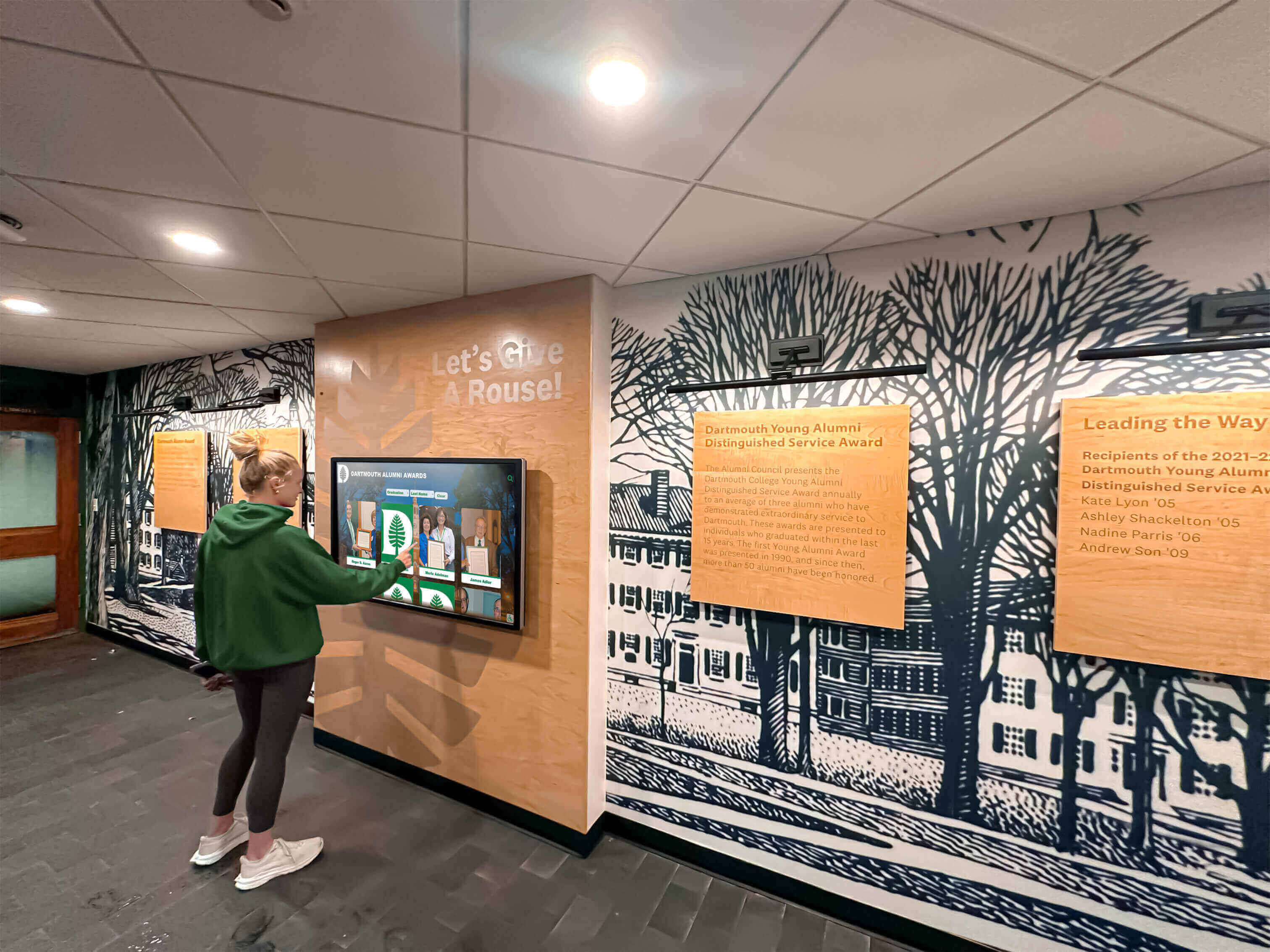
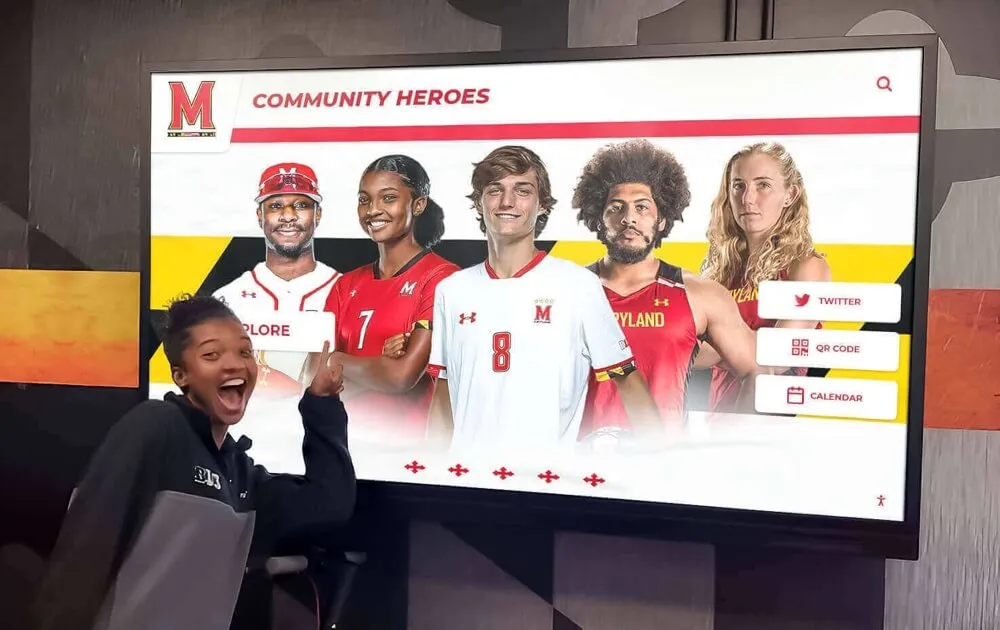
Touch board interfaces invite student exploration and engagement with All-Region achievements and music program history
Creating Comprehensive All-Region Touch Board Content
Technology enables display platforms, but thoughtful content development creates meaningful experiences that genuinely honor musical achievement while inspiring current students.
Essential All-Region Recognition Elements
Comprehensive All-Region touch board entries should include multiple content components that together tell complete musical achievement stories:
Core Recognition Information
- Student name and graduation year
- All-Region honor earned (band, orchestra, choir)
- Specific instrument or voice part
- Year(s) of All-Region selection
- Region number or geographic area represented
- Audition ranking or chair placement when appropriate
- Music director and program name
- Progression to additional honors (All-State, All-National)
Visual Documentation
- Professional student portrait photos
- Performance photos from All-Region ensemble concerts
- Audition preparation and practice documentation
- Award ceremony and recognition event photos
- Individual instrument or voice section group photos
- Concert program covers and materials
- Certificate and medal imagery
Multimedia Enhancements
- Performance video of audition repertoire
- Audio recordings of prepared pieces
- All-Region ensemble concert performance clips
- Student interview videos about audition experience
- Testimonials about music program and preparation
- Before/after comparison showing musical growth
- Rehearsal footage from All-Region ensemble experiences
Contextual Narratives
- Student statements about preparation process and audition experience
- Music director reflections on student growth and achievement
- Description of audition requirements and competitive context
- Explanation of what All-Region honors represent
- Connection to student’s broader musical journey
- Future musical aspirations and college plans
- Advice for younger students pursuing similar goals
When schools systematically document these elements for each All-Region honoree, they create rich archives celebrating achievement comprehensively while providing valuable inspiration and guidance for current and future music students.
Recognizing Diverse Music Program Achievements
Equitable recognition celebrates complete musical excellence beyond just All-Region honors, ensuring comprehensive celebration of diverse music program achievements.
Performance Excellence Categories
- All-Region band, orchestra, and choir selections
- All-State music honor progressions
- All-National ensemble achievements
- Solo and ensemble competition superior ratings
- Concerto competition winners and soloists
- Jazz All-State and honor jazz ensembles
- Show choir and musical theater recognition
Learn about strategies for recognizing theater and performing arts achievements alongside music honors.
Music Leadership Recognition
- Student section leaders and ensemble officers
- Drum majors and marching band leadership
- Student conductors and assistant directors
- Peer mentors and music tutors
- Music honor society members
- Competition team captains and coordinators
- Program ambassadors and recruiters
Music Academic Excellence
- AP Music Theory scholars
- Music composition and arranging achievements
- Music history and literature knowledge
- Music technology and production skills
- Music education and pedagogy interests
- Music scholarship recipients and college commitments
- Distinguished alumni pursuing professional music careers
Comprehensive recognition acknowledging diverse musical pathways broadens participation by demonstrating that multiple routes to excellence and recognition exist within music programs.
Explore approaches to recognizing outstanding students that ensure celebration of diverse achievements across all programs.
Strategic Implementation of All-Region Touch Boards
Moving from concept to reality requires systematic planning addressing content development, technology selection, and sustainable operations ensuring recognition programs thrive long-term.
Phased Implementation Approach
Schools with extensive All-Region histories should develop touch board content incrementally rather than attempting comprehensive archiving immediately.
Phase 1: Current Year Foundation (Months 1-3)
Begin by documenting current academic year All-Region honorees thoroughly, establishing baseline content and testing workflows. Immediate implementation demonstrates value quickly while building momentum and stakeholder support. Focus on recent achievements where content gathering integrates naturally into ongoing music program activities rather than requiring extensive historical research.
Create comprehensive profiles for this year’s All-Region musicians including all essential information elements, collect performance videos and audition recordings, photograph students and document recognition events, gather student and director statements and reflections, and publish content celebrating current achievements prominently.
Phase 2: Recent History Documentation (Months 4-9)
Add content from previous 3-5 years, providing historical depth while capturing material from currently enrolled students’ earlier achievements. Recent history documentation often proves easier because directors remember students and achievements well, students remain available for interviews and additional content, and digital photos and recordings typically already exist rather than requiring physical material digitization.
This phase ensures all currently enrolled students see their complete All-Region histories documented, while demonstrating to younger music students the multi-year achievement patterns successful musicians develop.
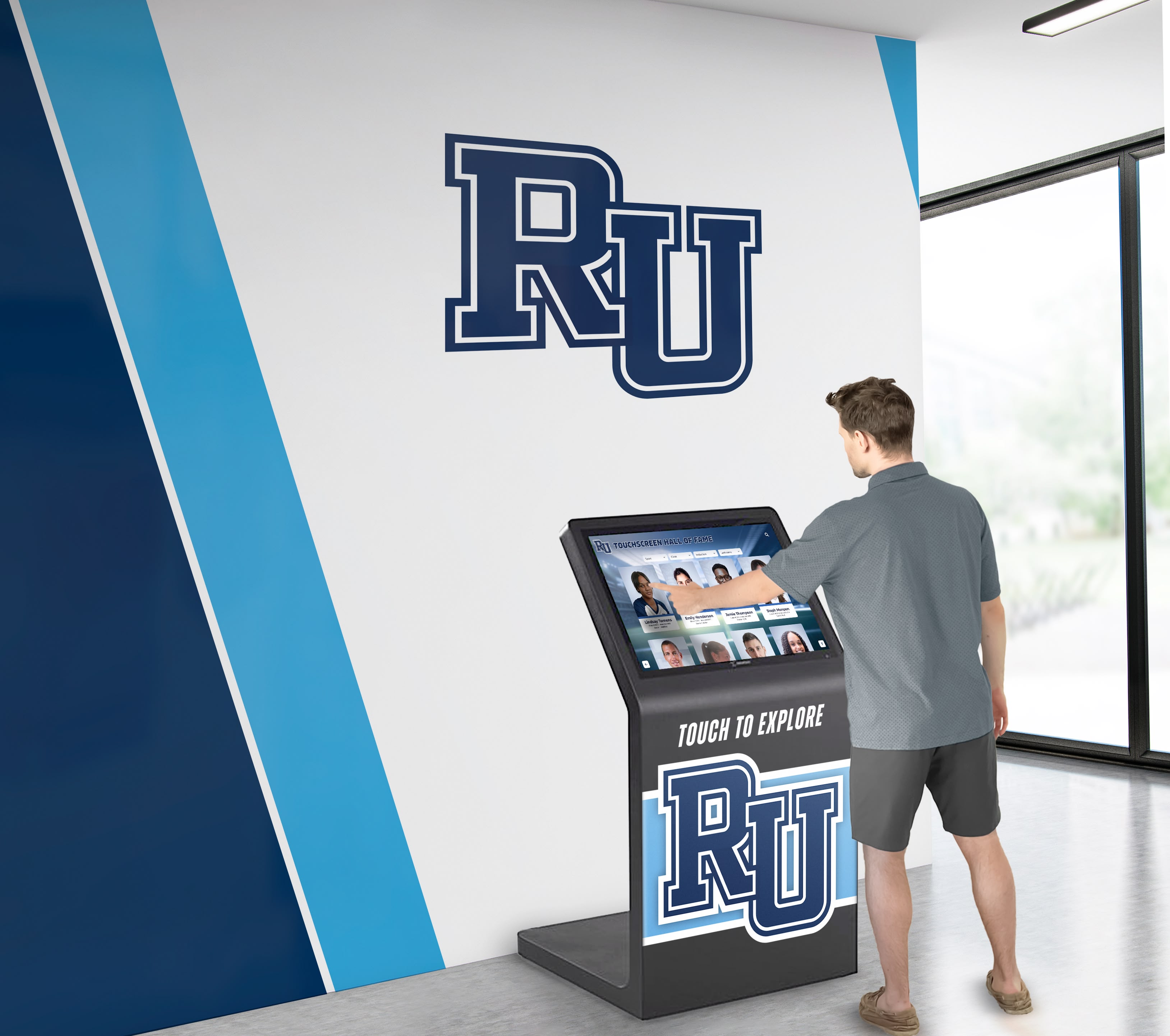
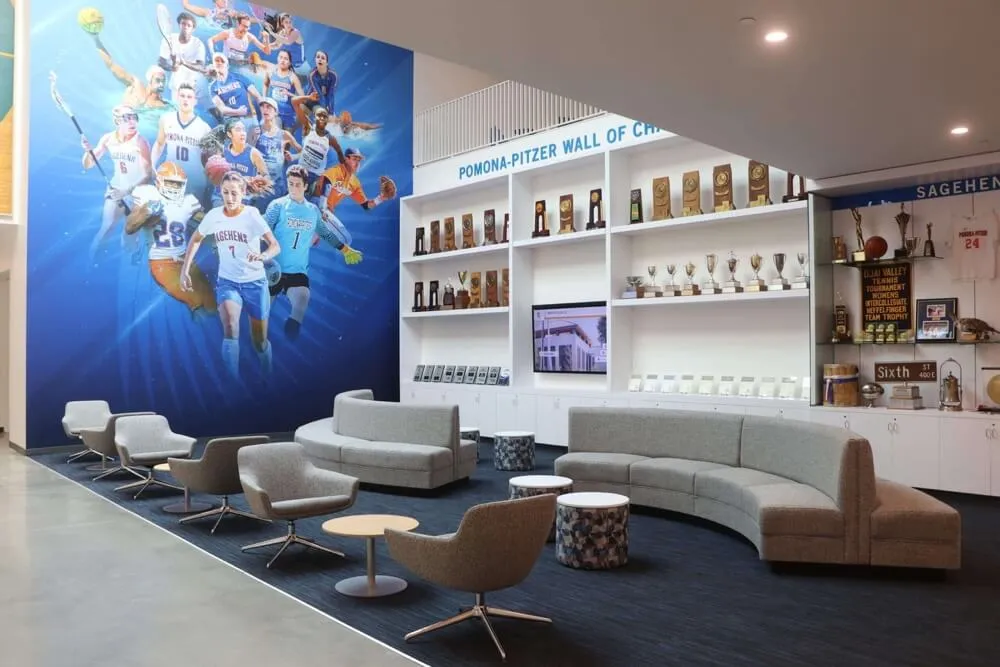
Lobby installations create prominent All-Region recognition spaces welcoming all visitors with music program excellence
Phase 3: Program Milestones and Traditions (Months 10-18)
Systematically add significant historical All-Region achievements defining program traditions—legendary musicians, exceptional years with numerous honorees, program founding achievements, or distinguished alumni who reached professional music careers. Milestone documentation creates historical depth while honoring musical heritage that current students should understand as part of program tradition they continue.
Work with long-time music faculty, alumni associations, and historical program materials to identify key achievements worth highlighting. Even without full multimedia content, basic recognition information preserves these important accomplishments.
Phase 4: Comprehensive Archives (Ongoing)
Continue historical documentation working backward through program history as time and resources permit. Complete archives develop over months or years, but phased approaches enable earlier launches demonstrating value while distributing substantial workload across manageable increments.
Engage student volunteers, parent organizations, or alumni groups to assist with historical research, photo scanning, and content development—building community investment while distributing effort.
Technology Selection Criteria for Music Recognition
Schools evaluating touch board solutions should assess options against criteria ensuring systems meet All-Region documentation needs.
Platform Capabilities
- Comprehensive multimedia support (video, audio, images, text)
- Unlimited or very generous content capacity
- Powerful search, filtering, and navigation features
- Flexible content templates for different achievement types
- Web integration capabilities extending access beyond campus
- Mobile-responsive design ensuring accessibility across devices
- Social sharing features enabling community engagement
Management Requirements
- Intuitive content management interfaces requiring minimal technical expertise
- Cloud-based remote access enabling updates from any location
- Collaborative editing support when multiple staff contribute
- Scheduled publishing automating routine updates
- Version history enabling restoration if mistakes occur
- Responsive technical support understanding educational contexts
Implementation Factors
- Professional installation services for physical display components
- Commercial-grade hardware quality ensuring reliable long-term operation
- Realistic budget alignment with educational funding realities
- Educational pricing programs recognizing school resource constraints
- Proven educational implementations demonstrating track record
- Long-term upgrade pathways supporting evolving needs
Specialized educational recognition platforms like Rocket Alumni Solutions typically provide superior value compared to generic digital signage systems requiring extensive customization to support All-Region recognition needs effectively. Purpose-built educational platforms understand school contexts, offer appropriate features, and provide support familiar with educational environments.
Examine comprehensive touchscreen software guides helping schools evaluate options systematically while avoiding common technology selection mistakes.
Maximizing Touch Board Impact on Music Program Culture
Technology enables documentation platforms, but strategic implementation maximizes recognition value for students, programs, and communities.
Strategic Display Placement
Performing Arts Center Locations
Music building entrances provide ideal locations where touch boards greet all concert attendees, create welcoming atmosphere celebrating program heritage, occupy audiences during pre-concert and intermission periods, and reinforce program pride and tradition. Lobby displays capitalize on captive audiences already interested in music who naturally engage with achievement history during concert attendance.
Main Building Common Areas
Beyond specialized music facilities, positioning touch boards in main school entrances, cafeteria commons areas, library spaces, and administrative lobbies ensures All-Region recognition reaches all students, staff, and visitors—not just music participants. Broad visibility demonstrates institutional commitment to performing arts, attracts participation from students unfamiliar with programs, and creates parity with athletic recognition typically prominent in main school spaces.
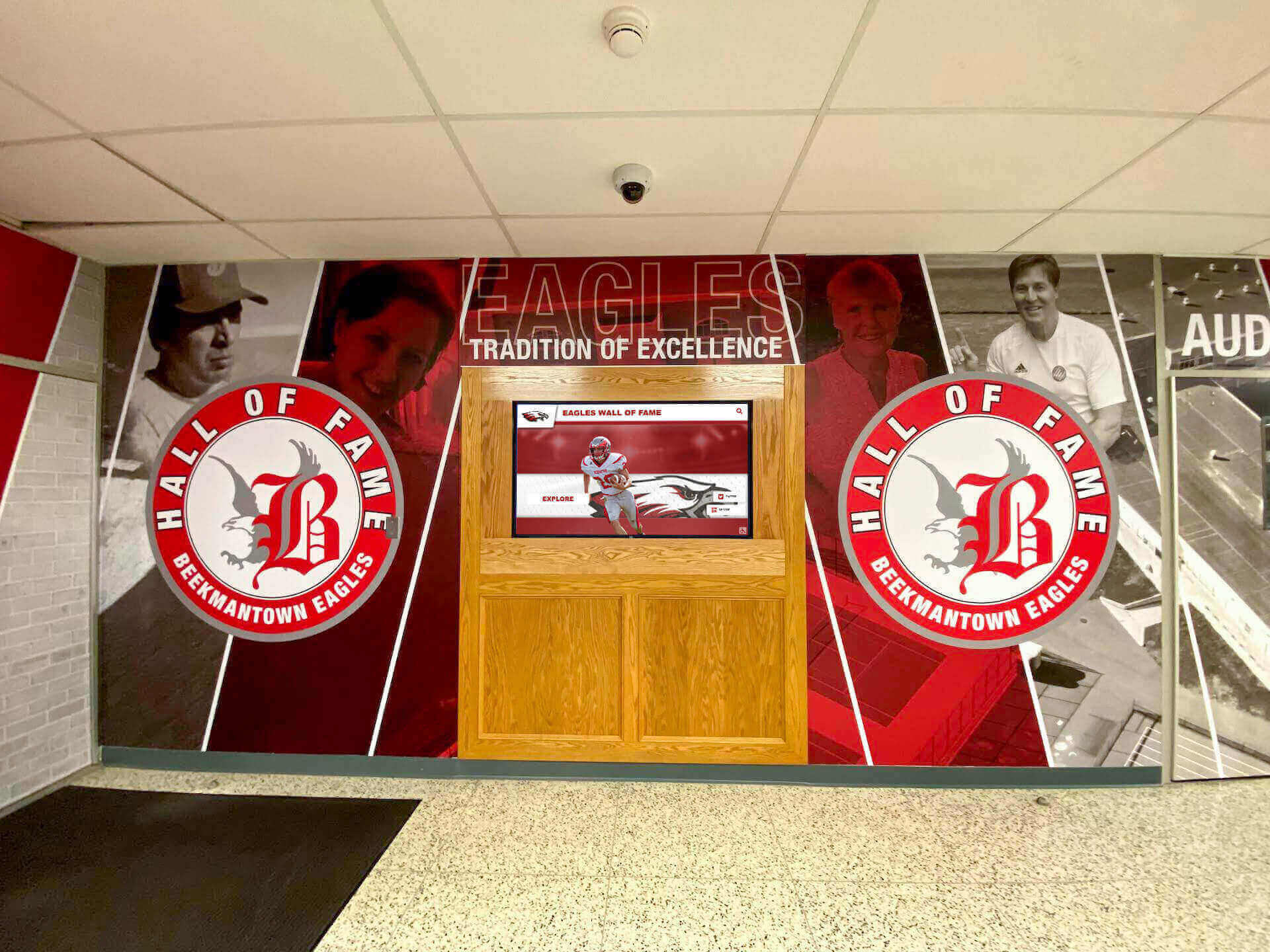
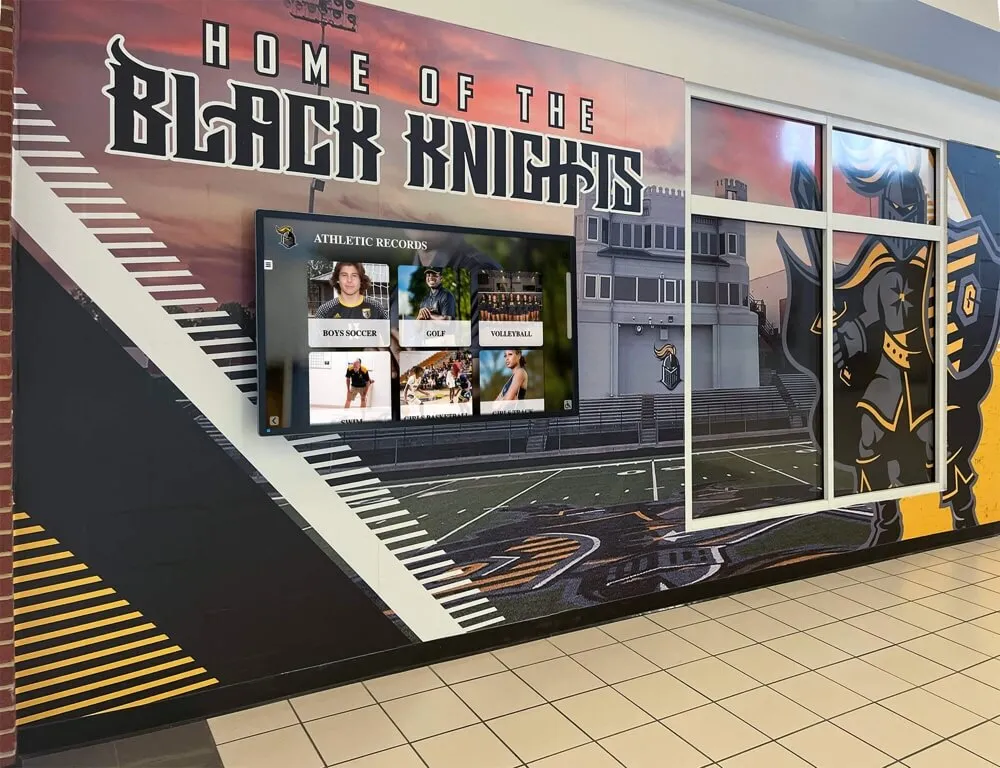
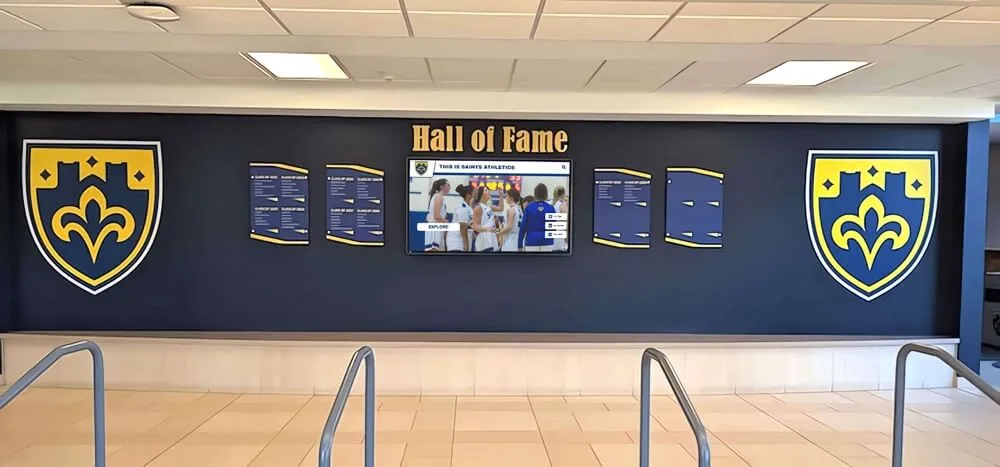
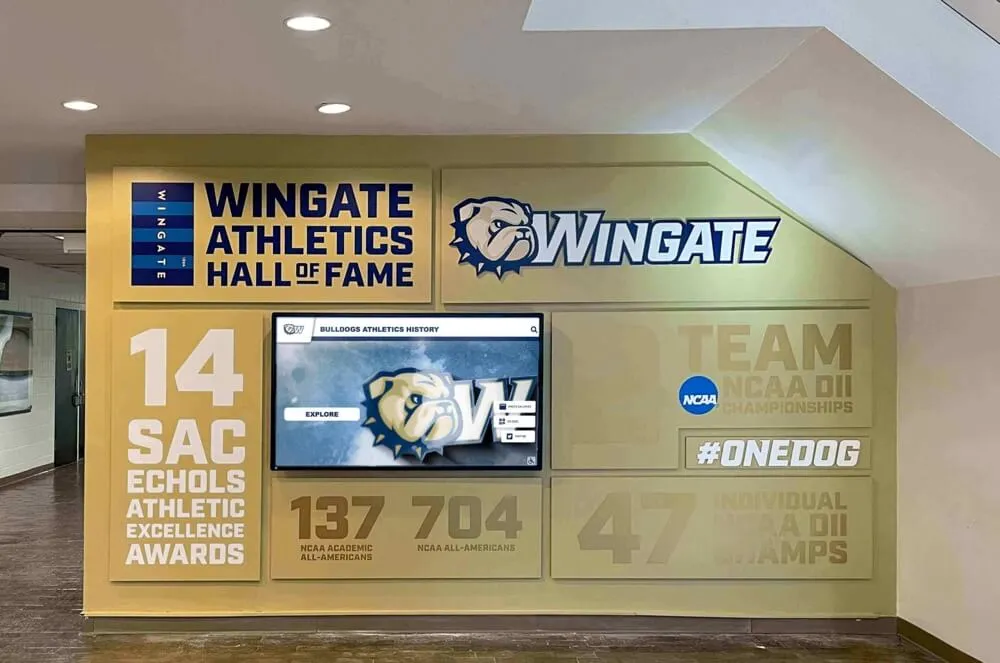
Integrated lobby installations celebrate All-Region honors alongside broader school achievement recognition
Music Classrooms and Practice Spaces
Band rooms, orchestra rehearsal halls, choir rooms, and practice spaces benefit from touch boards showcasing All-Region history where students preparing for current auditions daily encounter inspiration from previous achievements. These internal displays create environments where excellence becomes expected tradition, raising aspirations and performance standards for current participants.
Year-Round Visibility Strategies
All-Region Selection Celebrations
When students earn All-Region honors, schools can amplify visibility through announcement campaigns across multiple channels, social media posts featuring honoree spotlights and achievement details, email communications to music families and broader school communities, homepage features on school websites showcasing recent All-Region selections, morning announcements directing students to explore new touch board content, and viewing celebrations in common areas with reception events.
These launch strategies ensure All-Region achievements receive immediate attention when community interest peaks following audition results.
Ongoing Discovery Opportunities
Beyond initial celebrations, touch board systems should promote regular engagement including featured musician rotation highlighting different All-Region achievers periodically, seasonal reminders during subsequent All-Region audition preparation periods, prospective student recruitment communications showcasing program quality and achievements, alumni engagement campaigns connecting graduates to current musical excellence, and open house or campus visit components demonstrating music program value.
Year-round visibility transforms All-Region achievements from single-moment announcements into ongoing program marketing and recognition assets continually demonstrating music program excellence.
Learn about approaches for building school pride through comprehensive recognition that elevates music alongside athletic and academic programs.
Building Sustainable All-Region Recognition Operations
Successful touch board programs require ongoing attention ensuring recognition remains current, comprehensive, and impactful across staff transitions and competing priorities.
Establishing Clear Responsibilities
Sustainable programs designate specific individuals with formal All-Region recognition coordination responsibilities including overall program oversight and strategic planning, content documentation coordination during audition seasons, profile development and uploads to touch board platforms, display maintenance and monitoring ensuring proper operation, web platform management and updates, promotion and communication to school communities, and stakeholder engagement gathering feedback and suggestions.
Without clear accountability, recognition programs gradually decline as competing demands consume available time and attention. Music directors juggling teaching, ensemble direction, concert preparation, and administrative duties cannot add comprehensive recognition coordination without explicit time allocation and support resources.
Consider appointing a dedicated “music recognition coordinator” position—either additional compensation for existing music staff, assignment for music department support staff, or volunteer role for parent organization members deeply invested in program success.
Creating Efficient Documentation Workflows
Predictable processes integrate recognition activities into regular music program rhythms rather than treating documentation as separate special projects.
Pre-Audition Planning
- Identify documentation requirements and content goals
- Schedule student interviews and media collection sessions
- Prepare content collection templates and forms
- Arrange audition recording capabilities when permitted
- Communicate recognition program to students and families
Post-Audition Documentation
- Photograph All-Region honorees individually and in groups
- Collect performance recordings of audition repertoire when available
- Conduct student interviews about audition experience and preparation
- Gather director statements about student achievement
- Document All-Region ensemble rehearsal and concert experiences
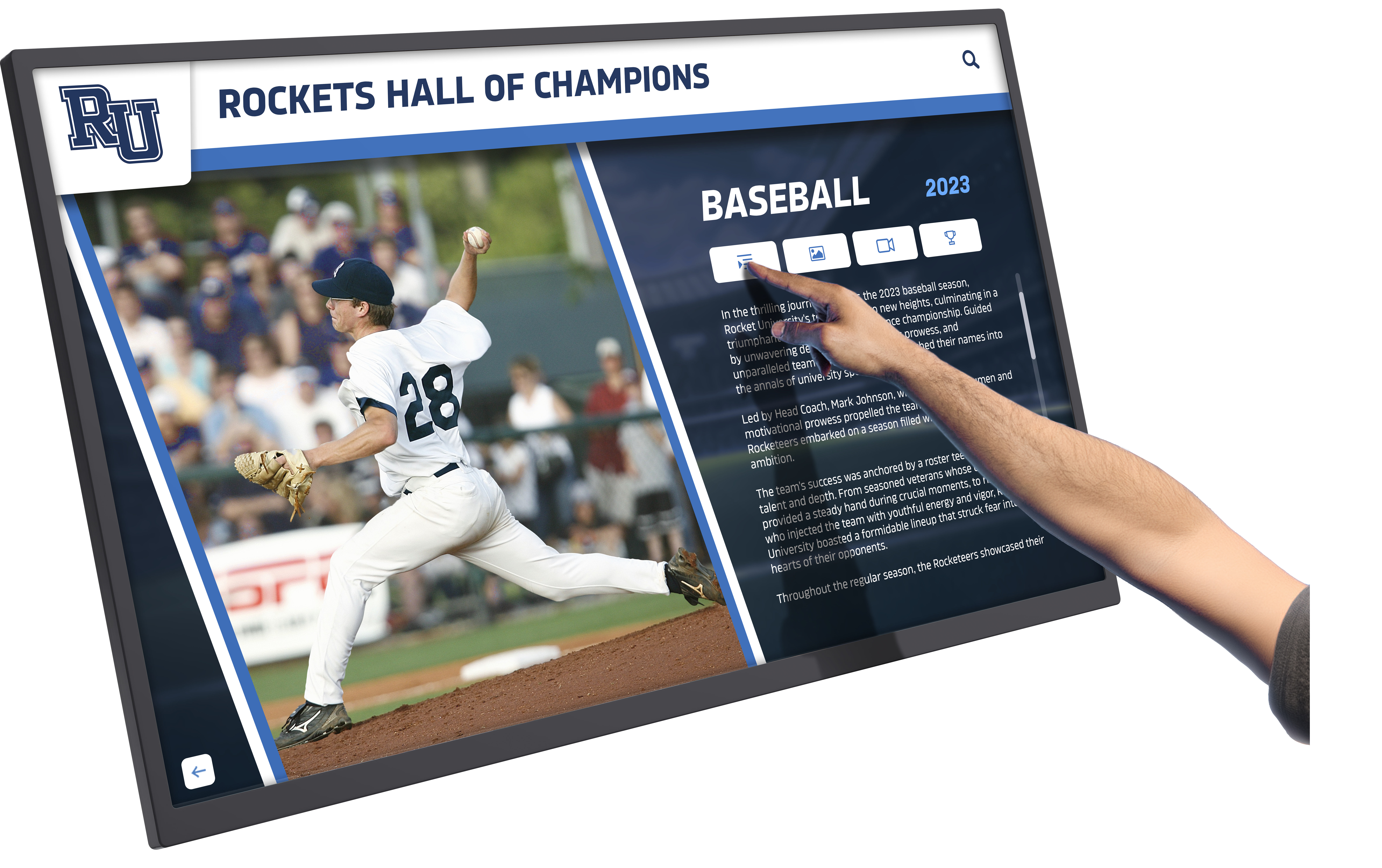
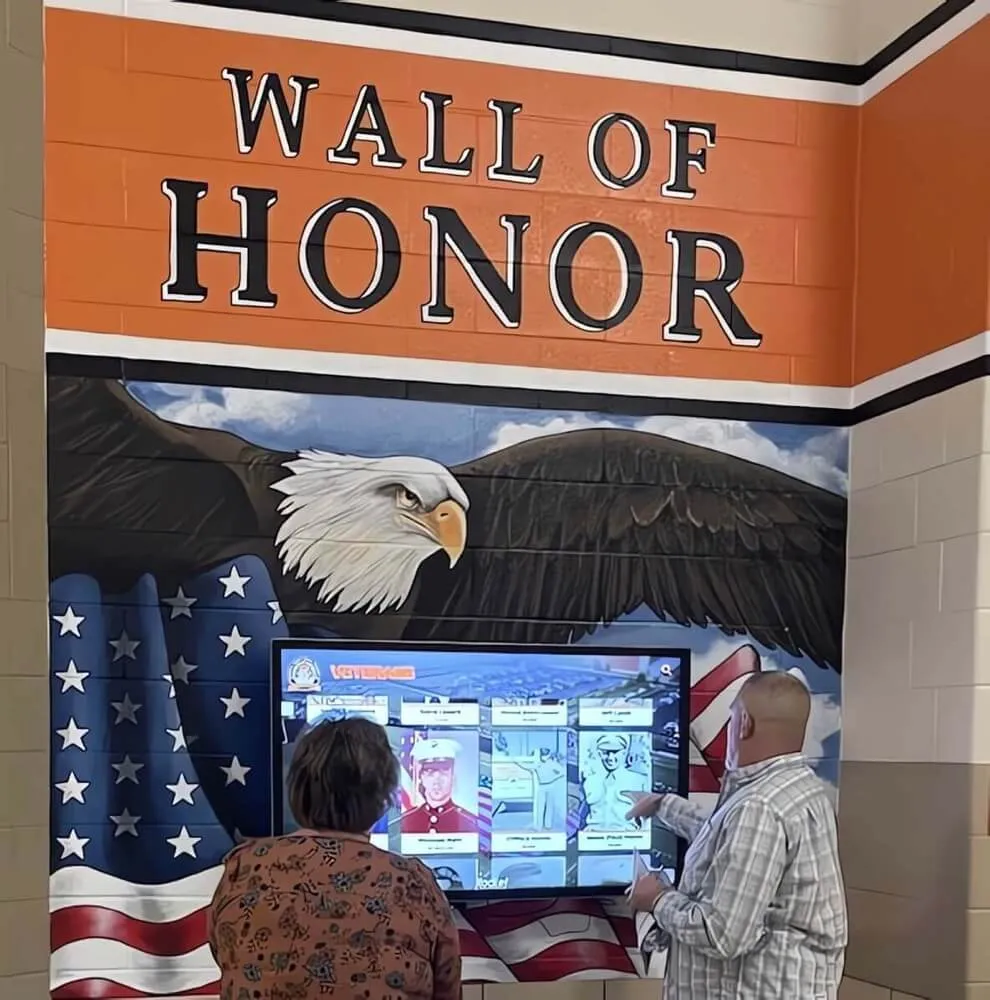
Intuitive touch interaction makes exploring All-Region history accessible to all ages and technical abilities
Content Development and Publication
- Edit and organize media files for touch board platforms
- Develop student profiles with comprehensive achievement information
- Create contextual narratives explaining significance
- Upload content to displays and web platforms
- Promote new recognition additions to school communities
Systematic workflows ensure consistent documentation quality rather than relying on ad hoc efforts producing uneven coverage across different years depending on available time and competing priorities during particular audition cycles.
Engaging Student Leadership
Many successful programs involve students directly in All-Region recognition development through student media partnerships where journalism or video production students document music achievements, peer interview programs where music students interview All-Region honorees, student curator roles managing historical research and archiving projects, and music honor society service projects focused on recognition content development.
Student involvement distributes workload while creating authentic learning opportunities and building broader investment in program success beyond those who achieve All-Region honors directly.
Discover strategies for student mentorship programs that leverage recognition systems for educational and community-building purposes.
Measuring Touch Board Program Success
Regular assessment demonstrates program value while identifying enhancement opportunities improving effectiveness.
Quantitative Success Metrics
Measurable indicators reveal touch board program performance including All-Region documentation coverage percentages tracking which honorees receive comprehensive recognition, student music participation rates showing enrollment trends over time, touch board engagement analytics measuring interaction frequency and duration, web platform traffic statistics showing online access patterns, social media sharing metrics tracking content distribution and reach, and prospective student inquiries about music programs during recruitment periods.
Correlation between enhanced recognition visibility and increased participation validates investment in comprehensive All-Region showcasing while justifying continued resources. Schools implementing prominent digital music recognition typically report 15-25% participation increases within 2-3 years as programs become more visible and celebrated throughout school communities.
Qualitative Impact Assessment
Non-numerical insights complement quantitative data through student surveys about recognition value and musical motivation, family feedback regarding documentation quality and accessibility, music staff perspectives on program culture changes and community engagement, alumni reflections on recognition meaning and program connection, and community responses to music program visibility and quality demonstrations.
Student feedback proves particularly valuable for understanding whether recognition influences musical motivation, audition participation decisions, pride in musical accomplishments, or aspirations for continued music education. Direct student input reveals recognition’s most important outcome—impact on student experiences and musical identity formation.
Cultural Transformation Indicators
Long-term touch board program success manifests through sustained music participation growth across grade levels and instruments, elevated program prestige and reputation within school communities, increased All-Region selection rates as program quality rises, growing alumni involvement and support for current programs, and strengthened institutional identity around comprehensive education including robust performing arts programs.
These cultural shifts justify recognition investment while creating self-reinforcing excellence cycles where recognition attracts participation, participation builds program strength, strength enables ambitious programming and audition preparation, and achievement generates impressive All-Region success deserving comprehensive recognition and celebration.
Connecting All-Region Recognition to Broader Music Excellence
Touch boards work most effectively when All-Region recognition integrates with comprehensive music program celebration honoring excellence across all achievement dimensions.
Multi-Level Music Achievement Archives
Schools should consider comprehensive music recognition systems integrating All-Region honors with All-State and All-National progressions, solo and ensemble competition achievements, concerto competition and featured soloists, music scholarship and college placement recognition, distinguished alumni professional musicians, and music leadership and service contributions.
This integrated approach positions All-Region recognition within broader celebrations of musical excellence while avoiding artificial separation between related achievements that together demonstrate program strength and student dedication.
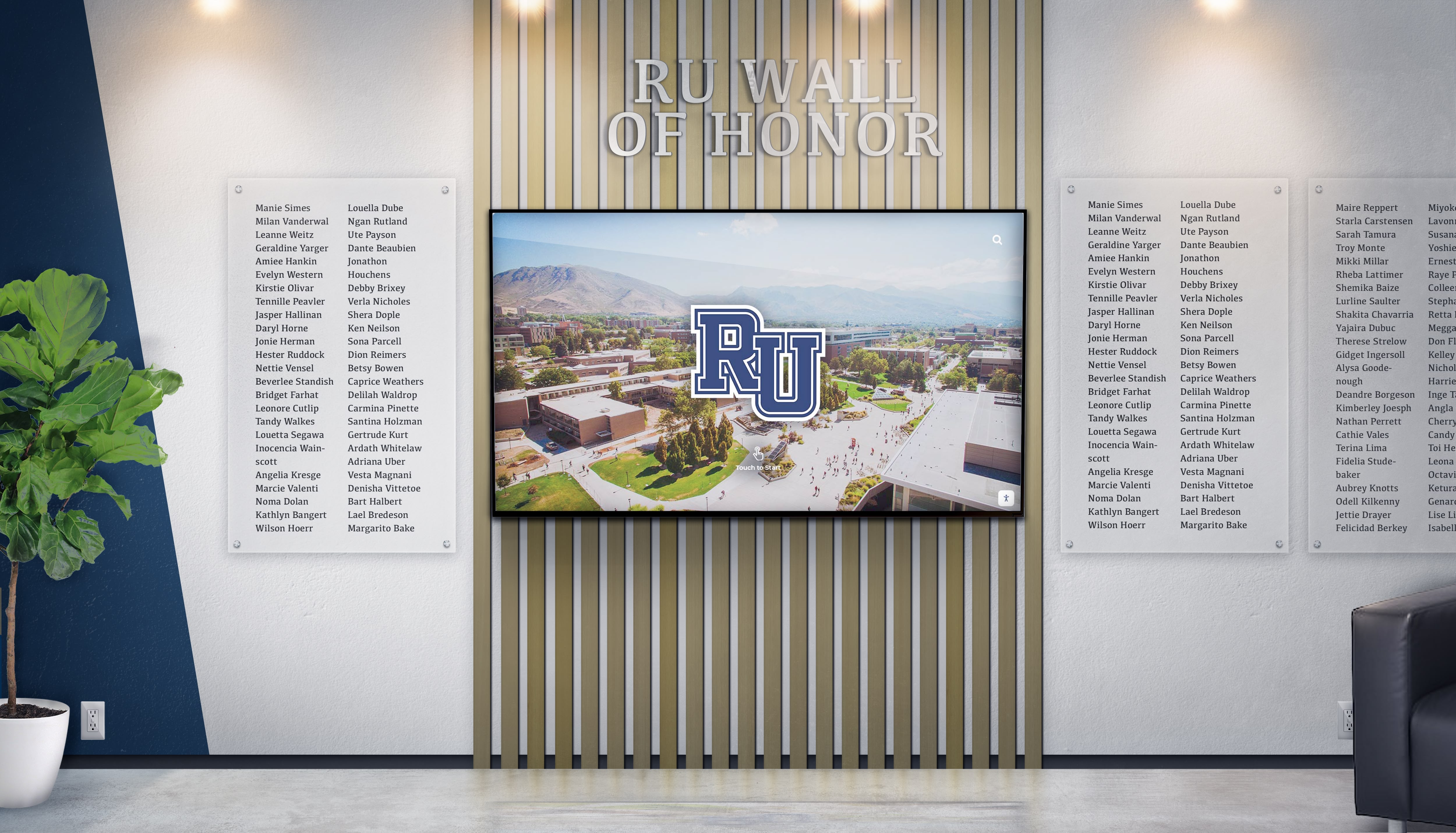
Integrated systems combine touch boards with traditional elements celebrating comprehensive music achievement
Individual Student Music Profiles
Beyond achievement-level recognition, comprehensive individual student profiles celebrate complete musical journeys spanning participation across multiple ensembles and performance groups, progression from beginner through advanced achievement levels, All-Region and other competitive honor selections, awards, scholarships, and external recognition received, post-graduation music pursuits and college programs, and personal statements reflecting on music education impact.
These comprehensive profiles honor students holistically rather than fragmenting recognition across separate systems for each achievement type, providing more meaningful celebration of individual musical development and accomplishment.
Learn about comprehensive performance recognition approaches that parallel integrated music documentation strategies.
Conclusion: Elevating All-Region Recognition Through Touch Board Technology
All-Region music honors represent extraordinary student achievements earned through exceptional talent, intensive preparation, and successful performance in highly competitive selective processes. Students earning these prestigious recognitions demonstrate musical excellence distinguishing them across entire geographic regions—accomplishments deserving celebration commensurate with their significance. Yet traditional recognition approaches often fall short, providing temporary acknowledgment that fades quickly or static displays constrained by physical space limitations.
Modern touch board technology transforms what’s possible in All-Region recognition by providing unlimited capacity for comprehensive achievement archives spanning entire program histories, rich multimedia presentation bringing musical accomplishments to life through video, audio, and photos, powerful search enabling intuitive exploration of musical excellence, web accessibility extending recognition beyond campus to global communities, and professional campus installations ensuring ongoing visibility throughout school environments.
Transform Your Music Recognition Program
Discover how Rocket Alumni Solutions provides comprehensive touch board platforms for celebrating All-Region honors and building thriving music programs through professional interactive recognition displays.
Explore Touch Board SolutionsSuccessful implementation requires establishing clear documentation standards and systematic workflows, developing content through phased approaches managing workload effectively, selecting appropriate technology matching program needs and resources, promoting displays ensuring community awareness and engagement, and measuring impact demonstrating value while identifying improvement opportunities.
Your music students invest countless hours practicing, preparing, and performing to achieve All-Region honors—accomplishments representing dedication and excellence that deserve recognition preserving achievements permanently, celebrating musical contributions equitably, inspiring continued artistic excellence through visible program traditions, and demonstrating that performing arts matter as much as any other achievement domain within comprehensive educational programs.
Solutions like Rocket Alumni Solutions provide purpose-built platforms designed specifically for educational music recognition, offering comprehensive capabilities including unlimited achievement documentation, professional multimedia presentation, intuitive content management, permanent web accessibility, and proven educational implementations across thousands of schools. These specialized systems enable music programs to showcase All-Region excellence with prominence and depth performing arts deserve.
Ready to transform how your school recognizes All-Region music honors? Explore modern touch board solutions celebrating your music program’s rich achievement history while building excitement for future accomplishments. Whether implementing first comprehensive music recognition or enhancing existing approaches, digital platforms provide tools needed to honor All-Region achievements with the visibility, engagement, and permanence that exceptional student musical excellence deserves.
Your school’s musical tradition—spanning years or decades of remarkable All-Region musicians, talented performers, dedicated ensemble members, and transformative music experiences—deserves celebration equal to any athletic championship or academic honor. Touch board solutions finally make comprehensive All-Region recognition practical, sustainable, and impactful, ensuring performing arts receive the institutional recognition reflecting their profound importance in comprehensive student development and vibrant school community culture.