Touchscreen augmented reality displays represent the next evolution in interactive recognition technology, combining physical touch interfaces with digital overlays that enhance visitor experiences in educational institutions, nonprofit organizations, and cultural venues. These systems merge the intuitive interaction of touchscreens with the immersive capabilities of augmented reality, creating recognition experiences that engage visitors while celebrating donors, alumni, and community members in ways traditional plaques cannot match.
Yet many organizations still rely on static recognition methods that fail to capture attention, communicate impact stories, or accommodate growing lists of supporters. Traditional donor walls reach capacity within years, athletic trophy cases overflow with aging memorabilia, and historical archives remain inaccessible in storage. Meanwhile, supporters whose contributions sustain organizational missions receive acknowledgment that feels dated and disconnected from the digital experiences visitors expect in 2026.
This comprehensive guide explores how touchscreen augmented reality displays solve these challenges while creating recognition systems that honor unlimited contributors, tell compelling impact stories, engage visitors through interactive exploration, and build cultures where generosity and achievement become visible throughout your organization.
Organizations implementing touchscreen AR displays report visitor engagement increases of 300-500% compared to traditional static recognition, according to interactive technology research. When donors, alumni, and visitors can touch, explore, and interact with recognition content through intuitive interfaces enhanced by AR features, acknowledgment transforms from passive observation to active exploration that creates lasting impressions and strengthens community connections.

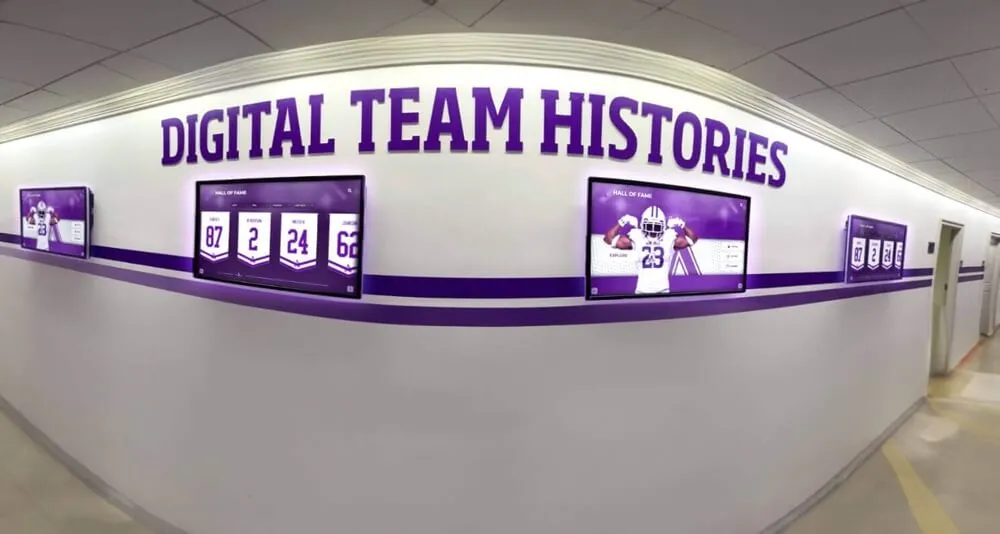
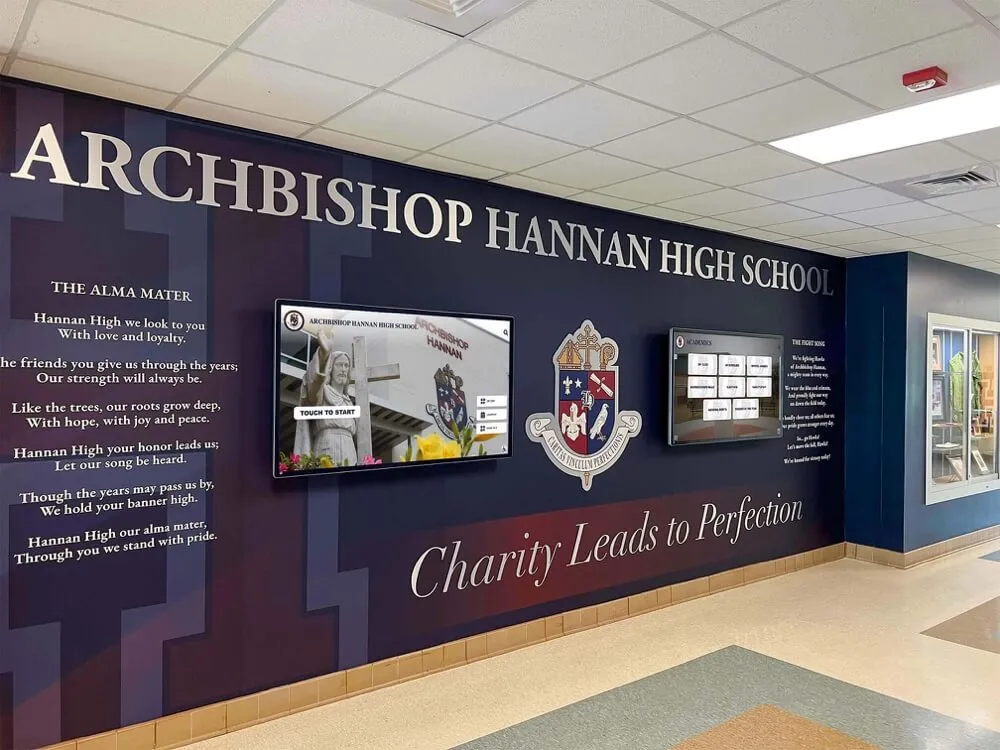
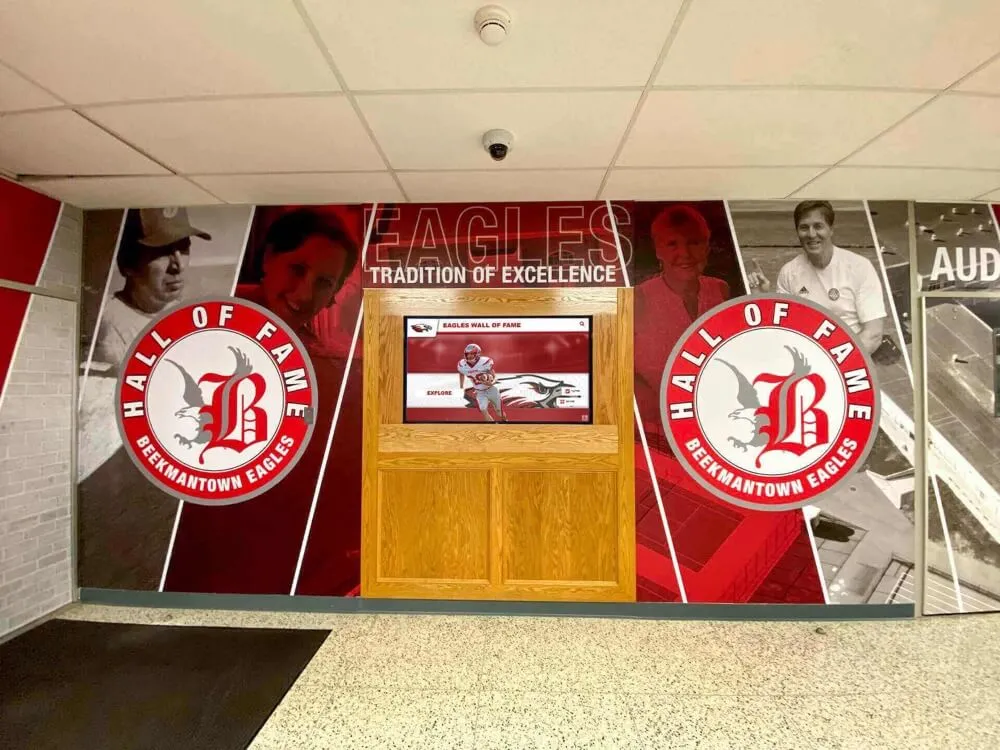
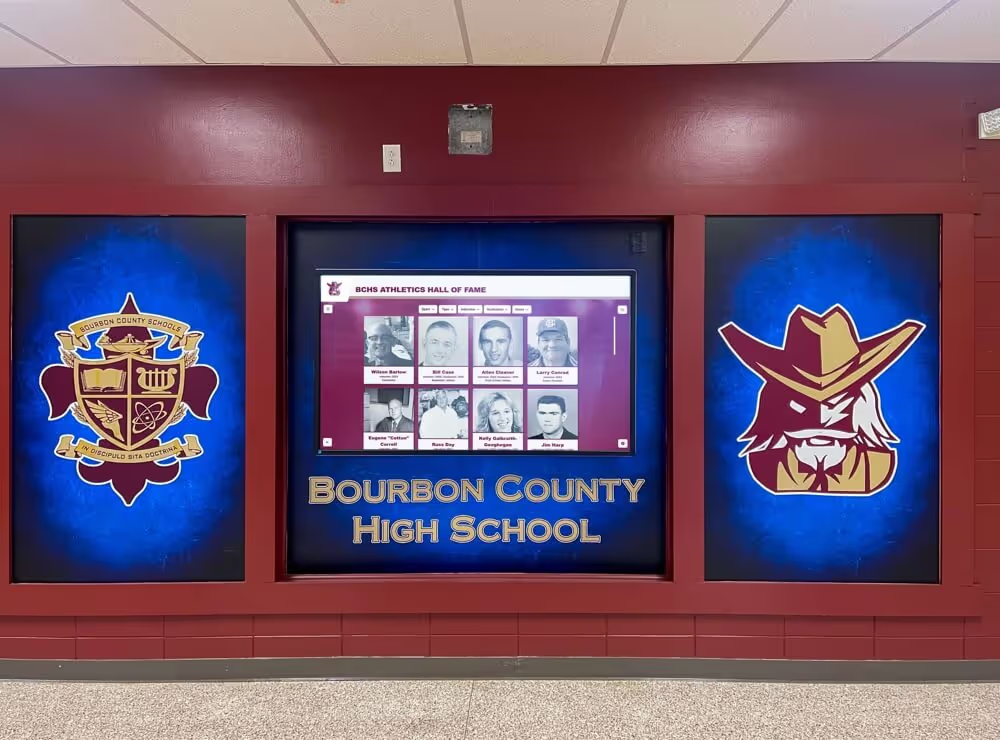
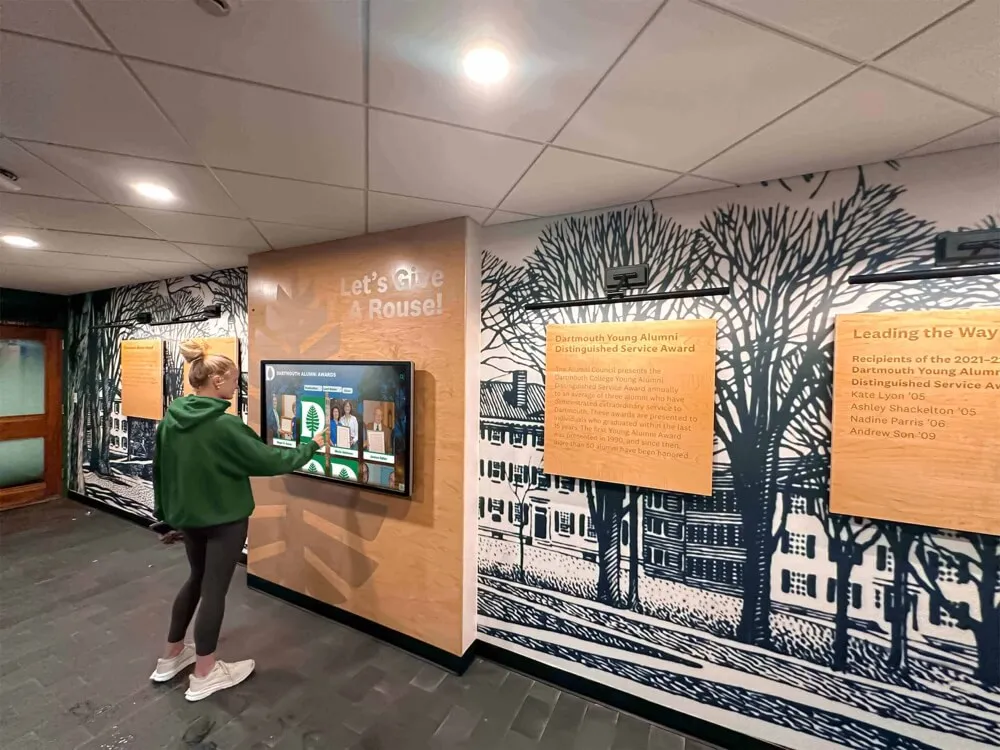
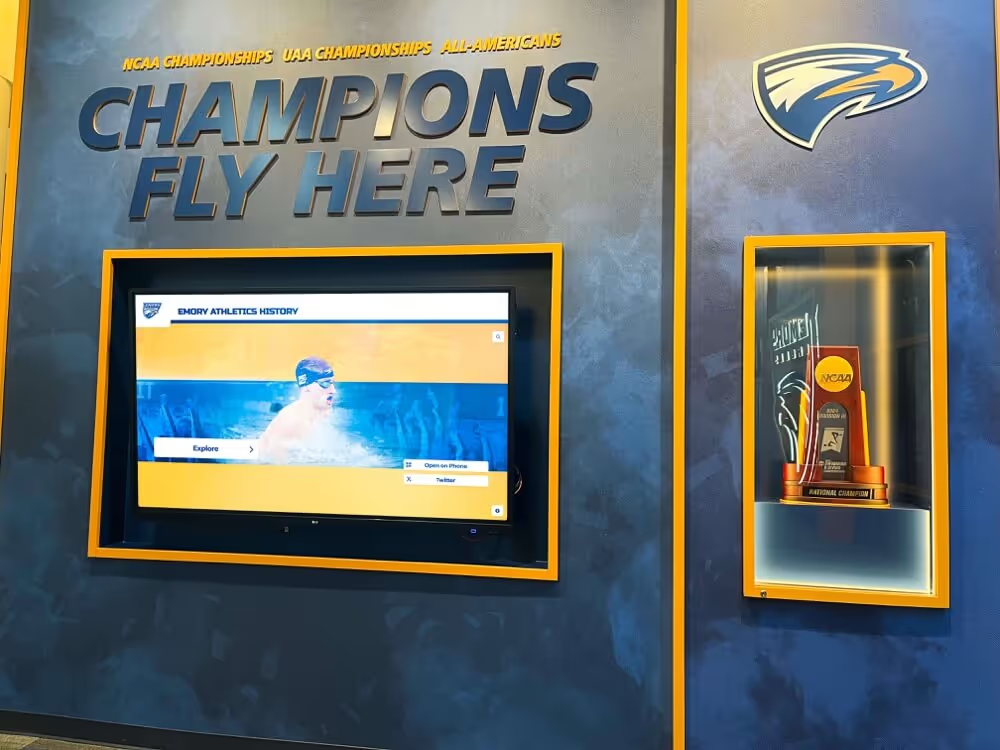
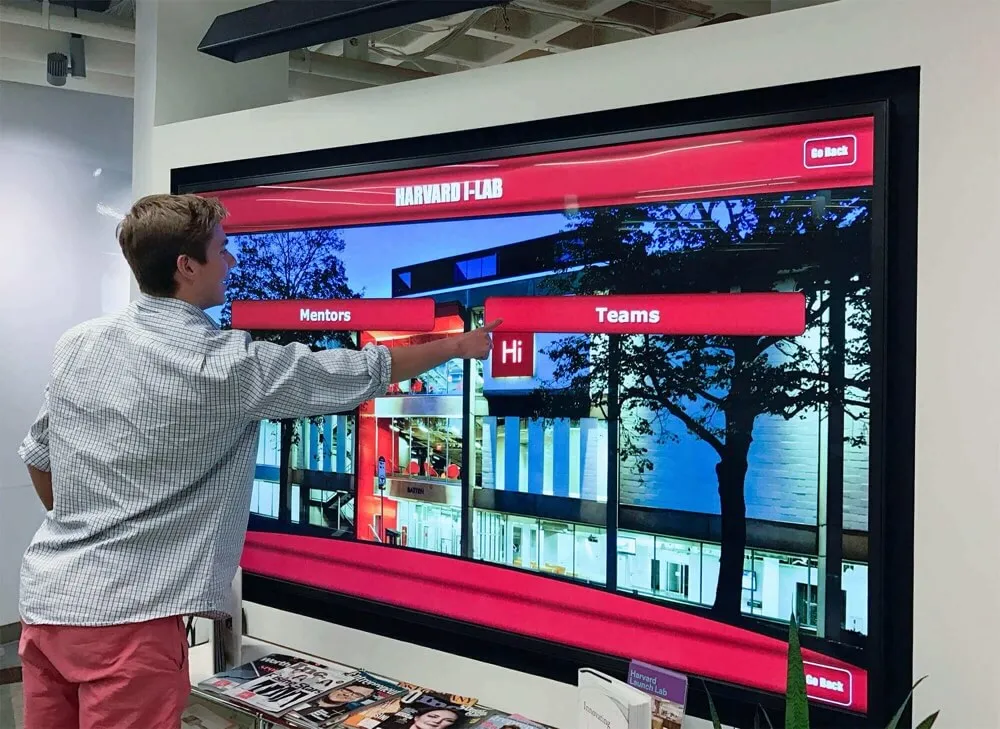
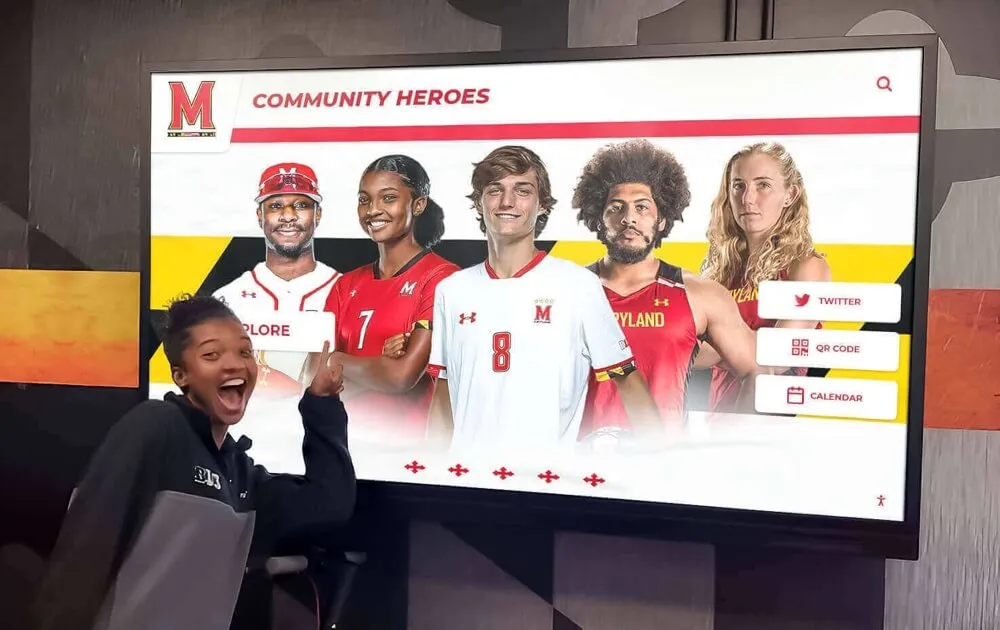
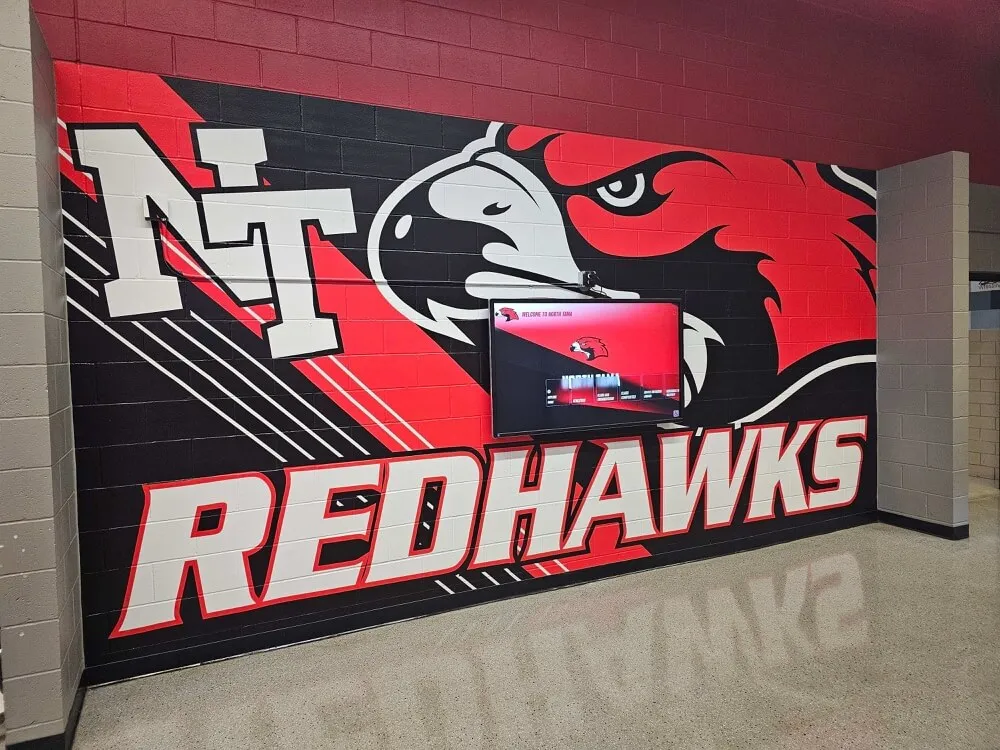
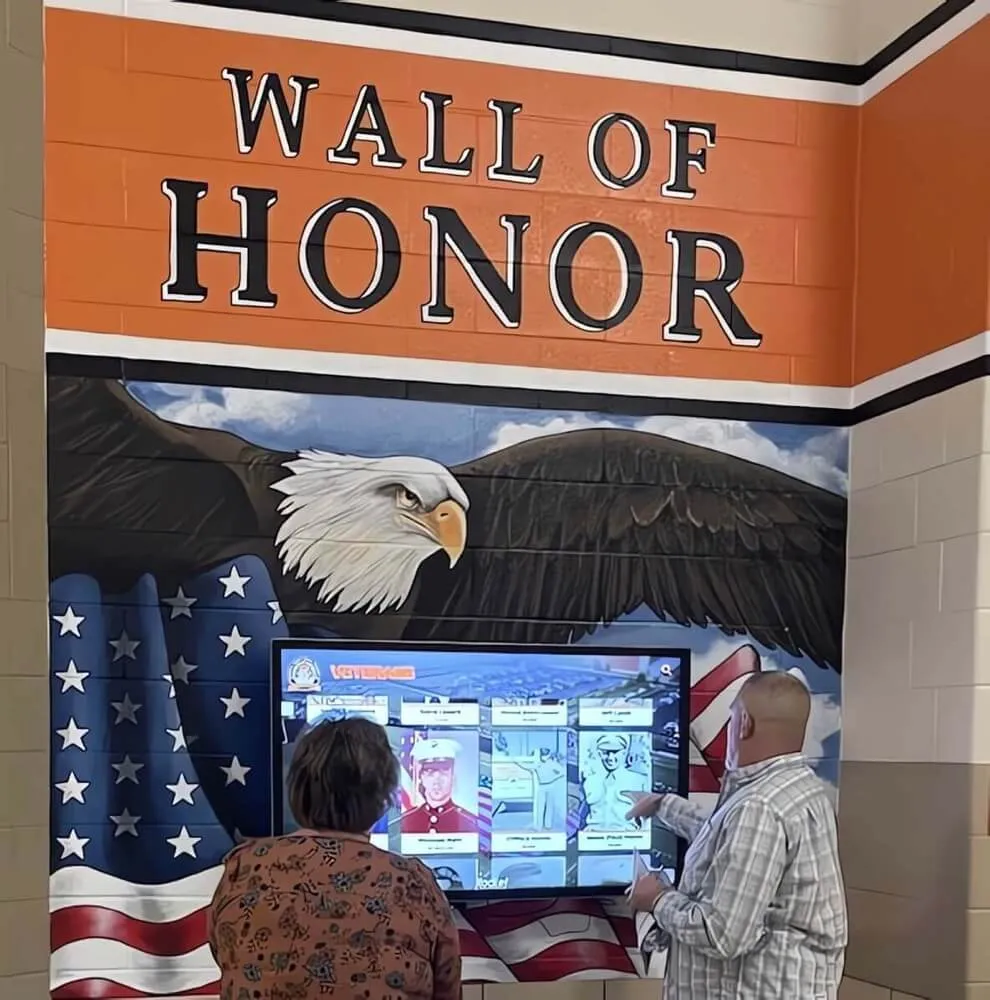
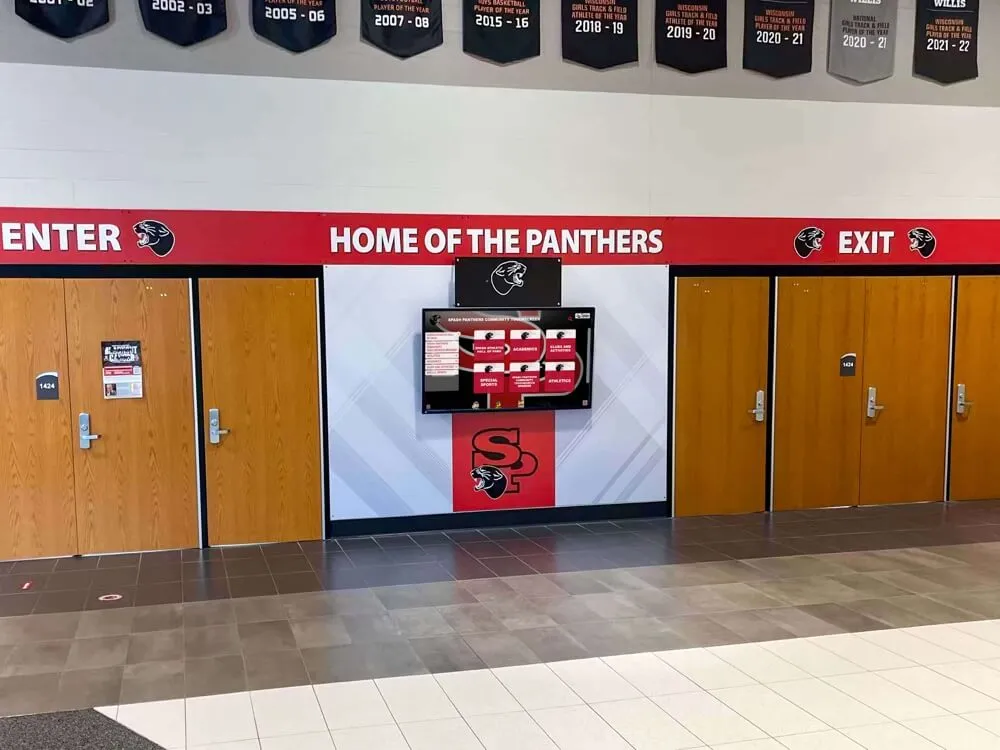
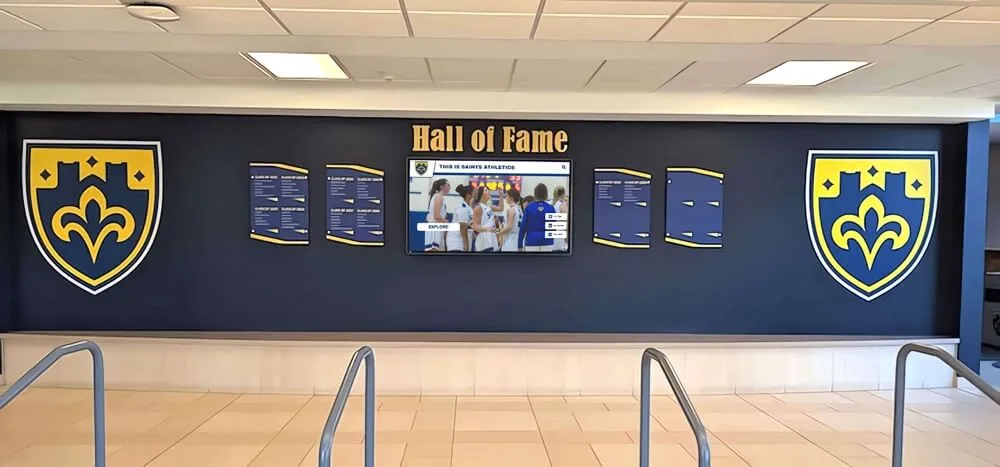
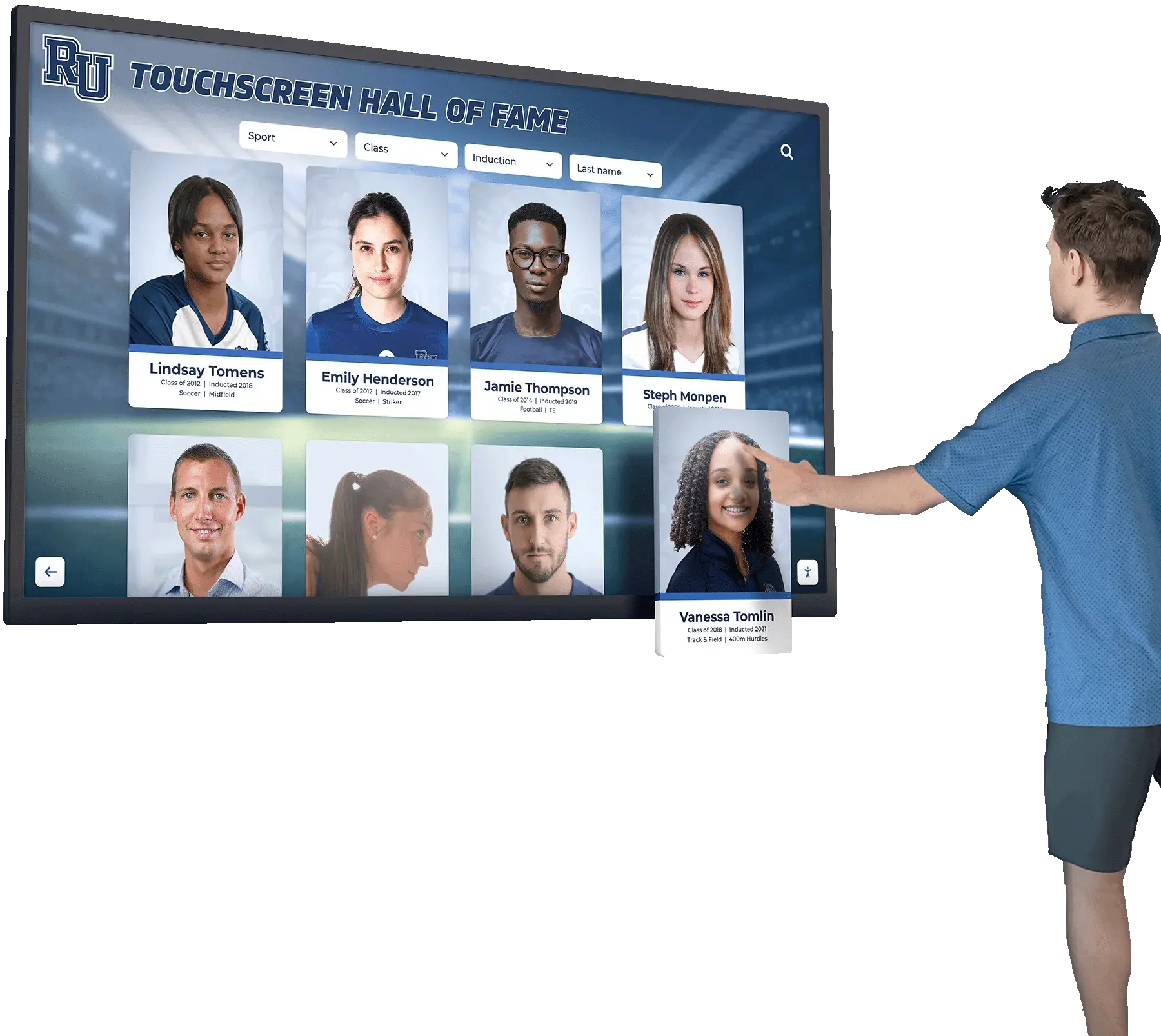
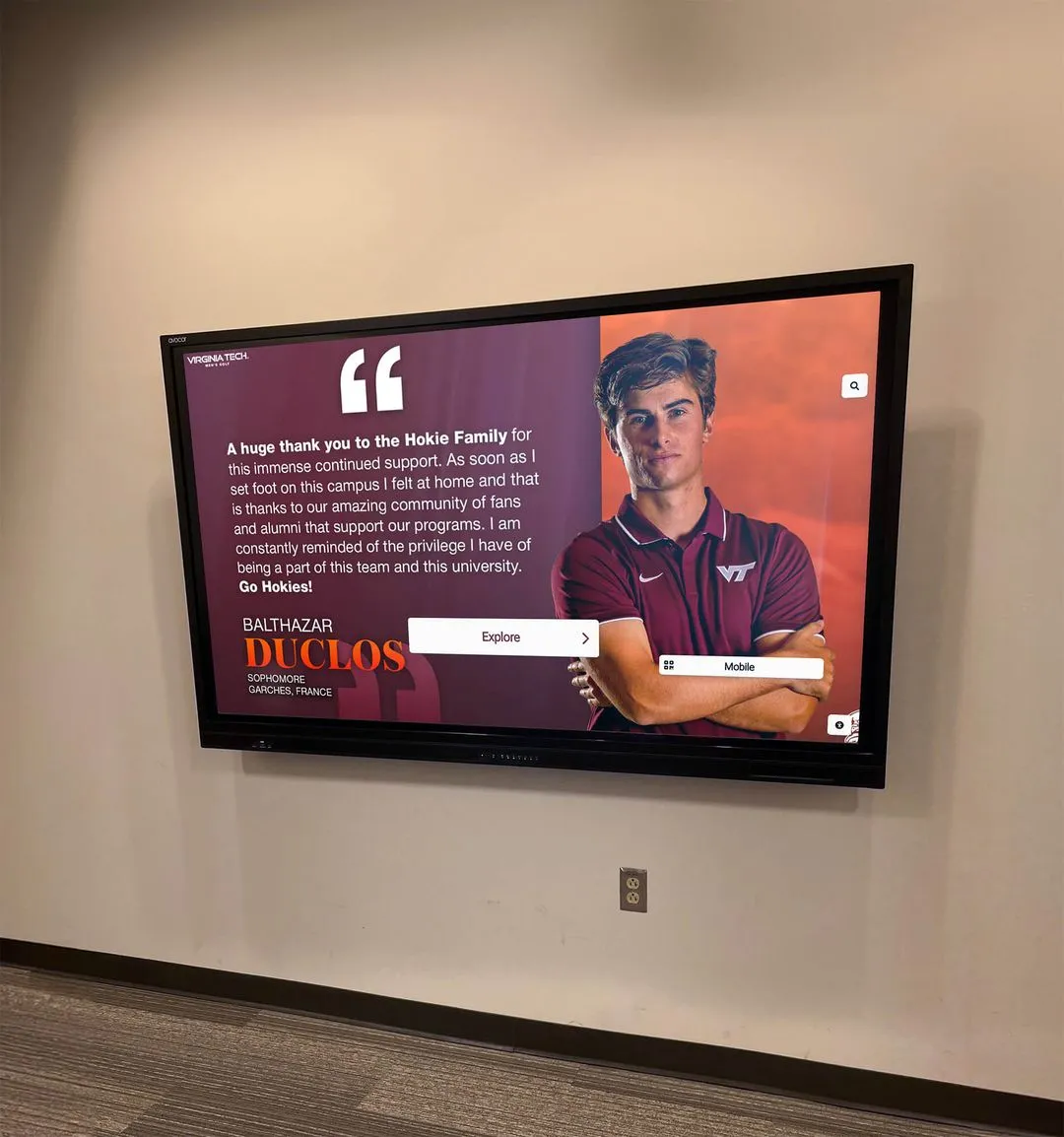
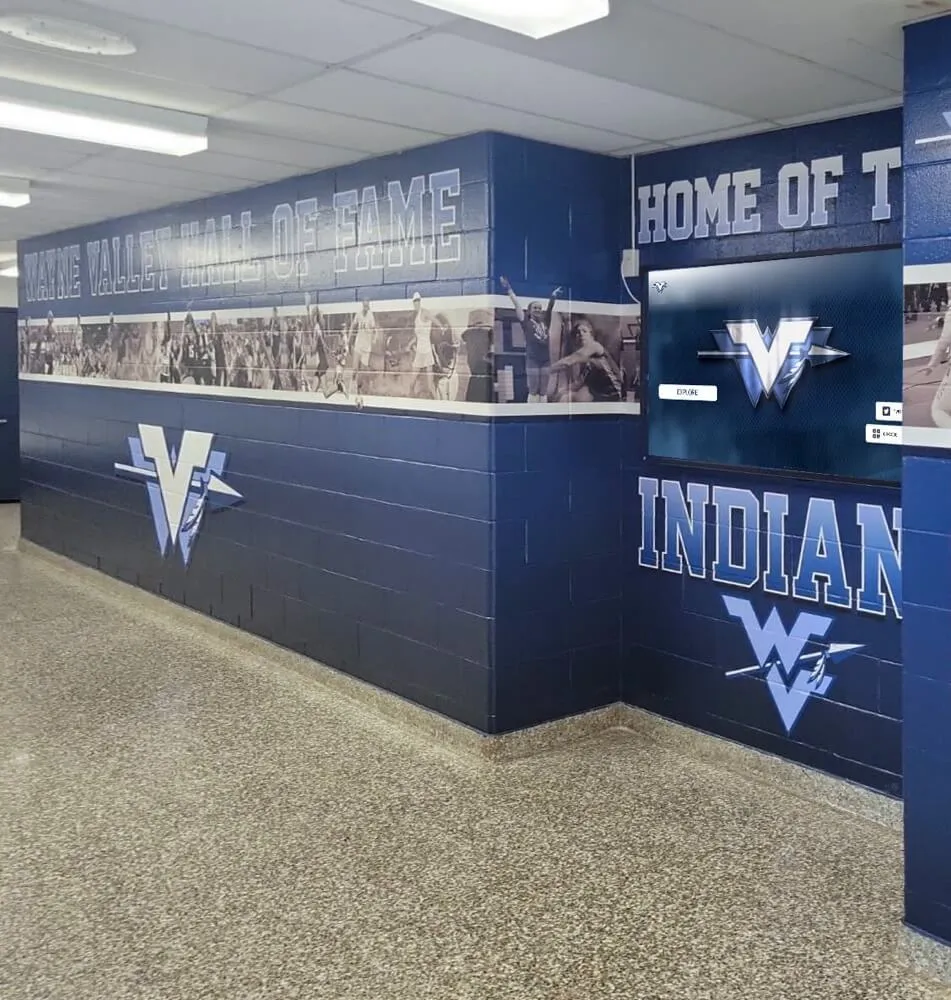
Interactive touchscreen displays with AR capabilities create memorable recognition experiences that engage all generations
What Are Touchscreen Augmented Reality Displays and How They Work
Understanding the technology foundations helps organizations evaluate whether AR-enabled touchscreen systems align with recognition and engagement goals.
Core Technology Components
Touchscreen augmented reality displays combine multiple technologies creating seamless interactive experiences:
Touchscreen Interface Layer
The physical interaction component includes commercial-grade capacitive touchscreens supporting multi-touch gestures, responsive interfaces with minimal input lag, durable surfaces withstanding continuous public use, anti-glare coatings ensuring visibility in various lighting, high-resolution displays showing crisp text and images, and screen sizes from 43" to 86" depending on space and viewing distance.
Modern touchscreens use the same capacitive technology familiar from smartphones and tablets, creating intuitive interfaces requiring no learning curve. Visitors can tap, swipe, pinch, and gesture naturally, making exploration accessible to all age groups from tech-comfortable youth to older adults seeking information about classmates and friends.
Augmented Reality Overlay System
AR functionality adds digital enhancements to recognition content through layered information revealing details on demand, 3D visualizations bringing profiles to life, animated transitions creating visual interest, location-aware content responding to physical positioning, QR code integration enabling mobile device connections, and spatial mapping linking digital content to physical spaces.
Unlike virtual reality that replaces the real world, augmented reality enhances physical environments by overlaying digital information. In recognition contexts, AR enables visitors to tap a donor’s name and see biographical details, career highlights, giving history, and impact statements appear as layered information over the base display.
Content Management Platform
Cloud-based systems enable easy updates including web-based administrative dashboards, drag-and-drop content organization, bulk import capabilities for historical data, scheduled publishing for campaigns and events, role-based permissions controlling access, and real-time synchronization across multiple displays.
Solutions like Rocket Alumni Solutions provide comprehensive platforms designed specifically for recognition applications, combining powerful AR capabilities with user-friendly management requiring no technical expertise.
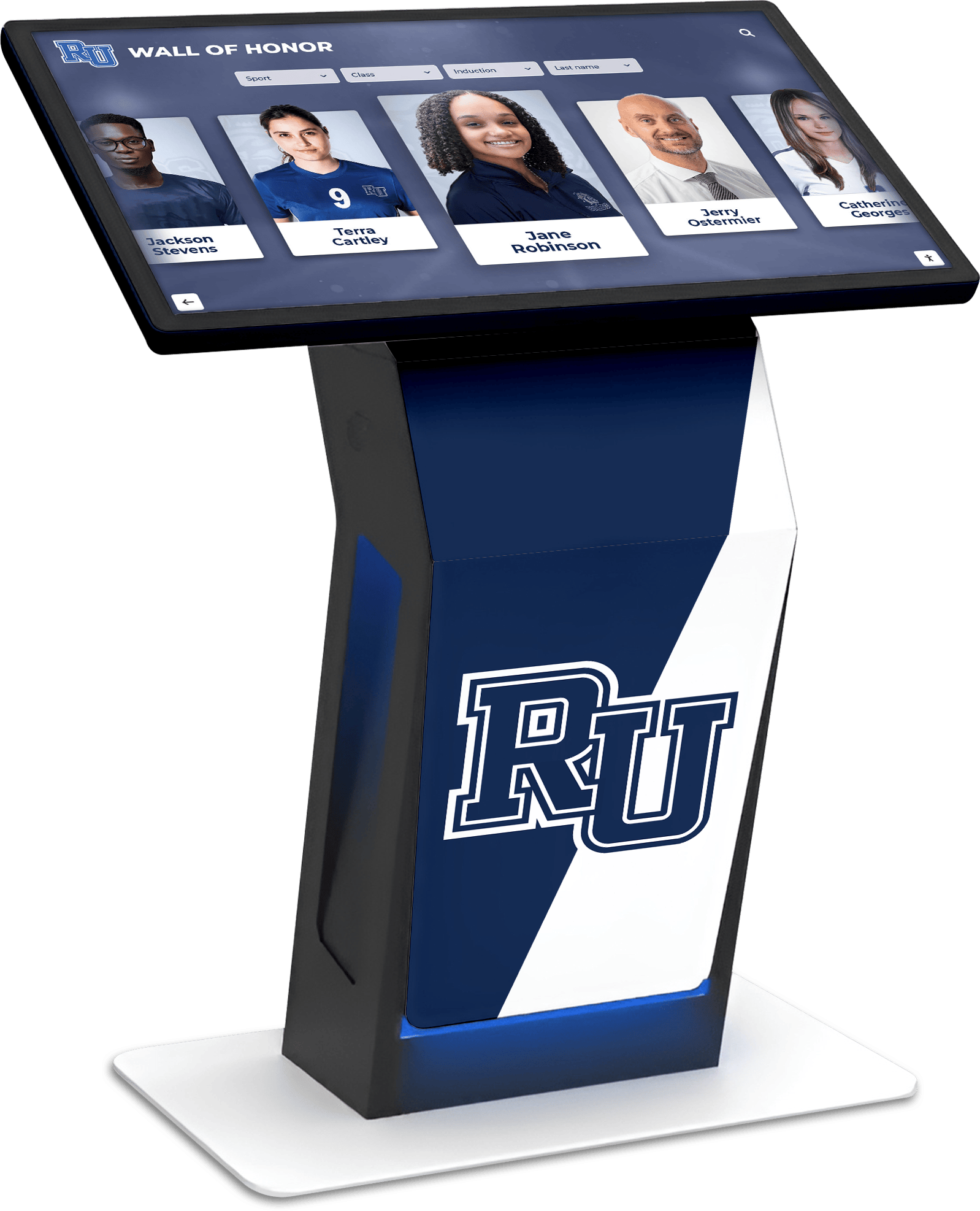
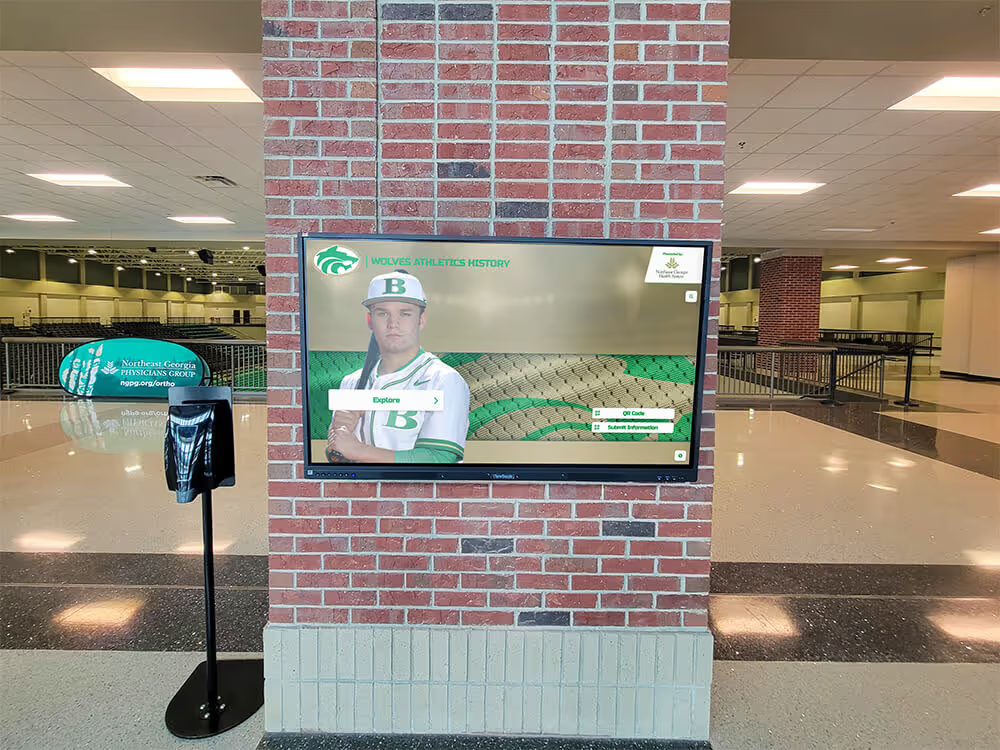
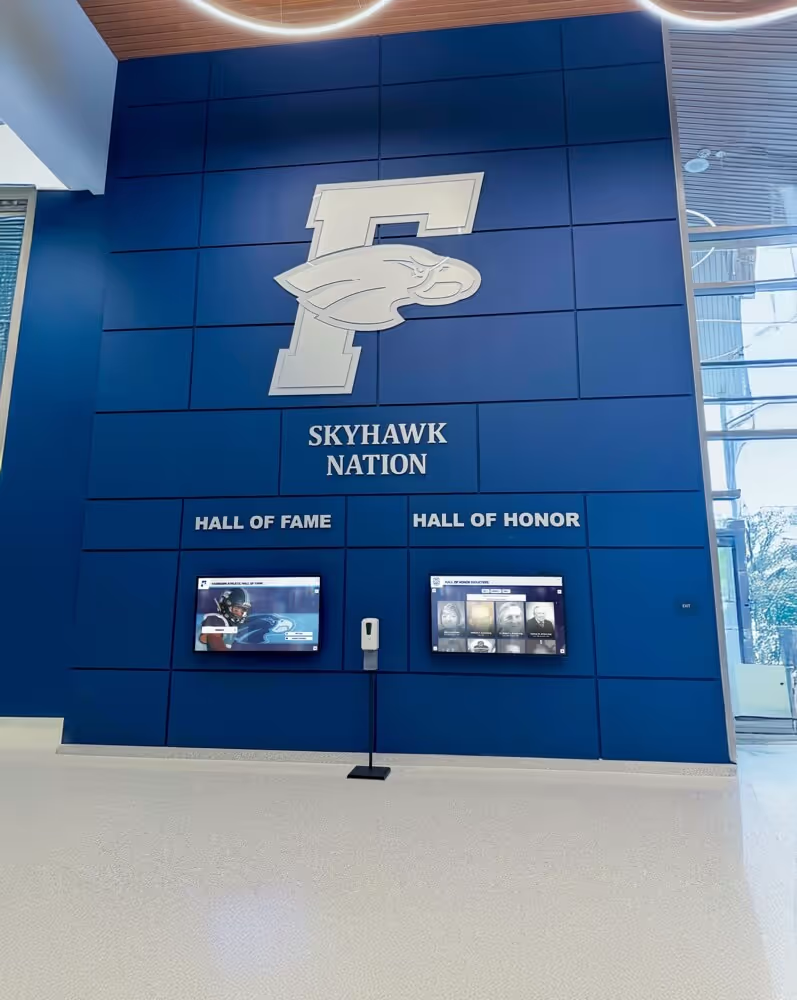
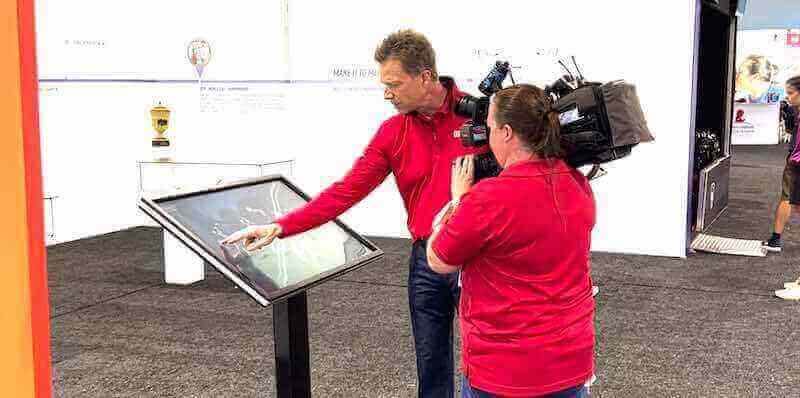
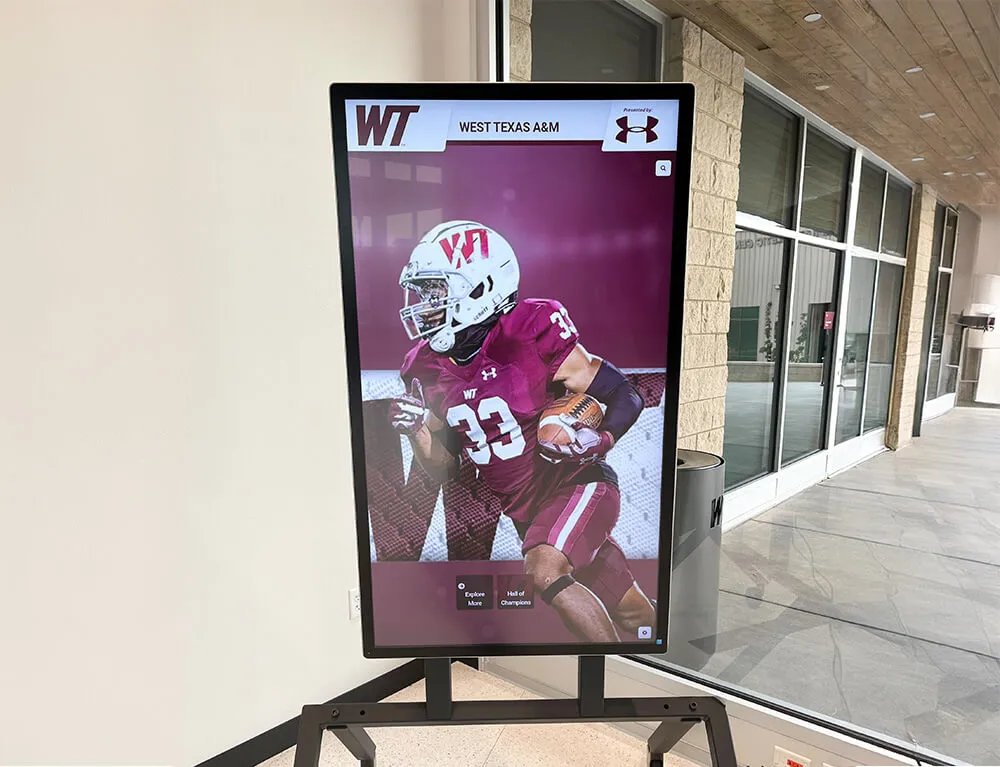
Freestanding kiosks bring interactive AR recognition to any space without requiring wall installation
How AR Enhances Traditional Touchscreen Displays
Augmented reality adds dimensions impossible with standard digital displays:
Layered Information Architecture
AR enables progressive disclosure showing essential information initially while enabling deeper exploration through tap interactions revealing additional details, biographical information and career highlights, giving history and cumulative contributions, impact stories connecting gifts to outcomes, photo galleries and video testimonials, and related connections to other donors or alumni.
This layered approach prevents information overload while enabling curious visitors to explore as deeply as interests dictate. Someone seeking a specific donor can find them quickly, while others can spend 10-15 minutes exploring connections and stories that might inspire their own contributions.
3D Visualization and Spatial Features
Three-dimensional elements create engaging experiences including rotating profile cards showing multiple angles, facility renderings demonstrating capital campaign projects, before-and-after comparisons of donor-funded improvements, interactive timelines showing organizational evolution, spatial maps connecting recognition to physical locations, and animated transitions making exploration feel dynamic.
Research from interactive technology platforms indicates 3D AR elements increase visitor engagement time by 200-300% compared to flat 2D displays, while improving information retention and recall.
Mobile Device Integration
Modern AR touchscreens connect with visitor smartphones through QR codes launching recognition content on personal devices, the ability to share profiles and stories via social media, digital downloads of impact reports and giving information, contact information for development staff, online giving portals enabling immediate contributions, and personalized content delivery based on alumni status or interests.
This mobile connection extends recognition beyond the physical display, enabling visitors to take stories and information home while providing convenient paths to engagement and giving.
Explore comprehensive interactive capabilities in touchscreen display software that powers AR-enabled recognition systems.
Benefits of Touchscreen AR Displays for Donor Recognition
Organizations implementing AR-enabled recognition report measurable improvements across multiple dimensions:
Unlimited Recognition Capacity
Traditional donor walls accommodate 50-200 names before reaching physical capacity. AR touchscreen displays recognize unlimited supporters through searchable databases enabling instant access to thousands of donors, hierarchical organization showing giving levels clearly, historical archives preserving complete giving records, multiple campaign recognition within single installations, flexible categories accommodating all contribution types, and easy expansion as fundraising programs grow.
This unlimited capacity ensures every contribution receives appropriate acknowledgment, from first-time annual fund donors to transformational major gift supporters, building cultures where all generosity is visible and celebrated.
Development directors consistently report that comprehensive recognition acknowledging all giving levels improves donor retention by 15-25% compared to space-limited traditional approaches that visibly honor only major contributors.
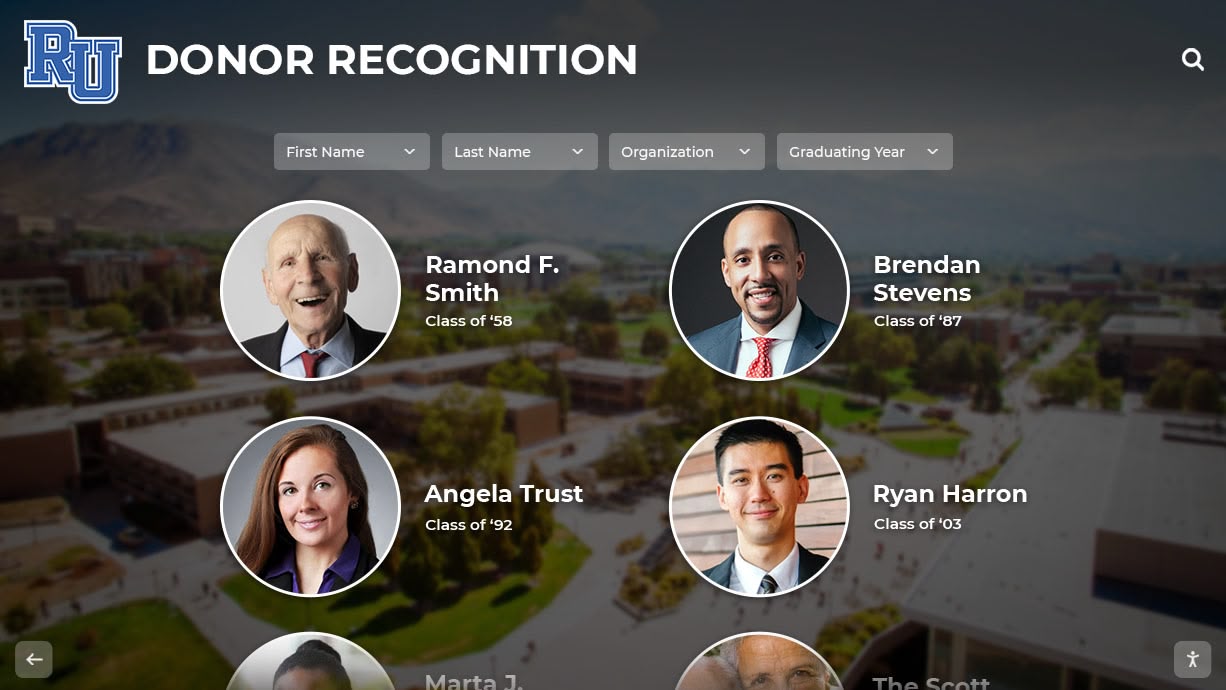
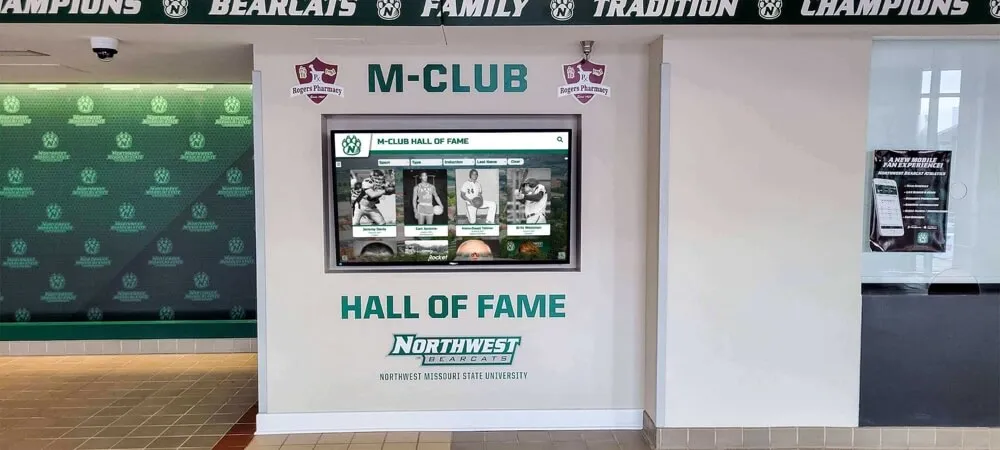
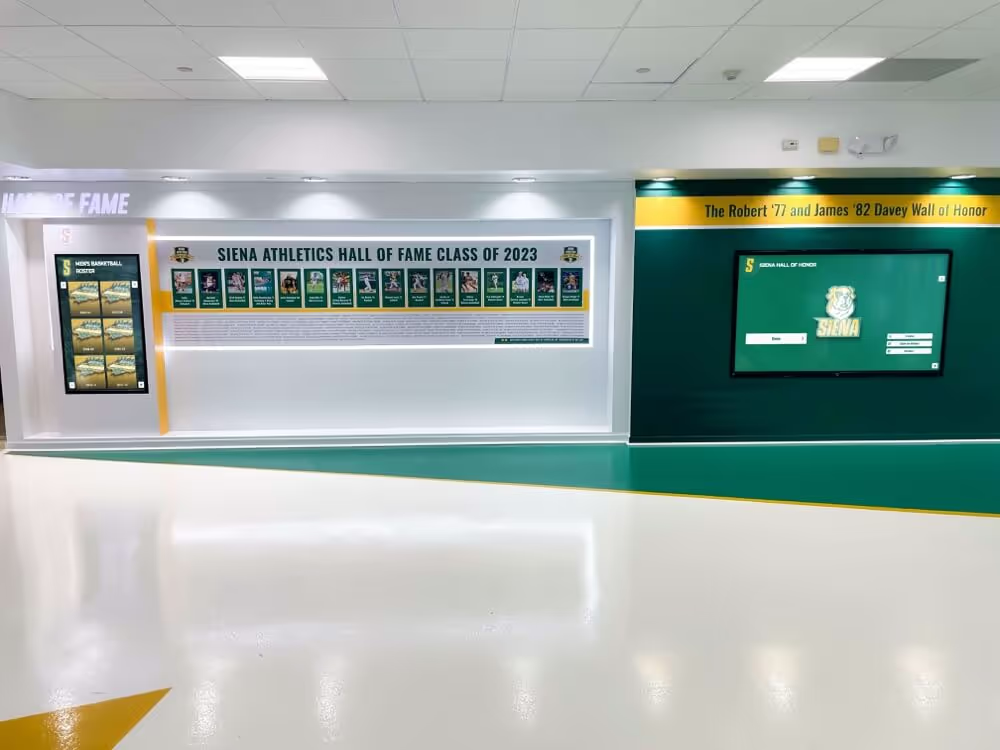
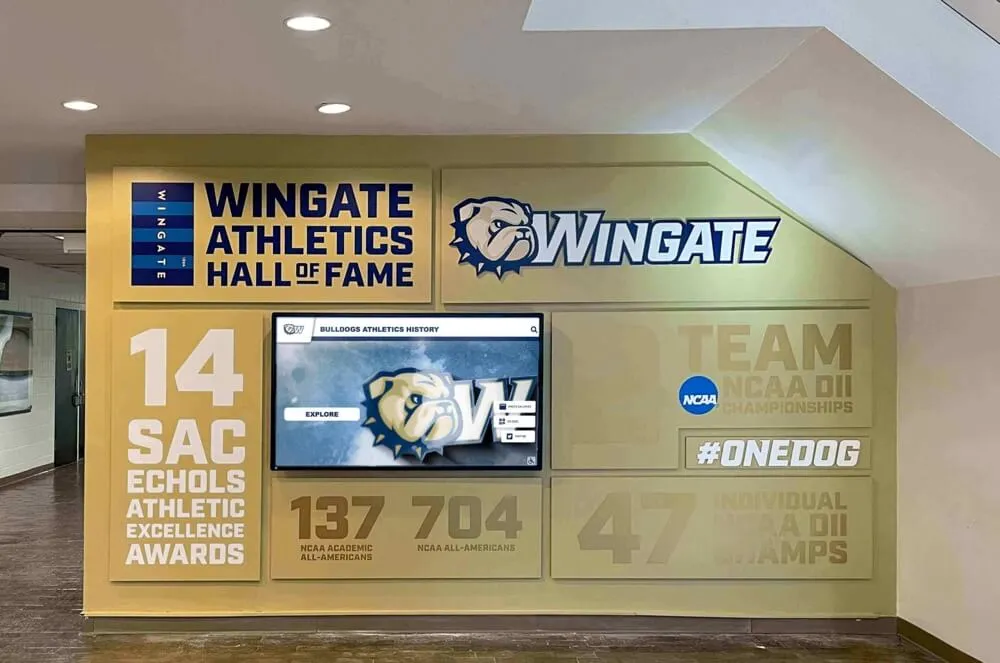
AR-enabled touchscreen displays celebrate unlimited donors across all giving levels without space constraints
Engaging Impact Storytelling
Static plaques list names without explaining what contributions accomplished. AR displays enable rich storytelling through high-resolution photos showing funded projects, video testimonials from donors explaining motivations, beneficiary stories demonstrating gift impact, facility tours showcasing capital campaign results, program documentation explaining what support enables, statistical infographics quantifying outcomes, and before-and-after comparisons visualizing transformation.
This storytelling capability transforms donor recognition from simple acknowledgment to meaningful communication about philanthropic impact. When donors see their contributions connected to tangible outcomes—scholarships funded, facilities built, programs launched—recognition becomes more meaningful than name placement alone.
According to nonprofit technology research, donors who experience impact storytelling through AR recognition displays report 40% higher satisfaction with acknowledgment compared to traditional plaque recognition, while demonstrating increased likelihood of making additional gifts.
Multi-Generational Engagement
AR touchscreen interfaces appeal across age demographics:
Younger Generations
- Smartphone-familiar touch gestures feel natural and intuitive
- Visual content and video engagement match media consumption preferences
- Social sharing capabilities enable digital celebration
- Interactive exploration satisfies shorter attention spans
- Gamification elements can encourage discovery
Older Alumni and Donors
- Large, readable text accommodates visual changes
- Simple interfaces require minimal technical proficiency
- Search functionality helps find classmates and friends quickly
- Historical archives connect to organizational legacy
- Familiar content presentation reduces technology anxiety
This generational inclusivity ensures recognition systems serve all constituents effectively, from young alumni comfortable with emerging technology to older supporters who remember institutions from decades past.
Real-Time Updates and Flexibility
Cloud-based management enables instant recognition updates including adding new donors within minutes of gift receipt, updating giving levels as contributions increase, correcting errors immediately without physical re-engraving, scheduling recognition to go live at campaign milestones, refreshing content regularly maintaining engagement, and coordinating recognition across multiple physical locations.
Organizations implementing AR touchscreen recognition report 85-90% reduction in administrative time spent maintaining recognition programs compared to traditional plaques requiring physical updates and expensive engraving.
Learn about efficient content management through touchscreen kiosk software that simplifies recognition updates.
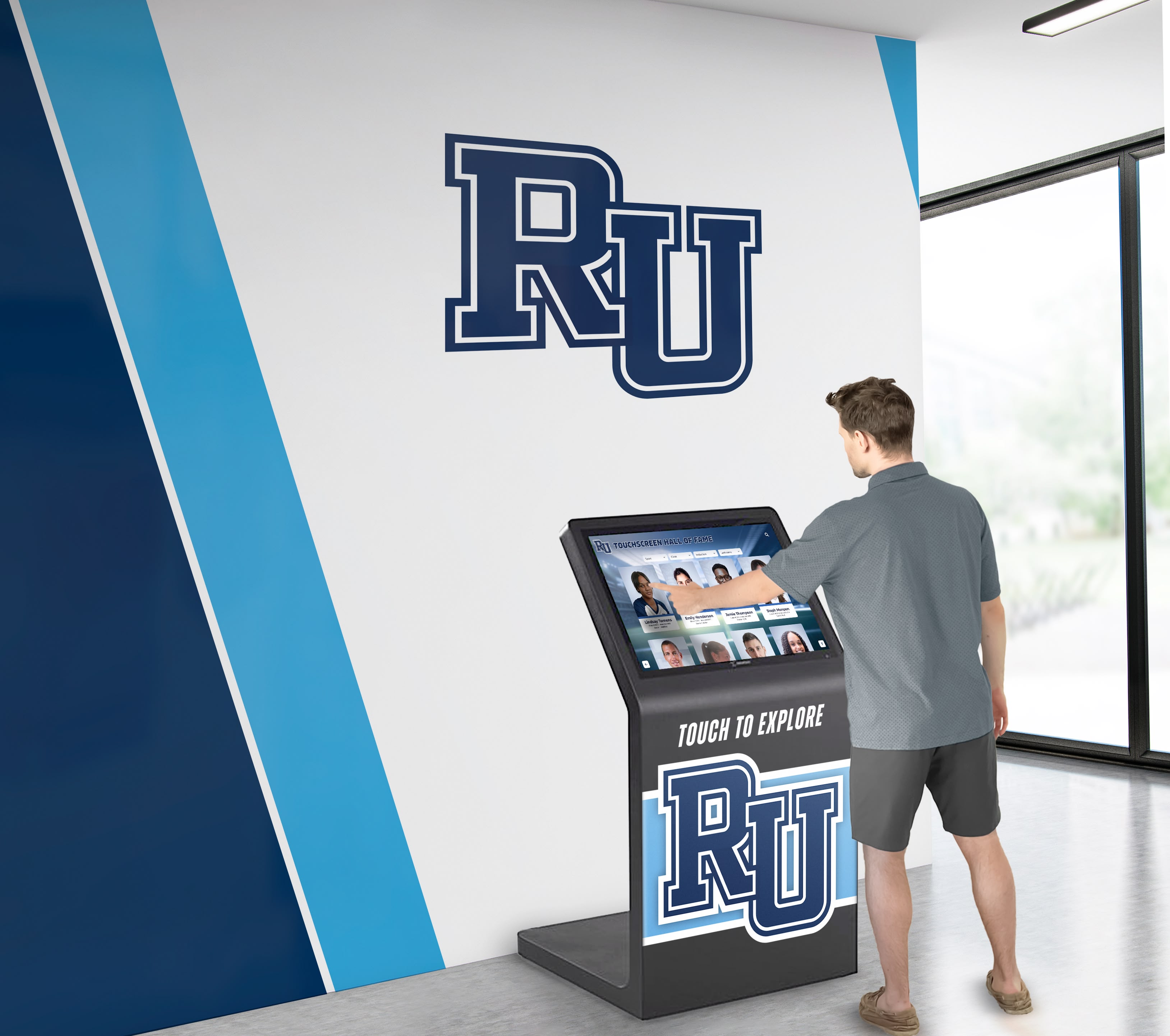
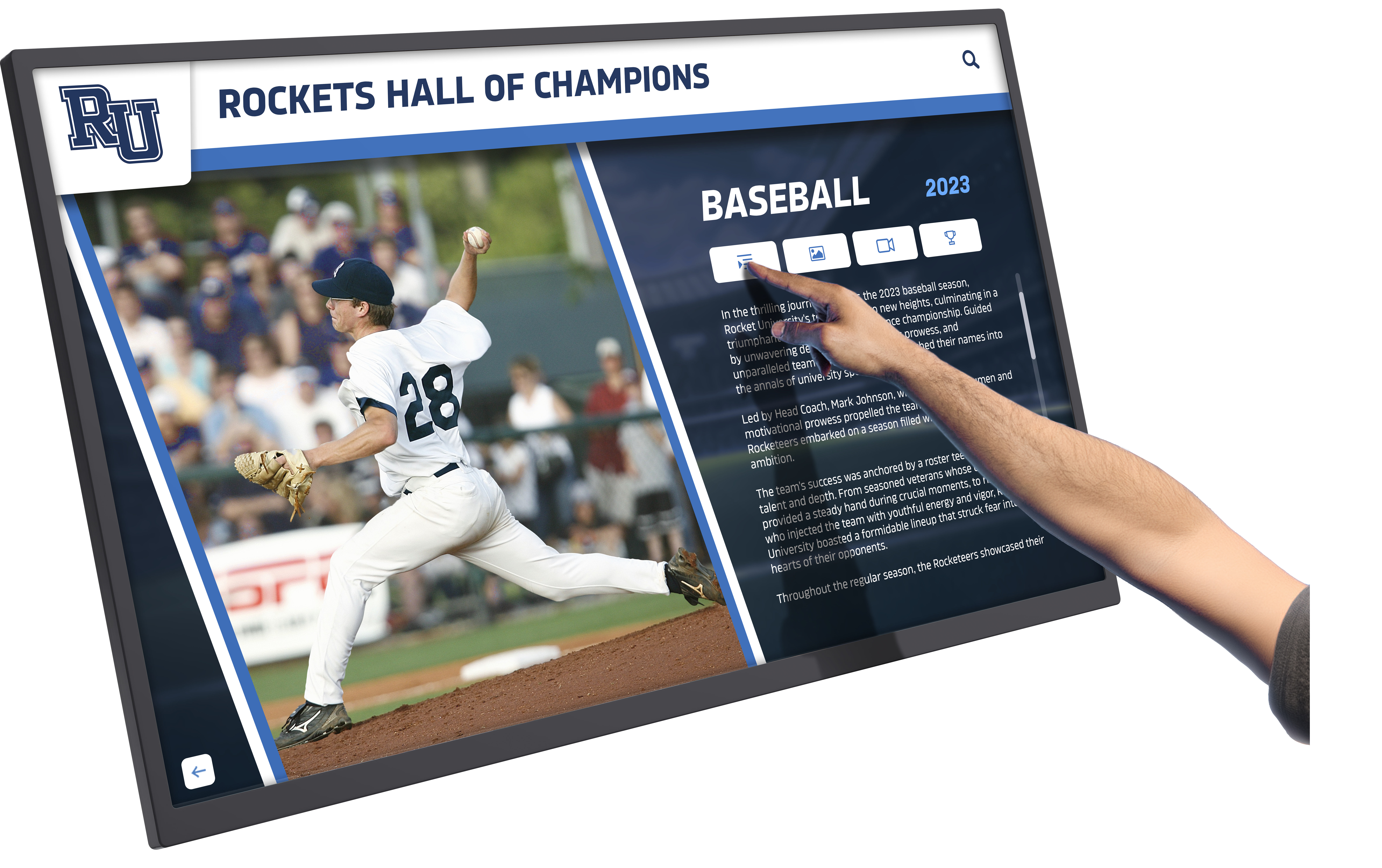
Cloud-based platforms enable easy recognition updates from anywhere without technical expertise
Enhanced Visitor Experience and Dwell Time
Research from interactive display manufacturers indicates AR-enabled touchscreens increase average visitor engagement from 30-60 seconds at traditional plaques to 5-10 minutes at interactive displays. This extended engagement creates opportunities for deeper exploration including discovering multiple donor profiles, learning detailed organizational history, viewing impact documentation, exploring giving opportunities, and sharing content via mobile devices.
Longer engagement times translate to increased awareness of philanthropic support, better understanding of organizational missions, stronger emotional connections to institutions, and higher likelihood of visitor giving as they’re inspired by others’ generosity.
Implementing Touchscreen AR Displays: Planning and Best Practices
Successful implementation requires systematic planning ensuring technology serves recognition goals effectively:
Needs Assessment and Goal Definition
Begin with comprehensive evaluation establishing clear requirements:
Recognition Objectives
- Define what you want recognition systems to accomplish
- Identify current recognition limitations and frustrations
- Establish success metrics and measurement approaches
- Determine balance between acknowledgment and fundraising
- Clarify which constituents need recognition (donors, alumni, volunteers)
- Define recognition philosophy and organizational values
Space and Environment Analysis
- Assess physical locations for display placement
- Evaluate traffic patterns and visibility
- Consider lighting conditions affecting screen readability
- Determine mounting options (wall-mounted vs. freestanding kiosks)
- Analyze electrical and network infrastructure
- Plan for ADA compliance and accessibility
Content and Data Requirements
- Inventory existing donor and recognition data
- Evaluate data quality and completeness
- Define information architecture and organization
- Plan content types (profiles, photos, videos, documents)
- Establish data privacy and preference protocols
- Determine integration with existing donor management systems
Explore comprehensive planning approaches through digital hall of fame implementation guides applicable to donor recognition.
Technology Selection and Vendor Evaluation
Choosing appropriate solutions requires careful consideration:
Hardware Specifications
- Display size appropriate for viewing distance and space (43"-86" typical)
- Commercial-grade components ensuring continuous operation reliability
- Touchscreen technology quality and responsiveness
- Resolution supporting crisp text and detailed images
- Mounting options matching space requirements
- Connectivity requirements for network and power
Software Platform Capabilities
- Intuitive administrative interfaces requiring minimal technical expertise
- Robust content management with drag-and-drop organization
- AR features and 3D visualization capabilities
- Mobile integration and QR code functionality
- Customization options for branding and design
- Security features protecting sensitive donor information
Vendor Evaluation Criteria
- Portfolio of recognition installations demonstrating relevant experience
- Technical support availability and responsiveness
- Training resources for staff and administrators
- Content creation assistance and design services
- Long-term platform viability and development roadmap
- Integration capabilities with existing systems
Solutions like Rocket Alumni Solutions specialize in comprehensive recognition displays for educational and nonprofit organizations, offering platforms designed specifically for donor appreciation with proven implementation processes and ongoing support.
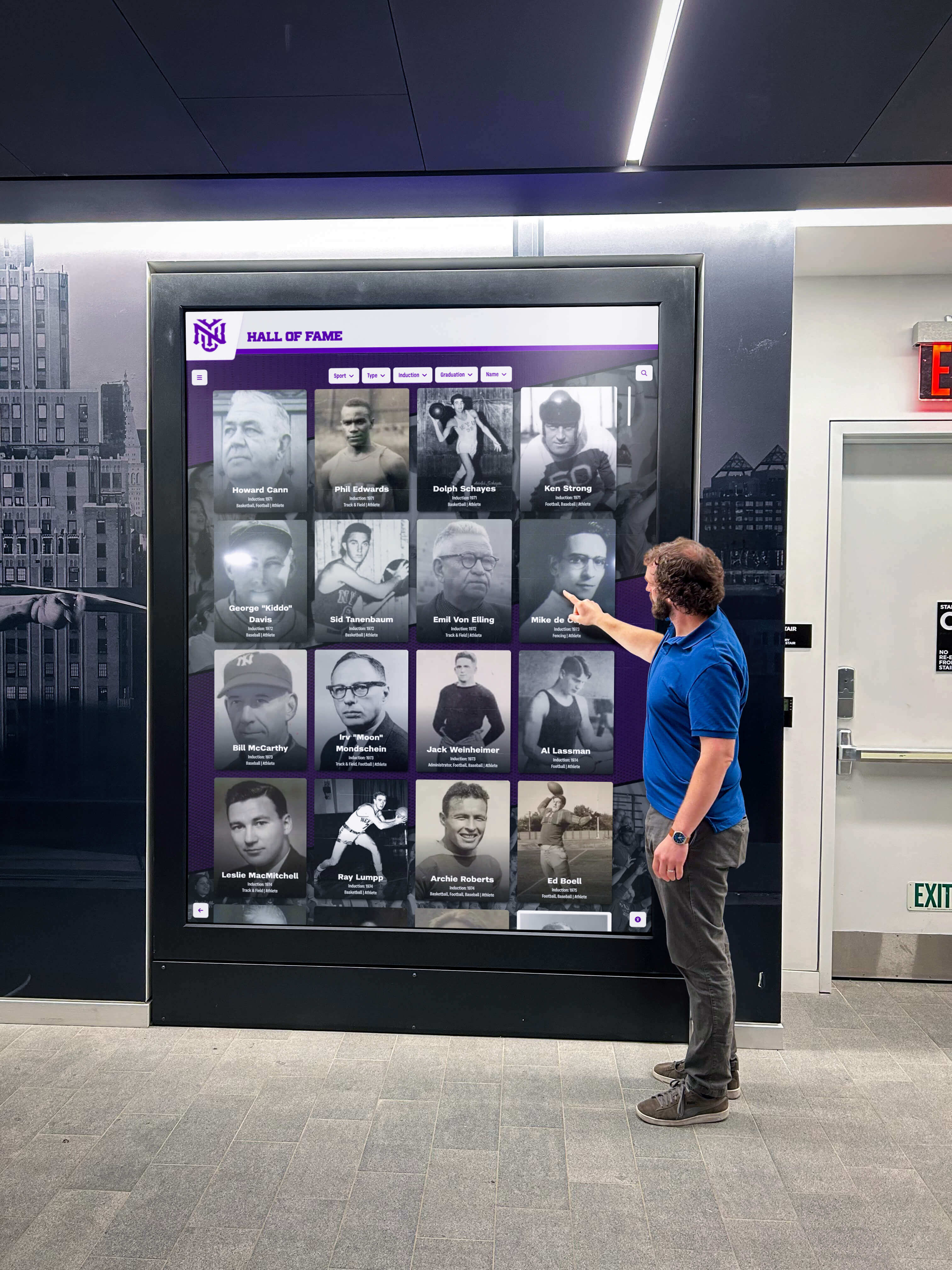
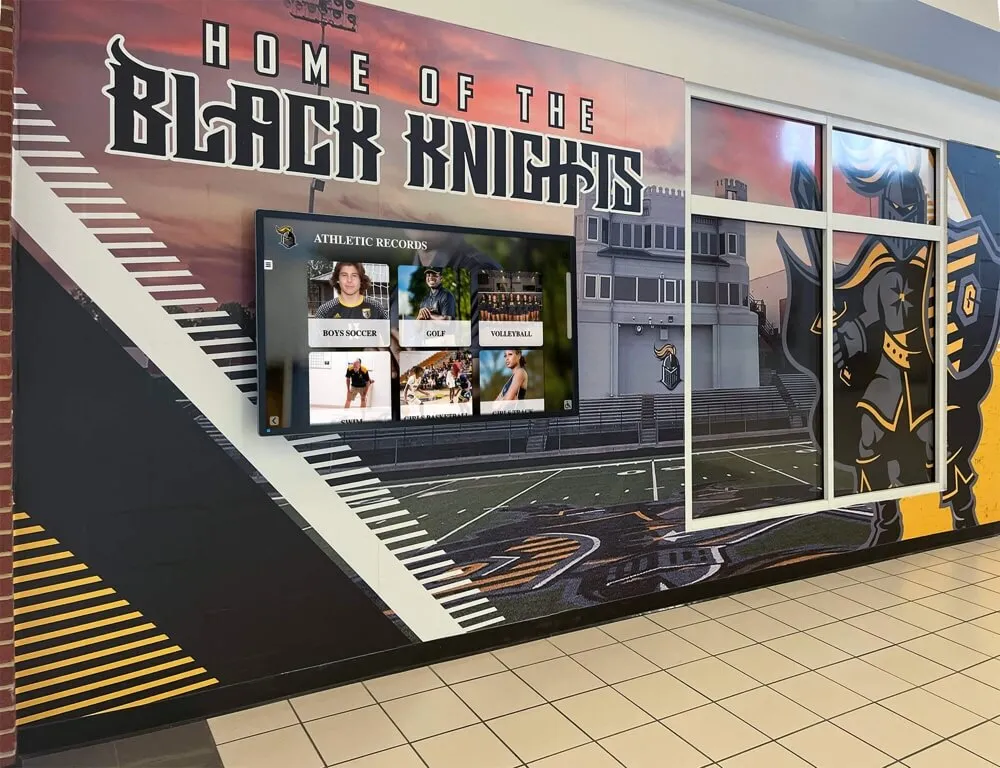
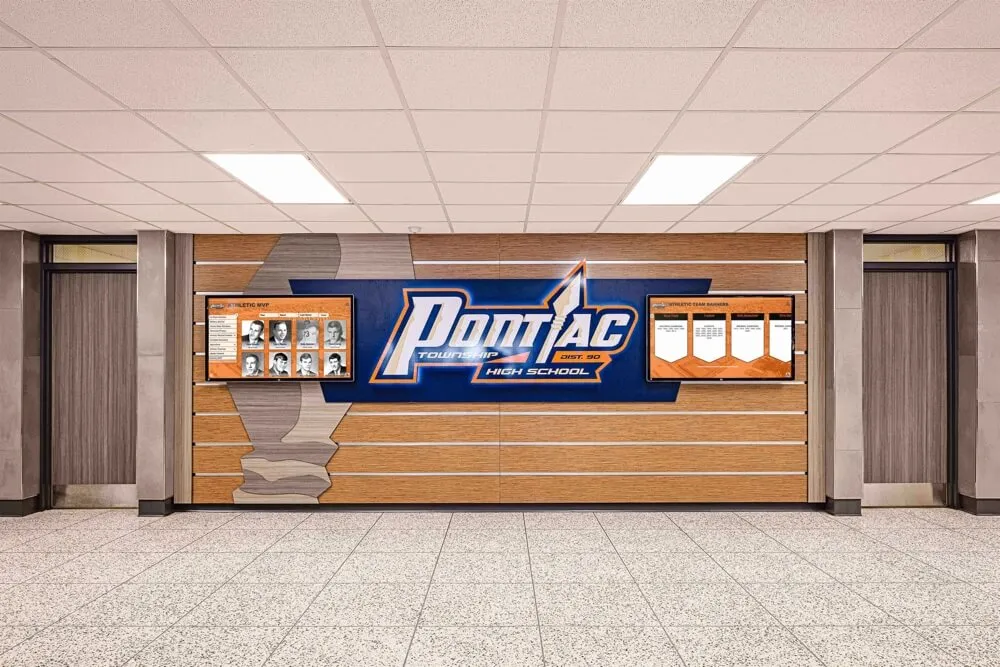
Professional installation ensures recognition displays integrate seamlessly with organizational aesthetics
Content Strategy and Development
Effective content maximizes recognition impact and visitor engagement:
Recognition Level Structure
Establish tiered giving categories including foundational donors accessible to broad supporter base, leadership circles recognizing significant contributions, major donor societies for transformational gifts, legacy commitments for planned giving, cumulative lifetime giving milestones, and special designations for memorial gifts or specific purposes.
Clear visual hierarchy ensures visitors immediately understand relative contribution significance without confusion.
Profile Content Guidelines
Individual donor pages should include donor name with proper formatting and preferences, giving level or recognition society membership, years of support or giving history, campaigns or funds supported, optional biographical information with consent, professional or organizational affiliations, and personal statements about giving motivations when appropriate.
Always respect donor privacy through explicit opt-in for enhanced profiles, clear communication about what will be displayed publicly, easy processes for updating preferences, and anonymous giving options for privacy-seeking supporters.
Impact Documentation
Connect recognition to outcomes through beneficiary testimonials explaining how support helped, project before-and-after documentation, statistical outcomes and metrics demonstrating results, program expansion enabled by contributions, facility improvements funded by campaigns, scholarship recipient stories, and leadership reflections on donor impact.
This documentation transforms acknowledgment from name listings to compelling stories about philanthropic impact and mission advancement.
Discover effective content approaches through donor recognition best practices that strengthen relationships.
Installation and Launch Planning
Professional implementation ensures optimal functionality:
Site Preparation
- Electrical infrastructure for display power requirements
- Network connectivity through hardwired ethernet or reliable WiFi
- Mounting surface preparation and reinforcement if needed
- Cable management and concealment planning
- ADA compliance verification for accessibility
- Lighting adjustments ensuring optimal display visibility
Implementation Timeline
Typical installation follows this sequence: site survey and preparation (2-3 weeks), content development and database migration (4-6 weeks), hardware delivery and installation (1-2 weeks), software configuration and customization (2-3 weeks), content upload and quality assurance (1-2 weeks), staff training and soft launch (1 week), official dedication and promotion coordinated with campaigns or events.
Realistic timelines prevent rushed implementations that compromise quality while ensuring adequate planning for successful launches.
Launch and Promotion
Formal dedication should include donor recognition events celebrating contributors, facility tours highlighting new installations, media coverage amplifying recognition visibility, digital promotion through websites and social media, integration into fundraising communications, and documentation through photography and video.
Celebratory launches demonstrate organizational commitment to donor recognition while maximizing awareness among current and prospective supporters.
AR Display Applications Beyond Donor Recognition
Touchscreen augmented reality technology serves multiple institutional purposes:
Athletic Recognition and History
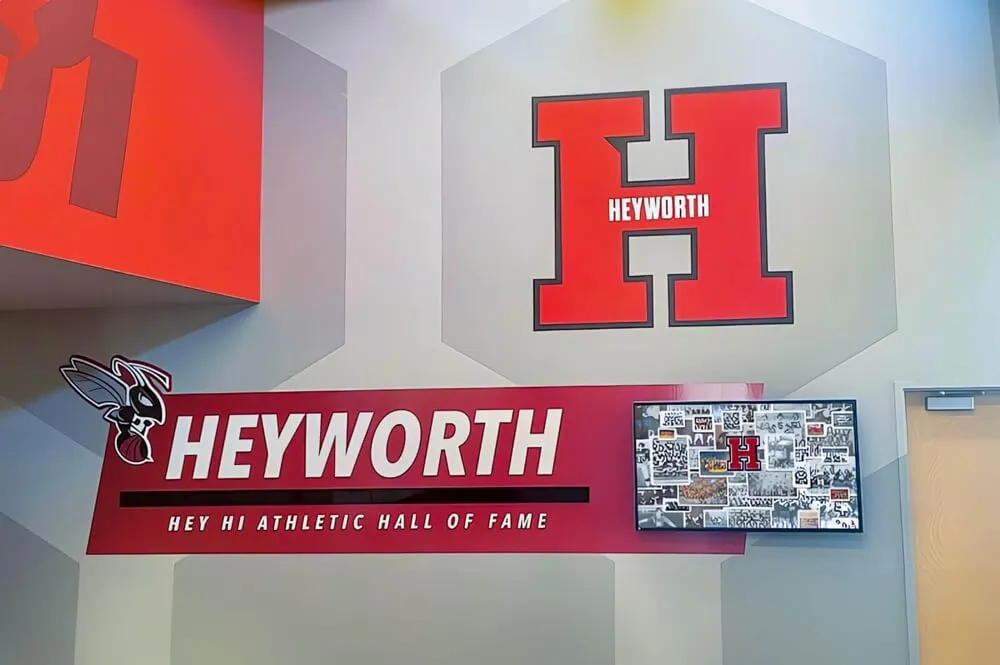
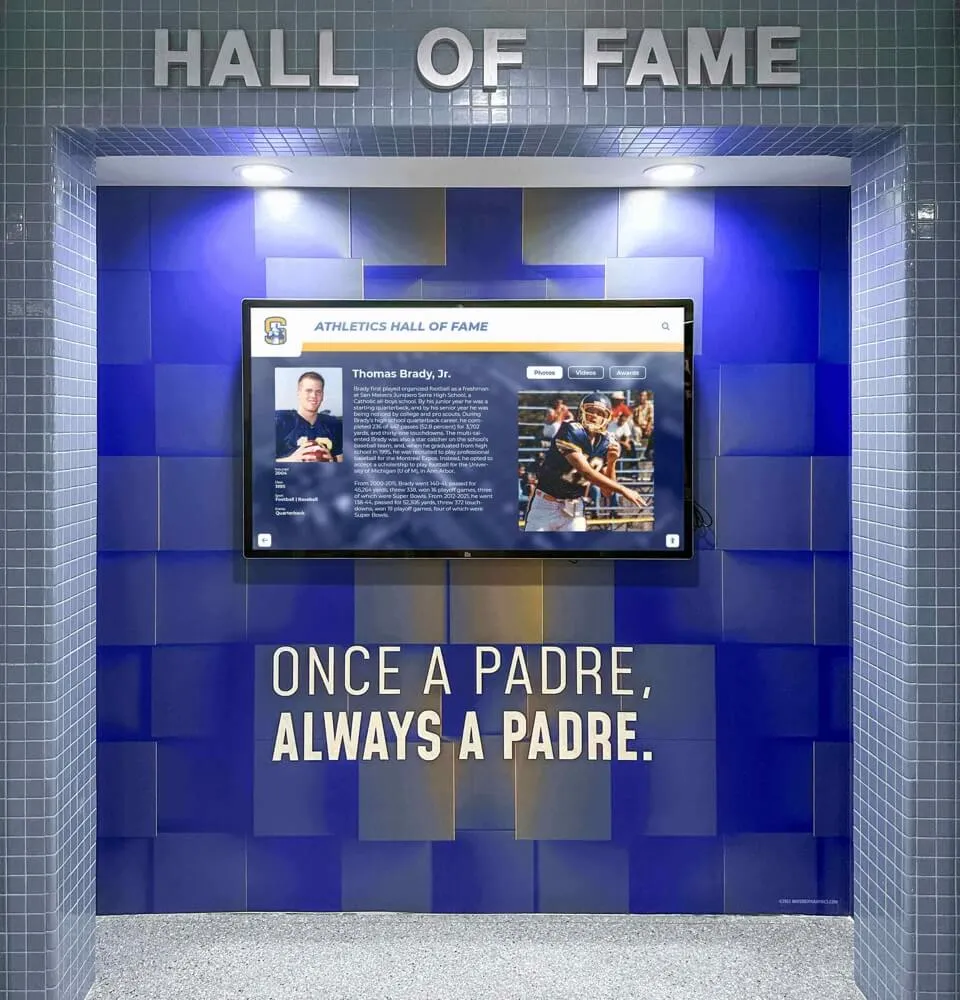
Sports programs utilize AR displays for athlete profiles and achievement documentation, team records and championship celebrations, coaching legends and hall of fame inductees, historical timeline showing program evolution, facility naming and capital campaign acknowledgment, and interactive exploration of memorable games and seasons.
Athletic recognition creates visible celebration of achievement while inspiring current athletes and engaging alumni supporters who follow programs closely.
Learn about athletic applications through digital hall of fame systems designed for comprehensive sports recognition.
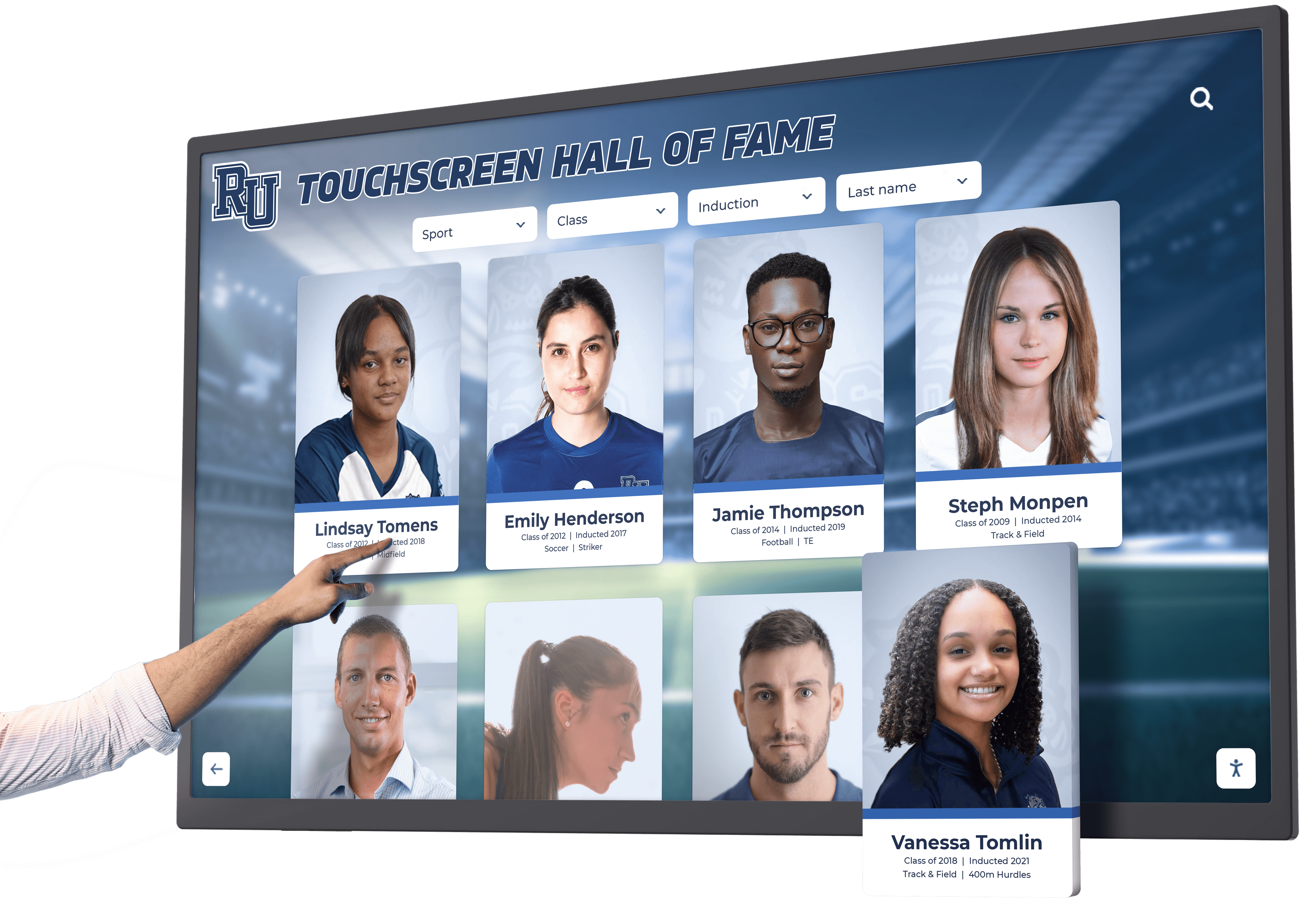
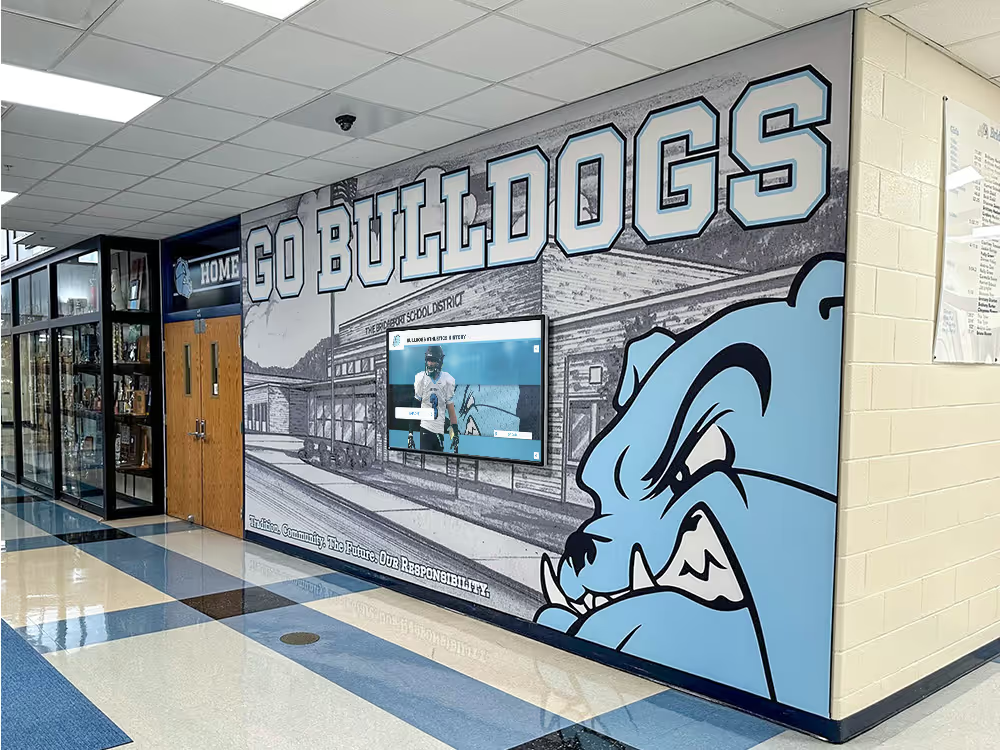
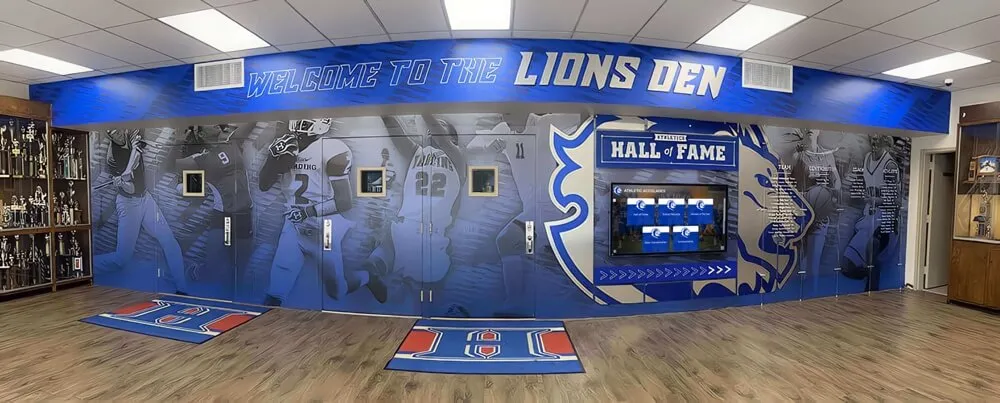
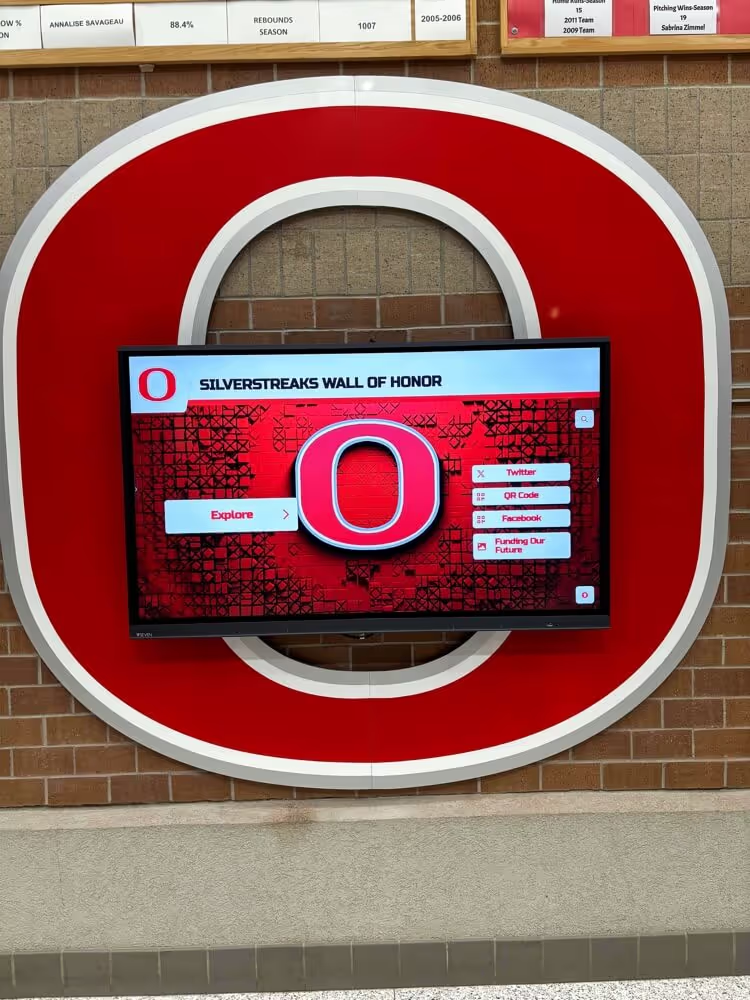
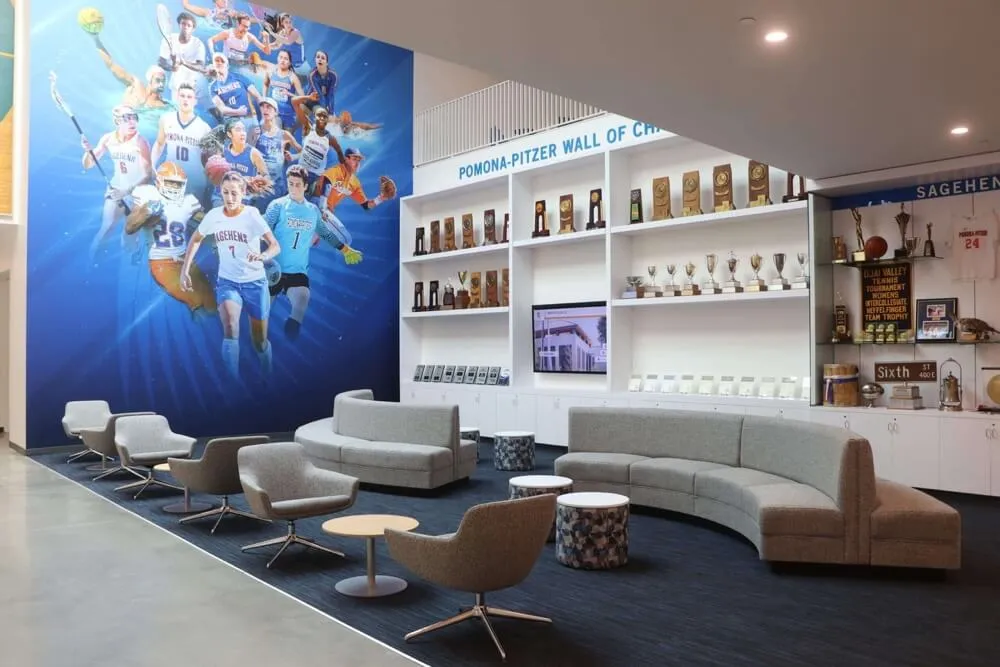
AR touchscreen displays create engaging athletic recognition that celebrates achievement and inspires performance
Campus History and Archives
Educational institutions preserve institutional legacy through historical timelines showing key milestones, notable alumni achievement profiles, faculty recognition and academic excellence, architectural evolution and facility development, traditions and cultural heritage documentation, and digitized archival materials including photos and documents.
Historical displays educate current students about institutional legacy while creating connection points for alumni who remember earlier eras.
Explore archival approaches through digital archives for schools that make history accessible.
Campus Directory and Wayfinding
Touchscreen AR systems serve practical navigation needs through interactive building maps and navigation, department and office directory with search, event calendars and facility reservations, parking and transportation information, dining options and hours of operation, emergency contact information and protocols.
Wayfinding displays serve prospective students on campus tours, visitors seeking specific offices, alumni returning for events, and community members accessing facilities.
Program and Academic Recognition
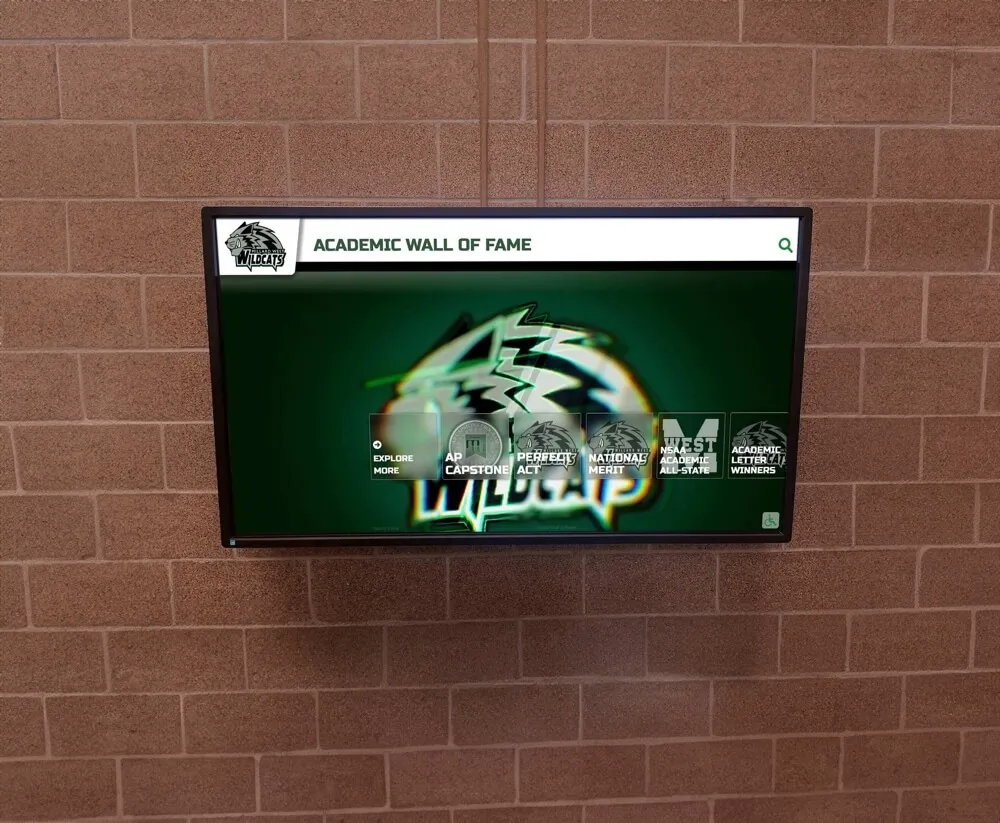
Academic excellence receives visibility through honor roll and dean’s list celebration, scholarship recipient acknowledgment, research achievement and publication highlights, academic competition success, student organization leadership recognition, and distinguished faculty awards and tenure milestones.
Academic recognition creates cultures valuing intellectual achievement while celebrating students whose excellence advances institutional reputation.
Discover academic recognition approaches through student achievement walls that honor diverse accomplishments.
Cost Analysis and Return on Investment
Understanding financial requirements enables informed implementation decisions:
Initial Investment Components
Touchscreen AR display costs vary based on scope and features:
Hardware Expenses
- Commercial touchscreen displays: $3,000-$10,000 depending on size and features
- AR-capable media players or computers: $1,000-$3,000
- Mounting hardware and installation: $500-$2,000
- Freestanding kiosks if applicable: $4,000-$10,000 additional
- Network infrastructure upgrades if needed: $500-$2,000
Software and Platform Costs
- AR-enabled content management platform setup: $2,000-$8,000
- Design and customization services: $3,000-$10,000
- Initial content creation and database migration: $2,000-$8,000
- Training and onboarding: $500-$2,000
- Integration with donor management systems if required: $1,000-$5,000
Total Initial Investment Range
Most organizations invest $15,000-$45,000 for comprehensive AR touchscreen recognition implementation, with variation based on display size, AR feature complexity, number of installations, and professional services required.
This investment typically exceeds traditional donor wall costs by 50-100% but provides exponentially greater capabilities including unlimited capacity, real-time updates, rich storytelling, and visitor engagement impossible with static plaques.
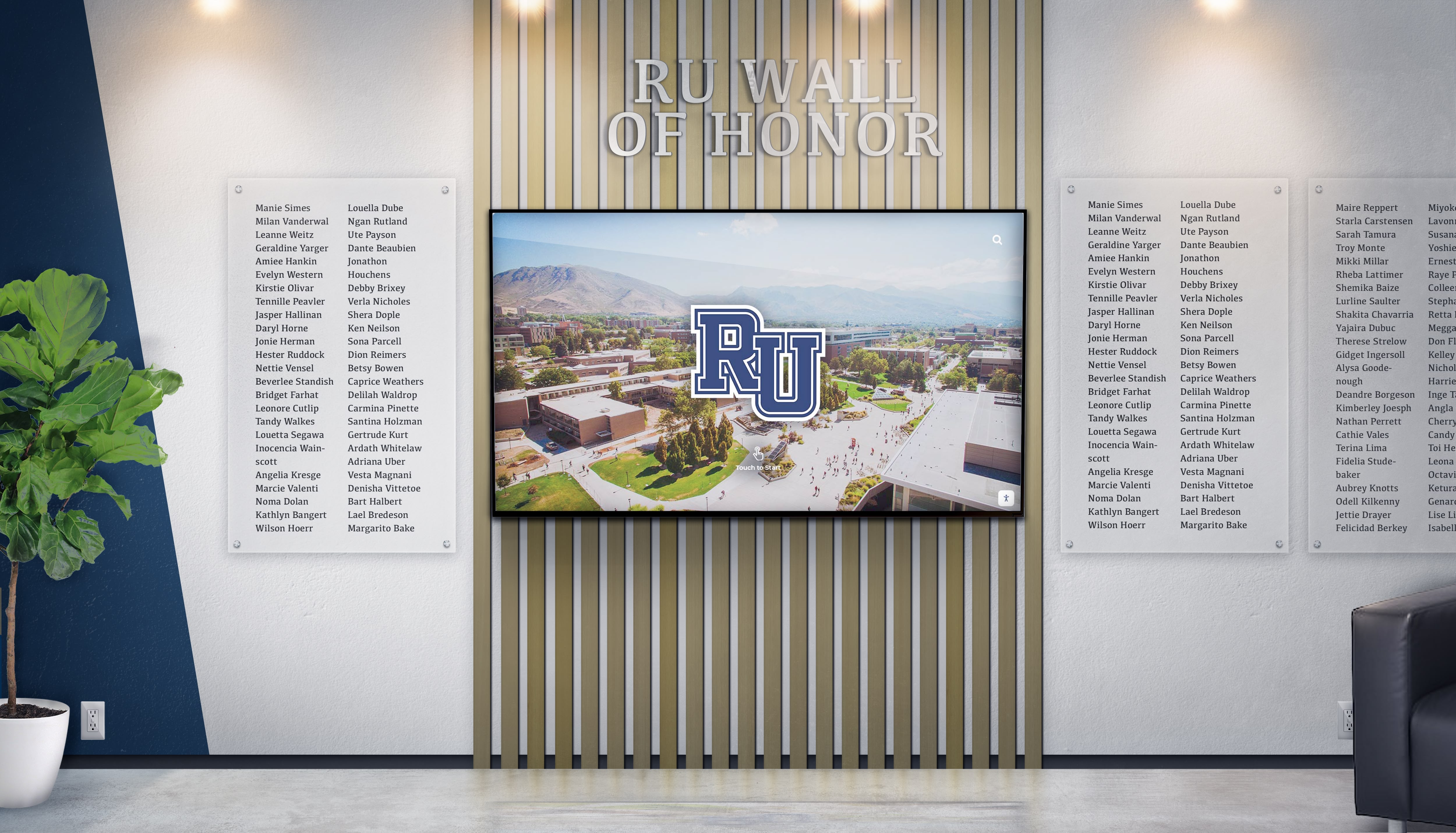
Strategic recognition investments create long-term fundraising advantages and donor relationship benefits
Ongoing Operational Costs
Annual expenses ensure continued effectiveness:
Subscription and Licensing
- Content management platform subscription: $1,200-$4,000 annually
- AR feature licensing and updates typically included
- Cloud hosting and data storage usually included in platform cost
- Technical support and software maintenance included
Maintenance and Support
- Extended warranty or service contracts: $500-$1,500 annually
- Display cleaning and physical maintenance minimal
- Periodic professional servicing: $300-$800 annually
- Hardware replacement reserves: $500-$1,000 annually
Content Updates and Enhancements
- Internal staff time for routine updates: 4-8 hours monthly
- Professional design services for major refreshes: $1,000-$3,000 annually
- Photography and videography for impact stories: $1,500-$8,000 annually
- New feature additions or customizations as desired
Annual Ongoing Cost Range
Expect $4,000-$12,000 in annual operating costs depending on usage intensity and content refresh frequency. These costs remain consistent regardless of how many new donors are added, creating substantial savings compared to traditional donor walls requiring $500-$2,000 per update for physical engraving.
Return on Investment Considerations
AR touchscreen displays provide measurable value:
Fundraising Impact Value
Research from nonprofit platforms indicates that visible, engaging donor recognition increases giving by 10-25% through social proof effects encouraging giving, improved donor retention reducing acquisition costs, increased gift sizes from recognized supporters, planned giving inquiry increases, and enhanced capital campaign success.
If AR recognition contributes to even 5% giving increases for an organization with $1 million annual fundraising, the additional $50,000 in contributions far exceeds typical system costs within the first year.
Donor Satisfaction Benefits
Enhanced recognition improves donor retention and lifetime value through increased satisfaction with acknowledgment, stronger emotional connection to mission, visibility encouraging continued support, pride in association with organization, and meaningful stewardship demonstrating appreciation.
When considering that acquiring new donors costs 5-7 times more than retaining existing supporters, recognition investments that improve retention provide excellent returns.
Multi-Purpose Value Creation
Unlike single-purpose donor walls, AR touchscreen systems serve multiple functions including donor recognition and stewardship, alumni engagement and connection, athletic achievement celebration, historical preservation and education, campus navigation and directories, and event promotion and registration.
This versatility amortizes costs across multiple institutional purposes while maximizing technology investment value.
Future Trends in AR Recognition Technology
Understanding emerging developments helps organizations plan for long-term effectiveness:
Advanced AR and Mixed Reality Features
Next-generation systems will incorporate holographic displays showing three-dimensional recognition, gesture control enabling touchless interaction, voice-activated search and navigation, spatial audio creating immersive experiences, wearable AR integration through smart glasses, and persistent AR anchors connecting physical and digital spaces.
These advances will create increasingly immersive recognition experiences while maintaining intuitive operation accessible to all generations.
Artificial Intelligence Integration
AI capabilities will enable personalized content recommendations based on visitor interests, predictive analytics suggesting optimal recognition approaches, automated content generation for impact stories, natural language search improving donor discovery, sentiment analysis measuring recognition effectiveness, and chatbot assistants answering visitor questions.
Thoughtful AI implementation must balance personalization benefits with privacy considerations and transparency about technology usage.
Enhanced Mobile and Social Integration
Recognition systems will increasingly connect with visitor devices through augmented reality on personal smartphones extending recognition beyond physical displays, seamless social sharing enabling celebration of giving, digital wallet integration for immediate mobile giving, personalized content delivery based on alumni status or interests, and gamification encouraging exploration and engagement.
Mobile integration extends recognition reach while providing convenient paths to engagement and giving.
Explore emerging technologies through digital recognition innovation shaping future implementation approaches.
Conclusion: Transforming Recognition Through Touchscreen AR Technology
Touchscreen augmented reality displays represent fundamental advancement in how organizations honor supporters, celebrate achievement, preserve history, and engage communities. When institutions implement AR-enabled recognition strategically, they create systems that acknowledge unlimited contributors across all giving levels, tell compelling stories about philanthropic impact and mission advancement, engage visitors through interactive exploration and immersive experiences, remain flexible as organizational needs evolve, and serve multiple purposes beyond single-function traditional plaques.
The strategies explored in this guide provide comprehensive frameworks for AR touchscreen implementation that balances multiple objectives including honoring all supporters from annual donors to major contributors, demonstrating tangible impact connecting gifts to outcomes, creating engaging experiences that inspire continued support and future giving, maintaining flexibility accommodating changing campaigns and needs, and building sustainable systems serving organizations for decades.
Transform Your Recognition Program with AR Technology
Discover how touchscreen augmented reality displays can help you celebrate unlimited supporters, demonstrate impact, and build thriving cultures of philanthropy and engagement.
Explore AR Recognition SolutionsStrategic Implementation Pathway
Organizations considering AR touchscreen recognition should begin with comprehensive needs assessment establishing clear requirements, engage stakeholders ensuring broad support and input, evaluate technology solutions aligning capabilities with needs, develop realistic budgets accounting for initial and ongoing costs, plan phased implementation coordinating with campaigns and events, create sustainable management protocols ensuring long-term effectiveness, and commit to ongoing content development and optimization.
This systematic approach prevents common implementation problems while ensuring AR recognition achieves intended goals of enhanced donor stewardship, strengthened community engagement, and culture-building where generosity and achievement receive the visibility and celebration they deserve.
The Recognition Technology Imperative
With donor retention rates continuing to challenge nonprofits in 2026, recognition represents strategic investment in supporter relationships that dramatically affects organizational sustainability. Recognition programs that improve retention by even modest percentages create substantial fundraising advantages compounding over years, particularly when acknowledgment feels personal, timely, and meaningful.
Touchscreen augmented reality displays enable comprehensive, engaging recognition previously impossible with space-constrained traditional approaches. When every contribution receives appropriate acknowledgment—not just major gifts fitting on limited physical walls—organizations build inclusive philanthropic cultures where all generosity is valued and supporters at every level feel genuinely appreciated.
Technology Serving Mission
The most effective implementations position technology as tool serving donor relationships and mission advancement rather than ends in themselves. Solutions like Rocket Alumni Solutions provide comprehensive platforms combining powerful AR capabilities with user-friendly administration, enabling organizations to focus on donor stewardship and community engagement rather than technical management.
Your donors, alumni, and community members deserve recognition that honors their contributions appropriately, demonstrates the impact they’re creating, strengthens their connection to your mission, and inspires their continued support. With thoughtful planning, appropriate AR technology, and sustained commitment, you can create touchscreen recognition systems that transform appreciation from obligatory acknowledgment into memorable experiences that build lasting relationships and advance your mission for years to come.