Intent: Define
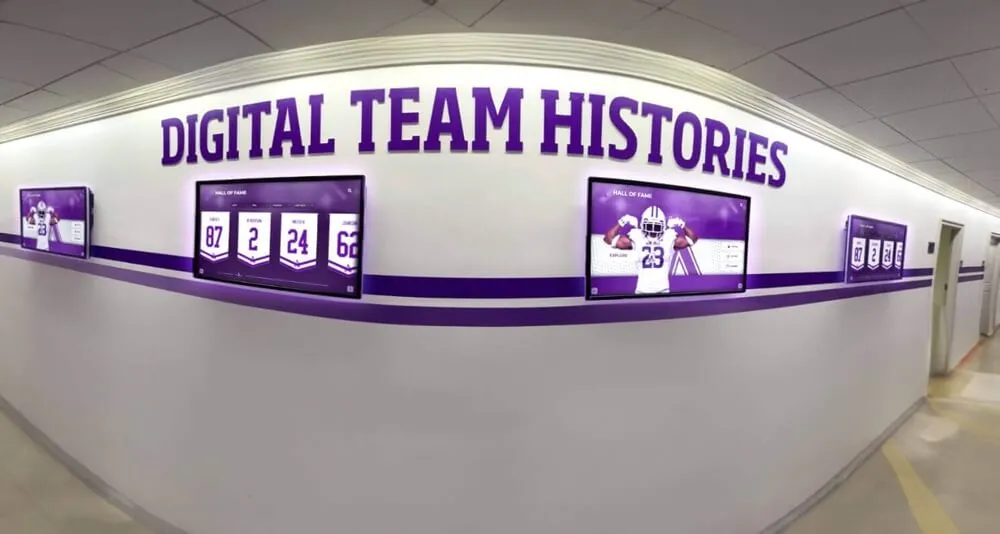
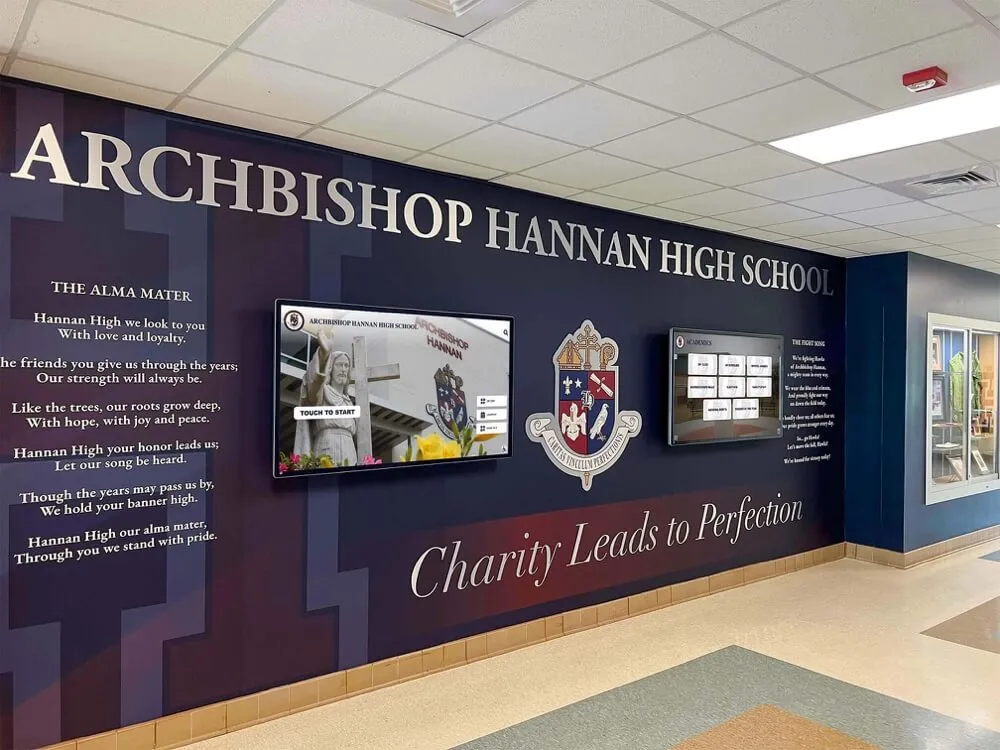
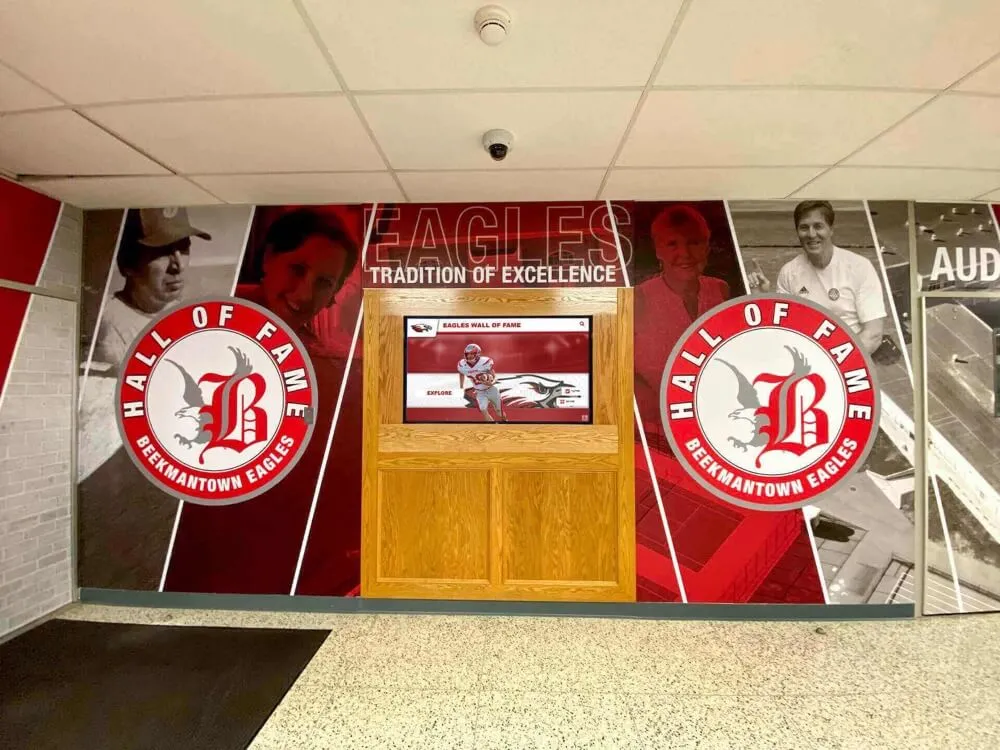
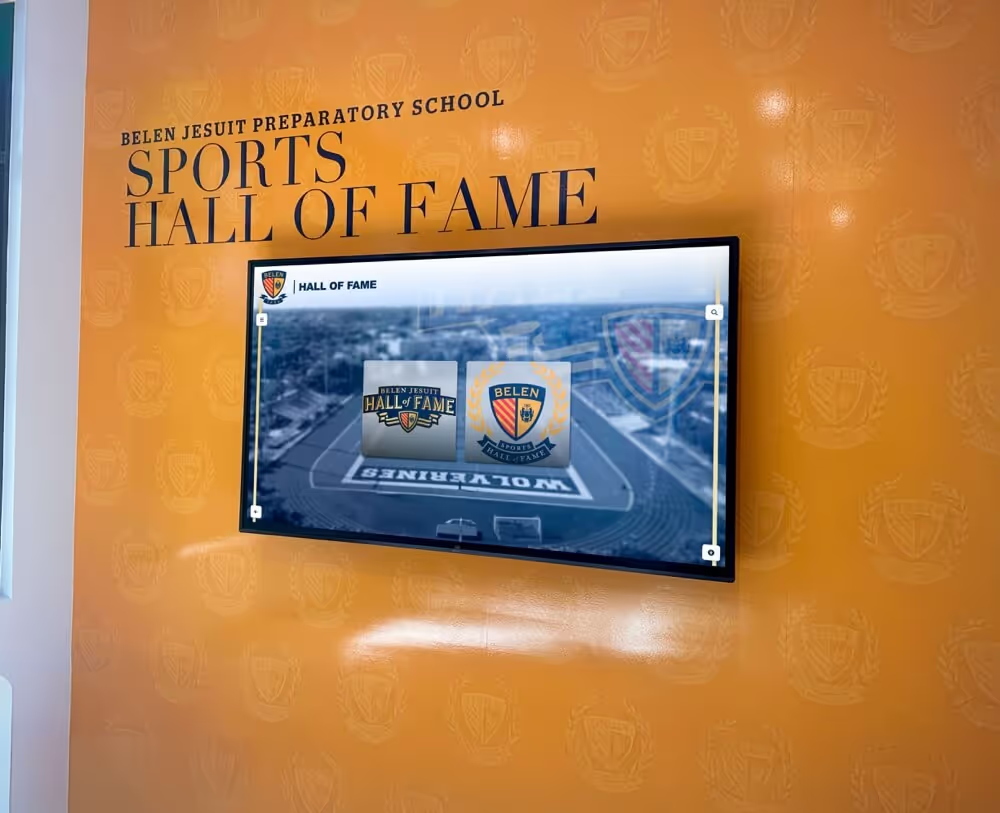
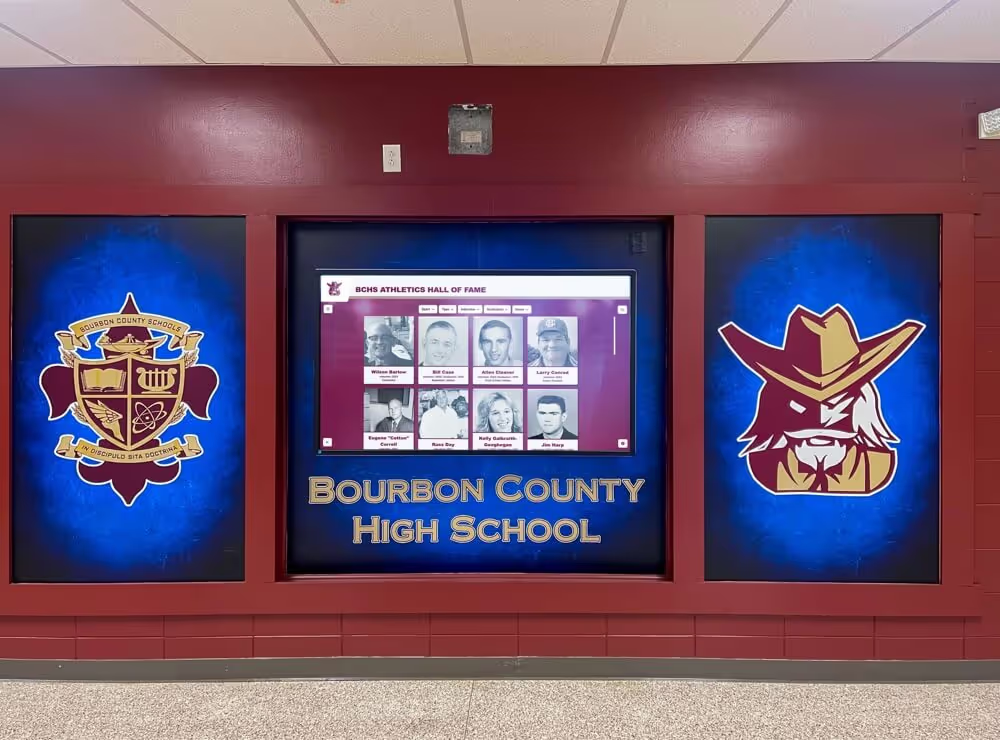
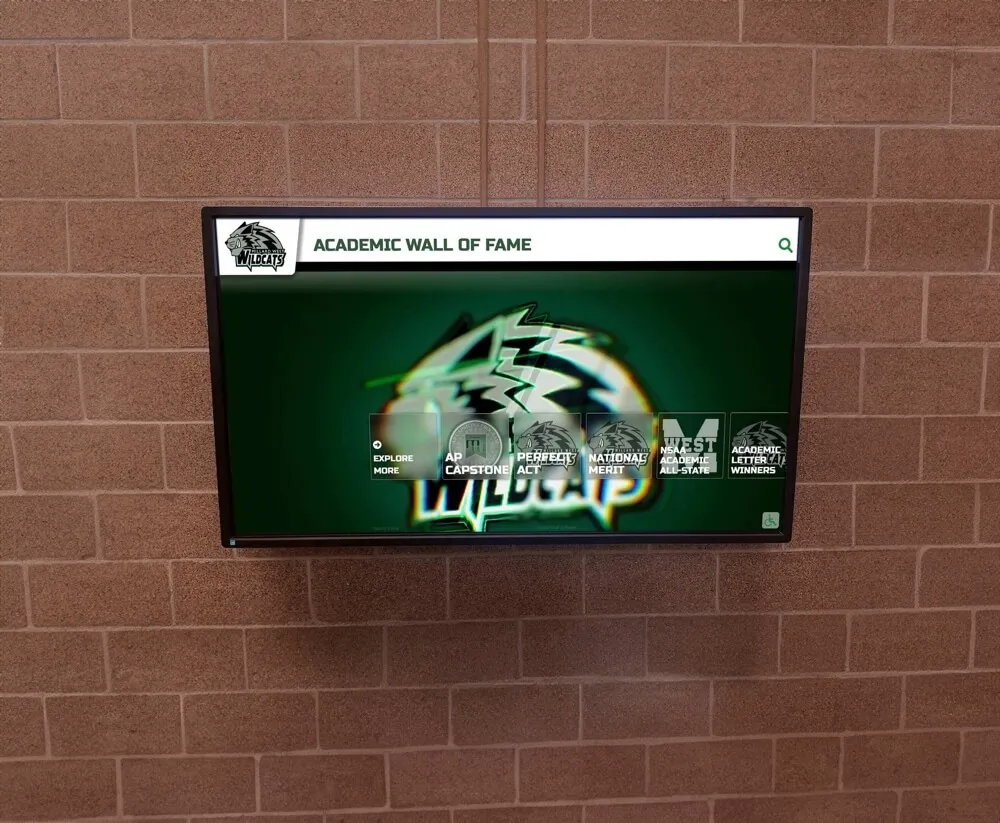
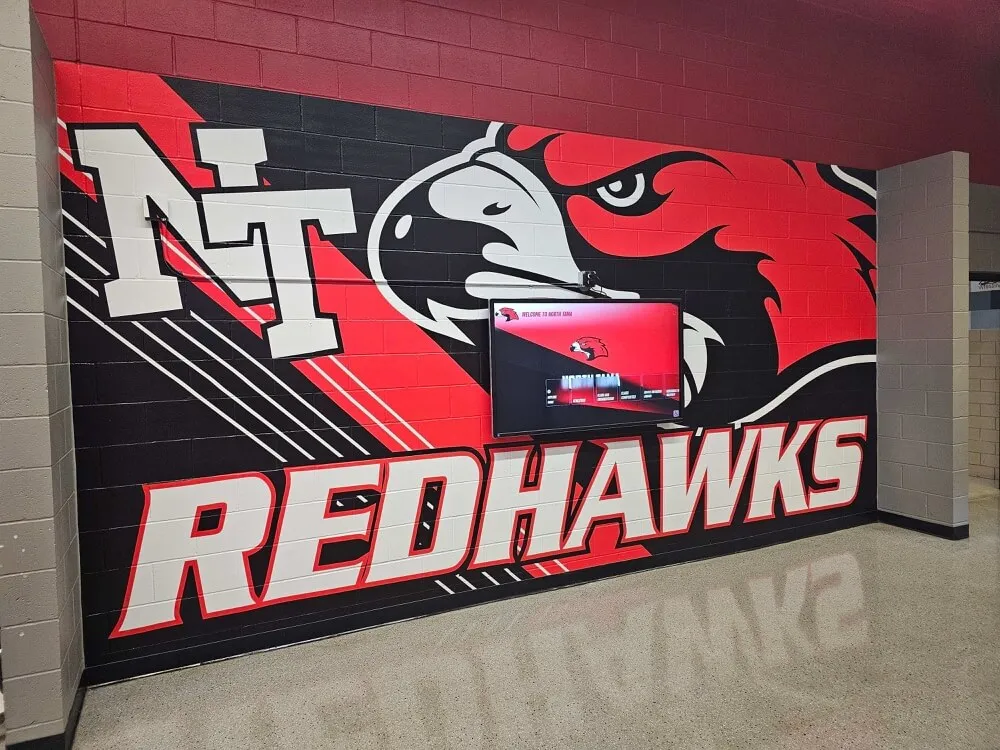
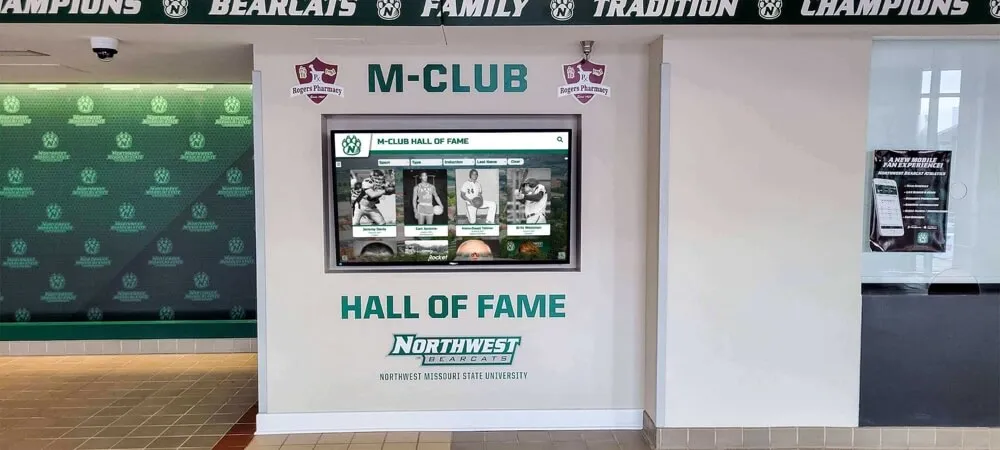
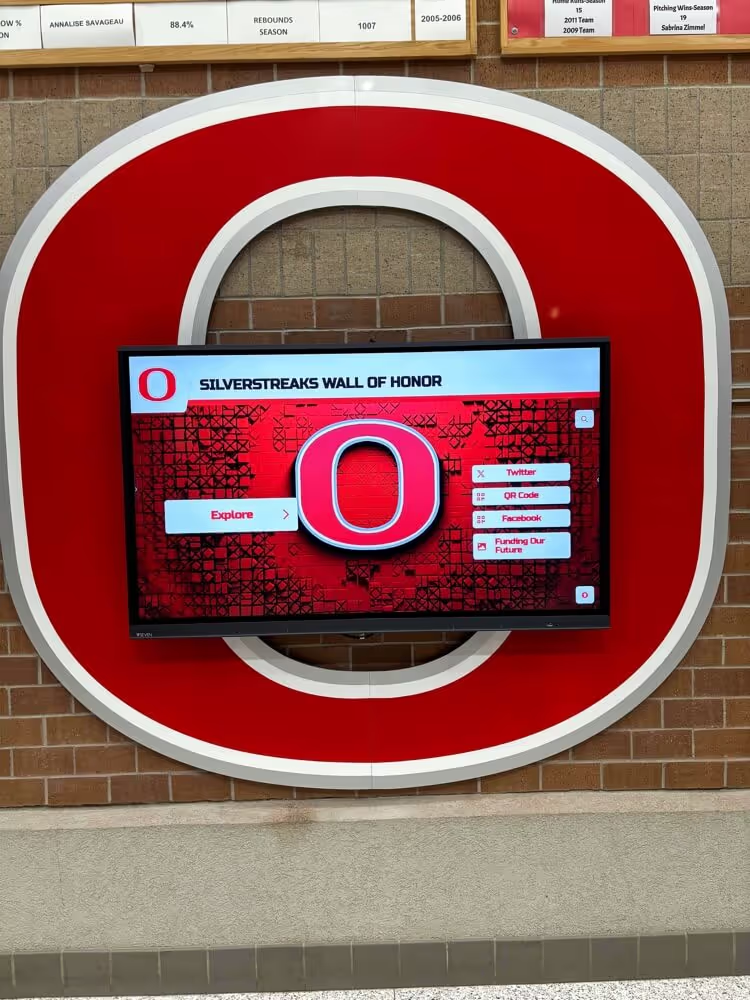
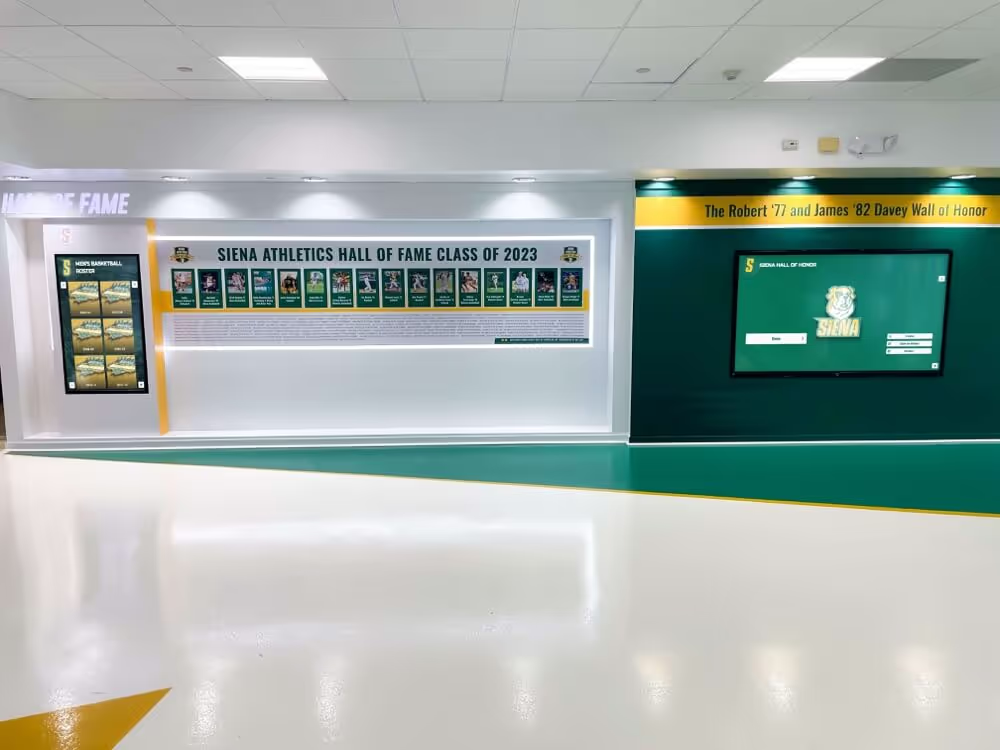
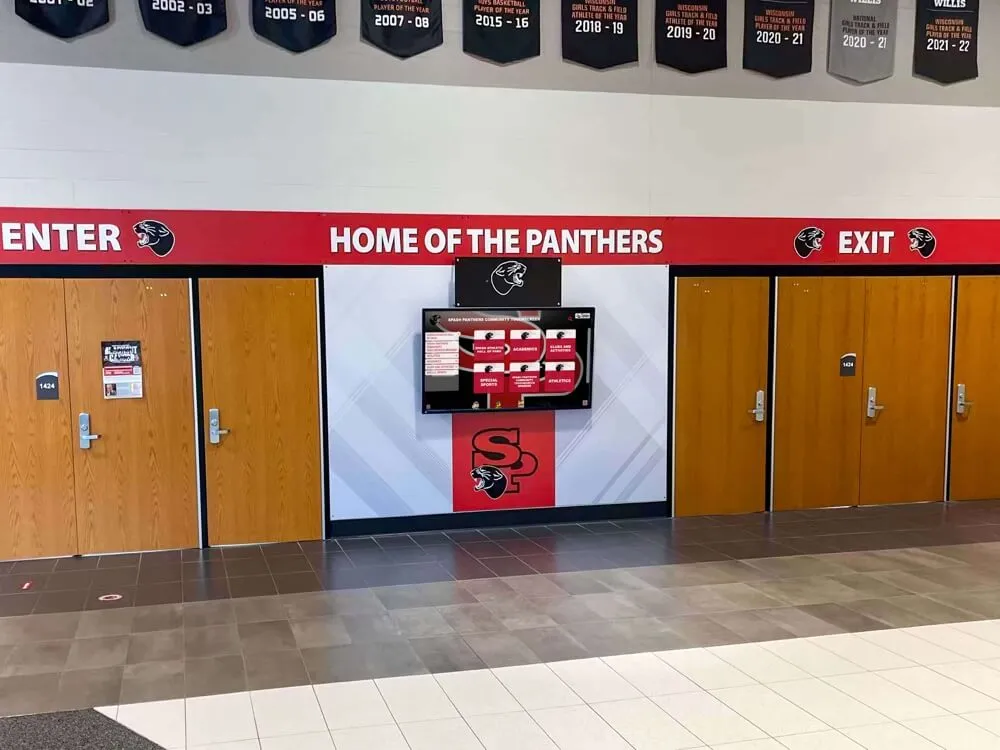
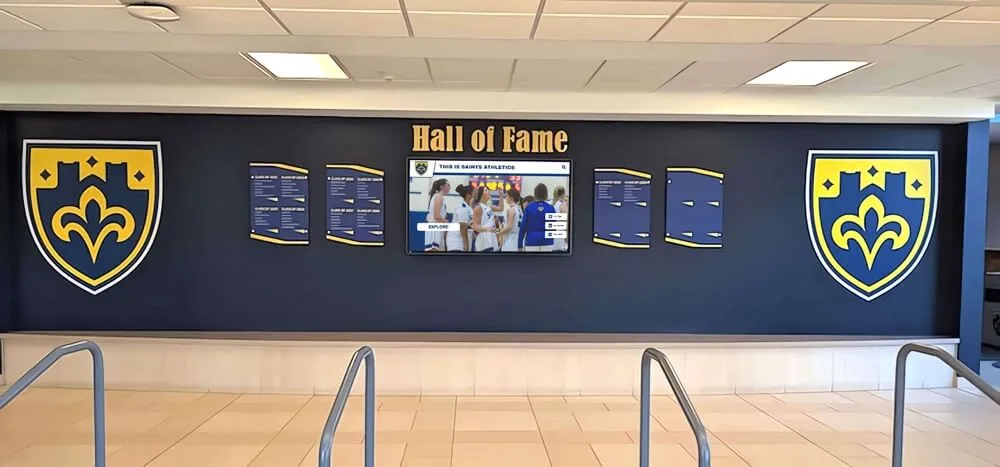
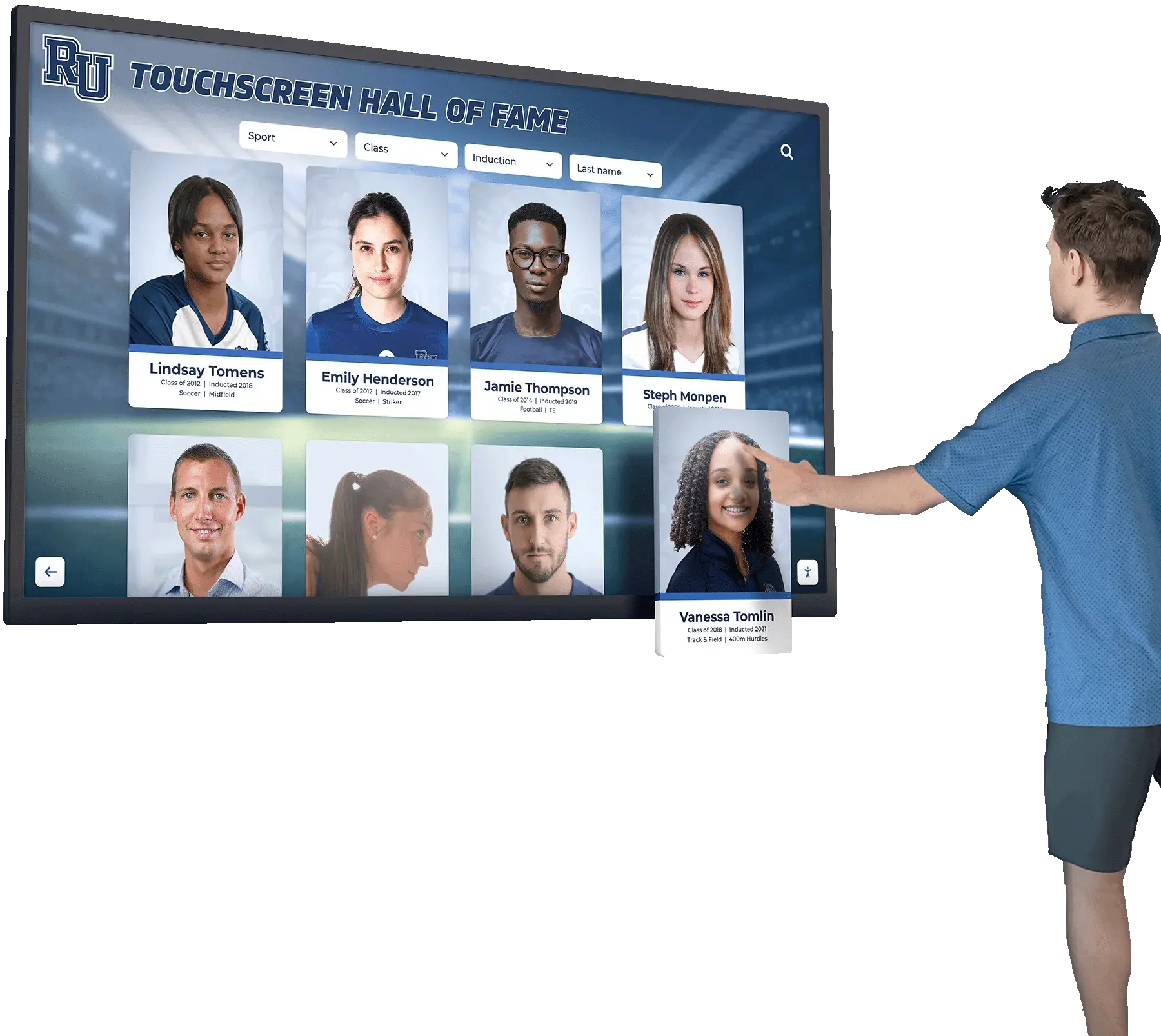
A touchscreen digital hall of fame wall is an interactive recognition system that combines high-resolution displays with intuitive touch interfaces to celebrate achievements, preserve institutional history, and honor individuals across athletics, academics, arts, and community service. Unlike traditional trophy cases and static plaques that reach capacity within years, digital hall of fame walls provide unlimited recognition capacity, instant content updates, rich multimedia storytelling, and engaging visitor experiences that transform passive acknowledgment into active celebration.
Organizations implementing touchscreen digital hall of fame walls report engagement rates 5-7 times higher than traditional displays, administrative time reductions of 85-90% for recognition updates, and measurably enhanced community pride. More importantly, digital systems ensure every deserving individual receives appropriate recognition regardless of when they achieved success—no accomplishment gets relegated to storage because physical space ran out decades ago.
This comprehensive guide explores everything advancement teams, athletic directors, development professionals, and facility managers need to know about touchscreen digital hall of fame walls and interactive awards displays—from understanding core technology and benefits through implementation planning, content development strategies, and measuring long-term success.
Traditional recognition methods served institutions well for generations. Bronze plaques mounted on walls, glass trophy cases displaying physical awards, vinyl boards requiring manual updates—these approaches created visible celebration of excellence. But static recognition imposes severe limitations that modern touchscreen technology eliminates while introducing capabilities impossible through conventional methods.
When physical space fills completely, organizations face impossible choices: Which achievements matter enough for permanent visibility? Which programs deserve limited wall space? Whose accomplishments get stored in boxes because trophy cases reached capacity years ago? Touchscreen digital hall of fame walls eliminate these difficult decisions entirely.

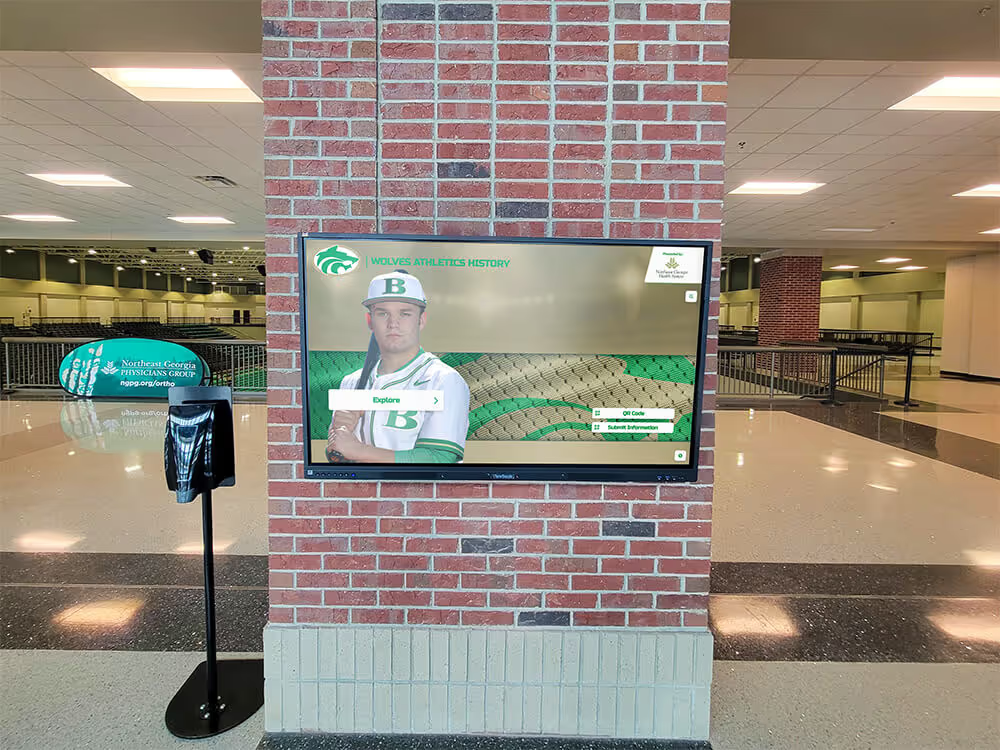
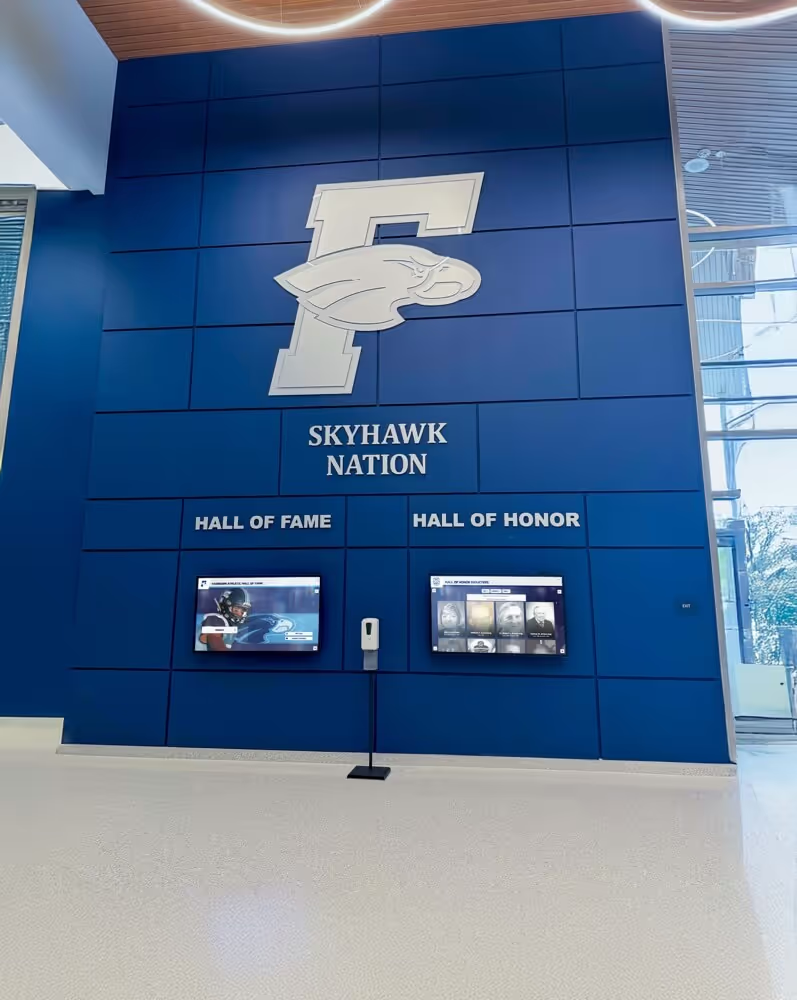
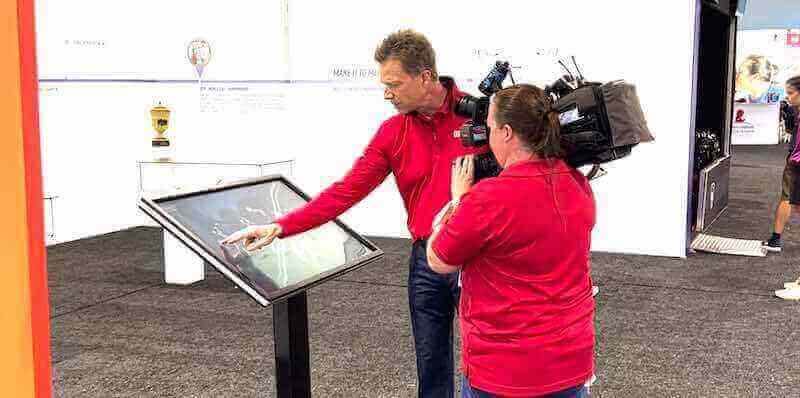
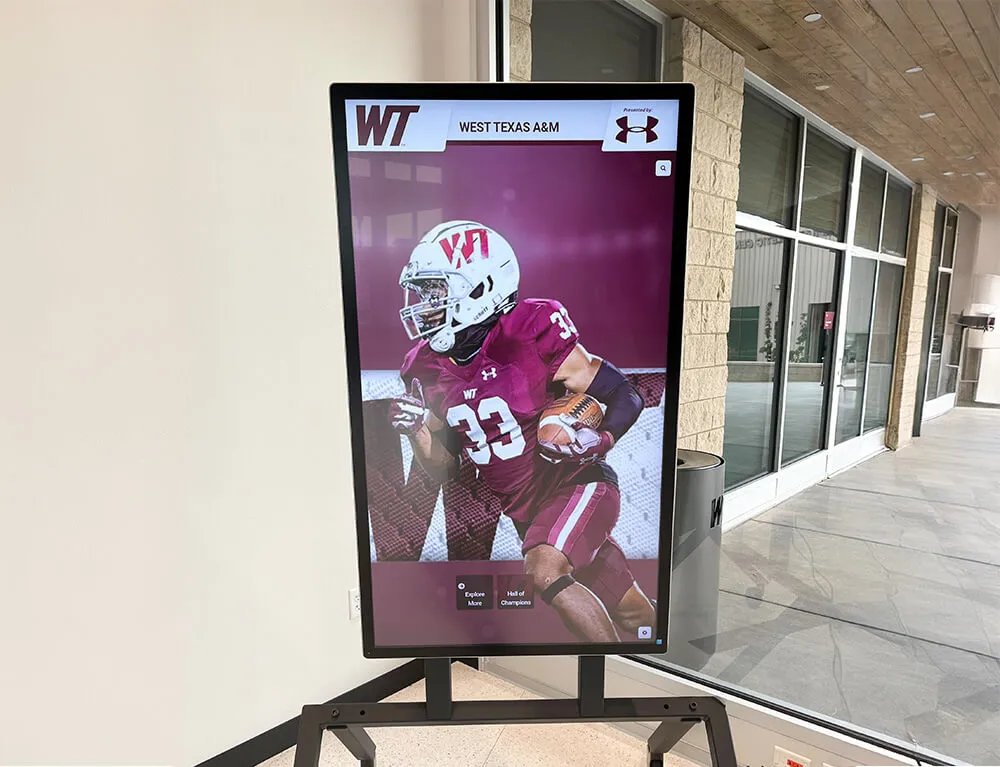
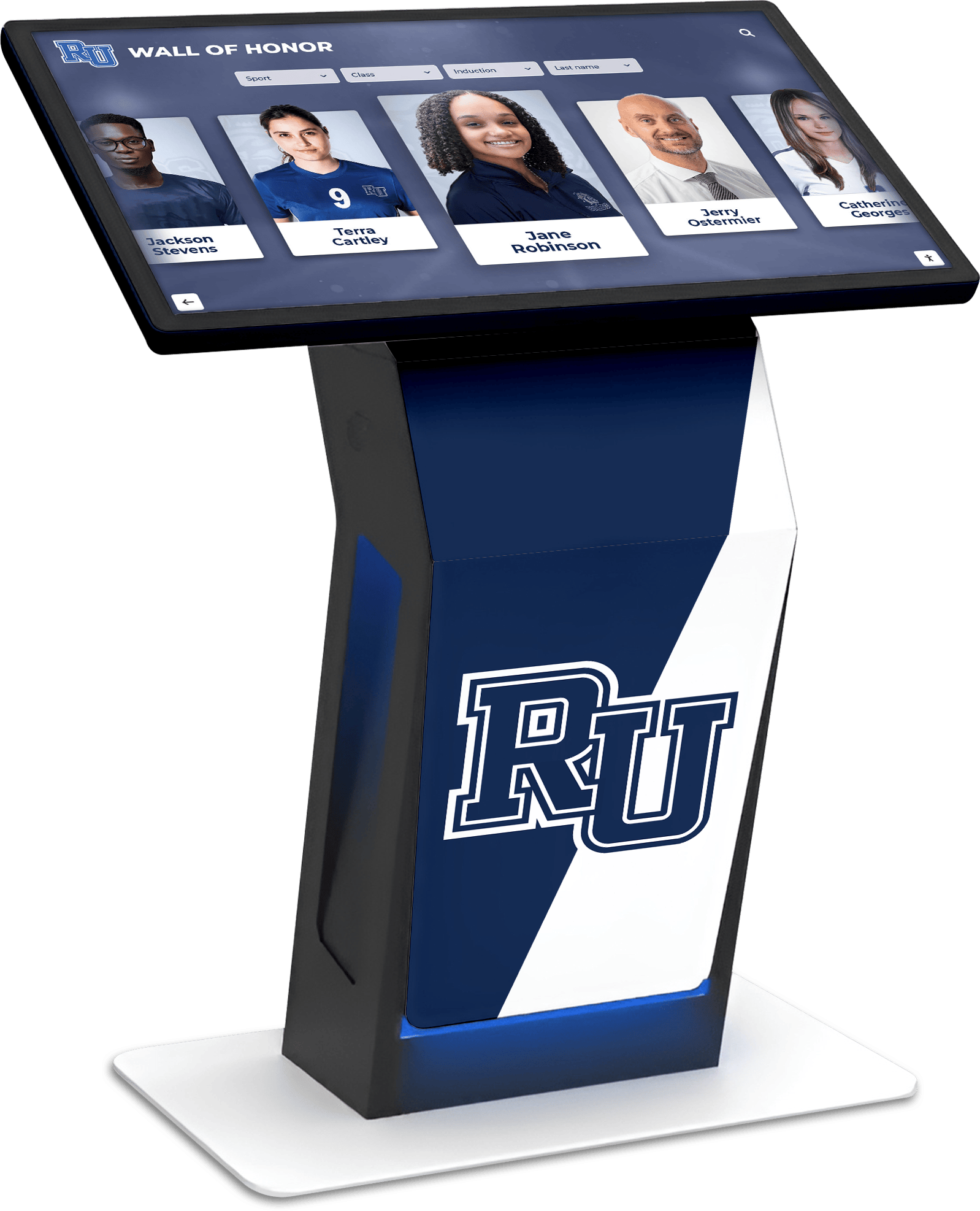
Freestanding touchscreen kiosks provide flexible placement options with unlimited recognition capacity
Understanding Touchscreen Digital Hall of Fame Technology
Modern recognition systems combine purpose-built hardware with specialized software platforms designed specifically for celebrating achievement rather than generic content display.
Core Technology Components and Architecture
Interactive Touchscreen Hardware
Commercial-grade capacitive touchscreens provide responsive, accurate touch recognition without the calibration requirements that plagued earlier infrared technologies. Professional displays feature tempered glass surfaces 6-7mm thick resisting scratches from repeated public interaction, high brightness levels (350-500 nits) ensuring visibility despite ambient lighting in hallways and lobbies, commercial-grade panels rated for continuous 16-18 hour daily operation, and screen sizes typically ranging from 55" to 86" depending on installation location and typical viewing distances.
Unlike consumer televisions, commercial displays include mounting hardware designed for public environments, robust thermal management for extended operation, and warranties appropriate for institutional continuous-use requirements rather than residential intermittent viewing.
Computing and Content Delivery Infrastructure
Touchscreen recognition systems require computing power to drive display content and manage user interactions. Modern solutions increasingly use cloud-based architecture where content management occurs through web interfaces while local hardware renders delivered content. This approach simplifies administration by enabling remote updates from any internet-connected device, reduces local IT support requirements through centralized platform management, ensures consistent experiences across multiple displays when organizations scale recognition programs, and provides automatic software updates without local intervention or scheduled maintenance windows.
Purpose-Built Recognition Software Platforms
Generic digital signage software struggles with recognition applications because fundamental architectural differences make signage platforms poorly suited for interactive exploration, search functionality, and database-driven content organization. Recognition platforms like those provided by solutions such as Rocket Alumni Solutions offer intuitive interfaces for creating detailed individual profiles without technical expertise, organization tools managing unlimited achievements across categories and programs, search and filtering capabilities enabling visitors to find specific individuals instantly, multimedia support incorporating photos, videos, statistics, and detailed narratives, and web integration extending recognition beyond physical displays to online platforms accessible globally.
The software platform determines recognition program success more than hardware specifications. Invest appropriately in platforms designed specifically for celebrating achievement rather than adapting generic tools never intended for recognition applications.
How Touchscreen Recognition Systems Differ from Digital Signage
Many organizations initially consider standard digital signage for recognition, but significant differences make purpose-built touchscreen platforms superior:
Interactivity and User Control
Digital signage presents passive content rotation without visitor control—viewers see whatever content happens to display when they pass by. Touchscreen halls of fame require robust search enabling visitors to find specific individuals immediately, navigation systems supporting exploration across decades of achievements, filtering capabilities allowing browsing by program, year, or achievement type, and detailed profile views providing comprehensive information about selected individuals.
This fundamental difference means visitors control their experience, spending time exploring content relevant to their interests rather than hoping scheduled rotations include what they want to see.
Content Organization and Database Architecture
Signage platforms organize content as scheduled playlists or display zones optimized for passive viewing. Recognition systems structure information as databases of individuals, teams, achievements, and records with relationship mapping enabling intelligent connections between related content. This architectural foundation supports the search, filtering, and browsing features essential for effective recognition while enabling content reuse across multiple contexts without manual duplication.
Administrative Workflows and Update Efficiency
Recognition programs require frequent additions as new achievements occur weekly or monthly throughout academic and athletic years. Purpose-built platforms provide streamlined workflows specifically designed for adding individual profiles and updating achievements efficiently. Generic signage systems require more manual content creation for each update, making frequent recognition additions administratively burdensome rather than routine.
Organizations should evaluate platforms based on how easily non-technical staff can add recognition content during busy periods without requiring design expertise or IT support for routine updates.
Learn about selecting appropriate platforms through comprehensive guides on touchscreen kiosk software designed for recognition applications.
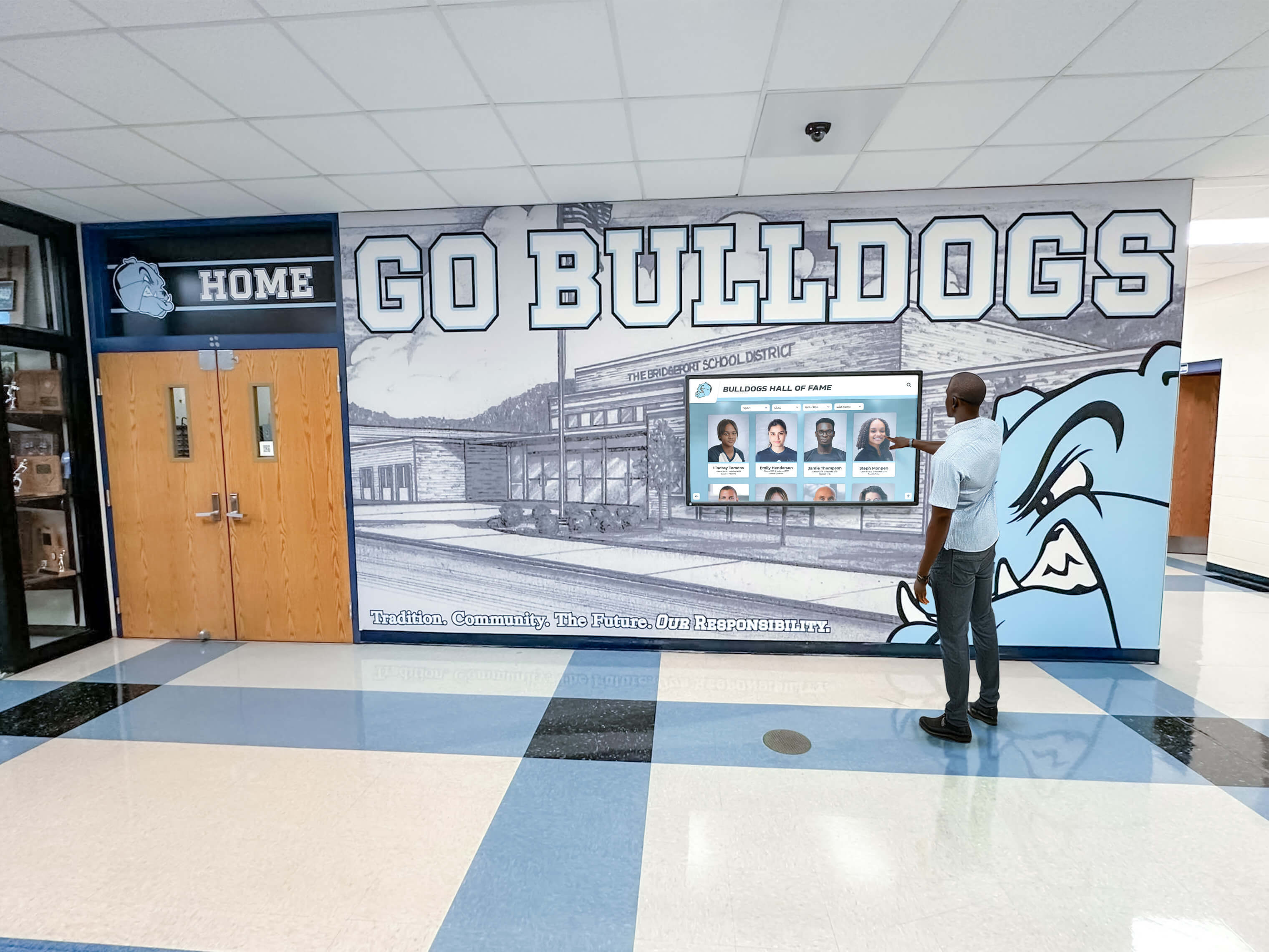
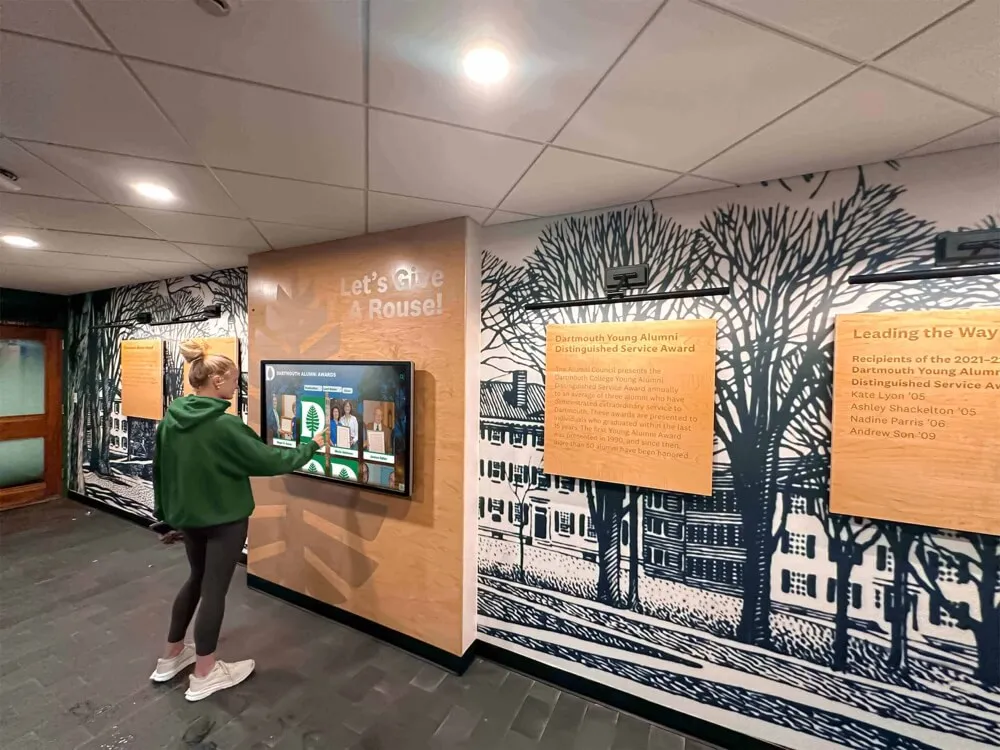
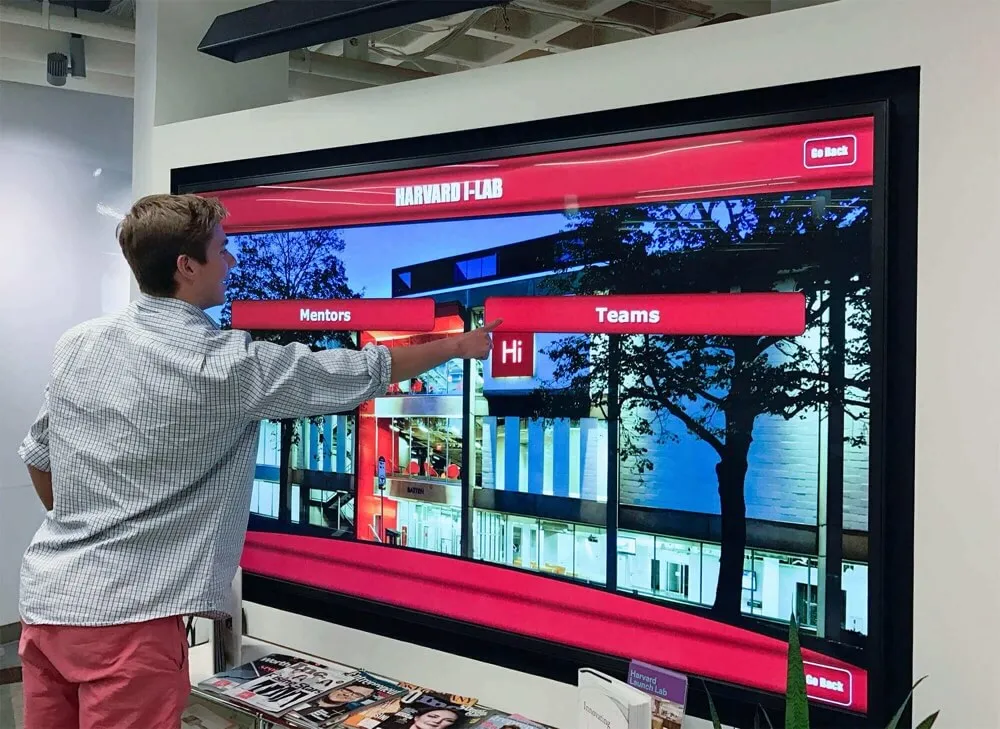
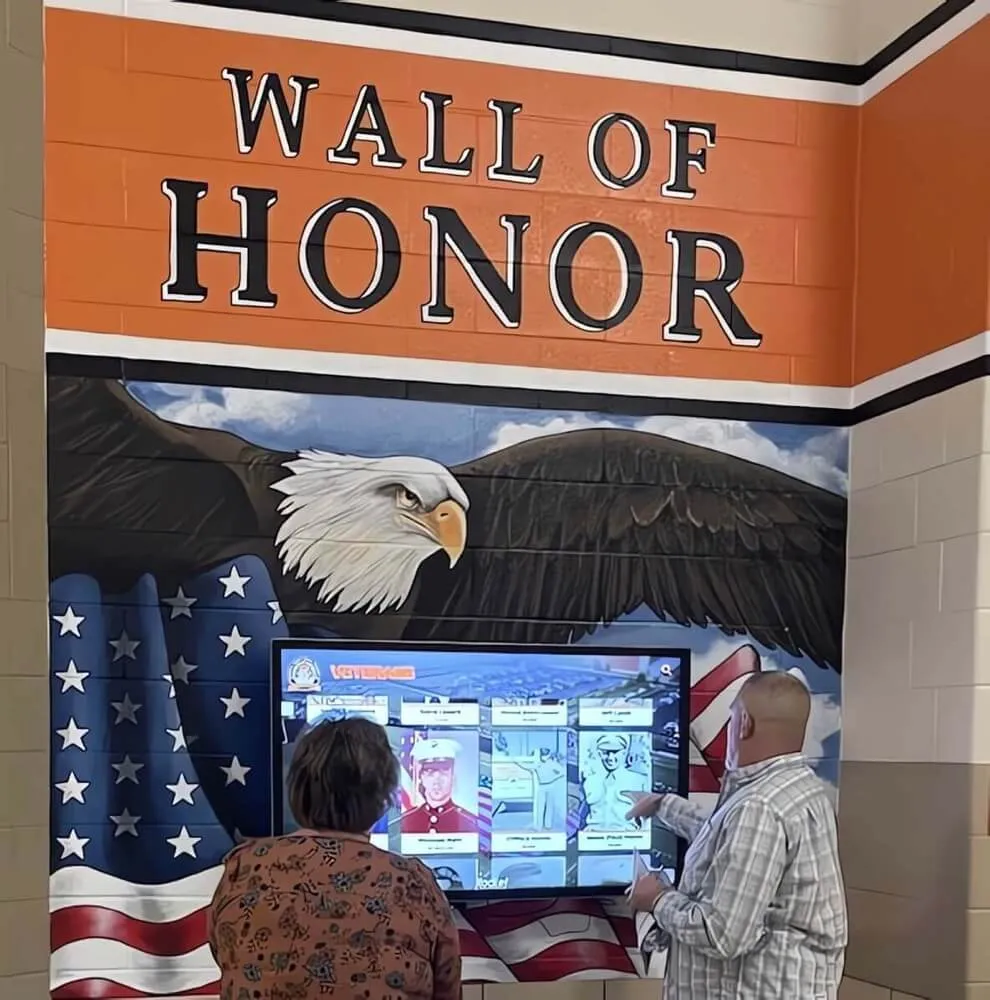
Intuitive touch interfaces enable visitors of all ages to explore achievements and institutional history
The Strategic Case for Touchscreen Digital Hall of Fame Walls
Understanding specific advantages interactive displays provide helps organizations evaluate whether transitioning from traditional recognition methods aligns with institutional goals.
Solving the Physical Space Constraint Crisis
Physical capacity limitations represent the most common recognition challenge organizations face. As achievement programs expand and decades of accomplishments accumulate, traditional trophy cases and wall space inevitably fill completely.
The Recognition Capacity Dilemma
Research from educational and athletic facilities shows trophy case capacity typically exhausts within 10-15 years of installation for active programs. Organizations then face difficult choices: stop recognizing new achievements, remove historical accomplishments to make space, expand expensive physical infrastructure, or create tiered systems where only select achievements warrant permanent recognition.
Each option creates problems. Stopping recognition demotivates current participants. Removing historical achievements disrespects past excellence. Expanding infrastructure costs tens of thousands for limited additional capacity. Tiered systems perceived as unfair undermine recognition program credibility.
A single 55-inch touchscreen display showcases thousands of achievements with detailed information requiring dozens of physical trophy cases to approach. Schools implementing digital systems report they can finally honor every deserving individual across all achievement categories without programs competing for limited display space.
Unlimited Recognition Without Physical Expansion
Touchscreen digital hall of fame walls provide effectively unlimited capacity constrained only by content rather than physical space. Organizations can recognize every team championship across all sports, every academic achievement from honor roll to National Merit Scholars, every artistic accomplishment from theater productions to visual arts exhibitions, every leadership position from student government to club officers, and every community service milestone from volunteer hours to project leadership.
This comprehensive recognition creates inclusive cultures where excellence receives appropriate acknowledgment across all dimensions rather than creating perceived hierarchies based on trophy case real estate availability.
Administrative Efficiency and Long-Term Cost Advantages
Beyond space constraints, touchscreen systems address operational challenges making traditional recognition administratively burdensome and expensive over time.
Dramatic Update Speed and Labor Reduction
Traditional recognition systems require substantial administrative effort for every update. Vinyl record boards need manual letter placement requiring 30-60 minutes per board for staff lacking other responsibilities during that time. New plaques require ordering from vendors with 2-4 week lead times, coordinating installation appointments, managing payment processing, and physical mounting. Trophy cases demand regular cleaning, lighting maintenance, and physical reorganization as items are added or arrangements adjusted.
Cloud-based touchscreen recognition systems reduce these burdens dramatically. Updates require minutes rather than days—organizations celebrate accomplishments in real time rather than waiting weeks for vendor-dependent traditional recognition. Staff report 85-90% time reductions spent on recognition program maintenance after implementing touchscreen displays, freeing personnel for higher-value stewardship, recruitment, and program development activities.
Total Cost of Ownership Analysis
While initial touchscreen system investment exceeds individual plaque costs, comprehensive financial analysis reveals favorable long-term economics. Traditional recognition requires ongoing expenditures including annual plaque orders ($2,000-$5,000+ depending on program size and achievement volume), replacement costs when items deteriorate or space reorganization requires modification, vendor service fees for updates and maintenance, and storage costs for displaced recognition items and unused trophies.
Touchscreen systems involve upfront investment typically $10,000-$30,000 for complete installations including hardware, software, content development, and professional mounting, followed by annual software licensing ($2,500-$6,000 depending on features and scale) and minimal hardware maintenance costs. Organizations report achieving return on investment within 3-5 years through elimination of recurring traditional recognition expenses while gaining recognition capabilities static displays never provide.
Enhanced Recognition Through Multimedia Storytelling
Beyond addressing traditional method limitations, touchscreen digital hall of fame walls introduce recognition capabilities fundamentally improving how organizations celebrate achievement.
Rich Content and Comprehensive Profiles
Static plaques list names, dates, and perhaps brief accomplishments in engraved text. Touchscreen displays enable comprehensive storytelling through high-resolution photography showing individuals competing, performing, or leading, video highlights preserving memorable moments in athletics, arts, or community events, detailed biographical information providing context about backgrounds and journeys, achievement documentation including complete statistics, records, and performance data, written narratives explaining significance beyond raw numbers, and quotes from recognized individuals sharing perspectives on experiences and personal growth.
This multimedia approach transforms simple acknowledgment into engaging celebration helping visitors truly appreciate what recognized individuals accomplished and who they became beyond achievement listings.
Dynamic Search and Intelligent Discovery
Large recognition collections become difficult to navigate through physical browsing when hundreds or thousands of individuals receive acknowledgment. Touchscreen systems provide powerful discovery tools including name search enabling instant location of specific individuals across decades, filtering by achievement type, program, year, or other criteria creating focused browsing, alphabetical organization with visual interfaces simplifying exploration, related content connections showing teammates, classmates, or program participants, and timeline views enabling chronological exploration of institutional history.
These capabilities make comprehensive recognition collections accessible and engaging rather than overwhelming visitors with too much information presented without organization or navigation support.
Explore comprehensive approaches to academic recognition programs that honor intellectual achievement systematically.
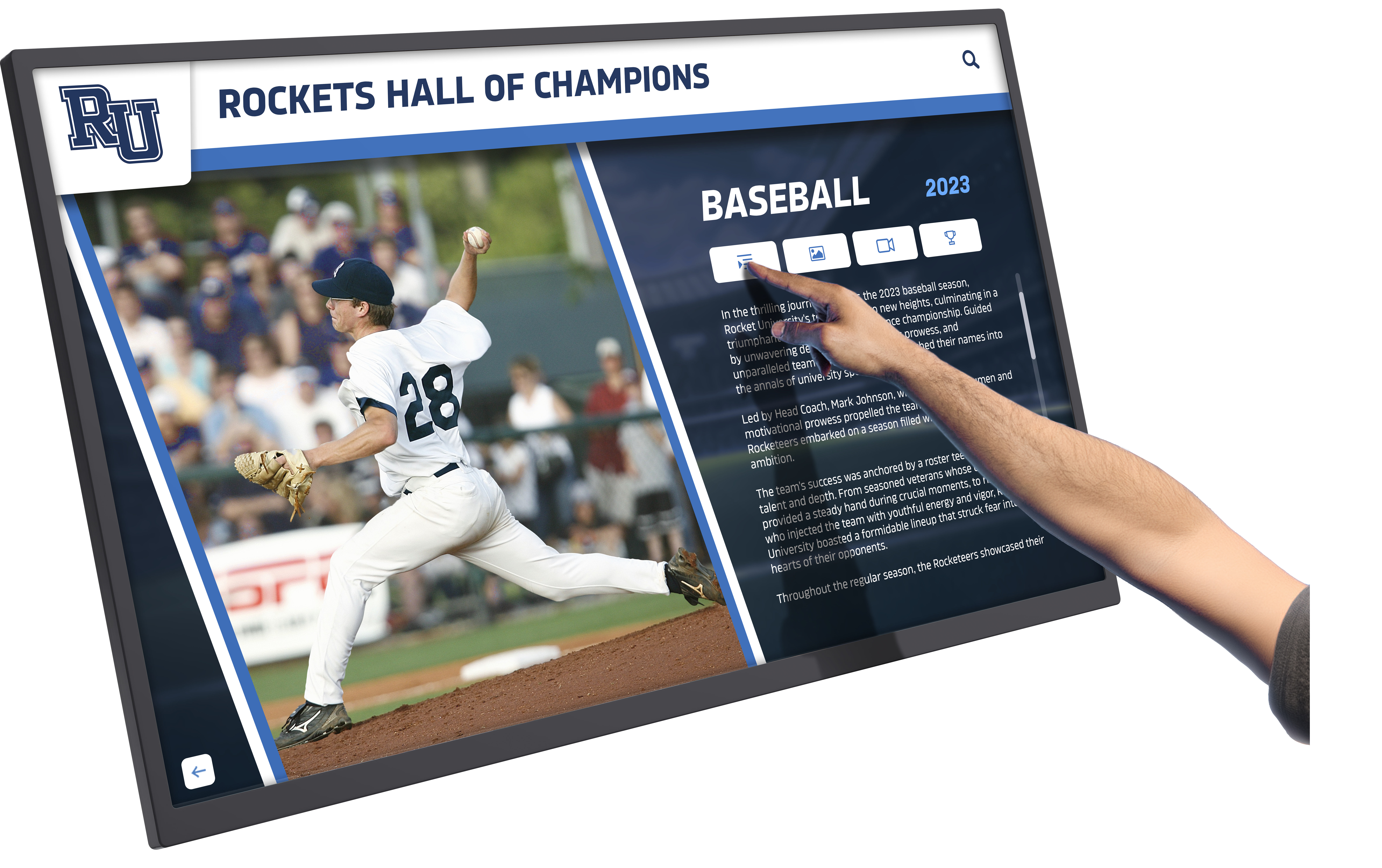
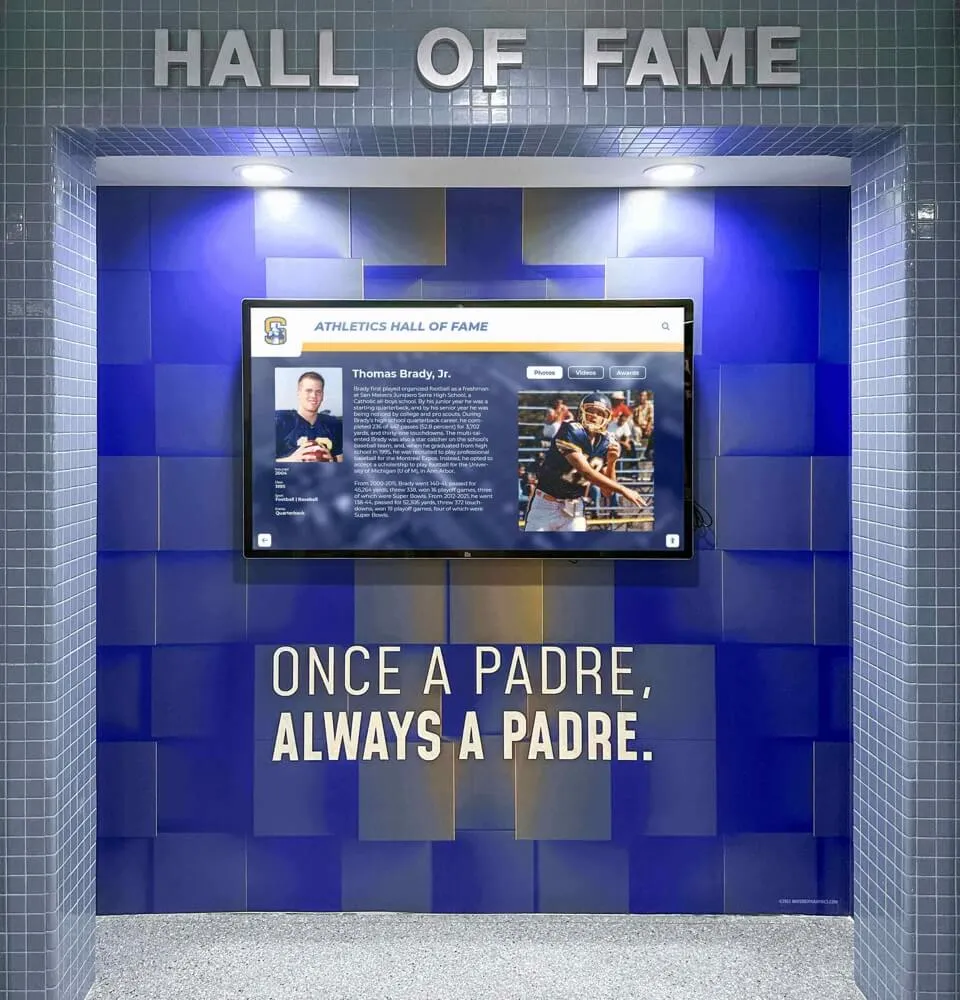
Touch interfaces enable detailed exploration of individual achievements with comprehensive profiles and media
Extended Reach Through Web Integration and Social Sharing
Traditional physical displays serve only visitors physically present in facilities. Modern touchscreen recognition systems typically include web-based companion platforms extending acknowledgment globally.
Online Recognition Portals
Web-accessible versions of recognition content enable alumni anywhere to explore institutional achievements, families to share accomplishments with distant relatives unable to visit facilities, community members to follow organizational success remotely without attending events, prospective students or members to understand culture before joining, and media to research organizational excellence for coverage and features.
This extended reach significantly amplifies recognition impact. Rather than serving only hundreds or thousands physically passing displays annually, online platforms reach tens of thousands of stakeholders maintaining connection to organizations regardless of geographic location or physical proximity.
Social Media Integration and Organic Reach
Modern platforms incorporate social sharing features allowing individuals and families to celebrate achievements on personal channels. Recognition profiles can include share buttons enabling one-click posting to Facebook, Twitter, Instagram, and LinkedIn, generate cards optimized for social media with proper dimensions and branding, create unique URLs for specific achievements enabling direct linking and reference, and track social engagement measuring how recognition spreads beyond controlled channels.
This organic sharing extends organizational visibility while providing authentic testimonials about excellence that paid advertising and official communications cannot replicate with similar credibility.
Recognition Applications Across Organizational Programs
Touchscreen digital hall of fame walls serve diverse recognition needs across every area where institutions celebrate accomplishment.
Athletic Recognition and Sports Hall of Fame Applications
Sports recognition represents the most common initial touchscreen implementation, addressing trophy case capacity limits while enhancing celebration of athletic excellence.
Comprehensive Team Championship Documentation
Complete team recognition includes detailed roster information with individual player photos and biographical details, season narratives documenting paths to championships with game highlights and turning points, complete game-by-game results with statistics and scoring summaries, championship documentation showing tournament brackets, final standings, and awards received, coaching staff recognition acknowledging leadership contributions, and video highlights preserving memorable plays, celebrations, and post-game interviews.
Organizations can maintain complete records for every team across all sports without physical space constraints limiting historical coverage. Schools with 20+ sports programs and 50+ years of competition history can honor every championship team, playoff appearance, and significant season appropriately rather than featuring only recent success or select programs.
Individual Athletic Achievement and Records
Beyond team accomplishments, touchscreens celebrate individual athletes through comprehensive profiles combining biographical information including hometowns, families, and post-graduation outcomes, complete statistical records across all seasons and career totals, achievement documentation including all-conference, all-state, and national recognition, records set at team, conference, state, or national levels with historical context, college recruitment outcomes and collegiate athletic careers, and career highlights with supporting photography and video when available.
This detailed individual recognition ensures personal excellence receives appropriate acknowledgment regardless of team success, creating motivation for achievement while celebrating collective accomplishments.
Discover approaches for basketball hall of fame recognition that honor team and individual excellence comprehensively.

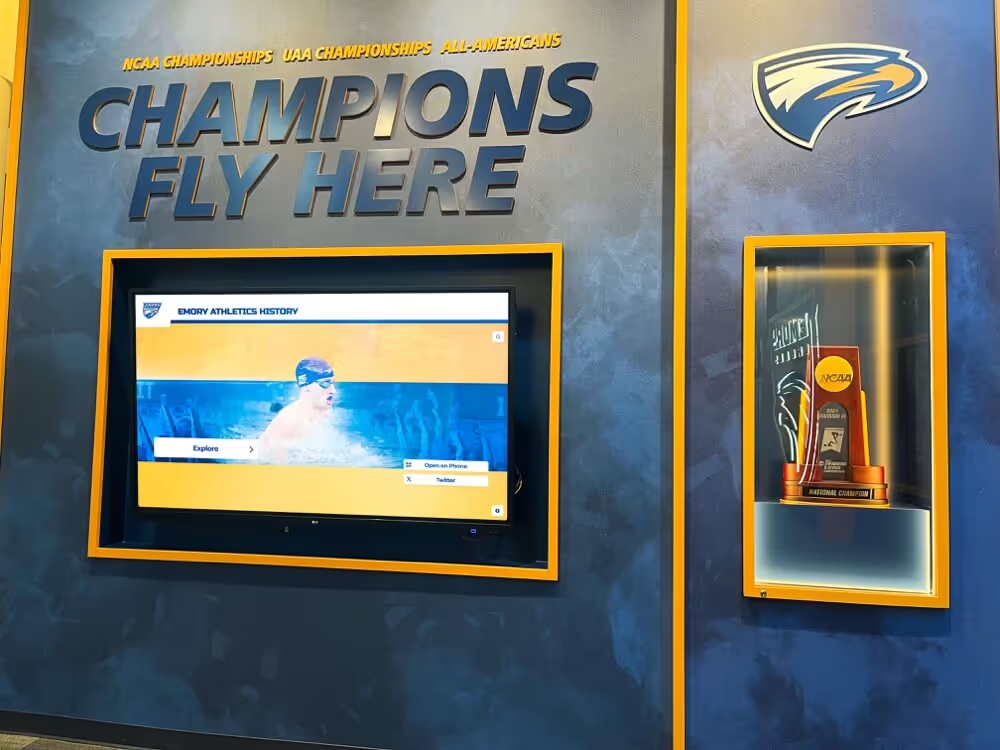
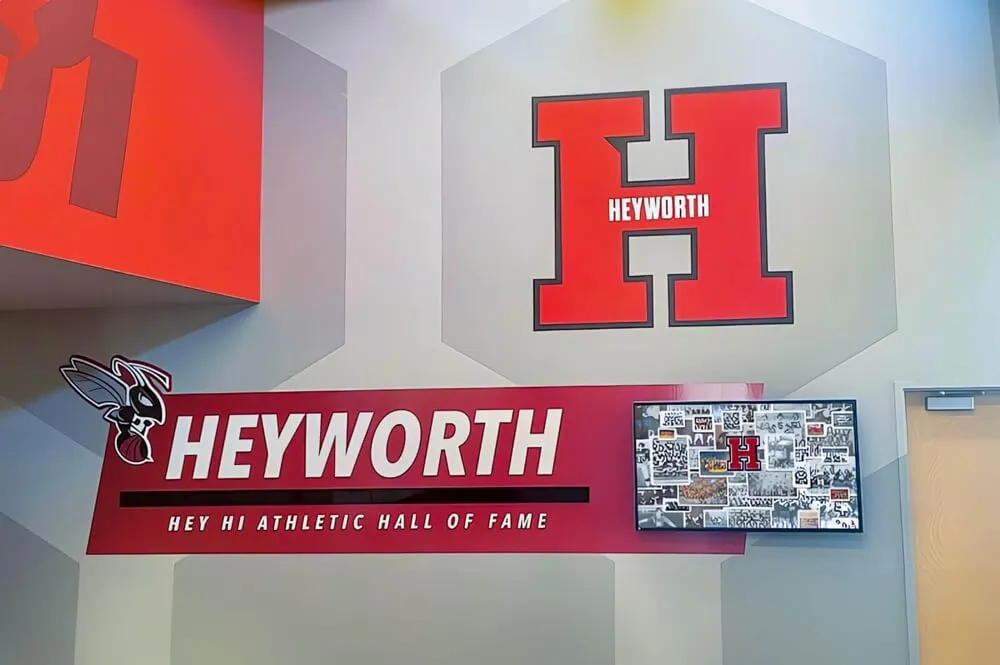
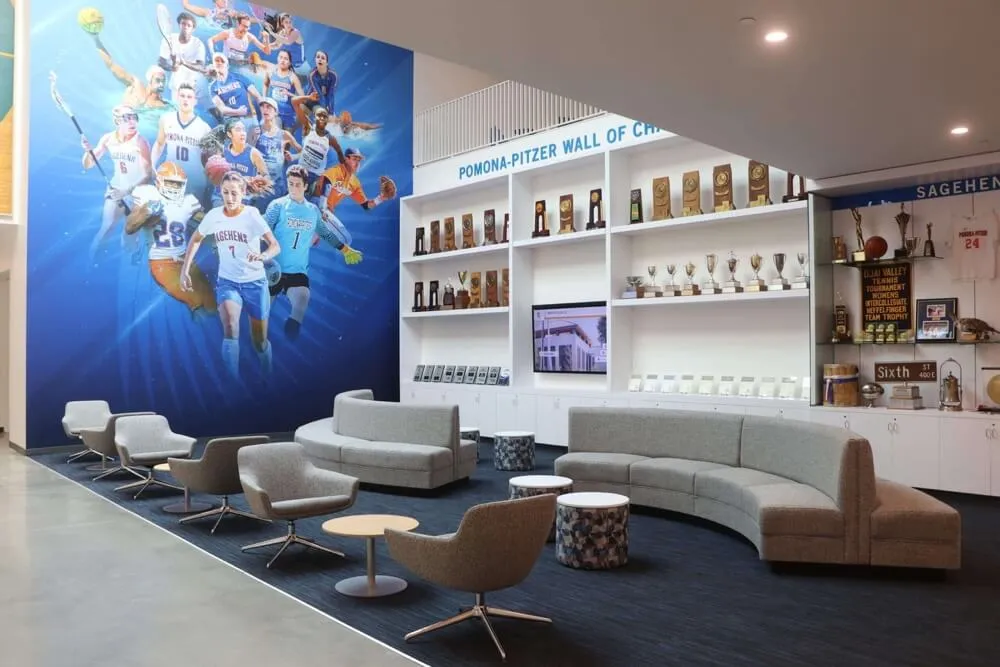
Comprehensive athletic recognition combines traditional trophy displays with digital touchscreen capabilities
Academic Recognition and Scholarship Celebration
Academic achievement deserves celebration equal to athletic success, yet physical recognition limitations often result in academics receiving less visible acknowledgment than sports programs.
Honor Roll and Academic Excellence Recognition
Touchscreen systems enable systematic academic celebration including quarterly or semester honor roll listings with student photos and achievement levels, academic award recipients across all subjects and disciplines, GPA milestone achievements recognizing sustained excellence, Advanced Placement and International Baccalaureate scholars showing college-level work, standardized test achievements including National Merit recognition and exceptional scores, and subject-specific awards for mathematics, science, humanities, and language excellence.
This comprehensive academic recognition helps organizations build cultures valuing intellectual achievement as highly as athletic success, motivating excellence across all performance dimensions rather than creating perceived hierarchies where sports receive disproportionate celebration.
Academic Competition and Contest Recognition
Academic competitions provide recognition opportunities often underutilized due to space constraints. Touchscreens showcase Science Olympiad achievements with event medals and team placements, mathematics competition success at regional, state, and national levels, speech and debate accomplishments including tournament victories and qualification achievements, writing contest winners across creative writing, journalism, and technical communication, robotics competition results with photos and video from events, quiz bowl championships and individual statistical leaders, and Model UN awards and leadership positions.
Visible celebration of academic competitions encourages broader participation while demonstrating organizational commitment to intellectual development beyond standardized measures.
Arts, Activities, and Leadership Recognition
Arts programs, theater productions, music achievements, and leadership activities deserve recognition equal to athletics and academics but often receive minimal celebration due to limited physical display capacity.
Performing Arts and Creative Achievement
Theater, music, dance, and visual arts accomplishments receive comprehensive documentation including theater production cast and crew documentation with performance photos, music competition results for band, orchestra, choir, and individual performers, all-state musician recognition celebrating exceptional talent and dedication, visual arts exhibition awards and scholarship recipients, dance competition achievements and choreography recognition, film and media production awards for student-created content, and performance archives preserving institutional artistic history through video and photography.
Student Leadership and Community Service Recognition
Touchscreen systems honor diverse contributions through student government leaders across all positions and years, club officers and organization founders demonstrating initiative, volunteer hour milestones recognizing sustained community commitment, service project leaders who organized initiatives benefiting communities, character awards acknowledging citizenship and ethical leadership, and special recognition for heritage months and diversity celebration.
This comprehensive recognition ensures all forms of excellence receive appropriate acknowledgment, creating inclusive cultures where every individual finds opportunities for recognition through their unique talents, interests, and contributions rather than competing for limited space in athletic trophy cases.
Explore digital art gallery approaches for schools showcasing creative achievement.
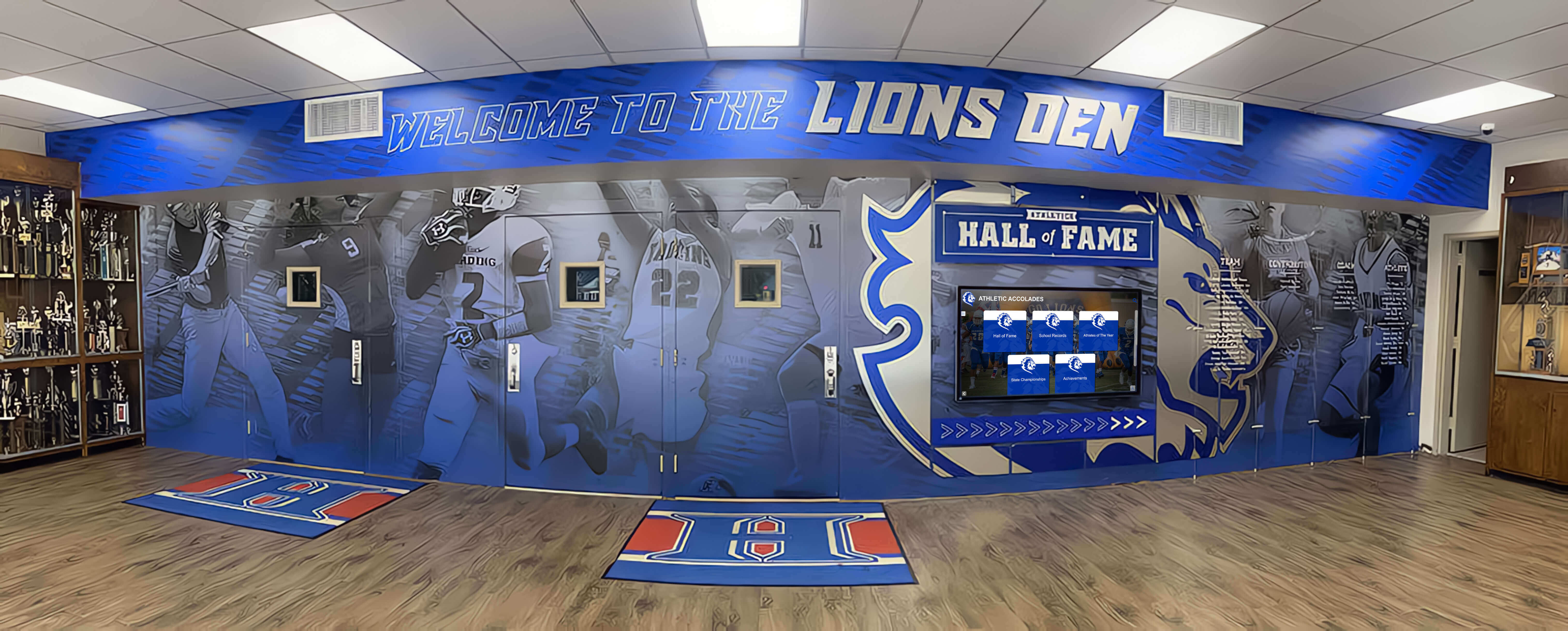
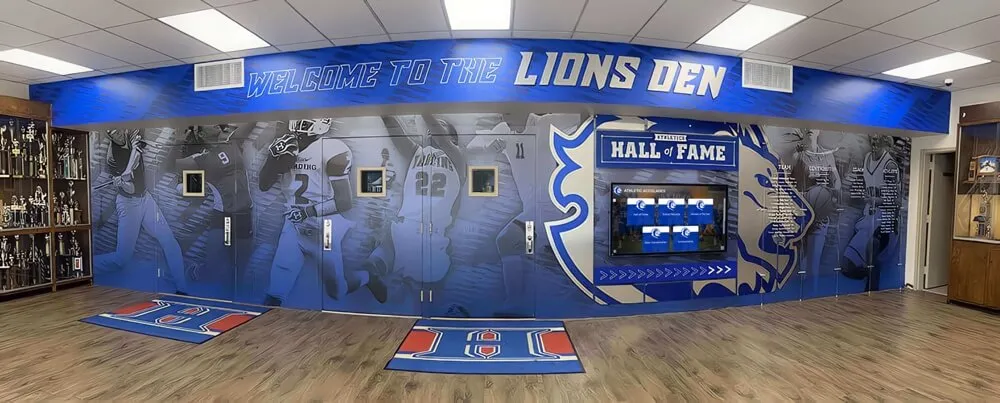
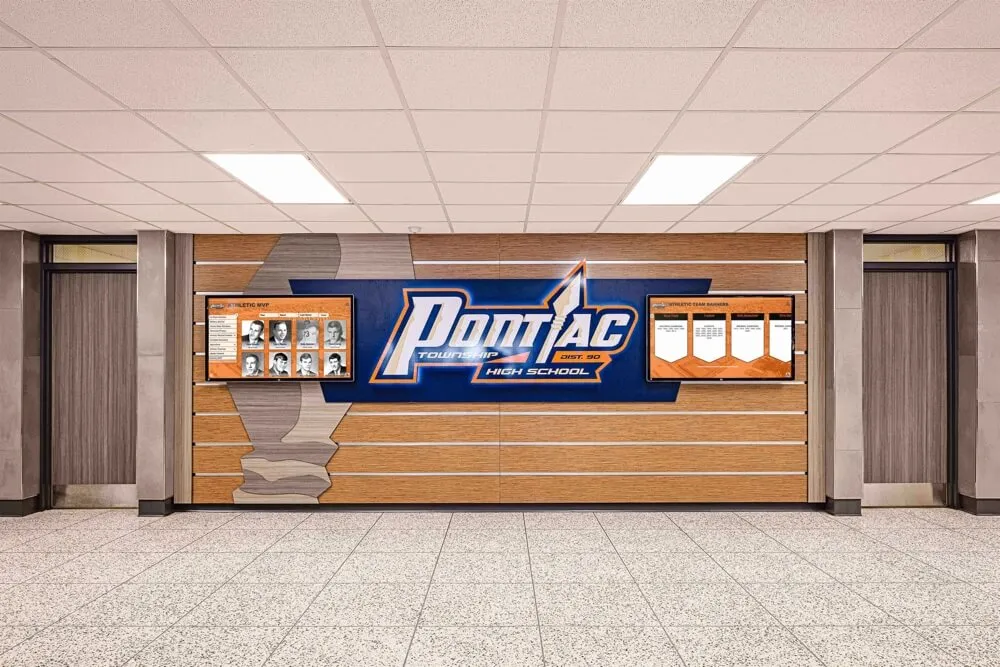
Well-designed installations integrate touchscreen displays with existing architectural features and traditional recognition
Implementation Planning: From Concept to Launch
Successful touchscreen digital hall of fame wall implementation requires systematic planning addressing technology selection, content development, installation logistics, and ongoing operations.
Phase 1: Requirements Definition and Stakeholder Alignment (Weeks 1-4)
Identifying Recognition Goals and Scope
Begin by clarifying what your touchscreen program should accomplish including specific achievement categories to honor (athletics only vs. comprehensive recognition across all programs), time period coverage (recent years vs. complete institutional history dating back decades), desired features (basic profiles vs. comprehensive multimedia storytelling), success metrics (visitor engagement, administrative efficiency, cultural impact on community pride), and integration requirements (connection to existing databases, web presence needs, donor recognition if applicable).
Clear goals prevent scope creep while ensuring implementations address actual needs rather than assumed requirements that may not reflect organizational priorities or stakeholder expectations.
Comprehensive Stakeholder Engagement
Involve key groups whose support determines implementation success including administrative leadership providing strategic direction and budget approval, program directors owning specific recognition areas (athletic directors, academic deans, activities coordinators), technology staff assessing infrastructure requirements and ongoing support capacity, facilities management addressing installation logistics and maintenance, and representative community members ensuring recognition resonates with intended audiences.
Early stakeholder engagement identifies concerns, builds support, prevents late-stage objections requiring expensive changes, and creates shared ownership ensuring long-term program sustainability despite personnel changes.
Realistic Budget Development
Comprehensive budgets account for all implementation and operating costs including touchscreen display hardware ($3,000-$12,000 each depending on size and specifications), mounting solutions (wall mounts $200-$800, freestanding kiosks $2,000-$5,000, or custom enclosures), computing equipment if required separately from displays, professional installation labor, software platform costs (initial setup fees and annual licensing), content development time for research, writing, photo collection, and data entry, and training expenses ensuring staff competence.
Organizations should plan contingency funding (typically 10-15% of total budget) addressing unforeseen requirements discovered during implementation such as electrical work, network infrastructure upgrades, or additional content development needs exceeding initial estimates.
Phase 2: Technology Selection and Content Strategy (Weeks 4-8)
Platform Evaluation and Vendor Selection
Research recognition platform providers evaluating purpose-built solutions vs. generic digital signage adapted for recognition needs, cloud-based vs. local hosting infrastructure and corresponding IT requirements, content management interface intuitiveness for non-technical administrators, multimedia support capabilities including video, photo galleries, and document integration, web integration features extending recognition beyond physical displays, hardware recommendations and compatibility ensuring coordinated systems, implementation support services including installation, training, and content development assistance, and ongoing maintenance and technical support models providing confidence in long-term sustainability.
Solutions like Rocket Alumni Solutions provide comprehensive platforms specifically designed for recognition combining appropriate hardware recommendations with software built for celebrating achievement rather than generic content presentation requiring adaptation.
Hardware Specifications and Installation Planning
Determine appropriate specifications based on installation environments including display size (typically 55"-75" for hallways, potentially 86"+ for large lobbies and atriums), brightness requirements (higher brightness for locations with significant natural light), touch technology (capacitive offers best user experience for recognition applications), commercial vs. consumer-grade equipment (commercial provides longevity for continuous operation), mounting approach (wall-mounted for space efficiency, freestanding kiosks for flexibility and prominent visibility), and environmental considerations (temperature, humidity, and lighting conditions).
Professional hardware specifications prevent common problems including displays too small for viewing distances, inadequate brightness causing visibility problems, consumer equipment failing prematurely under continuous operation, and mounting approaches creating accessibility barriers or aesthetic problems.
Comprehensive Content Strategy Development
Plan recognition coverage systematically including achievement categories and qualification criteria defining who receives recognition, content standards establishing consistent quality and completeness expectations, information hierarchy determining what appears in overview displays vs. detailed profile views, visual design guidelines ensuring cohesive presentation across all content, and update processes defining how new achievements get added with appropriate frequency and quality control.
Develop content templates establishing consistent structure for profiles ensuring quality and completeness across all recognized individuals while enabling efficient creation of new entries as achievements occur.
Learn about touchscreen software selection for recognition applications.
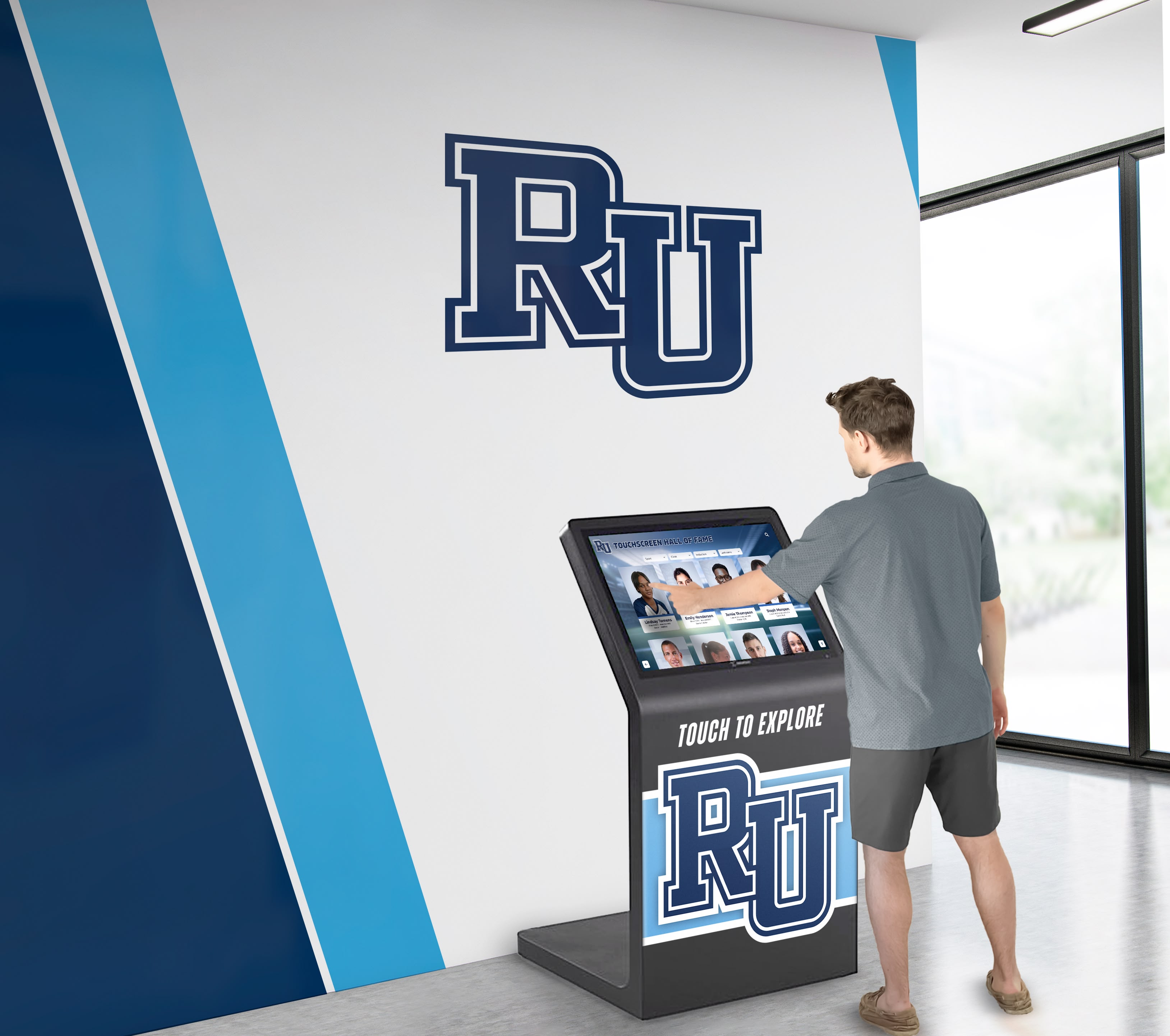
Professional installations ensure optimal placement, accessibility, and integration with facility aesthetics
Phase 3: Content Development and System Configuration (Weeks 8-16)
Historical Research and Data Collection
Gather recognition content systematically through existing institutional records including yearbooks providing names, photos, and achievement documentation, program archives from athletic, academic, and activities departments, award documentation and trophy inscriptions providing historical achievement data, photo archives for visual content supporting profiles, newspaper clippings documenting achievements and providing narrative context, and interviews with alumni, retired staff, and long-time community members filling information gaps.
Historical research often reveals forgotten achievements deserving recognition while establishing baseline content giving displays substance immediately upon launch rather than featuring only recent accomplishments.
Efficient Content Creation Workflows
Develop streamlined processes creating recognition content efficiently including profile writing based on research and source materials, statistics and achievement documentation compilation, photo editing and optimization for digital display at appropriate resolutions, video production or editing when creating highlight reels or interviews, and data entry into content management systems using established templates and standards.
Consider engaging volunteers to accelerate content development including alumni who can research historical periods they experienced personally, retired staff members with institutional knowledge and connections, current students for data entry and photo editing developing marketable skills, and families providing photos and personal information about recognized individuals.
Technical Implementation and Integration
Coordinate technology deployment including display installation and secure mounting ensuring safety and proper viewing angles, network connectivity configuration providing reliable internet access, software setup and configuration customizing platforms for organizational needs, content upload and organization using developed templates and workflows, integration with existing databases if applicable, and comprehensive system testing ensuring all components function properly before launch.
Professional installation typically ensures secure mounting meeting safety standards, proper electrical connection following codes, clean cable management integrating displays appropriately into environments, and initial troubleshooting addressing issues before public unveiling.
Phase 4: Launch Strategy and Ongoing Operations (Week 16+)
Soft Launch and Quality Assurance
Before formal public unveiling, conduct limited testing including internal review with administrators and key stakeholders identifying issues, focus group sessions with representative users providing usability feedback, technical troubleshooting addressing discovered problems, content refinement based on feedback improving quality, and staff training for personnel who will manage systems or answer visitor questions.
Soft launches prevent embarrassing public problems while enabling refinements ensuring successful formal introductions.
Strategic Public Launch
Introduce touchscreen displays with appropriate ceremony including formal unveiling at high-profile events (homecoming, awards ceremonies, open houses), media coverage through local newspapers and community publications amplifying awareness, promotional campaigns via organizational communications channels including websites and social media, guided demonstrations during initial weeks helping visitors discover features, and feedback collection mechanisms gathering user responses informing continuous improvement.
Celebratory launches demonstrate organizational commitment to recognition while maximizing awareness among current community members and prospective participants who might be inspired by visible celebration of excellence.
Sustainable Operational Management
Establish ongoing management ensuring long-term quality including regular content update schedules adding new achievements promptly, technical maintenance addressing hardware and software issues quickly, analytics review revealing usage patterns and popular content informing strategy, user feedback monitoring identifying improvement opportunities, continuous enhancement implementing new features based on experience, and clear responsibility assignment ensuring someone owns recognition program sustainability.
Without assigned ownership, recognition programs gradually degrade as immediate pressures supersede update responsibilities and technical issues accumulate without resolution.
Explore comprehensive approaches to donor recognition screens when recognition includes philanthropic support.
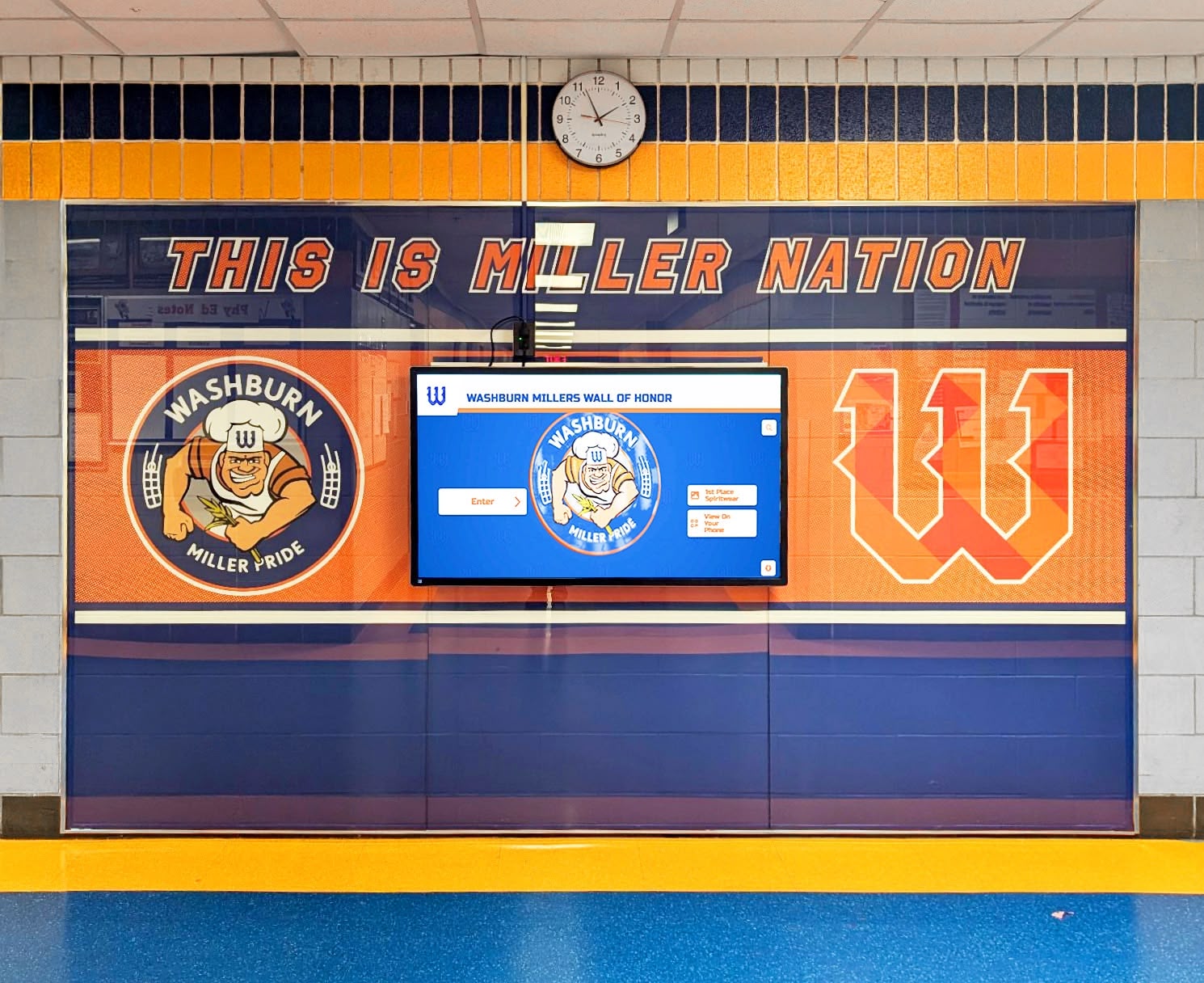
Effective implementations become signature features defining spaces and celebrating community excellence
Content Development Strategies for Engaging Recognition
Technology provides platforms, but compelling content determines whether touchscreen digital hall of fame walls successfully engage audiences and appropriately honor achievement.
Individual Profile Development Best Practices
Comprehensive recognition extends beyond listing names and dates to tell complete stories celebrating what individuals accomplished and who they became.
Essential Profile Information Components
Effective individual profiles include biographical basics (full name, graduation year or affiliation period, hometown or community), achievement documentation specifying exactly what earned recognition with appropriate detail, participation details (programs, positions held, years active), statistics and records when applicable providing quantitative measures, awards and honors received from institutional and external organizations, post-affiliation outcomes (college attendance, career paths, continued involvement) when available and relevant, and quotes or statements providing personal perspectives on experiences and growth.
Visual Content Standards and Guidelines
High-quality imagery significantly enhances recognition presentation. Gather action photography showing individuals competing, performing, or leading in authentic contexts, portrait photos providing identification and personal connection, team or group photos documenting collective participation and community, achievement documentation including award ceremonies and recognition events, and historical photos for long-past accomplishments providing period authenticity.
Establish technical standards ensuring consistency including minimum resolution requirements (typically 1920x1080 for primary images), aspect ratio guidelines (16:9 for video content, flexible for photos), color correction for consistent appearance across content, and file format specifications optimizing display performance and storage efficiency.
Writing Guidelines for Recognition Content
Develop style guidelines ensuring consistent, appropriate tone including writing perspective (third person for biographical information maintaining professional presentation), verb tense consistency (past tense for historical achievements, present for ongoing records), terminology standardization using consistent terms for awards and achievements, length targets maintaining appropriate depth without overwhelming visitors with excessive detail, and proofreading standards ensuring professional quality without embarrassing errors.
Recognition writing should celebrate achievement enthusiastically while remaining factual, specific, and appropriate for organizational contexts. Avoid excessive praise that diminishes credibility while ensuring genuine accomplishment receives proper acknowledgment commensurate with significance.
Team and Group Recognition Approaches
Beyond individual profiles, comprehensive recognition documents team achievements and collective accomplishments appropriately.
Championship Team Documentation
Teams earning significant success deserve detailed recognition including complete roster with individual member information and photos, season narrative explaining the path to achievement with key moments, game-by-game results and statistics providing complete records, championship details including tournament brackets, scores, and final standings, coaching staff recognition acknowledging leadership and development contributions, and video highlights preserving memorable plays, celebrations, and post-game reactions.
This comprehensive documentation honors every team member’s contribution while preserving complete institutional memory of significant achievements for future generations.
Group Achievement Recognition Beyond Traditional Teams
Many accomplishments involve collective effort beyond traditional athletic teams including academic competition teams for Science Olympiad, Quiz Bowl, or robotics, performing arts production casts and crews for theater, music, and dance, club achievements and service projects organized by student organizations, leadership initiatives developed by student government or committees, and collaborative academic projects earning external recognition or producing significant outcomes.
Ensure recognition systems accommodate these diverse achievement formats, honoring individual contributions within collective contexts while celebrating group success appropriately.
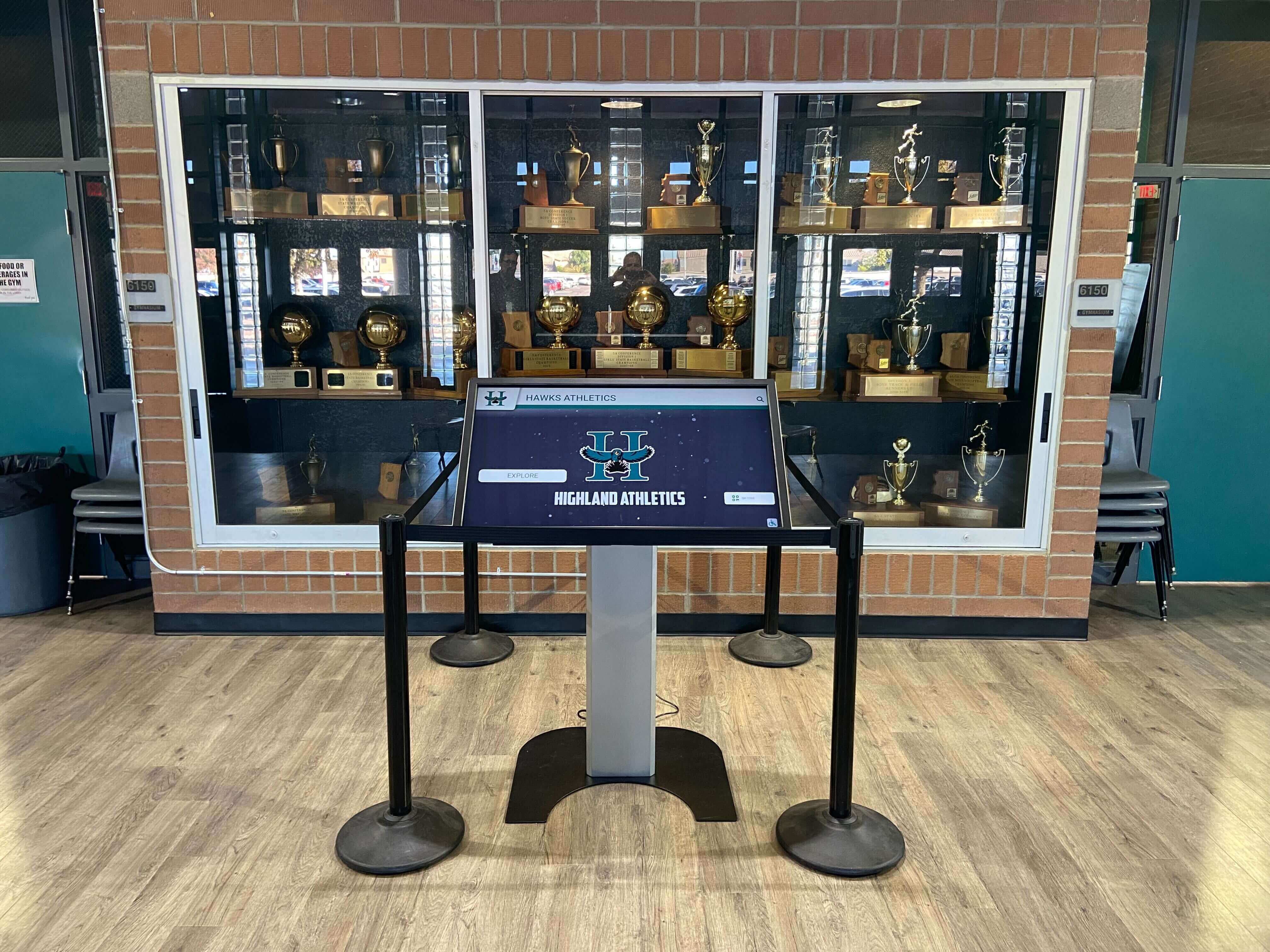
Touchscreen displays can complement existing trophy cases, providing expanded capacity and enhanced storytelling
Historical Content and Institutional Traditions
Touchscreen digital hall of fame walls provide opportunities to preserve and share organizational history beyond immediate recognition of current and recent members.
Institutional History and Heritage Documentation
Comprehensive platforms can include organizational founding history and evolution showing institutional development, significant milestones and events marking institutional progress, facility development documentation with historical photos showing campus transformation, notable alumni achievements demonstrating long-term community impact, legendary figures whose contributions defined institutional character, and traditions defining organizational culture connecting past and present generations.
This broader historical context helps current members understand institutional heritage while building connection between past excellence and present aspiration that strengthens identity and motivation.
Digital Archives and Preservation Initiatives
Touchscreen systems can provide access to digitized historical materials including yearbook archives making historical records searchable and accessible, historical photograph collections documenting institutional history visually, newspaper clippings preserving contemporaneous achievement documentation, program archives from athletic events, performances, and ceremonies, and oral history interviews with alumni and retired leaders sharing institutional memories.
These archives transform recognition displays into comprehensive historical resources serving educational purposes beyond immediate celebration of recent achievement while preserving institutional memory that might otherwise deteriorate or become inaccessible.
Learn about academic history archiving approaches for schools preserving heritage.
Measuring Success and Demonstrating Value
Comprehensive evaluation demonstrates recognition program value while identifying improvement opportunities enhancing visitor experiences and organizational benefits.
Engagement Analytics and Usage Metrics
Digital platforms provide detailed data revealing how visitors interact with recognition content:
Quantitative Visitor Engagement
Track measurable indicators including unique visitor counts establishing daily, weekly, and monthly reach, average session duration indicating engagement depth (6-10 minutes suggests meaningful exploration vs. brief glances), content views per session showing exploration breadth across multiple profiles, search patterns revealing what visitors seek most frequently, popular content analysis identifying most-viewed profiles and achievement categories, and return visitor rates demonstrating sustained interest beyond initial novelty.
These metrics inform content strategy by identifying achievement categories generating most interest, specific individuals attracting significant attention, features visitors use versus those ignored requiring interface improvements, optimal content depth balancing detail with accessibility, and peak usage times suggesting ideal moments for featured content updates.
Web Extension Metrics
When recognition extends to online platforms, track web traffic including unique visitors to online recognition portals, geographic distribution showing reach beyond local communities, device types (mobile vs. desktop) informing responsive design priorities, referral sources identifying how visitors discover online recognition, most-viewed content online compared to physical display patterns, and social media shares extending recognition visibility organically.
Online analytics reveal whether web extensions successfully broaden recognition reach or simply replicate physical display audiences digitally without expanding impact.
Qualitative Feedback and Stakeholder Perspectives
Beyond analytics, stakeholder perspectives provide improvement insights:
Community and Visitor Feedback
Gather qualitative responses through feedback forms integrated into touchscreen interfaces, periodic surveys to representative community samples, staff observation noting visitor behaviors and overheard comments, social media monitoring tracking mentions and sentiment about recognition, and focus groups discussing recognition experiences and improvement suggestions.
Understanding how visitors experience and value recognition helps refine approaches for maximum engagement aligned with actual preferences rather than assumptions about what communities want.
Institutional Impact Assessment
Evaluate recognition contribution to broader goals including community pride indicators measured through surveys and informal feedback, participant motivation effects on achievement pursuit and program participation, family engagement improvements observed through attendance and involvement, alumni connection strengthening through visible heritage celebration, and community perception enhancement measured through external feedback and media coverage.
Recognition programs ultimately serve organizational missions beyond immediate visitor engagement. Long-term value manifests through cultural transformation, enhanced community identity, and sustainable excellence cultures where achievement receives consistent visible celebration.
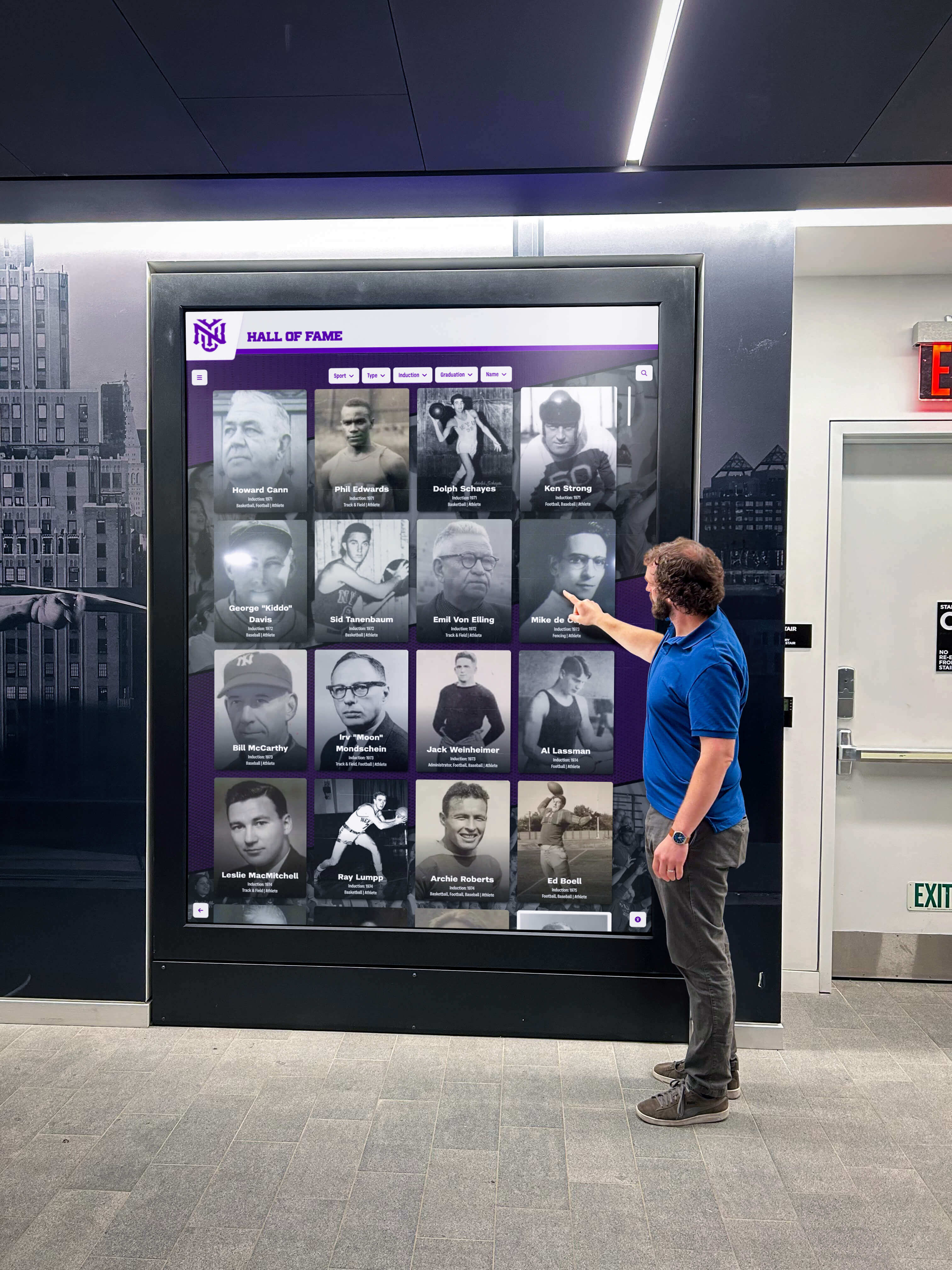
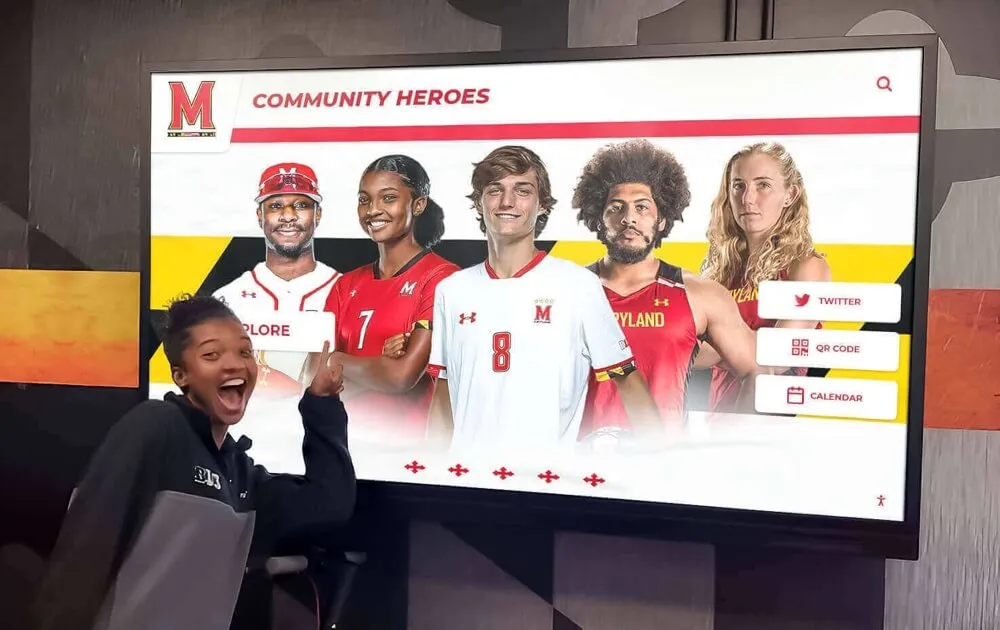
Engaged visitors exploring recognition displays demonstrate successful implementation and compelling content
Common Implementation Challenges and Practical Solutions
Understanding typical obstacles helps organizations navigate implementation successfully while avoiding preventable mistakes.
Budget and Resource Constraints
Challenge: Limited Initial Investment Capacity
Comprehensive touchscreen systems represent significant investments that may exceed available budgets, particularly for smaller organizations or those facing financial pressures from other priorities.
Solutions: Phased Implementation and Creative Funding
Start with single display in highest-traffic location demonstrating value before expansion, phase implementation coordinating with capital campaigns or major facility projects, engage sponsors, alumni associations, or local businesses as recognition sponsors offsetting institutional costs, quantify traditional recognition costs eliminated demonstrating financial benefits offsetting investment, and pursue grant opportunities supporting innovative engagement and facility improvement initiatives.
Phased approaches prevent budget limitations from stopping recognition improvements entirely while building support through demonstrated success of initial implementations.
Content Development Capacity and Historical Data
Challenge: Overwhelming Historical Content Requirements
Creating comprehensive recognition content spanning decades requires substantial time investment organizations struggle to provide given staff workload and competing priorities.
Solutions: Volunteer Engagement and Prioritized Phasing
Engage volunteers including alumni, families, and retired staff who can contribute research and writing, utilize student workers, service learning projects, or class assignments producing recognition content, phase content development beginning with recent years before expanding historically, start with essential information (names, years, basic achievements) before adding enhanced details over time, and consider professional content development services some recognition platform providers offer for accelerating historical migration.
Recognition systems need not launch with complete historical content. Starting with recent recognizable achievements creates immediate value while providing frameworks enabling systematic historical addition over subsequent months and years.
Technical Support and Long-Term Sustainability
Challenge: IT Support Requirements and Technical Expertise
Organizations may lack IT capacity for ongoing touchscreen technical support, creating concerns about system reliability and ability to resolve problems quickly.
Solutions: Cloud Platforms and Vendor Support
Select cloud-based platforms minimizing local technical requirements through centralized vendor-managed infrastructure, choose vendors offering comprehensive support packages including troubleshooting assistance and system monitoring, establish partnerships with local technology service providers for installation and maintenance support, train multiple staff members on basic operations ensuring support coverage regardless of individual availability, and maintain documentation enabling common troubleshooting without vendor dependence.
Modern cloud-based recognition platforms significantly reduce local IT requirements compared to on-premises systems requiring local server management and software maintenance.
Explore best practices for digital signage software selection and management.
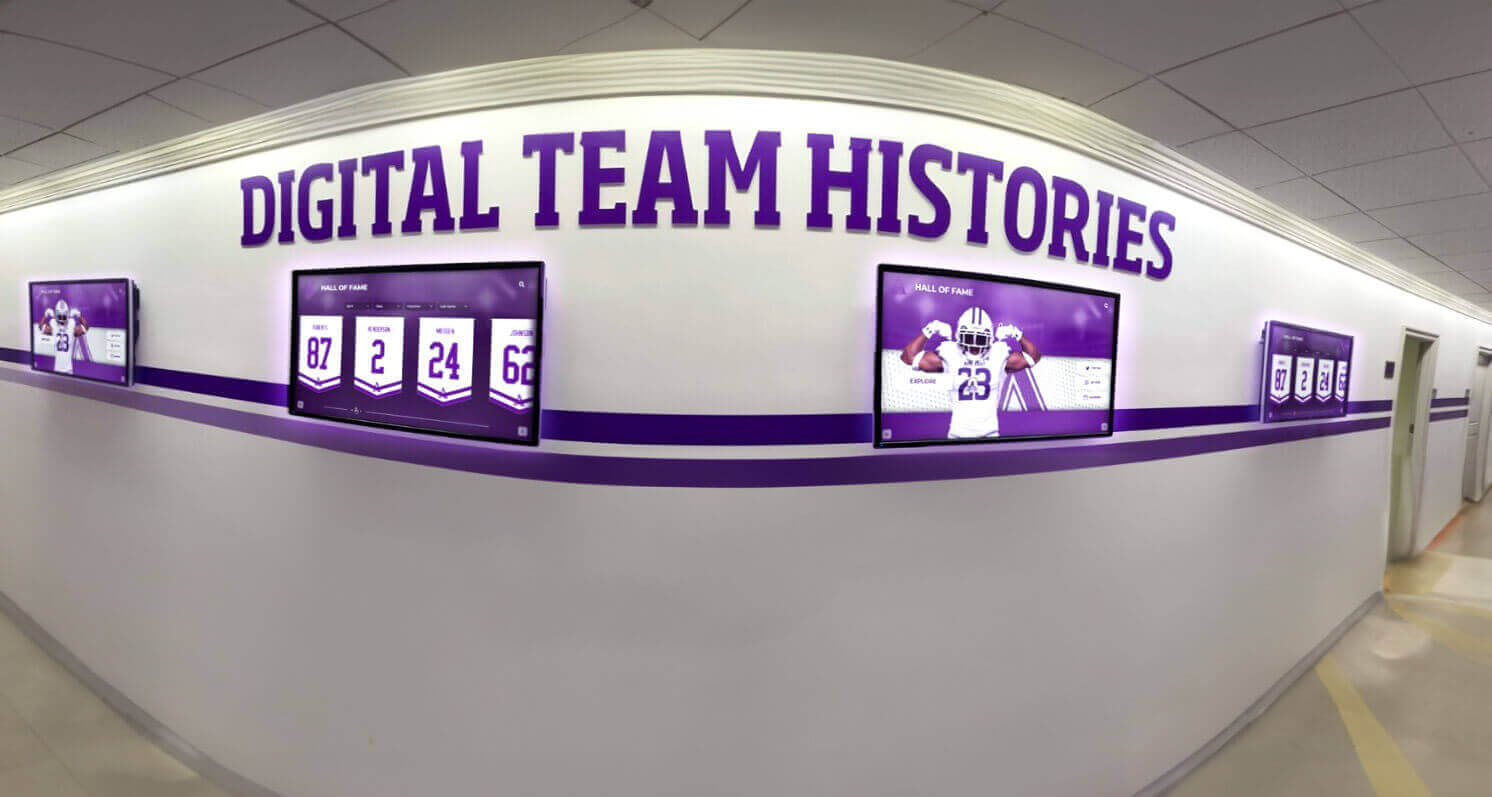
Multi-screen installations enable comprehensive recognition across multiple programs and categories
Future Trends in Digital Hall of Fame Technology
Understanding emerging trends helps organizations make forward-looking implementation decisions ensuring recognition systems remain effective for years ahead.
Artificial Intelligence and Automated Content
AI technologies increasingly enhance recognition platforms through automated content generation assisting with profile writing from source data, intelligent search improving discovery through natural language queries and conversational interfaces, personalized recommendations suggesting related achievements based on viewing patterns, image recognition enabling automatic tagging, organization, and face detection, and voice interaction providing accessibility alternatives to touch interfaces for visitors with mobility limitations.
While still emerging, AI capabilities promise to reduce administrative burden while enhancing user experiences through more intuitive interaction methods that feel natural rather than requiring interface learning.
Enhanced Analytics and Personalization
Advanced analytics enable deeper understanding of recognition effectiveness through predictive modeling identifying achievement patterns and participation trends, sentiment analysis revealing emotional responses to different recognition approaches, demographic analysis ensuring equitable representation across programs and groups, behavioral tracking understanding visitor journey patterns and content exploration sequences, and personalization engines customizing experiences based on stated interests or inferred preferences.
These capabilities help organizations continuously improve recognition while ensuring systems serve diverse stakeholders effectively rather than optimizing for average users.
Integration with Broader Institutional Systems
Digital hall of fame touchscreens increasingly integrate with other organizational systems including student information systems automatically populating achievement data, management platforms connecting recognition to admissions and recruitment outcomes, alumni databases maintaining lifelong engagement beyond graduation, fundraising systems tracking donor recognition alongside philanthropic engagement, and unified communication platforms amplifying recognition across multiple channels automatically.
Systems integration reduces administrative burden while ensuring recognition remains current and comprehensive without manual data transfer between disconnected platforms requiring duplicate entry and increasing error risk.
Conclusion: Transforming Recognition Through Touchscreen Technology
Touchscreen digital hall of fame walls and interactive awards displays represent more than technology upgrades—they embody fundamental shifts in how organizations celebrate achievement, moving from physically constrained, static, administratively burdensome traditional methods to unlimited capacity, dynamic, efficient digital platforms ensuring every deserving individual receives appropriate recognition regardless of achievement category, timing, or program popularity.
Organizations implementing interactive recognition displays report measurable benefits including 5-7x higher engagement with recognition content compared to traditional static displays, 85-90% administrative time savings on recognition program maintenance freeing staff for higher-value activities, comprehensive coverage eliminating difficult choices about which achievements receive visibility, enhanced community pride measurable through stakeholder feedback and observable behavior, and extended reach engaging audiences far beyond campus through web platforms and social sharing.
Transform Your Recognition Program with Interactive Displays
Discover how touchscreen digital hall of fame walls can help your organization celebrate unlimited achievements while building pride and community connection through engaging interactive recognition that honors every individual appropriately.
Explore Recognition SolutionsStrategic Implementation Principles
The strategies explored in this comprehensive guide provide frameworks for implementing touchscreen digital hall of fame walls successfully—from understanding technology components and evaluating benefits through systematic planning, comprehensive content development, and continuous improvement ensuring long-term value. Whether replacing outdated recognition systems, expanding recognition capacity beyond physical limitations, or building stronger organizational cultures through visible celebration of excellence, interactive touchscreen displays provide capabilities achieving these goals effectively and sustainably.
Moving from traditional to digital recognition requires thoughtful planning, stakeholder engagement, realistic timelines, and sustained commitment, but organizations consistently report that implementation challenges prove manageable while benefits exceed initial expectations. The key lies in viewing touchscreens not as technology projects but as strategic investments in organizational culture, member motivation, and community connection that happen to leverage modern digital capabilities for maximum impact.
The Recognition Imperative
Every achievement deserves appropriate recognition. Every institutional tradition merits preservation and accessibility. Every community benefits from visible celebration connecting past excellence to present aspiration and future possibility. Touchscreen digital hall of fame walls make comprehensive recognition achievable, creating systems that finally honor every accomplishment without impossible choices about whose achievement matters enough for permanent visibility or which programs deserve limited trophy case space.
Start where you are with recognition needs you face today—whether overcrowded trophy cases forcing difficult decisions, outdated vinyl boards requiring time-consuming manual updates, or simply desire to celebrate more individuals more comprehensively across all programs and achievement dimensions. Interactive touchscreen technology provides solutions addressing these challenges while introducing capabilities that transform recognition from administrative obligation to centerpiece of organizational culture celebrating excellence across every dimension of human achievement and institutional mission.
Organizations ready to explore touchscreen digital hall of fame options should evaluate comprehensive platforms designed specifically for recognition rather than adapting generic digital signage tools. Solutions like Rocket Alumni Solutions provide purpose-built recognition platforms combining intuitive content management with professional hardware recommendations, implementation support, and ongoing technical assistance ensuring long-term program success and sustainability.
Recognition represents more than acknowledgment—it embodies organizational values about what matters, who deserves celebration, and how communities honor excellence while inspiring continued achievement. Modern touchscreen technology finally makes comprehensive, engaging, sustainable recognition achievable for organizations of all sizes, enabling the inclusive celebration every community member deserves regardless of when they achieved success or which program provided their opportunity for excellence.