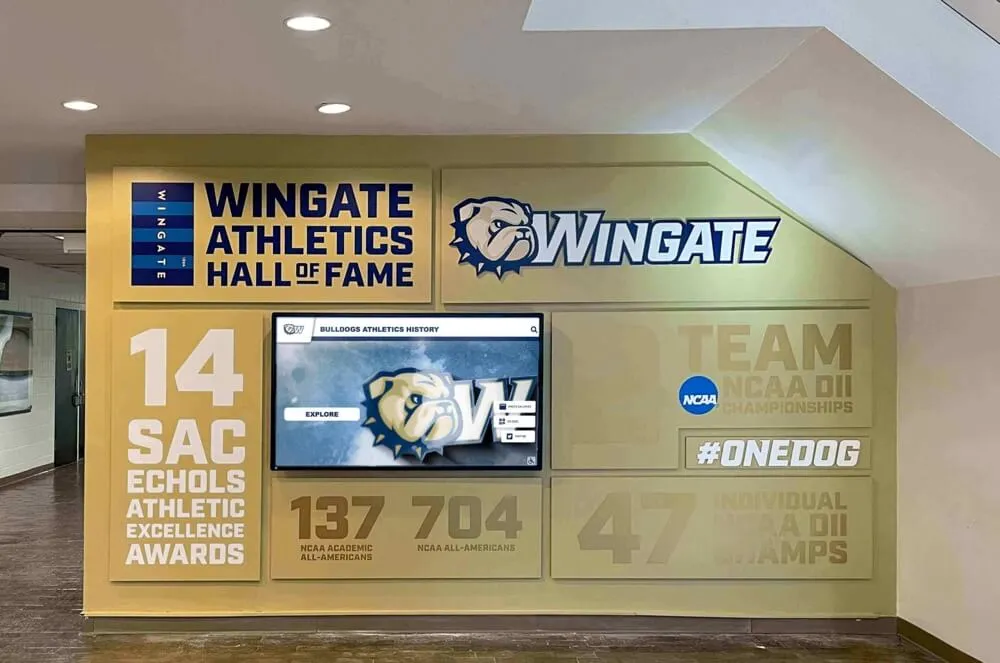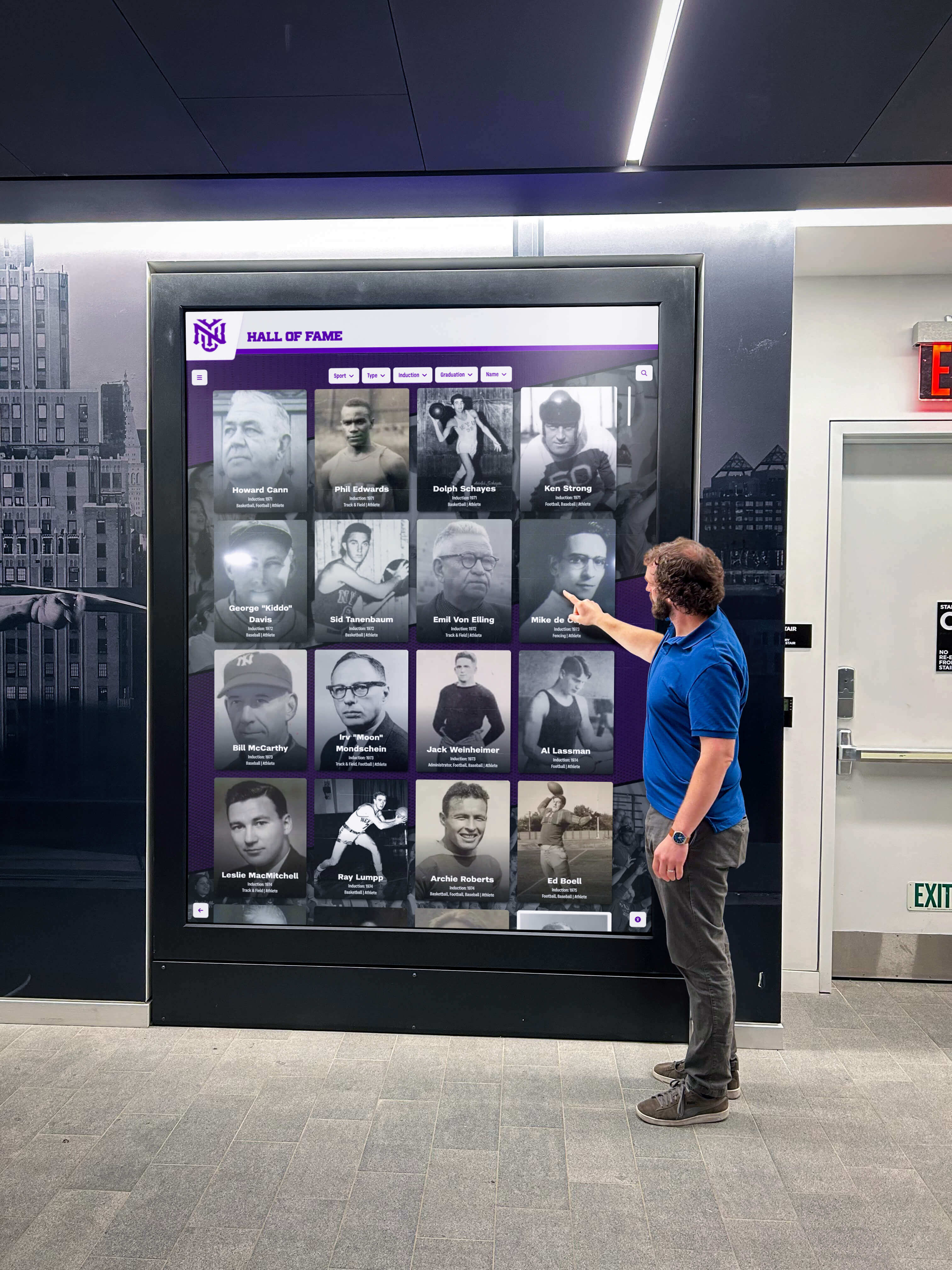
Children’s hospitals and pediatric healthcare facilities face a unique challenge: providing critical medical care to young patients who experience anxiety, fear, and stress in unfamiliar clinical environments. Traditional waiting rooms with dated magazines, worn toys, and sterile surroundings do little to ease these fears or distract from the anticipation of medical procedures that may be uncomfortable or frightening for children facing treatment.
Healthcare providers increasingly recognize that the physical environment significantly impacts patient outcomes, with research demonstrating that reducing stress and anxiety in pediatric settings improves cooperation during procedures, accelerates recovery times, and enhances overall patient and family satisfaction. Yet many children’s hospitals struggle to create engaging, calming spaces that meet the diverse needs of patients ranging from toddlers to teenagers while maintaining the hygiene standards and durability requirements essential in medical environments.
This comprehensive guide explores how touchscreen games and interactive digital displays are transforming children’s hospitals into healing environments that reduce anxiety, provide therapeutic distraction, support child life programs, and create positive healthcare experiences for pediatric patients and their families. We’ll examine the specific benefits these technologies provide in healthcare settings, practical implementation strategies for medical facilities, content considerations for age-appropriate engagement, and maintenance protocols ensuring safe, hygienic operation in clinical environments.
Interactive touchscreen technology in children’s hospitals represents far more than entertainment—these systems serve as therapeutic tools supporting child life specialists, reducing pre-procedure anxiety, providing educational opportunities about health and wellness, creating positive associations with healthcare facilities, and offering families welcome distractions during stressful medical experiences that too often define pediatric care memories.

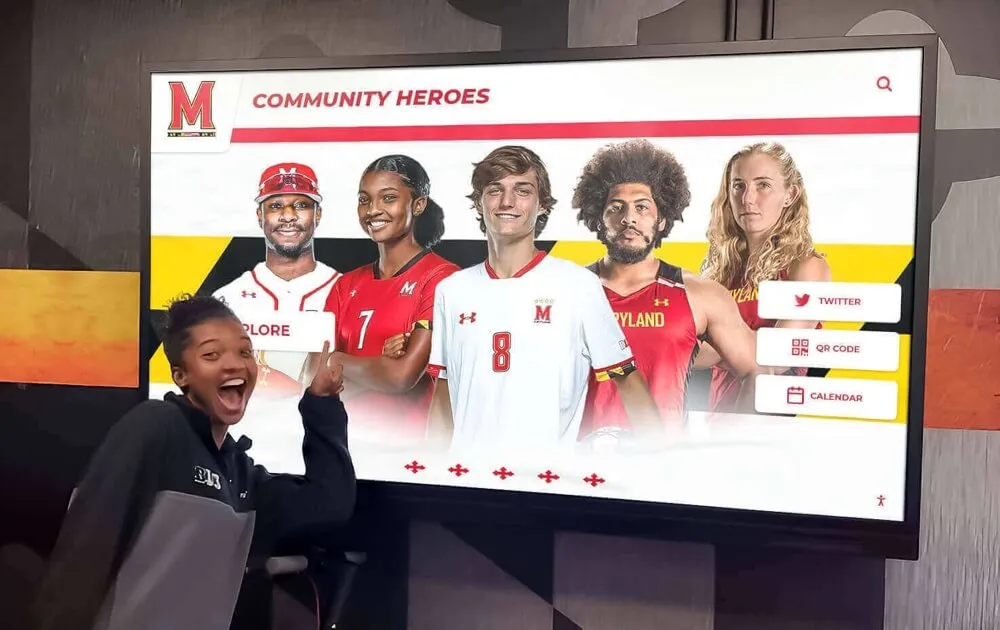
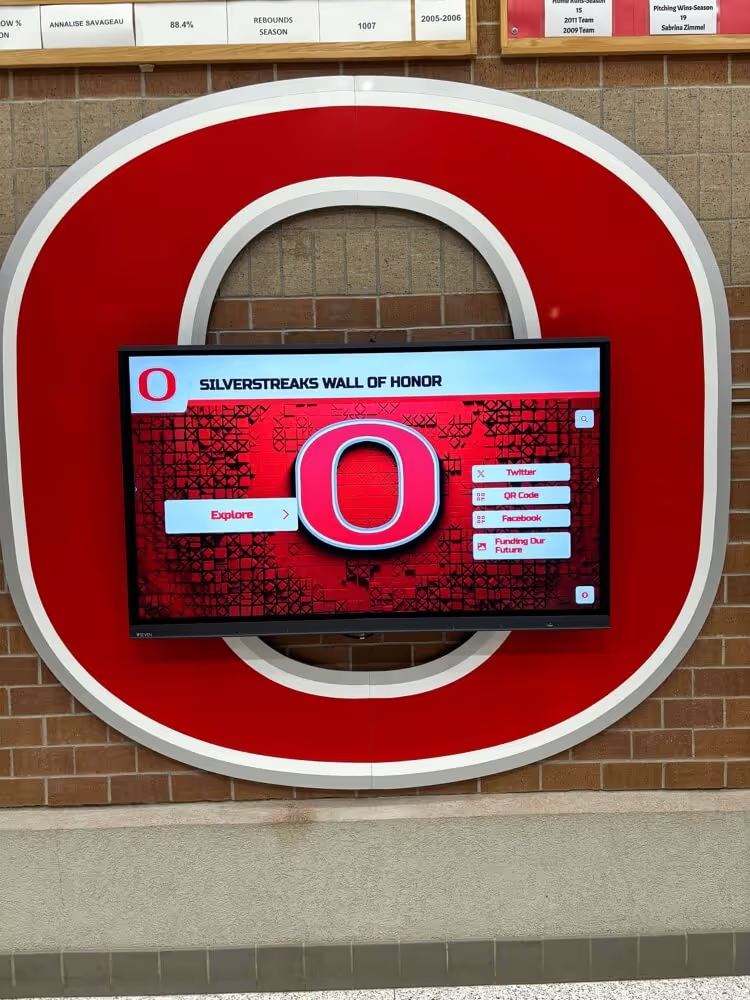
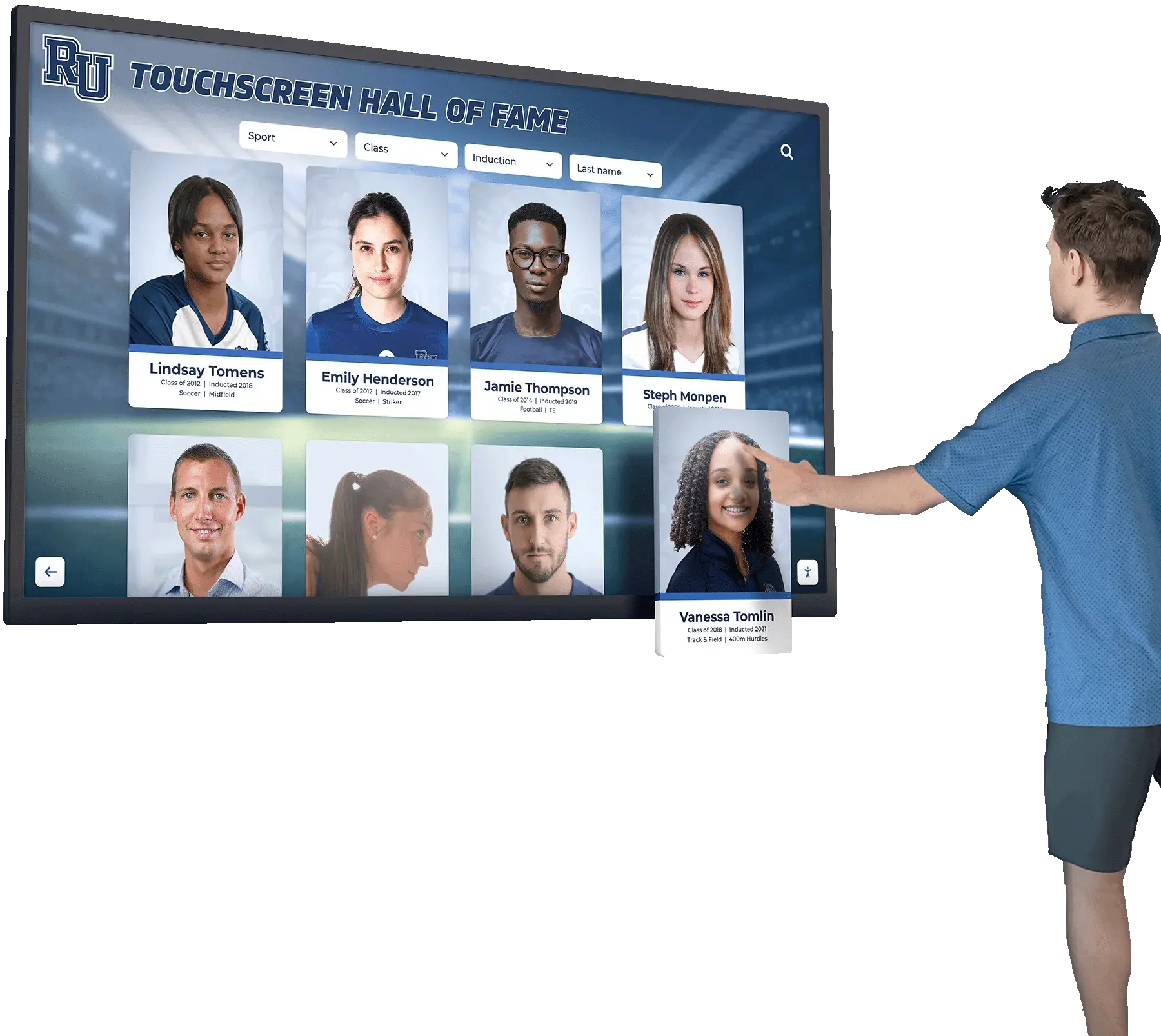
Modern touchscreen displays provide engaging, hygienic entertainment in pediatric healthcare environments
Understanding the Pediatric Healthcare Environment
Before exploring touchscreen game implementation, understanding the unique challenges and requirements of children’s hospitals helps healthcare facilities select appropriate technology and create truly effective therapeutic environments.
The Emotional Impact of Healthcare Settings on Children
Children experience healthcare environments fundamentally differently than adults, with developmental factors creating unique psychological needs requiring specialized approaches:
Developmental Fear Responses
Young patients face age-specific anxieties including separation anxiety in toddlers and preschoolers when apart from parents, fear of the unknown when children lack experience contextualizing medical procedures, pain anticipation creating anxiety about discomfort even before procedures begin, loss of control feelings when children must follow unfamiliar adults’ instructions, and sensory overload from bright lights, unfamiliar sounds, and clinical smells overwhelming developing nervous systems.
Research published in the Journal of Pediatric Psychology indicates that approximately 50-75% of children undergoing medical procedures experience significant anxiety, with these stress responses potentially complicating treatment, reducing cooperation, and creating lasting negative associations with healthcare that persist into adulthood.
Long-Term Healthcare Impact
Negative pediatric healthcare experiences create lasting consequences including healthcare avoidance where children develop anxiety about medical care persisting years beyond initial experiences, reduced treatment compliance as fearful children resist necessary care, family stress as parents experience secondary trauma watching children suffer, and developmental impacts when repeated stressful experiences affect children’s sense of safety and wellbeing.
These challenges make stress reduction in children’s hospitals not merely about comfort but fundamental to quality care and positive long-term health outcomes.
Physical Environment Challenges in Children’s Hospitals
Beyond emotional factors, practical environmental constraints shape children’s hospital design:
Space Limitations and Patient Flow
Most healthcare facilities face crowded waiting rooms serving high patient volumes, shared spaces accommodating diverse age groups from infants to teenagers, limited square footage restricting traditional play areas, and patient flow requirements maintaining clear pathways for staff and emergency access.
These constraints make traditional play areas with physical toys, climbing structures, or dedicated game rooms impractical for many facilities, creating demand for space-efficient solutions providing rich engagement within limited footprints.
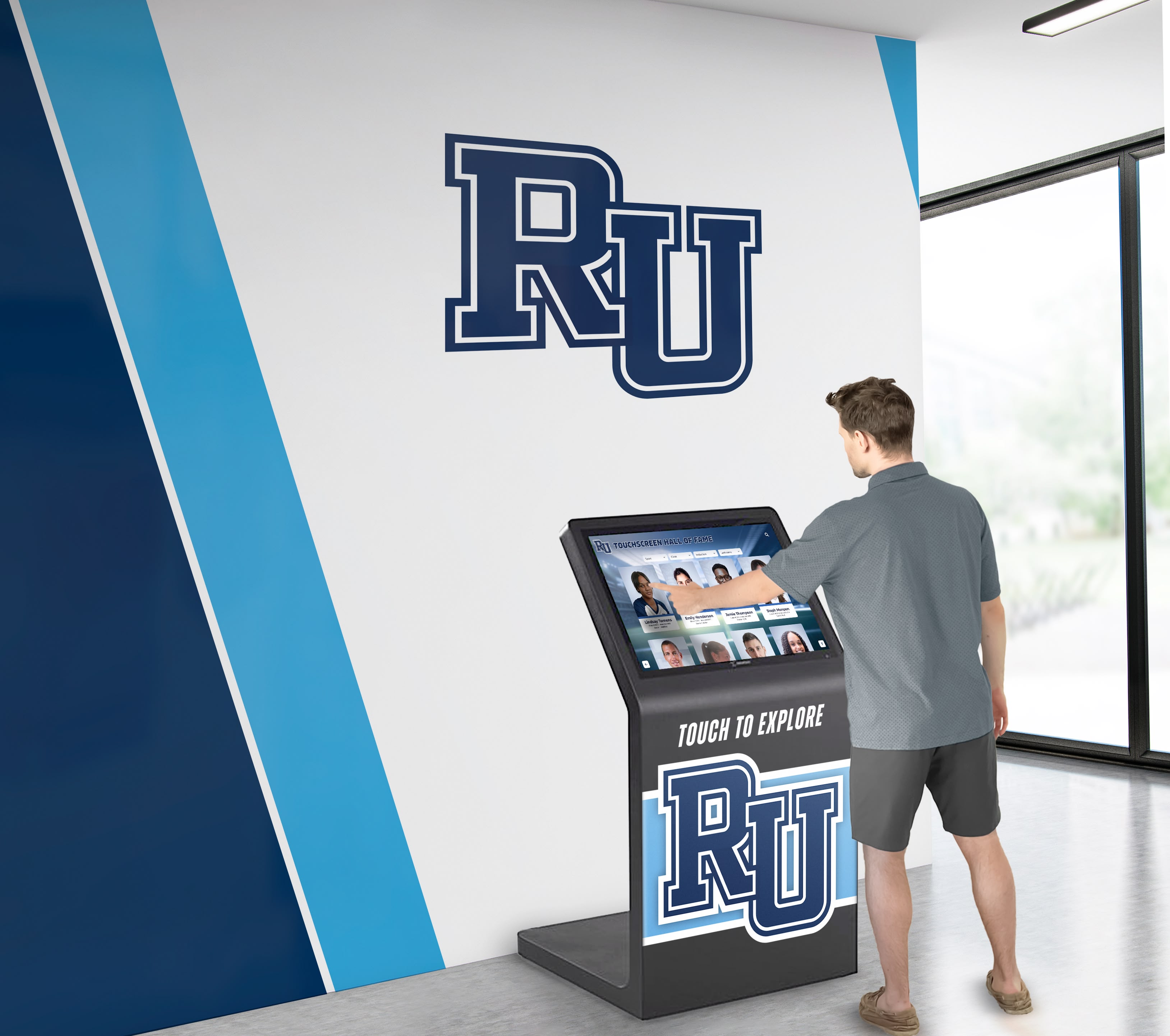
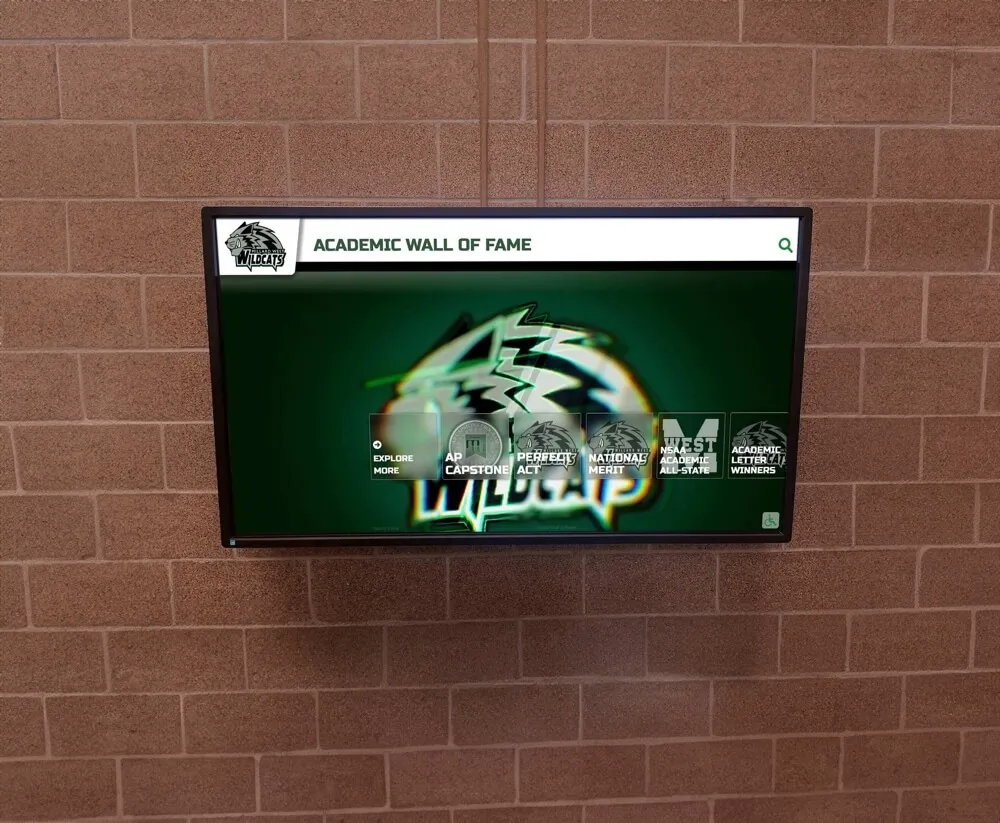
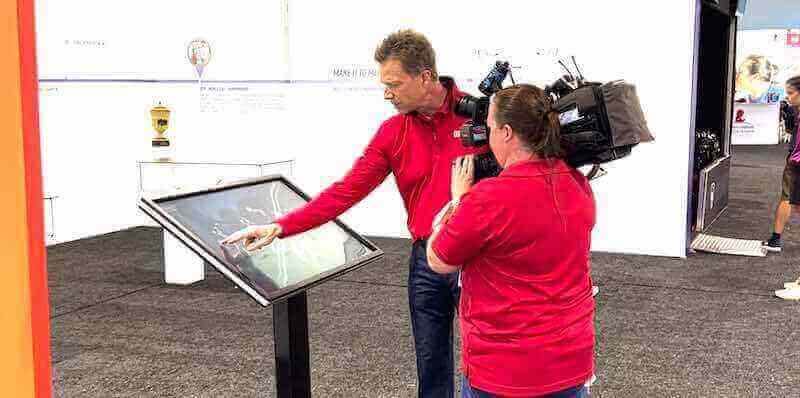
Touchscreen kiosks maximize engagement while requiring minimal floor space in busy facilities
Hygiene and Infection Control Requirements
Children’s hospitals maintain rigorous infection control protocols that impact entertainment options including frequent surface disinfection using hospital-grade cleaners, elimination of porous materials that harbor pathogens, reduced shared toys that transfer germs between patients, immediate cleaning protocols following patient contact, and compliance with healthcare facility standards for materials and maintenance.
Traditional play areas filled with stuffed animals, fabric toys, and shared handheld devices create infection control challenges requiring constant monitoring, cleaning, and replacement—practical limitations that often result in bare waiting rooms lacking any engaging elements despite their importance for patient wellbeing.
The Role of Child Life Programs
Child life specialists serve as essential members of pediatric healthcare teams, using therapeutic play and environmental design to minimize trauma and promote positive coping strategies. According to the American Academy of Pediatrics, child life services represent a crucial component of pediatric hospital care, focusing on optimal development and wellbeing while promoting coping skills and minimizing adverse effects of hospitalization and healthcare experiences.
Child Life Specialist Responsibilities
These professionals fulfill diverse functions including psychosocial assessment identifying patient and family needs, therapeutic play interventions supporting emotional processing, medical procedure preparation reducing anxiety through education and rehearsal, distraction techniques during painful procedures, sibling and family support addressing family system needs, and advocacy for child-centered care practices throughout healthcare facilities.
Interactive touchscreen technology provides valuable tools supporting these objectives by offering controlled, engaging distractions, educational content reinforcing health concepts, age-appropriate entertainment reducing stress, and flexible programming adapting to diverse patient needs.
Learn about interactive displays in healthcare settings that extend beyond pediatric applications.
Benefits of Touchscreen Games in Children’s Hospitals
Interactive touchscreen systems provide multiple therapeutic and practical advantages specifically valuable in pediatric healthcare environments.
Anxiety and Stress Reduction
The primary benefit of touchscreen games in children’s hospitals centers on reducing patient anxiety through engaging distraction and positive focus:
Distraction as Therapeutic Intervention
Research demonstrates that distraction techniques significantly reduce pediatric pain perception and anxiety during medical procedures. A study published in the journal Pain Management found that interactive games reduced self-reported pain scores by 30-50% during procedures like injections, IV placement, and wound care compared to standard care approaches without distraction interventions.
Touchscreen games provide effective distraction through sustained attention capture keeping children engaged and focused away from anxiety-producing stimuli, cognitive engagement requiring mental resources that would otherwise fixate on fear, sensory input providing alternative focus for attention, achievement and mastery experiences building confidence and positive emotional states, and choice and control allowing children to make decisions in otherwise controlling environments.
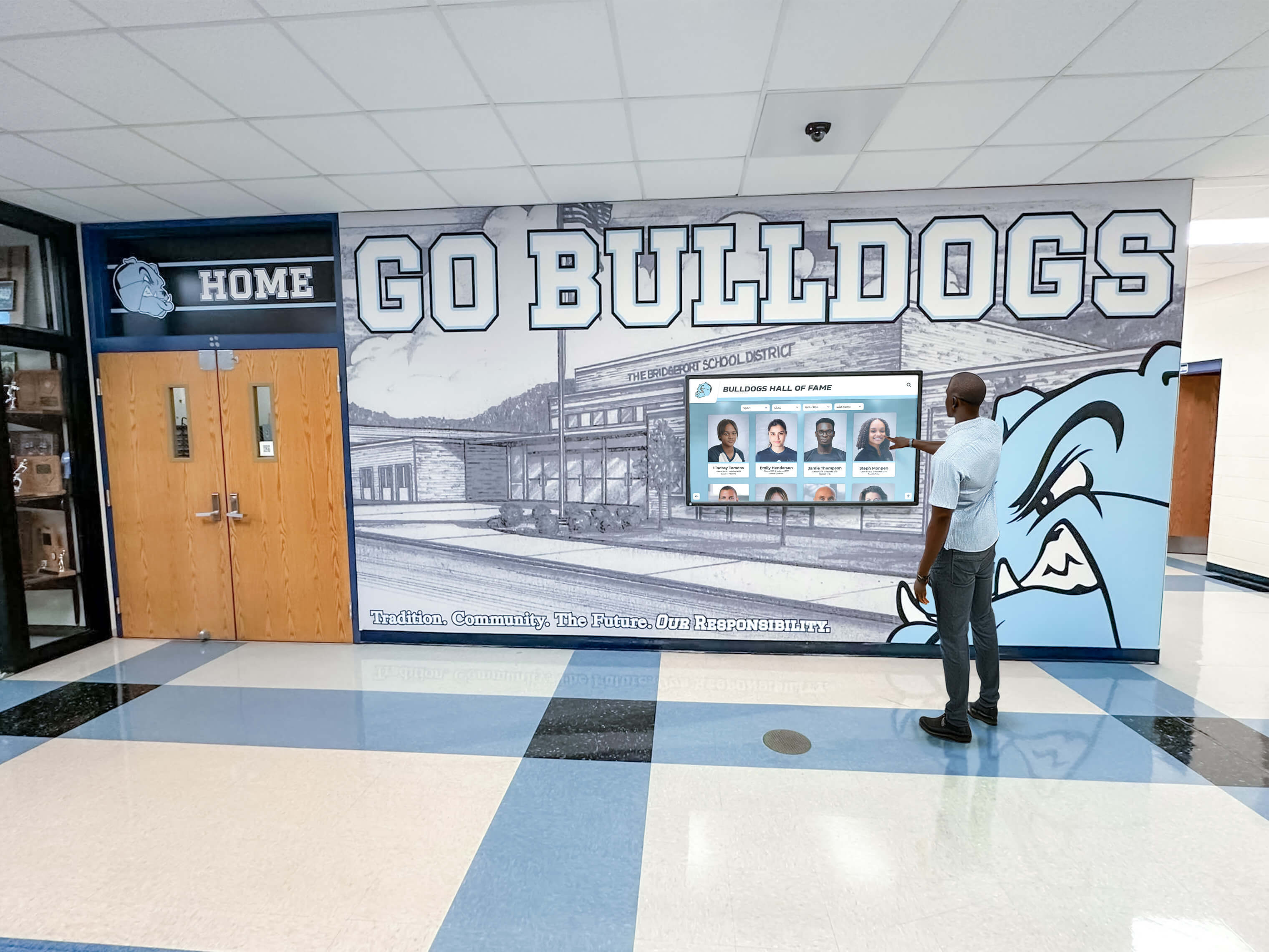
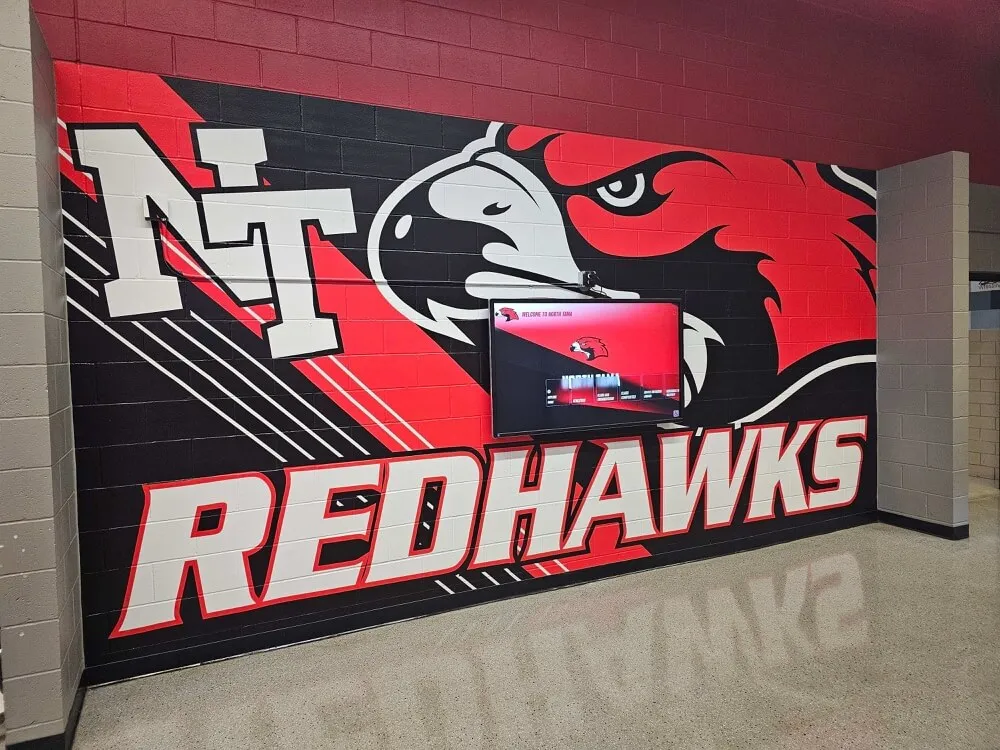
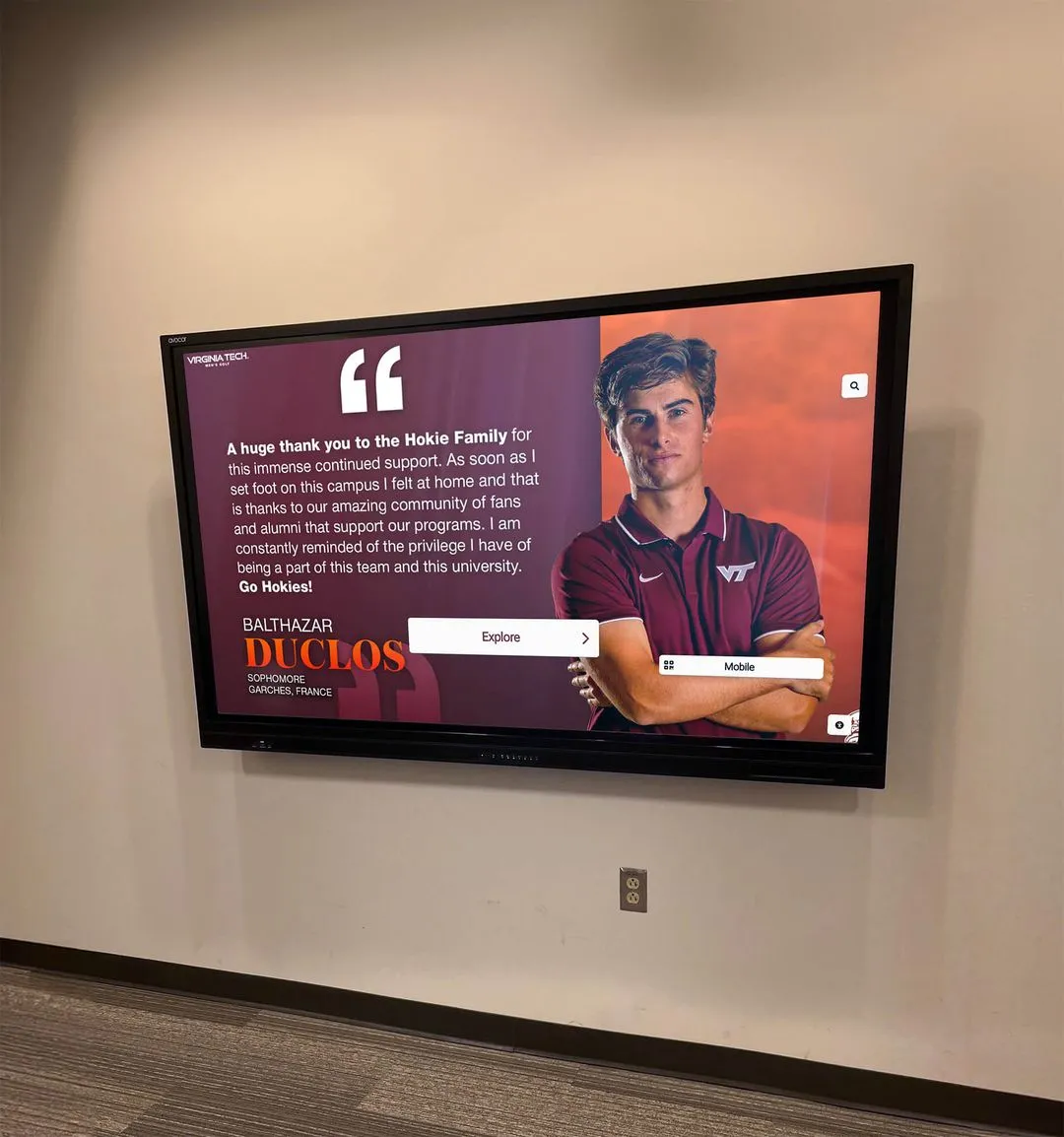
Touchscreen displays capture attention and provide engaging experiences that reduce environmental stress
Pre-Procedure Anxiety Management
Waiting periods before medical procedures often produce peak anxiety as children anticipate upcoming events. Interactive touchscreens in waiting areas provide therapeutic benefits including time perception alteration making waits feel shorter, anxiety focus interruption breaking rumination cycles, family engagement opportunities as parents participate with children, emotional regulation support helping children shift from anxious to engaged emotional states, and positive environmental associations creating welcoming rather than threatening atmospheres.
Child life specialists report that children engaged with interactive displays demonstrate visibly reduced anxiety behaviors including fewer crying episodes, decreased agitation and restlessness, improved cooperation when called for procedures, and calmer demeanor throughout healthcare visits.
Supporting Diverse Age Groups and Developmental Levels
Children’s hospitals serve patients from infancy through adolescence, requiring entertainment solutions accommodating vast developmental differences:
Age-Appropriate Content Libraries
Effective touchscreen systems offer content spanning developmental stages including simple cause-and-effect games for toddlers requiring minimal cognitive load, educational games for preschoolers reinforcing colors, shapes, numbers, and letters, adventure and puzzle games for school-age children providing more complex challenges, creative applications for older children and teens enabling artistic expression, and teen-appropriate content respecting emerging independence and sophisticated interests.
This content diversity ensures all patients find engaging, developmentally appropriate activities rather than systems serving only narrow age ranges while alienating younger or older patients.
Inclusive Design Considerations
Beyond age diversity, children’s hospitals serve patients with varying abilities requiring accessible design including adjustable difficulty levels accommodating different cognitive and physical abilities, multiple input methods supporting patients with motor challenges, visual and auditory content options serving different sensory preferences and abilities, language options for diverse patient populations, and medical condition adaptations for patients with specific limitations like reduced mobility or sensory sensitivities.
These inclusive features ensure touchscreen systems serve all patients equitably rather than only those without disabilities or challenges—particularly important in specialized children’s hospitals serving complex medical populations.
Discover approaches to creating inclusive digital recognition systems that apply to healthcare environments.
Hygiene and Infection Control Advantages
Compared to traditional toys and play materials, touchscreen systems offer significant hygiene benefits essential in healthcare settings:
Easy-to-Clean Surfaces
Modern touchscreen displays feature smooth, non-porous glass surfaces designed for frequent cleaning that support infection control protocols including compatibility with hospital-grade disinfectants, rapid drying preventing moisture accumulation, durability withstanding repeated cleaning without degradation, visible cleanliness allowing staff and families to confirm sanitation, and sealed construction preventing fluid intrusion into electronics.
Healthcare facilities can clean touchscreens between every patient interaction or maintain regular cleaning schedules throughout the day without the time investment required for traditional toy libraries or play areas containing dozens of individual items.
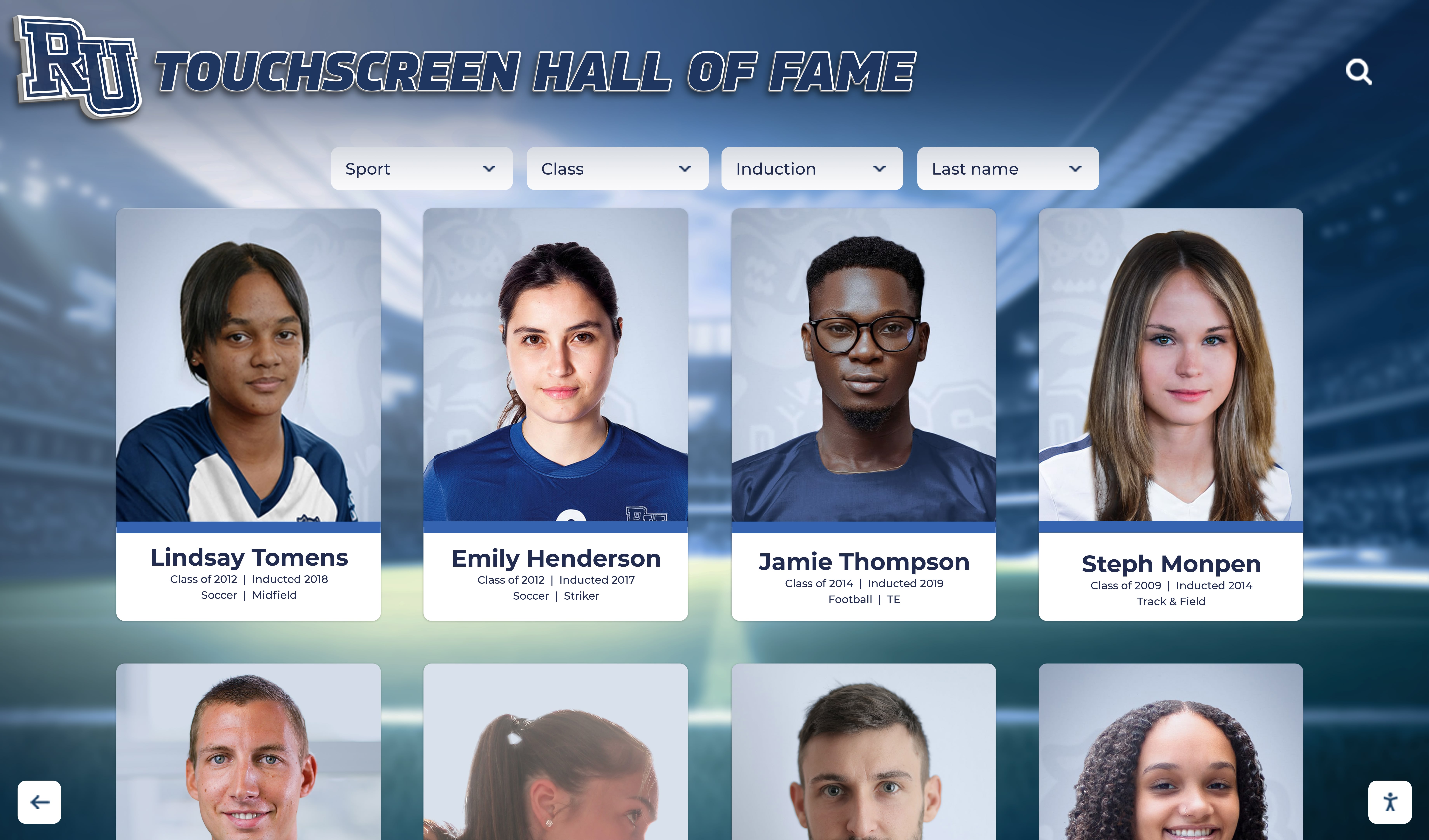
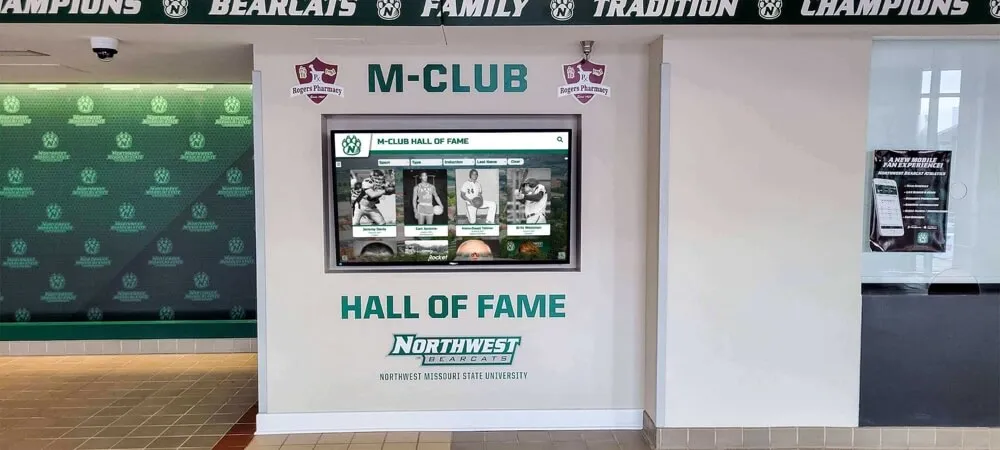
Touchscreen interfaces eliminate shared handheld devices while providing diverse content options
Reducing Cross-Contamination Risk
Traditional waiting room toys create infection transmission pathways as children handle shared objects, placing toys in mouths, and transferring pathogens between surfaces. Touchscreen systems mitigate these risks through single-touch-point interaction eliminating multiple shared objects, visible surfaces enabling contamination awareness, no-mouth-contact design positioning screens vertically rather than on tables encouraging handling, scheduled cleaning protocols ensuring systematic sanitation, and reduced staff time allowing more frequent cleaning than toy-intensive play areas require.
For children with compromised immune systems—a substantial population in specialized children’s hospitals—these infection control advantages provide critical safety benefits reducing healthcare-associated infection risks.
Educational and Therapeutic Content Integration
Beyond entertainment, touchscreen systems support healthcare facility educational missions and therapeutic interventions:
Health and Wellness Education
Interactive displays can deliver age-appropriate health education including nutrition and healthy eating concepts presented through engaging games, physical activity and exercise motivation encouraging movement and wellness, hygiene and handwashing education reinforcing infection prevention, anatomy and body systems education building health literacy, and condition-specific education helping patients understand their diagnoses and treatments.
Child life specialists often use interactive educational games as “teachable moments,” with research published in Pediatric Diabetes finding that child life-delivered play-based interventions significantly improved health knowledge and self-management skills in pediatric patients.
Therapeutic Play Applications
Interactive technology supports therapeutic play objectives including medical procedure rehearsal allowing children to role-play and understand upcoming experiences, emotional expression games helping children identify and communicate feelings, relaxation and mindfulness applications teaching stress management techniques, social-emotional learning content building coping skills, and achievement experiences providing mastery and confidence during otherwise disempowering healthcare experiences.
These therapeutic applications transform touchscreen systems from mere distractions into integrated components of comprehensive child life programming supporting patient psychological wellbeing throughout healthcare experiences.
Learn about interactive technology applications in educational settings that share principles with healthcare implementations.
Implementing Touchscreen Systems in Children’s Hospitals
Moving from concept to operational installations requires systematic planning addressing technology selection, placement strategy, content curation, and maintenance protocols.
Selecting Appropriate Technology Platforms
Children’s hospitals evaluating touchscreen solutions should assess options against criteria ensuring systems meet pediatric healthcare needs within medical facility constraints:
Essential Hardware Requirements
Healthcare-appropriate touchscreen systems require specific features including medical-grade or commercial-grade durability withstanding constant use in demanding environments, antimicrobial or easy-clean surfaces compatible with hospital disinfectants, tempered or strengthened glass preventing breakage from impacts, sealed enclosures preventing fluid intrusion, adequate screen size enabling comfortable interaction without crowding, and stable mounting preventing tipping or movement.
Consumer-grade tablets and home-entertainment systems typically lack the durability and cleanability essential for healthcare applications, making purpose-built commercial systems or medical-grade installations more appropriate despite higher initial costs.
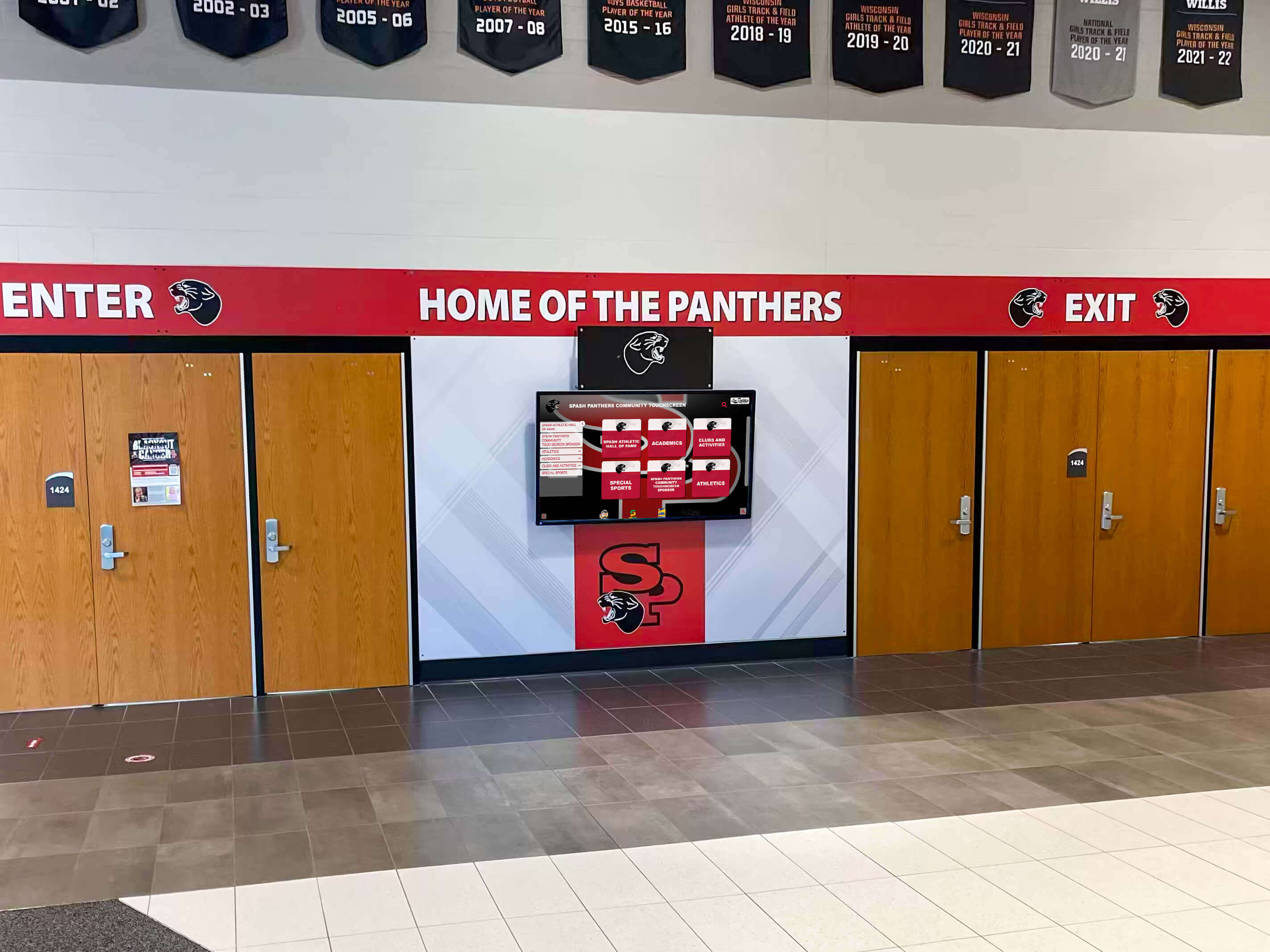
Professional-grade installations ensure durability and safety in high-use environments
Software and Content Management Needs
Beyond hardware, software platforms should provide age-appropriate game libraries with diverse content spanning developmental stages, content filtering ensuring only suitable material appears, offline operation eliminating WiFi security concerns and ensuring reliability, scheduled content rotation maintaining novelty and engagement, usage analytics tracking engagement patterns and popular content, remote management enabling centralized updates across multiple displays, and parental controls preventing access to inappropriate material.
Some children’s hospitals partner with specialized pediatric entertainment providers offering turnkey content libraries curated specifically for healthcare environments, while others develop custom content addressing facility-specific educational priorities or patient population needs.
Accessibility and Universal Design
Healthcare facilities serve diverse populations requiring accessibility features including adjustable height or multiple installations serving different ages and abilities, wheelchair accessibility ensuring patients with mobility devices can approach and use systems, high-contrast visual modes supporting patients with visual impairments, volume control and headphone options for auditory content, multiple language support serving diverse patient populations, and simplified interfaces accommodating patients with cognitive or developmental disabilities.
Universal design principles ensure touchscreen systems serve all patients equitably rather than creating additional barriers for already vulnerable populations.
Strategic Placement Considerations
Physical location significantly impacts touchscreen system effectiveness and engagement:
High-Traffic Waiting Areas
Primary placement locations include main waiting rooms and reception areas greeting most patients, specialty clinic waiting rooms serving specific patient populations, imaging department waiting areas where families await lengthy scan procedures, emergency department pediatric areas serving acute care patients, and infusion centers where patients spend extended periods during treatments.
These high-visibility, extended-wait locations provide maximum patient reach while offering valuable distraction during stress-prone anticipation periods before medical encounters.
Therapeutic and Treatment Spaces
Beyond waiting areas, touchscreen installations in treatment locations provide procedure-specific benefits including pre-operative preparation areas where distraction reduces anxiety before surgery, exam rooms where displays distract during procedures like vaccinations, physical therapy areas incorporating gamified rehabilitation exercises, oncology treatment rooms providing distraction during chemotherapy infusion, and dental procedure rooms reducing anxiety during dental care.
Strategic treatment space placement transforms touchscreens from waiting room entertainment into active therapeutic tools integrated directly into care delivery.
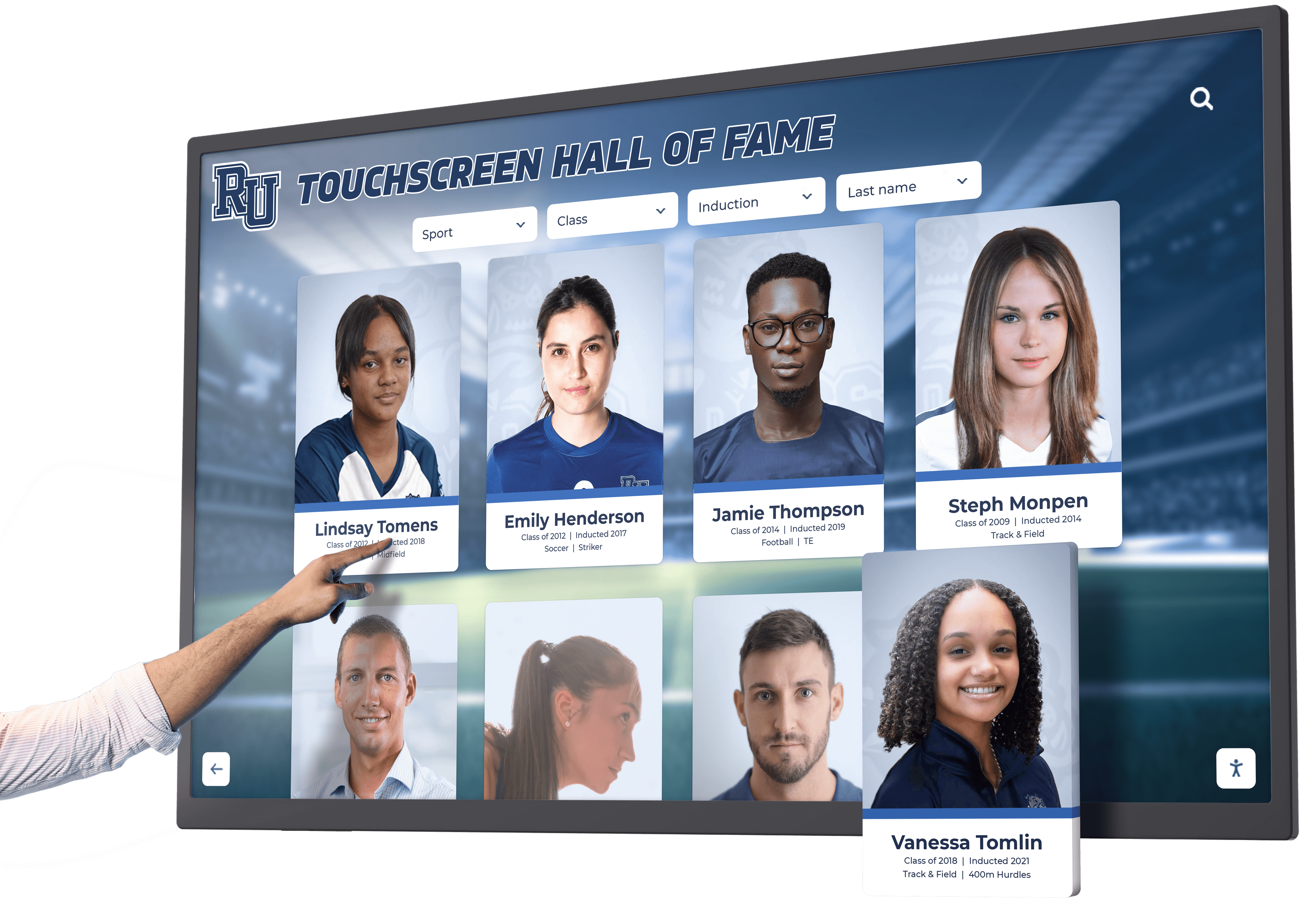
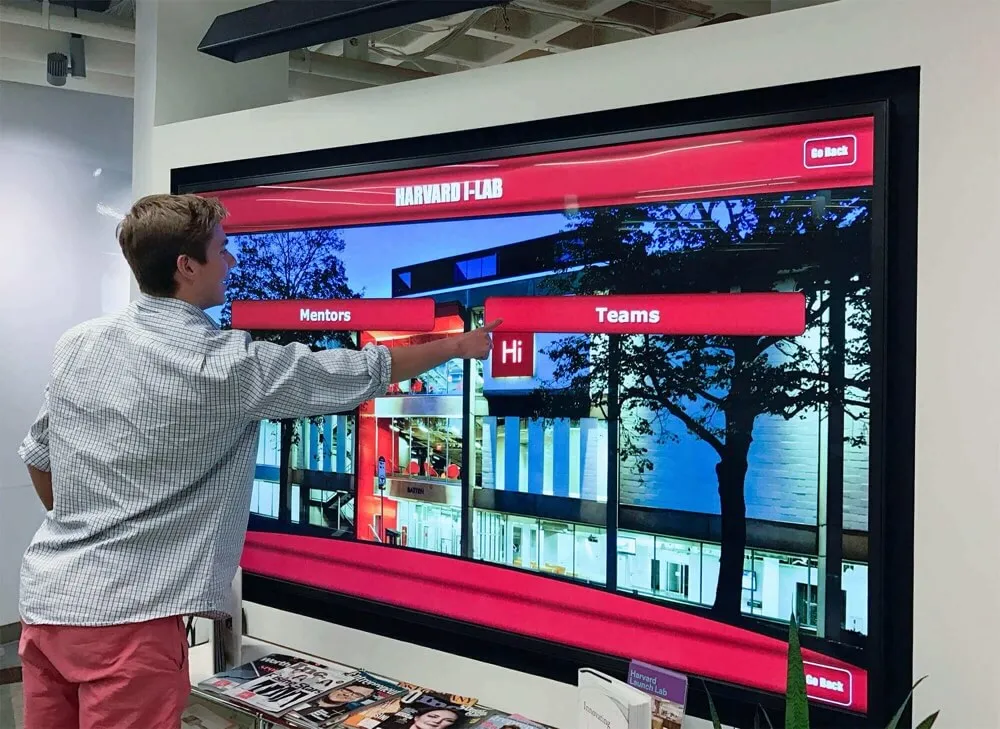
Touchscreen interfaces enable intuitive interaction across age groups and technical skill levels
Patient and Family Support Spaces
Additional placement opportunities include hospital lobbies and main entrances creating welcoming first impressions, family resource centers providing respite and support, inpatient playrooms supporting hospitalized patients, sibling areas addressing needs of patients’ brothers and sisters, and cafeteria or family lounge spaces offering entertainment during breaks.
Multiple installations throughout facilities ensure all families encounter engaging, stress-reducing technology regardless of which departments or services they access during healthcare visits.
Content Selection and Curation
Thoughtful content strategy ensures touchscreen systems remain engaging, appropriate, and therapeutically valuable:
Age-Appropriate Game Categories
Comprehensive content libraries should include early childhood options like simple touch-response games, virtual coloring books, basic puzzles, and animal interaction simulations, elementary-age content including educational games reinforcing academic skills, adventure and exploration games, creative tools, and age-appropriate challenges, pre-teen and teen options such as complex puzzles and strategy games, sports and racing simulations, artistic creation tools, and age-appropriate entertainment, and family-friendly multiplayer games enabling parent-child cooperative play during shared waiting periods.
Regular content audits ensure libraries remain current, engaging, and aligned with patient population preferences revealed through usage analytics and feedback from child life staff observing patient interactions.
Therapeutic and Educational Content
Beyond pure entertainment, healthcare-specific content should include medical procedure preparation applications familiarizing children with upcoming experiences, relaxation and breathing exercises supporting anxiety management, health and wellness education games reinforcing positive behaviors, emotional literacy applications helping children identify and express feelings, and achievement-based progression systems building confidence and mastery experiences.
Child life specialists should participate in content selection decisions, identifying applications supporting therapeutic objectives and recommending specific games or activities addressing common patient needs within particular facilities.
Explore strategies for selecting engaging content for digital displays applicable across institutional contexts.
Safety and Content Filtering
Healthcare facilities require strict content controls including elimination of violent or frightening content that could increase anxiety, age-verification systems preventing young children from accessing teen content, advertisement blocking removing commercial messages from therapeutic environments, internet access restriction preventing unmonitored browsing, and regular content review ensuring only appropriate materials remain accessible.
Many healthcare facilities opt for closed-system platforms with pre-approved content libraries rather than internet-connected systems requiring constant monitoring to prevent inappropriate content access.
Maintenance, Hygiene, and Operations
Sustainable touchscreen programs require systematic protocols ensuring systems remain clean, functional, and engaging long-term.
Infection Control Protocols
Rigorous cleaning procedures maintain hygiene standards essential in healthcare environments:
Routine Cleaning Schedules
Healthcare facilities should implement scheduled cleaning protocols including between-patient cleaning after every individual or family uses systems, hourly surface disinfection during peak use periods, end-of-day comprehensive cleaning including frames and surrounding areas, weekly deep cleaning addressing all surfaces and components, and documented cleaning logs demonstrating infection control compliance.
Cleaning protocols should specify approved disinfectants compatible with touchscreen surfaces, required contact time ensuring effective pathogen elimination, proper application techniques preventing screen damage, and staff training ensuring consistent implementation.
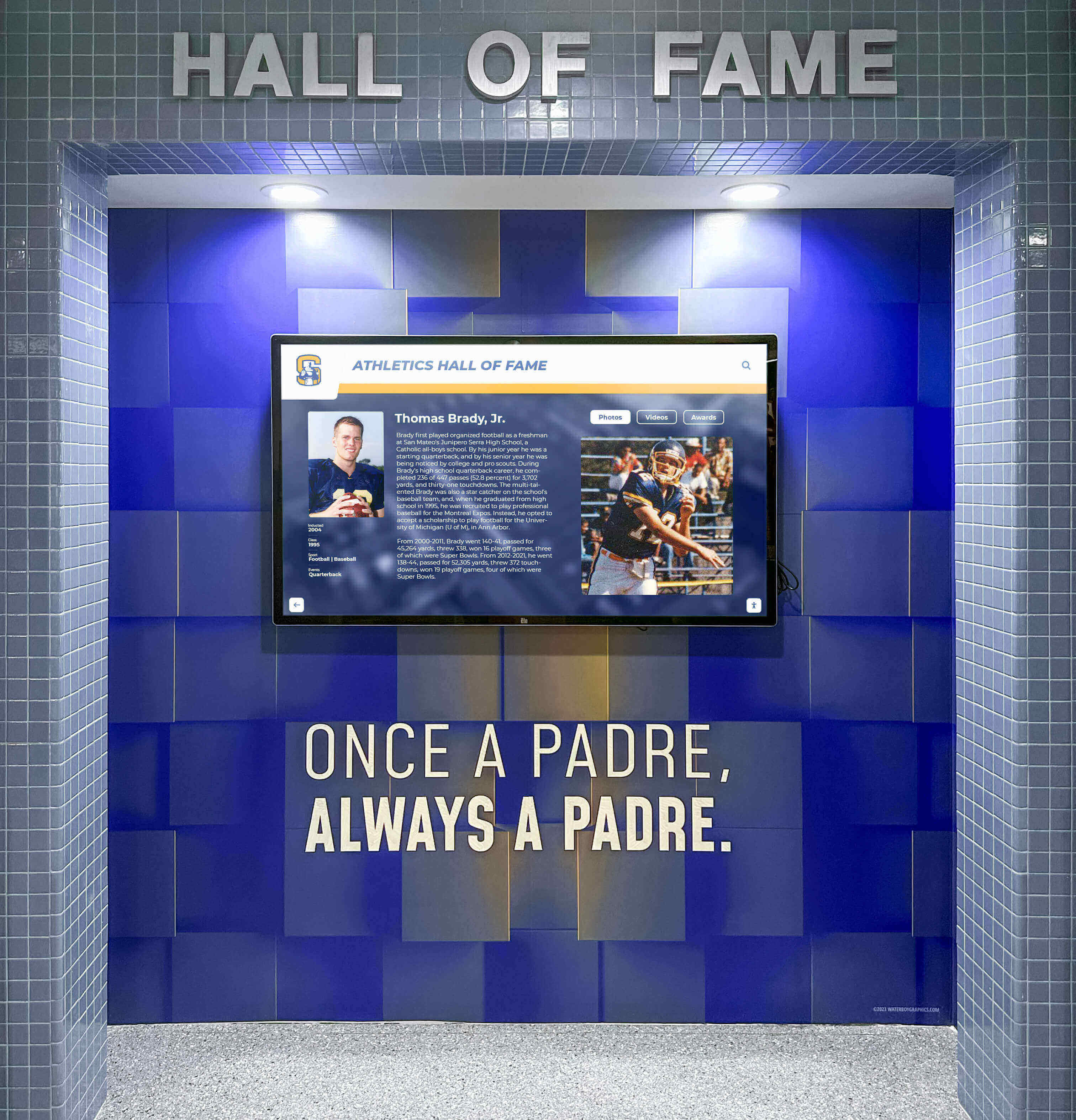
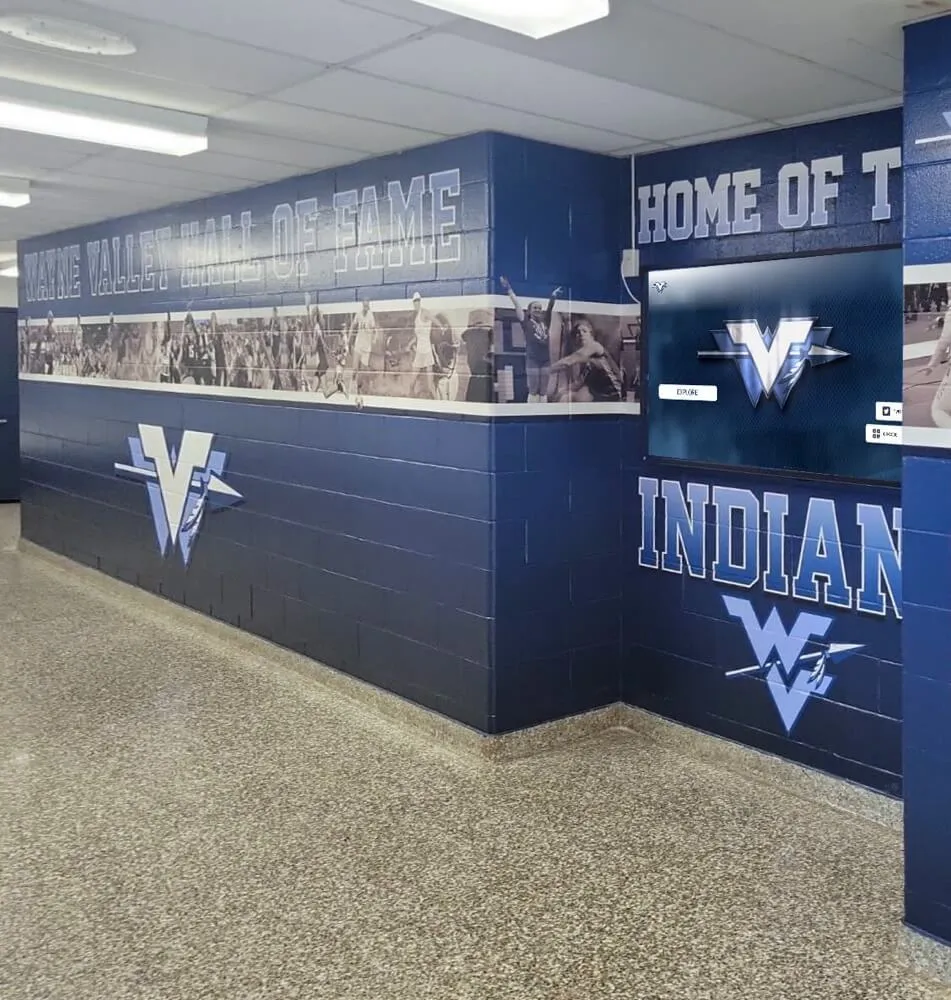
Wall-mounted installations facilitate cleaning and infection control protocols
Visible Hygiene Measures
Making cleanliness visible to patients and families builds trust including prominent cleaning supply stations near touchscreens, clear signage indicating cleaning schedules and protocols, visual cleanliness indicators showing last cleaning time, hand sanitizer dispensers adjacent to touchscreens, and staff uniforms or identification clearly marking cleaning personnel.
These visible measures reassure families that facilities take infection control seriously while encouraging patient hand hygiene before and after touchscreen use.
Technical Maintenance and Support
Reliable operation requires ongoing technical management including software updates maintaining security and functionality, content updates ensuring fresh, engaging material, hardware inspection identifying wear or damage requiring attention, troubleshooting protocols addressing malfunctions quickly, vendor support relationships ensuring rapid assistance when needed, backup systems providing continuity during repairs, and replacement planning budgeting for eventual hardware lifecycle replacement.
Many healthcare facilities establish service contracts with technology providers ensuring priority support, regular maintenance visits, and rapid response when systems malfunction—critical for maintaining therapeutic environments where technology downtime eliminates valuable patient support resources.
Staff Training and Integration
Successful touchscreen programs require staff engagement and understanding including orientation training teaching all patient-facing staff about touchscreen purposes and operation, child life specialist integration ensuring specialists understand capabilities and can incorporate technology into therapeutic interventions, maintenance staff training covering cleaning protocols and basic troubleshooting, family education materials helping parents understand system benefits and appropriate use, and feedback mechanisms enabling staff to report issues, suggest improvements, or identify popular content.
When staff understand touchscreen systems as therapeutic tools rather than mere entertainment, they become active advocates encouraging appropriate patient use and integrating technology into broader care strategies.
Discover approaches to training staff on interactive displays applicable across institutional settings.
Special Considerations for Different Healthcare Settings
Touchscreen implementation varies based on specific healthcare facility types and patient populations:
Children’s Hospital Inpatient Units
Hospitalized children face extended stays requiring different technology approaches than outpatient visitors including bedside entertainment systems providing in-room access, mobile cart-based touchscreens moving between rooms, playroom installations serving ambulatory patients, hallway displays creating engagement during ambulation, and age-segregated content for pediatric versus adolescent units.
Long-stay patients particularly benefit from content variety, regular updates, and achievement systems tracking progress across extended periods rather than single-visit entertainment.
Specialty Clinics and Outpatient Centers
Outpatient facilities serve brief visits requiring quick-engagement options including waiting room installations providing 5-20 minute engagement, specialty-specific educational content addressing particular conditions treated, multilingual options for diverse patient populations, family-friendly content engaging siblings and parents, and minimal-instruction interfaces accommodating first-time users.
Outpatient settings benefit from immediately engaging content requiring no tutorial or learning curve since patients may use systems only once or infrequently.
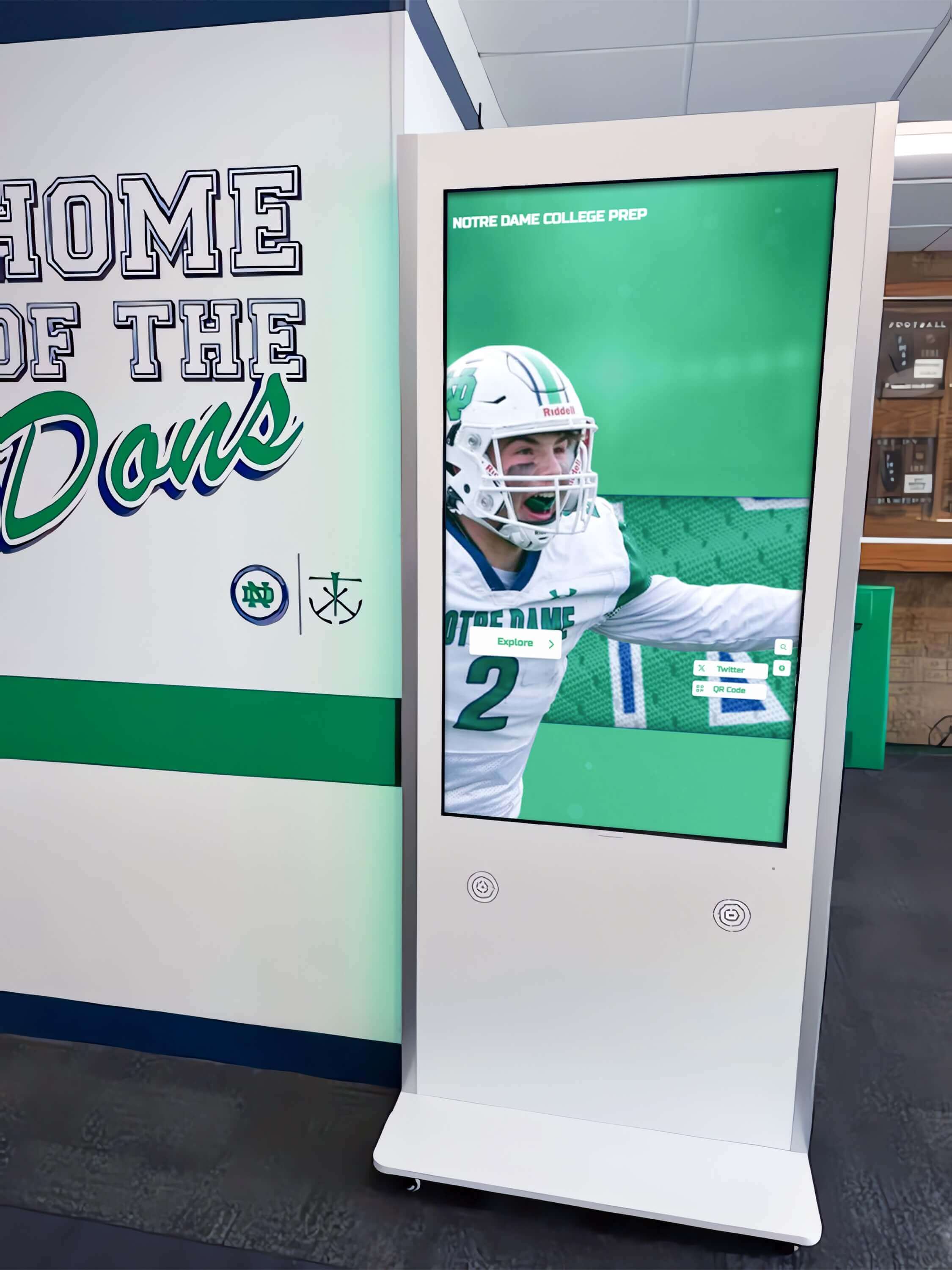
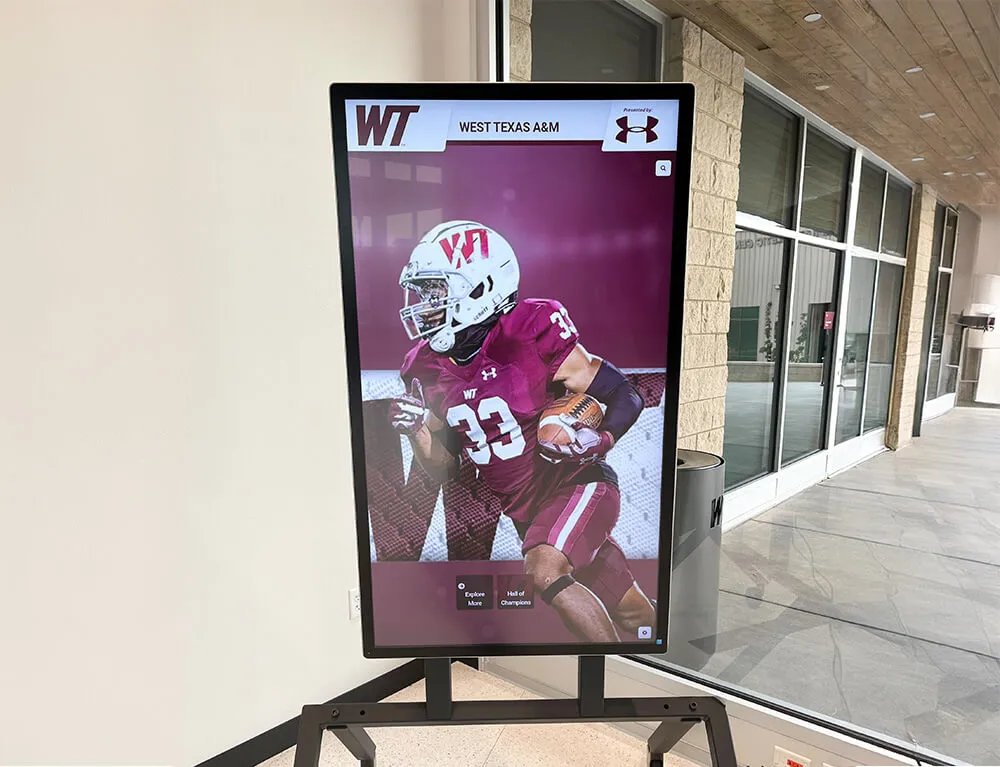
Kiosk installations provide self-contained systems suitable for diverse facility types
Emergency Department Pediatric Areas
Emergency departments present unique challenges including high-stress environments requiring calming content, unpredictable patient flow and rapid turnover, acute illness or injury creating specific patient needs, family crisis situations requiring sensitive approaches, and security considerations in public-access areas.
Emergency department touchscreens particularly benefit from immediately calming content, simple interfaces requiring minimal parent involvement, and strategic placement visible from triage or reception areas where anxious families wait.
Dental and Specialty Practices
Pediatric dental practices and specialty clinics face specific considerations including limited space in private practice settings, budget constraints compared to hospital systems, specific procedure-related anxiety like dental fear, practice-specific branding opportunities, and smaller patient volumes allowing more personalized approaches.
Smaller practices may benefit from tablet-based systems or smaller touchscreen installations rather than large-format displays, while maintaining healthcare-grade durability and cleanability standards.
Emerging Technologies and Future Directions
Interactive technology in pediatric healthcare continues evolving with emerging capabilities creating new therapeutic opportunities:
Virtual Reality and Immersive Experiences
Advanced healthcare facilities increasingly implement virtual reality (VR) systems providing deeply immersive distraction during procedures. The Children’s Hospital Association reports that several leading pediatric facilities now offer VR-equipped infusion rooms where children receiving chemotherapy can explore virtual environments like outer space or underwater adventures through floor-to-ceiling projections and interactive elements.
These immersive experiences provide even more powerful distraction than traditional touchscreens while maintaining the hygiene advantages of non-handheld, easily cleaned surfaces.
Artificial Intelligence and Personalization
Emerging platforms incorporate artificial intelligence enabling personalized content recommendations based on age, previous interactions, and engagement patterns, adaptive difficulty adjusting games to individual patient skill levels, emotional state recognition suggesting calming versus energizing content, natural language interaction allowing conversational interfaces for older children and teens, and outcomes tracking measuring anxiety reduction and engagement effectiveness.
AI-powered systems could eventually provide child life specialists with data-informed insights identifying which interventions most effectively reduce anxiety for different patient populations, demographics, or procedure types.
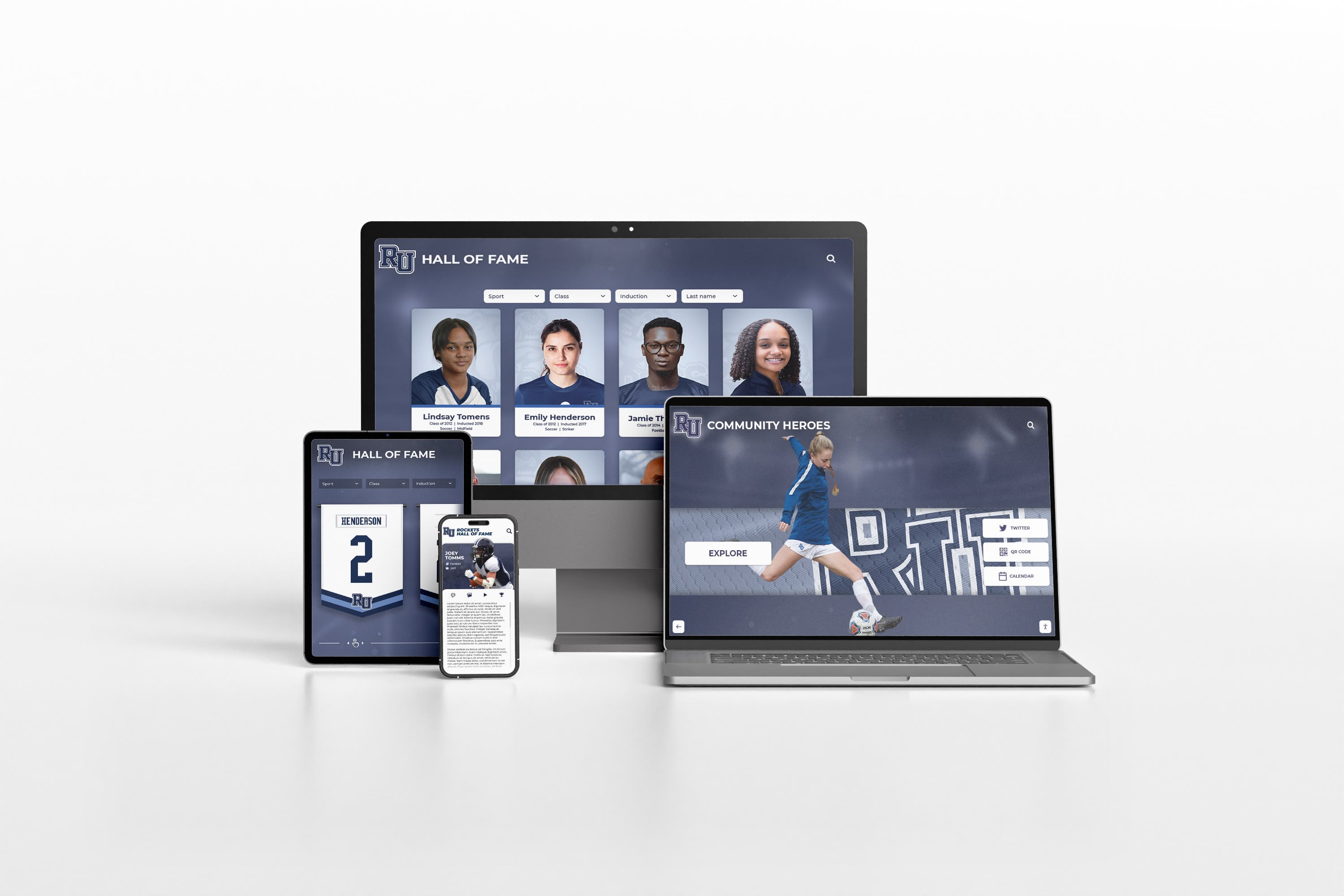
Modern platforms provide consistent experiences across display sizes and form factors
Biofeedback and Therapeutic Gaming
Cutting-edge applications integrate biofeedback sensors enabling heart rate monitoring with games responding to patient stress levels, breathing exercises incorporated into gameplay mechanics, progressive muscle relaxation gamified through interactive challenges, mindfulness training delivered through engaging applications, and therapeutic outcomes measurement tracking physiological anxiety reduction.
These therapeutic gaming applications blur the line between medical intervention and entertainment, transforming touchscreens into active treatment components rather than passive distraction tools.
Telehealth Integration
Post-pandemic, children’s hospitals increasingly incorporate telehealth capabilities that touchscreen systems could support including virtual visit kiosks enabling remote consultations, pre-visit intake reducing in-person administrative time, educational content delivery extending beyond physical visits, follow-up engagement maintaining patient connection between appointments, and family support access connecting to resources and specialists remotely.
Integrated touchscreen systems could eventually serve multiple functions spanning entertainment, education, clinical care, and family support through unified platforms.
Learn about future trends in interactive displays across institutional applications.
Beyond Entertainment: Comprehensive Healing Environments
While this guide focuses on touchscreen games, these systems represent one element of comprehensive healing environment strategies that forward-thinking children’s hospitals implement:
Multi-Modal Environmental Design
Effective pediatric healing environments combine interactive technology with nature-inspired design incorporating plants, natural light, and outdoor views, therapeutic artwork with calming colors and child-friendly imagery, thoughtful wayfinding reducing stress through clear navigation, comfortable furnishings creating homelike rather than clinical atmospheres, and sensory considerations addressing lighting, sound, temperature, and smell.
Interactive touchscreens integrated into these comprehensive environments provide technological engagement within broader stress-reduction strategies addressing multiple environmental factors simultaneously.
Family-Centered Care Integration
Touchscreen systems support family-centered care principles including parent-child interaction opportunities through multiplayer games, family education materials helping parents support children effectively, sibling engagement addressing brothers’ and sisters’ needs, waiting time management reducing family stress during extended appointments, and positive memory creation replacing frightening healthcare memories with engaging experiences.
Healthcare facilities should position touchscreens as family resources rather than child-only entertainment, encouraging parent participation and shared positive experiences during otherwise stressful healthcare encounters.
Community and Donor Engagement
Some healthcare facilities leverage touchscreen installations for donor recognition and community engagement including named sponsorship opportunities for touchscreen systems or content, donor recognition displays celebrating philanthropic support, success stories showcasing positive patient experiences, community partnerships with local organizations supporting content or programs, and fundraising opportunities generating support for child life programs and facility improvements.
Solutions like Rocket Alumni Solutions provide platforms that can integrate donor recognition with interactive engagement, enabling healthcare facilities to honor supporters while providing therapeutic technology for patients—creating meaningful connections between philanthropic investment and tangible patient benefits.
Explore approaches to donor recognition in healthcare settings that balance appreciation with patient-centered design.
Measuring Impact and Demonstrating Value
Healthcare administrators require evidence demonstrating that touchscreen investment produces meaningful returns justifying capital allocation and ongoing operational support:
Quantitative Success Metrics
Measurable indicators reveal touchscreen program effectiveness including patient satisfaction scores comparing pre- and post-implementation surveys, anxiety assessment data using validated pediatric anxiety scales, procedure cooperation rates tracking behavioral compliance, length-of-stay metrics in waiting areas, parent satisfaction surveys measuring family experience, and child life specialist assessments documenting therapeutic value.
Many children’s hospitals report measurable improvements in patient satisfaction scores following touchscreen installation, with some facilities documenting 15-25% increases in family-reported positive experiences.
Qualitative Impact Evidence
Non-numerical insights complement quantitative data including child life specialist observations documenting behavior changes and anxiety reduction, staff feedback regarding patient management and waiting room atmosphere, family feedback describing experiences, patient comments and reactions during use, and clinical staff input noting procedural cooperation improvements.
Qualitative evidence often proves particularly compelling for administrators and board members who respond to stories and examples illustrating human impact beyond statistical measures.
Return on Investment Considerations
Healthcare facilities should assess touchscreen value across multiple dimensions including patient satisfaction impact affecting reputation and referral patterns, staff efficiency gains when calmer patients require less crisis management, competitive positioning as family-friendly environments, philanthropic opportunities generating donor investment, outcomes improvement through reduced anxiety affecting physiological stress responses, and community reputation building positive institutional relationships.
While direct financial ROI may be difficult to calculate, broader institutional value often justifies investment through multiple indirect pathways affecting facility success and sustainability.
Conclusion: Transforming Pediatric Healthcare Through Thoughtful Technology
Children’s hospitals serve vulnerable populations facing stressful, often frightening medical experiences during critical developmental periods when negative encounters can create lasting psychological impacts affecting health behaviors and wellbeing for years beyond individual healthcare episodes. Every child who cries through a vaccination, struggles through a blood draw, or faces surgery with overwhelming anxiety deserves environments that minimize suffering, maximize cooperation, and create positive associations with the healthcare that protects and promotes lifelong wellness.
Traditional waiting rooms with worn magazines, outdated toys, and sterile institutional atmospheres fail these children and families. Static environments cannot adapt to diverse ages, developmental levels, or individual needs. Shared physical toys create infection control challenges and hygiene concerns particularly problematic for medically vulnerable populations. Bare, unwelcoming spaces communicate institutional indifference to patient experience rather than commitment to comprehensive healing addressing psychological alongside physiological needs.
Touchscreen games and interactive digital displays represent powerful tools transforming children’s hospitals into healing environments that reduce anxiety and stress through engaging distraction, support diverse age groups with adaptable content, maintain superior hygiene through easily cleaned surfaces, provide therapeutic play opportunities advancing child life objectives, educate patients about health and wellness, and create positive healthcare memories replacing fear with engagement and mastery.
Successful implementation requires systematic planning addressing appropriate technology selection matching healthcare requirements, strategic placement maximizing patient access and engagement, thoughtful content curation ensuring age-appropriate therapeutic value, rigorous maintenance protocols maintaining hygiene and functionality, and staff integration ensuring child life specialists and clinical teams leverage technology effectively.
Create Healing Environments in Your Healthcare Facility
Discover how solutions like Rocket Alumni Solutions provide interactive display platforms that can be adapted for healthcare settings, creating engaging experiences that support patient wellbeing while honoring donors and community supporters who make therapeutic environments possible.
Explore Interactive SolutionsYour pediatric patients deserve healthcare environments that minimize trauma while maximizing comfort, cooperation, and positive outcomes. Modern touchscreen technology finally makes comprehensive therapeutic entertainment practical, hygienic, and sustainable—ensuring every child encounters welcoming, engaging spaces rather than frightening institutional environments during vulnerable healthcare experiences.
Whether implementing first interactive systems or enhancing existing approaches, thoughtful technology integration transforms what’s possible in pediatric care. Every distracted child who forgets to fear an injection, every calmer family spending stressful waiting periods engaged rather than anxious, and every positive healthcare memory replacing potential trauma represents meaningful impact justifying investment in healing environments that honor children’s developmental needs alongside their medical requirements.
Children’s hospitals that prioritize comprehensive healing environments—combining excellent clinical care with thoughtful attention to psychological comfort, family support, and child-friendly design—create competitive advantages attracting patients and families while supporting clinical outcomes and institutional missions. Interactive touchscreen systems provide accessible, practical tools enabling these transformations within realistic budget constraints and operational parameters.
The children and families your facility serves deserve nothing less than environments demonstrating that healthcare providers value complete patient wellbeing—physical, psychological, and emotional. Start transforming your pediatric spaces today. Your patients, families, and staff will experience the difference that thoughtful, therapeutic technology creates in the critical work of healing vulnerable children.