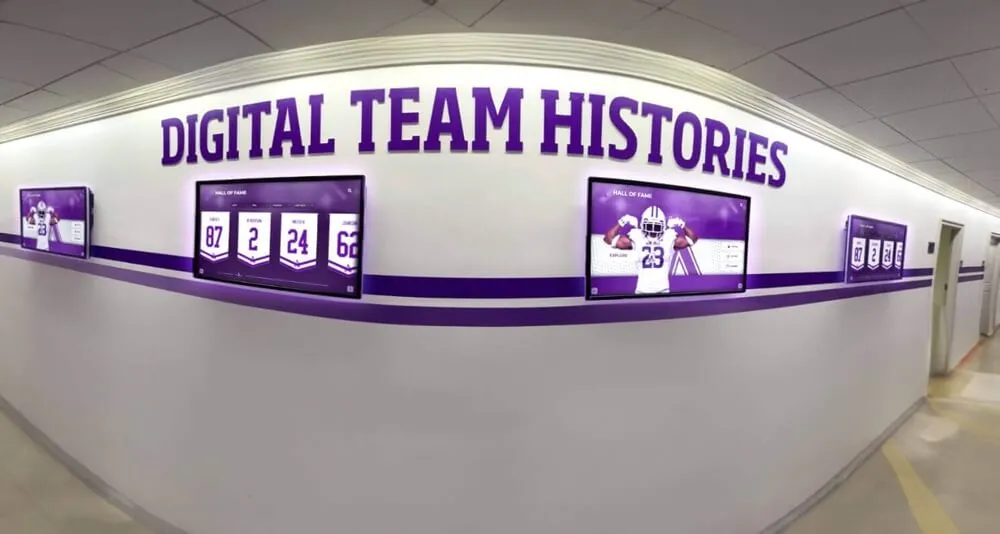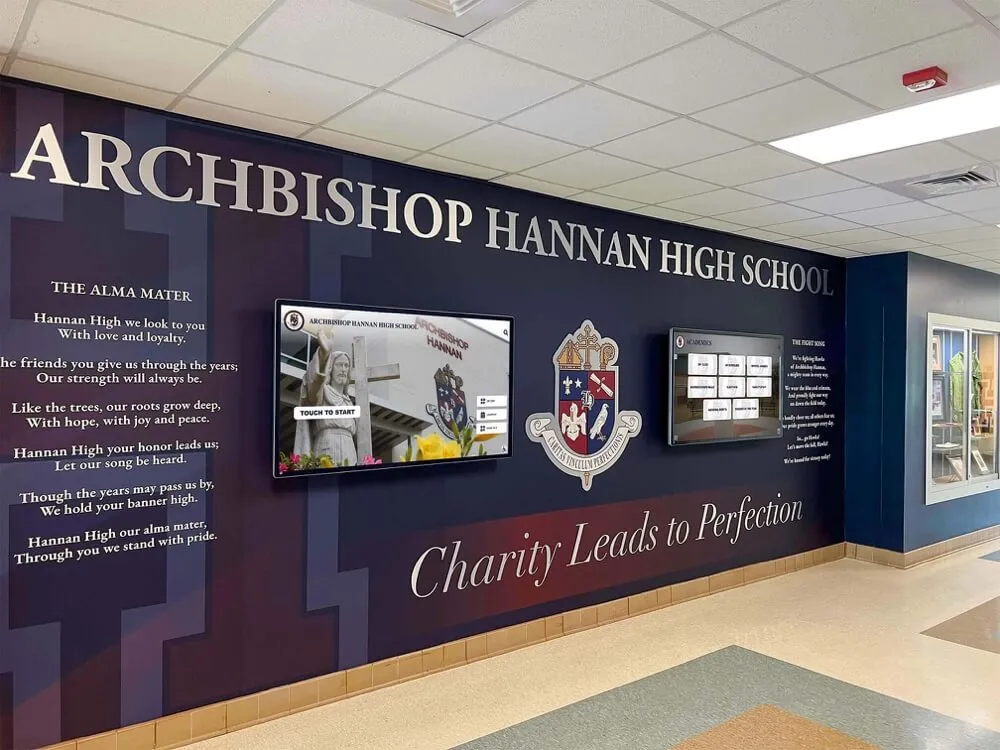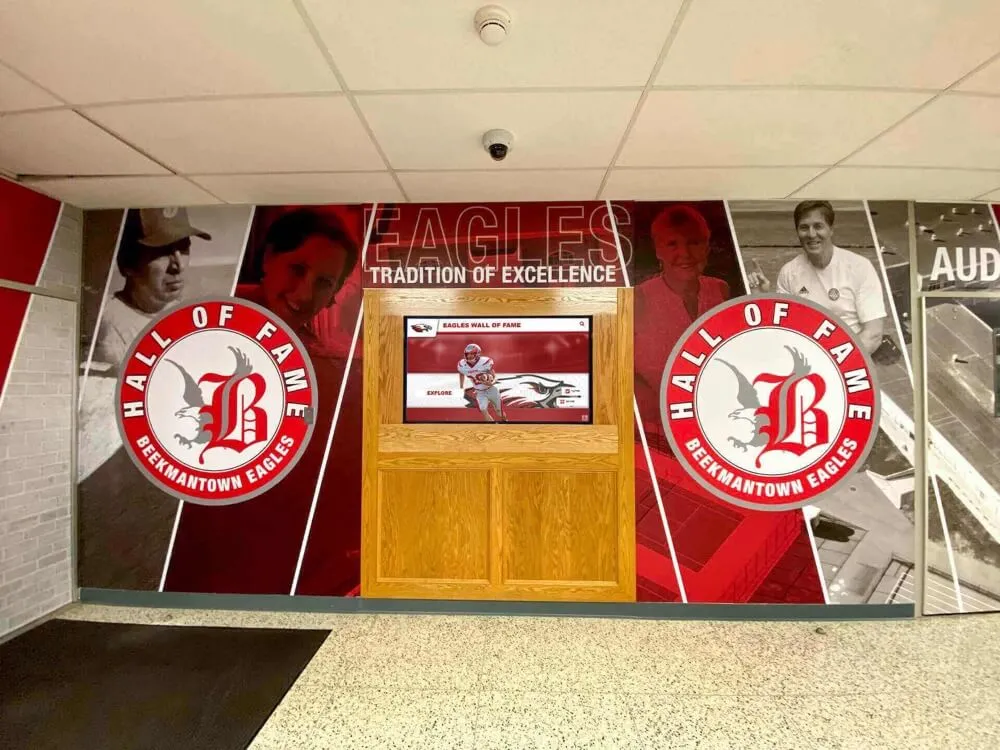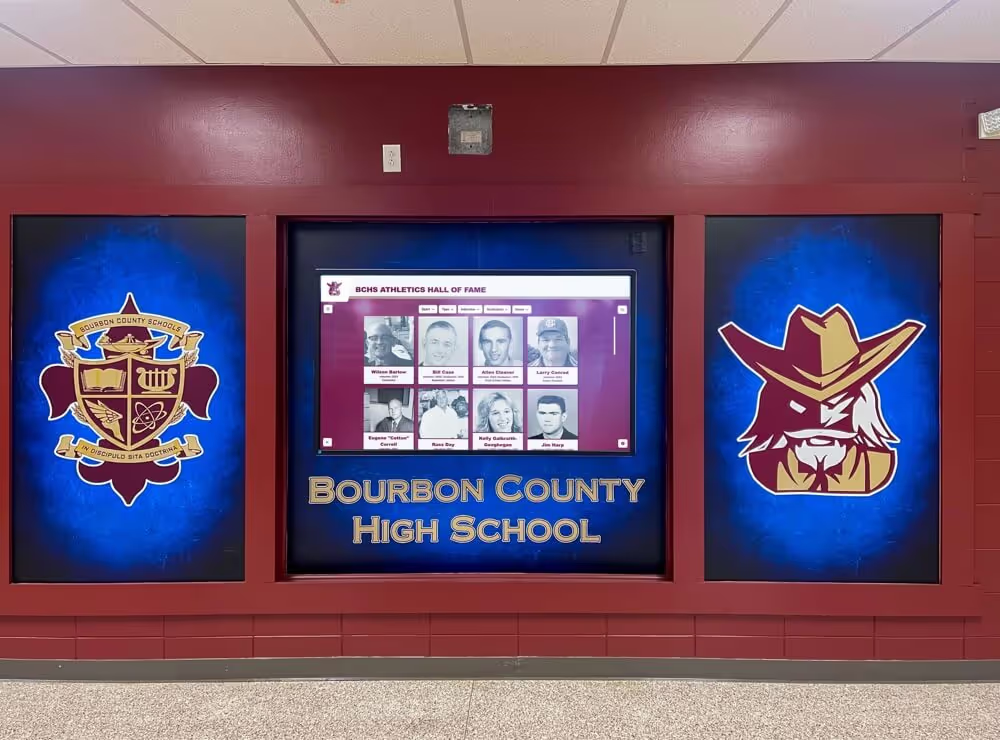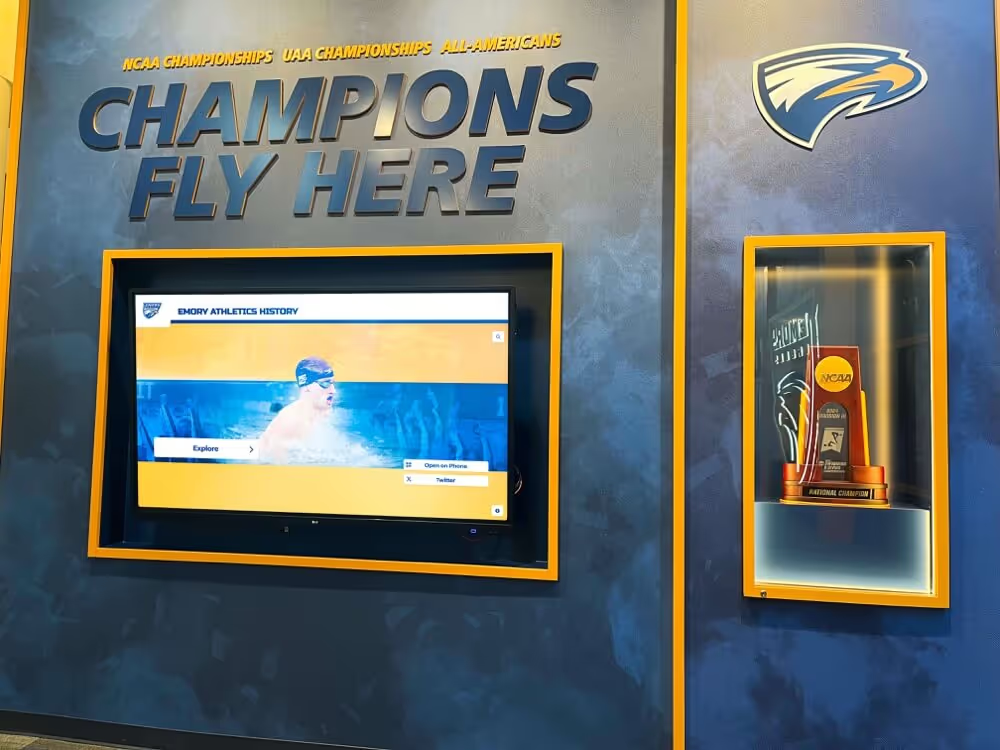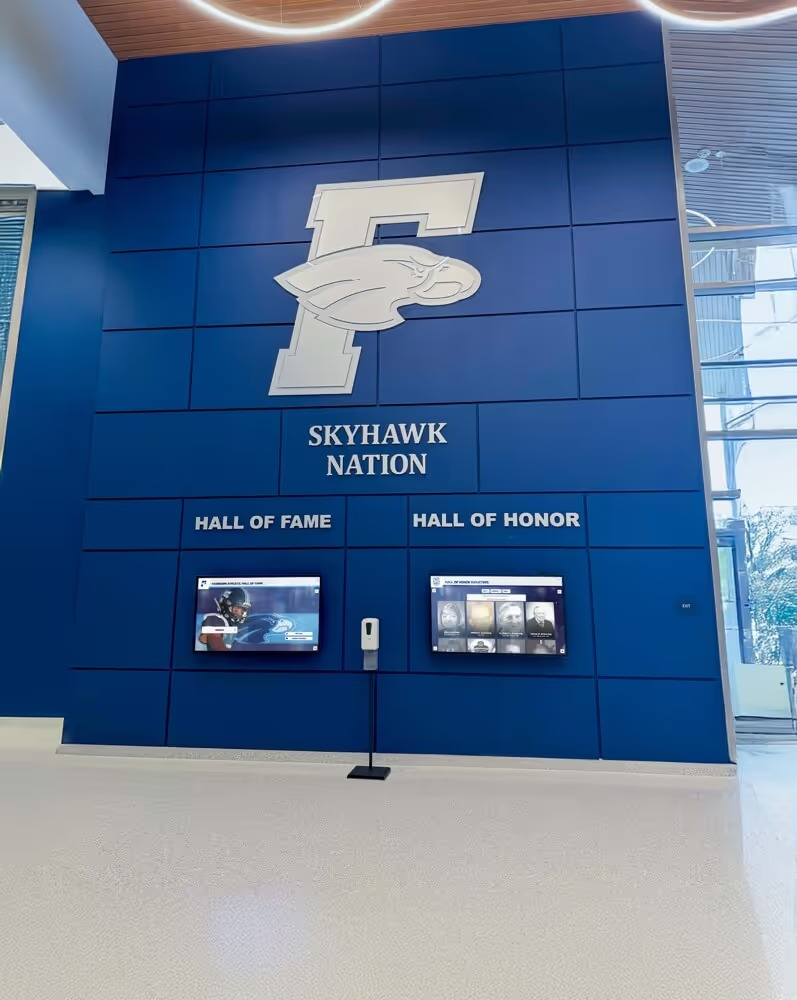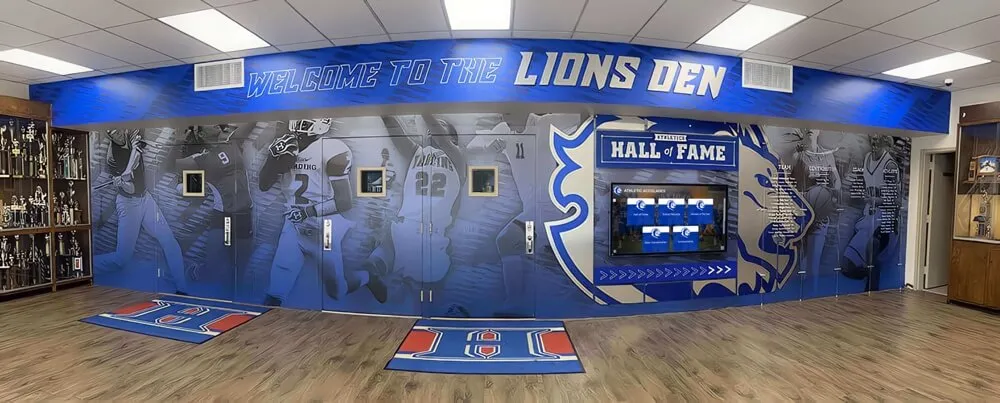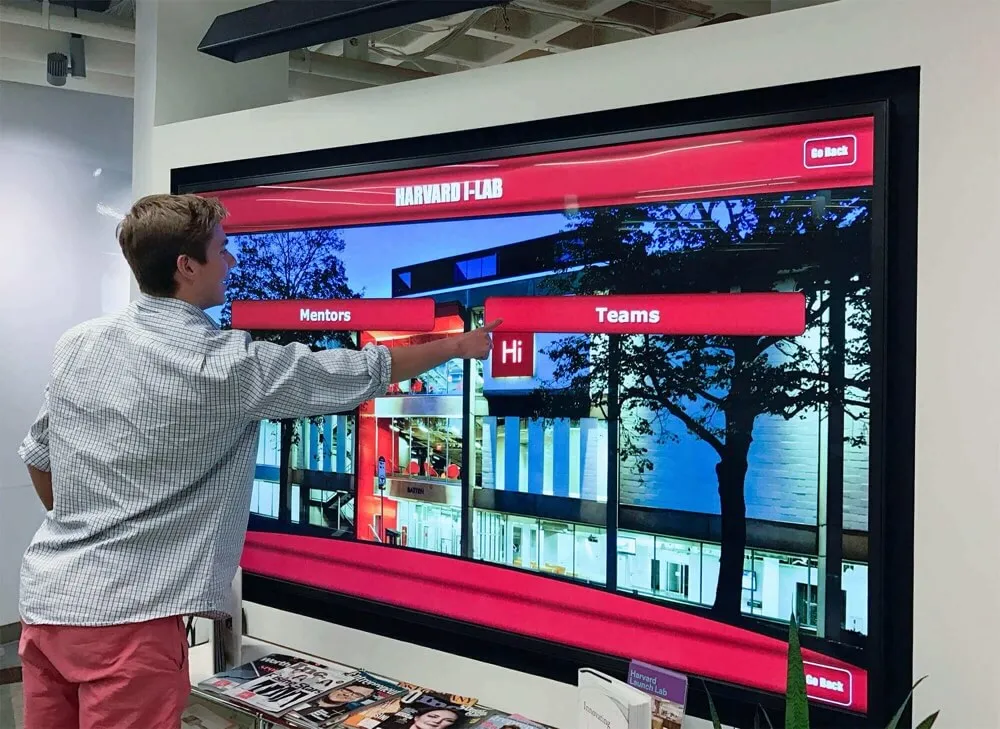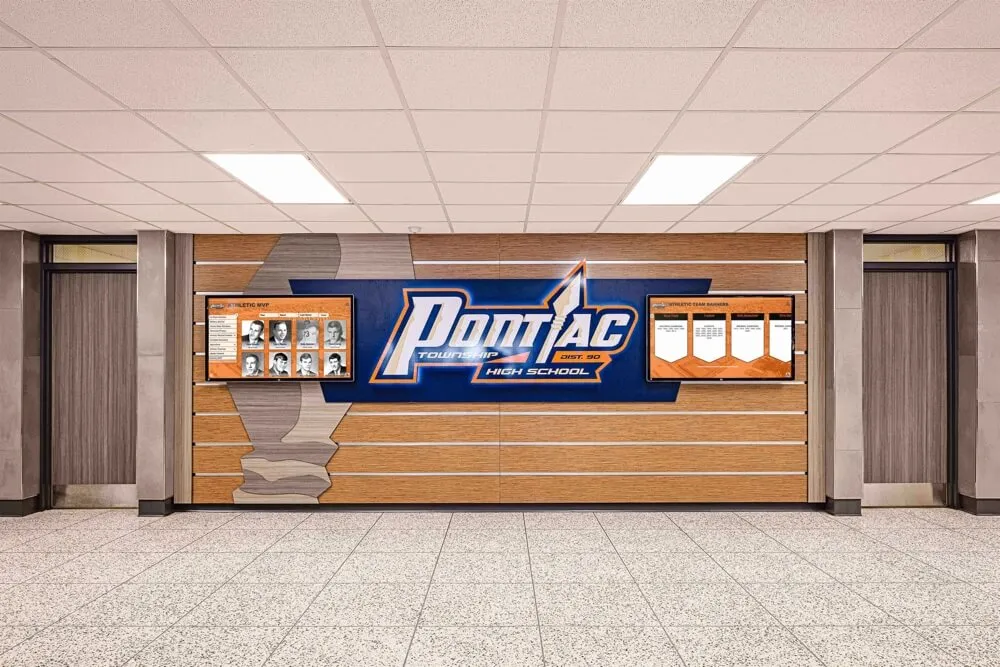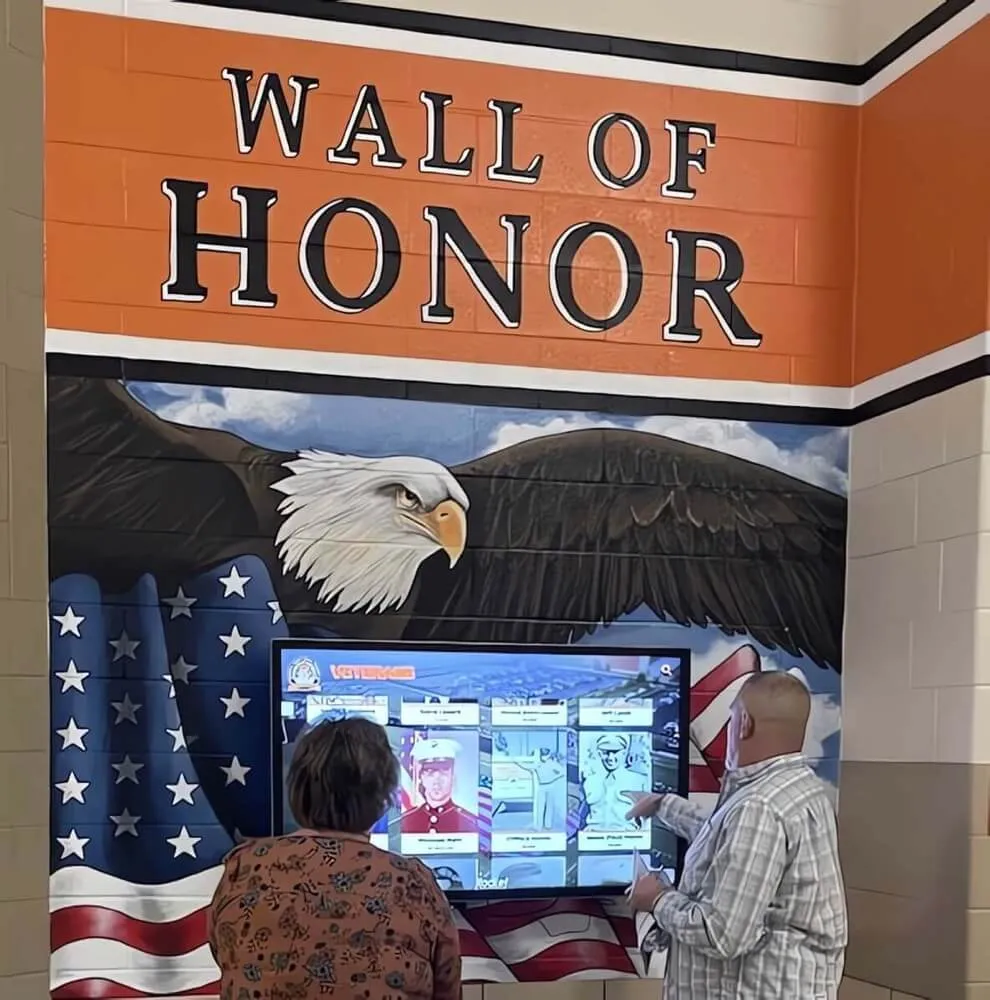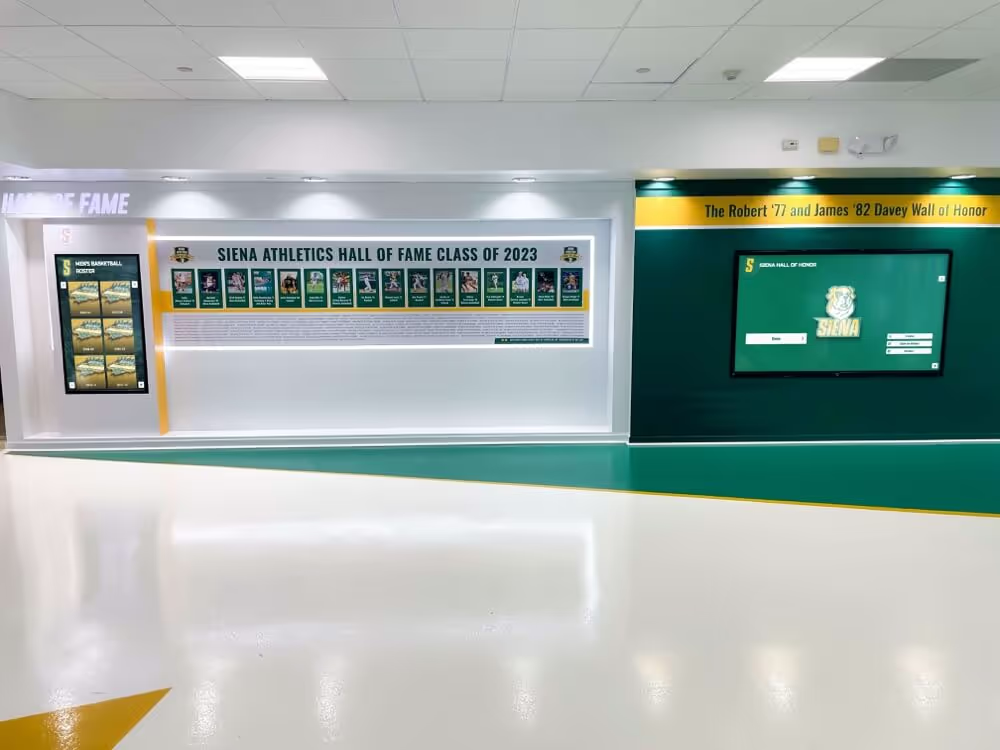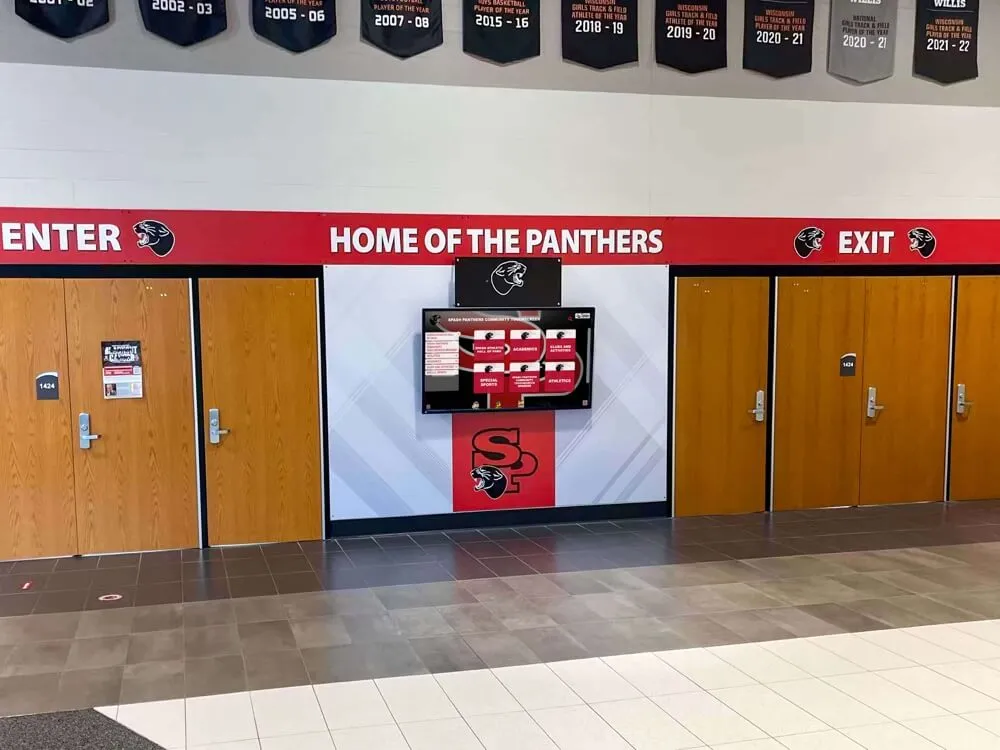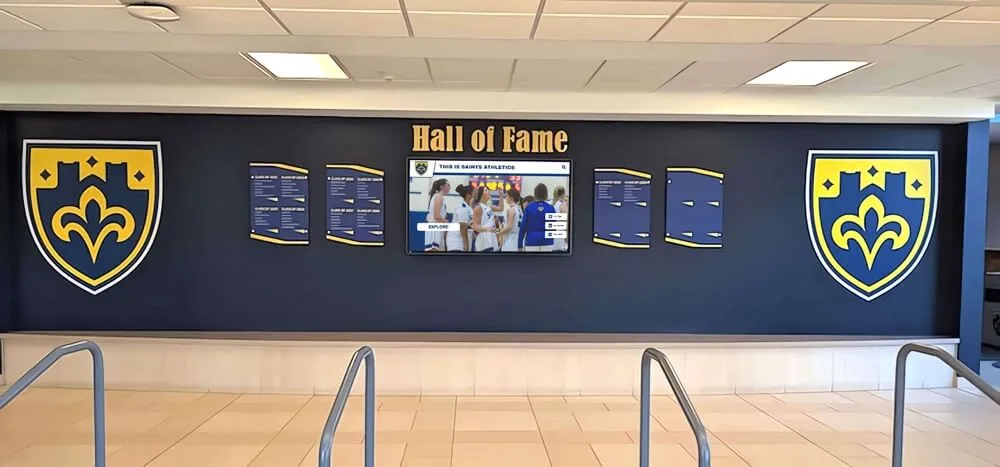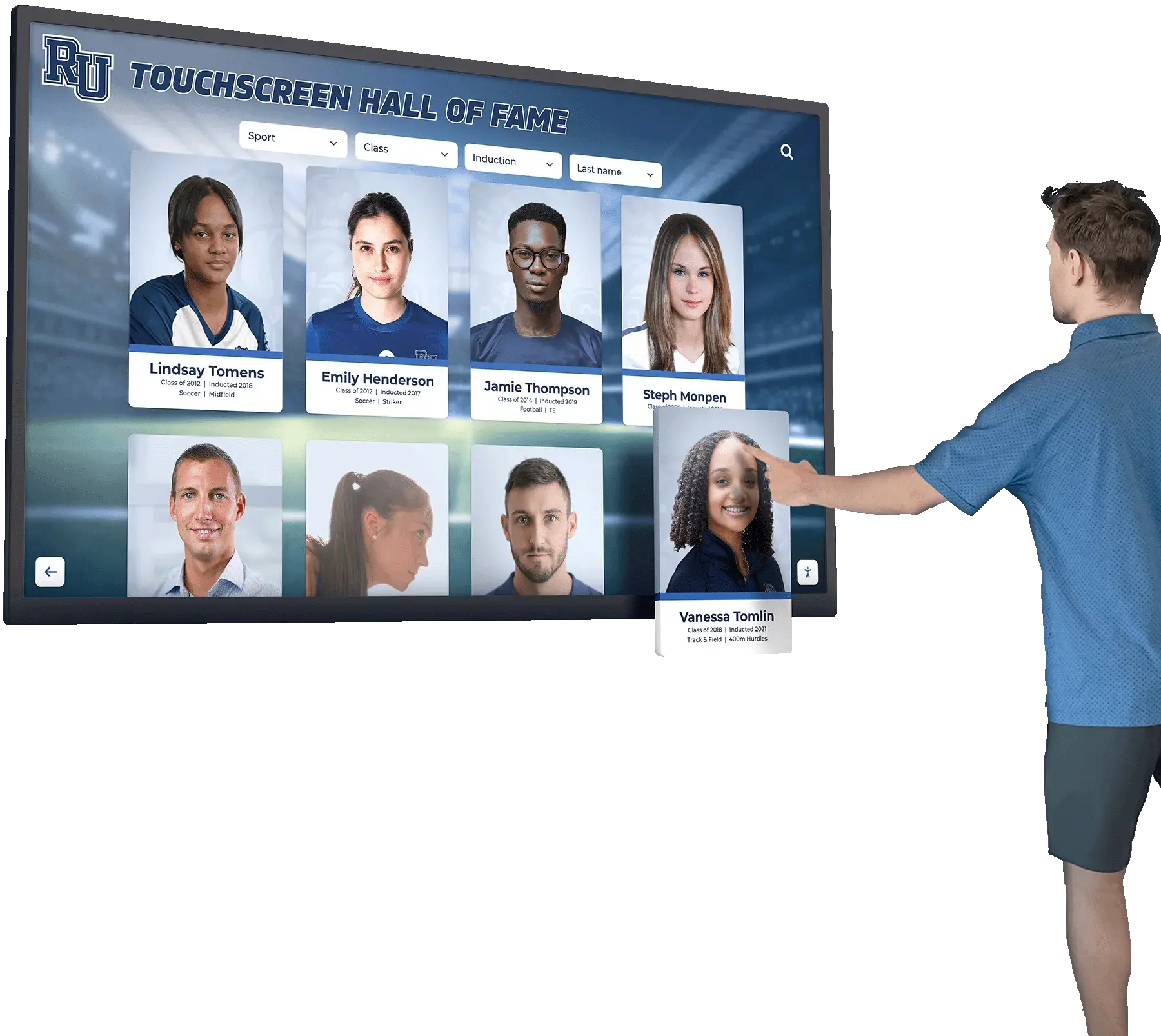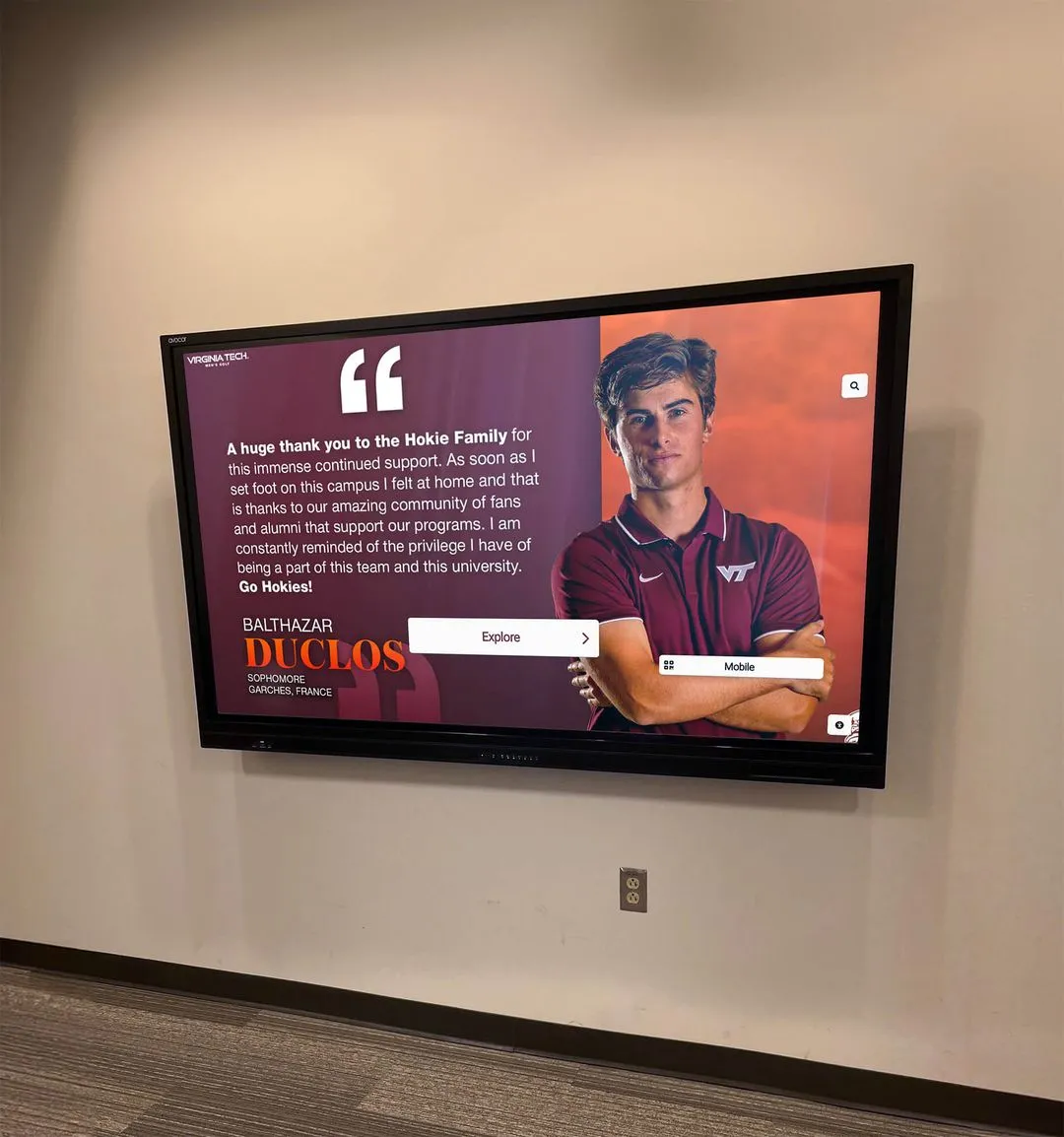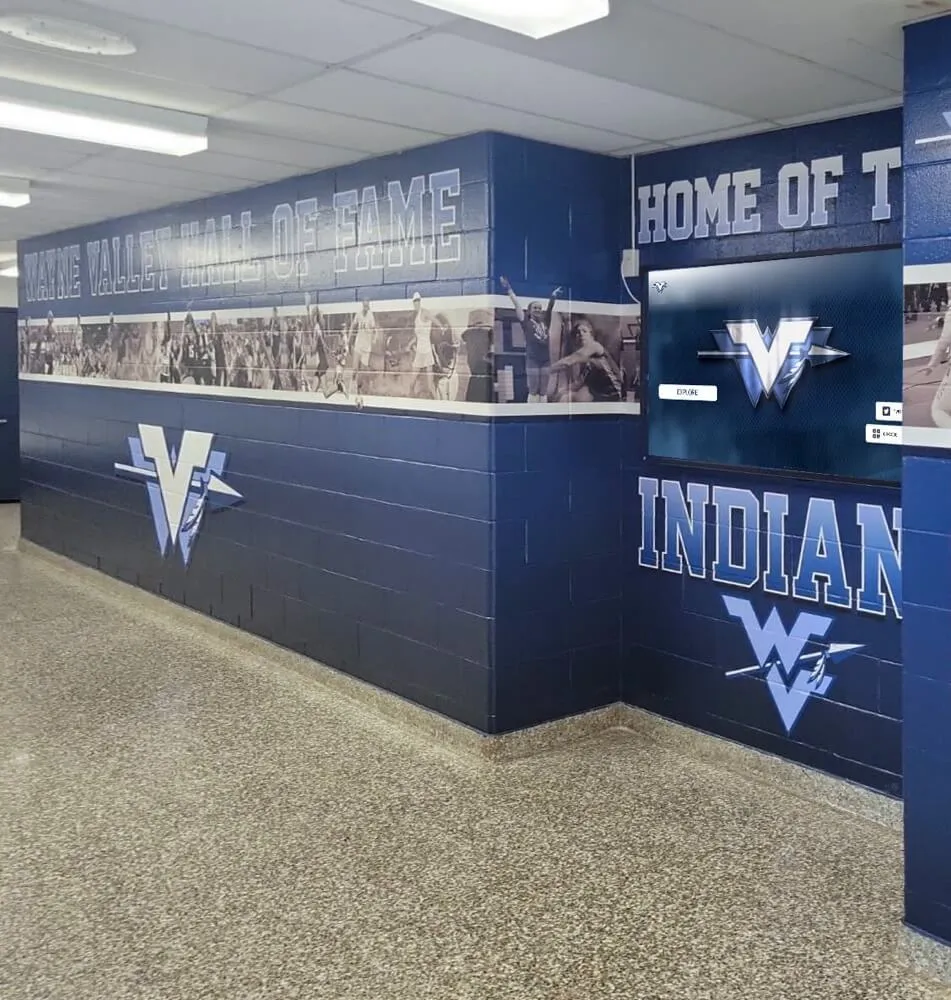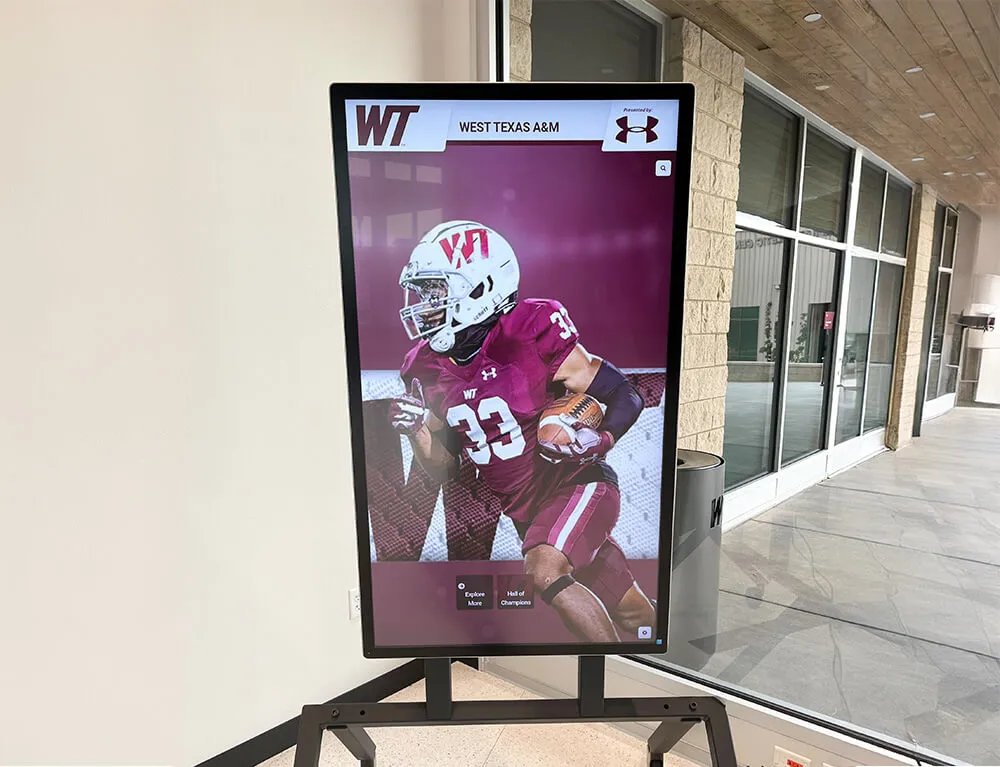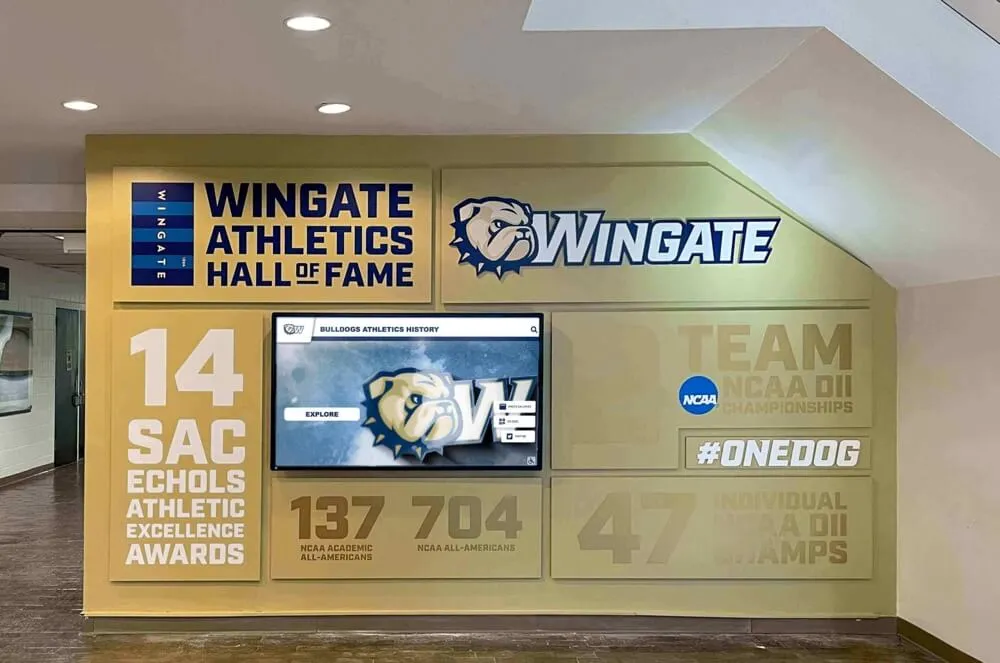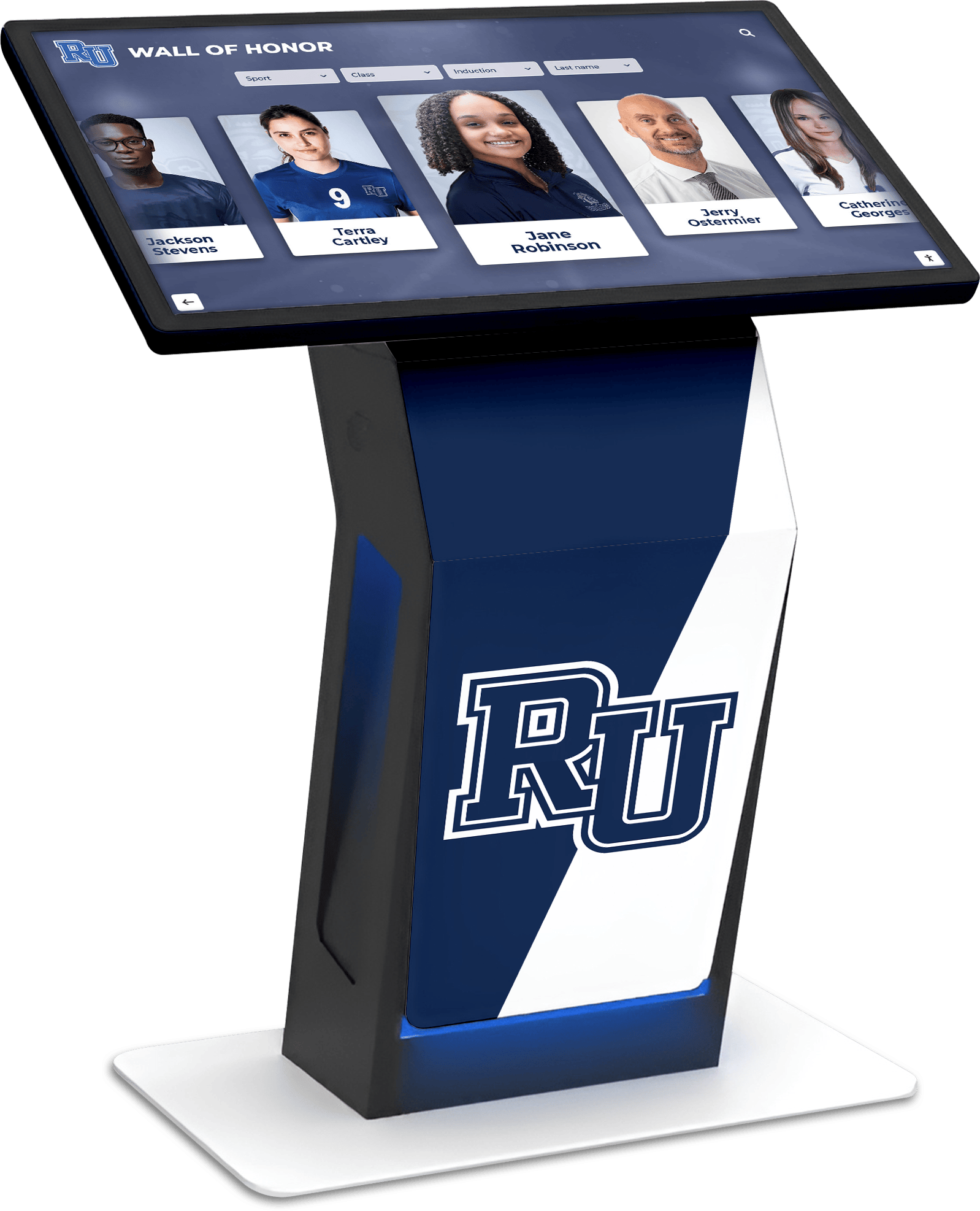
Schools researching turnkey digital hall of fame displays face a challenging market where pricing remains opaque, service packages vary dramatically across providers, and understanding what “turnkey” actually includes requires navigating confusing proposals that often hide costs in fine print or bury essential services under vague umbrella terms. Yet making the wrong choice means committing years of budget to systems that demand unexpected ongoing payments, require technical expertise your staff doesn’t possess, or deliver hardware without the content development and training support that converts empty screens into meaningful recognition experiences.
The difference between digital recognition displays that become valued institutional assets and those that remain underutilized lobby fixtures gathering dust comes down to comprehensive implementation support—professional content migration from existing trophy cases and plaques, staff training enabling confident content updates, accessible content management systems non-technical users can operate, and responsive ongoing support when questions arise. Schools need transparent pricing information that clarifies what turnkey packages include, which services require additional investment, and how different vendors structure their offerings to make informed decisions aligned with budget realities and institutional needs.
This guide examines turnkey digital hall of fame display pricing structures, content setup expectations, training requirements, and vendor comparison frameworks that help schools evaluate proposals from providers including Rocket Alumni Solutions, TouchHallOfFame.us, Chase McKee, HallOfFameWall.com, TouchWall.us, and others while understanding true total cost of ownership beyond initial purchase prices.
Understanding “Turnkey” in Digital Hall of Fame Context
Before examining specific pricing structures, schools must understand what “turnkey” means within digital recognition contexts—and recognize that this term’s definition varies significantly across vendors, creating comparison challenges that complicate procurement decisions.
True Turnkey Definition: In ideal circumstances, turnkey digital hall of fame solutions include everything required to move from signed contract to functioning display without requiring institutional staff to perform technical implementation, content creation, or system configuration. This encompasses hardware procurement and delivery, professional installation including mounting and electrical work, network configuration, software licensing, initial content development and migration, staff training, and ongoing support infrastructure.
Partial Turnkey Approaches: Many vendors market “turnkey” solutions that actually require schools to provide significant implementation labor—digitizing physical plaque information, photographing individuals, formatting content according to specific templates, or managing installation coordination. These partial approaches reduce vendor costs but transfer work to already-stretched school staff who lack time, technical expertise, or clear guidance about requirements.
Hardware-Only Models: Some providers sell hardware and software separately from implementation services, expecting schools to handle content creation and system setup internally or hire third-party support. While this approach offers maximum flexibility and potentially lower upfront costs, it rarely qualifies as genuinely turnkey and often results in incomplete implementations where displays never achieve their full potential because no one assumes responsibility for comprehensive content development.
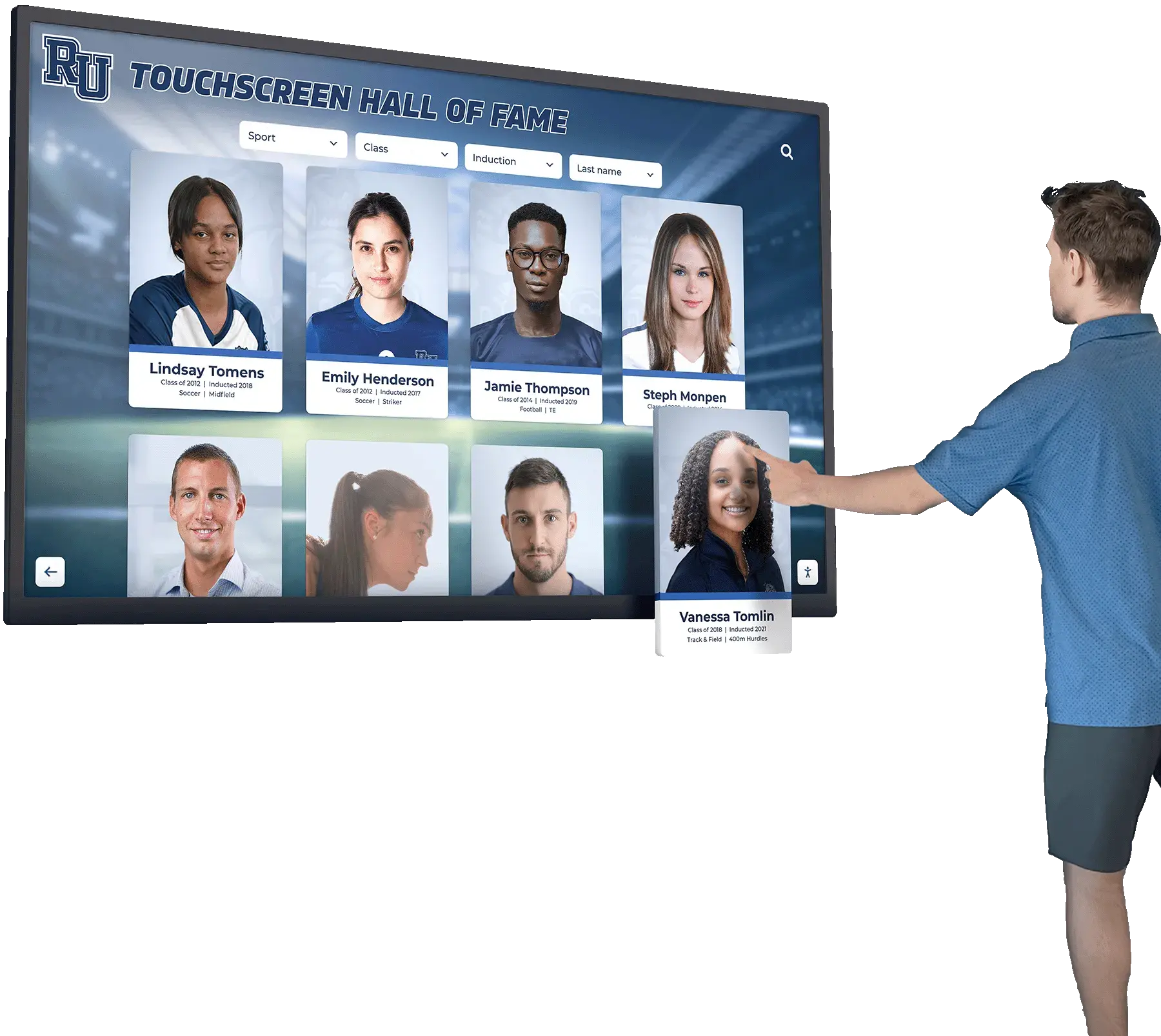
Service-Inclusive Platforms: Comprehensive turnkey vendors bundle all necessary services—installation, content creation, training, and support—within published pricing rather than itemizing each component separately. This approach provides pricing predictability and ensures vendors remain accountable for complete implementation success rather than deflecting responsibility when schools struggle with components the vendor excluded from base packages.
When evaluating proposals, schools should explicitly document which services each vendor’s “turnkey” package includes, which require additional payment, and which the vendor expects institutional staff to provide independently.
Typical Turnkey Digital Hall of Fame Pricing Components
Understanding how vendors structure pricing helps schools compare proposals accurately and identify hidden costs that emerge during implementation phases.
Hardware Costs
Hardware represents the most visible pricing component but varies dramatically based on display type, size, quality, and installation complexity:
Display Screens: Commercial-grade touchscreen displays suitable for continuous operation in high-traffic institutional environments typically cost $2,500-$8,000 per screen depending on size (32" to 75"), resolution, touch technology quality, and manufacturer reputation. Schools should expect displays rated for 50,000+ hours of operation with commercial warranties rather than consumer-grade televisions that fail within months in demanding environments.
Mounting Hardware: Professional mounting solutions including wall brackets, floor stands, or custom enclosures add $300-$2,500 depending on installation complexity. Permanent wall mounting represents the most cost-effective approach, while mobile floor stands offer flexibility at higher costs and protective enclosures required for unsecured public areas increase expenses significantly.
Computer Systems: Interactive displays require computing hardware running content management software. Options include integrated systems built into displays ($800-$2,000), separate media players ($400-$1,500), or cloud-based solutions requiring only minimal local hardware ($200-$500). Consider processing power needed for multimedia content, touch responsiveness, and future capability requirements when evaluating computer options.
Network Infrastructure: Professional installations include network connectivity enabling remote content management and software updates. This may require running new network cables ($200-$1,000+ depending on distance and building construction), wireless access points ($150-$500), or cellular data connections ($30-$80 monthly) for locations without existing network access.
Installation Services
Professional installation ensures displays function correctly from day one while protecting institutional liability through proper mounting, electrical work, and code compliance:
Physical Installation: Mounting displays, running cables, connecting power, and configuring network access typically costs $500-$2,500 per display depending on installation complexity, building challenges like concrete walls or limited electrical access, and local labor rates. Some vendors include basic installation in turnkey packages while others charge separately or expect schools to coordinate with local contractors.
Electrical Work: Displays require dedicated electrical circuits meeting local codes. Electrician costs vary by region but typically run $200-$800 per display for standard installations or higher for locations requiring extensive electrical upgrades. Many building codes require licensed electricians perform this work rather than allowing maintenance staff or volunteers to connect displays.
Permits and Inspections: Depending on jurisdiction, installations may require building permits and electrical inspections adding $100-$500 to project costs. Professional installers typically handle permit acquisition and coordinate inspections, while DIY approaches place this administrative burden on school staff unfamiliar with local requirements.
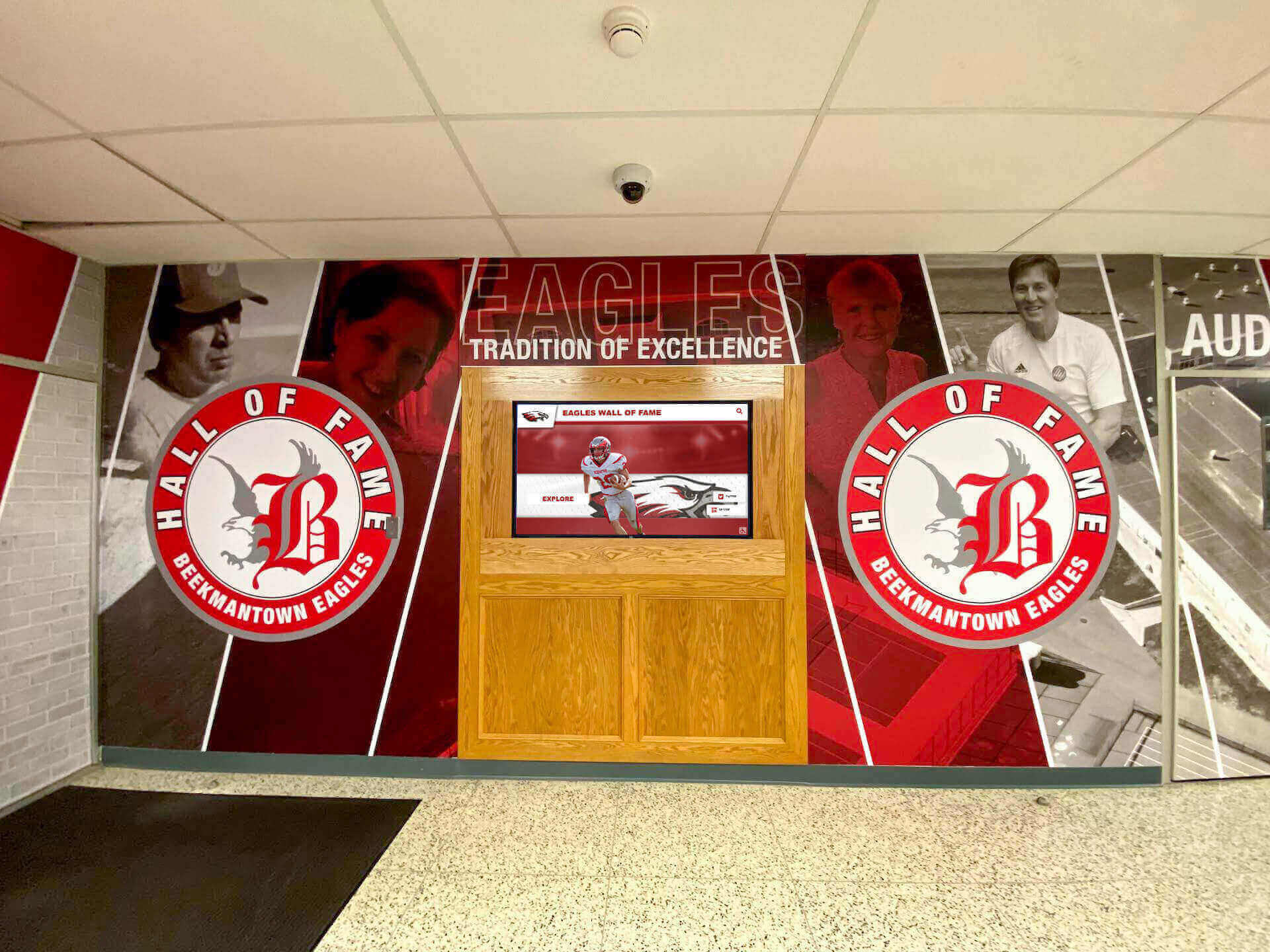
Site Preparation: Some installations require wall reinforcement, cable raceways, dedicated electrical panels, or aesthetic enhancements like surround frames and branded graphics. These site preparation costs vary dramatically based on institutional preferences and building conditions but can add $500-$5,000+ per location for comprehensive installations that create polished, finished appearances rather than displays that look hastily mounted to walls.
Schools evaluating turnkey installation options should clarify whether vendors include site assessment visits, coordinate with facilities teams, obtain necessary permits, and warranty their installation work separately from hardware warranties.
Content Development and Migration Services
Content development represents where turnkey packages differ most dramatically across vendors—and where schools experience greatest implementation challenges when vendors provide insufficient support.
Initial Content Creation: Comprehensive turnkey providers create launch content by gathering information from existing trophy cases, plaques, and institutional records, then formatting this data according to display templates. This typically includes 50-200+ initial profiles covering athletics, academics, donors, or other recognition categories depending on institutional needs.
Content creation pricing models include:
- Per-profile pricing: $15-$75 per individual profile depending on complexity and multimedia inclusion
- Project-based pricing: $2,000-$15,000 for complete initial content development regardless of profile count
- Included in base package: Some vendors include substantial initial content creation within turnkey pricing
- School-provided content only: Budget vendors expect schools to supply fully-formatted content ready for upload
Content Migration Approaches: Schools possess existing recognition information in various formats—physical plaques, spreadsheets, yearbooks, athletic records, donor databases, and institutional archives. Quality turnkey vendors accept content in whatever format schools can provide, then handle digitization, data entry, formatting, and quality control. Lesser vendors require schools to format content according to rigid specifications, effectively transferring labor-intensive work to staff who lack time or expertise.
Photo and Media Digitization: Historical photos from yearbooks, team photos from athletic departments, or donor portraits from development offices require scanning, cropping, color correction, and formatting. Professional digitization services cost $3-$15 per image depending on source material condition and processing requirements. Schools with extensive photo archives may need to budget $1,000-$5,000+ for comprehensive digitization, though many vendors include moderate photo processing within initial content packages.
Biographical Information Gathering: Creating compelling profiles requires more than names and graduation years. Quality content includes career achievements, athletic statistics, donor impact stories, or other biographical details that make recognition meaningful. Vendors offering true turnkey service research this information through institutional records, public sources, and direct outreach to honorees, while basic vendors simply display whatever minimal information schools provide without enrichment.
Training and Change Management Support
Even intuitive content management systems require training ensuring staff can confidently update displays, maintain content quality, and utilize system capabilities fully. Training investment during implementation phases prevents displays from becoming static installations no one knows how to modify.
Initial Staff Training Sessions: Comprehensive training includes 2-4 hours of hands-on instruction covering content management interface navigation, creating new profiles, editing existing content, uploading media, publishing updates, and troubleshooting common issues. Quality vendors provide this training both for primary content managers and backup staff ensuring continuity when personnel changes occur.
Training format options include:
- On-site training: Vendor representatives travel to schools for in-person sessions ($500-$2,000 depending on travel requirements)
- Virtual training: Live video sessions covering system operation ($200-$500)
- Self-paced tutorials: Recorded videos and documentation enabling independent learning (often included free)
- Ongoing coaching: Scheduled check-ins during first months ensuring confident adoption ($300-$1,000)
Documentation and Resources: Professional vendors provide written guides, video tutorials, workflow checklists, and content templates enabling staff to reference procedures independently rather than contacting support for routine tasks. This documentation should cover both routine operations and less-frequent advanced procedures like system configuration changes or troubleshooting.
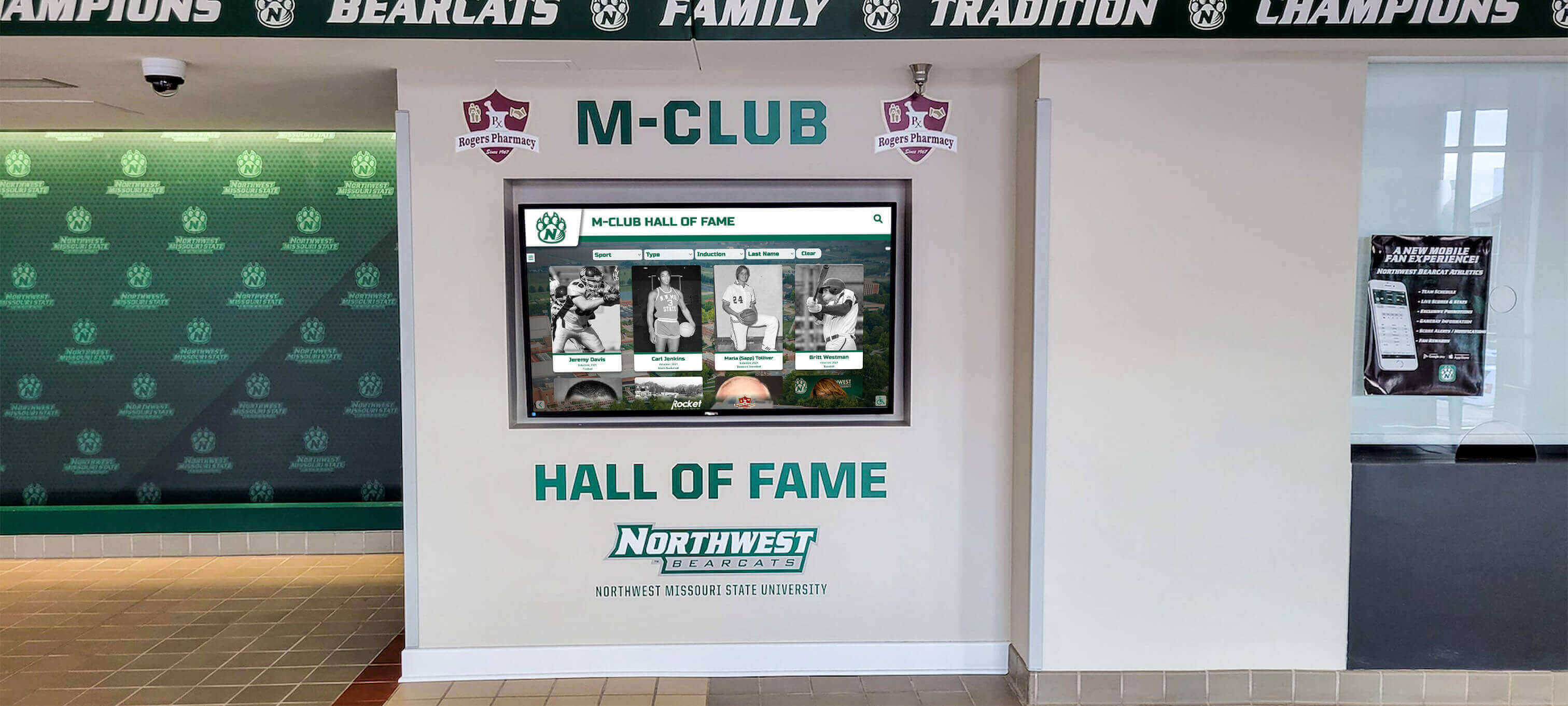
Administrative Access Levels: Well-designed systems provide role-based access allowing multiple staff members to manage content at appropriate permission levels. Athletic directors update sports content, development staff manage donor recognition, and IT administrators handle system configuration—all without requiring a single technical expert to serve as bottleneck for all updates. Training should address how different roles interact with the system and establish governance protocols defining who updates which content.
Schools comparing content management approaches should evaluate whether systems match staff technical comfort levels, how much ongoing vendor support typical usage requires, and whether training prepares teams for confident independent operation or creates dependency on vendor assistance for routine tasks.
Ongoing Support and Maintenance
Beyond initial implementation, schools need support infrastructure ensuring displays remain functional, content stays current, and technical issues receive prompt resolution.
Technical Support Access: Quality vendors provide email and phone support during business hours responding to configuration questions, troubleshooting technical issues, and advising on content best practices. Support expectations should clarify response timeframes, available hours, whether support continues indefinitely or expires after initial periods, and whether ongoing support requires additional fees.
Software Updates and Enhancements: Cloud-based platforms receive automatic updates adding features, fixing bugs, and maintaining security without requiring school action. Locally-installed software may require manual updates, creating ongoing IT workload. Clarify whether software updates remain included indefinitely or require annual maintenance fees, and how major version upgrades are handled.
Hardware Warranties and Replacement: Commercial displays typically include 1-3 year manufacturer warranties covering defects and failures. Vendors should clarify what happens when hardware fails—who manages warranty claims, whether replacement displays ship quickly, and how on-site service is coordinated. Extended warranties beyond manufacturer coverage typically cost 10-20% of hardware value annually.
Content Refresh Services: Some schools prefer vendors handle periodic content updates rather than managing everything internally. Content refresh services might include quarterly updates based on information schools provide ($200-$1,000 per update), annual comprehensive reviews ensuring accuracy ($500-$2,000), or à la carte profile creation as recognition needs evolve ($25-$75 per profile).
Comparing Turnkey Digital Hall of Fame Vendors
Multiple vendors offer turnkey digital hall of fame solutions with varying pricing structures, service models, and philosophical approaches to school implementations.
Rocket Alumni Solutions
Rocket Alumni Solutions provides comprehensive turnkey digital recognition displays specifically designed for educational institutions, with pricing models that include hardware, installation coordination, unlimited content management software, initial content creation support, training, and ongoing support within transparent packages.
Their approach emphasizes unlimited profile capacity without per-profile fees, remote content management enabling school staff to update displays independently, accessibility compliance ensuring all community members can engage with content, and white-glove initial content development where Rocket’s team migrates existing recognition information into compelling digital formats. Schools receive dedicated onboarding support, training for multiple staff members, and continued access to technical assistance without ongoing support fees beyond optional software subscription renewals.
Rocket’s turnkey packages typically include complete hardware, installation coordination (schools hire local installers following Rocket’s specifications), software licensing, initial content development for standard-sized institutions, staff training, and first-year support. Their pricing structure prioritizes transparency with published package options and clear upgrade paths rather than requiring custom quotes for basic configurations.
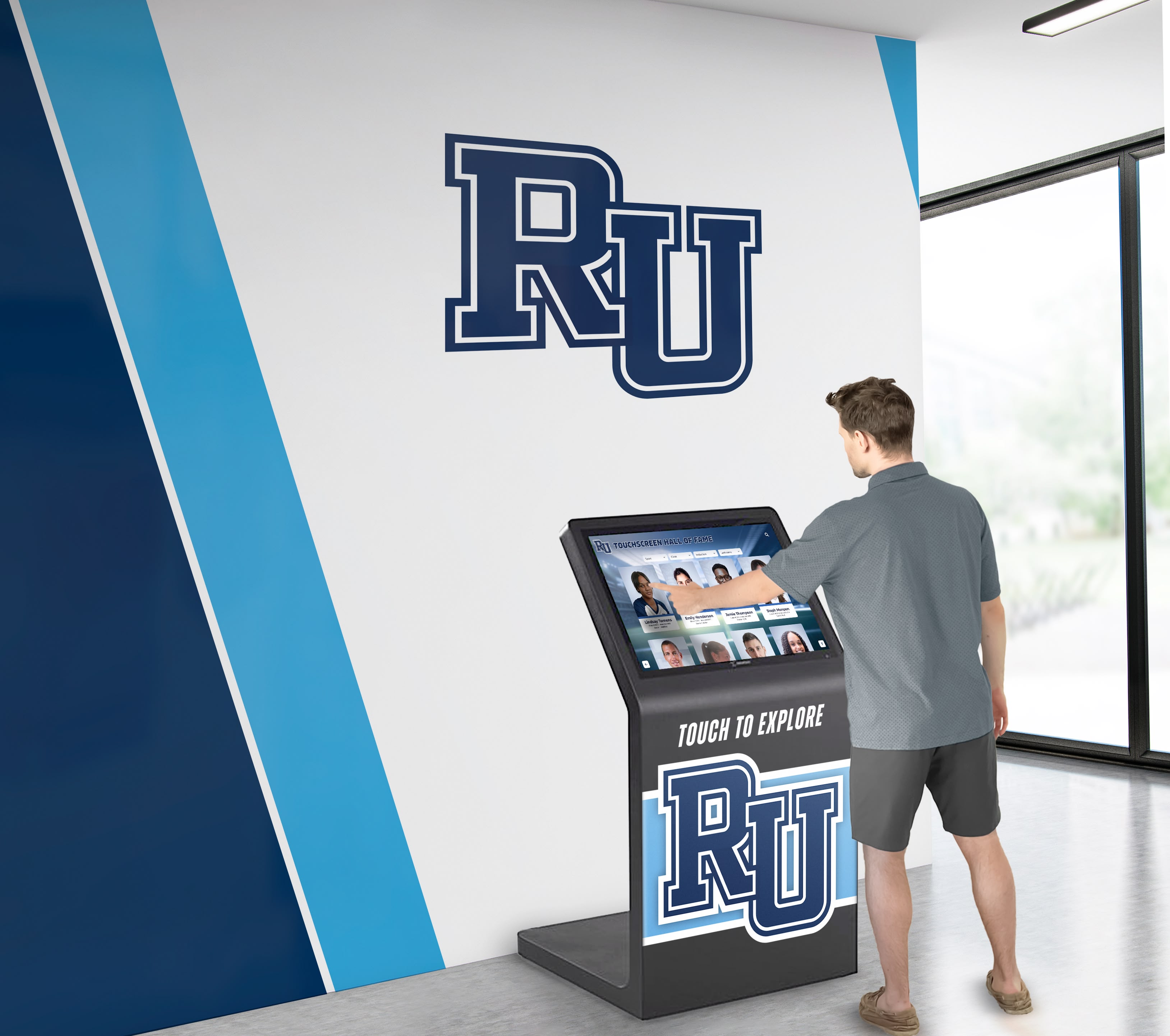
The platform supports multiple use cases beyond traditional halls of fame—donor recognition, academic achievements, historical timelines, and athletic records—allowing schools to consolidate various recognition needs within unified systems. Their remote content management approach means school staff can update content from any internet-connected device without vendor assistance for routine changes, while maintaining access to Rocket’s team for guidance on complex updates or strategic content planning.
TouchHallOfFame.us and Related Platforms
Several vendors operate under related brands including TouchHallOfFame.us, HallOfFameWall.com, and TouchWall.us, offering digital recognition solutions with various service levels from basic hardware-and-software packages to more comprehensive implementations including content support.
These providers typically offer flexibility in hardware selection, allowing schools to choose display sizes, mounting options, and configuration approaches matching specific needs and budgets. Their pricing models may separate hardware costs from software licensing and implementation services, providing transparency but requiring schools to calculate total cost across multiple components.
Content development approaches vary by package level. Basic options expect schools to provide formatted content ready for upload, while premium packages include professional content migration services. Installation may be school-coordinated using vendor specifications, or vendors can arrange professional installation at additional cost depending on package selection and location.
These platforms often serve institutions beyond traditional schools—museums, athletic facilities, corporate environments, and nonprofit organizations—meaning their solutions accommodate diverse recognition requirements but may require more configuration work during implementation compared to education-specific platforms.
Chase McKee and Custom Development Options
Some schools investigate custom development through technology consultants like Chase McKee, who create bespoke digital recognition solutions tailored to specific institutional requirements, branding expectations, and integration needs with existing technology ecosystems.
Custom development approaches offer maximum flexibility—unique interface designs, integration with student information systems or donor databases, specialized features matching unusual institutional requirements, or distinctive user experiences that differentiate institutions from competitors using standardized platforms.
However, custom solutions typically cost significantly more than commercial platforms—often $25,000-$100,000+ for initial development—and create ongoing maintenance dependencies requiring continued developer relationships for updates, troubleshooting, and feature enhancements. Schools must evaluate whether custom capabilities justify substantial additional investment compared to commercial platforms that address 90% of institutional needs at fraction of custom development costs.
Custom development makes sense for large institutions with unique requirements, substantial budgets, and technical teams capable of maintaining bespoke systems long-term. Most schools find commercial platforms like Rocket Alumni Solutions deliver needed functionality at accessible price points without custom development risks and costs.
Evaluating Budget-Conscious Options
Schools operating with limited budgets should understand options for implementing digital recognition within constrained resources, recognizing tradeoffs between cost reduction and implementation quality:
Phased Implementation: Begin with single display in high-visibility location like main lobby, validating approach and building internal expertise before expanding to multiple locations. Phased approaches spread costs across fiscal years while allowing course correction if initial implementations reveal unexpected challenges or opportunities.
Basic Hardware with Premium Software: Consider mid-range commercial displays ($2,500-$4,000) paired with quality content management platforms rather than premium displays that exceed functional requirements. Display quality matters, but overspending on hardware while under-investing in content and training wastes resources on impressive screens showcasing mediocre content.
Prioritized Content Development: Rather than attempting comprehensive recognition across all categories simultaneously, focus initial content on highest-priority areas—perhaps athletic hall of fame exclusively, or donor recognition only—then expand content scope as resources permit. Starting with focused, well-executed content beats spreading limited resources across incomplete implementations covering everything superficially.
Schools exploring budget-conscious approaches should prioritize quality over quantity—one well-implemented display with professional content and proper training delivers more value than multiple displays with amateur content and inadequate staff preparation.
What Schools Should Expect from Turnkey Providers
Establishing clear expectations before signing contracts prevents misunderstandings that compromise implementation success and create friction between schools and vendors.
Pre-Implementation Discovery
Quality turnkey providers conduct thorough discovery before installation, clarifying institutional needs, existing content assets, technical environment, and success criteria. This discovery should include:
Site Assessment: Vendors or their installation partners should visit proposed display locations evaluating mounting requirements, electrical access, network connectivity, viewing angles, lighting conditions, and aesthetic considerations affecting installation planning. Remote assessments via photos and video may suffice for straightforward installations but complex situations benefit from in-person evaluation.
Content Inventory: Understanding what recognition content schools possess—physical trophies and plaques, existing databases, photographic archives, written histories—allows vendors to scope content migration work accurately and establish realistic timelines for initial content development.
Stakeholder Input: Effective implementations gather input from multiple constituencies—athletic directors, development staff, alumni relations, facilities managers, IT departments, and administrative leadership—ensuring solutions address diverse needs rather than serving single departments while creating complications for others.
Technical Requirements Review: Vendors should document network requirements, power specifications, mounting constraints, and any integration needs with existing systems (student information systems, donor databases, digital signage networks) affecting implementation approaches.
Project Timeline Transparency
Schools should receive clear implementation timelines breaking projects into defined phases with milestone dates:
- Contract signing to hardware ordering: 1-2 weeks
- Hardware procurement and delivery: 4-8 weeks depending on displays and current supply chain conditions
- Installation scheduling and completion: 2-6 weeks depending on installer availability and school calendar
- Initial content development: 4-12 weeks depending on content volume and information gathering requirements
- Staff training delivery: Coordinated with installation completion or shortly thereafter
- Official launch: Following training and content verification
Total implementations typically require 3-6 months from contract signing to fully-operational displays with trained staff and comprehensive content. Schools should be skeptical of vendors promising unrealistic timelines that create pressure for rushed implementations compromising quality.
Change Management and Communication Support
Beyond technical implementation, successful deployments require internal communication and stakeholder education ensuring community understands and appreciates new recognition systems. Quality vendors support this change management by providing:
Launch Announcement Templates: Sample communications for internal stakeholders, alumni newsletters, donor updates, and public relations announcing new recognition displays and inviting community engagement.
Content Submission Processes: Clear workflows allowing various departments to submit candidates for recognition—athletics nominating hall of fame inductees, development identifying donor recognition updates, alumni relations proposing distinguished graduate features—with defined approval processes and timelines.
Community Engagement Ideas: Suggestions for leveraging displays during campus events, alumni gatherings, donor cultivation visits, or prospective student tours that demonstrate how interactive recognition becomes integrated into institutional life rather than passive lobby decoration.
Hidden Costs and Budget Surprises to Anticipate
Even transparent turnkey proposals sometimes encounter unexpected costs during implementation. Smart schools budget contingency for common surprises:
Building Infrastructure Limitations: Older buildings may require electrical upgrades, network infrastructure improvements, or wall reinforcement exceeding standard installation budgets. Budget 10-20% contingency for facility challenges discovered during installation.
Content Gathering Complexity: Schools often underestimate time required to gather biographical information, obtain photo permissions, verify statistical accuracy, or coordinate with honorees for profile approvals. More comprehensive content requires proportionally more gathering effort and potentially delays launch timelines.
Ongoing Subscription Costs: Cloud-based platforms require annual or monthly subscriptions for software access, cloud storage, and support. Clarify whether initial pricing includes perpetual licenses or ongoing fees, and budget accordingly for recurring costs often overlooked during initial procurement focus on upfront investment.
Additional Training Needs: Beyond initial training, staff turnover requires onboarding new content managers. Some vendors charge for additional training sessions while others include unlimited training access. Factor periodic training refreshers into ongoing operational budgets.
Content Expansion: Successful initial implementations typically generate requests for additional content beyond original scope—expanding recognition categories, adding historical content, or incorporating more multimedia. Budget for ongoing content development supporting continuous improvement beyond launch content.
Evaluating Proposals and Making Vendor Selections
When comparing multiple vendor proposals, systematic evaluation frameworks help schools identify solutions delivering best value:
Price Comparison Matrix
Create spreadsheets breaking vendor proposals into comparable components:
- Hardware costs (displays, mounting, computers, networking)
- Installation services (labor, electrical, permits, project management)
- Software licensing (initial + ongoing annual fees)
- Initial content development (profile count, multimedia inclusion, research depth)
- Training (format, duration, participant count, ongoing access)
- Support (duration included, response expectations, escalation procedures)
- Total first-year cost
- Total five-year cost including recurring fees
This granular comparison reveals whether apparently lower-cost proposals actually defer expenses into ongoing fees or exclude essential services requiring separate procurement.
Service Scope Verification
Beyond pricing, evaluate exactly what services each “turnkey” package includes versus expects schools to provide. Score vendors on comprehensiveness:
- Does vendor handle hardware procurement and delivery?
- Is professional installation included or school-coordinated?
- Who manages electrical and network work?
- Does vendor create initial content or require school-formatted data?
- Does vendor research biographical information or display only what schools provide?
- How many staff members receive training?
- Can schools access vendor support indefinitely or only during limited windows?
- Who owns content if vendor relationships end?
Reference Checks and School Visits
Request references from similar institutions—comparable size, budget constraints, recognition priorities—and conduct thorough reference calls asking:
- How did implementation reality compare to vendor promises?
- What unexpected costs or challenges emerged?
- How responsive is ongoing vendor support?
- How difficult is independent content management?
- What would you do differently knowing what you know now?
- Would you select this vendor again?
When possible, visit other schools using vendors under consideration, observing displays in operational environments, talking with staff managing content, and evaluating real-world results versus marketing materials.
For schools evaluating comprehensive buying decisions, systematic vendor comparison and reference checking prevents selecting vendors whose marketing promises exceed implementation realities.
Content Setup Best Practices for Successful Launches
Regardless of vendor selection, schools can maximize implementation success through strategic content planning and stakeholder engagement during setup phases.
Prioritize Content Quality Over Quantity
Launch with 50-100 thoroughly researched, compelling profiles rather than 500 sparse entries containing only names and graduation years. Quality content that tells stories, showcases achievements, and provides context delivers far more impact than exhaustive databases lacking depth. Schools can continuously add profiles post-launch, but initial content establishes quality expectations and demonstrates system value to stakeholders.
Establish Content Governance Early
Define who approves additions to various recognition categories before launch—Athletic Hall of Fame selection committees, development staff for donor recognition, academic departments for scholarly achievements. Clear governance prevents confusion when multiple stakeholders submit nominations without coordination or accountability.
Plan Multimedia Integration Strategically
While modern displays support video highlights, audio recordings, and interactive content, multimedia requires significantly more development time and ongoing maintenance than text-and-photo profiles. Start with primarily photo-based content, then selectively incorporate multimedia for highest-priority profiles or special features where video genuinely enhances storytelling beyond what photos and text accomplish.
Create Content Pipeline Processes
Successful displays remain current through systematic content addition processes. Establish quarterly or annual review cycles where departments submit new inductees, award recipients, or achievements for addition. Assign clear responsibility for gathering information, obtaining photos, drafting content, and publishing updates so recognition remains timely rather than becoming static snapshots frozen at launch dates.
Schools investing in donor recognition displays should establish content update workflows ensuring donor acknowledgment remains current as campaigns progress and new gifts are received.
Training Investment That Ensures Long-Term Success
While vendors provide initial training, schools should supplement vendor offerings with internal knowledge management supporting sustained operations:
Document Institutional Procedures
Beyond vendor-provided system documentation, create internal guides capturing institutional-specific workflows—who approves content, where photo archives live, how to access athletic statistics, whom to contact for donor information, and when updates typically occur. These contextual procedures complement generic system training with institutional knowledge ensuring continuity when staff turnover occurs.
Train Multiple Staff Members
Never create single-person dependencies where only one individual knows how to manage displays. Train at least three staff members from different departments ensuring operational continuity during vacations, leaves, or position changes. Cross-departmental training also fosters collaboration and shared ownership of recognition platforms.
Schedule Periodic Refresher Training
Initial training provides operational foundation, but skills decay without regular practice. Schedule quarterly check-ins with vendor support or internal peer training sessions where staff share tips, review procedures for infrequent tasks, and discuss content strategy. These refreshers maintain confidence and prevent small uncertainties from escalating into system neglect.
Create Internal Champions
Identify enthusiastic early adopters who embrace digital recognition and empower them as internal evangelists teaching colleagues, troubleshooting issues, and advocating for expanded use. These champions maintain momentum beyond initial implementation excitement and help organizations maximize technology investments.
Maximizing Return on Investment Beyond Initial Implementation
After investing in turnkey digital hall of fame displays, strategic schools use these platforms across multiple use cases maximizing institutional value:
Donor Cultivation Tool: Use displays during development office tours showing prospective donors how organizations honor contributors, personalizing recognition conversations and demonstrating stewardship commitment.
Alumni Engagement Platform: Feature displays prominently during reunion weekends, homecoming events, and alumni gatherings creating natural conversation starters and rekindling institutional connection through shared history exploration.
Admissions Asset: Incorporate displays in prospective student tours showcasing institutional pride, celebrating student achievement, and communicating values through recognition priorities—athletics, academics, community service, creative accomplishment.
Community Building Hub: Position displays in high-traffic locations where students, staff, and visitors naturally congregate—main lobbies, athletic facilities, performing arts centers, libraries—creating daily touchpoints reinforcing community identity and institutional story.
Stewardship Communication: Use digital platforms’ flexibility to feature timely content celebrating current achievements—recent championship teams, newly-named scholars, latest major gifts—demonstrating living community rather than historical archive exclusively.
By integrating recognition displays throughout institutional life rather than treating them as standalone lobby decoration, schools justify implementation investments through multifaceted value creation across advancement, enrollment, community engagement, and mission communication.
Making Informed Turnkey Digital Hall of Fame Investment Decisions
Throughout this guide, we’ve explored how schools can evaluate turnkey digital hall of fame display pricing, understand what comprehensive implementation packages should include, compare vendor approaches and service models, anticipate hidden costs, and maximize return on recognition technology investments through strategic planning and sustained engagement.
The most successful implementations share common characteristics—transparent vendor partnerships where pricing includes comprehensive services rather than hidden fees, thorough content planning that prioritizes quality over quantity, adequate staff training creating confident independent management, and institutional commitment to keeping content current through established update processes. Schools approaching these projects systematically with clear requirements, realistic budgets, and strategic integration plans position themselves for successful outcomes that honor community achievements, strengthen stakeholder relationships, and create lasting value.
Whether exploring basic installations for small schools operating on constrained budgets or comprehensive multi-display deployments for large institutions with extensive recognition needs, understanding turnkey pricing structures, content development approaches, and vendor service models enables informed decisions aligned with institutional priorities, budget realities, and community expectations.
Ready to explore turnkey digital hall of fame solutions for your institution? Rocket Alumni Solutions offers comprehensive packages including hardware, installation coordination, unlimited profile software, initial content development, staff training, and ongoing support—eliminating hidden costs and procurement complexity. Our transparent pricing, dedicated implementation support, and commitment to school success have helped hundreds of institutions create recognition displays that honor achievements, engage communities, and remain current through intuitive content management. Contact our team to discuss your recognition priorities, explore package options matching your budget, and discover how turnkey digital displays can transform how your school celebrates the people and achievements that define your institutional story.