



UDA National Championship represents the pinnacle of high school and college dance team achievement—where thousands of dedicated student-athletes compete annually at the ESPN Wide World of Sports Complex at Walt Disney World Resort for the most prestigious titles in competitive dance. From the precision of Pom routines to the power of Hip Hop performances, from the elegance of Jazz to the athleticism of High Kick, UDA National Championships showcase excellence across multiple disciplines while creating moments that define dance program legacies and individual careers.
Yet many schools that achieve UDA National Championship success struggle to give these extraordinary accomplishments the lasting recognition they deserve. Championship trophies often sit in crowded trophy cases with minimal context explaining their significance, team photos fade in forgotten hallways, and the stories behind championship performances—months of preparation, overcoming adversity, breakthrough moments—disappear as years pass and graduating seniors take their memories with them. Meanwhile, current dancers who could draw inspiration from program championship tradition rarely encounter systematic recognition showing what their teams have accomplished at the national level.
This comprehensive guide explores evidence-based strategies for implementing UDA National Championship recognition programs that celebrate team excellence through permanent digital displays, honor individual performer achievements including all-star selections and outstanding dancer awards, preserve championship stories and performance highlights that inspire future generations, and leverage modern recognition platforms creating engaging visibility throughout school communities ensuring UDA success remains celebrated long after championship seasons conclude.
Effective UDA National Championship recognition extends beyond displaying trophies—it creates comprehensive programs that document complete championship journeys from regional qualifications to national finals, celebrates both team success and individual excellence, preserves the performances and moments that defined championships, and inspires current and prospective dancers by demonstrating that extraordinary achievement receives lasting acknowledgment matching its significance. Schools that excel at dance team recognition create environments where competitive excellence receives visibility equal to achievements in any athletic domain.

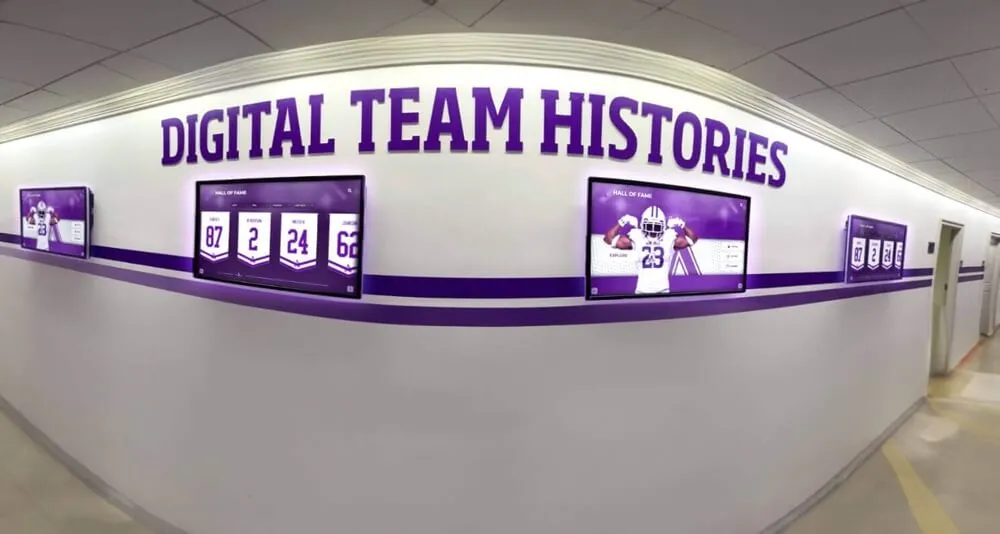
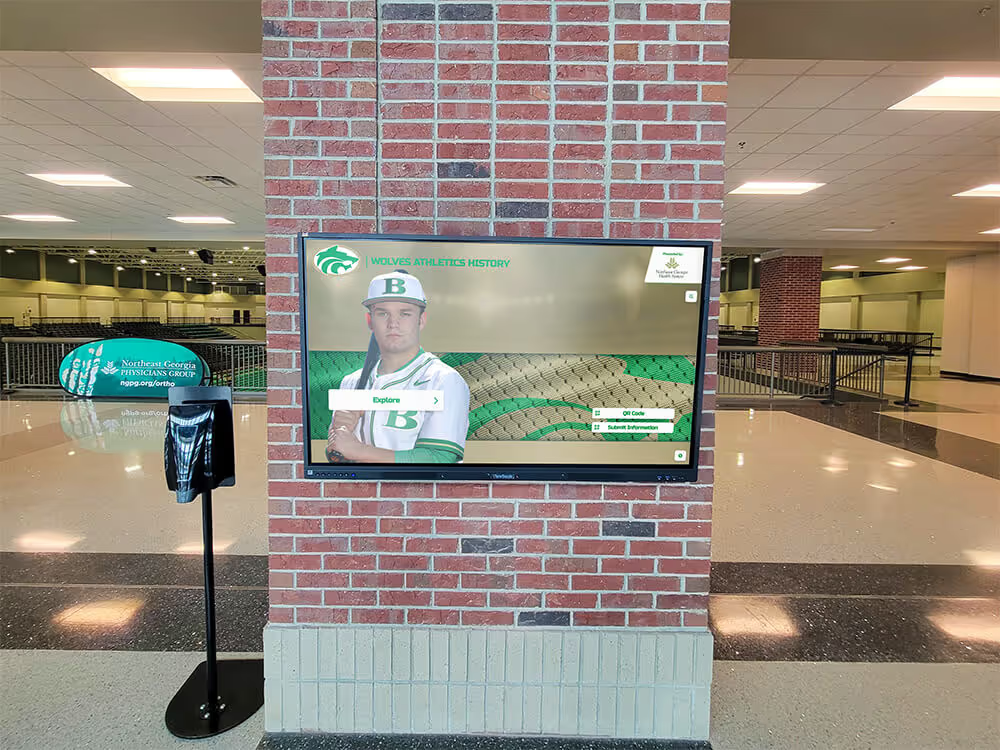
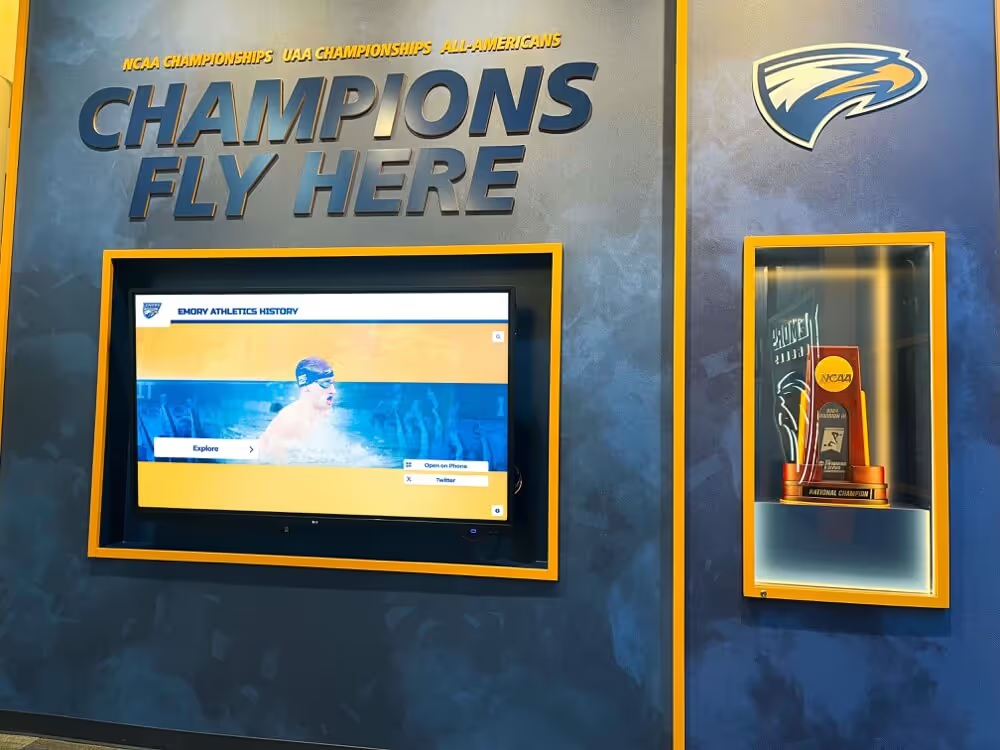
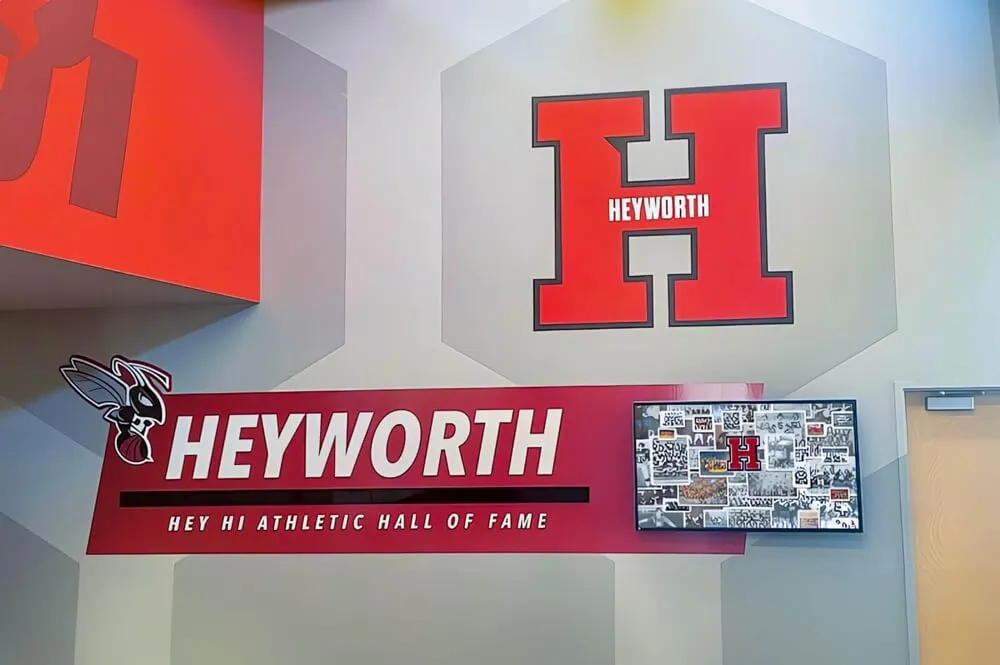
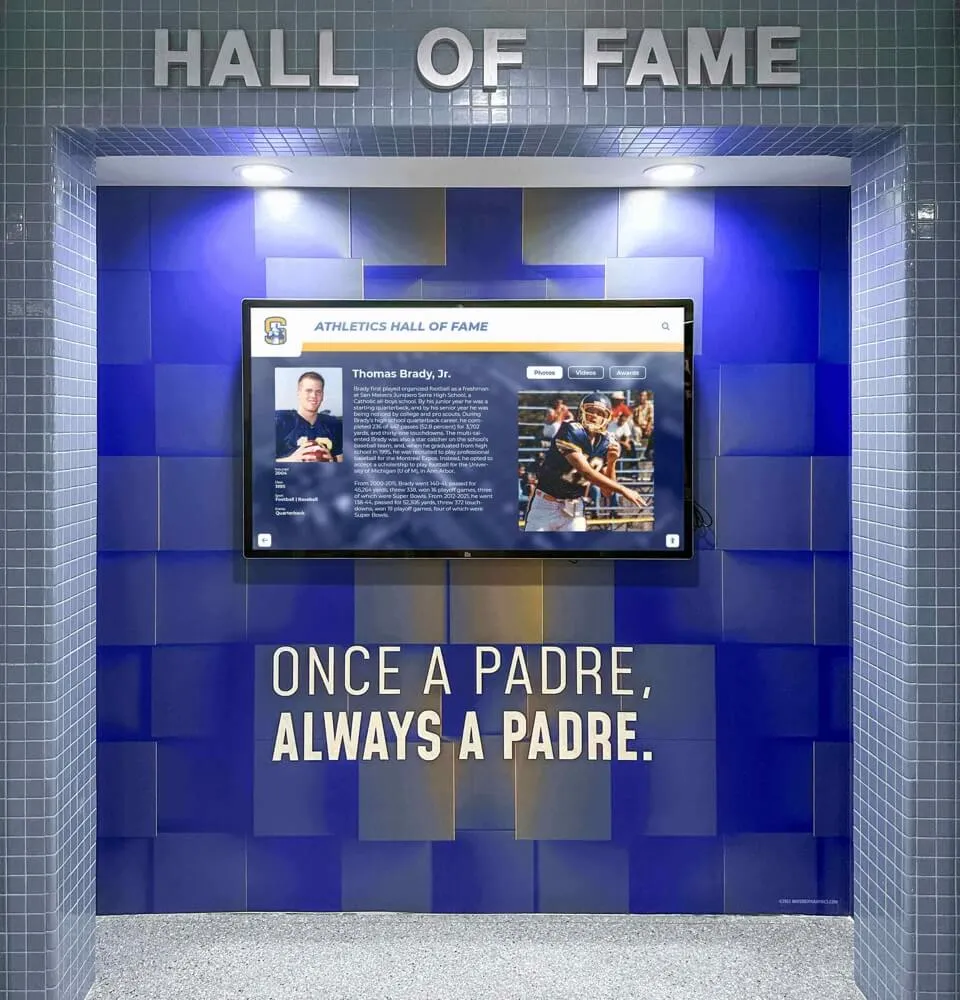
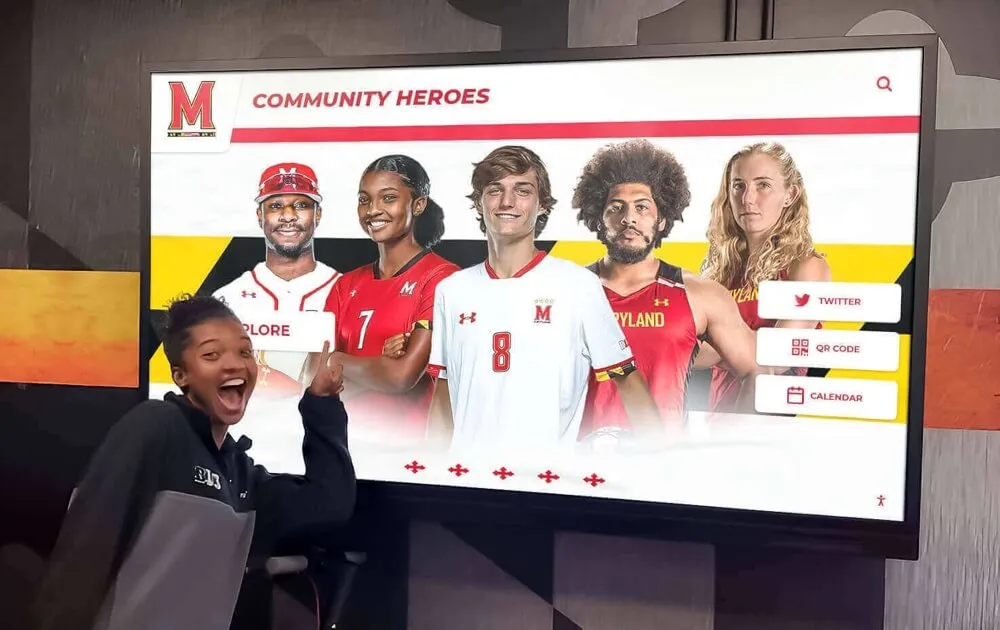
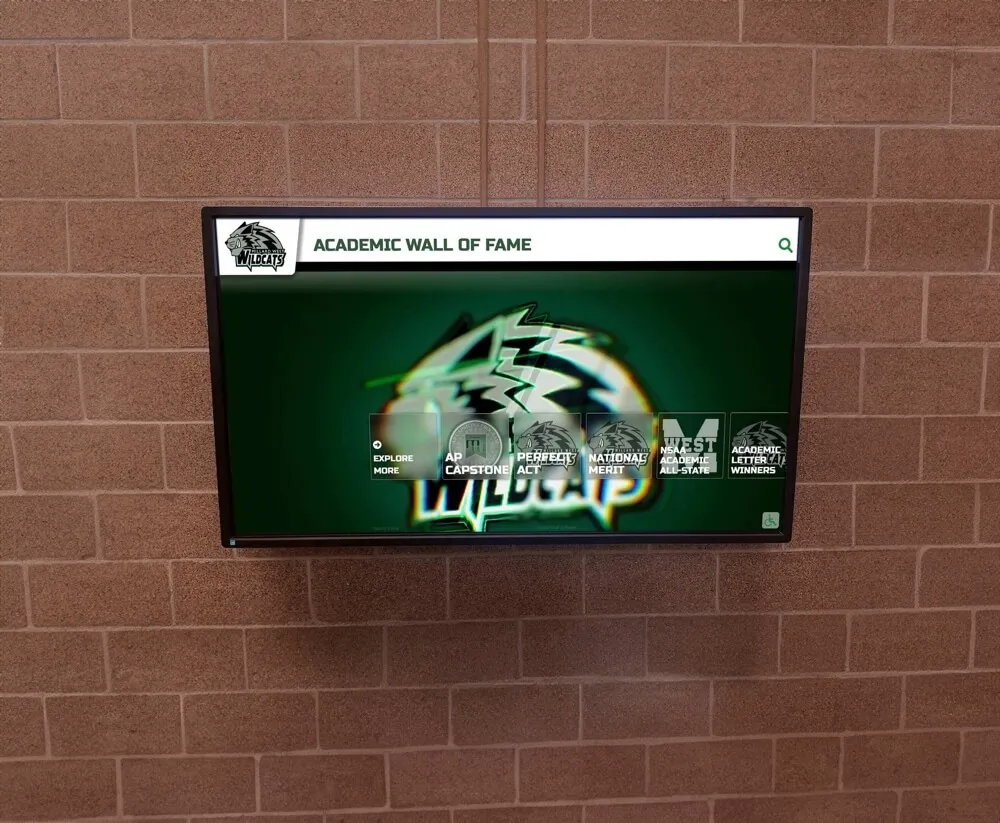
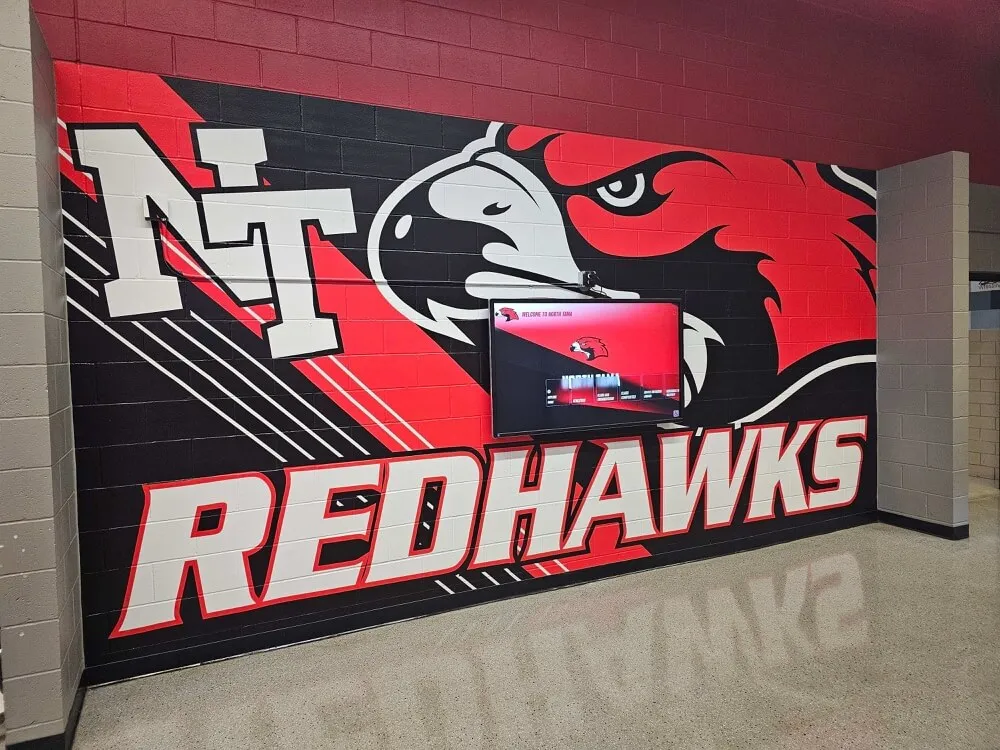
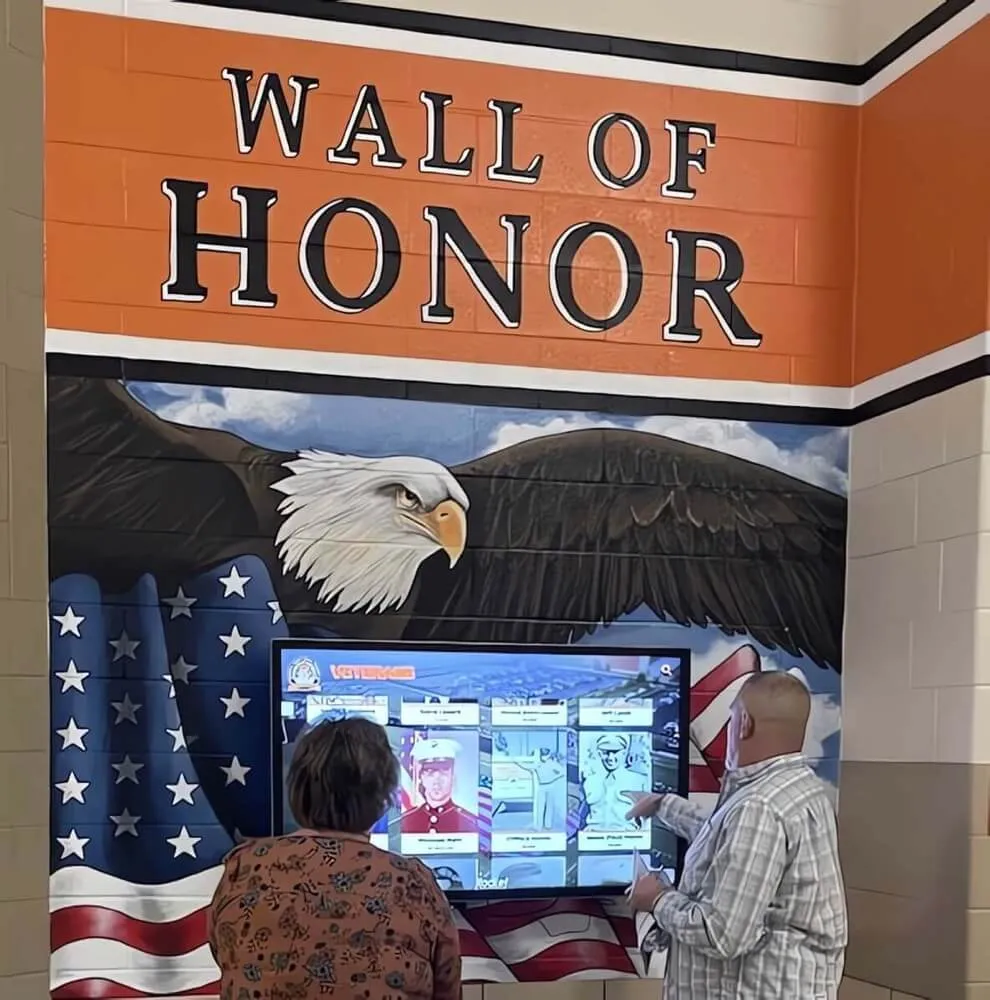
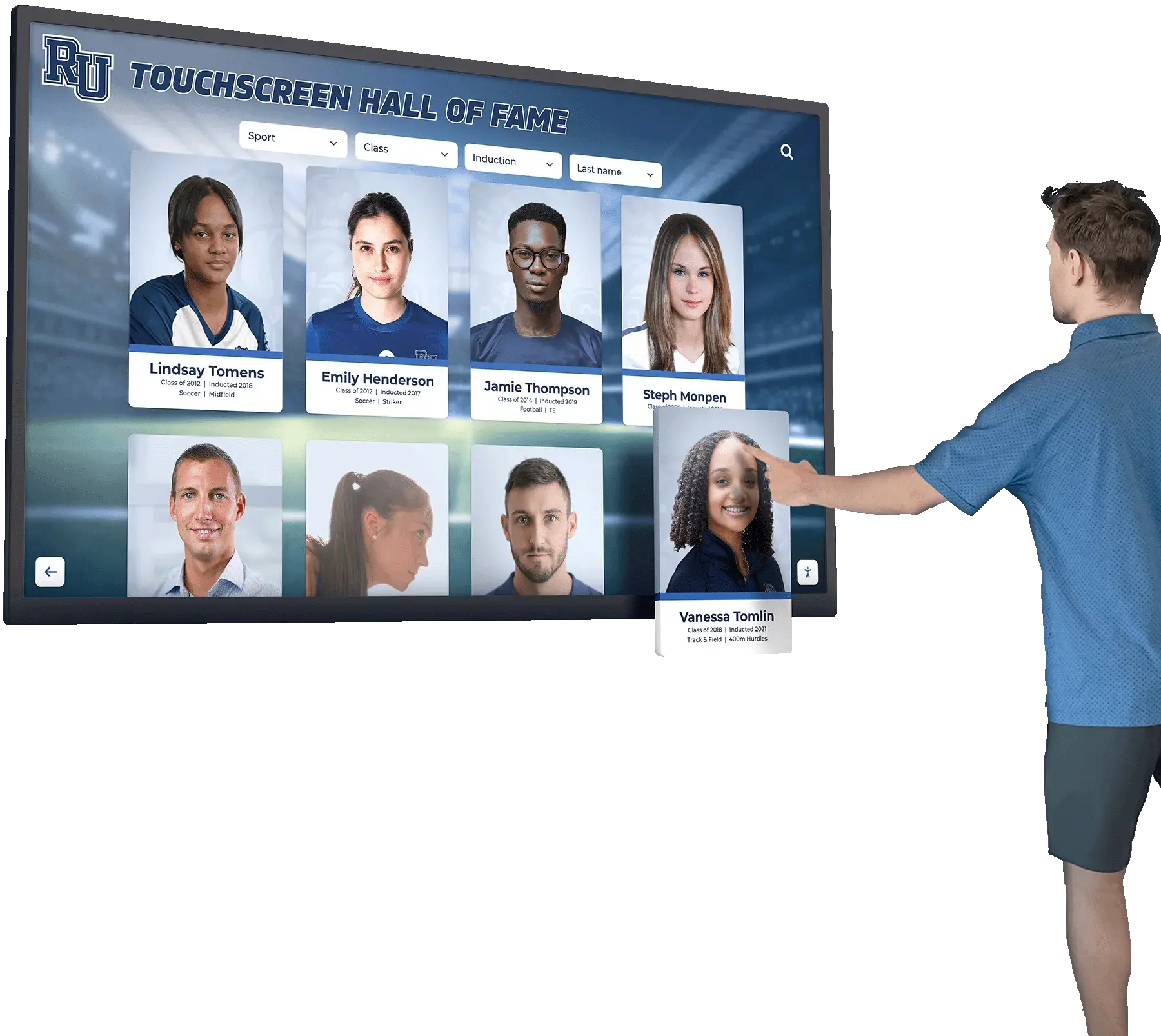
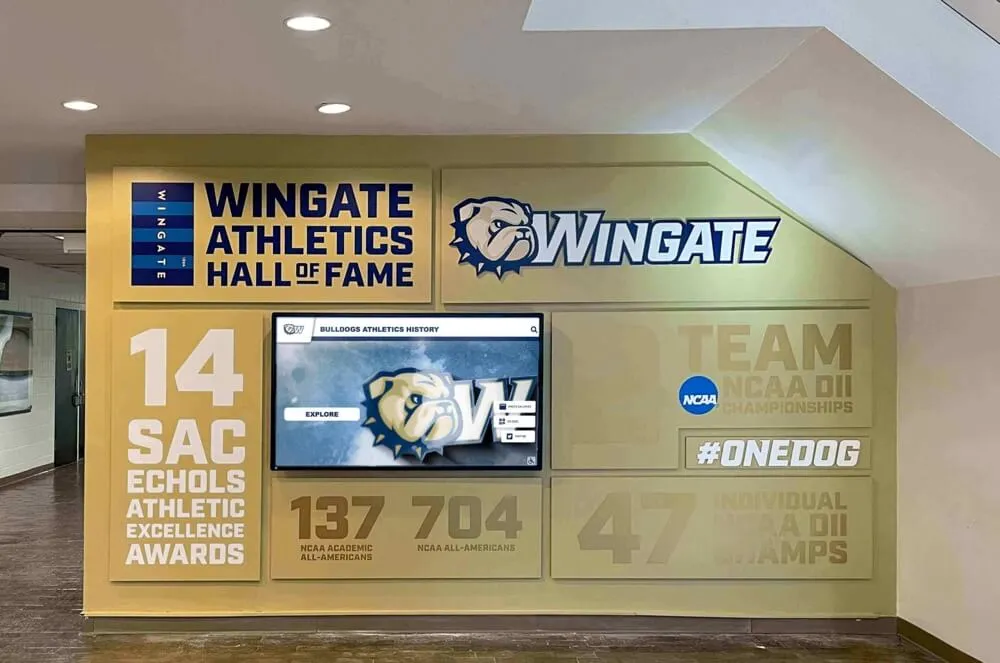
Modern digital recognition displays provide comprehensive platforms for celebrating UDA National Championship excellence and dance team tradition
Understanding UDA National Championship Structure and Significance
Before implementing recognition programs, schools must understand the competitive structure, division organization, and achievement levels that define UDA National Championships.
UDA National Championship Overview
The Universal Dance Association has hosted national championships for more than 40 years for high school teams and more than 35 years for college programs, establishing itself as the most prestigious competitive platform in dance team athletics.
Championship Venues and Scale
According to official UDA documentation, the 2025 UDA National Dance Team Championship for high schools hosted 5,935 athletes and 374 teams across 36 states competing at Walt Disney World Resort. The college championship similarly featured over 300 teams across 46 states. These massive competitions represent culminating moments for dance programs nationwide, with performances broadcast on ESPN2 and ESPNU and streamed to over 100,000 viewers worldwide through Varsity TV.
Schools whose teams qualify for and compete at UDA Nationals should prominently document this achievement through recognition that explains championship scale and significance, provides context about qualification requirements, preserves team journey from local competitions to nationals, and integrates UDA achievement within comprehensive program recognition showing dance team excellence alongside other athletic accomplishments.
Performance Categories and Disciplines
Teams compete across multiple specialized dance categories, each requiring distinct technical skills and performance elements:
Pom: Precision-focused routines featuring synchronized movements, sharp motions, and use of poms as props. Pom emphasizes clean technique, uniformity, and visual effects created through formation work and coordinated movement.
Jazz: Theatrical dance combining ballet technique with modern dance elements, emphasizing performance quality, technical execution, leaps, turns, and artistic expression through fluid movement.
Hip Hop: High-energy routines featuring street dance elements, groove, musicality, and urban dance vocabulary. Hip Hop showcases power, personality, and authentic style while demonstrating technical control.
High Kick: Specialty category emphasizing flexibility, height, synchronization, and precision in kick-focused choreography. High Kick routines showcase technical difficulty through sustained leg extensions and coordinated kicking combinations.
Game Day: Functional cheer and dance skills performed as they would appear during athletic events, including crowd-leading elements, band dance, situational responses, and spirit-building performance.
Schools should celebrate category-specific excellence by documenting which disciplines teams compete in, recognizing specialized skills required for each category, preserving category-specific awards and achievements, and acknowledging that multi-category teams demonstrate exceptional versatility deserving additional recognition.
Learn more about comprehensive athletic recognition program approaches that celebrate dance alongside traditional sports.
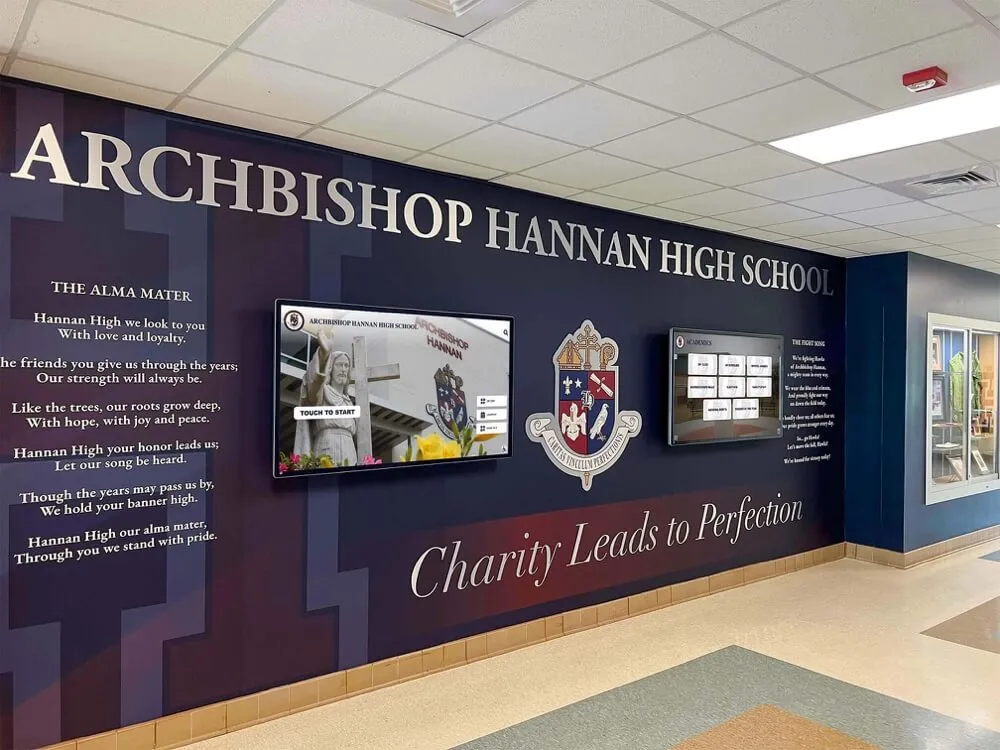
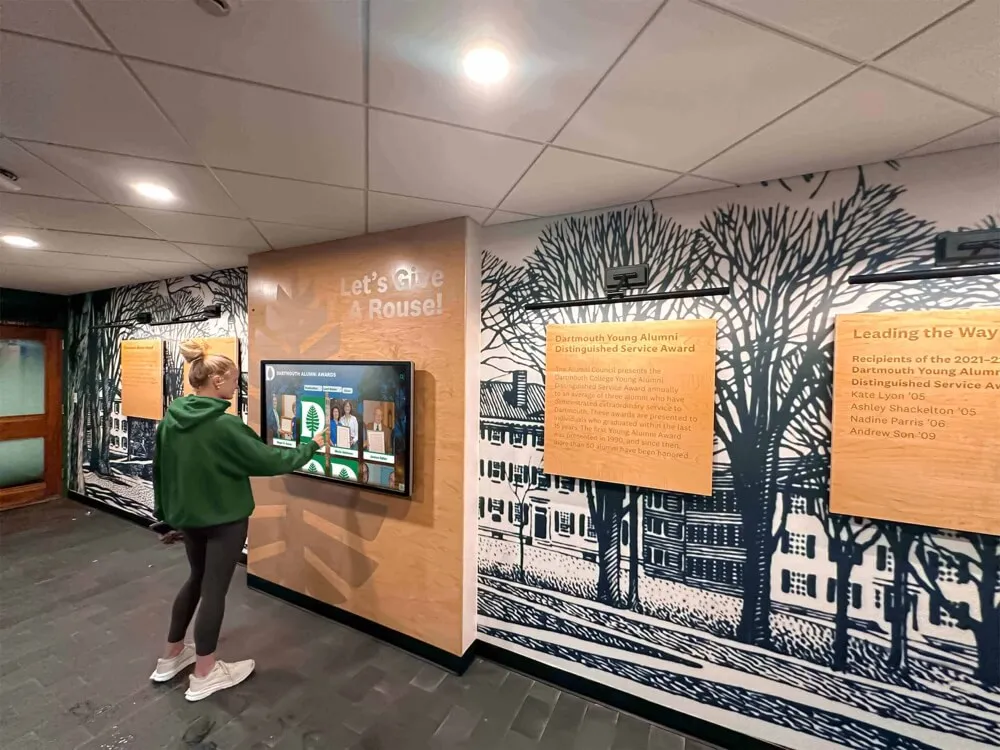
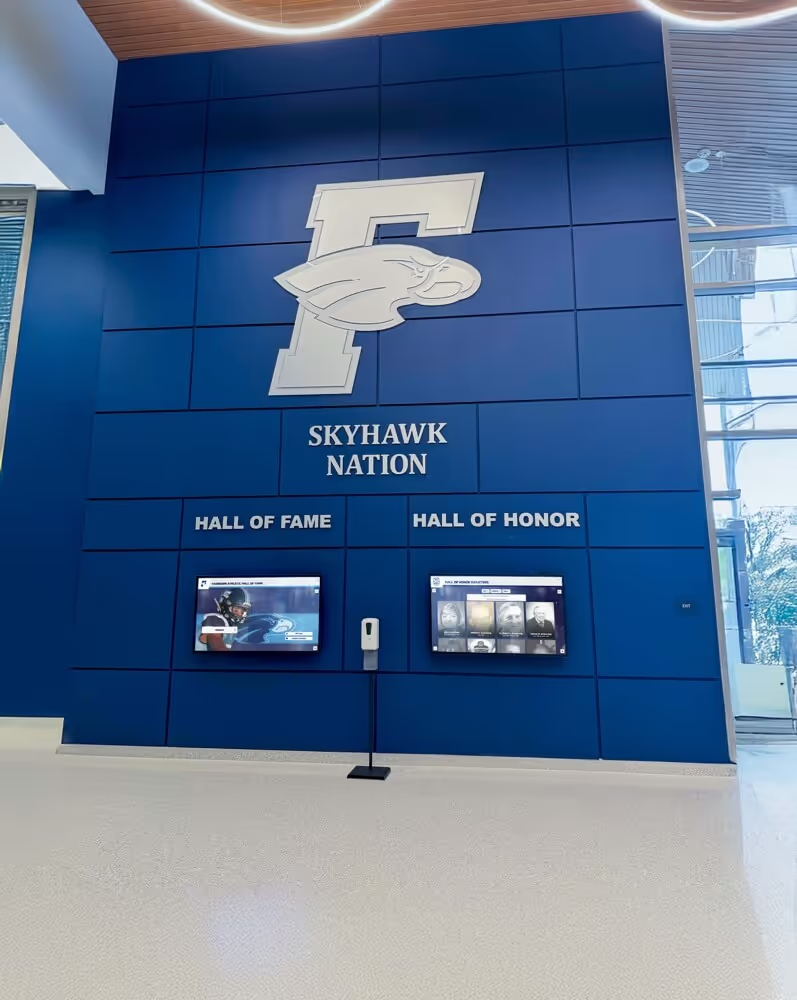
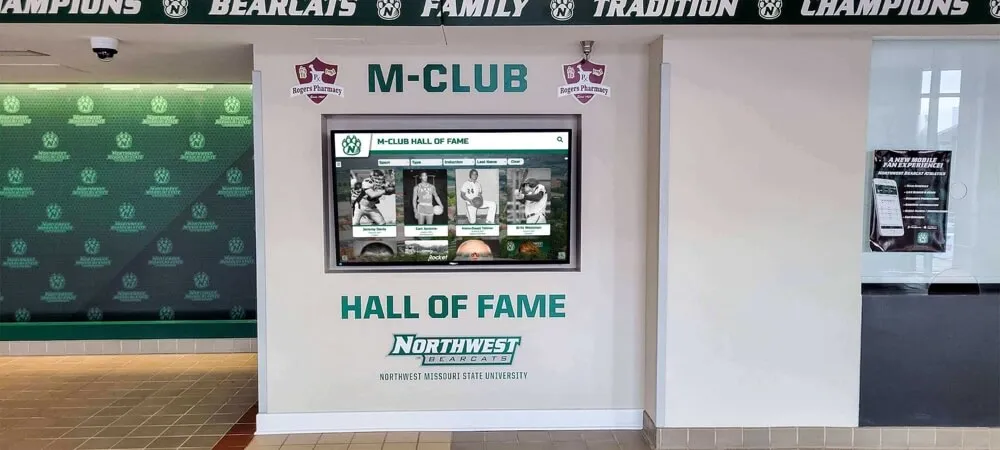
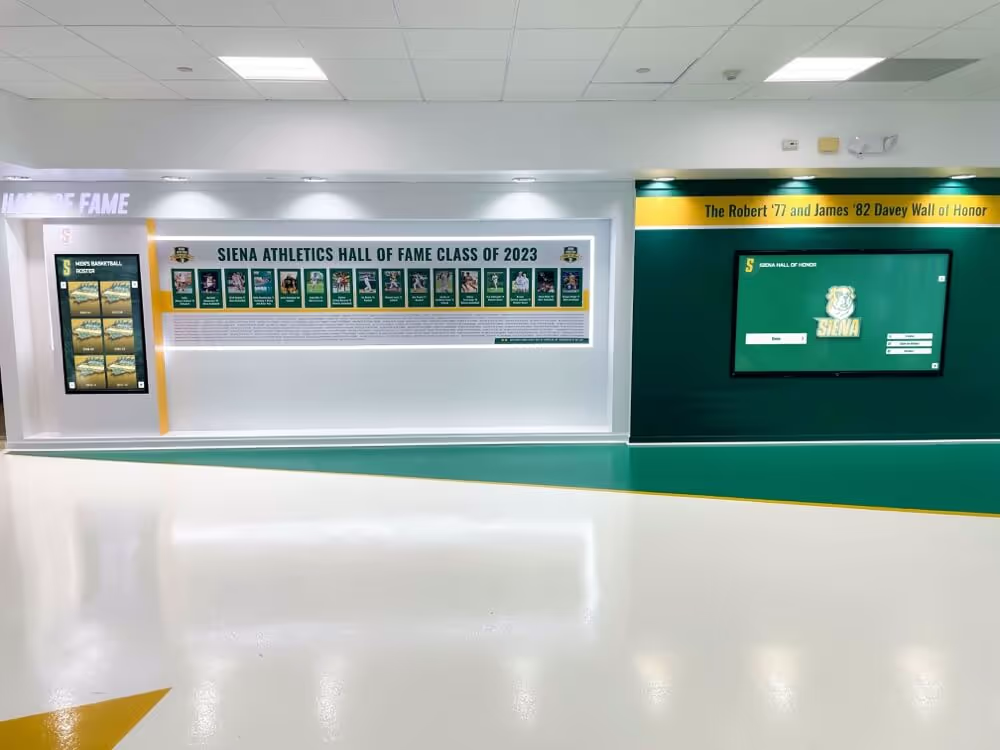
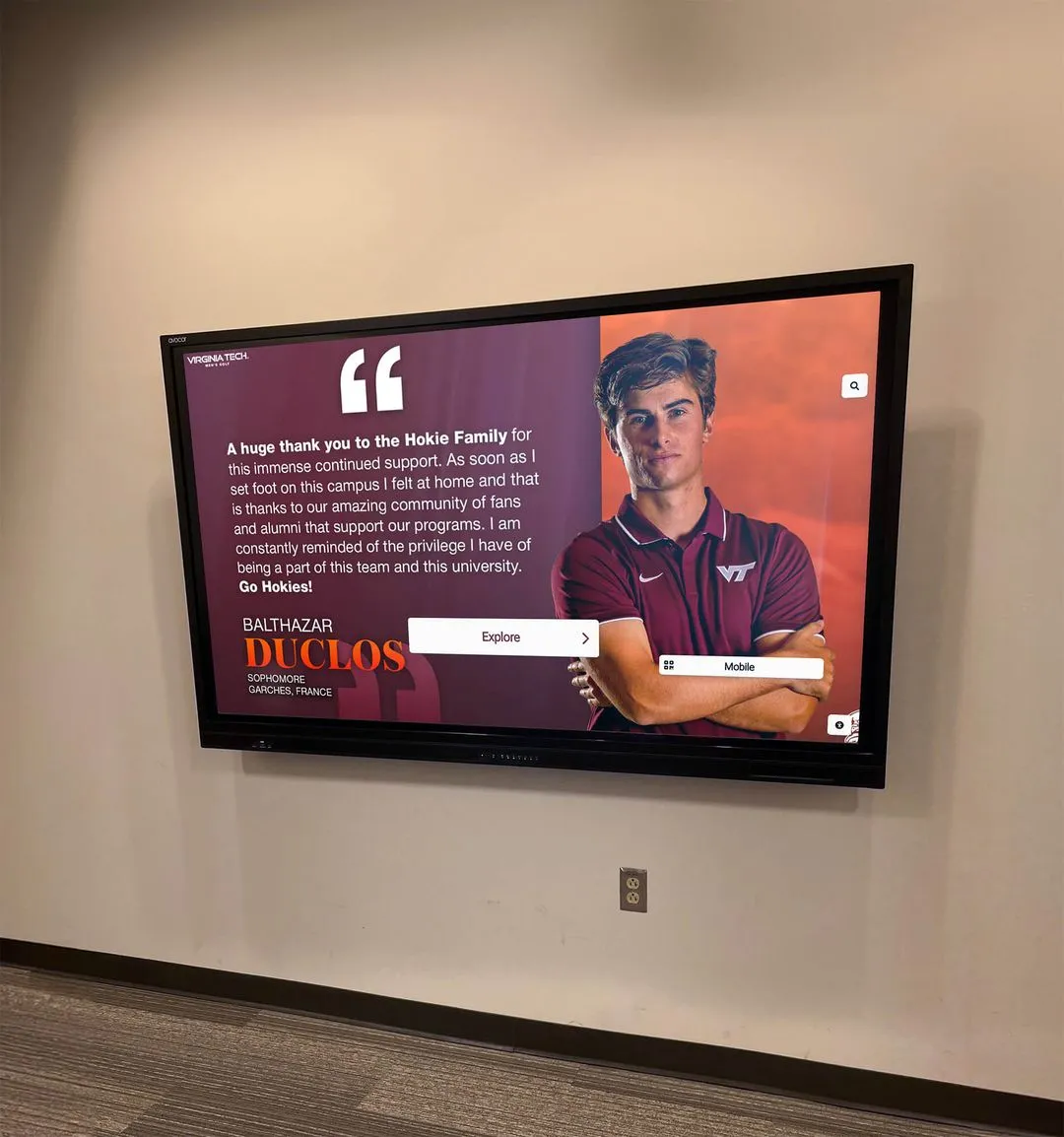
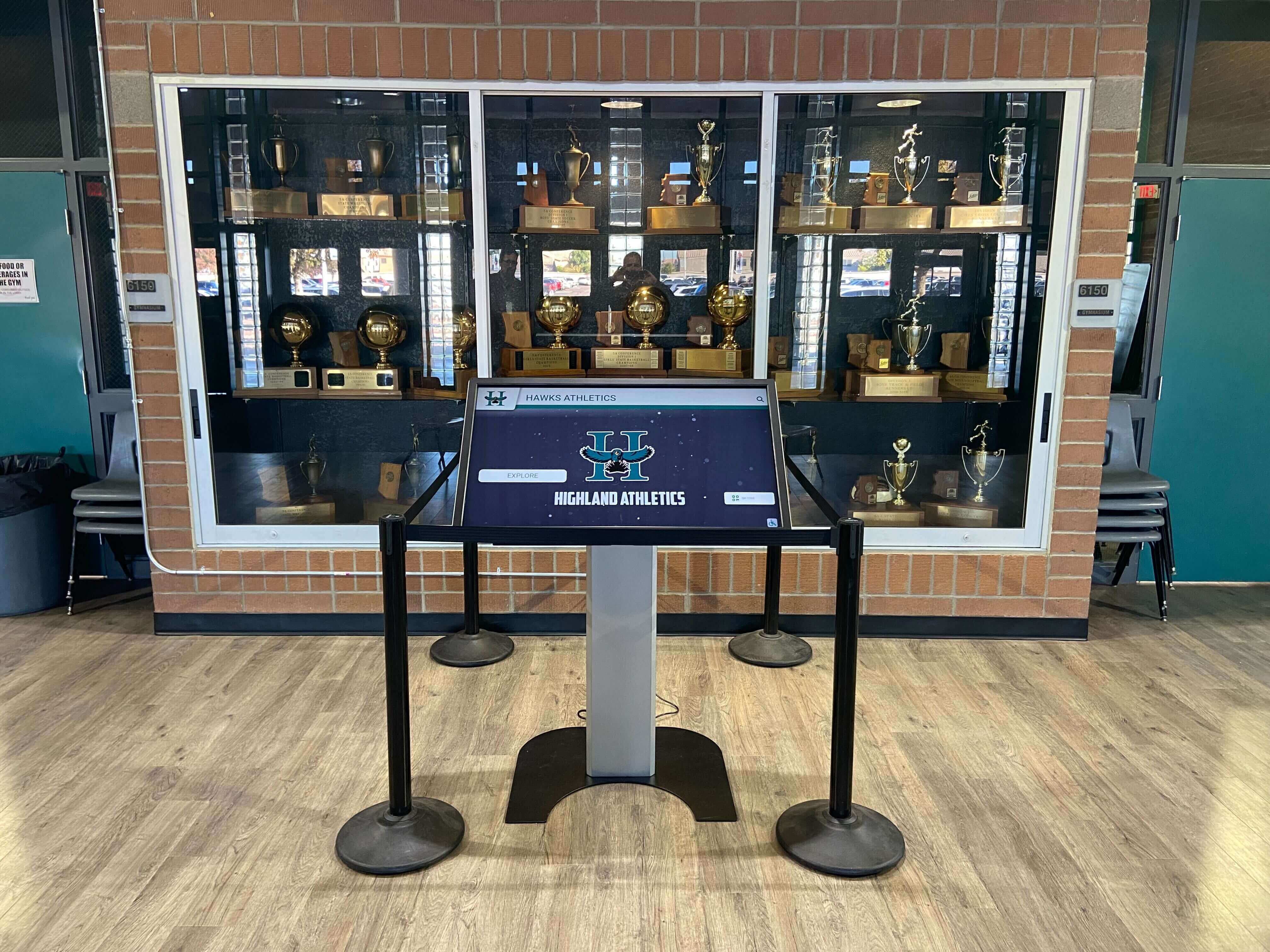
Interactive kiosks enable comprehensive documentation of championship categories, individual achievements, and program history
Division Structure and Competitive Levels
UDA organizes competitions into divisions ensuring teams compete against programs of similar size and competitive experience.
High School Division Organization
High school teams compete in divisions based on school enrollment and competitive experience:
Division I and Division II: Teams separated into two primary competitive divisions, with further subdivision by team size (Large Varsity, Medium Varsity, Small Varsity) ensuring fair competition within enrollment parameters.
Varsity Intermediate Divisions: Available for teams with less competitive experience or skill restrictions, providing developmental pathways toward open varsity competition while offering national championship opportunities at intermediate levels.
According to UDA competition structure, these divisions ensure that small rural schools compete against similarly-sized programs rather than large urban schools with extensive resources, creating equitable championship pathways accessible to diverse school types.
Schools should document divisional achievement clearly including explanation of division structure and competitive significance, comparison showing how team size or level affected competition, context about championship field quality and competitor caliber, and recognition that division championships represent genuine national-level excellence regardless of division designation.
College Division Structure
College teams compete in three primary divisions based on university size and NCAA status:
Division IA (D1A): Large universities with NCAA Division I athletic programs, representing the highest level of collegiate dance team competition featuring programs with significant resources and national recruiting.
Division I (D1): Medium-sized universities and colleges, including NCAA Division II and III schools and smaller Division I programs.
Open Division: Available to all programs regardless of size, providing opportunities for teams to compete across traditional divisional boundaries.
This structure ensures competitive equity while acknowledging resource and enrollment differences affecting team composition and capabilities.
Explore approaches for college athletic hall of fame recognition that celebrate dance team championships alongside traditional sports achievements.
Regional Qualifications and Championship Pathways
Understanding the qualification process helps schools properly contextualize national championship achievement.
Regional Competition Requirements
Teams typically must compete successfully at UDA regional competitions to qualify for national championships. Regional events occur throughout the country during fall and winter seasons, with qualification standards varying by category and division but generally requiring top finishes or score thresholds demonstrating national-competitive performance levels.
Schools should recognize the complete championship journey including documentation of regional qualification performances, season-long preparation and development narrative, competition schedule showing path to nationals, and recognition that qualification itself represents significant achievement even when national finals produce different results than hoped.
Bid Systems and At-Large Qualifications
Some UDA events utilize bid systems where strong regional performances earn automatic national championship berths, while additional teams may qualify through at-large selections based on video submissions or cumulative scoring across multiple competitions.
Recognition programs should clarify qualification methods including explanation of how teams earned national championship spots, documentation of video submission content when applicable, context about competitiveness of qualification in specific categories/divisions, and acknowledgment of selection committee recognition validating program excellence.
This comprehensive context ensures stakeholders understand that UDA National Championship participation requires sustained excellence across entire seasons rather than single performances.
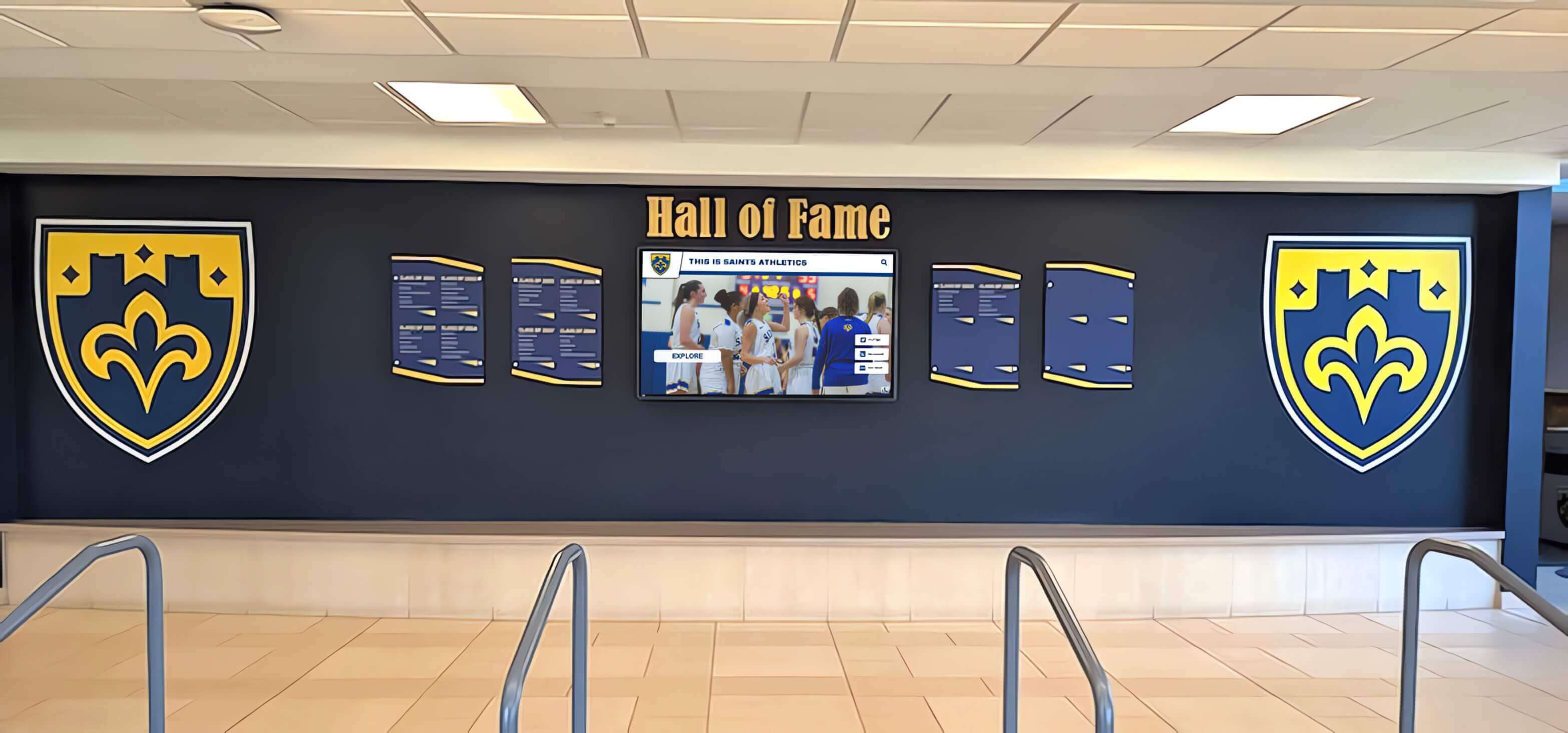
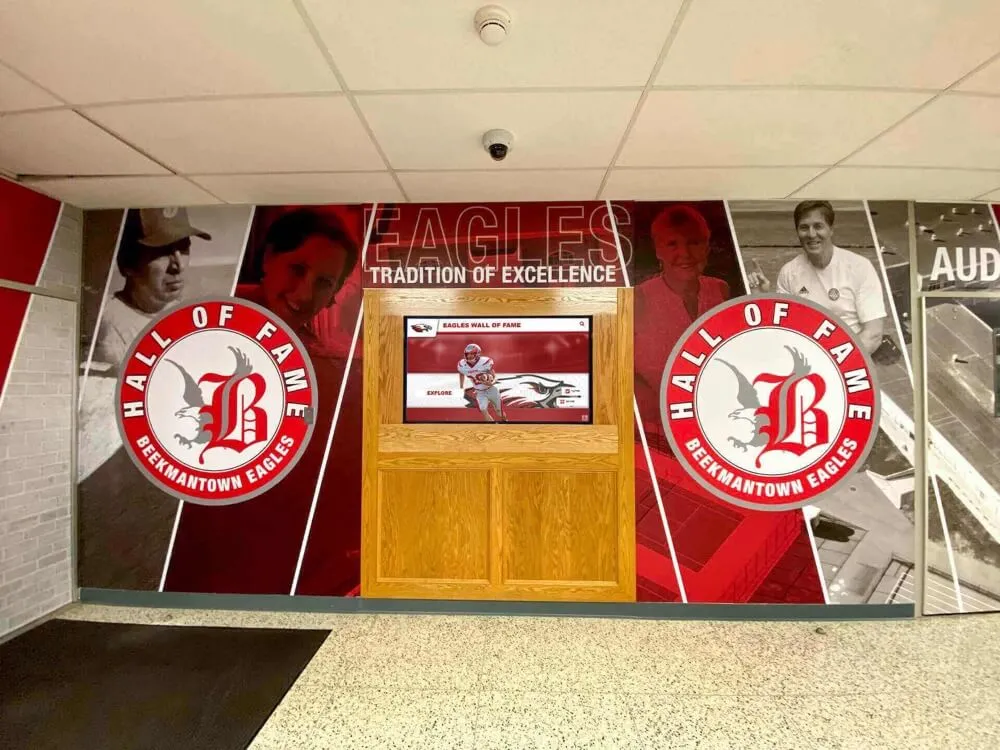
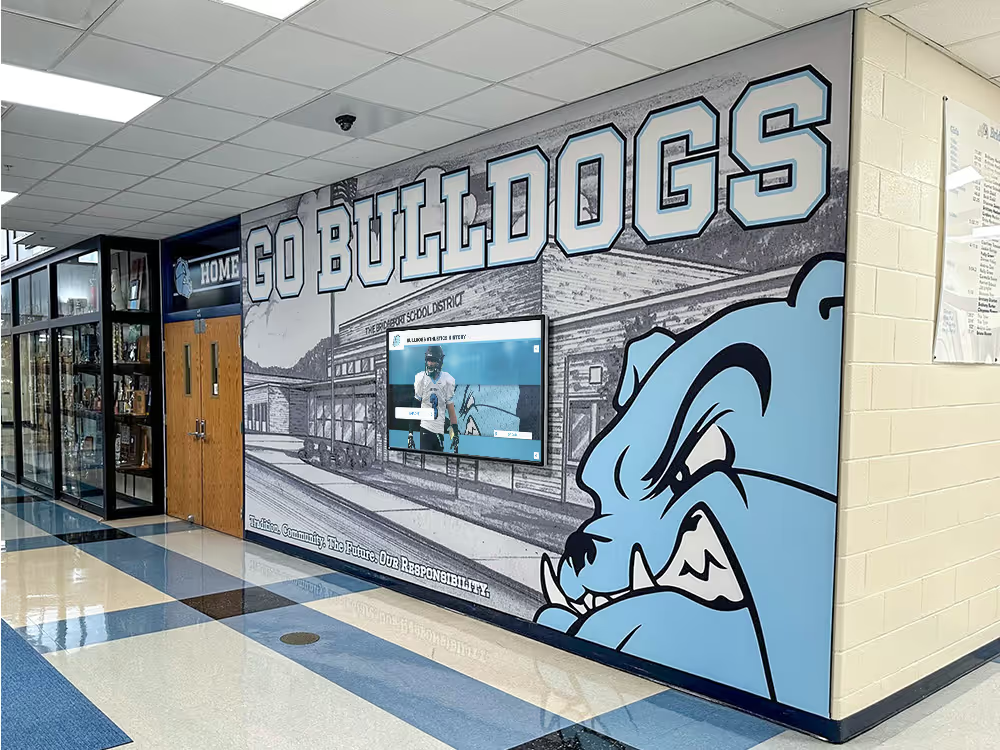
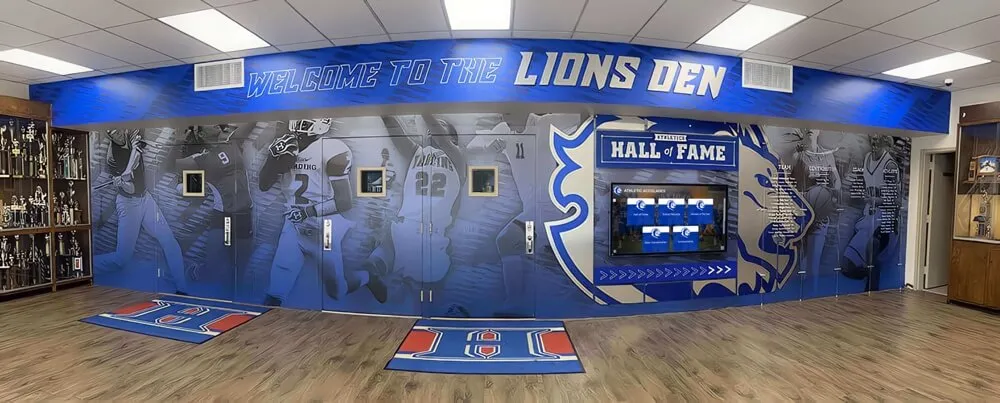
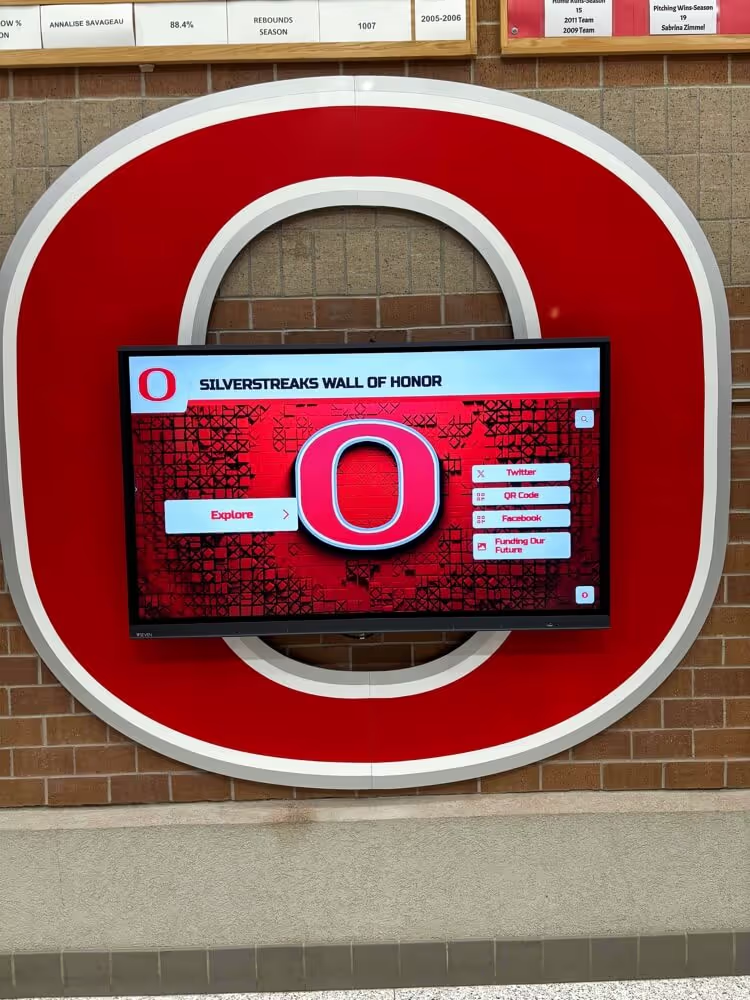
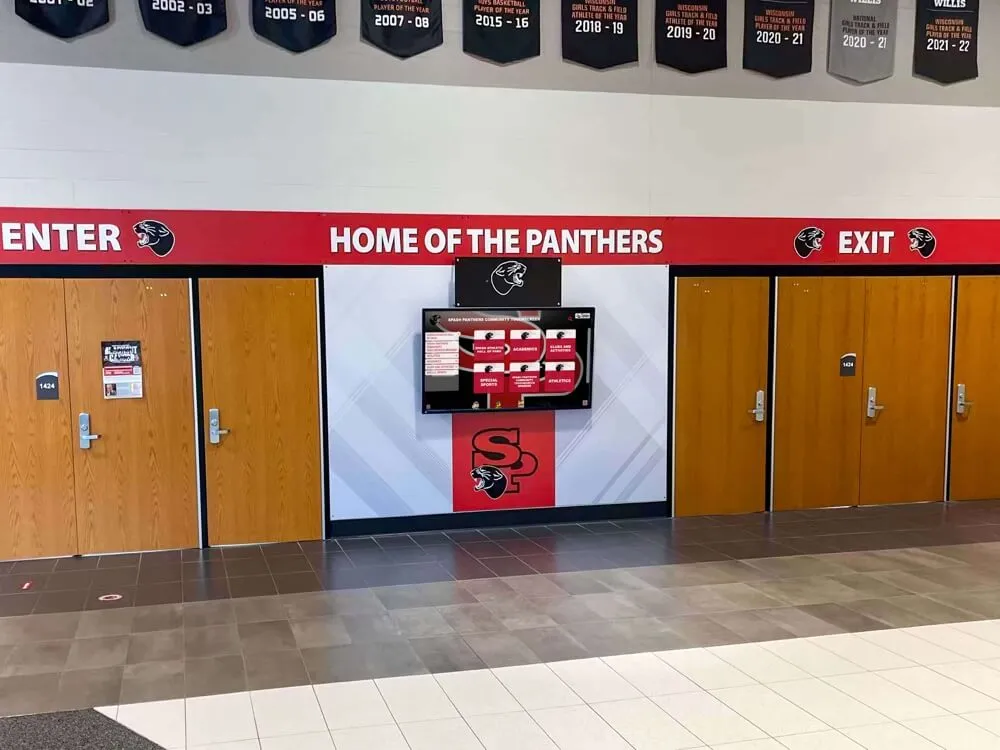
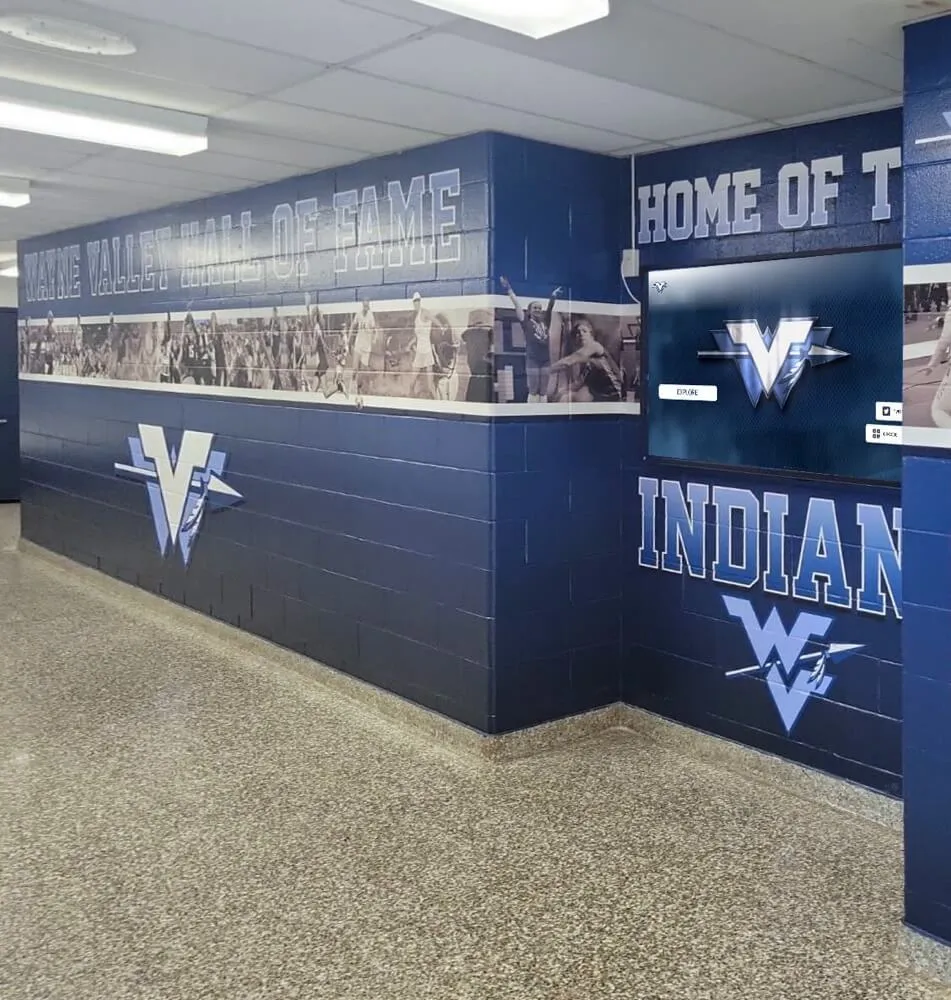
Prominent lobby placement ensures UDA National Championship achievements greet all visitors and community members
Celebrating Team Championship Achievements and Placements
Comprehensive recognition programs systematically honor team accomplishments at national championships while preserving championship legacies.
National Championship Victory Recognition
Teams achieving UDA National Championship titles in their categories and divisions deserve recognition matching these extraordinary accomplishments.
First Place National Championship Honors
According to 2025 UDA championship results published by Varsity TV and Dance Spirit, national champions earned recognition across dozens of categories representing the pinnacle of high school and collegiate dance team achievement. Schools whose teams win UDA National Championships should implement prominent, lasting recognition including:
Dedicated championship banners displayed in gymnasiums or performance venues, comprehensive digital profiles documenting championship teams, championship trophy displays with extensive context and storytelling, performance video preservation showing championship routines, complete roster documentation honoring every team member’s contribution, coaching staff recognition acknowledging leadership that built championship programs, and statistical documentation showing scores, rankings, and competitive field composition.
Championship recognition should distinguish these ultimate achievements from other accomplishments while explaining what made specific championships special—whether first-time victories breaking through competitive barriers, repeat championships demonstrating sustained excellence, come-from-behind victories overcoming adversity, or record-breaking performances that redefined program capabilities.
Multiple Category Championship Recognition
Teams winning championships in multiple categories during single championship events demonstrate exceptional versatility deserving specialized acknowledgment. Recognition should celebrate the extraordinary preparation required to compete at championship levels across multiple disciplines, acknowledge coaching excellence managing multiple championship-caliber routines, document individual performers contributing to multiple championship performances, and contextualize rarity of multi-category championships showing how uncommon this achievement is nationally.
Learn about comprehensive approaches to state championship recognition that apply to national-level dance team achievements.
Runner-Up and Podium Finish Recognition
Teams finishing in top positions without winning championships achieved remarkable success deserving systematic celebration.
Second and Third Place National Recognition
Finishing second or third at UDA National Championships represents extraordinary achievement—teams overcame regional qualification standards, performed at elite levels against national competition, and placed ahead of dozens or hundreds of teams competing in their categories. Schools should recognize these accomplishments prominently while maintaining distinction from championship victories.
Recognition should include clear documentation of placement and competition details, explanation of competitive field size and quality, performance highlights showing excellent moments, narrow margin documentation when applicable showing how close teams came to championships, and motivation framing that celebrates achievement while inspiring future championship pursuits.
According to competitive analysis, margins between top finishers at UDA Nationals often measure fractions of points—second and third place teams frequently deliver championship-caliber performances separated from titles by minute execution details rather than fundamental quality differences.
Top Five and Finals Appearances
Teams finishing in top five positions or qualifying for finals rounds at UDA National Championships demonstrated elite capabilities deserving recognition. Many UDA categories utilize preliminary rounds and finals structures where only top-scoring teams advance to championship finals—qualifying for finals represents significant achievement regardless of ultimate placement.
Schools should celebrate finals qualifications and top finishes including documentation of preliminary round success earning finals berths, recognition of performing on championship stages before national audiences, context about teams defeated or rankings achieved, and integration within season-long achievement narratives showing culmination of year-long excellence.
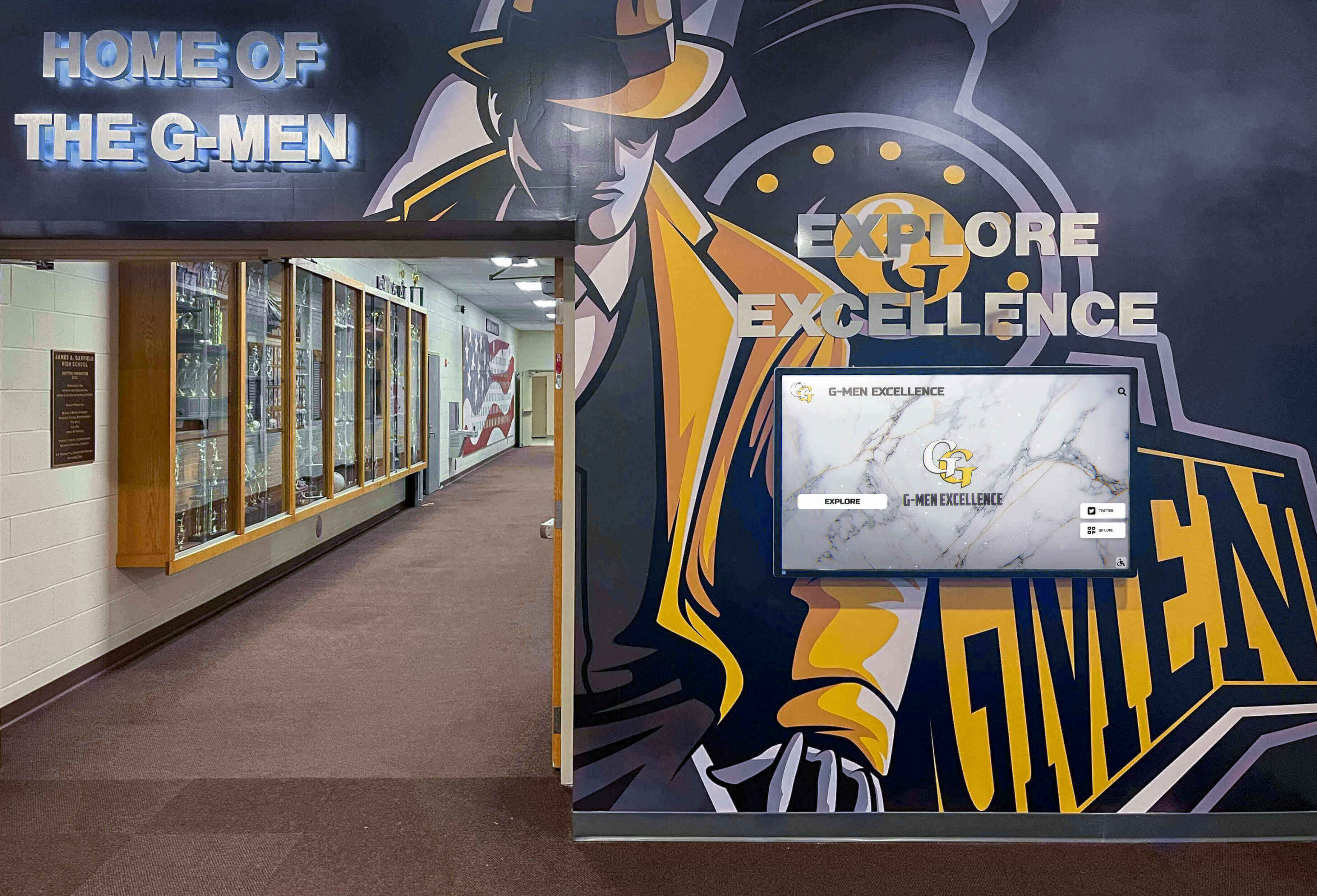
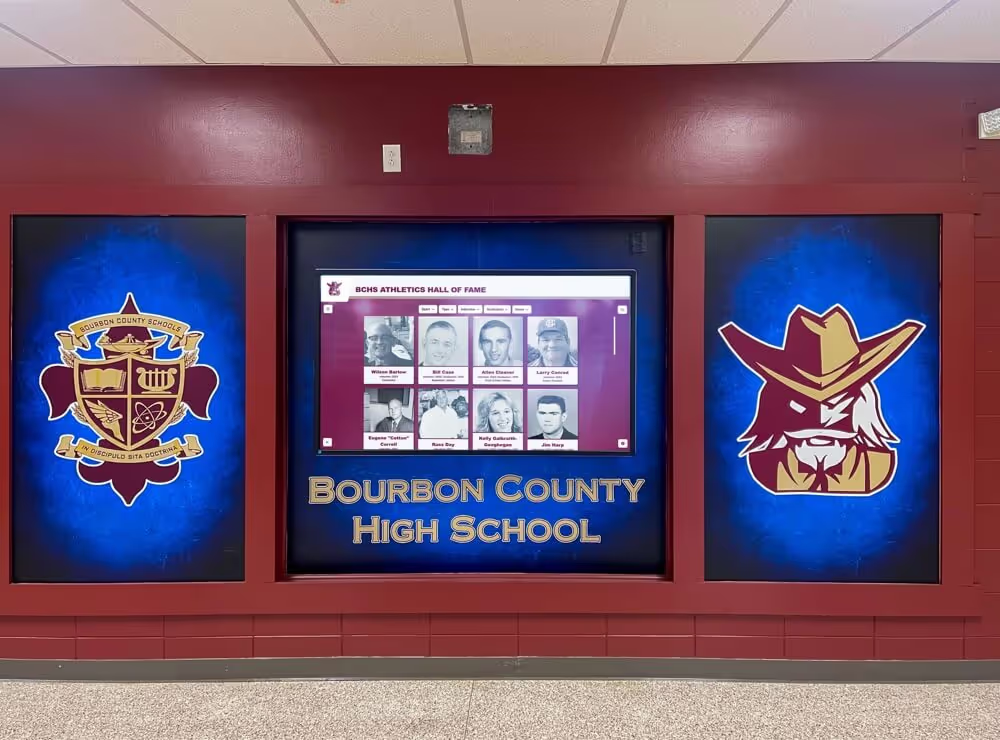
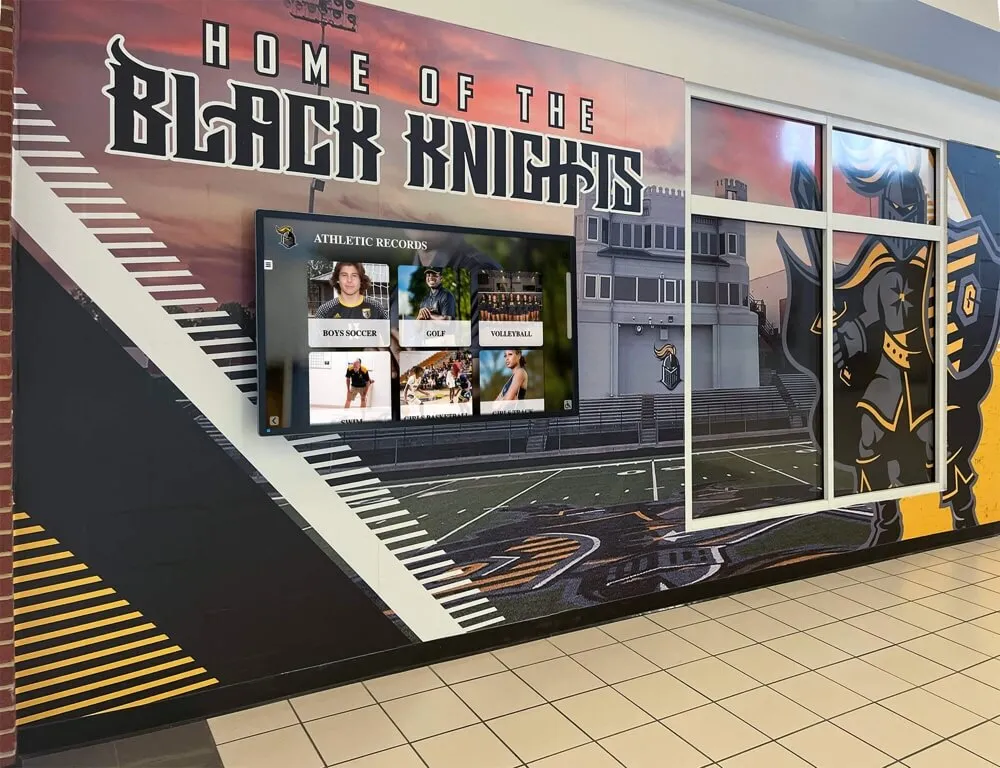
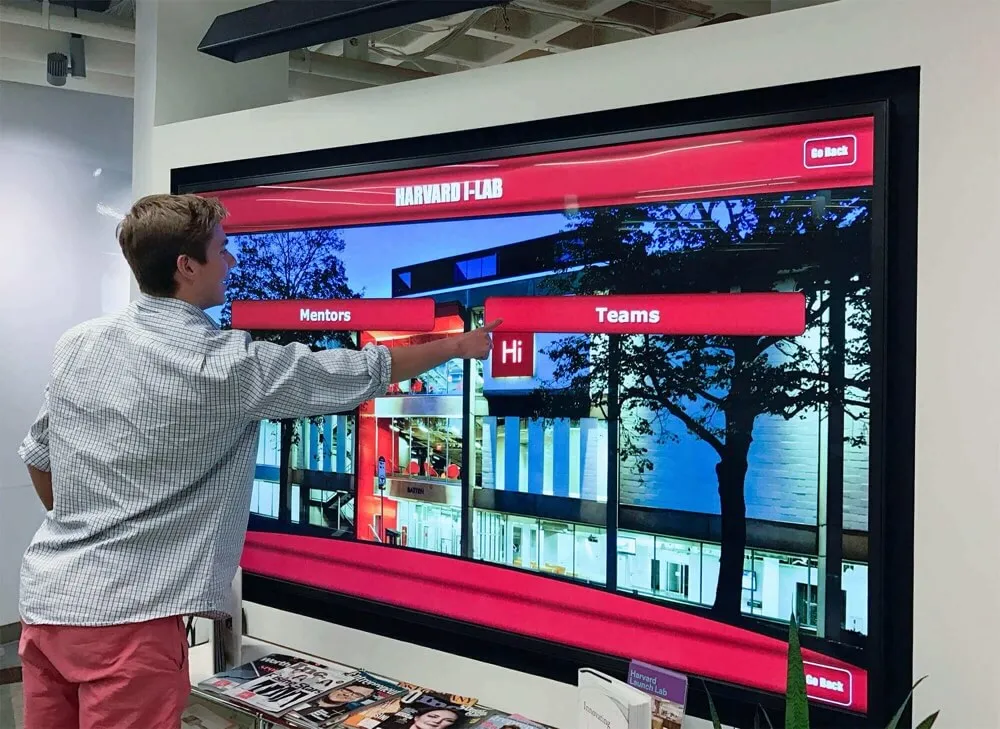
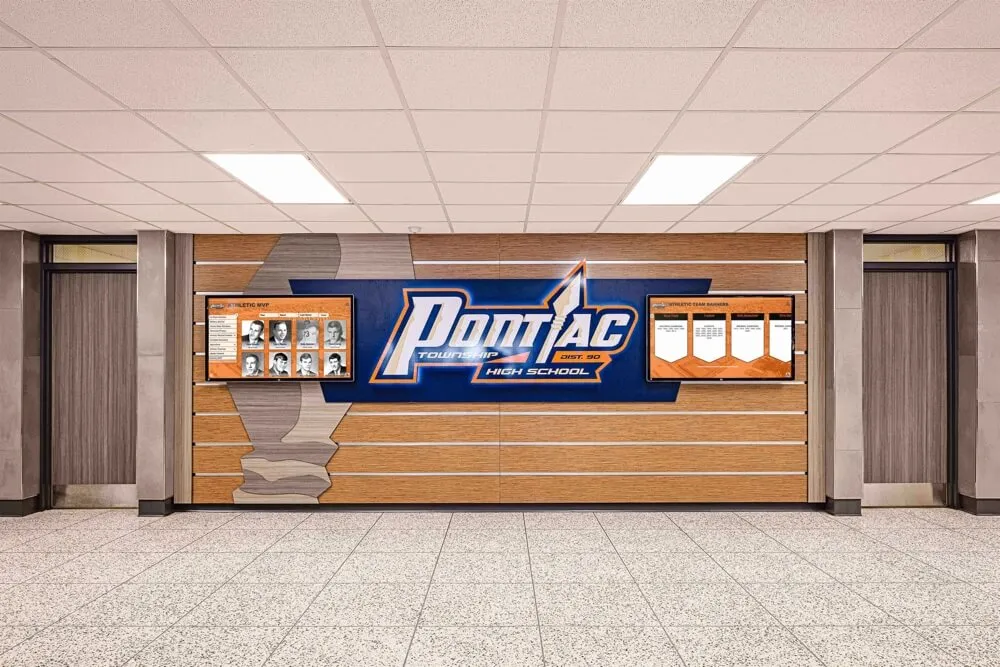
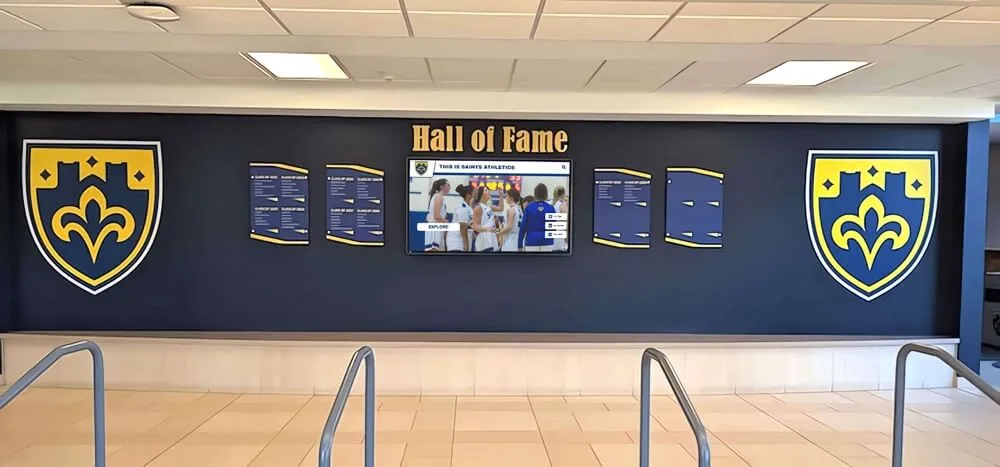
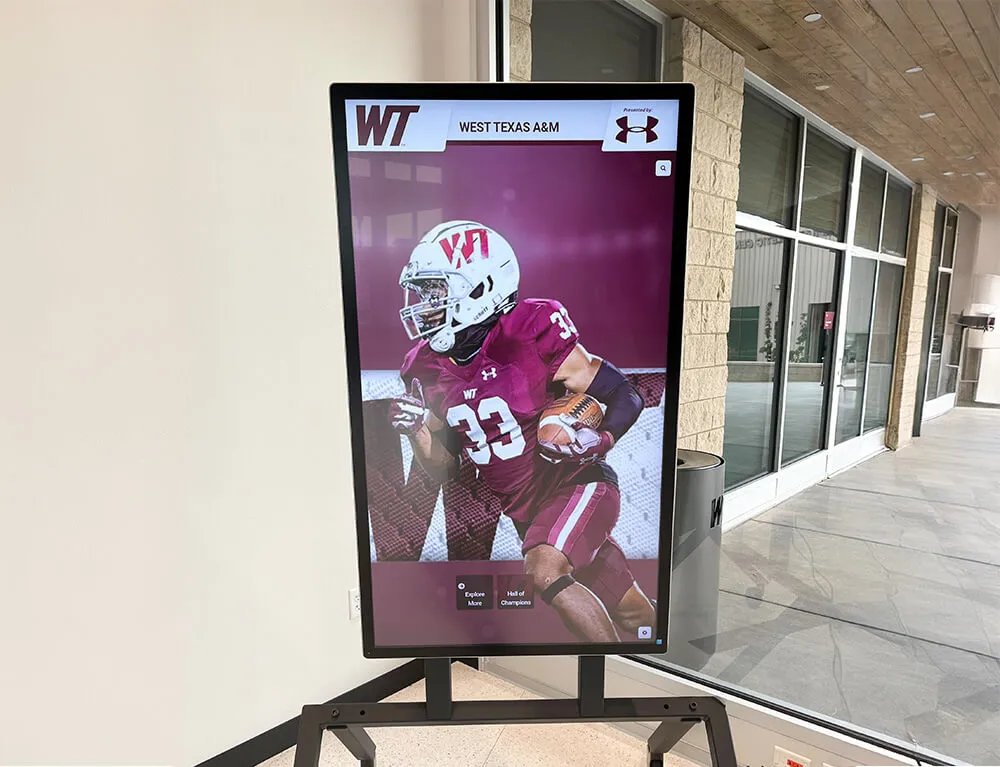
Integrated recognition environments combine digital displays with traditional elements creating immersive celebration of dance team excellence
Special Achievement and Technical Awards
Beyond placement finishes, UDA presents specialized awards recognizing specific achievement dimensions.
Choreography and Creativity Awards
UDA events often recognize outstanding choreography acknowledging innovative routine construction, creative concept development, and artistic vision execution. Teams earning choreography recognition should celebrate these awards that acknowledge the creative dimensions of competitive dance extending beyond technical execution.
Recognition should explain award criteria and selection processes, feature choreographer profiles acknowledging creative leadership, preserve routine video emphasizing creative elements, and contextualize how choreography awards complement performance placement results.
Technical Excellence and Difficulty Recognition
Awards recognizing technical difficulty, execution quality, or specialized skill performance honor teams pushing boundaries of competitive possibility. Schools should document these specialized recognitions that acknowledge specific excellence dimensions including explanation of what technical elements earned recognition, video preservation showing recognized technical sequences, connection to training approaches and preparation that enabled difficult elements, and inspiration for current dancers showing achievement possibilities through dedication and skill development.
Spirit and Sportsmanship Recognition
Character and Leadership Awards
UDA presents spirit awards, sportsmanship recognition, and leadership acknowledgments celebrating teams and individuals demonstrating exemplary character, positive competitive spirit, and values alignment with dance community ideals.
Schools should prominently feature these awards that reflect program culture and values including explanation of how teams earned recognition, specific examples of demonstrated sportsmanship, coach and team testimonials about cultural priorities, and integration showing how character and competitive excellence coexist within successful programs.

Championship recognition combines physical trophies with comprehensive team achievement documentation
These character-based recognitions demonstrate that dance programs value comprehensive excellence encompassing athletic achievement, artistic expression, and personal character—a message schools should amplify through systematic recognition celebrating these awards alongside competitive results.
Individual Performer Recognition and All-Star Selections
While team achievements represent collective excellence, individual recognition celebrates personal accomplishment and standout performances.
UDA All-American and All-Star Selection Recognition
The most prestigious individual dance team honors come through all-star selections recognizing exceptional performers.
UDA All-American Recognition
UDA All-American designations represent elite individual recognition within competitive dance. Dancers earning All-American status demonstrated exceptional technical skills, performance quality, and mastery across evaluation components during selection processes held at various UDA events throughout competitive seasons.
According to UDA program information, All-American selections consider multiple performance dimensions including technical execution across dance styles, performance quality and stage presence, learning ability and adaptation to choreography, leadership potential and team contribution, and overall excellence distinguishing performers from peers.
Schools should celebrate All-American selections prominently through individual recognition profiles highlighting selection significance, documentation of selection event performance and evaluation, integration within both dance team and individual student-athlete recognition, connection to college recruitment opportunities when applicable, and permanent preservation ensuring All-American achievement remains acknowledged throughout school history.
Explore comprehensive individual athletic recognition strategies that celebrate standout performers across all athletic disciplines.
All-Star Team Selections
Beyond general All-American recognition, dancers may earn placement on specialized all-star teams representing elite performers within specific categories or divisions. These selections involve competitive evaluation processes where dancers perform learned routines and original choreography before judges selecting top performers from large candidate pools.
Recognition should document the competitive selection processes, specify all-star team category and distinction level, preserve performance videos or photos from selection events, and acknowledge how all-star recognition reflects individual excellence within team sport contexts.

Interactive displays enable detailed individual dancer profiles celebrating personal achievements and all-star recognitions
Outstanding Performer and MVP Recognition
Team-specific awards recognize individuals whose contributions most significantly impacted championship success.
Team MVP and Outstanding Dancer Awards
Schools and programs often present internal MVP awards recognizing dancers whose performance, leadership, and contribution most significantly impacted team success during championship seasons. While these awards originate internally rather than from UDA, they provide important recognition frameworks for acknowledging individual excellence within team contexts.
Recognition should establish clear selection criteria including performance consistency across competition season, technical excellence and execution quality, leadership influence on team culture and performance, improvement trajectory and season-long development, and clutch performance in critical competition moments.
Documentation should explain why specific dancers earned MVP recognition through performance statistics or evaluation metrics, teammate and coach testimonials, video highlighting key performances, and contextual narrative explaining MVP contributions to team championship pursuits.
Position-Specific Excellence Awards
Dance teams may recognize position-specific excellence—center performers executing most visible choreography, corner dancers anchoring formations, flyers demonstrating exceptional skills, or dancers mastering the most technically difficult sections. These specialized recognitions acknowledge that championship teams require excellence across all positions rather than only frontline performers.
Schools should implement recognition celebrating diverse contribution types including explanation of position-specific responsibilities, acknowledgment of less-visible roles essential to team success, individual profiles for position award recipients, and comprehensive team documentation ensuring all contributors receive appropriate acknowledgment.
Senior Leadership and Career Achievement Recognition
Multi-year contributors who built program excellence deserve recognition celebrating sustained contribution and leadership.
Four-Year Letter Winners and Program Stalwarts
Dancers participating throughout high school or college careers, earning varsity letters across multiple seasons, deserve specialized recognition celebrating sustained commitment. Four-year contributors often provide culture-building leadership, mentor younger dancers, and demonstrate work ethic and dedication that define successful programs regardless of individual competitive achievement levels.
Recognition should document complete competitive careers including year-by-year participation records, leadership roles and captain designations, competitions attended and performances contributed, growth trajectory showing skill development, and program impact testimonials from coaches acknowledging cultural contributions.
Career Championship Recognition
Dancers who participated in multiple UDA National Championship appearances across their careers achieved rare cumulative excellence deserving specialized acknowledgment. Recognition should celebrate total championship appearances throughout careers, diverse category or division participation, role evolution from younger team members to senior leaders, and comparison to program historical records showing how individual championship participation ranks within team legacy.
This longitudinal recognition ensures dancers who contributed to sustained program excellence across multiple seasons receive acknowledgment for cumulative achievement rather than only single-season accomplishments.
Learn about senior athlete recognition programs that celebrate career achievement and program leadership.
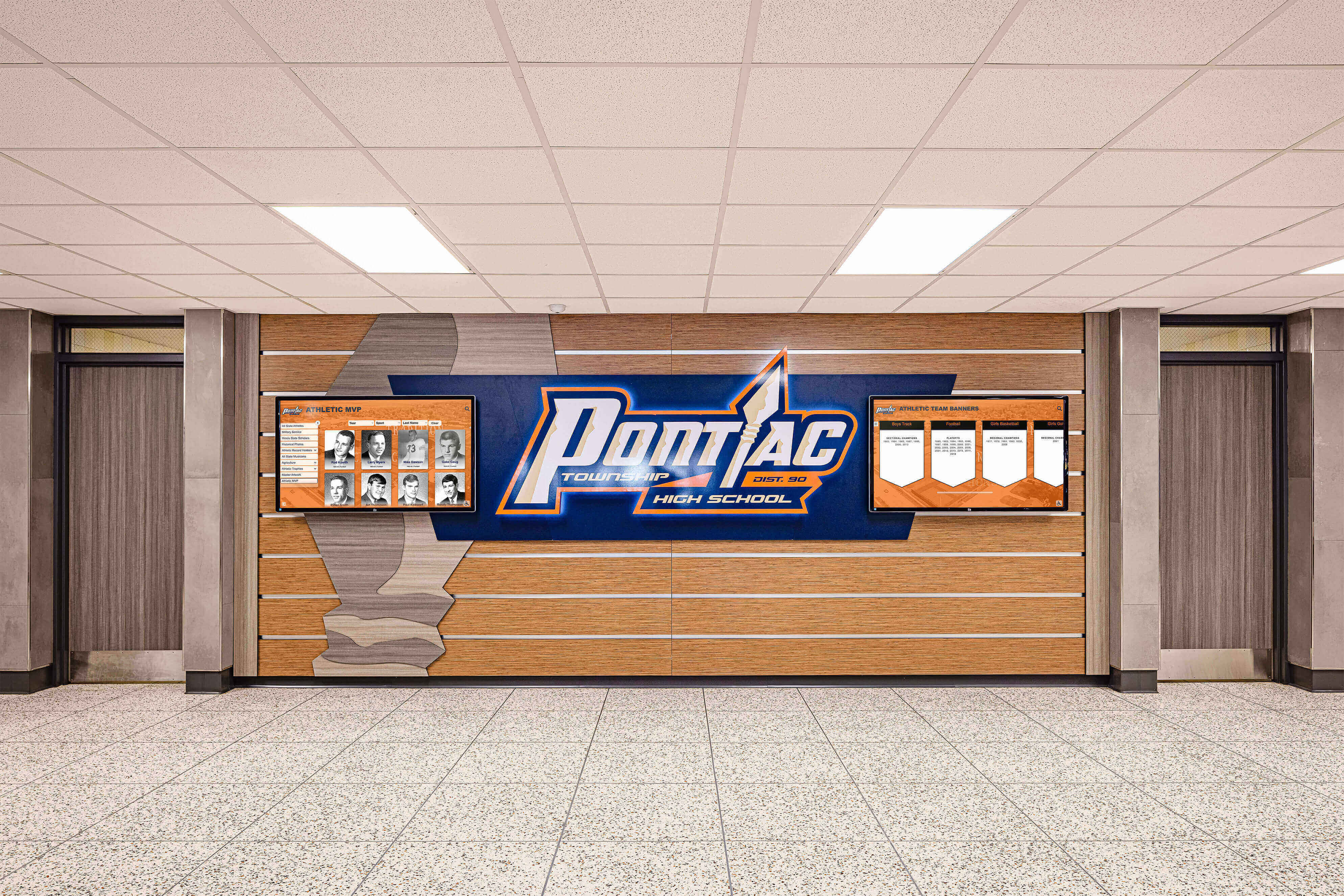
High-traffic hallway placement ensures daily visibility for individual dancer recognition and program achievements
Coaching Excellence and Staff Recognition for Championship Programs
Championship success requires exceptional coaching—recognition programs must celebrate coaches whose leadership, choreography, and development build winning traditions.
Head Coach Championship Recognition
Lead coaches directing UDA National Championship teams deserve prominent acknowledgment celebrating their strategic vision, technical expertise, and leadership.
Coach of the Year and Championship Coaching Awards
While UDA does not present formal Coach of the Year awards at national championships, schools and local organizations should implement internal recognition celebrating coaching excellence that produced championship results. Recognition criteria should include team competitive success and championship achievement, choreographic creativity and technical innovation, dancer development and skill progression, program culture and character building, and sustained excellence showing multi-year success rather than isolated seasons.
Schools should document coaching achievement through career statistics including championship appearances and results, tenure documentation showing program-building longevity, coach profiles explaining background and expertise, testimonials from dancers and families, and prominent display placement acknowledging coaching as essential to program success.
Choreography Recognition and Creative Leadership
Coaches who create championship-winning routines demonstrate artistic vision and creative excellence deserving specific recognition beyond general coaching acknowledgment. Schools should celebrate choreographic achievement including documentation of self-choreographed routines versus externally created, explanation of choreographic concepts and creative vision, video preservation showing choreographic highlights, and context about how choreography contributed to competitive success or innovative approaches that distinguished performances.
This specialized recognition acknowledges that competitive dance requires both coaching expertise developing technical skills and creative artistry constructing compelling routines—dimensions that may reside in single individuals or distributed across coaching staffs.
Assistant Coach and Staff Contribution Recognition
Supporting coaches and technical specialists make critical contributions deserving systematic acknowledgment.
Assistant Coach and Specialty Instructor Recognition
Championship programs often employ multiple coaches with specialized expertise—technique specialists, conditioning coaches, choreography consultants, or style-specific instructors for Hip Hop, Jazz, or other categories. Schools should recognize complete coaching staffs rather than only head coaches through individual profiles documenting coaching responsibilities, specialized expertise areas, tenure and program contributions, and dancer testimonials about coaching impact.
Comprehensive staff recognition ensures all contributors to championship success receive appropriate acknowledgment while demonstrating program depth and expertise breadth enabling championship achievement.
Athletic Trainers and Support Staff
Athletic trainers who keep dancers healthy, equipment managers, music editors, costume designers, and other support personnel enable championship performance despite rarely receiving recognition. Schools should implement specific acknowledgment including role explanations helping stakeholders understand support staff contributions, individual profiles for key support personnel, testimonials from coaches about essential support functions, and integration within team championship recognition showing complete organizational success rather than only on-stage performers.
Learn about comprehensive coaching recognition approaches that apply to dance team coaching staffs.
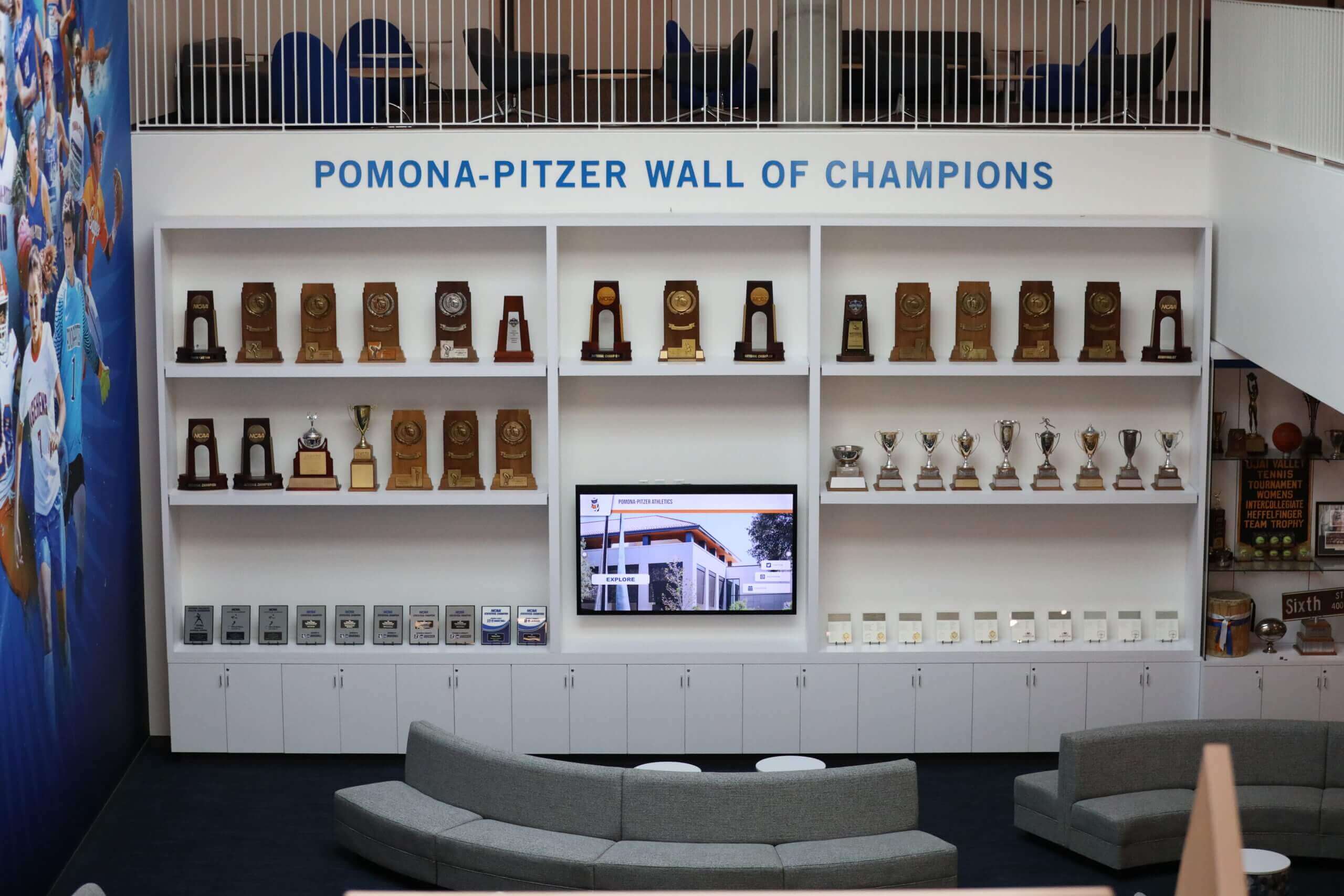
Dedicated recognition spaces celebrate coaching excellence alongside competitive achievements and championship trophies
Milestone Coaching Achievements and Program Building
Career milestones reached during championship seasons deserve specialized recognition.
Championship Appearance Milestones
Coaches reaching career milestones—first championship appearance, multiple championship appearances, consecutive championship qualifications—merit recognition celebrating these achievement markers. Documentation should include complete championship appearance records, comparison to program historical standards, narrative explaining significance of specific milestones, and placement within broader career achievement recognition.
Program Transformation and Excellence Building
Coaches who built championship programs from struggling foundations or transformed mediocre teams into national contenders achieved remarkable program development deserving specialized recognition. Schools should document transformation narratives including program state before coaching tenure began, year-by-year improvement trajectories, specific strategies and changes enabling improvement, and culmination in championship success demonstrating complete transformation.
These narratives provide inspiration showing that championship programs result from sustained strategic effort rather than only talent accumulation, while celebrating coaches whose vision and execution drove transformational improvement.
Modern Digital Recognition Solutions for UDA Championship Celebration
Traditional recognition approaches—trophy cases, printed posters, static plaques—provide limited capacity and engagement compared to modern digital platforms specifically designed for comprehensive dance team recognition.
Digital Display Advantages for Dance Team Recognition
Interactive recognition systems provide specific benefits for celebrating UDA National Championship achievements.
Unlimited Recognition Capacity
Physical trophy cases eventually reach capacity limits, forcing difficult decisions about which accomplishments display permanently. Digital recognition systems like Rocket Alumni Solutions accommodate unlimited content—every championship team throughout history, complete rosters, individual awards, performance videos, championship narratives—without consuming additional physical space. A single touchscreen display provides access to comprehensive dance team recognition that would require hundreds of square feet using traditional approaches.
Rich Multimedia Integration
Digital platforms enable recognition depth impossible through plaques or certificates:
High-resolution championship photos preserving competitive moments and award ceremonies, performance video highlights showing championship routines and extraordinary sequences, statistical documentation including scores, rankings, and competitive field composition, audio elements like music clips from championship routines, interactive timelines showing championship journeys from qualifications through finals, and linked content connecting individual achievements to team success within comprehensive recognition ecosystems.
This multimedia capability transforms simple acknowledgment into engaging storytelling that resonates with viewers far more effectively than text-only traditional recognition.
Explore comprehensive digital trophy case solutions that showcase dance team championships alongside other athletic achievements.
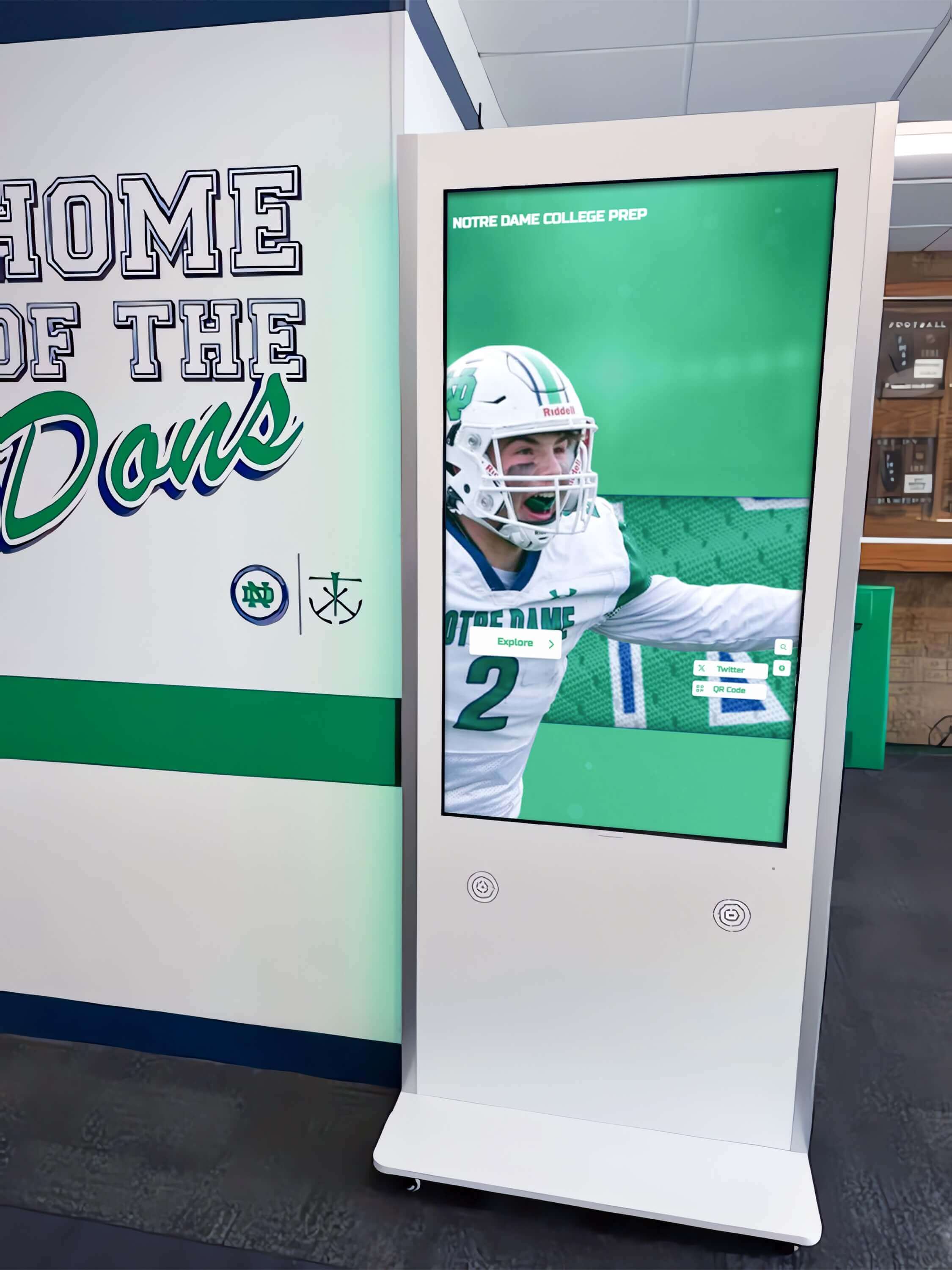
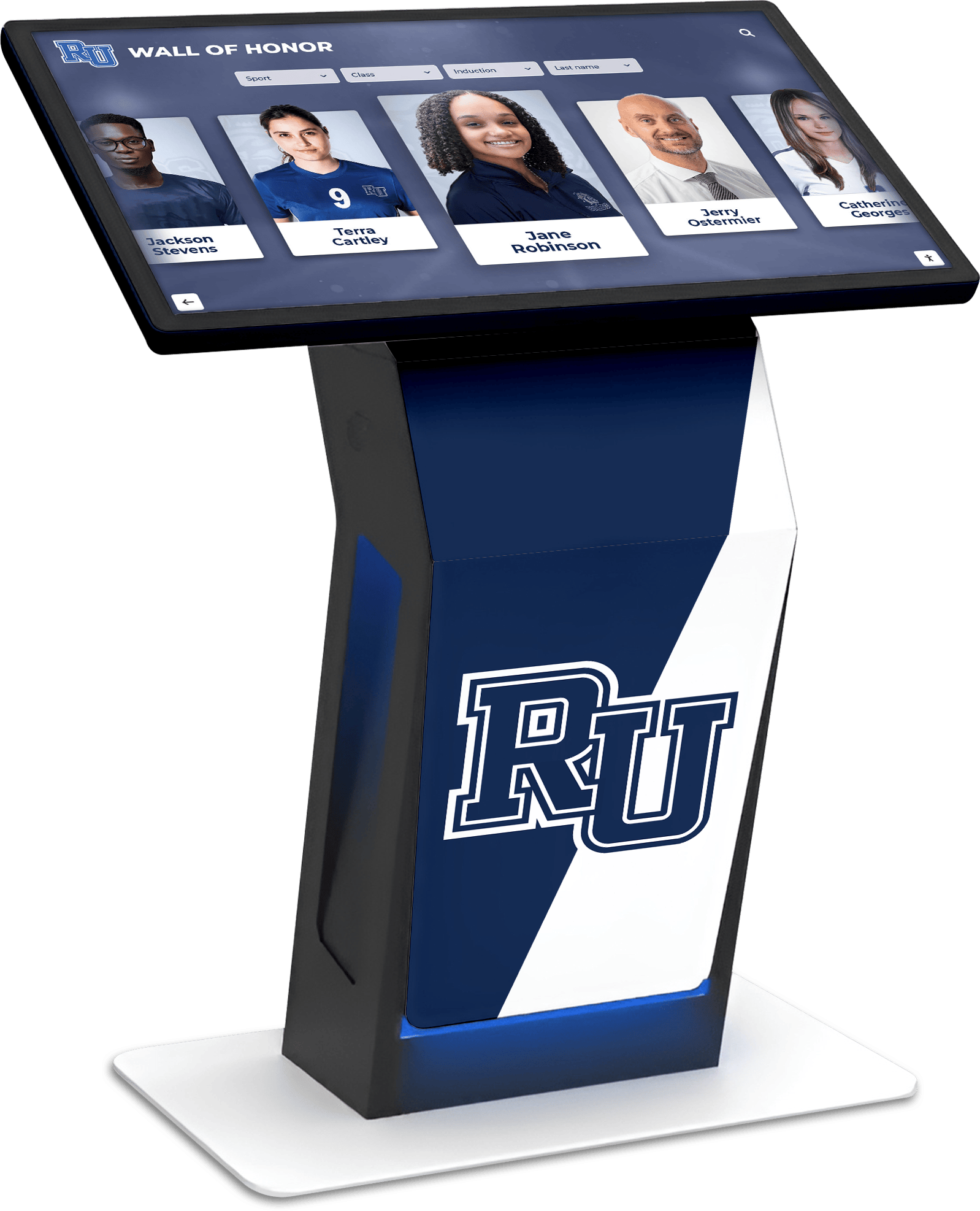
Purpose-built recognition kiosks accommodate comprehensive dance team achievement celebration with engaging multimedia content
Easy Content Updates and Recognition Currency
Immediate Championship Recognition
Adding championships to traditional recognition systems requires fabrication, installation, and often structural modifications creating delays between championship achievement and visible recognition. Digital platforms accept content updates through simple web interfaces, enabling championship teams to receive prominent recognition within days of competition rather than months later when traditional elements are finally produced.
This timeliness proves particularly important for dance team recognition—championship excitement peaks immediately after competitions, and prompt recognition maximizes engagement and celebration impact while achievement remains fresh in community consciousness.
Continuous Content Enhancement
Digital systems enable ongoing recognition refinement long after initial implementation. Schools can add newly-discovered historical photos to championship teams, incorporate video footage transferred from old formats, update dancer profiles with post-graduation achievements, enhance narratives with additional context, and reorganize content improving navigation and discovery.
This continuous improvement capability ensures recognition remains current and comprehensive rather than becoming historical artifacts frozen at installation moments as physical plaques inevitably do.
Accessible Recognition for All Stakeholders
Universal Design and Inclusive Features
Interactive displays incorporate accessibility features ensuring dance team recognition serves entire school communities:
Adjustable text sizing accommodating vision-impaired viewers, intuitive interfaces requiring no technical expertise, multilingual capabilities serving diverse communities, wheelchair-accessible display placement and interface positioning, and search functionality enabling quick location of specific dancers, teams, or championships.
These inclusive design principles ensure UDA National Championship recognition celebrates achievement accessibly rather than only for those who happen to pass physical displays during limited hours.
Extended Reach Through Web Integration
Modern recognition platforms extend beyond physical displays through web-accessible championship databases enabling worldwide viewing, mobile-responsive designs ensuring smartphone access, social sharing capabilities amplifying recognition reach, alumni access allowing graduated dancers to revisit achievements, and recruitment support as prospective families evaluate program excellence.
This extended reach amplifies championship recognition impact exponentially compared to physical displays accessible only to campus visitors during school hours.
Learn about digital recognition display approaches that maximize community engagement and accessibility.

Detailed individual profiles celebrate dancer achievements with comprehensive documentation and engaging visual presentation
Implementing Comprehensive UDA Championship Recognition Programs
Schools ready to enhance dance team recognition should follow systematic implementation approaches ensuring successful outcomes.
Content Development for Dance Team Recognition
Championship Documentation Collection
Comprehensive recognition requires systematic content gathering including complete team rosters for all championship teams, individual award winners and all-star selections, championship placement results and competition details, high-quality performance photography from competitions, performance video from routines and key moments, coach and dancer testimonials about championship experiences, statistical documentation including scores and rankings, and historical context connecting championships to program tradition.
This content development represents initial investment but creates permanent assets accessible indefinitely through digital platforms, whereas traditional recognition provides no flexibility for enhancement after fabrication.
Historical Championship Research
Schools with long dance team traditions should research and document historical championship achievements even when original recognition no longer exists or never occurred systematically. Approaches include reviewing archived school publications and yearbooks, contacting alumni dancers and coaches for memories and materials, researching UDA historical results and archives, examining local media coverage from championship seasons, and connecting with other schools who competed during historical eras for comparative context.
This historical documentation ensures complete program legacy preservation rather than only recent achievement recognition, demonstrating sustained excellence while honoring past contributors who built program foundations.
Strategic Display Placement and Installation
High-Traffic Location Selection
Effective recognition requires visibility ensuring community engagement. Optimal placement includes main lobby or entrance areas greeting all visitors, athletic facility entrances and corridors, performance venues where dance teams practice and compete, cafeterias and student commons with high daily traffic, and hallway locations near other athletic or performing arts recognition.
Schools should consider multiple displays in different locations rather than single installations, ensuring dance team recognition reaches diverse audiences throughout campus rather than only in specialized dance spaces.
Integration with Existing Recognition
Dance team recognition works most effectively when integrated within comprehensive athletic and performing arts recognition rather than isolated. Schools should position dance team displays alongside recognition for other sports creating unified athletic recognition environments, integrate with performing arts recognition acknowledging dance’s artistic dimensions, connect to academic recognition for dancer scholars, and link to alumni recognition for graduated dancers maintaining program connections.
This integration demonstrates institutional commitment to comprehensive excellence celebration rather than hierarchy privileging specific achievement types.
Learn about athletic facility recognition planning that accommodates dance team championships alongside other athletic achievements.
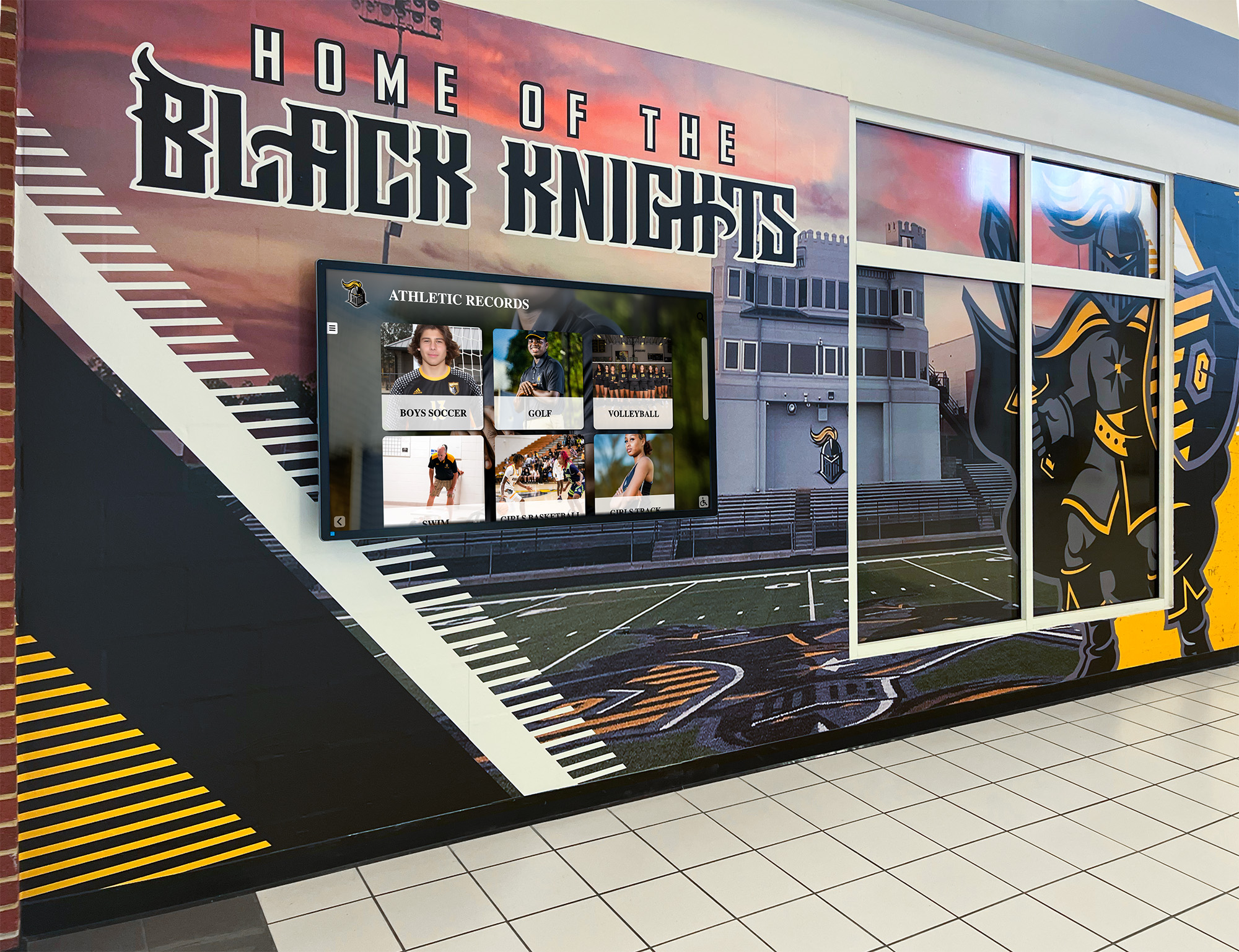
Comprehensive athletic recognition environments celebrate dance team championships within broader institutional athletic excellence narratives
Rocket Alumni Solutions for Dance Team Recognition
Purpose-built platforms designed specifically for athletic and performing arts recognition provide capabilities that generic digital signage cannot match for celebrating UDA championship achievements.
Comprehensive Dance Team Features
Rocket Alumni Solutions enables schools to create detailed championship recognition including unlimited championship team profiles across all years, rich multimedia integration with photos, videos, and statistics, individual dancer and coach recognition with comprehensive profiles, searchable databases enabling quick location of specific championships or individuals, filtering capabilities by year, category, division, or achievement type, and mobile-friendly web access extending recognition beyond physical displays.
This comprehensive platform ensures every UDA championship—from first-time national qualifications to repeat championship victories to individual all-star selections—receives appropriate, permanent recognition accessible to entire school communities.
Intuitive Championship Content Management
Rocket’s platform makes dance team recognition maintenance simple through bulk import tools adding multiple team members simultaneously, consistent templates ensuring uniform professional presentation, drag-and-drop interfaces requiring no technical expertise, preview functionality allowing review before publication, scheduled publishing aligning with championship timing, and automatic archiving preserving all historical dance team content indefinitely.
Schools report that updating dance team recognition through Rocket takes minutes compared to hours or days required for maintaining traditional physical displays, ensuring timely recognition celebrating championships while achievement remains current.
Sustainable Long-Term Operations
Cloud-based access enabling updates from any internet-connected device, role-based permissions allowing appropriate staff content management, version history preserving changes and enabling rollback if needed, ongoing platform enhancements providing continuous improvement, and responsive customer support ensuring successful long-term operation create sustainable recognition programs serving schools effectively for decades rather than becoming outdated as physical displays often do.
Discover how Rocket Alumni Solutions transforms dance team recognition through comprehensive digital platforms specifically designed for celebrating championship achievement.
Transform Your UDA Championship Recognition Program
Discover how modern digital recognition solutions can help you celebrate UDA National Championship achievements, honor dance team excellence, and build program traditions that inspire current and future performers for generations to come.
Explore Recognition SolutionsCreating Championship Culture Through Recognition
Effective UDA championship recognition extends beyond documenting past achievement—it builds program cultures where excellence becomes expected and championship pursuit motivates current dancers.
Inspiring Current Dancers Through Historical Recognition
Legacy and Tradition Building
Visible championship recognition creates powerful motivation for current dancers who encounter daily displays showing program legacy. When dancers see championship teams from previous years, all-star selections from recent graduates, and documented excellence extending across program history, they understand they contribute to traditions larger than individual seasons while seeing concrete evidence that championship achievement is possible through dedication and skill development.
Schools should explicitly connect historical and current recognition including “then and now” displays comparing historical and current teams, legacy features highlighting multiple-generation program contributors, progression narratives showing how programs built from early achievements to current excellence, and aspirational framing positioning historical championships as inspiration rather than untouchable history.
Goal-Setting and Achievement Pathways
Championship recognition provides concrete goals for current dancers. Rather than abstract aspirations toward “excellence,” visible recognition of specific championship achievements, all-star selections, and individual honors shows exact accomplishment types dancers can pursue through training and competitive performance.
Recognition should include explicit goal-setting support through achievement level documentation showing progression pathways, requirements explanation for various recognitions and awards, testimonials from recognized dancers about how they achieved success, and skill development resources connecting recognition to training approaches enabling achievement.
This goal-oriented recognition transforms displays from historical documentation into active motivational tools supporting current dancer development and achievement pursuit.
Explore approaches for building athletic program culture through comprehensive recognition systems.
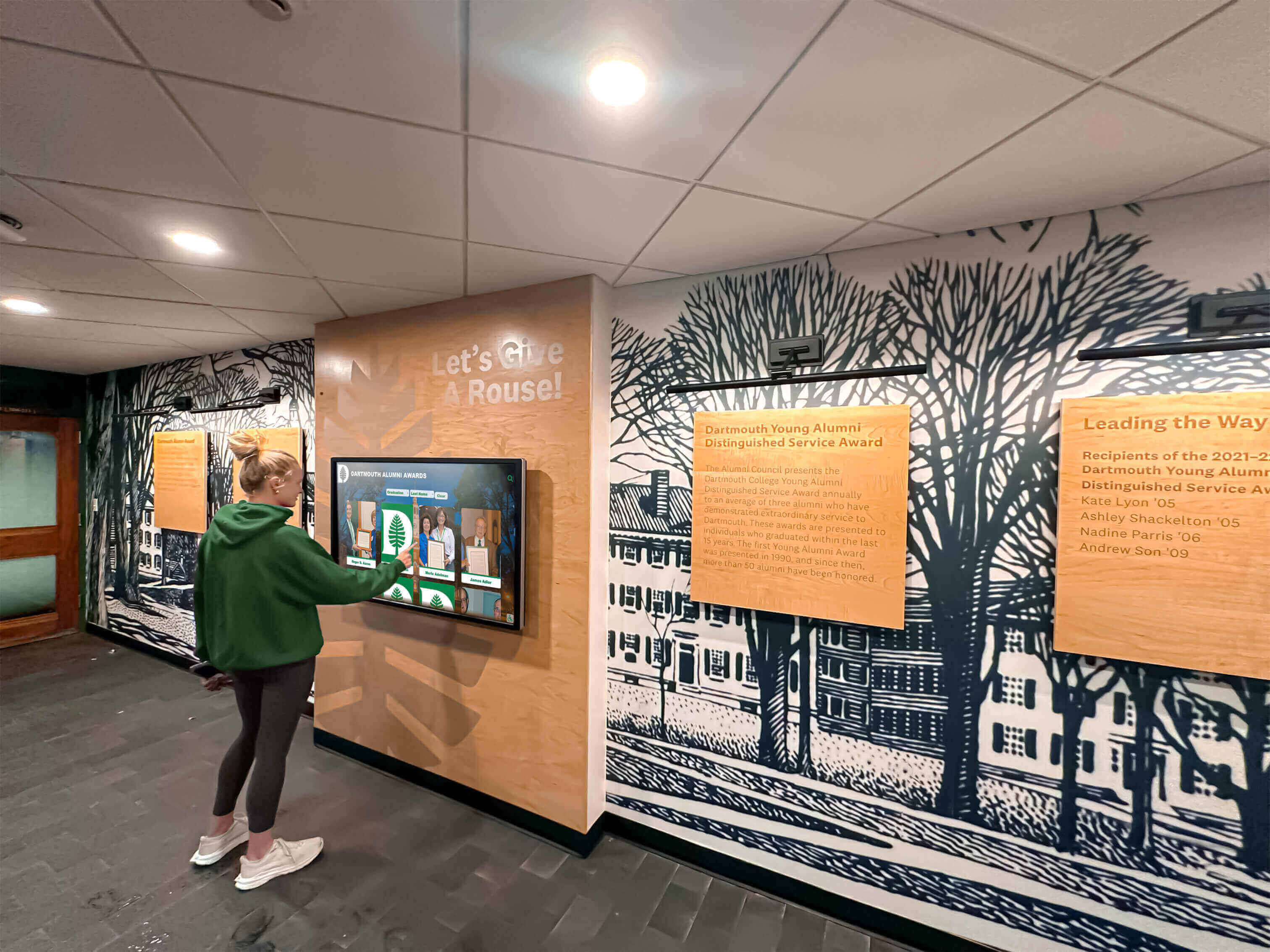
Interactive recognition engages current dancers who explore program history and envision their own potential achievements
Recruitment and Program Promotion Benefits
Prospective Dancer Evaluation
Comprehensive UDA championship recognition significantly impacts recruitment as prospective dancers and families evaluate programs. Visible championship achievements, documented program excellence, and systematic recognition demonstrate program quality and competitive capabilities attracting talented dancers seeking elite training environments.
Schools should leverage recognition for recruitment through showcase positioning where prospective families tour, mobile-friendly web access enabling remote exploration before campus visits, social media content featuring recognition displays, and explicit recruitment messaging connecting championship recognition to opportunity and development potential.
Community and Administrative Support Building
Visible dance team recognition builds community and administrative support essential for program resources and institutional backing. When school communities and leaders encounter systematic championship recognition, they gain appreciation for program excellence and competitive achievement often invisible to those outside dance team communities.
Schools should strategically position recognition to influence decision-makers including placement in administrative areas and board meeting spaces, annual recognition updates coinciding with budget and resource discussions, statistical summaries showing championship achievement trends, and comparative recognition showing dance team excellence matching or exceeding other celebrated programs.
This visibility helps dance teams secure resources, facility access, and institutional support enabling sustained championship pursuit.
Alumni Engagement and Connection Maintenance
Graduated Dancer Recognition Access
Web-accessible recognition enables graduated dancers worldwide to revisit their championship achievements, share accomplishments with families and employers, and maintain connections to programs they helped build. This alumni access provides ongoing value extending recognition impact beyond current student populations.
Schools should facilitate alumni engagement through alumni-specific recognition content and messaging, social sharing tools enabling easy achievement distribution, reunion integration where recognition becomes centerpiece for gathering alumni, and update notifications when new content about historical teams appears.
Fundraising and Donor Development
Alumni who maintain connections to programs through accessible recognition become natural donors supporting current dancers and program development. Championship recognition that celebrates historical achievements while showing current needs creates compelling fundraising narratives connecting past excellence to future opportunity requiring support.
Schools should integrate recognition with development efforts through donor recognition integrated with championship celebration, fundraising campaigns using recognition as engagement tool, impact demonstrations showing how donor support enables championship achievement, and leadership recognition celebrating alumni whose continued support enables program excellence.
Learn about comprehensive donor recognition approaches that can integrate with athletic program recognition systems.
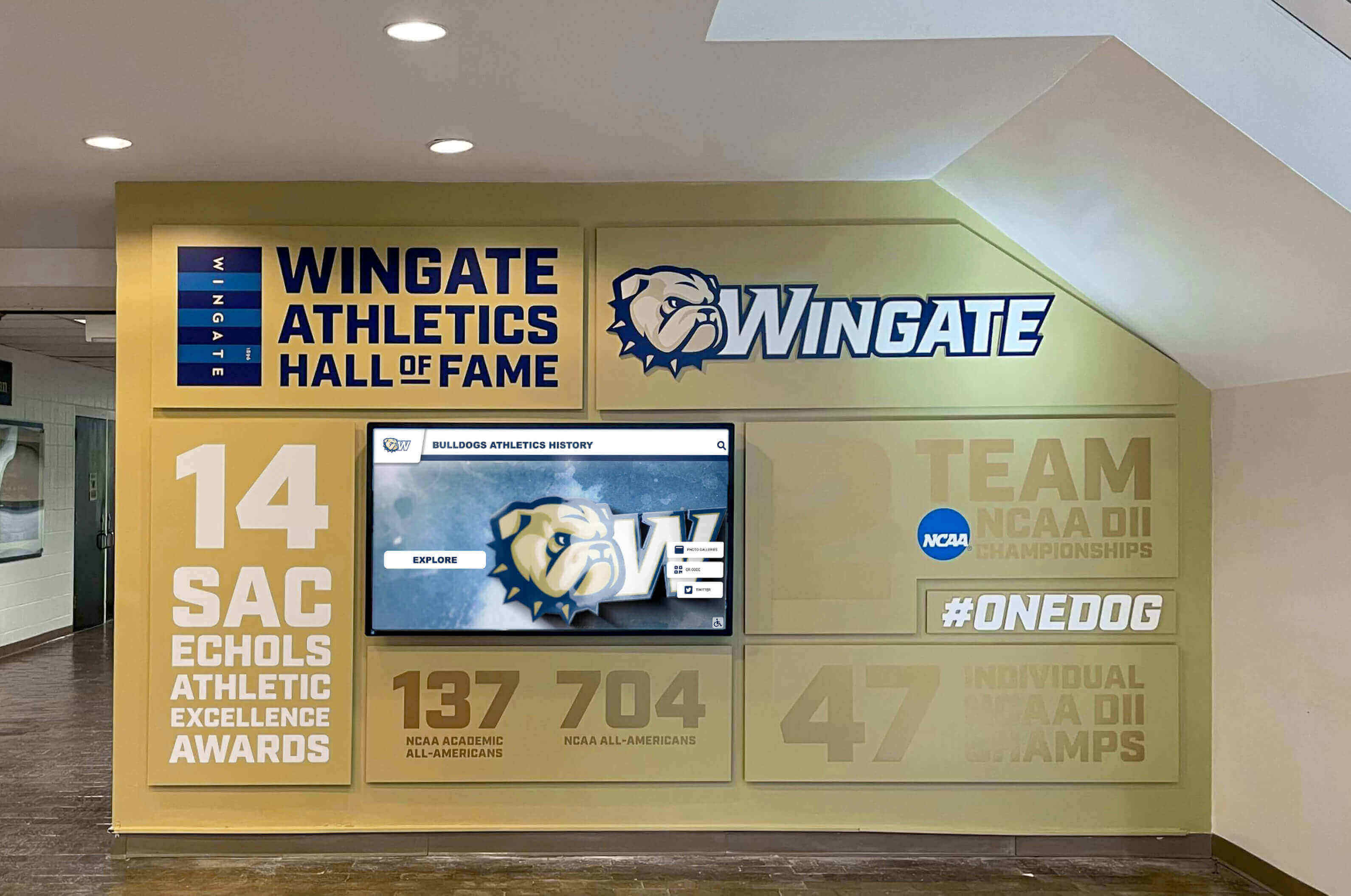
Prominent lobby recognition ensures UDA championship achievements contribute to institutional identity and visitor impressions
Measuring Recognition Program Success and Impact
Regular assessment ensures UDA championship recognition programs achieve intended goals while identifying improvement opportunities.
Quantitative Success Metrics
Engagement and Usage Analytics
Digital recognition platforms provide detailed analytics revealing program reach:
Unique visitors viewing championship content, average session duration indicating engagement depth, content views per session showing exploration breadth, popular content analysis revealing which championships and dancers generate most interest, search patterns showing what stakeholders seek, and social sharing statistics measuring recognition amplification beyond initial viewers.
These metrics inform content strategy by identifying highly-engaging recognition deserving enhancement, underutilized content requiring promotion, and optimal recognition formats maximizing community engagement.
Program Performance Indicators
Track whether comprehensive recognition correlates with program success:
Dancer recruitment numbers and candidate quality trends, program participation and retention rates, championship qualification frequency, competitive placement improvements, and all-star selection rates for program dancers.
While recognition alone doesn’t determine program success, correlation between enhanced recognition and improved outcomes suggests visibility of championship achievement contributes to program culture and excellence.
Qualitative Assessment Approaches
Stakeholder Feedback
Gather perspectives from those experiencing recognition programs:
Current Dancer Input: Surveys or focus groups asking whether championship recognition motivates excellence pursuit, whether historical achievement feels inspiring or intimidating, whether recognition helps them understand program standards and opportunities, and whether they feel current achievements will receive appropriate future recognition.
Alumni Dancer Perspectives: Feedback about whether recognition appropriately preserves their contributions, whether web access enables them to share achievements meaningfully, whether recognition strengthens ongoing program connection, and whether they would support program development based on recognition of their legacy.
Family and Community Views: Parent and community surveys about recognition program awareness, perceived program quality based on visible championships, whether recognition increases program support and pride, and suggestions for enhancement.
Continuous Improvement Processes
Regular Content Updates
Championship recognition remains relevant through:
Prompt addition of new championship achievements immediately after competitions, periodic enhancement of historical content as new materials surface, regular refresh of featured content maintaining homepage variety, and systematic review ensuring all championships receive equitable recognition regardless of when they occurred.
Technology and Platform Evolution
Recognition systems should evolve with technology:
Display hardware updates maintaining current visual quality, software enhancements providing new features and capabilities, content format updates incorporating emerging media types, and accessibility improvements ensuring ongoing inclusive design.
Regular assessment and refinement ensure UDA championship recognition programs remain effective, engaging, and aligned with evolving program needs while celebrating dance team excellence appropriately.
Conclusion: Celebrating Dance Team Excellence Through Comprehensive Championship Recognition
Effective UDA National Championship recognition programs represent strategic investments in dancer acknowledgment, program tradition preservation, and championship culture development. When schools systematically celebrate dance team achievement through comprehensive documentation of championship success, prominent recognition of individual excellence and all-star selections, multimedia preservation of performance highlights and championship moments, and modern digital platforms creating permanent engaging visibility, they create environments where competitive dance excellence receives appropriate honor while inspiring current and future dancers to pursue championship success that will be permanently celebrated and remembered.
The strategies explored in this guide provide comprehensive frameworks for building UDA championship recognition systems that honor team achievement while celebrating individual excellence. From interactive digital displays that eliminate space constraints and enable multimedia storytelling to specialized recognition celebrating diverse achievement types from choreography awards to sportsmanship honors, these approaches transform championship acknowledgment from trophy case placement into permanent recognition woven throughout school athletic and performing arts traditions.
Modern digital recognition platforms make comprehensive dance team celebration achievable for schools of all sizes and resources. Purpose-built solutions like Rocket Alumni Solutions eliminate administrative burden that often prevents schools from maintaining current, engaging recognition while creating interactive experiences that resonate with contemporary communities. When UDA championship achievements receive visibility through prominent displays in high-traffic locations, complemented by web accessibility extending reach beyond campus, recognition influences not just those celebrated but entire school communities who encounter these displays while considering their own potential contributions to program traditions.
Start where you are—whether implementing your first systematic dance team recognition or enhancing existing programs—then systematically expand to create comprehensive approaches your dancers deserve. Every championship team receiving prominent, lasting recognition develops stronger connection to achievement and program, while every current dancer who encounters that recognition gains inspiration and concrete understanding of pathways available through dedication, technical excellence, and championship pursuit.
Your dance team achievers’ accomplishments deserve celebration equal to achievements in any athletic domain. With thoughtful planning, appropriate technology, and consistent implementation, you can create recognition systems that honor every UDA championship while building positive, motivating program culture where dance excellence thrives and student-athletes enthusiastically pursue the competitive success that comprehensive recognition celebrates.
Ready to begin? Explore additional strategies for cheerleading and dance program recognition that complement UDA championship celebration, learn about athletic program storytelling approaches that enhance championship narratives, or discover comprehensive athletic recognition systems that integrate dance team championships with complete program celebration.