Earning a varsity letter represents one of high school’s most prestigious athletic achievements. This centuries-old tradition recognizes student-athletes who demonstrate exceptional skill, dedication, and commitment to their sport at the highest competitive level. The distinctive letterman jacket adorned with a school letter and sport patches serves as visible proof of athletic excellence that athletes wear with pride throughout their high school years and often treasure for decades afterward.
Yet for many student-athletes and their families, the exact requirements for earning a varsity letter remain frustratingly unclear. How much playing time is required? What performance standards must you meet? Do different sports have different criteria? Can underclassmen earn letters, or are they reserved for upperclassmen? Does simply being on the roster qualify, or must you meet specific participation thresholds?
These questions matter because varsity letters carry significant weight beyond simple recognition. They appear on college applications demonstrating sustained athletic commitment, they qualify athletes for exclusive letter-winner organizations and alumni networks, they provide tangible validation of years spent training and competing, and they create lasting connections to school tradition and athletic heritage.
This comprehensive guide explains varsity letter requirements across different sports, schools, and competitive levels. Whether you’re a freshman wondering what it takes to letter as an underclassman, a parent trying to understand your student-athlete’s goals, or a coach developing fair letterman criteria for your program, these frameworks clarify what earning a varsity letter truly requires and how different schools approach this important athletic recognition.
Understanding varsity letter standards helps student-athletes set realistic goals while ensuring they maximize opportunities to earn this meaningful recognition during their high school athletic careers. Clear criteria also help coaches administer fair, consistent recognition programs that honor genuine achievement while maintaining the prestige that makes varsity letters significant.

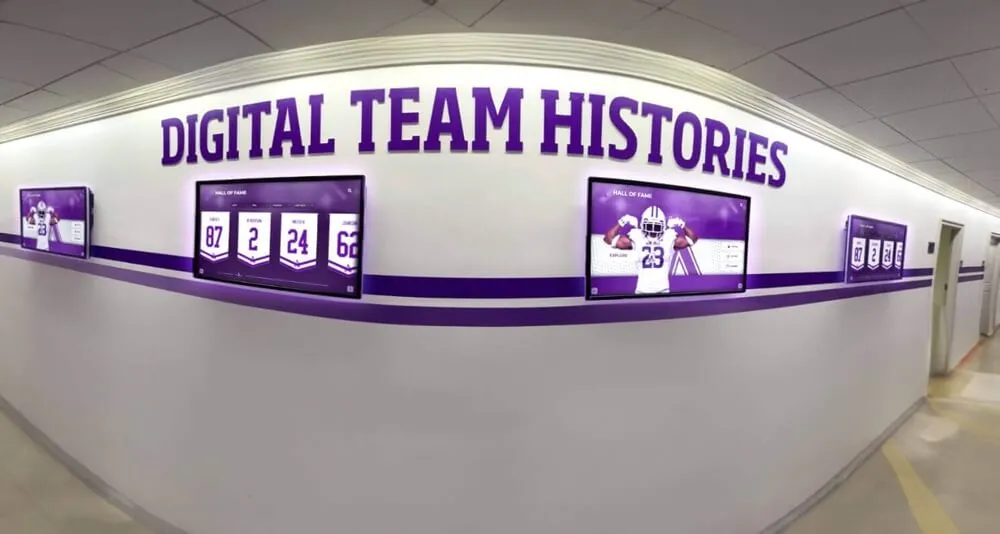
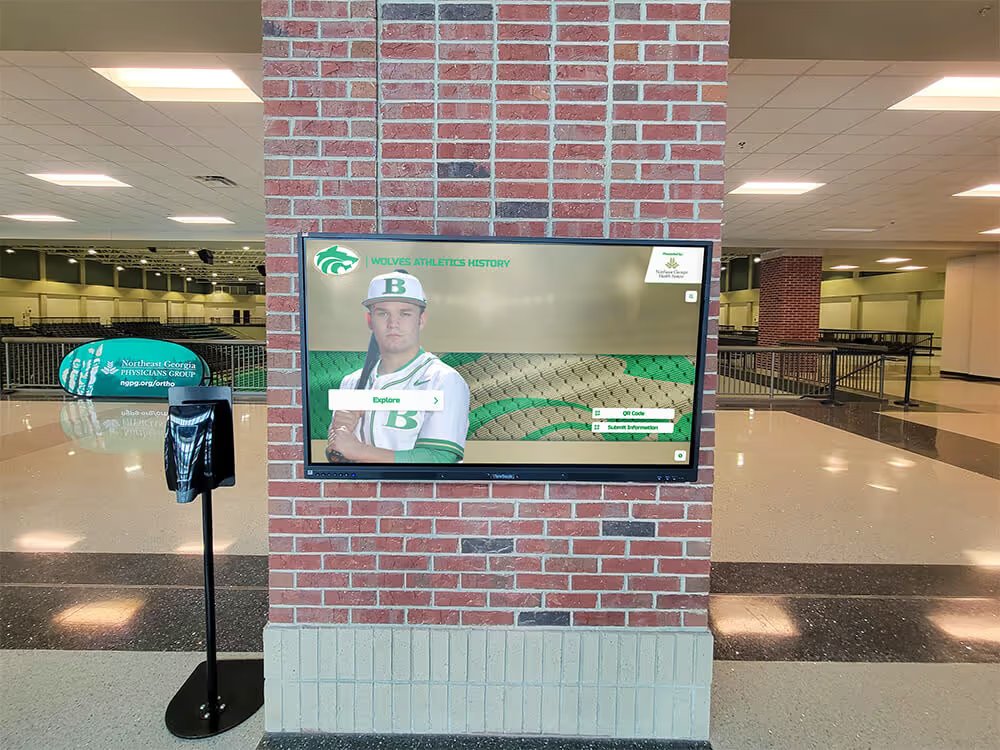
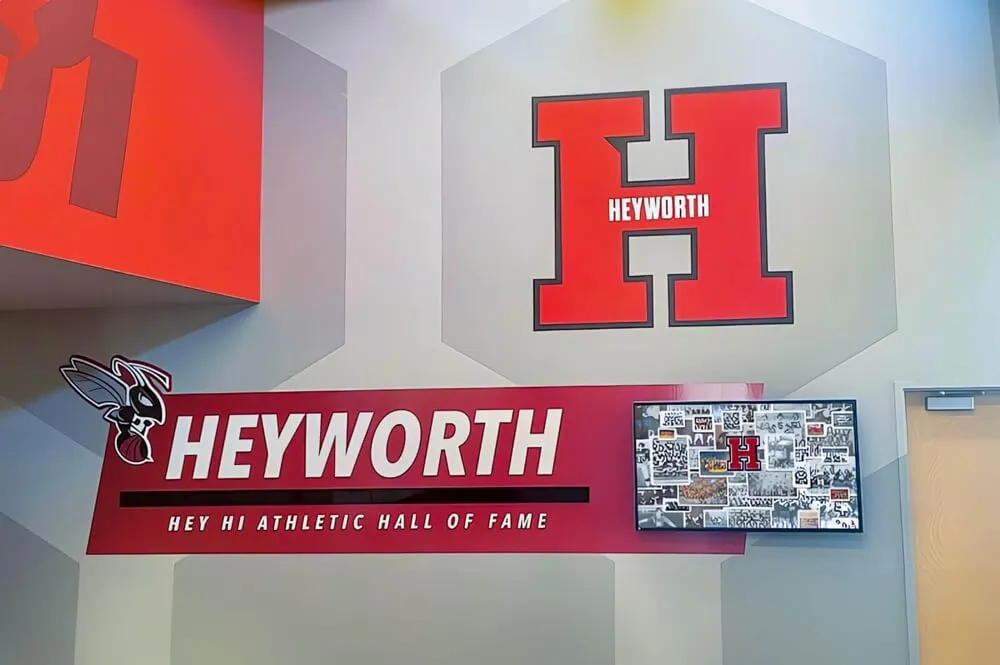
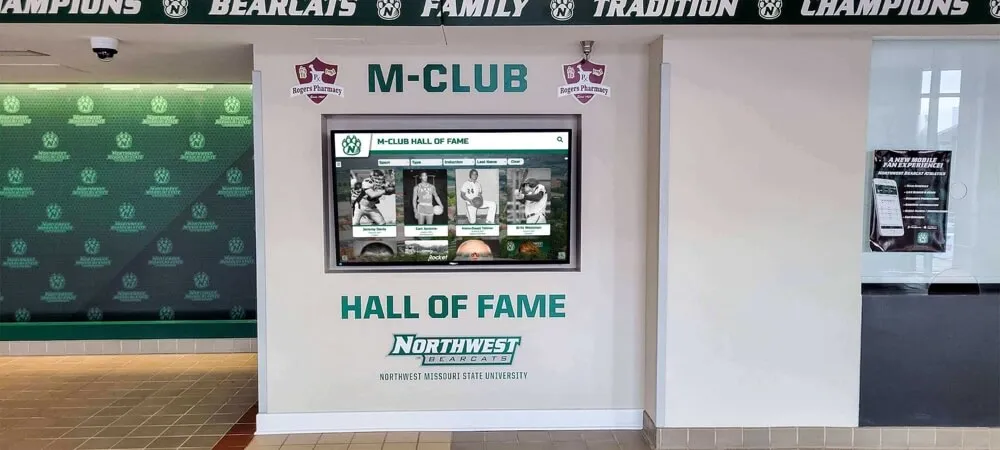
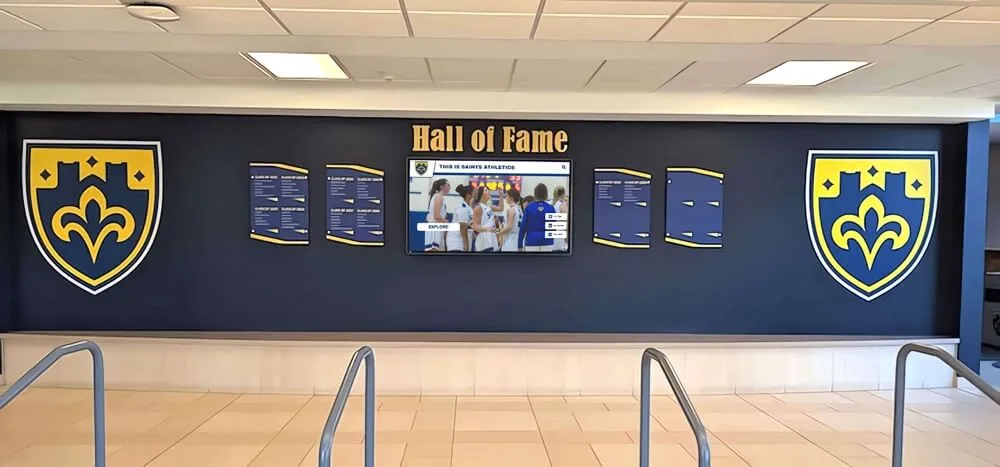
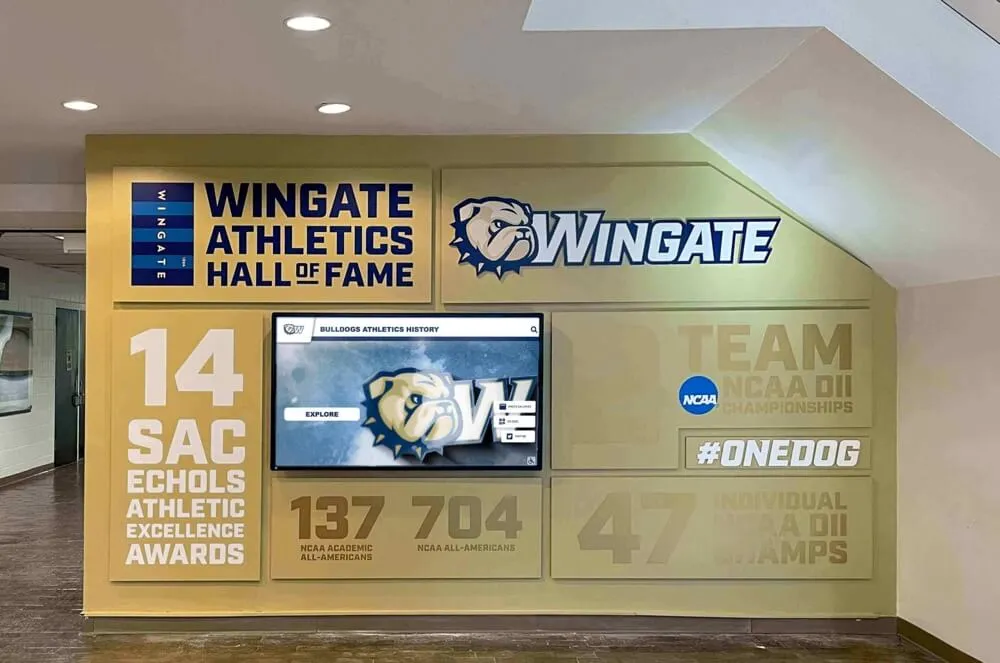
Schools honor varsity letter winners through permanent recognition displays celebrating athletic achievement and competitive excellence
Understanding Varsity Letter Tradition and Significance
Before exploring specific requirements, understanding the broader context and purpose behind varsity letters helps athletes appreciate what this recognition represents and why schools maintain rigorous standards.
Historical Origins and Evolution
Varsity letters trace their roots to 1865 when Harvard University awarded the first known athletic letters—an embroidered “H”—to members of the baseball team. The practice spread rapidly across American educational institutions, evolving from simple fabric letters sewn onto sweaters into the elaborate letterman jackets that became cultural icons in the mid-20th century.
Traditional Letter Elements
Classic varsity letters typically include a large chenille school letter (usually 5-7 inches) in school colors, smaller sport-specific patches or pins indicating which team the athlete competed on, additional patches or bars for each year of varsity participation, and sometimes special designations for team captains, championships, or individual honors.
These visual elements tell a story at a glance—fellow students, teachers, and community members can immediately identify not only that someone earned varsity status but also which sports they competed in, how many years they lettered, and whether they achieved special recognition through captaincy or championship success.
Modern Significance Beyond Athletics
While originally purely athletic recognition, varsity letters now carry broader educational and social significance through college application enhancement demonstrating sustained extracurricular commitment, qualification for letter-winner clubs and alumni organizations, eligibility for specific scholarships and awards, community recognition of athletic achievement, and tangible validation of sacrifice and dedication required for competitive athletics.
This broader significance explains why letter requirements maintain rigorous standards—diluting criteria to allow easy qualification would diminish the value that makes varsity letters meaningful to those who earn them through genuine achievement and sustained commitment.

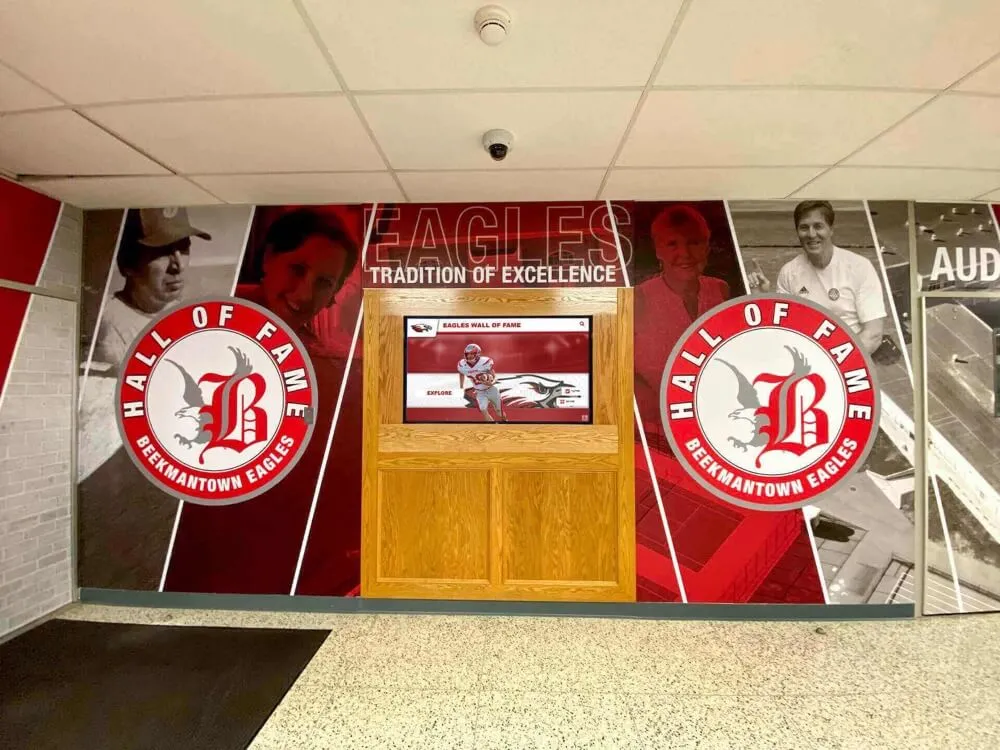
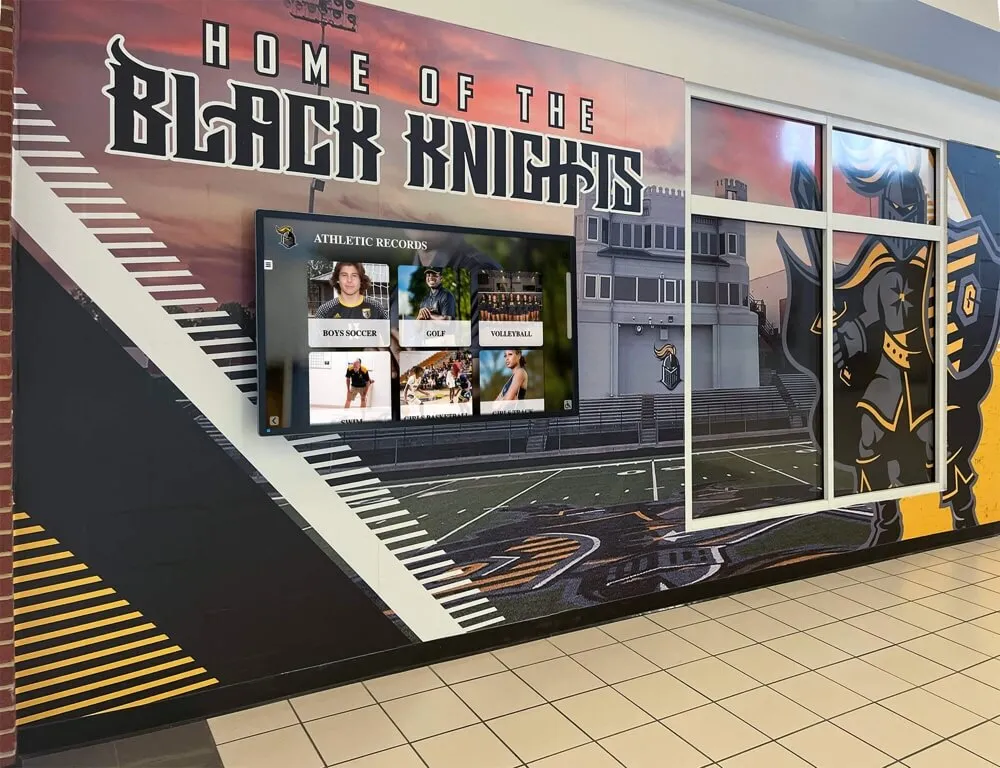
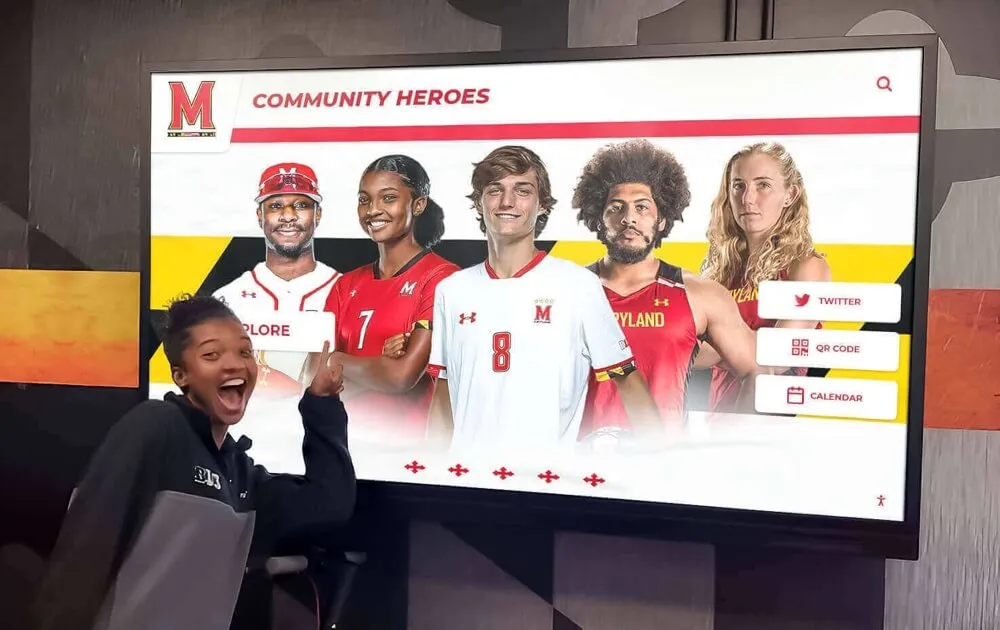
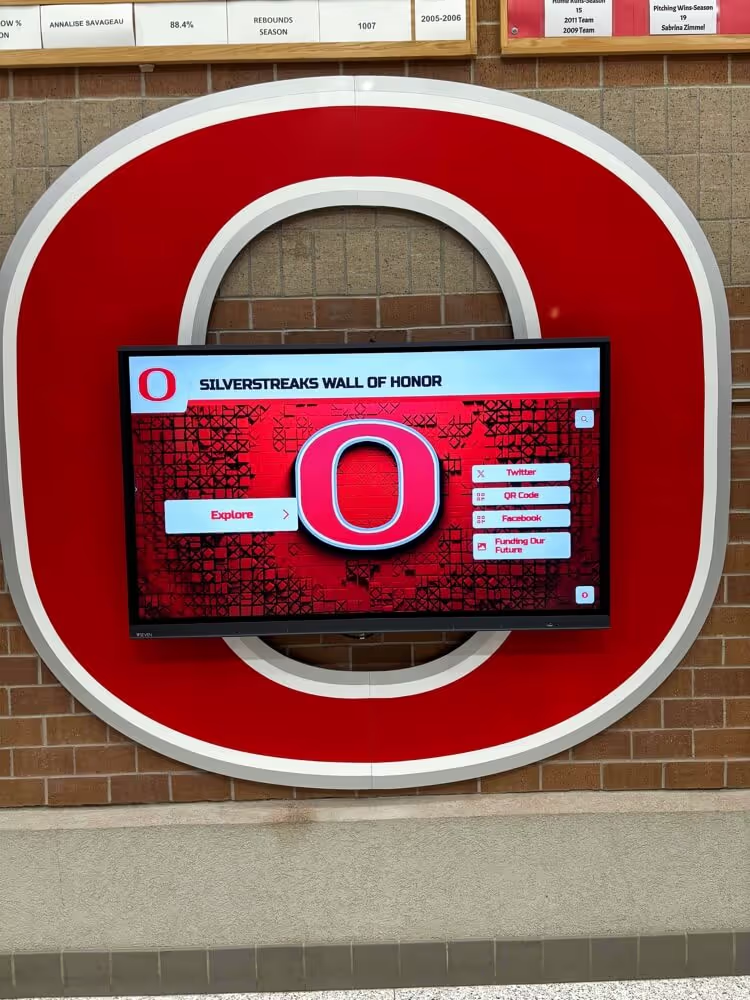
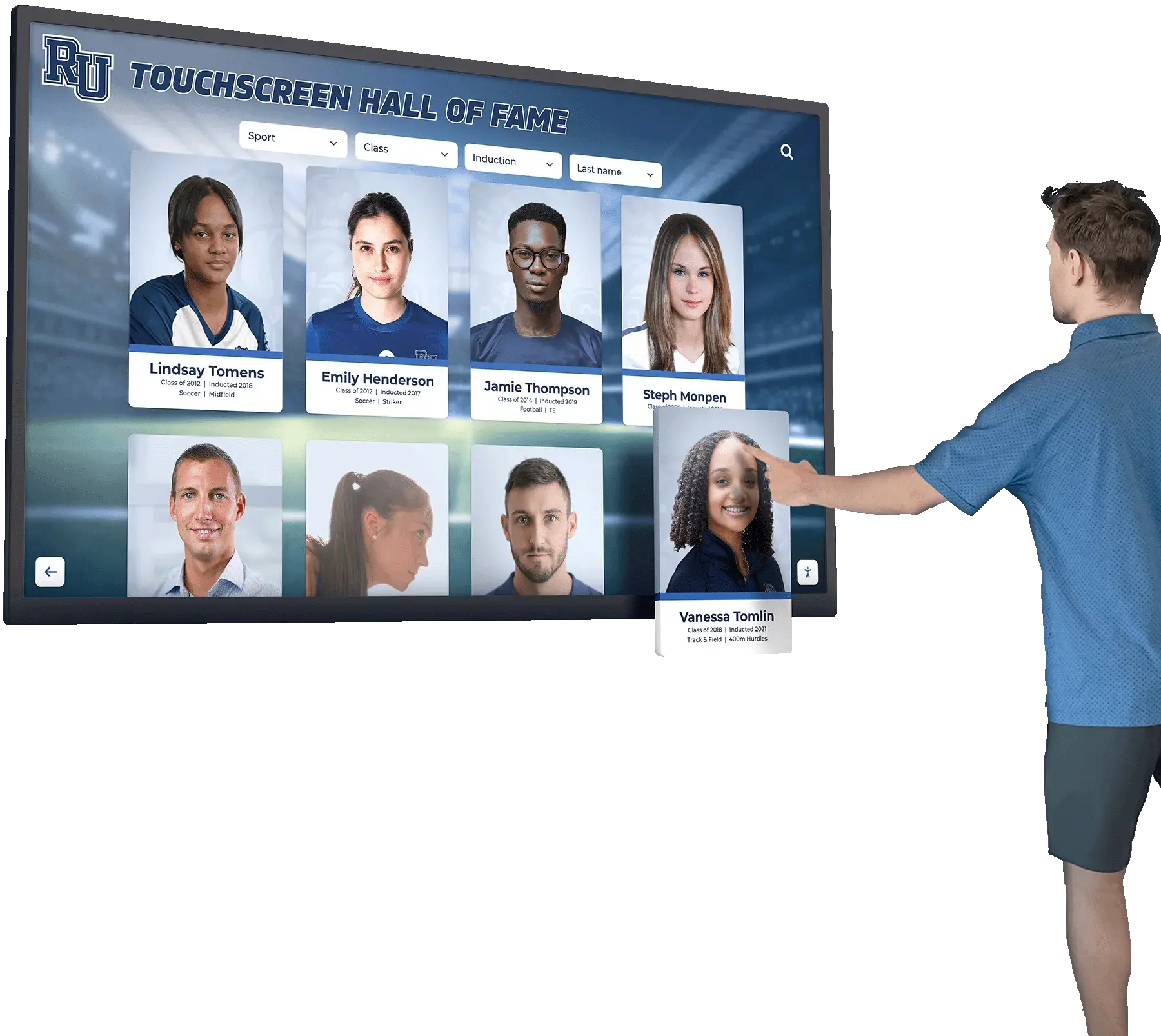
Athletic programs celebrate letter winners through prominent displays connecting current athletes to traditions of competitive excellence
Why Letter Requirements Matter
Establishing clear, consistent letter requirements serves multiple important purposes for athletic programs, student-athletes, and school communities.
Maintaining Recognition Value
Letter requirements must balance accessibility with achievement. If criteria are too lenient and nearly everyone on every team earns letters regardless of performance or participation, the recognition loses meaning and becomes indistinguishable from simple team membership. Conversely, if standards are impossibly rigorous and exclude most dedicated athletes, letters fail to recognize genuine sustained commitment deserving acknowledgment.
Well-designed criteria honor athletes who demonstrate real dedication, skill development, and meaningful contribution to team success while maintaining standards rigorous enough that earning a letter represents genuine achievement worth celebrating and displaying proudly.
Creating Fair, Transparent Standards
Published letter requirements eliminate favoritism, confusion, and disputes by establishing objective criteria that all athletes understand from season start. Athletes know exactly what they must accomplish to earn recognition, coaches avoid accusations of unfair preferential treatment, parents understand the standards their students work toward, and athletic directors ensure consistency across different sports and coaching staffs.
Transparency proves particularly important when letter eligibility affects college recruiting or scholarship opportunities—athletes deserve to know precisely what participation or performance levels qualify for this recognition.
Motivating Athletic Development
Clear letter standards create tangible goals motivating consistent effort and improvement. Freshman athletes see specific targets to work toward, underperforming athletes understand what improvement would earn recognition, and developing players have objective milestones marking progression toward elite status within their programs.
These motivational benefits work best when criteria emphasize controllable factors like attendance, effort, and skill development rather than purely outcome-based measures like winning records that individual athletes cannot entirely control.
Understanding comprehensive approaches to athletic recognition and achievement celebration helps schools develop robust programs that honor letter winners alongside other forms of competitive excellence.
Core Varsity Letter Eligibility Requirements
While specific standards vary by school and sport, most varsity letter programs share common baseline eligibility criteria that athletes must satisfy before even consideration for lettering.
Basic Eligibility Standards
These fundamental requirements typically apply across all sports and represent non-negotiable minimum qualifications.
Academic Eligibility
Virtually all schools require athletes to maintain academic eligibility throughout the season to qualify for varsity letters through minimum GPA requirements (often 2.0 or higher), satisfactory progress toward graduation requirements, no failing grades in any courses, and compliance with state athletic association academic standards.
Some schools set higher academic thresholds for letter eligibility than the minimum required for competition, reasoning that varsity letters represent broader achievement beyond simply playing sports. Academic requirements ensure that letter winners demonstrate success in school’s primary educational mission, not just athletic programs.
Behavioral and Citizenship Standards
Letter requirements commonly include character and conduct criteria ensuring winners represent school values through no significant disciplinary incidents during season, compliance with student handbook and team rules, demonstration of good sportsmanship and character, positive representation of school and athletic program, and absence of violations of athletic code of conduct regarding substance use or behavior.
These behavioral standards recognize that letter winners serve as visible representatives of athletic programs and school communities. The privilege of wearing school letters publicly comes with responsibility to uphold institutional values and maintain conduct consistent with athletic program expectations.
Physical Examination and Insurance
Basic administrative requirements ensure athletes met all participation prerequisites including completed sports physical examination, proof of adequate insurance coverage, signed parent permission and acknowledgment forms, completion of required safety or concussion training, and compliance with state athletic association eligibility rules.
While these administrative criteria rarely prevent dedicated athletes from lettering, they represent necessary baseline qualifications ensuring all participants met fundamental health, safety, and legal requirements for athletic participation.

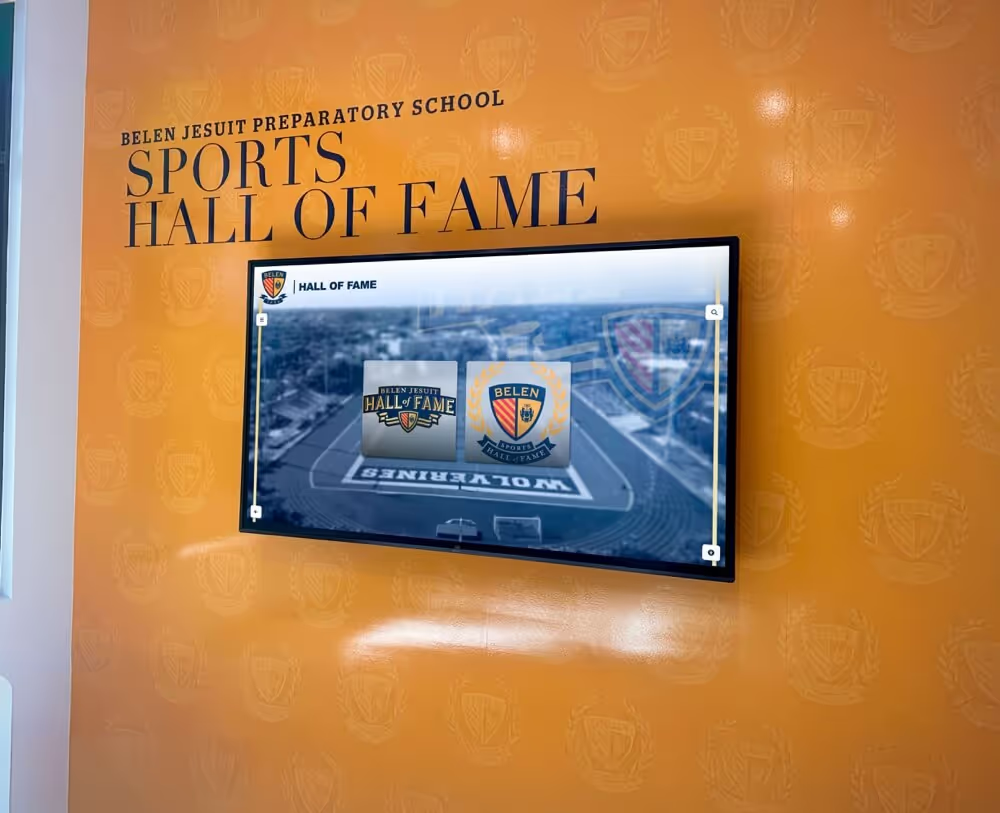
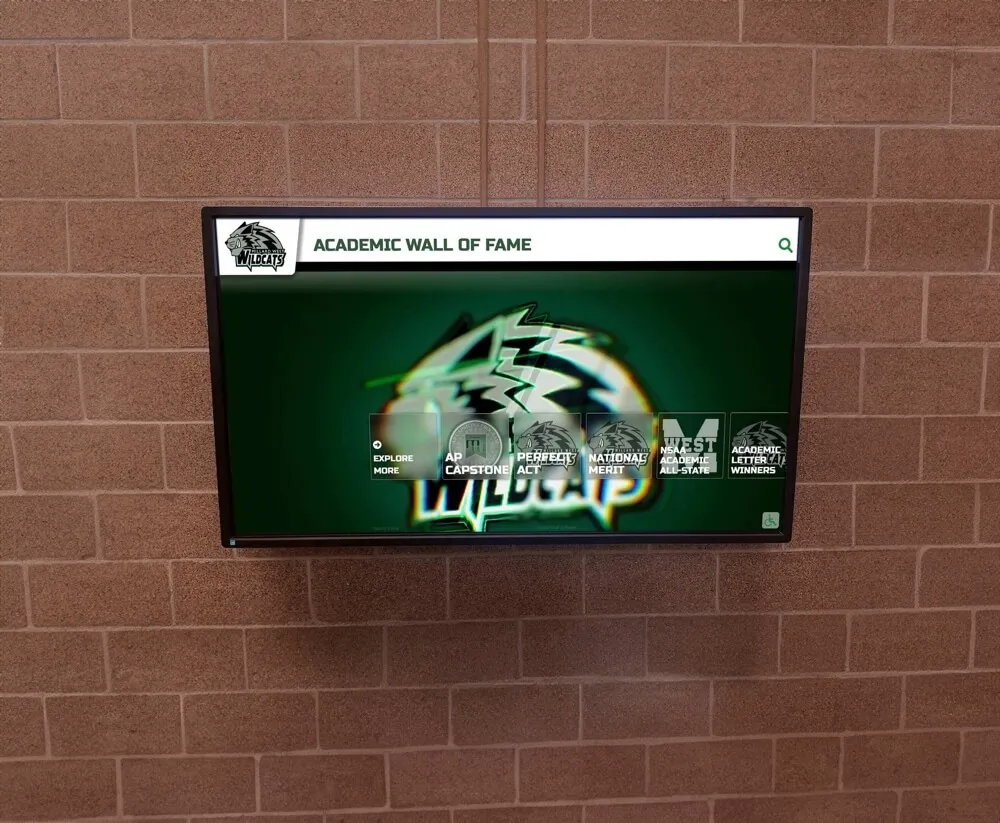
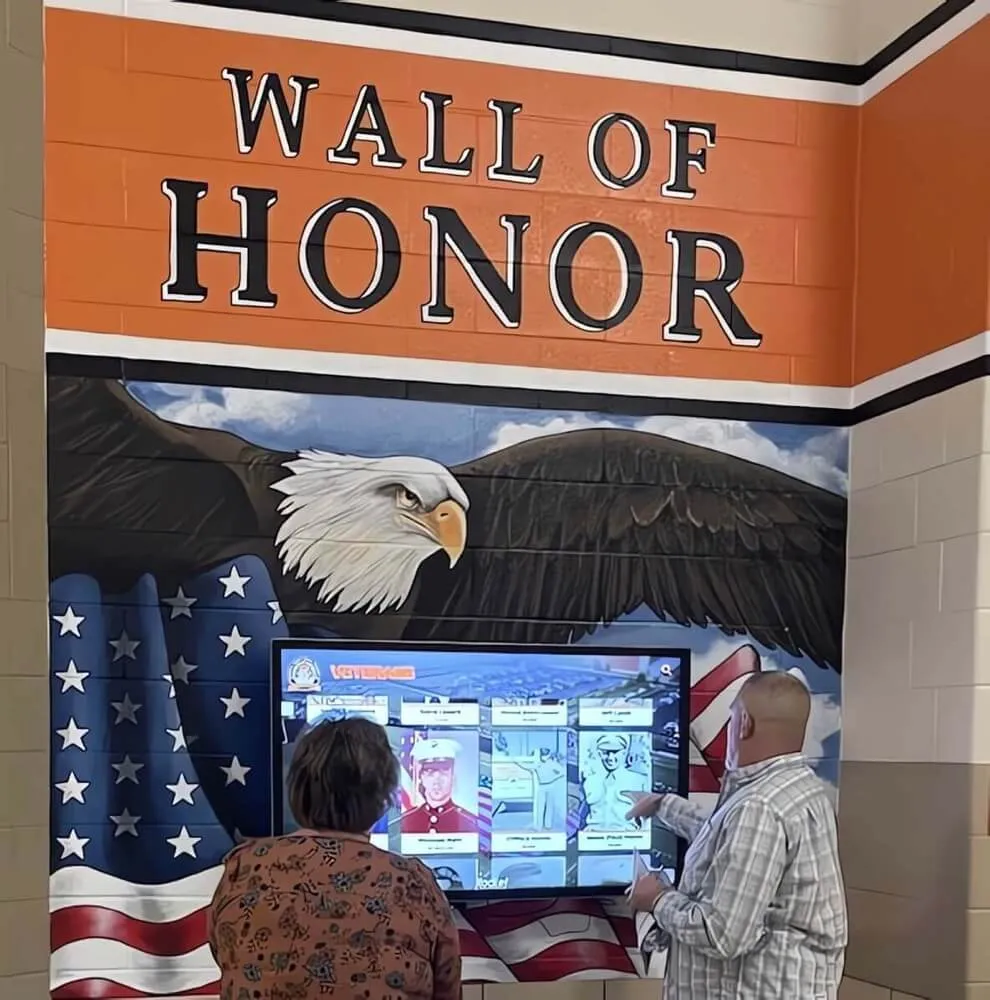
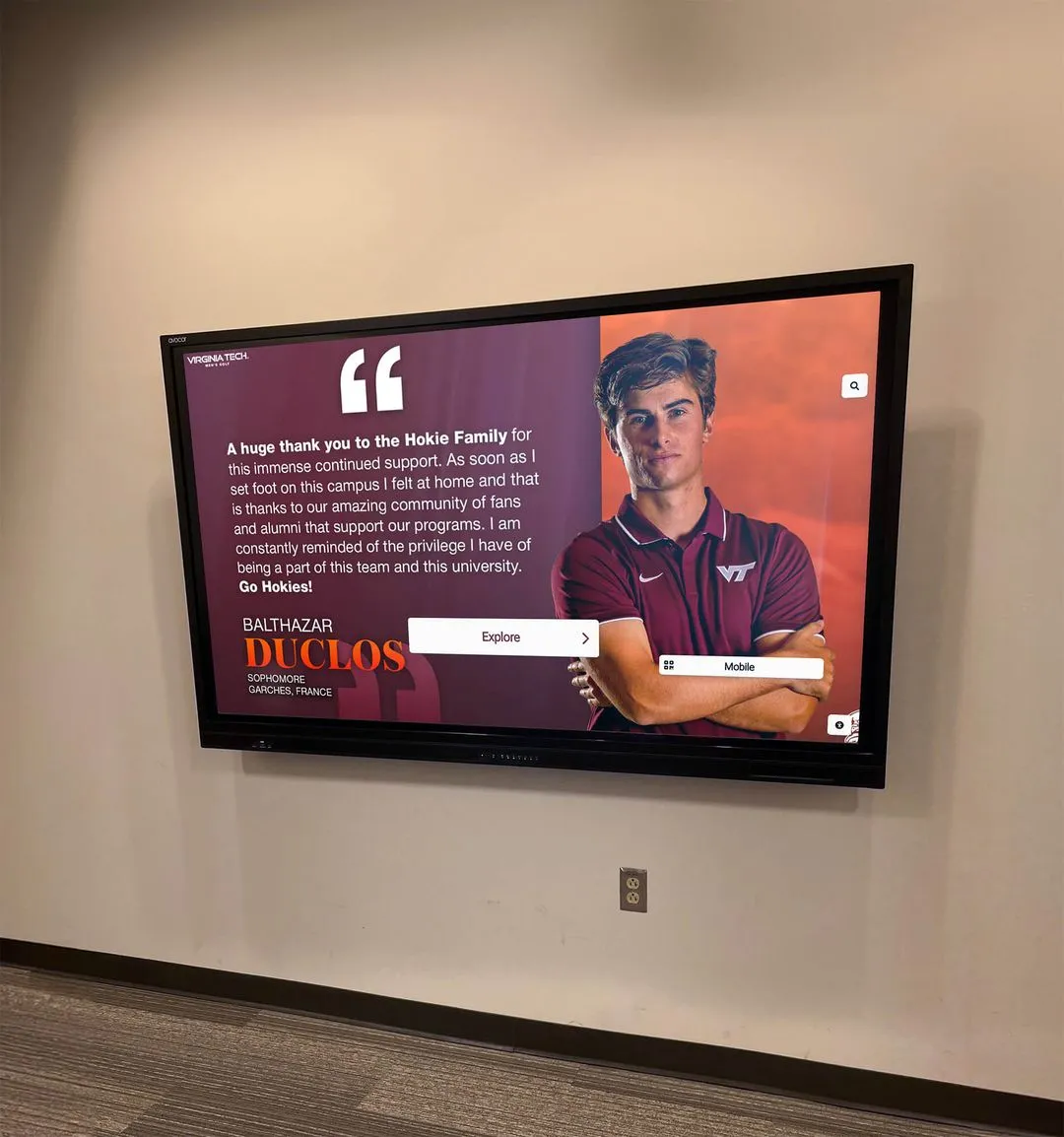
Modern recognition systems enable athletes to explore letter winner histories and understand traditions they join when earning varsity recognition
Season Commitment Requirements
Beyond eligibility, most letter requirements emphasize sustained participation and commitment throughout entire competitive seasons.
Practice Attendance Standards
Regular practice attendance typically represents non-negotiable letter requirements through participation in specified percentage of scheduled practices (commonly 80-90%), excused absences for legitimate reasons with advance notice, making up missed practices when possible, and demonstrating commitment to skill development and team preparation.
Practice attendance requirements recognize that competitive excellence requires consistent training. Athletes who frequently miss practice deprive teammates of full-strength preparation while failing to develop skills at pace required for meaningful competition contribution. Letter standards appropriately reward athletes who demonstrate commitment to daily preparation, not just game-day appearance.
Competition Participation Thresholds
Most sports establish minimum participation levels in actual competitions including appearing in specified percentage of games or events, minimum playing time requirements in competitive contexts, participation in championship or playoff competitions when qualified, and meaningful contribution to team competitive efforts beyond simply roster membership.
These participation standards vary significantly by sport structure and team sizes. Individual sports like cross country or swimming may letter all athletes who compete in specified number of meets, while team sports with limited playing time may require athletes to participate in certain percentage of quarters, innings, or matches.
Complete Season Requirements
Letter requirements typically mandate participation from season start through finish including attendance at first official practice, continued participation through final competition, attendance at banquet or awards ceremony, and completion of all team obligations including equipment return.
Full-season requirements prevent athletes from earning letters by joining late or quitting before season conclusion. They ensure recognition goes to athletes who demonstrated sustained commitment rather than those who participated partially or abandoned teams when seasons became difficult or less convenient.
Understanding how schools systematically recognize sustained athletic commitment through programs like jersey retirement ceremonies provides context for broader athletic recognition traditions that complement varsity letters.
Sport-Specific Letter Requirements
Different sports face distinct participation structures, roster sizes, and competitive formats requiring customized letter criteria appropriate to each activity’s unique characteristics.
Team Sports Letter Standards
Sports like football, basketball, soccer, volleyball, and similar activities with defined playing time create specific participation challenges for letter requirements.
Football Letter Requirements
Football programs typically establish letter criteria based on plays, quarters, or games participated in due to large roster sizes including participation in 50% of total quarters played across season, appearance in specified number of varsity games, contribution on special teams or specific position groups, or playing time threshold measured in total plays or series.
Some football programs create separate letter standards for offensive and defensive players recognizing different participation patterns, while others establish minimum requirements that any athlete can meet through sustained participation regardless of starting status.
Basketball Letter Requirements
Basketball’s smaller rosters but limited court time create different participation dynamics addressed through letter standards like participation in specified percentage of quarters across all games, minimum total playing time accumulation throughout season, appearance on varsity roster for full season with regular practice participation, or contribution to playoff or tournament games when team qualifies.
Given basketball’s five-player format, some dedicated practice players may struggle to accumulate playing time despite full commitment to team success. Progressive letter standards account for this reality through alternative criteria recognizing sustained contribution even without extensive game participation.
Soccer, Volleyball, and Similar Team Sports
Sports with continuous play and substitution patterns often use letter requirements based on games played, minutes accumulated, or percentage of total matches including participation in specified number of games at varsity level, accumulation of minimum playing time across season, starting lineup appearances in key competitions, or full-season roster membership with regular meaningful participation.
These standards balance recognizing primary contributors who accumulate substantial playing time while acknowledging that depth players who practice daily and compete regularly also demonstrate commitment deserving recognition even without starter-level participation.
Baseball and Softball Requirements
Diamond sports typically use innings played, games appeared in, or at-bats as letter criteria including participation in specified percentage of innings across season, appearance in minimum number of games in field or at plate, accumulation of defensive innings or plate appearances, or pitching-specific criteria for minimum innings or appearances.
Position players and pitchers may face different realistic participation thresholds requiring tailored letter standards ensuring both can earn recognition through sustained contribution appropriate to their roles.

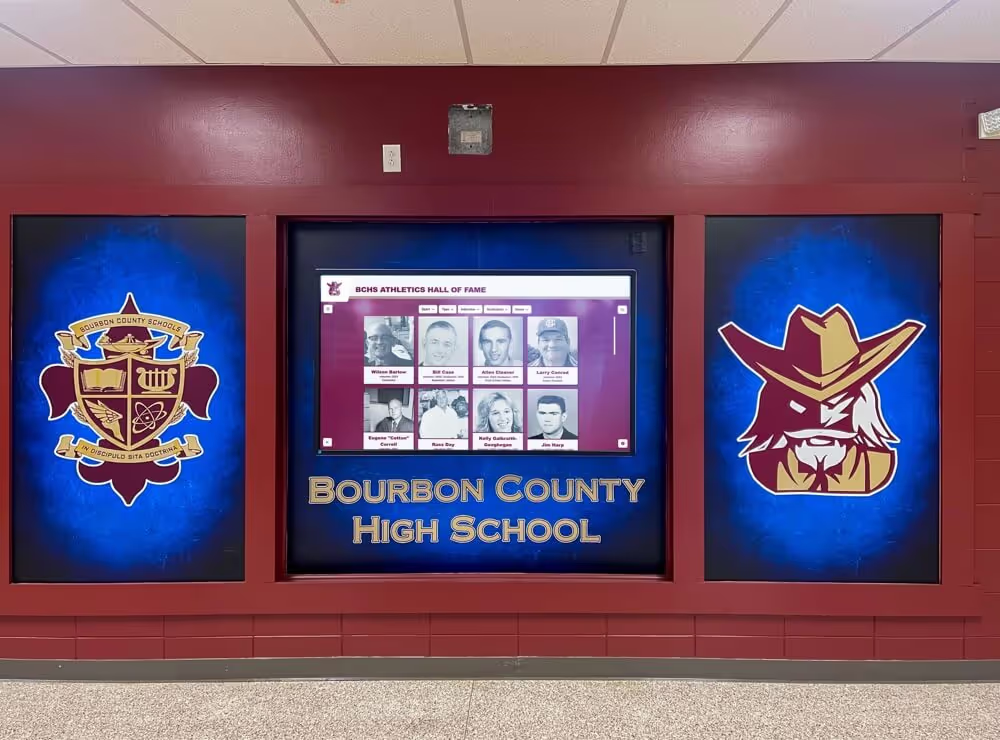
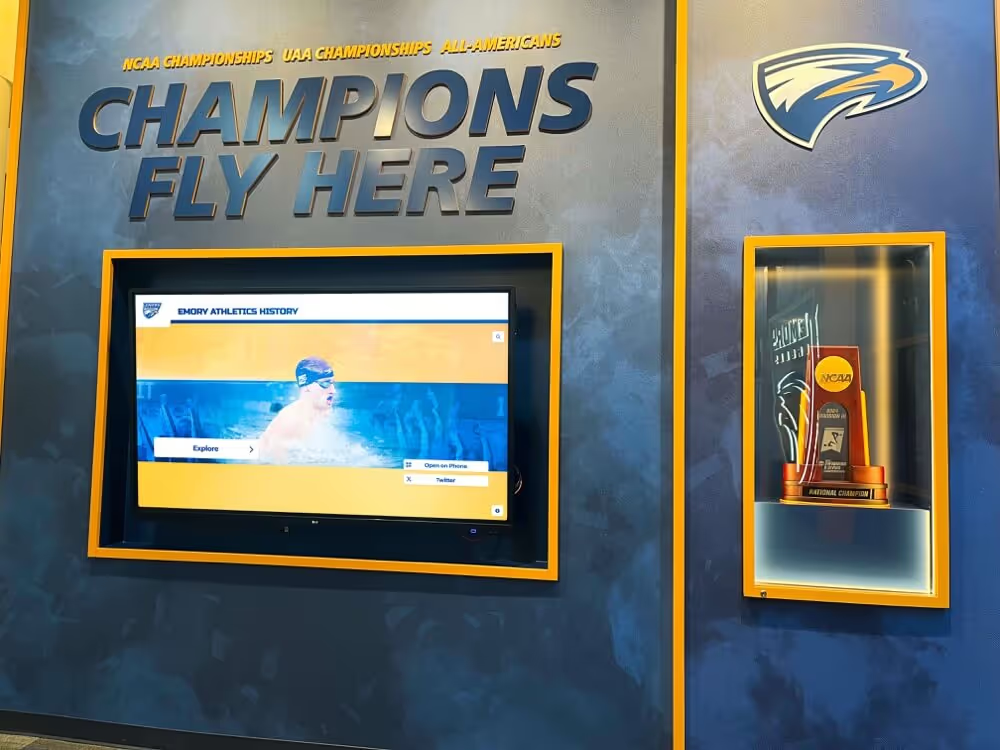
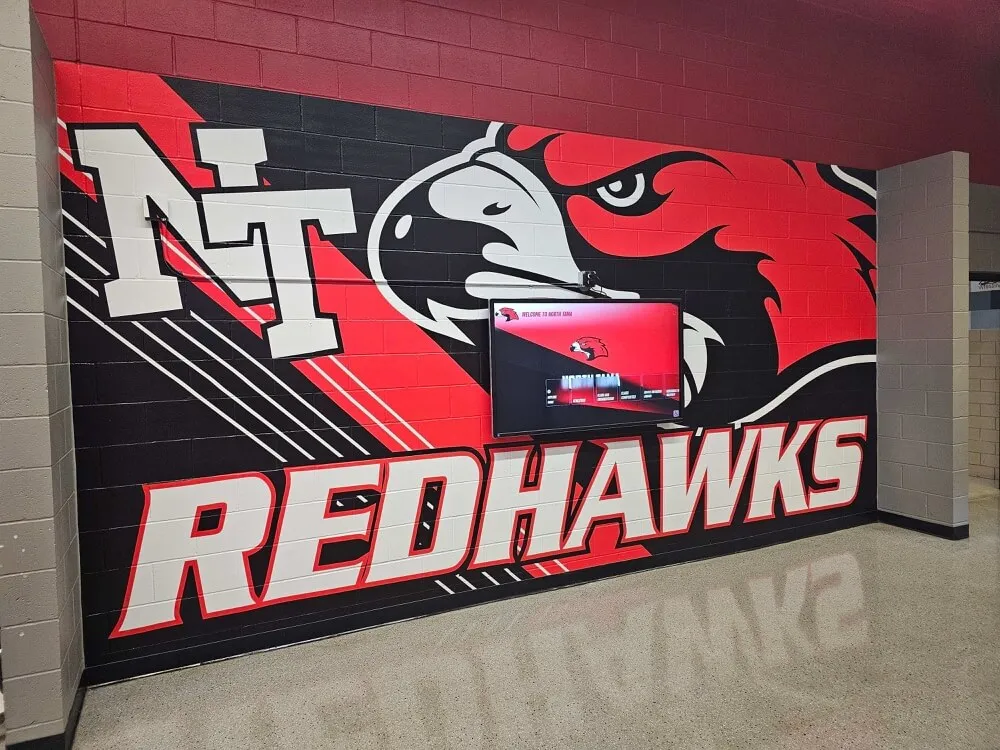
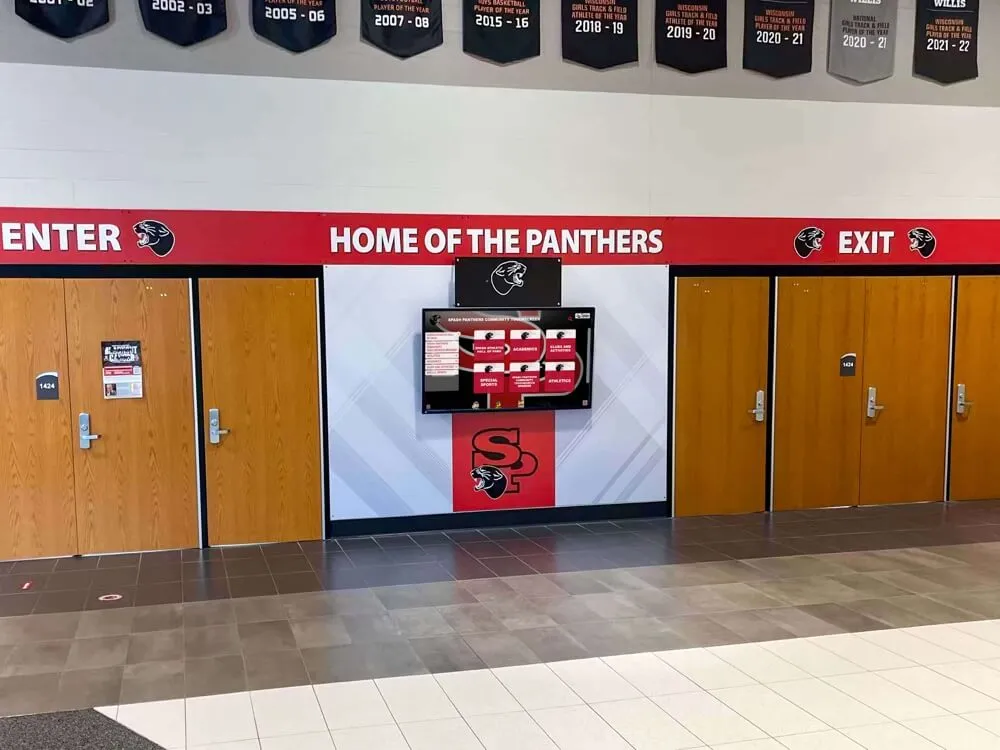
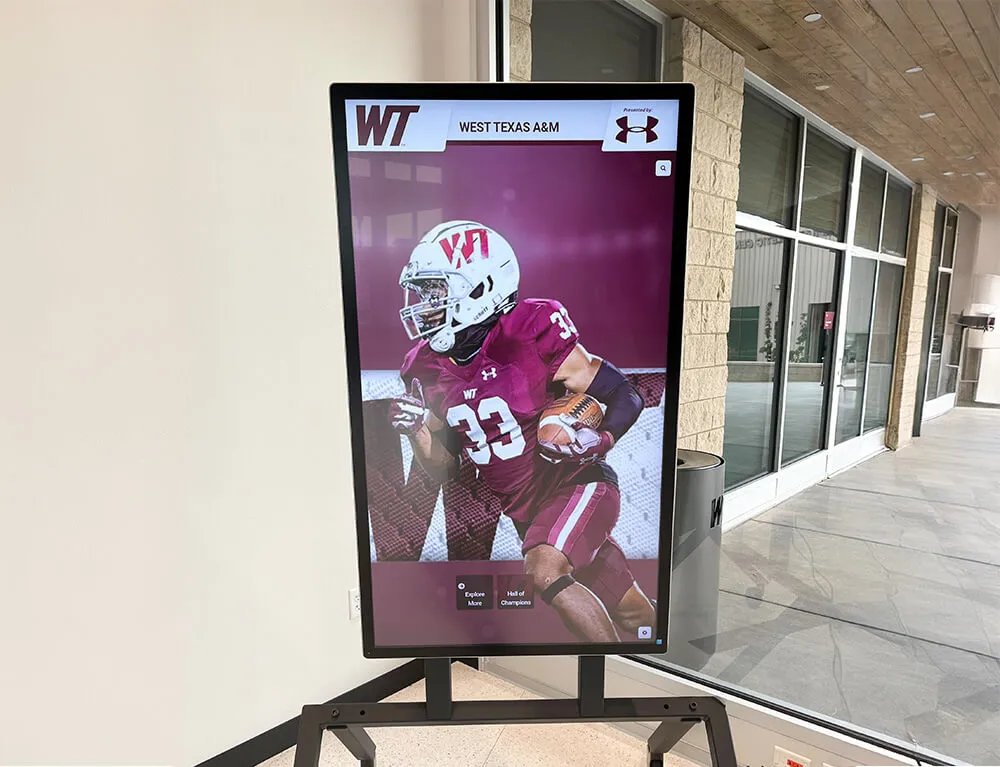
Championship achievements and letter winner recognition combine in displays celebrating both team success and individual sustained excellence
Individual and Dual Sports Letter Standards
Sports where all participants compete individually or in direct one-on-one competition use different letter frameworks focusing on competition participation or performance thresholds.
Track and Field / Cross Country
Running and field event sports commonly letter all athletes meeting participation and performance criteria including competing in specified number of meets at varsity level, achieving qualifying marks or times in individual events, scoring points in specified number of competitions, completing full season training and competition, or placing in championship meets or qualifying for regional/state competition.
These standards recognize that track and field accommodates athletes across wide ability ranges. Letter requirements often tier recognition with baseline participation standards alongside performance-based criteria for championship-level achievement.
Swimming and Diving
Aquatic sports typically establish letter requirements based on meet participation and performance including competing in specified number of dual meets or invitationals, achieving qualifying times in individual events, participation in relay teams, scoring points for team in competitions, or advancement to championship meets.
Swimming’s clear performance metrics through times make objective letter standards particularly feasible—athletes know precisely which time standards earn recognition, eliminating subjective criteria or favoritism concerns.
Wrestling Requirements
Wrestling programs often use win records, matches competed, or tournament performance as letter criteria including participation in minimum number of varsity matches, winning percentage or total wins accumulated, advancement in tournament competition, or full-season participation with regular competition.
Wrestling’s individual nature but team scoring format creates unique participation dynamics where letter standards must balance individual achievement with recognition of team contributors who may face tougher opponents or compete in disadvantaged weight classes.
Tennis and Golf
Country club sports with variable roster sizes and competition formats often use tournament participation or position criteria including competing in specified number of varsity matches or tournaments, holding roster position in top singles or doubles lineup, qualifying for or competing in championship events, or achieving individual performance standards like winning percentage or scoring average.
These sports’ limited team sizes but clear competitive hierarchies enable letter standards that recognize top performers while also acknowledging sustained participation by developing athletes who may not achieve championship-level performance.
Gymnastics, Cheer, and Dance
Performance-based sports without direct opponent competition typically use participation and skill progression as letter criteria including participation in specified percentage of competitions or performances, demonstration of required skill proficiency levels, contribution to team or group routines, full-season attendance and participation, or advancement to championship or regional competitions.
These activities’ emphasis on collective performance and skill mastery rather than wins and losses create letter standards focused on sustained participation, skill development demonstration, and contribution to team competitive efforts.
Comprehensive approaches to recognizing athletic achievement across diverse sports can be explored through resources like softball awards and recognition programs that balance participation with performance-based acknowledgment.
Alternative and Supplemental Letter Criteria
Beyond basic participation requirements, many schools incorporate additional or alternative criteria that broaden letter eligibility or recognize different types of athletic contribution and achievement.
Performance-Based Letter Standards
Some programs supplement or replace participation requirements with achievement-based criteria rewarding excellence regardless of playing time or competition frequency.
Statistical Performance Thresholds
Objective statistical standards provide clear letter criteria based on measurable achievement including scoring thresholds (points, goals, runs) in season, statistical averages exceeding specified levels, position-specific statistical achievements, breaking or approaching school or conference records, or achieving all-conference, all-region, or all-state recognition.
Performance-based criteria ensure that truly exceptional athletes earn letter recognition even if participation circumstances limit their competition frequency. A player who appears in limited games but delivers championship-level performance when competing demonstrates achievement deserving recognition despite not meeting pure participation minimums.
Championship and Tournament Success
Advancement to or performance in championship competitions may trigger letter eligibility including qualifying for state or regional championship events, placing in top finishes at conference or district meets, contributing to team championship success, or achieving individual honors at championship level.
Championship-based criteria recognize that seasonal participation matters less if athletes deliver when stakes are highest. An athlete who competes primarily in junior varsity but earns varsity call-up for playoffs and contributes meaningfully to championship run demonstrates commitment and achievement warranting letter consideration.
Record-Breaking or Historic Achievement
Exceptional individual achievement sometimes earns letter eligibility regardless of other criteria including setting school, conference, or state records, achieving nationally recognized performance levels, earning significant individual honors or awards, or accomplishing historic “firsts” within program.
These extraordinary achievement standards ensure programs can recognize transformational individual excellence even when participation patterns don’t align with standard letter requirements. Schools exploring comprehensive recognition for record-breaking performers can learn from approaches like 1000-point scorer recognition programs that celebrate historic statistical milestones.

Recognition spaces celebrate letter winners alongside championship trophies creating environments that inspire current athletes toward competitive excellence
Manager, Trainer, and Support Staff Recognition
Progressive letter programs recognize that athletic success depends on contributors beyond competing athletes, extending varsity letters to support personnel who demonstrate exceptional commitment.
Student Manager Letter Standards
Team managers who handle equipment, statistics, logistics, and countless behind-the-scenes tasks often qualify for letters through full-season commitment from first practice through final competition, regular attendance at practices and games throughout season, exceptional performance of manager responsibilities, contribution to team success through dedicated support, and demonstration of team values and commitment equal to competing athletes.
Manager letters typically carry same prestige as player letters, validating that athletic program success requires diverse contributions. Some schools designate manager letters with specific patches or notation acknowledging their support role while maintaining recognition equivalence.
Athletic Trainer and Medical Staff
Student athletic trainers who support team health and injury management may earn letters through completion of required training and certification, season-long attendance supporting team medical needs, demonstration of professional competence and responsibility, exceptional contribution to athlete health and safety, and commitment level comparable to competing athletes.
Trainer letters recognize the critical role that medical support plays in enabling athletes to compete safely while acknowledging student trainers’ substantial time investment and responsibility.
Team Statisticians and Support Roles
Other support positions including statisticians, videographers, equipment managers, or specialized support staff may qualify for letters through season-long commitment to specific team support role, exceptional performance of assigned responsibilities, attendance at required practices and competitions, contribution to team success and program operations, and demonstration of dedication comparable to team membership.
These inclusive letter standards acknowledge that championship programs depend on comprehensive support systems. Recognizing all committed contributors validates that excellence requires collective effort extending beyond those who compete directly.
Special Circumstances and Discretionary Criteria
Well-designed letter requirements include provisions for exceptional circumstances requiring coach or athletic director judgment beyond standard criteria.
Injury Exception Provisions
Athletes whose season-ending injuries prevent meeting participation requirements despite full commitment often receive letter consideration through participation until injury in good standing, commitment to rehabilitation and team support during recovery, attendance at practices and games in support capacity when able, and demonstration that injury—not lack of commitment—prevented meeting standard criteria.
Injury exceptions ensure athletes aren’t penalized for circumstances beyond their control while maintaining letter prestige by requiring evidence of commitment and contribution despite inability to compete.
Transfer and Mid-Season Enrollment
Athletes who transfer schools or enroll mid-season may receive modified letter requirements accounting for limited participation opportunity including prorated participation requirements based on season portion available, exceptional performance or contribution despite limited time, coach determination that athlete demonstrated letter-worthy commitment, and completion of all available season obligations from enrollment through conclusion.
Transfer provisions enable letter recognition for athletes who arrive committed and contribute meaningfully despite not participating in full season through no fault of their own.
Senior Recognition and Career Achievement
Some programs grant letter discretion for seniors who demonstrated multi-year commitment but face participation challenges in final season through cumulative career contribution to program, previous year letter winners facing reduced role senior year, exceptional leadership or mentorship contribution, or demonstration of program values deserving final-season recognition.
Senior provisions balance maintaining letter standards with acknowledging sustained career commitment and preventing disappointing conclusions for athletes who contributed to programs across multiple years.
Coaching Discretion and Letter Committee Decisions
Even with published criteria, most letter programs reserve coach or committee authority for final determinations ensuring standards apply fairly while accommodating unique circumstances.
Coaching Authority and Flexibility
Head coaches typically maintain final authority over letter awards within established athletic department frameworks and guidelines.
Objective Criteria Application
Coaches must apply published letter requirements consistently and fairly including awarding letters to all athletes clearly meeting stated criteria, documenting objective participation or performance data supporting decisions, treating all athletes equitably regardless of personal relationships, and explaining decisions transparently when athletes or parents question outcomes.
Consistent objective application maintains letter program credibility and prevents perception of favoritism undermining recognition value. Schools exploring comprehensive and equitable recognition approaches can learn from frameworks like high school athletics equity checklists ensuring fair treatment across all programs.
Discretionary Determinations
Within objective frameworks, coaches exercise judgment for borderline cases including athletes marginally short of quantitative requirements but demonstrating exceptional commitment, special circumstances requiring individual consideration, team contribution not fully captured by statistical measures, and character or leadership factors complementing objective criteria.
Discretionary authority enables coaches to ensure letter awards honor genuine sustained commitment rather than simply checking boxes on participation sheets. This judgment proves particularly important for sports or situations where pure quantitative measures don’t fully capture meaningful contribution or achievement.
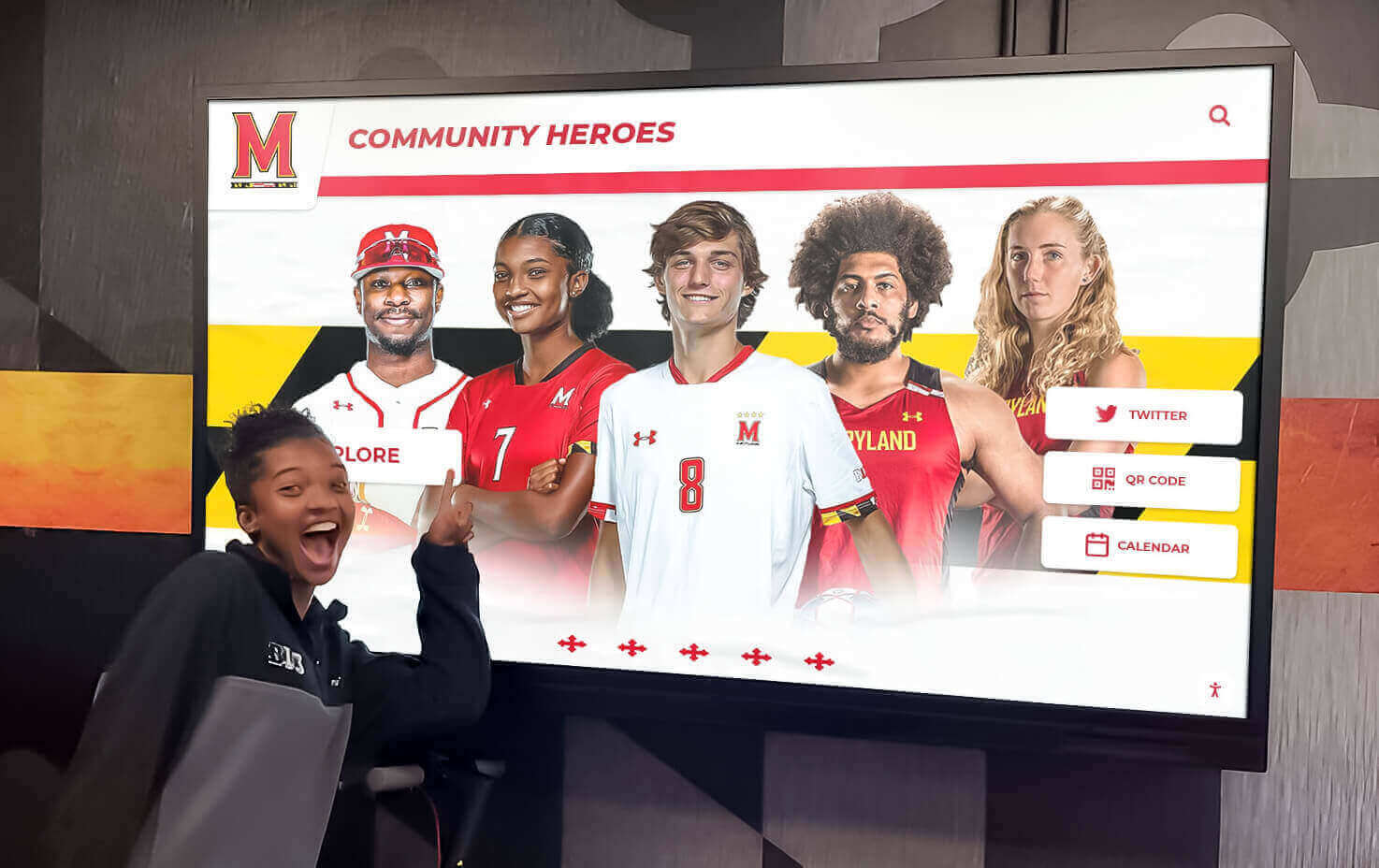
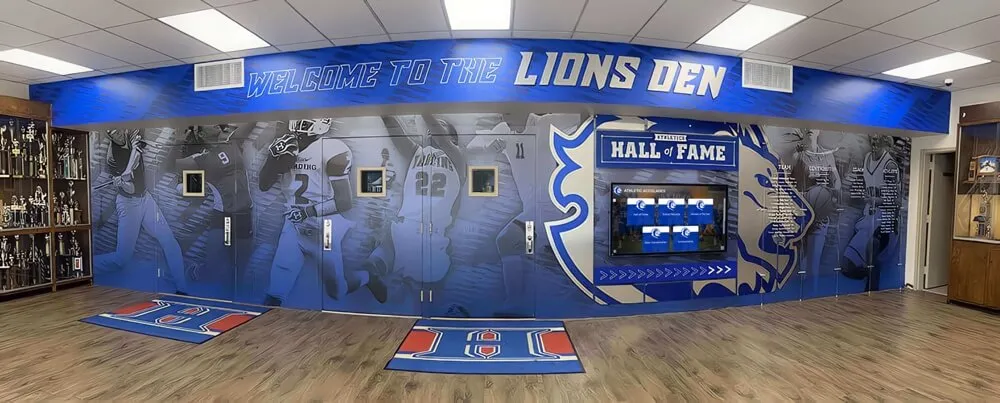
Letter winner displays inspire current student-athletes while providing tangible examples of achievement levels required for varsity recognition
Denial Explanations and Appeals
When coaches deny letters to athletes who believe they qualified, professional handling requires private conversation explaining specific criteria not met, objective documentation supporting decision, opportunity for athlete to understand what would have qualified them, respectful acknowledgment of athlete’s commitment despite letter denial, and information about appeal processes if available.
Thoughtful denial conversations transform disappointing moments into learning experiences while maintaining coaching relationships and athlete development even when recognition outcomes disappoint.
Letter Committees and Multi-Coach Input
Larger athletic departments sometimes establish letter committees ensuring consistent standards across different sports and providing oversight of coach decisions.
Committee Composition and Authority
Letter committees typically include athletic director providing institutional oversight, selection of head coaches representing different sports, faculty athletic representatives, and potentially principal or administrative representation.
Committee structures ensure letter standards remain consistent across all sports, prevent individual coaches from applying inconsistent criteria, provide appeals process for disputed decisions, and maintain institutional control over recognition carrying school name and brand.
Review and Approval Processes
Committee-based letter awards often require coaches to submit letter recommendations, documentation of how candidates meet published criteria, explanation of discretionary decisions for borderline cases, committee review and approval before final awards, and documentation of decisions for institutional records.
Formal review processes create accountability ensuring letter awards maintain appropriate standards while providing oversight preventing individual bias or inconsistent application from undermining recognition credibility.
Letter Jacket Traditions and Recognition Practices
Beyond the actual letter awards, schools maintain various traditions and practices around letterman recognition creating meaningful experiences and visible displays of athletic achievement.
Letter Jacket Programs and Purchases
The iconic letterman jacket represents the most visible symbol of varsity letter achievement, though practices around jacket acquisition vary significantly across schools.
School-Provided vs. Athlete-Purchased Jackets
Some schools provide letter jackets to all letter winners as part of recognition program funded through booster clubs or athletic department budgets. More commonly, athletes purchase their own jackets with schools providing only the earned varsity letter while athletes buy jackets, patches, and additional decorations separately.
Purchase programs require communication about jacket ordering timelines and vendors, cost expectations for jackets and accessories, guidelines for appropriate jacket decoration and standards, and information about when jackets can be worn.
Letter Jacket Standards and Regulations
Schools typically establish clear guidelines for letter jacket appearance including approved jacket styles and school color requirements, size and placement specifications for school letter, appropriate sport patches and additional decorations, restrictions on non-school or inappropriate additions, and expectations for respectful jacket wear and representation.
These standards ensure letter jackets maintain dignified appearance consistent with representing school programs and athletic achievement rather than becoming cluttered with inappropriate decorations diminishing recognition significance.
Alternative Recognition Options
Not all letter winners choose to purchase traditional wool letterman jackets, particularly as fashion trends evolve. Progressive programs offer alternative recognition including letter sweaters or cardigans, letter blankets or stadium seats, framed letters for display, digital recognition in athletic halls of fame, or certificates and awards suitable for college applications.
Flexible options ensure financial constraints don’t prevent athletes from receiving meaningful recognition while acknowledging that not all students value traditional jacket styles equally.

Modern athletic programs complement traditional letter jacket recognition with permanent digital displays honoring all letter winners throughout program history
Letter Award Ceremonies and Presentations
Formal presentation creates memorable recognition experiences celebrating letter recipients and emphasizing achievement significance.
Award Ceremony Formats
Schools present letters through various ceremony structures including sport-specific team banquets at season conclusion, all-sports award ceremonies honoring all letter winners, athletic assembly recognizing letter recipients before school community, senior night presentations during final home competitions, or individual presentations during practice or team meetings.
Ceremony choice affects recognition significance and visibility. Public presentations before school communities or at well-attended banquets enhance prestige while emphasizing that letter awards represent meaningful school-wide achievement, not just internal team recognition.
Presentation Elements and Traditions
Effective letter presentations include calling each recipient individually by name and sport, brief description of each athlete’s achievement or contribution, presentation of physical letter or certificate, photo opportunity for individual and group recognition, and acknowledgment of supporting family members when present.
Thoughtful presentations transform letter awards into memorable experiences rather than simply distributing recognition like routine paperwork. Athletes remember these moments across entire lives, making ceremony quality important beyond immediate season conclusion.
Letter Winner Clubs and Organizations
Many schools establish letter winner organizations creating ongoing community among recognized athletes through letter club membership for all letter recipients, exclusive events or activities throughout school year, service or leadership opportunities for letter winners, alumni letter winner networks extending beyond graduation, and additional recognition or privileges acknowledging elite athletic status.
Letter clubs transform one-time award into sustained identity and community membership, reinforcing recognition value while creating leadership and service opportunities that extend athletic experience beyond competition.
Schools implementing comprehensive athletic recognition often benefit from understanding how digital recognition systems can celebrate letter winners alongside other forms of competitive achievement through permanent, updateable displays.
Multi-Year and Advanced Letter Recognition
Athletes who earn letters multiple seasons receive additional recognition acknowledging sustained excellence across multiple competitive years.
Repeat Letter Winner Recognition
Earning varsity letters in consecutive seasons deserves acknowledgment beyond single-season achievement.
Letter Bars and Pins
Traditional recognition for repeat letter winners includes small bars or pins added to letter jacket for each additional season lettered, distinct designation separating first-time from repeat letter recipients, accumulation showing sustained multi-year commitment, and visible differentiation recognizing progressive achievement.
A senior with four letter bars demonstrates substantially greater sustained commitment than a one-time letter recipient, warranting additional recognition acknowledging four-year competitive excellence and program dedication.
Senior Letter Winner Honors
Athletes lettering multiple years and completing full high school athletic careers often receive special senior recognition including ceremony acknowledgment of cumulative letter achievement, specific senior letter winner awards or certificates, priority recognition at letter club events or activities, leadership opportunities within letter winner organizations, and enhanced visibility in athletic hall of fame or recognition displays.
Senior recognition celebrates complete athletic journeys rather than just single-season achievement, honoring athletes who sustained competitive excellence and program commitment across multiple years despite changing roster compositions, coaching transitions, or personal circumstances.
Career Achievement Documentation
Multi-year letter winners deserve comprehensive recognition including cumulative statistical records across all seasons, documentation of championship or tournament participation, leadership positions and team captain selections, awards and honors accumulated throughout career, and post-graduation athletic continuation when applicable.
This complete documentation creates permanent records honoring full athletic contributions rather than isolated single-season snapshots. Modern digital recognition platforms enable comprehensive multi-year profiles impossible with traditional static plaques. Organizations like Rocket Alumni Solutions provide purpose-built systems for celebrating complete athletic careers including all letter seasons and cumulative achievements.
Multi-Sport Letter Winners
Athletes earning letters in multiple sports demonstrate exceptional versatility and sustained year-round athletic commitment deserving special recognition.
Multi-Sport Athlete Recognition
Letter programs often create specific acknowledgment for multi-sport participants including distinct recognition at award ceremonies, special patches or designations for multi-sport letter jackets, cumulative letter count across all sports participated, enhanced college application value demonstrating diverse athletic ability, and leadership opportunities recognizing diverse athletic experience.
Multi-sport athletes represent some of schools’ most dedicated students, committing to year-round training and competition without off-seasons for rest or recovery. Recognition systems should honor this exceptional commitment while celebrating versatility and diverse skill development.
Same-Season Multi-Sport Accommodations
Some athletes attempt simultaneous participation in multiple sports during overlapping seasons, creating unique letter consideration requiring participation threshold adjustments accounting for split time, recognition of exceptional time management and commitment, clear communication with coaching staffs about dual participation, and understanding that meeting full letter requirements in multiple simultaneous sports represents extraordinary achievement.
Progressive athletic directors accommodate multi-sport participation when feasible, recognizing that diverse athletic experience benefits student-athlete development while understanding that meeting full letter standards in multiple concurrent sports requires exceptional dedication.
Learning from comprehensive multi-sport recognition approaches like those used in lacrosse hall of fame programs helps schools celebrate athletes across diverse competitive contexts.
Letter Requirements for Special Populations
Certain student-athlete populations face unique circumstances requiring modified or alternative letter criteria ensuring equitable recognition opportunity.
JV-to-Varsity Transition Athletes
Many athletes compete at junior varsity level for portions of seasons before earning varsity call-ups, creating unique letter eligibility scenarios.
Split-Level Participation Recognition
Athletes who compete at both JV and varsity within single seasons may qualify for letters through cumulative participation counting both levels toward requirements, varsity-only participation thresholds focusing on highest competition, weighted formulas valuing varsity participation more heavily, or discretionary decisions recognizing meaningful varsity contribution despite limited pure varsity time.
Clear policies prevent confusion about whether JV participation counts toward varsity letter requirements while ensuring athletes understand what level of varsity participation qualifies them for top recognition regardless of season start point.
Playoff Call-Up Recognition
Athletes who compete primarily JV but receive varsity call-ups for playoff or championship competitions represent special letter consideration including recognition of postseason varsity contribution, acknowledgment of development enabling varsity readiness, discretionary letter authority for meaningful playoff participation, or alternative recognition falling short of full varsity letter but exceeding JV award.
Thoughtful call-up policies reward developing athletes who reach varsity readiness mid-season while maintaining letter standards ensuring recognition retains appropriate prestige and achievement significance.
Underclassman Letter Winners
Freshmen and sophomores who earn varsity letters represent developing athletes beginning potentially multi-year letter journeys.
Freshman and Sophomore Recognition
Underclassmen earning letters often receive enhanced recognition including acknowledgment of exceptional early achievement, encouragement to continue pursuing additional letters, connection to letter winner mentorship and leadership development, and establishment of high achievement trajectory to maintain.
Early letter winners represent future program leaders. Recognition systems should celebrate their precocious achievement while setting expectations for sustained excellence and program leadership as they mature into upperclassmen.
Age-Group Considerations
Some sports naturally accommodate younger participants more easily than others, creating equity questions including whether underclassmen face higher letter thresholds than upperclassmen, ensuring size or strength-dependent sports don’t systematically exclude younger athletes, providing appropriate recognition for underclassmen who contribute meaningfully at varsity level, and maintaining standards ensuring underclassman letters represent genuine achievement worthy of recognition.
Thoughtful policies balance acknowledging exceptional underclassman achievement while preventing letter devaluation if standards become too lenient for younger athletes who will have additional seasons to pursue recognition.
Transfer and International Student Athletes
Students entering schools mid-career or from international backgrounds face unique letter eligibility circumstances.
Transfer Student Accommodations
Athletes transferring from other schools may receive letter consideration through recognition of achievement at previous schools, modified participation requirements accounting for late season entry, discretionary authority recognizing exceptional contribution despite limited opportunity, or explicit policies clarifying how transfer timing affects letter eligibility.
Clear transfer policies prevent confusion while ensuring athletes who arrive committed and contribute meaningfully receive appropriate recognition despite not participating in full seasons at transferring schools.
International Student Recognition
Foreign exchange or international boarding students participating in athletics may face unique considerations including one-year or limited-duration participation patterns, cultural differences around athletic recognition and traditions, documentation and communication with families abroad, and ensuring international students understand letter significance and requirements.
International athletes enrich athletic programs through diverse perspectives and competitive experiences. Letter programs should welcome their participation while clearly communicating requirements and recognition significance within American educational athletic tradition.
Comprehensive approaches to recognizing diverse athletic achievement can be informed by resources covering basketball hall of fame programs that celebrate achievement across different competition levels and athlete backgrounds.
Common Letter Requirement Questions and Misconceptions
Student-athletes and families frequently harbor confusion about varsity letter criteria. Addressing common questions prevents misunderstanding and disappointment.
Participation vs. Performance Standards
Question: Do I have to be a starter or play a certain amount to letter?
Letter requirements vary by school and sport but typically emphasize sustained participation more than starting status or extensive playing time. Many athletes letter without being starters by meeting participation thresholds through consistent competition across seasons. Review specific team letter requirements early in season to understand exactly what participation level qualifies rather than assuming only starters receive recognition.
Question: If I’m on varsity roster all season but rarely play, do I still letter?
Roster membership alone rarely guarantees letter eligibility—most programs require minimum competition participation demonstrating meaningful team contribution beyond simply attending. However, requirements acknowledge that some positions or sports naturally limit playing time distribution. Athletes concerned about participation levels should discuss letter criteria with coaches early in season while there’s time to increase competition involvement if needed.
Question: Can I letter if my team has losing record or doesn’t win championships?
Varsity letters recognize individual achievement and sustained participation, not team win-loss records. Athletes on struggling teams who meet participation and performance requirements letter just as those on championship teams do. Letter standards focus on individual commitment and contribution rather than team competitive outcomes athletes cannot individually control.
Multi-Year and Multi-Sport Scenarios
Question: How many years can I letter in a sport?
Athletes can letter every year they participate at varsity level meeting established criteria—potentially four years from freshman through senior seasons. Each additional letter year receives recognition through bars or pins added to letter jackets. No maximum exists; sustained excellence deserves continued recognition.
Question: Can I letter in multiple sports in the same year?
Yes—athletes meeting letter requirements in multiple sports earn letters for each, with all sports represented on letter jackets through distinct sport patches. Multi-sport letter winners receive enhanced recognition acknowledging exceptional year-round athletic commitment across diverse competitive contexts.
Question: Does JV participation count toward varsity letter?
This varies by school and coach. Some programs count JV participation toward cumulative requirements if athletes advance to varsity mid-season, while others require minimum thresholds of pure varsity competition regardless of JV involvement. Clarify specific policies with coaches to understand whether split-level participation counts toward varsity recognition.
Special Circumstances and Exceptions
Question: What if I get injured mid-season—can I still letter?
Most programs include injury exception provisions allowing athletes injured while participating in good standing to receive letter consideration based on pre-injury contribution, continued team involvement during recovery, and coach discretion. Communicate with coaches about injury situations and continued team commitment to maximize letter consideration despite competition inability.
Question: I transferred mid-season and couldn’t meet full participation requirements—am I ineligible?
Transfer situations often receive special consideration with prorated or modified requirements accounting for limited season availability. Coaches exercise discretion for transfer athletes demonstrating commitment despite abbreviated participation opportunity. Discuss individual circumstances with coaches and athletic directors to understand transfer accommodation policies.
Question: My coach says letter requirements are different this year—is that allowed?
Letter requirements should remain consistent year-to-year maintaining recognition credibility and fairness. Mid-season changes unfairly penalize athletes who planned participation around published standards. If requirements change, transitions should apply to future seasons, not current participants. Athletes concerned about changing standards should elevate questions through athletic director or principal.
Digital Letter Winner Recognition and Modern Traditions
While traditional letter jackets remain iconic, modern athletic programs increasingly complement physical recognition with digital platforms celebrating letter winners through permanent, accessible displays.
Advantages of Digital Letter Winner Recognition
Contemporary recognition technology enables comprehensive letter winner celebration impossible with traditional physical displays.
Unlimited Recognition Capacity
Digital platforms eliminate space constraints limiting physical recognition including complete letter winner listings across entire program history, comprehensive athlete profiles with photos and achievements, unlimited expandability as new letter winners earn recognition each year, integration of statistics, photos, and even video content, and permanent accessibility regardless of physical building capacity.
Traditional plaques face inevitable space limitations forcing difficult prioritization. Digital recognition ensures every letter winner receives permanent acknowledgment regardless of when they competed or how many athletes preceded them.
Interactive Exploration and Search
Unlike static plaques, digital letter winner displays enable active engagement through name search enabling alumni to quickly locate their recognition, filtering by sport, graduation year, or achievement type, statistical database exploration and record comparison, and social sharing features enabling alumni to distribute their recognition.
These interactive capabilities transform letter winner recognition into engaging experiences where athletes, families, and community members actively explore athletic heritage rather than passively viewing static lists.
Remote Access for Alumni
Web-based letter winner recognition extends beyond physical campus through online access enabling global alumni engagement, shareable individual profile URLs for recruiting or college applications, integration with school websites and athletic department pages, and year-round visibility not dependent on campus visits.
This extended accessibility proves particularly valuable for alumni living far from campus who cannot easily visit physical displays but value connection to athletic recognition and program tradition.
Simple Administrative Updates
Digital platforms dramatically simplify letter winner administration including cloud-based content management requiring no specialized technical expertise, remote updates from any internet-connected device, bulk import capabilities for historical letter winner data, and scheduled publishing coordinating with letter award ceremonies.
Schools report 80-90% reduction in administrative time maintaining letter winner recognition after implementing digital systems compared to traditional physical displays requiring manual updates.
Professional digital recognition solutions from providers like Rocket Alumni Solutions enable schools to celebrate complete letter winner histories through engaging touchscreen displays and web platforms purpose-built for educational athletic recognition.
Integrating Traditional and Digital Recognition
Progressive programs combine classic letter traditions with modern technology creating comprehensive recognition honoring both heritage and innovation.
Hybrid Recognition Approaches
Balanced programs maintain traditional letter jacket practices while adding digital elements including continued letter jacket programs and award ceremonies, digital letter winner databases accessible online and on-campus, interactive touchscreen displays in athletic facilities or lobbies, integration of historical photos and content creating rich context, and combined recognition celebrating letter winners alongside other athletic achievements.
Hybrid approaches preserve valued traditions while adding capabilities that enhance accessibility, engagement, and administrative sustainability. Neither completely replaces the other; together they create comprehensive recognition stronger than either alone.
Creating Letter Winner Walls and Displays
Physical or digital letter winner displays typically include complete alphabetical or chronological letter winner listings, sport-by-sport organization enabling easy navigation, graduation year designation creating historical context, multi-year letter indicators showing repeat winners, and integration with broader athletic hall of fame programs.
Well-designed displays transform letter recognition into destination attractions where students explore athletic heritage, discover family connections, and understand traditions they join by earning varsity letters.
Understanding comprehensive recognition display approaches through resources covering interactive board suggestions helps schools create engaging letter winner celebrations combining traditional and digital elements effectively.
Conclusion: The Lasting Significance of Varsity Letters
Earning a varsity letter represents far more than simple athletic recognition—it validates years of dedication, countless practice hours, physical sacrifice, competitive courage, and sustained commitment to excellence under pressure. The distinctive letter jacket serves as visible proof that its wearer demonstrated athletic skill and character deserving permanent acknowledgment within their school’s competitive tradition. For many athletes, varsity letters represent among their proudest high school achievements, treasured across decades as tangible reminders of competitive excellence and personal development through athletics.
Clear, fair letter requirements ensure this prestigious recognition maintains appropriate meaning and value. When athletes understand exactly what earning a letter requires, they can set focused goals and pursue recognition through controllable effort and commitment. When coaches apply consistent standards transparently, letter programs maintain credibility and avoid favoritism accusations undermining recognition value. When schools celebrate letter winners through meaningful ceremonies and permanent recognition displays, they honor individual achievement while inspiring current athletes toward similar excellence.
Key Principles for Effective Letter Programs
Schools developing or refining varsity letter requirements should prioritize published criteria clearly communicated at season start, consistent application across all athletes on all teams, standards balancing achievement with reasonable accessibility, recognition of both participation and performance accomplishments, provisions for special circumstances and injuries, transparent coach authority within established frameworks, meaningful presentation ceremonies honoring letter recipients, permanent recognition displays celebrating all letter winners, and continuous evaluation ensuring criteria remain appropriate and fair.
Modern Recognition Enhancement
Traditional letter jacket programs gain significant value when complemented by digital recognition platforms enabling complete historical letter winner celebration, accessible online and on-campus displays, comprehensive athlete profiles with statistics and achievements, interactive exploration and search capabilities, simple administrative updates and maintenance, and integration with broader athletic hall of fame programs.
These modern approaches honor letter winner traditions while expanding recognition reach, accessibility, and permanence beyond what traditional physical displays alone can achieve. Schools implementing comprehensive digital recognition report enhanced alumni engagement, improved student athlete awareness of program traditions, and substantially reduced administrative burden maintaining letter winner records.
Pursuing Your Varsity Letter
For student-athletes working toward varsity letters, success requires understanding your school’s specific requirements, maintaining athletic and academic eligibility throughout season, demonstrating sustained commitment through full-season participation, pursuing skill development and competitive excellence, communicating with coaches about letter criteria and progress, and remembering that letter requirements exist to honor genuine achievement—meeting them requires dedication, but the recognition you earn represents accomplishment worth pursuing and celebrating.
Your varsity letter connects you to generations of athletes who wore your school colors, competed in your program, and demonstrated excellence deserving permanent recognition. That tradition awaits your contribution. Pursue it with commitment, compete with excellence, and earn your place among letter winners who represent the best your athletic program offers.
Ready to enhance your school’s letter winner recognition program with modern digital displays that celebrate every varsity letter recipient across your complete athletic history? Discover how comprehensive recognition solutions can help you honor athletic excellence while preserving your program tradition through engaging platforms designed specifically for educational athletics. Explore recognition systems that transform letter winner celebration from static lists into interactive experiences inspiring current athletes while honoring those who earned varsity recognition before them.