



Video games at children’s hospitals have emerged as powerful therapeutic tools transforming pediatric care from anxiety-filled medical experiences into opportunities for healing, connection, and childhood normalcy. Modern therapeutic gaming programs integrate video games, virtual reality, and interactive technology into comprehensive patient care strategies that address pain management, procedural anxiety, physical rehabilitation, social isolation, and emotional wellbeing throughout hospitalization and recovery.
Traditional pediatric care approaches relied primarily on pharmacological interventions for pain and anxiety management, passive entertainment through television, limited activities during extended hospital stays, and conventional physical therapy protocols that sometimes struggled to maintain child engagement. These conventional methods, while medically sound, often failed to address the psychological dimensions of pediatric hospitalization—the fear, boredom, loss of control, and disconnection from normal childhood experiences that compound physical illness challenges.
This comprehensive guide explores how children’s hospitals implement therapeutic gaming programs that harness video games’ engagement power to support medical outcomes, enhance patient experiences, reduce caregiver stress, and restore elements of childhood normalcy even during serious illness. Whether you’re a healthcare administrator, child life specialist, donor considering program support, or family member seeking to understand these innovative approaches, these frameworks provide evidence-based insights into gaming’s transformative role in modern pediatric medicine.
Video games in healthcare settings extend far beyond simple entertainment—they represent evidence-based therapeutic interventions supported by growing research demonstrating measurable improvements in pain management, anxiety reduction, physical rehabilitation outcomes, and overall patient satisfaction during hospitalization.

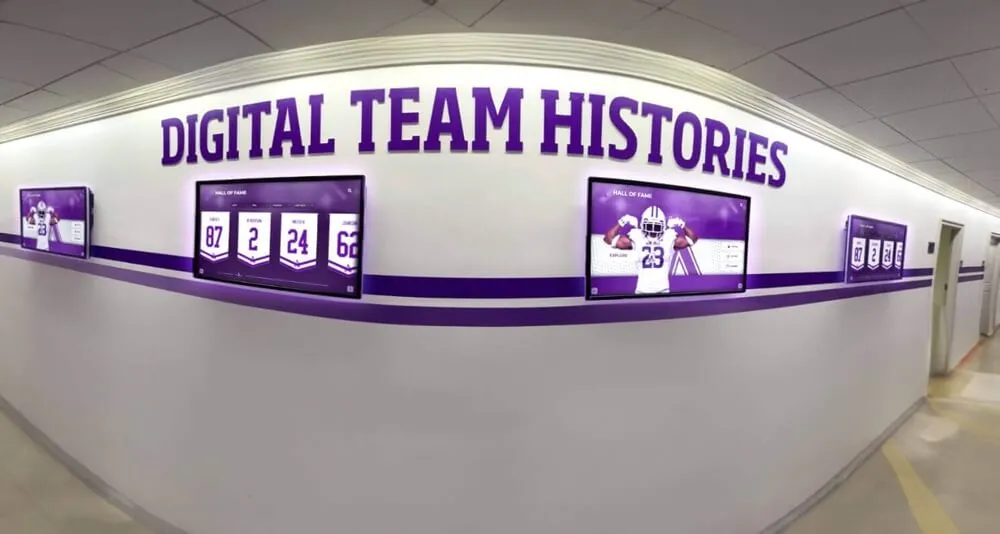
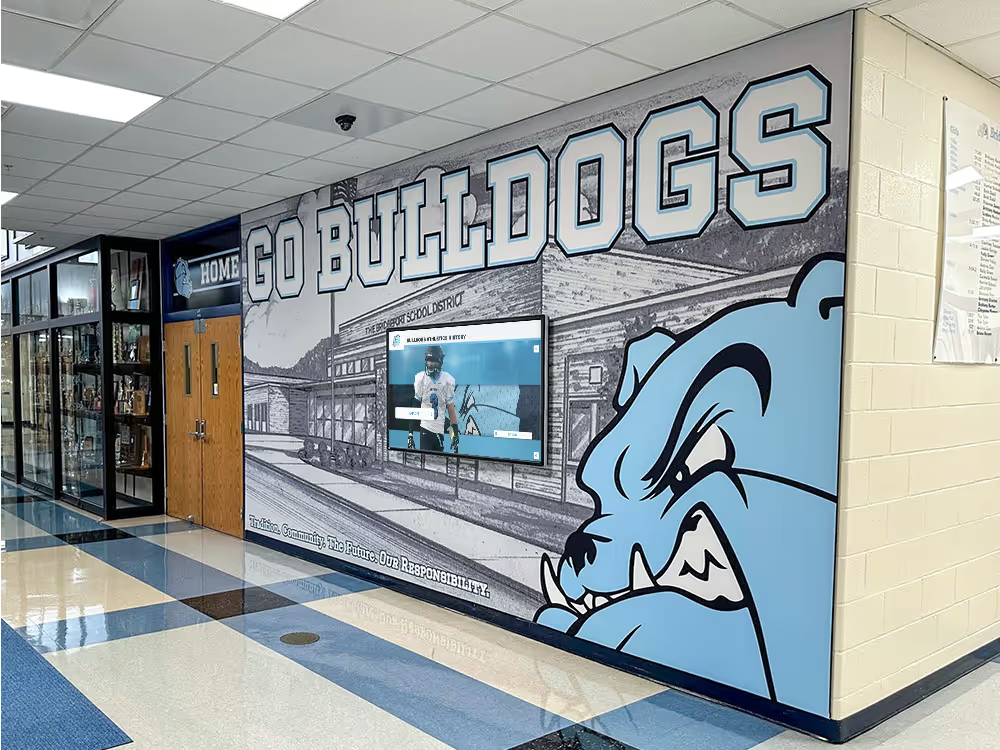
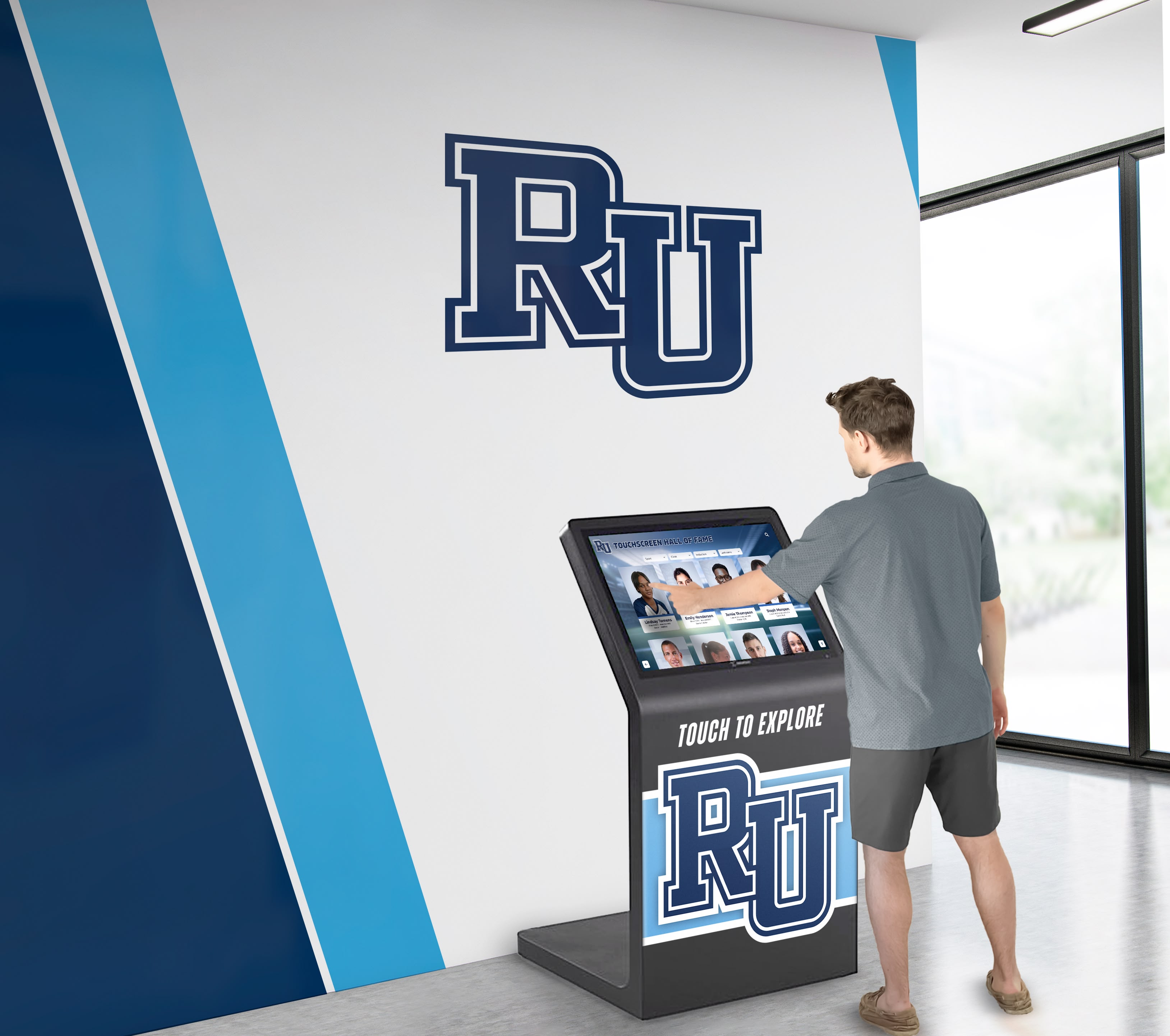
Modern interactive technology creates engaging patient experiences that support therapeutic outcomes in healthcare settings
Understanding Therapeutic Gaming in Pediatric Healthcare: The Science Behind Play
Before exploring specific applications, understanding the scientific foundation for gaming’s therapeutic benefits helps healthcare organizations and donors appreciate why children’s hospitals increasingly invest in comprehensive gaming programs as essential patient care infrastructure.
The Evolution of Gaming in Children’s Hospitals
Therapeutic gaming has evolved dramatically from casual entertainment to evidence-based medical intervention integrated into comprehensive care protocols.
Early Gaming Donations and Recreational Focus (1980s-2000s)
Initial gaming presence in children’s hospitals came primarily through charitable toy donations, community fundraising providing gaming consoles for playrooms, informal entertainment during extended stays, volunteer-led recreational activities, and limited integration with formal treatment protocols or therapeutic objectives.
These early efforts, while well-intentioned and appreciated by patients, remained peripheral to core medical treatment with little systematic coordination between gaming activities and clinical care teams.
Emergence of Evidence-Based Gaming Applications (2000s-2010s)
As research began documenting gaming’s psychological and physiological effects, forward-thinking hospitals experimented with systematic gaming integration including pain distraction protocols during procedures, anxiety management before surgeries, rehabilitation gamification supporting physical therapy, social connection platforms reducing isolation, and specialized child life positions focusing on therapeutic technology.
According to Child’s Play Charity, one of the pioneering organizations supporting hospital gaming programs, they funded the first pediatric gaming and technology specialists in children’s hospitals in 2017 and now support 49 gaming technology specialist positions across almost 200 hospital partners worldwide.
Modern Therapeutic Gaming Programs (2020s-Present)
Contemporary children’s hospitals implement comprehensive therapeutic gaming programs featuring dedicated gaming and technology specialists, evidence-based protocols for specific medical applications, virtual reality systems for immersive pain management, adaptive gaming equipment supporting diverse abilities, family-centered gaming reducing caregiver anxiety, and integration with electronic health records documenting therapeutic gaming interventions.
When the Patient Gaming & Technology Specialist field began in 2018 with approximately five professionals, it has grown to an estimated 60 specialists worldwide—reflecting healthcare’s recognition of gaming’s therapeutic value beyond entertainment.
The Neuroscience of Gaming’s Therapeutic Effects
Understanding why gaming works therapeutically requires examining the neurological and psychological mechanisms underlying its medical applications.
Attention and Cognitive Load Theory
Video games engage multiple cognitive systems simultaneously—visual processing, motor coordination, problem-solving, narrative comprehension, and reward anticipation. This comprehensive cognitive engagement creates high “cognitive load” that effectively competes with pain signal processing.
Research published in peer-reviewed medical journals demonstrates that interactive video games significantly reduce pediatric procedural pain and anxiety through distraction mechanisms that occupy cognitive bandwidth otherwise available for processing pain sensations. When children engage deeply with gaming content, they have limited cognitive resources remaining to attend to uncomfortable medical procedures occurring simultaneously.
Pain Gate Control Theory Application
The neurological “gate control theory” of pain suggests that the nervous system can process only limited information simultaneously. Gaming applications leverage this principle by flooding sensory pathways with compelling visual, auditory, and tactile gaming stimuli that effectively close the “gate” through which pain signals travel to conscious awareness.
According to research from JMIR Research Protocols, cooperative virtual reality gaming demonstrates effectiveness as a nonpharmacological solution to reduce anxiety and pain for both pediatric patients and their caregivers during medical procedures, with studies enrolling patients as young as 6-12 years old.
Sense of Control and Self-Efficacy
Hospitalization often strips children of control and agency—medical professionals dictate schedules, procedures happen regardless of preference, and children experience powerlessness over their circumstances. Gaming restores elements of control through player choice, skill development and mastery, achievement recognition, self-paced progress, and voluntary engagement that respects patient autonomy.
This restored sense of agency addresses psychological dimensions of illness that pharmacological interventions cannot touch, supporting emotional wellbeing alongside physical healing.
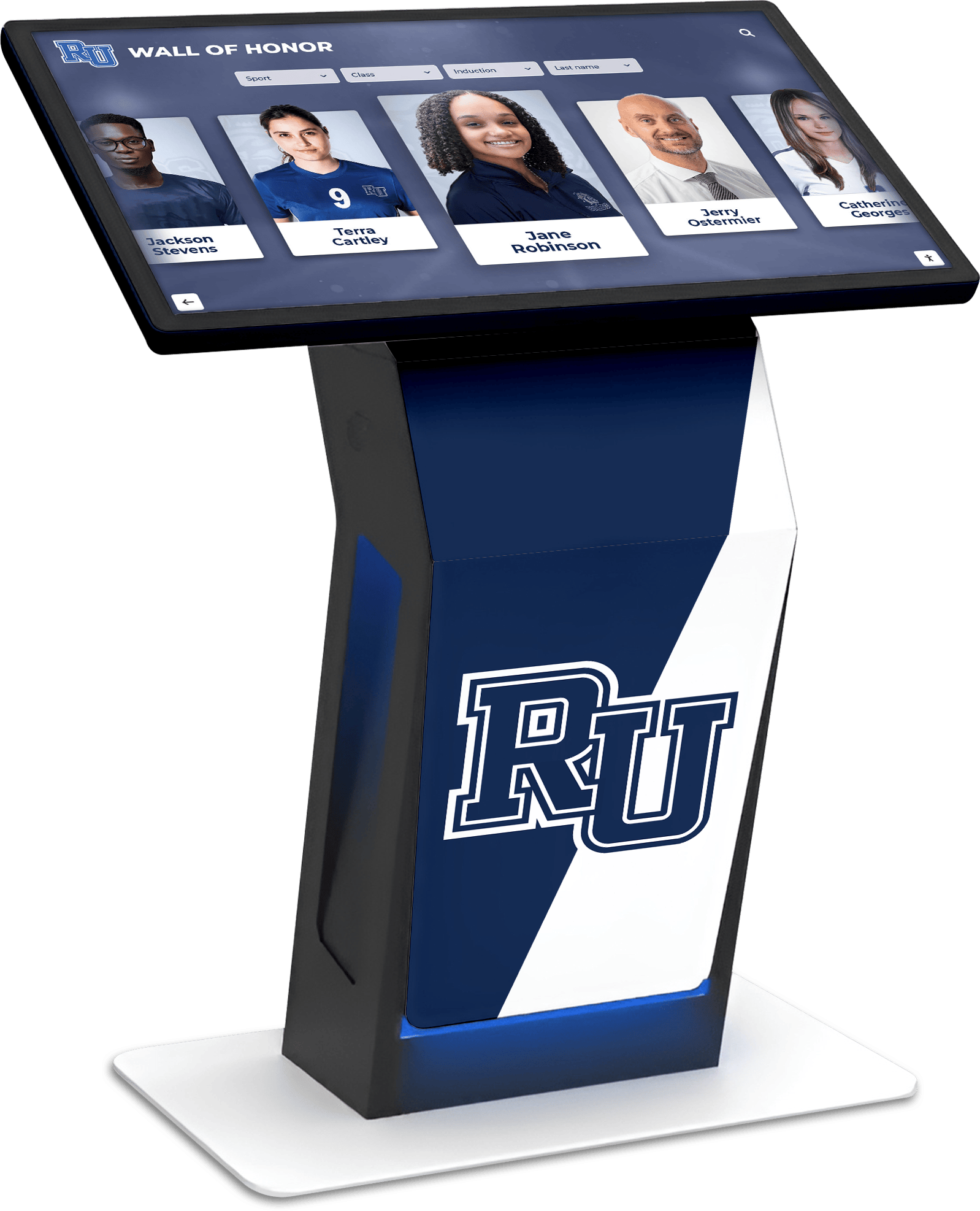
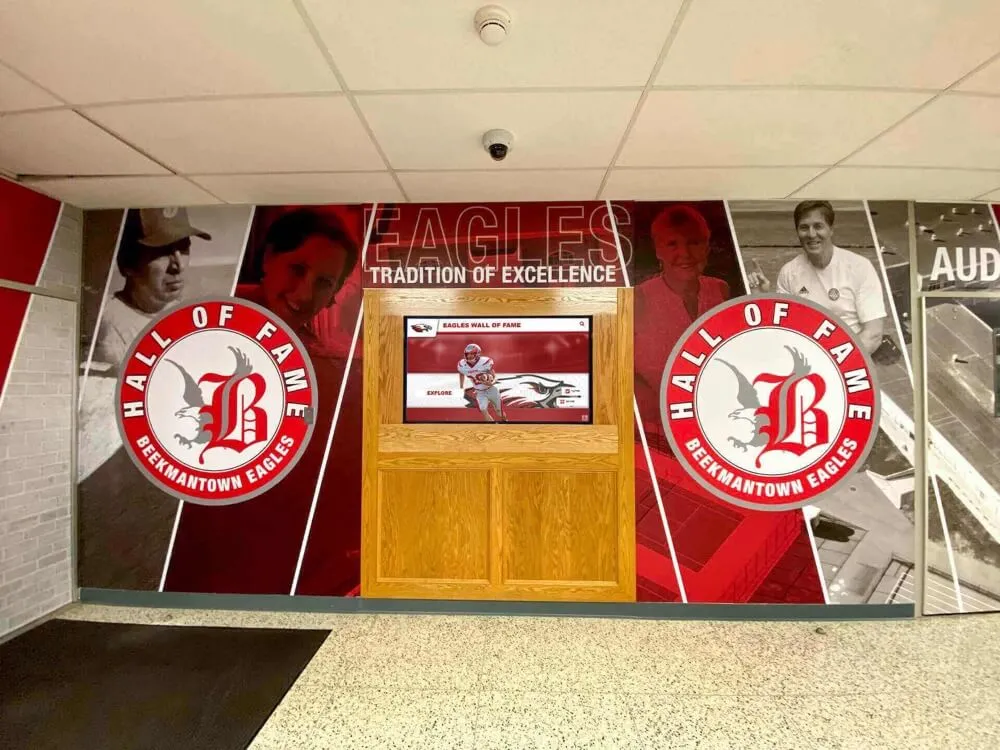
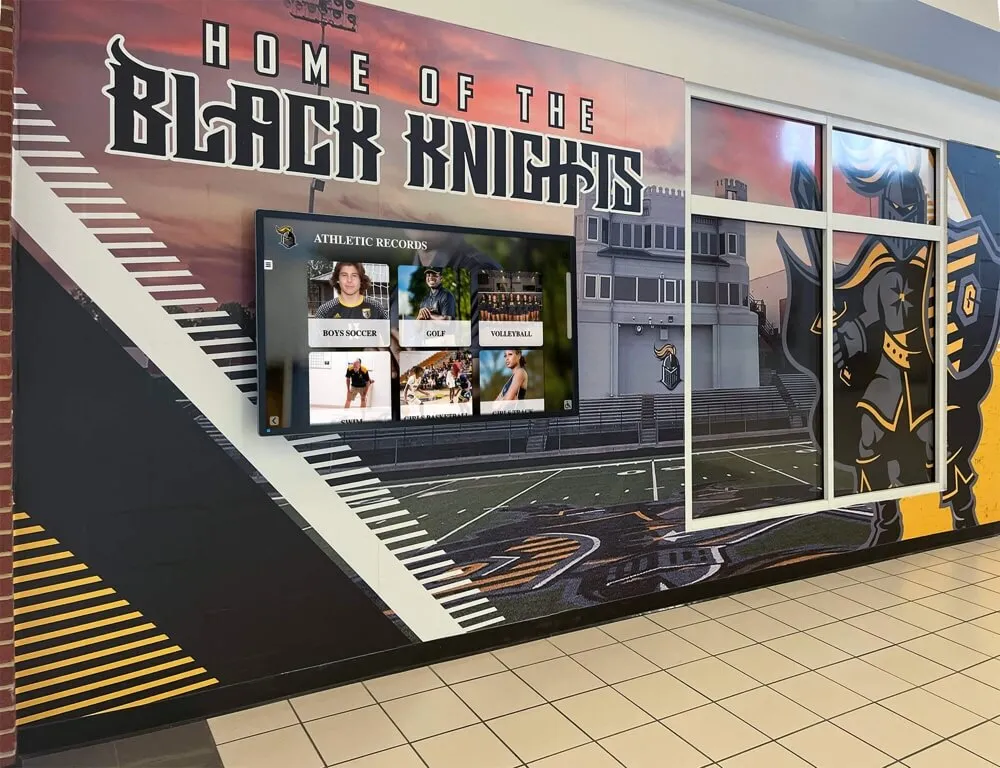
Commercial-grade interactive systems deliver reliable therapeutic gaming experiences in demanding healthcare environments
Research-Backed Benefits of Therapeutic Gaming
Growing academic literature documents specific therapeutic gaming benefits across multiple dimensions of pediatric care.
Pain Management and Procedure Tolerance
Multiple systematic reviews and meta-analyses demonstrate gaming’s effectiveness for pediatric pain management including reduced procedural pain during injections, IV placements, and wound care, decreased need for pharmacological pain medication, improved pain tolerance during physical therapy, lower pain scores on validated pediatric assessment tools, and sustained pain reduction effects extending beyond gaming sessions.
According to research from the Journal of Medical Internet Research, virtual reality for pediatric postoperative pain management offers immersive, multisensory experiences that effectively distract and engage patients’ attention away from pain sensations, though VR’s analgesic effects appear transient, typically lasting 15-30 minutes, suggesting needs for optimization in timing and frequency of sessions.
Research on game types reveals that pain levels were most significantly reduced by action and shooter games, adventure games showed moderate effectiveness, while RPG games resulted in the least pain reduction among all types tested.
Anxiety and Fear Reduction
Pediatric medical anxiety—before surgeries, during procedures, or throughout hospitalization—responds positively to gaming interventions including reduced preoperative anxiety comparable to pharmacological interventions, decreased procedure-related fear in chronically ill children, lower stress hormone levels during gaming sessions, improved emotional regulation and coping skills, and reduced parent/caregiver anxiety through cooperative gaming.
Research comparing video game interventions to midazolam (a common anti-anxiety medication) for reducing perioperative anxiety in pediatric patients found gaming offers a nonpharmacological distraction method that shows promise without significant medication side effects.
Physical Rehabilitation and Motor Skill Development
Active and motion-based gaming supports physical rehabilitation objectives through engaging exercise that motivates therapy compliance, fine and gross motor skill development, coordination improvement through gameplay, strength building through repetitive movements, and objective progress tracking supporting goal-setting and motivation.
At Seattle Children’s Hospital, therapeutic gaming tools frequently supplement medical progress with active games to promote movement and healing, with teams partnering with physical and occupational therapists to incorporate gaming into rehabilitation sessions.
Social Connection and Normalization
Gaming addresses social and emotional needs during hospitalization including online multiplayer connection with friends and family outside hospital, cooperative gameplay with siblings and parents visiting bedside, social skills development through multiplayer interactions, normalization bringing familiar childhood activities into clinical settings, and reduced isolation particularly during infectious disease precautions.
Play gives kids familiarity and structure, making hospital environments less intimidating and bringing elements of everyday life into clinical settings—addressing psychological healing dimensions that medical treatment alone cannot provide.
Similar principles of interactive technology supporting engagement and connection appear in educational contexts, such as interactive recognition displays that foster community participation and belonging.
Core Applications of Therapeutic Gaming in Children’s Hospitals
Comprehensive gaming programs serve multiple therapeutic functions across different aspects of pediatric care, from acute pain management to long-term rehabilitation support.
Procedural Pain and Anxiety Distraction
The most immediate gaming application addresses the universal challenge of helping children tolerate uncomfortable or frightening medical procedures.
Pre-Procedure Anxiety Management
Gaming reduces anticipatory anxiety before surgeries and procedures through engaging distraction during pre-operative waiting periods, familiar comfort activities in unfamiliar clinical environments, sense of control countering powerlessness feelings, reduced rumination about upcoming procedures, and family participation through cooperative gameplay.
Children who engage with video games in pre-operative areas demonstrate anxiety scores comparable to those who receive pharmacological anxiolytic medications—suggesting gaming provides effective non-pharmacological alternatives that avoid medication side effects and recovery delays.
During-Procedure Pain Distraction
For procedures performed with local anesthesia or conscious sedation, gaming provides real-time distraction including virtual reality immersion during injections and IV placements, handheld gaming during wound care and dressing changes, tablet gaming during imaging procedures requiring stillness, music and rhythm games during blood draws, and age-appropriate content matching cognitive development levels.
Research indicates that children engaged in gaming during painful procedures report lower pain scores, require less pain medication, demonstrate fewer behavioral distress indicators, and complete procedures more quickly with better cooperation compared to control groups receiving standard care.
Post-Procedure Recovery Support
Gaming continues supporting recovery after procedures through distraction from post-procedure discomfort, positive emotional experiences countering procedure-related trauma, re-engagement with normal activities signaling recovery, family bonding during recovery periods, and gradual return to baseline functioning through familiar activities.
This comprehensive procedural support—before, during, and after—demonstrates gaming’s versatility as therapeutic intervention adaptable across treatment timelines.
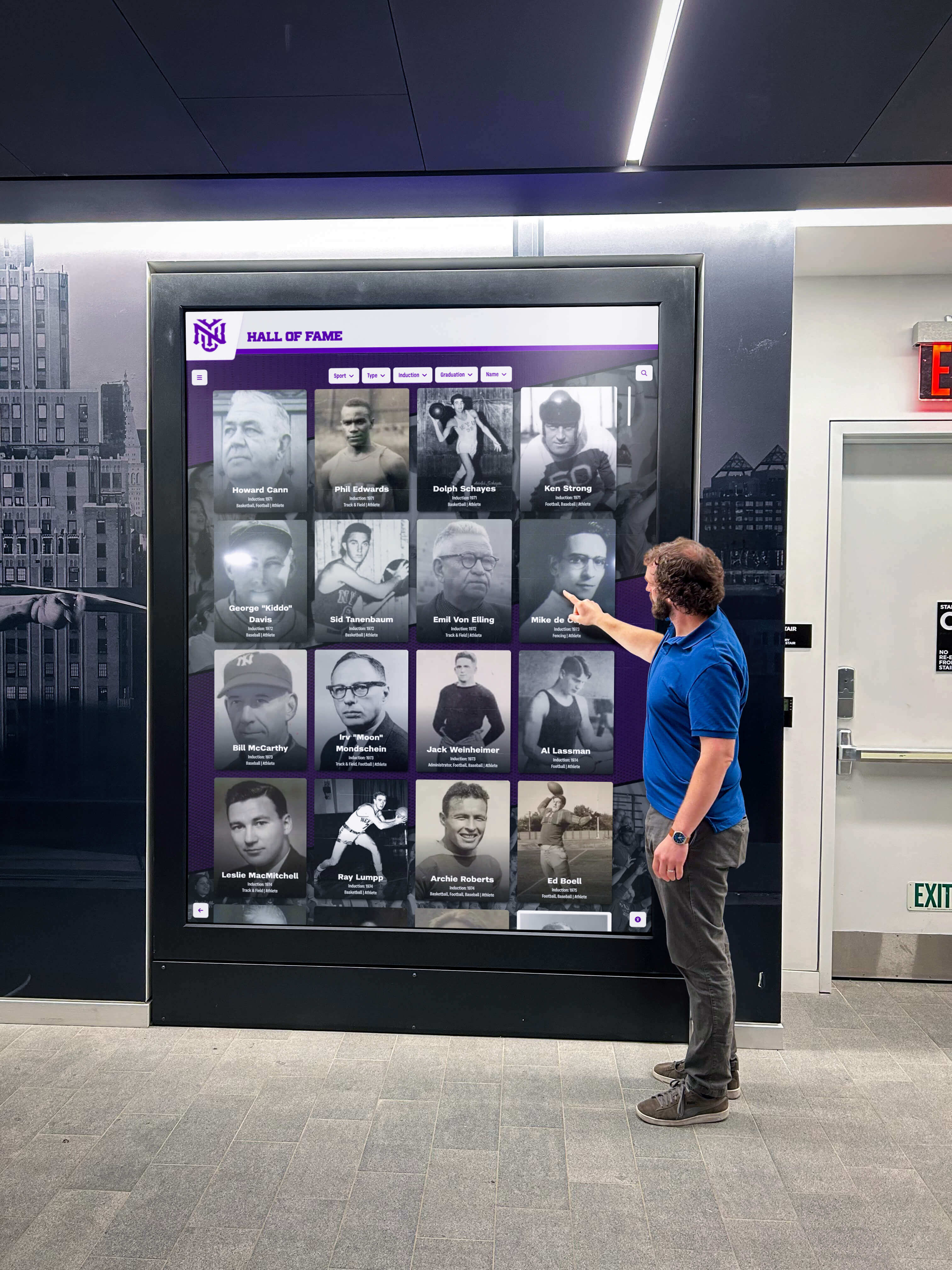
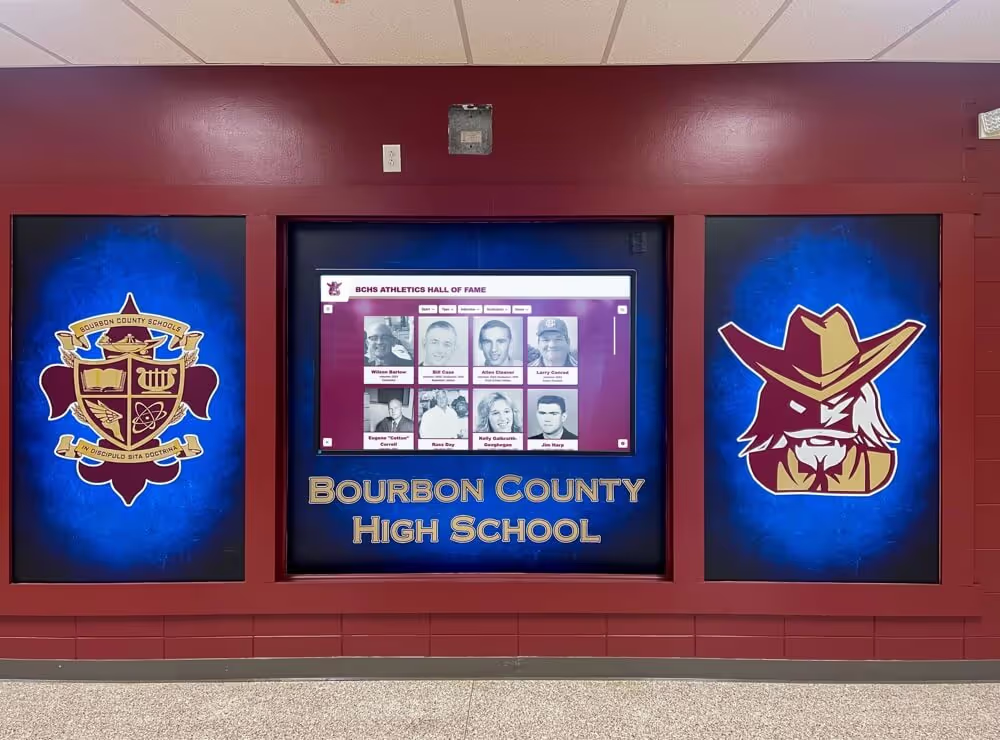
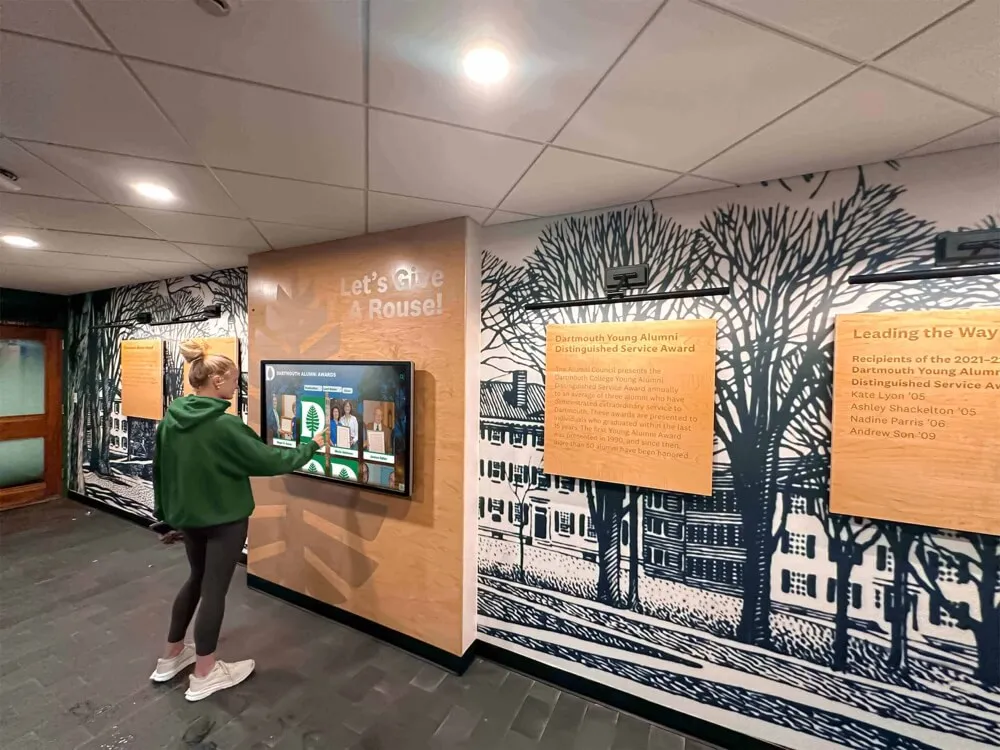
Intuitive interactive systems enable successful therapeutic engagement across all ages and abilities
Physical Rehabilitation and Therapy Support
Gaming transforms traditionally challenging rehabilitation into engaging activities that motivate consistent patient participation.
Gamified Physical Therapy
Motion-based gaming systems support rehabilitation objectives including range-of-motion exercises through gameplay mechanics, strength-building repetitions embedded in entertaining challenges, coordination development through interactive activities, endurance training through progressively challenging levels, and objective progress tracking maintaining motivation.
Physical and occupational therapists report that gaming integration dramatically improves therapy compliance—particularly with adolescent patients who might resist conventional exercise protocols but engage enthusiastically when the same movements occur within gaming contexts.
Virtual Reality for Mobility and Balance
VR systems create immersive rehabilitation environments featuring safe exploration encouraging movement and position changes, balance challenges within engaging virtual scenarios, fear reduction through gradual exposure in controlled settings, spatial awareness development supporting mobility, and cognitive-motor integration addressing both systems simultaneously.
These immersive experiences prove particularly valuable for neurological rehabilitation supporting brain injury recovery, developmental delay intervention, and complex condition management requiring sustained therapeutic engagement.
Adaptive Gaming for Diverse Abilities
Modern gaming programs incorporate adaptive equipment ensuring accessibility including one-handed controllers for limited mobility, eye-tracking systems for minimal movement capabilities, switch-adapted interfaces for severe motor limitations, customizable difficulty settings matching current abilities, and assistive technology integration supporting diverse patient populations.
This inclusive approach ensures all hospitalized children—regardless of diagnosis or functional limitations—can access gaming’s therapeutic benefits rather than excluding patients with complex medical needs who might benefit most from engaging distraction and normalization.
Extended Stay Engagement and Quality of Life
For children facing prolonged hospitalization due to cancer treatment, organ transplants, or complex conditions, gaming addresses unique challenges of extended medical care.
Maintaining Developmental Progress
Gaming supports continued development during hospitalization through educational games maintaining academic skills during school absences, cognitive challenges preventing developmental regression, age-appropriate content matching developmental stages, skill-building embedded in entertainment, and intellectual stimulation during extended bed rest.
Parents of children with extended hospitalizations report that gaming helps maintain their children’s cognitive engagement and prevents the developmental setbacks that can accompany prolonged illness and treatment.
Reducing Isolation and Loneliness
Long-term patients face significant social isolation from school friends, community activities, and normal peer interaction. Gaming mitigates isolation through online multiplayer connecting hospitalized children with external friends, hospital-internal gaming communities linking patients in different rooms, sibling engagement during family visits, parent-child bonding through cooperative gameplay, and connection with home through familiar activities.
At hospitals with robust gaming programs, therapeutic gaming specialists help facilitate these connections, managing device distribution to support patient socialization even when infection control protocols prevent physical proximity.
Emotional Wellbeing and Mental Health
Extended hospitalization creates mental health challenges that gaming helps address including depression symptom management through engaging activities, anxiety reduction from chronic medical uncertainty, positive emotional experiences during difficult treatments, achievement feelings and self-efficacy building, and healthy coping mechanism development.
Research indicates that structured gaming programs improve mood and reduce symptoms of depression and anxiety in pediatric patients with chronic illnesses—providing psychological support complementing medical treatment of underlying conditions.
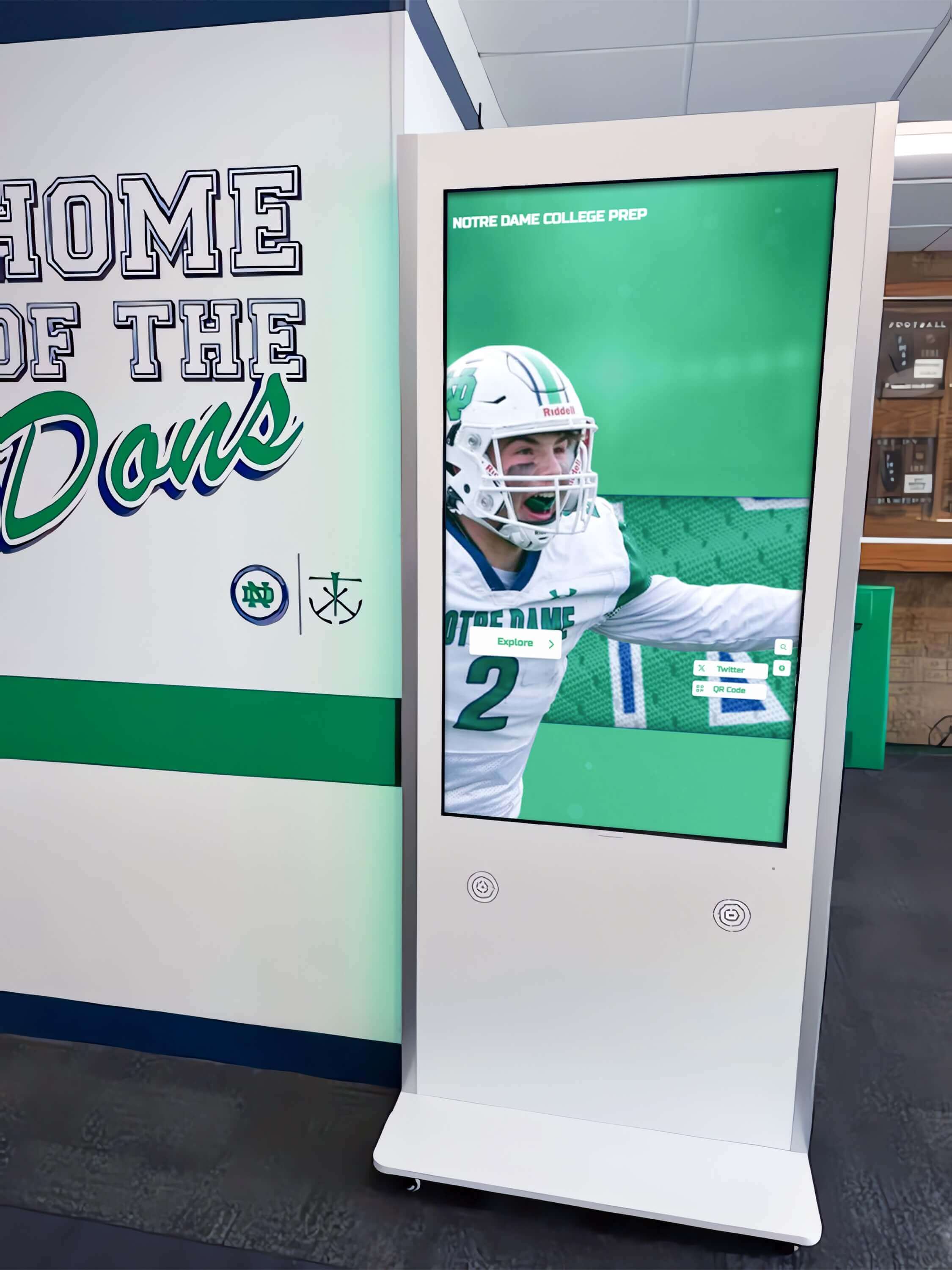
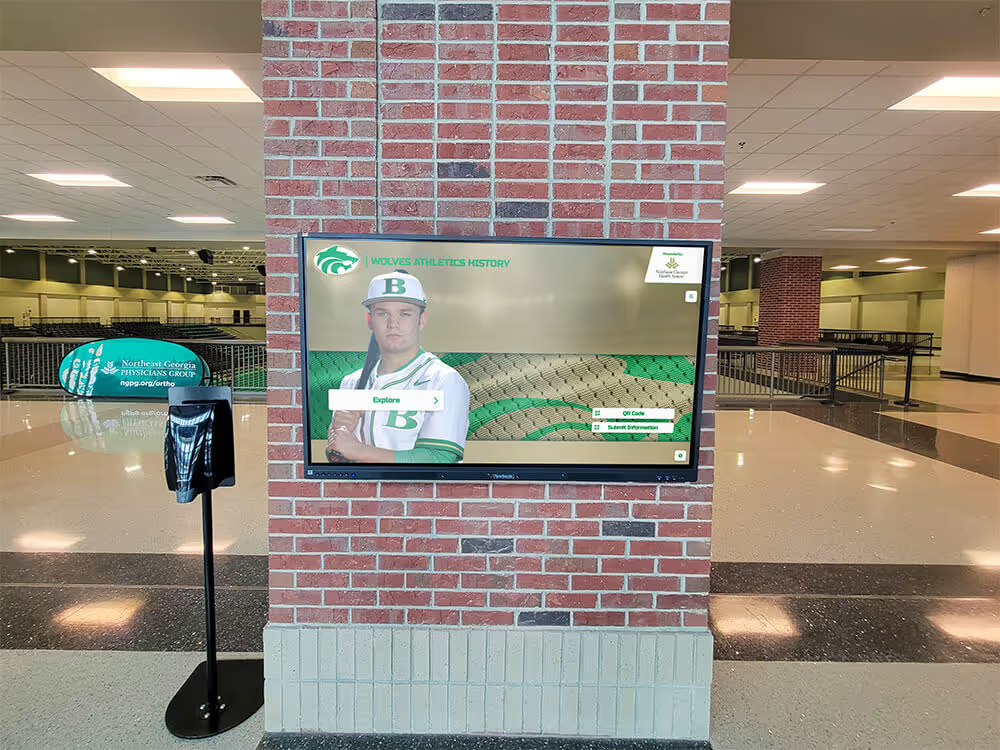
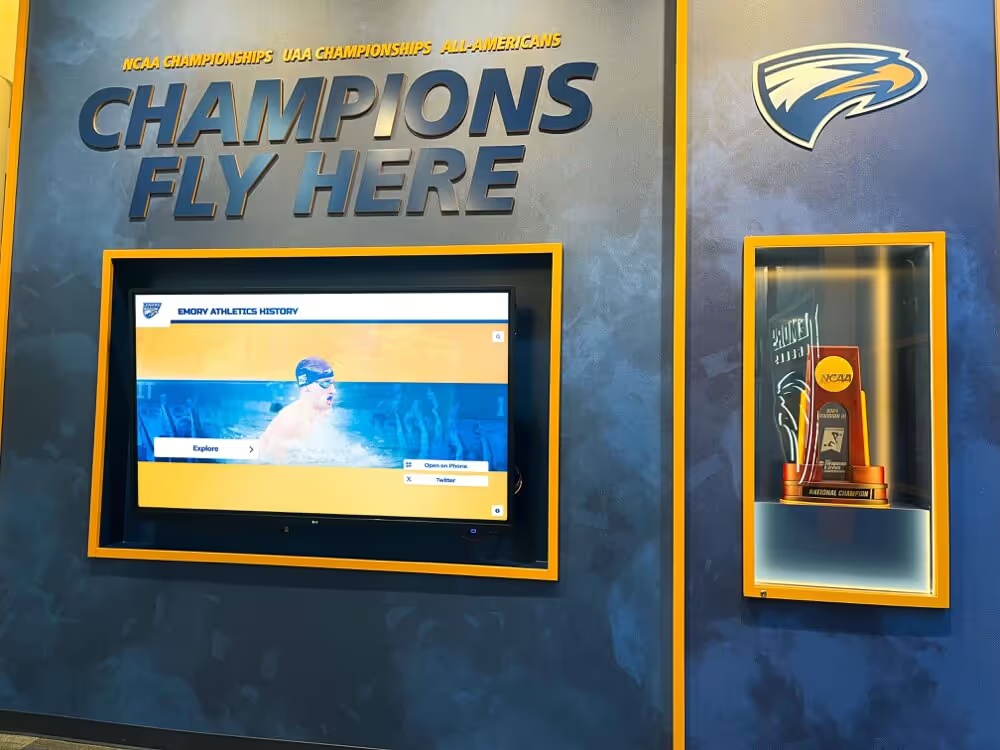
Strategic placement of interactive technology throughout healthcare facilities ensures accessible therapeutic engagement
Family-Centered Care and Caregiver Support
Comprehensive gaming programs extend beyond patients to address family needs throughout hospitalization experiences.
Cooperative Family Gaming
Family-centered gaming approaches include parent-child cooperative gameplay during visits, sibling participation normalizing family dynamics, multi-generational gaming accommodating grandparent involvement, family tournament traditions creating positive hospital memories, and caregiver distraction during difficult waiting periods.
Research demonstrates that cooperative virtual reality gaming reduces anxiety for both pediatric patients and their caregivers during medical procedures—acknowledging that parents’ anxiety affects children’s coping and that interventions supporting the family unit improve patient outcomes.
Caregiver Stress Management
Parents and caregivers facing their children’s hospitalization experience significant stress that gaming helps address through engaging distraction during anxious waiting periods, positive shared experiences during crisis situations, respite from constant medical focus, connection activities with hospitalized children, and stress reduction through familiar recreational activities.
Gaming specialists report that parents often express profound gratitude for gaming programs not just for patient benefits but for creating positive family moments during otherwise traumatic medical experiences.
Parent Education Through Gaming
Some programs use gaming for caregiver education including disease management training through interactive simulations, medication administration practice through gaming scenarios, symptom recognition training in game-based formats, home care preparation through interactive education, and procedure explanation through age-appropriate gaming content.
This innovative application extends gaming’s utility beyond distraction and entertainment into functional health literacy and caregiver capability development supporting successful home management after discharge.
Similar family-centered approaches to interactive technology appear in community settings, such as digital displays supporting visitor engagement in public spaces.
Implementation of Hospital Gaming Programs: Building Comprehensive Therapeutic Gaming Infrastructure
Moving from understanding gaming’s benefits to implementing effective programs requires systematic planning addressing technology, staffing, protocols, and sustainability.
Program Models and Staffing Approaches
Children’s hospitals implement therapeutic gaming through various organizational models depending on size, resources, and patient population characteristics.
Dedicated Gaming and Technology Specialist Positions
Leading programs employ full-time therapeutic gaming specialists—often credentialed child life specialists with gaming expertise—whose responsibilities include managing gaming equipment inventory and distribution, conducting patient gaming sessions with therapeutic objectives, training staff on gaming applications and technology, developing gaming protocols for specific medical situations, collaborating with medical teams on treatment plan integration, and evaluating program outcomes and effectiveness.
At Mary Bridge Children’s Hospital, which launched what’s considered the nation’s first second-generation pediatric gaming program in 2023, therapeutic gaming specialists conduct an average of 200 patient visits per month while managing the distribution and maintenance of more than 100 devices.
Child Life Integration Model
Many hospitals integrate gaming into existing child life departments rather than creating separate positions, with child life specialists incorporating gaming alongside traditional therapeutic play, life specialists receiving gaming-specific training and resources, gaming equipment managed within child life inventory systems, gaming interventions documented in child life therapeutic notes, and collaborative approaches sharing gaming responsibilities across teams.
This integration approach leverages existing child development expertise while expanding intervention toolkits to include technology-based options alongside conventional play therapy approaches.
Volunteer and Donation-Based Programs
Smaller hospitals or those with limited resources may implement gaming through volunteer programs featuring community gaming donations providing equipment, trained gaming volunteers providing patient sessions, gaming coordinator positions (often part-time or volunteer) managing programs, foundation funding supporting equipment purchases and replacement, and partnerships with gaming charities like Child’s Play providing resources.
While less comprehensive than dedicated specialist models, volunteer-based programs still provide valuable therapeutic gaming access to pediatric patients who might otherwise lack these interventions.
Technology Selection and Infrastructure Requirements
Effective gaming programs require thoughtful technology curation and infrastructure supporting diverse therapeutic applications.
Gaming Platform Diversity
Comprehensive programs maintain multiple gaming platform types including handheld devices for bedside and procedure distraction, console systems for common area and extended engagement, virtual reality equipment for immersive pain management, mobile devices with age-appropriate gaming applications, PC gaming for older patients and specific applications, and adaptive equipment supporting patients with disabilities.
This platform diversity ensures programs can match technology to specific therapeutic objectives, patient preferences, and clinical scenarios rather than constraining interventions to limited equipment options.
Infection Control and Sanitation Protocols
Medical environments demand rigorous hygiene standards that gaming programs must address through wipeable controllers and equipment with medical-grade disinfectant compatibility, disposable VR headset covers for single-patient use, regular cleaning schedules between patient uses, isolated equipment for contact precaution patients, and staff training on proper cleaning procedures.
Gaming specialists report that infection control represents one of their most time-intensive responsibilities, requiring systematic equipment rotation ensuring adequate cleaning time between patient uses while maintaining sufficient inventory for program demand.
Network Infrastructure and Content Management
Gaming programs require robust technical infrastructure including reliable high-speed internet supporting online gaming, secure WiFi separate from medical device networks, content filtering ensuring age-appropriate access, device management systems for inventory tracking, charging infrastructure supporting numerous devices simultaneously, and technical support responding quickly to equipment issues.
Hospitals implementing comprehensive gaming programs typically invest $50,000-150,000 in initial equipment and infrastructure, with annual operating budgets of $20,000-50,000 for equipment replacement, software licensing, and maintenance.
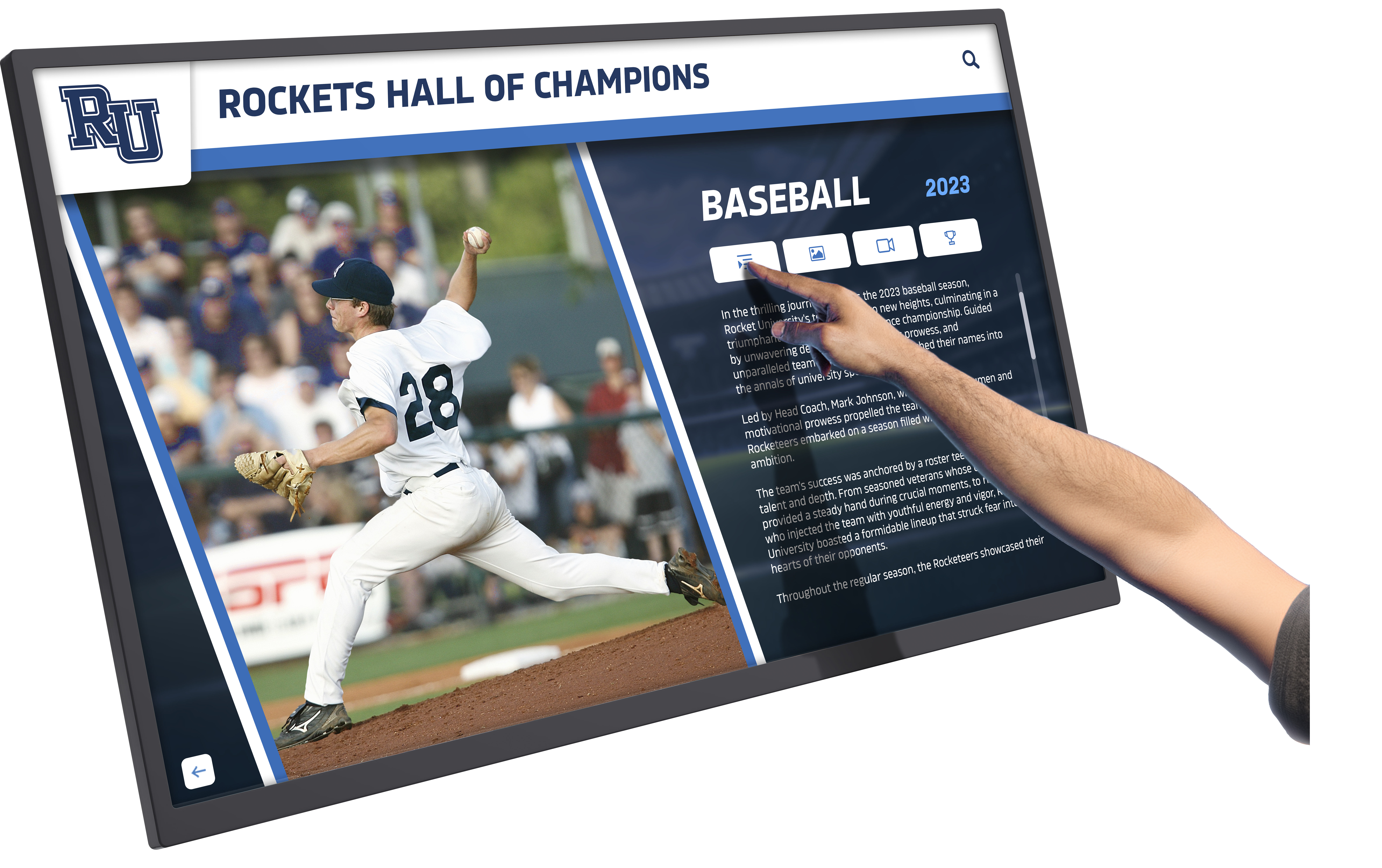
Intuitive touch interfaces ensure successful patient engagement regardless of age or technical familiarity
Evidence-Based Protocols and Medical Integration
Successful programs integrate gaming systematically into medical care rather than treating it as isolated recreational activity.
Protocol Development for Specific Applications
Evidence-based gaming protocols specify appropriate gaming applications for particular medical scenarios including pre-operative anxiety protocols with recommended game types, procedural distraction guidelines matching interventions to procedure types, pain management protocols integrating gaming with pharmacological approaches, rehabilitation protocols coordinating gaming with therapy objectives, and contraindication identification clarifying when gaming should be avoided.
These protocols enable consistent, evidence-based gaming application across different providers, shifts, and clinical areas rather than ad-hoc implementation depending on individual staff knowledge and preferences.
Documentation and Outcomes Tracking
Integration with medical record systems ensures gaming receives appropriate recognition as therapeutic intervention through standardized documentation of gaming interventions, outcomes assessment using validated pain and anxiety scales, integration with electronic health records, quality improvement data collection, and research participation supporting evidence development.
Hospitals with mature gaming programs document gaming interventions similarly to other therapeutic modalities, enabling outcome analysis, quality improvement initiatives, and research contributions advancing the field.
Interprofessional Collaboration
Effective gaming programs require collaboration across disciplines including physicians understanding gaming’s therapeutic applications, nurses incorporating gaming into bedside care, physical and occupational therapists integrating gaming into rehabilitation, psychologists recognizing gaming’s mental health applications, and administrators supporting program resources and development.
Gaming specialists report that interprofessional education and relationship-building represent critical program success factors, as medical team buy-in determines whether gaming receives appropriate utilization and integration versus remaining peripheral to core care.
The same collaborative principles supporting therapeutic gaming appear in other healthcare technology implementations, such as digital communication systems supporting patient and family engagement.
Benefits Beyond Patients: Organizational and Community Impact
Therapeutic gaming programs deliver value extending beyond individual patient outcomes to organizational performance and community relationships.
Hospital Reputation and Patient Satisfaction
Gaming programs enhance institutional reputation and family satisfaction in measurable ways.
Patient Experience Scores and Satisfaction Metrics
Hospitals with robust gaming programs report improved patient satisfaction scores, higher family satisfaction ratings, increased positive online reviews and social media mentions, reduced patient complaints about boredom and distress, and enhanced overall experience ratings during hospitalization.
According to the Children’s Hospital Association, therapeutic gaming programs demonstrably boost patient experience metrics—a critical factor in healthcare quality assessment and reimbursement models increasingly tied to patient satisfaction.
Competitive Differentiation and Market Positioning
In competitive healthcare markets, gaming programs provide differentiation including family-friendly reputation attracting patient choice, innovative care perception supporting market position, word-of-mouth recommendations from satisfied families, physician preference for referral destinations, and community engagement demonstrating institutional values.
Hospital marketing teams increasingly feature gaming programs in promotional materials, recognizing that family-centered amenities influence healthcare decision-making particularly for non-emergent care where families can choose between institutional options.
Staff Recruitment and Retention
Gaming programs support workforce objectives through desirable work environment attracting staff, innovative culture appealing to early-career professionals, meaningful work enhancing job satisfaction, professional development opportunities in emerging specialties, and reduced burnout through improved patient interactions.
Child life specialists and nurses report that working at institutions with comprehensive gaming programs enhances career satisfaction by providing tools that meaningfully improve patient experiences and care quality.
Community Engagement and Philanthropic Support
Gaming programs create unique community engagement and fundraising opportunities that benefit broader institutional objectives.
Donor Interest and Fundraising Opportunities
Gaming resonates with modern donors including younger donors connecting with gaming’s cultural relevance, technology sector donors supporting innovation, family foundations addressing pediatric needs, corporate sponsors seeking family-friendly partnerships, and grassroots fundraising through gaming marathons and events.
Programs like Extra Life—a gaming marathon fundraiser supporting Children’s Miracle Network Hospitals—have raised over $90 million since 2008, demonstrating gaming’s fundraising potential for pediatric healthcare.
Community Partnership Development
Gaming programs facilitate community relationships through gaming industry partnerships providing equipment donations, esports organizations supporting hospital programs, gaming convention partnerships raising awareness, content creator collaborations promoting programs, and local gaming community engagement volunteering time and resources.
These partnerships extend institutional relationships beyond traditional healthcare networks into vibrant gaming communities with resources and enthusiasm for supporting pediatric care.
Volunteer Engagement Opportunities
Gaming programs create accessible volunteer opportunities including gaming session facilitation with patients, equipment cleaning and maintenance support, technology troubleshooting assistance, tournament organization and gaming event facilitation, and fundraising campaign support.
The accessibility and appeal of gaming volunteering attracts diverse volunteer populations—including younger volunteers and technology professionals who might not engage with traditional healthcare volunteering but enthusiastically support gaming programs.
Similar community engagement through interactive technology appears in other sectors, such as digital recognition displays fostering school community connections.
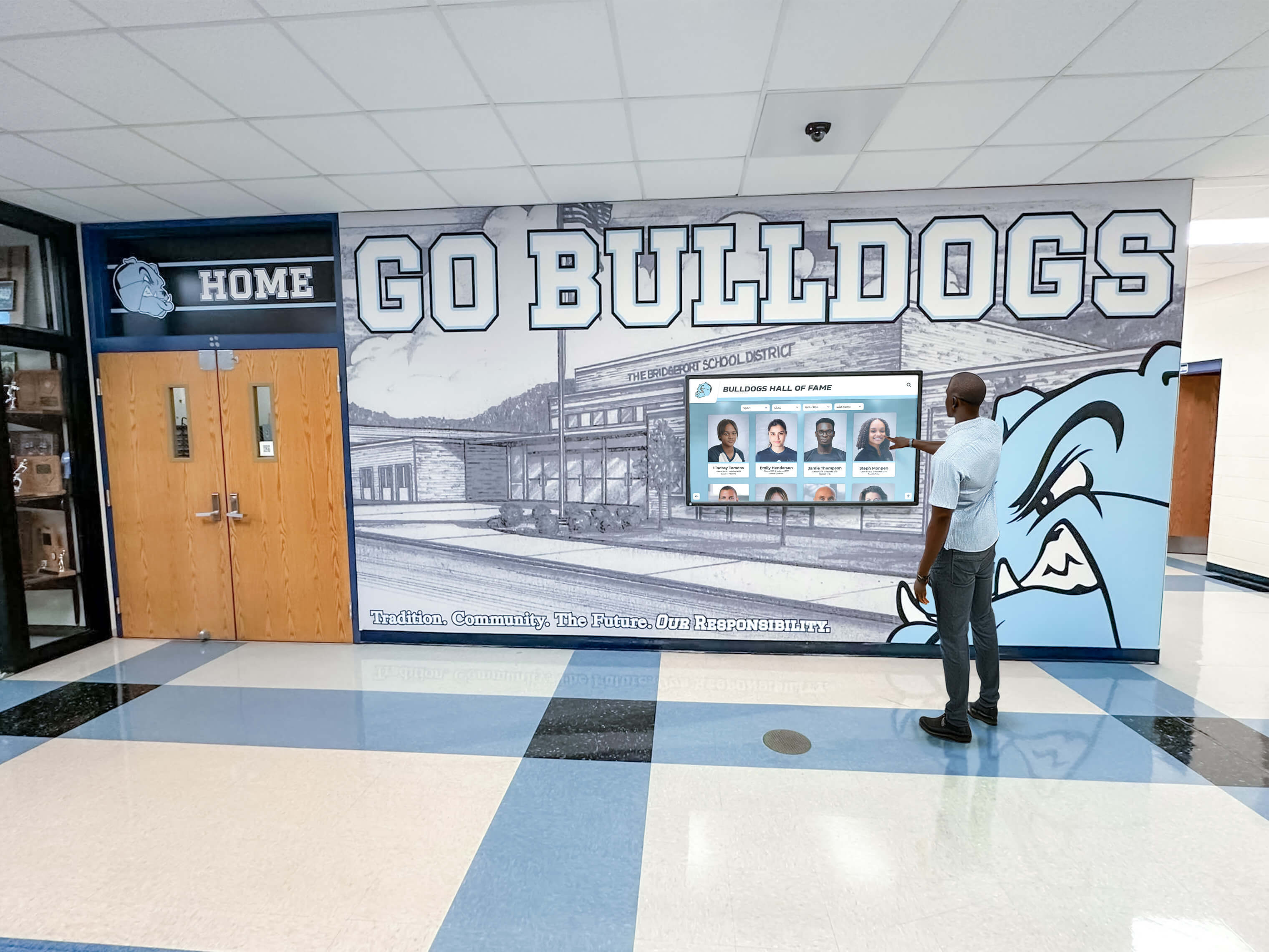
Interactive technology creates engaging community experiences across diverse institutional environments
Funding and Sustainability: Building Lasting Gaming Programs
Transitioning from initial enthusiasm to sustainable programs requires addressing financial models, resource allocation, and long-term viability.
Funding Models and Financial Sustainability
Different approaches support gaming program funding depending on institutional context and resources.
Foundation and Philanthropic Funding
Many programs begin with philanthropic support including hospital foundation grants funding program launches, major donor gifts supporting specific gaming initiatives, community fundraising campaigns providing equipment, corporate sponsorships from gaming and technology companies, and charity partnerships like Child’s Play providing specialist funding.
Child’s Play funds specialists for two-year periods with the expectation that hospitals will sustain positions after initial support—a model successfully transitioning programs from grant-funded pilots to permanent institutional infrastructure.
Operating Budget Integration
Sustainable programs integrate into regular hospital budgets through child life department budget lines supporting gaming positions, equipment replacement funds in annual capital budgets, patient amenity funding recognizing gaming’s experience value, quality improvement investments supporting evidence-based interventions, and reimbursement strategies when gaming supports billable therapeutic services.
Financial integration signals institutional commitment extending beyond short-term projects to permanent program infrastructure with resources allocated consistently regardless of fluctuating philanthropic support.
Revenue and Cost Offset Opportunities
Some gaming expenses offset through identifiable savings including reduced pharmacological sedation costs for procedures, decreased length of stay through improved rehabilitation compliance, reduced patient complaints and grievance management costs, improved patient satisfaction affecting quality-based reimbursement, and enhanced institutional reputation supporting patient volume.
While quantifying these benefits precisely proves challenging, comprehensive business cases demonstrate that gaming programs generate value justifying operational investment through both cost reduction and revenue enhancement mechanisms.
Equipment Management and Technology Lifecycle
Gaming technology requires ongoing investment and management ensuring programs maintain current, functional equipment.
Equipment Inventory and Replacement Cycles
Sustainable programs budget for predictable equipment needs including 3-4 year replacement cycles for gaming consoles, 2-3 year replacement for high-use handheld devices, annual software licensing and subscription renewals, peripheral replacement for frequently damaged controllers and accessories, and expansion inventory as programs grow and serve more patients.
Programs typically require $15,000-40,000 annually for equipment refresh and replacement depending on program scale—representing significant ongoing operational expense beyond initial implementation costs.
Donation Management and In-Kind Support
Community gaming donations supplement budgets but require management including donation acceptance policies ensuring appropriate equipment, sanitization protocols for used equipment donations, version compatibility ensuring donated games work with existing systems, content appropriateness review for age and situation suitability, and donor acknowledgment supporting continued community engagement.
Gaming specialists report spending considerable time managing donations—grateful for community generosity while navigating practical challenges of integrating diverse equipment into managed programs with standardization and infection control requirements.
Technology Evaluation and Pilot Programs
Leading programs continuously evaluate emerging technologies including VR innovation assessment, new gaming platform evaluation, adaptive equipment testing for accessibility, emerging therapeutic gaming research translation, and vendor partnership exploration for equipment and support.
This forward-looking approach ensures programs remain current with gaming technology evolution rather than maintaining outdated systems that diminish patient engagement and therapeutic effectiveness.
Future Directions and Emerging Opportunities in Therapeutic Gaming
Understanding emerging trends helps institutions plan forward-looking programs positioned for continued relevance as gaming technology and healthcare delivery evolve.
Artificial Intelligence and Personalized Gaming
AI applications promise increasingly personalized therapeutic gaming experiences.
Adaptive Difficulty and Patient-Specific Customization
Emerging systems adjust gaming experiences in real-time including difficulty modification based on patient performance, content personalization matching interests and preferences, intervention timing optimization based on patient state, engagement monitoring triggering clinical team alerts for distress, and outcomes prediction supporting treatment planning.
These intelligent systems ensure gaming consistently provides optimal therapeutic benefit rather than generic experiences that might over-challenge struggling patients or under-engage those needing more stimulation.
Predictive Analytics for Program Optimization
AI-driven analytics help programs understand effectiveness through patient characteristic correlation with successful outcomes, optimal intervention timing identification, gaming type effectiveness for specific conditions, staffing pattern optimization, and equipment utilization forecasting for inventory management.
This data-driven approach enables continuous program improvement based on evidence from local patient populations rather than relying solely on published research from different institutional contexts.
Telehealth and Remote Gaming Interventions
Gaming’s digital nature enables therapeutic extension beyond hospital walls.
Home-Based Gaming Support
Programs increasingly extend into home settings through post-discharge gaming equipment lending, telehealth gaming sessions with hospital specialists, parent training on home gaming applications, online multiplayer connection maintaining peer relationships, and remote rehabilitation monitoring through gaming performance data.
This continuity between inpatient and outpatient care ensures consistent therapeutic support throughout illness trajectories rather than disrupting beneficial interventions at discharge.
Virtual Support Groups and Communities
Gaming facilitates remote peer support including online gaming groups for children with similar diagnoses, structured multiplayer activities connecting patients, alumni patient mentoring through shared gaming, family support communities through cooperative gaming, and special event gaming tournaments creating community.
These virtual connections address social and emotional needs that extend beyond acute hospitalization into long-term chronic illness management and survivorship.
Similar principles of digital technology extending traditional services appear across sectors, such as touchscreen recognition systems supporting various institutional applications.
Expanded Clinical Applications and Research
Growing evidence continues expanding gaming’s recognized clinical applications.
Mental Health and Behavioral Interventions
Emerging applications address mental health needs including anxiety disorder treatment through exposure gaming, depression intervention through mood-boosting gameplay, PTSD processing through narrative gaming experiences, attention and impulse control through therapeutic gaming design, and social skills training through structured multiplayer interventions.
Research demonstrates that specially designed video games benefit mental health of children and teenagers—expanding gaming’s applications from pain distraction into primary mental health intervention for diverse conditions.
Neurological Rehabilitation and Cognitive Training
Gaming shows promise for neurological applications including stroke rehabilitation supporting recovery, traumatic brain injury cognitive retraining, developmental delay intervention, learning disability support through educational gaming, and autism social skills development through structured gaming interactions.
These applications position gaming as versatile therapeutic tool applicable across numerous pediatric specialties beyond initial pain management and distraction applications.
Integration with Medical Devices and Treatment Systems
Future gaming may integrate directly with medical equipment.
Biofeedback Gaming and Physiological Integration
Emerging systems incorporate physiological monitoring including heart rate variability training through biofeedback gaming, breathing pattern regulation through gameplay mechanics, pain response monitoring adjusting gaming in real-time, stress level detection triggering gaming interventions, and treatment response tracking through gaming performance metrics.
This integration transforms gaming from entertaining distraction into sophisticated medical device incorporating physiological data into therapeutic experiences.
Procedural Integration and Surgical Applications
Advanced applications extend gaming into procedures including augmented reality surgical guidance for complex procedures, virtual reality training for surgical skills development, patient procedure preparation through VR previews, real-time distraction integrated into procedure workflows, and recovery monitoring through gaming-based assessment.
These sophisticated applications blur boundaries between gaming, medical technology, and treatment delivery—positioning interactive technology as core healthcare infrastructure rather than supplementary amenity.
Conclusion: Gaming as Essential Pediatric Healthcare Infrastructure
Video games at children’s hospitals represent far more than entertainment—they constitute evidence-based therapeutic interventions supporting pain management, anxiety reduction, physical rehabilitation, social connection, and psychological wellbeing throughout pediatric illness and hospitalization. When healthcare organizations implement comprehensive therapeutic gaming programs—with dedicated specialists, diverse technology platforms, evidence-based protocols, and sustainable funding—they create healing environments that address not just physical disease but also the psychological, social, and developmental dimensions of childhood illness.
The strategies explored in this guide provide frameworks for implementing gaming programs that serve multiple therapeutic objectives simultaneously through procedural pain and anxiety distraction enabling comfortable treatment experiences, rehabilitation support improving therapy compliance and outcomes, extended stay engagement maintaining quality of life during prolonged hospitalization, family-centered interventions reducing caregiver stress while strengthening family bonds, and normalization restoring childhood experiences even during serious illness.
Support Therapeutic Innovation in Pediatric Care
Whether you represent a children's hospital exploring gaming program implementation, a foundation considering pediatric care grants, a corporation seeking meaningful healthcare partnerships, or a community member passionate about supporting hospitalized children, therapeutic gaming programs offer evidence-based opportunities to meaningfully improve pediatric healthcare experiences and outcomes. Solutions like Rocket Alumni Solutions provide interactive technology platforms supporting diverse applications across healthcare, educational, and community settings—including donor recognition systems that celebrate the generous supporters making innovative programs possible.
Explore Recognition SolutionsThe Evidence Base Continues Growing
Research consistently demonstrates gaming’s therapeutic value with systematic reviews showing significant pain reduction during procedures, anxiety scores comparable to pharmacological interventions, improved rehabilitation outcomes through enhanced engagement, mental health benefits addressing depression and anxiety, and family satisfaction improvements through enhanced experiences.
This evidence base transforms gaming from experimental intervention into standard of care that children increasingly expect and deserve as component of comprehensive, family-centered pediatric medicine.
Beyond Entertainment to Healing
The most profound shift therapeutic gaming represents is reconceptualizing play not as distraction from healing but as pathway toward it. Children heal not just through medication and procedures but through experiences of normalcy, control, mastery, joy, and connection—elements gaming uniquely delivers within clinical environments traditionally structured around medical efficiency rather than childhood needs.
When hospitals embrace gaming as essential therapeutic infrastructure receiving resources, staffing, protocols, and integration equivalent to other evidence-based interventions, they signal commitment to whole-child healing that addresses physical, psychological, social, and developmental wellbeing throughout illness trajectories.
The Role of Philanthropic Support
Many transformative gaming programs began with philanthropic vision and support. Donors who fund gaming specialists, equipment libraries, VR systems, or program infrastructure create lasting impact touching thousands of children throughout program lifetimes. Unlike restricted research grants or specific treatment funding, gaming program support addresses universal needs of all pediatric patients regardless of diagnosis—making it uniquely powerful philanthropic investment in comprehensive care quality.
Organizations exploring donor recognition approaches that celebrate this generosity can learn from digital recognition systems honoring supporters while demonstrating program impact to prospective contributors.
A Prescription for Play
Ultimately, therapeutic gaming programs represent healthcare’s embrace of a simple but profound truth: children need play for healing. When medical teams “prescribe” gaming sessions, insurance models recognize gaming as billable therapeutic service, electronic health records document gaming interventions alongside medication administration, and hospital budgets allocate gaming resources as essential infrastructure, healthcare acknowledges that healing requires more than treating disease—it demands nurturing the whole child through illness back to wellness.
Your hospitalized children deserve care addressing not just their medical diagnoses but their developmental needs, emotional wellbeing, social connections, and childhood experiences. Therapeutic gaming programs deliver this comprehensive care in ways that engage, empower, and heal while creating positive memories during otherwise frightening experiences. The future of pediatric healthcare integrates sophisticated medical treatment with evidence-based gaming interventions—ensuring no child faces illness without access to play’s healing power.
Ready to explore how therapeutic gaming can enhance your pediatric care programs? The conversation about gaming in healthcare has evolved from “Is this appropriate?” to “How quickly can we implement comprehensive programs delivering benefits our patients deserve?” Whether through direct program implementation, philanthropic support, technology partnerships, or community engagement, opportunities exist for contributing to gaming’s transformative role in pediatric medicine.
Sources:
- Seattle Children’s Therapeutic Gaming Program Uses Video Games
- Press play, not pause: Gaming program levels up hospital stays - Mary Bridge Children’s
- Therapeutic Gaming Program Boosts the Patient Experience
- Child’s Play - Play Games, Feel Better™
- 4 Positive Effects Video Games in Hospitals Have on Kids | Starlight Children’s Foundation
- Cooperative Virtual Reality Gaming for Anxiety and Pain Reduction in Pediatric Patients and Their Caregivers During Painful Medical Procedures | JMIR Research Protocols
- Virtual Reality for Pediatric Postoperative Pain Management | Journal of Medical Internet Research
- Specially Designed Video Games May Benefit Mental Health of Children and Teenagers | Johns Hopkins Medicine