Modern fundraising extends far beyond physical spaces, requiring recognition strategies that reach donors wherever they are. Virtual donor walls represent the evolution of philanthropic acknowledgment for 2026—online recognition platforms that celebrate supporters through web-accessible displays combining unlimited capacity, multimedia storytelling, real-time updates, and global accessibility that traditional physical donor walls simply cannot match.
Organizations today serve geographically distributed donor bases including alumni living worldwide, remote supporters who may never visit physical facilities, younger donors who expect digital-first experiences, and communities that increasingly engage through screens rather than in-person visits. Yet many institutions still rely exclusively on physical recognition plaques visible only to those who happen to walk through specific hallways, leaving the vast majority of supporters without meaningful acknowledgment of their generosity.
This comprehensive guide explores how virtual donor walls solve these challenges by creating online recognition experiences that honor every contributor appropriately, reach donors anywhere in the world, inspire continued giving through compelling storytelling, and build cultures where philanthropy becomes celebrated and accessible throughout your communities.
Effective donor recognition in 2026 demands accessibility matching how supporters actually engage with organizations. When recognition lives only on physical walls in lobbies few visit, opportunities to strengthen relationships, inspire additional giving, and celebrate community philanthropy are fundamentally limited. Virtual donor wall solutions like Rocket Alumni Solutions make comprehensive online recognition achievable for organizations of all sizes and technical capabilities.

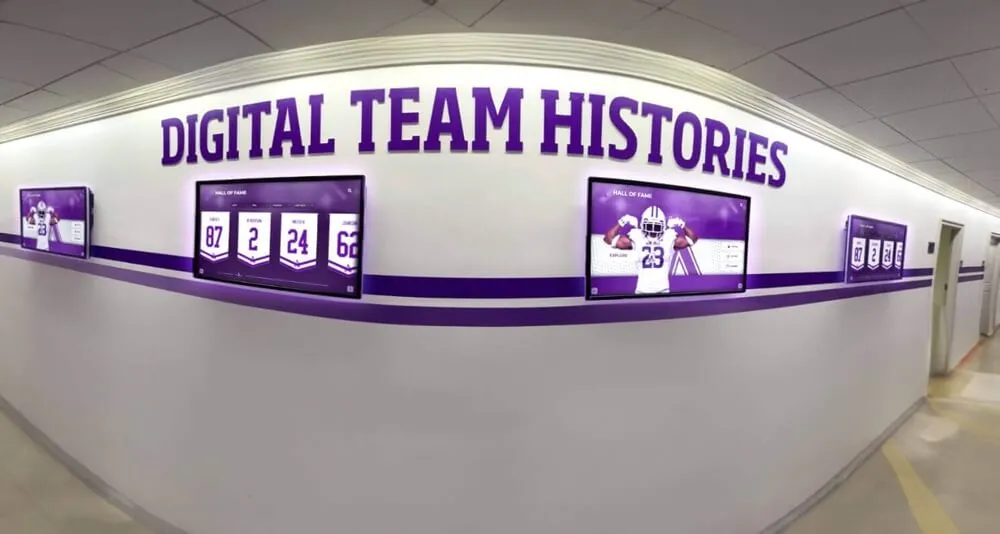
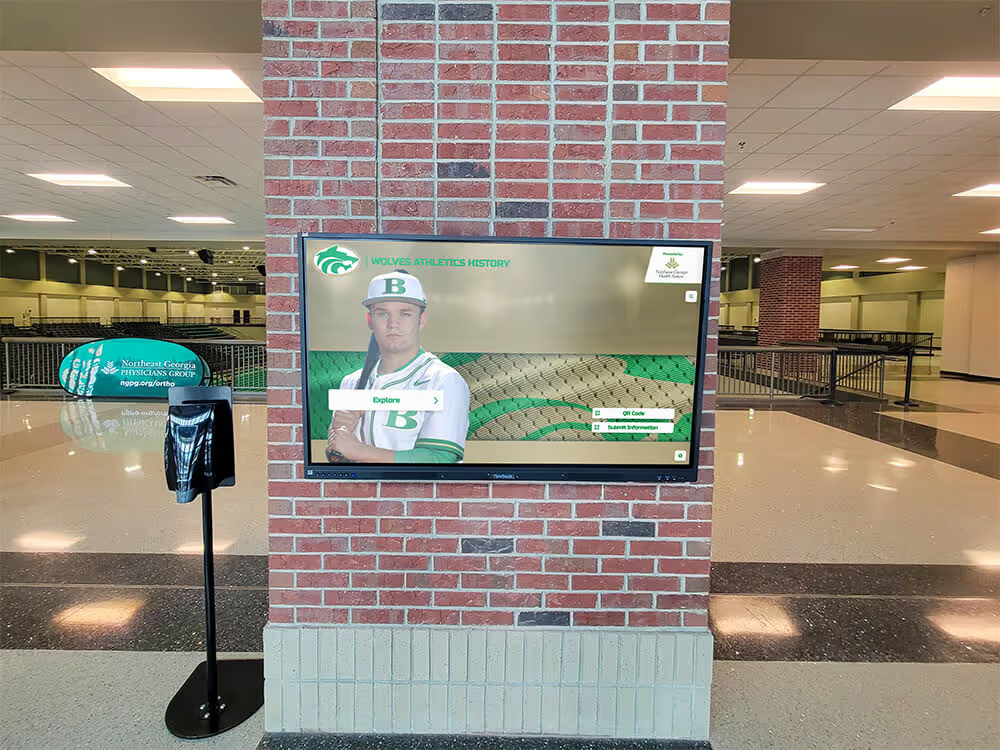
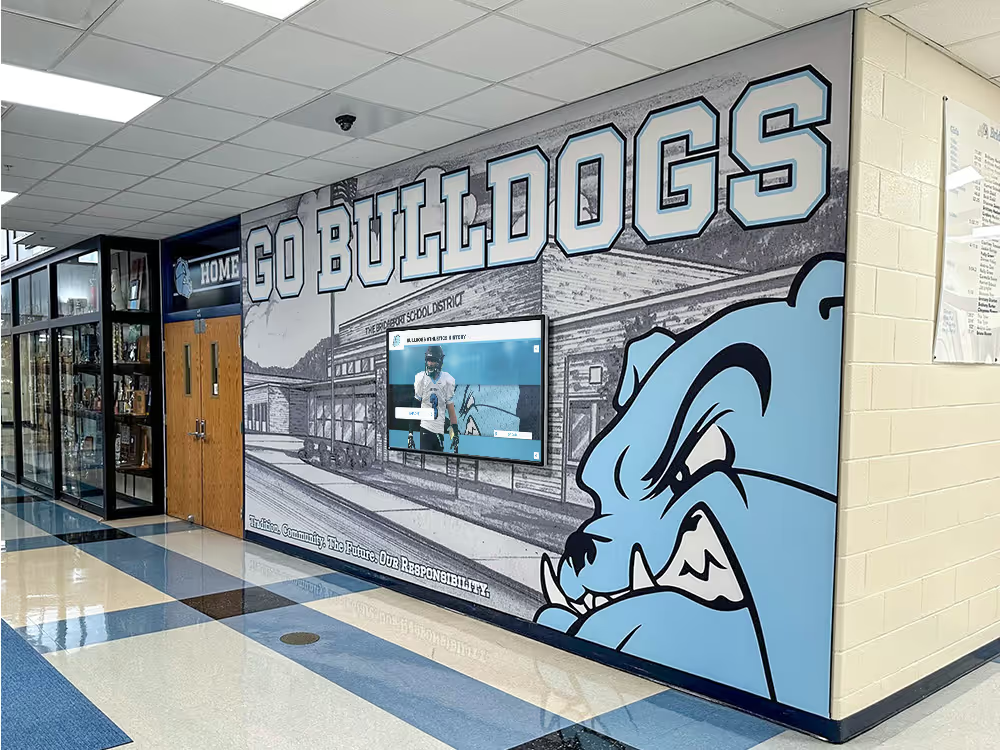
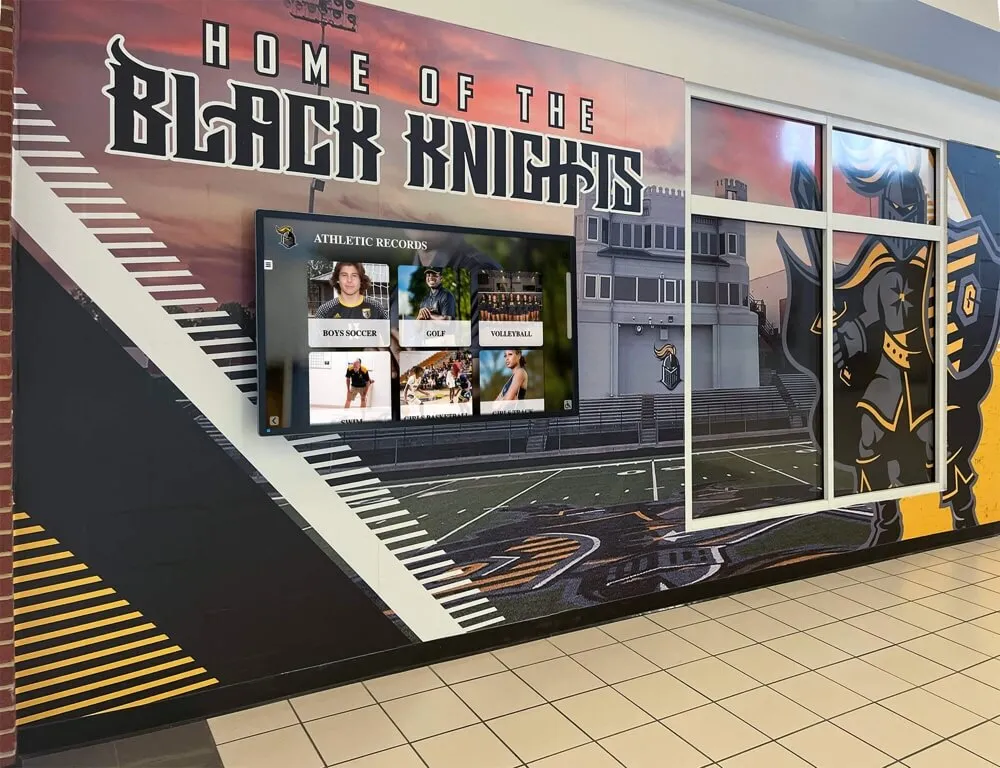
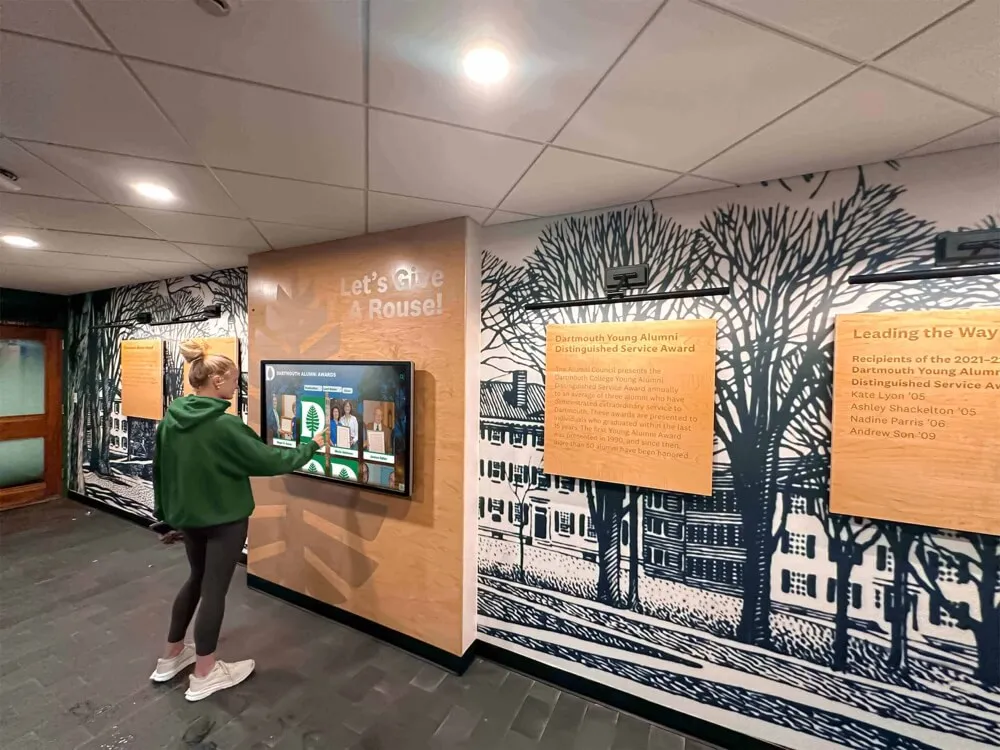
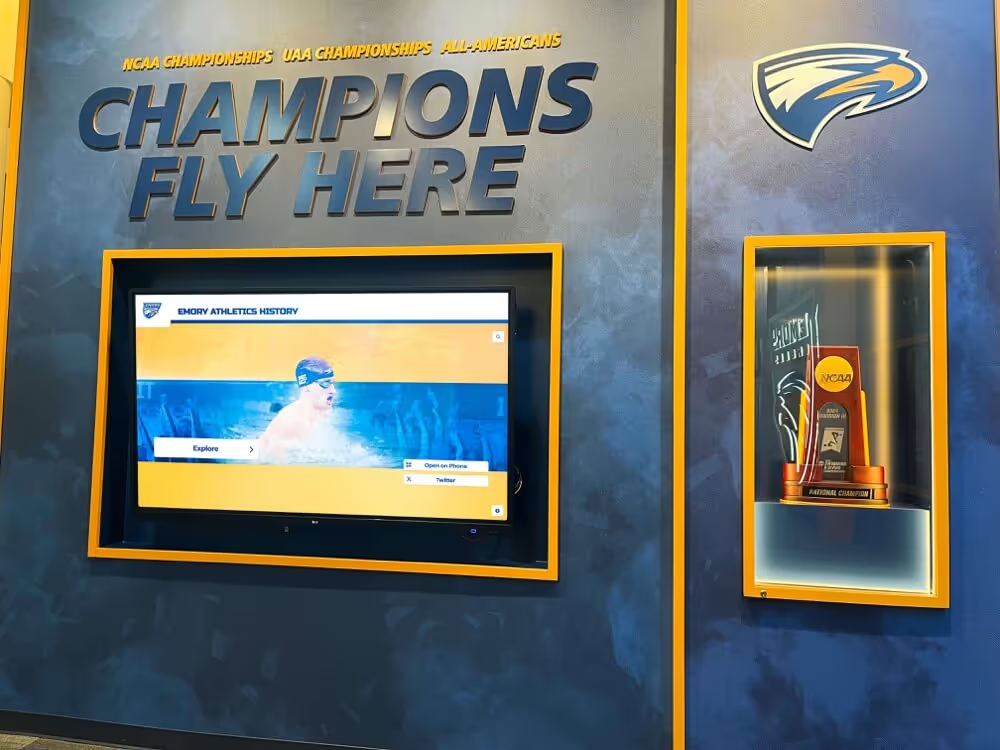
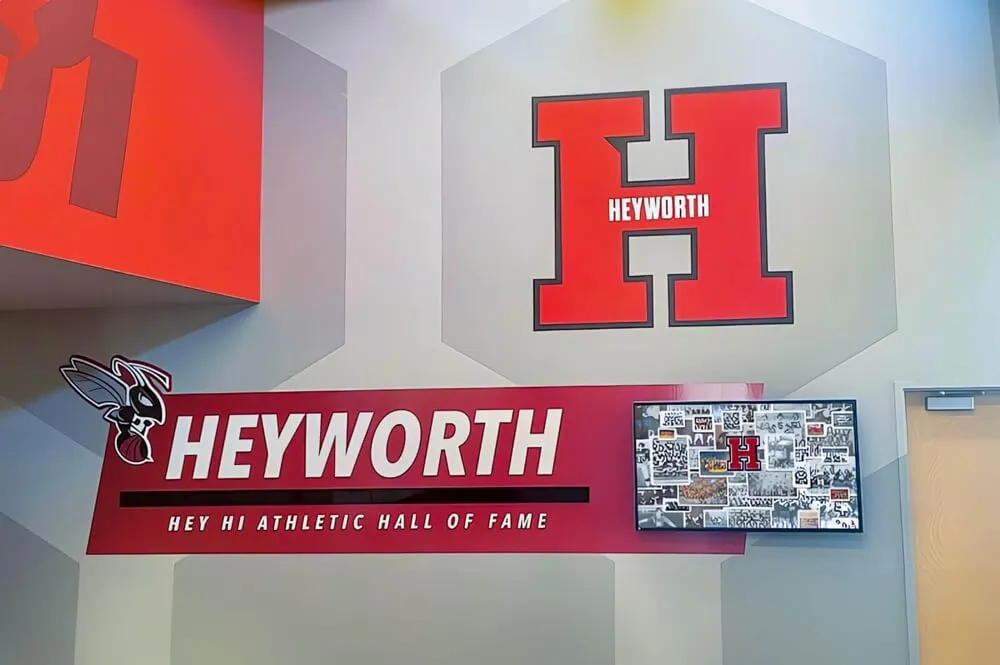
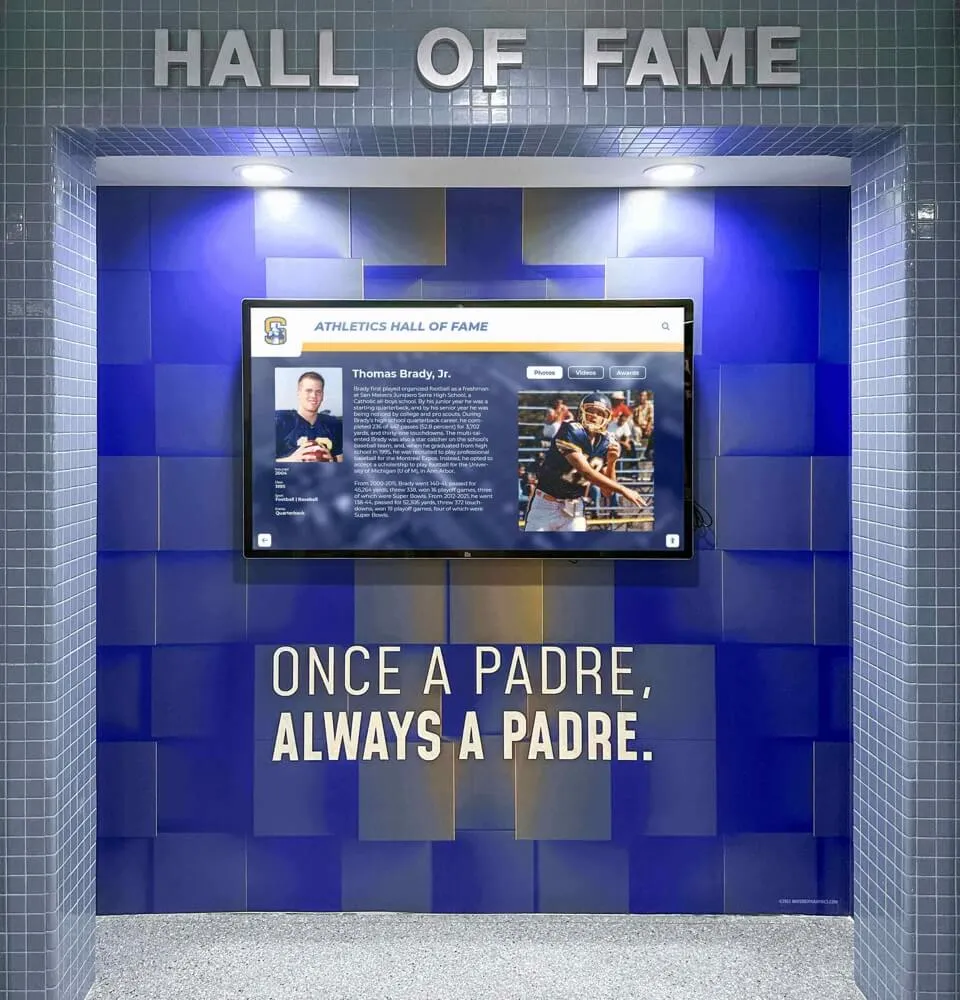
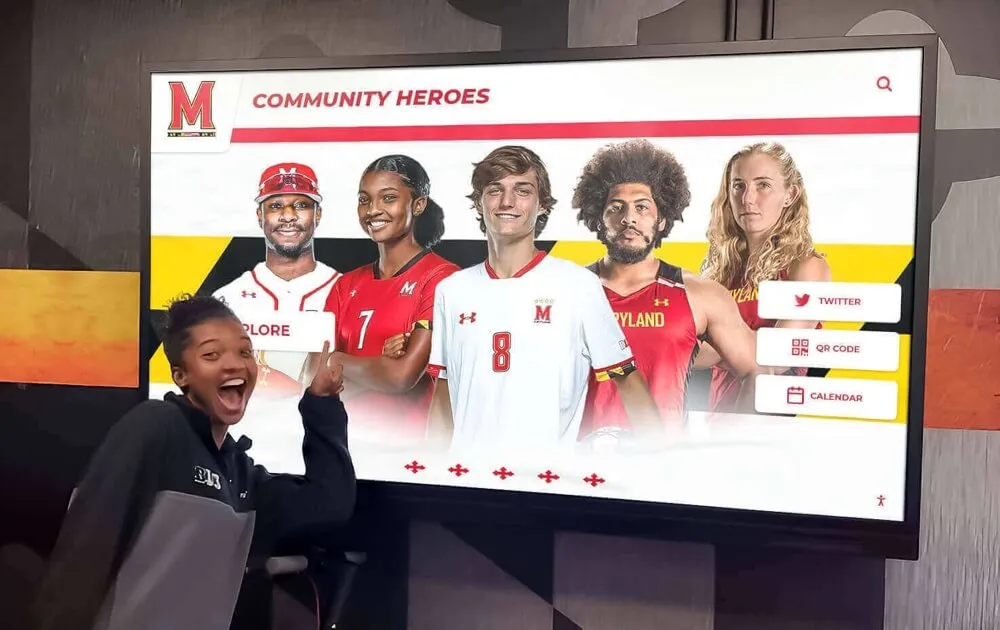
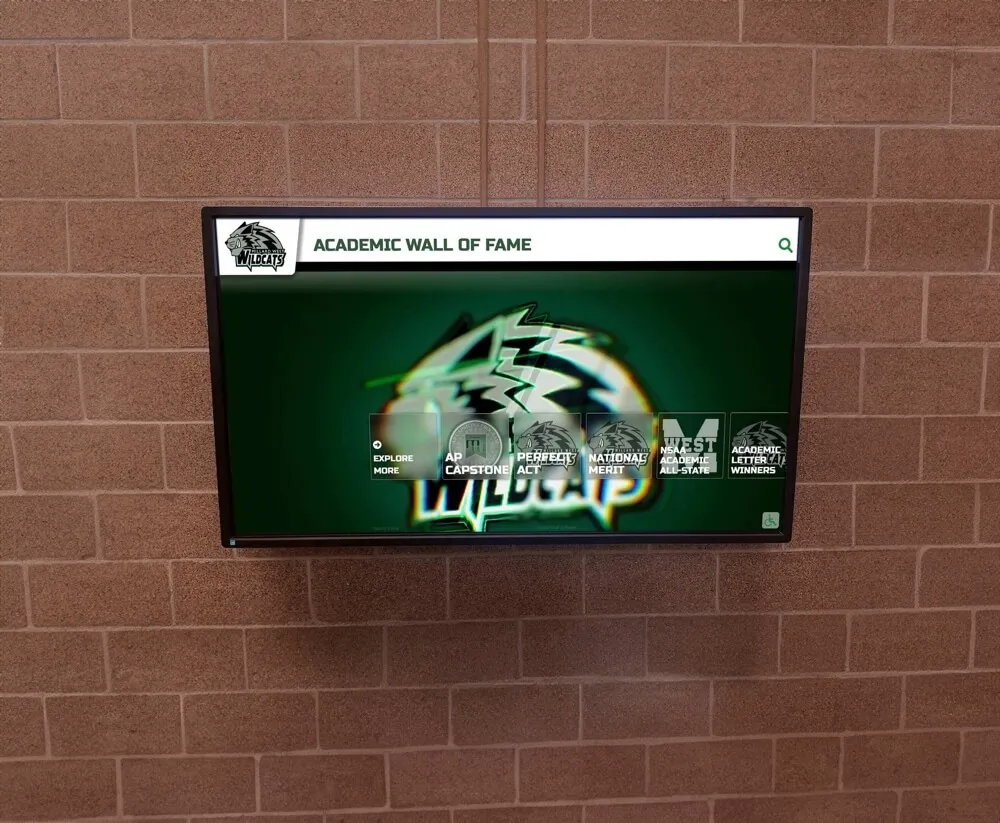
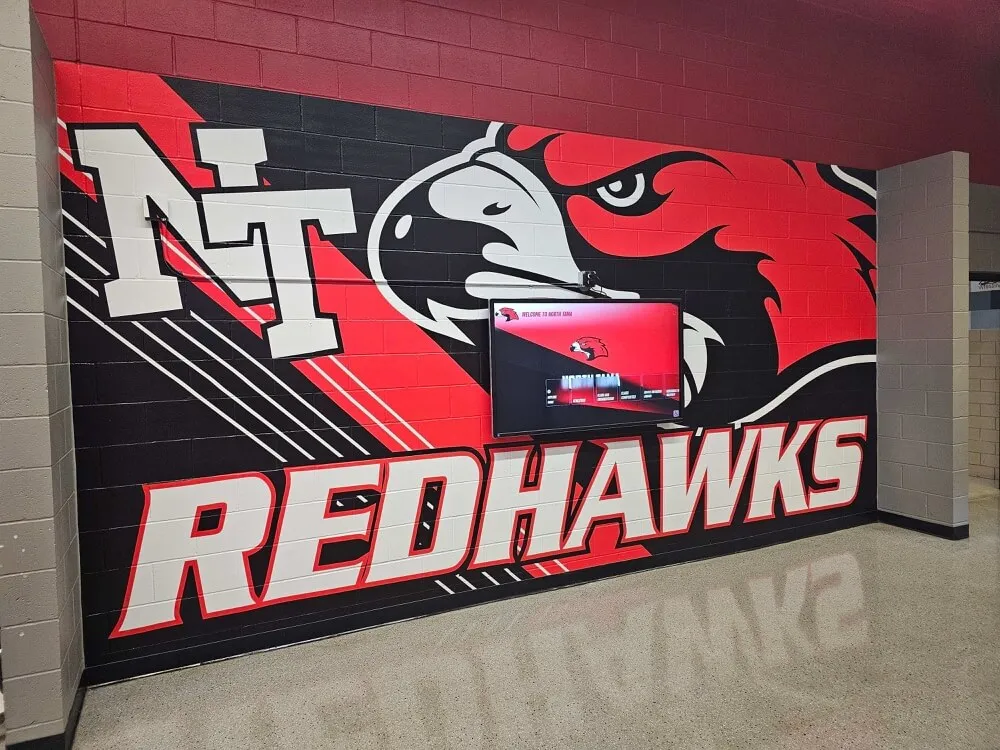
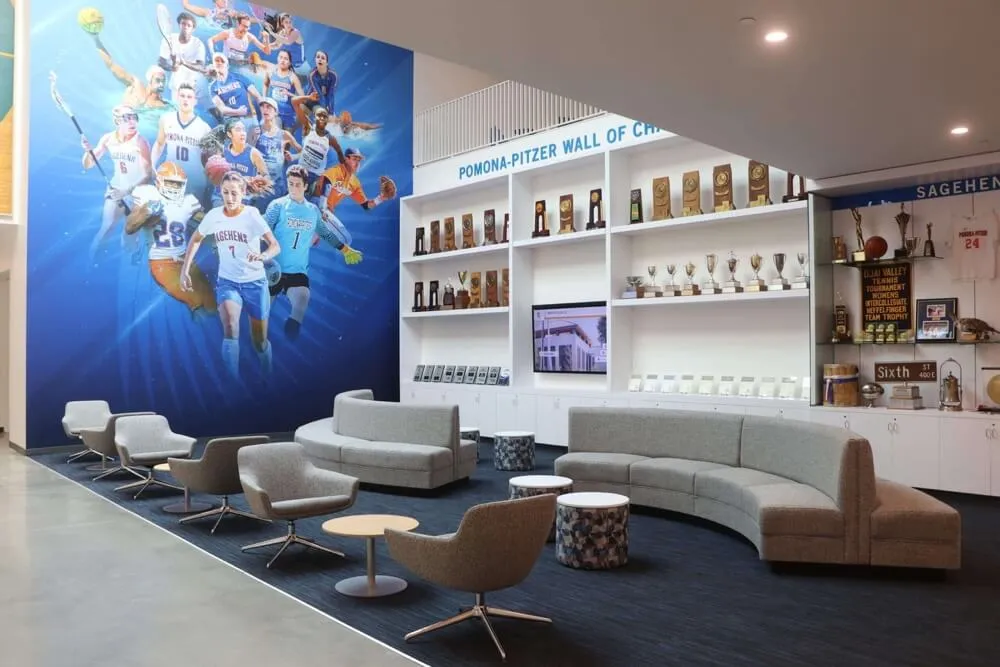
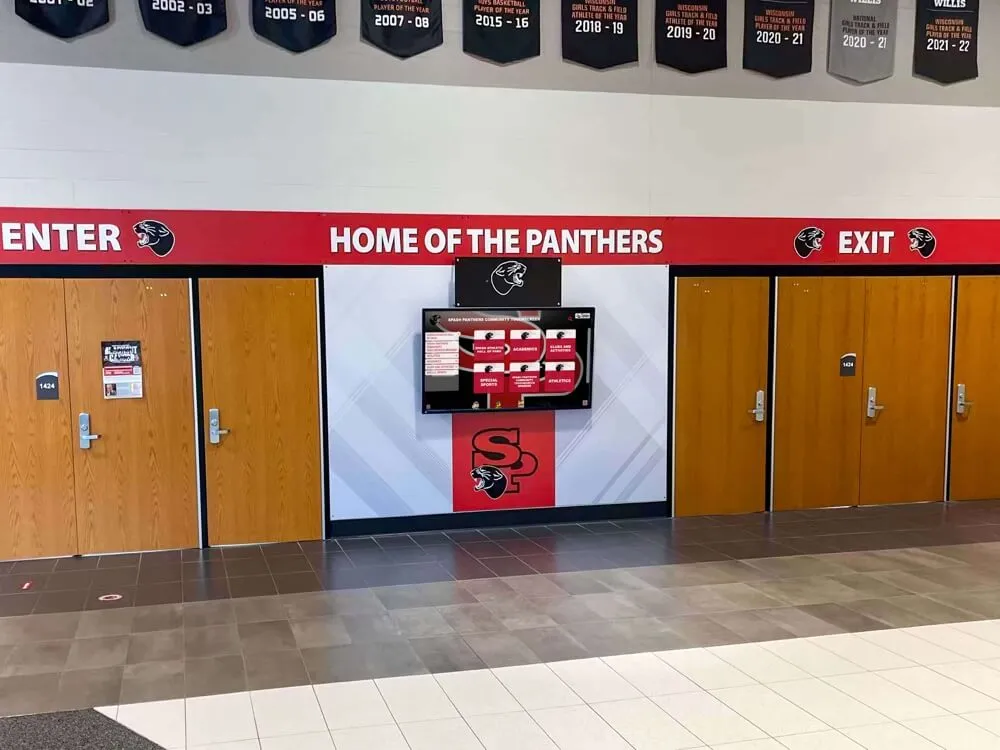
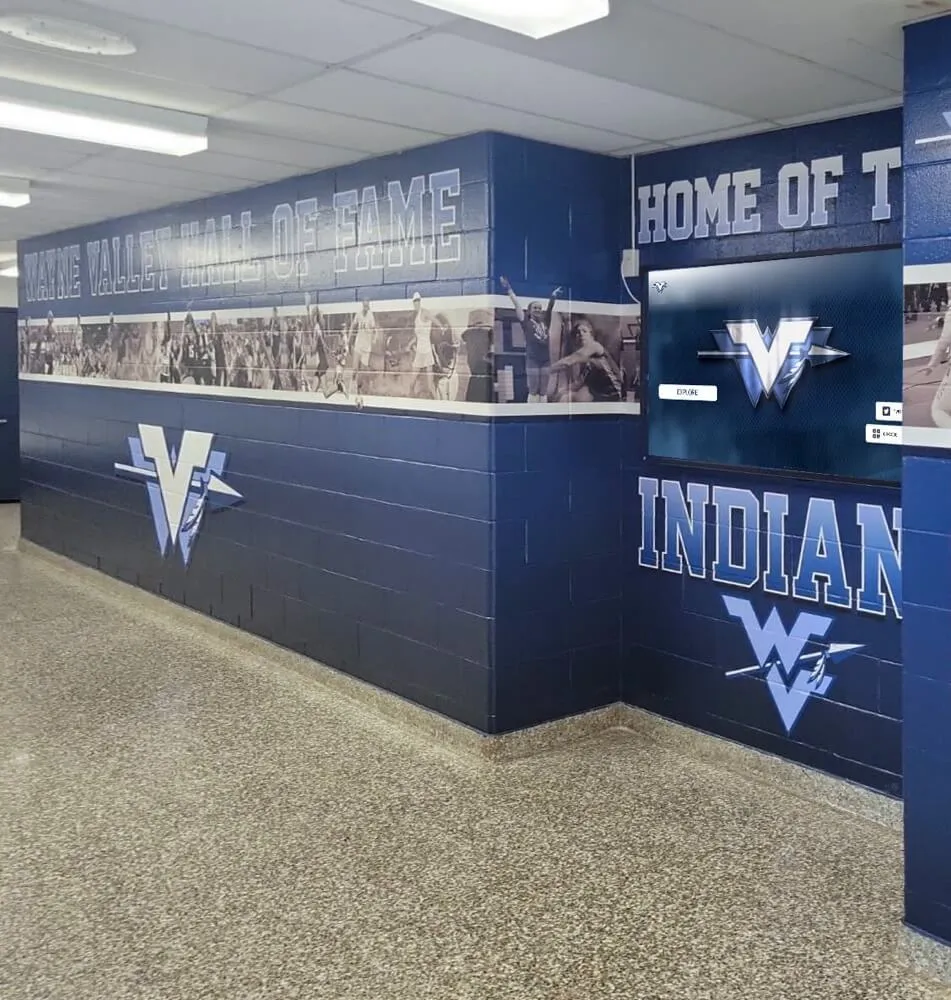
Virtual donor walls enable supporters to explore recognition from anywhere, extending appreciation beyond physical spaces
Understanding Virtual Donor Walls: Beyond Traditional Recognition
Virtual donor walls represent fundamentally different approaches to philanthropic acknowledgment compared to traditional physical installations, requiring clear understanding of what makes them uniquely valuable.
What Are Virtual Donor Walls?
Virtual donor walls are web-based recognition platforms displaying donor acknowledgment through online interfaces accessible from computers, tablets, and smartphones anywhere with internet connectivity.
Core Components of Virtual Recognition
These systems typically include searchable donor databases organized by giving levels and campaigns, individual donor profile pages with photos and biographical information, multimedia content including video testimonials and impact stories, campaign progress visualization showing fundraising goals and achievements, mobile-responsive design ensuring accessibility across all devices, and social sharing capabilities enabling donors to celebrate giving publicly.
Unlike physical donor walls constrained by available space and viewable only in specific locations, virtual platforms accommodate unlimited donors while reaching global audiences. Solutions like Rocket Alumni Solutions provide comprehensive virtual recognition combining intuitive interfaces with powerful content management systems requiring no technical expertise.
The Evolution to Virtual Recognition
Traditional donor walls have served organizations for decades, but changing donor demographics and engagement patterns reveal significant limitations including accessibility restricted to those visiting physical facilities, capacity constraints forcing difficult decisions about whose names appear, expensive updates requiring physical engraving for every change, limited storytelling capability beyond simple name listings, and missed opportunities to engage donors who rarely visit in person.
According to nonprofit technology research, organizations with geographically distributed alumni and donor bases—which increasingly describes most institutions—need recognition approaches matching how supporters actually engage. When 80% of donors live beyond easy visiting distance, physical-only recognition reaches just a fraction of those deserving acknowledgment.
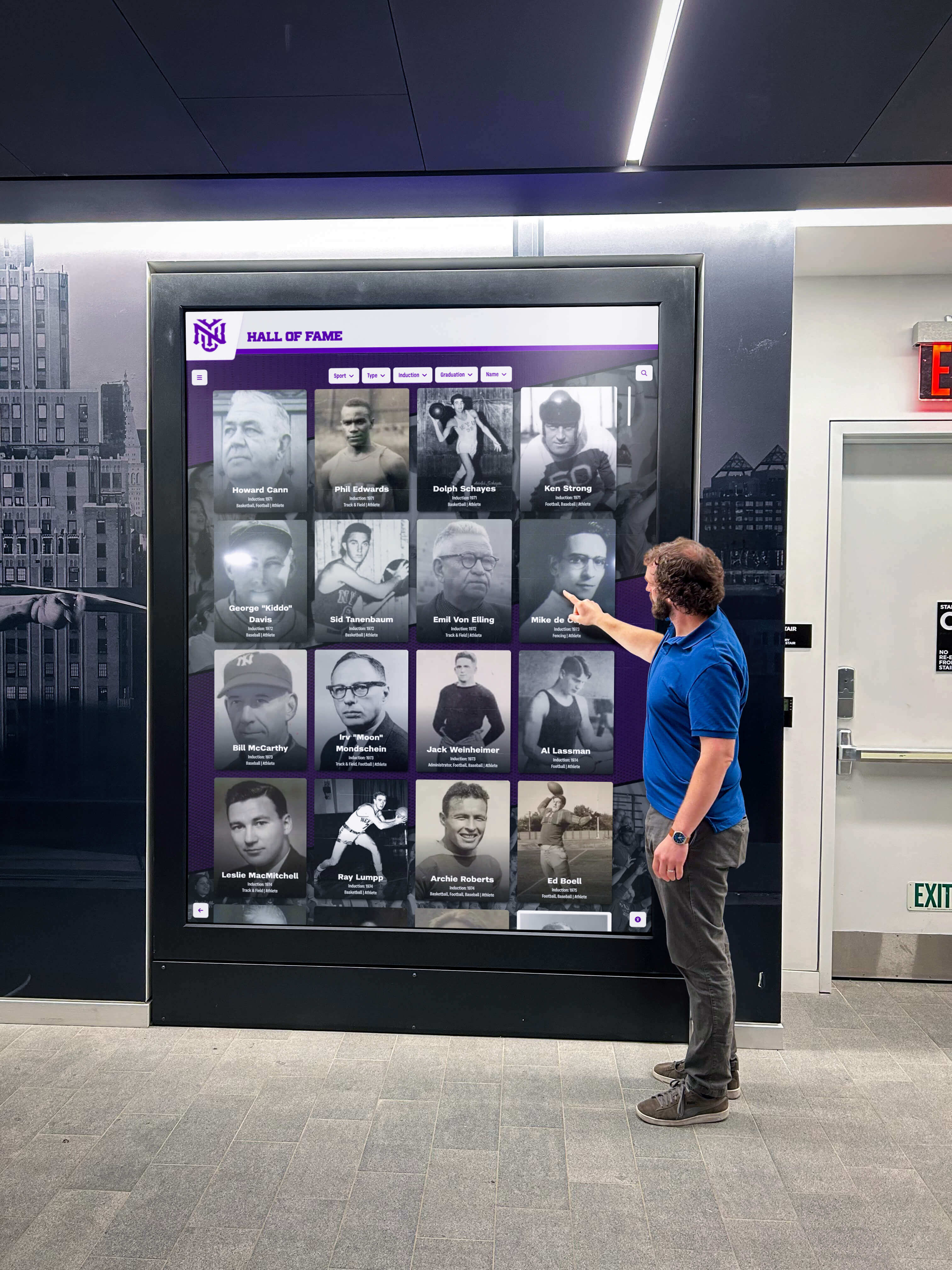
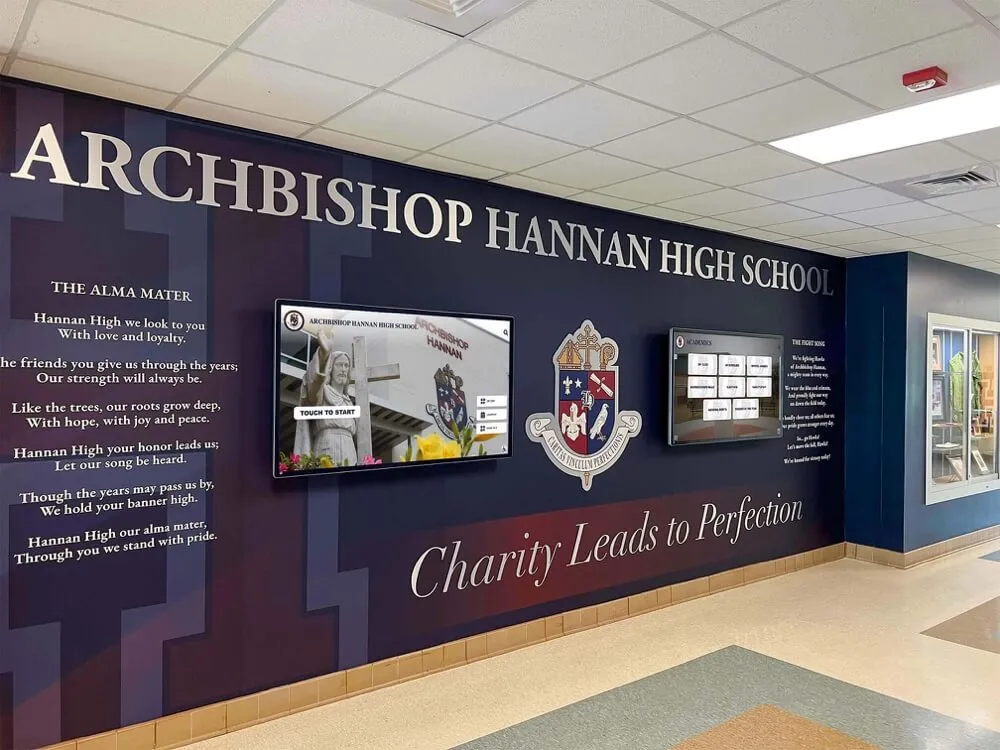
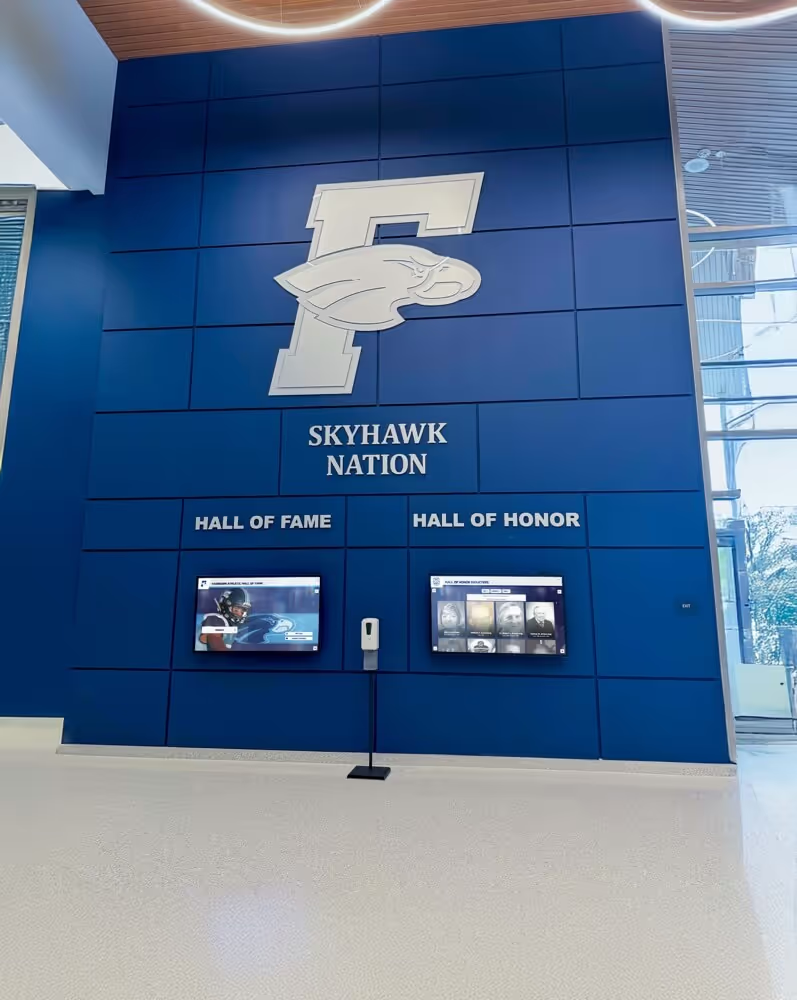
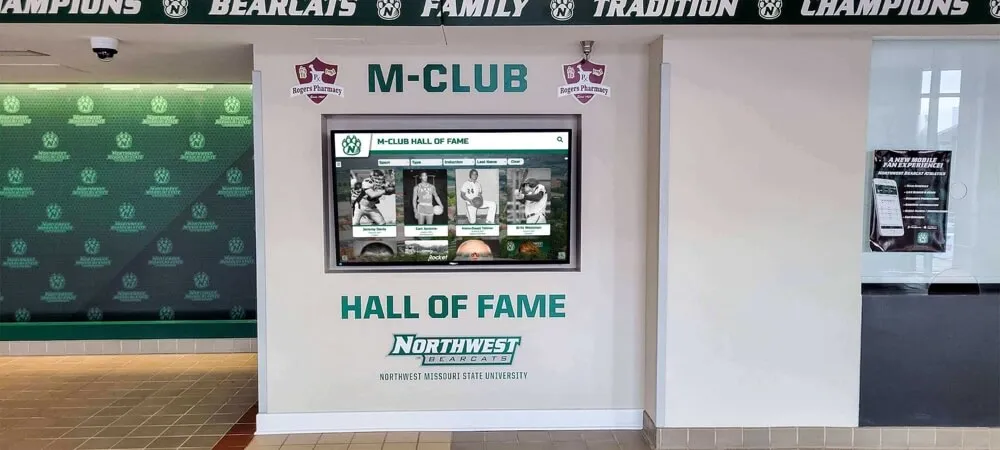
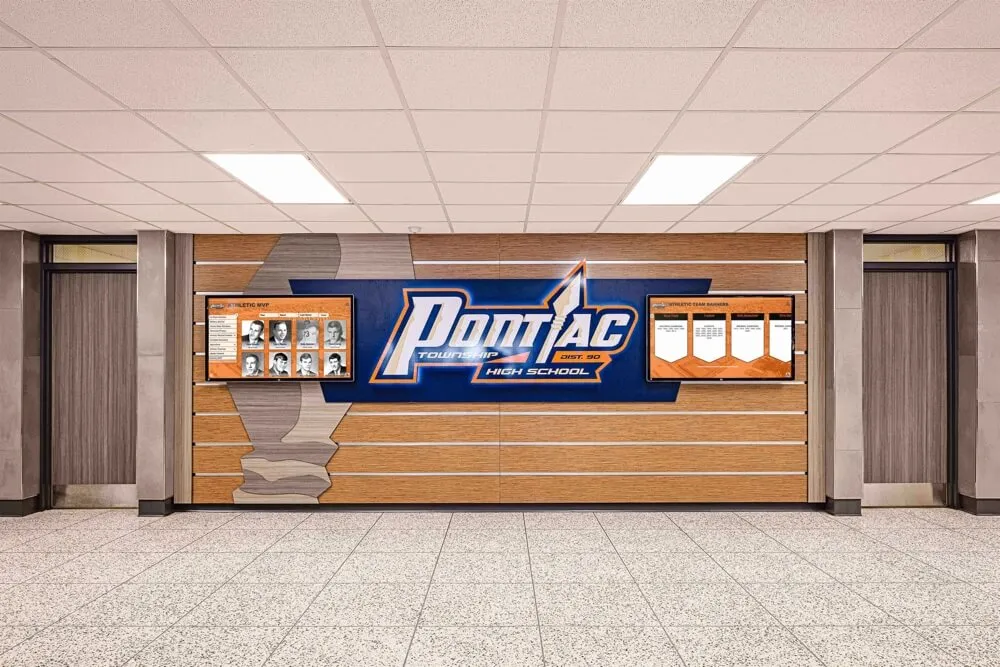
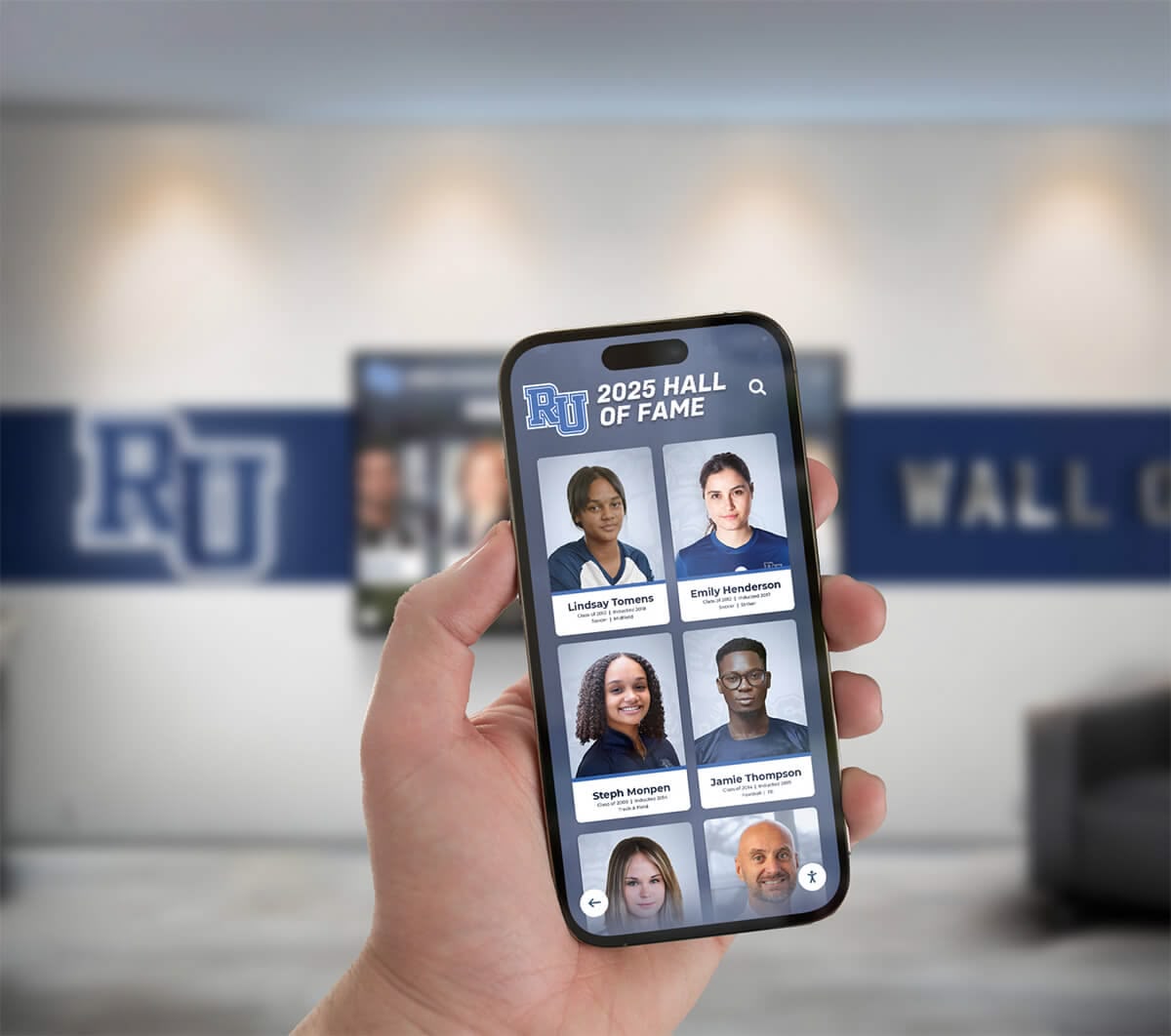
Virtual donor walls can complement physical installations or serve as standalone online recognition platforms
Virtual vs. Physical vs. Hybrid Recognition Approaches
Understanding different recognition models helps organizations select approaches aligned with needs, budgets, and donor expectations.
Physical-Only Donor Walls
Traditional recognition features engraved plaques, brass plates, or architectural installations in facility lobbies, campaign buildings, or gathering spaces. This established approach provides tangible permanence and physical presence, familiar recognition format donors immediately understand, architectural integration creating distinguished installations, and appropriate gravitas for major gift acknowledgment.
However, physical-only systems present significant drawbacks including limited capacity accommodating typically 50-200 names before space constraints bind, accessibility restricted to facility visitors, expensive updates costing $500-$2,000 per change, inflexibility making corrections or additions time-consuming and costly, and missed engagement with supporters unable to visit regularly.
Organizations relying exclusively on physical recognition inadvertently communicate that only those who can visit matter, potentially alienating distributed donor bases.
Virtual-Only Recognition Platforms
Online-exclusive approaches display all donor acknowledgment through web-based platforms without physical installations. Virtual-only recognition offers unlimited capacity accommodating every contributor regardless of gift size, global accessibility enabling anyone to explore from anywhere, cost-effective implementation typically requiring lower initial investment than physical installations, instant updates changing information in minutes without physical intervention, and rich multimedia storytelling impossible with static plaques.
Virtual platforms work particularly well for organizations with limited physical space, distributed donor bases engaging primarily online, modest budgets constraining expensive physical installations, and missions emphasizing innovation and forward-thinking approaches.
However, virtual-only recognition may disappoint major donors expecting physical presence for transformational gifts, lack the permanence and prestige traditional installations convey, require consistent promotion ensuring donors know recognition exists, and miss opportunities to celebrate philanthropy with campus or facility visitors.
Hybrid Recognition Systems
Many organizations implement combined approaches using physical installations for major donors alongside virtual platforms accommodating all additional supporters. Hybrid systems provide the best of both worlds through premium physical recognition honoring transformational gifts with appropriate permanence, comprehensive virtual inclusion ensuring every contribution receives acknowledgment, flexibility adapting as campaigns evolve and donors are added, and coordinated experiences where physical displays direct visitors to richer online content.
This balanced model addresses diverse donor expectations while overcoming capacity limitations that historically forced organizations to exclude smaller contributors. Learn about effective hybrid approaches in digital donor recognition systems that combine multiple recognition elements.
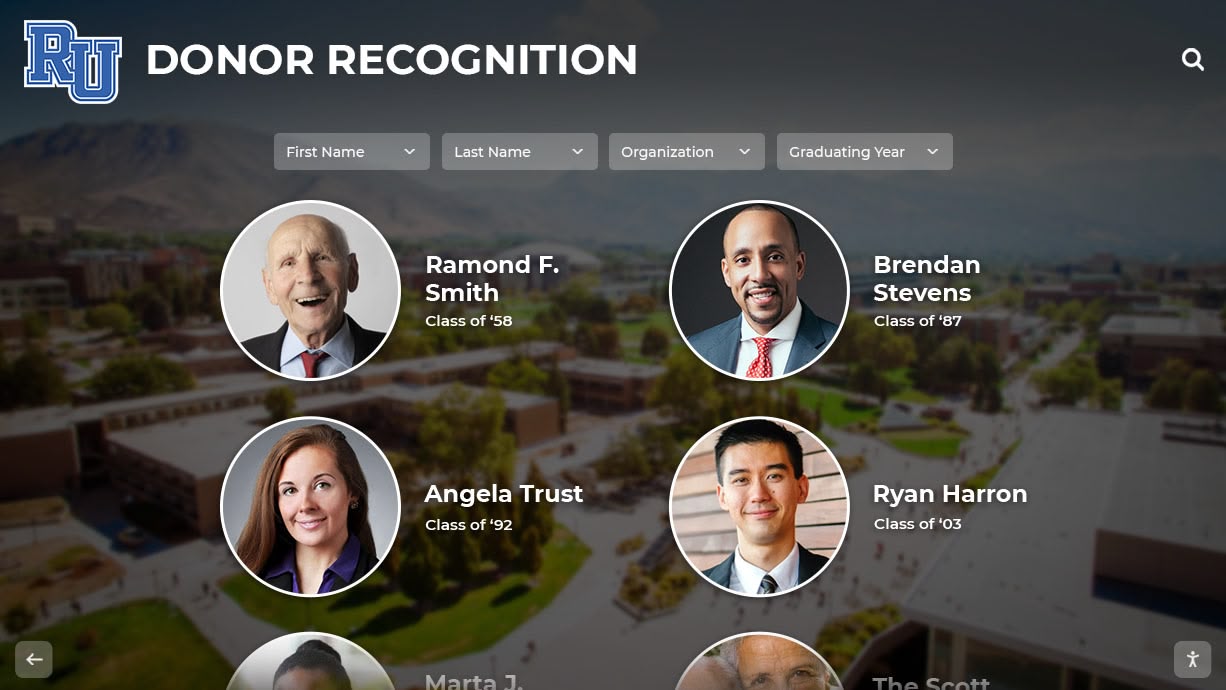
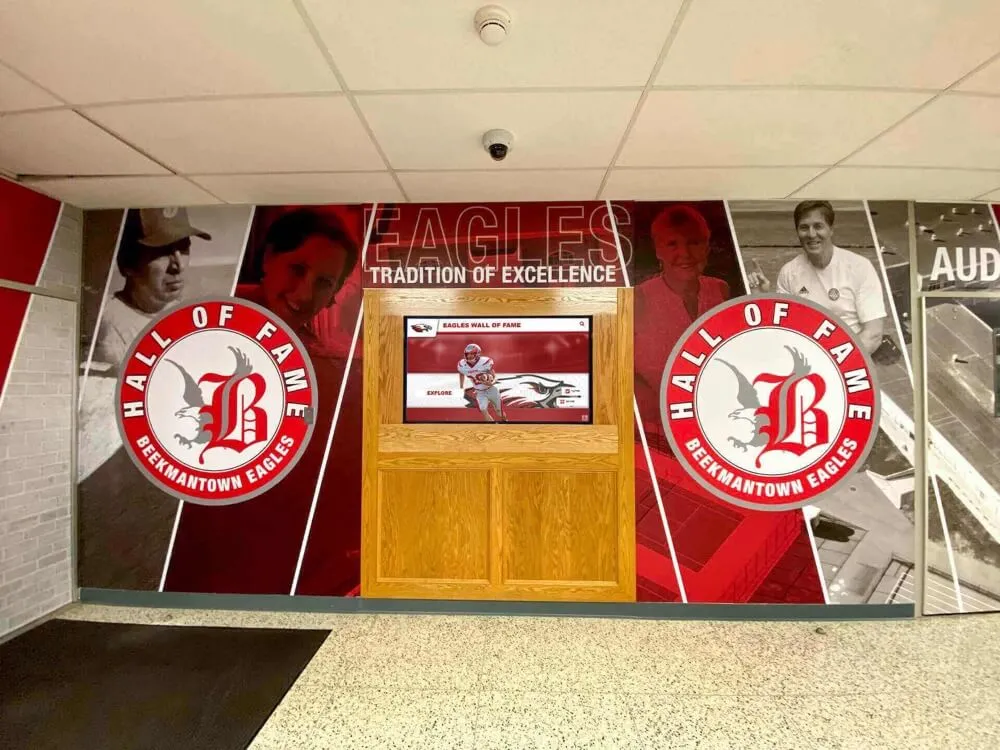
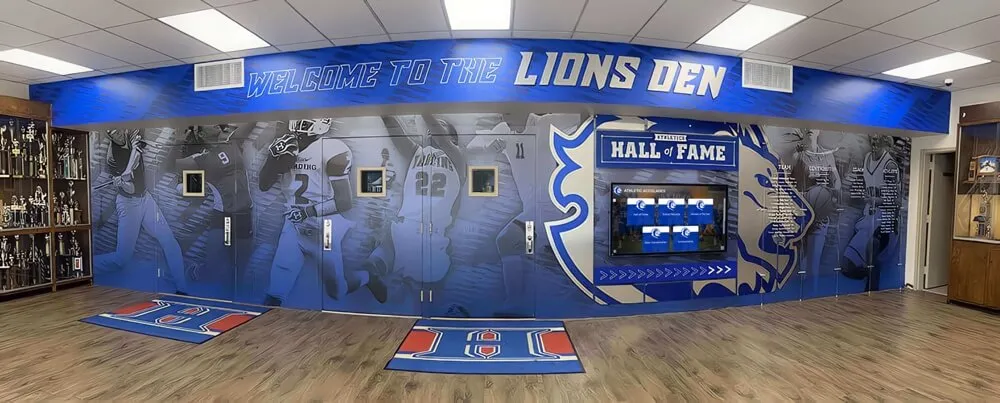
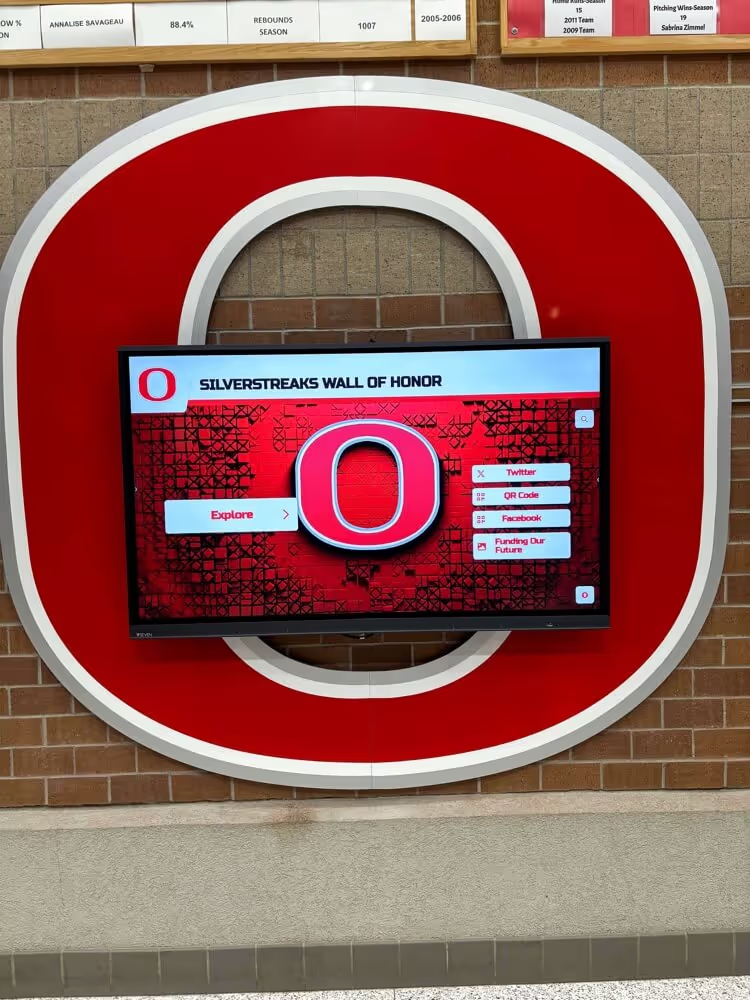
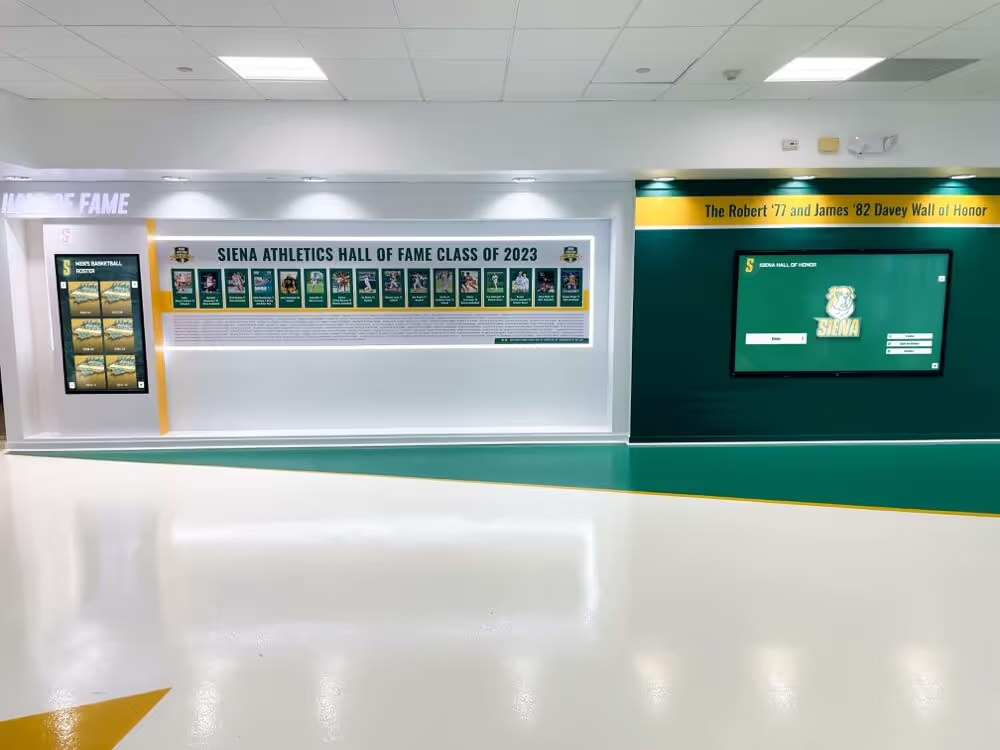
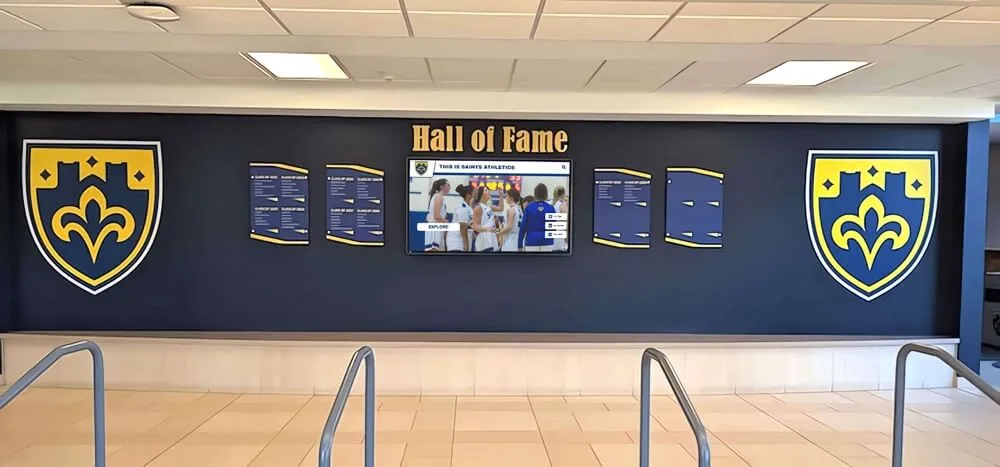
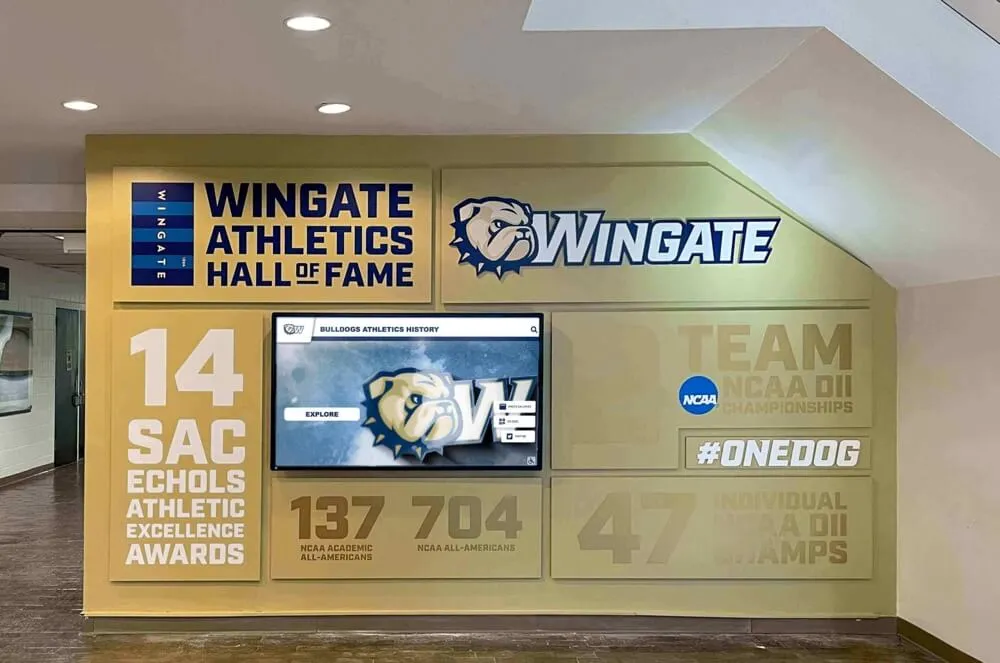
Hybrid recognition strategies honor major donors with physical presence while ensuring comprehensive online accessibility for all supporters
Key Benefits of Virtual Donor Wall Implementation
Organizations implementing virtual donor walls report transformative improvements in recognition reach, donor engagement, and fundraising effectiveness.
Unlimited Recognition Capacity Without Space Constraints
Traditional donor walls accommodate 50-200 names before running out of physical space, forcing organizations into difficult decisions about whose contributions warrant visible acknowledgment. Virtual platforms eliminate these capacity constraints entirely.
Comprehensive Inclusion Across All Giving Levels
Digital systems recognize unlimited donors spanning first-time annual contributors to transformational major gift supporters, creating truly inclusive recognition impossible with space-limited physical walls. This comprehensive acknowledgment builds cultures where all generosity is visible and celebrated, not just gifts large enough to earn scarce physical recognition spots.
Organizations implementing virtual recognition report significant increases in small donor participation when supporters understand their contributions will receive meaningful acknowledgment rather than being relegated to buried honor roll listings that no one actually explores.
Flexible Organization Supporting Multiple Campaigns
Virtual donor walls accommodate complex organizational structures through tiered giving level displays with visual distinctions, multiple campaign or fund designations within single platforms, memorial and honor gift categories, corporate sponsorship alongside individual donors, recurring giving and sustained support acknowledgment, and legacy society or planned giving recognition.
This organizational flexibility enables comprehensive recognition across all donor types and contribution categories within unified systems that remain navigable and intuitive.
Search and Discovery Functionality
Unlike physical walls where finding specific donors requires scanning hundreds of names, virtual platforms provide instant search capabilities enabling donors to find their recognition immediately, friends and family to locate loved ones effortlessly, prospective donors to explore giving communities before contributing, and staff to verify recognition accuracy efficiently.
This discoverability transforms recognition from passive display to active engagement tool encouraging exploration and connection.
Explore comprehensive strategies for managing unlimited donor capacity through digital recognition displays serving diverse organizational needs.
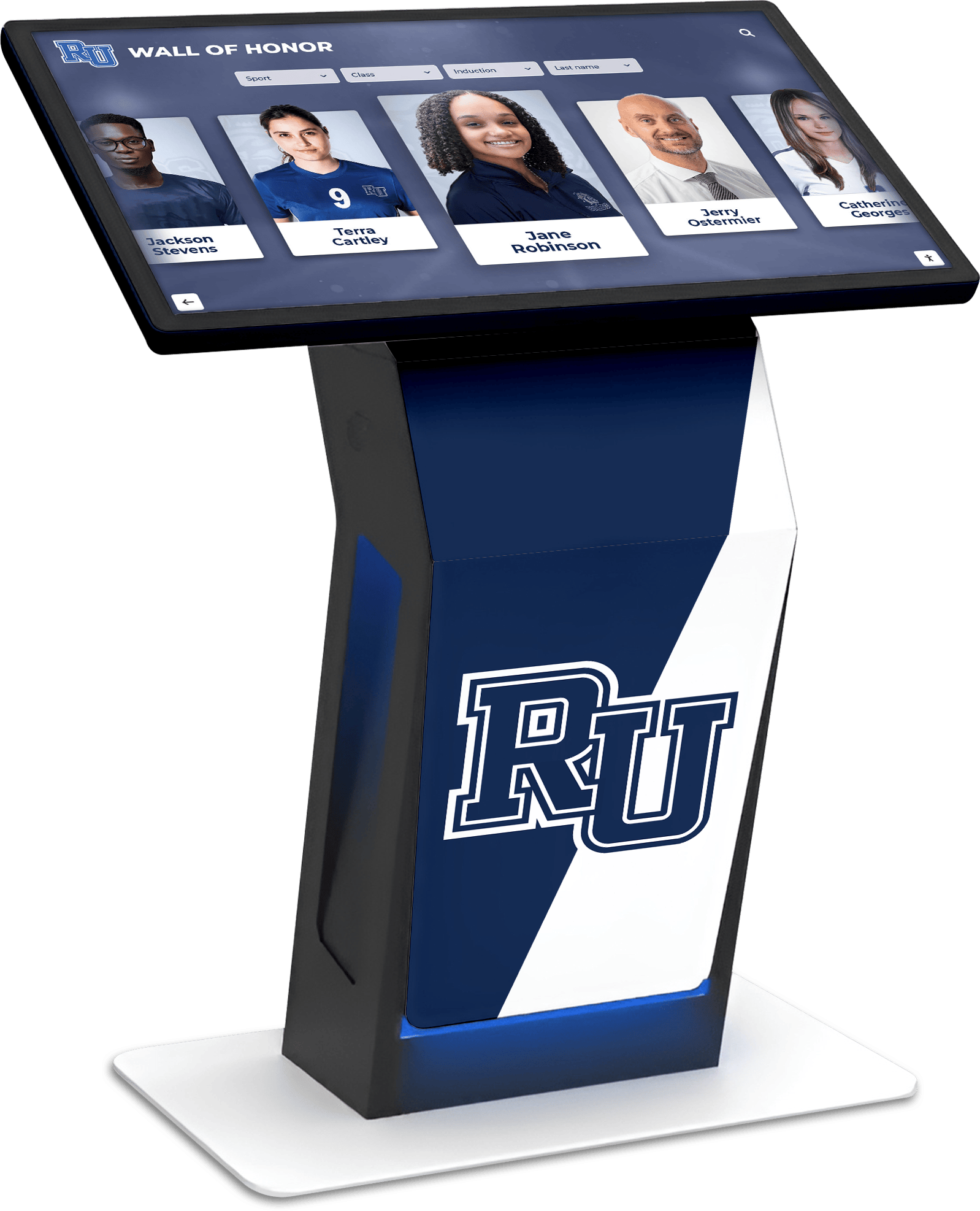
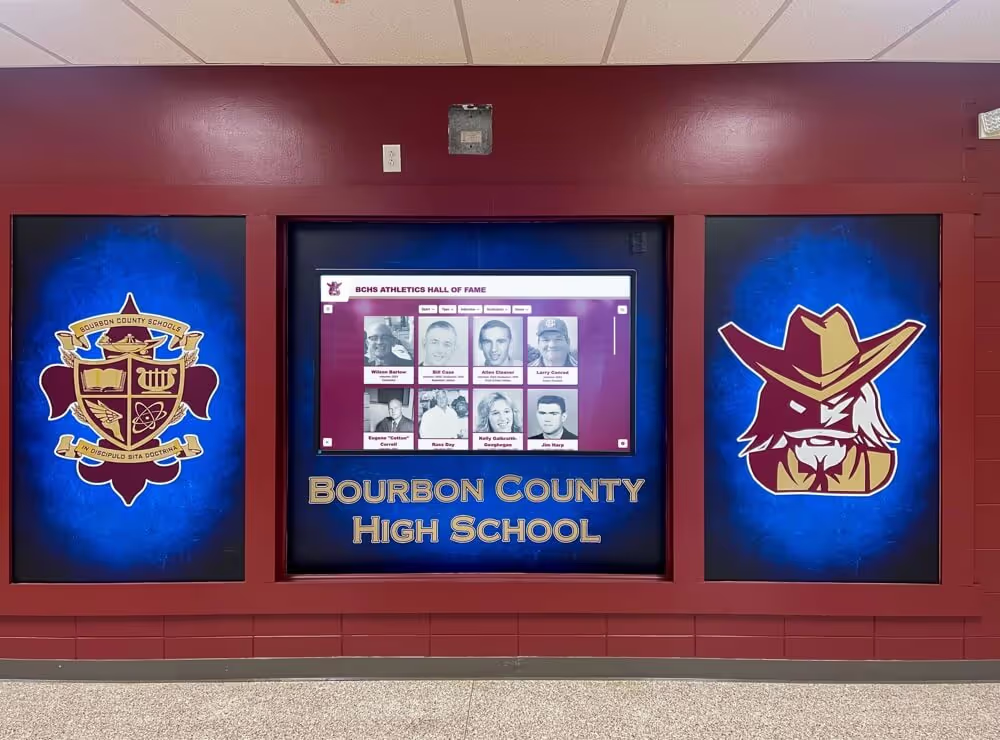
Digital search functionality makes exploring donor recognition intuitive and immediate regardless of database size
Global Accessibility Reaching Distributed Donor Bases
The most significant advantage virtual donor walls provide is extending recognition beyond physical facility walls to reach supporters wherever they live and engage.
24/7 Access From Anywhere in the World
Virtual recognition platforms enable alumni and supporters worldwide to explore acknowledgment from home offices in different countries, hospital rooms when health prevents travel, retirement communities when mobility becomes challenging, and family gatherings where donors share philanthropy stories with children and grandchildren.
This accessibility fundamentally changes who experiences recognition. Organizations report that virtual donor walls receive 50-100 times more views than physical installations limited to facility visitors, dramatically expanding recognition impact and donor engagement.
Mobile-Responsive Design for Smartphone Access
With smartphone usage exceeding desktop browsing for most demographics, mobile-optimized virtual donor walls ensure supporters can explore recognition through devices they carry constantly. Mobile access enables spontaneous recognition sharing during conversations, immediate verification after making gifts, quick reference when considering additional contributions, and convenient browsing during commutes or waiting periods.
Organizations implementing mobile-responsive recognition see engagement increase 200-300% compared to desktop-only platforms, particularly among younger donors who default to smartphone access for nearly all digital content.
Social Sharing Amplifying Recognition Reach
Virtual platforms enable donors to share their recognition through social media posts celebrating giving, email announcements to family and friends, inclusion in annual holiday letters or communications, and links embedded in professional biographies or websites.
This social amplification extends recognition far beyond organizational control, turning acknowledged donors into ambassadors spreading awareness of philanthropic support throughout their personal and professional networks. According to nonprofit marketing research, peer influence represents one of the most powerful motivators for charitable giving—social sharing of recognition creates peer effects inspiring others to contribute.
Learn about extending recognition reach through digital engagement strategies that amplify donor appreciation.
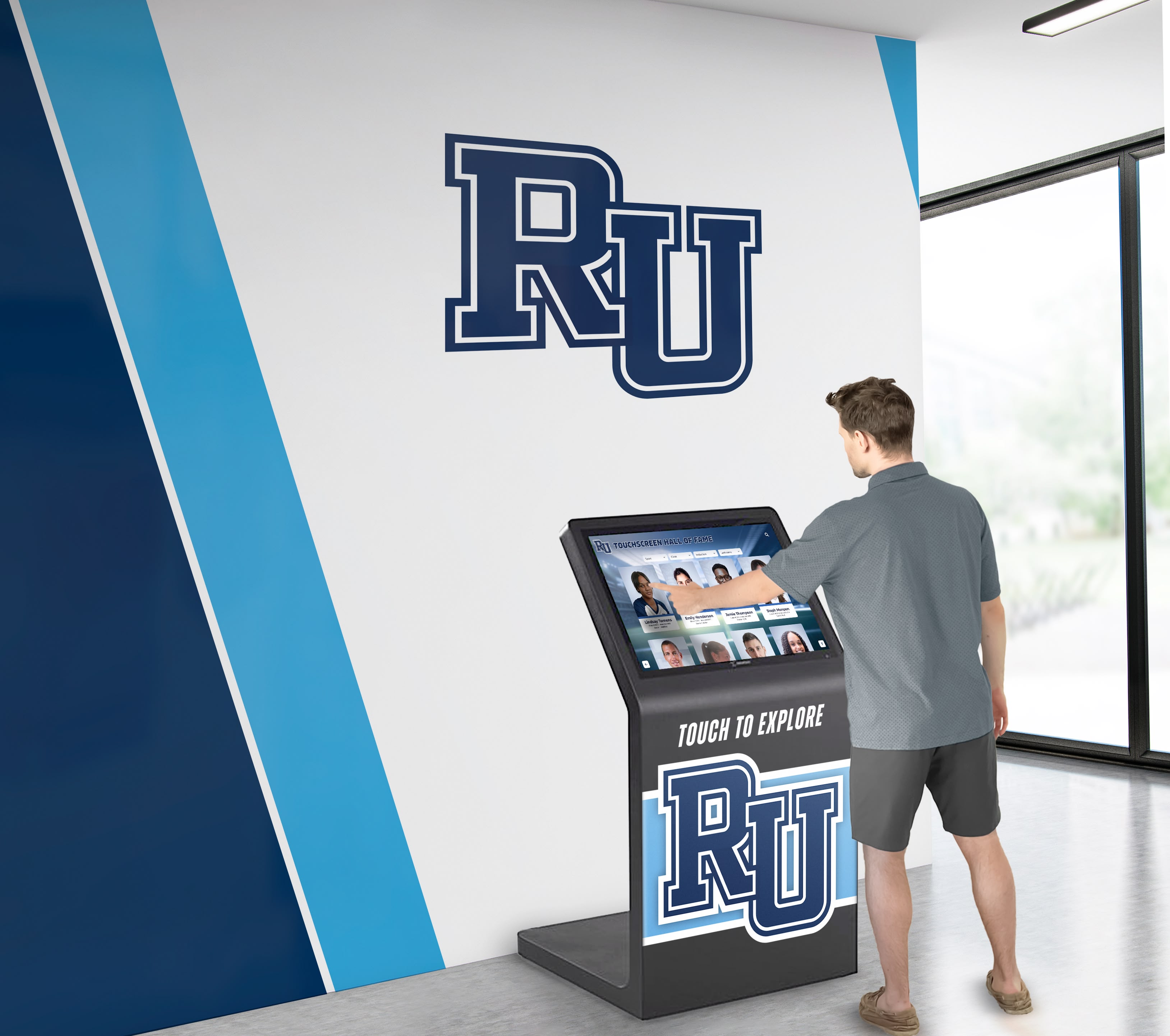
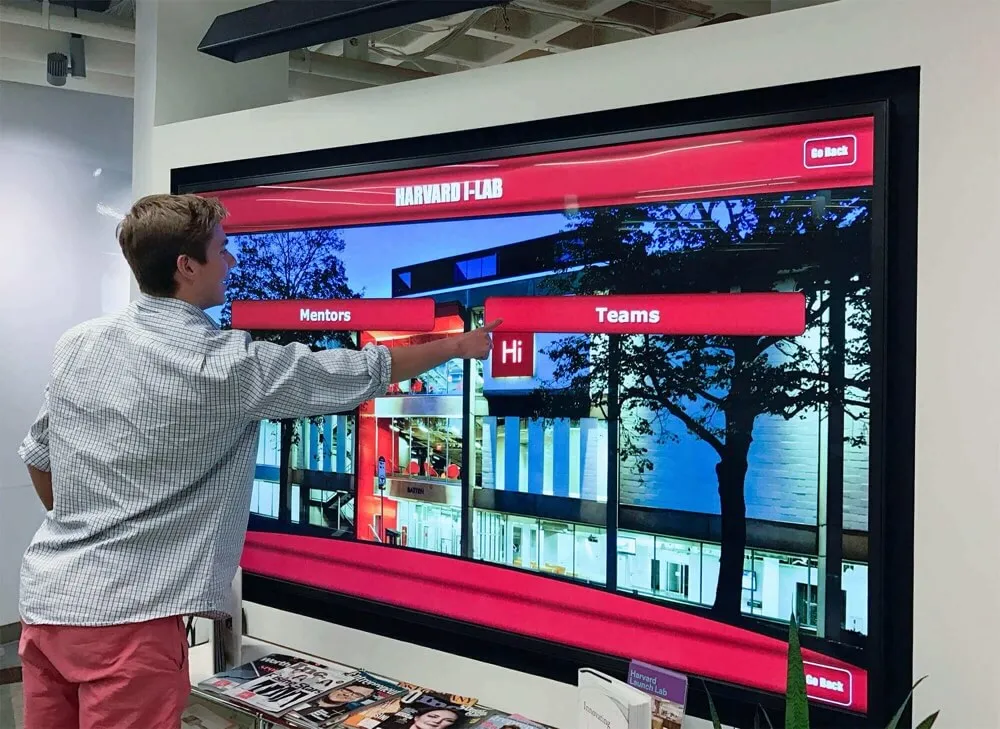
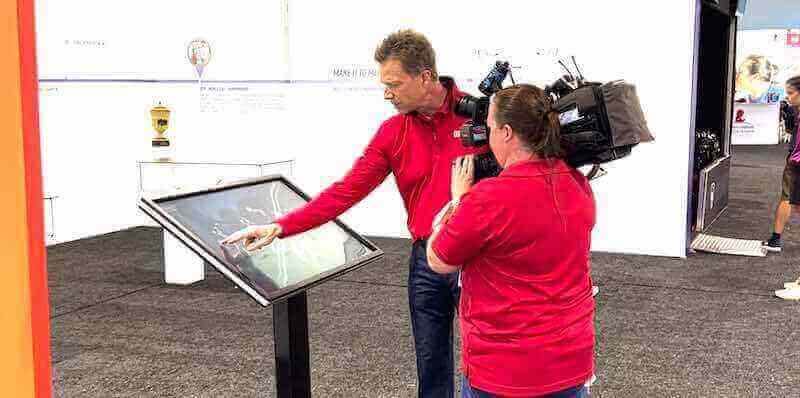
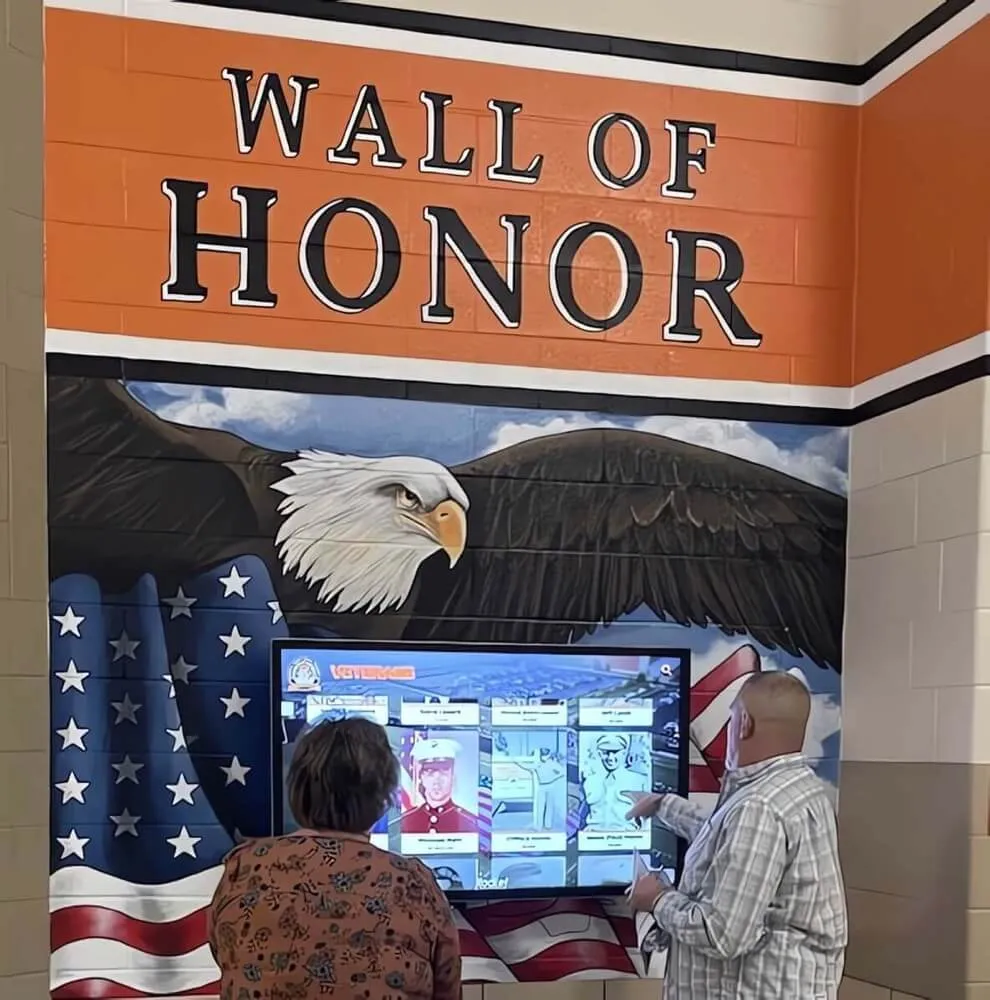
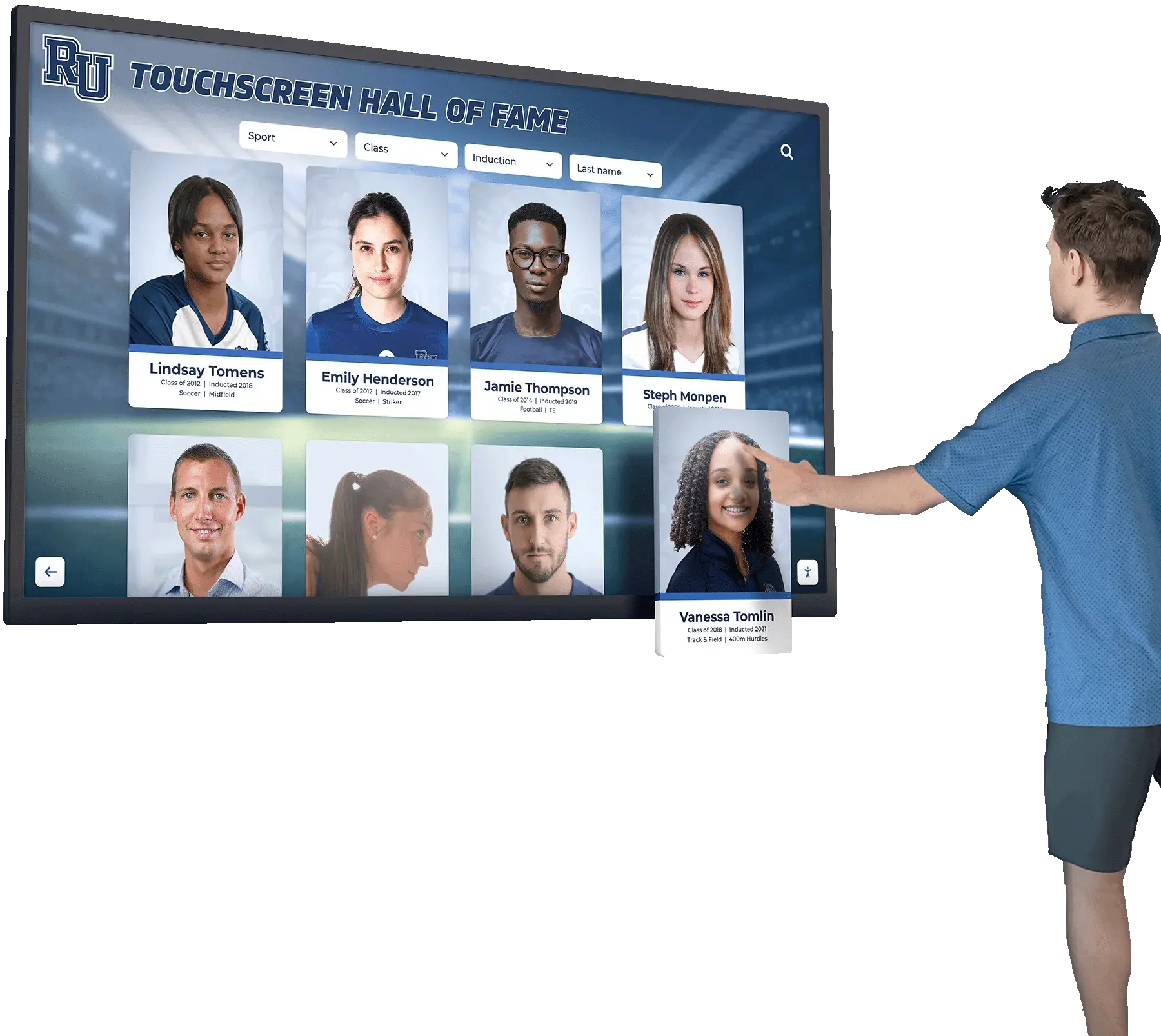
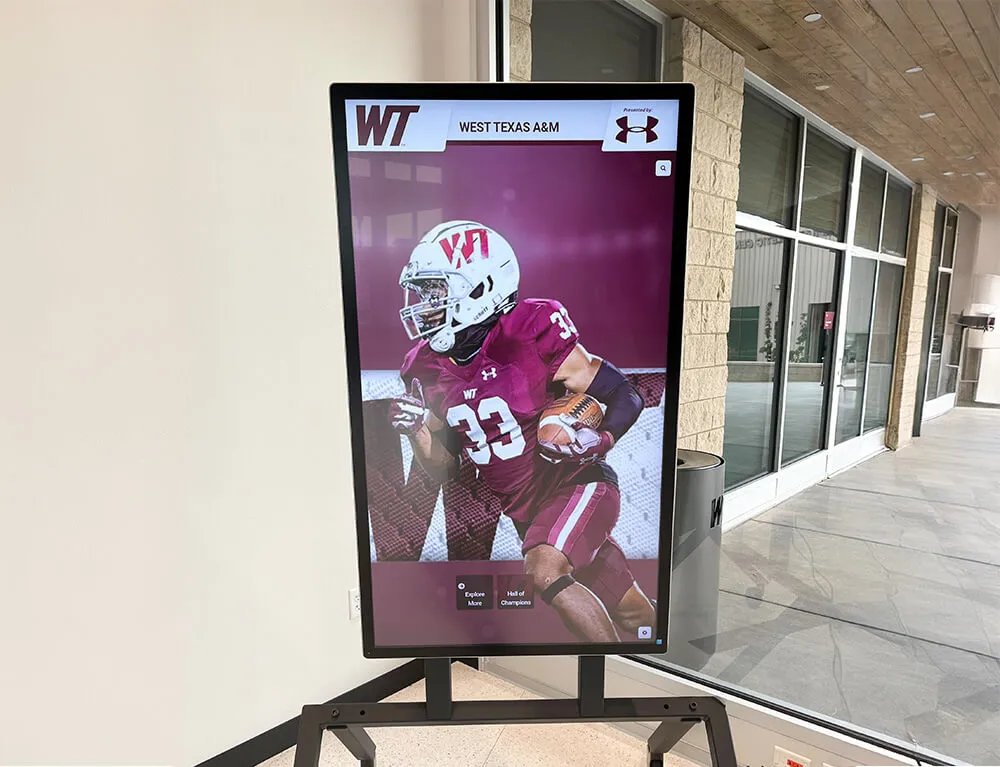
Touchscreen interfaces and mobile access make exploring donor stories engaging and accessible for all visitors
Rich Multimedia Storytelling Beyond Name Listings
Virtual donor walls enable recognition extending far beyond simple name lists to include compelling content that celebrates donor motivations, demonstrates impact, and strengthens emotional connections.
Video Testimonials and Donor Stories
Digital platforms support donor testimonial videos explaining why supporters contributed, beneficiary thank-you messages showing appreciation, project impact documentation demonstrating outcomes, campaign progress updates celebrating milestones, and organizational leadership acknowledgment expressing gratitude.
Video content creates emotional resonance impossible with text-only recognition while humanizing philanthropy through authentic personal stories. Organizations implementing video testimonials report that donors appreciate opportunities to explain giving motivations in their own words, creating recognition that feels personal rather than formulaic.
Photo Galleries and Visual Documentation
Image displays showing project outcomes funded by contributions, facility transformations enabled by campaigns, program beneficiaries served through support, event celebrations honoring donors, and historical organizational milestones provide visual evidence of philanthropic impact.
Rich visual content helps donors understand concretely what their generosity accomplished, connecting abstract financial contributions to tangible outcomes. According to donor engagement research, supporters who clearly understand impact are 40-60% more likely to give again compared to those receiving only generic acknowledgment.
Individual Donor Profile Pages
Comprehensive profiles can include personal photographs when donors provide them, biographical information and affiliations, giving history and cumulative contributions, personal statements about philanthropic motivations, family philanthropy stories and multi-generational support, and memorial or honor gift dedications.
These rich profiles transform recognition from simple name acknowledgment to meaningful celebration of donors’ stories and connections to organizational missions. Learn about effective donor profile creation through recognition program best practices that deepen relationships.
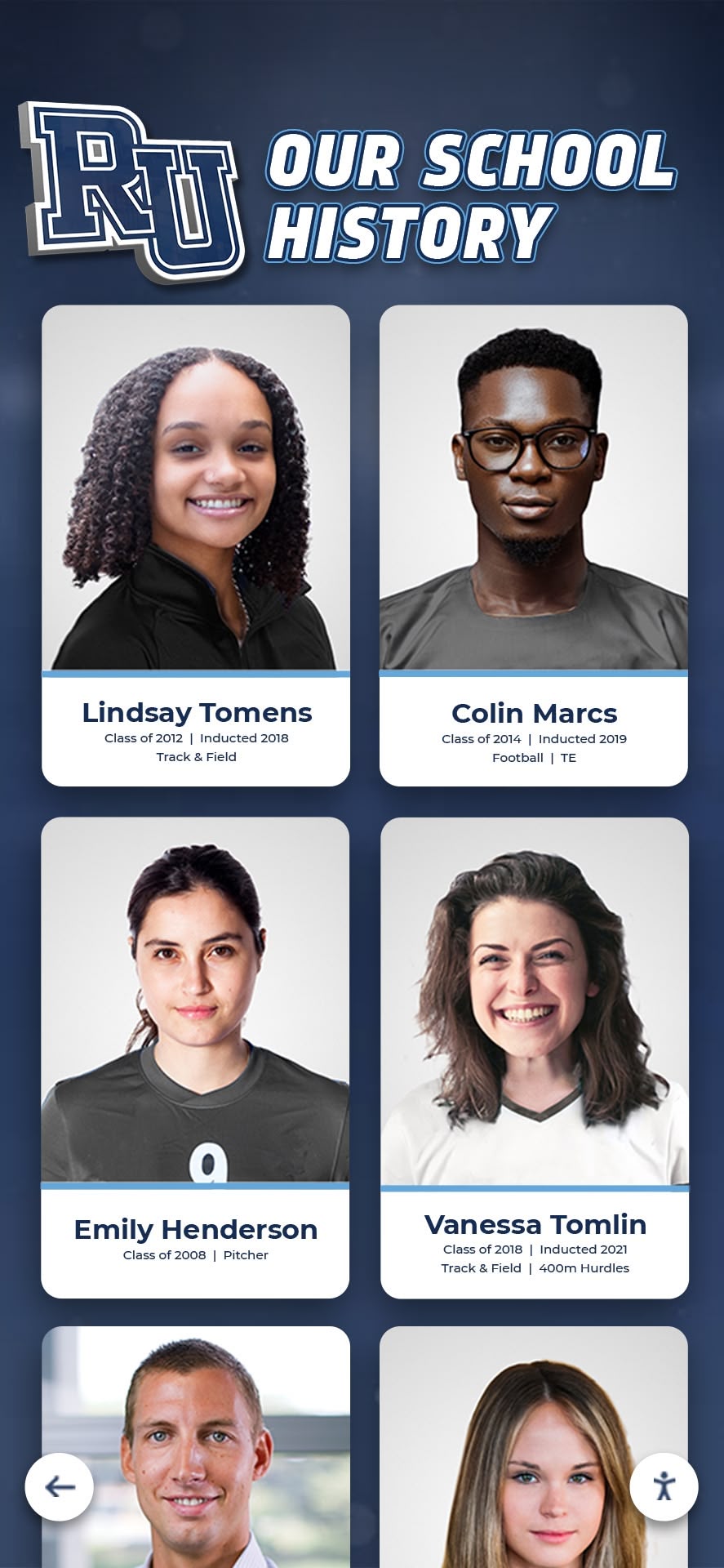
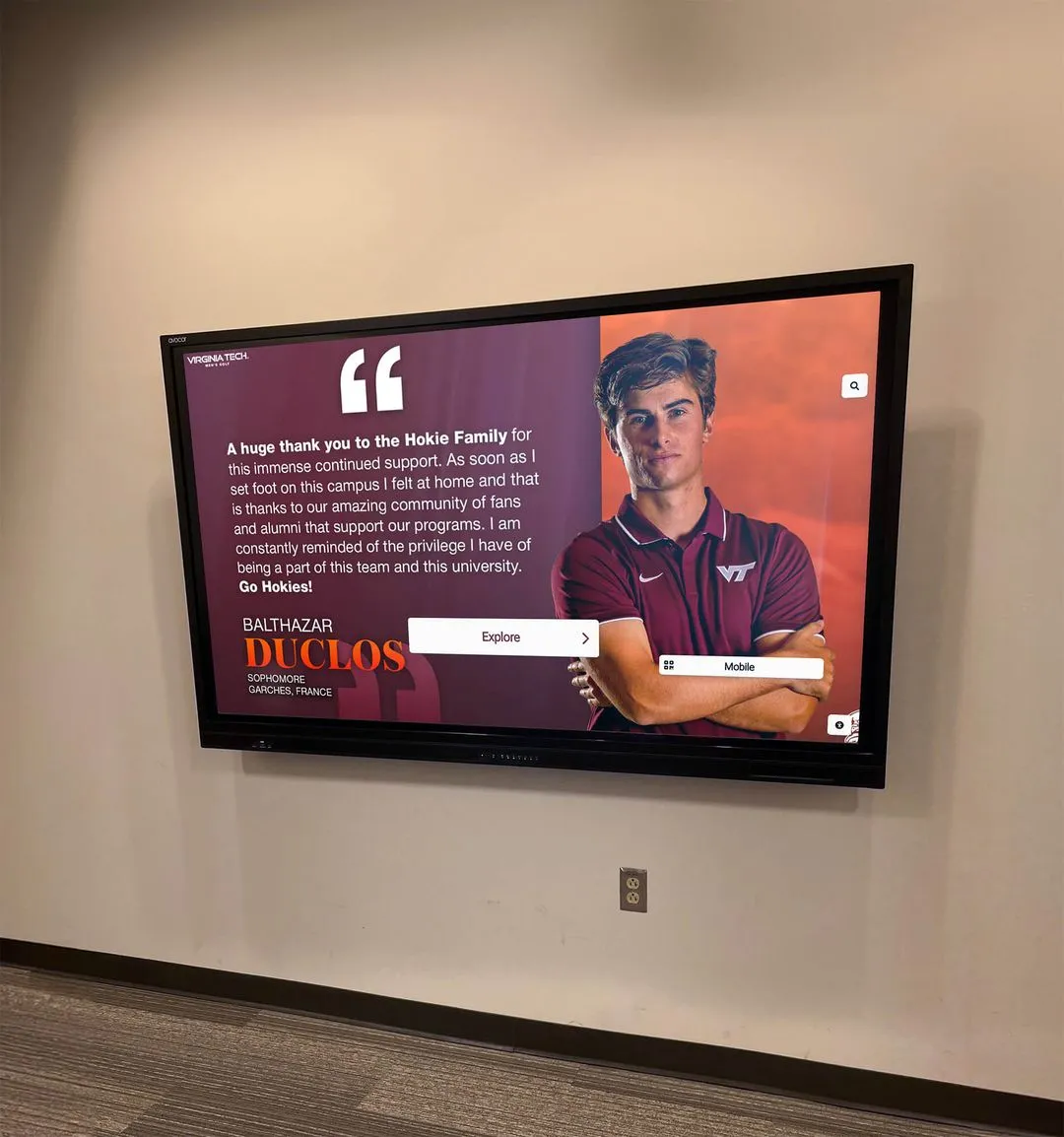
Rich donor profiles with photos, stories, and impact information create meaningful recognition beyond simple name listings
Real-Time Updates Without Physical Intervention
Cloud-based virtual donor walls enable immediate recognition updates maintaining accuracy and currency impossible with traditional physical installations.
Instant Recognition After Gift Processing
Development staff can add new donors within minutes of gift receipt rather than waiting months for physical engraving, update giving levels as contributions increase throughout campaigns, correct errors or name preferences immediately when identified, schedule recognition to appear at specific campaign milestones or events, and refresh content regularly maintaining engagement and relevance.
According to nonprofit technology research, timely recognition significantly impacts donor satisfaction and future giving. Organizations implementing digital systems report 85-90% reduction in recognition maintenance time compared to physical installations while dramatically improving acknowledgment timeliness.
Campaign Progress Visualization
Virtual platforms enable dynamic campaign thermometers showing progress toward goals, giving level charts demonstrating how support is distributed, donor participation metrics celebrating community engagement, milestone celebrations marking achievement of interim targets, and real-time updates reflecting current fundraising status.
This transparency builds excitement and momentum during campaigns while demonstrating community support that inspires additional contributions through social proof effects.
Administrative Simplicity and Efficiency
Cloud-based management platforms require no technical expertise through intuitive dashboards accessible from any internet-connected device, bulk import tools for historical donor data, role-based permissions enabling appropriate staff access, automated backups protecting information, and preview functionality showing changes before publication.
This ease of administration ensures recognition remains current even as development staff turnover occurs or organizational capacity fluctuates. Solutions like Rocket Alumni Solutions specialize in user-friendly platforms designed for advancement professionals rather than IT departments.
Explore administrative efficiency through digital donor wall management systems designed for simplicity.
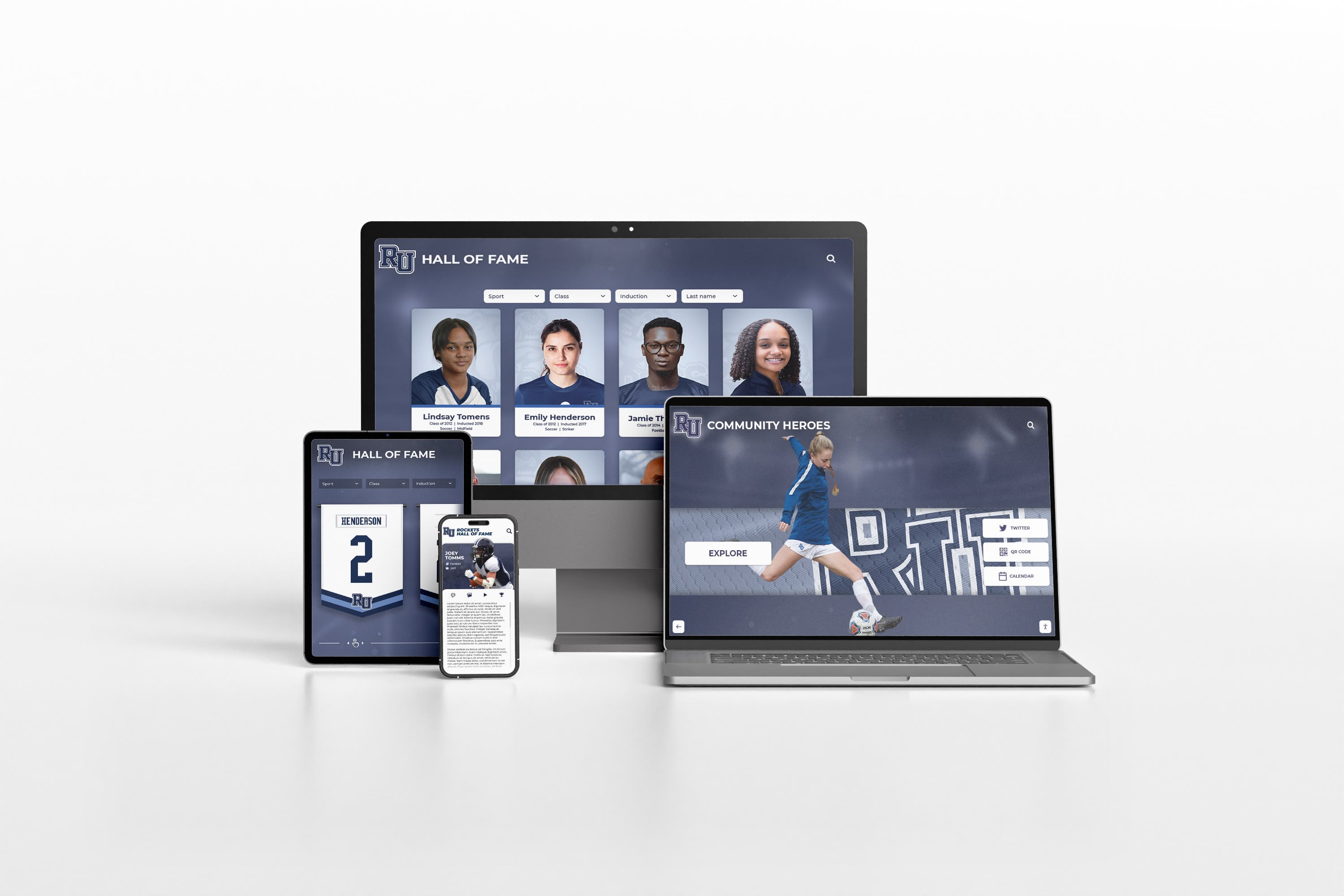
Cloud-based platforms enable easy recognition updates from any device without technical expertise
Implementing Virtual Donor Walls: Planning and Strategy
Successful virtual donor wall implementation requires thoughtful planning ensuring platforms meet organizational needs while providing excellent user experiences.
Needs Assessment and Goal Clarification
Begin with comprehensive evaluation establishing clear requirements and success criteria.
Current State Recognition Audit
Inventory existing donor recognition approaches and their limitations, identify recognition gaps affecting supporter satisfaction, evaluate donor feedback about current acknowledgment, assess which supporters receive recognition versus those excluded, analyze geographic distribution of donor base, and review technology infrastructure and technical capabilities.
This honest assessment reveals recognition challenges virtual platforms can solve while identifying organizational constraints affecting implementation approaches.
Stakeholder Input Gathering
Engage key constituencies in planning including development staff perspectives on donor relationship management needs, executive leadership input on organizational priorities and brand considerations, board member insights on donor expectations and preferences, major donor feedback about recognition approaches when possible, marketing team perspectives on website integration and user experience, and IT staff input on technical requirements and security considerations.
Comprehensive stakeholder engagement ensures virtual recognition platforms align with diverse organizational needs while maintaining broad support throughout implementation.
Recognition Philosophy and Policy Development
Establish principles governing virtual donor recognition including commitment to honoring all giving levels appropriately, balance between public acknowledgment and privacy respect, permanence standards and duration of recognition, flexibility enabling personalization within consistent frameworks, and ethical guidelines for which donors and gifts warrant recognition.
Clear policies prevent ad hoc decisions creating inconsistencies or approaches conflicting with organizational values. Learn about comprehensive policy development through donor recognition planning guides based on institutional experience.
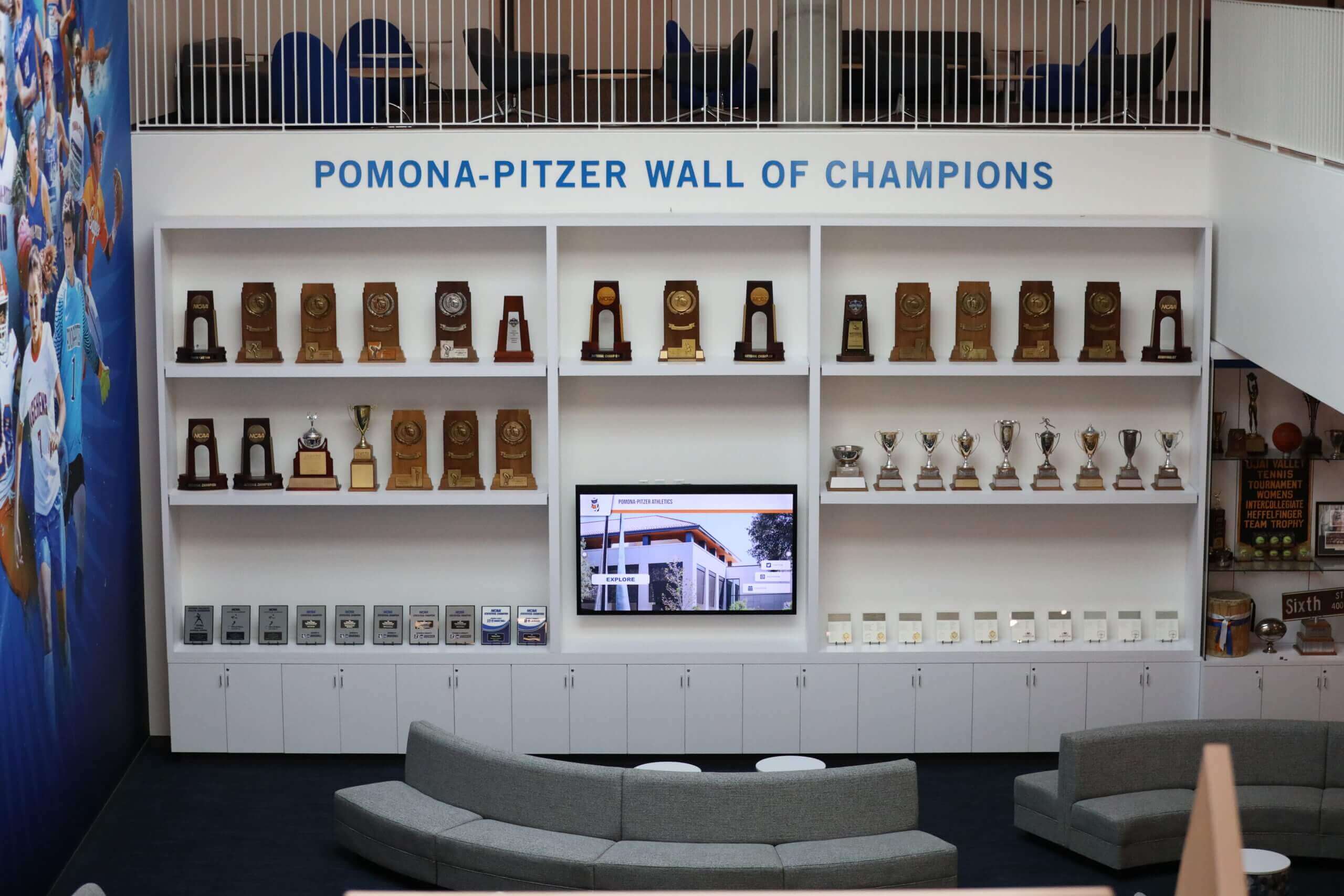
Thoughtful planning ensures virtual recognition aligns with organizational values and donor expectations
Platform Selection and Vendor Evaluation
Choosing appropriate virtual donor wall solutions requires careful consideration of options and capabilities.
Essential Platform Features
Effective virtual donor walls should provide unlimited donor capacity accommodating growth, intuitive search and filtering functionality, mobile-responsive design ensuring smartphone access, individual donor profile pages supporting rich content, multimedia support for photos, videos, and documents, giving level organization with visual hierarchy, campaign or fund designation capabilities, security features protecting sensitive information, and cloud-based management enabling easy updates.
These core features ensure platforms serve fundamental recognition needs while remaining flexible for future growth.
User Experience Considerations
Platform interfaces should balance visual appeal with intuitive navigation, consistent design patterns reducing learning curves, fast loading times maintaining engagement, accessibility features for diverse users, and clean presentation avoiding overwhelming visitors.
Poor user experience undermines recognition effectiveness—donors deserve platforms that honor their generosity through excellent design rather than clunky interfaces suggesting afterthought implementation.
Administrative Requirements
Management platforms should enable non-technical staff to update content through simple, intuitive dashboards, bulk import and export functionality, role-based access control, preview capabilities, automated backup and data security, and integration options with existing donor management systems.
Development staff should spend time building donor relationships rather than wrestling with complex technology. Solutions like Rocket Alumni Solutions prioritize administrative simplicity enabling advancement professionals to manage recognition independently.
Vendor Assessment Criteria
Select providers with relevant experience in donor recognition implementations, portfolio demonstrating design quality and functionality, technical support availability and responsiveness, training resources for staff and administrators, content creation assistance when needed, long-term viability and platform development commitment, and transparent pricing without hidden costs.
Examine vendor evaluation approaches through technology selection guides for nonprofit recognition systems.
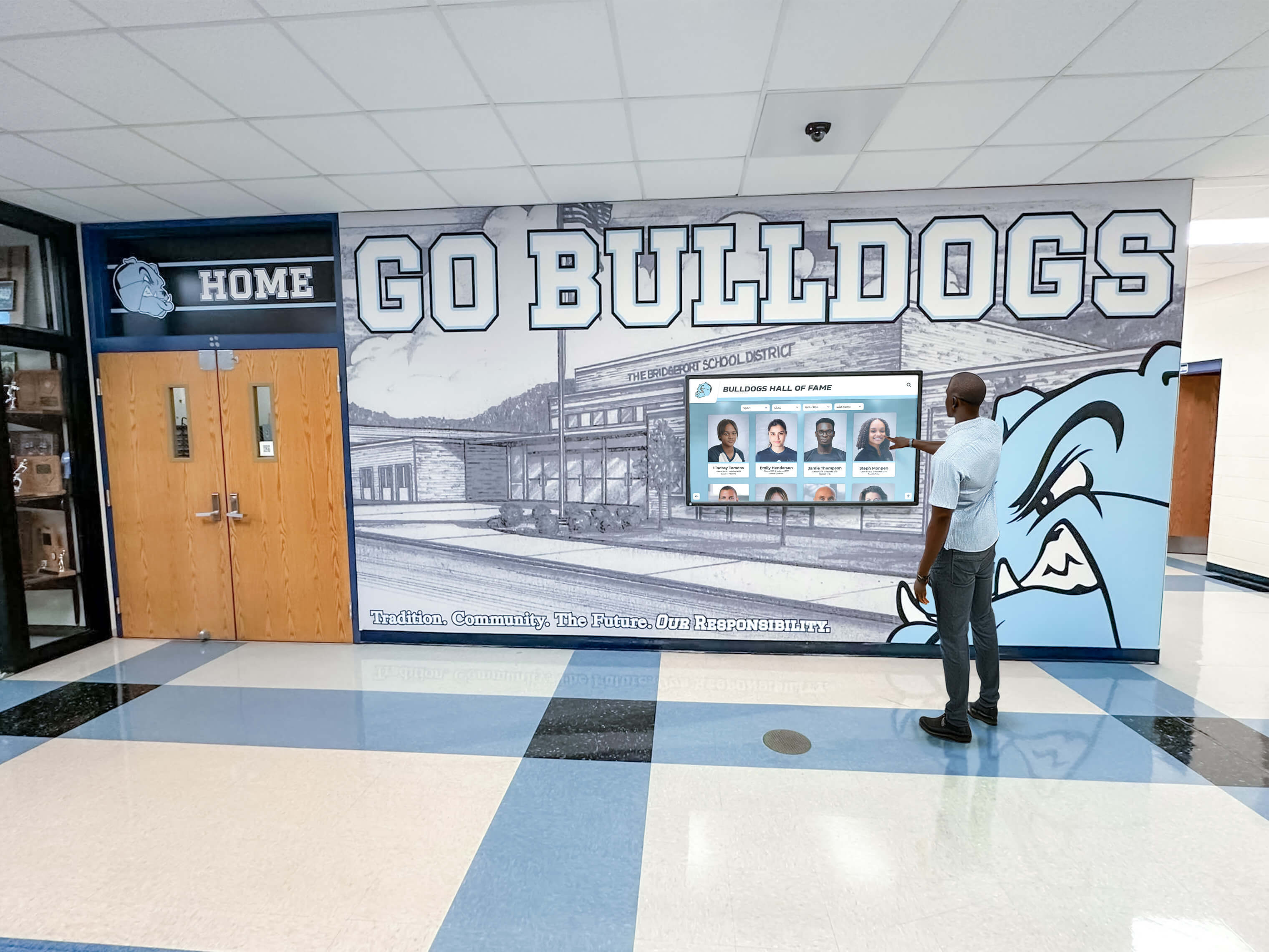
Professional platform selection ensures virtual donor walls honor supporters through excellent user experiences
Content Strategy and Information Architecture
Thoughtful content planning ensures virtual recognition remains engaging and meaningful.
Donor Information Organization
Establish clear structures for organizing recognition including tiered giving levels with naming and thresholds, chronological groupings by campaign or class year, fund designations enabling donors to find specific causes, recognition societies or giving circles, memorial and honor gift categories, and featured or spotlight rotations ensuring variety.
Logical organization helps visitors navigate recognition intuitively while ensuring all donors receive appropriate visibility.
Individual Donor Profile Content
Determine what information appears on donor pages balancing comprehensiveness with privacy including essential elements like names, giving levels, years of support, and campaign contributions with optional enhanced content such as photographs, biographical information, personal giving statements, family philanthropy stories, and memorial dedications.
Always respect donor privacy preferences through explicit opt-in processes for enhanced profiles, clear communication about what appears publicly, and simple methods for updating preferences or requesting changes.
Impact Storytelling Integration
Connect recognition to outcomes through beneficiary testimonials explaining how support helped, project documentation showing what contributions accomplished, statistical outcomes and measurable results, program expansion stories enabled by philanthropy, facility improvements funded by campaigns, and scholarship recipient narratives personalizing impact.
This impact-focused content demonstrates why donor generosity matters, creating recognition that celebrates contribution significance rather than focusing solely on dollar amounts. Learn about effective storytelling through donor engagement best practices that strengthen relationships.
Impact stories connecting donations to outcomes create meaningful recognition demonstrating why generosity matters
Technical Implementation: Building and Launching Virtual Donor Walls
Professional implementation ensures virtual recognition platforms function reliably while providing excellent user experiences.
Website Integration Approaches
Virtual donor walls should integrate seamlessly with existing organizational websites rather than existing as disconnected platforms.
Dedicated Recognition Pages
Most organizations create dedicated website sections for donor recognition including top-level navigation placement ensuring easy discovery, clear section naming like “Donor Recognition,” “Our Supporters,” or “Honor Roll,” logical information hierarchy guiding visitors to relevant content, prominent search functionality enabling quick donor discovery, and featured content highlighting current campaigns or spotlighted donors.
Dedicated sections communicate that organizations value donor recognition sufficiently to provide prominent, easily accessible acknowledgment.
Campaign-Specific Recognition Integration
Virtual donor walls can integrate directly within capital campaign websites, annual fund pages showcasing current supporters, scholarship program pages connecting donors to recipients, facility dedication pages honoring project contributors, and giving society pages featuring membership benefits and current members.
This contextual integration connects recognition to specific campaigns and causes, helping prospective donors understand existing support communities before contributing.
Embedded Recognition Widgets
Some platforms offer embeddable components displaying featured donors on homepages, rotating testimonials throughout websites, real-time campaign progress on multiple pages, donor search functionality accessible sitewide, and social media feeds showcasing recognition sharing.
Strategic widget placement extends recognition visibility beyond dedicated pages while maintaining website cohesion. Explore integration approaches through digital recognition implementation guides focused on seamless website coordination.

Seamless website integration ensures donor recognition feels like natural organizational component rather than disconnected addition
Data Migration and Initial Content Population
Launching virtual donor walls requires systematic data preparation ensuring accuracy and completeness.
Donor Database Cleanup
Before populating virtual recognition, conduct comprehensive data quality review including name standardization and preferred formatting verification, address and contact information updates when available, giving level calculations and cumulative contribution totals, recognition preference documentation and privacy flag confirmation, memorial and honor gift attribution validation, and duplicate record resolution.
Clean data prevents embarrassing errors in public recognition while ensuring accuracy that respects donors appropriately.
Historical Donor Data Import
Many organizations recognize decades of philanthropic support requiring systematic historical data migration. Effective approaches include prioritizing recent major donors for initial launch, phasing historical data entry over manageable timeframes, leveraging bulk import tools for efficiency, engaging professional data entry services when budgets permit, and establishing quality assurance processes catching errors before publication.
Comprehensive historical recognition demonstrates that organizations value long-time supporters equally with recent contributors, building cultures honoring sustained philanthropic commitment.
Multimedia Content Gathering
Rich virtual recognition requires collecting donor photographs when permissions granted, commissioning or gathering impact photos and videos, developing written impact stories and testimonials, creating campaign progress graphics and visualizations, and curating historical images documenting organizational heritage.
Content development represents significant effort but transforms recognition from basic listings to compelling storytelling celebrating philanthropy meaningfully. Solutions like Rocket Alumni Solutions often provide content development assistance helping organizations create professional recognition experiences.
Learn about systematic data preparation through donor recognition implementation resources ensuring successful launches.
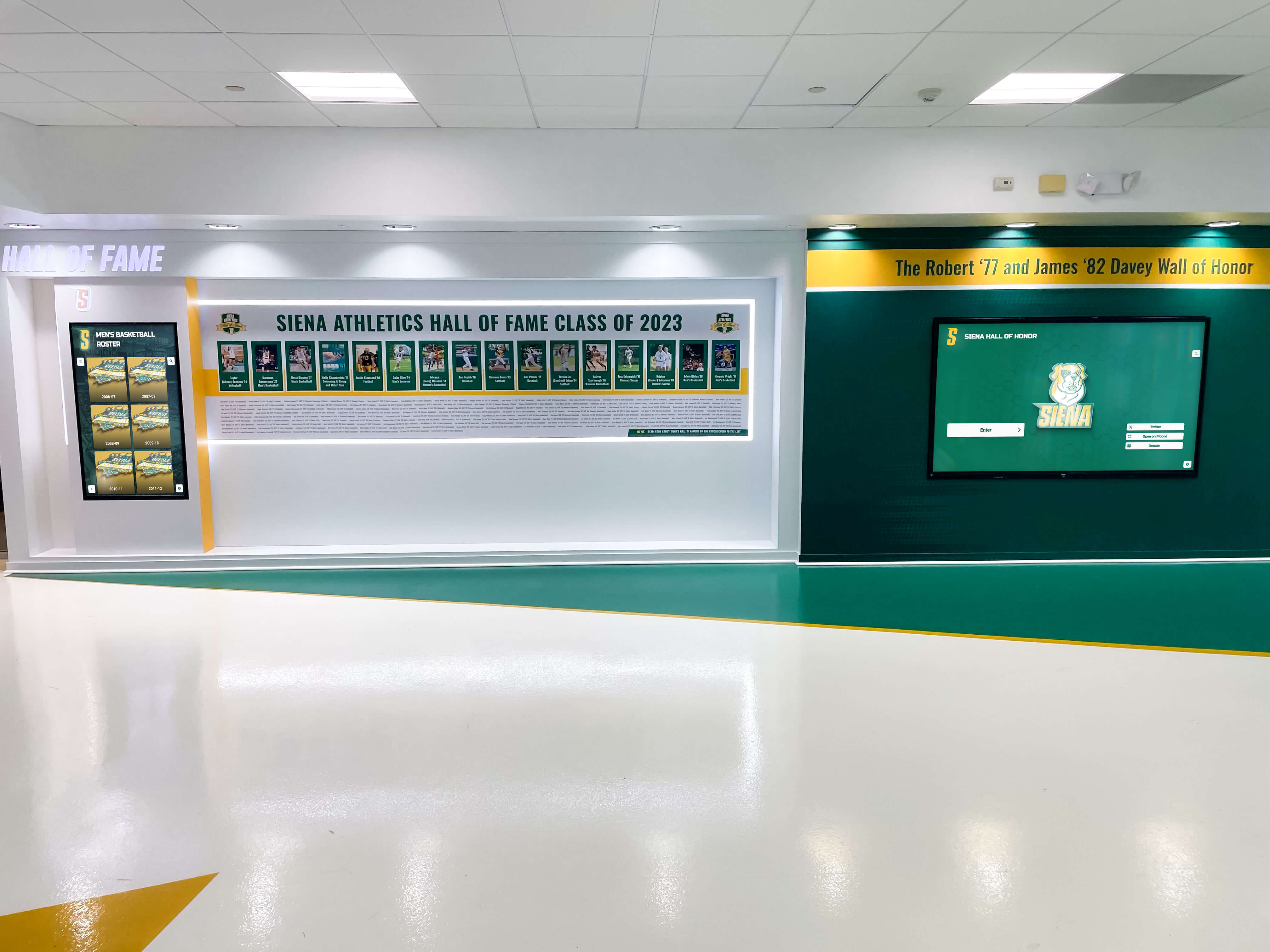
Thorough data preparation and content development ensure virtual recognition launches professionally and honors donors appropriately
Launch Strategy and Promotion
Successful launches create awareness ensuring donors discover and engage with virtual recognition.
Soft Launch and Testing
Before formal announcement, conduct internal previews with development staff and leadership reviewing accuracy, user testing with diverse volunteers providing usability feedback, technical performance verification ensuring fast loading and reliable functionality, content quality assurance checking for errors or broken elements, and mobile device testing across various smartphones and tablets.
Comprehensive testing identifies issues before donors encounter them, ensuring recognition reflects organizational professionalism.
Formal Launch Campaign
Official virtual donor wall announcements should include email communications to all recognized donors with direct links to their profiles, website homepage features and prominent navigation placement, social media campaigns showcasing recognition platform, print materials in fundraising communications, event integration during donor cultivation gatherings, and media outreach when appropriate for major implementations.
Multi-channel promotion ensures donors become aware of recognition rather than assuming automated publication guarantees discovery. According to nonprofit marketing research, repeated communication through multiple channels increases engagement 300-400% compared to single-channel announcements.
Ongoing Promotion and Sustained Engagement
Virtual recognition requires continuous promotion including regular email campaigns highlighting recently added donors, social media features spotlighting individual supporters with their permission, integration into fundraising solicitations showing existing support communities, inclusion in organizational newsletters and publications, and incorporation into tour programs and presentations.
Sustained promotion maintains awareness ensuring virtual recognition influences donor engagement and fundraising effectiveness rather than becoming forgotten archive few explore. Explore promotion strategies through donor engagement guides that maximize recognition impact.
Effective promotion ensures donors discover and engage with virtual recognition rather than platforms remaining hidden resources
Advanced Virtual Donor Wall Features and Functionality
Sophisticated platforms offer enhanced capabilities that deepen engagement and strengthen donor relationships.
Interactive Giving Capabilities
Some virtual donor walls integrate transactional functionality enabling immediate philanthropic action.
Direct Donation Integration
Advanced platforms connect recognition directly to giving opportunities through prominent “Give Now” buttons on recognition pages, campaign-specific donation forms linked from relevant sections, suggested giving levels aligned with recognition tiers, memorial or honor gift options connected to existing dedications, and recurring giving enrollment for sustained support.
This integration reduces friction between recognition inspiration and actual giving, capitalizing on moments when exploring supporter communities motivates contribution decisions. Organizations implementing donation-integrated recognition report 15-25% increases in online giving attributed to recognition-driven inspiration.
Campaign Progress Gamification
Interactive elements can increase engagement through visual progress thermometers updated in real-time, donor participation counters celebrating community involvement, giving level challenges encouraging upgrades, matching gift countdowns creating urgency, and milestone celebrations rewarding community achievement.
Gamification approaches particularly resonate with younger donors accustomed to interactive digital experiences expecting immediate feedback and social connection.
Peer-to-Peer Fundraising Integration
Virtual recognition platforms can connect with peer fundraising campaigns enabling donors to create personal fundraising pages, recruit friends and colleagues to join giving communities, track team or group fundraising progress, celebrate peer fundraising achievements, and recognize successful peer solicitors alongside direct contributors.
This social fundraising integration extends philanthropic communities beyond individual donors to networks of supporters recruiting additional generosity. Learn about peer fundraising integration through digital engagement strategies that amplify campaign reach.
Integrated giving functionality transforms virtual recognition from passive acknowledgment to active fundraising catalyst
Personalization and Donor Experience
Advanced virtual donor walls adapt experiences based on individual donors and their relationships to organizations.
Donor Portal Functionality
Comprehensive platforms may offer password-protected donor portals where recognized supporters can update their own profile information, upload personal photographs or content, manage privacy preferences and visibility settings, view their complete giving history, access tax documentation, and track recognition acknowledgment across campaigns.
Portal functionality empowers donors with control over their recognition while reducing administrative burden on development staff managing correction requests and preference updates.
Personalized Recognition Views
Some systems enable customized experiences showing donors their own recognition profiles immediately upon login, related donor profiles such as classmates or colleagues, campaigns or funds aligned with individual interests, suggested giving opportunities based on past support patterns, and milestone celebrations for personal giving anniversaries.
Personalization creates recognition that feels individually relevant rather than generic database display, strengthening emotional connection and donor engagement.
Alumni and Constituent Network Features
Virtual donor walls can integrate broader constituent engagement through alumni directories connecting supporters with classmates, mentorship programs linking donors with students or young professionals, event registrations for homecoming and fundraising gatherings, career networking opportunities, and community forums fostering ongoing engagement.
This comprehensive approach positions donor recognition as component of broader constituent relationship management rather than isolated acknowledgment function. Explore integrated constituent engagement through alumni connection strategies that deepen organizational relationships.
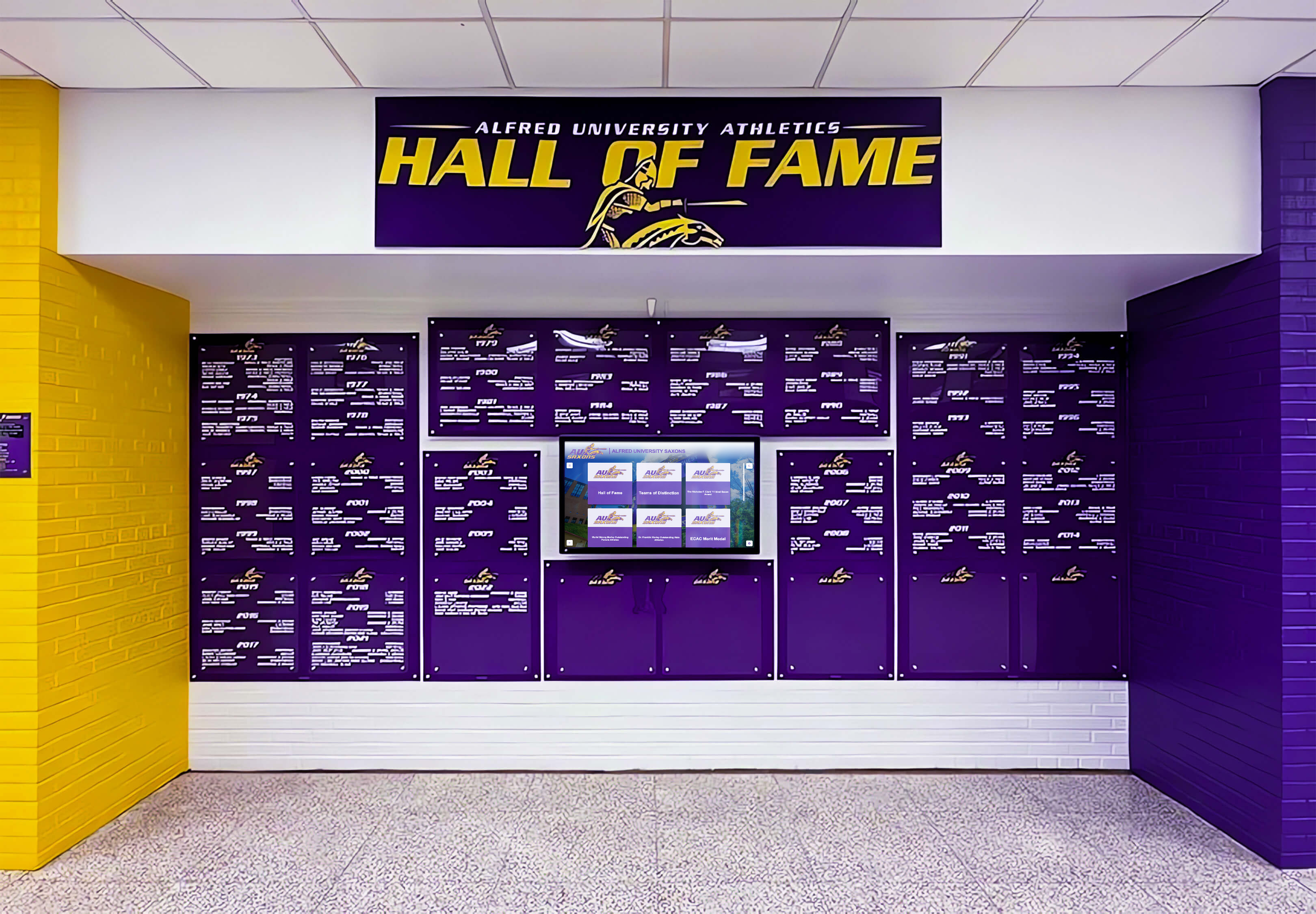
Personalized experiences create recognition that feels individually relevant strengthening donor emotional connection
Analytics and Engagement Measurement
Sophisticated virtual donor walls provide data insights informing recognition strategy and demonstrating effectiveness.
Recognition Engagement Metrics
Platform analytics can track total page views and visitor counts, search queries revealing which donors visitors seek, most viewed donor profiles identifying engaged supporters, geographic distribution of virtual recognition access, device usage showing mobile versus desktop preferences, time-on-site measurements indicating engagement depth, and social sharing frequency demonstrating recognition amplification.
These metrics help organizations understand how donors actually engage with virtual recognition versus assumptions about behavior, enabling data-driven optimization.
Donor Relationship Correlation Analysis
Advanced analytics can explore relationships between recognition engagement and future giving patterns, retention rates among recognized versus unrecognized supporters, upgrade frequency for donors with enhanced profile content, event attendance correlation with recognition portal usage, and planned giving inquiry relationships with historical recognition.
While correlation doesn’t prove causation, engagement patterns can reveal recognition effectiveness while identifying high-engagement donors warranting enhanced stewardship attention.
A/B Testing and Optimization
Some platforms enable experimentation comparing different homepage layouts or featured content, call-to-action button placement and messaging, donor profile content formats, giving level naming and threshold structures, and campaign progress visualization approaches.
Systematic testing reveals what actually drives engagement and giving rather than relying on intuition or assumptions that may not reflect donor preferences. Learn about data-driven optimization through digital engagement analytics informing strategic decisions.
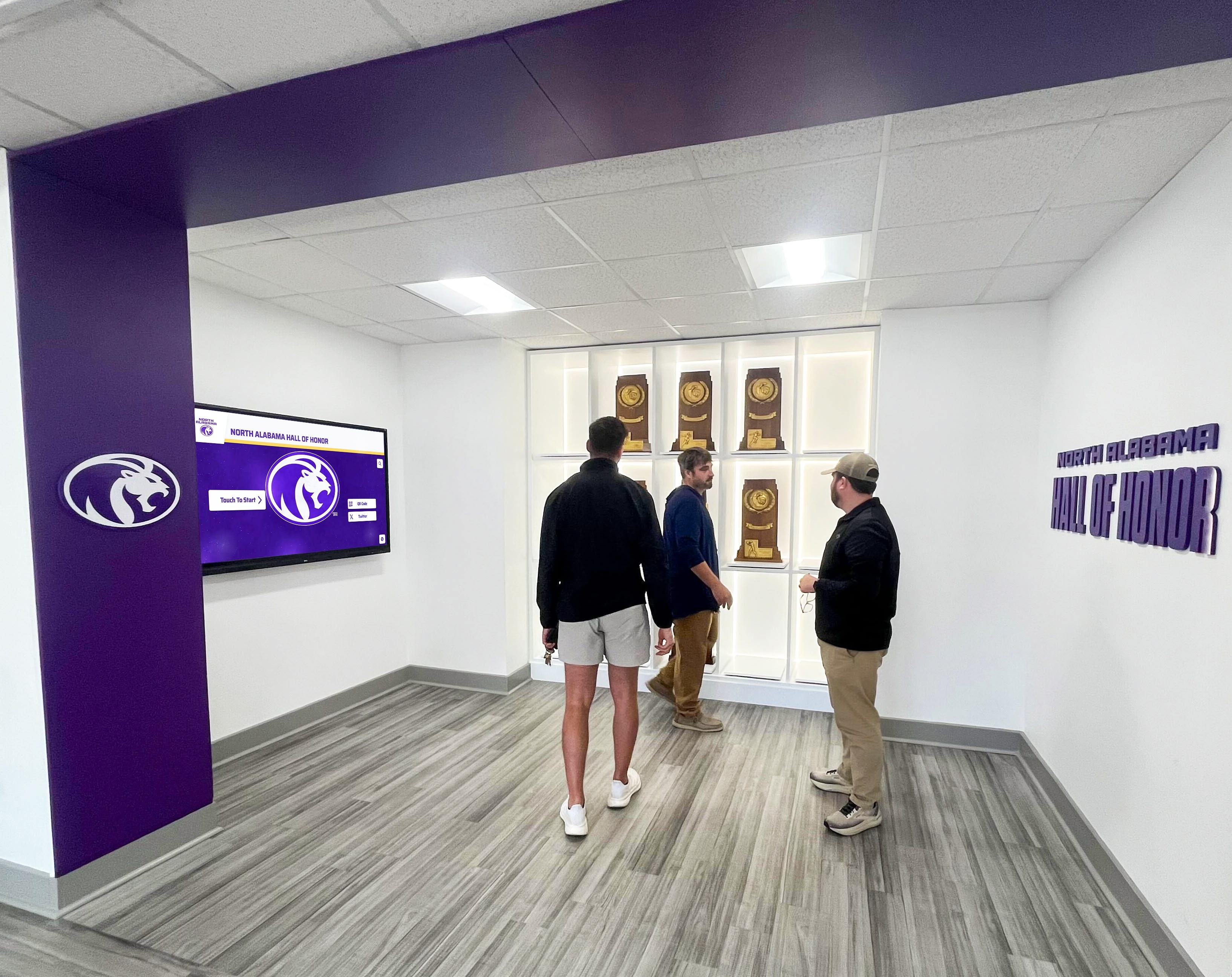
Analytics insights reveal how donors actually engage with virtual recognition informing strategic optimization
Virtual Donor Wall Best Practices and Content Strategy
Thoughtful content and design maximize virtual recognition effectiveness and donor satisfaction.
Recognition Level Structure and Visual Hierarchy
Effective virtual donor walls clearly communicate giving level distinctions while honoring all contributions appropriately.
Establishing Giving Tiers
Most organizations create 5-8 recognition levels including foundational giving accessible to broad participation ($100-$999), supporting levels acknowledging committed donors ($1,000-$4,999), leadership categories recognizing significant contributions ($5,000-$24,999), major donor levels for transformational gifts ($25,000+), legacy society for planned giving regardless of amount, and special designations for memorial gifts or specific purposes.
Tier Naming Strategies
Recognition level names should reflect organizational mission through aspirational language encouraging giving growth, mission-connected terminology reinforcing values, inclusive phrasing welcoming all contribution levels, avoiding purely financial or prestige-focused naming, and consistent themes creating cohesive structure.
Examples include Heritage Circle, Cornerstone Society, Legacy Partners, Visionary Leaders, Champions Circle, Founders Society, and President’s Council.
Visual Distinction in Digital Presentation
Virtual platforms should communicate giving levels clearly through size and prominence differences in profile displays, color or design distinctions for different tiers, placement variations with premium positions for major donors, featured content spotlights rotating through supporters, and consistent formatting within recognition levels.
Clear visual hierarchy ensures visitors immediately understand relative contribution significance without confusion while maintaining inclusive recognition acknowledging all giving levels. Learn about effective tier structures through recognition program design guides based on tested approaches.

Clear visual hierarchy communicates giving level distinctions while maintaining inclusive recognition across all supporters
Privacy Balance and Preference Management
Virtual recognition requires careful navigation of donor privacy concerns and public acknowledgment desires.
Explicit Consent for Public Recognition
Organizations should never publicly recognize donors without explicit permission through opt-in processes during gift receipt, clear communication about what information appears publicly, example profile previews showing what donors can expect, simple mechanisms for declining recognition or requesting anonymity, and transparent processes for changing preferences.
According to nonprofit fundraising ethics guidelines, donor privacy represents fundamental right requiring organizational respect regardless of gift size or recognition value to campaigns.
Granular Privacy Controls
Sophisticated platforms may enable donors to control name display with options for full names, initials, or anonymous designation, photograph inclusion or omission, biographical information publication, giving amount visibility, contact information privacy, and social sharing permissions.
Providing donors control over their recognition demonstrates respect while accommodating diverse preferences from supporters who embrace public acknowledgment to those who prefer private generosity.
Anonymous Donor Recognition Approaches
Some contributors prefer giving without public identification, requiring thoughtful approaches such as aggregate anonymous donor counts, generic dedications like “A Generous Friend,” recognition of anonymous impact without identification, private acknowledgment through personal correspondence, and respect for confidentiality in all organizational communications.
Organizations should honor anonymity preferences while still acknowledging the significance of contributions to overall campaign success. Explore privacy management through donor recognition ethics guides addressing complex scenarios.
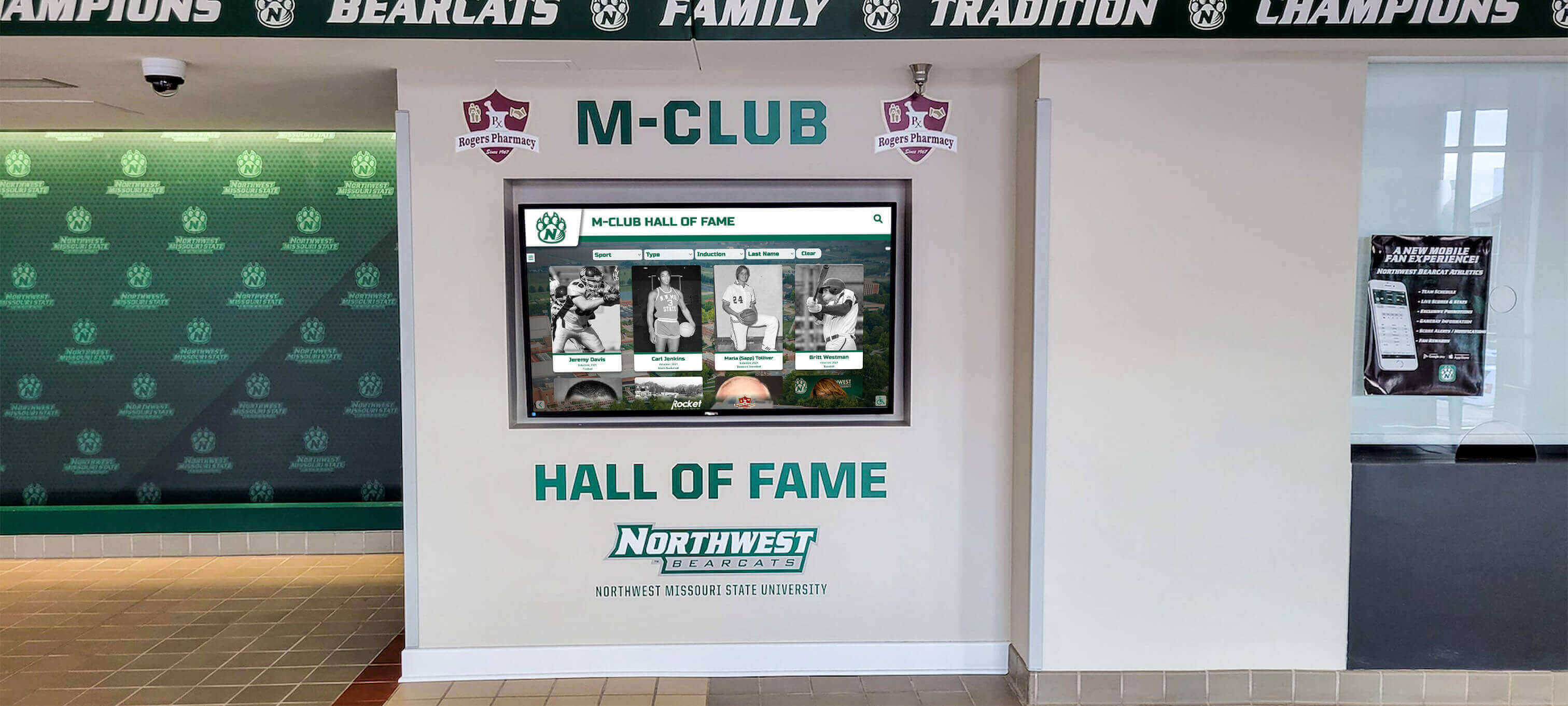
Respecting donor privacy while providing meaningful recognition requires thoughtful policy and flexible platform capabilities
Content Freshness and Ongoing Engagement
Static virtual recognition becomes stale quickly—sustained effectiveness requires regular content updates and strategic refreshes.
Regular Donor Additions
Add new contributors promptly after gift processing rather than batching recognition updates, update giving levels as donors make additional contributions, feature recently added supporters on homepages or in spotlights, communicate with newly recognized donors about their inclusion, and celebrate recognition milestones like “500th donor recognized this year.”
Timely recognition maintains platform currency while honoring the principle that supporters deserve prompt acknowledgment rather than delayed recognition months after contributing.
Rotating Featured Content
Keep virtual recognition engaging through monthly spotlight profiles featuring different donors with permission, seasonal content aligned with organizational calendar, campaign milestone celebrations as goals are reached, historical throwback features connecting past and present philanthropy, and thematic collections highlighting specific types of support or causes.
Dynamic content creates reasons for donors to return repeatedly rather than viewing recognition once and never revisiting.
Annual Recognition Reviews
Conduct comprehensive reviews at least annually including data accuracy verification and correction, giving level updates reflecting policy changes or inflation, content quality assessment ensuring images and text remain current, technical performance checks identifying and resolving issues, design refreshes preventing visual obsolescence, and user experience optimization based on engagement analytics.
Systematic maintenance demonstrates ongoing commitment to recognition quality rather than allowing platforms to deteriorate through neglect. Learn about sustainable content management through digital recognition best practices ensuring long-term effectiveness.
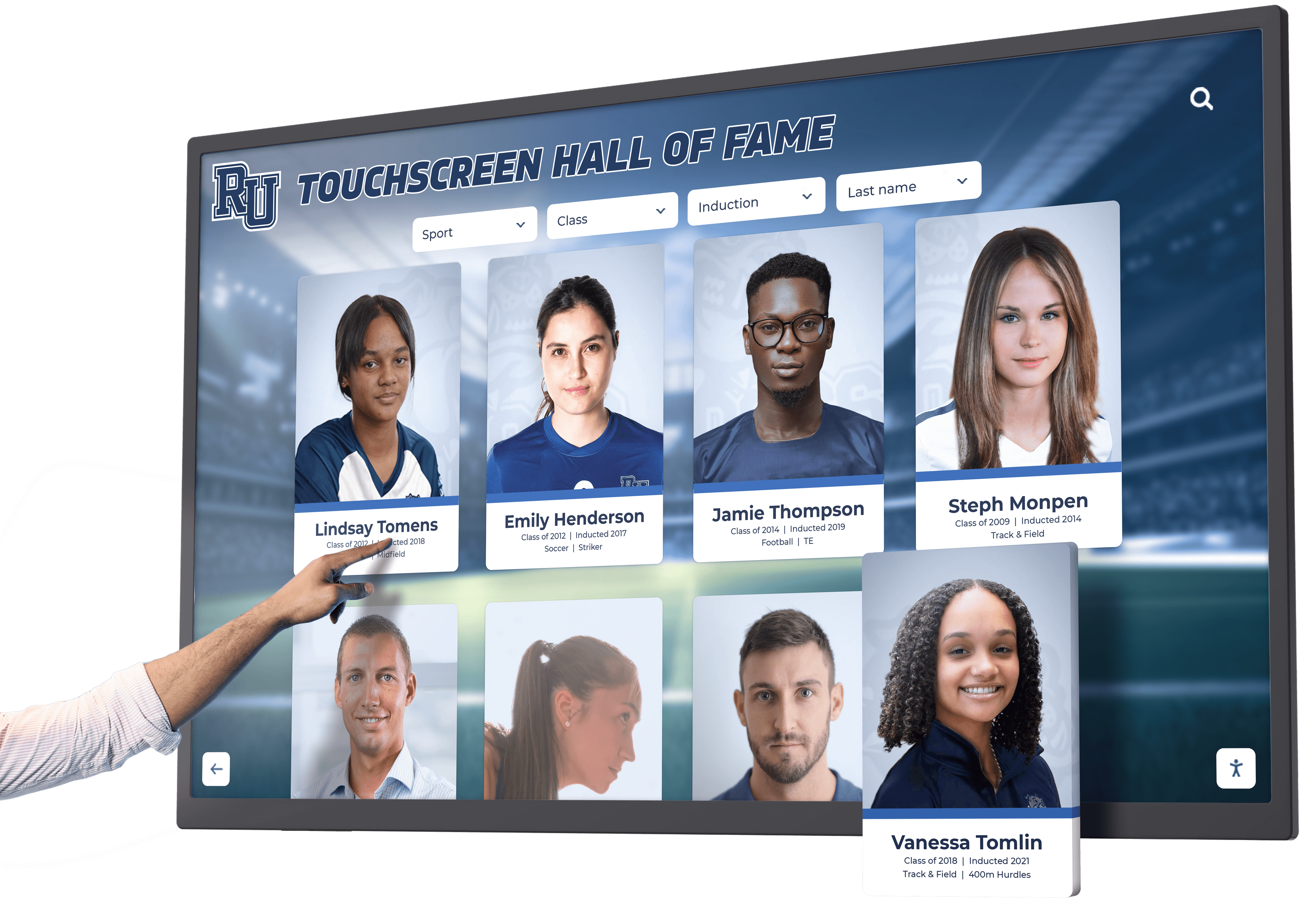
Regular content updates maintain recognition freshness encouraging repeated engagement rather than single viewing
Cost Considerations and Budget Planning
Understanding virtual donor wall investment requirements enables appropriate budget allocation and realistic planning.
Initial Implementation Costs
Virtual donor wall expenses vary based on platform sophistication and customization requirements.
Platform and Software Costs
- Content management platform setup: $2,000-$8,000
- Design and customization services: $3,000-$12,000
- Initial data migration and setup: $1,500-$5,000
- Training and onboarding: $500-$2,000
- Website integration development: $2,000-$8,000
Content Development Expenses
- Professional photography sessions: $1,000-$3,000
- Videography and testimonial production: $2,000-$8,000
- Impact story writing and editing: $1,500-$5,000
- Graphic design and visual content: $1,000-$4,000
- Historical data research and verification: $1,000-$3,000
Total Initial Investment Range
Most organizations invest $8,000-$35,000 for comprehensive virtual donor wall implementation depending on database size, customization requirements, content production needs, and integration complexity. This investment typically represents 40-60% of comparable physical donor wall costs while providing significantly enhanced functionality and reach.
Ongoing Operational Costs
Annual expenses ensure continued effectiveness and platform currency.
Subscription and Platform Fees
- Annual platform subscription: $1,200-$4,800
- Hosting and technical infrastructure: typically included
- Software updates and feature additions: typically included
- Technical support: typically included in subscription
- Additional user accounts or premium features: $300-$1,500 annually
Content Maintenance Costs
- Staff time for routine updates: 4-8 hours monthly
- Annual content refreshes: $1,000-$4,000
- Photography and videography updates: $1,000-$3,000 annually
- Professional design services: $500-$2,000 annually
- Donor communication and promotion: $500-$2,000 annually
Annual Operating Cost Range
Expect $3,000-$12,000 in annual operating costs depending on platform sophistication, content refresh frequency, and staff capacity. These costs remain consistent regardless of how many donors are added annually, creating significant advantages compared to physical donor walls requiring $500-$2,000 per update for engraving.
Return on Investment Analysis
Virtual donor walls provide measurable value justifying implementation investment.
Cost Comparison to Physical Recognition
Traditional brass donor walls cost $10,000-$75,000 for initial installation with each update costing $500-$2,000. Organizations with active fundraising require 5-15 updates annually, creating recurring expenses of $2,500-$30,000 per year. Virtual systems eliminate these update costs while providing unlimited capacity and global reach physical installations cannot match.
Donor Retention and Lifetime Value Impact
Research from nonprofit platforms indicates that meaningful recognition increases giving by improving donor retention rates 10-25%, increasing average gift sizes 15-30%, encouraging upgrade giving from annual to major gifts, inspiring additional contributions during multi-year campaigns, and elevating planned giving inquiry rates.
If virtual recognition contributes to even 5% giving increase for an organization with $400,000 annual fundraising, the additional $20,000 in contributions approaches or exceeds typical system costs within the first year. Compounded over time as recognition strengthens donor relationships, the return on investment becomes substantial.
Learn about investment justification through donor recognition ROI analysis demonstrating financial returns.
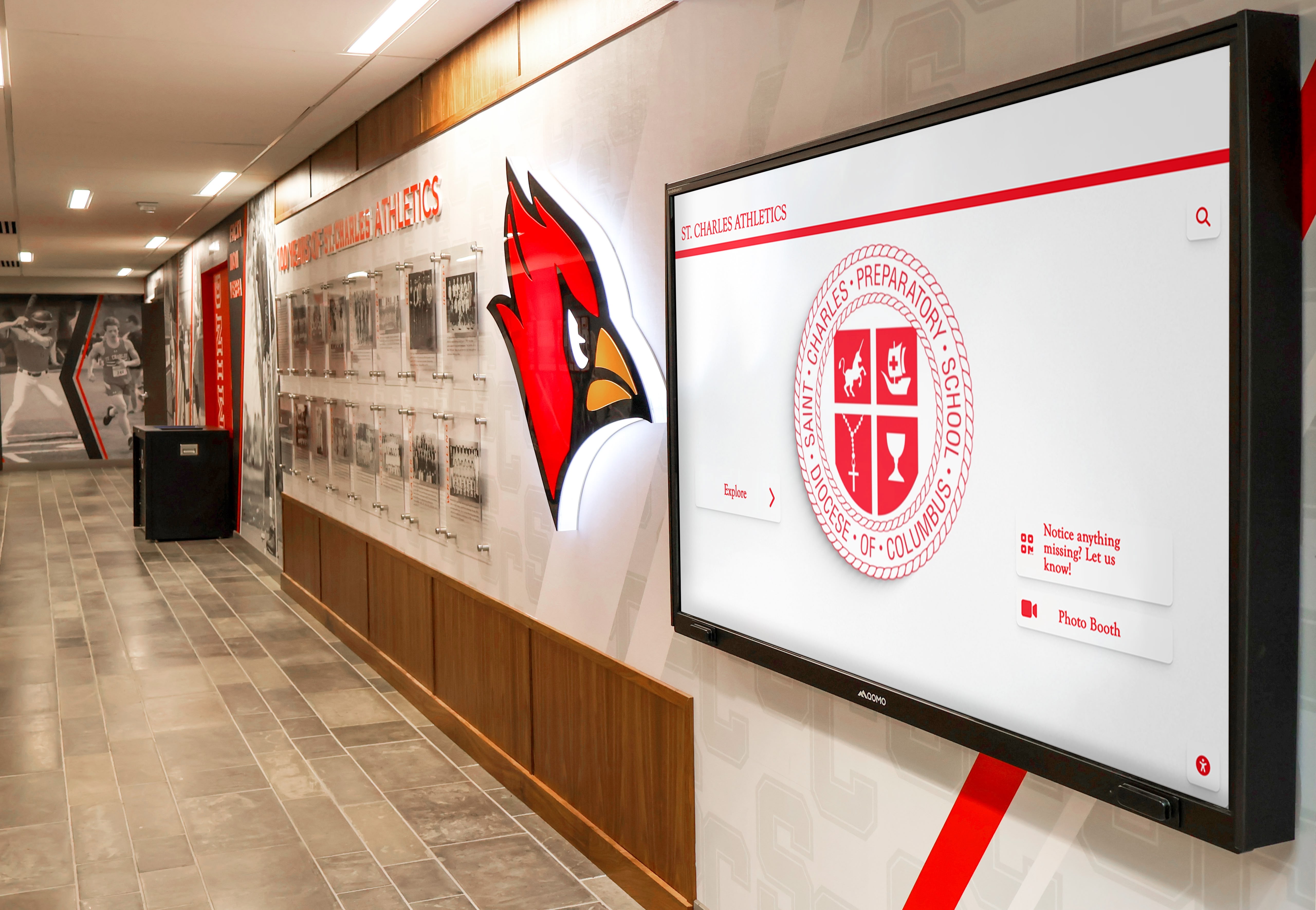
Virtual recognition investments deliver strong returns through improved retention and donor lifetime value
Common Challenges and Solutions
Understanding typical implementation difficulties helps organizations avoid problems and respond effectively when issues arise.
Technical Challenges and User Experience Issues
Challenge: Poor Mobile Optimization Limiting Smartphone Access
Organizations sometimes implement virtual donor walls that function adequately on desktop computers but provide frustrating experiences on smartphones where most users actually access content. Mobile usability problems cause donors to abandon recognition exploration.
Solution: Mobile-First Design and Responsive Development
Prioritize mobile user experience during platform selection and design, test extensively on various smartphone models and screen sizes, optimize image sizes and loading speeds for mobile data connections, ensure touch targets and buttons are appropriately sized, and verify that all functionality works smoothly on mobile devices.
Challenge: Slow Loading Times Causing Visitor Abandonment
Page load speeds significantly impact user engagement—pages taking longer than 3 seconds to load lose 40% of visitors before content even appears. Poorly optimized virtual donor walls frustrate users rather than honoring them.
Solution: Performance Optimization and Technical Excellence
Implement image optimization reducing file sizes without quality loss, enable content delivery networks distributing assets efficiently, compress data transfer sizes, minimize database query complexity, and conduct regular performance testing identifying bottlenecks.
Solutions like Rocket Alumni Solutions prioritize technical performance ensuring recognition platforms honor donors through excellent user experiences rather than frustrating technical deficiencies.
Content and Data Management Challenges
Challenge: Data Accuracy Issues Embarrassing Organizations
Misspelled names, incorrect giving levels, outdated information, or duplicate listings undermine recognition effectiveness while potentially offending donors who notice errors in their own or others’ acknowledgment.
Solution: Systematic Quality Assurance Processes
Implement multi-step verification before publishing new donor additions, engage multiple staff members in accuracy review, establish donor self-service portals enabling corrections, respond promptly to reported errors with immediate corrections, and conduct regular database audits identifying inconsistencies.
Challenge: Content Staleness Causing Disengagement
Virtual recognition platforms that never change become digital archives few revisit rather than dynamic engagement tools. Static content fails to inspire repeated viewing or sustained donor connection.
Solution: Strategic Content Calendar and Refresh Scheduling
Establish editorial calendars planning content updates, assign clear responsibility for ongoing management, schedule featured donor rotations maintaining variety, create seasonal campaigns providing timely relevance, and measure engagement metrics identifying when refreshes are needed.
Learn about content management best practices through digital recognition operation guides ensuring sustainable effectiveness.
Organizational and Cultural Challenges
Challenge: Low Donor Awareness and Platform Underutilization
Organizations sometimes implement excellent virtual donor walls that few donors discover because promotion remains inadequate. Recognition platforms sitting unused waste investment while failing to strengthen donor relationships they were designed to support.
Solution: Multi-Channel Promotion Strategy
Integrate virtual recognition promotion into all donor communications, feature recognition in fundraising solicitations, include links in gift acknowledgment letters, promote through social media campaigns, present during donor cultivation events, and train advancement staff to reference recognition during conversations.
Sustained promotion ensures donors discover and engage with recognition rather than platforms remaining organizational secrets.
Challenge: Staff Resistance or Capacity Constraints
Development teams sometimes lack technical confidence to manage virtual recognition or sufficient capacity to maintain platforms alongside other responsibilities. Systems requiring unsustainable maintenance effort eventually deteriorate.
Solution: Platform Simplicity and Adequate Support
Select user-friendly platforms designed for non-technical users, invest in comprehensive initial training, maintain clear documentation and tutorial resources, leverage vendor technical support for complex issues, and allocate realistic staff time for recognition maintenance.
Explore capacity management approaches through advancement team resources addressing common implementation barriers.
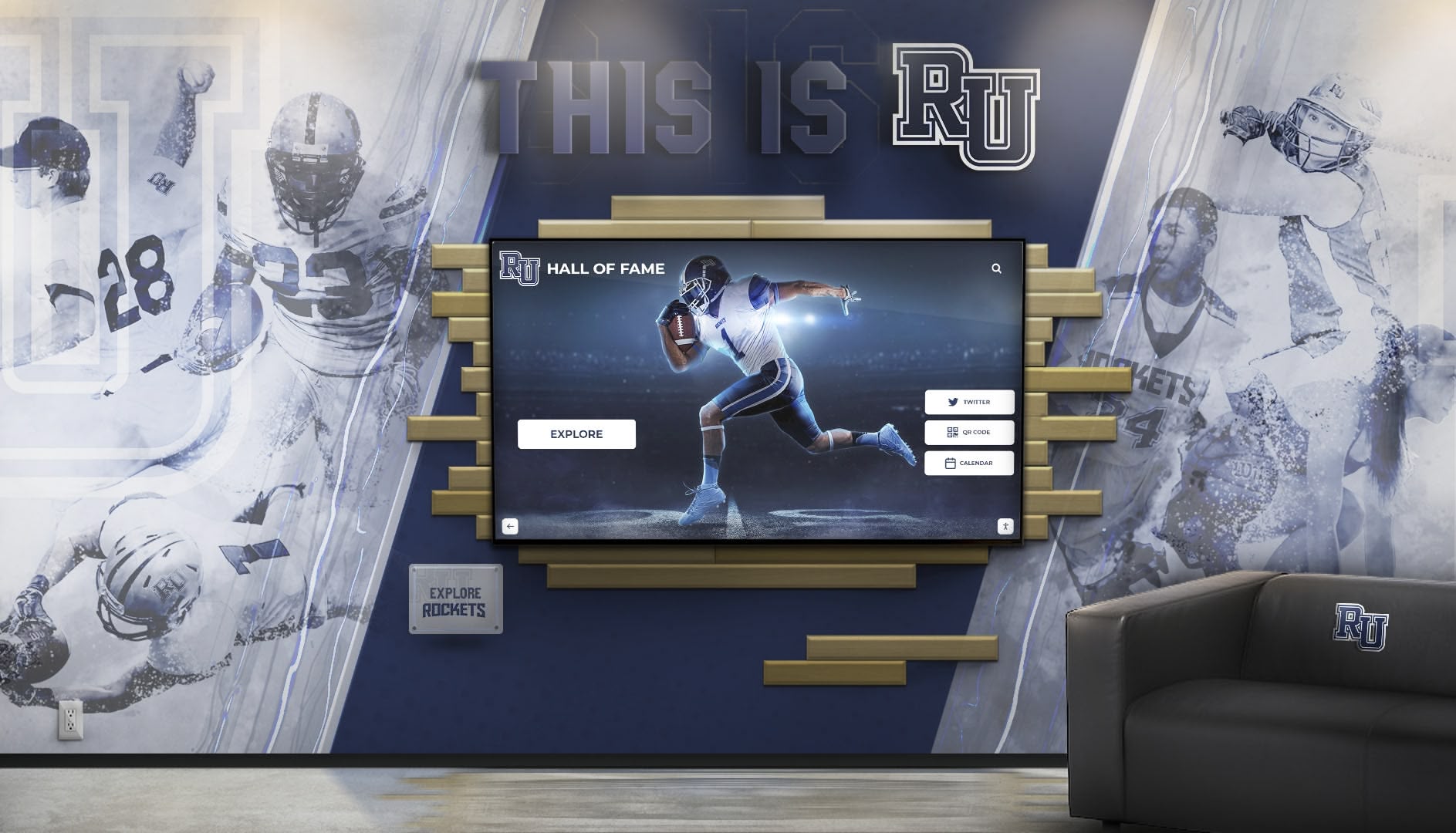
Addressing common challenges proactively ensures virtual recognition platforms deliver intended donor engagement benefits
Future Trends in Virtual Donor Recognition
Understanding emerging developments helps organizations plan for long-term recognition effectiveness and relevance.
Artificial Intelligence and Personalization
AI-Powered Content Recommendations
Emerging technologies enable intelligent personalization through content suggestions based on donor interests and giving history, predictive analytics identifying optimal recognition approaches, automated impact story generation from organizational data, natural language search improving donor discovery, and sentiment analysis measuring recognition effectiveness.
Ethical AI Implementation
Organizations must thoughtfully evaluate privacy implications of behavioral tracking and personalization, appropriate versus manipulative personalization boundaries, human oversight maintaining sensitivity and judgment, and transparency about AI usage in recognition systems.
Enhanced Social Integration
Social Media Native Recognition
Future virtual donor walls may integrate directly with social platforms through Instagram or Facebook-native recognition galleries, TikTok-style short video testimonials, LinkedIn professional philanthropy profiles, Twitter recognition announcements and celebrations, and social platform authentication simplifying access.
This native integration meets donors where they already engage rather than requiring separate platform adoption.
Peer Influence and Community Features
Digital recognition increasingly connects donors through community features fostering connections among supporters, peer testimonials inspiring giving, collaborative giving campaigns and challenges, donor milestone celebrations building belonging, and mentoring relationships between long-time and new supporters.
Social features transform recognition from individual acknowledgment to community building strengthening collective philanthropic cultures.
Augmented and Virtual Reality Recognition
Immersive Recognition Experiences
Cutting-edge implementations may incorporate augmented reality overlays enhancing physical spaces with digital recognition, virtual facility tours showing donor-funded improvements, 3D visualization of campaign projects and outcomes, immersive impact story experiences creating emotional resonance, and gamified recognition exploration engaging younger donors.
While experimental today, immersive technologies may become standard recognition components within 5-10 years as younger digital-native donors become primary philanthropic supporters.
Learn about emerging recognition technologies through digital engagement innovation guides exploring future possibilities.

Emerging technologies promise even richer donor recognition experiences through AI personalization and immersive content
Conclusion: Transforming Donor Recognition Through Virtual Accessibility
Virtual donor walls represent fundamental evolution in how organizations honor supporters—extending recognition beyond physical facility walls to reach donors wherever they live and engage while providing unlimited capacity, rich multimedia storytelling, instant updates, and accessibility that traditional physical installations simply cannot match. When organizations implement virtual recognition strategically, they create systems that acknowledge every contribution appropriately, inspire continued giving through compelling impact demonstration, reach geographically distributed donor bases effectively, and build cultures where philanthropy becomes celebrated and accessible throughout communities.
The strategies explored in this guide provide comprehensive frameworks for virtual donor wall implementation that balances multiple objectives including honoring all giving levels from annual donors to transformational contributors, demonstrating tangible impact connecting gifts to outcomes, creating engaging experiences accessible anywhere on any device, maintaining cost-effectiveness compared to physical recognition approaches, and building sustainable recognition serving organizations for decades.
Launch Your Virtual Donor Recognition Platform
Discover how virtual donor walls can help you celebrate every supporter, reach distributed donor bases, and build thriving cultures of philanthropy that sustain your mission for generations.
Explore Virtual Recognition SolutionsStrategic Implementation Pathway
Organizations considering virtual donor walls should begin with comprehensive needs assessment establishing clear requirements, engage stakeholders ensuring broad support and input, evaluate platform solutions aligning capabilities with needs, develop realistic budgets accounting for all implementation and operating costs, plan phased content development starting with priority donors, create promotional strategies ensuring donor awareness, and commit to ongoing content management maintaining platform freshness and effectiveness.
This systematic approach prevents common implementation problems while ensuring virtual recognition achieves intended goals of enhanced donor stewardship and strengthened philanthropic cultures accessible to supporters worldwide.
The Accessibility Imperative
With donor bases increasingly distributed geographically and engaging primarily through digital channels, recognition limited to physical facility walls inadvertently excludes the majority of supporters from meaningful acknowledgment. According to higher education advancement research, 70-90% of alumni live beyond easy visiting distance of campus—physical-only recognition reaches just the fraction who happen to visit while leaving most contributors unacknowledged.
Virtual donor walls solve this fundamental accessibility challenge by enabling supporters anywhere to experience recognition, share acknowledgment with family and friends, explore campaign impact and outcomes, and feel genuinely valued regardless of where they live or whether they can visit physical facilities.
Technology as Mission Enabler
Modern virtual recognition technology exists to strengthen donor relationships and organizational missions, not compete with them or create distractions. The most effective implementations position technology as tool serving donor stewardship rather than end in itself. Solutions like Rocket Alumni Solutions provide comprehensive platforms combining powerful capabilities with user-friendly administration, enabling organizations to focus on donor relationships rather than technical management.
Your donors’ generosity makes your mission possible. They deserve recognition that honors their contributions appropriately, demonstrates the impact they’re creating, remains accessible regardless of where they live, and strengthens their connection to your cause. With thoughtful planning, appropriate technology, and sustained commitment, you can create virtual donor recognition systems that transform appreciation from obligatory acknowledgment into strategic relationship building essential for long-term organizational success and sustained philanthropic support.
Ready to begin exploring virtual donor walls for your organization? Learn more about comprehensive digital recognition approaches or discover how interactive donor displays celebrate supporters and inspire continued generosity across diverse organizational settings.