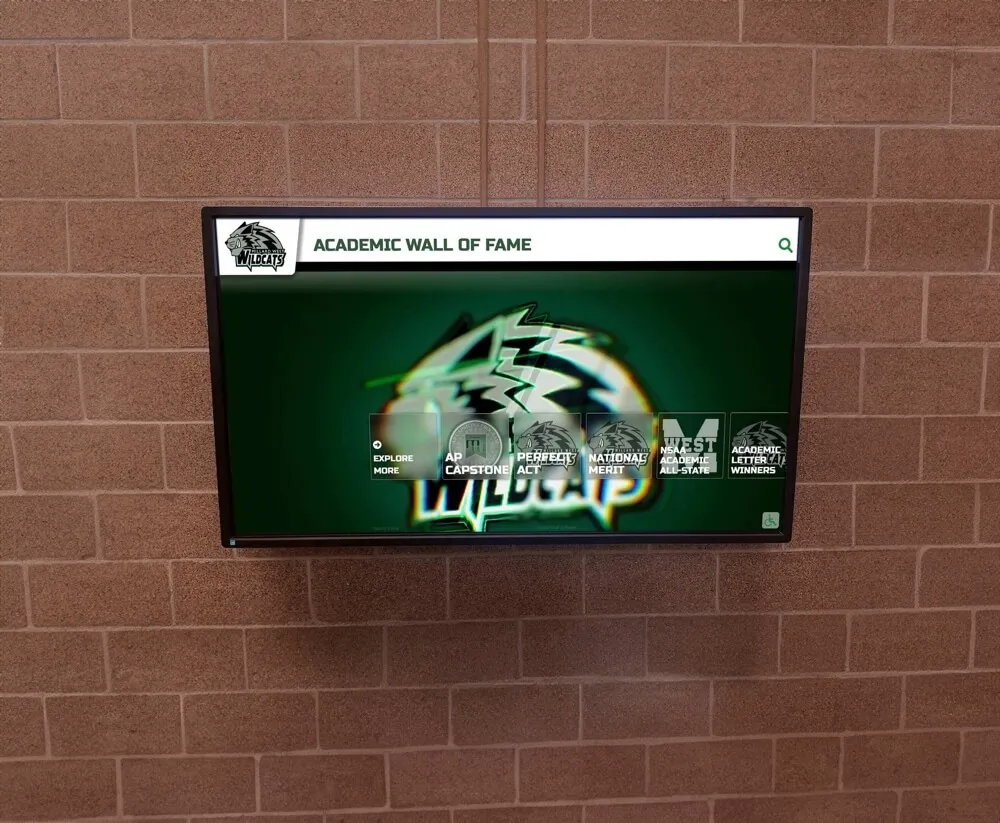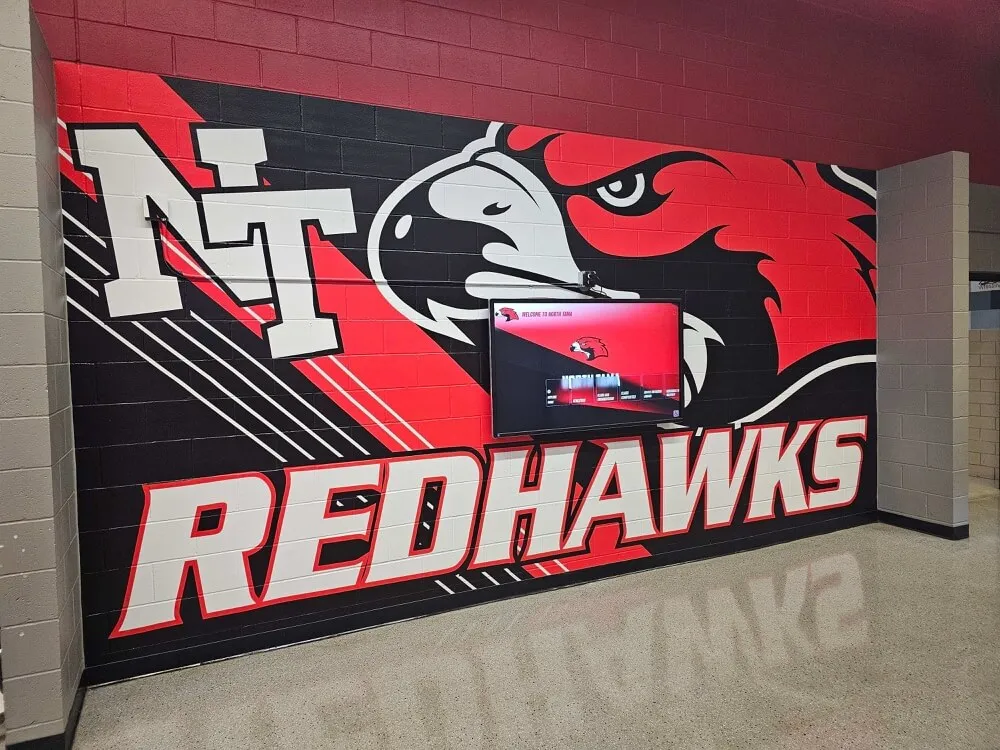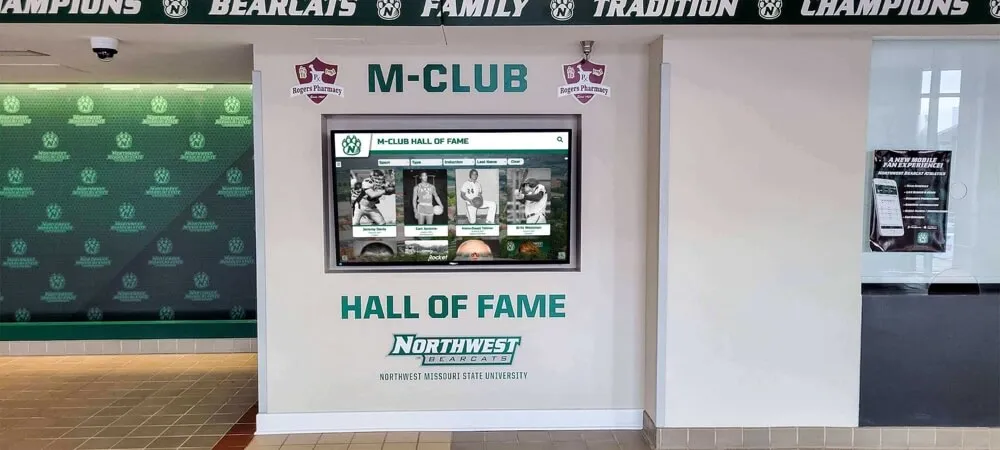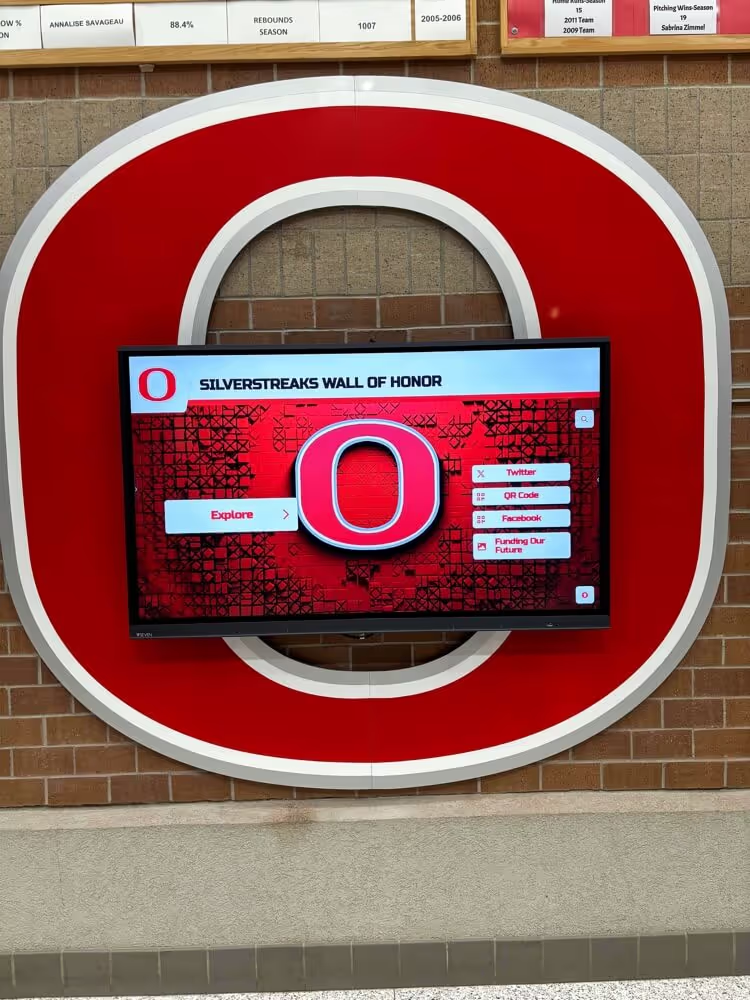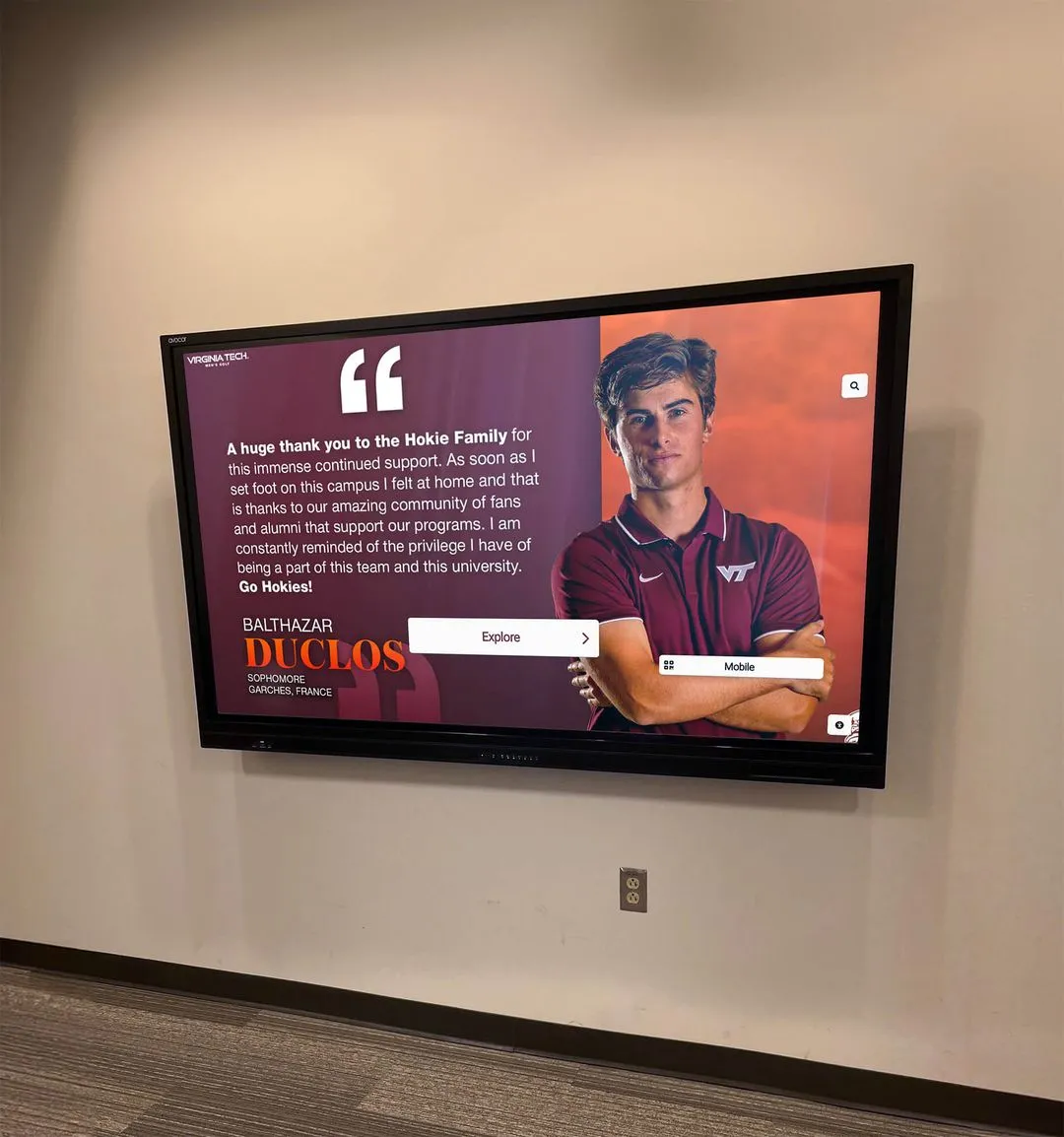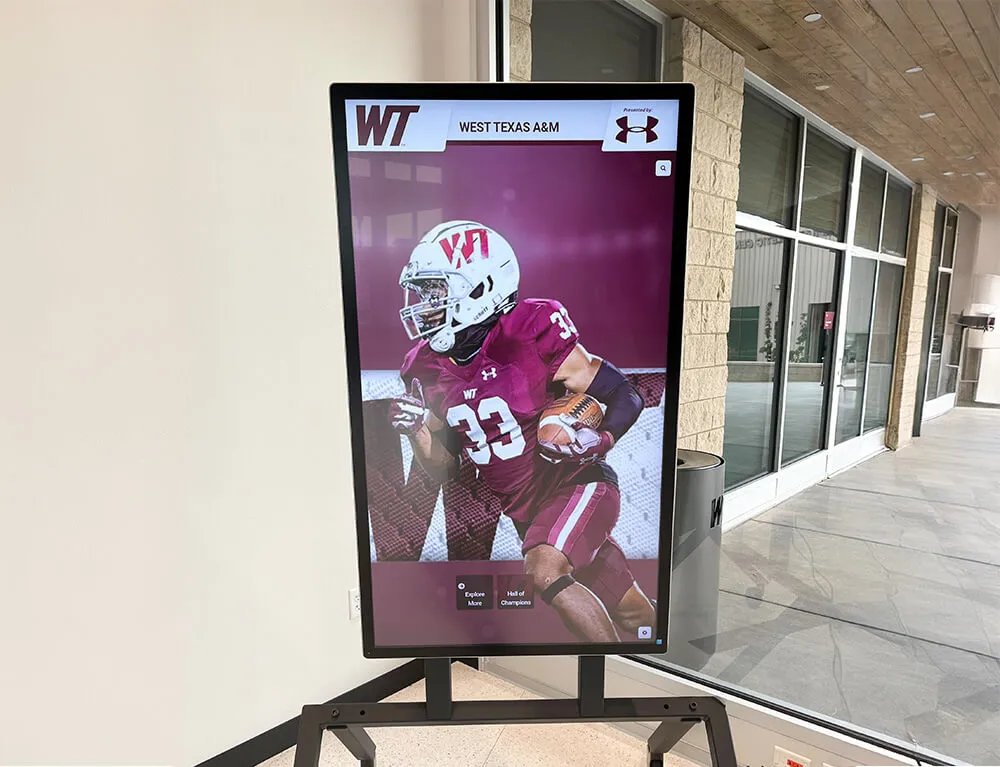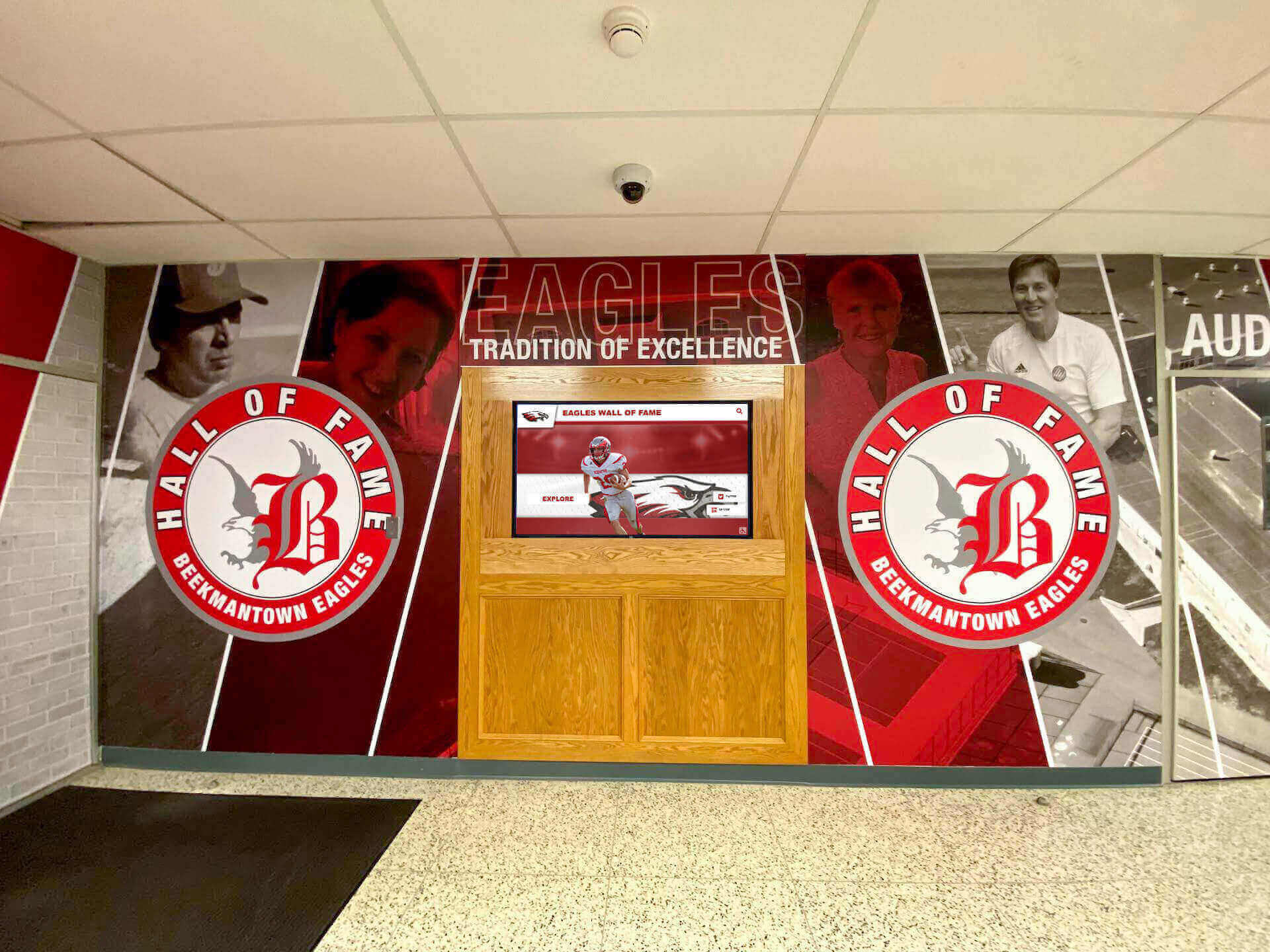
Wall wraps offer schools a powerful tool to transform blank hallways, gyms, and common areas into inspiring spaces that build school pride, celebrate student achievement, honor donors, and create memorable learning environments. These custom vinyl graphics turn ordinary walls into visual storytelling canvases that communicate institutional values, recognize accomplishments, and energize school communities.
Many schools struggle with bland, institutional spaces that feel generic and disconnected from their unique identity. Concrete block walls, long corridors, and large gym surfaces remain underutilized—missed opportunities to inspire students, honor supporters, showcase history, and reinforce the positive culture that defines exceptional educational institutions.
This comprehensive guide explores how wall wraps solve these challenges, covering design strategies, material options, installation considerations, maintenance requirements, and innovative applications that help schools create environments where students, staff, and visitors feel the energy and pride that thrives in their community.
Schools that thoughtfully implement wall graphics create environments that motivate students, honor achievement, communicate institutional heritage, and transform spaces from merely functional to genuinely inspirational. Solutions like Rocket Alumni Solutions combine physical graphics with digital displays to create comprehensive recognition systems that celebrate achievement while remaining flexible as needs evolve.

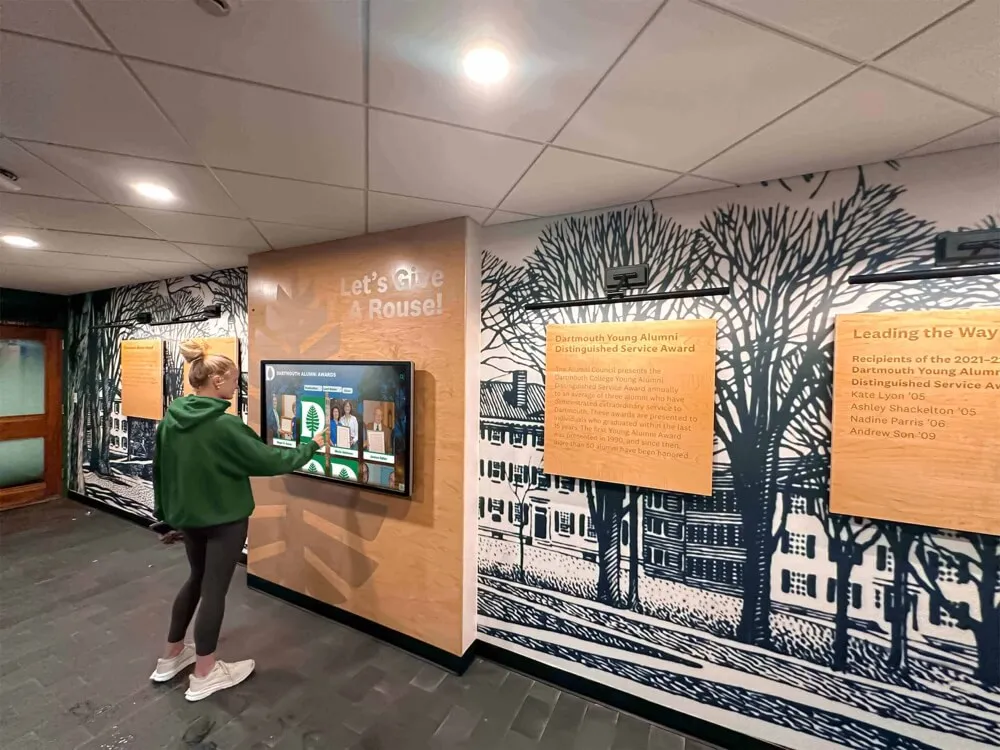
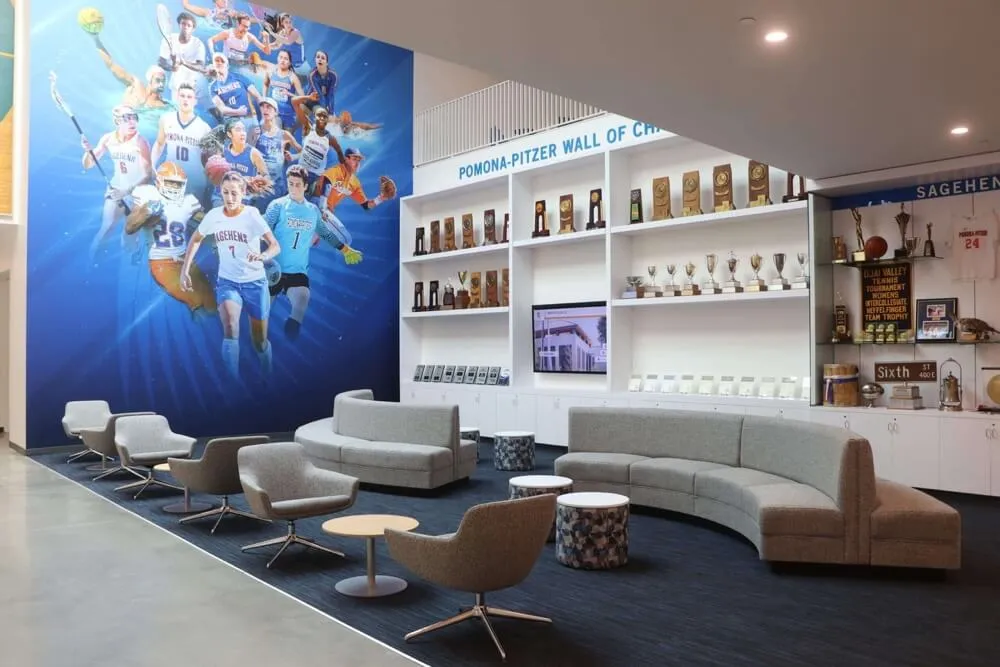
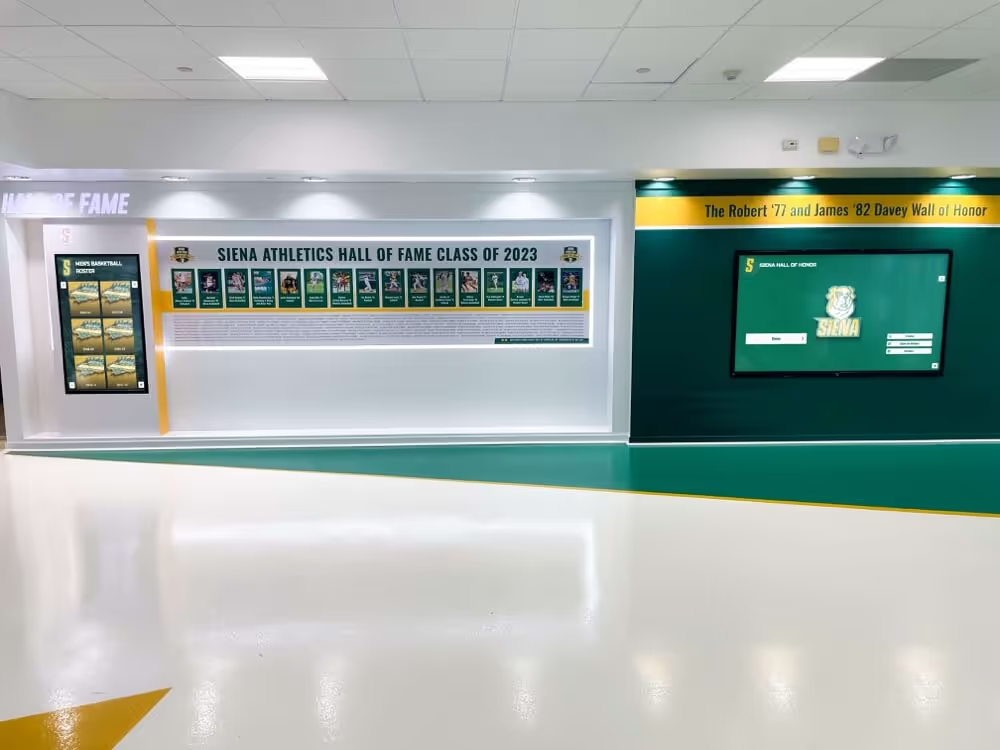
Custom wall graphics transform school entrances into welcoming spaces that immediately communicate school identity and pride
What Are Wall Wraps and Why Schools Use Them
Understanding wall wrap capabilities helps administrators and facilities teams make informed decisions about incorporating graphics into school environments.
Defining Wall Wraps and Vinyl Graphics
Wall wraps consist of printed vinyl material adhered directly to wall surfaces, creating large-scale custom graphics that transform ordinary spaces into branded, themed, or informational environments:
Material Composition
- High-quality vinyl film with adhesive backing engineered for wall application
- Printed using large-format digital printers producing photo-quality images
- Available in various finishes including matte, gloss, textured, or specialty options
- Laminated overlays protecting graphics from wear, fading, and damage
- Removable adhesives enabling installation changes without wall damage
Size and Scale Capabilities
- Full-wall coverage from floor to ceiling across entire surfaces
- Partial wraps highlighting specific areas like entrances or focal points
- Murals spanning multiple wall panels creating cohesive visual stories
- Accent graphics emphasizing particular messages or branding elements
- Custom dimensions fitting any architectural configuration
Design Flexibility
Wall graphics accommodate virtually unlimited design possibilities including school mascots and logos, athletic team recognition, historical timelines and archives, donor acknowledgment displays, inspirational quotes and messaging, academic achievement celebration, wayfinding and directional information, and educational content supporting curriculum.
This versatility makes wall wraps valuable across diverse school applications from building pride to honoring supporters.
Benefits of Wall Wraps in Educational Environments
Schools implementing custom wall graphics report numerous advantages affecting culture, recruitment, and community engagement:
School Pride and Identity
Visual branding throughout facilities reinforces institutional identity and builds community cohesion. When students walk hallways featuring school colors, mascots, and achievements, they experience daily reminders of belonging to something larger than themselves. This environmental messaging strengthens school spirit more effectively than occasional assemblies or announcements.
Graphics showcasing athletic championships, academic honors, arts achievements, and community service demonstrate that excellence happens here—students begin internalizing expectations that they too will contribute to this legacy of achievement.
Cost-Effective Facility Improvements
Compared to paint, architectural modifications, or permanent installations, wall wraps offer attractive cost-to-impact ratios:
- Installation costs $3-$12 per square foot depending on complexity and materials
- Pricing significantly lower than custom tile work, architectural features, or permanent murals
- Graphics installed over weekends or breaks without extended facility closures
- Removable nature allows updates as branding, achievements, or needs change
- Durability providing 5-10+ years of service with proper materials and maintenance
Schools with limited capital improvement budgets can dramatically transform spaces without major construction or expense.
Donor Recognition and Fundraising Support
Wall graphics provide visible donor acknowledgment opportunities supporting capital campaigns and fundraising initiatives. Dedicated recognition walls featuring contributor names, giving levels, and campaign information honor supporters while inspiring additional giving through social proof and community visibility.
Digital donor walls like those from Rocket Alumni Solutions complement physical graphics, offering unlimited recognition capacity with easy content updates as campaigns progress.
Learn more about comprehensive donor recognition wall ideas combining traditional and modern approaches.
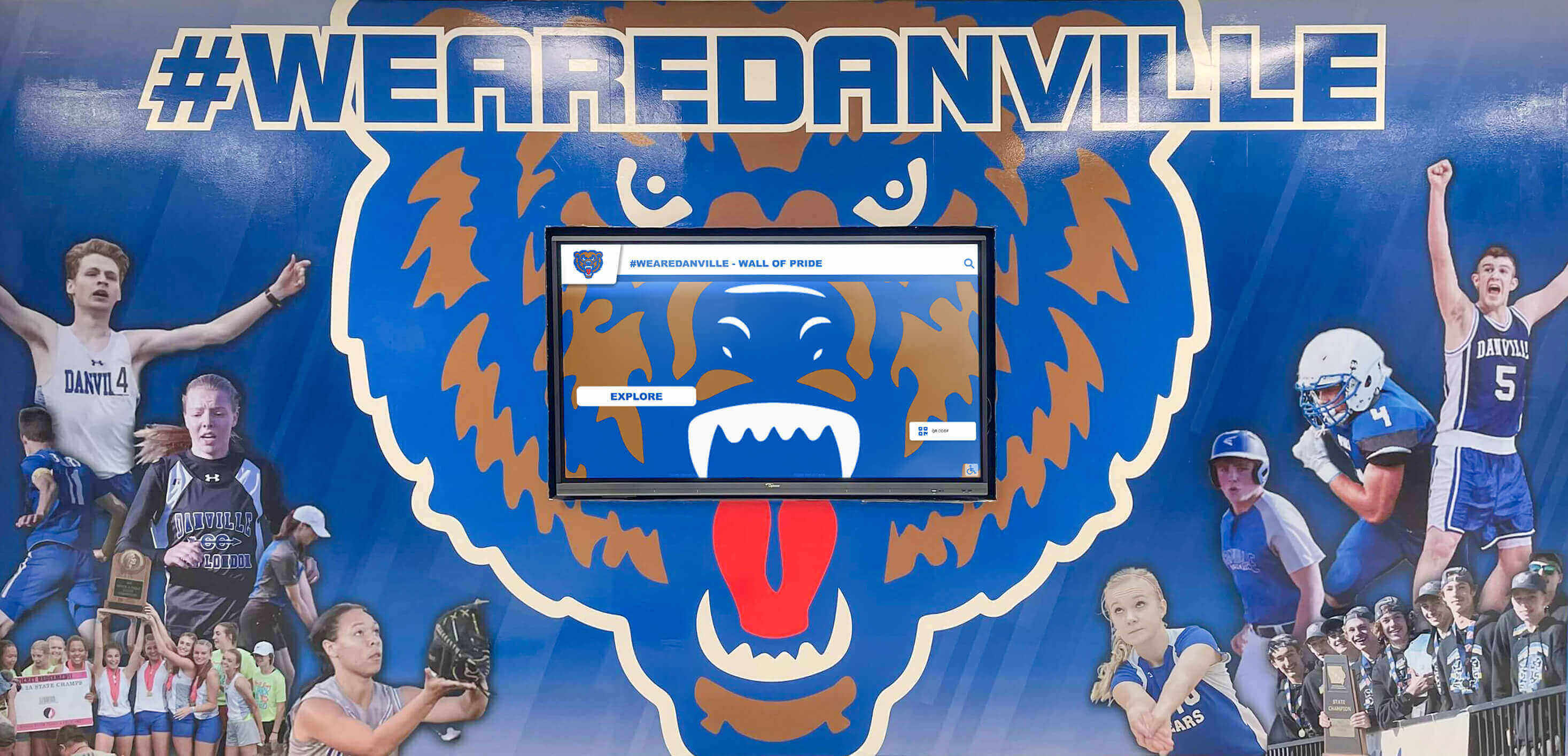
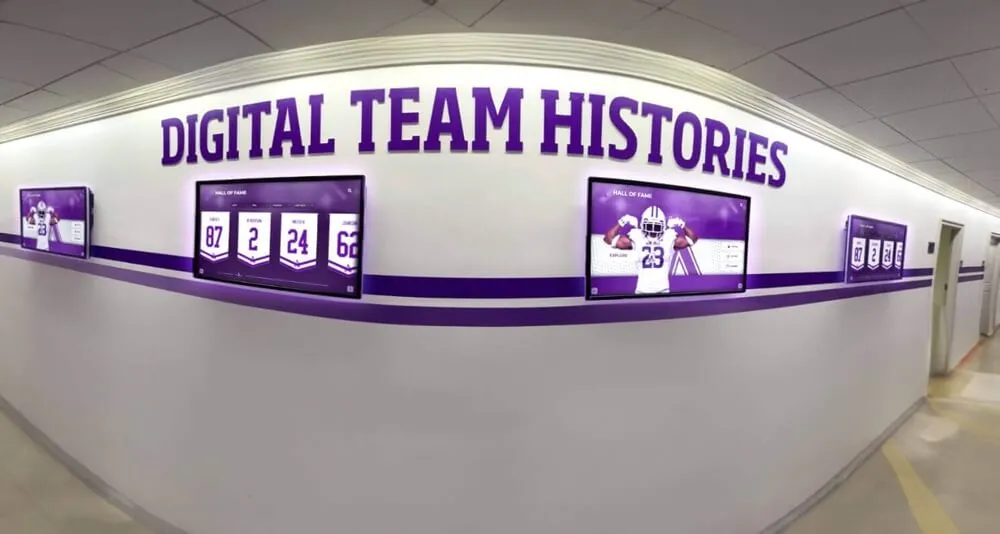
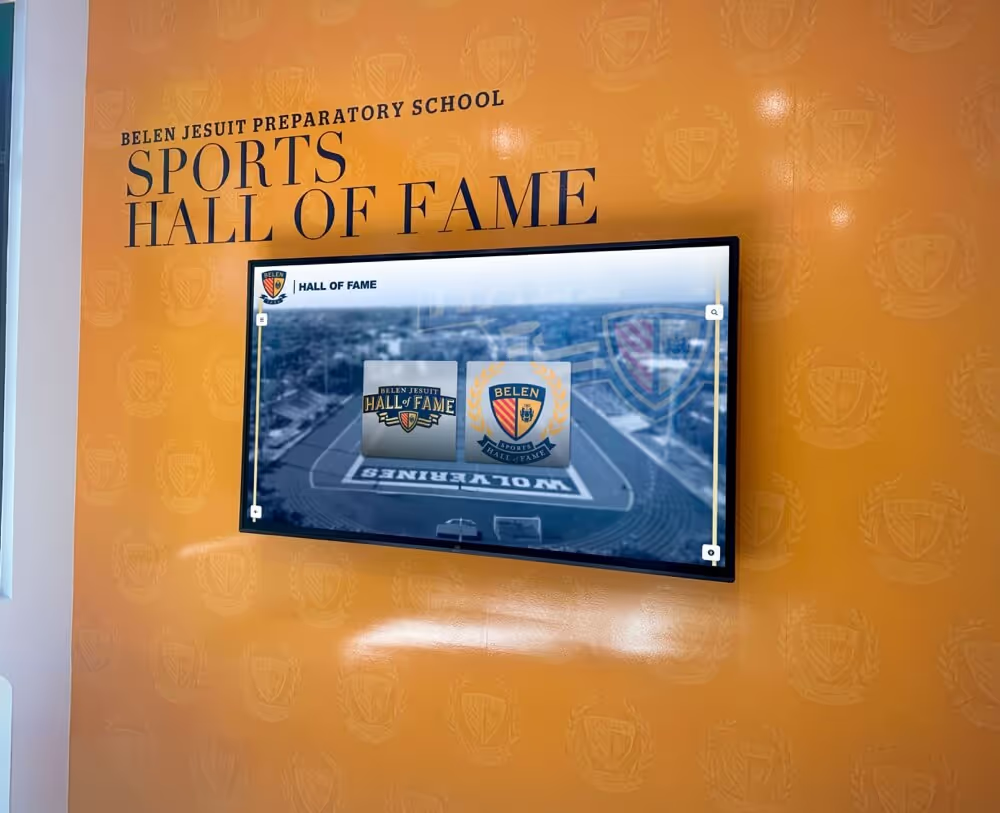
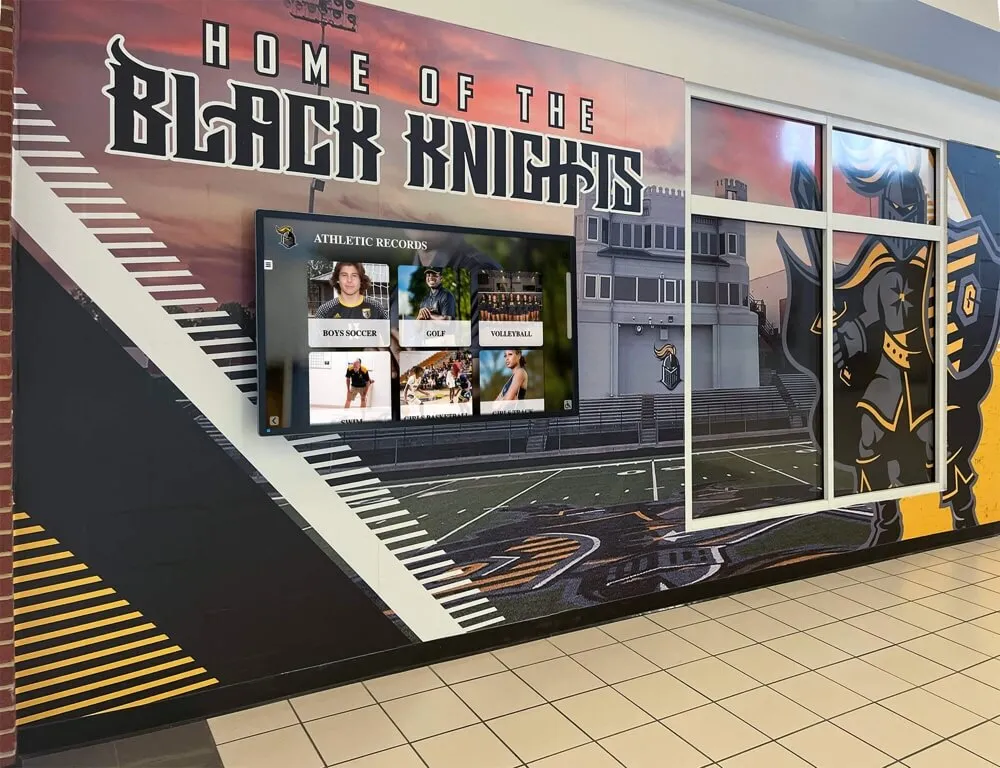
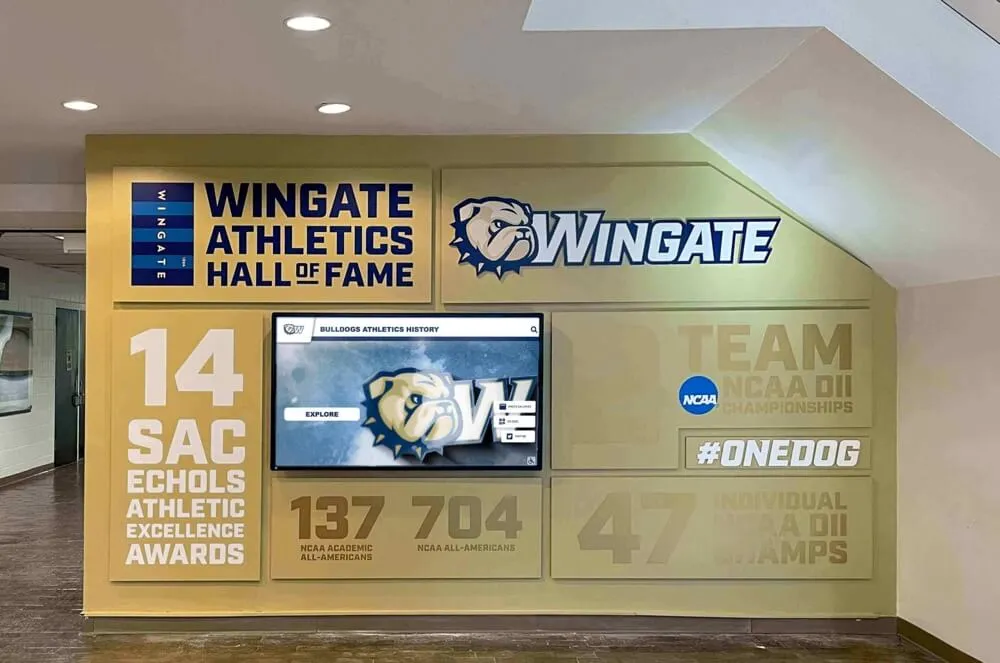
Integrated designs combining wall graphics with digital displays create dynamic recognition systems
Recruitment and Admissions Impact
First impressions matter tremendously during campus tours. Prospective students and families form lasting opinions about schools within minutes of arrival. Professional wall graphics demonstrating institutional pride, celebrating achievement, and showcasing opportunities create positive impressions that influence enrollment decisions.
Athletic recruitment particularly benefits from graphics highlighting championships, records, and hall of fame inductees—visual evidence that successful athletes choose this program.
Educational Value and Learning Reinforcement
Beyond aesthetics and recognition, wall graphics serve educational functions by displaying historical timelines reinforcing social studies curriculum, featuring subject matter supporting academic content, showcasing career pathways and college destinations, highlighting reading programs and literacy initiatives, and displaying safety protocols and important information.
Graphics transform passive wall space into active learning and communication tools serving institutional missions.
Types of Wall Wraps and Graphics for Schools
Different graphic types serve distinct purposes within educational environments—understanding options helps schools select appropriate solutions for specific needs.
Athletic Recognition and Sports Graphics
Athletics generate tremendous school pride and community engagement, making sports-themed graphics popular applications:
Championship Celebration Walls
Dedicated spaces showcasing state championships, conference titles, tournament victories, and record-breaking seasons create visible evidence of athletic excellence. These displays typically include championship years and sports, team photos or action shots, final scores or tournament brackets, coach and athlete recognition, and contextual information about historic seasons.
Many schools combine physical wall graphics celebrating past achievements with digital athletic recognition displays easily updated with current season highlights.
Hall of Fame Recognition
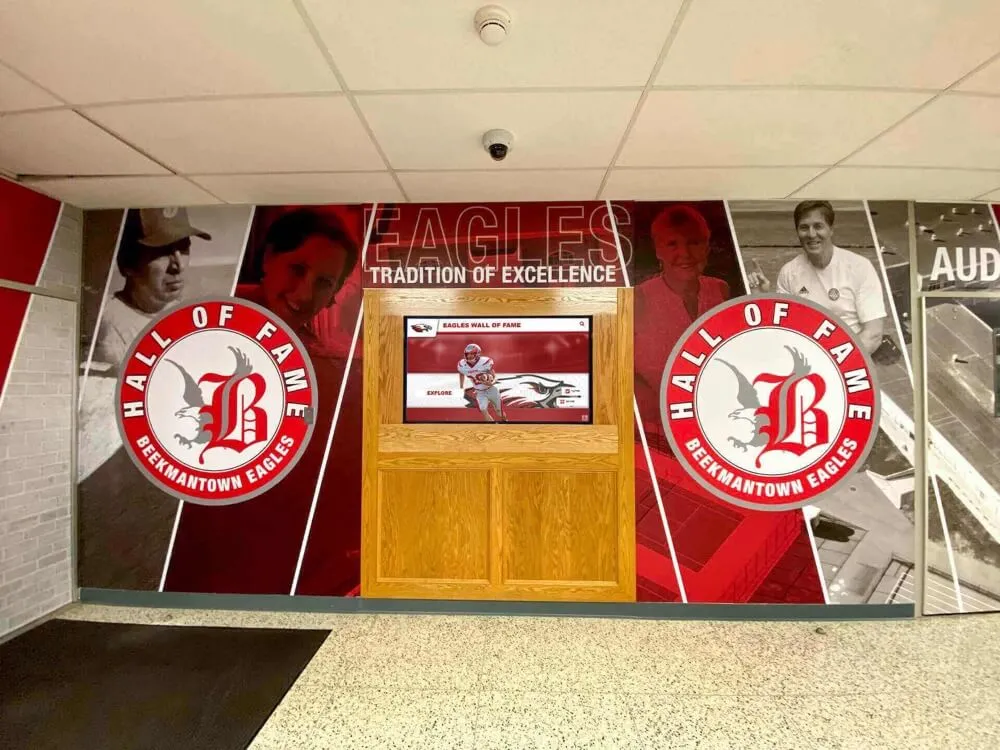
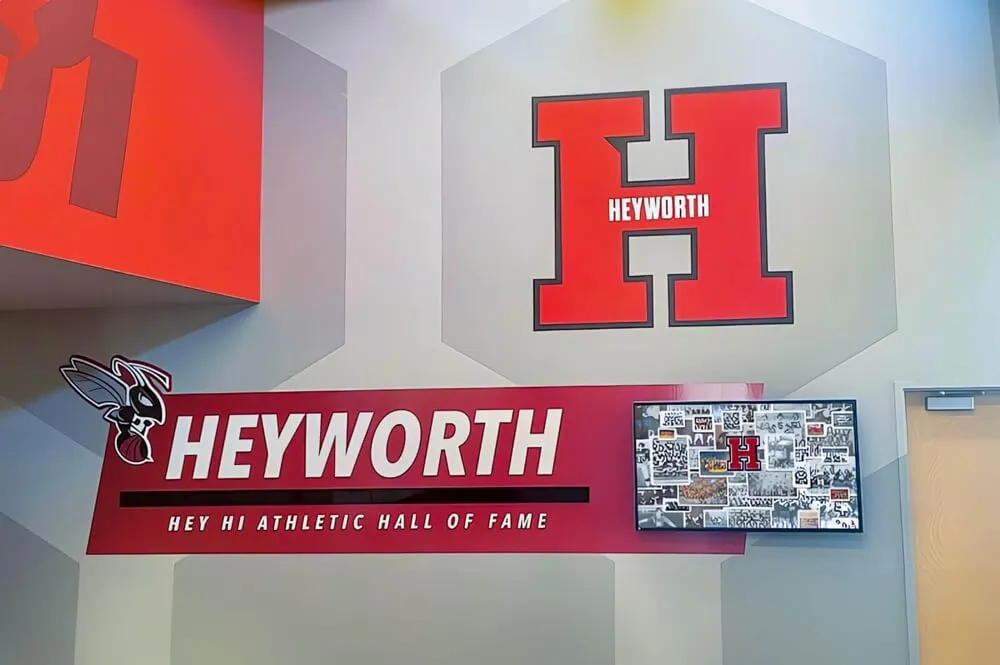
Athletic halls of fame honor outstanding athletes, coaches, and contributors who exemplified excellence. Wall graphics provide cost-effective alternatives to traditional trophy cases or plaque walls, featuring inductee photographs and biographical information, career statistics and achievements, quotes and personal statements, historical context about their era, and visual design connecting past and present athletics.
These graphics celebrate individual achievement while inspiring current athletes to build their own legacies.
Motivational Sports Quotes
Gyms, locker rooms, and training facilities benefit from inspirational messaging reinforcing values like dedication, teamwork, perseverance, and sportsmanship. Quote graphics from famous athletes, coaches, or school legends create constant environmental messaging supporting coaching philosophies and program culture.
Team Spirit and Identity
Large-scale mascot graphics, school colors, and team branding throughout athletic facilities build home-field advantage while demonstrating program pride to visiting teams, officials, and spectators.
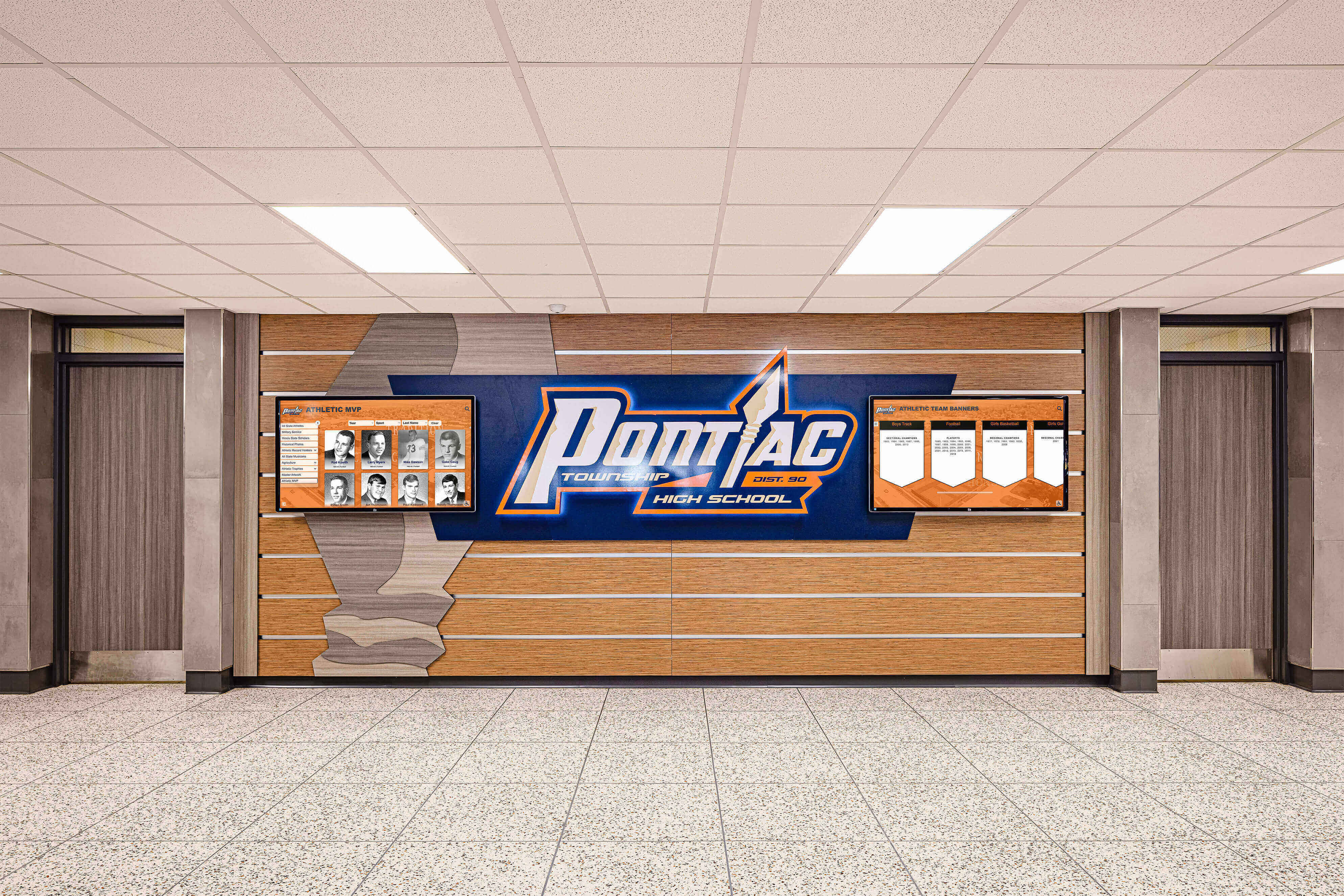
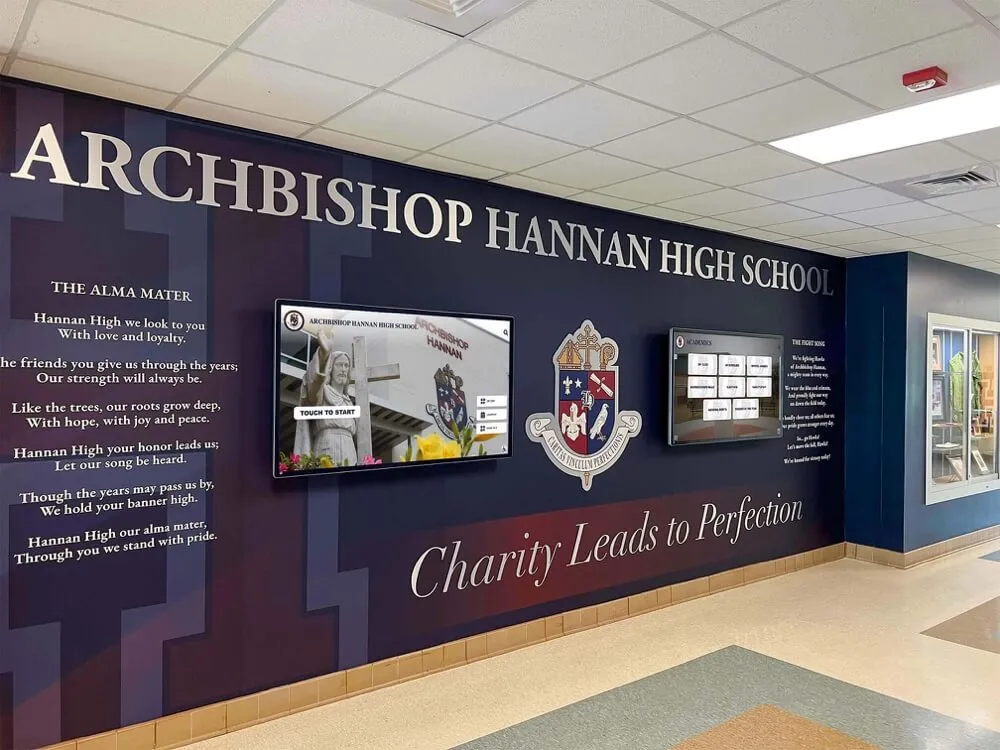
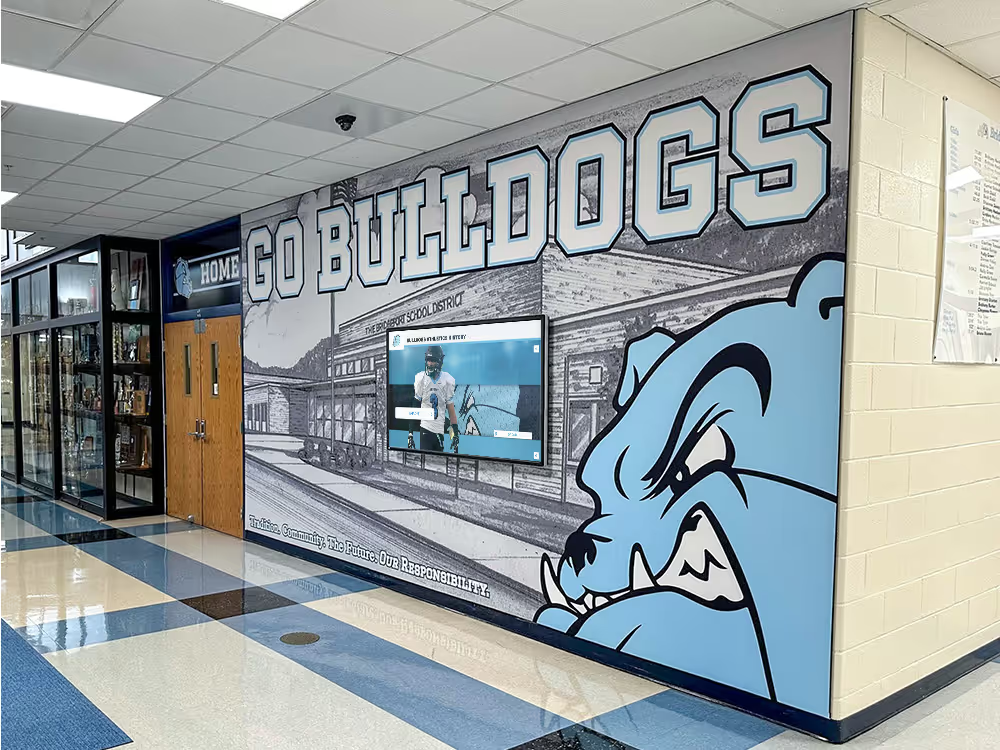
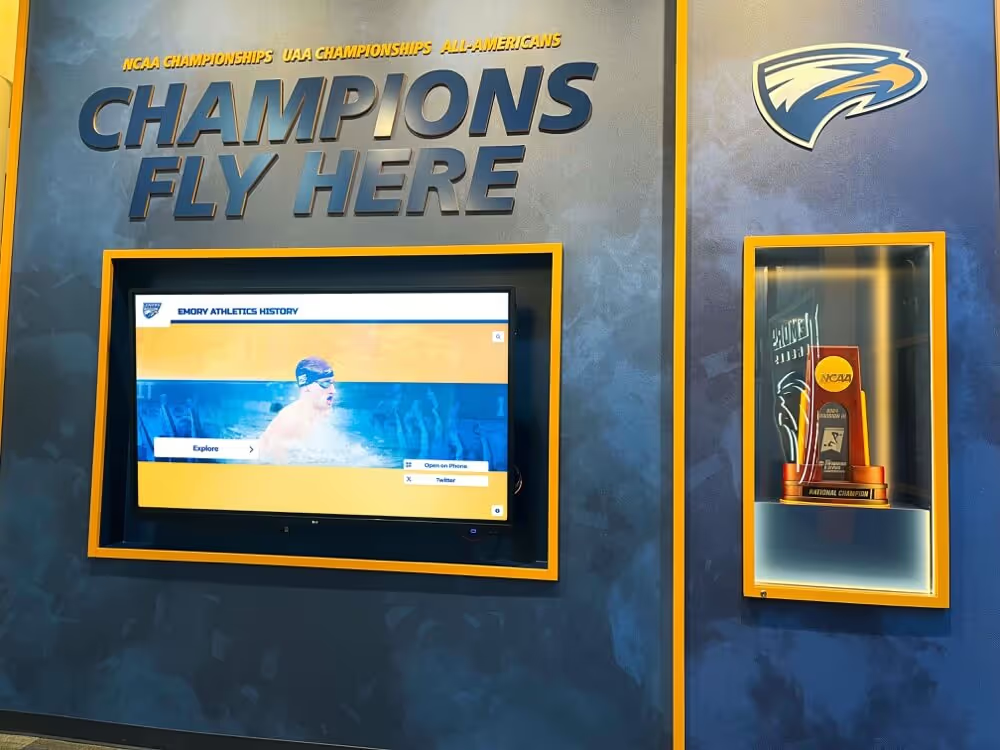
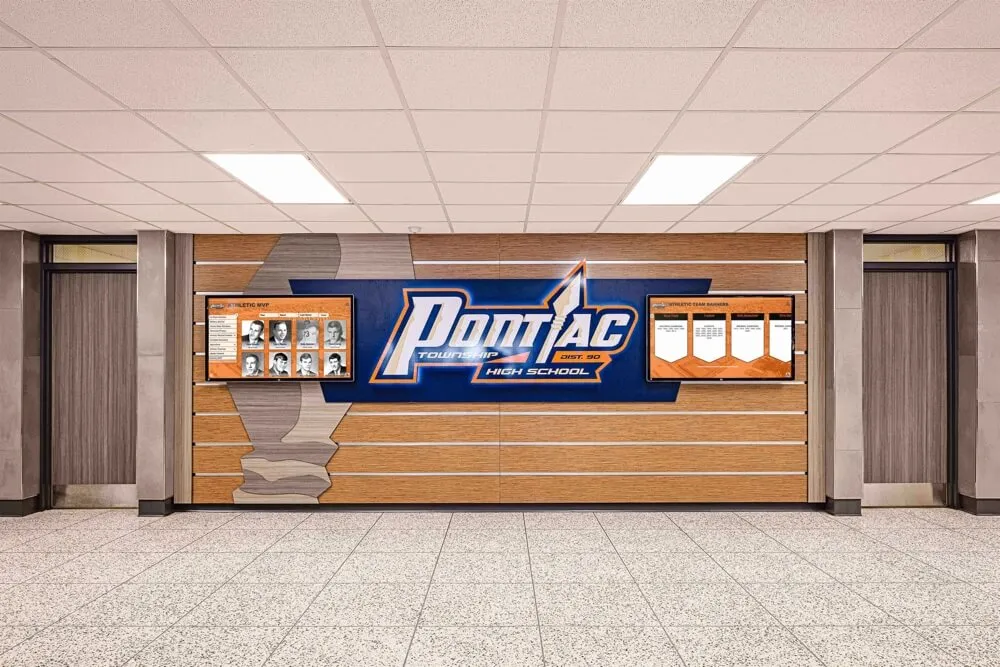
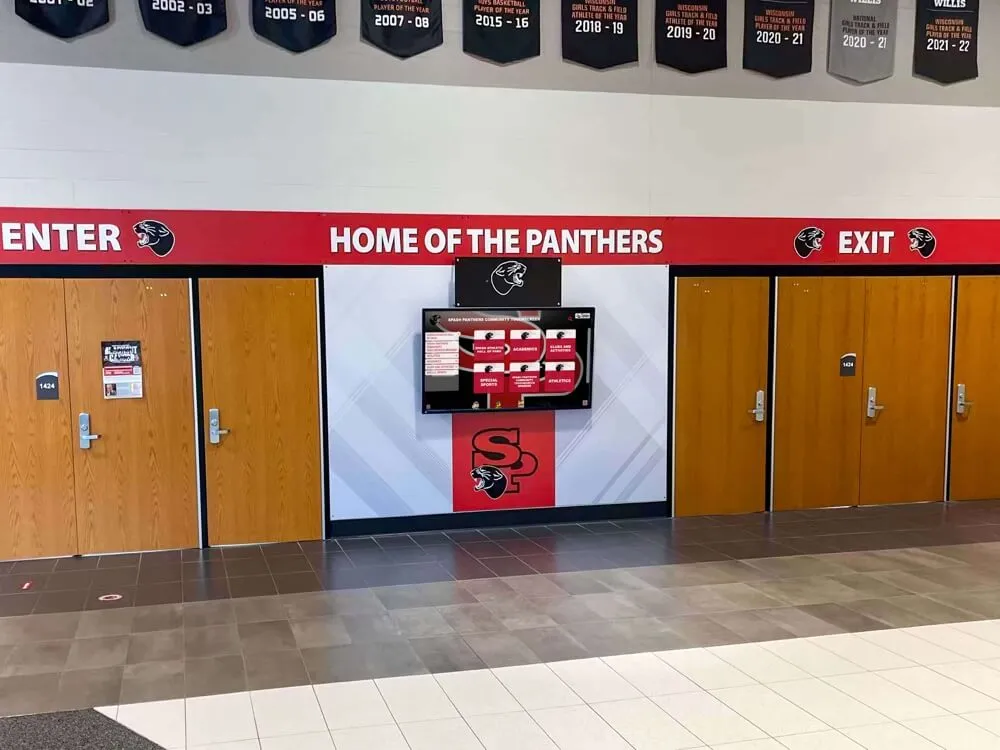
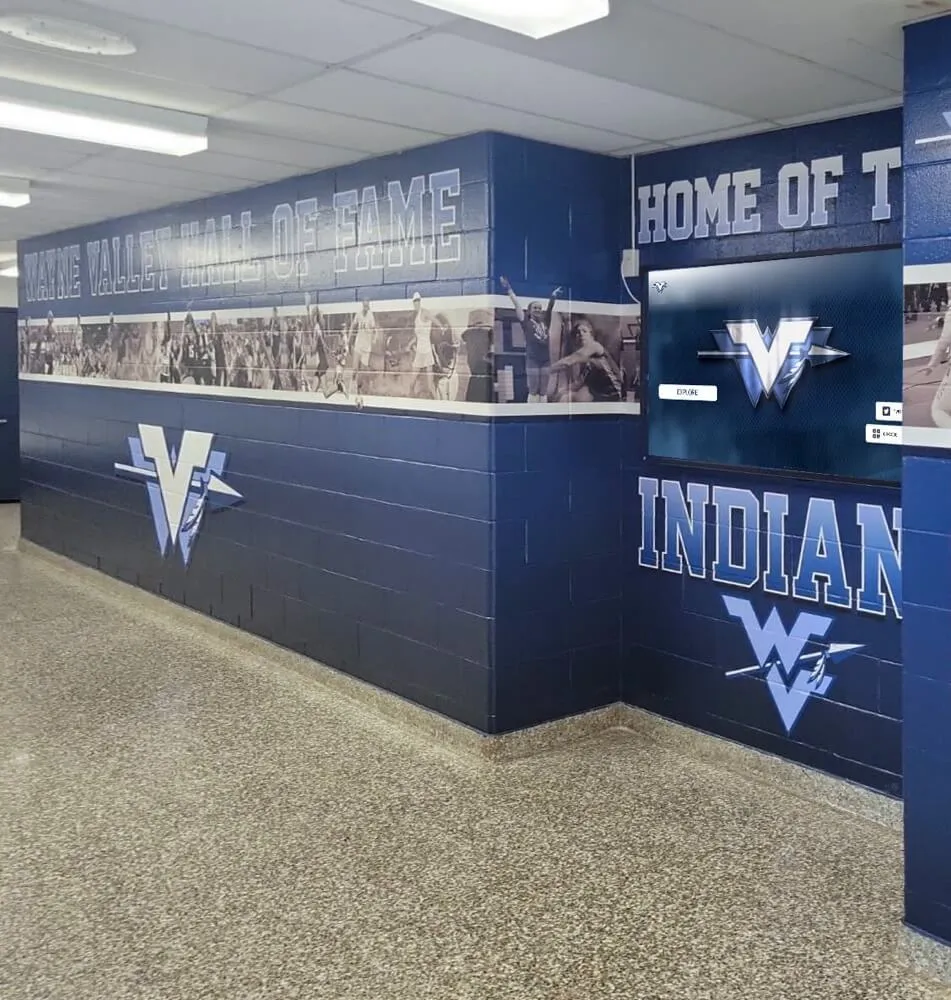
Hallway graphics combine branding elements with achievement recognition creating pride throughout school facilities
Academic Achievement and Scholar Recognition
Academic excellence deserves equal visibility to athletic accomplishment:
Honor Roll and Dean’s List Displays
Wall graphics celebrating academic achievement include semester honor rolls organized by grade level, National Honor Society members, Advanced Placement Scholars, perfect attendance recognition, and academic competition results.
Schools increasingly supplement static graphics with digital academic recognition displays updated each marking period as new students earn recognition.
College Acceptance Walls
Senior college commitment displays celebrate student success and demonstrate educational outcomes to prospective families. Graphics showcase college logos and acceptance counts, scholarship dollar totals, geographic diversity of placements, notable programs and universities, and alumni currently attending each institution.
These displays serve dual purposes—honoring graduates while marketing school effectiveness at preparing students for higher education.
Academic Competition Recognition
Graphics highlighting success in debate, robotics, math competitions, science olympiad, spelling bees, and other academic contests provide visible acknowledgment that intellectual achievement receives equal celebration as athletic victory.
Historical Academic Excellence
Timeline graphics documenting school history, notable alumni achievements, academic program evolution, and institutional milestones help students understand they’re part of continuing traditions of educational excellence.
School History and Heritage Displays
Historical graphics connect current students with institutional legacy:
Founding Story and Timeline
Visual timelines documenting school history from founding through present include decade-by-decade milestones, facility expansions and renovations, program additions and innovations, leadership succession, and community context showing how schools evolved alongside neighborhoods.
Notable Alumni Recognition
Graphics celebrating distinguished graduates demonstrate that today’s students follow pathways blazed by those who came before. Alumni displays feature professionals in various fields, military service members, community leaders, artists and entertainers, athletes and coaches, and educators and scholars.
Learn about comprehensive alumni recognition programs connecting past and present school communities.
Historical Photographs and Archives
Large-scale reproductions of historical photographs showing school life across decades create powerful visual connections to institutional heritage. Images of past students, facilities, events, and community moments help current students appreciate their school’s enduring place in community fabric.
Digital systems from solutions like Rocket Alumni Solutions enable schools to create searchable digital archives preserving history while making it accessible to entire school communities.
Tradition and Values Messaging
Graphics articulating school missions, values, and traditions help students understand institutional culture and behavioral expectations while building community around shared principles.
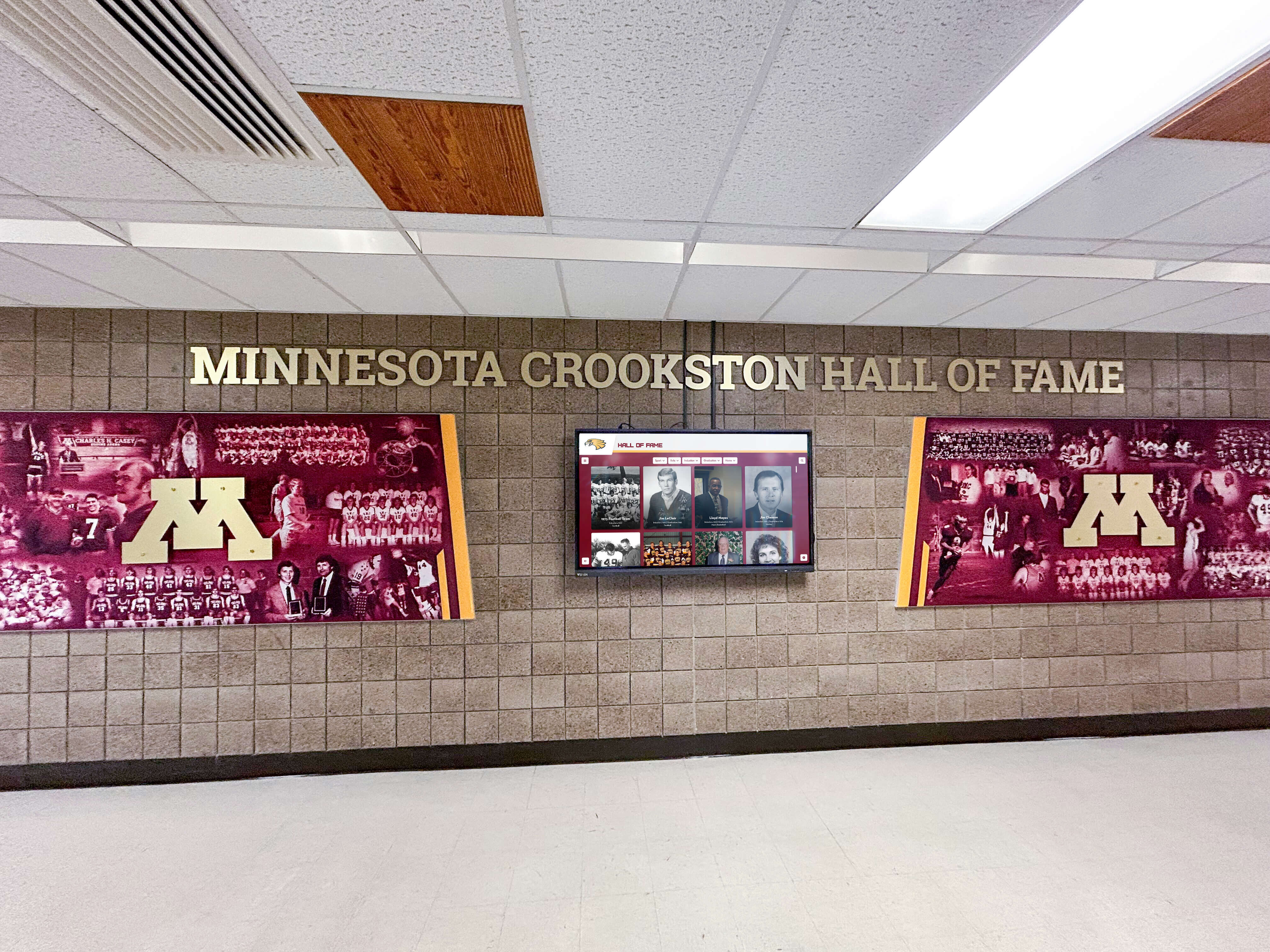
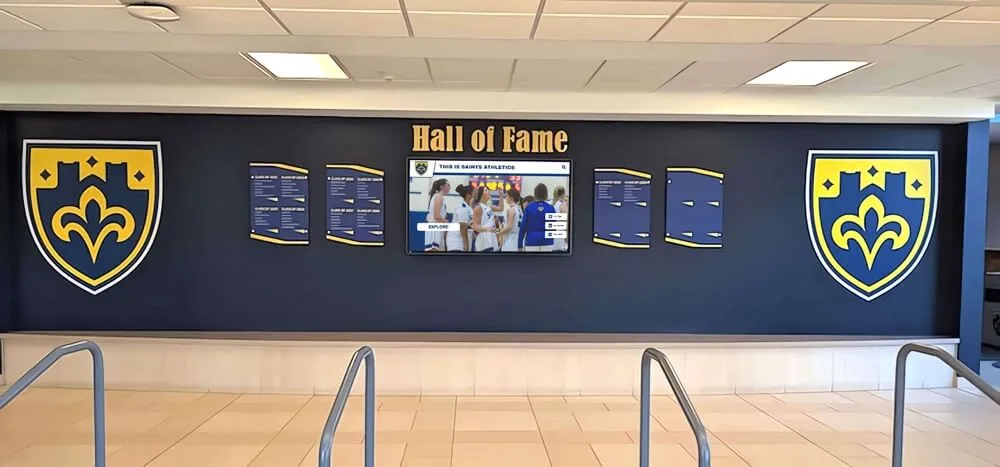
Coordinated wall graphics and digital displays create comprehensive recognition systems celebrating institutional history
Arts, Music, and Performance Recognition
Creative programs deserve visible celebration equal to athletics and academics:
Fine Arts Exhibition Spaces
Hallway galleries featuring student artwork, performance photographs, musical ensemble recognition, drama production posters, and creative writing excerpts celebrate artistic achievement while creating museum-like environments that elevate arts program visibility.
Music Program Recognition
Graphics highlighting all-state musicians, marching band championships, choir competition results, individual music scholarship recipients, and distinguished program alumni demonstrate that musical excellence receives institutional recognition and celebration.
Theatre and Drama Recognition
Production photo murals, set design showcases, performer spotlights, awards and festival participation, and alumni in performing arts honor theatre program achievement while building community around performing arts culture.
Donor Recognition and Fundraising Graphics
Capital campaigns and giving initiatives benefit from visible donor acknowledgment:
Campaign Progress Visualization
Graphics documenting fundraising campaigns include thermometer or progress bar displays, major gift recognition tiers, naming opportunities and dedications, impact statements about campaign purposes, and community participation statistics.
Donor Wall Graphics
Traditional donor walls can be created through vinyl graphics featuring tiered giving level organization, individual donor names, corporate sponsor logos, anonymous giving acknowledgment, and campaign or fund designations.
Many schools supplement physical graphics with interactive digital donor walls offering unlimited capacity and easy updates as campaigns progress.
Facility Dedication and Naming
Graphics acknowledging named spaces, endowed programs, or major facility gifts provide permanent visible recognition honoring transformational support while inspiring additional philanthropy.
Wayfinding and Informational Graphics
Functional graphics serve practical purposes while enhancing aesthetics:
Directional Signage
Custom wayfinding graphics reflecting school branding help visitors navigate facilities through office and classroom identification, building directories, event space indicators, parking and visitor information, and emergency evacuation routes.
Educational Content Displays
Subject-specific graphics supporting curriculum include periodic tables in science wings, world maps in social studies areas, mathematical formulas and concepts, literary quotes and author recognition, and foreign language vocabulary and cultural information.
Safety and Behavioral Messaging
Graphics reinforcing safety protocols, anti-bullying campaigns, character education principles, digital citizenship concepts, and wellness information serve educational missions while improving school climate.
Design Considerations for Effective School Wall Wraps
Thoughtful design ensures graphics serve intended purposes while remaining visually appealing and institutionally appropriate.
Visual Design Principles
Color Psychology and School Branding
Effective wall graphics coordinate with established school colors, creating cohesive institutional branding throughout facilities. Color choices should reflect intended messaging—energetic and motivational in athletic areas, calm and focused in academic spaces, welcoming and inspiring in public areas.
Maintaining brand consistency through appropriate color usage, typography, and design elements ensures professional appearance while reinforcing school identity.
Balance and Composition
Large-scale graphics require careful composition avoiding overcrowding, maintaining visual hierarchy guiding viewer attention, balancing images with negative space, creating focal points drawing interest, and ensuring readability from relevant viewing distances.
Typography and Readability
Text within wall graphics must be legible from intended viewing distances using appropriate font sizes for reading distance, high-contrast color combinations for visibility, clean, professional typefaces, and limited font variety preventing visual chaos.
Graphics intended for reading up close can include more detailed information while those viewed from distance require larger, bolder design elements.
Photographic Quality and Resolution
Images must be high-resolution preventing pixelation or blurriness at large print sizes. Professional photography produces better results than low-resolution smartphone images or downloaded graphics with inadequate resolution.
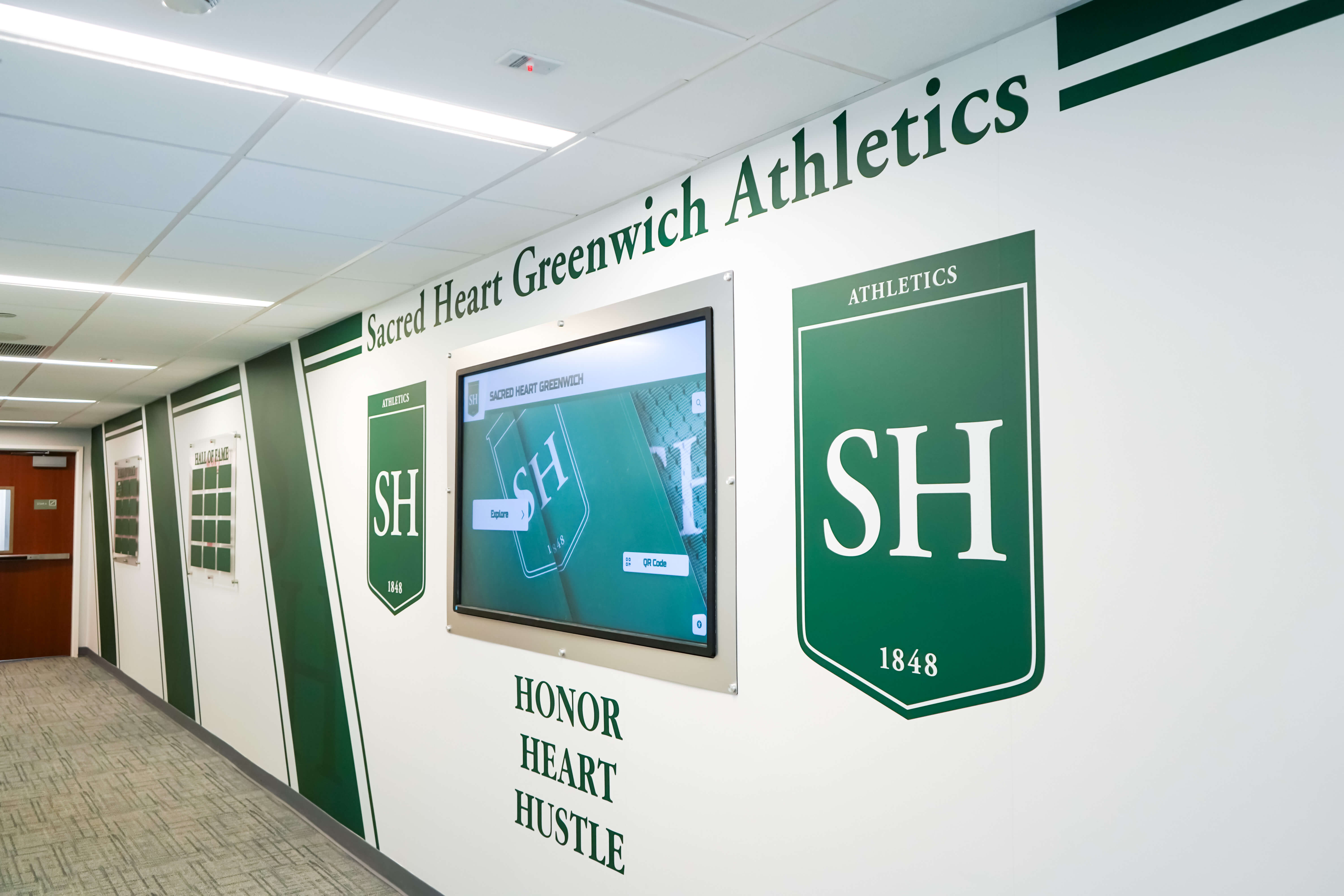
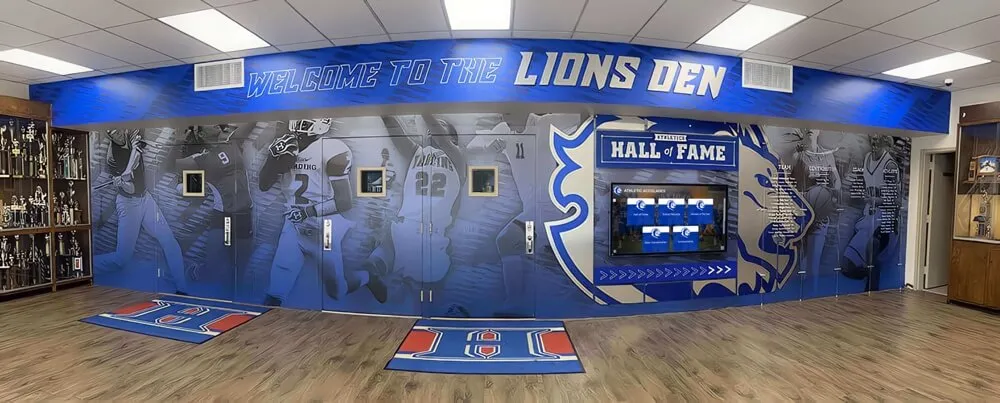
Professional design and quality materials create wall graphics that elevate rather than detract from school environments
Content and Messaging Strategy
Inclusive Recognition
Graphics celebrating achievement should acknowledge diverse accomplishments across athletics, academics, arts, service, and community involvement. Exclusive focus on single areas creates perceptions that only certain achievements matter, potentially alienating students whose talents lie elsewhere.
Timeless vs. Time-Sensitive Content
Consider whether graphics will remain relevant for their expected lifespan. Evergreen content like school history, mission statements, or permanent donor recognition justifies larger investments in high-quality materials.
Time-sensitive content like current-year honor rolls or seasonal athletic recognition might warrant less expensive materials or digital display solutions enabling easy updates.
Age-Appropriate Messaging
Elementary, middle, and high school environments require different design sensibilities. Graphics should reflect developmental appropriateness in complexity, messaging sophistication, and visual style.
Cultural Sensitivity and Inclusivity
Review graphics to ensure imagery, language, and content reflect and honor the full diversity of school communities. Inclusive representation in photographs and recognition sends powerful messages about institutional values.
Technical Design Specifications
File Preparation and Formats
Professional wall wrap installers require high-resolution vector graphics (Adobe Illustrator or EPS files) for logos and text elements, high-resolution raster images (300+ DPI at full print size), and proper color space (CMYK for printing rather than RGB for screens).
Working with experienced graphic designers familiar with large-format printing prevents technical problems affecting final quality.
Wall Surface Assessment
Graphics adhere best to smooth, clean surfaces. Textured walls like concrete block, rough plaster, or heavily textured paint may require surface preparation or specialty adhesives. Installers should assess surfaces before production to identify potential challenges.
Measurement and Template Creation
Precise measurements ensure graphics fit intended spaces without gaps or overlaps. Professional installers create templates accounting for doors, windows, electrical outlets, fire alarms, and architectural features requiring cut-outs or design adjustments.
Proof Review and Approval
Always review full-scale proofs before final production. Digital mock-ups show how designs will appear in actual spaces, enabling adjustments before expensive materials are printed and installed.
Installation Process and Timeline
Understanding installation requirements helps schools plan projects minimizing disruption while ensuring quality results.
Pre-Installation Preparation
Wall Surface Preparation
Proper surface preparation ensures graphics adhere correctly and last their expected lifespan:
- Walls must be clean, dry, and free from dust, dirt, grease, or contaminants
- Loose paint should be removed and surfaces repainted if necessary
- Newly painted surfaces should cure for minimum 30 days before graphic application
- Surfaces should be smooth—filling cracks, holes, or significant texture irregularities
- Temperature and humidity should fall within manufacturer specifications during installation
Facility Access and Scheduling
Installation timing should minimize disruption to educational programming:
- Summer breaks ideal for major installations in high-traffic areas
- Weekend or evening installations for smaller projects or less disruptive locations
- Advance notice to affected staff about access limitations during installation
- Coordination with facility maintenance avoiding conflicting work schedules
- Security and after-hours access arrangements for installers
Project Timeline Planning
Typical wall wrap projects follow these approximate timelines:
- Design and Approval: 2-4 weeks for concept development, revisions, and final approval
- Production: 1-2 weeks for large-format printing, lamination, and material preparation
- Installation: 1-5 days depending on project size and complexity
- Total Project Duration: 4-8 weeks from concept through completion for typical school graphics
Rush services may compress timelines but often increase costs. Planning projects during academic year when graphics will debut ensures maximum impact.
Professional Installation Process
Installation Methods
Professional installers use specific techniques for wall graphic application:
- Wet Application: Using application fluid allowing repositioning before permanent bonding
- Dry Application: Direct application of pre-masked graphics to surfaces
- Panel Method: Installing large graphics in sections that align seamlessly
- Edge Sealing: Ensuring graphic edges fully adhere preventing lifting or peeling
Quality Assurance During Installation
Experienced installers perform continuous quality checks including bubble and wrinkle elimination, proper alignment and registration, secure adhesion especially at edges and seams, clean cut-outs around obstacles, and protection of finished graphics during remaining work.
Post-Installation Inspection
After installation completion, conduct thorough inspection verifying all design elements appear as intended, no defects, damage, or installation errors exist, colors match approved proofs, and graphics adhere properly without bubbles or lifting edges.
Address any issues immediately while installers are on-site rather than discovering problems after project completion.
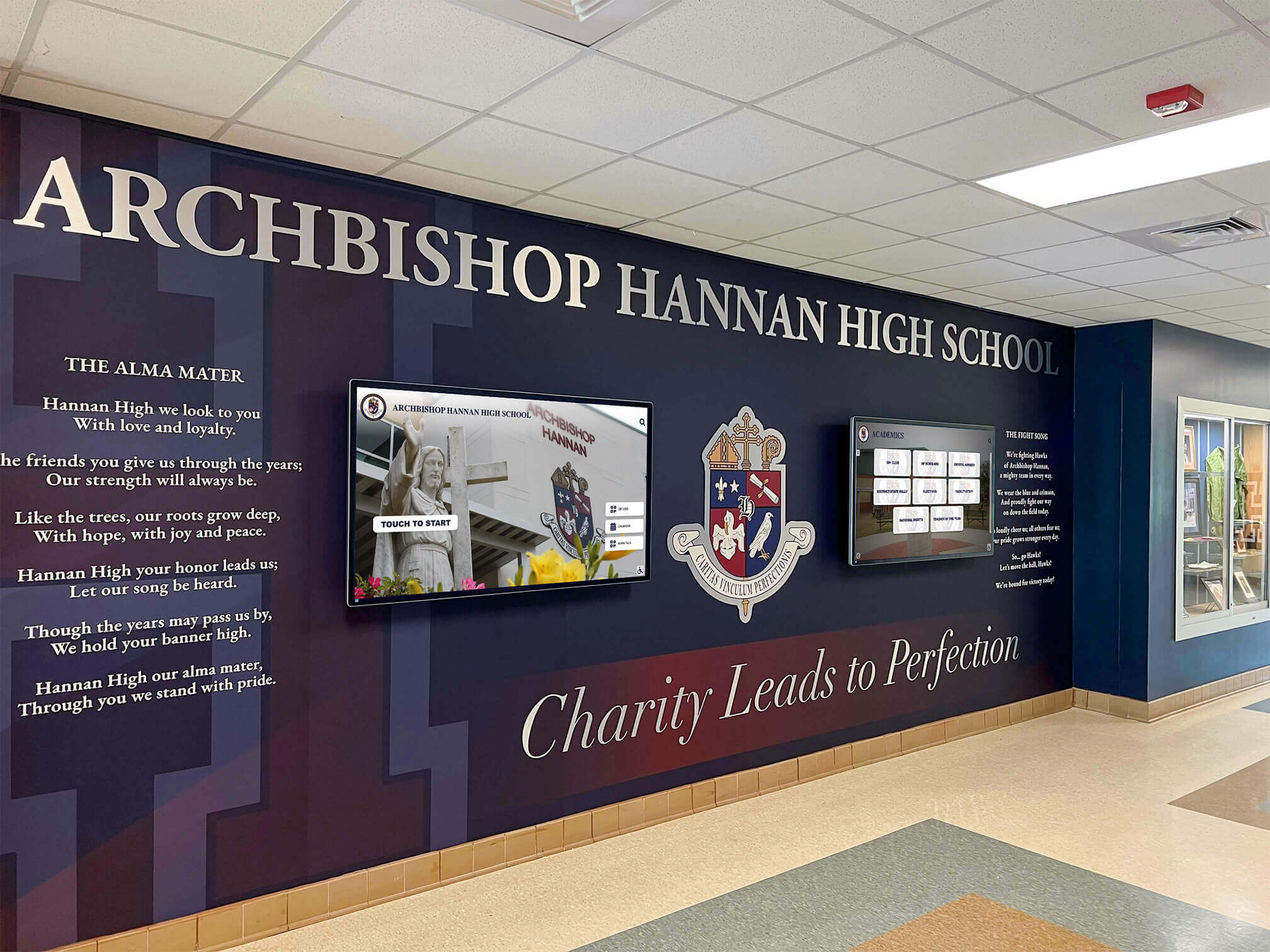
Professional installation ensures wall graphics integrate seamlessly with architectural features and other recognition elements
DIY Installation vs. Professional Services
When DIY Installation Makes Sense
Small, simple graphics on smooth walls may be manageable for facilities staff with appropriate skills and tools:
- Small accent graphics under 20 square feet
- Simple designs without complex registration requirements
- Non-critical locations where minor imperfections are acceptable
- Schools with experienced graphics installation personnel
- Budget constraints preventing professional services
When Professional Installation Is Essential
Complex projects require professional expertise:
- Large-scale murals or full-wall coverage
- High-visibility locations like main entrances or lobbies
- Graphics requiring precise alignment across multiple panels
- Textured or challenging wall surfaces
- Photo-quality images requiring flawless application
- Projects with tight timelines or demanding specifications
Professional installation costs typically represent 20-30% of total project expense but prevent costly errors that waste materials and require replacement.
Material Options and Durability Considerations
Selecting appropriate materials ensures graphics meet performance requirements and budget constraints.
Vinyl Film Types and Quality Levels
Cast Vinyl Films
Premium cast vinyl represents the highest quality option for wall graphics:
- Manufactured through casting process creating thin, flexible, conformable film
- Superior durability with 7-10+ year lifespan for indoor applications
- Excellent dimensional stability preventing shrinkage or distortion
- Smooth finish with vibrant color reproduction
- Higher cost but best long-term value for permanent installations
Calendered Vinyl Films
Mid-grade calendered vinyl offers good performance at lower cost:
- Manufactured through rolling process creating thicker, slightly less flexible material
- Good durability with 5-7 year indoor lifespan
- Adequate for most school applications not requiring maximum conformability
- More economical option for budget-conscious projects
- Appropriate for flat or moderately textured surfaces
Adhesive Options
Wall graphic adhesives must balance secure attachment with removability:
- Permanent Adhesives: Maximum holding power for long-term installations
- Removable Adhesives: Enable clean removal without wall damage for temporary or frequently updated graphics
- Low-Tack Adhesives: Specialty options for delicate surfaces or very temporary applications
Most school graphics use removable adhesives enabling future updates without wall damage or expensive surface restoration.
Finish Options and Visual Effects
Matte Finishes
Non-glare matte finishes work well in high-light environments preventing reflections and hotspots. Matte films create sophisticated, professional appearance particularly appropriate for academic environments, photograph reproduction, and detailed graphics requiring clarity without glare.
Gloss Finishes
Shiny gloss finishes create vibrant, saturated colors with high visual impact. Gloss works well for bold graphics, logos, and branding elements in areas with controlled lighting. More susceptible to showing fingerprints, smudges, or cleaning marks than matte alternatives.
Specialty Finishes
Advanced options create unique visual effects:
- Textured Films: Simulate materials like brick, wood grain, or fabric
- Metallic Films: Create shimmer effects for logos or accent elements
- Chalkboard Films: Writable surfaces for interactive graphics
- Whiteboard Films: Dry-erase surfaces for functional applications
- Window Films: Frosted, perforated, or one-way vision options for glass surfaces
Protective Lamination
Laminate overlays extend graphic lifespan and improve durability:
Lamination Benefits
- UV protection preventing fading from sunlight exposure
- Scratch resistance protecting against incidental contact damage
- Easy cleaning enabling simple maintenance without graphic degradation
- Enhanced appearance creating professional finish
- Graffiti resistance making marker or pen removal easier
Lamination Options
Gloss, matte, or satin finishes matching aesthetic preferences, textured laminates adding visual interest, anti-graffiti laminates enabling easy vandalism cleanup, and slip-resistant coatings for floor graphics are all available options.
Lamination typically adds 15-25% to material costs but significantly extends usable lifespan, providing good return on incremental investment.
Maintenance, Care, and Lifespan
Proper maintenance maximizes wall graphic longevity and appearance.
Routine Cleaning and Care
Regular Maintenance
Wall graphics require minimal but consistent care:
- Dusting: Regular dusting with microfiber cloths prevents buildup
- Spot Cleaning: Address marks, scuffs, or spills promptly using mild soap and water
- Deep Cleaning: Periodic thorough cleaning with approved cleaning solutions
- Inspection: Regular checks identifying lifting edges, damage, or wear requiring attention
Cleaning Best Practices
- Use soft, non-abrasive cloths or sponges
- Avoid harsh chemicals, abrasive cleaners, or solvent-based products
- Test cleaning products on inconspicuous areas before broad application
- Wipe gently rather than scrubbing aggressively
- Dry thoroughly after wet cleaning preventing moisture accumulation
Damage Prevention
Protect graphics from unnecessary wear:
- Install in locations with appropriate clearance from furniture or equipment
- Educate students and staff about avoiding picking at edges or corners
- Address vandalism or intentional damage immediately
- Maintain appropriate building temperature and humidity levels
Expected Lifespan and Replacement Planning
Typical Lifespan by Material Quality
- Premium cast vinyl: 7-10+ years indoors
- Standard calendered vinyl: 5-7 years indoors
- Economy options: 3-5 years indoors
- Exterior graphics: 3-5 years depending on sun exposure and weather
Factors Affecting Longevity
Actual lifespan varies based on wall surface quality, installation quality, environmental conditions, cleaning and maintenance, and physical wear from contact or traffic.
Planning for Updates and Replacement
Anticipate graphics requiring eventual replacement and budget accordingly. Schools should plan refresh cycles for time-sensitive content, maintain design files enabling future reprints or modifications, and establish relationships with graphics vendors for ongoing support.
Digital display solutions from providers like Rocket Alumni Solutions complement traditional graphics by enabling frequent content updates without physical replacement costs or installation disruption.
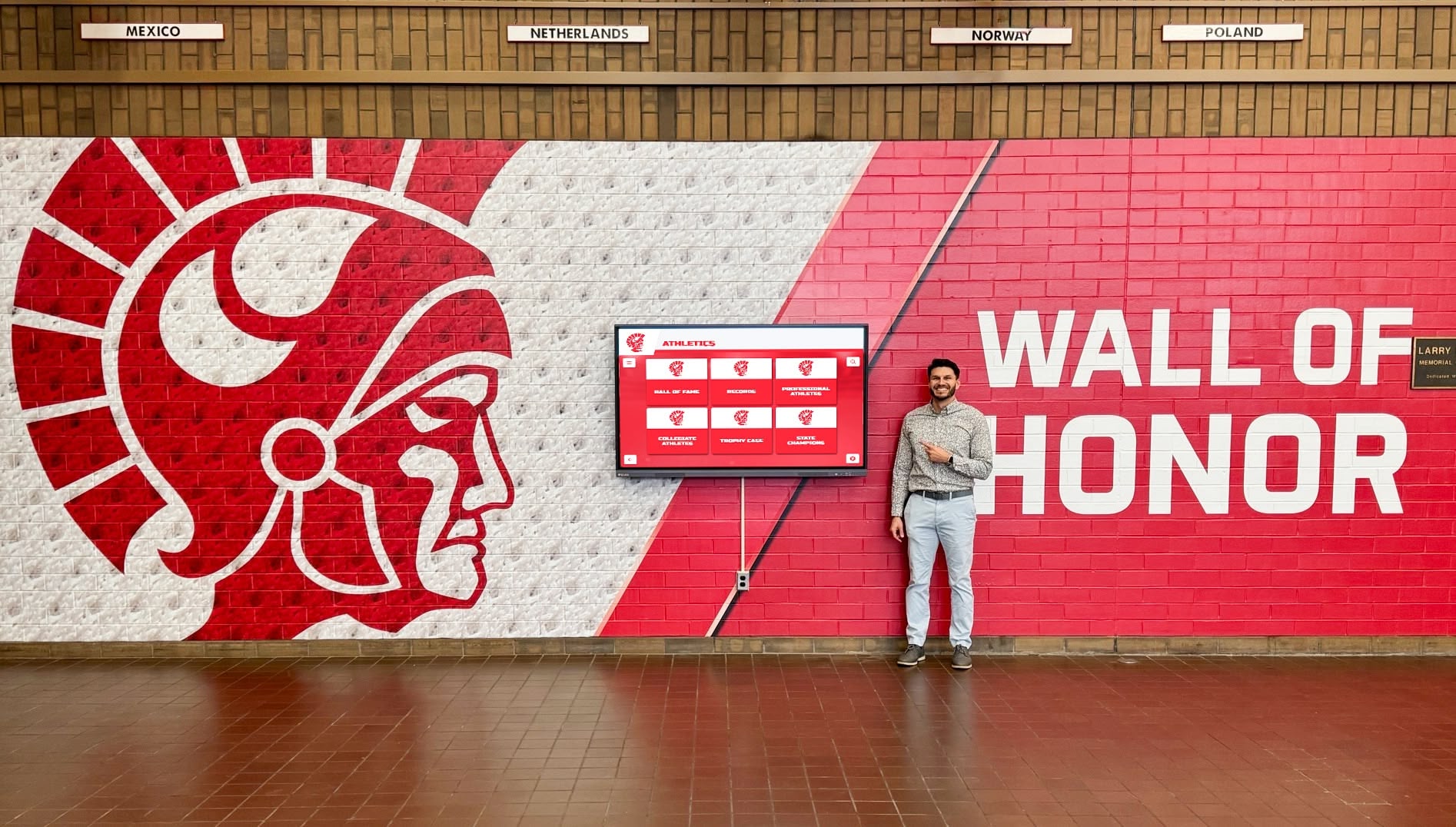
Quality materials and proper installation create wall graphics that remain attractive and effective for years
Cost Analysis and Budgeting
Understanding project costs enables appropriate budget planning and vendor selection.
Pricing Factors and Typical Costs
Material Costs
Wall graphic pricing depends primarily on size, material quality, design complexity, and finish options:
- Economy Materials: $3-$6 per square foot for basic calendered vinyl
- Standard Materials: $6-$9 per square foot for quality calendered vinyl with lamination
- Premium Materials: $9-$12 per square foot for cast vinyl with protective lamination
- Specialty Materials: $12-$20+ per square foot for textured, metallic, or functional films
Design and Production Costs
Professional design services range from $500-$5,000 depending on project complexity, revision rounds, and designer experience. Simple graphics using existing logos and basic layouts cost less than complex custom illustrations or detailed photographic compositions.
Installation Costs
Professional installation typically runs $2-$5 per square foot depending on surface complexity, project accessibility, and location requirements. Complex installations on textured surfaces or requiring extensive surface preparation command premium pricing.
Total Project Cost Examples
- Small accent graphic (25 sq ft): $250-$600 materials + $50-$125 installation = $300-$725 total
- Medium hallway mural (100 sq ft): $600-$1,200 materials + $200-$500 installation + $500-$1,500 design = $1,300-$3,200 total
- Large gymnasium wall (500 sq ft): $3,000-$6,000 materials + $1,000-$2,500 installation + $1,000-$3,000 design = $5,000-$11,500 total
Budget Planning and Funding Sources
Capital Improvement Budgets
Many wall graphic projects qualify for facility improvement budgets supporting physical campus enhancements. Frame graphics projects as facility upgrades that improve aesthetics, functionality, and educational value.
Booster Club and Alumni Funding
Athletic booster clubs, alumni associations, or parent organizations often fund graphics celebrating teams, recognizing contributors, or honoring school heritage. Engage these stakeholder groups as potential project sponsors.
Donor Recognition Sponsorships
Incorporate wall graphics into capital campaigns or major gift opportunities. Donors supporting facility projects appreciate visible recognition through dedicated graphics acknowledging their contributions.
Phased Implementation
Budget constraints don’t require abandoning wall graphic projects—phase implementation over multiple fiscal years, prioritize highest-impact locations first, start with smaller projects building toward comprehensive installations, and supplement initial physical graphics with more affordable digital displays for frequently updated content.
Cost-Benefit Considerations
Comparing Alternatives
Wall graphics offer favorable economics compared to traditional paint murals requiring specialized artists and time-consuming application, permanent architectural features like tile or brick work, trophy cases and physical recognition displays with capacity limitations, and frequent repainting or wall updates using conventional methods.
Return on Investment
While difficult to quantify precisely, wall graphics deliver measurable value through increased school pride and student morale, enhanced recruitment and enrollment appeal, donor recognition supporting continued giving, reduced facility improvement costs versus alternatives, and long-term durability minimizing replacement frequency.
Schools investing thoughtfully in environmental graphics report benefits justifying costs through improved culture, enhanced recruitment, and strengthened community engagement.
Combining Wall Wraps with Digital Recognition Systems
Modern recognition strategies integrate traditional graphics with digital displays creating comprehensive systems offering both permanence and flexibility.
Integrated Physical and Digital Solutions
Complementary Strengths
Physical wall graphics provide permanent, always-visible recognition requiring no power or maintenance beyond periodic cleaning. They create strong visual impact and work well for timeless content like institutional history, values, or permanent donor acknowledgment.
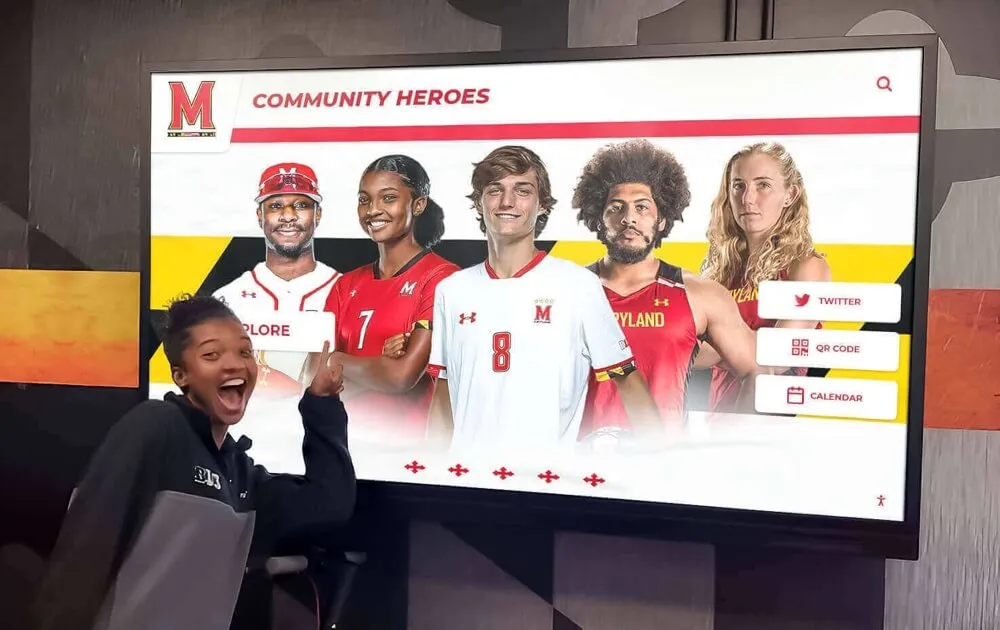
Digital displays offer flexibility, unlimited capacity, easy updates, rich multimedia content, and searchable interfaces. They excel for time-sensitive recognition like current-year achievements, seasonal athletics results, or growing donor lists.
Hybrid Recognition Systems
Leading schools combine both approaches creating comprehensive recognition environments through wall graphics establishing visual themes and permanent recognition, digital touchscreens providing detailed information and current updates, coordinated design ensuring aesthetic consistency, strategic placement creating recognition destinations, and content strategies determining appropriate medium for different information types.
Technology Integration Examples
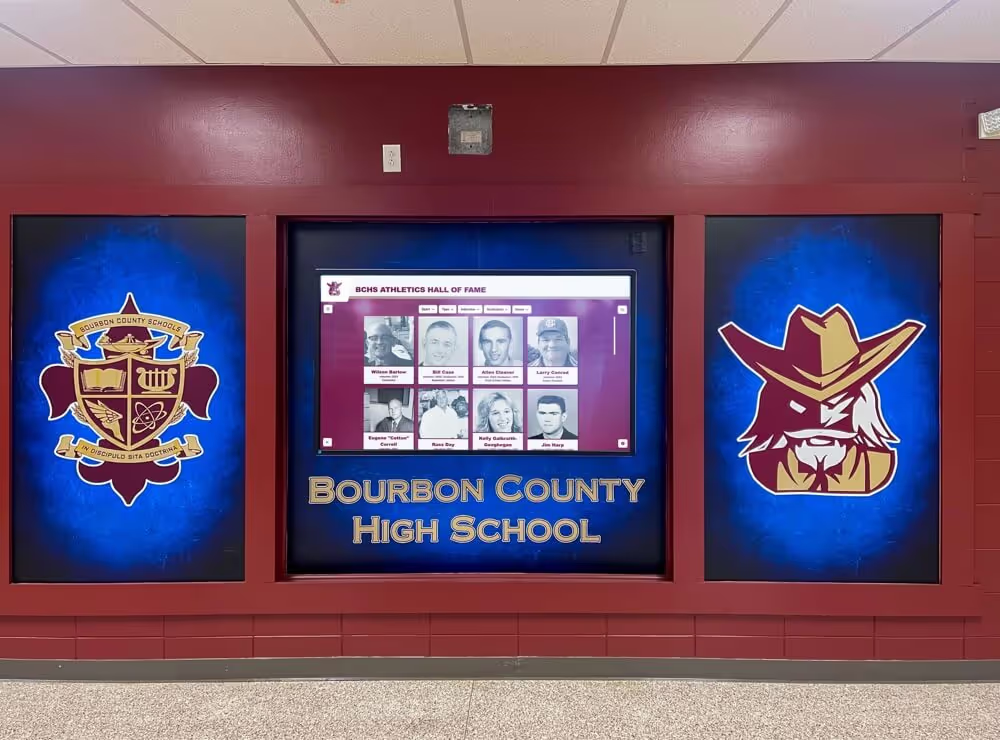
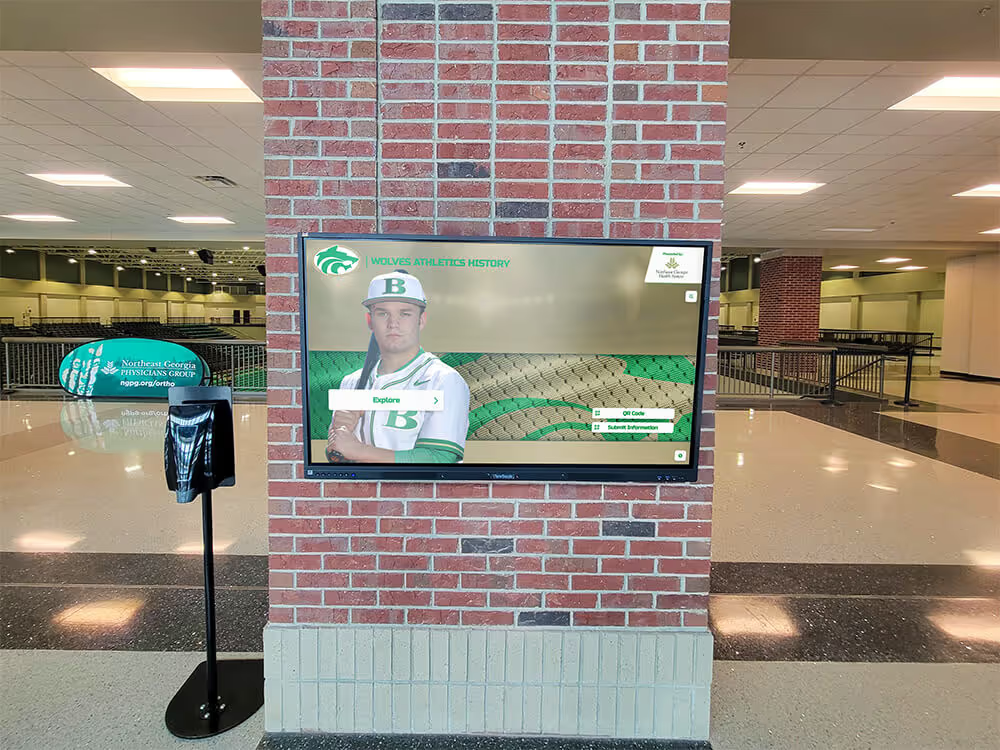
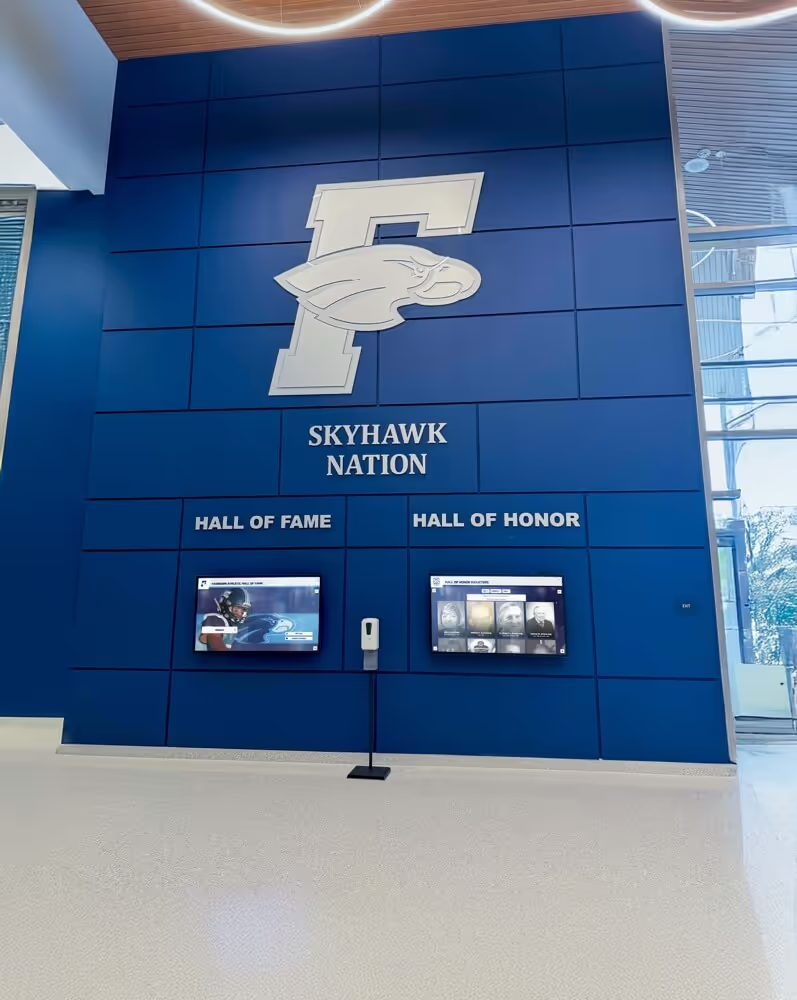
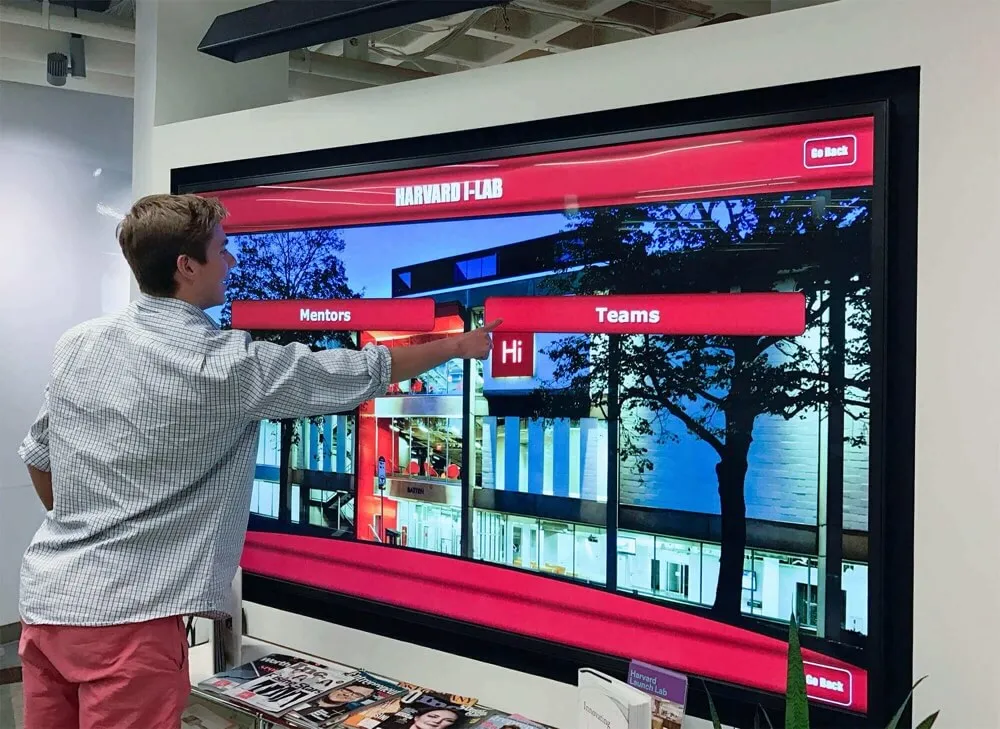
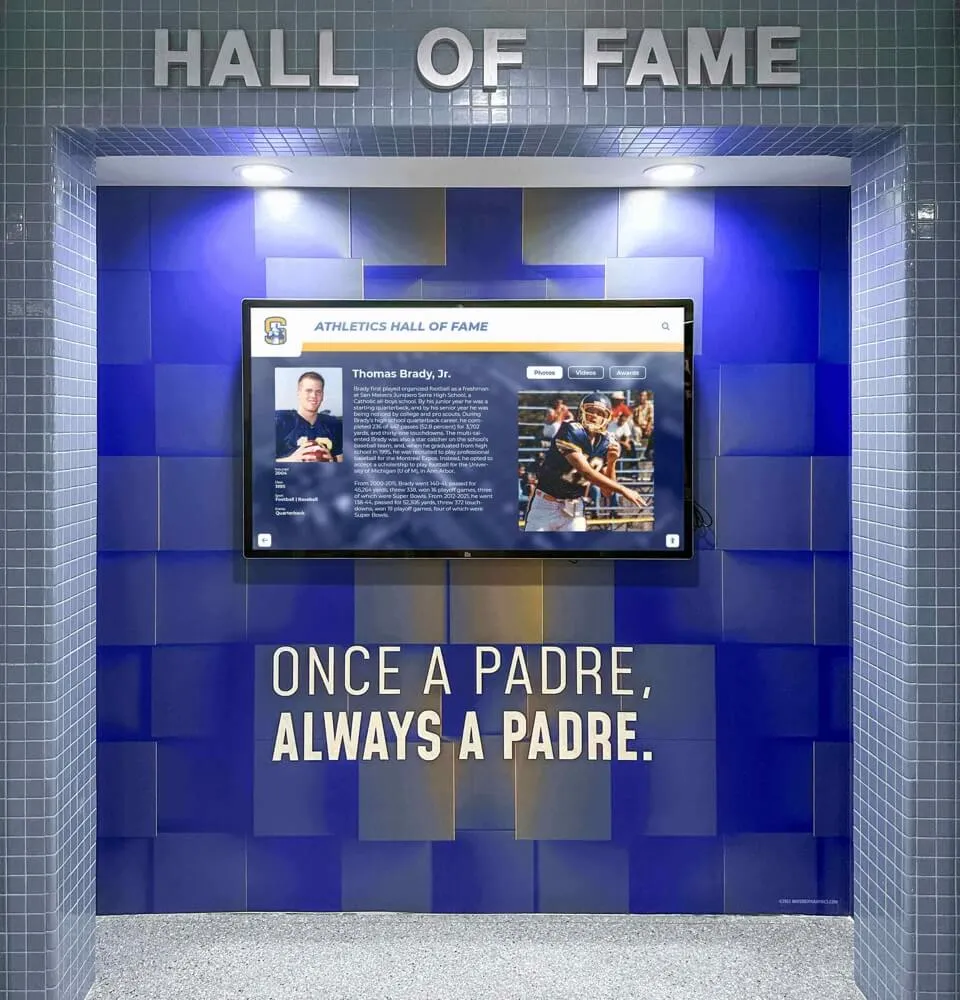
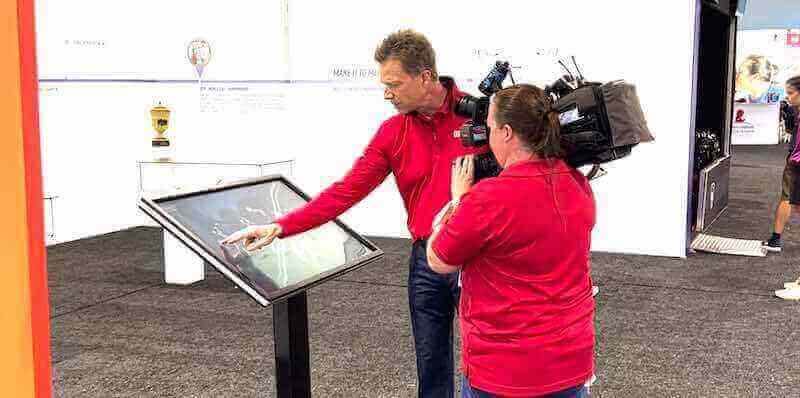
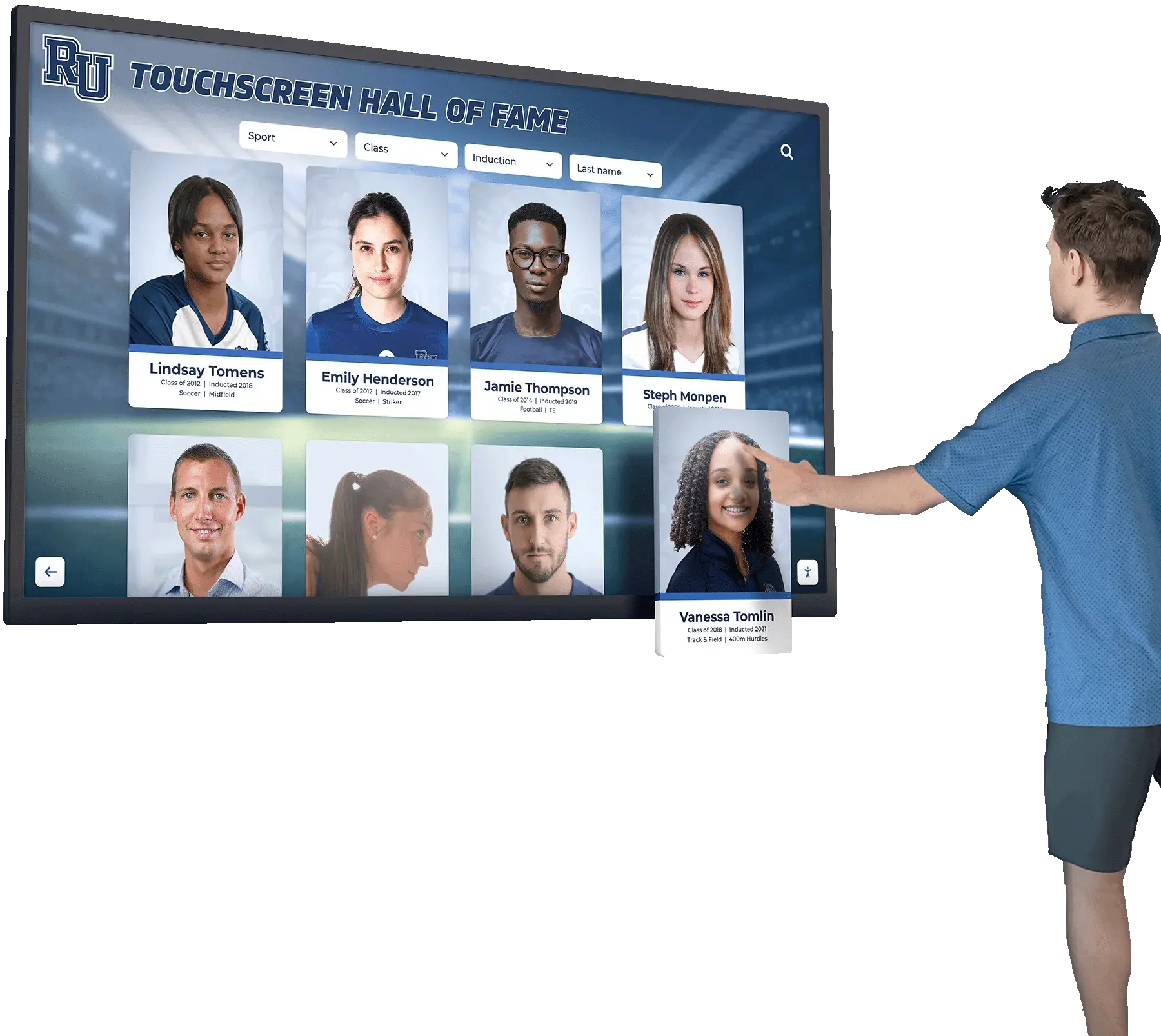
Many schools install digital displays directly within custom wall graphics creating unified recognition walls. For example, a hall of fame wall wrap featuring school branding and historical graphics might include an embedded touchscreen enabling visitors to explore detailed inductee profiles, watch video interviews, search historical records, or view current athletic statistics.
Solutions like Rocket Alumni Solutions specialize in these integrated approaches, providing both content management platforms for digital displays and design coordination ensuring physical and digital elements work together cohesively.
Explore how interactive touchscreen displays complement traditional recognition graphics in modern school environments.
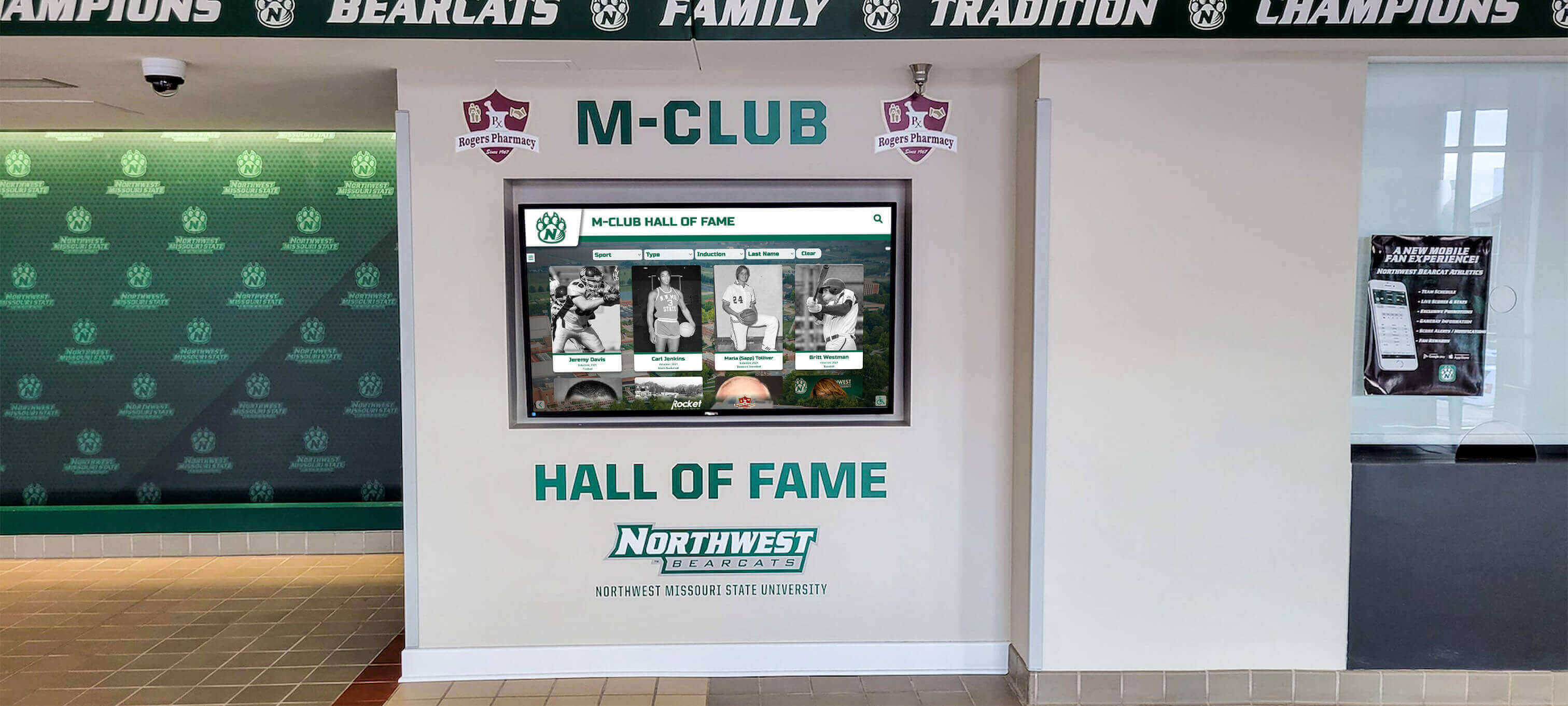
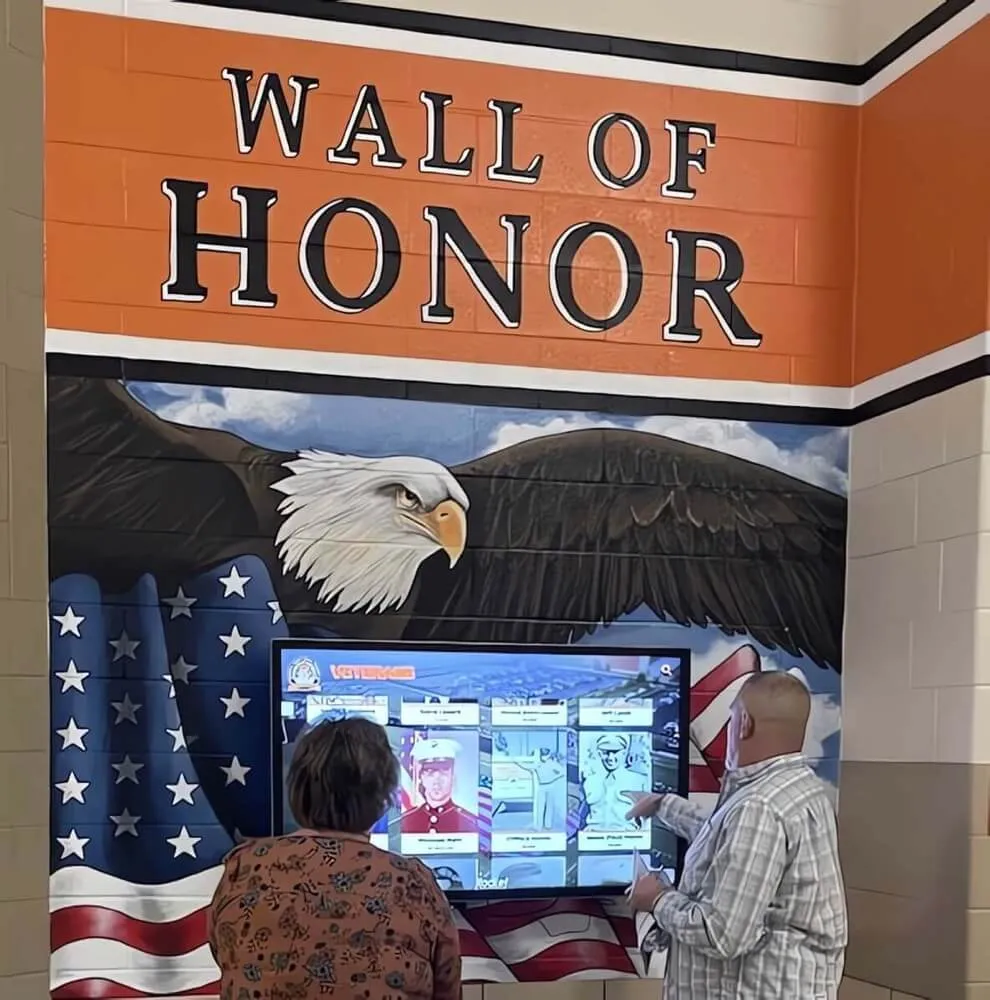
Integrated systems combining wall graphics with digital displays create flexible recognition that honors tradition while embracing innovation
Planning Multi-Element Recognition Spaces
Comprehensive Design Approach
When planning recognition spaces incorporating both wall graphics and digital elements:
- Develop unified visual design language spanning all components
- Allocate content strategically between permanent graphics and digital displays
- Ensure proper electrical and networking infrastructure for digital elements
- Design wall graphics accommodating digital display mounting
- Create content update workflows maintaining consistency across mediums
- Budget for both initial installation and ongoing digital content management
Content Strategy for Hybrid Systems
Permanent wall graphics should feature timeless institutional branding and identity, school mission and values, founding history and heritage, major facility naming and dedication, lifetime achievement recognition not requiring updates, and design elements framing digital displays.
Digital displays should showcase current year honor rolls and achievement, seasonal athletic team recognition, real-time donor campaign progress, rotating historical archives and photographs, interactive exploration of detailed information, and searchable directories of alumni or contributors.
This strategic allocation ensures each medium serves purposes matching its strengths while creating comprehensive recognition environments.
Implementation Planning and Project Management
Successful wall graphic projects require thoughtful planning, stakeholder coordination, and systematic execution.
Needs Assessment and Goal Setting
Defining Project Objectives
Begin by clarifying what you hope to accomplish through school spirit and identity reinforcement, achievement recognition and celebration, donor acknowledgment supporting fundraising, historical preservation and communication, wayfinding and functional signage, or educational content supporting curriculum.
Clear objectives guide design decisions and help measure project success.
Stakeholder Input Gathering
Engage constituencies who should inform planning including administration setting institutional priorities, facilities staff providing technical input, development teams for fundraising and donor recognition, athletic directors for sports recognition, arts and academic department heads, student representatives offering perspective, and alumni or community members with historical knowledge.
Broad engagement ensures graphics serve diverse needs while building ownership supporting long-term success.
Space Inventory and Priority Setting
Survey facilities identifying potential locations including main entrances and lobbies, primary hallways and corridors, gymnasiums and athletic facilities, auditoriums and performance spaces, cafeterias and student commons, administrative areas, and exterior walls or gathering spaces.
Prioritize locations based on visibility and traffic, strategic importance to institutional goals, available budget, and technical feasibility.
Vendor Selection and Contracting
Requesting Proposals
Develop requests for proposals (RFPs) clearly describing project scope, design requirements, material specifications, installation timeline, budget parameters, and evaluation criteria.
Evaluating Vendors
Assess potential vendors on relevant experience with educational institutions, portfolio demonstrating design and technical capabilities, references from similar clients, quality of materials and installation processes, project management and communication, competitive pricing, and warranty and post-installation support.
School-specific experience matters—vendors familiar with educational environments understand budget constraints, scheduling requirements, and design sensibilities appropriate for schools.
Contract Considerations
Agreements should clearly specify design services included, material specifications and quality standards, installation methods and timeline, warranty coverage and duration, payment terms and schedule, change order processes, and acceptance and inspection procedures.
Clear contracts prevent misunderstandings while establishing accountability for both parties.
Project Execution and Timeline Management
Design Development Process
Professional projects typically involve concept presentation with multiple design directions, revision rounds incorporating feedback, final design approval with detailed specifications, production file preparation, and proof review before final production.
Allocate appropriate time for this process—rushing design compromises quality while extending timelines past academic calendars causes scheduling problems.
Coordination with School Calendar
Time projects minimizing educational disruption through summer installations for major projects, break periods for smaller installations, weekend work when possible, advanced communication with affected staff, and flexible scheduling accommodating unexpected conflicts.
Quality Control Throughout Process
Maintain oversight at key milestones including design proof review and approval, pre-production material verification, mid-installation progress checks, final installation inspection, and post-installation assessment after brief settling period.
Early problem identification enables correction before projects reach stages where changes become expensive or impossible.
Conclusion: Creating Inspiring Educational Environments
Wall wraps offer schools powerful tools for transforming ordinary spaces into inspiring environments that build pride, celebrate achievement, honor supporters, and communicate institutional identity. When thoughtfully designed, professionally installed, and properly maintained, these graphics create lasting visual impact supporting educational missions while demonstrating to students, staff, and communities that this school values excellence, honors accomplishment, and invests in creating environments worthy of the important work happening within them.
The strategies explored in this guide provide frameworks for successful wall graphic implementation spanning needs assessment and goal setting, appropriate material and design selection, professional installation and quality control, routine maintenance and long-term care, and budget planning ensuring projects remain financially feasible.
Transform Your School Spaces with Recognition Displays
Discover how comprehensive recognition solutions combining wall graphics with digital displays can help you celebrate achievement, honor supporters, and create inspiring educational environments.
Explore Recognition SolutionsModern recognition increasingly combines traditional wall graphics with digital display technology, creating flexible systems that honor tradition while embracing innovation. Physical graphics provide permanent visual anchors while digital components enable easy updates, multimedia content, and unlimited recognition capacity. Solutions like Rocket Alumni Solutions specialize in these integrated approaches, helping schools create comprehensive recognition environments serving institutional missions effectively.
Whether you’re celebrating athletic championships, honoring academic achievement, recognizing donors, or showcasing institutional history, wall wraps offer cost-effective, visually impressive solutions transforming blank walls into purposeful spaces. Combined with appropriate digital technology when beneficial, these graphics create environments where students feel inspired, supporters feel appreciated, and communities take pride in the educational excellence happening daily.
Ready to begin planning wall graphic projects for your school? Start by assessing needs, gathering stakeholder input, identifying priority locations, and exploring both traditional graphics and modern digital alternatives. With thoughtful planning, professional execution, and ongoing maintenance, you can create recognition environments that serve your school community for years while remaining flexible enough to grow and evolve as your institution advances its mission.